1/17
Faux Painting Revisited
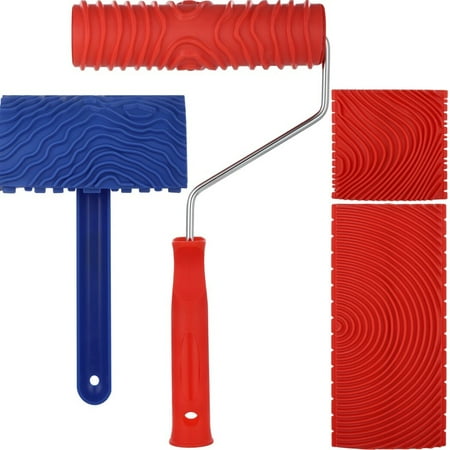
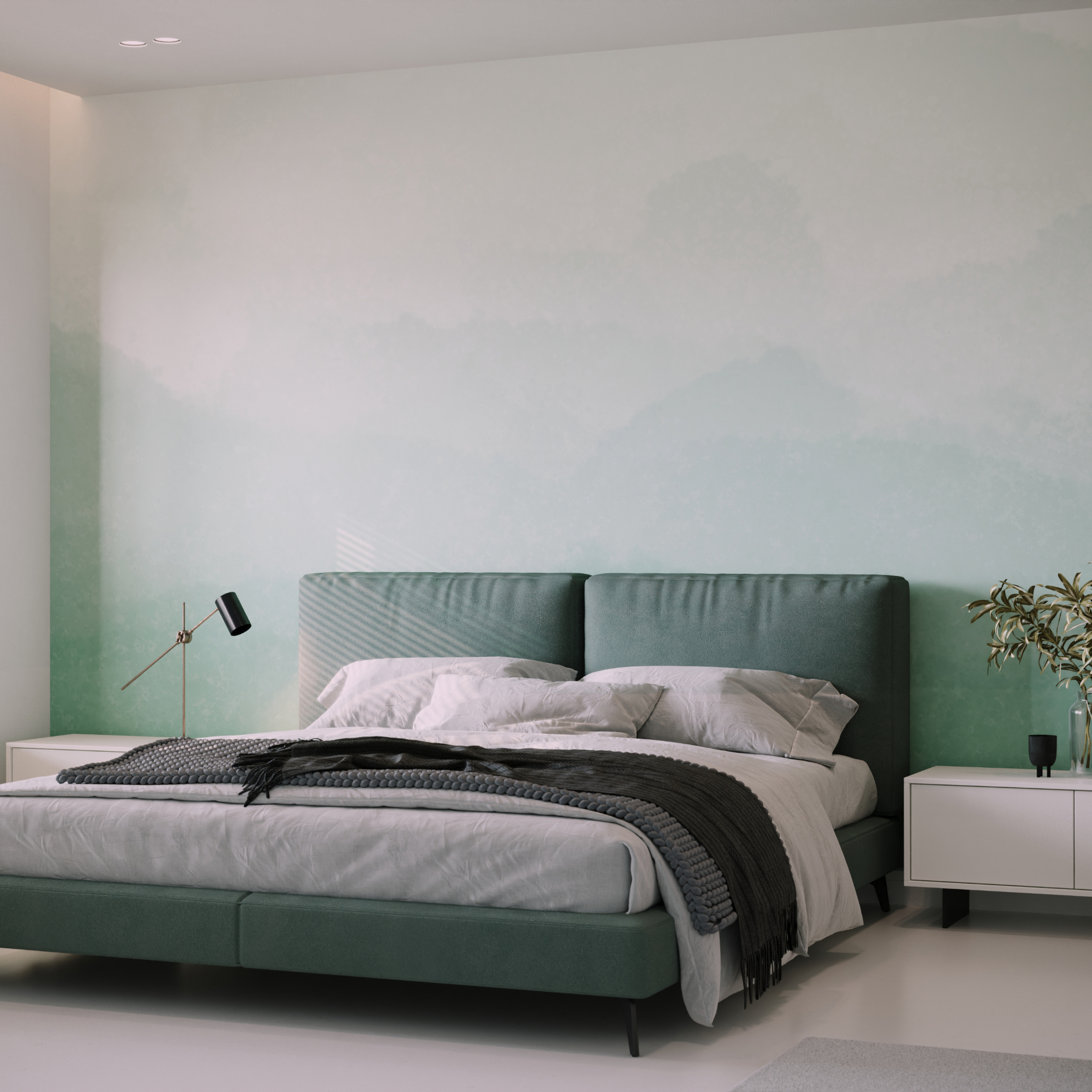
The perception of faux finishing has evolved, transitioning from a once-popular home décor trend to a more nuanced practice now referred to as decorative painting. Initially, faux finishing gained traction for its ability to transform interiors, such as making a contemporary condo kitchen resemble a Tuscan villa. However, this aesthetic eventually became associated with dated styles, leading to a rebranding of the craft.
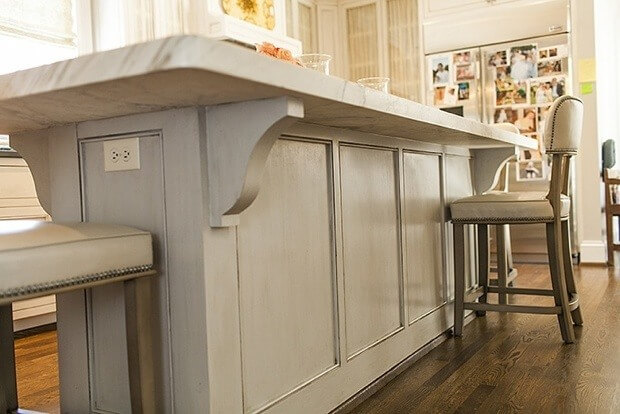
Decorative painting distinguishes itself by focusing on subtle applications and sophisticated techniques. Unlike its predecessor, which sometimes produced overtly themed environments reminiscent of commercial establishments, modern decorative painting aims for understated elegance. An example includes using subtle glazes on kitchen islands or paneled walls to add warmth and depth, rather than creating garish, overtly distressed or textured surfaces. The distinction is crucial for understanding the current relevance of these techniques in contemporary design.
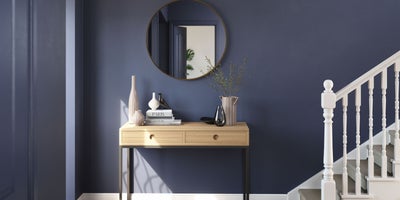
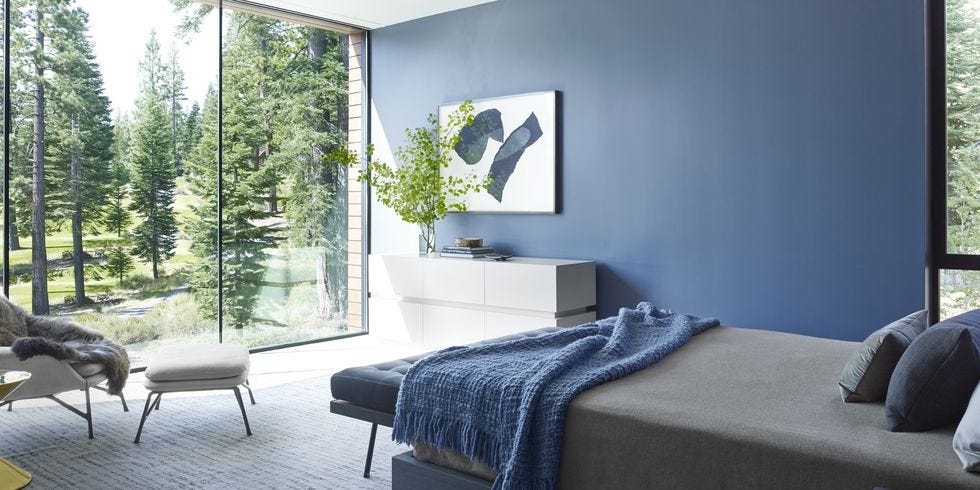
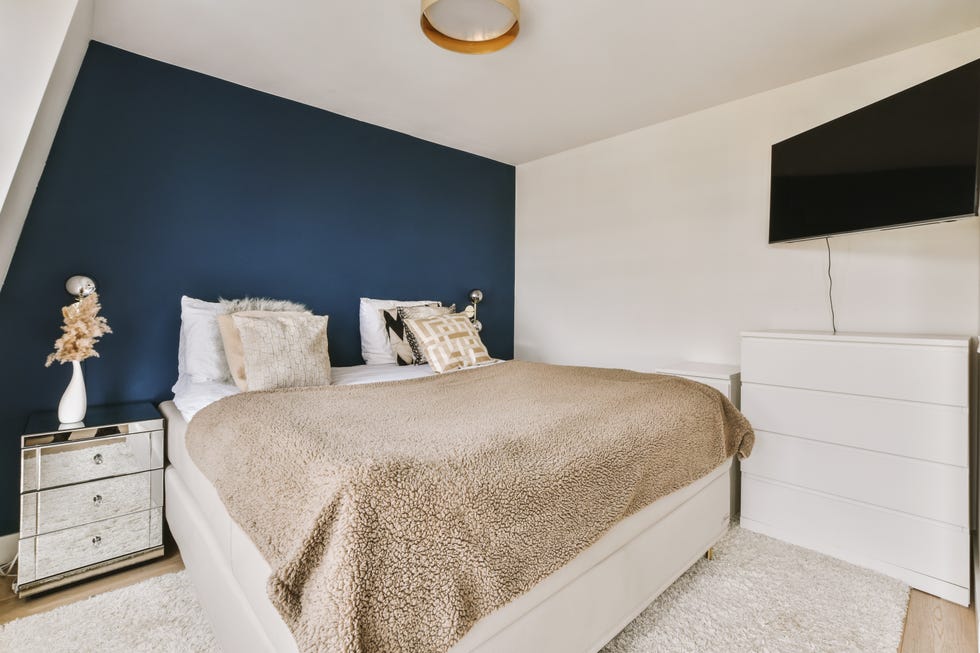
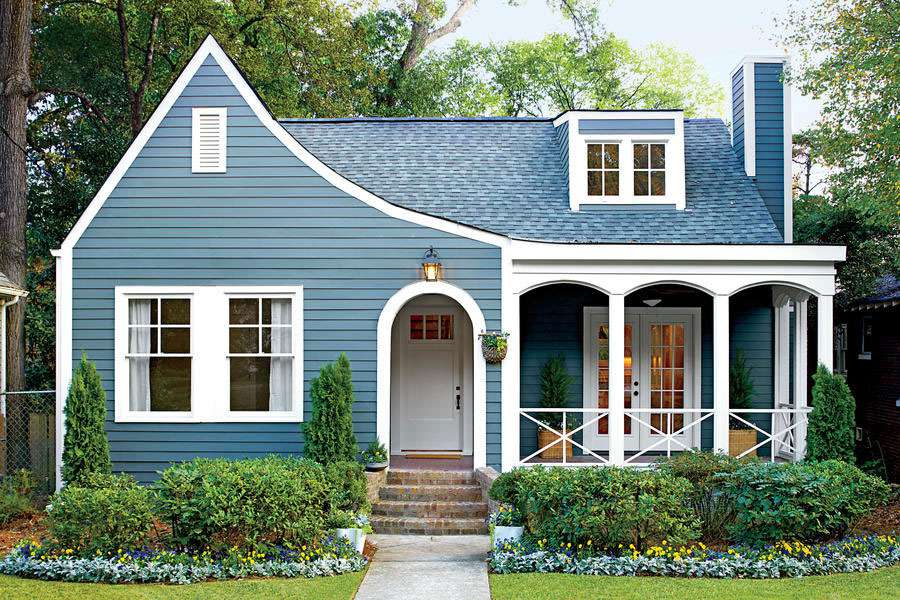
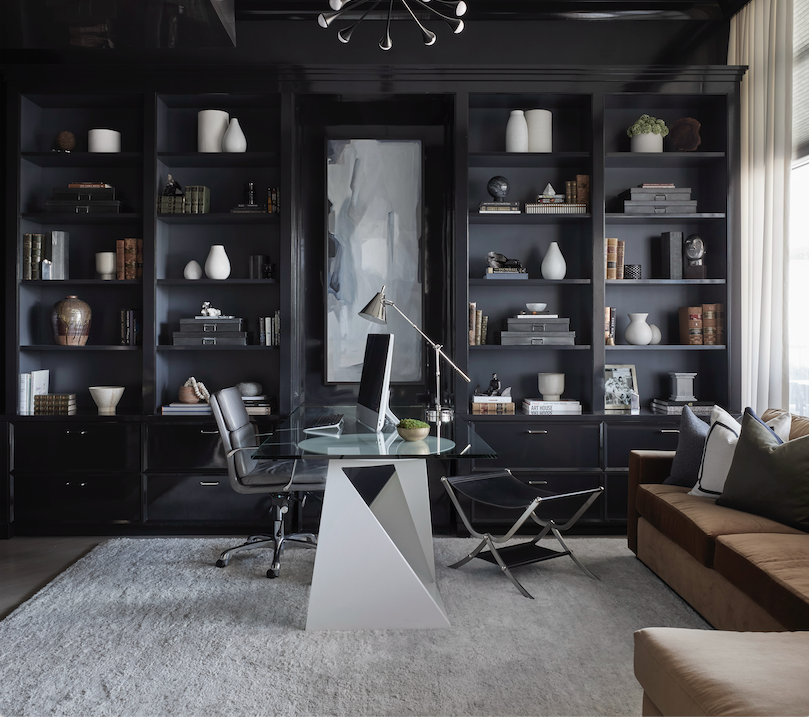
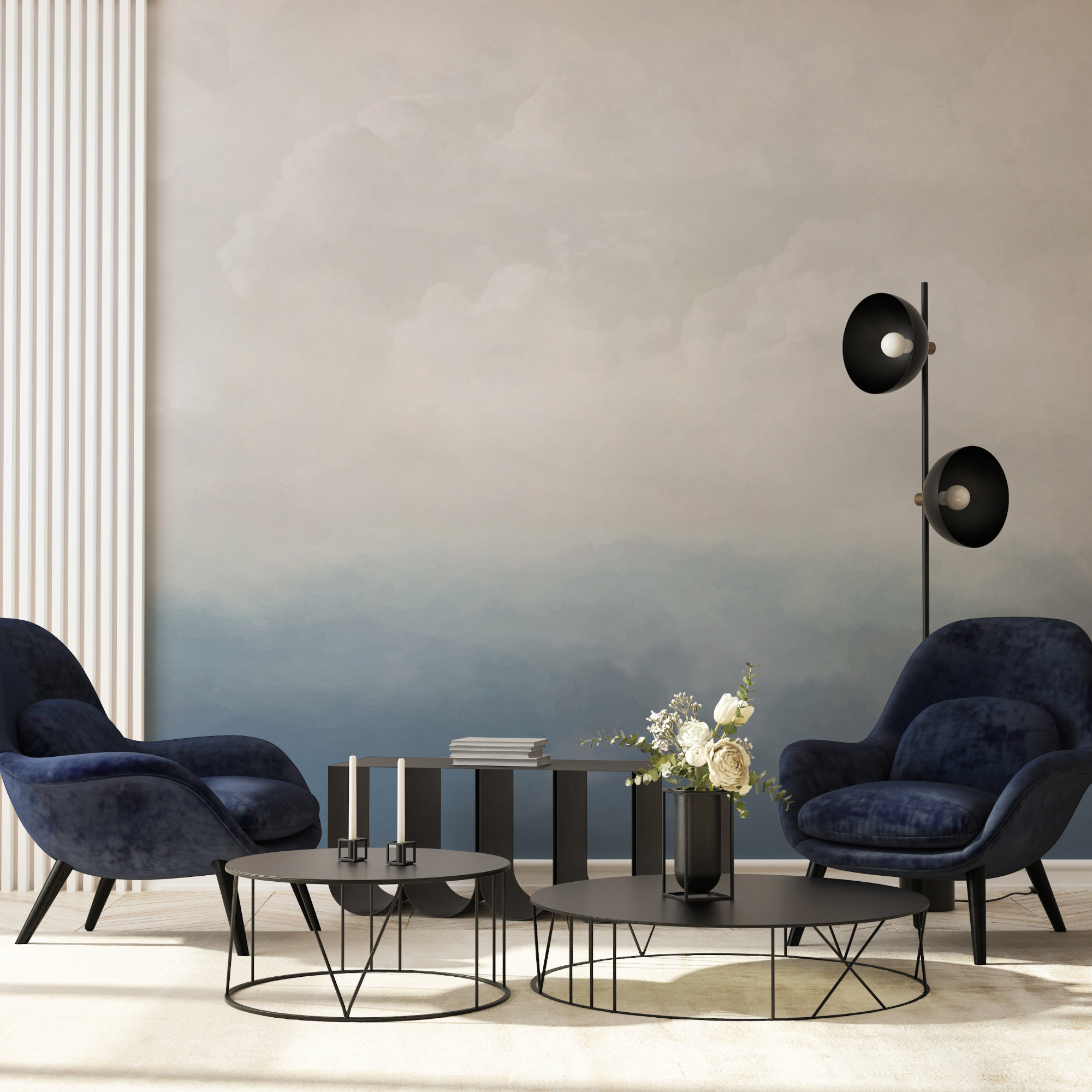
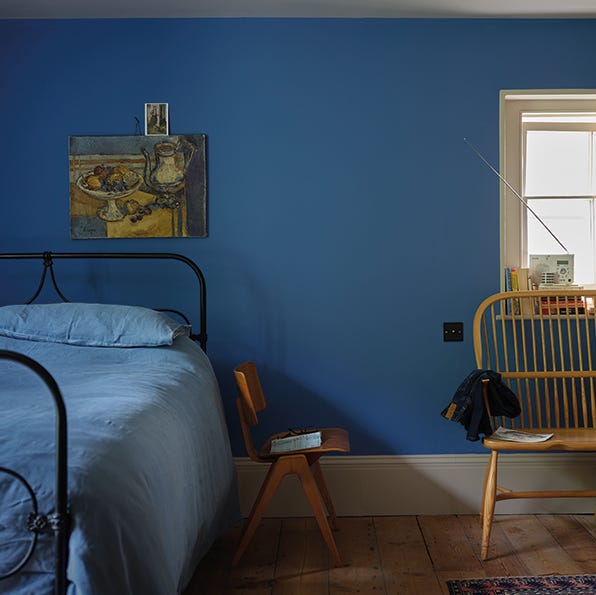
Today's design trends frequently incorporate finishes on various surfaces, including furniture, cabinetry, walls, and flooring. Decorative painting techniques are instrumental in achieving these desired looks. For instance, the widespread use of gray tones—ranging from blue-gray to Belgian gray—as a neutral base in modern interiors can be enhanced or achieved through specific painting methods. This color palette is prevalent across windows, upholstery, walls, and wood, signifying a departure from older beige schemes and representing a fresh, current aesthetic.
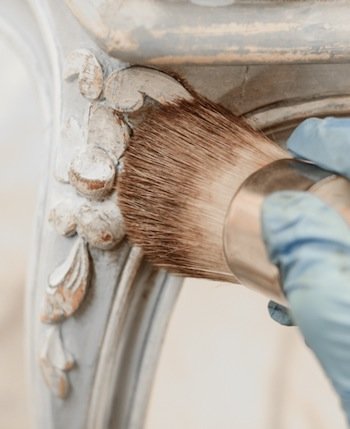
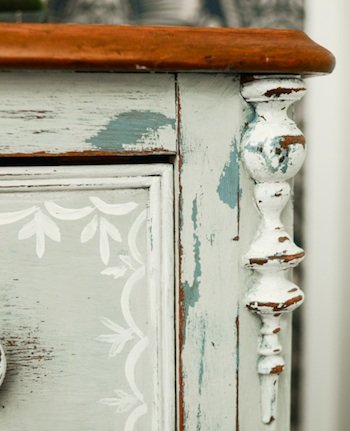
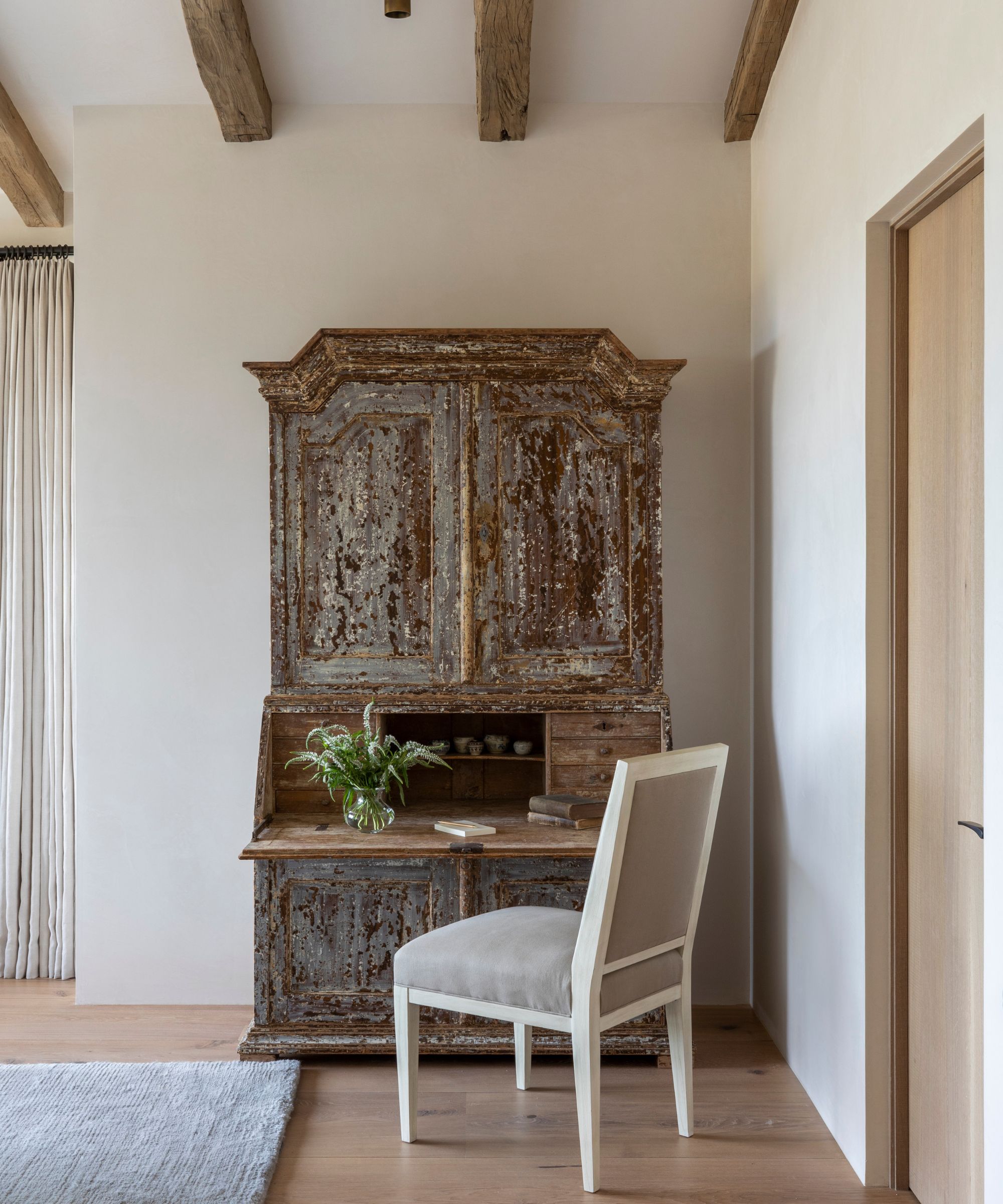
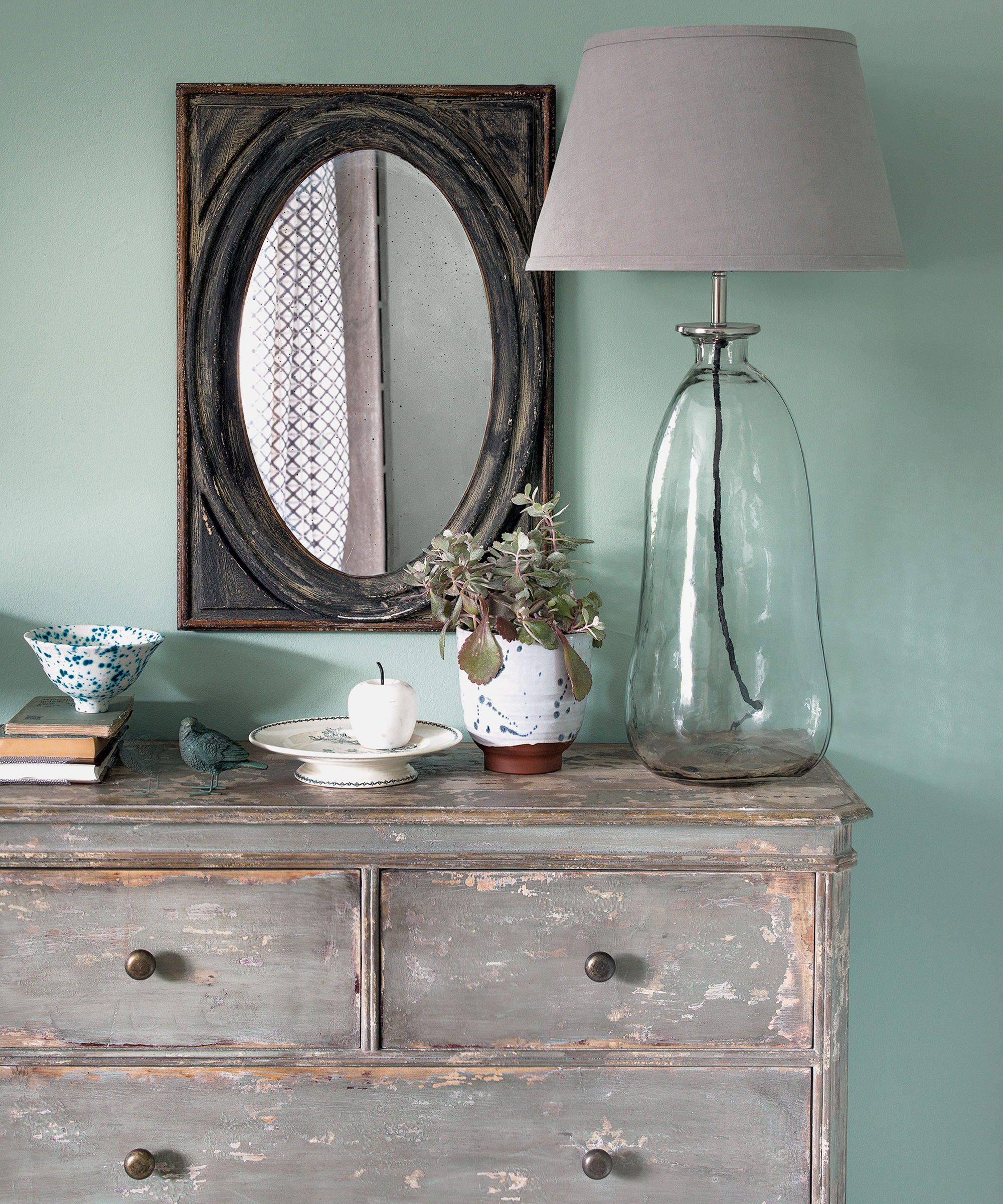
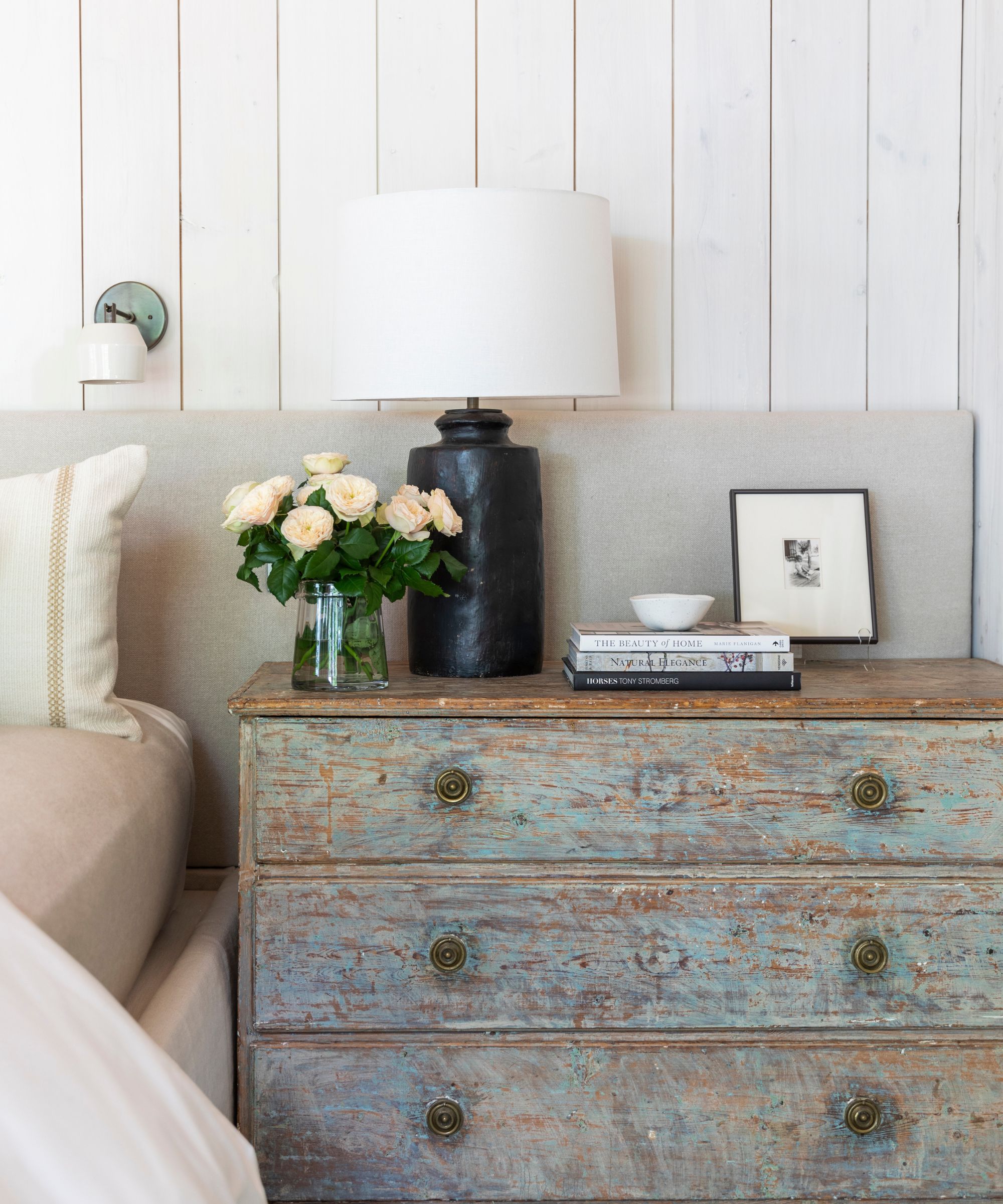
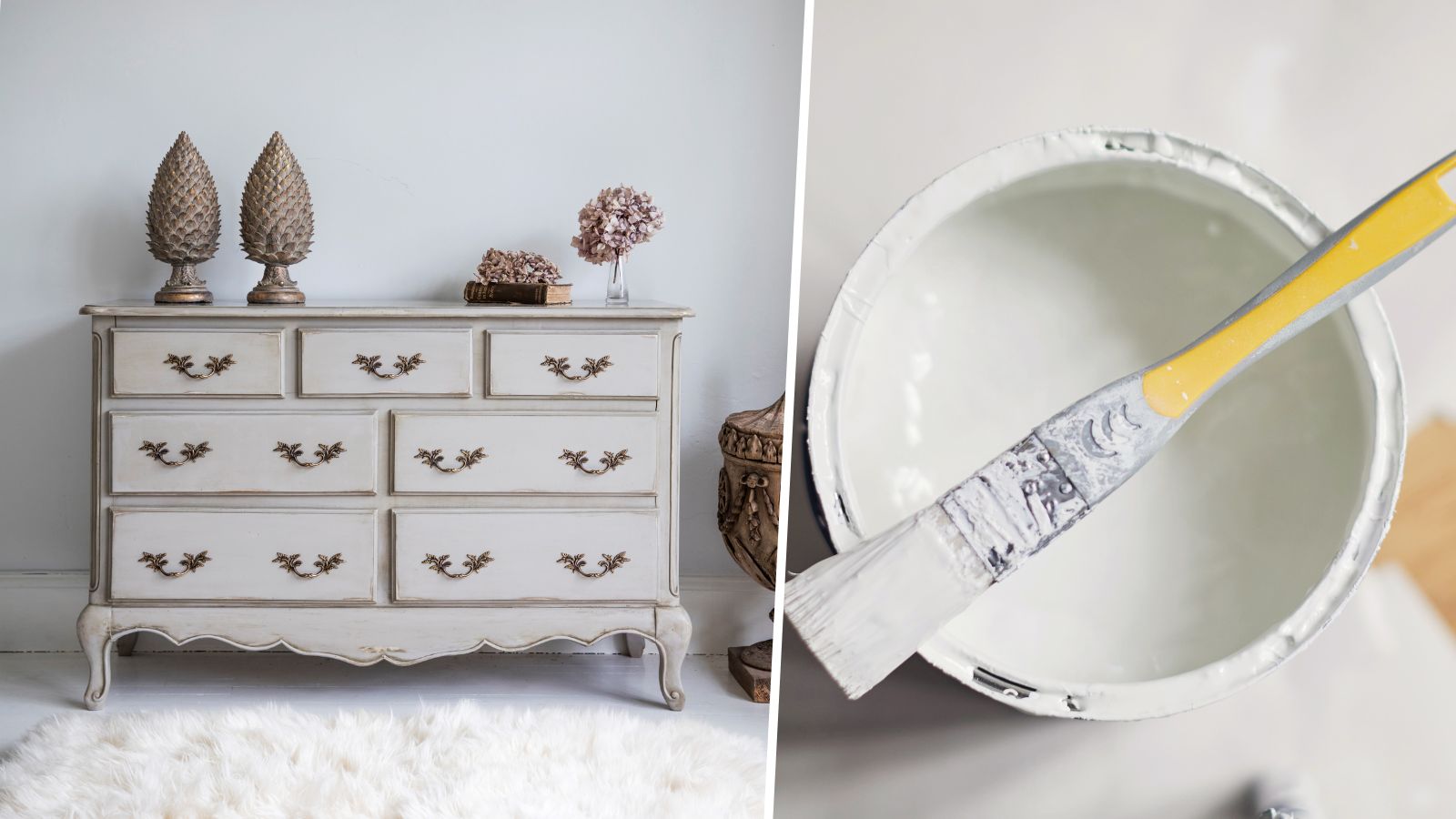
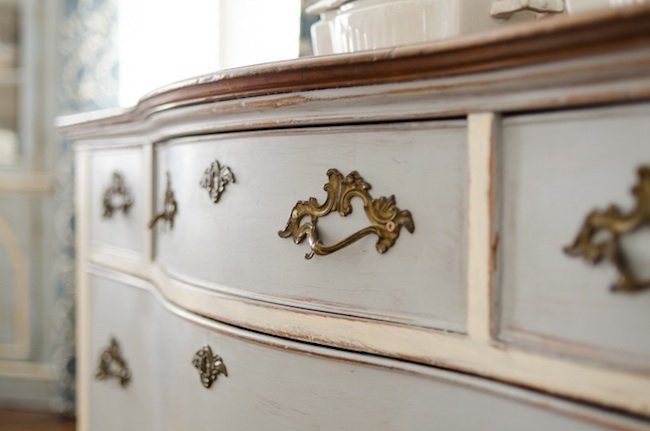
Decorative painting also offers practical solutions for updating existing furniture. Heavy, dark-stained Mediterranean-style pieces, often purchased to complement Tuscan-themed interiors, can be modernized by sanding and applying new paint, tinted waxes, or contemporary gray stains. This process lightens the visual weight of furniture, altering the overall ambiance of a room without requiring entirely new pieces. The ability to refresh items like chairs and tables with paint and aging glazes transforms them into elements suitable for contemporary, elegant spaces.
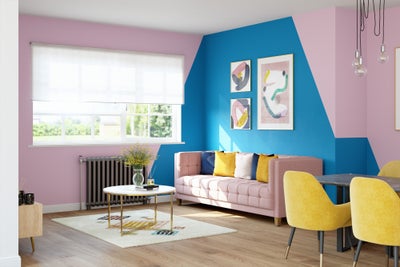
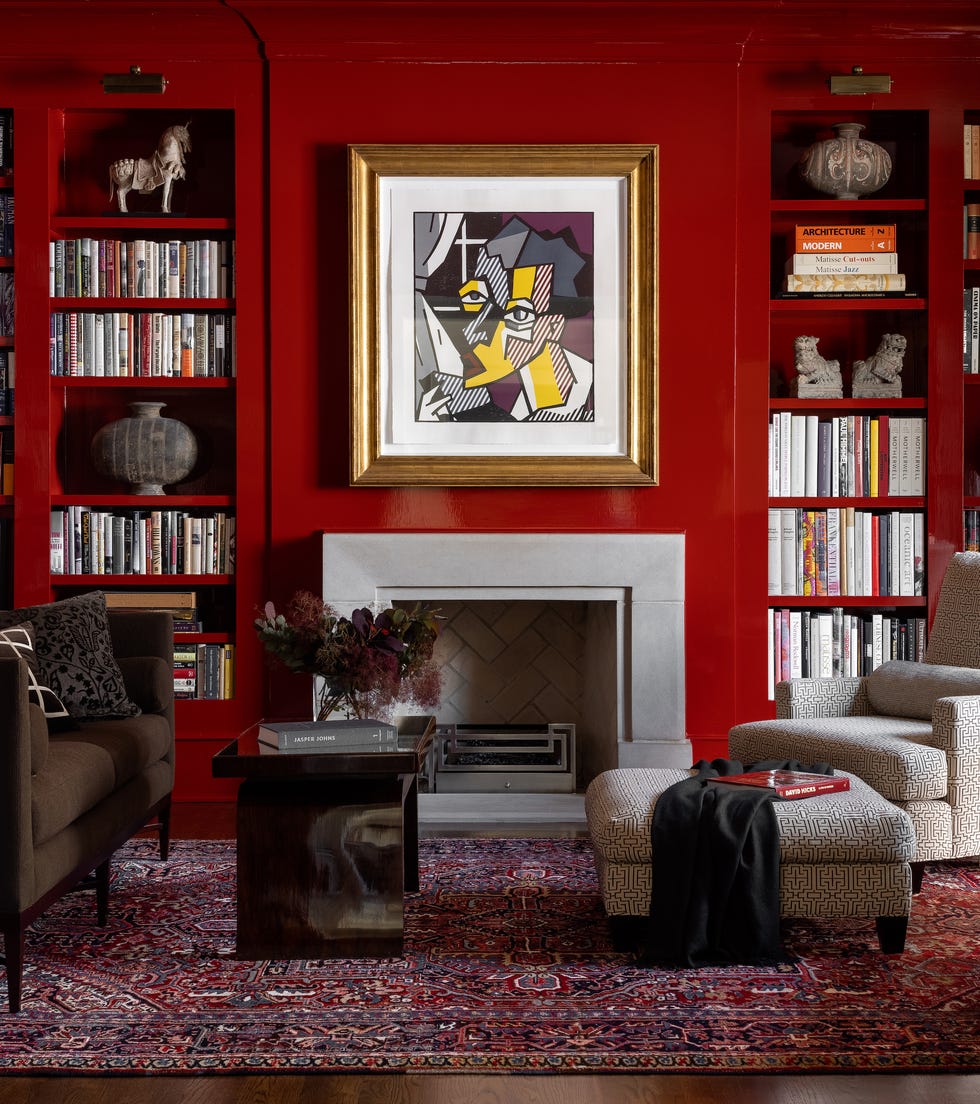
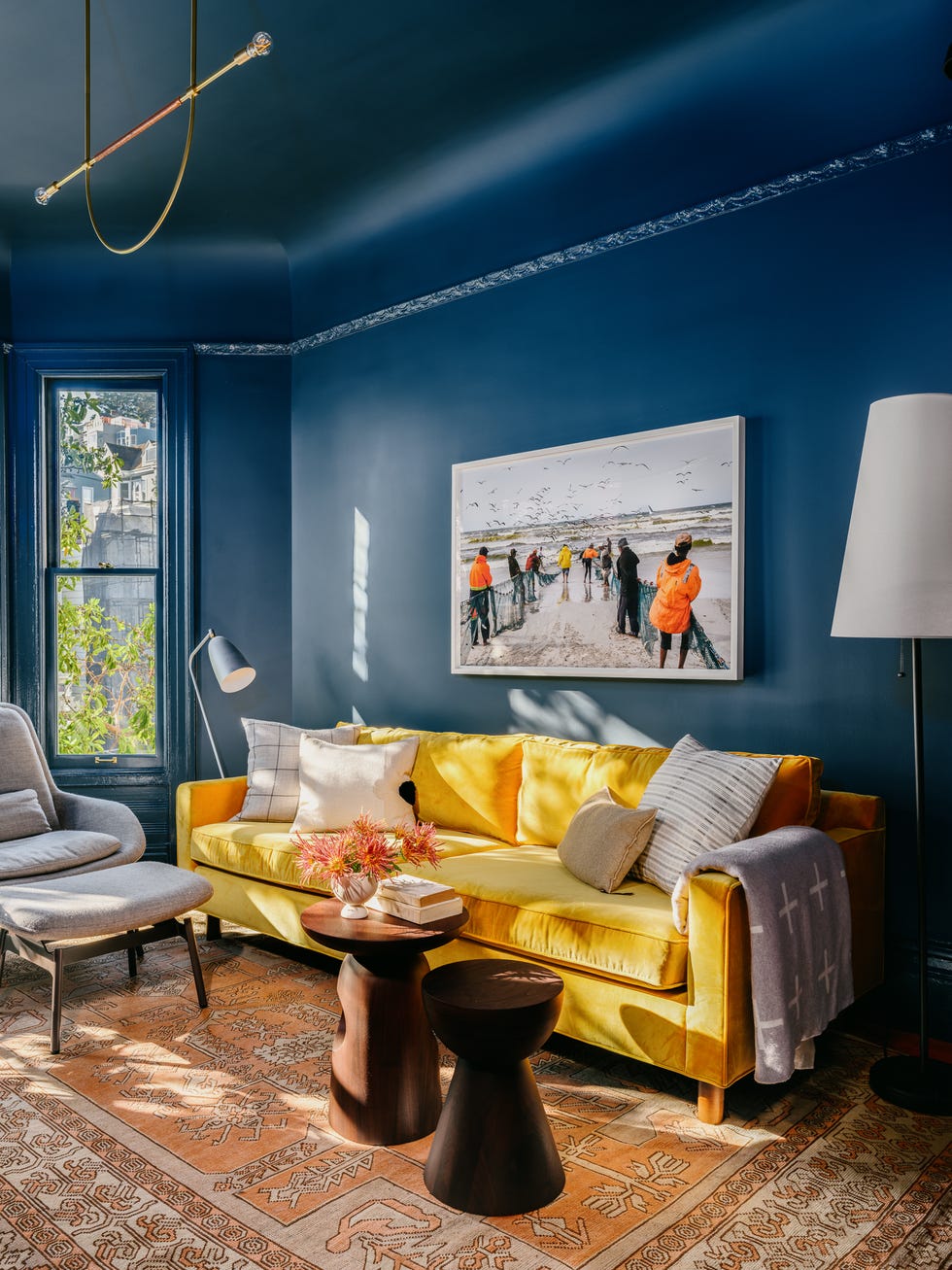
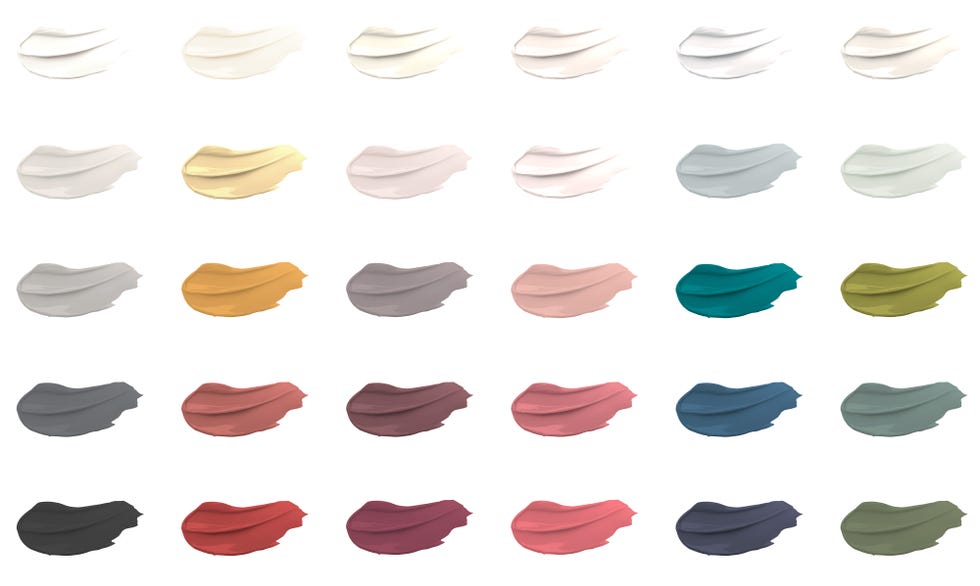
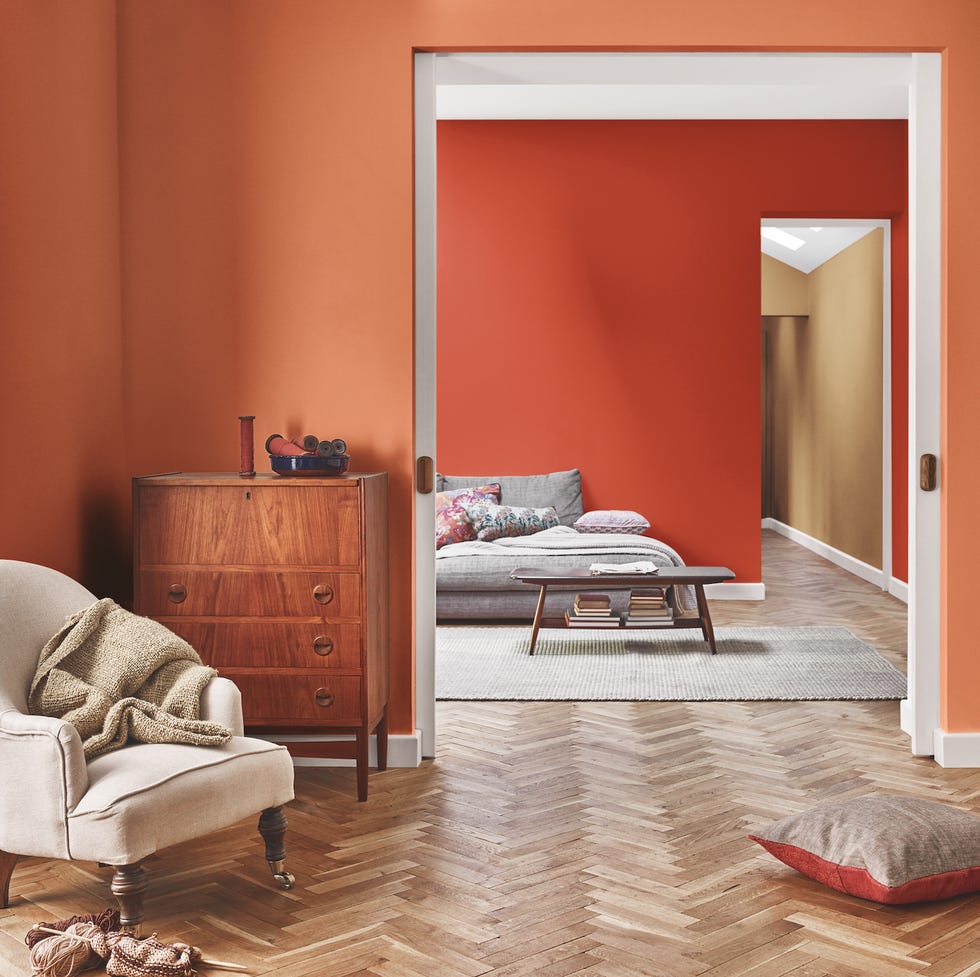
Conversely, a resurgence of vibrant colors from the 1970s Palm Beach style, such as Kelly green, bright yellow, coral, and turquoise, is also observed. These bold hues are featured in lacquered furniture, mirrors, and chests, making strong statements. Geometric patterns like modern trellis, Moroccan, and chevron are appearing in textiles and wallpapers. While wallpaper has traditionally been an alternative to paint, it now often complements painted surfaces, particularly textured and patterned walls, bringing them back into design focus. The article also addresses the use of stencils, which have evolved significantly due to technological advancements. Modern stencils, created with laser-cutting technology, allow for customizable designs, colors, and sizes, enabling the incorporation of intricate patterns into décor, a marked improvement from older, often simplistic stencil applications.
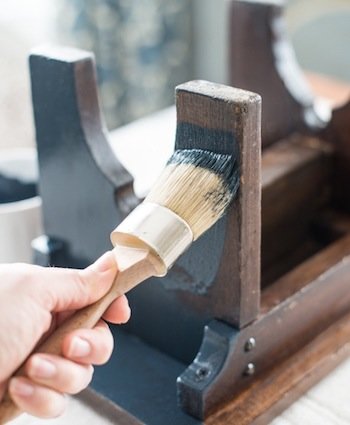
Economically, decorative painting provides a cost-effective alternative for homeowners who may not be able to undertake major renovations. Refurbishing items such as melamine cabinets or factory-produced dining sets with paint and glazes can significantly update a kitchen or dining area without the expense of a full remodel or new purchases. The quality of DIY decorative painting products, such as Valspar’s Antiquing Glaze and Annie Sloan Chalk Paint, has improved, making these techniques more accessible for consumers. Annie Sloan Chalk Paint, in particular, is highlighted for its user-friendliness, non-toxic nature, and durability, requiring no priming and offering an easy cleanup process. This product effectively transforms older furniture pieces, such as 1990s armoires, giving them a refreshed and updated appearance. The evolution of decorative painting mirrors fashion trends, where certain styles endure as classics while others are best left in the past, positioning current techniques as versatile and timeless design tools.
#DecorativePainting #HomeDecorTrends #FauxFinishing #InteriorDesign #FurnitureRefurbishment #PaintTechniques #GrayInteriors #ColorfulInteriors #DIYHomeDecor #DecorativePainting #HomeDecorTrends #FauxFinishing #InteriorDesign #FurnitureRefurbishment #PaintTechniques #GrayInteriors #ColorfulInteriors #DIYHomeDecor
0 komentarzy łącznie
 Brak komentarzy jeszcze
Możesz również polubić
This Trick for Faking Wood Grain Using Paint is Next Level Faux Bois

These Master Tips Will Help You Avoid Choosing The Wrong Type Of Paint
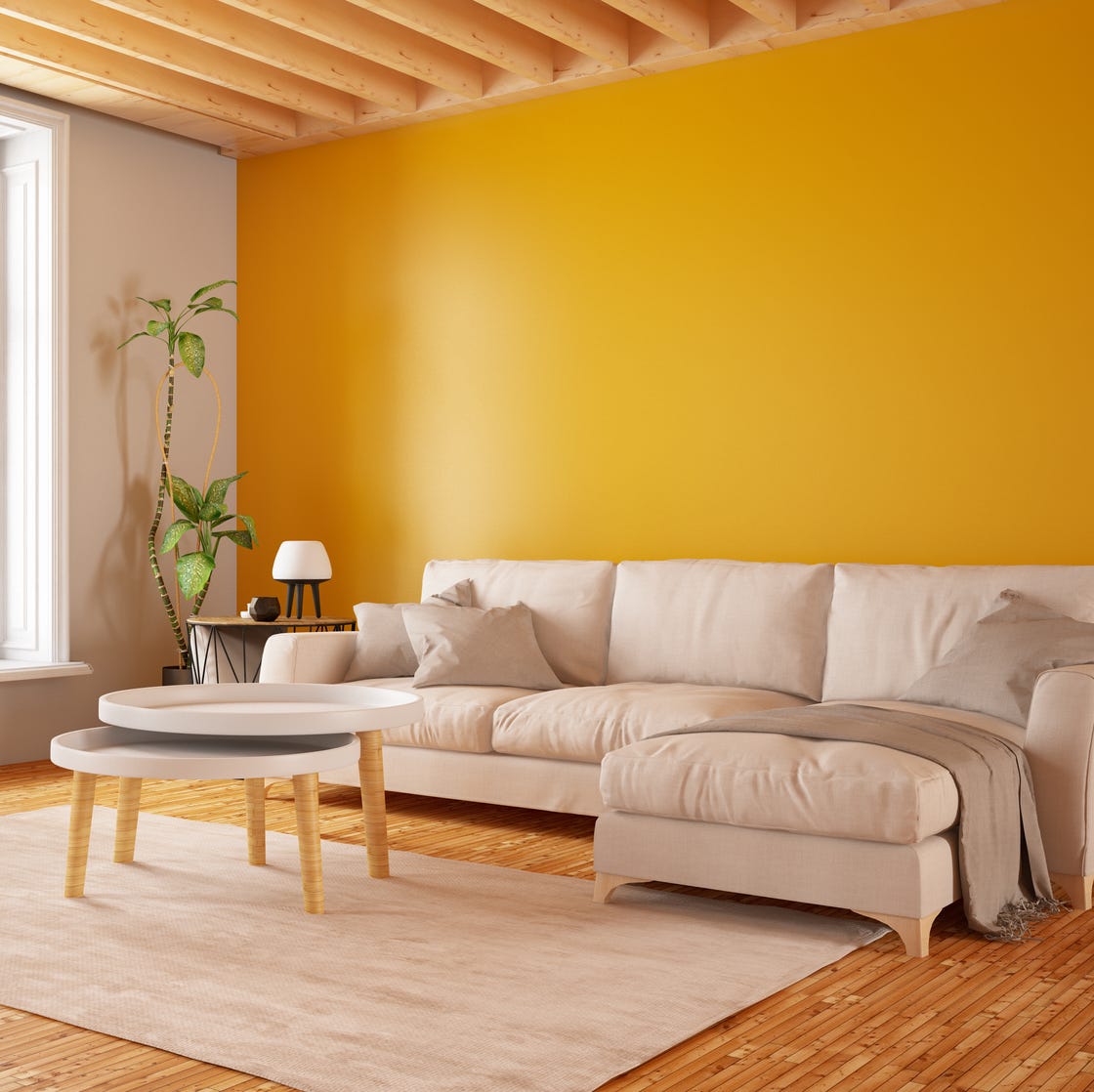
7 Paint Mistakes That Make Designers Instantly Cringe When They Walk Into Someone's Home

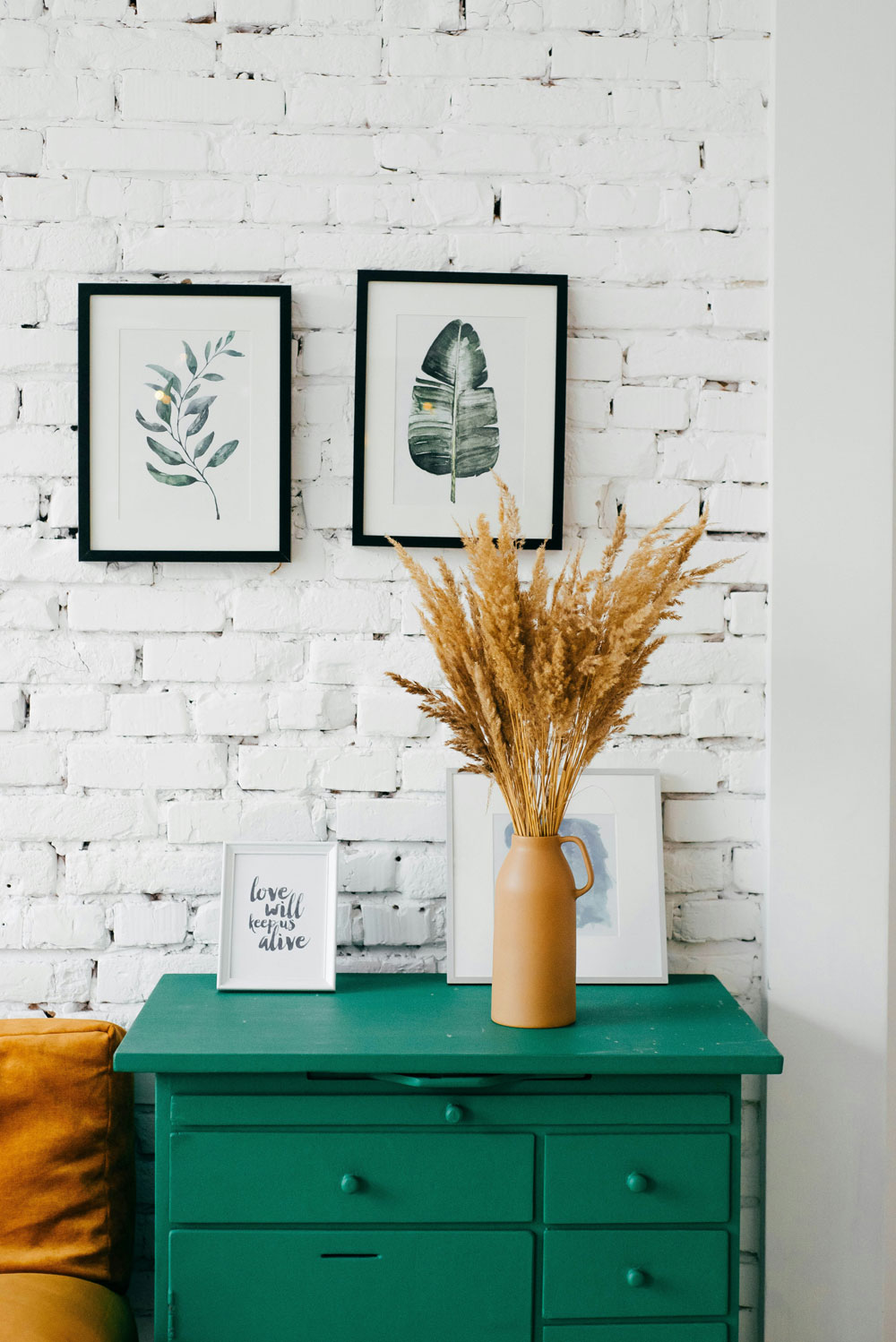
Faux-Limewashing: The DIY Technique Taking Over TikTok
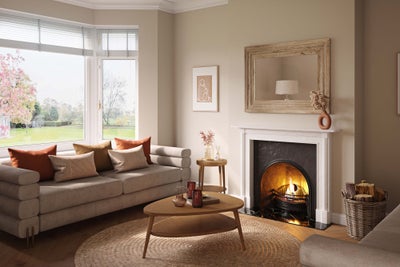
Decorating with paint

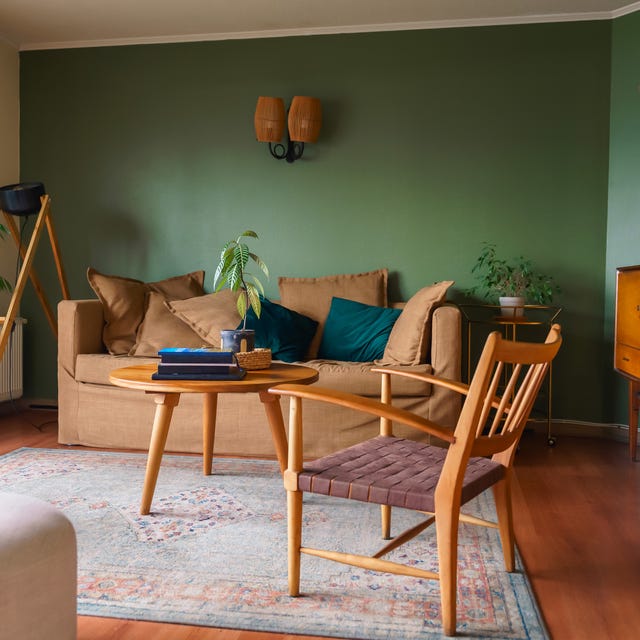
Designers Say These Vintage Paint Colors Are Back

5 Paint Mistakes Your Realtor Wishes You Wouldn't Make
Artist Paints Home Interior In An Unusual Way To Create A 2D Illusion, And Here Are 33 Pictures Of Her Work
How to sponge paint a room with unique textures and patterns and unleash your inner designer, according to the pros


A Work of Art

How to achieve an antique finish with paint– 4 crafting tips to fake a well-loved piece
We're enchanted by this paint trend that looks like 'something we adore seeing in nature'
Don't Make this Common DIY Painting Mistake


Interior Paint
15 Best Oil Paint Brands

Where to buy paint online
Antiquing vs. Distressing: 8 Tips on Creating the Look and Patina of a Genuine Antique

Understanding paint finishes
The Color Drenching Paint Trend Isn't Going Anywhere
Oil vs Latex Paint for Millwork (Ben Moore Aura Review)