1/19
Dynamic façades: Solving the High Performance Building Challenge without Design Compromise
The article addresses the ongoing challenge in high-performance building design: balancing the need for natural daylight and views with energy efficiency and occupant comfort. Traditional building codes and sustainable standards like ASHRAE 189.1, IgCC, and LEED emphasize daylight and views, but these often conflict with goals to reduce building energy consumption and can lead to thermal and visual discomfort. This conflict often results in arguments for reducing allowable window areas, despite growing evidence of the positive impact of daylight on human health, well-being, and productivity, including its role in regulating circadian rhythms and reducing risks of obesity, cancer, heart disease, and depression.
Electronically tintable glass, or electrochromic (EC) glass, is presented as an elegant solution to this dilemma. EC glass can dynamically modulate its solar heat gain coefficient (SHGC) and visible light transmission, offering a range of settings from 60% to 1% visible light transmission and 0.41 to 0.09 SHGC. This capability allows for maximum daylight harvesting, reduced cooling loads, and passive solar gains during heating seasons, thereby saving energy in all climate zones. Crucially, EC glass can control glare effectively without the need for blinds, thus preserving views and connection to the outdoors, which static solutions often obstruct.
Recent advancements in EC glass technology have significantly enhanced its design flexibility and performance. These improvements include increased size availability (up to 5’x10’), higher manufacturing volumes, a wider range of exterior aesthetic colors, and the innovative ability to control up to three different segments within a single pane. This in-pane zoning is particularly beneficial for floor-to-ceiling glass installations, enabling co-optimization of glare control, light color quality, daylight admission, and energy performance. By allowing different sections of a pane to be in various tint states, architects can maintain excellent color rendering and provide sufficient daylight even when most of the glass is tinted for solar control, without compromising the overall aesthetic or the number of mullions.
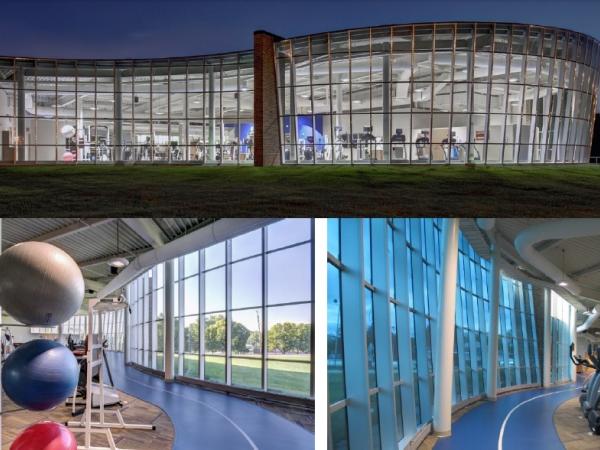
Case studies illustrate the practical applications and benefits of EC glass. In a “green” glass cube design at Colorado State University’s Morgan Library, EC glazing tamed intense western sun while preserving the building's transparency and achieving LEED® Silver certification. Similarly, a glass cube for TD Bank in Miami used EC glass to manage heat and light from south and west-facing walls in a challenging climate, ensuring occupant comfort and energy efficiency. In healthcare, at Butler County Medical Center in Nebraska, EC glass provided expansive views and comfortable daylighting for a wellness center, eliminating blinds that could harbor bacteria, thus supporting infection control. For historic preservation, the St. Johnsbury Athenaeum in Vermont used triple-pane EC glass in skylight renovations to protect its art collection from fading and sun damage, while maintaining the building's original appearance and achieving superior thermal performance, significantly reducing energy consumption.
Moreover, EC glass proves valuable in retrofit applications, as demonstrated by the Kimmel Center for the Performing Arts in Philadelphia. Here, EC glass in the roof of the Dorrance H. Hamilton rooftop garden transformed an almost uninhabitable space into a comfortable, rentable venue year-round, preserving panoramic city views. These examples underscore how dynamic glazing relieves constraints imposed by static building envelopes, allowing architects to embrace highly glazed designs that deliver both high energy performance and superior occupant comfort, without sacrificing aesthetic vision or connection to the natural environment. The technology offers an invaluable tool for meeting rising energy efficiency targets and creating people-friendly workspaces.
#DynamicFacades #ElectrochromicGlass #HighPerformanceBuilding #SustainableDesign #Daylighting #EnergyEfficiency #OccupantComfort #GreenBuildingCodes #ArchitecturalDesign #GlassFacades #DynamicFacades #ElectrochromicGlass #HighPerformanceBuilding #SustainableDesign #Daylighting #EnergyEfficiency #OccupantComfort #GreenBuildingCodes #ArchitecturalDesign #GlassFacades
0 komentarzy łącznie
 Brak komentarzy jeszcze
Możesz również polubić
Achieving Precision in Flexible Design: The Path to 10,000 Vertically Folding Skyfold Walls

10 Modern Lofts We’d Love to Call Home
Eight airy and pared-back loft conversions
Contemporary Architecture is More Common Than You Think — Here's How to Spot It
Movable Walls: The Transformative Effect of Retractable and Folding Partitions


Architectural design to meet the needs of our time
Biophilic facades in sustainable building design
The designer of this open-plan home overcame challenges with an unusual approach – changing the focal points

Outside the box: Bold architecture meets sophisticated style

form found design explores robotics + fabric in façade construction
Skyfold Catalog

Architect Sam Klopper talks accessible design that doesn’t feel “clinical or differentiated”

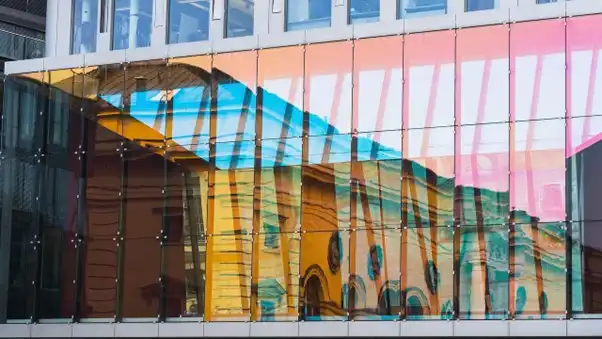
Innovations Driving Sustainable Building and Architecture Forward
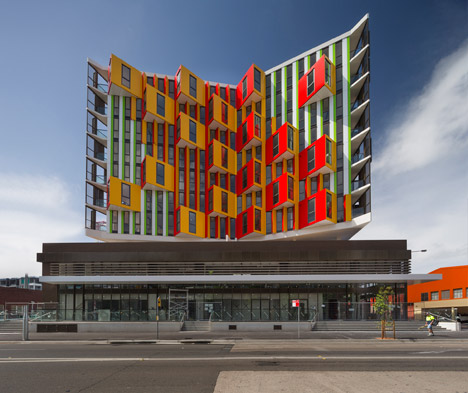
Housing by MHN Design Union has optical-illusion windows
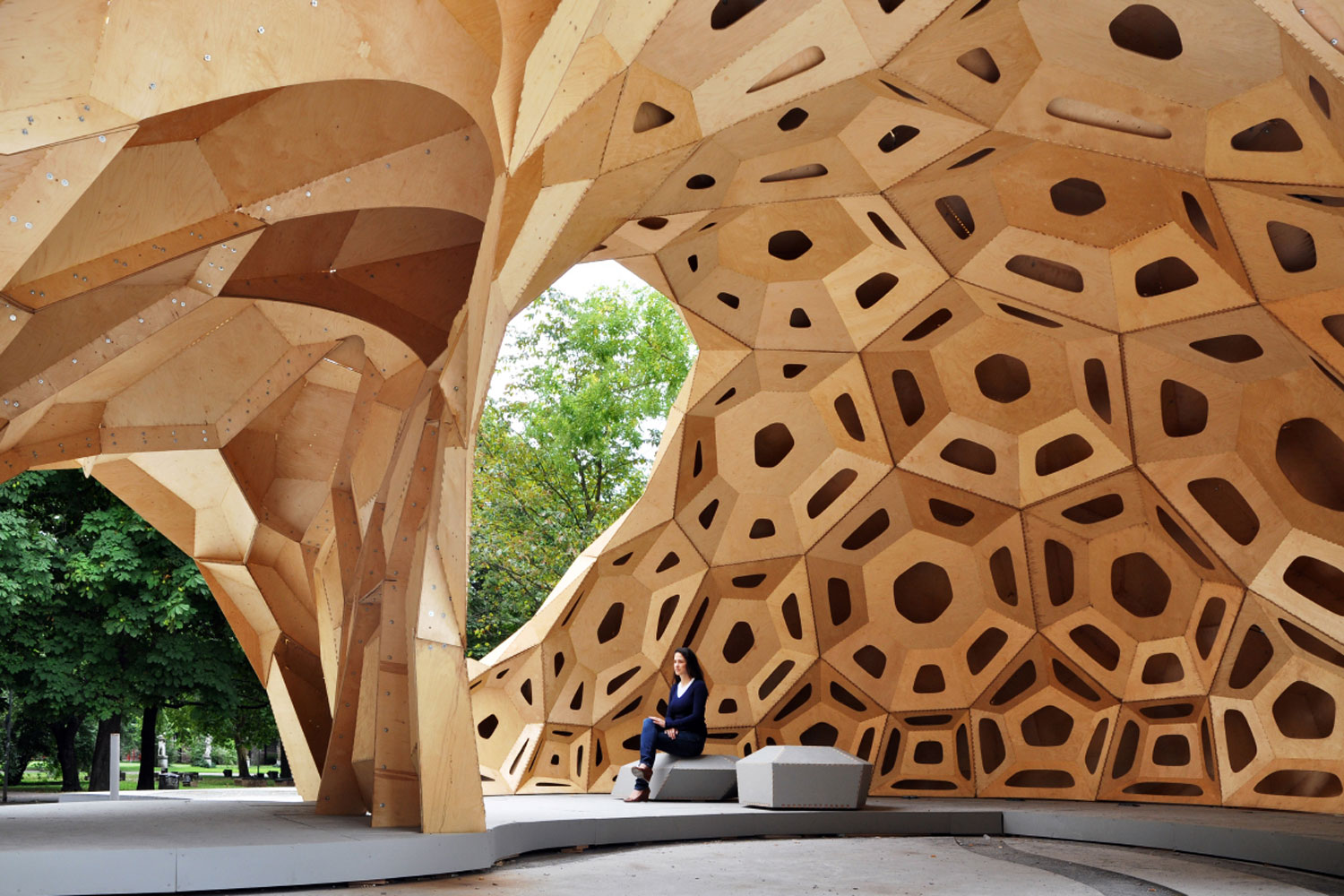
How generative design is shaping the future of architecture?
We need more flexible housing for 21st-century lives

Building facades and vertical shade

Facade Systems
Peek At These Homes That Embody Modern Urban Living


Designing Beyond Buildings: An Architect’s Strategic Shift