Bond Bridge by Olibra review: Bringing smart-home tech to dumb ceiling fans
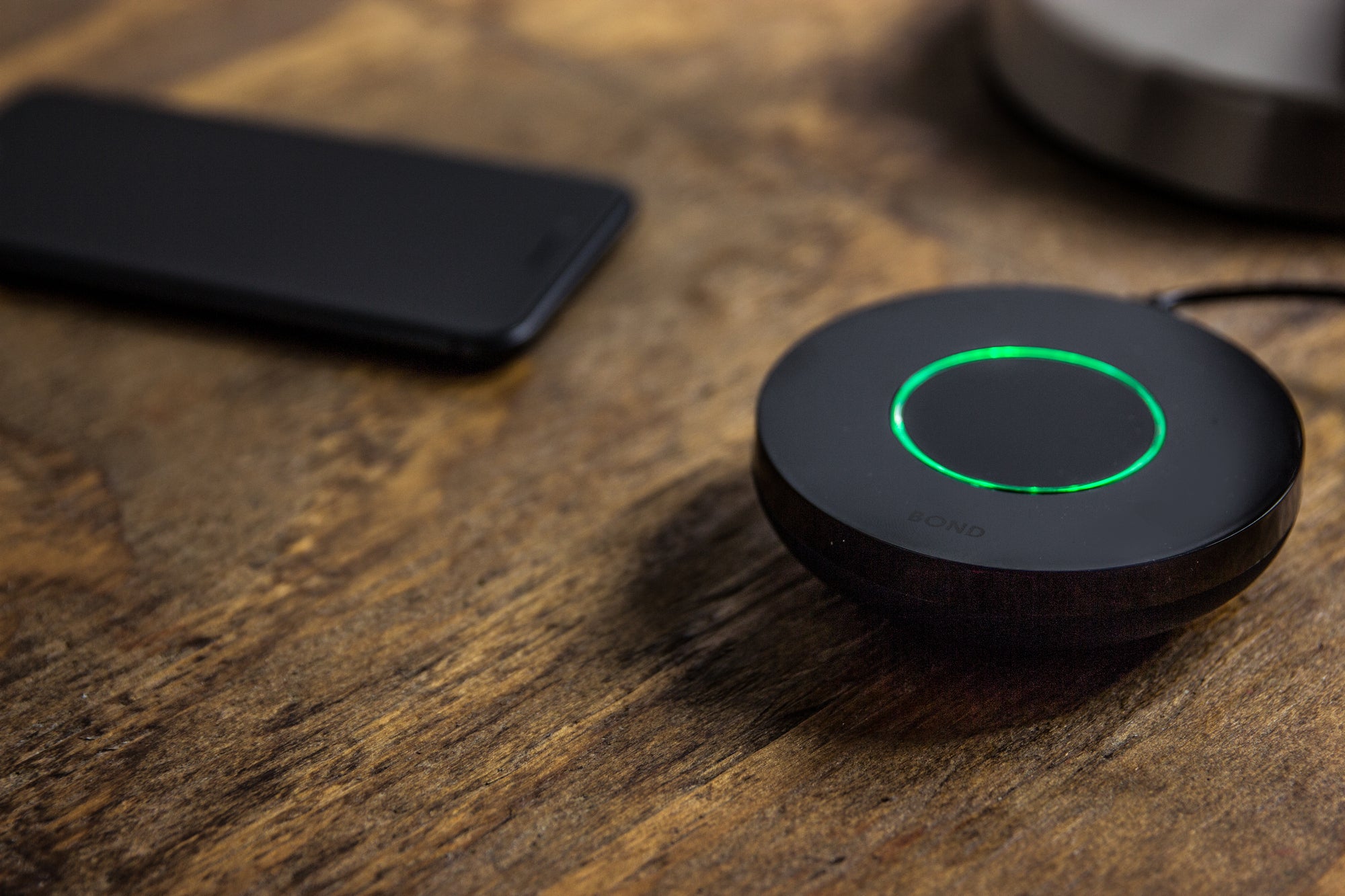
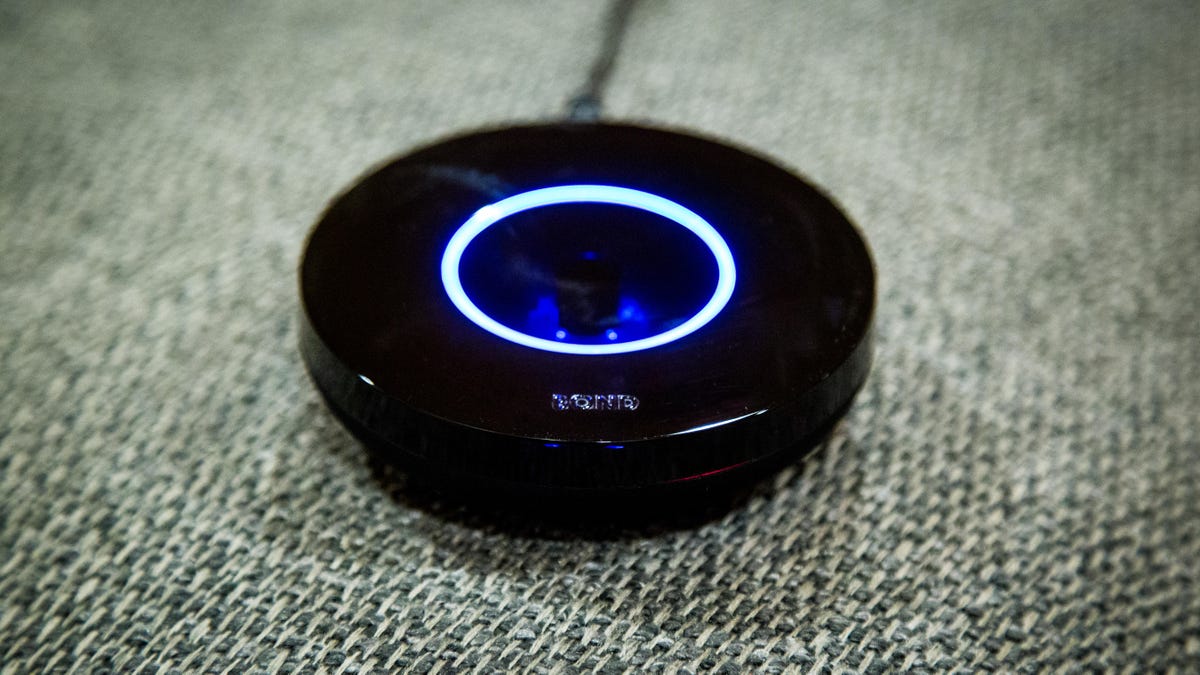
The Bond Bridge by Olibra is a device designed to integrate existing RF remote-controlled ceiling fans and fireplaces into a smart home ecosystem. While the smart home industry has seen a shift away from hub-based technology, the Bond Bridge acts as a specialized bridge, focusing on devices traditionally excluded from Wi-Fi/Bluetooth/Zigbee smart home networks. These devices, primarily modern ceiling fans operated by RF remote controls, can now be controlled via a smartphone app and voice assistants.
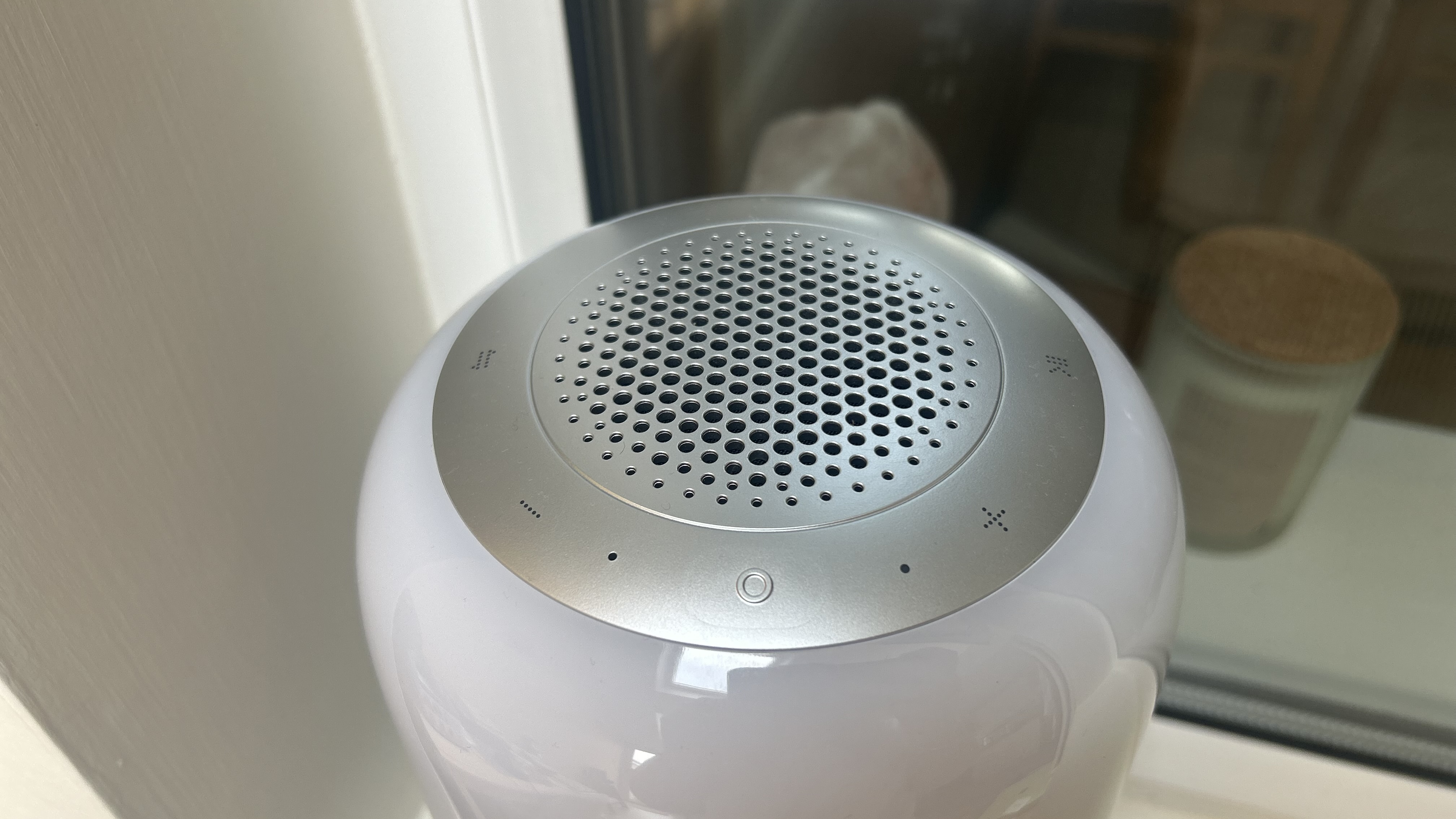
Unlike alternative solutions that typically control only the fan or require separate smart dimmers for lights, the Bond Bridge connects the fan’s RF network to a home’s Wi-Fi network using a small, hockey-puck-shaped device. This allows for the control of both the fan and its attached light (if available) through a single app. Setup involves plugging in the unit, installing the app, connecting to its temporary Wi-Fi network, and then linking it to the home’s WLAN. The process then resembles programming a universal television remote; users point their fan remote at the Bond Bridge, which automatically detects the fan's make and populates the app interface with relevant functions. The system supports over 700 devices, and manual programming is available for unsupported models.
Testing with an Emerson ceiling fan showed that the Bond Bridge successfully replicated all functions available on the physical remote within the app. Users can easily delete superfluous controls that do not apply to their specific fan. A notable issue identified during testing was the app's inability to consistently update the fan's power status in real-time. This often necessitated force-quitting and relaunching the app to display accurate information.
The Bond Bridge integrates with Amazon Alexa and Google Assistant, enabling voice control for turning fans on/off and adjusting speed. Furthermore, it supports IFTTT (If This Then That), allowing for advanced automation. For example, users can configure the fan to turn on automatically when the room temperature exceeds a certain threshold (e.g., 75 degrees Fahrenheit) and turn off when it falls below another (e.g., 70 degrees Fahrenheit), leveraging data from other smart home sensors like Netatmo. However, a significant drawback observed was the device's tendency to lose its network connection every few days, requiring a hard reboot via power cycling.
Priced at approximately $100, the Bond Bridge is not an inexpensive solution, especially when compared to more comprehensive smart home hubs like the Samsung SmartThings hub. Its current utility is largely limited to ceiling fans and remote-controlled fireplaces, although the company plans to support other devices such as A/C units, motorized shades, and humidifiers in the future. Despite its relatively narrow focus and occasional connectivity issues, the Bond Bridge offers a convenient way to add smart control to traditional RF-controlled appliances, potentially justifying its cost for those seeking to eliminate reliance on physical remotes. The value proposition ultimately depends on an individual's specific needs and the number of compatible devices they wish to integrate into their smart home.
#BondBridge #SmartHome #CeilingFanControl #RFControl #HomeAutomation #IFTTTIntegration #VoiceControl #SmartGadget #TechReview #BondBridge #SmartHome #CeilingFanControl #RFControl #HomeAutomation #IFTTTIntegration #VoiceControl #SmartGadget #TechReview
0 komentarzy łącznie
 Brak komentarzy jeszcze
Możesz również polubić
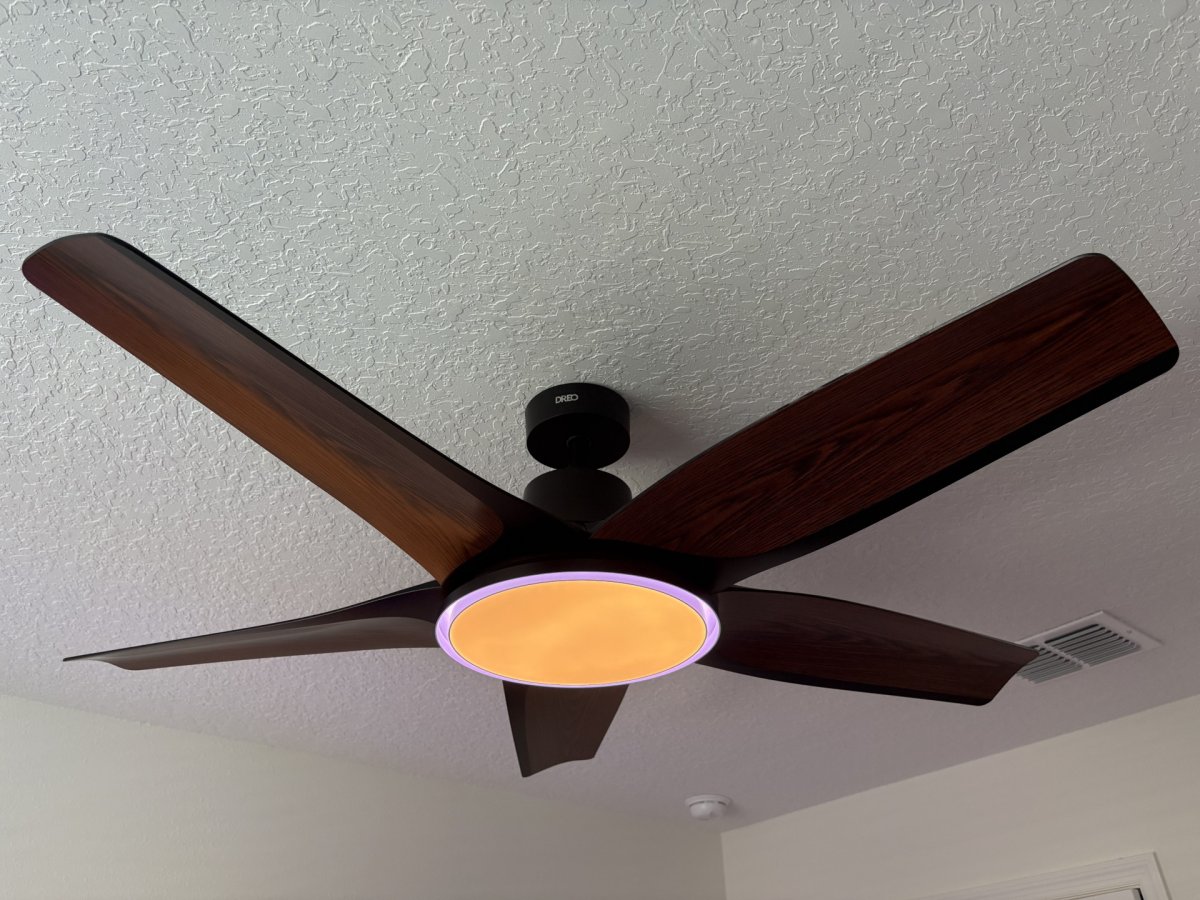
Finally, a Smart Ceiling Fan That Is Seriously Smart
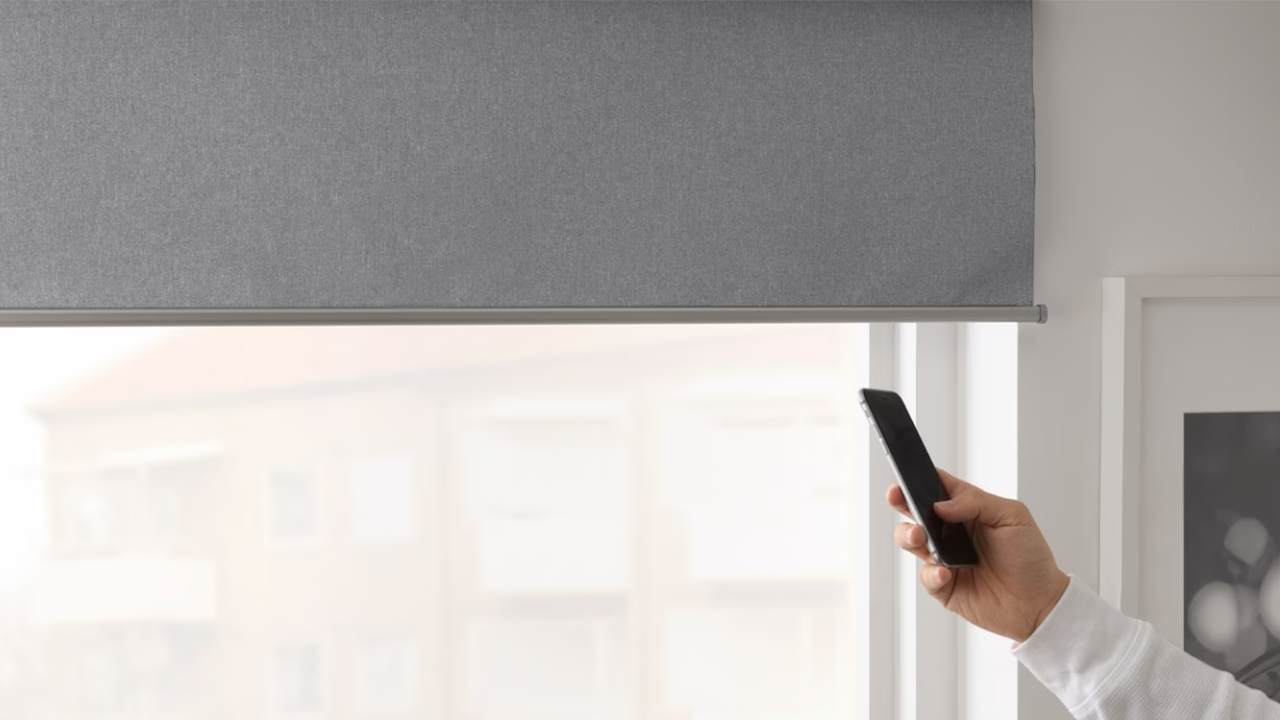
I’m a smart home expert – here are 5 smart blinds I'd recommend for a better night’s sleep
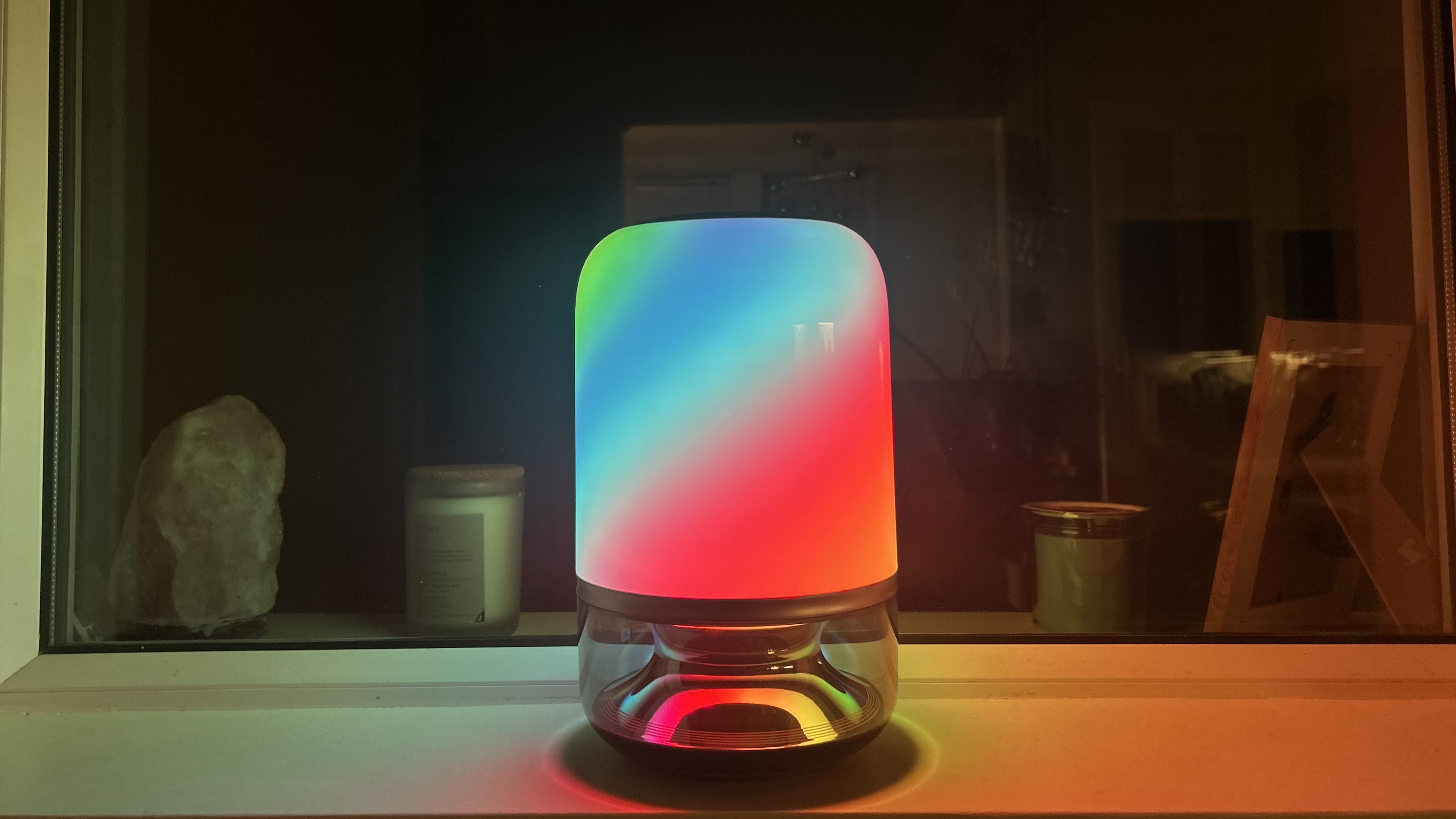
Govee x JBL Table Lamp 2 Pro review: a bold, imaginative fusion of light and sound
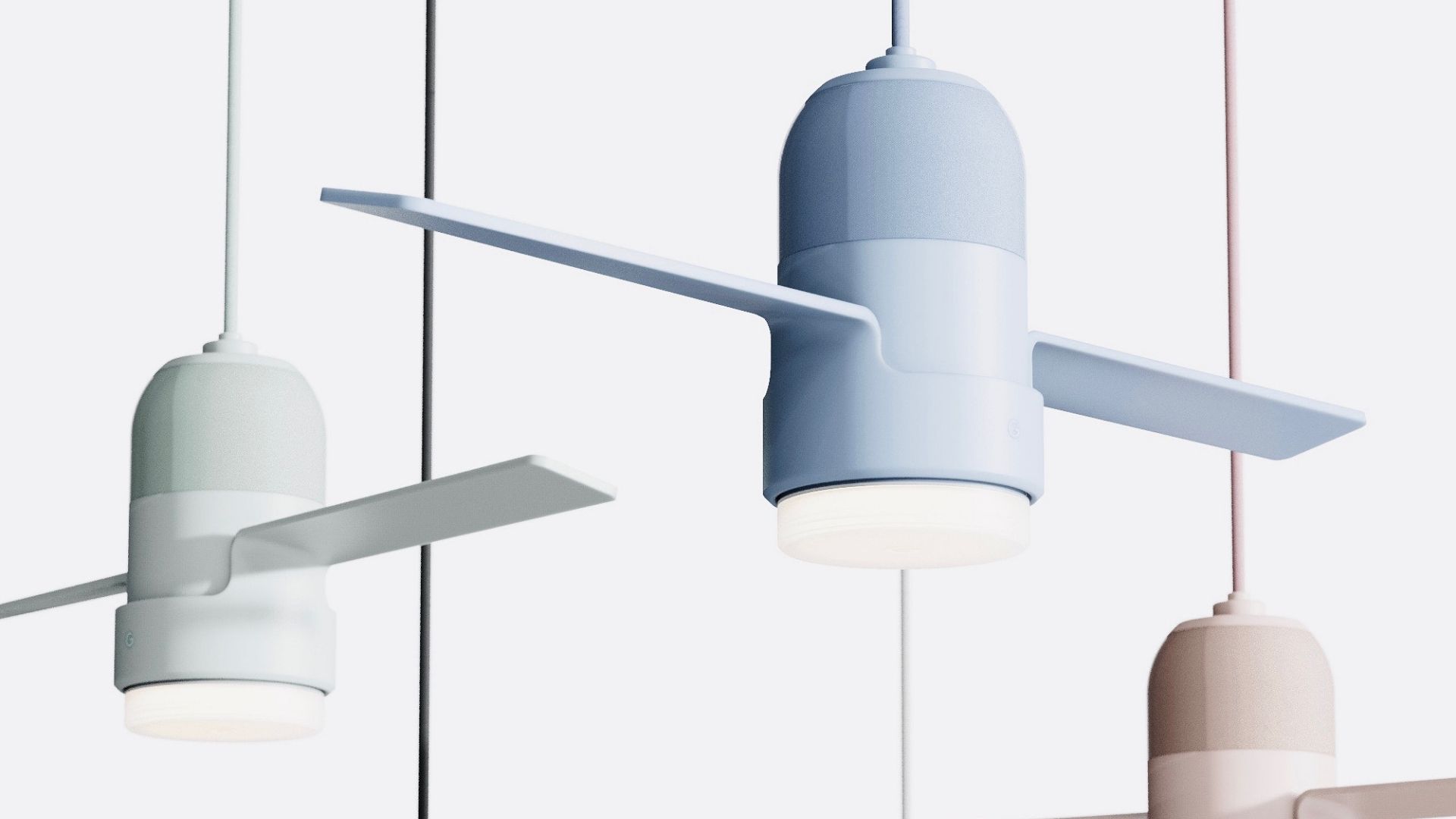
The Google Nest Ceiling Fan is a smart hub for connecting your devices

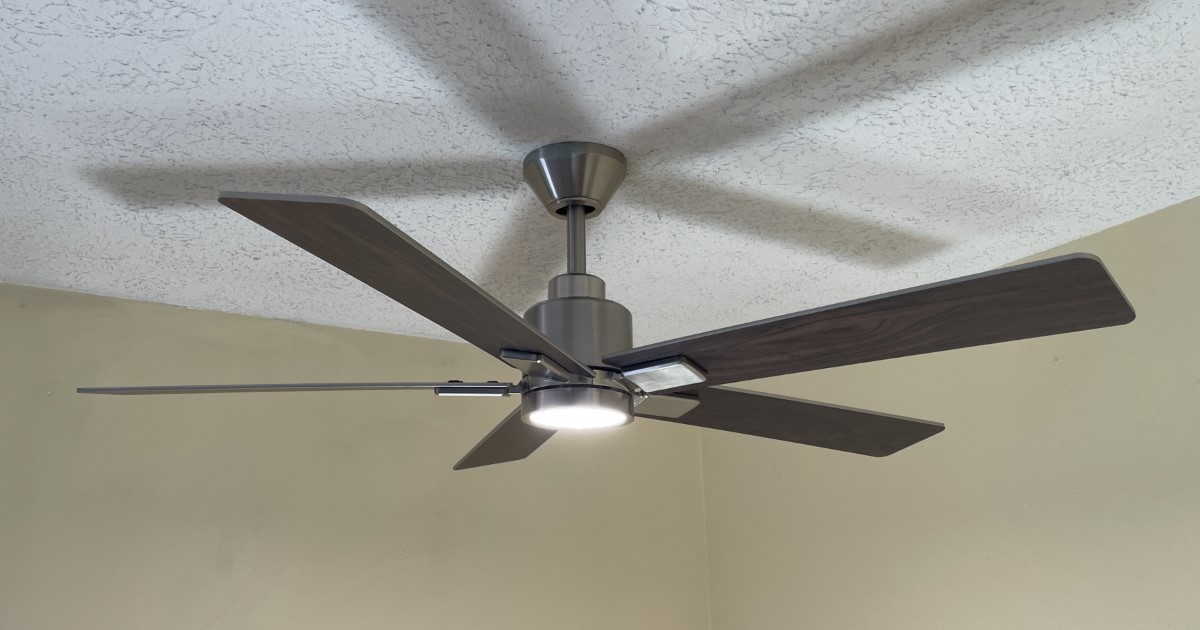
Hampton Bay Zandra 52-inch Wi-Fi ceiling fan review – Quiet, efficient, and bright with many control options!
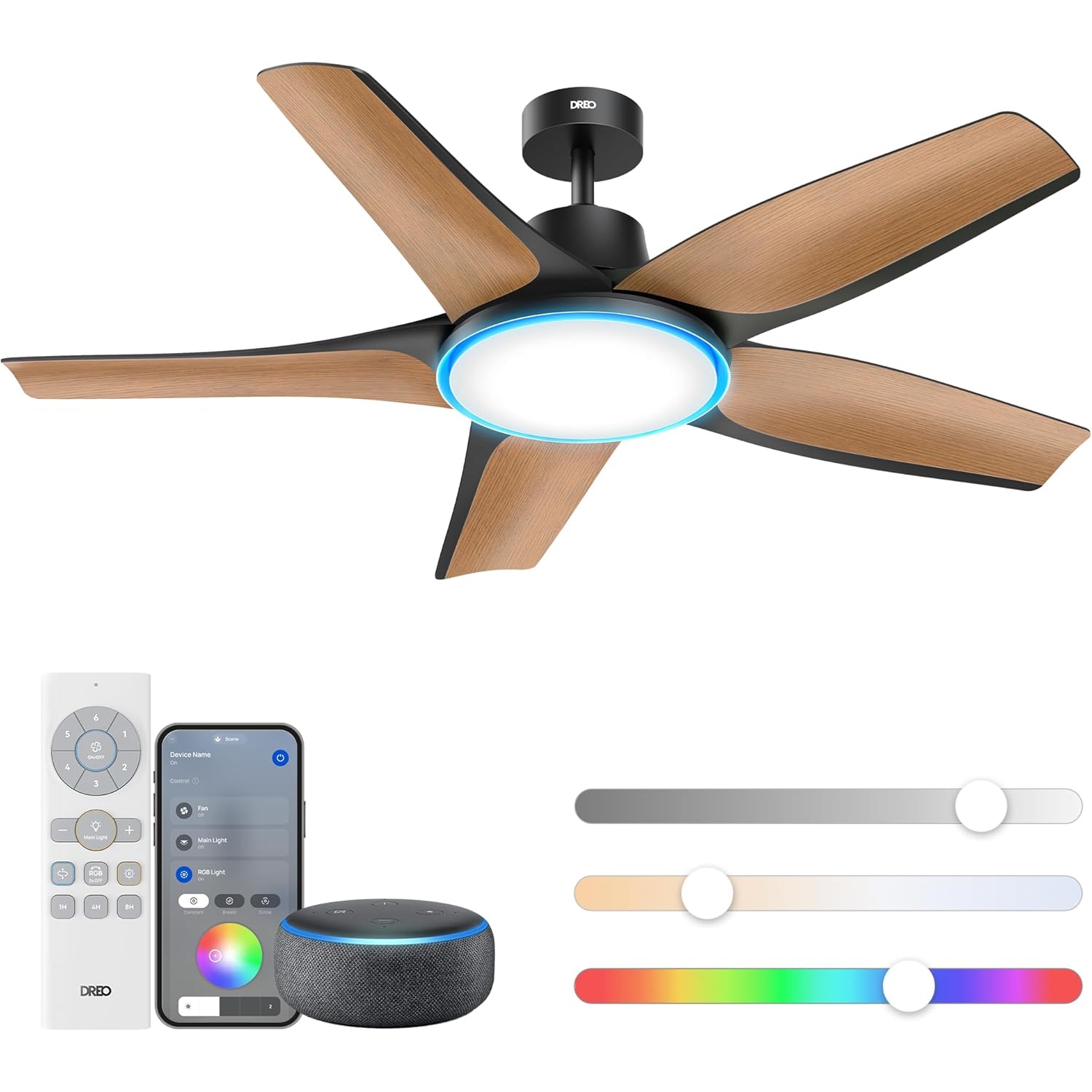
Spin Smarter, Not Harder: Our Favorite Smart Ceiling Fans
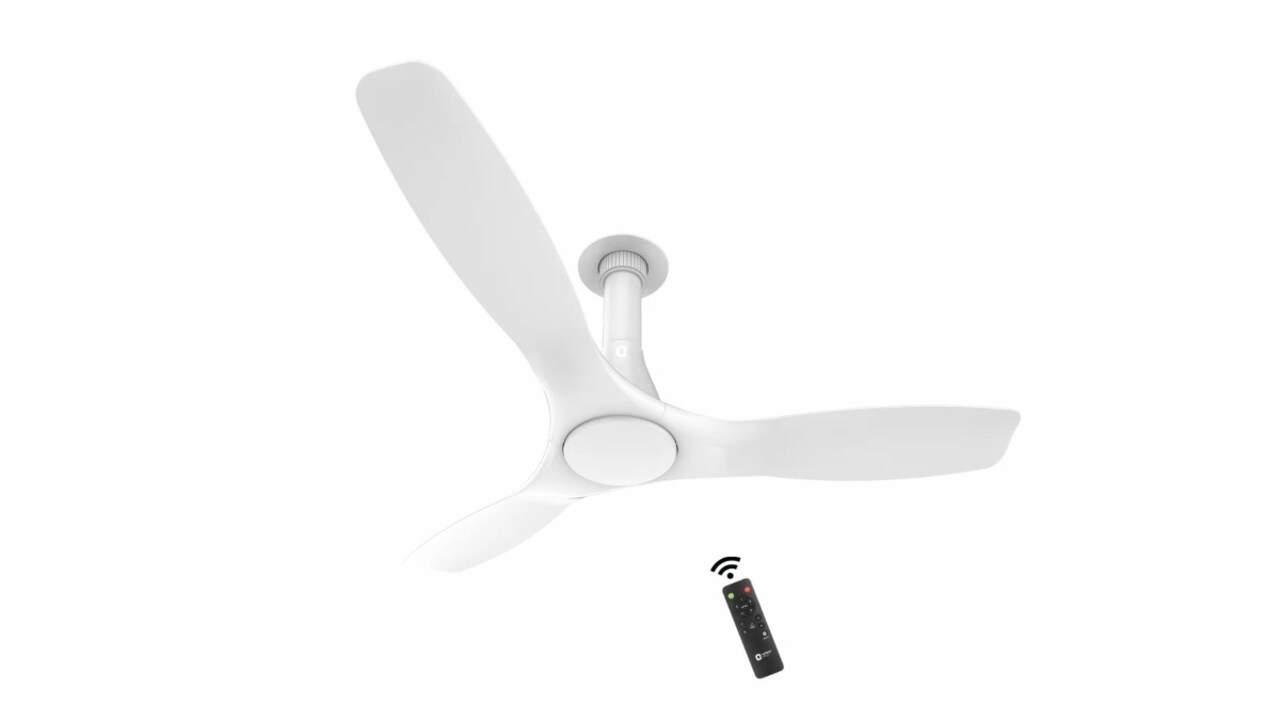
Orient Aerosleek BLDC Fan review: A stylish ceiling fan that actually delivers


7 Best Smart Blinds and Smart Shades, According to Pros

ThirdReality Smart Blinds review: DIY motorized Zigbee shades
You Should Replace Your Dumb Ceiling Fan With This Smart One


These Smart Blinds Are Great for Privacy—and for Your Energy Bill

Upgrade Your Lighting With These Smart Light Switches

Smarten your remote-controlled fan with this small device

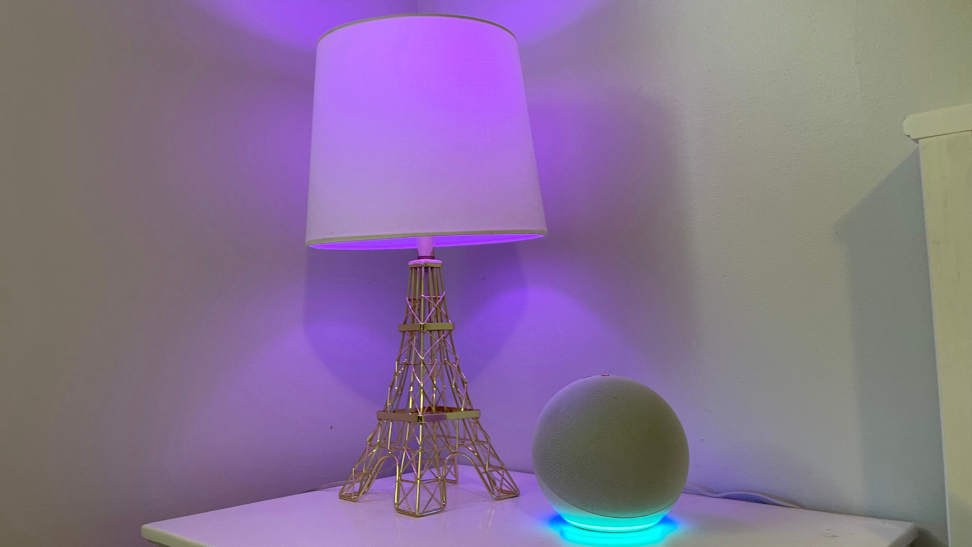
The Best Smart Lights of 2025

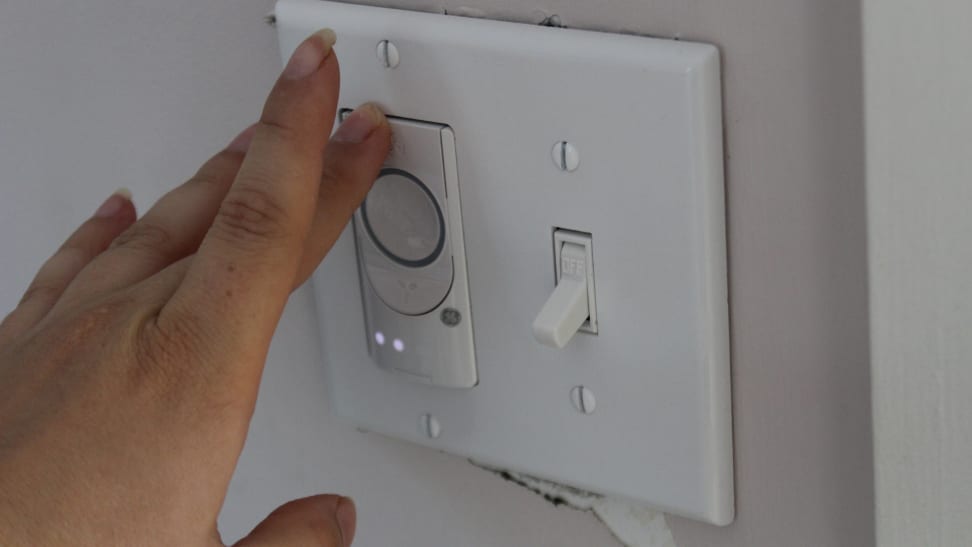
I tried a smart ceiling fan switch—here's how it went

Smart bulbs vs. smart switches: The pros and cons of connected lighting

Smart Blinds: Window Covering in the Matter Standard

The 4 Best Smart Retrofit Shade, Blind, and Curtain Openers of 2025 | Reviews by Wirecutter
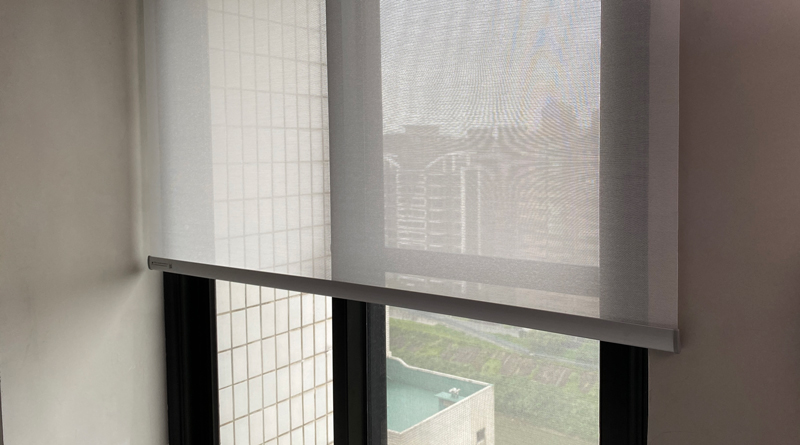
Smartwings Smart Roller Shades w/ Matter over Thread (review)


How 'plug-and-play' technology is making it easier for owners and renters to replace their lighting