1/2
Diarmuid Gavin’s rockery stars: the best alpine plants for cascading over natural stone walls, rocks or even pots
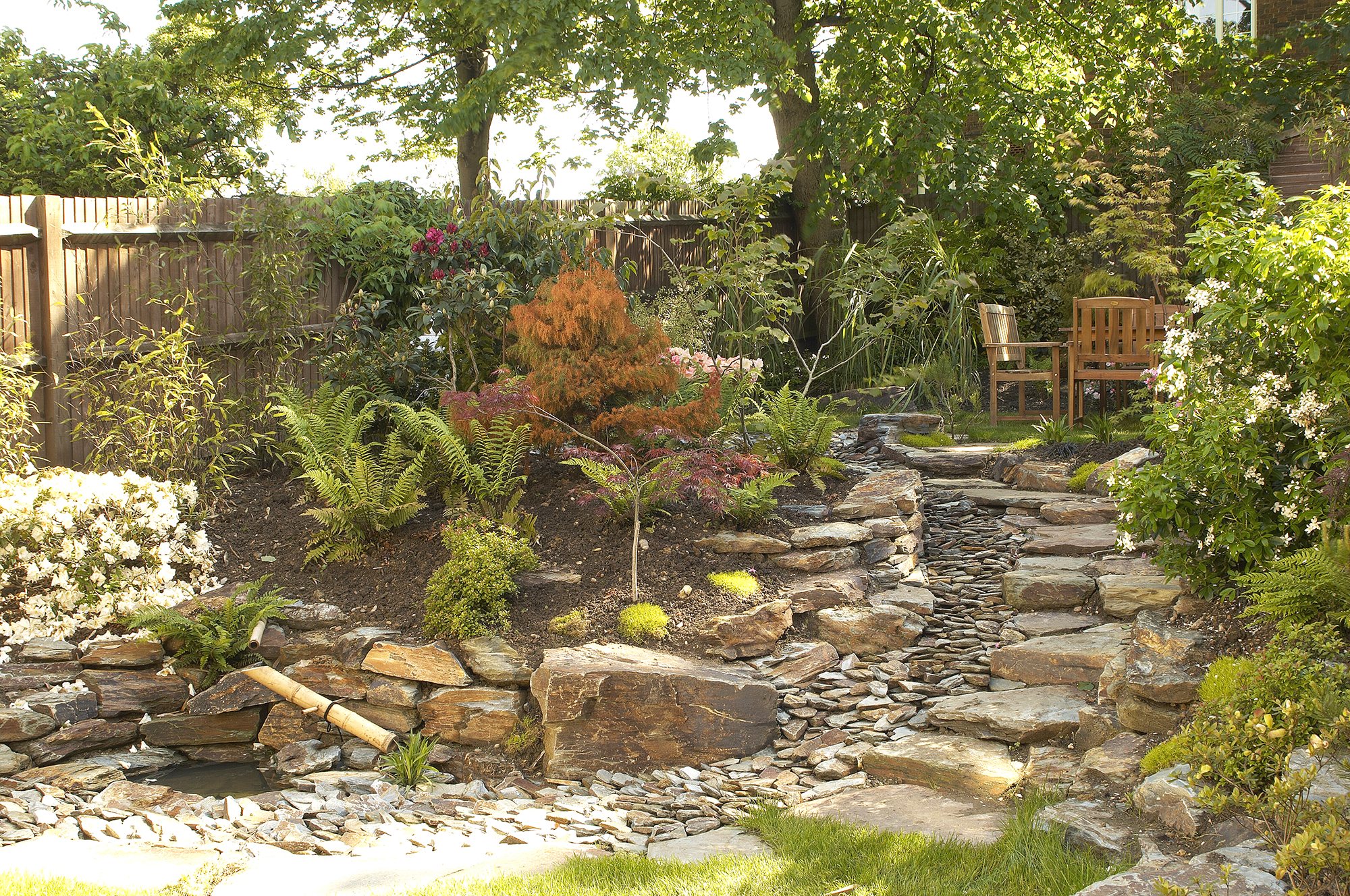
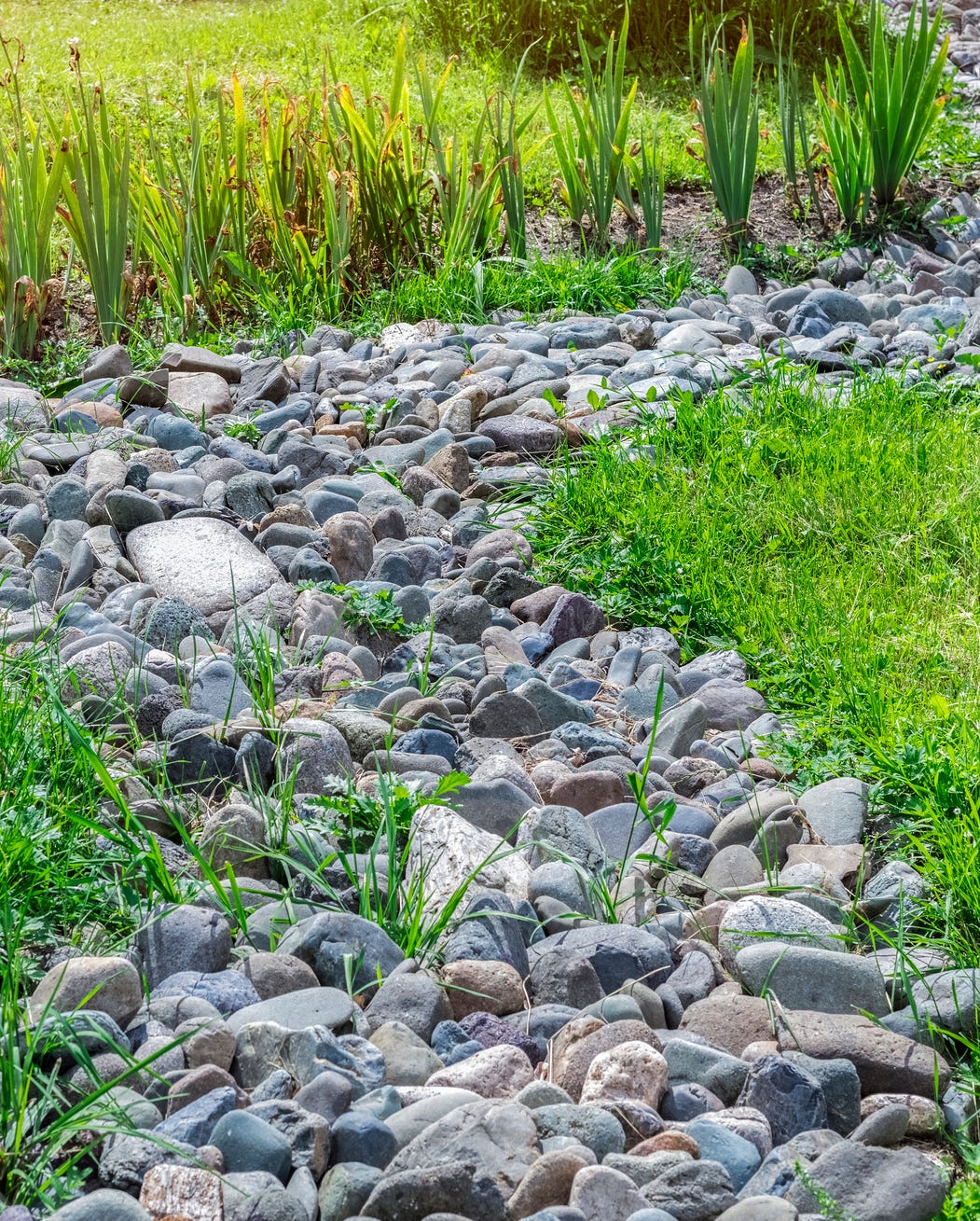
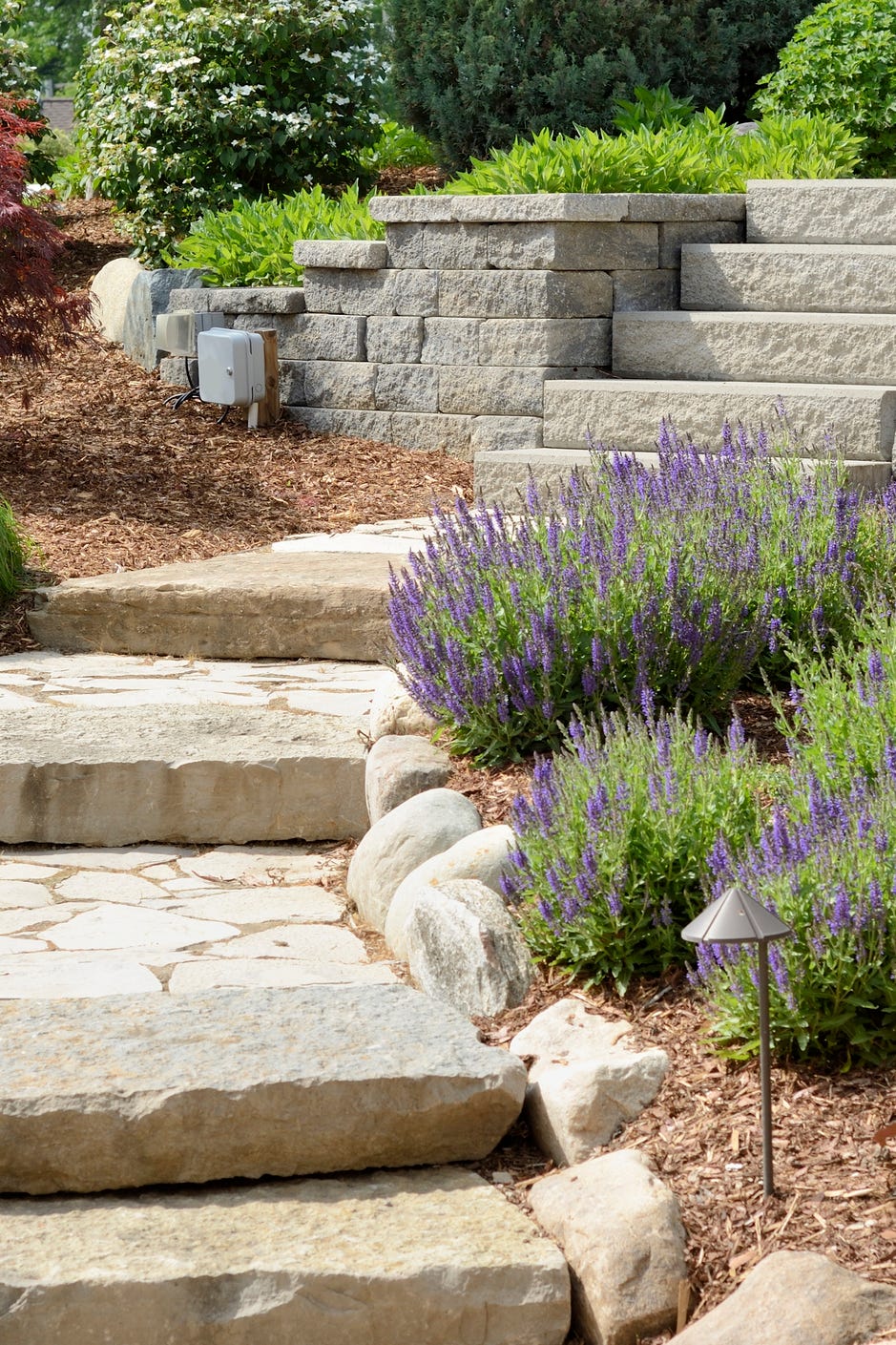
Rockeries, once a prominent feature in grand gardens and manor houses, are experiencing a resurgence in popularity among a new generation of gardeners. Historically, these gardens were designed to showcase alpine plants collected by explorers from mountainous regions like the Alps. Over time, the trend evolved from exclusive estates, such as Friar Park, the former home of George Harrison, into a common and beloved element in both country and suburban landscapes, solidifying a lasting interest in alpine gardening.
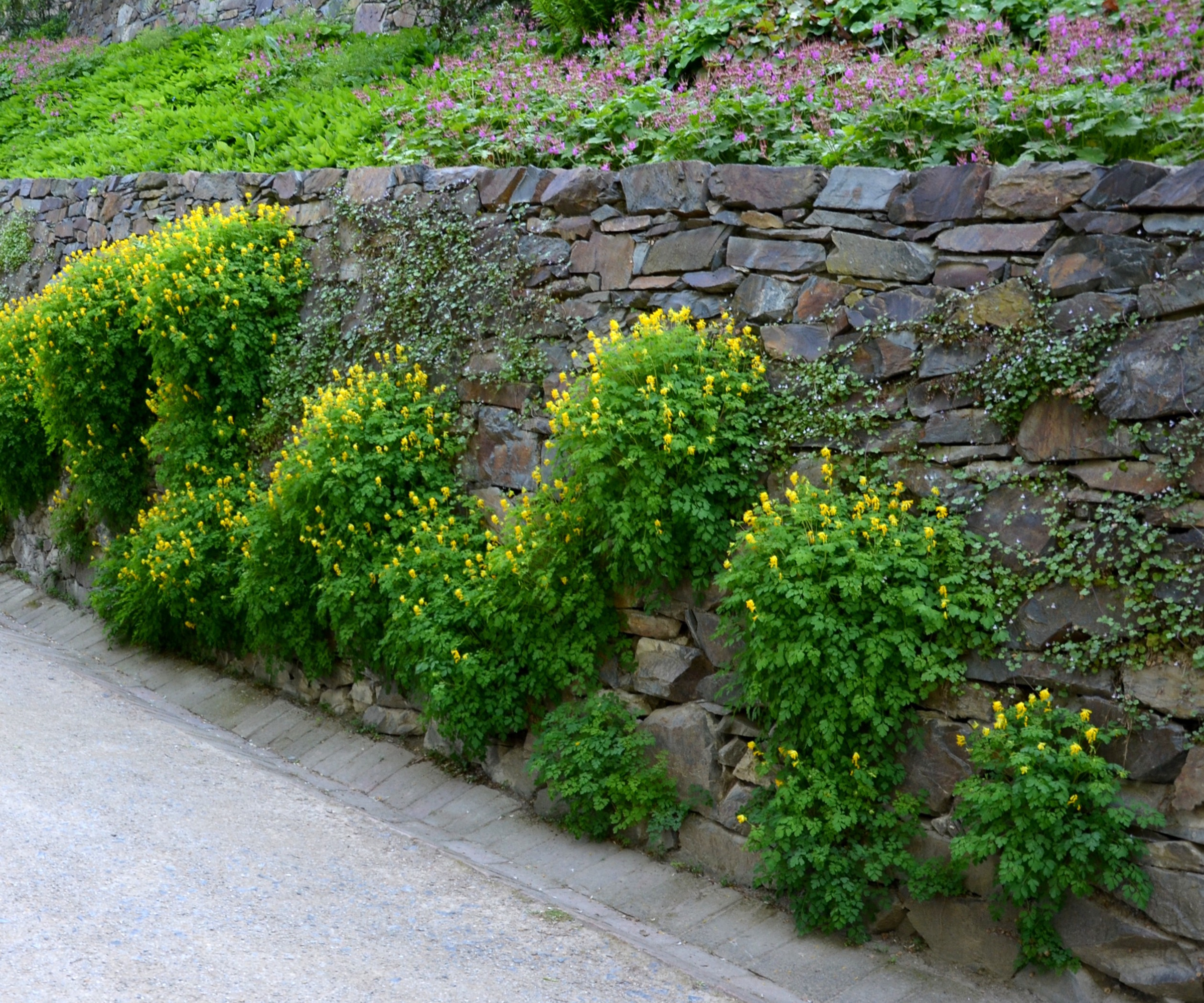
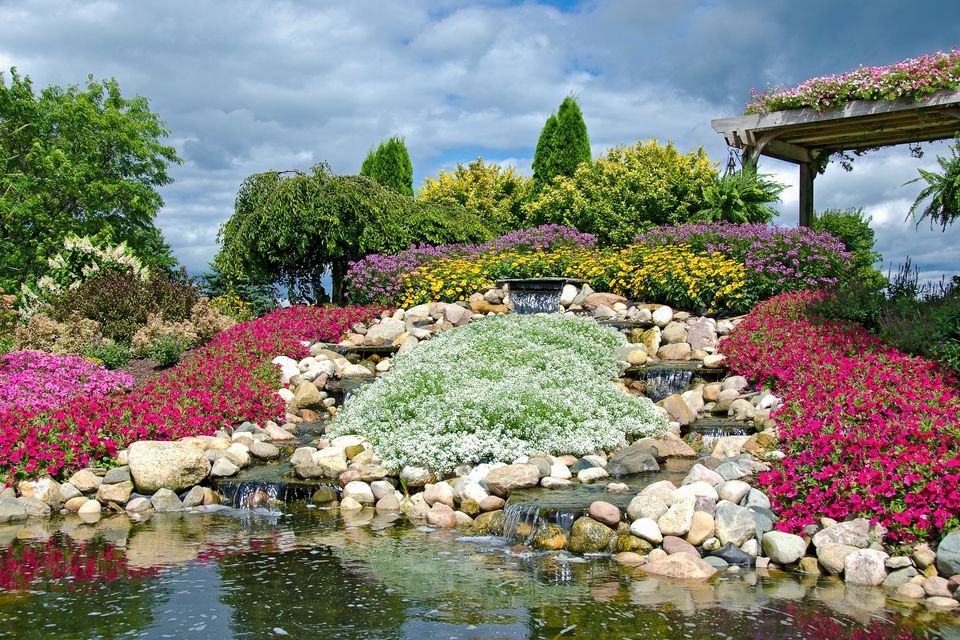
Central to the appeal of rockeries are specific star plants known for their cascading growth habit and vibrant blooms. Among these, carpet-forming alpines such as Alyssum and Aubrieta are particularly cherished. These plants create visually striking "pillows of colour" as they grow between rocks or spill from crevices in natural stone walls. An example of this aesthetic is described through an annual observation of a garden where granite walls are adorned with waterfalls of red, purple, and pink flowers, reminiscent of precious carpets draped over the walls of a Moroccan medina.
Aubrieta, also known as purple rock cress, stands out as one of the most widely cultivated and appreciated rockery plants. Its popularity is attributed to its low-maintenance nature and its ability to thrive even with minimal care, often flourishing in conditions of neglect. A key requirement for Aubrieta is excellent drainage, which makes it ideally suited for hanging from stone walls or for use in containers where its flowers can cascade over the sides. To cultivate Aubrieta successfully in pots, a free-draining compost is recommended; gardeners can either purchase specialized alpine compost or create their own by mixing equal parts of regular compost and grit. Additionally, top-dressing with grit helps ensure proper drainage, preventing waterlogging.
Post-flowering, Aubrieta benefits from a good shearing to maintain its shape and vigour. However, older plants may develop bare patches, a common occurrence that can be remedied by taking cuttings in the summer, which root easily and produce new plants. While blue varieties like ‘Royal Blue’ are the most common, Aubrieta is also available in a spectrum of other colours including white, pink, purple, lilac, and red. For those seeking these less common hues, growing them from seed in spring is a viable option if they are not available at local garden centres.
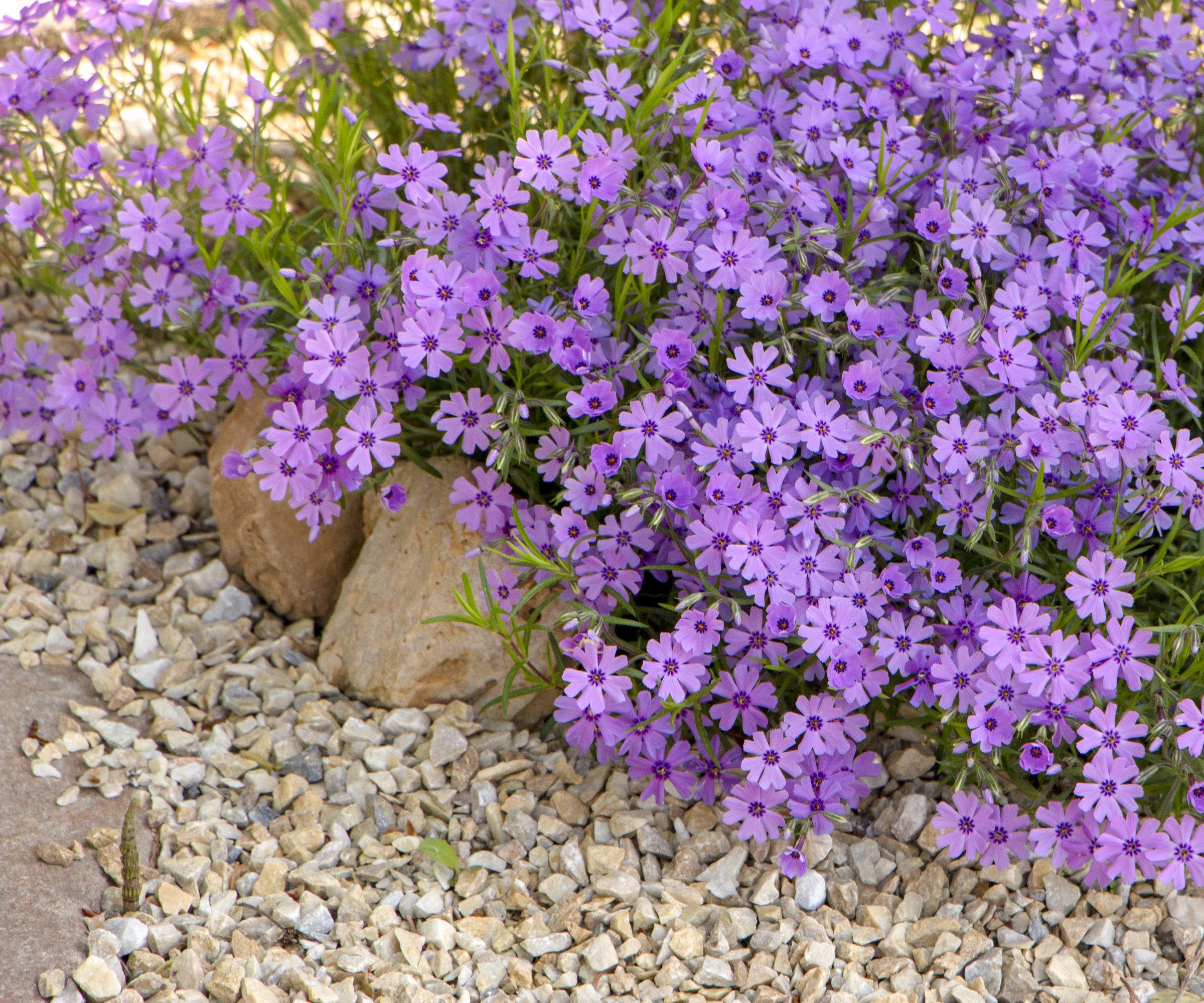
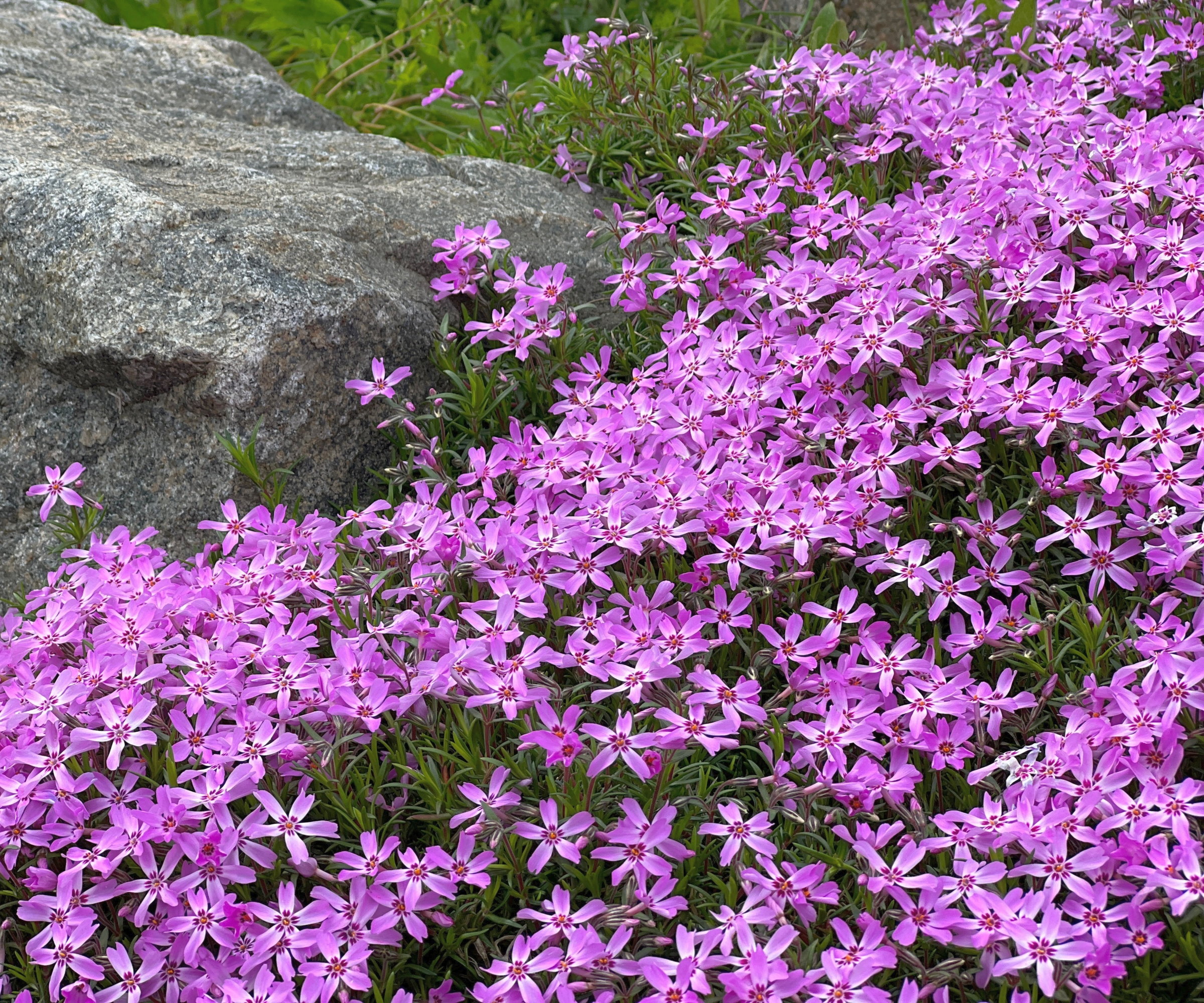
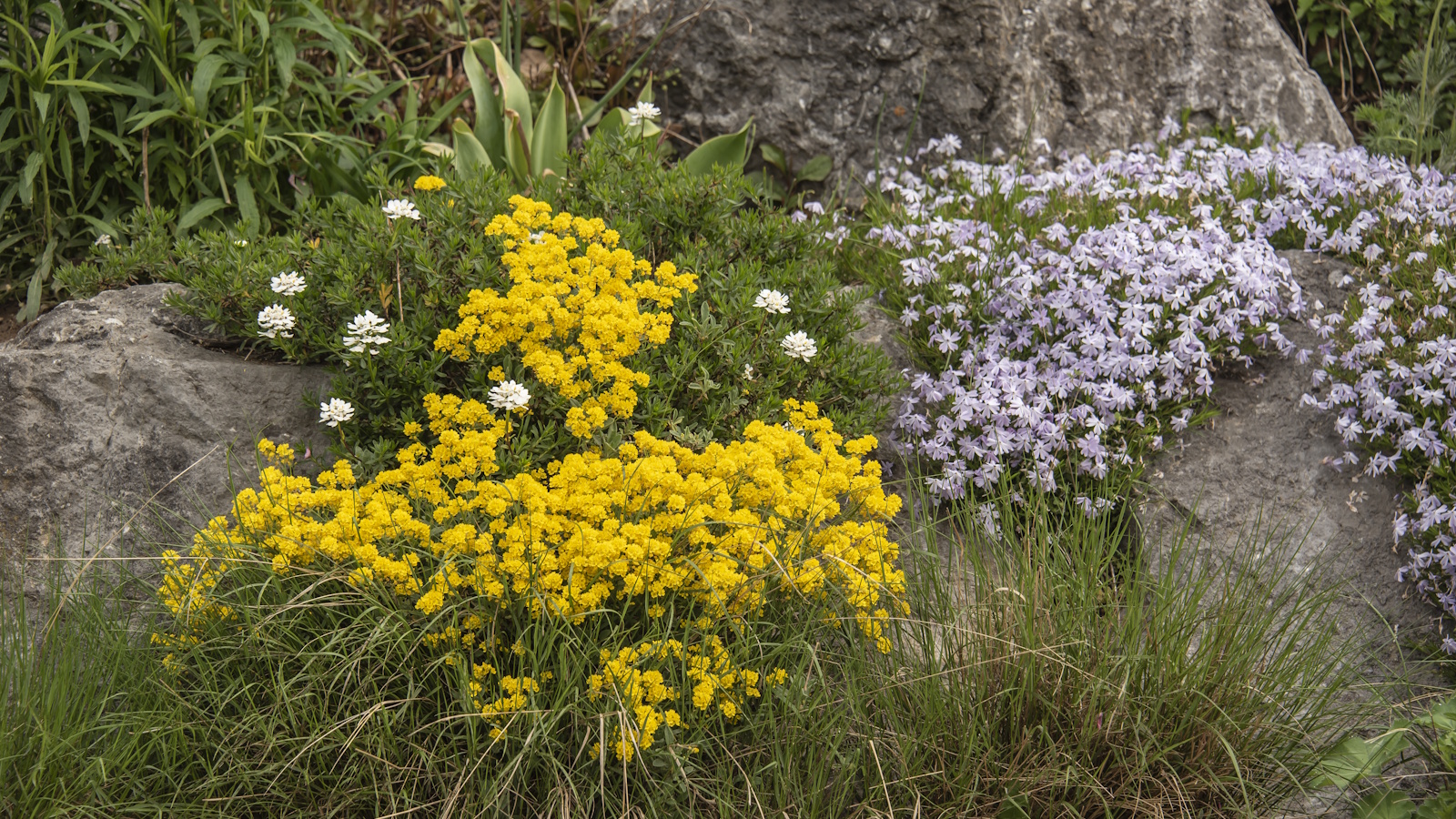
Another excellent choice for rockeries and ground cover is creeping phlox, a mound-forming perennial. This plant is traditionally used in rock gardens but also performs well as a colourful ground cover, in pots, or along the edges of paving, where it helps soften hard landscaping elements. Creeping phlox often features very bright red or pink flowers that are attractive to bees and butterflies. A notable variety, ‘Bavaria,’ is admired for its white flowers with distinctive purple eyes. Similar to Aubrieta, creeping phlox should be trimmed thoroughly after flowering to promote healthy growth.
Complementary plants for these rockery stars include Aurinia saxatilis, commonly known as "gold basket." This evergreen perennial produces abundant yellow flowers in spring and forms a low-lying mound. Arabis, or wall cress, with its fragrant white flowers, can be used to complement the brighter colours of Aubrieta and creeping phlox. These plants, once confined to traditional rockeries, have adapted to modern gardening applications. They thrive in dry, sunny environments, making them suitable for gravel gardens, dry slopes, or even tucked into paving cracks. A crucial aspect of alpine plant care is their tolerance for cold and freezing temperatures, provided they are not left in soggy conditions, as they dislike sitting in excess water.
The article also touches upon a contemporary event, highlighting a garden design conference hosted by the Garden & Landscape Designers Association (GLDA). The conference, themed "Designing in Challenging Times, A Shift in Perspective," was scheduled for Saturday, February 27, and featured an international roster of speakers. This event aimed to explore how designers worldwide are confronting challenges such as environmental degradation, increased urbanization, drought, flooding, and biodiversity loss, while also addressing the significant impact of the Covid-19 pandemic on the perception and design of parks, streets, gardens, and other green spaces. Deirdre Prince, GLDA chairperson, emphasized the paradigm shift in how both the public and designers view the world due to the pandemic, underscoring its immense implications for green spaces.
In summary, the article provides practical advice for cultivating alpine plants in rockeries, walls, and containers, emphasizing the characteristics and care requirements of popular species like Aubrieta and creeping phlox. It also briefly mentions the broader context of garden design and its adaptation to contemporary environmental and societal challenges, as discussed in the GLDA's online conference.
#Rockeries #AlpinePlants #GardenDesign #Aubrieta #CreepingPhlox #GardeningTips #DiarmuidGavin #PlantCare #LandscapeDesign #Rockeries #AlpinePlants #GardenDesign #Aubrieta #CreepingPhlox #GardeningTips #DiarmuidGavin #PlantCare #LandscapeDesign
0 komentarzy łącznie
 Brak komentarzy jeszcze
Możesz również polubić
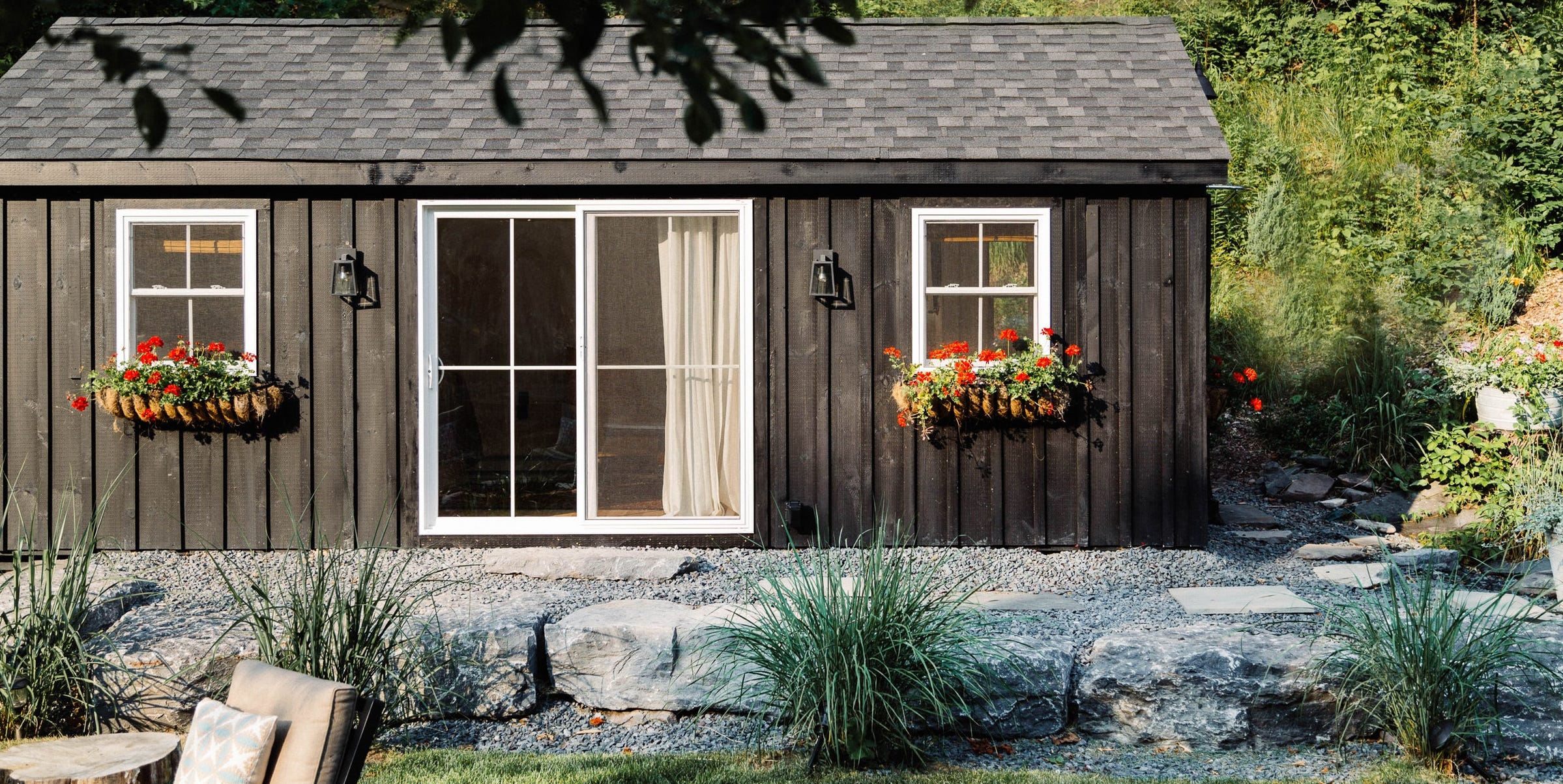
You Have to See These Rock Garden Ideas for Every Type of Landscape
Easiest climbers to grow – 5 fool-proof vines to quickly and effectively cover bare walls this year

5 best plants to grow up a pergola for a beautiful, scented awning

Use stone to update, add interest to your landscape

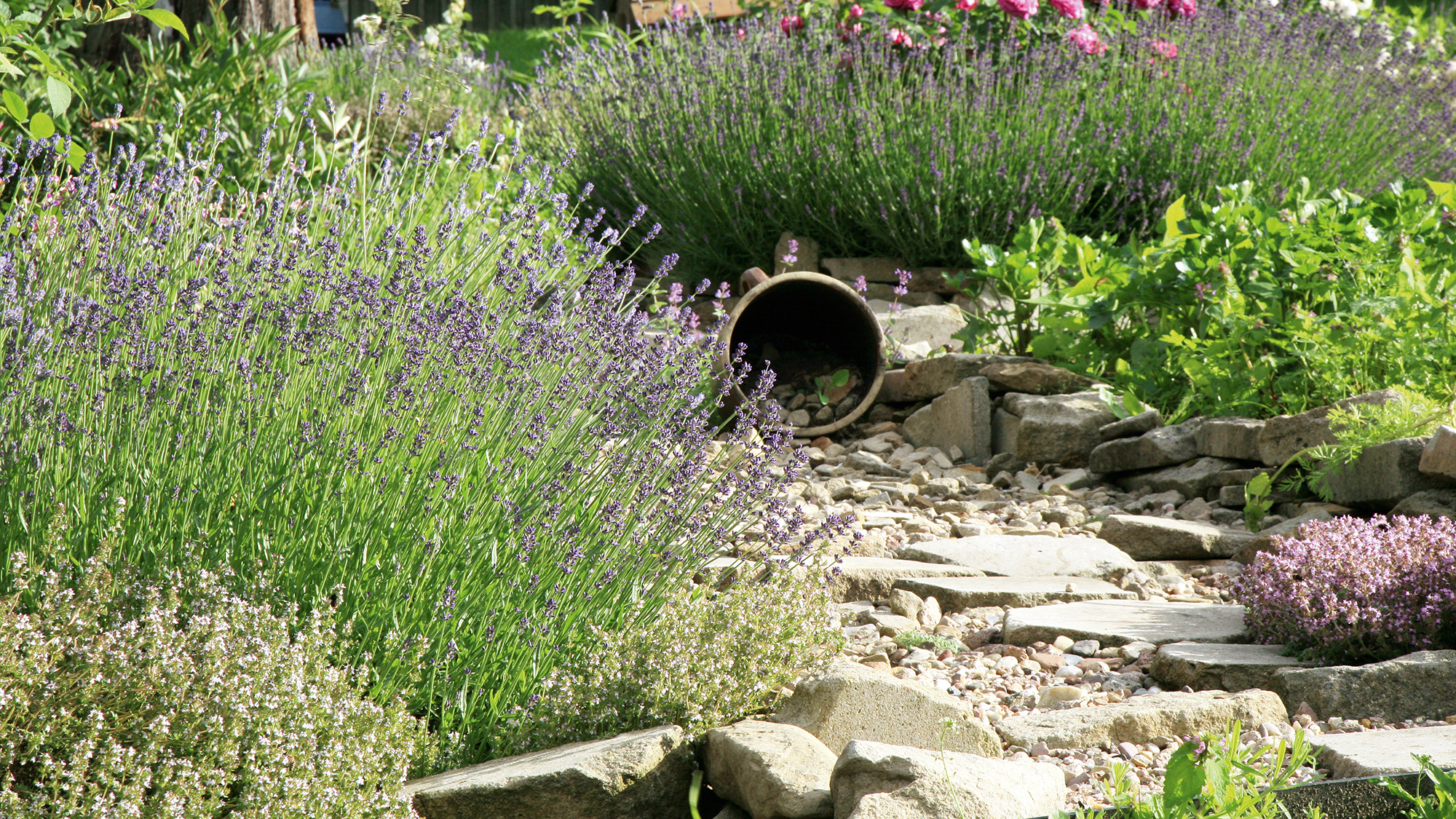
Rock garden ideas – 20 ways to create a stylish rockery in your backyard
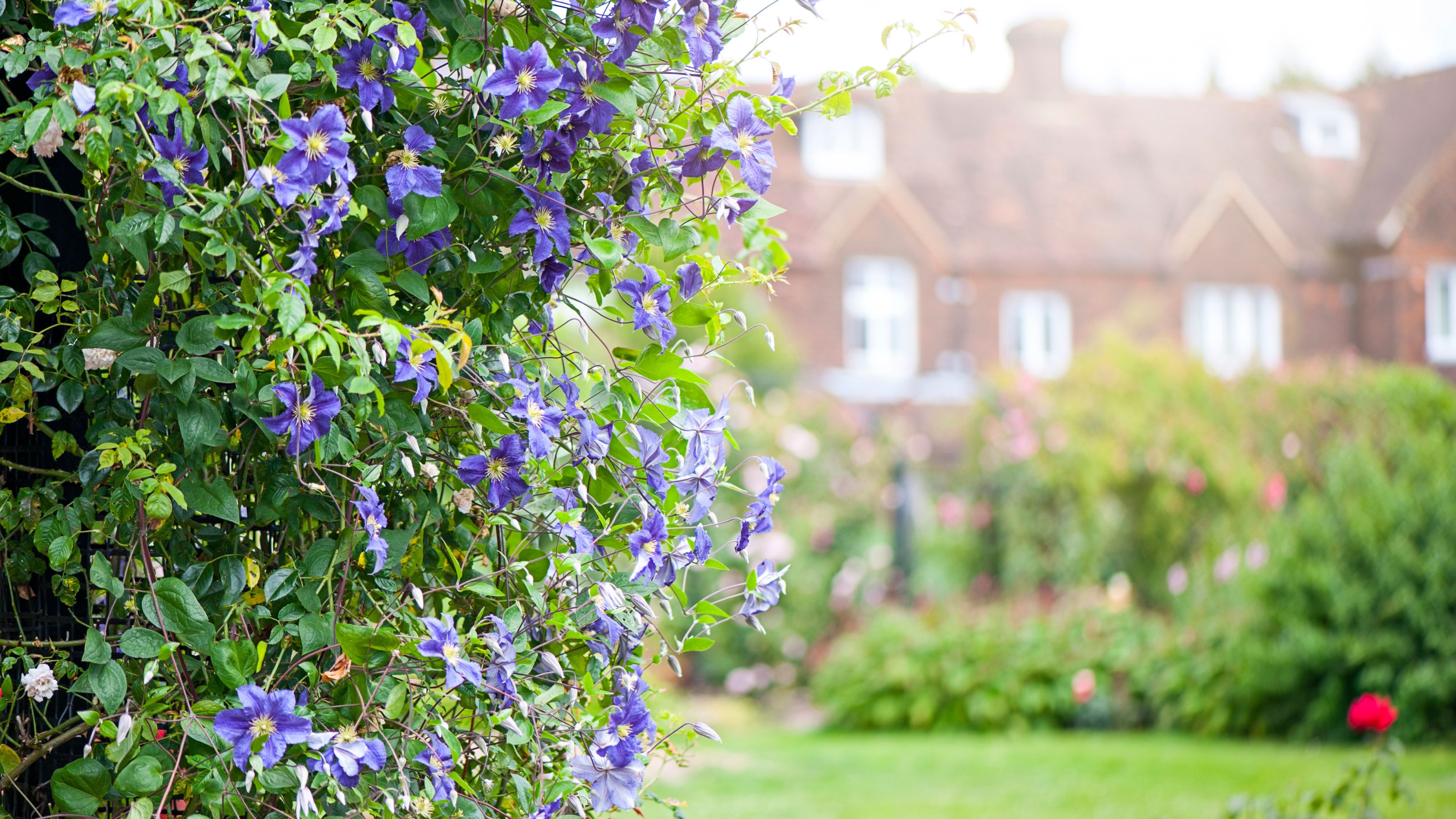
The 5 best climbing plants to cover an ugly fence, add privacy, and beautify your garden
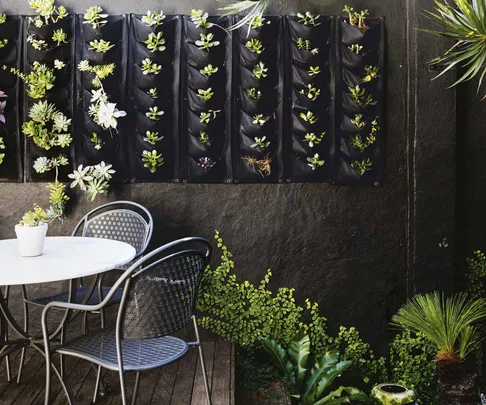
9 of the best plants for vertical gardens

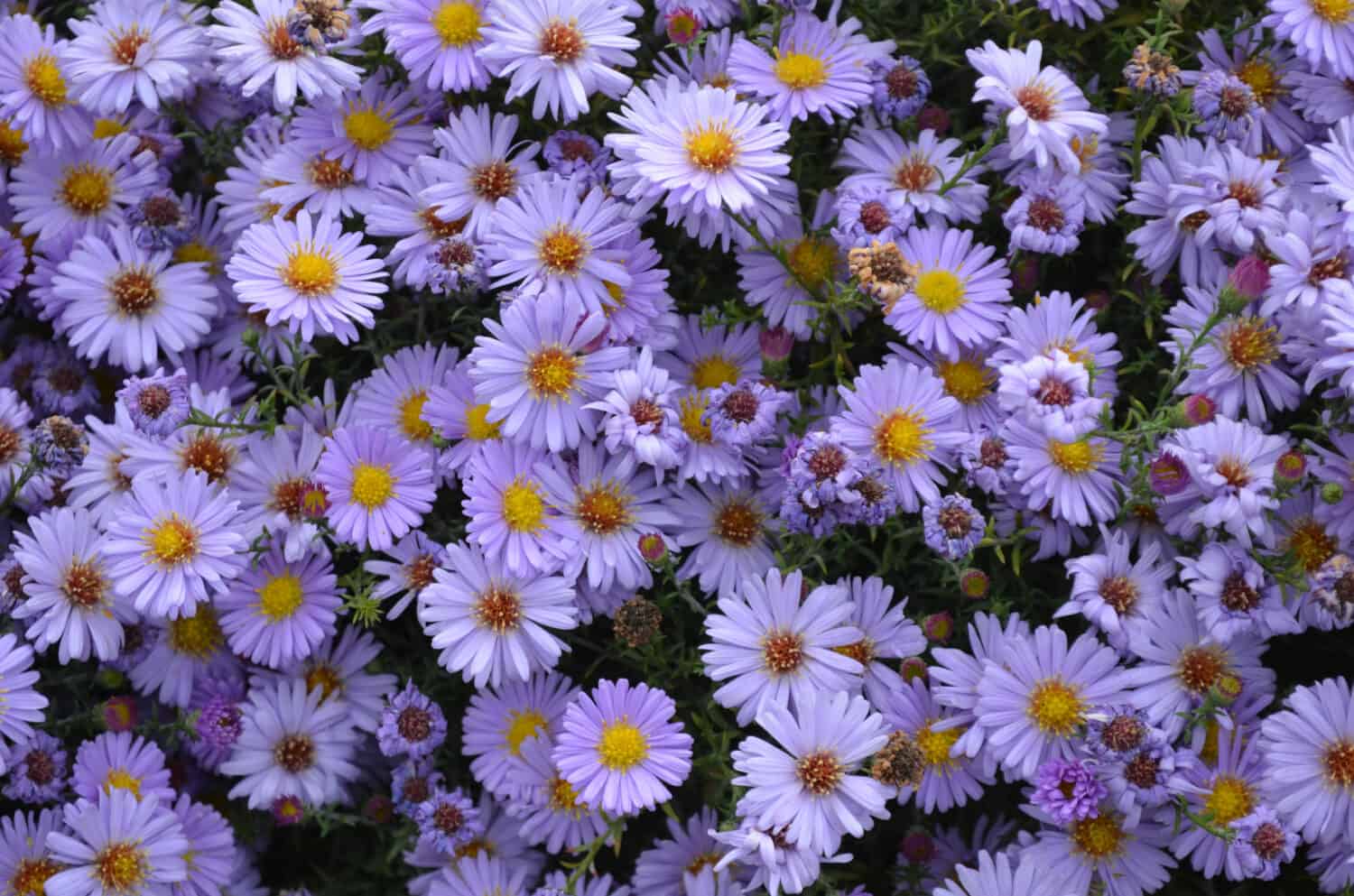
The Best Flowers to Plant in Montana: 15 Flowers for a Gorgeous Bloom
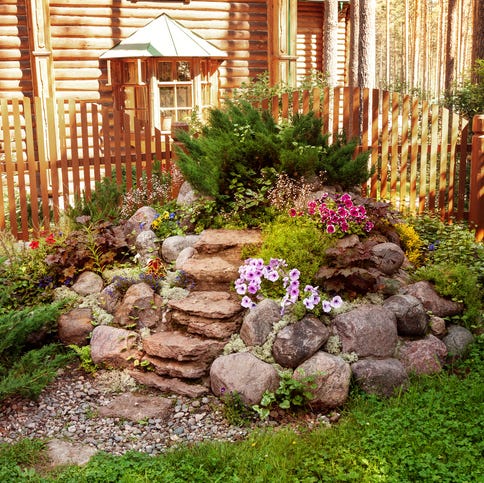
Upgrade Your Backyard with These Creative Rock Garden Ideas

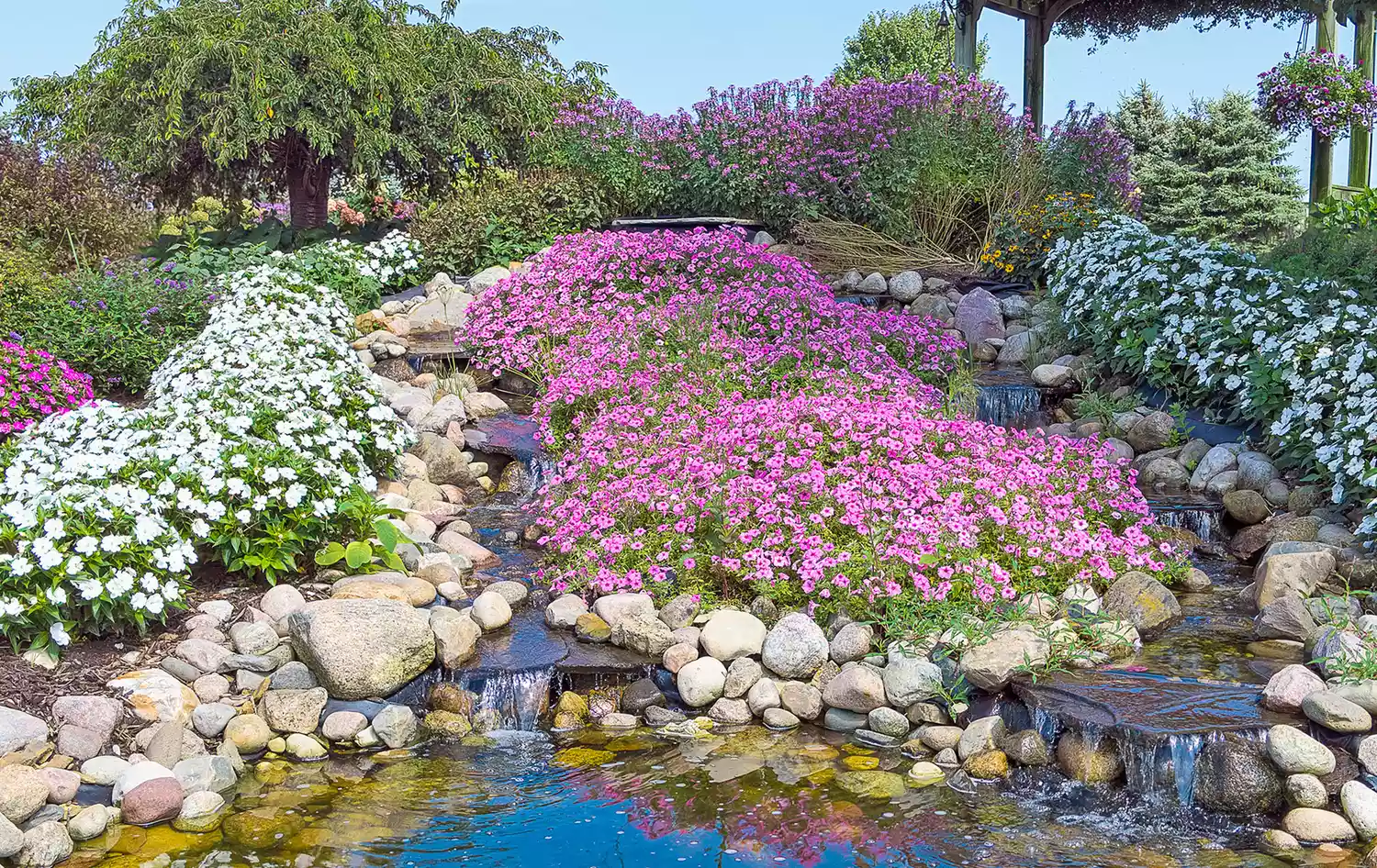
16 Rock Garden Ideas for a Beautiful, Low-Maintenance Landscape

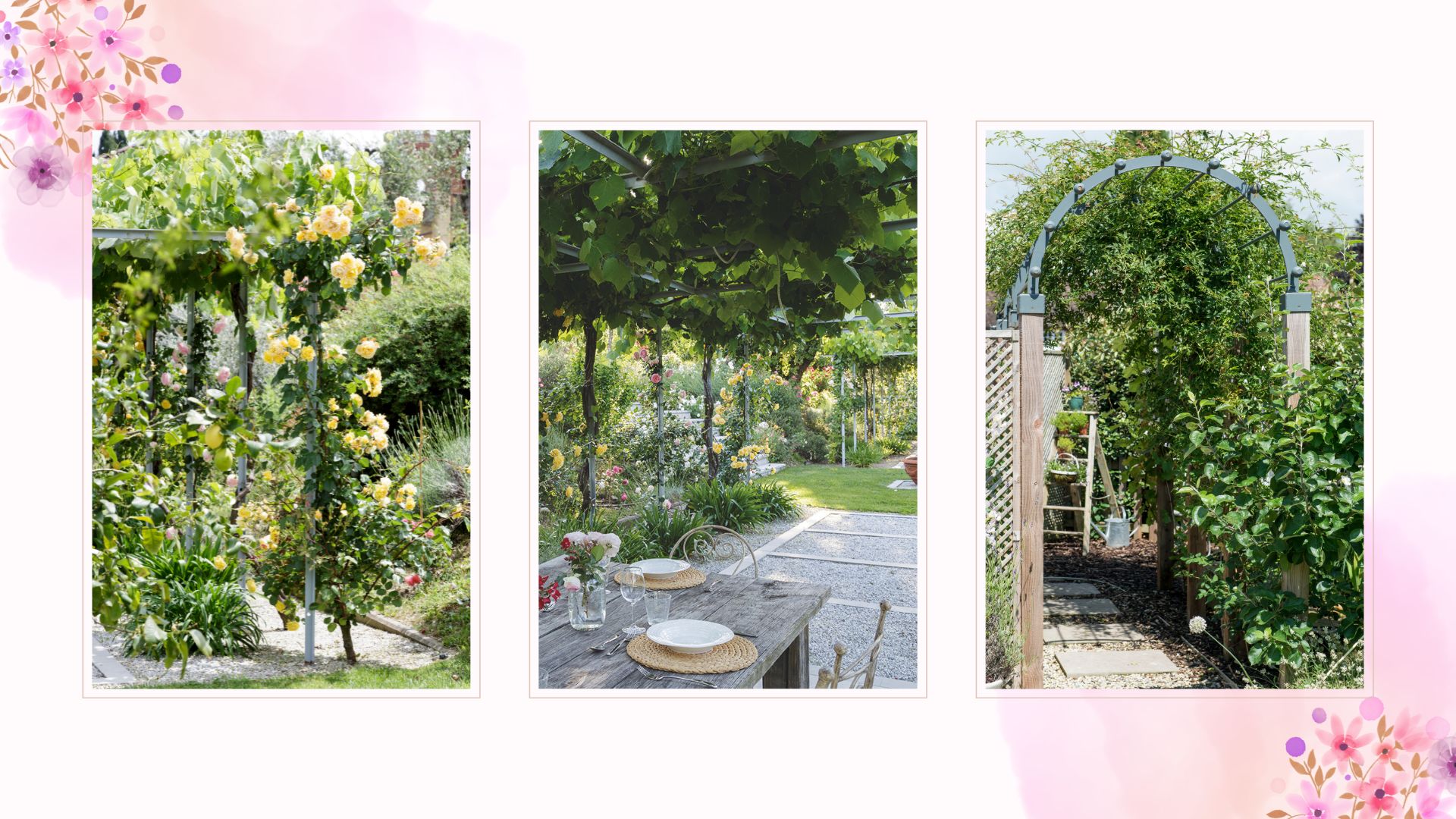
The best plants for a pergola: 5 thriving climbers chosen by professional gardeners

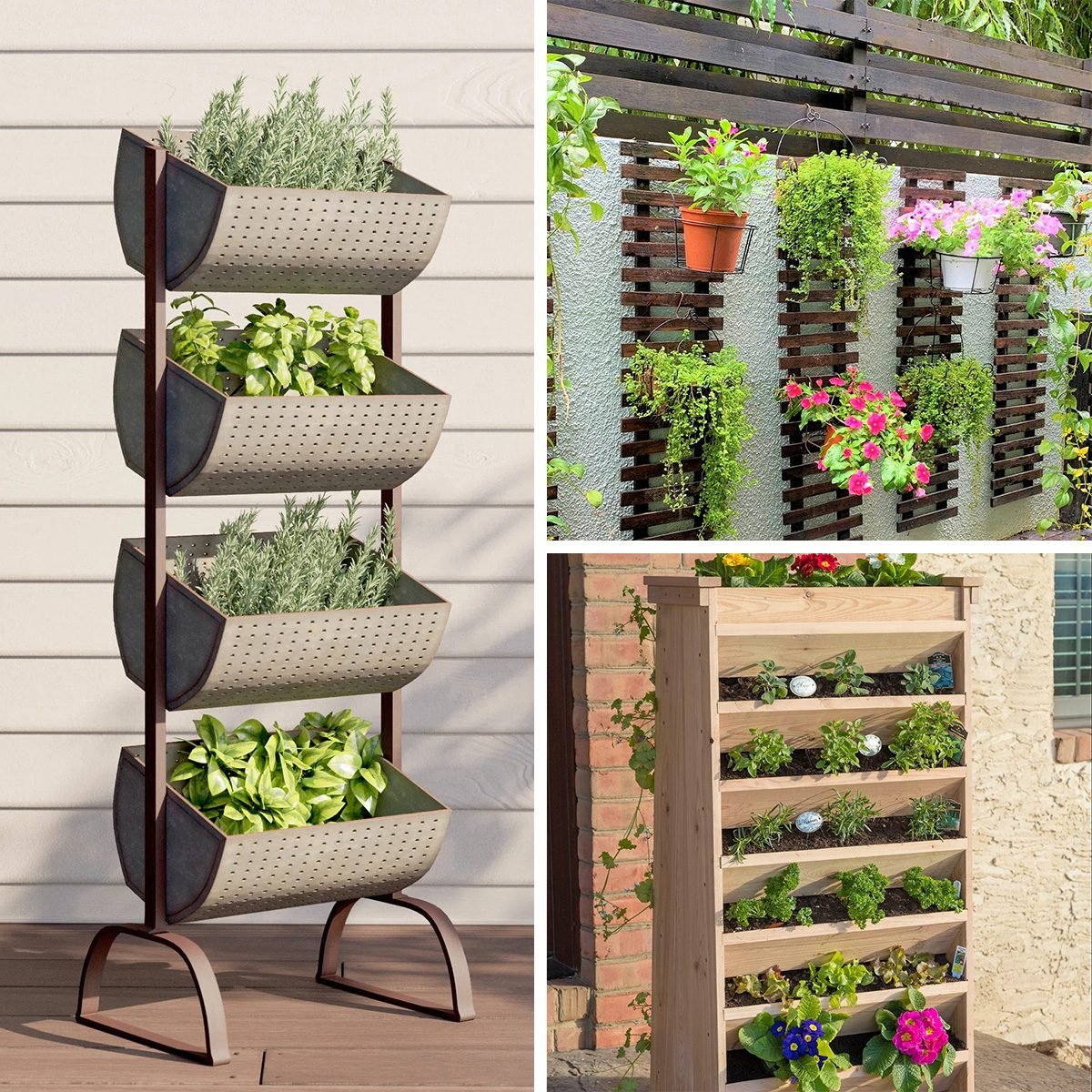
10 Best Vertical Garden Planters

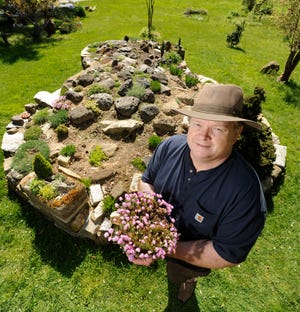
Think small when adding plants to a rock garden
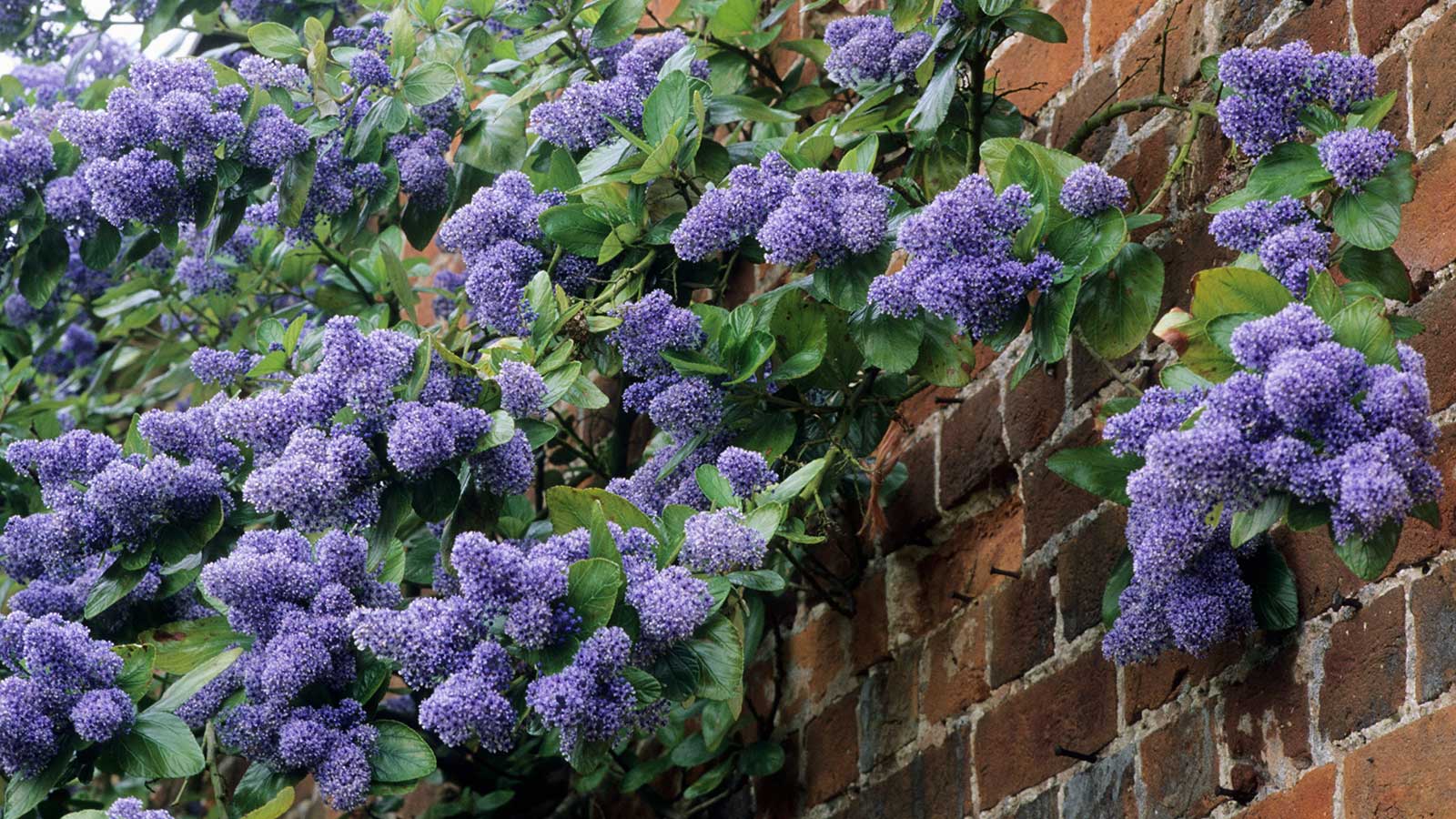
Plants to hide a garden wall – expert-approved options for a beautiful, botanical screen
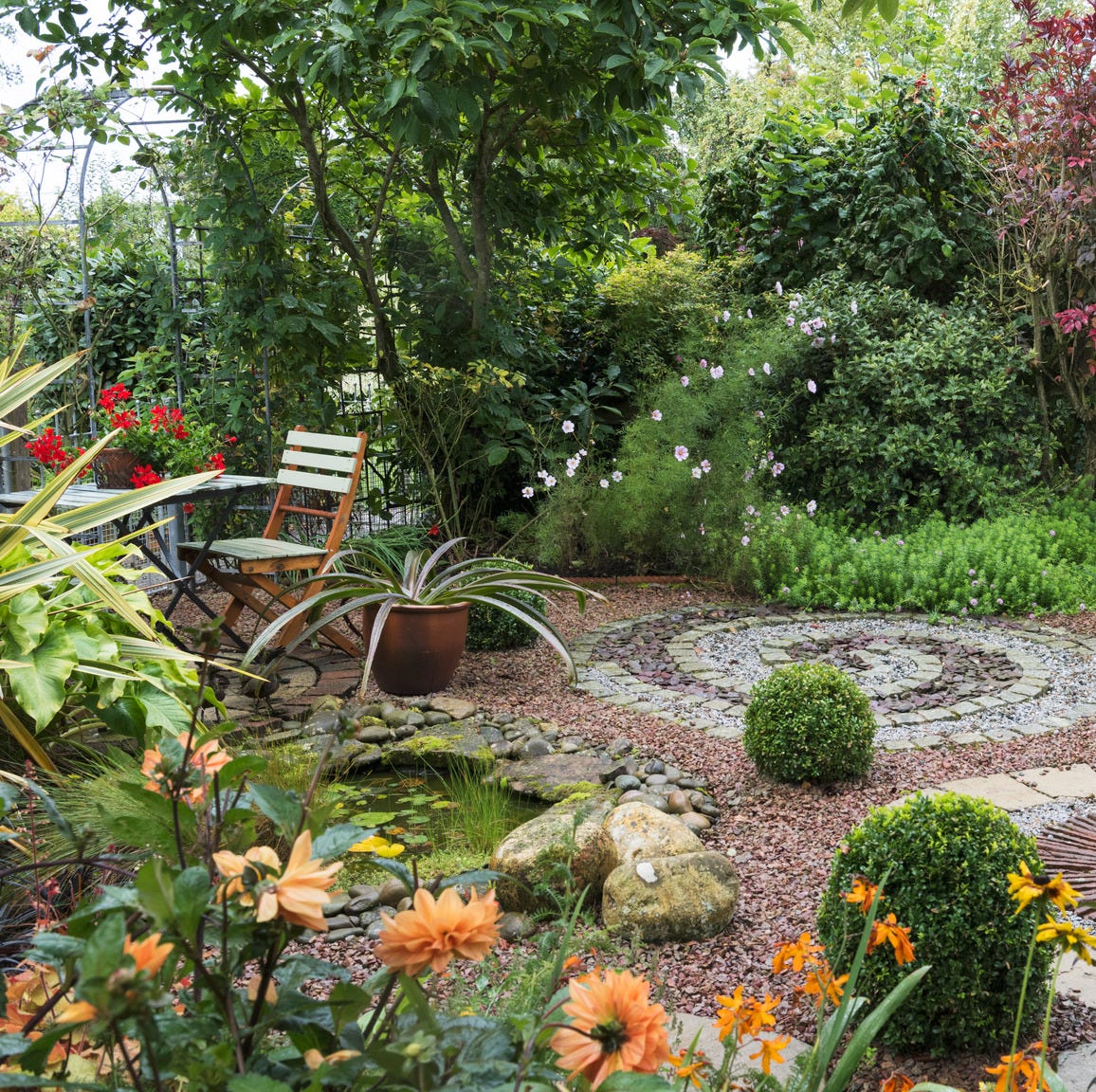
Rock Gardens Are the Ultimate Hack for a Low-Maintenance Lawn
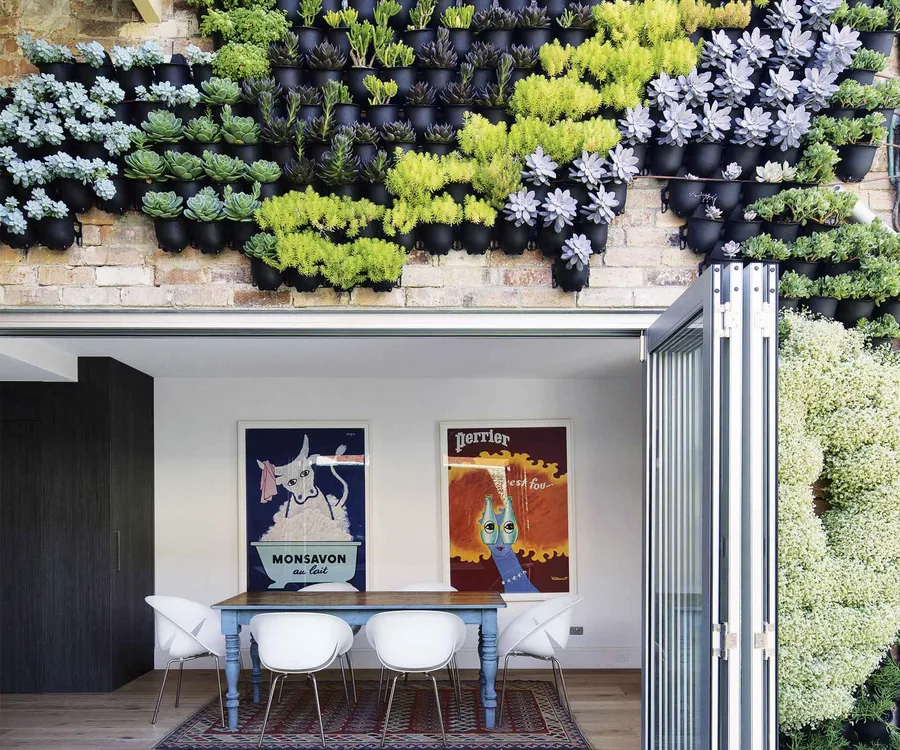
12 vertical garden ideas to inspire your own plant wall
Best cascading plants: 5 joyful plants for pots and retaining walls
5 climbing plants perfect for your pergola

Best plants to cover a fence – 10 ways to disguise a fence with beautiful flowers and foliage
10 Climbing Plants That Will Cover Fences In A Flash