1/16
15 Plants Perfect For A North-Facing Window
North-facing windows, which receive limited direct sunlight, pose a challenge for many popular houseplants that thrive in bright conditions, such as cacti, succulents, citrus plants, and rhododendrons. These light-loving species may exhibit leaf loss, etiolation, or even perish in low-light environments. However, a wide array of low-light-tolerant plants can flourish in such settings. Many of these low-light plants are understory species in their native habitats, meaning they naturally grow beneath larger plants that provide shade, as noted by the University of Minnesota Extension. These plants typically grow slowly and have minimal water requirements, making them more resilient to neglect, though it may take time for a north-facing window area to become lush.
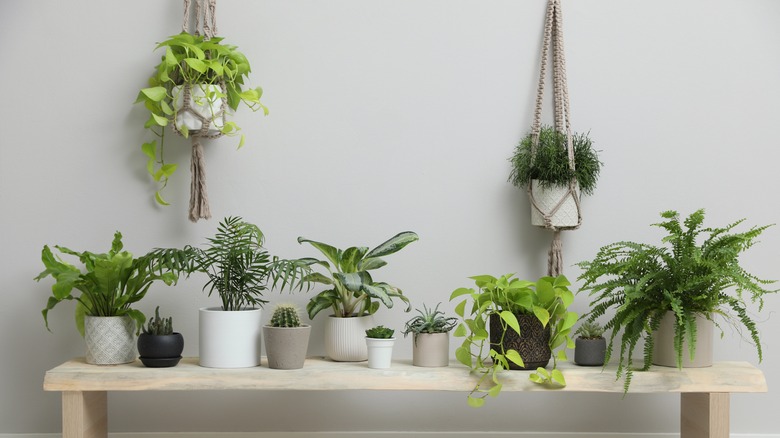
Several plants are well-suited for north-facing windows, offering beauty and ease of care. The Cast Iron Plant (Aspidistra elatior) is a low-maintenance herbaceous perennial known for its glossy, arching green leaves. It thrives in bright, medium, or low indirect light and requires a well-drained, peaty potting mix. The ZZ Plant (Zamioculcas zamiifolia), also called aroid palm, features upright, fleshy stems and ovate green leaves. It is drought-tolerant and grows well in poor lighting conditions, preferring medium to low indirect light and a well-drained potting mix. Chinese Evergreens (Aglaonema modestum) are herbaceous perennials native to the Philippines and Malaysia, preferring temperatures above 70 degrees Fahrenheit. They offer lush green or variegated foliage and thrive in medium to low indirect light with a well-drained potting mix.
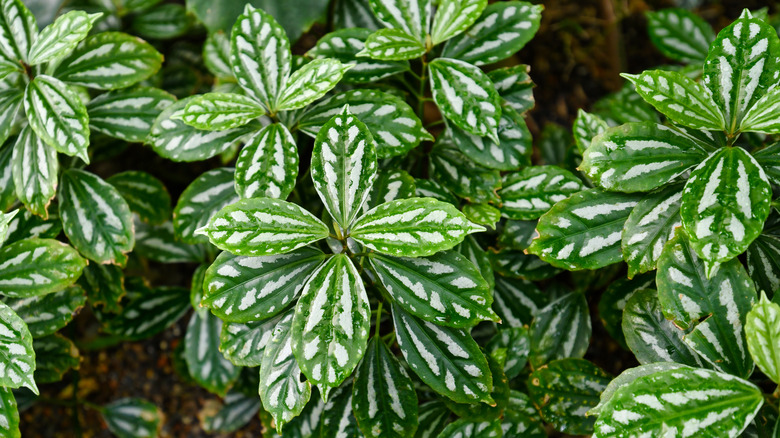
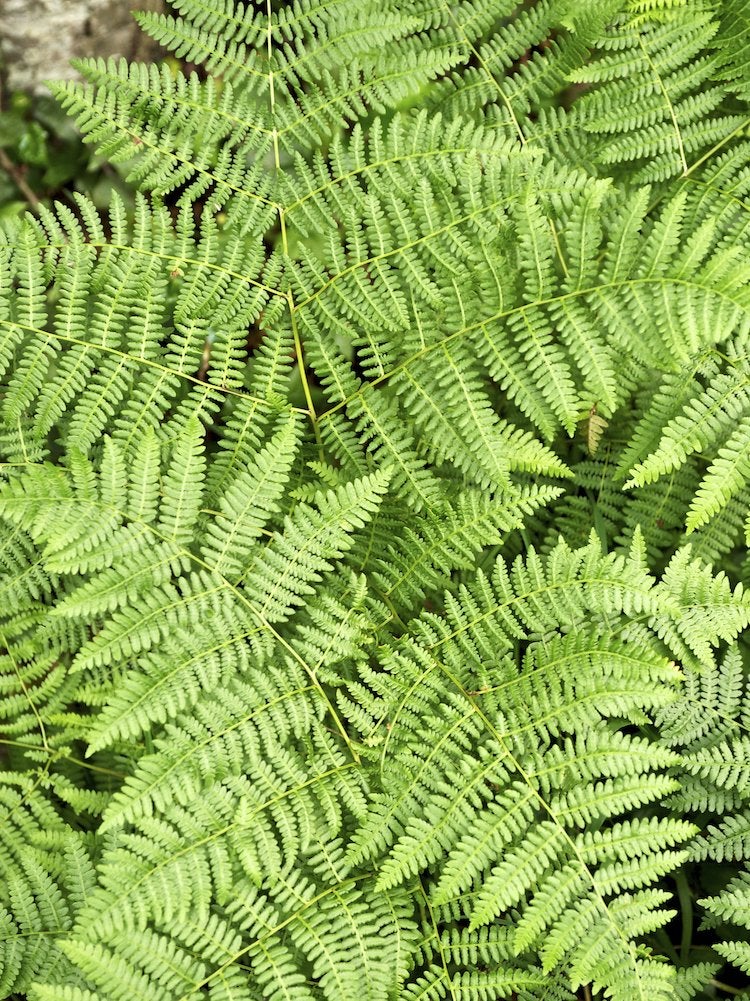
The Maidenhair Fern (Adiantum pedatum) displays arching fronds of light-green foliage, creating a floating appearance. While suitable for outdoors, it can be grown indoors in a hanging planter near a north-facing window, preferring medium to low indirect light. The Aluminum Plant (Pilea cadierei) is named for its silver-streaked leaves, which can become bushy and lose some color as the plant matures. It tolerates bright, medium, or low indirect light in a well-drained, peaty, soil-based potting mix. Painted-Leaf Begonias (Begonia rex-cultorum) are valued for their unique, multi-colored leaves rather than their small flowers. They prefer bright, medium, or low indirect light with an average potting mix.
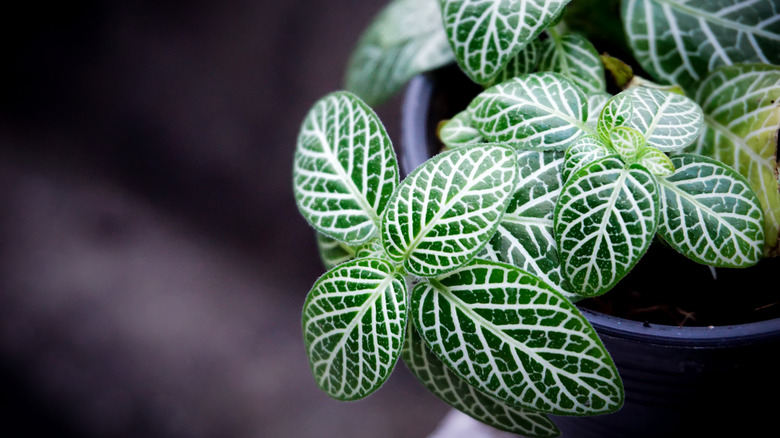
Peace Lilies (Spathiphyllum spp.) encompass over 40 species and many hybrid cultivars, all sharing similar care requirements. They enjoy indirect light, warm conditions, and well-drained soil, thriving in bright, medium, or low indirect light. Bamboo Palms (Chamaedorea elegans), also known as parlor palms, can reach up to 7 feet indoors. They are characterized by arching fronds and an erect growth habit, doing well in bright, medium, or low indirect light with a well-drained, organic-rich potting mix. Nerve Plants (Fittonia albivenis) or mosaic plants have ovate leaves with red, pink, or white veins. This herbaceous perennial requires high humidity and frequent watering, growing up to 6 inches tall in bright, medium, or low indirect light and a well-drained peaty or soil-based potting mix.
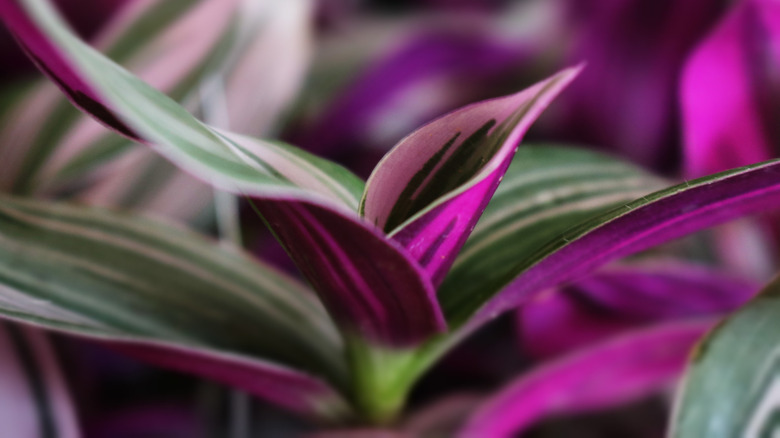
Moth Orchids (Phalaenopsis spp.) are common houseplants that can bloom in low-light conditions, such as a north-facing window, if kept moist with a humidifier and watered weekly. They prefer bright, medium, or low indirect light and a loose bark or potting medium. The Never-Never Plant (Ctenanthe oppenheimiana) is an evergreen perennial with long, ovate leaves, which can be green or variegated. It thrives in the partial shade of a north-facing window, requiring medium to low indirect light and a well-drained potting mix. Boston Ferns (Nephrolepis exaltata 'Bostoniensis') are ideal houseplants, flourishing in hanging baskets in medium light. They do not flower and prefer bright, medium, or low indirect light with a rich, well-drained potting mix.
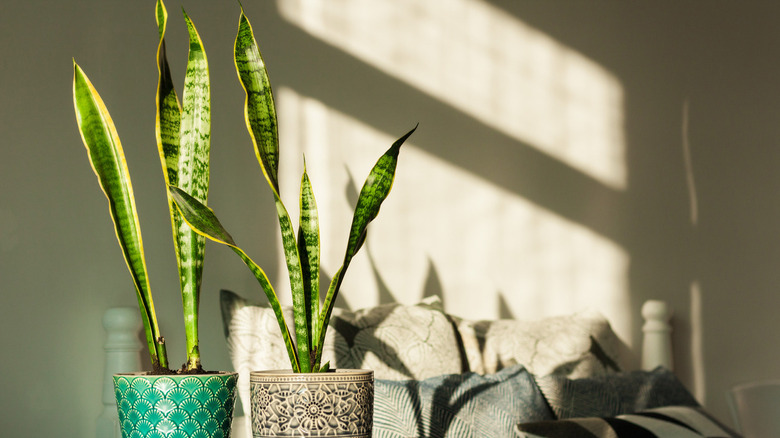
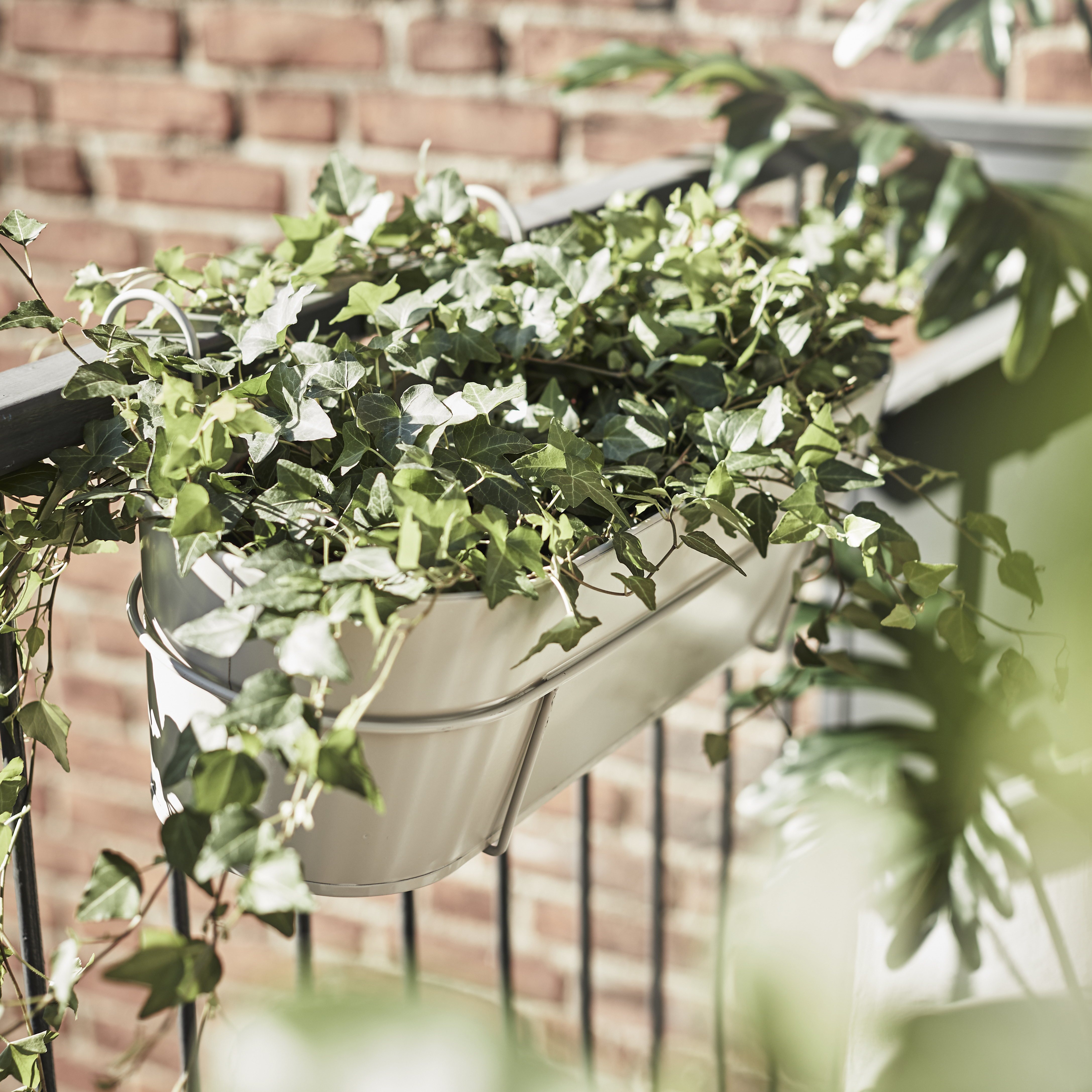
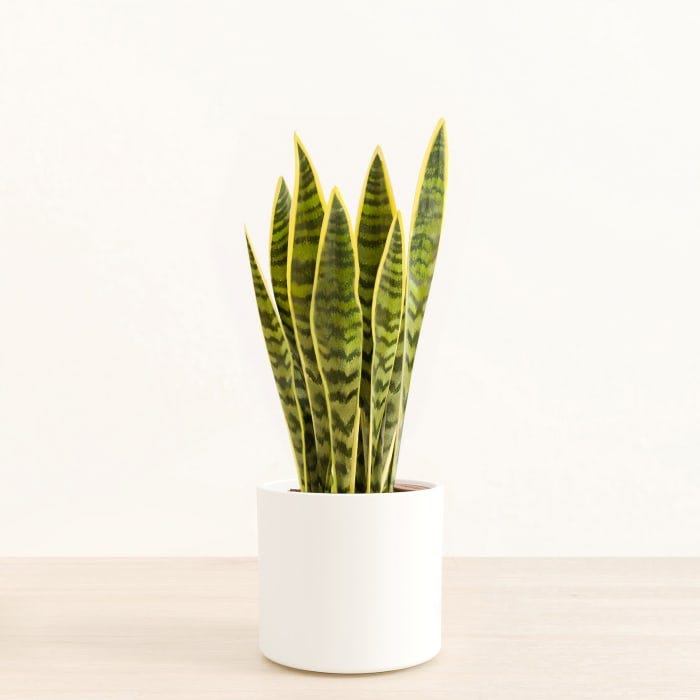
English Ivy (Hedera helix) can be a beautiful houseplant, but its toxic leaves and stems necessitate careful handling, especially in homes with pets or children. When properly managed, it cascades elegantly from elevated pots. It tolerates bright, medium, or low indirect light and a well-drained potting mix. Snake Plants (Sansevieria trifasciata) are succulent houseplants known for their low-maintenance nature and tolerance of various lighting conditions, making them suitable for north-facing windows. They prefer well-drained potting mix. Finally, Golden Pothos Plants (Epipremnum aureum) are easy to propagate, grow, and care for. They thrive in bright, medium, or low indirect light and a well-draining potting mix, with attention needed for pests, harsh sunlight, and overwatering symptoms.
#NorthFacingWindow #LowLightPlants #HouseplantCare #IndoorGardening #PlantSelection #HomeDecor #EasyCarePlants #ShadeTolerantPlants #PlantVarieties #NorthFacingWindow #LowLightPlants #HouseplantCare #IndoorGardening #PlantSelection #HomeDecor #EasyCarePlants #ShadeTolerantPlants #PlantVarieties
0 komentarzy łącznie
 Brak komentarzy jeszcze
Możesz również polubić
15 Plants Perfect For A South-Facing Window
Grow Your Favorite Blooms in These Top-Rated Window Boxes


22 Stylish And Cozy Window Nook Ideas
19 Colorful and Lush Plant Combinations for Your Window Boxes

25 Houseplants Perfect For Your Kitchen Window
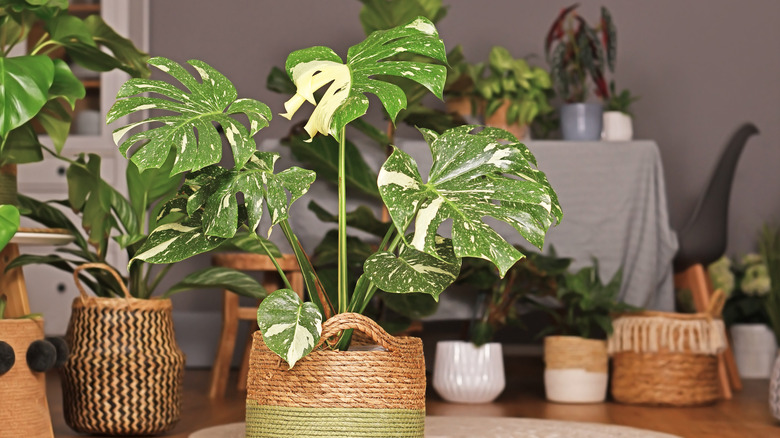
15 Variegated Plants To Spruce Up Your Indoor Spaces
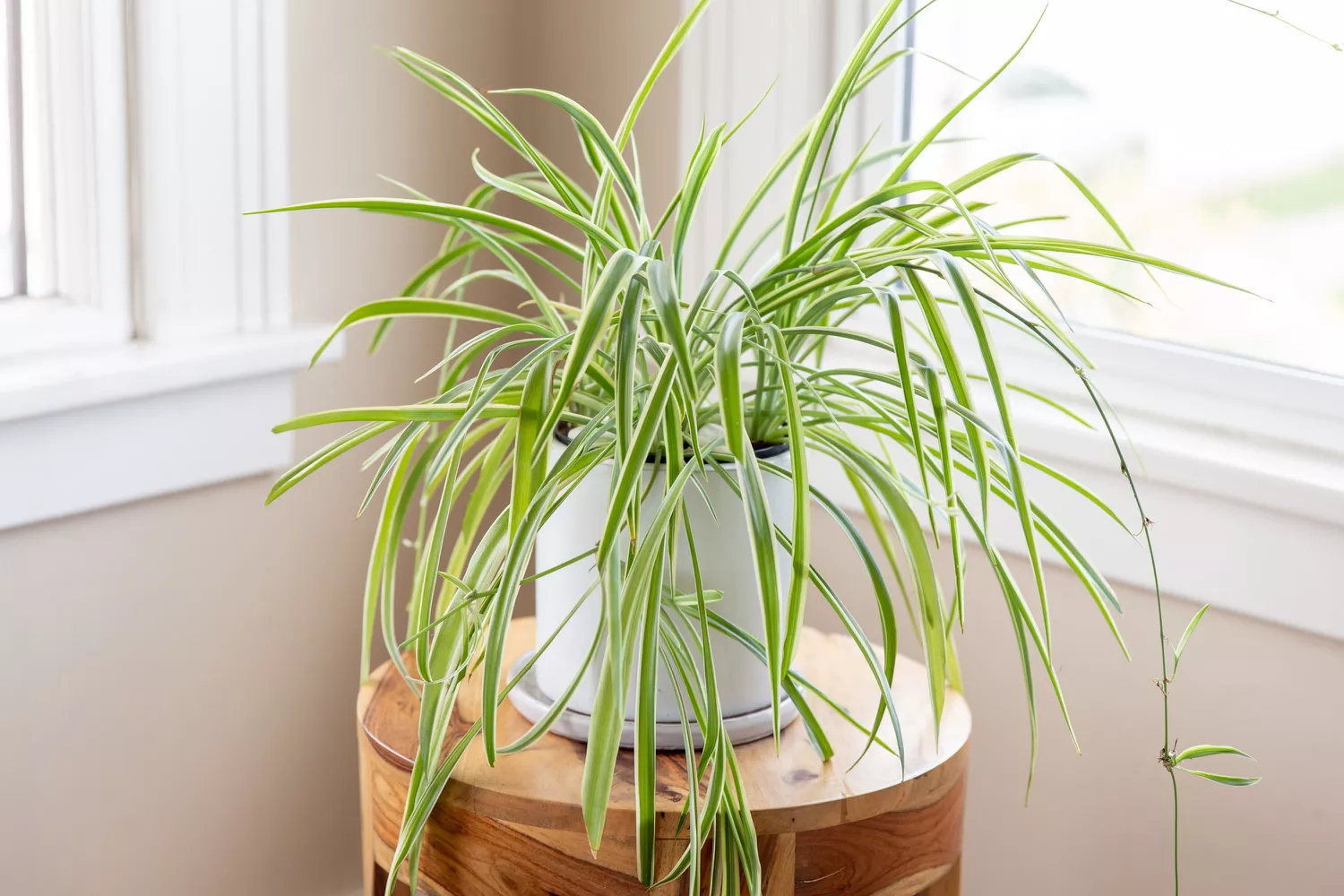
Only Have East-Facing Windows? These 8 Plants Will Thrive on Your Sill

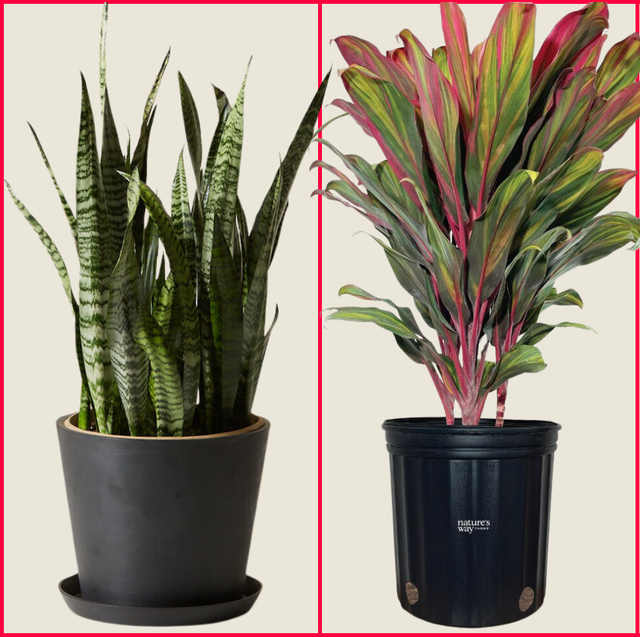
Transform Your Space With Any of These Gorgeous Tall Indoor Plants

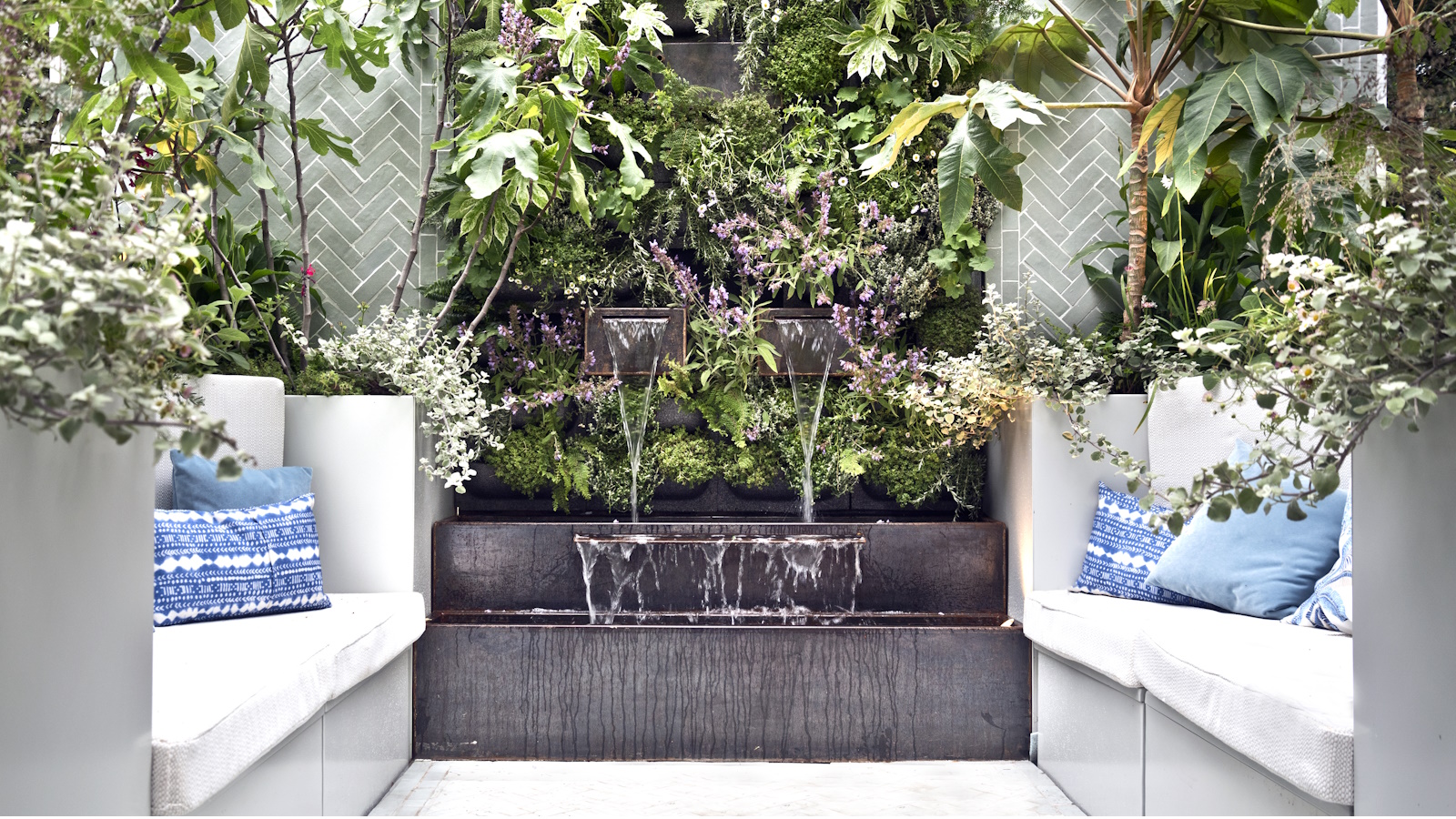
How to garden on a north-facing balcony – 3 ways to create a shady green oasis

12 Best Shade Plants to Grow Along a North-Facing Wall

8 Best Window Planter Boxes

25 Shade-Loving Plants for Where the Sun Don’t Shine

Only Have North-Facing Windows? 8 Plants That Would Love to Sit on Your Sill
These 15 Bedroom Plants Deliver Some Stylish Shut-Eye


15 Magnificent Picture Windows That Frame Enviable Views

These Are the Best Shade-Loving Flowers and Plants for Your Yard

15 window box ideas – perfect planting tips for floral interest in all seasons

15 Colorful Plants to Brighten Up Your Landscape

10 Beautiful Privacy Shrubs You'll Want To Grow Right Next To Your Windows
Add These Shade-Loving Plants To Your Containers For Covered Porches