Why White Vinegar Is the Secret to Cleaner, Fresher Laundry
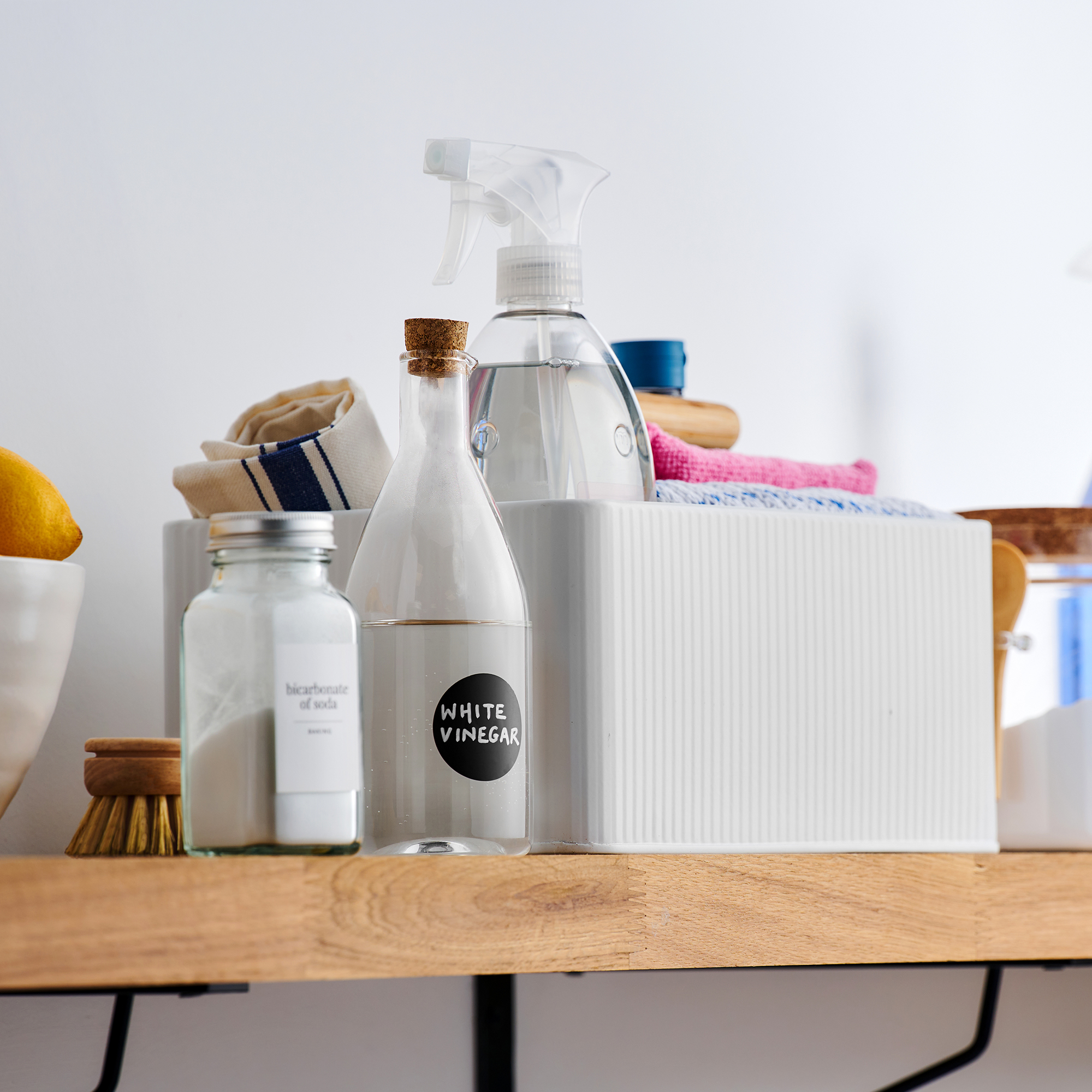
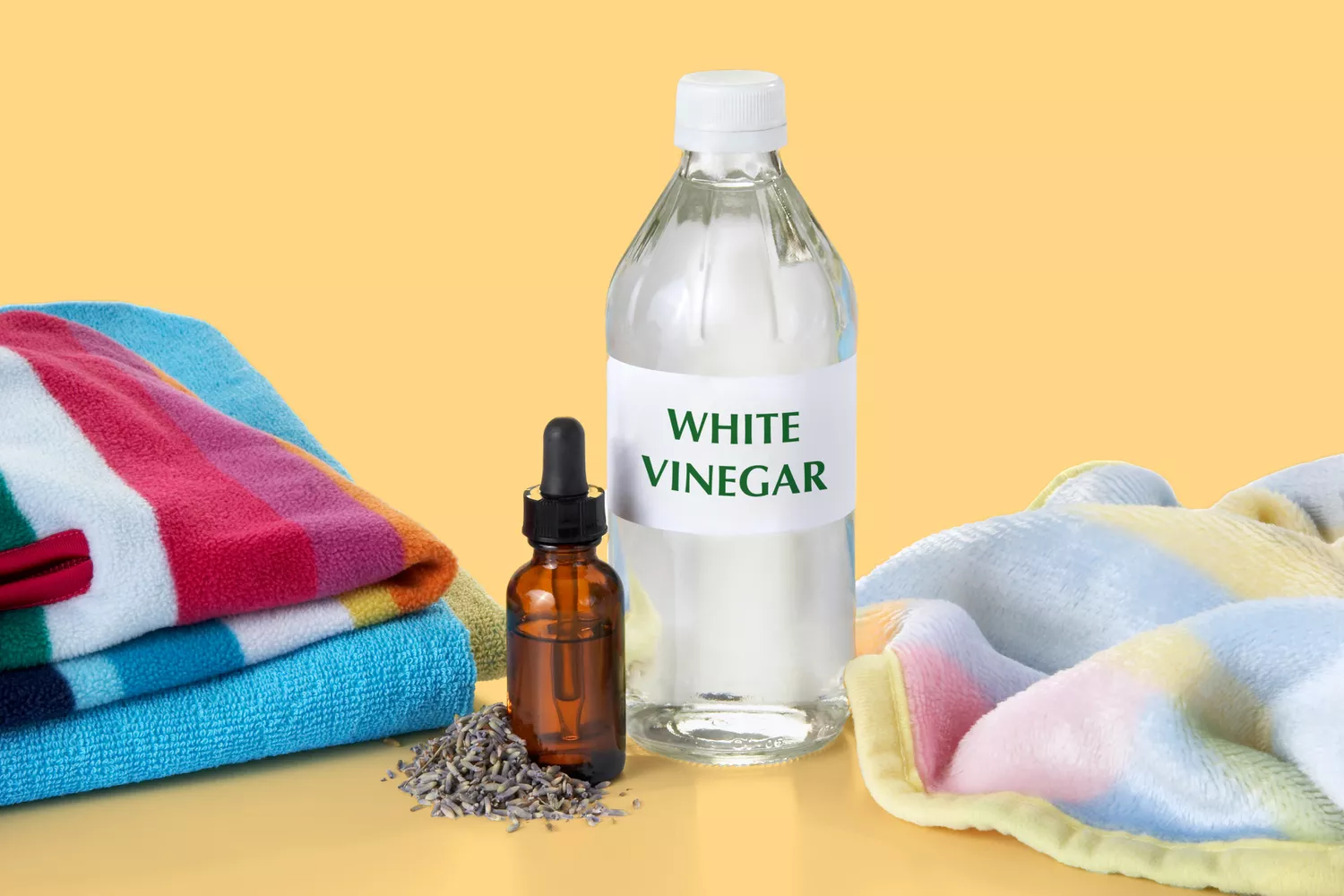
White vinegar stands out as a highly effective natural cleaning agent, particularly beneficial for laundry. Its efficacy is rooted in its ability to combat bacteria growth, which is a primary cause of odors in clothes. Beyond odor elimination, white vinegar helps to remove residue and buildup from common laundry contaminants such as lotions, sweat, dead skin cells, sunscreens, and even fabric softeners. This detoxifying action not only leaves fabrics feeling softer and less stiff but can also brighten white garments by breaking down mineral deposits and detergent residues that cause yellowing over time.
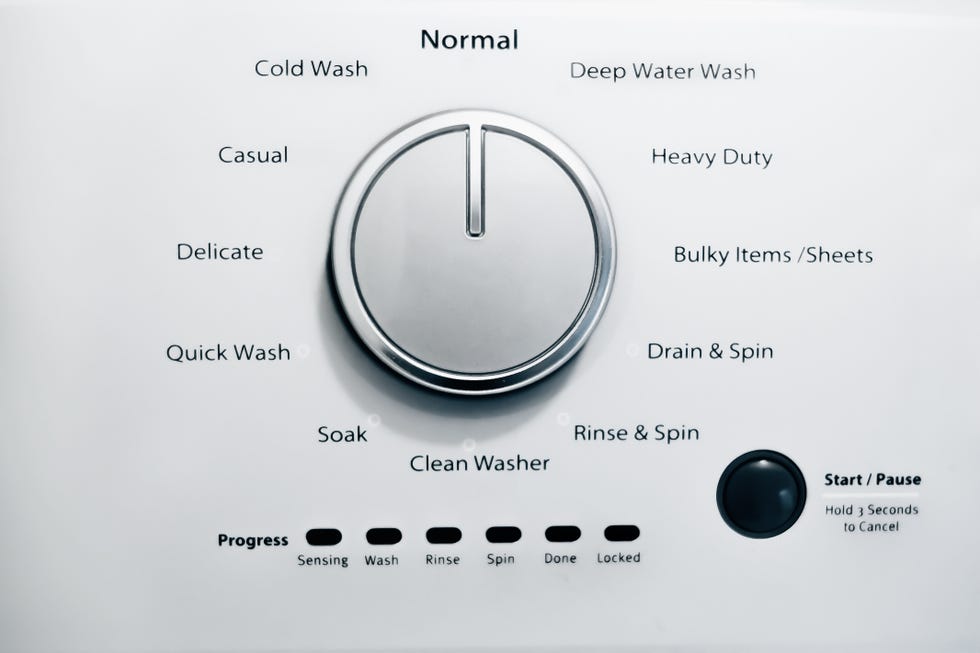
There are several versatile methods for incorporating white vinegar into a laundry routine. For a regular wash cycle, adding one cup of distilled white vinegar to the fabric softener dispenser or during the rinse cycle can soften fabrics, neutralize odors, and break down detergent residues. This is particularly useful for athletic wear and undergarments, as the tightly woven synthetic fibers often trap odor-causing bacteria that traditional detergents struggle to remove. White vinegar's acidity penetrates these fibers, ensuring a deeper clean and odor removal.
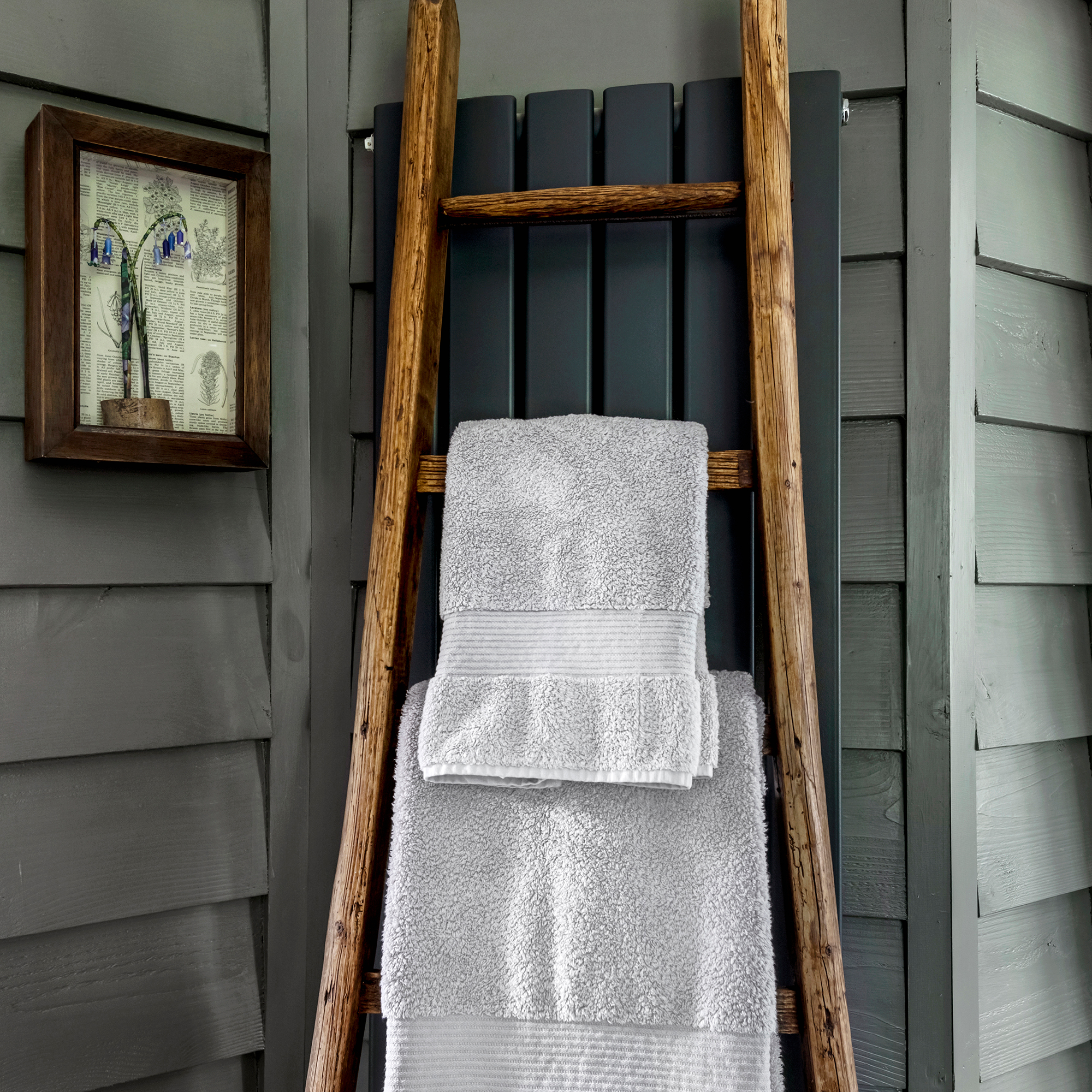
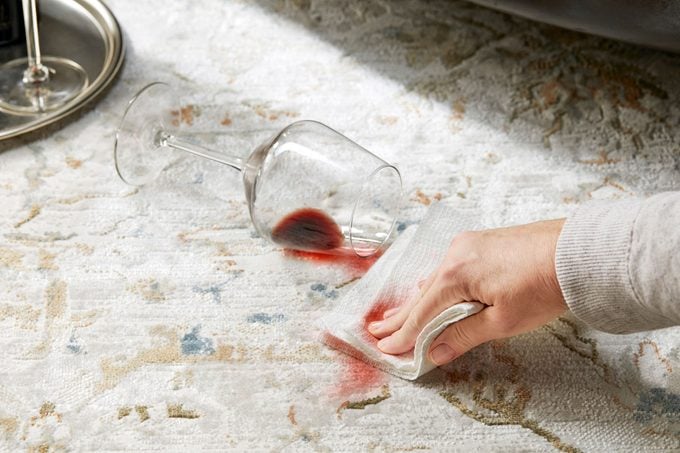
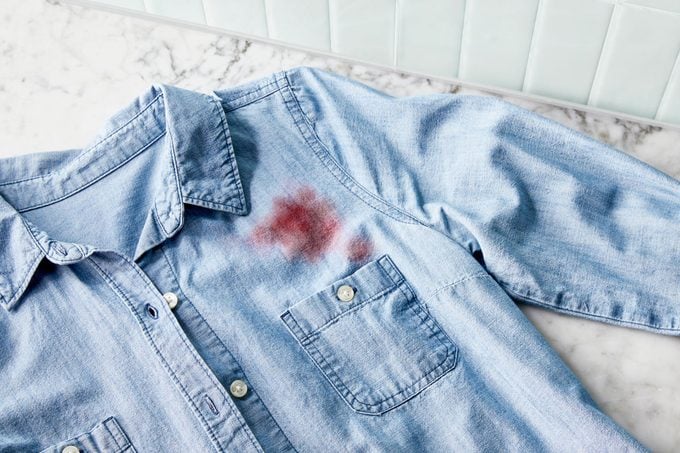
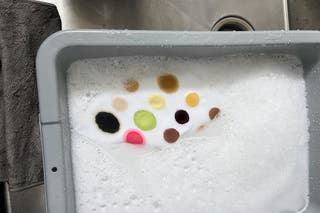
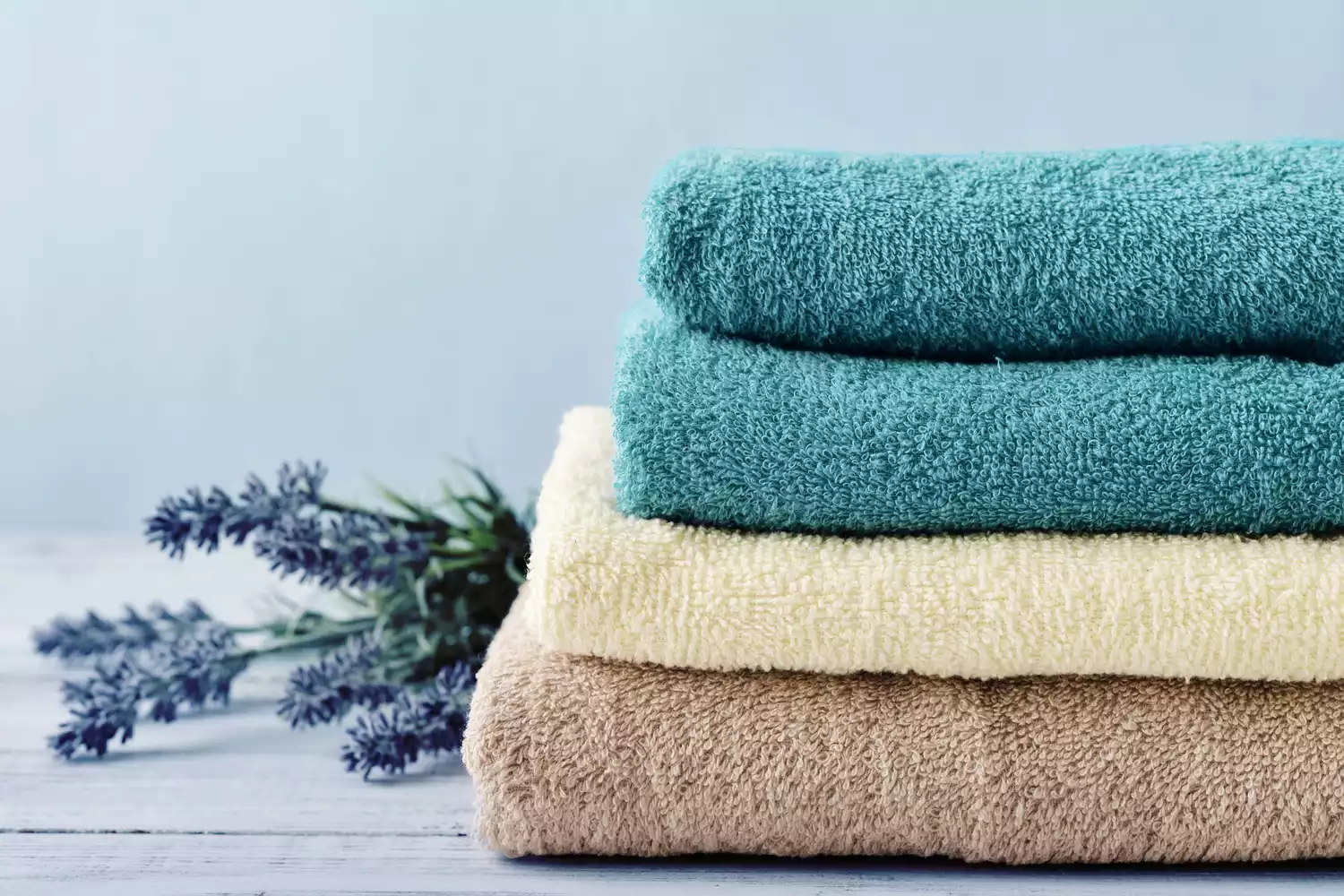
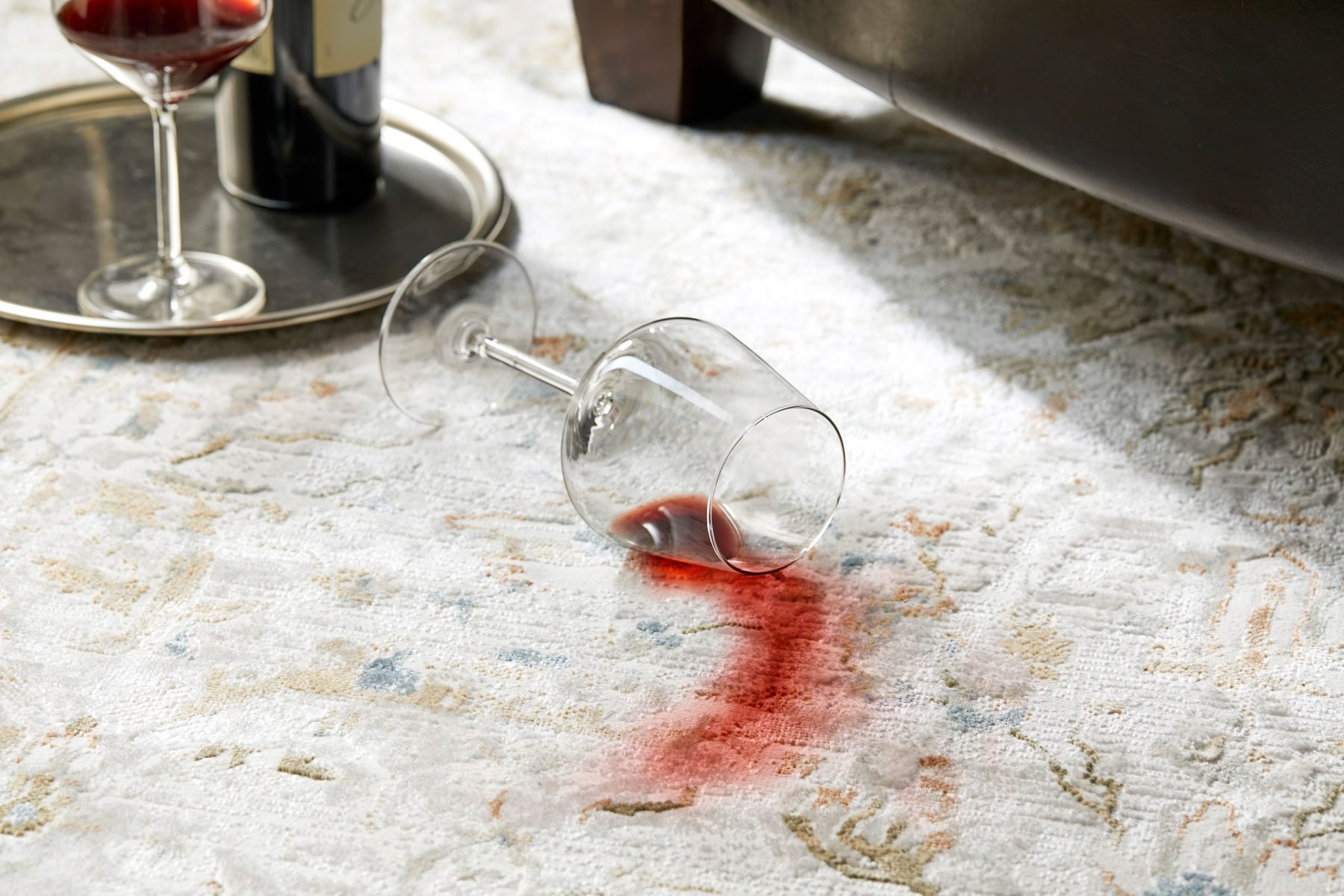
Mildewy towels can also benefit from white vinegar. By adding a cup of vinegar to the fabric softener dispenser, the acidity works to eliminate mildew during the wash cycle. If the smell persists, a second wash with vinegar can be performed. For spot cleaning, undiluted white vinegar can be dabbed directly onto stains like sweat, food, grease, wine, coffee, ink, and oil. It should be left for 15 to 30 minutes before washing, though a spot test on an inconspicuous area is recommended to prevent discoloration. For a more intensive treatment, white vinegar soaks can be prepared by combining ½ cup of vinegar with 2 cups of water (a 4:1 ratio) and allowing garments to soak for 15 to 30 minutes. This method is effective for de-stinking washable shoes, clothes, and linens, and can also tackle stubborn stains.
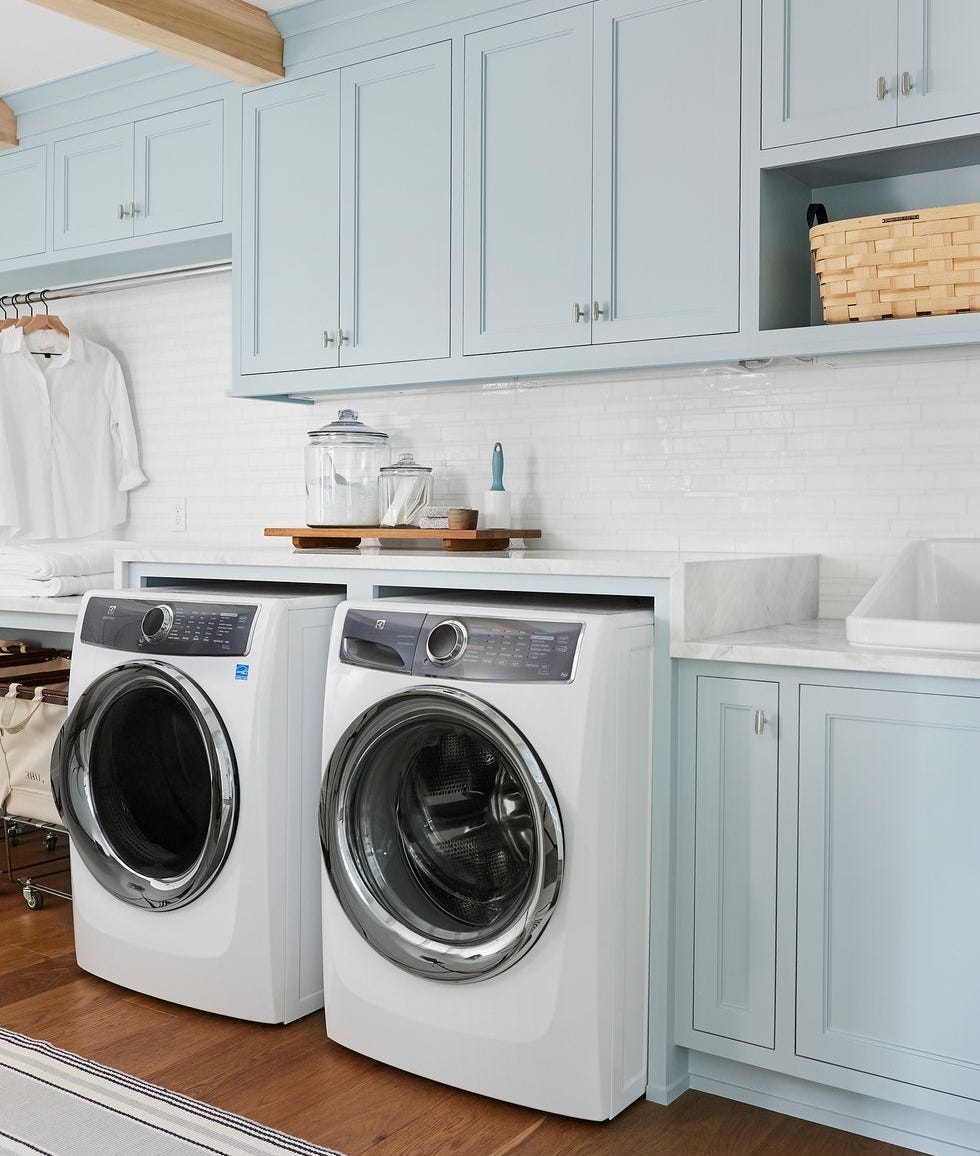
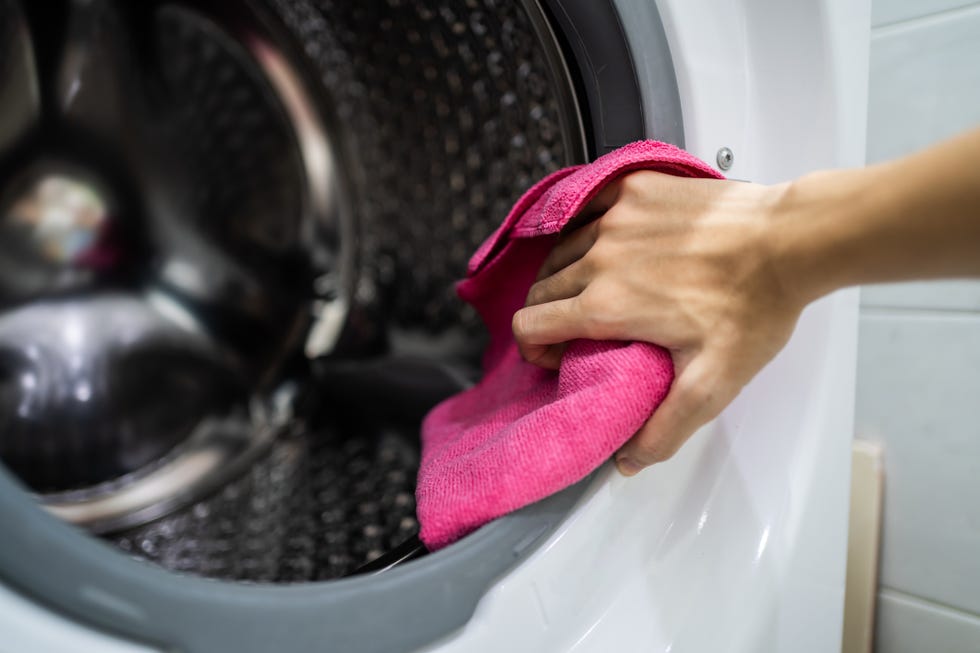
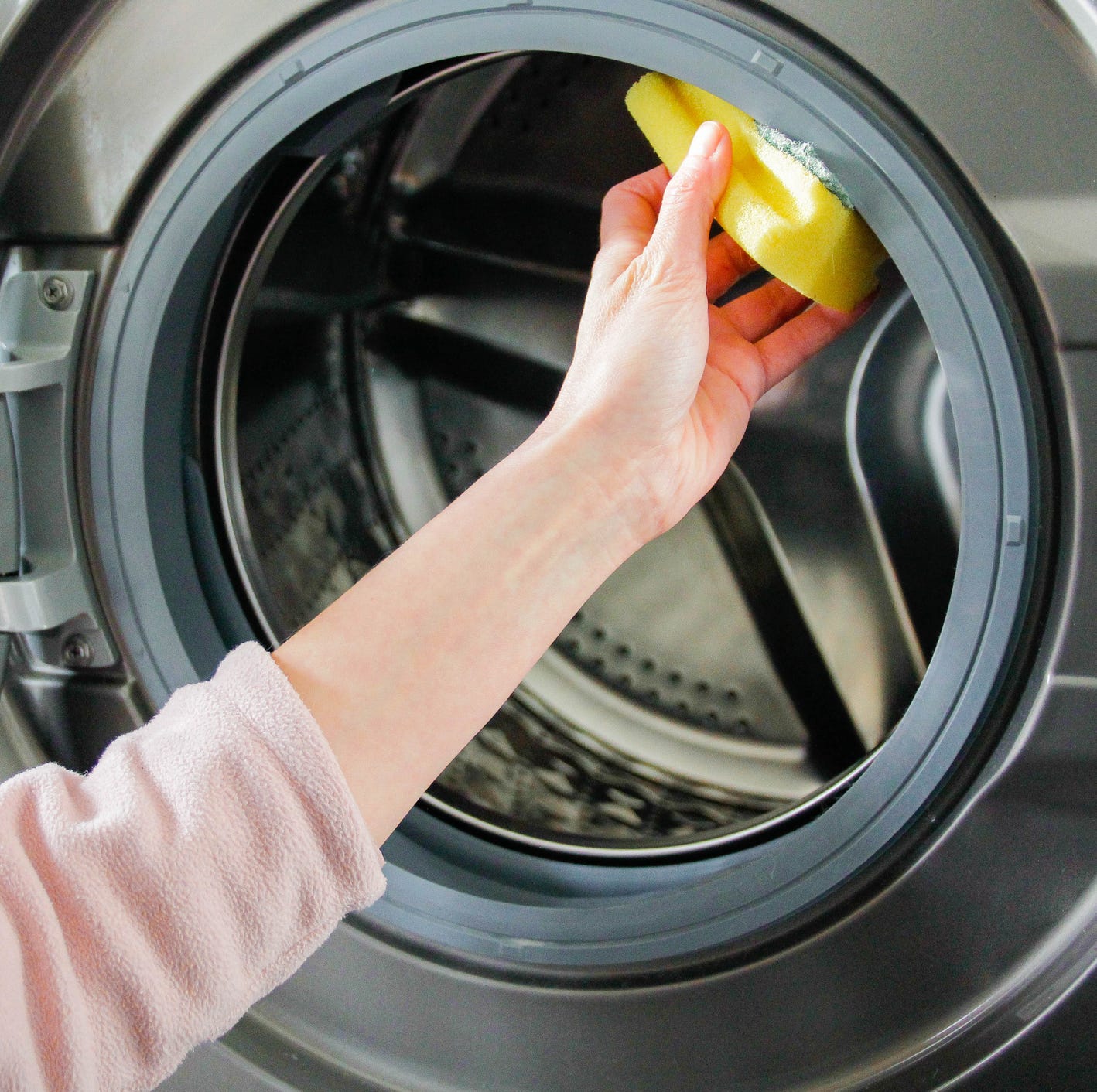
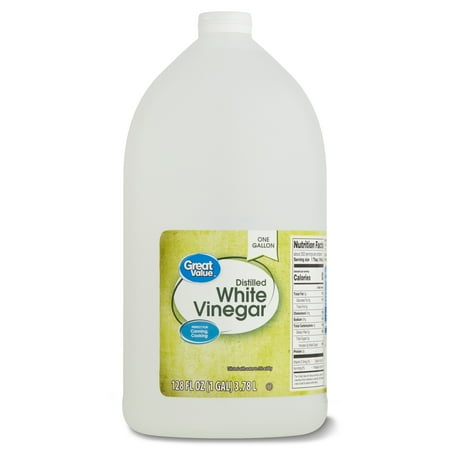
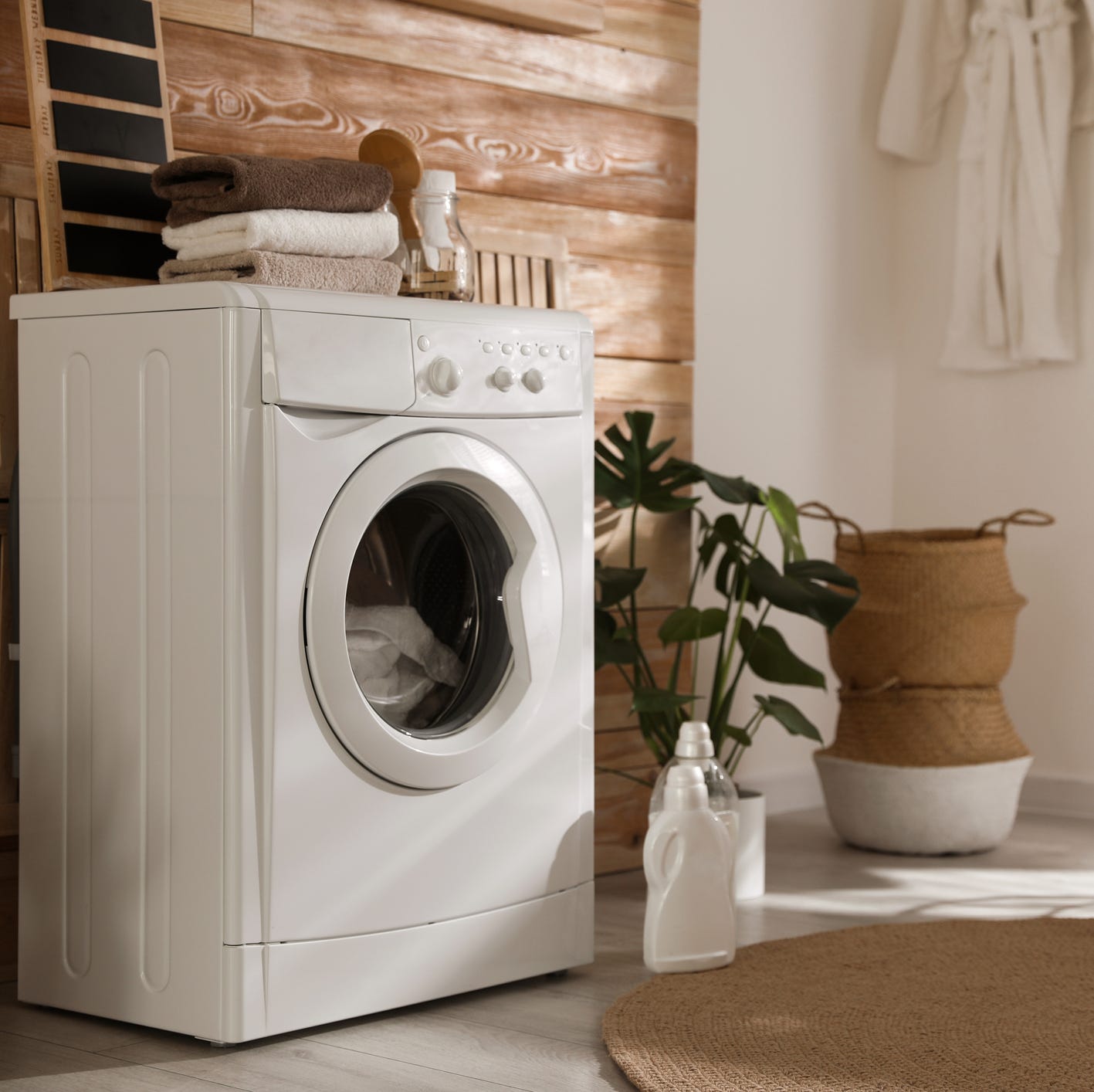
Furthermore, white vinegar is useful for maintaining the washing machine itself. Adding ½ cup of white vinegar directly into the drum and running a cycle helps remove odors and buildup within the appliance, contributing to overall laundry freshness. When using white vinegar, it is crucial to use distilled white vinegar, as it is less acidic and gentler on fabrics. It is compatible with materials like cotton, linen, polyester, nylon, microfiber, and spandex, but should be used cautiously or avoided on delicate fabrics such as silk, acetate, and rayon. Adhering to recommended amounts is important, as excessive use can be harsh on fabrics and the machine. White vinegar should not be used in every wash, but rather reserved for heavily soiled or smelly loads. Critically, white vinegar should never be mixed with chlorine bleach, as this combination produces toxic chlorine gas.
#WhiteVinegar #LaundryCare #NaturalCleaning #OdorRemoval #FabricSoftener #StainRemoval #WashingMachineMaintenance #EcoFriendlyCleaning #WhiteVinegar #LaundryCare #NaturalCleaning #OdorRemoval #FabricSoftener #StainRemoval #WashingMachineMaintenance #EcoFriendlyCleaning
0 comment in total
 No comments yet
You may also like
Here’s How Often You Should Clean Your Washer to Stop Mildew


6 essential money-saving spring cleaning hacks – save as you spruce


How to clean red wine stains off upholstery and save your couch

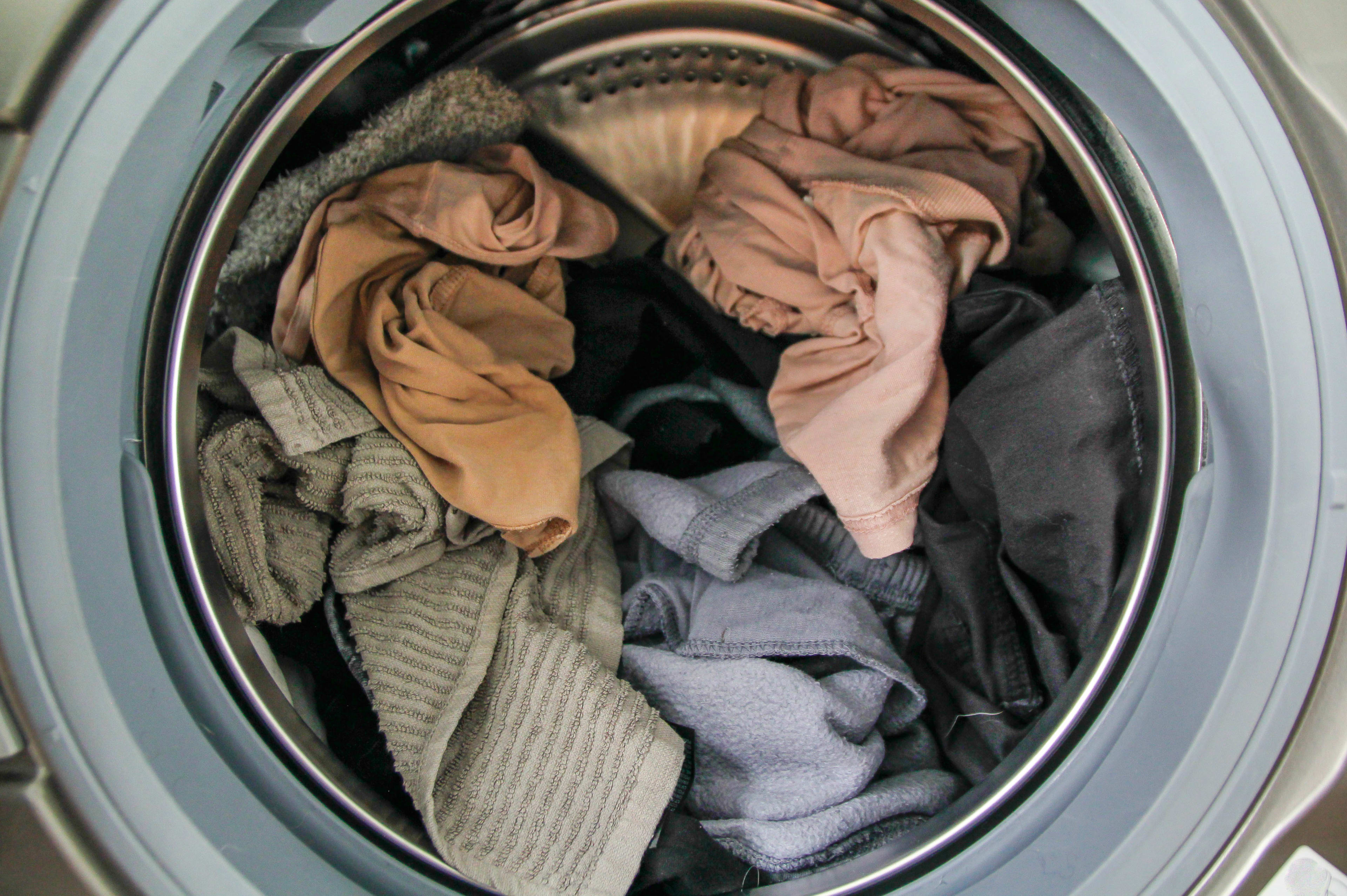
How Long Should You Really Leave Laundry in the Washer? The Answer Might Gross You Out
How to wash towels that smell – expert tips to banish damp and musty odours for good
3 smart ways to do less laundry – cut this dreaded chore in half with these expert tips
My under-sink cabinet always smelled musty, but this 1 natural trick with common kitchen ingredients fixed it without harsh chemicals

Yes, You Can Dry-Clean at Home: And These 5 Furnishings and Decor Pieces Need TLC

How to clean your washing machine: Experts reveal their top tips
Vinegar + vacuum = cleaning magic for household appliances

The 6 Best Stain Removers of 2026 | Reviews by Wirecutter

Experts warn not to hang washing to dry on your bannisters or doors – it can create a 'serious issue'

14 Ways to Make Your Laundry Smell Better

Red Wine Stain Removal: Step-by-Step Instructions for Any Surface

10 best stain removers for clothes, tried and tested on heavy stains

Your home stinks. Here's how to fix it, according to experts
Hotel expert reveals the secret formula professionals use to keep bed sheets white – I've been doing it wrong for years
Best Cleaning Advice & Tips

Are You Cleaning Your Couch Enough? Here's How to Do It the Right Way

16 things around your house you should be cleaning with baking soda and vinegar