
1/10
Too Hot to Stay in the Kitchen? 9 Ways to Stay Cool While Cooking This Summer
The article offers nine practical tips to help individuals keep their kitchens cool and comfortable during hot summer days, especially when temperatures are in the triple digits. With record-breaking heatwaves experienced across the US in 2025, cooking indoors can be challenging and can significantly increase household cooling costs. The advice focuses on strategies to minimize heat generation, utilize alternative cooking methods, and maintain a cool environment.
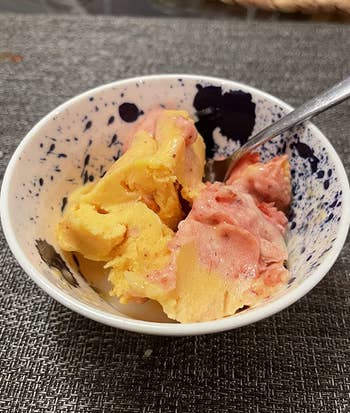
The first tip emphasizes preparing no-cook meals. Instead of using heat-generating appliances, the article suggests focusing on fresh, uncooked foods such as summer salads, ceviche, smoothies, and cold noodles. Even simple options like sliced fruits and vegetables can provide refreshing and healthy alternatives. For those who still need to cook, meal kits are recommended as they reduce prep time, thus limiting exposure to a hot kitchen. Many meal kit services also offer lighter, no-cook options specifically for the summer season.
Secondly, the importance of using an exhaust fan is highlighted. While often associated with removing smoke and odors, exhaust fans above stovetops are effective in drawing out a significant amount of heat generated during cooking. Activating these fans fully whenever the oven or stovetop is in use can prevent heat from accumulating in the kitchen and spreading to other parts of the house.
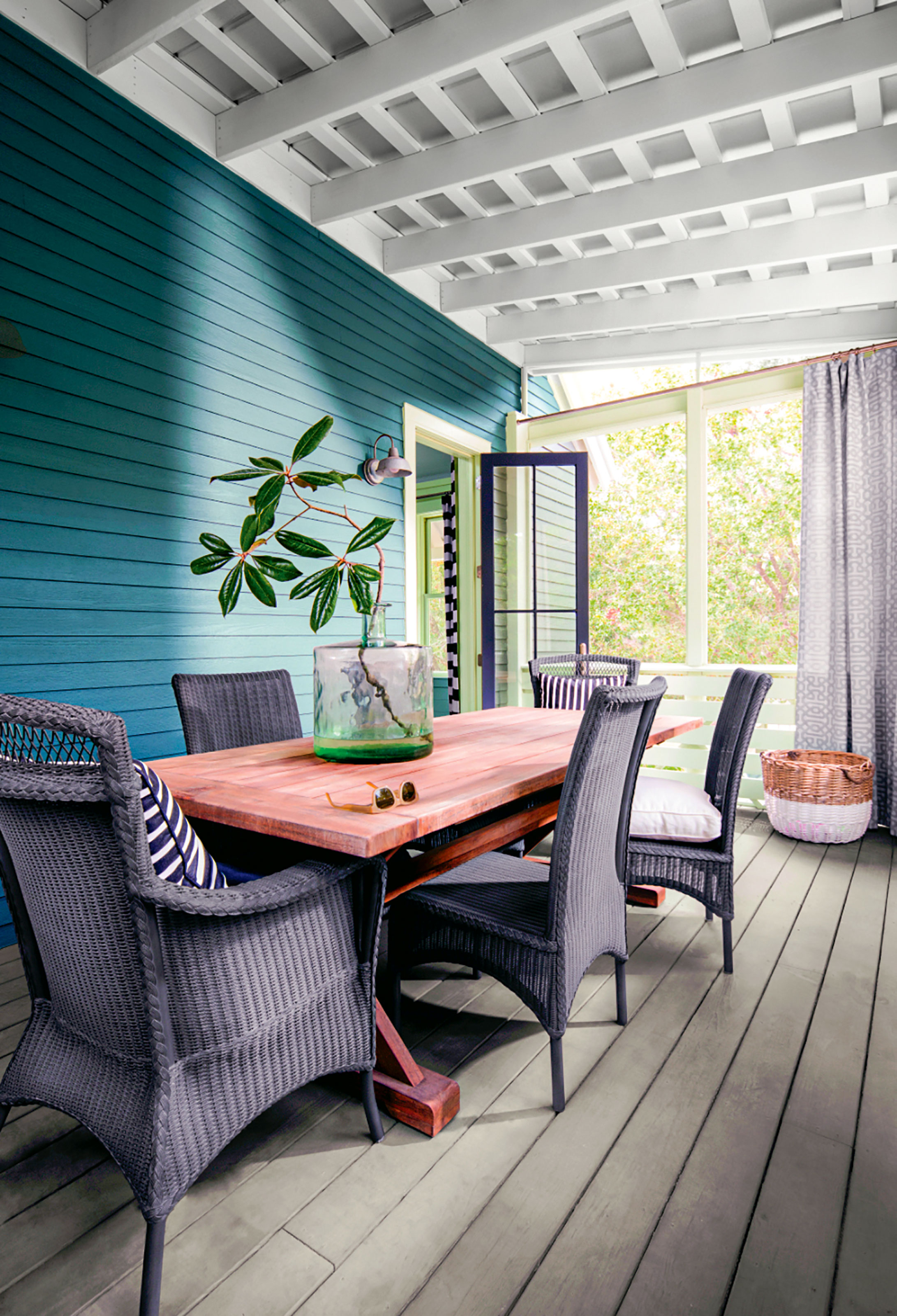
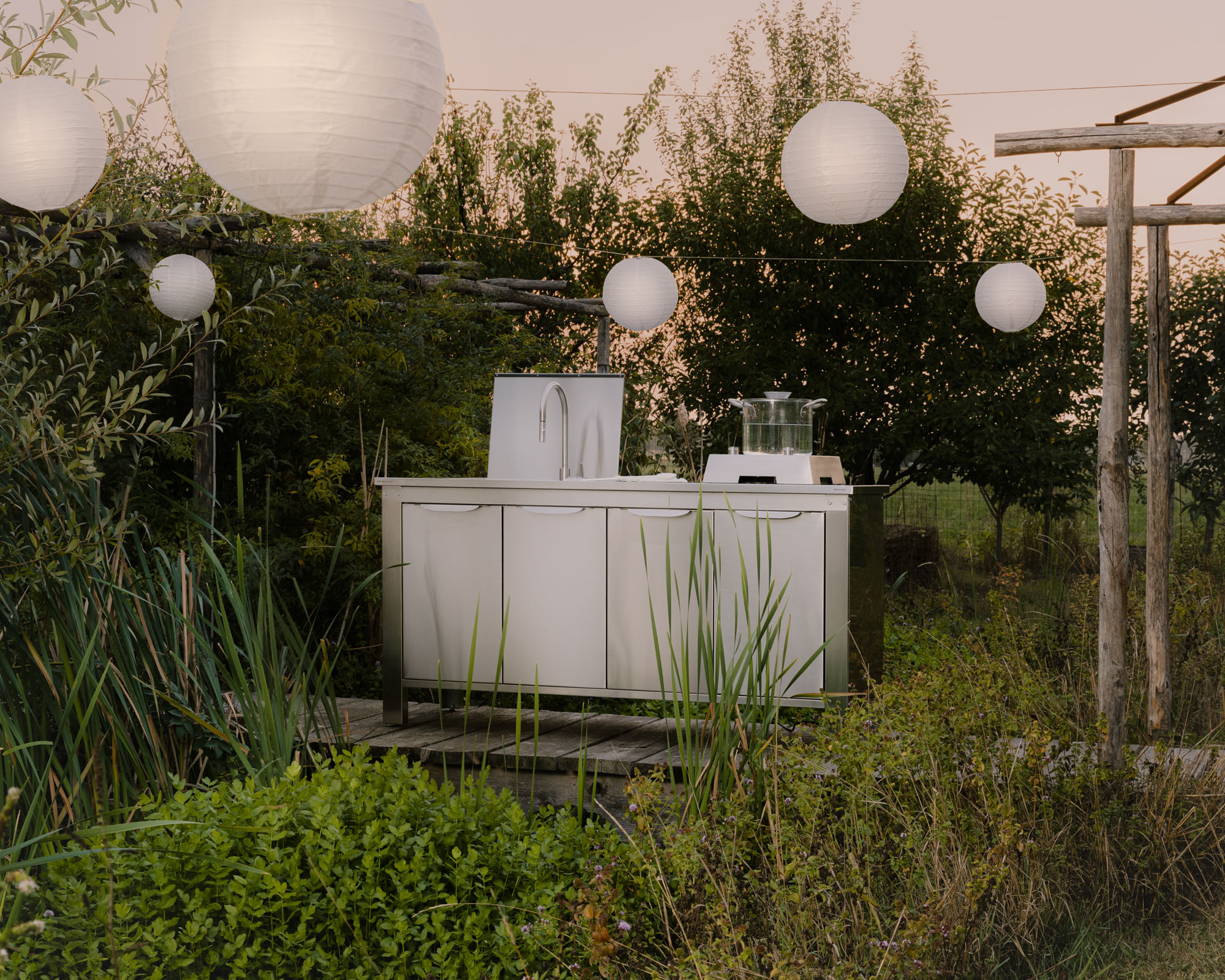
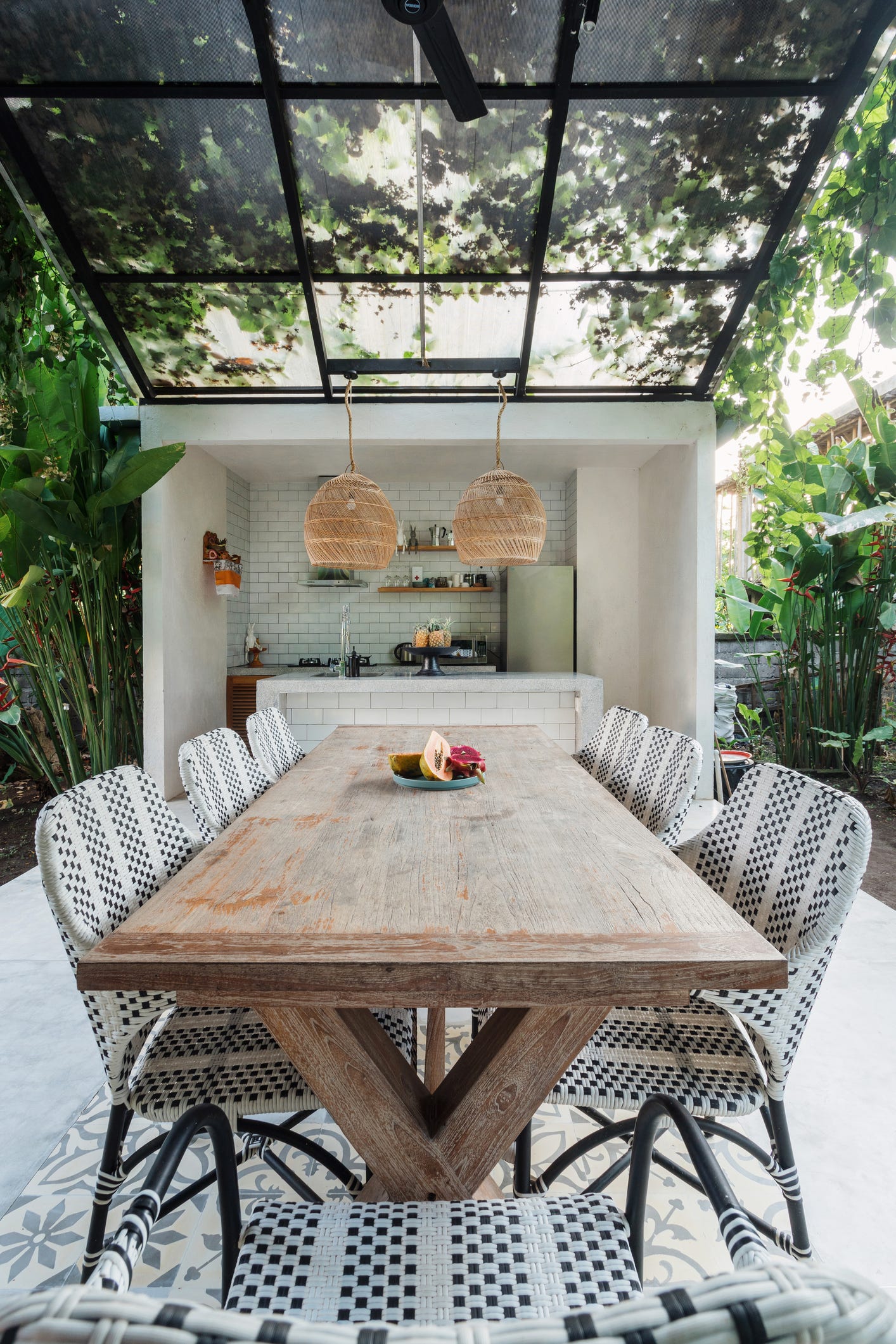
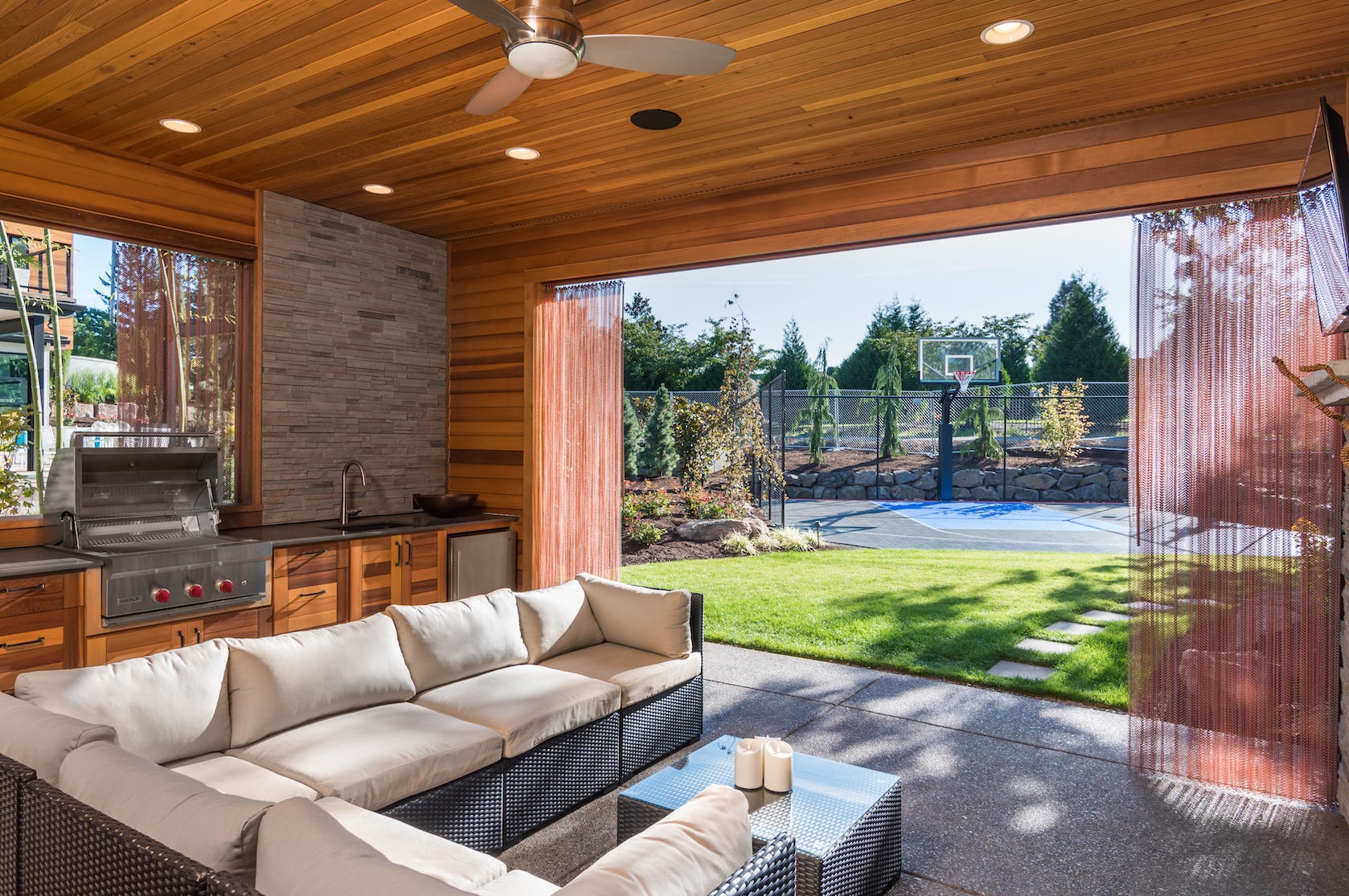
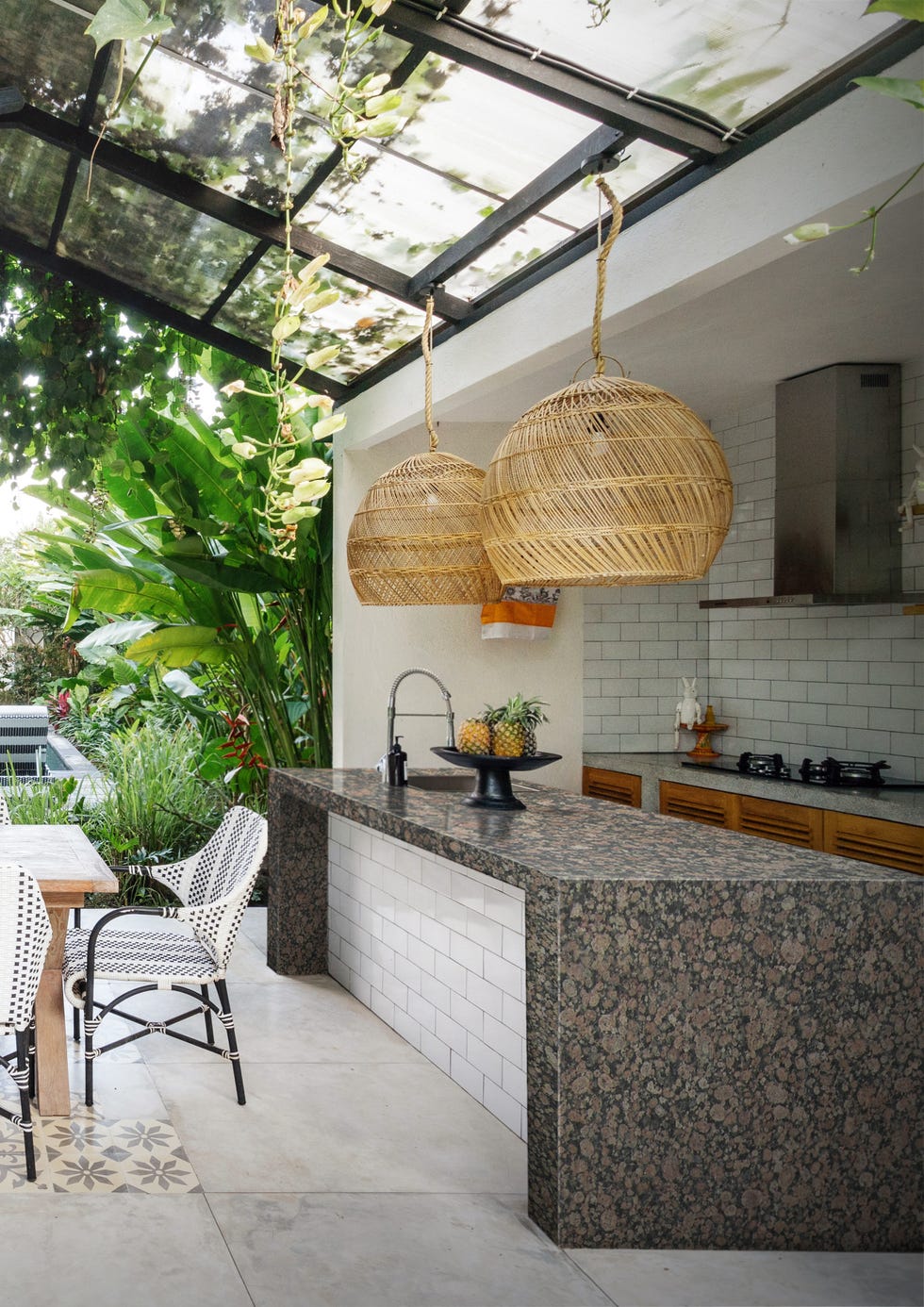
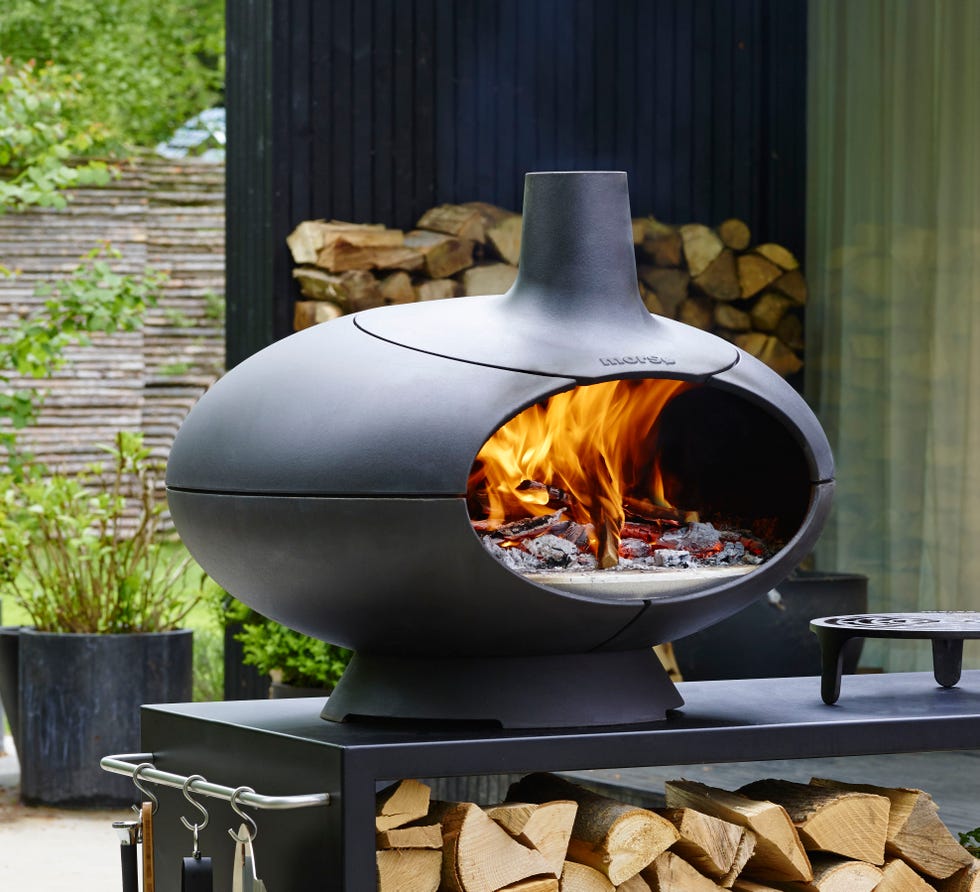
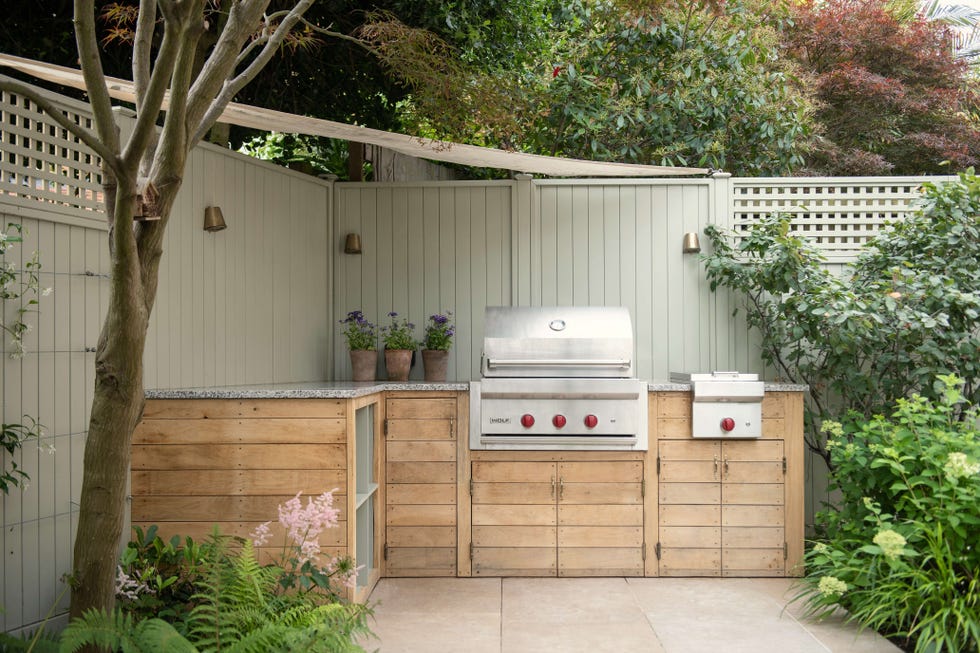
Outdoor cooking is presented as a third effective strategy. Utilizing outdoor grills or pizza ovens shifts heat generation away from the indoor kitchen. Classic grilled dishes like chicken and steaks are popular, but the article also encourages grilling summer favorites such as corn on the cob or watermelon. Although outdoor cooking might expose the chef to the heat, it ensures the indoor kitchen remains cool, helping to manage air conditioning expenses.
Fourthly, the article advises using small appliances like air fryers or Instant Pots instead of traditional ovens and stovetops. These compact appliances emit less heat, making them more suitable for summer cooking. Examples include using an air fryer for baking or a panini press instead of a stovetop. Slow cookers and Instant Pots, often associated with winter dishes, can be adapted for summer recipes like pork carnitas. Microwaves are also suggested for tasks like heating rice or vegetables, as they generate minimal heat.
Meal prepping ahead of hot days is the fifth tip. If using the oven or stovetop is unavoidable, individuals should consider cooking larger quantities of food during cooler hours. This allows for pre-cooked leftovers that can be consumed without reheating, thus avoiding subsequent heat generation in the kitchen. For instance, preparing pulled chicken in an Instant Pot can provide versatile leftovers for various no-cook meals.
The sixth recommendation is to cook during cooler hours of the day, specifically in the morning or late evening. This strategy prevents adding more heat to an already warm home and outdoor environment. Planning meals that involve baking bread in the morning or preparing proteins and pasta dishes during breakfast or lunch can ensure dinner is ready without intense cooking during peak heat.
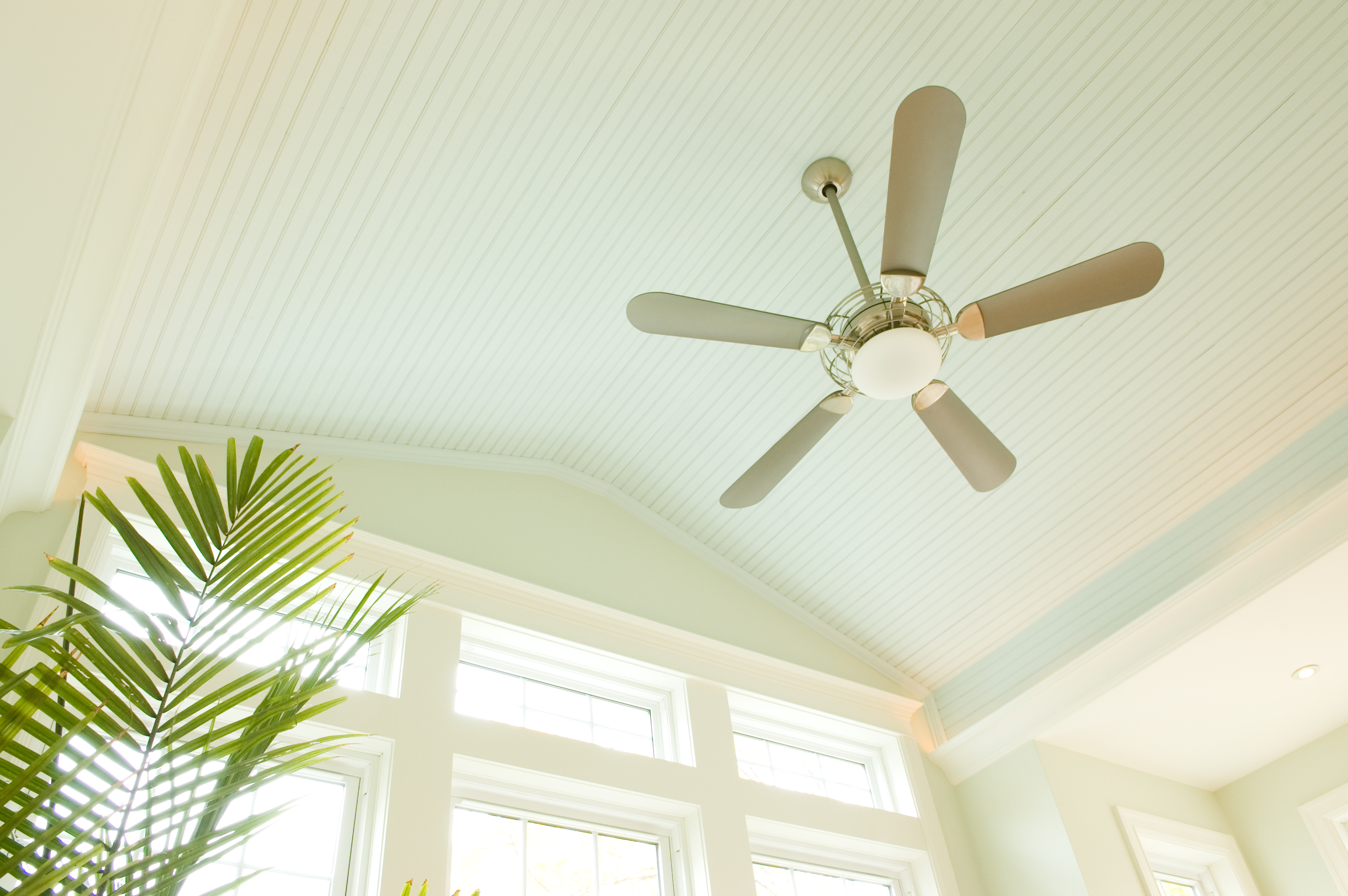
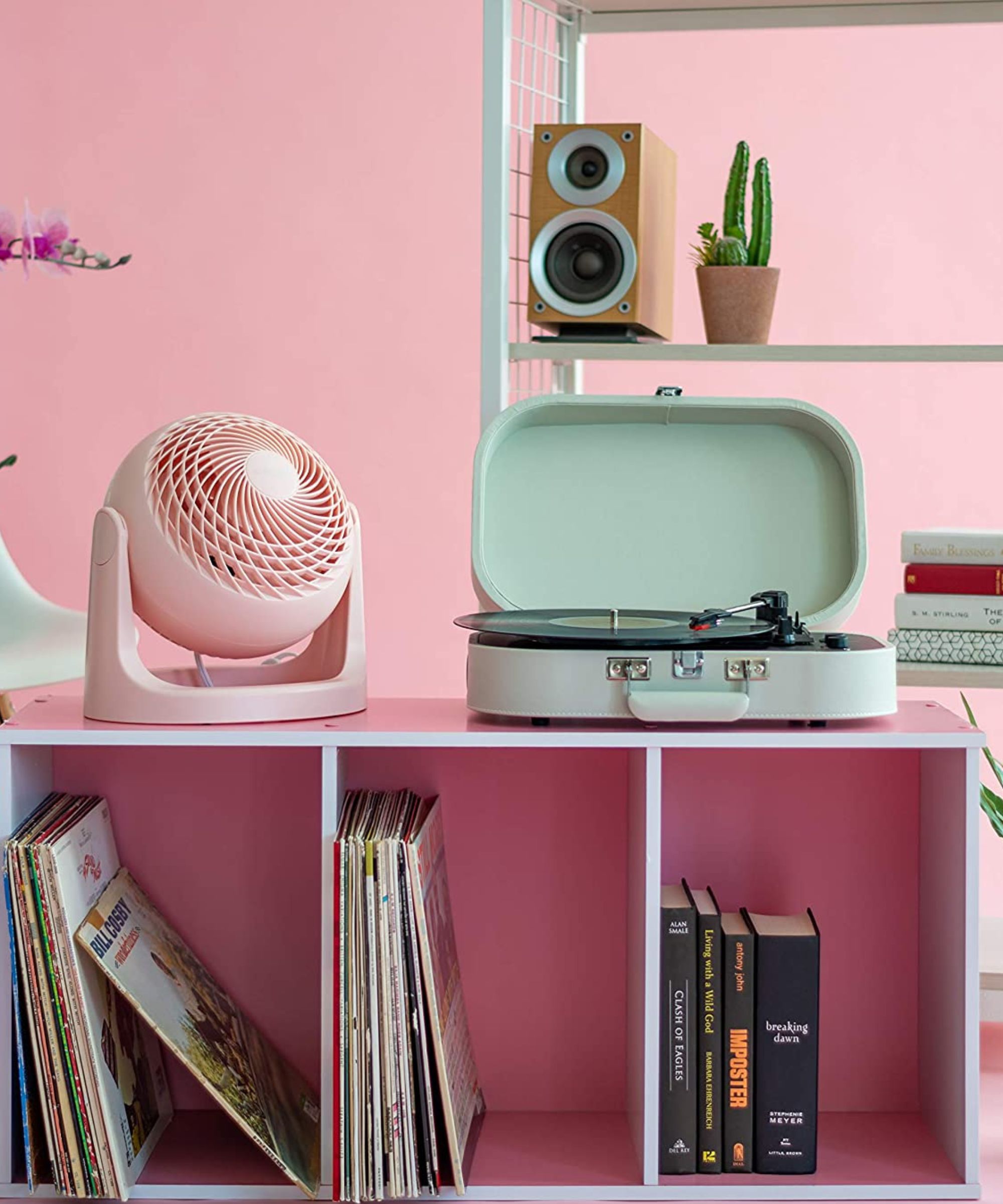
Seventh, improving air circulation with fans is crucial. Turning on the range hood vent above the stove helps remove grease, fumes, and smoke, as well as heat and steam. Additionally, placing a fan in the kitchen can circulate air and help cool the space. Positioning a fan to expel hot air or draw in cooler air with a damp towel can further enhance cooling.
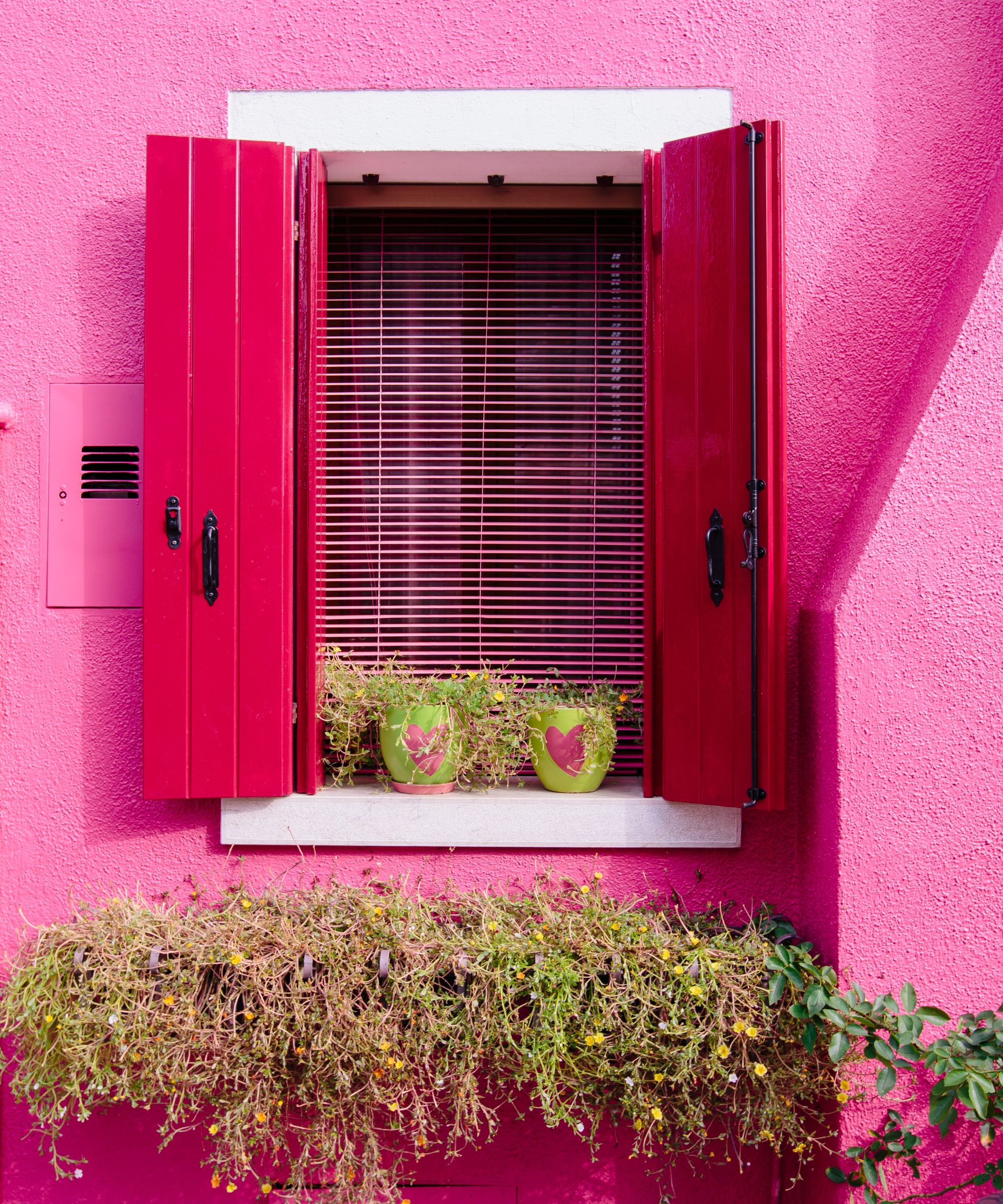
Limiting bright lights is the eighth tip. Both sunlight and artificial interior lighting contribute to heat in a room. Dimming lights, closing curtains or blinds, and minimizing the use of overhead lights can help maintain a cooler kitchen environment during the summer. While complete darkness is not necessary, reducing light sources can make a noticeable difference.
Finally, staying hydrated is emphasized as the ninth tip. While not directly cooling the kitchen, adequate hydration makes the heat more tolerable for the individual. The article recommends drinking 11 to 15 cups of water daily and increasing intake when temperatures are high. Adding water infusions, sea salt, and lemon can enhance flavor and replenish electrolytes, especially when sweating. These measures collectively contribute to a more comfortable cooking experience during extreme heat.
#SummerCooking #HeatwaveTips #KitchenCooling #NoCookMeals #SmallAppliances #MealPrep #OutdoorGrilling #HomeComfort #Hydration #SummerCooking #HeatwaveTips #KitchenCooling #NoCookMeals #SmallAppliances #MealPrep #OutdoorGrilling #HomeComfort #Hydration
0 opmerkingen in totaal
 Nog geen opmerkingen
Dit vindt u mogelijk ook leuk

Beat the heat: 7 DIY natural ways to summer-proof your house | Lifestyle News

Outdoor kitchen ideas to elevate your summertime dining


Joanna Gaines Shares Her 9 Top Tips For Welcoming Summer Vibes Into Your Home


Until Outdoor AC Exists, Here's How to Prep Your Backyard So It Stays Cool All Summer

How to Cool Down Your Sunroom — 5 Simple Methods to Stop This Spot Overheating in Summer

33 Ways To Make Your Kitchen The Coolest Room In The House
Installing a new fan? Tips to stay cool in Arizona's summer heat

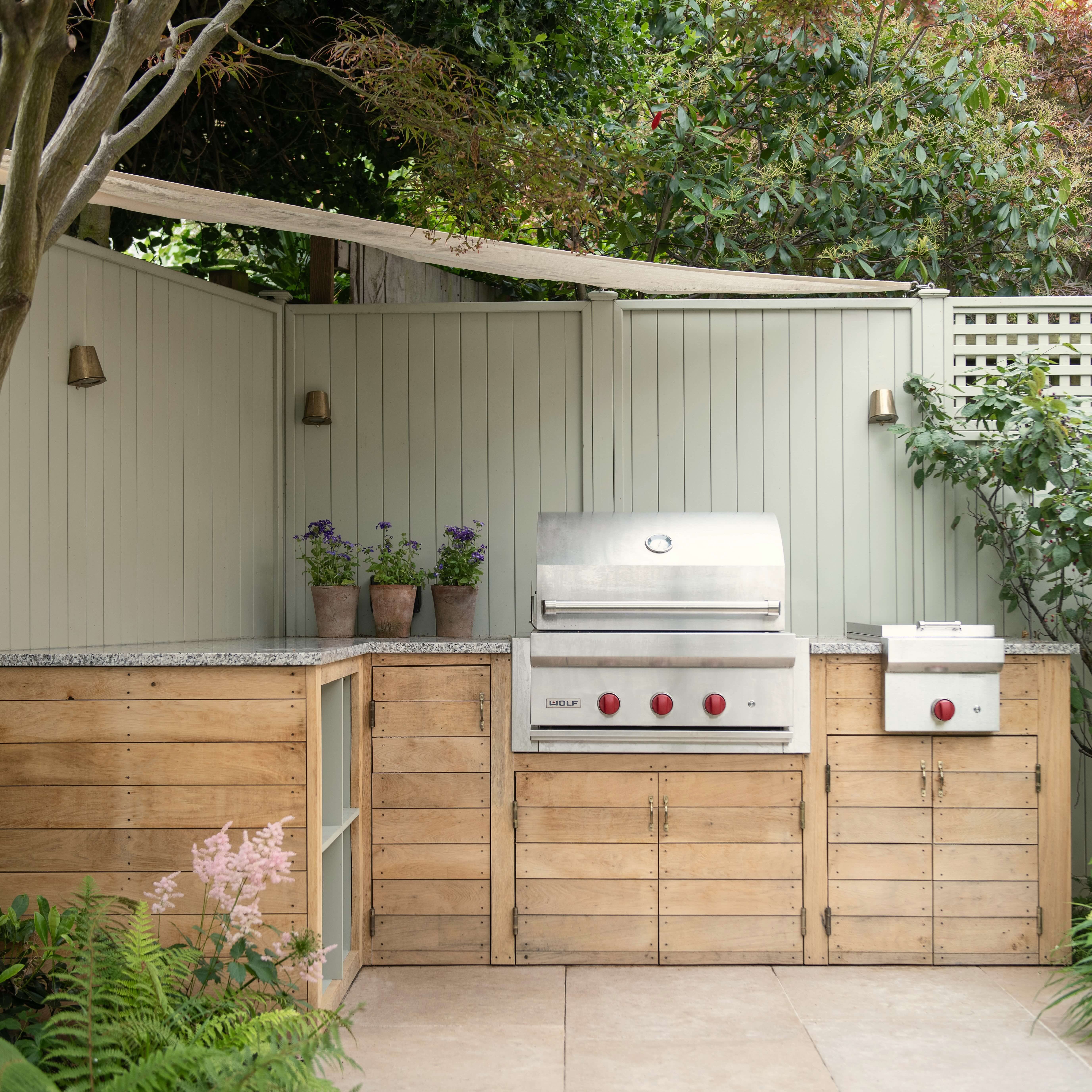
12 outdoor kitchen ideas for effortless summer dining in the garden
How to keep a pantry cool in hot weather – 6 ways to keep things fresh

Stay cool this summer with ceiling fans

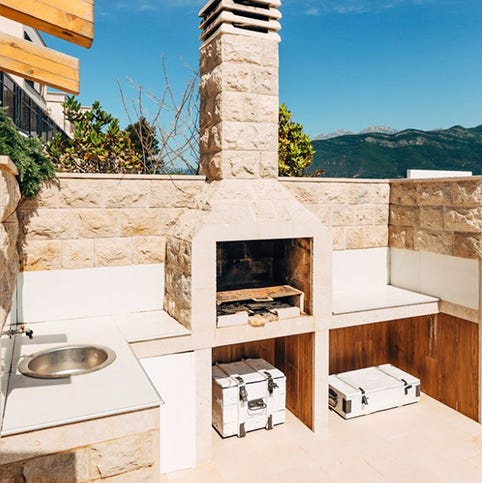
Upgrade Your Backyard and Enjoy the Warm Weather With These Outdoor Kitchen Ideas

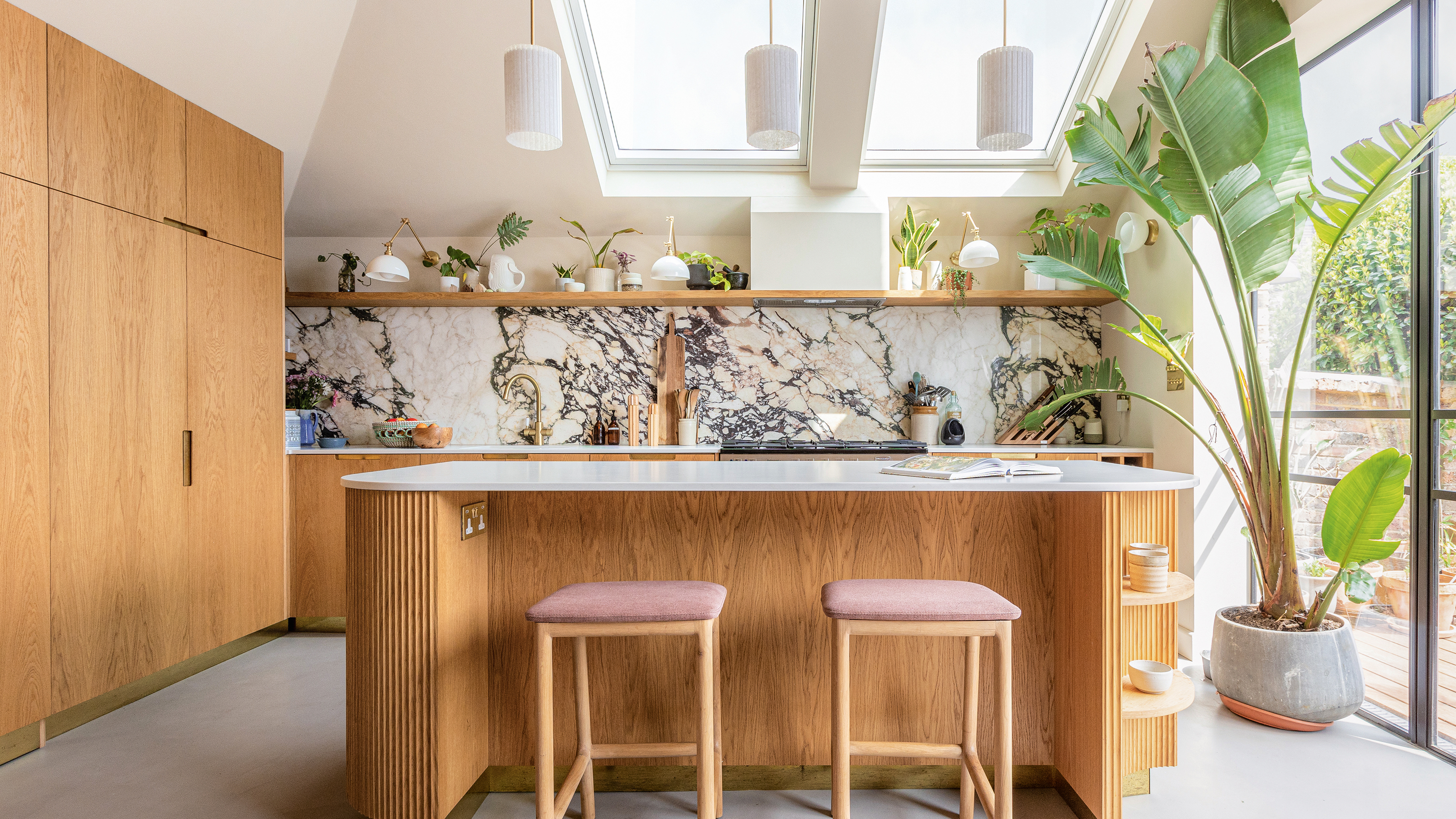
Experts warn against these 9 mistakes that are making your kitchen feel cold – what to do instead
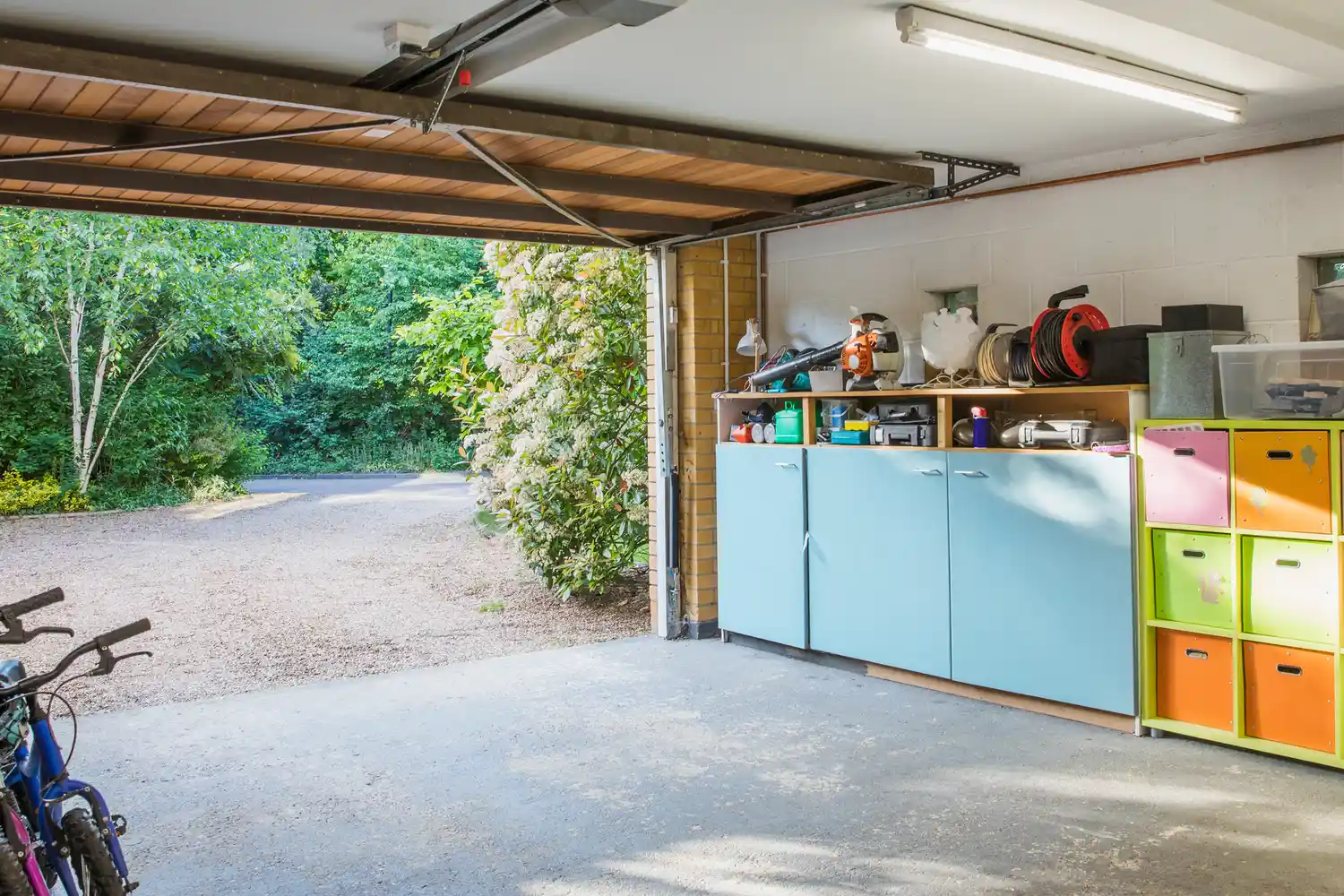
Hot Garage? 6 Tips to Make It Instantly More Bearable, Even in Peak Summer Heat


Sick of the heat? Here's how to keep your home cool, heatwave or not, if you don't have AC
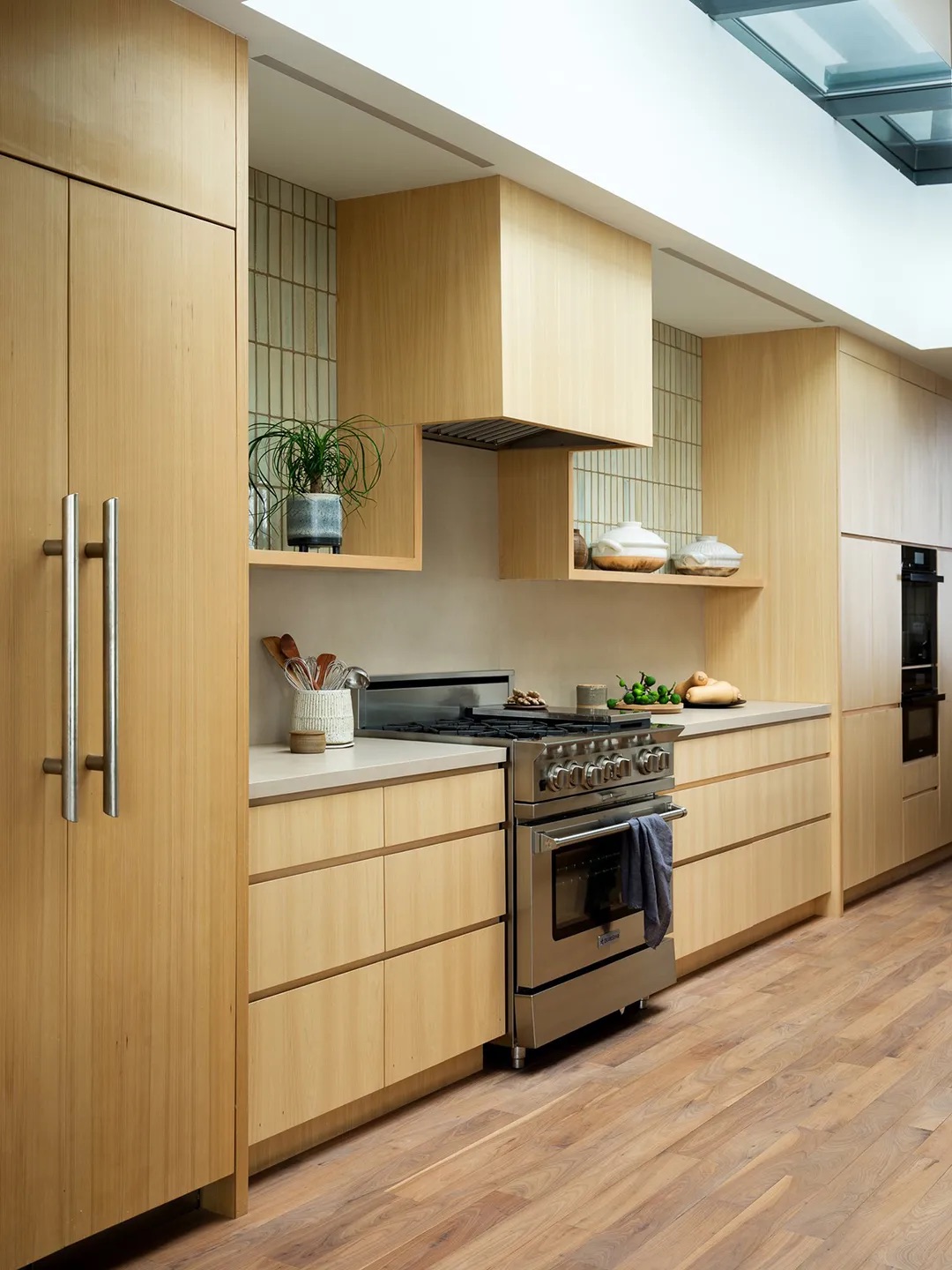
Kitchens Are Becoming the Ultimate Chill Zone This Fall

10 clever ways to stop a galley kitchen feeling claustrophobic


How to keep a top-floor apartment cool in summer

Patio shade ideas – 11 stylish ways to stay cool this summer

Don't Do This—There Are Better Solutions for Cooling Your Garage in the Summer

Best cooling fans: Check out our top 8 options to stay comfortable and beat the heat with ease