The Right Way to Clean Quartz Countertops
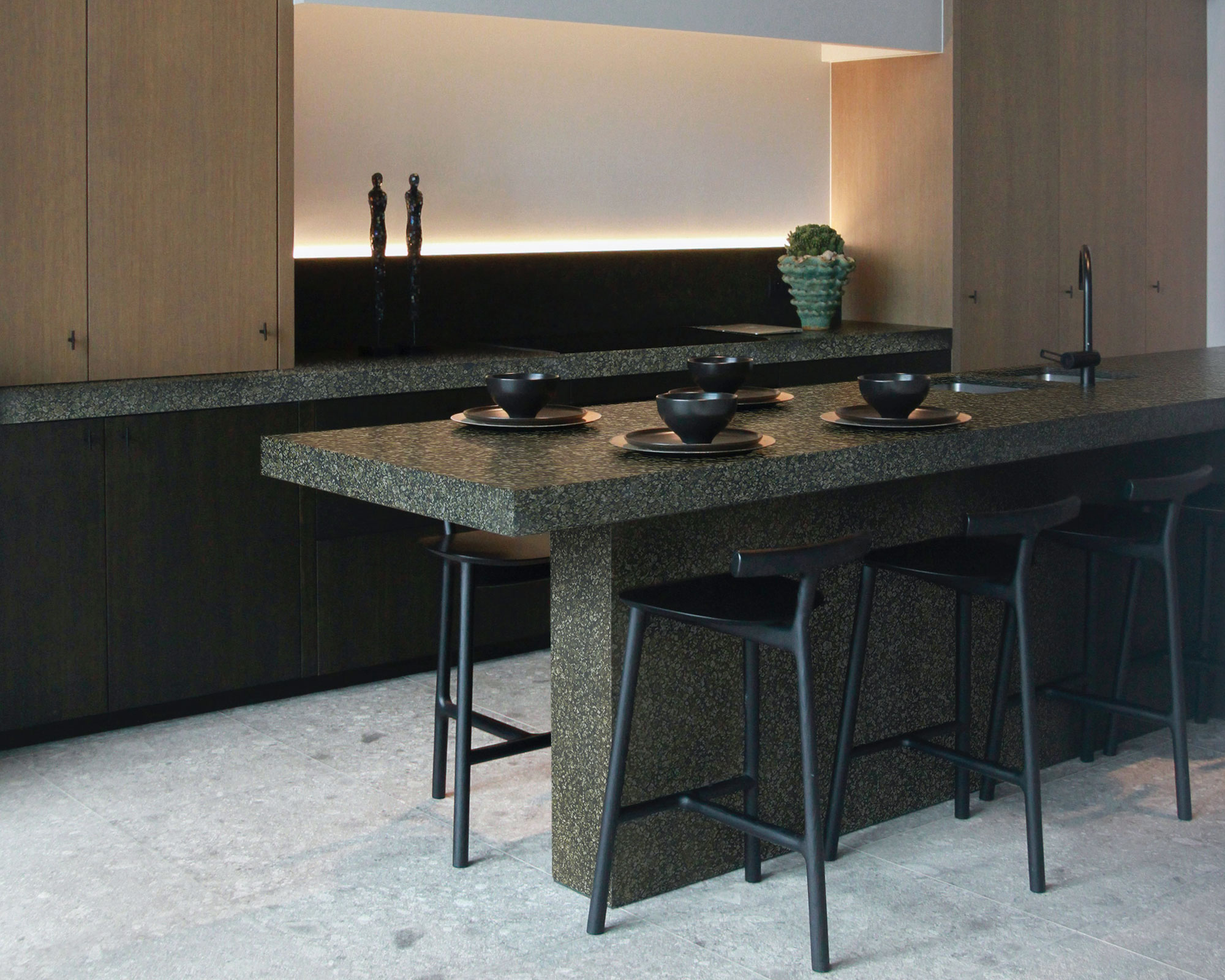
Quartz countertops are a popular choice for many homeowners due to their aesthetic appeal and perceived low maintenance. While quartz is indeed a durable, non-porous, and heat-resistant material that does not require resealing like natural stone, proper cleaning and maintenance are crucial to preserve its beauty and longevity. This guide provides comprehensive instructions and expert advice on how to effectively clean and maintain quartz countertops, ensuring they remain in pristine condition.
The importance of regularly cleaning quartz countertops extends beyond aesthetics. According to Warren Weiss of Scrub! Residential Cleaning, consistent cleaning is vital for sanitary reasons, especially in kitchens and bathrooms, to prevent contamination. Neglecting regular cleaning can also make it significantly harder to remove stains and spills once they set. Therefore, daily cleaning is highly recommended, particularly in high-traffic areas, or after each use in less frequented spaces.
Several key practices should be followed when cleaning quartz. It is advisable to clean the countertops after every use, especially after meal preparation or spills, to prevent build-up. Following the cleaning, buffing the surface with a dry microfiber cloth can enhance its shine. However, there are also critical actions to avoid. Abrasive cleaners or sponges should never be used, as these can scratch the surface of the quartz. Similarly, harsh chemicals, including bleach, can dull the countertop's finish and should be steer clear of. Ammonia-based glass cleaners, such as Windex, are also not recommended as they can dull the surface over time; mild dish soap and water are preferred for a shiny finish.
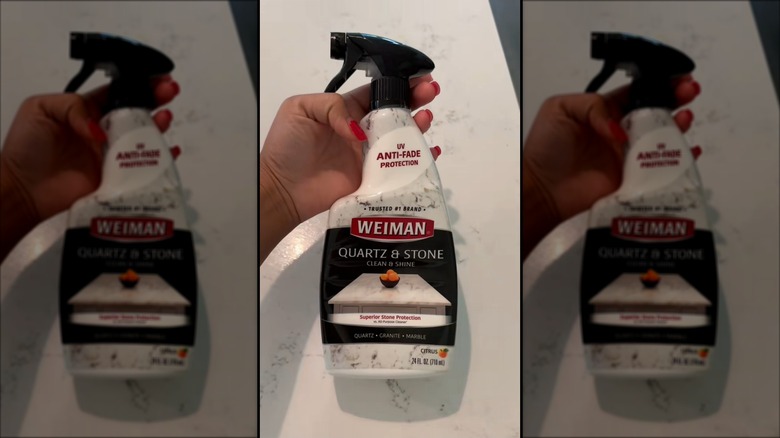
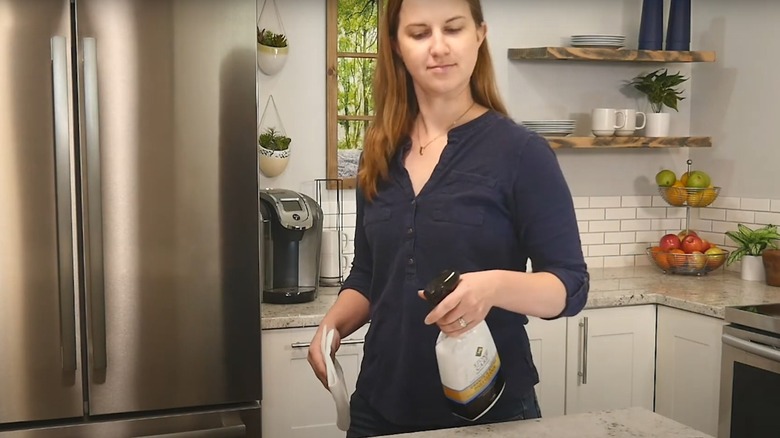
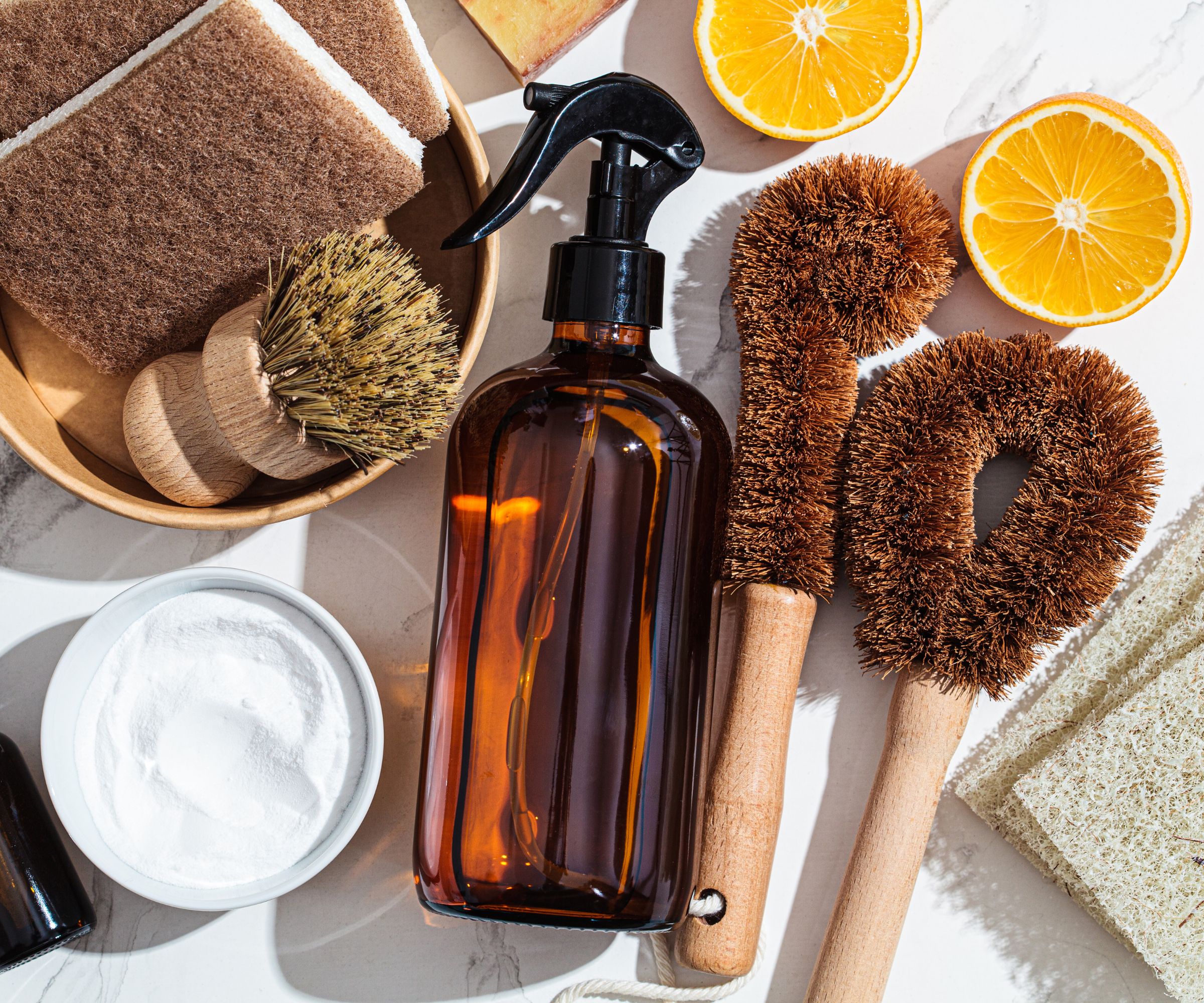
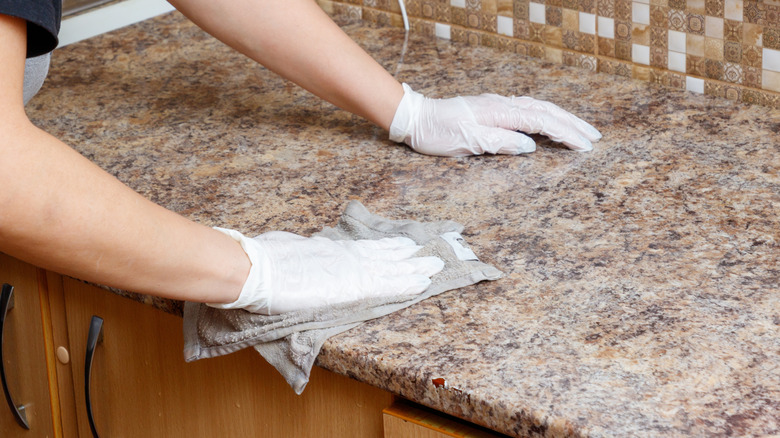
The materials needed for effective quartz countertop cleaning are simple: microfiber cloth(s), dish soap, water, and an all-purpose cleaner that is free of harsh chemicals. For tougher stains, hydrogen peroxide can be used, but only in equal parts with water. The cleaning process involves a few straightforward steps: first, use a microfiber cloth to remove any hardened food or liquid. Next, apply a small amount of dish soap and warm water to a microfiber cloth and wipe away any residue, grease, or crumbs. Afterward, an all-purpose cleaner can be lightly squirted on the countertops to eliminate any remaining streaks or smudges. Finally, the surface should be wiped dry with a clean microfiber cloth to prevent streaks and achieve a perfect finish.
For stain removal, prompt action is key. Spills should be cleaned immediately to prevent discoloration. If discoloration does occur, a solution of equal parts hydrogen peroxide and water can be sprayed onto the stained area and scrubbed with a microfiber cloth. Any remaining residue should be wiped away with a damp microfiber cloth, followed by drying. Regular buffing with a clean microfiber cloth and always drying the countertop immediately after cleaning are crucial maintenance tips to prevent haziness caused by cleaning product buildup or mineral deposits from hard water.
#QuartzCountertops #CountertopCleaning #HomeMaintenance #KitchenCleaning #CleaningTips #StainRemoval #MicrofiberCloth #HouseholdCleaning #QuartzCountertops #CountertopCleaning #HomeMaintenance #KitchenCleaning #CleaningTips #StainRemoval #MicrofiberCloth #HouseholdCleaning
0 opmerkingen in totaal
 Nog geen opmerkingen
Dit vindt u mogelijk ook leuk

How to Properly Clean Quartz Countertops — And the Products You Should Never (Ever) Use

5 cleaning myths that will damage your countertops – and what to do instead


6 great alternatives to marble and granite for your NYC kitchen renovation: quartz, quartzite, porcelain, soapstone & more
4 Easy-to-Follow Care Tips That Keep Quartz Countertops Looking Like New

The Best Quartz Countertop Cleaners According To Reviews

I Picked Quartz Countertops for My New Kitchen, but Was It the Right Choice? Experts Weigh Up the Pros and Cons
How To Clean & Maintain Countertops: From Corian to Quartz
Marble vs. Quartz Countertops: Which Is Better?

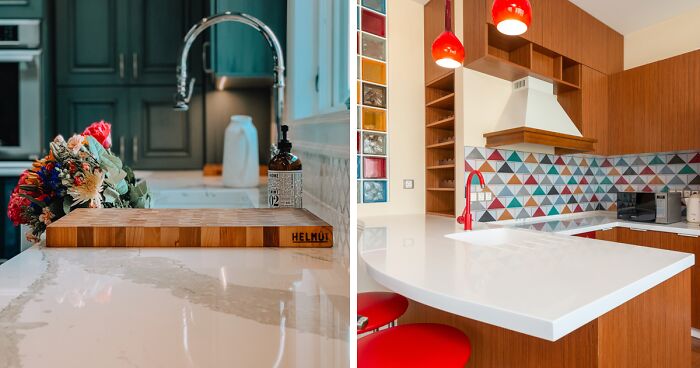
Quartz Countertops Guide: Maintenance Tips & 15 Chic Decor Ideas

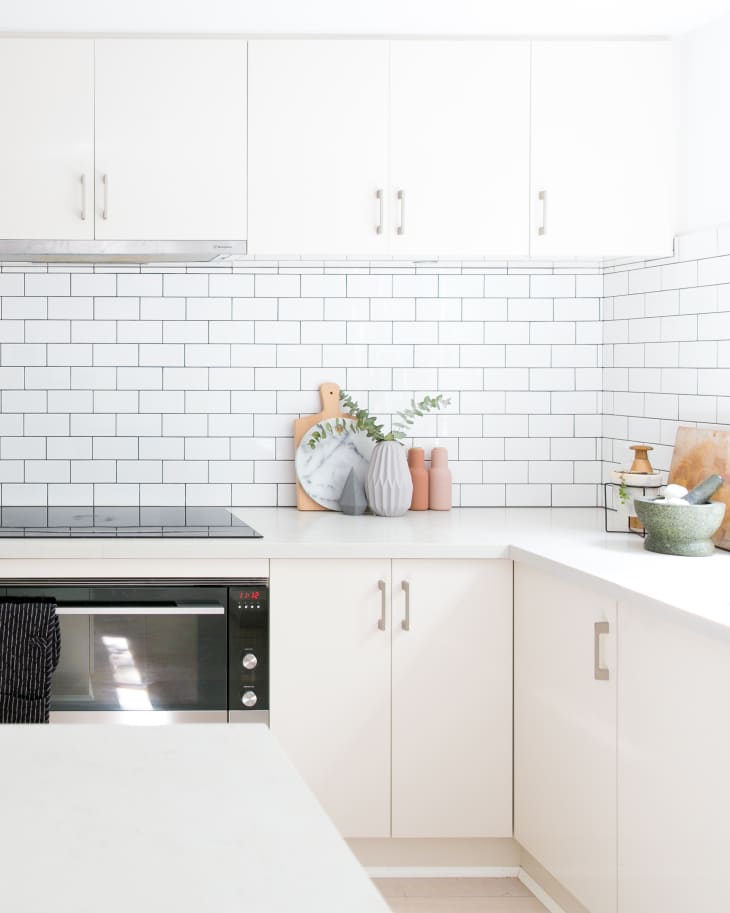
This Is How to Clean Quartz Countertops So They Sparkle Like New
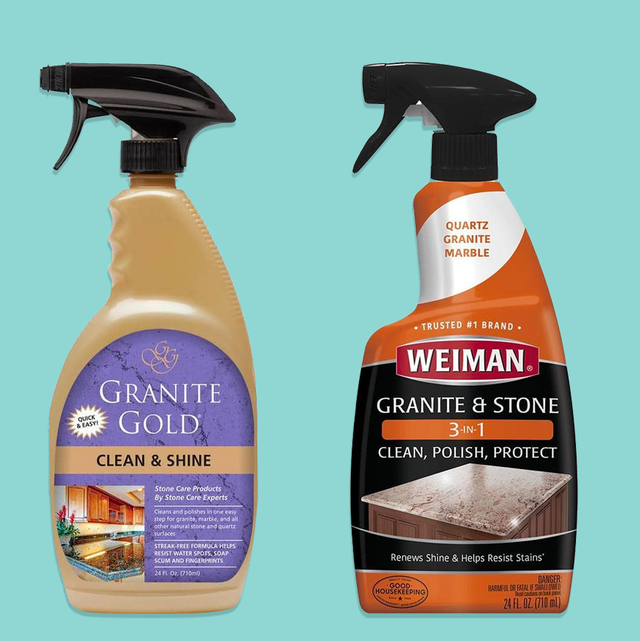
Our Pros Swear By These Kitchen Countertop Cleaners

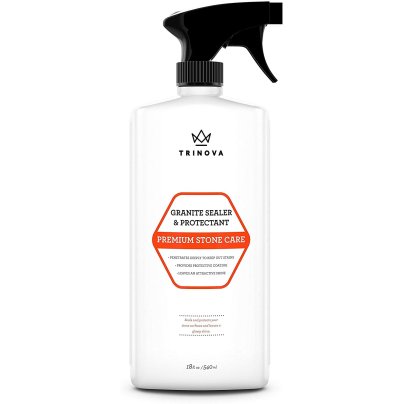
The Best Granite Sealers for Countertop Maintenance

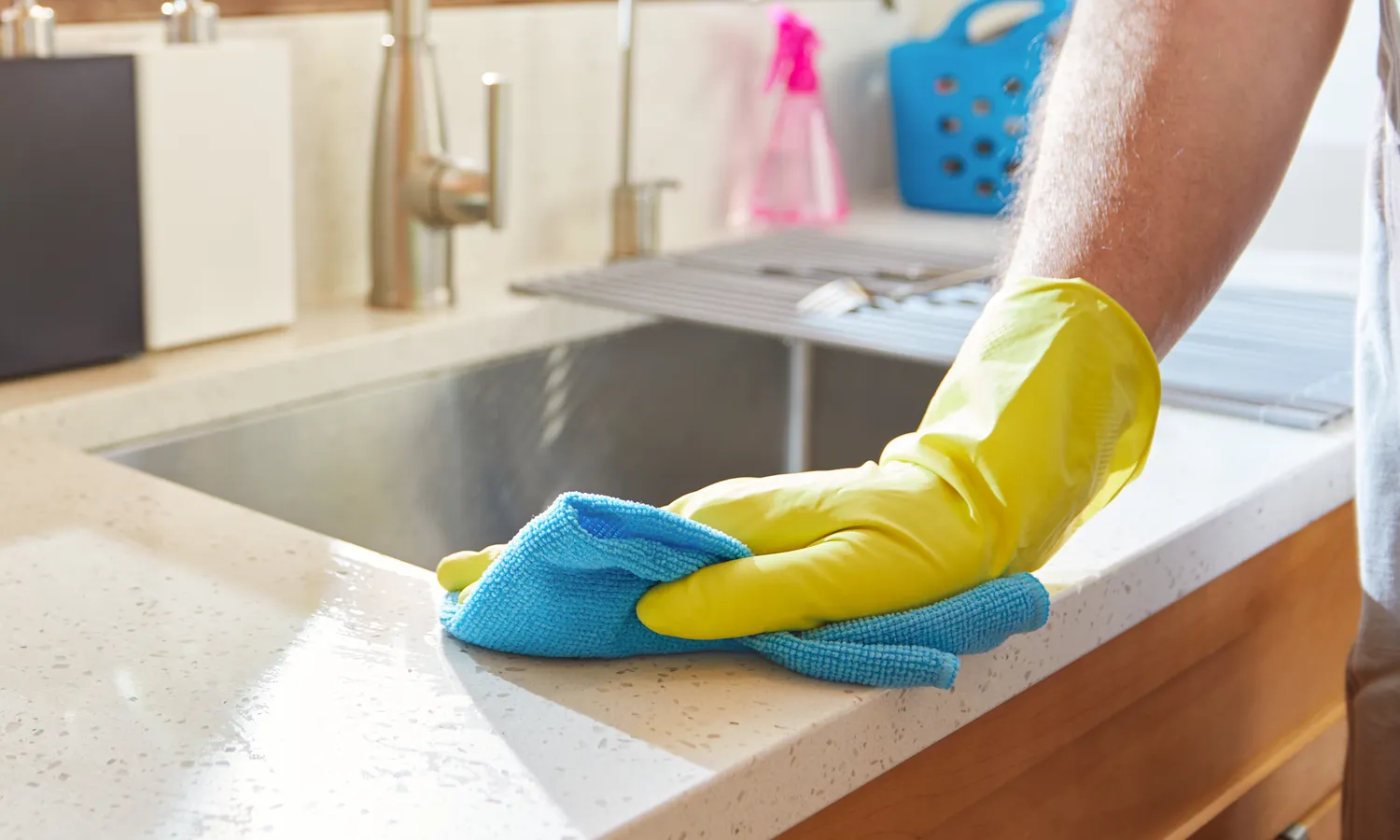
The Right Way To Clean Quartz Countertops, According To Experts

The Best Countertop Materials for Every Type of Kitchen
Are Granite Countertops Outdated?


Kitchen countertop ideas – 21 worktops in marble, granite and composite materials
Should You Choose Quartz or Granite Countertops? Experts Settle the Debate on These Two Popular Materials
Are quartz countertops right for your home? We examine the pros and cons

Why Quartz Countertops Will Never Go Out of Style

How to Remove Rust Stains From Quartz Countertops, Straight From a Cleaning Pro