1/5
Interiors: Second skin... revive your favourite couch
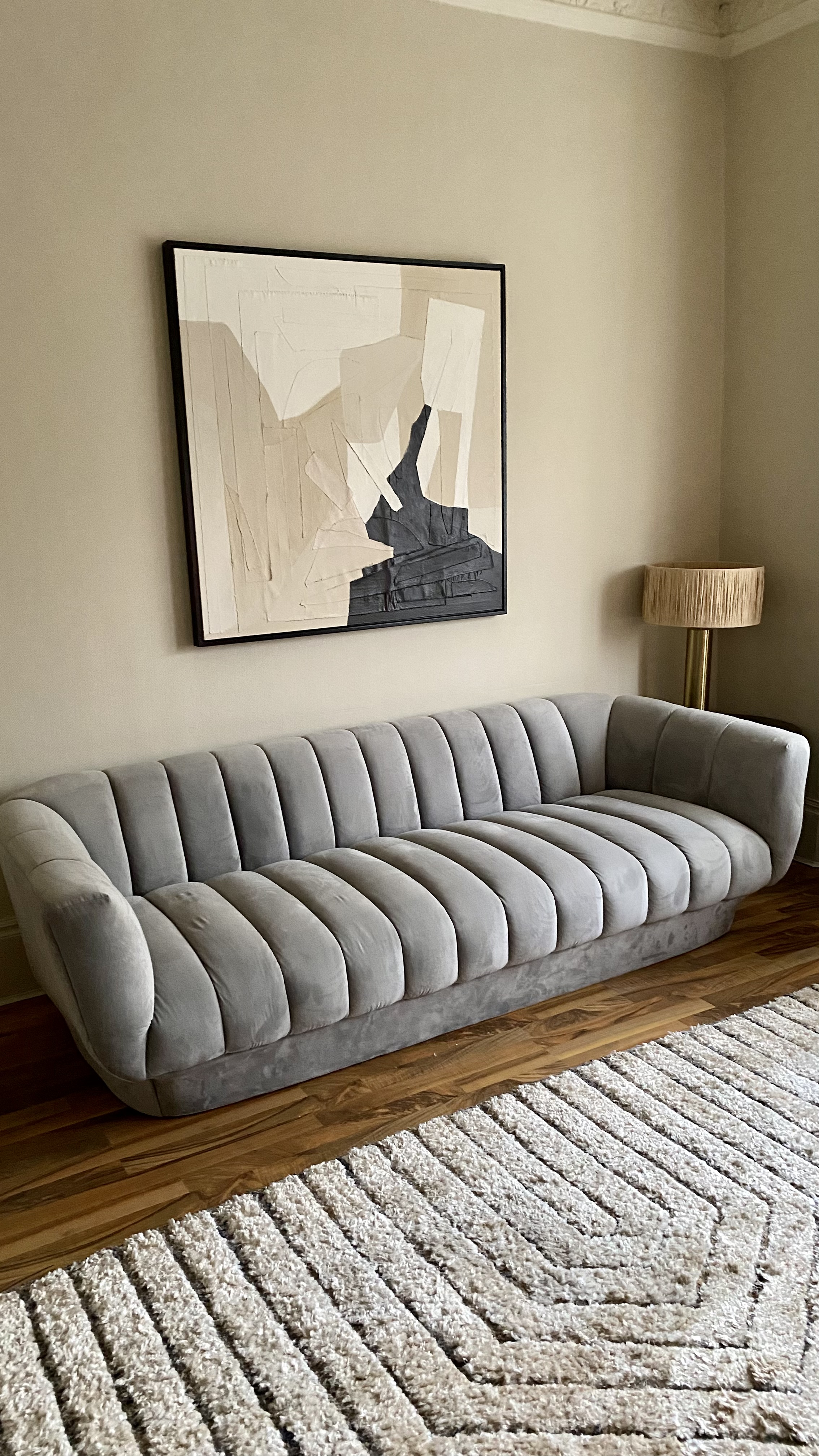
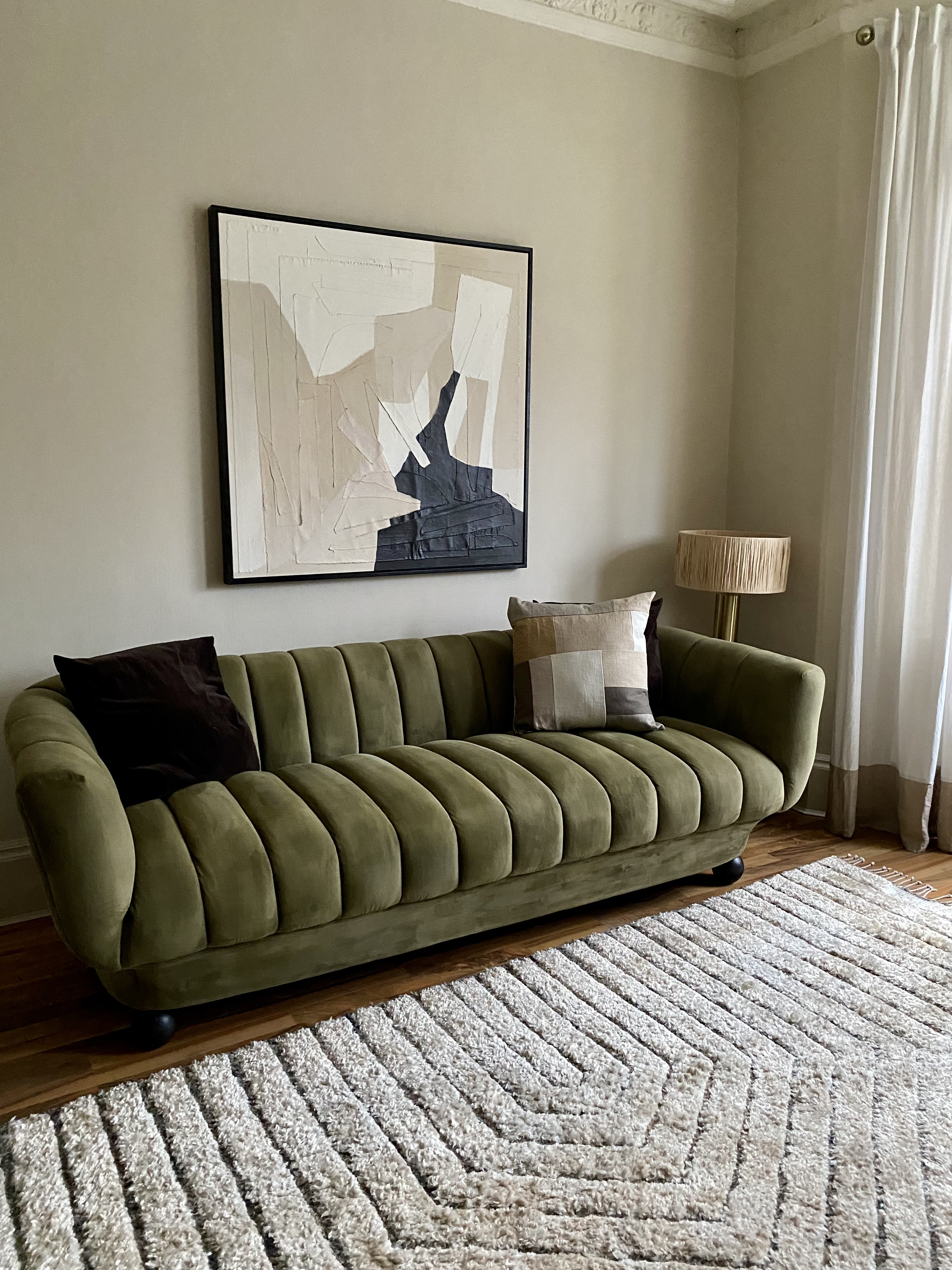
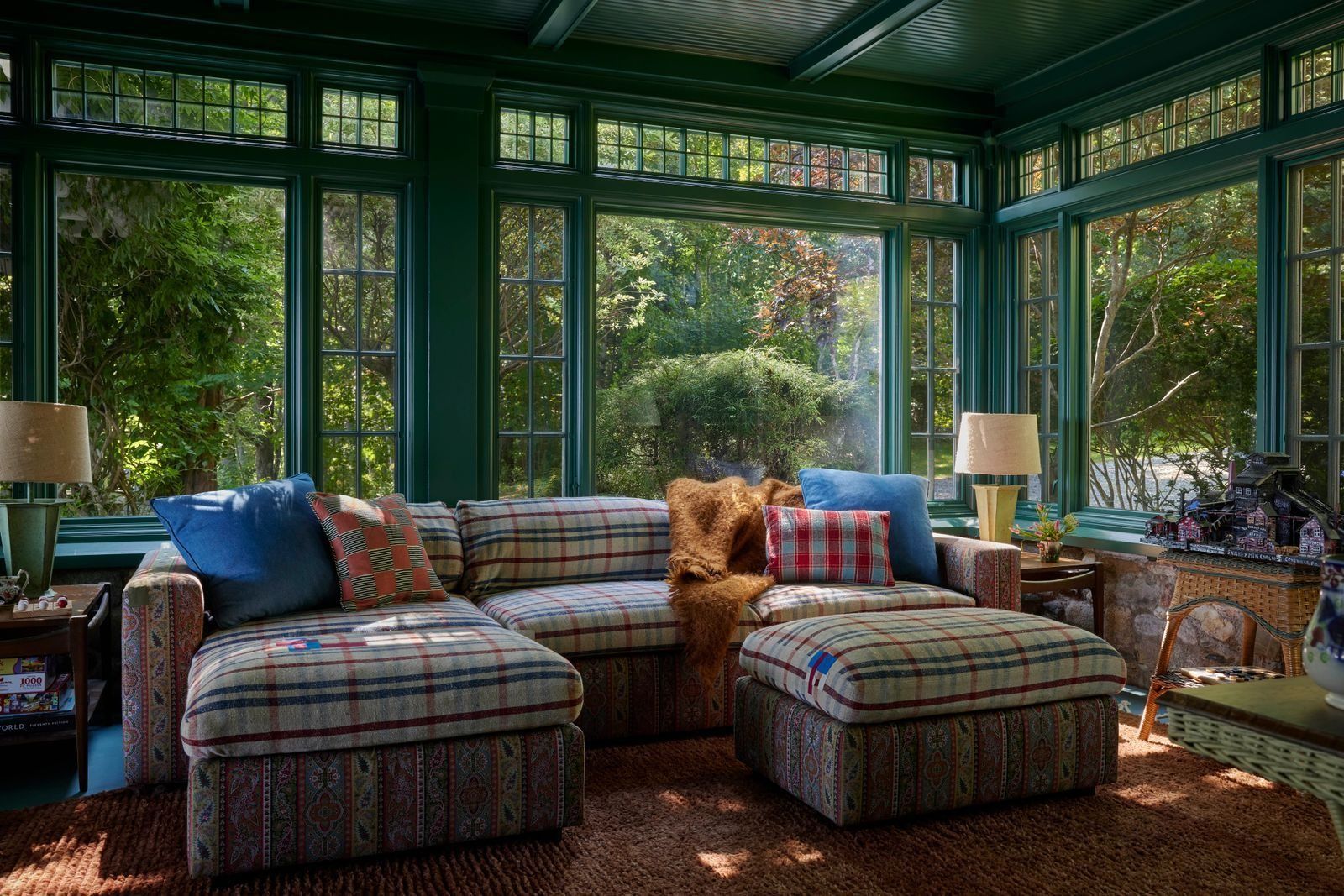
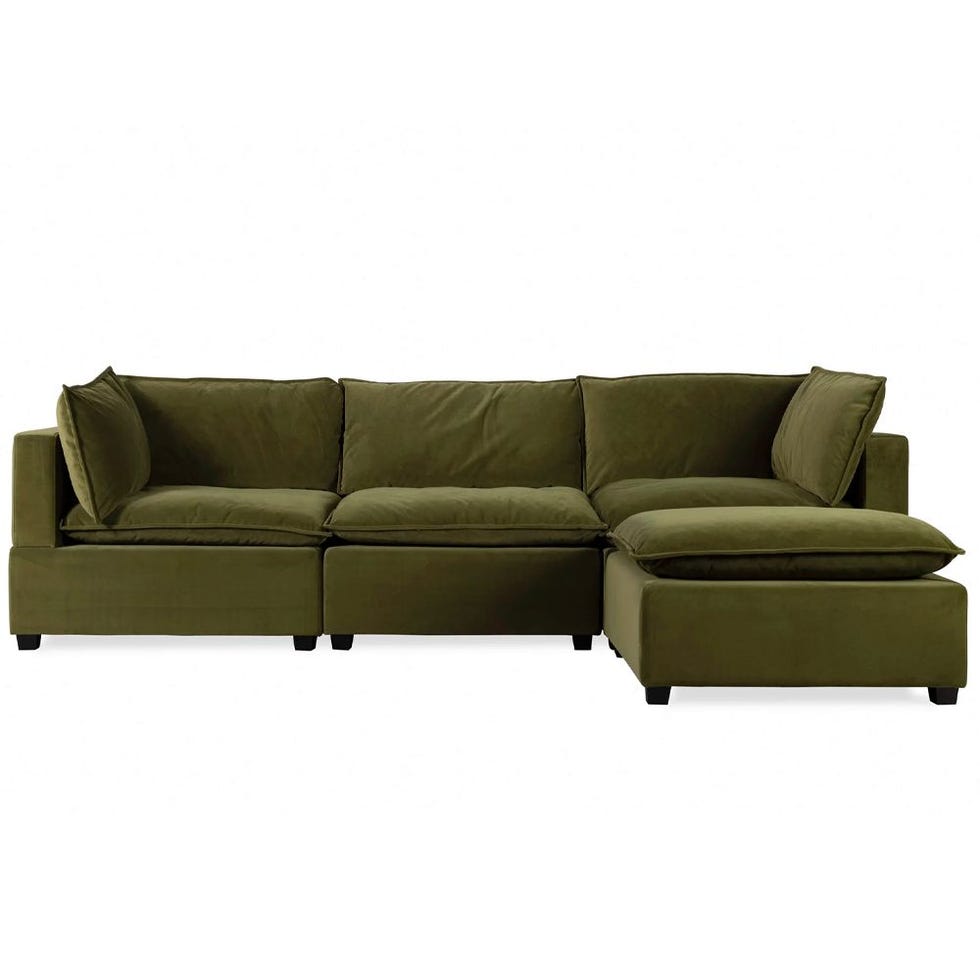
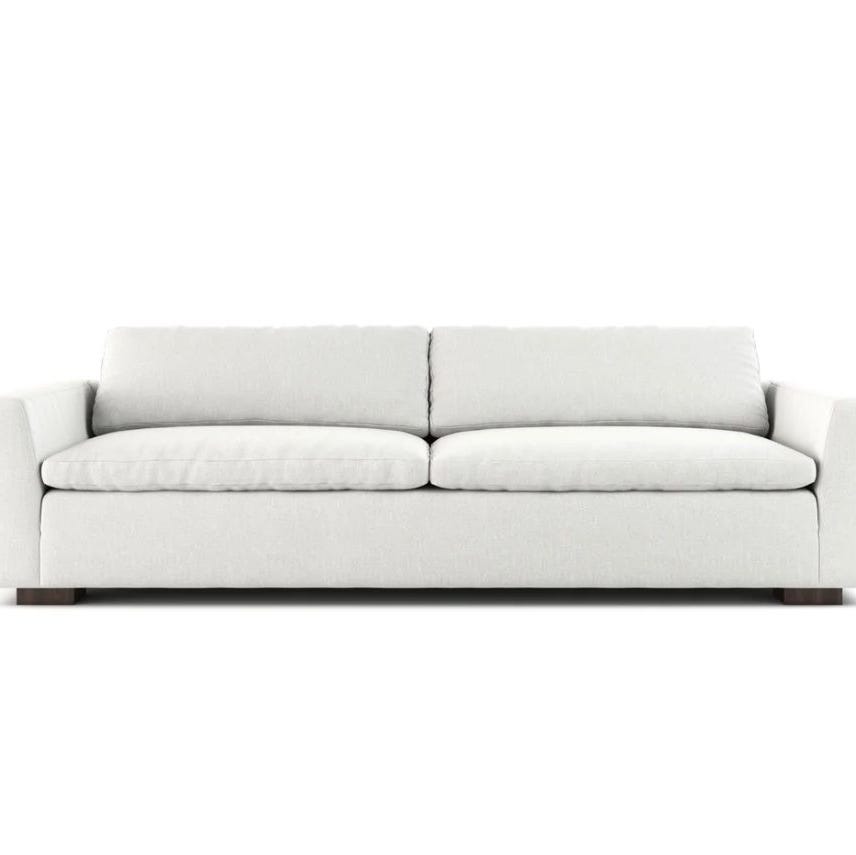
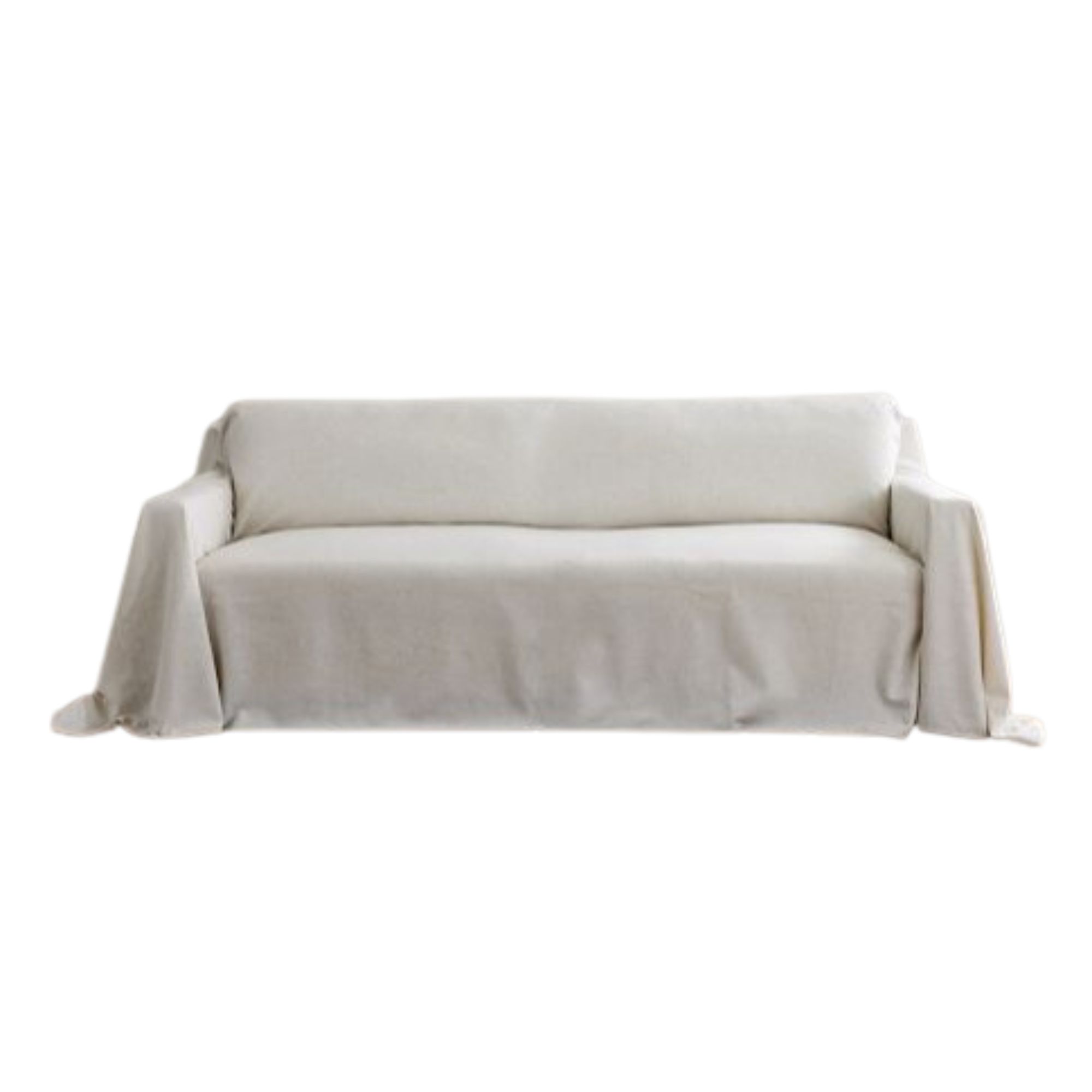
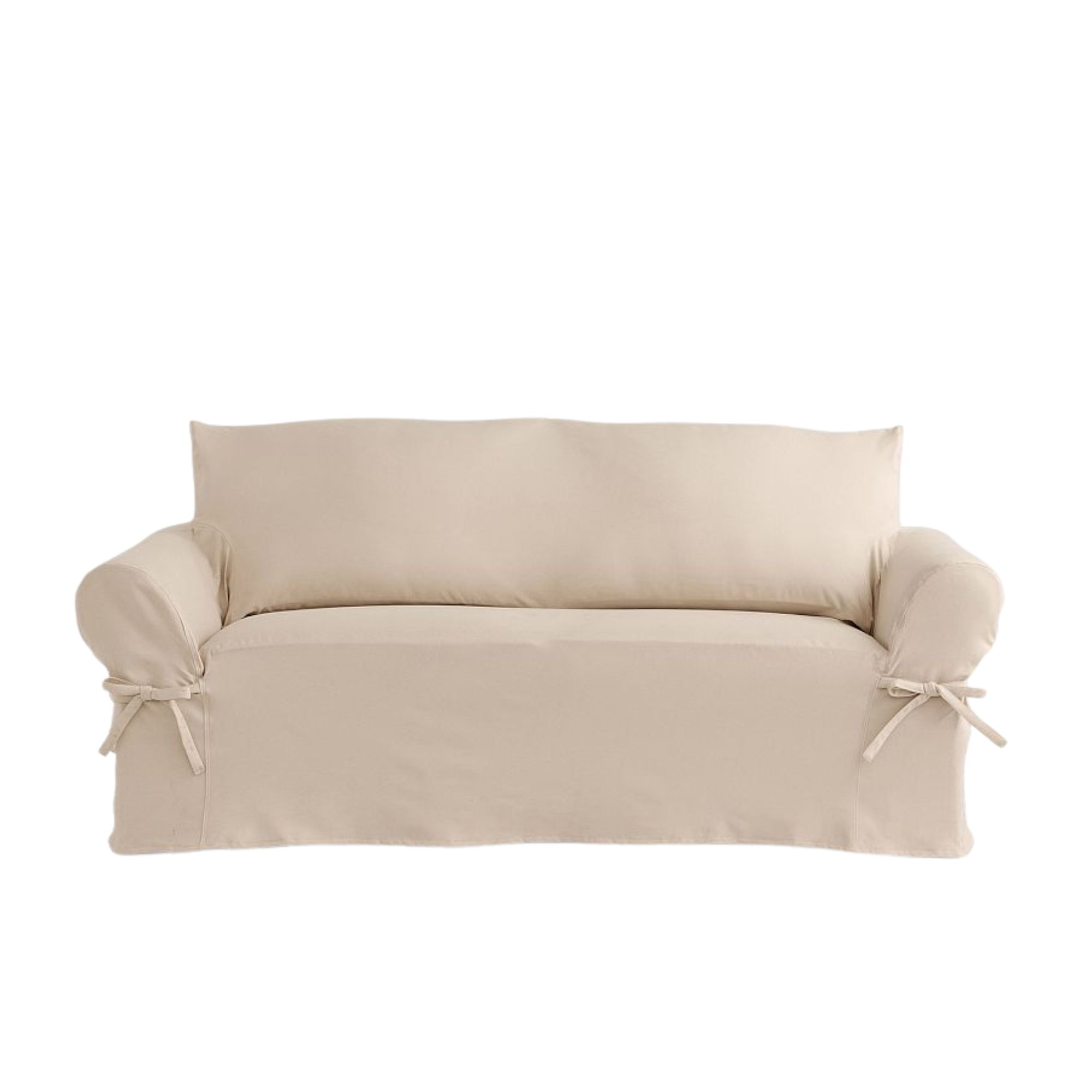
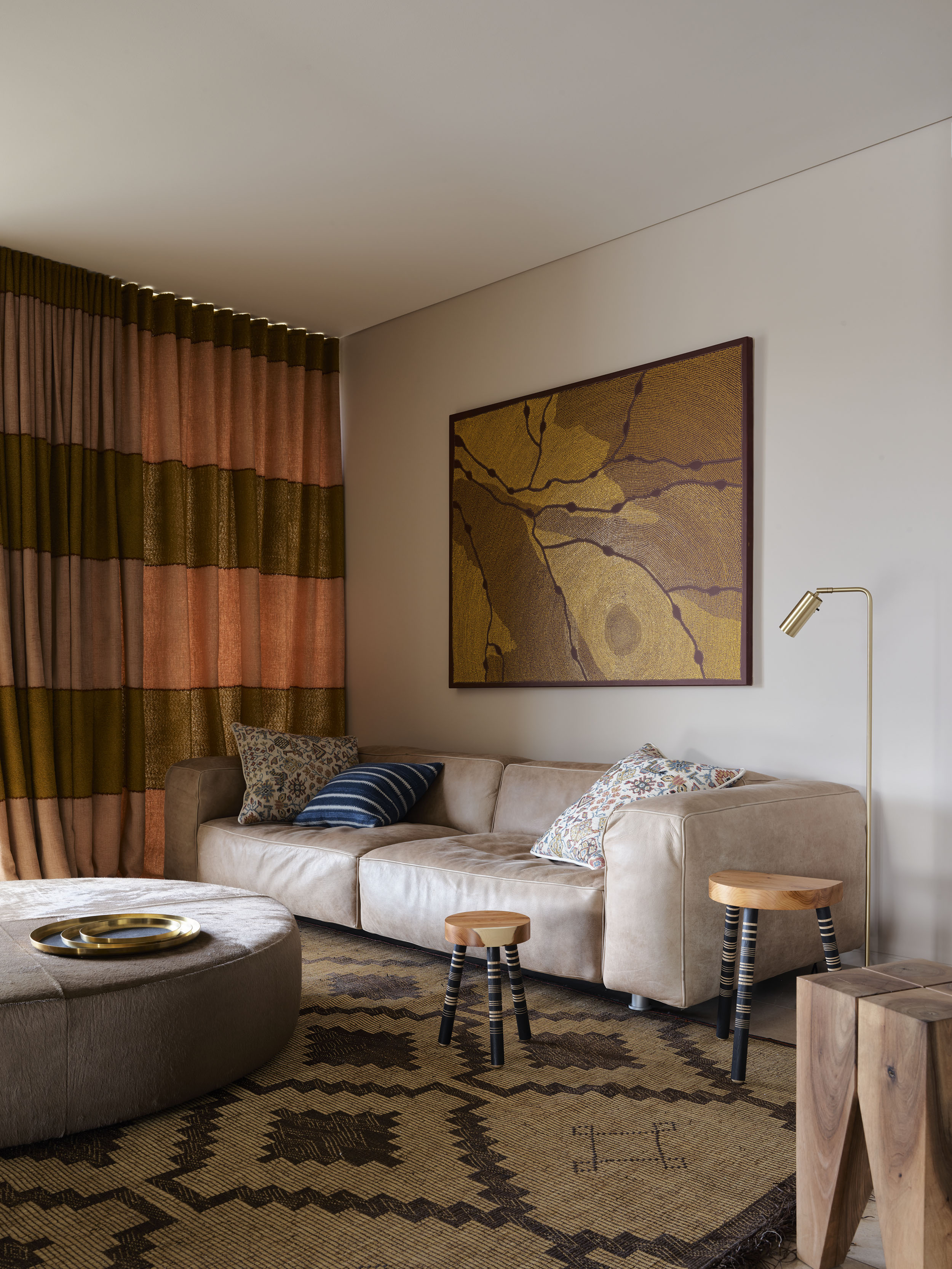
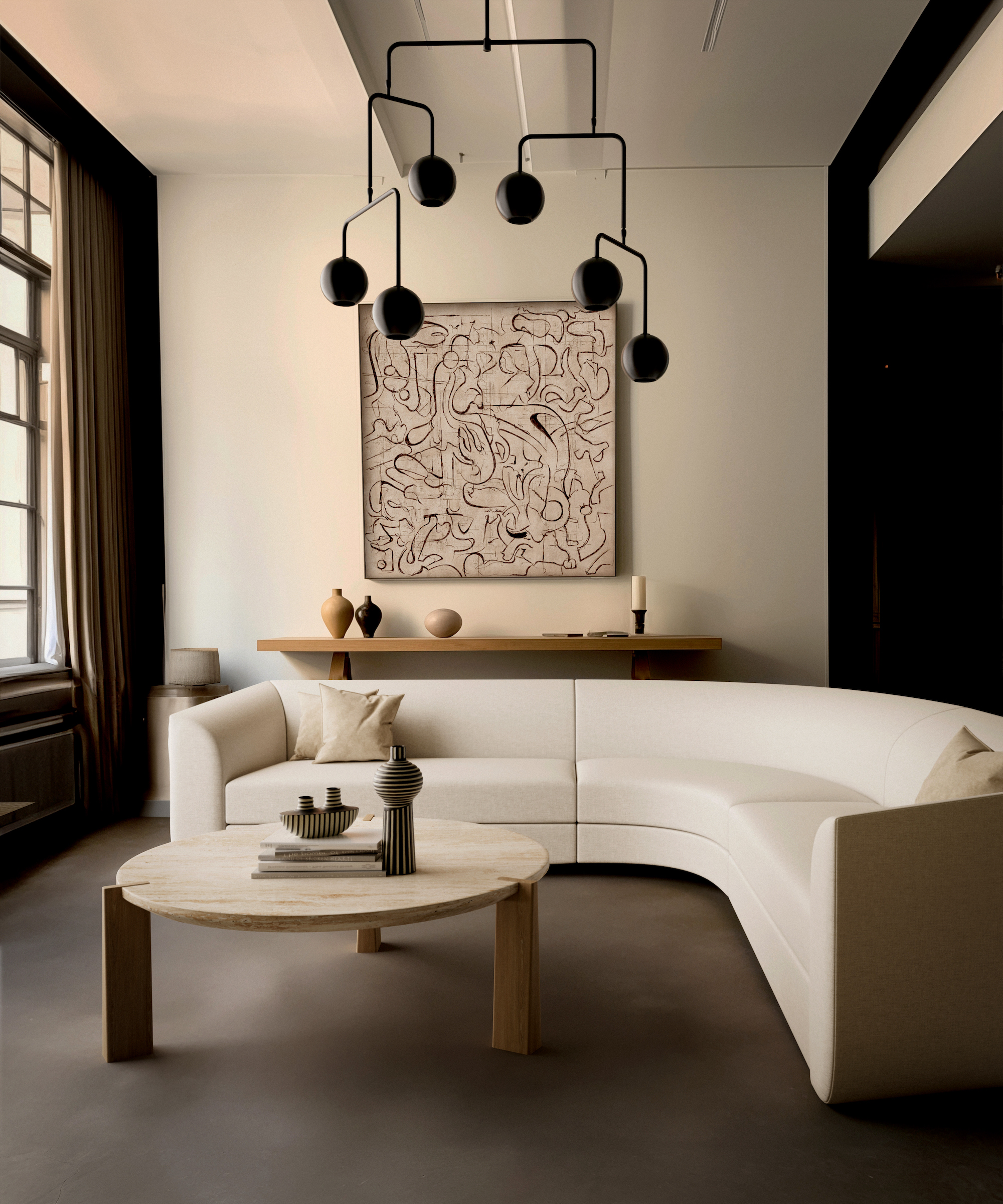
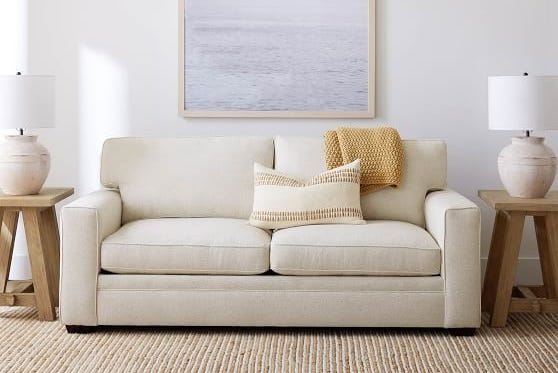
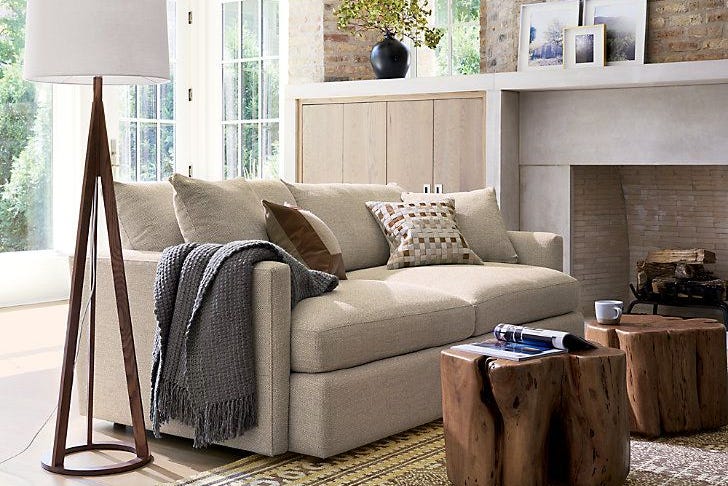
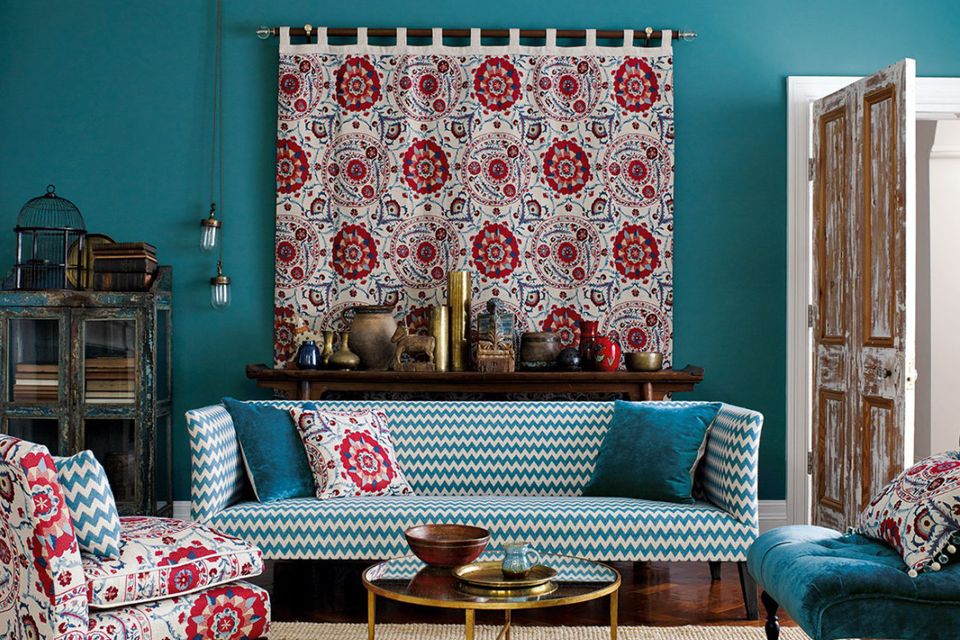
Re-upholstery has seen a resurgence in popularity, driven by the upcycling movement and a desire to give new life to cherished furniture pieces. This process allows individuals to transform old sofas and chairs, aligning them with contemporary aesthetics or preserving sentimental value. Interior designers like Hayley Curran and Tracy Elliot highlight that re-upholstery can be a sustainable and cost-effective alternative to purchasing new furniture, provided the underlying frame is structurally sound.
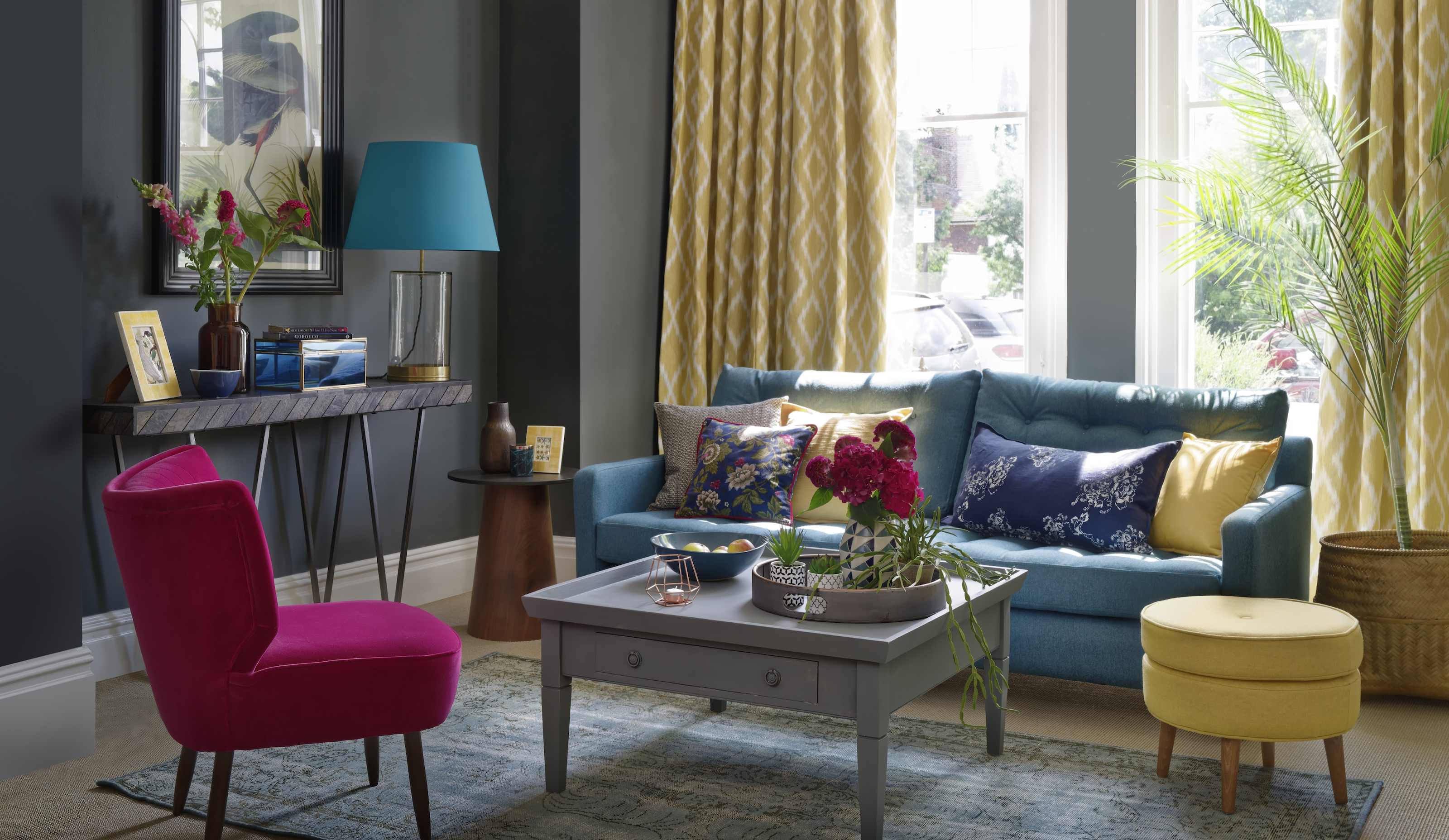
Before embarking on a re-upholstery project, it is crucial to assess the condition of the furniture's frame. A common pitfall is attempting to re-upholster a piece with a damaged frame, which can lead to higher costs than buying a new item, unless the piece holds significant sentimental value as a family heirloom. For a three-seater sofa, re-upholstery can range from approximately €600 for an entry-level fabric to upward of €1,000 for more premium materials, including labor. The durability of the fabric does not always correlate with its price, as hard-wearing options can be found at lower price points, while high-end designs command higher costs.
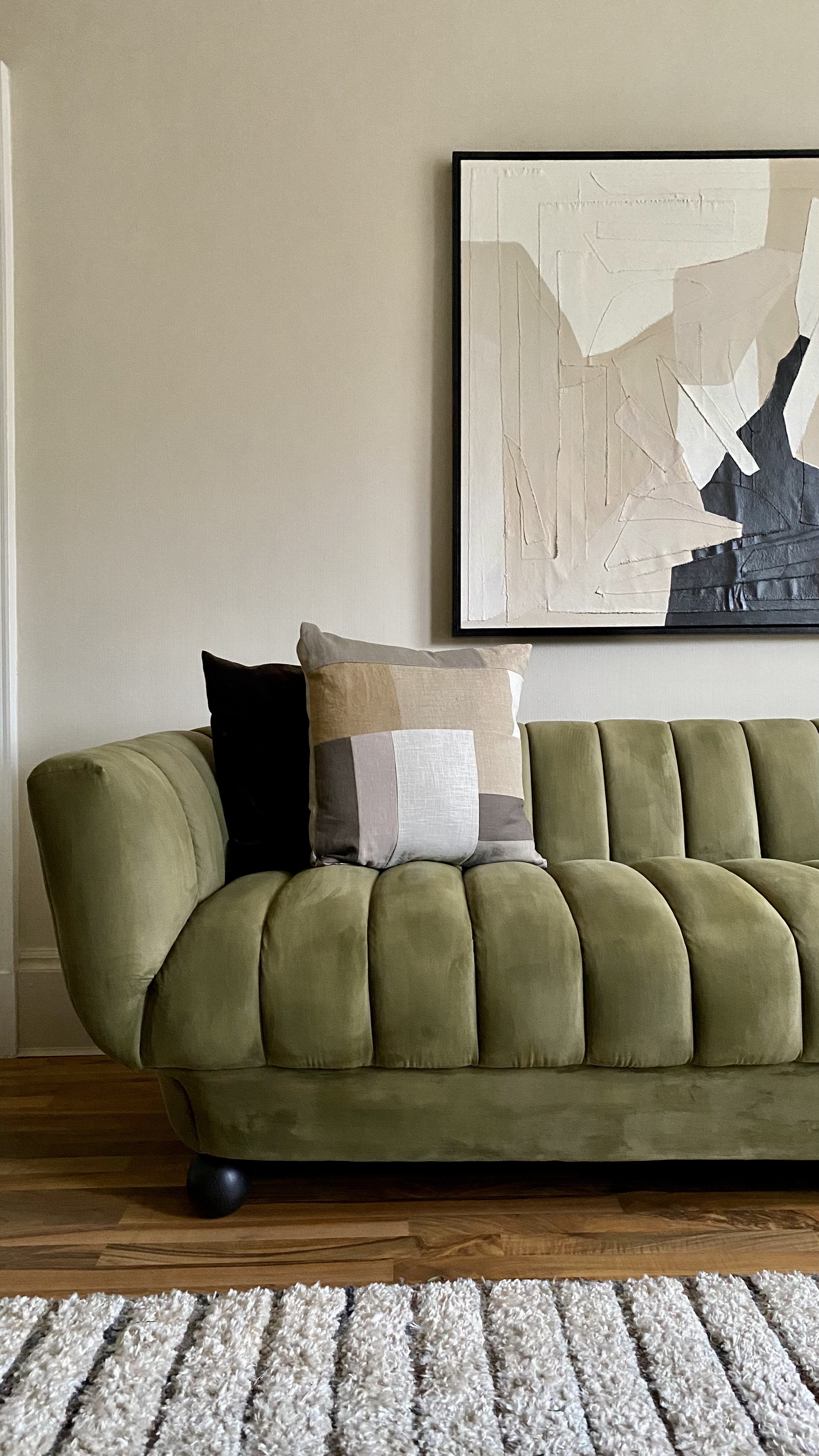
Creative solutions exist for those with a limited budget but a desire for luxurious fabrics. Designers can strategically use expensive materials for accents like cushions, complementing them with more affordable plain fabrics for the main body of the furniture. This approach allows for a touch of luxury without the exorbitant cost of fully upholstering with high-end textiles. Dining chairs with removable seats are also ideal candidates for re-upholstery, with costs varying between €50 and €500 per chair, depending on the chosen fabric.
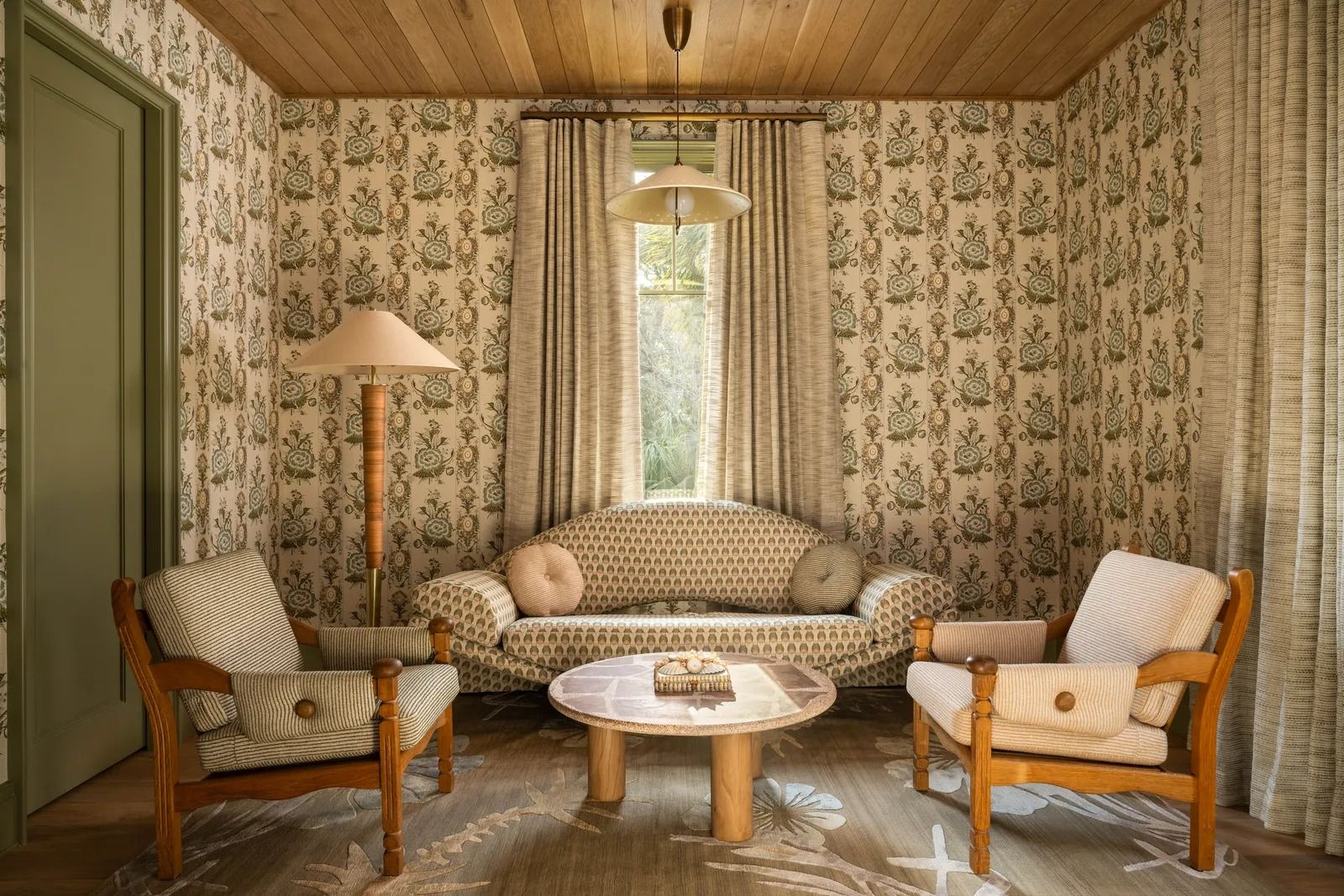
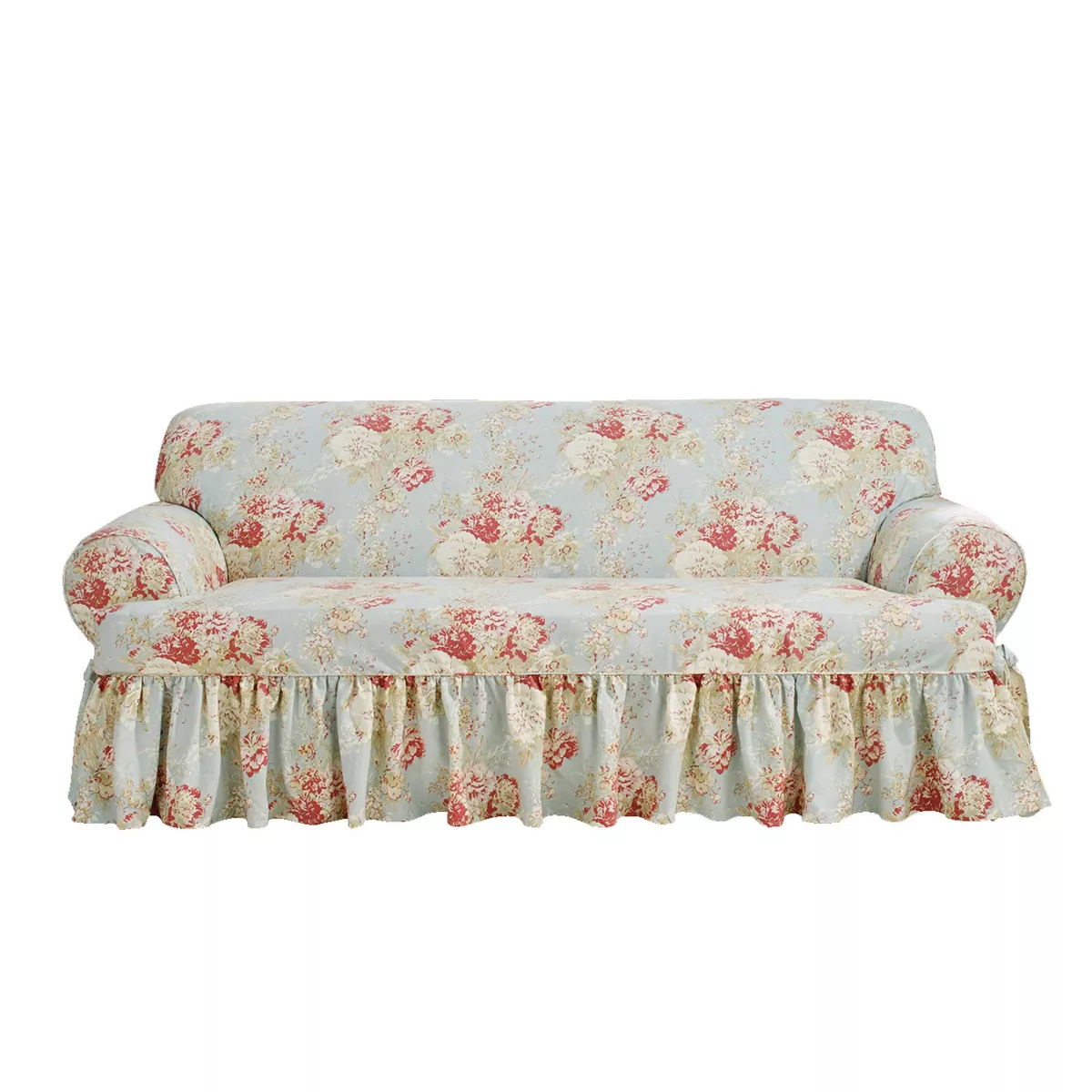
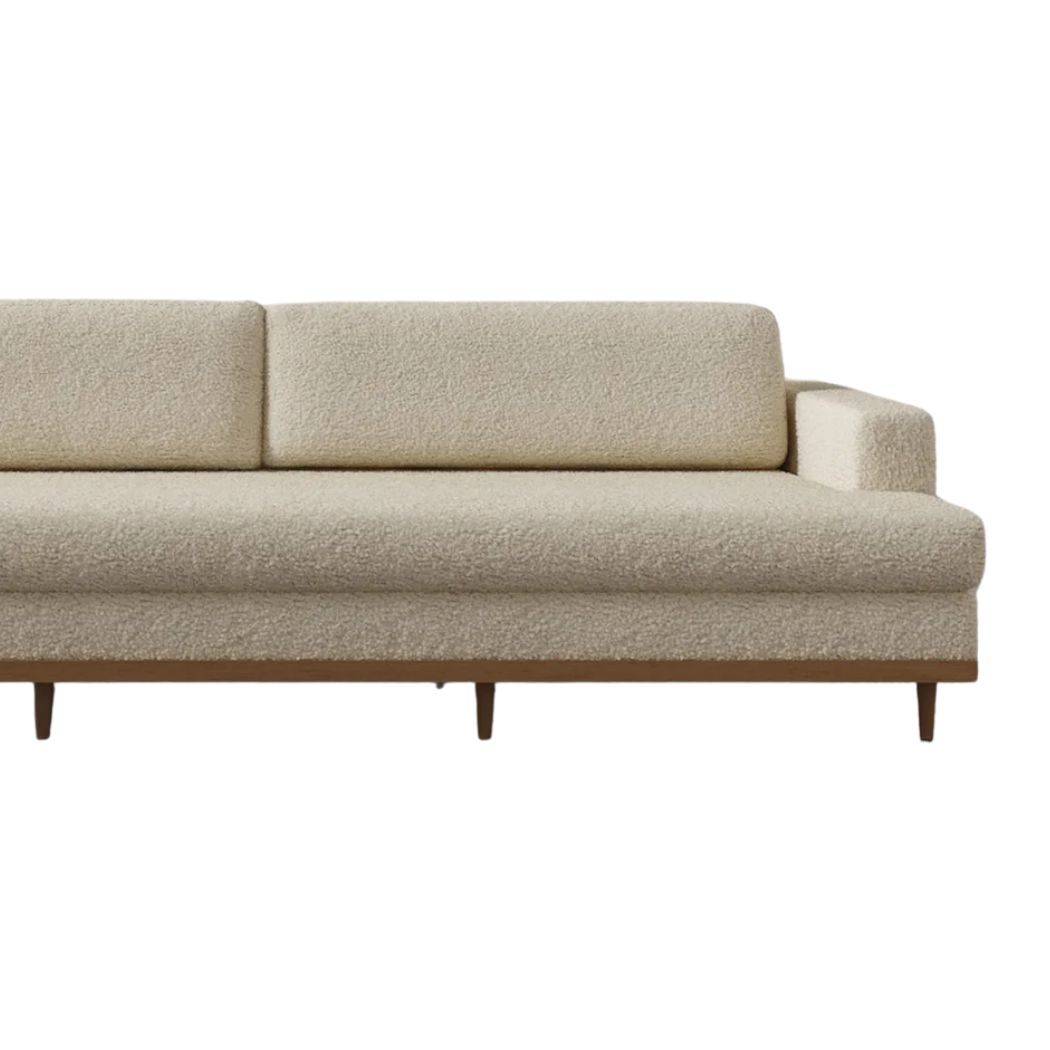
When considering re-upholstery, it is important to align the furniture's new aesthetic with the home's future design, rather than its past. This involves selecting fabrics that suit the household environment, especially in homes with children or pets where heavy-duty, contract fabrics might be more appropriate than delicate cottons or silks. Additionally, the type of fabric chosen can significantly impact the furniture's appearance; a heavy pile fabric on a frame originally designed for a flat, smooth material can alter its definition and lines. Seeking guidance from an experienced interior designer or an upholsterer is advisable, as their expertise can help navigate fabric choices, ensure suitability for the furniture's frame and intended use, and ultimately save money by preventing costly mistakes.
#HomeInteriors #FurnitureRestoration #Reupholstery #InteriorDesign #Upcycling #HomeRenovation #FabricSelection #SustainableLiving #HomeDecor #HomeInteriors #FurnitureRestoration #Reupholstery #InteriorDesign #Upcycling #HomeRenovation #FabricSelection #SustainableLiving #HomeDecor
0 opmerkingen in totaal
 Nog geen opmerkingen
Dit vindt u mogelijk ook leuk
This interior designer’s once drab velvet sofa now looks brand new – the secret? A self-mixed fabric paint

Give Your Couch a Makeover With These Editor-Approved Sofa Covers

Finding Stylish Sofa Covers Isn't Hard — You Just Have to Know What to Look For

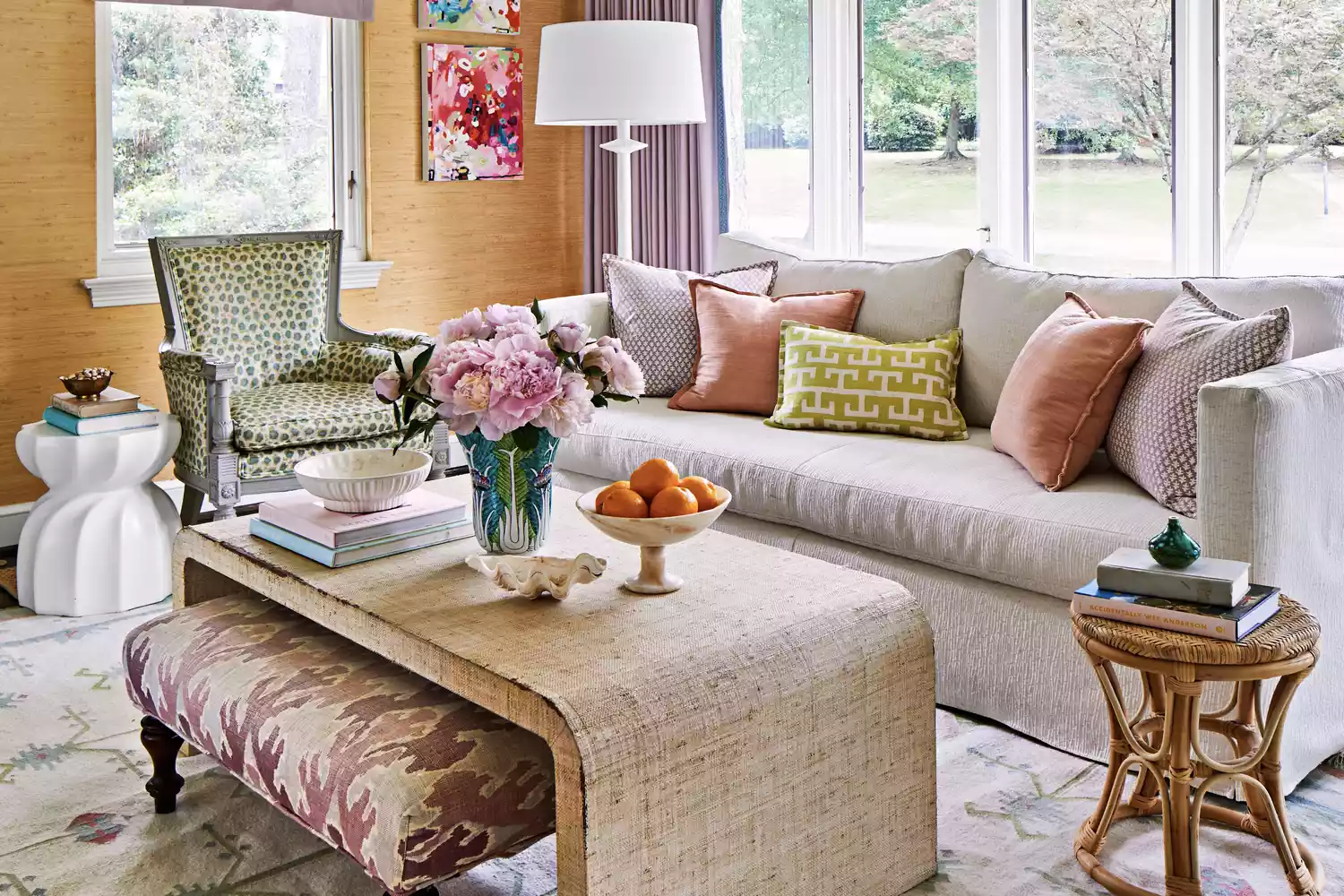
How To Clean A Couch So It Looks As Good As New
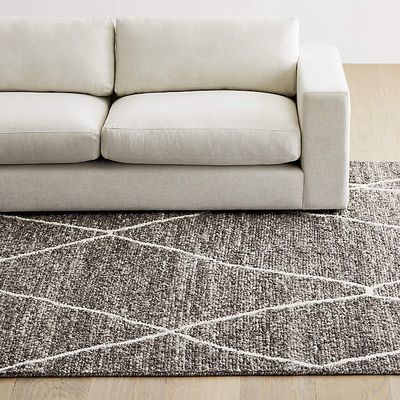
The 16 Very Best Couches | The Strategist

Give Your Sofa a Refresh with a Modern and Sleek Couch Cover

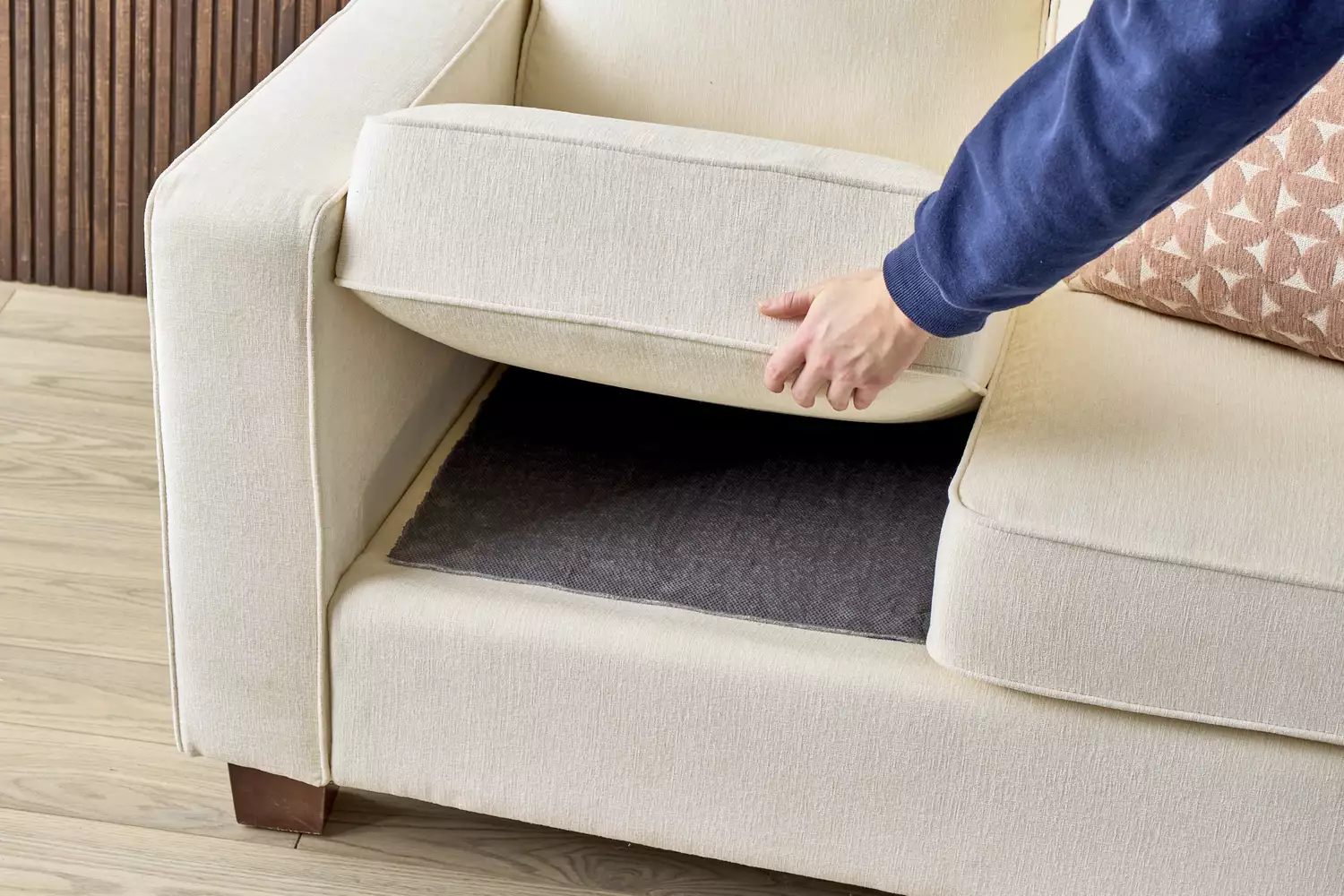
5 Easy Ways to Keep Couch Cushions From Sliding That Actually Work


How to Clean Secondhand Furniture, According to Professional Upcyclers
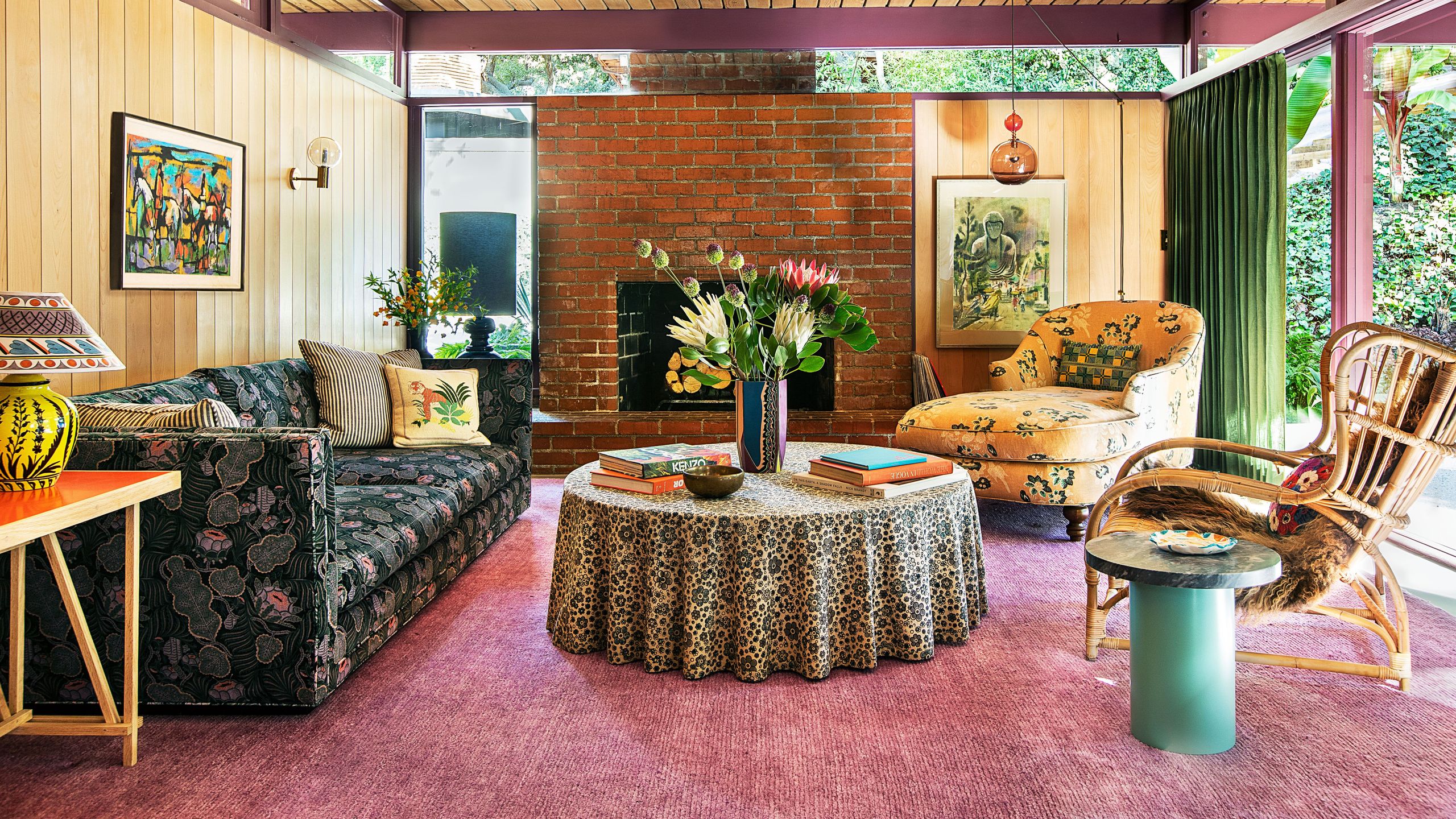
The Patterned Sofa Is Back and Bolder Than Ever

How to Make Your Sofa Look Even More Inviting (Published 2024)


How Long Should a Sofa Last? Get the Lowdown on Lifespan and Easy Ways to Extend it
How to refinish wood furniture - easy ways to totally overhaul your decor
Best Couch Fabrics: 9 Types of Couch Materials to Choose From
27 Couch Cleaners That’ll Make Old, Stained Sofas Look Newer
How To Deep Clean a Couch: Expert Tips for Getting It To Look Like New

Upgrade Any Living Room With the Best Couches
How much does it cost to reupholster a sofa? And why it's worth it

These Super Comfy Couches Are Roomy, Stylish, and Marshmallow Soft
Pro Tip: These Couch Covers Are Home Decor Game-Changers
30+ Couches Later, These Picks Totally Nail Comfy Couch Vibes