1/9
How to Create the Best Kind of Cozy Space: a Room That’s Like a Hug (Published 2024)
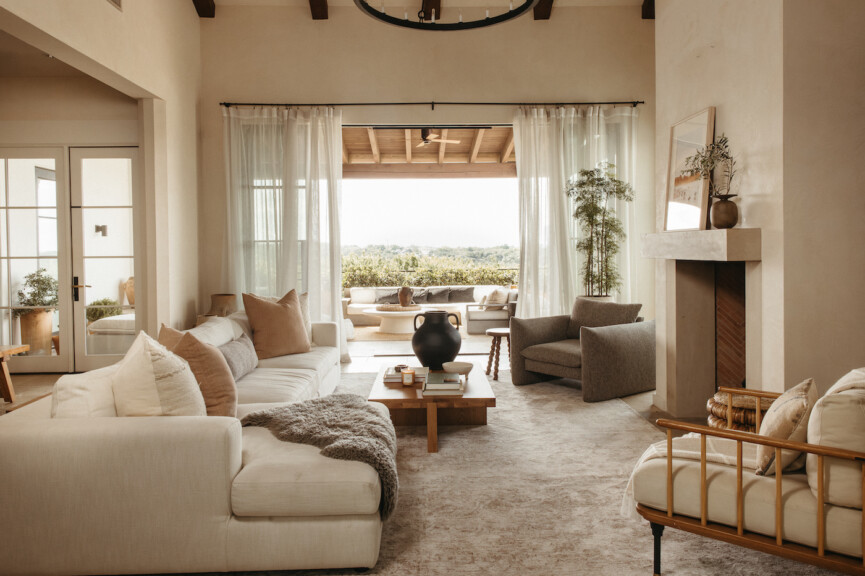
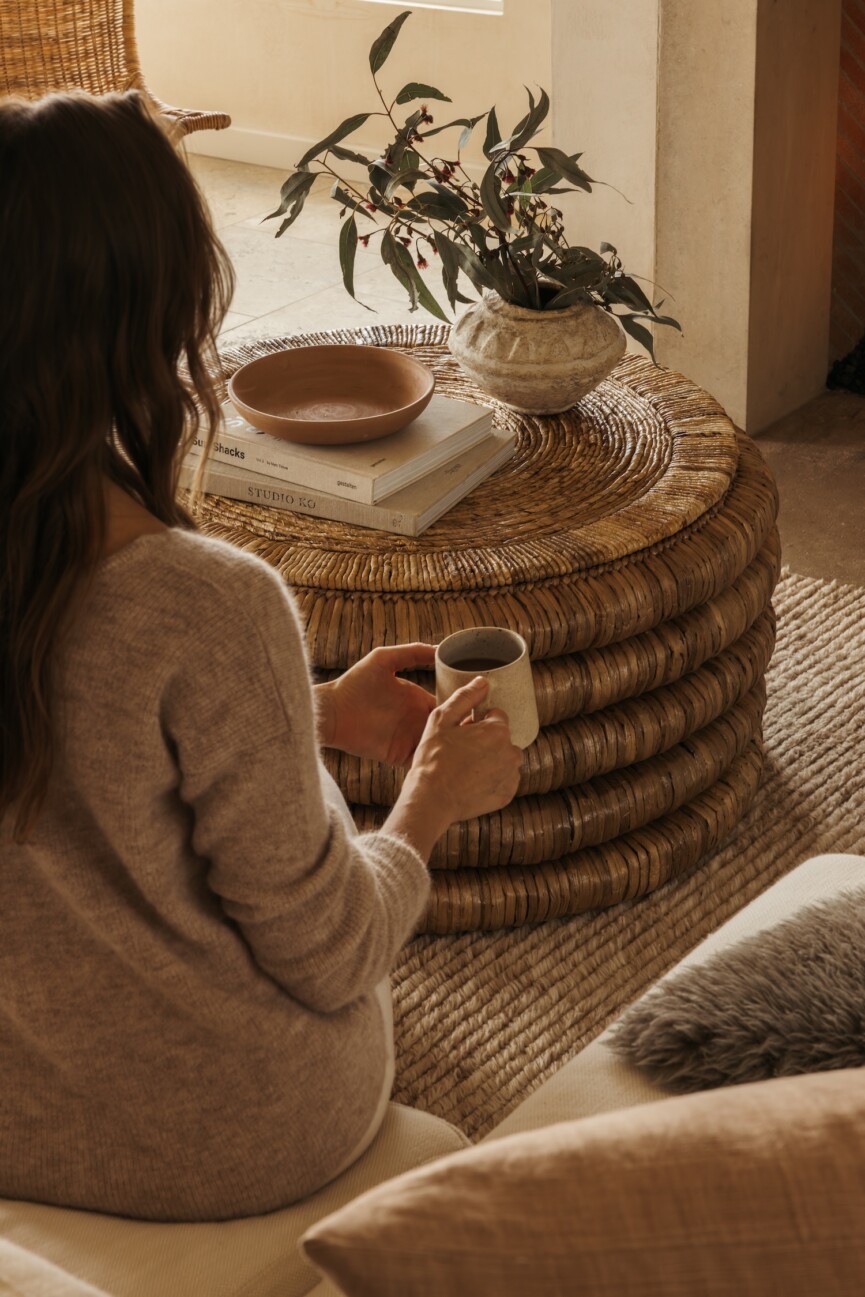
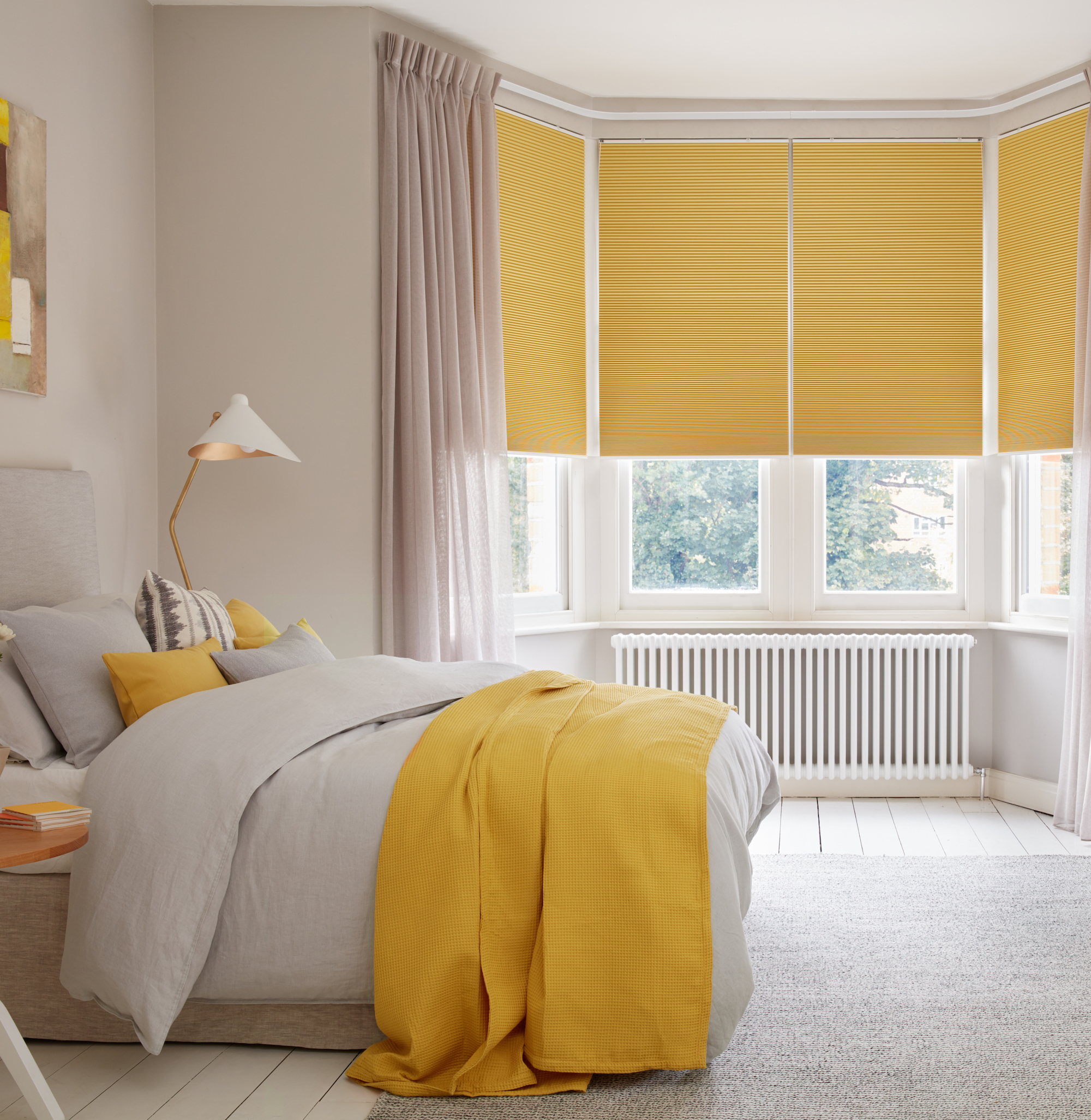
The article discusses various methods interior designers use to create a cozy and inviting atmosphere in a room, emphasizing comfort and warmth. Designers Shawn Henderson and David Jimenez explain that the essence of a cozy space is to make occupants feel like they can relax and put their feet up. Key strategies include manipulating wall treatments, flooring, lighting, material choices, furniture selection, and decorative accessories.
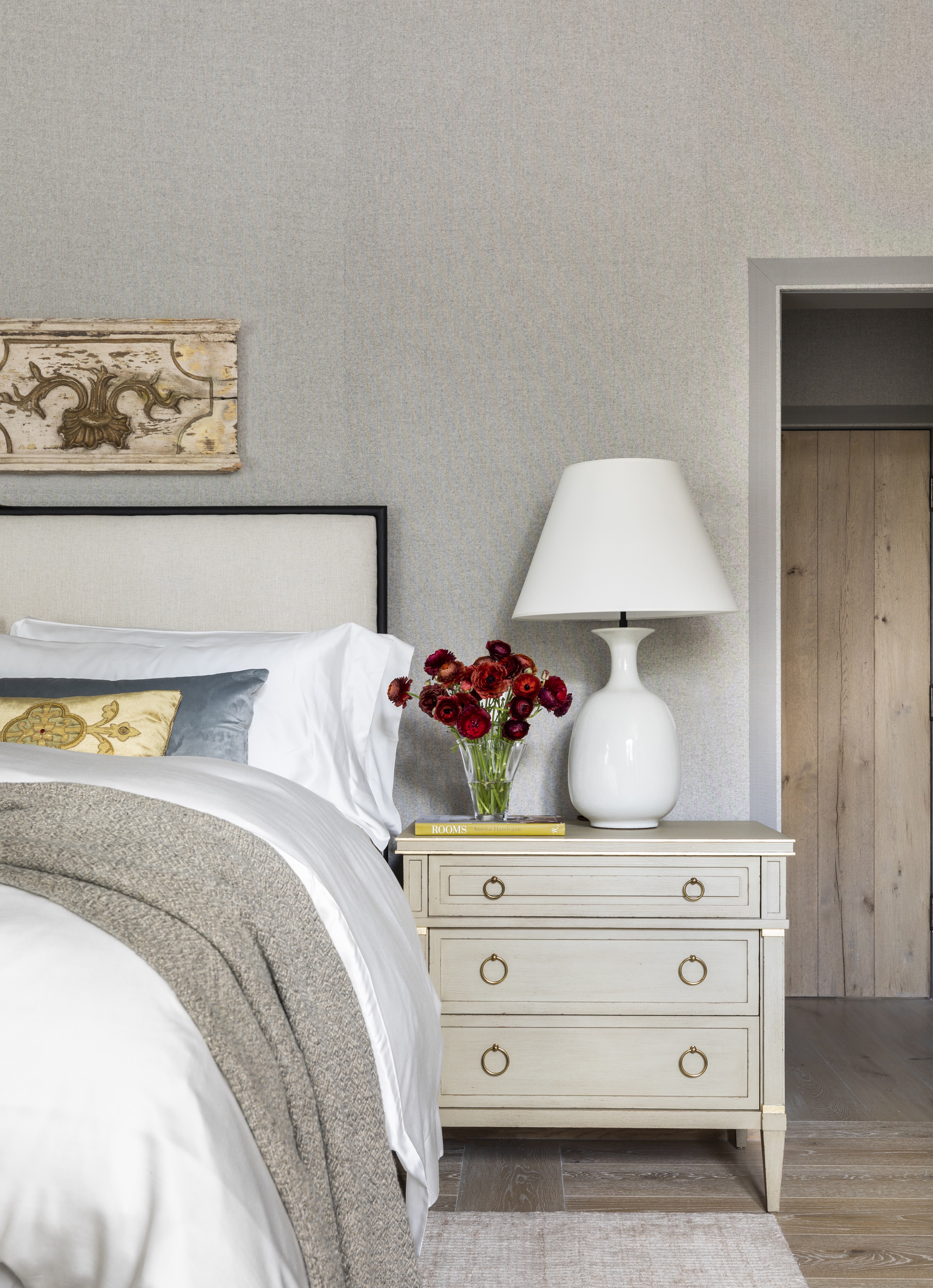
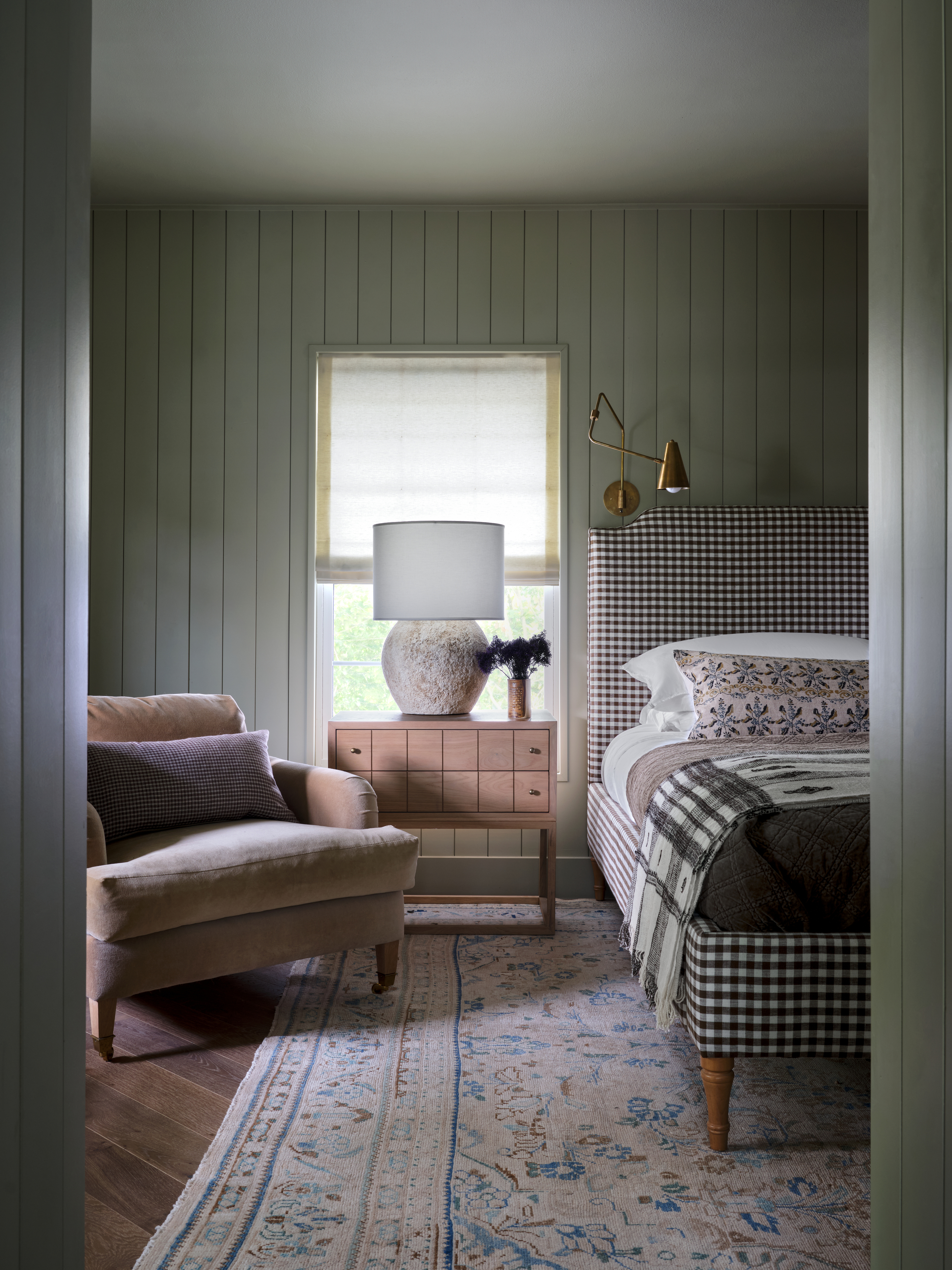
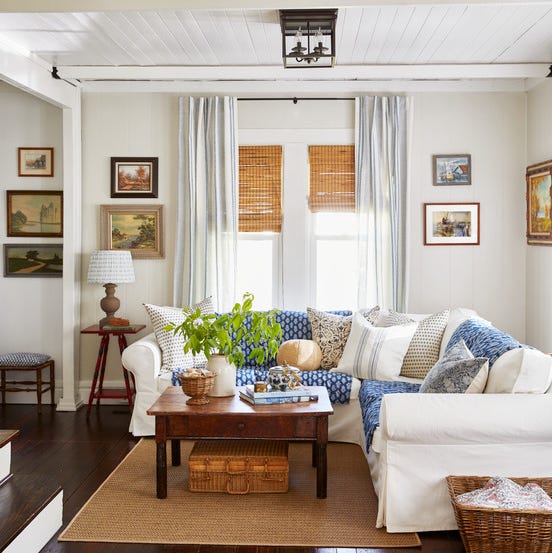
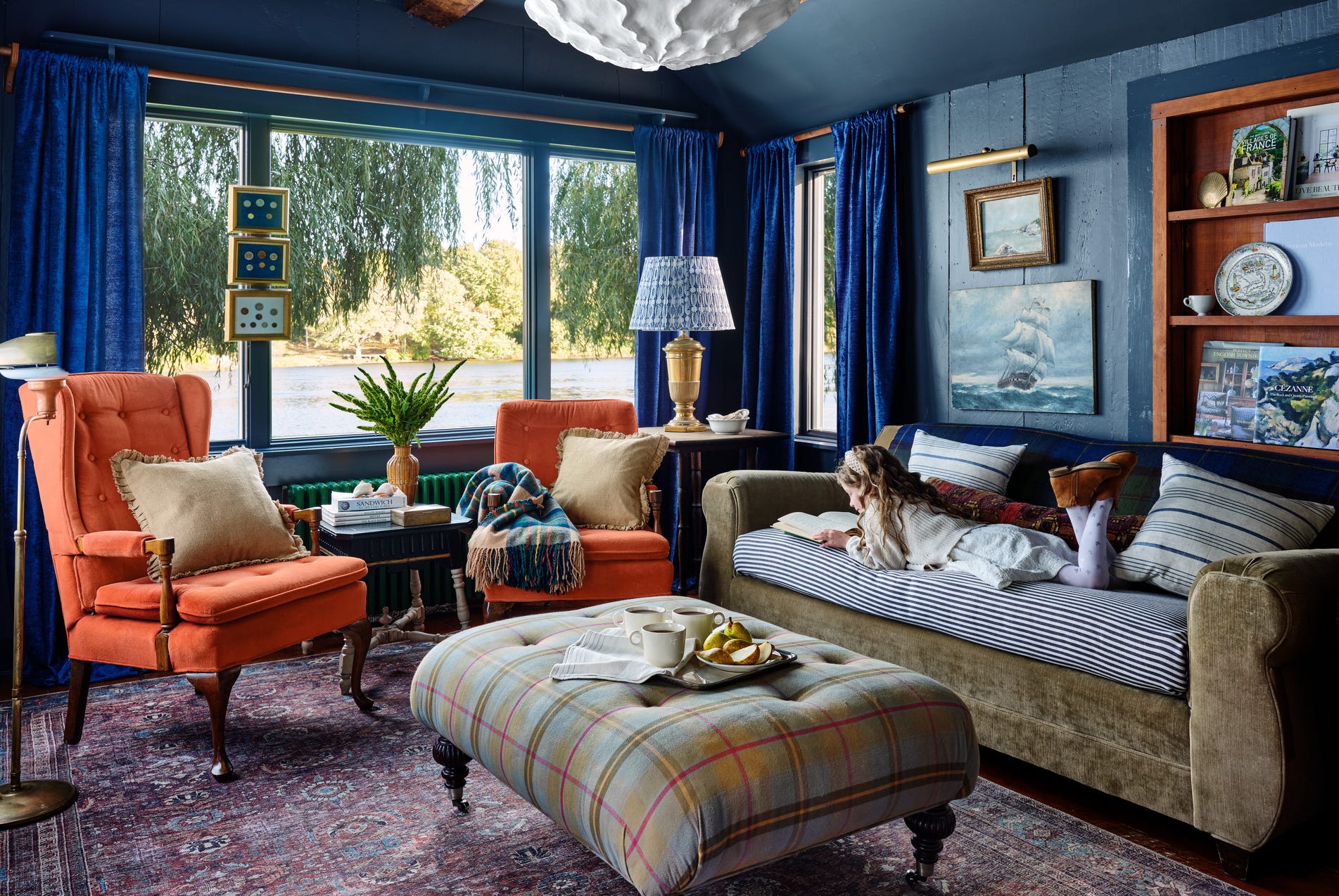
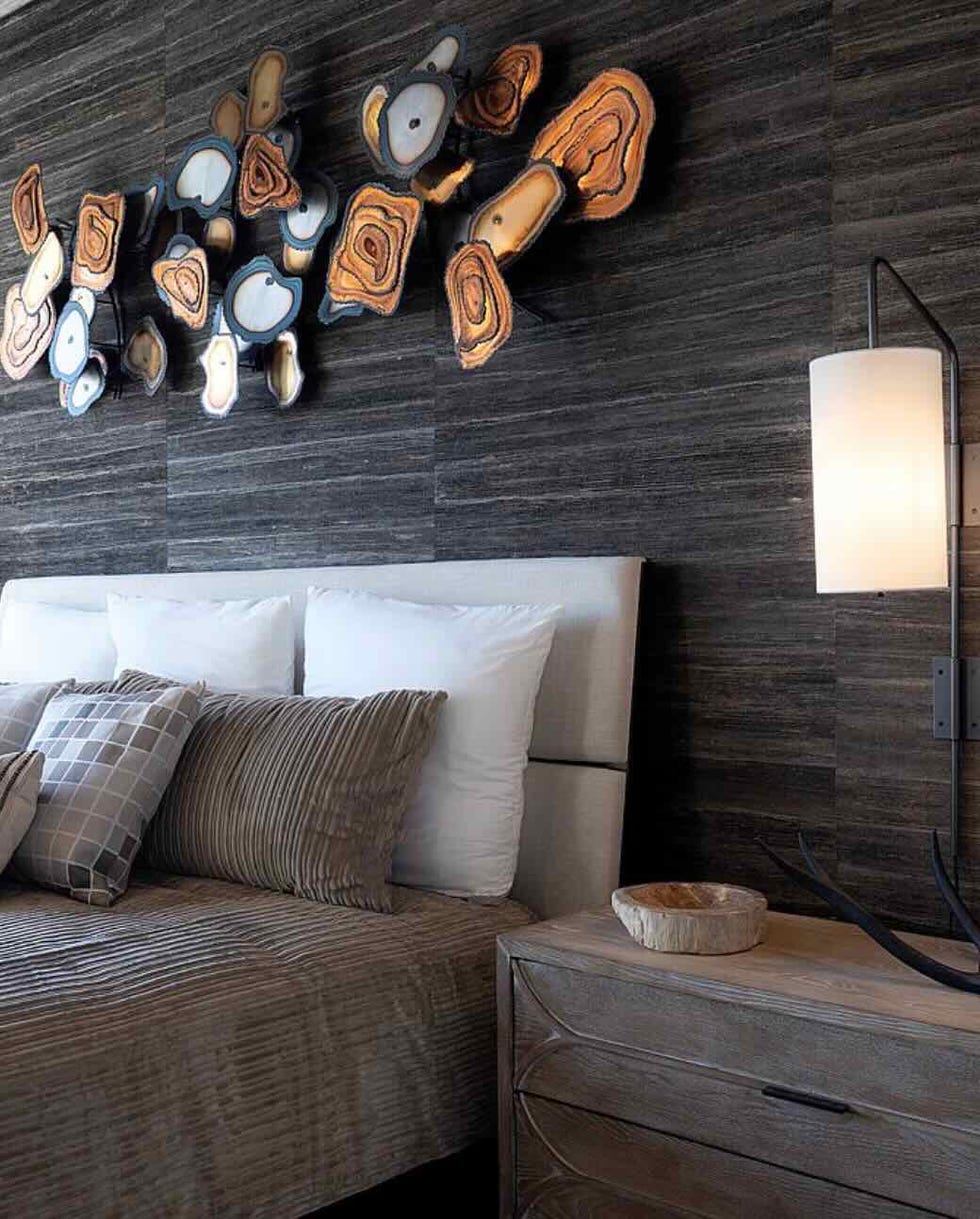
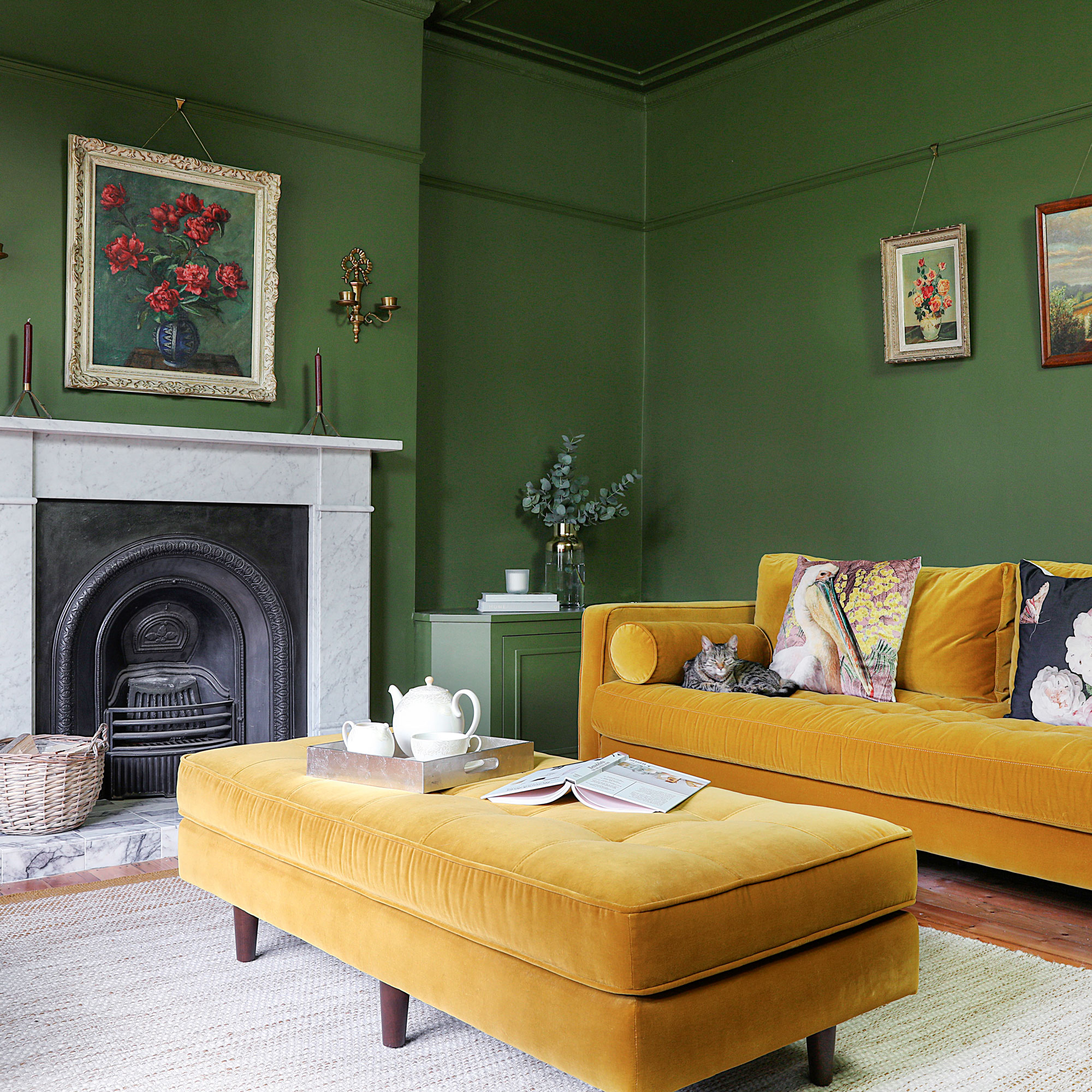
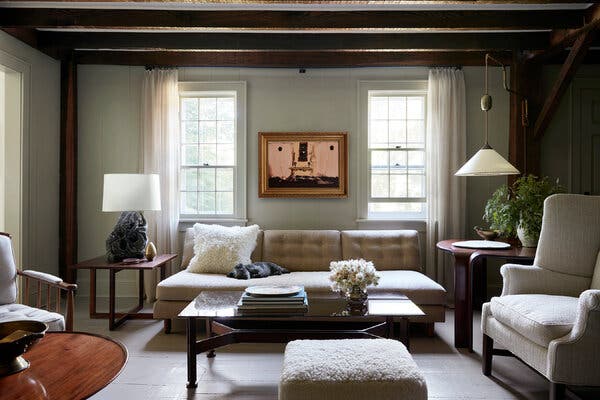
Regarding wall treatments, designers suggest techniques that make a room feel enclosed and secure, rather than expansive. Painting walls in rich, dark colors or using textured wallpaper can achieve this effect. Jenna Chused, for instance, used scenic wallpaper with gray tones in her sitting room to create a surrounded feeling. Wood paneling, such as V-groove paneling, is another recommended option for adding visual interest and reducing the perceived scale of a space, making it feel more intimate. For ultimate softness and acoustic benefits, wall upholstery is mentioned, with Henderson using it in bedrooms of his country house.
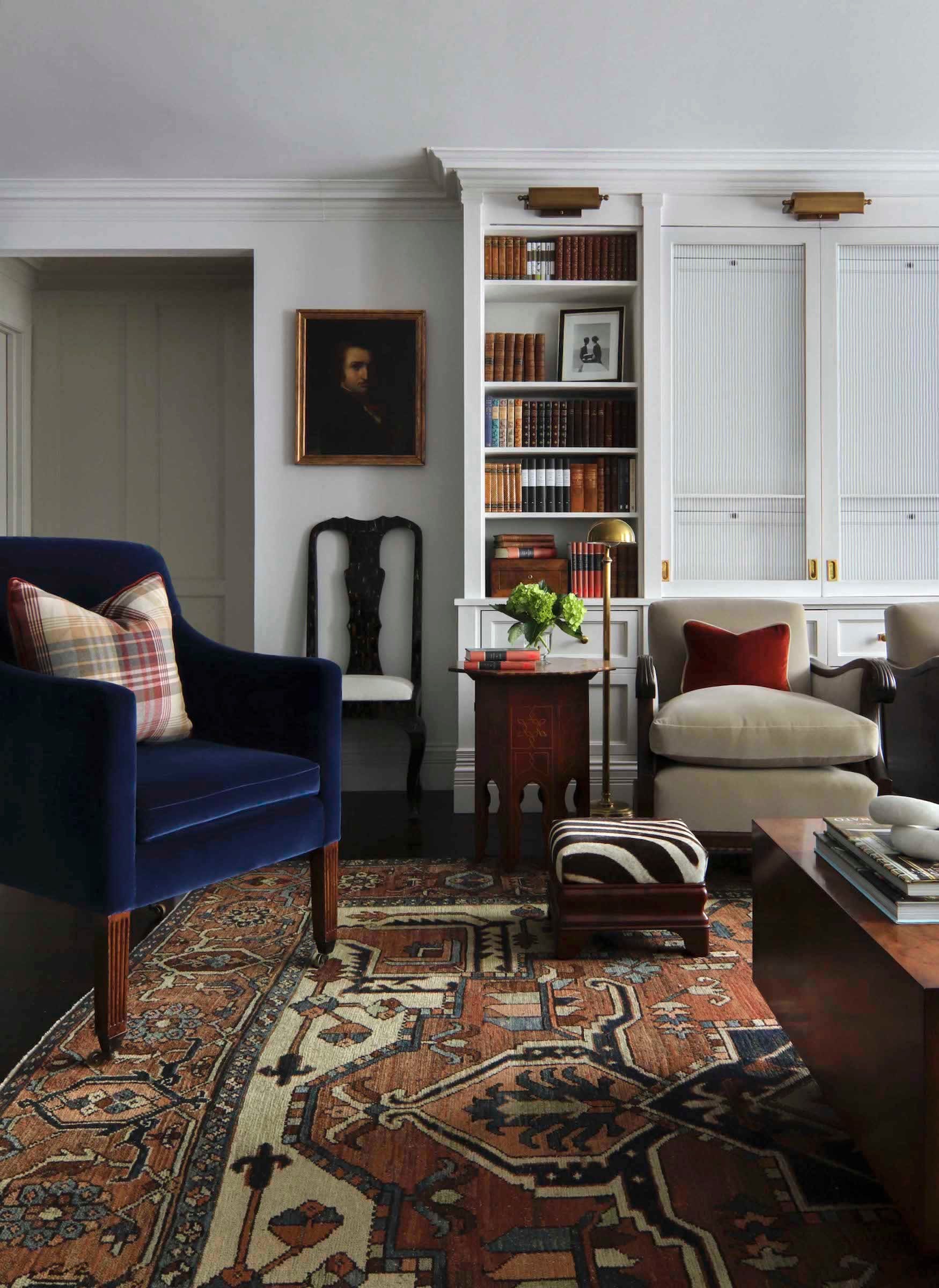
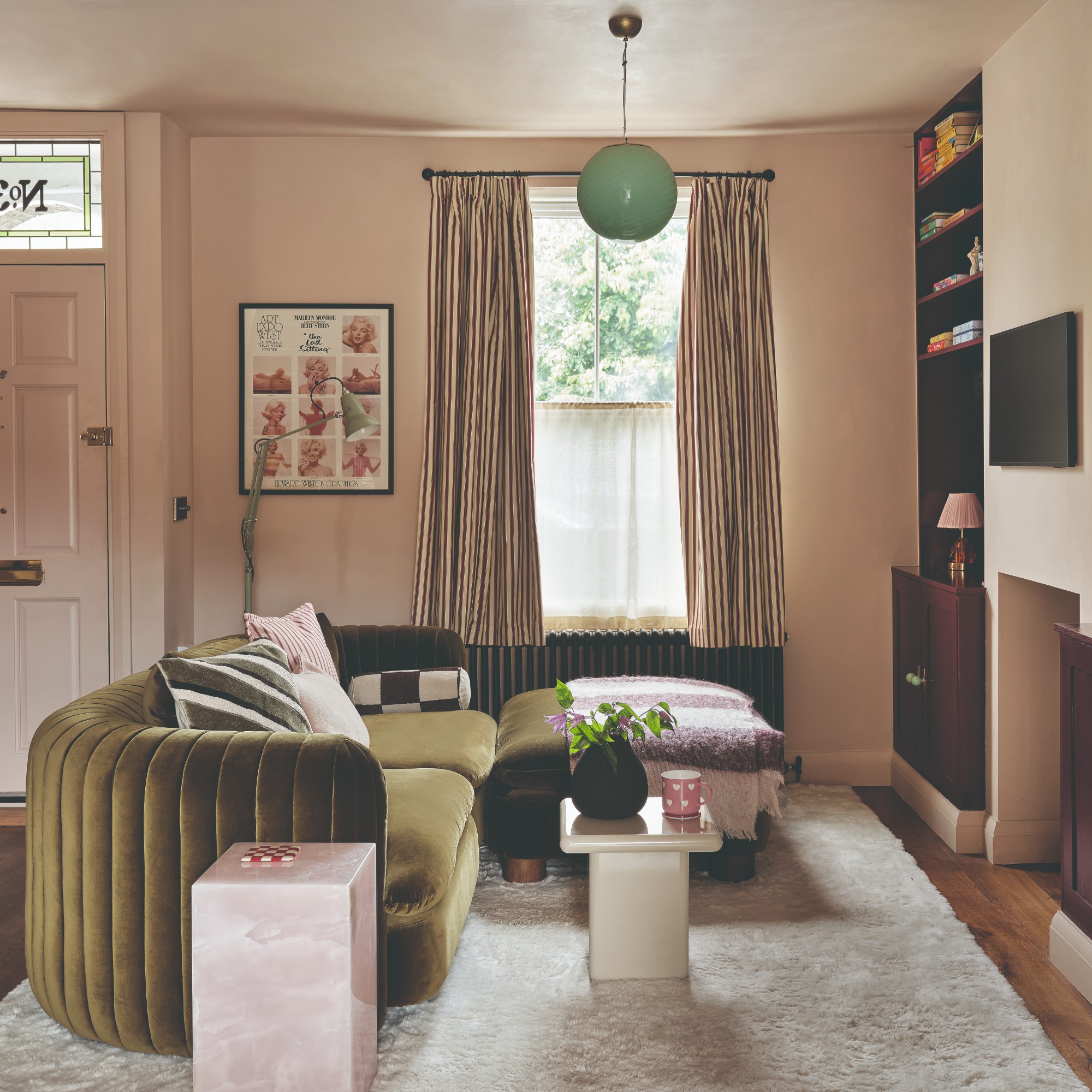
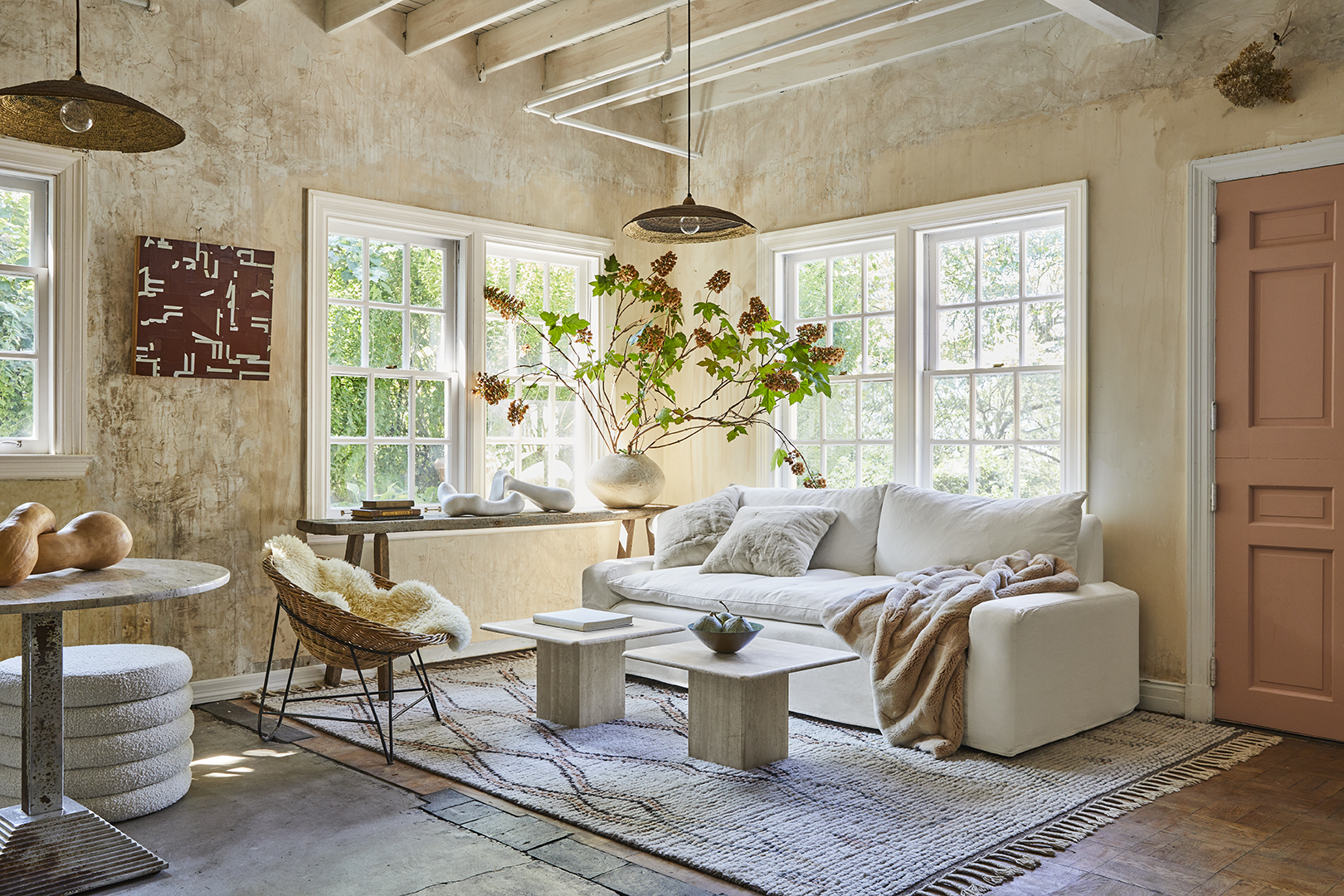
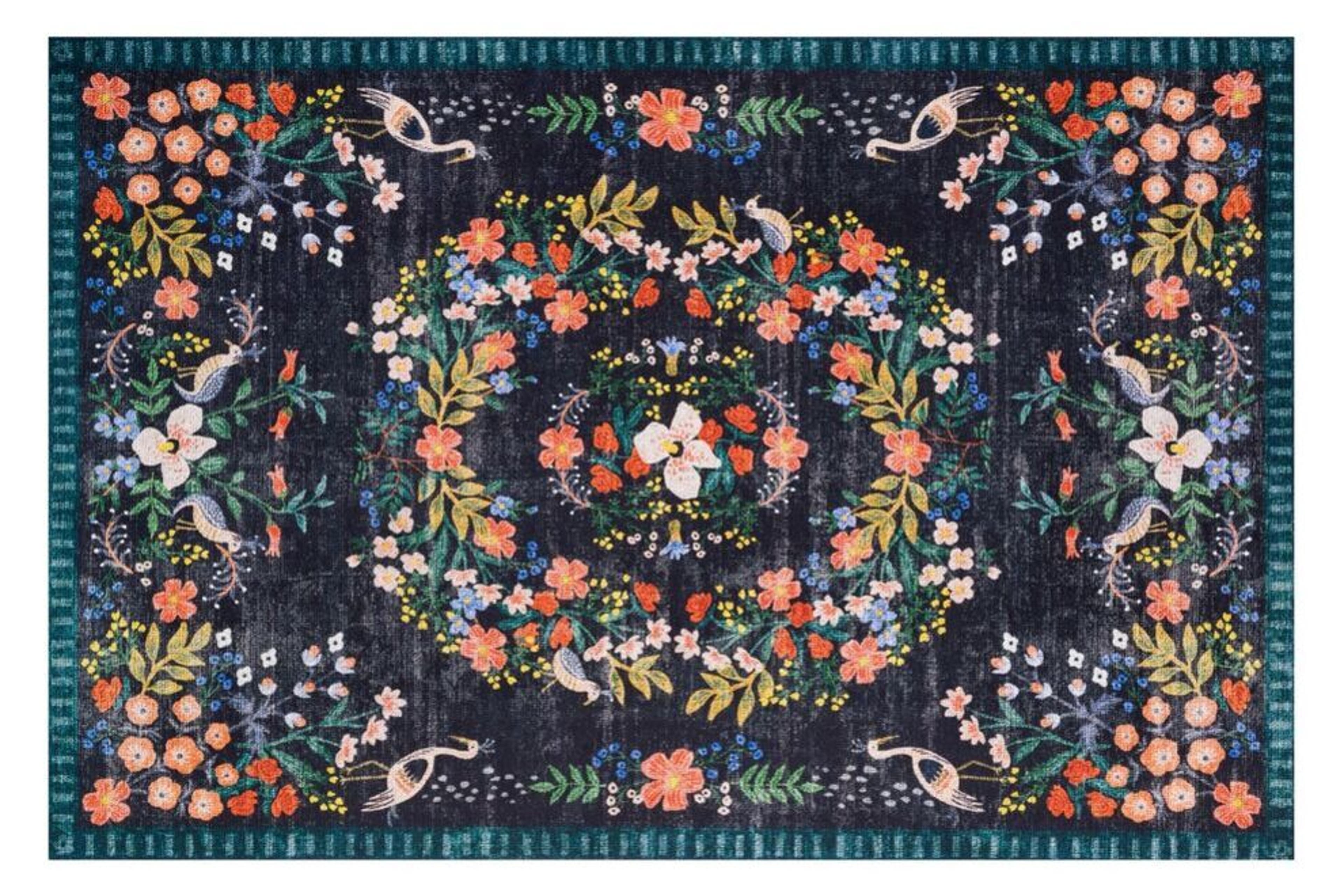
Softening the floor is another crucial element for coziness. Area rugs, especially thick or shaggy ones, can add significant warmth and comfort. The practice of layering multiple rugs is also highlighted as a way to enhance softness and expand coverage. Tamara Honey, a designer, effectively used layered vintage rugs and repurposed rug pieces into throw pillows and floor cushions in a lounge area, promoting floor lounging. In another instance, she utilized a shaggy circular rug to define a seating area, creating a "conversation pit" ambiance.
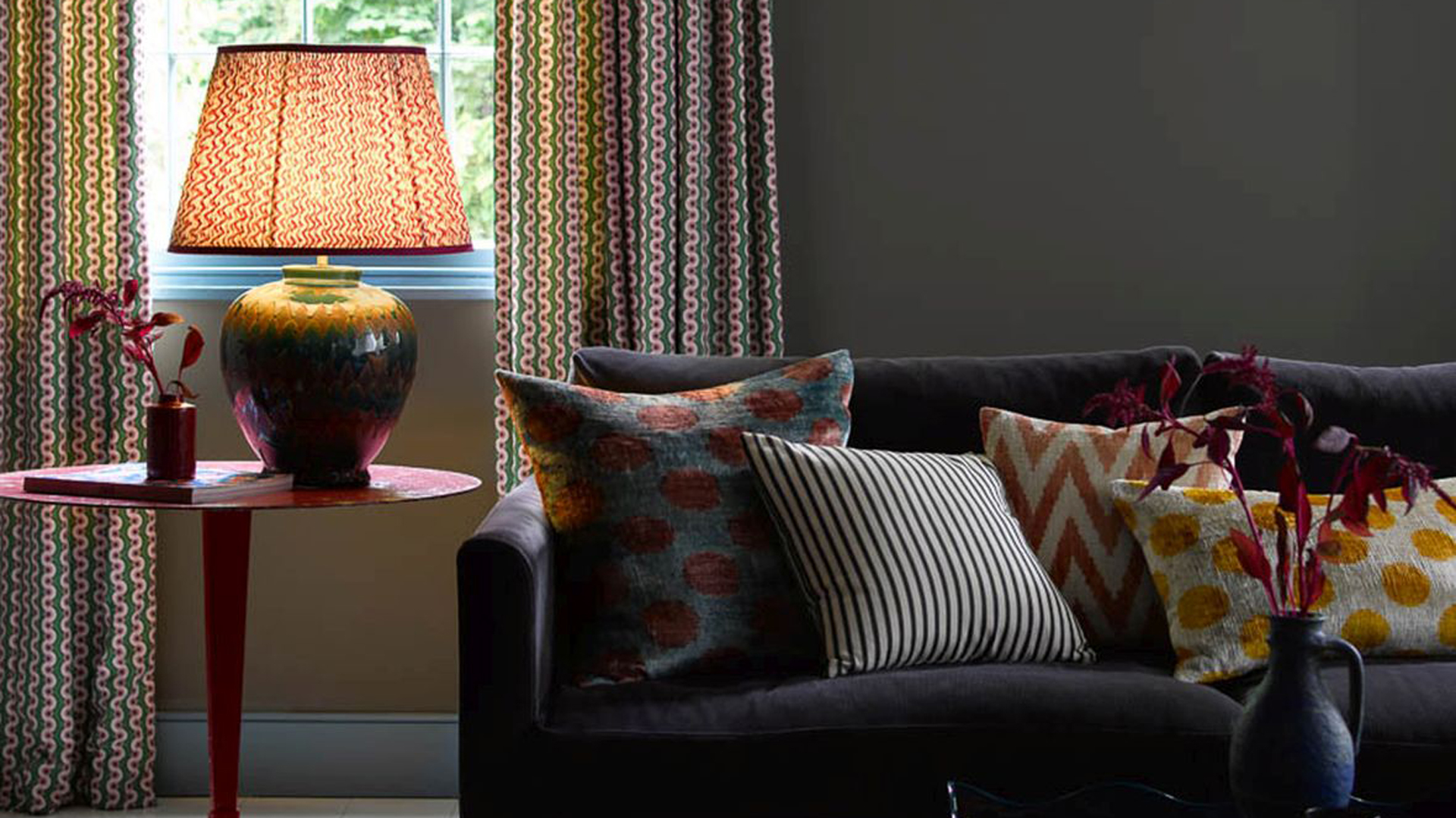
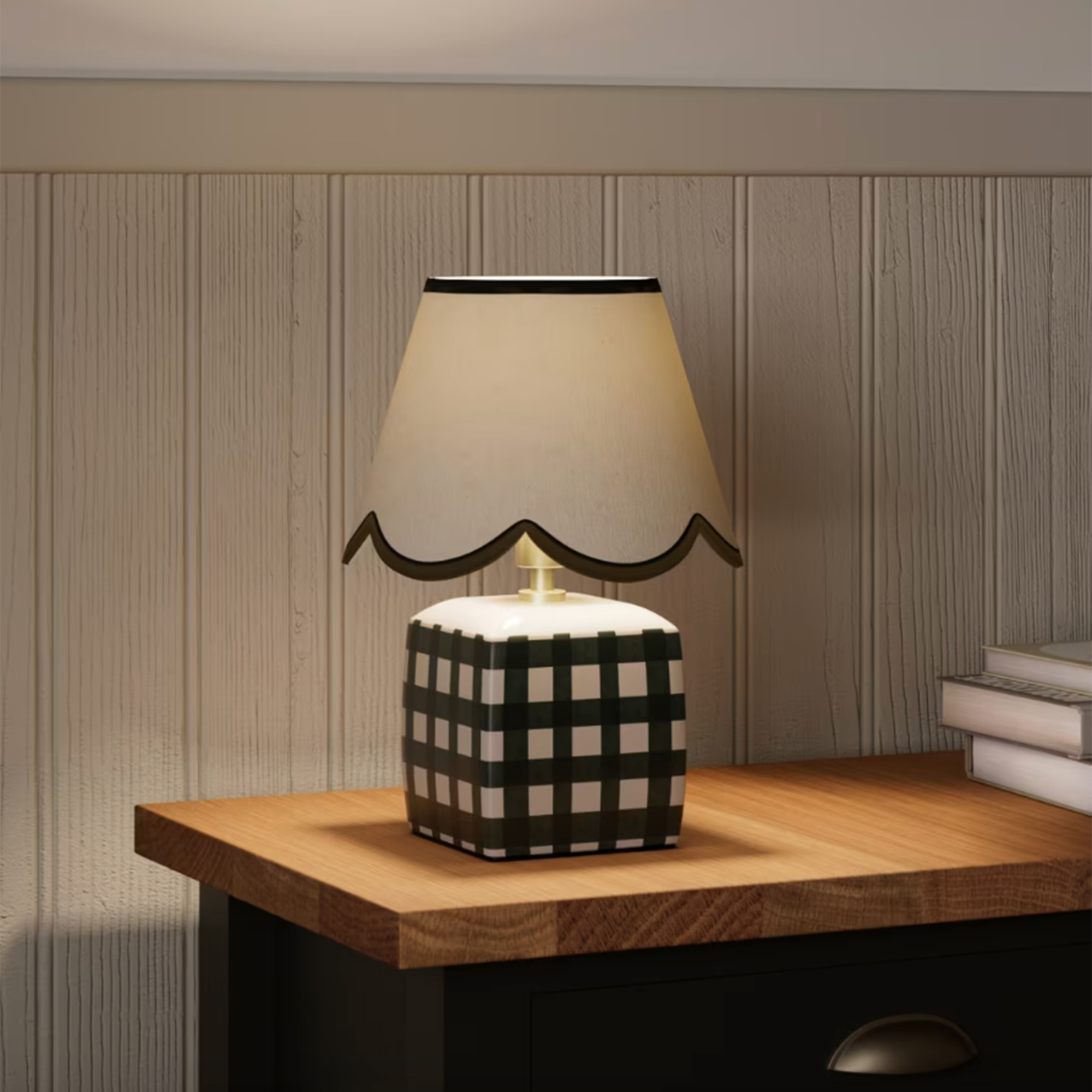
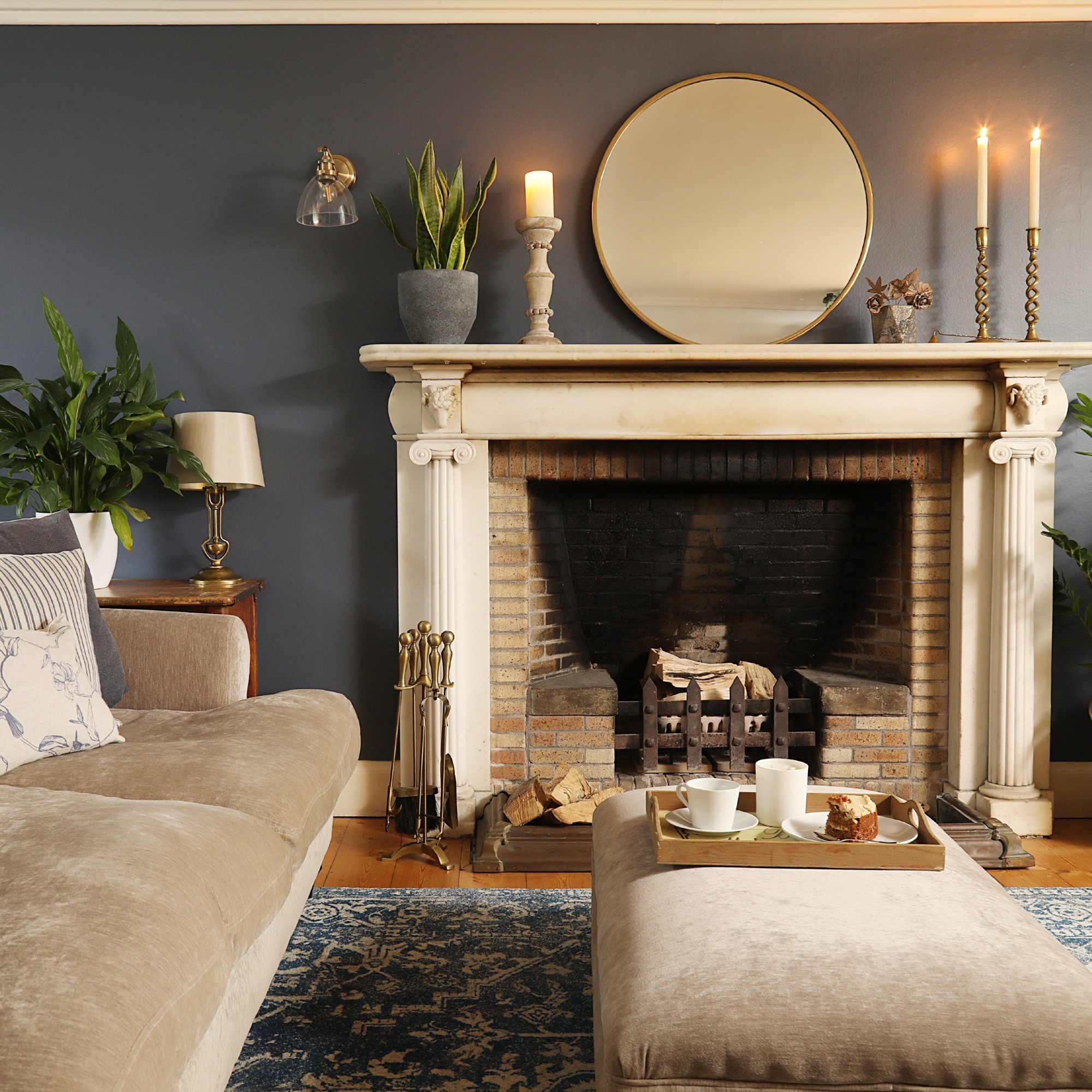
Atmospheric lighting plays a vital role in setting a cozy mood. Designers recommend focusing on table lamps and floor lamps that provide soft, shaded light, strategically placed to offer functional illumination without overwhelming the room. Ceiling fixtures are generally less preferred for their broad light distribution; however, if used, they should incorporate diffusers and warm-toned LED bulbs (around 2,700 Kelvin), along with dimmers, to allow for adjustable and warm lighting. Ms. Chused's choice of a fabric-wrapped pendant lamp exemplifies this approach.
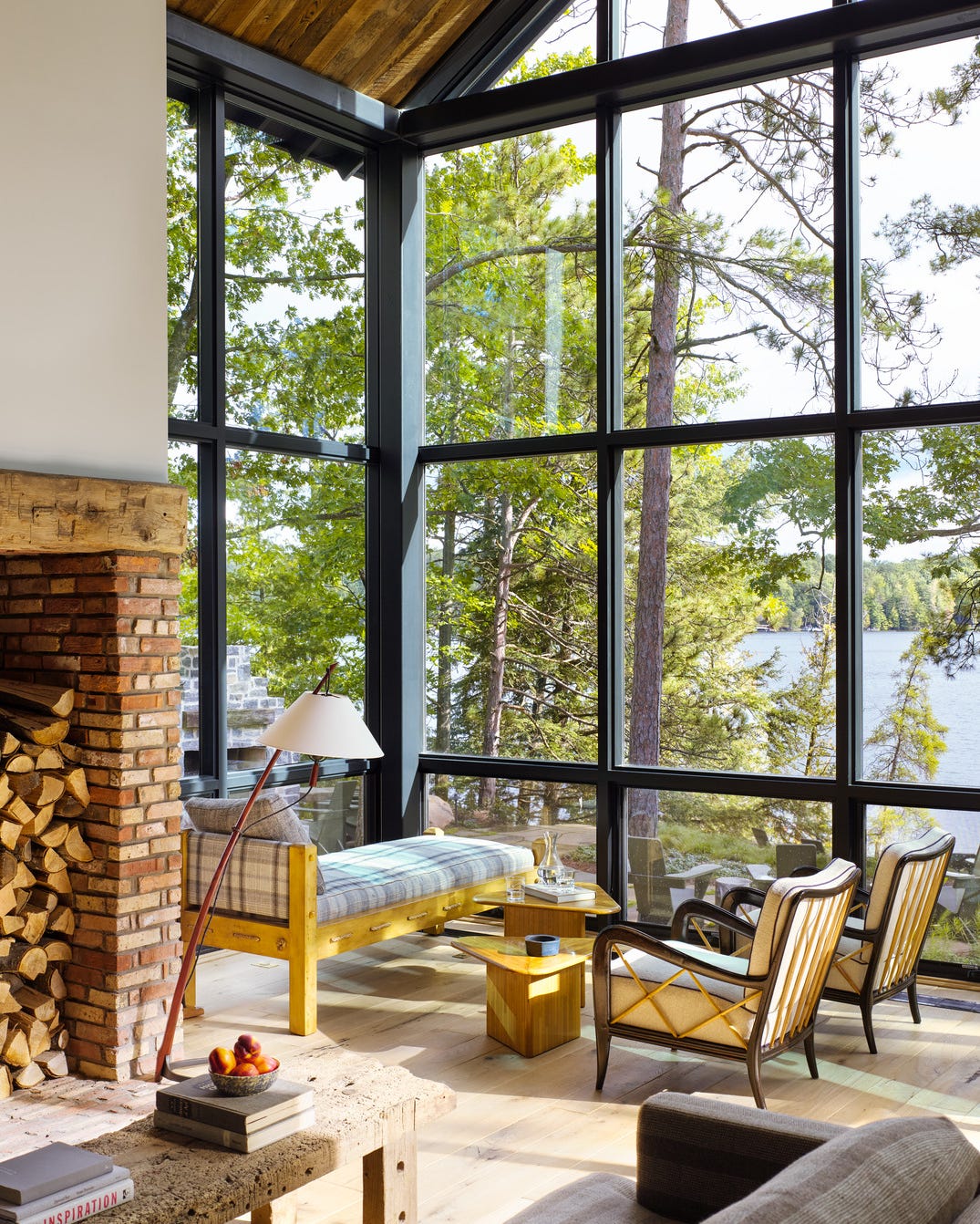
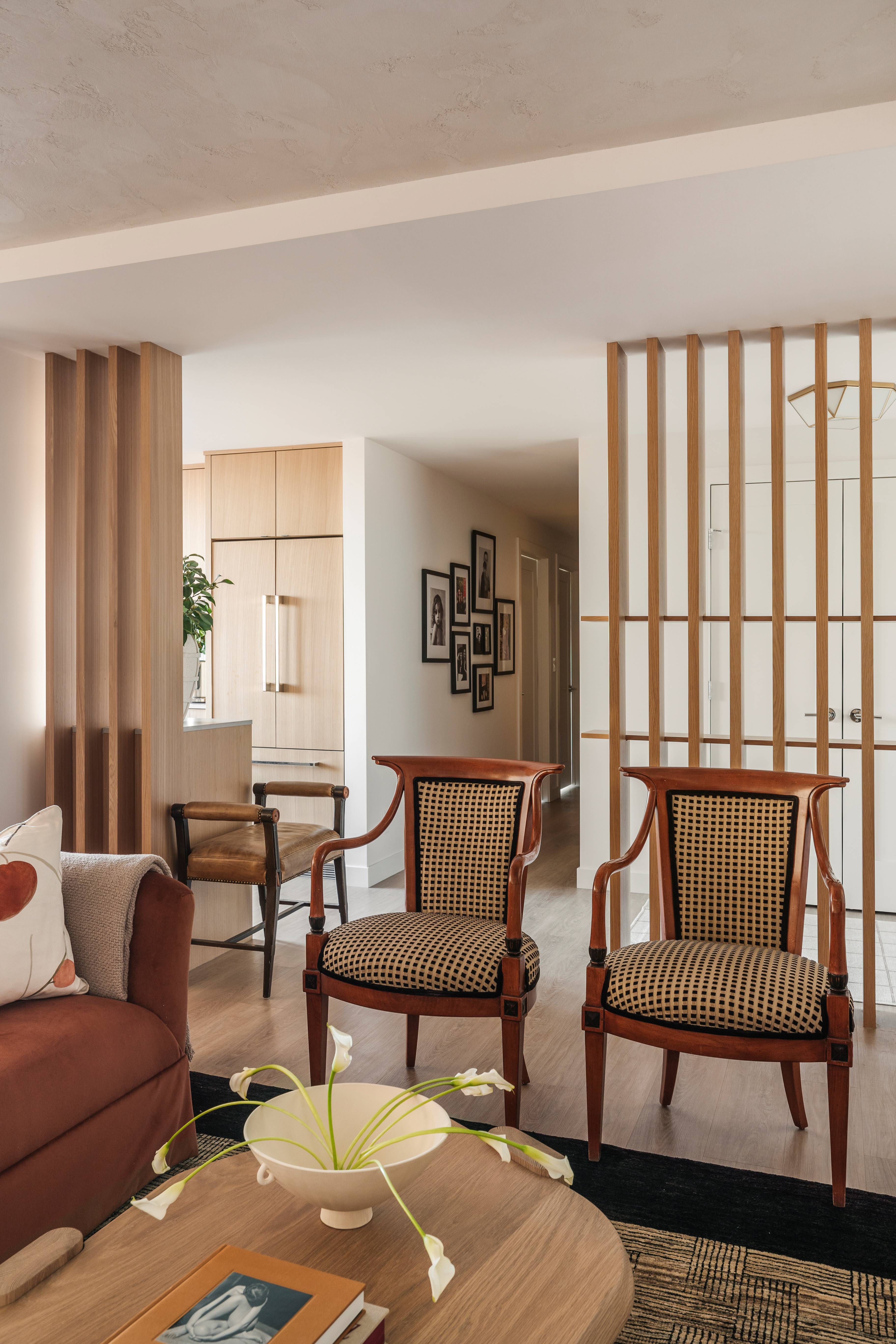
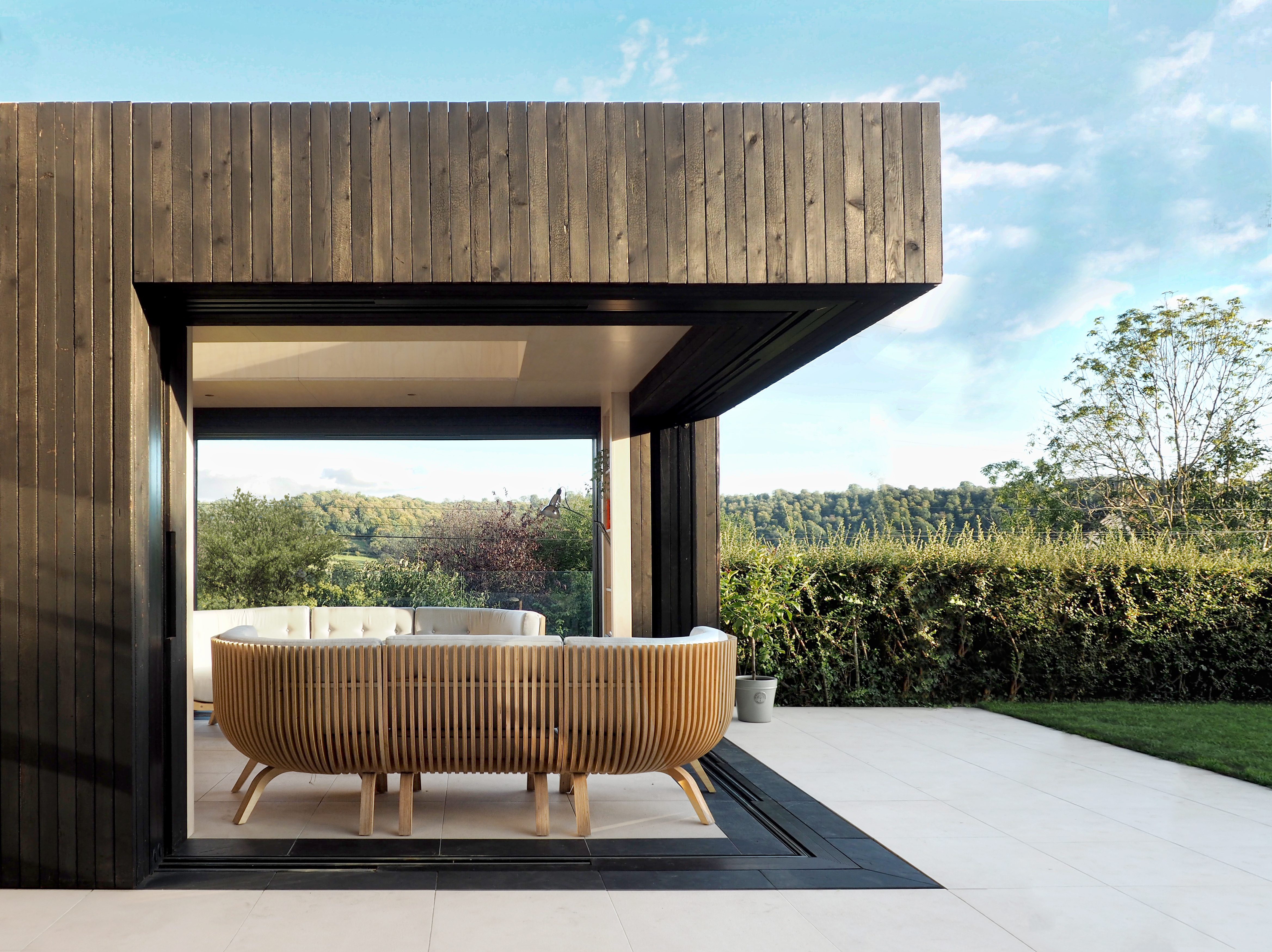
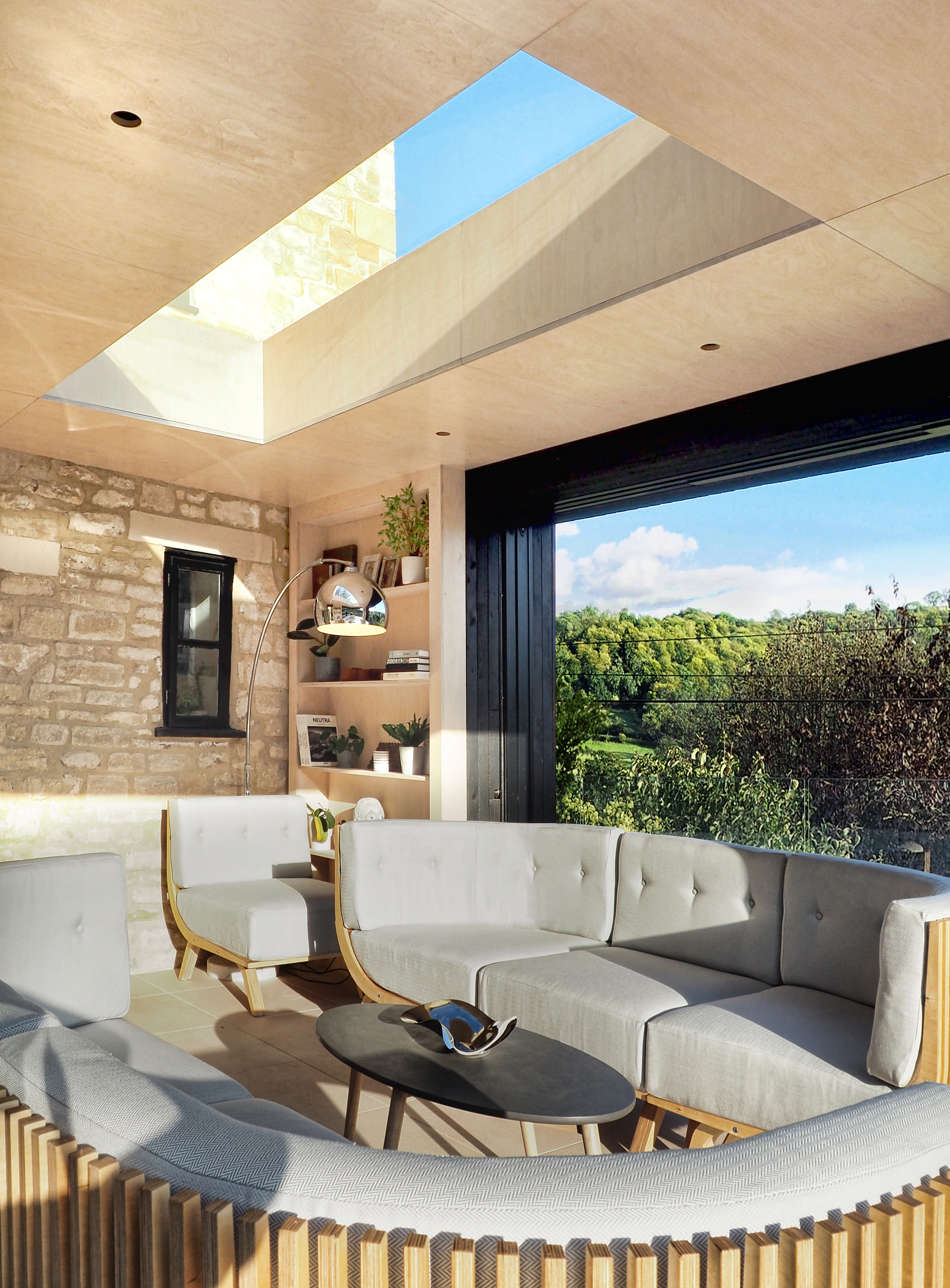
The article also emphasizes incorporating natural materials, particularly various types of wood and natural grasses, to enhance warmth. Shawn Henderson's design of his living room, which combines painted wall paneling with unfinished rough-hewn wood posts and beams, illustrates the appeal of mixing wood textures. Similarly, Sherwood Kypreos often blends different woods and uses natural grass window coverings and lampshades to contribute to a warmer visual environment.
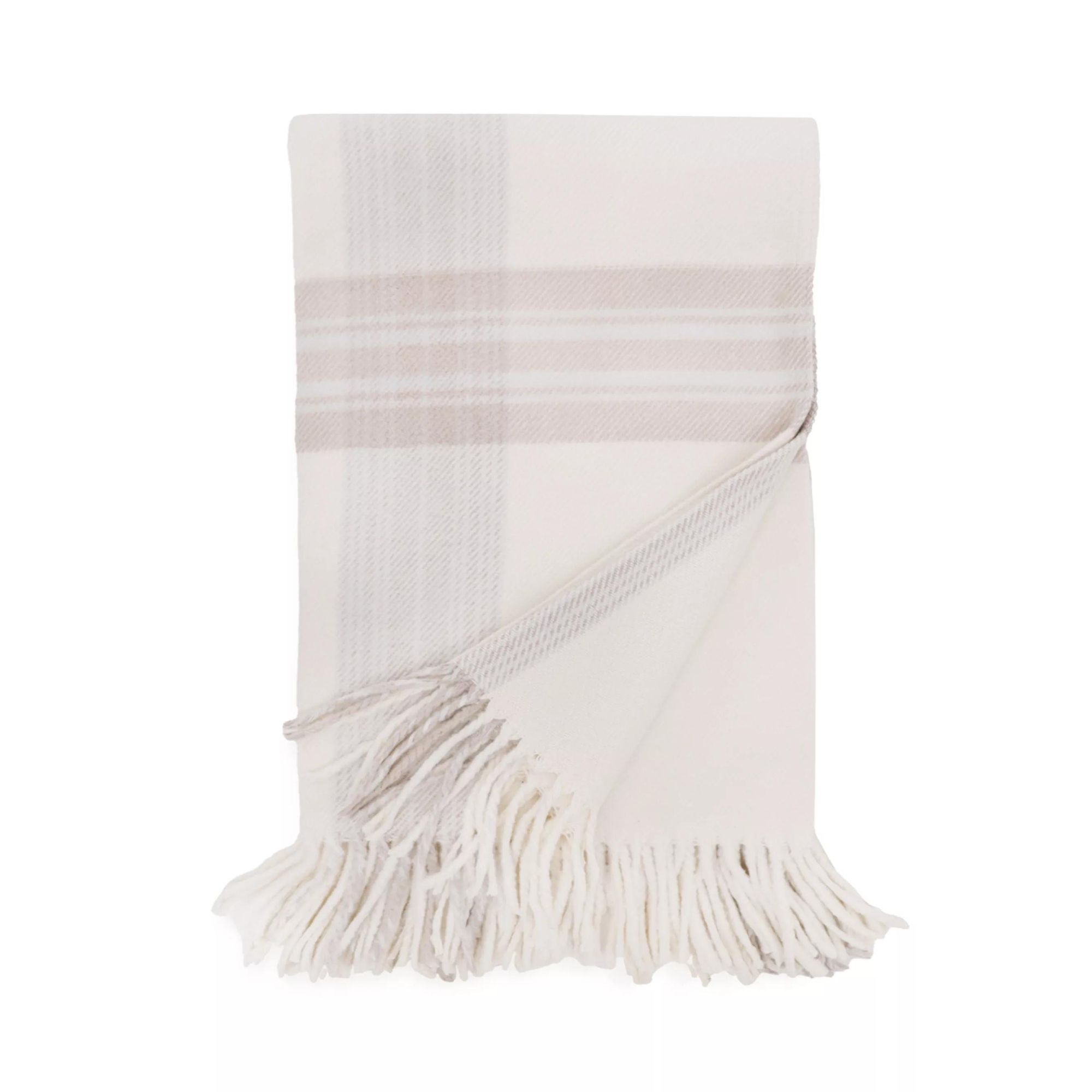
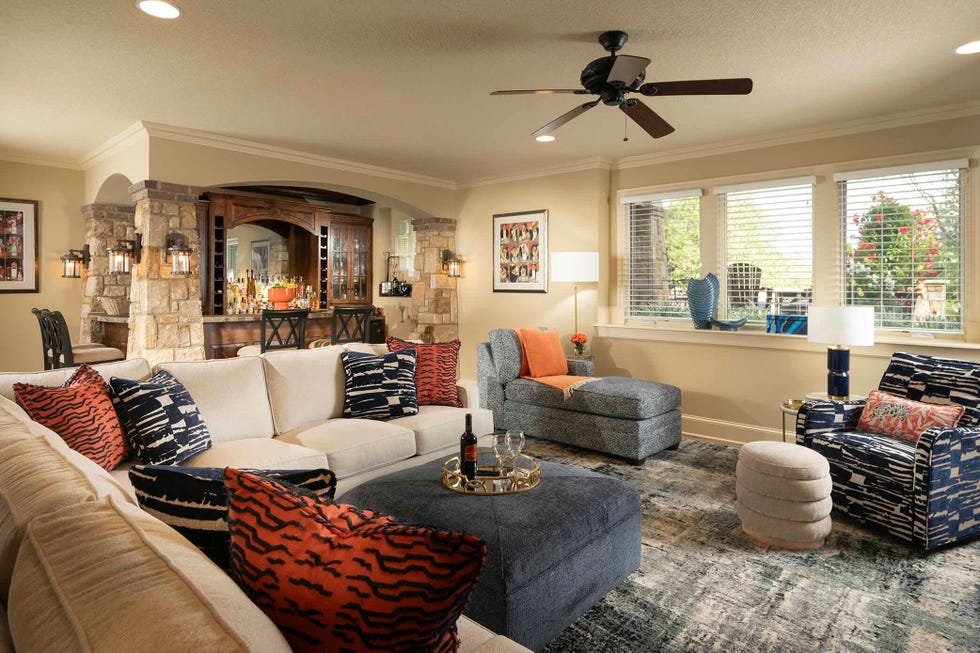
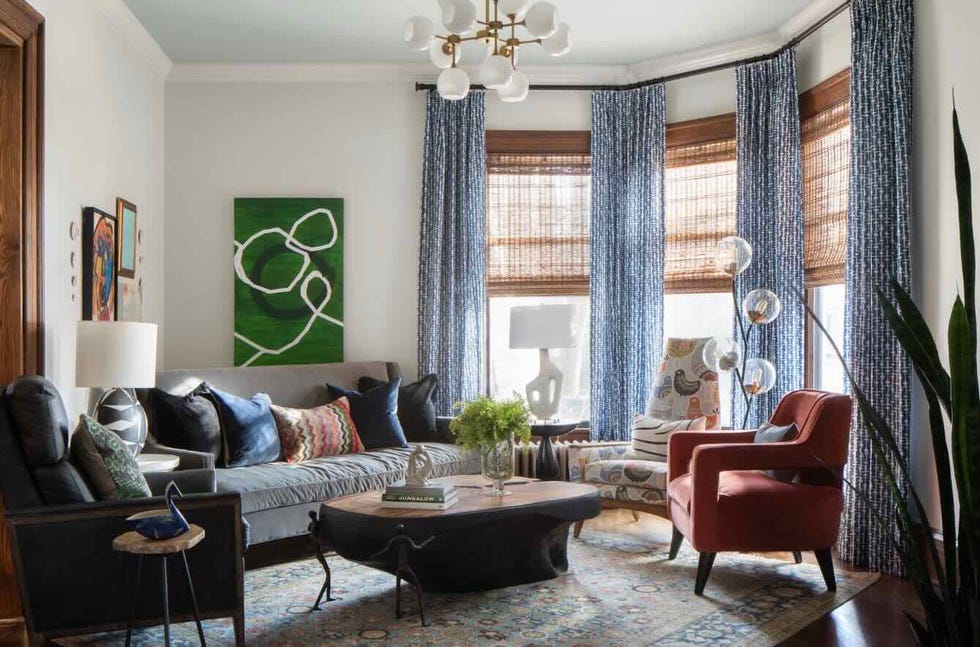
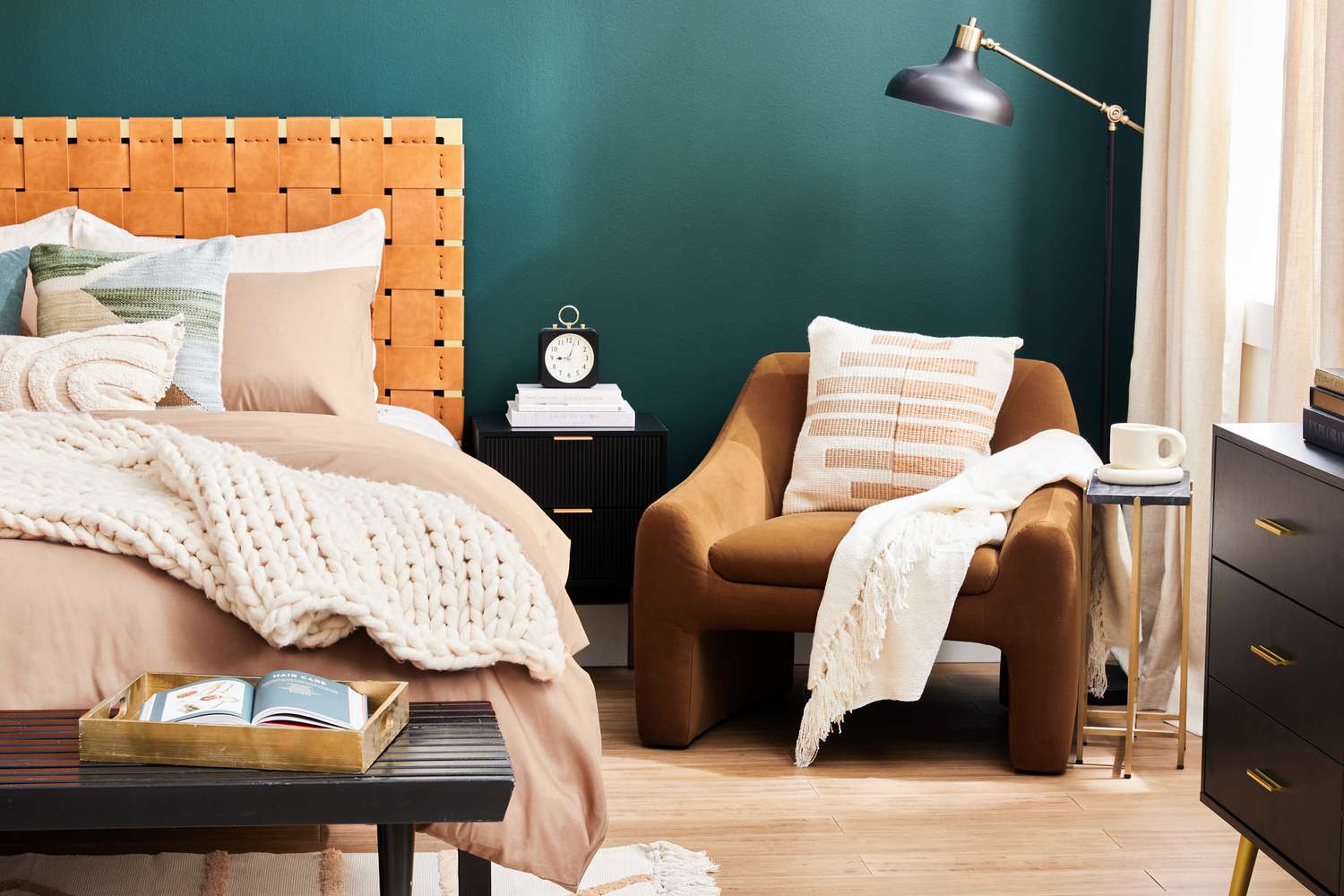
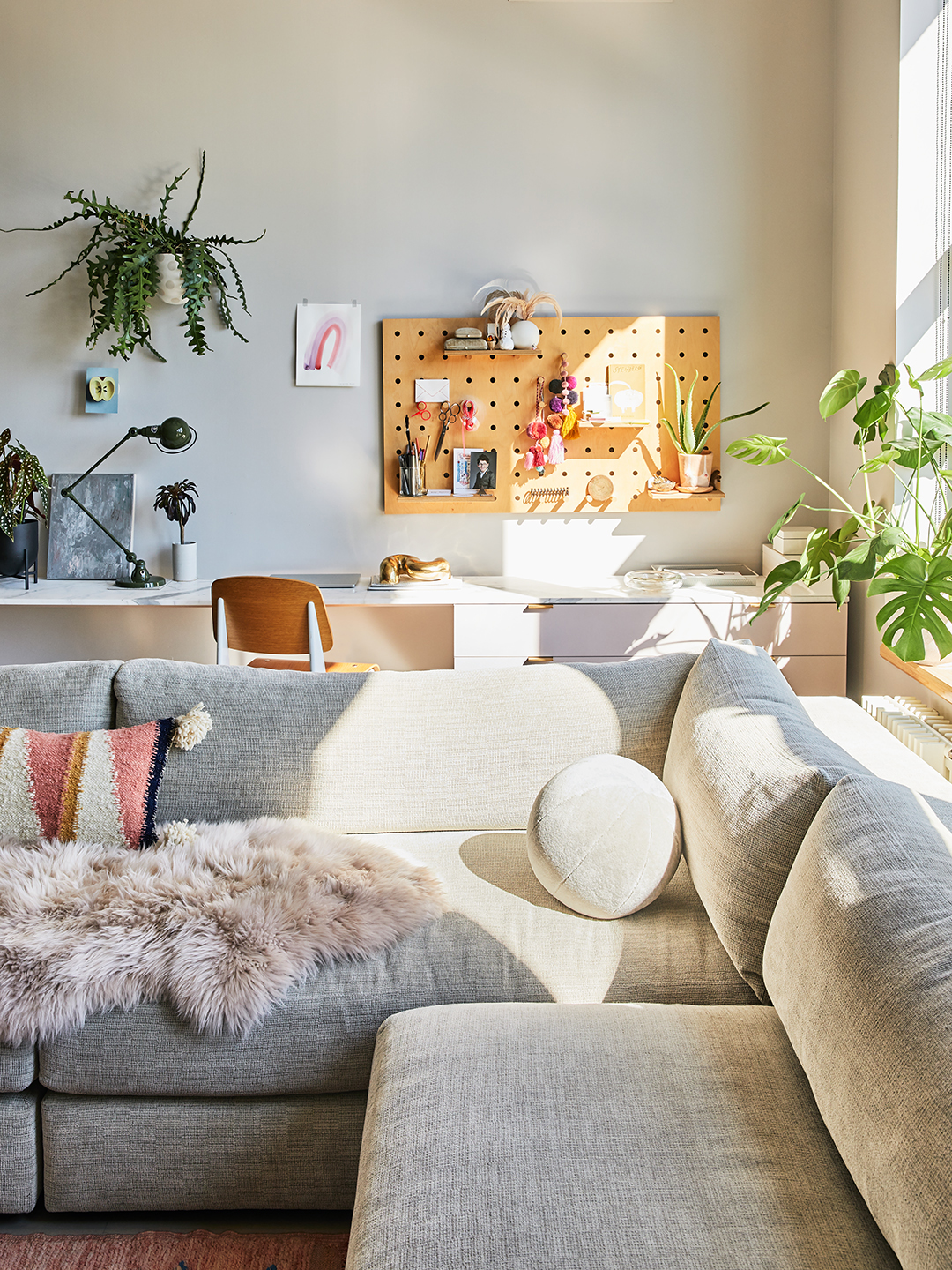
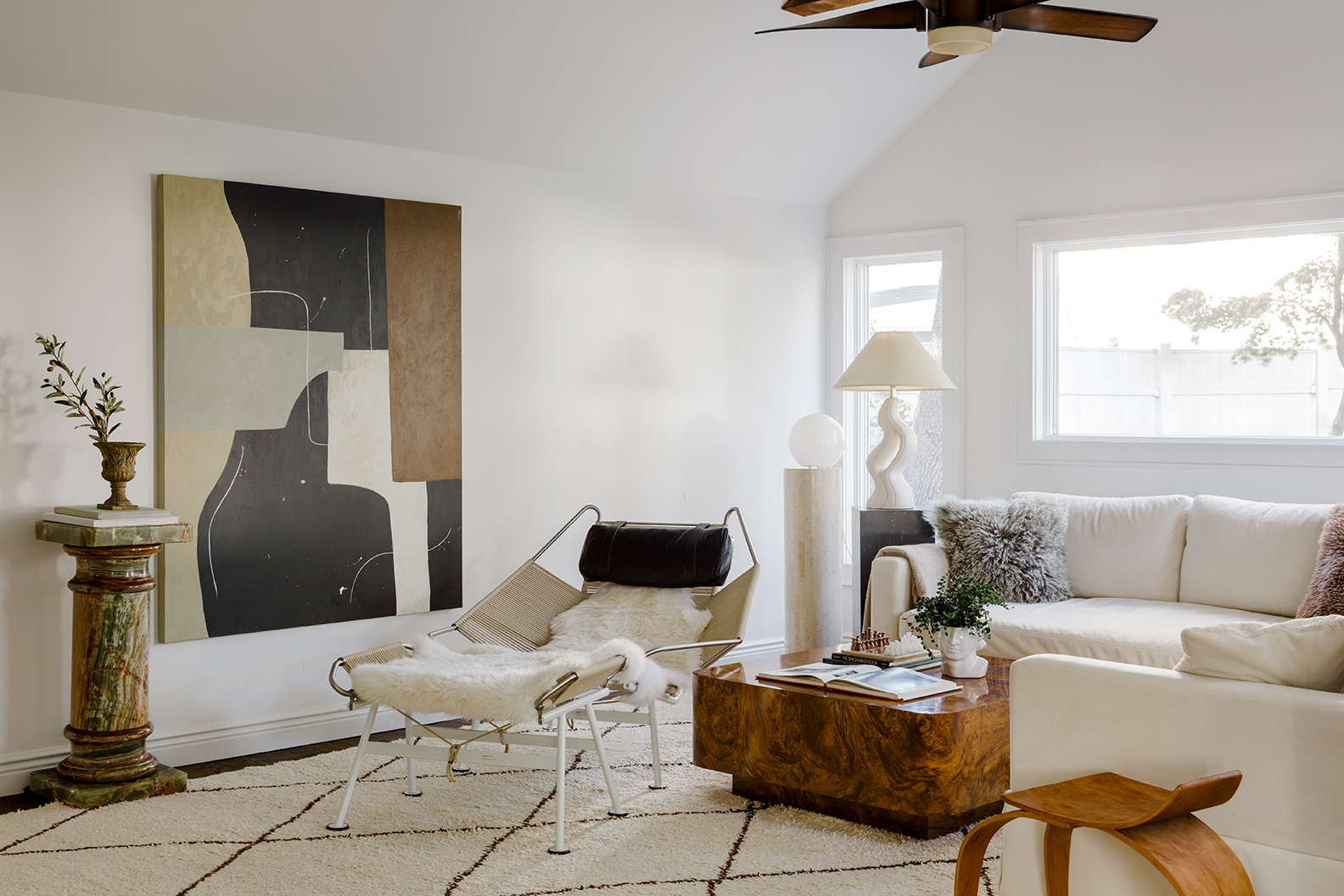
Furniture selection is presented as critical for creating spaces that invite relaxation. Comfortable pieces are characterized by lower seat heights, deep cushions, and plush fillings. Examples include oversized leather club chairs with sheepskin drapes, backless settees or daybeds positioned by fireplaces for dual viewing and conversation, and wing chairs for their embracing quality. The use of soft accessories, such as numerous pillows and throws made from materials like velvet, mohair, and alpaca, is encouraged to boost comfort and allow for personalized coziness. Finally, layering a space with art and personal decorative items is essential for making a room feel homey and reflective of an individual's passions and collected memories, ultimately fostering a deeply comforting environment.
#InteriorDesign #HomeDecor #CozySpaces #Furniture #LightingDesign #Textiles #WallTreatments #AreaRugs #NaturalMaterials #InteriorDesign #HomeDecor #CozySpaces #Furniture #LightingDesign #Textiles #WallTreatments #AreaRugs #NaturalMaterials
0 opmerkingen in totaal
 Nog geen opmerkingen
Dit vindt u mogelijk ook leuk
12 Cozy Bedroom Ideas That Will Make Your Space Feel Like a Warm Hug

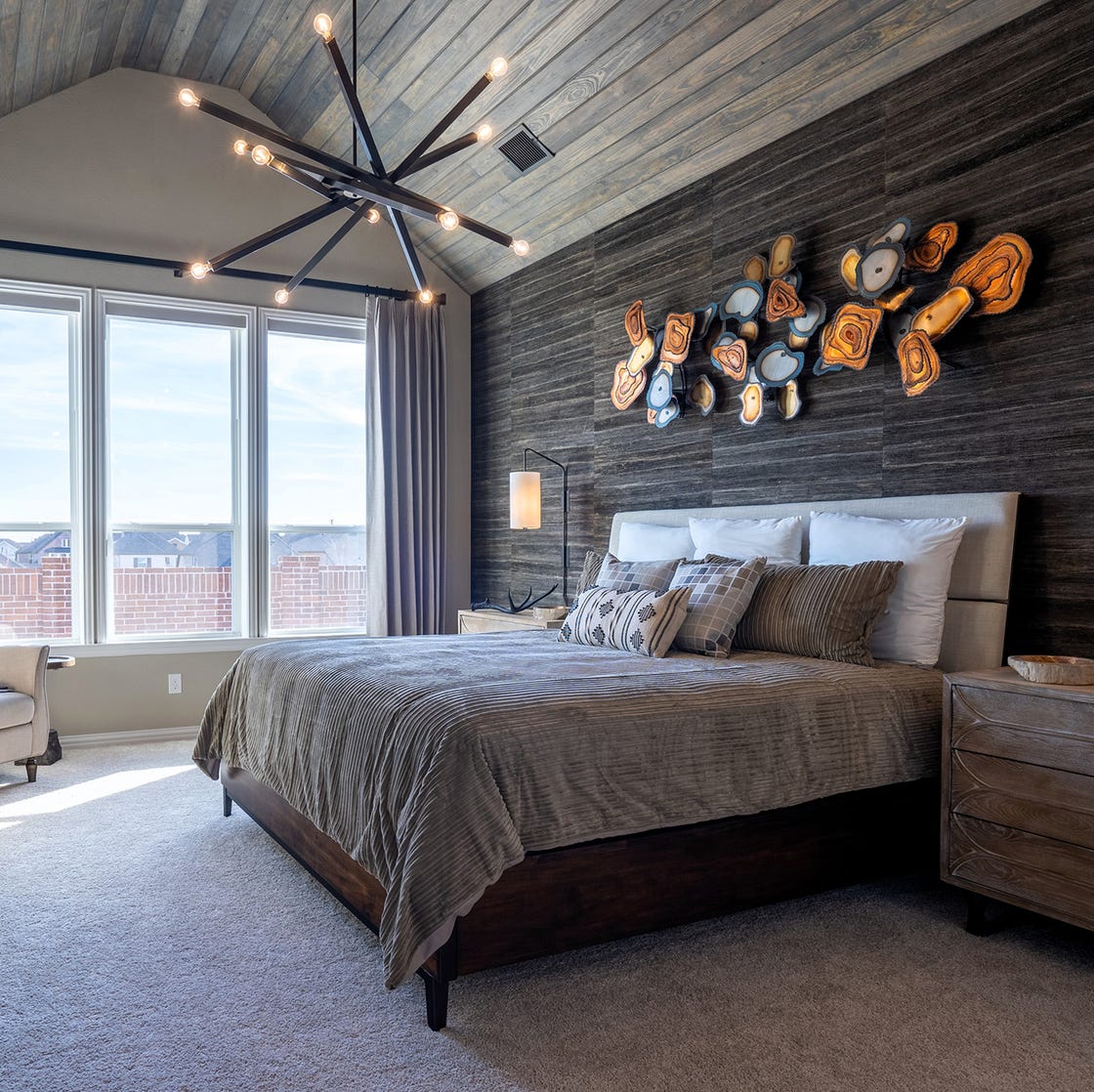
The Coziness Factor: Designers Share How They Create an Inviting Home

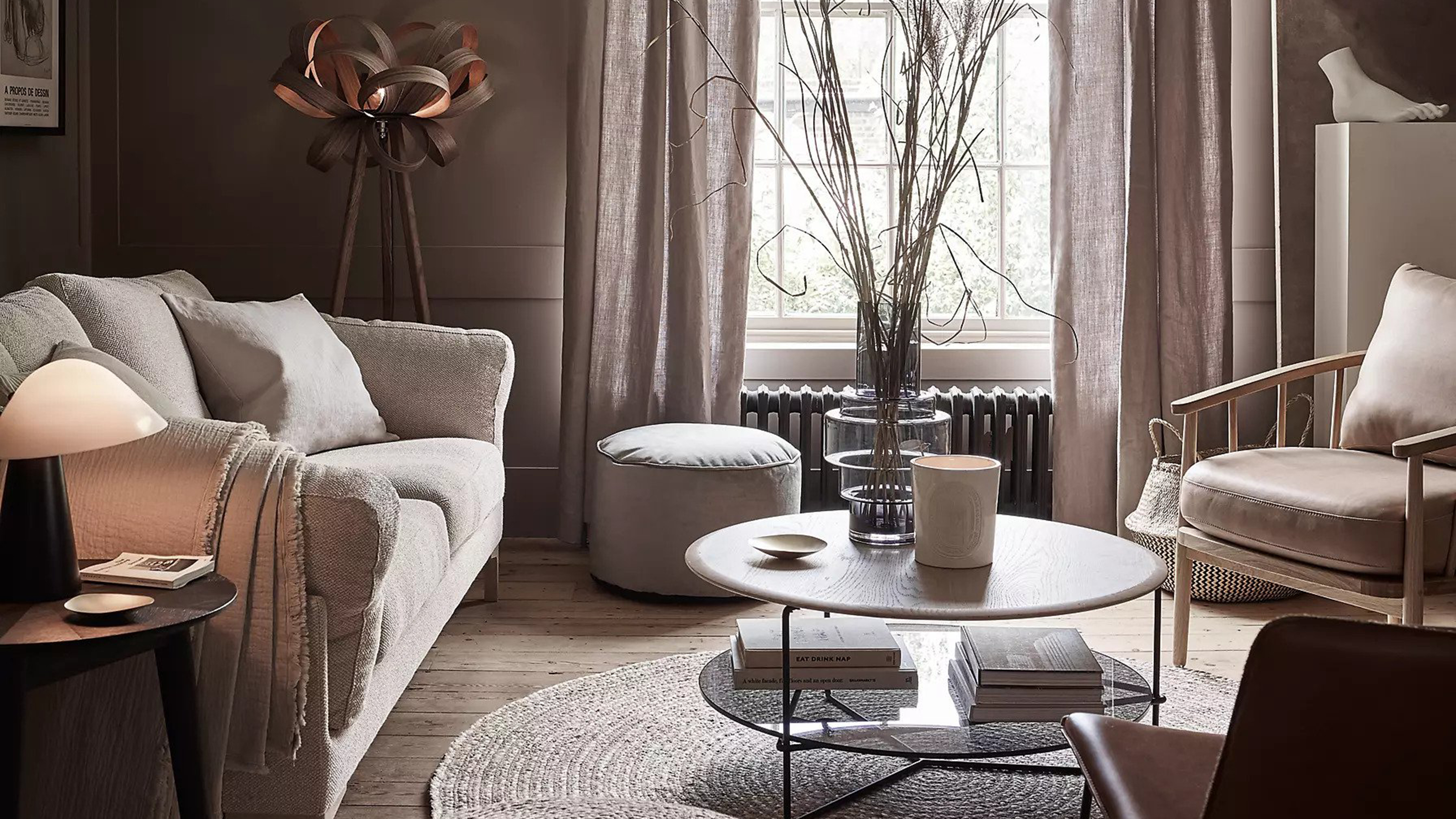
11 cozy living room ideas that are perfect for hibernation season

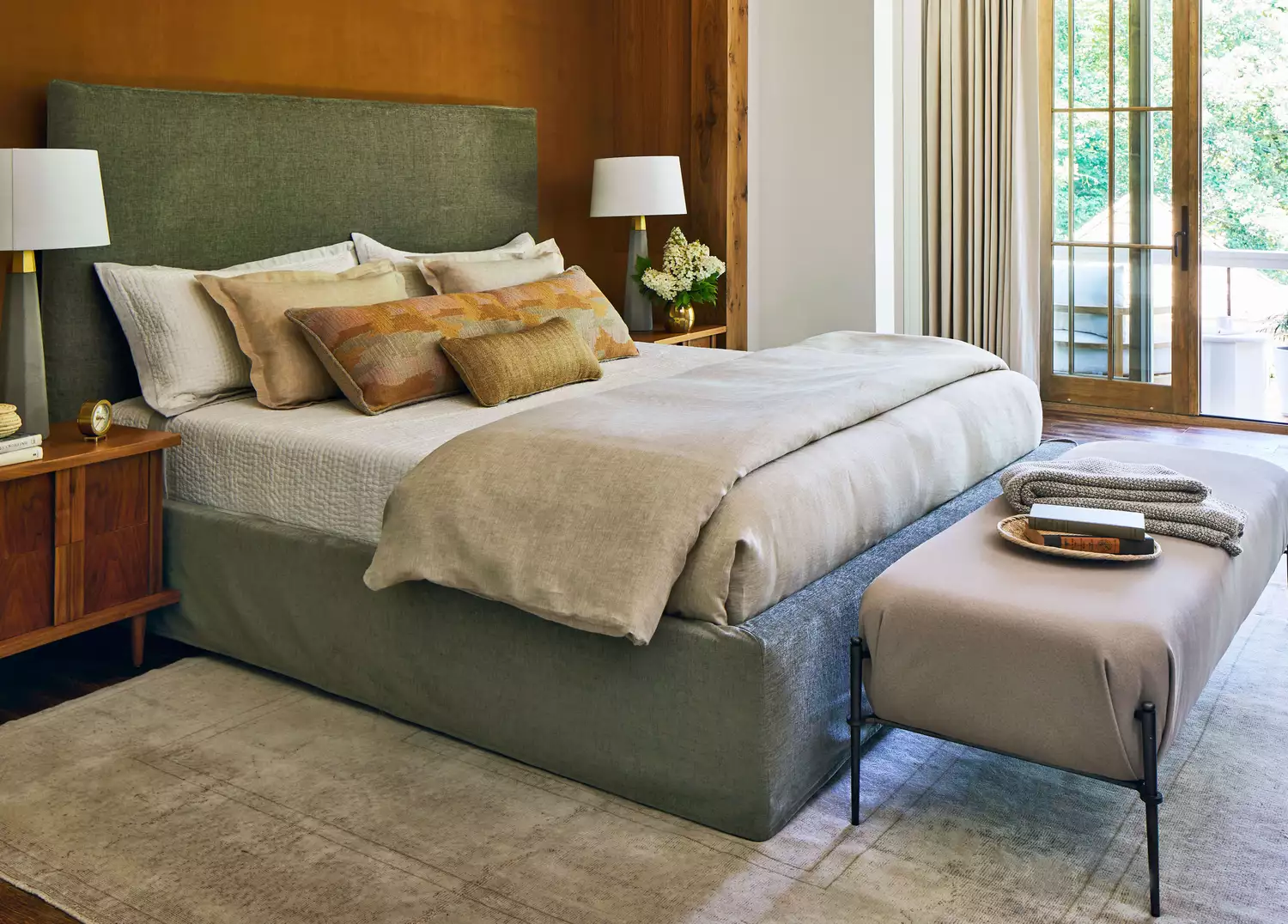
16 Best Ways To Your Bedroom Feel Extra Cozy
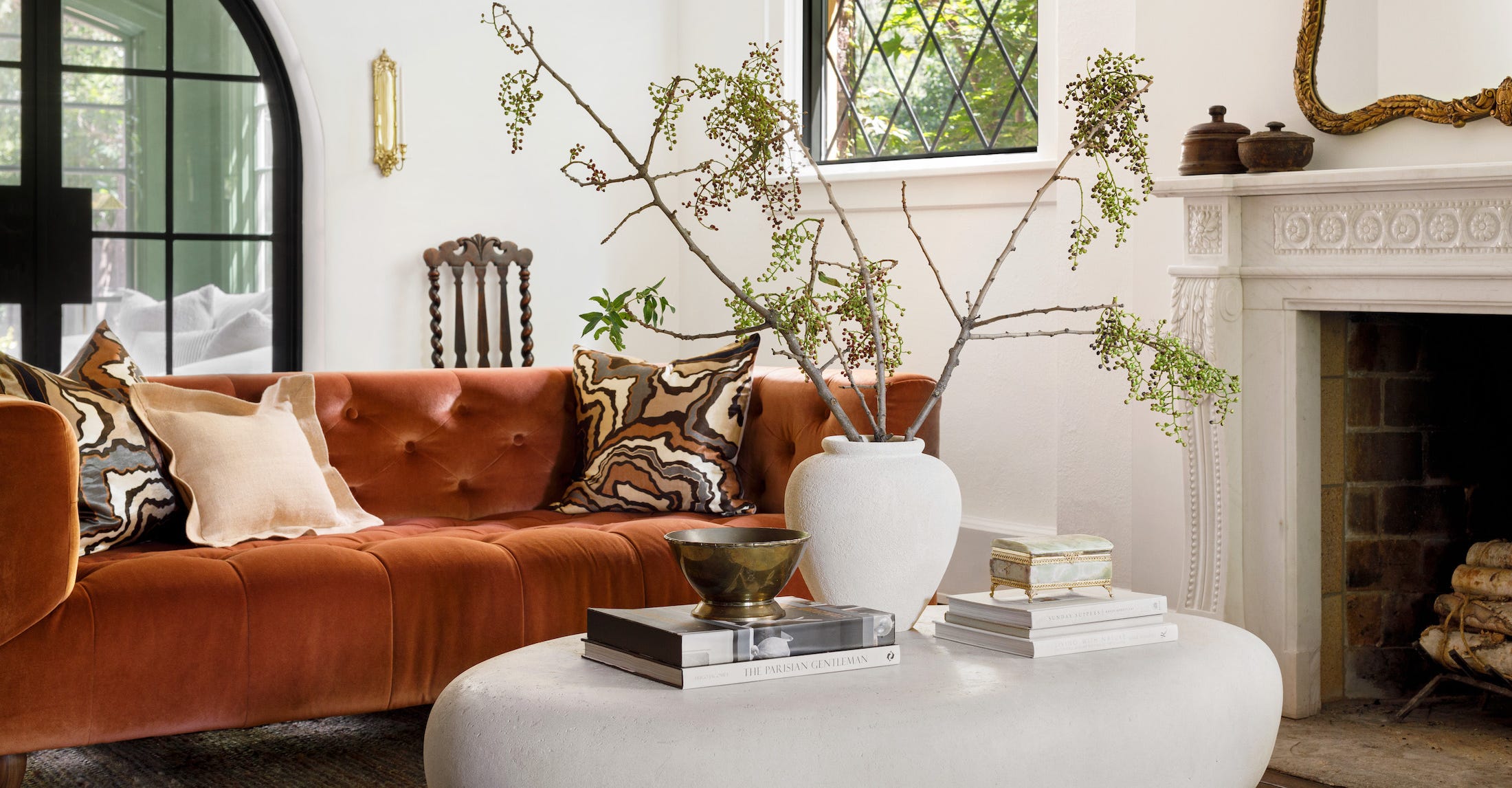
25 Ways to Make Any Living Room Feel Ten Times Cozier

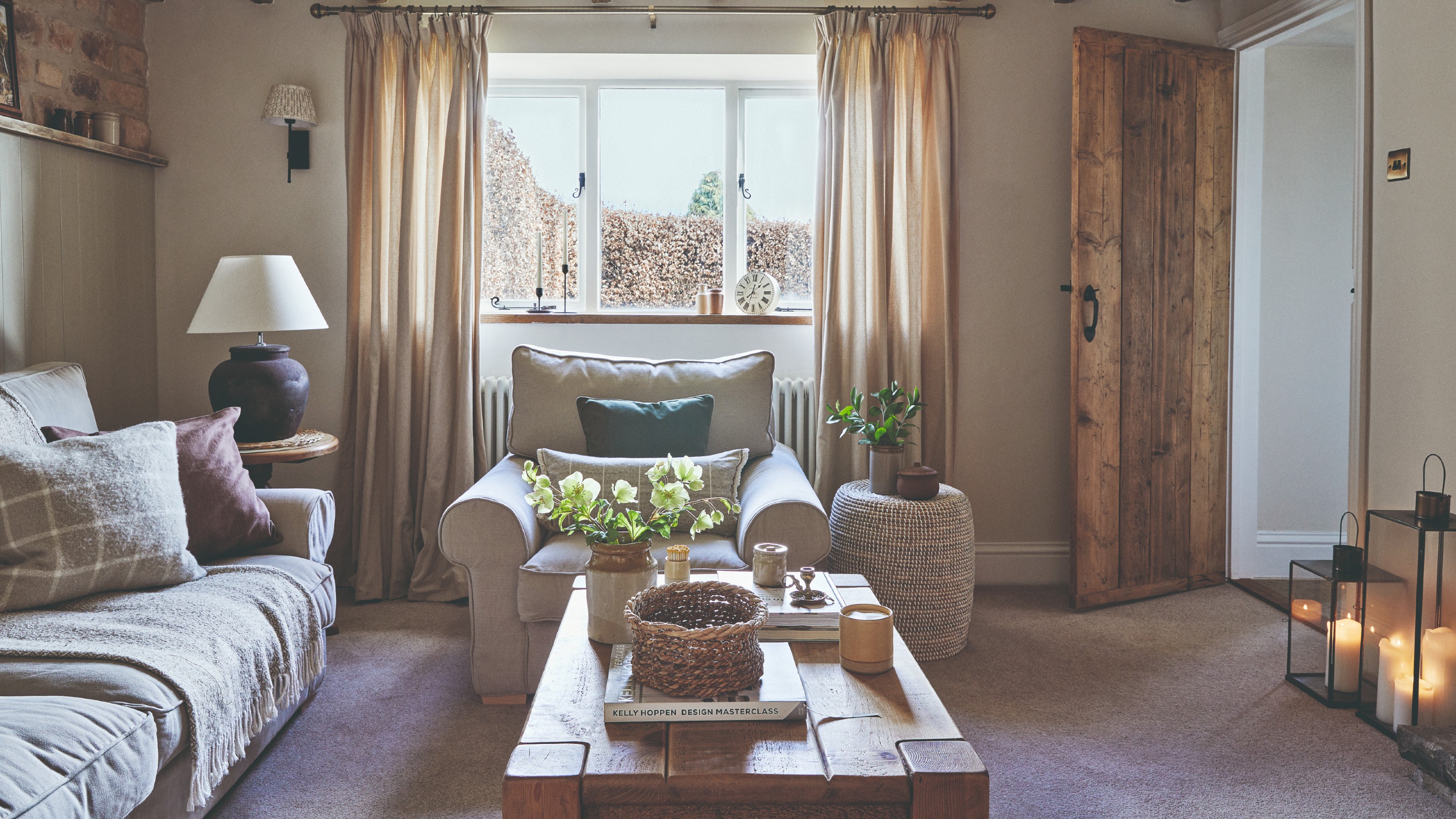
36 cosy living room ideas to turn your lounge into a warming and cocooning refuge from the cold winter months
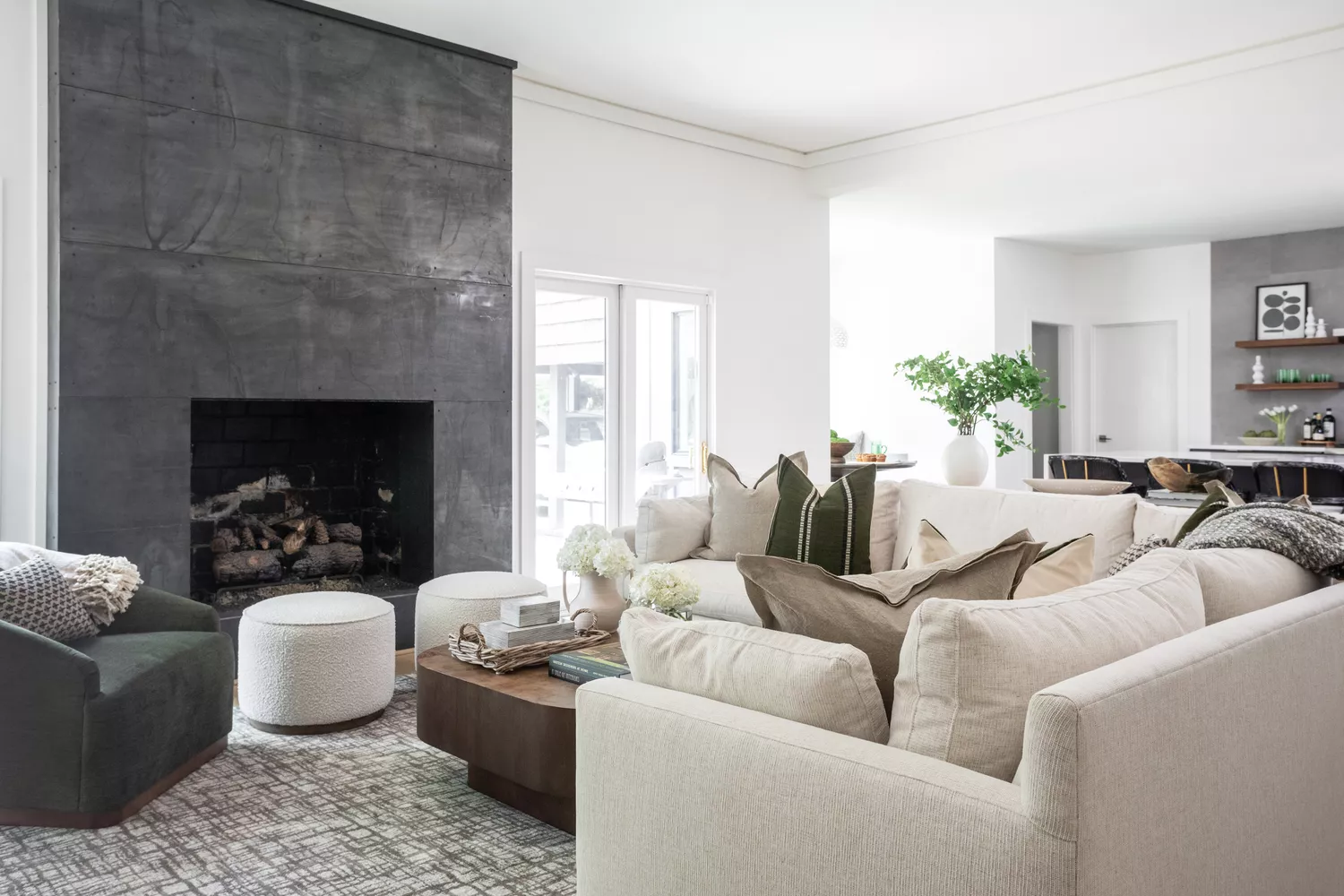
20 Cozy Living Room Ideas That Will Make It Your Favorite Place to Lounge
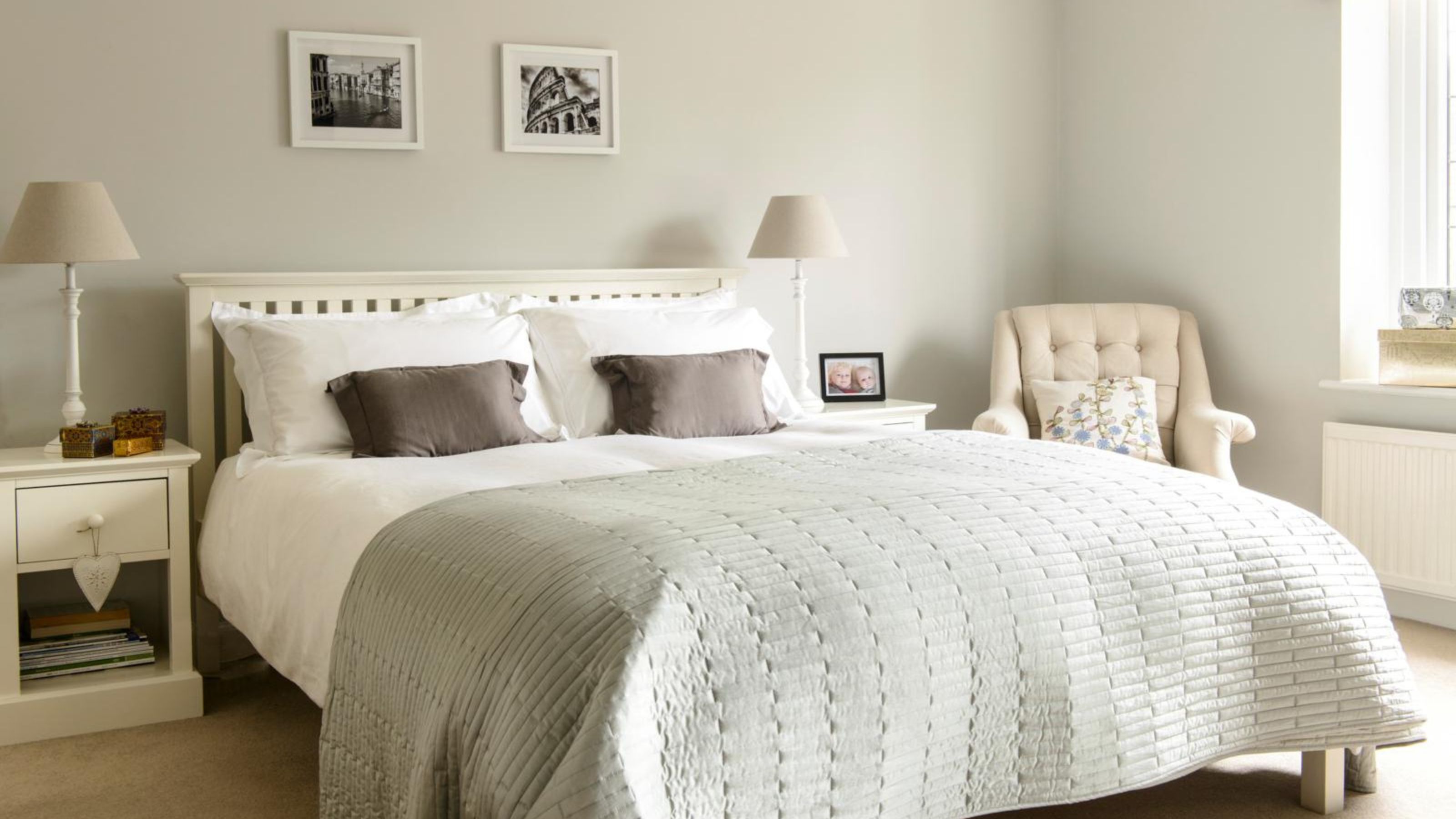
15 bedroom design tips for better sleep – wake fresh for the day
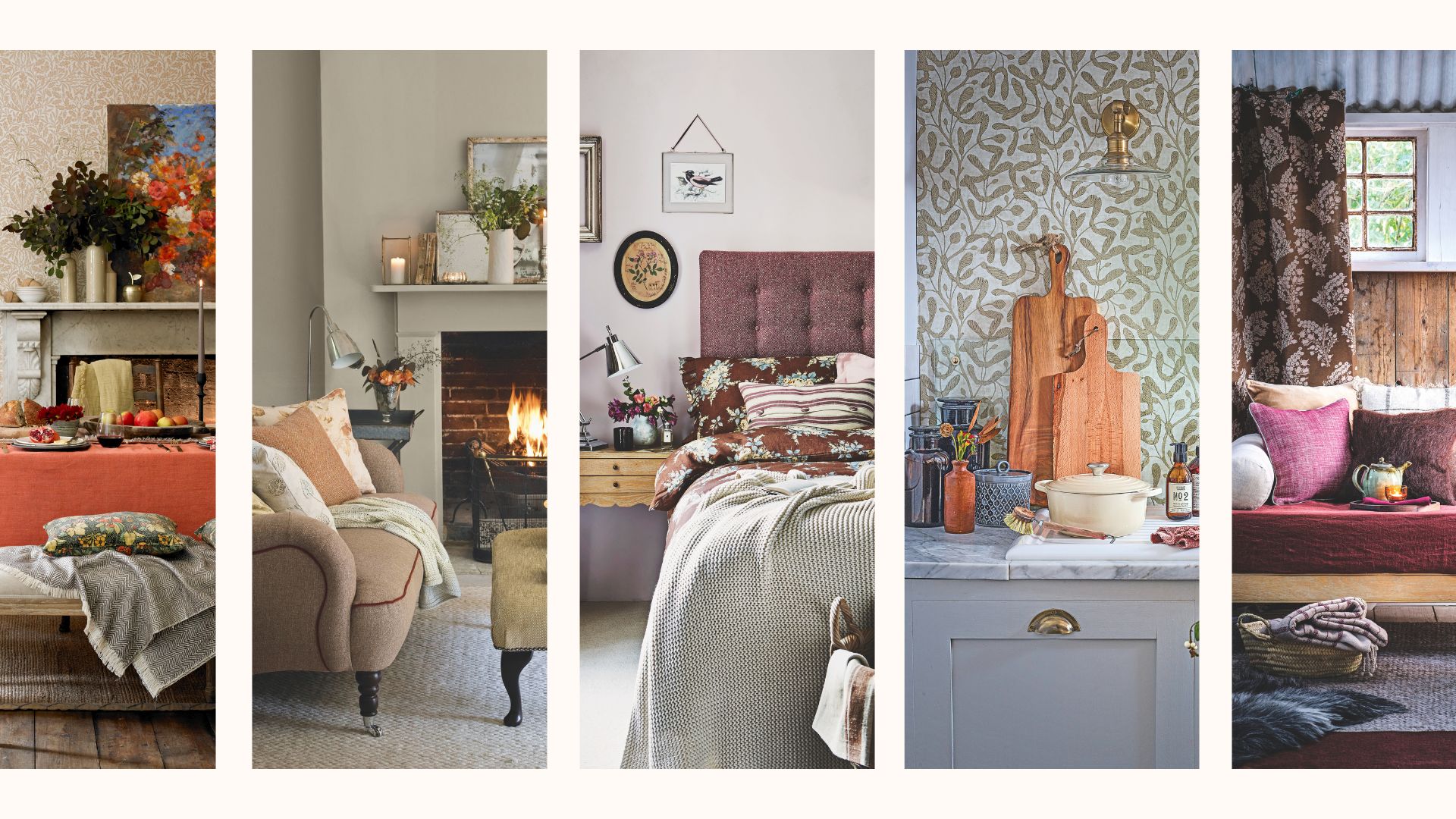
How to make a home cosy: 15 easy ways to make any space feel snug and inviting

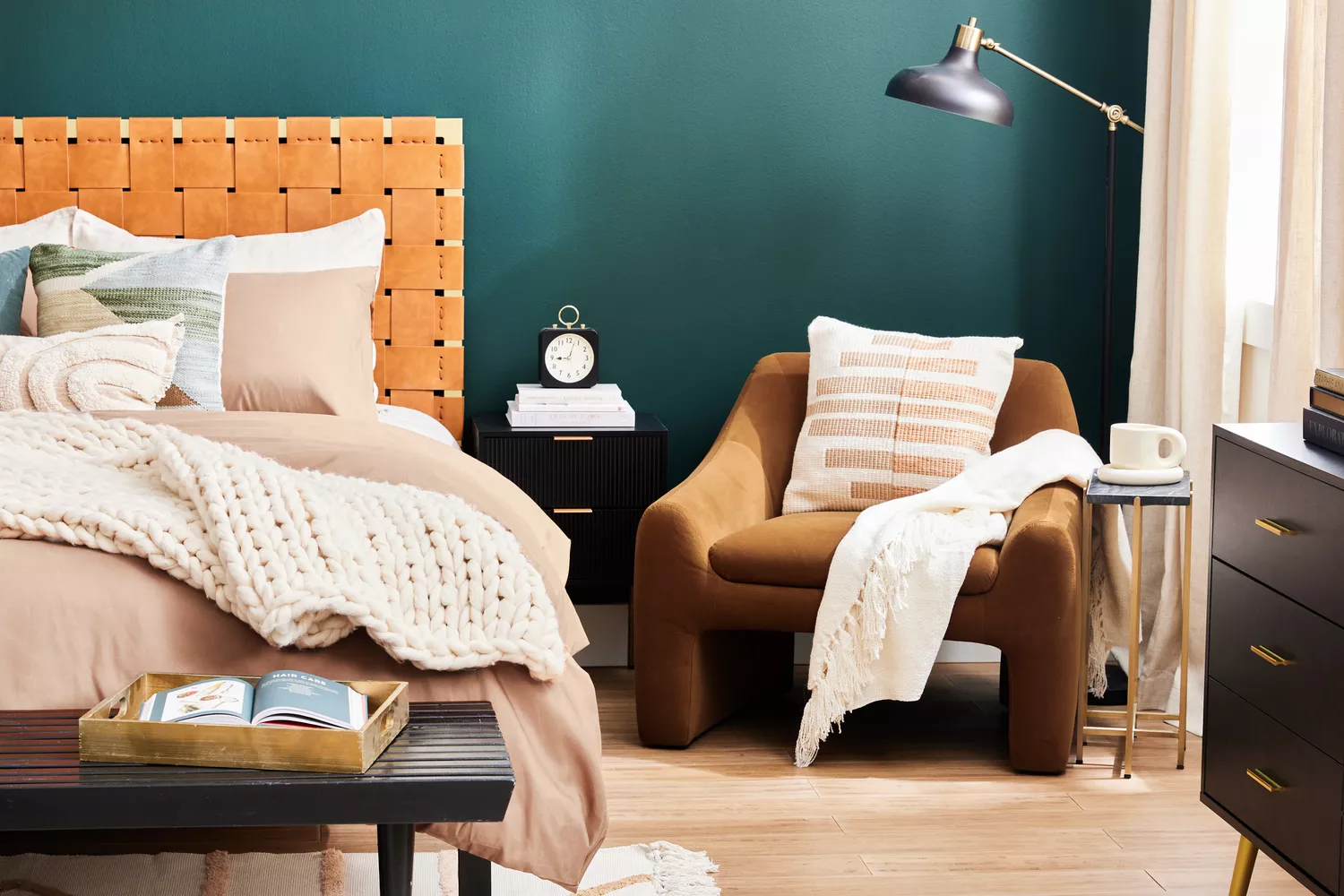
6 Clever Tips for Creating a Cozy Nook in Any Corner of Your Home, According to Designers

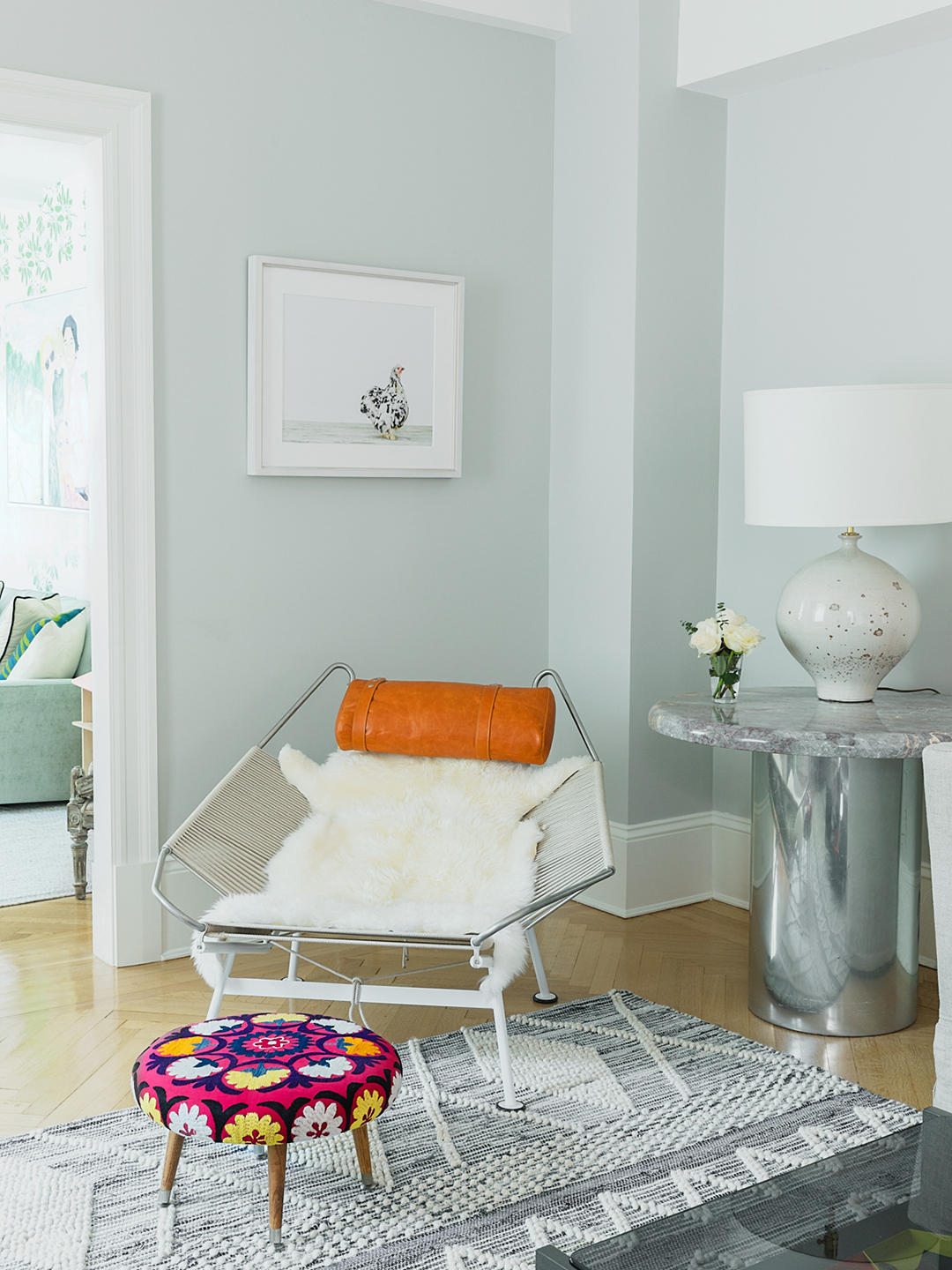
My Secret to the Coziest Spaces is This Underrated Accessory


'It's somewhere you can get lost in a book' - this interior trend is all about creating peaceful spaces for reading
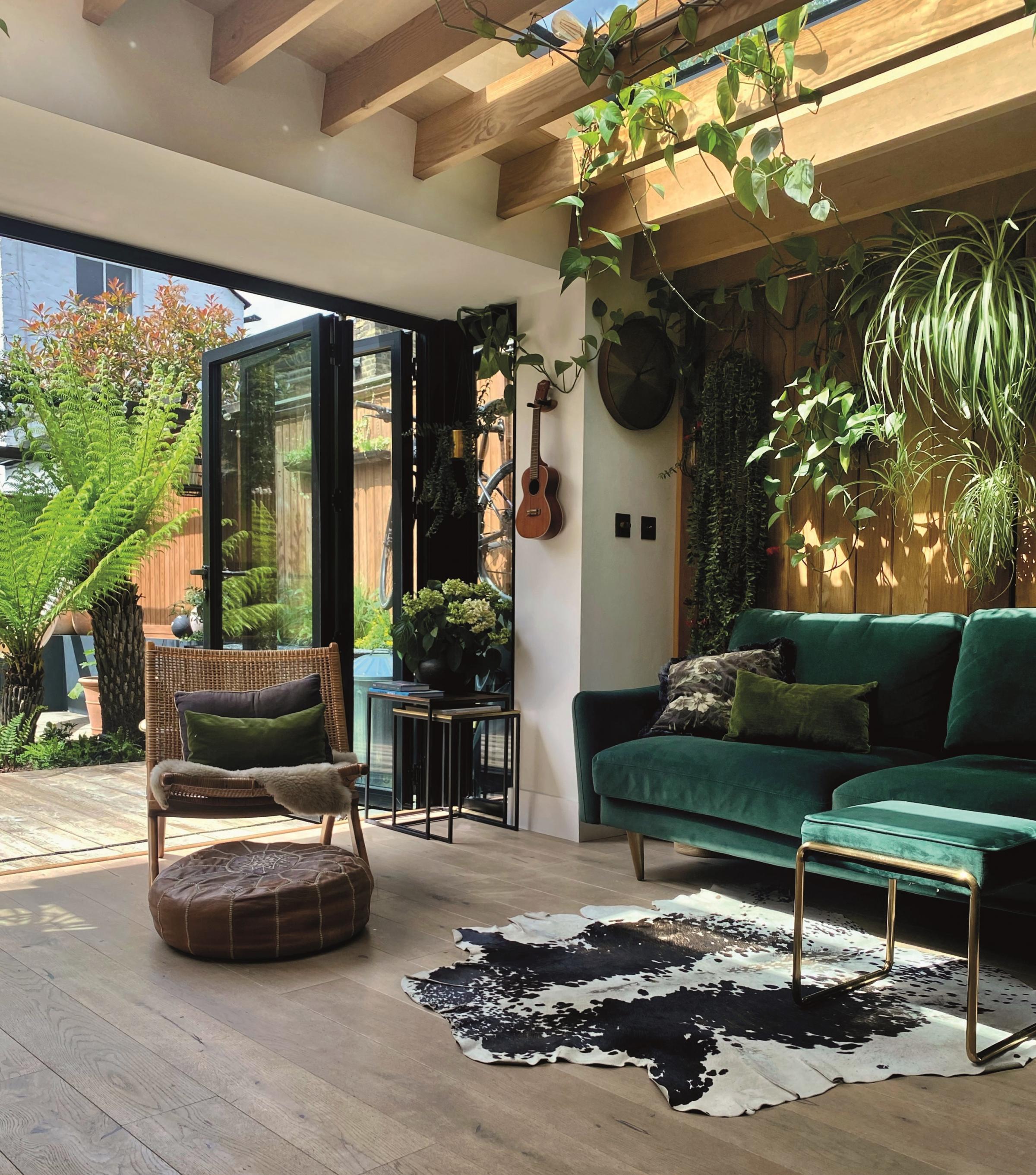
How to transform your living space into a cosy retreat
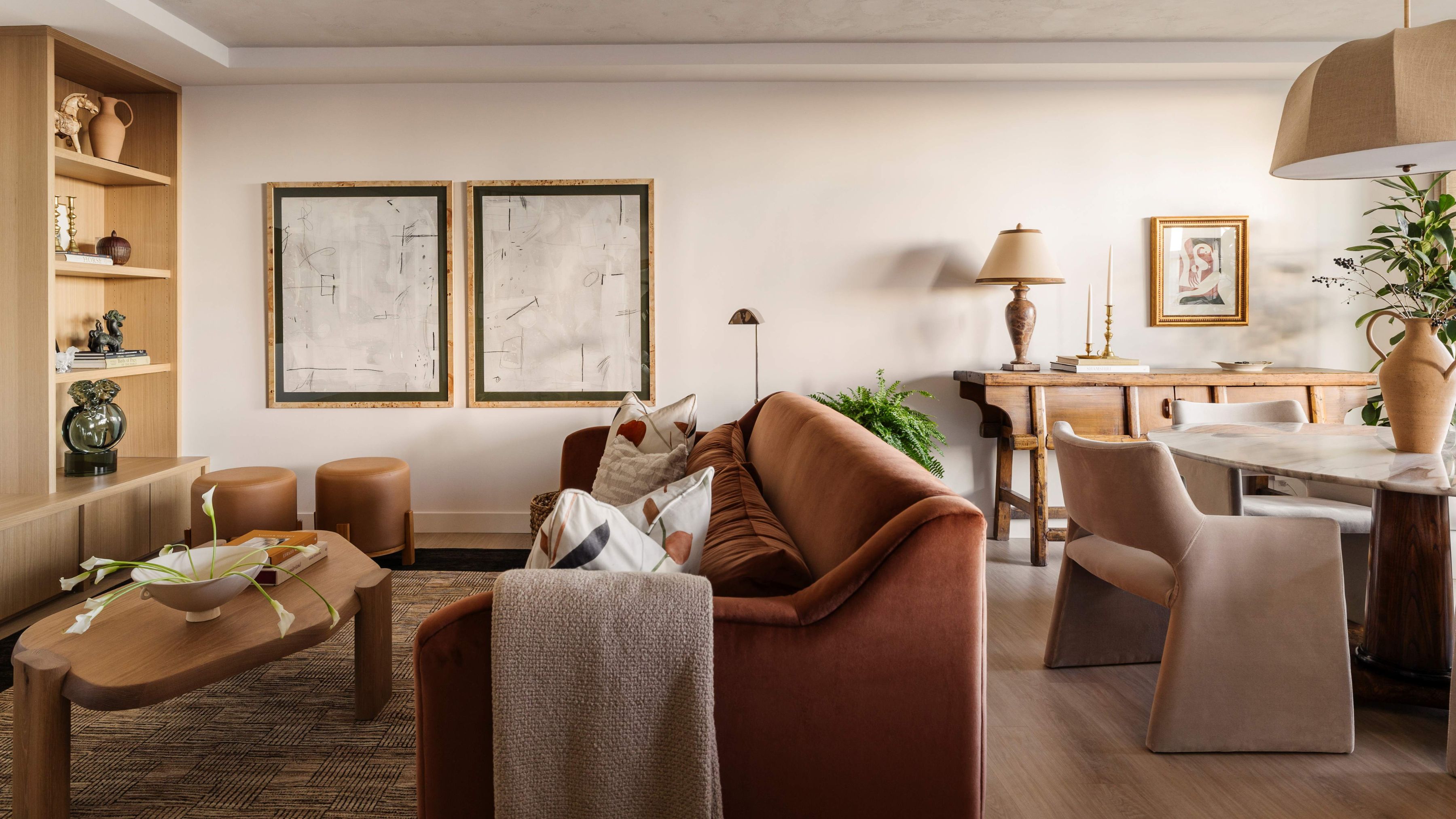
The 4 Secrets That Make This Living Room Feel so Cozy — A Designer's Guide on Recreating Its Feel
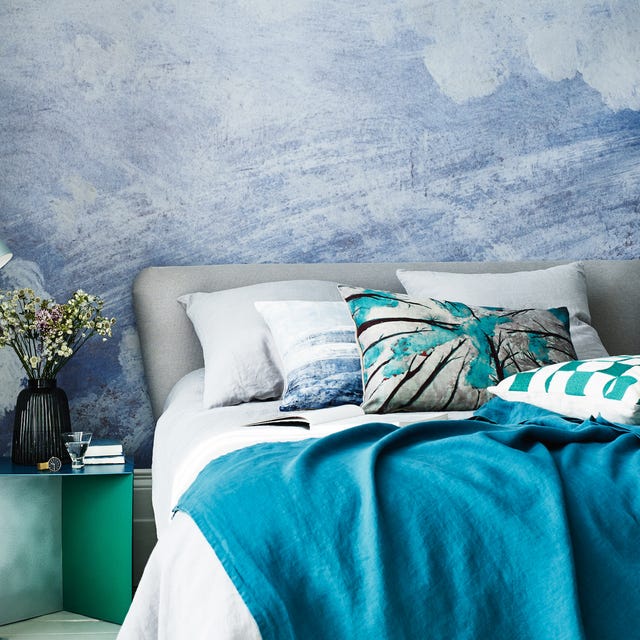
How to transform your bedroom into a wellbeing sanctuary, according to experts
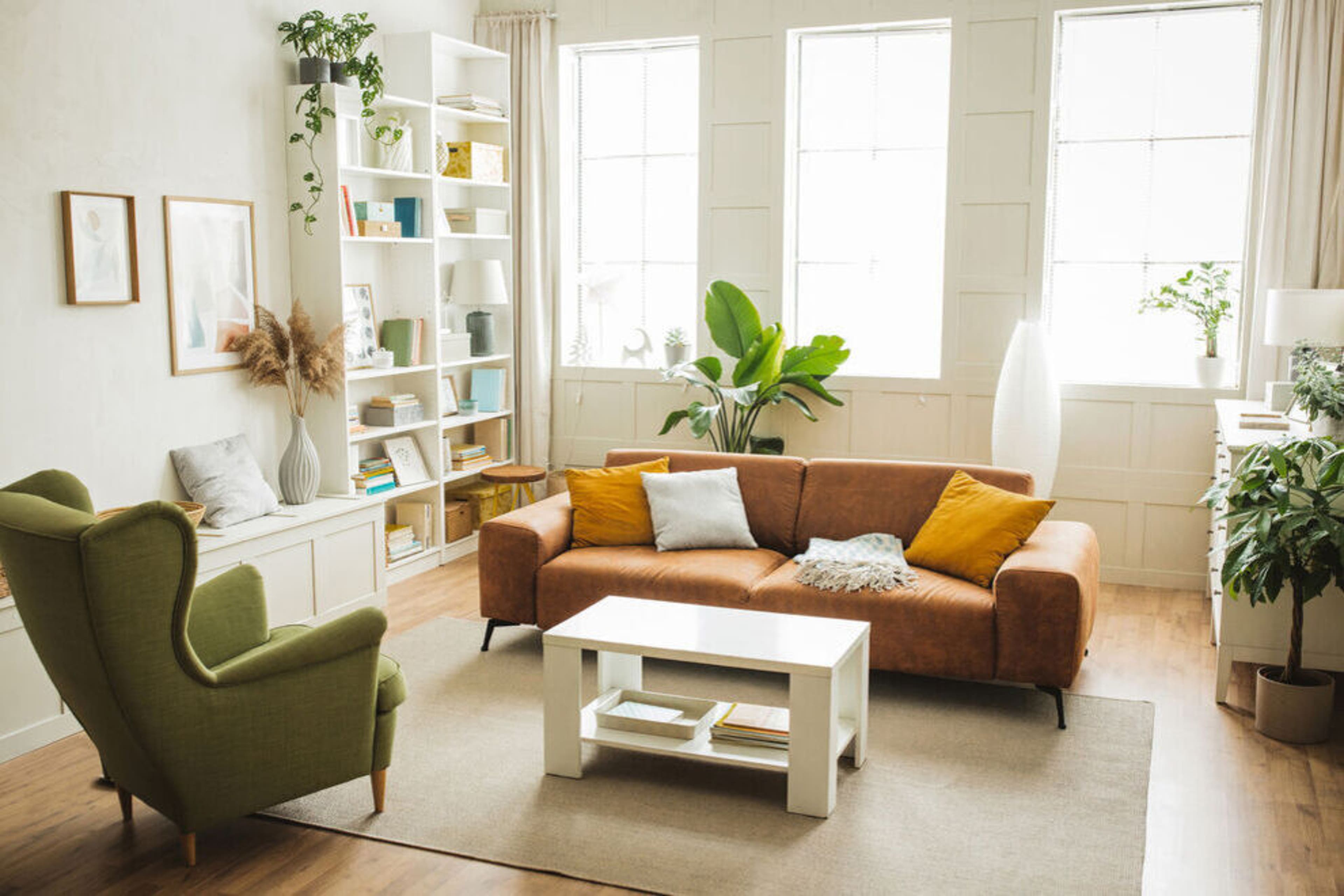
Create a cozy home in 10 easy, inexpensive steps

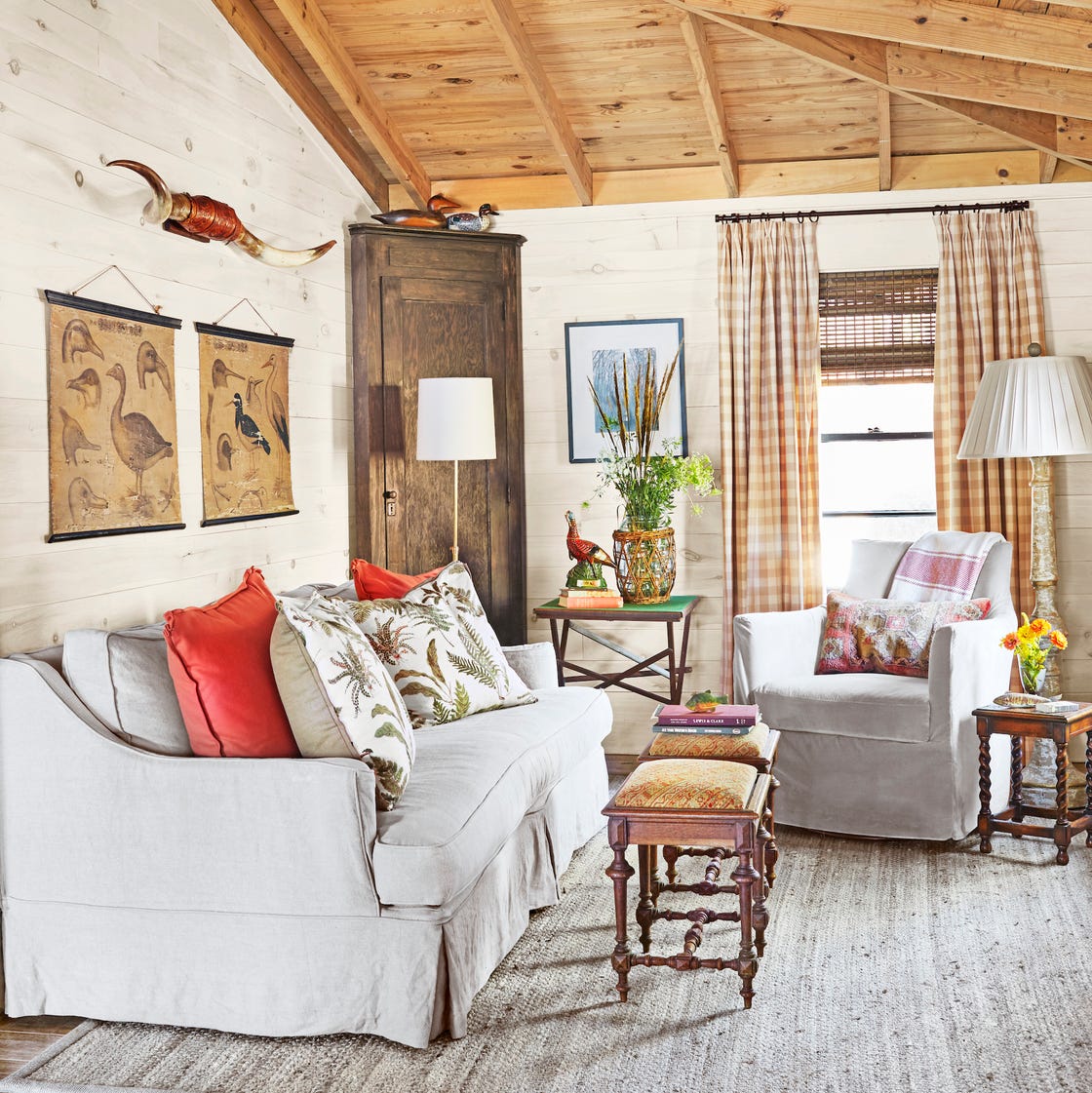
The Coziest Living Rooms Ever
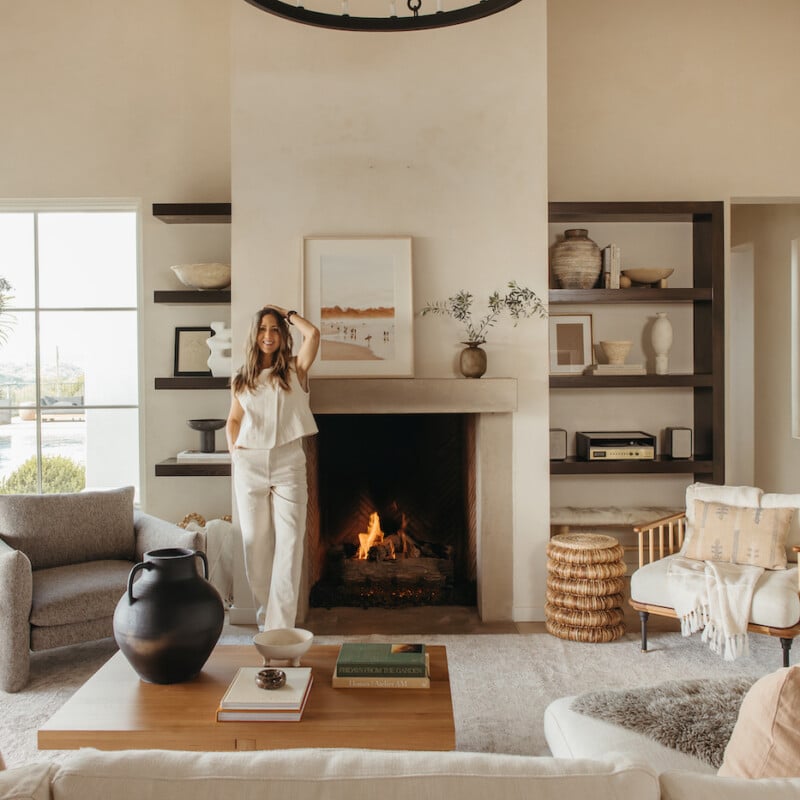
Your Living Room Needs a Vibe Check—These Are the Coziest Fixes

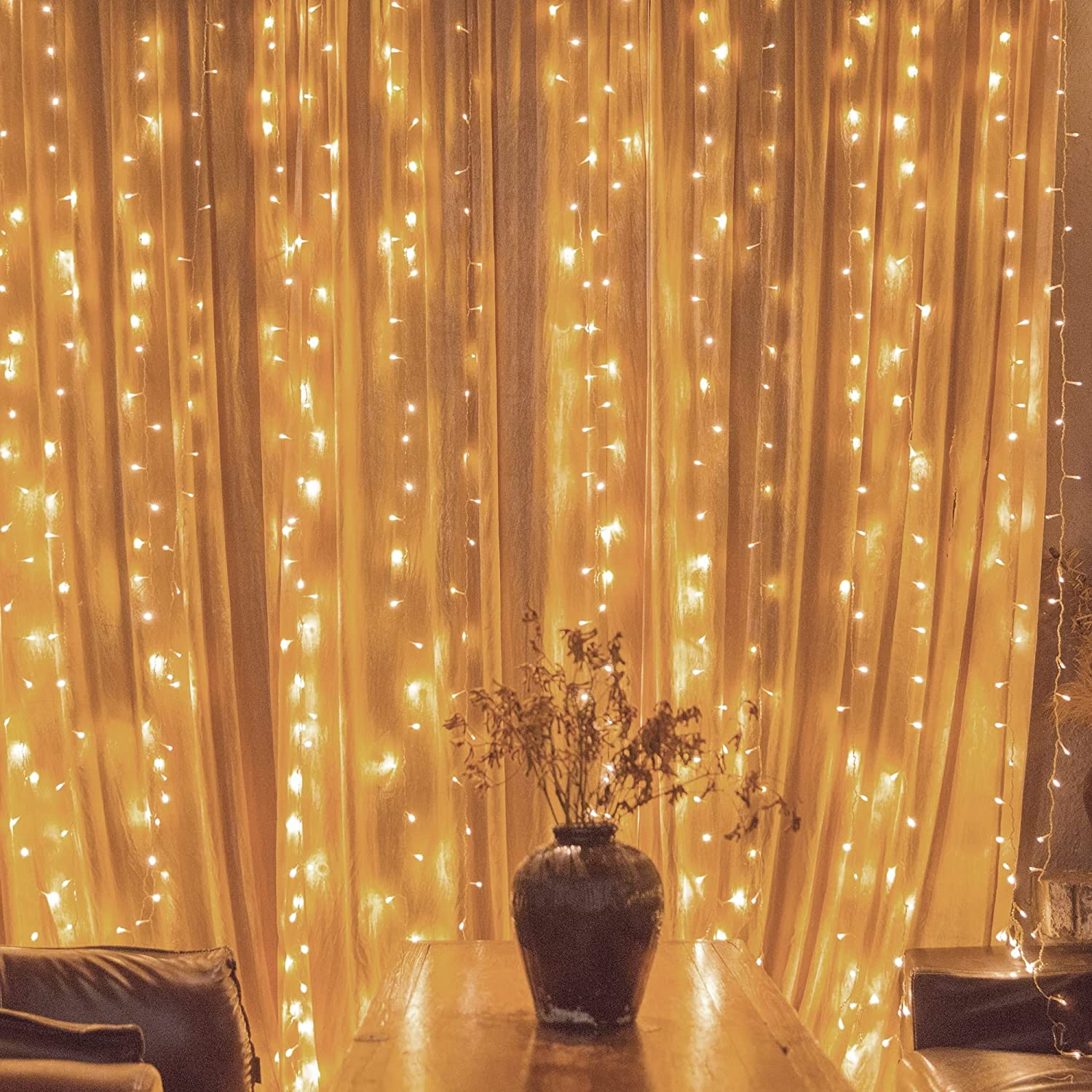
If You're Looking For Products That'll Make Your Home Cozier, Look No Further Than This List
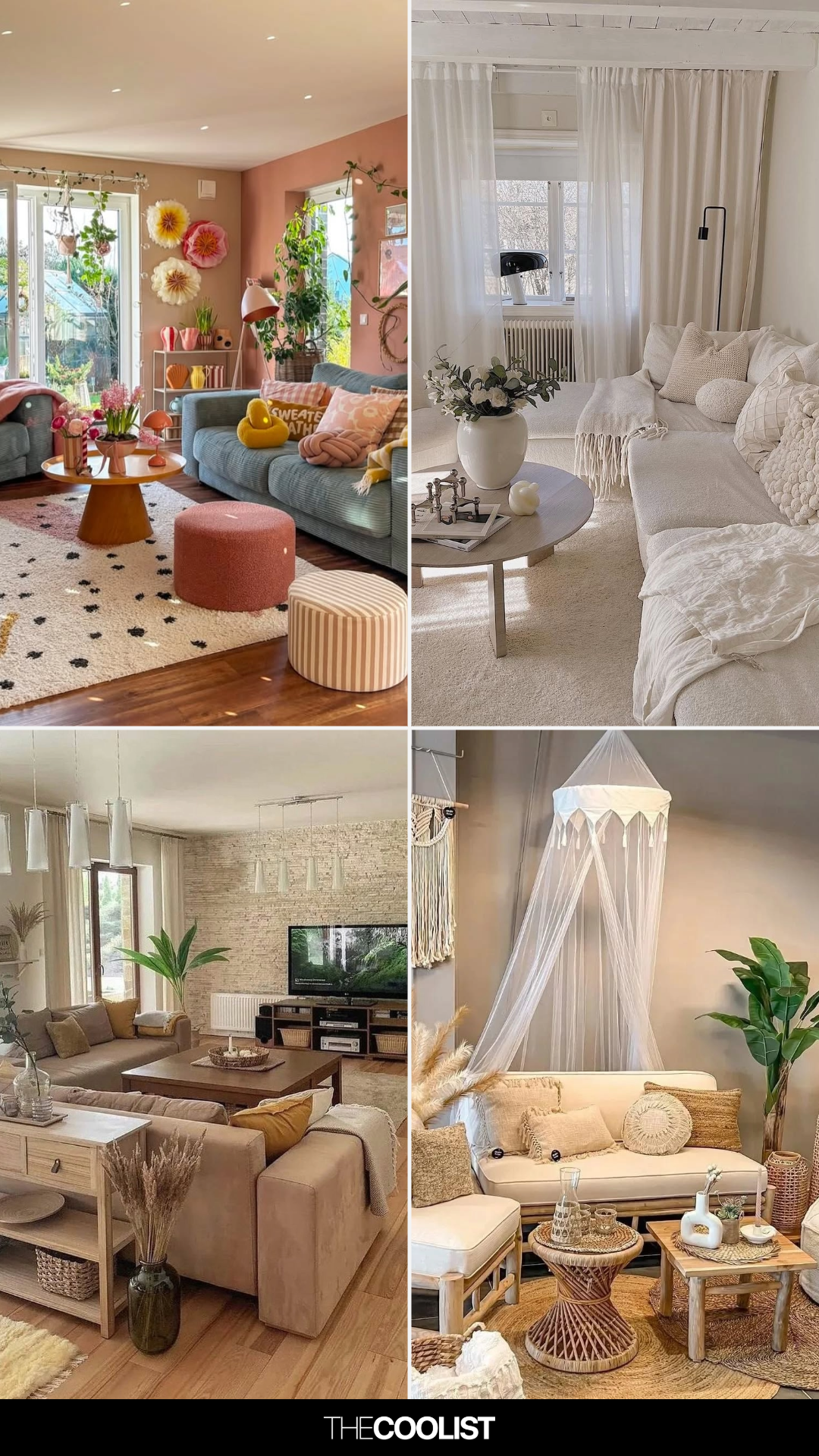
24 Cozy Living Room Ideas That Make Your Space Feel Warm and Inviting