
Home Design Projects Face Challenges As De Minimis Exemption Ends
The article discusses the significant impact of the elimination of the de minimis exemption on home design projects, particularly those relying on imported goods and international artisans. This exemption previously allowed small commercial shipments to enter the U.S. without tariffs or extensive customs procedures, simplifying the process for individuals and small businesses to acquire unique global products. The removal of this exemption, implemented by an executive order from President Trump, was primarily aimed at major e-commerce platforms like Temu and Shein to address trade imbalances and national security concerns. However, its ripple effects are now being felt acutely by the interior design industry and individual consumers.
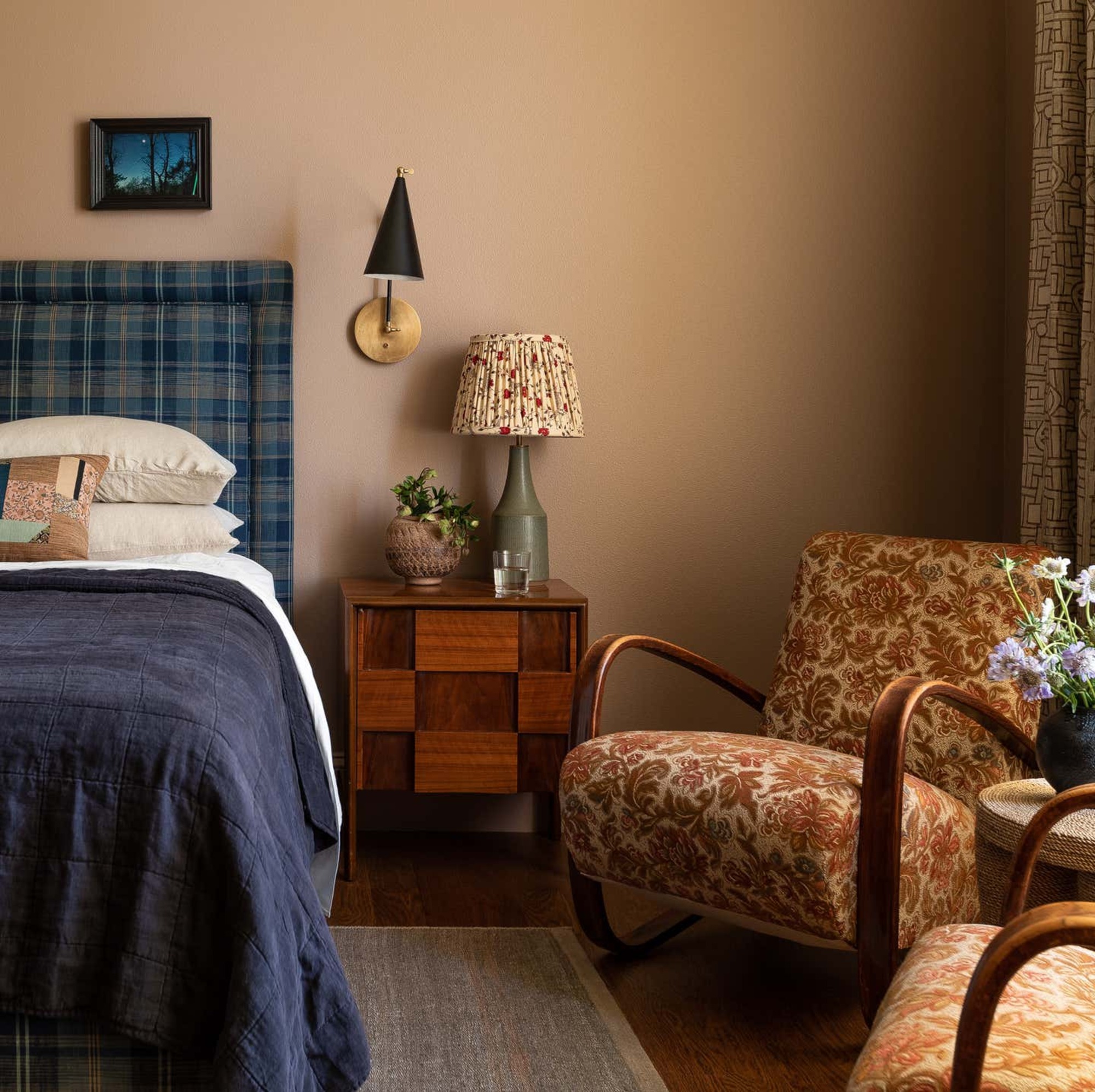
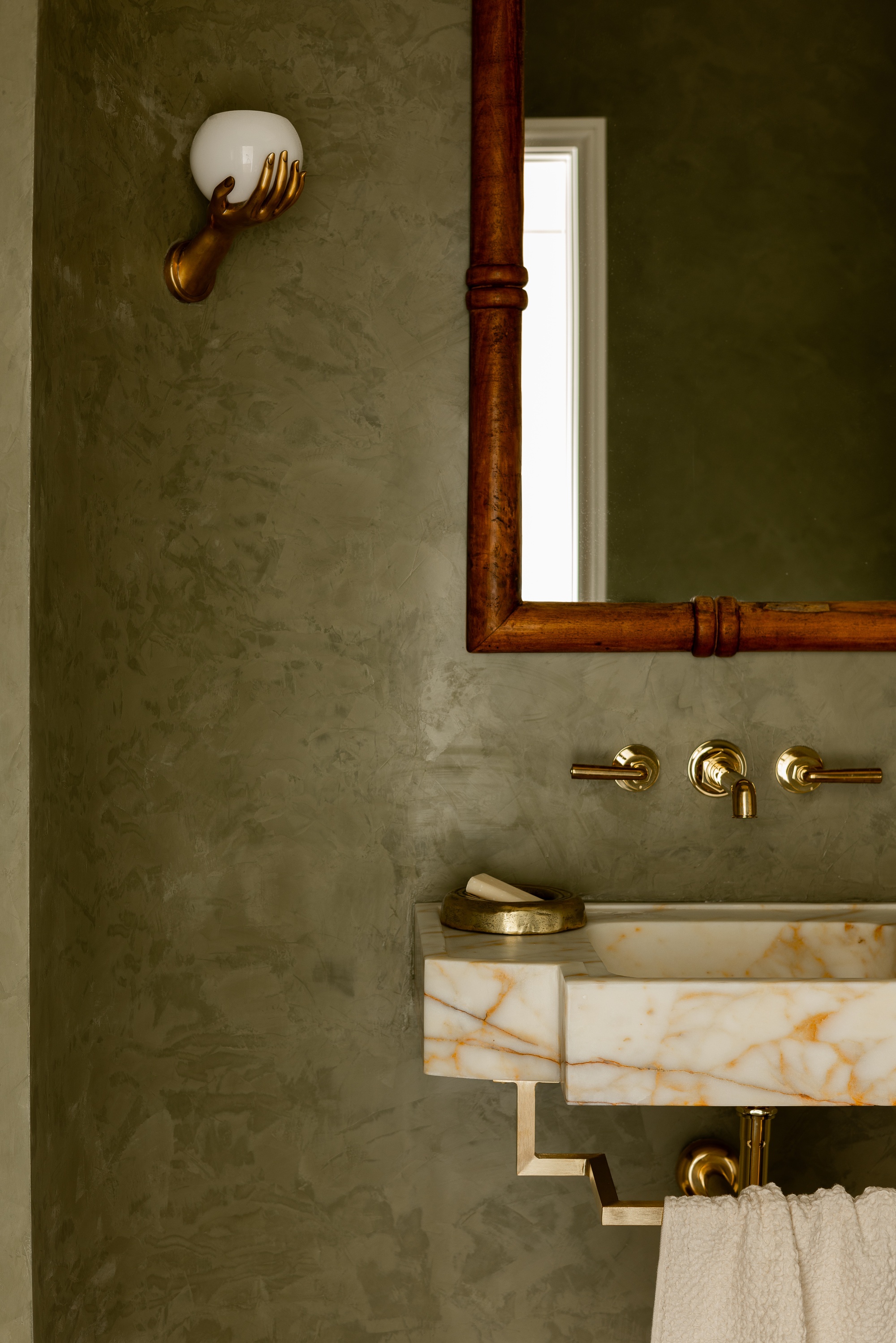
Interior designers, such as Rachel Moriarty and Susie Novak, emphasize the importance of global artistic elements and personalized touches in their work. These designers frequently source ceramic bowls, vases, textiles, and other one-of-a-kind accessories from international artisans to create unique spaces that reflect a homeowner's heritage, travel experiences, or personal collections. The ending of the de minimis exemption means that these previously affordable smaller imports are now subject to tariffs, increasing their overall cost. This change not only affects direct imports from independent artisans but also impacts domestic companies that manufacture their products overseas, leading to broader price hikes and supply chain uncertainties within the industry.
Dawn Haynie, research director for the American Society of Interior Designers, notes that while the interior design industry was not the direct target of these policies, the consequences are clear: higher costs for imported goods, increased supply chain instability, and shifting inflationary expectations. These factors collectively contribute to a slower growth in construction and, subsequently, a reduced demand for interior design services. Designers are now actively seeking coping strategies to navigate this new trade environment.
Brad Smith, a Dallas-based interior designer, is exploring U.S.-based alternatives, though he acknowledges that domestic options often come with longer lead times or higher price points. Susie Novak addresses the tariff conversation by presenting clients with all known upfront costs and including a disclaimer about potential additional tariff charges at the time of shipment, highlighting the ongoing communication efforts between vendors and designers to keep clients informed. Rachel Moriarty is shifting her sourcing strategy towards local resources like flea markets, thrift stores, vintage consignment shops, and estate sales, turning a necessity into an opportunity to discover unique domestic finds.
The impact extends beyond individual interior designers and their clients to manufacturers like Seymen Usta, co-founder of Seus Lighting, who relies on international production for unique lighting fixtures. He anticipates that the new tariffs will significantly increase costs, even for seemingly small items, as they are often purchased in multiples. Usta notes that while vendors are sympathetic, they cannot absorb all the additional expenses, leading to discussions with design-focused clients about sharing costs or considering alternative options. The article concludes by highlighting the disappointment among high-end residential clients who may lose access to desired international items and notes that even individuals purchasing single foreign items from platforms like Etsy will experience a noticeable increase in cost, diminishing the perceived value of such purchases.
#DeMinimisExemption #Tariffs #HomeDesign #InteriorDesign #ImportCosts #Artisans #SupplyChain #ResidentialRealEstate #DeMinimisExemption #Tariffs #HomeDesign #InteriorDesign #ImportCosts #Artisans #SupplyChain #ResidentialRealEstate
0 opmerkingen in totaal
 Nog geen opmerkingen
Dit vindt u mogelijk ook leuk

Did Covid Ruin Home Renovations?


Interior Design Reveals the 2023 Rising Giants


Architect Sam Klopper talks accessible design that doesn’t feel “clinical or differentiated”


Architect's clinic: 'Does a dormer need planning permission?'

Our Best Conversation Stories of 2020


10 New Trends in Multifamily Housing Design


Insulation Projects Increase as Property Owners Seek Lower Bills

This Controversial Home Layout Has DIVIDED the Design World

You should try to avoid these 10 common home remodeling mistakes, urge experts
Why Dining Rooms Are Disappearing From American Homes


Meet Brittany Lyons, whose interior-design career started as a side hustle


Sorry, but It's 2025 — These Outdated Interior Design Rules (Too Many People Still Swear By) Should Be Ignored


Cindy Allen Goes Live with Daniel Germani via Instagram

The Minnesota building code should loosen up about single-stair buildings

This Zen Home Upgrade Is Picking Up Steam—We Asked Designers to Weigh In


In Depth: Deck Fasteners

Home Renovation Projects That Are (Mostly) Tariff-Proof

Are design studios the next trend in home remodeling?

The Fall Home Trends Designers Say Will Be Huge


Closed Floor Plans Are Making a Comeback—but Designers Say They’re Not for Everyone