Can Birds See Glass Windows and Doors?
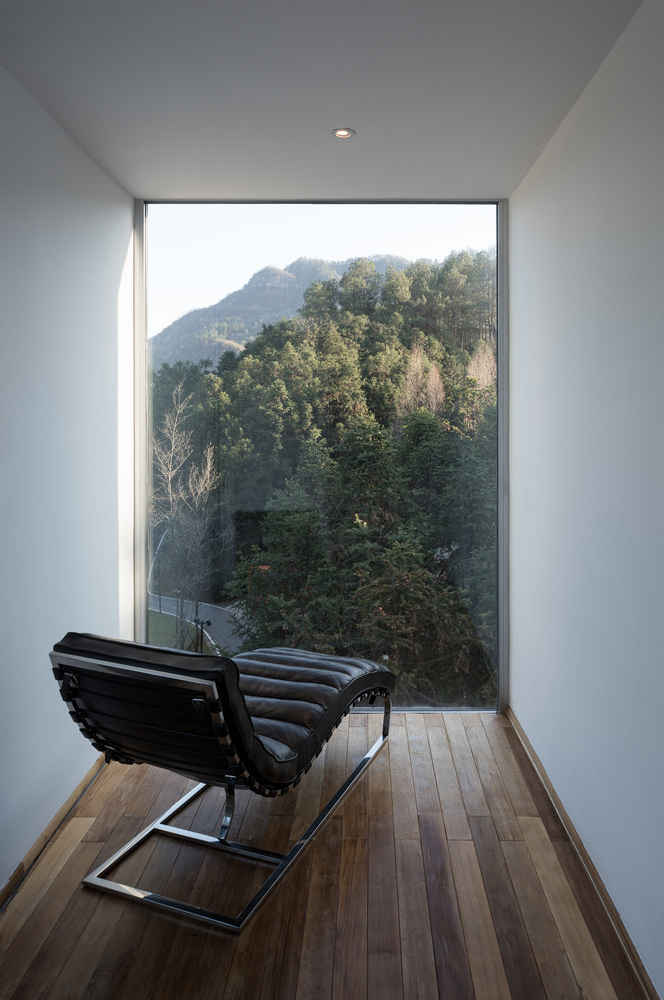
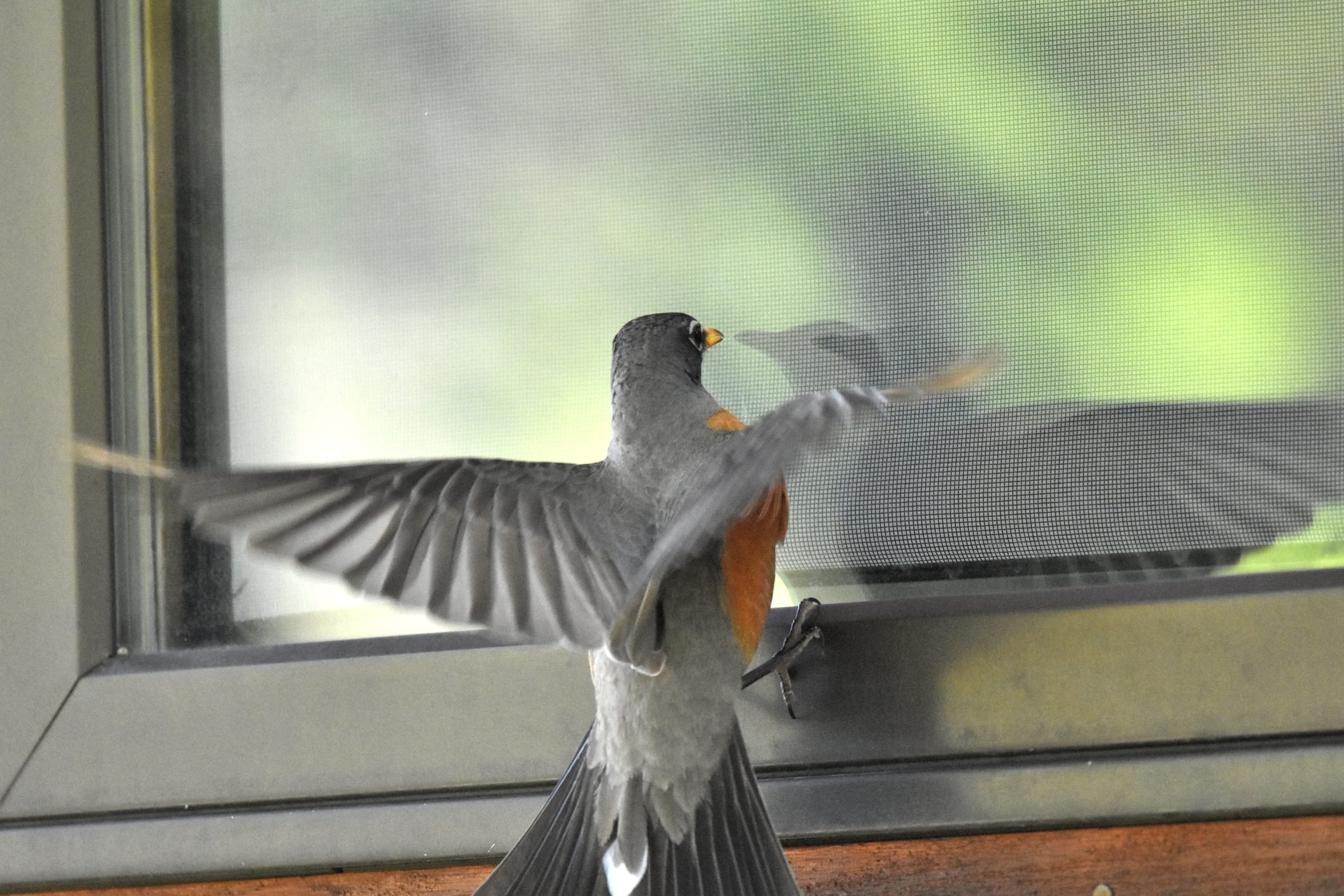
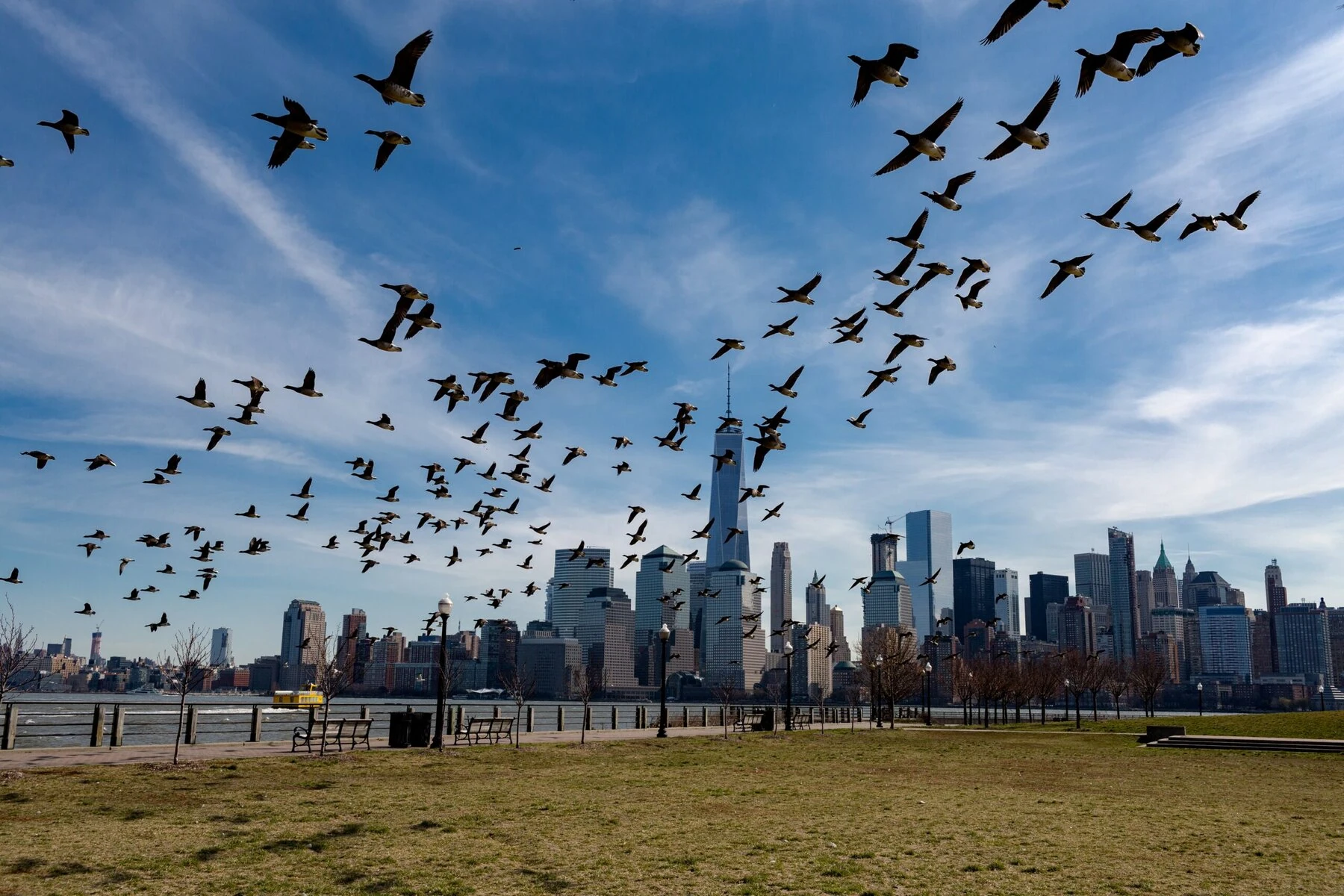
Birds are frequently unable to perceive glass windows and doors as solid barriers, leading to an estimated one billion fatal bird collisions with buildings in the United States annually. This phenomenon occurs because birds' vision is primarily adapted for detecting distance and motion, not for distinguishing transparent or reflective surfaces. To a bird, glass can appear either invisible, presenting an unobstructed flight path, or reflective, mirroring the surrounding environment and creating the illusion of open space. This misperception is a leading cause of bird strikes, particularly during spring and fall migration seasons when bird populations are more mobile.
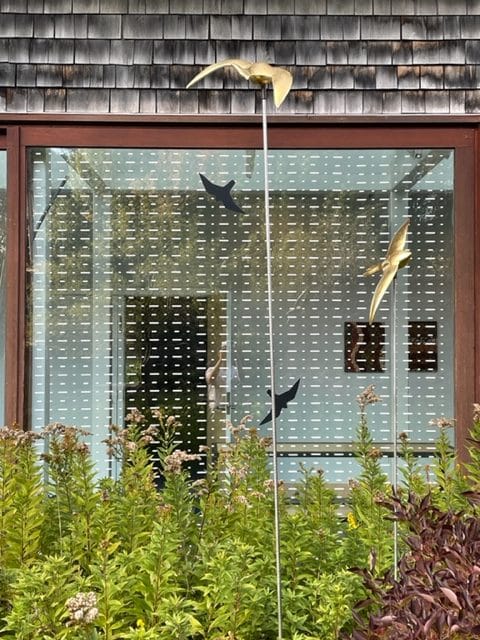
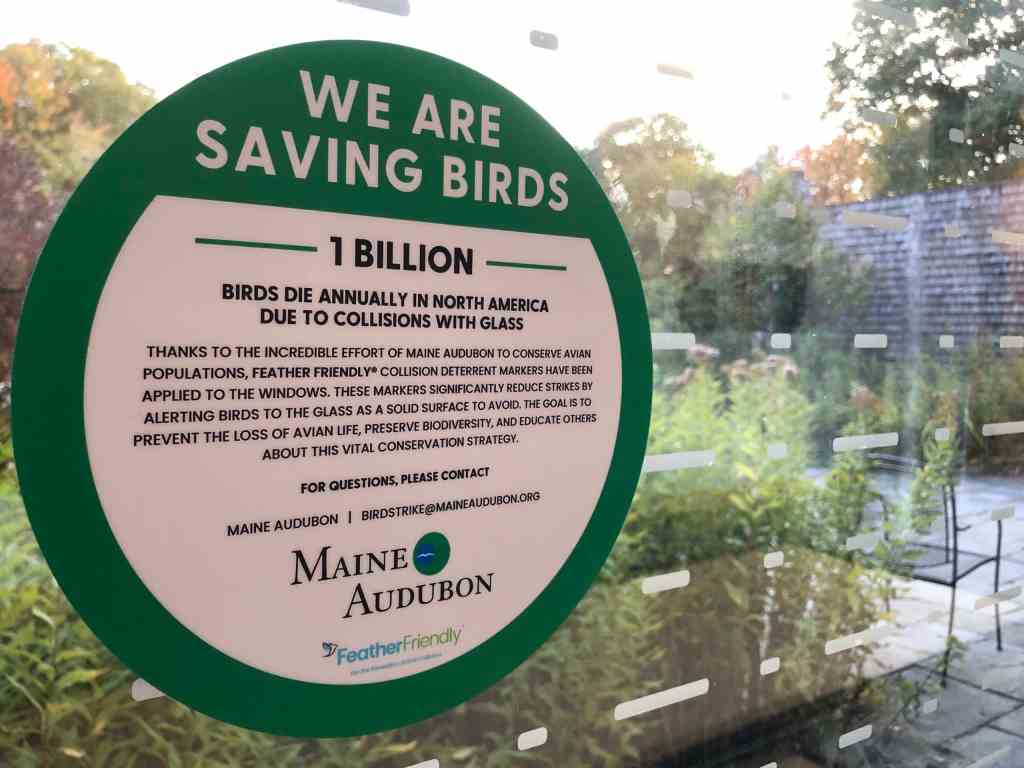
To mitigate these collisions, several strategies can be employed to make windows and glass doors more visible to birds. One effective and cost-efficient method involves applying window decals. These stickers, available in various designs such as bird silhouettes, should be placed close enough together to signal a barrier. For small birds, decals should be spaced no more than two to four inches apart, while for larger birds, a spacing of four to six inches is recommended.
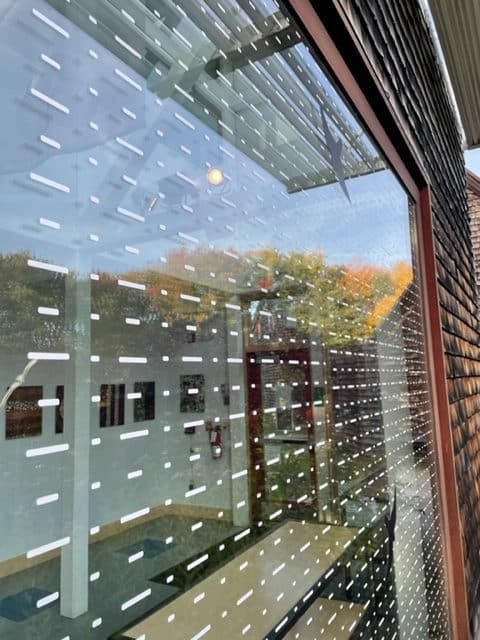
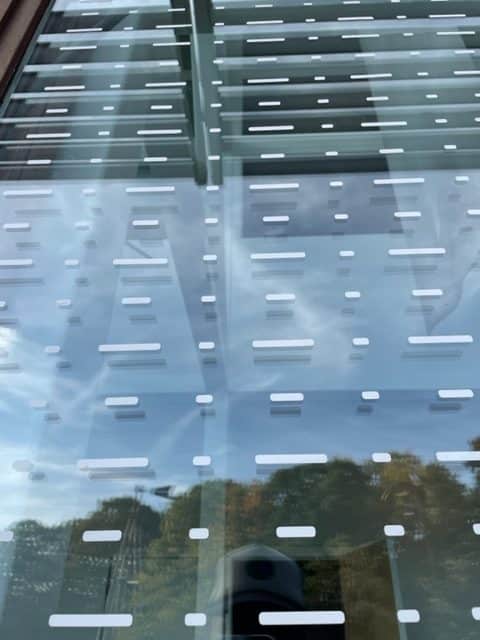
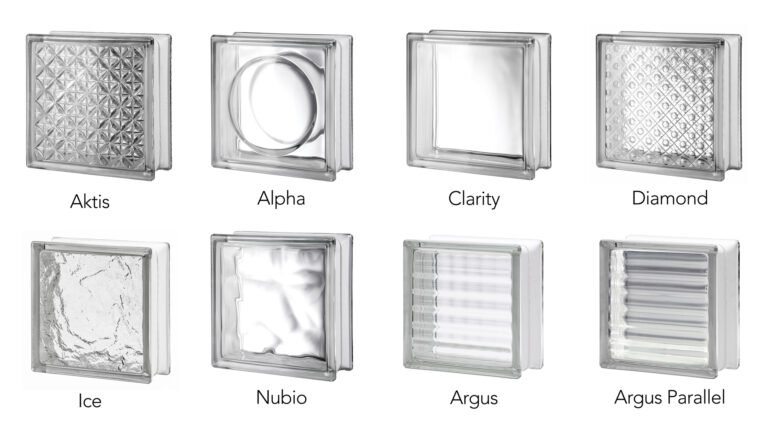
Another option is to install bird-safe glass, which incorporates a pattern that is visible to birds due to its reflection of ultraviolet light, a spectrum imperceptible to humans. While more expensive, this type of glass is highly effective and maintains the aesthetic appeal of windows for human observers. It is an ideal consideration for new construction or window replacement projects.
Window films and screens offer additional solutions. Applied to the exterior of windows, these materials create both a visual and physical barrier. Transparent window films, often with patterns, and screens, which add texture, help birds detect the obstruction. These also provide the secondary benefits of reducing indoor heat and glare, potentially lowering energy costs. Both films and screens are relatively easy to install and can be removed without damaging the window surface.
Lastly, hanging objects outside windows, such as wind chimes, sun catchers, or brightly colored tape strips, can serve as deterrents. The movement and reflections generated by these objects can alert birds to the presence of a solid barrier, effectively breaking up reflections on the glass and adding a decorative element to the home. Implementing these measures can significantly reduce bird strikes, protecting avian wildlife and preventing property damage.
#BirdSafety #WindowDecals #BirdSafeGlass #WindowFilms #BirdCollisions #HomeMaintenance #WildlifeProtection #DIYSolutions #BirdSafety #WindowDecals #BirdSafeGlass #WindowFilms #BirdCollisions #HomeMaintenance #WildlifeProtection #DIYSolutions
0 opmerkingen in totaal
 Nog geen opmerkingen
Dit vindt u mogelijk ook leuk

10 Contemporary Window Treatments for Sliding Glass Doors

The Best Window Treatments for Sliding Doors


Chik Blind Trend: Why Are Interiors Obsessed With Bamboo Blinds?

20 Window Treatment Ideas to Suit Every Room


Shutters vs blinds – what you need to know to dress windows beautifully and practically
How to dress a window - three design experts explain how to plan the perfect window dressing

How To Cover Sliding Glass Doors Without Curtains Or Bulky Blinds
5 Best Window Brands for Your Home (2025)

Installing Bird Safe Windows at Gilsland Farm


How to Cover Your Sliding Glass Doors Like a Designer
Clear Choice Windows

“The tallest, heaviest Sliding Glass Door of all”: A Case Study

We Can Stop Glass Windows From Killing Birds

Doors & Windows

Is frosted glass outdated? Here's what designers are doing instead to create easy privacy for windows
15 Magnificent Picture Windows That Frame Enviable Views


Open Corner Sliding Glass Doors: Towards a Light & Wide Architecture

5 Best Window Brands for Your Home (2026)


27 stylish blinds from the world’s most creative designers

11 Blinds To Make Your Windows The Coolest On The Block