1/7
7 expert tactics to convert your loft on a budget, without compromising on quality
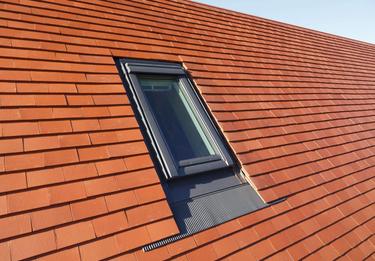
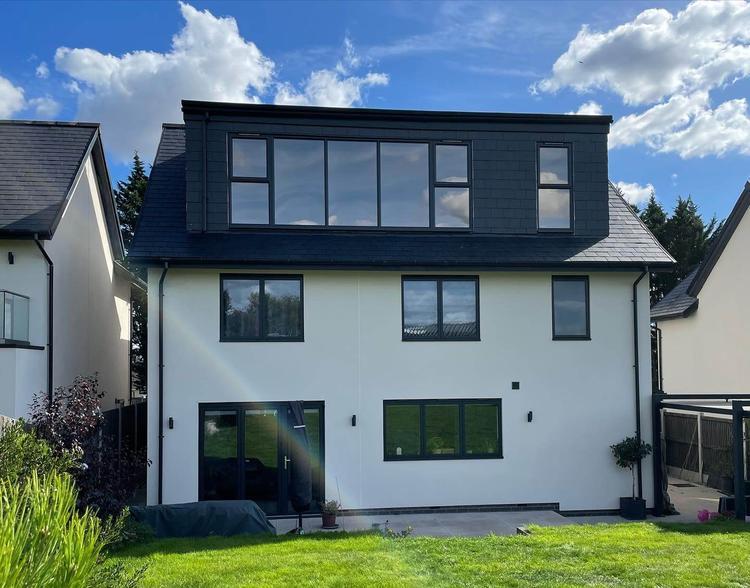
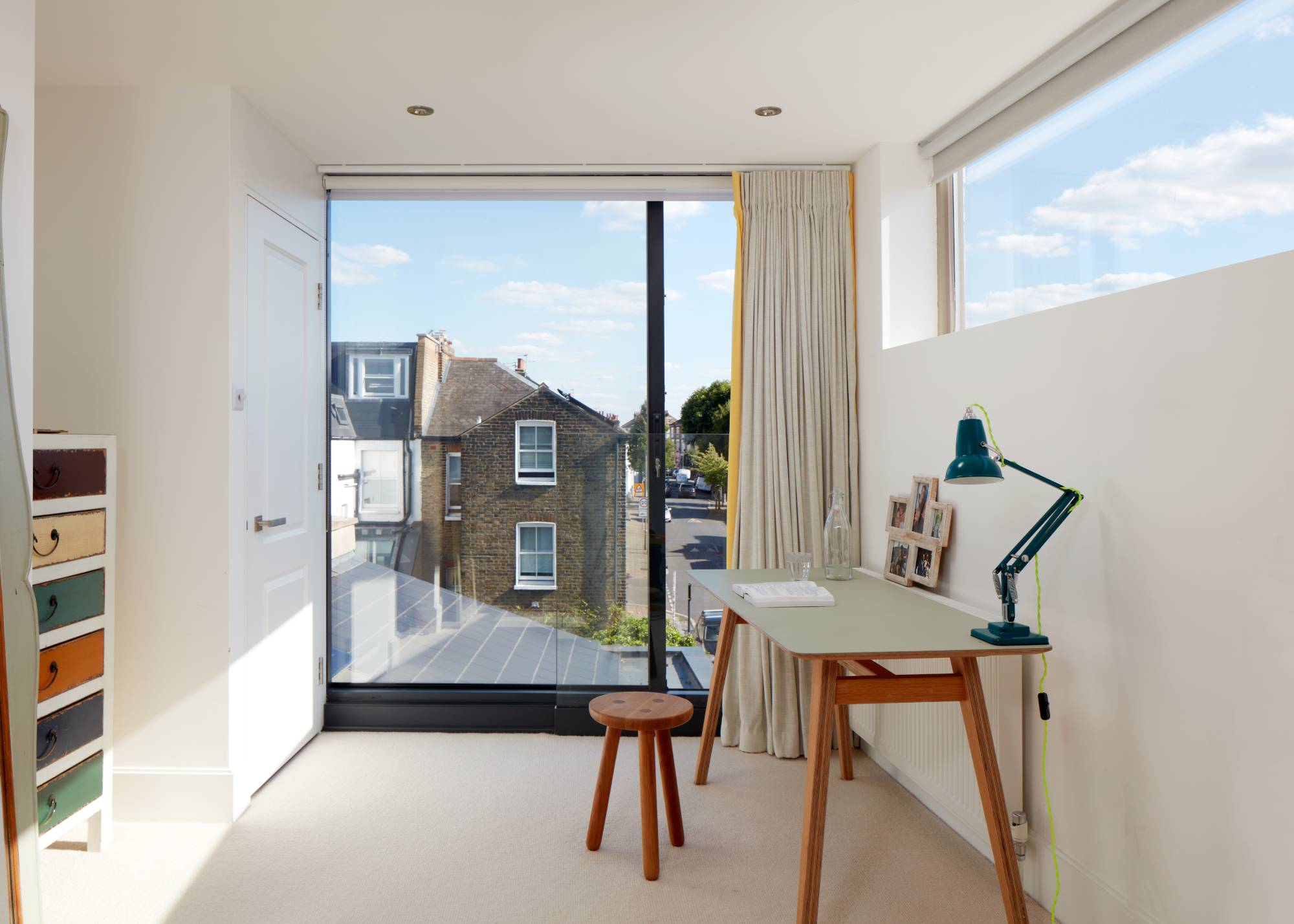
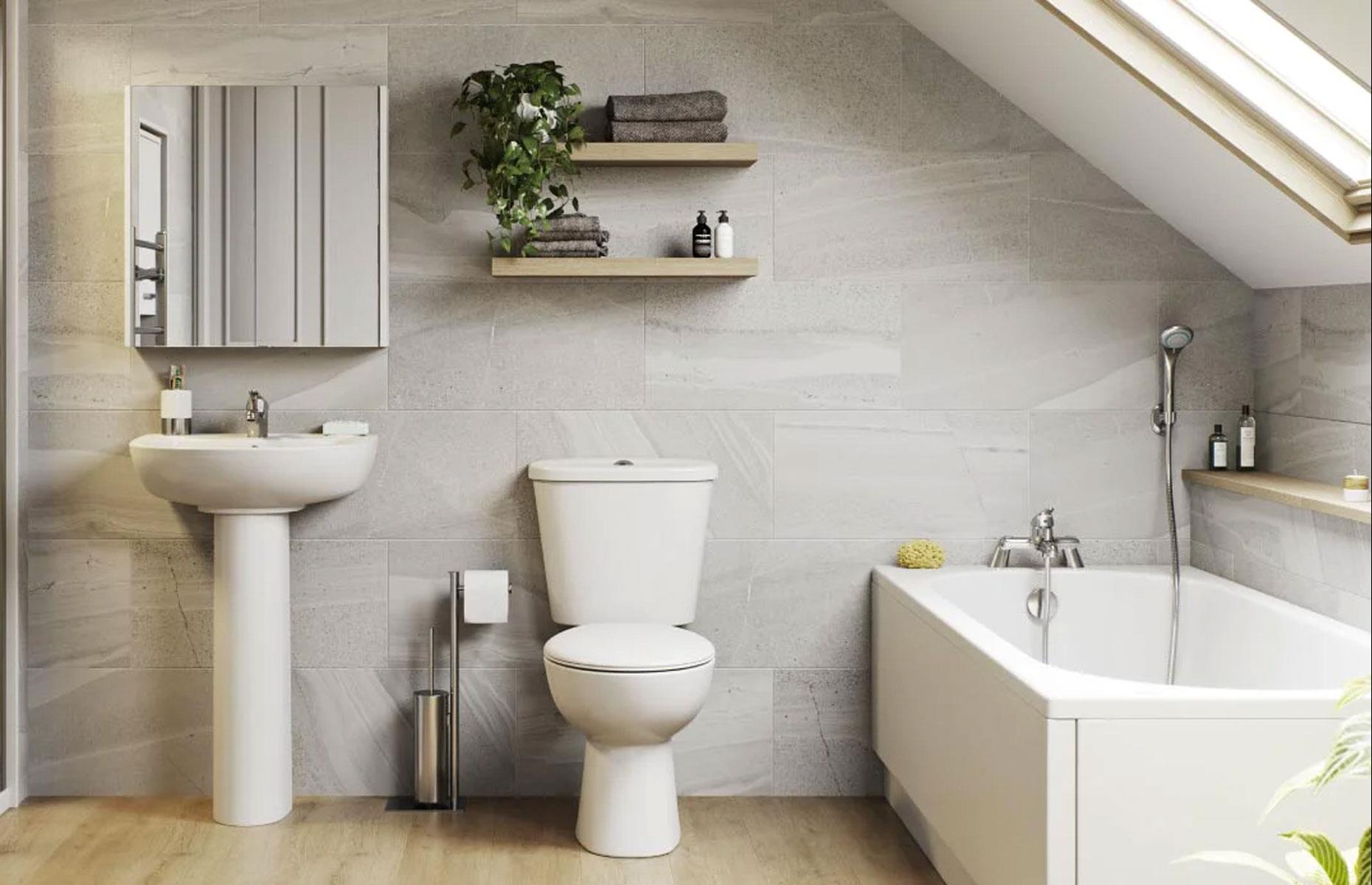
Loft conversions are an effective way to increase space and add value to a home. Various strategies can be employed to manage costs without sacrificing quality or aesthetic appeal. One primary approach involves opting for a simple design. Velux or rooflight loft conversions, which do not alter the roofline, are the most budget-friendly as they require less complex structural work. This simplicity significantly reduces overall expenditure.
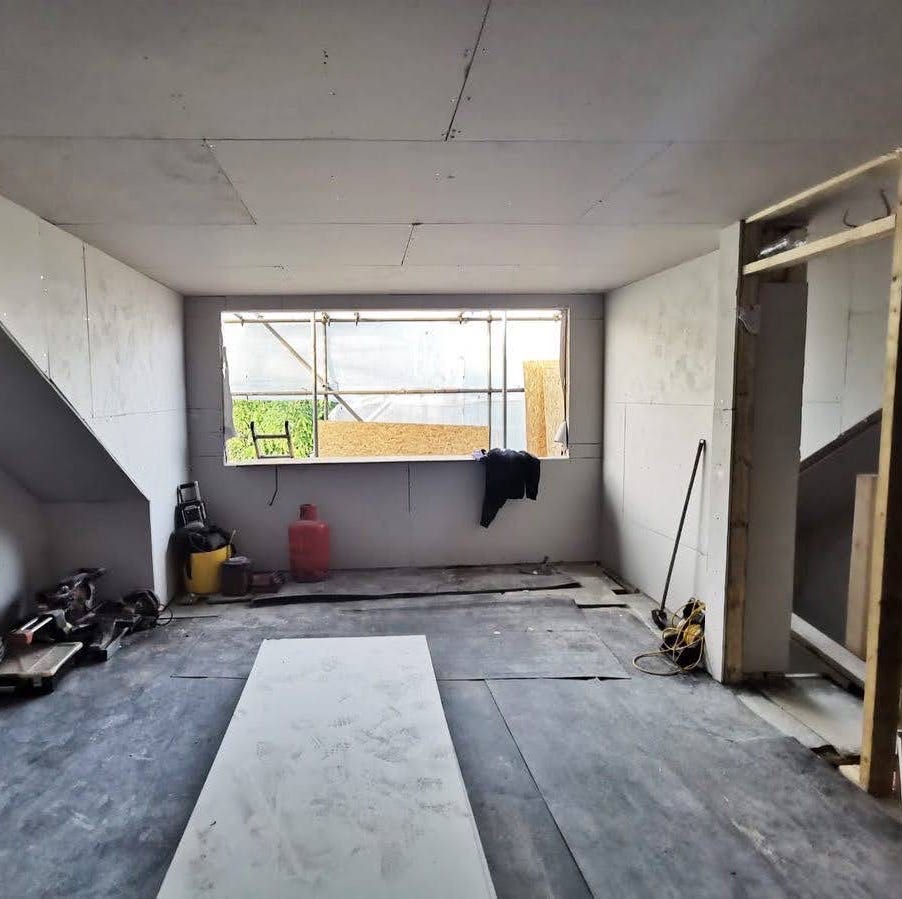
Thorough advance planning is crucial for budget adherence. Making decisions early in the process and creating a firm plan helps prevent costly changes later on, and also helps to avoid common and expensive loft conversion mistakes. While meticulous planning is vital, incorporating a degree of flexibility is also beneficial. Phasing the conversion into stages, such as shell, services, soft finishes, and styling, allows occupants to experience the raw space first, providing clarity on optimal layouts and avoiding premature, hardwired installations that might later require expensive adjustments.
Understanding the full scope of costs is essential, particularly recognizing hidden fees that can inflate the budget. These often include building regulations and planning fees, structural reinforcements (especially for older properties), upgraded insulation, and fire safety measures. Factoring these in or maintaining a substantial contingency fund is advisable. Additionally, homeowners should consider the cost of final decoration, identifying areas where DIY skills can be utilized to save money.
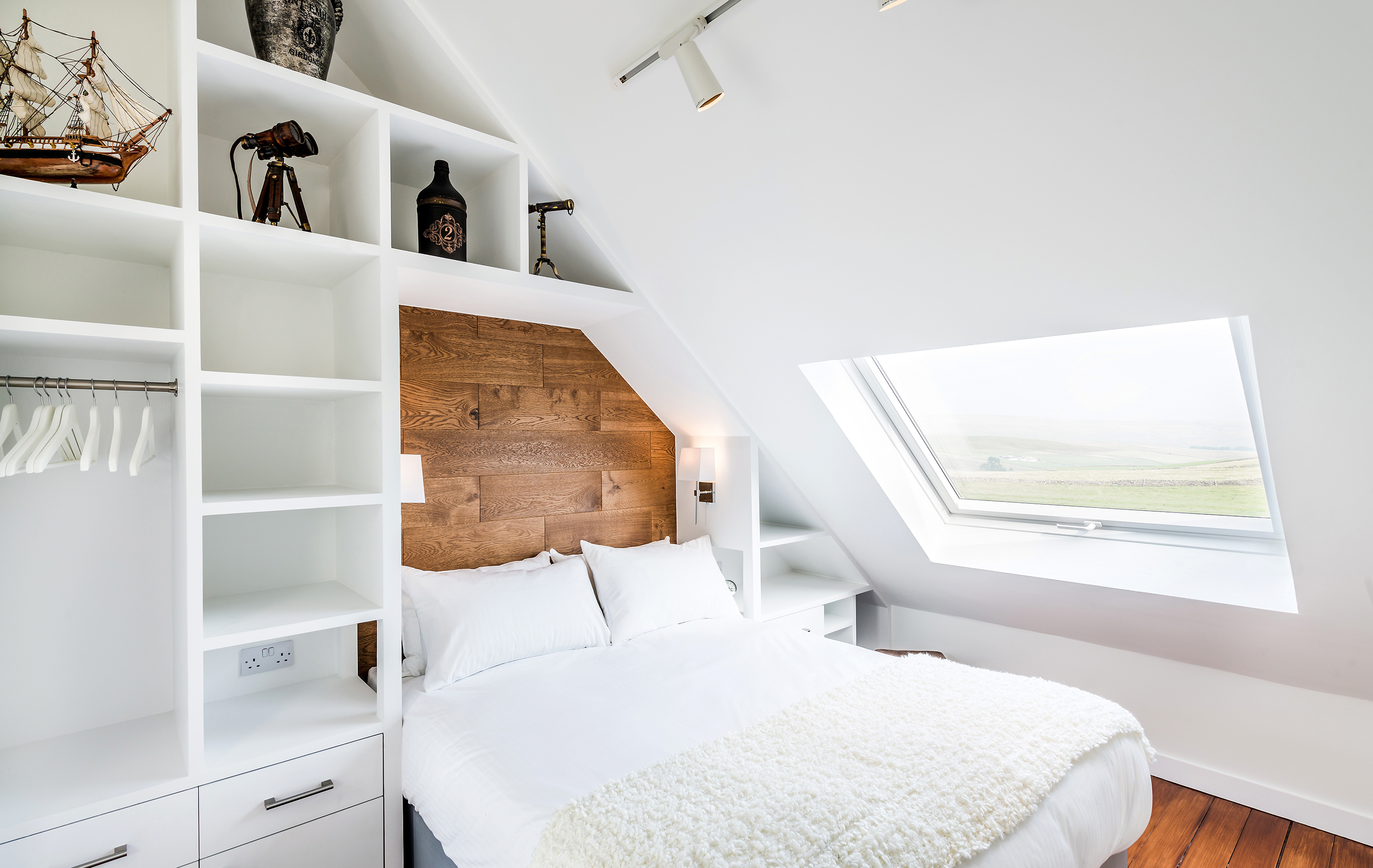
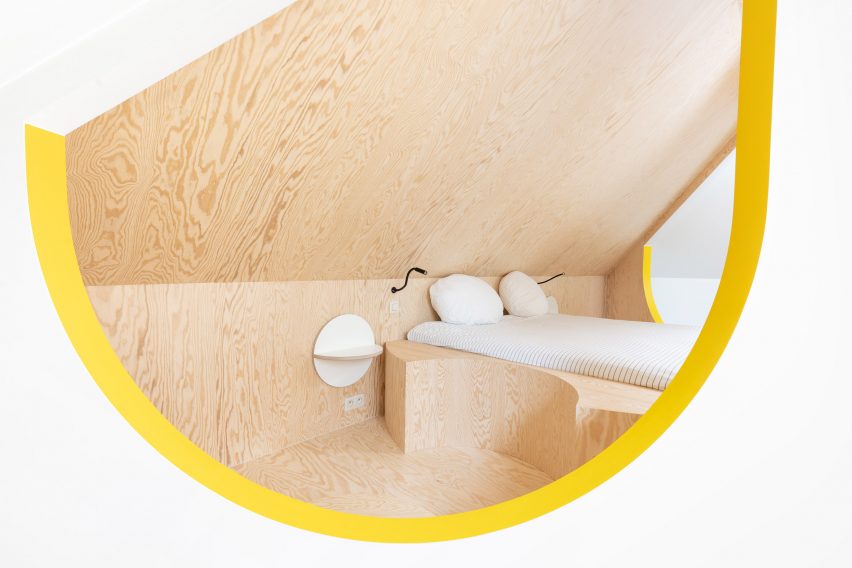
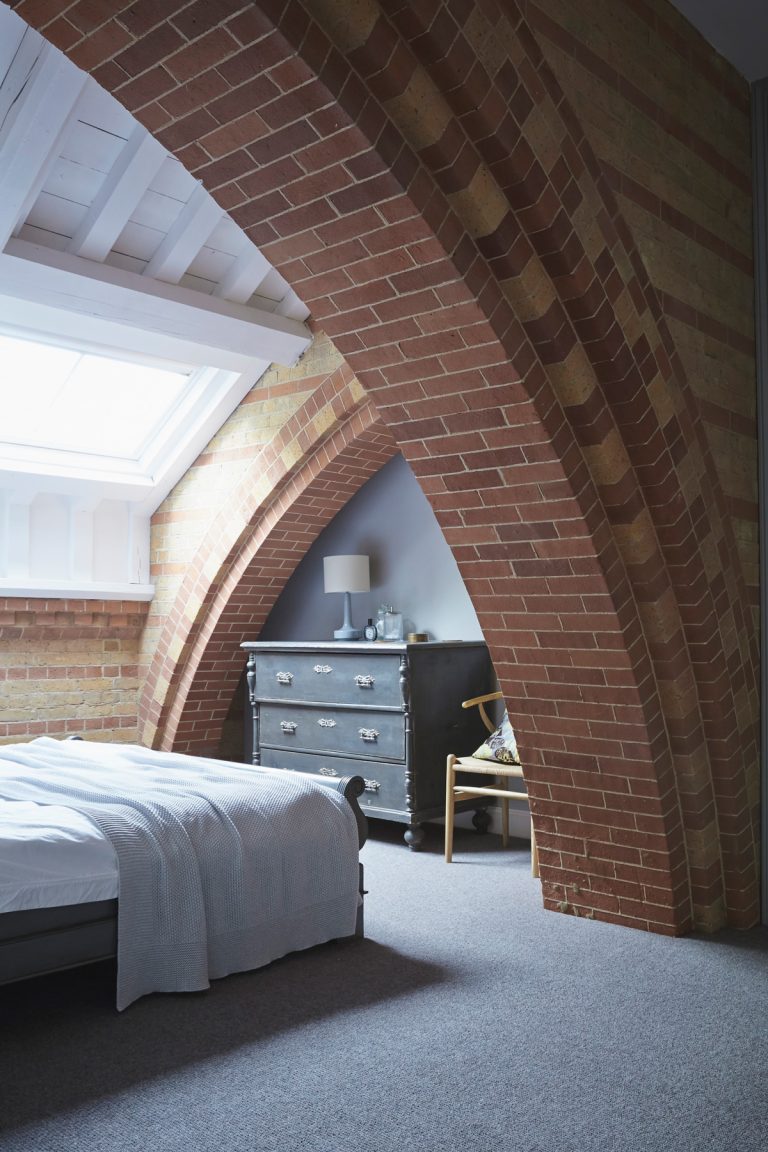
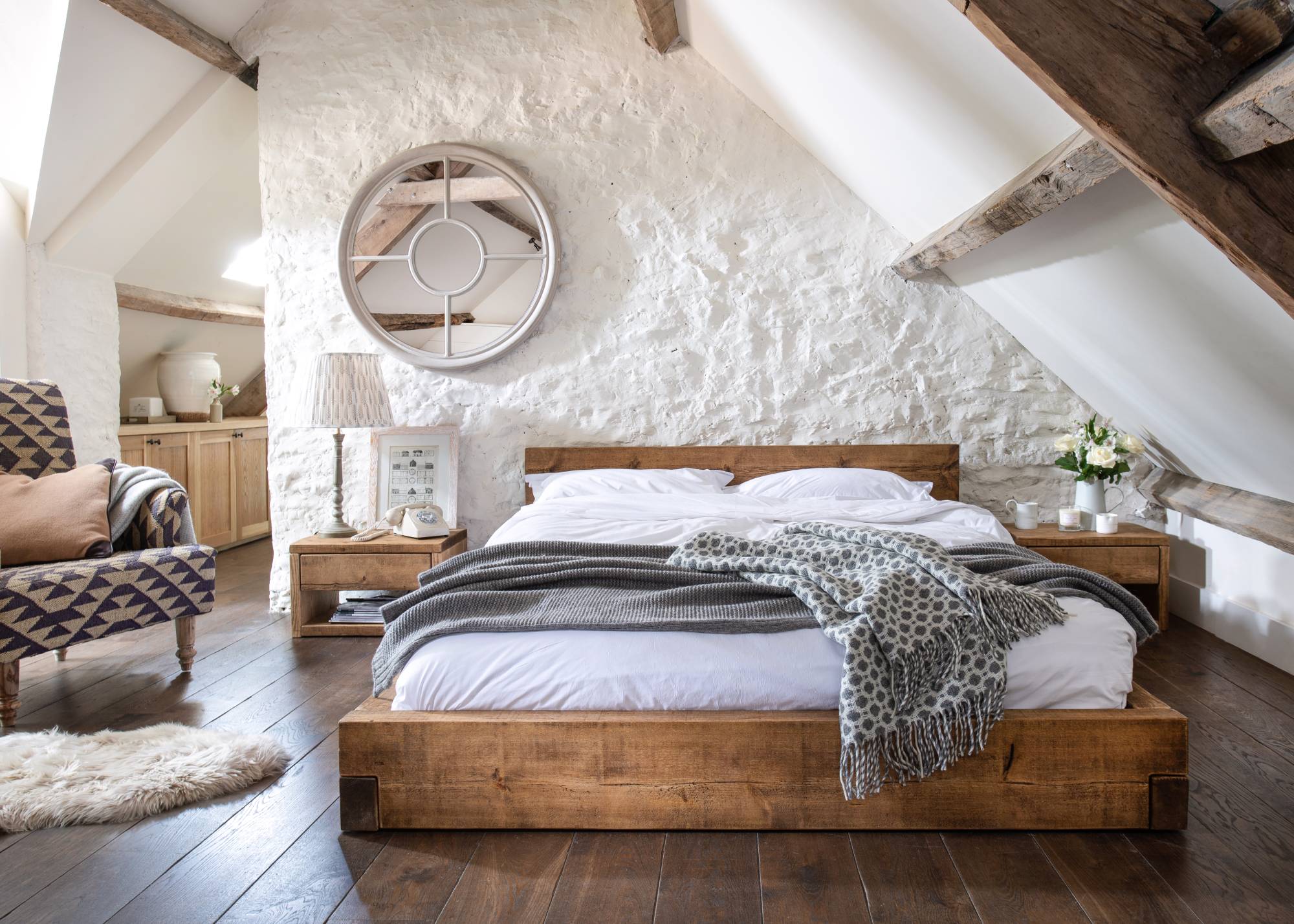
Working with the existing structure and inherent characteristics of the loft space is another key tactic. Instead of trying to force a traditional room layout or installing standard furniture that clashes with sloping ceilings and dormer windows, embracing the angles and unique proportions can lead to creative, cost-effective solutions. Designing around the space’s 'truth' can save thousands by avoiding expensive modifications to impose an unnatural layout.
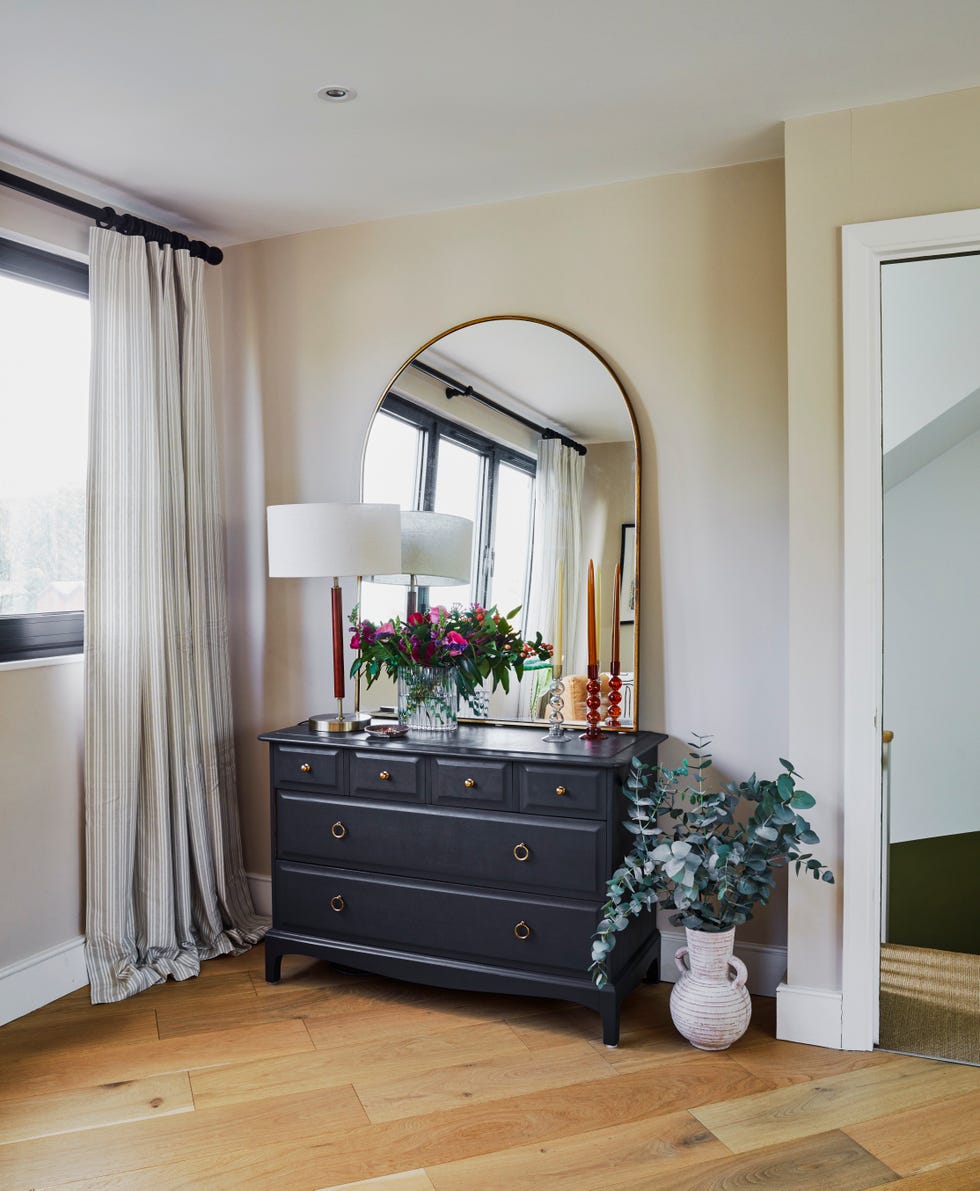
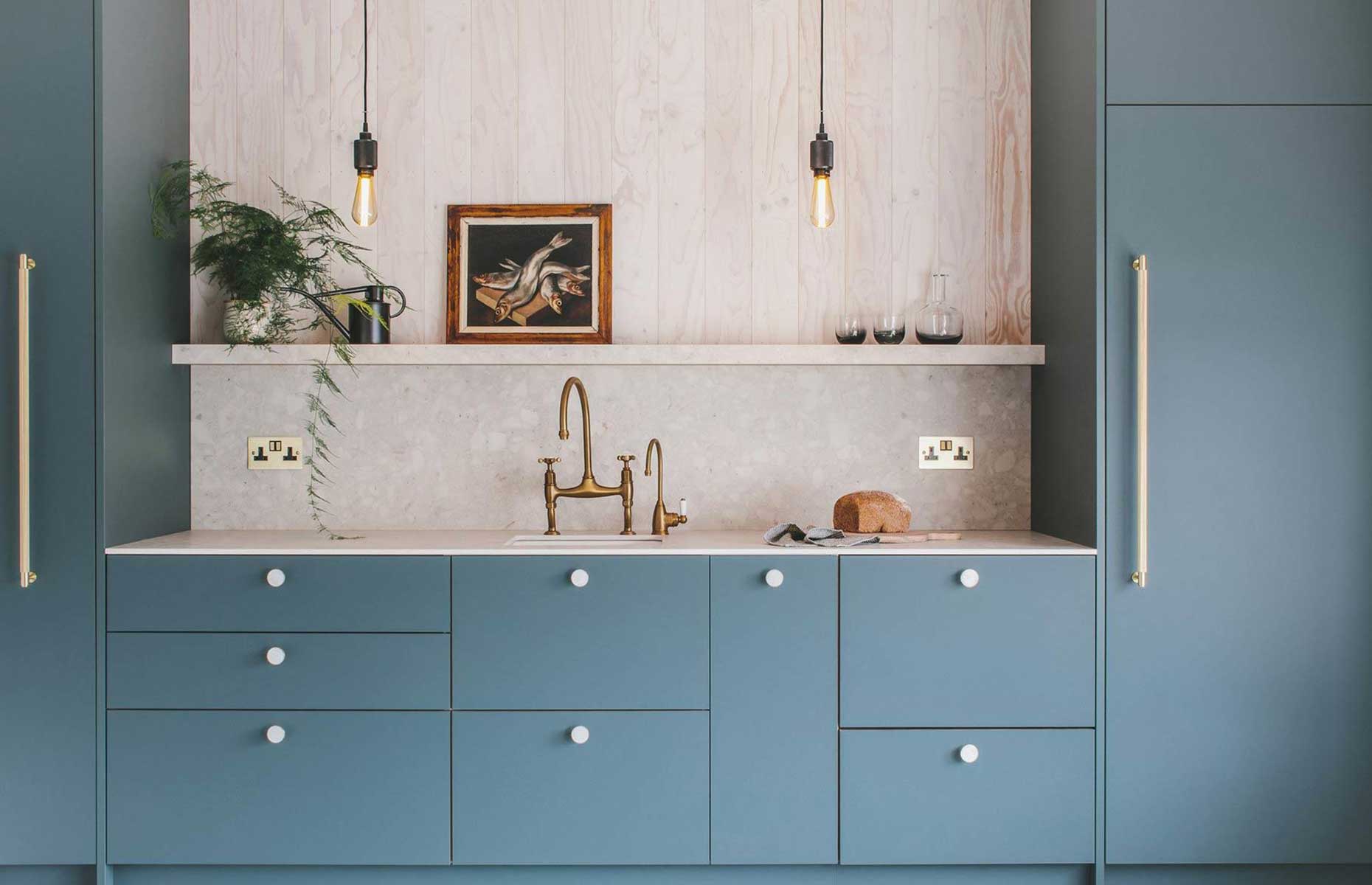
Strategic spending involves prioritizing certain aspects while economizing on others. It is imperative not to cut corners on structural integrity or compliance with building regulations. However, selective splurges on a single 'hero element' can visually elevate the entire space. By contrasting a luxurious item with more budget-friendly finishes, the overall impression is one of higher quality, creating a visual trick that makes the entire conversion appear more expensive than it is.
Acting as a project manager for the conversion can lead to significant savings. While this requires organizational skills and time, it allows homeowners to hire tradespeople directly, bypassing the 10-20% markup charged by general contractors. Tools like Trello and WhatsApp can facilitate coordination. However, homeowners should still seek expertise from loft specialists, structural engineers, and architects for critical aspects.
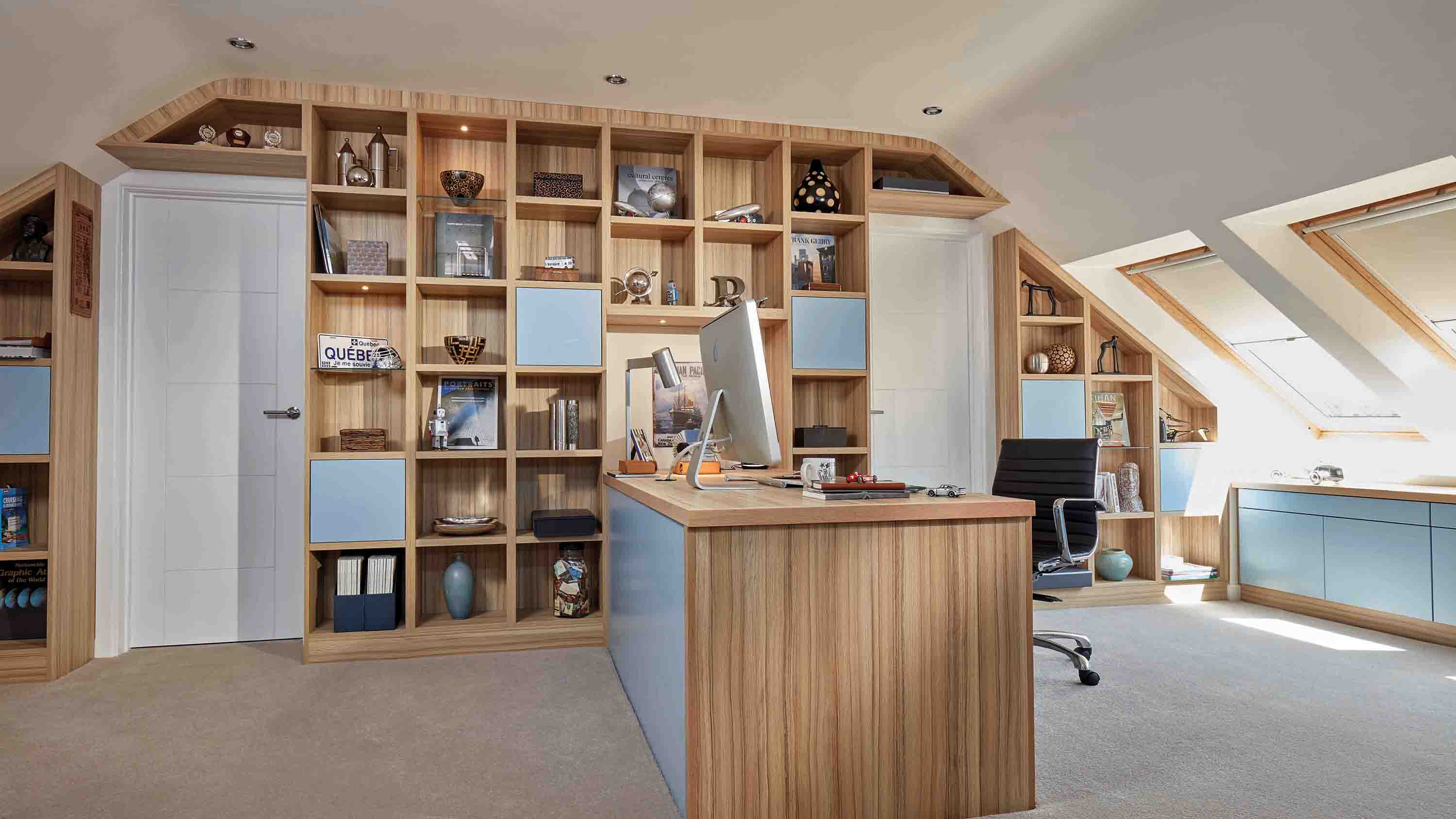
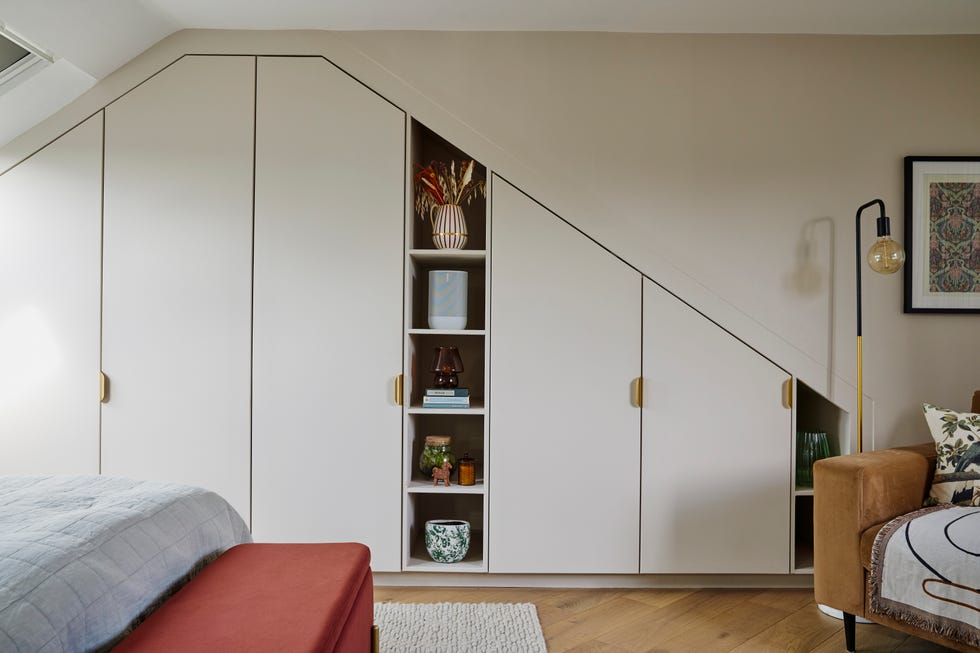
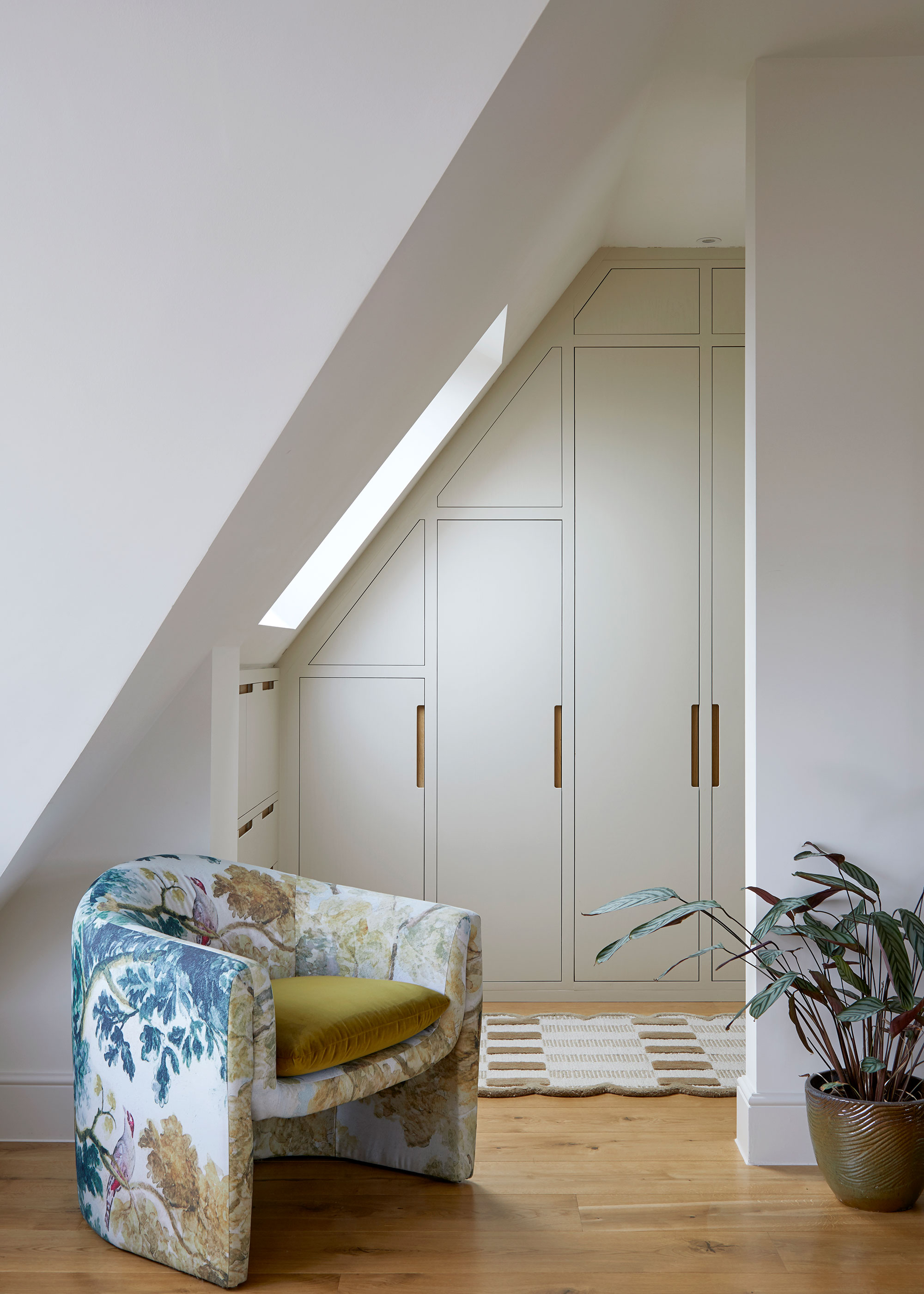
Finally, achieving a high-end look on a budget can be done by employing clever hacks, particularly for fitted furniture. Using low-cost furniture carcasses and customizing them with angled doors to match ceiling slopes, or utilizing fabric curtains to conceal storage in eaves, can create a bespoke appearance at a fraction of the cost. The average loft conversion costs range from £50,000 to £90,000, influenced by factors such as size, type, location, and internal specifications.
#LoftConversion #BudgetRenovation #HomeImprovement #CostSaving #DesignStrategy #ProjectManagement #InteriorDesign #DIYHome #LoftConversion #BudgetRenovation #HomeImprovement #CostSaving #DesignStrategy #ProjectManagement #InteriorDesign #DIYHome
0 opmerkingen in totaal
 Nog geen opmerkingen
Dit vindt u mogelijk ook leuk
Loft conversions: The ultimate guide
Before & after: An unused attic converted into an airy bedroom sanctuary

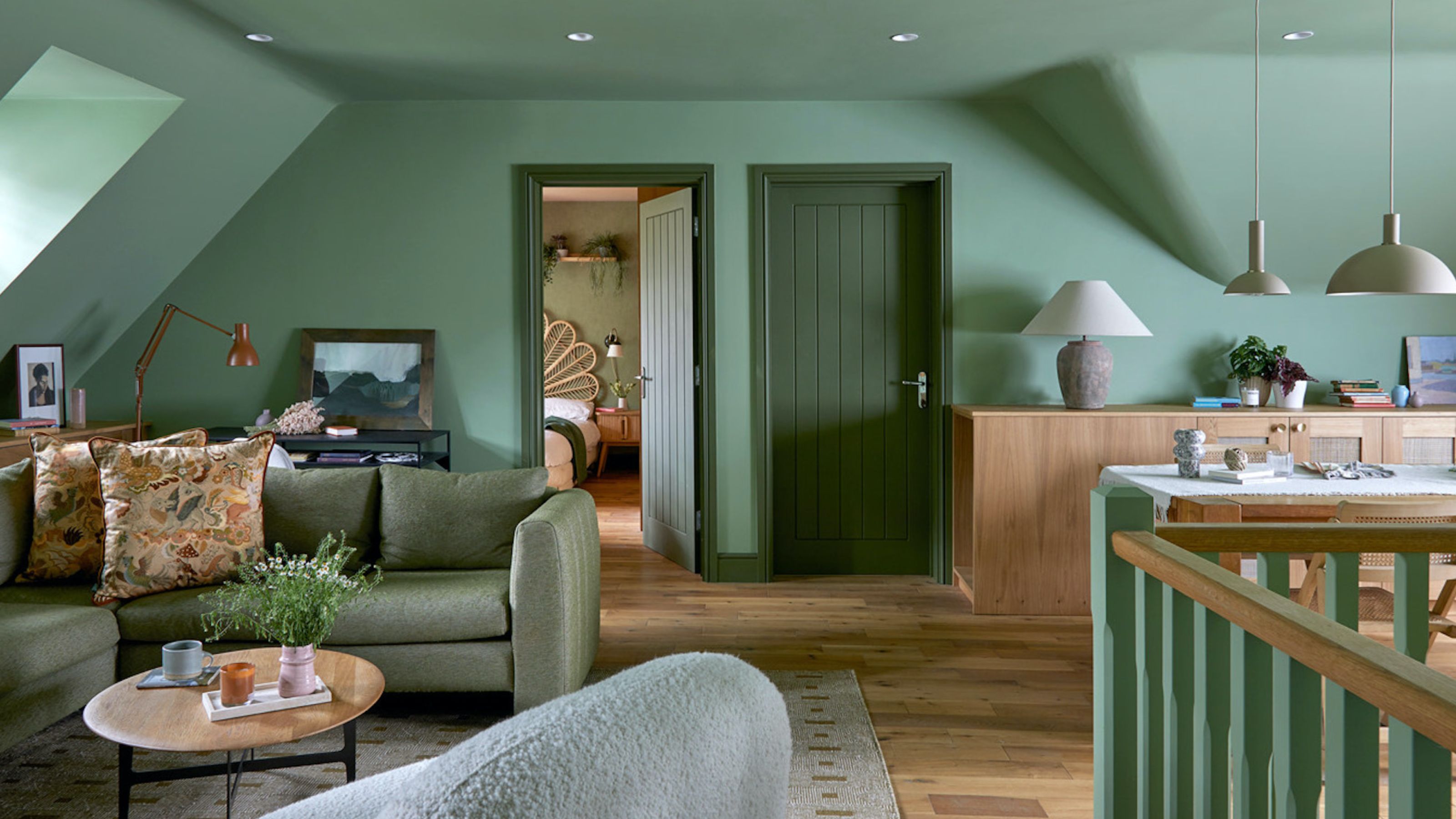
5 Clever Ways to Squeeze Extra Storage Space Into Your Loft Conversion

38 Surprisingly Easy And Affordable Ways To Upgrade The Rooms Around Your House
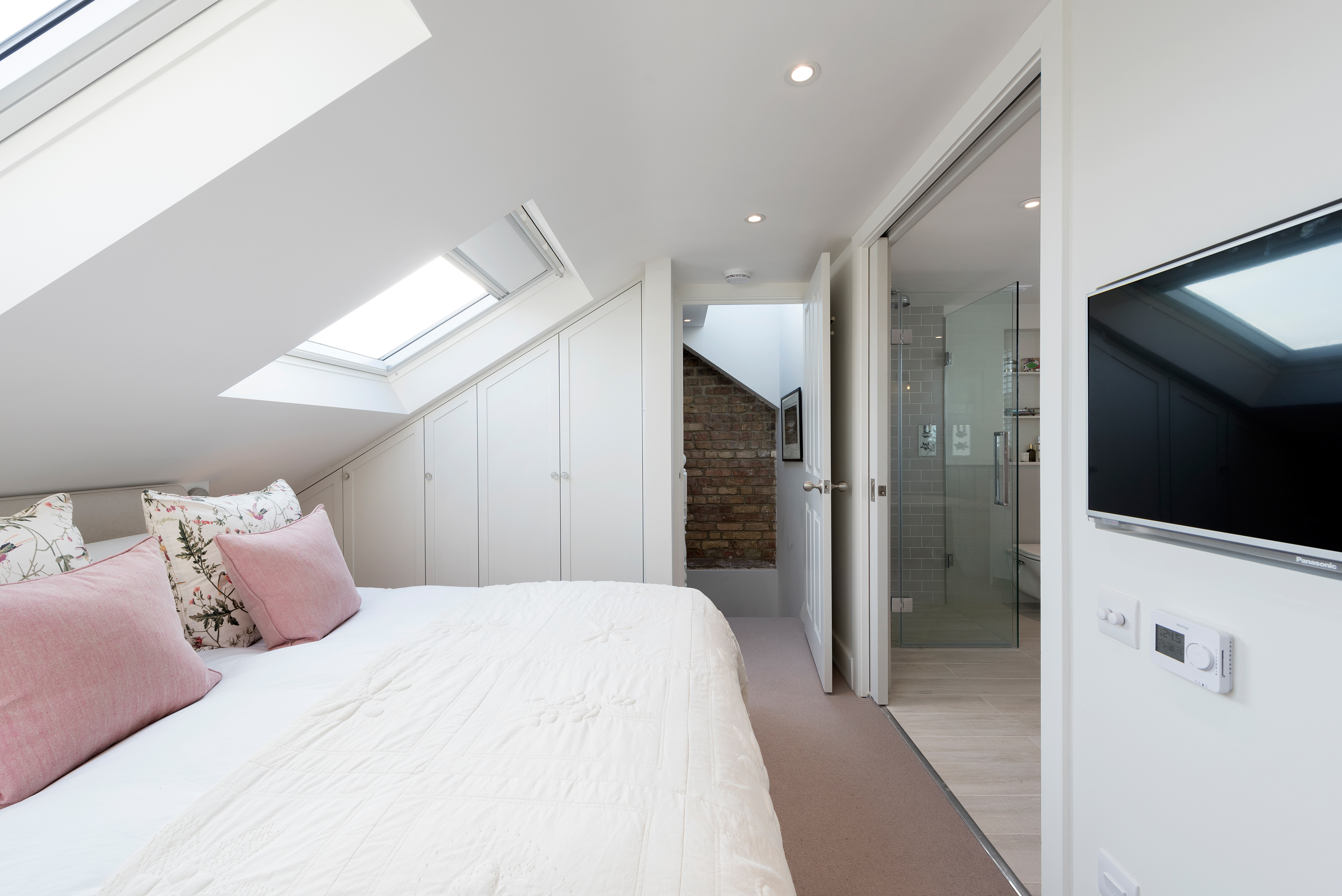
Loft conversion costs 2022 and how to budget for the perfect design

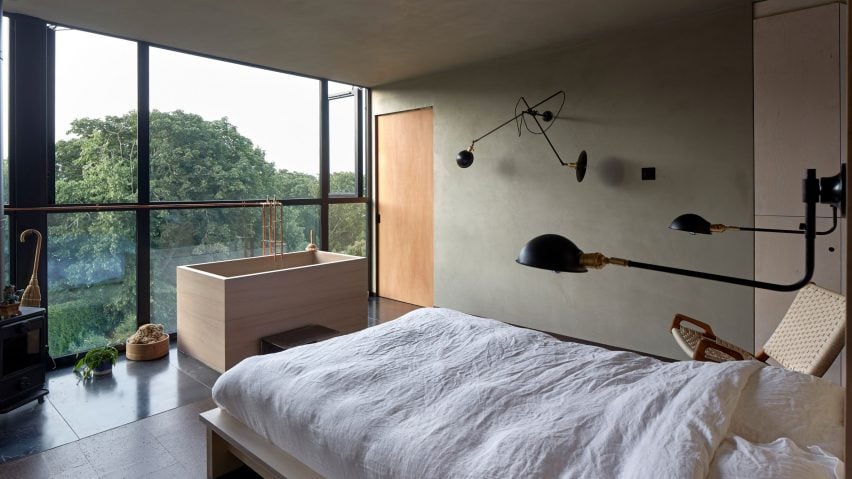
Eight airy and pared-back loft conversions

7 Basement Makeover Hacks That Won’t Blow Your Budget—and Designers Swear By Them

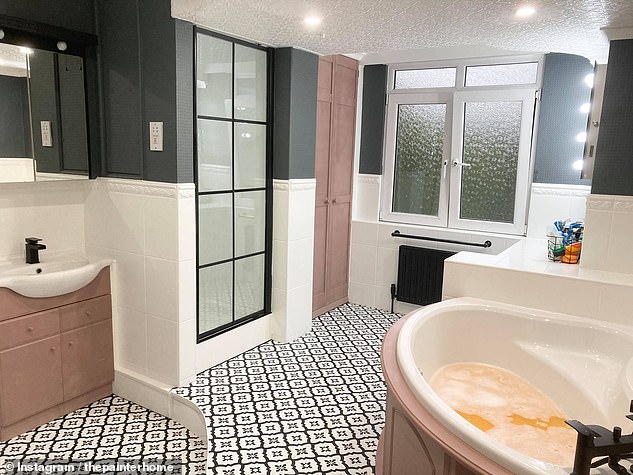
Homeowner transforms avocado bathroom to modern masterpiece for £300

How to modernise your home without breaking the bank

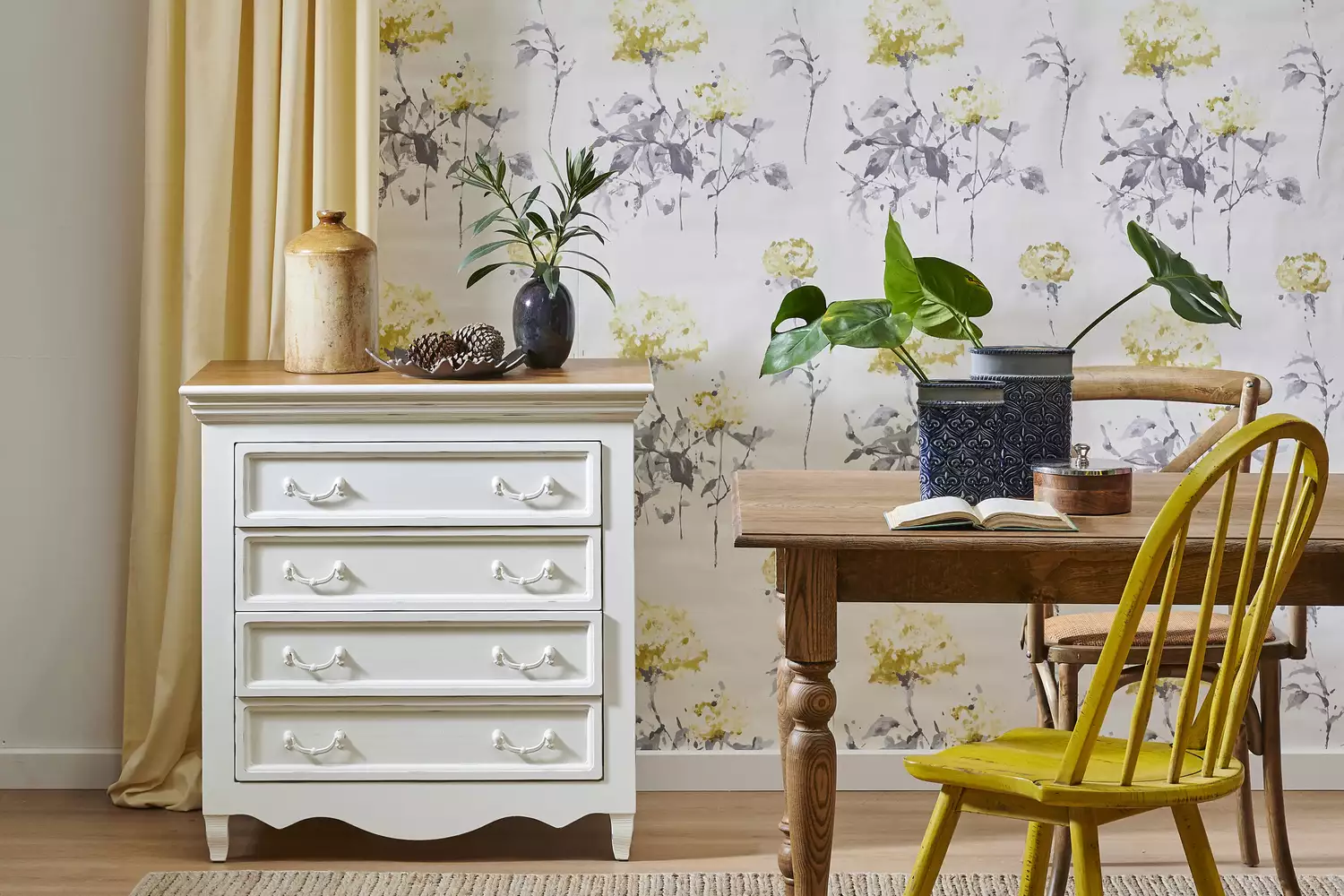
7 Budget-Friendly Ways to Make Over Any Room in a Day

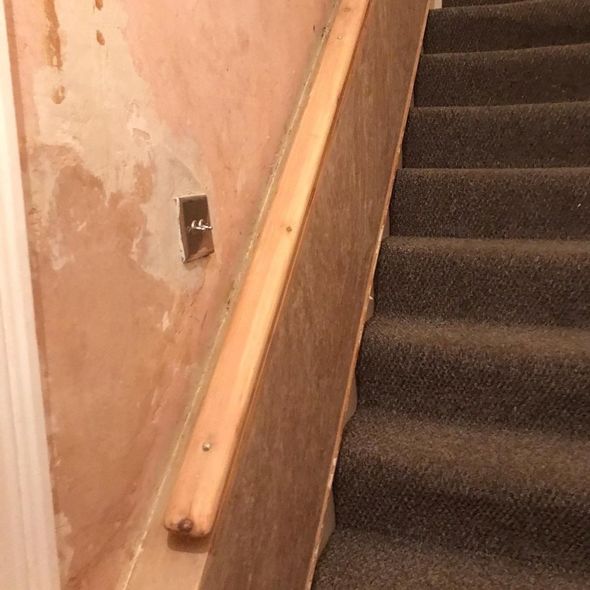
DIY transformation: Woman transforms hallway and stairs for less than £200 - top tips

Easy Ways to Transform Your Living Room Into a Space You LOVE
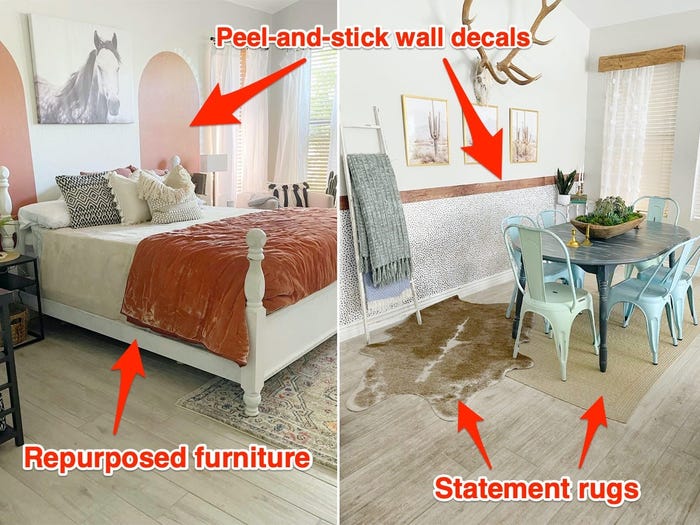
How to Easily Transform Your Rental Space on a Budget
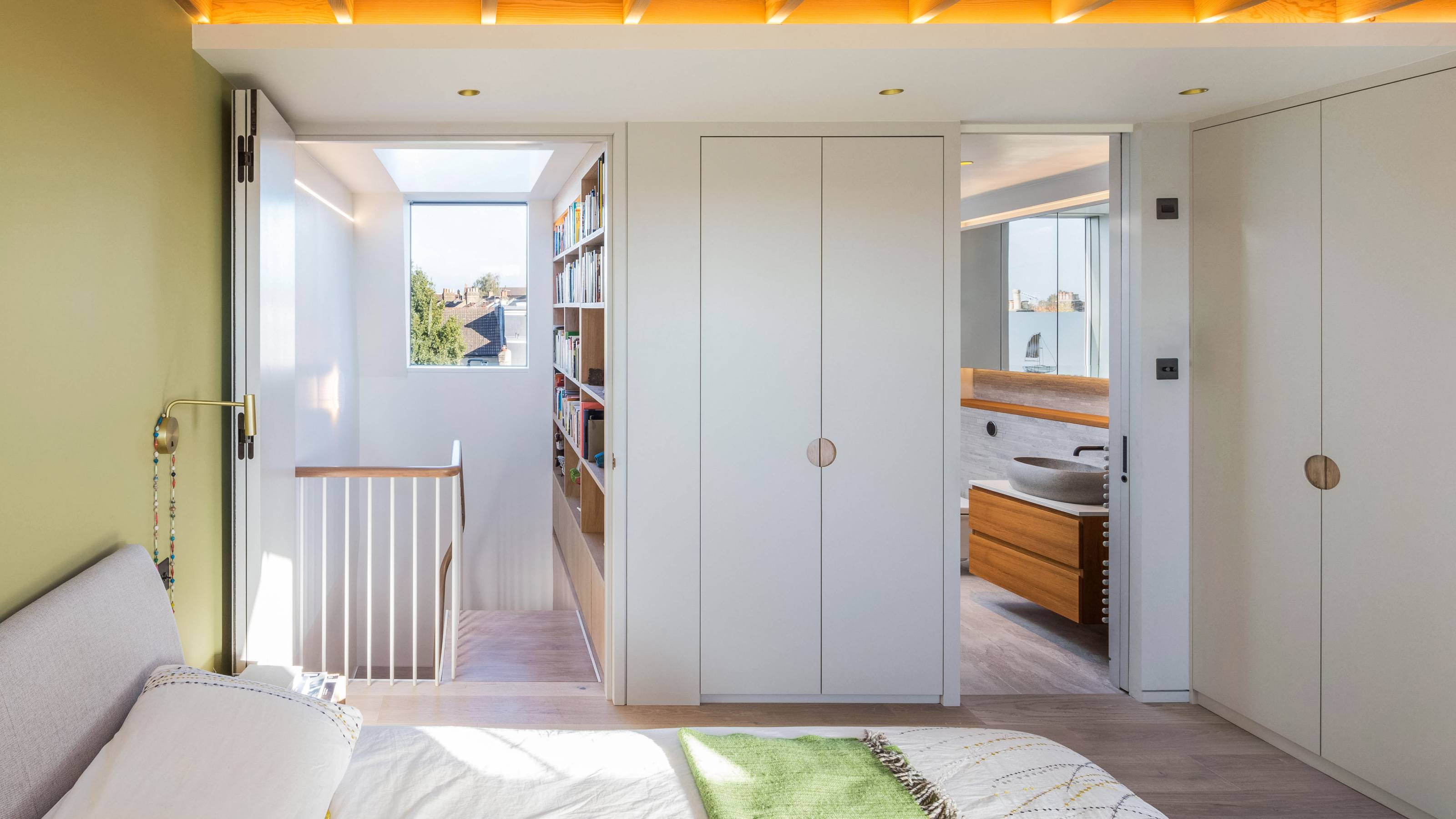
How Much Does a Loft Conversion Cost on Average in 2025? Architects Share Their Latest Loft Projects' Budgets
This Half-Height Expansion for a Growing Family in London Is a Real Brainteaser

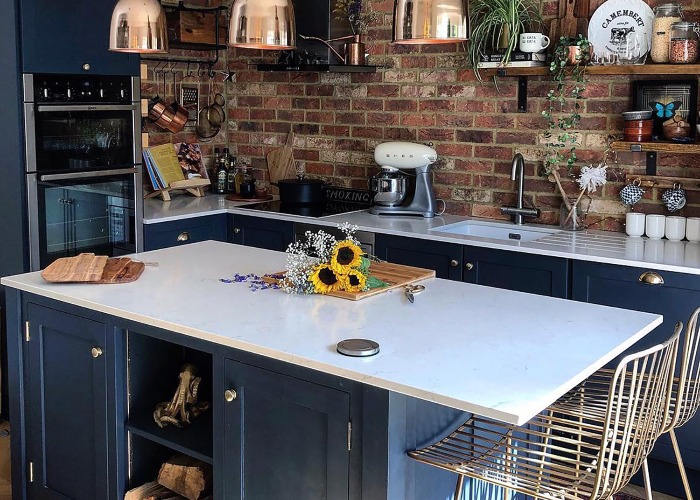
11 home renovation hacks to save you £11,000

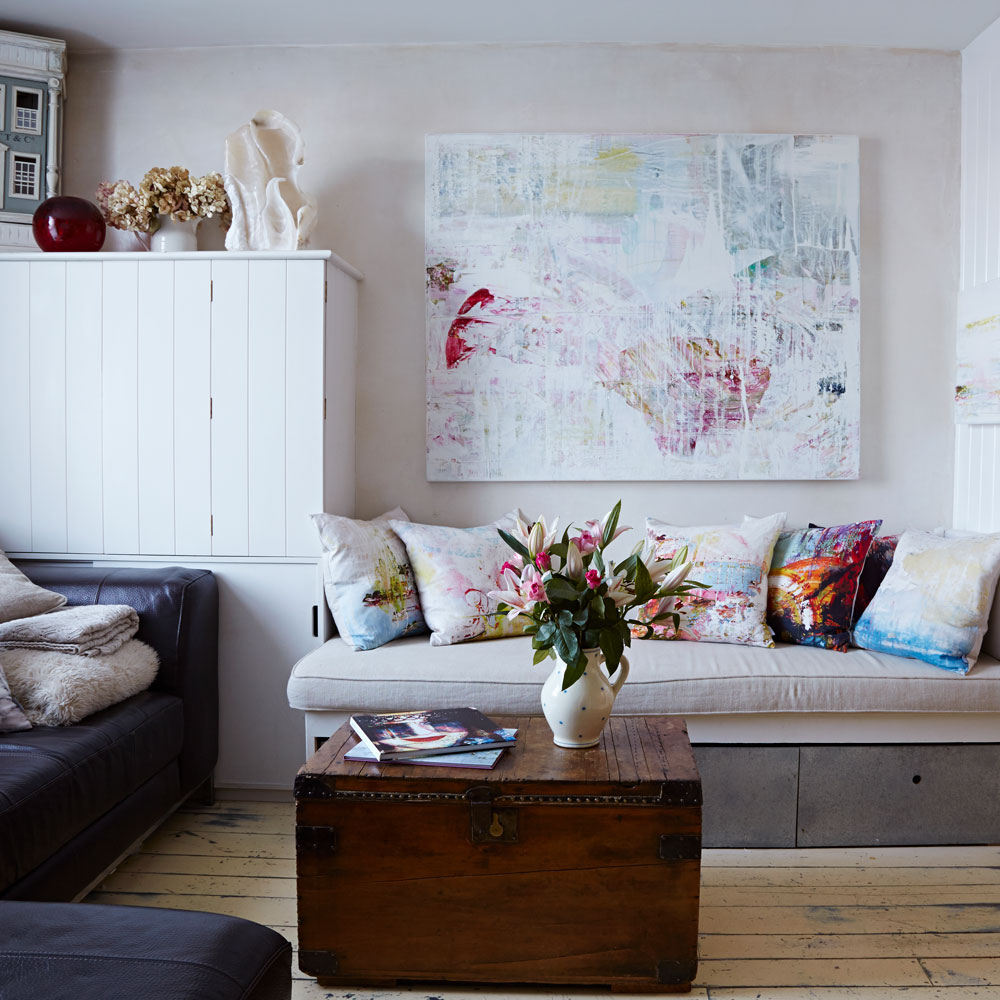
10 easy decor hacks to rethink your interiors on a budget
Spend A Little, Get A Lot: 42 Home Upgrades That Won't Break Your Budget
This maximalist hallway transformation proves you can make a big impact on a small budget

10 Interior Design Tricks That Will Make Your Home Look More Expensive