1/7
6 'old-fashioned' decorating techniques that designers still swear by
The article explores six "old-fashioned" decorating techniques that contemporary interior designers continue to utilize, highlighting how these timeless methods contribute to creating enduring and meaningful home interiors. The author notes that 2025 has seen a resurgence of past design styles, driven by a desire for nostalgia and the inherent value of long-established design principles.
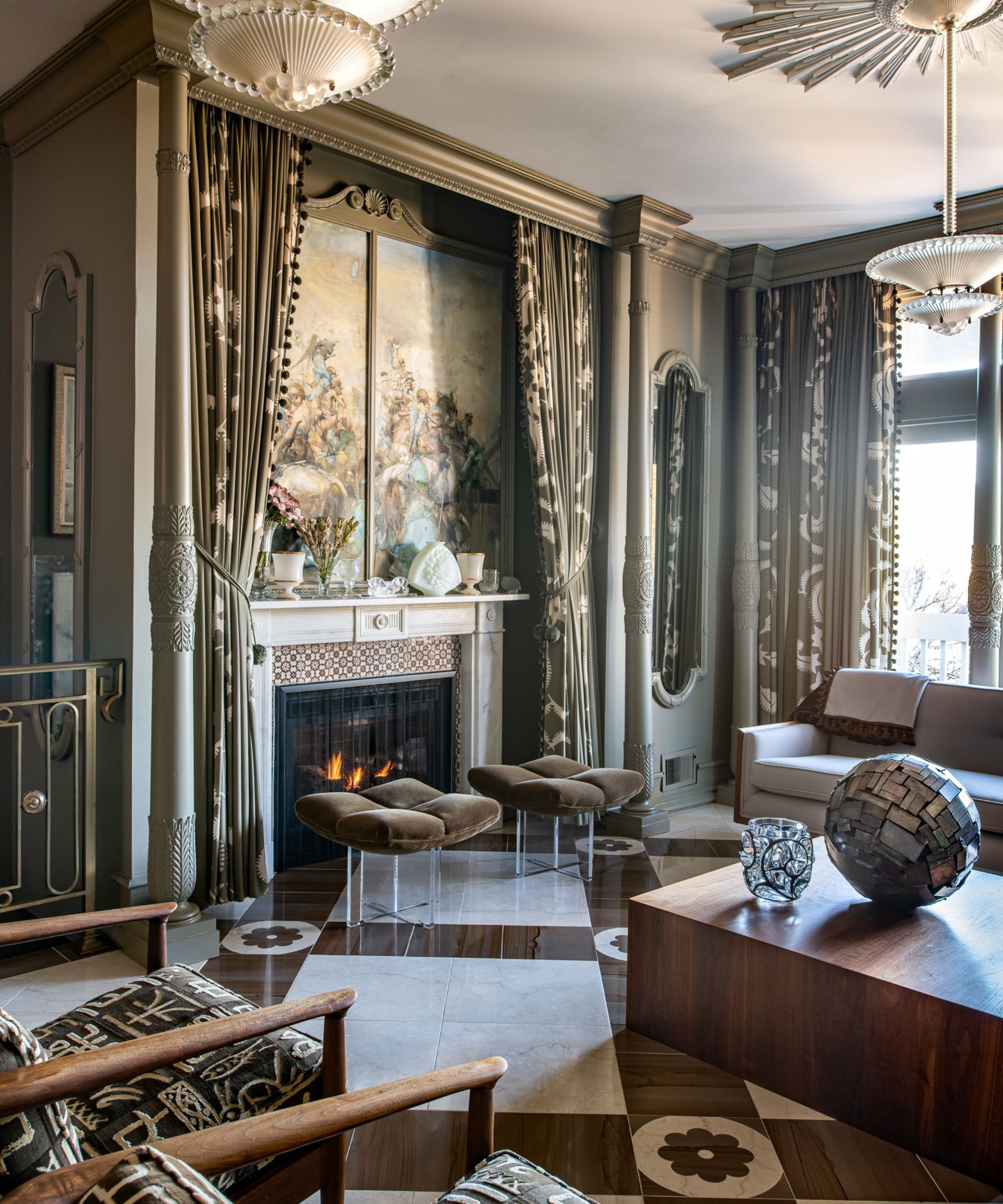
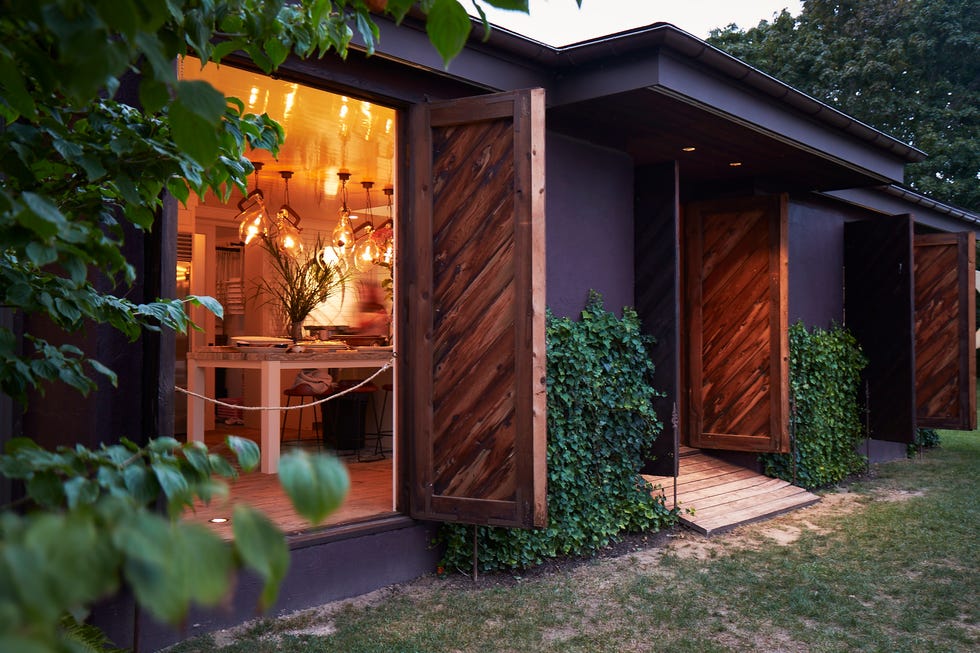
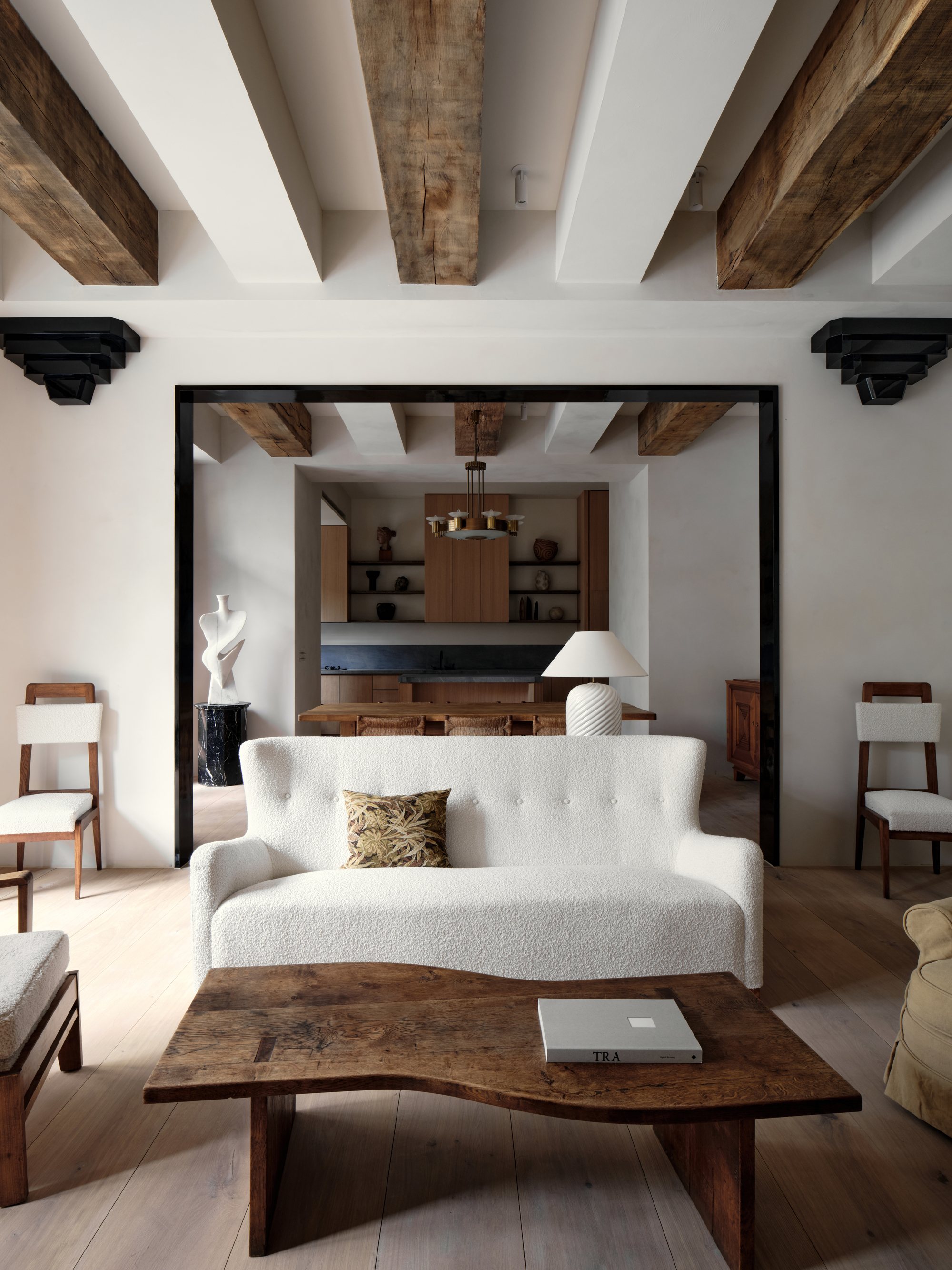
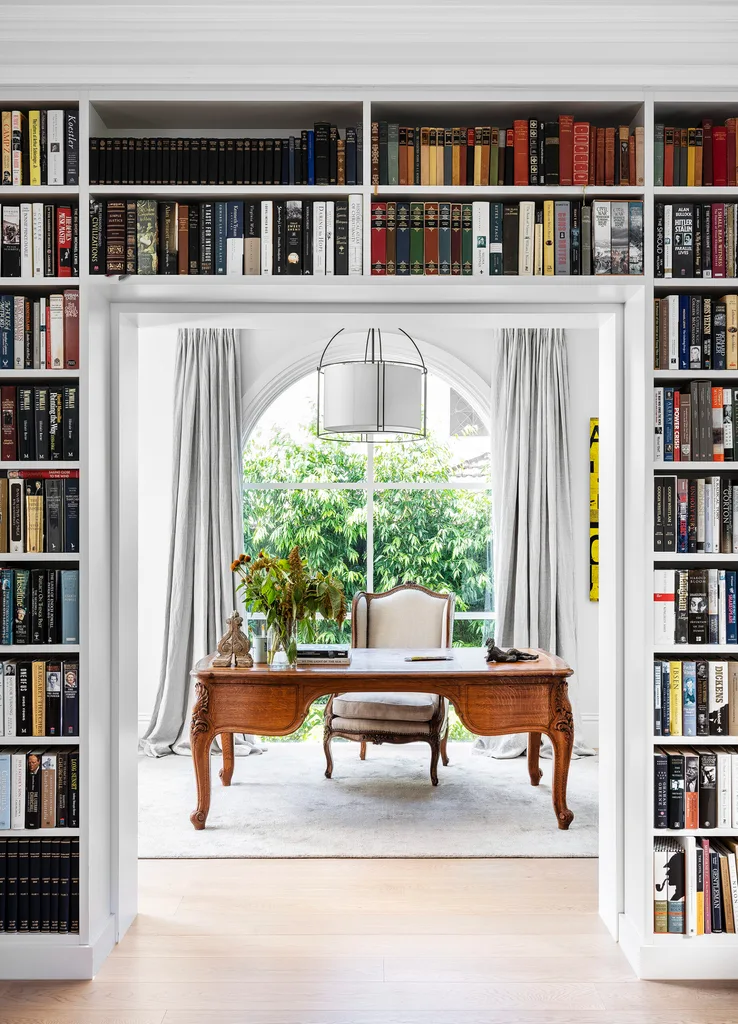
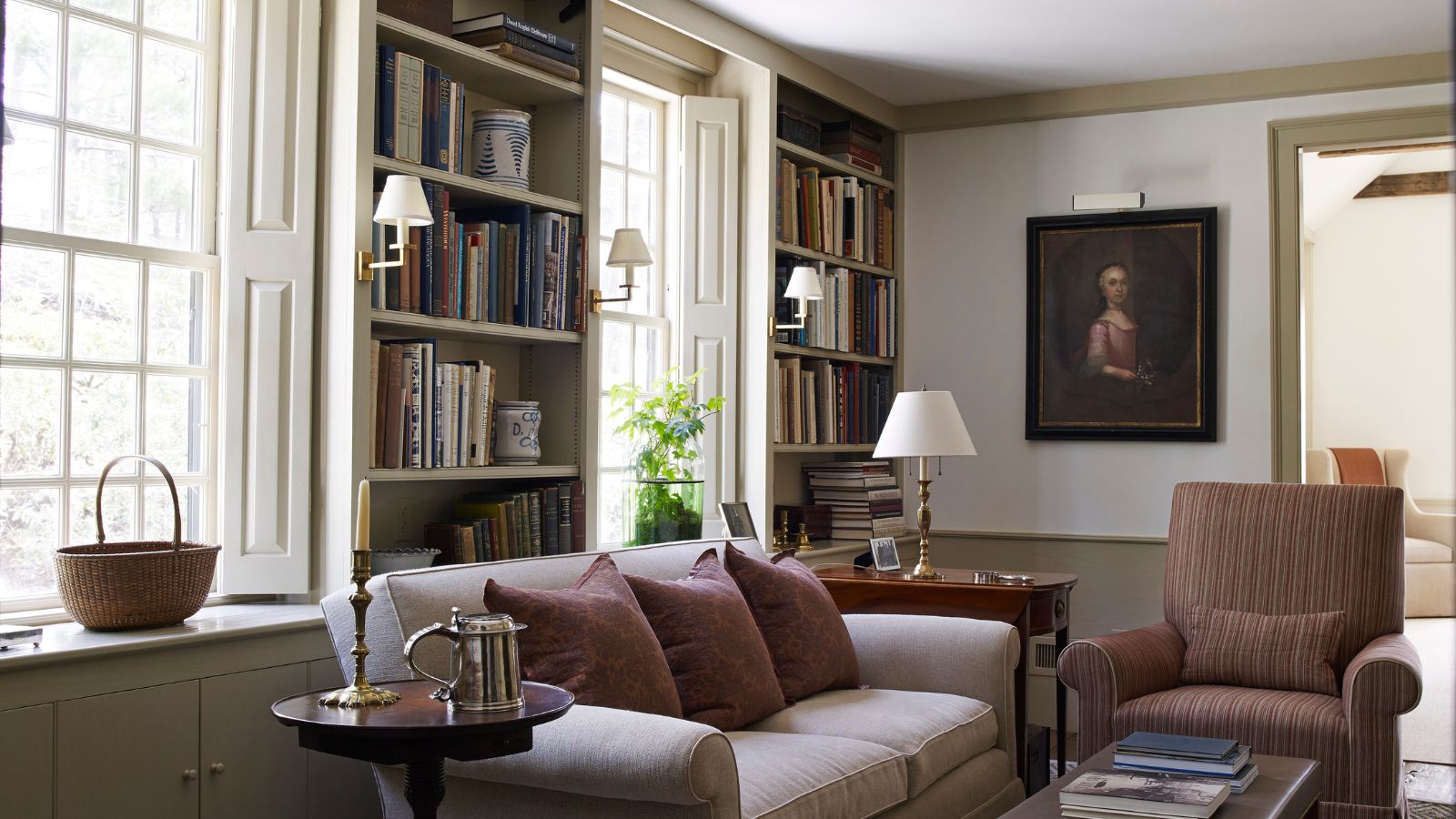
The first technique discussed is the preference for intimate, purposeful spaces over open-plan layouts. Designer Kate Walker advocates for homes with separate rooms, arguing that this historical approach, initially driven by practical needs like heating, fosters a richer emotional experience. Individual rooms allow for distinct moods and purposes, creating moments of discovery and providing privacy. Walker contrasts this with open-plan spaces, which, despite their recent popularity, often compromise comfort, acoustics, and furnishing flexibility. She emphasizes that separate spaces enable emotional zoning, allowing occupants to seek solitude or gather as needed, leading to a more harmonious living environment.
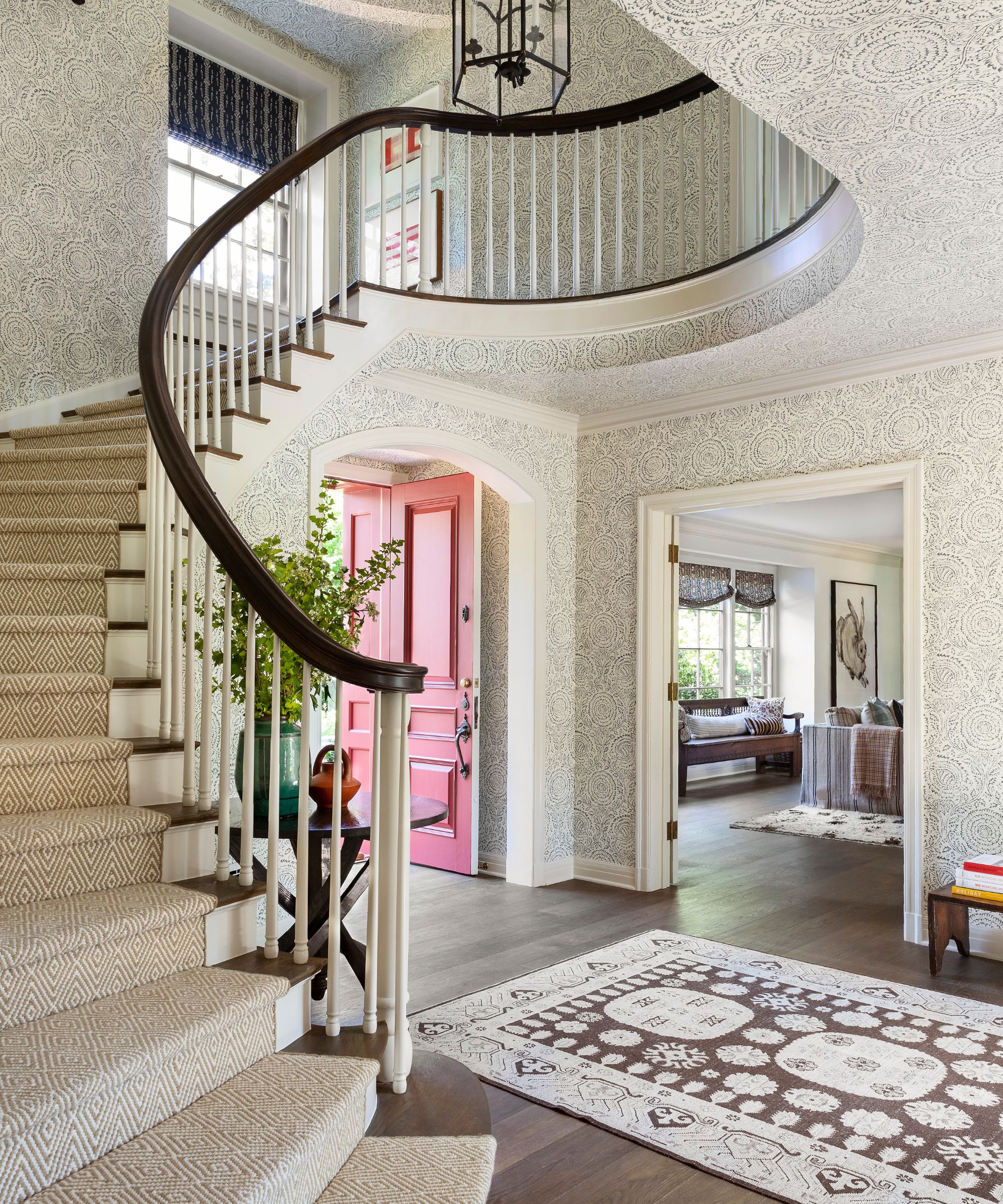
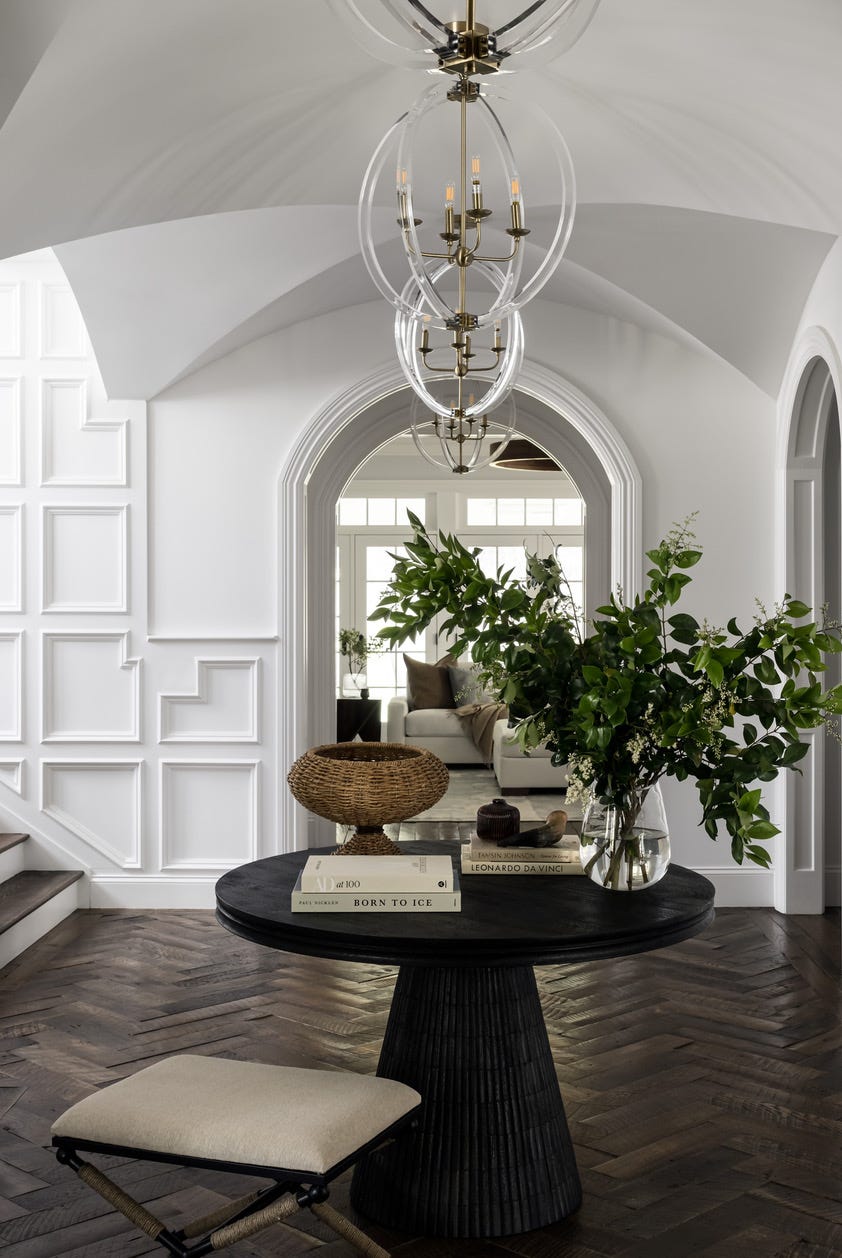
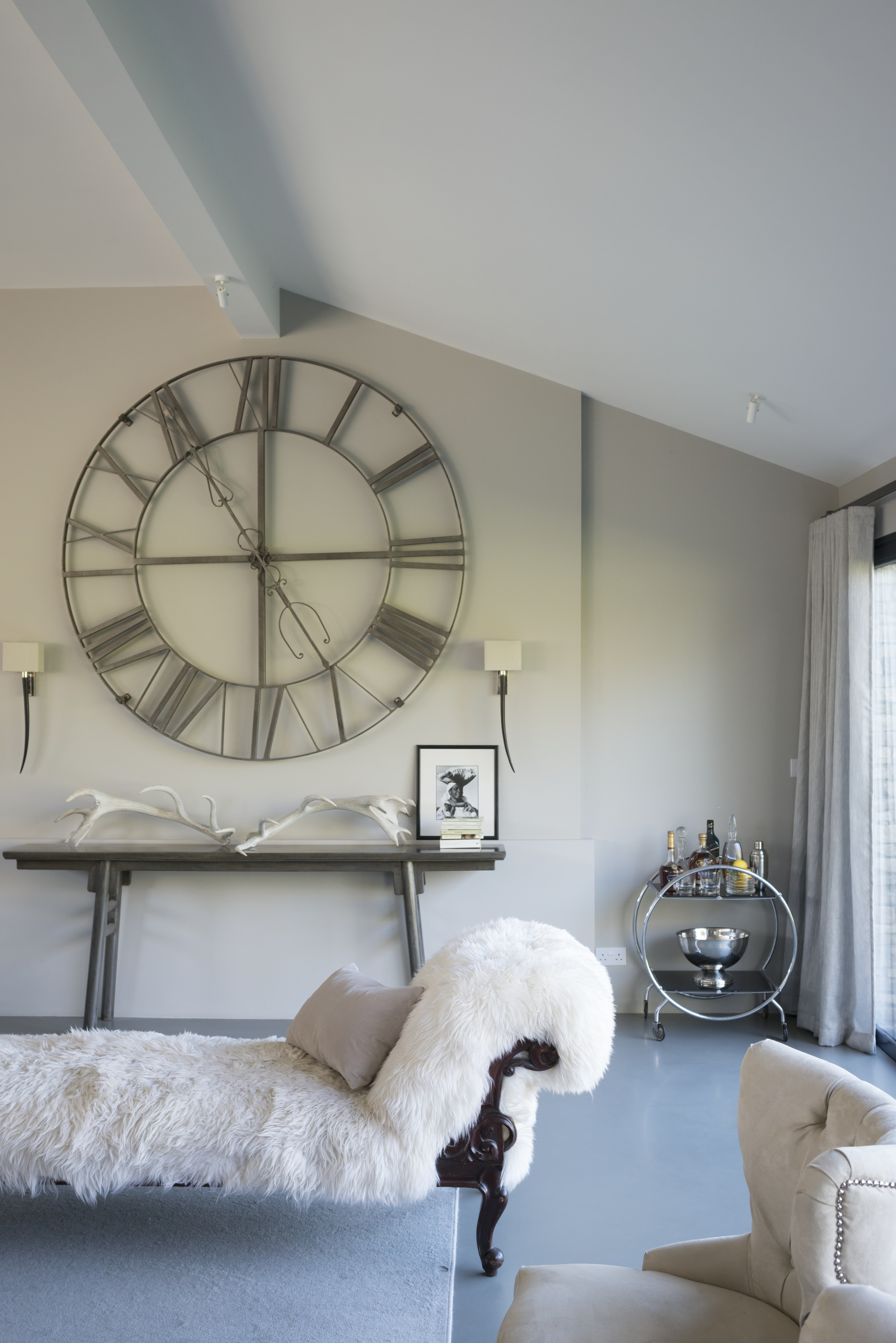
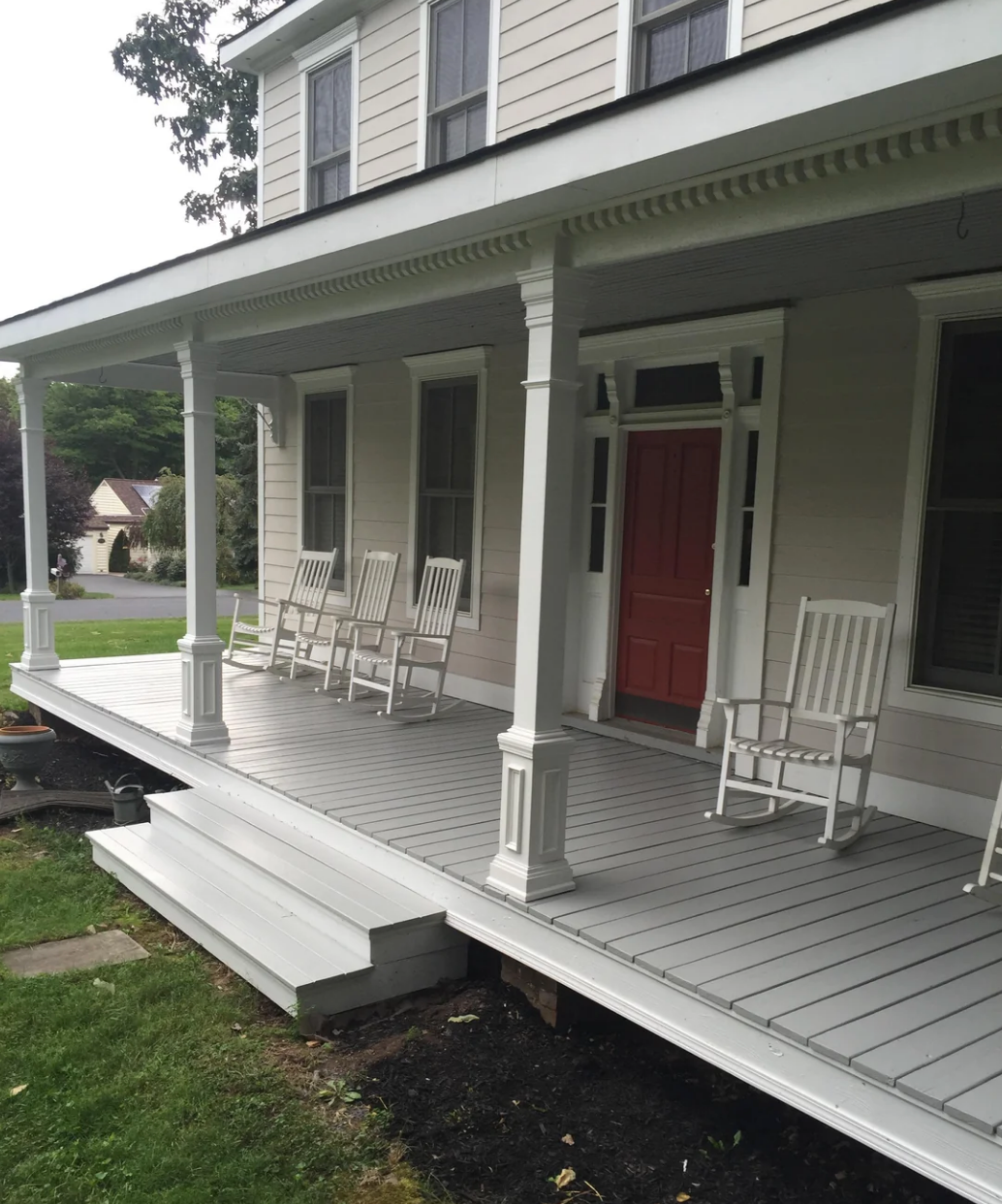
The second technique involves respecting the era and architecture of a home. Designer Betsy Burnham consistently considers the existing architectural framework before introducing new design elements. While mixing old and new styles is common, she stresses the importance of acknowledging the fundamental characteristics of a space to ensure a cohesive design. Burnham shares an anecdote about designing a modern house with traditional elements, illustrating that while rules can be broken, understanding the architectural context is crucial to avoid incongruous results. The advice suggests working with, rather than against, the inherent structure and history of a home.
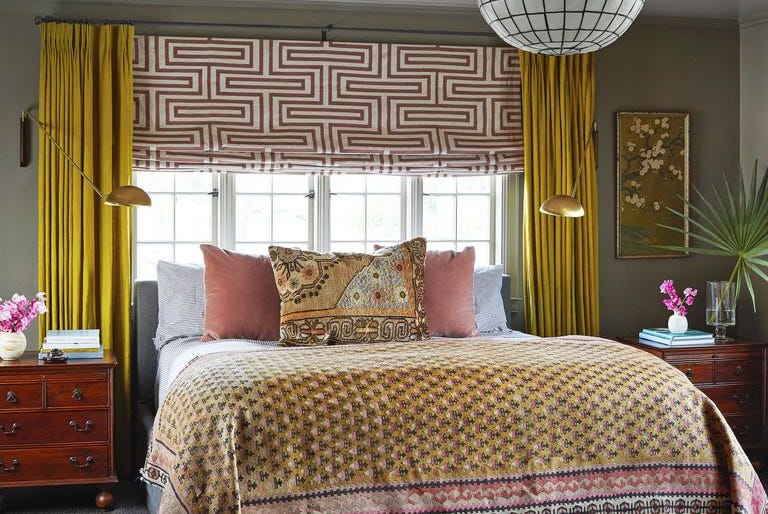
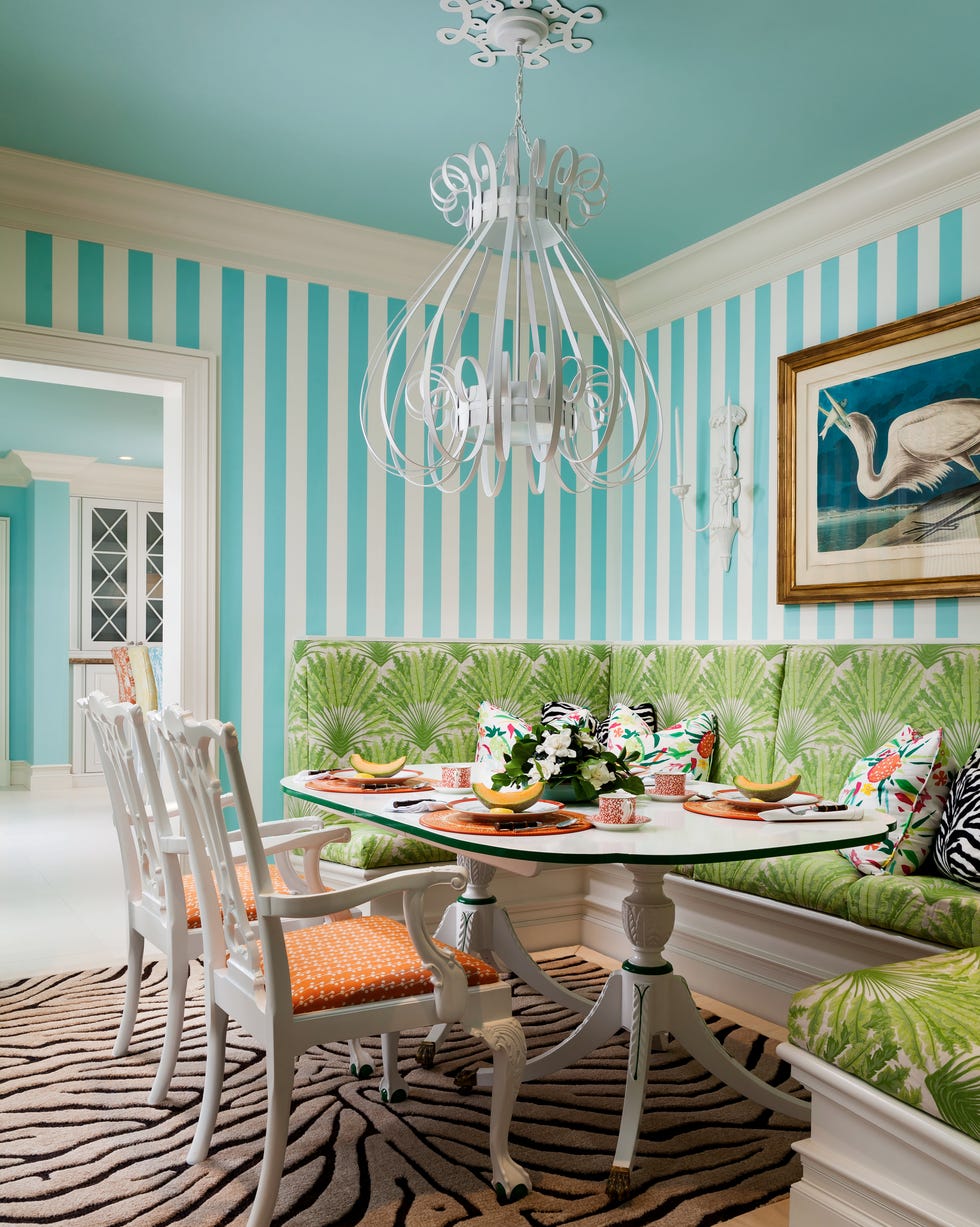
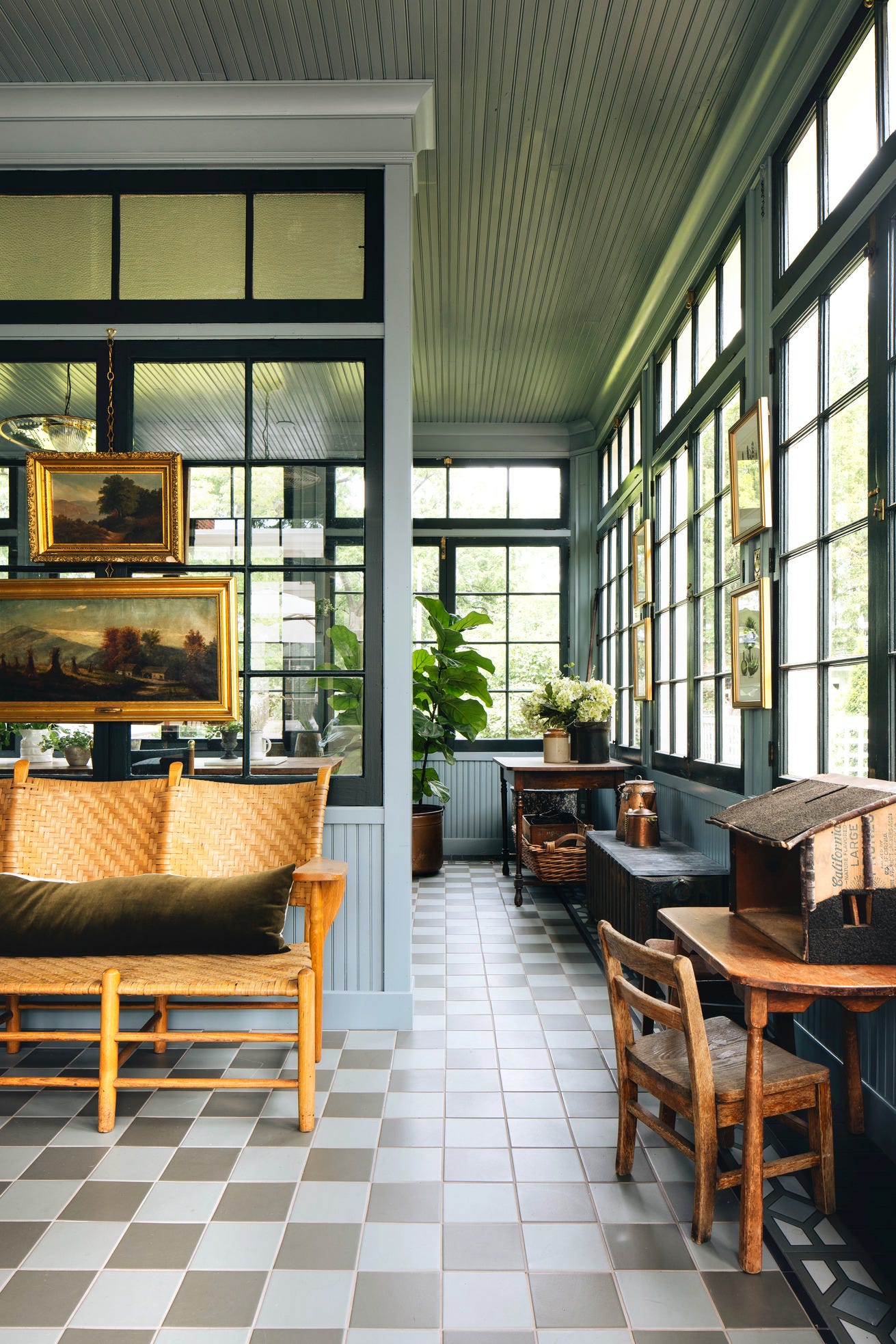
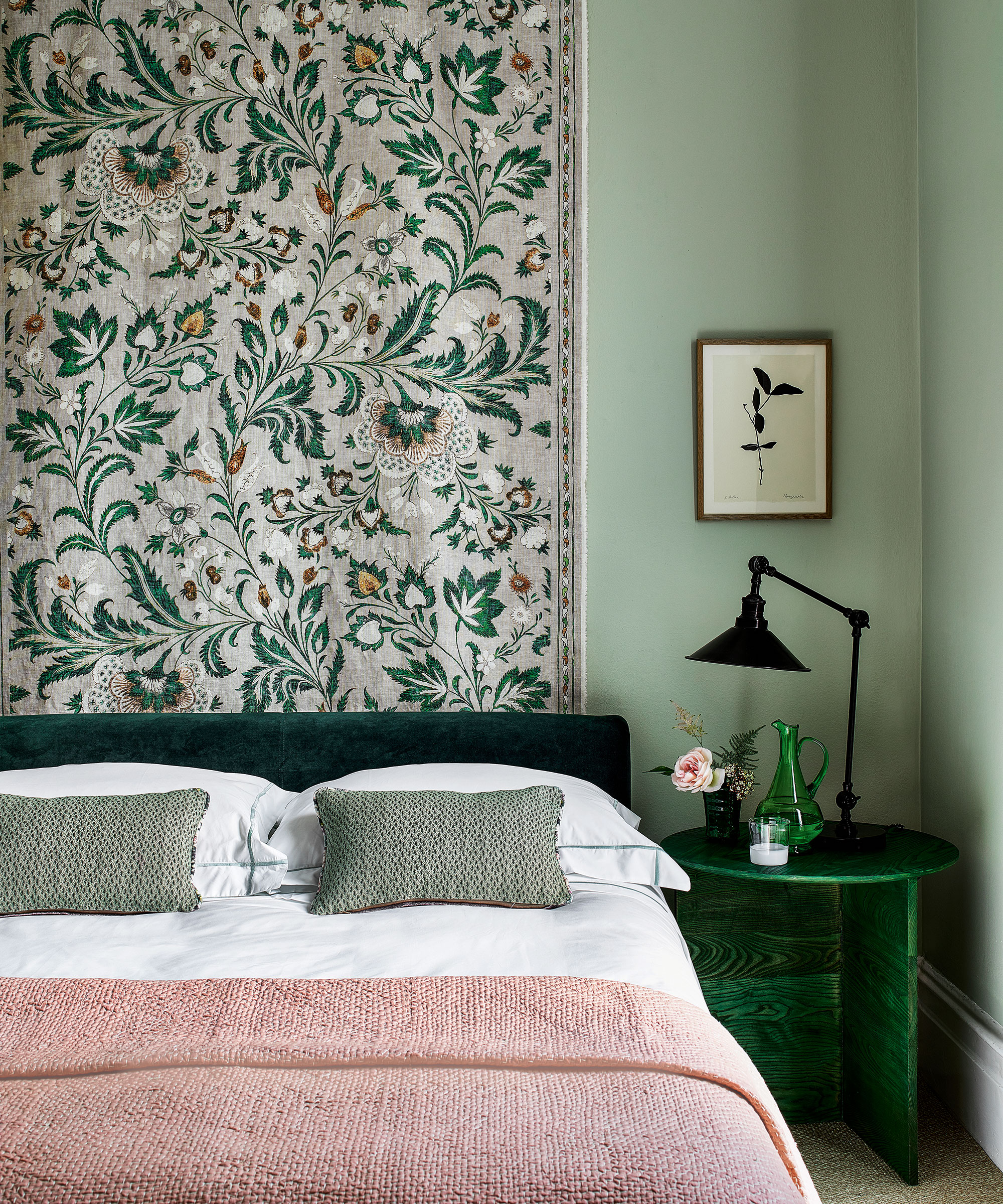
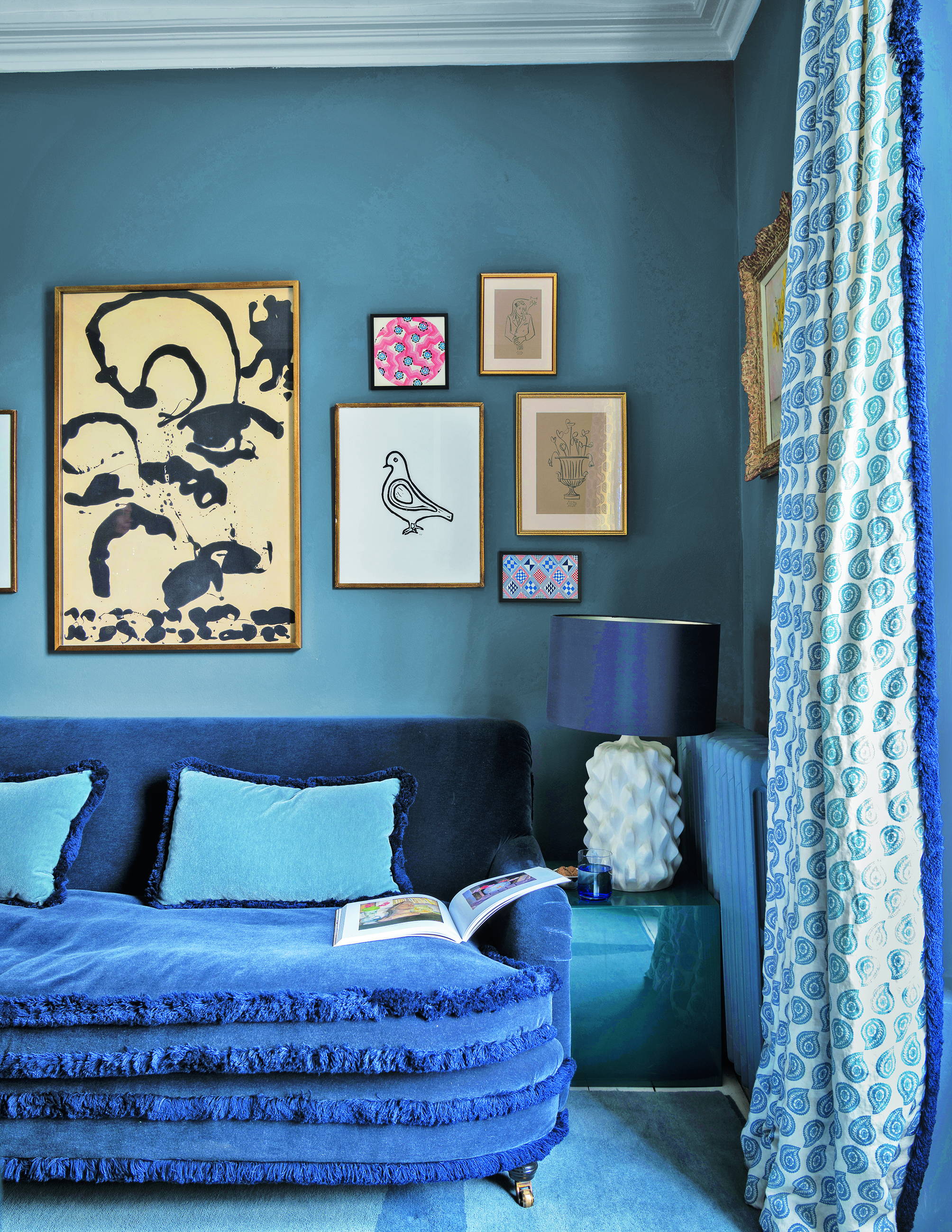
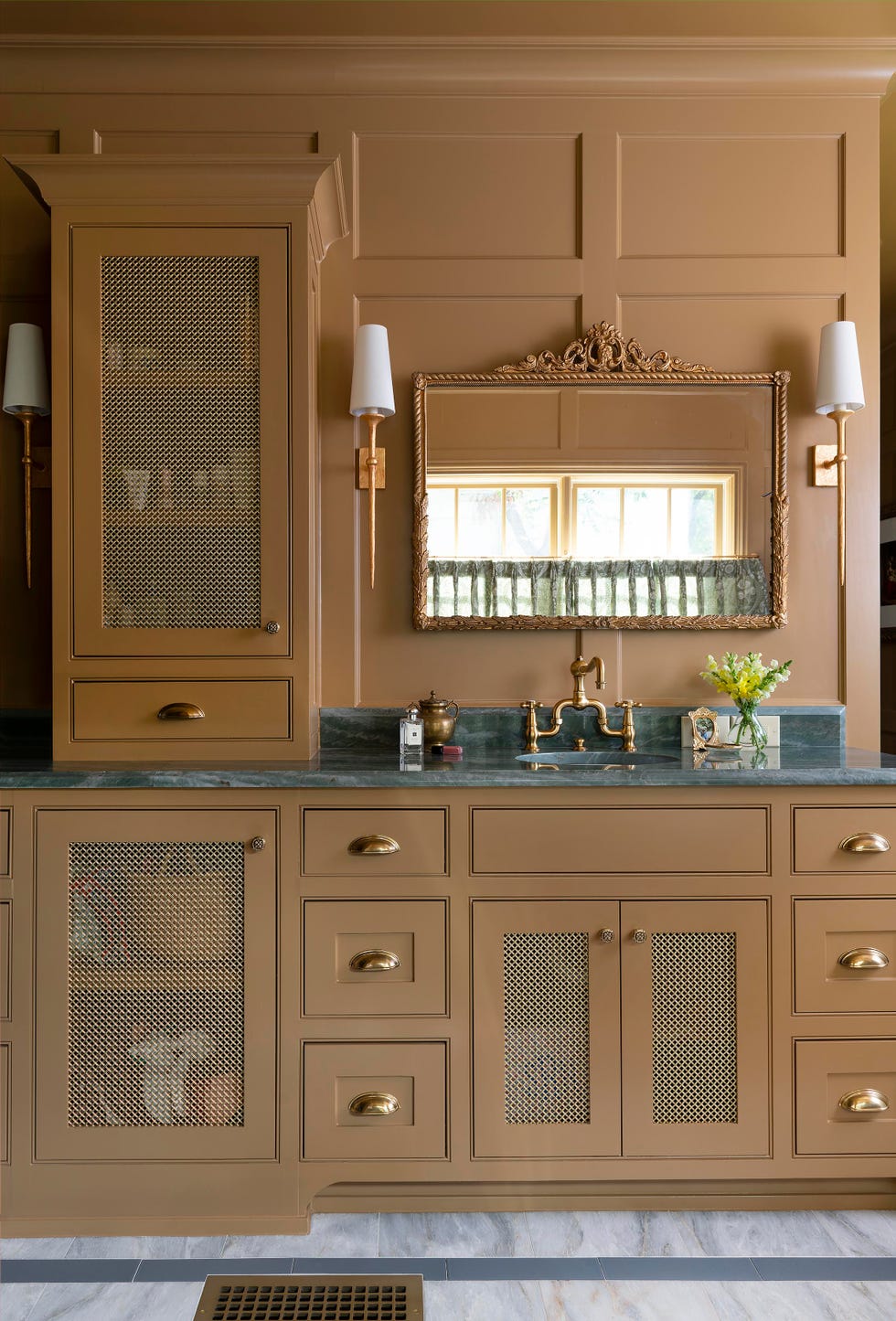
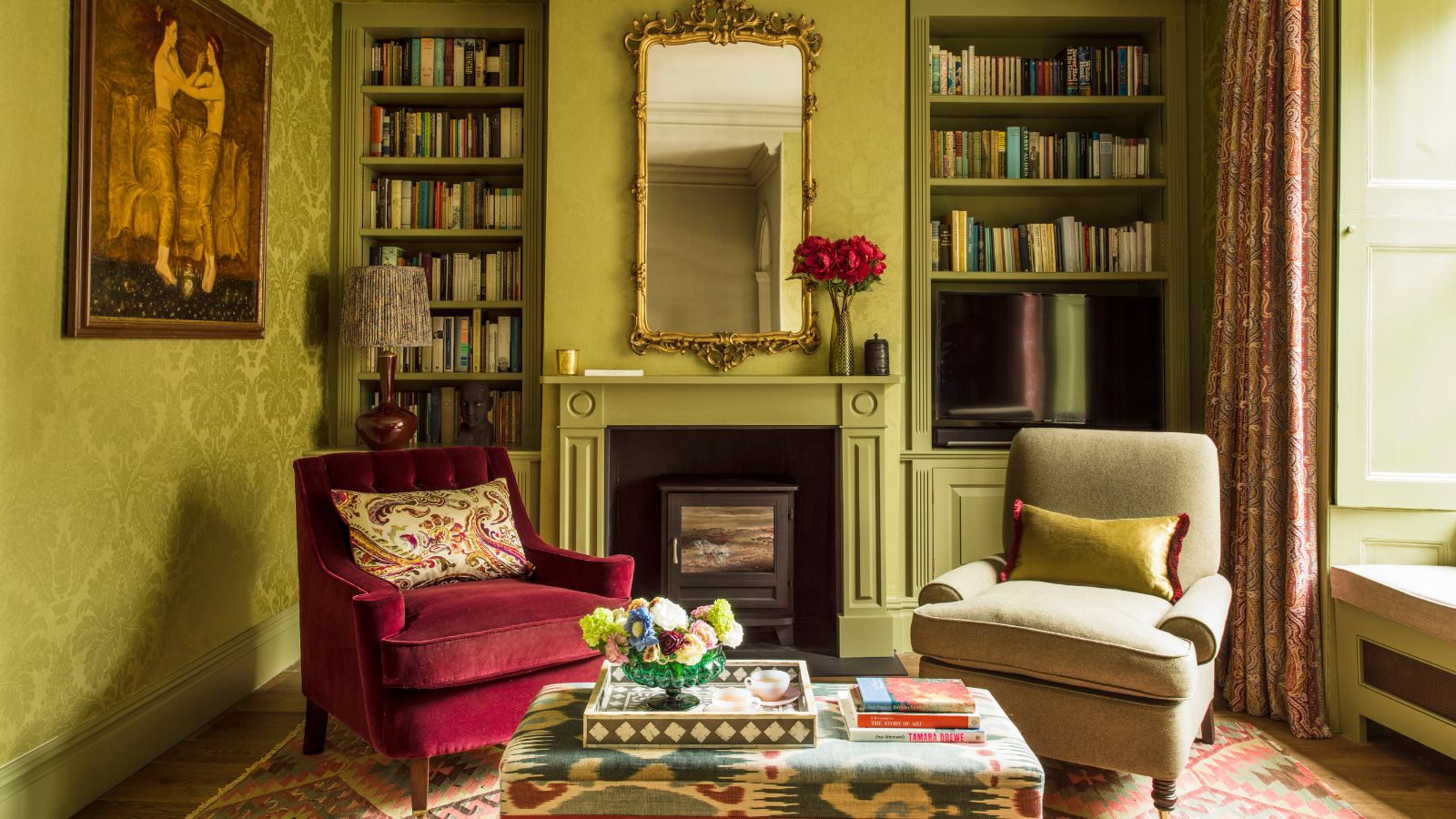
Thirdly, the article highlights the continued relevance of color theory. Interior designer Jen Baxter explains that classic color rules, such as dark floors, medium walls, and light ceilings, are not merely traditional but mimic natural light patterns, making them inherently effective. This principle applies universally, whether creating monochromatic, neutral, or vibrant schemes, ensuring a balanced and visually pleasing aesthetic by mirroring patterns observed in nature. This approach ensures that color choices contribute to a harmonious and psychologically comfortable space.
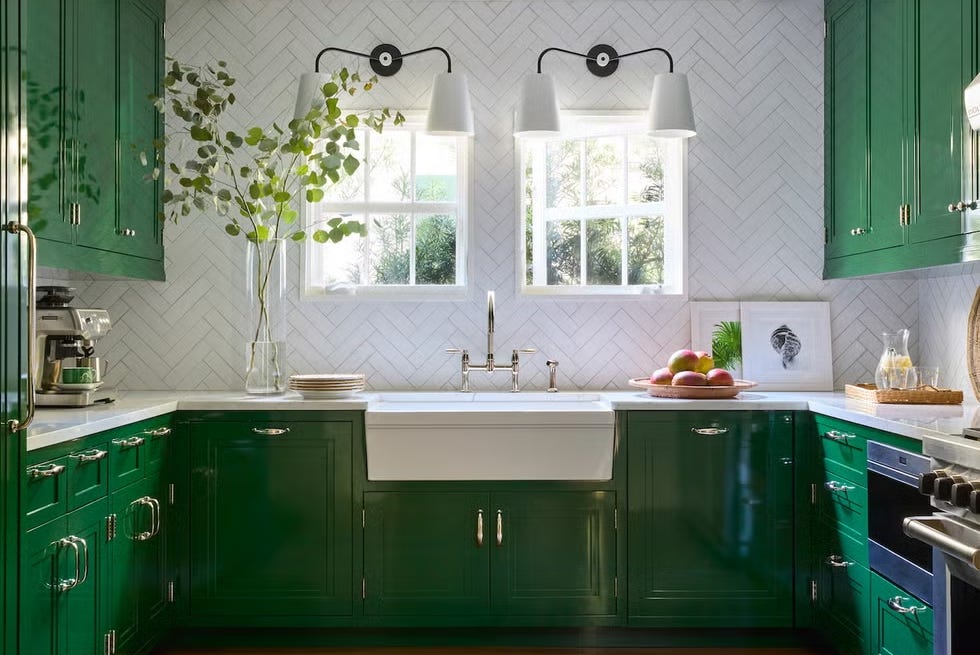
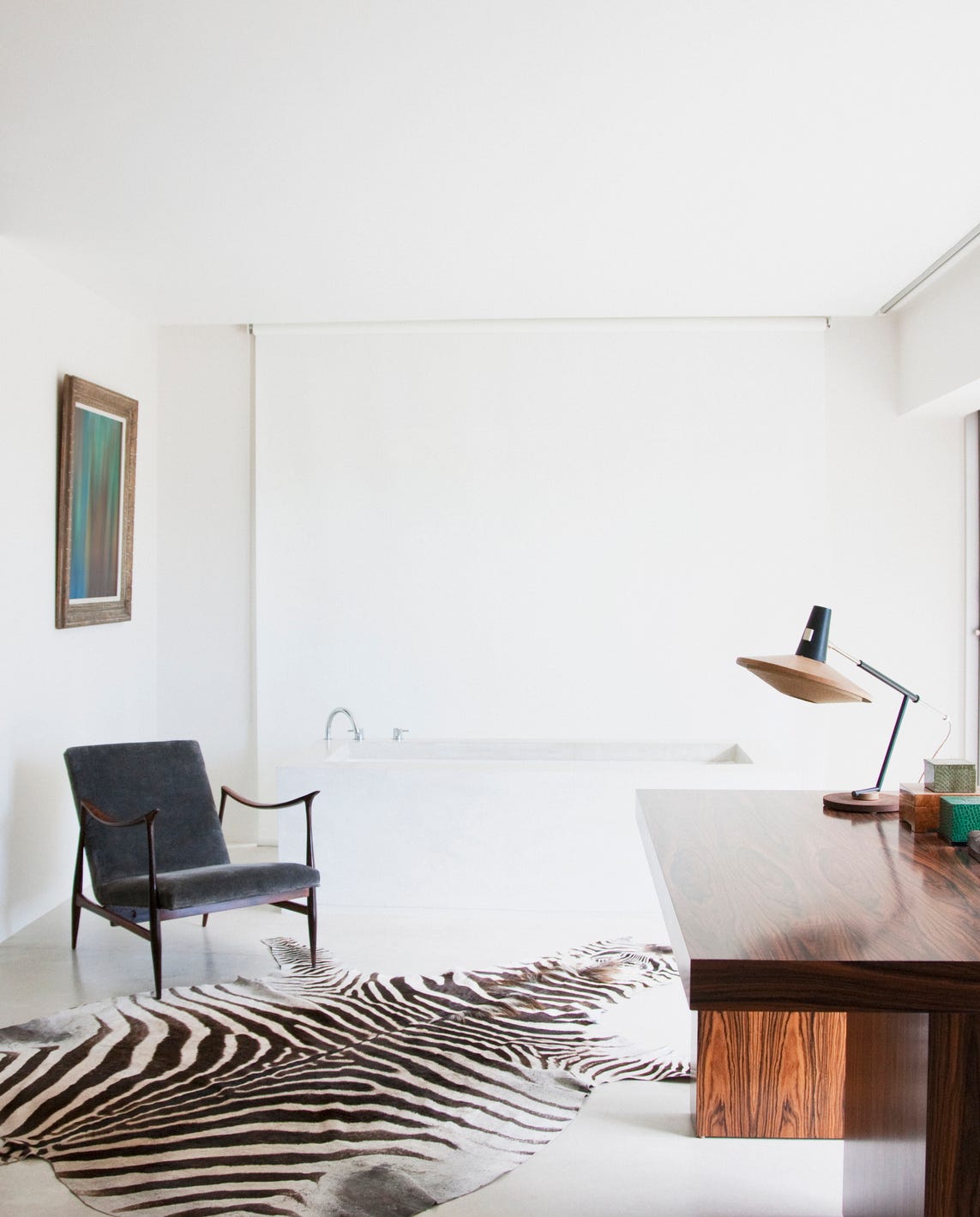
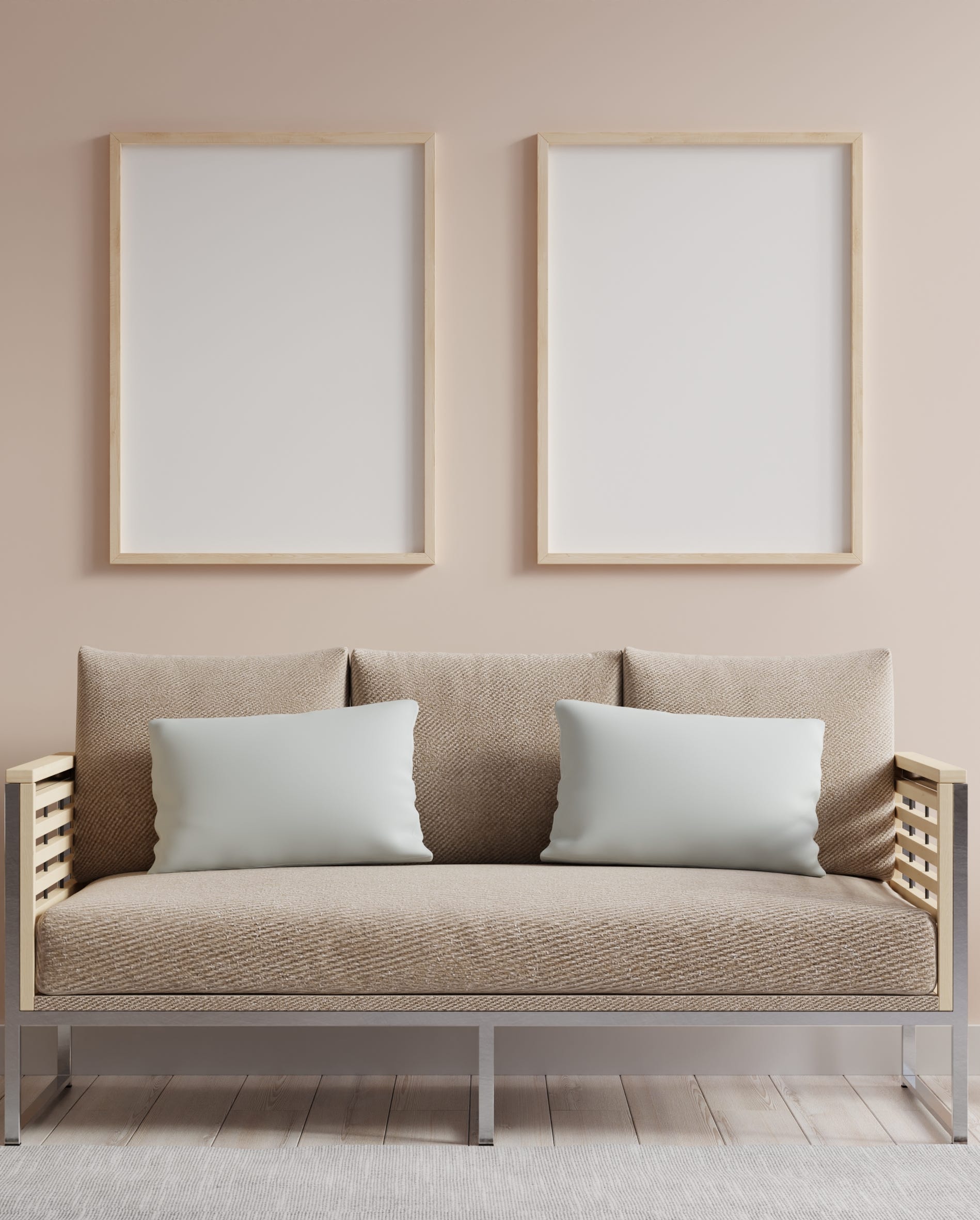
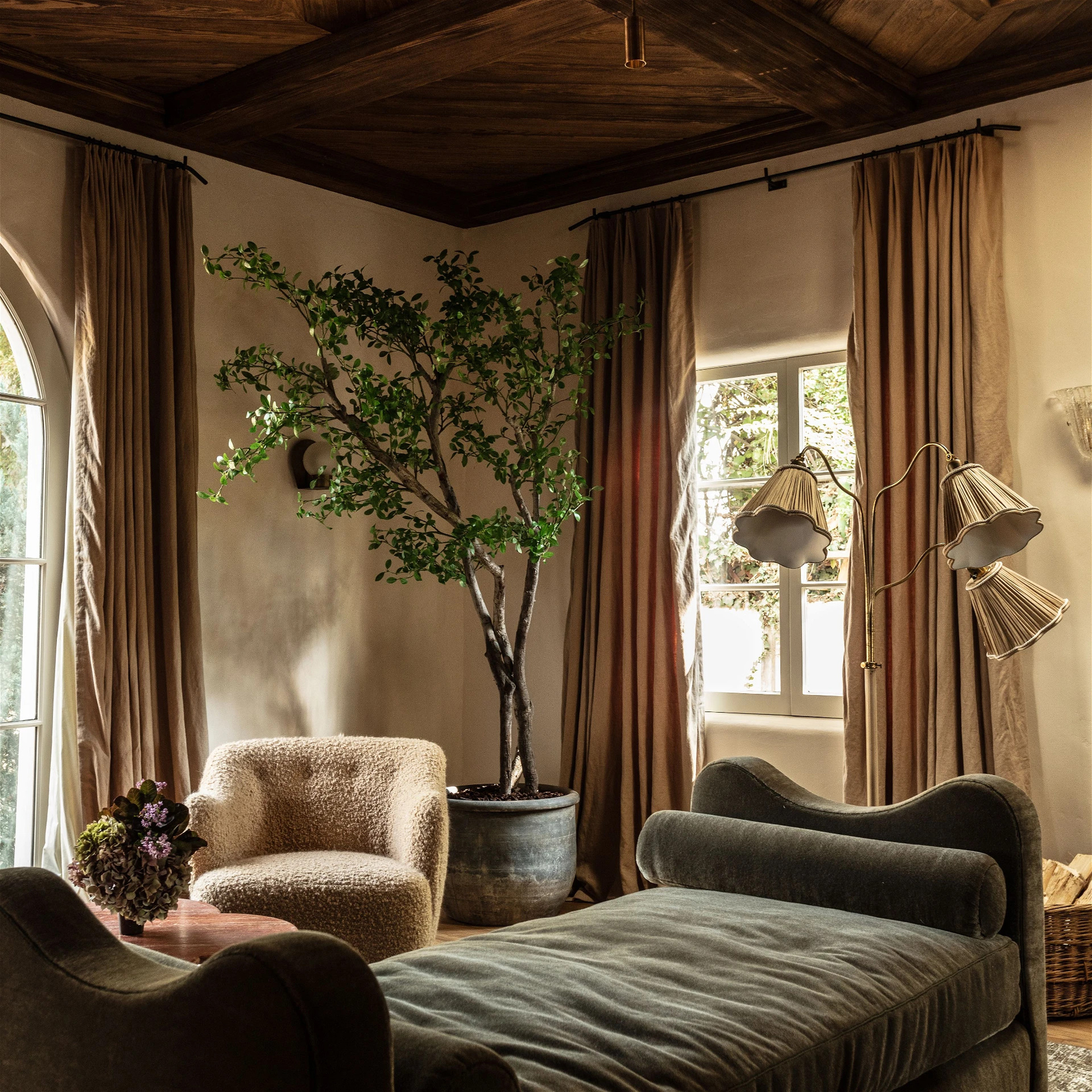
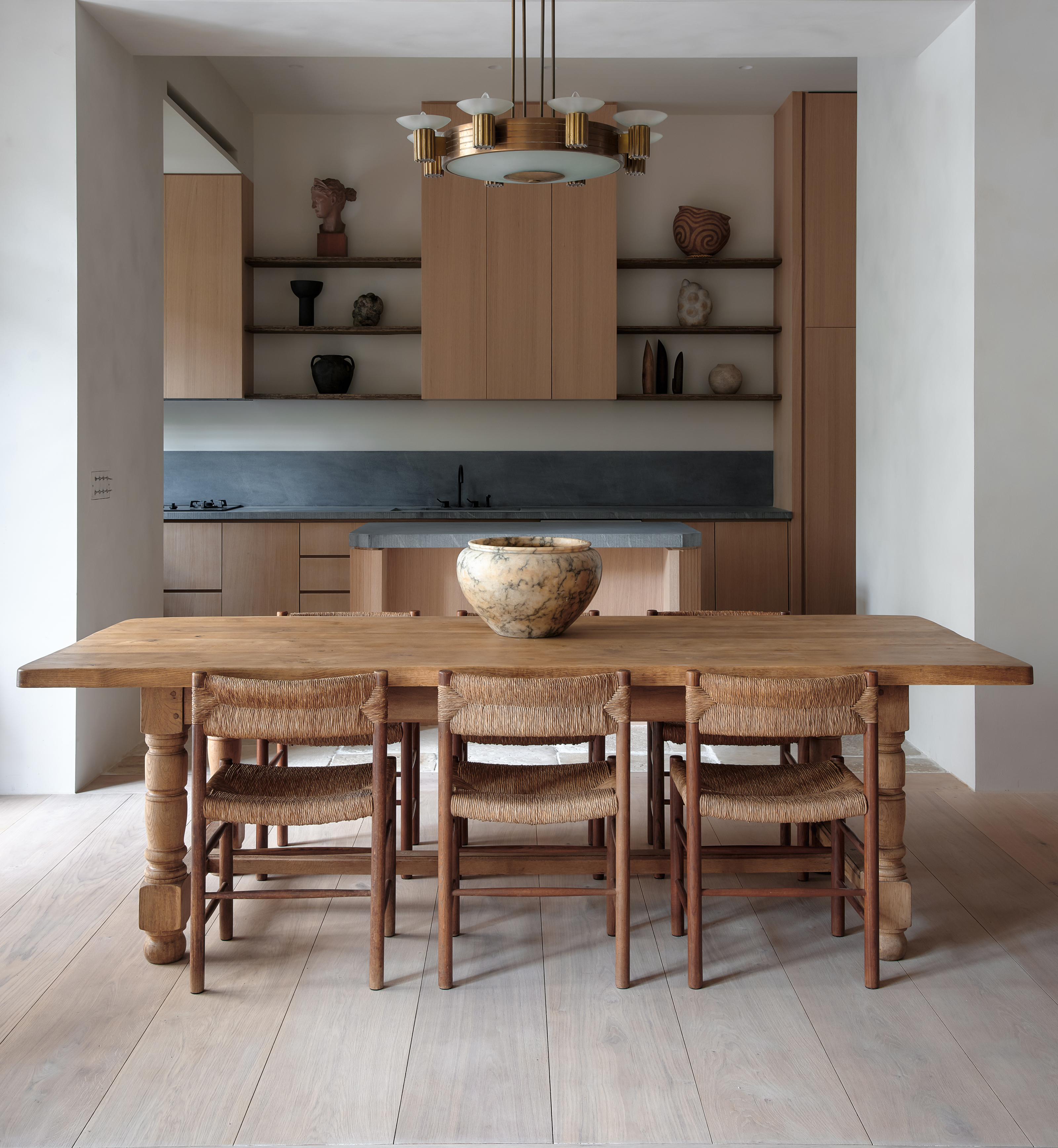
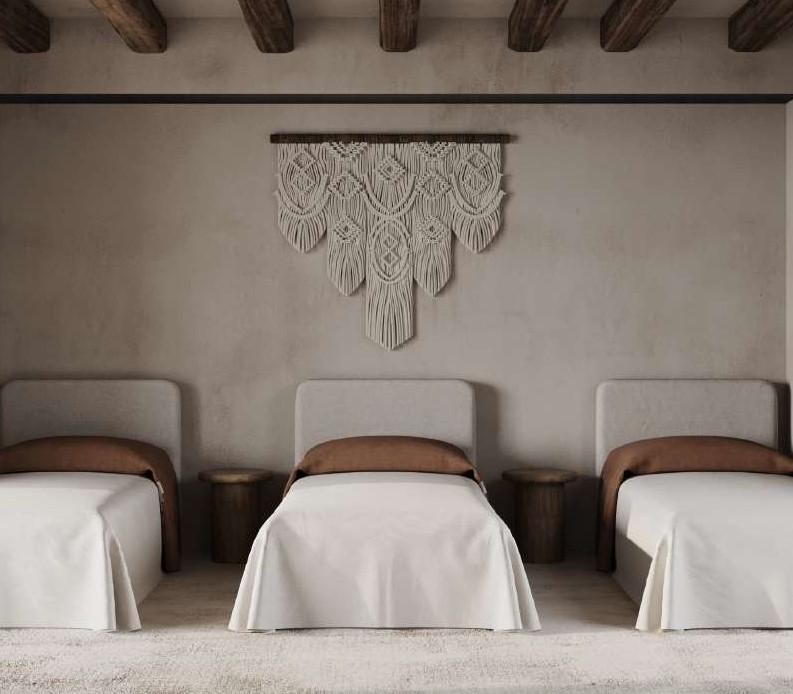
The fourth technique is to prioritize simplicity and timelessness in furnishing. Kate Walker emphasizes intentional design over excessive accumulation, advocating for a few impactful pieces rather than a cluttered interior. In an era dominated by fleeting design trends, selecting simple and classic furniture creates a grounded and enduring aesthetic. She argues that good furniture should frame a space and speak for itself, preventing an overwhelming environment and allowing individual pieces to shine through their solidarity.
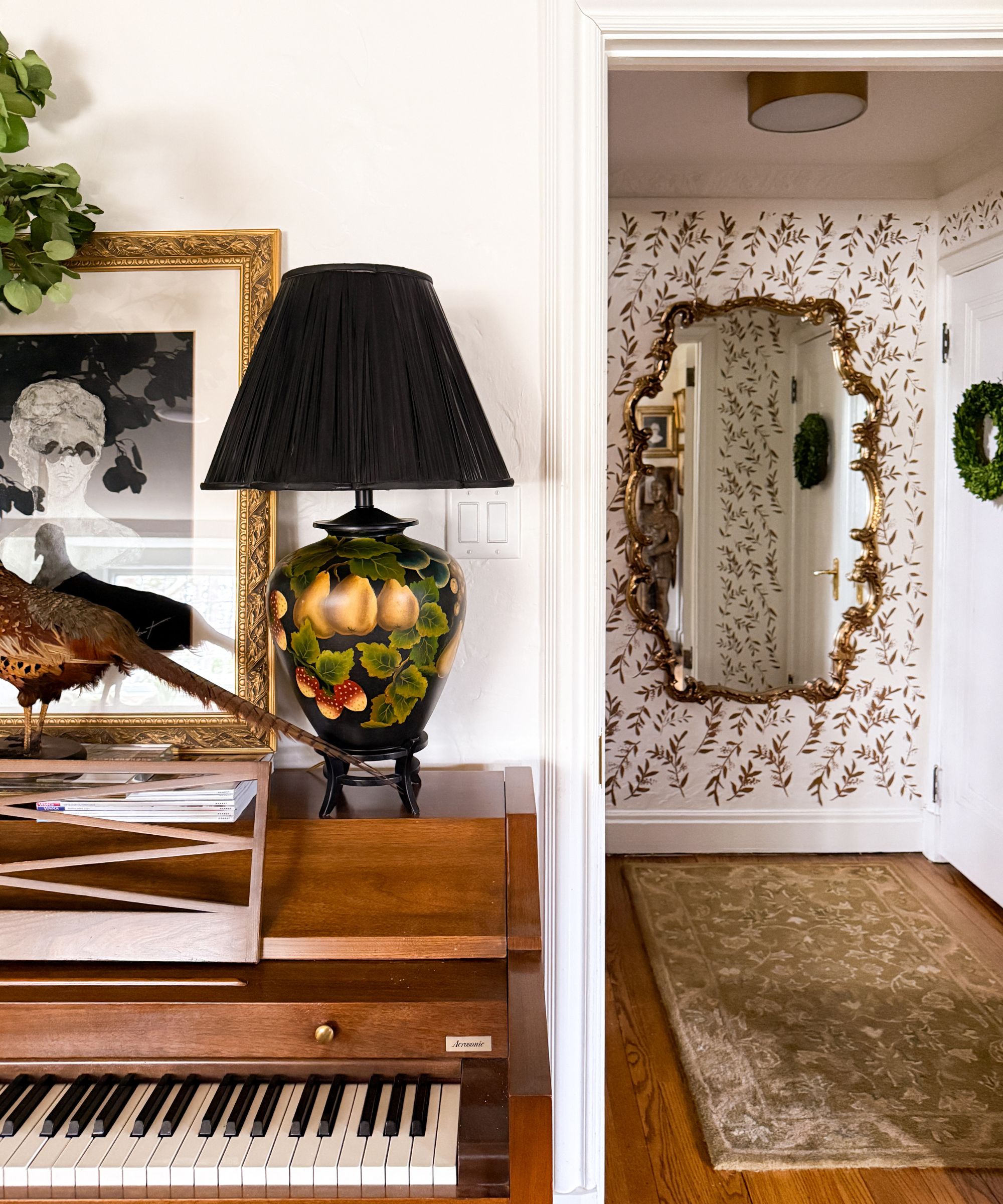
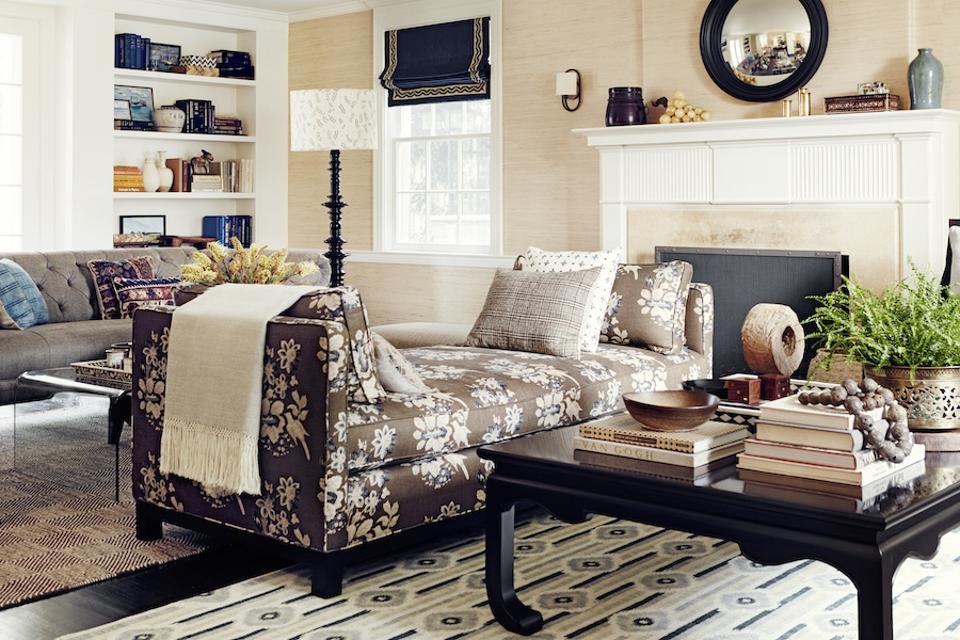
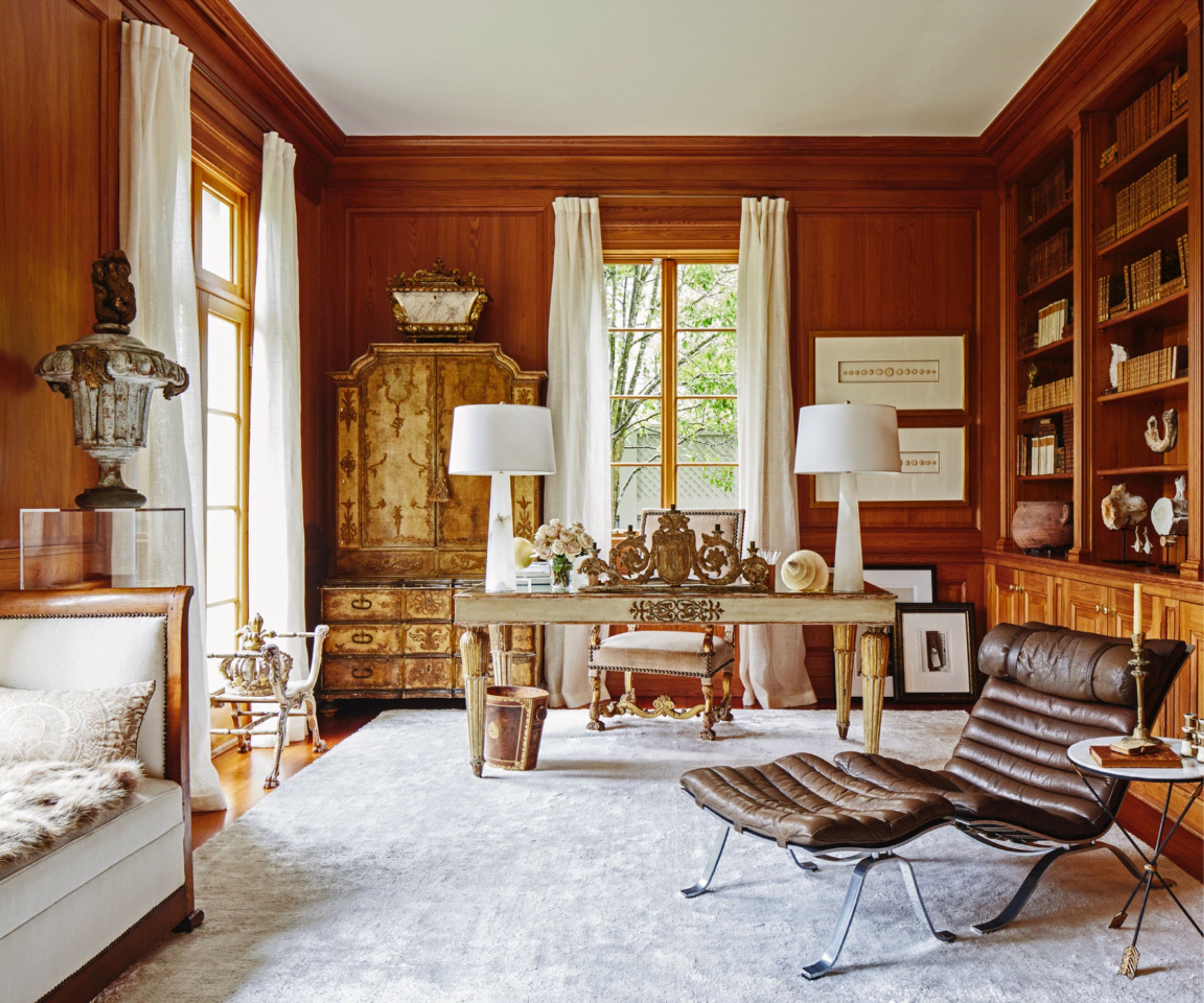
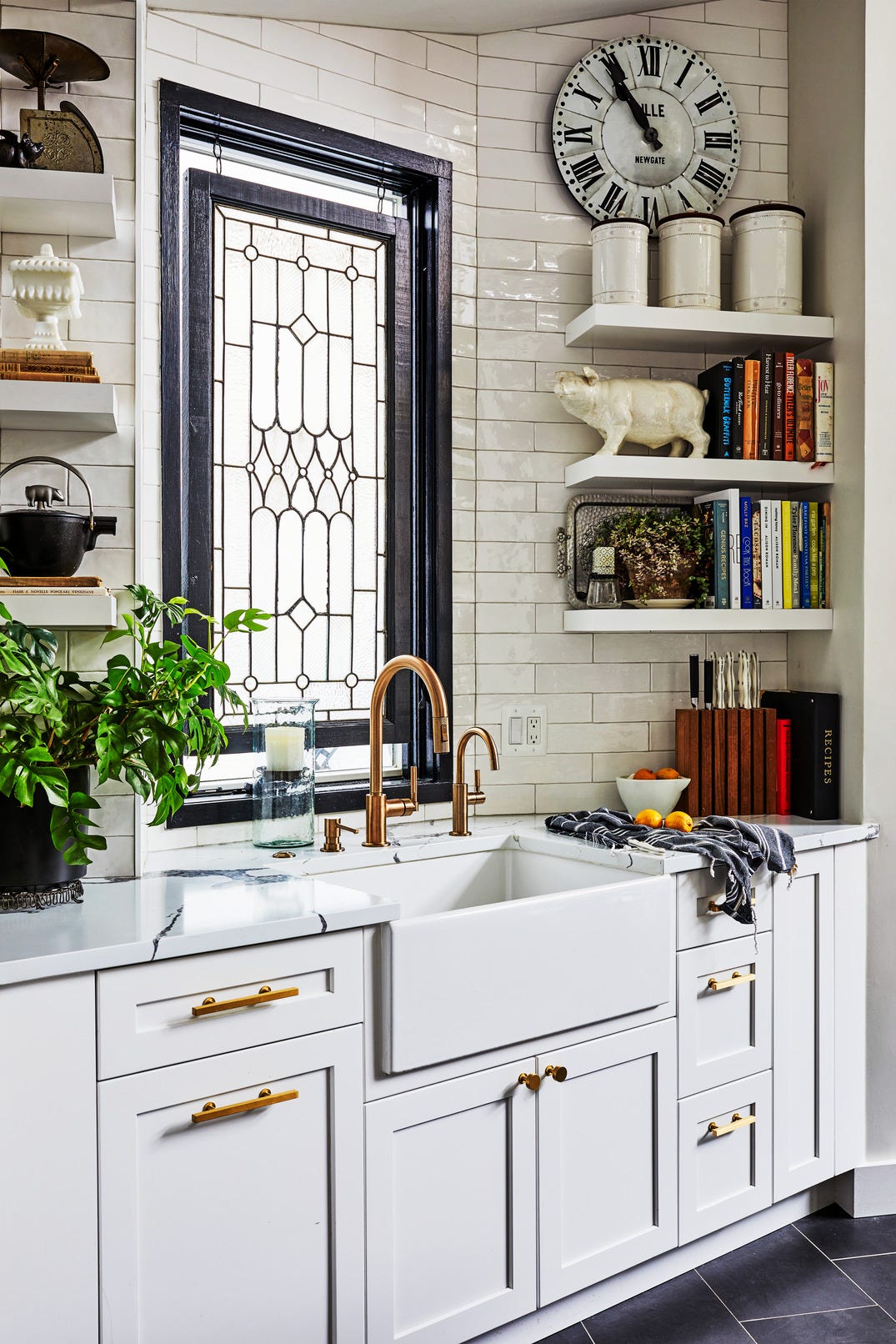
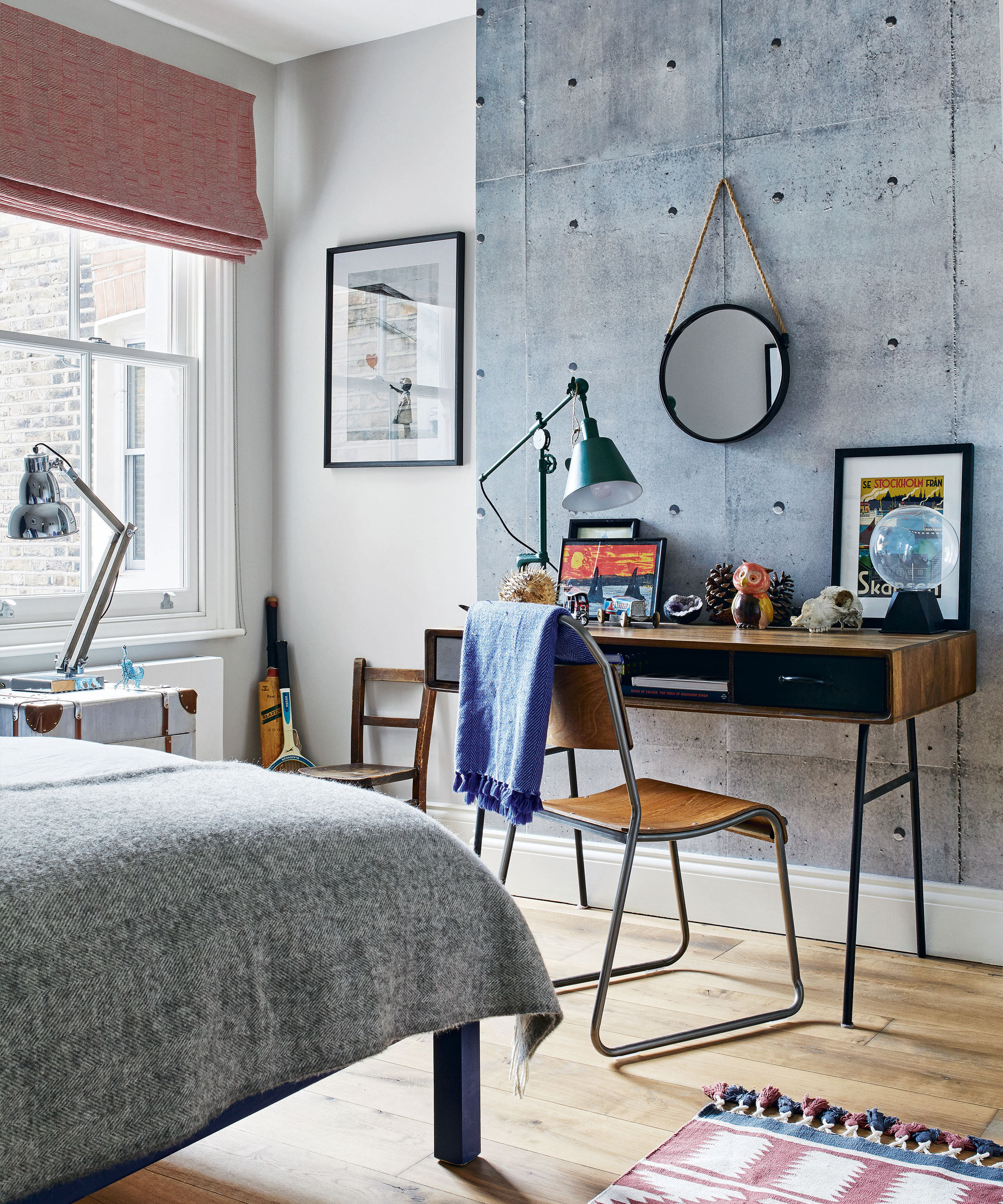
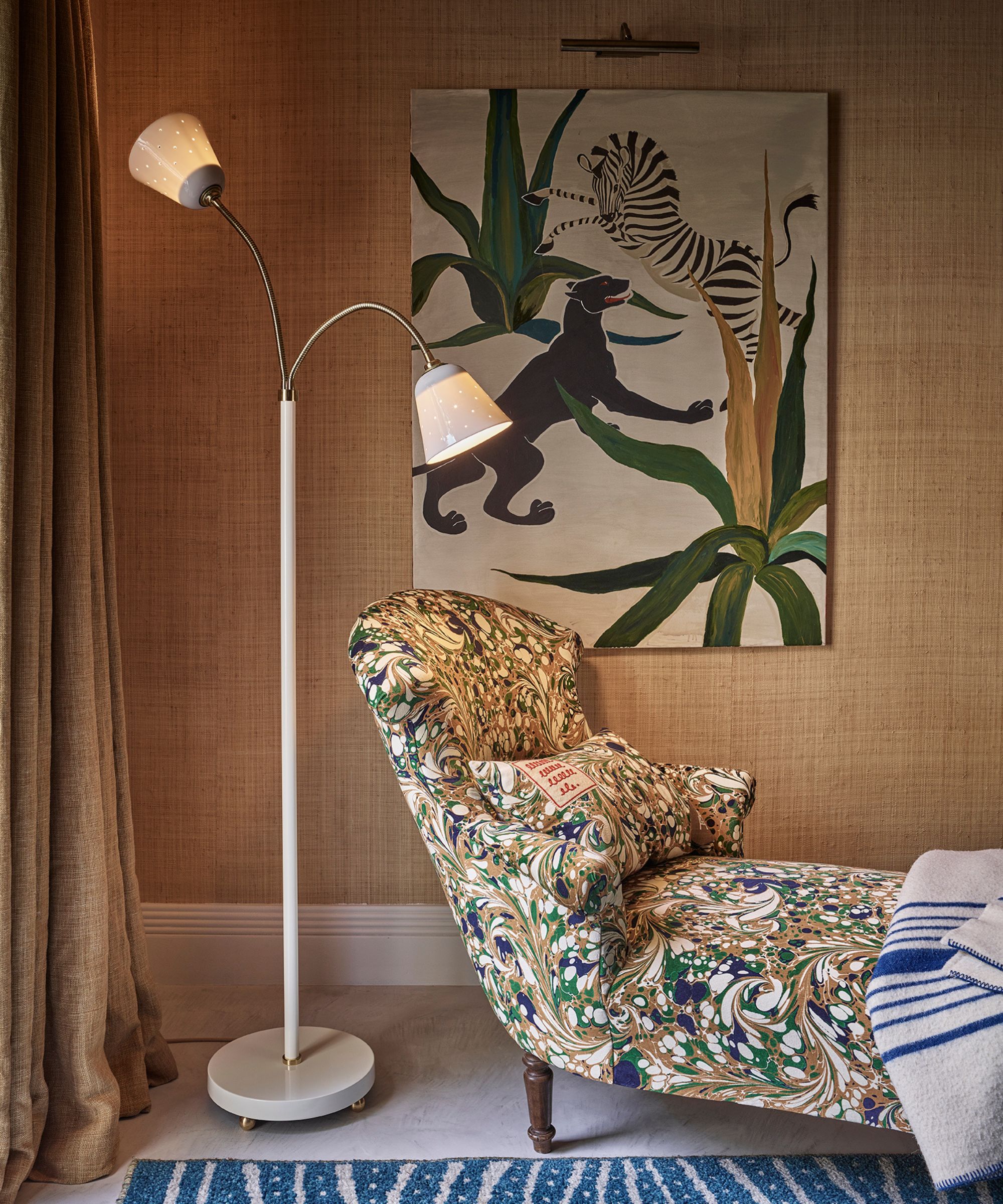
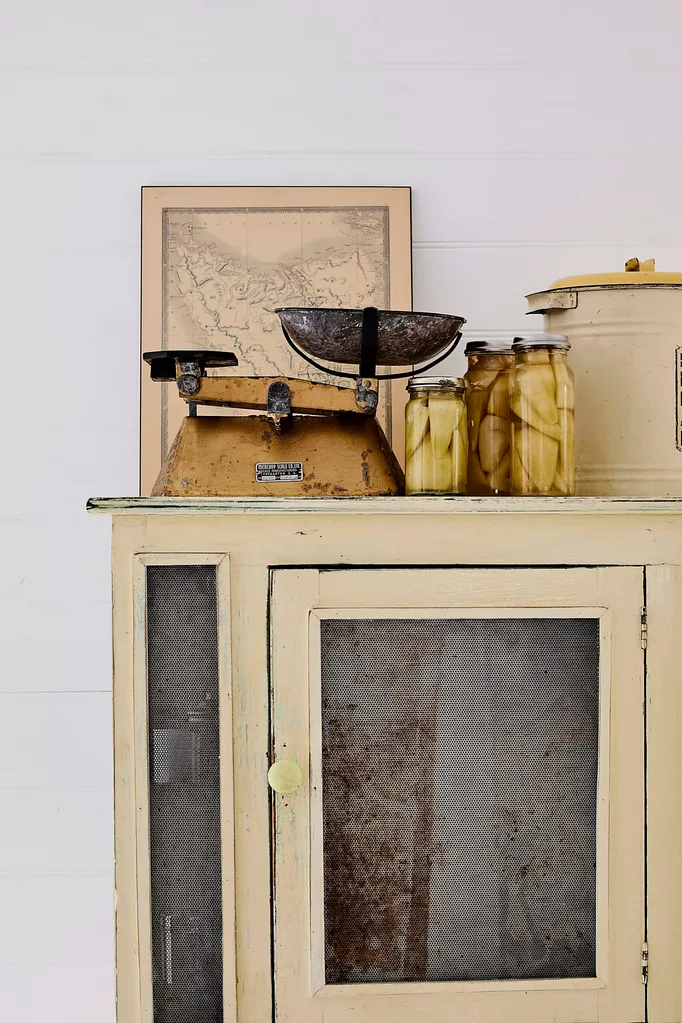
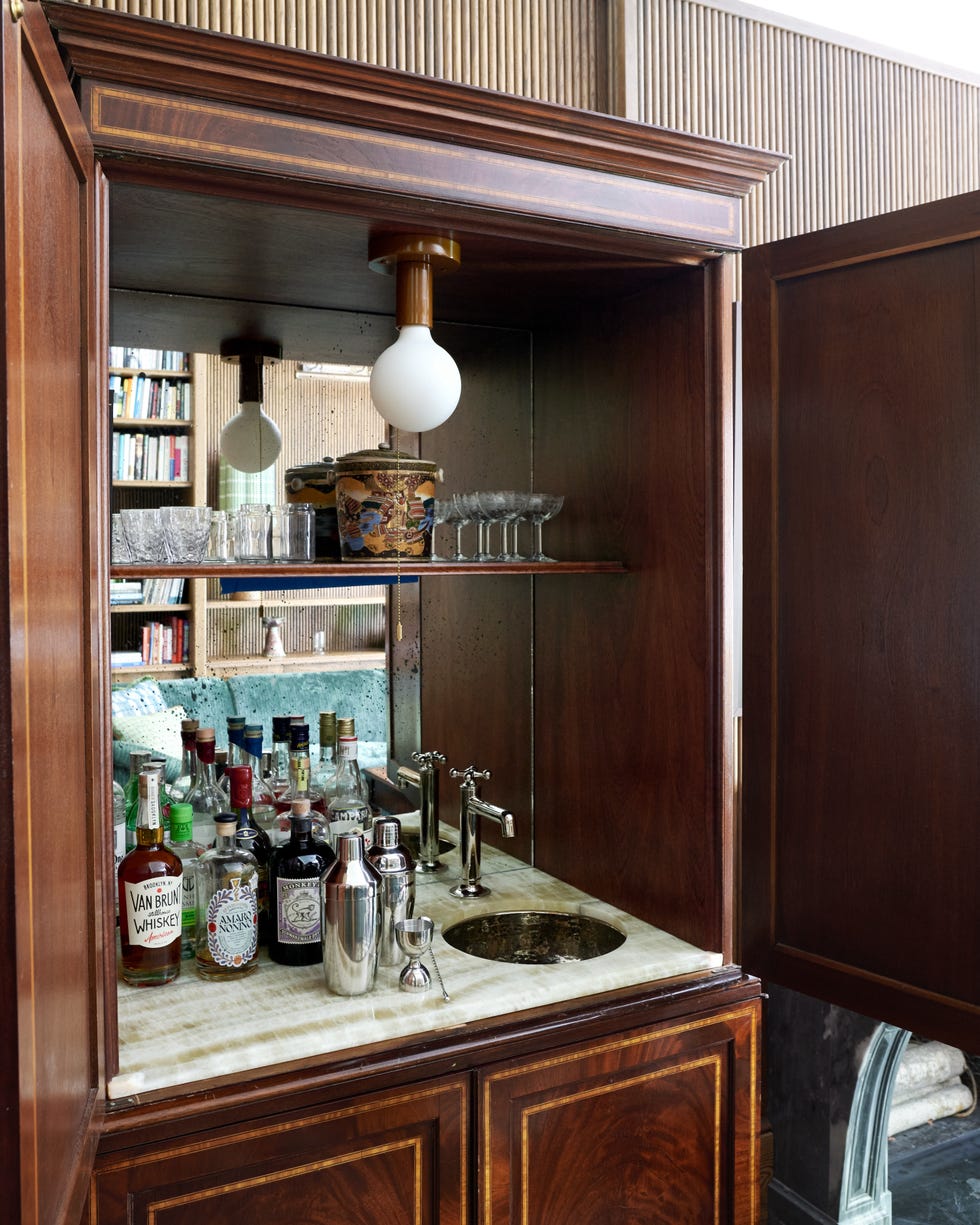
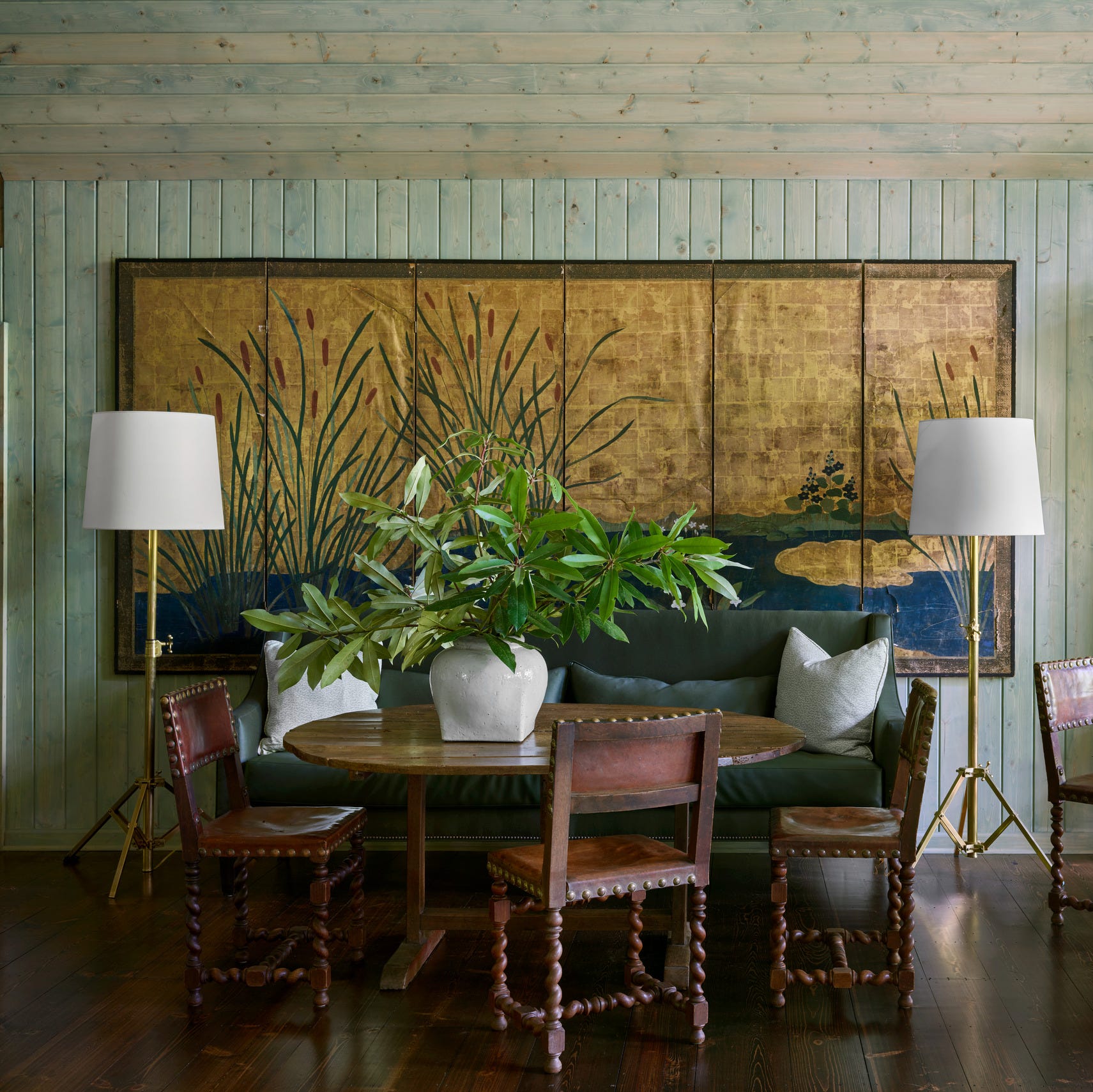
Fifth, the article encourages letting personal preference guide design choices. Designer Michael Angus advocates for decorating with cherished items, creating homes filled with sentimental and eclectic pieces. This approach counters the sterile effects of extreme minimalism by ensuring that a space reflects the owner's personality and history. Whether incorporating meaningful artwork or displaying vintage ceramics, items with personal significance contribute to a timeless and authentic interior.
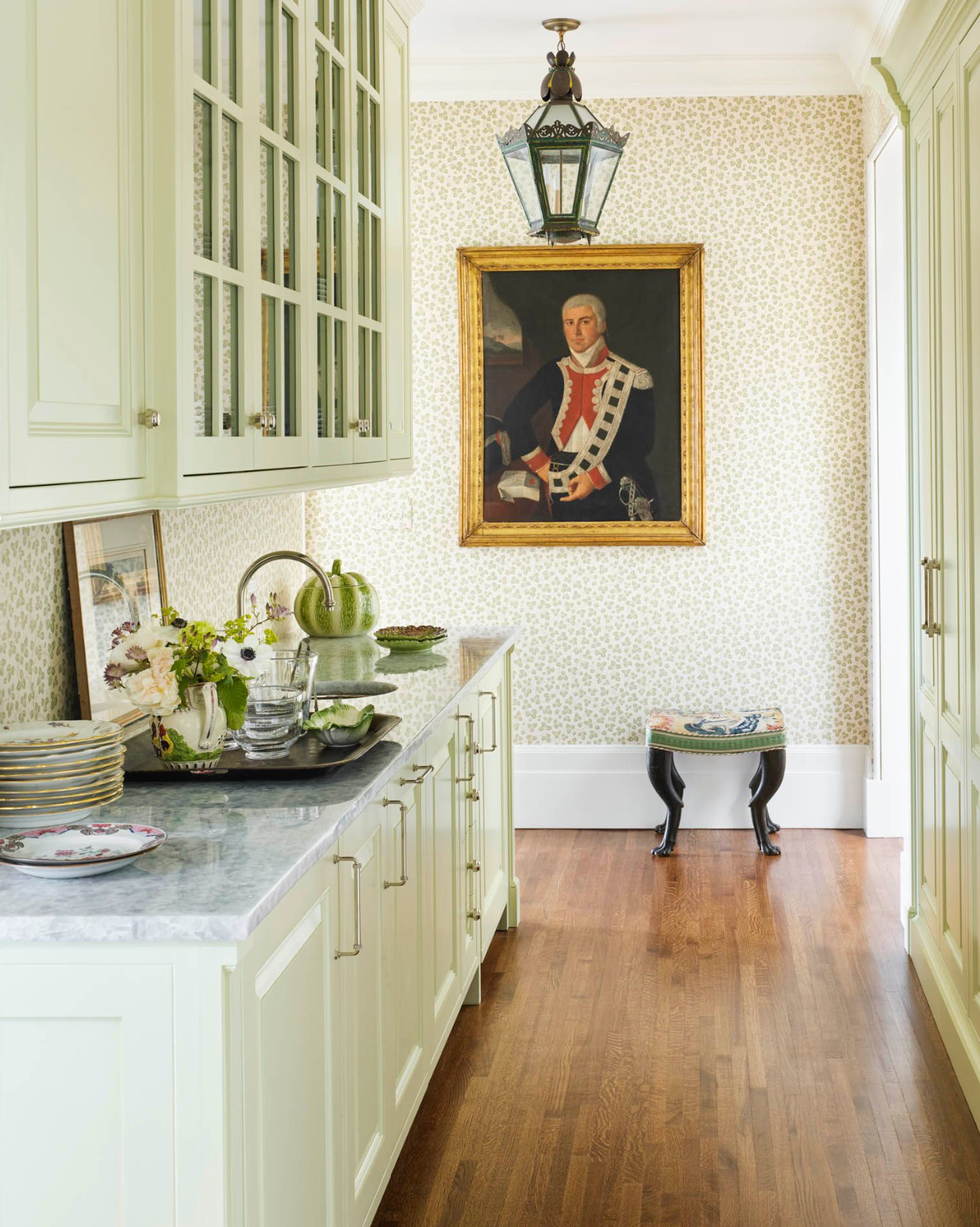
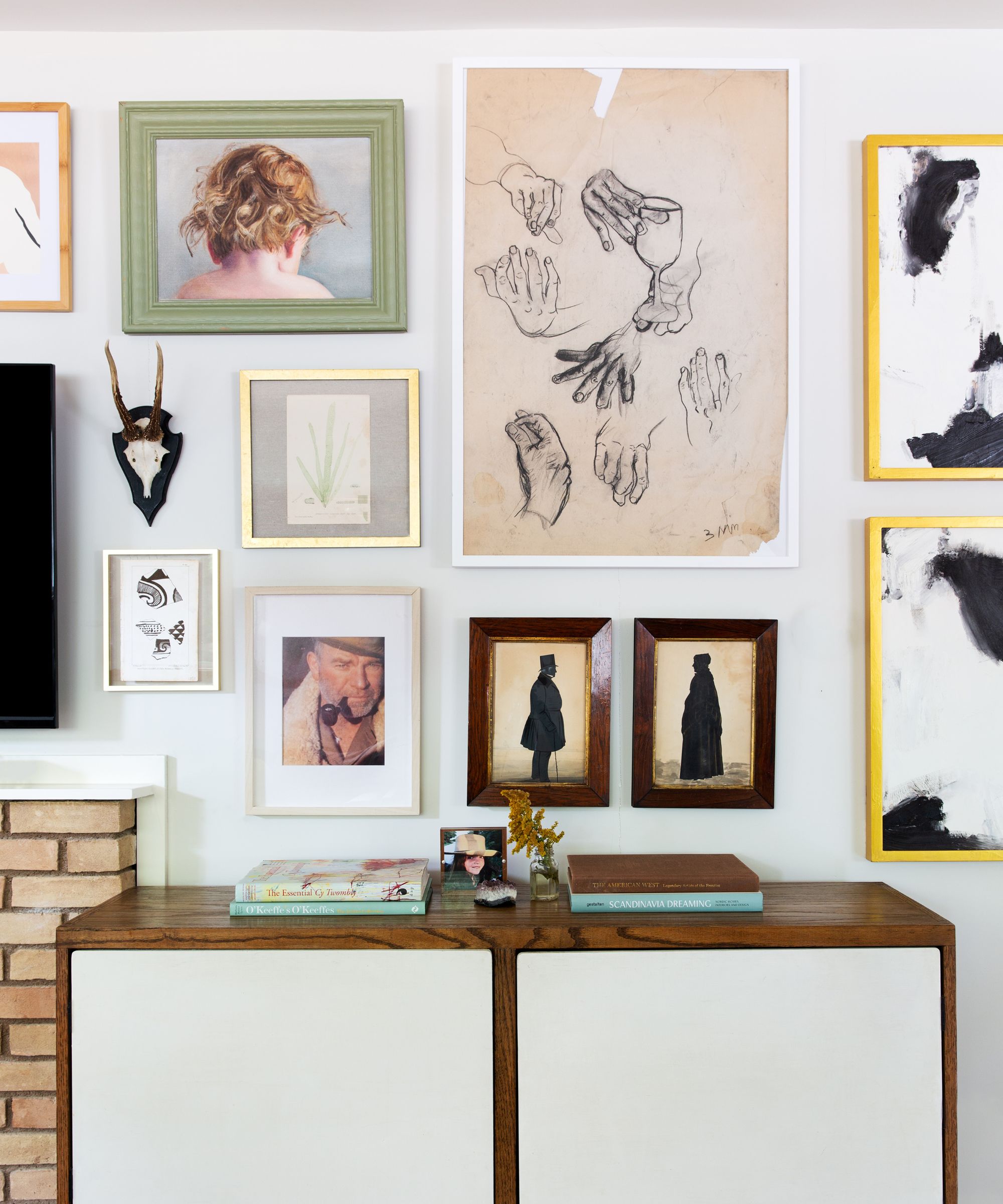
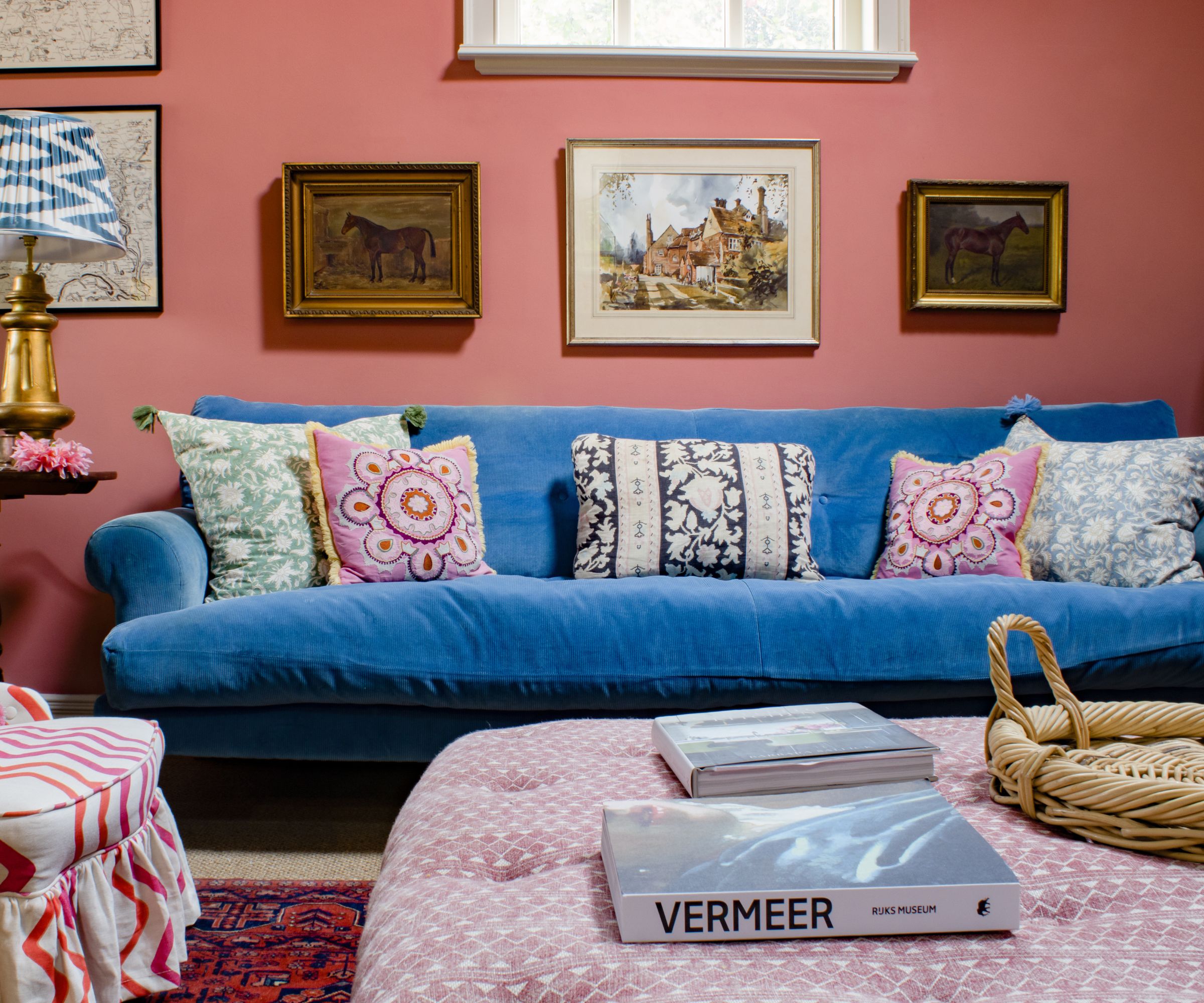
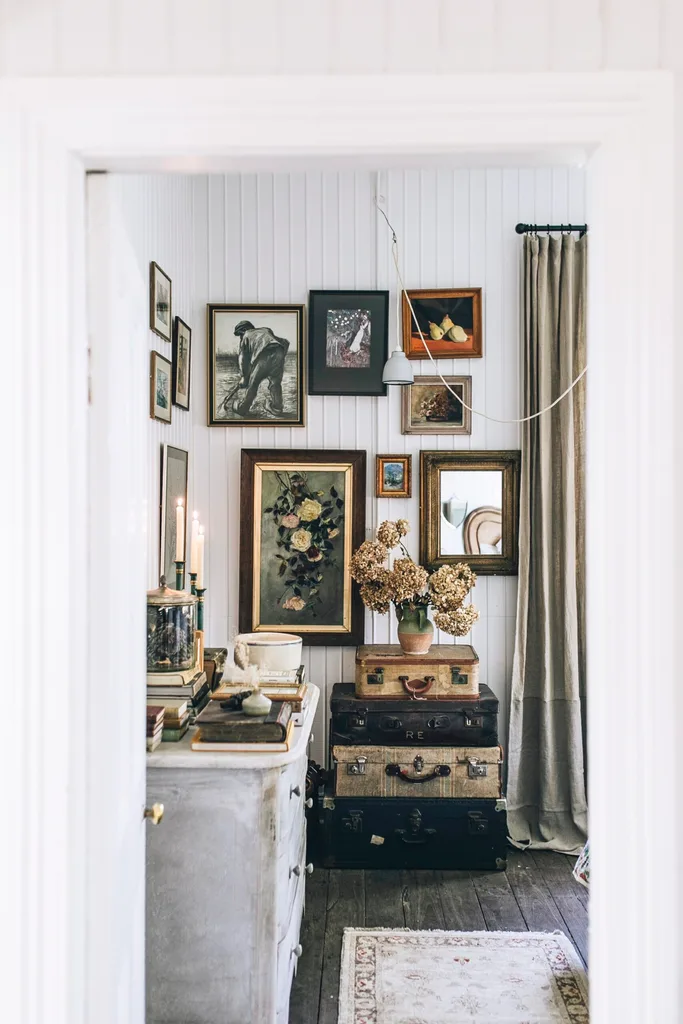
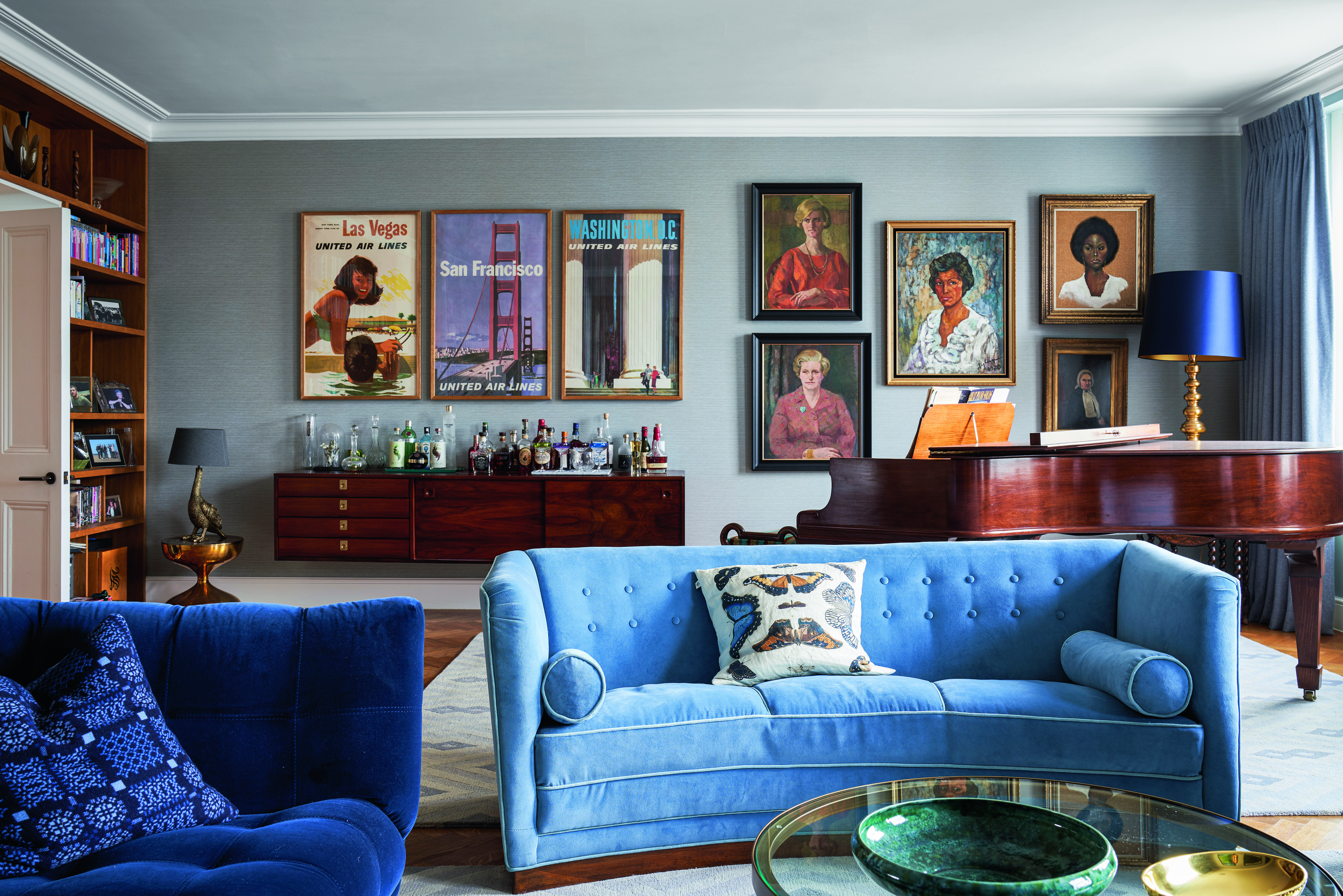
Finally, the article champions the use of art. Jen Baxter highlights gallery walls as a tried-and-true method for adding personality and character. She notes that gallery walls have been used for centuries to tell stories through art, whether through symmetrically arranged antique maps or a diverse collection of beloved pieces. Art, whether vintage or contemporary, helps to create a conversation-starting focal point and imbues a home with unique charm.
#InteriorDesign #DecoratingTechniques #TimelessDesign #HomeInteriors #OpenPlan #ColorTheory #VintageDecor #ArtInDesign #ArchitecturalHarmony #InteriorDesign #DecoratingTechniques #TimelessDesign #HomeInteriors #OpenPlan #ColorTheory #VintageDecor #ArtInDesign #ArchitecturalHarmony
0 opmerkingen in totaal
 Nog geen opmerkingen
Dit vindt u mogelijk ook leuk
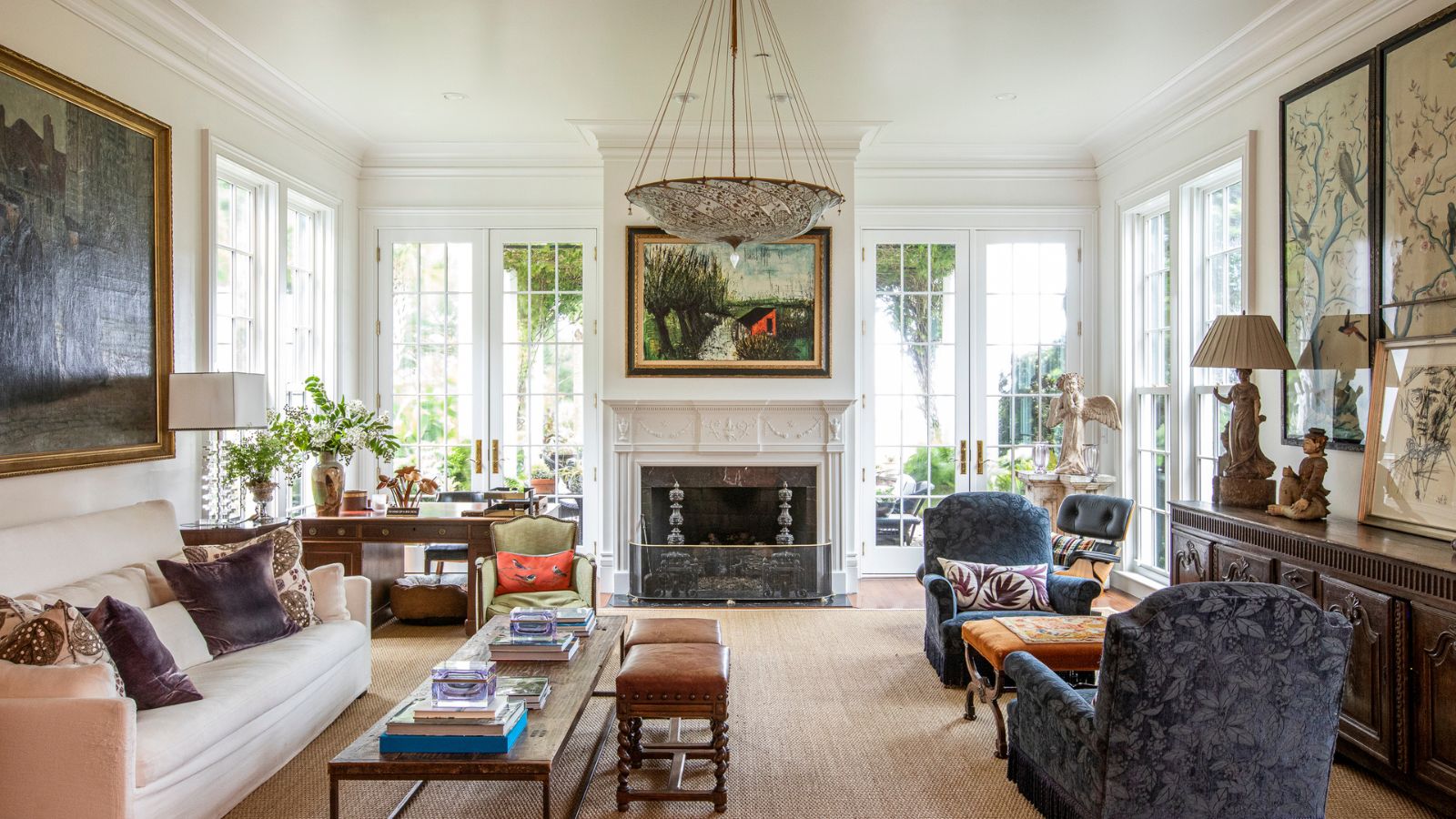
6 antiques that will always work in modern interiors – and how designers style them

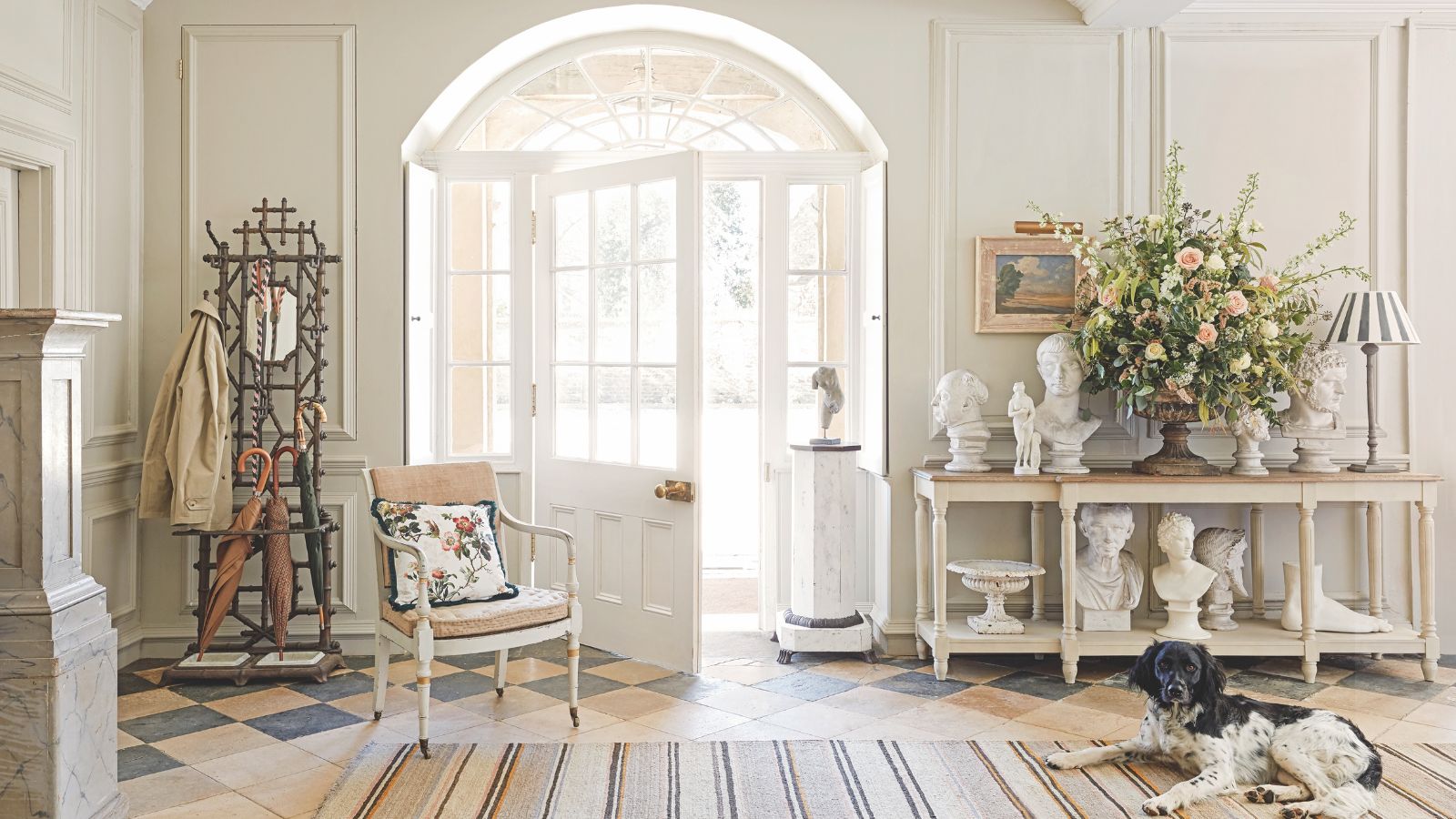
Interior designers on the best piece of decorating advice they inherited from their parents and grandparents
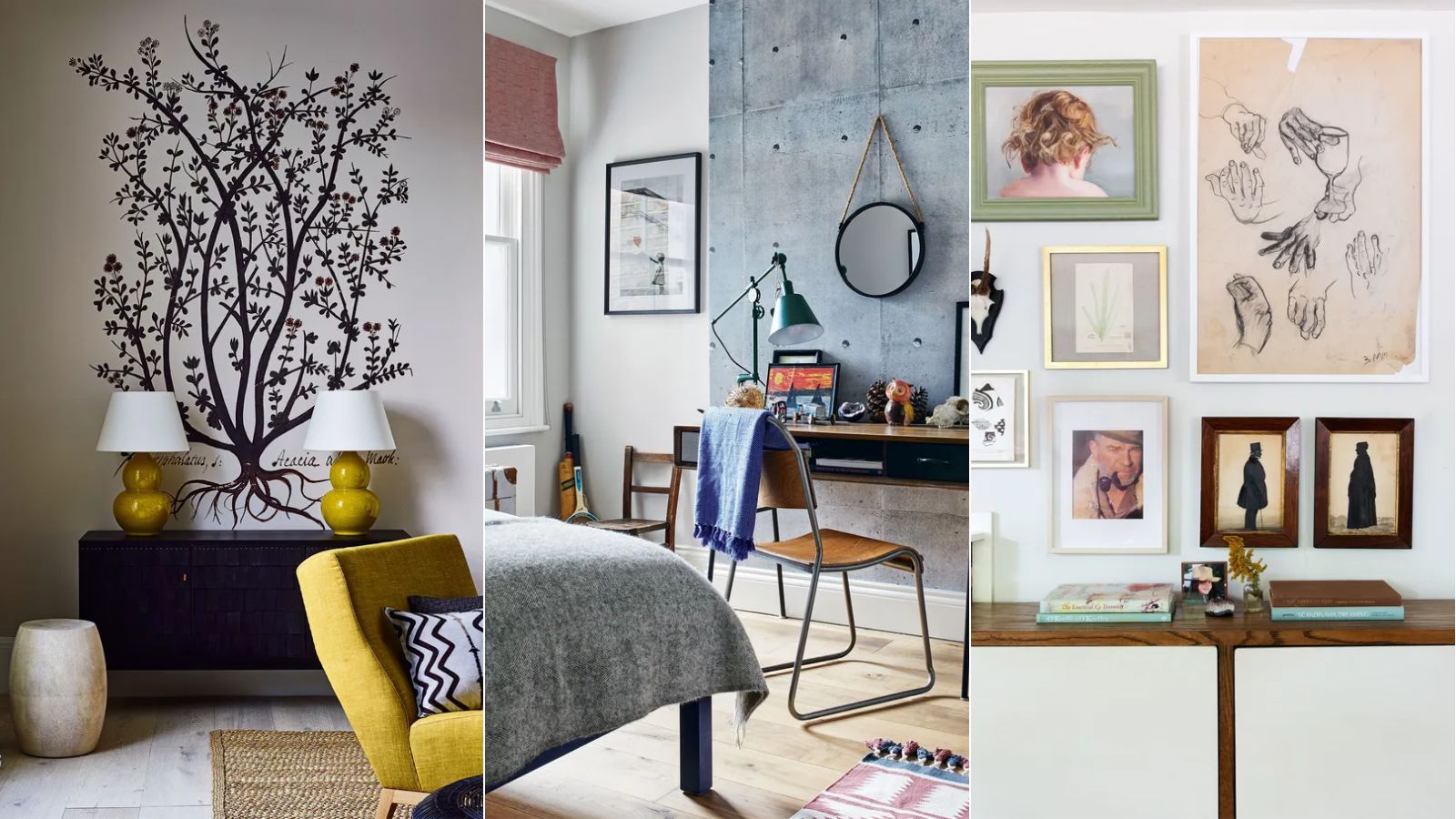
5 outdated wall decor trends designers warn to avoid – plus what we should be doing instead
7 Reasons Your Home Looks Dated, According to Designers

Interior Designers Share Their Best Traditional Design Tips

40 Outdated Home Trends We Hope Never to See Again

7 Home Design Styles That Will Never Go Out of Style, According to Designers

A designer’s guide to decorating with antiques

9 Decorating Choices That'll Never Go Out of Style, According to Interior Designers

10 Ways to Nail the Slow Decorating Trend Designers Are Loving

Modern rustic decor – top designers reveal their secrets for styling the trend

16 "Outdated" Home Design Trends That Are Wildly Better Than Modern-Day Trends

Designers Swear These 6 Decor Trends Will Age Well—Without Feeling Dated

6 Antique Design Features Designers Wish Would Make a Comeback
How to decorate with antique textiles – designers share their tips for adding character with old fabrics
7 Vintage Home Decor Features That Designers Want to See EVERYWHERE in 2026
Decorating with antiques – 8 designer tips to channel the past in the chicest way
12 Designer-Approved Tricks to Fill a New Home With Vintage Character

4 outdated wall decor trends designers are leaving behind – and the one that they're choosing instead
6 Outdated Interior Design Trends—And 6 That Are Making A Comeback