1/2
Why Scotchgarding Your Furniture Might Be A Big Mistake
Many homeowners consider using Scotchgard, a UV- and stain-repellent spray, to protect their new upholstered furniture from spills and stains. The product, developed by 3M, has a history tracing back to an accidental discovery by chemist Patsy Sherman in 1956. While trying to create a rubber that could withstand jet fuel, Sherman observed a substance that was impervious to water or alcohol, leading to the development of the first Scotchgard product. Since its inception, Scotchgard has become a popular household item for protecting various fabrics. However, applying Scotchgard to furniture is not always a straightforward solution and can sometimes lead to unexpected problems, making it a potentially significant mistake.
One of the primary concerns when using Scotchgard is the risk of color damage to upholstered furniture. Manufacturers, including 3M, strongly advise performing a colorfastness test before full application. This involves spraying a small, inconspicuous area of the furniture, wiping it with a white cloth, and checking for any color transfer. If color appears on the cloth, the furniture is not colorfast, and applying Scotchgard could result in irreversible discoloration, effectively ruining the fabric. Ignoring this crucial step can lead to disappointing and costly damage to expensive furniture pieces.
Another common mistake is applying too much Scotchgard. Over-saturating the fabric can cause an accumulation of chemicals, leading to an irreversible stain on the furniture. This chemical buildup not only compromises the aesthetic appeal of the furniture but can also create an irritating surface for people and pets who come into contact with it. Therefore, it is essential to apply the spray lightly and precisely, adhering strictly to the instructions provided on the product label to ensure proper application and avoid oversaturation.
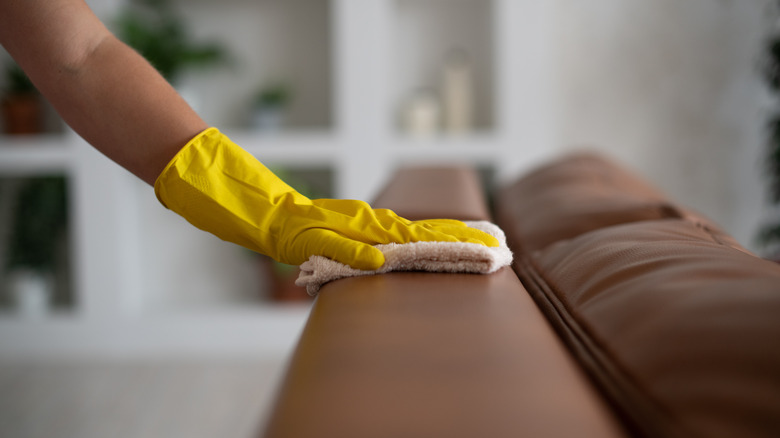
Furthermore, the type of furniture material is a critical factor. Regular Scotchgard is specifically designed for washable fabrics such as polyester, nylon, cotton, silk, and wool. Applying this version of the product to leather or suede furniture can completely damage the material. Most leather furniture pieces come with a care tag marked with an 'X,' indicating that they should not be cleaned with water or solvents. For such materials, specialized Scotchgard products tailored for leather or suede should be used to provide protection without causing damage. Using the incorrect type of Scotchgard can lead to irreversible harm, changing the texture and appearance of these delicate materials.
In summary, while Scotchgard offers a promising solution for furniture protection, its application requires careful consideration and adherence to guidelines. Potential issues include color removal from non-colorfast fabrics, the creation of irreversible stains due to oversaturation, and material damage from using the wrong product type on leather or suede. Homeowners must prioritize thorough testing and correct application methods to ensure the longevity and appearance of their furniture, rather than inadvertently causing harm.
#FurnitureProtection #ScotchgardApplication #UpholsteryCare #HomeMaintenance #FabricStainRepellent #ColorfastnessTest #FurnitureCleaningTips #HouseholdProducts #FurnitureProtection #ScotchgardApplication #UpholsteryCare #HomeMaintenance #FabricStainRepellent #ColorfastnessTest #FurnitureCleaningTips #HouseholdProducts
0개의 댓글이 총 표시됩니다.
 아직 댓글이 없습니다
추가로 마음에 드릴 만한 콘텐츠

This is the Best Fabric Protector for Your Sofa, According to All the Cleaning Professionals We Asked


The Uncomfortable Truth About Why Buying Furniture Is So Miserable


Kelly Hoppen says you should 'never' do this with your furniture – but not all interior experts agree

5 High-Maintenance Furniture Choices You Should Avoid, Designers Warn
6 couch cleaning mistakes that pros say could lead you to 'serious upholstery heartbreak'


From Burning to Fading Your Upholstery — Here Are 4 Ways Your Winter Heating Is Damaging Your Sofa

7 Unexpected Ways You're Secretly Damaging Your Furniture, Designers Say

What Pet Owners Need to Clean and Protect Their Furniture, According to Experts

This home heating habit could be ruining your sofa

This Common Styling Mistake Is Quietly Making Your Couch Look Bad, a Designer Says
10 Best Furniture Polishes, Tested by Cleaning Experts


'Potential buyers may see it as a DIY job gone wrong' – this popular interior trend may be devaluing your home
Experts reveal 7 surprising ways you're ruining your furniture
How to Fall in Love with Your Furniture (Again)
To Flip or Not to Flip: Have Antique Furniture Revamps Gone Too Far?

How to prevent dust on furniture – 3 quick time-saving solutions

This is the one mistake that could make your patio furniture wear out twice as fast

5 Common Sofa Cleaning Mistakes You Might Be Making

How to restore life of damaged wood furniture yourself

Say Hello To The Polish That's Going To Make Your Wood Furniture Look Brand Stinkin' New