1/4
Why Oxblood Is the Color Taking Over Interiors in 2025
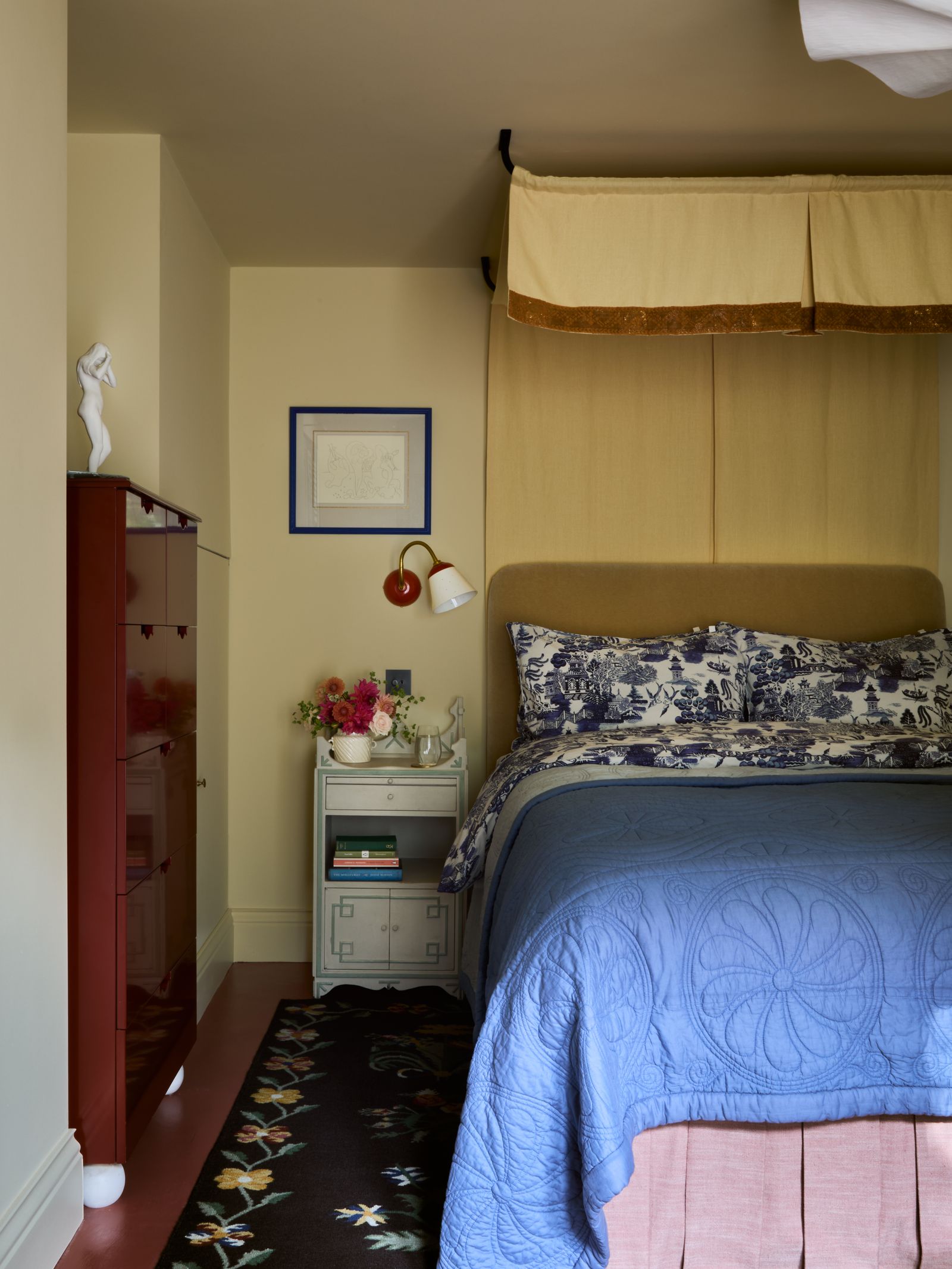
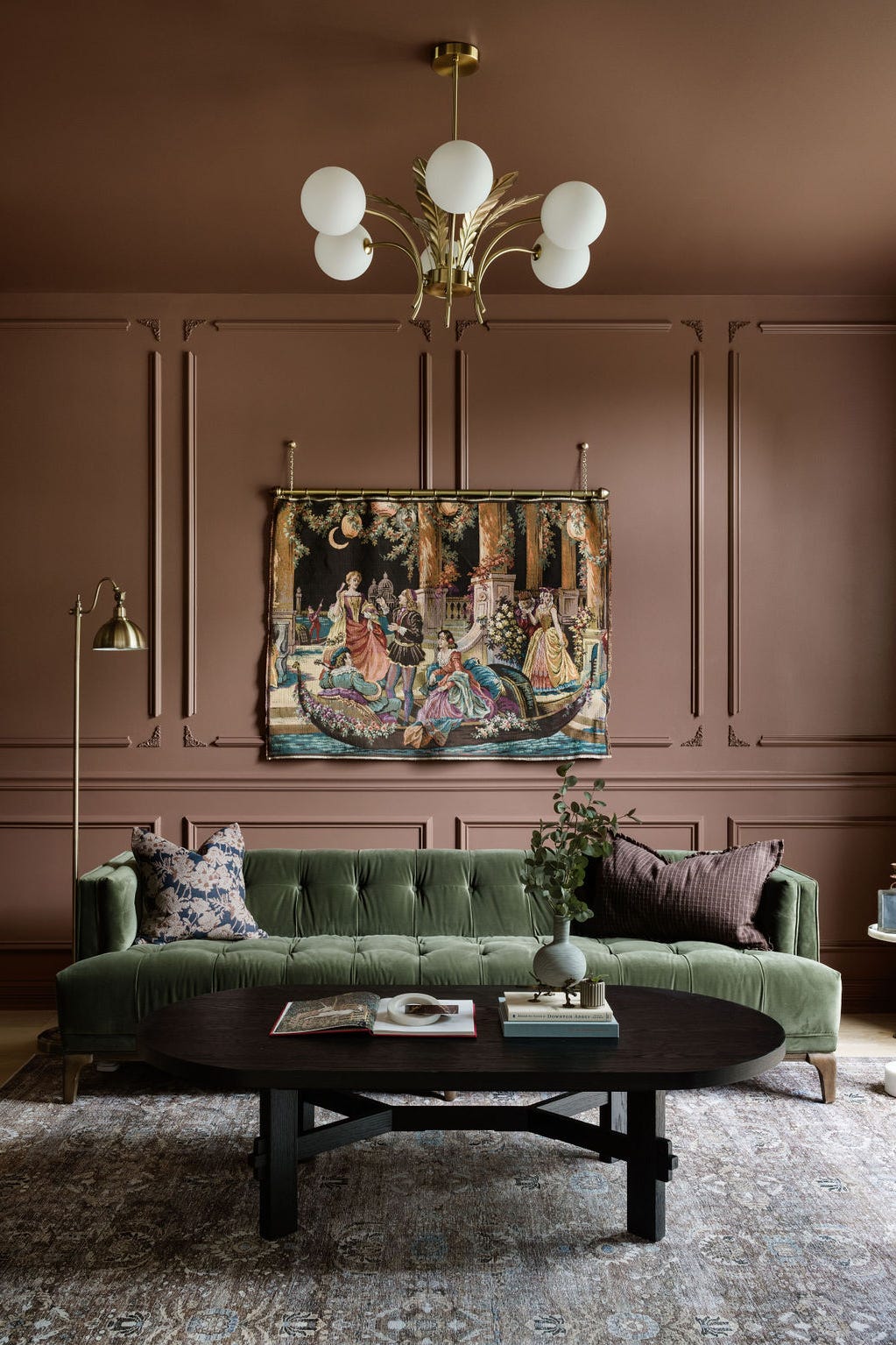
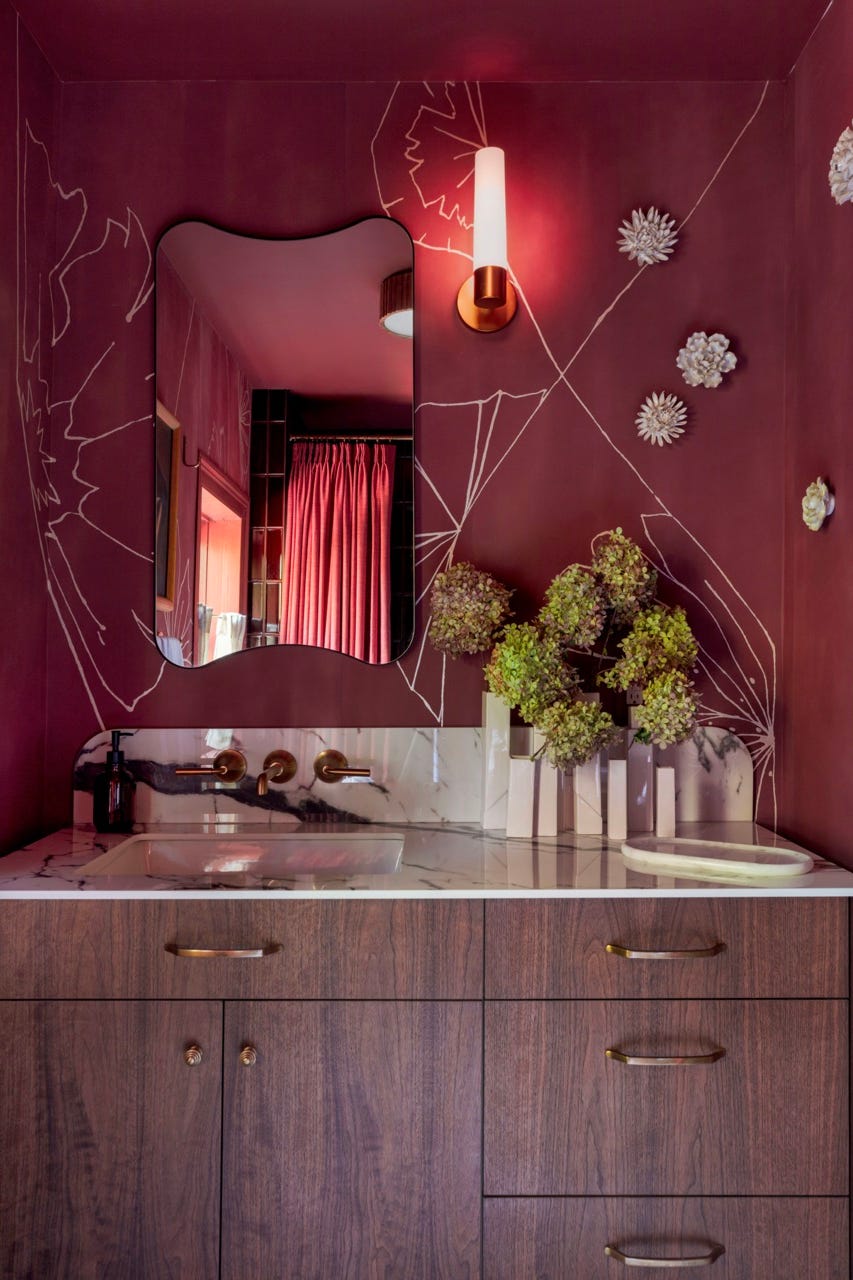
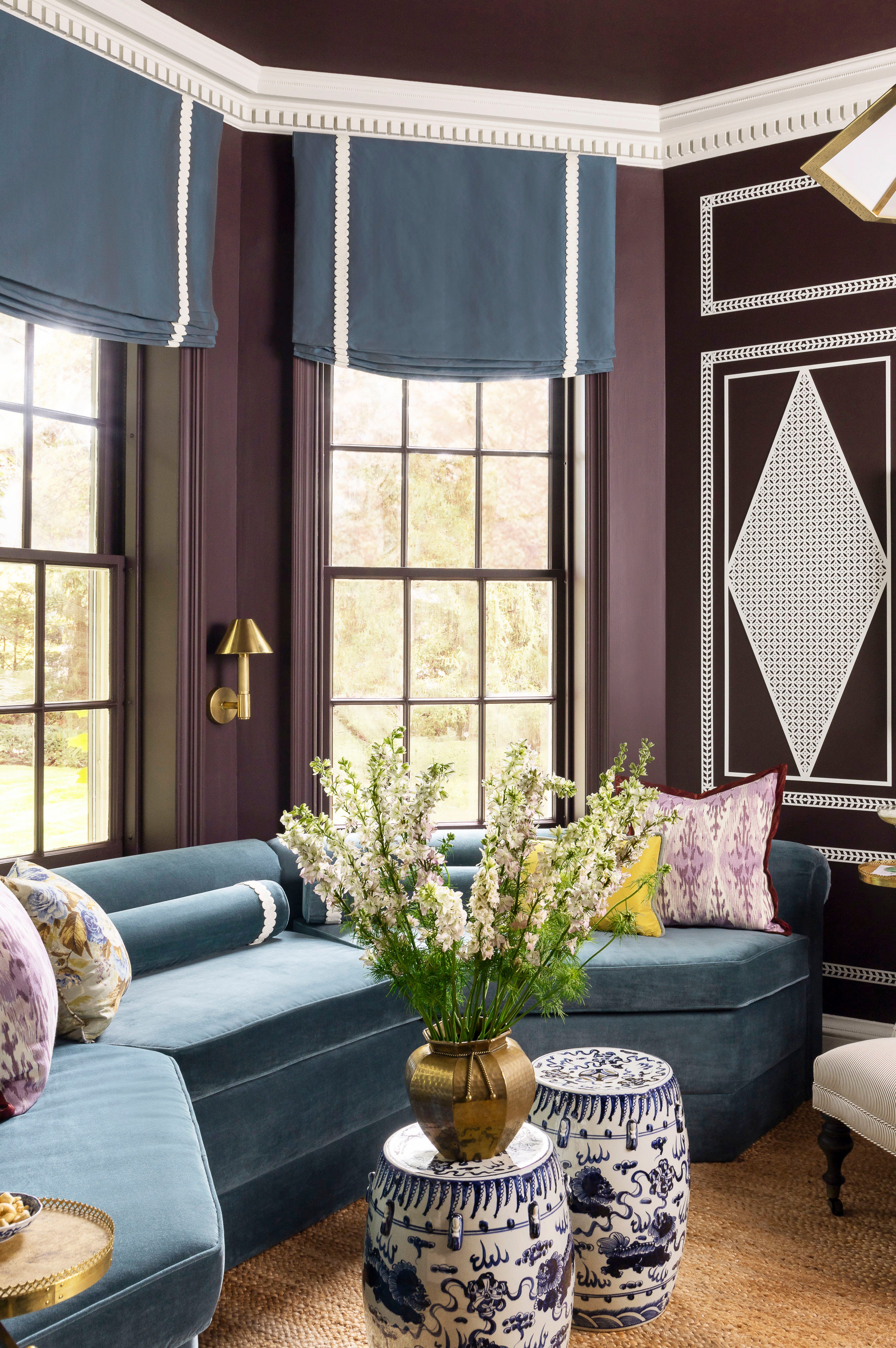
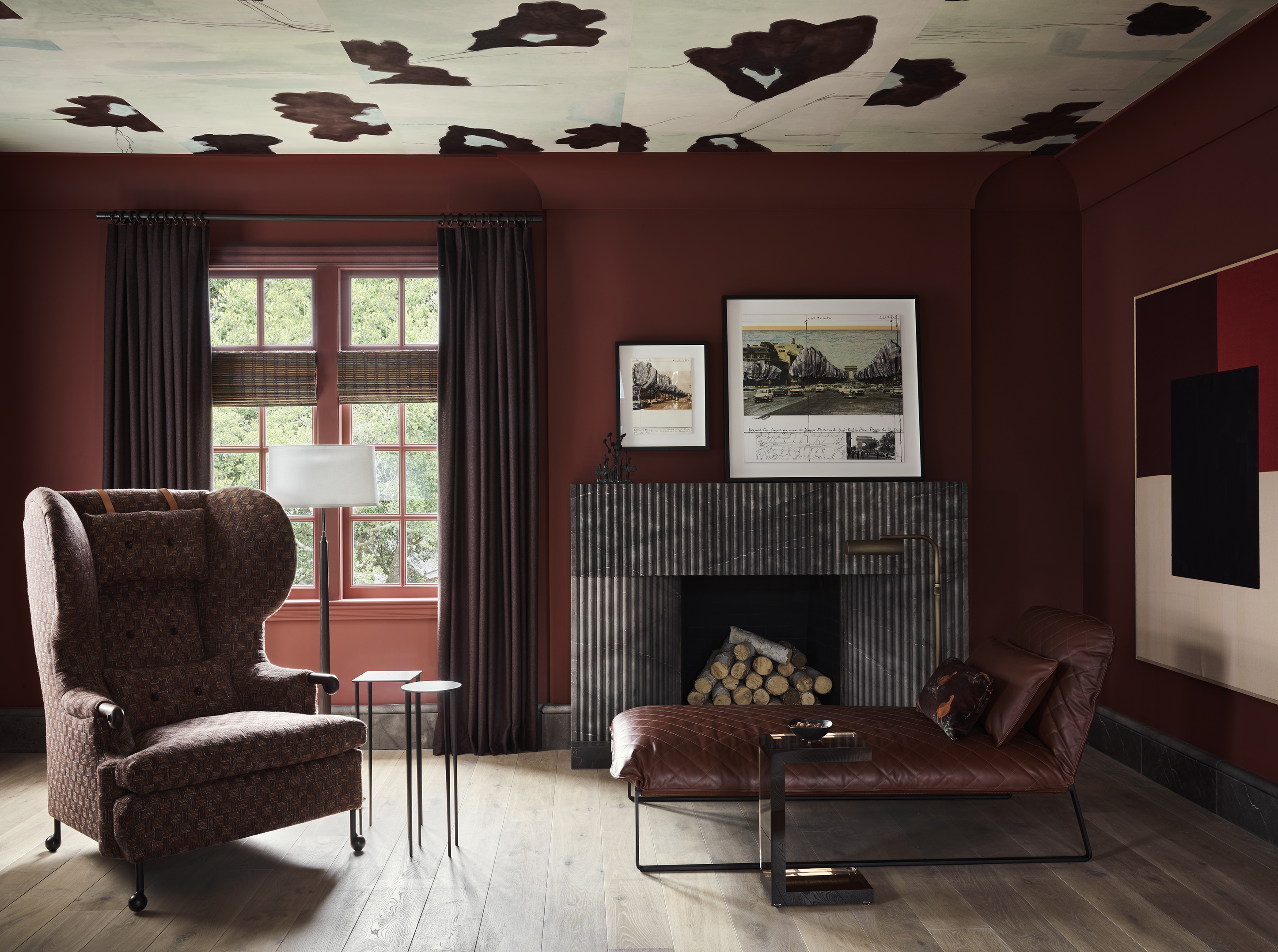
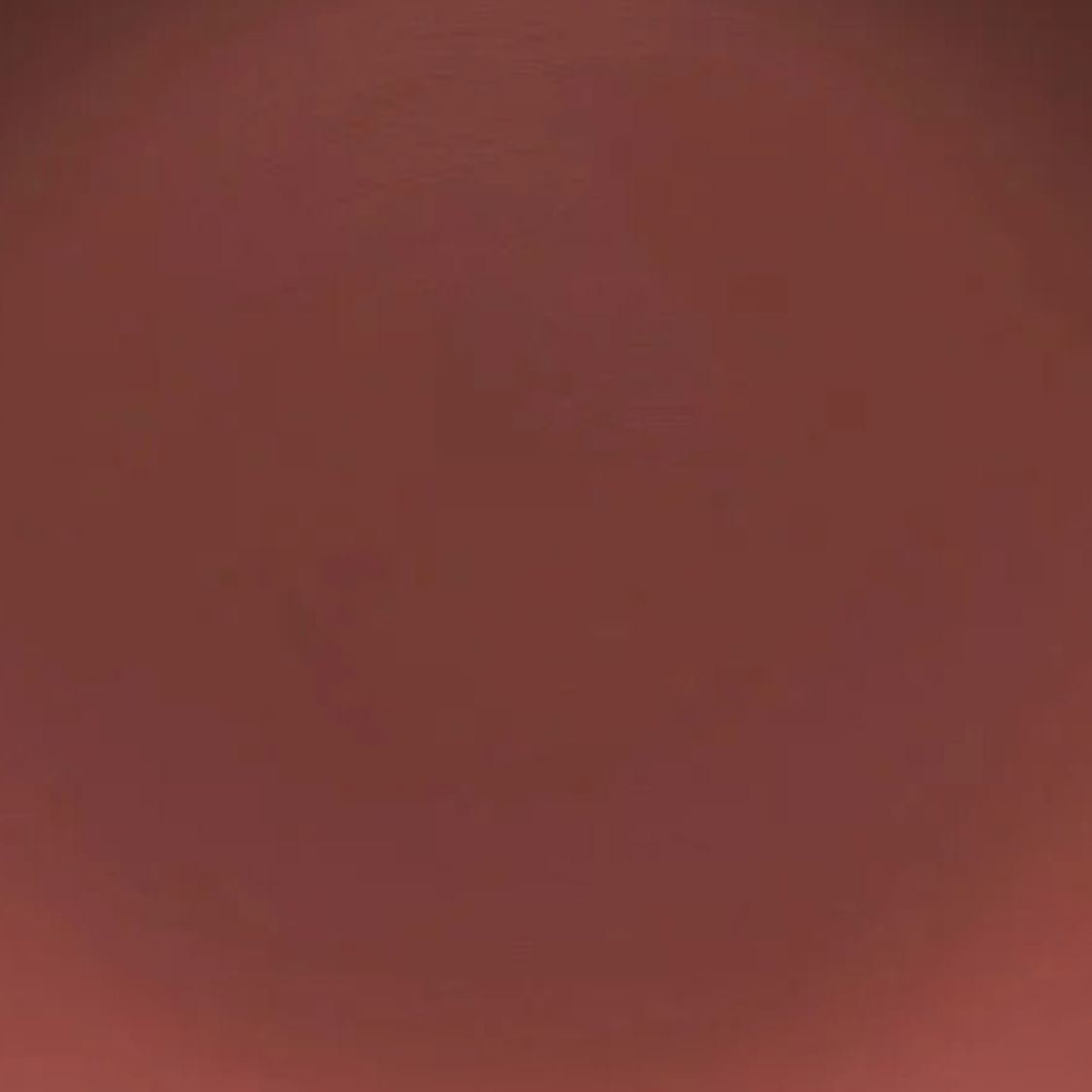
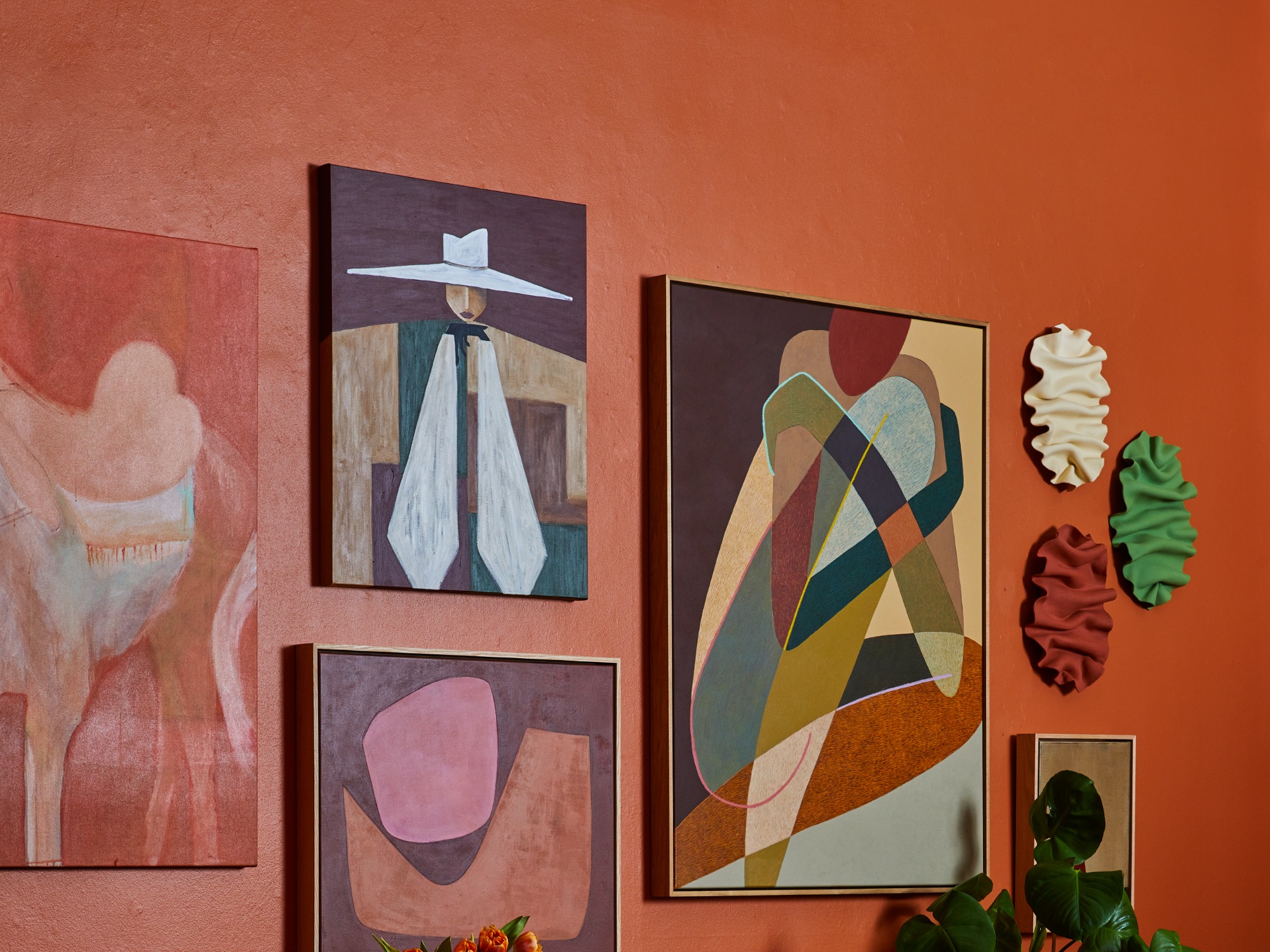
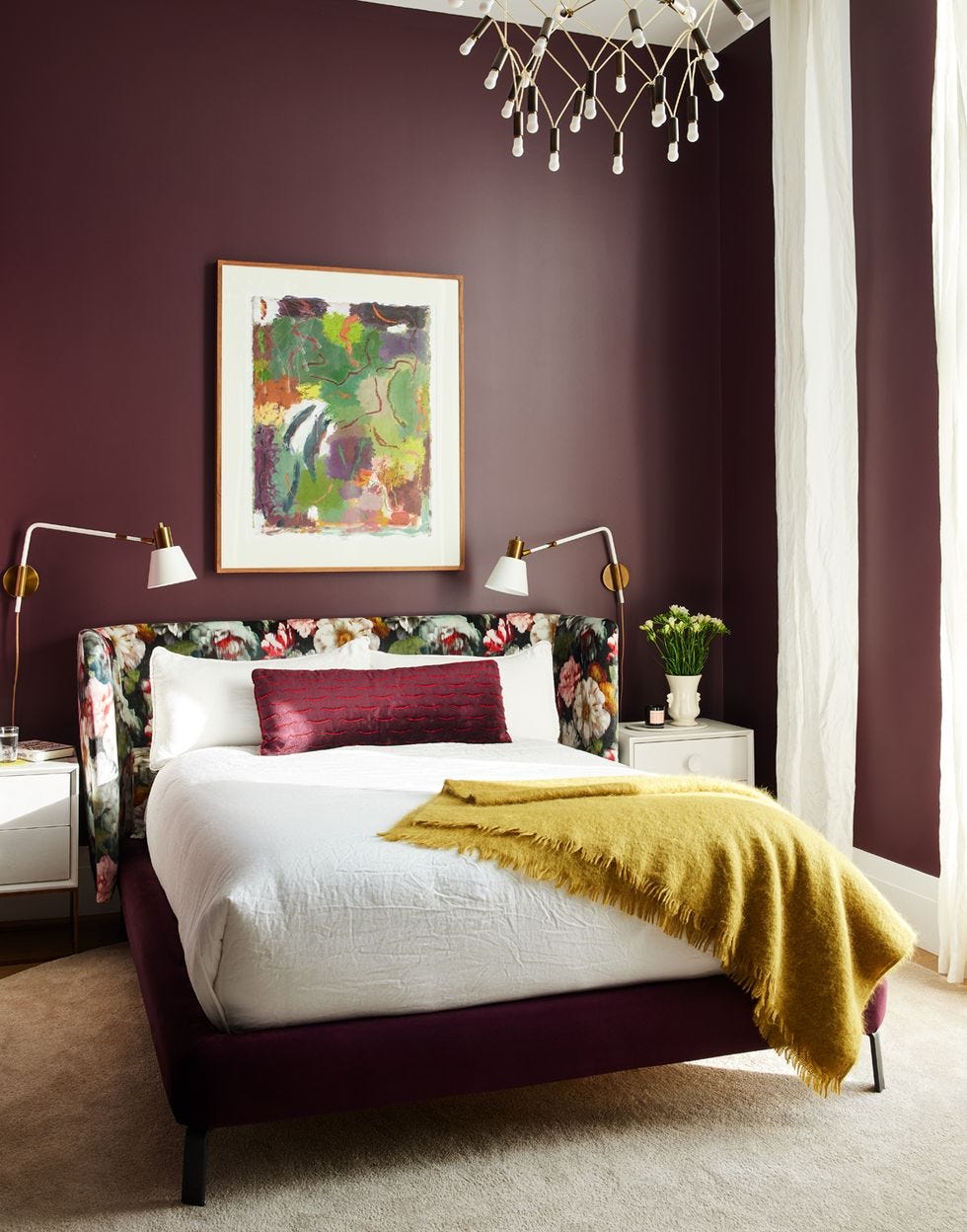
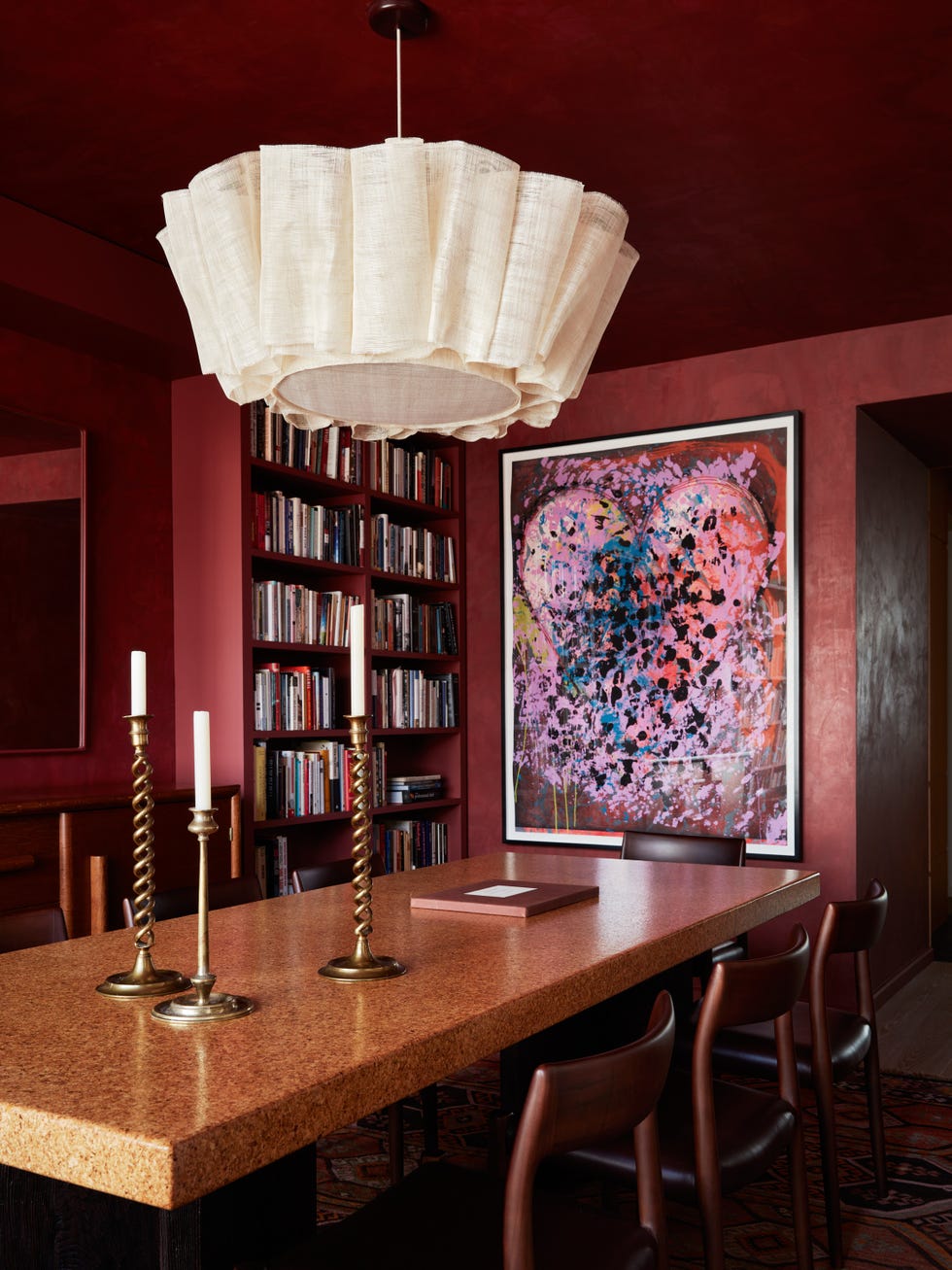
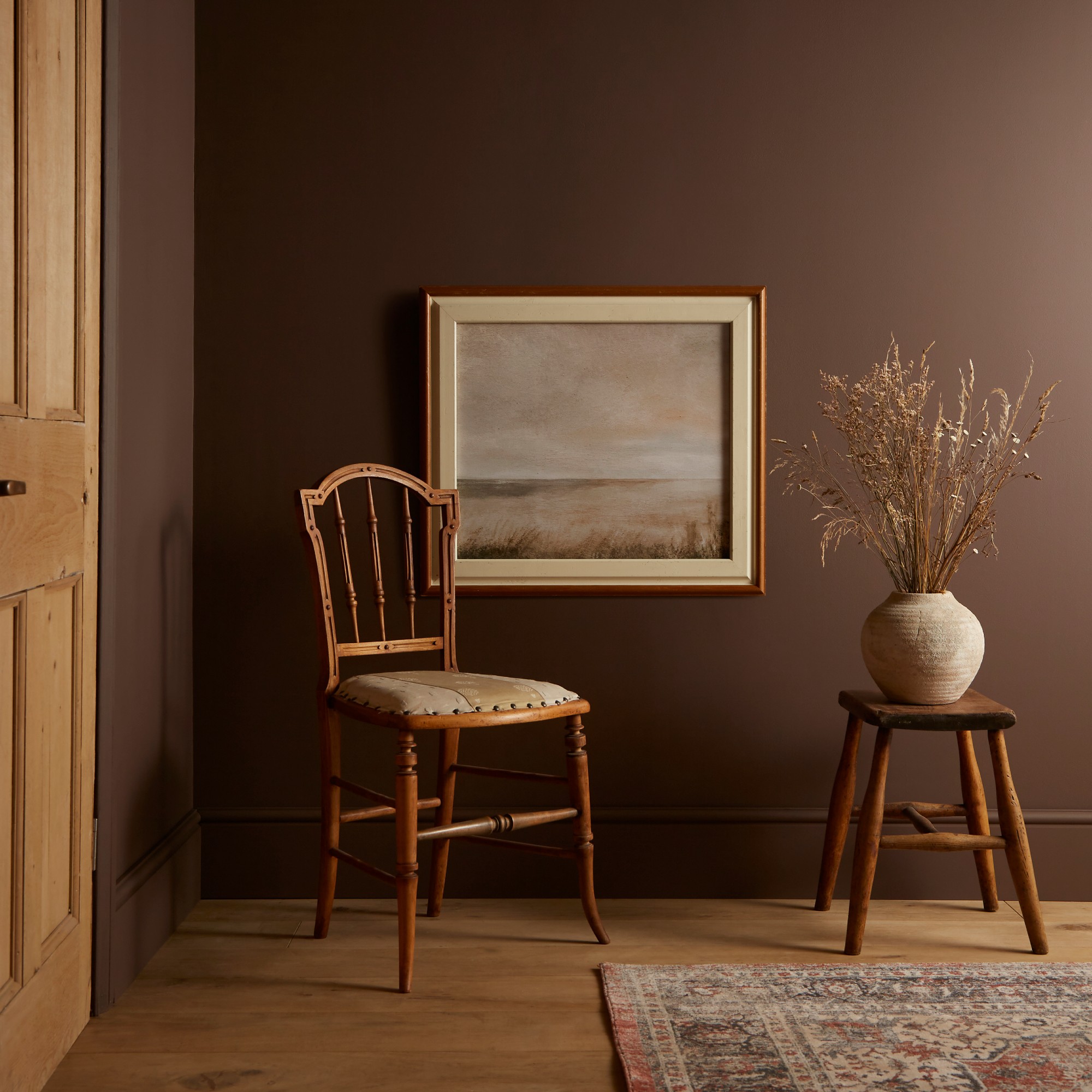
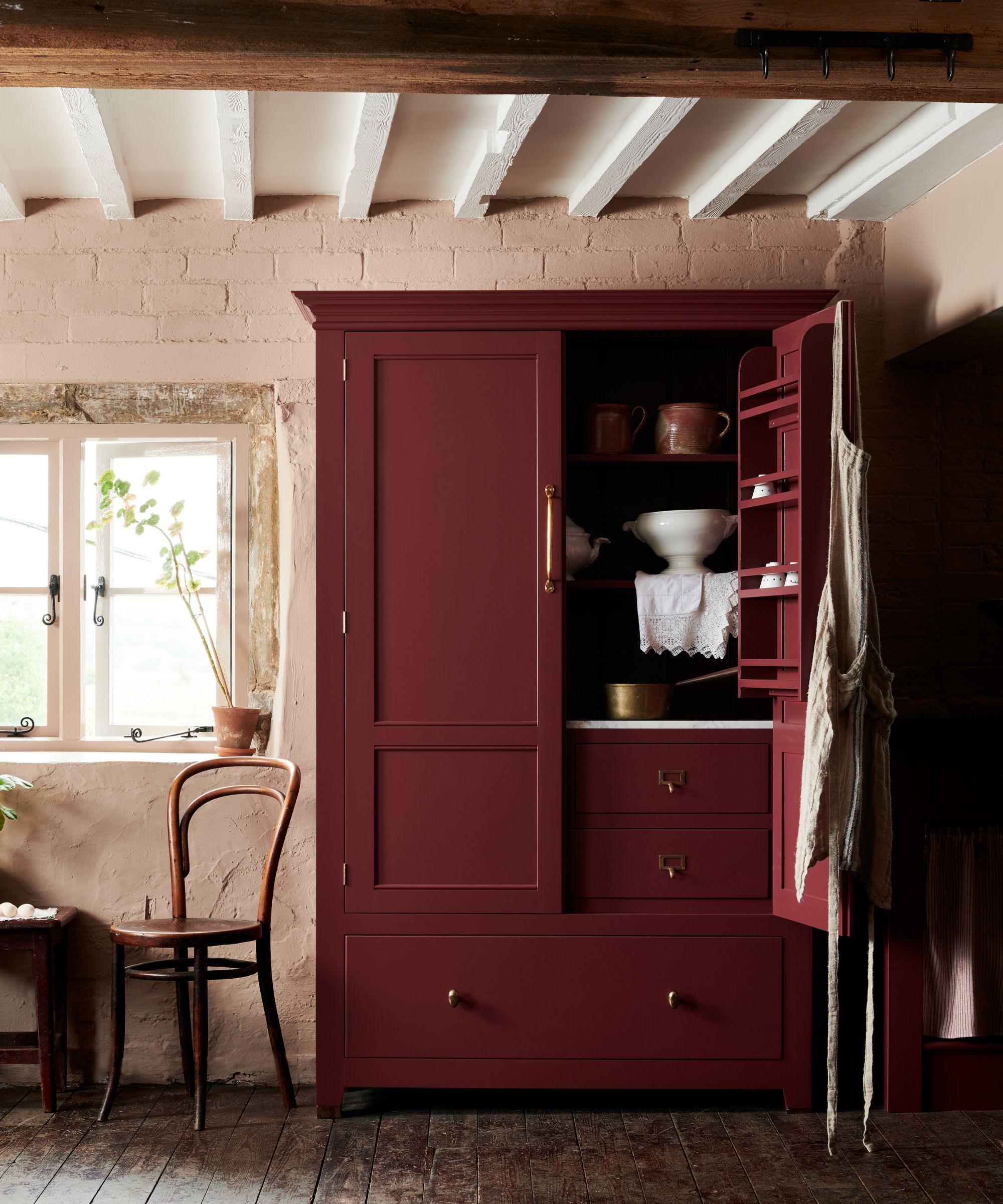
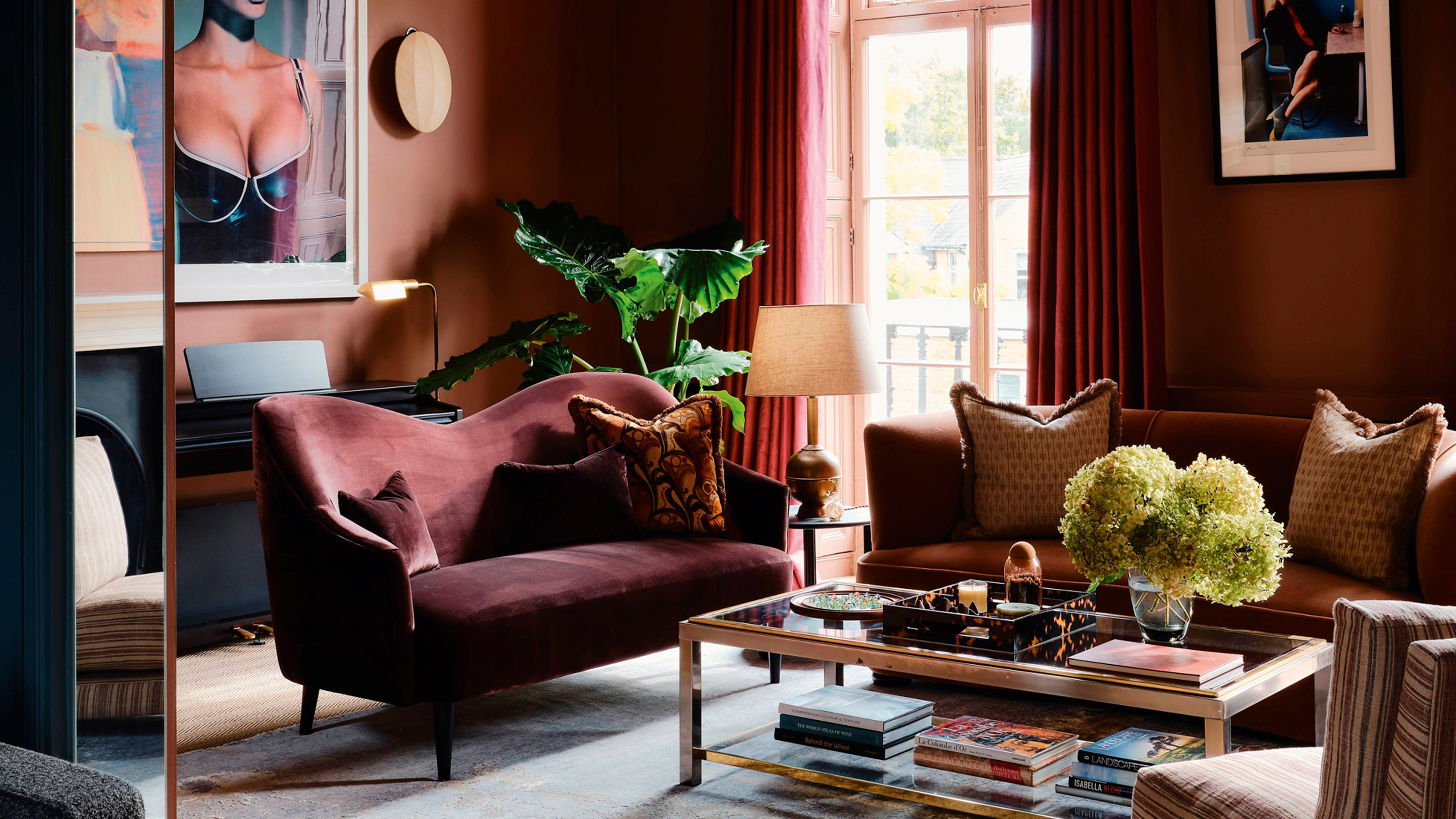
Oxblood, a deep wine-red hue, is experiencing a significant resurgence in interior design, poised to be a dominant color in 2025. This trend is evident through its widespread adoption by prominent interior designers and its increasing presence in design surveys and fashion runways. Renowned firms like Kallos Turin have integrated oxblood into their projects, using it for a leather desk in a minimalist London office and in a private room at a Michelin-starred restaurant in Buenos Aires. Designers Stephania Kallos and Abigail Turin highlight the color's enduring appeal, citing historical inspirations such as Adolf Loos's Villa Karma, and note its recent visibility at prestigious design events like Salone del Mobile and in luxury fashion collections by Bottega Veneta.
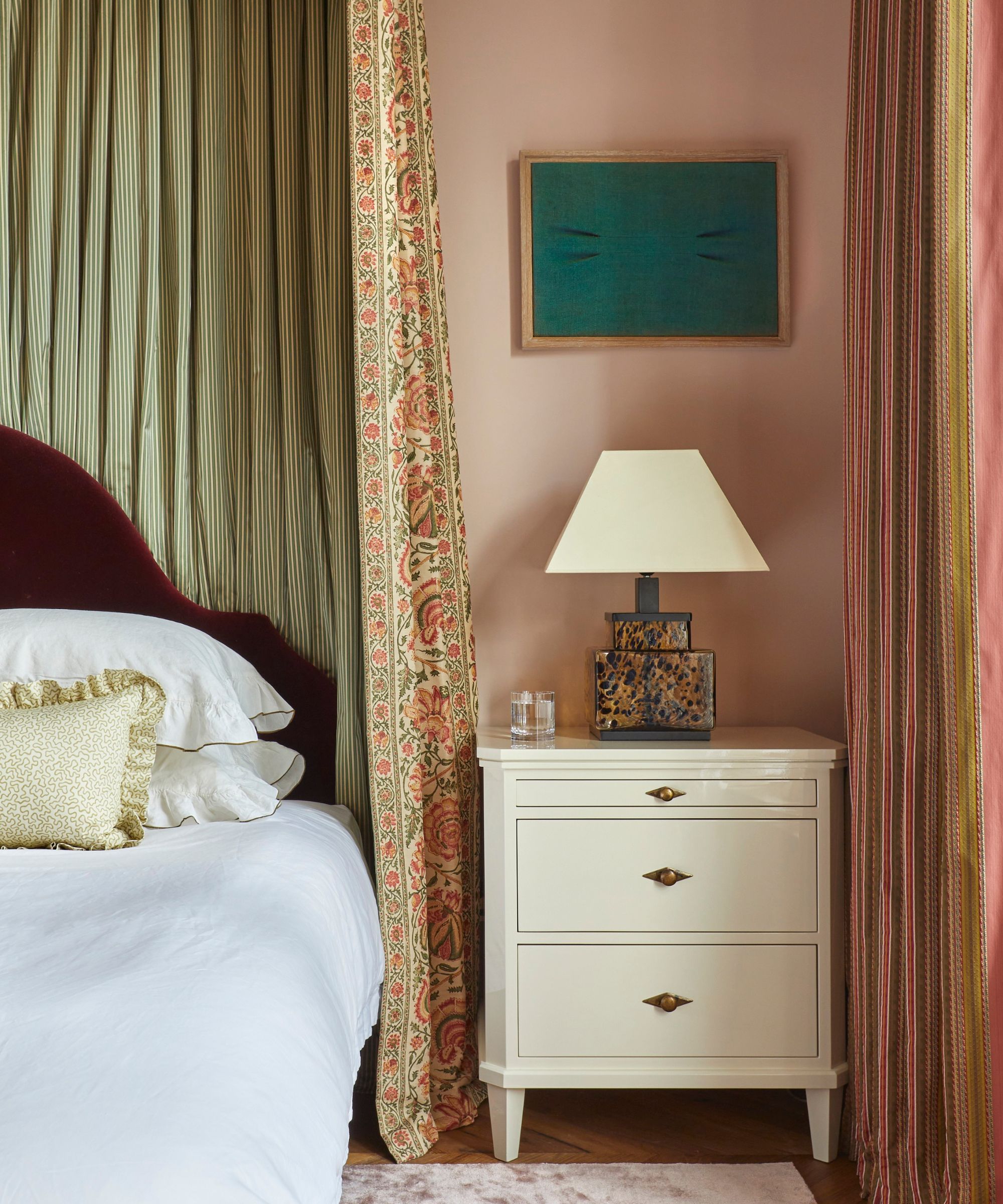
New York-based designers are also embracing oxblood. Christine Gachot, co-founder of Gachot, has incorporated oxblood accents into her library and personal wardrobe, praising its richness and sophistication. Daniel Rauchwerger of BoND architecture studio utilized red-hued sapele in a bedroom, while Julie Hillman chose an oxblood paint for an uptown apartment's entryway, appreciating its ability to create a "sophisticated surprise." The growing interest in this color is statistically supported by 1stDibs’s annual Designer Trends survey, which reported that 20% of designers plan to use dark red, a notable increase from 12% two years prior. Additionally, multiple decorators identified oxblood as a key color in Vogue’s 2025 interior-design trend report.
Anthony Barzilay Freund, President of 1stDibs, emphasizes that oxblood is not merely a fleeting trend but a timeless hue with a rich history in decorative arts. Its origins can be traced back to the Tang dynasty in fine Chinese porcelain, where it was created using unpredictable copper alloys. The color also enjoyed significant popularity during the Art Deco period, a style that is currently experiencing its own revival in interior design, exemplified by tastemakers like Athena Calderone's Art Deco-themed rug collection.
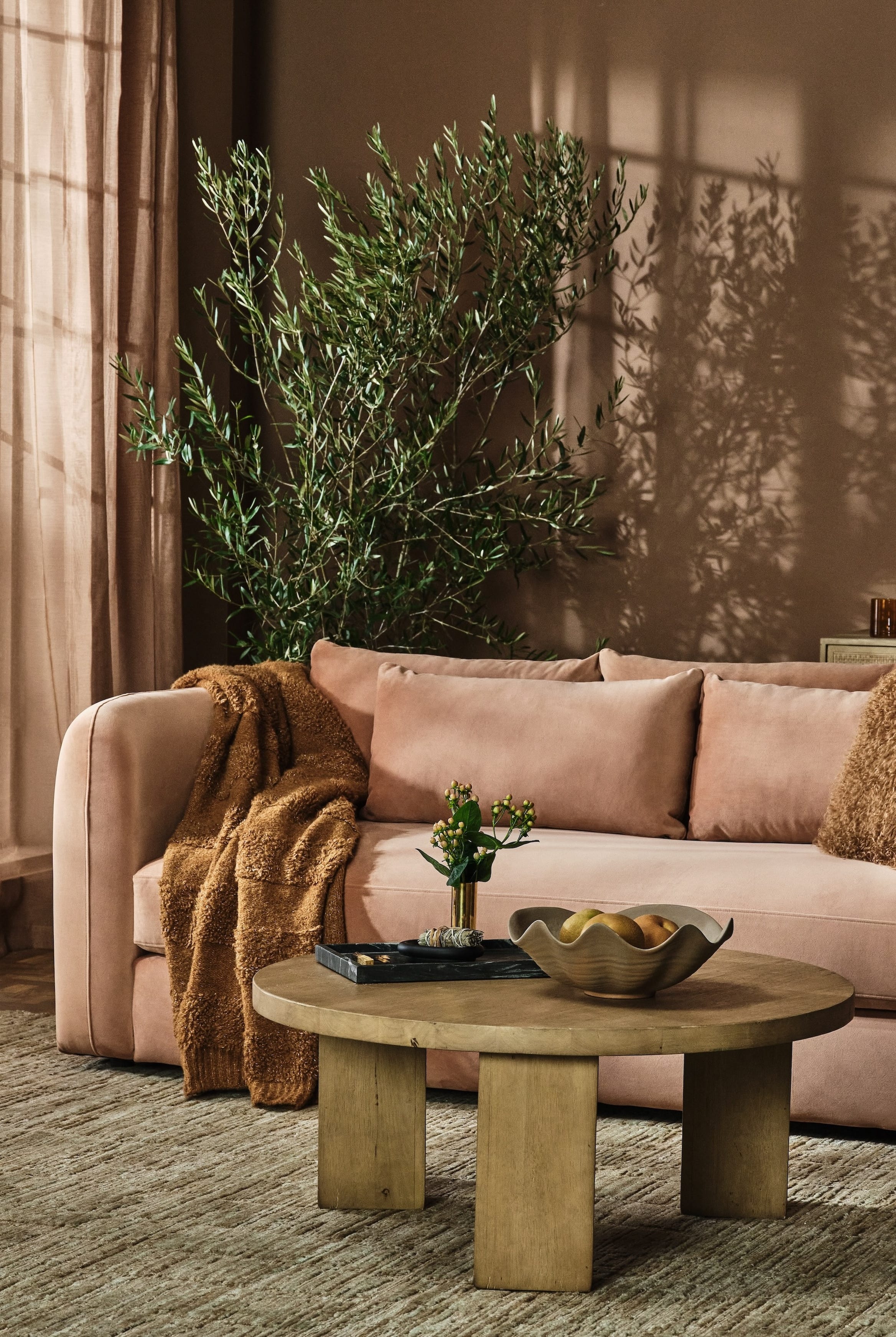
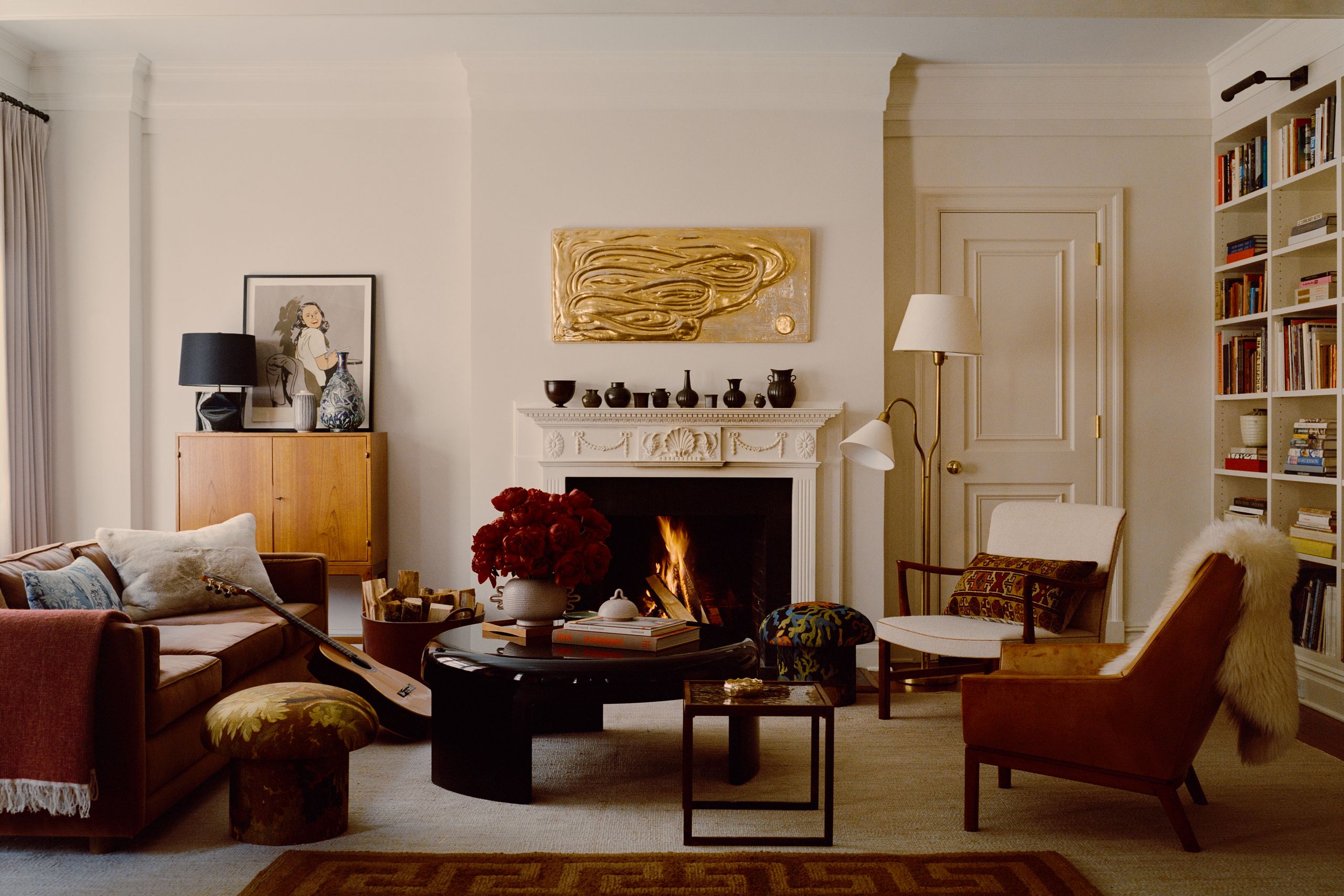
The renewed popularity of oxblood is interpreted as a broader cultural shift following years dominated by calming, neutral palettes during and after the pandemic. Designers like Guillermo Castello of Elmo Studios, who recently painted a Park Avenue room in oxblood, observe a transition from warm, desaturated tones and tactile natural materials towards a bolder aesthetic. Olivier Gautschox, founder of French design gallery Eteline, concurs, noting a shift towards cooler, smoother materials such as high-gloss surfaces, darker woods, and polished stainless steel. He posits that oxblood, with its deep and moody tonality, serves as an ideal bridge between these evolving design narratives, reintroducing richness and intensity after a period of neutrality.
Despite its richness, oxblood is considered far from jarring. Unlike brighter reds, which can be overly stimulating and are often associated with emergency signals, oxblood's brownish undertones provide an intriguing yet calming presence. Rauchwerger describes it as both earthy and lush, warm in tone without being overwhelming, evoking images of falling autumn leaves or a glass of Bordeaux rather than a stop sign. This unique balance ensures that oxblood is not only stylish but also timeless, positioning it as a color that designers and homeowners will continue to revisit for its enduring sophistication, as suggested by Gucci’s oxblood collection named “Ancora,” meaning “again.”
#OxbloodColor #InteriorDesignTrends #HomeDecor #Designers #ColorTrends2025 #ArtDecoInfluence #LuxuryInteriors #TimelessDesign #OxbloodColor #InteriorDesignTrends #HomeDecor #Designers #ColorTrends2025 #ArtDecoInfluence #LuxuryInteriors #TimelessDesign
0개의 댓글이 총 표시됩니다.
 아직 댓글이 없습니다
추가로 마음에 드릴 만한 콘텐츠
These Colors Will Be Everywhere in Interiors in 2025
5 Living Room Color Trends for 2025 — New and Exciting Shades Designers Are Choosing for Walls

‘Unexpected Yellow Theory’: The Bold New Interior Trend Replacing Red in 2025
The Latest Color Trend You'll Be Seeing Everywhere In Fall 2025
Color Explosion: 2025 Color Trends

The Biggest Colour Trends Taking Off in 2025
Move Over, Color Drenching— Color Capping Will Dominate 2026 Interiors

Paint colors going out of style in 2025

The #1 Paint Color Trend of 2025, According to Designers

Goodbye Gray—This Soothing Paint Color Will Dominate Interiors in 2026, Designers Say

Kitchen colour experts are calling this the 'it' colour of 2024 that will go down as a future classic
The colour palette for 2025 – these are the shades paint experts say we’ll see everywhere next year
Say Goodbye to Neutrals: Color-Drenching Will Define 2026 Interiors
Interiors experts predict this will be the biggest paint trend of 2026

Bold, edgy color drenching is going to be big in 2024
What's replacing the 'Unexpected Red Theory'? Here's what colors designers say will be popular in 2025
Designers Predict You'll Use AT LEAST One of These Colors in Your Home in 2025

We’re Calling It: These Are the Official Color Trends of 2025
8 Kitchen Trends Designers Predict Will Be Everywhere in 2025

The Soothing Paint Color Everyone’s Adding To Their Homes In 2025, According To Designers