1/4
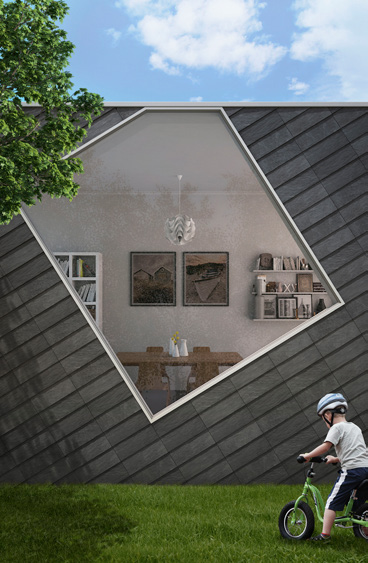
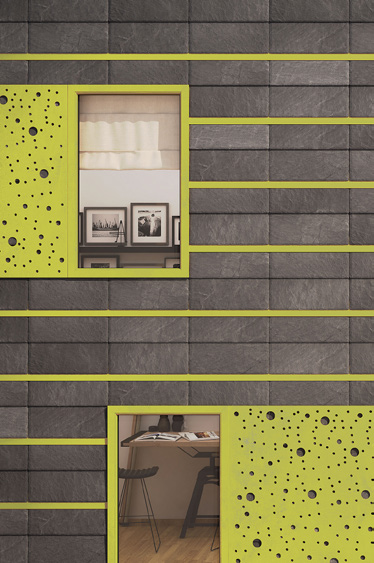
This Sustainable, Soundproofing Exterior Siding Is Cooler Than Clapboard
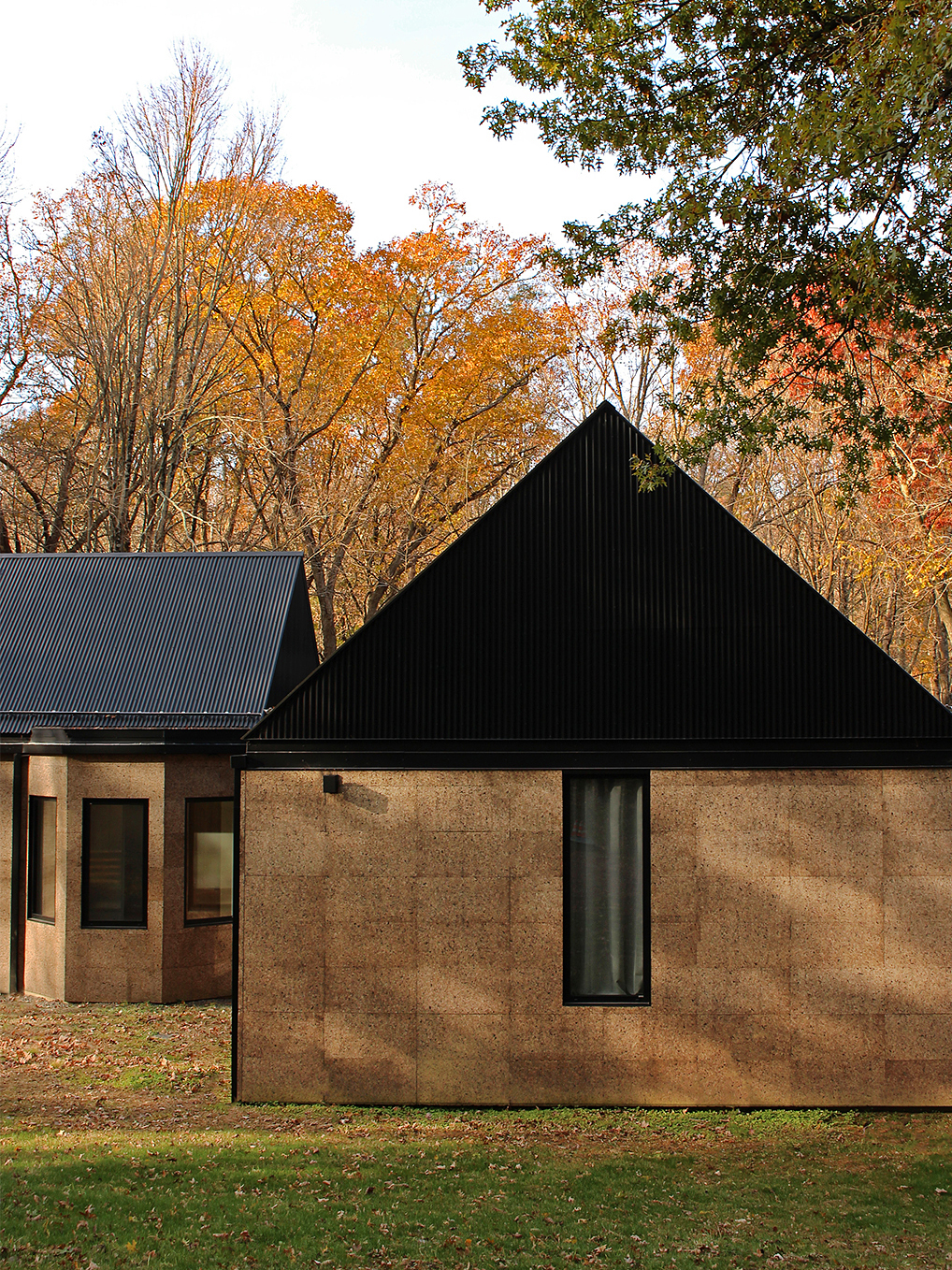
Architect Nate Dalesio and his wife embarked on an extensive gut renovation of a house in northern Westchester, New York, after intentionally purchasing a highly affordable property in poor condition. Their strategy was to invest in a complete overhaul, starting from the foundation, rather than buying a more expensive home they weren't fully satisfied with. The property, which had been vacant for three years, exhibited significant disrepair, including fallen trees, a rotted roof, and widespread mold, creating an ideal scenario for a total reconstruction.
Dalesio chose cork as the primary exterior material for the renovation, inspired by a backyard work studio he had previously seen clad in the material. He identified cork as "the ultimate traditional material for the future." Further research into cork revealed several advantages, particularly its sustainability and cost-effectiveness. He sourced facade-grade cork panels from ThermaCork, a company that produces them in Portugal.
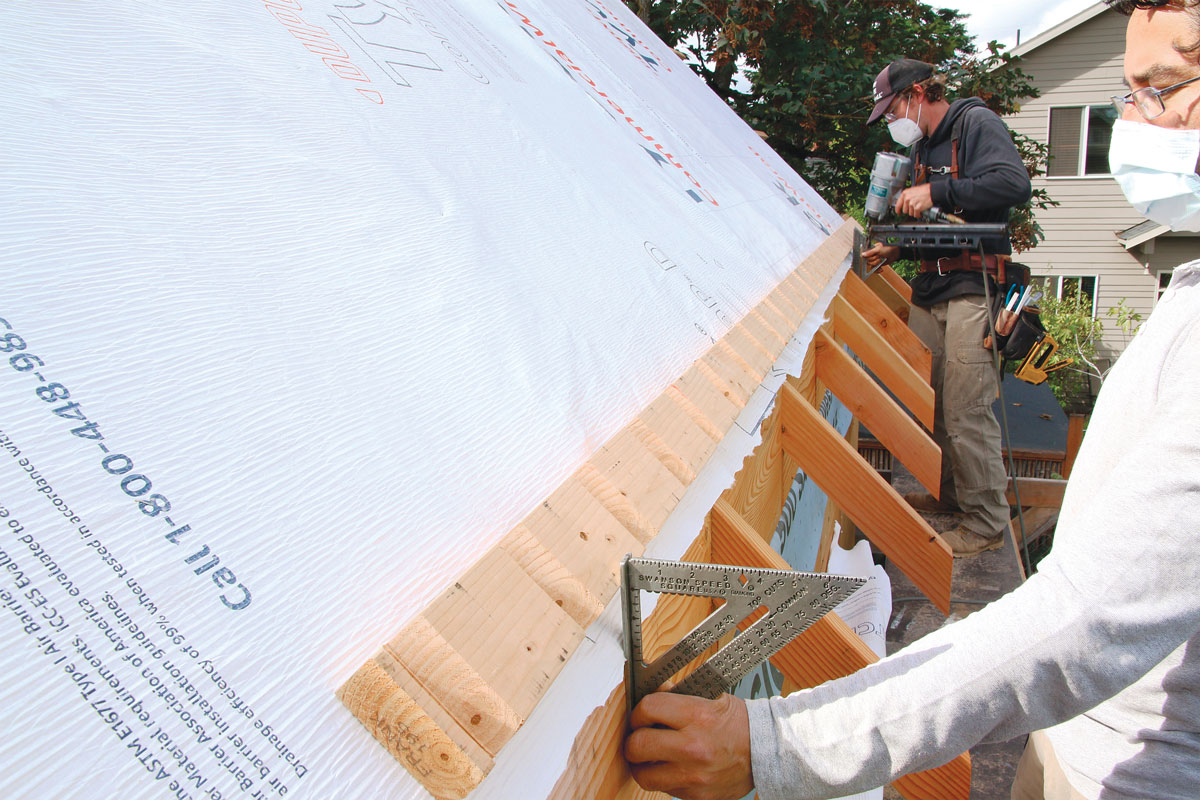
The 2-inch-thick cork panels Dalesio selected cost approximately $4.50 per square foot during the renovation, making them nearly half the price of cedarwood, an alternative material he had considered. The installation process was also more efficient and less expensive due to the larger size of the panels and their shiplap-like fitting mechanism, which simplifies attachment to the sheathing.
From a sustainability standpoint, the cork harvesting process is environmentally conscious. After bark is removed from cork oak trees, it is transported to a factory where impurities are separated. The resulting dust is not wasted but is used to fuel approximately 90 percent of the energy required for ThermaCork production. The final product is fully recyclable and boasts a lifespan of up to 60 years, aligning with Dalesio’s goal for durable, long-lasting materials in his new home.
Dalesio aimed to adhere to The Pretty Good House building standard, which emphasizes energy efficiency and sustainability beyond basic code requirements, offering a more flexible approach than a passive house certification. The aesthetic appeal of cork also played a role in its selection. Initially, the cork panels present a dark, coffee-like color, but exposure to sunlight causes them to gradually fade to a sandy tan hue within a few months, creating a soft, textured, and unique exterior that differentiates it from conventional clapboard.
One minor challenge Dalesio encountered was the attraction of woodpeckers to the cork siding, though this can be mitigated with common deterrents like ultrasonic sound repellents or wind chimes. He also humorously anticipates his young sons potentially using the textured surface for their artwork. Overall, the cork siding provided a sustainable, affordable, and visually appealing solution for his home renovation, aligning with his vision for an environmentally responsible and durable residence.
#HomeRenovation #SustainableDesign #CorkSiding #ExteriorMaterials #AffordableBuilding #EcoFriendlyHome #Soundproofing #ArchitecturalDesign #HomeRenovation #SustainableDesign #CorkSiding #ExteriorMaterials #AffordableBuilding #EcoFriendlyHome #Soundproofing #ArchitecturalDesign
0개의 댓글이 총 표시됩니다.
 아직 댓글이 없습니다
추가로 마음에 드릴 만한 콘텐츠
How To Soundproof Your Garden


Acoustic and thermal insulation achieved at T4 Melbourne Airport with Megasorber
The Best Soundproofing Materials for Any Room in Your Home


Gyprock releases new flexible plasterboard for curved ceilings
Cupa Pizarras creates cladding system that "utilises the beauty of natural slate"
How Wood Shavings Become Environmentally-Friendly Acoustic Panels
Battling Noise Complaints With Crown Molding
BAUX’s latest fully recyclable acoustic panels and tiles invigorate the indoors with soothing vibrancy

Sound-Absorbing Panels: The New Domestic Landscapes Inhabited by Sound
The 8 Best Door Draft Stoppers for Winter-Proofing Your Home
Autex Acoustics releases acoustic products that blend into a variety of interiors

A New Take on Insulating a Roof


The art of making a room soundproof: woman turns pictures and canvases into sound-absorbing decor
CUPACLAD: Why This Natural Slate Is Raising The Bar For Exterior Cladding

Interior Timber Wall Cladding


Stylish sound-absorbing artwork for a quieter home
The latest and greatest innovations in sustainable building materials
Cellulose Panels - CFAB™ from Acoustical Surfaces

9 expert tips for soundproofing a room – how to sort acoustics while losing nothing of the aesthetics


Shiplap Cladding