This DIY Gingham Backsplash Is Peak Nancy Meyers—Here's How to Get the Look
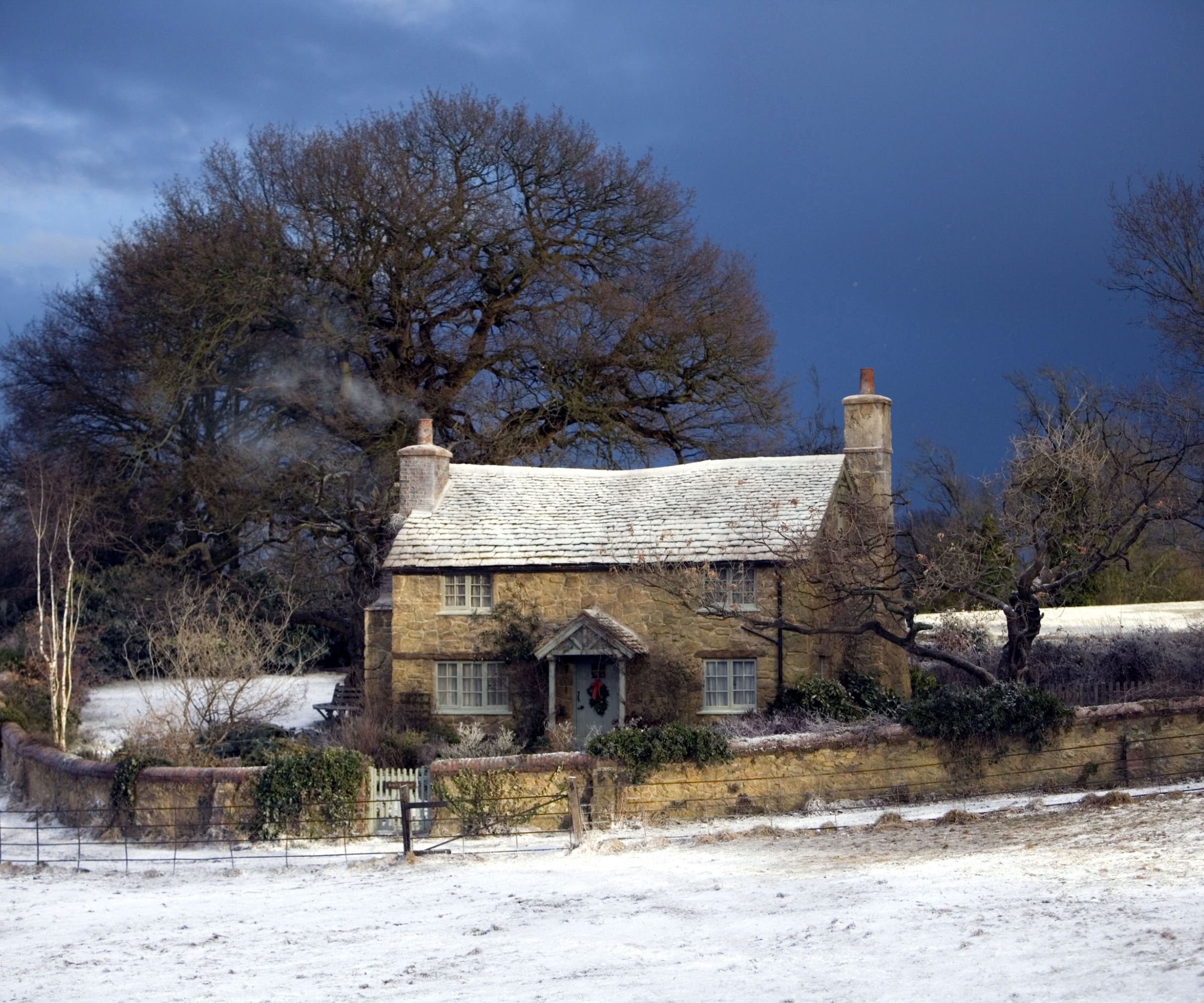
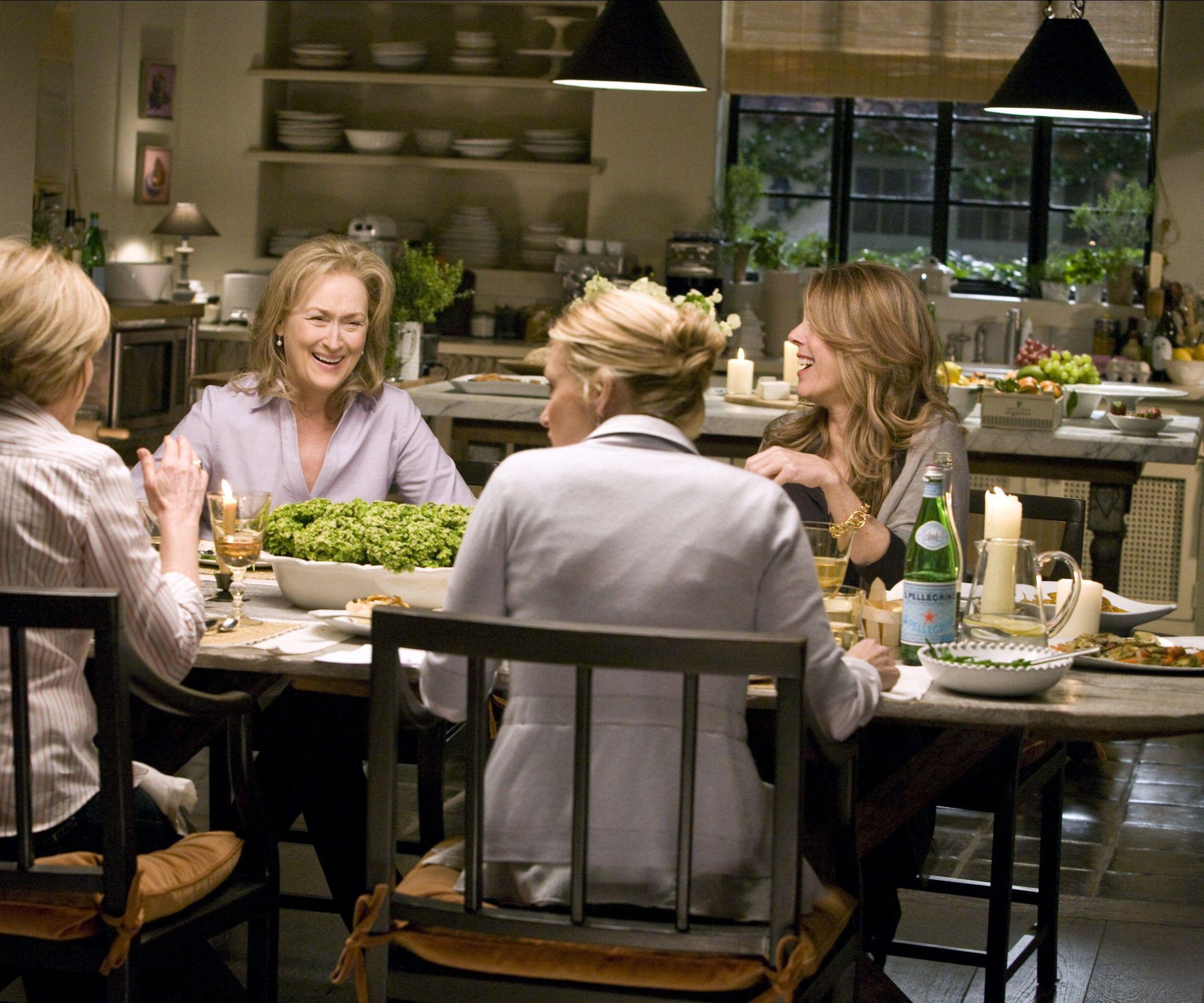
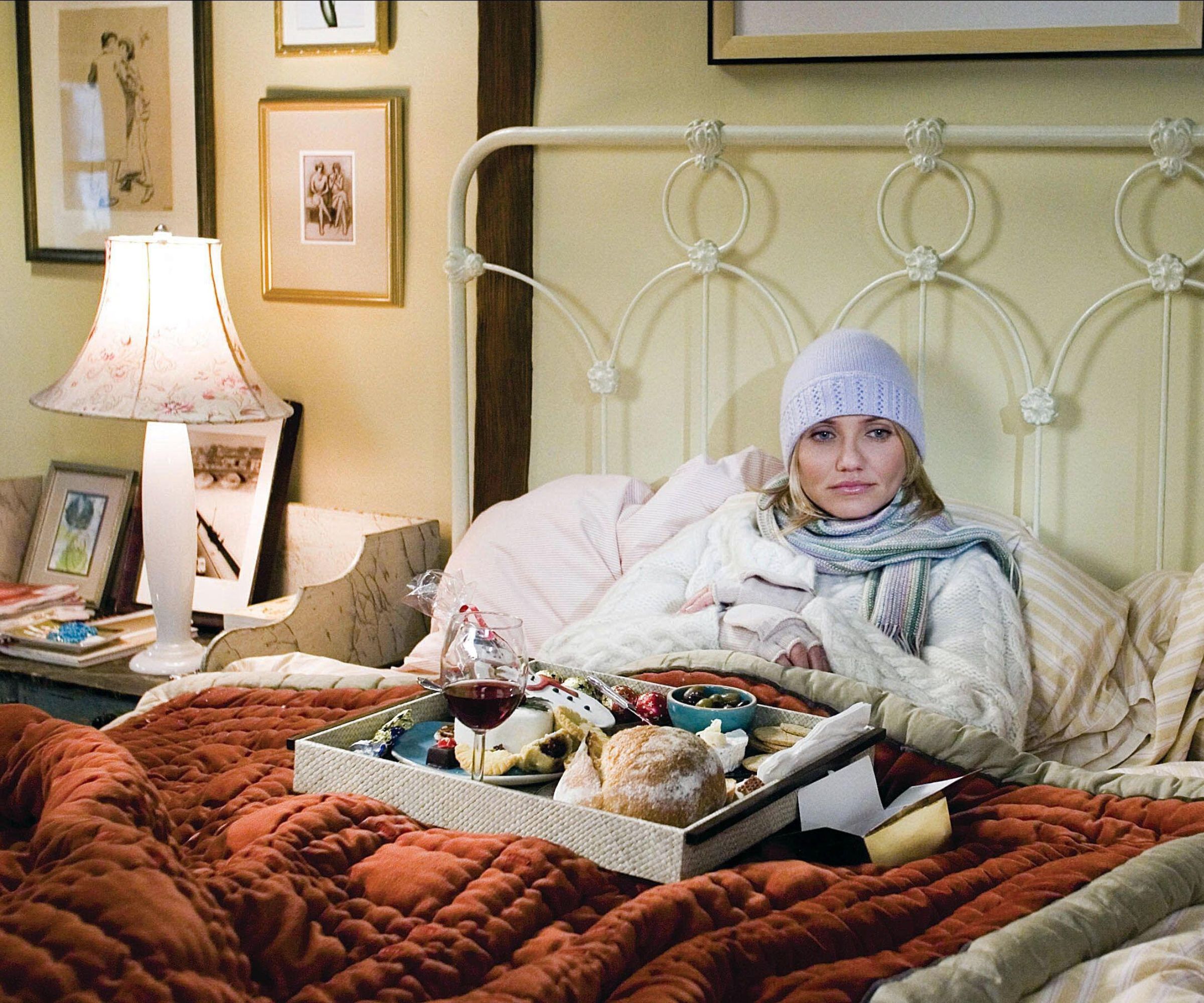
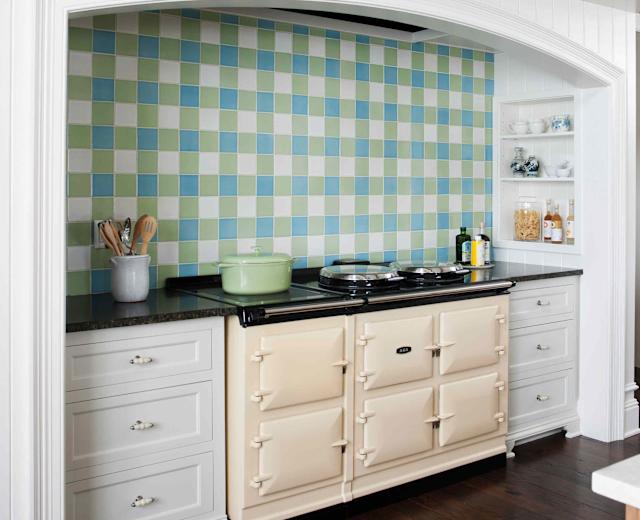
Gingham patterns, including checkered and tartan, have been a enduring element in design for decades and are currently experiencing a resurgence in home decor. This trend is closely tied to nostalgic aesthetics such as Nancy Meyers' signature style and cottagecore. The versatility of gingham allows for its incorporation in various home elements, from upholstery and area rugs to curtains. One notable application involves a social media influencer's creative use of mosaic tiles to form a DIY gingham pattern on a counter front.
The inspiration for this DIY project stemmed from the influencer, Leigha Stepp, who desired a blue gingham tiled counter for her boutique but found pre-patterned tiles online to be excessively expensive. To achieve the desired look without a significant financial outlay, she opted to create the gingham design herself using individual mosaic tiles. This approach demonstrates a cost-effective method for achieving a custom, high-end aesthetic.
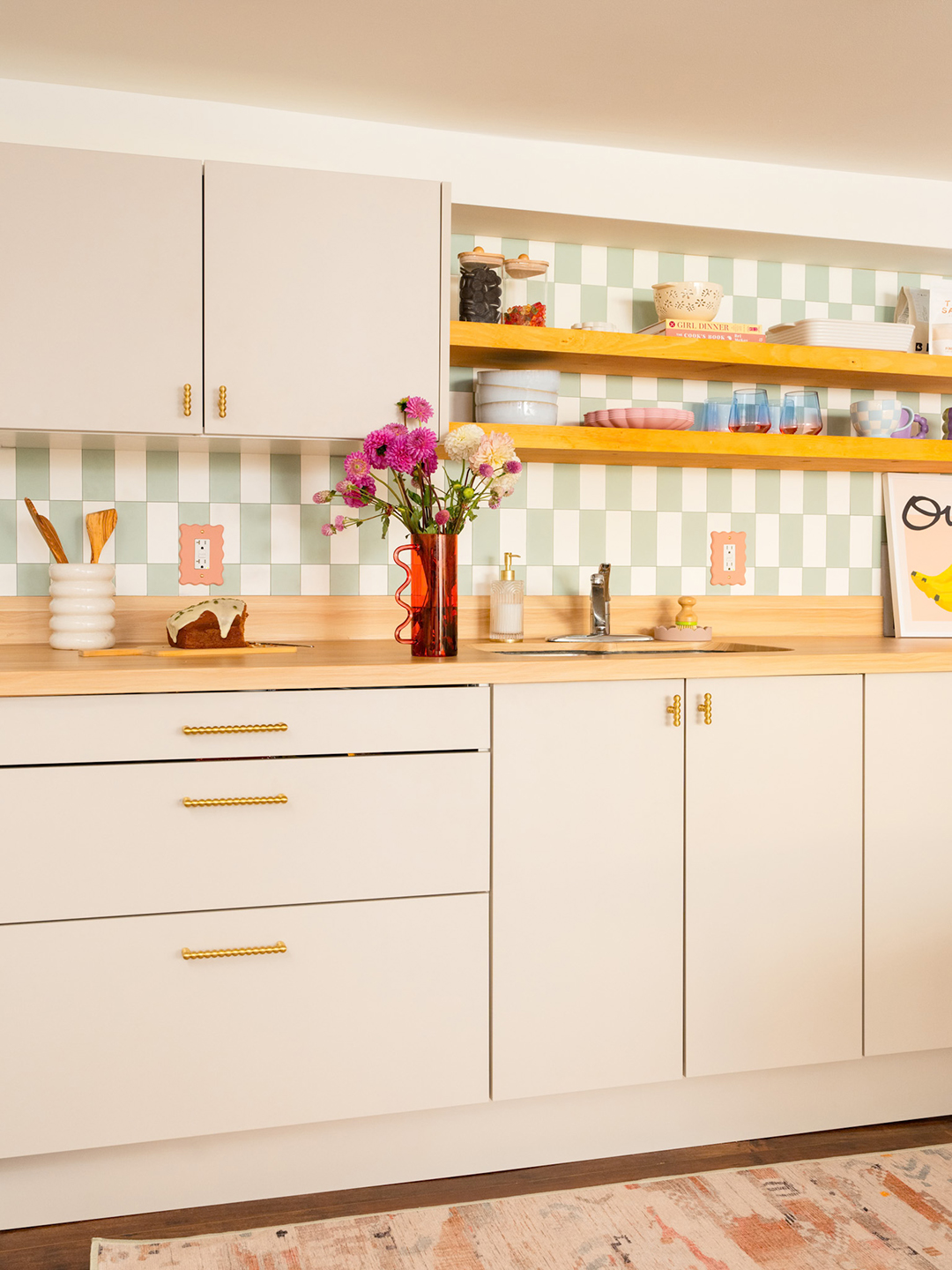
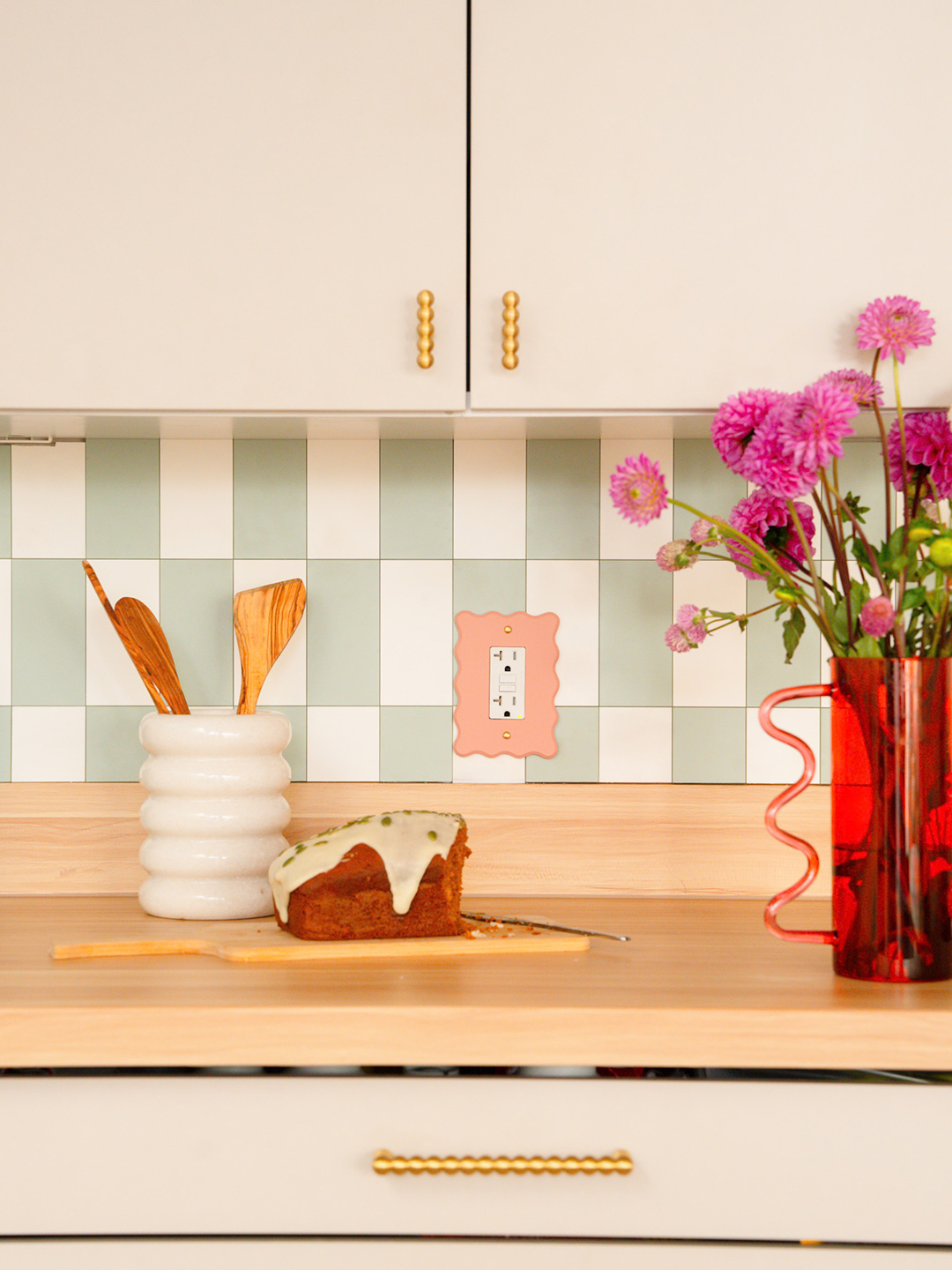
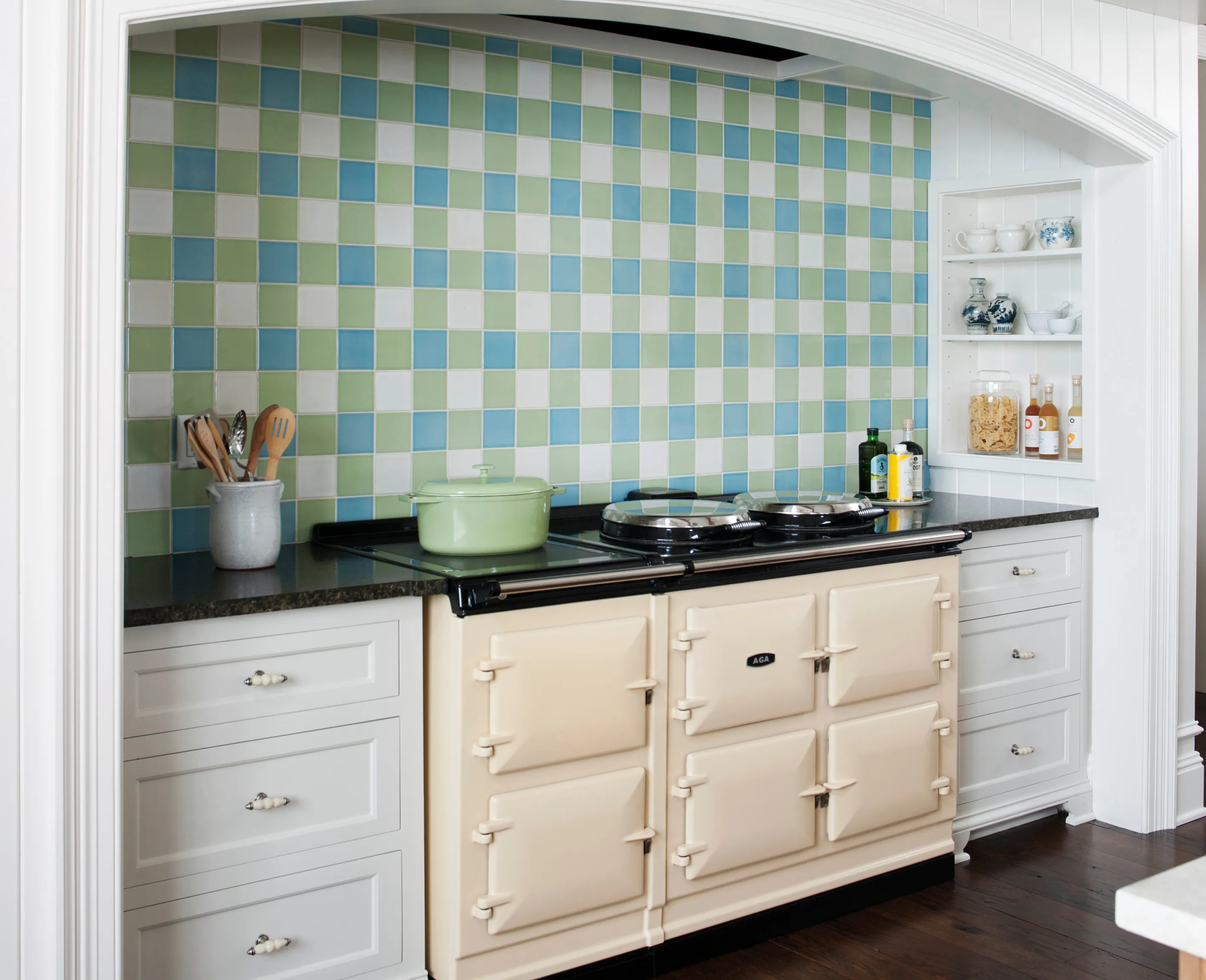
The distinctive gingham pattern is achieved by arranging same-sized square tiles in three different shades, typically a statement color, a lighter variation of that color, and white, in a repeating checkered arrangement. Stepp utilized dark blue, light blue, and cream square ceramic tiles. The method involves laying out the first row by alternating between the two lightest shades. For the subsequent row, the two darkest shades are alternated, with a crucial detail being to ensure that the darkest color never aligns directly above a lightest color. This systematic arrangement is continued until the desired area is fully covered, forming the characteristic gingham grid.
After the tile pattern was carefully laid out, Stepp proceeded to attach the tiles to the counter. To simplify and expedite the installation process, she chose to use adhesive tile mats instead of traditional mortar. This alternative not only made the project more manageable for a DIY enthusiast but also likely reduced the overall project time. The final step involved applying white grout to fill the spaces between the tiles, which not only secured them but also provided a polished, professional finish, making the DIY creation appear custom-built.
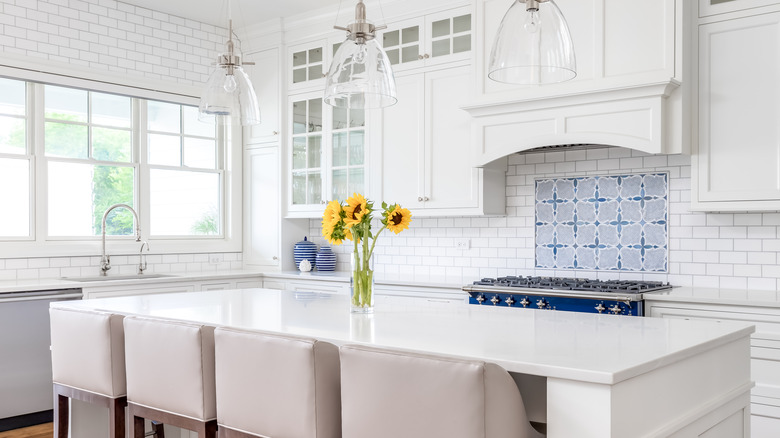
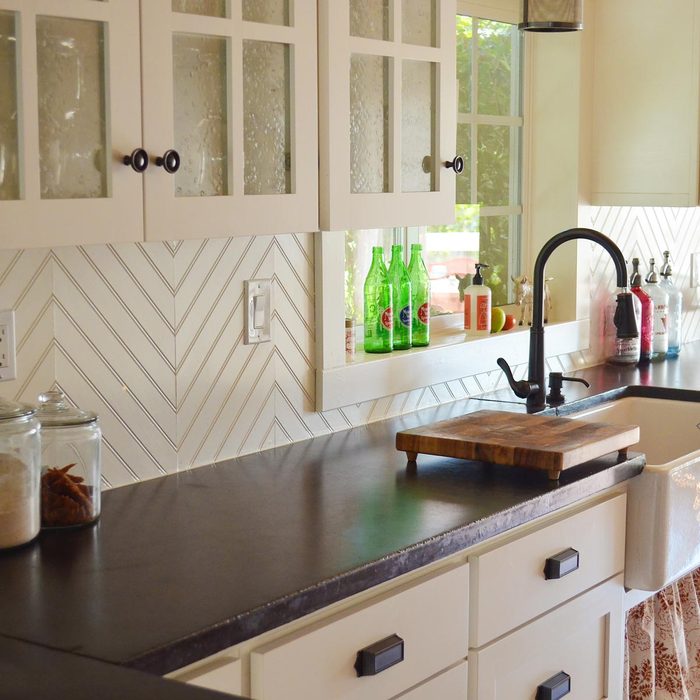
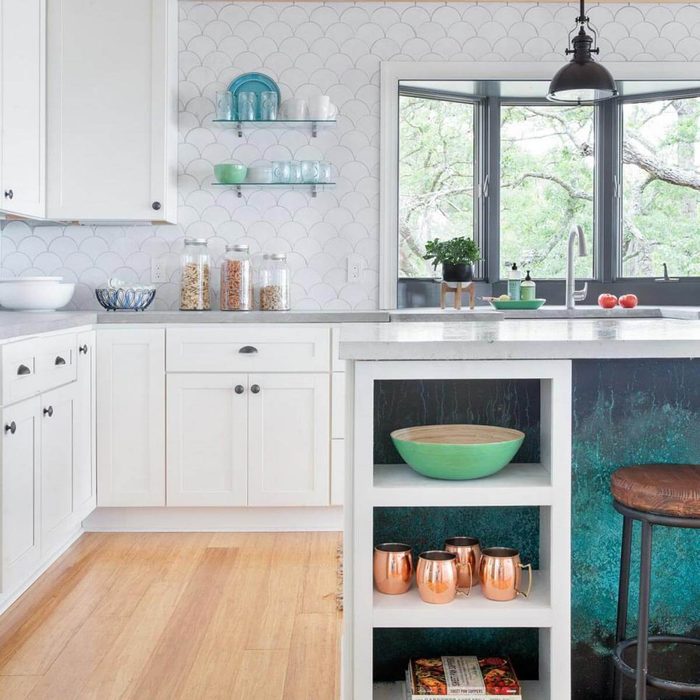
The popularity and adaptability of gingham mean that this tiled look can be replicated in various areas within a home. Beyond covering a counter front, as demonstrated by Stepp, a gingham tile pattern can be effectively utilized for a kitchen backsplash, injecting a cozy and nostalgic ambiance into the space. For a more subtle integration of the pattern, it can be applied within a walk-in shower or a shower niche, adding a pop of design interest. In living areas, tiling the front of a fireplace with a gingham pattern can create a focal point. For those with larger ambitions, the pattern can be extended to cover entire floors or walls. Individuals seeking a less permanent commitment to the gingham trend can opt for patterned peel-and-stick tiles, offering a temporary and easily changeable solution for incorporating this classic design element into their homes.
#GinghamPattern #HomeDesign #DIYHomeDecor #MosaicTiles #KitchenBacksplash #NostalgicDecor #CottagecoreAesthetic #InteriorDesignTrends #HomeImprovement #GinghamPattern #HomeDesign #DIYHomeDecor #MosaicTiles #KitchenBacksplash #NostalgicDecor #CottagecoreAesthetic #InteriorDesignTrends #HomeImprovement
0개의 댓글이 총 표시됩니다.
 아직 댓글이 없습니다
추가로 마음에 드릴 만한 콘텐츠
How to get the Nancy Meyers aesthetic in your home
Freshen up the look of your kitchen with a unique backsplash

The Backsplash DIY That’s the Answer to Our Rental-Kitchen Prayers

Mosaic Backsplash Words Are the Next Quote Signs, You Heard it Here First

This DIY Backsplash Is Even More Renter-Friendly Than Peel-and-Stick

5 tips to help you create a Nancy Meyers bathroom

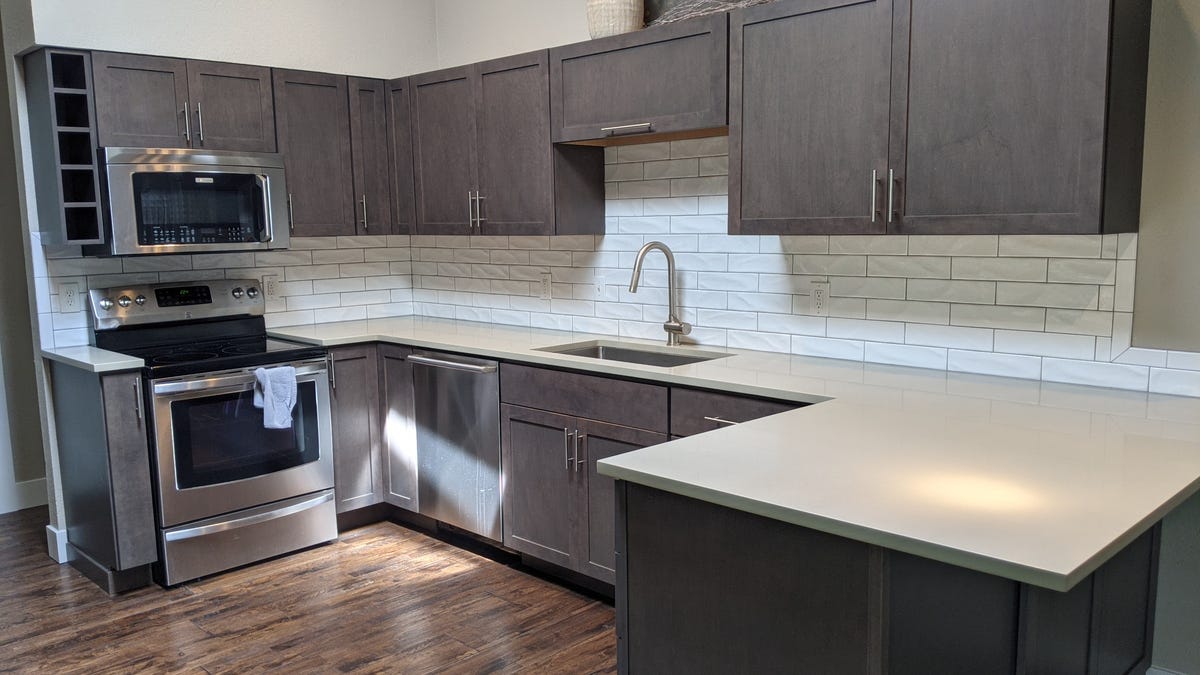
DIY backsplash makes a big impact on a tight budget

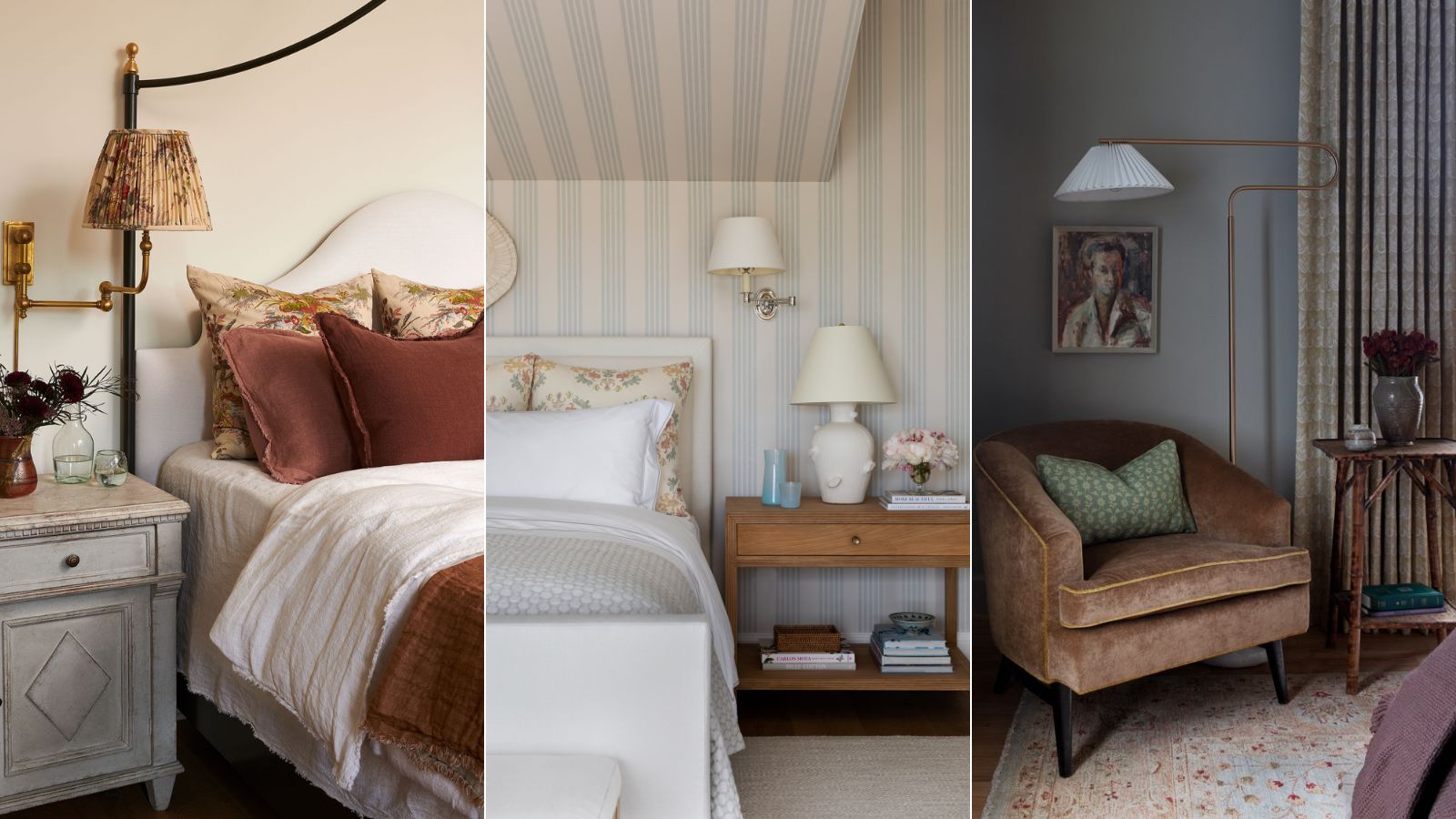
How to create the viral Nancy Meyers-inspired look in your bedroom with 7 simple tricks from interior designers

12 Backsplash Ideas From Erin Napier For An HGTV-Inspired Kitchen


Erin Napier's Stunning Kitchen Backsplash Idea Will Make Your Space Stand Out
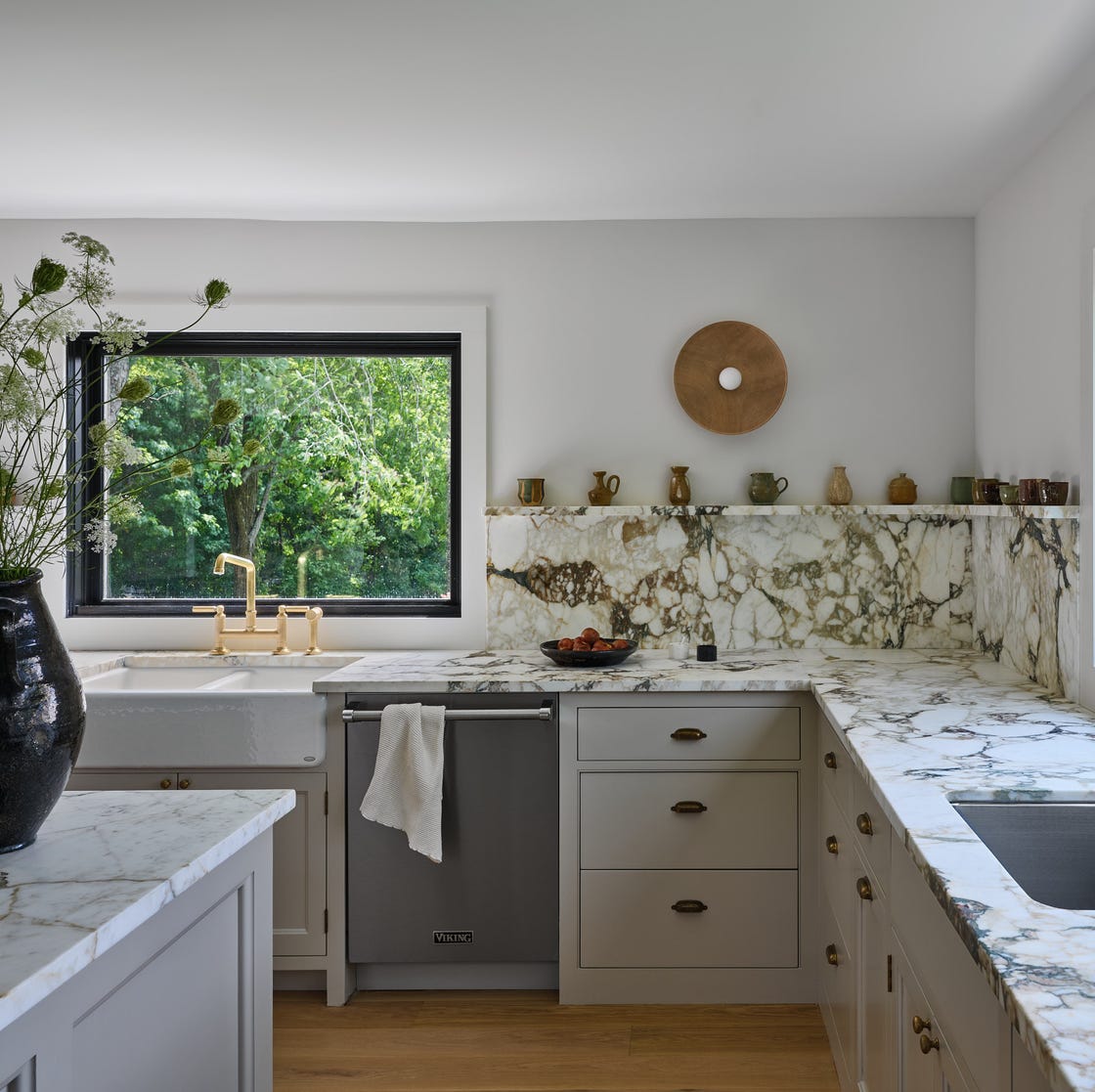
Your Backsplash Is Cheapening Your Kitchen—Here's How to Fix It, According to Designers


Avoid These Features If You Want To Design A Nancy Meyers-Inspired Bathroom
This DIY Gingham Backsplash Is Peak Nancy Meyers—Here's How to Get the Look

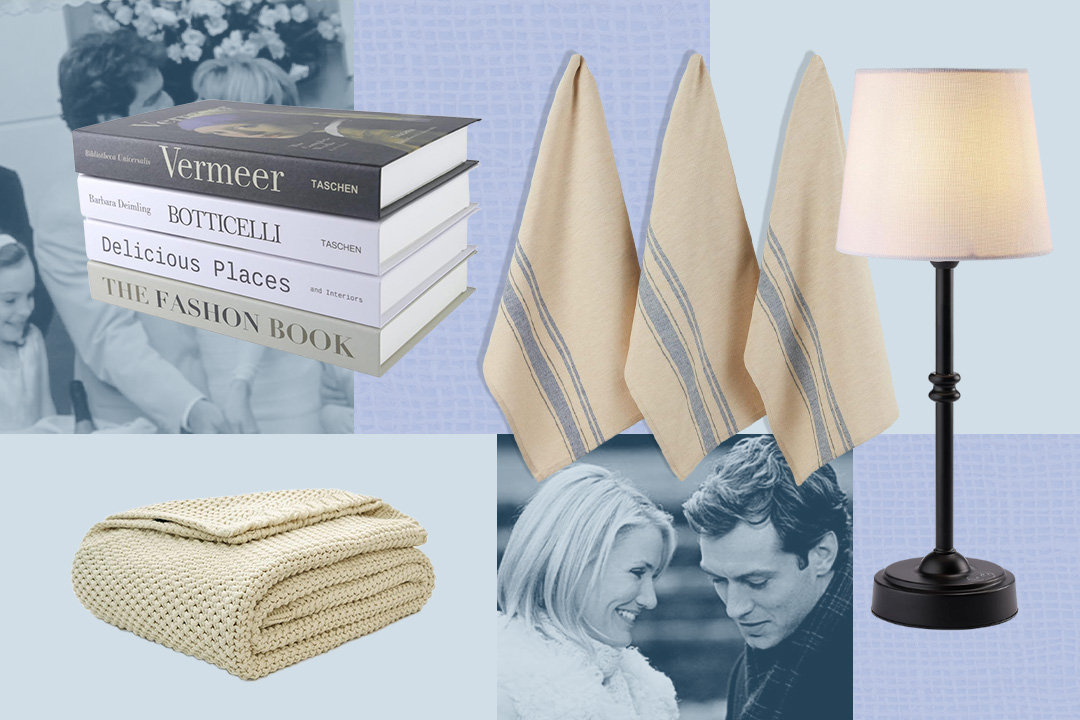
30 Amazon Home Finds That’ll Make Your Space Feel Like a Nancy Meyers Movie
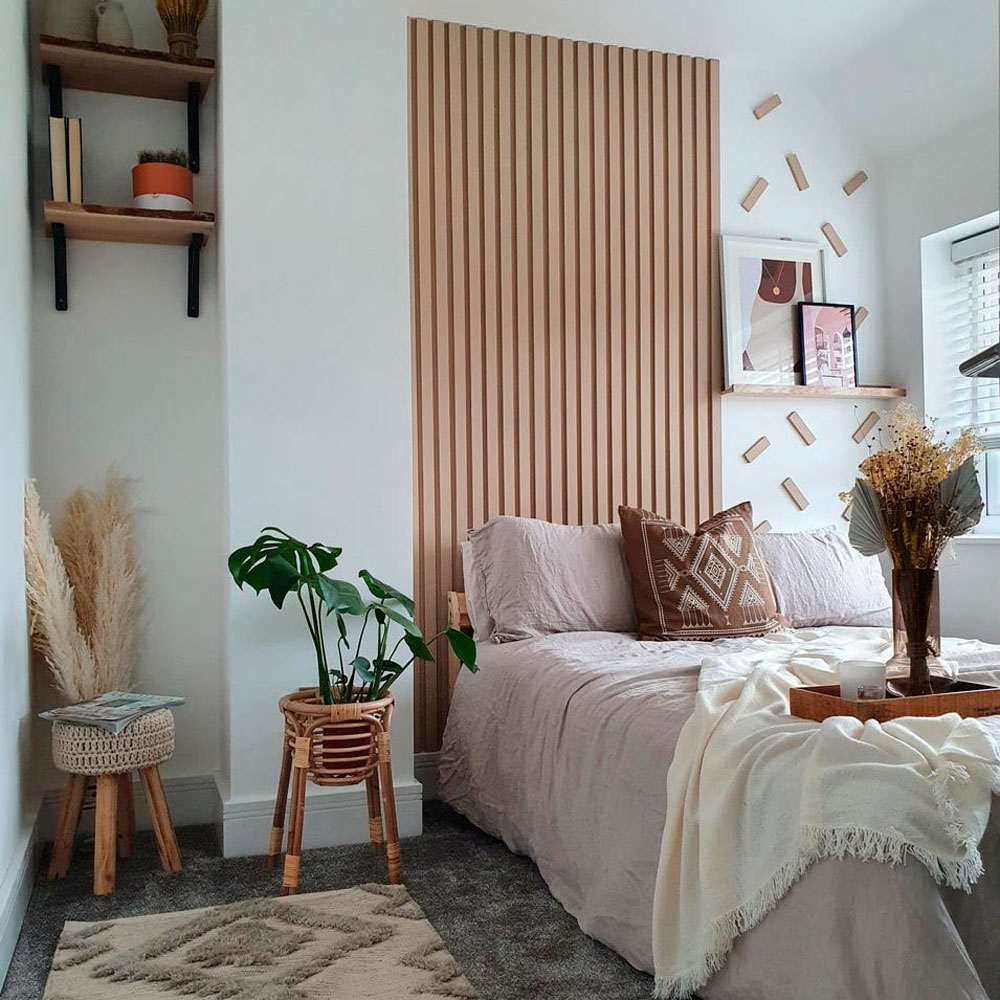
Homeowner wows with DIY version of latest feature wall trend – and the results are stunning!
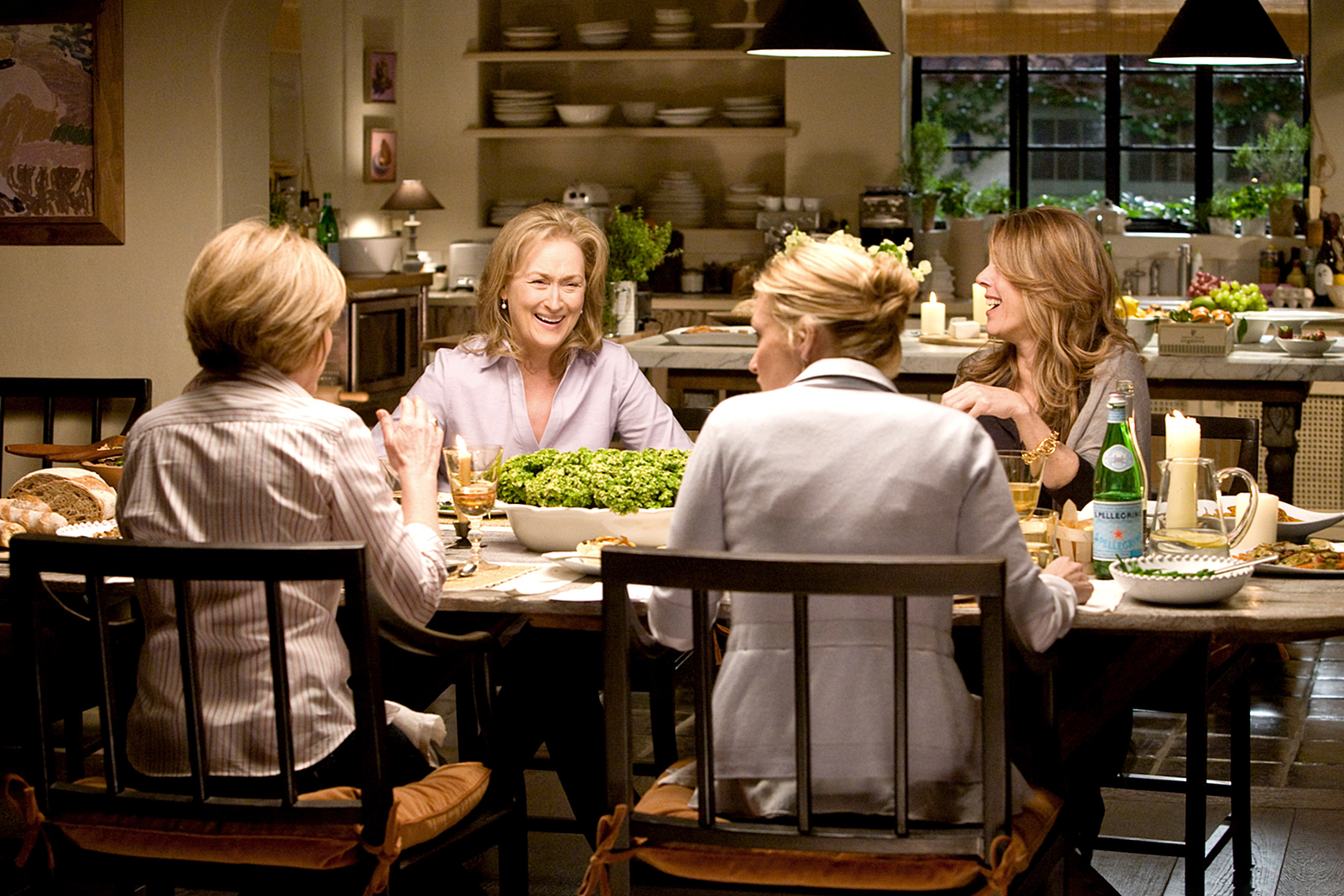
8 Steps to Make Your Living Room Look Like a Nancy Meyers Movie
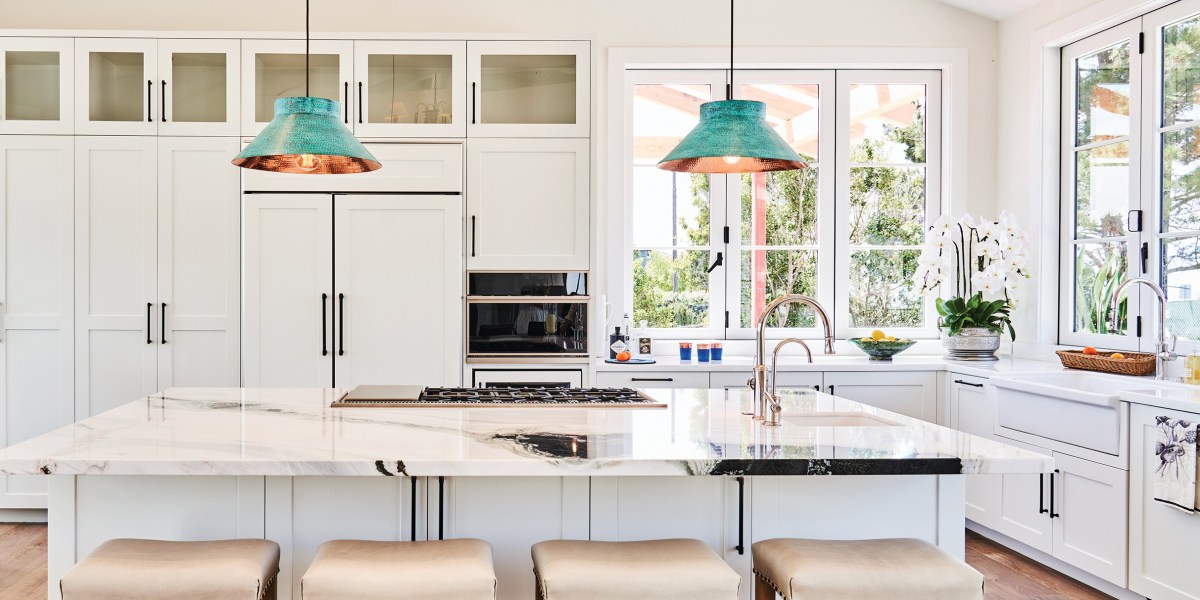
Turns Out, There’s a Secret Formula to Creating a Nancy Meyers-Inspired Home

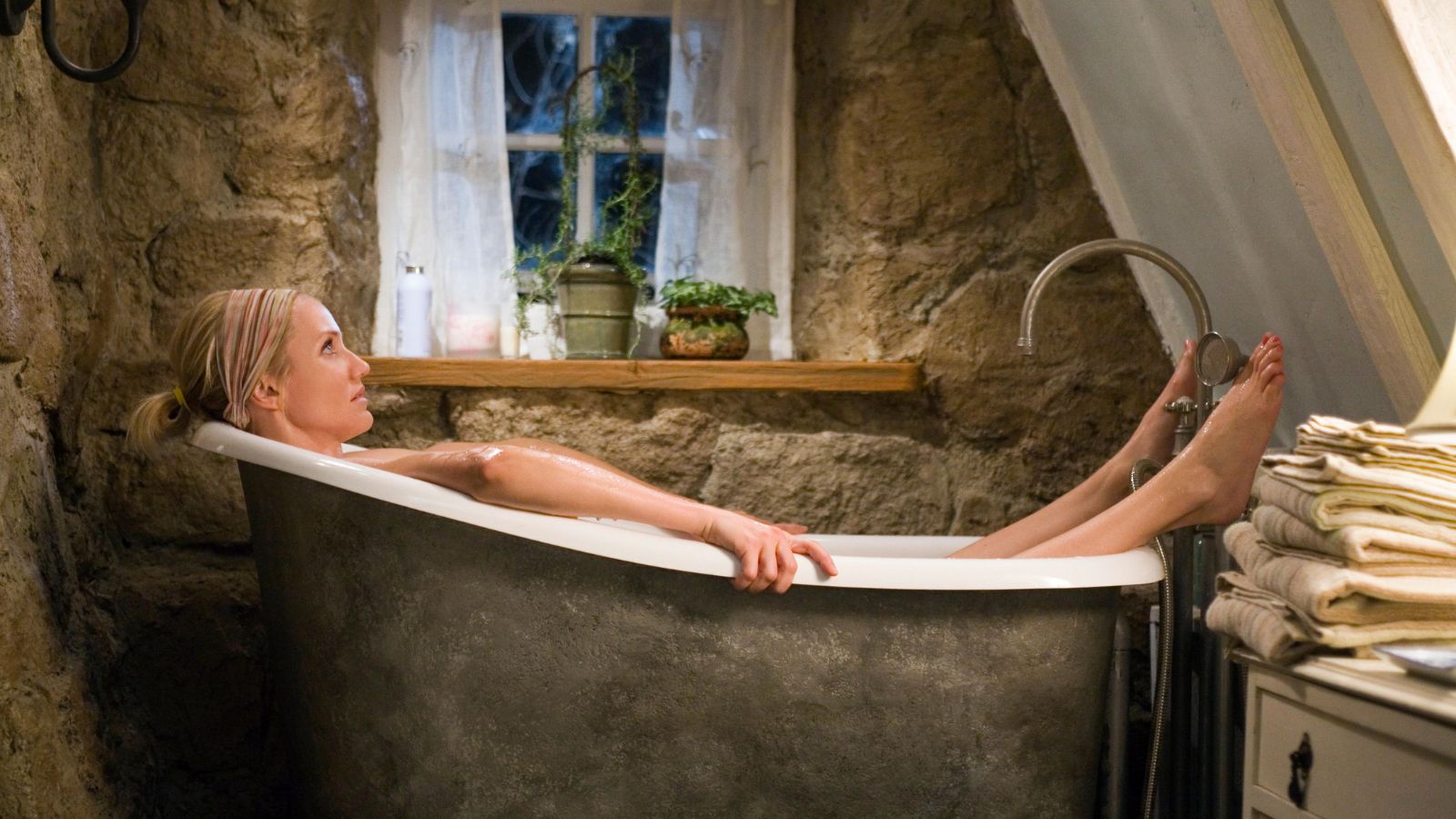
I’m redesigning my bathroom to look like something straight out of a Nancy Meyers movie – here's the expert advice I'm following to get the look
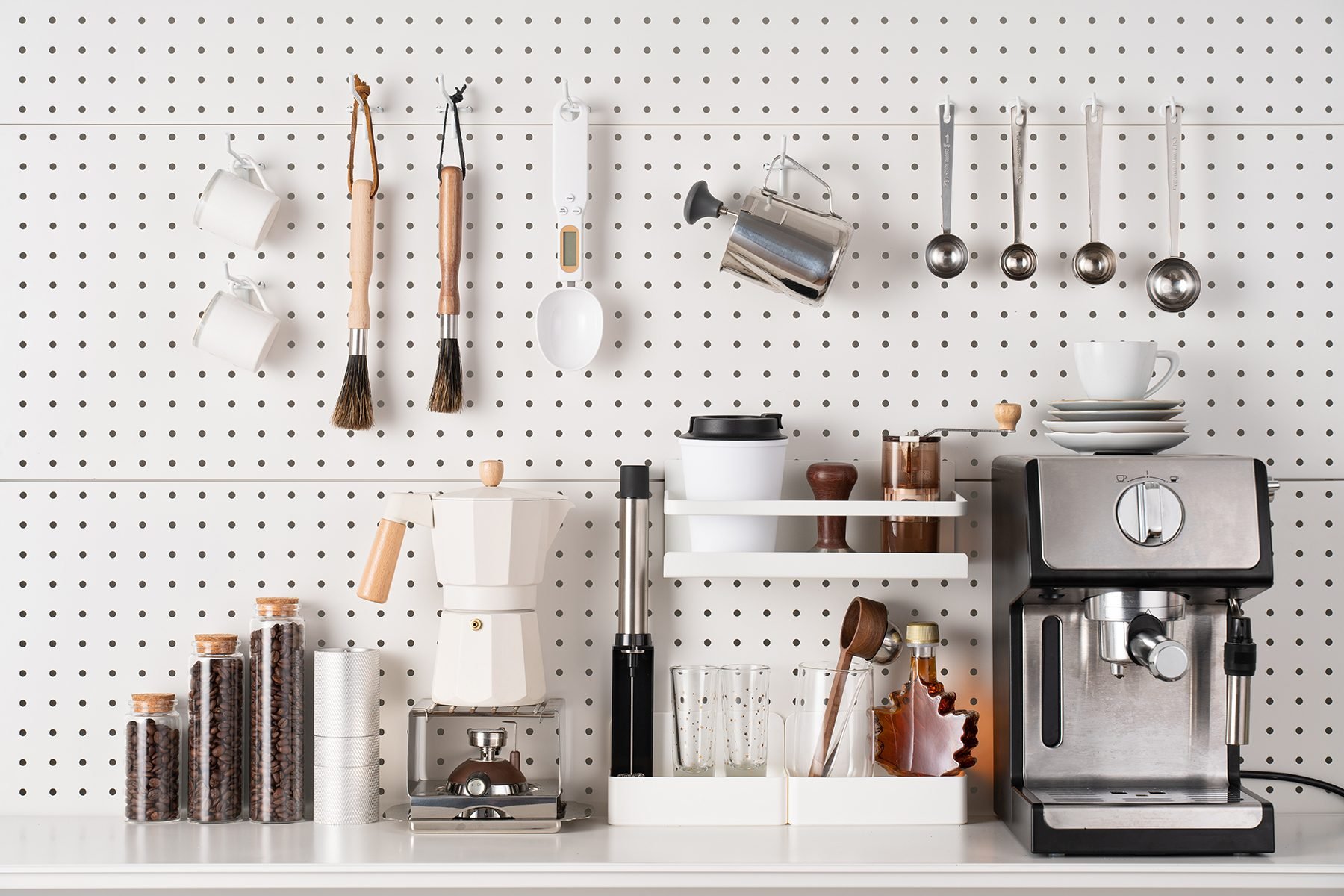
20 Amazing Kitchen Backsplash Ideas

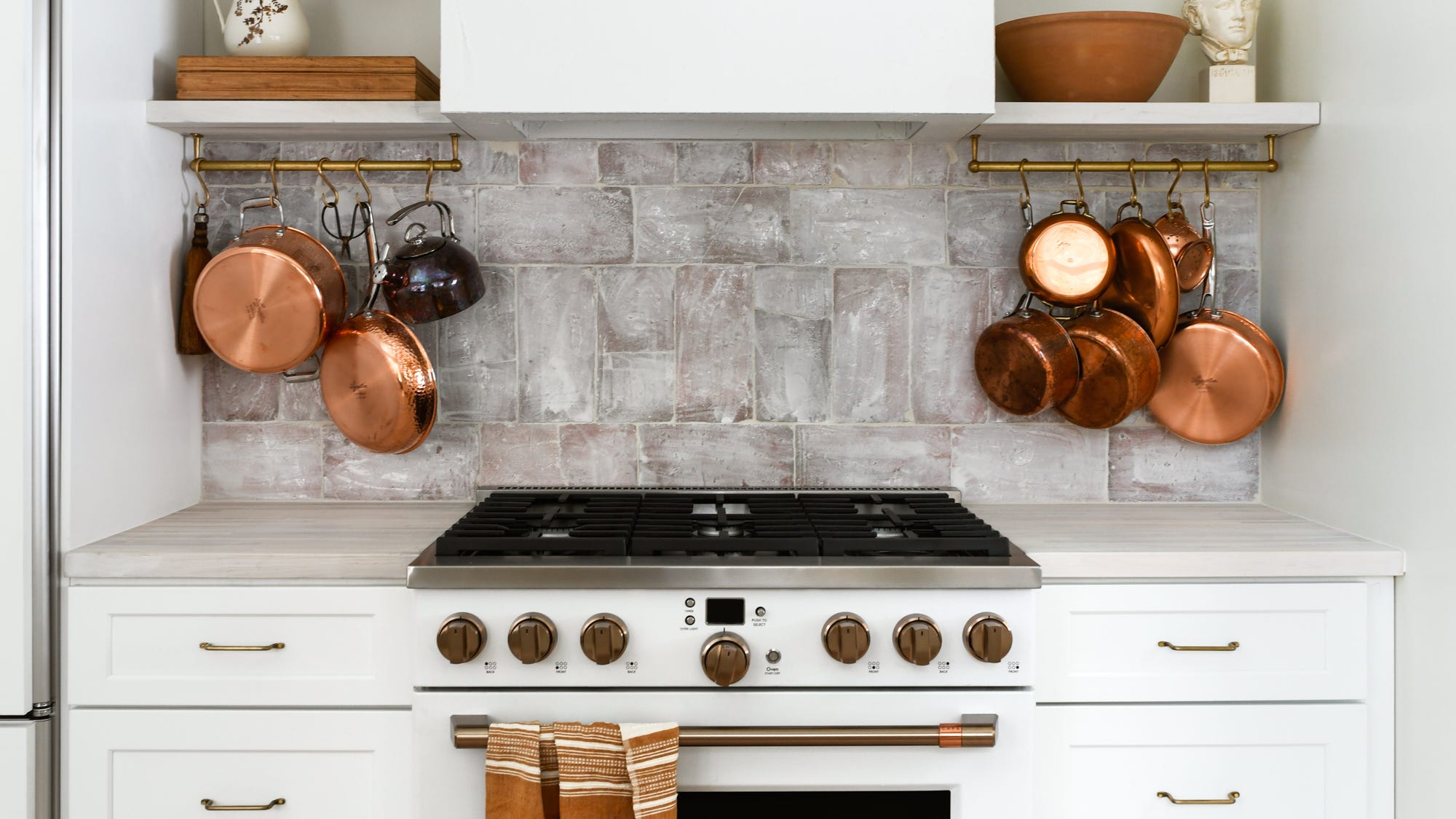
How HGTV's Leanne Ford DIYed the Chicest Kitchen Backsplash