1/8
This Couple Struck Gold When They Decided to Restore Their Plaster Walls
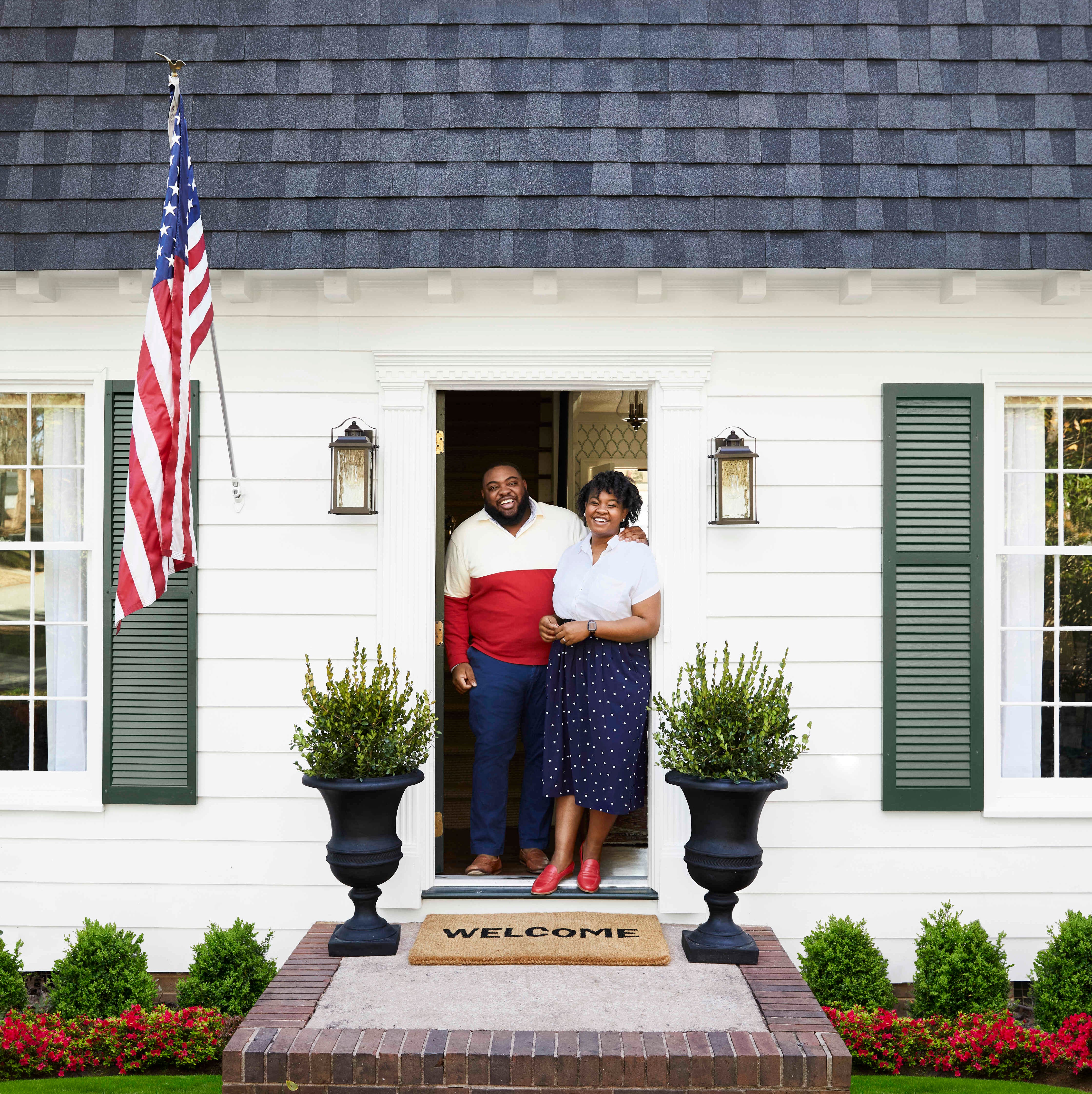
Maggie and Ben Nelson embarked on a significant renovation project in their 1860 Lancaster, Pennsylvania, home, specifically transforming a neglected third-floor space into a guest bedroom. The room was originally devoid of electricity and covered in multiple layers of wallpaper beneath an unappealing tan paint. Despite the daunting initial state, which included a leaky roof and considerable cracks in the original plaster, Maggie felt undeterred, viewing the potential of the space through "rose-colored glasses." The structural integrity of the walls was fortunately not a foundational issue, allowing the couple to proceed with restoration after testing for lead.
Their DIY journey, meticulously documented on their Instagram and blog, Lemon Street Home, began with wallpaper removal. Eschewing harsh chemicals due to Maggie's pregnancy, they opted for an eco-friendly solution of equal parts hot water and white vinegar. This mixture was applied to small sections, allowed to soak, and then scraped off. This laborious process, which involved working only on weekends or during spare time, took approximately a month but was described by Maggie as almost "meditative," providing a quiet opportunity to listen to podcasts.
During the removal process, Ben made a remarkable discovery: remnants of a beautiful, possibly 100-year-old floral patterned wallpaper in one corner of the room. Recognizing this "hidden treasure," they consciously avoided spraying the area with the water-vinegar solution to preserve it. Ben, an artist, ingeniously sealed the exposed, fragile sections with Liquitex Gloss and Matte Medium, demonstrating a flexible approach to renovation. Maggie emphasized the importance of balancing a clear design vision with adaptability, especially when working with older homes, to appreciate unexpected historical elements.
Addressing the damaged plaster was the next critical step. Although they would have hired professionals for extensive plastering, the couple handled the repairs themselves, focusing on filling cracks and holes. They utilized a combination of plaster of Paris and a plaster patch compound. Maggie advised practicing trowel technique beforehand due to the rapid drying time of the paste. They chose to embrace minor imperfections, viewing the not-perfectly-flat areas as contributing to their home's unique character.
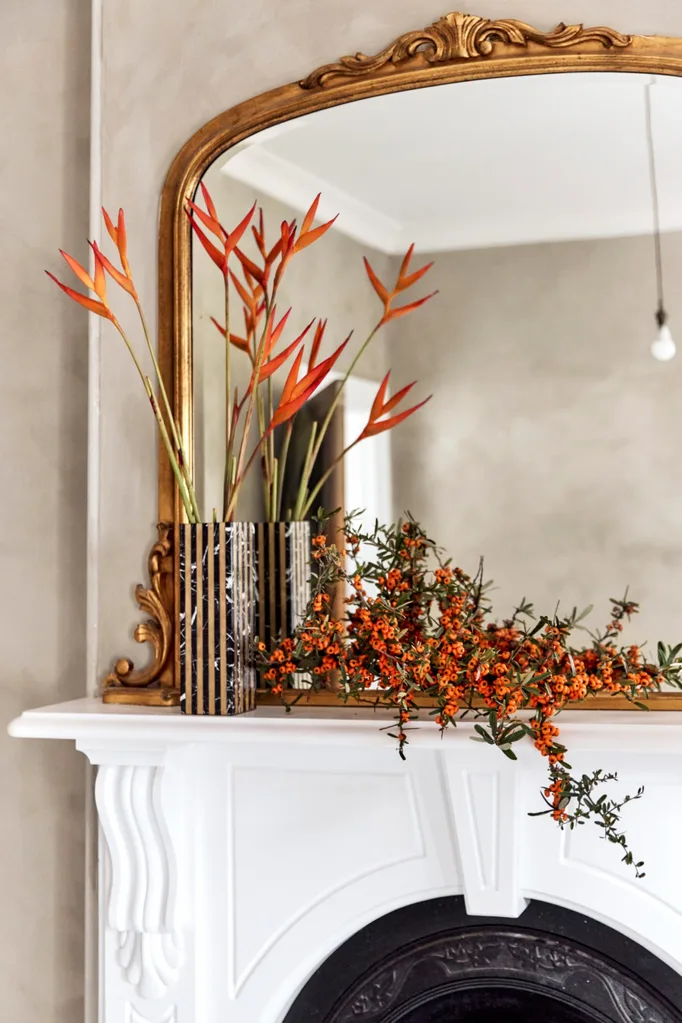
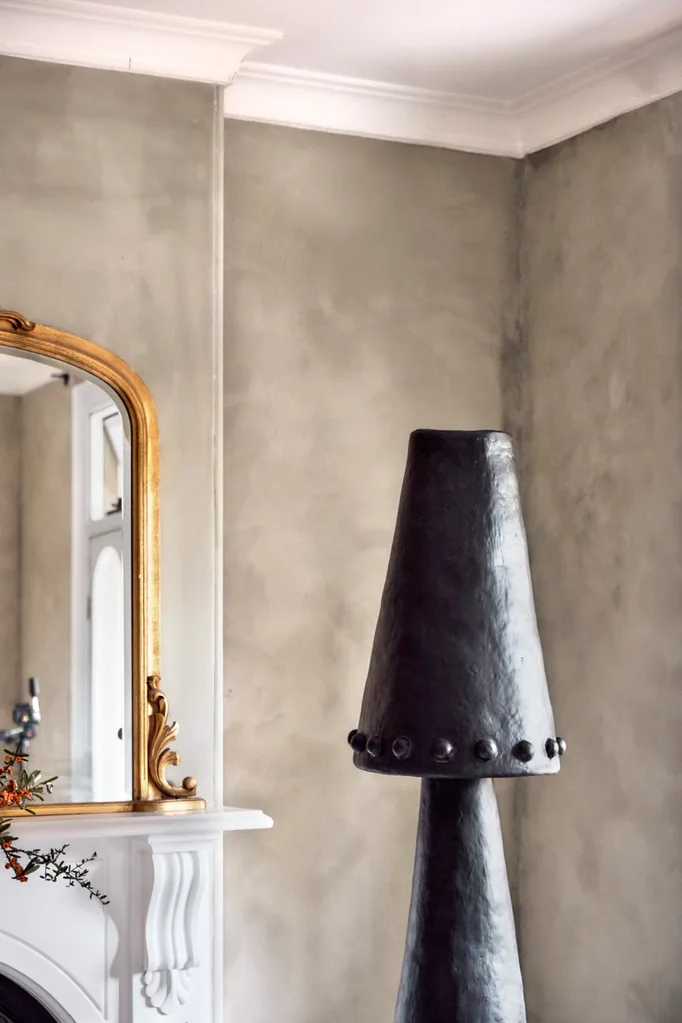
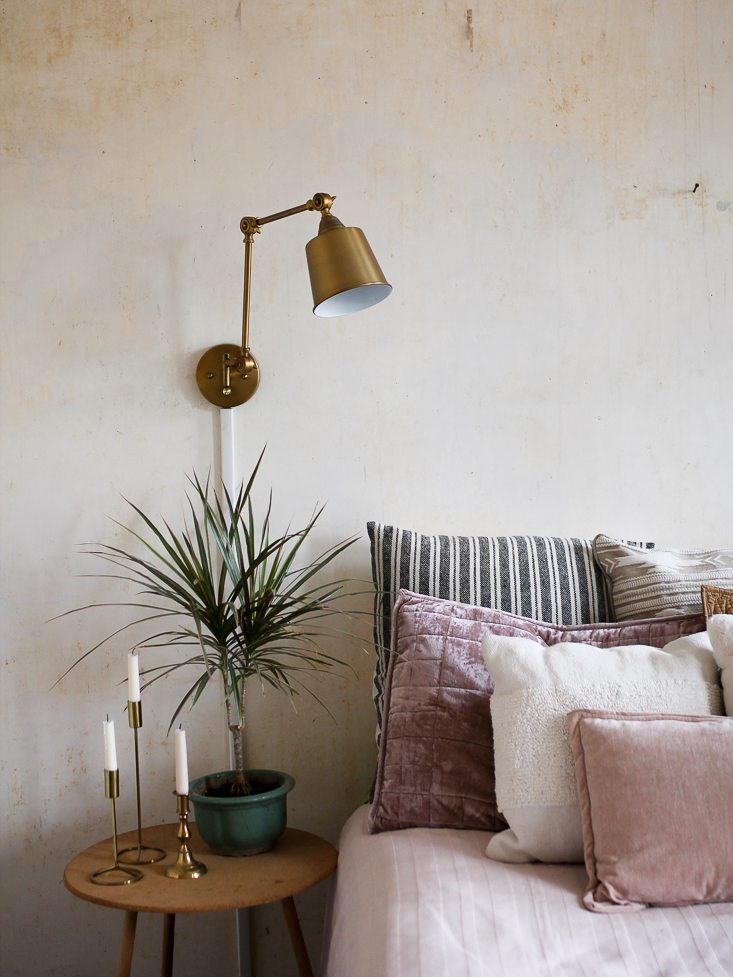
The final phase involved applying a custom coat to the walls. Initially planning to paint everything, the Nelsons developed an appreciation for the natural patina of the exposed plaster. To neutralize the aged material's yellow undertones, they created a wash using three parts white latex paint, two parts water, and one part plaster of Paris. This mixture was applied with a medium paintbrush, and then buffed with a cotton cloth to achieve a translucent effect, allowing the historic texture to show through and creating a distinctive finish for their restored guest bedroom.
#HomeRenovation #DIYProject #PlasterWalls #WallpaperRemoval #HistoricHome #GuestBedroom #InteriorDesign #HomeRestoration #HomeRenovation #DIYProject #PlasterWalls #WallpaperRemoval #HistoricHome #GuestBedroom #InteriorDesign #HomeRestoration
0개의 댓글이 총 표시됩니다.
 아직 댓글이 없습니다
추가로 마음에 드릴 만한 콘텐츠

Young couple is putting energy into historic home renovations in the Stuart Neighborhood

Couple turn their cramped house into beautiful open plan living-space

This couple renovated an abandoned stone house in Italy | loveproperty.com


Restorers
Creative Couple Transforms Sebastopol Ranch House Into Joyful Work of Art


The family craft transforming walls into timeless works of art


Minimize Plaster Repair With These 5 Tips for Perfect Plaster Walls


Houston couple's Galveston Bay home gets a complete makeover

This Couple Bought Their Longtime Rental House and Immediately Brightened Up the Galley Kitchen

Private paradise: Ardmore couple rescues aging craftsman bungalow
Before And After: Inside a Couple's Bold Renovation of a Dilapidated Bungalow

Patten Custom Homes’ Husband/Wife Duo Edge Out the Competition on Design, Detail, And Service

Couple Renovating Dilapidated 3-Bed House in Kansas They Got for Free
This Denver Duo Found a Bright New Way To Renovate a Classic Craftsman Bungalow
See How a DIY-Loving Couple Transformed Their Bedroom, Bathroom, and Laundry Room

Young couple renovating 108-year-old house makes stunning discovery in attic: ‘Such an incredible find’
Why a retired couple dedicated themselves to flipping a dollhouse in the name of high-art


The Couple Making Wallpaper that Doubles as Art
How a Couple Saved Tens of Thousands of Dollars on Their Bathroom Makeover

A restored 1929 New Orleans home makes the perfect canvas for two passionate preservationists