1/16
The Home Trends Designers Want You to Ditch in the New Year
The landscape of home design is in a constant state of evolution, with certain aesthetic movements gaining and losing favor over time. As homeowners increasingly gravitate towards more personalized, comfortable, and unique interiors, several previously popular design trends are projected to decline significantly by 2026. This shift reflects a broader desire for spaces that exude warmth, character, and individual expression rather than adhering to generalized, mass-produced aesthetics.
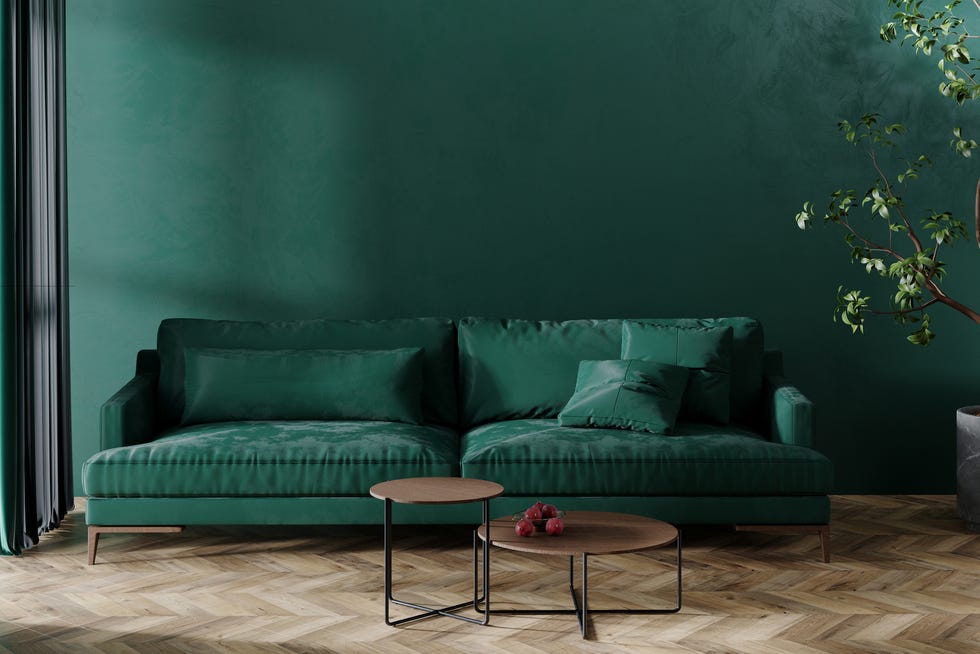
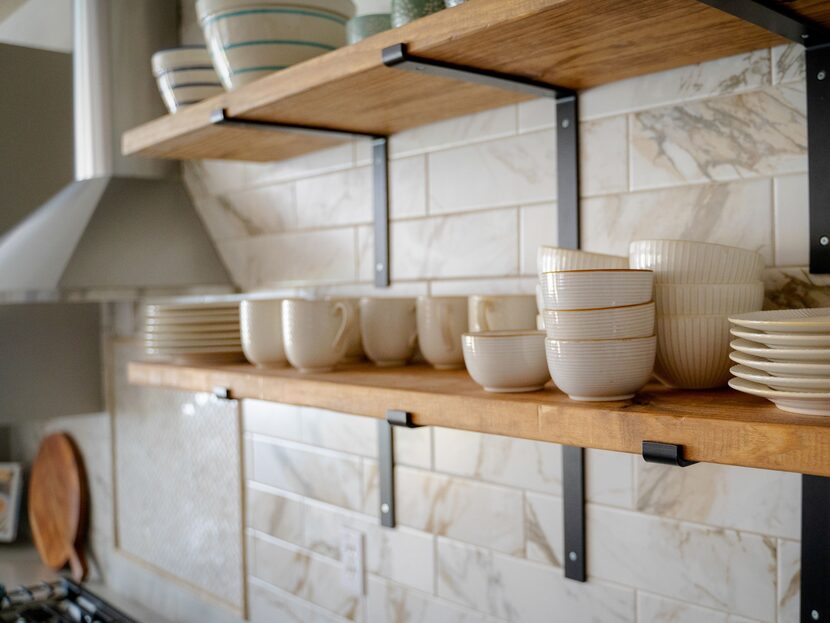
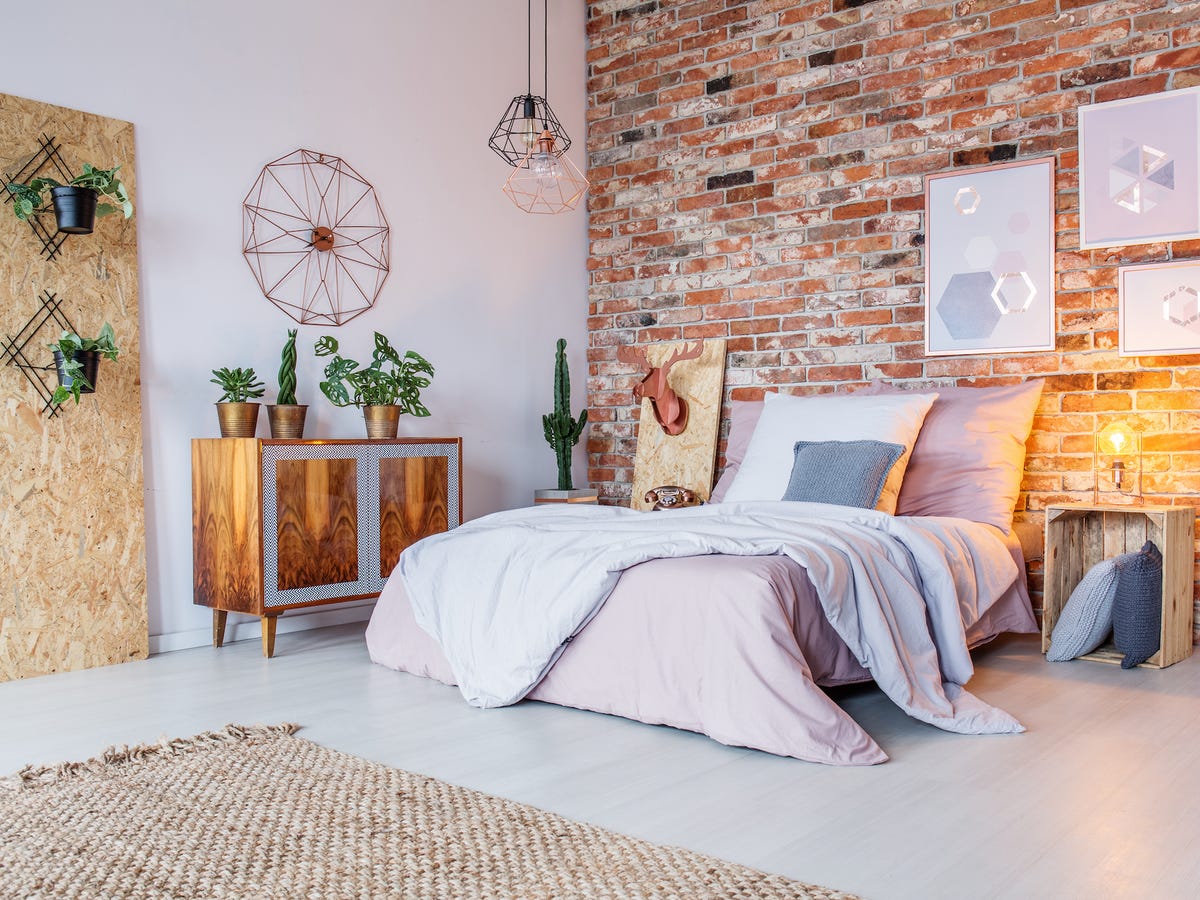
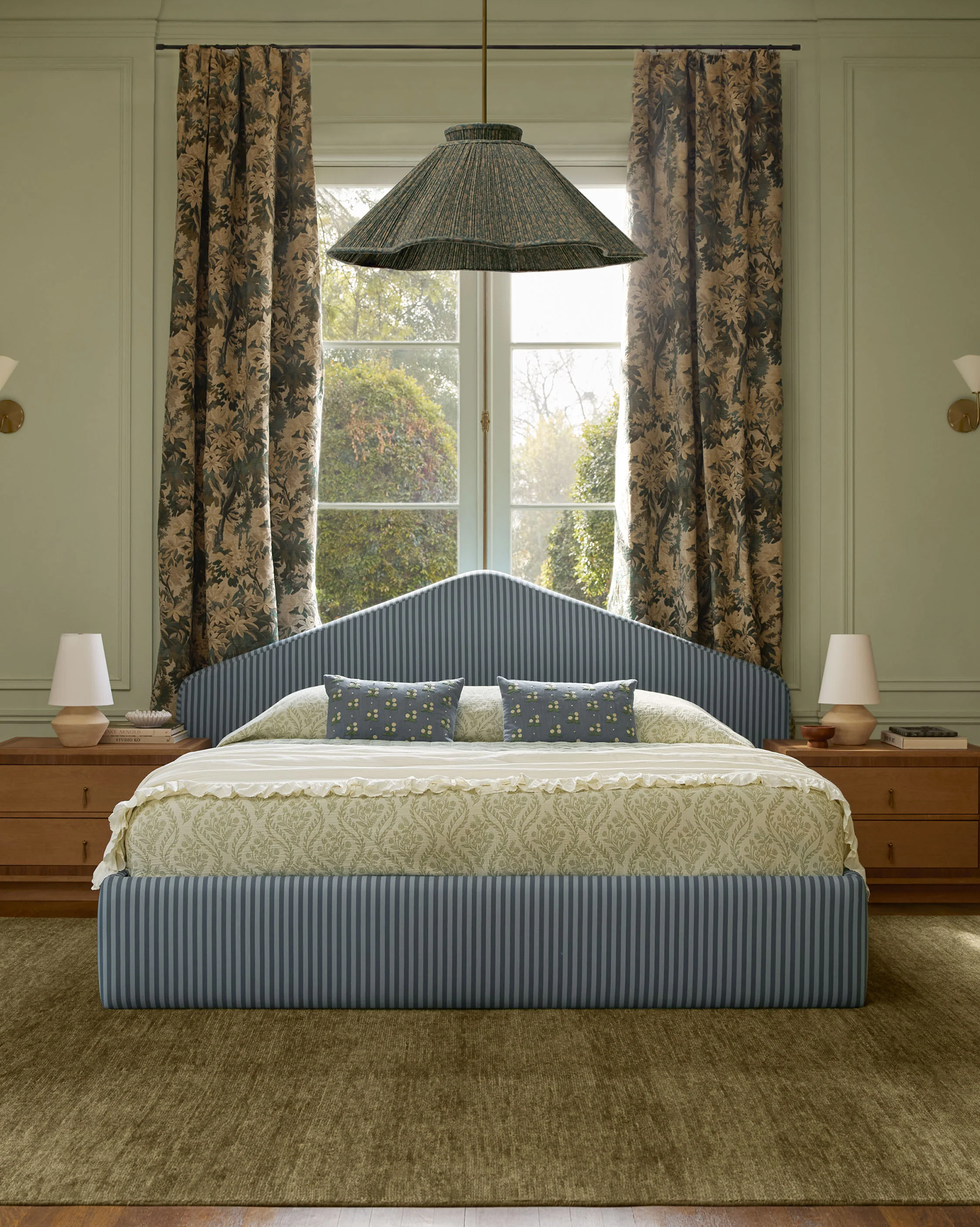
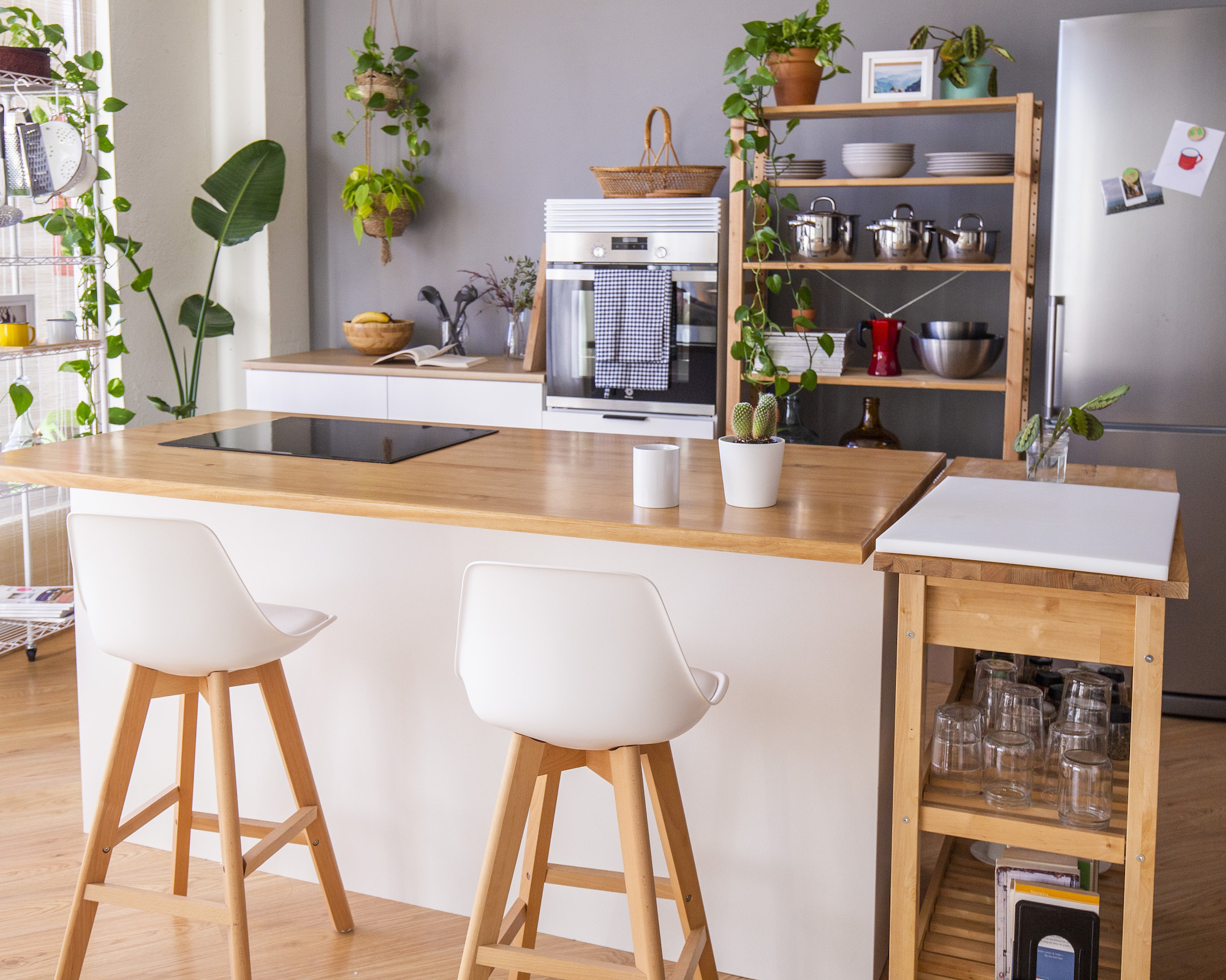
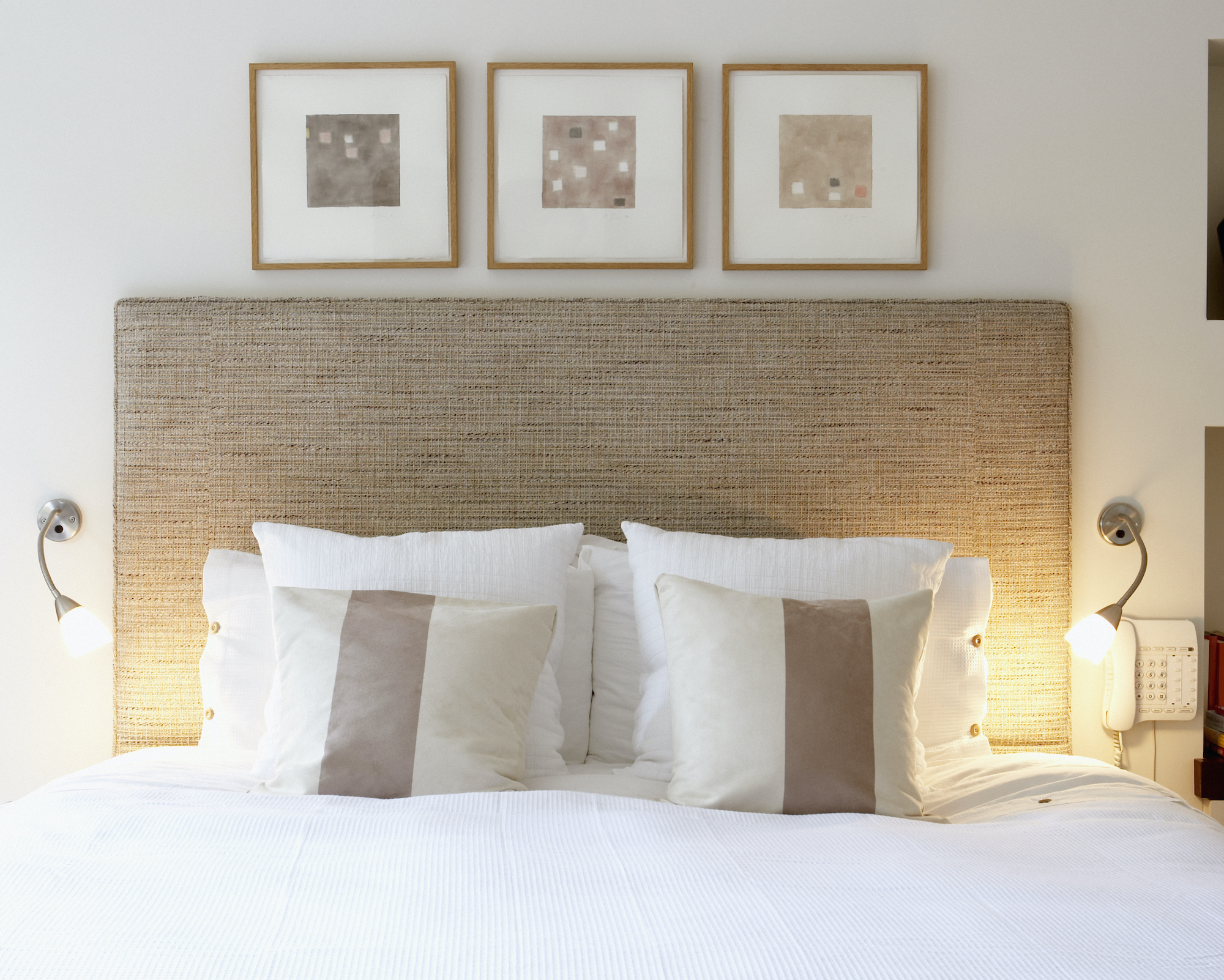
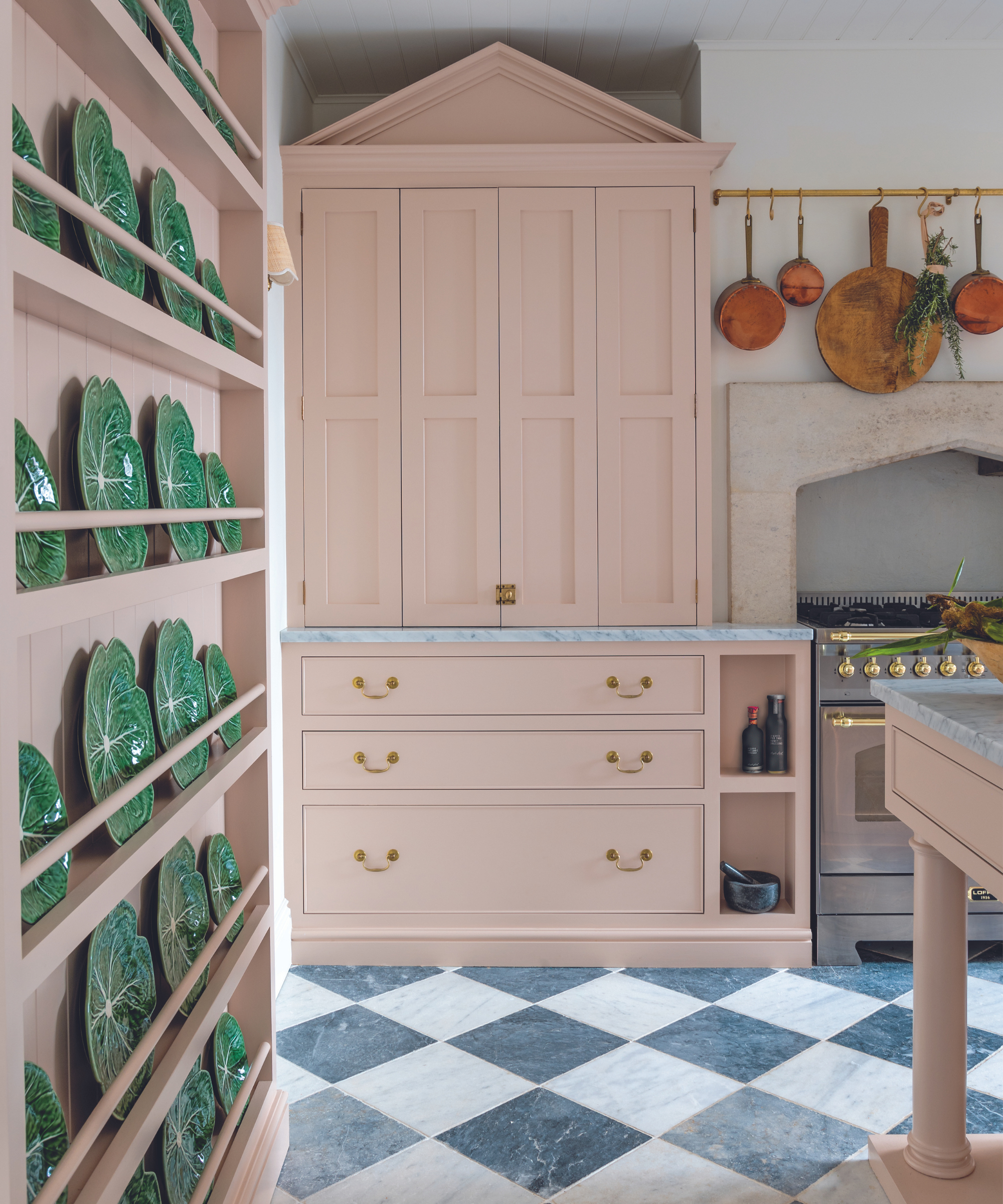
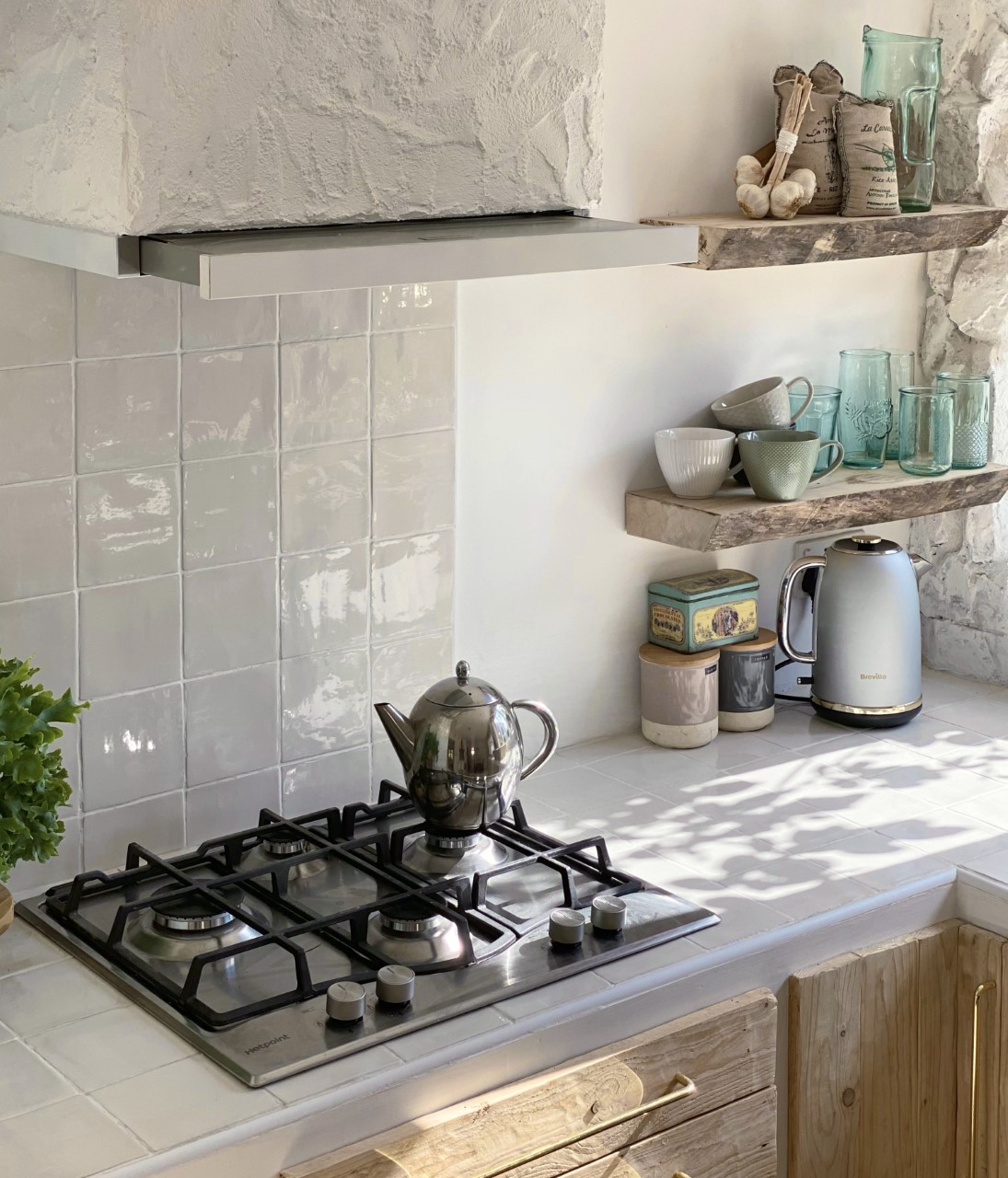
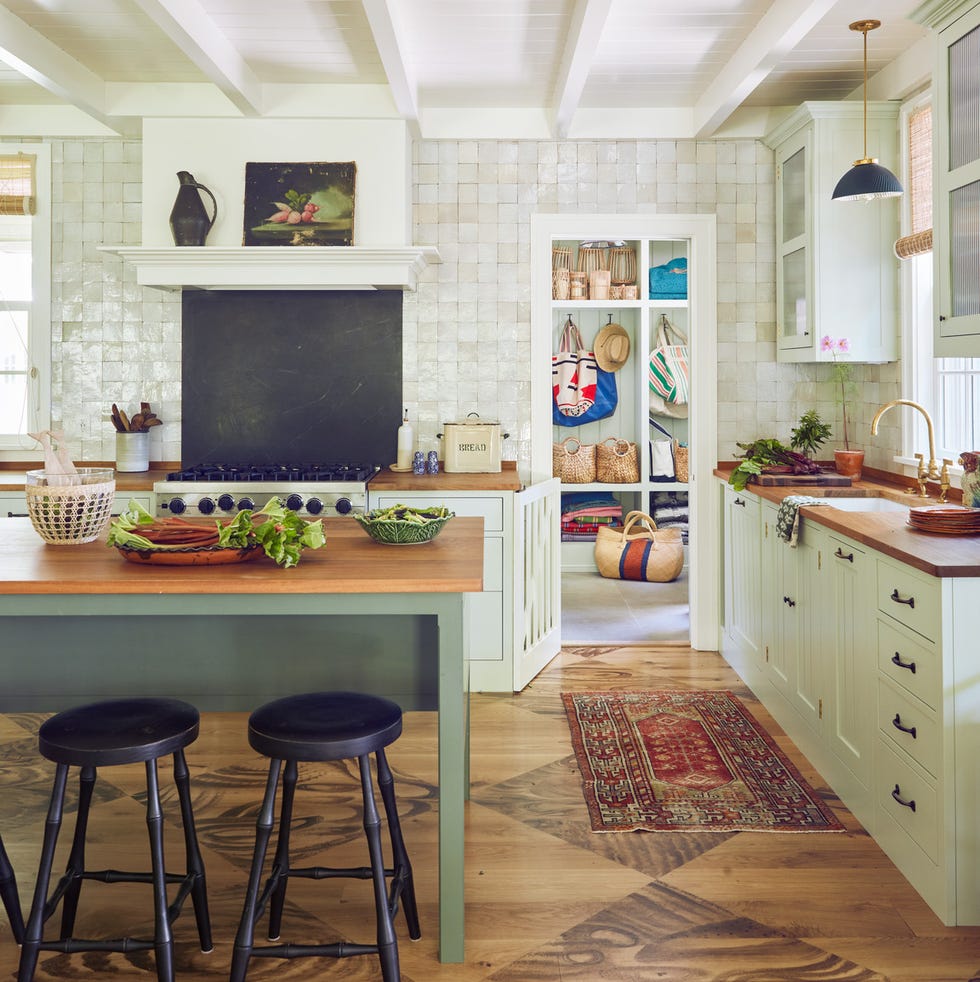
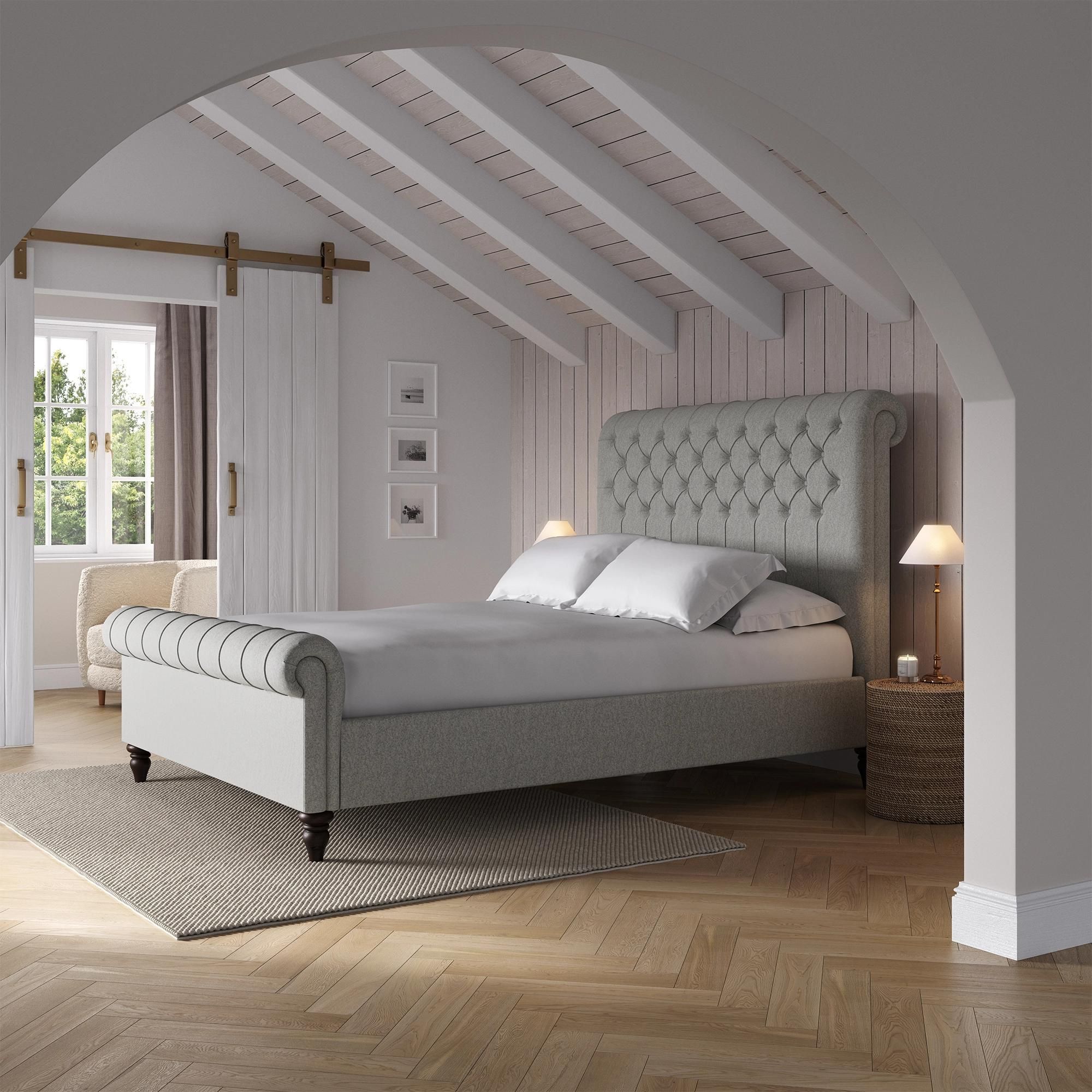
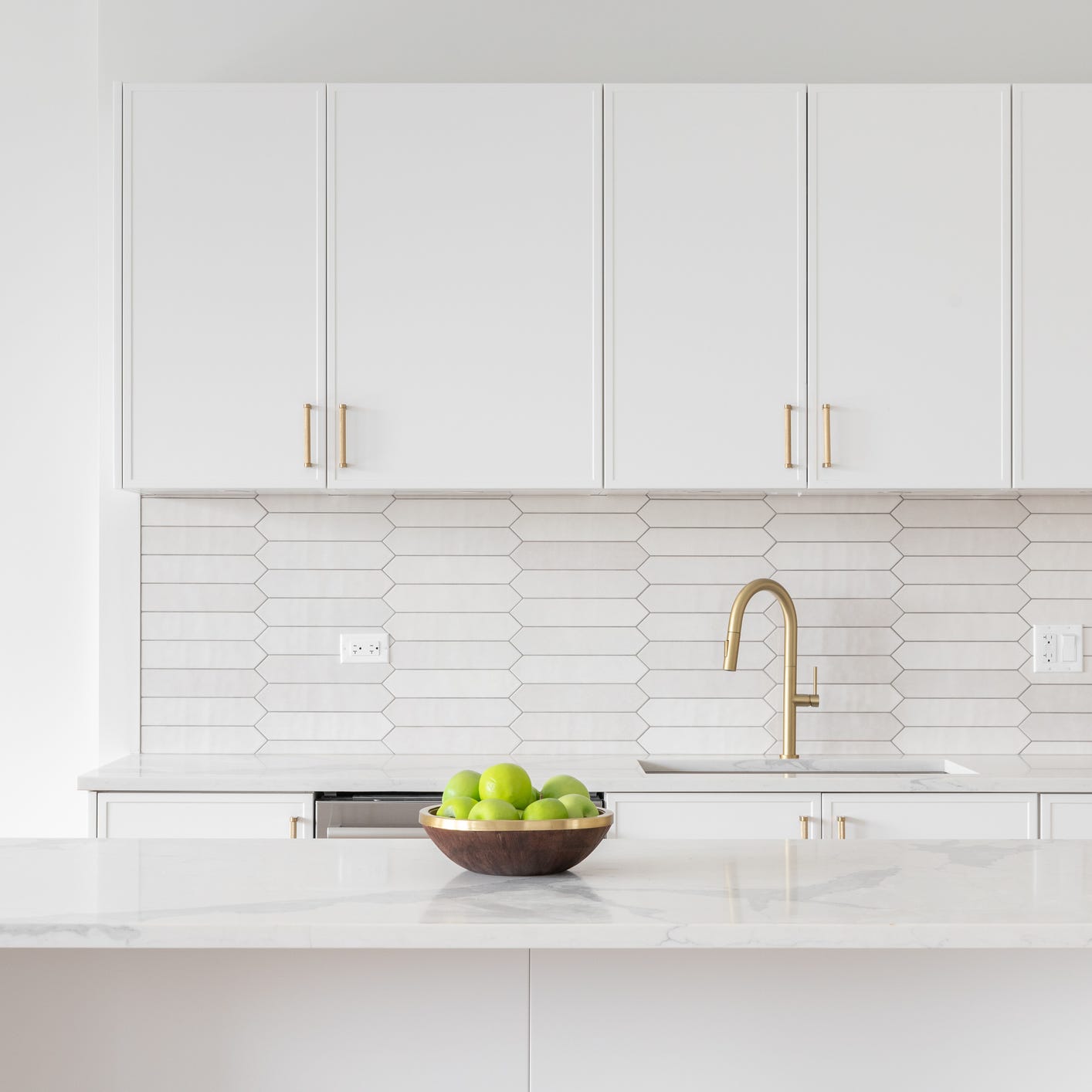
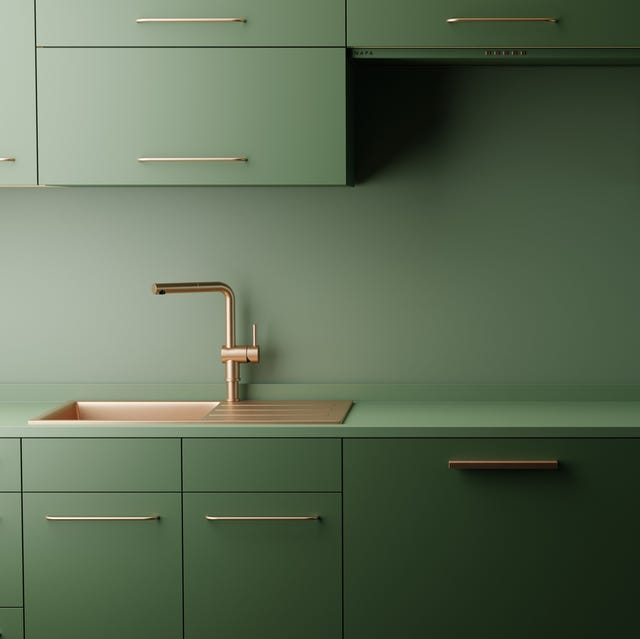
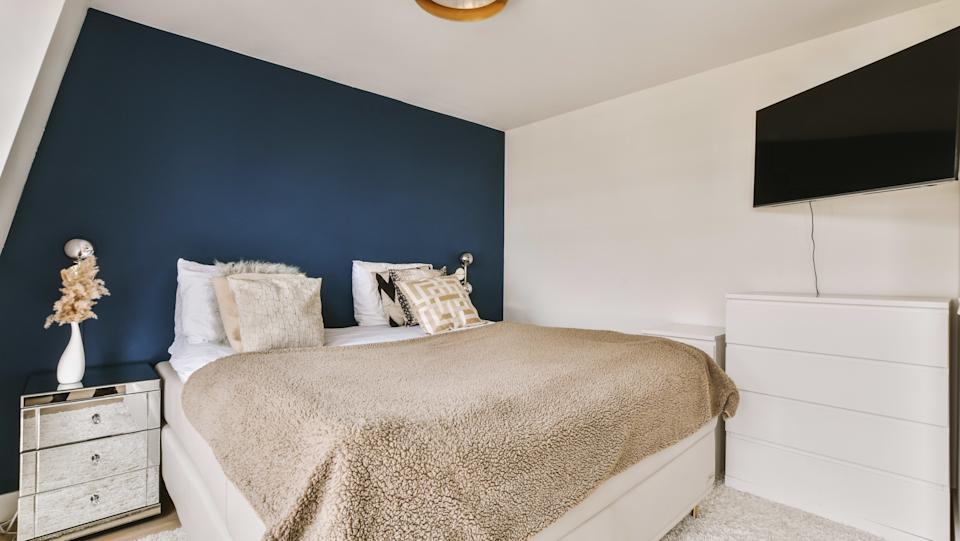
Among the trends on their way out are all-white kitchens. While once a symbol of sleek modernity, these spaces are being replaced by designs incorporating deeper, more atmospheric colors such as deep greens, inky blues, and soft taupes, which provide greater depth and warmth. Similarly, scallop-top headboards, popular for their playful and romantic appeal in the post-pandemic era, are giving way to more structured, architectural headboards made from natural materials and featuring stronger lines, indicating a move towards classic, refined elegance.
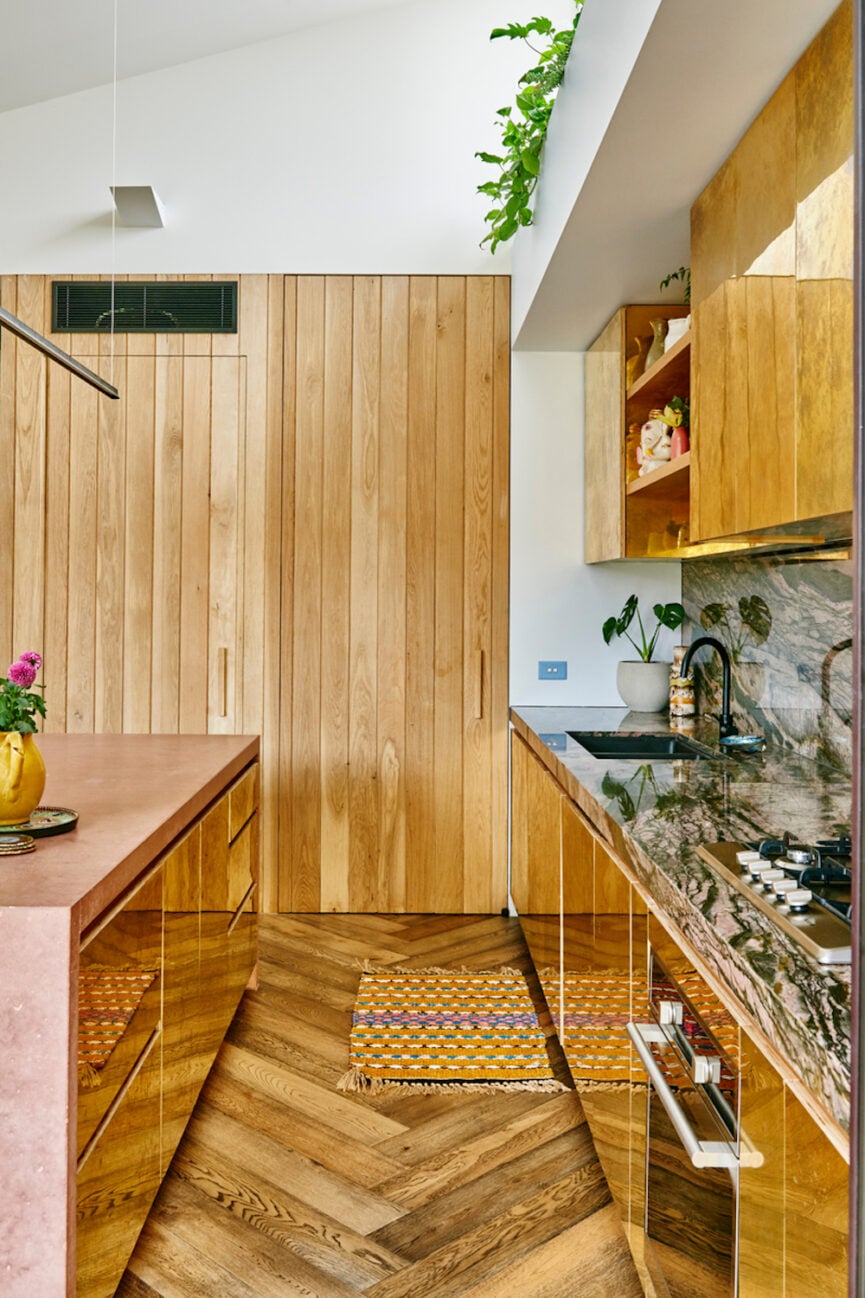
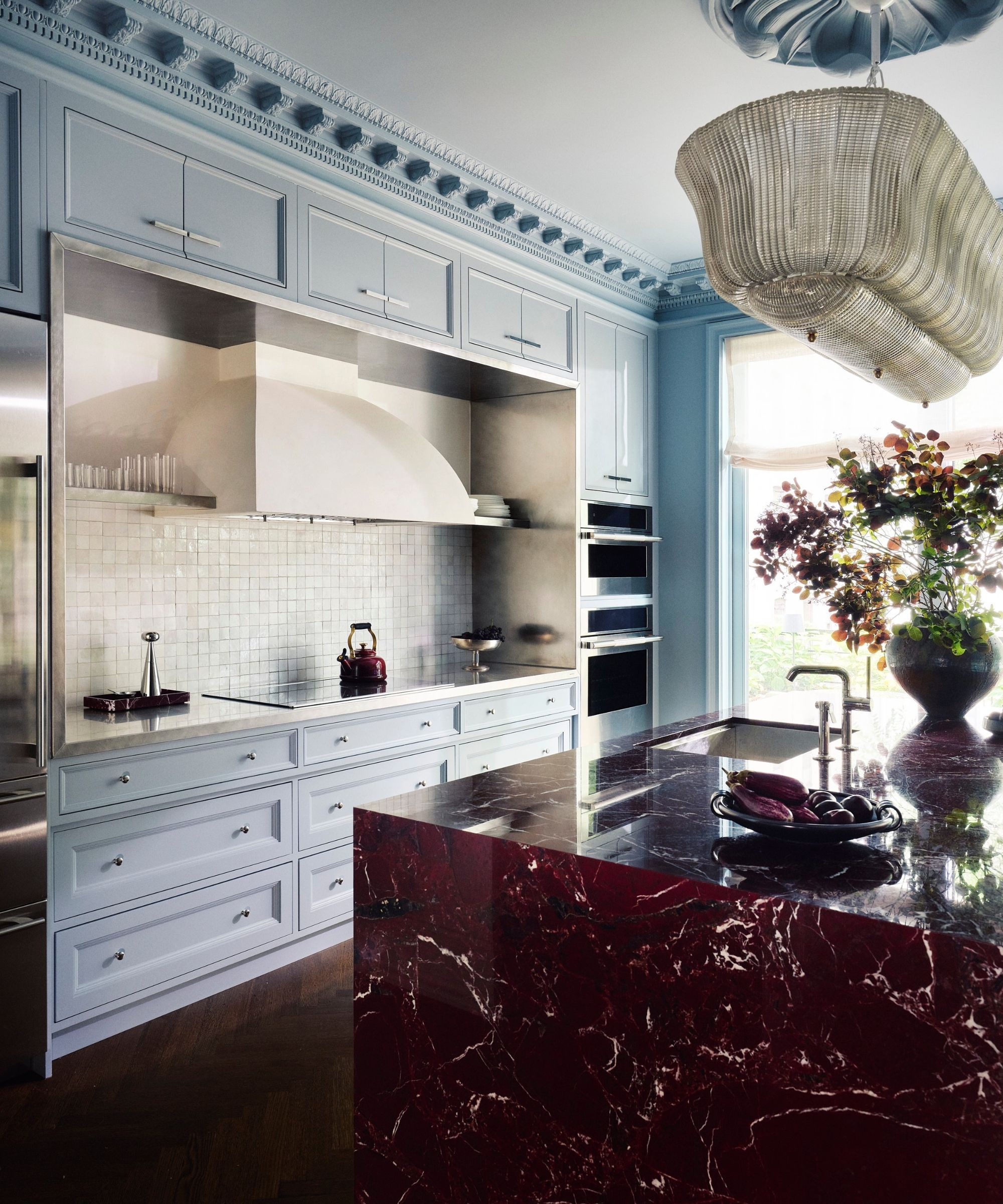
The ubiquitous waterfall kitchen island, once a hallmark of contemporary design, is also seeing its decline. Designers note that its widespread use has rendered it overdone, and its material often lends a cold or one-dimensional feel. The preference is now shifting towards islands that integrate various materials like wood, metal, or natural stone to achieve greater visual interest and a more custom, personal touch, making the kitchen feel more like a reflection of the homeowner.
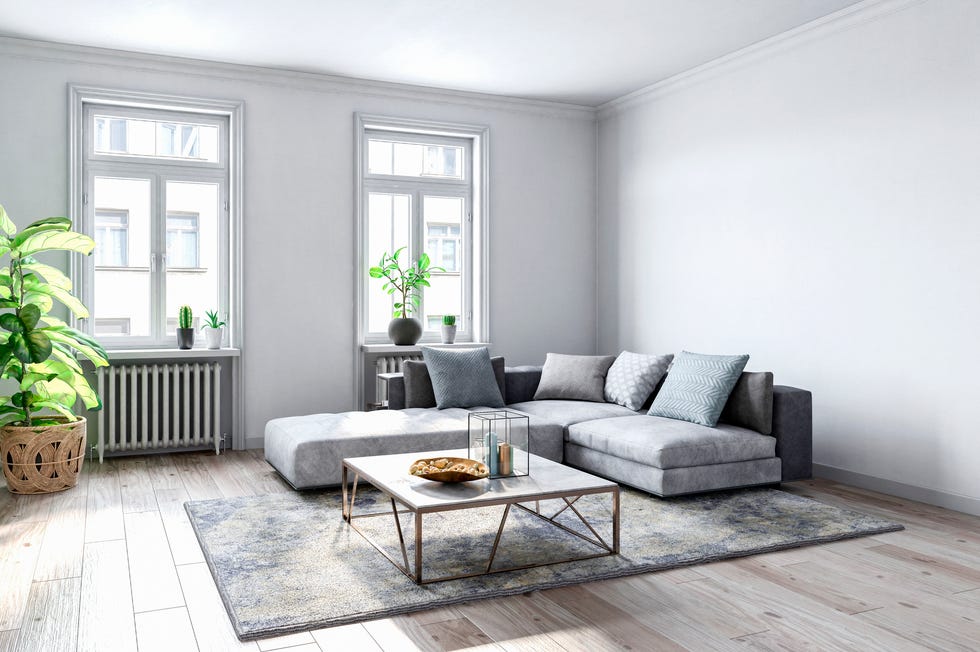
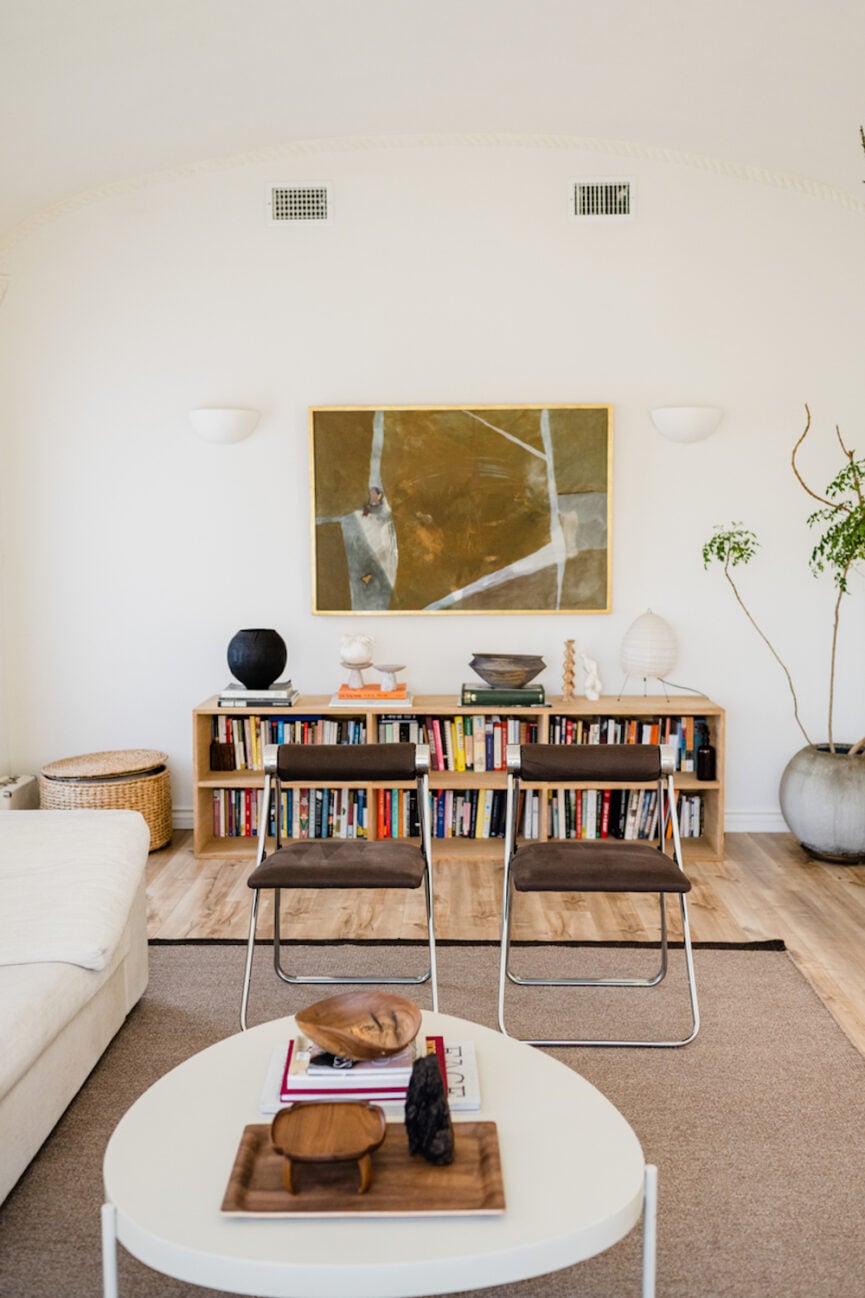
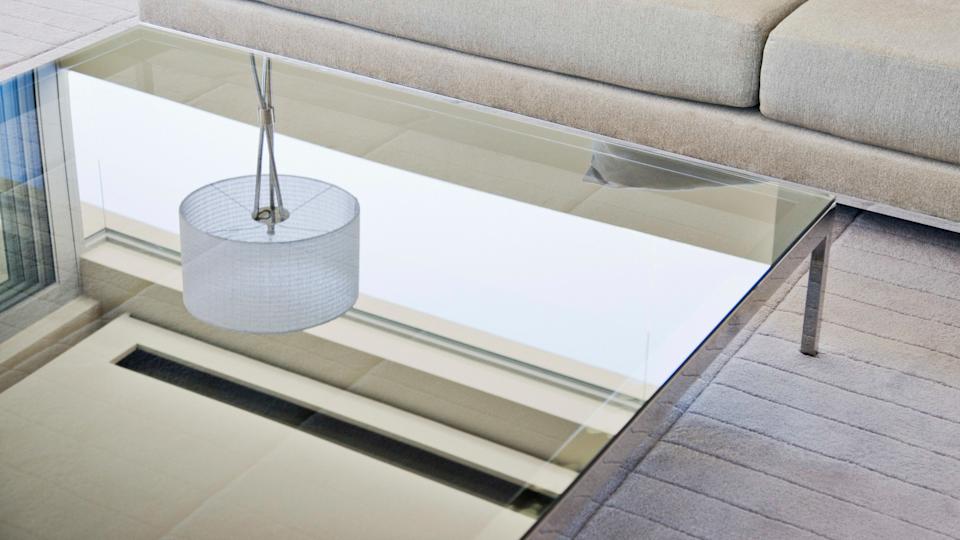
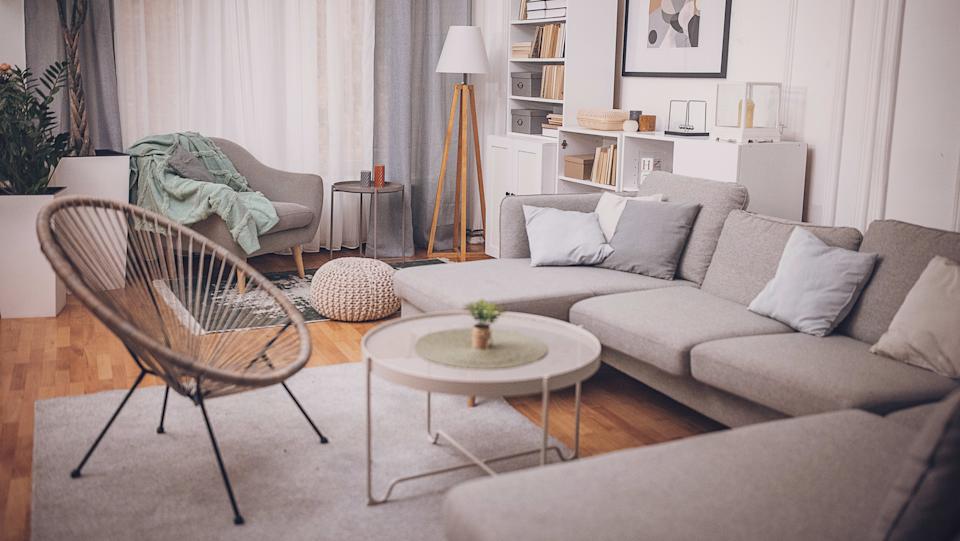
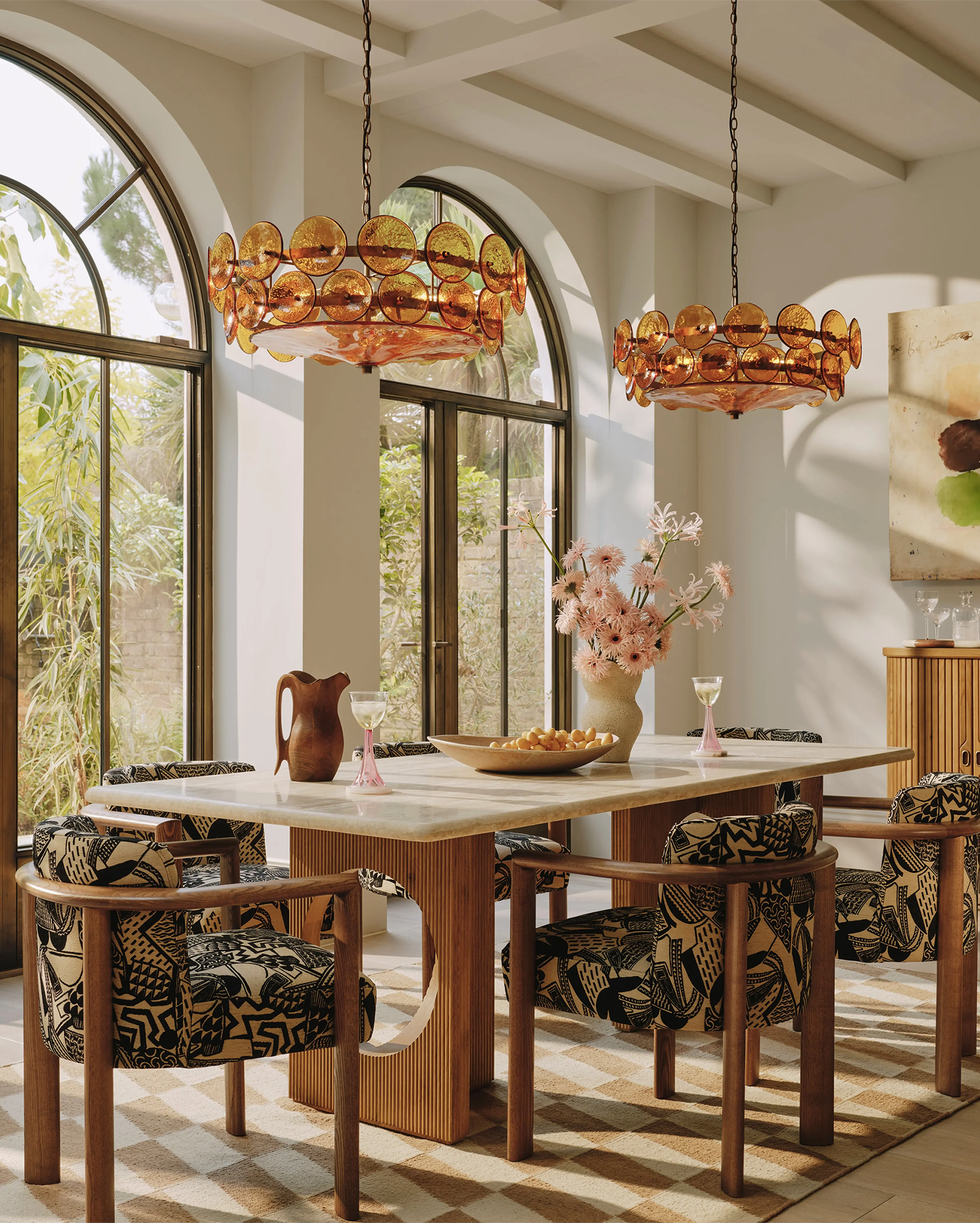
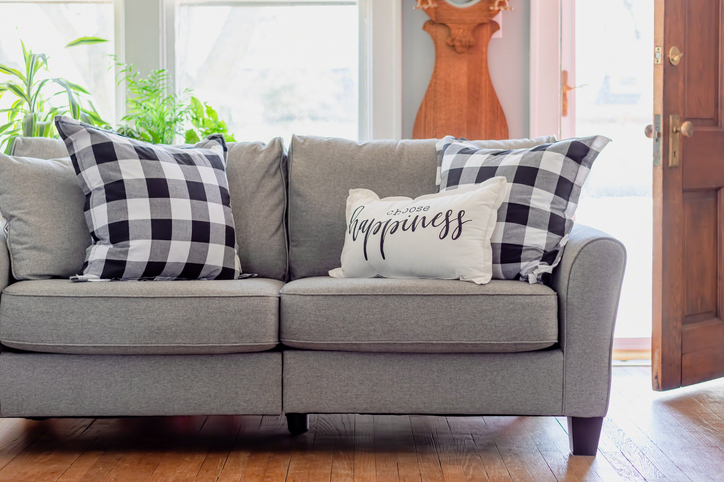
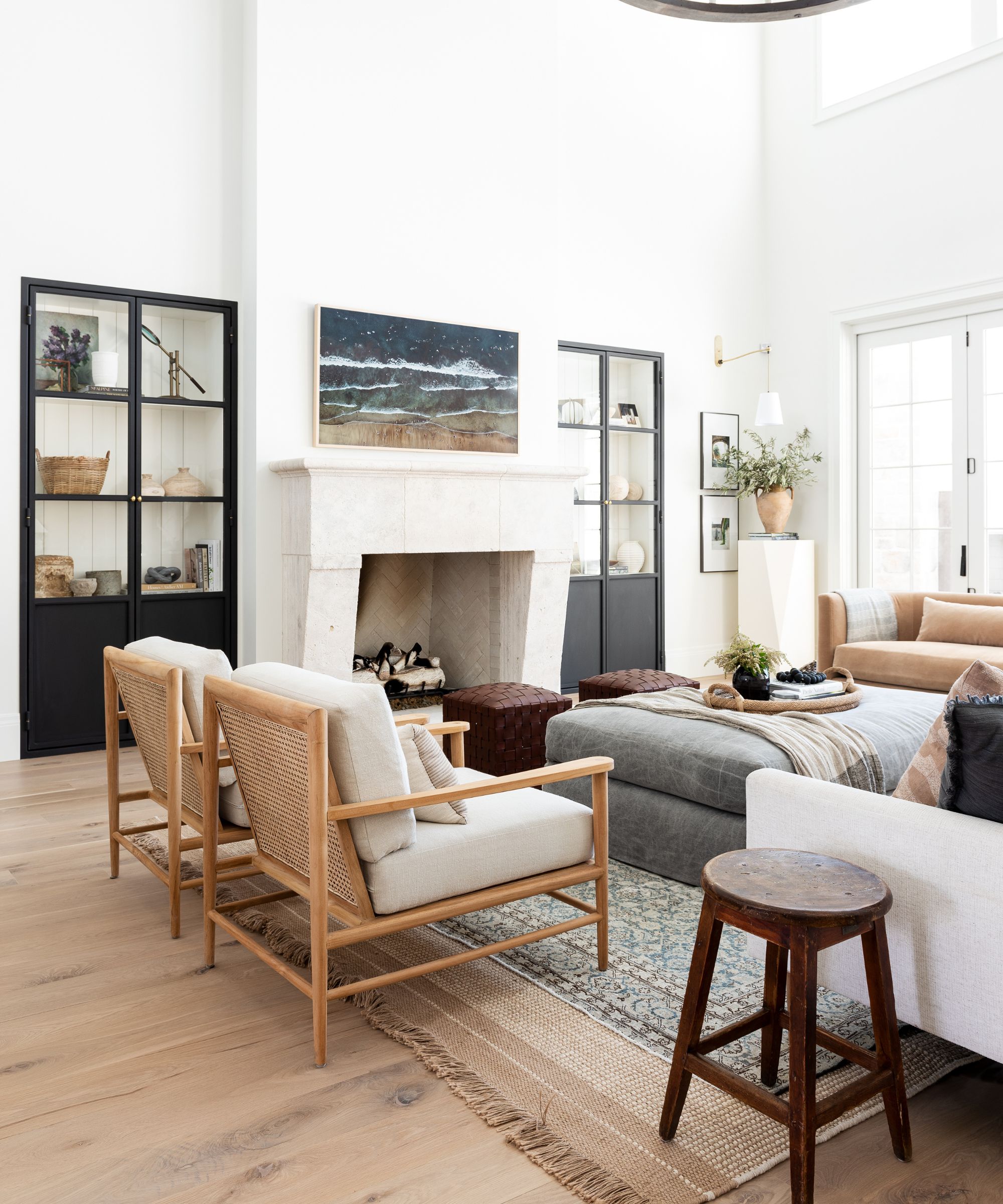
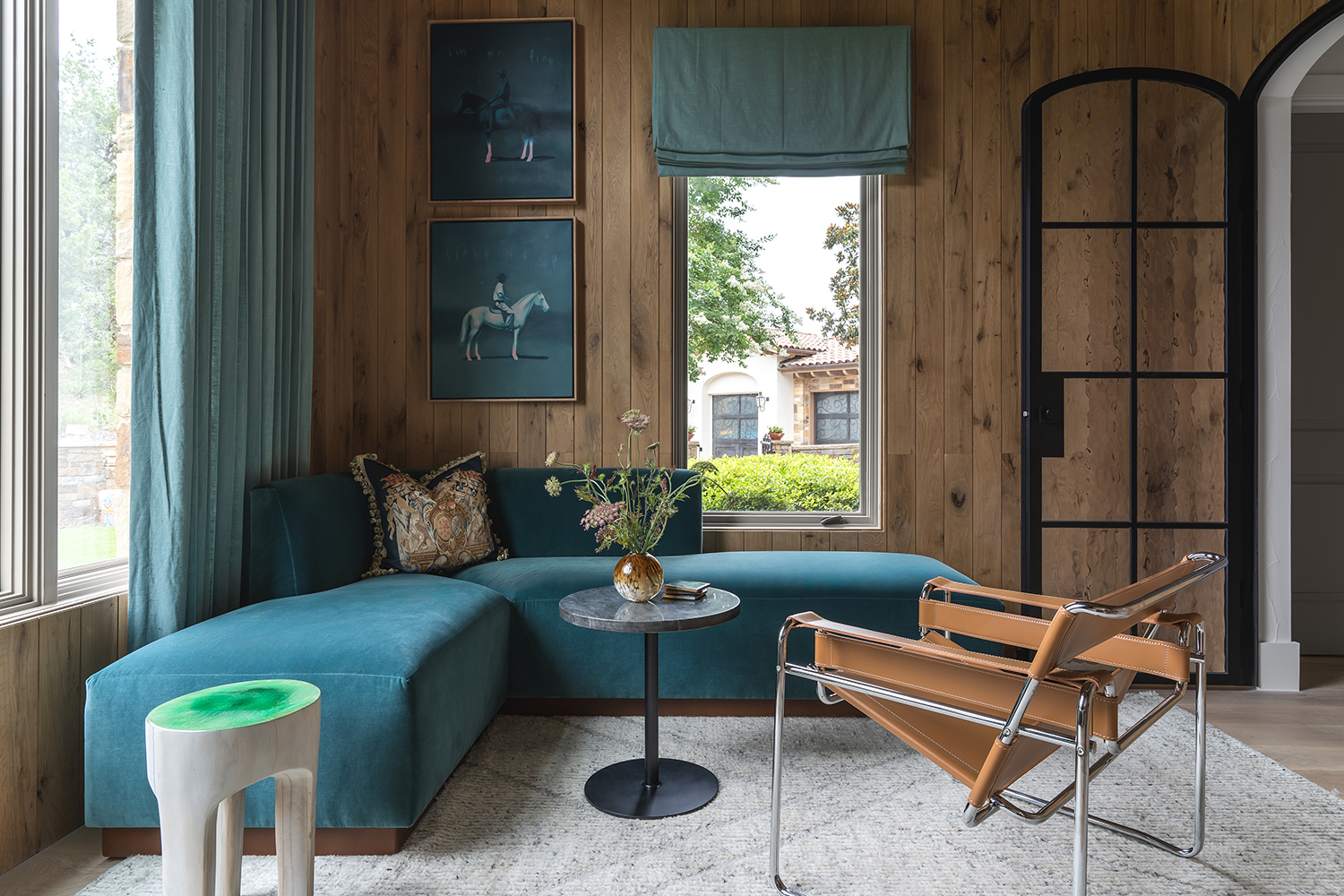
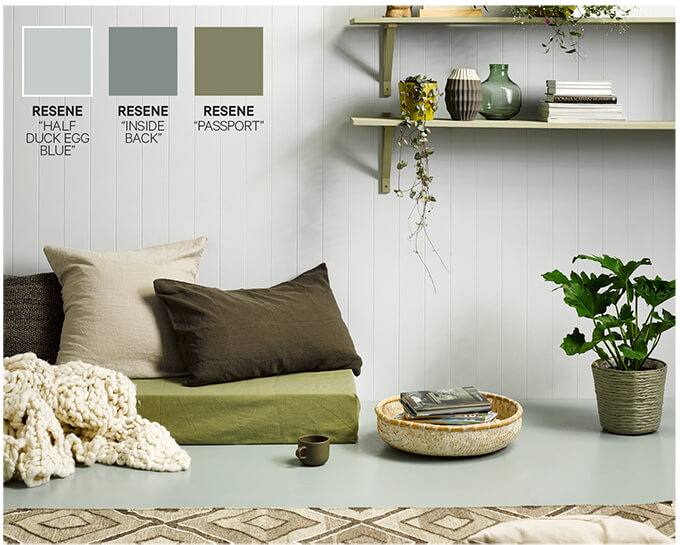
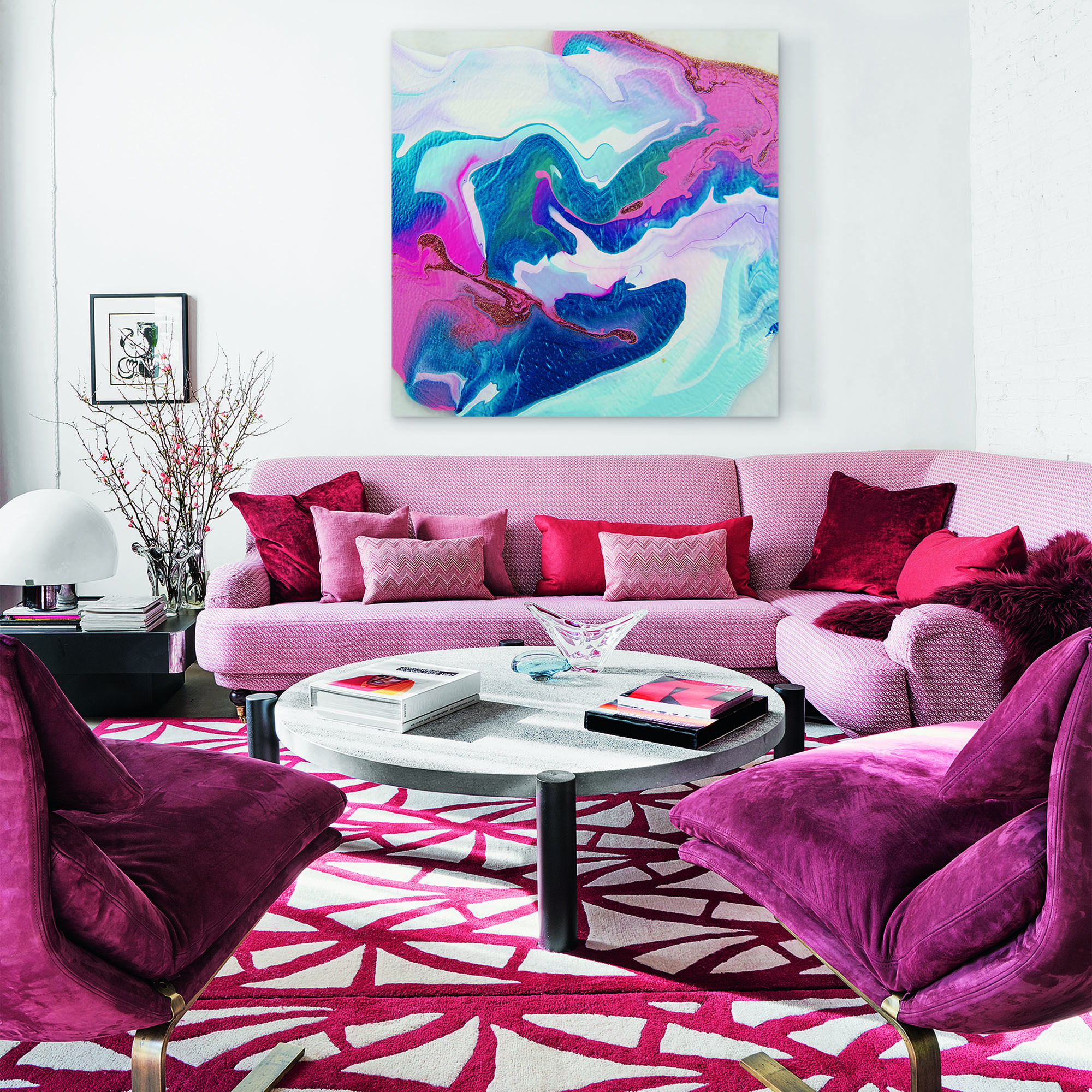
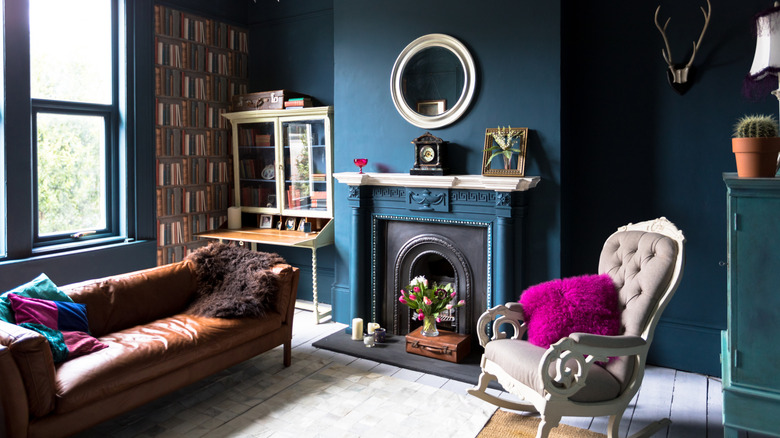
Another significant trend fading is 'millennial gray' interiors. This cool, often stark neutral is being supplanted by warmer neutrals, richer saturated colors, and bolder design choices, signaling a desire for more vibrant and inviting living environments. Oversized, statement pendant lights are also becoming less popular; the focus is now on smaller, more refined lighting fixtures that complement the room's architecture and craftsmanship without overwhelming the space. Traditional dining rooms are being reimagined or repurposed entirely. With hosting becoming more casual, these formal spaces are transforming into multifunctional areas like home offices, cozy movie rooms, or intimate libraries, prioritizing utility and personal enjoyment over formal, seldom-used settings.
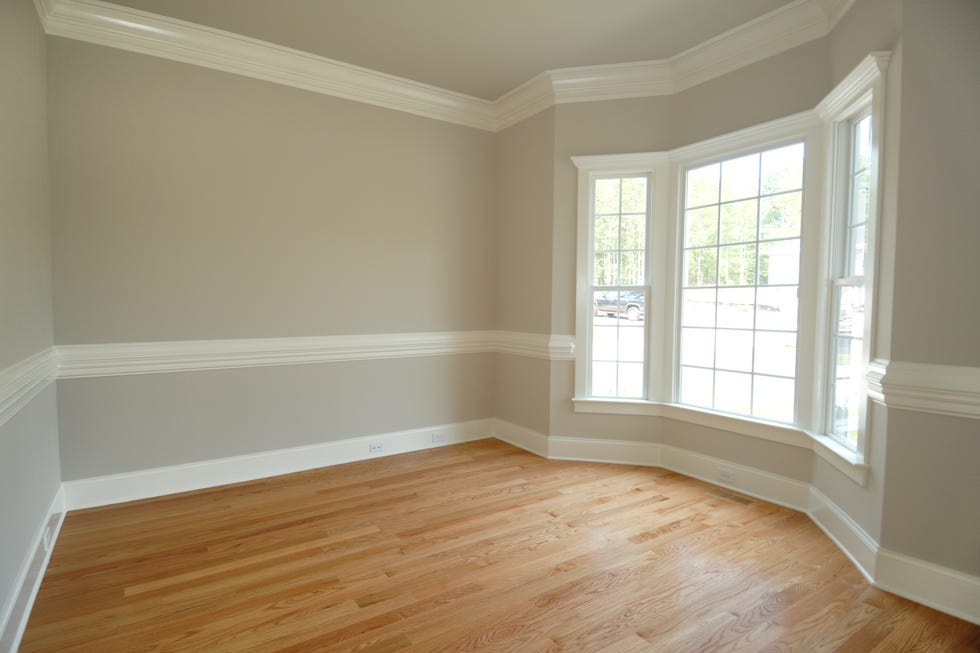
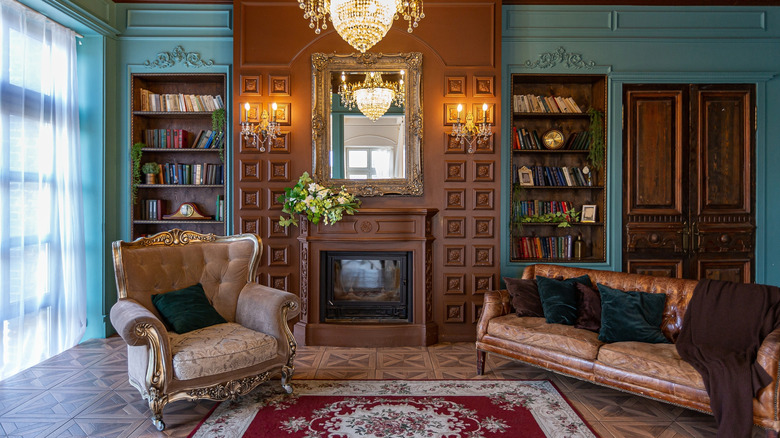
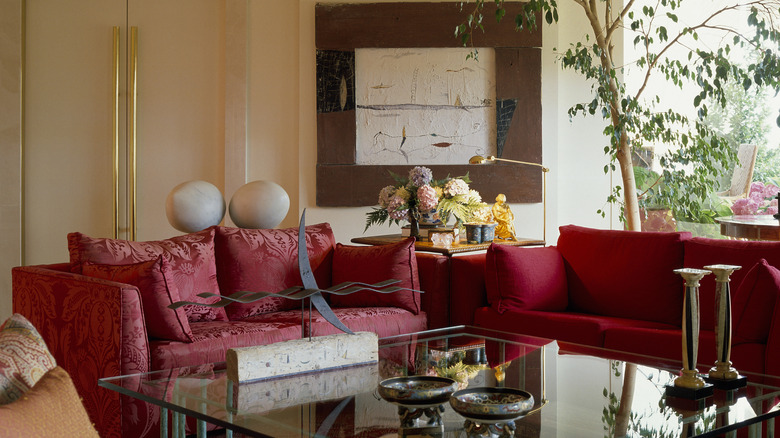
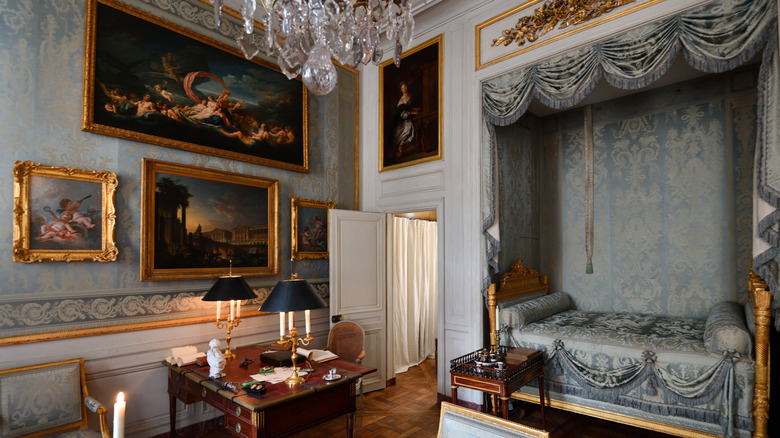
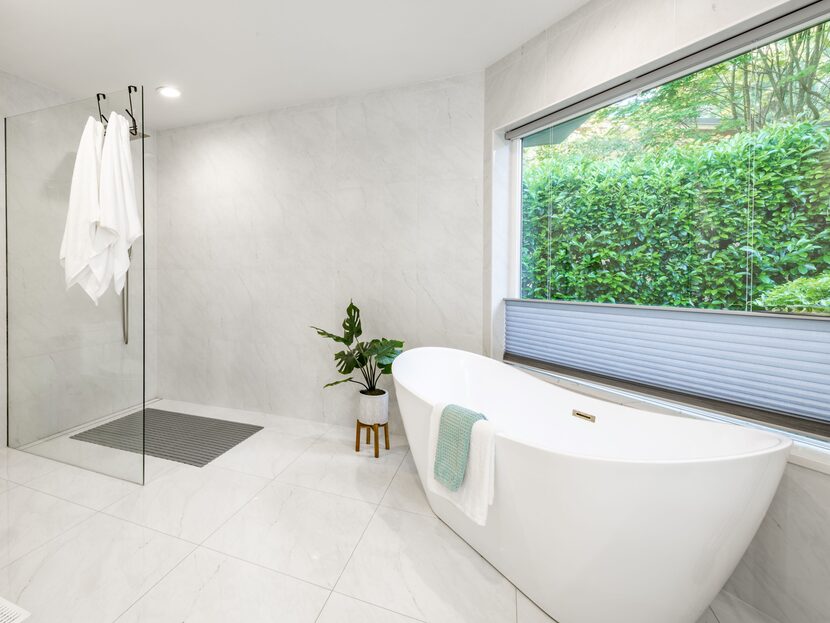
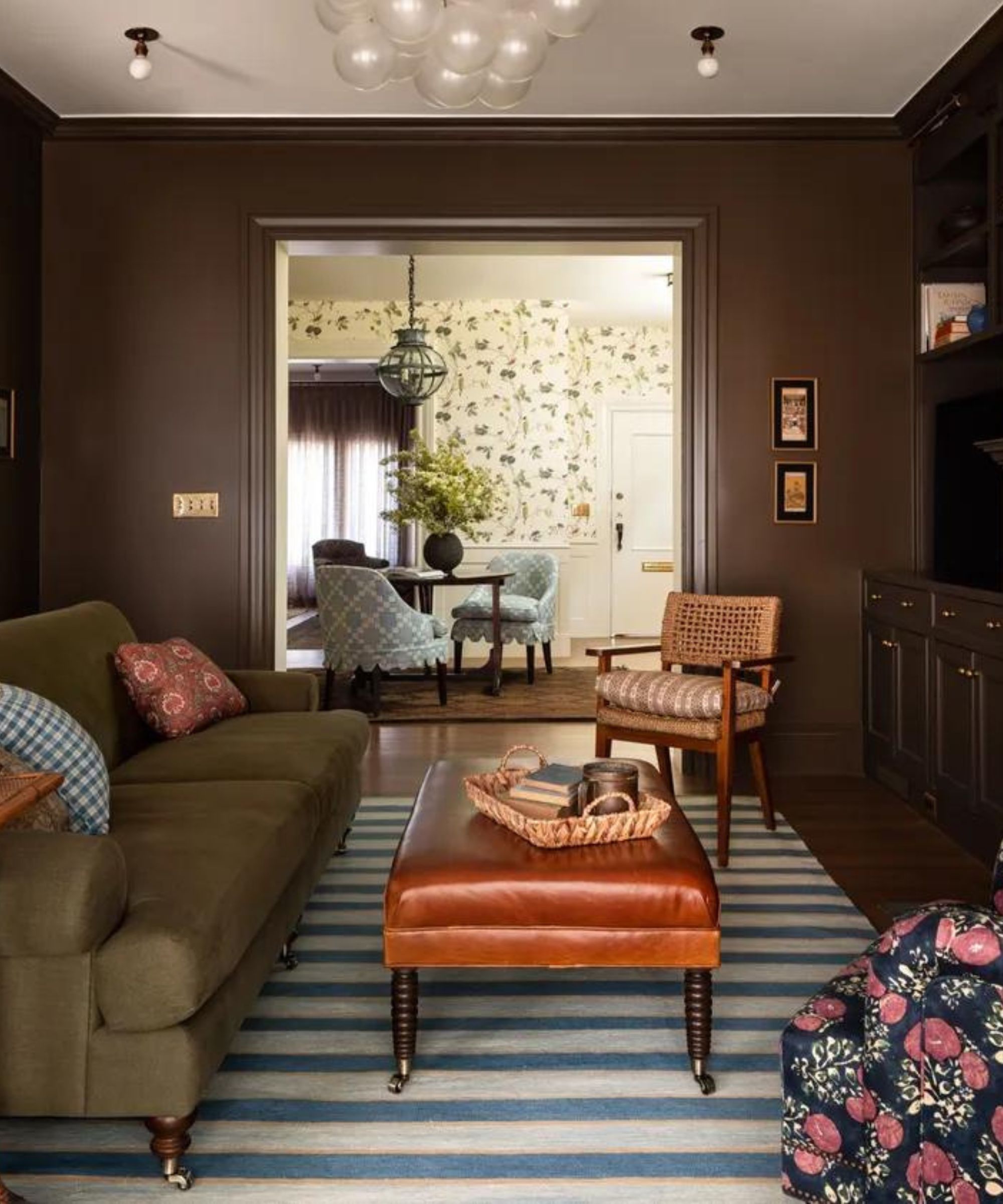
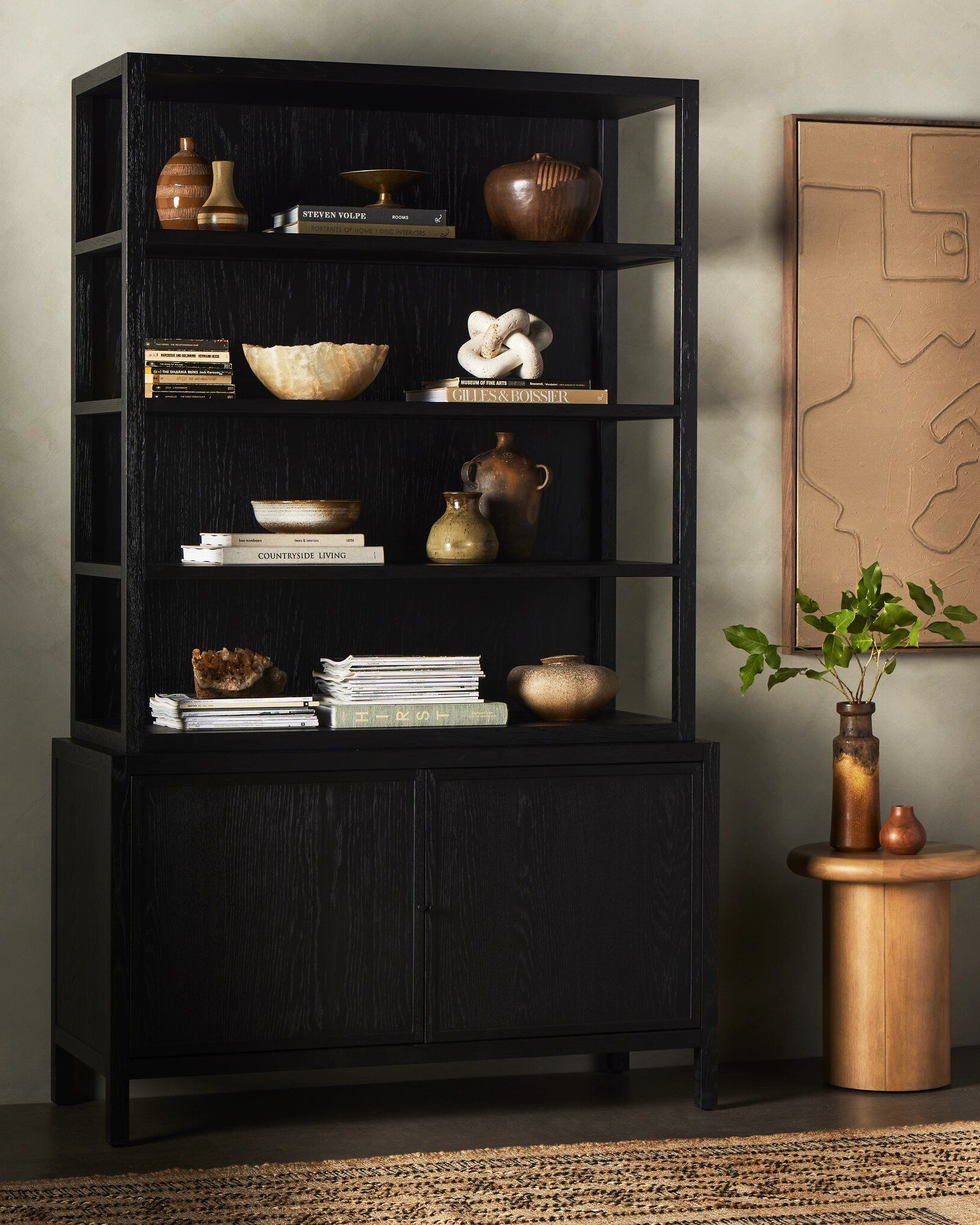
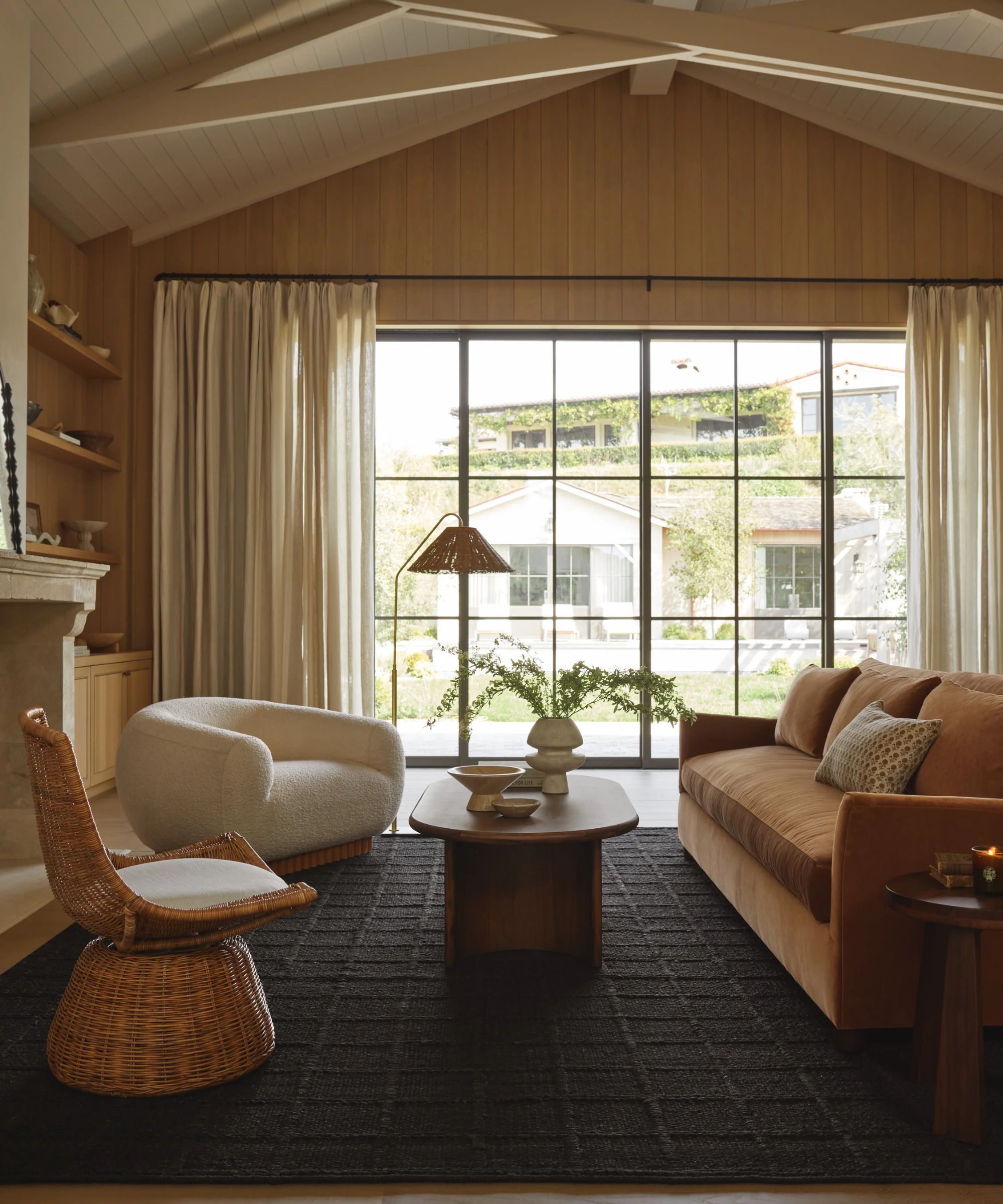
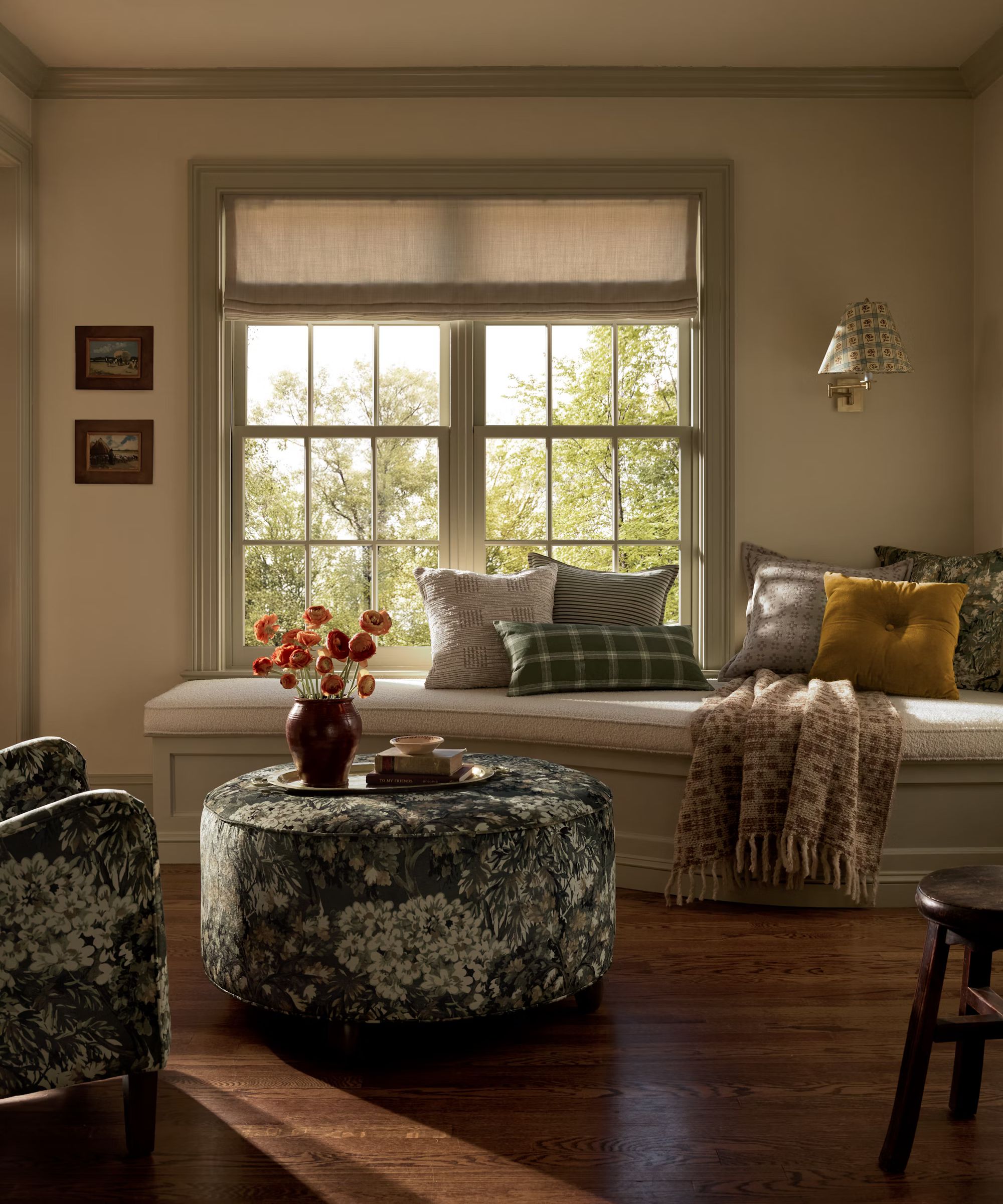
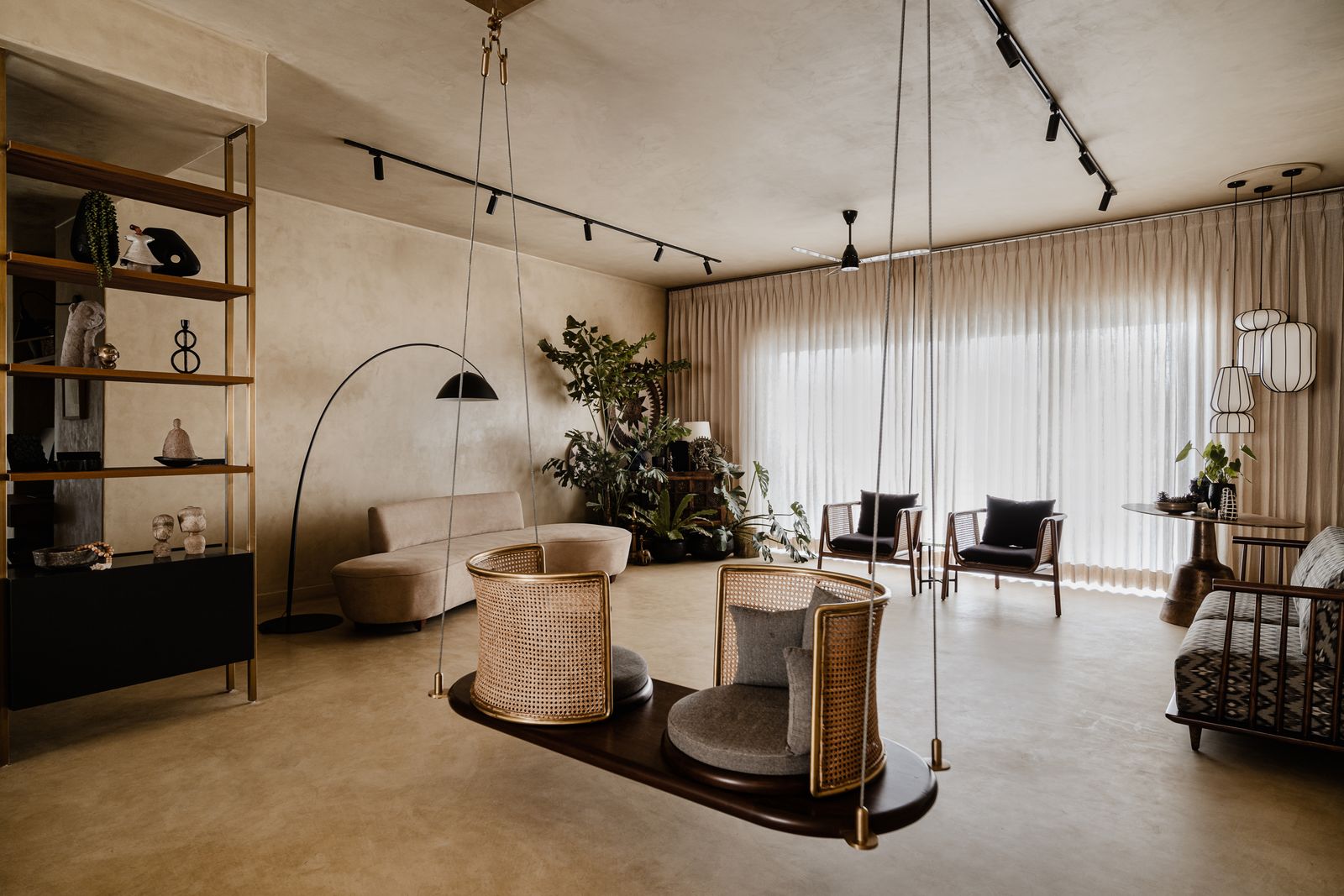
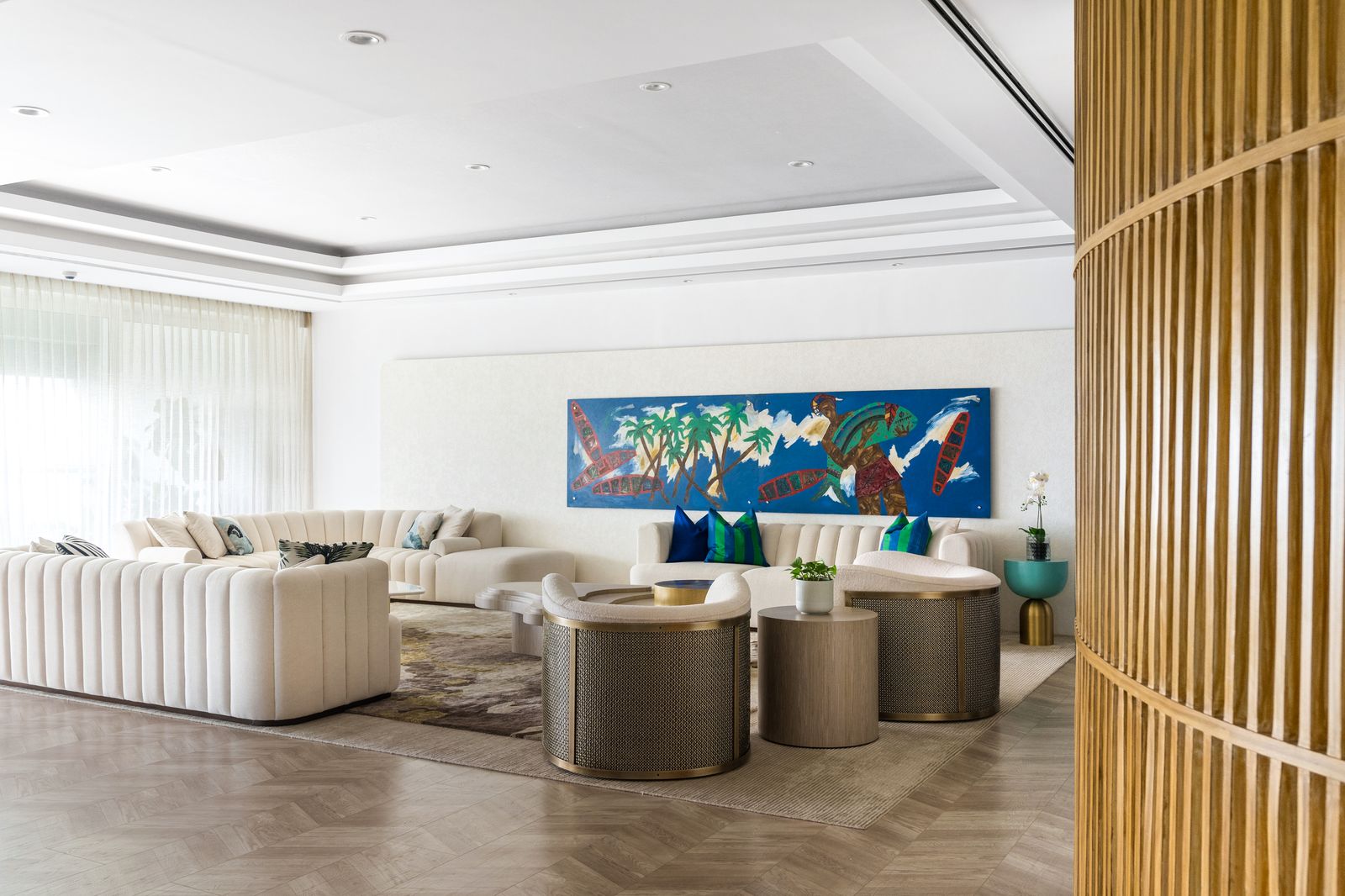
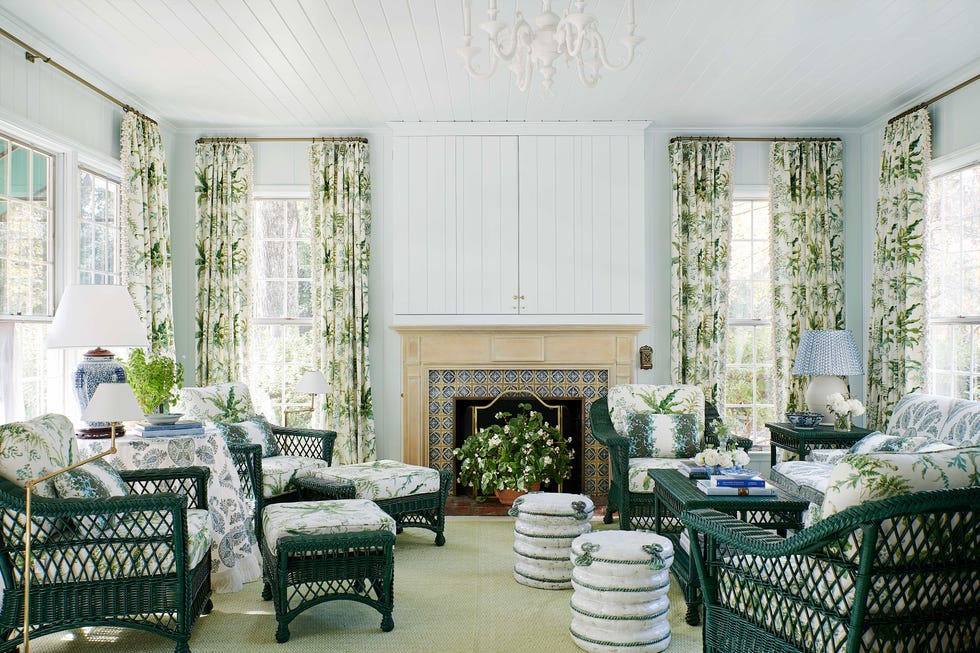
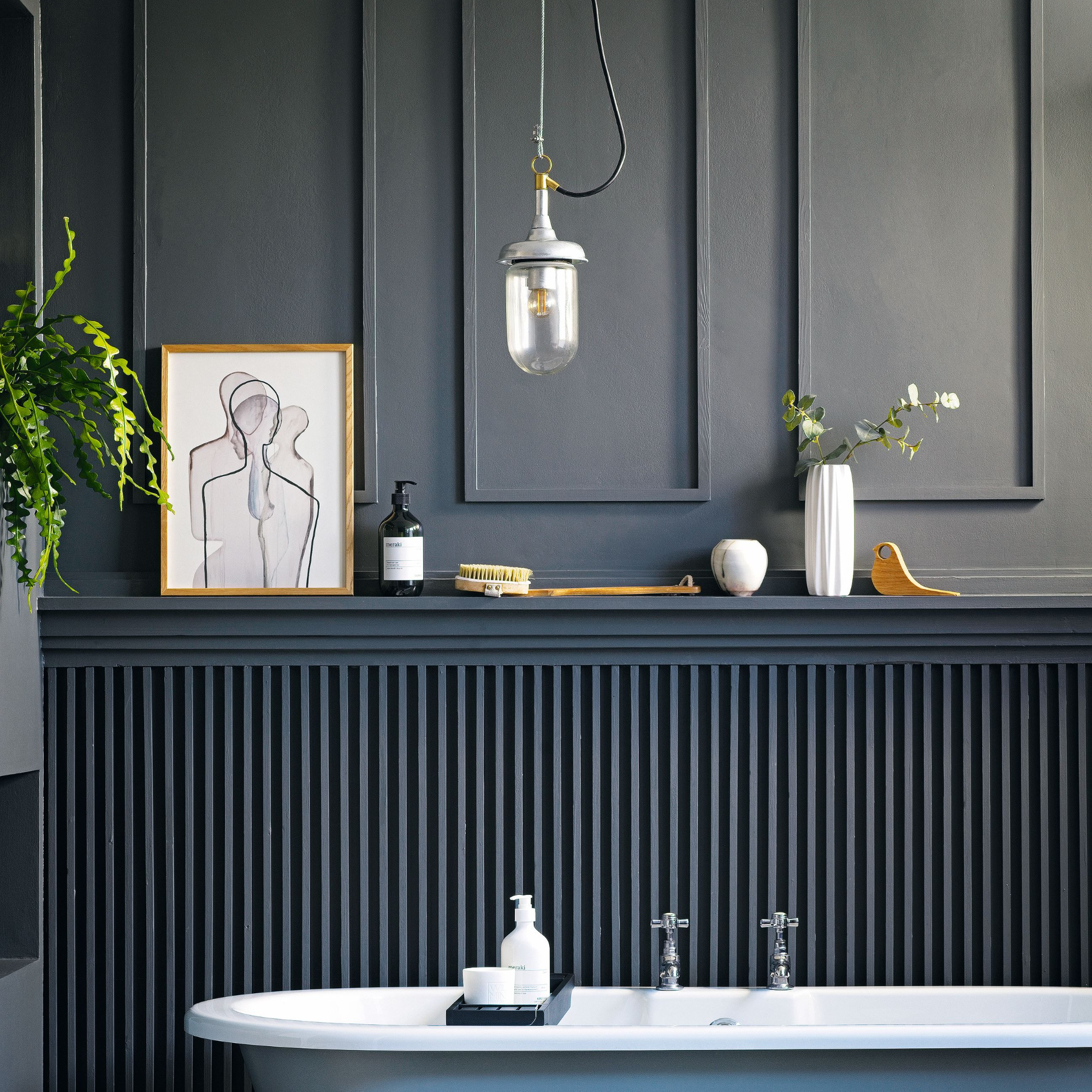
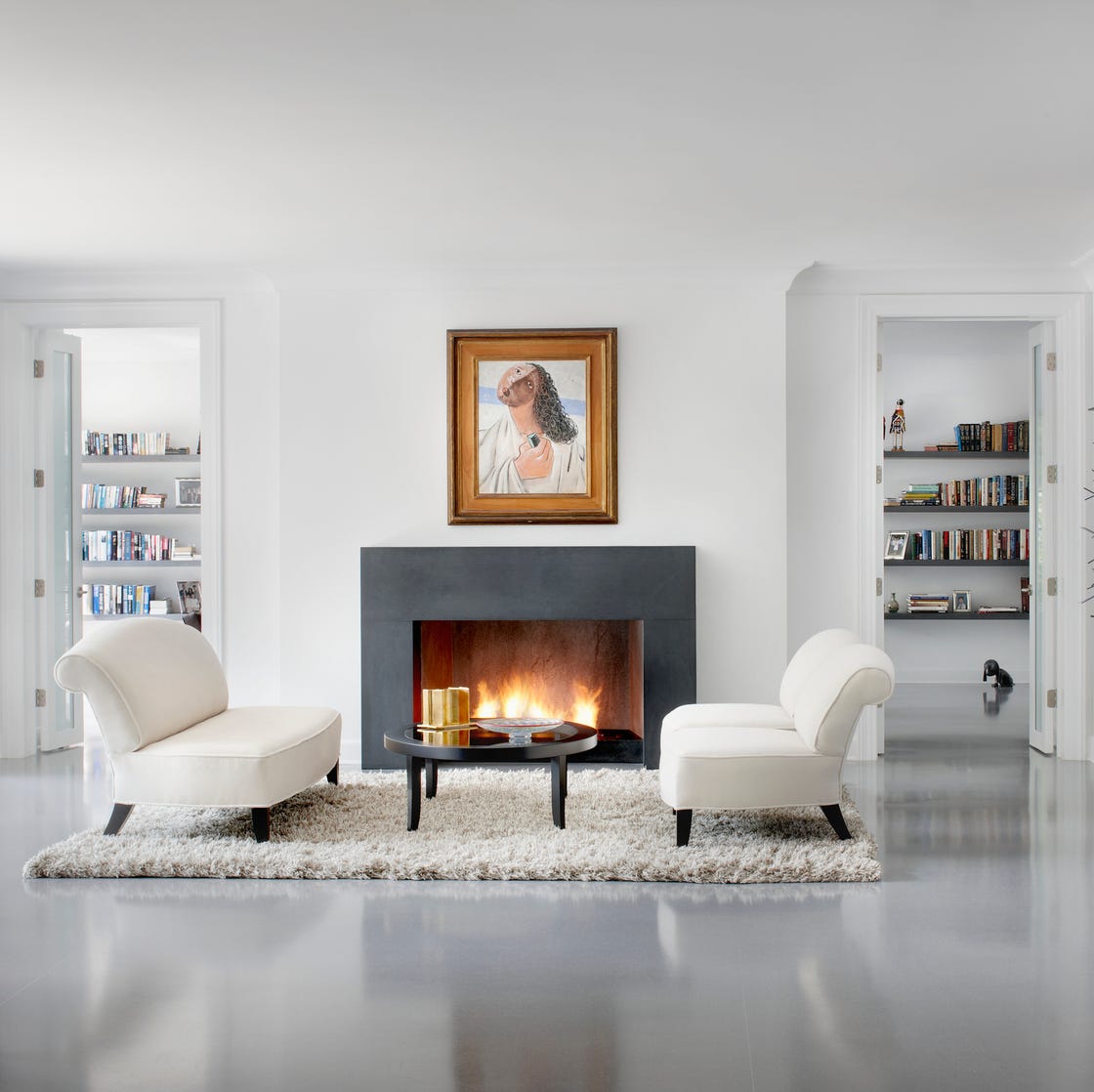
Furthermore, the era of understated craftsmanship is ending. There is a growing demand for detailed woodwork, ceiling treatments, paneling, and elaborate crown molding. This resurgence of intricate detailing addresses a yearning for bespoke, character-filled homes that counteract the uniformity often found in contemporary construction. All-neutral rooms, particularly those dominated by crisp whites and bouclé fabrics, are also declining in popularity. Clients are seeking richer colors, natural materials like limewash and stone, and fabrics with distinct patterns to add depth and visual interest.
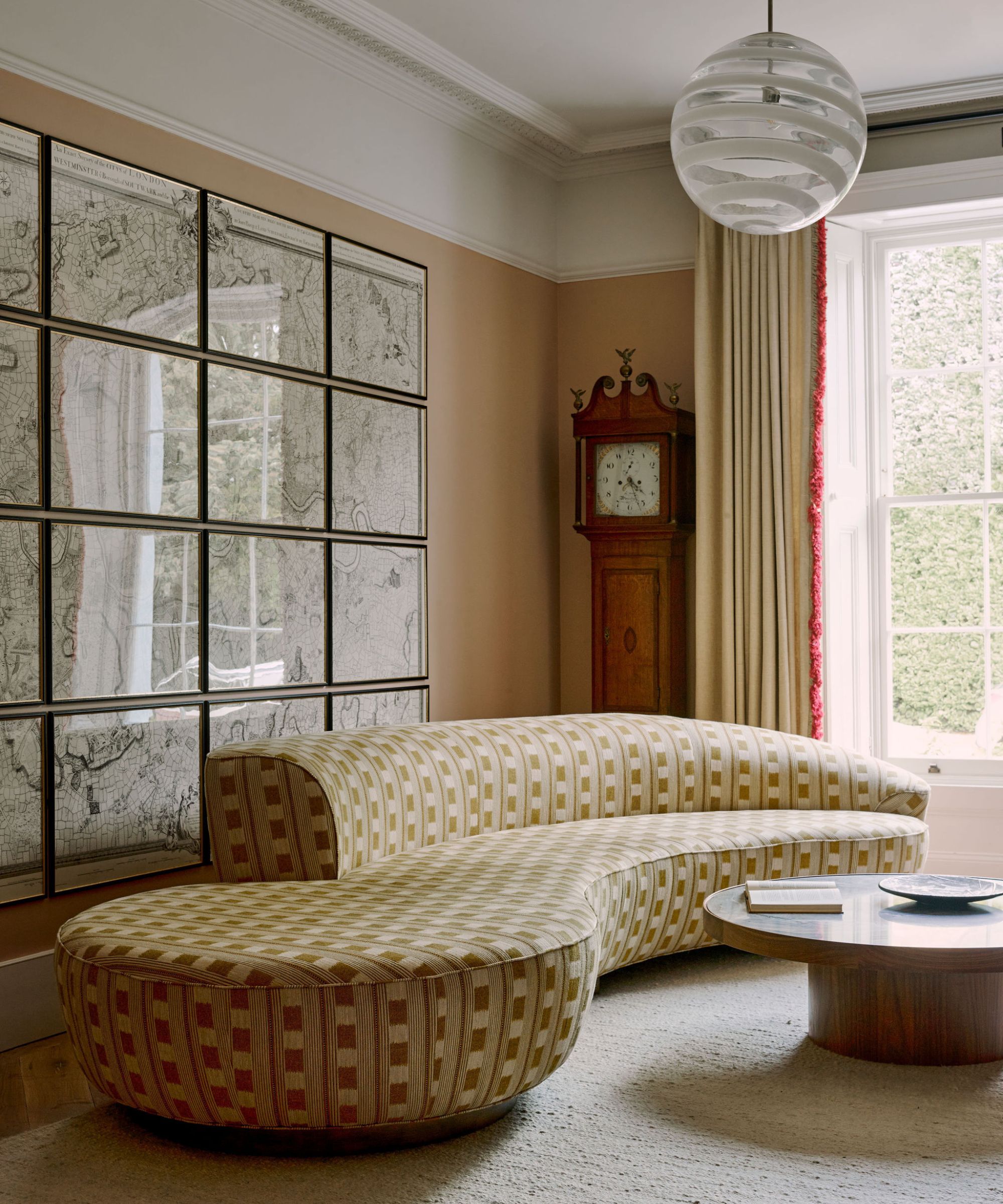
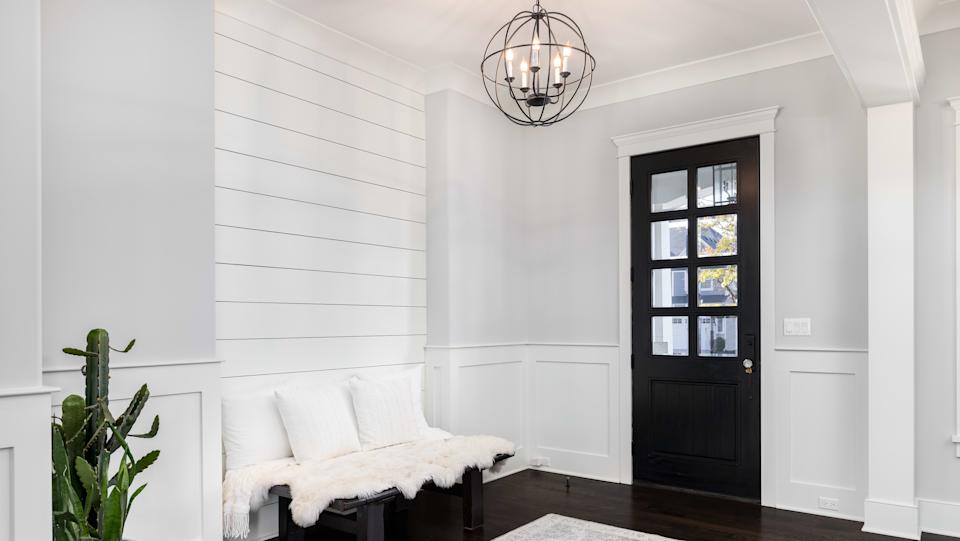
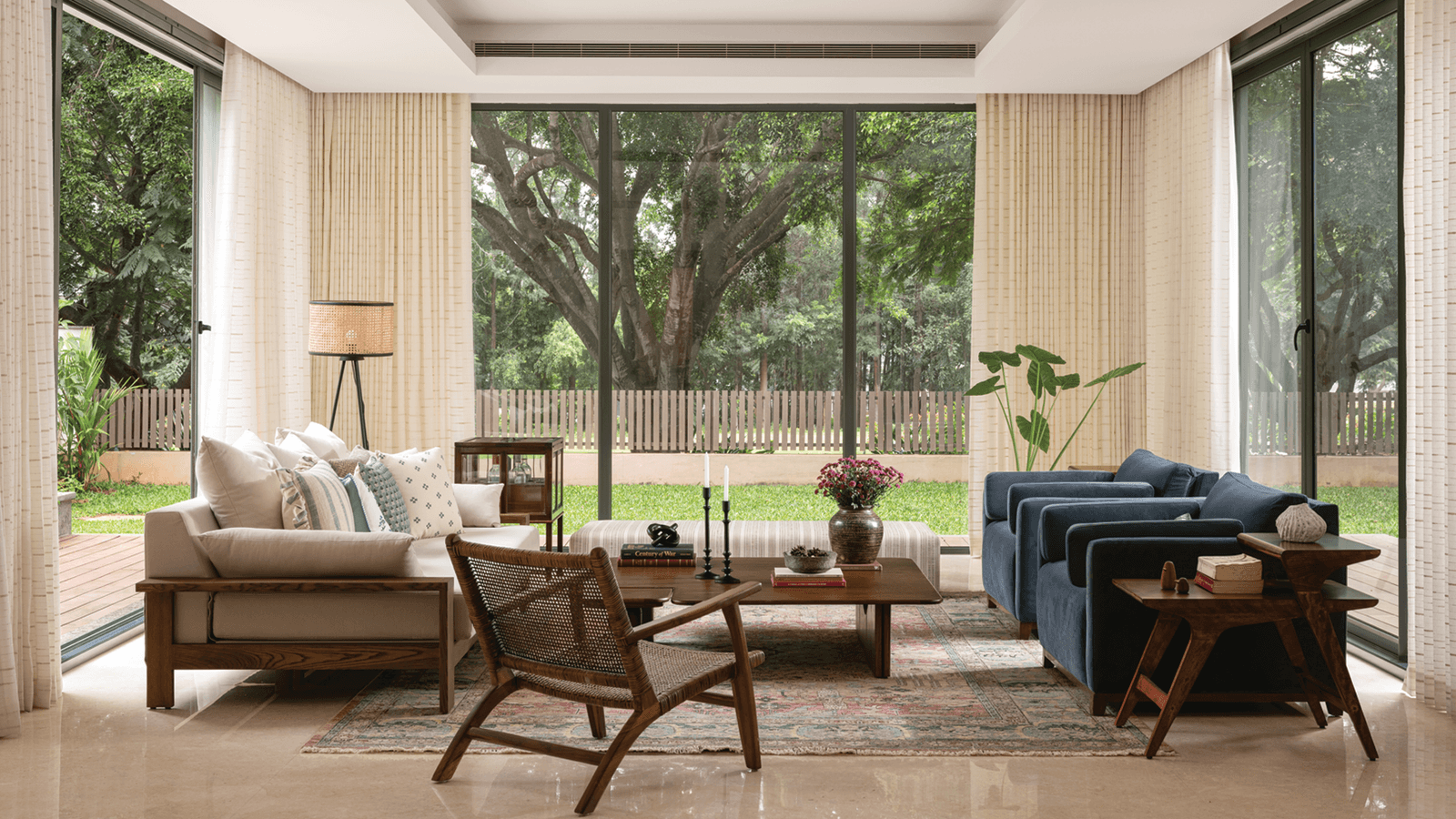
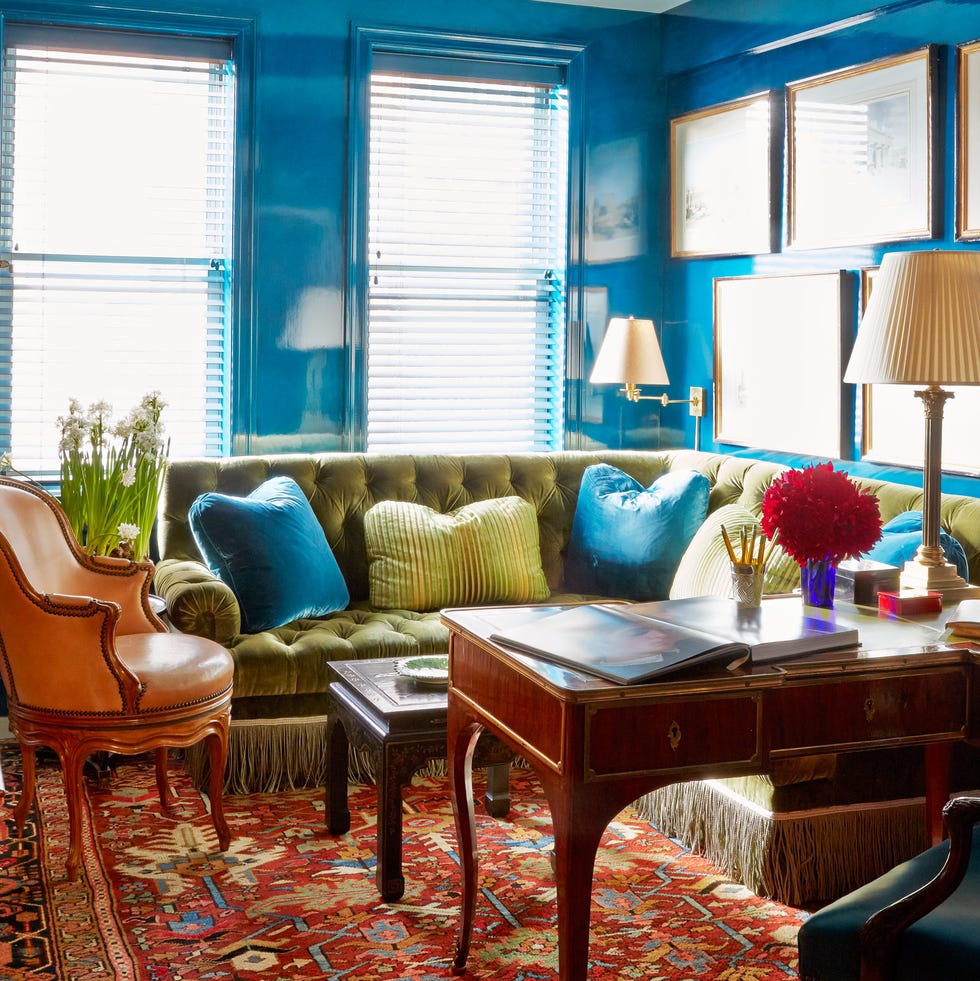
Modern farmhouse style, characterized by its white and black palettes and black metal finishes, is predicted to be officially out. Critics argue that this style has become generic and builder-grade, lacking intentionality and appearing dated. The once-beloved bouclé fabric, dominant for nearly a decade, is losing its appeal due to its ubiquity. Designers are exploring other tactile materials such as brushed wool, slub linen, and matte chenille to achieve comfort with greater dimension. Minimalism, while still having its place in 'warm minimalism,' is largely being replaced by maximalism, which embraces color, pattern, and layered design to create unique, expressive, and lively spaces.
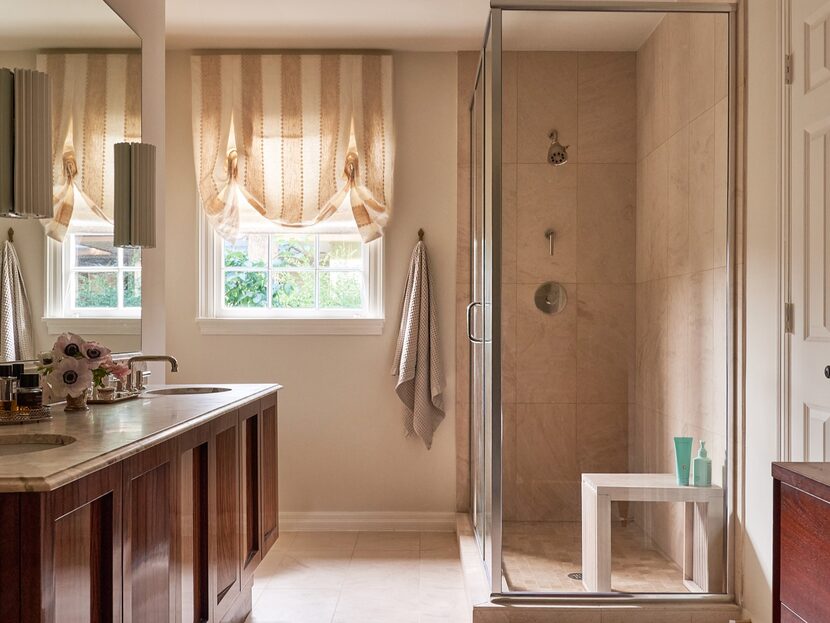
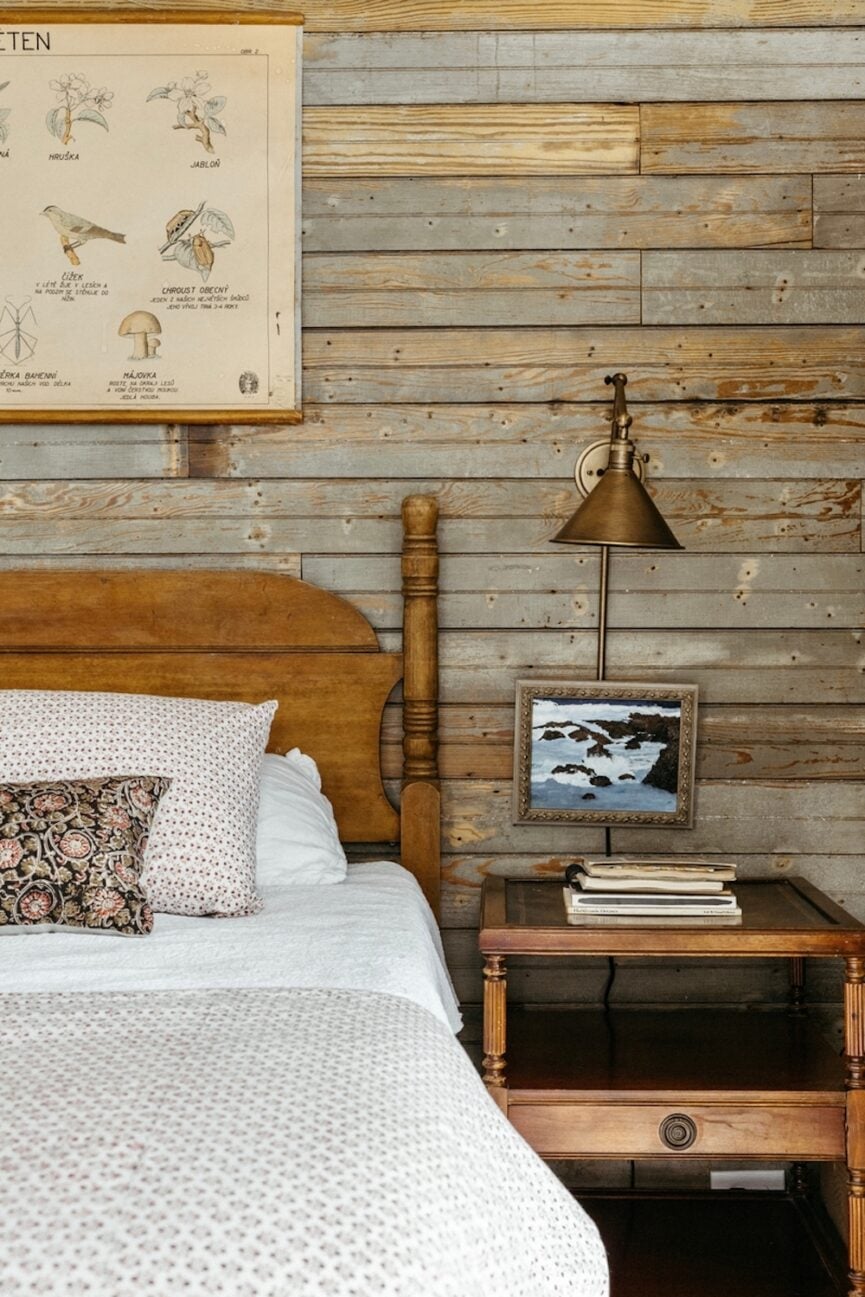
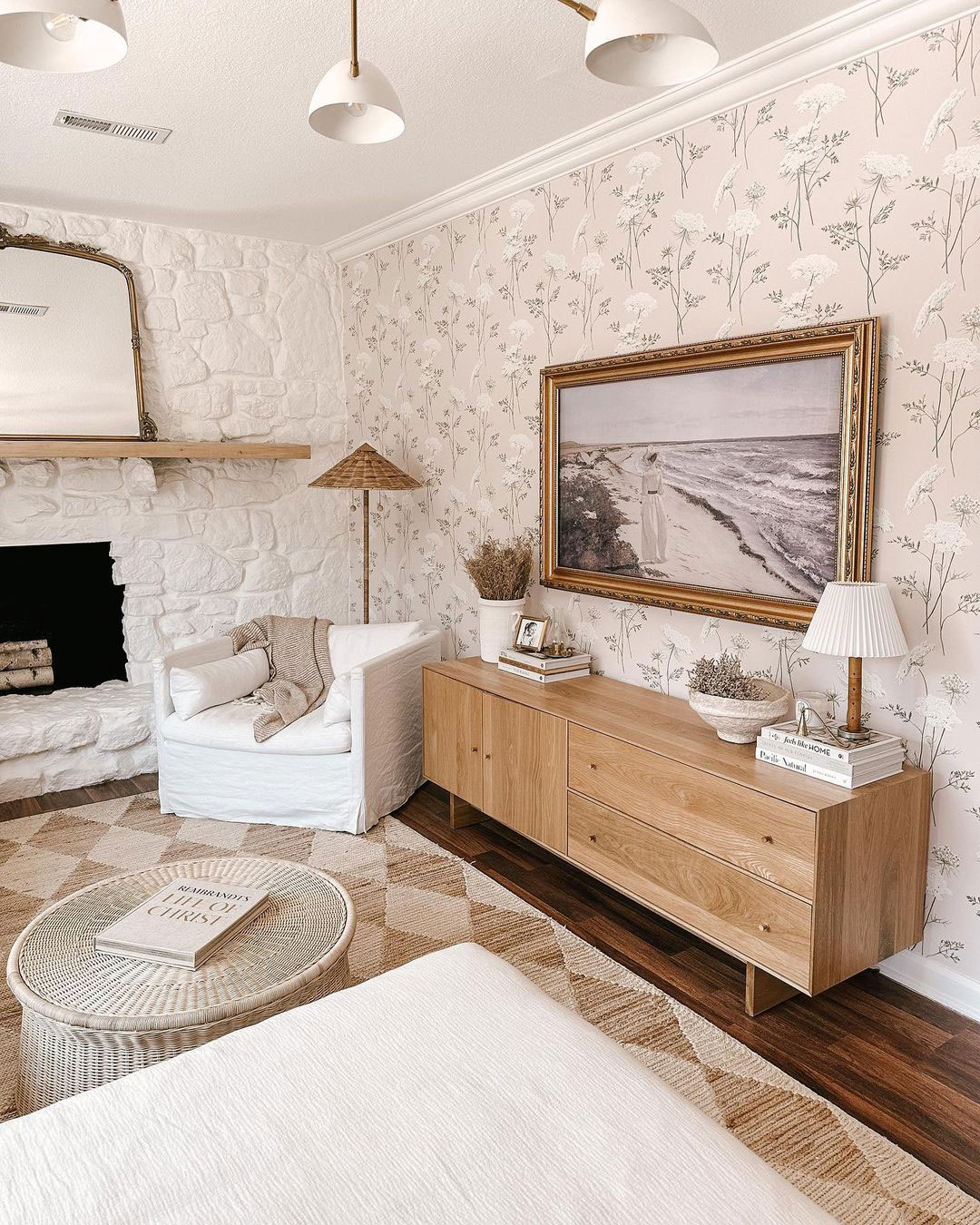
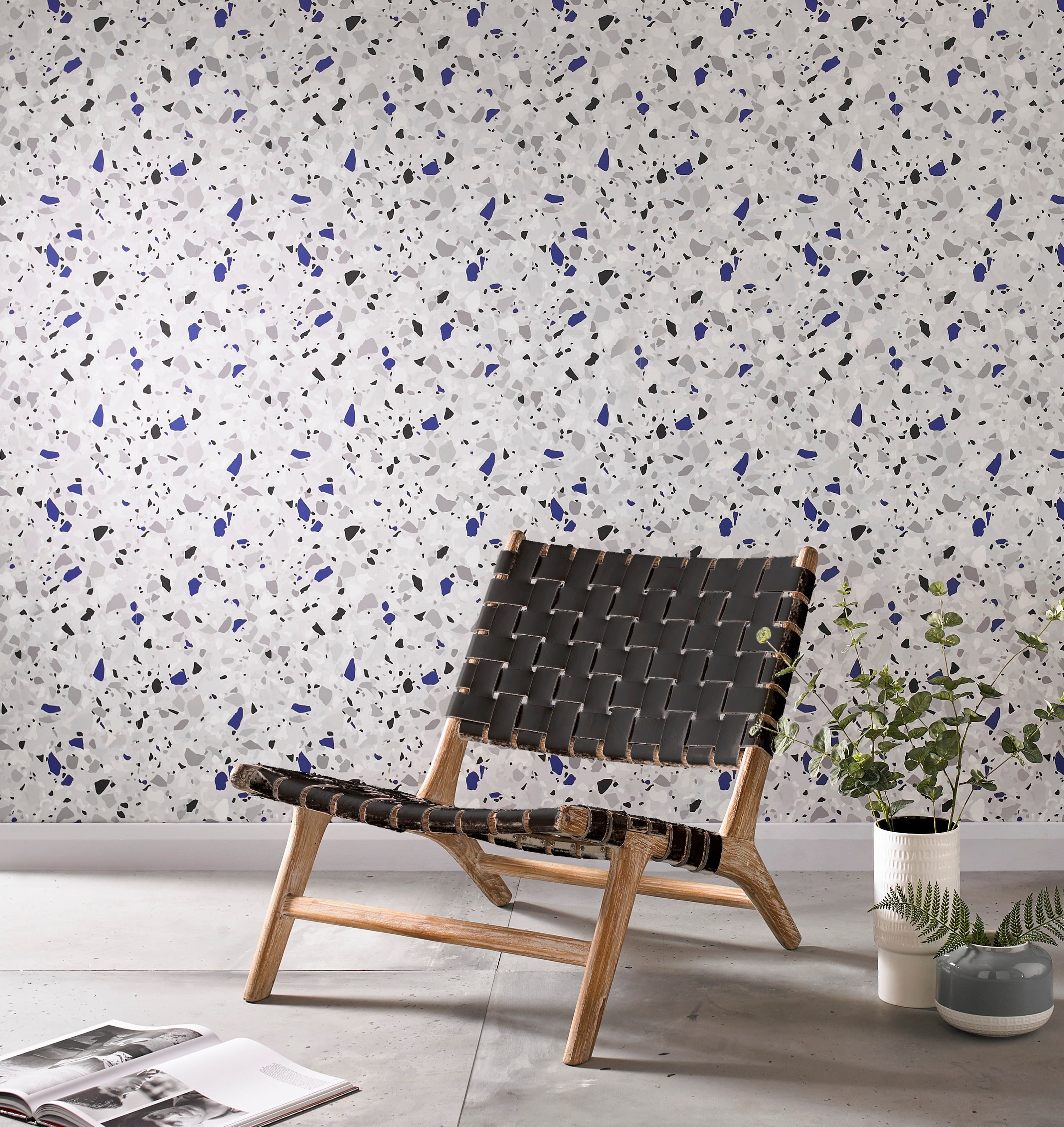
Finally, the practice of matching wood tones throughout a home is evolving. A more layered and natural aesthetic is emerging, with homeowners and designers embracing the beauty of mixing different wood tones in architectural elements and furniture. Flat drywall is also being phased out in favor of textured walls and ceilings, incorporating plaster finishes, fluted details, and elaborate wallpapers and murals to add warmth and dimension. The trend of 'catalog-inspired rooms' is also diminishing; clients are increasingly seeking homes that genuinely reflect their stories and personalities, opting for spaces with confidence and restraint rather than generic, showroom aesthetics. Even café curtains are retreating, with a preference for fuller, floor-length drapery or simple linen shades that appear more intentional and enhance natural light rather than interrupting it. These shifts collectively indicate a movement towards more authentic, personalized, and visually rich home environments by 2026.
#HomeDesignTrends #InteriorDesign #KitchenDesign #BedroomDesign #LivingRoomTrends #DecoratingIdeas #DesignEvolution #Maximalism #PersonalizedHome #HomeDesignTrends #InteriorDesign #KitchenDesign #BedroomDesign #LivingRoomTrends #DecoratingIdeas #DesignEvolution #Maximalism #PersonalizedHome
0개의 댓글이 총 표시됩니다.
 아직 댓글이 없습니다
추가로 마음에 드릴 만한 콘텐츠
The #1 Home Trend You Should Avoid, According to Designers

14 Interior Trends Designers Say Will Define the Year Ahead

5 outdated home decor trends interior designers want you to kiss goodbye in 2024, and what to do instead

A taste of this year's interior design trends

11 Moody Design Trends That Took Over Homes This Year (And One We're Ready To Ditch)

How to decorate in 2025: Skip these tired trends, interior designers say
17 Trends That Need to Disappear Forever , According to Interior Designers

8 Decorating Trends Designers Wish Would Go Away in 2025

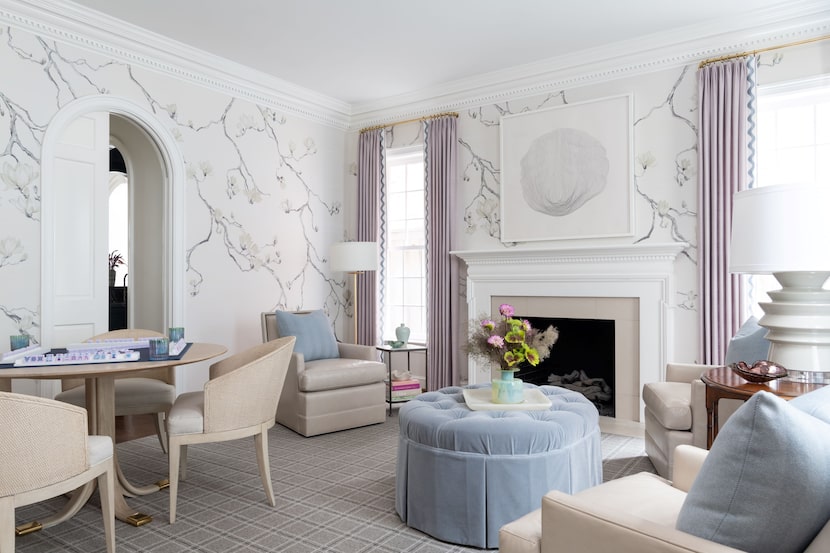
7 home design trends to skip (and what to do instead)

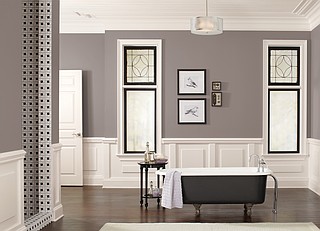
Tracking home decor trends that are on the way out
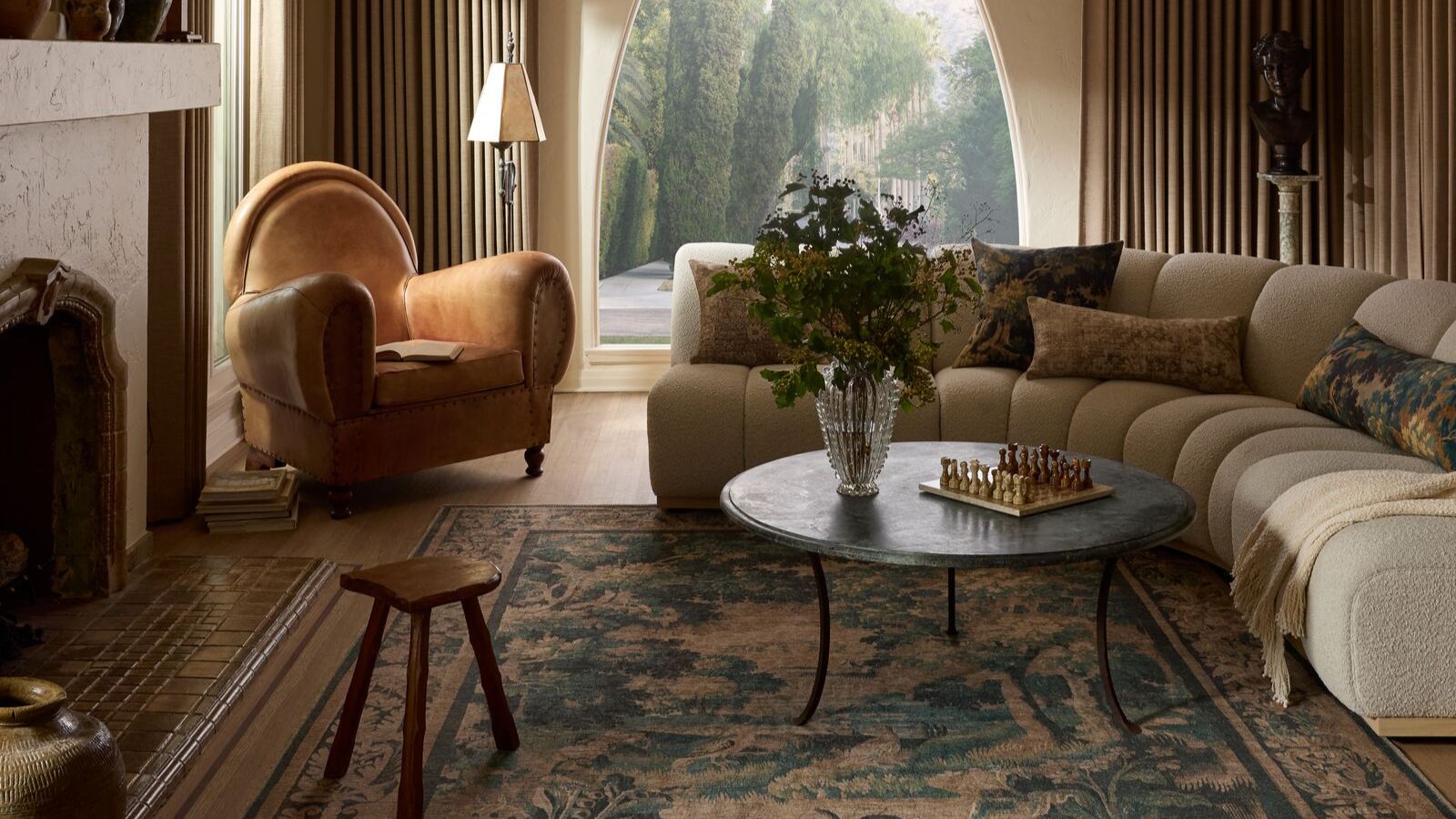
The decorating trends designers definitely want you to leave behind in 2025 – from fads to faux pas
There's a new interiors trend you'll be obsessed with this year
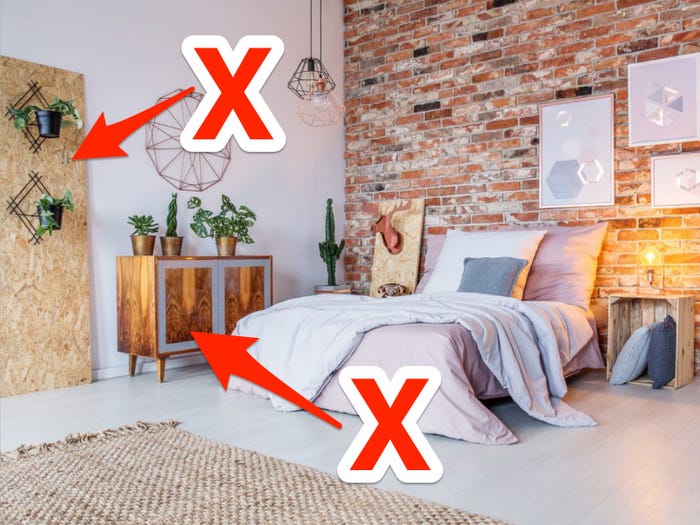
17 popular trends interior designers wish would disappear
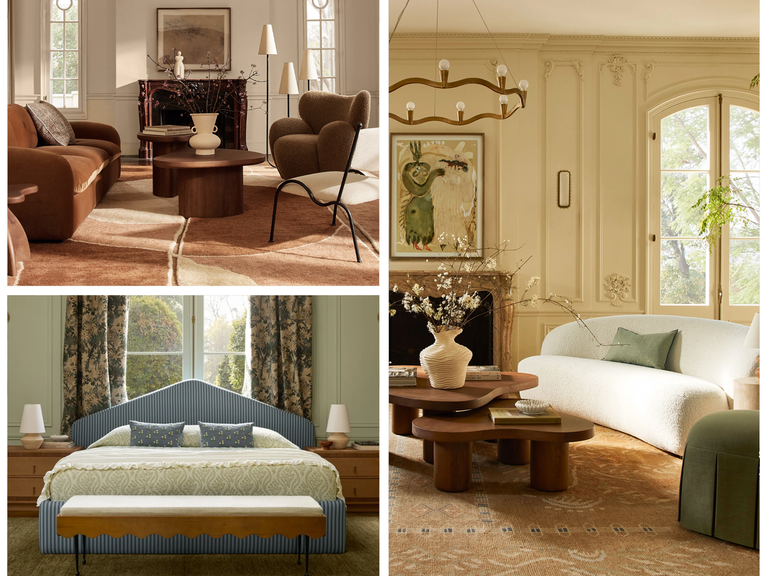
Ready to Redecorate? 2025’s Top Design Trends Just Dropped

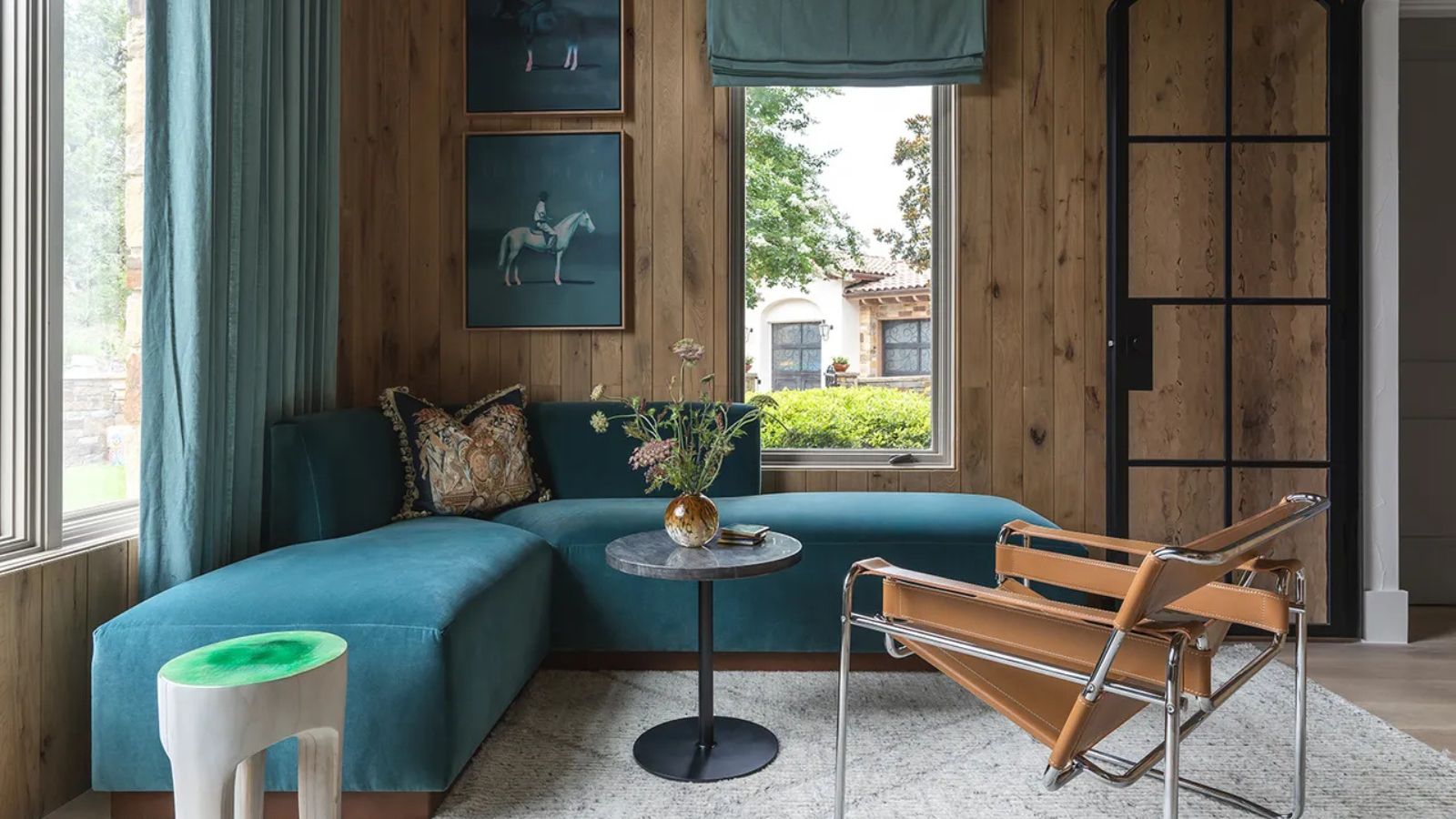
5 trends that look good right now but interior designers warn they won't last
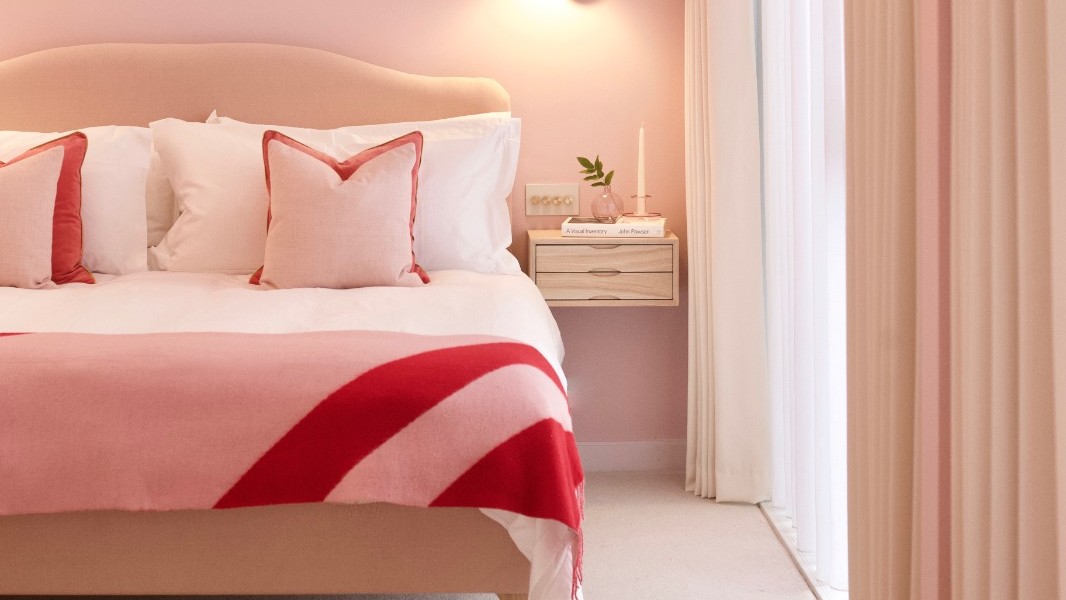
These are the interior trends to leave behind in 2023, according to experts
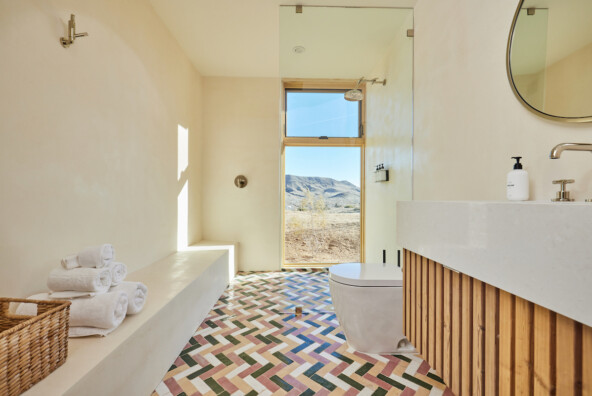
Interior Designers are Ditching These Home Trends in 2024
Bye 2022: Home Design Trends to Ditch in 2023

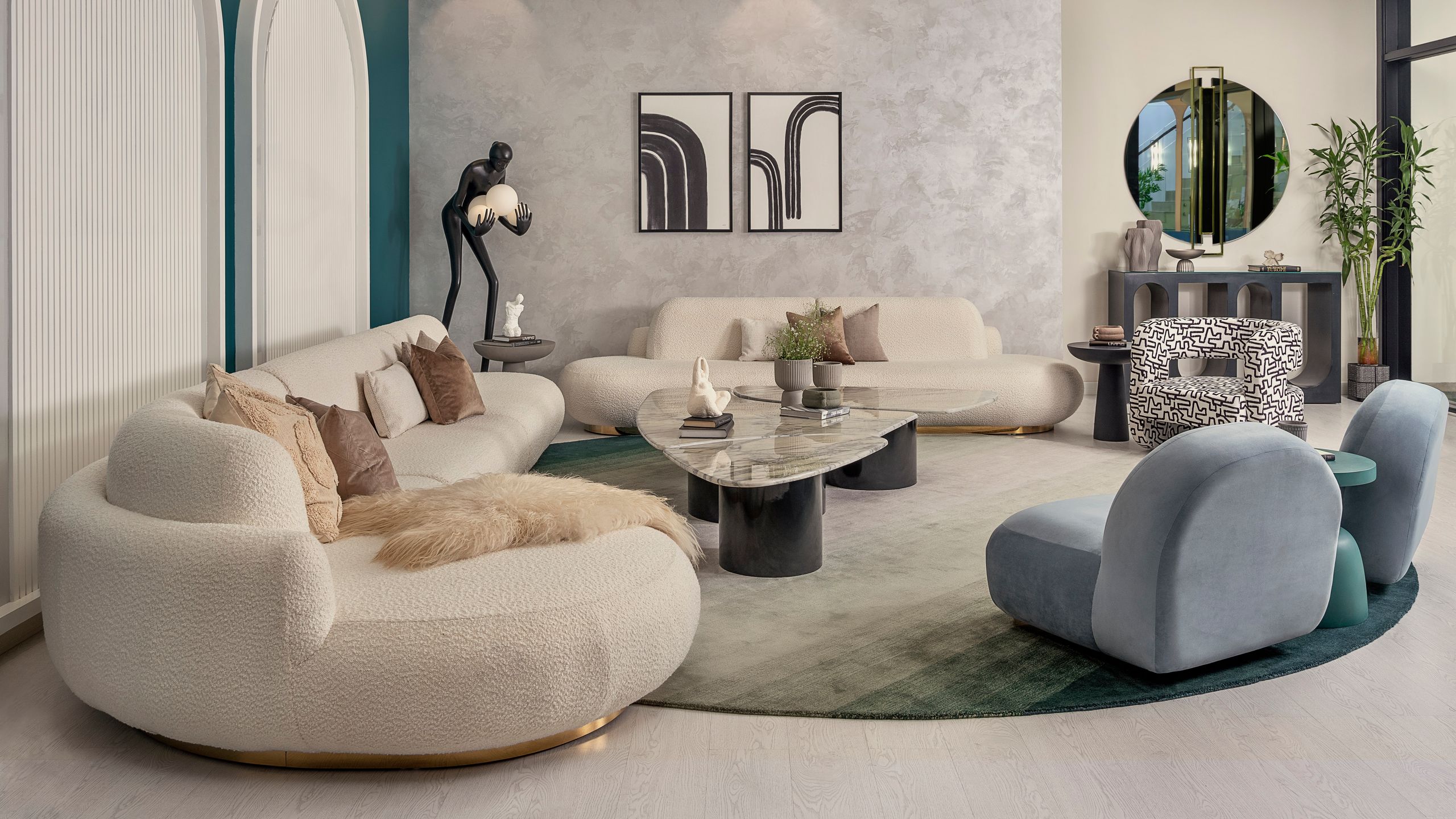
Living room design ideas to try this year, according to AD List architects and designers

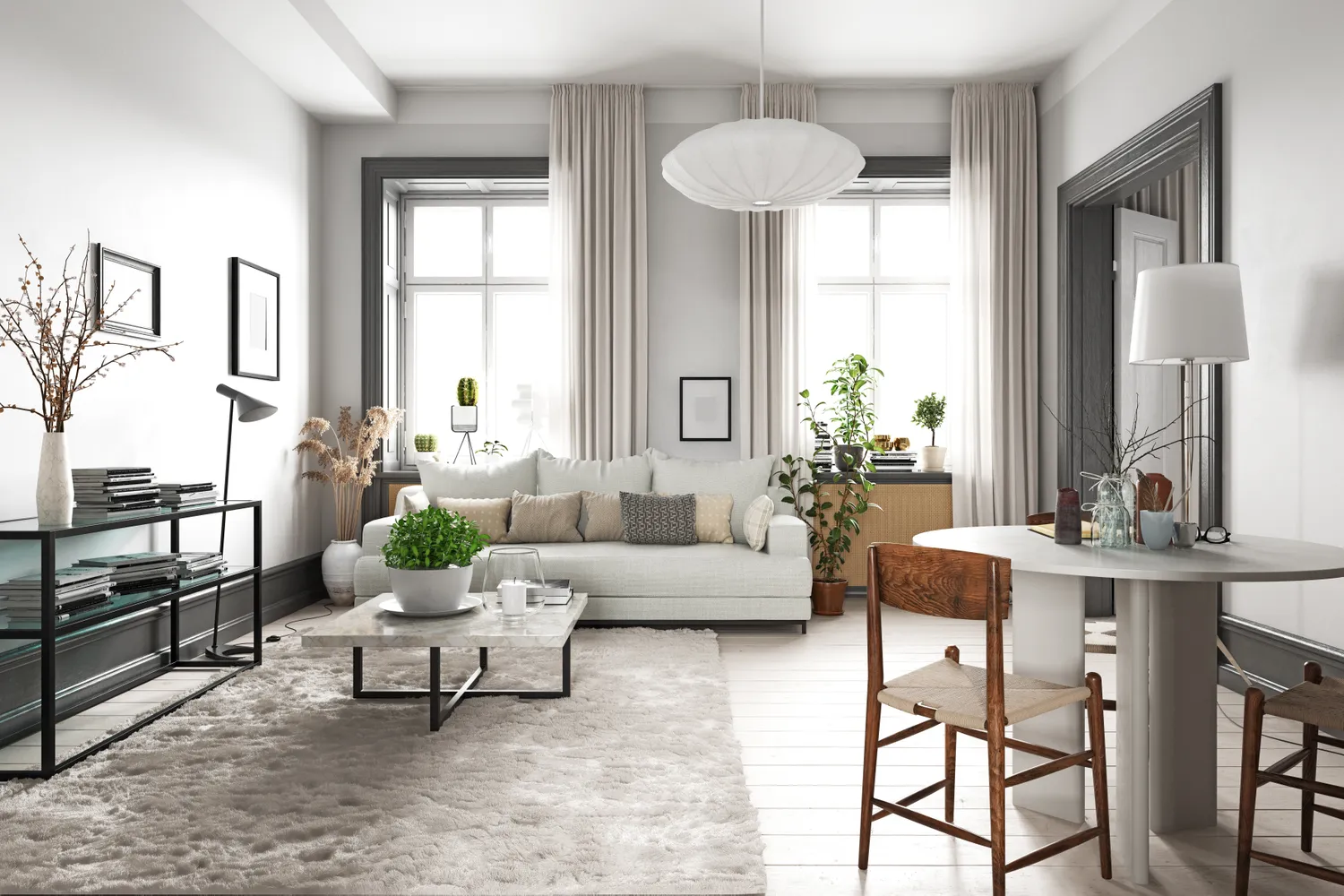
3 "Timeless" Trends Designers Say Are Out—and Making Homes Look Dated in 2026