The 14 Best Climbing Plants for Your Trellis or Pergola
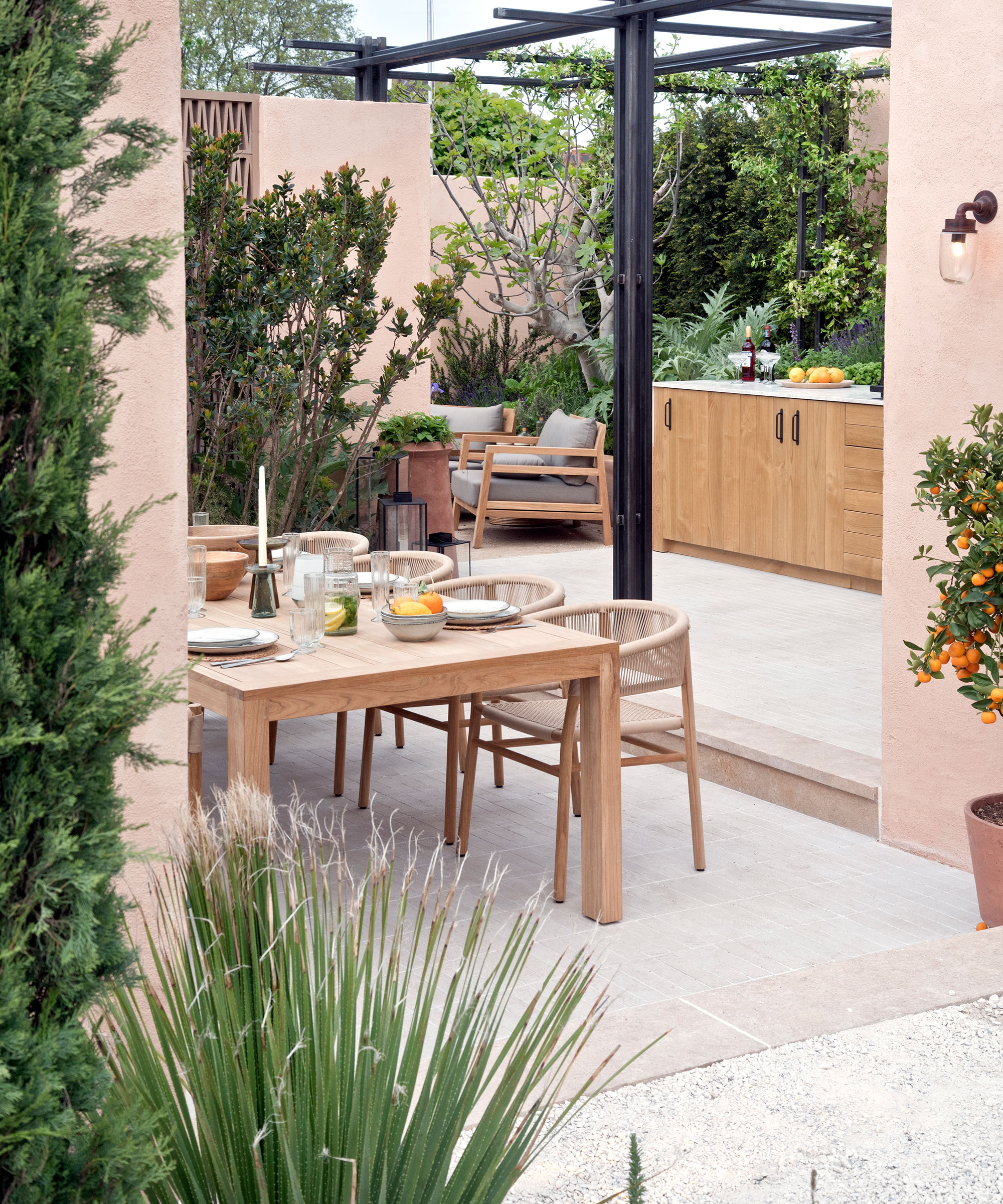
The article provides a comprehensive guide to selecting and caring for climbing plants suitable for trellises and pergolas, emphasizing their role in creating shade and enhancing garden aesthetics. It highlights the growing popularity of pergolas and trellises in backyards, not just for structural support but also for introducing natural shade, presenting a more beautiful alternative to man-made options. The selection of the right climbing plant can be challenging due to the variety of options, including flowering plants, foliage, and even fruits and vegetables.
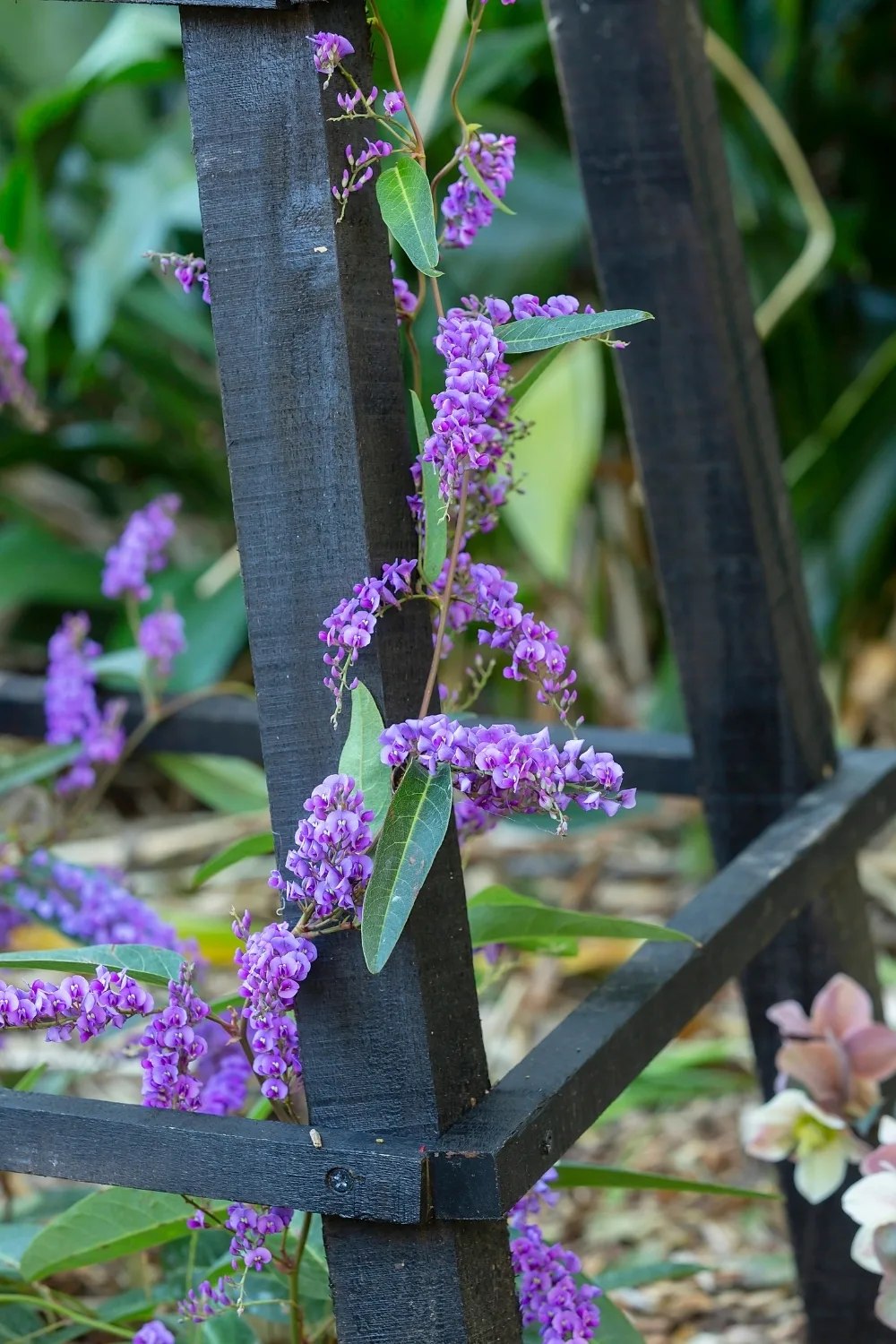
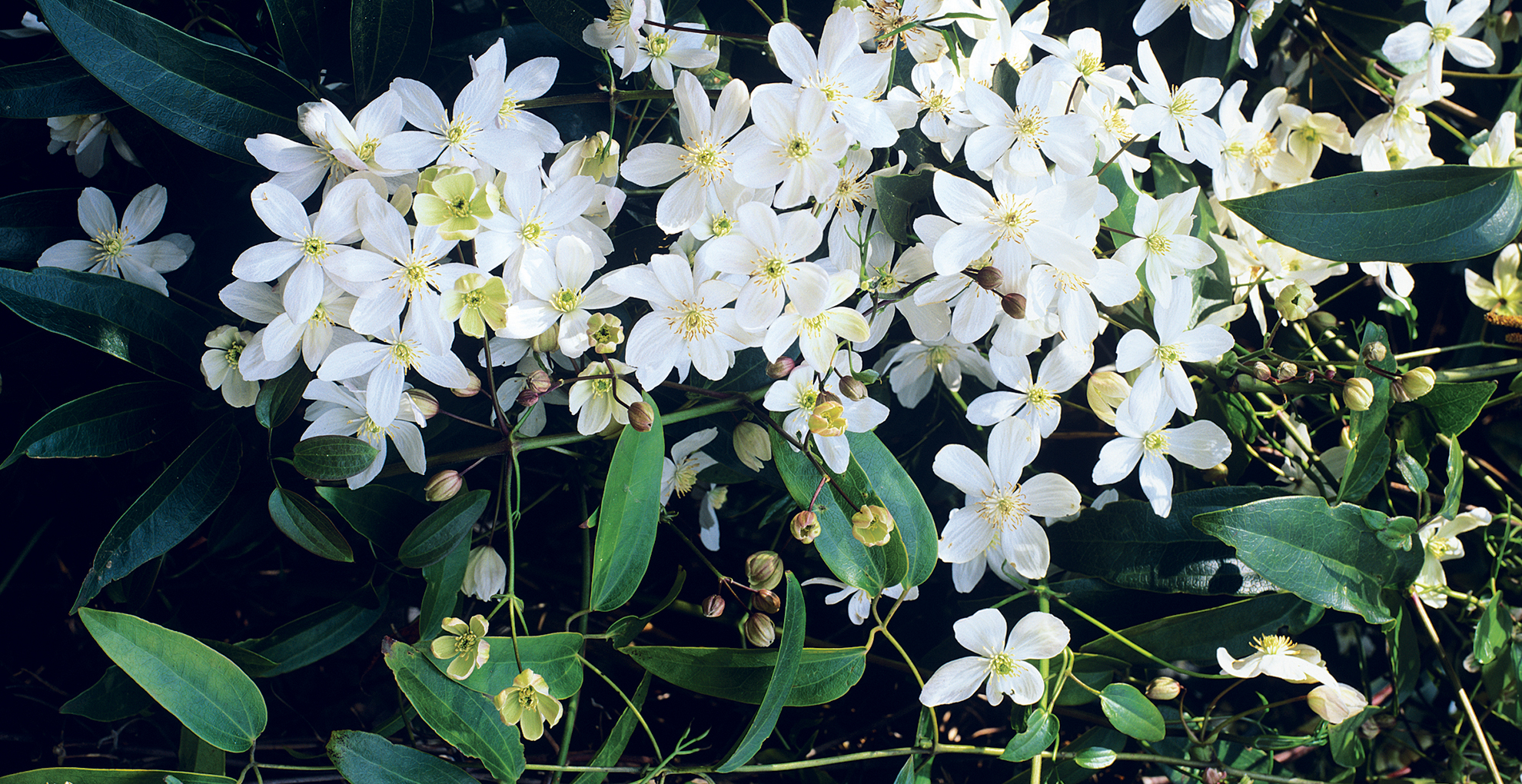
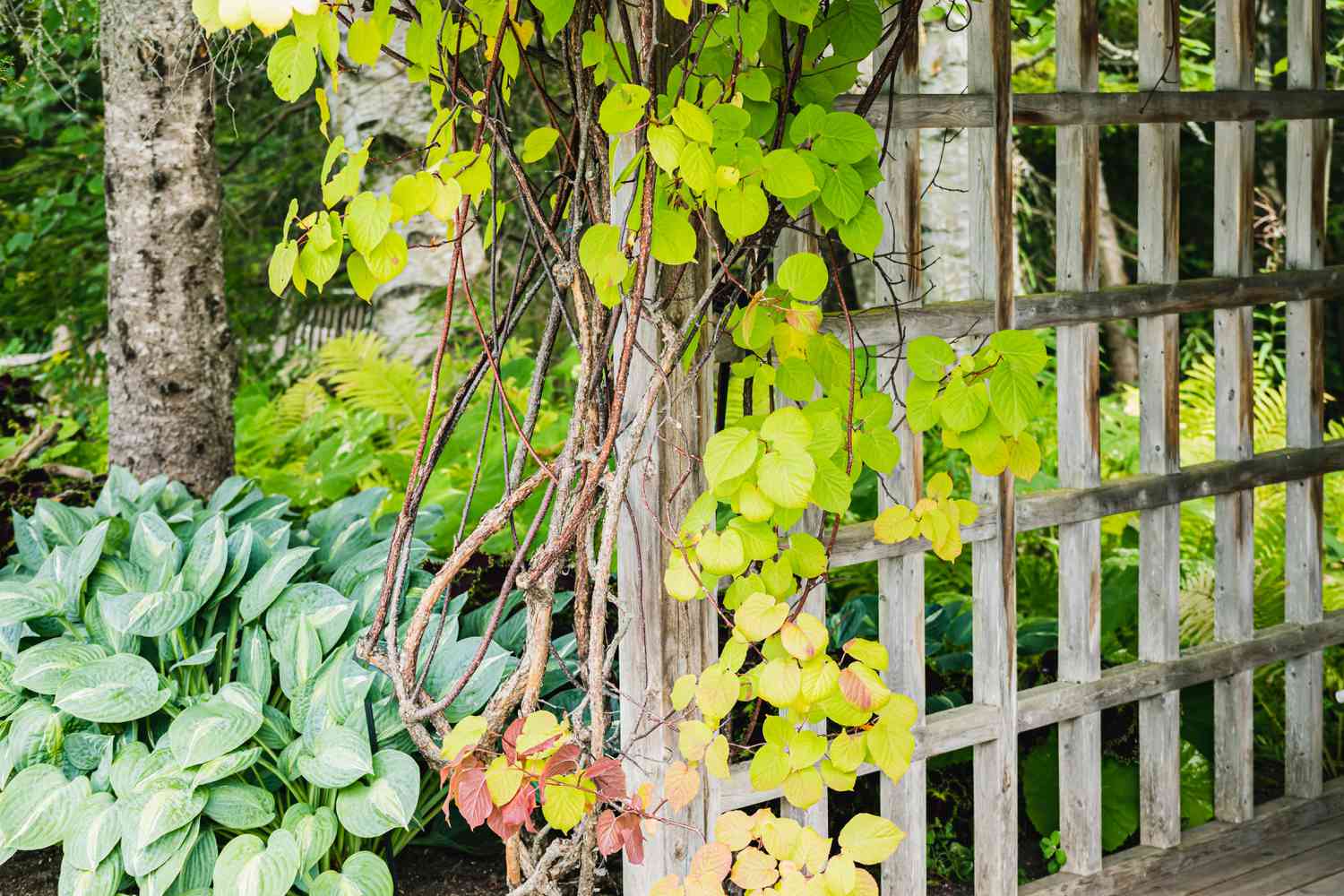
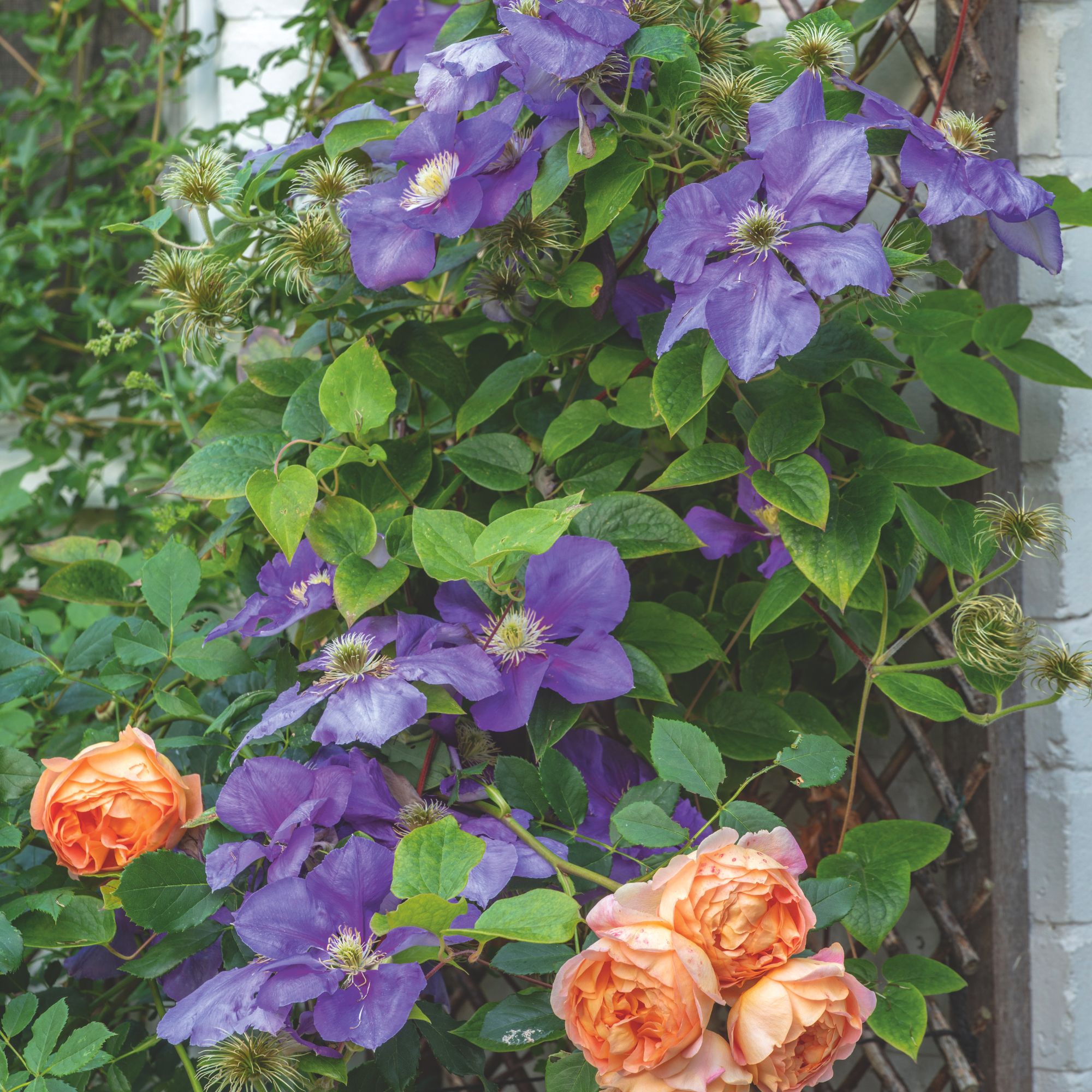
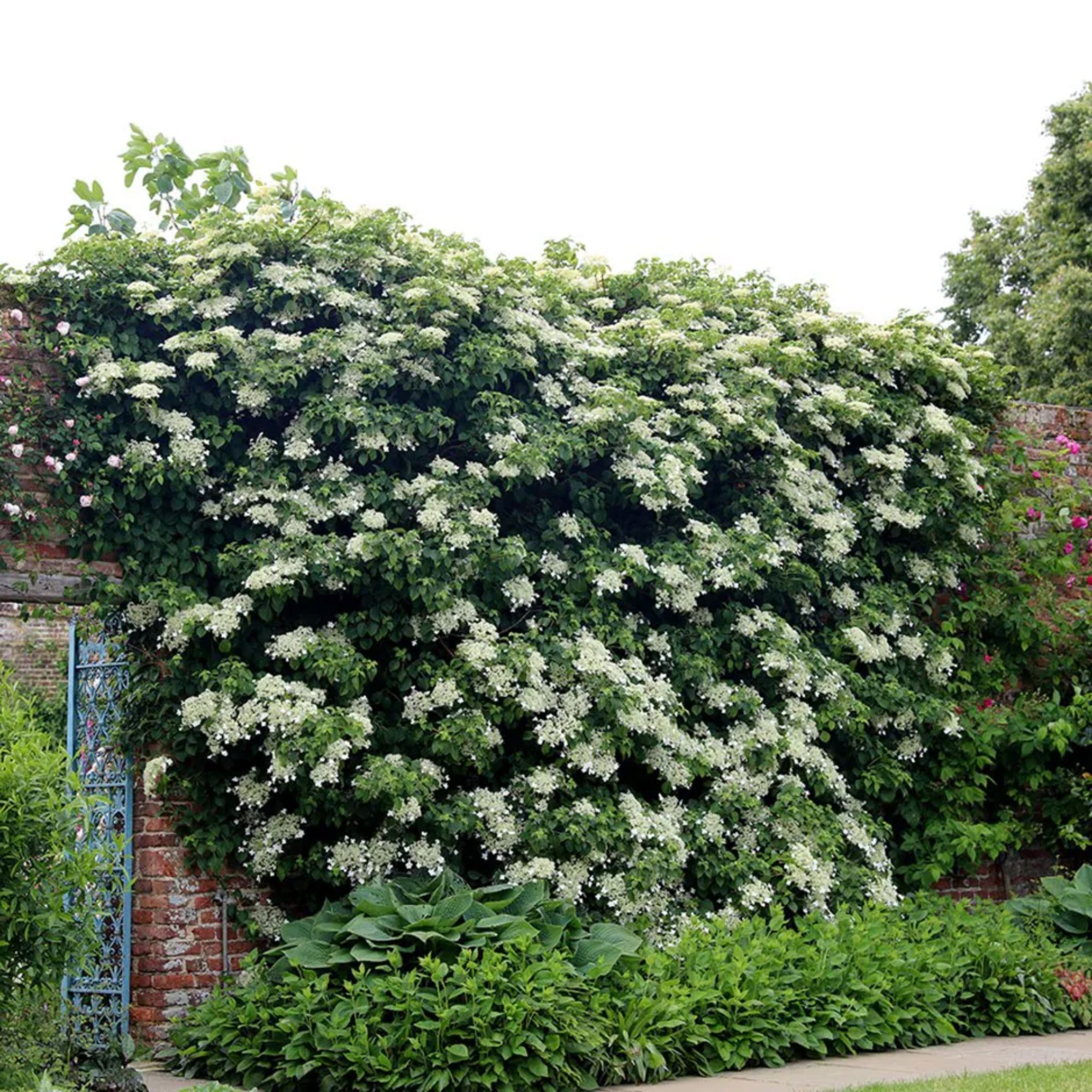
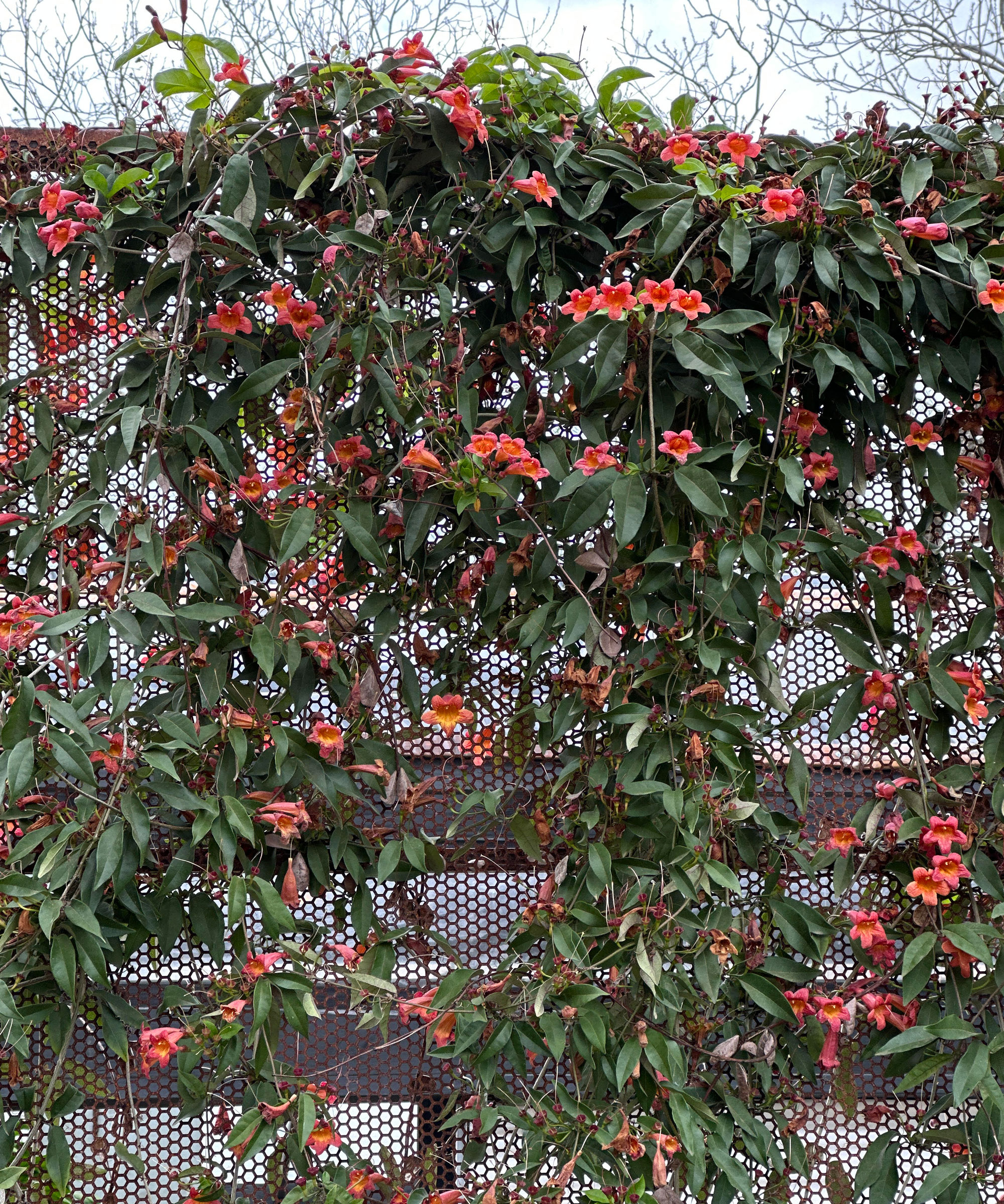
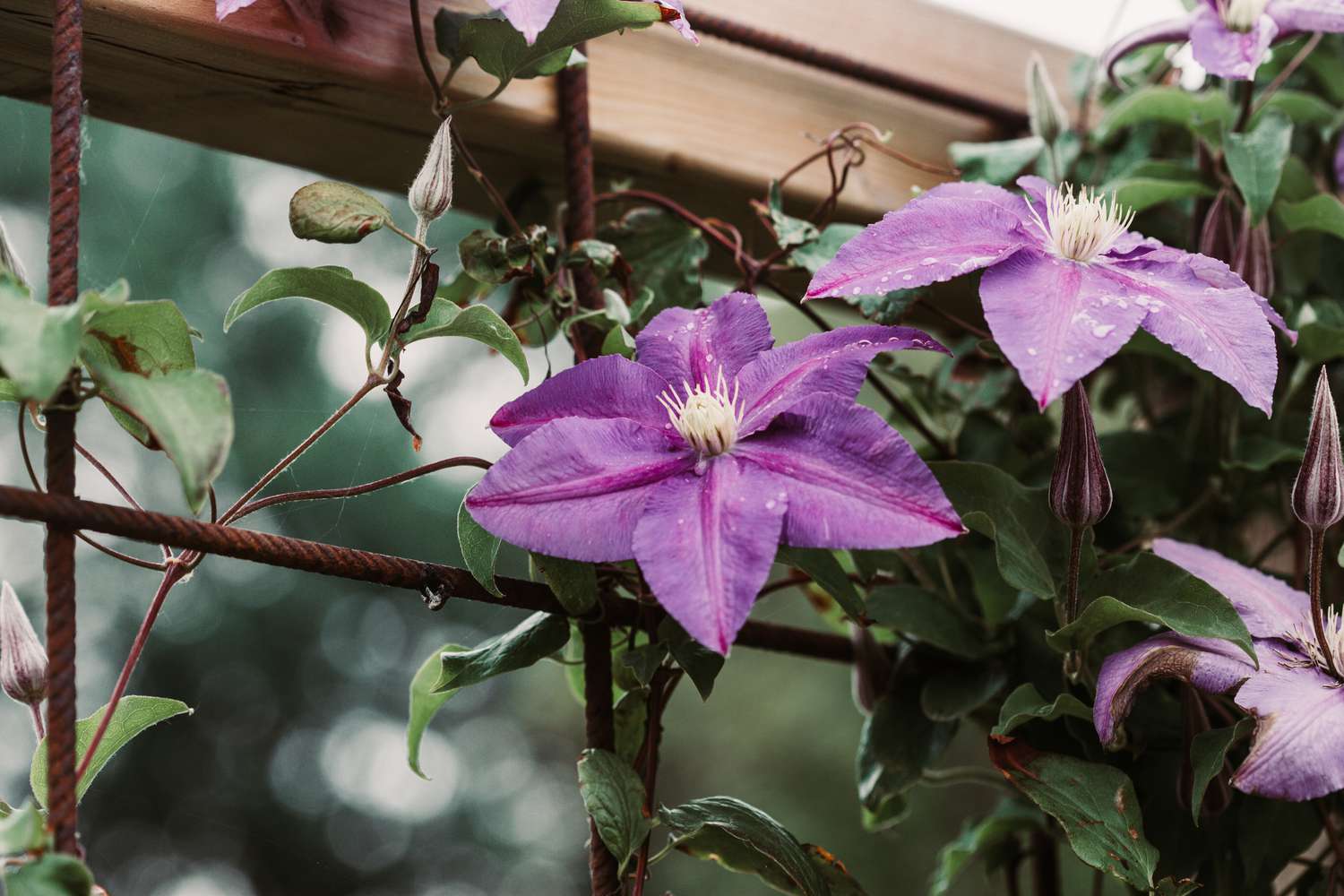
The article features 14 specific climbing plants, detailing their characteristics, USDA Hardiness Zones, soil preferences, light requirements, and typical sizes. Clematis, for instance, is a perennial that grows 20-30 feet, often purple, pink, or white, and thrives in full sun but tolerates part-shade, requiring thin wires for climbing. Climbing Hydrangea is recommended for shady areas, growing 30-50 feet with white blooms in summer and golden-yellow leaves in fall. Trumpet Vine is a fast-growing vine reaching up to 40 feet with red-orange blooms, needing regular pruning. Moonflower, ideal for nighttime entertaining, produces large, fragrant white blooms that open at night, thriving in full sun.
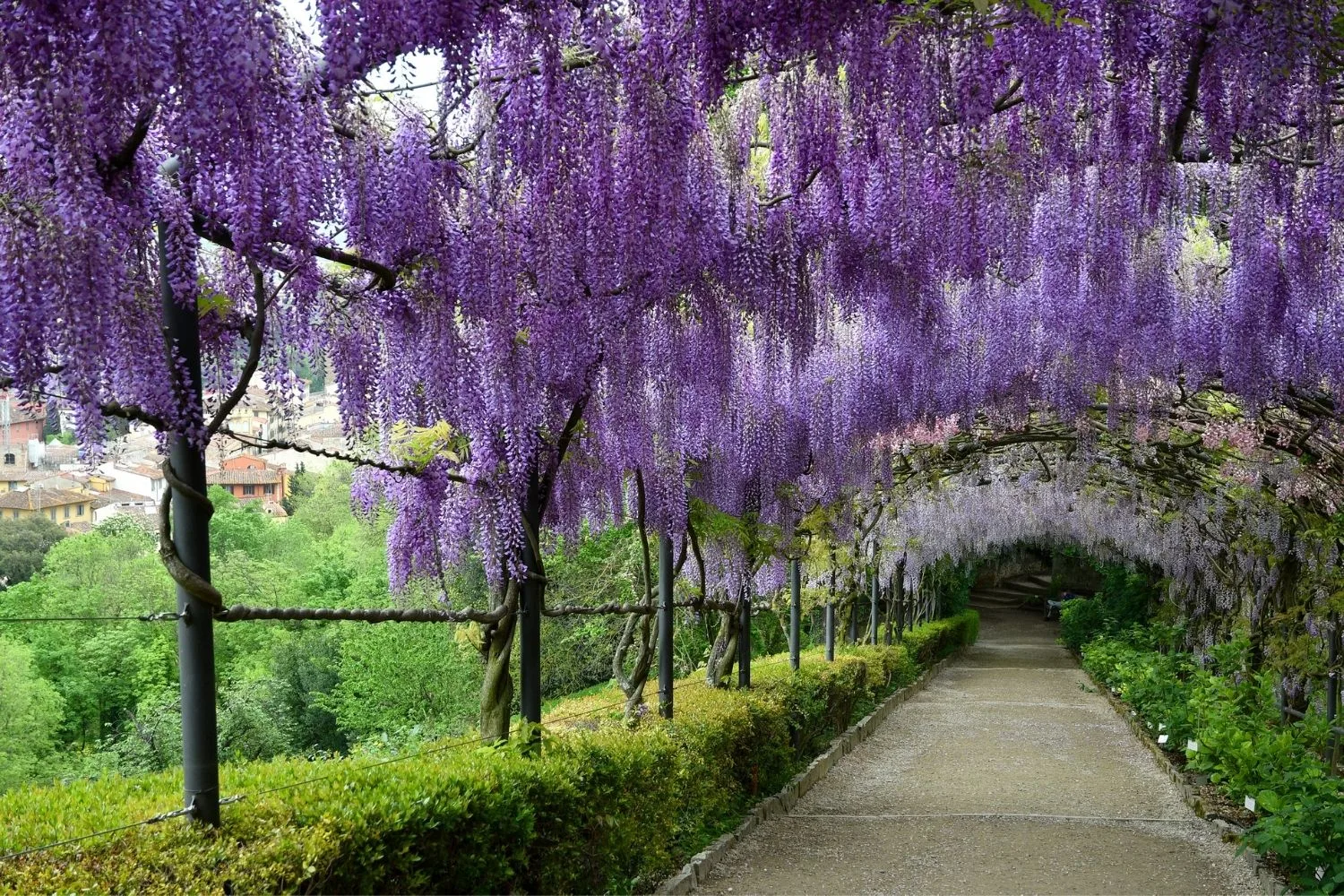
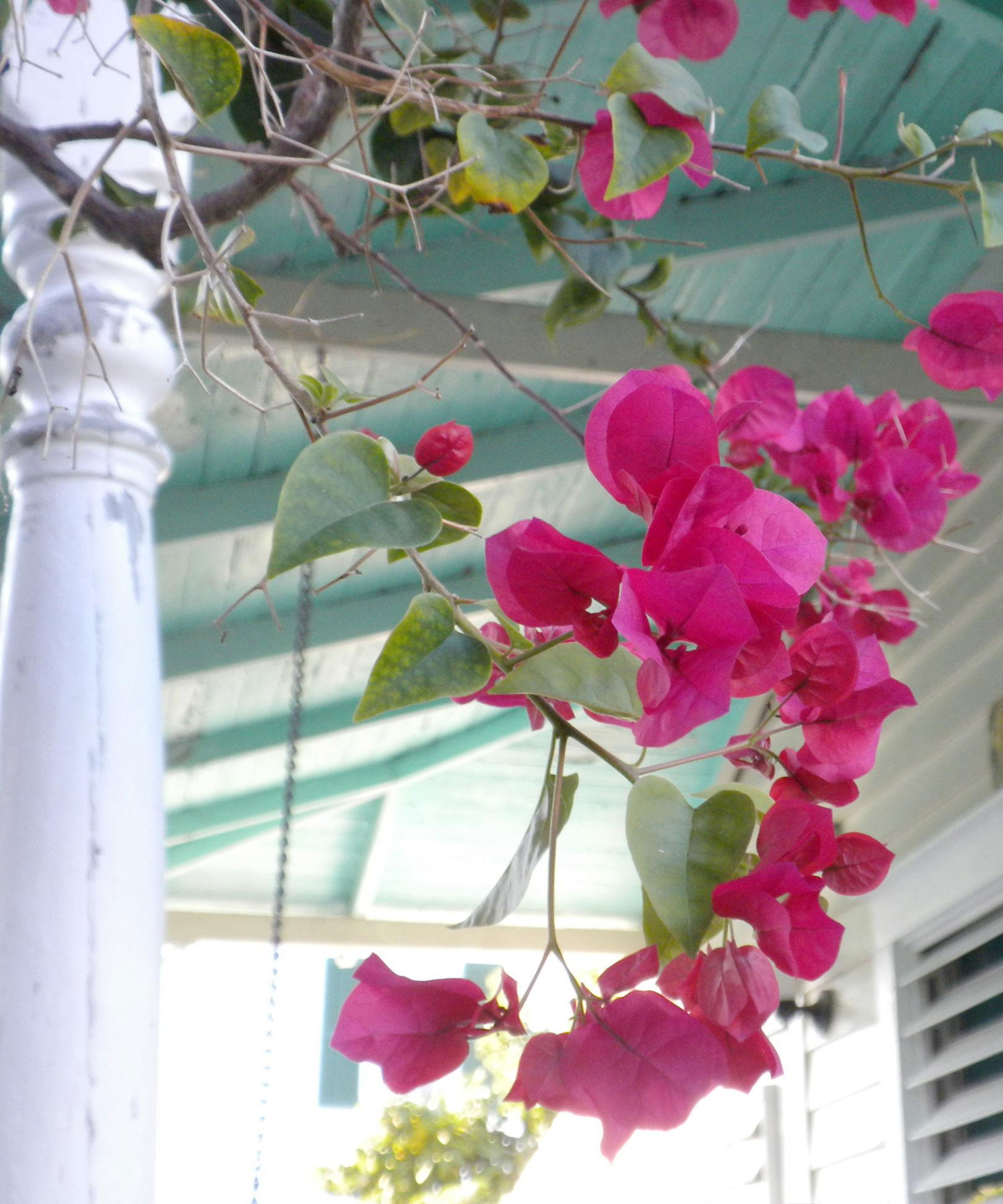
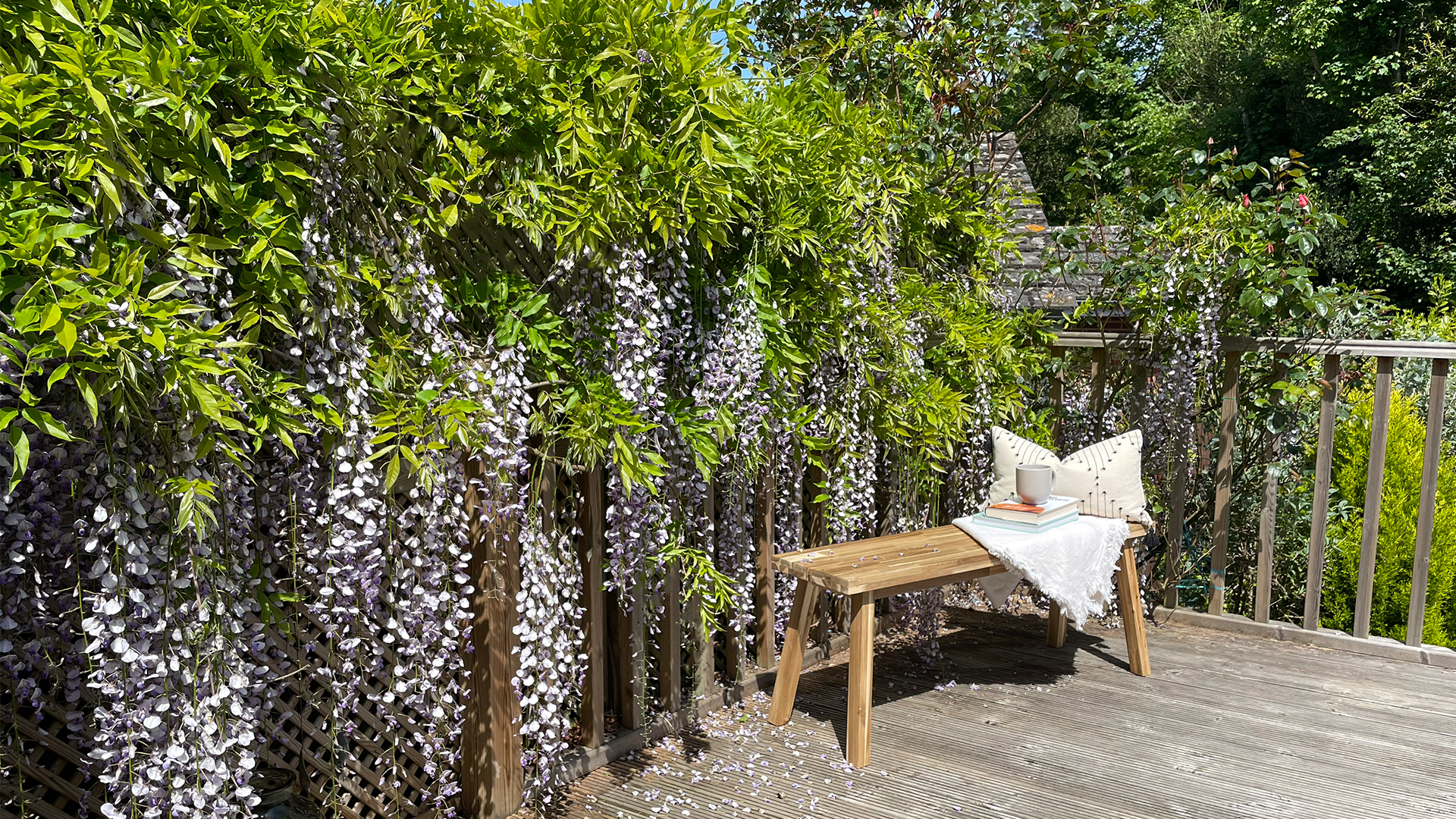
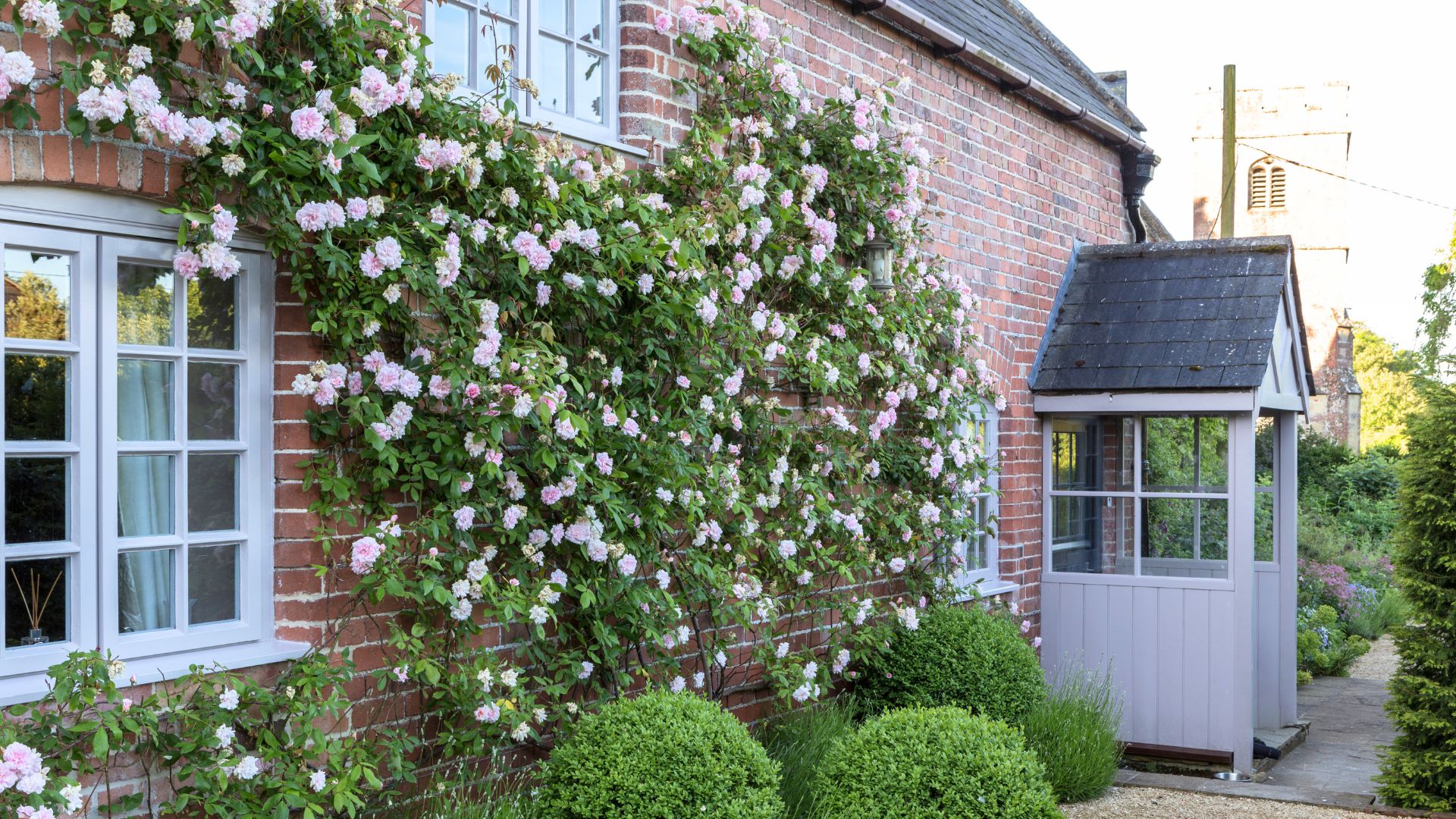
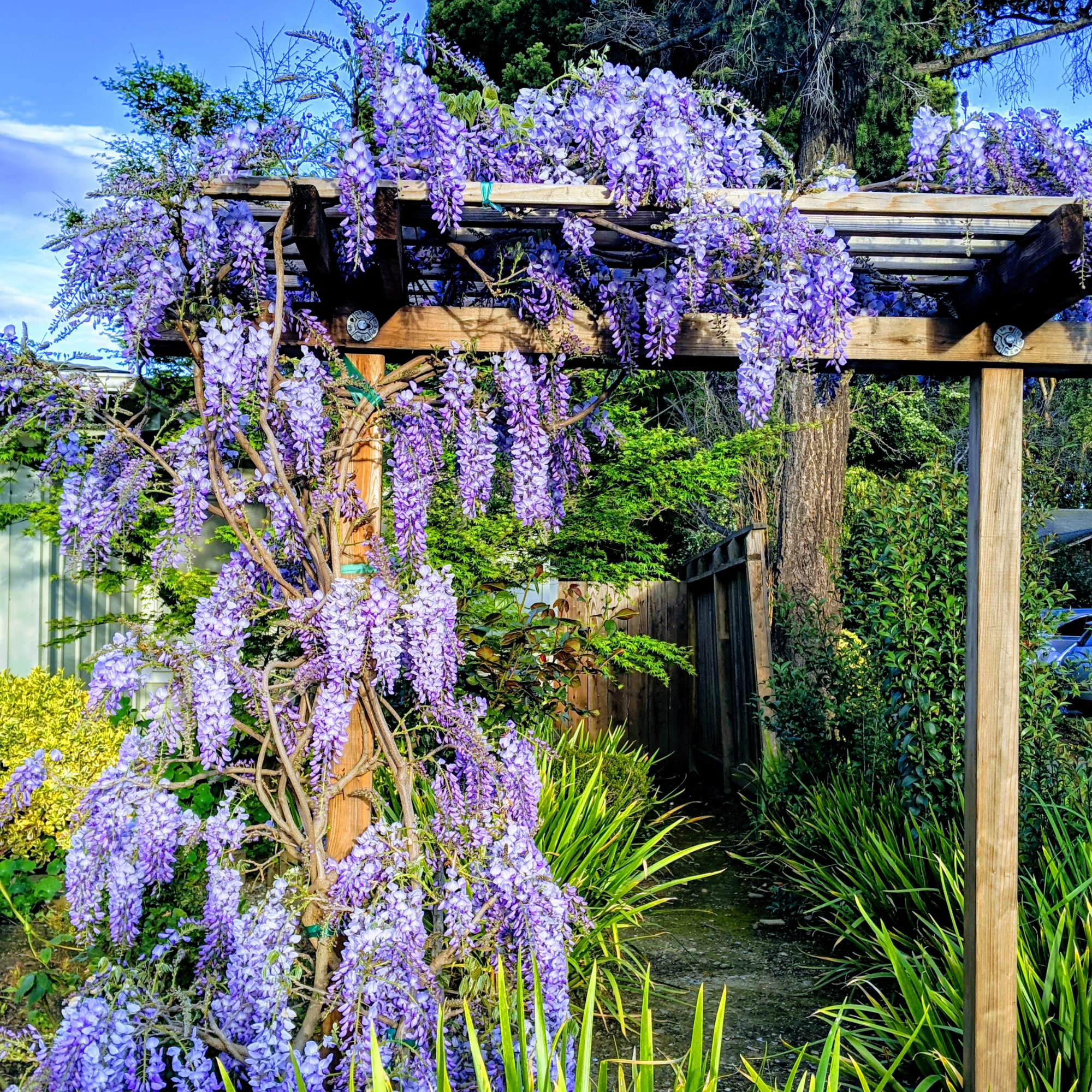
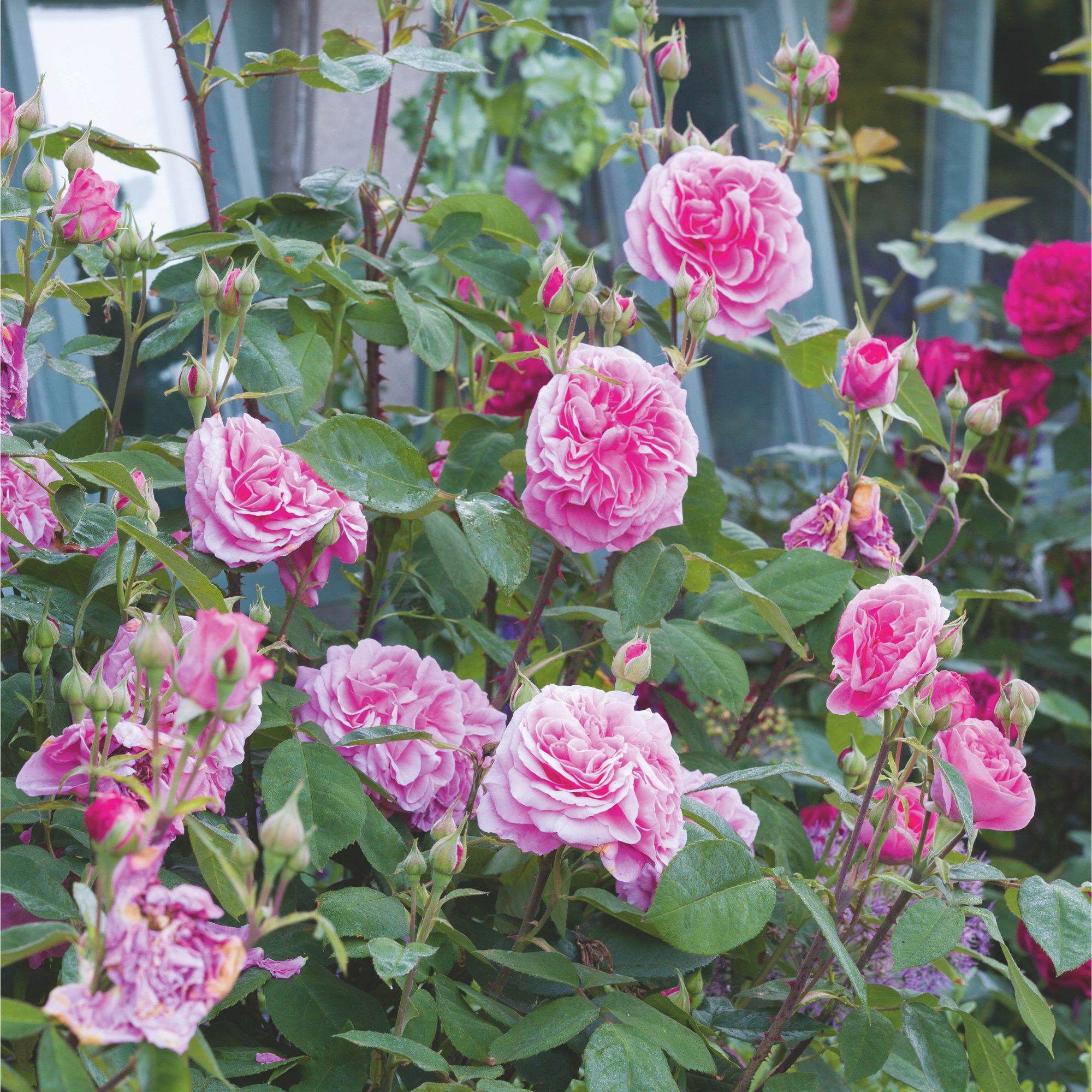
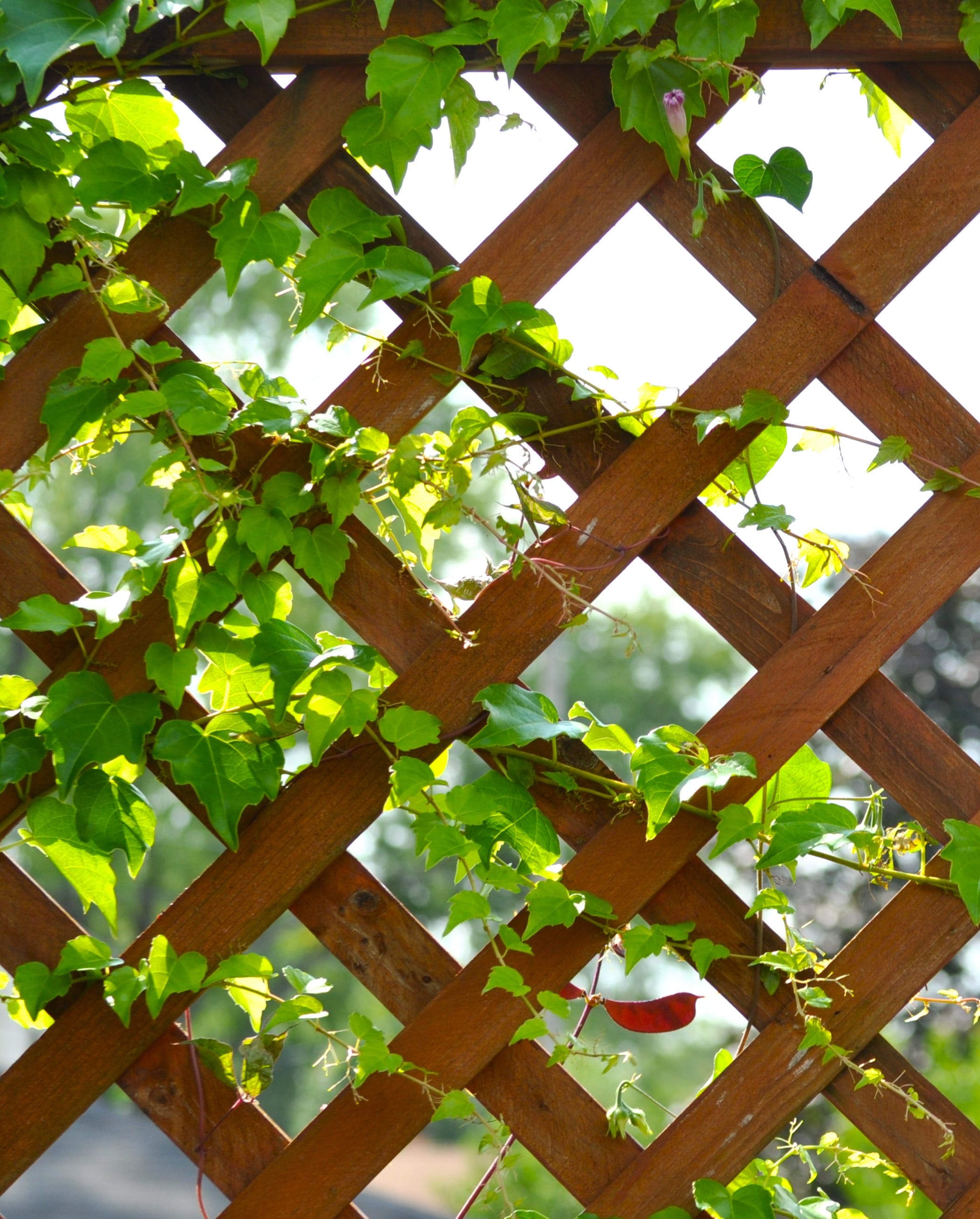
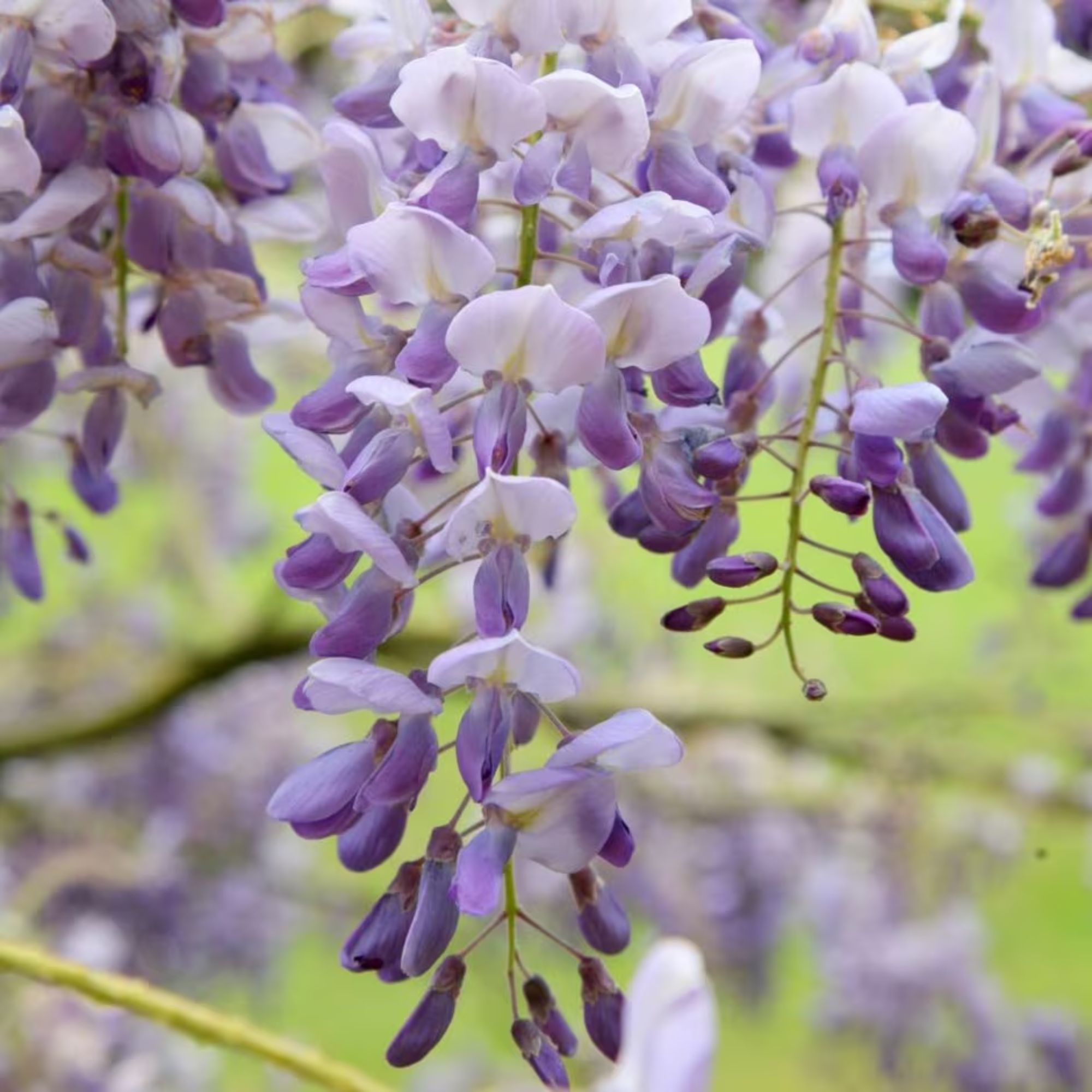
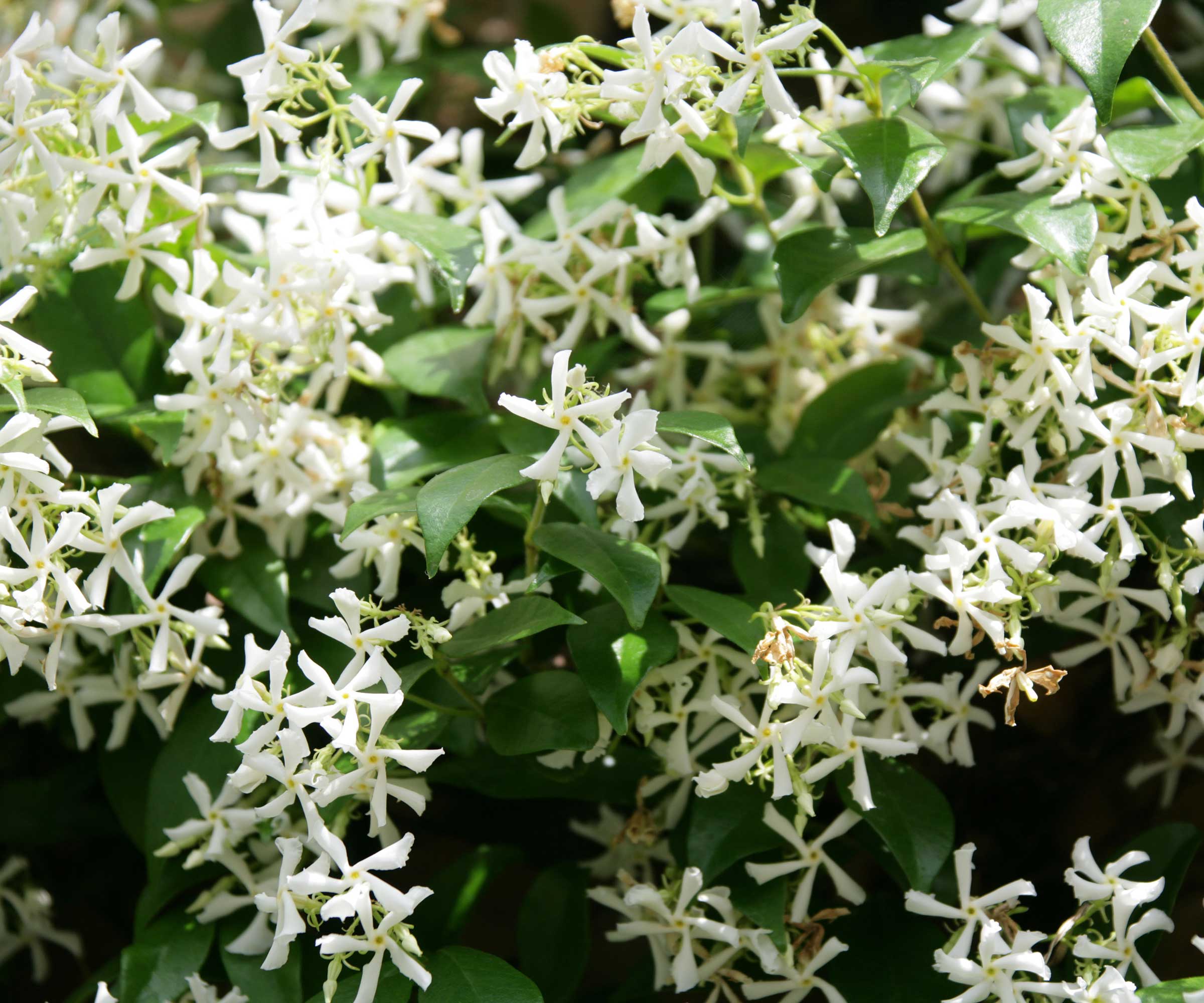
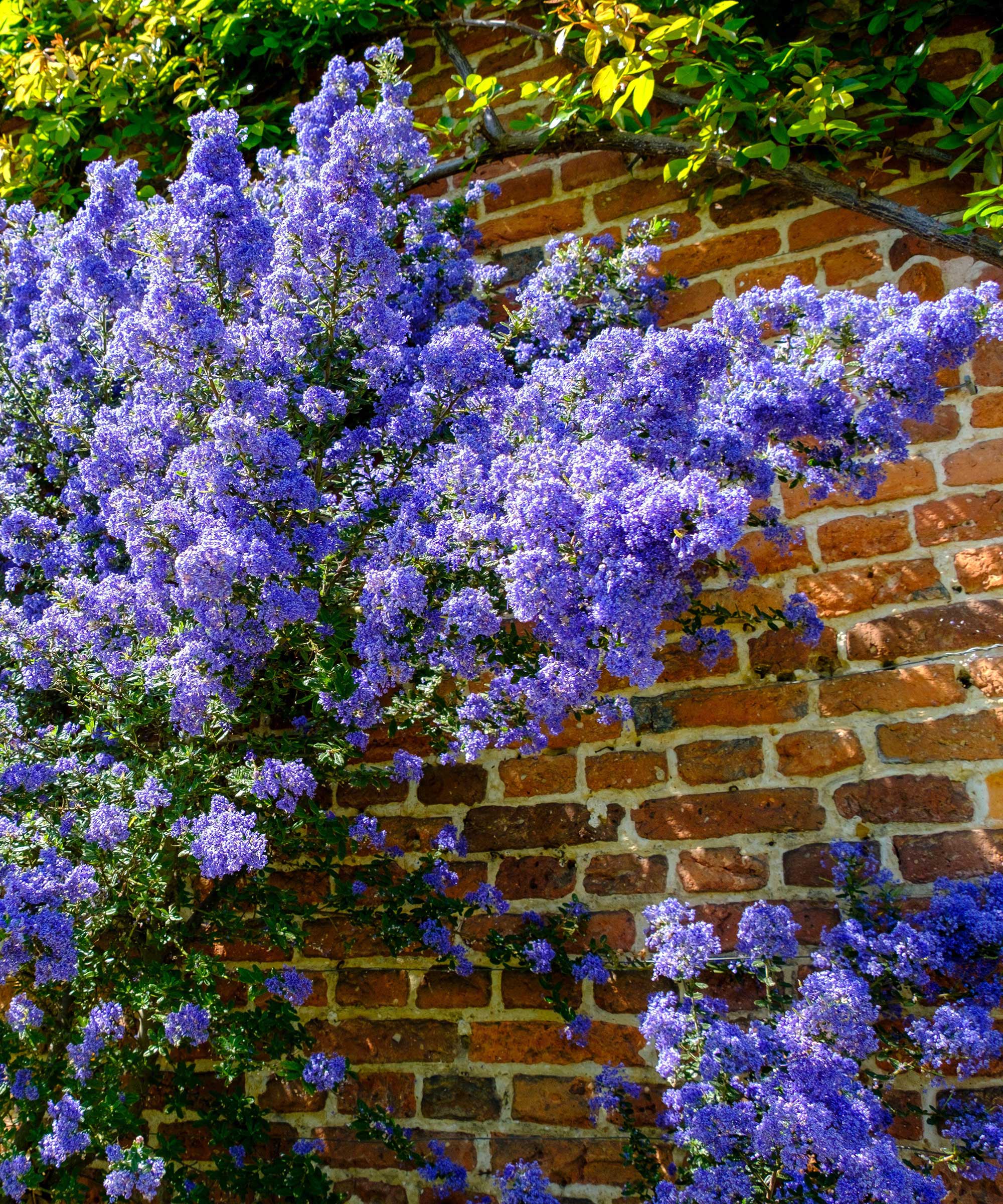
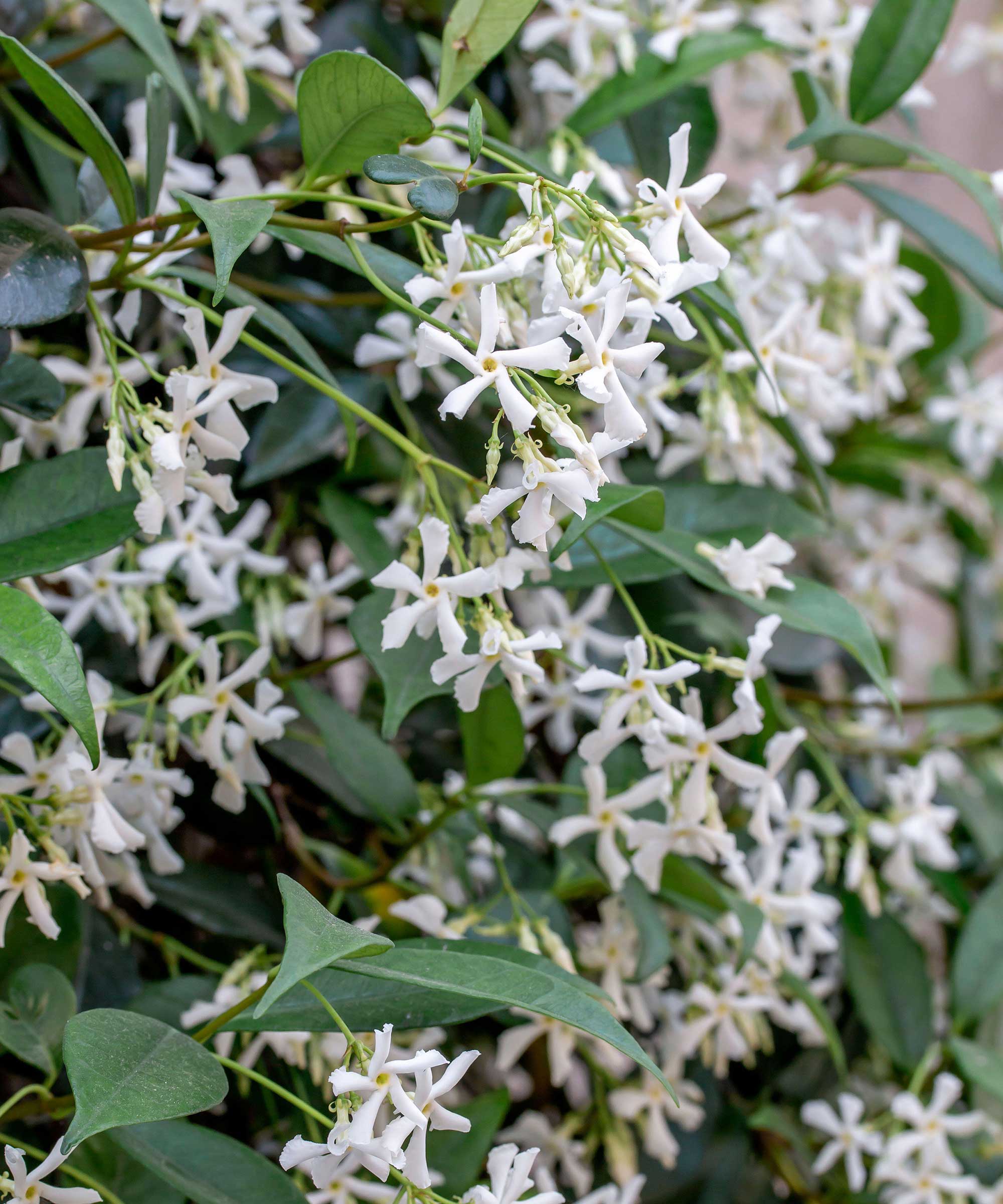
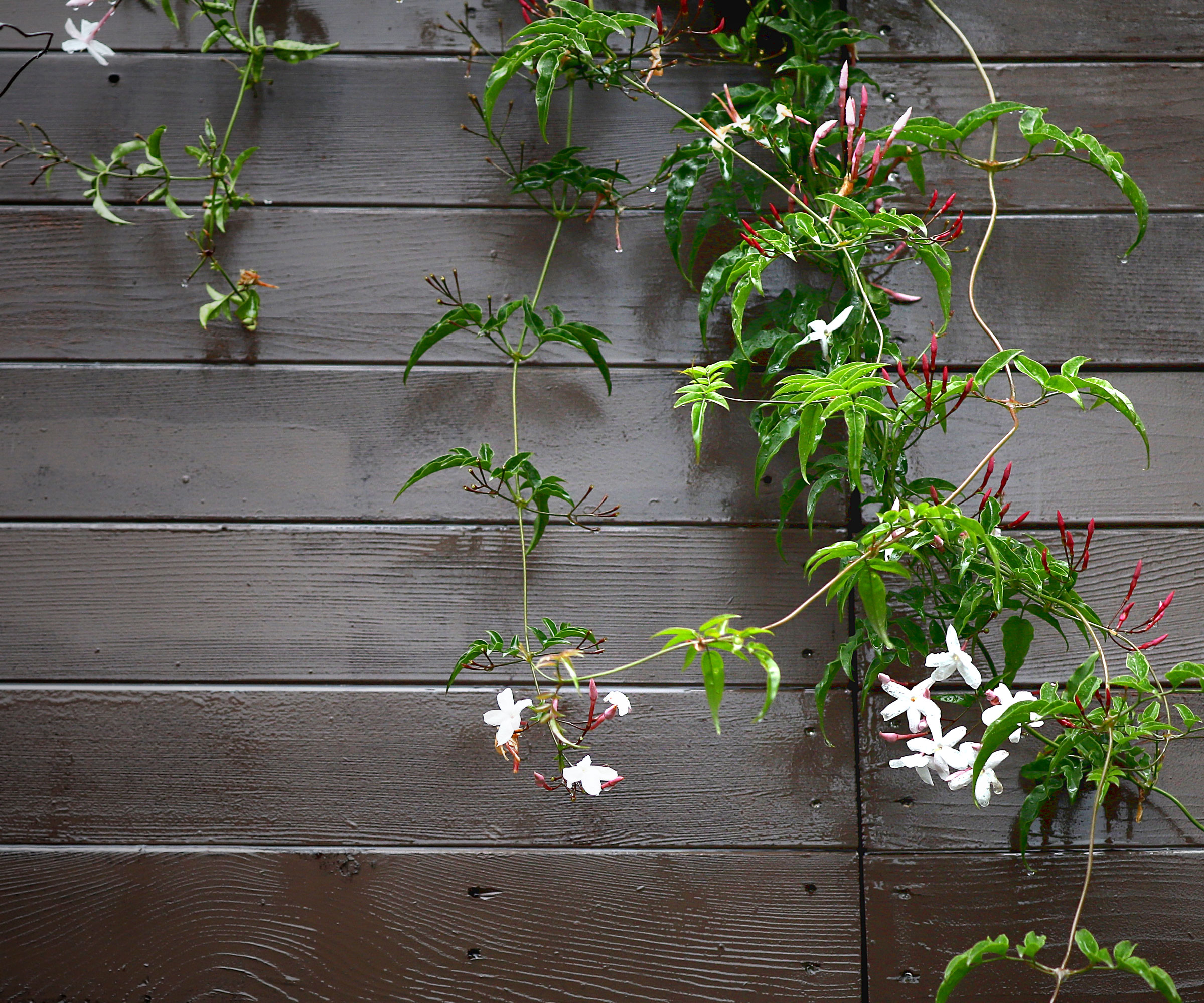
Bougainvillea is noted for its papery bracts and tolerance to heat and dry spells, growing up to 40 feet. Star Jasmine is a fragrant vine suitable for both full sun and partial shade, reaching up to six feet. Climbing Roses, a traditional choice, offer a wide array of colors and can grow up to 20 feet, requiring training and bending of canes. Mandevilla, a tropical plant, displays trumpet-shaped flowers in red, pink, and white. Honeysuckle, with its fragrant blooms, attracts bees and can grow up to 20 feet, preferring partial shade. Sweet Pea, though toxic, provides bright, fragrant blooms in summer and fall, growing up to eight feet in full sun. Morning Glory is an annual vine that grows up to 10 feet with colorful blooms, attracting butterflies and bees but toxic to pets. Black-Eyed Susan, a fast grower, can reach eight feet, while Virginia Creeper offers a leafy look with a stunning red hue in fall. Wisteria is cherished for its lilac-colored, sweet-scented blooms, draping beautifully over structures and growing 15-20 feet. Nasturtium is easy to grow from seed, requires little care, and can range from 1 to 10 feet.
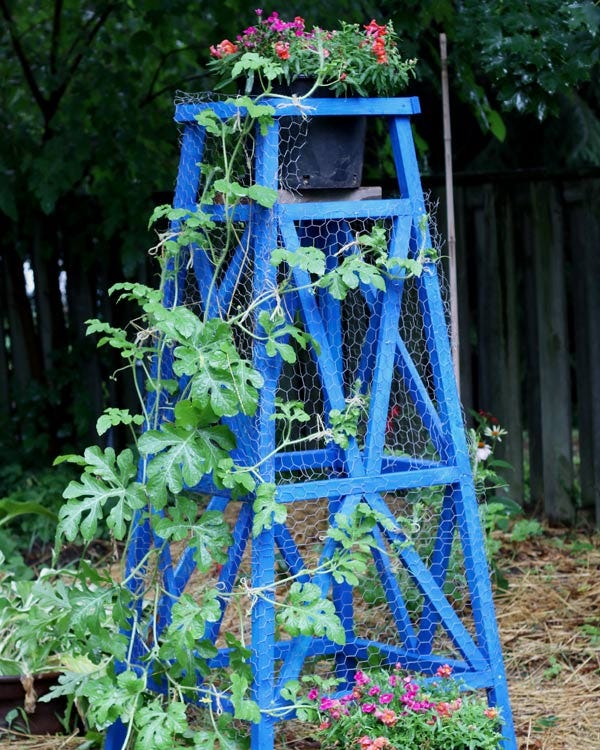
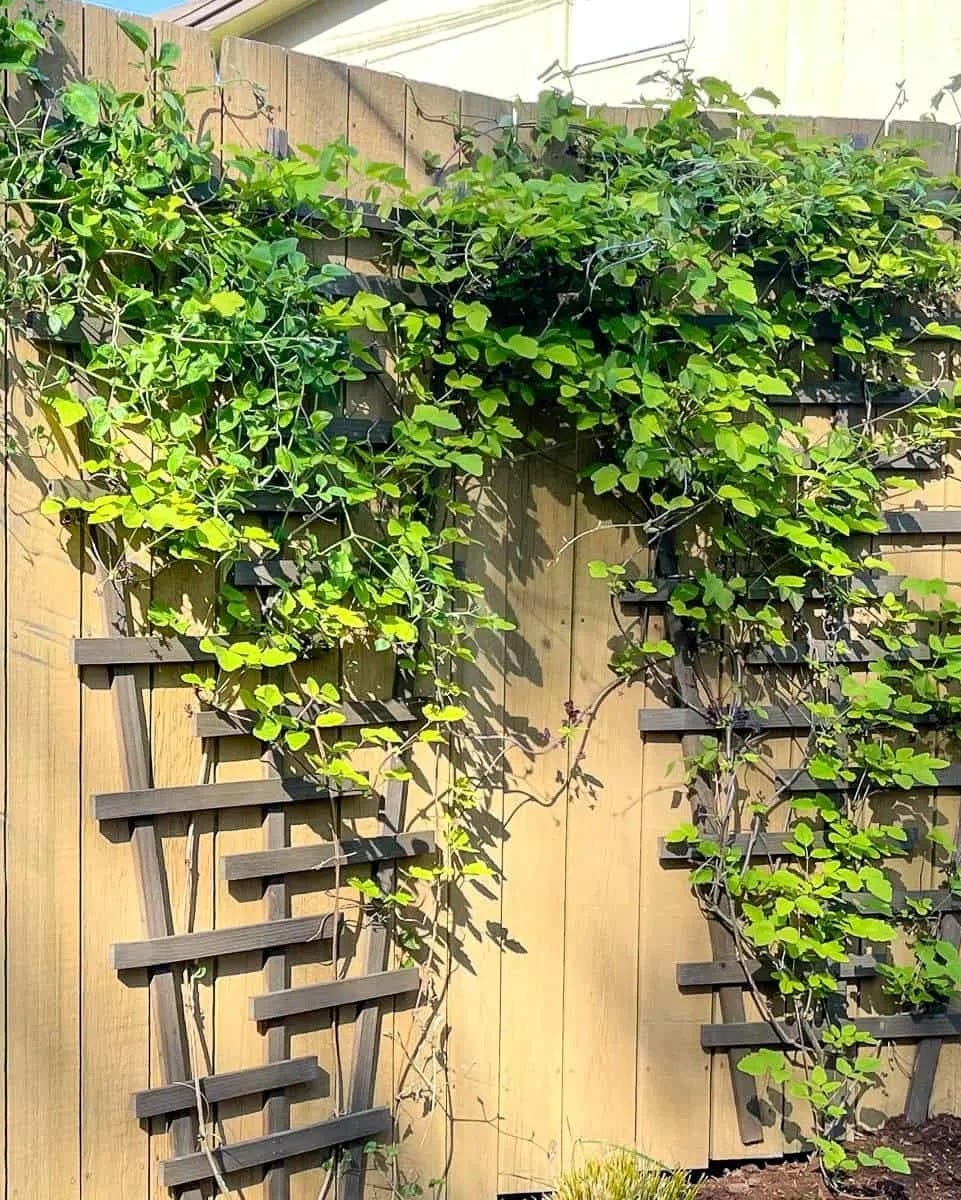
Beyond individual plant descriptions, the article offers crucial tips for choosing climbing plants. It advises considering the pergola or trellis's use, as certain plants like bougainvillea and climbing roses have thorns that may be problematic near walkways, and highly fragrant flowers might attract unwanted pollinators. The shedding habits of plants are also mentioned, indicating a need for potential clean-up. Understanding a plant's growth habits is critical, as some vines can overpower small structures, while others may not provide sufficient shade. Different climbing mechanisms, such as twining stems, tendrils, or adhesive pads, are explained, with a warning about plants like true ivy and Virginia creeper that can damage surfaces. The importance of light and water requirements for specific spaces is also highlighted. The article also warns about invasive plants like Chinese Wisteria and English Ivy, and provides a list of plants to reconsider due to their aggressive growth. Finally, it addresses safety concerns regarding plants toxic to pets and children, such as wisteria and Carolina jessamine, and suggests combining plants like climbing roses and clematis for enhanced visual appeal and structural support.
#ClimbingPlants #Pergola #Trellis #Gardening #ShadePlants #FloweringVines #PlantCare #OutdoorGardening #LandscapeDesign #ClimbingPlants #Pergola #Trellis #Gardening #ShadePlants #FloweringVines #PlantCare #OutdoorGardening #LandscapeDesign
0개의 댓글이 총 표시됩니다.
 아직 댓글이 없습니다
추가로 마음에 드릴 만한 콘텐츠
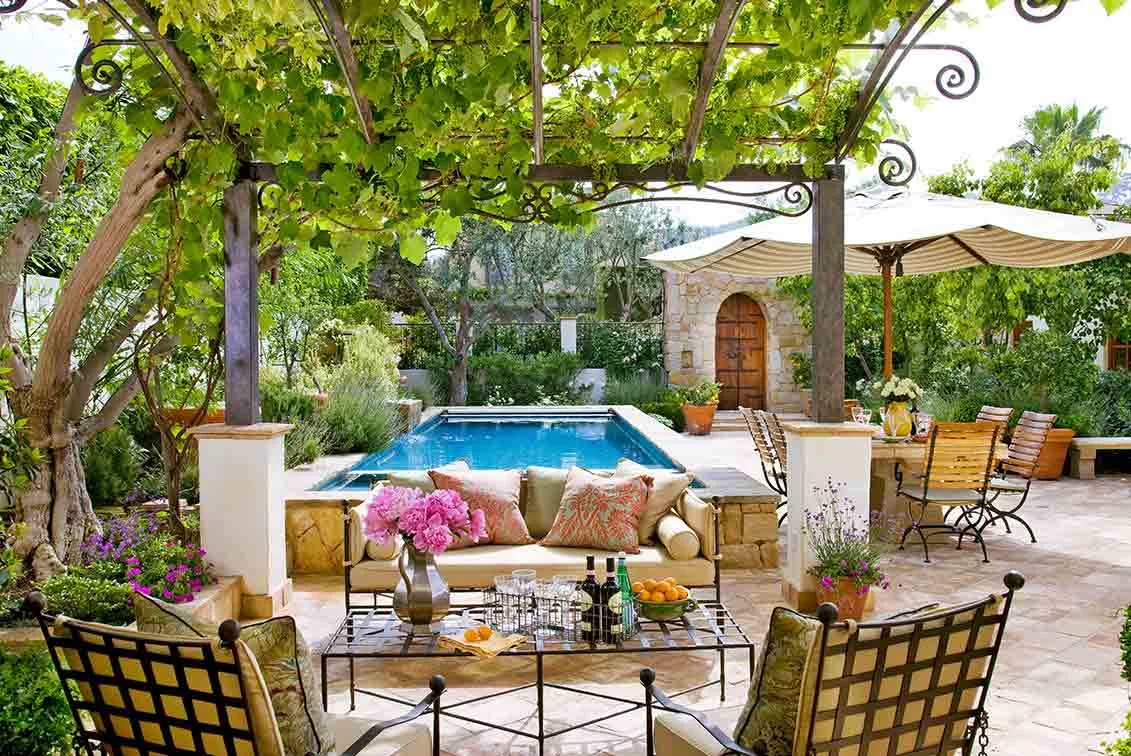
5 climbing plants perfect for your pergola

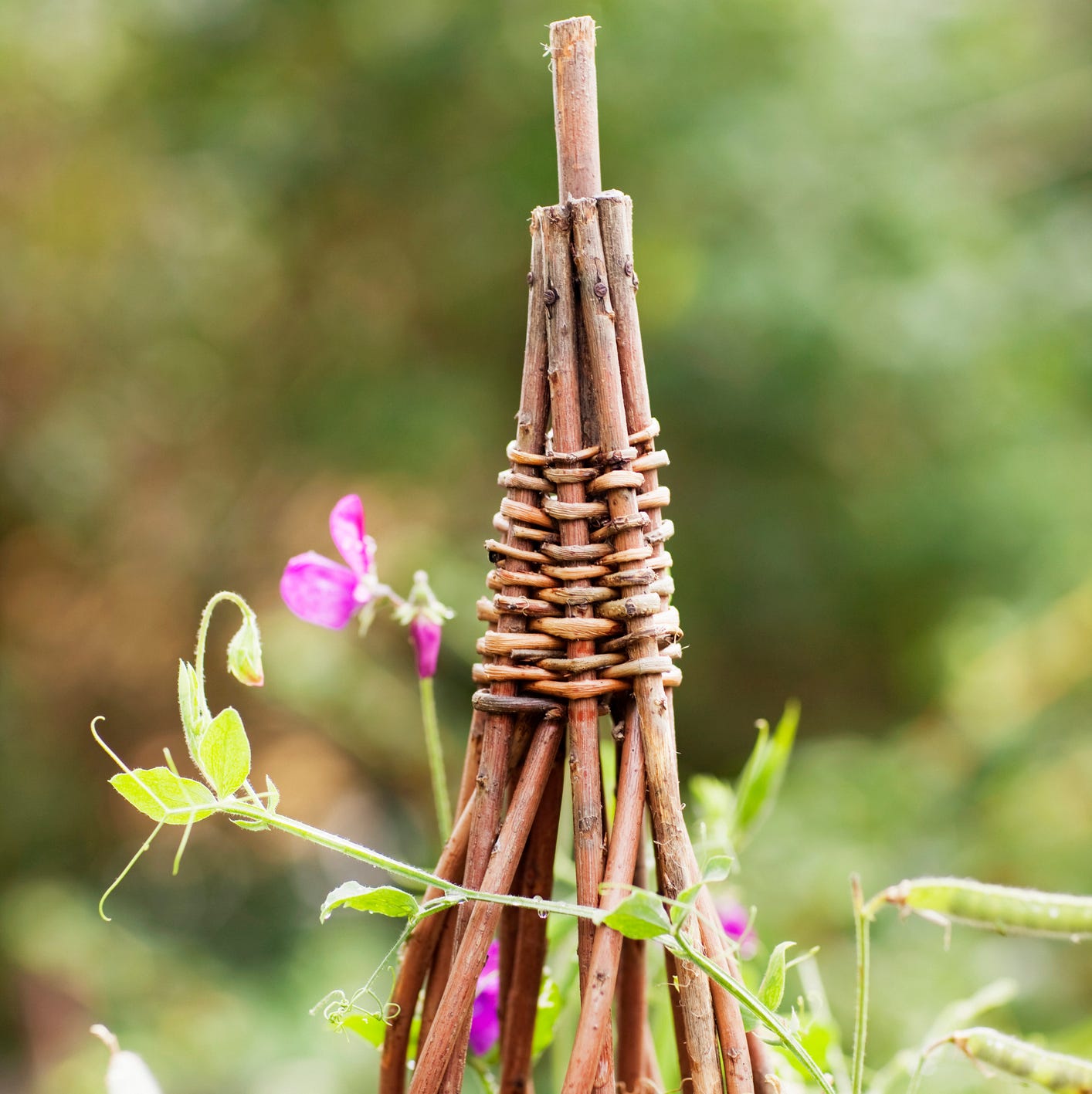
23 Clever Trellis Ideas To Transform Your Garden
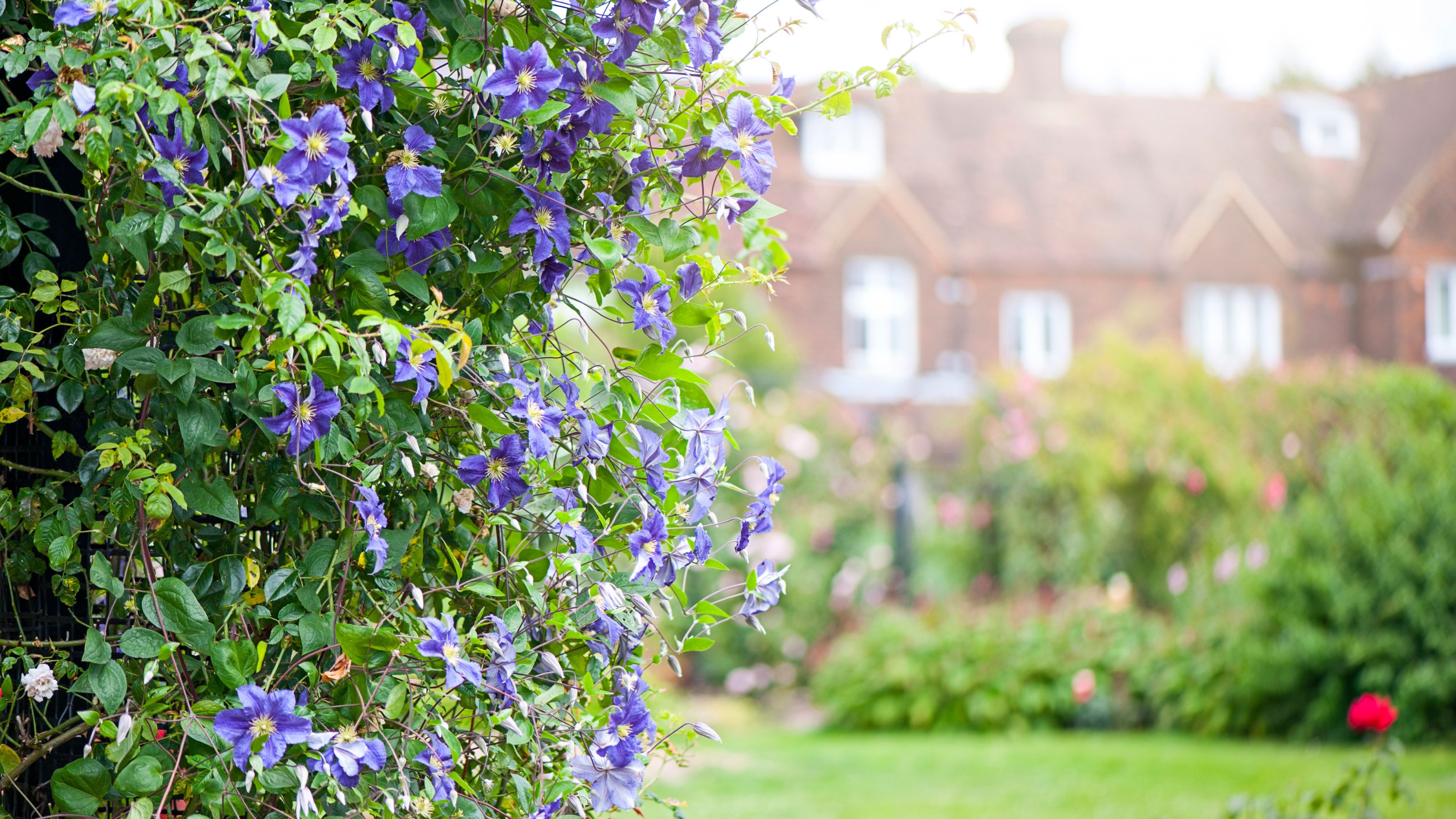
The 5 best climbing plants to cover an ugly fence, add privacy, and beautify your garden
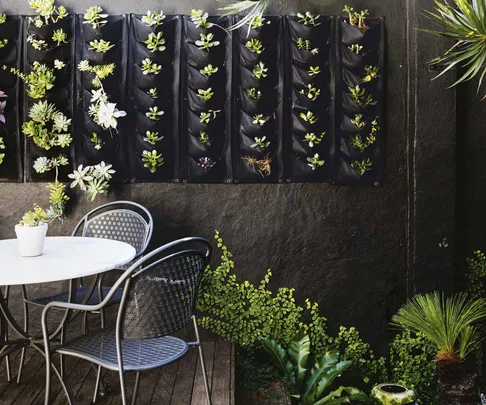
9 of the best plants for vertical gardens

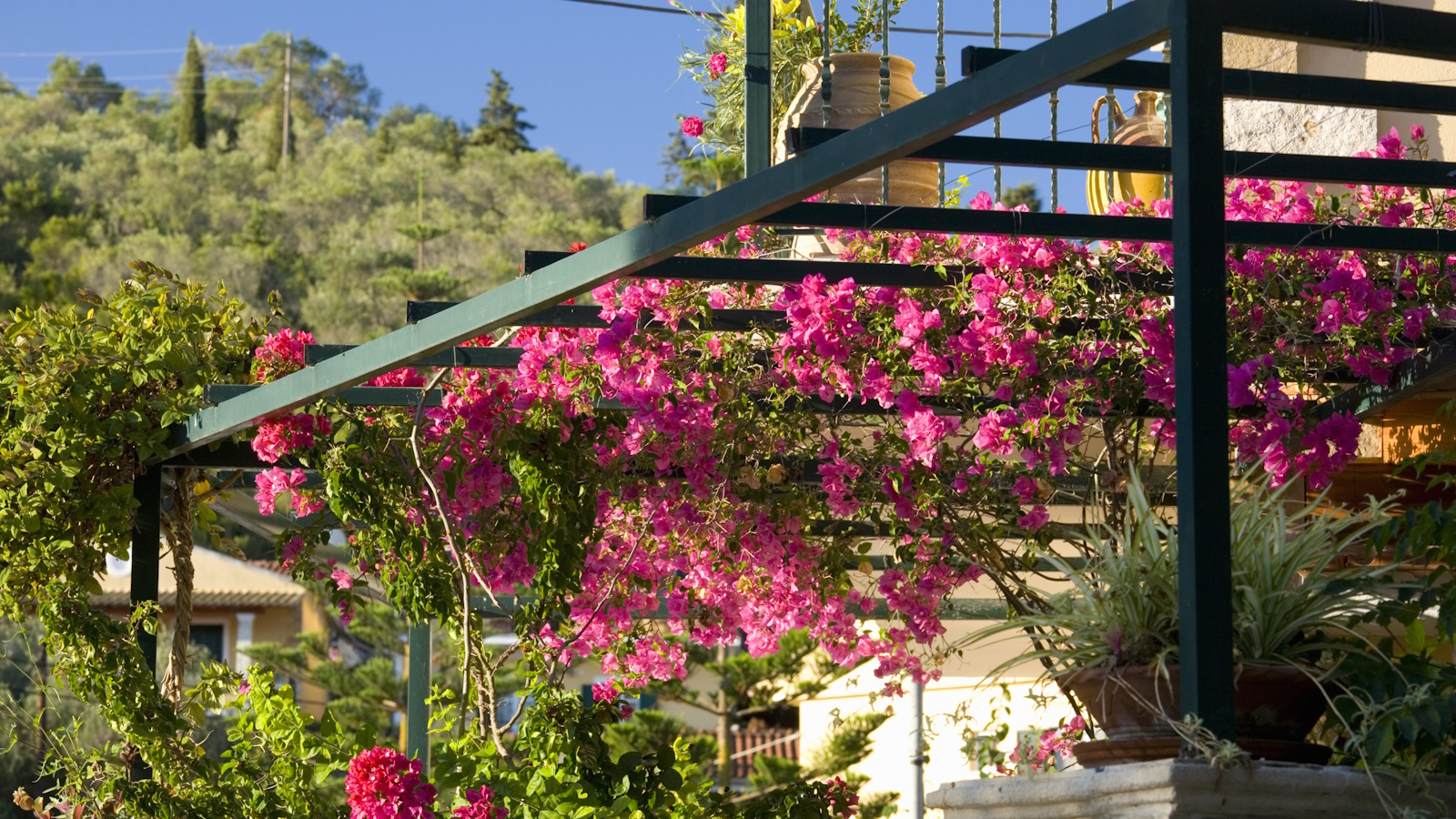
These fast-growing climbers will transform your pergola into a romantic, botanical wonderland
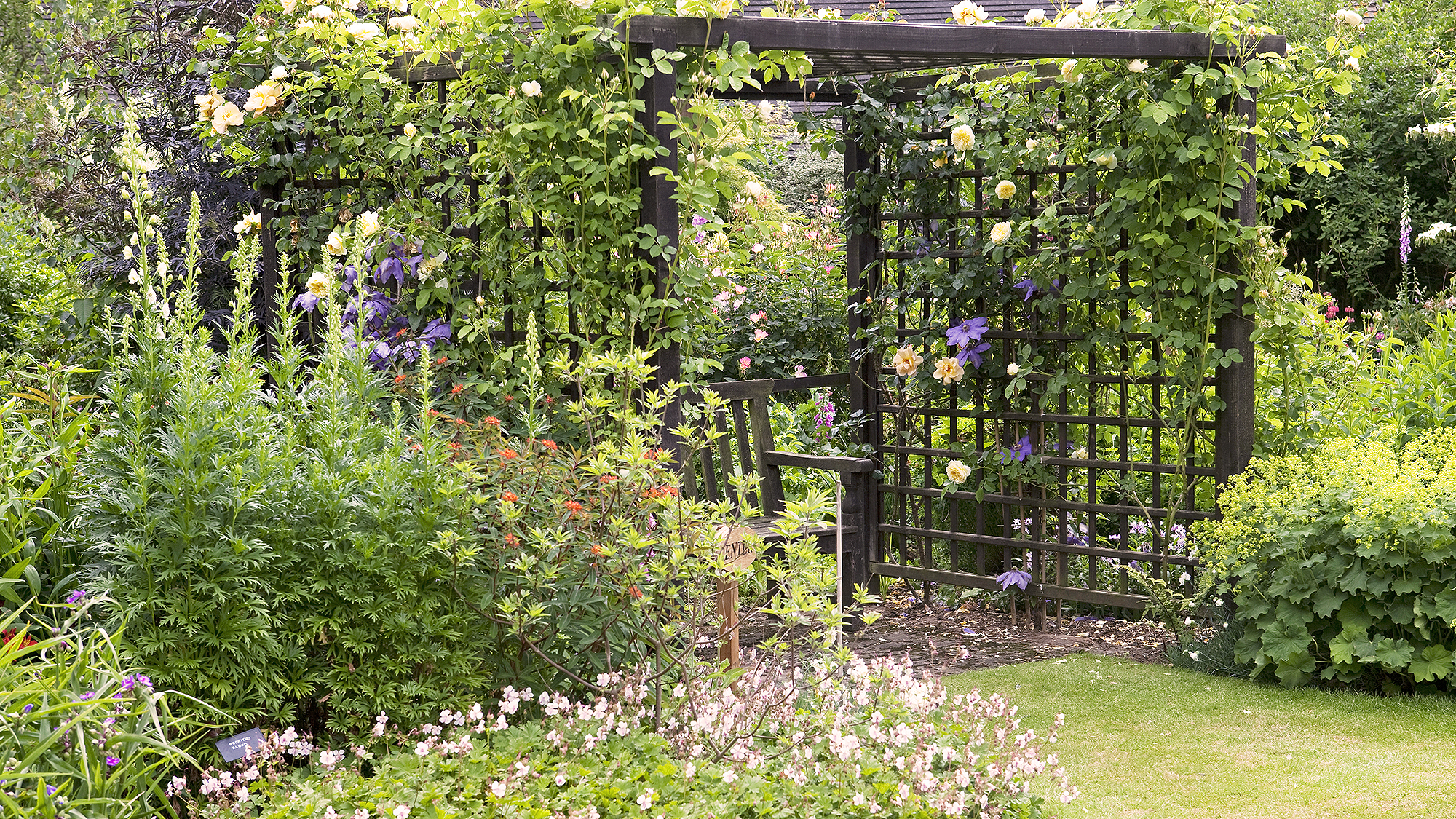
Trellis ideas – 17 beautiful ways to add vertical interest

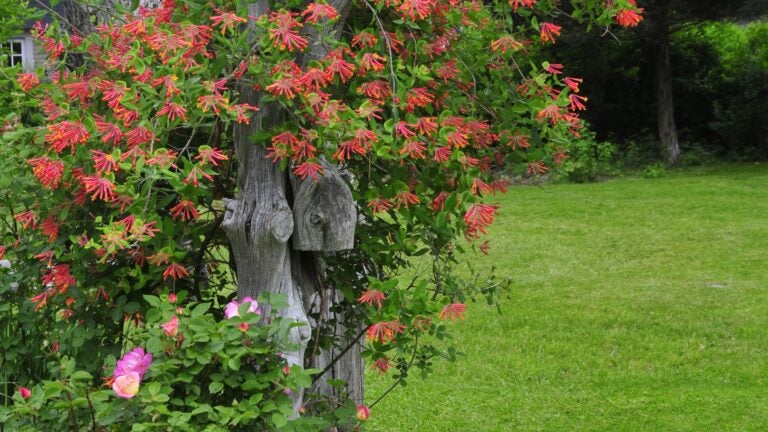
Ask the Gardener: The best vines to plant to climb your pergola
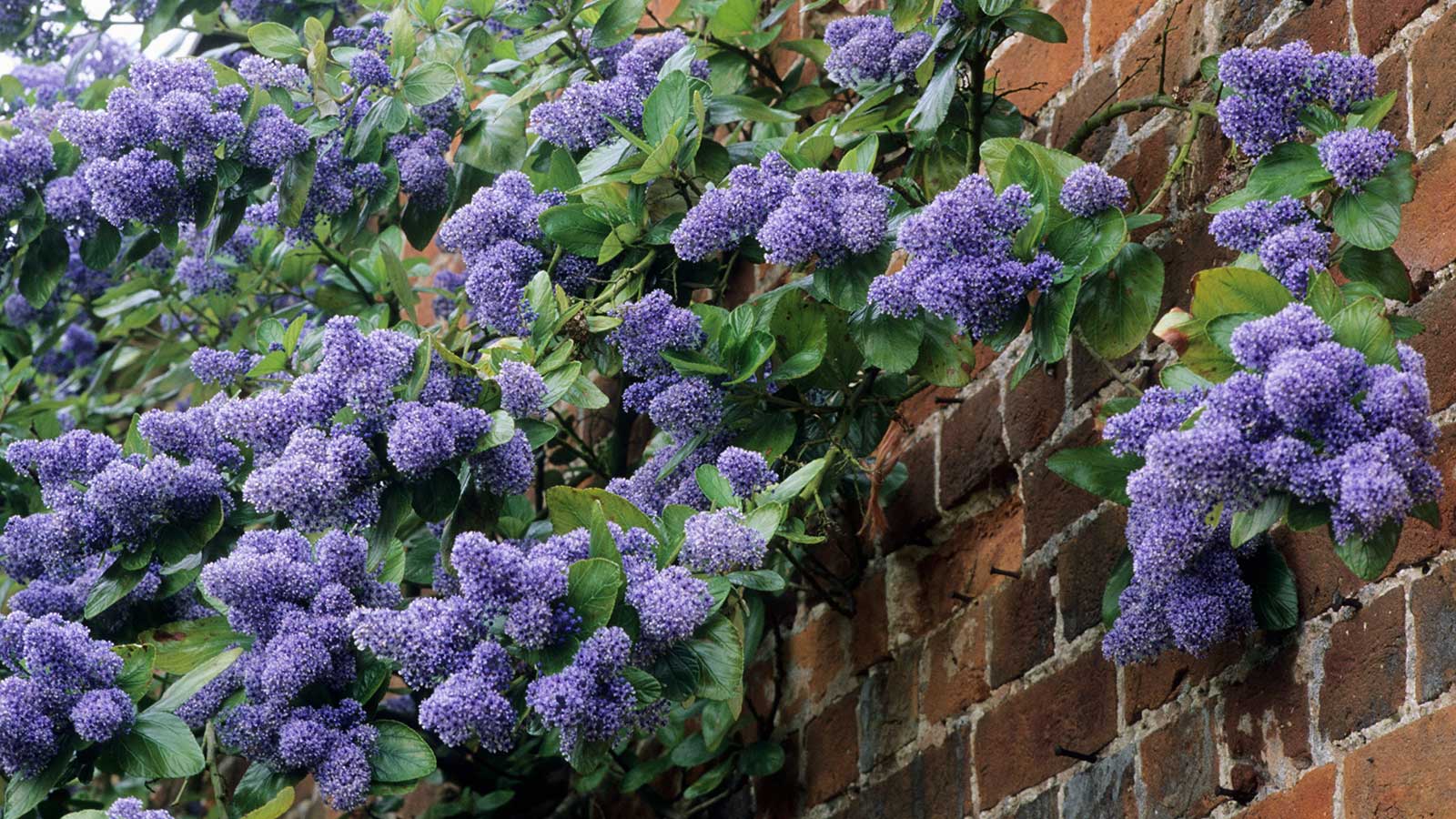
Plants to hide a garden wall – expert-approved options for a beautiful, botanical screen
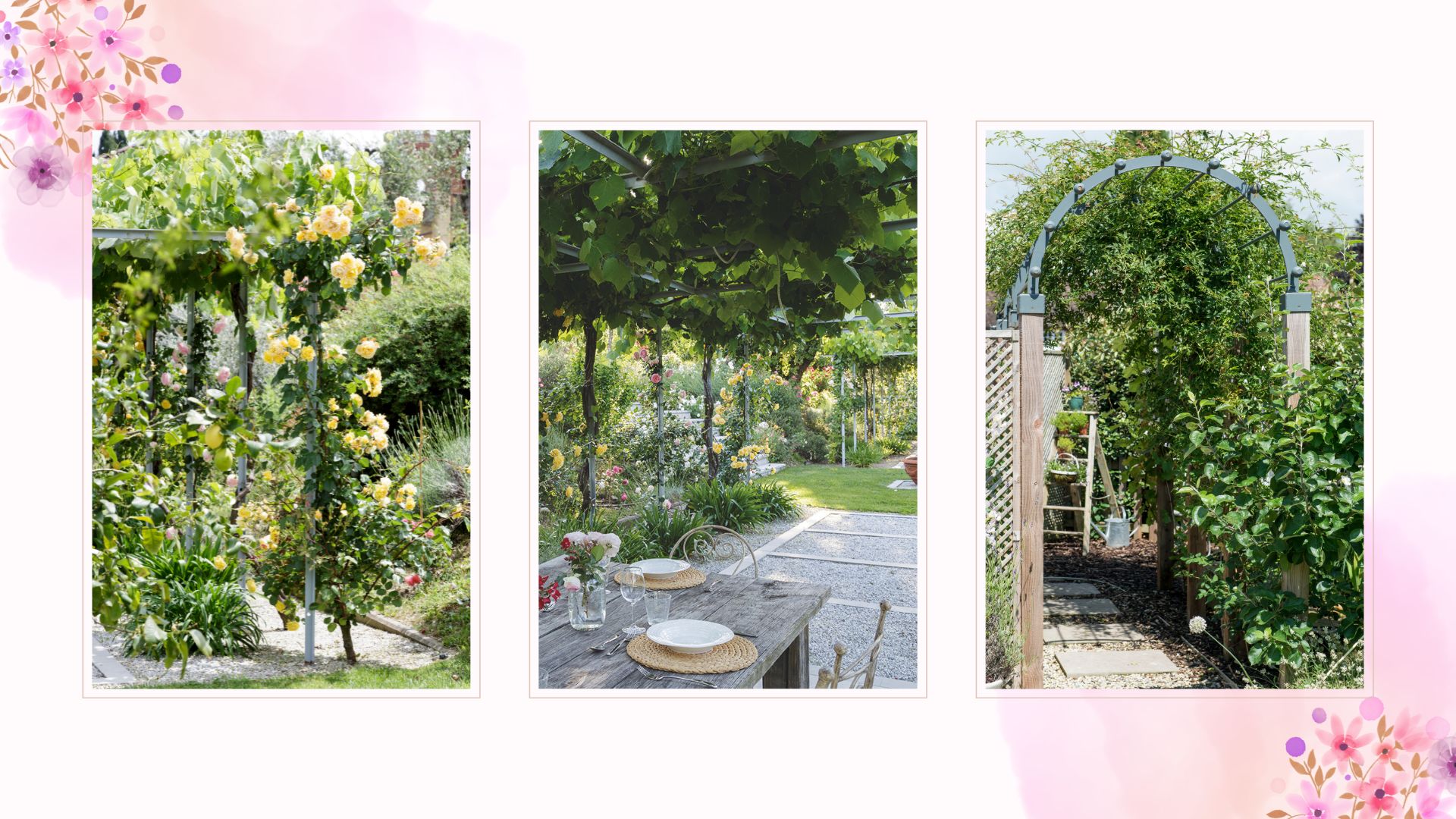
The best plants for a pergola: 5 thriving climbers chosen by professional gardeners

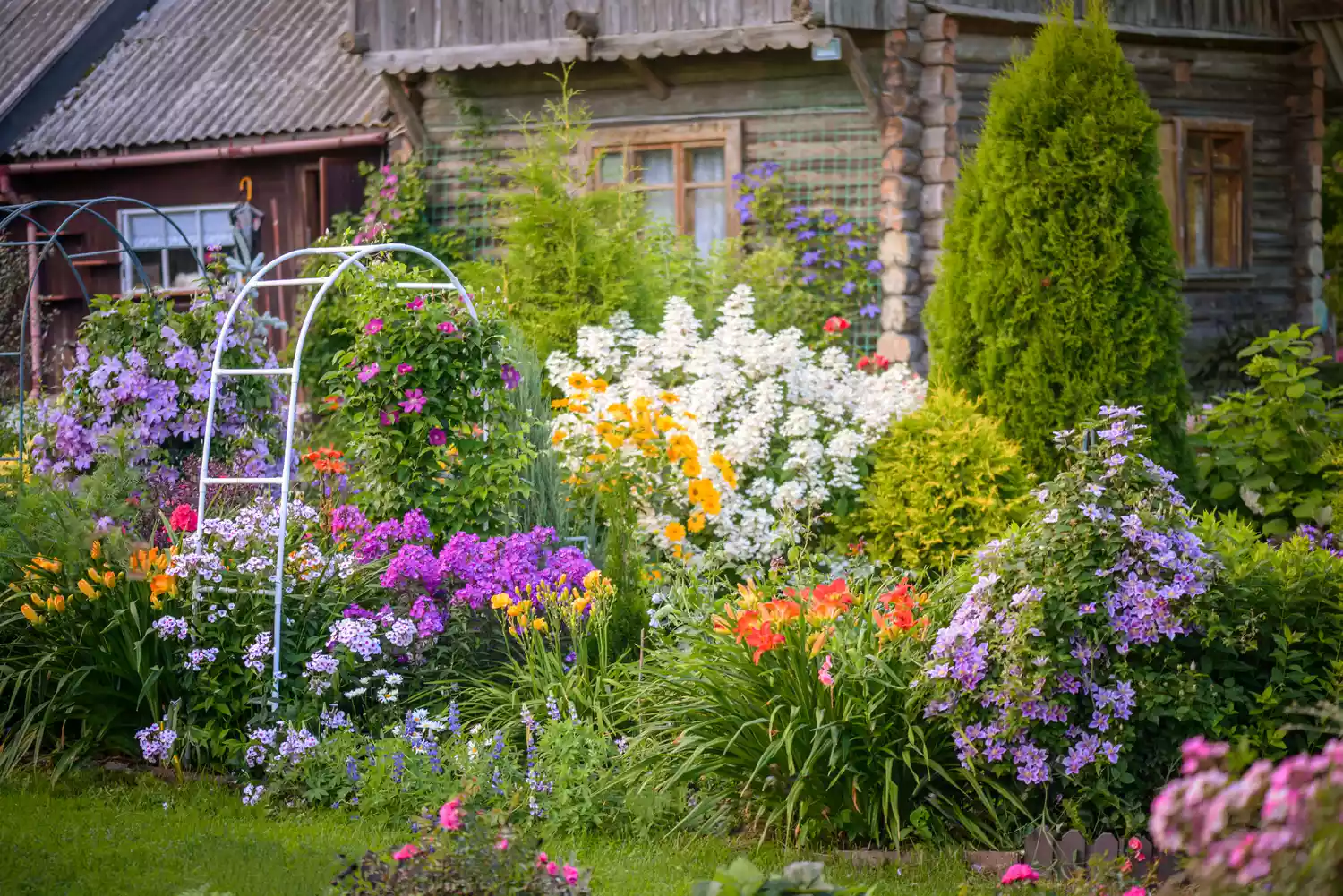
19 Garden Trellis Ideas That Showcase the Beauty of Climbing Plants

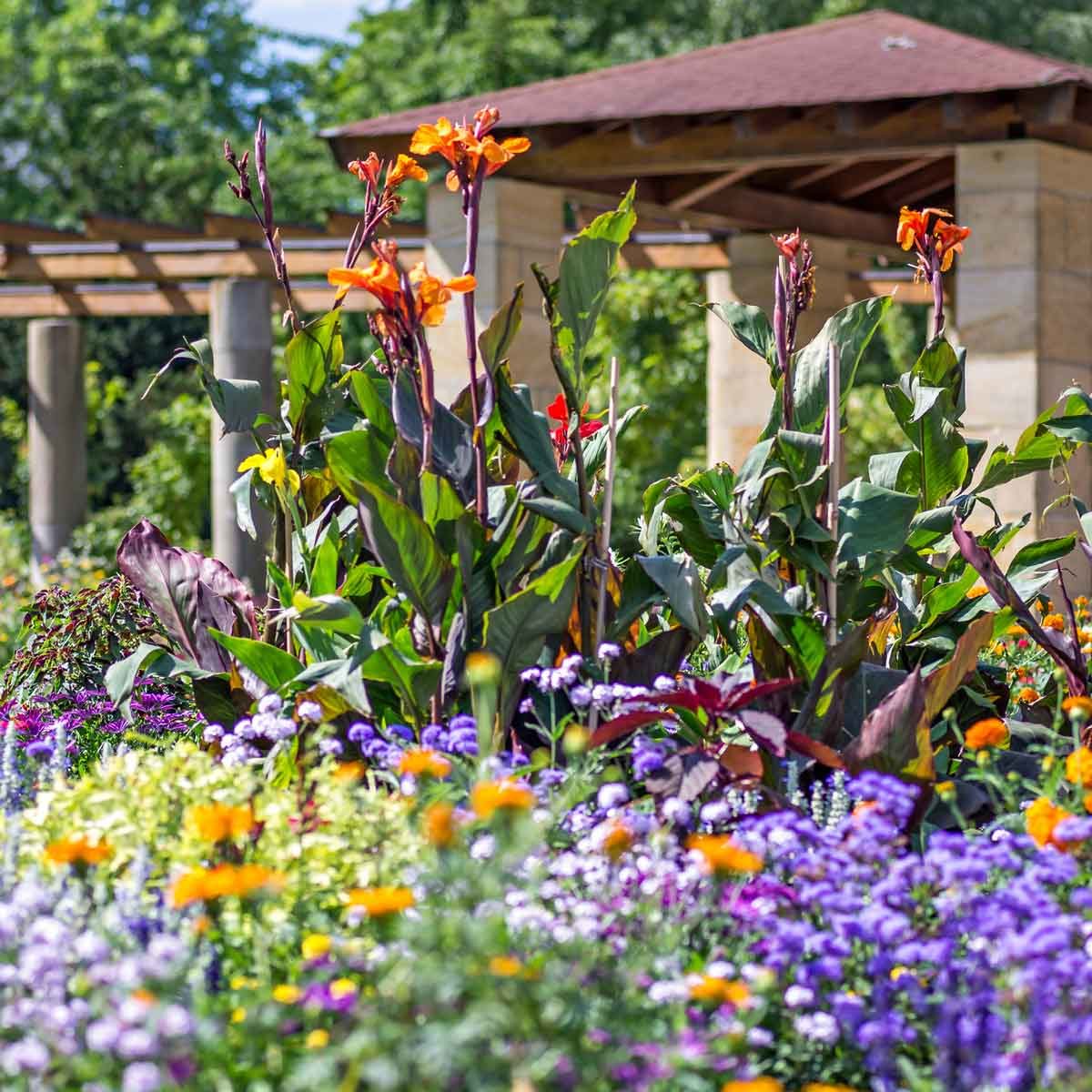
10 Tall Outdoor Plants for Landscaping

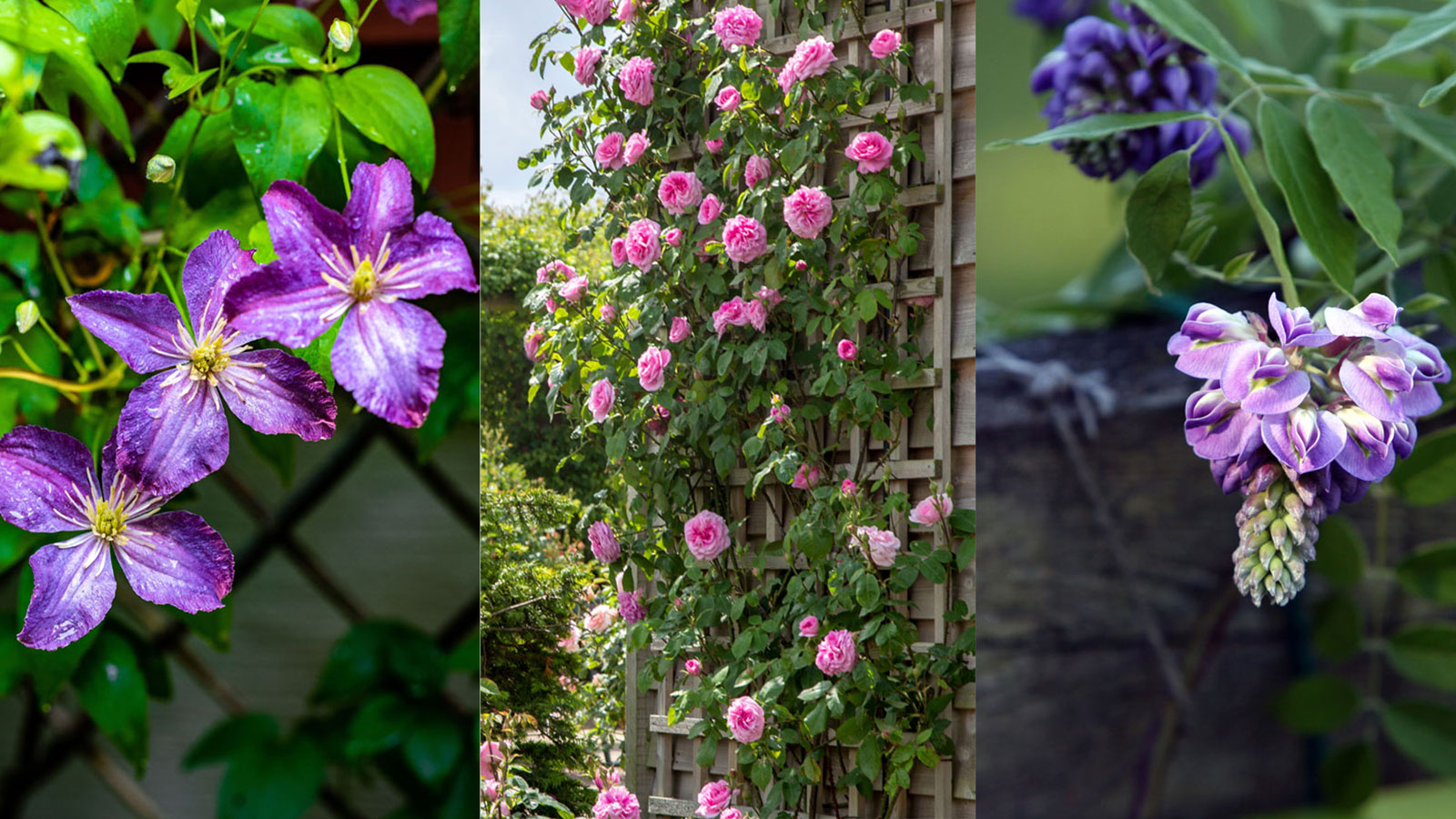
Best plants to cover a fence – 10 ways to disguise a fence with beautiful flowers and foliage
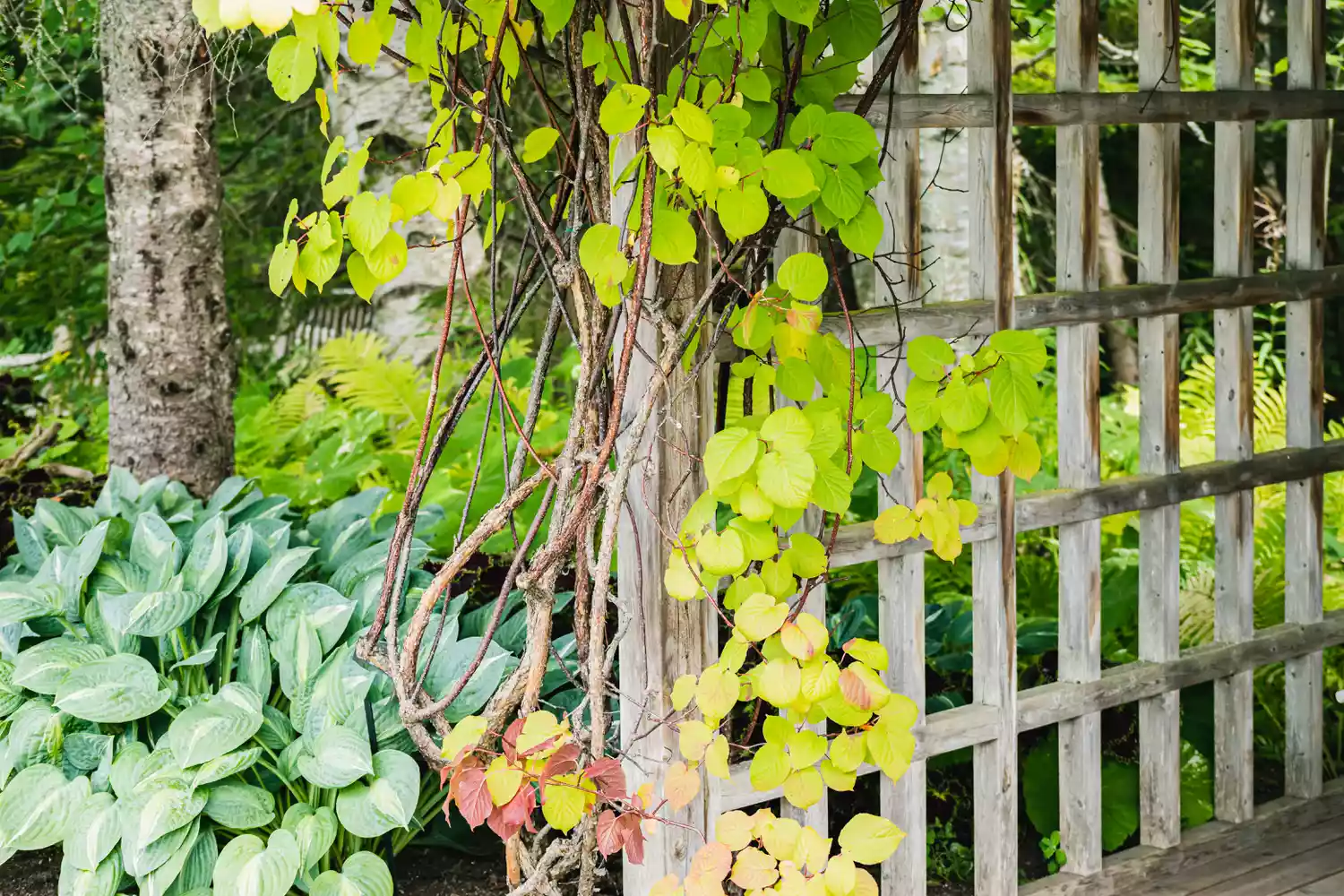
20 Climbing Plants We Can't Get Enough of for Any Trellis, Pergola, or Fence

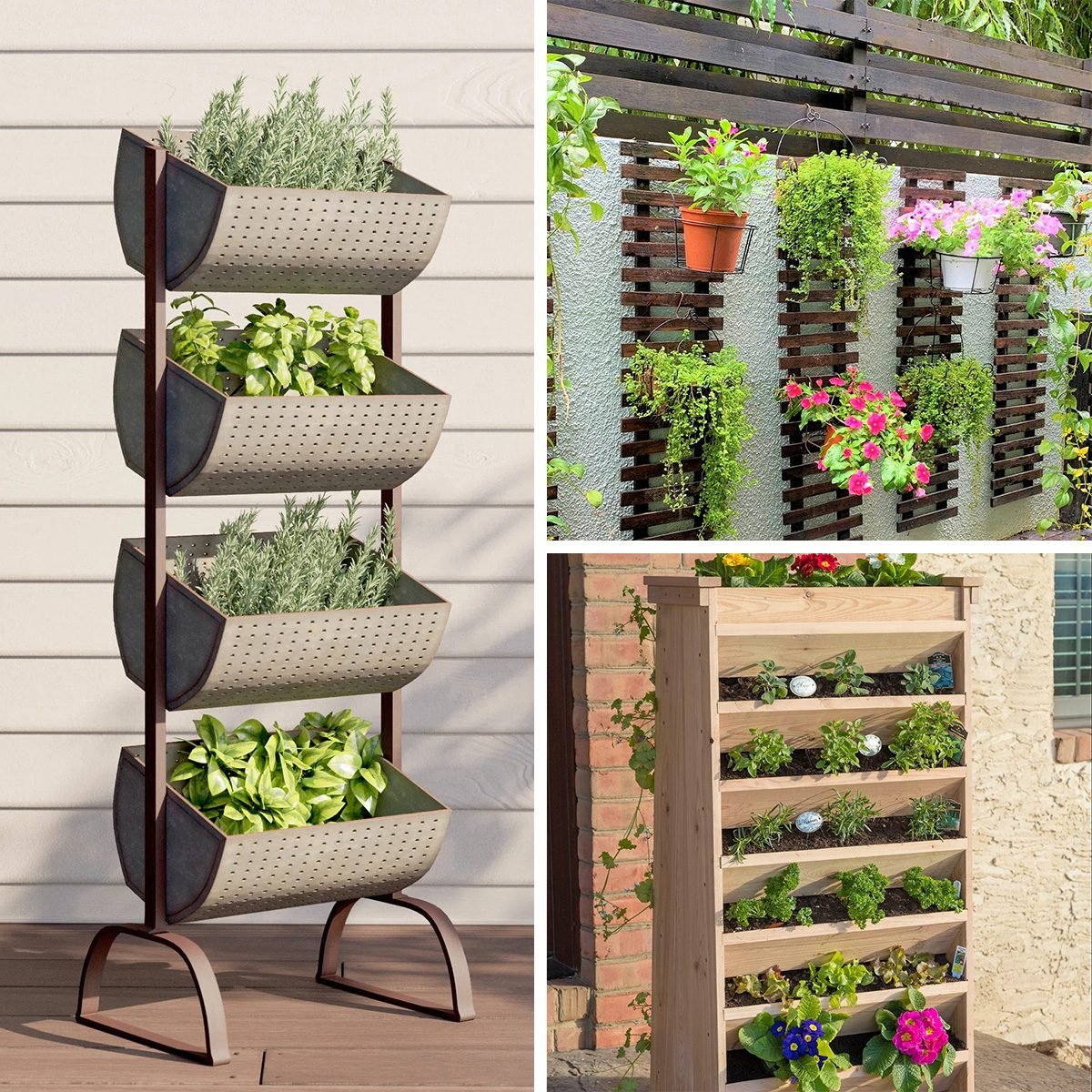
10 Best Vertical Garden Planters
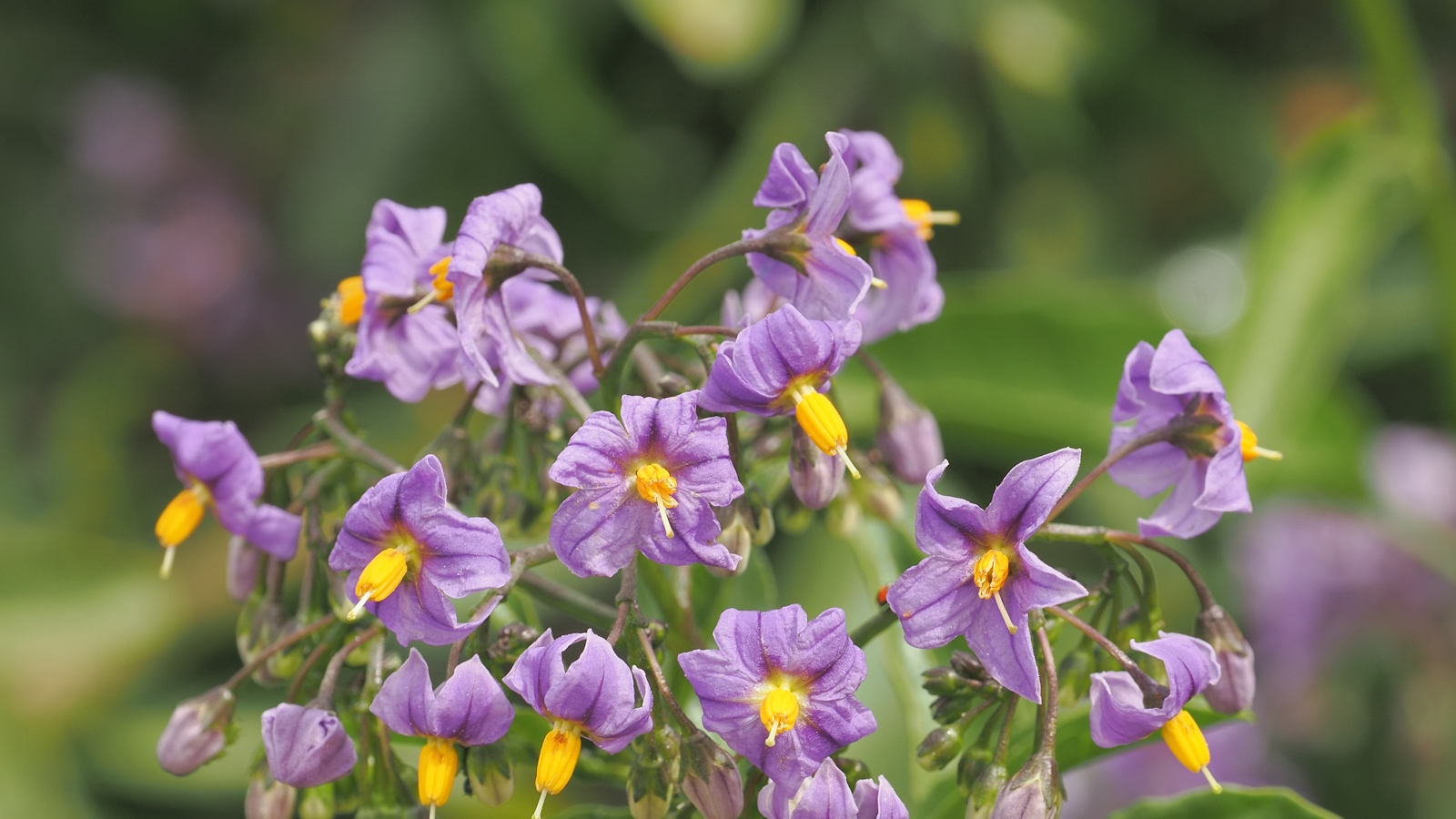
Easiest climbers to grow – 5 fool-proof vines to quickly and effectively cover bare walls this year
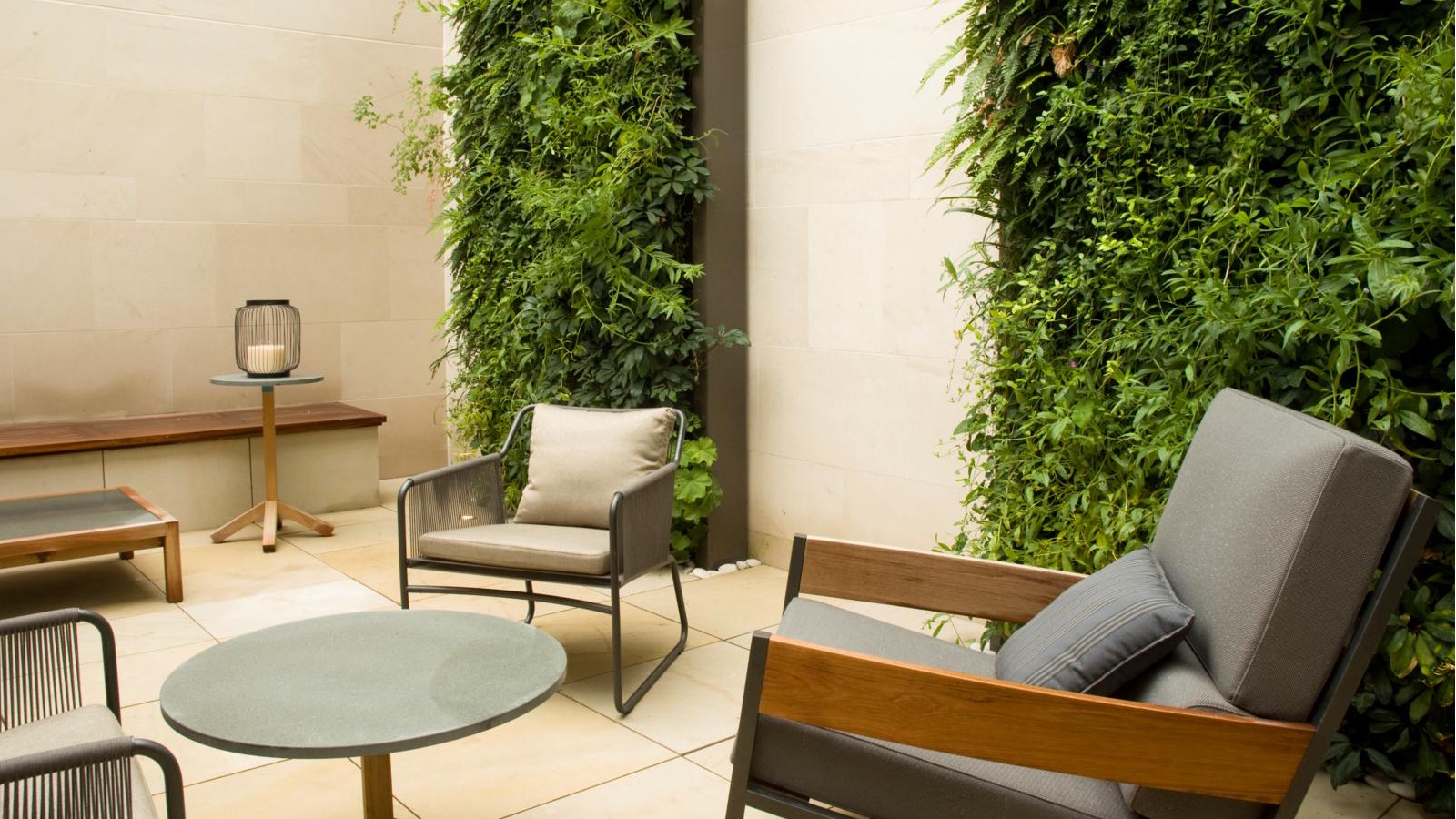
Vertical indoor garden ideas: 7 elevating ideas
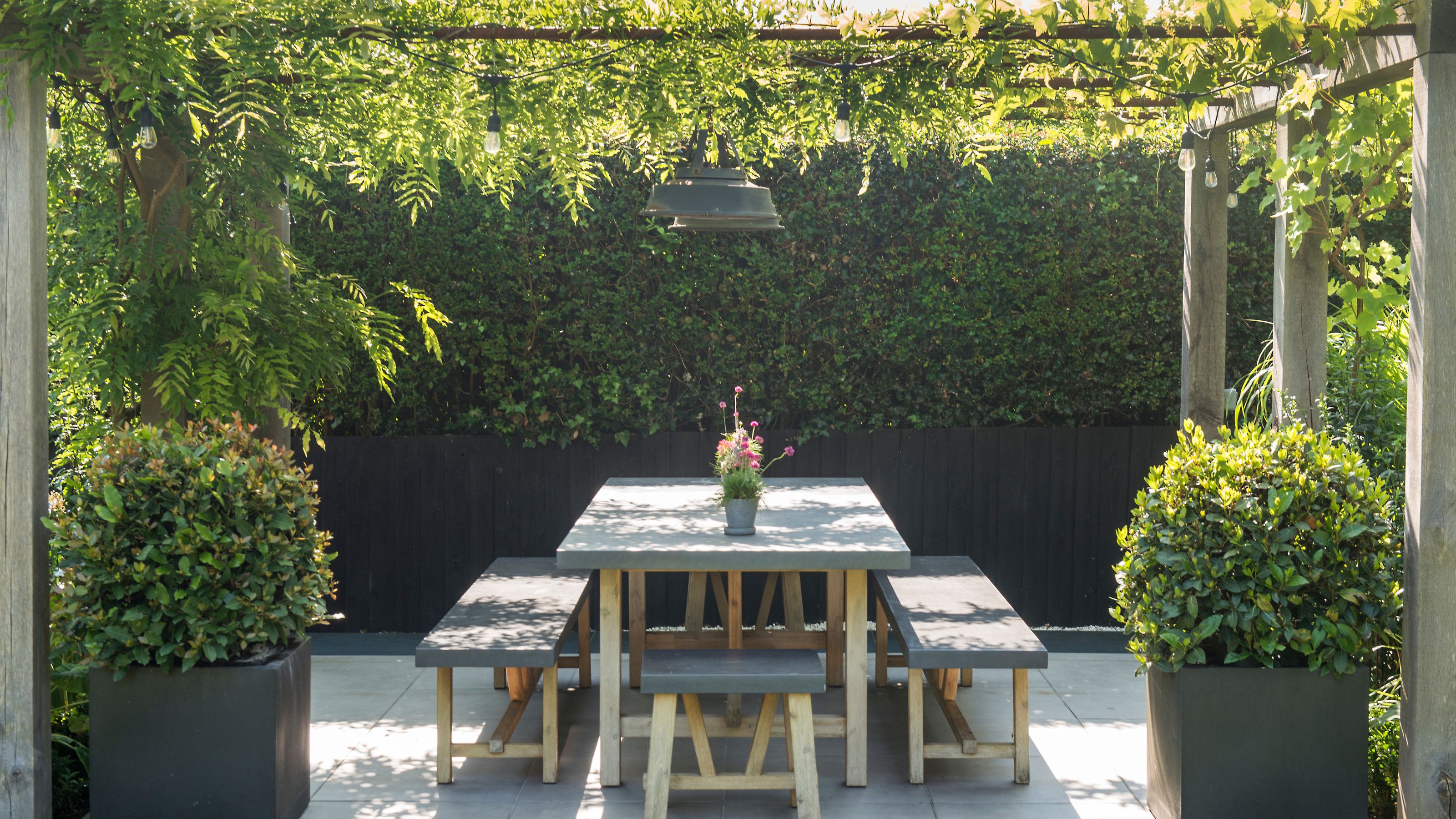
5 best plants to grow up a pergola for a beautiful, scented awning
Transform Your Space With Any of These Gorgeous Tall Indoor Plants

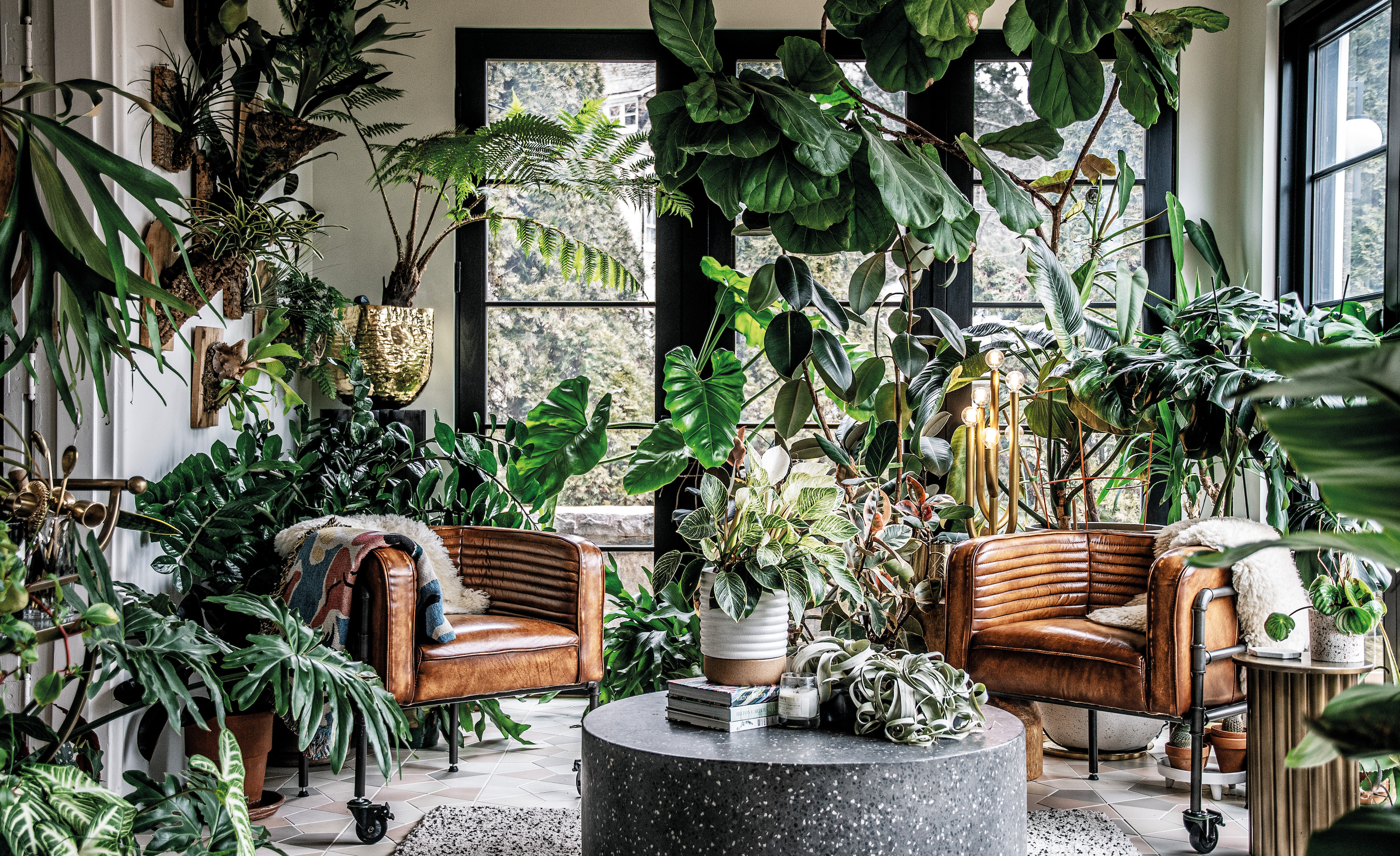
10 Indoor Climbing Plants That Will Take Your Blooms to New Heights — And Make Your Home Look Lush

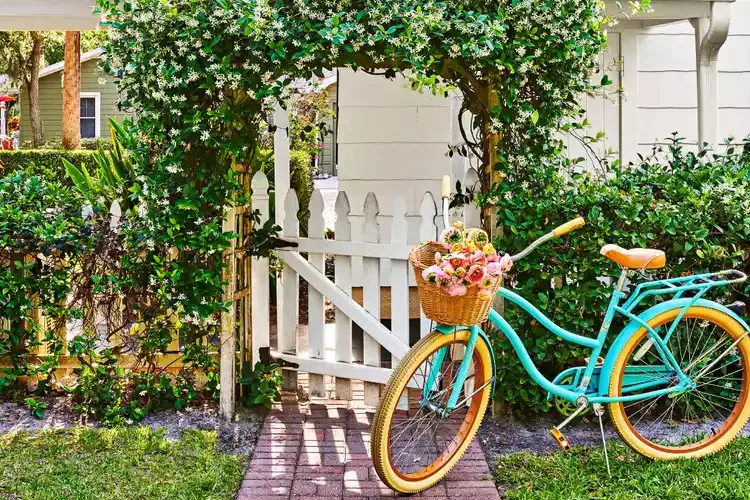
Garden Trellis Ideas That Make A Lofty Impact