1/11
Shelving ideas – how to add personality, style and storage to any room
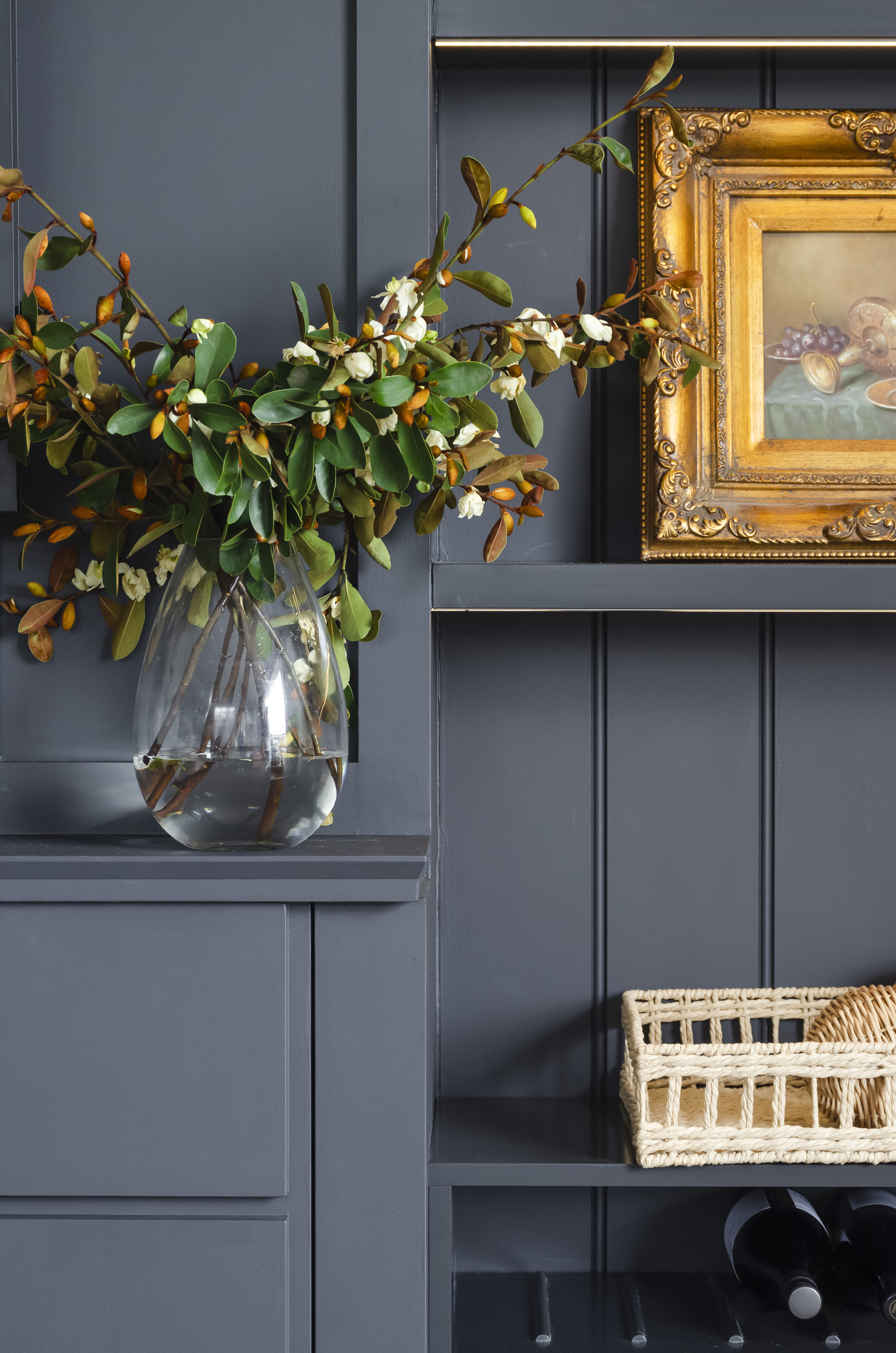
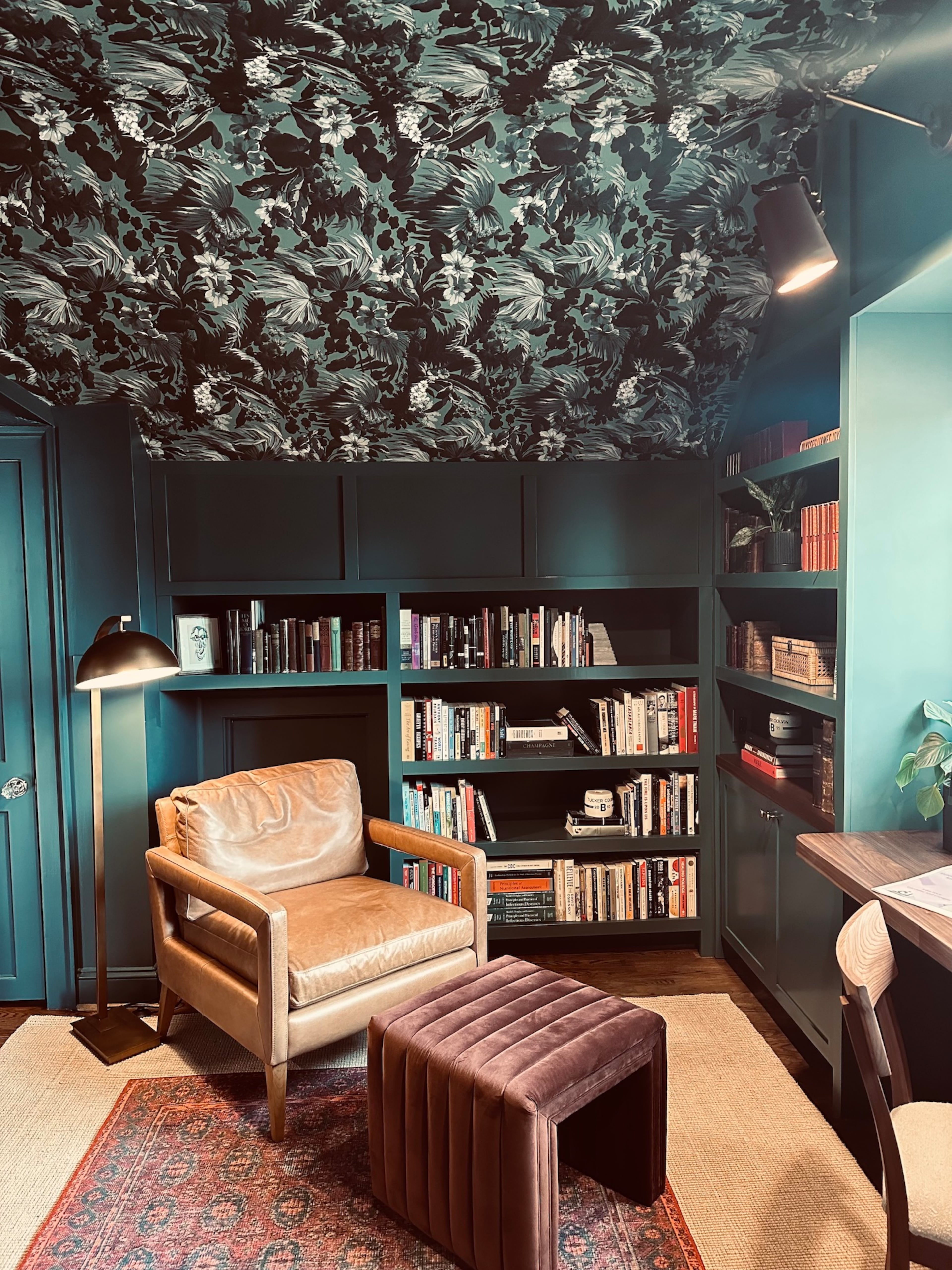
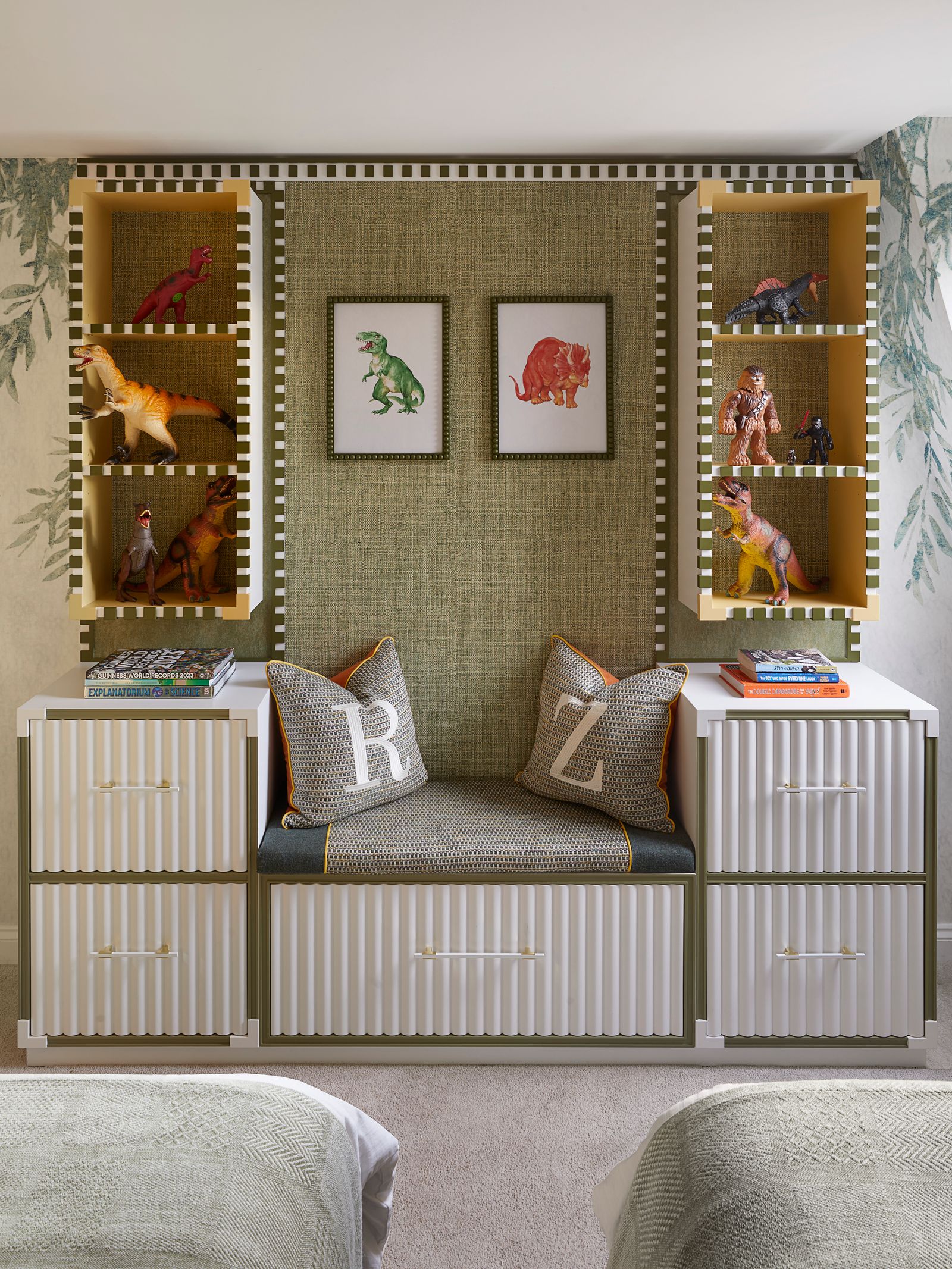
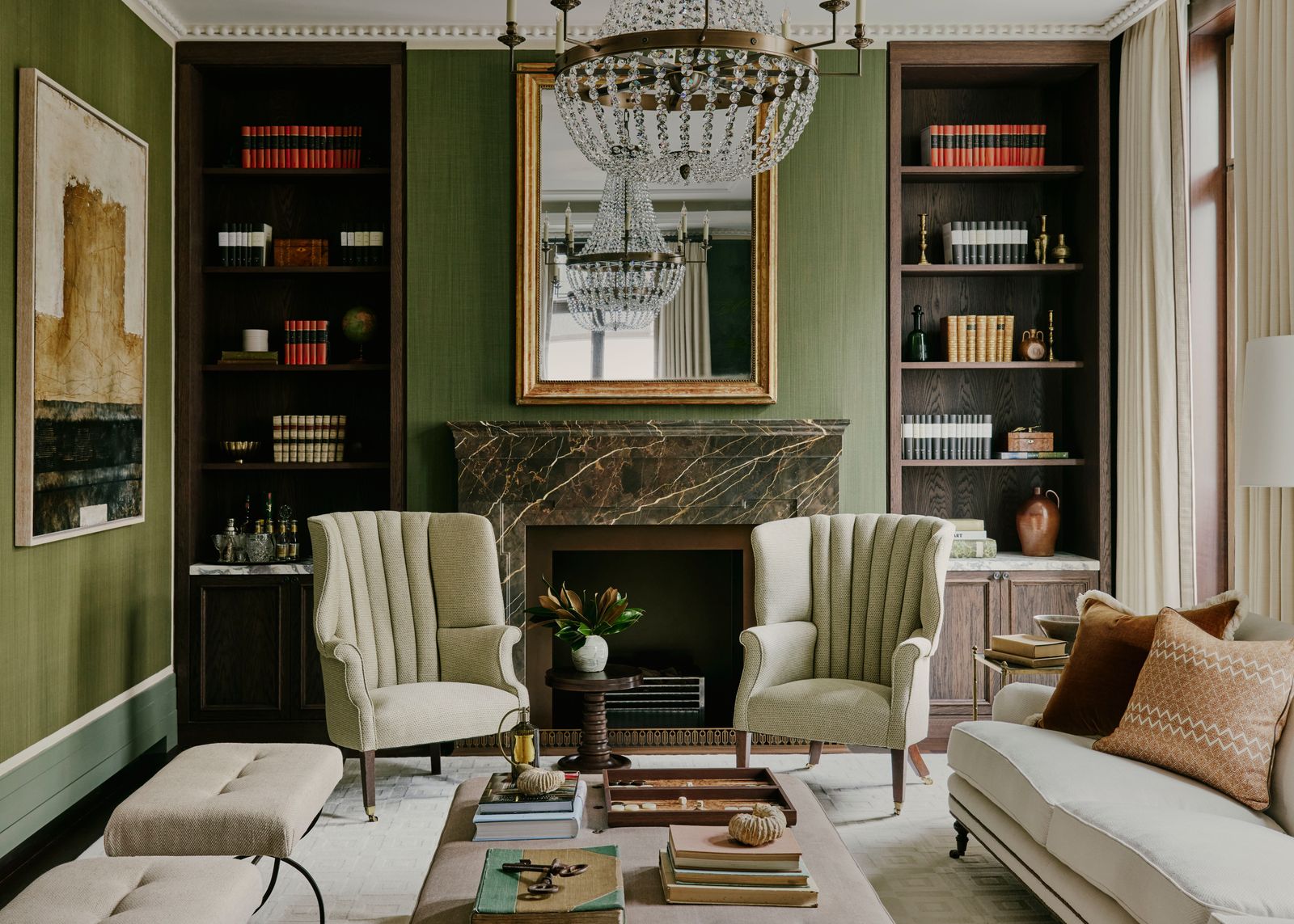
Shelving units serve as more than just practical storage solutions; they are integral elements that can inject color, texture, and personal character into any room. While their utility is paramount in spaces like bathrooms and kitchens, shelves also offer significant decorative potential in living rooms and bedrooms, where their aesthetic contribution can be prioritized. However, curating an appealing shelf display is a nuanced task, often requiring careful consideration to achieve an effortlessly styled appearance.
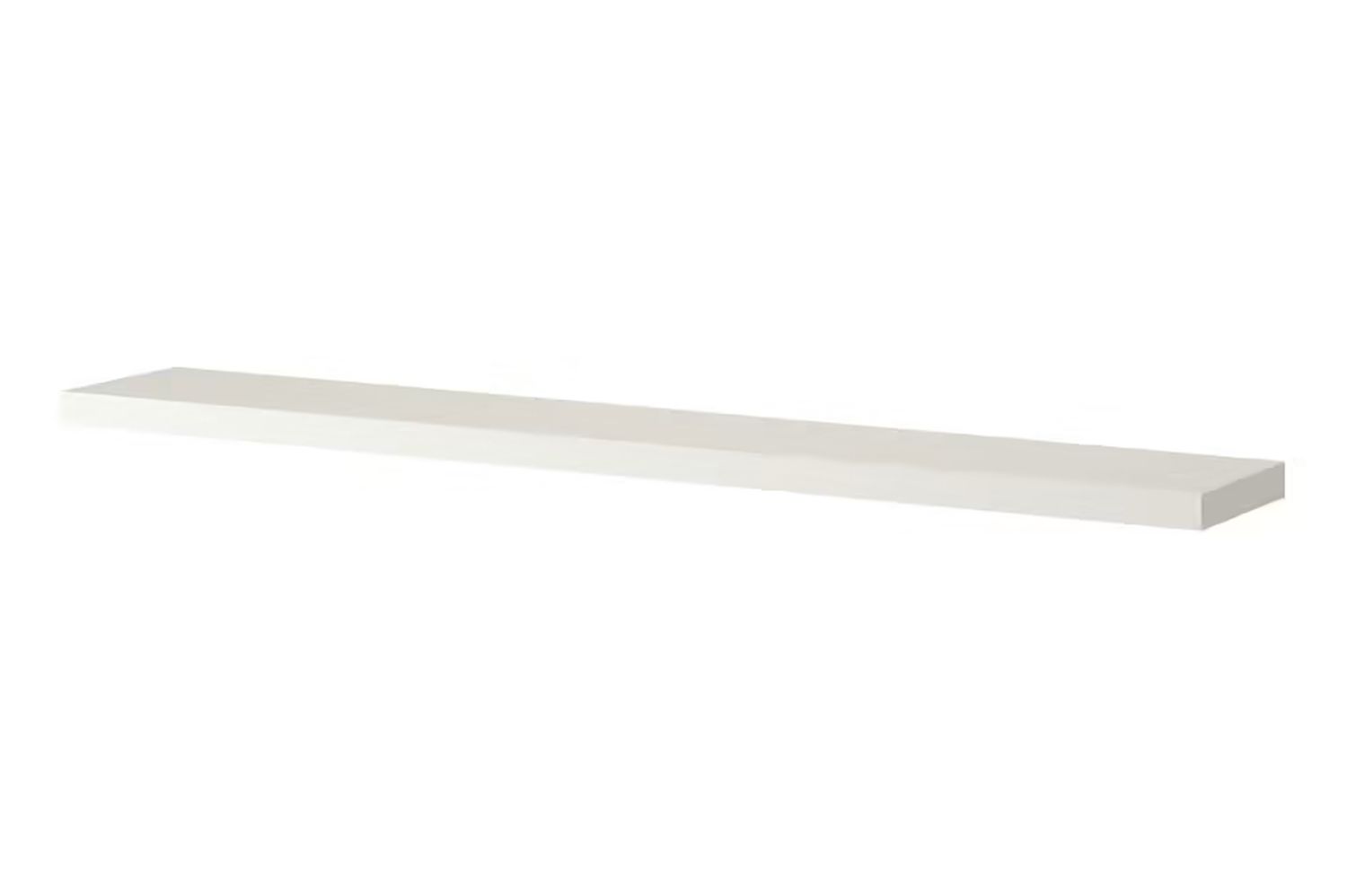
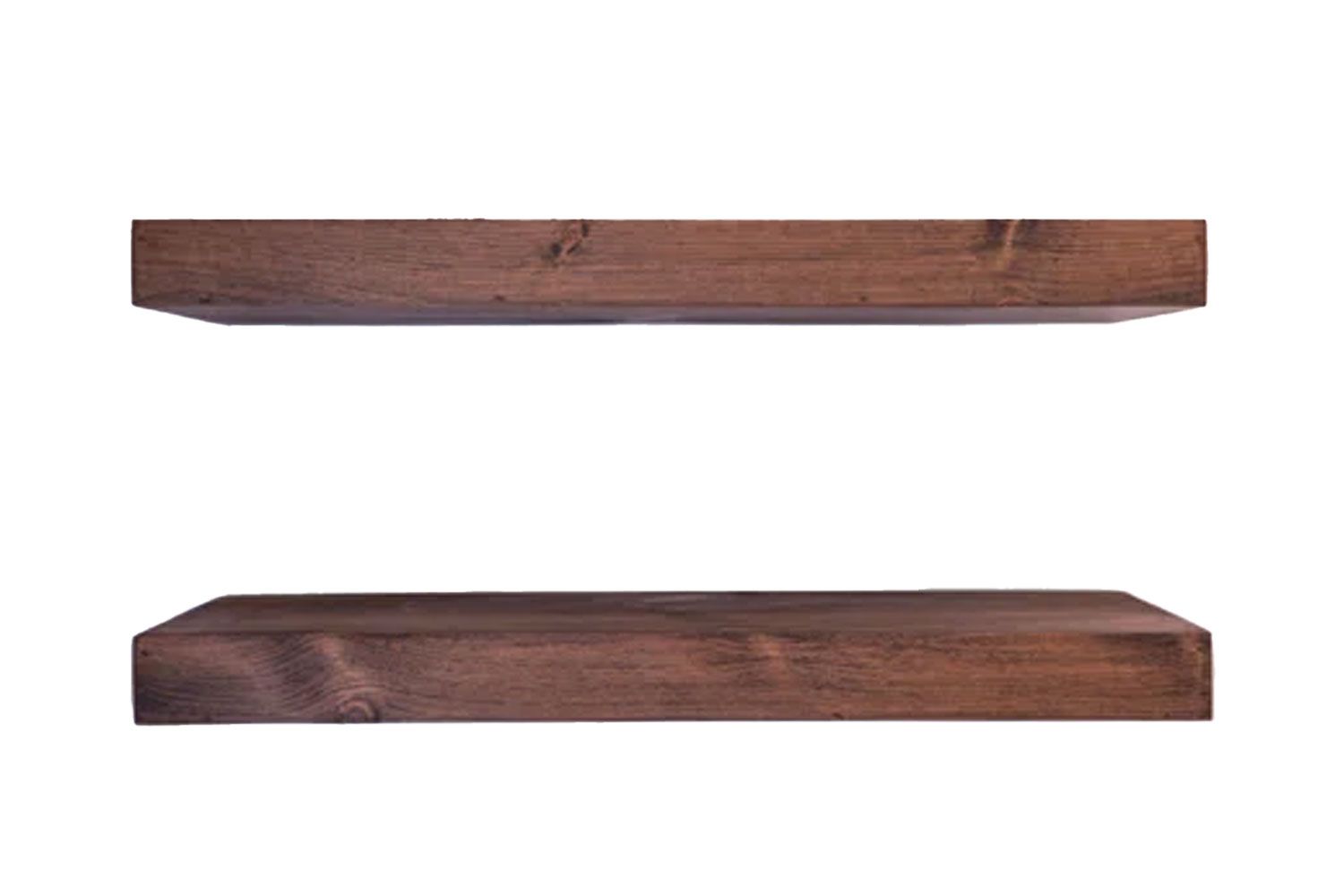
To effectively style shelves, it's crucial to begin with a practical assessment of the available space. This includes evaluating the length, depth, and height between multiple shelves to determine what can be comfortably accommodated. As advised by Martin Waller, founder of Andrew Martin, one should first gather all items intended for display to ensure there are enough pieces to fill the shelves without looking sparse or over-styled. This preliminary step helps in planning the dimensions required for new shelving and identifying suitable placements for existing items.
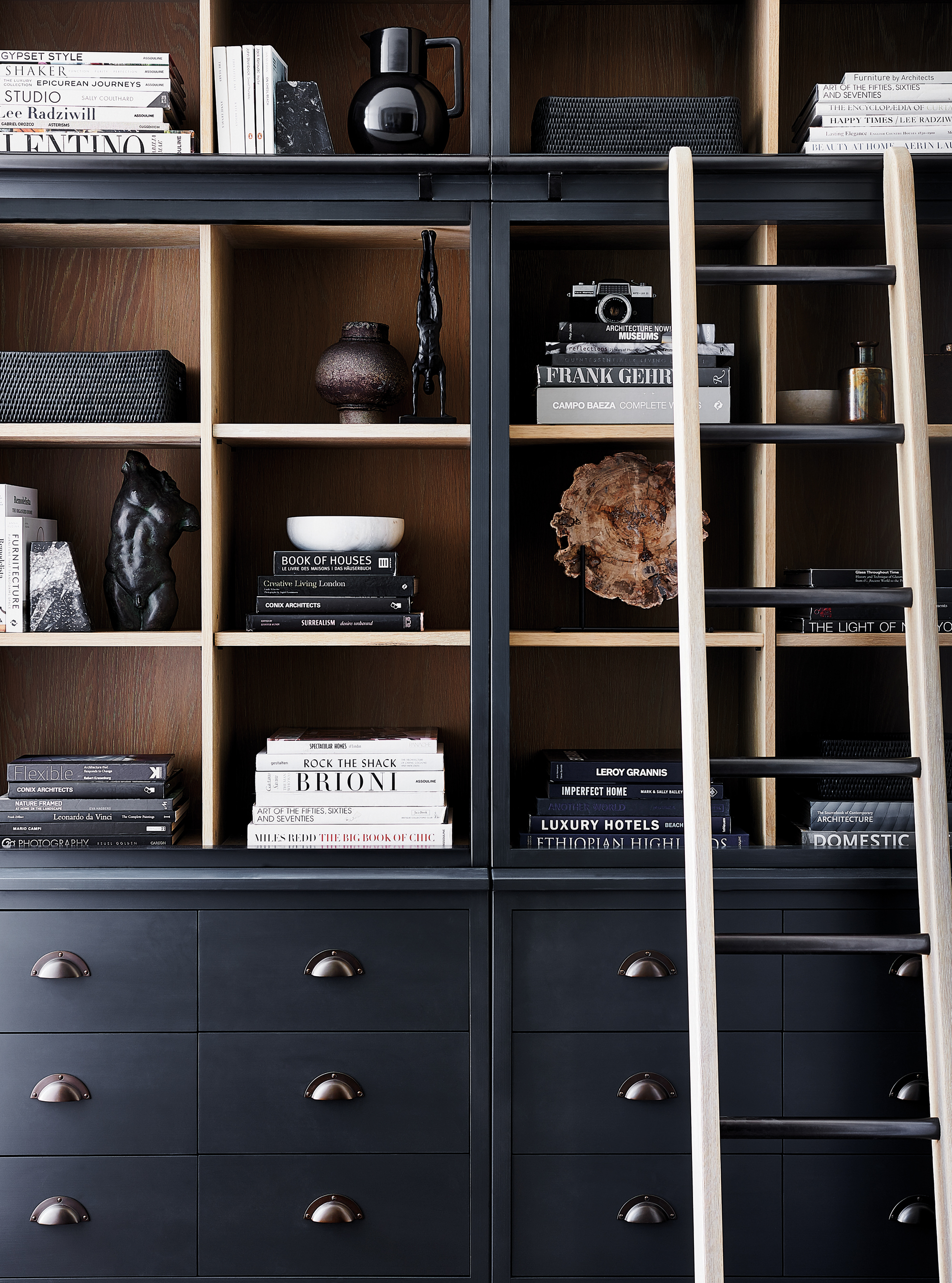
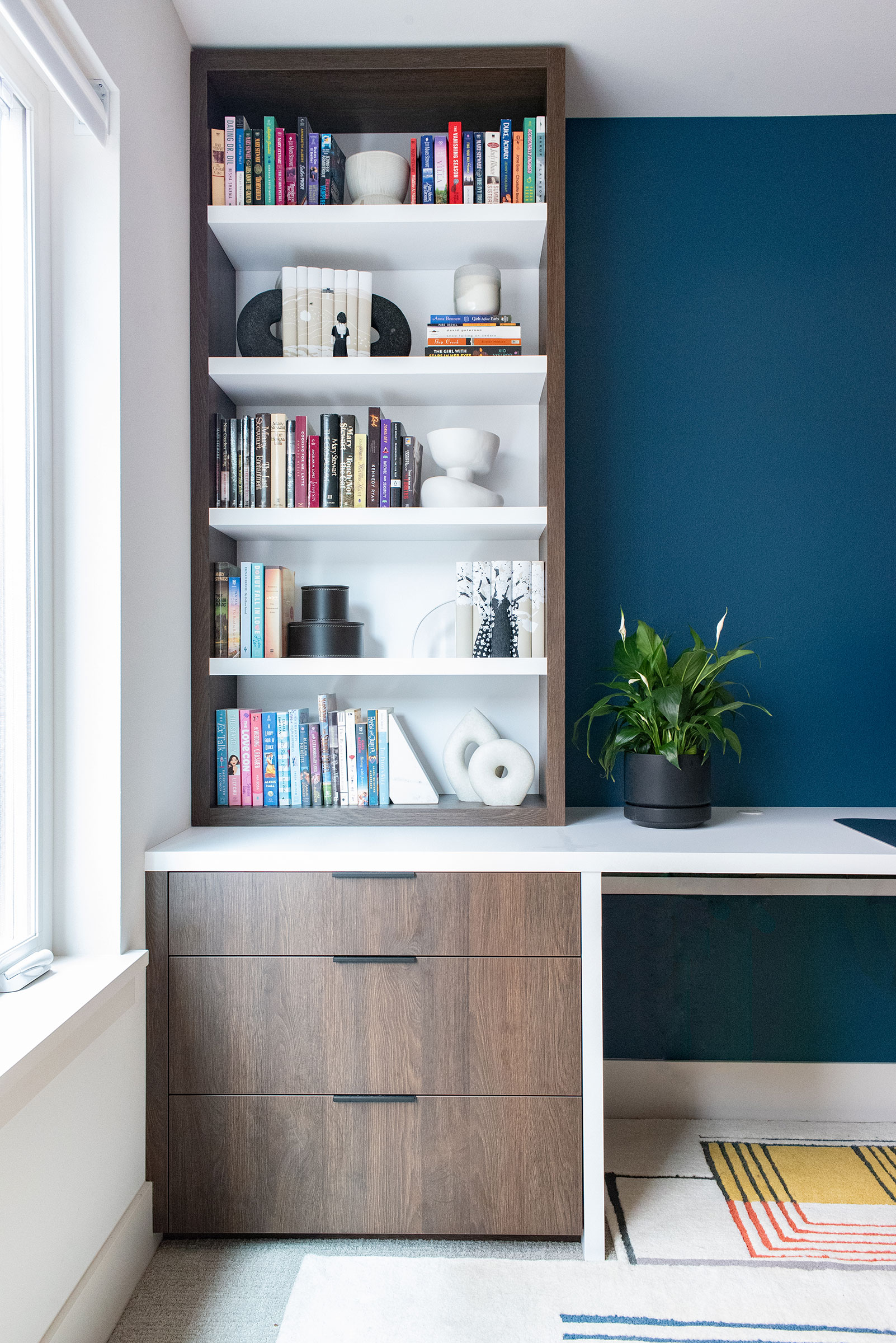
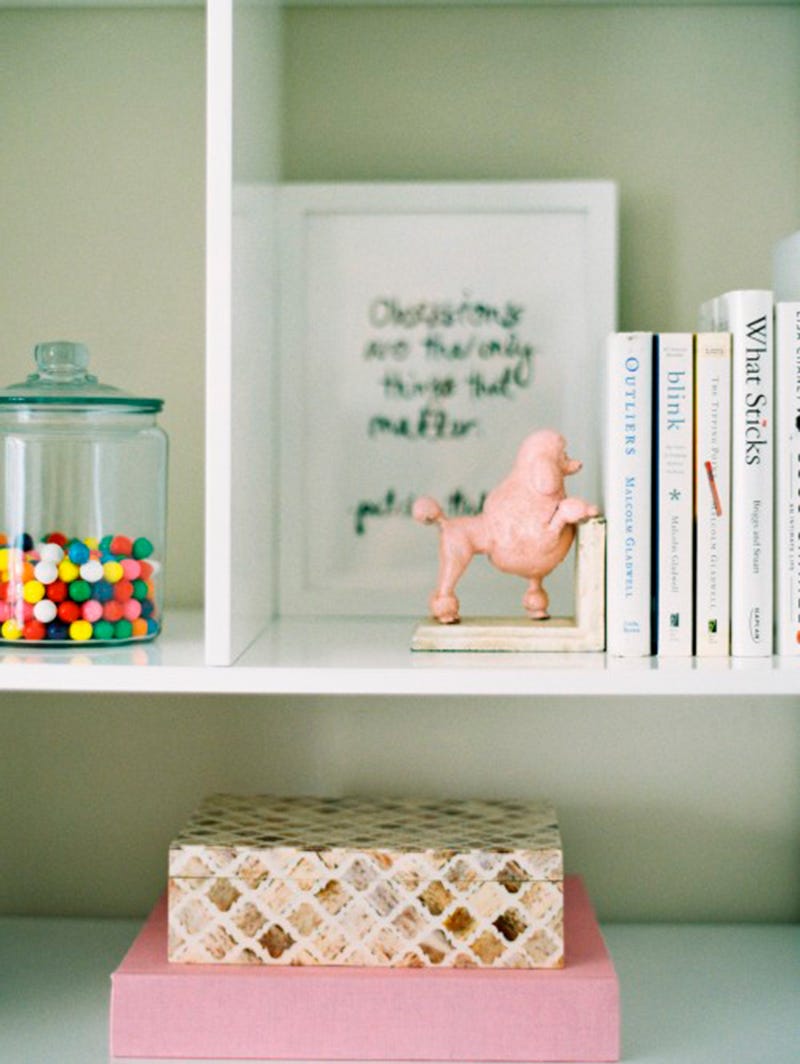
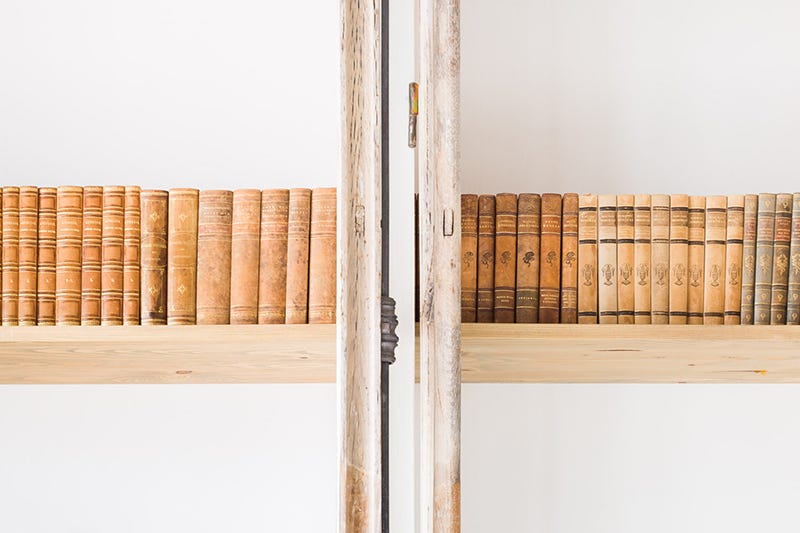
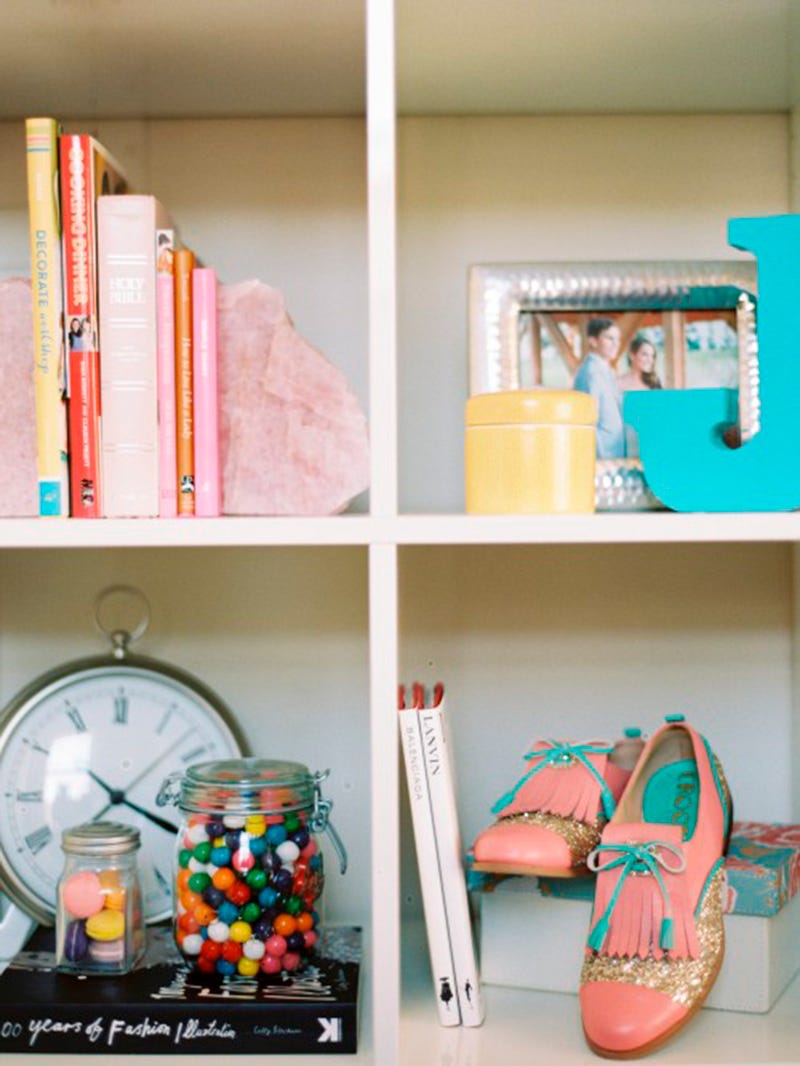
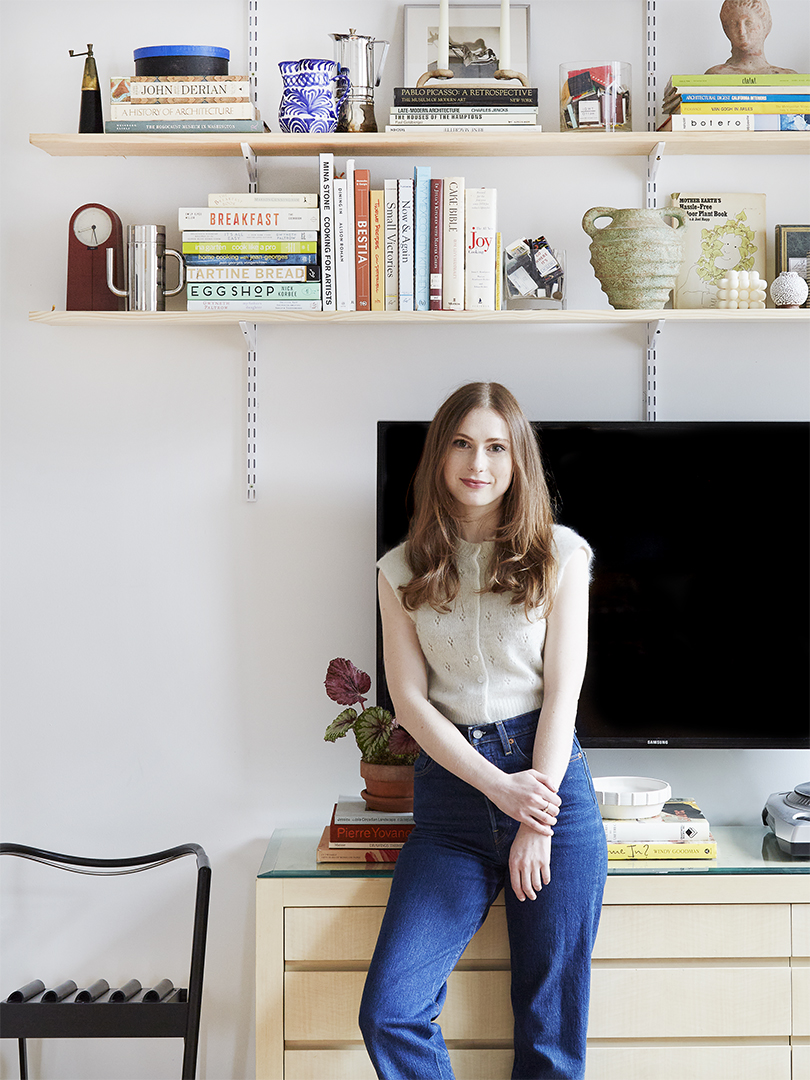
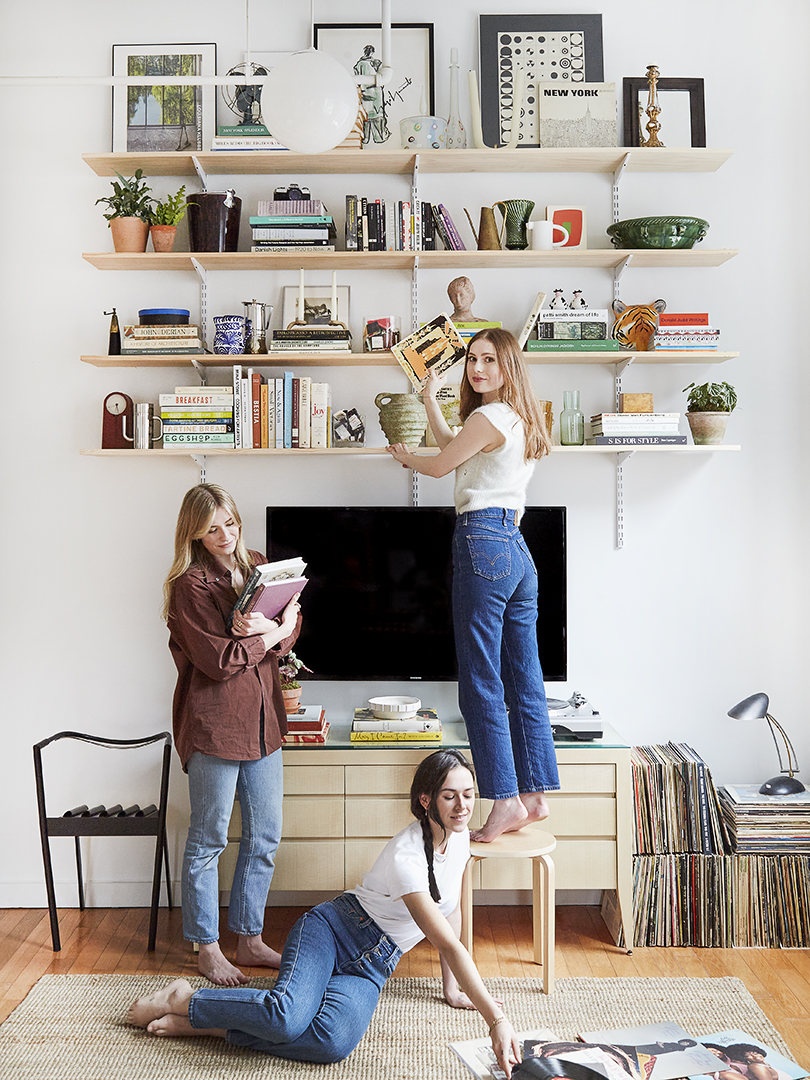
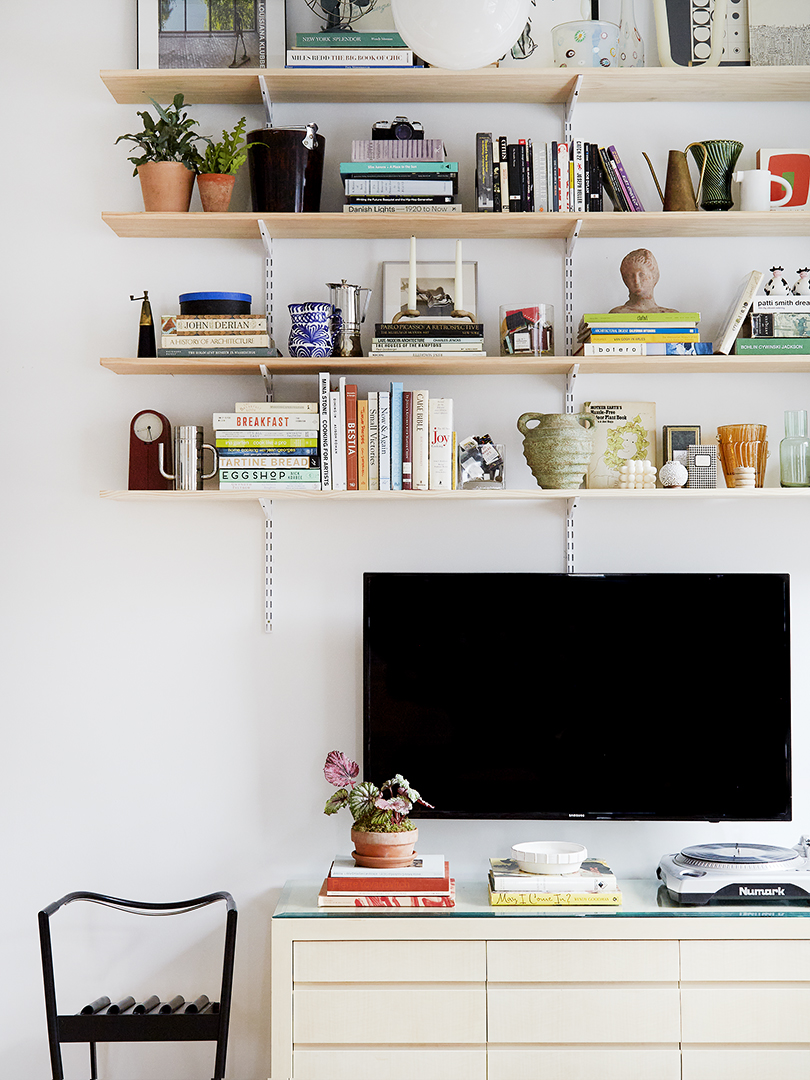
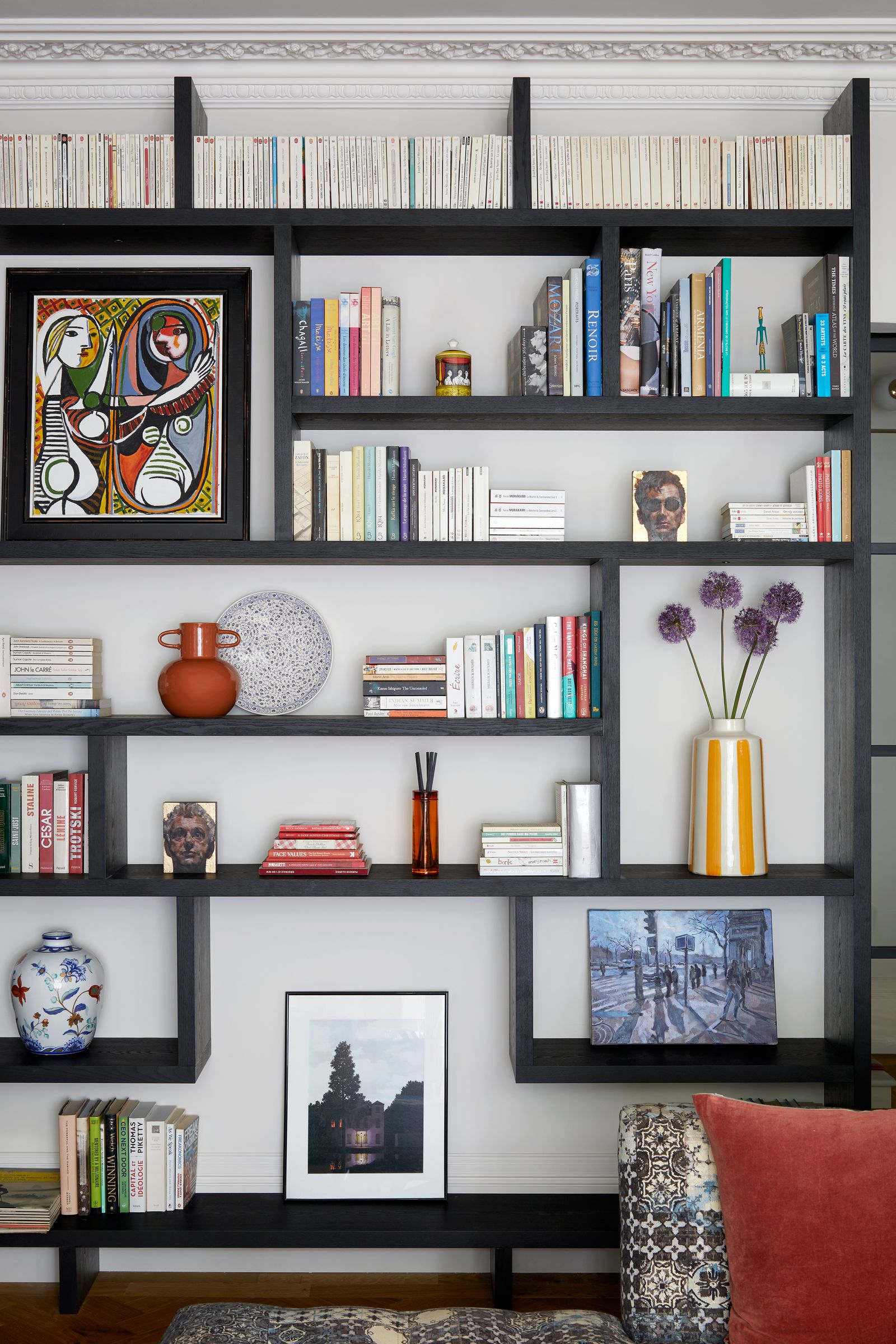
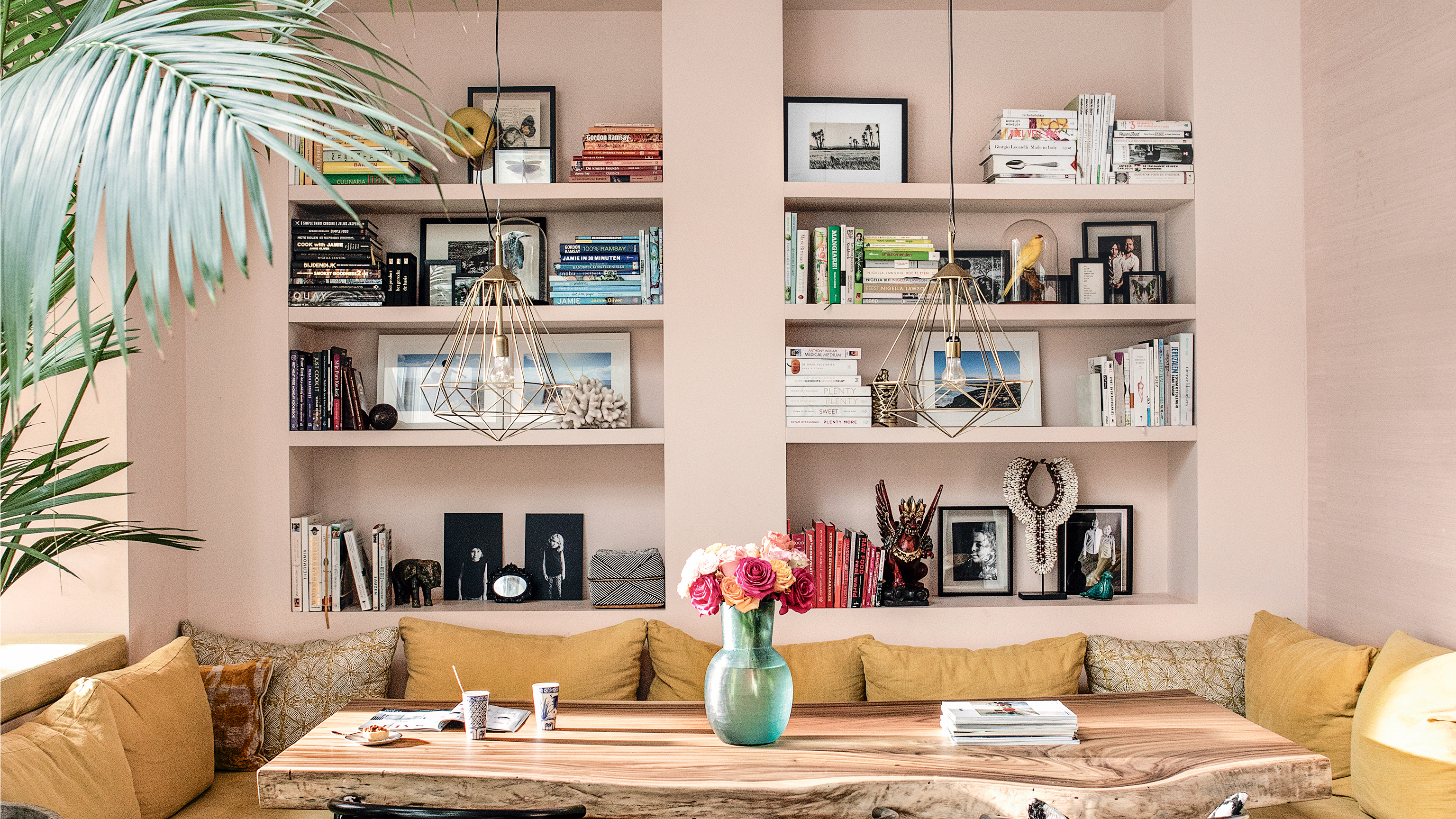
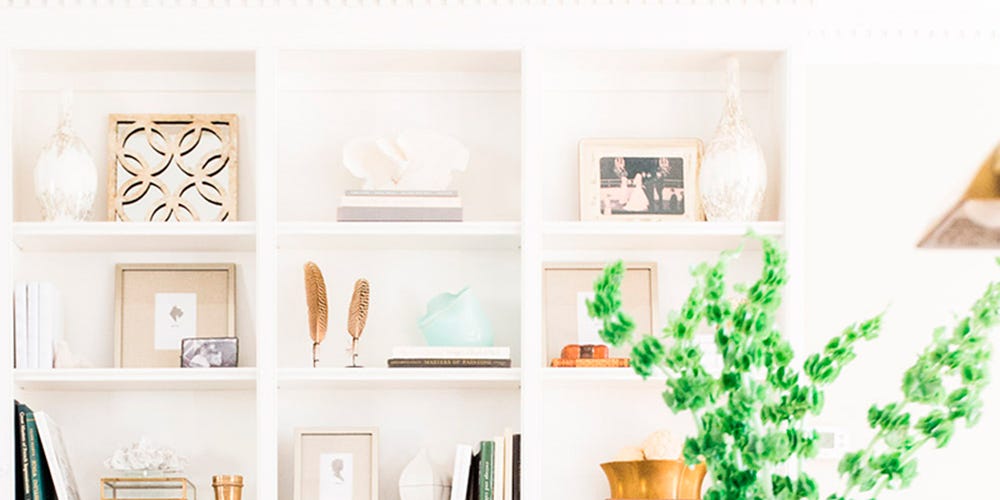
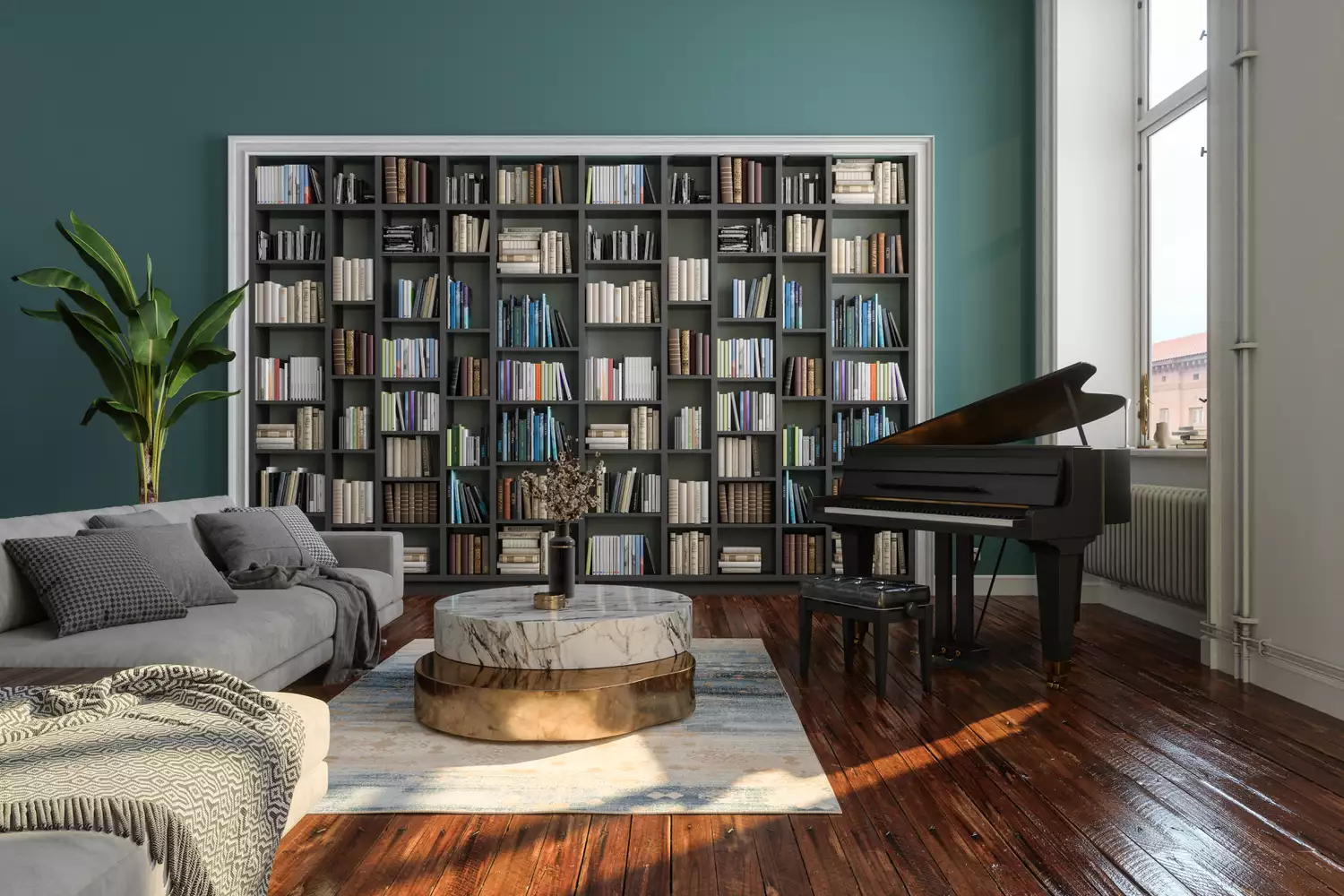
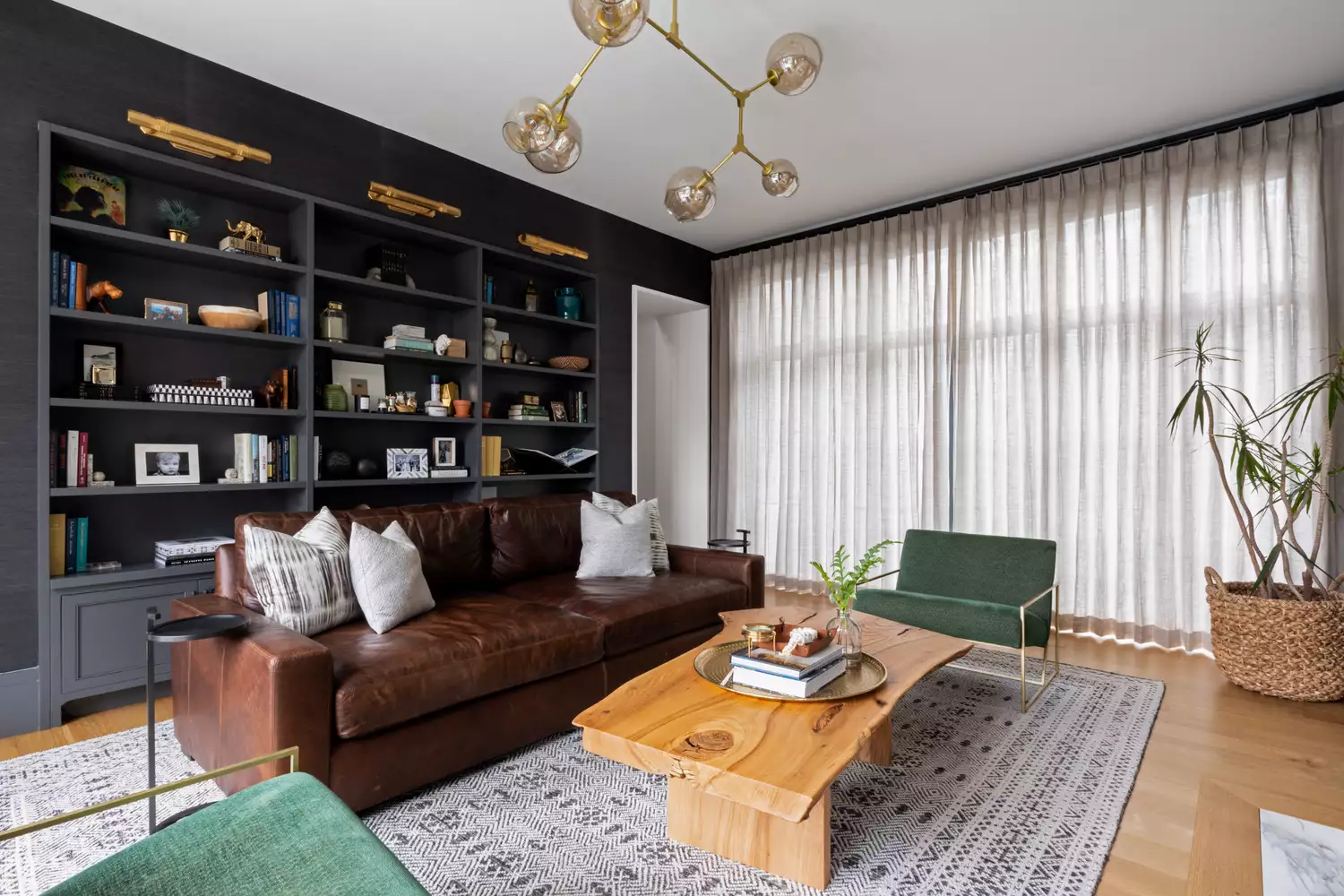
Once the practical layout is considered, the next step involves deciding on a color scheme. This doesn't necessarily mean restricting colors but rather establishing a cohesive visual theme. For example, arranging books by spine color can transform a standard bookcase into a striking design statement. Alternatively, grouping objects of a similar color across different shelves can create a unified and impactful display. Even for an eclectic look, selecting a few strong colors to repeat throughout the arrangement helps maintain cohesiveness.
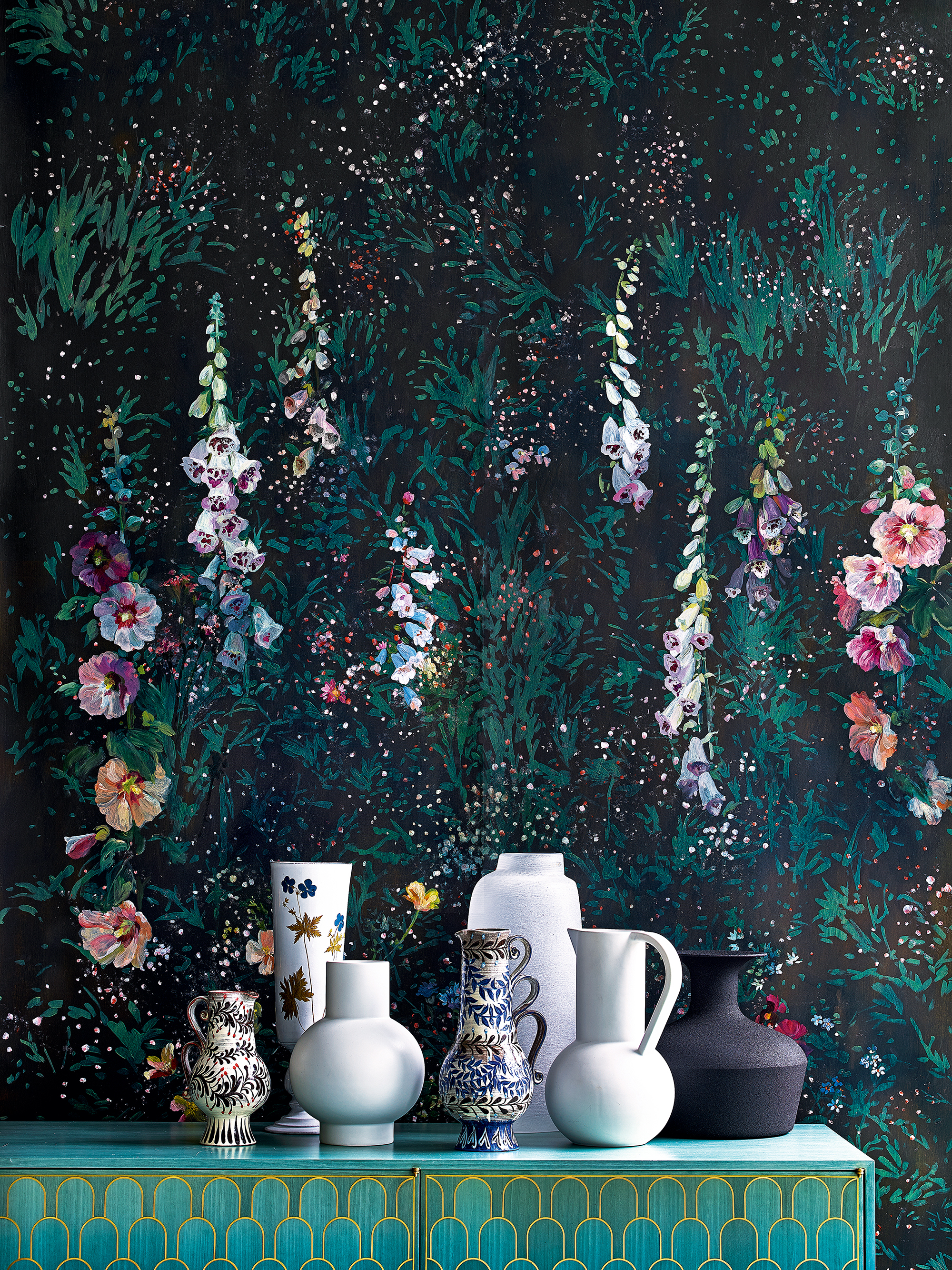
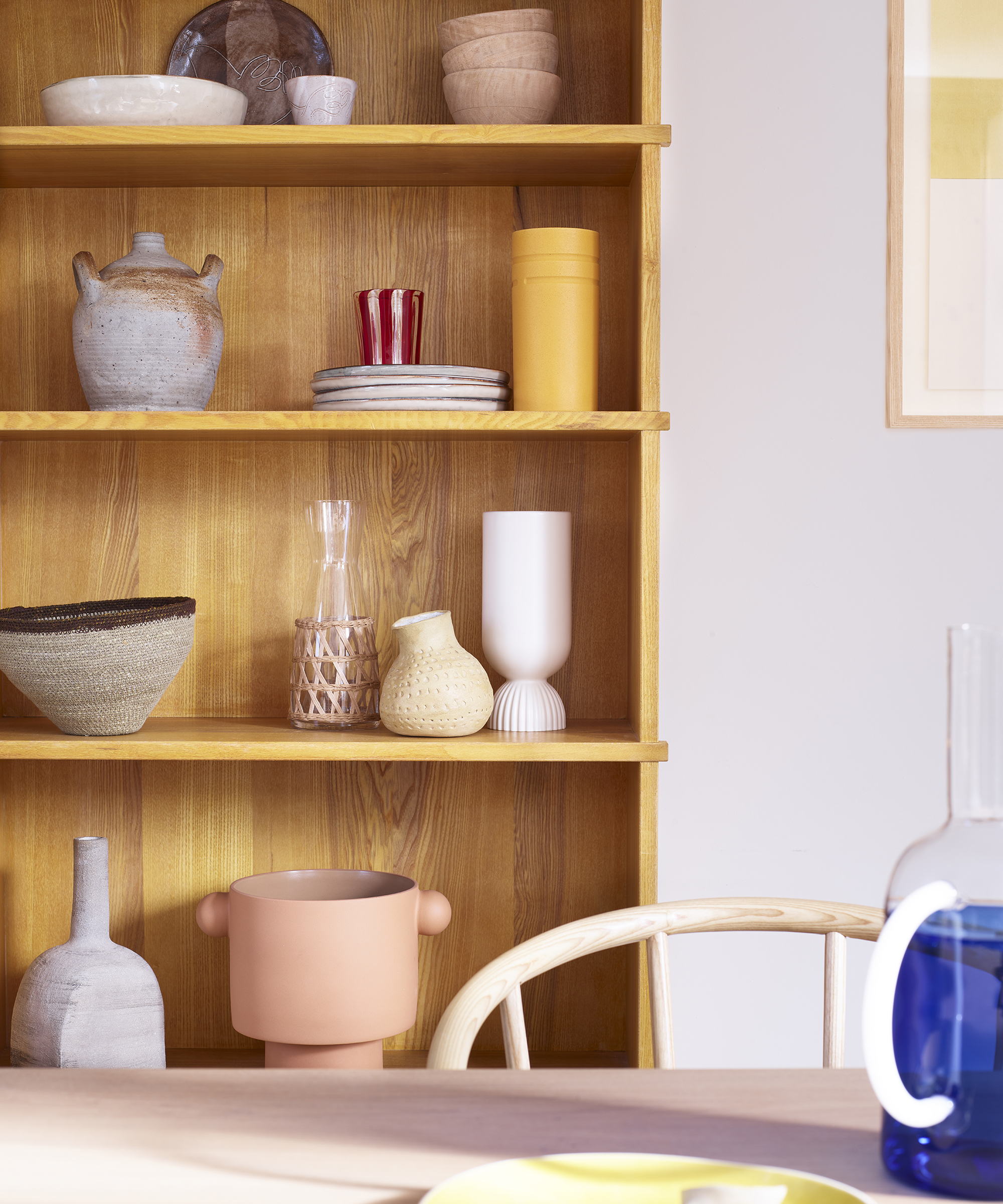
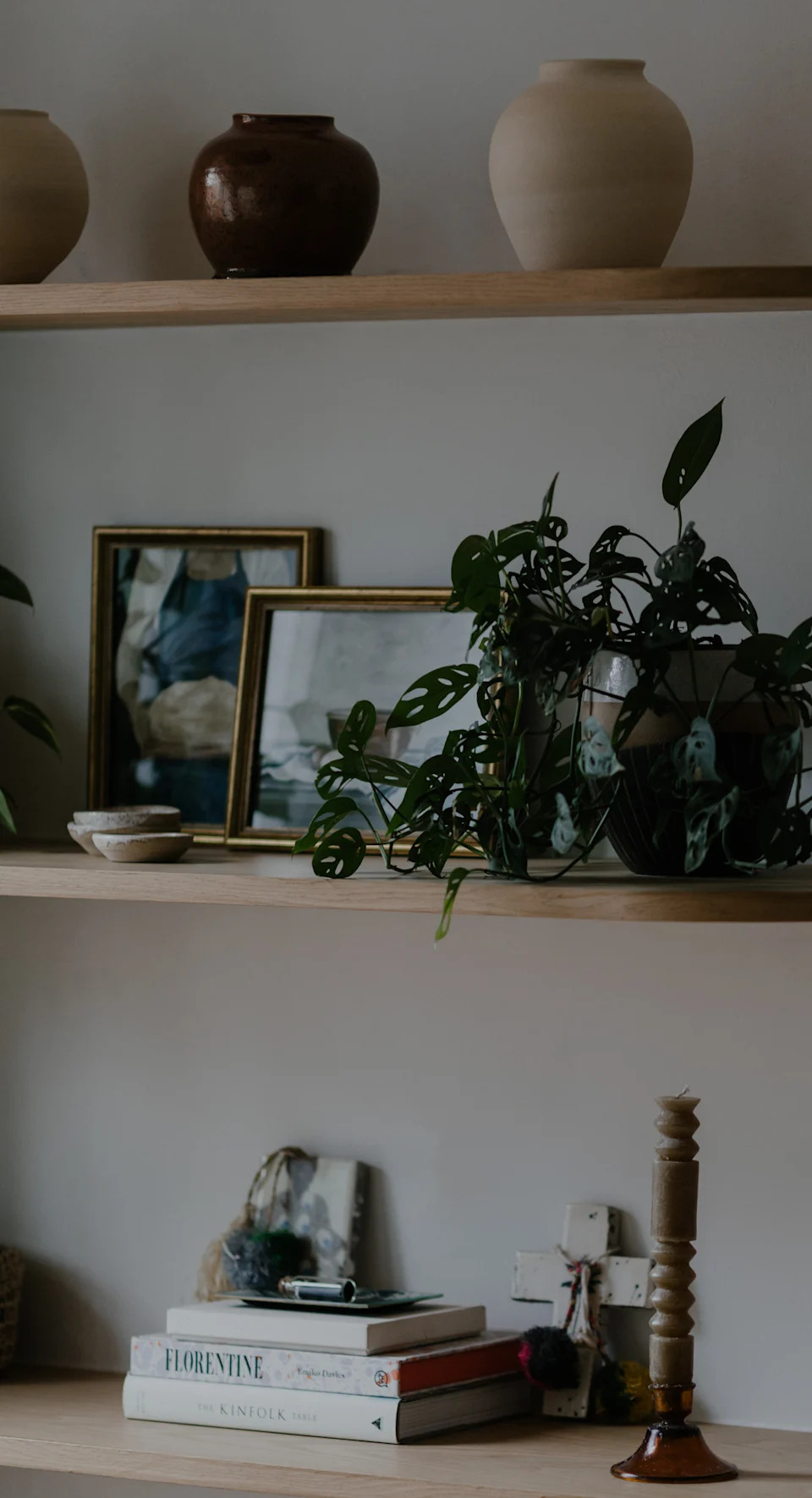
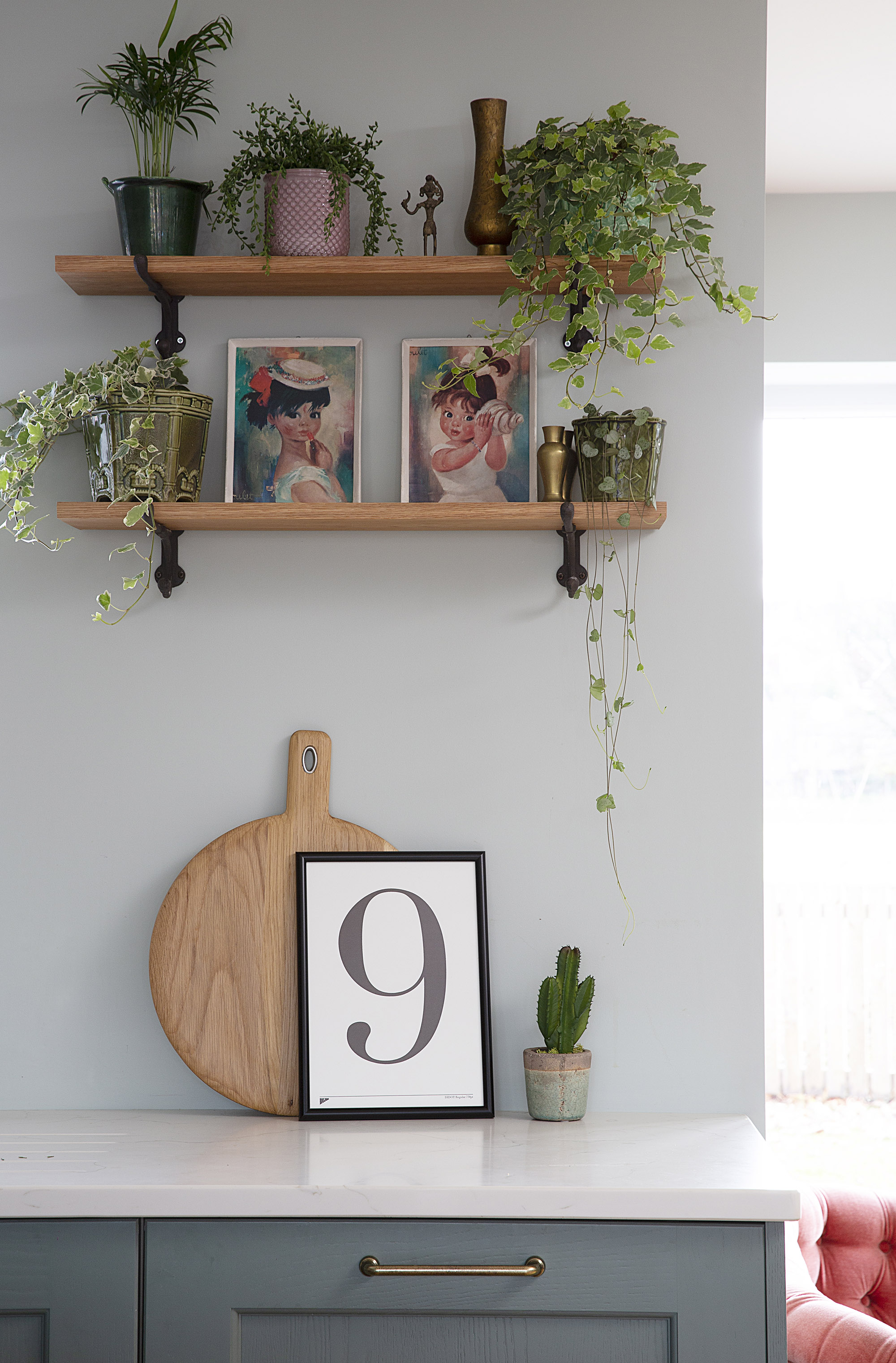
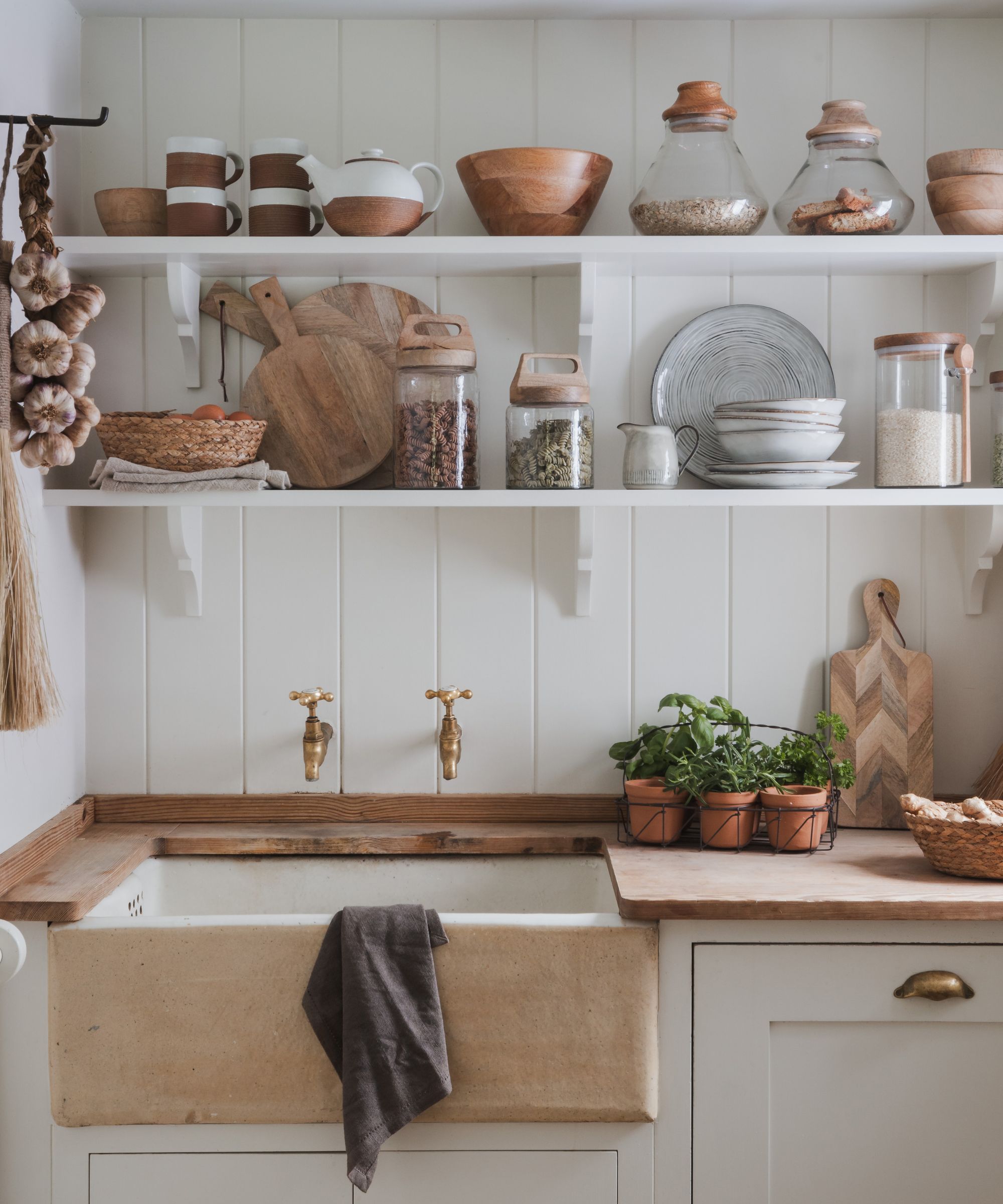
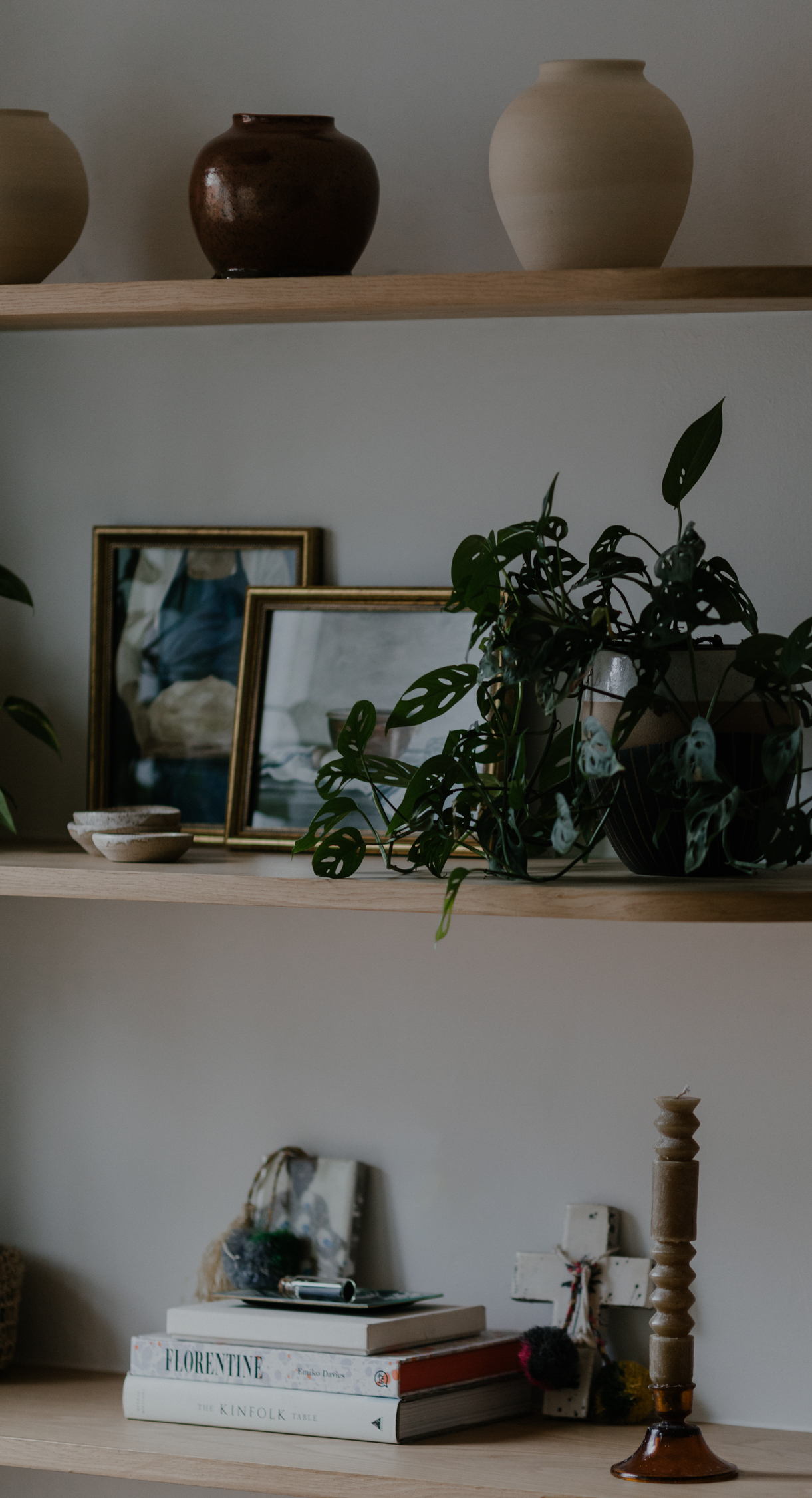
Creating a sense of unity among displayed items is essential for a curated look, preventing the shelves from appearing random or cluttered. The nature of this connection can vary depending on the room. In a kitchen, the links might be obvious, such as a collection of crockery or cookbooks. In a living room, the connection could be more subtle, like a series of photographs interspersed with decorative objects. Stylist Sally Denning emphasizes that arranging possessions thoughtfully is key to transforming a jumbled collection into a calm and curated display. Items that belong to the same category, such as vintage ceramic jugs or stoneware pots, naturally create a harmonious grouping.
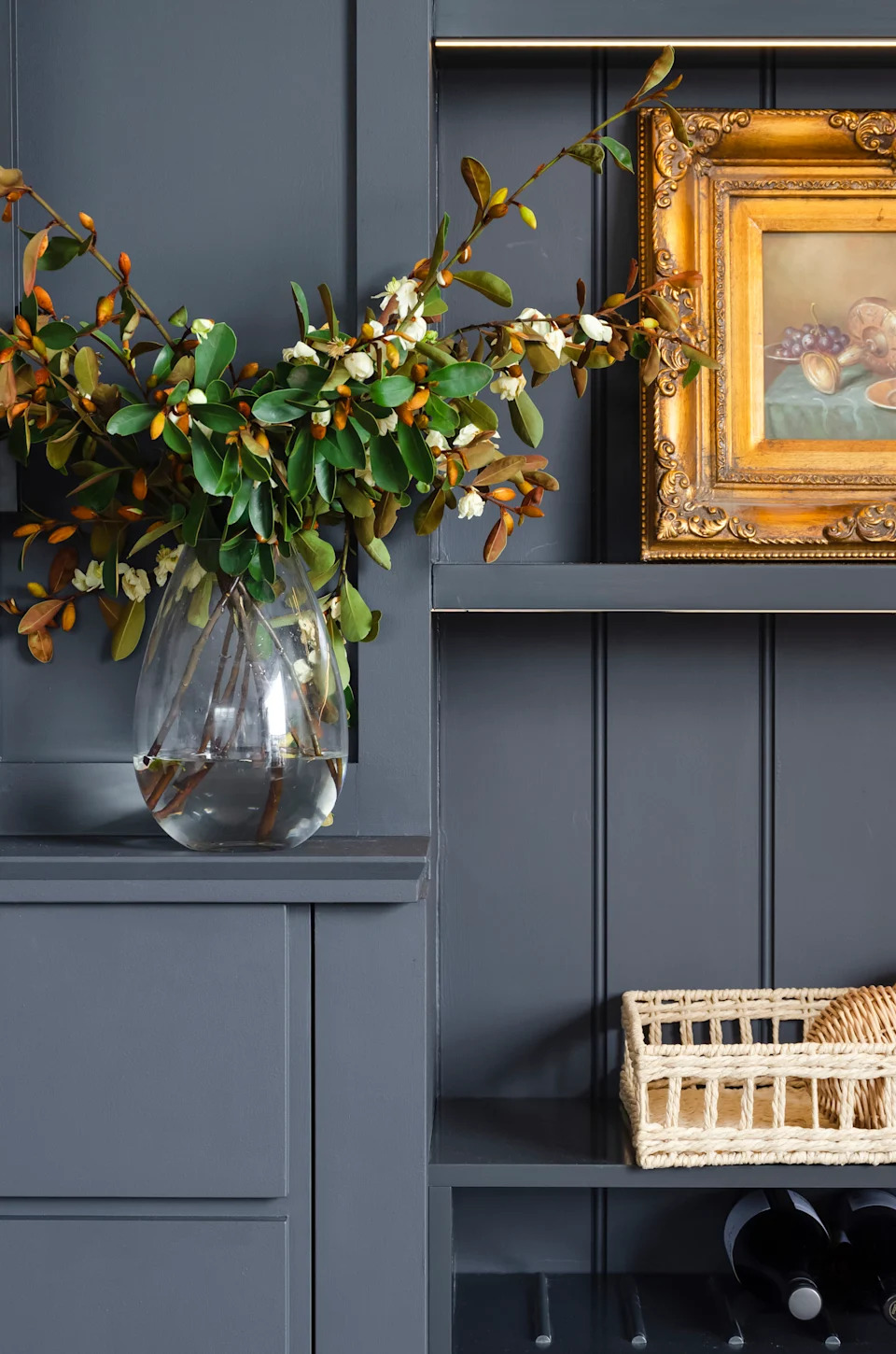
Shelves also offer an ideal platform for showcasing personal style and meaningful items. As a constantly visible area of the home, they should be filled with objects that hold sentimental value, such as vacation souvenirs, gifted items, or family heirlooms. Designer Sabrina Albanese suggests prioritizing meaningful items over expensive ones and exploring secondhand shops for unique pieces that add character. This approach ensures that the display reflects the homeowner's identity and story.
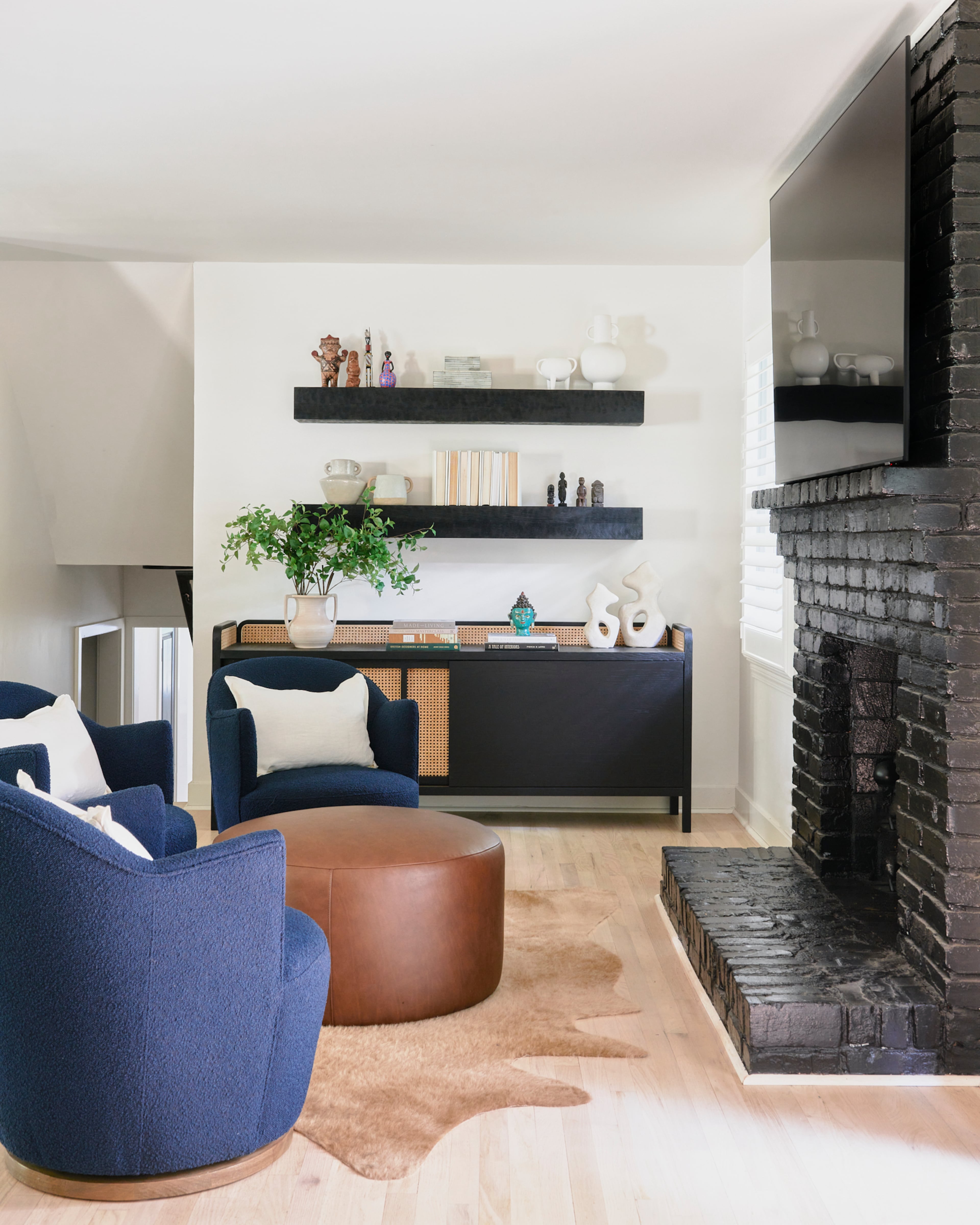
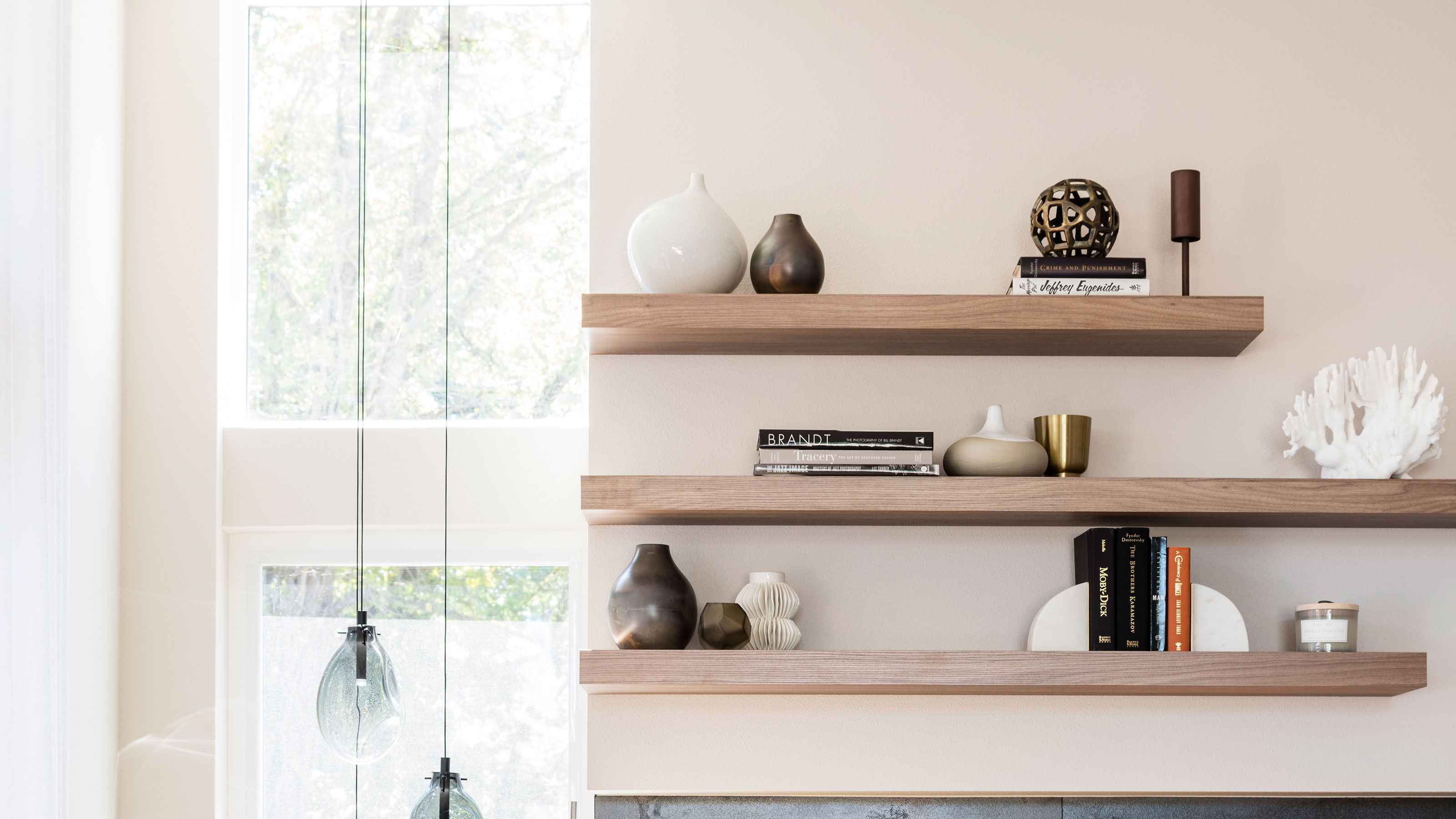
To add visual interest and avoid monotony, it's important to incorporate variation in heights and shapes. While a uniformly filled bookcase has its charm, a display with diverse heights and forms is more engaging. The goal is to achieve balance without rigid straight lines, creating an intriguing visual journey. This can involve alternating between vertically and horizontally stacked books, or mixing objects of different dimensions.
Another effective styling technique is to group items in odd numbers, particularly threes, which is a common principle in interior design. This rule suggests that odd-numbered groupings are more aesthetically pleasing and memorable, encouraging the eye to linger longer on the display. Sally Denning notes that while threes are a reliable choice, experimenting with larger odd-numbered collections can also lead to beautifully balanced installations.
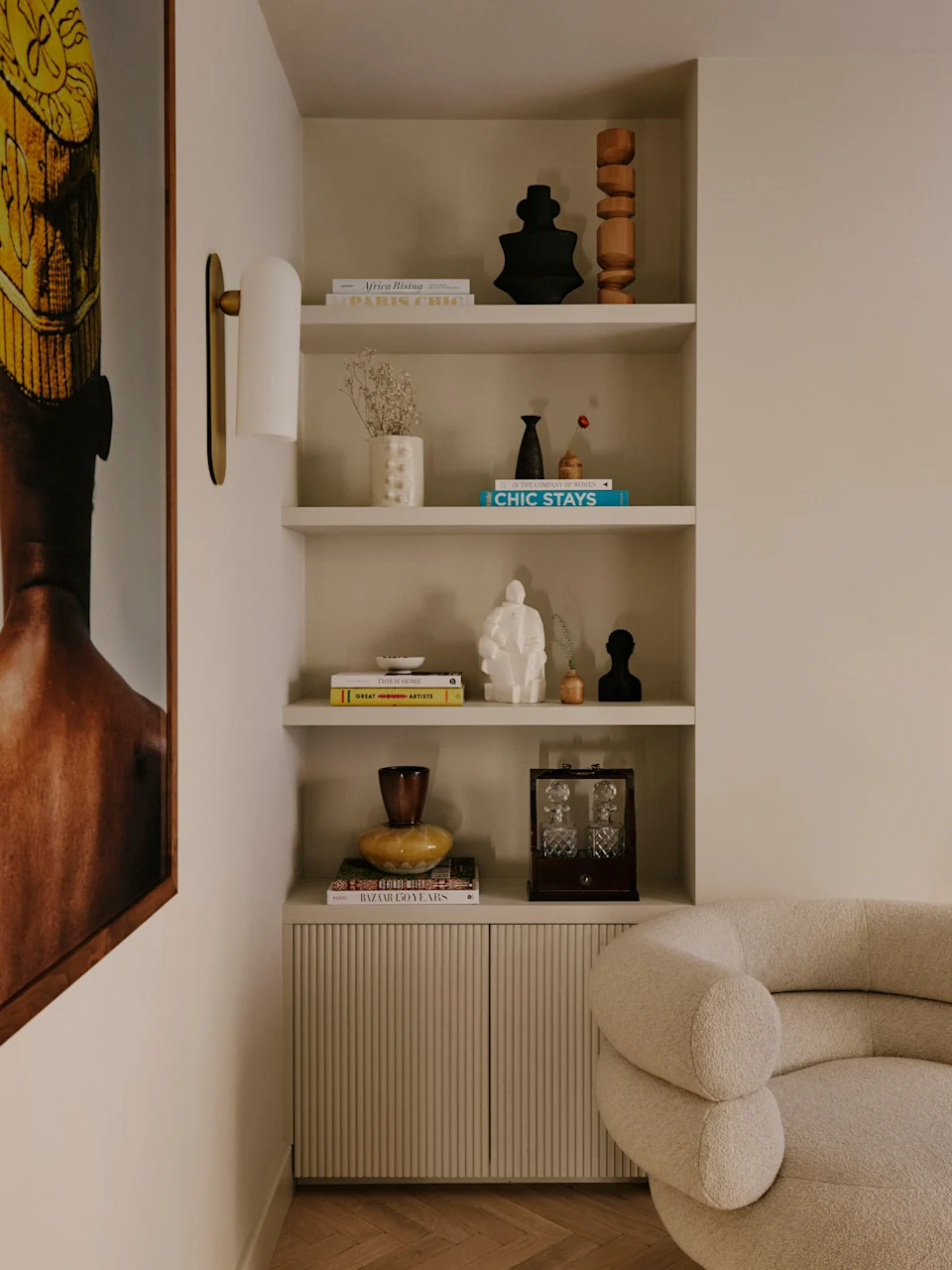
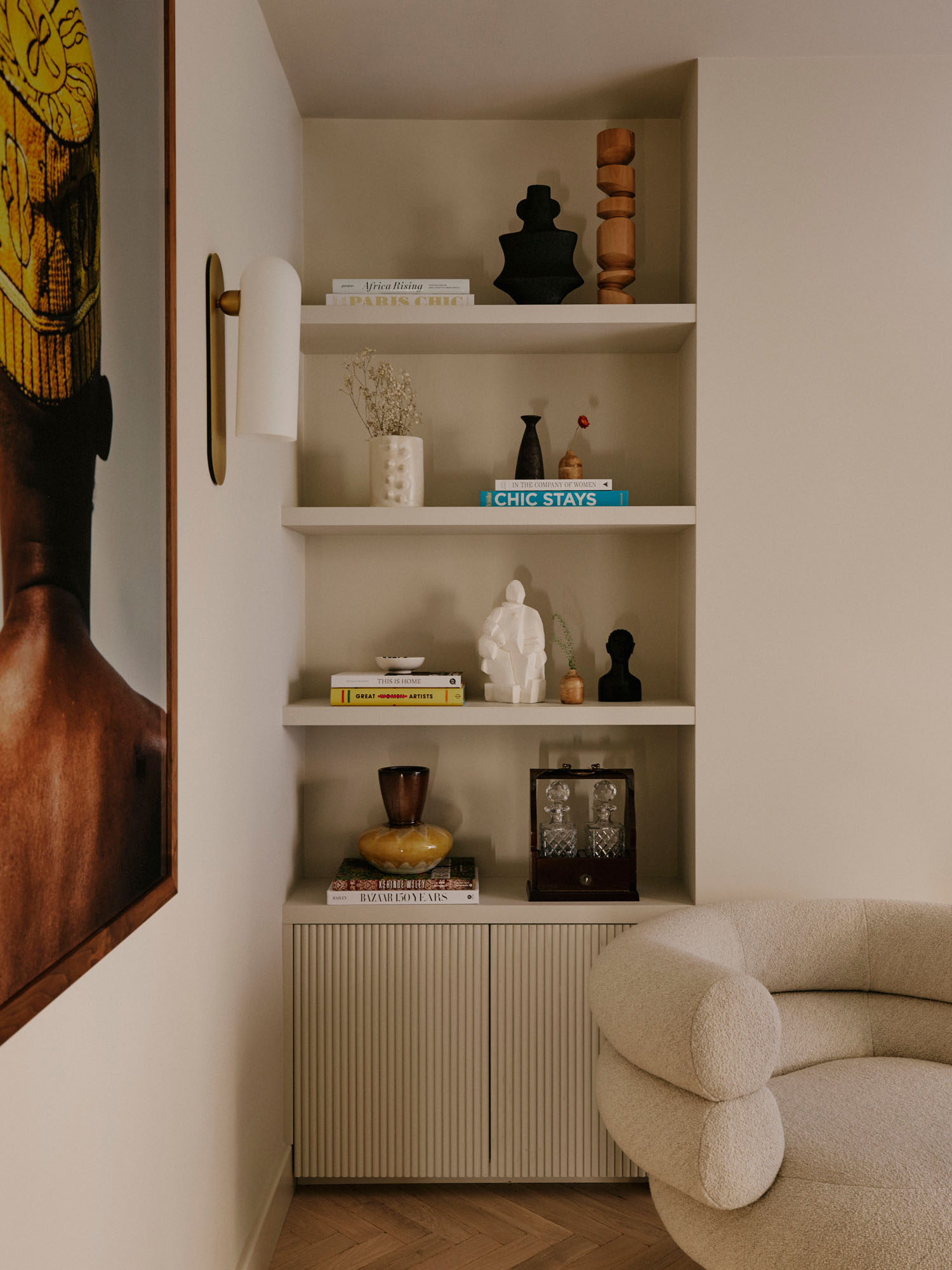
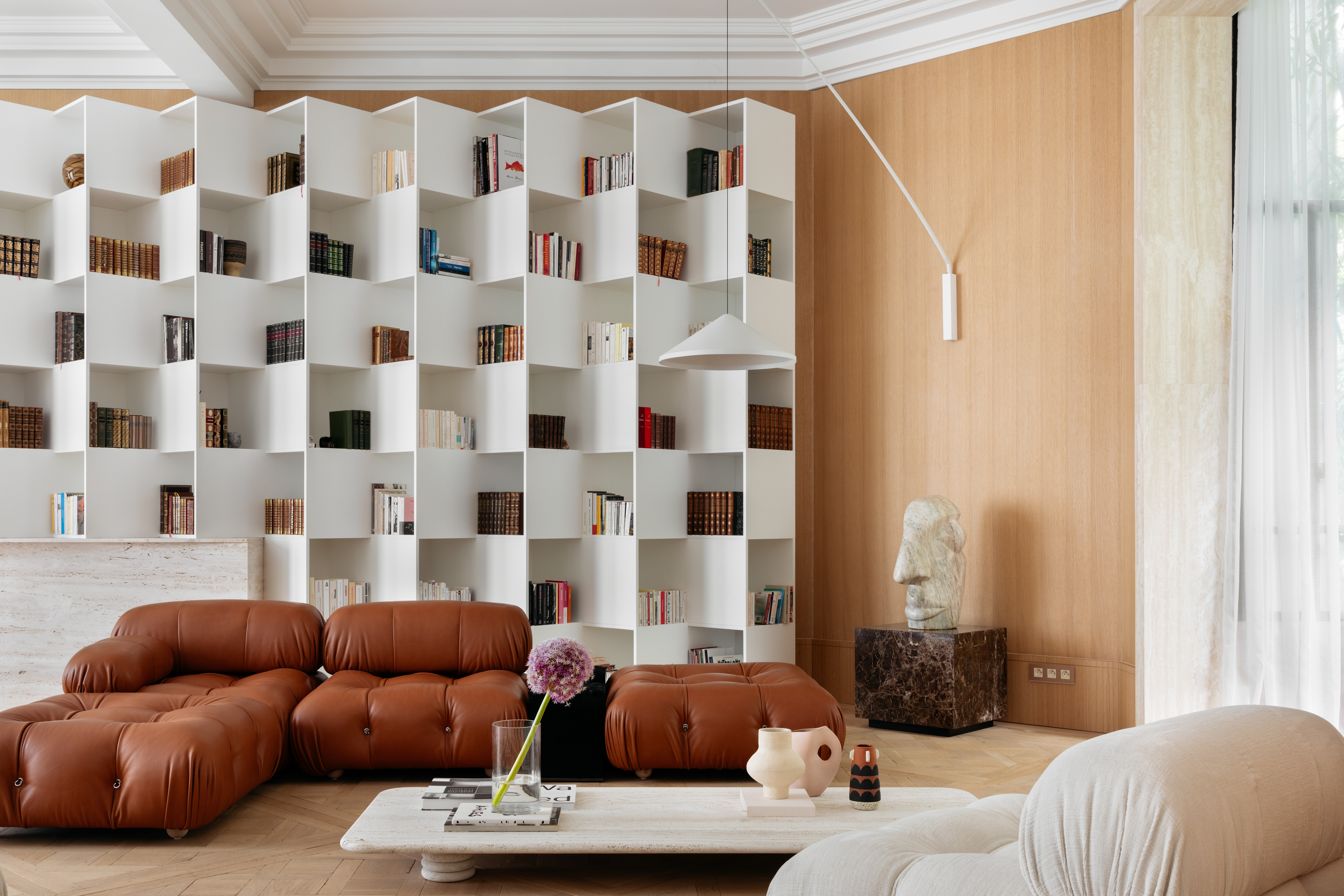
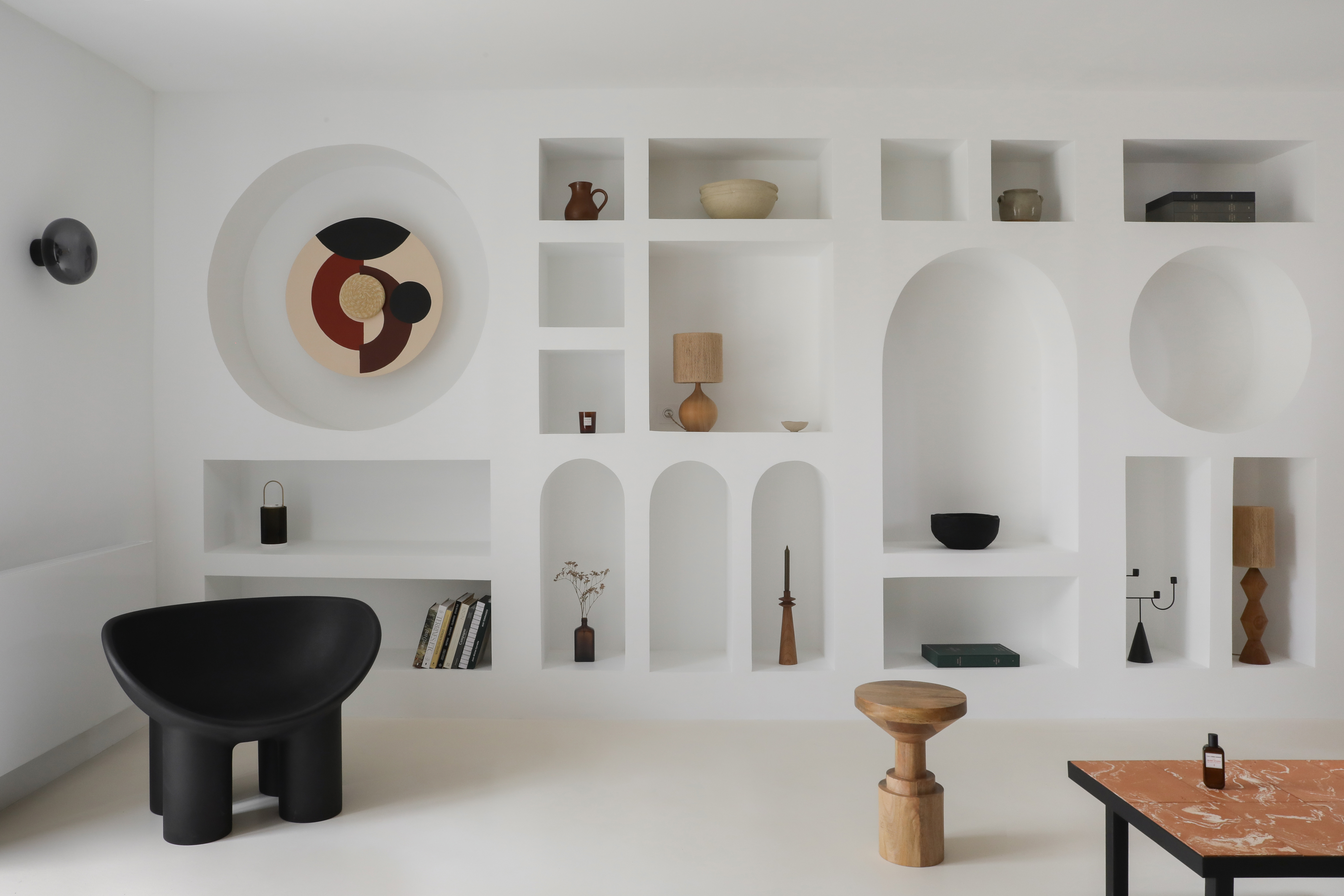
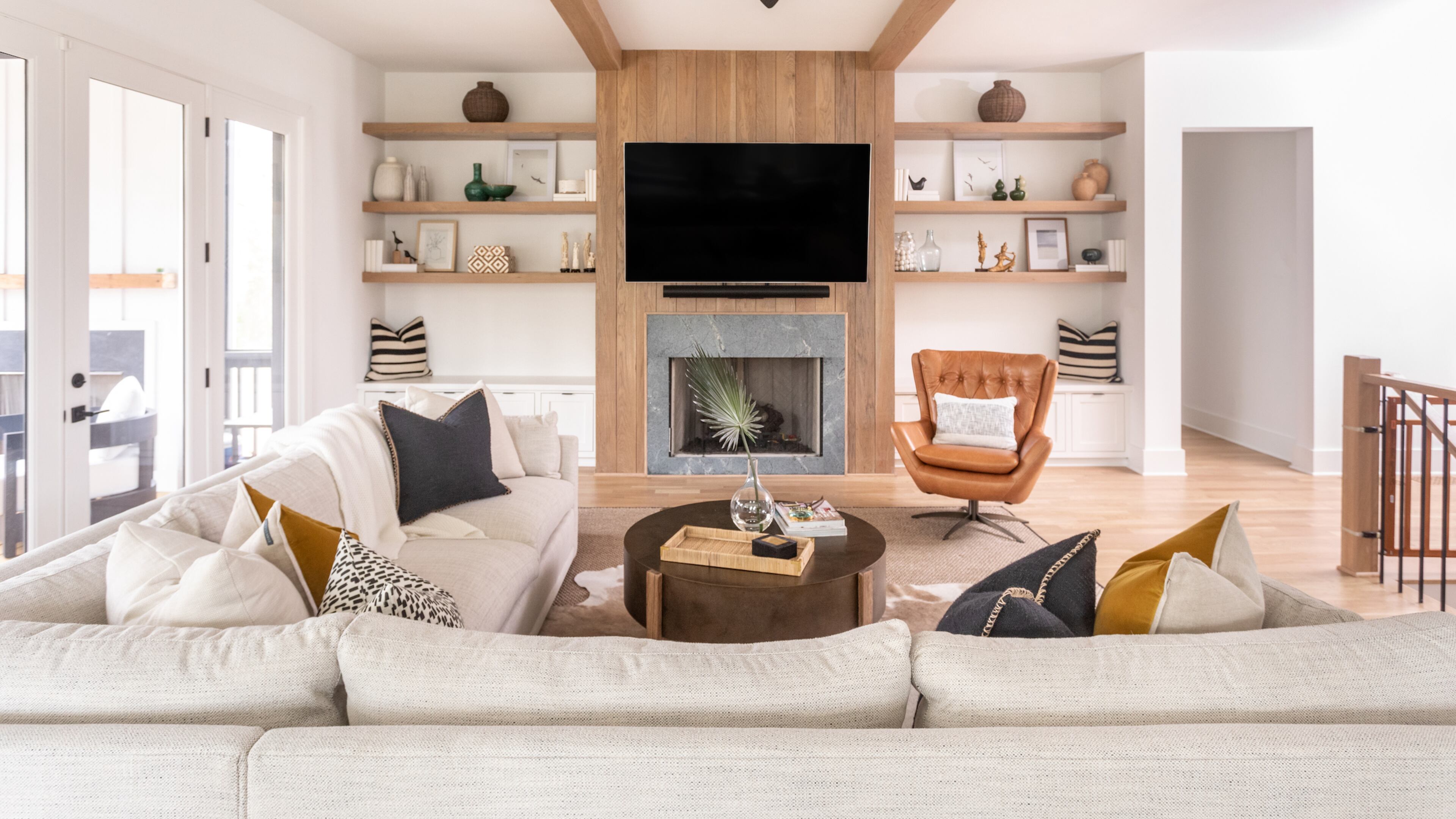
Crucially, negative space should be intentionally incorporated into shelf arrangements. Overcrowding can quickly transform an eclectic display into a cluttered one. Leaving deliberate gaps between objects and around the tops of shelves creates visual breathing room, allowing each item to stand out. Livingetc editor Pip Rich advises stepping back and removing a few pieces if a display feels too dense, noting that the shape of the air around the objects is as important as the objects themselves.
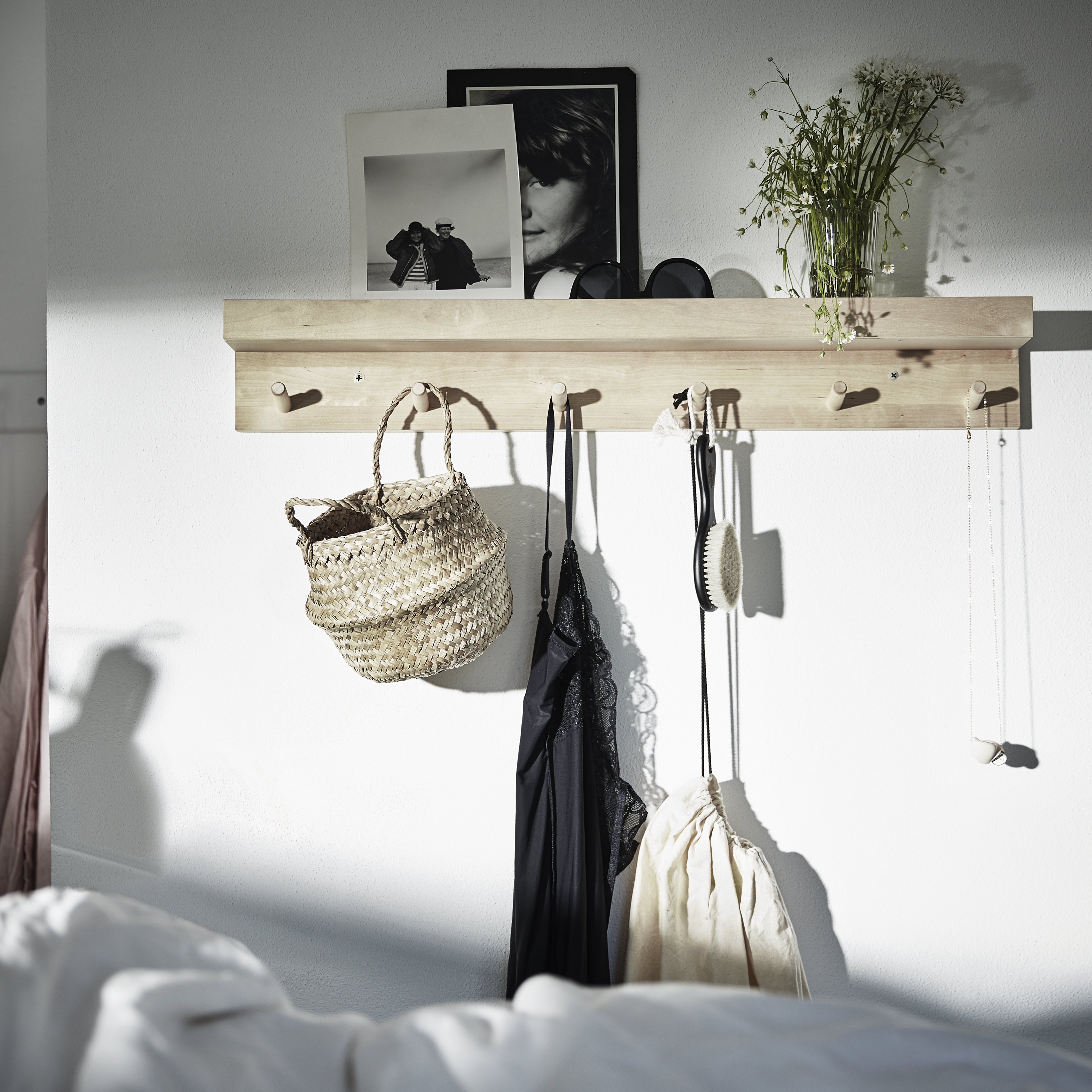
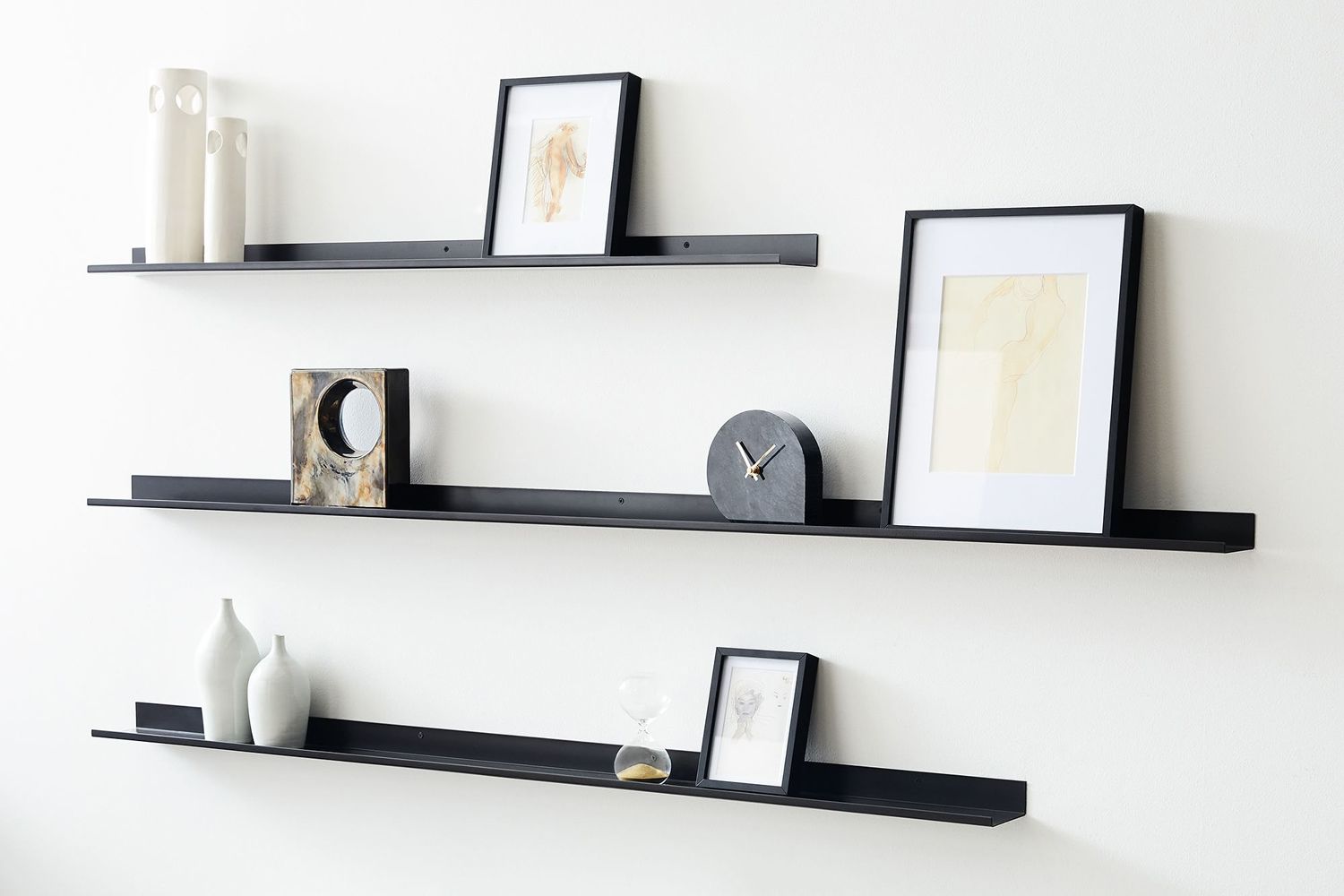
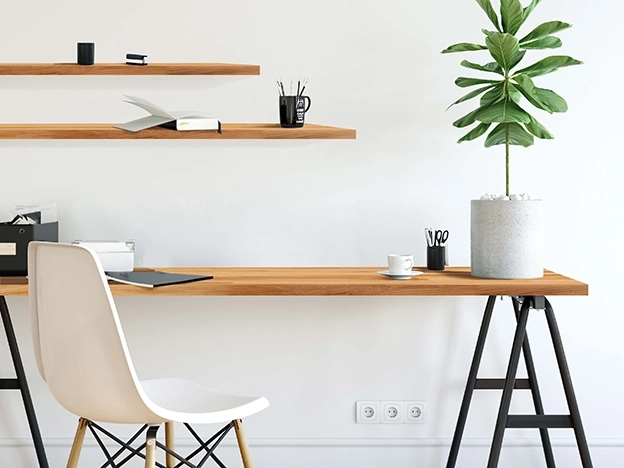
For spaces with limited depth or where protruding shelves are undesirable, picture ledges offer a practical alternative. While primarily designed for art, they can often accommodate small decorative items like bud vases or books. To create an engaging display on ledges, vary the sizes and arrangements of pictures, avoiding straight lines to provide more visual interest.
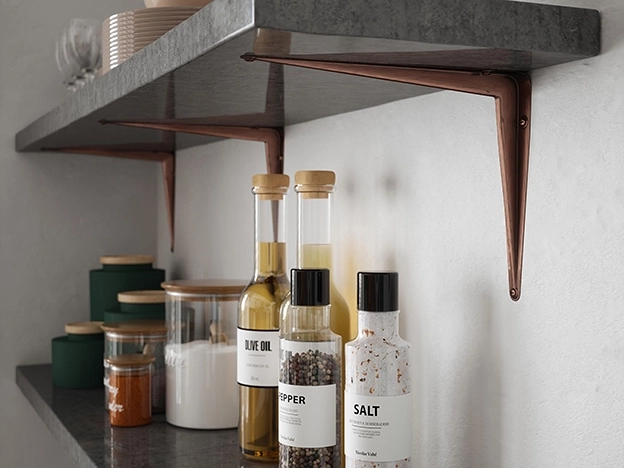
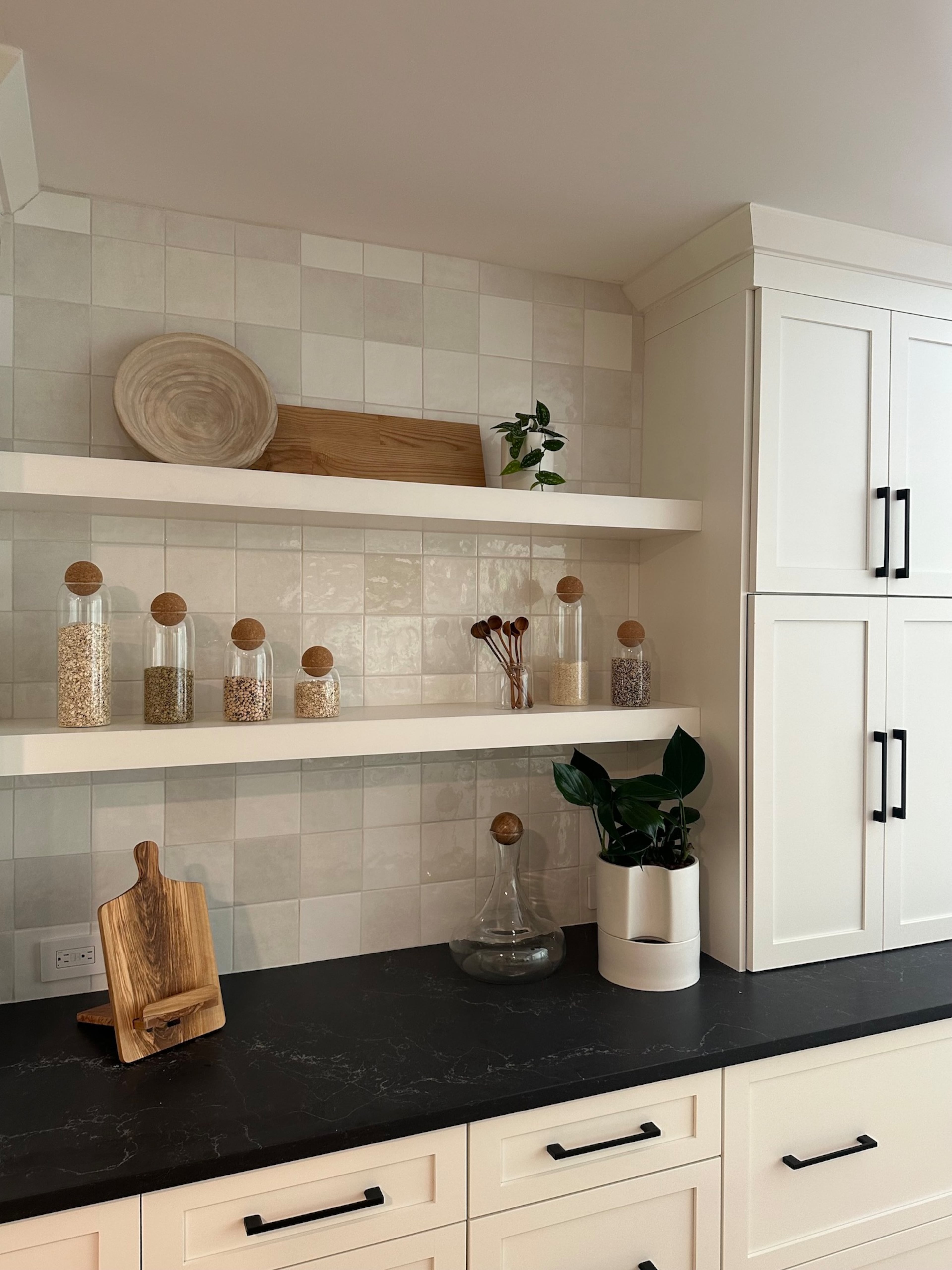
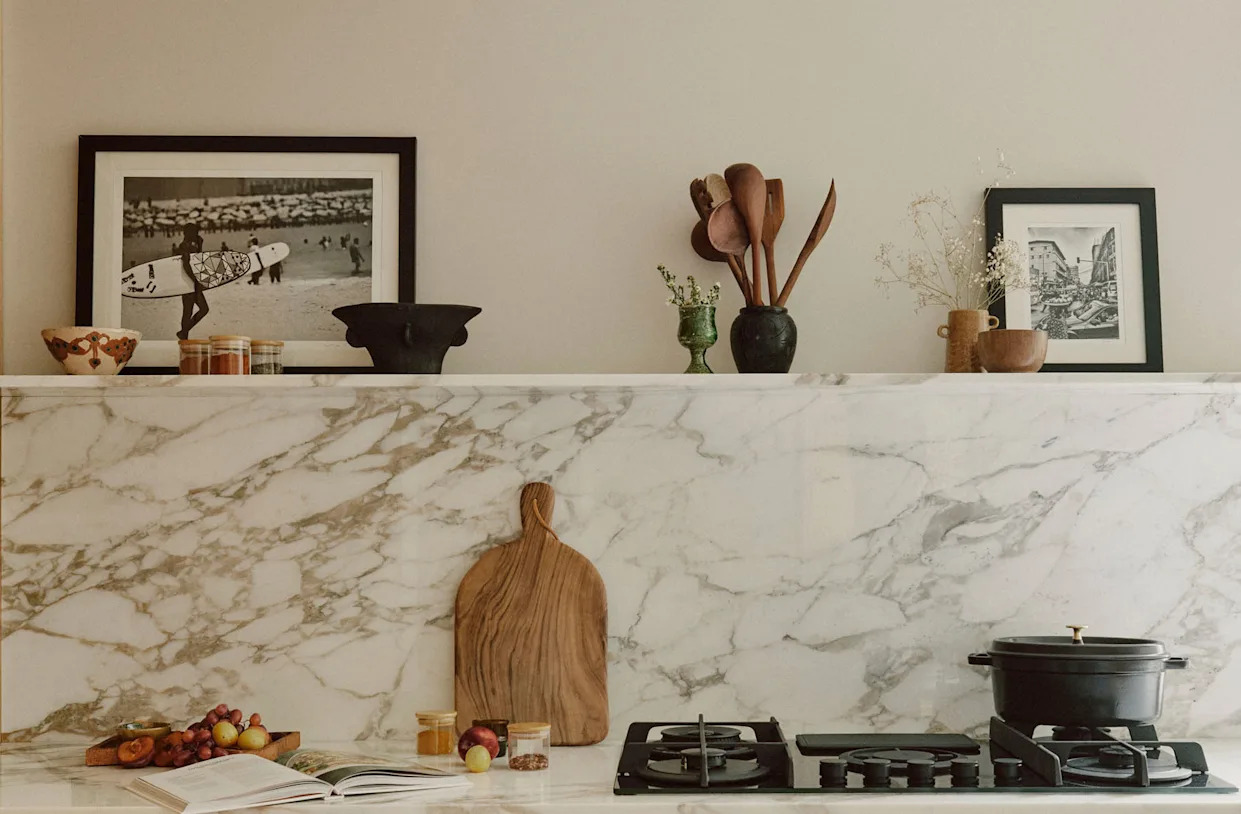
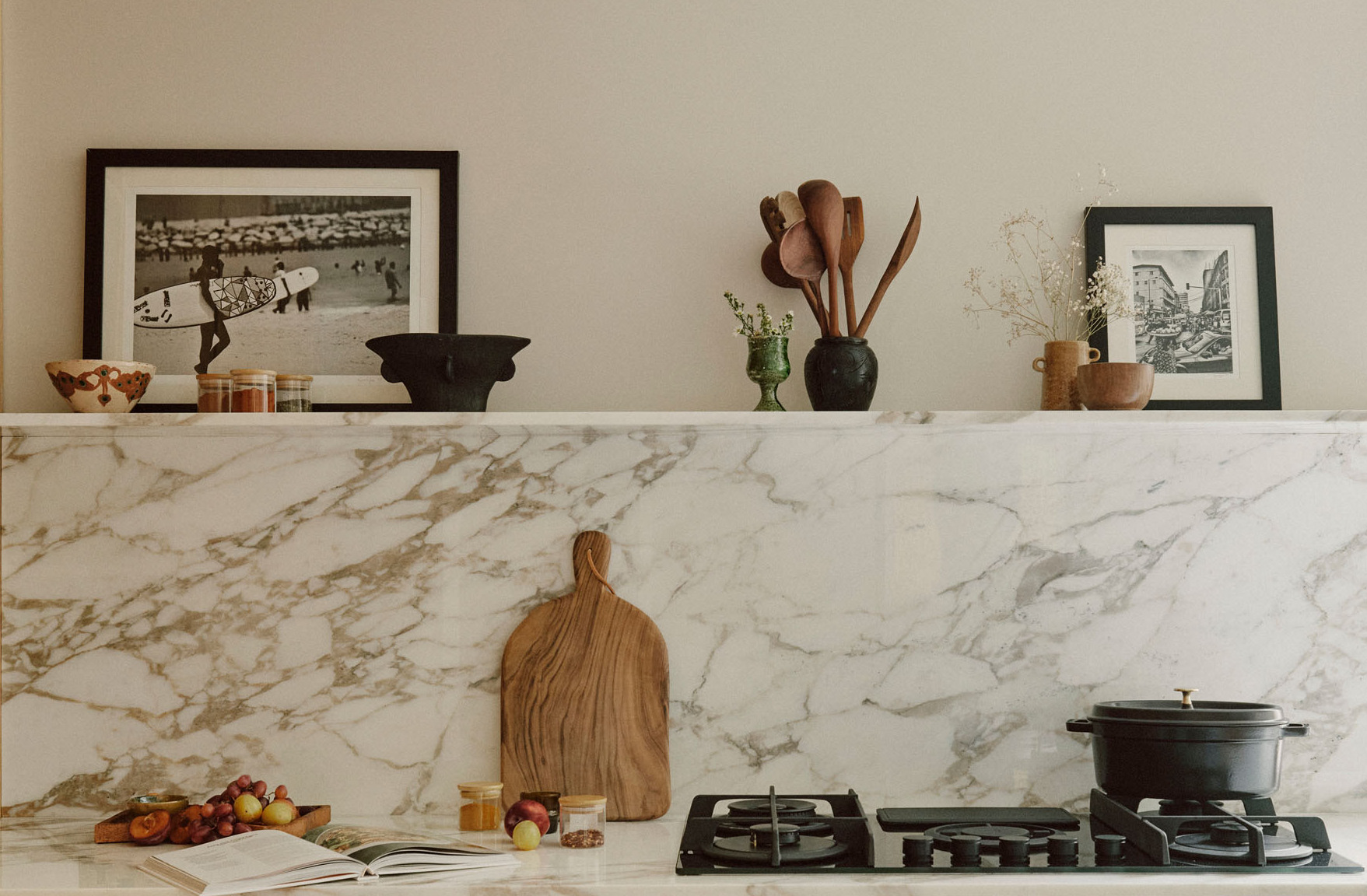
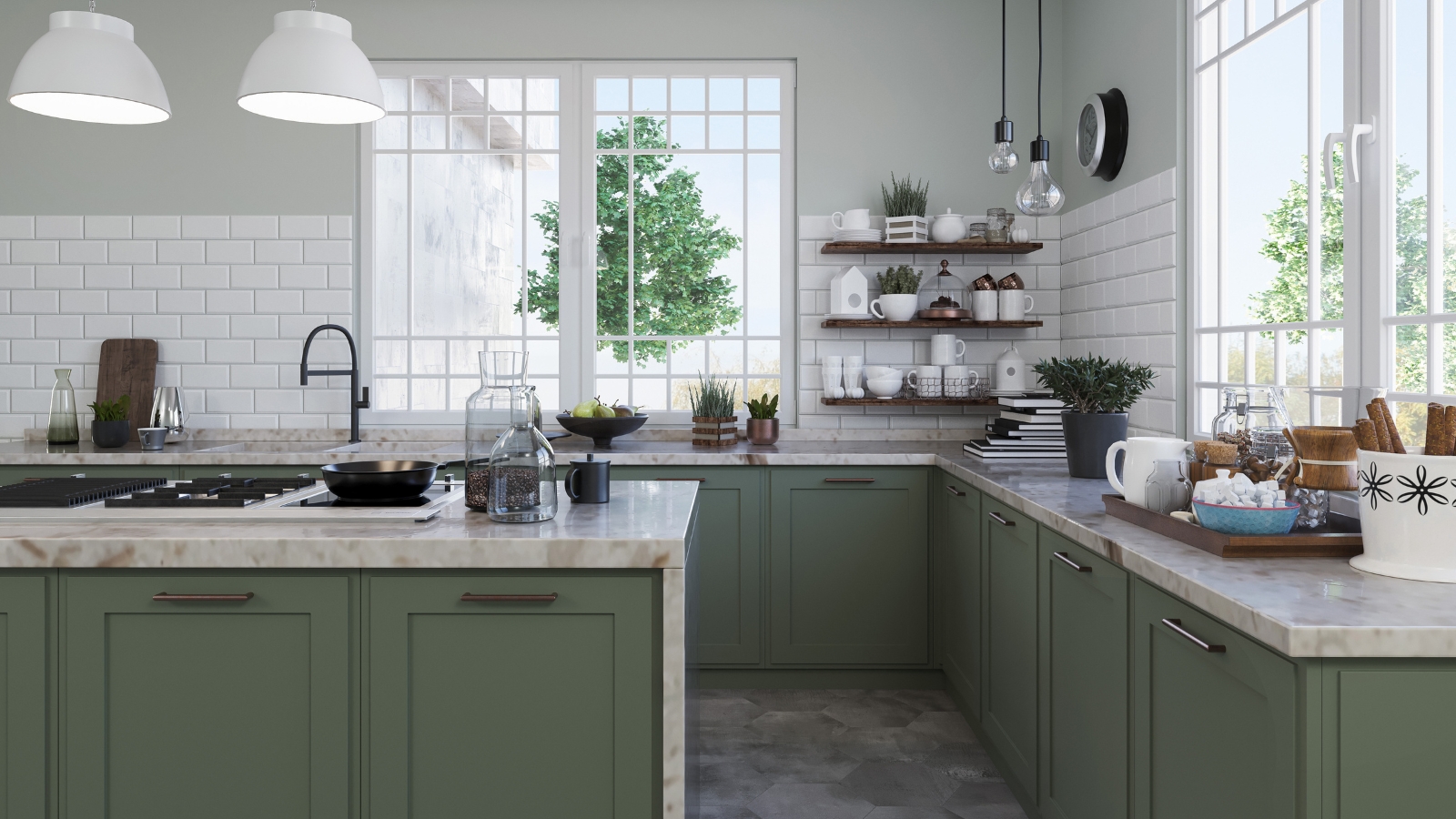
In kitchens, a narrow shelf above the backsplash can be both stylish and functional. Made from materials like marble, it can blend seamlessly while offering space for decorative items not typically found in a kitchen, such as plants or sculptures. This adds personality to a utilitarian space.
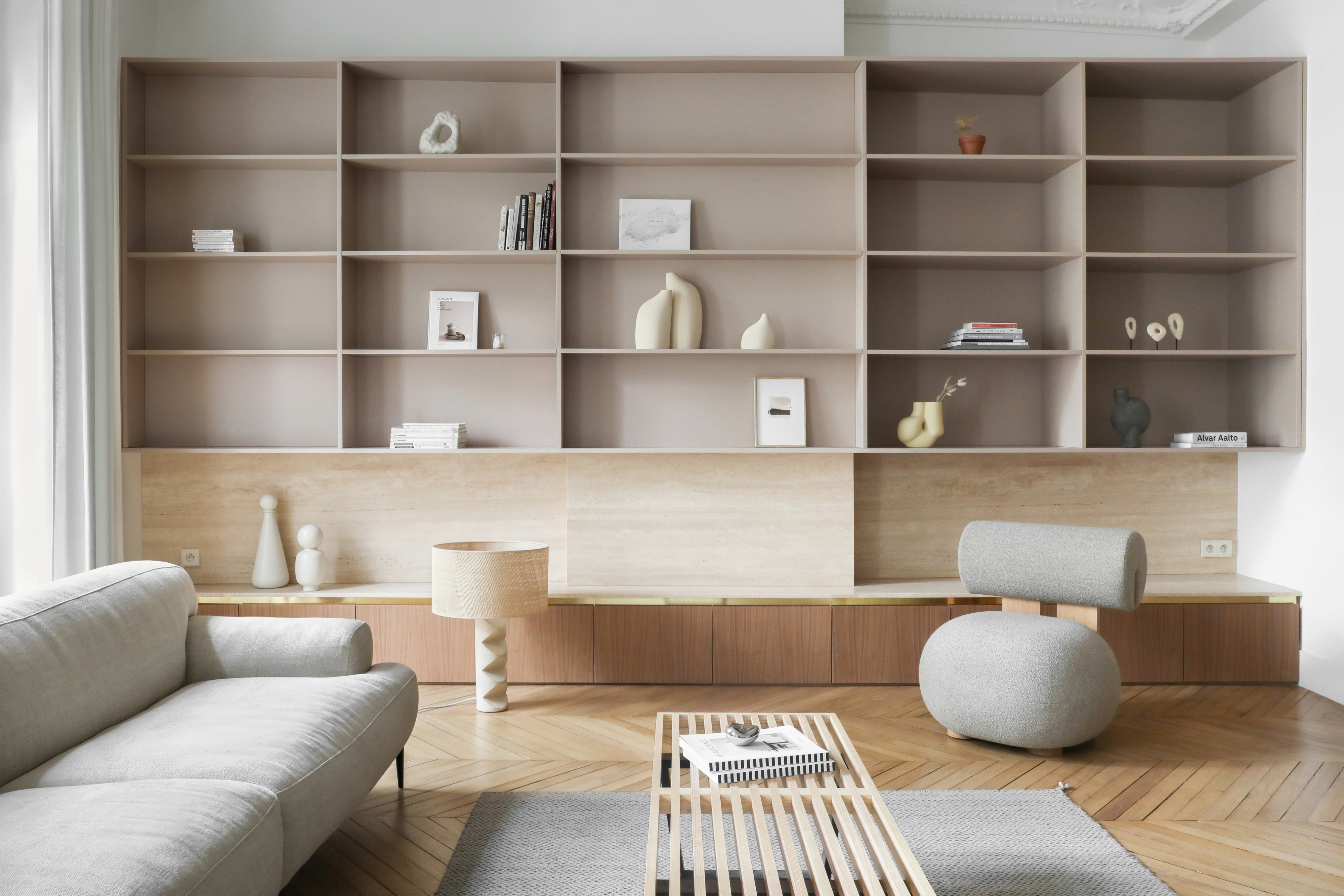
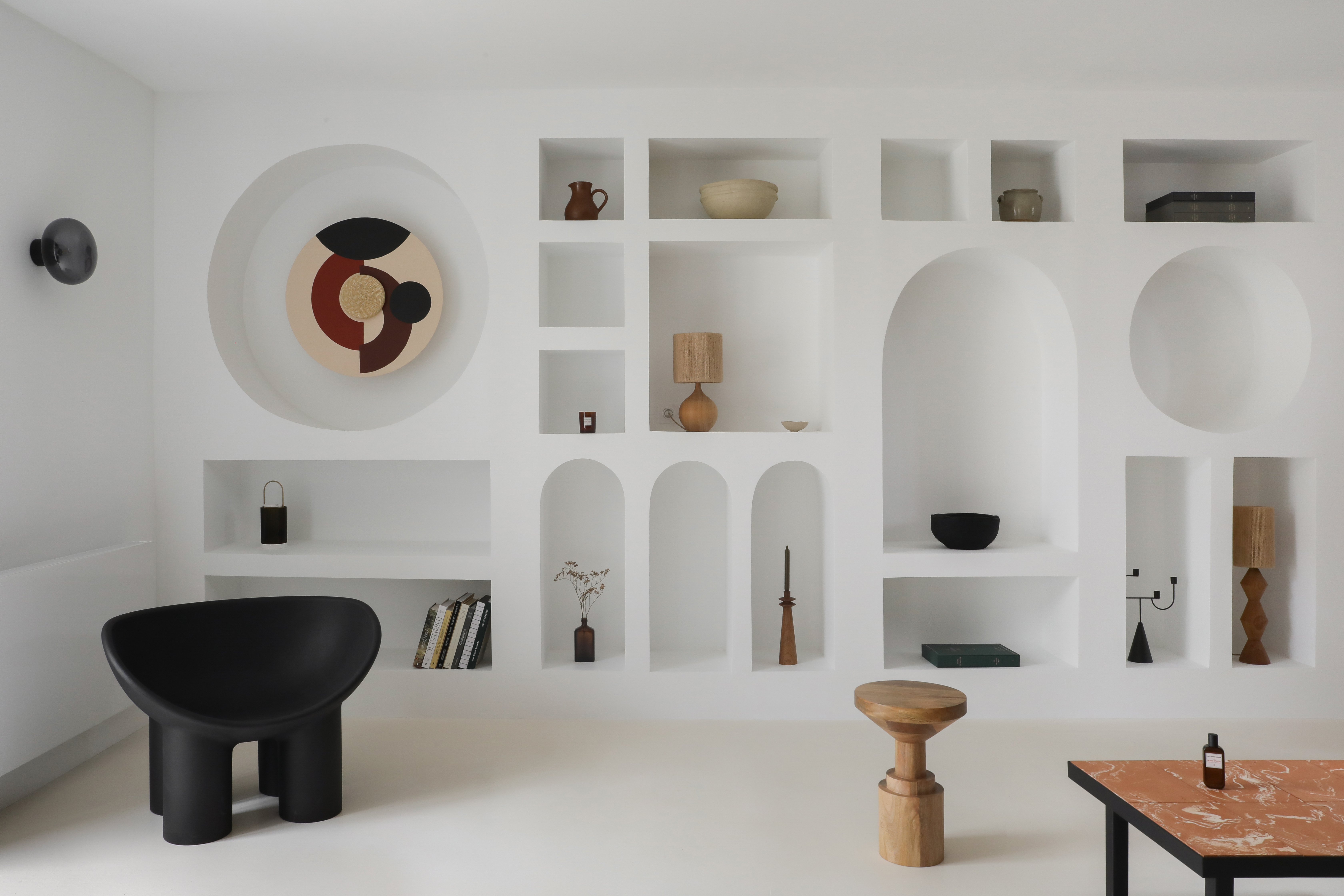
Finally, for those who prefer a minimalist aesthetic, shelves can still be styled to fit a pared-back look. This involves using a restricted color palette to maintain a calm vibe, while incorporating different sizes, textures, and handmade pieces. As Sally Denning suggests, stacking items and color-matching book spines contribute to a cohesive yet simple display, adhering to the principle of "less is more."
#ShelvingIdeas #InteriorDesign #HomeDecor #ShelfStyling #StorageSolutions #ColorSchemes #NegativeSpace #DesignTips #CuratedDisplay #ShelvingIdeas #InteriorDesign #HomeDecor #ShelfStyling #StorageSolutions #ColorSchemes #NegativeSpace #DesignTips #CuratedDisplay
0개의 댓글이 총 표시됩니다.
 아직 댓글이 없습니다
추가로 마음에 드릴 만한 콘텐츠
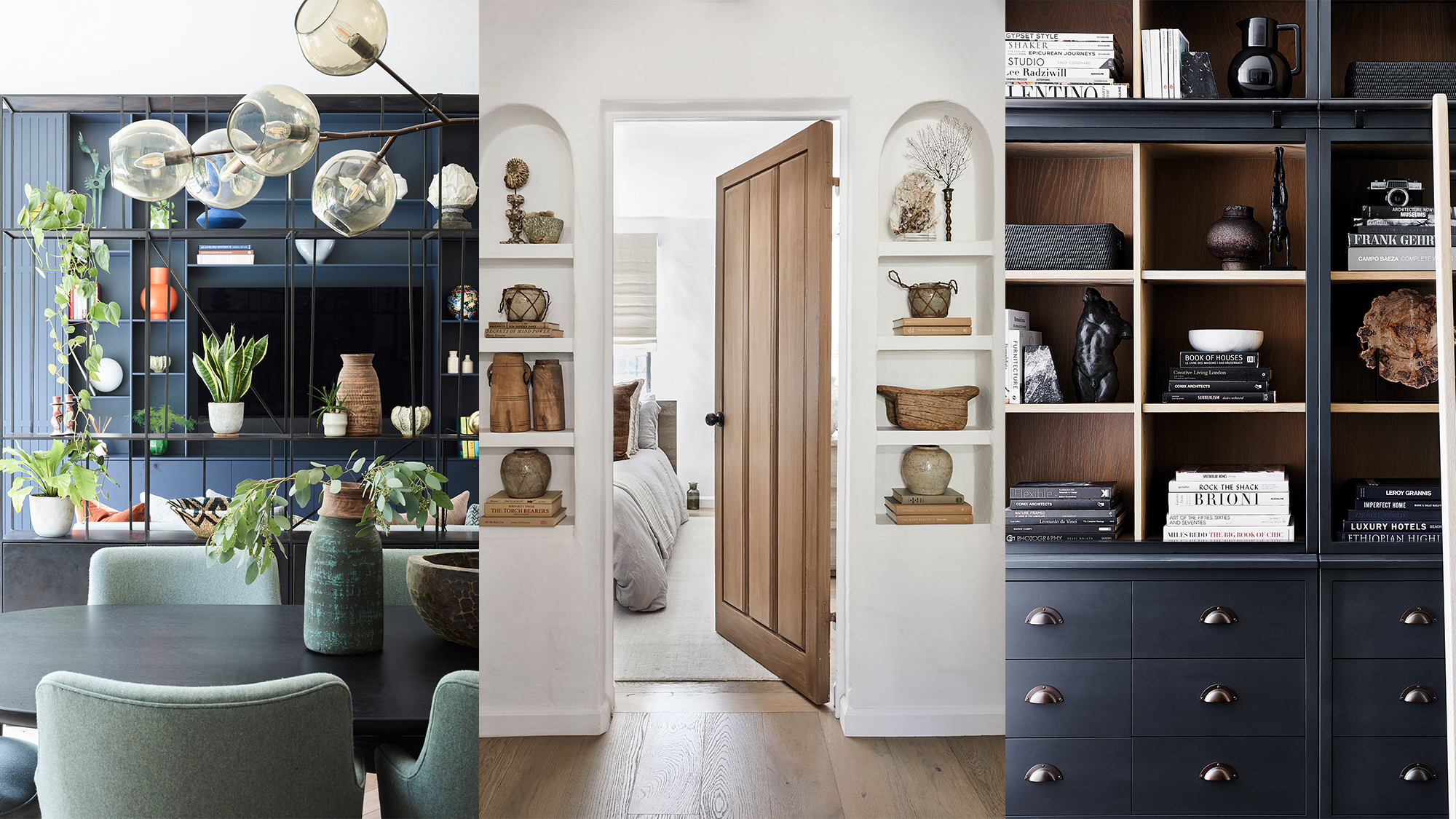
Decorating shelves – 13 ideas for beautiful arrangements

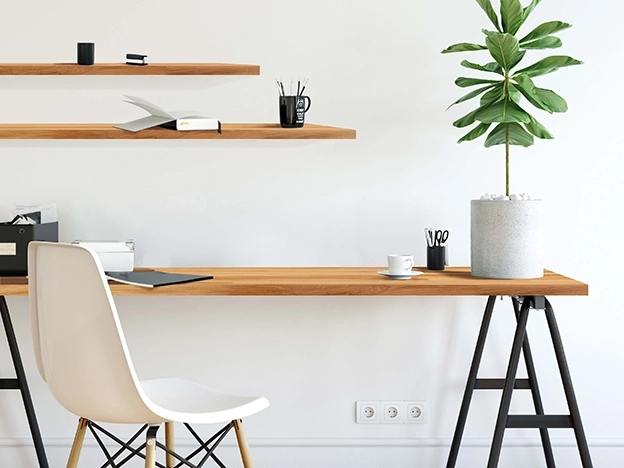
Shelves & Shelf Brackets

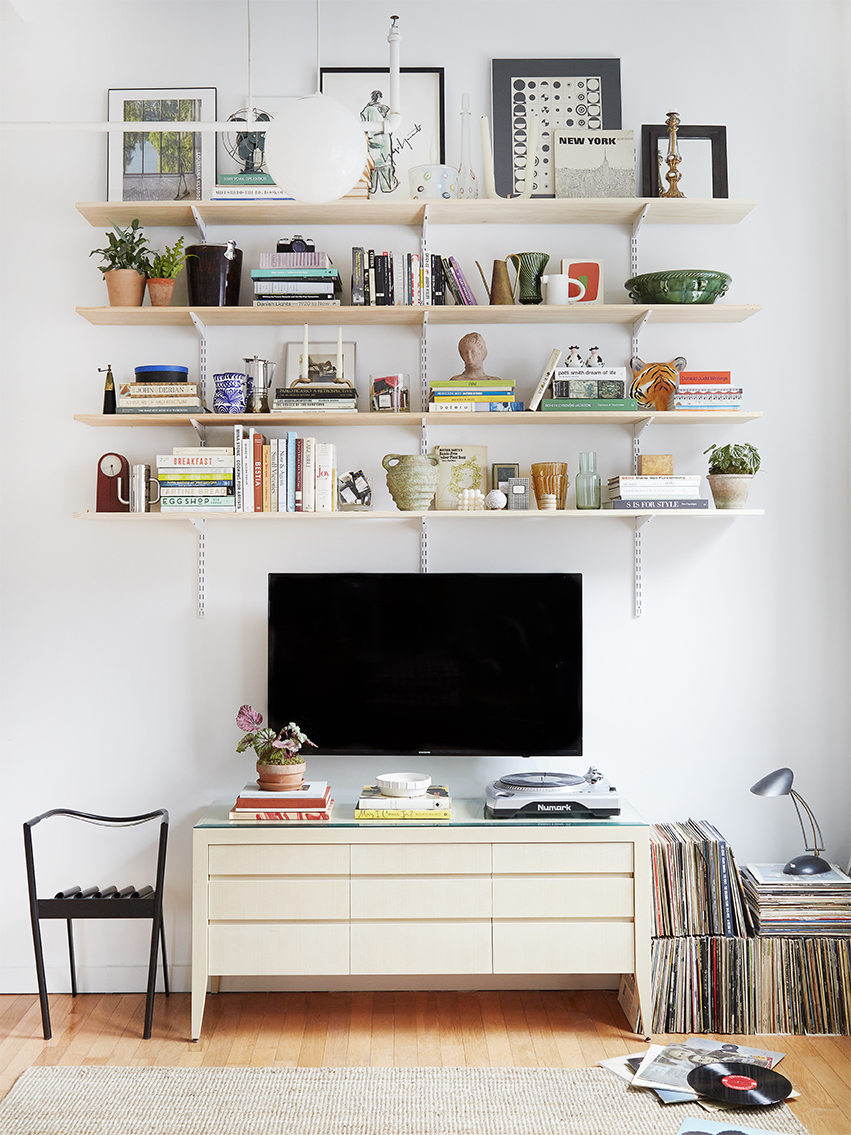
This $130 Shelving System Is the Focal Point of Our Style Editor’s Living Room
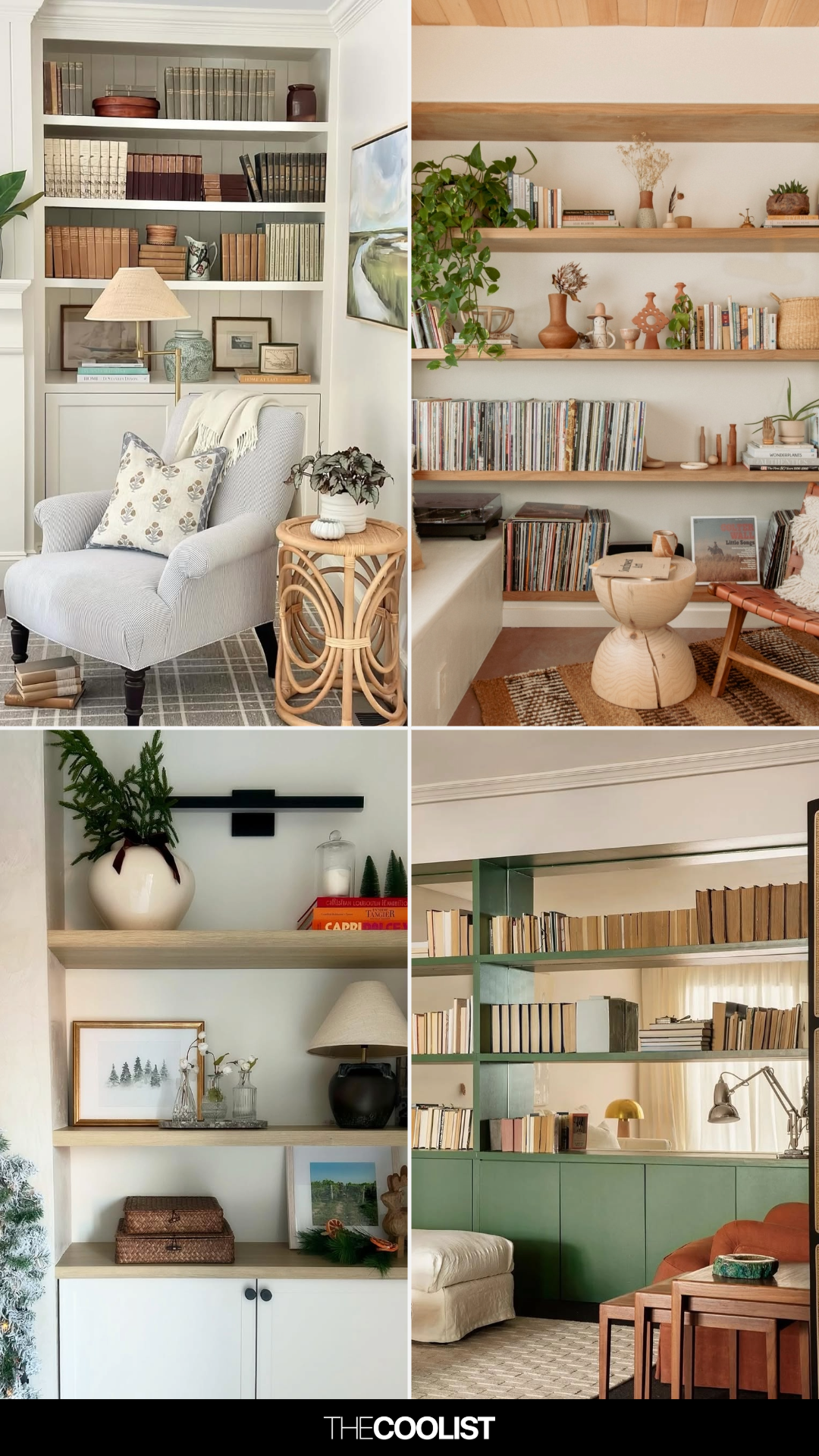
28 Genius Living Room Shelves Ideas That Instantly Deliver Calm, Style, and Wow Factor
5 shelf styling trends for 2024 designers are using now to create rooms full of personality
How to style your shelves

Homestyle: Unique storage ideas
We Found the Best Floating Shelves for Every Room, From Kitchens to Bedrooms

I asked an interior designer how to style shelves, and I learned 4 awesome tips

The Insider: How to make your shelving sexy
22 Floor-to-Ceiling Shelves for Peak Style and Organization
Styling Shelves: Your Expert (Five-Point) Guide
20 Shelf Décor Ideas That Turn Your Objects Into Wall Art
Shelving & Storage
5 shelf styling trends for 2024 designers are using now to create rooms full of personality

10 living rooms with creative open shelving that helps bring their owners' personality to these spaces
Clever storage ideas to help organize every room in your home
Wall storage ideas – 12 stylish solutions to suit every room
Experts suggest ways to make your shelfie shine
50 Bookshelf Decor Ideas to Keep Your Growing Collection Organized and Stylish