1/5
Schemata Architects designs lightweight table from sponge
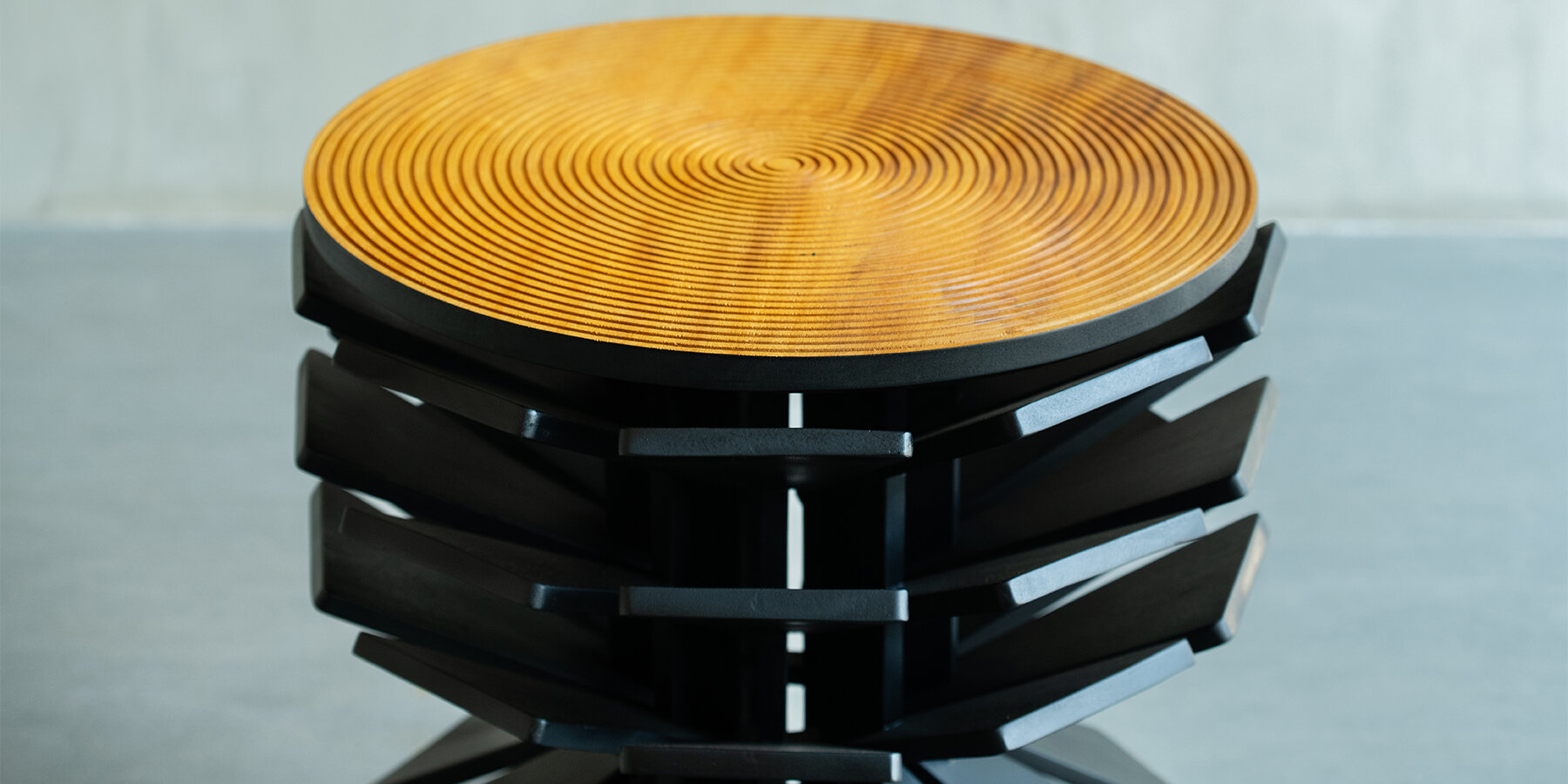
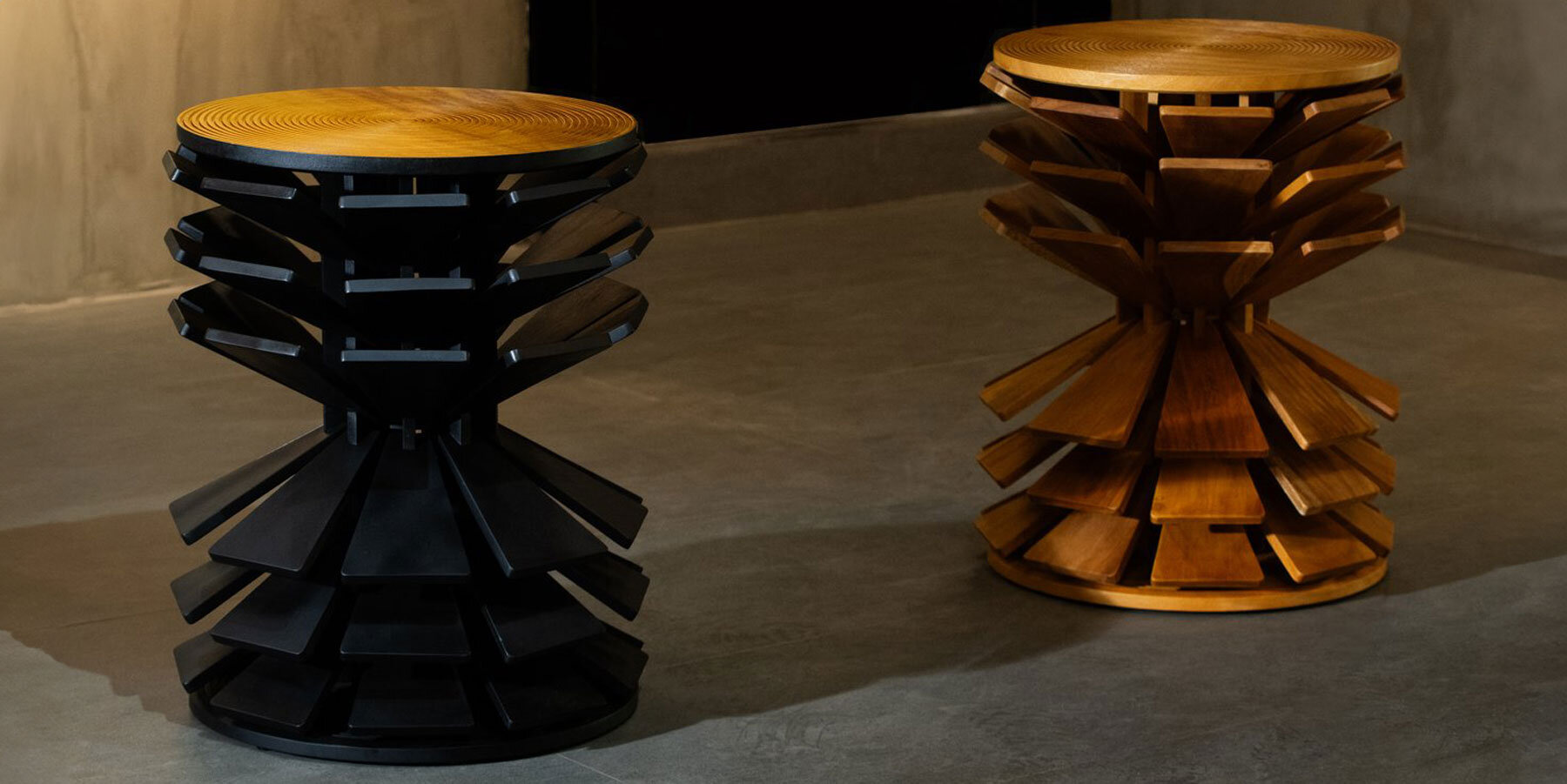
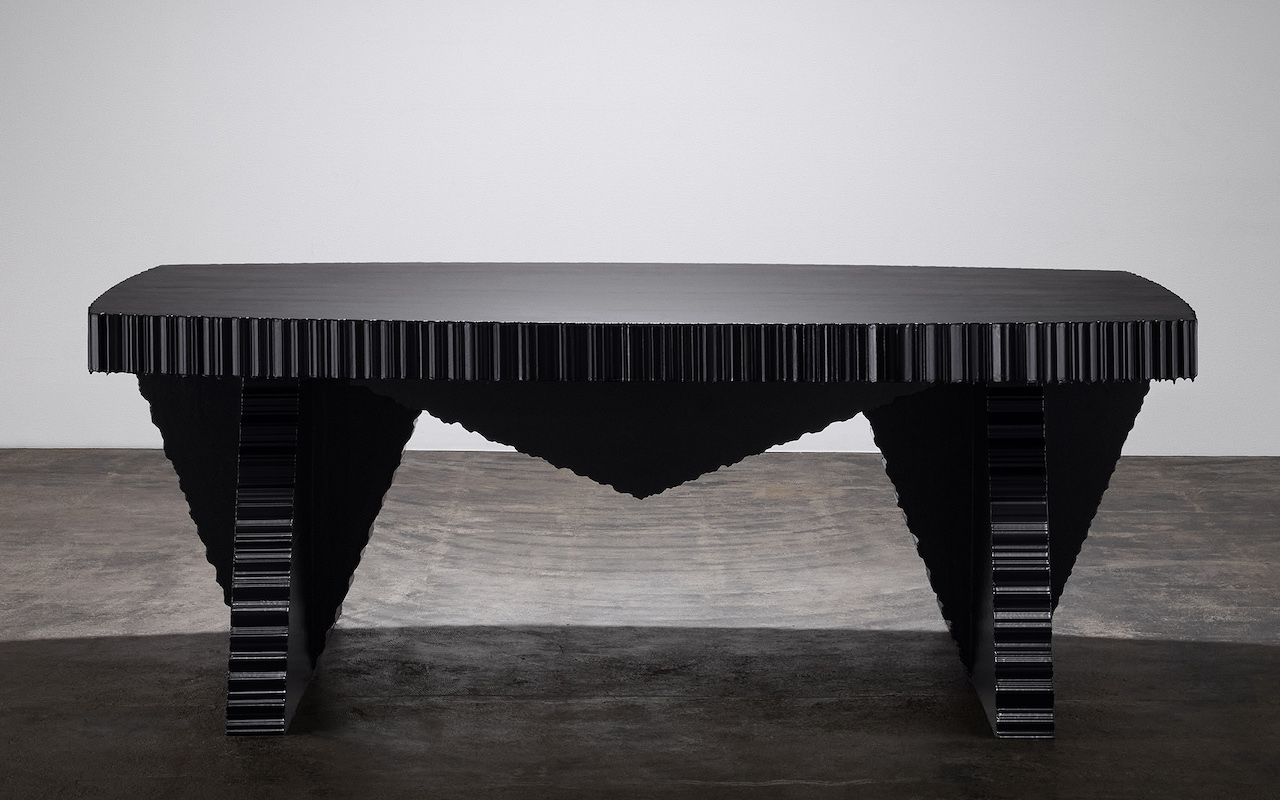
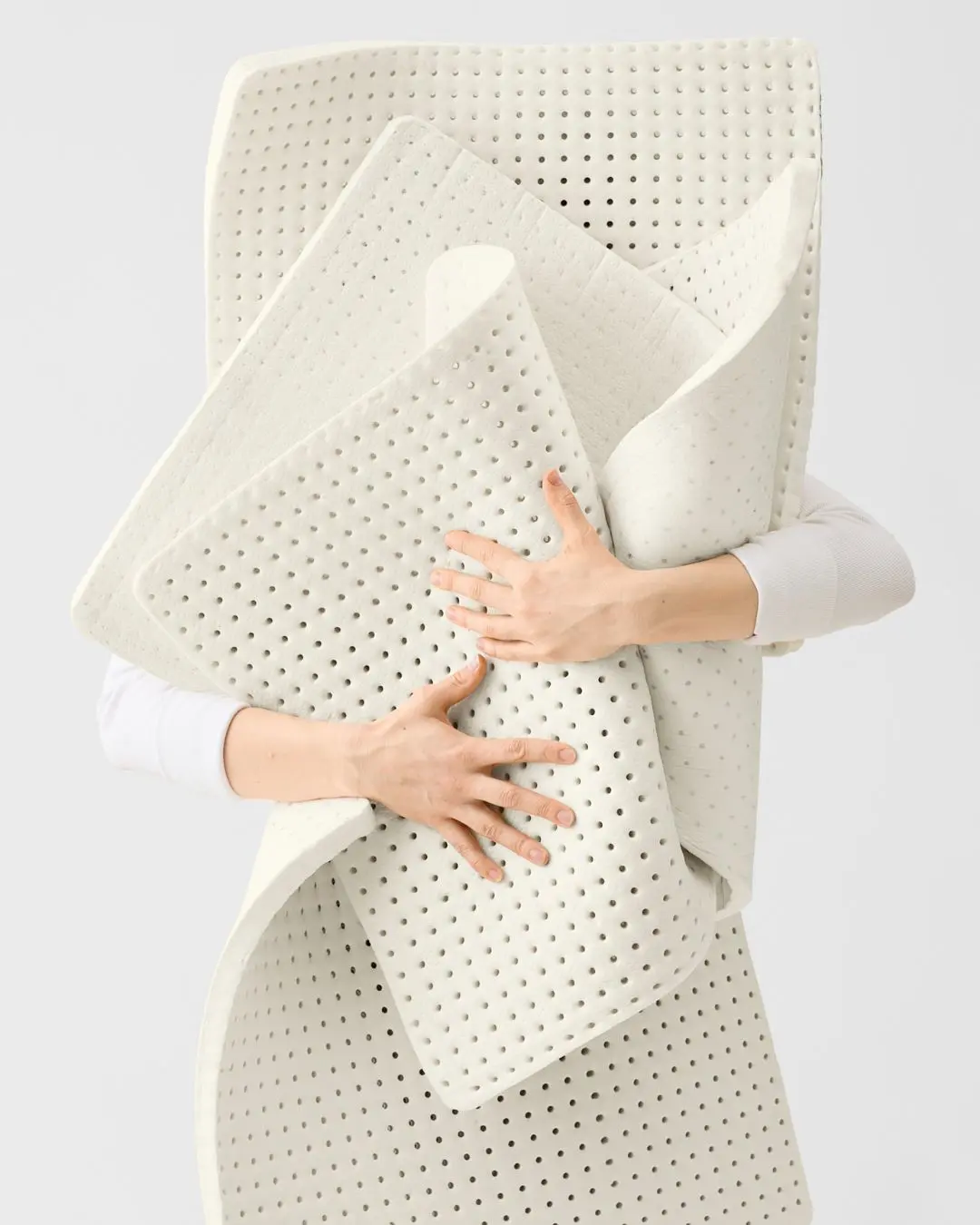
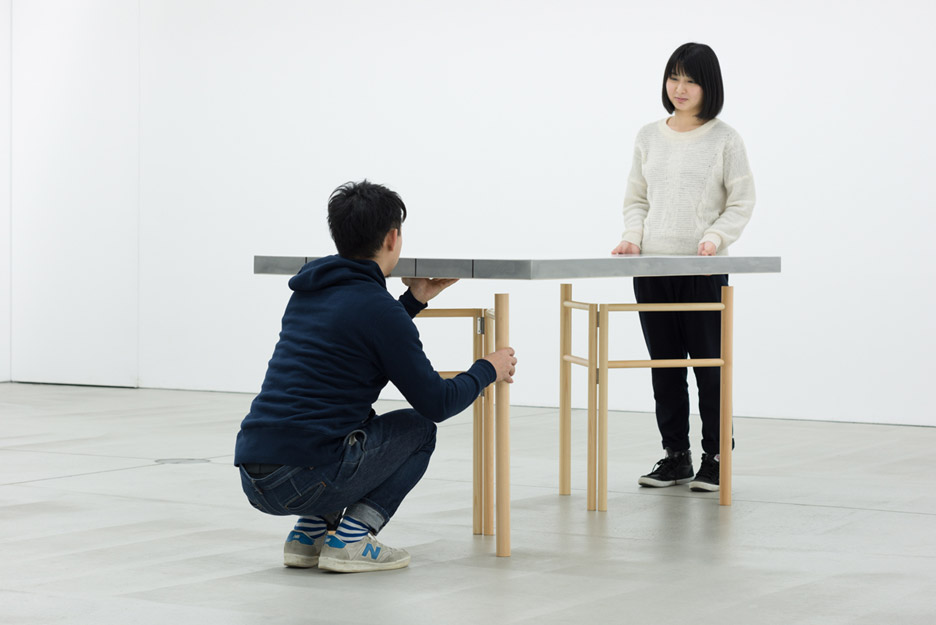
Schemata Architects, a Japanese studio founded by Jo Nagasaka in 1998, has developed a unique piece of furniture known as the Sponge table. This innovative design, created for the shop at the 21 21 Design Sight museum in Tokyo, serves a dual purpose as both a lightweight table and a versatile room divider. The primary design objective was to achieve maximum lightness and portability, making the furniture easily adaptable to various spatial needs.
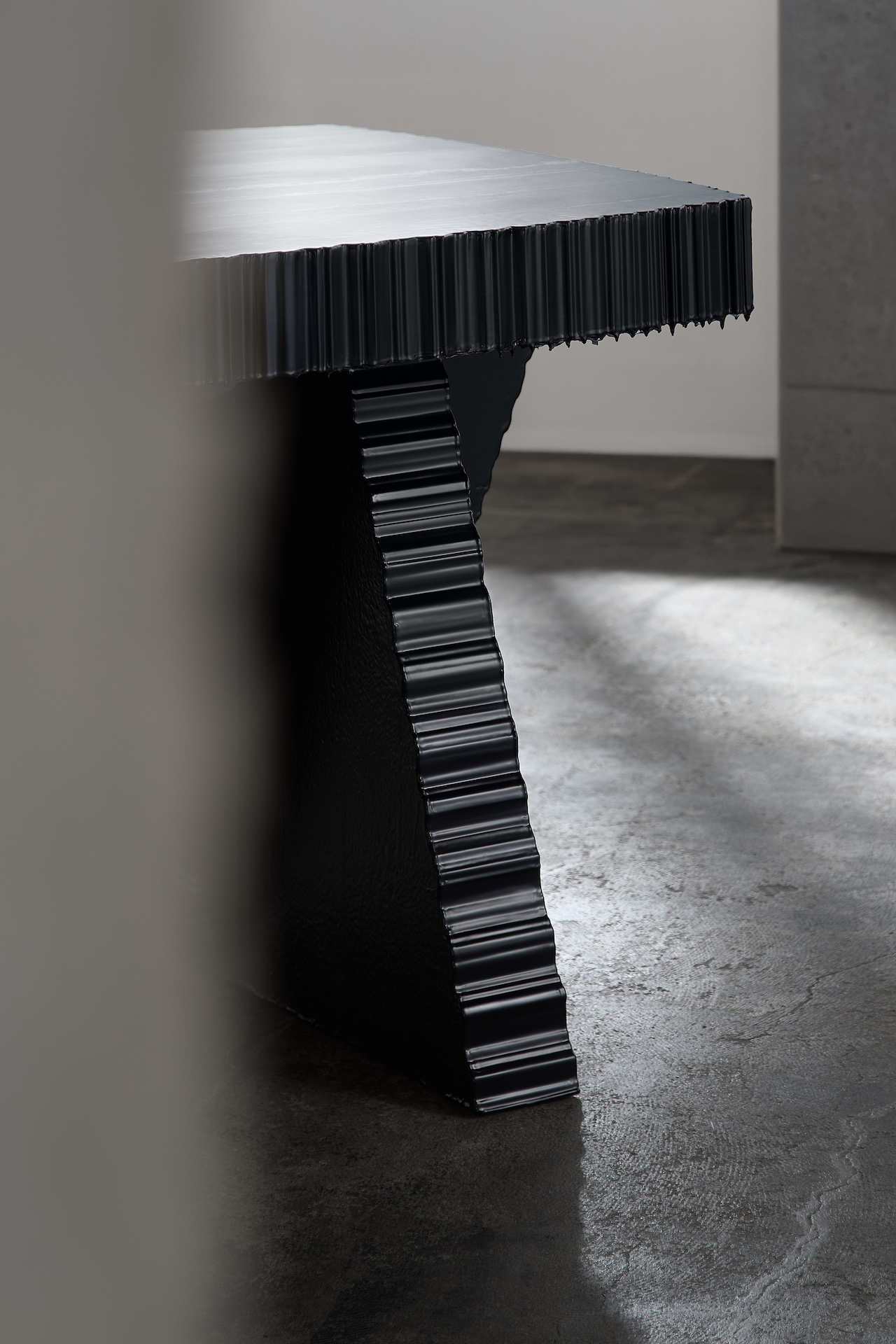
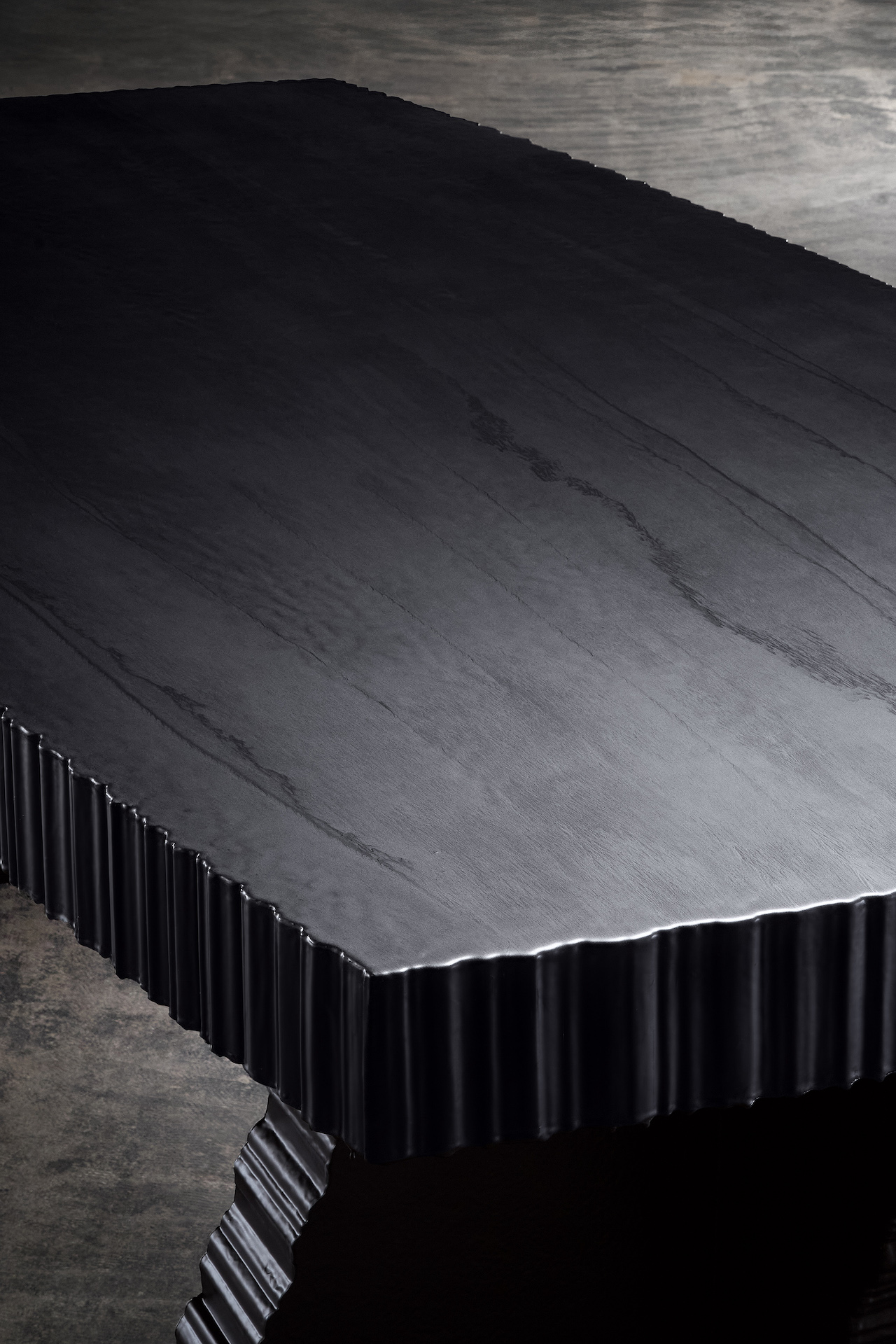
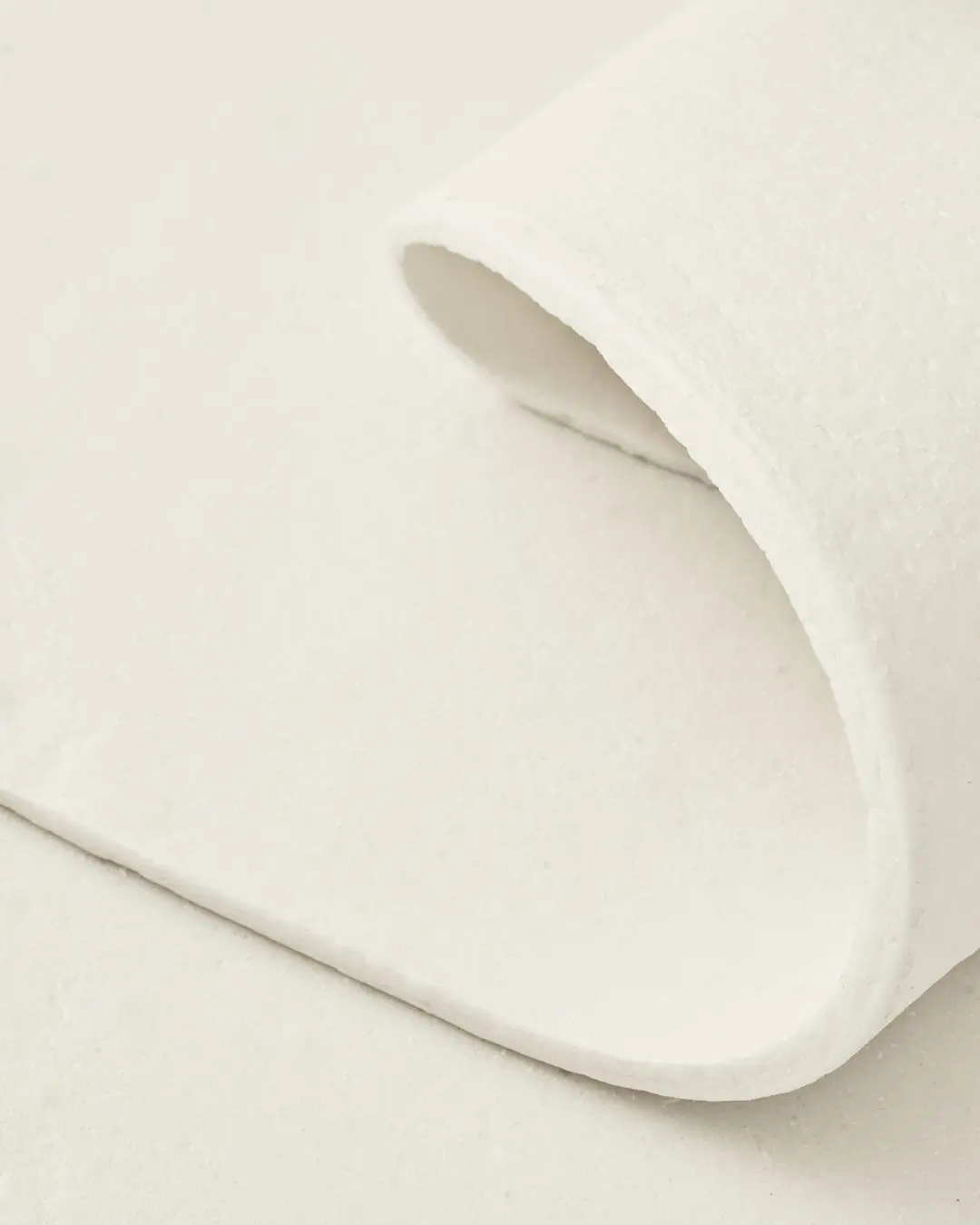
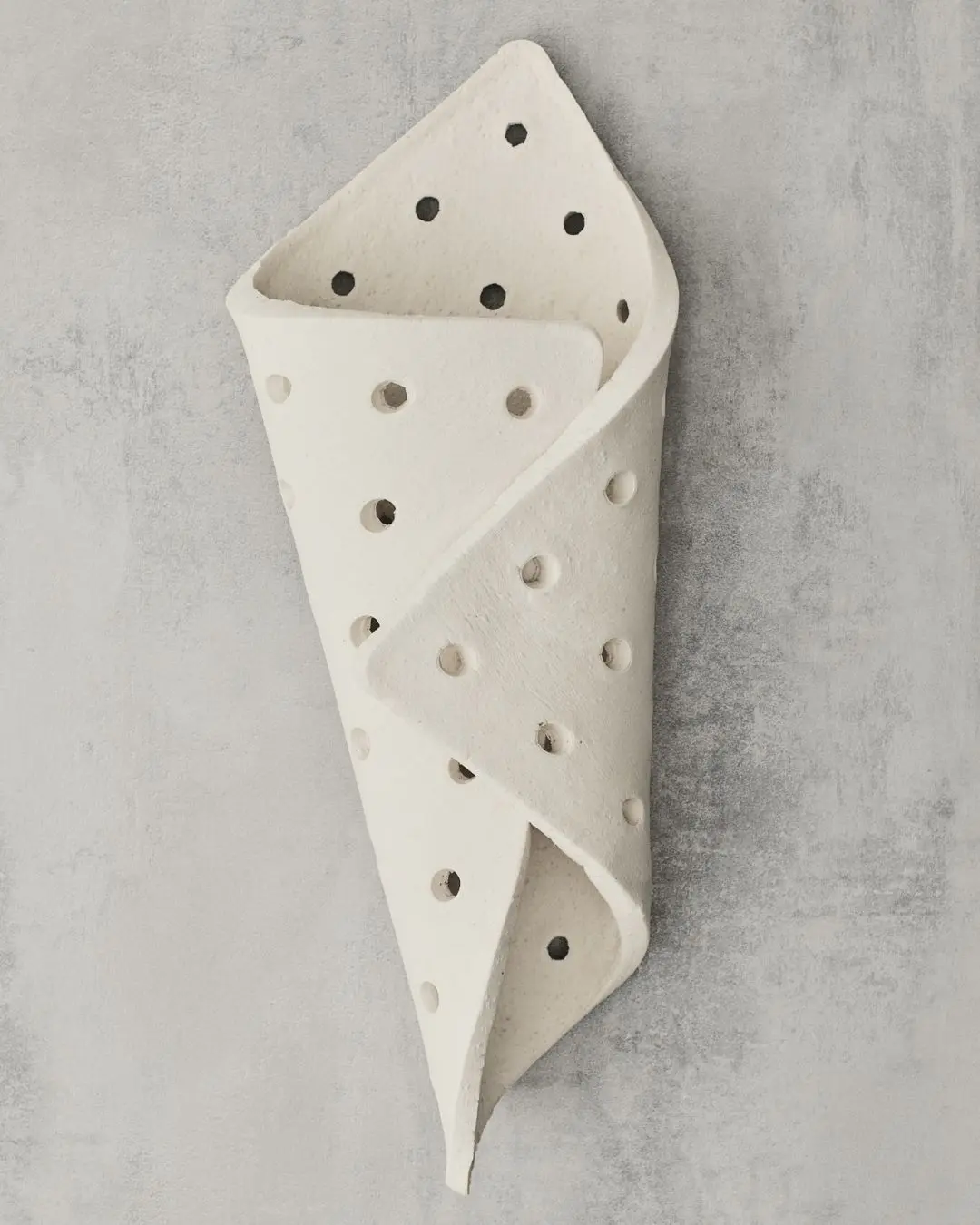
The Sponge table's construction is a key factor in its light weight. The tabletop consists of a layer of sponge sandwiched between thin wood veneers. One side of the tabletop features a natural wood finish, while the other side is finished in white. This material composition results in a tabletop weighing only 8.8 kilograms, which the architects emphasize is light enough for an individual to carry easily. The design prioritizes ease of transport and assembly, aligning with the need for flexible space utilization.
Beyond its function as a table, the design allows for effortless conversion into a room partition. To achieve this, the lightweight tabletop is simply detached from its wooden legs and positioned vertically onto two robust, blocky stands. This transformation highlights the piece's adaptability, enabling users to reconfigure spaces dynamically. The modular nature of the table – comprising a separate tabletop and removable legs – contributes to its portability and ease of storage.
Schemata Architects has a history of engaging in diverse interior and furniture design projects that often feature unconventional materials and adaptable forms. Their previous work includes spongy seats inspired by specific tactile aesthetics, a rice shop in Tokyo characterized by boxy plywood fittings, and an artist's studio integrating an indoor garden. These projects underscore the studio's interest in innovative material use and flexible design solutions.
The pursuit of lightweight furniture is a notable trend in contemporary design. Other designers have also explored this area, with notable examples such as Benjamin Hubert's table weighing nine kilograms. German designer Ruben Beckers pushed the boundaries further with his kleinergleich5 table, which weighs only 4.5 kilograms, achieved through a construction technique involving a grid of thin wooden strips. These examples illustrate a broader design movement towards creating functional and easily movable furniture.
#SchemataArchitects #JoNagasaka #SpongeTable #FurnitureDesign #LightweightFurniture #TokyoDesign #RoomPartition #ModularFurniture #JapaneseDesign #SchemataArchitects #JoNagasaka #SpongeTable #FurnitureDesign #LightweightFurniture #TokyoDesign #RoomPartition #ModularFurniture #JapaneseDesign
0개의 댓글이 총 표시됩니다.
 아직 댓글이 없습니다
추가로 마음에 드릴 만한 콘텐츠
Terrazzo-like table brings electronic waste to life with closed-loop design

Placemat Designer Sandy Chilewich Is Giving You Permission to Break All the Table Setting Rules

Yuta Takahashi Sculpts Styrofoam Into a Statement Table
curving tabletops perch atop a monolithic, leaf-shaped base for miniforms' monoplauto table
wood and stone shape mushroom-like tables in batten and kamp x henry d'ath collaboration
Fefostudio and Kamilla Csegzi create mycelium-based Ephemeral Table
JSN design assembles diamond-shaped tiles into chair
Designer Creates Furniture Using Only Forces of Tension, No Nails Needed

Ideas For Business – Call #1: Meet the three winning projects

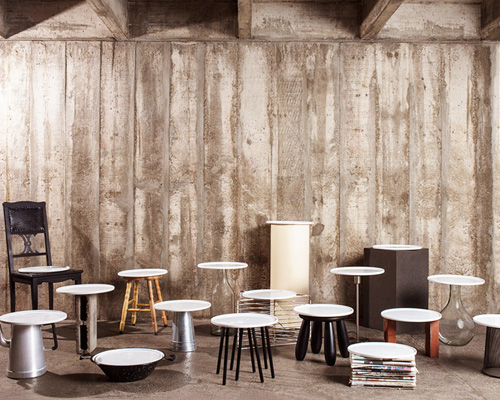
da mata's fauna collection explores the concept of the side table
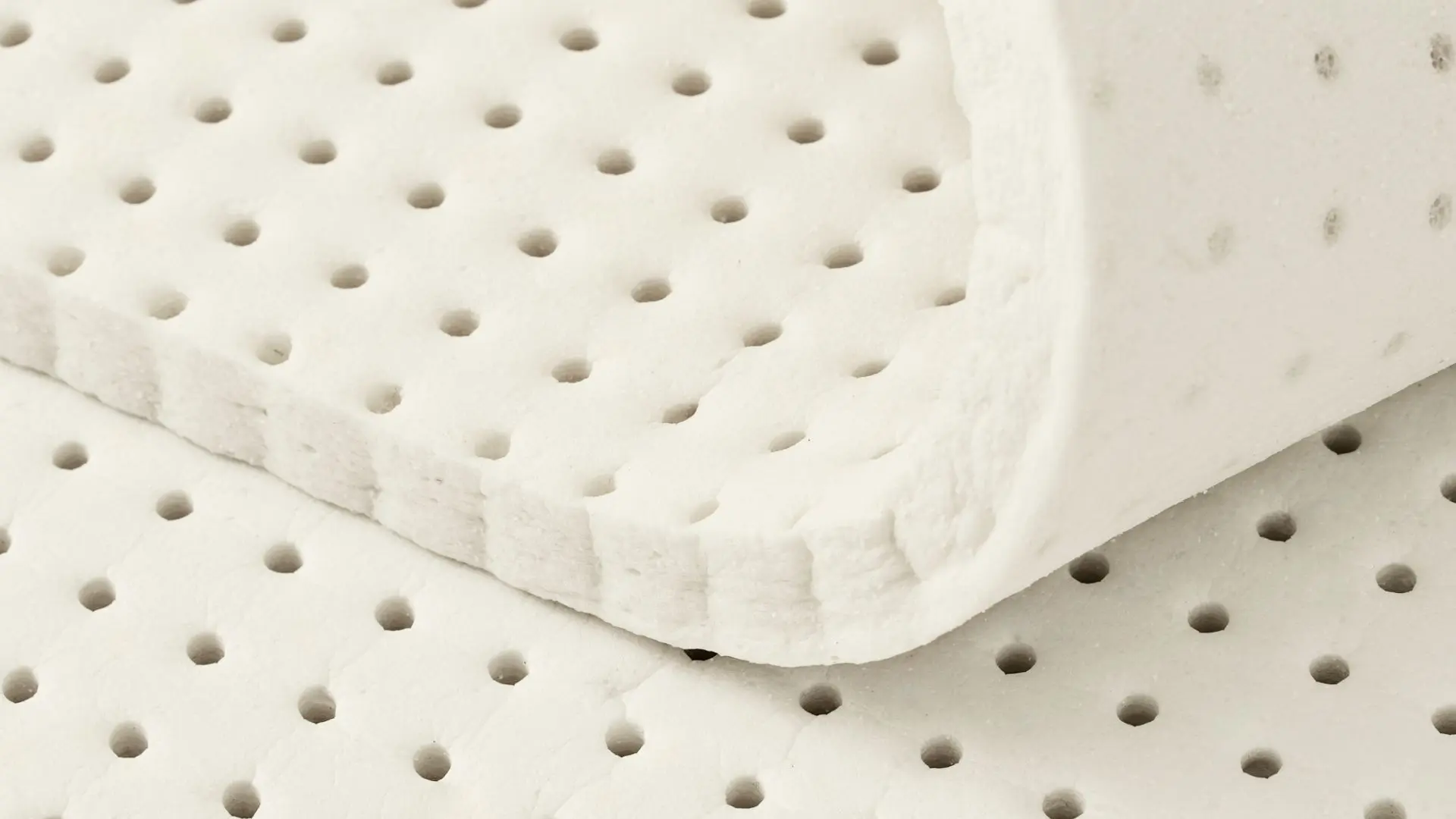
A next-generation material for sustainable padding applications
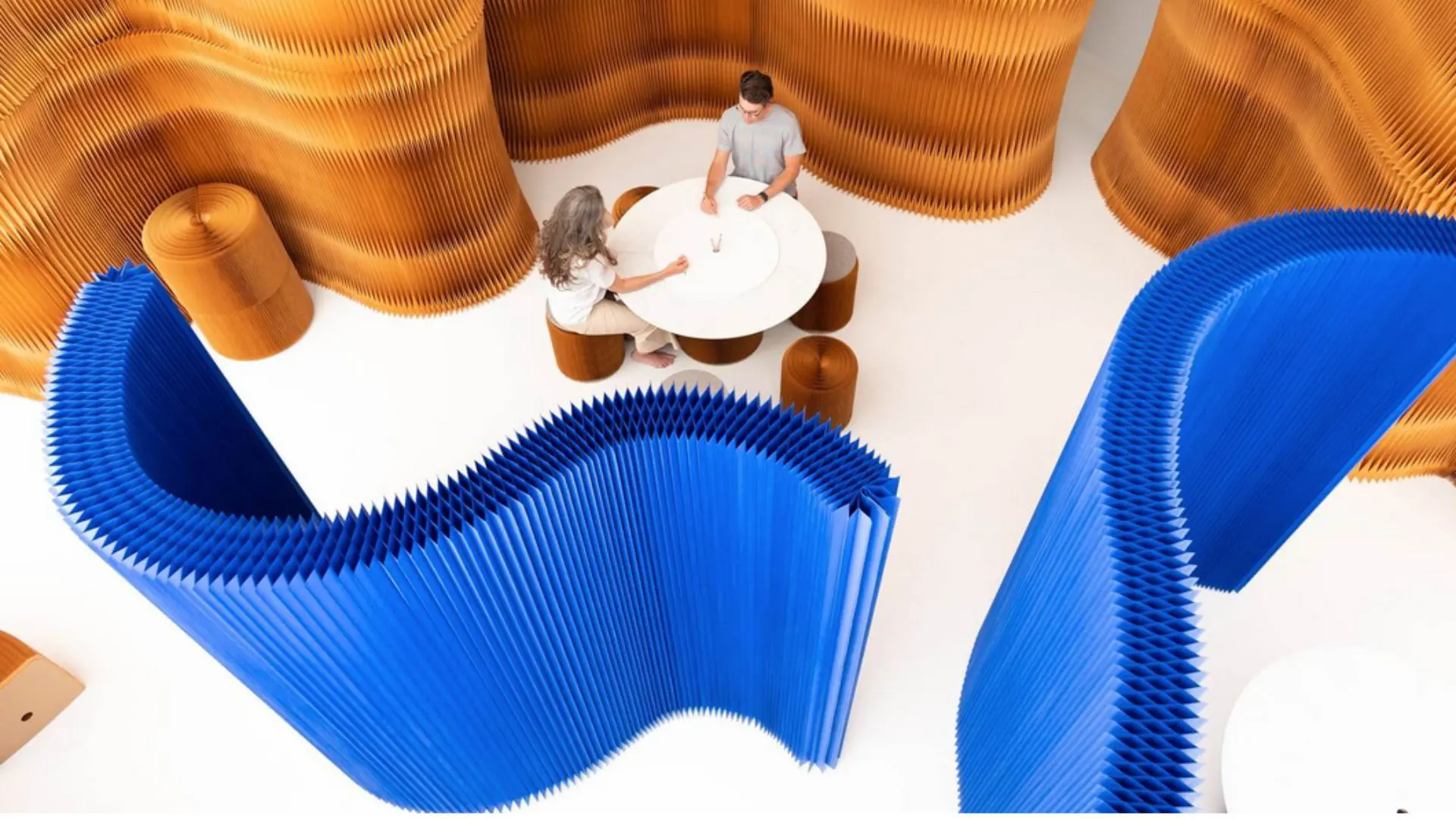
Enjoy these 5 creative space dividers for small and big rooms
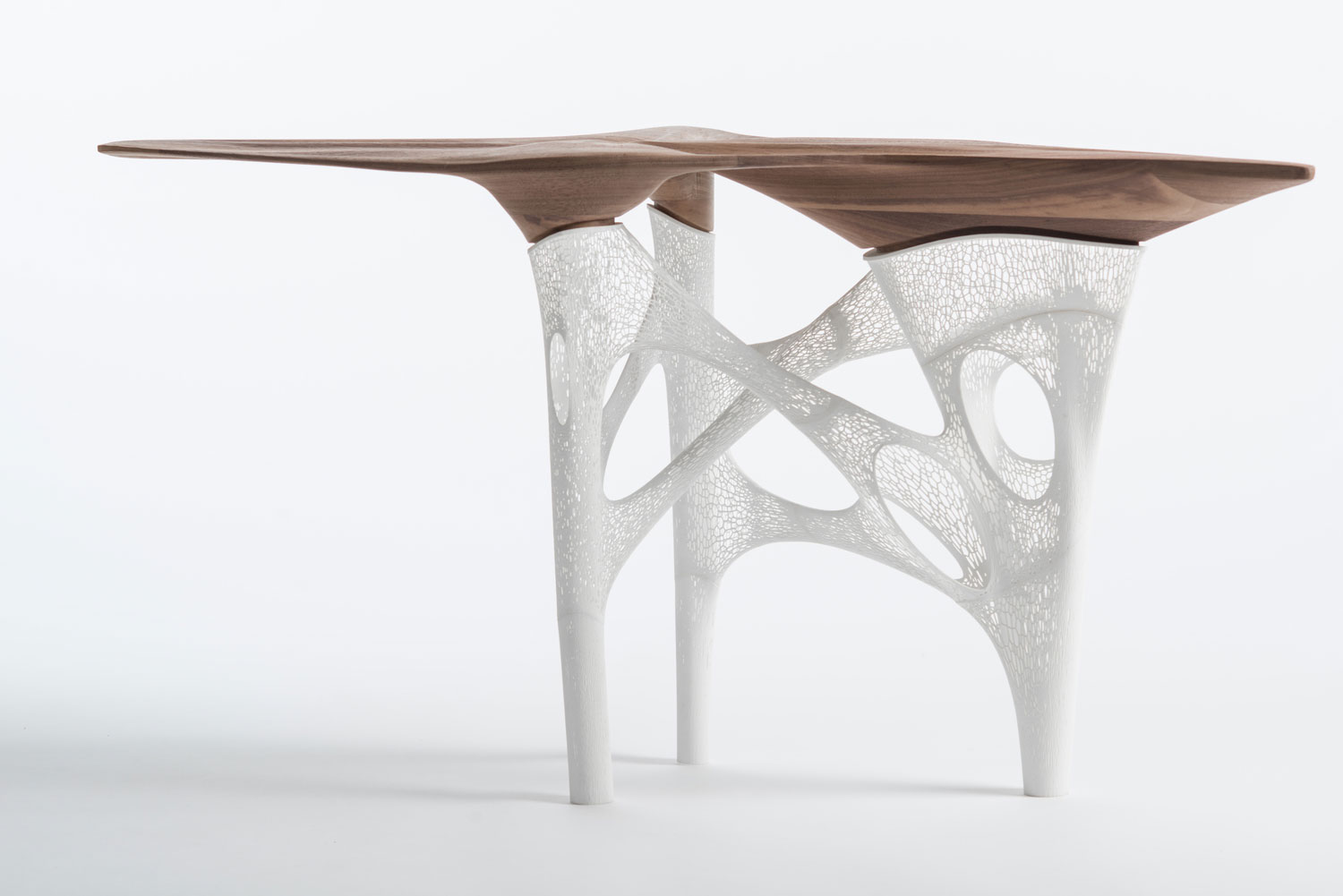
An Innovatively Envisioned 3D Printed Table Design By ALEKSA Studio

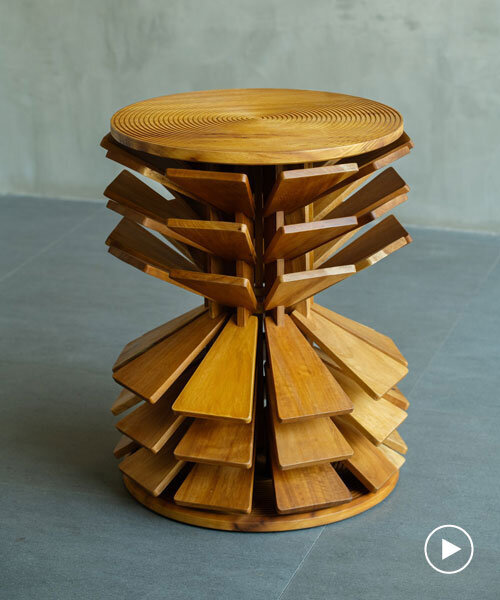
salù iwadi studio layers spiraling wooden fins to form zangbeto side table
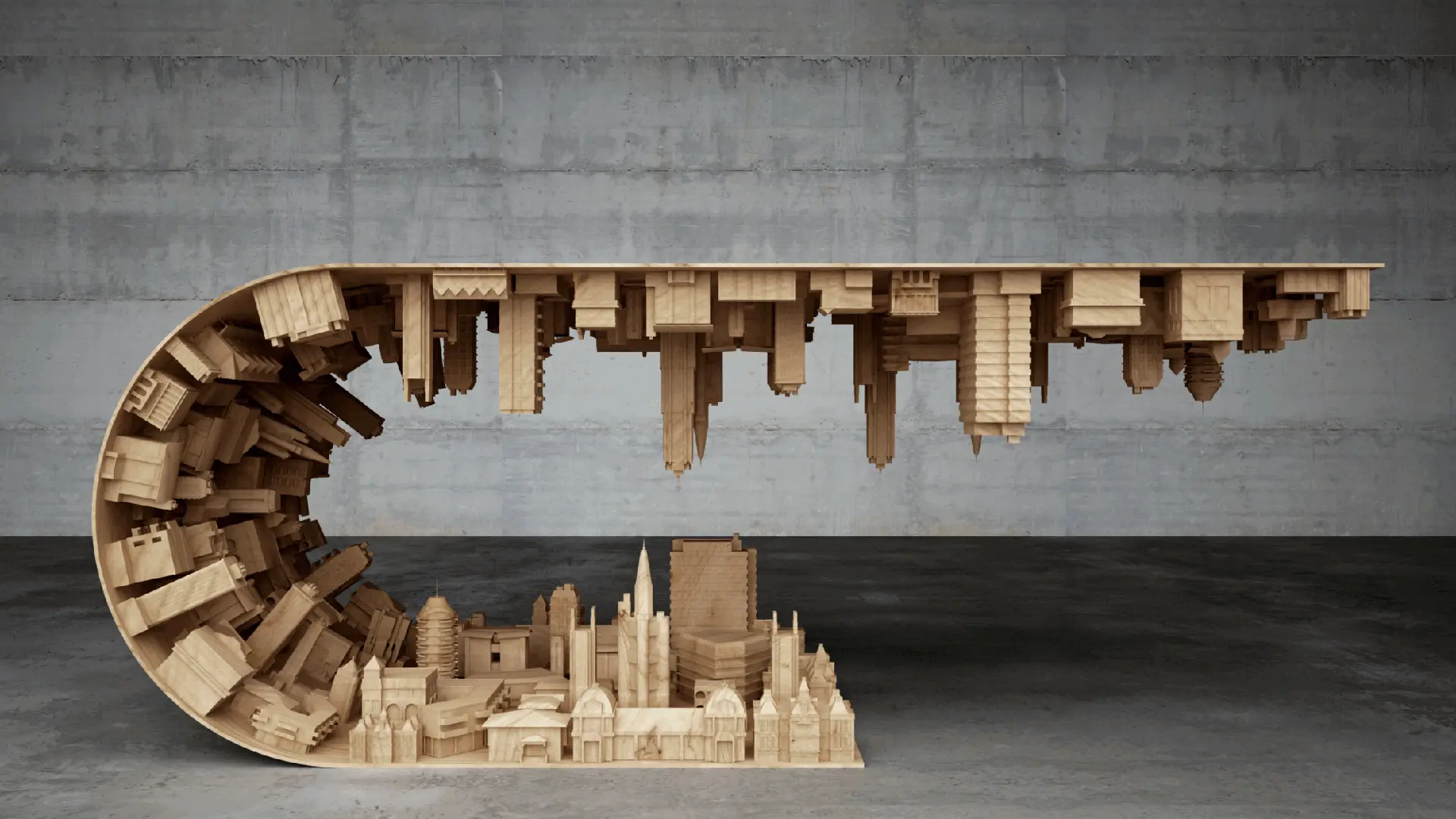
An Inception movie-inspired coffee table that bends reality

RCA Product Design Student Invents Stone-Like Material Made from Fish Scales

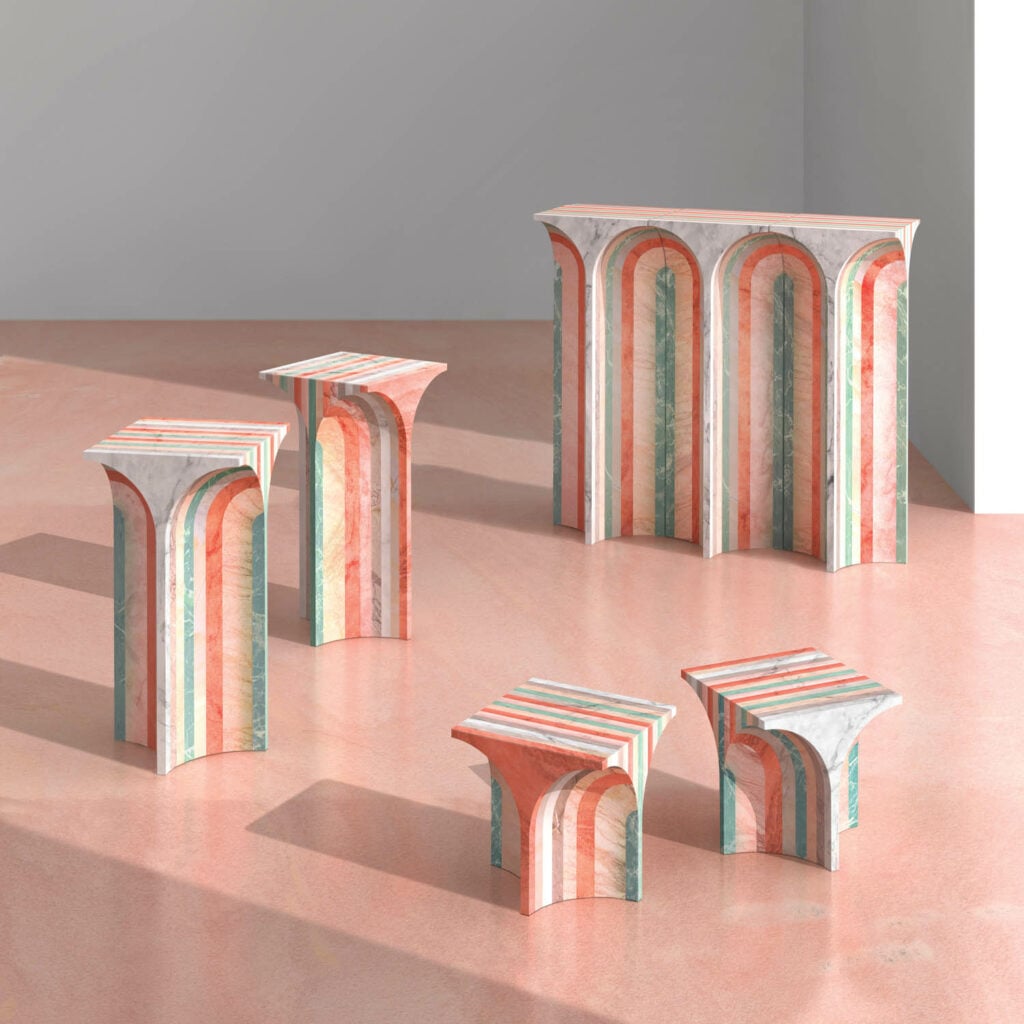
This New Table Collection Shows the Richness of Natural Stone

Floor tiles made of coloured snail poo by Lieske Schreuder
Bouncing around: rounding up the most innovative ping pong table designs
mottled side tables shaped from recycled paper emulate durability and textures of wood