1/5
How to ventilate a basement – expert tips to reduce damp and mold
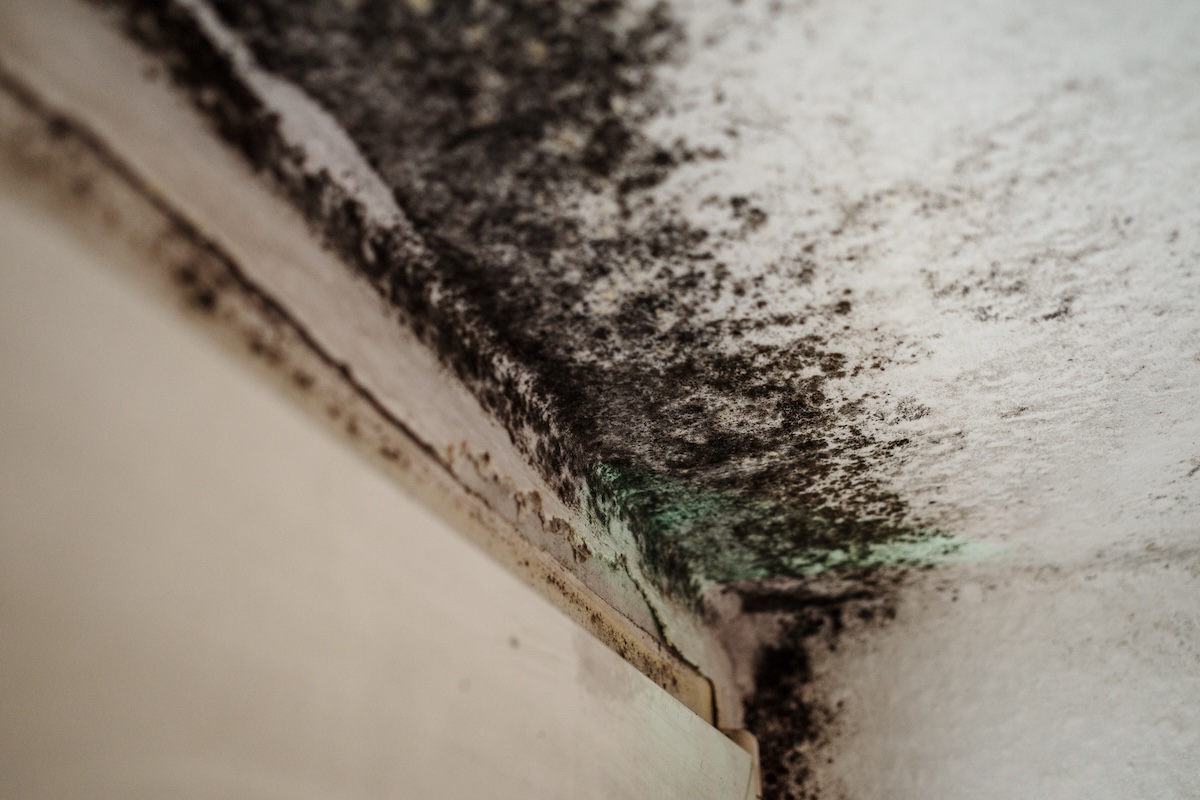
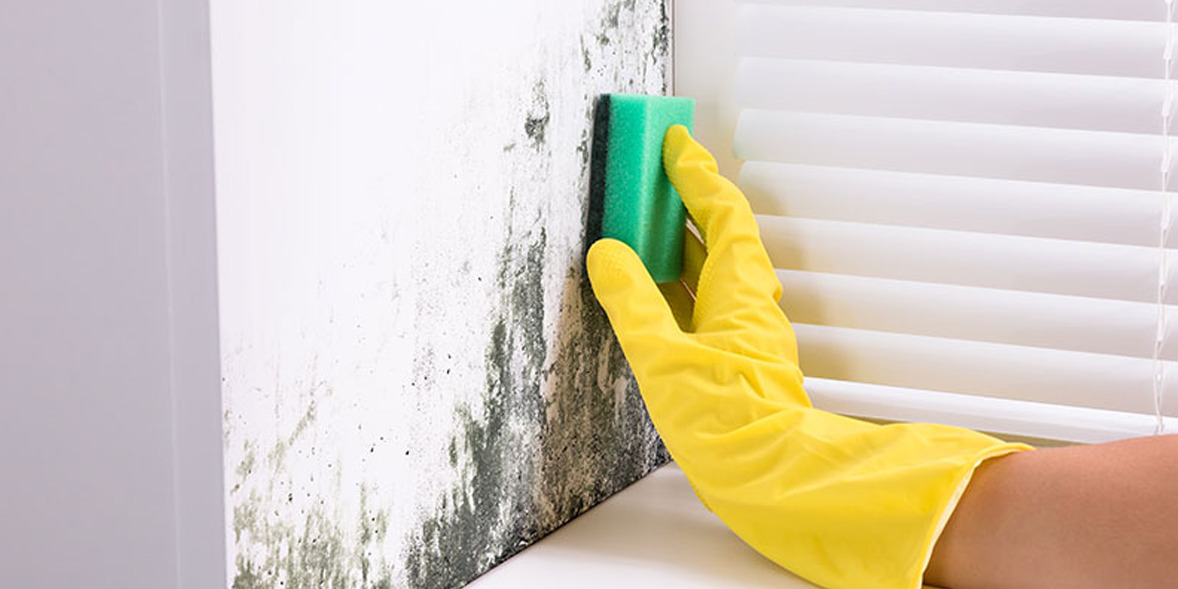
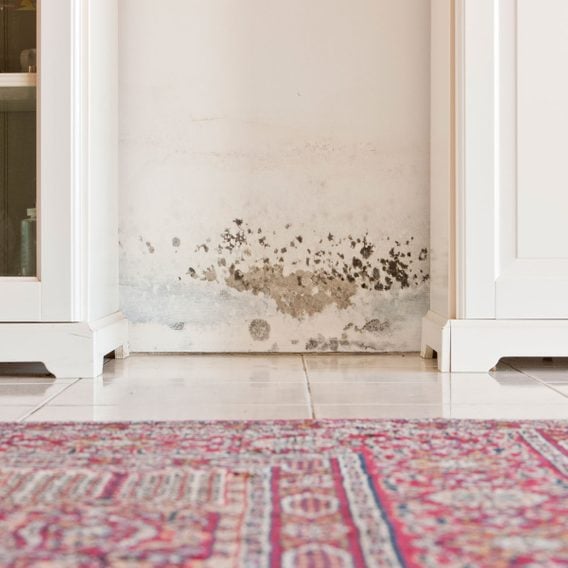
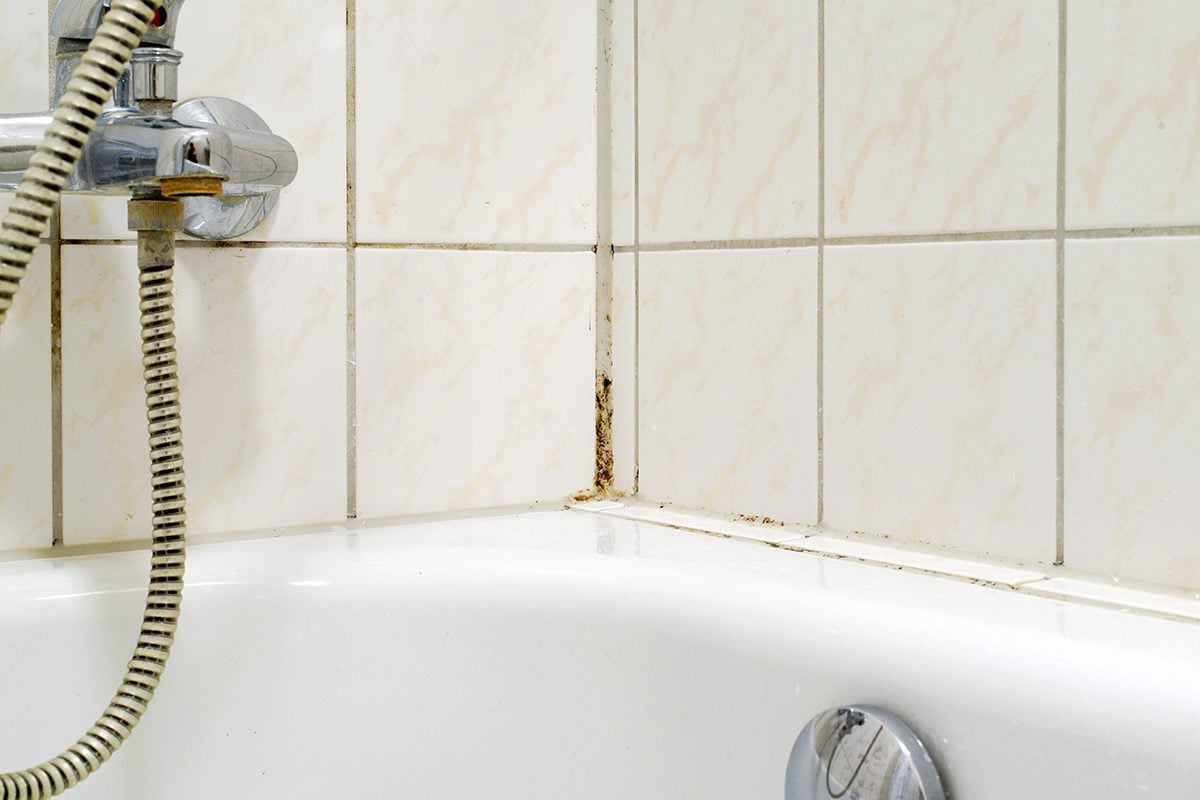
Basements, regardless of their use, require proper ventilation to prevent various issues, primarily the accumulation of damp air, which serves as a breeding ground for mold and mildew. These fungi not only pose significant health risks to household members but also threaten the structural integrity of a home by promoting moisture buildup that can lead to wood rot and other forms of damage. Addressing a musty smell in a basement is crucial, as it often indicates a lack of adequate ventilation and the presence of dampness and mold. Once mold becomes ingrained in materials such as drywall, carpets, or other possessions, it is exceedingly difficult to remove, frequently reappearing even after cleaning and often necessitating costly replacements.
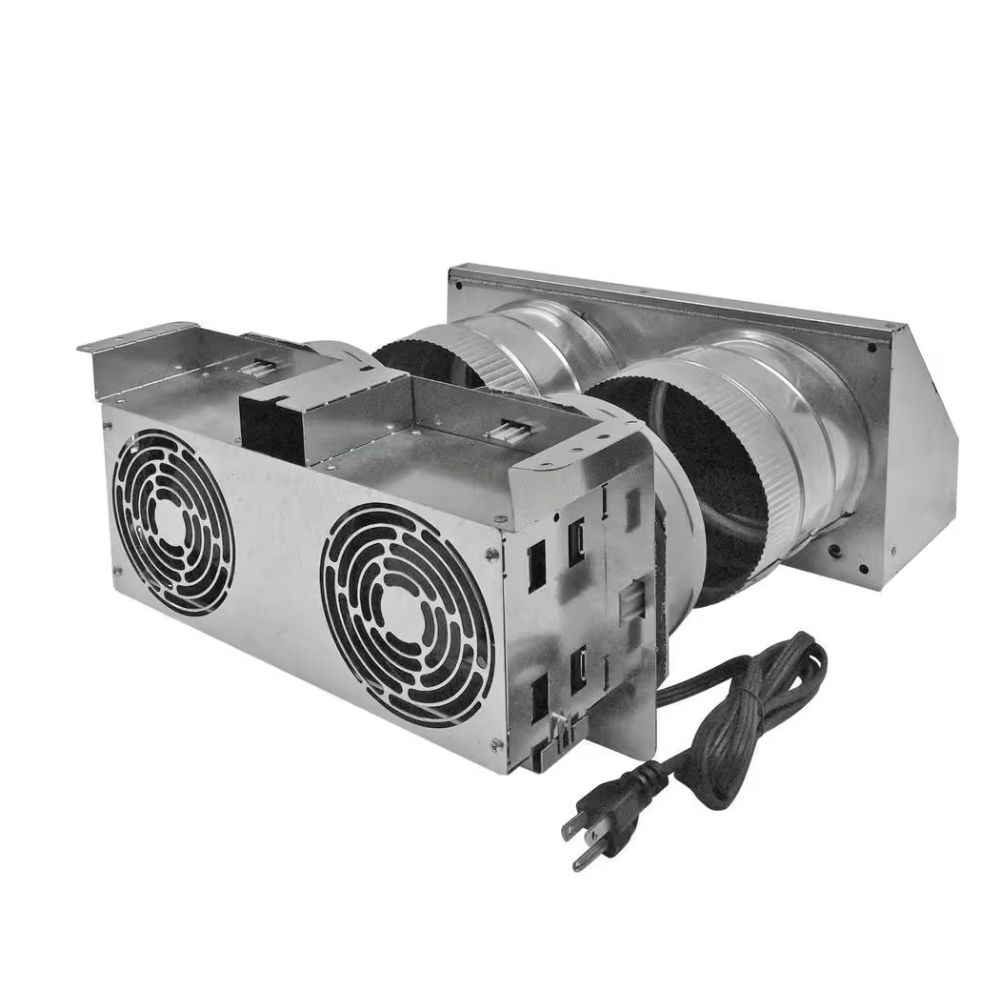
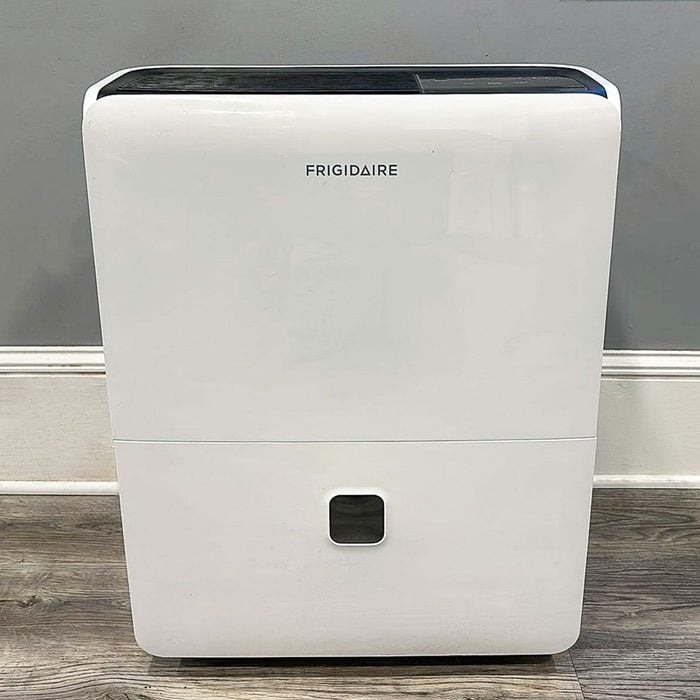
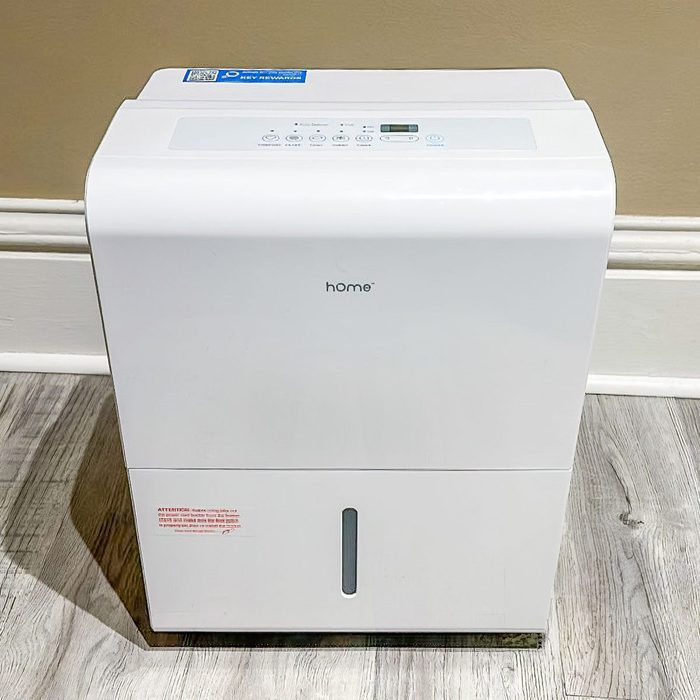
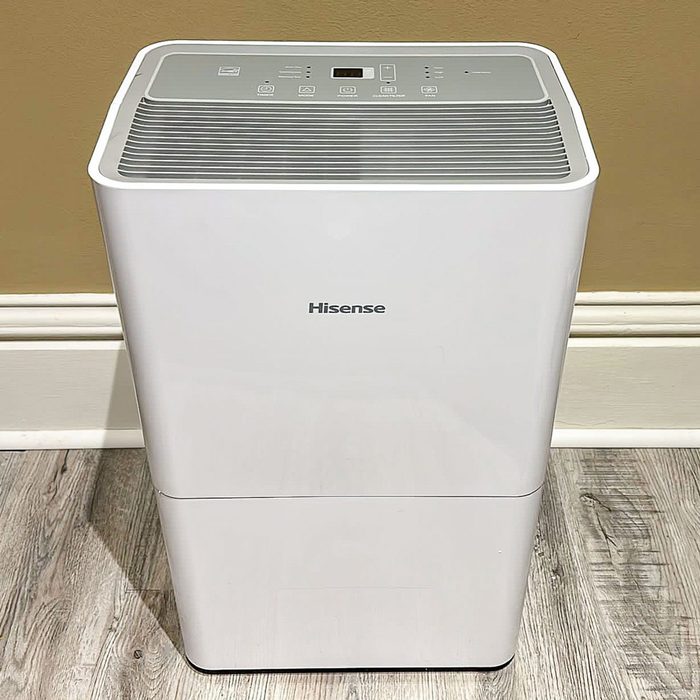
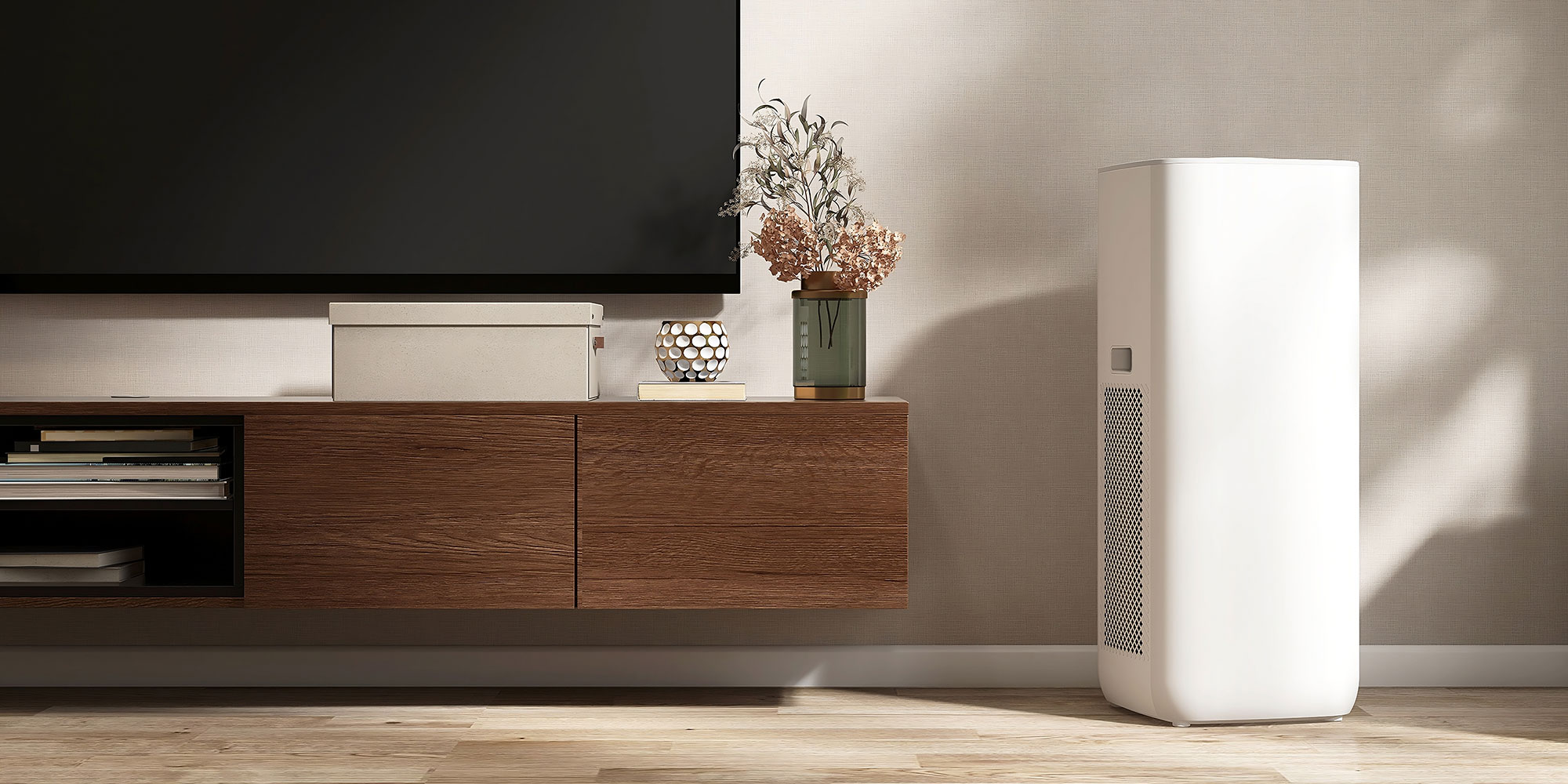
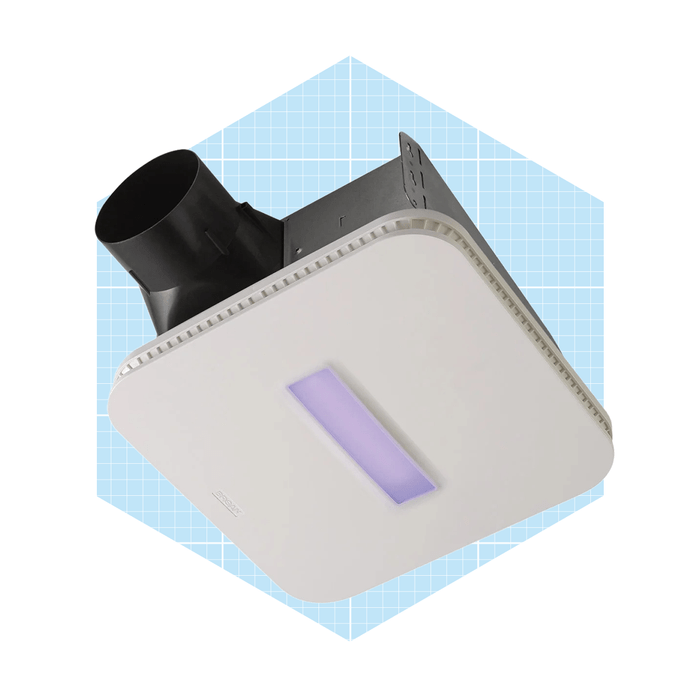
To effectively prevent mold and dampness, various ventilation solutions can be implemented. Extending a home’s existing HVAC (Heating, Ventilation, and Air Conditioning) ductwork into the basement is a direct way to ensure it receives conditioned air, thereby regulating temperature and reducing humidity. Another effective strategy involves installing exhaust fans, particularly in basements with laundry areas or bathrooms, to remove moist air and direct it outdoors, preventing moisture accumulation. Dehumidifiers offer a cost-effective solution, significantly lowering moisture levels and creating an environment less conducive to mold and mildew growth. Air exchangers are also viable, introducing fresh outdoor air while expelling stale indoor air, which balances humidity and enhances overall air quality.
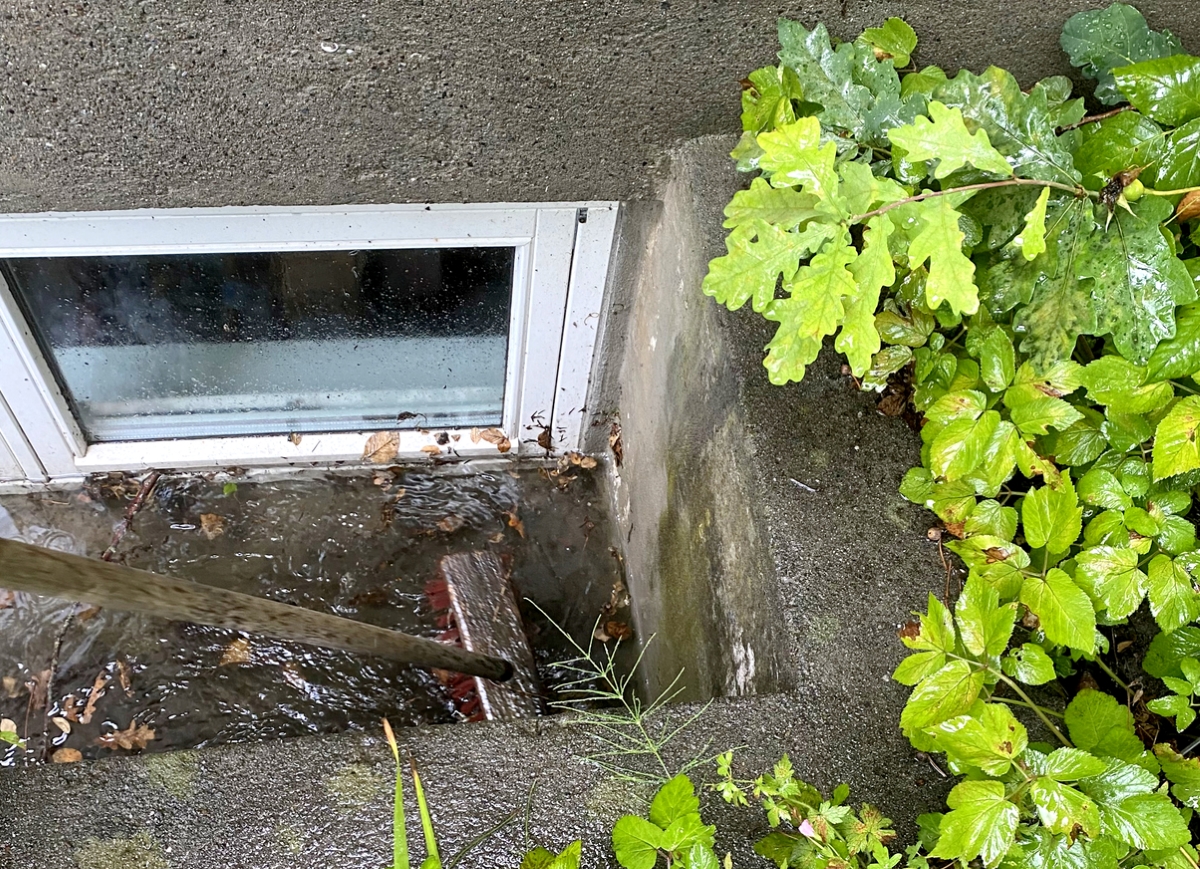
For more comprehensive improvements, investing in egress windows can both enhance safety by providing an escape route and significantly boost air circulation through natural air exchange. Additionally, fitting foundation vents in basements prone to dampness facilitates cross-ventilation, allowing dry air to enter and moist air to exit. It is important to note that ventilation primarily serves as a preventative measure. While proper airflow helps regulate temperature and humidity, reducing the conditions mold and damp thrive on, existing mold issues must be addressed and removed before ventilation can fully optimize the space.
The cost of basement ventilation varies widely depending on the chosen method. Simple solutions like utilizing existing egress windows are free. Dehumidifiers are generally the most affordable, with small portable units costing as little as $70, while larger, high-efficiency models can be around $300. More extensive projects, such as installing new egress windows, can range from $4000 to $5000. Extending an HVAC system into the basement is also a significant investment, typically starting at $4000, with the final price depending on the basement's size, system complexity, and brand. Air exchangers can range from approximately $200 to over $1000, excluding potential labor costs for installation. Consulting with a local contractor is recommended to get an accurate estimate tailored to specific basement conditions.
#BasementVentilation #MoldPrevention #DampControl #HomeMaintenance #AirQuality #HVACSystems #Dehumidifiers #EgressWindows #FoundationVents #BasementVentilation #MoldPrevention #DampControl #HomeMaintenance #AirQuality #HVACSystems #Dehumidifiers #EgressWindows #FoundationVents
0개의 댓글이 총 표시됩니다.
 아직 댓글이 없습니다
추가로 마음에 드릴 만한 콘텐츠

How to get rid of musty basement smells – 6 ways to combat odors and their causes

How to Get Rid of the Musty Smell in Your Basement


Stop Bedroom Damp with This 84-Cent Natural Home Fix

Insulate Your Basement, Part 2


Experts explain how to install a basement extractor fan to remove damp and musty smells for good
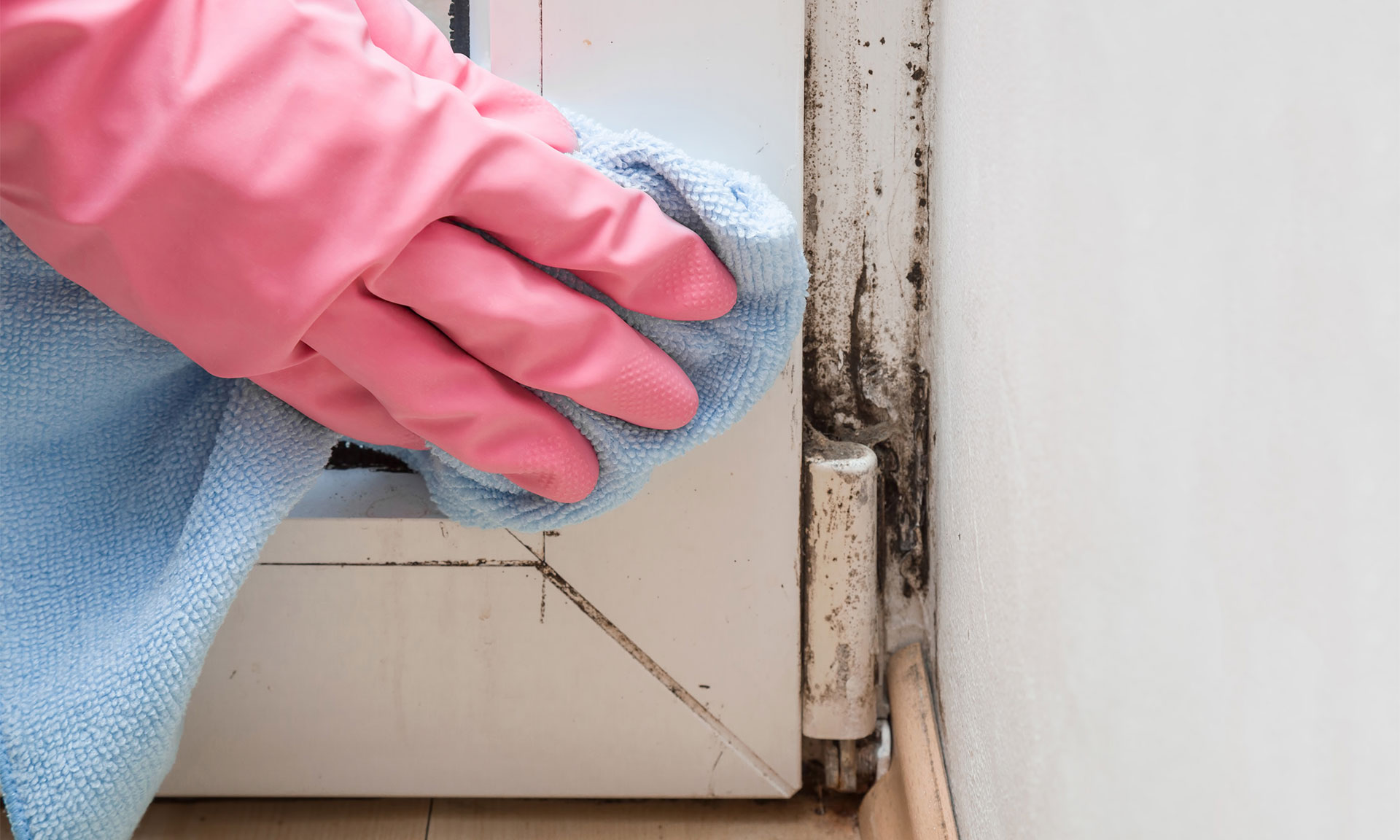
How to get rid of mould
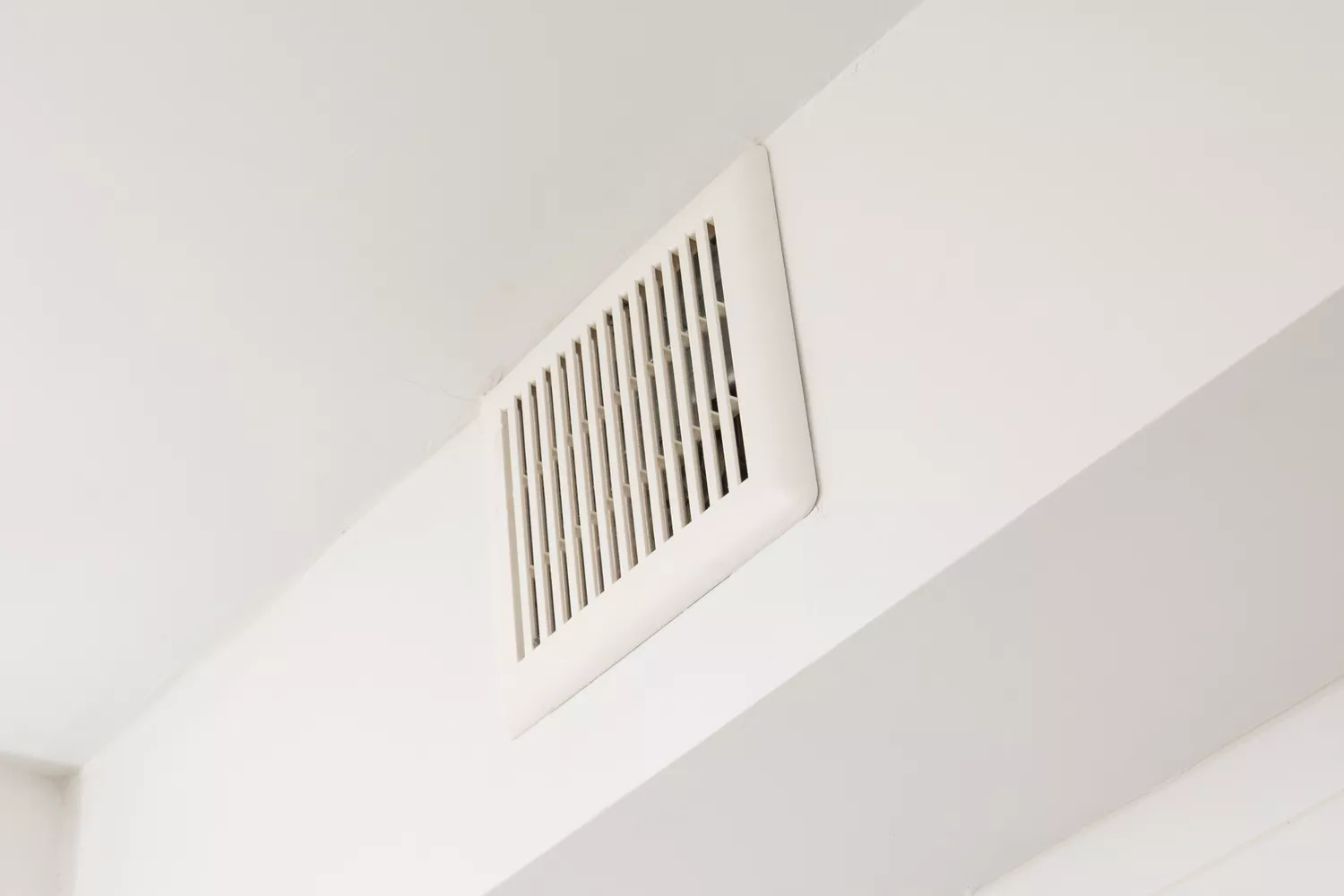
Bathroom Fan Venting Code Basics


The 5 Best Basement Odor Eliminator Picks for Musty Cellars 2025


How to stop damp in a bedroom - 10 foolproof ways to keep mould at bay

How to protect your home from damp, moisture and mould

Mold and Mildew Cleaning and Repair

8 Best Bathroom Exhaust Fans of 2025
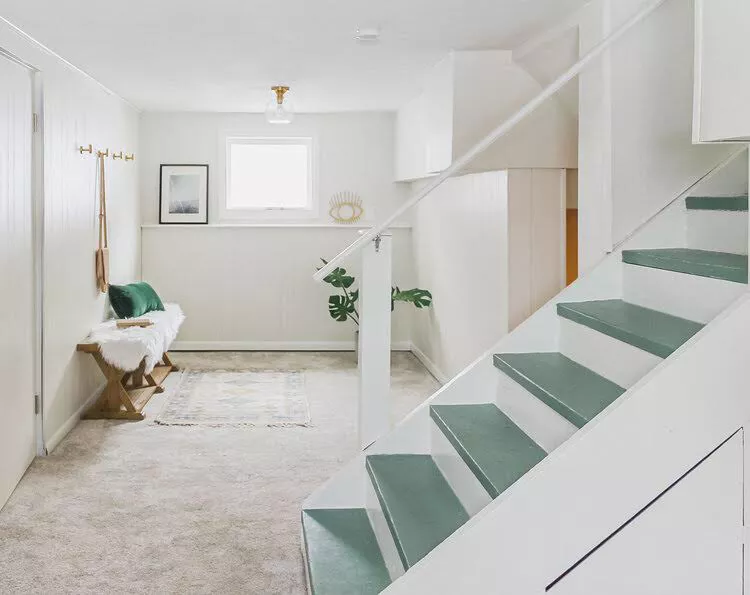
How to Get Rid of That Musty Basement Smell, According to Experts


6 bedroom storage mistakes that could be causing mould – and what to do instead

'If you can smell it, there's a problem in progress' – 5 expert-approved ways to get rid of musty smells in an attic

How to prevent mould in wardrobes - expert-approved tips to protect your furniture and your clothes
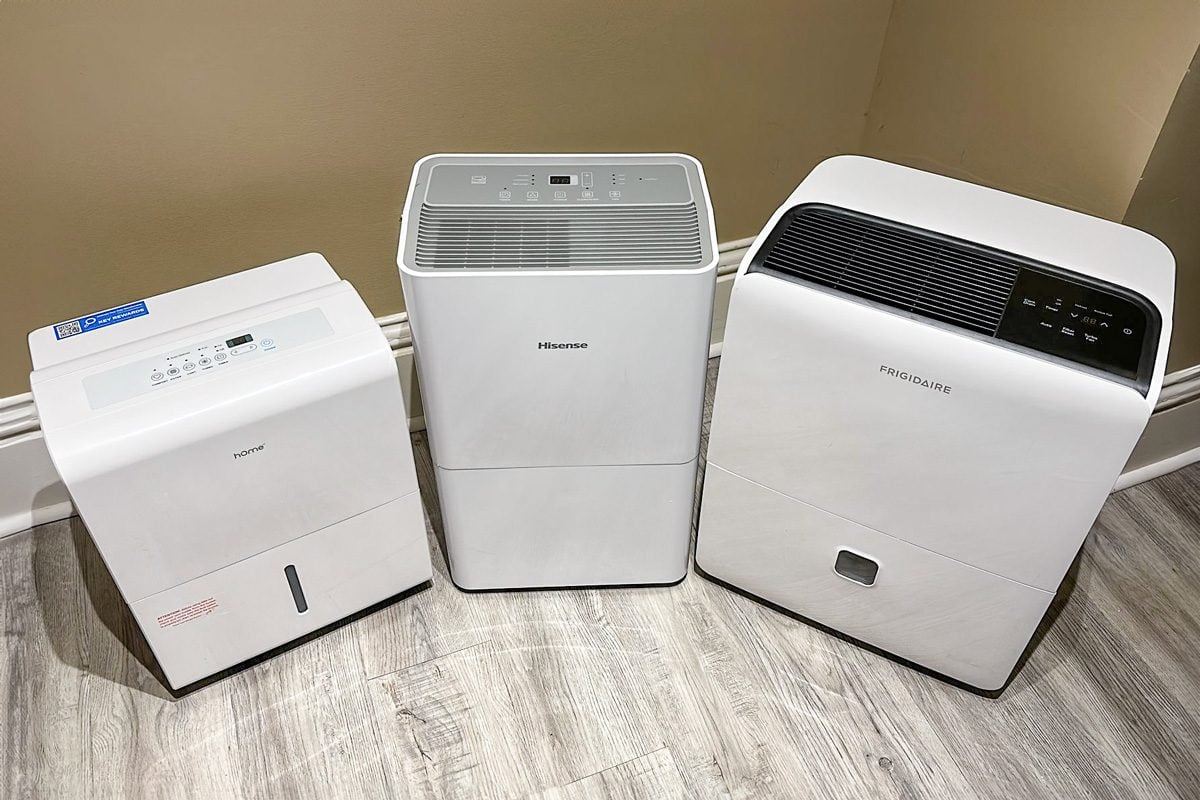
The 9 Best Dehumidifiers for Basements to Get Ahead of Moisture Issues
The 10 Best Air Purifiers for a Basement to Remove Dust, Allergens and Odors

7 things people with nice-smelling basements never do
Insulate Your Basement, Part 1