How to Design a Kids Room You Won’t Have to Totally Revamp Next Year
This article provides practical advice from interior designers on how to create a child's room that can adapt and grow with the child, avoiding frequent and costly redesigns. The core philosophy is to approach children's room design with the same long-term perspective as other rooms in the house, focusing on durable and versatile elements.
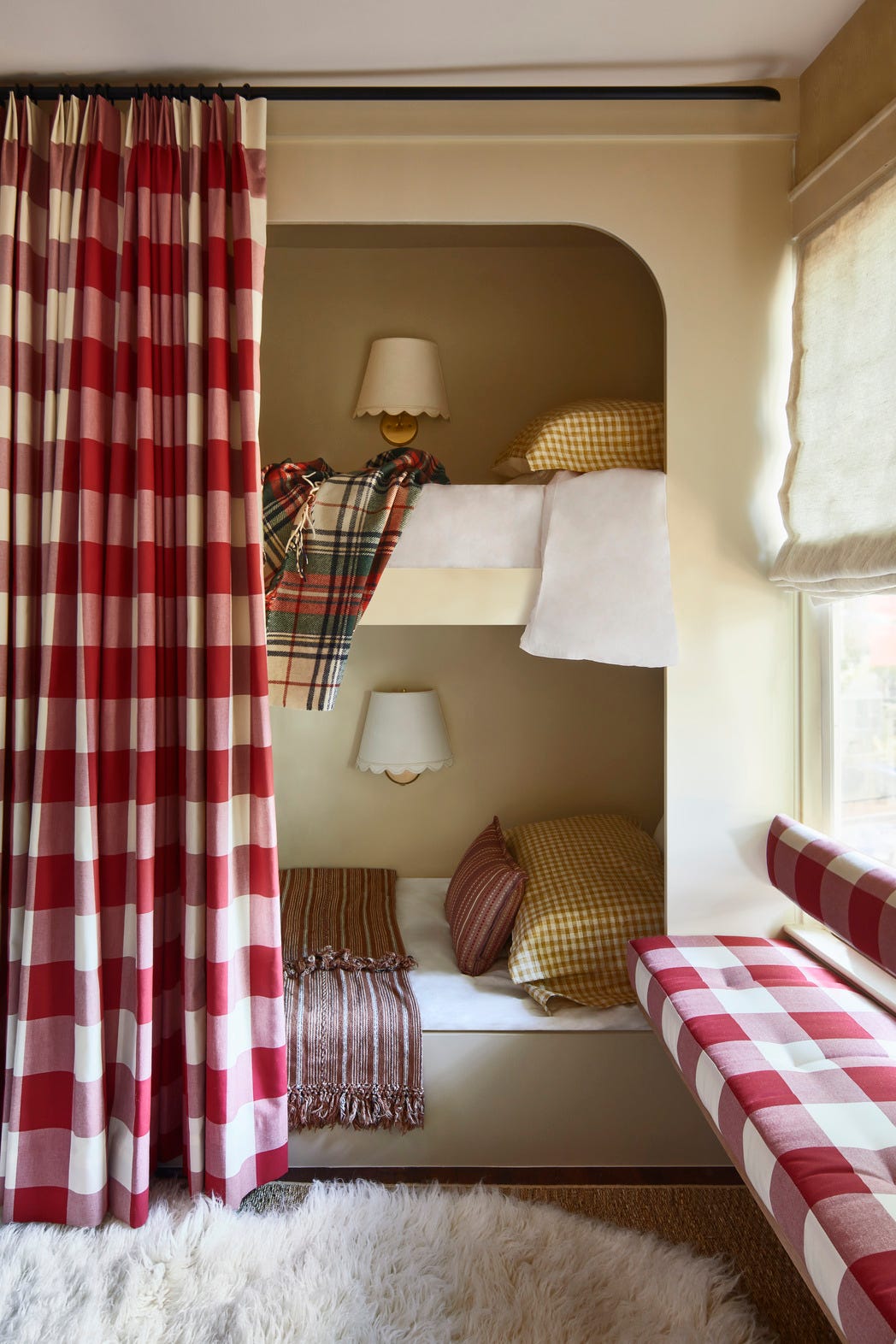
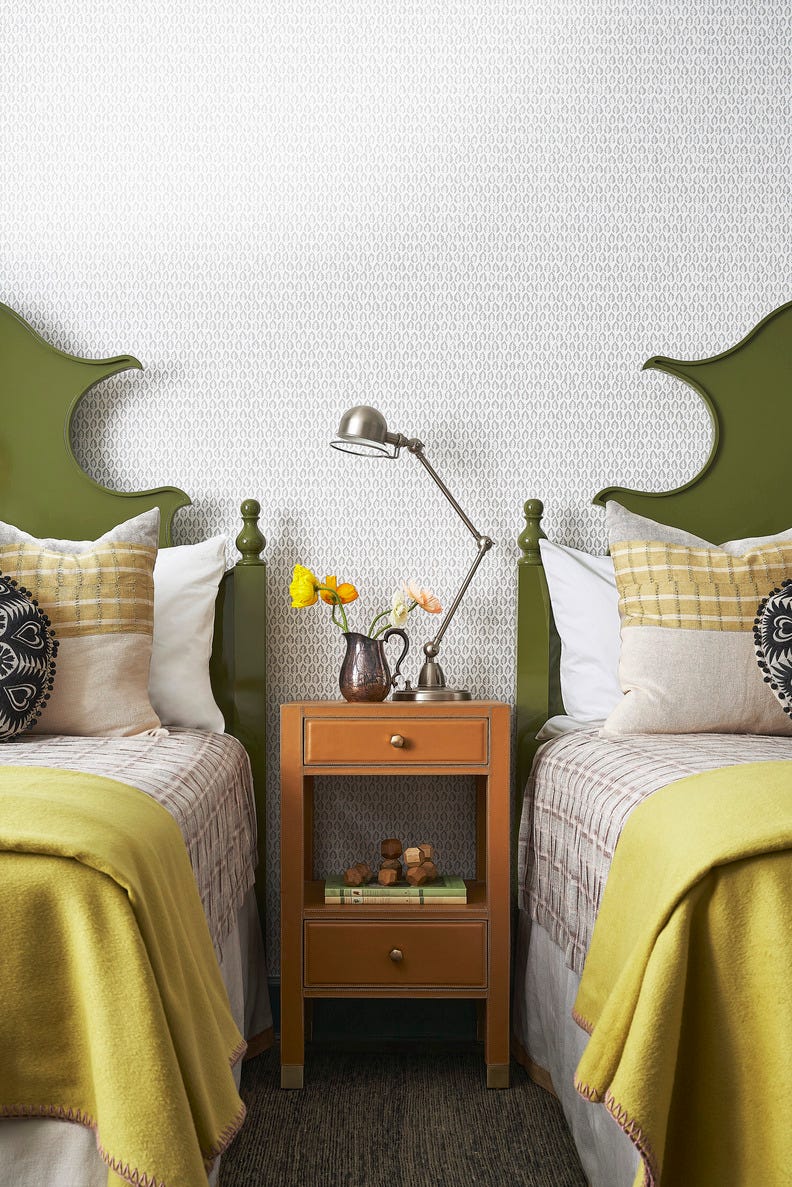
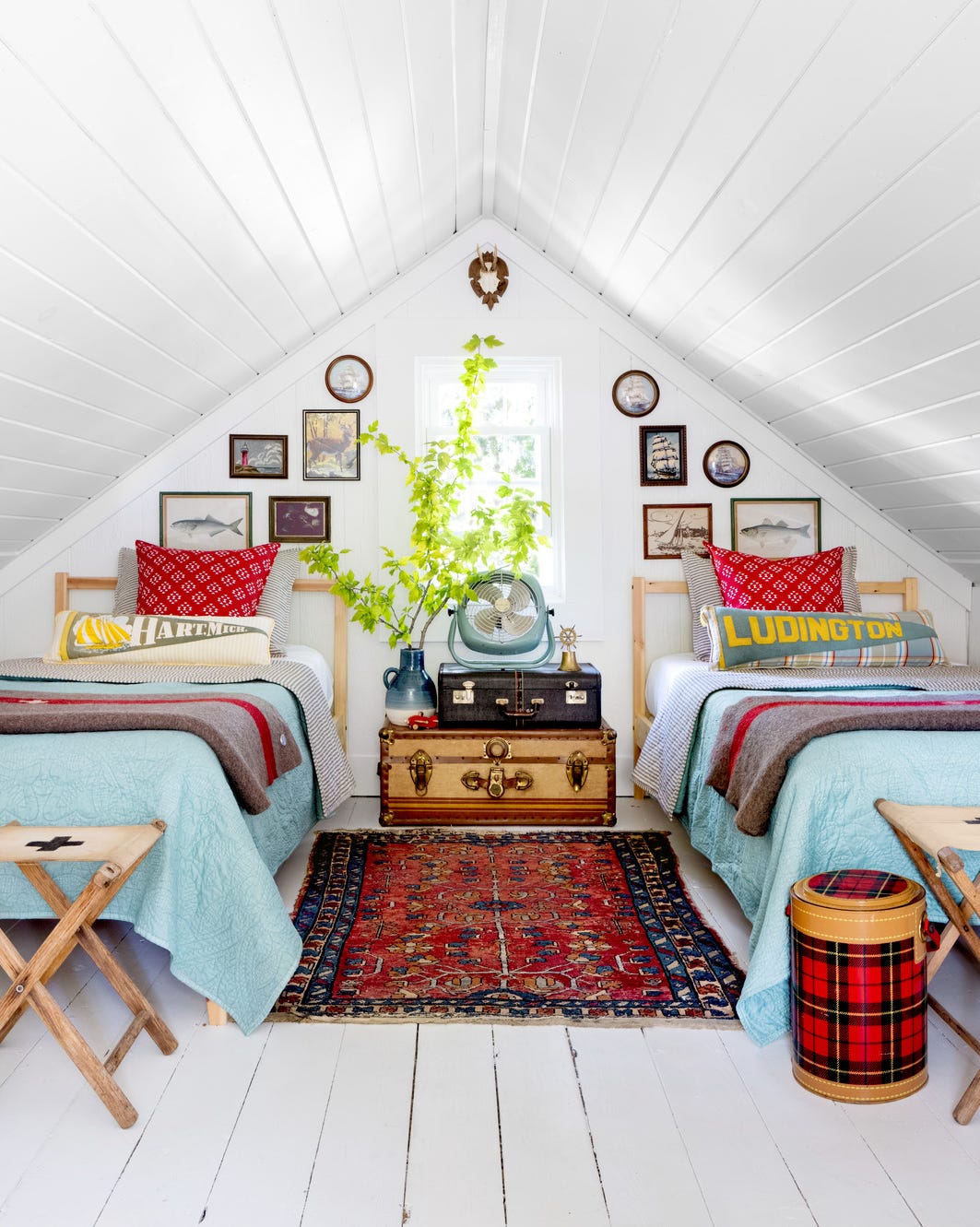
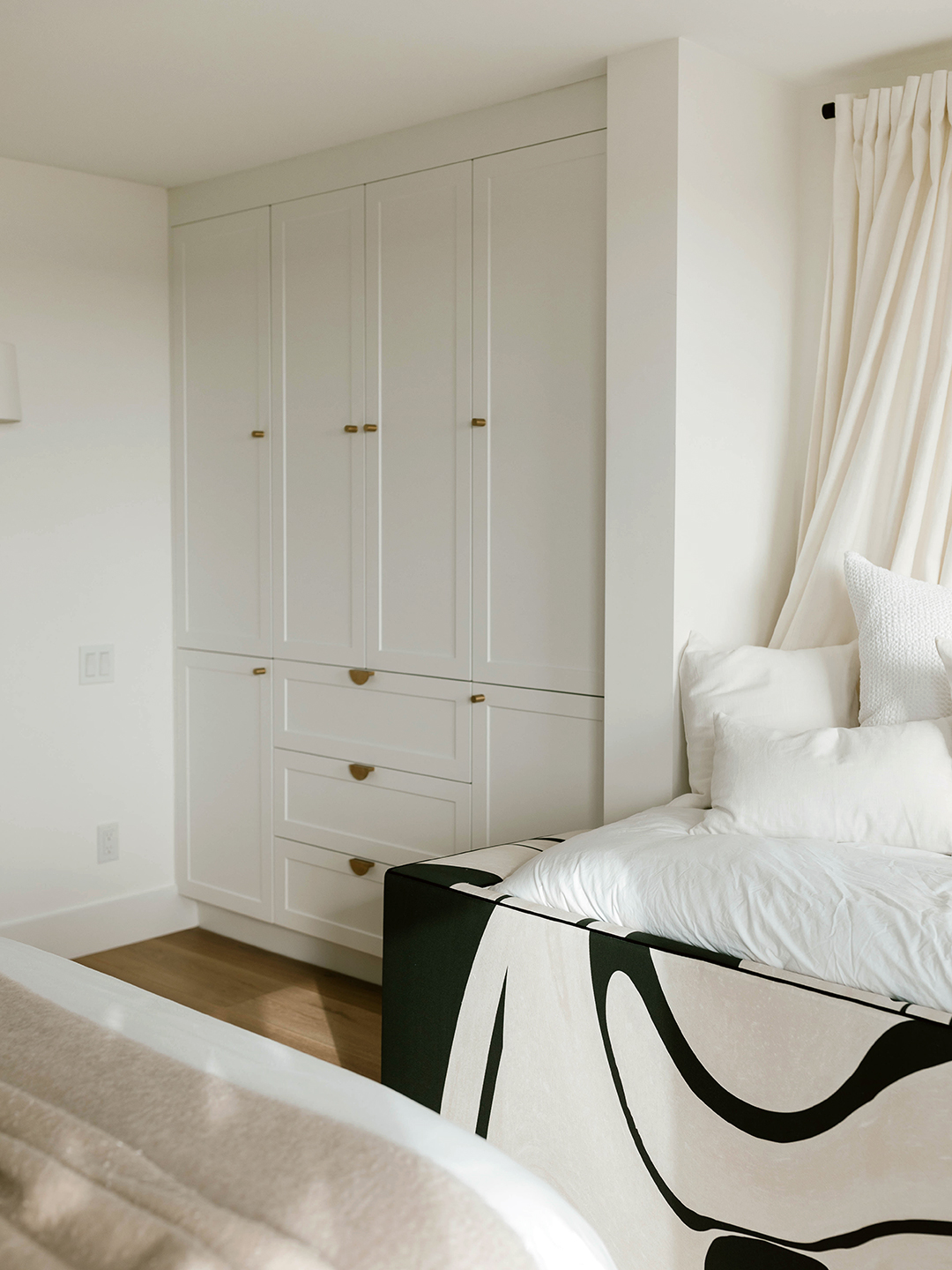
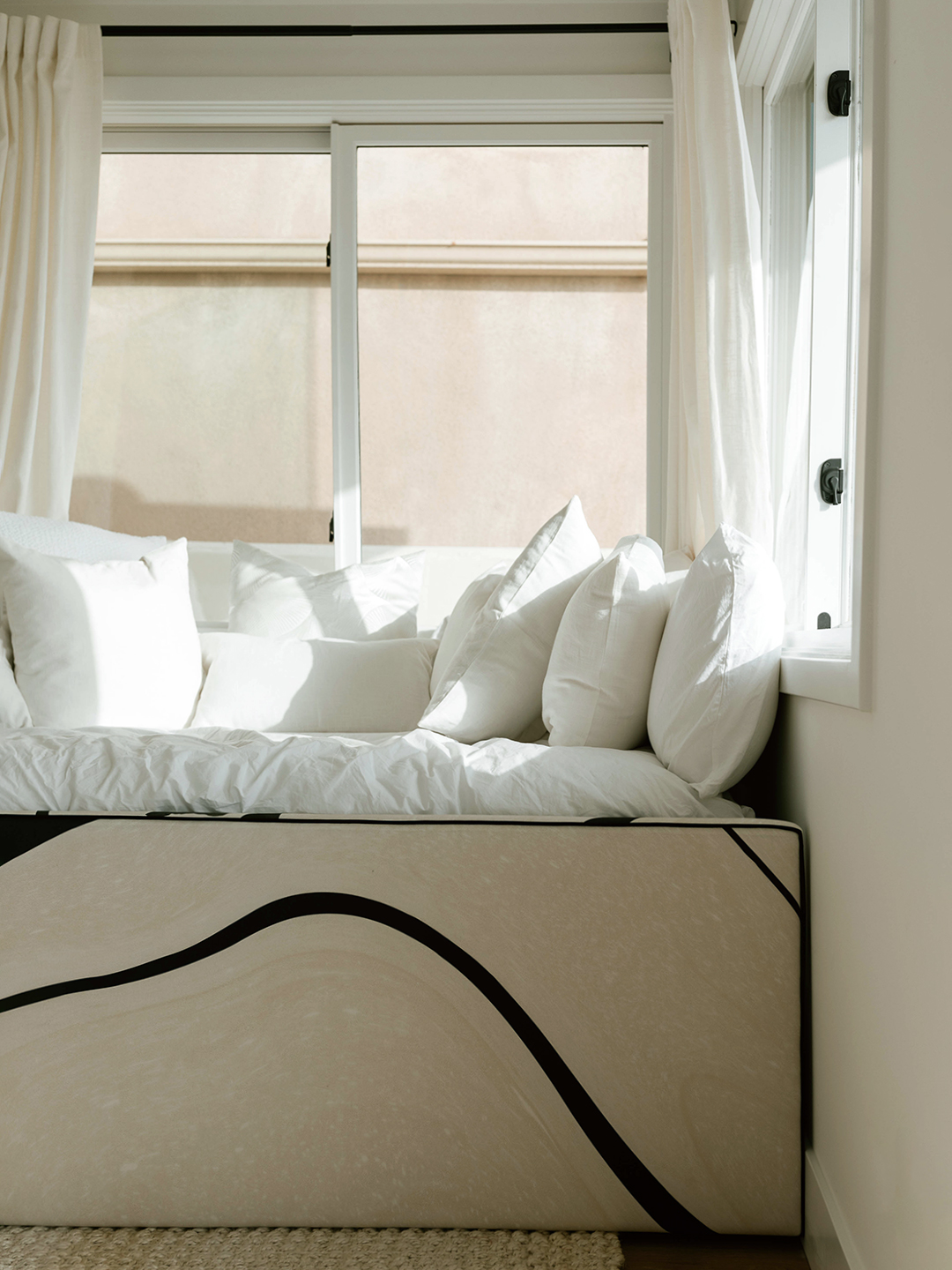
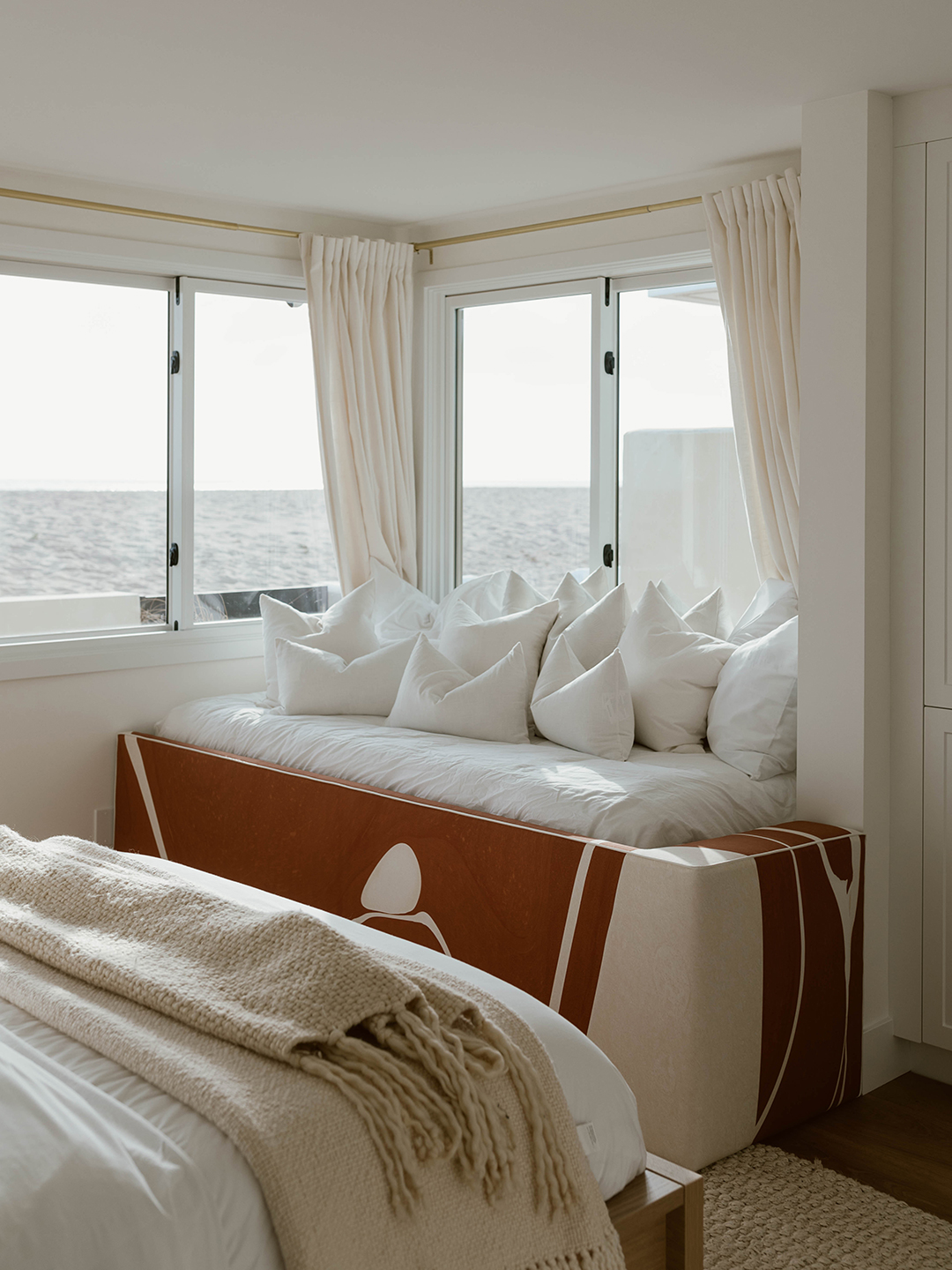
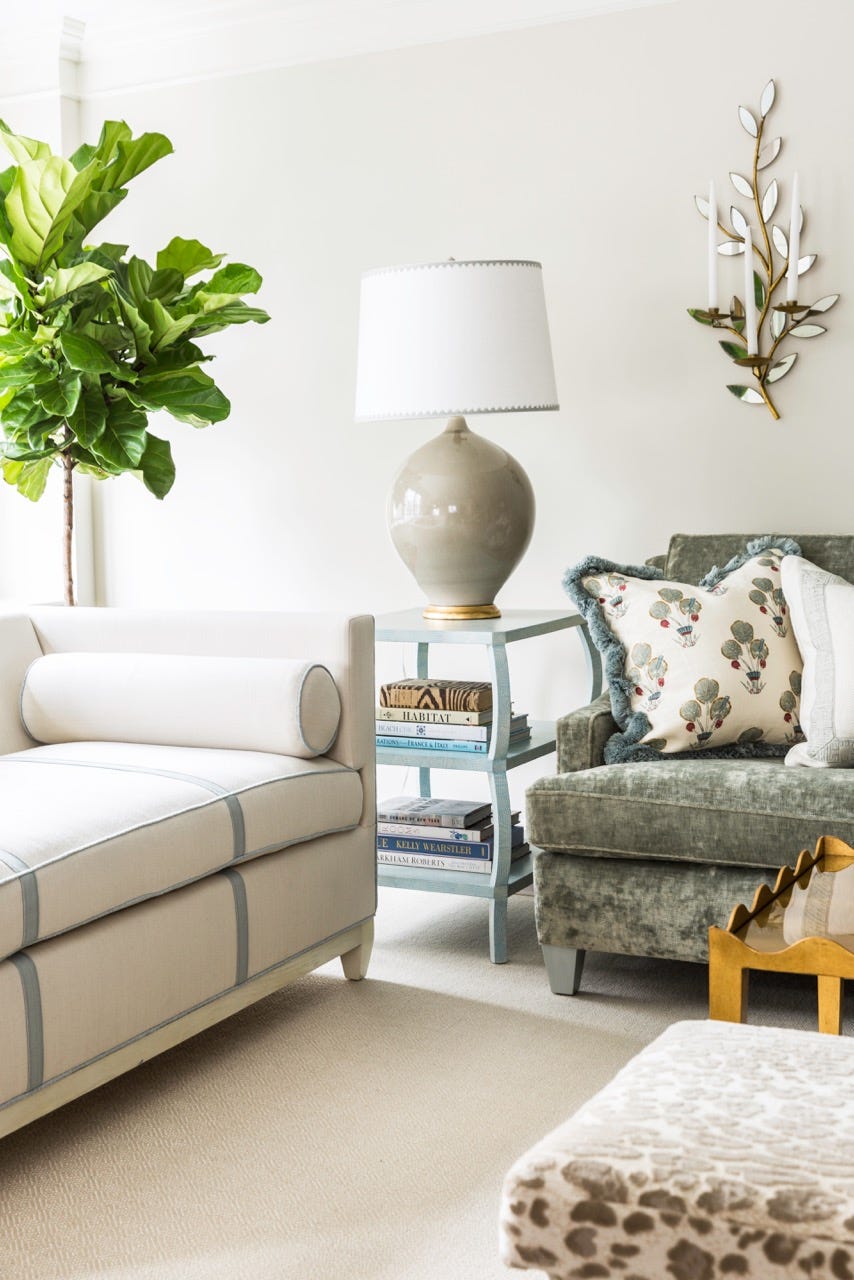
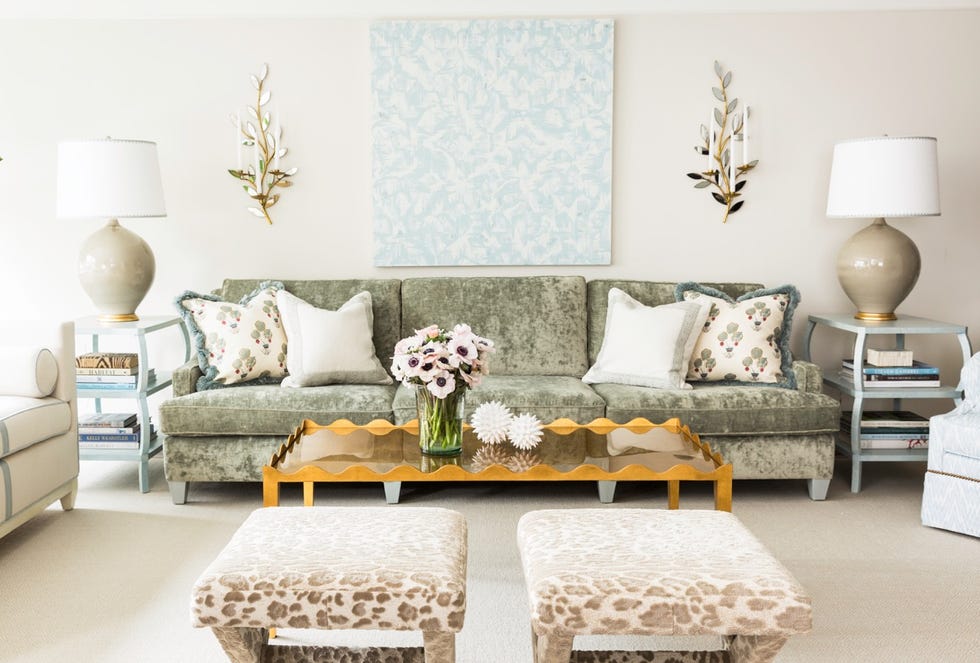
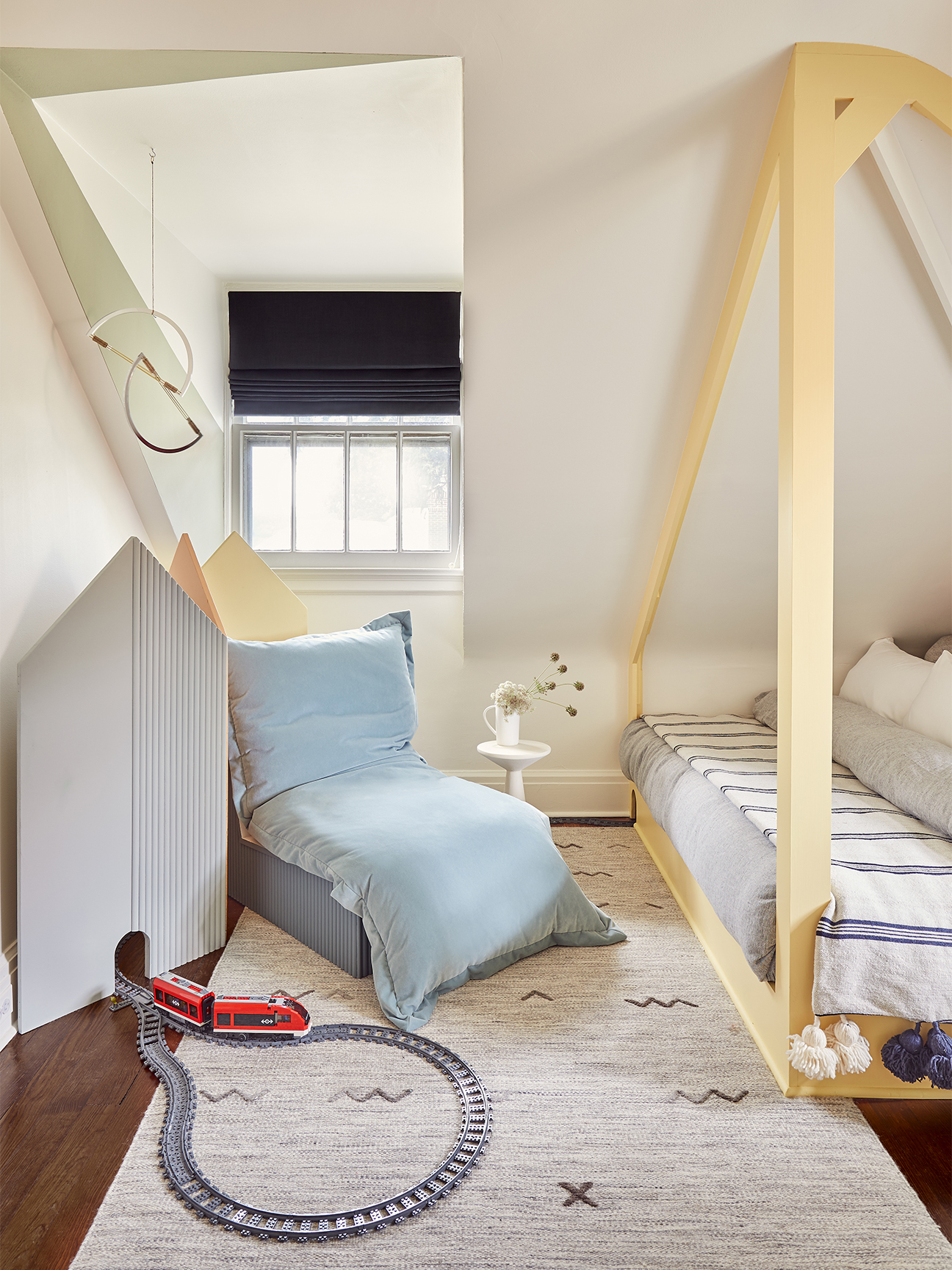
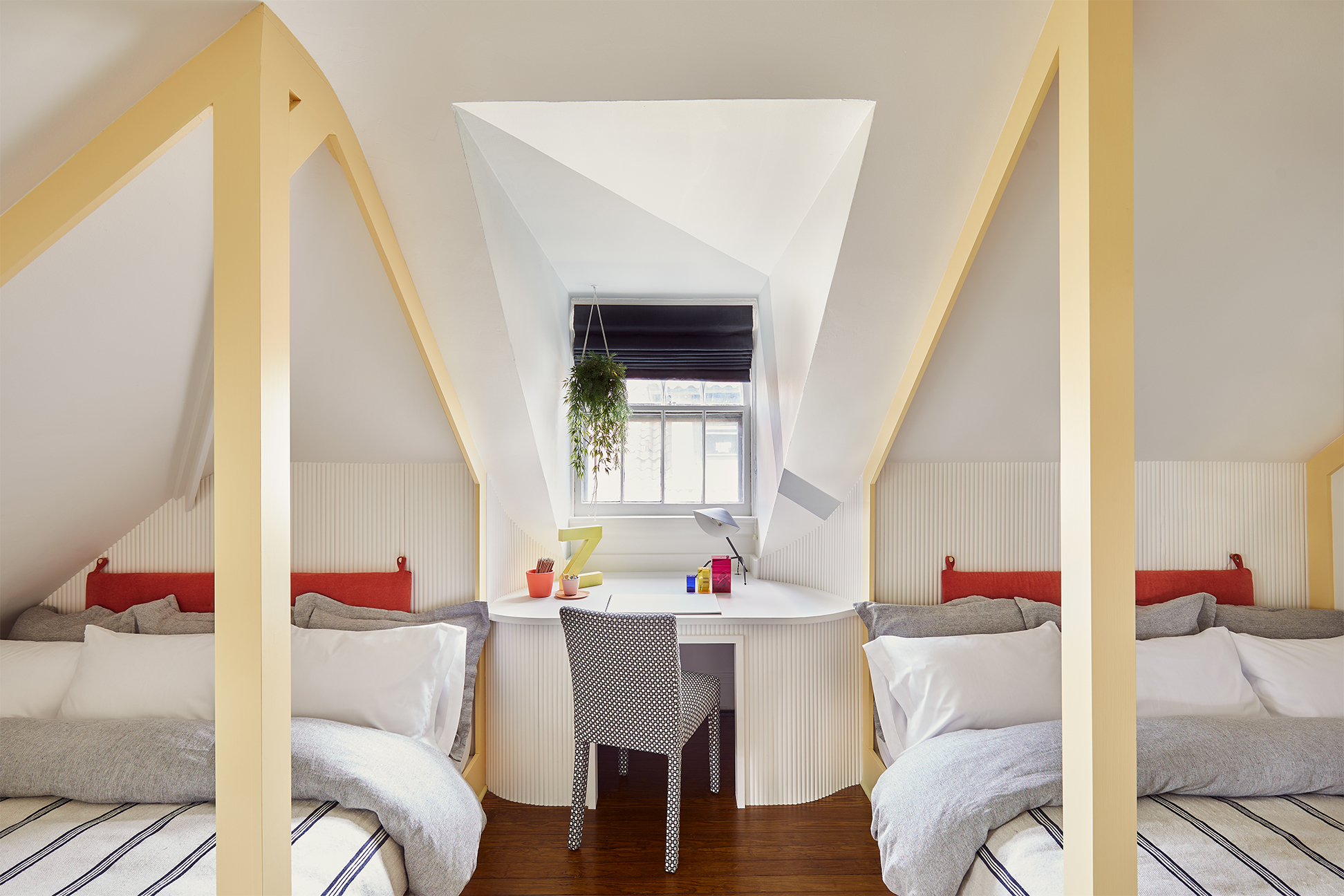
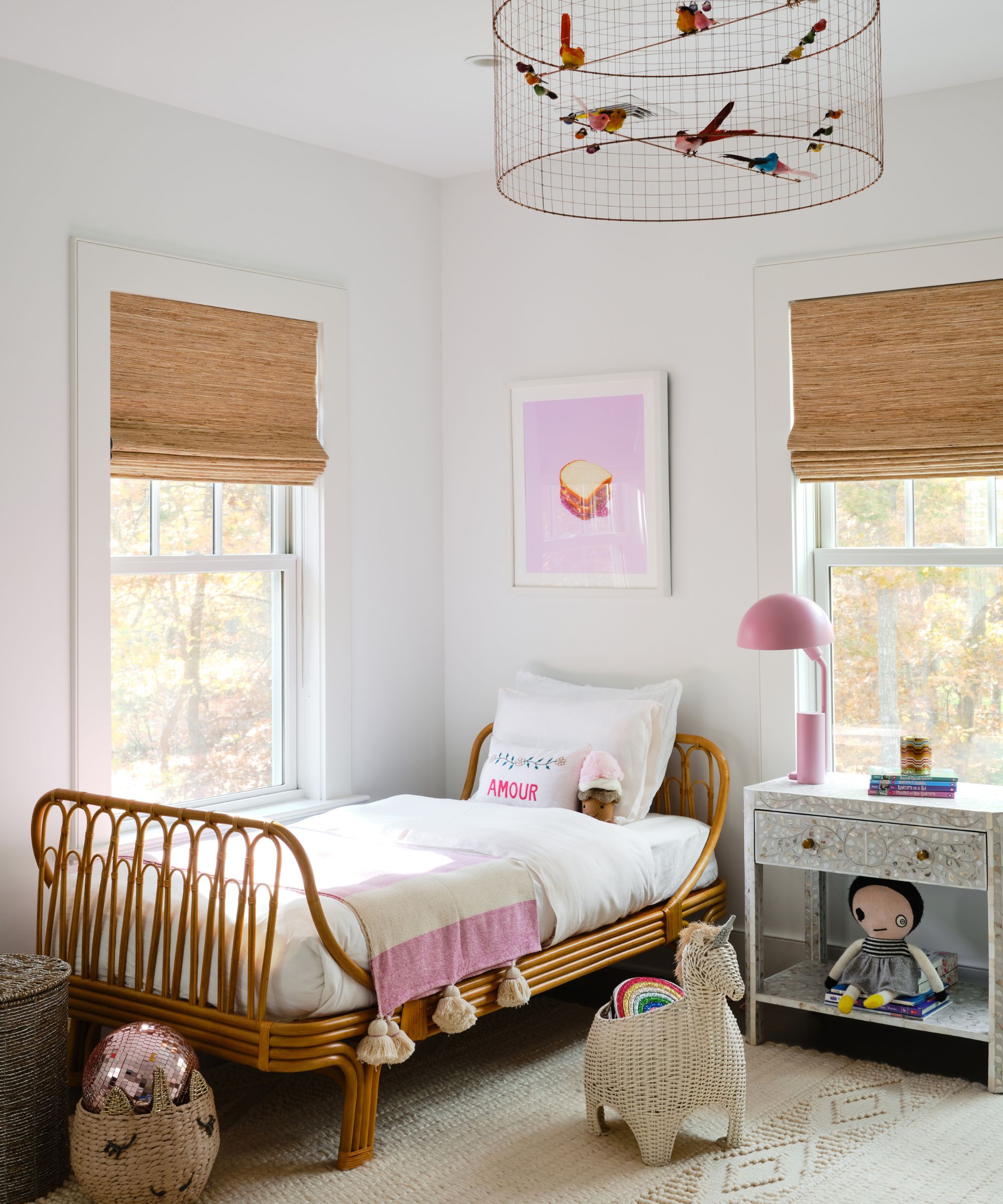
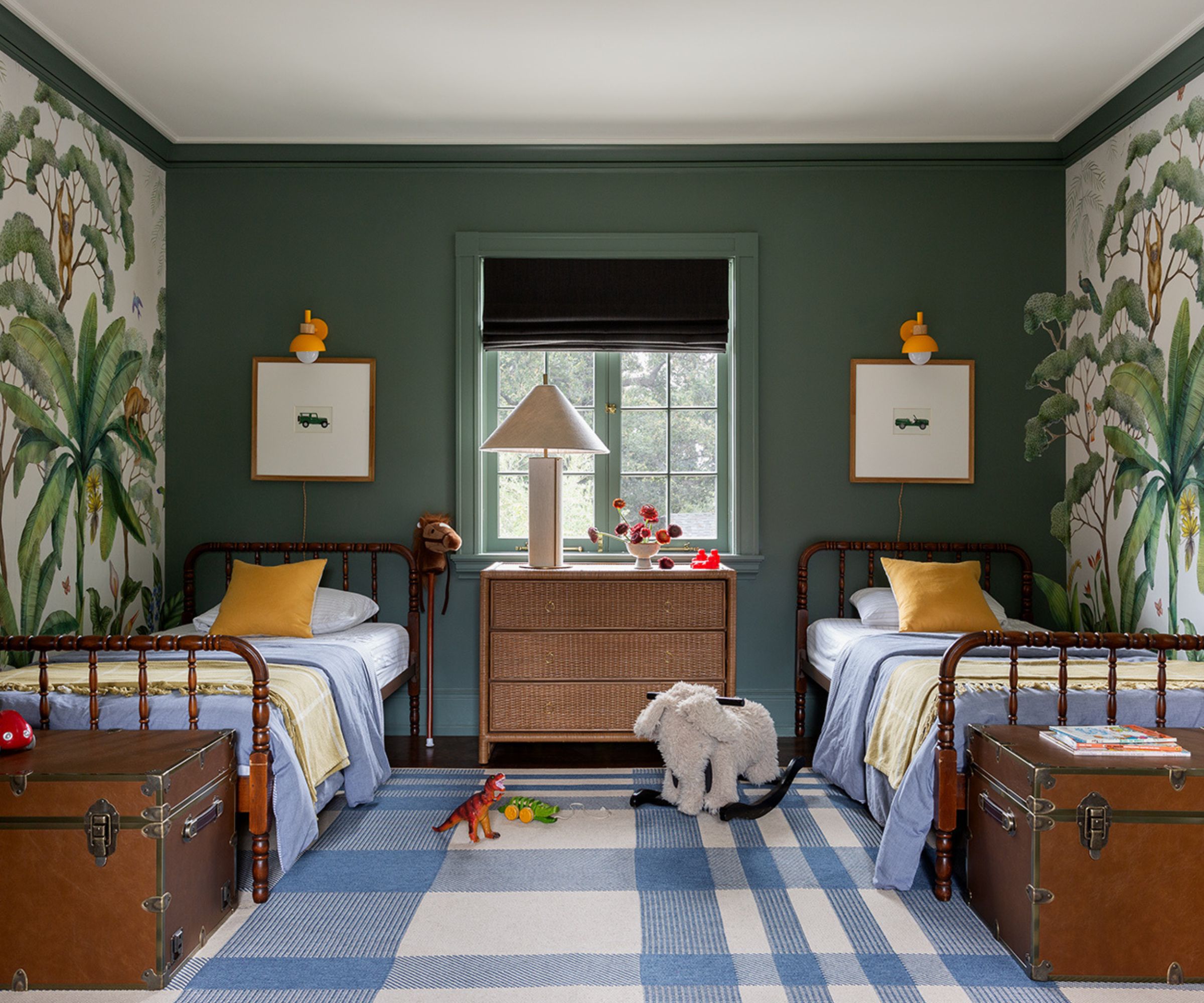
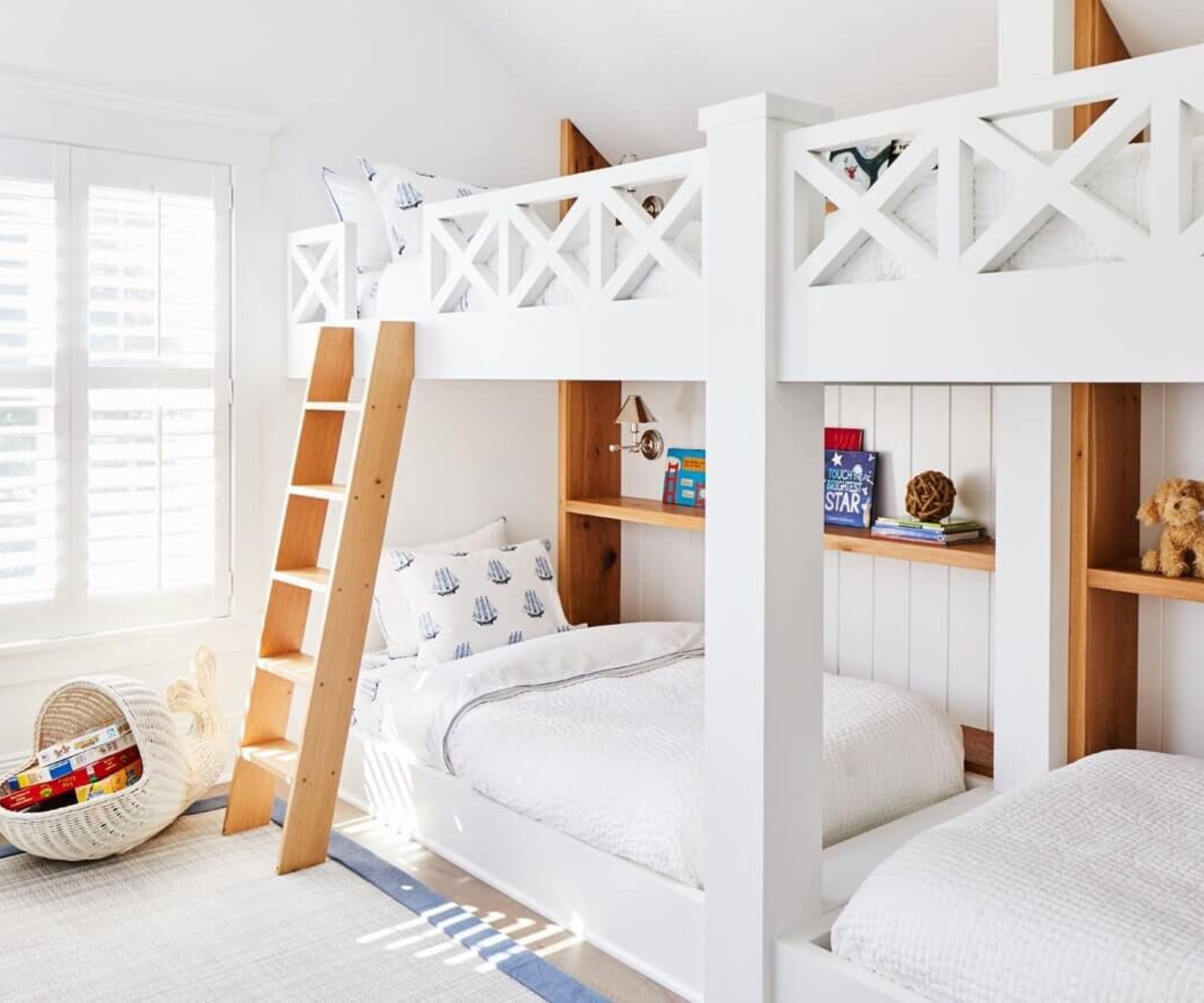
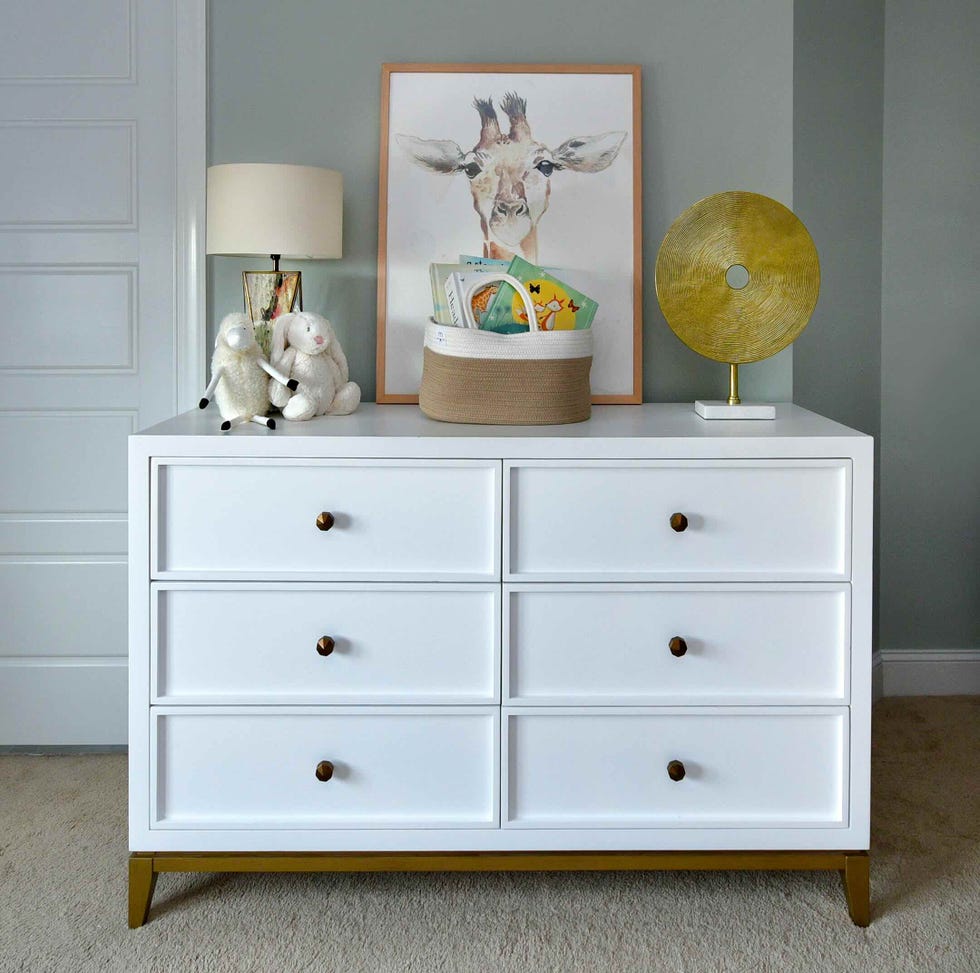
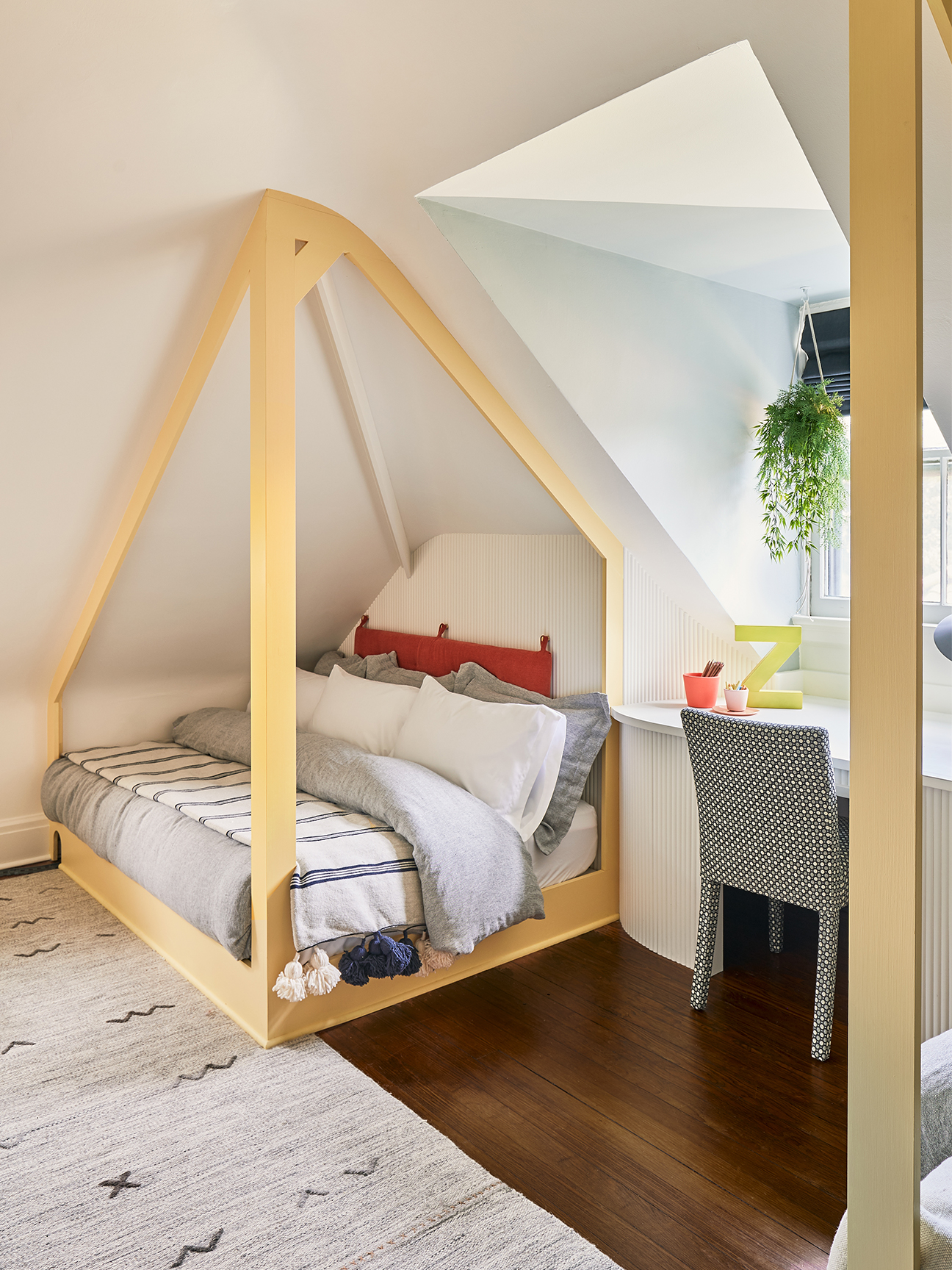
Key advice from designers Melissa Milakovic and Donna Mondi centers on investing in "adult" furniture. This means choosing pieces like beds, dressers, nightstands, shelves, and lamps that are neutral in design and can serve a child from their early years through college. Instead of purchasing specialized toddler beds or themed furniture, the recommendation is to go straight for a full or queen-sized bed when a child transitions from a crib. Upholstered beds are suggested for their flexibility, as their fabric can be changed periodically without needing to replace the entire piece of furniture. This approach significantly reduces the need for major furniture replacements as the child ages and their tastes evolve.
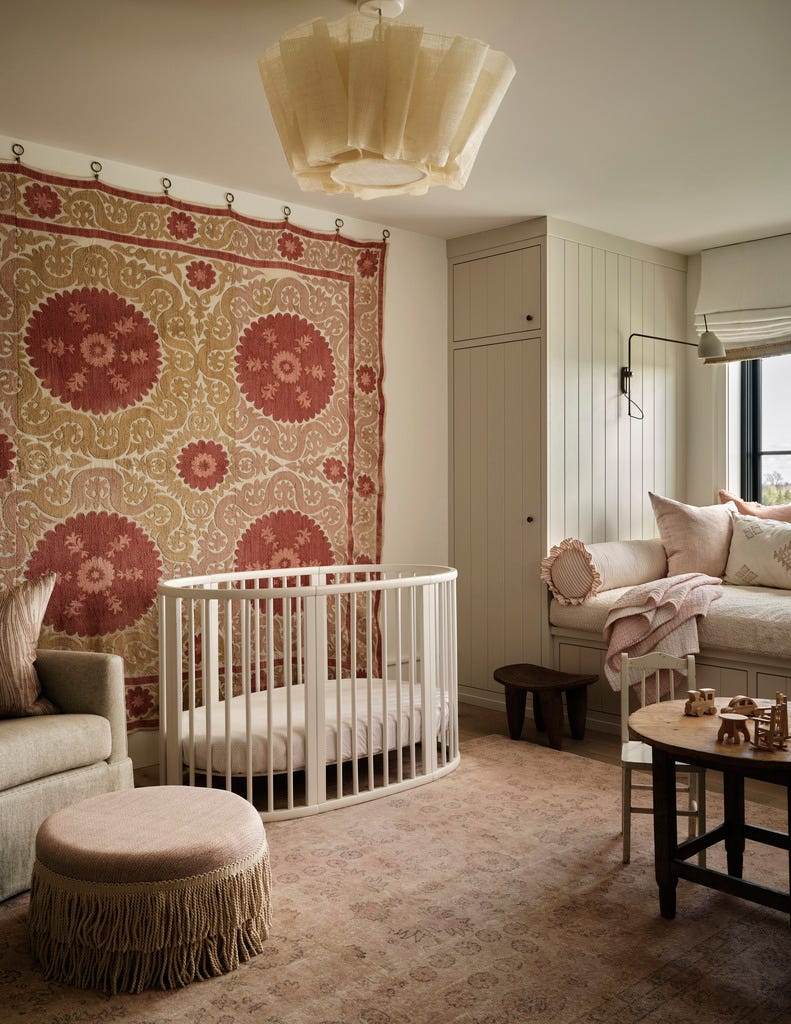
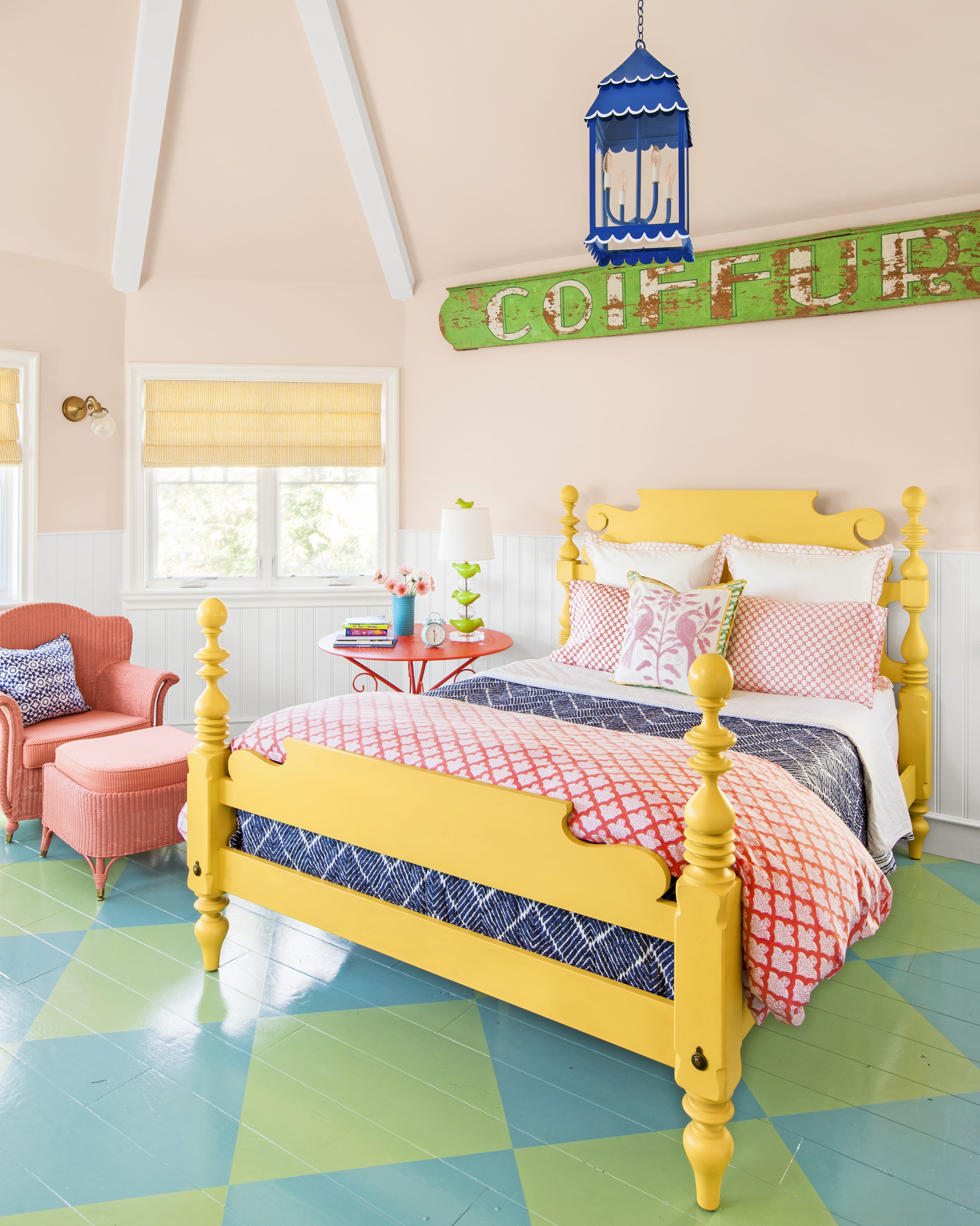
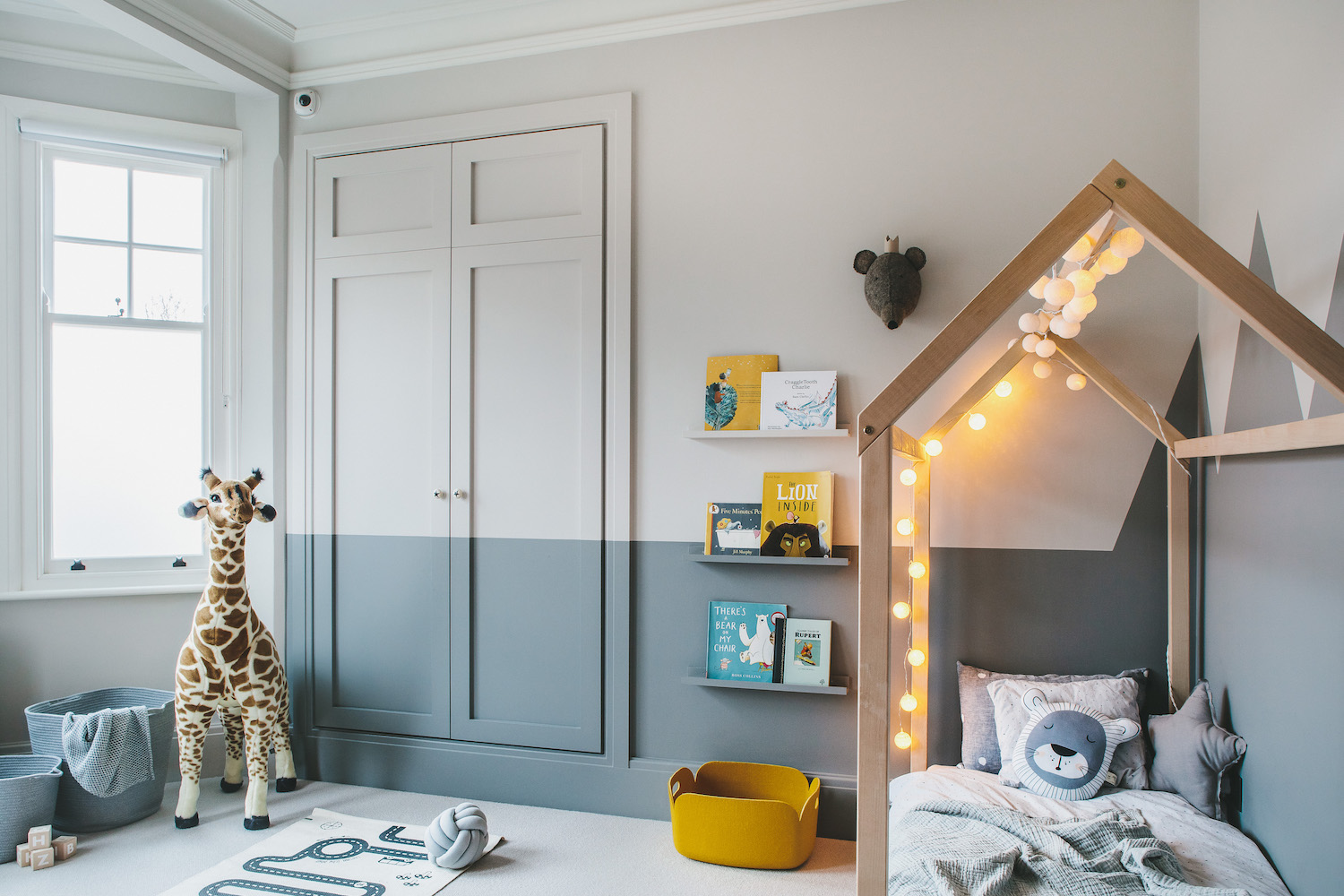
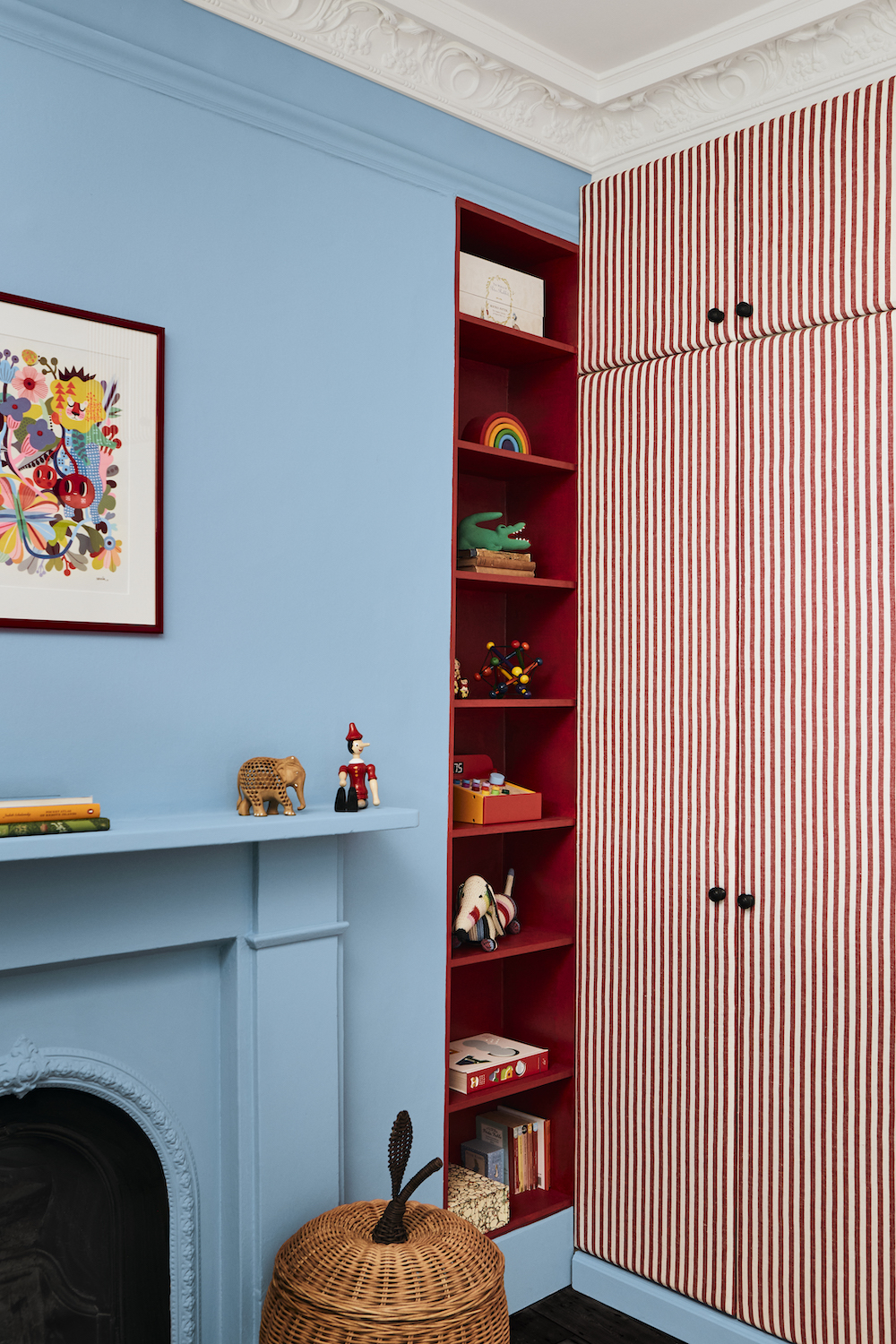
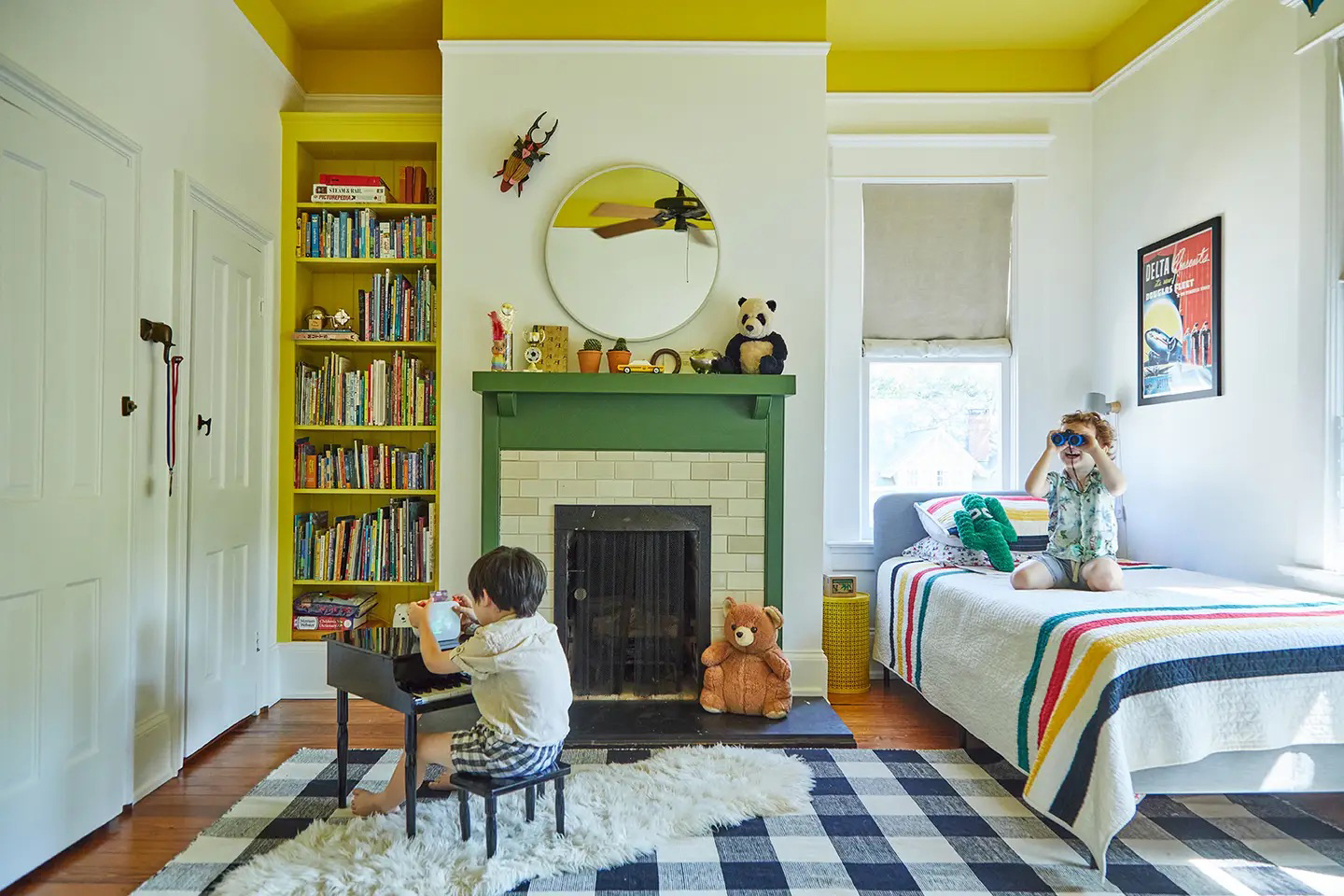
The article also emphasizes creating a calm and soothing atmosphere in a child's bedroom. This involves selecting muted, warm, or dark colors for walls, which are more timeless and conducive to rest than bright, overstimulating hues. Parents are advised to take charge of paint color selection, guiding children to choose a general color while the parents select the specific shade to ensure it integrates well with a long-lasting design. Paint is considered a relatively low-commitment element, as it can be changed more easily and affordably than wallpaper or furniture.
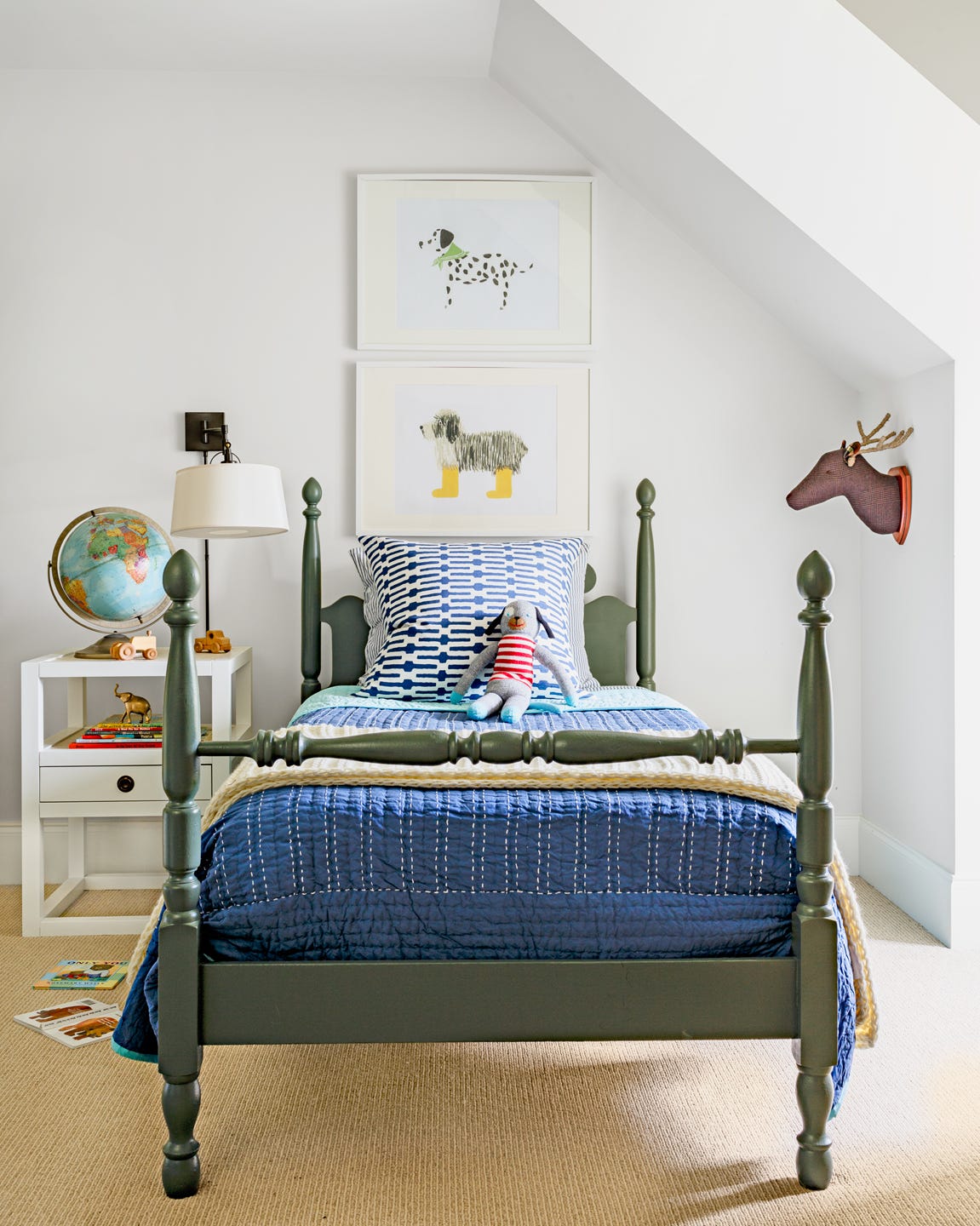
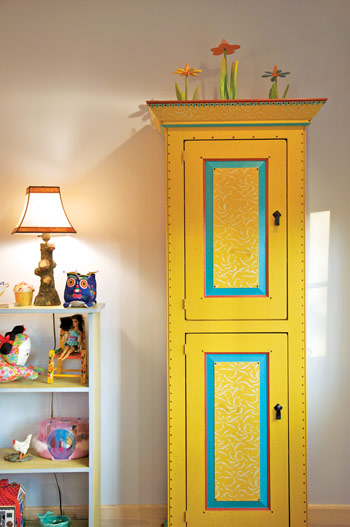
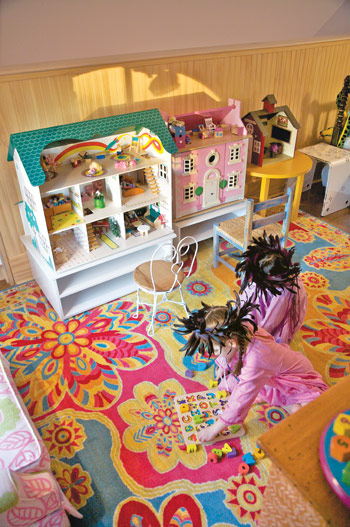
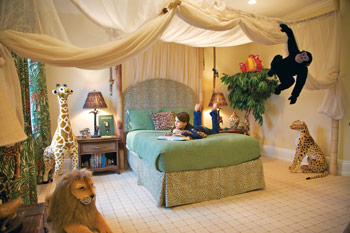
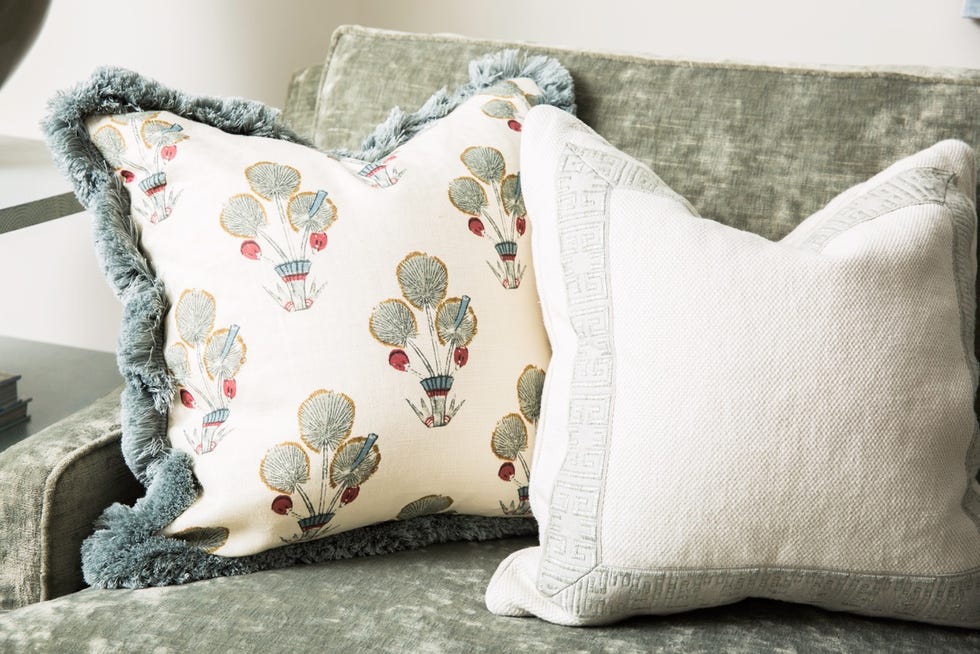
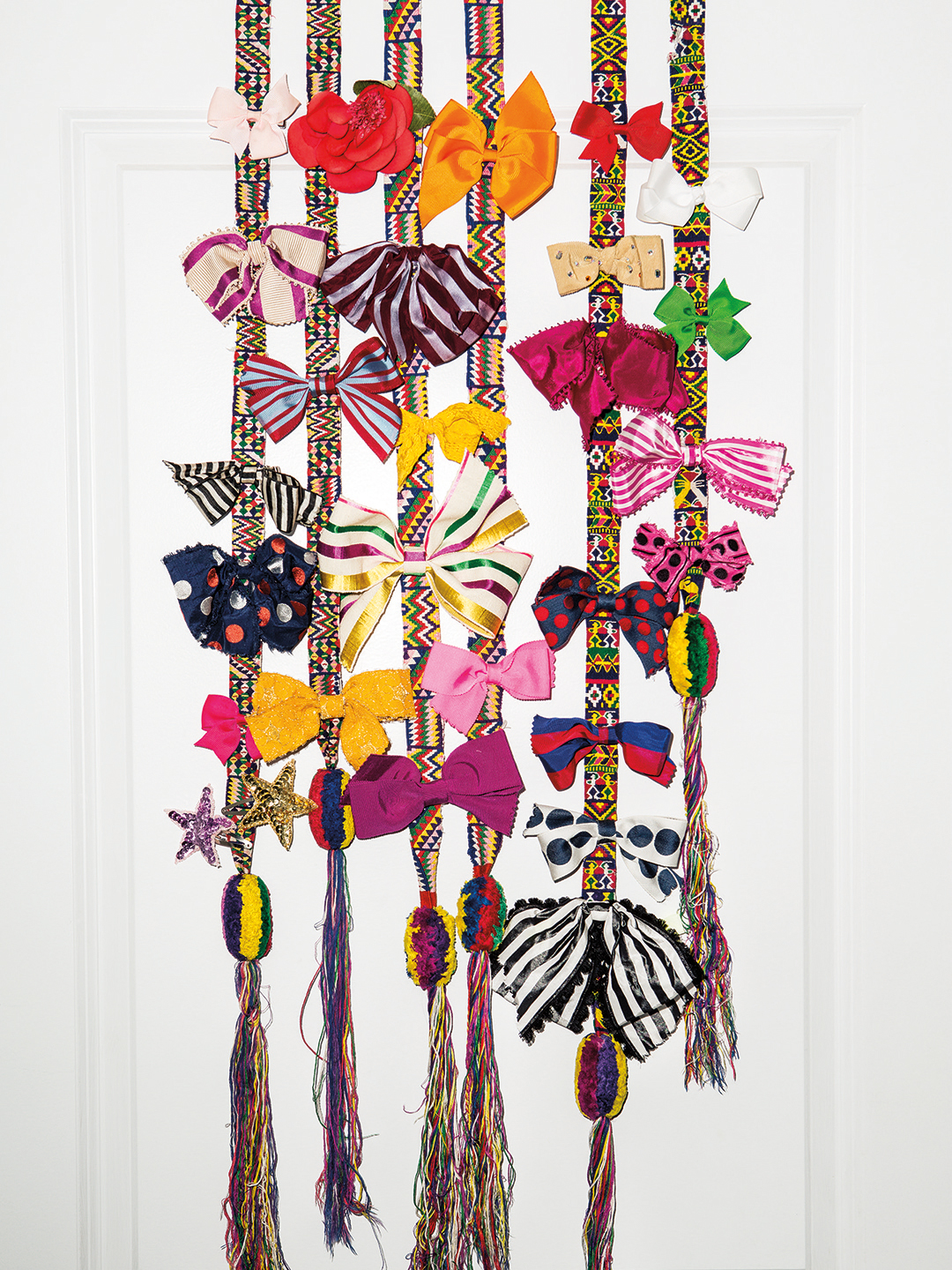
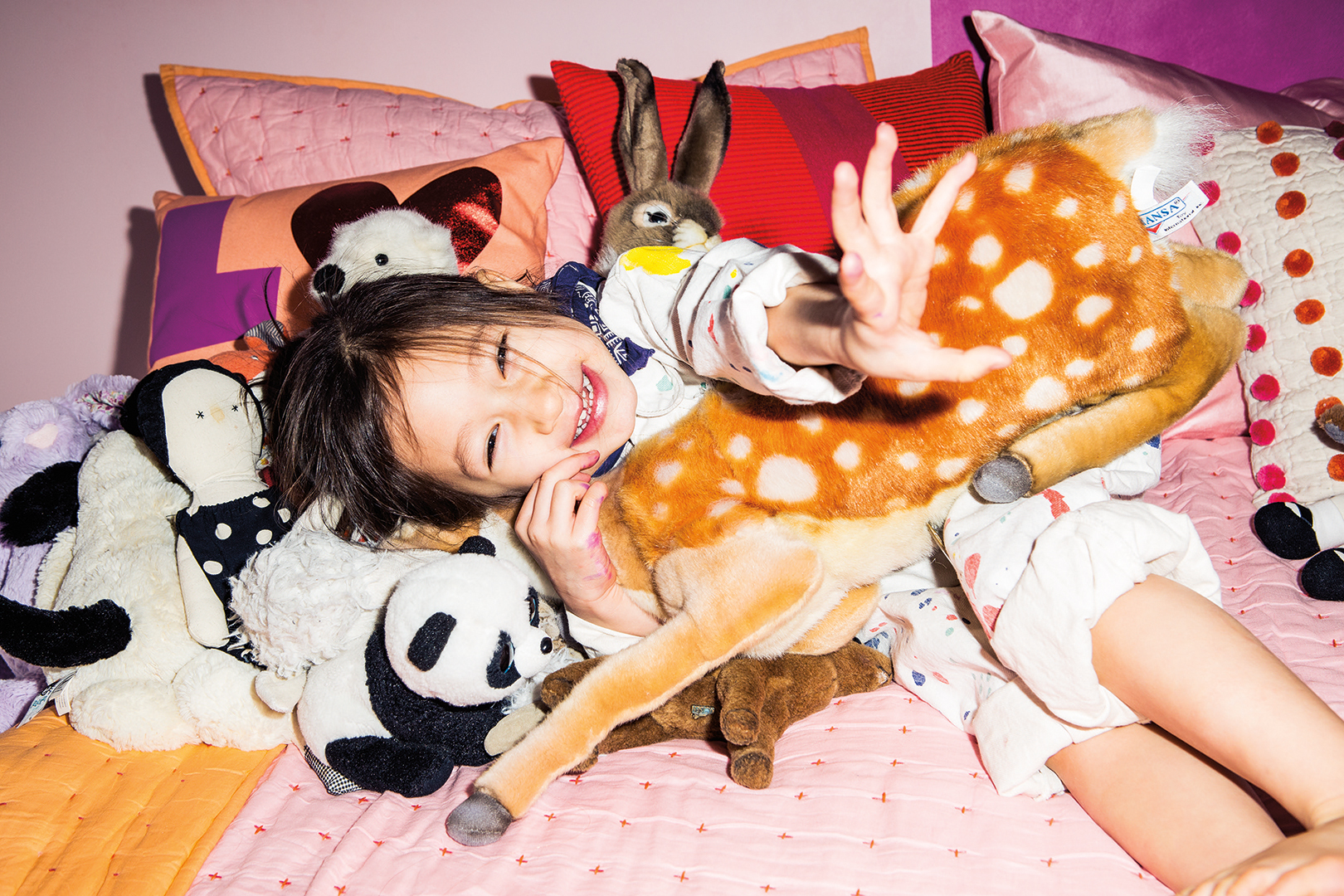
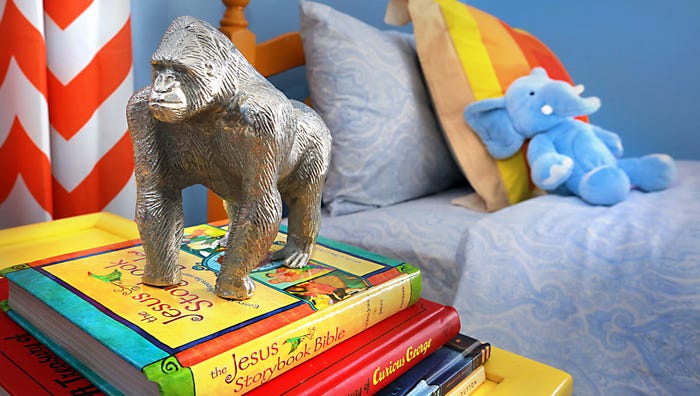
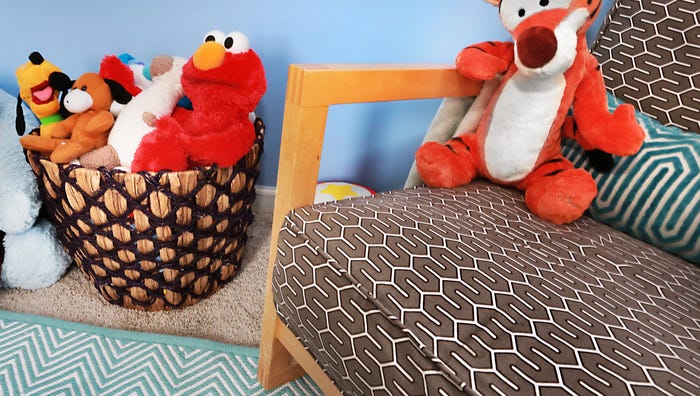
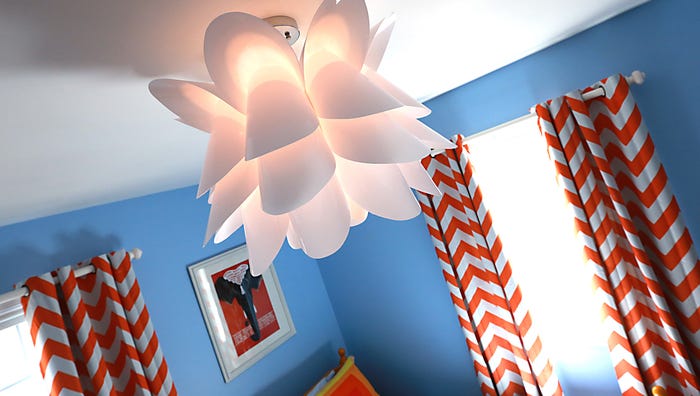
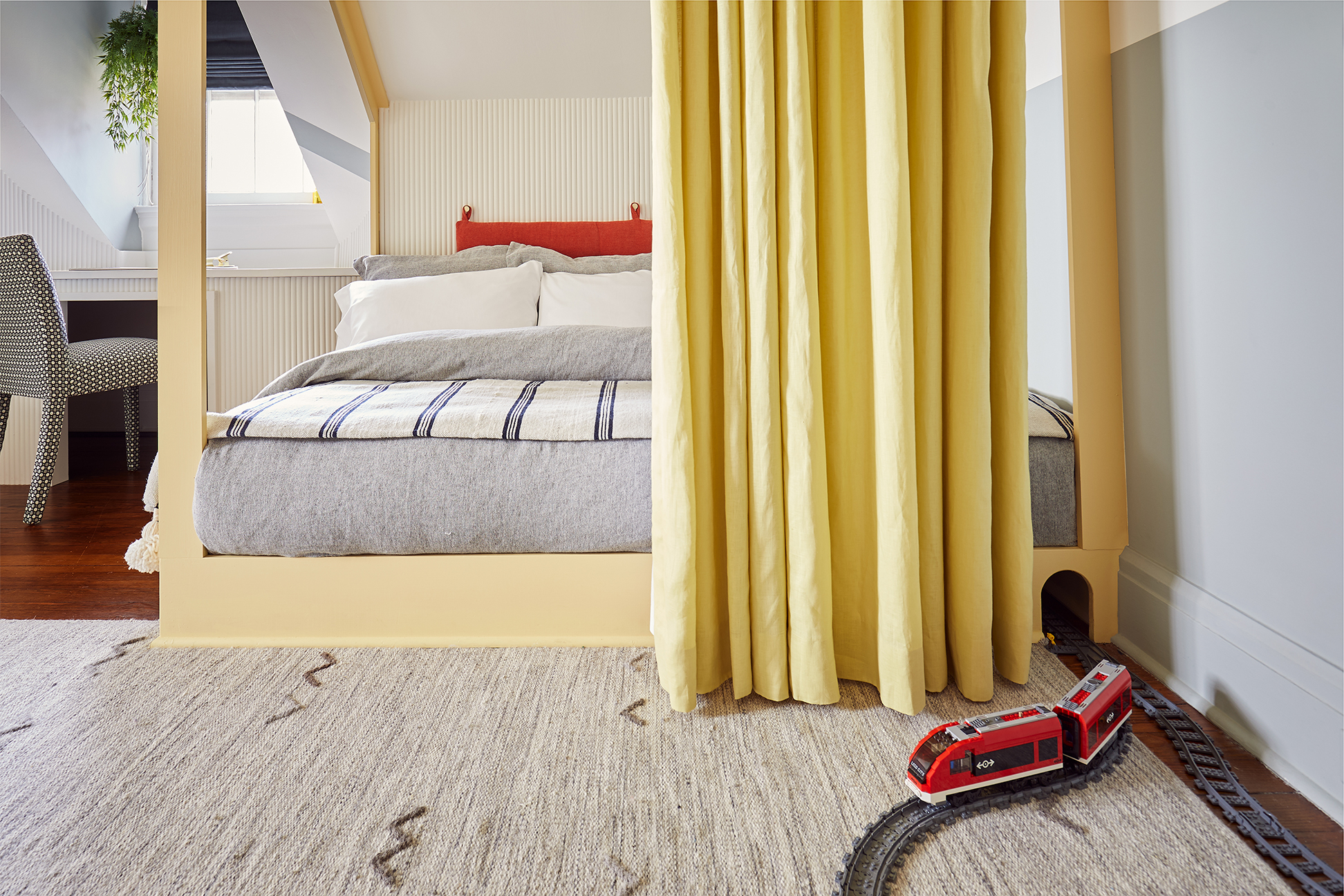
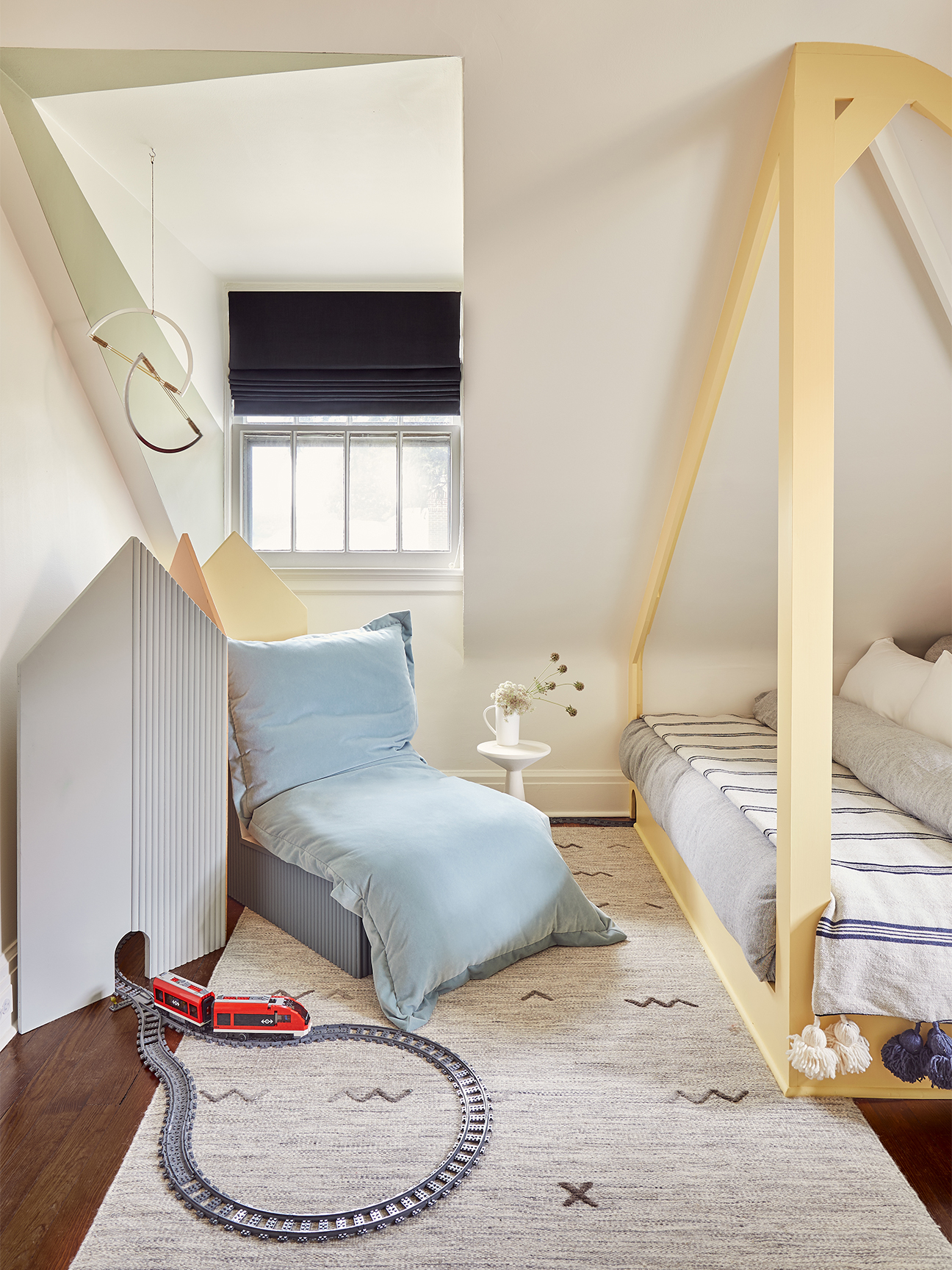
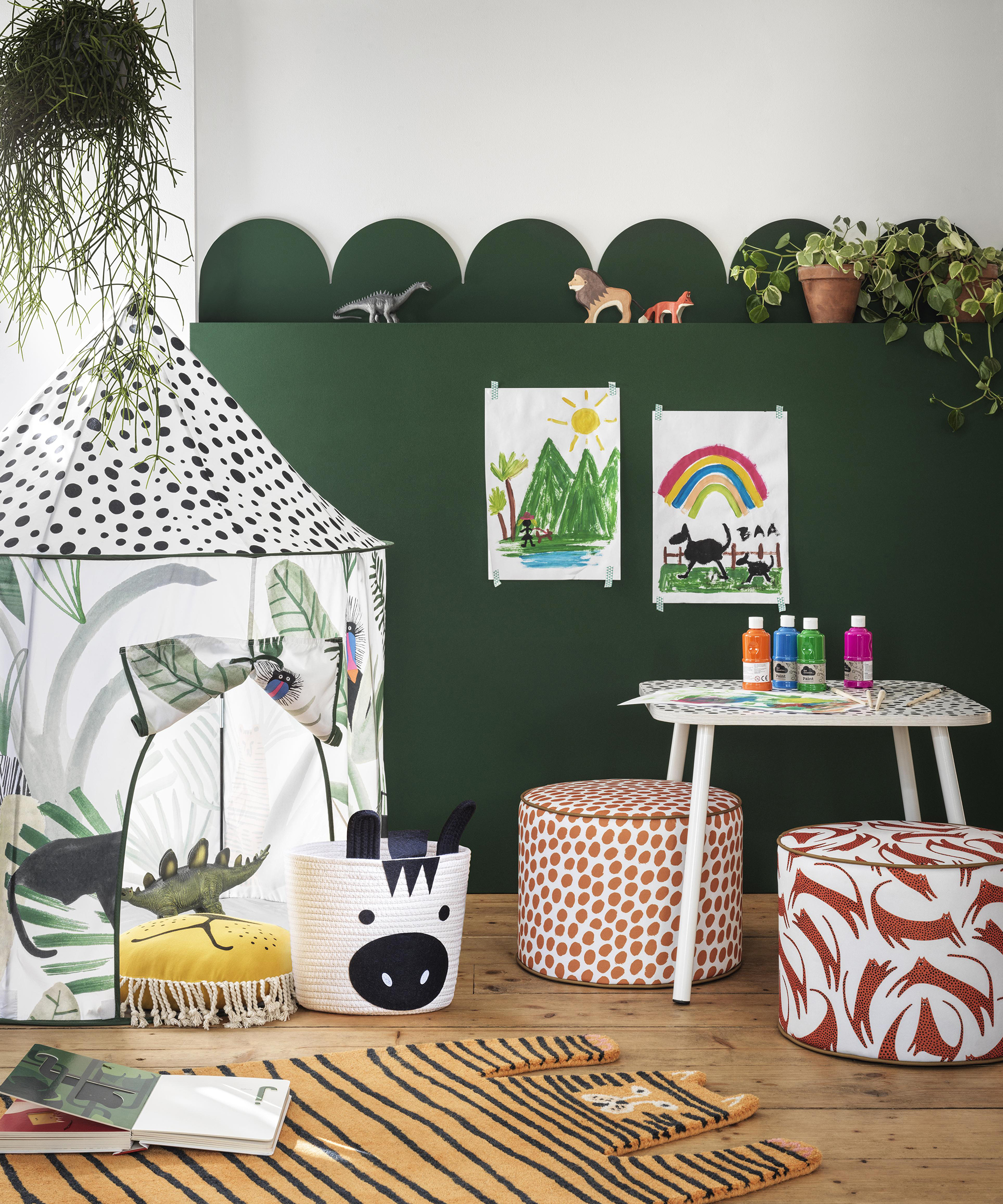
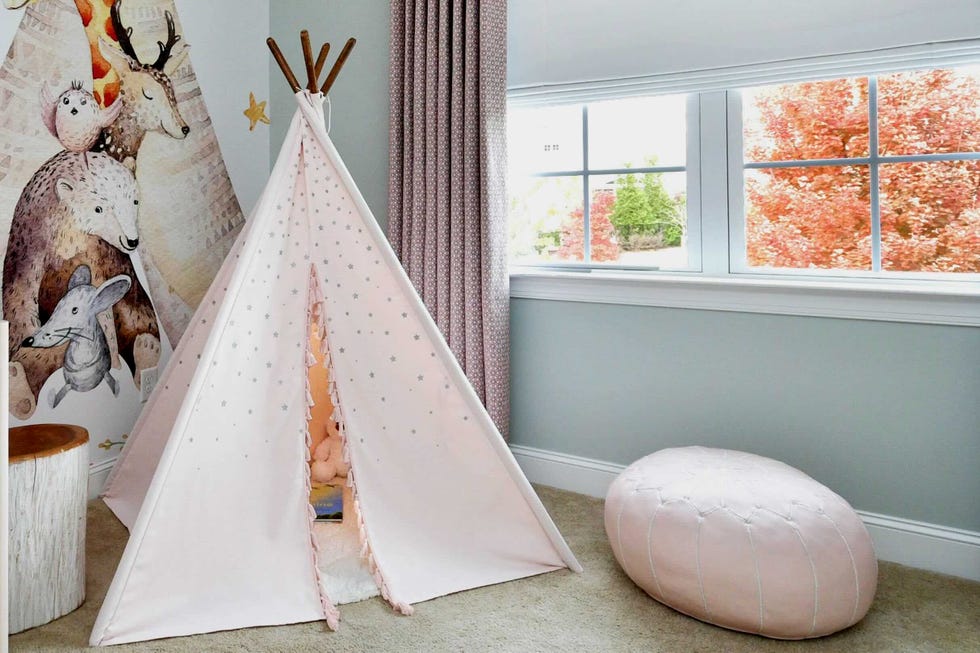
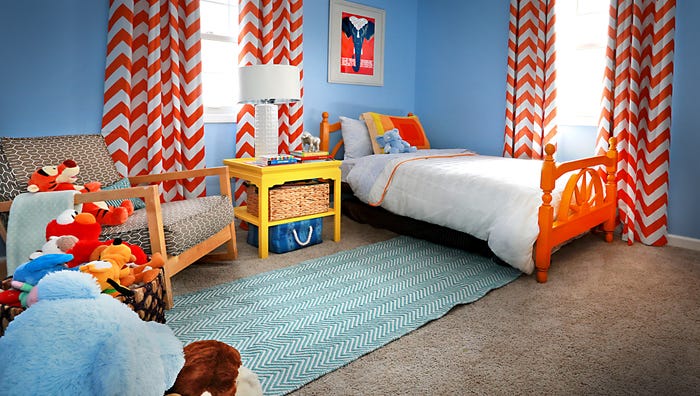
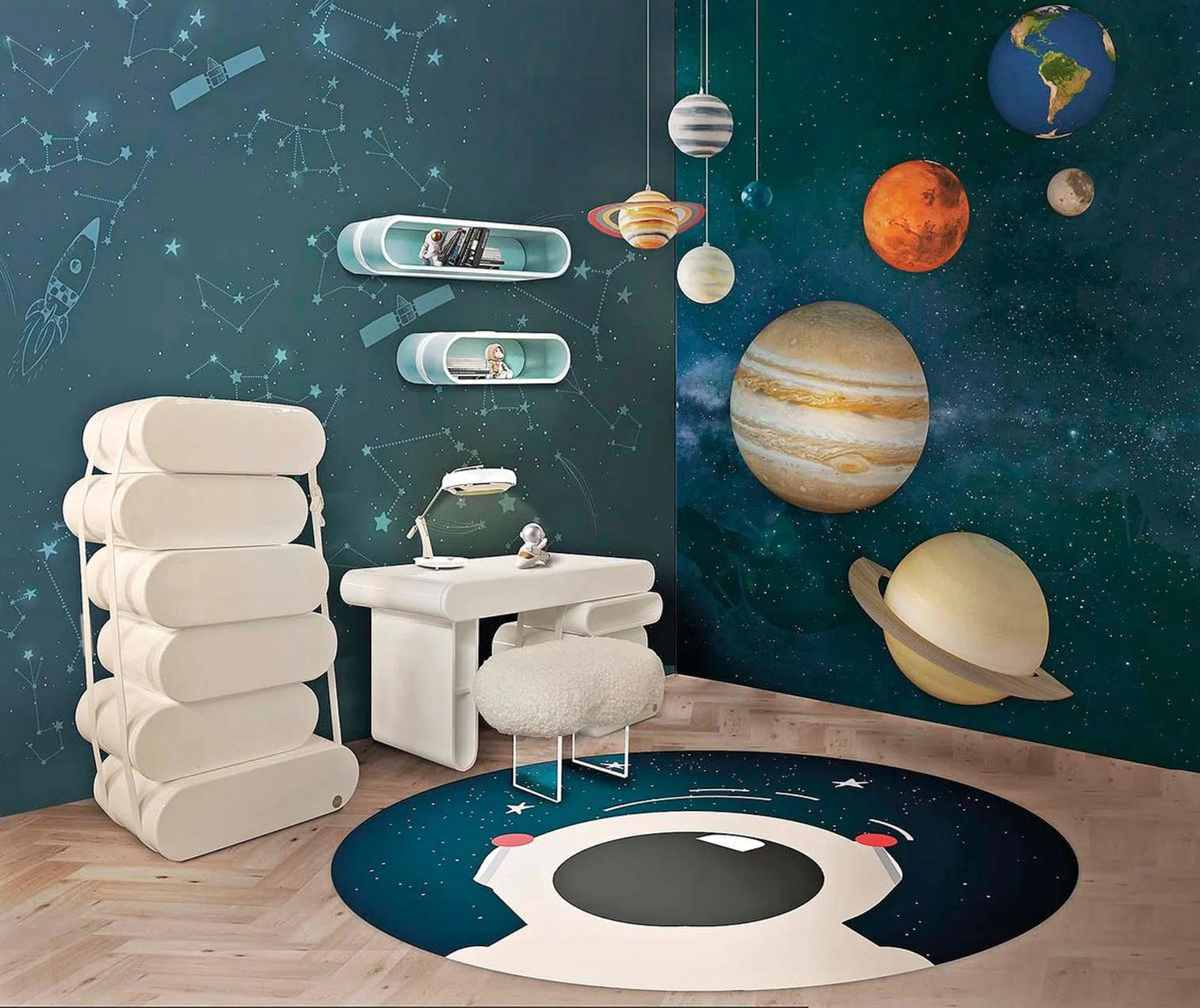
Playfulness and childlike elements should be introduced through easily replaceable accessories rather than permanent fixtures. Items like bedding, pillows, rugs, and artwork are ideal for reflecting a child's current interests, as they can be swapped out without significant expense or effort. This allows for personalization that can change with a child's evolving hobbies and preferences, such as a temporary obsession with turtles or princesses, without requiring a complete room overhaul. The designers also recommend making accessories affordable, anticipating that children can be messy and that items like rugs or bedding may need frequent replacement due to spills or wear.
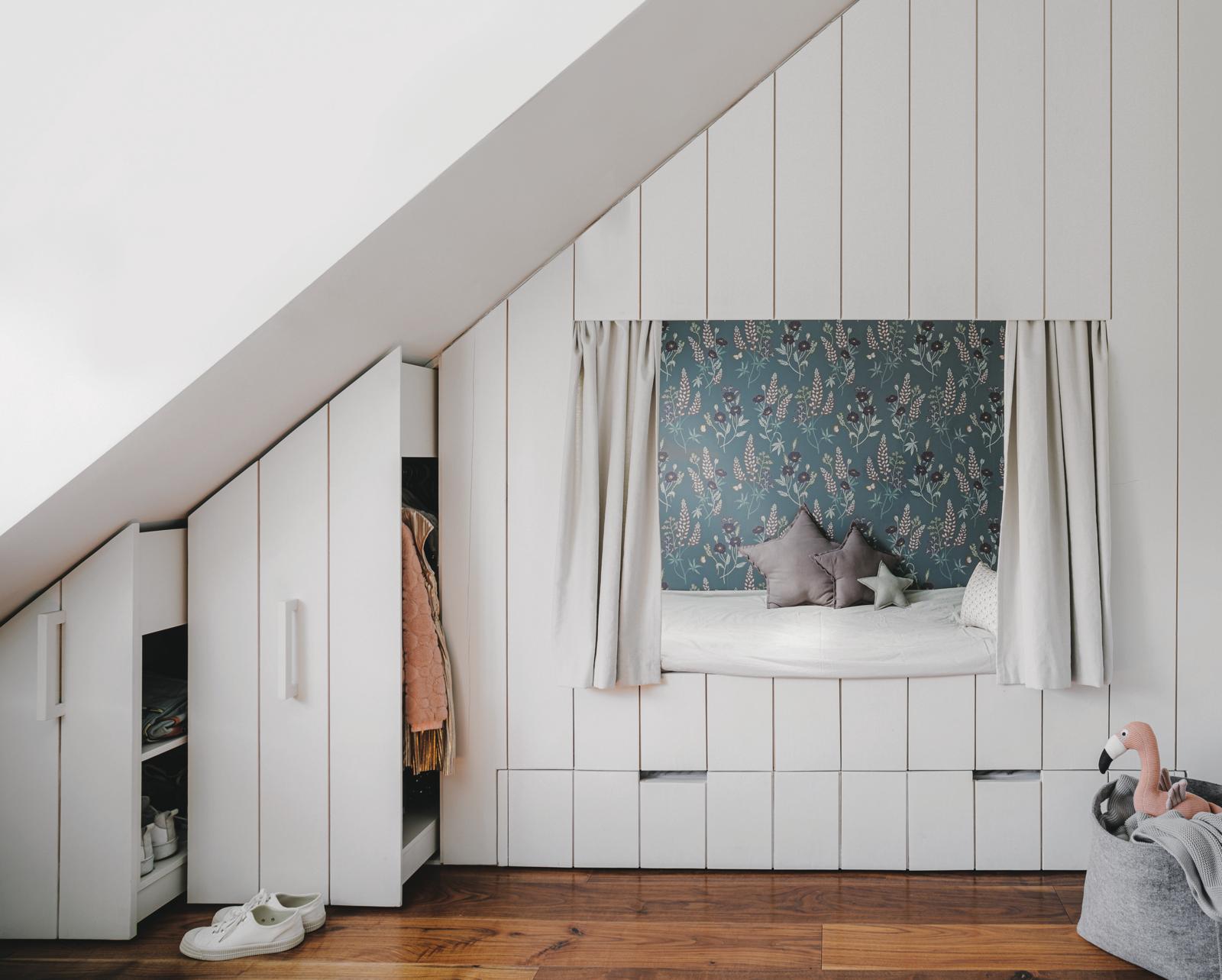
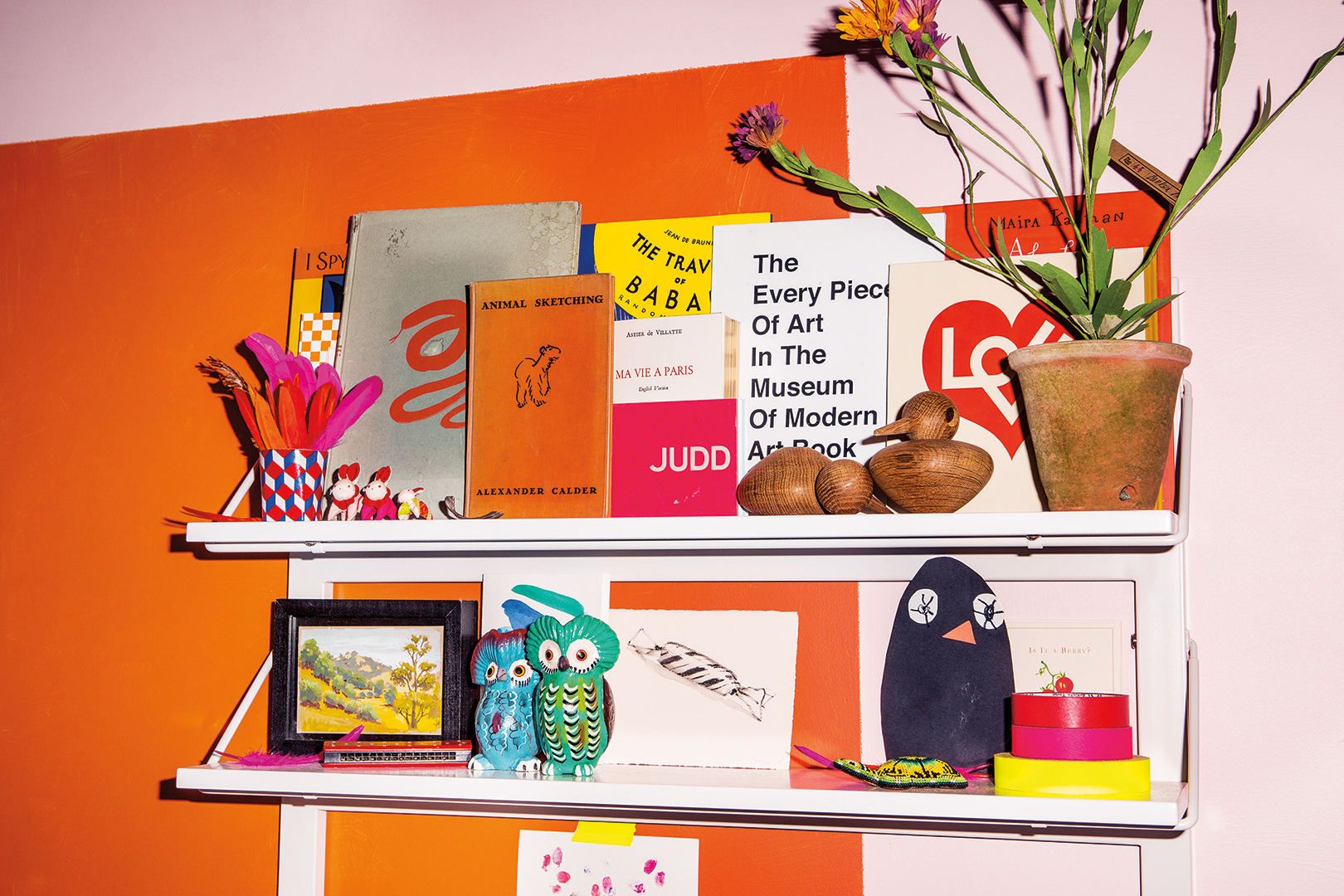
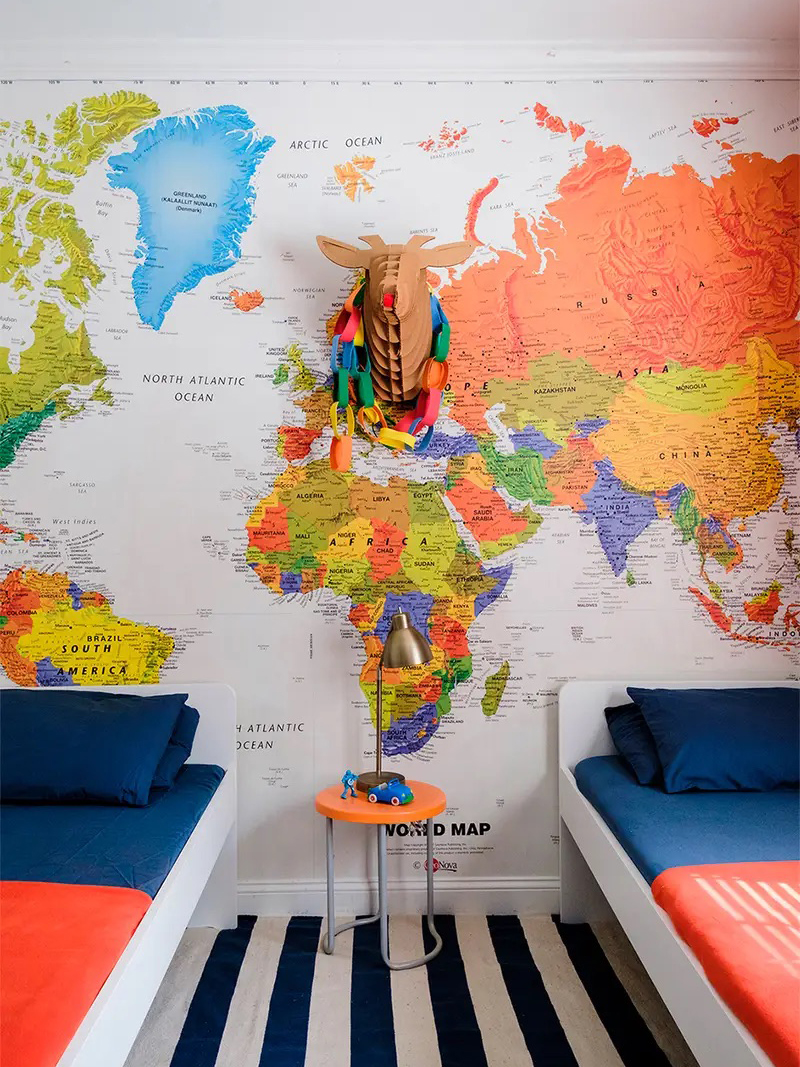
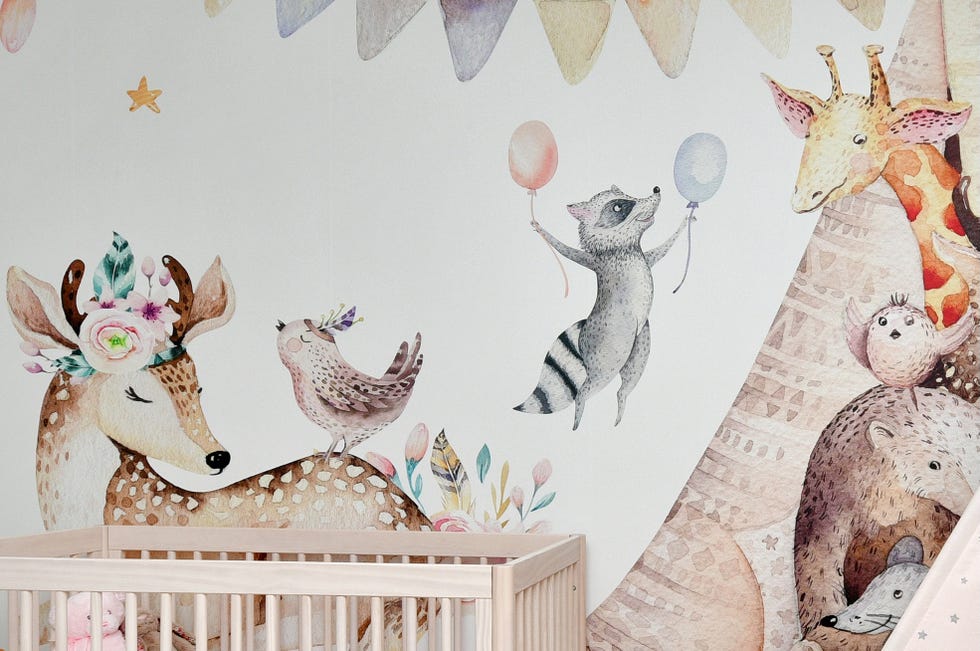
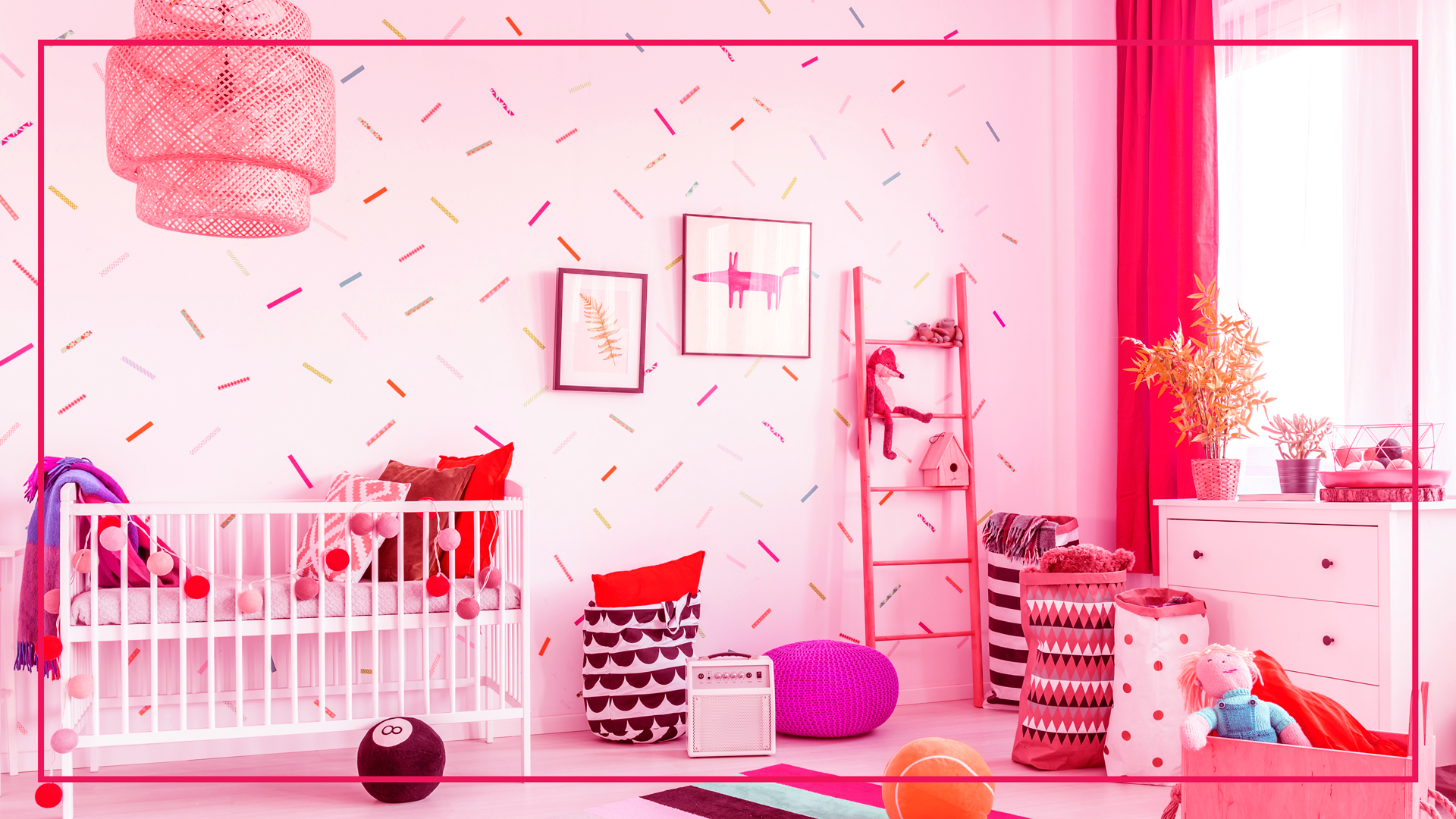
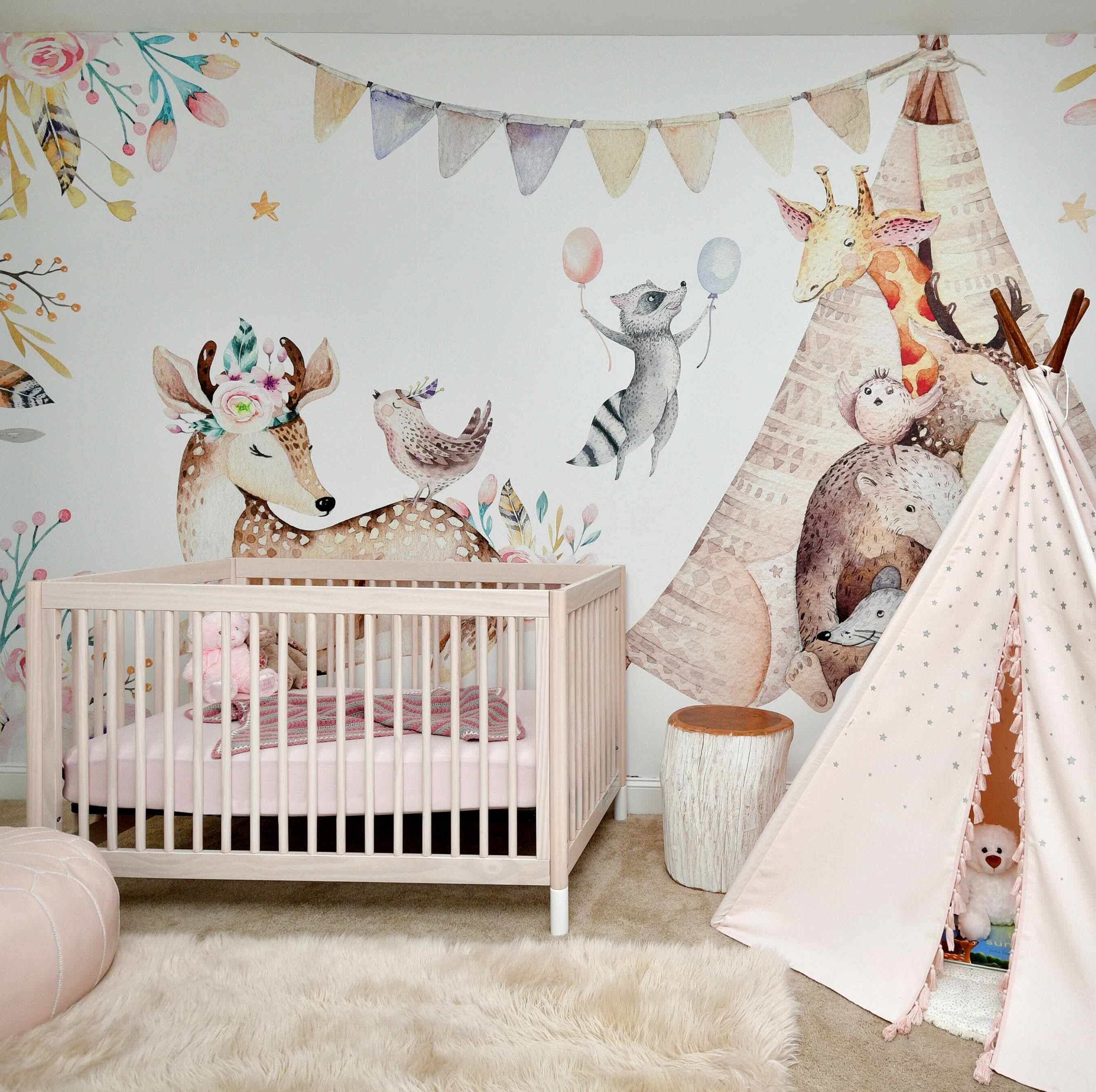
Wall decorations are another area where flexibility is key. Instead of permanent wallpapers with juvenile prints, the article suggests using wall tattoos or decals, which are low-commitment and easy to remove or change. If wall coverings are desired, neutral patterns that would suit both a child and an adult are recommended. Personalization is encouraged, but with the caveat that it should be done in a non-permanent and inexpensive manner. For instance, a feature wall designed to display changing items like skateboard decks or artwork allows a child to express themselves without committing to a static theme. This makes the room adaptable and suitable for various stages of a child's life, even transforming into a guest room once they've left for college.
Ultimately, the guiding principle for designing a child's room is simplicity and functionality. The room should be thoughtfully decorated with a few favorite items, minimizing unnecessary distractions. This pragmatic approach not only saves parents time and money but also creates a versatile and comfortable space that can genuinely grow with the child, accommodating their changing needs and preferences over many years.
#KidsBedrooms #KidsRoomIdeas #Nursery #NurseryDecor #InteriorDesign #ChildFriendlyDesign #HomeDecor #ParentingTips #KidsBedrooms #KidsRoomIdeas #Nursery #NurseryDecor #InteriorDesign #ChildFriendlyDesign #HomeDecor #ParentingTips
0개의 댓글이 총 표시됩니다.
 아직 댓글이 없습니다
추가로 마음에 드릴 만한 콘텐츠
The 70 Coolest Kids' Room Ideas Filled With Imaginative Details

Behind These Streamlined Cabinets Is an Entire Hidden Kids’ Zone

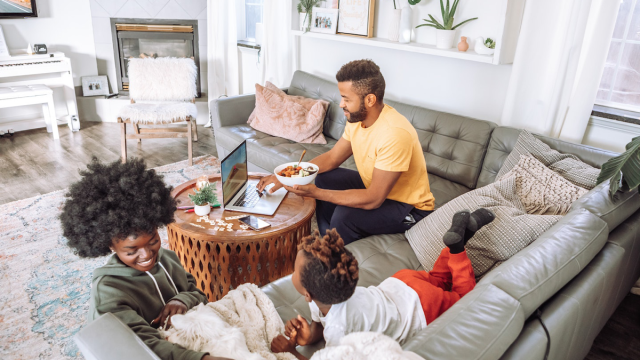
A Stylist’s Guide to Creating a Kid-Friendly Living Room
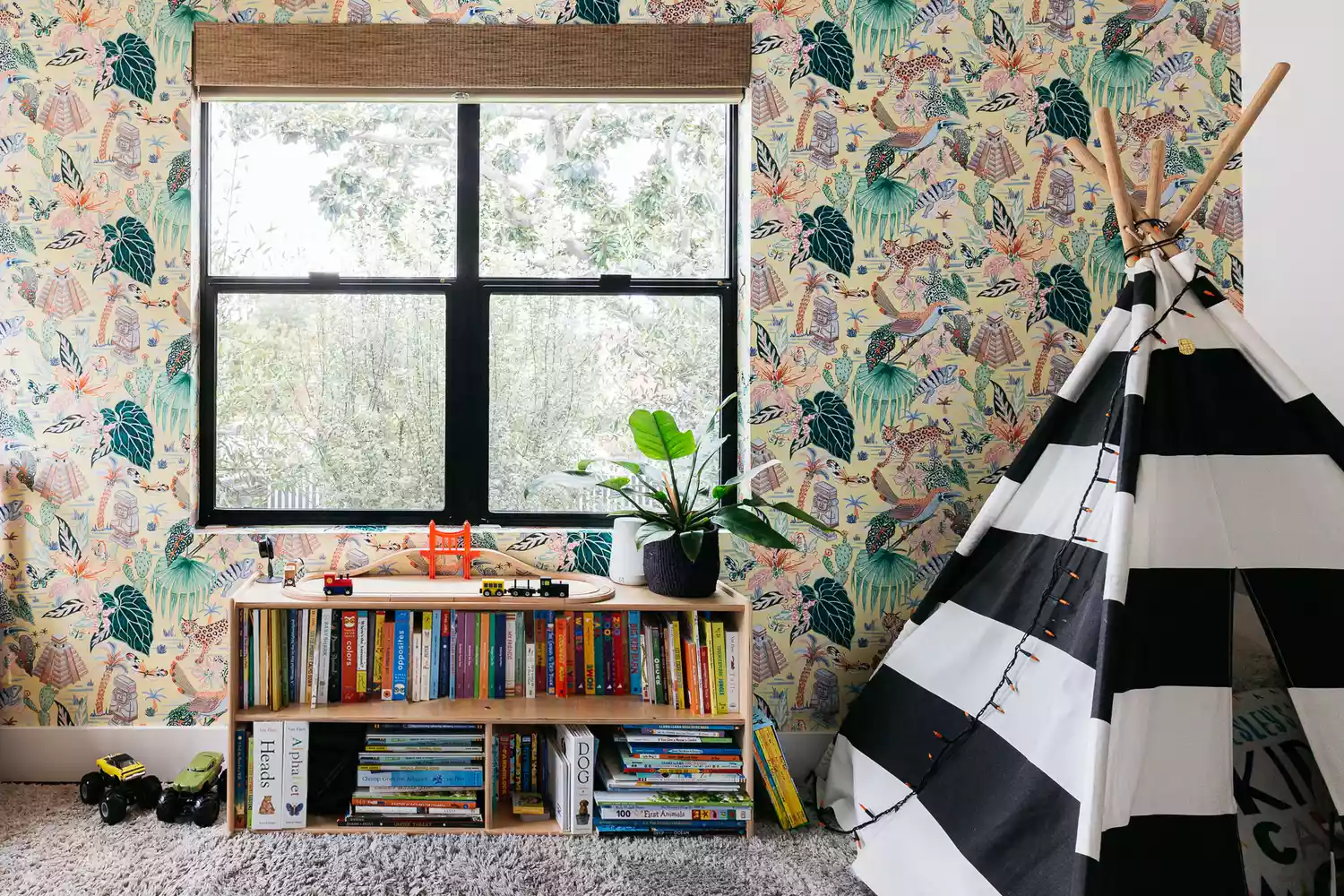
42 Whimsical Playroom Ideas Designed for Hours of Endless Fun

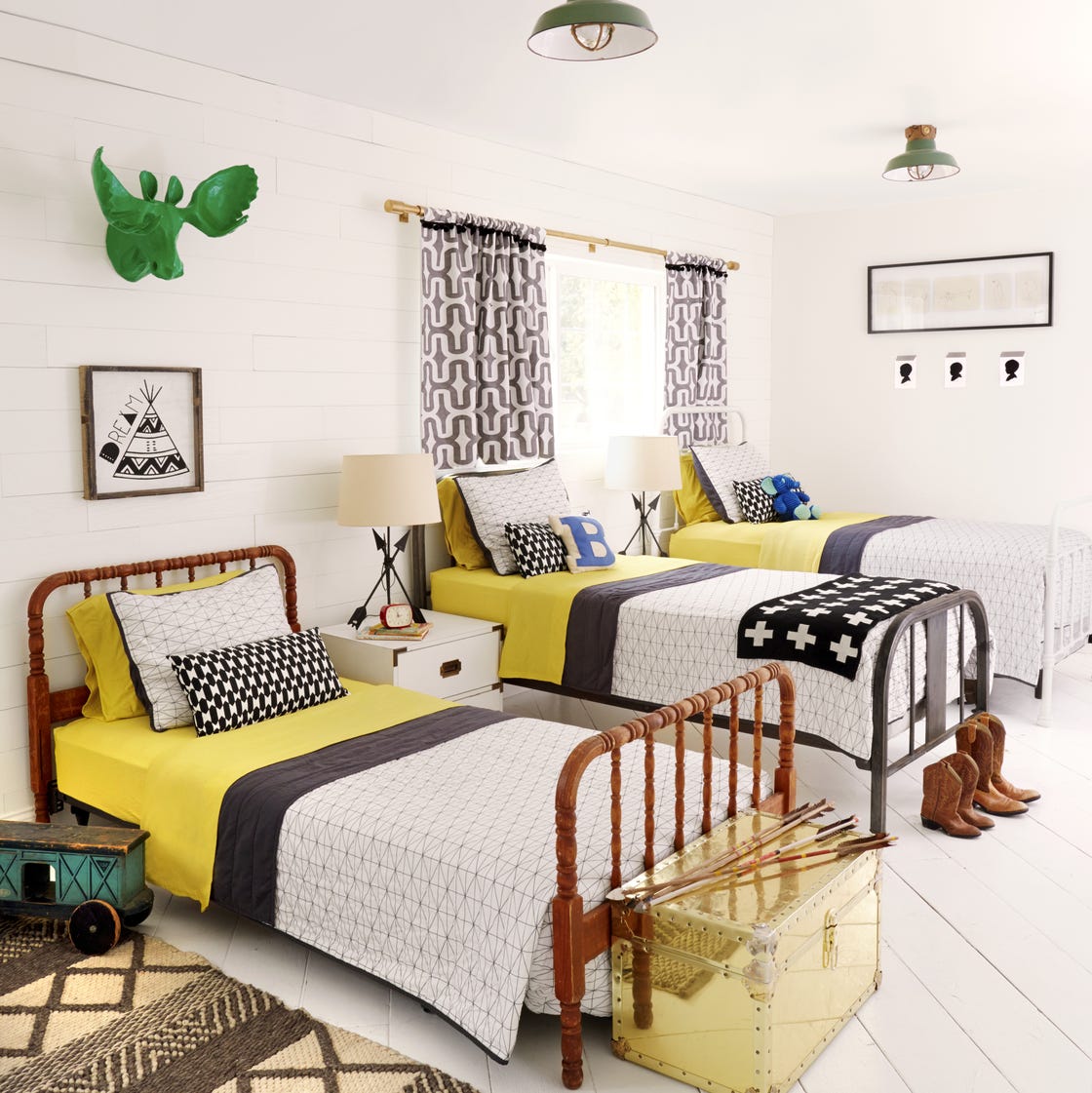
These Stylish Kids’ Rooms Will Make You Want Another Go at Childhood
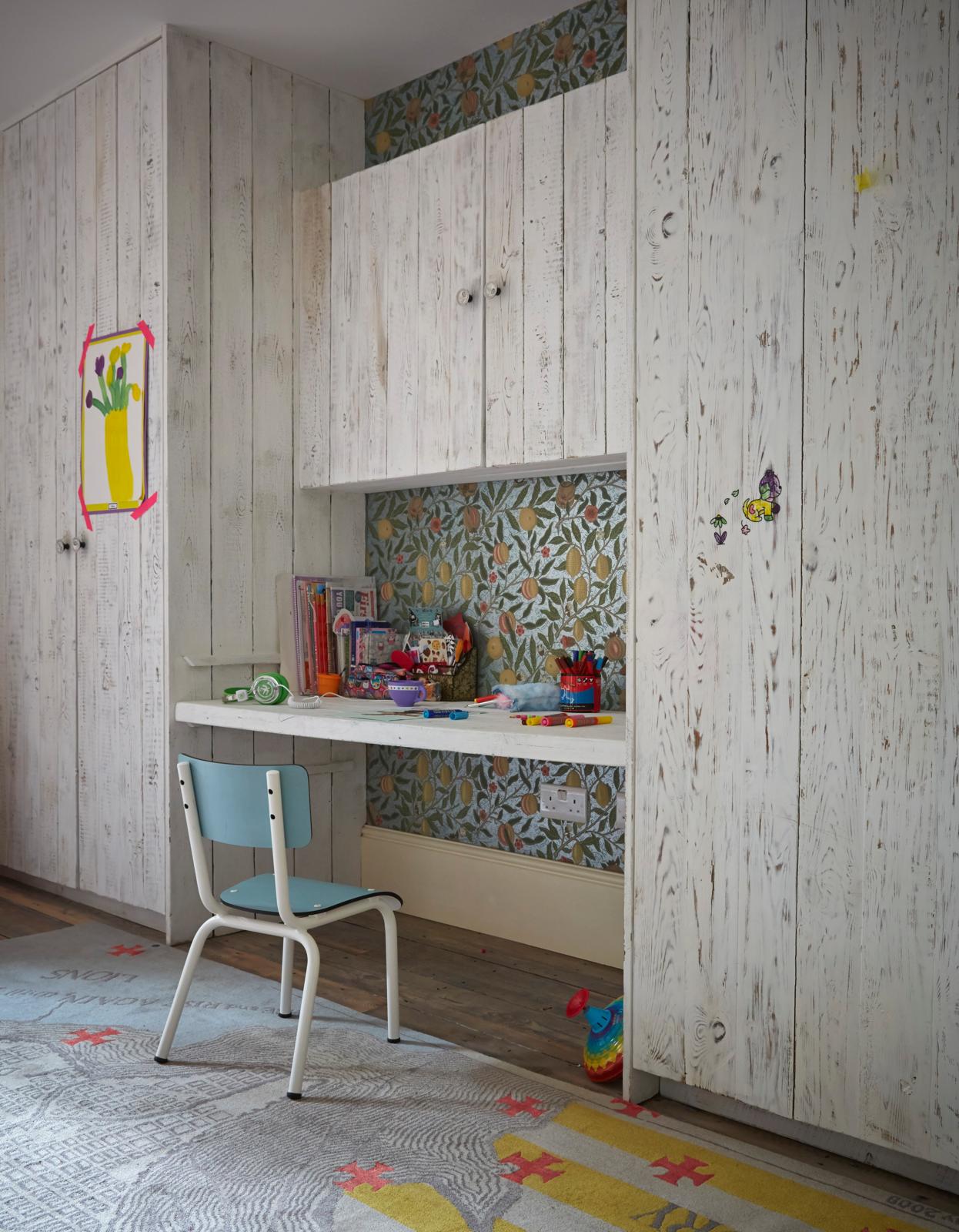
10 kids' closet ideas - decor experts provide the most stylish and simple ways to stay organised

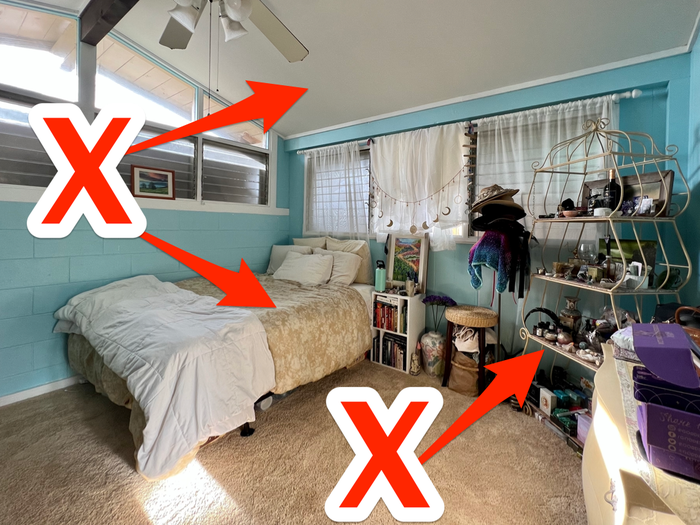
Interior Designer Shares How to Make Childhood Bedroom Look Better
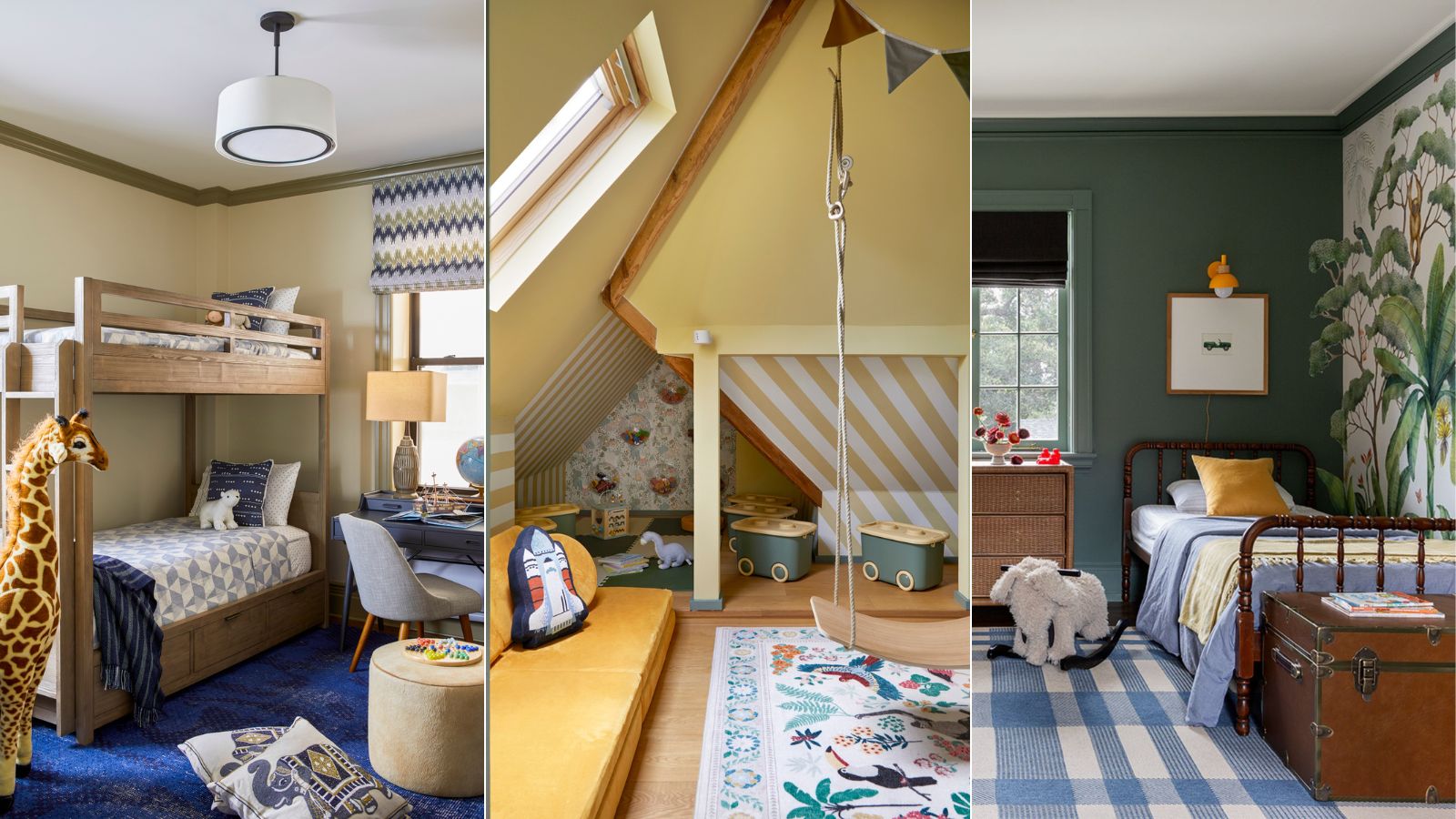
Here are all the most common mistakes to avoid when decorating a kids' bedroom according to interior designers
Slumber Party Overflow Is No Match for This Home’s Clever Double-Bed Setup

Make the Most of Shared Kid's Rooms with These Smart Ideas

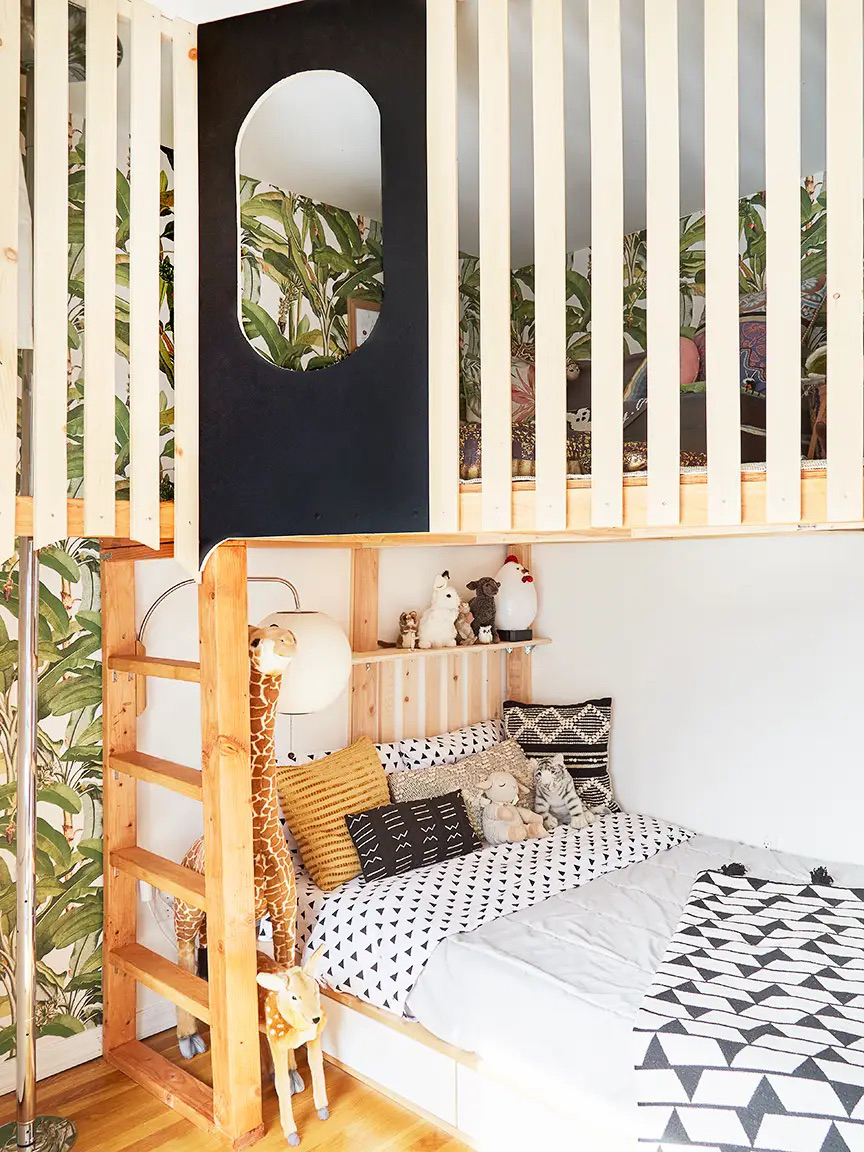
From a Cosmic Mural to a Magical Forest Bed, These 13 Kids’ Room Ideas Stoke the Imagination
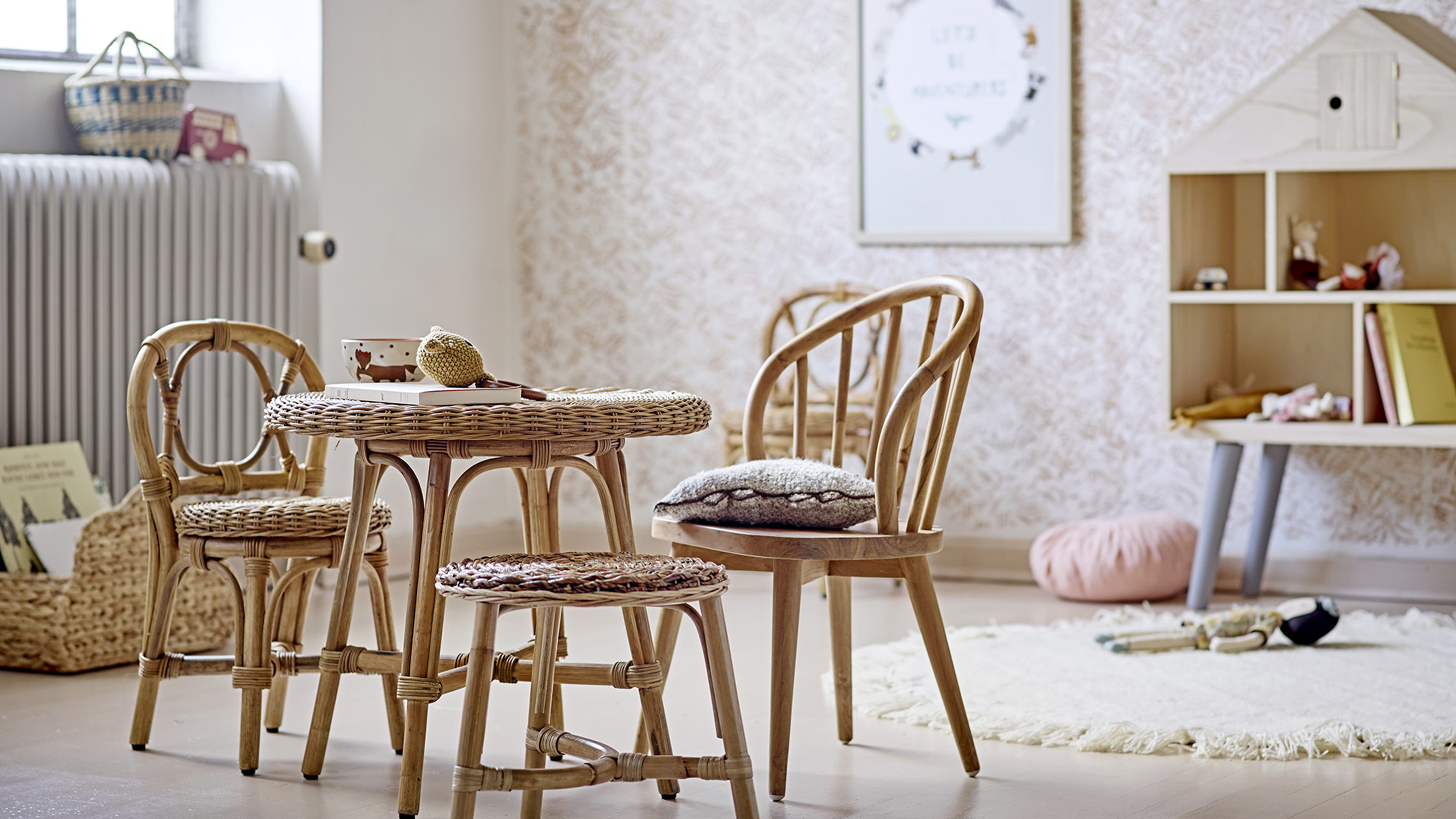
Playroom ideas: 22 ways to make your kid's room shine 🌈

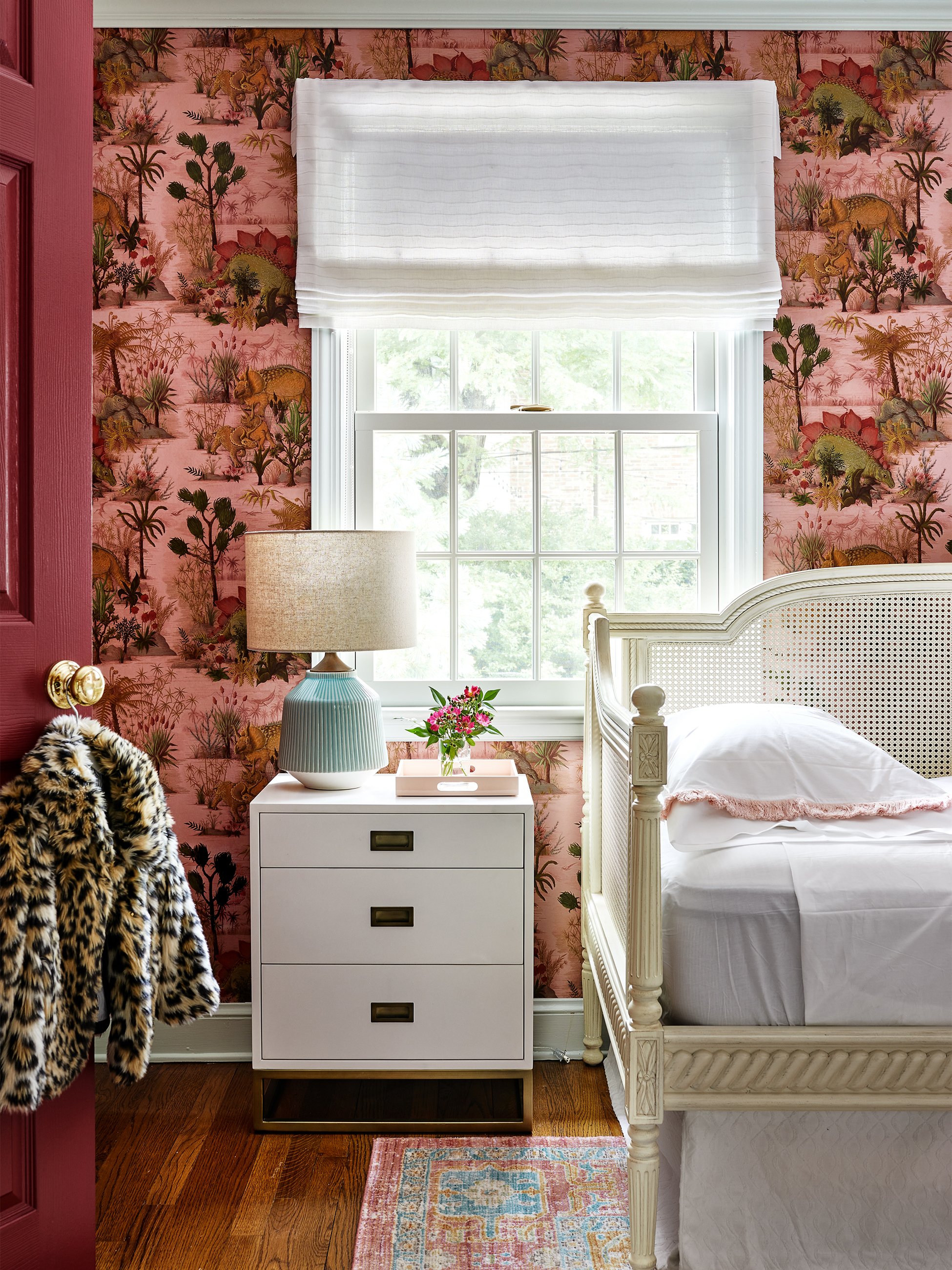
4 Kids’ Bedroom Ideas Even Your Child Will Think Are Cool
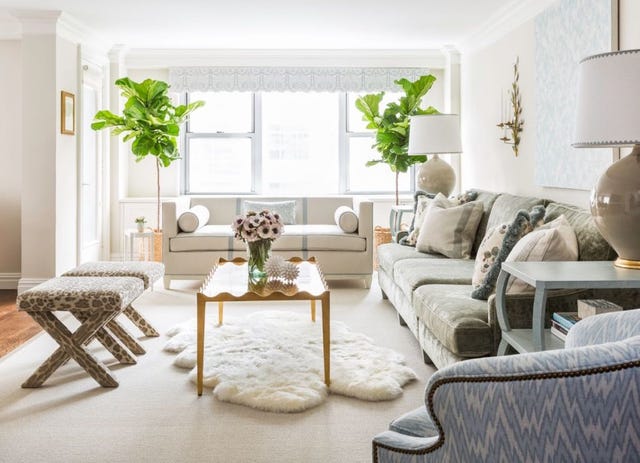
5 Secrets To A Stylish, Kid-Friendly Living Room

How to design kid's space with room to grow
How to Create a Nursery You Won't Have to Redo Next Year

Make Room for the Kids

How to Let Your 4-Year-Old Design Her Own Bedroom (and Like the Results)

This Kid’s Room Was Built Around an Elaborate Electric Train Track
Timeless styles for a child's bedroom