1/16
Editors’ Favorites: 11 of the Best Indoor Christmas Lights for a Festive Season
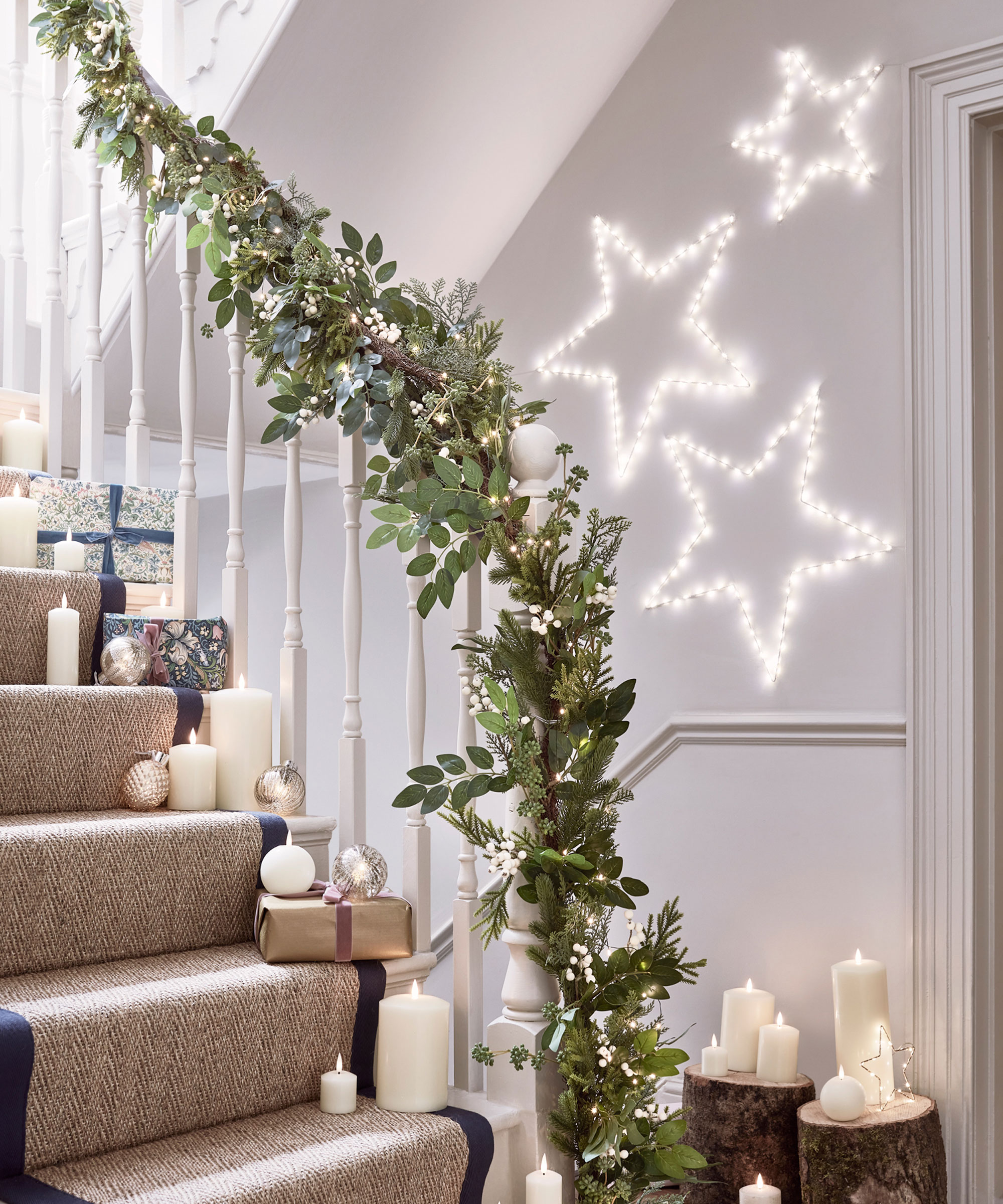
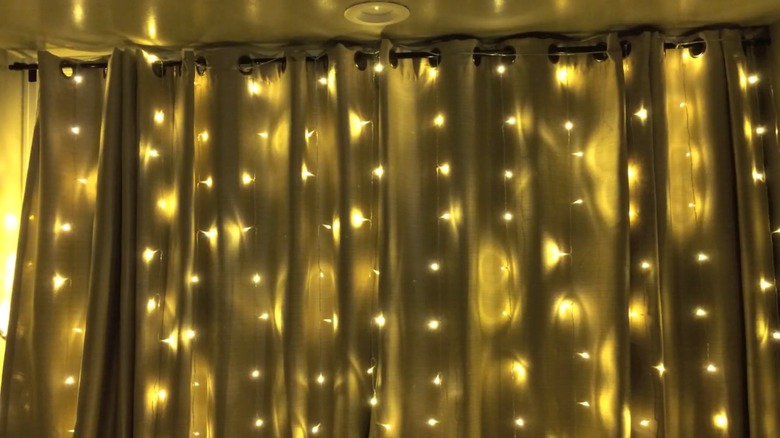
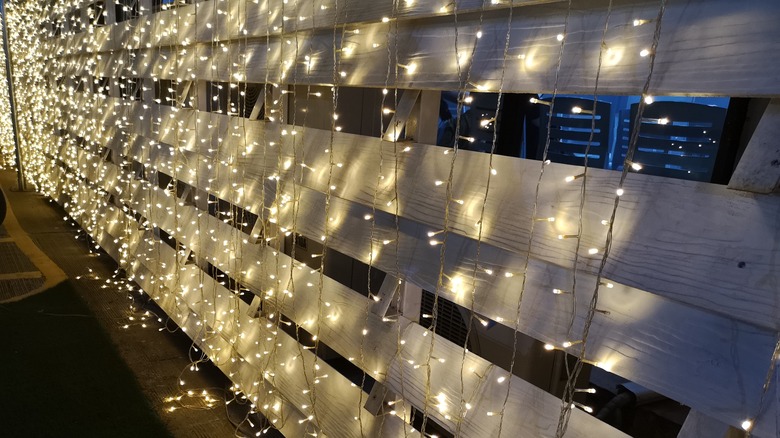
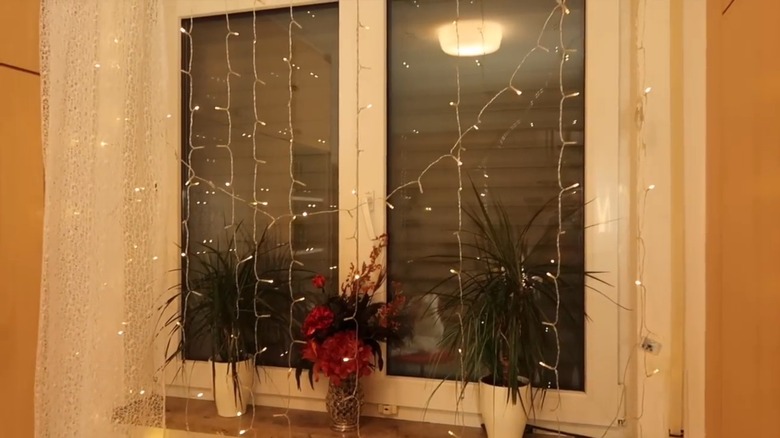
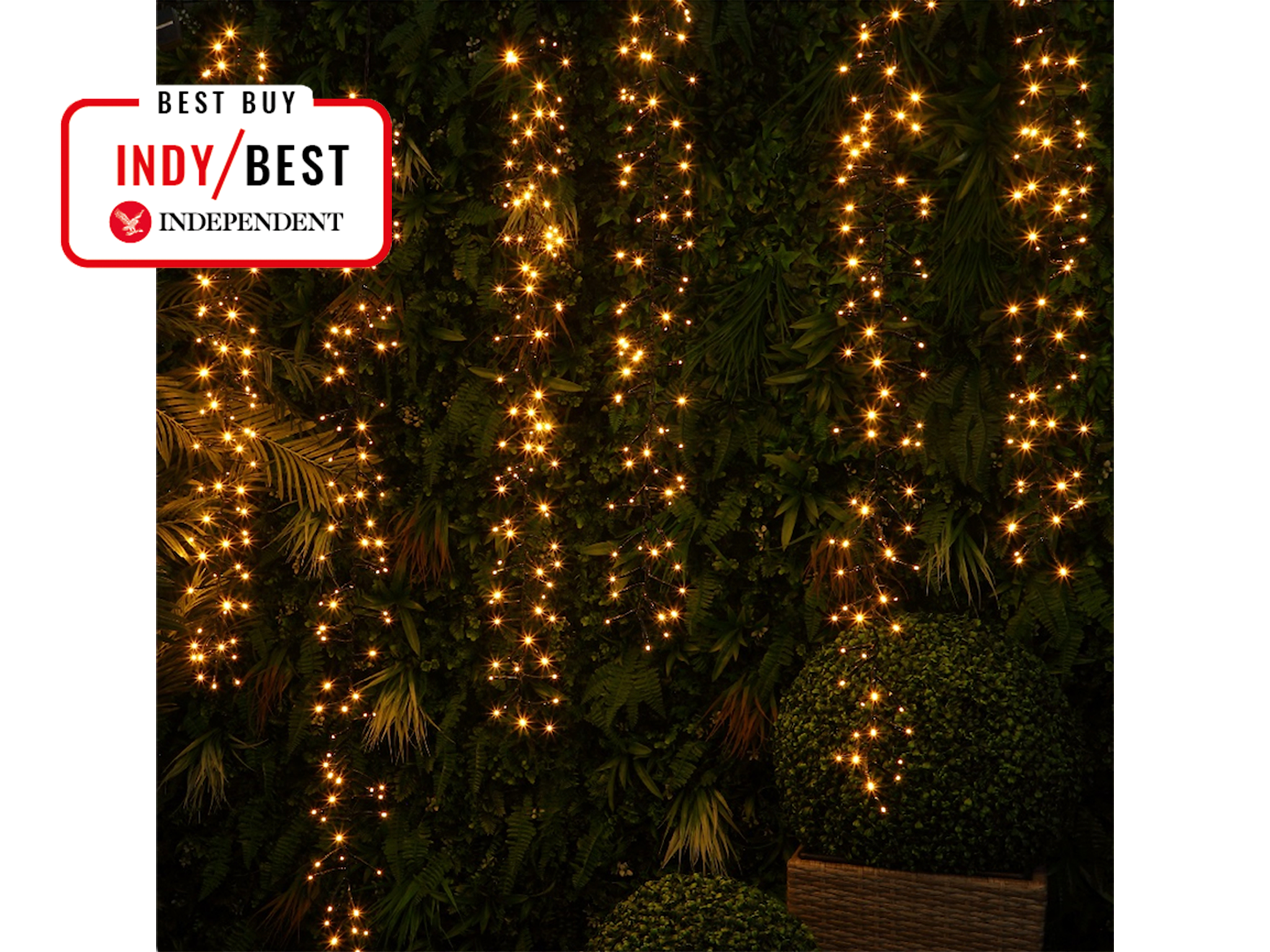
The holiday season is often synonymous with festive illumination, and indoor Christmas lights play a pivotal role in creating a warm and inviting atmosphere. When selecting indoor Christmas lights, a myriad of options are available, ranging in shape, size, style, and features, including globe lights and those with smart capabilities. The primary considerations for choosing optimal indoor Christmas lights include functionality and visual appeal, alongside practical aspects like power source, length, bulb type, and additional features.
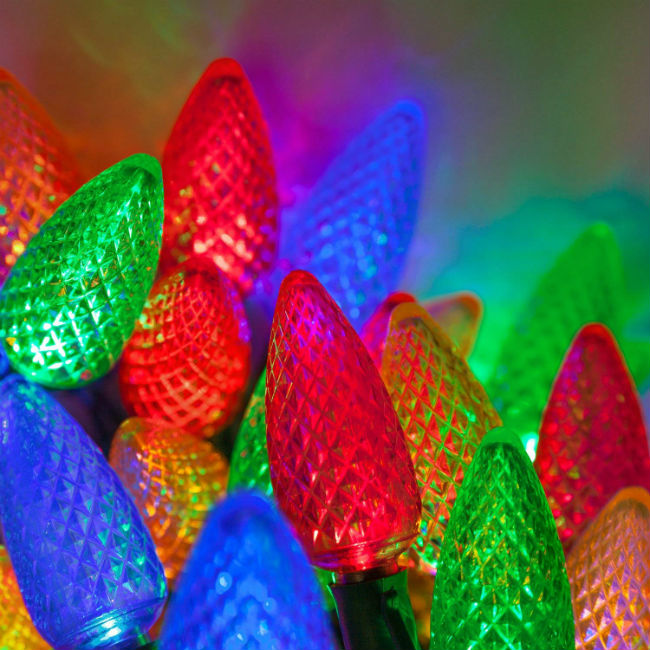
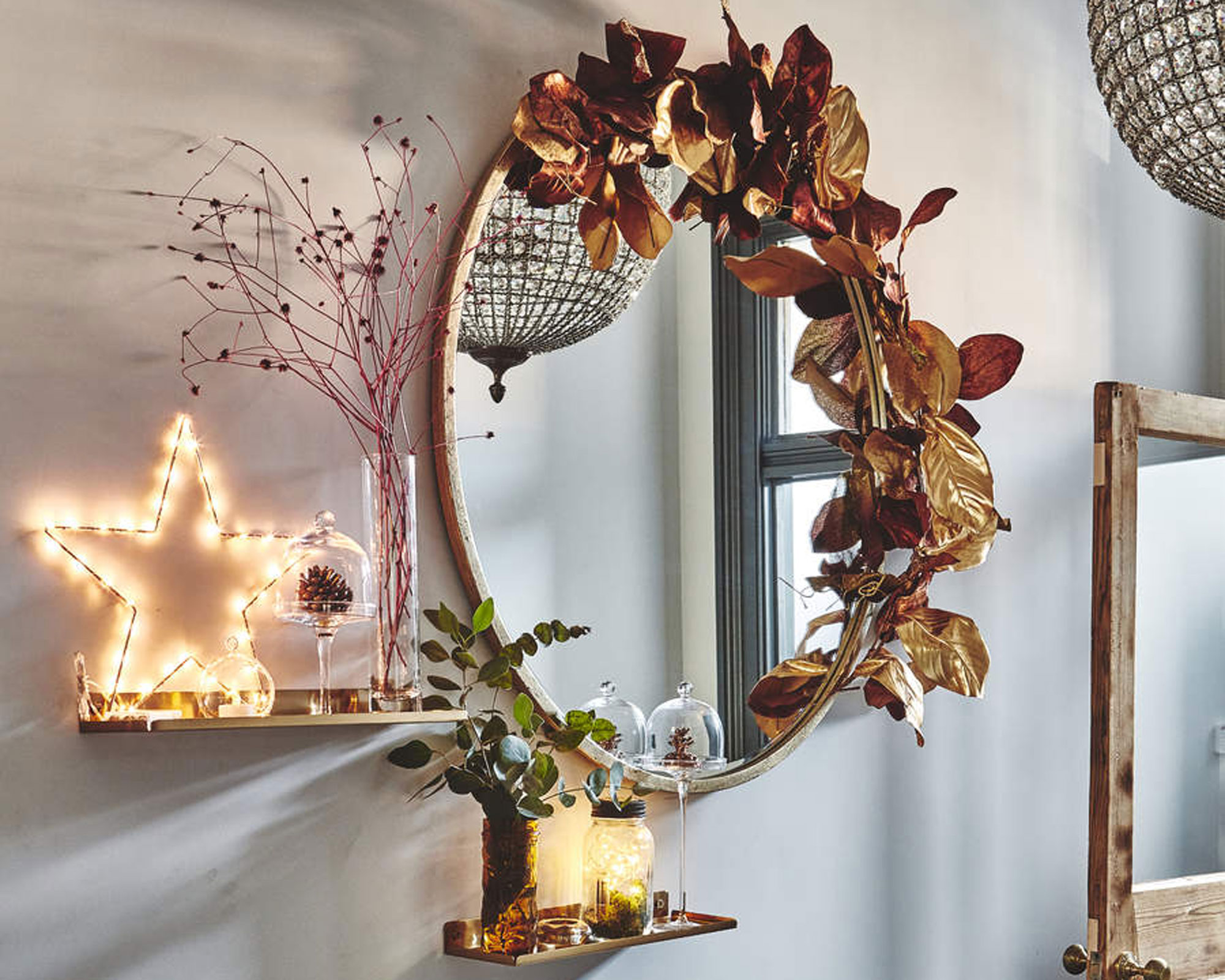
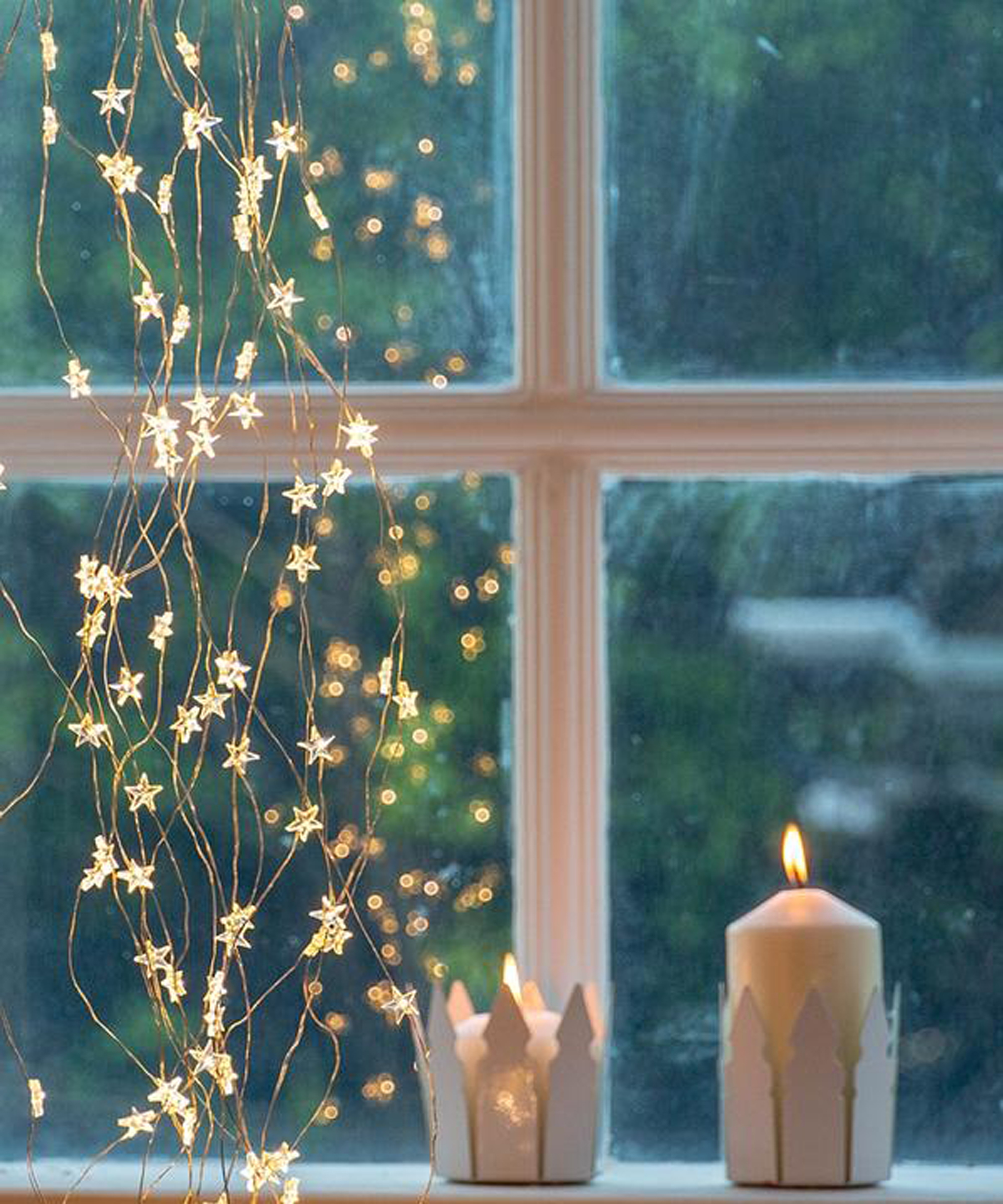
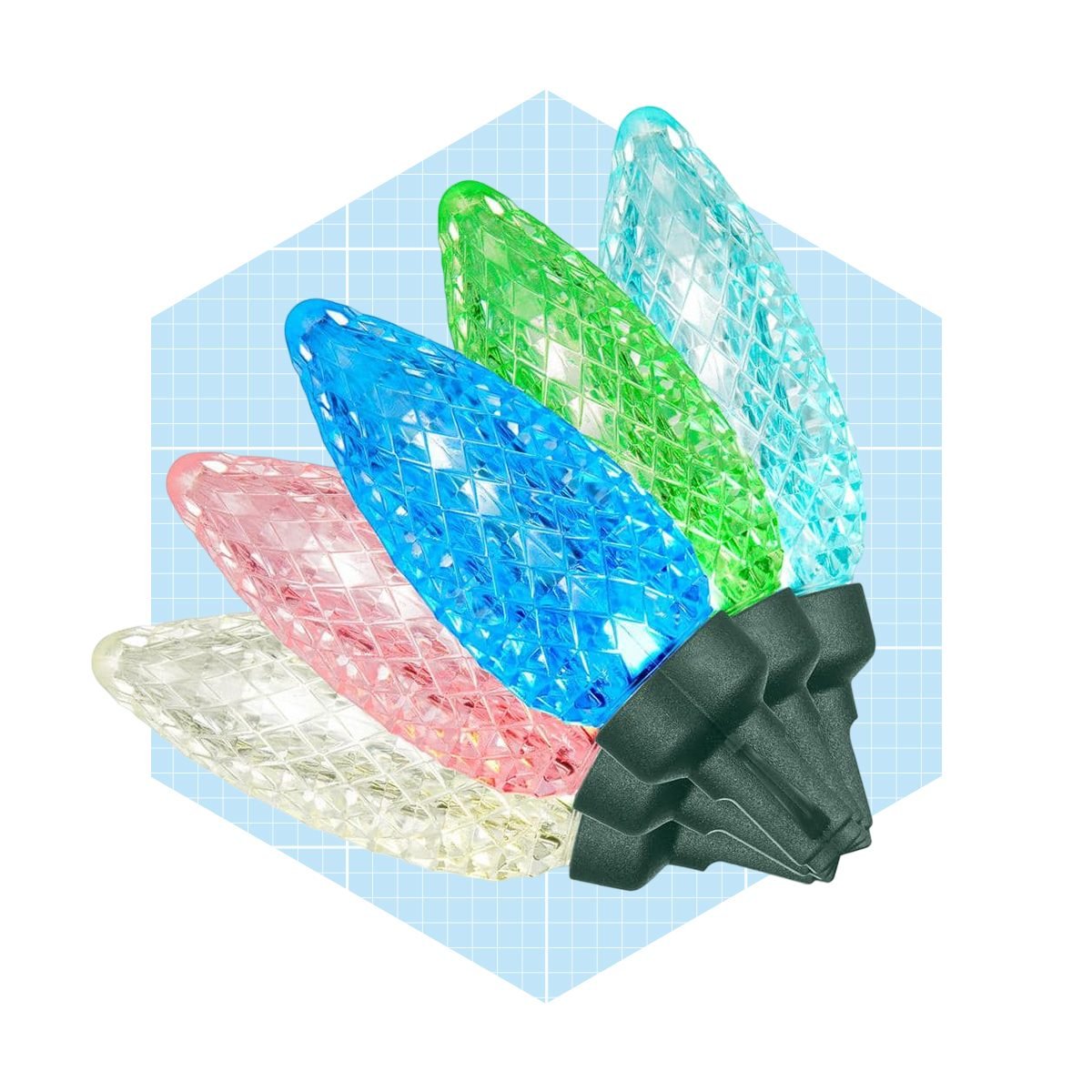
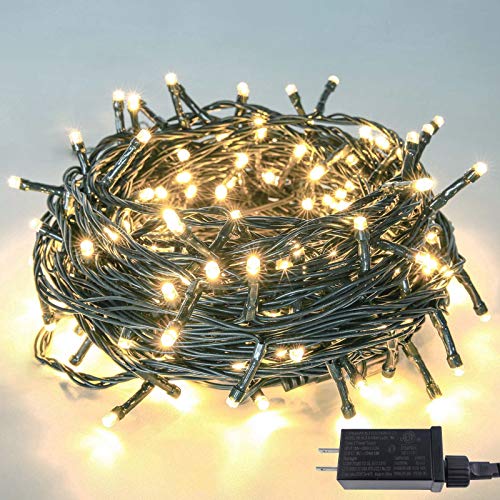
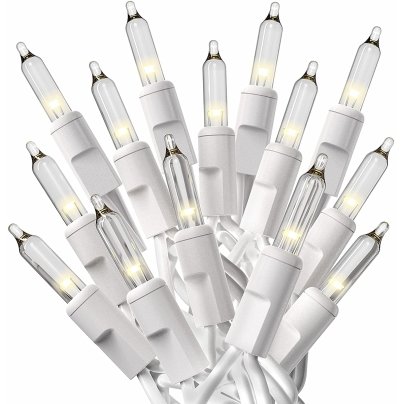
Indoor Christmas lights are categorized into several types based on their aesthetic and design. Mini-twinkle lights, small and discreet, are frequently integrated into modern holiday decor, offering either a steady or twinkling effect. Globe lights, specifically G12, provide a wholesome, warm glow and can impart either a modern or whimsical feel to a space, depending on the surrounding decor. Larger bulb options, such as C6, C7, and C9, evoke a vintage aesthetic, suitable for accentuating antique ornaments or for more prominent displays on banisters, mantels, or large Christmas trees. Vintage bulbs often mimic classic C9s, with some designed as candles or even Santa Claus figures for a distinctive retro look. Novelty bulbs, on the other hand, come in playful shapes like snowflakes, stars, or reindeer, adding a whimsical touch to decorations.
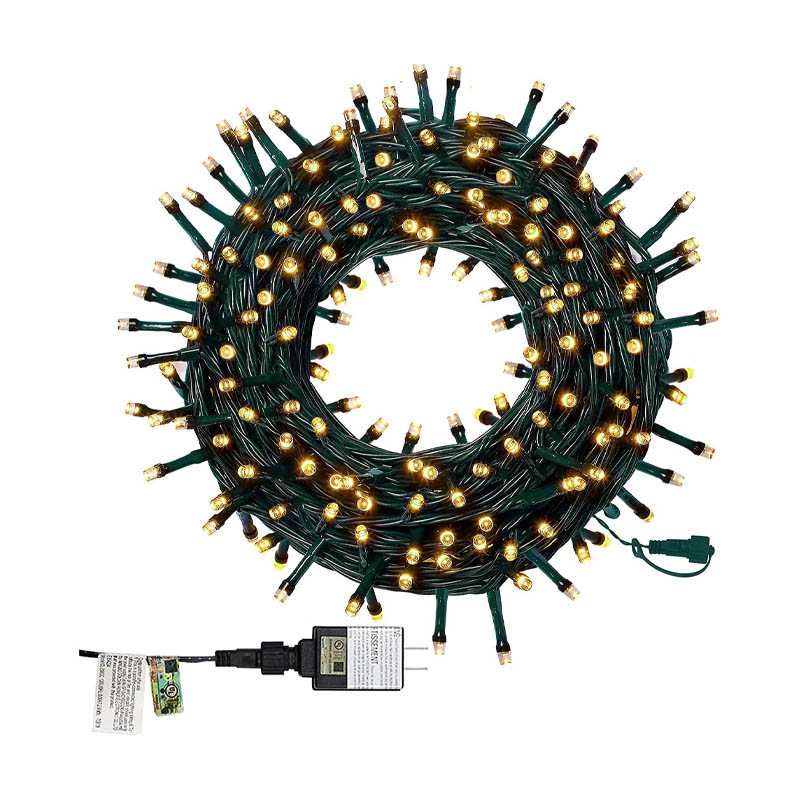
Two main bulb technologies dominate the Christmas light market: LED and incandescent. Traditional incandescent bulbs generate light through a heated filament, consuming more energy and emitting substantial heat. While generally less expensive, they are prized for their soft, warm white glow that LED lights historically struggled to replicate. LED Christmas lights utilize diodes, producing light through electron movement within a semiconductor. This technology makes LEDs significantly more energy-efficient and durable, with minimal heat emission. Most smart lights employ LED technology, offering extensive color choices and greater control.
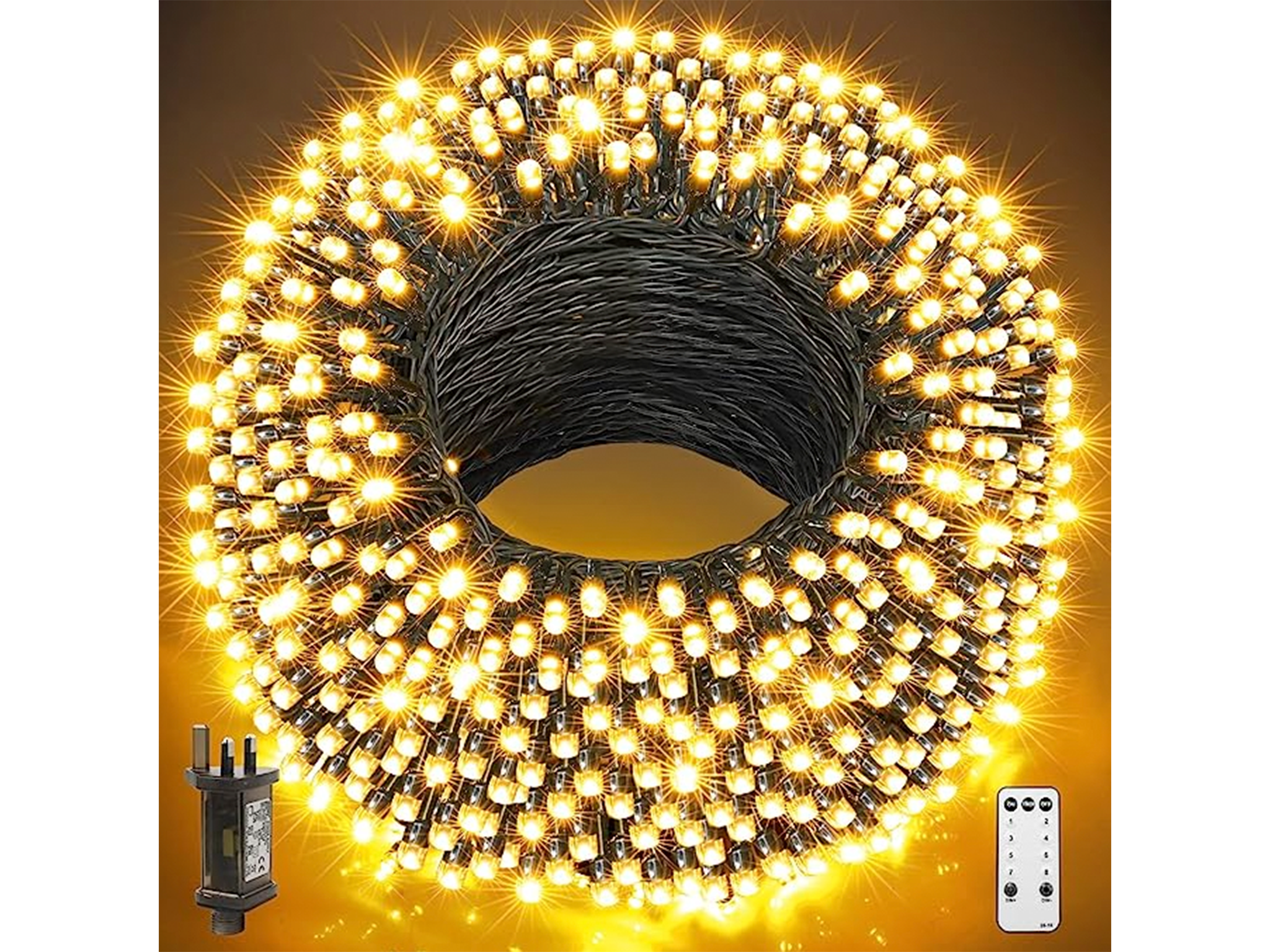
The power source for indoor Christmas lights is another crucial factor. Electrically powered lights require access to an electrical outlet, often necessitating extension cords. While providing consistent power and allowing multiple strings to connect to a single outlet, this can lead to crowded outlets. Battery-powered lights offer greater placement flexibility, as they don't require proximity to an outlet. However, they typically have a shorter runtime and their brightness diminishes as battery power wanes.
Length and bulb size should be proportional to the decorating project. String lengths vary significantly, from short 10-foot strands to longer 66- to 100-foot options. Longer cords reduce the need for multiple outlets and connections. Bulb size should complement the existing holiday decor, ensuring that delicate ornaments are not overwhelmed by excessively large bulbs. Mini lights are a versatile choice as they tend to blend seamlessly into various styles and themes.
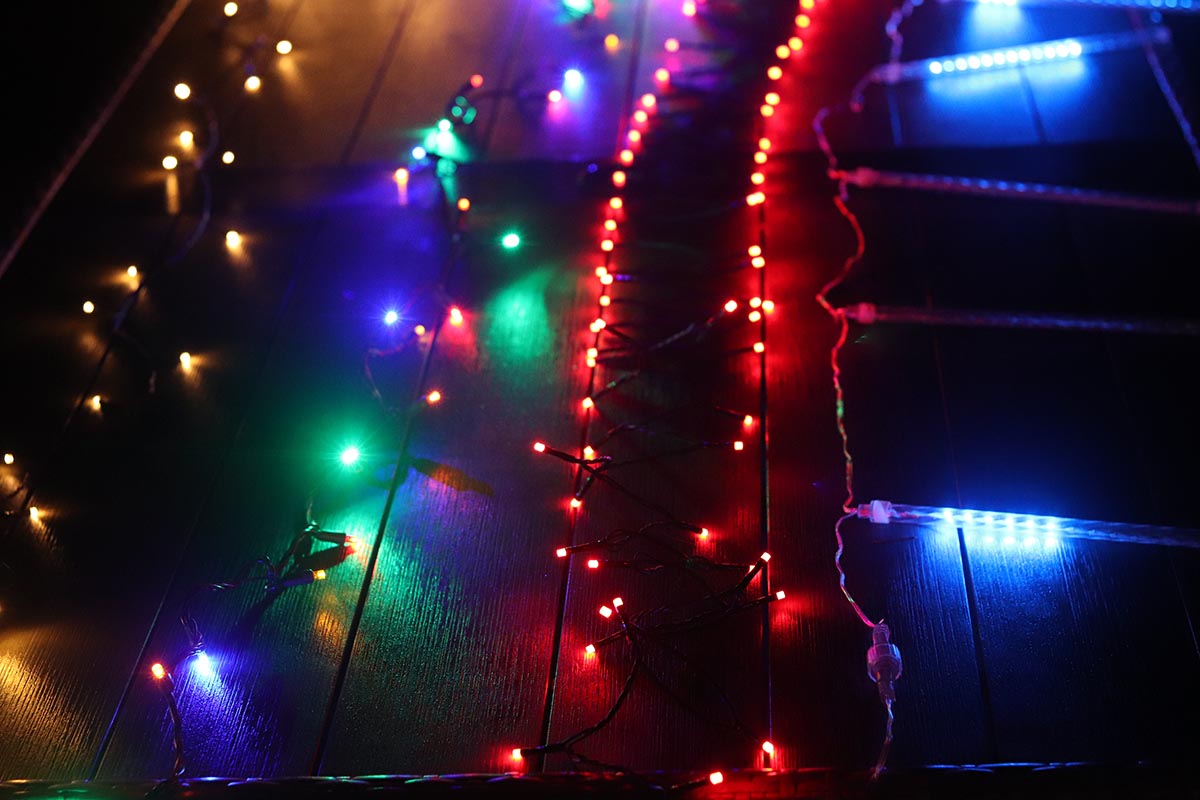
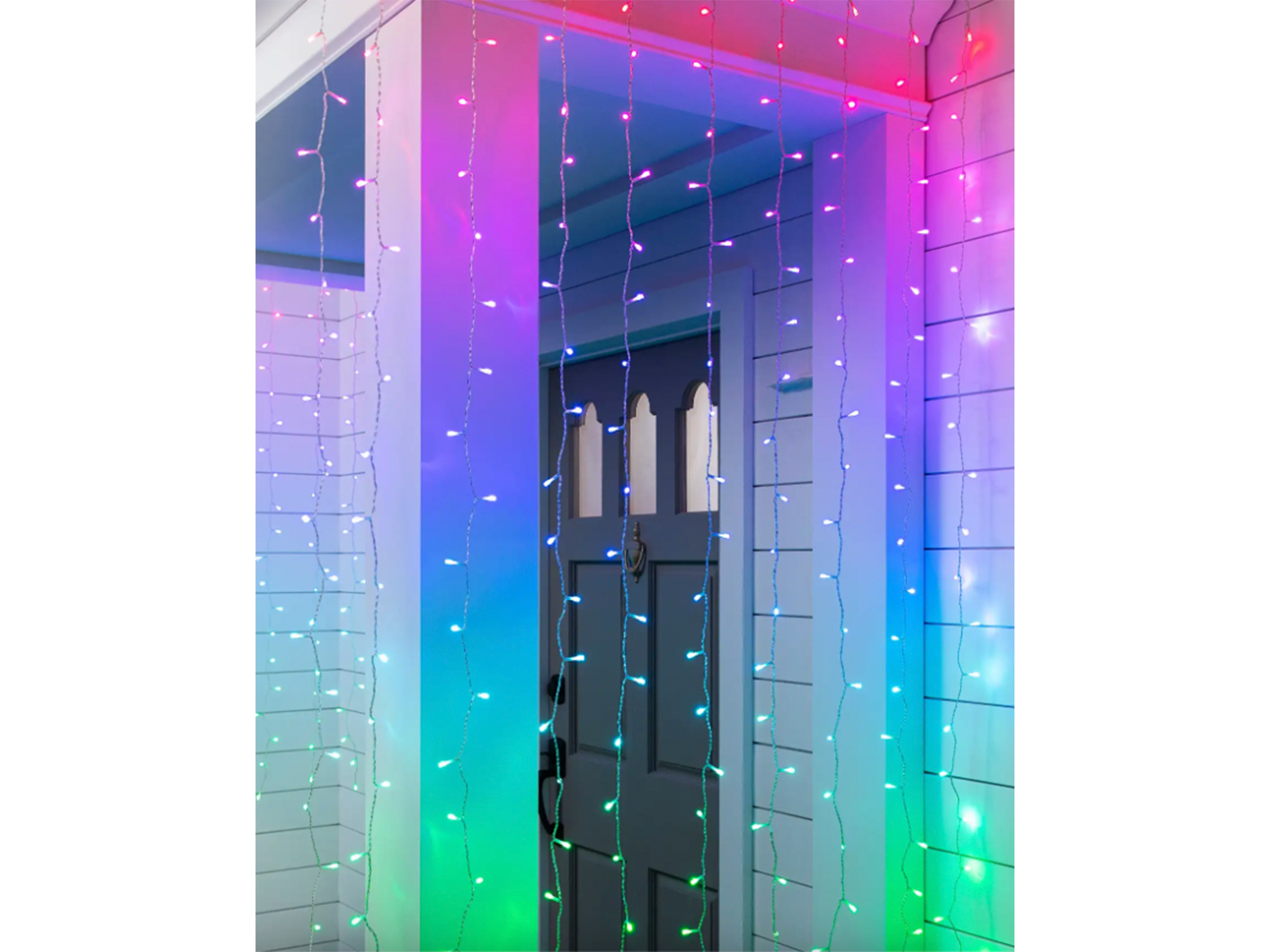
Color and shape are essential design elements. Color options generally include white (warm or cool), single colors (red, green, blue, orange, purple), and multicolor. The chosen color scheme should align with the overall holiday theme. White lights offer a neutral and classic appeal. Bulb shapes, such as globes, teardrops, or thematic shapes like snowmen, should also harmonize with the decor. Beyond basic illumination, many Christmas lights offer various light modes, including twinkle flash, slow glow, chasing flash, slow fade, and steady on, with smart LED lights providing the most extensive customization, including sectional color settings and brightness adjustments. Additional features like remote controls, smart controls via mobile devices, music syncing, and built-in timers enhance user convenience and expand decorative possibilities.
Professional-grade Christmas lights typically employ LED technology with coaxial connectors, emphasizing durability and energy efficiency over the less robust options commonly found in consumer markets. The choice of light color ultimately depends on personal preference and the desired aesthetic, with white offering classic elegance, single colors creating specific moods, and multicolored lights adding a cheerful ambiance. LED lights are generally considered safer for Christmas trees, particularly live ones, due to their lower heat emission compared to incandescent bulbs. Troubleshooting a faulty bulb on a string without a tester can be done by individually removing bulbs and placing foil in the socket until the rest of the string illuminates. The lifespan of Christmas lights varies, with incandescent bulbs lasting an average of two to three seasons and LED bulbs typically enduring six to seven seasons, though proper care and storage can extend their longevity.
#IndoorChristmasLights #HolidayDecorations #LEDLights #IncandescentLights #SmartLights #HomeDecor #ChristmasDecor #LightingModes #EnergyEfficiency #IndoorChristmasLights #HolidayDecorations #LEDLights #IncandescentLights #SmartLights #HomeDecor #ChristmasDecor #LightingModes #EnergyEfficiency
0개의 댓글이 총 표시됩니다.
 아직 댓글이 없습니다
추가로 마음에 드릴 만한 콘텐츠
The Best Christmas Lights to Brighten the Holiday Season, Tested
10 best reading lights, tested and reviewed by an interiors editor

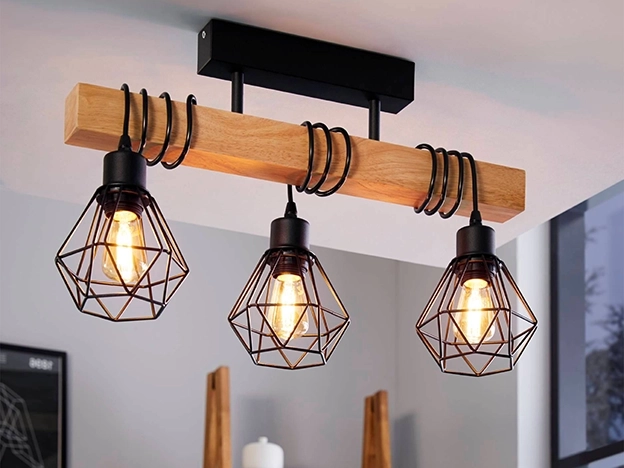
Indoor Lights

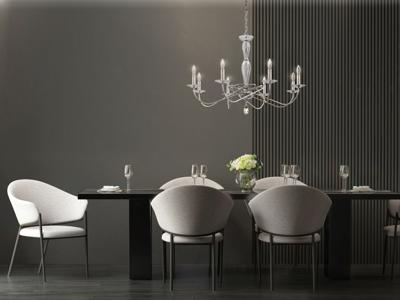
Pulling the plug on dated light fixtures is a great home update. Here's how to choose new ones
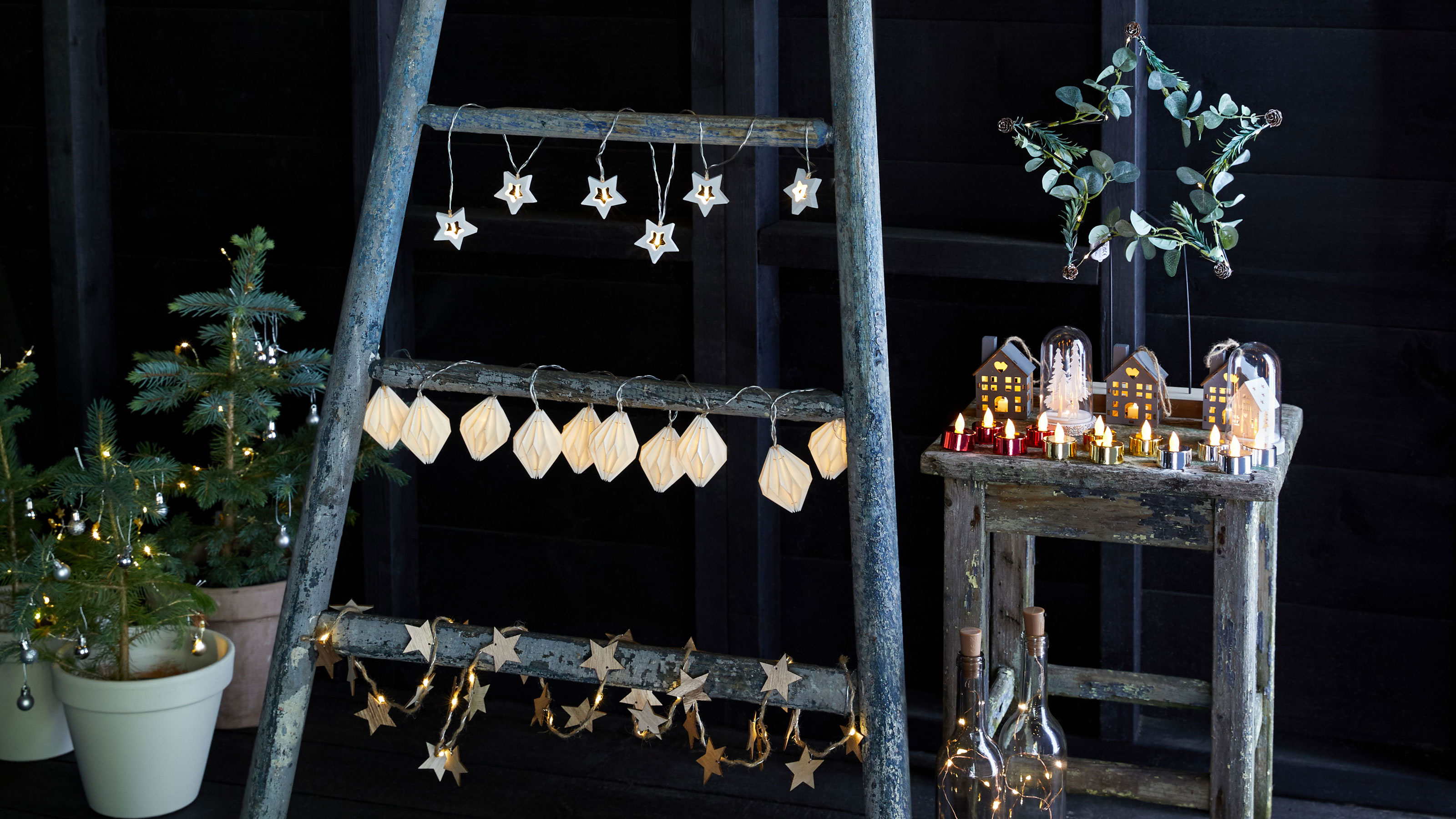
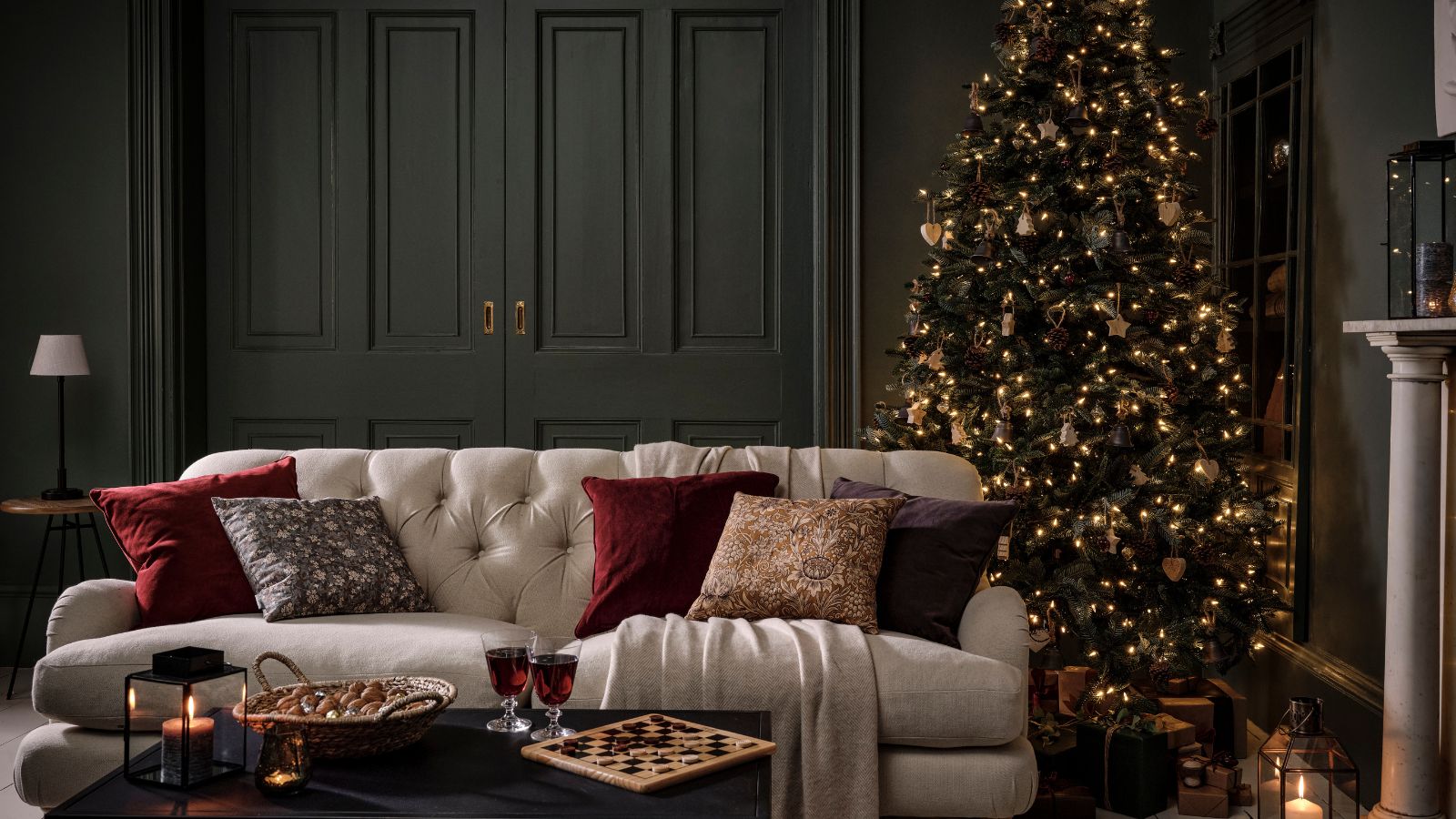
10 Christmas lighting ideas that will give your home that magical glow

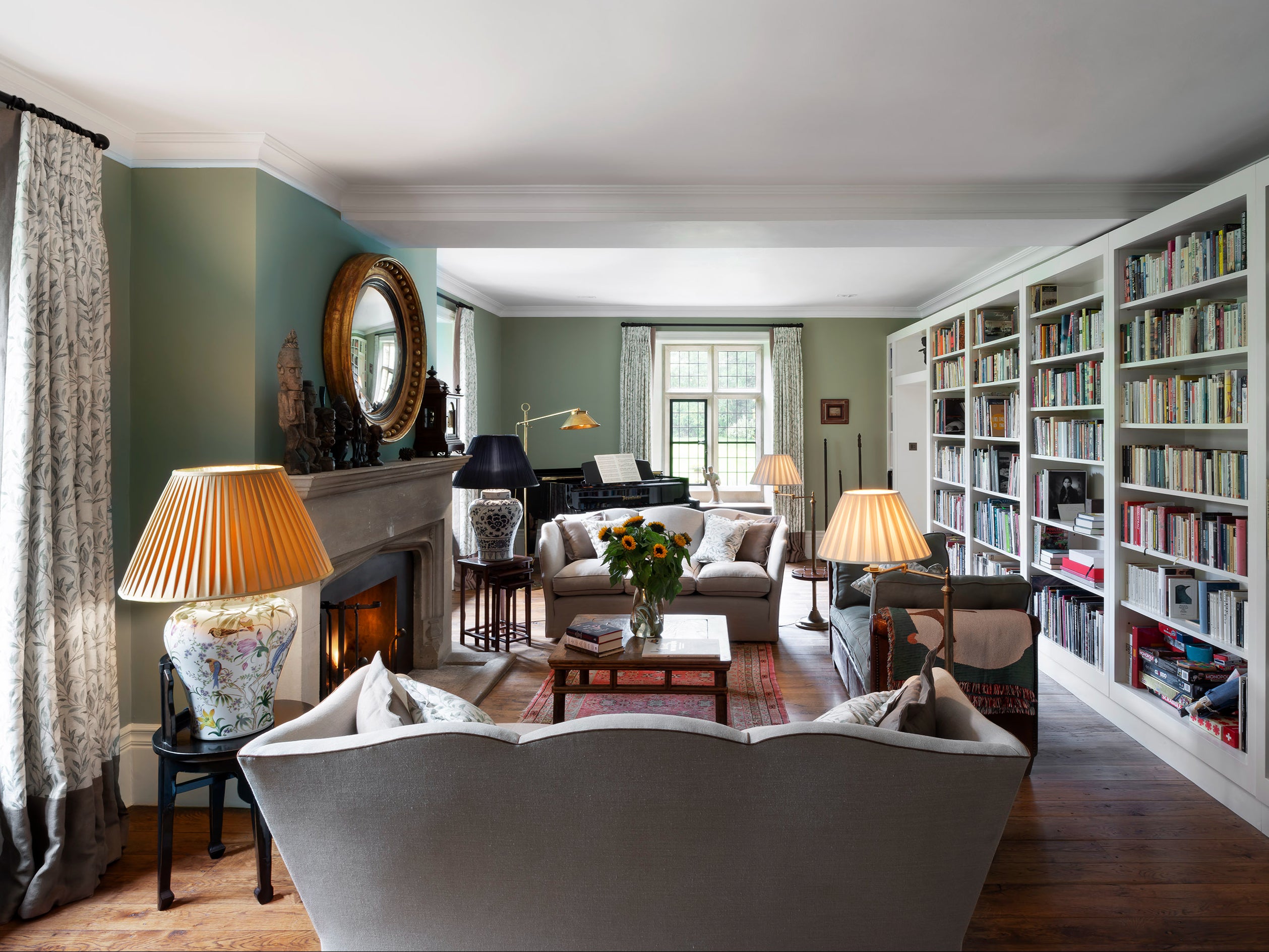
As clocks go back, expert lighting tips to get you through the darker months
Festive tips: Lanterns, hanging lights to brighten up the house
Sculptural Branches & Twinkling Lights: This Year's Holiday Decor Just Might Be My Favorite Ever

11 Light Fixtures That Will Brighten Up Your Space — and Your Mood
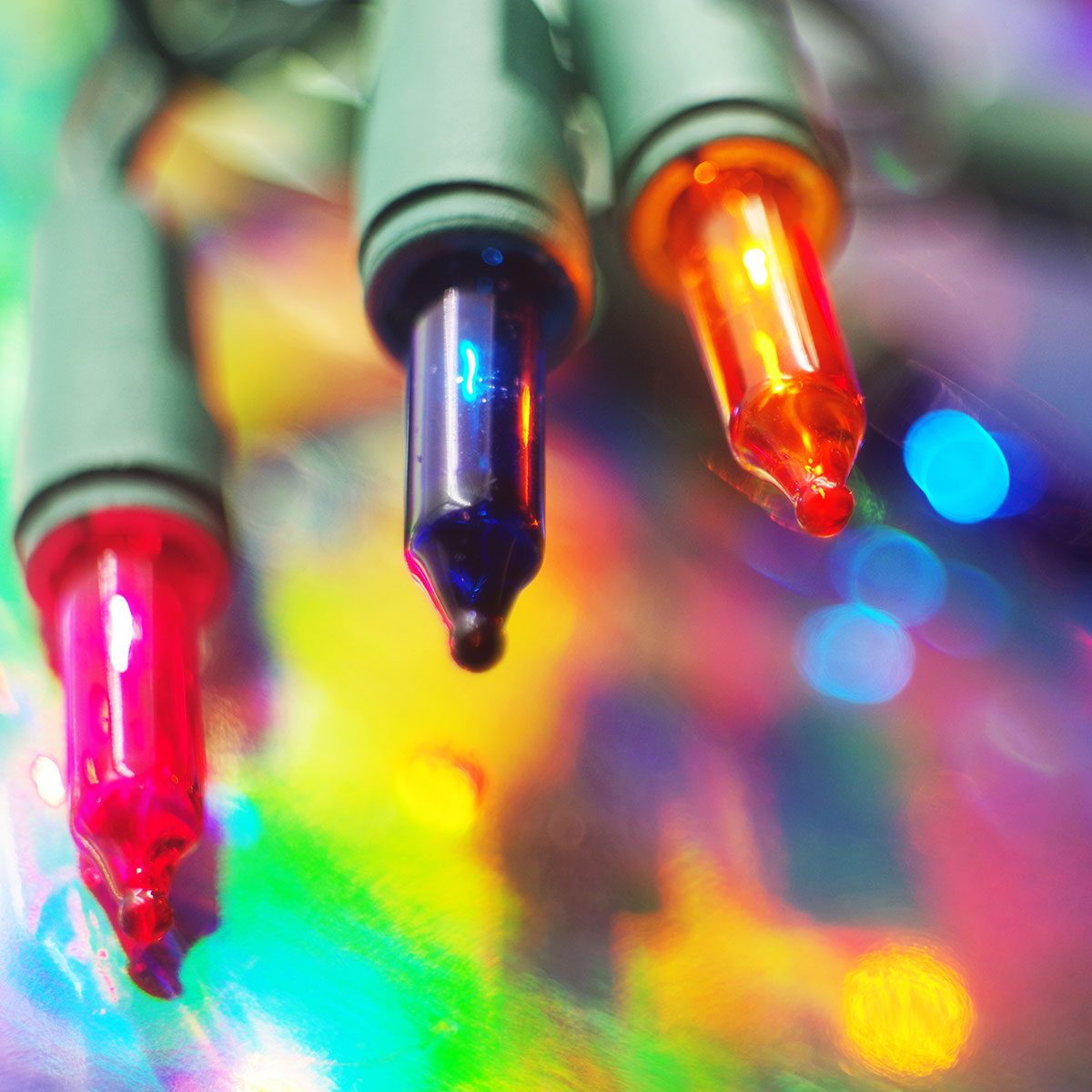
The Pros and Cons of LED Christmas Lights

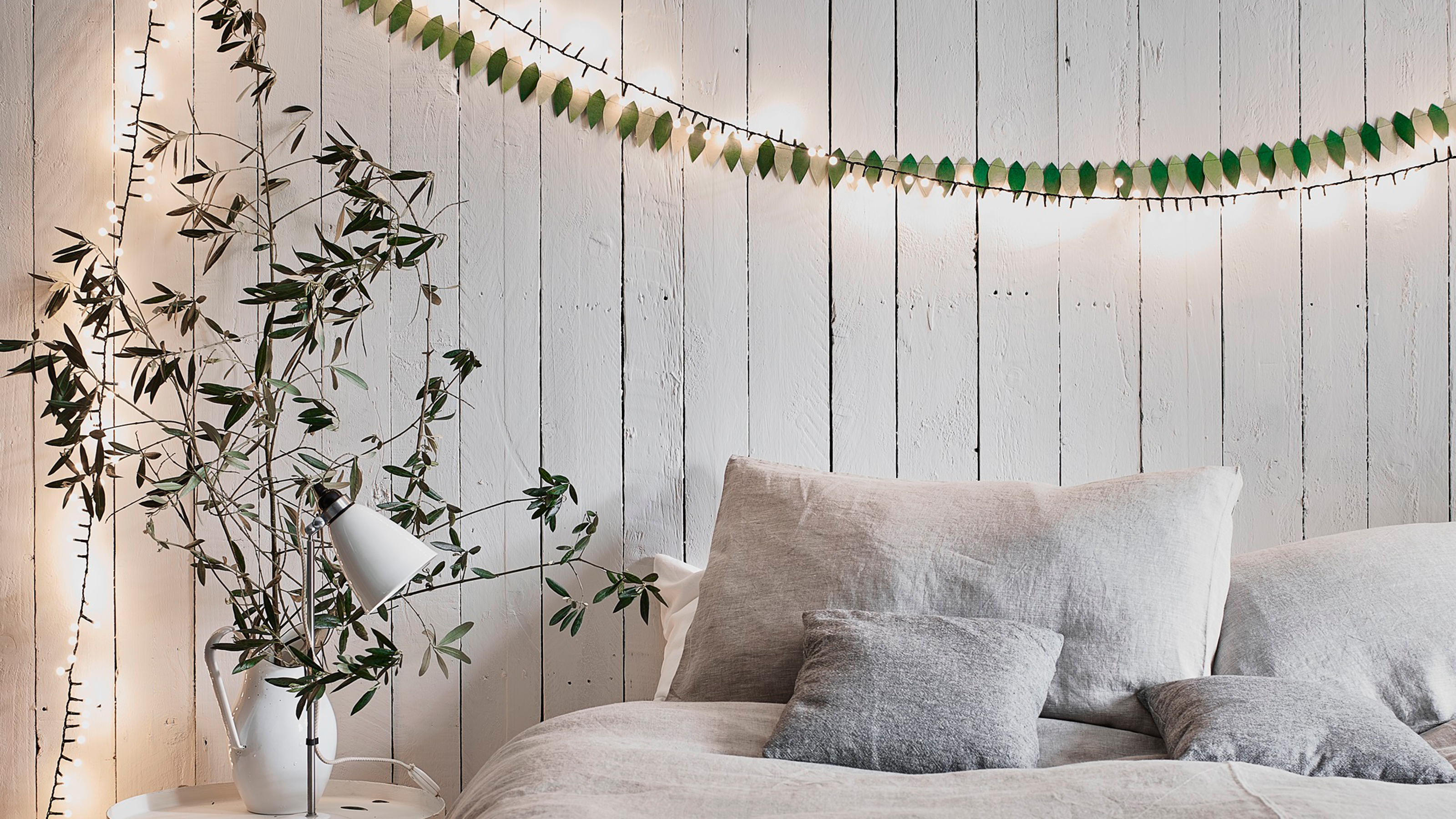
Bedroom Christmas light ideas – 16 festive lighting looks


The Best Smart String Lights for Christmas and Much More

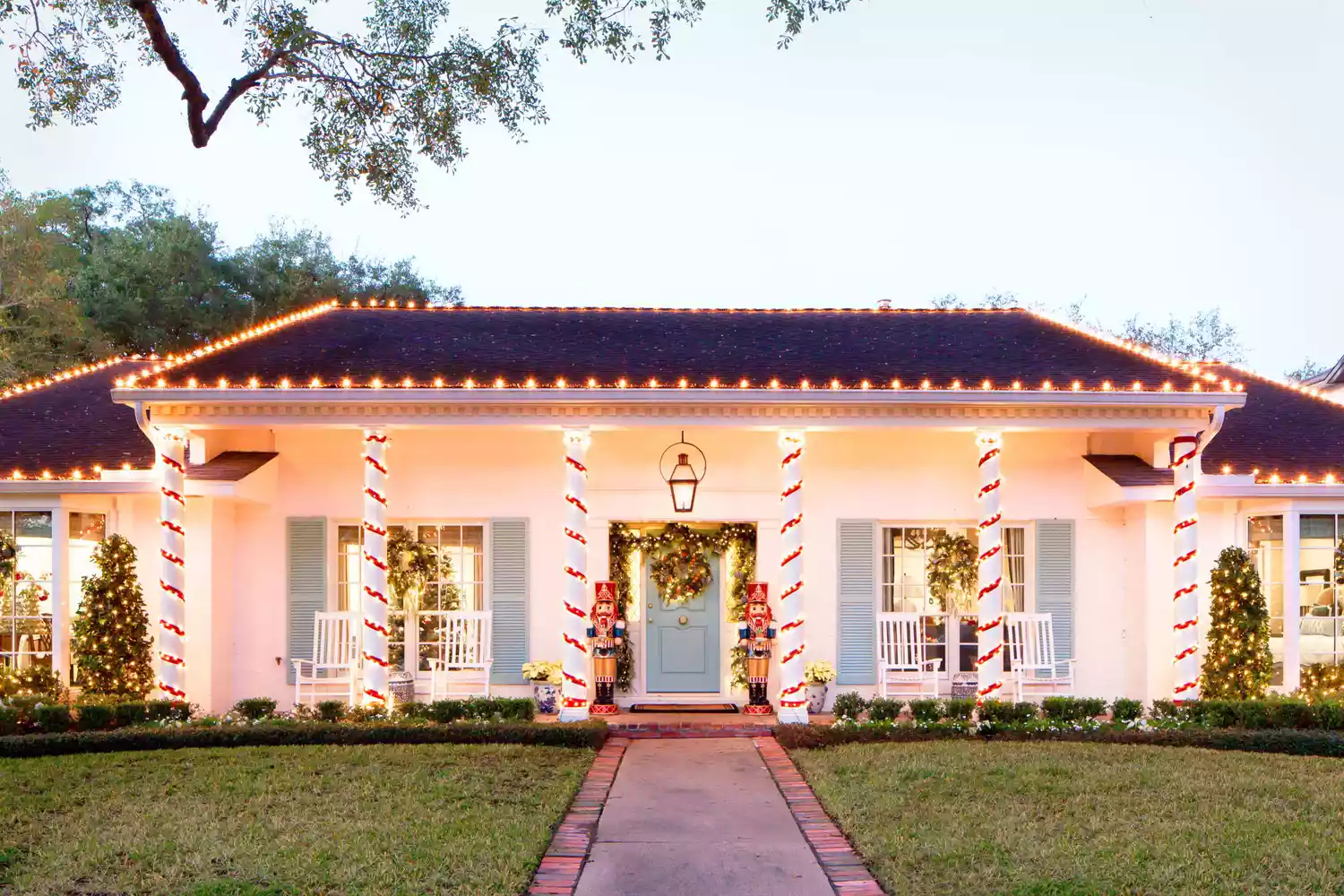
The Best Outdoor Christmas Lights Ideas And Tips To Make Your Home Shine This Season
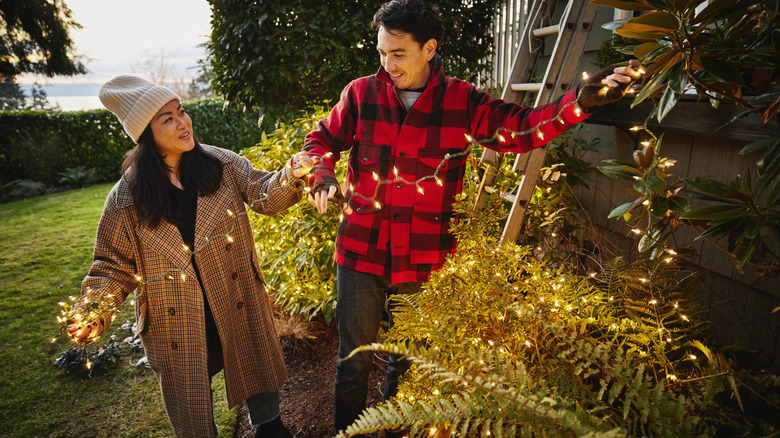
13 Creative Ways To Decorate With Christmas Lights All Year Long
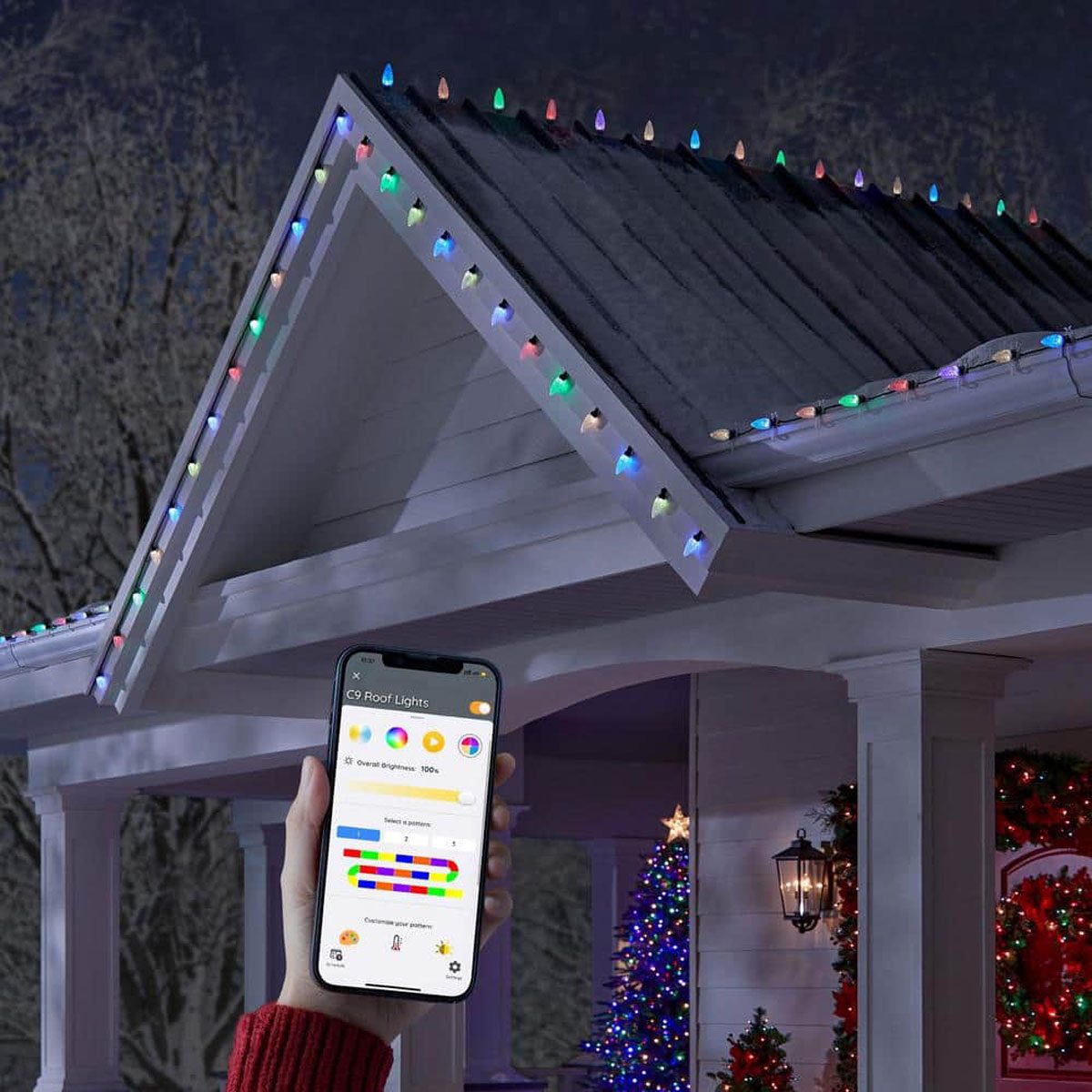
Create the Most Stunning Holiday Light Display with These Home Depot Products

The Best Smart String Lights for Every Holiday, Including Halloween
We Tested the Best Outdoor Christmas Lights to Add Holiday Cheer, See Our Favorites
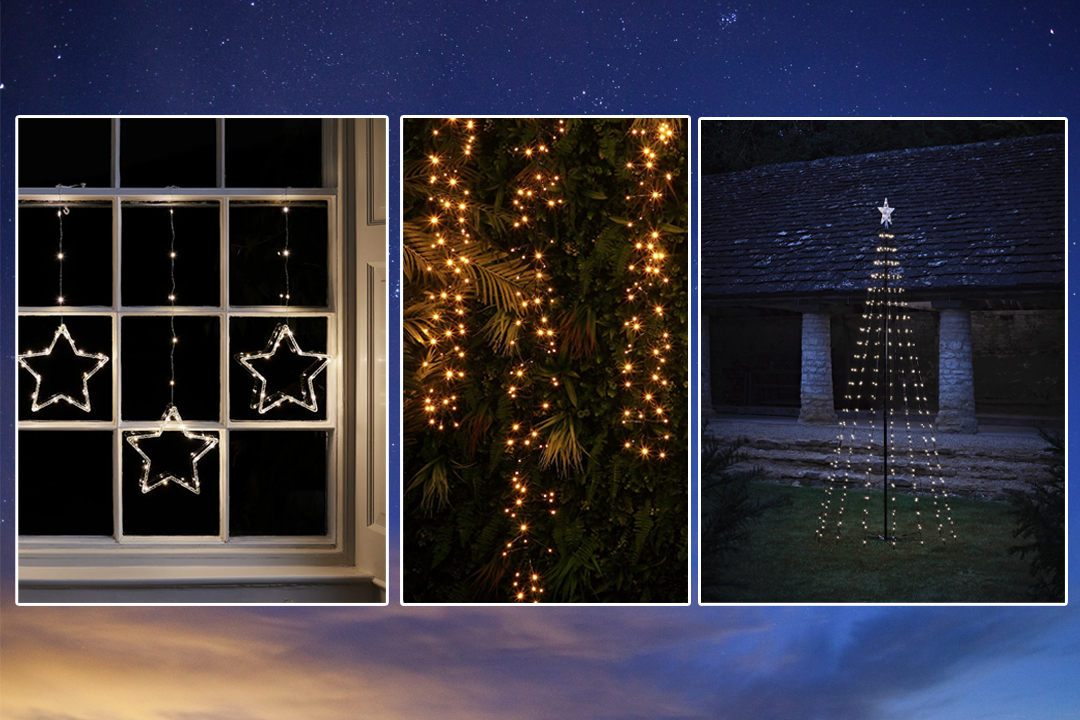
9 best outdoor Christmas lights, tried and tested for a magical display
The best ways to securely hang Christmas lights – both inside your home and out

You'll NEVER Believe How Much Those Elaborate Holiday Light Displays Cost