1/4
Do low beds make a bedroom look bigger? 5 expert tips on getting bedroom furniture height right in a small space
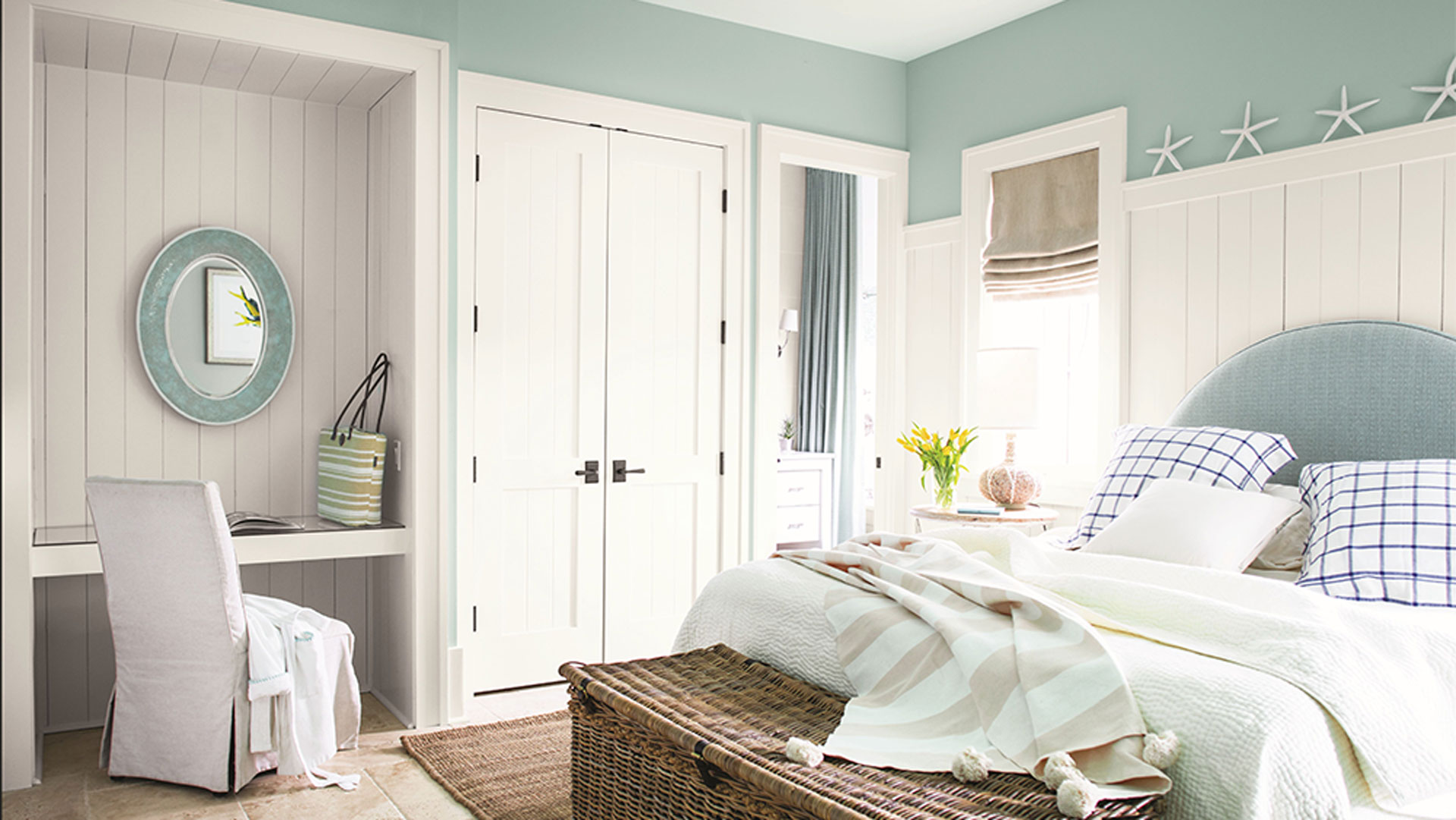
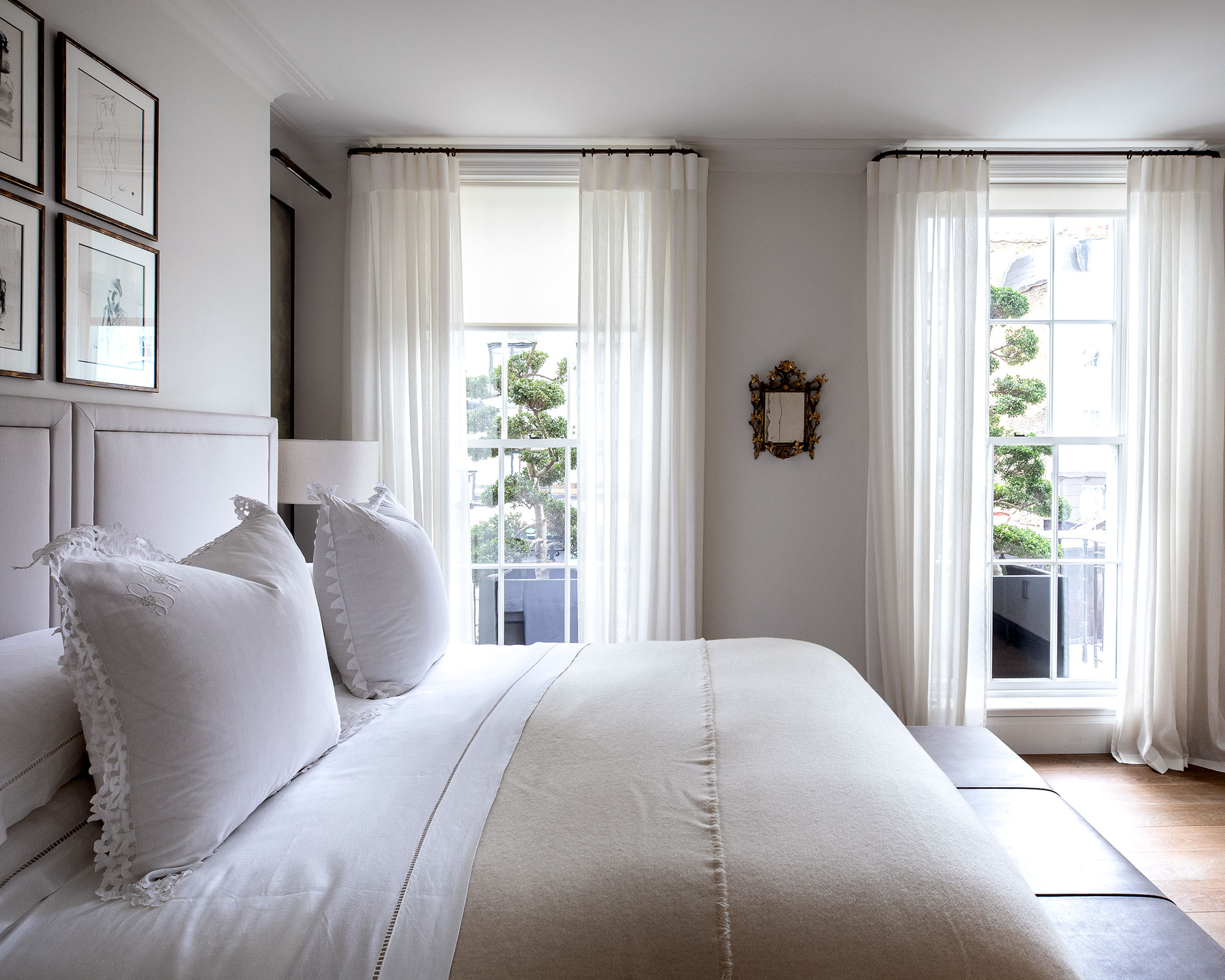
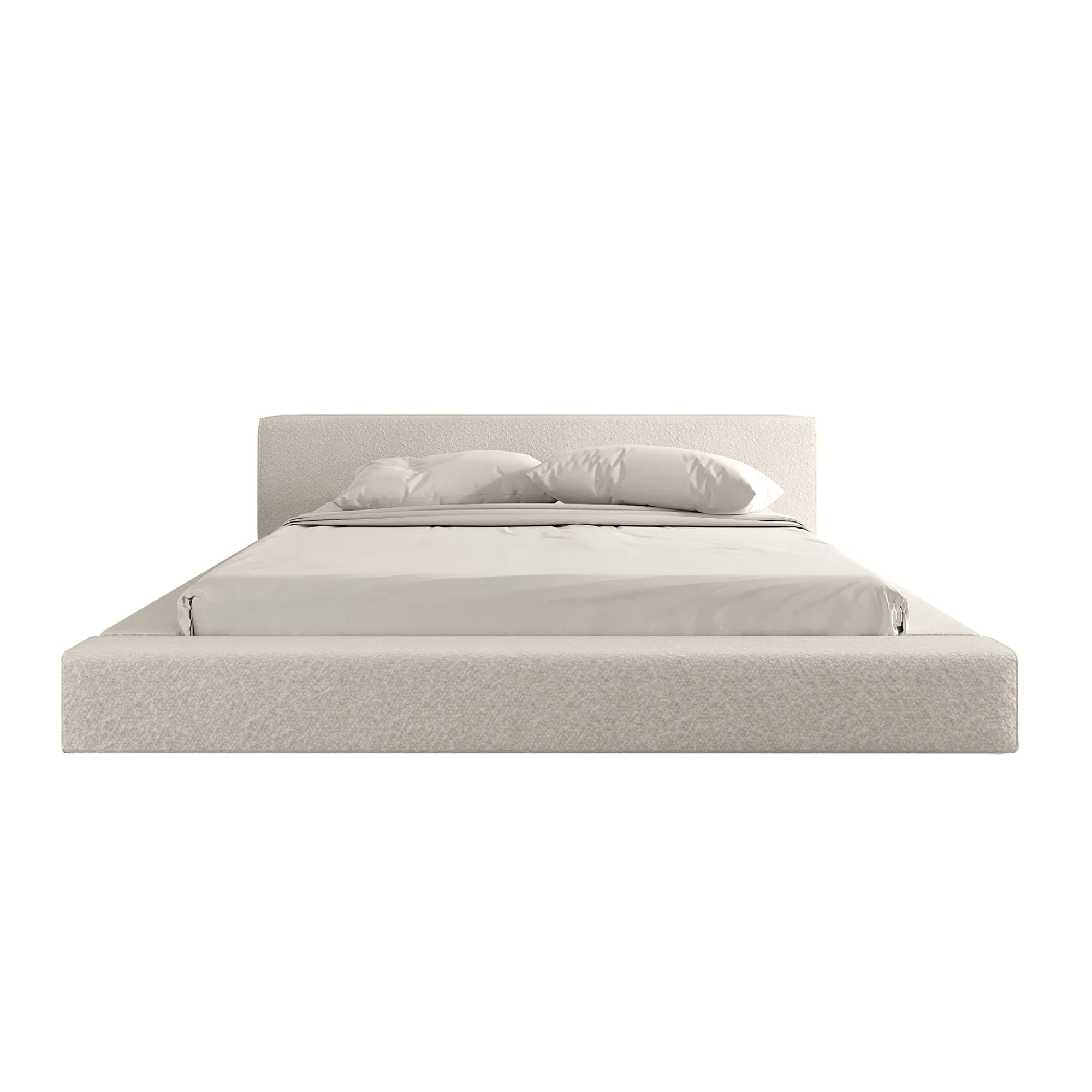
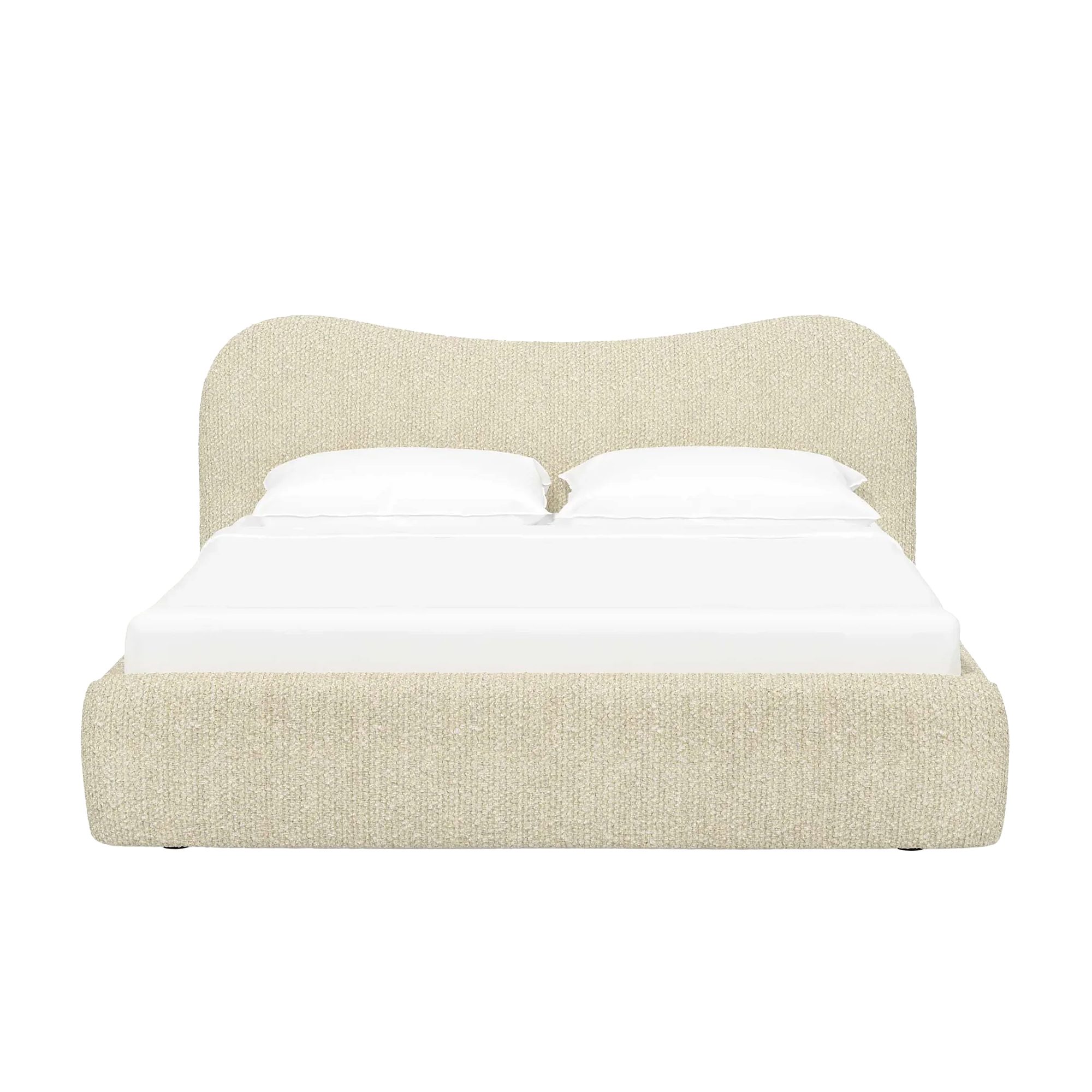
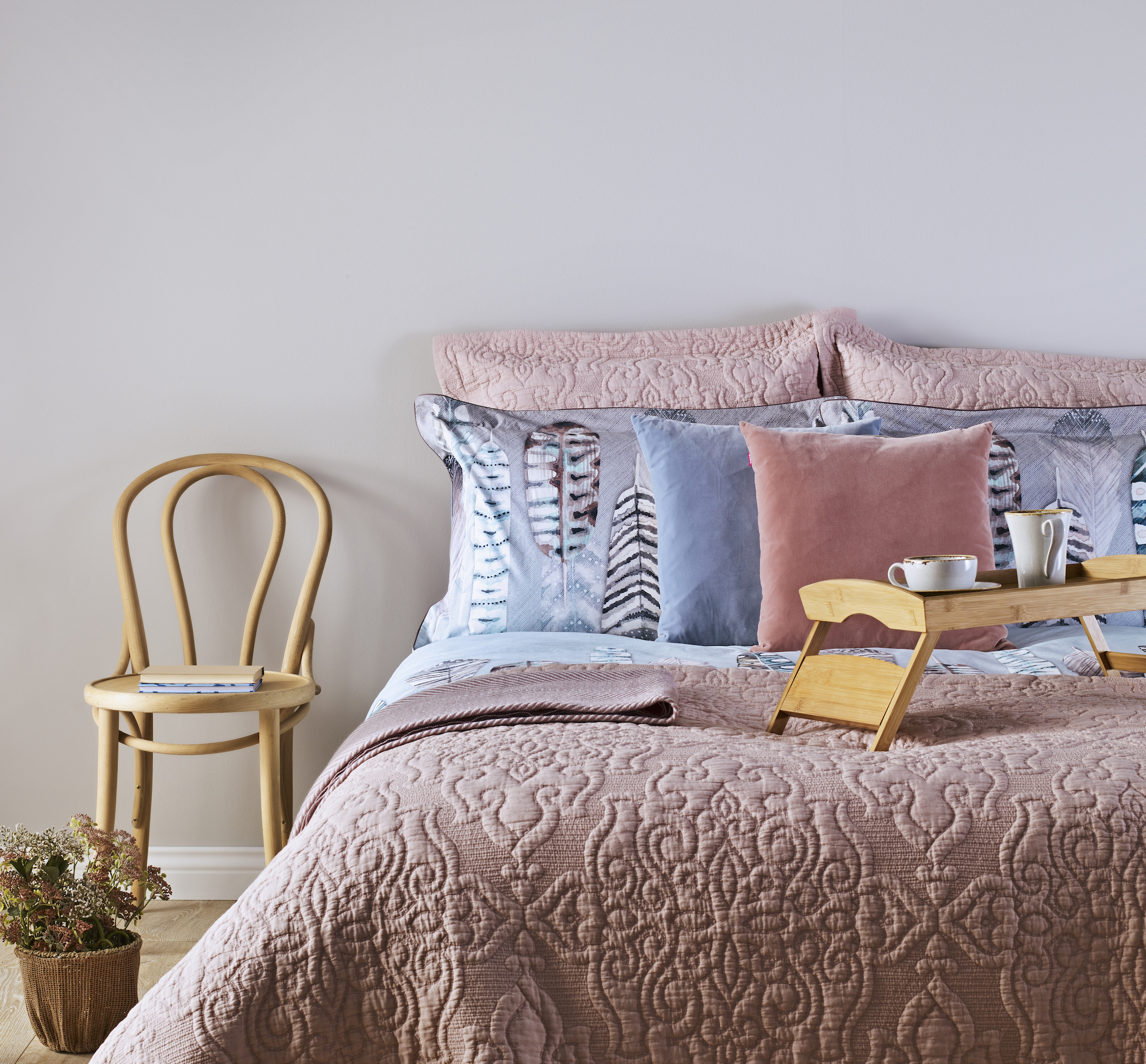
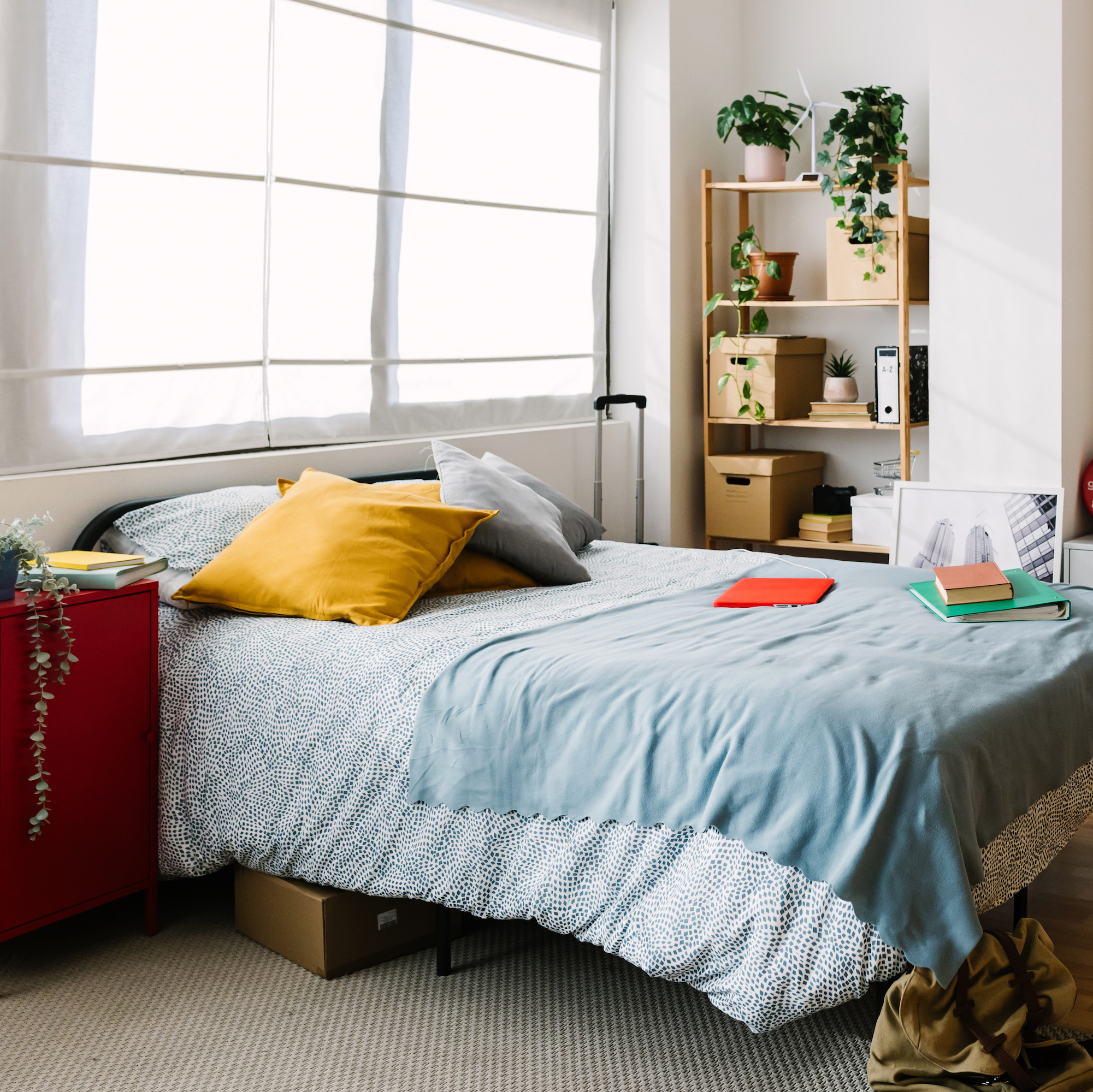
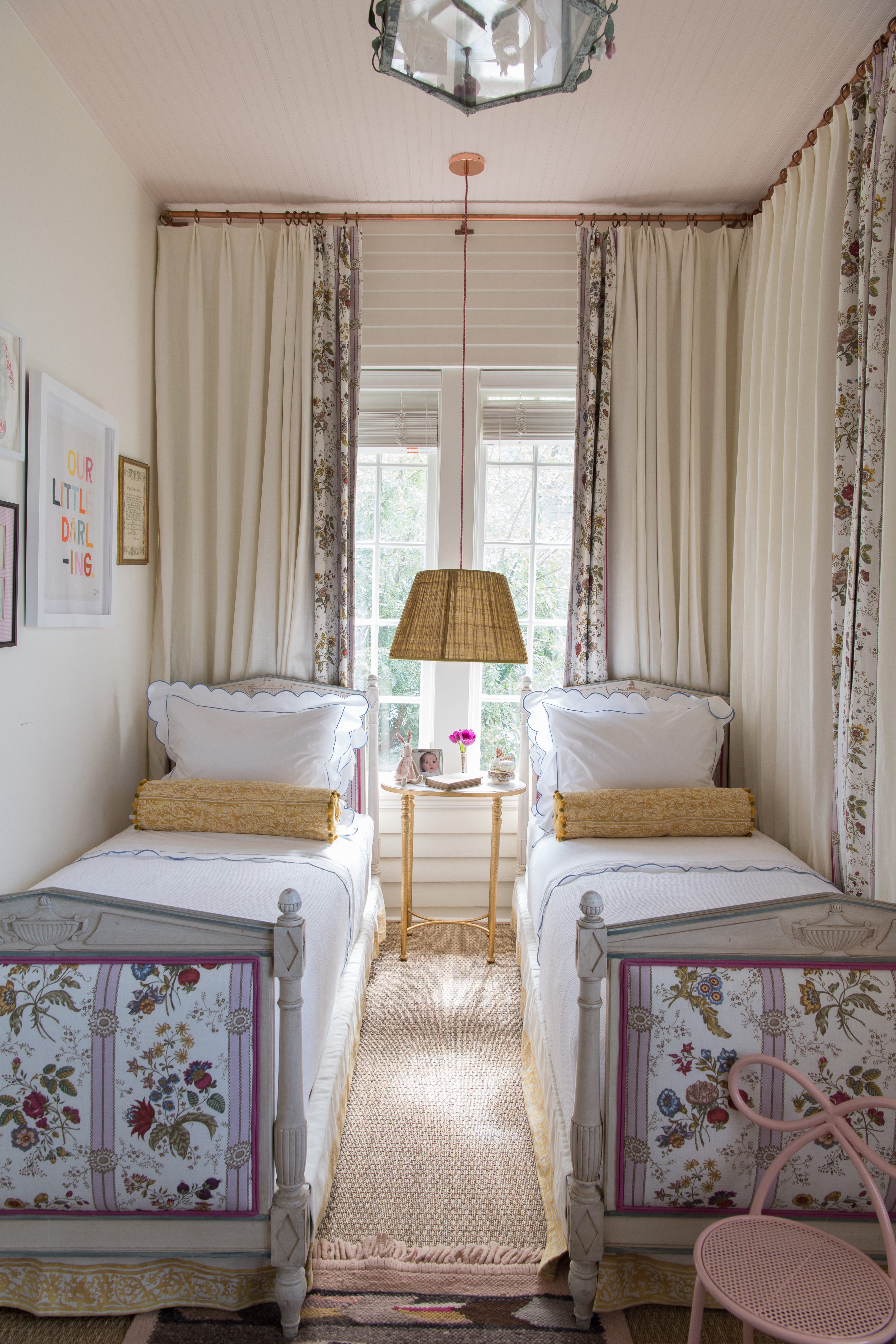
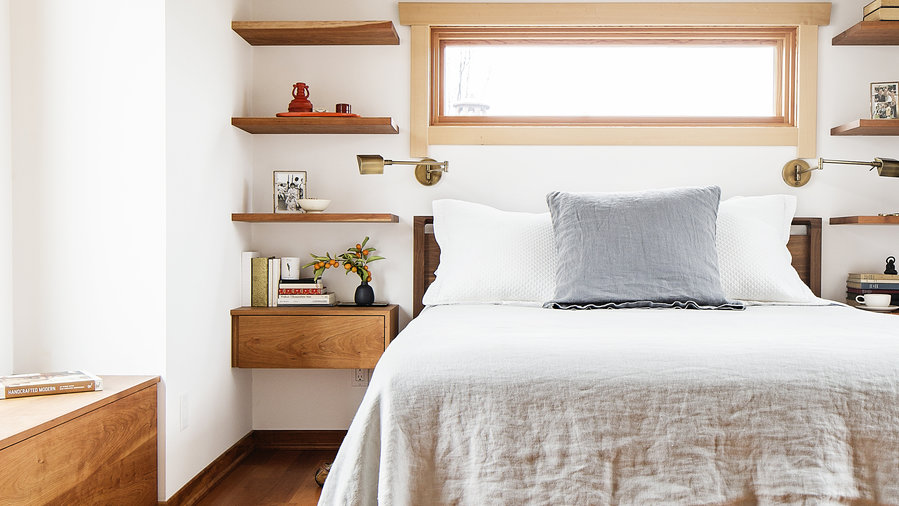
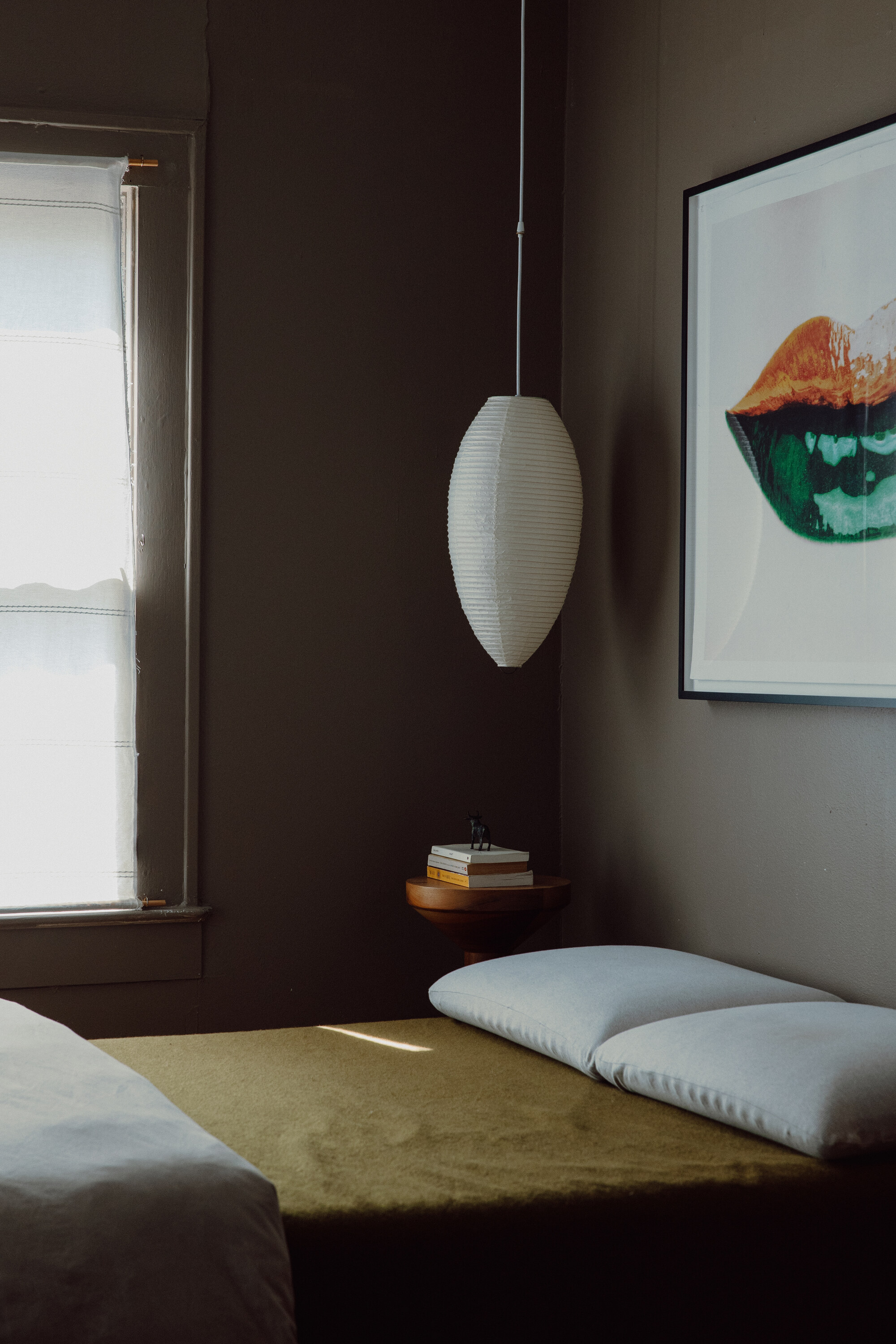
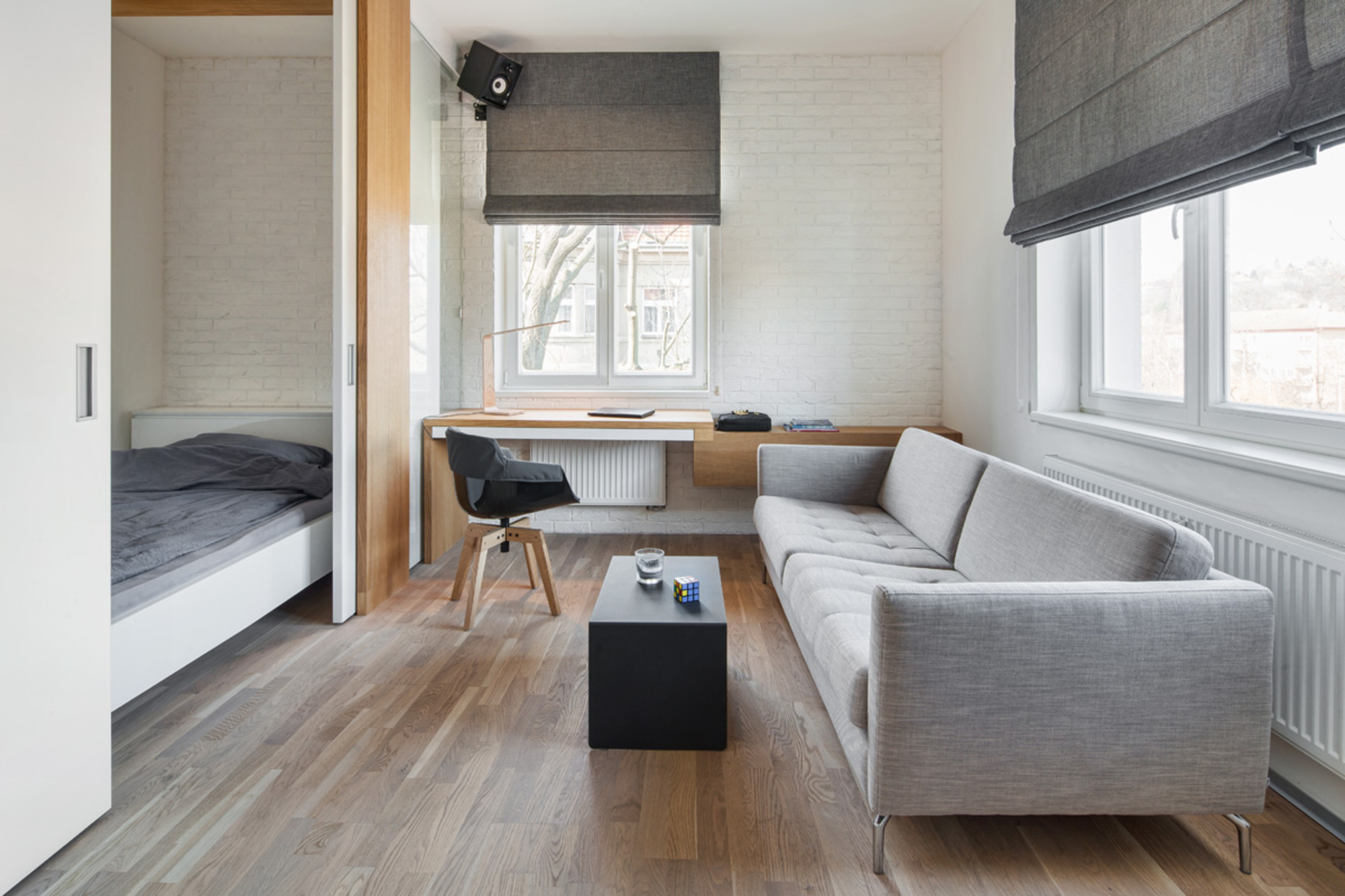
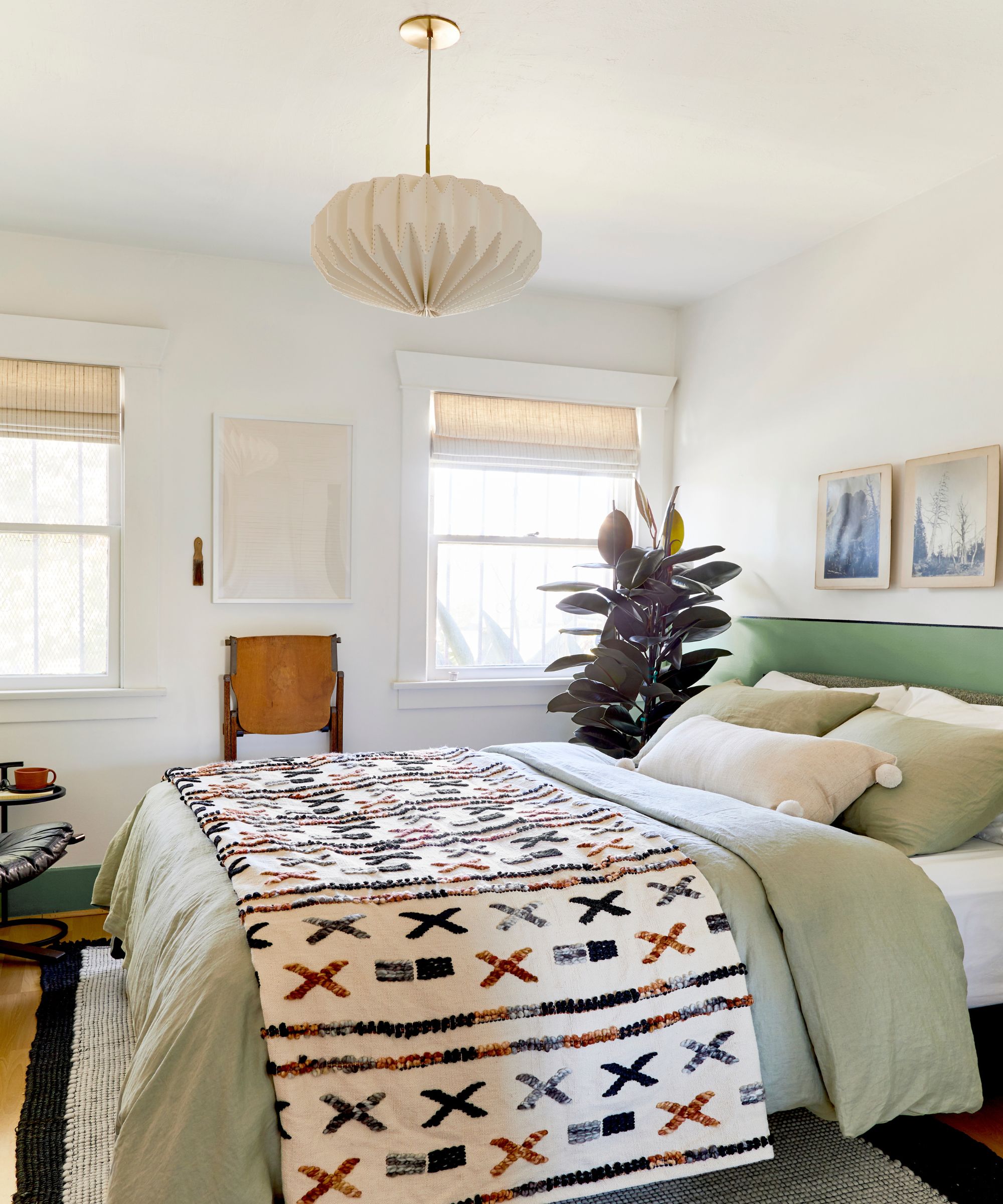
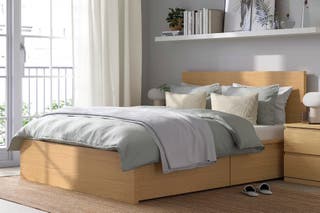
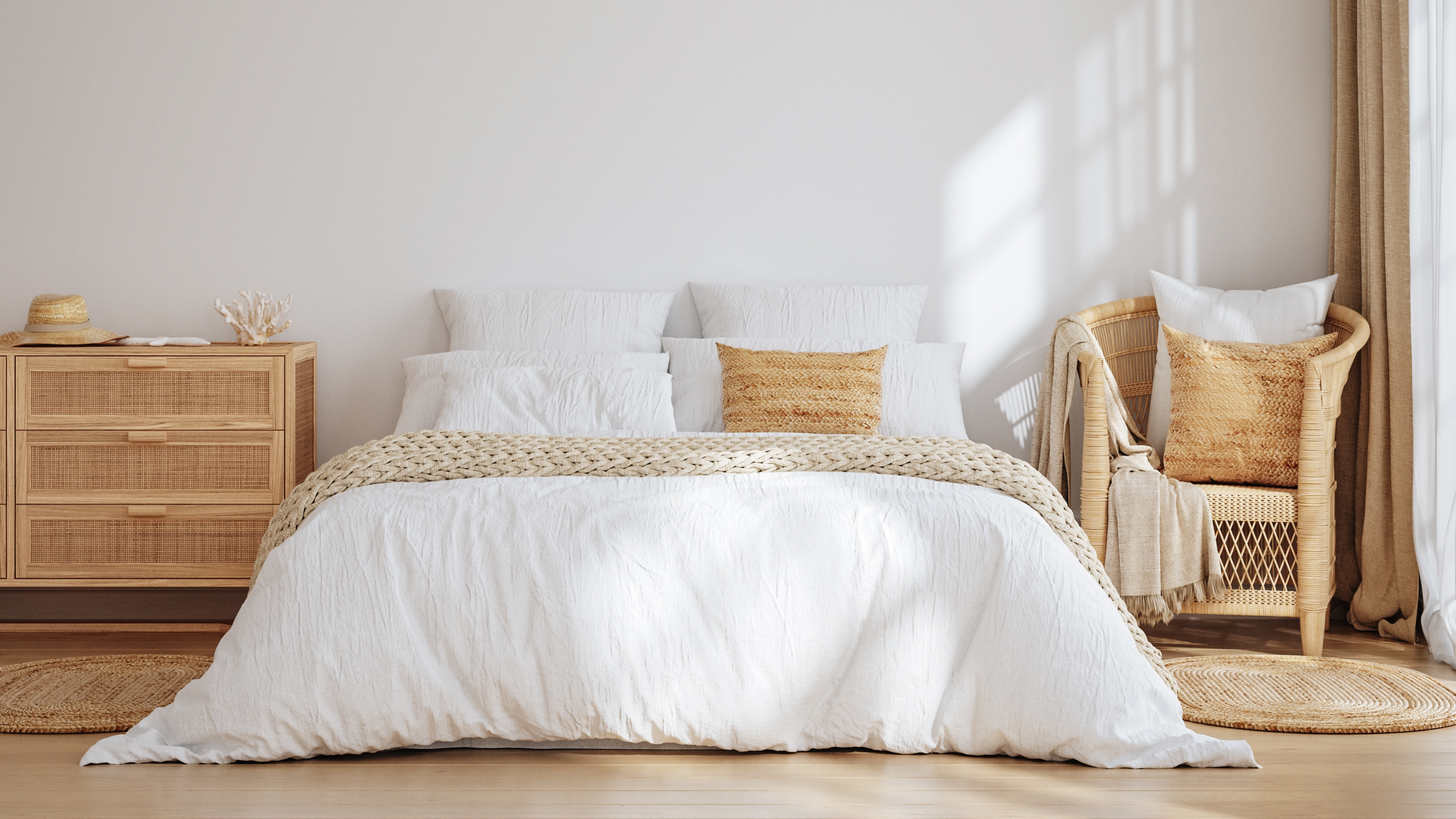
In small bedrooms, furniture height significantly influences the perception of space. A key strategy for making a small bedroom appear larger is to utilize low beds. Interior designers emphasize that while the bed is the primary focal point, the height of all bedroom furniture contributes to how spacious the room feels. The use of low beds, particularly those without footboards, helps to create an open and airy atmosphere, especially beneficial in rooms with high ceilings or large windows. This approach also fosters a cozy and relaxing ambiance.
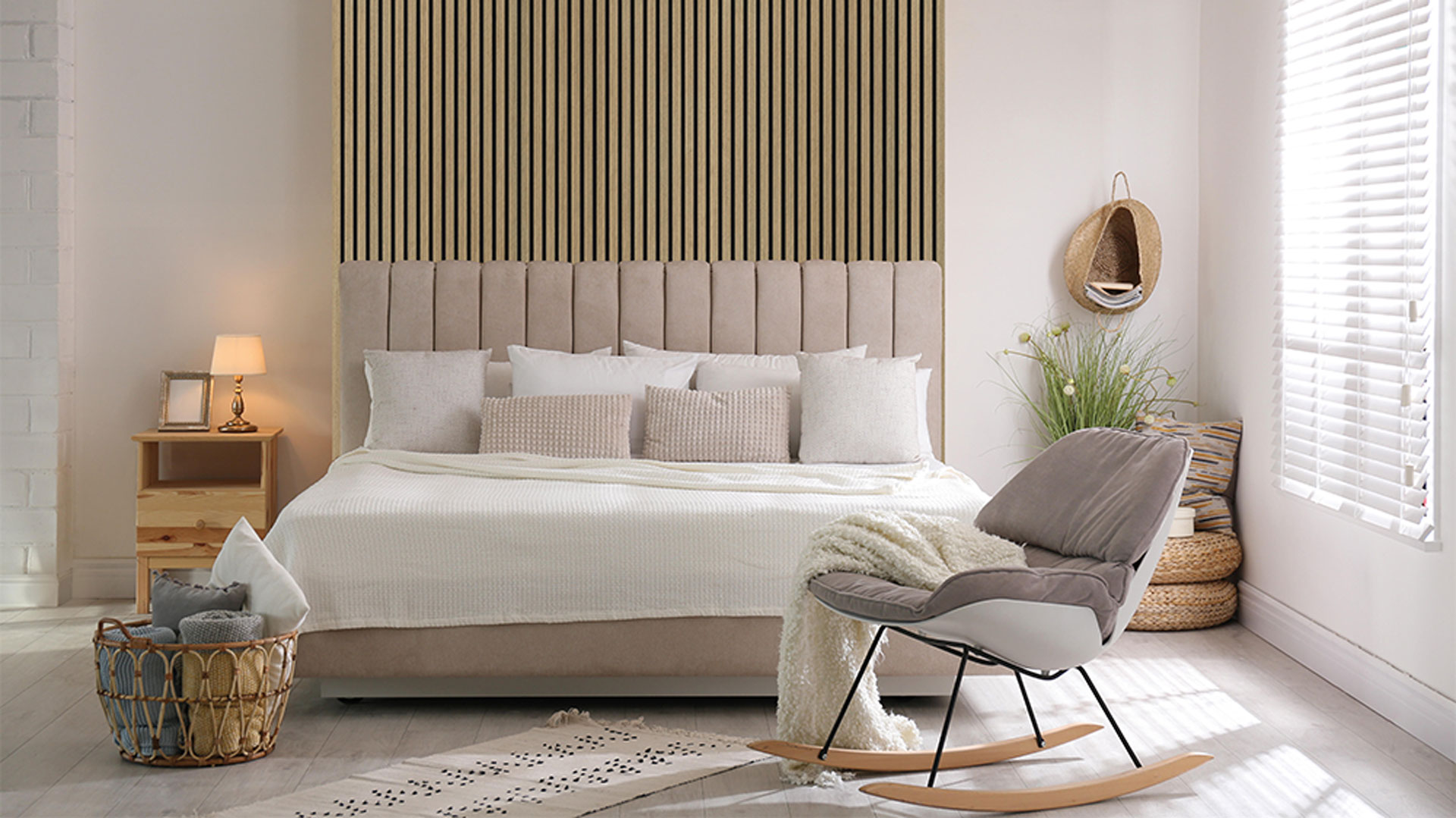
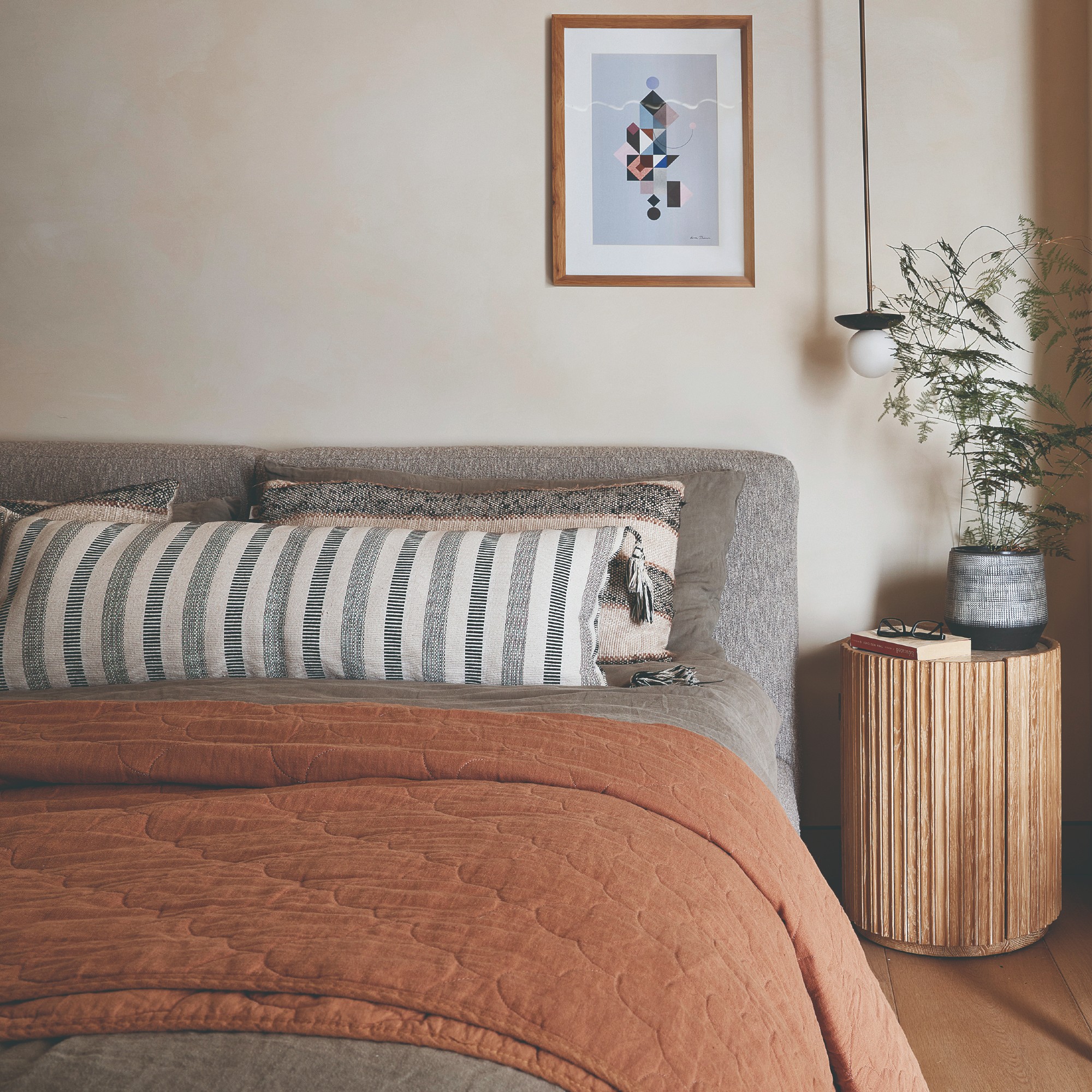
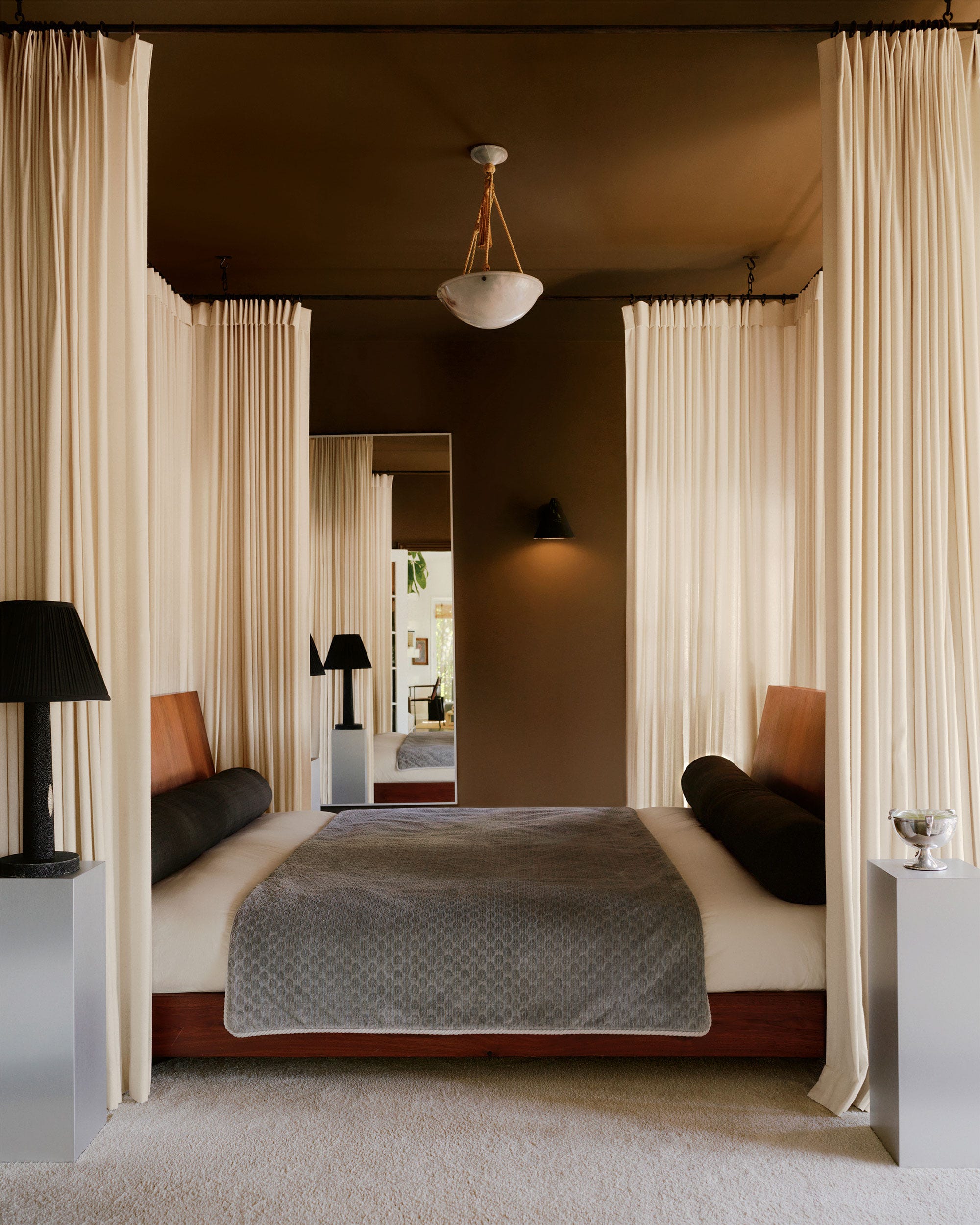
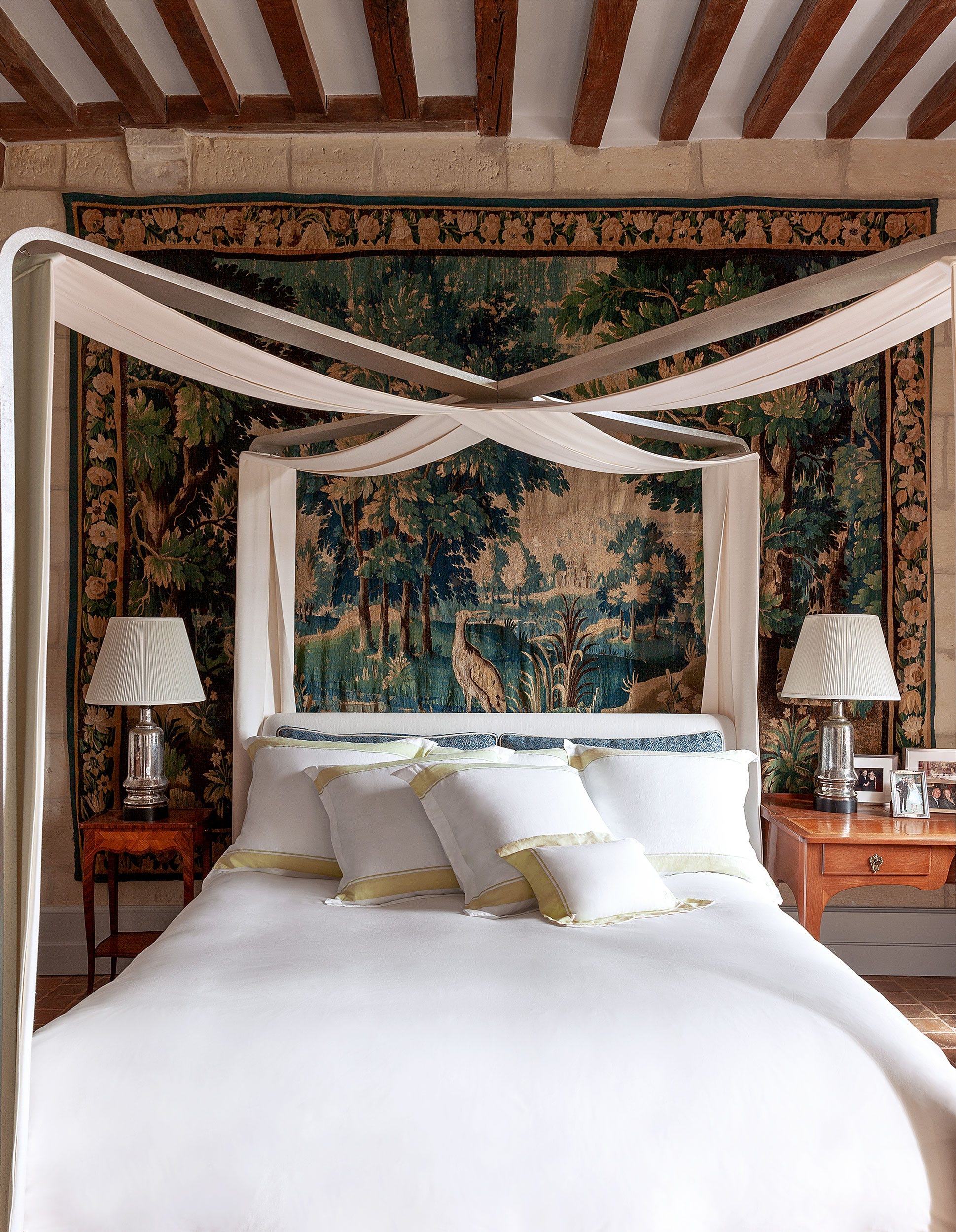
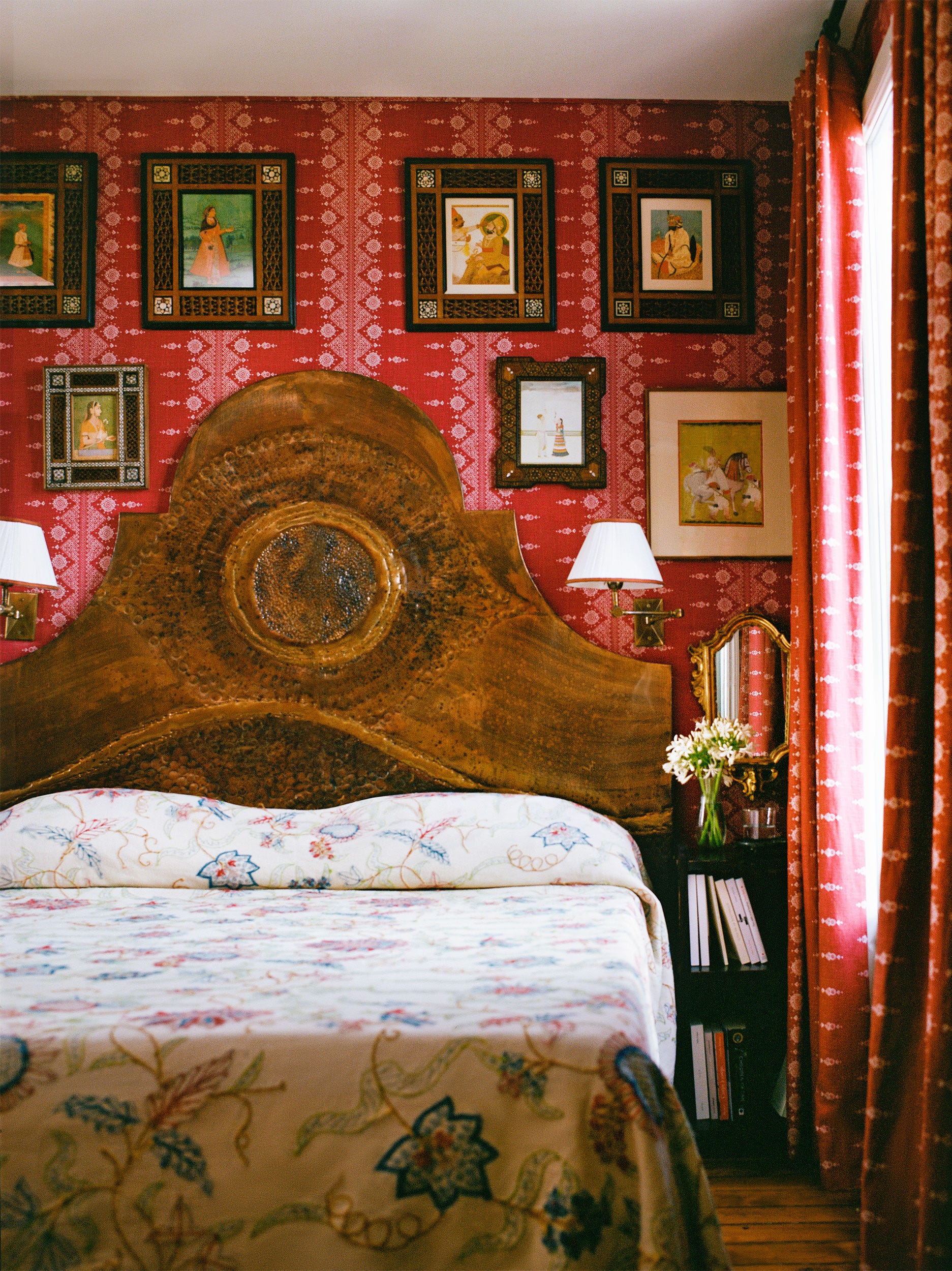
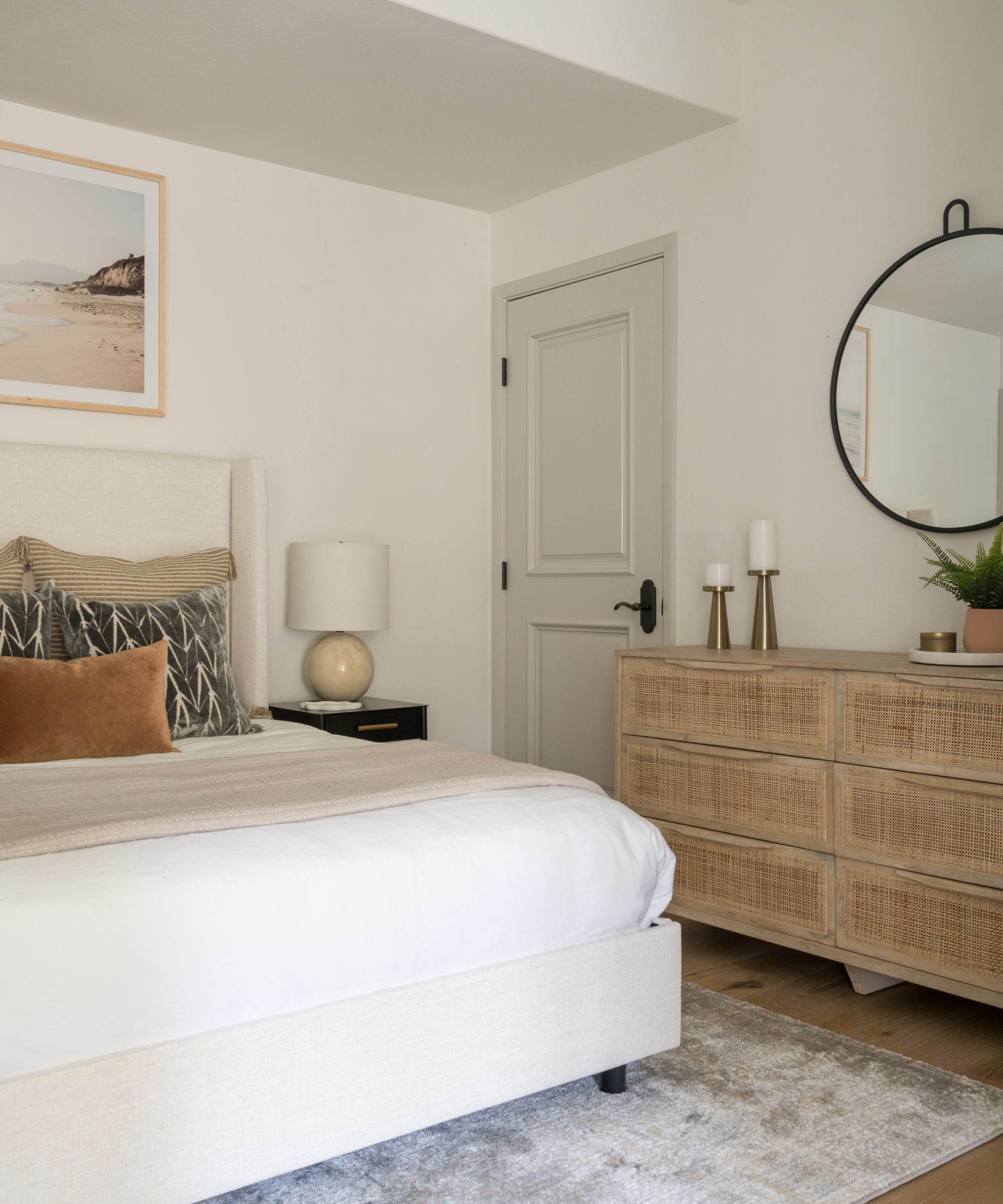
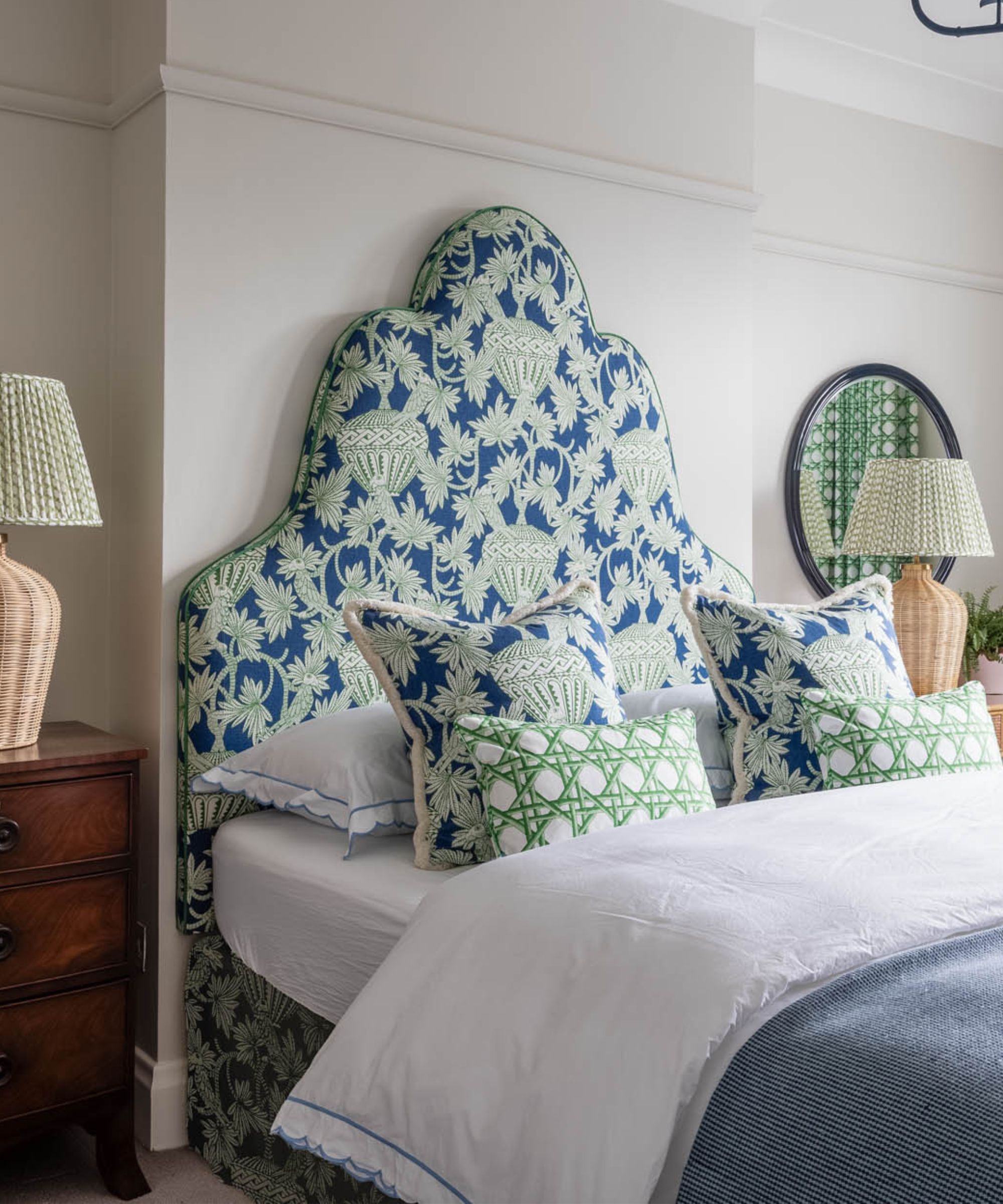
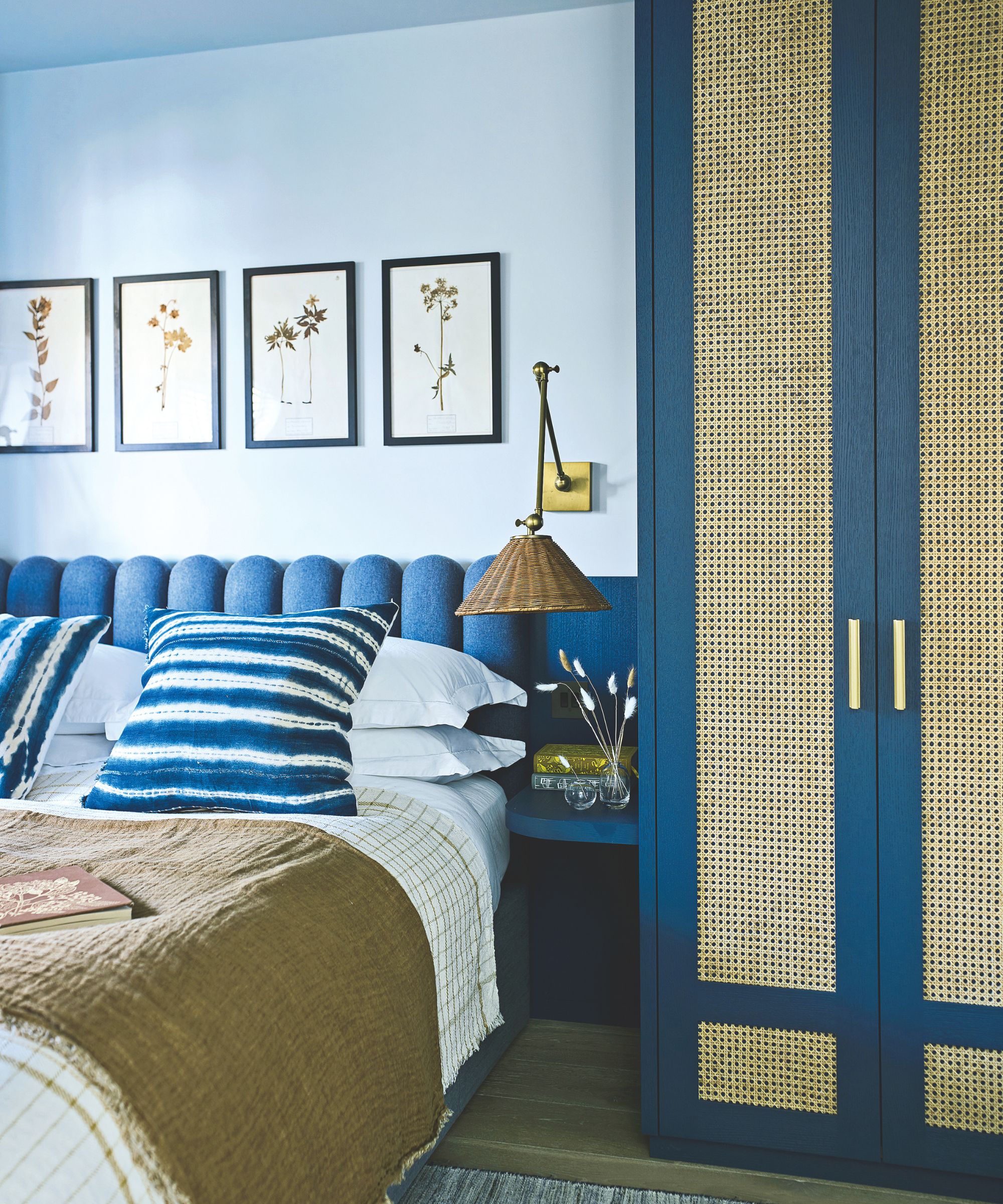
When selecting a low bed, it is crucial to ensure a balance in style, color, and shape among the bed frame, bedding, and accessories. For small rooms, a bed frame without a footboard is often recommended to facilitate easy movement around the bed and maintain a low visual height in the center of the room. The mattress height should also be considered, ideally kept under 24 inches, to preserve the low visual profile in the room's center, allowing for the incorporation of taller elements on the walls, such as a high headboard or large-scale artwork. This strategy permits larger items to be included without overwhelming the space, by strategically placing them against walls rather than in the room's central area.
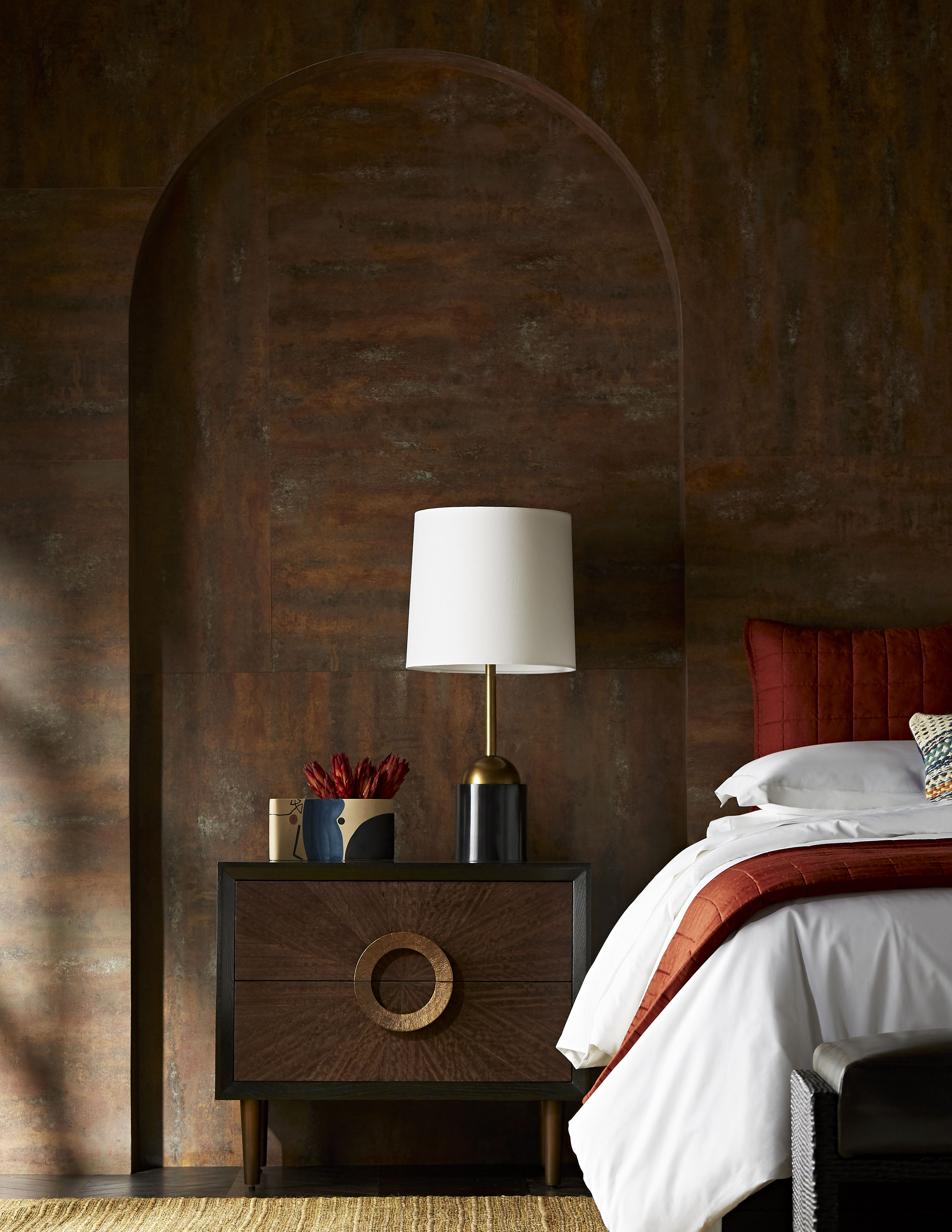
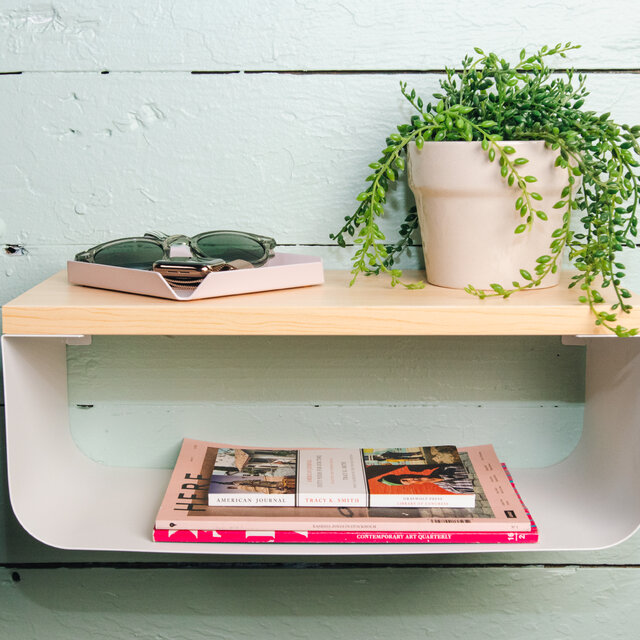
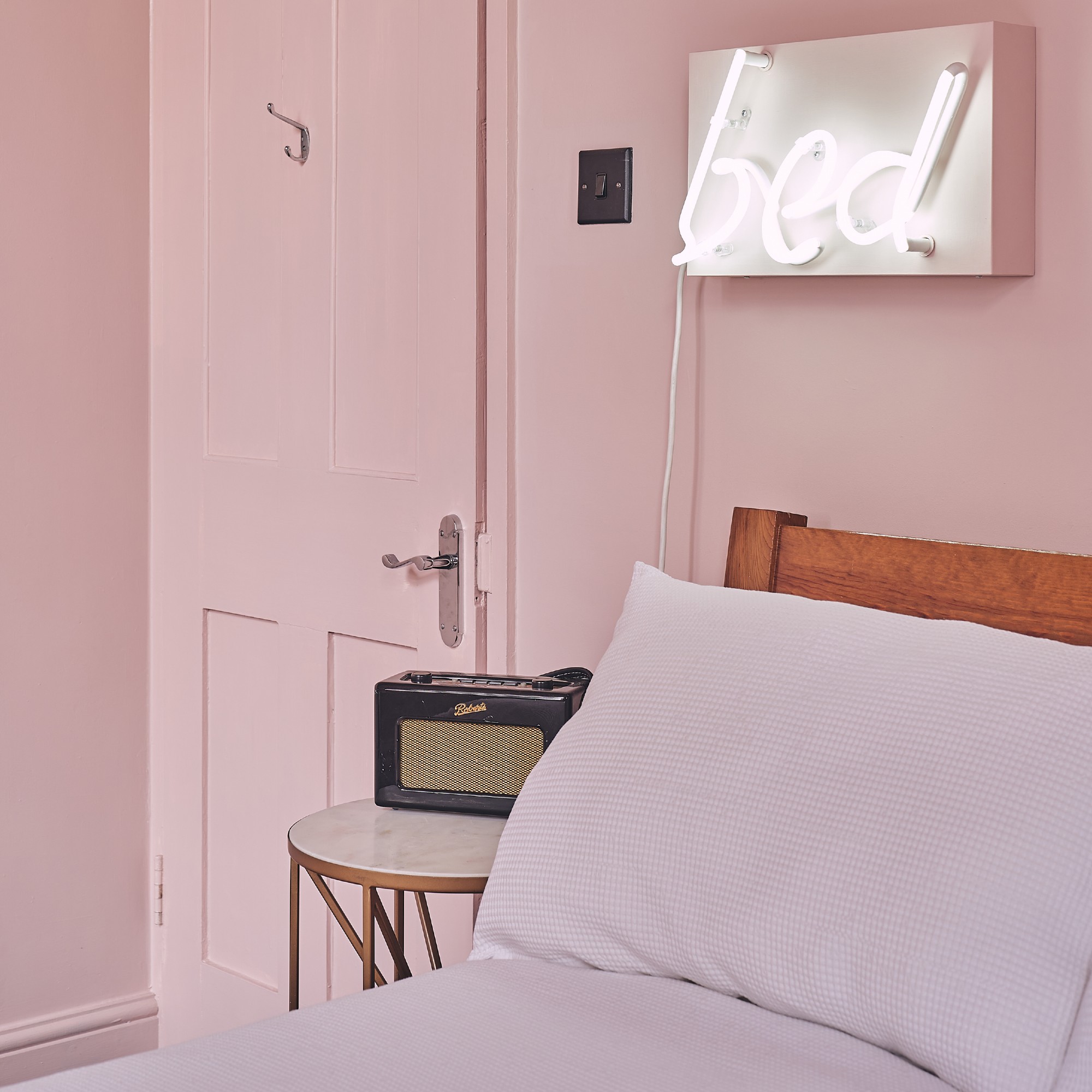
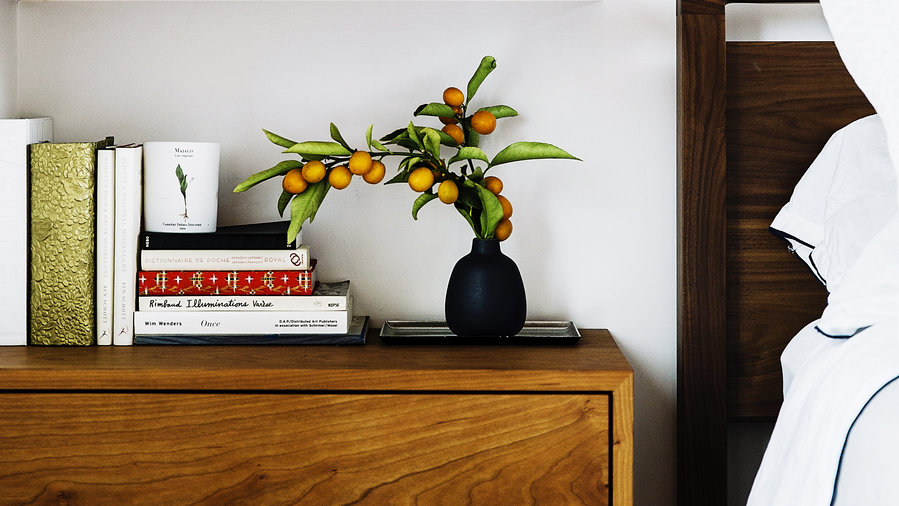
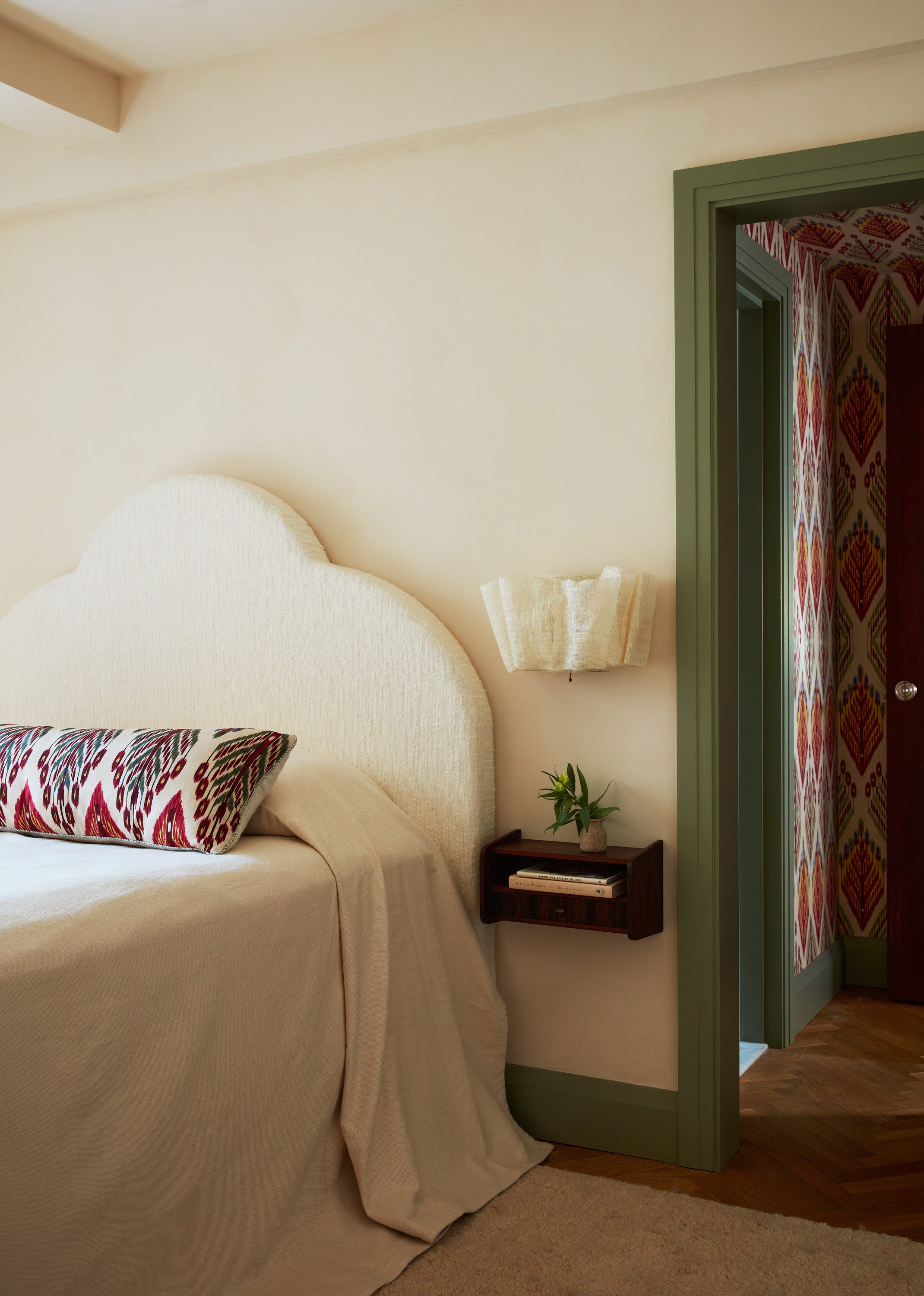
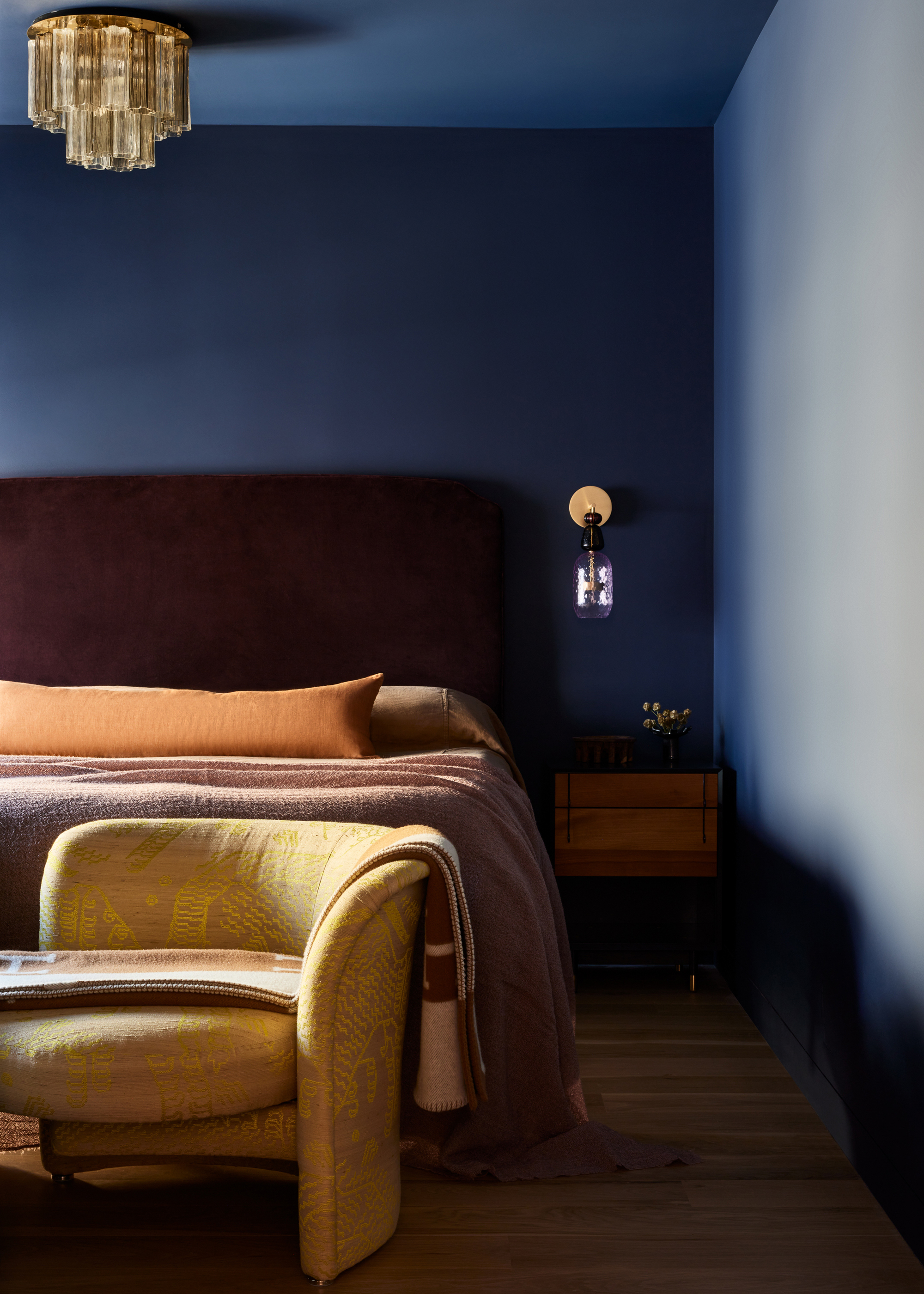
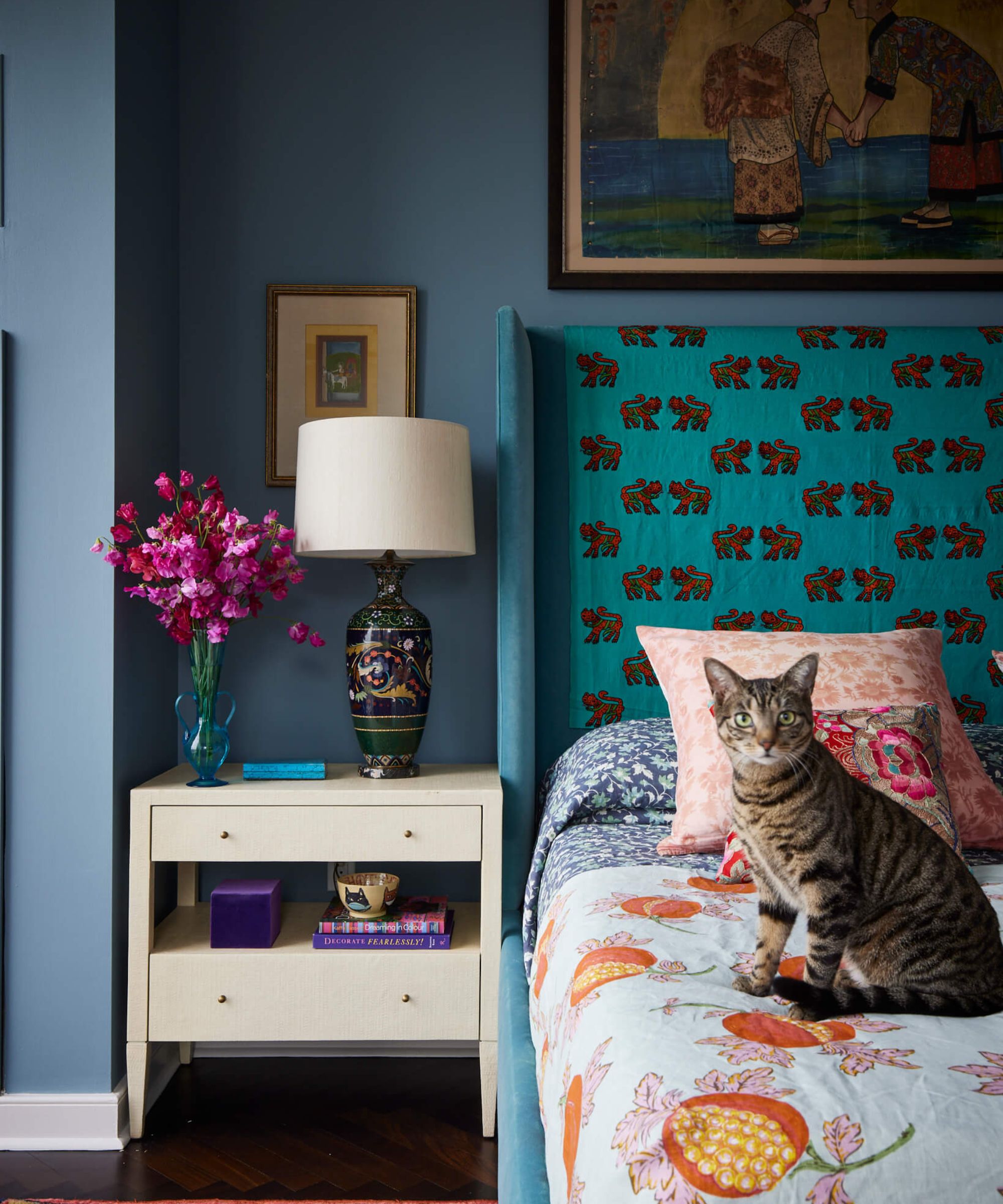
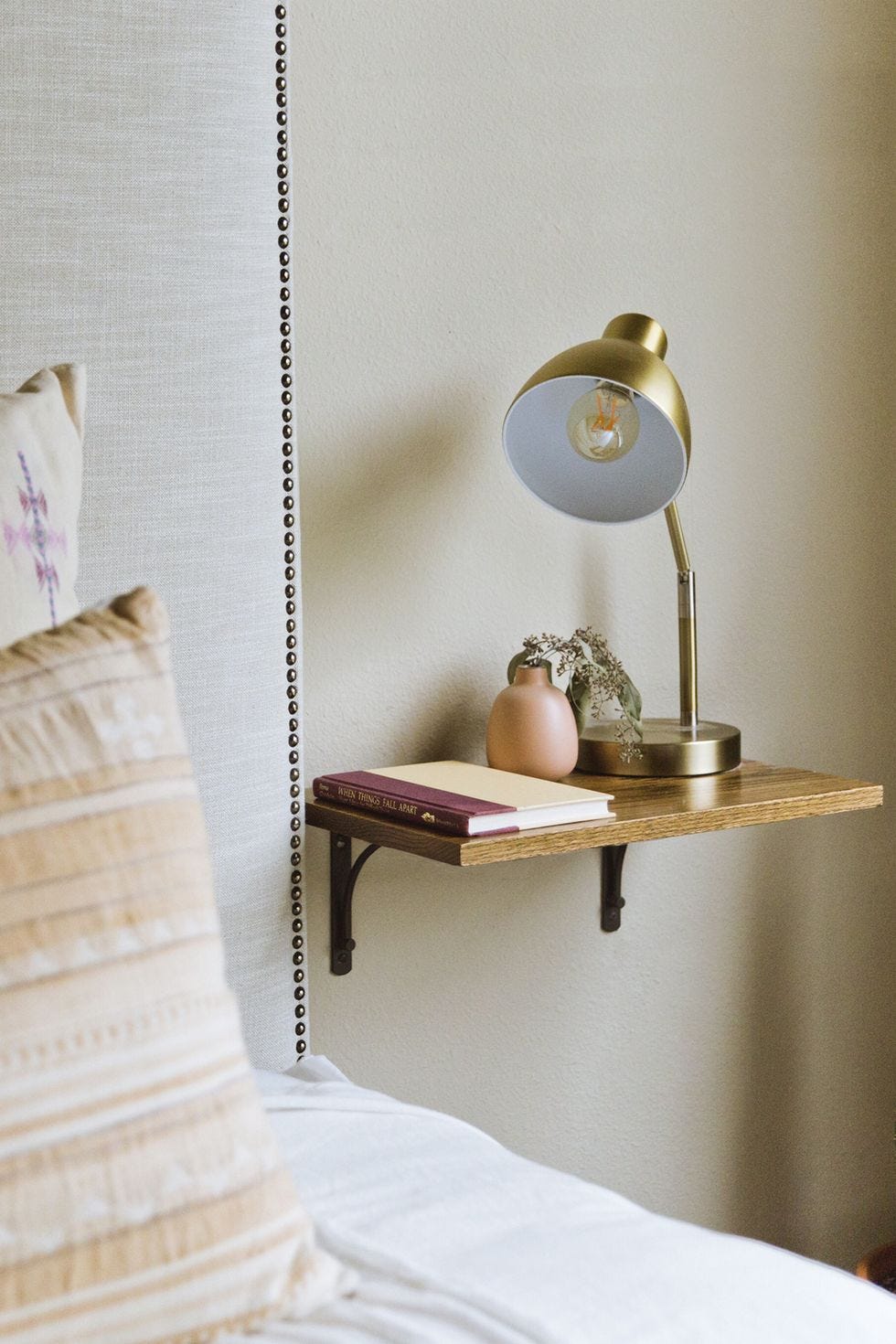
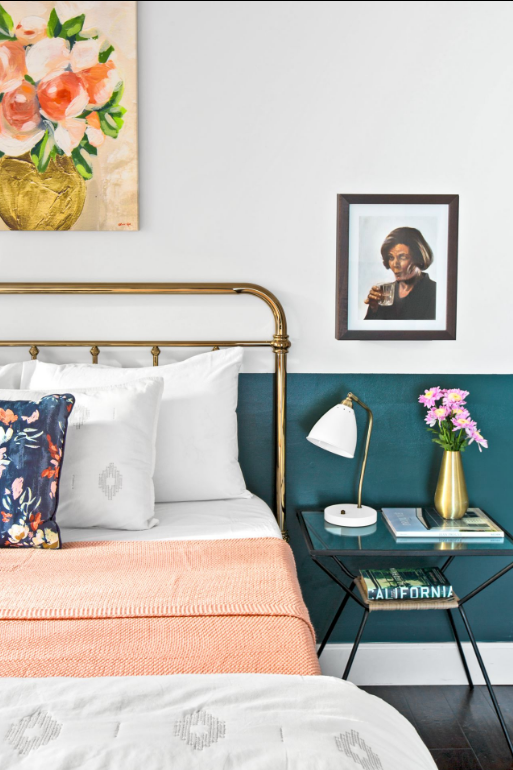
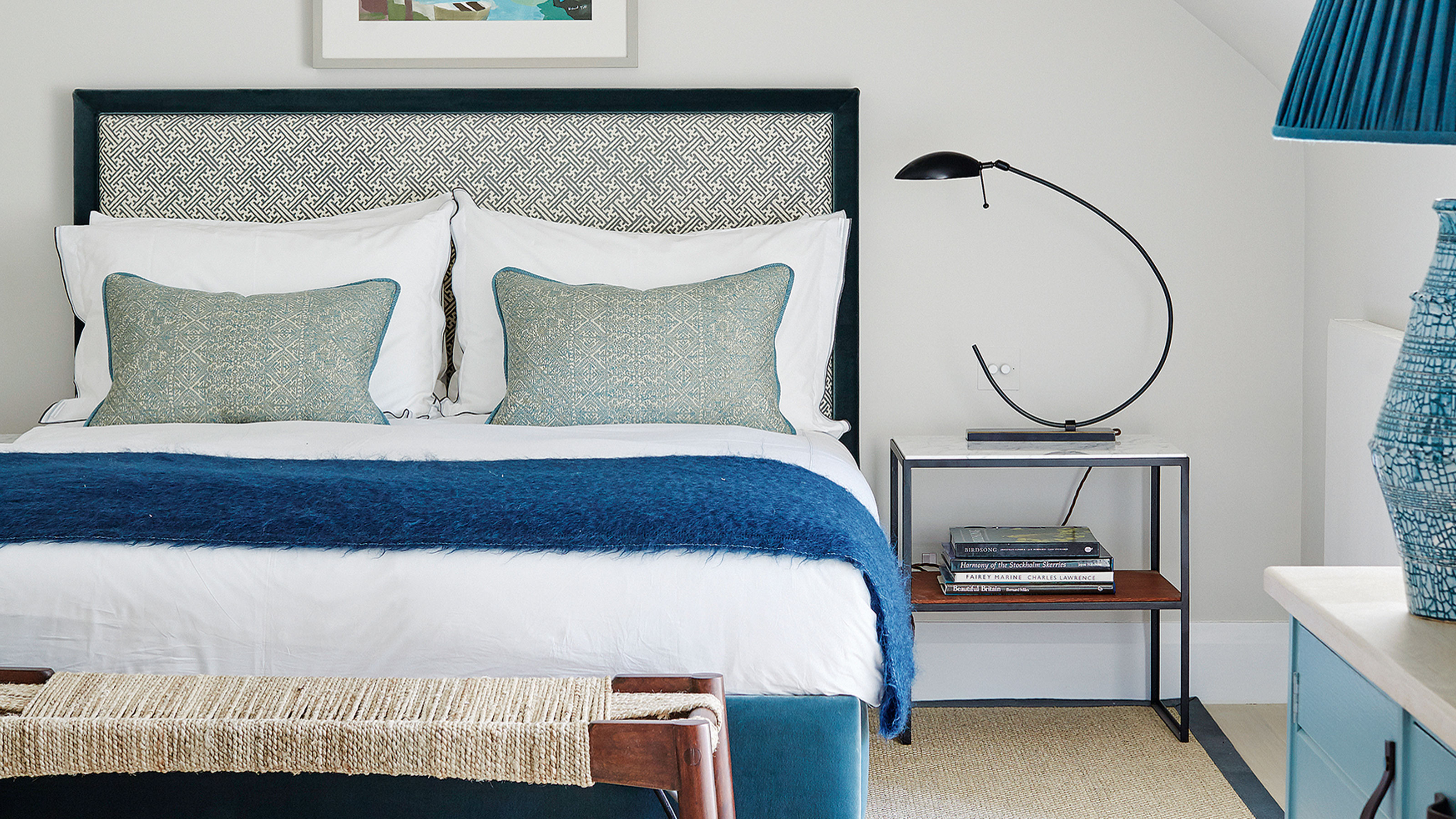
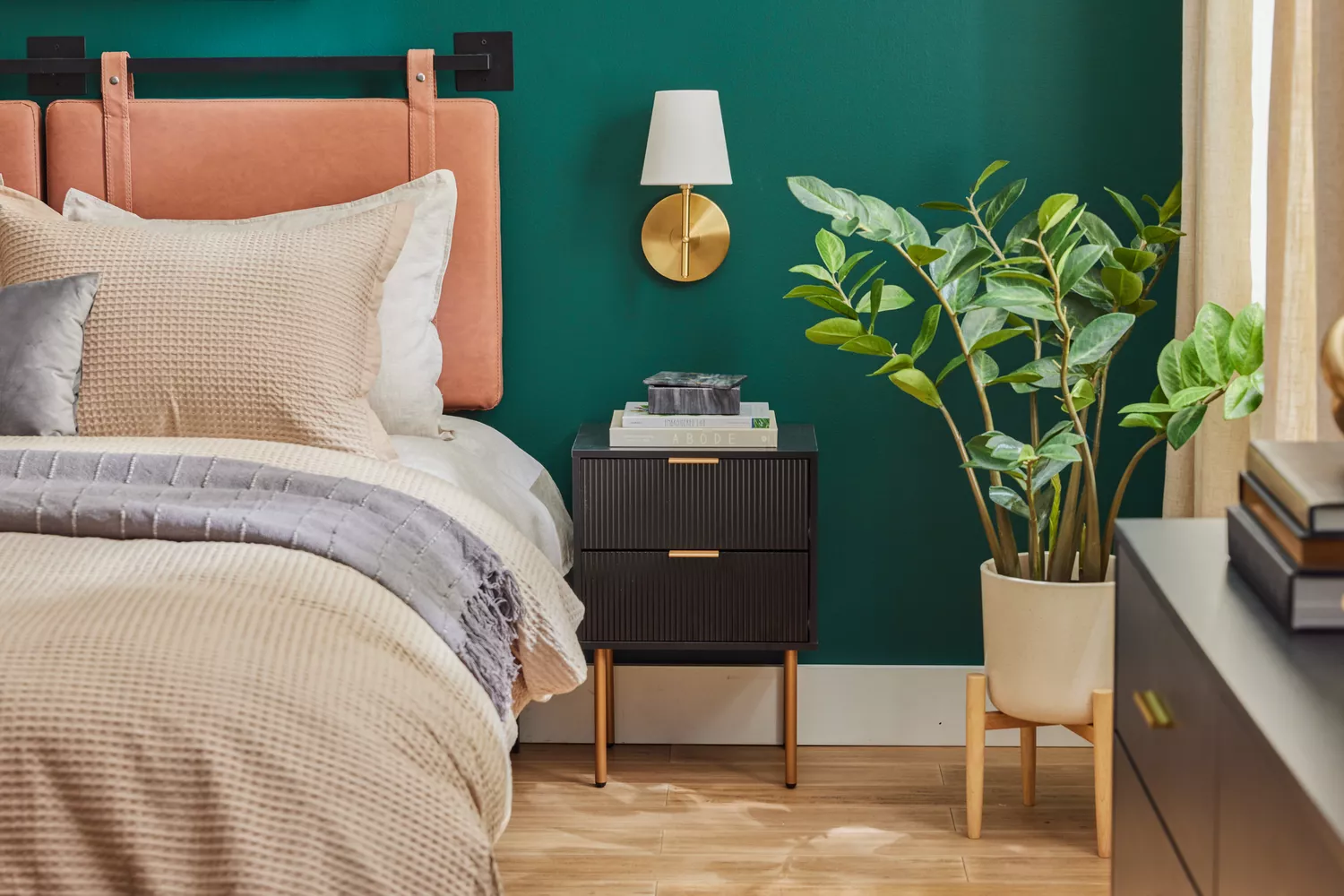
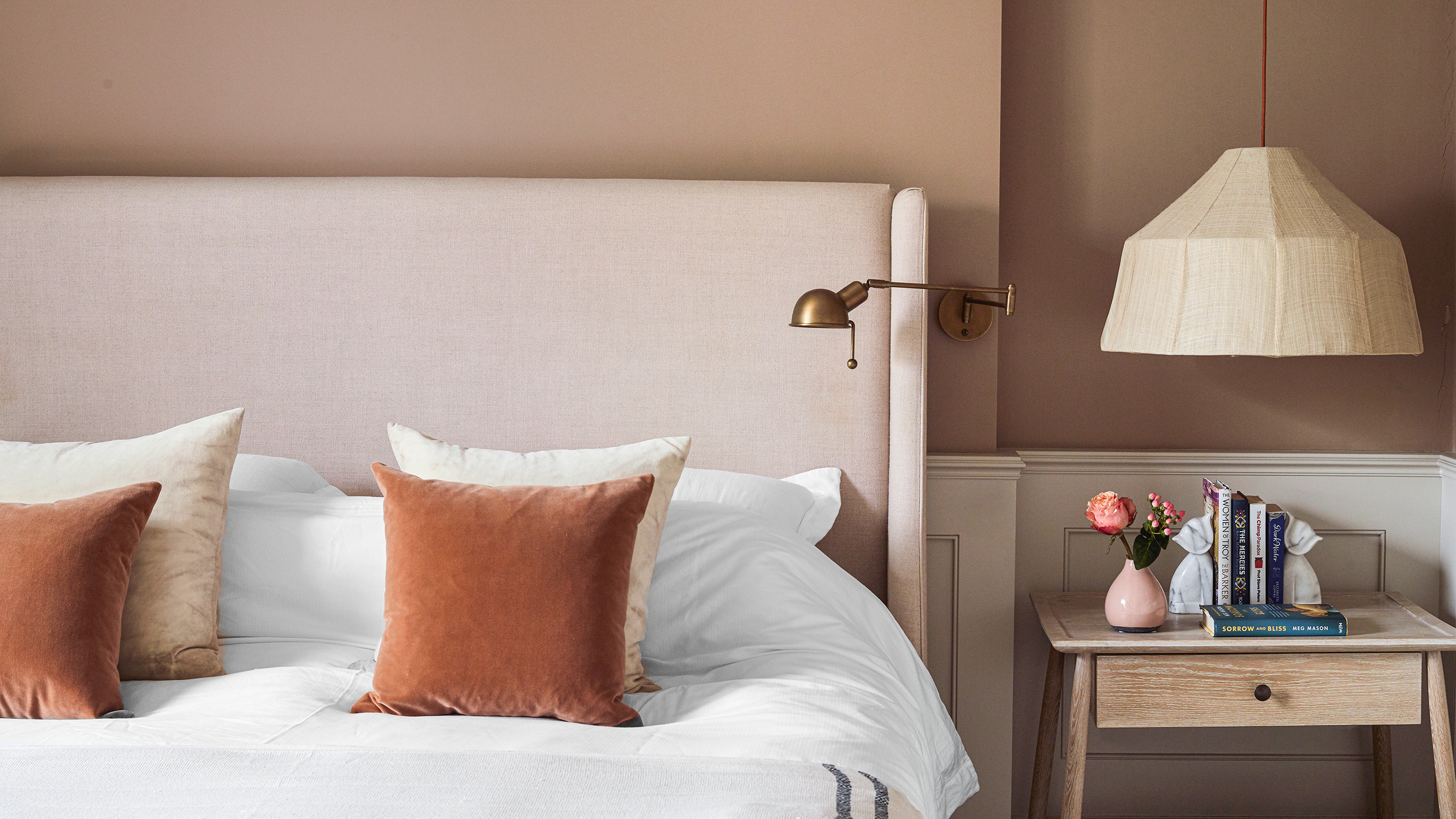
Complementary furniture, such as nightstands, should align with the low bed concept. Pairing low beds with nightstands that match or are slightly higher than the mattress height is advised. To save space on nightstands, wall-mounted lamps or pendant lights are preferred over traditional table lamps.
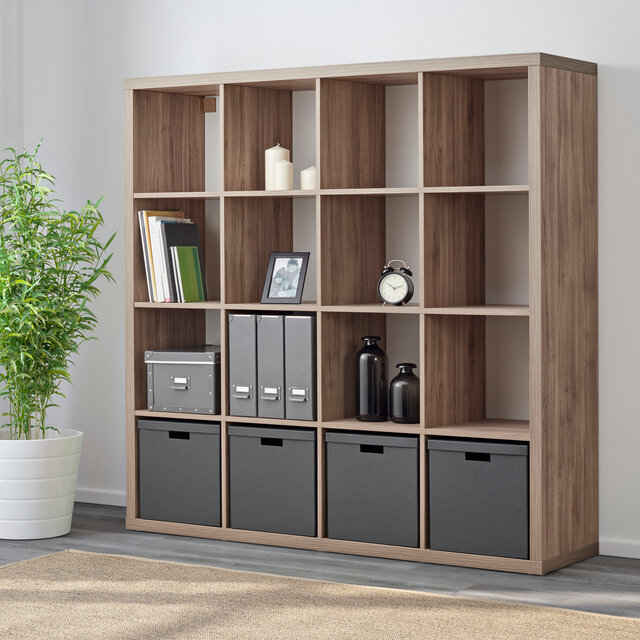
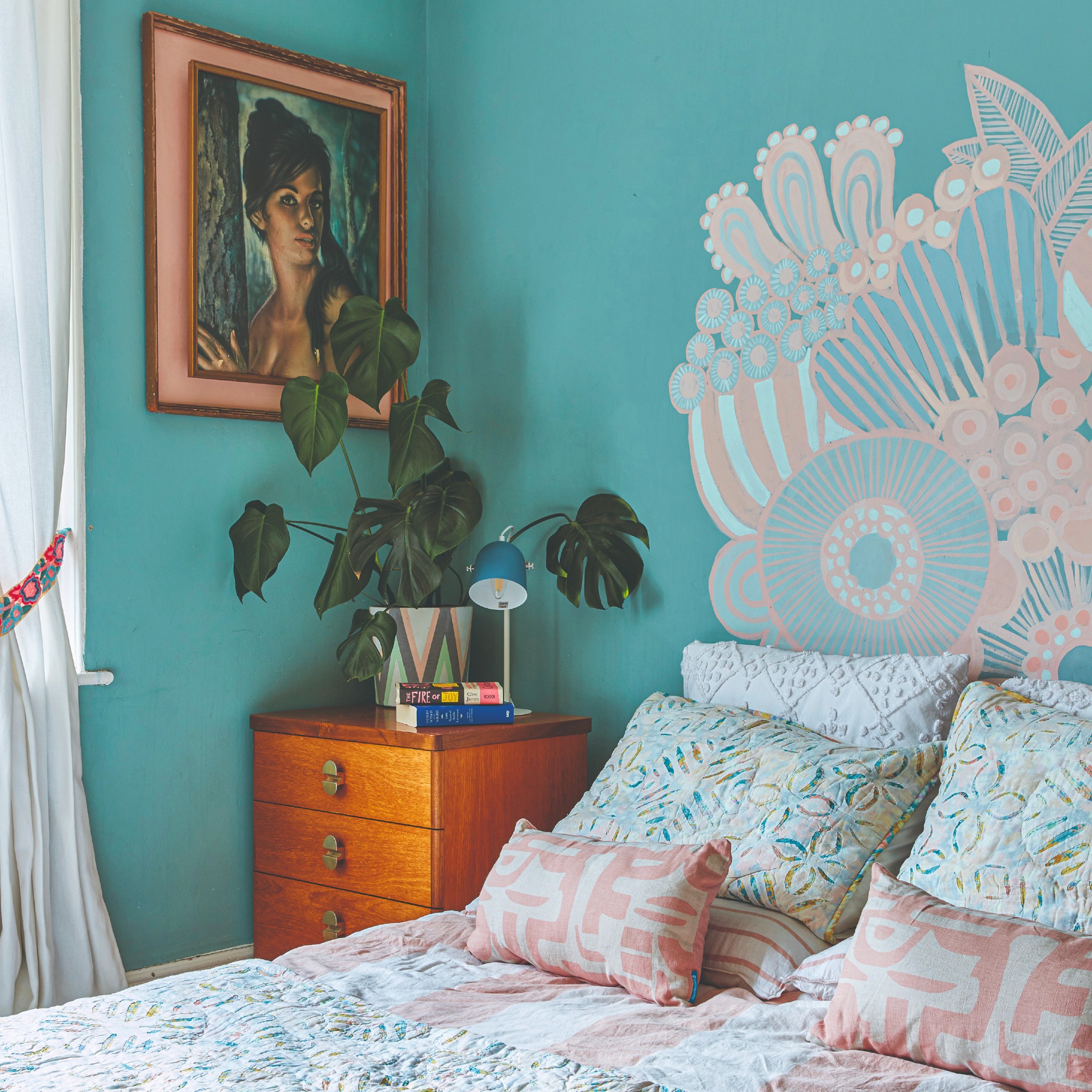
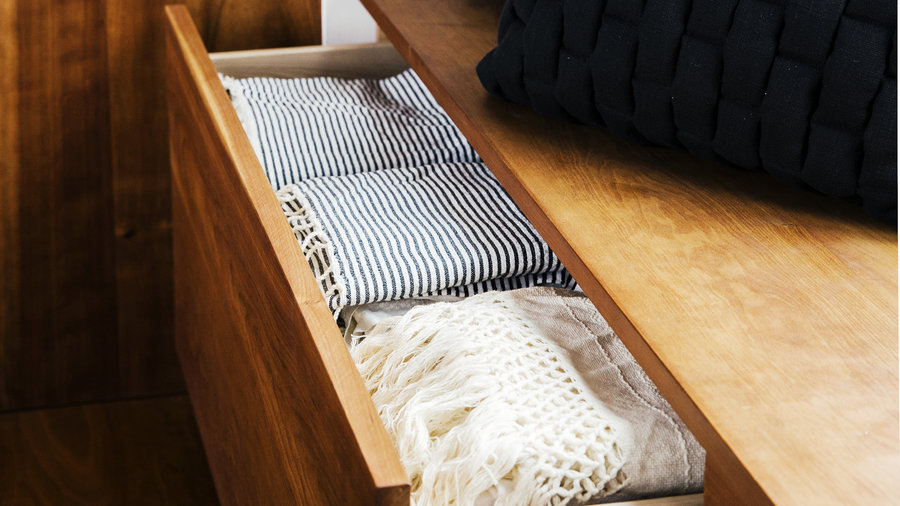
Dresser height is another important consideration. Tall dressers should be avoided as they can visually dominate the room and obstruct natural light; instead, dressers should be positioned below or at eye level when standing. Beyond height, the visual density of the dresser is also critical; a bulky dresser, regardless of its height, can make a small room feel cramped.
For additional storage or display, a slim console can be a suitable alternative. When positioned against a wall, a console, even if taller than the mattress, maintains an airy feel and avoids visually shrinking the room. For instance, a console under a TV can keep the area light while allowing clothing storage in closets.
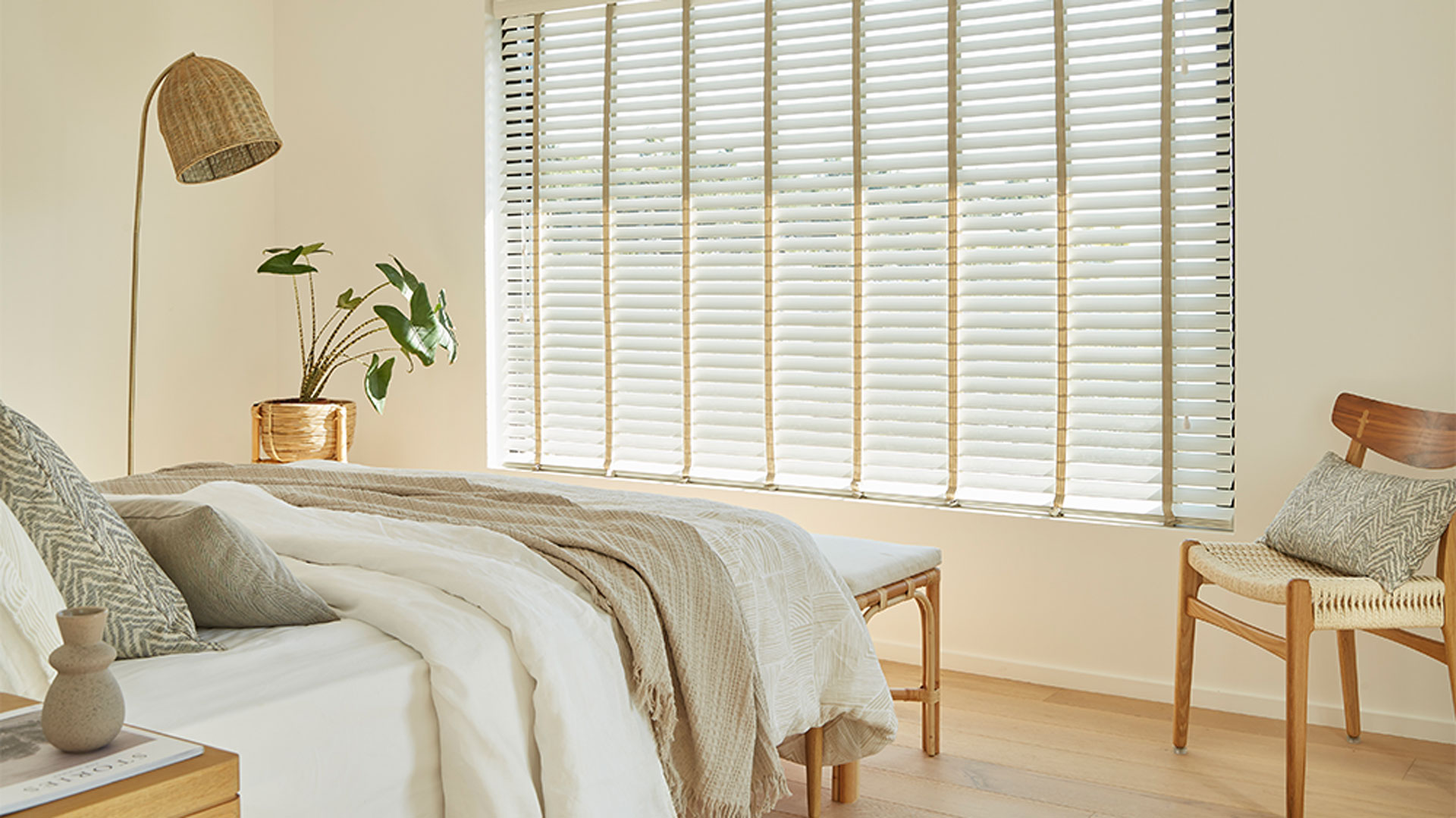
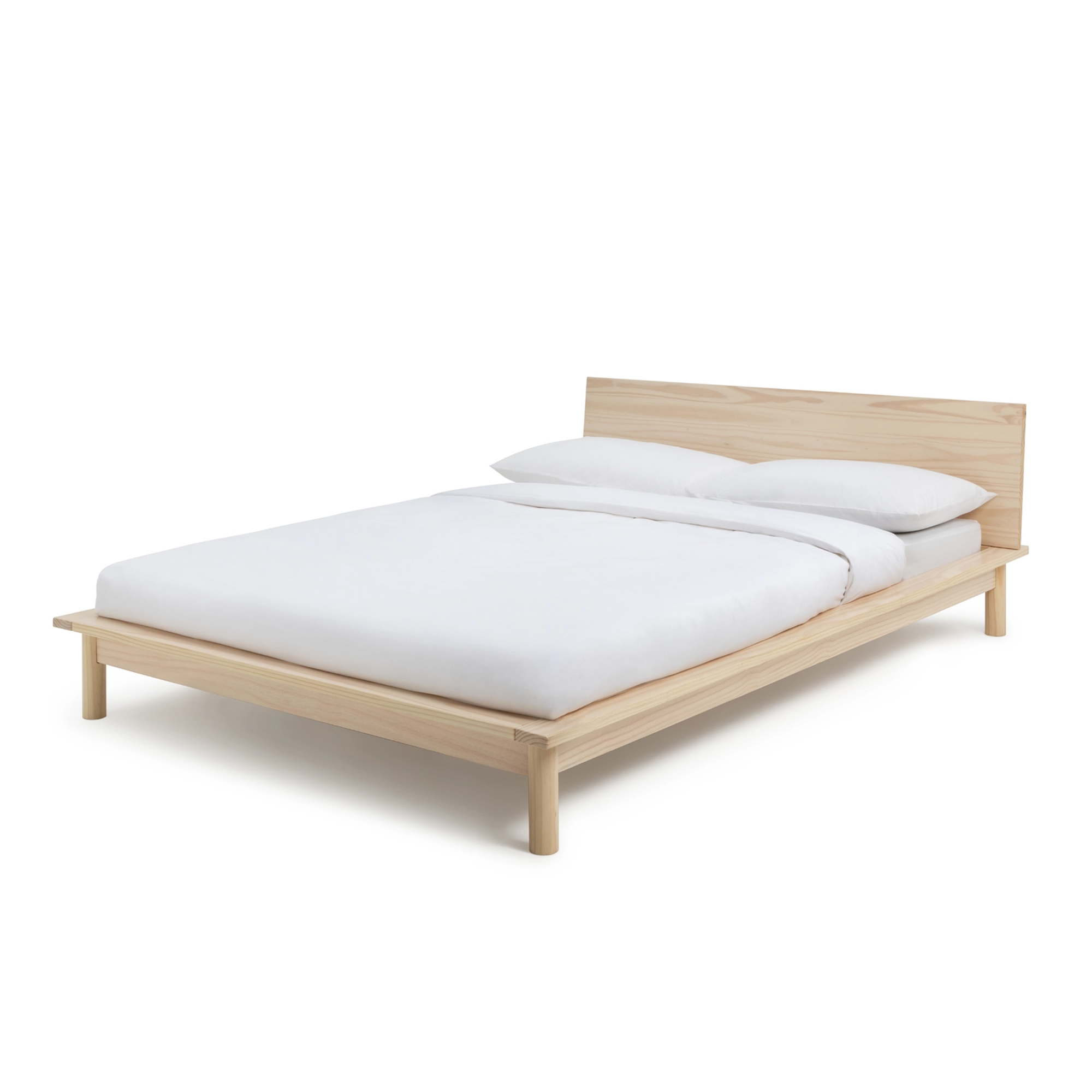
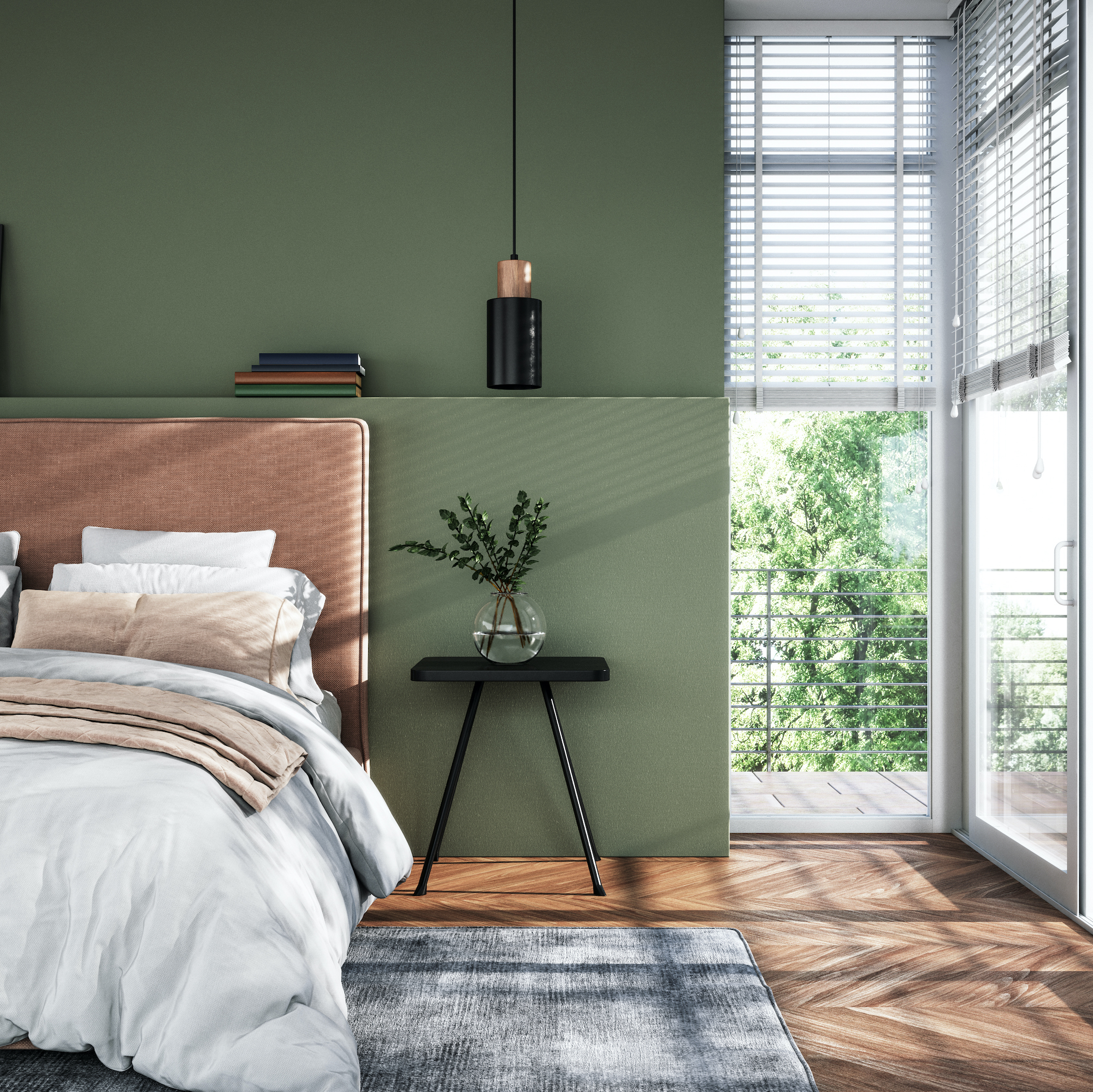
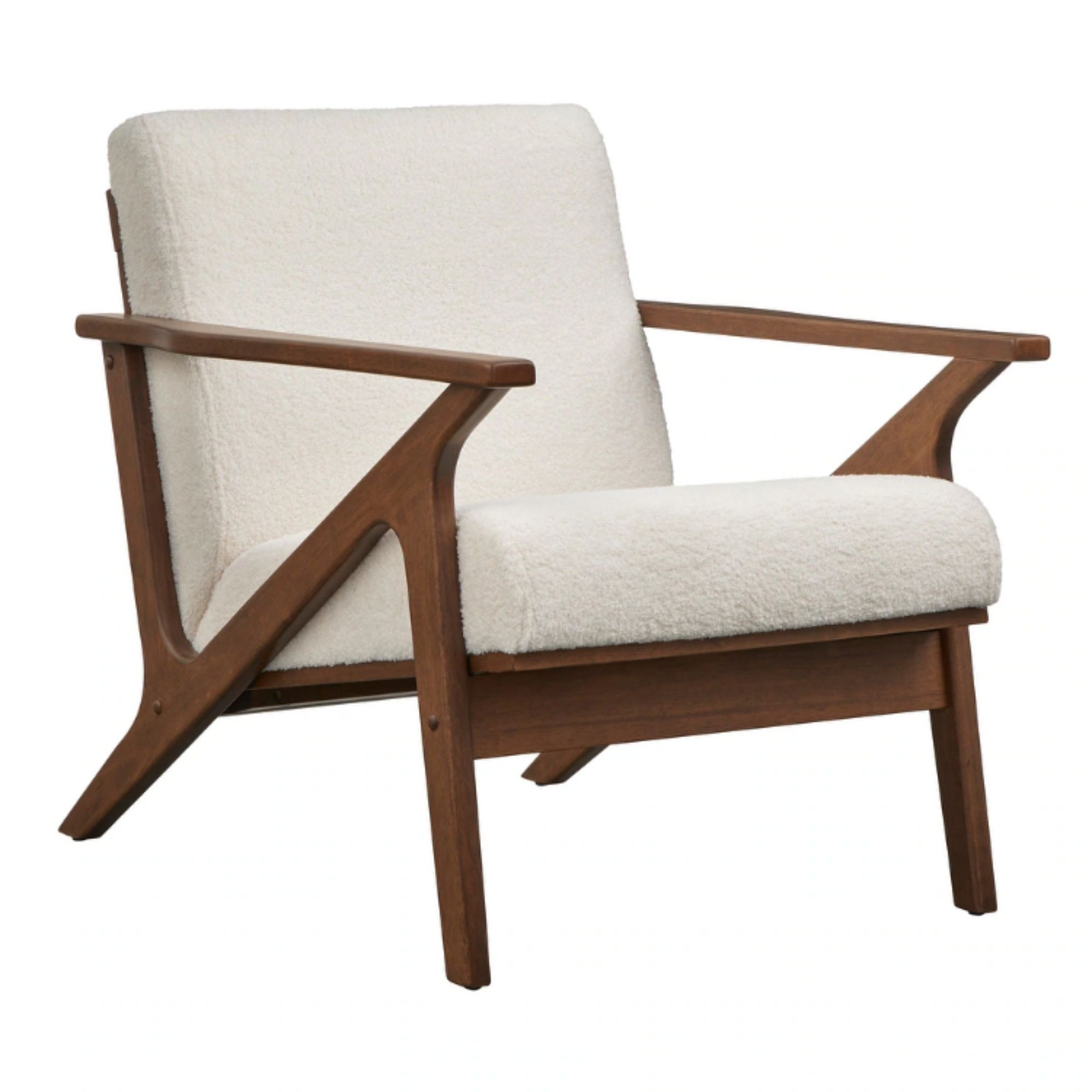
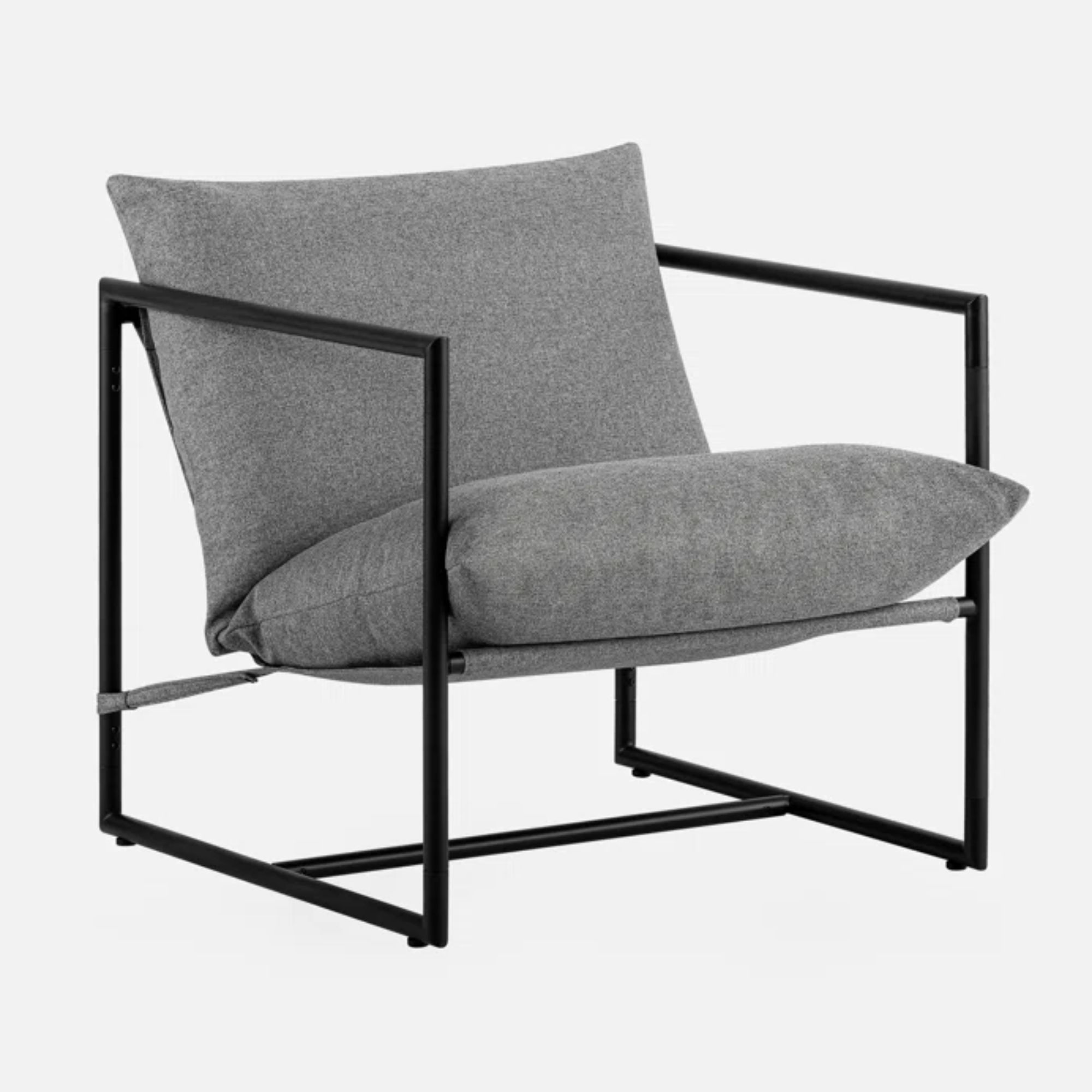
The design of furniture legs also plays a role in maximizing perceived space. Furniture with slim legs, characteristic of midcentury modern styles, elevates pieces above floor level, exposing more of the floor. This increased visibility of the floor area can make a small bedroom feel larger. When choosing such pieces, it is important to select those where the leg height contributes to an overall low furniture profile, while still providing an open space underneath for an airy effect.
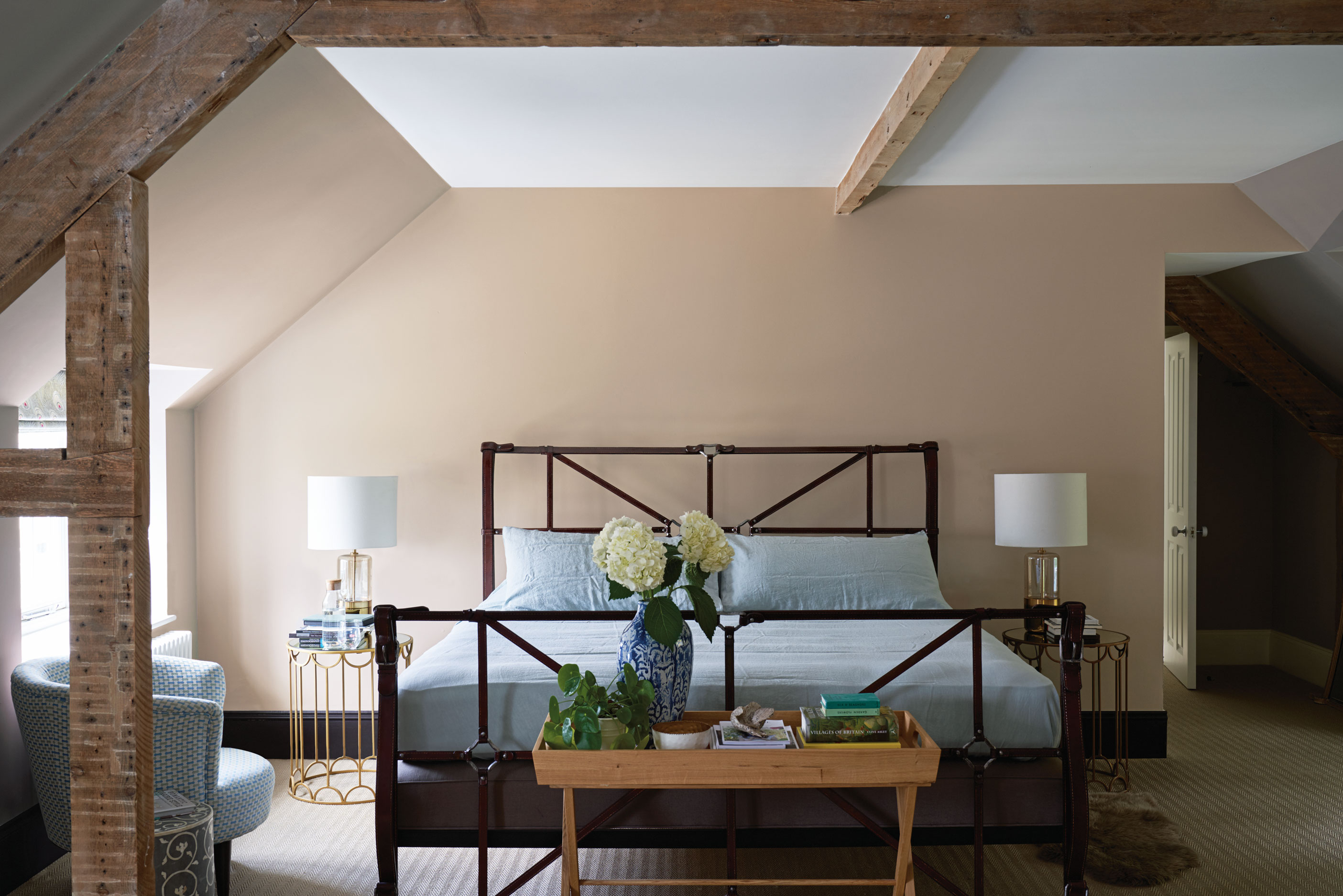
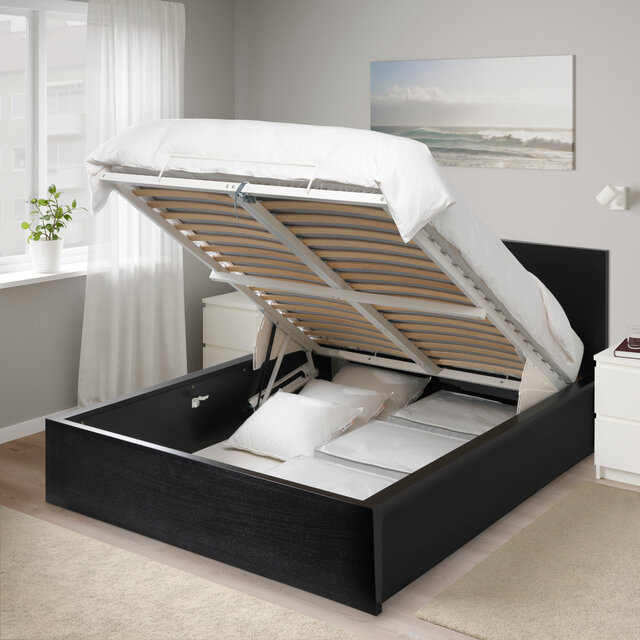
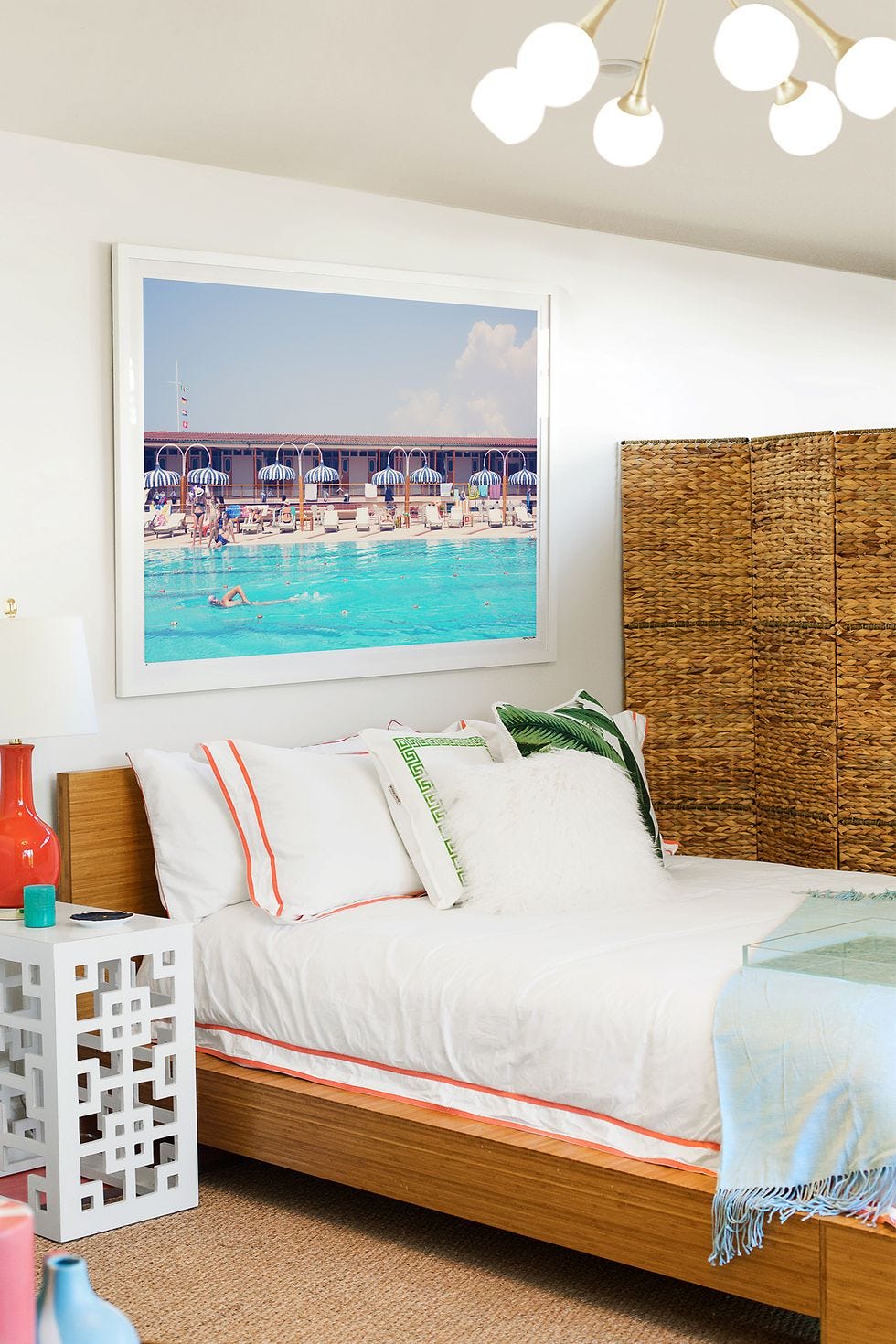
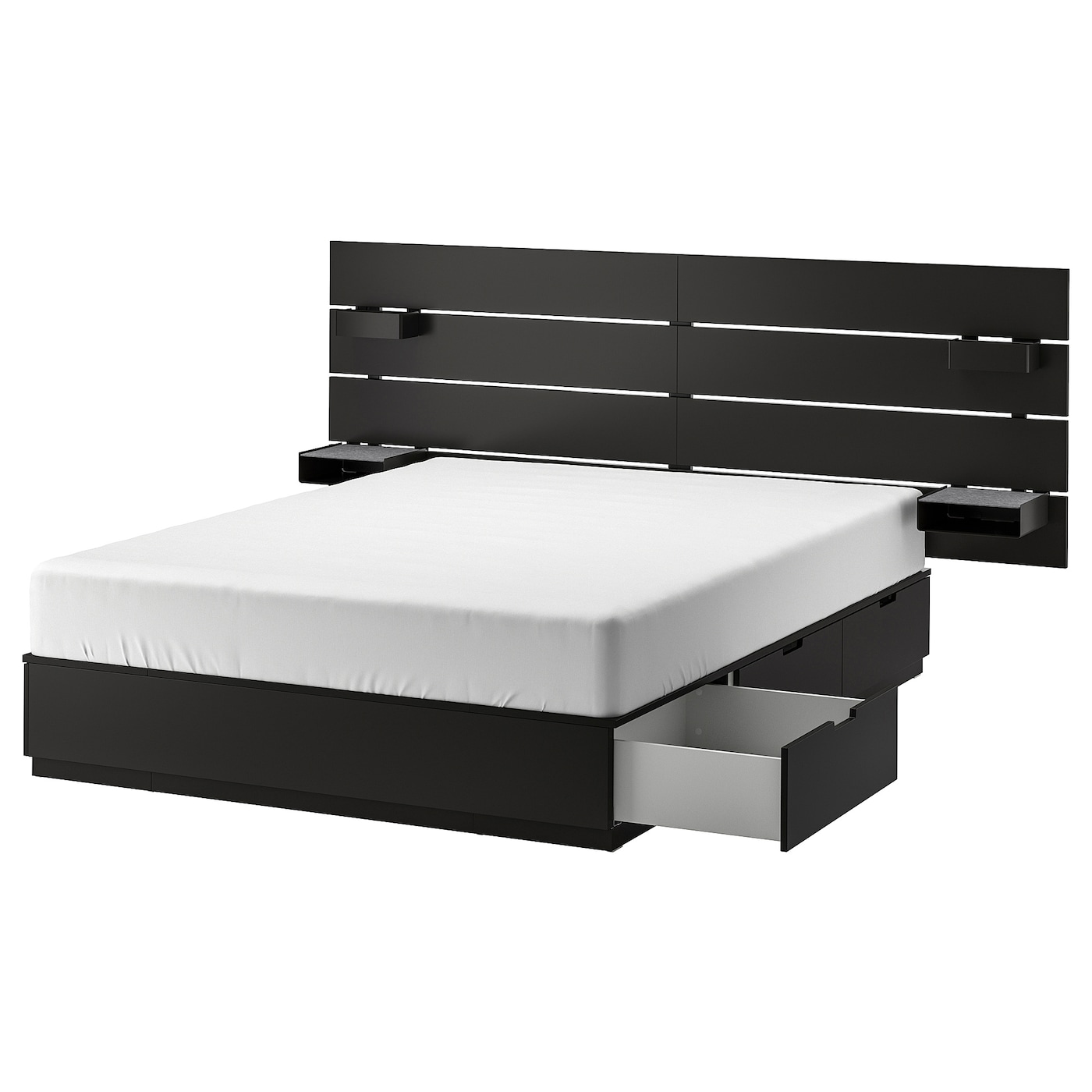
Ultimately, a low bed frame can be an excellent choice for creating a more spacious feel in a small room, offering maximum open space above the bed. While a design without a footboard is generally preferred, a high headboard can be incorporated against a wall. This contemporary approach can also impart a modern aesthetic. However, it is important to acknowledge that low bed frames might pose accessibility challenges for some individuals due to their proximity to the floor. Beds should always be elevated off the ground to ensure the mattress remains comfortable, hygienic, and durable, typically supported by a slatted platform or a box spring appropriate for the bed frame type.
#SmallBedroomDesign #LowBed #FurnitureHeight #BedroomFurniture #InteriorDesignTips #SpaceSaving #NightstandSelection #DresserPlacement #MidcenturyModern #SmallBedroomDesign #LowBed #FurnitureHeight #BedroomFurniture #InteriorDesignTips #SpaceSaving #NightstandSelection #DresserPlacement #MidcenturyModern
0개의 댓글이 총 표시됩니다.
 아직 댓글이 없습니다
추가로 마음에 드릴 만한 콘텐츠
How to make a small bedroom look bigger - 12 clever tips and tricks to maximize space

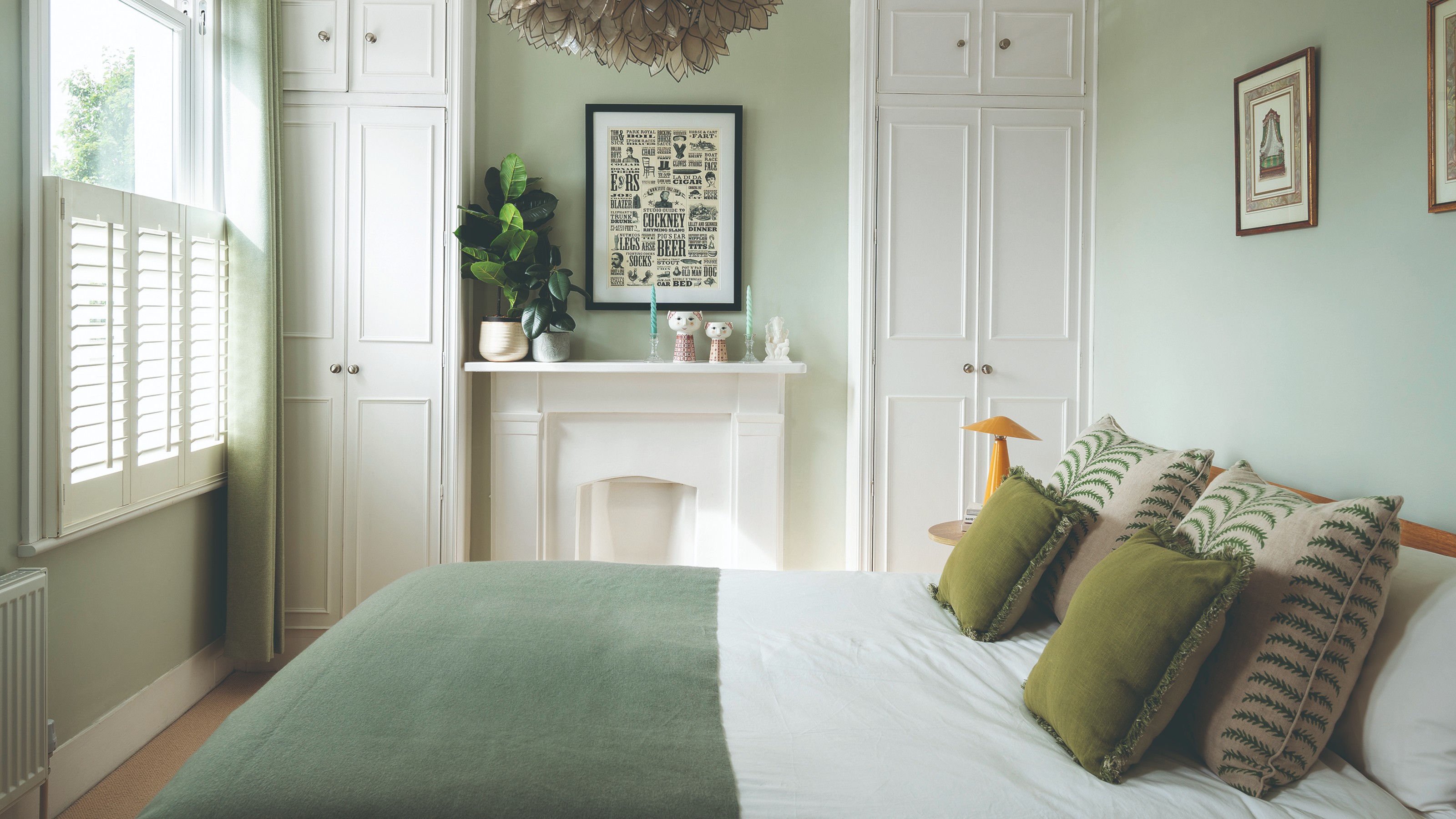
30 clever small bedroom ideas to elevate your tiny sleeping space and make it both stylish and practical
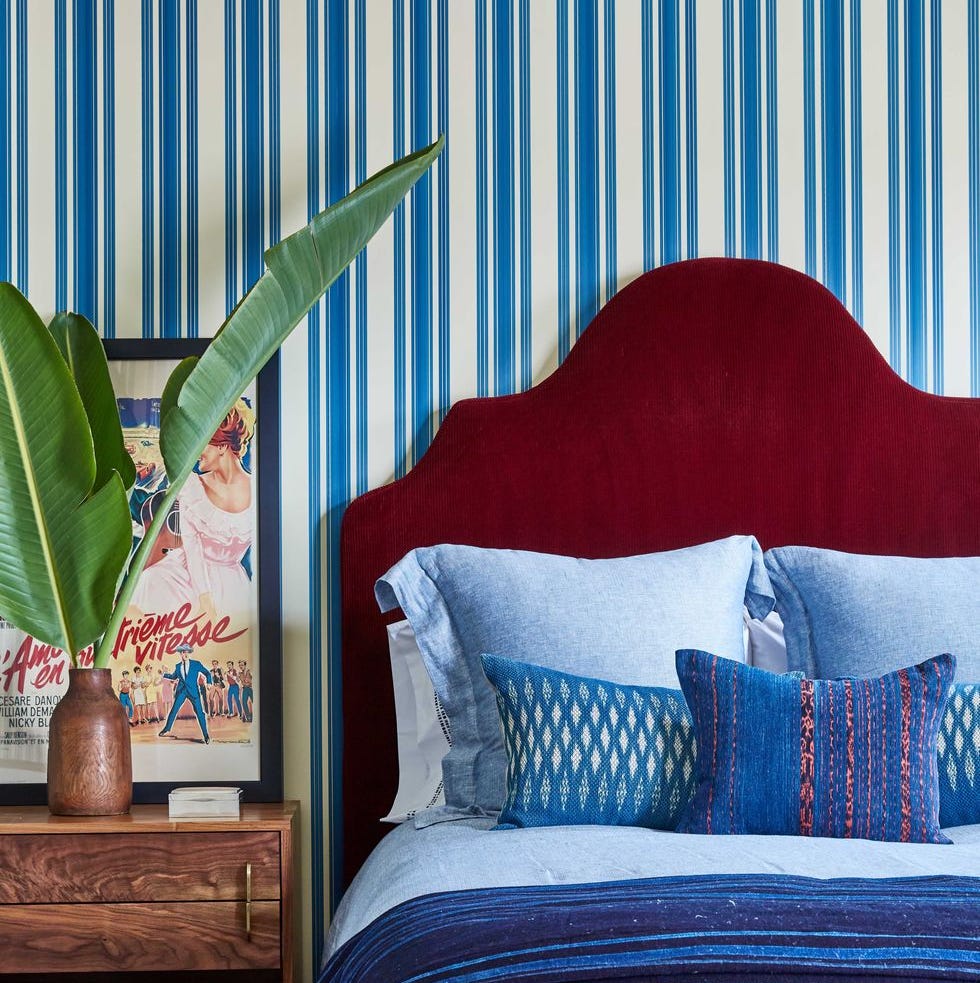
45 Big Ideas for Your Small Bedroom

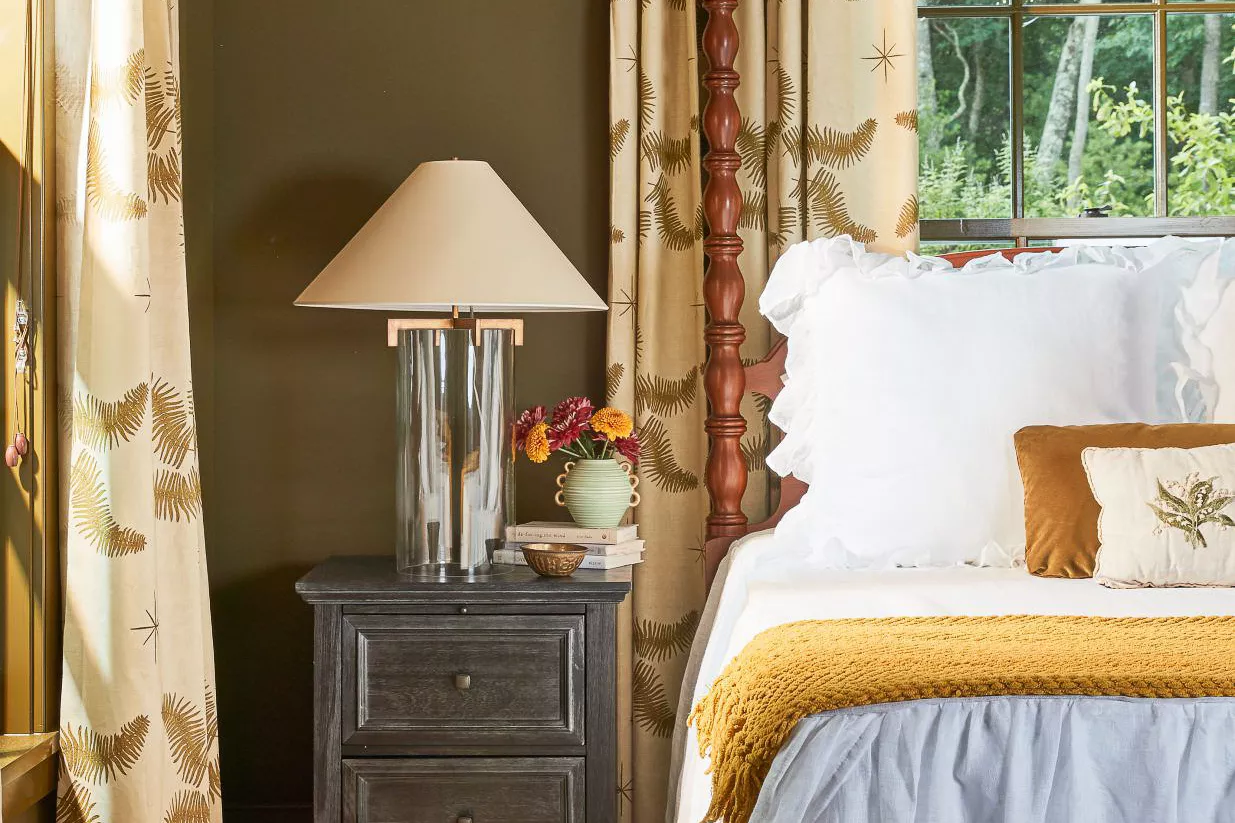
How Tall Should Your Nightstand Actually Be? An Expert Explains
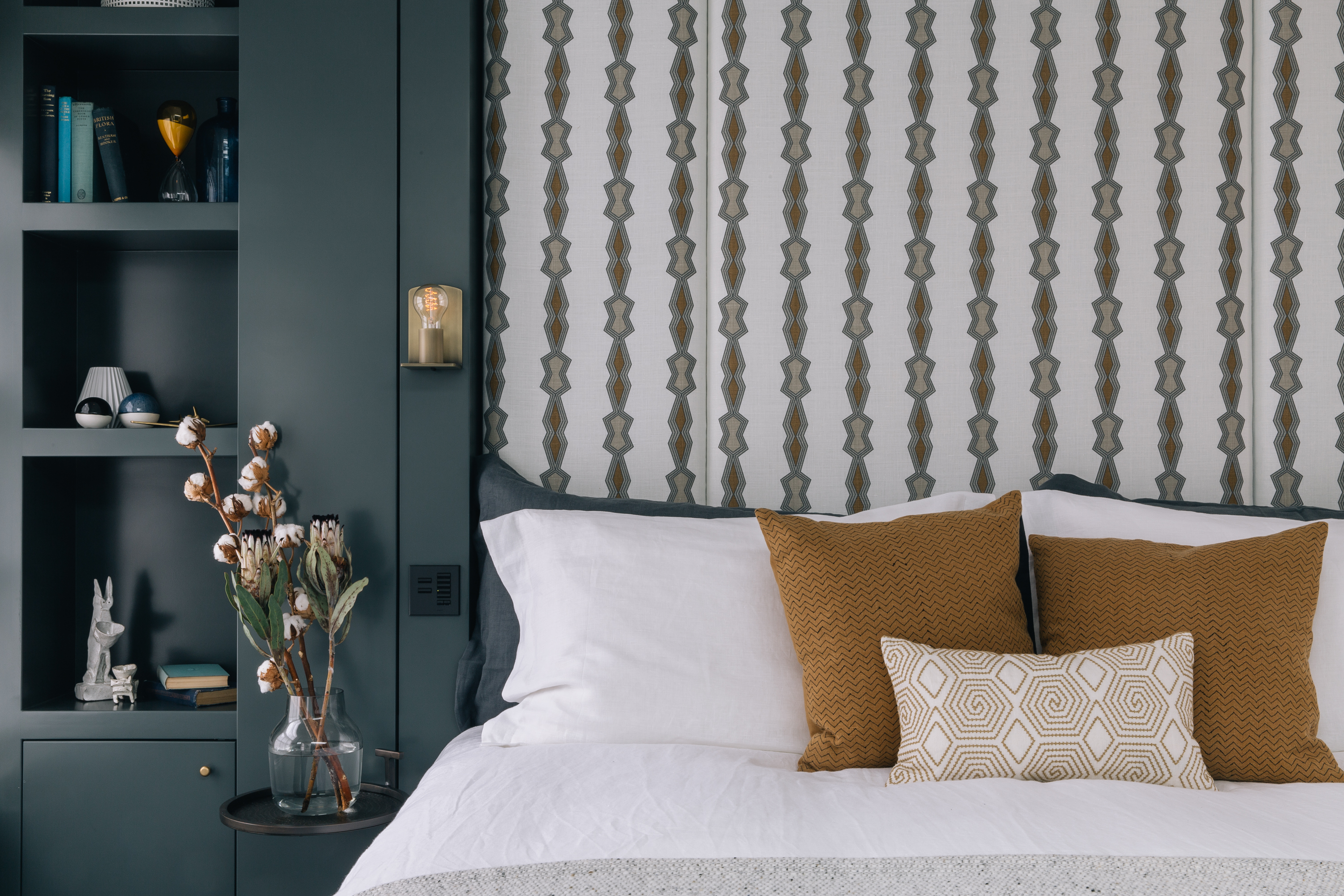
7 tricks design experts use to make a bedroom ceiling seem higher
Small bedroom flooring ideas from design experts that will maximize your space

Interior Designers Share 5 Tips for Choosing the Right Nightstand

15 Small Bedroom Decor Ideas That Feel Grand

The Best Ways to Maximize Your Small Bedroom
7 Designer Tricks That Make A Small Bedroom Feel Spacious
Small bedroom ideas – smart ways to maximize space without compromising on style |

8 of the biggest small bedroom layout mistakes designers see time and time again
How to Arrange a Small Bedroom to Give the Illusion of More Space, According to Experts

These Small Bedroom Ideas Prove That Small Is the New Big
How to fit a chair into a small bedroom — 5 expert-approved ways

Our Favorite Gear for Making a Small Bedroom Functional
Abigail Ahern's trick to making a small bedroom look bigger
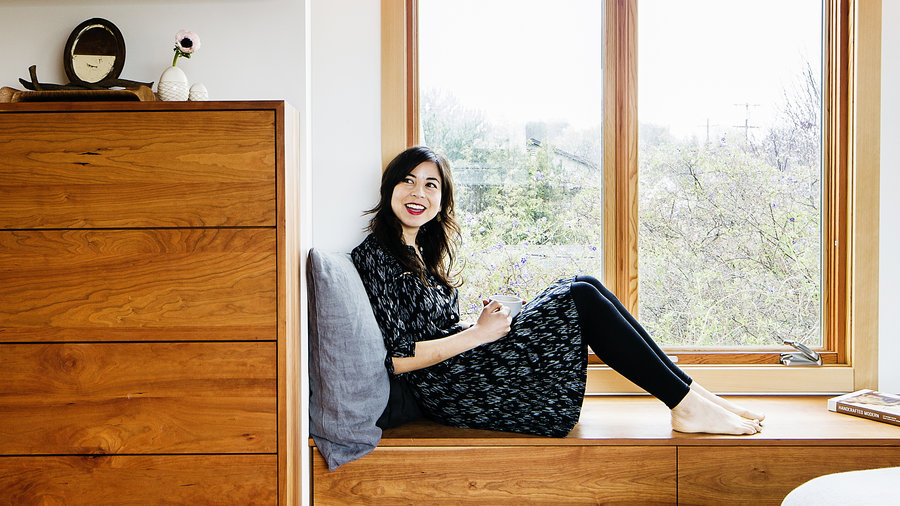
5 Ways to Maximize Bedroom Space
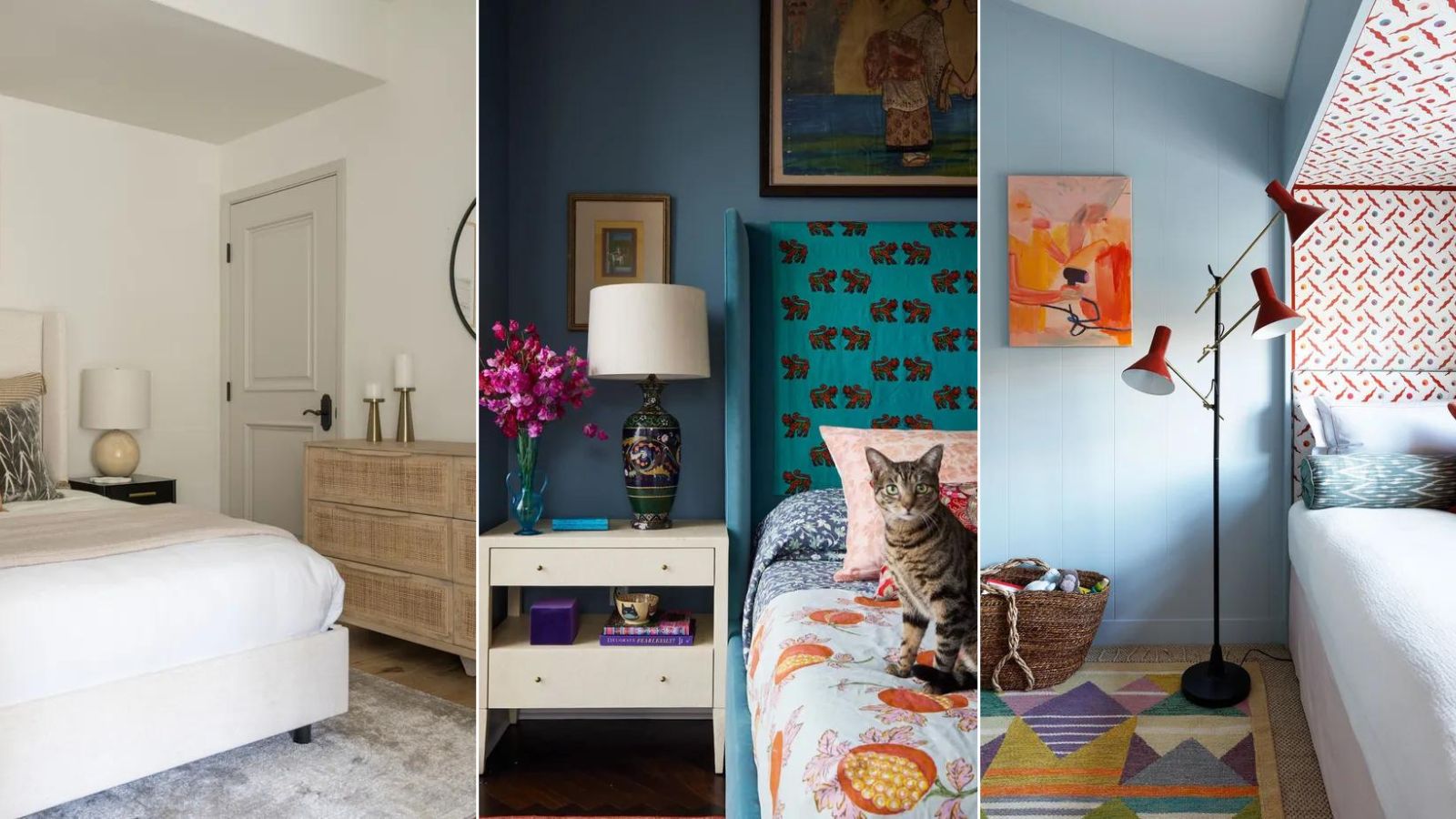
12 small bedrooms that prove size doesn't need to limit style

51 Things To Upgrade Your Bedroom Situation That Don't Cost Much Money