1/14
Best plants to cover a fence – 10 ways to disguise a fence with beautiful flowers and foliage
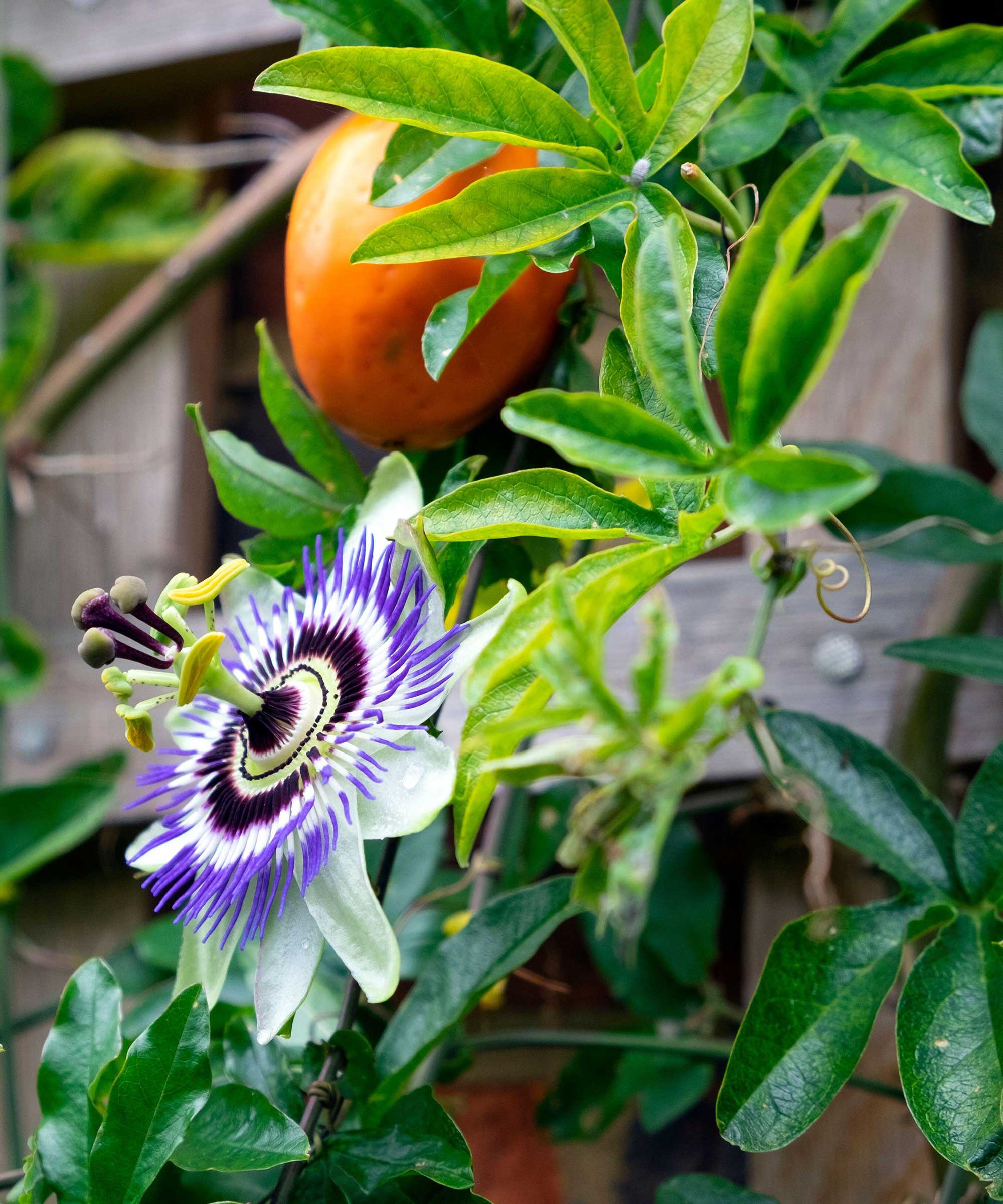
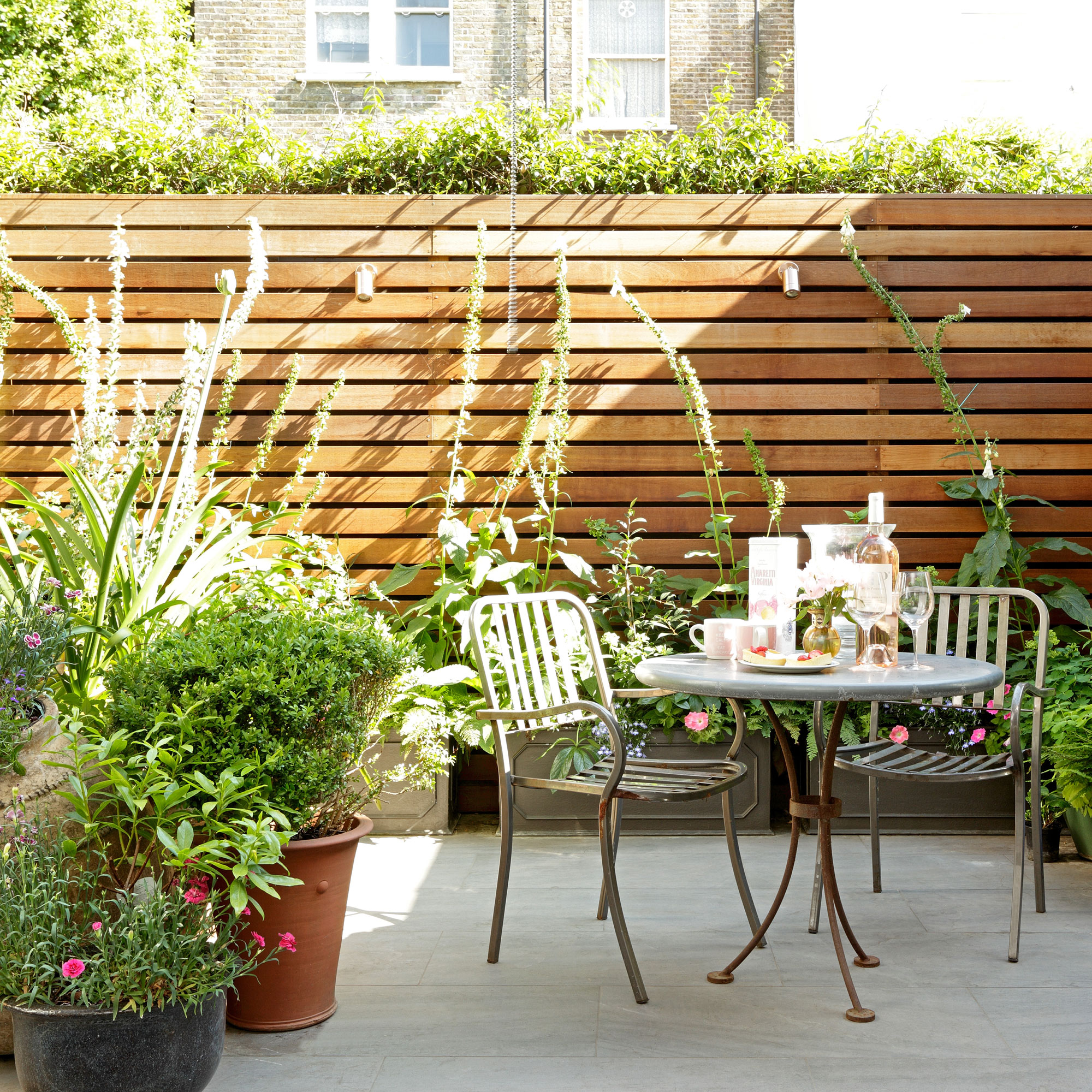
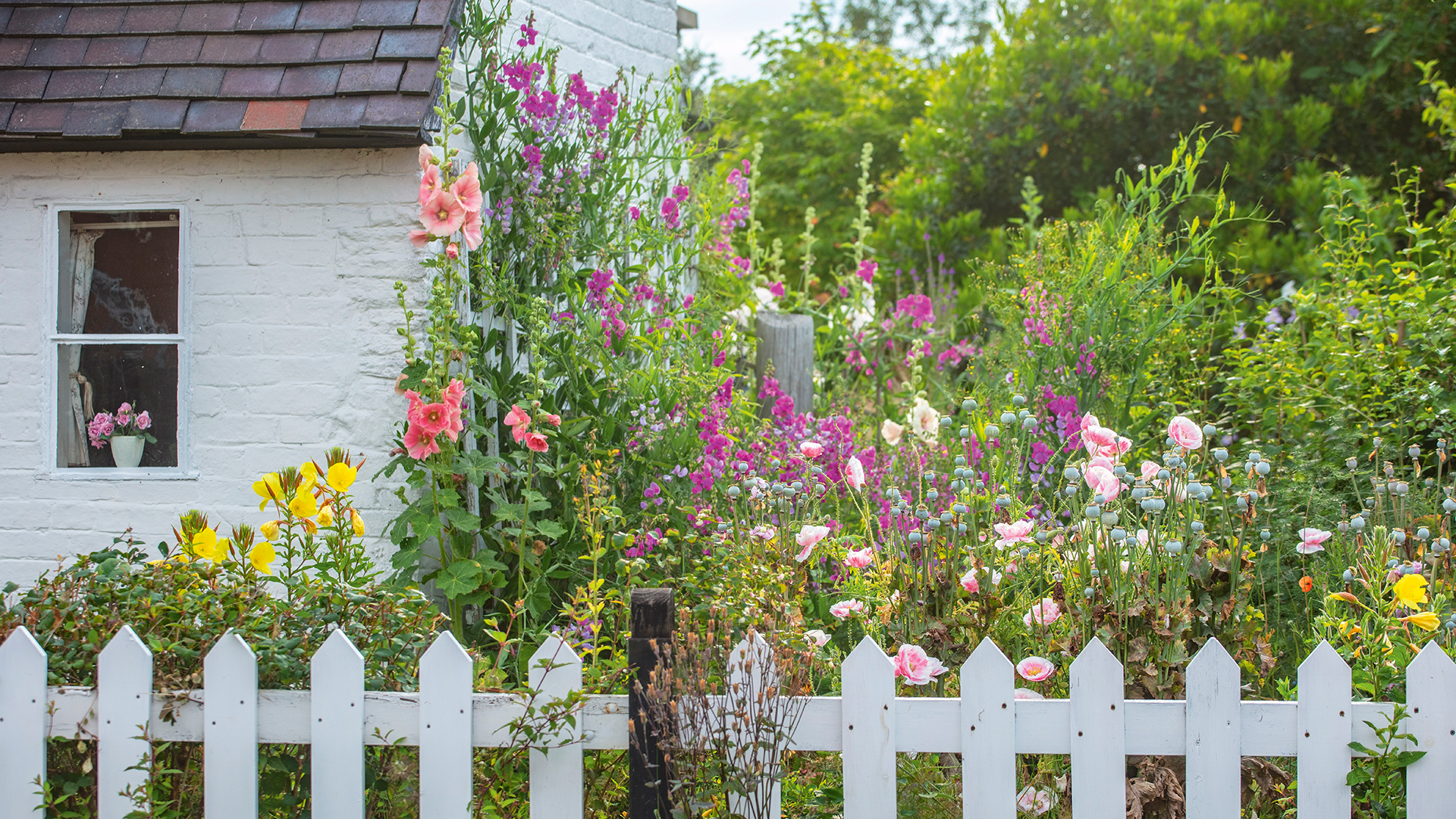
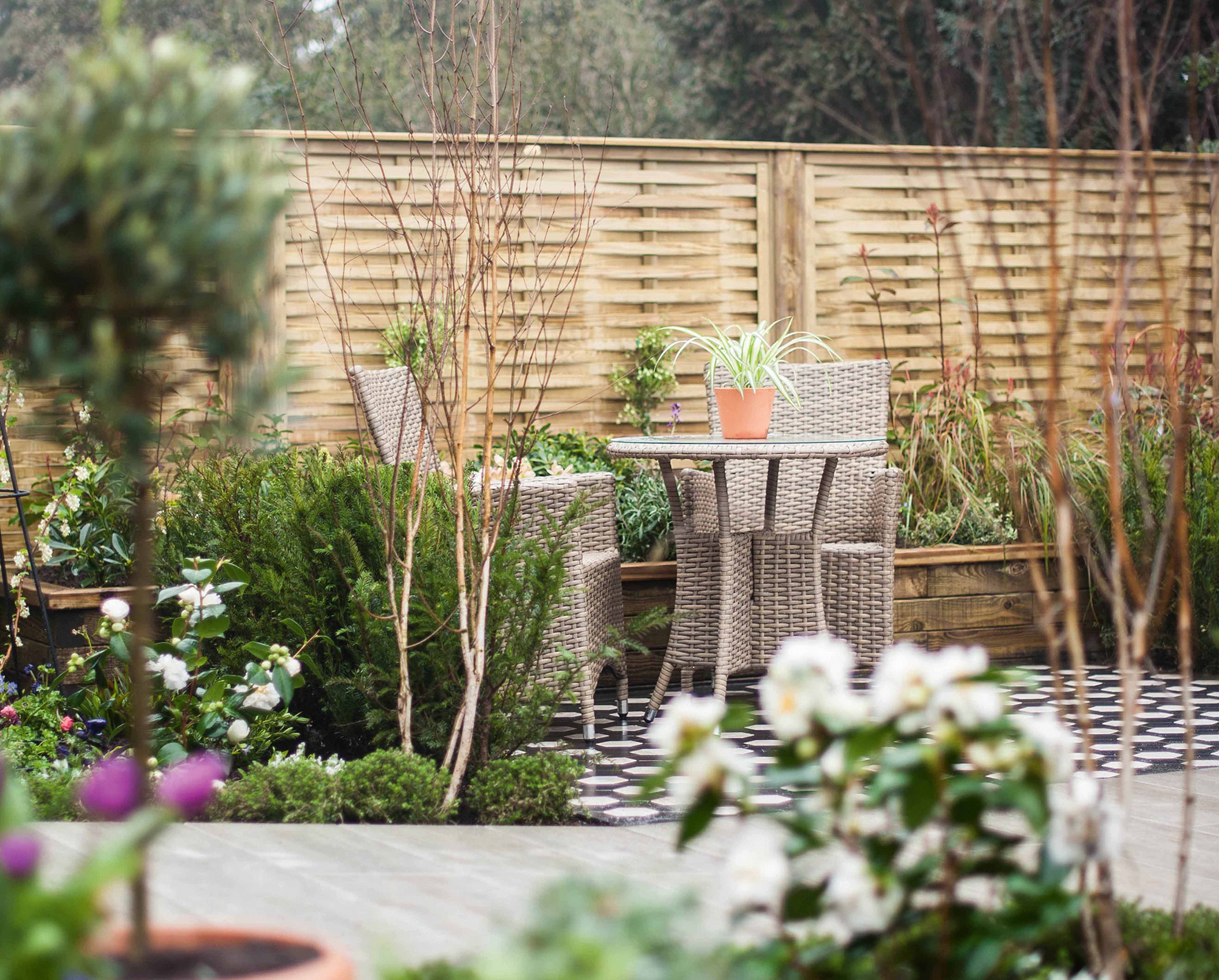
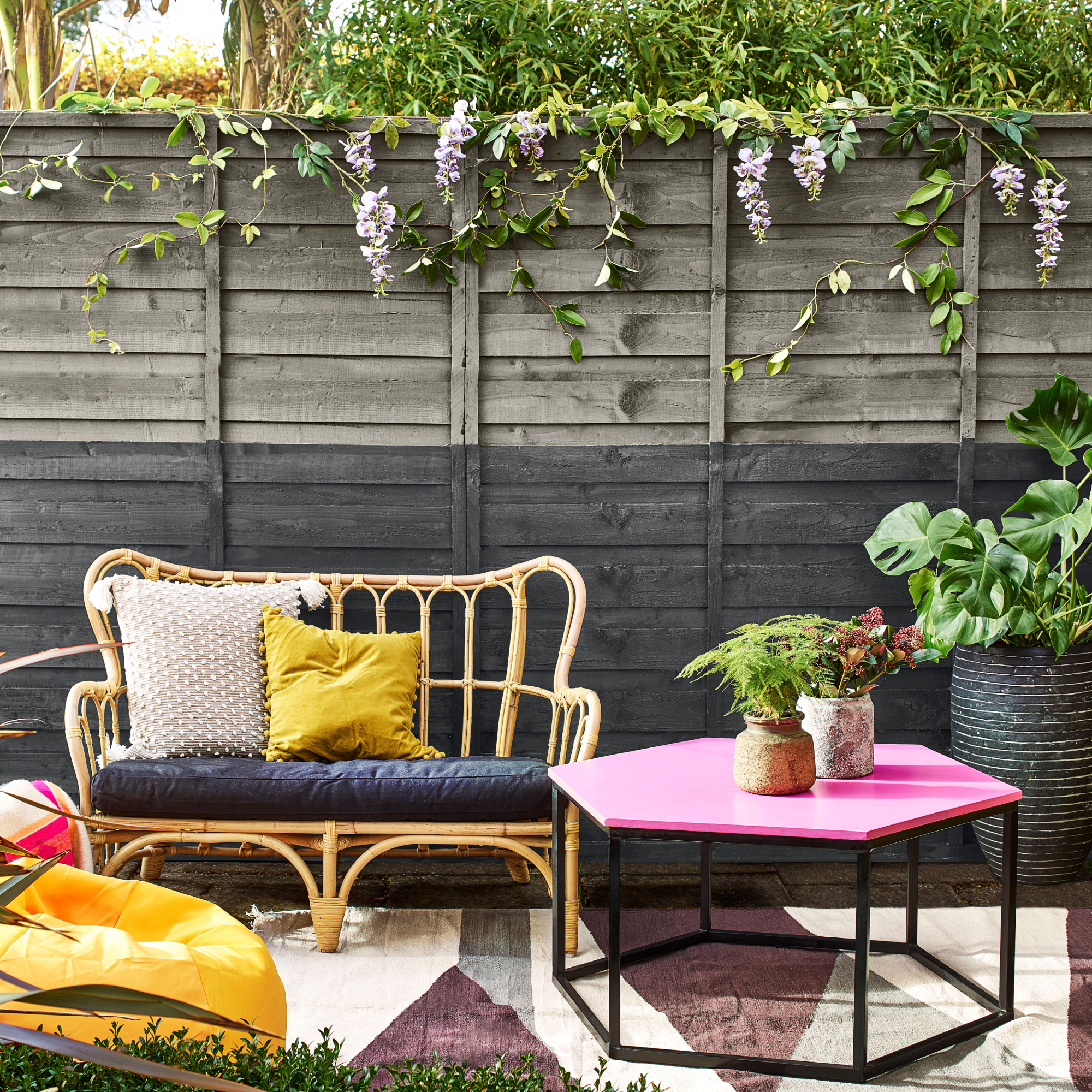
This article explores the optimal climbing plants for transforming fences into visually appealing focal points, thereby enhancing garden aesthetics and promoting biodiversity. Choosing the right climbing plants is crucial for vigorously disguising fence panels with attractive flowers and foliage. These plants also attract beneficial insects like bees and butterflies, contributing to a richer ecosystem within the garden space. Several factors need consideration when selecting these plants, including the garden's aspect to match sun-loving or shade-loving varieties, and understanding each plant's specific water and fertilizing requirements. Providing adequate support, such as wires or trellises, is essential for these climbers to effectively cover the fence.
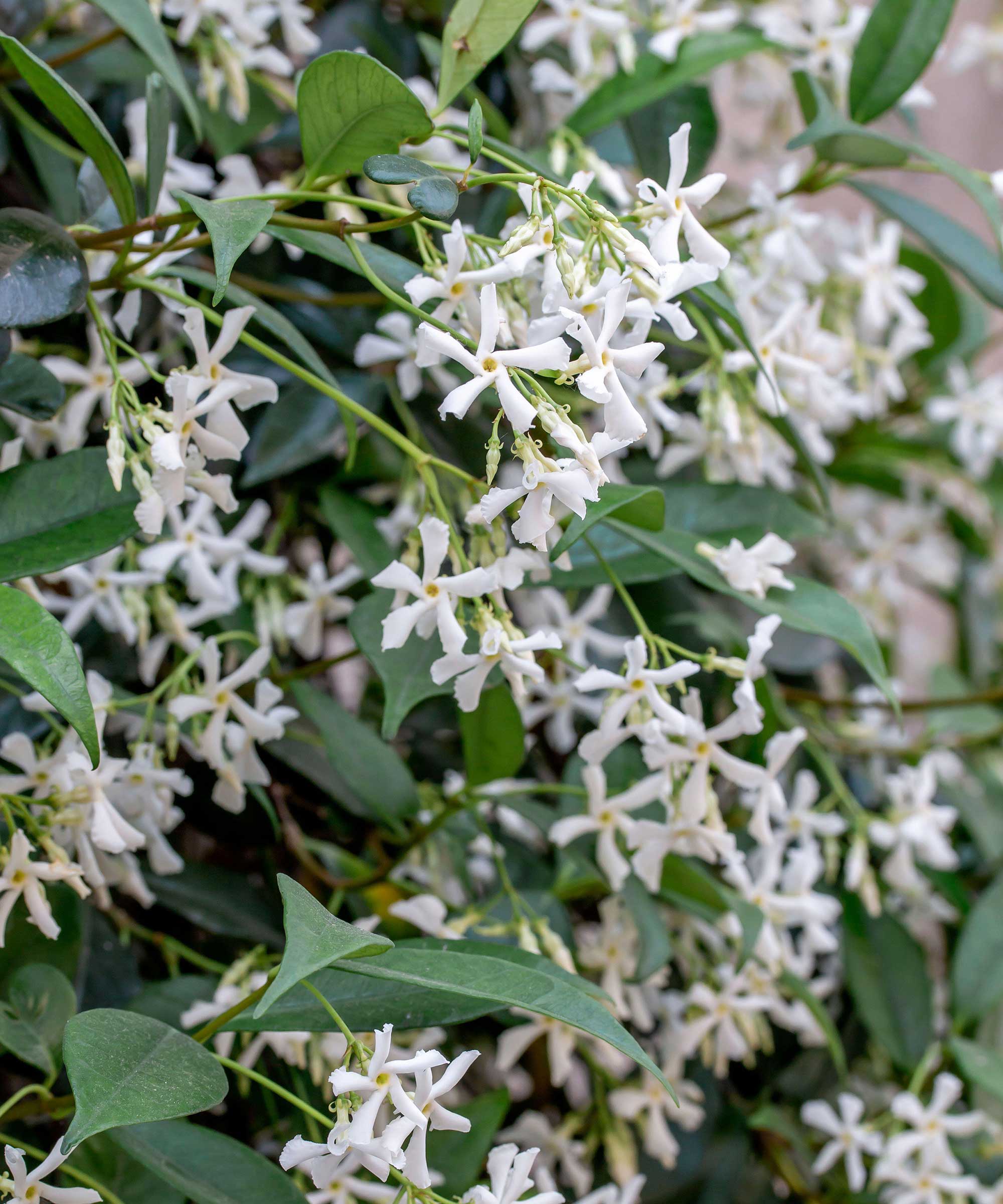
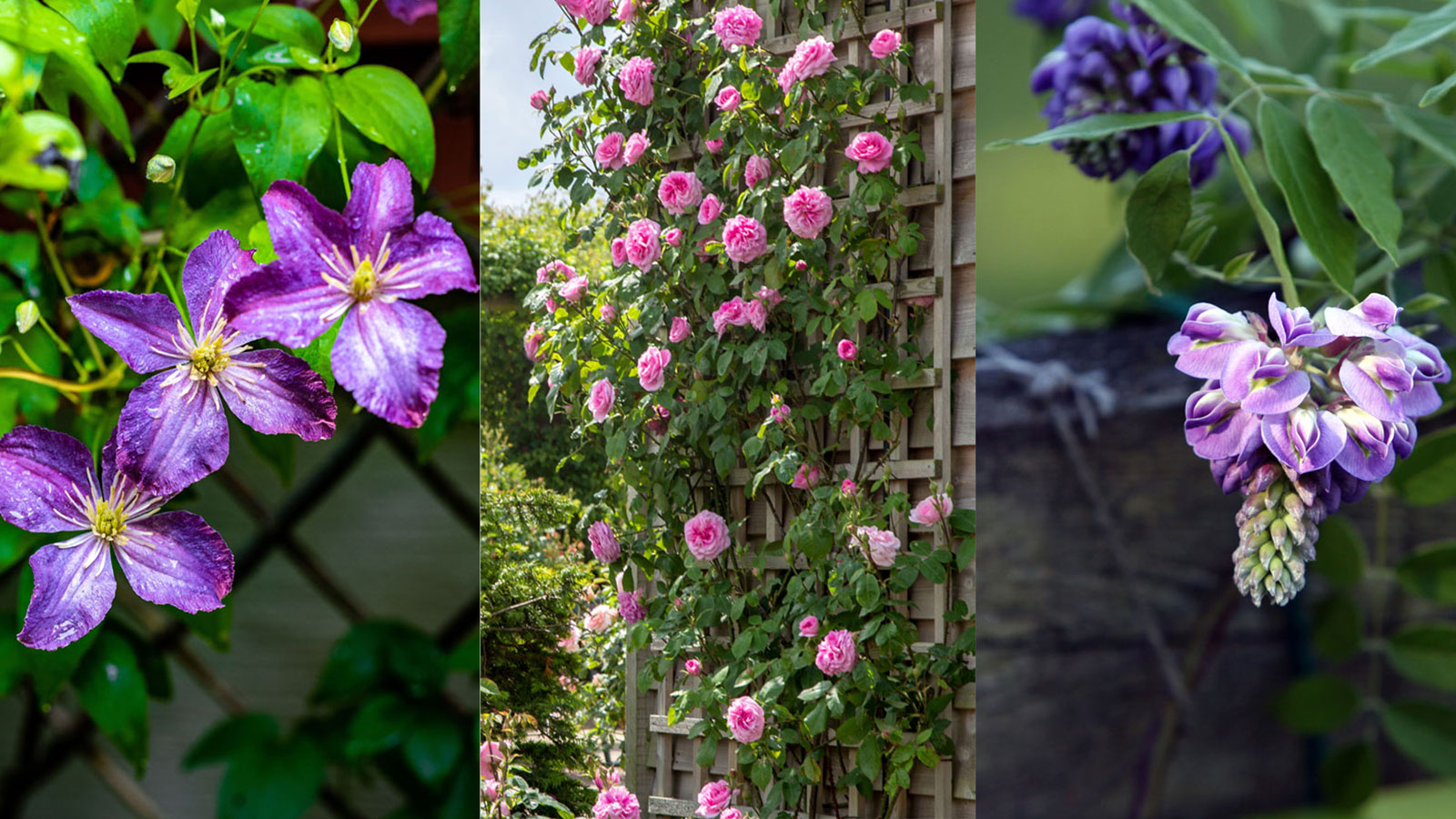
The article highlights that incorporating climbing plants on fences is particularly advantageous for gardens with limited space, as vertical growth maximizes planting opportunities without occupying additional ground area. Expert recommendations are provided for a selection of plants known for their effectiveness in covering fences. These include Crossvine, celebrated for its rapid growth and hardiness, with varieties like 'Tangerine Beauty' offering vibrant blooms and resilience to cold. Star Jasmine is another favored option due to its year-round lush green foliage, fragrant white blooms, and minimal maintenance needs, making it suitable for various fence types, including chain link. Clematis 'Jackmanii' is recommended for its elegant purple flowers and vigorous climbing habit, capable of covering large areas and offering versatility in training.
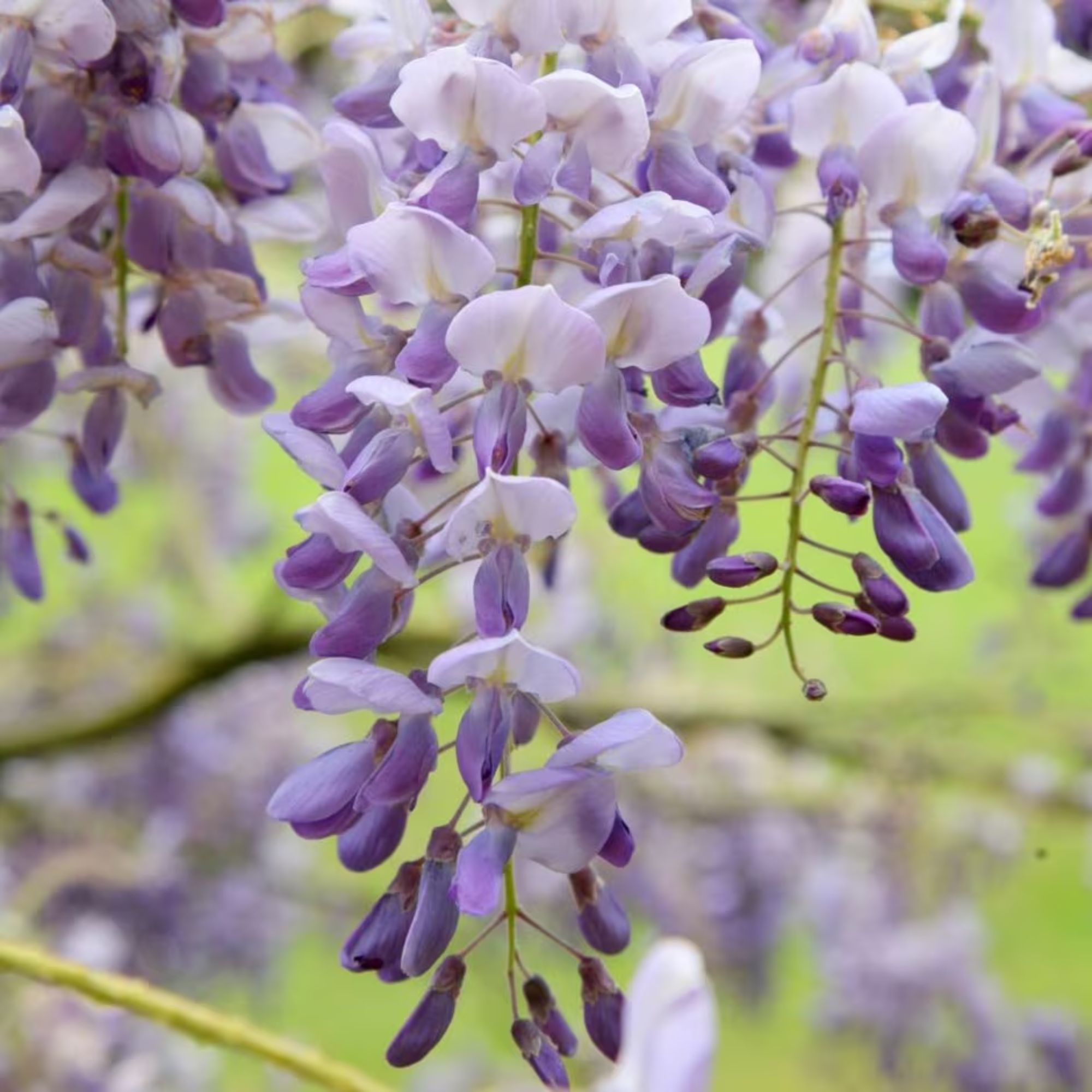
Butterfly Pea is featured for its rapid growth, attractive green foliage, and edible deep blue flowers, which provide both ornamental value and culinary uses. This annual or biennial plant produces seeds that can be harvested for replanting. American Wisteria, particularly native varieties like 'Blue Moon,' is ideal for shady spots, producing fragrant lilac-blue flowers and supporting local butterflies, contrasting with the invasive tendencies of Asian wisteria. Coral Honeysuckle, with its vibrant red tubular flowers, attracts hummingbirds and offers a long blooming period, thriving in full sun to partial shade and suitable for various climates. Carolina Jessamine is an evergreen choice, providing year-round glossy foliage and bright yellow, trumpet-shaped flowers with a distinctive perfume, making it excellent for privacy and aesthetic appeal.
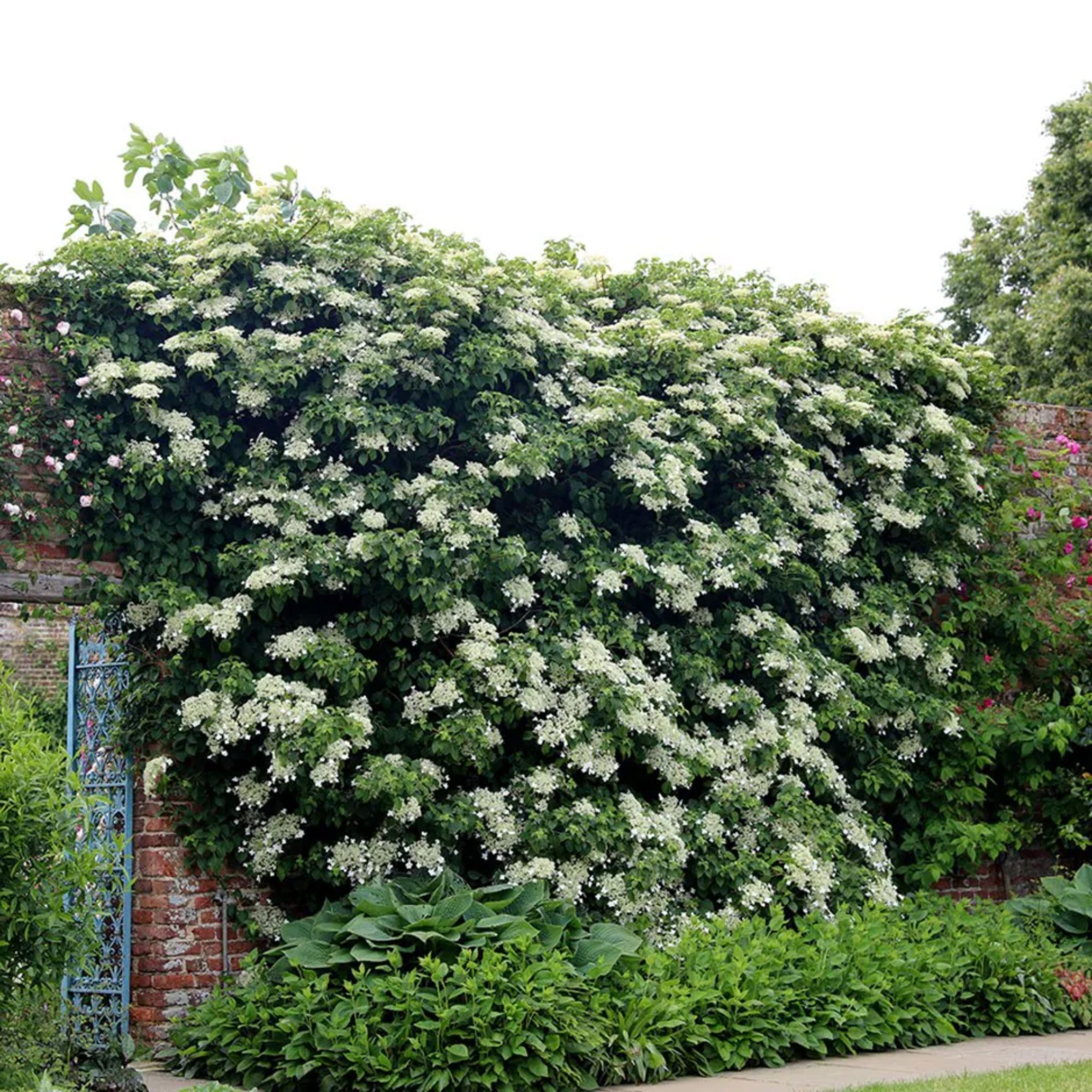
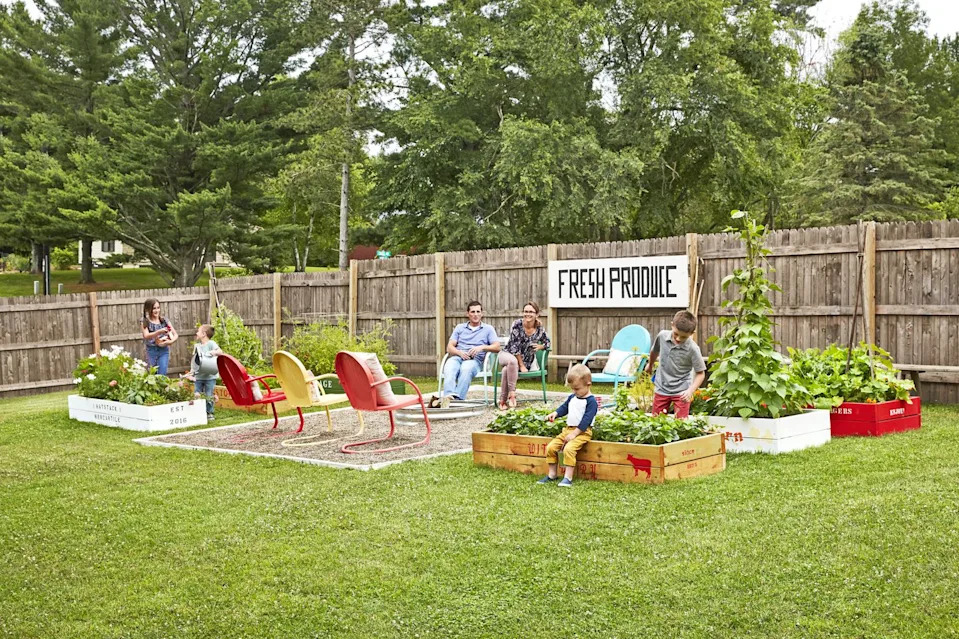
For those interested in edible options, Seychelles Pole Beans are suggested as a way to cover fences while yielding a summer-long harvest of delicious beans. Other climbing vegetables like cherry tomatoes and 'Green Light' cucumbers can also be effectively trained on fences. Climbing Hydrangea is presented as an easy-to-grow, low-maintenance option with showy, lacy white flowers, capable of vigorous growth and tolerating varied conditions. Finally, Climbing Roses, such as the 'Gertrude Jekyll' variety, are highly recommended for their abundant, fragrant blooms and versatility, with repeat-flowering types ensuring extended periods of beauty. Training and pruning are key to maximizing their visual impact and maintaining healthy growth. Beyond their aesthetic appeal, plant-covered fences contribute to garden privacy, create secluded areas, and can be integrated into garden zoning strategies, offering practical benefits in maximizing outdoor space.
#GardenDesign #ClimbingPlants #FenceCovering #Biodiversity #OutdoorSpace #PlantSelection #FragrantFlowers #VerticalGardening #GardenPrivacy #LandscapeEnhancement #GardenDesign #ClimbingPlants #FenceCovering #Biodiversity #OutdoorSpace #PlantSelection #FragrantFlowers #VerticalGardening #GardenPrivacy #LandscapeEnhancement
0개의 댓글이 총 표시됩니다.
 아직 댓글이 없습니다
추가로 마음에 드릴 만한 콘텐츠
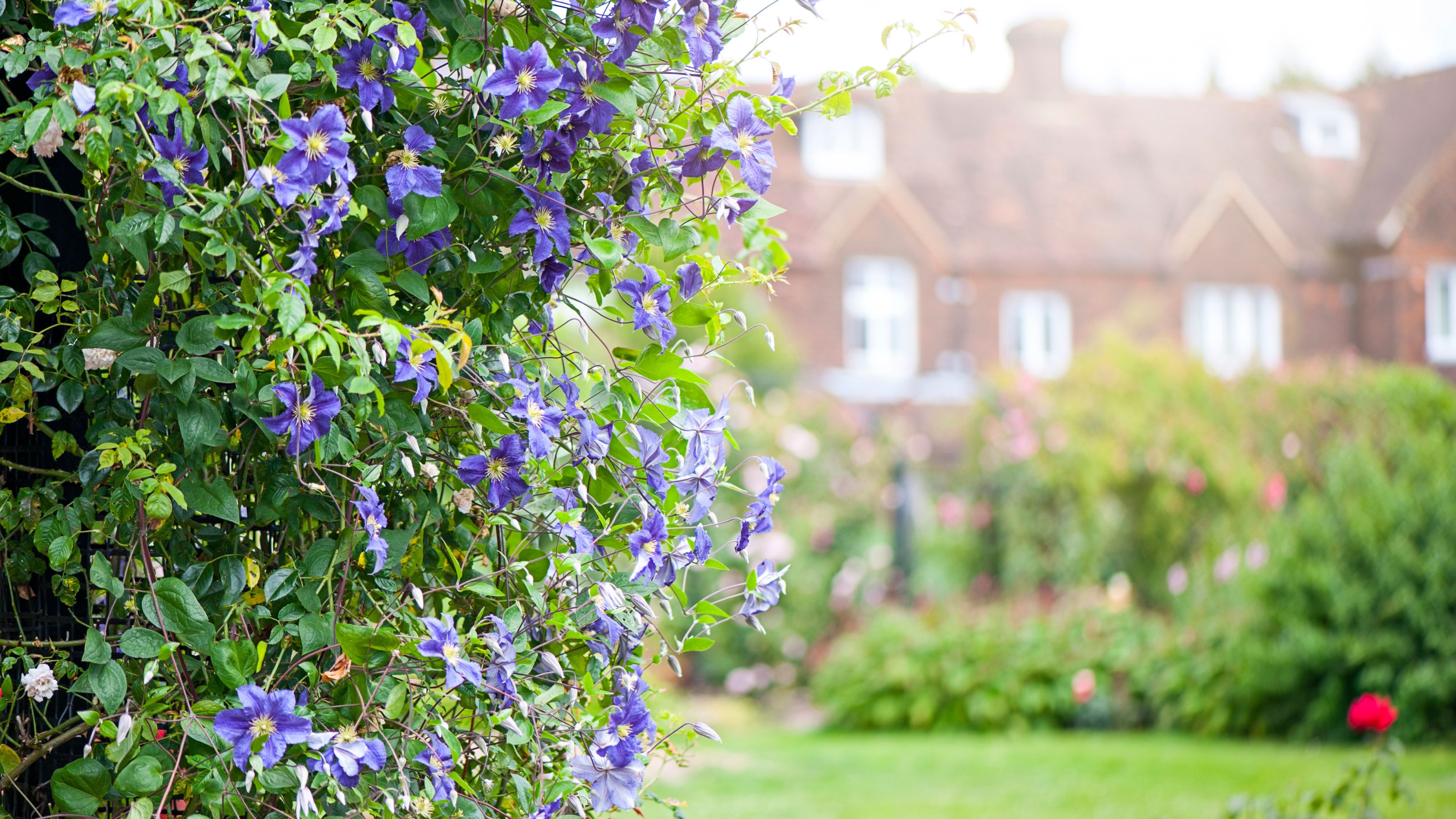
The 5 best climbing plants to cover an ugly fence, add privacy, and beautify your garden
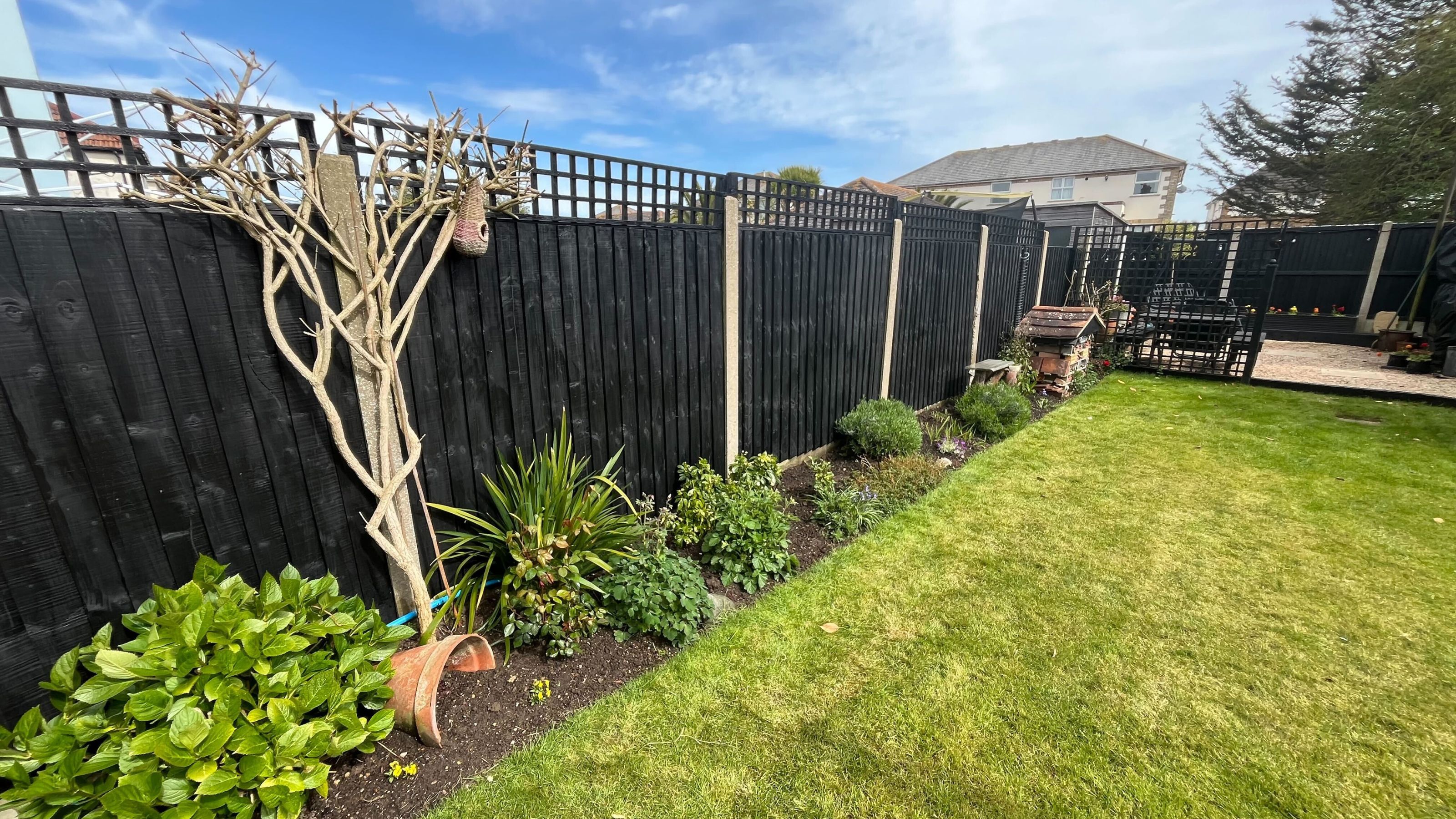
Garden fence ideas – 29 ways to refresh and revamp your panels
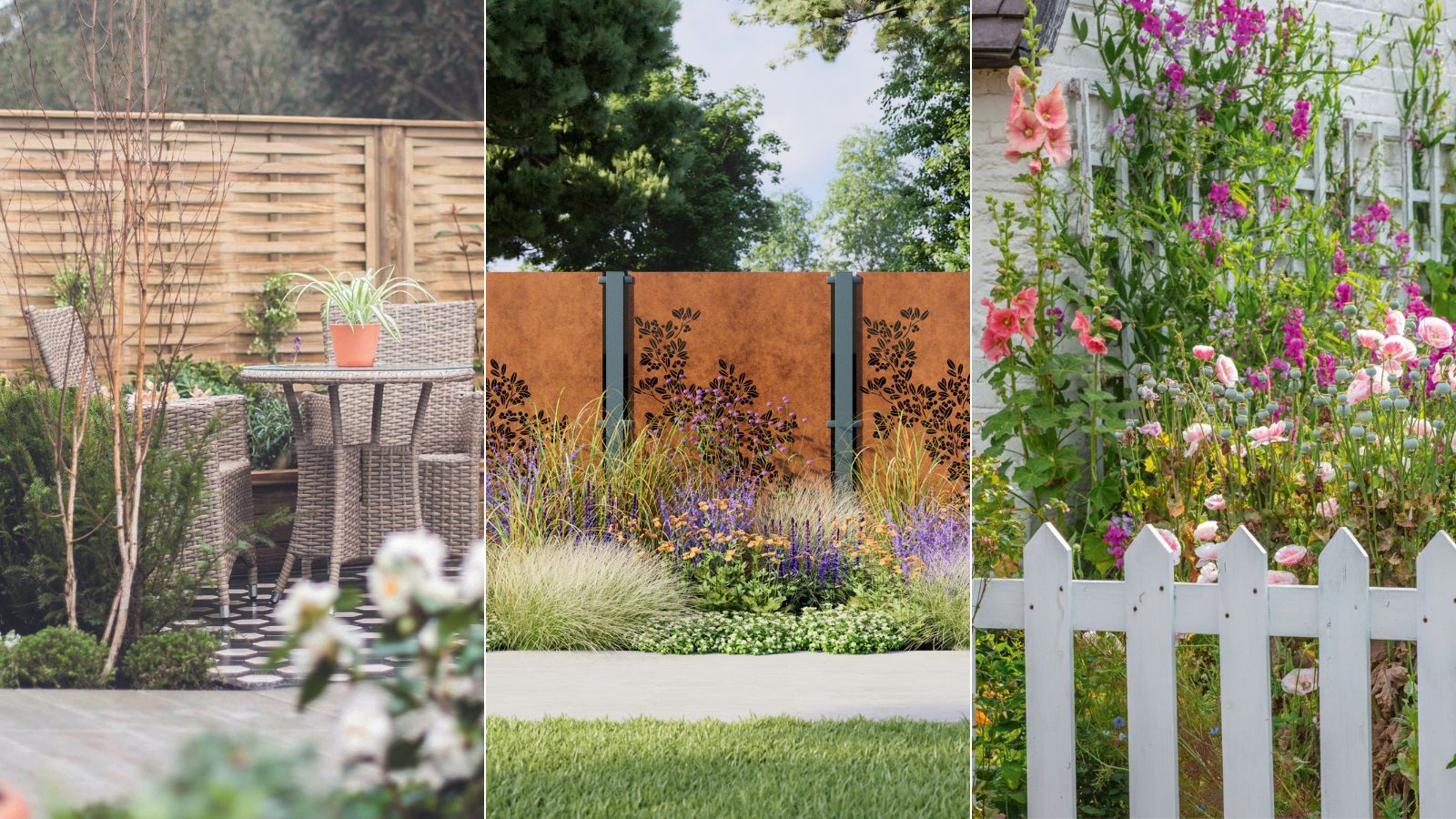
Garden fence ideas – 23 stylish ways to define your boundaries
27 Great Ways to Decorate With Plants

10 Decorative Fence Panels, Toppers and Trellises That Will Make Your Backyard Look a Millions Times More Beautiful

10 Privacy Fence Ideas for Your Yard

10 privacy fence options for your deck, patio or backyard

Fix Your Yard's Problems with These Ground Cover Flowers + Plants
20 Fences That Instantly Add Charm to Any Backyard
15 Garden Fence Ideas to Beautifully Define Your Outdoor Space

10 Ideas for Decorating Your Walls with Plants
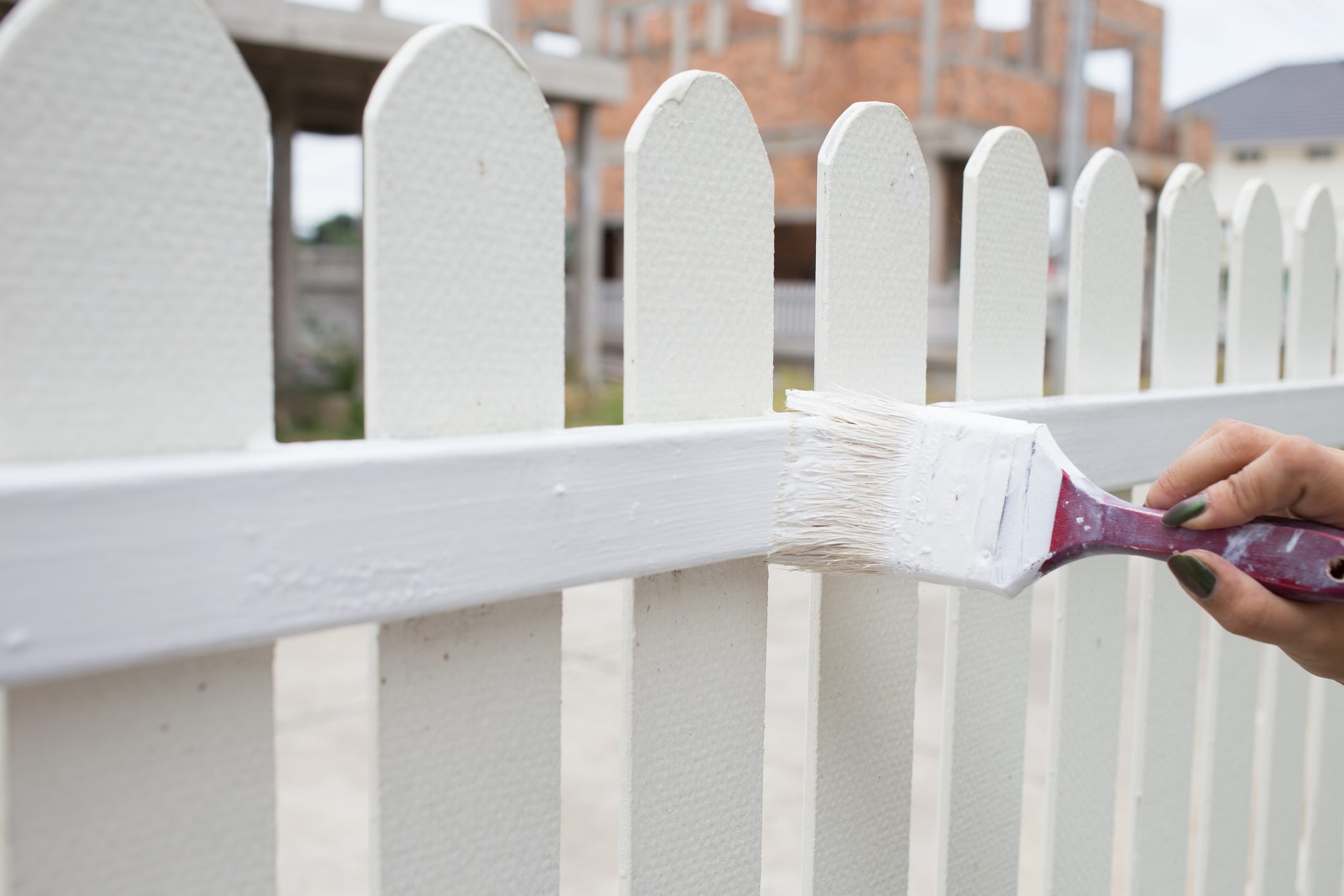
7 Best Paints for an Outdoor Fence
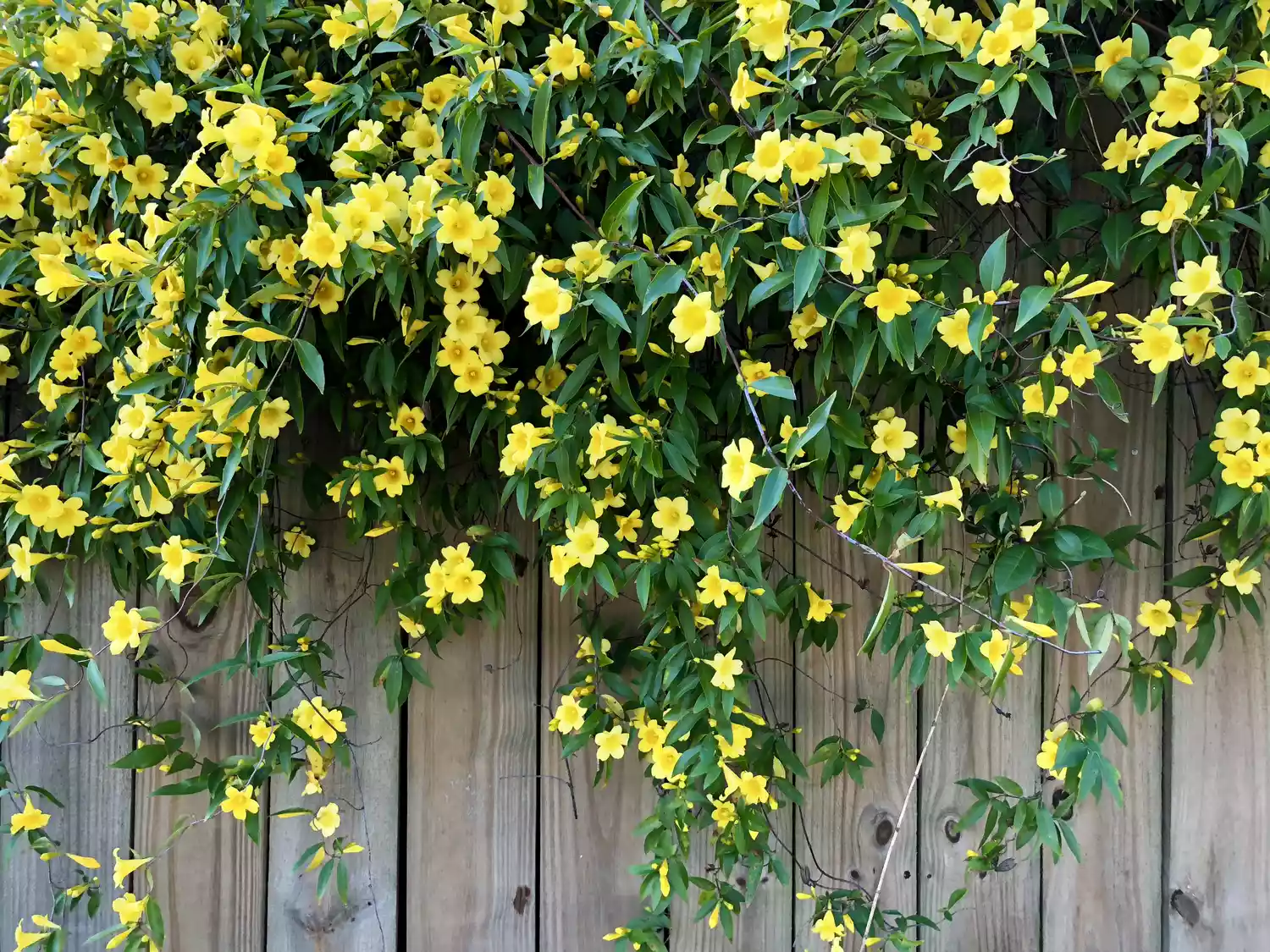
10 Climbing Plants That Will Cover Fences In A Flash
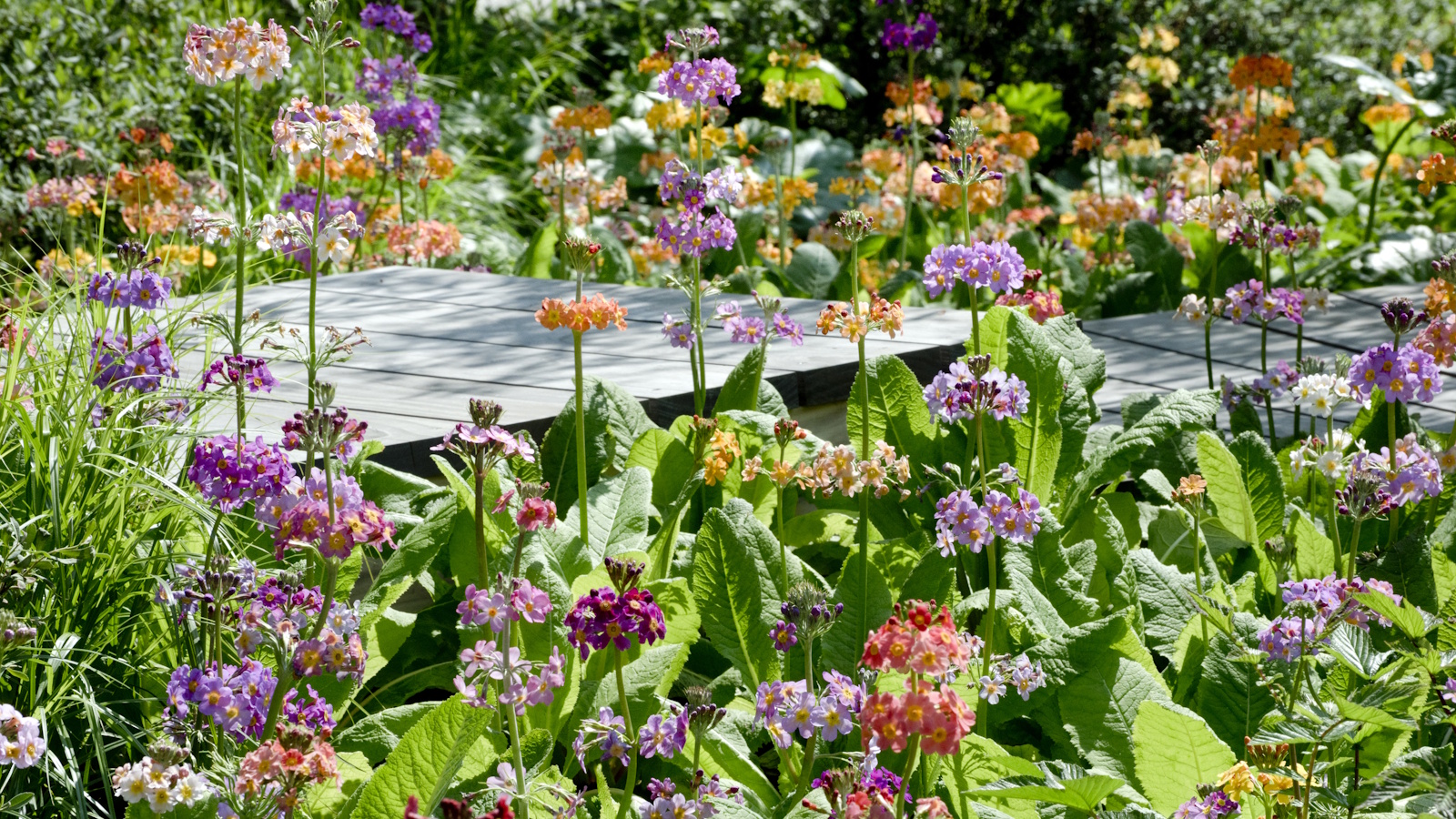
Best flowering ground cover plants – 5 expert-approved species to fill your borders with vibrant color
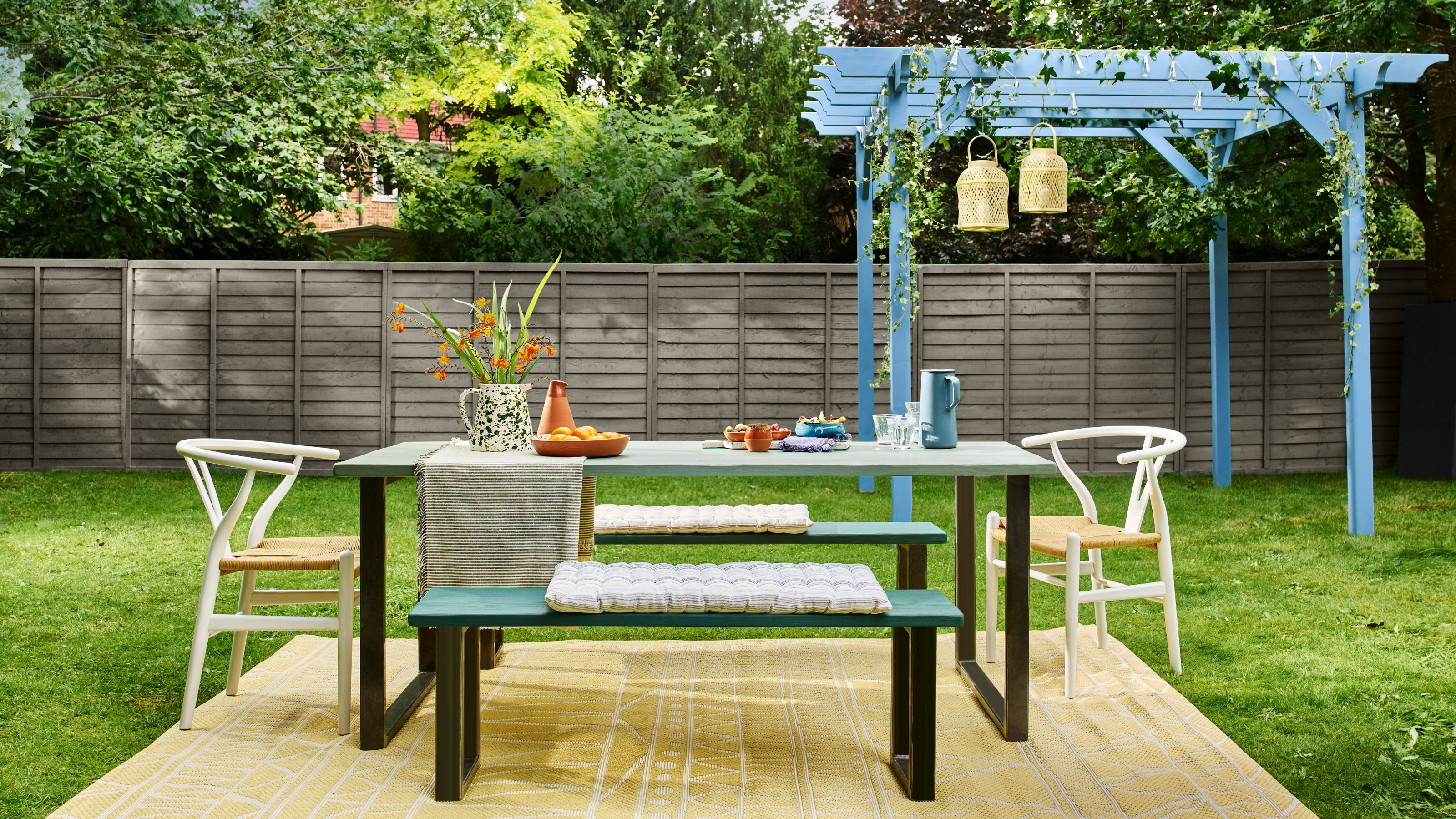
7 colours to paint your fence to make a garden look bigger, according to experts
Purple plants – 5 best to choose for the perfect purple border
Plants to hide a garden wall – expert-approved options for a beautiful, botanical screen

Garden Fence Panels

Decorating with plants – 11 ways to display houseplants
21 Landscape Plants That Pros Recommend for Adding Privacy