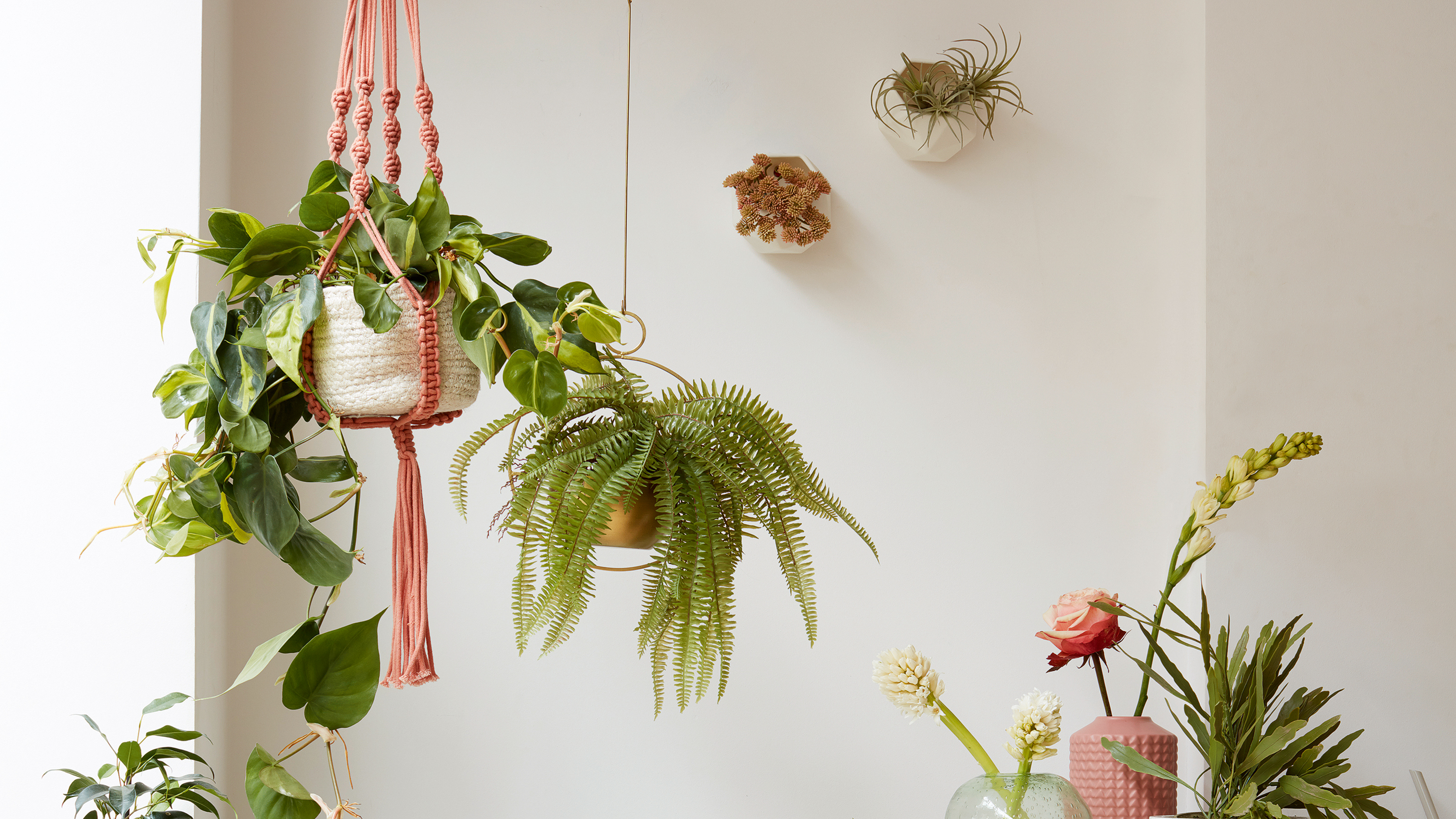
1/11
Bedroom plant ideas – 10 ways to use plants to give your boudoir an instant lift
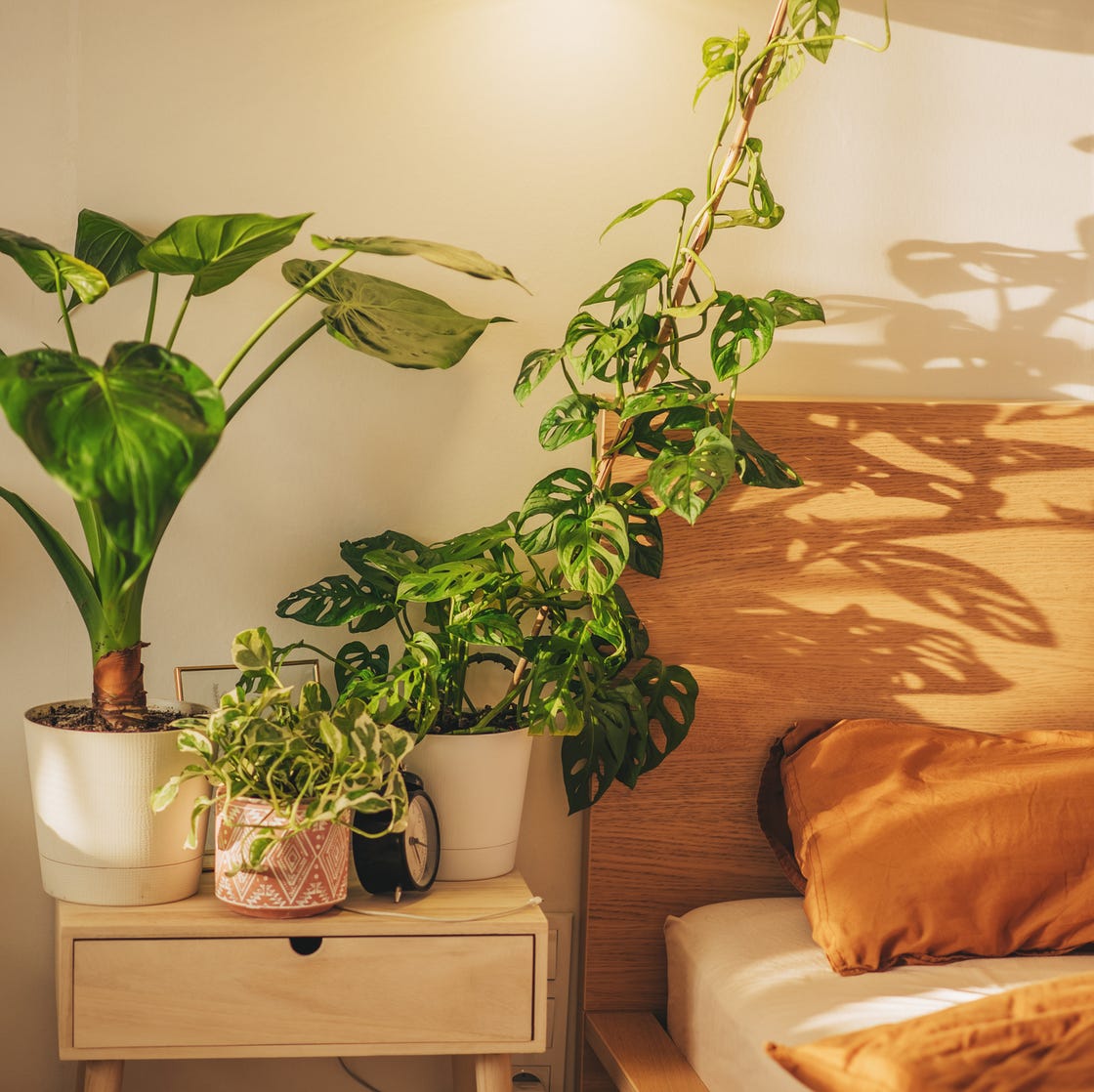
The article explores various ways to incorporate plants into bedroom decor, emphasizing their ability to enhance aesthetics and improve well-being. Decorating with plants is presented as an art that can significantly impact a room's visual appeal and contribute to a healthier indoor environment. Plants introduce natural elements, textures, and colors to a bedroom, making it feel more vibrant and inviting. Beyond aesthetics, certain plants offer health benefits, such as purifying the air, boosting mood, and fostering mindfulness, aligning with the growing popularity of biophilic design in bedrooms.
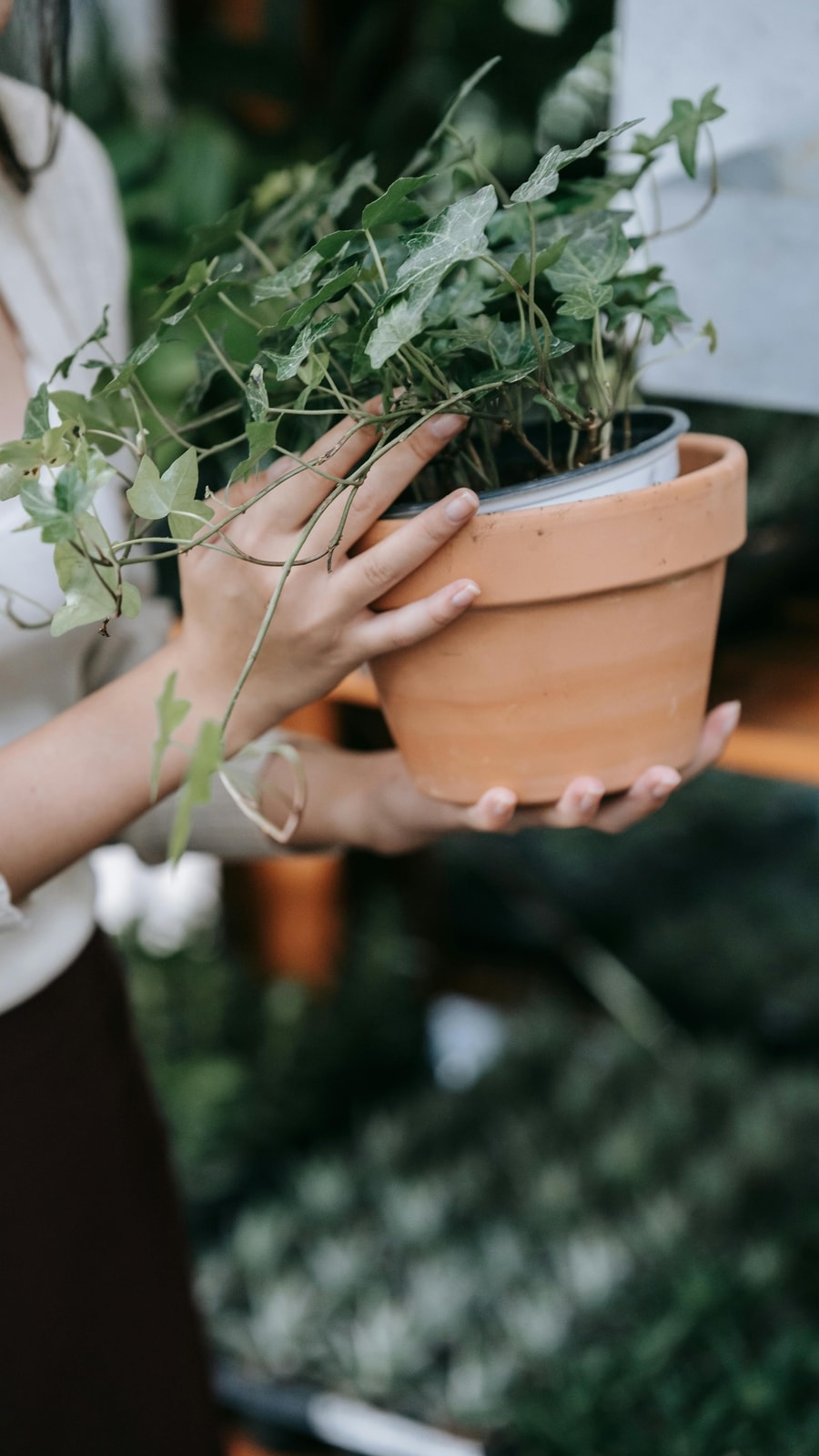
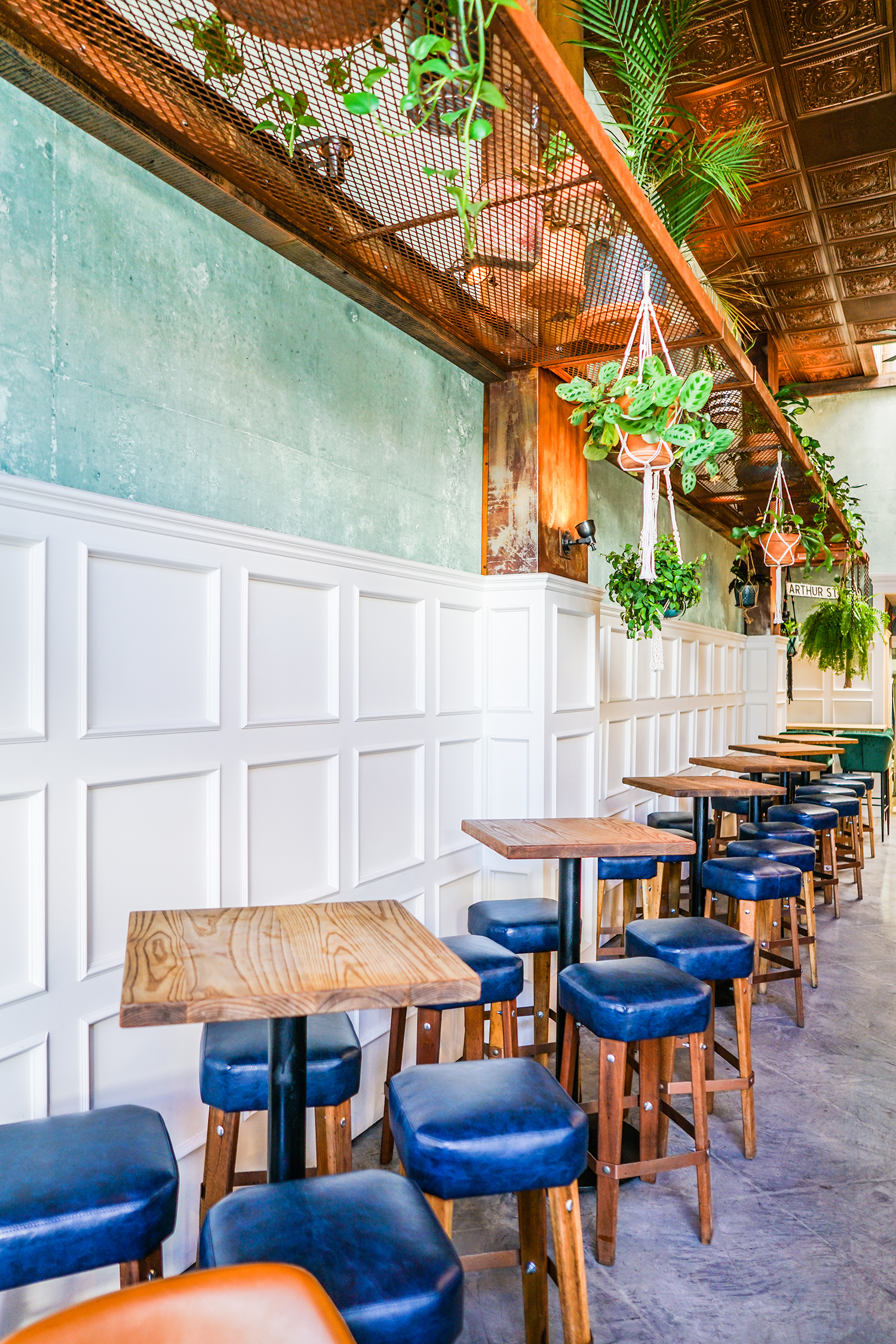
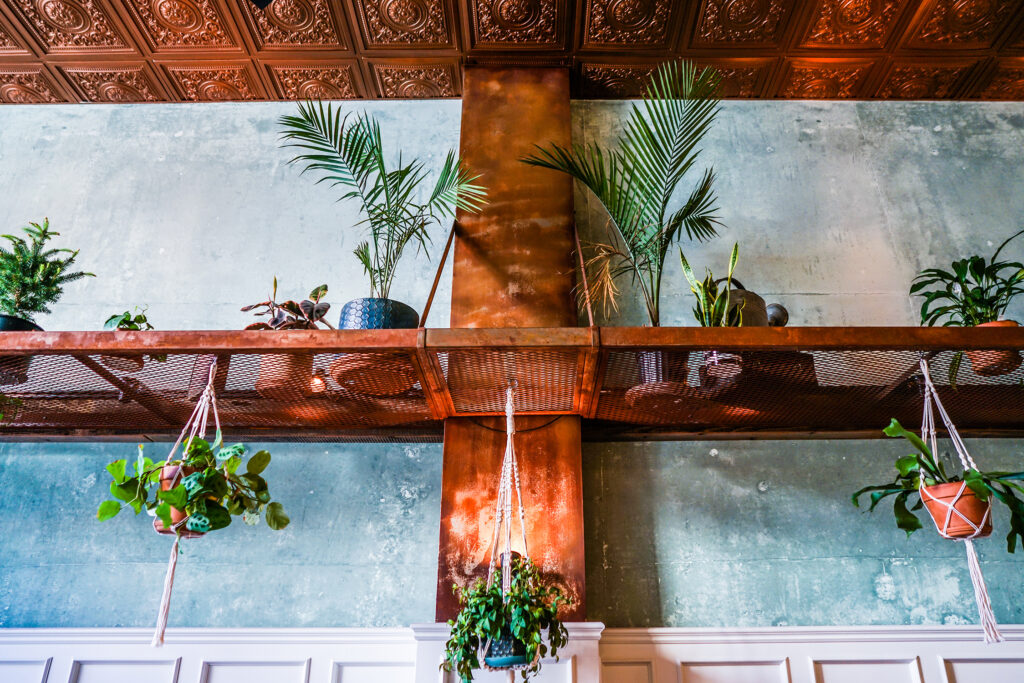
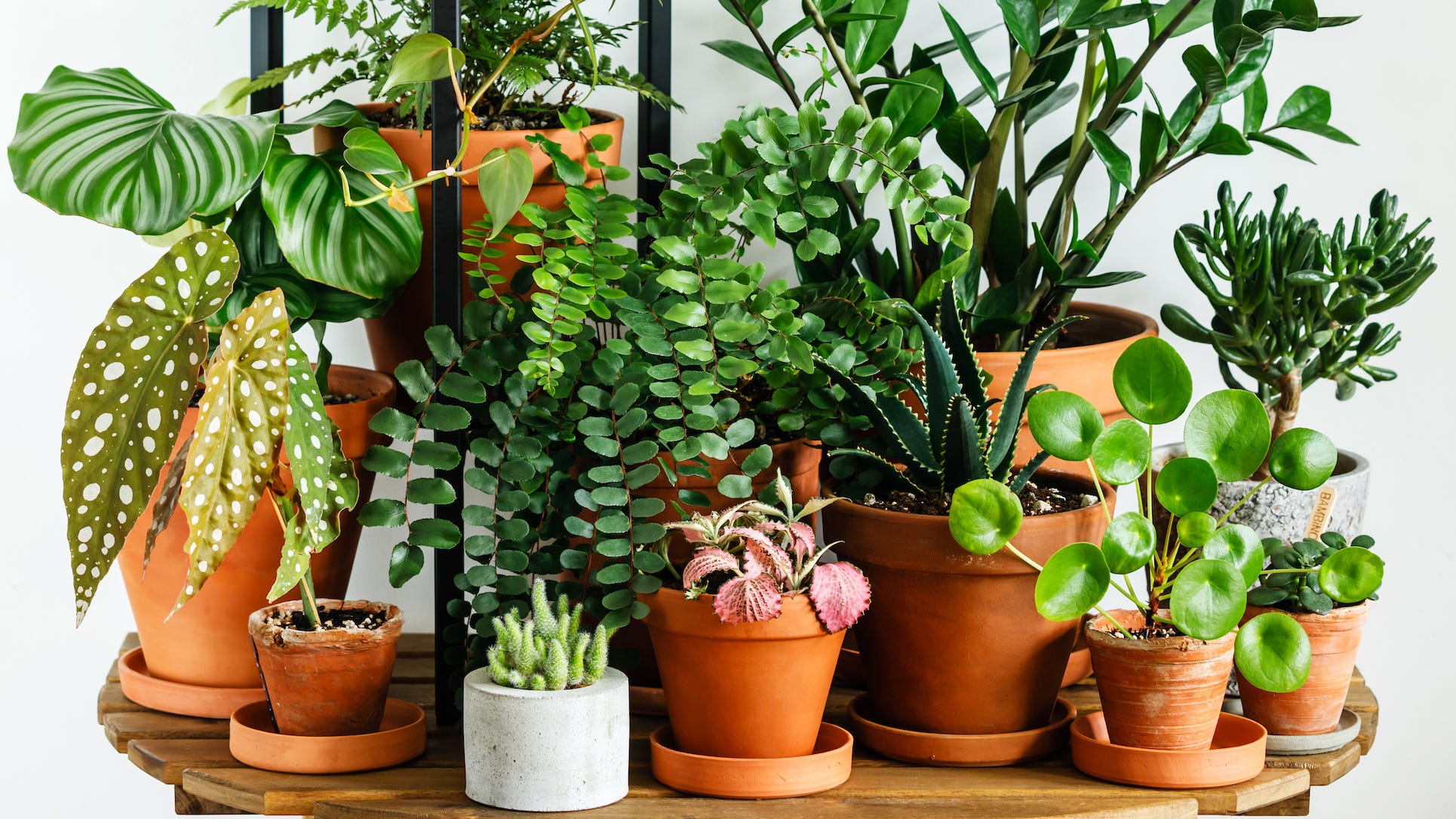
Several creative ideas are presented for integrating plants into bedroom spaces. Hanging plants are suggested to add height and create the illusion of larger spaces, particularly beneficial for small bedrooms. These can be suspended from the ceiling or placed on shelves above the bed to form a 'plant headboard.' Potscaping, the artistic arrangement of plants in pots, is introduced as a method to create an 'interiors jungle' effect, suggesting the use of odd numbers of plants and clustering them to maintain a micro-climate. Window sills are highlighted as prime locations for smaller, low-maintenance plants like succulents, which thrive in natural light and enhance the visual appeal of an otherwise bare space.
For larger bedrooms or multi-functional rooms, big potted plants can serve as natural room dividers, offering privacy and defining different zones. Terrariums are recommended for bedside tables, providing a decorative and customizable element that can be a fun DIY project. Shelving is another versatile option for displaying a mix of trailing plants, succulents, and cacti, allowing for varied arrangements. Mirrors can be strategically placed to amplify the presence of plants, making a few plants appear as a larger cluster and reflecting light.
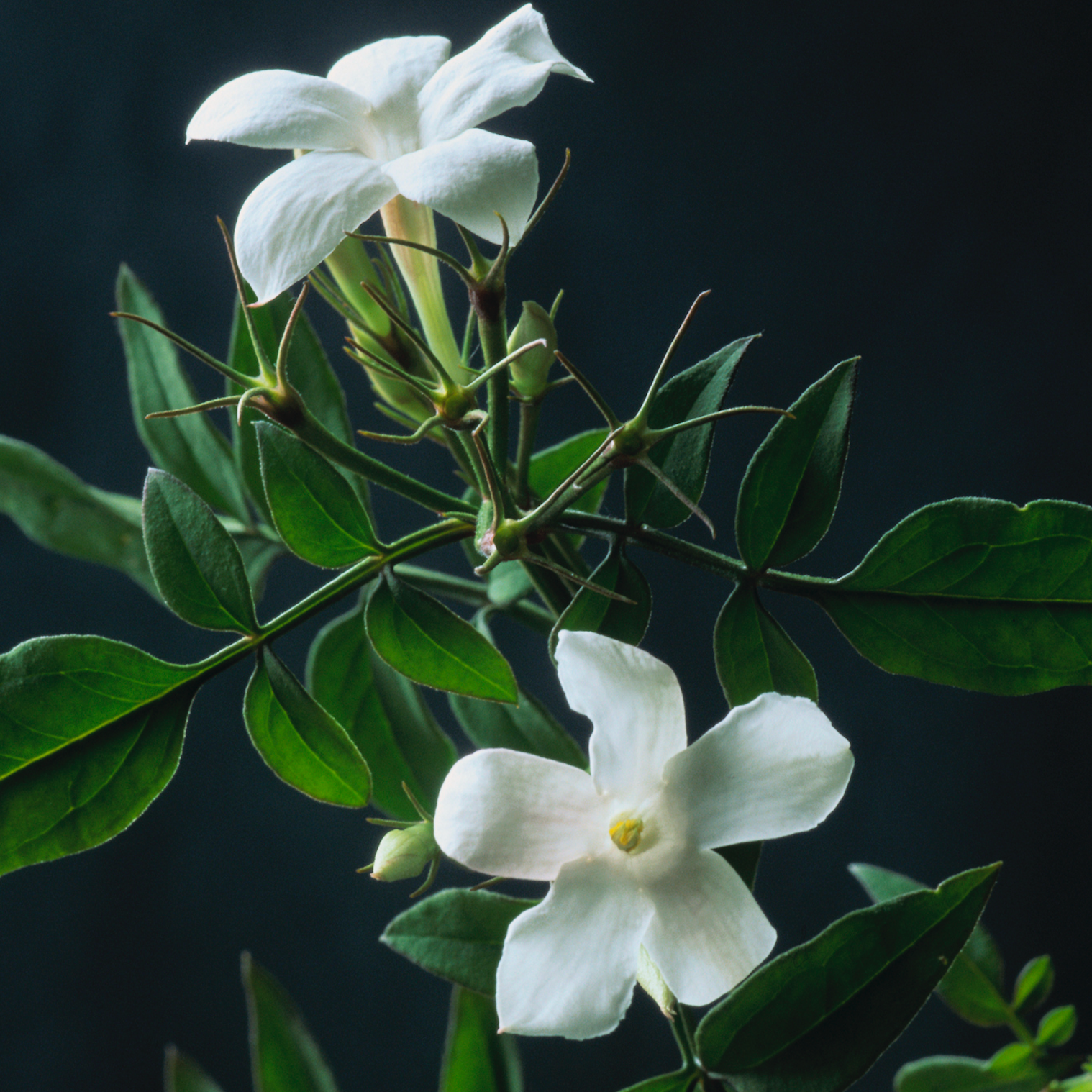
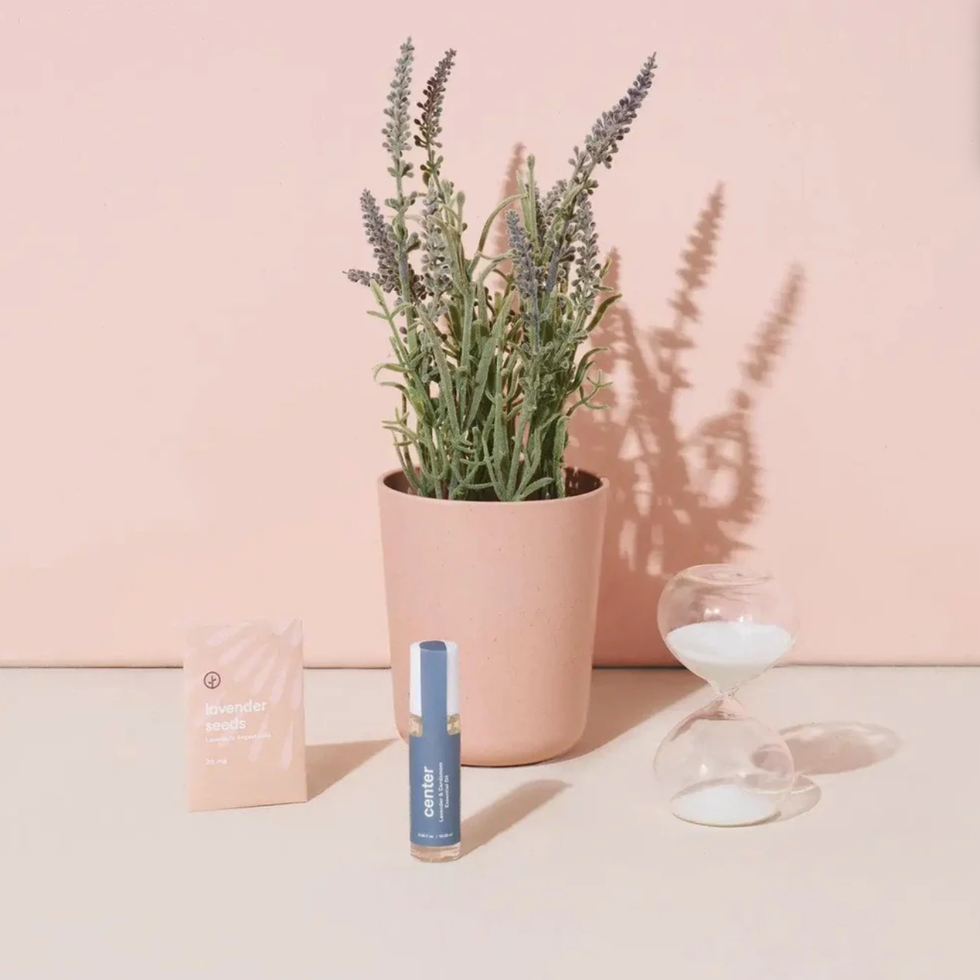
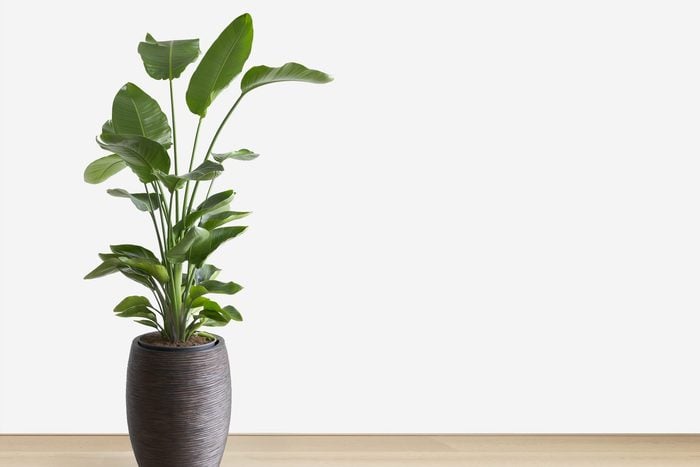
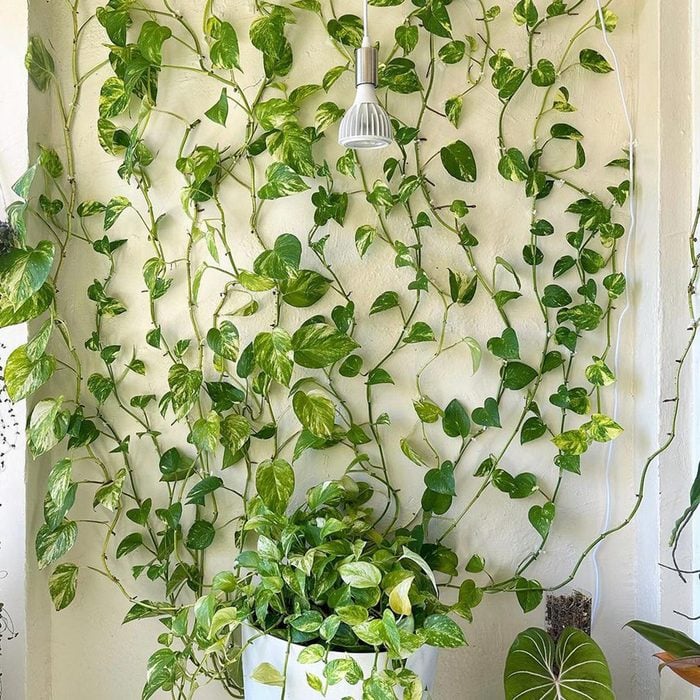
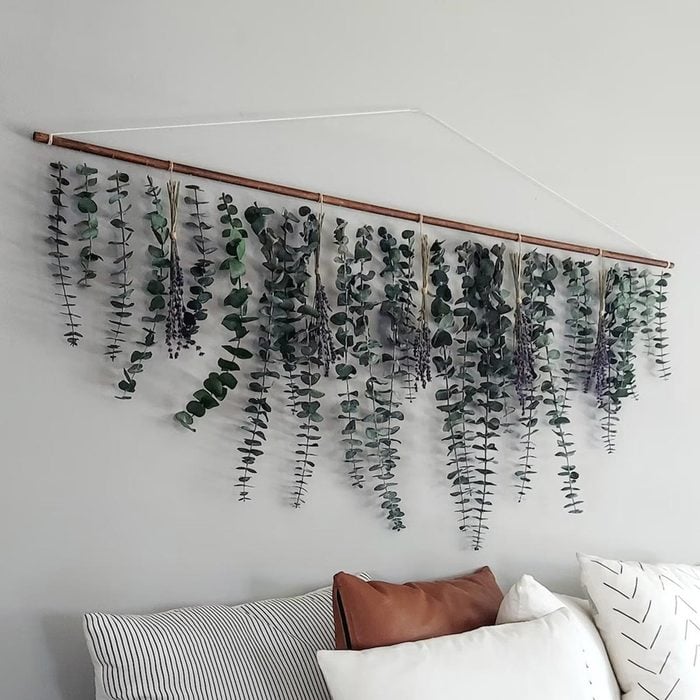
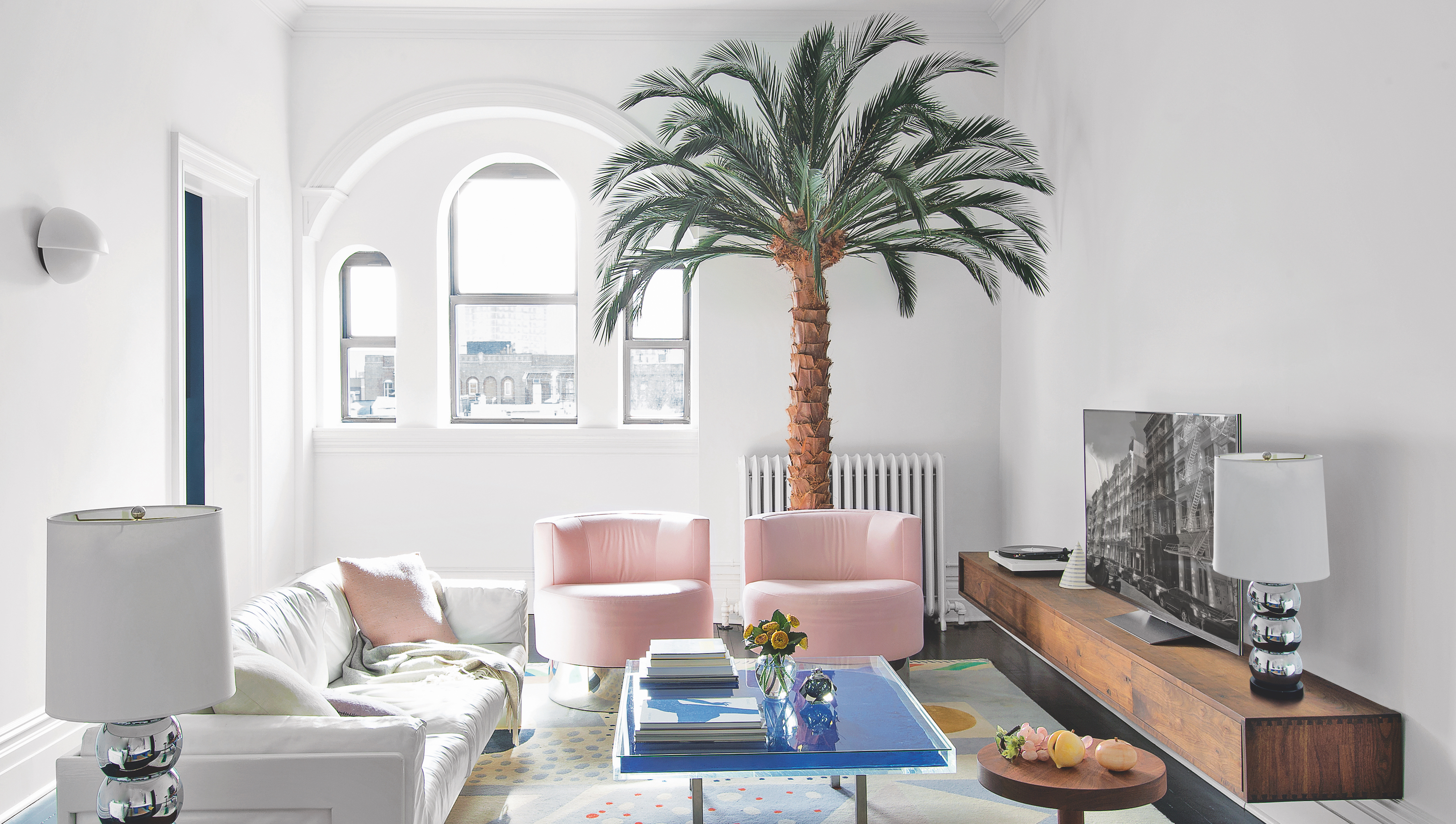
Innovative ideas include creating a green canopy above a four-poster bed with climbing or trailing plants, or fashioning a living wall behind the headboard using IKEA hacks. Incorporating herbs like lavender and jasmine is proposed for their relaxing aromas, which can promote better sleep and act as natural insect repellents. Finally, making a statement with large, tall plants in underutilized corners can transform drab areas into focal points, with the added benefit that leafy plants can act as natural sound absorbers, contributing to a more peaceful sleeping environment.
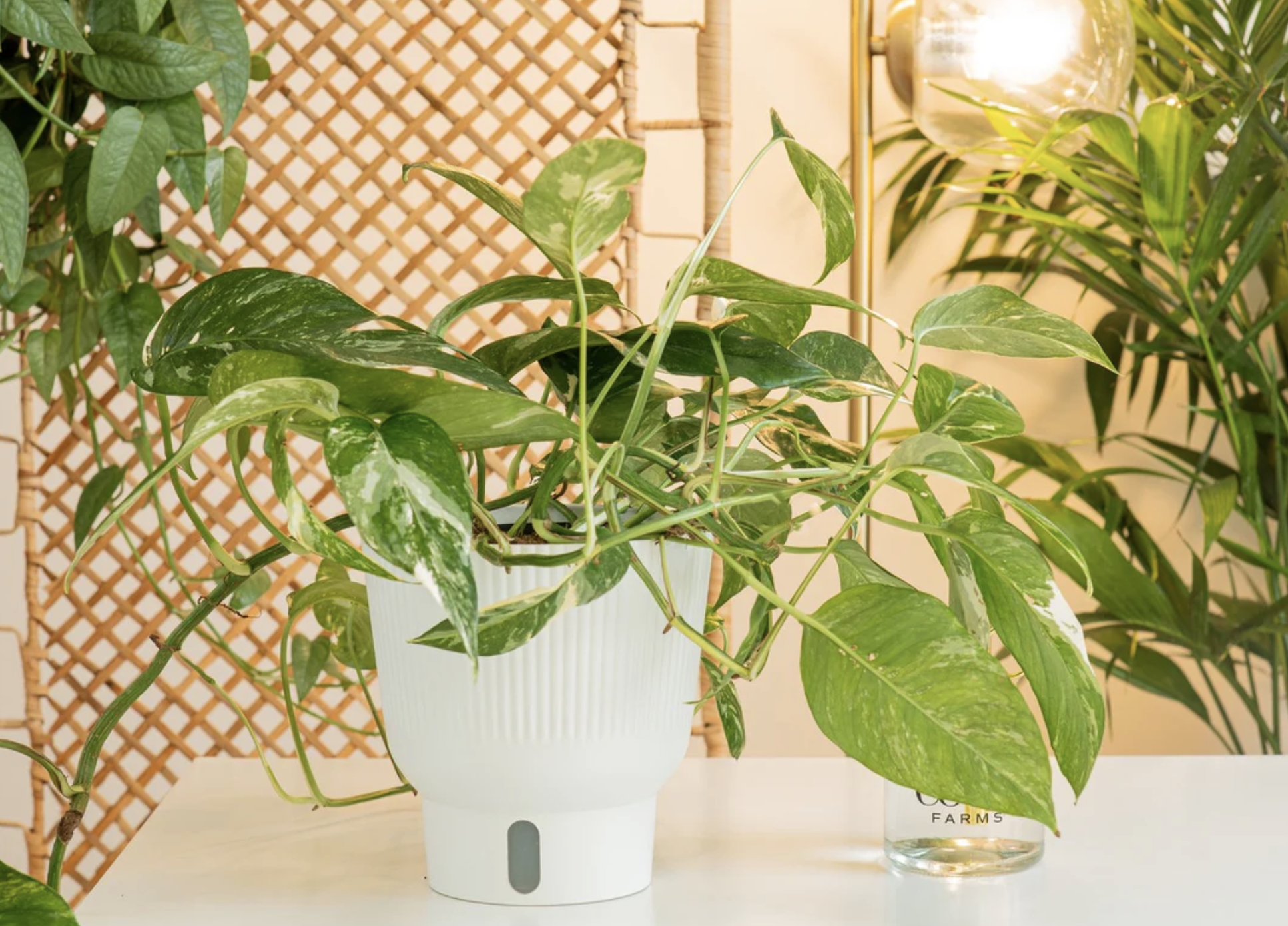
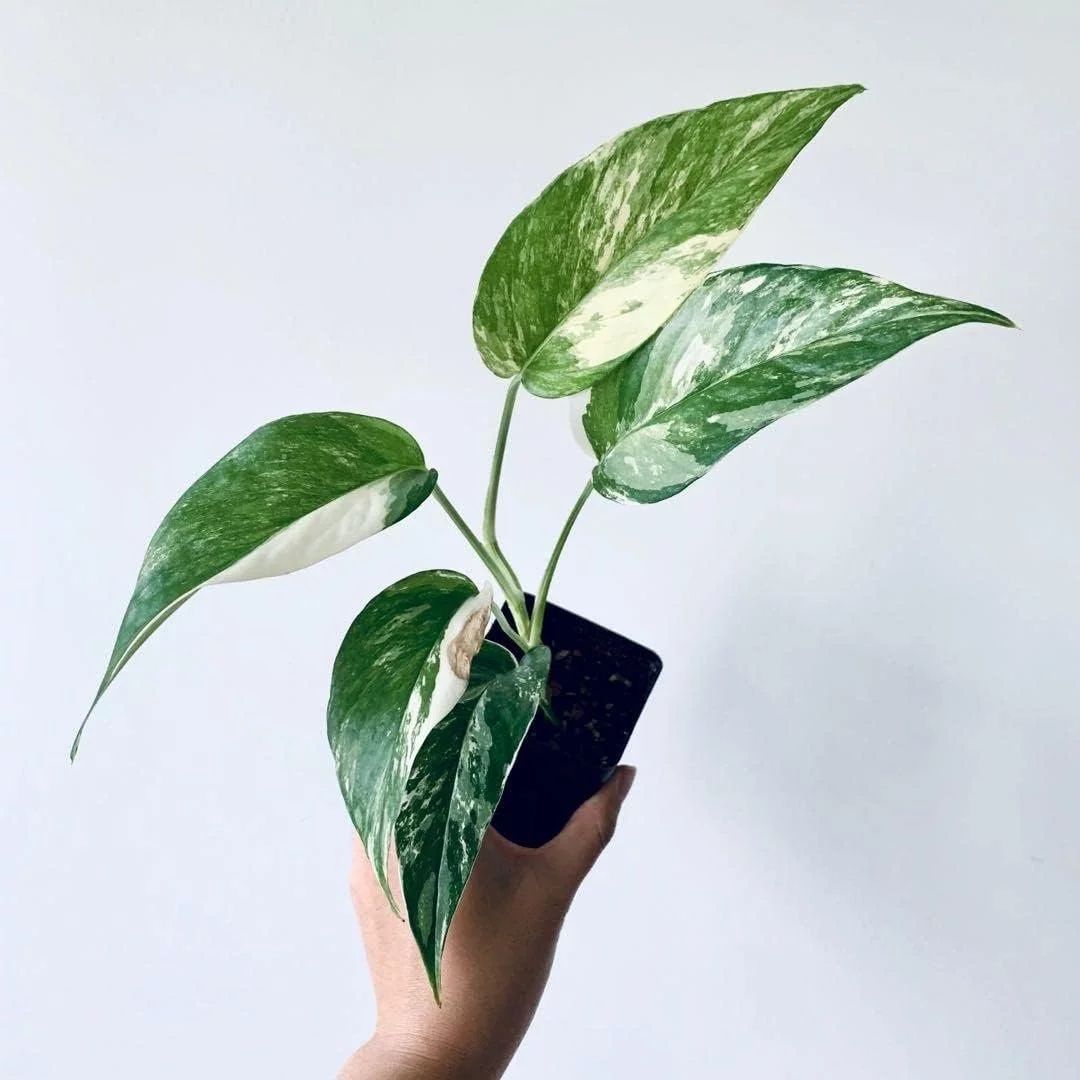
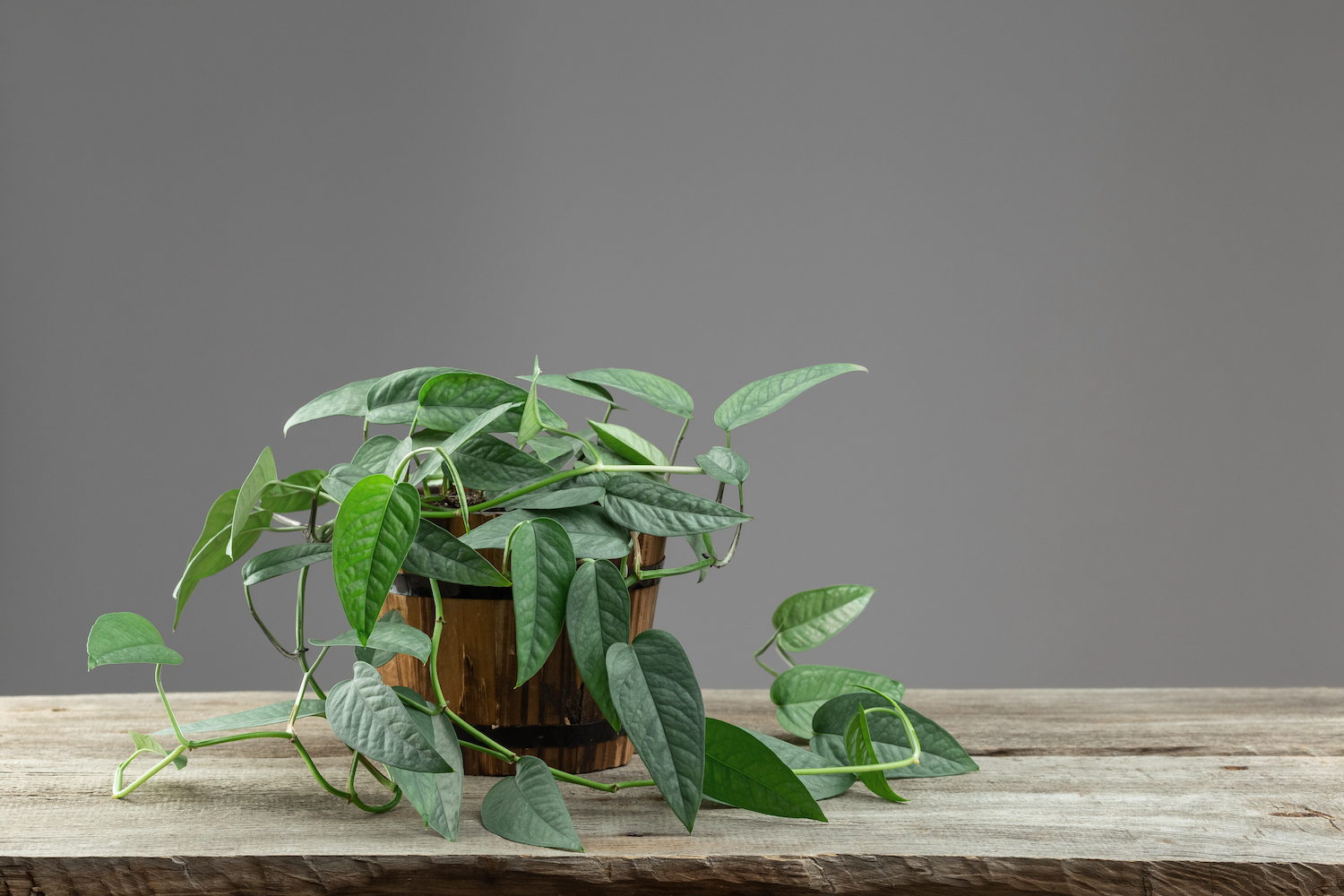
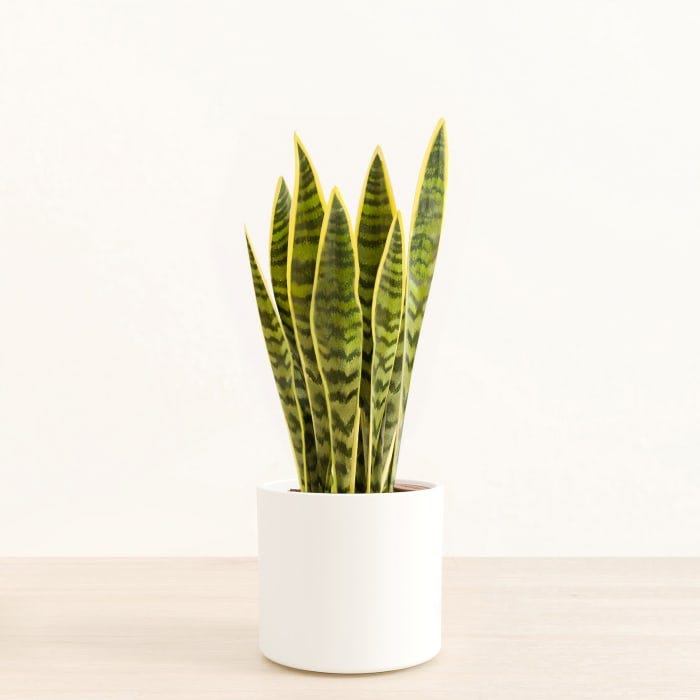
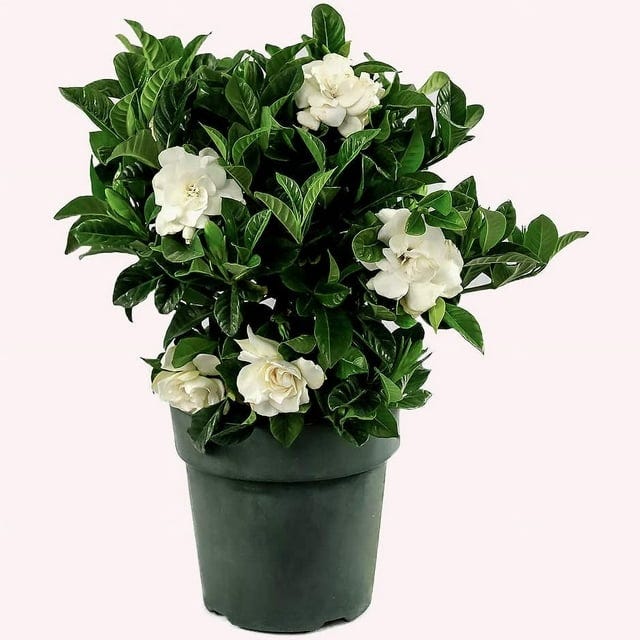
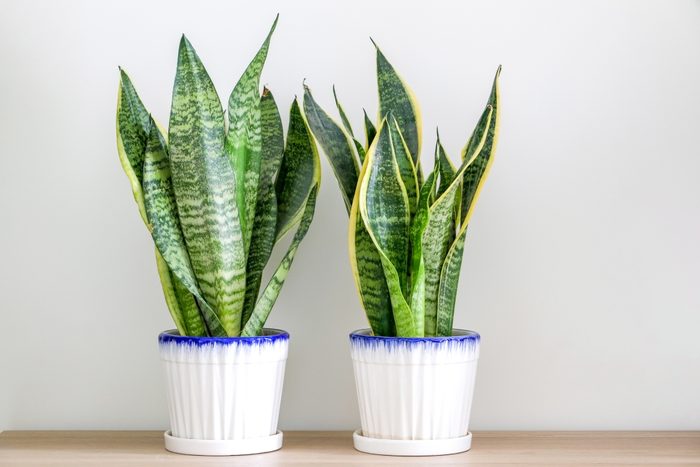
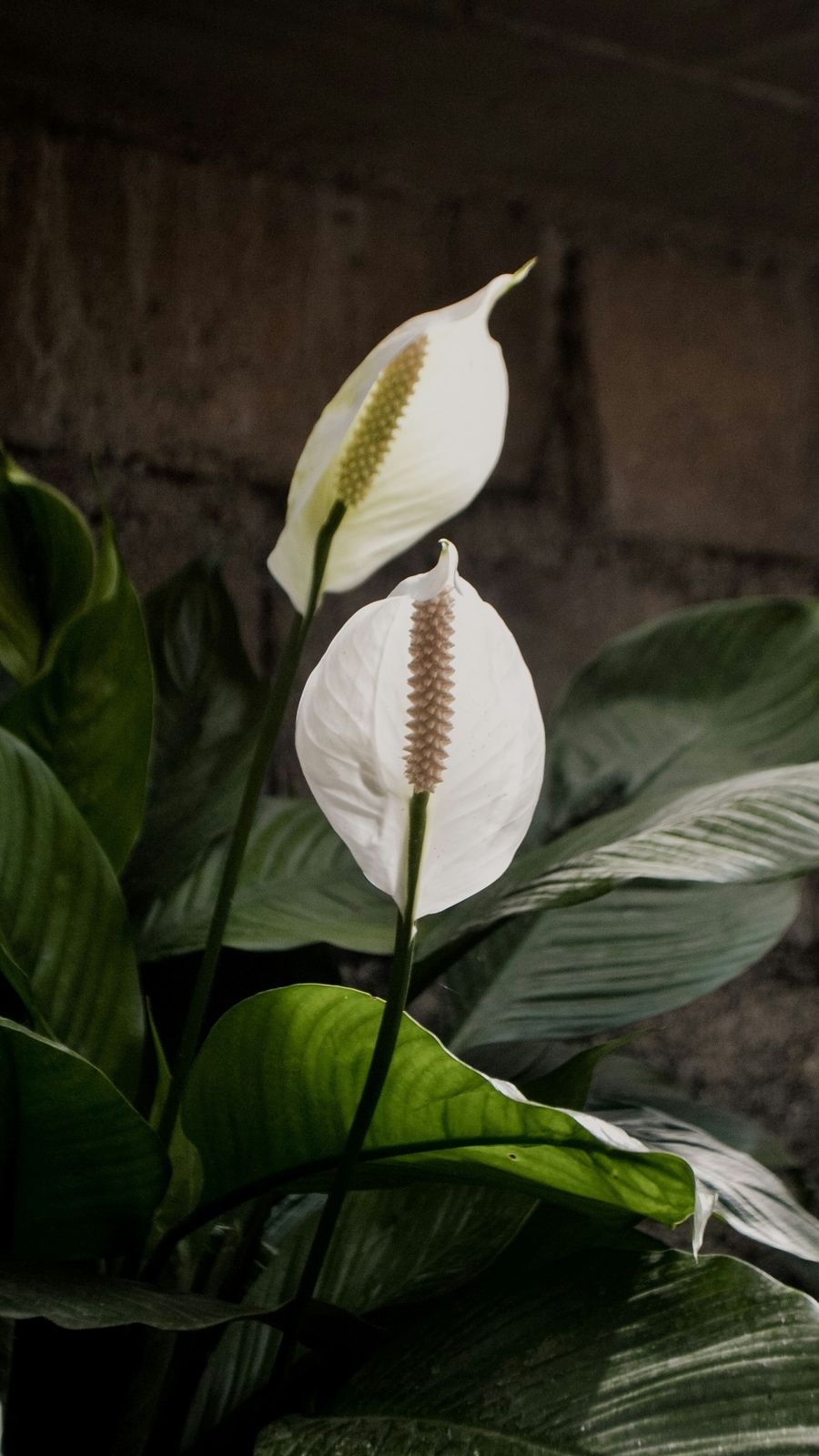
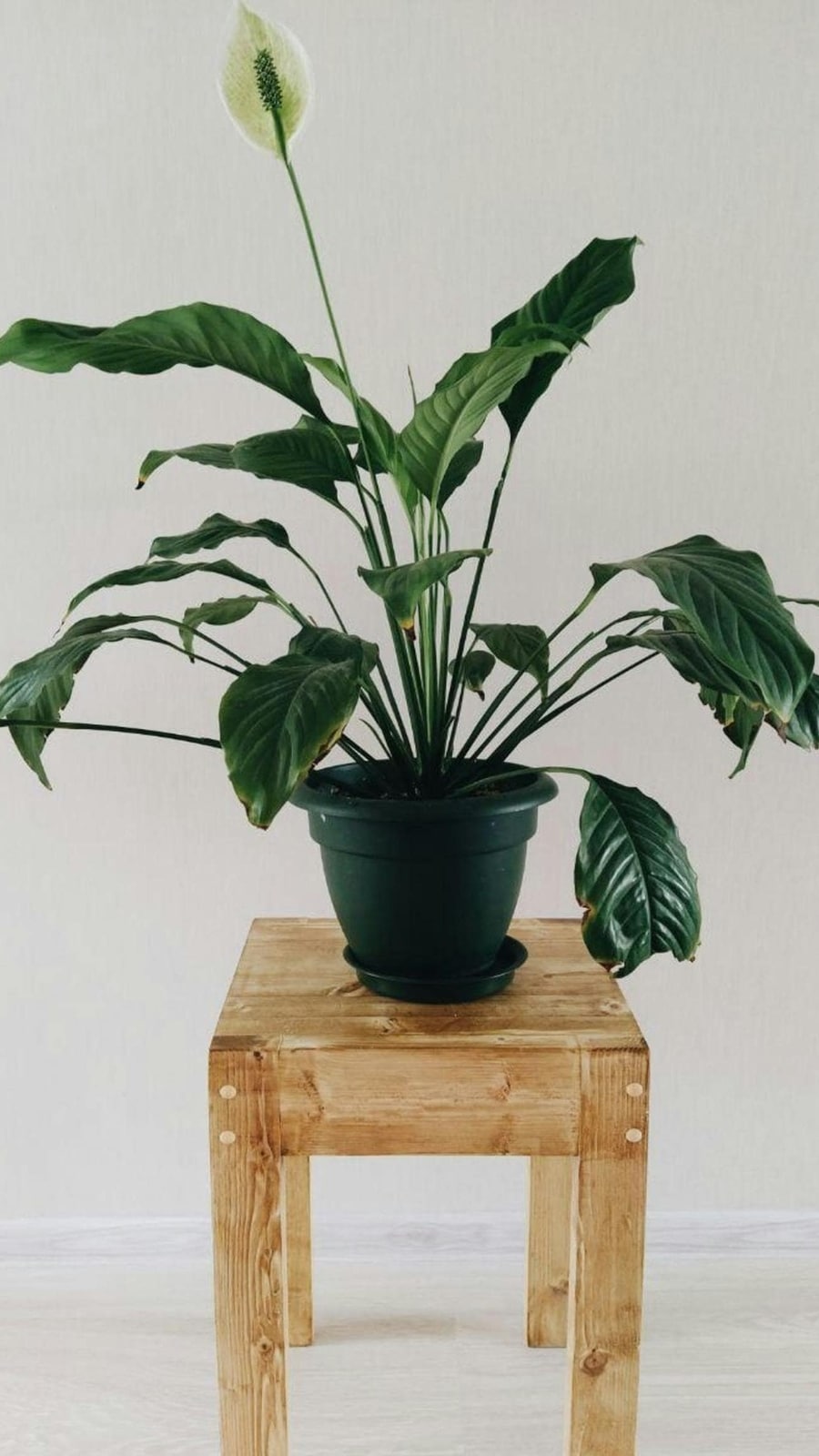
FAQs address common questions regarding plant selection for bedrooms. Experts recommend plants like aloe vera, snake plants, spider plants, pothos, and peace lilies for their low maintenance and air-purifying qualities. Strong-scented plants such as jasmine, lavender, and gardenia are generally advised against as they can be stimulating. Cacti are also not recommended due to their 'intimidating' spikes, which may disrupt feng shui. The easiest plants to care for are identified as snake plants, aloe vera, pothos, spider plants, and peace lilies, all of which tolerate low light conditions. The article concludes by confirming that sleeping with plants in the room is generally beneficial, as many common houseplants release oxygen at night and contribute to a calming atmosphere, posing no threat to sleepers. However, proper plant care, lighting, and awareness of potential allergies are emphasized to prevent sleep disruption.
#BedroomDecor #Houseplants #IndoorGardening #BiophilicDesign #PlantCare #AirPurification #InteriorDesign #Wellness #HomeDecor #BedroomDecor #Houseplants #IndoorGardening #BiophilicDesign #PlantCare #AirPurification #InteriorDesign #Wellness #HomeDecor
0개의 댓글이 총 표시됩니다.
 아직 댓글이 없습니다
추가로 마음에 드릴 만한 콘텐츠
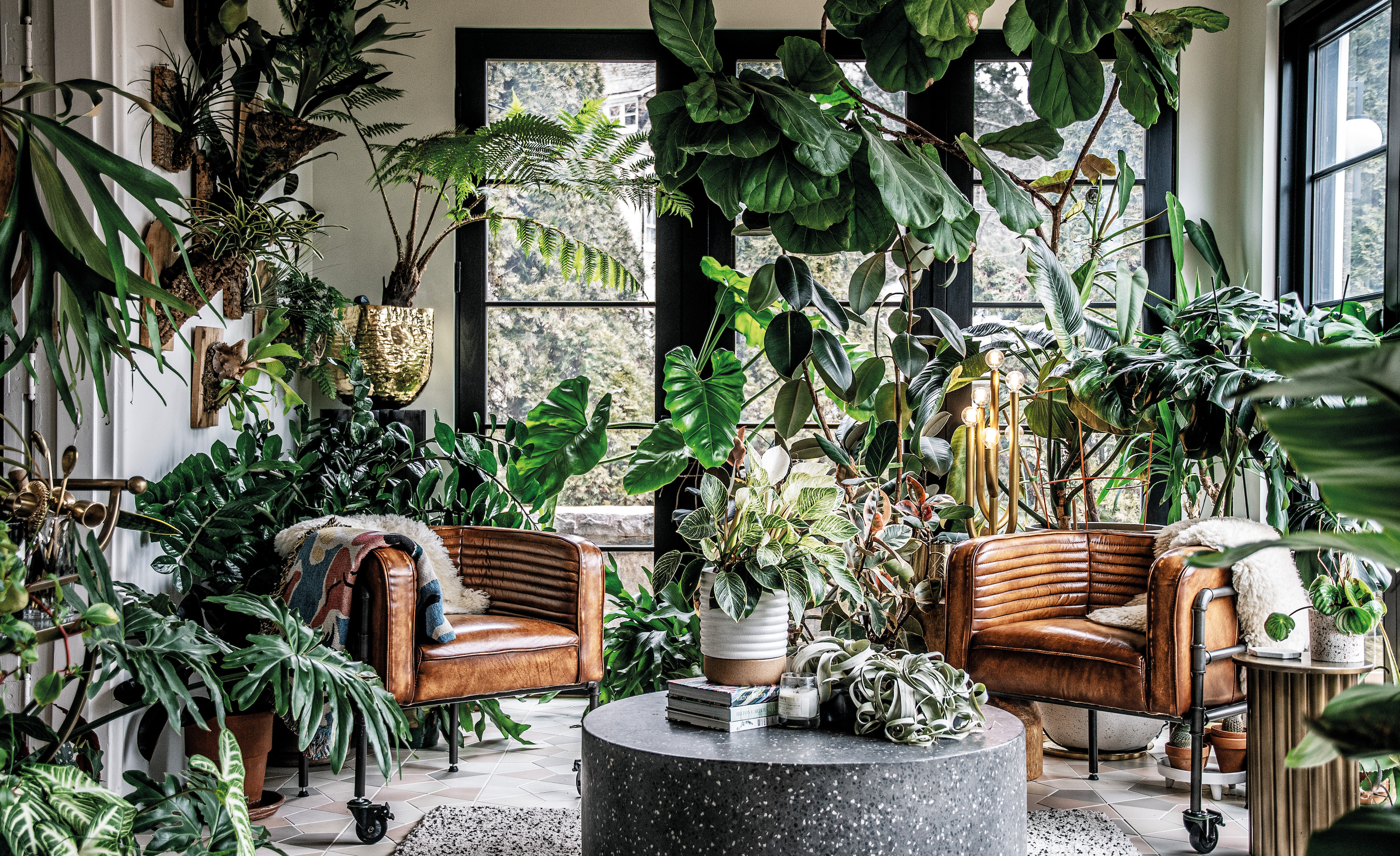
10 Indoor Climbing Plants That Will Take Your Blooms to New Heights — And Make Your Home Look Lush

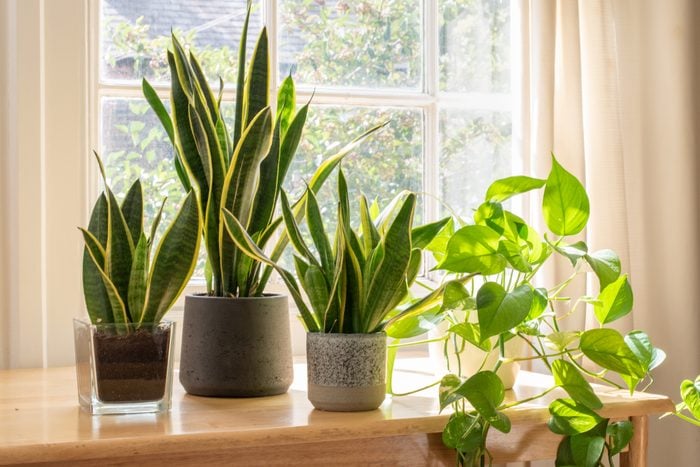
10 Must-Have Indoor Plants To Liven Up Your Entryway

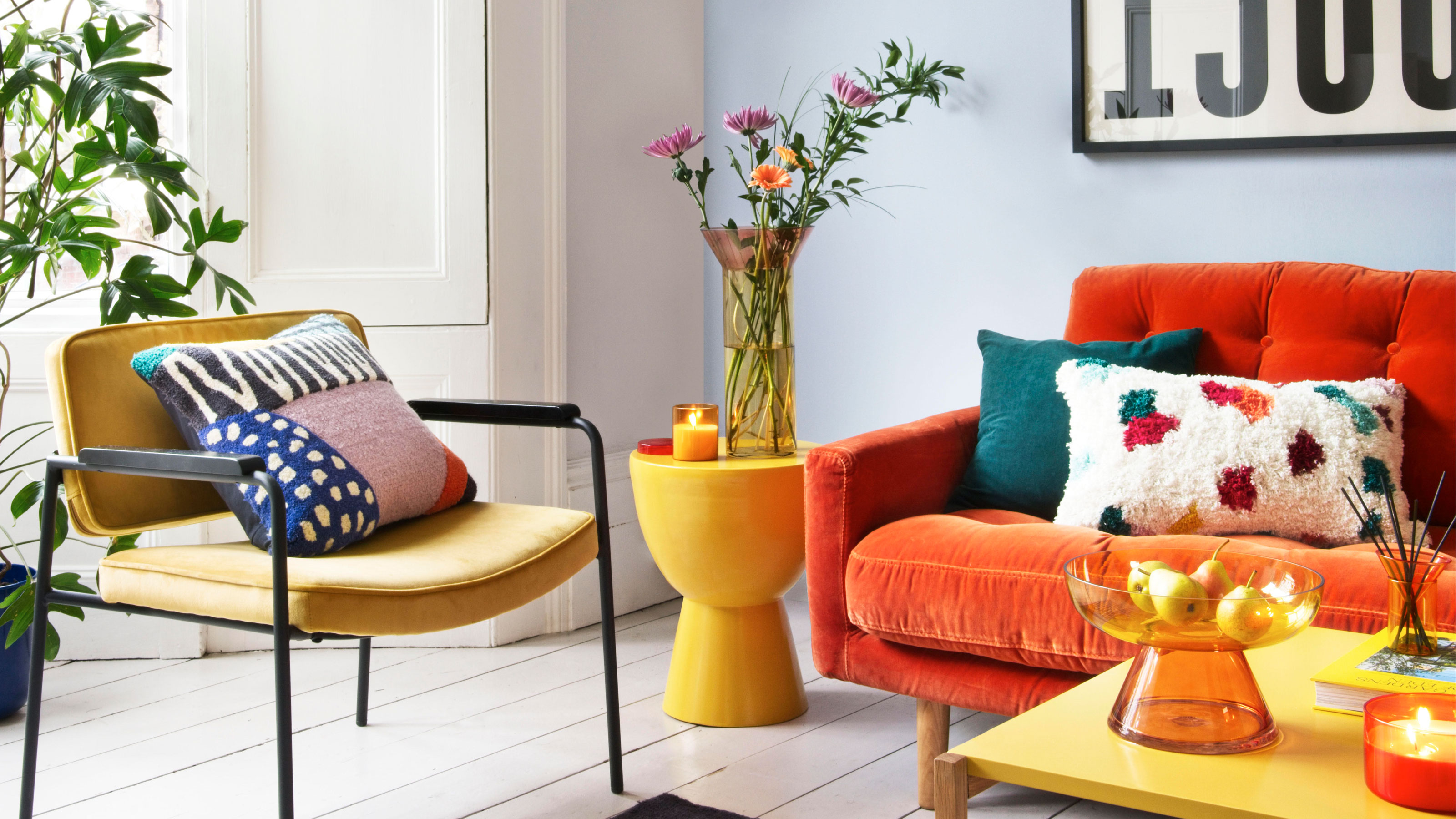
Flower home decor ideas – 12 blooming looks that'll add instant cheer to your home

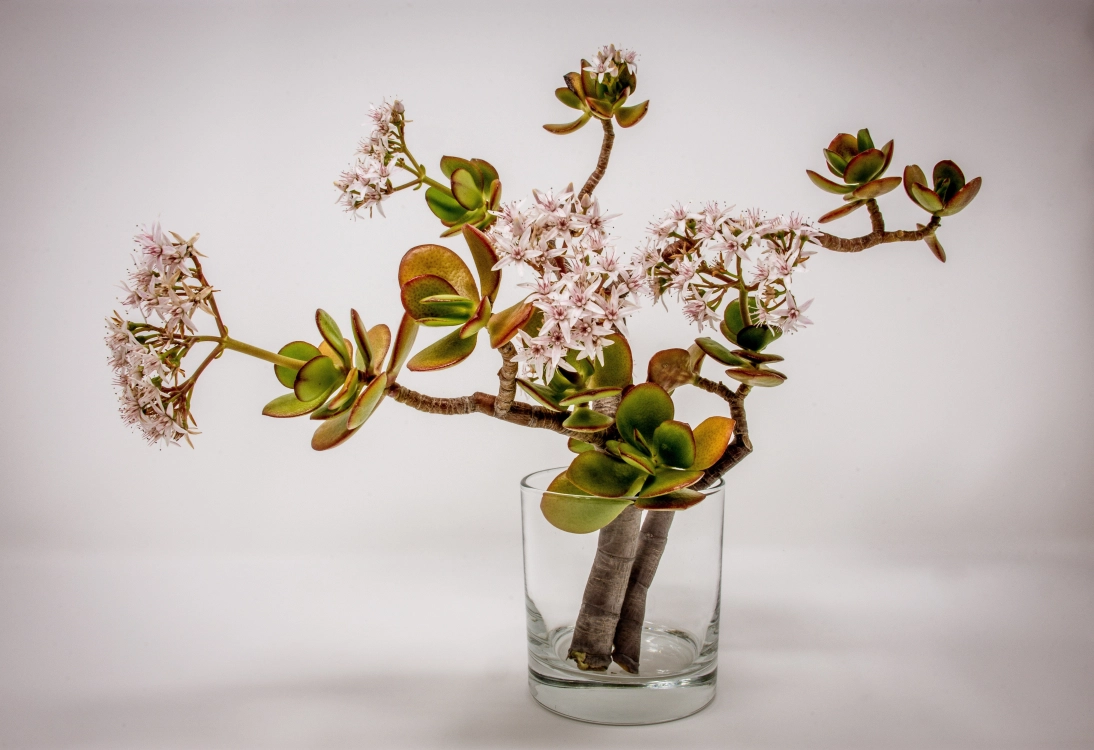
Plant Style: Elevate Your Decor with Indoor Plants
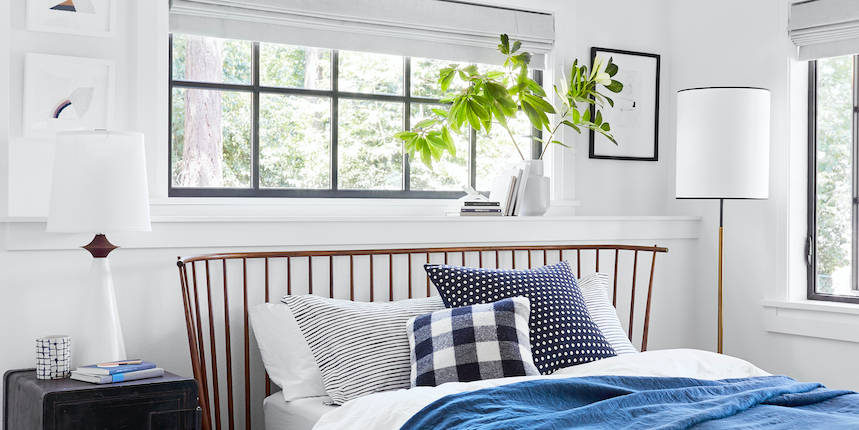
Create a Calming Space with These Bedroom Plants
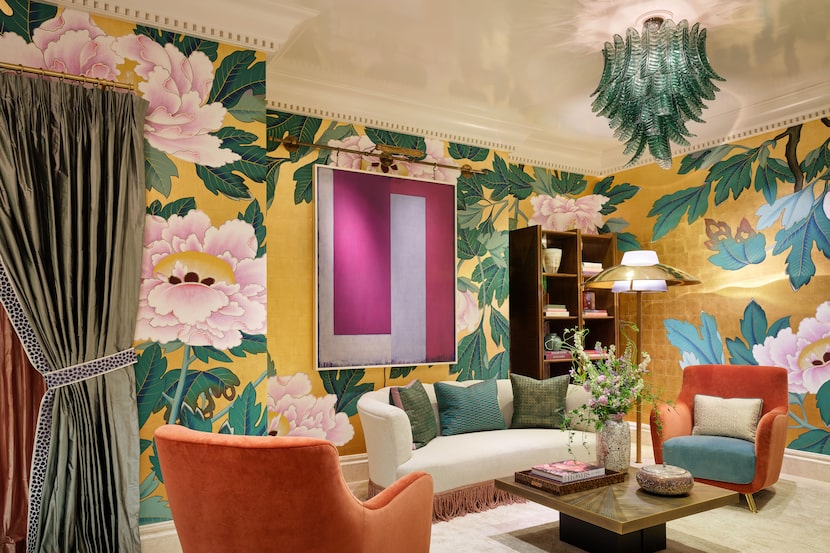
Flower power: Botanical designs can make any room radiant

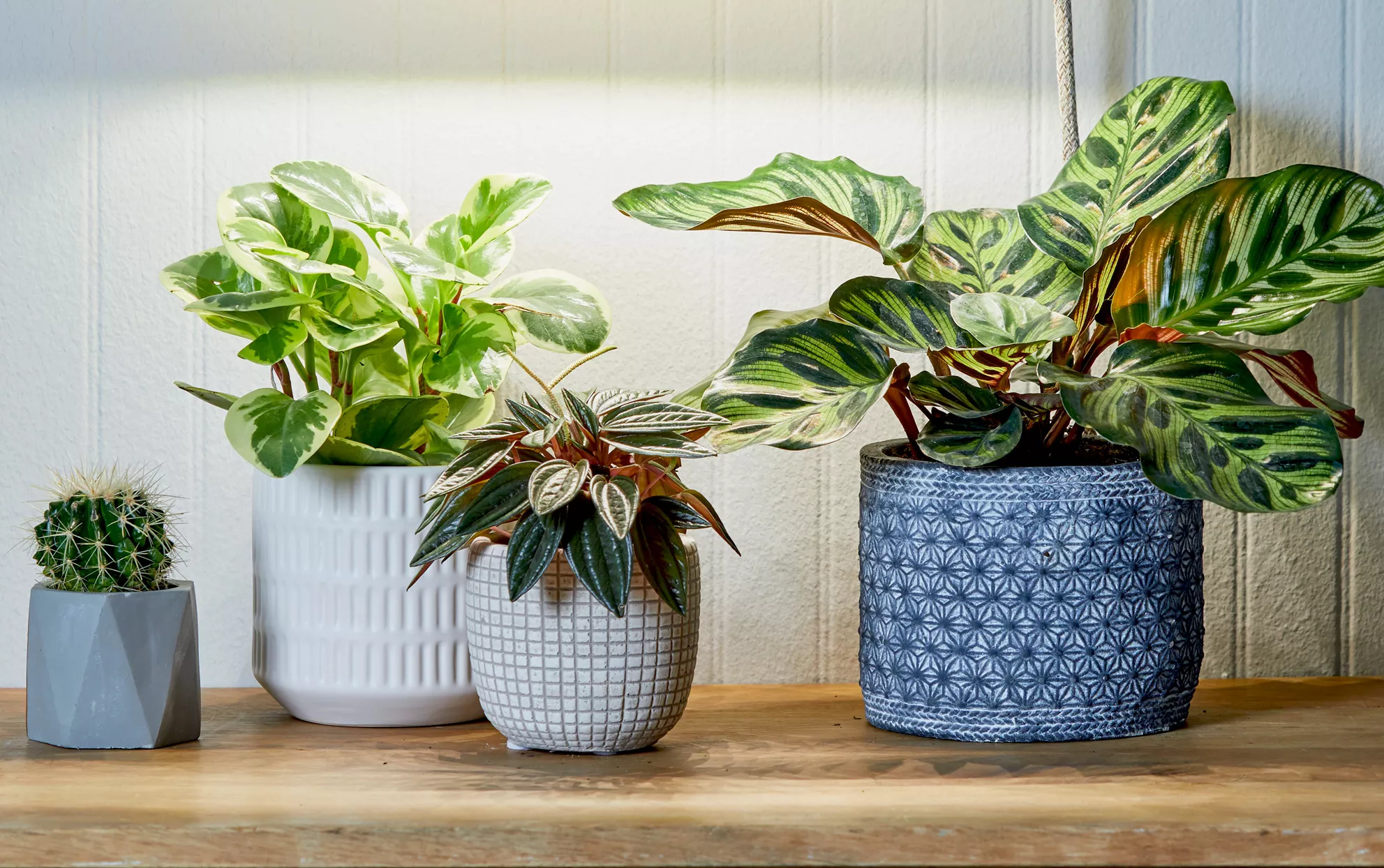
14 Easy-Care Indoor Plants for Bedrooms to Add Natural Greenery

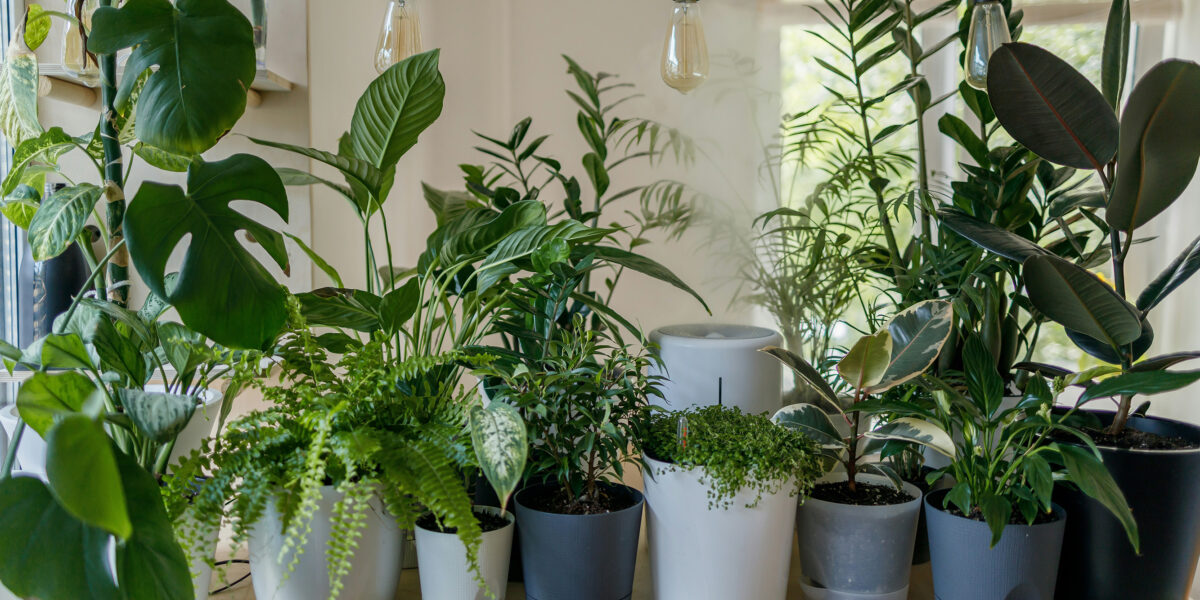
This Visual Design Trick Is the Coolest Way to Style Your Houseplants
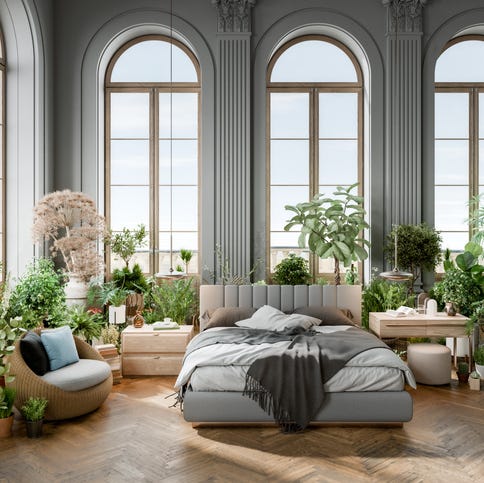
An Expert Guide on the Top Bedroom Plants

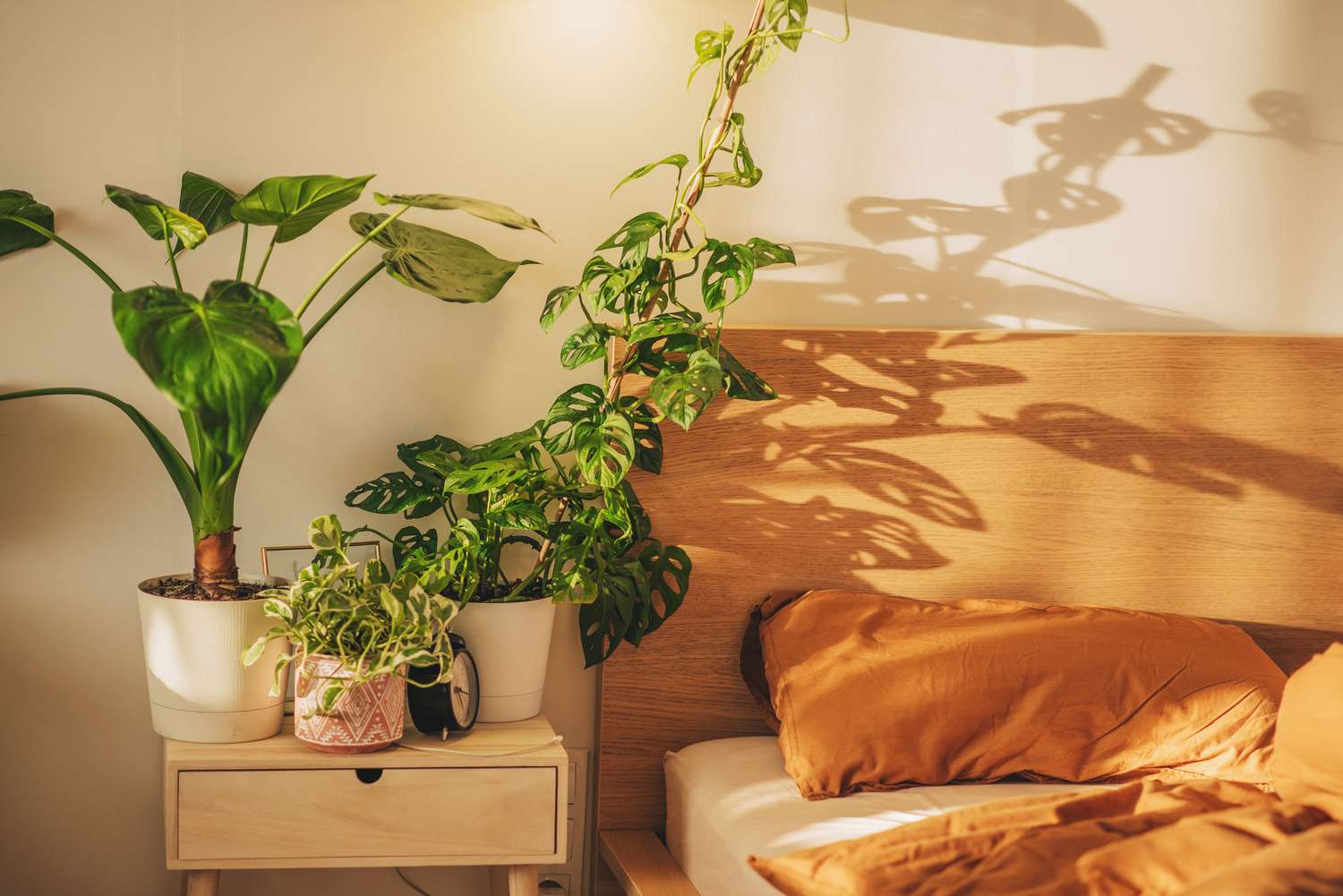
These Are the Best Plants to Keep in Your Bedroom

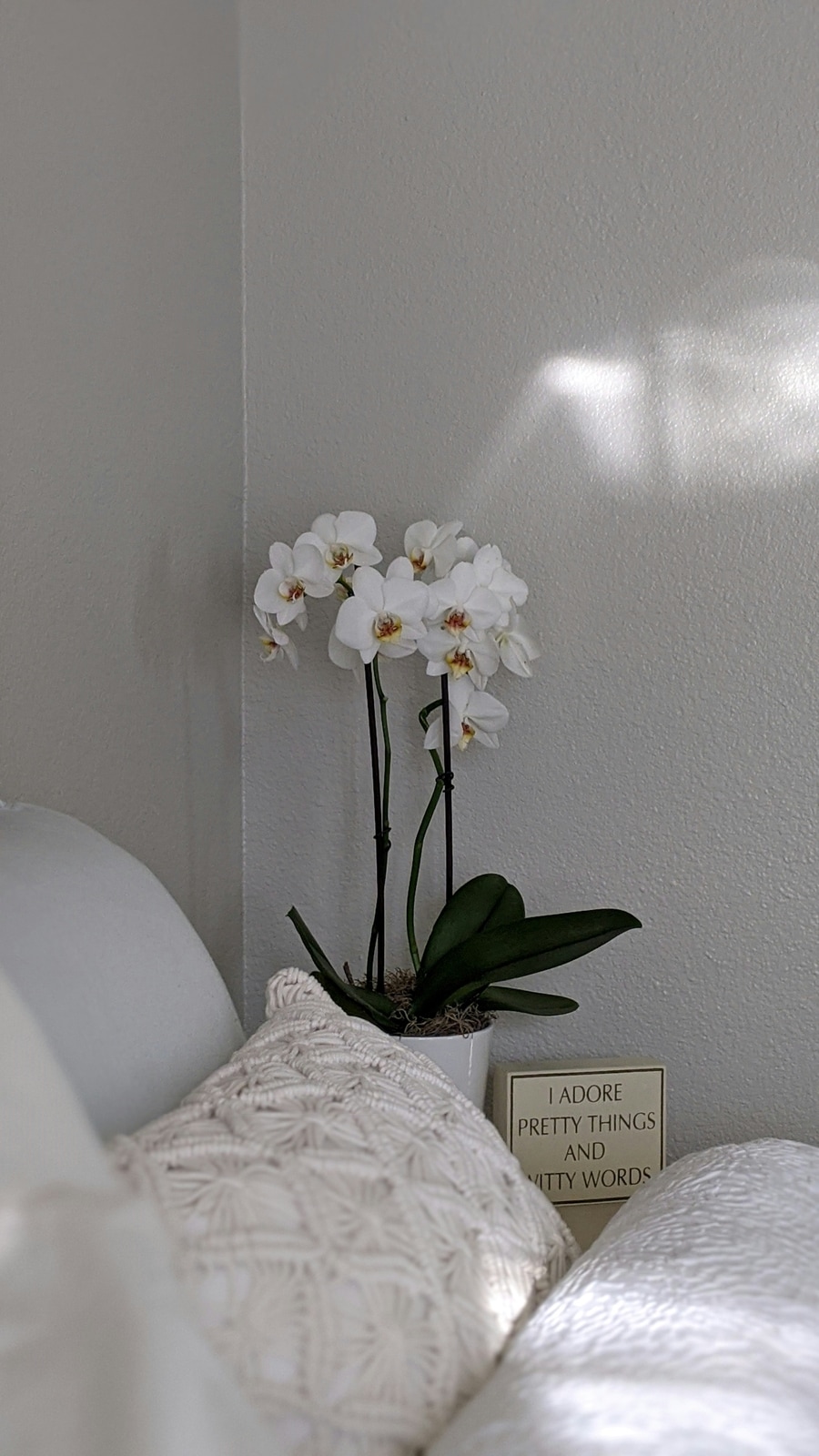
5 Feng Shui plants to keep in your bedroom

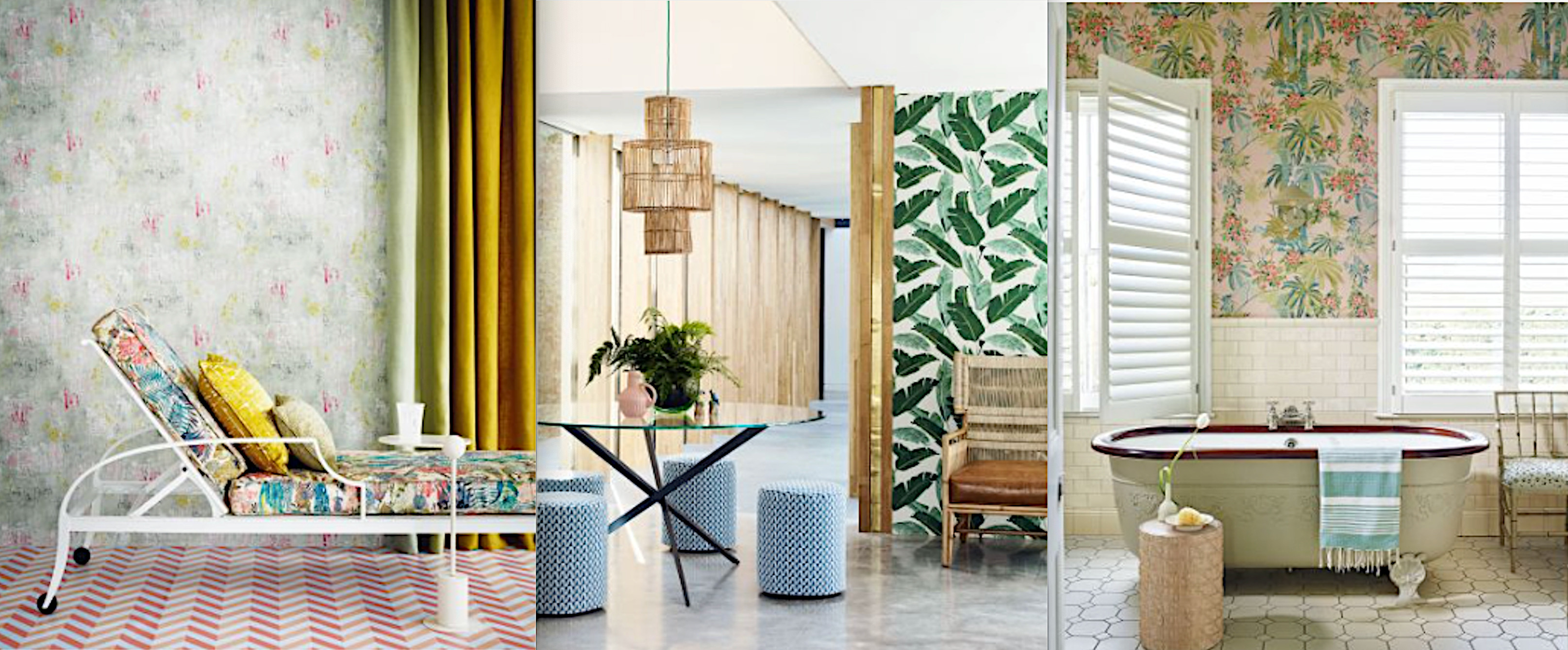
Decorating with botanicals – 10 ways to use foliage with feeling

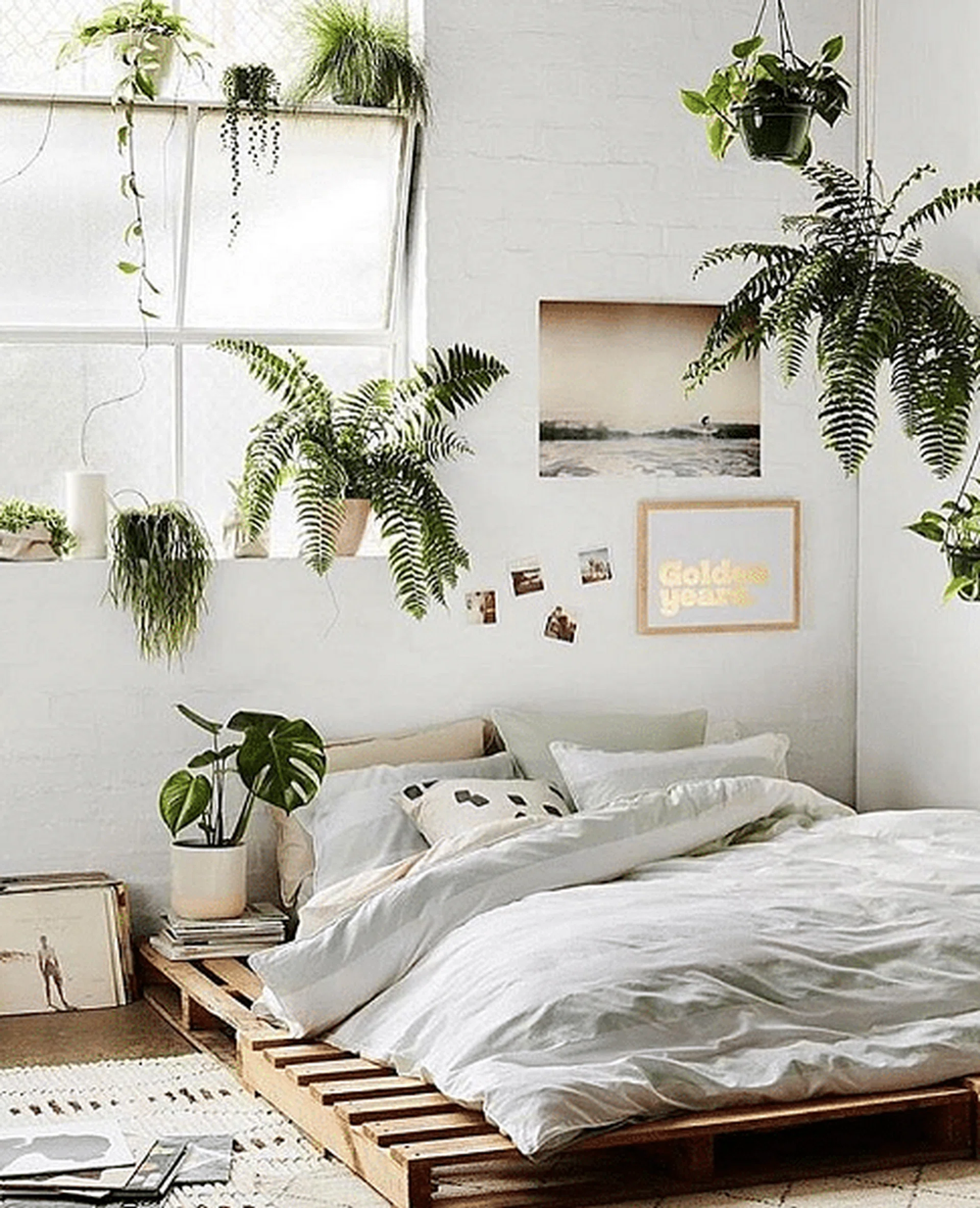
Bedroom decor ideas: Styling with plants
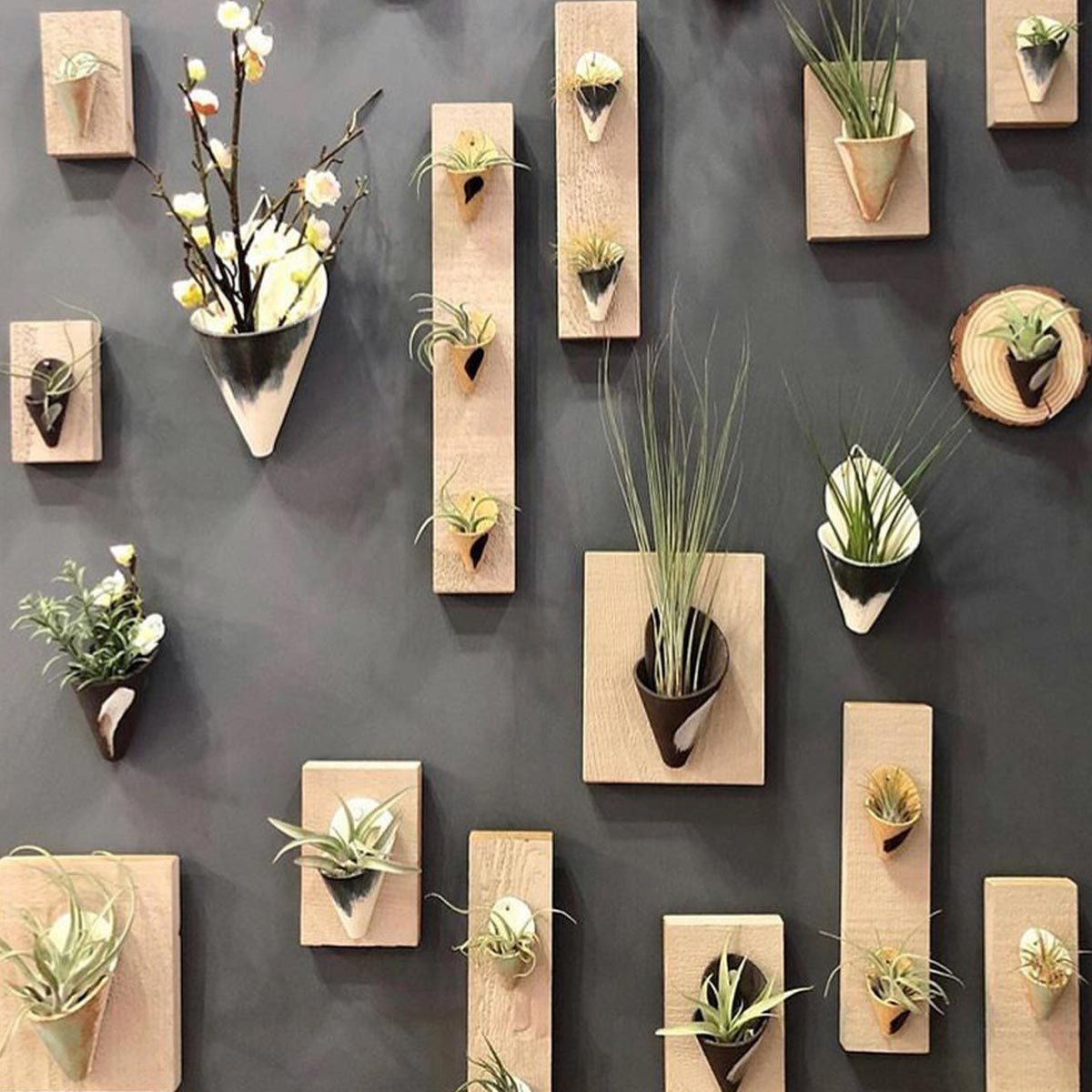
10 Ideas for Decorating Your Walls with Plants
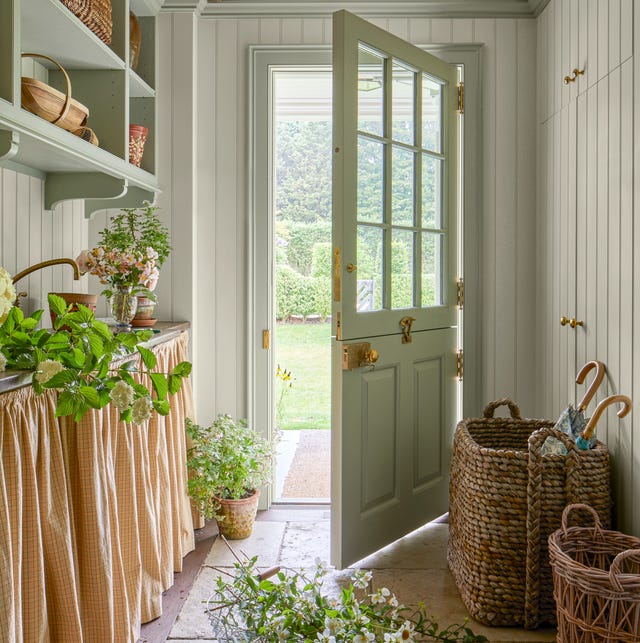
Spring’s Biggest Home Reno Trend Could Not Be More Delightful
36 best indoor plants that will liven up any room
These 15 Bedroom Plants Deliver Some Stylish Shut-Eye

10 Amazing Benefits Of Keeping A Lucky Bamboo Plant In Your Bedroom

Decorating with plants – inspiring ways to use plants in interior design
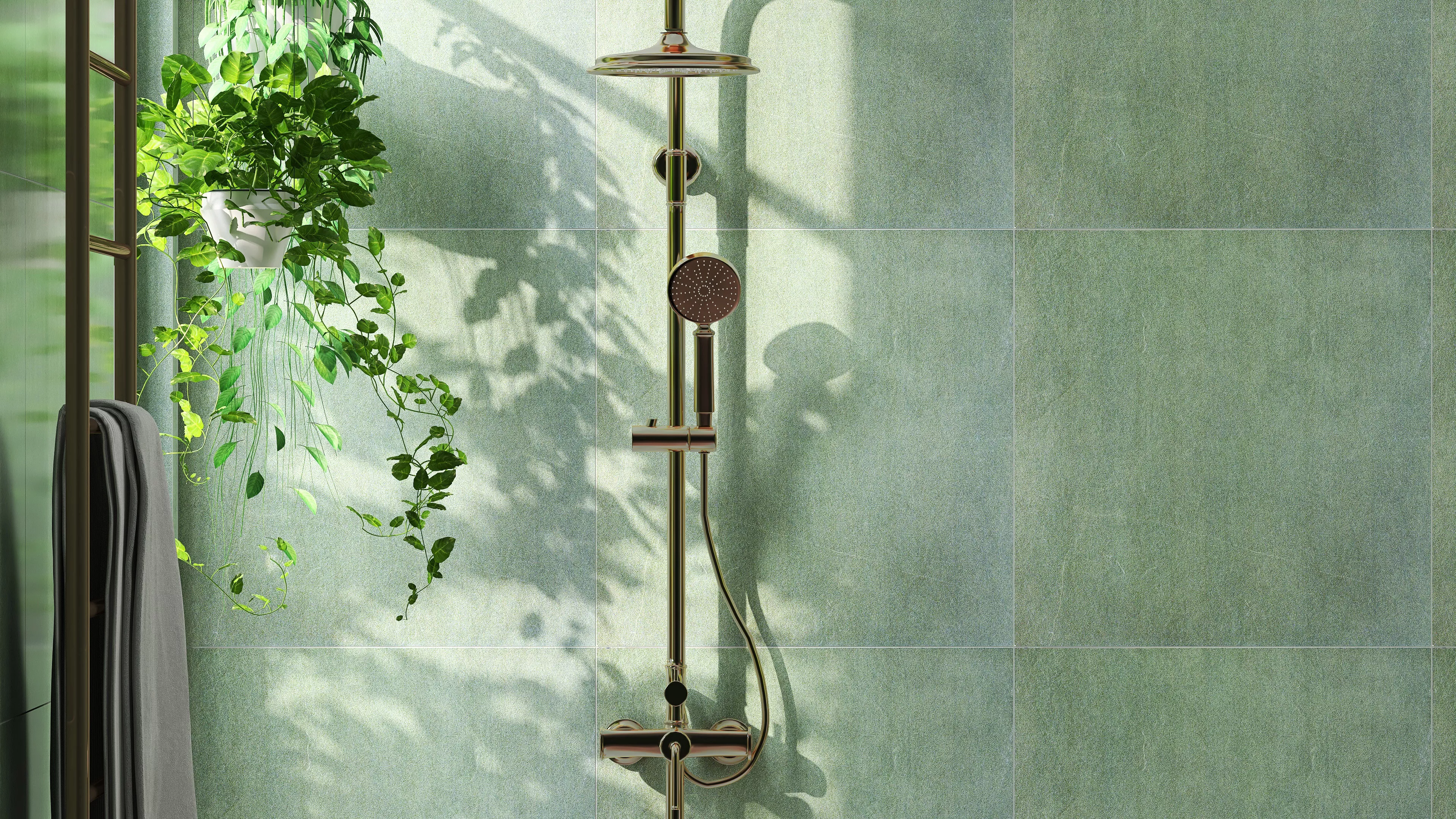
Are Plants in Your Shower a Good Idea? Here's What Experts Say