Safest Non-Toxic & Natural Rugs For The Whole Family — Guide
The article explores the complexities of selecting safe, non-toxic, and natural rugs for the home, addressing the prevalent use of harmful chemicals in commercial rug manufacturing and offering a comprehensive guide to healthier alternatives. Many commercial rugs, often found in large retail stores, incorporate toxic materials for functionalities like flame, stain, and water resistance, vibrant coloring, pest deterrence, and anti-slip properties. These chemicals, initially perceived as beneficial, have been increasingly identified by independent researchers as detrimental to public health, especially for vulnerable populations such as young children and pregnant women, due to their potential to disrupt hormones. The article emphasizes that over time, these toxic materials can degrade and release into the indoor environment, affecting air quality and posing health risks.
The discussion highlights specific chemical applications and their associated problems. Synthetic fibers like Olefin (polypropylene) and nylon, derived from petrochemicals, are inherently flammable. To meet strict flammability standards set by regulatory bodies such as the United States Consumer Product Safety Commission, these fibers are often treated with heavy metals like antimony, which can leach out over time. Chemical treatments for stain, water, flame, and fade resistance frequently involve PFAS (Per- and Polyfluoroalkyl Substances), additional flame retardants, and other endocrine-disrupting chemicals. These substances can become airborne and attach to dust particles, leading to inhalation exposure and contact through hands, posing risks of cancer, reproductive issues, and developmental problems. Backing materials, crucial for preventing slips, commonly use synthetic rubber, which can release butadiene, an EPA-classified toxic pollutant, and toxic glues containing formaldehyde and other Volatile Organic Compounds (VOCs) that off-gas into indoor air. Furthermore, vibrant dyes may contain heavy metals, with particular concern for AZO dyes, which are potential carcinogens. The article also mentions the use of fumigants like methyl bromide during customs inspection for imported natural fiber rugs, though precautions like plastic wrapping can mitigate direct exposure.
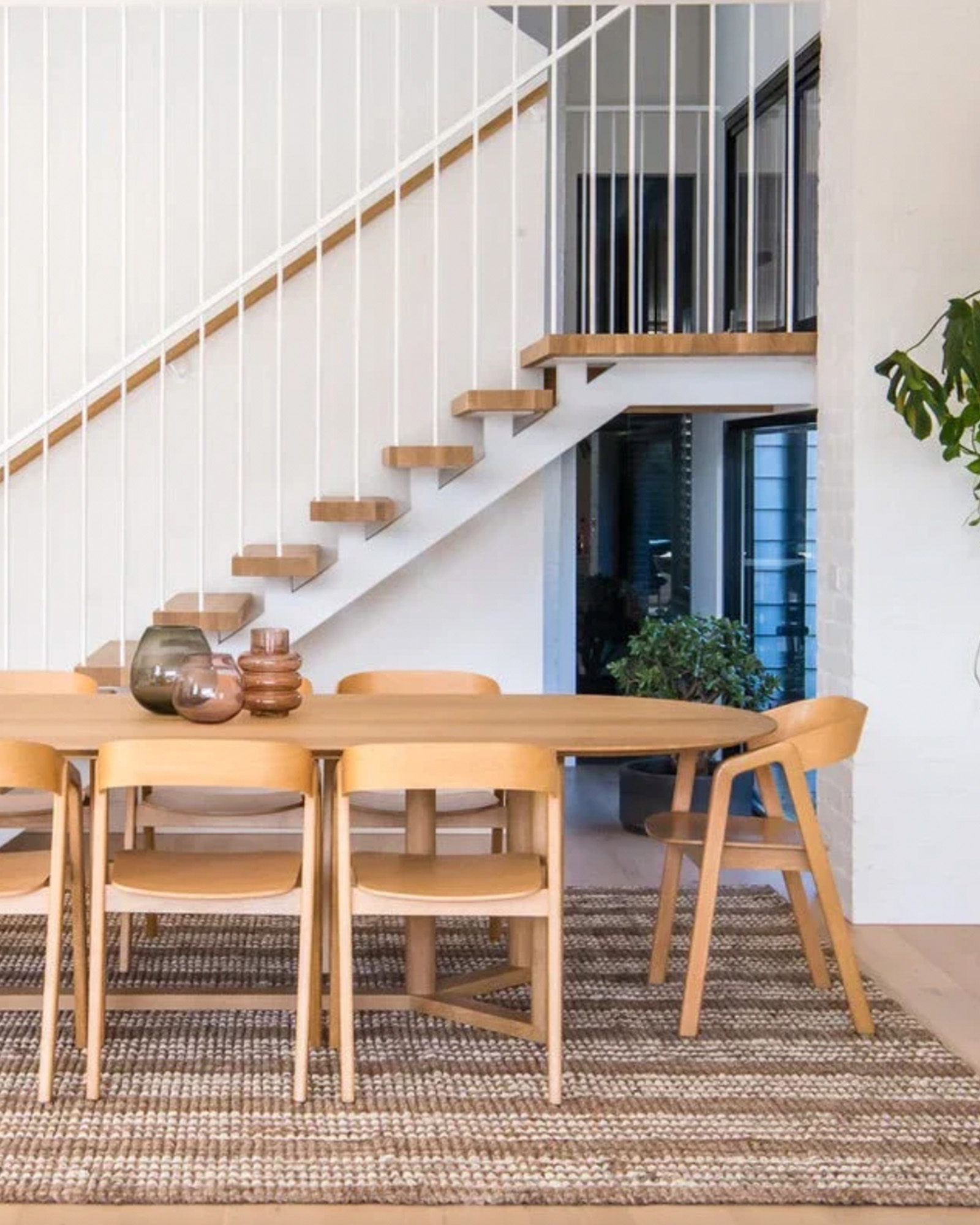
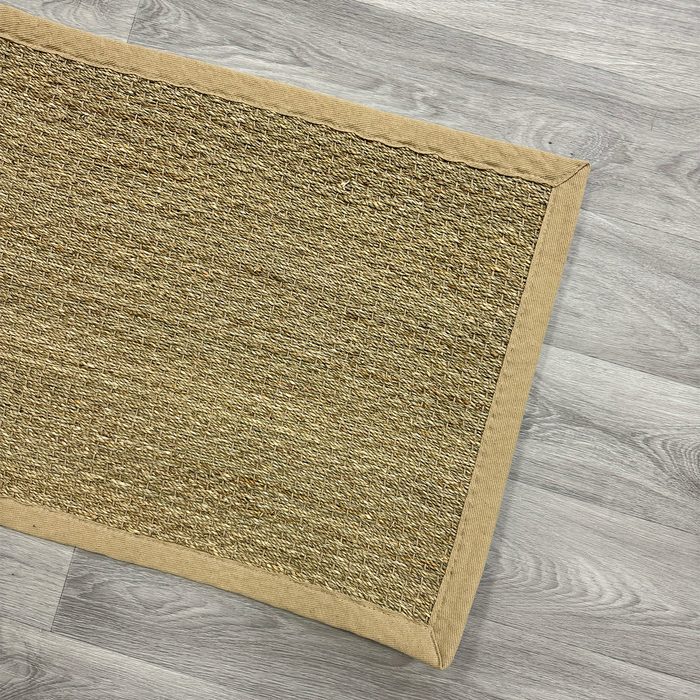
To counter these issues, the guide advocates for rugs made from natural, non-toxic materials. Recommended options include GOTS certified organic cotton, Egyptian cotton, or recycled cotton, often machine washable and suitable for family areas. Wool, especially GOTS certified, is praised for its natural fire-retardant qualities and inherent resistance to bacteria and dust mites without chemical treatments, alongside its durability. Hemp, known for its dirt-repelling properties, durability, and mildew resistance, is ideal for allergy sufferers and versatile for indoor/outdoor use. Jute, a sustainable fiber from India or China, adds texture and richness. Seagrass, grown in saltwater marshes, is naturally water and stain-resistant, durable, and sustainable. Fique fiber, from the furcraea plant, is sustainably grown and commonly used for sturdy sacs. Silk, often blended with wool or bamboo, offers an exotic touch for low-traffic areas despite its high cost and cleaning demands. Sisal, derived from agave leaves, is naturally stain-resistant, dust-mite-free, static-free, and highly durable, making it a robust choice.
The article also outlines key non-toxic certifications to look for when purchasing rugs. The Global Organic Textile Standard (GOTS) is presented as the gold standard, prohibiting a comprehensive list of problematic chemicals and materials, including synthetic backing materials, various flame retardants (chlorinated, brominated, phosphate-based, antimony-containing), chlorinated benzenes and toluenes, chlorophenols, complexing agents, formaldehyde, glycol derivatives, GMOs, heavy metals, arylamine-releasing azo dyes, functional nanoparticles, halogenated compounds, organotin compounds, endocrine-disrupting plasticizers like BPA and phthalates, PFAS, quaternary ammonium compounds, chlorinated paraffins, cyclic siloxanes, microplastics, and quinoline. OEKO-TEX Standard 100, while less stringent than GOTS, prohibits azo colorants, pentachlorophenol, PFAS, cadmium, and lead. GREENGUARD Gold Certification by UL ensures low emissions of over 360 VOCs and total chemical emissions, complying with California and EPA standards, though it does not include lead testing. GoodWeave certification primarily focuses on ethical labor practices, ensuring products are made without child, forced, or bonded labor, rather than non-toxic attributes.
For consumers with existing rugs made from potentially toxic materials, the article provides mitigation strategies to reduce exposure. These include weekly vacuuming and dusting to remove chemical particles that become airborne, using a good air purifier to improve indoor air quality, washing machine-washable rugs only on cold settings and air-drying them to prevent leaching caused by heat, and opting for natural spot treatments that are gentler and less likely to degrade rug fibers or chemical applications. Mamavation's investigation, conducted throughout 2023, involved detailed inquiries to numerous rug brands regarding materials, chemical treatments, glues, dyes, backing materials, pesticide use, Proposition 65 warnings, country of manufacture, certifications, and philanthropic practices. Based on their transparency and product characteristics, brands were categorized into “Not Our Favorite,” “Better,” and “Best” lists. The “Not Our Favorite” category includes brands that either use problematic materials or failed to respond adequately to inquiries. “Better” rugs represent a compromise, often being more affordable and free from PFAS and flame retardants but potentially made from petroleum-based materials. The “Best” category features rugs made from natural, chemical-free materials, with specific mention of GOTS organic certified brands.
#NonToxicRugs #NaturalRugs #HealthyHome #HomeDecor #ChemicalExposure #OrganicTextiles #IndoorAirQuality #SustainableMaterials #ProductCertifications #NonToxicRugs #NaturalRugs #HealthyHome #HomeDecor #ChemicalExposure #OrganicTextiles #IndoorAirQuality #SustainableMaterials #ProductCertifications
0개의 댓글이 총 표시됩니다.
 아직 댓글이 없습니다
추가로 마음에 드릴 만한 콘텐츠
The 15 Best Nursery Room Rugs That Are Cozy, Cute & Kid-Safe, According to a Design Pro

The Best Natural Cleaning Products, Tested and Reviewed

6 best washable rugs for busy homes and pet owners, tried and tested

The 7 Best Natural Cleaning Products
Sustainable Rugs for Your Vegan Home

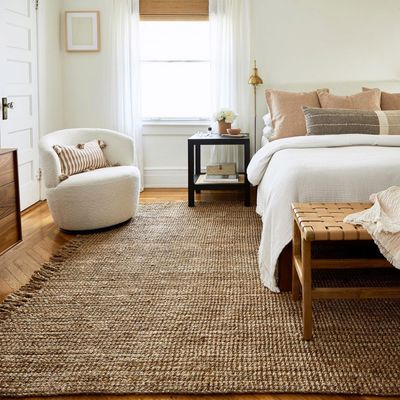
The 14 Very Best Sisal, Jute, Seagrass, and Abaca Rugs

Rug FAQ: What’s the Best Rug Material?
Busy Home? Try One of Our Favorite Washable Rugs

How to buy rugs for homes with lots of paws and foot traffic
The 10 Best Washable Rugs That Withstand Spills, Pets, and More
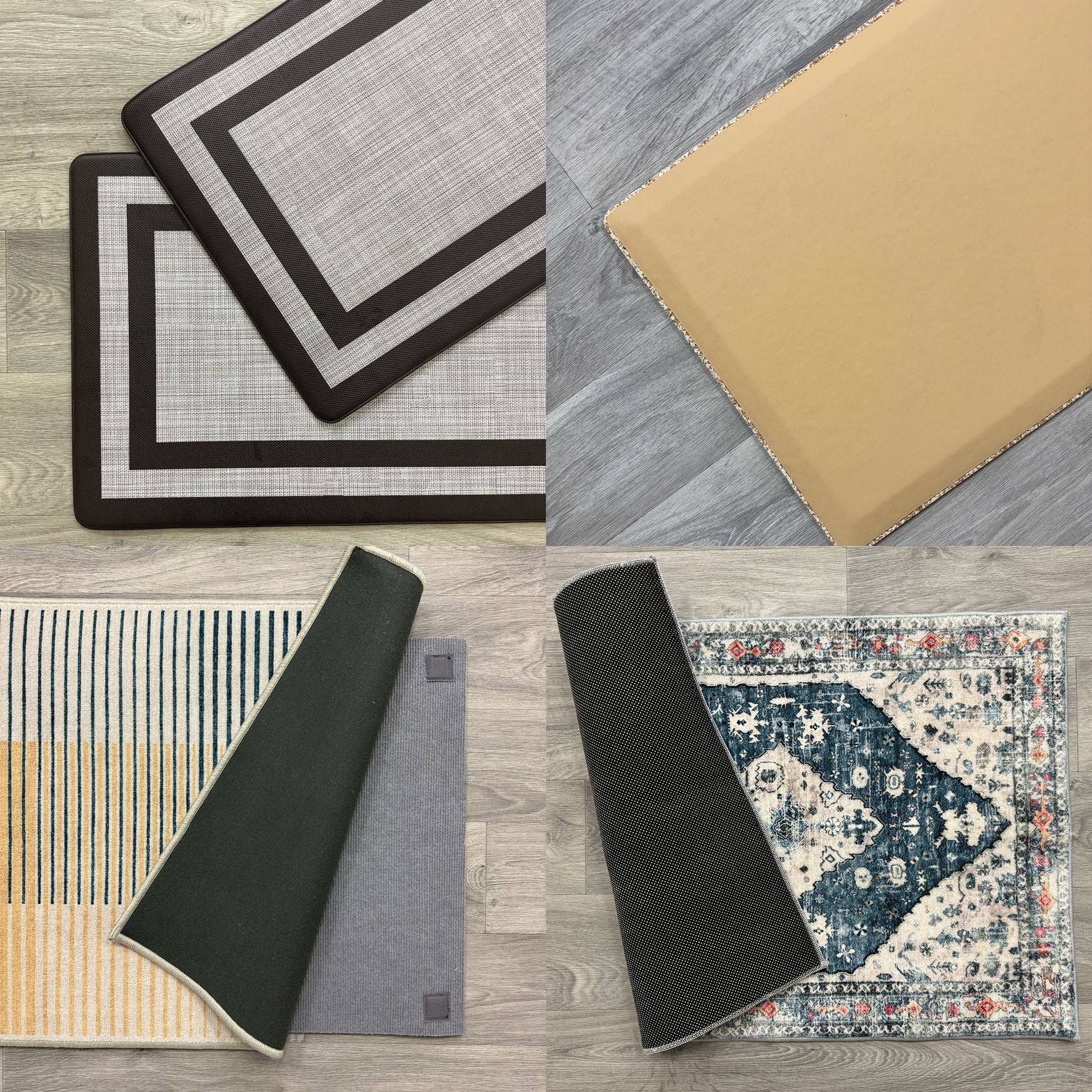
The Best Kitchen Rugs to Spruce Up Your Space: Tested and Reviewed


Cleaning Is A Breeze, Thanks To These 9 Machine Washable Rugs


From Sisal to Jute, the Best Natural Fiber Rugs Are More Than Just a Seasonal Staple

Best Practical And Cute Rugs For Your Baby's Nursery
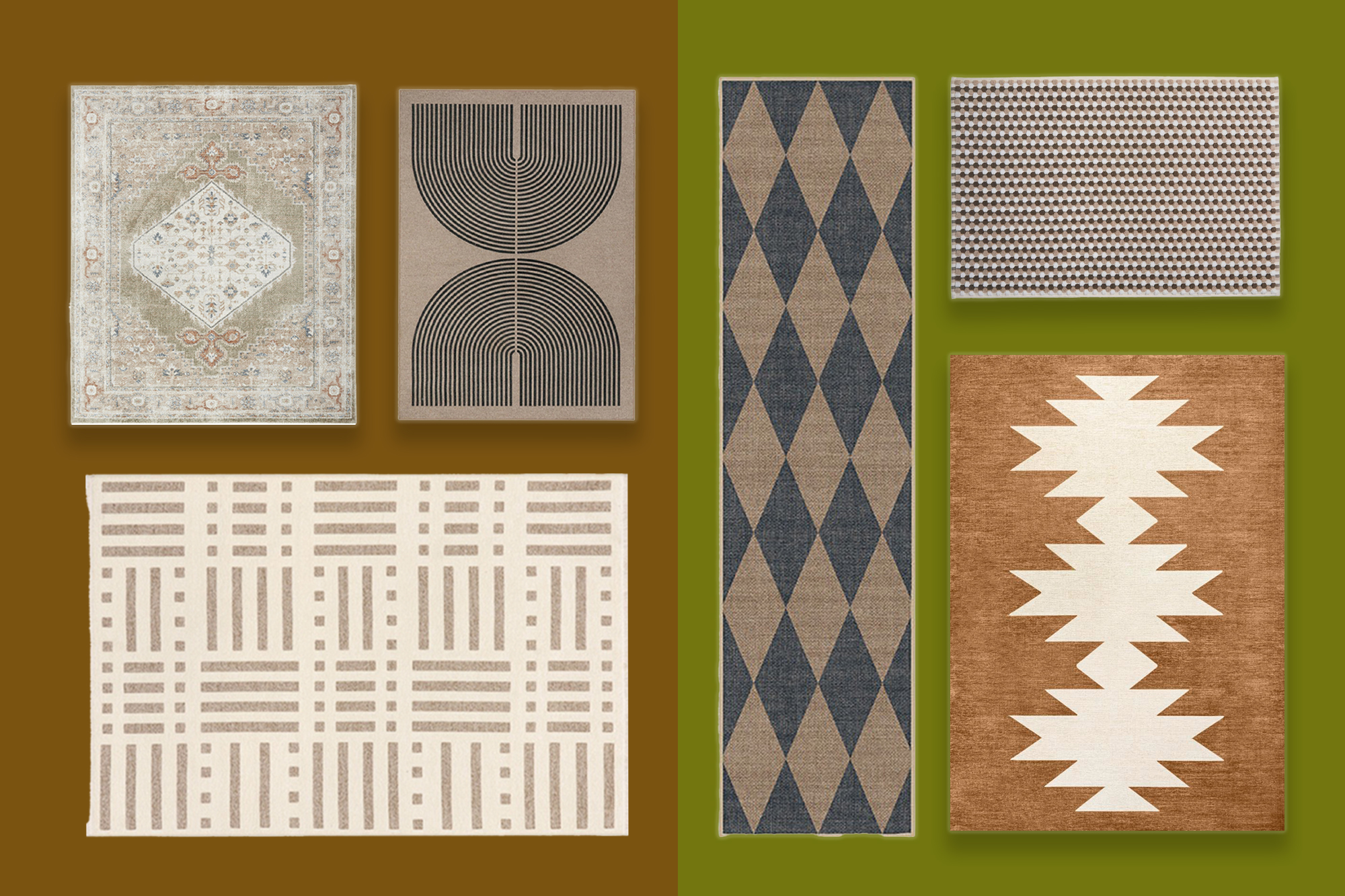
Trendy yet tough: Our favorite washable rugs that have handled toddlers, pets, and parties
The Best Places to Buy Area Rugs, From Ferm Living to Cozey


Designers Share 6 Ways to Rid Your Home of Hidden Toxins
We Tested the Best Rug Pads to Keep Your Home Safer and More Comfortable—Here Are Our Recommendations
The Best Rugs for Your Kitchen Area, According to Our Product Testing Team


6 Carpet Trends for 2025 That Will Transform Every Room in Your Home