1/16
The Best Natural Cleaning Products, Tested and Reviewed
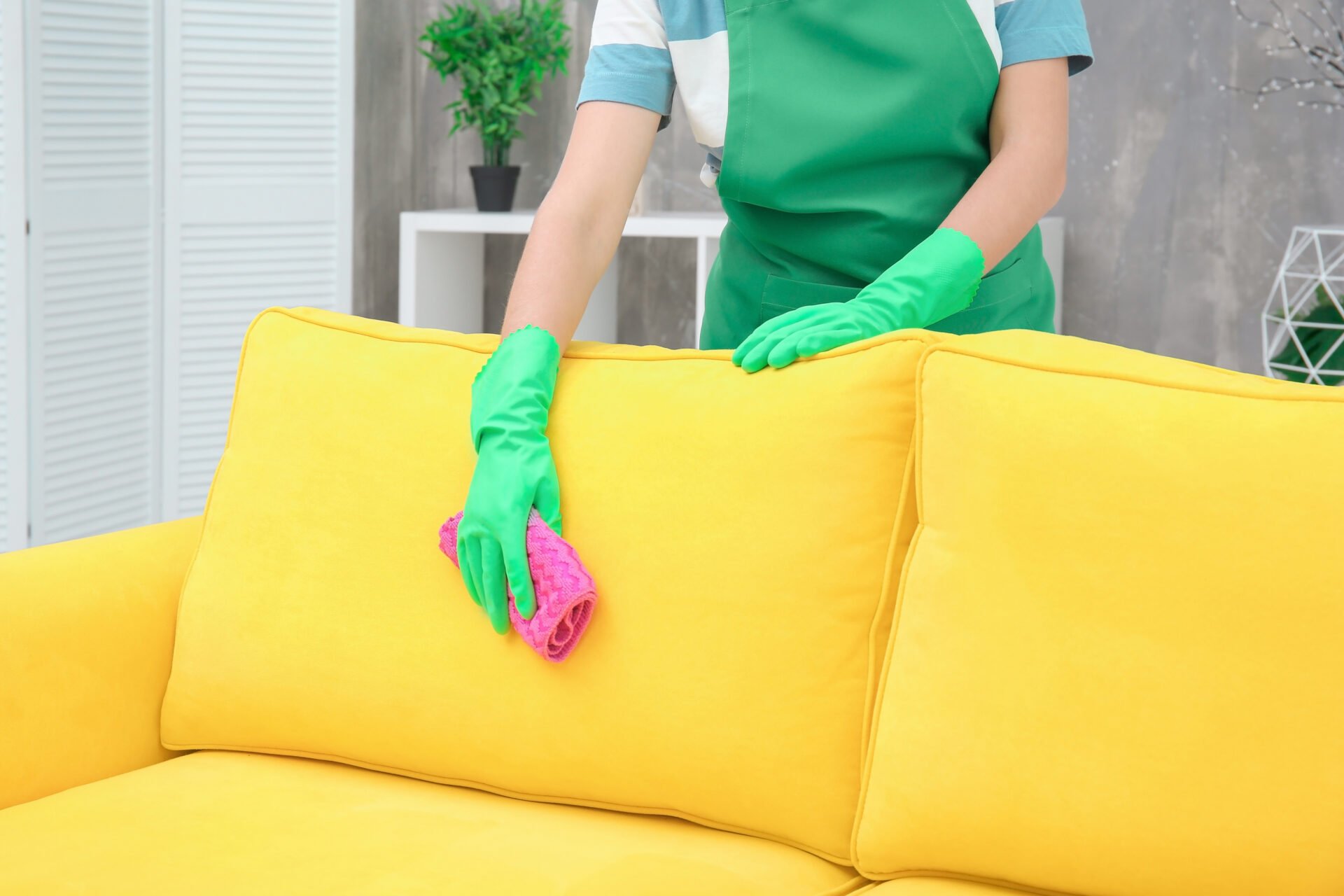
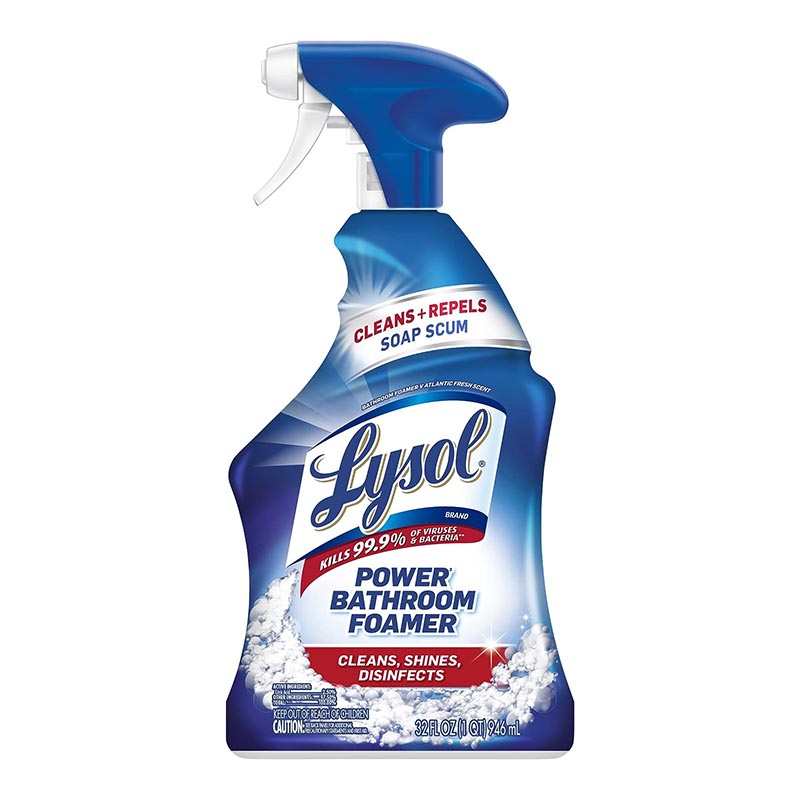
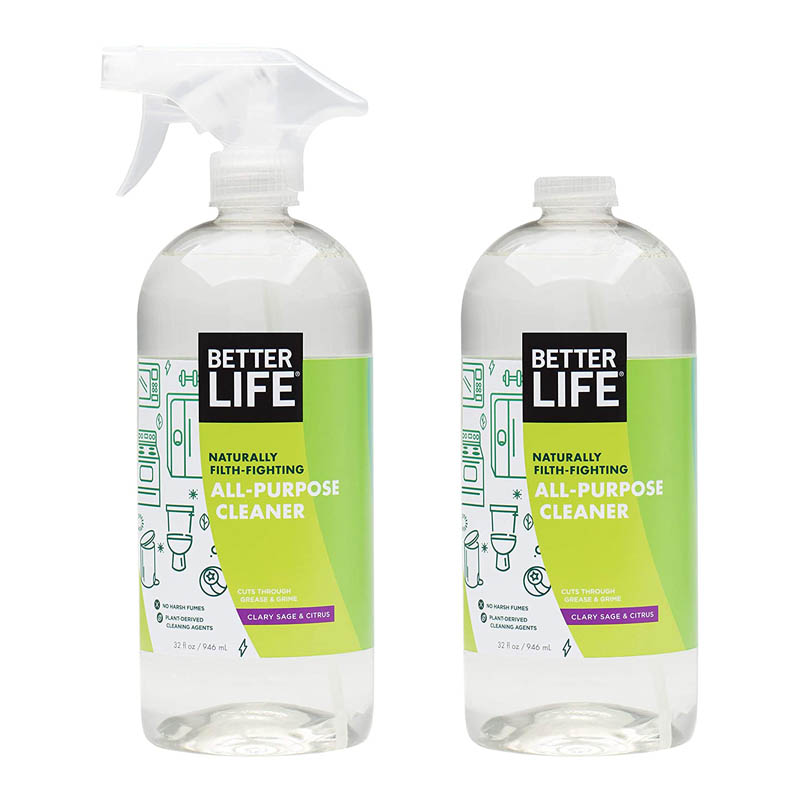
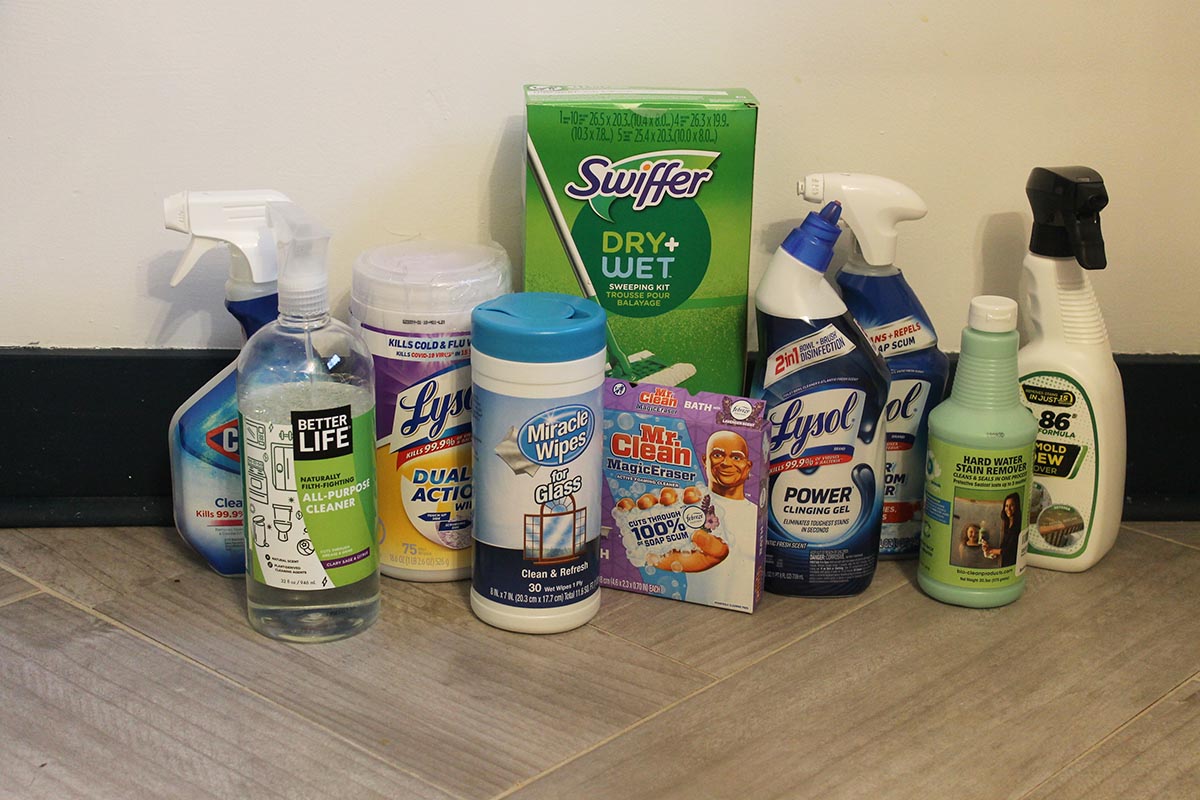
The cleaning industry lacks robust regulation from the Food and Drug Administration, leading to a proliferation of products labeled as "natural," "eco-friendly," or "nontoxic" without consistent substantiation. Manufacturers are only mandated to disclose active disinfectants or potentially harmful ingredients, making it challenging for consumers to make informed choices due to incomplete ingredient lists on many labels. This article provides a comprehensive guide for navigating the market of natural cleaning products, highlighting key considerations for consumers and detailing top product recommendations.
When shopping for natural cleaning products, consumers should prioritize trustworthy research sources such as the Environmental Working Group (EWG) Guide to Healthy Cleaning, which offers reviews and independent research on over 2,500 products. It is crucial to be aware of "greenwashing," where marketing terms like "all-natural" or "eco-friendly" are used without government regulation, potentially misleading consumers. Instead of relying solely on these vague claims, consumers should seek companies that provide specific, detailed facts about their products on labels or websites.
For enhanced security and credibility, consumers should look for certifications from independent standard-setting organizations like Green Seal or the Environmental Protection Agency’s Safer Choice seal, which indicates rigorous toxicity research and testing. The Leaping Bunny certification signifies that products have not been tested on animals. Before widespread use, it is advisable to patch-test new natural cleaning products, especially since some individuals may be sensitive to natural ingredients. This involves testing a small amount in a contained area and monitoring for any adverse reactions among household members.
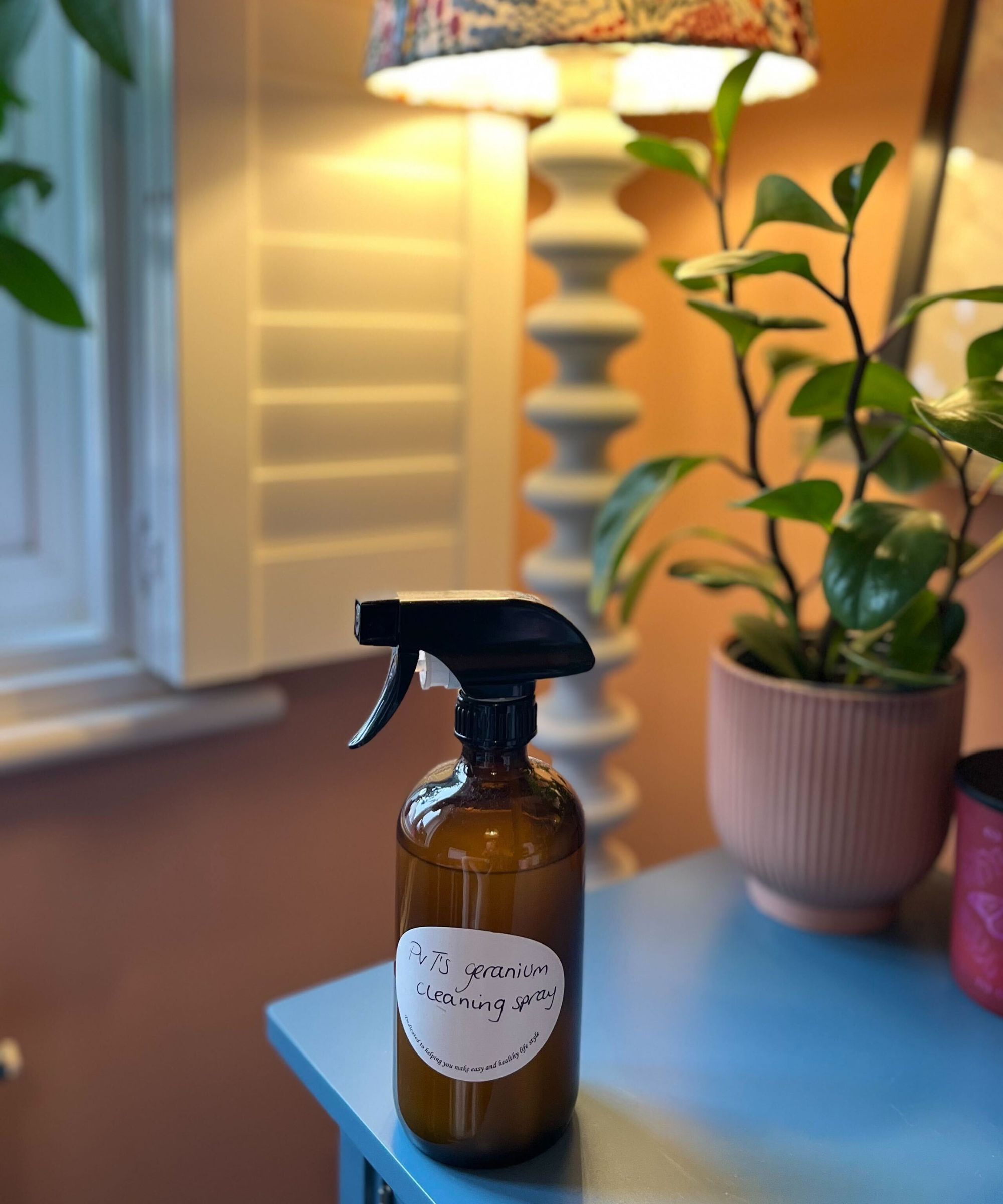
Replacing chemical cleaning products with natural alternatives requires knowledge of effective, naturally derived disinfectants and stain removers. For instance, essential oils and botanical extracts can provide fragrance without phthalates or butane. Tea tree oil, hydrogen peroxide, and citric acid serve as natural antibacterial and antimicrobial agents, offering alternatives to triclosan or quarternary ammonium compounds (QUATS). Vinegar is recommended for glass cleaning, replacing products containing 2-butoxyethanol or ammonia. For stain removal, hydrogen peroxide, vinegar, or lemon juice are effective substitutes for chlorine bleach or chlorinated phenols. Mildly abrasive minerals like feldspar and calcite are suitable for scrubbing, avoiding troclosene sodium and dihydrate found in some scouring products.
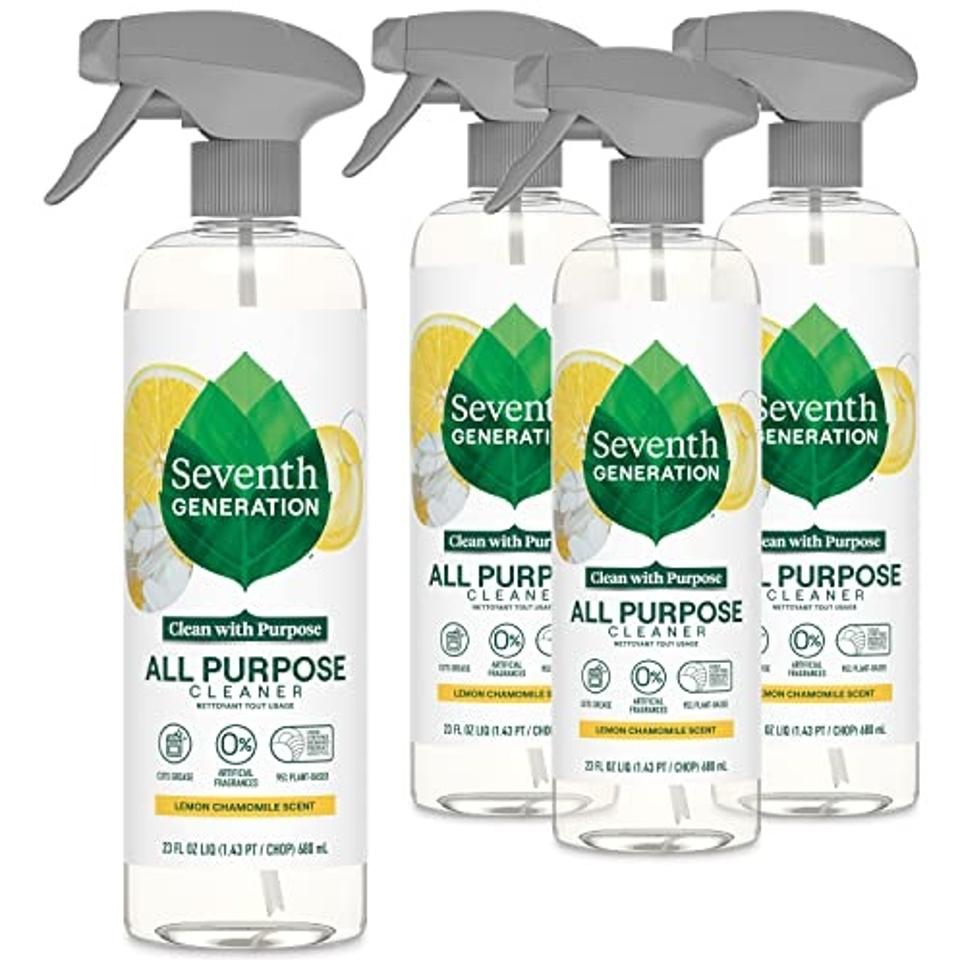
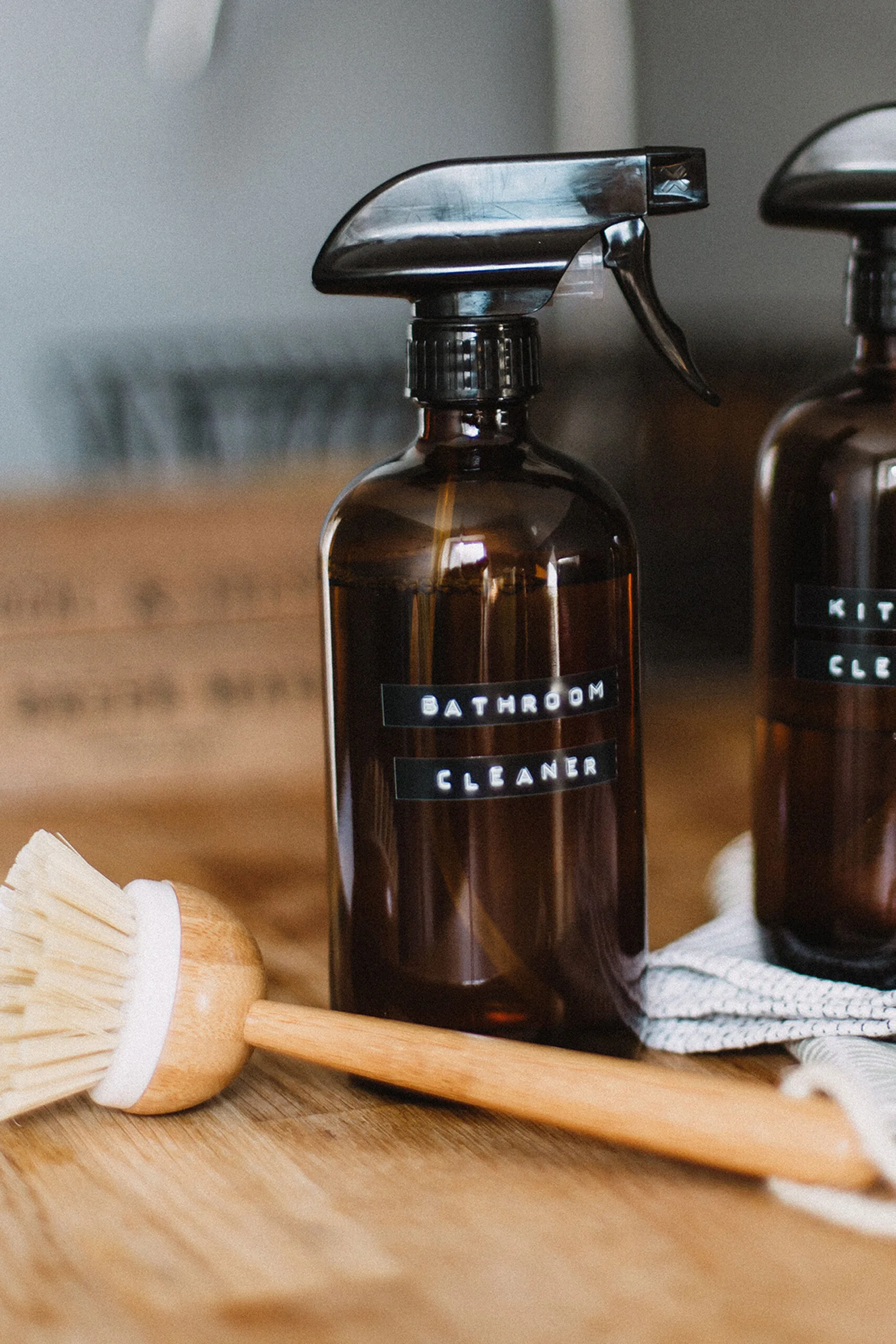
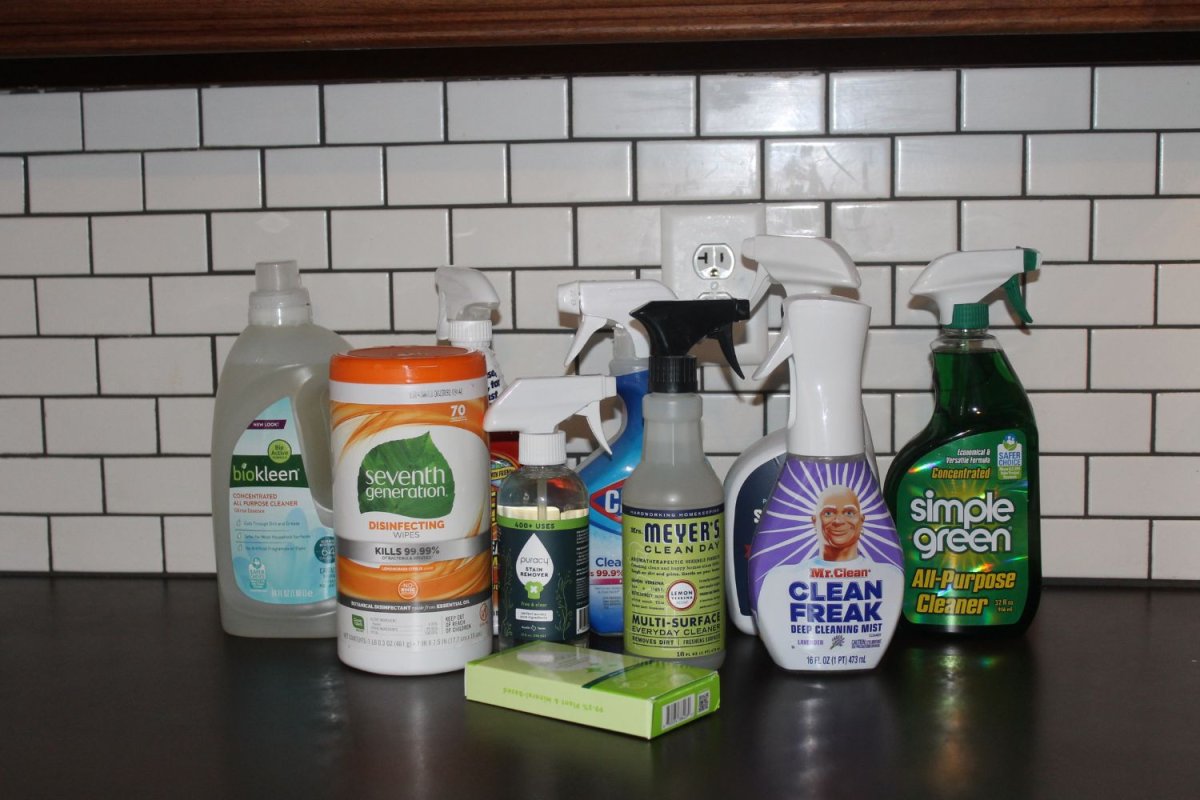
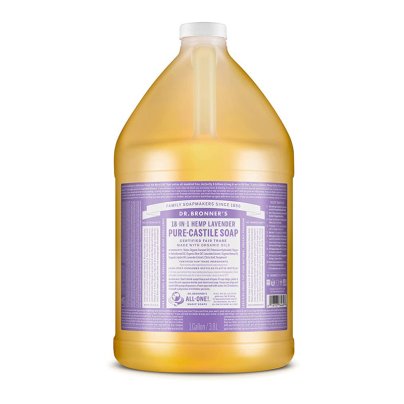
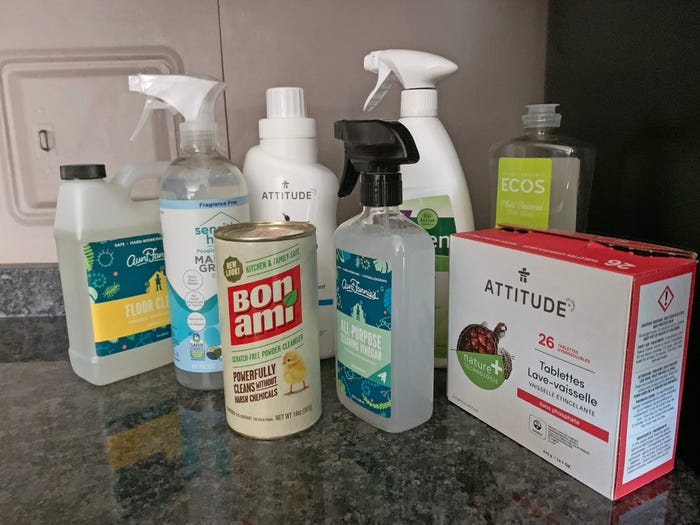
The article reviews specific natural cleaning products based on customer feedback, personal testing, and ingredient quality. Dr. Bronner’s Pure-Castile Liquid Soap is highlighted for its versatility, organic ingredients, and effectiveness for general purposes, from tough cleaning jobs to laundry. Eco-me Natural Powerful Toilet Bowl Cleaner, made from plant-derived ingredients, effectively removes toilet bowl stains with minimal scrubbing, though it struggles with hard water stains. Bon Ami Powder Cleanser, composed of finely ground feldspar and calcite, is praised for scouring pots and pans and its versatility across various surfaces, although it may leave a gritty residue in bathrooms. Aunt Fannie’s Floor Cleaner Concentrate, a vinegar-based solution, is effective for different floor types, leaving a subtle, pleasant aroma. ATTITUDE Bathroom Cleaner targets tough stains from limescale and soap scum but requires considerable scrubbing and dwell time. Seventh Generation All Purpose Cleaner, containing natural ingredients and some synthetic preservatives, is effective for kitchen and counter surfaces, offering a fragrance-free option for those sensitive to strong scents. Earth Friendly Products ECOS Window Cleaner, primarily vinegar-based, provides a streak-free finish on glass and other surfaces, despite a slight vinegar smell. Seventh Generation Disinfectant Spray, with thymol as its active ingredient, effectively kills bacteria and viruses on hard, nonporous surfaces, though its sprayer can be difficult to operate and requires a 10-minute dwell time. SCD Probiotics Compostable, Probiotic-Powered Wipes are noted for their home compostability and effectiveness on crumbs and coffee stains, but may streak on some surfaces and come in smaller quantities. Finally, Biokleen Bac-Out Stain Remover, an enzyme-based formula, tackles fresh and set-in stains and odors on various fabrics without rinsing, although it has a strong scent and requires long dwell times for optimal results. The article concludes by reaffirming the effectiveness and safety of natural household cleaners when chosen carefully.
#NaturalCleaningProducts #EcoFriendly #HomeCleaning #ProductReviews #SustainableLiving #GreenCleaning #HouseholdEssentials #NontoxicProducts #NaturalCleaningProducts #EcoFriendly #HomeCleaning #ProductReviews #SustainableLiving #GreenCleaning #HouseholdEssentials #NontoxicProducts
0 comment in total
 No comments yet
You may also like
The Best Natural Countertop Cleaners To Wipe Away Spills And Splatters

7 ways to clean your shower (and keep it that way) using natural products

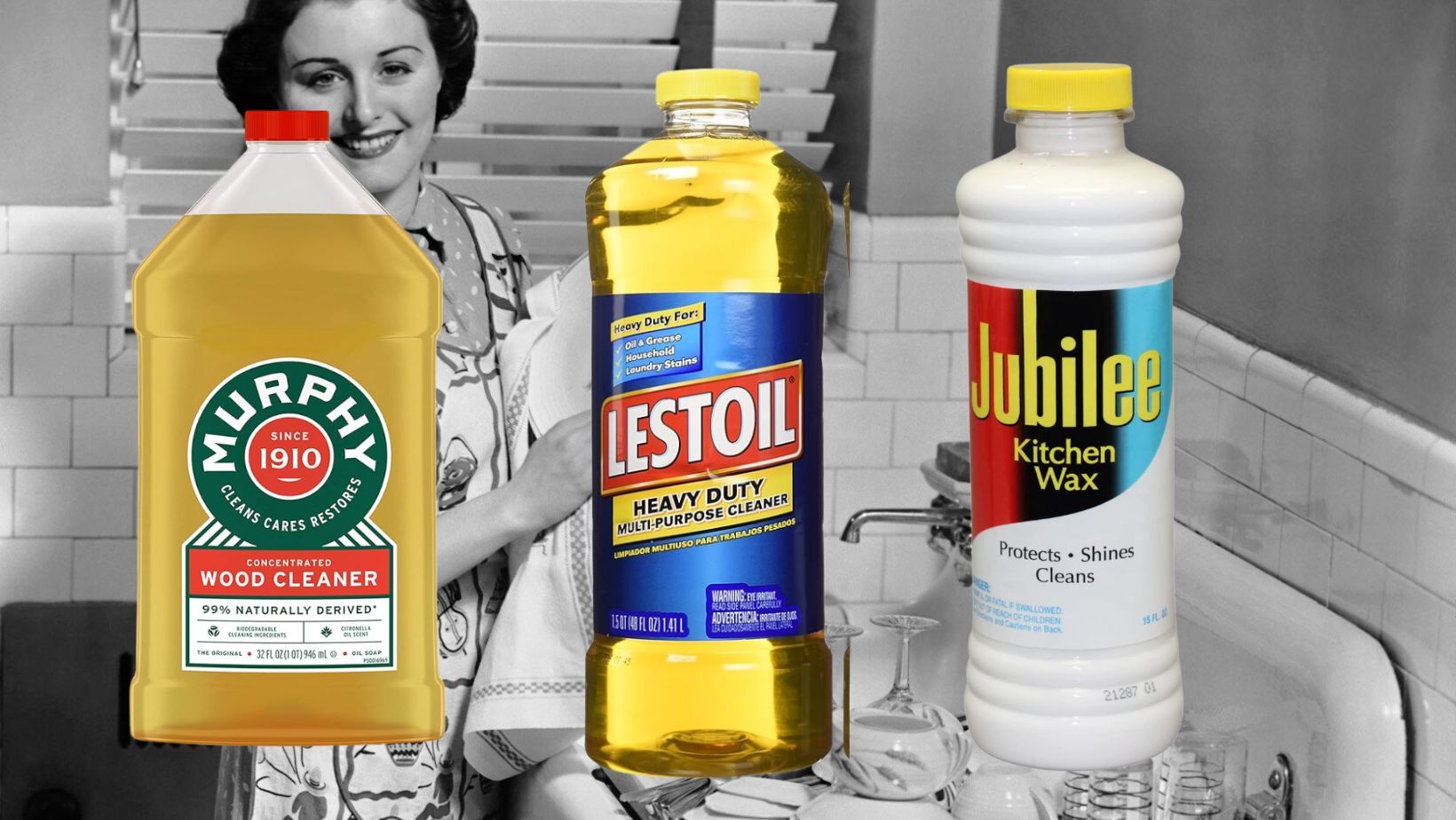
These Old-School Cleaning Products Still Work Like Magic
18 Wirecutter-Approved Cleaning Supplies to Tackle Almost Any Mess


Your guide to safer cleaning products

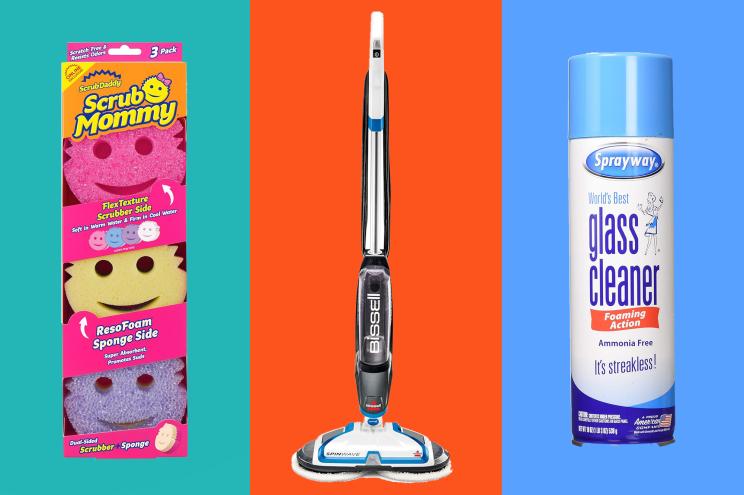
The very best cleaning products of 2025, tested for spring cleaning
20 Wirecutter-Approved Cleaning Supplies to Tackle Almost Any Mess
10 best stain removers for clothes, tried and tested on heavy stains


Your guide to safer cleaning products
11 Homemade Cleaners to Make with Ingredients from Your Pantry
8 Cleaning Products That Our Editors Grab Again and Again

Nine of My Favorite Products for Cleaning the Kitchen

The 7 Best Natural Cleaning Products
8 essential oil cleaning mistakes

Best Non-Toxic Upholstery & Carpet Cleaner For Better Indoor Air Quality 2022

Best Cleaning Advice & Tips

The 22 Best Cleaning Products for Your Home That Basically Do the Work for You

The Best All-Purpose Cleaners to Make Your Entire Home Sparkle, Tested
The Best Bathroom Cleaners for Different Surfaces

7 tips to keep your house smelling good without air fresheners