A Primer on Florida's "25 Percent Rule" for Roof Repair/Replacement
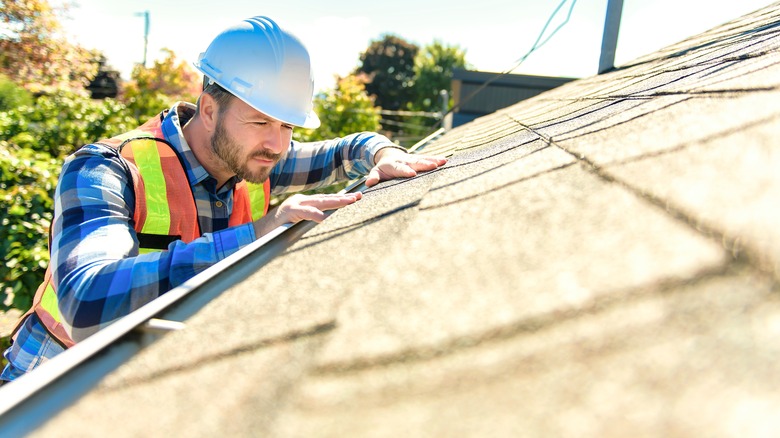
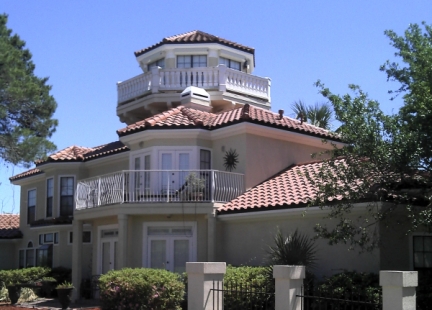
The article provides an overview of Florida's "25 percent rule" concerning roof repair or replacement, as outlined in the 2014 Florida Existing Building Code (the “Code”). This rule mandates that if over 25 percent of a roof or a specific roof section is repaired, replaced, or recovered within a 12-month period, the entire roofing system or that particular roof section must be updated to comply with current building codes. This regulation holds significant implications for property owners and insurance claims, particularly in regions prone to damage from natural disasters.
A common misconception addressed is that the rule only applies when 25 percent of a roof is damaged. However, the rule's text specifically refers to the act of "repairing, replacing, or recovering," irrespective of the initial cause. This distinction is crucial, as even a repair to a smaller damaged portion could trigger the rule if associated non-damaged components also need replacement to facilitate the repair, exceeding the 25 percent threshold. The Code's Section 502.3, titled "Related work," offers clarification by stating that work on non-damaged components necessary for the repair of damaged parts is considered part of the repair and is not subject to the provisions of Chapter 7, 8, 9, 10, or 11, which includes the 25 percent rule. This implies that if 20 percent of a roof is damaged and its repair necessitates replacing an additional non-damaged 10 percent, the rule might not be triggered because the replacement of the non-damaged portion is directly linked to the necessary repair.
The concept of a "roof section" is also defined in Section 202 of the Code. A roof section is an independent part of the roof, separated by features such as expansion joints, parapet walls, flashing, differences in elevation, or distinct roof types. If more than 25 percent of such a defined roof section is affected, only that specific section needs to be brought up to code, rather than the entire roof. This nuanced definition allows for more localized application of the rule, potentially reducing the scope of mandatory upgrades.
Another critical aspect is the "12-month period" clause. The rule accounts for cumulative work over a year. For example, if 10 percent of a roof was repaired six months prior, and another 20 percent requires replacement now, the cumulative 30 percent would trigger the rule. The precise start date for this 12-month calculation is a potential point of contention, with the article suggesting it could be linked to the permit application date. This raises scenarios where property owners might strategically delay permit applications to avoid triggering the rule. The article also notes that the rule is moot if the roof already meets current code standards.
For insurance adjusters, several factors require careful consideration. The calculation of the "roof area" for percentage determination is one such factor, including whether elements like skylights are part of this calculation. The article highlights the complexity arising when damage to one roof section is so extensive that it constitutes over 25 percent of the total roof area. These situations necessitate strategic decisions and careful, case-by-case evaluation to ensure proper interpretation and application of the Florida Existing Building Code, particularly for Irma property claims.
#FloridaBuildingCode #RoofRepair #RoofReplacement #ConstructionLaw #InsuranceClaims #PropertyDamage #BuildingRegulations #ConstructionIndustry #FloridaLaw #FloridaBuildingCode #RoofRepair #RoofReplacement #ConstructionLaw #InsuranceClaims #PropertyDamage #BuildingRegulations #ConstructionIndustry #FloridaLaw
0개의 댓글이 총 표시됩니다.
 아직 댓글이 없습니다
추가로 마음에 드릴 만한 콘텐츠

Find The Best Roofing Contractors In Miami

Adjusters, Deductibles & Roofers: Help I Have Hail Damage!


Broward County adopts regulations that require property owners to fix seawalls and disclose whether property is in 'tidal-flooding area'
Replacing a roof – everything you need to know
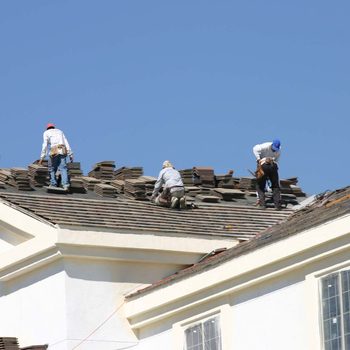
Roof Replacement Cost in 2025

How to Know When Your Roof Needs Replacing? A Roofing Expert Shares His Method
Rogue builders quoted over £15k for a repair job that cost £185 to fix - my lessons learnt

Best Home Warranties for Roof Coverage of 2025
Home improvement: Remodeling trends and roof care

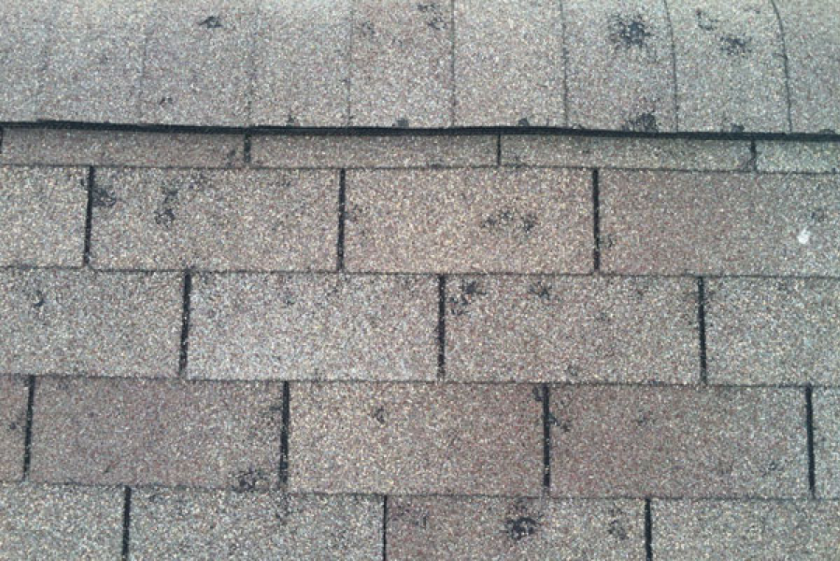
What to do When You Have Roof Damage From Hail
Roofing | Roofing Sheets | Roofing Supplies

Our Roof Repair Expert's Best Tips For Extending The Life Of Your Roof