1/8
10 Interior Design Trends Going Away In 2025
Interior design trends are evolving at an unprecedented pace, influenced significantly by social media. Homeowners are increasingly seeking spaces that reflect their personality and act as sanctuaries, moving away from mass-produced, photo-ready aesthetics. This shift signals the end of several once-popular design elements, prioritizing practicality, individuality, and a more curated feel over high-maintenance or overly trendy choices.
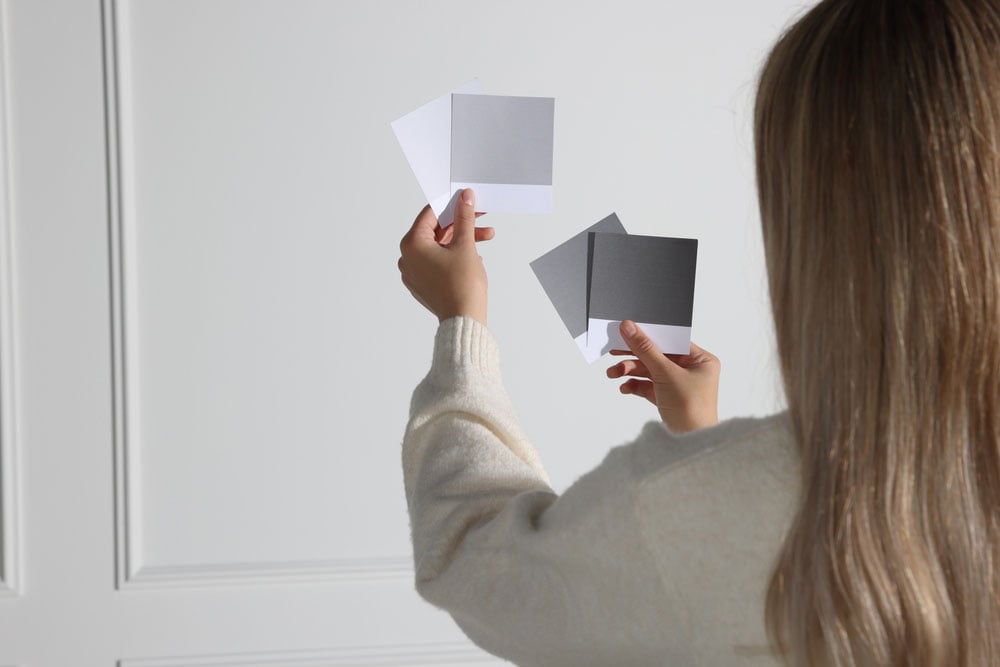
Grey flooring, a staple for many years, is identified as a trend that will be considered dated by 2025. This is primarily because grey wood, being unnatural, often gives a cold and inauthentic feel to a space, making it suitable for utilitarian settings rather than cozy homes. Instead, a move towards warmer, natural wood tones like bamboo, cork, or classic tiles is recommended for renovations.
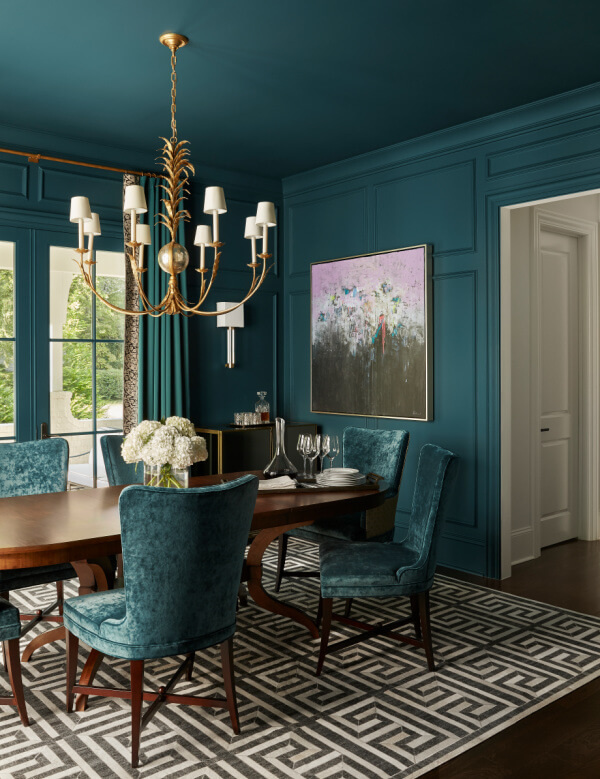
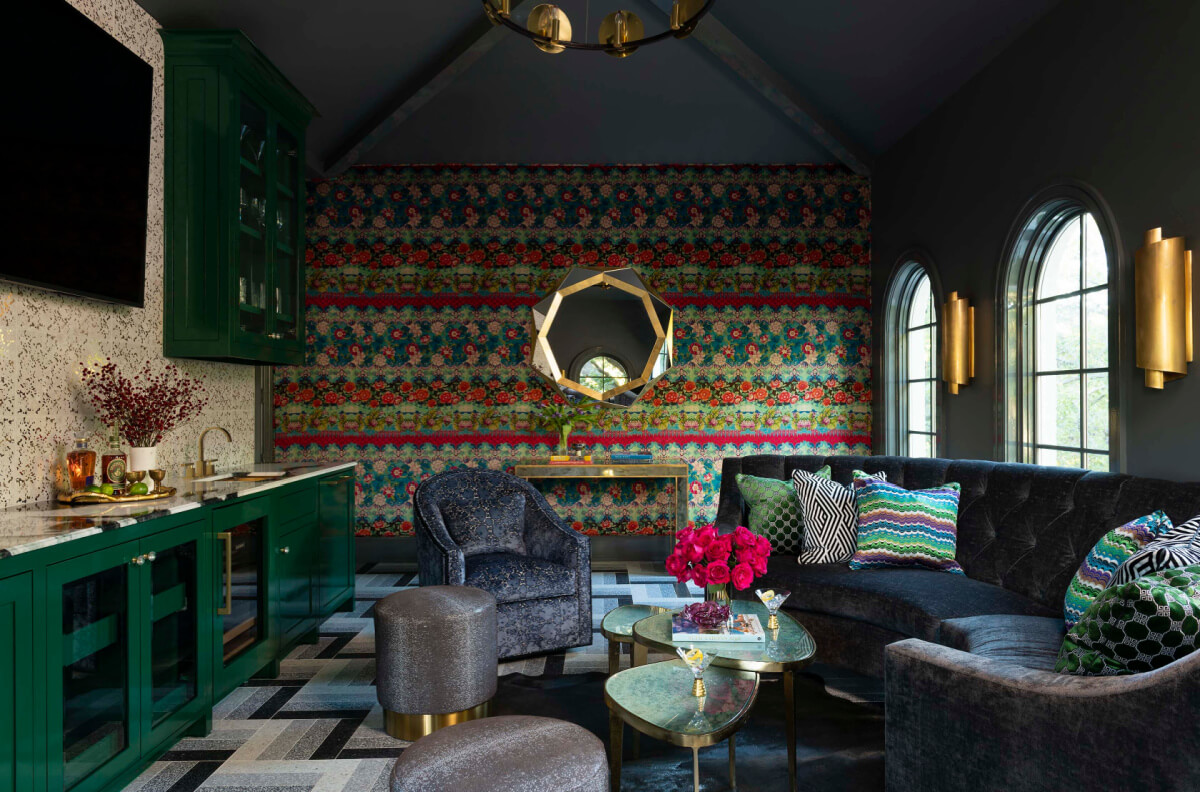
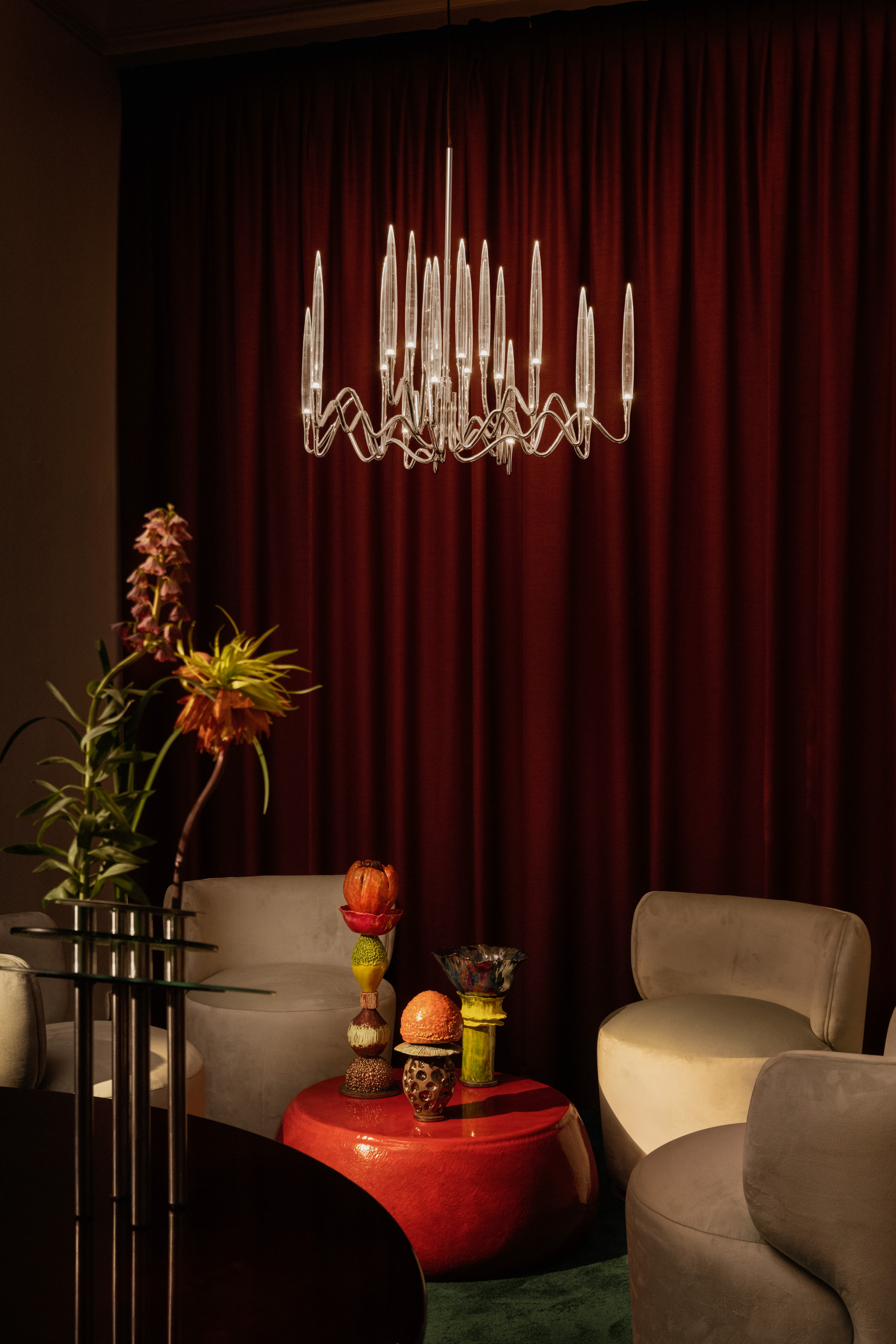
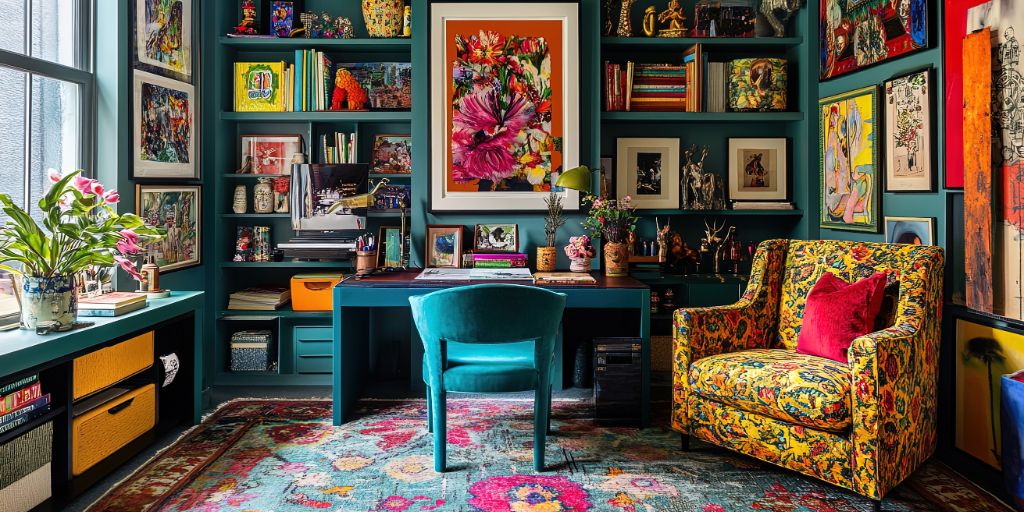
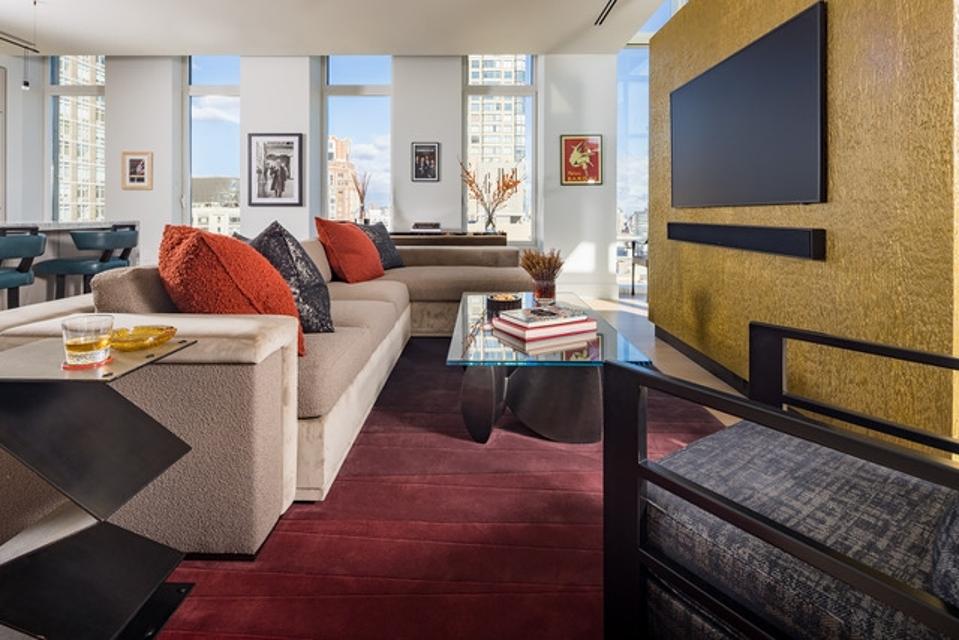
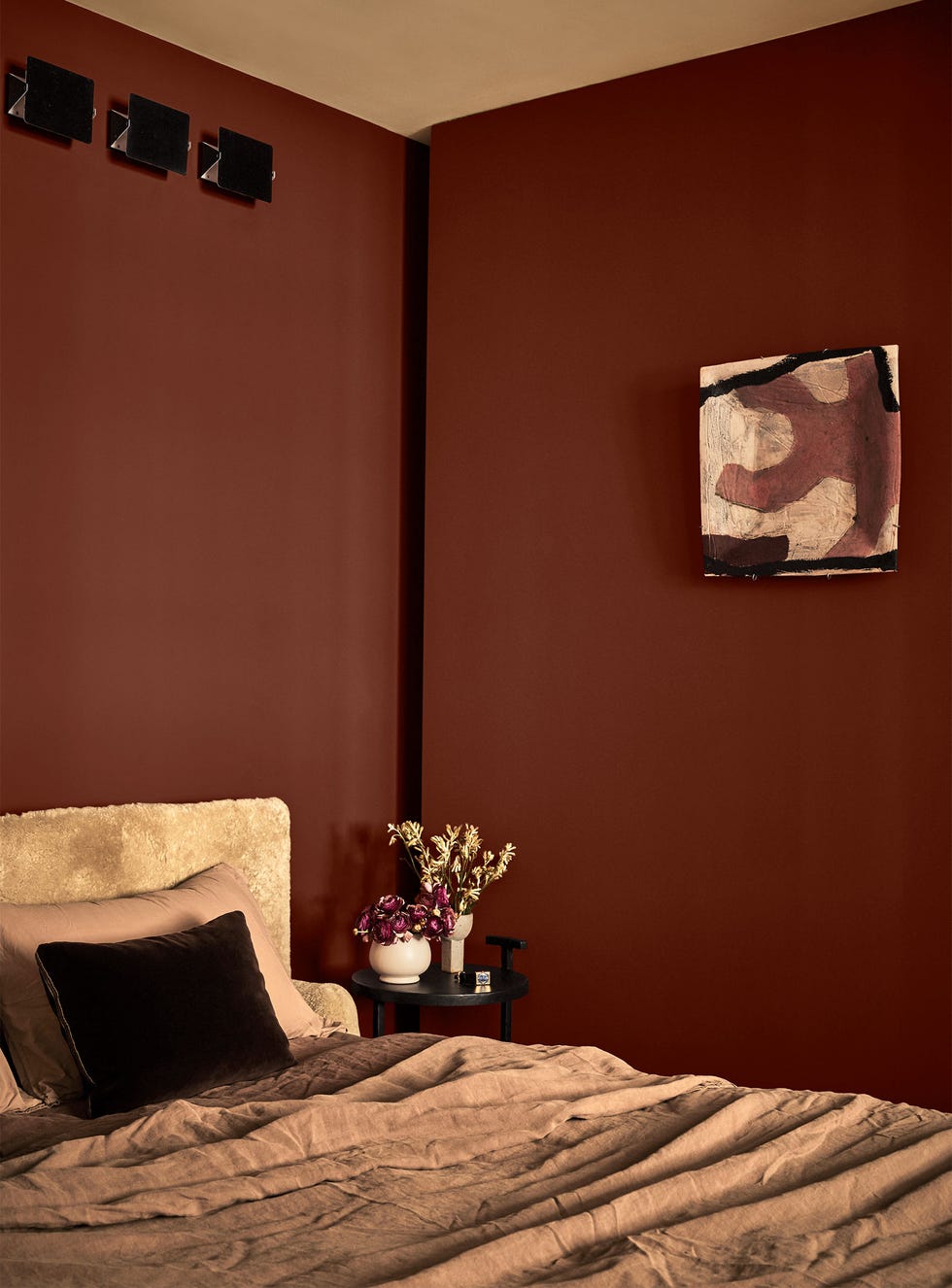
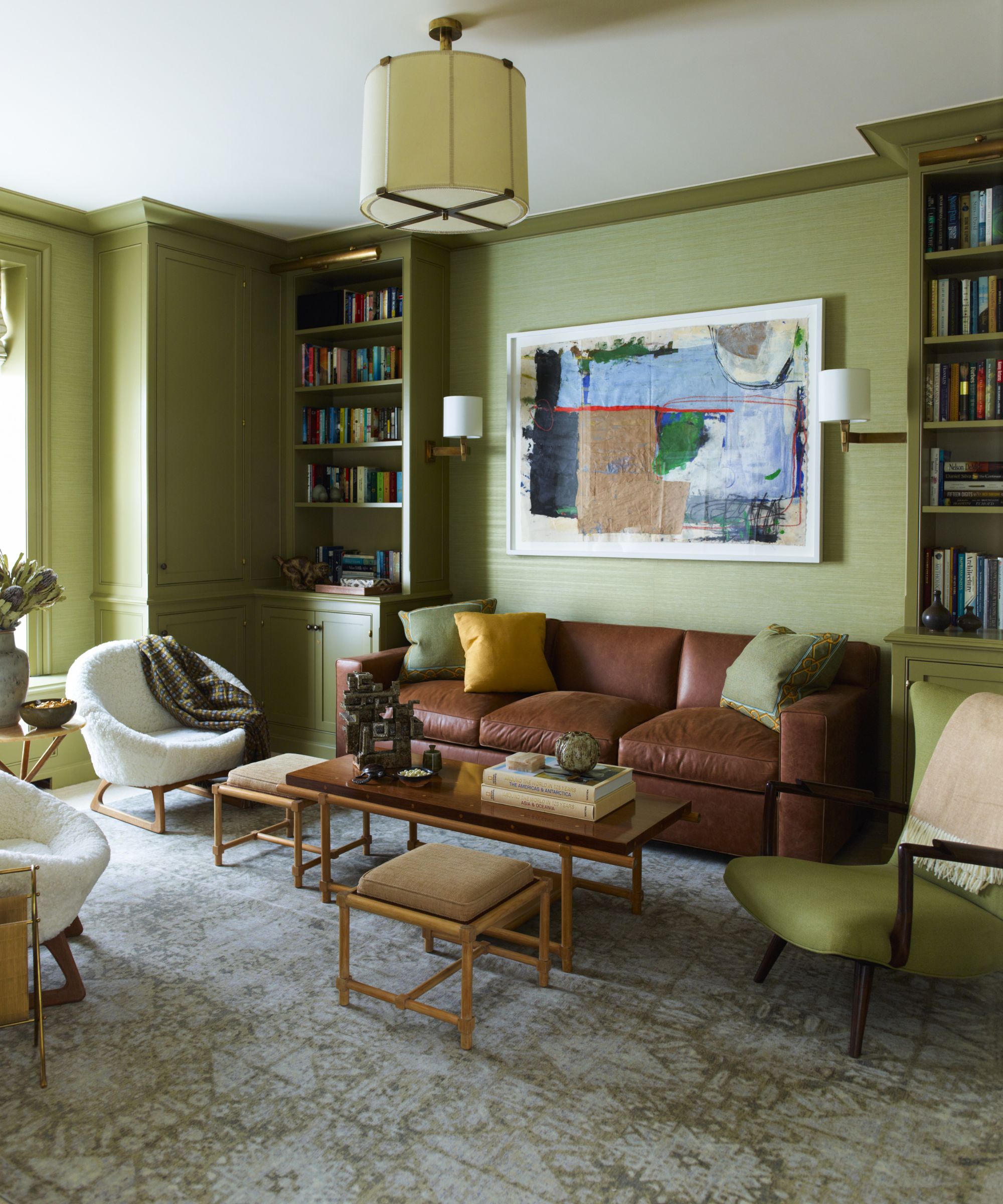
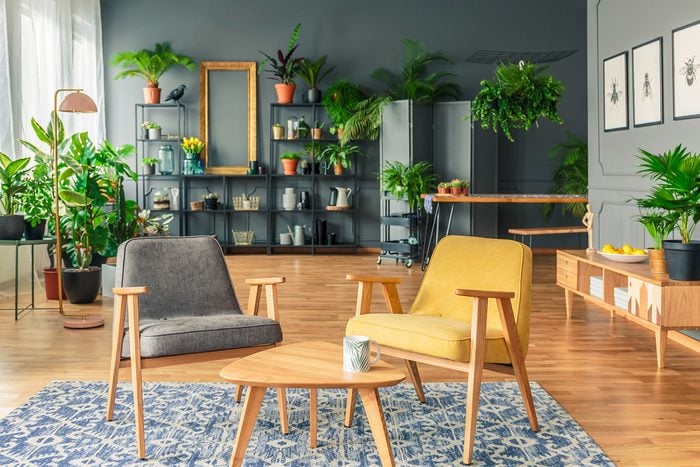
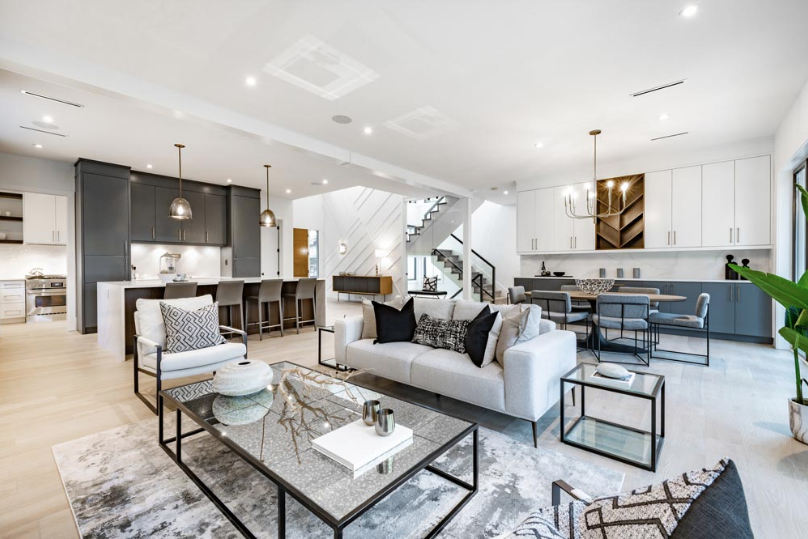
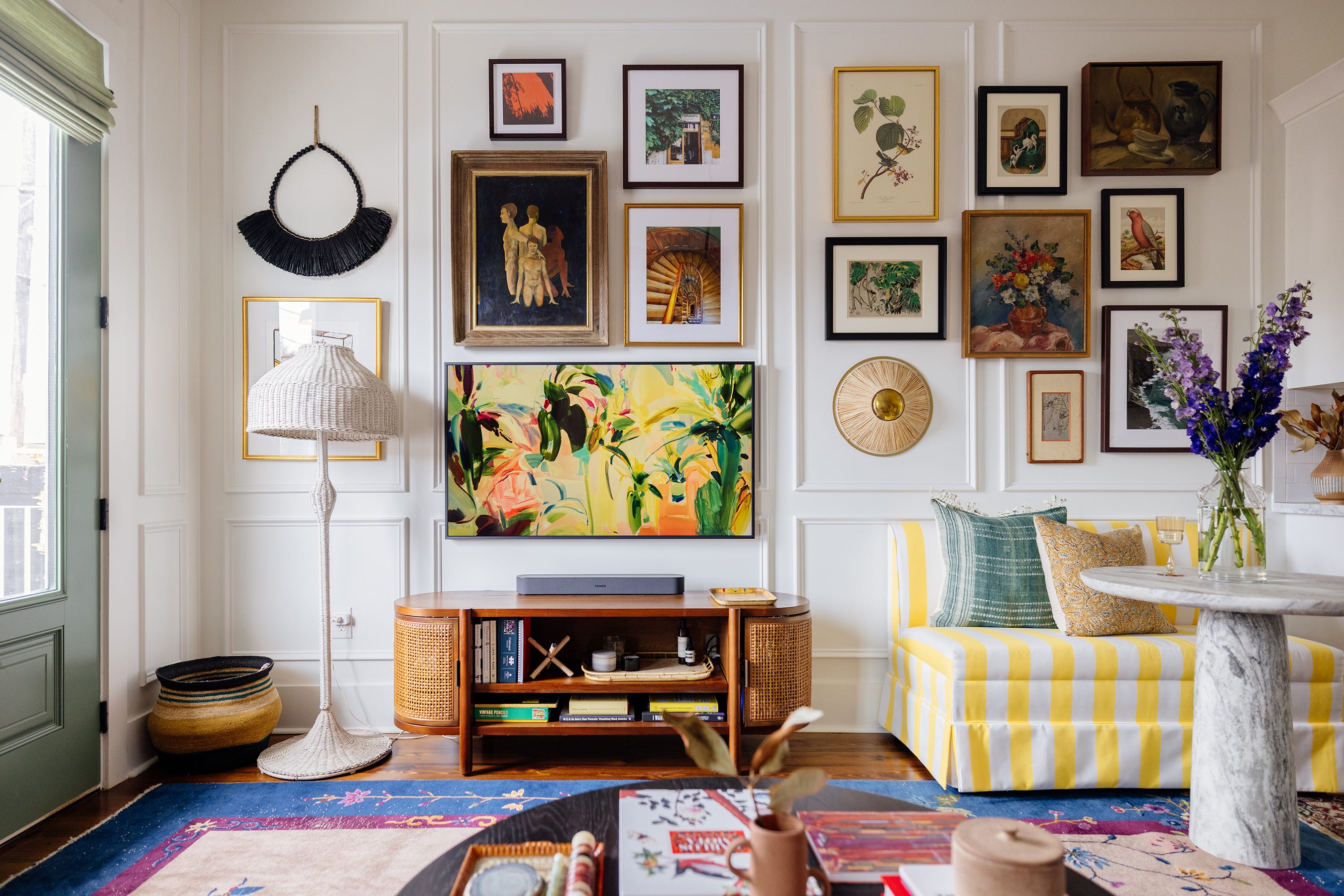
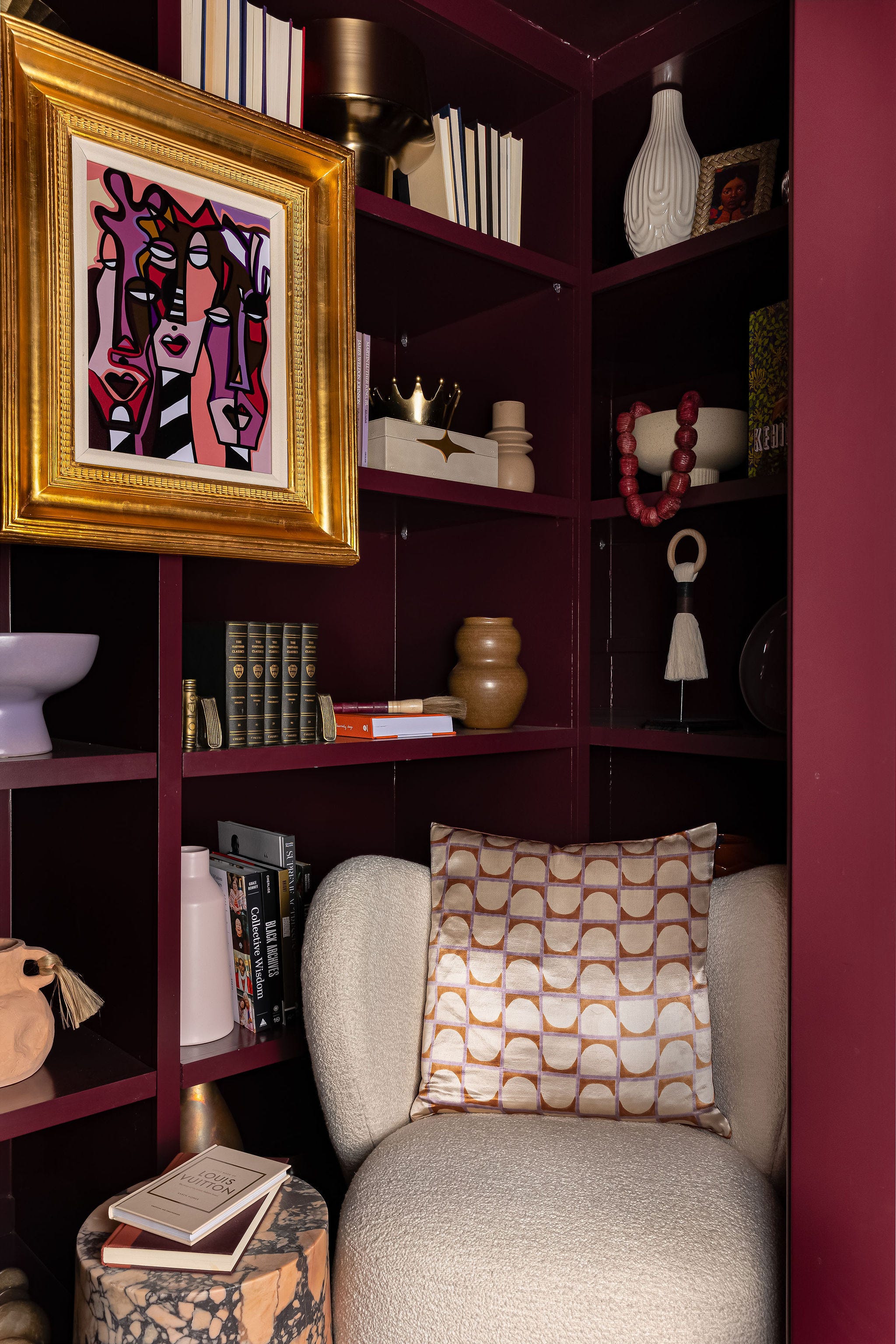
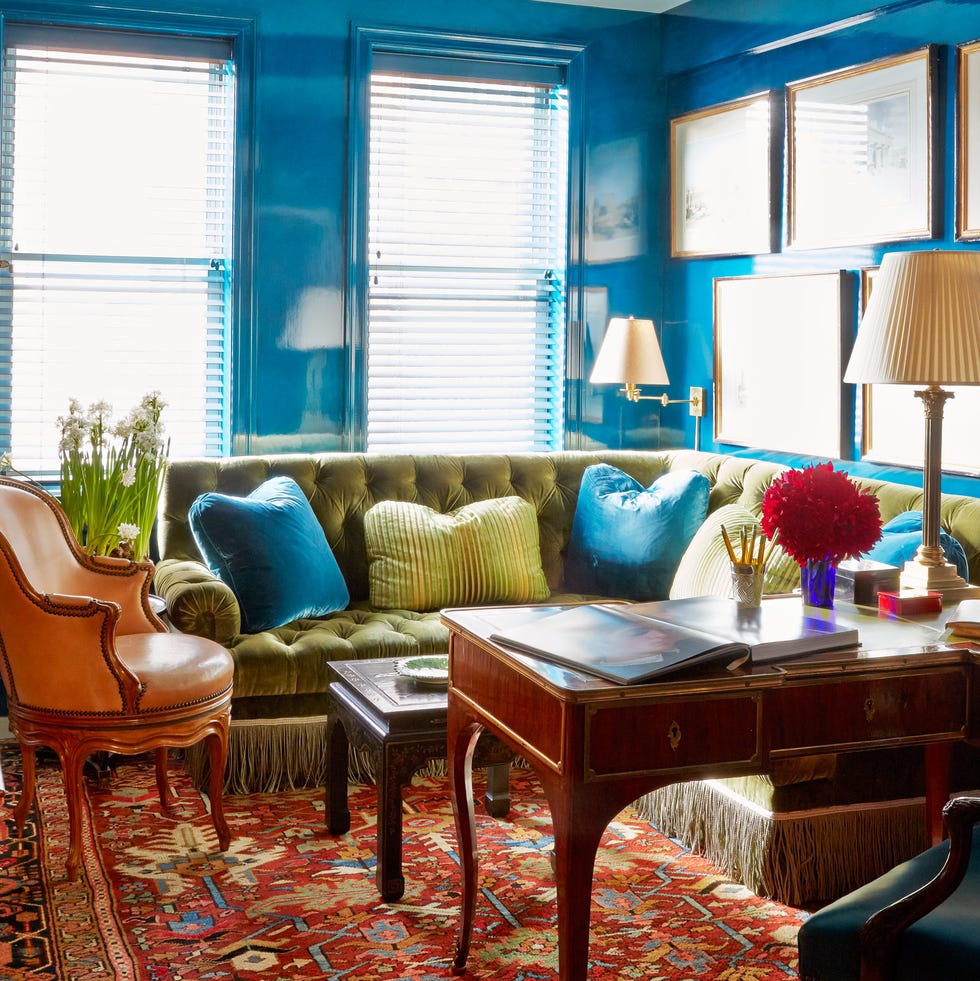
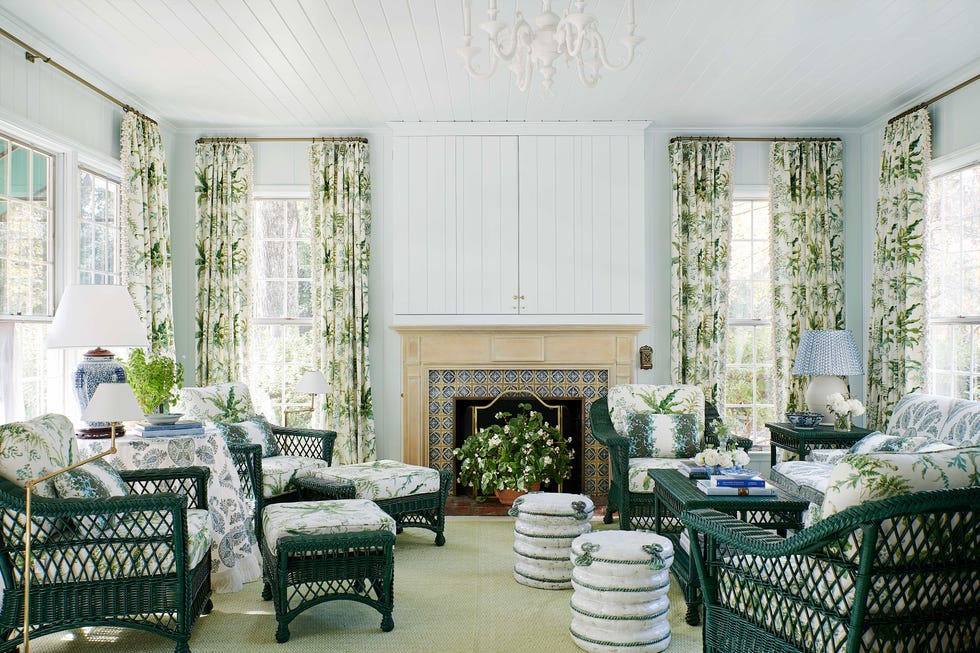
Over-the-top maximalism, characterized by incorporating every trendy style and color, is also fading. While maximalism itself is not disappearing, its extreme application has led to chaotic and muddy interiors. Interior designers anticipate a more restrained approach, emphasizing 'quiet luxury' with subtle elegance, thoughtful simplicity, and a balanced use of bold colors to create curated and timeless spaces. This refined maximalism focuses on selective application rather than saturating every surface.
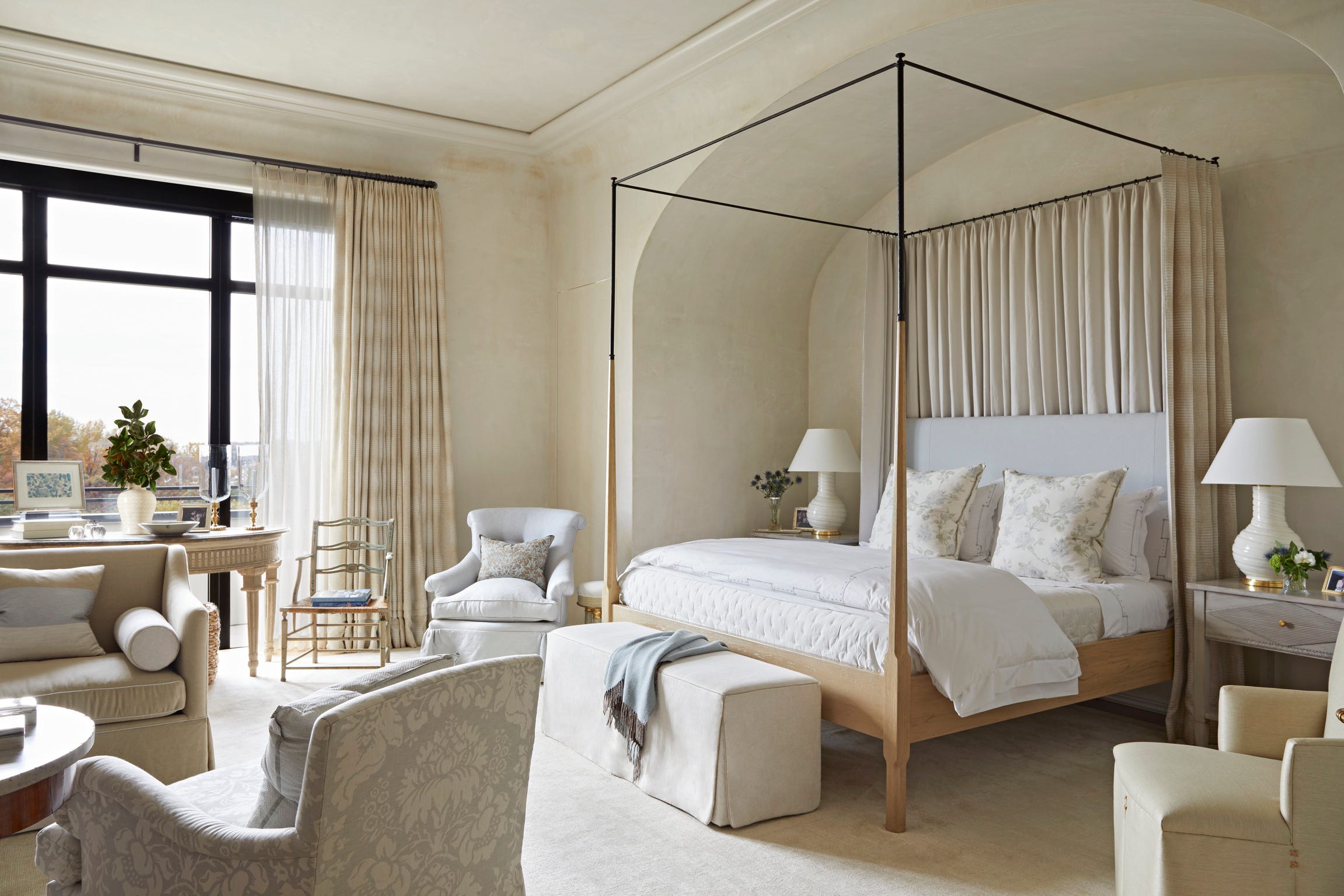
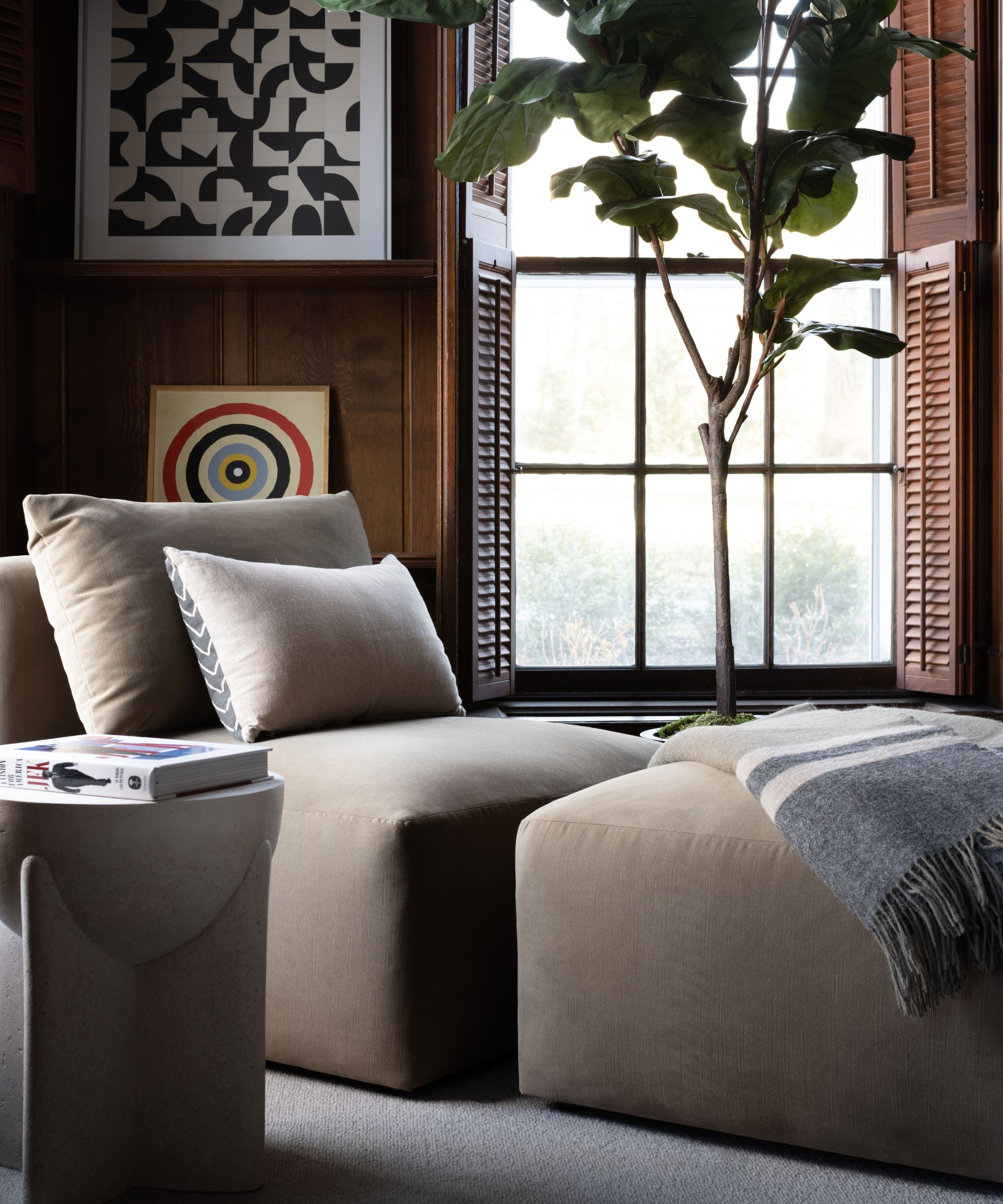
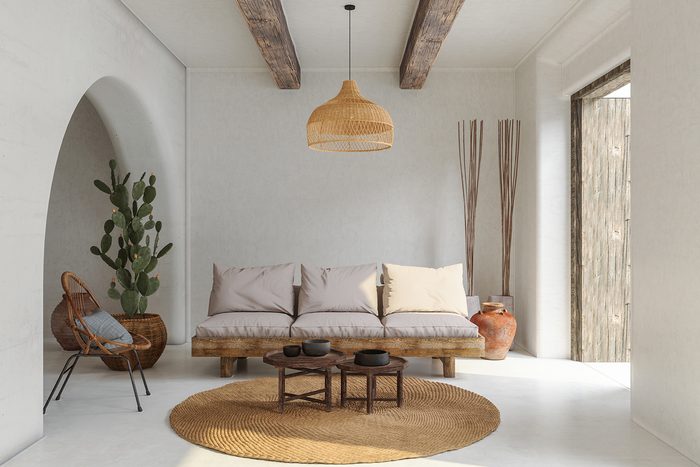
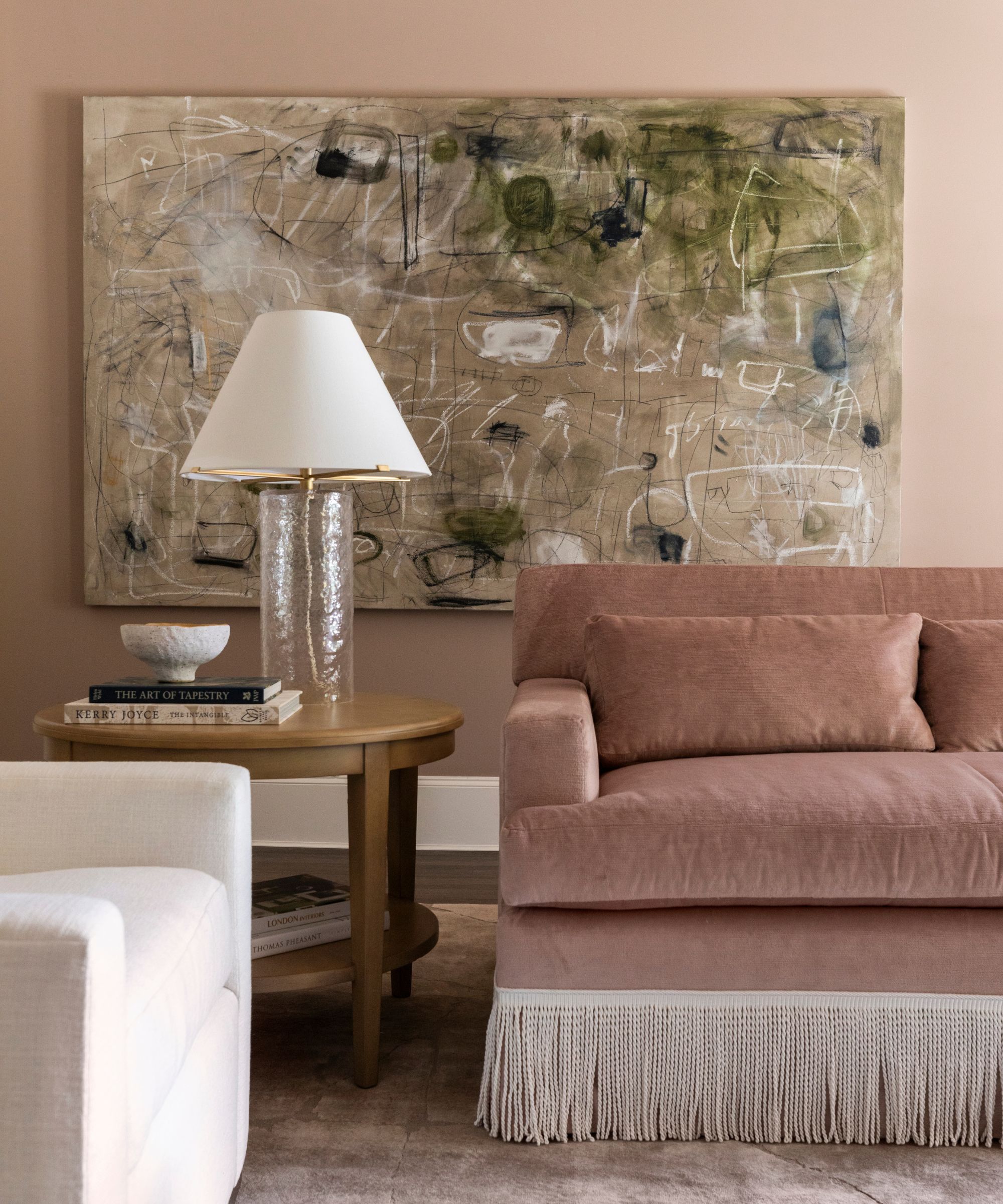
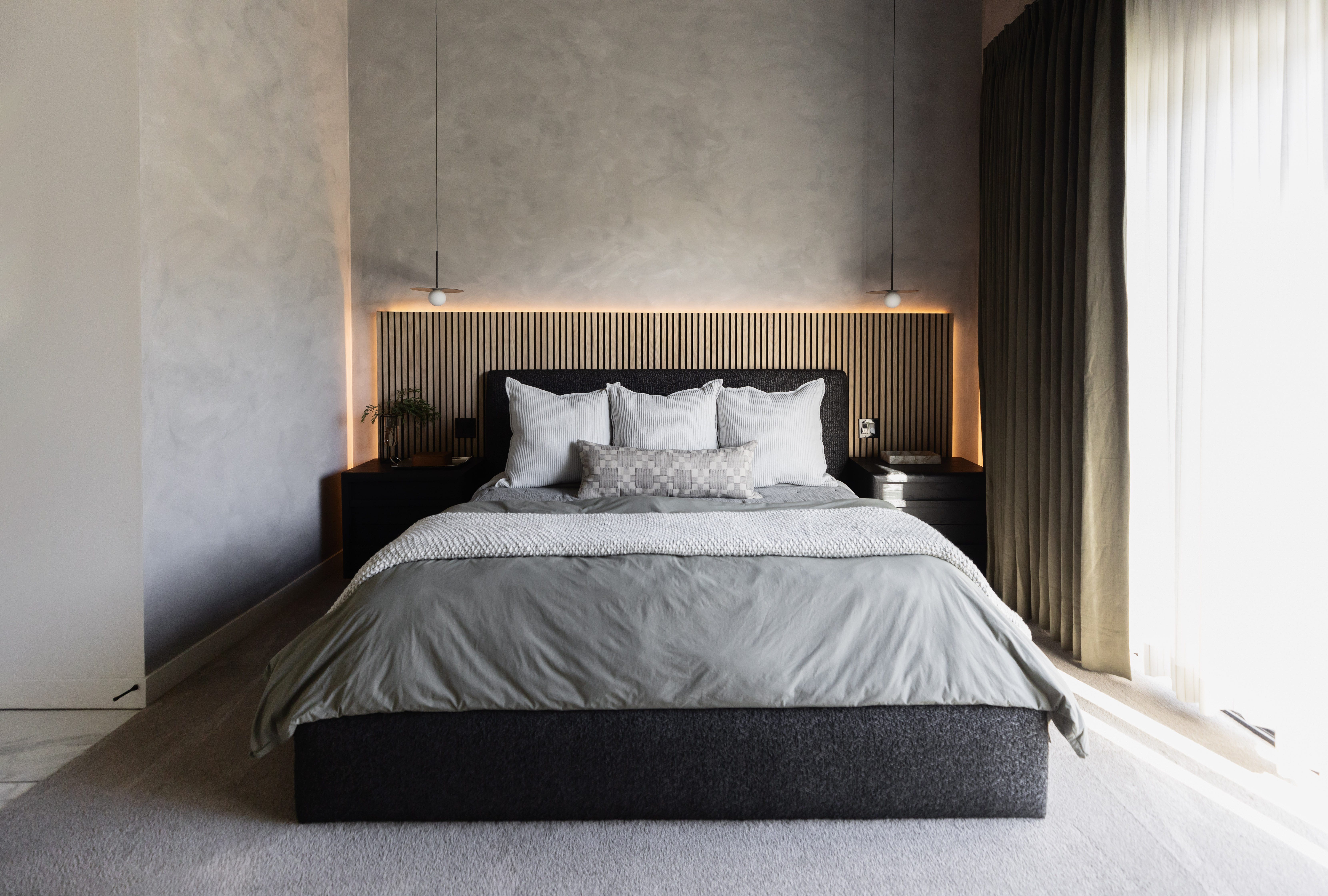
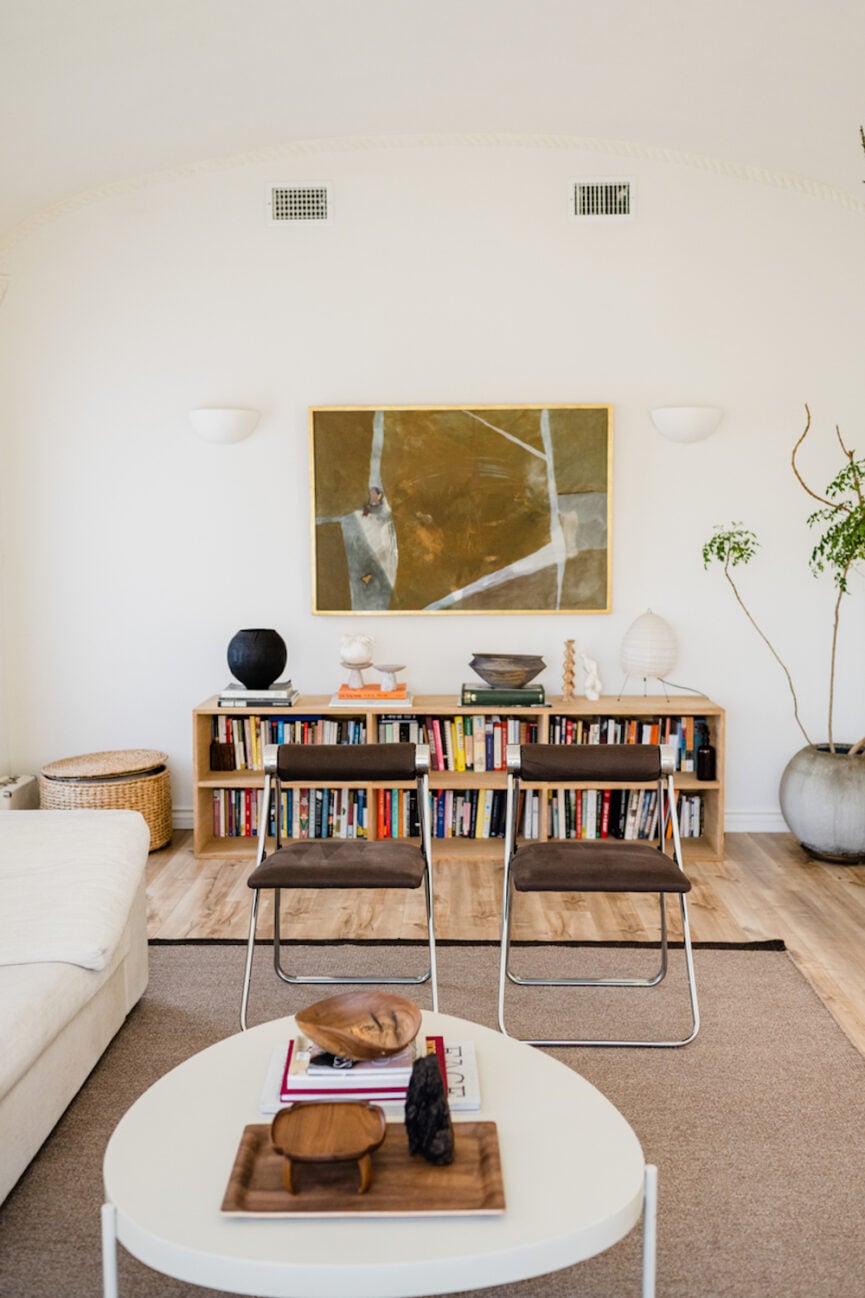
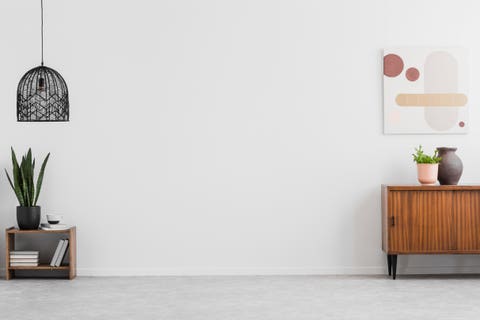
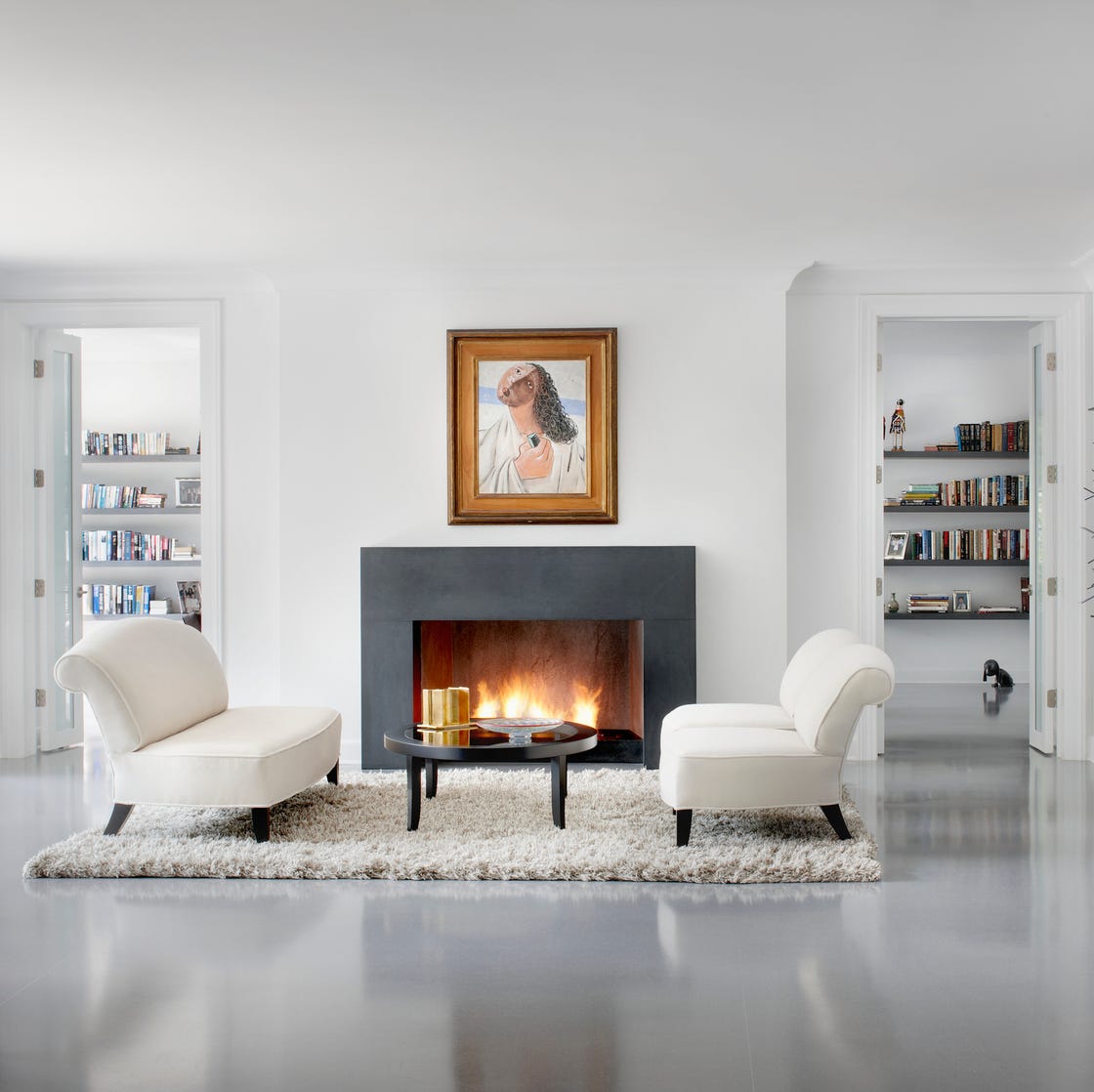
Pure minimalism, with its stark and unlayered aesthetic, is also on its way out. The emerging preference is for a more layered and nuanced design. Even those who favor simple styles and neutral palettes are starting to introduce a variety of hues, textures, and depth through accent pieces, demonstrating a desire for richer and more inviting environments.
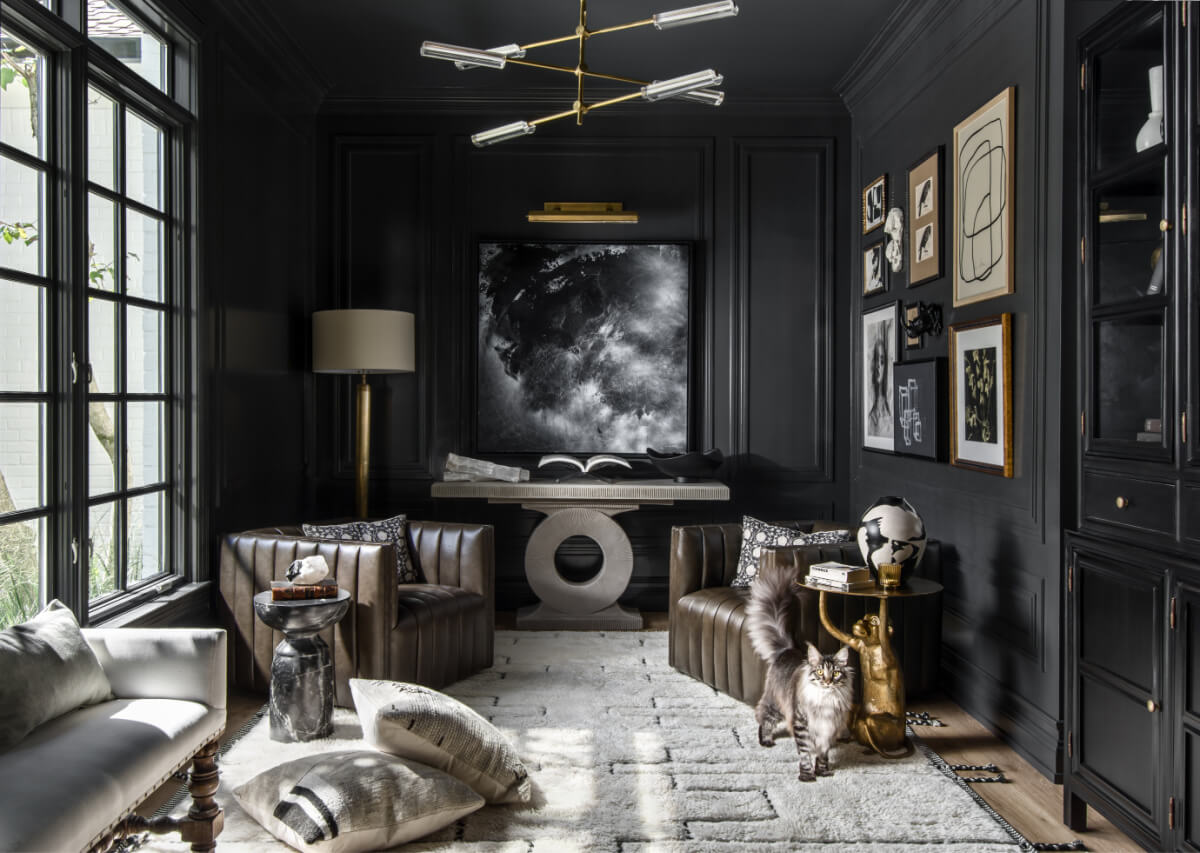
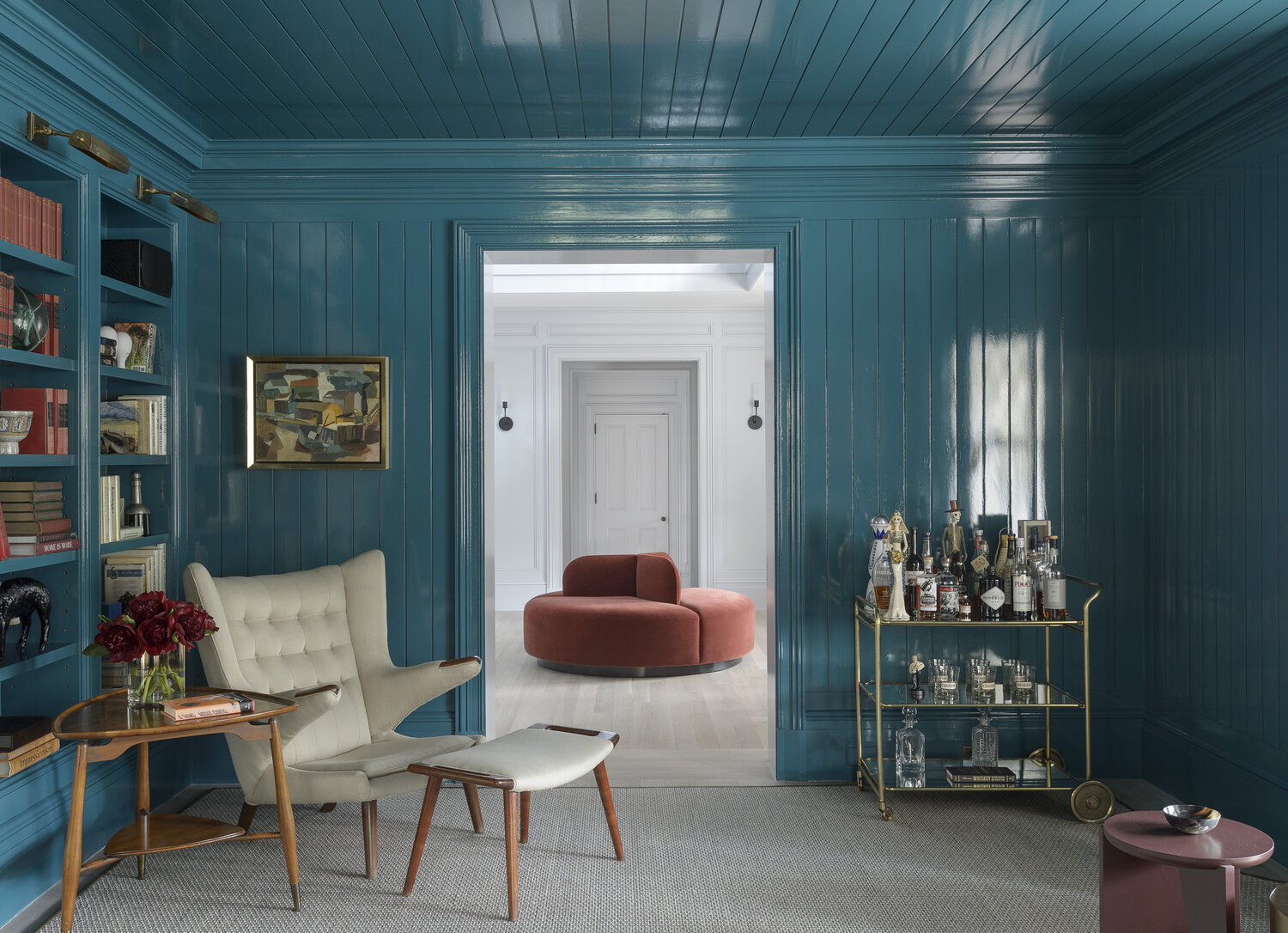
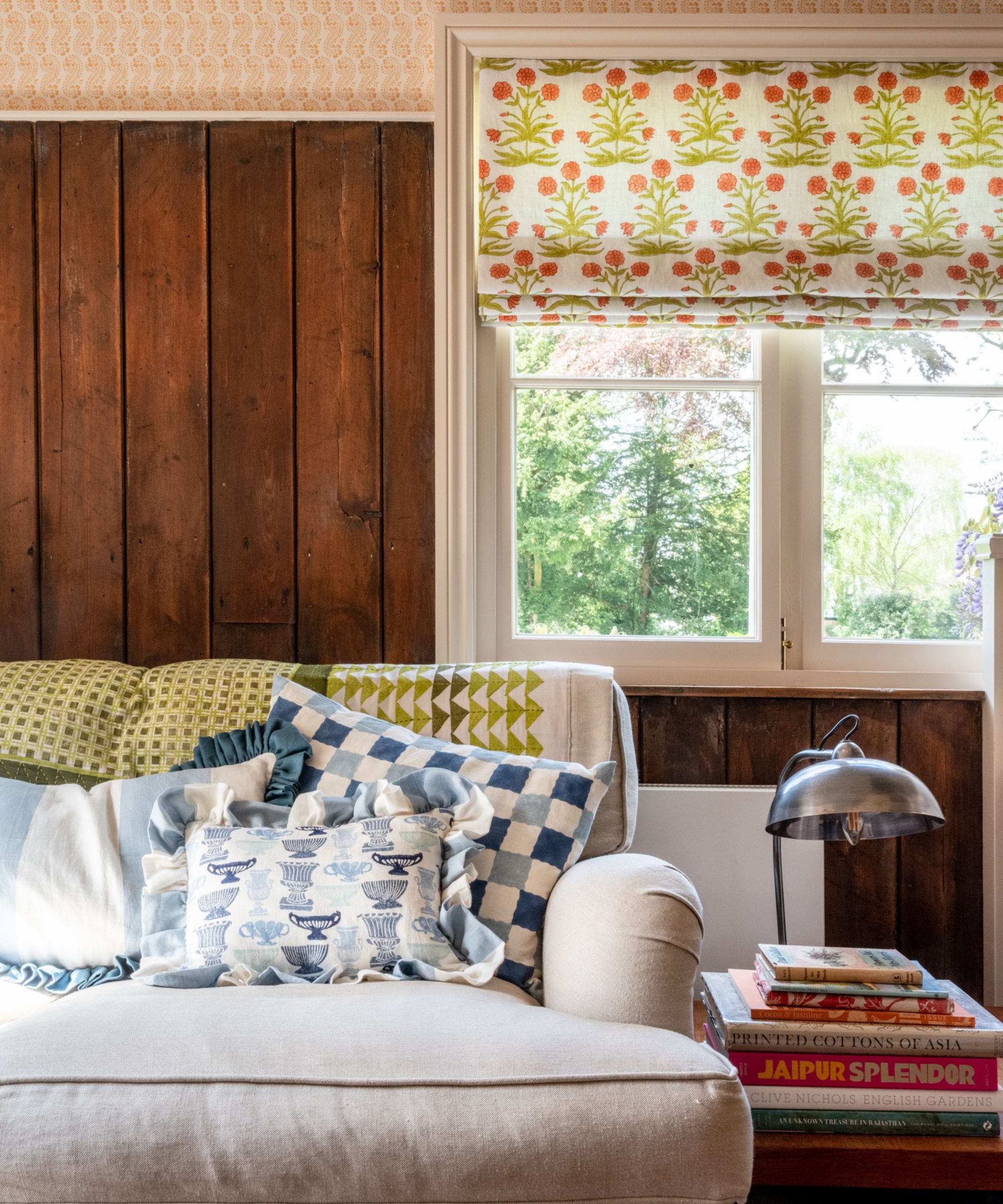
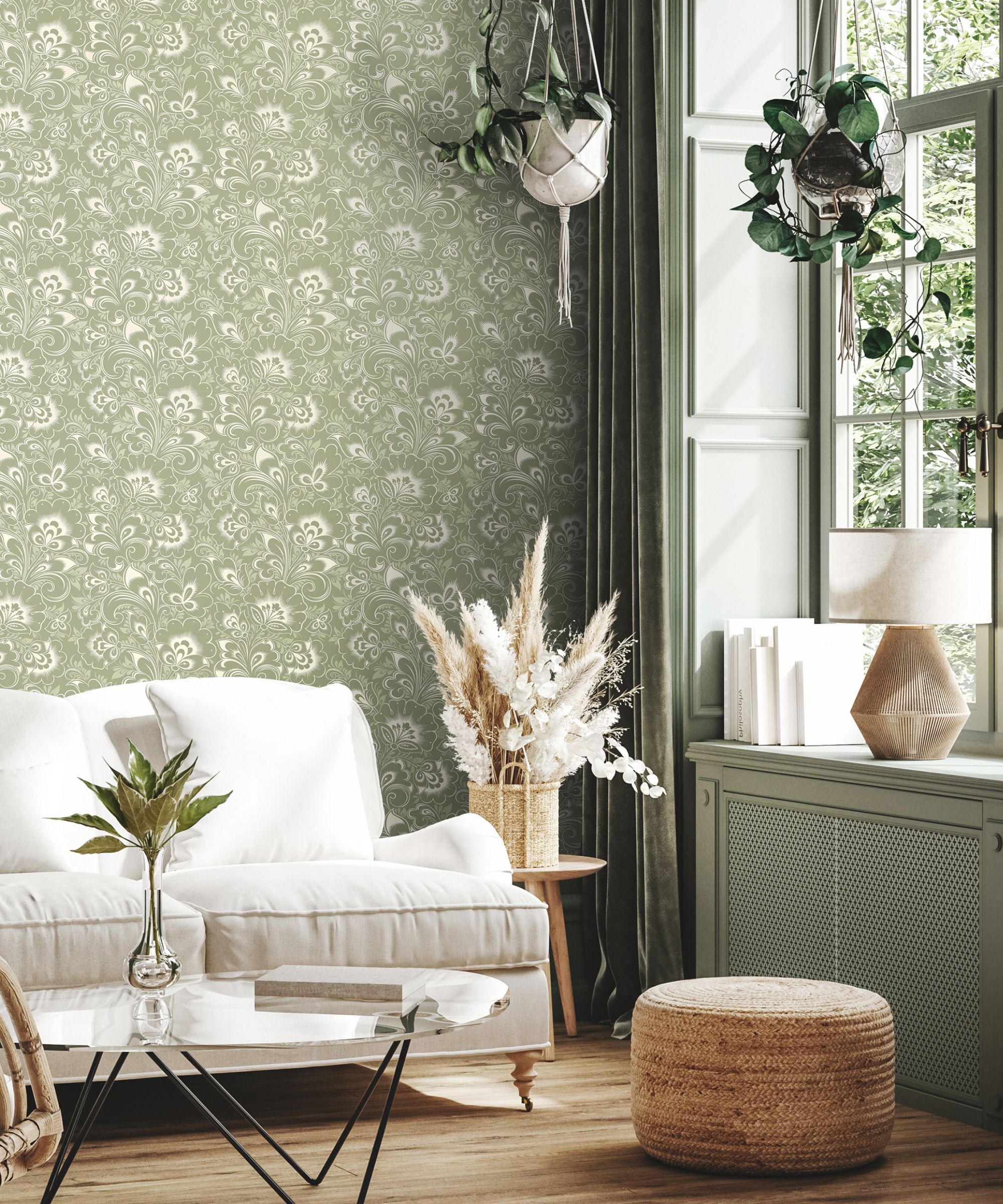
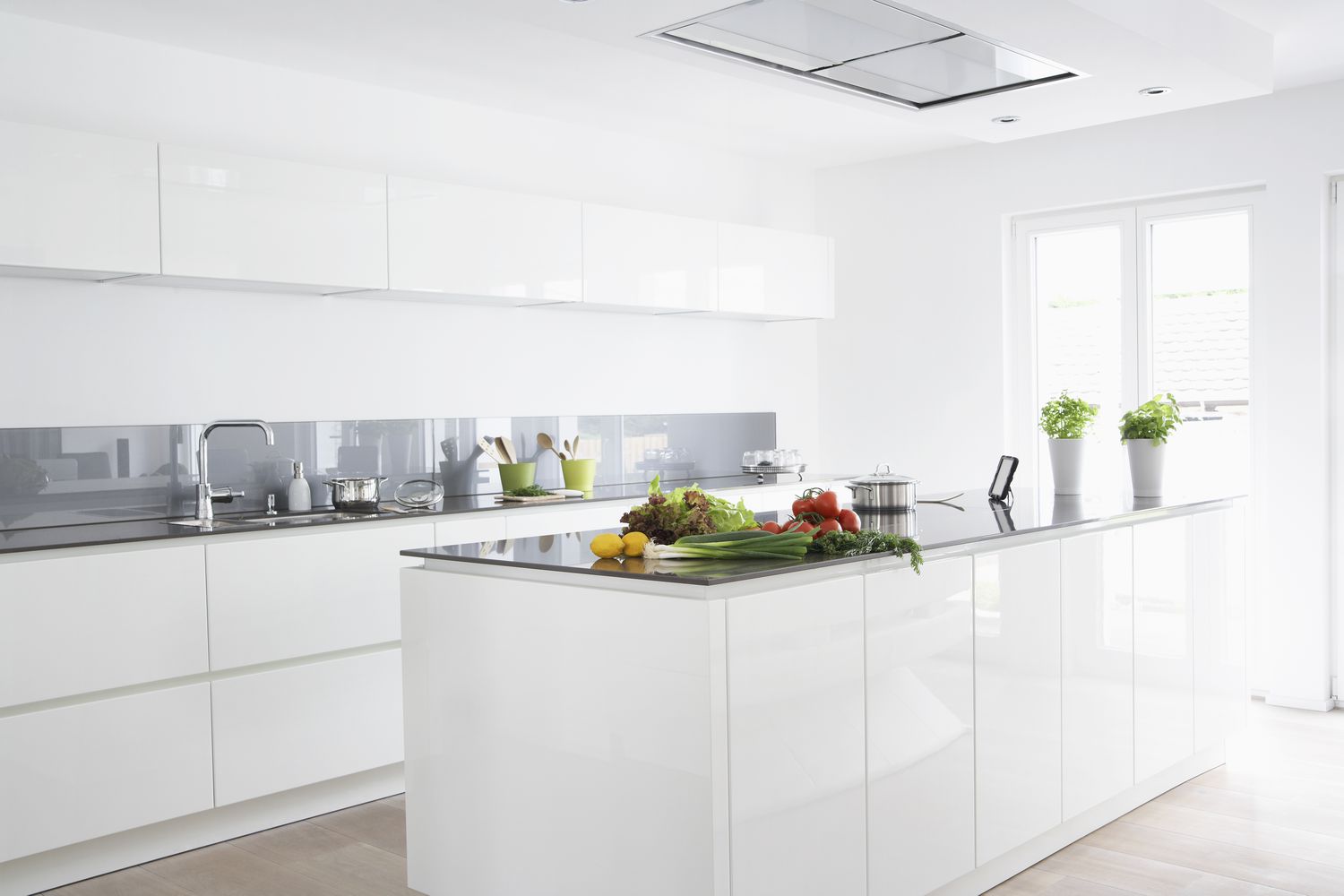
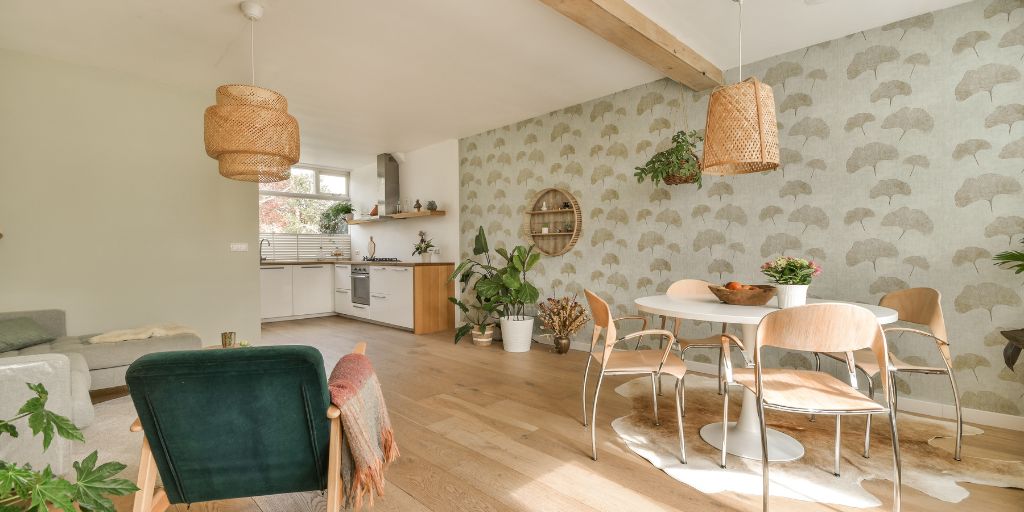
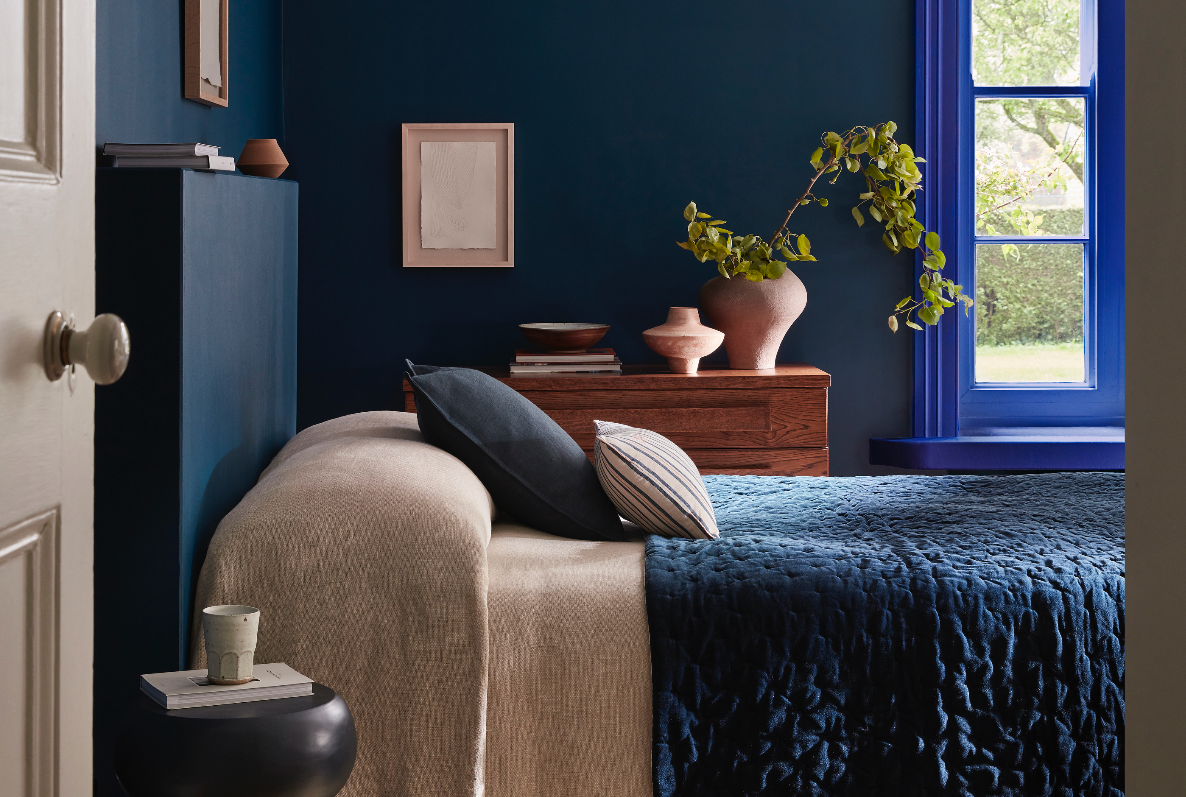
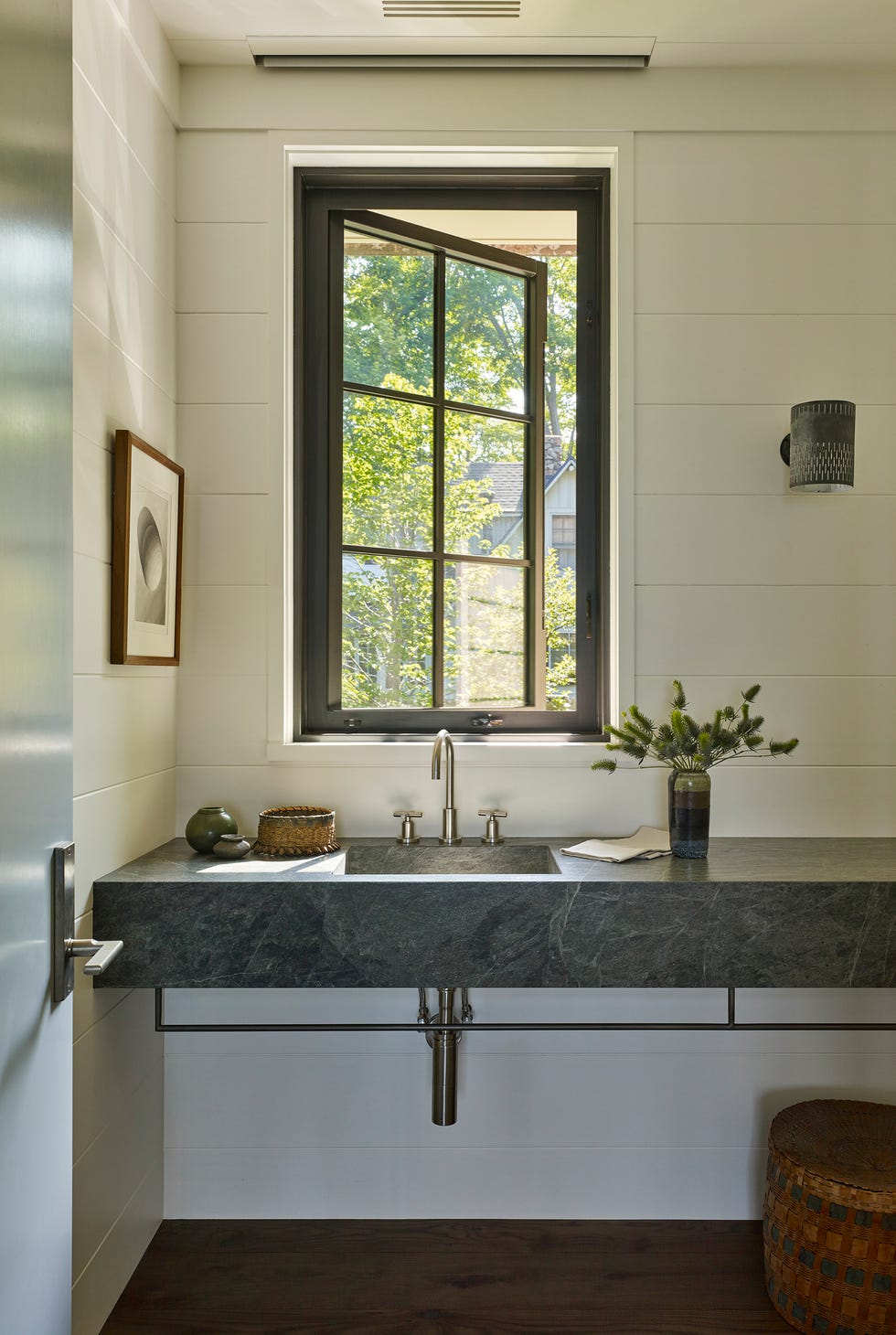
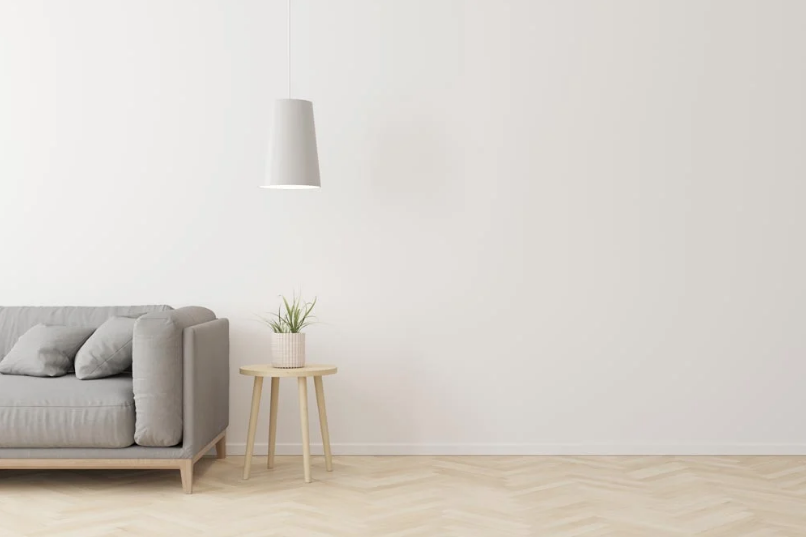
Plain white walls are being replaced by patterned and detailed wall coverings. This change aims to add depth, character, and warmth to interiors, allowing personal style to shine through. Options like wallpaper, bold and contrasting moldings, wainscoting, beadboard, or board and batten are expected to make walls more ornate and purposeful, making both large and small spaces feel more inviting.
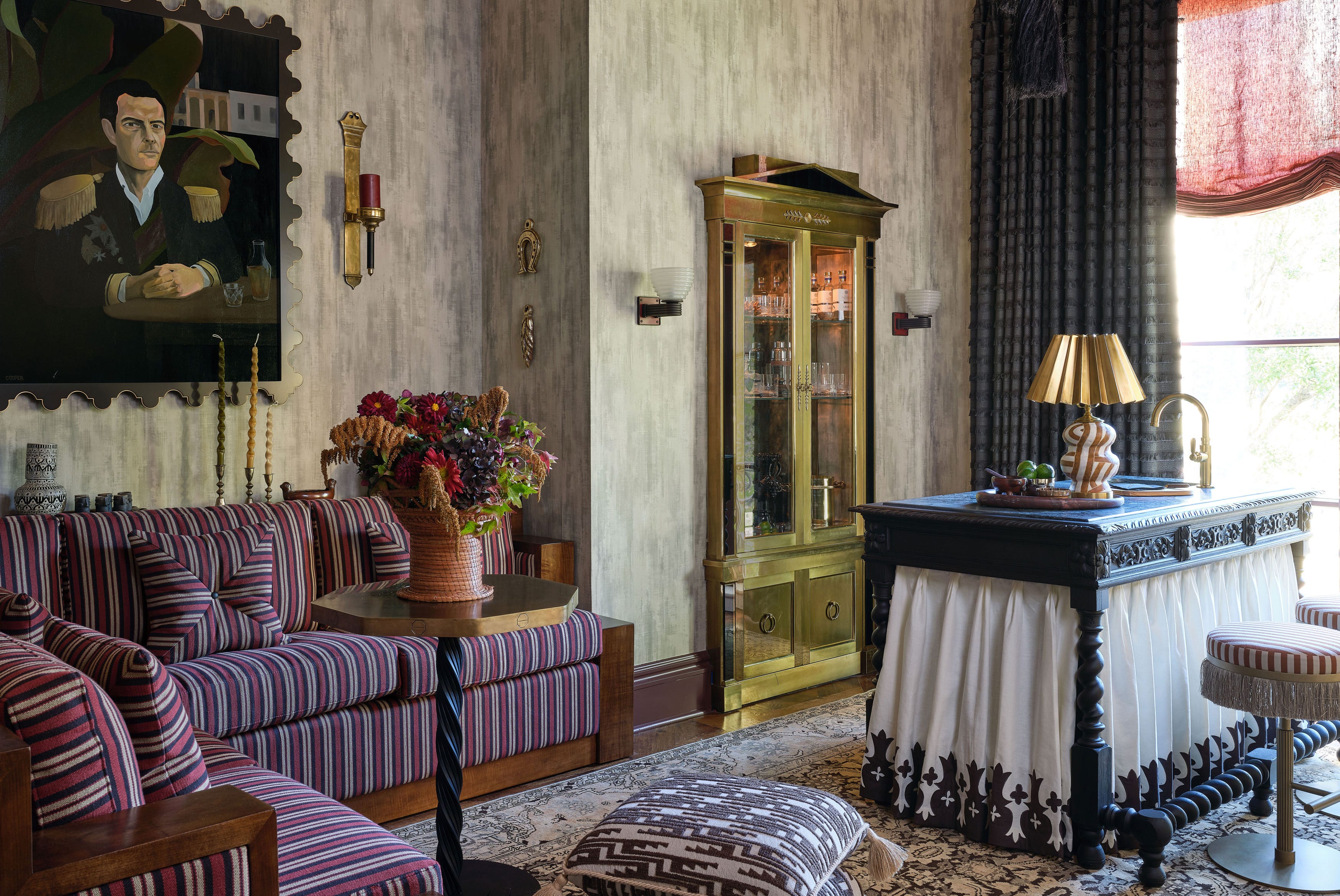
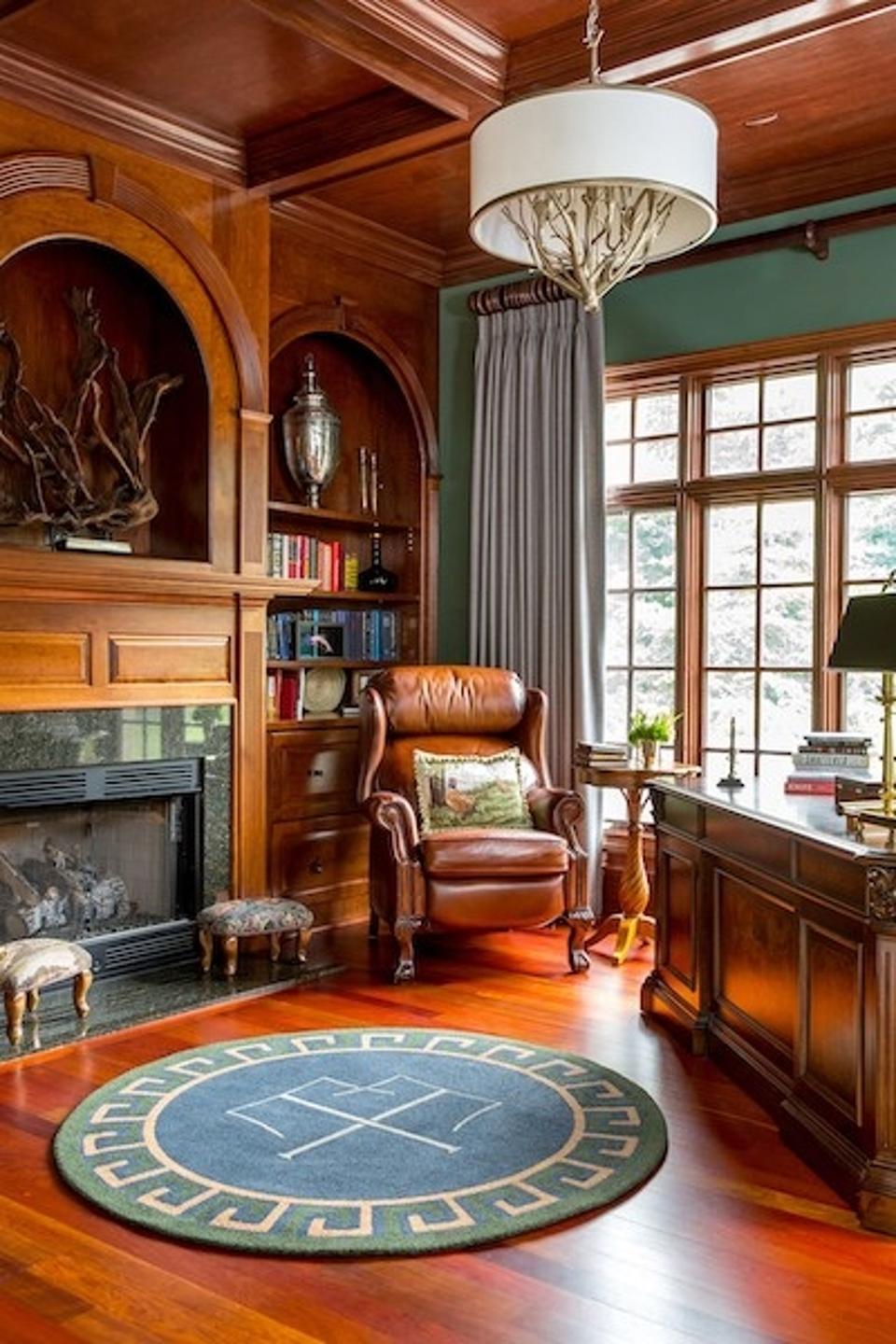
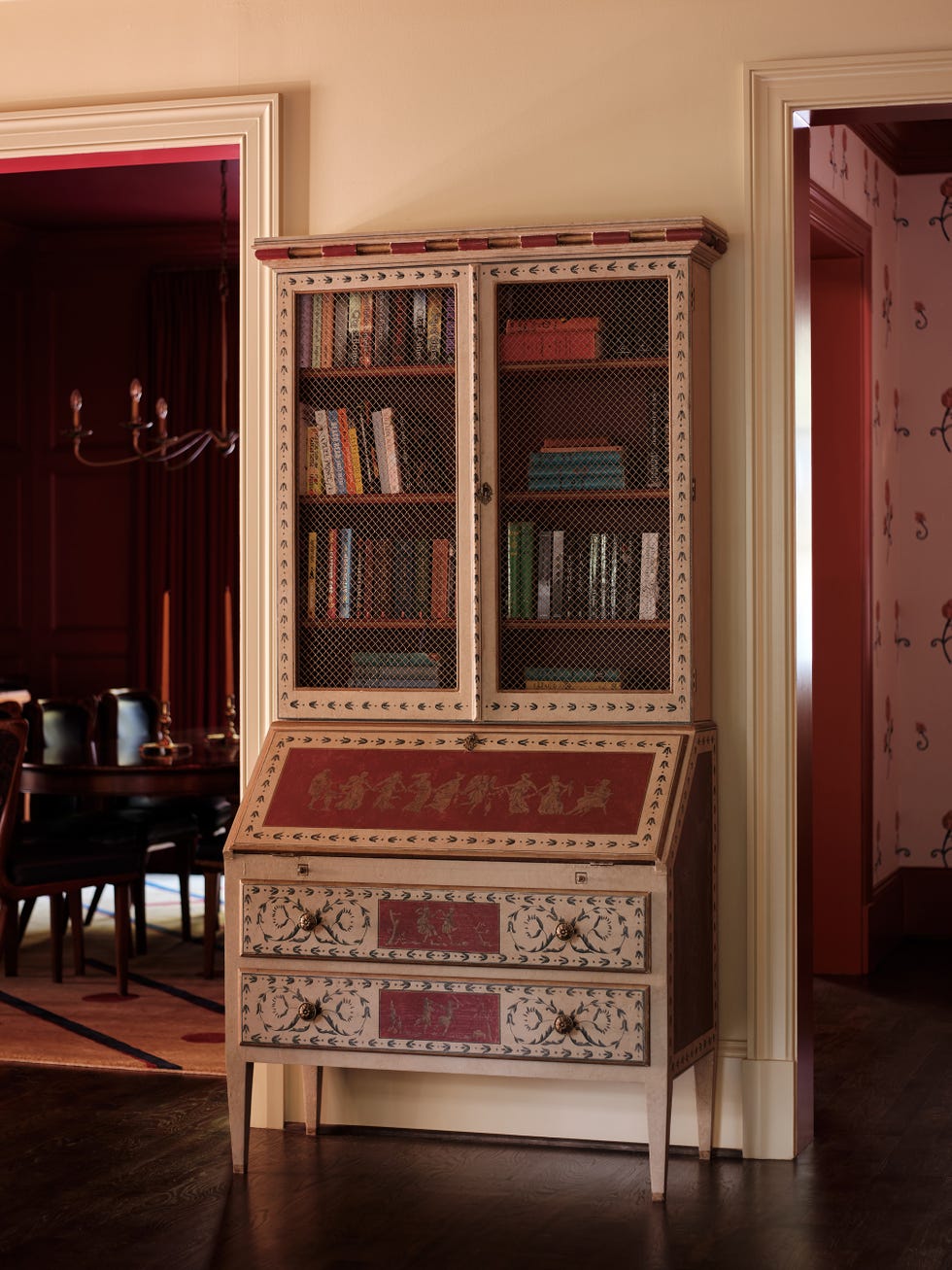
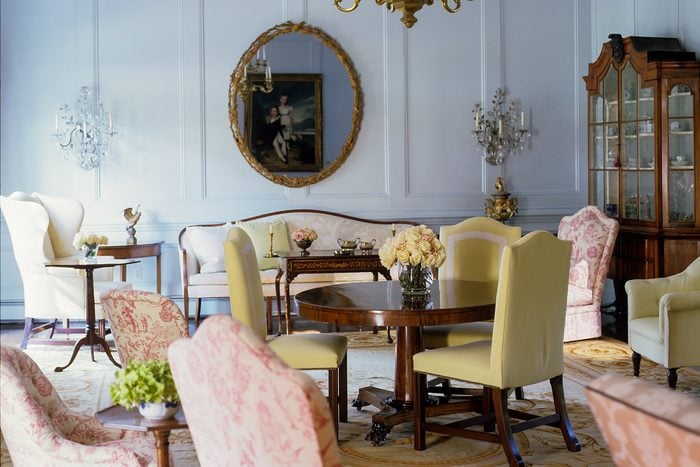
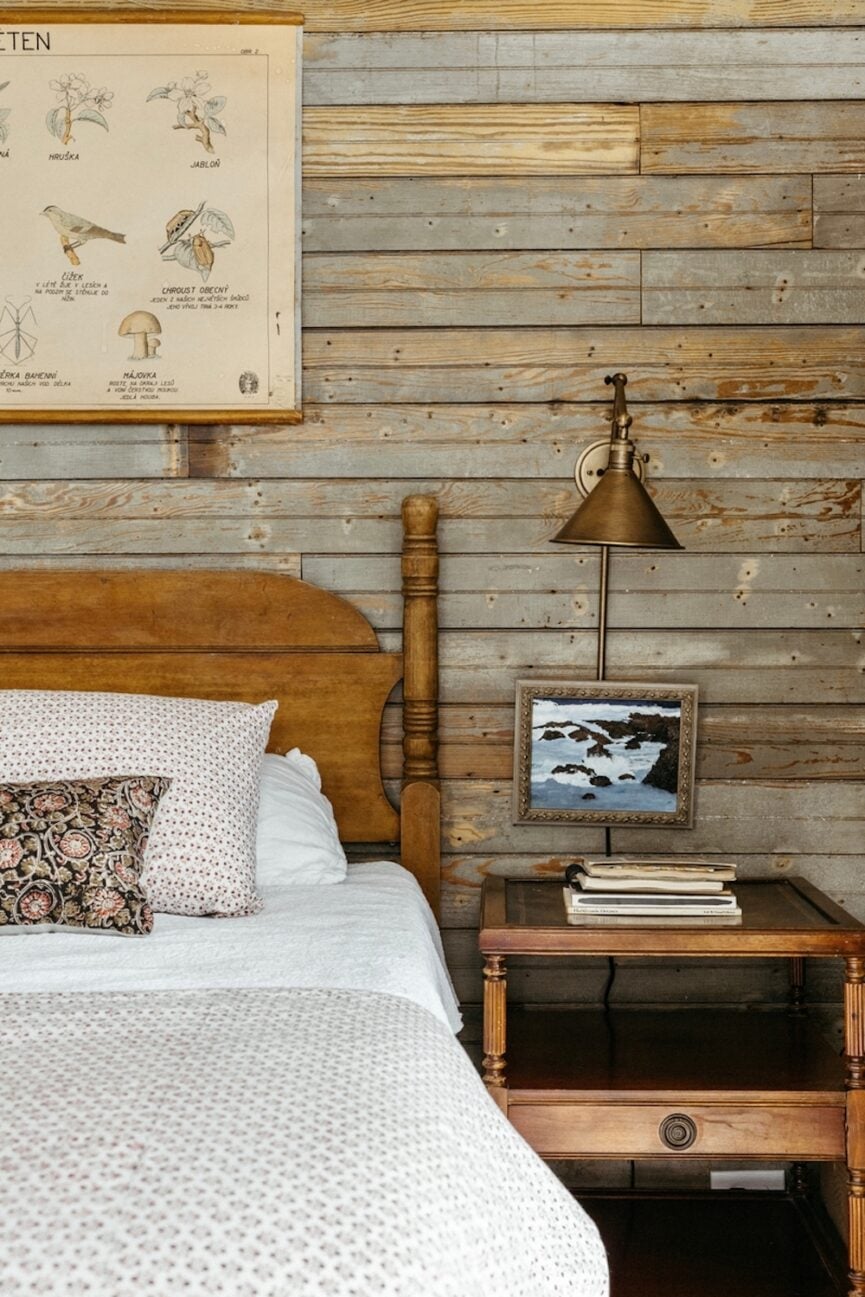
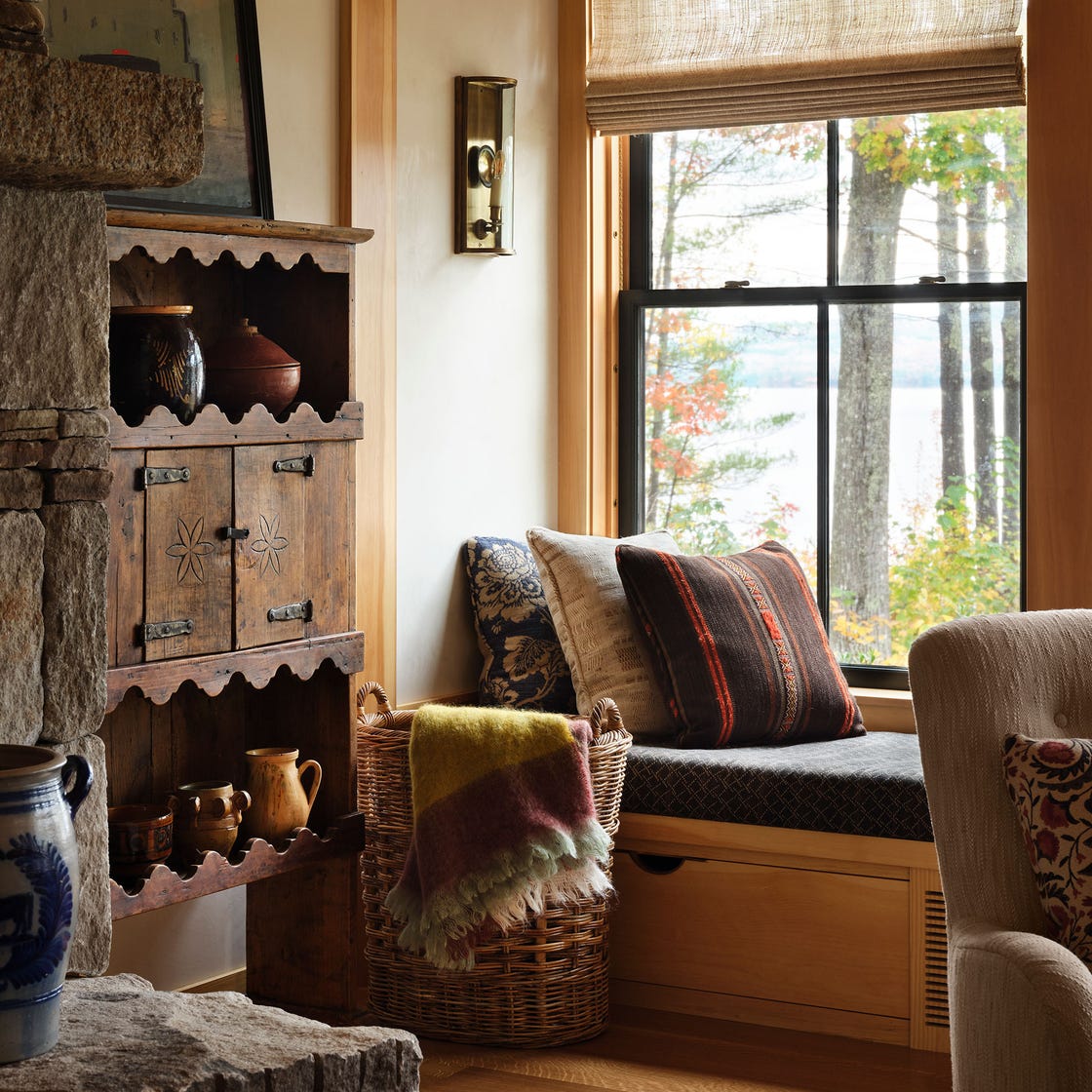
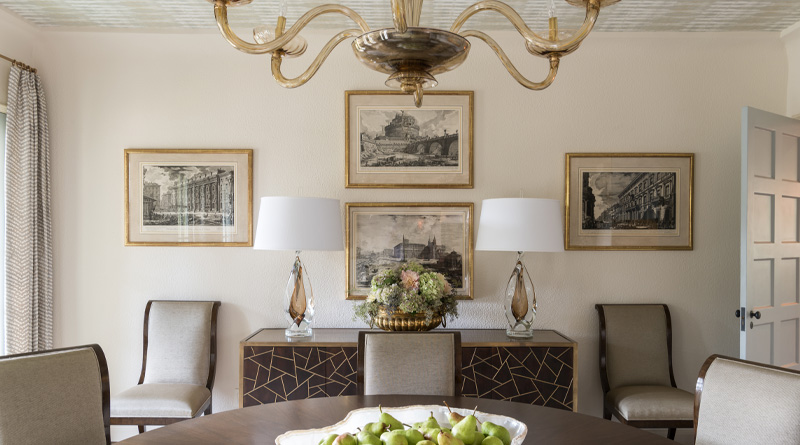
Another significant shift is away from exclusively new home decor. There's a growing appreciation for original antique pieces, sourced from antique shops, inherited, or found second-hand. These items infuse homes with whimsy, character, and a sense of history, contributing to unique spaces and promoting a more eco-friendly approach to decorating.
Boucle fabric, popular for its cozy and textural appeal, is predicted to decline in popularity due to its impracticality for everyday living, especially in homes with children or pets. While still stylish in moderation, its use will likely be reserved for accent pieces rather than entire sofas, with softer, more practical replacements emerging.
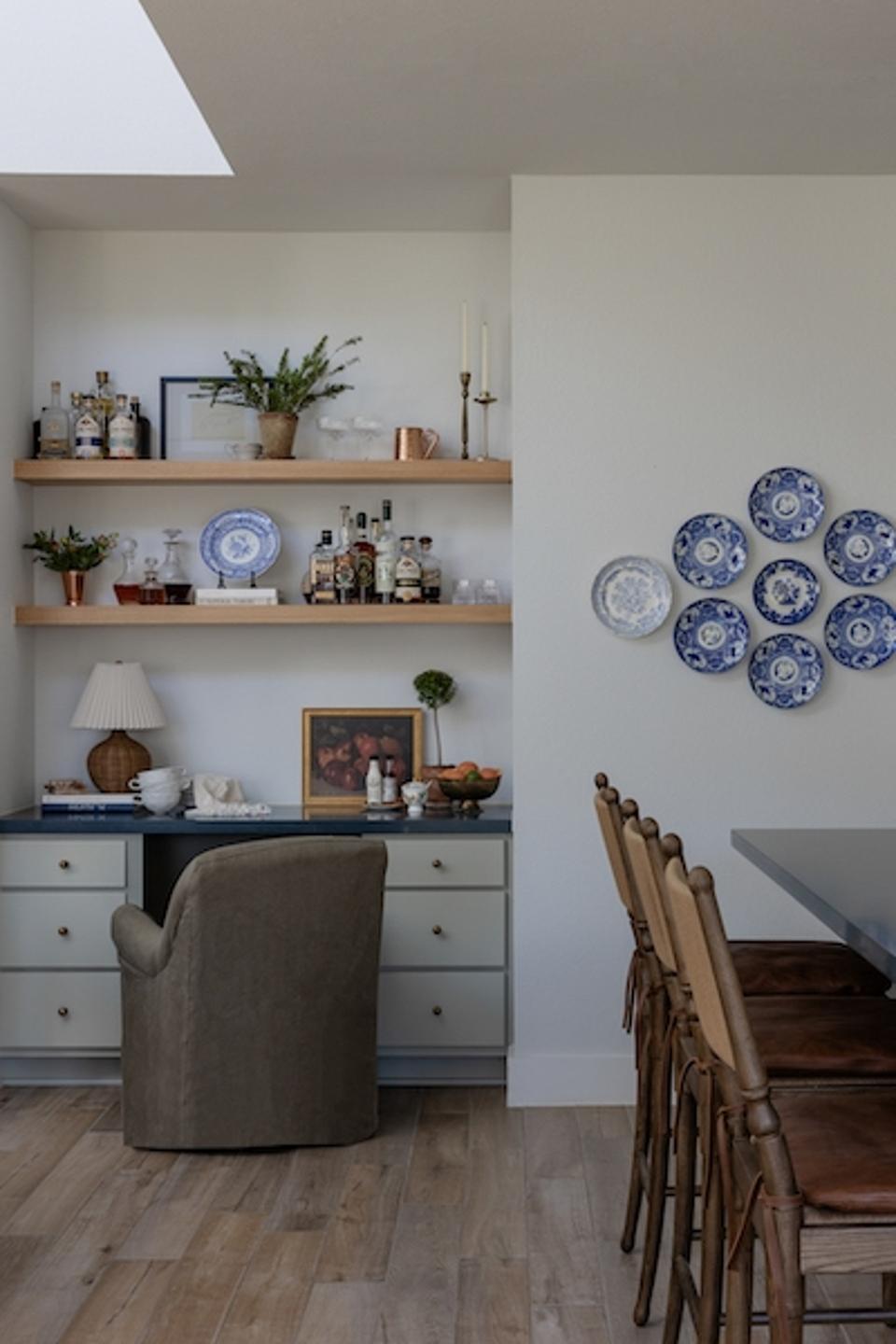
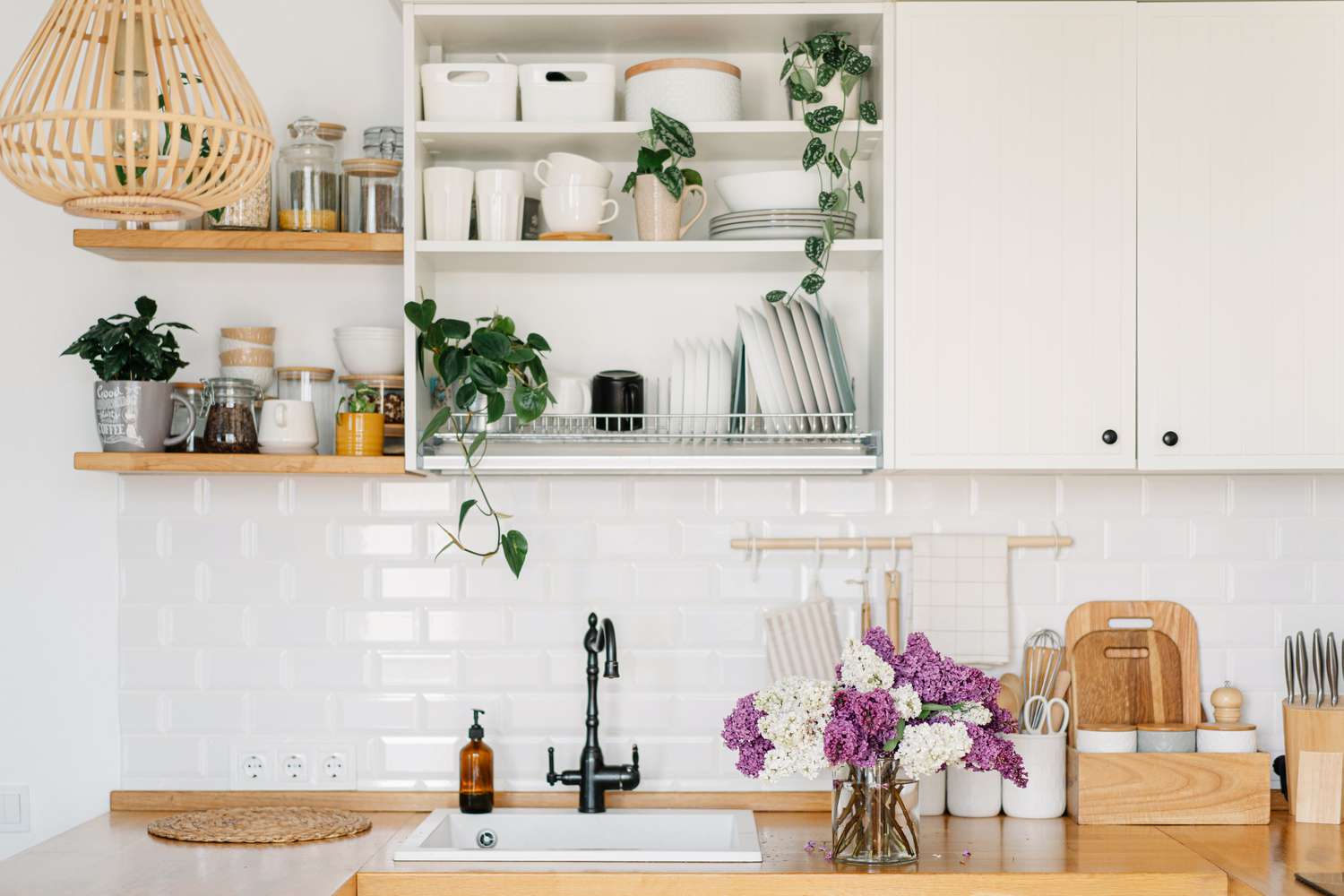
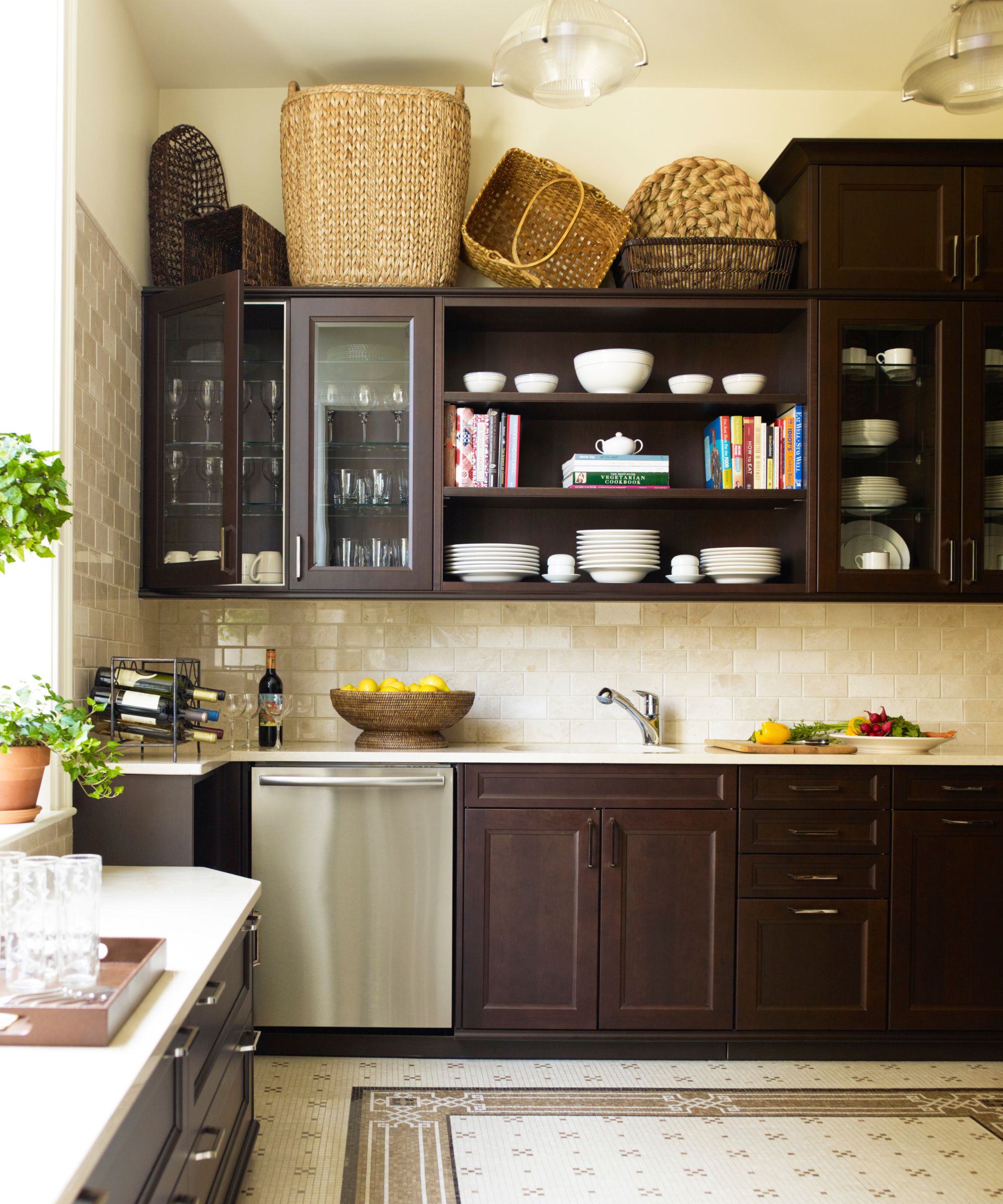
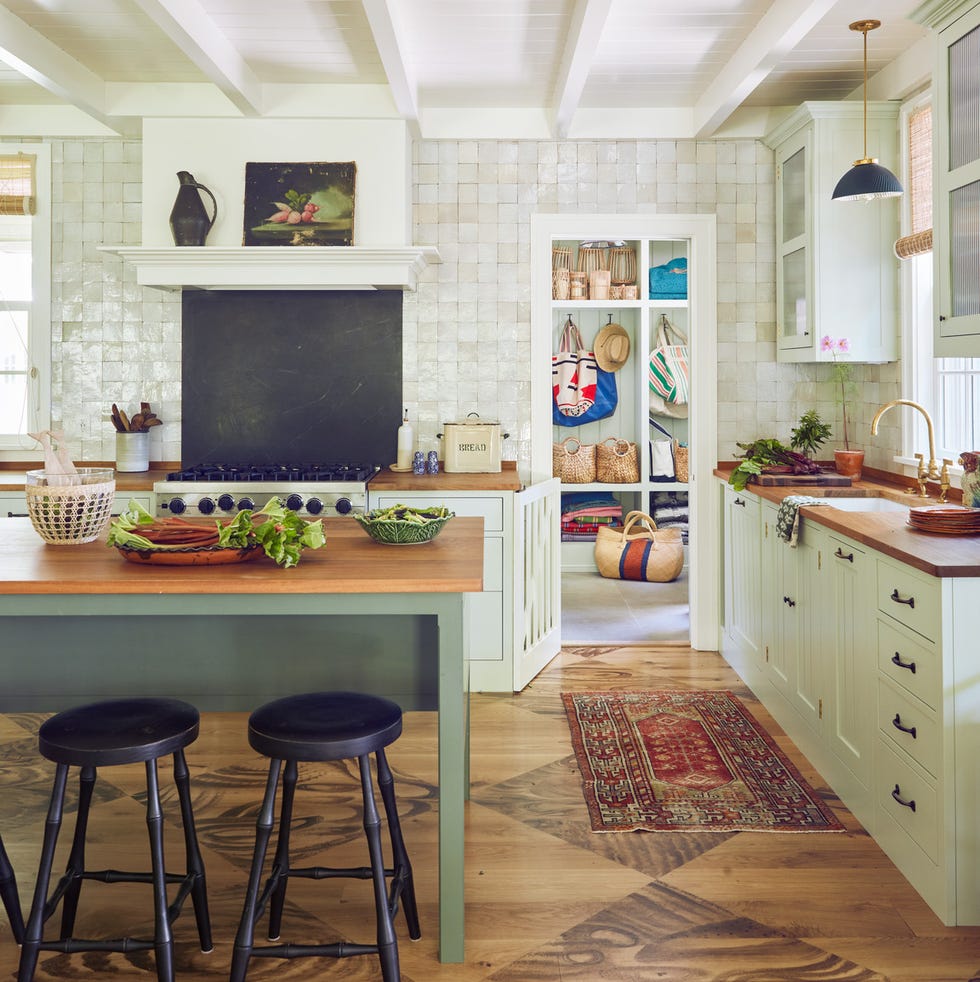
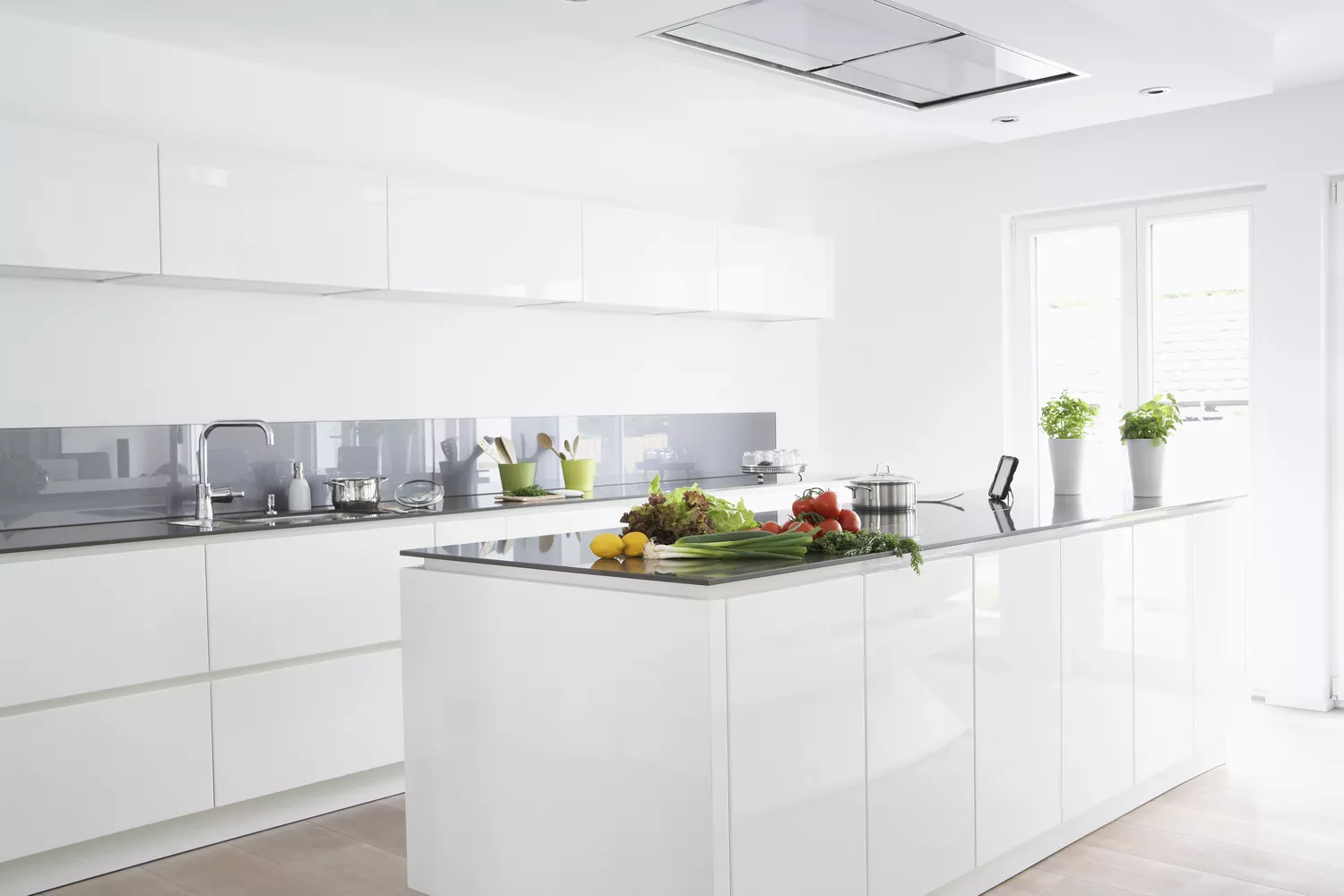
Open kitchen shelving, once a symbol of open and airy aesthetics, is becoming less desirable. The challenges of dust, grease, and clutter associated with exposed items are driving a preference for closed, furniture-inspired storage solutions that can conceal less aesthetically pleasing kitchenware. A few open shelves for decorative display may remain, but a complete absence of closed cabinetry is impractical.
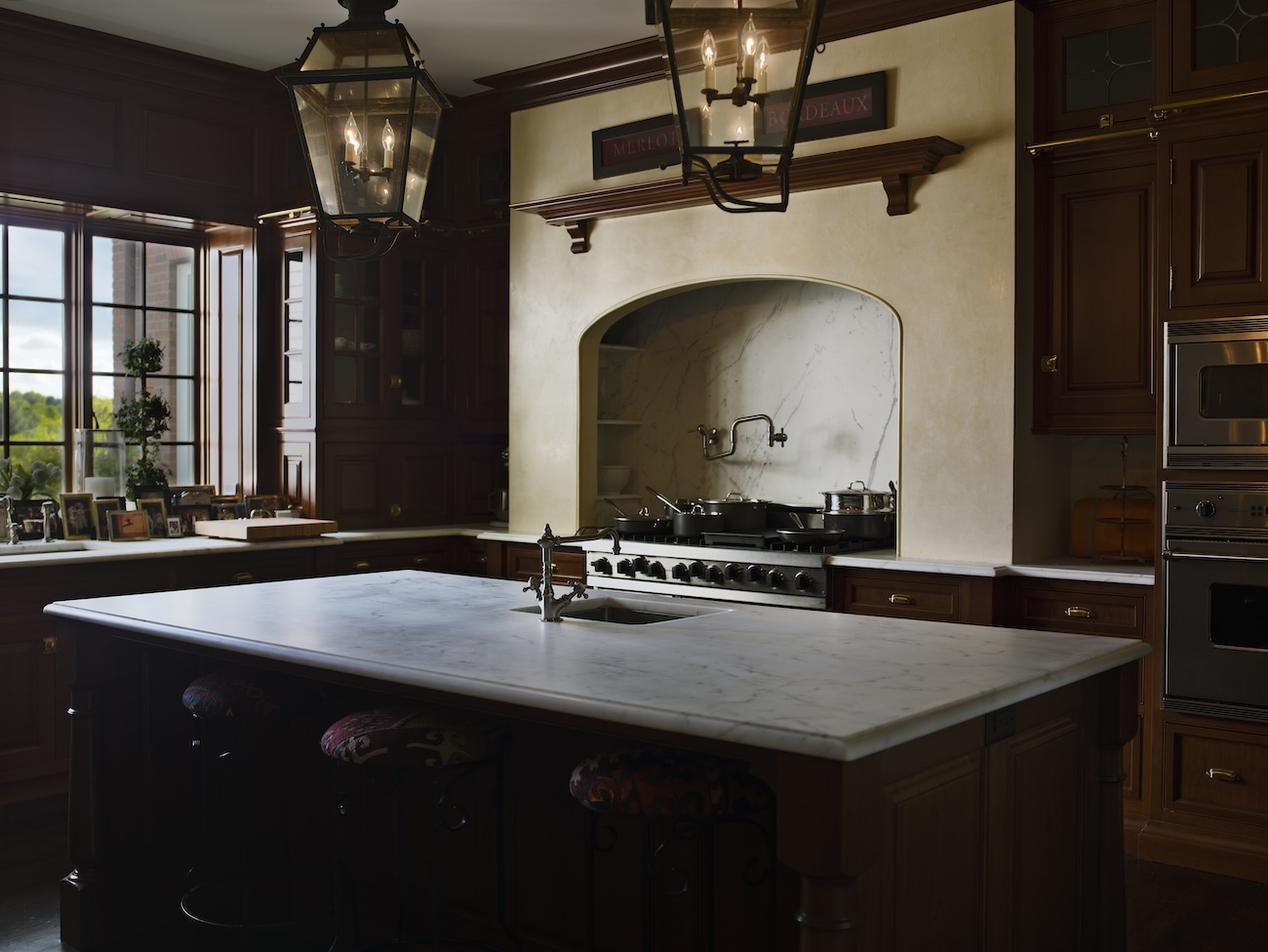
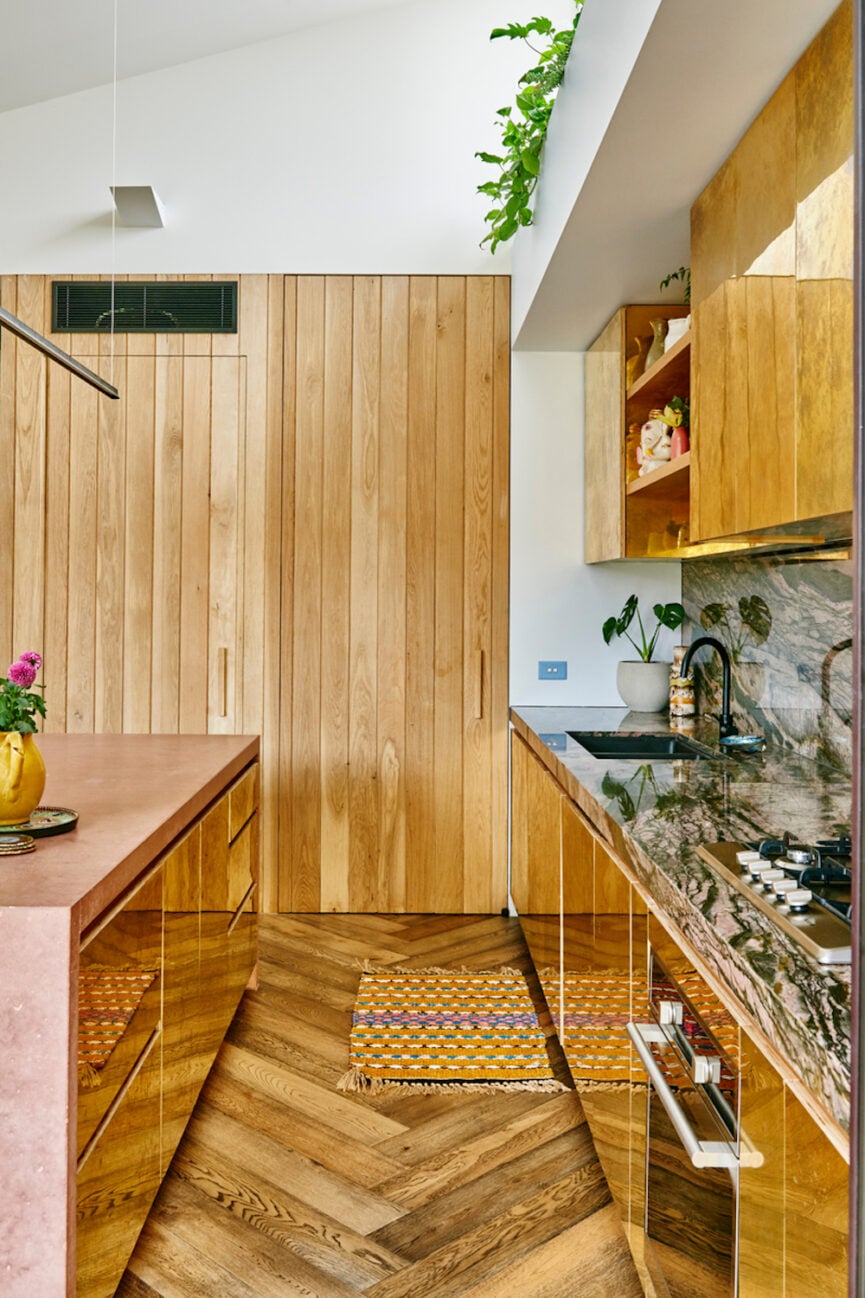
Marble, though timeless, will see a decline in its 'overload' application. Heavily-veined marble slabs used extensively for countertops, walls, backsplashes, and even ceilings have been found to be too dominating and often fail to reflect the homeowner's personality. A more judicious and subtle use of marble is expected.
Finally, dramatic, contrasting grout for tiles is also a trend that is fading. This mismatched look can create visual chaos, particularly in smaller spaces. The advice is to match grout to the tile color and keep grout lines as small as possible for a cleaner, more cohesive appearance.
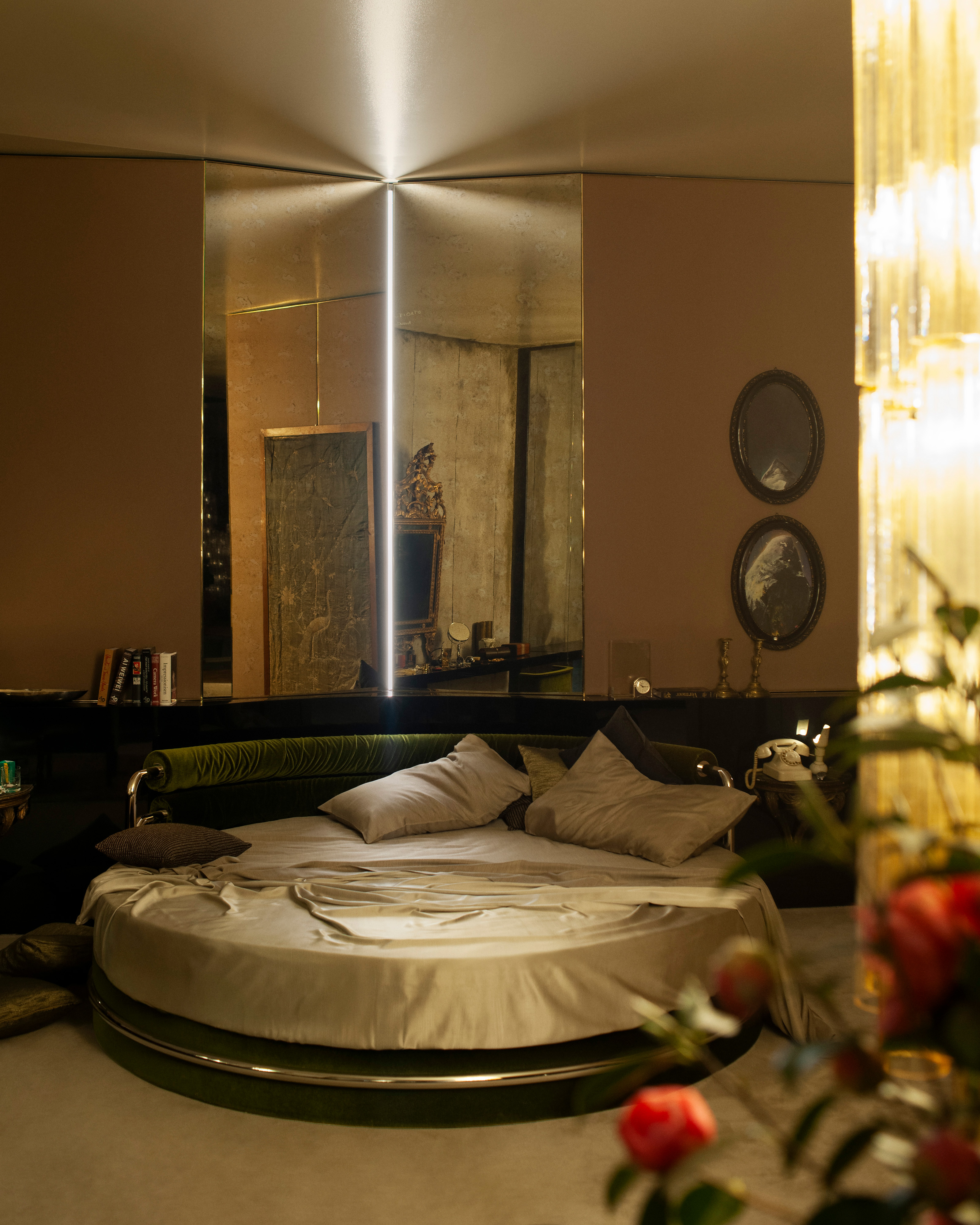
Art Deco, while beautiful in specific settings like restaurants, is becoming less favored for home interiors. Its opulent and dominating style is often too much for everyday living, especially in active family homes. The impracticality of maintaining such an elaborate aesthetic contributes to its declining popularity in residential design.
#InteriorDesignTrends #HomeDecor #DesignForecast2025 #Maximalism #Minimalism #SustainableDesign #AntiqueFurniture #KitchenDesign #WallCoverings #InteriorDesignTrends #HomeDecor #DesignForecast2025 #Maximalism #Minimalism #SustainableDesign #AntiqueFurniture #KitchenDesign #WallCoverings
0개의 댓글이 총 표시됩니다.
 아직 댓글이 없습니다
추가로 마음에 드릴 만한 콘텐츠
10 Interior Design Trends to Watch in 2025

Designers Predict These 7 Interior Design Trends Will Be Everywhere in 2025

Design Forward: 4 Must-Know Interior Trends for 2025

8 Interior Design Trends for 2025
The Biggest Interior Design Trends for 2025

Interior Designers Predict These Will Be The 15 Hottest Interior Design Trends In 2025

8 Interior Design Trends That Will Be Everywhere in 2025

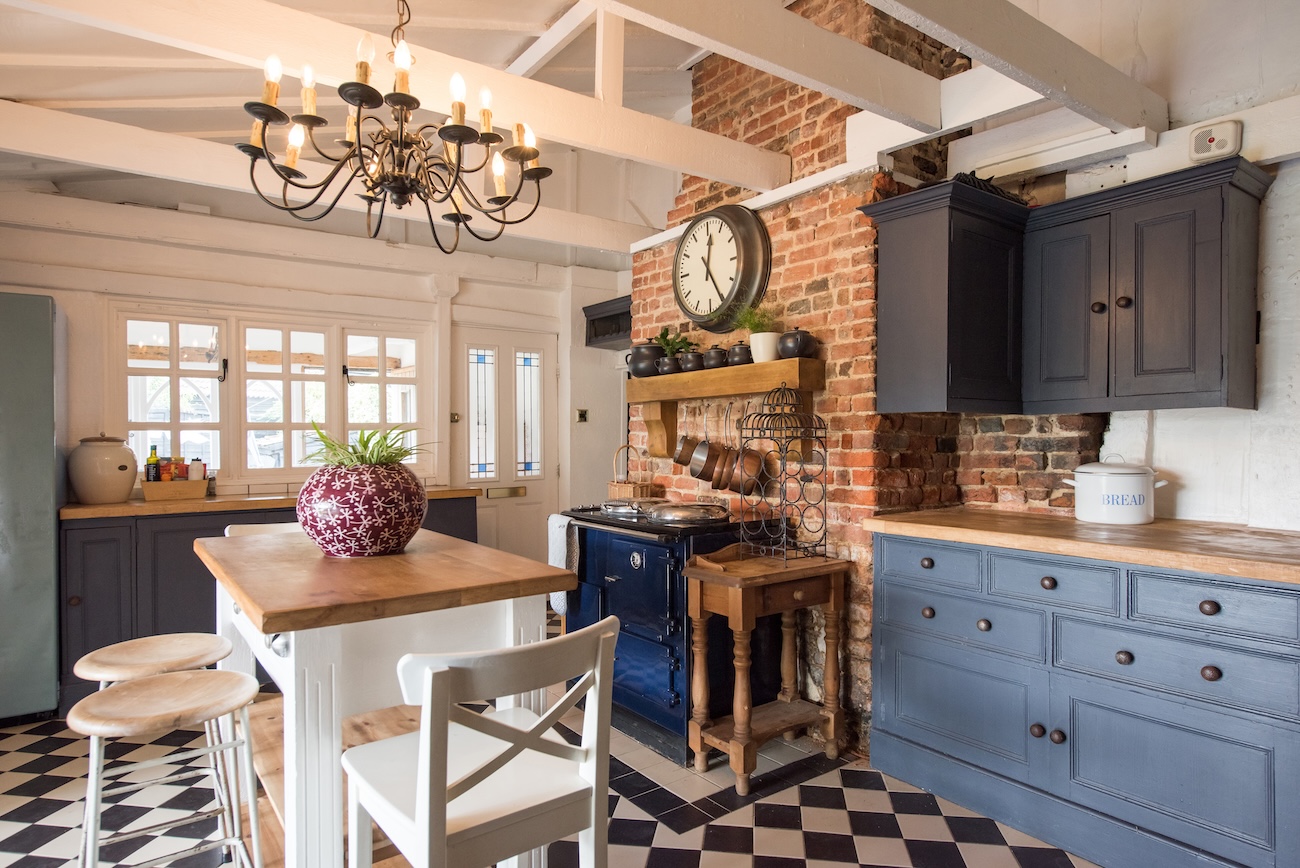
10 Hottest Home Design Trends to Watch for 2025
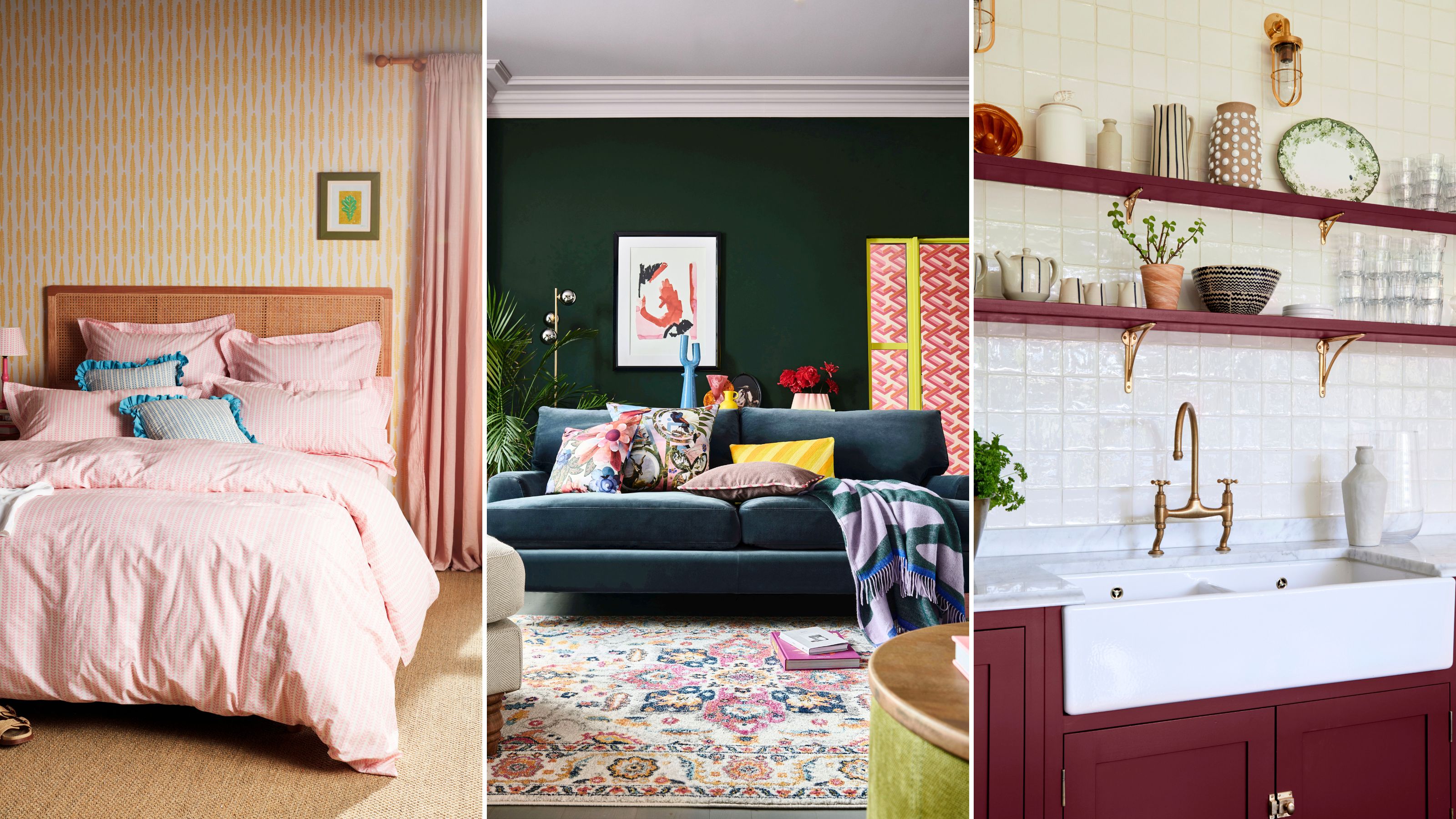
10 interior design trends for 2025 to level up your space

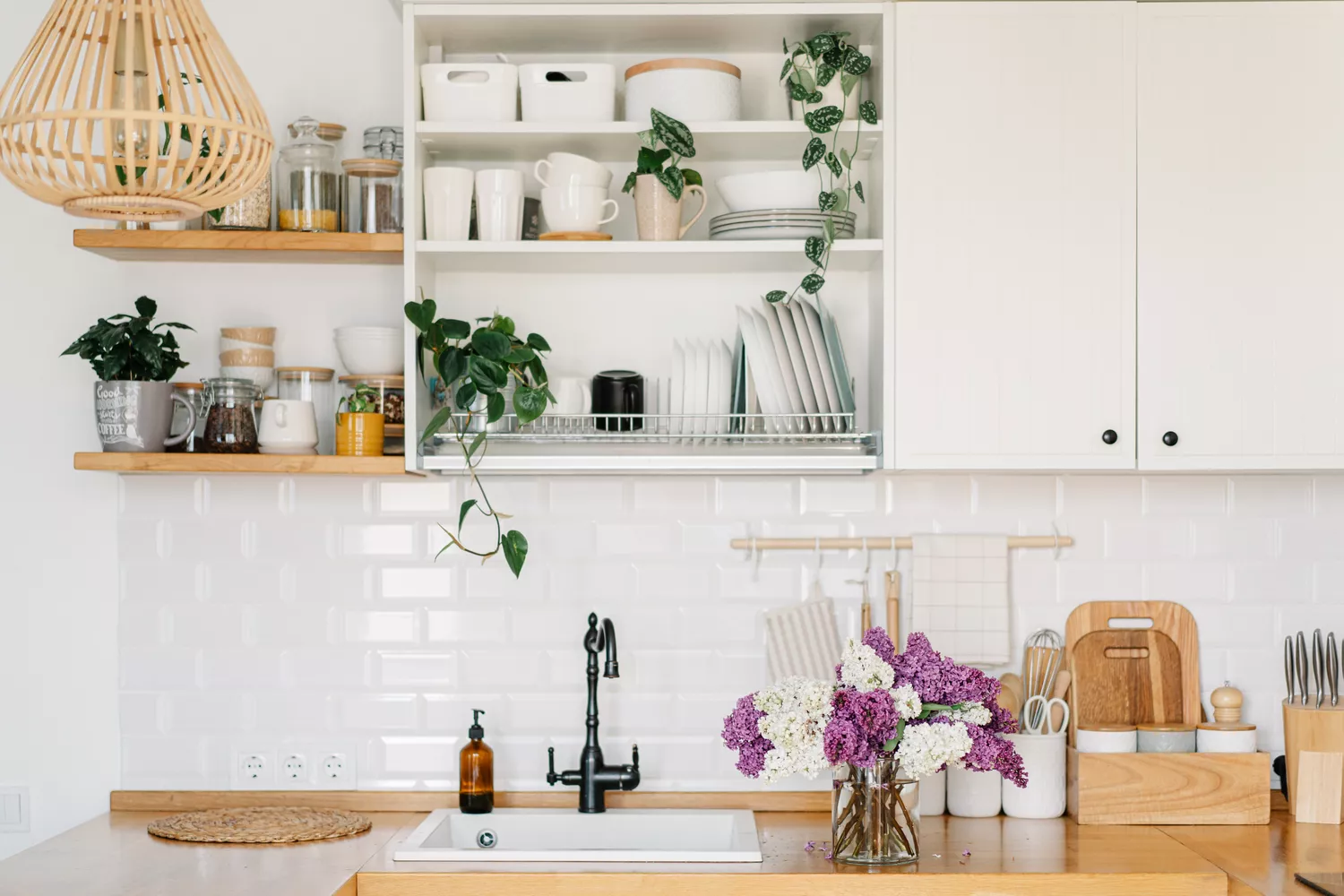
9 Home Décor Trends on Their Way Out in 2025, According to Interior Designers
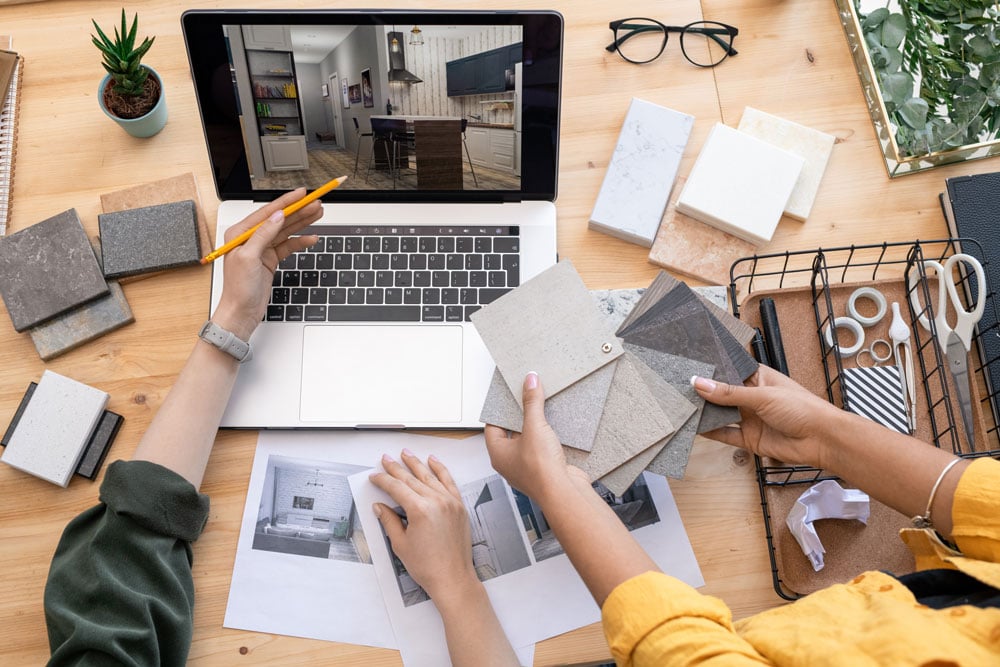
Sorry, But It’s Time to Retire These 5 Interior Design Trends in 2024

8 Decorating Trends Designers Wish Would Go Away in 2025
5 Design Trends Interior Designers Can't Wait to Say Goodbye to in 2025

The Interior Design Trends Taking Over Fall 2025, According to Designers

10 furniture trends that designers are loving for 2025

Interior Designers are Ditching These Home Trends in 2024
Interior Design Trends That Might Surprise You. Here Are 10 That Are Hot for 2025!
12 must-know interior design trends that will be defining our homes in 2025
The Pros Have Spoken: These Interior Design Trends Will Define 2025

Five Interior Design Trends for 2025