Why the Urban Jungle Needs More Trees
As urban areas continue to expand and global temperatures rise, cities face a significant challenge in mitigating the urban heat island effect and improving the quality of life for their inhabitants. One of the most effective and cost-efficient solutions is the integration of more plants and trees into urban design. This approach not only addresses climate change but also enhances the environmental and physiological well-being of urban dwellers. The urban heat island effect, caused by the absorption and re-emission of solar radiation by concrete and asphalt, leads to increased temperatures in built-up areas, escalating the risk of heat-related illnesses. With approximately 40 percent of urban areas expected to exist by 2030 yet to be developed, there is a critical window of opportunity to incorporate nature-based solutions into future urban planning.
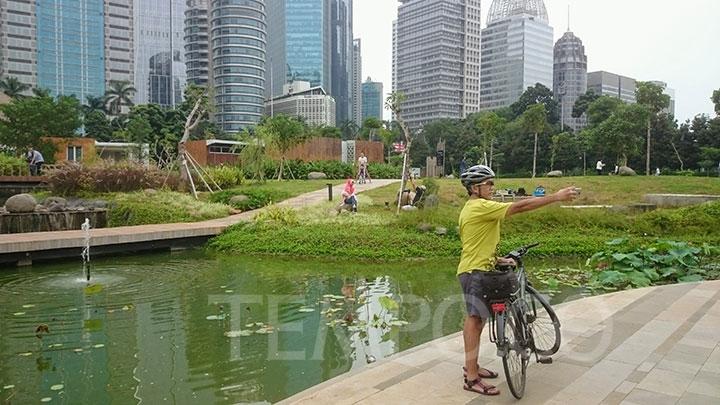
Nature-based solutions encompass various strategies aimed at reducing greenhouse gas emissions and improving ecosystems' capacity to absorb carbon dioxide. Among these, plant-based interventions are particularly successful in mitigating heat. While the precise amount of green space required for urban populations remains a subject of scientific debate, organizations like the World Health Organization advocate for accessible green spaces, recommending that everyone live within 300 meters of a green area of at least half a hectare. Vegetation in urban environments can reduce extreme climate impacts, decrease energy consumption, and boost physical and psychological health, making city life more sustainable.
Trees play a crucial role in cooling urban spaces. Tree canopies provide shade, blocking sunlight and reducing the heat radiated by buildings into the environment. In tropical cities, trees like Ceylon Ironwood, with their dense branching and high leaf coverage, offer excellent shading. This shading reduces absorbed heat, promotes evapotranspiration, and lowers surrounding temperatures, significantly improving thermal comfort. Plants can lower indoor and outdoor temperatures by more than 3 degrees Celsius by modifying the microclimate. When space for traditional trees is limited, living walls, or vertical gardens, offer a viable alternative, providing similar benefits through climbers and creepers.
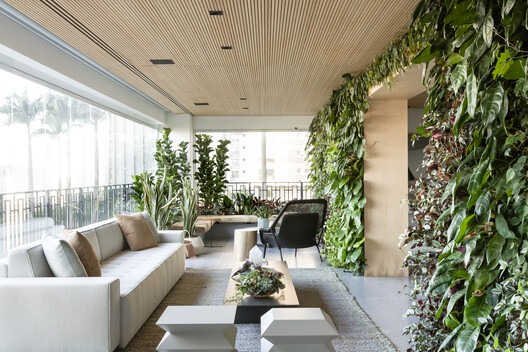
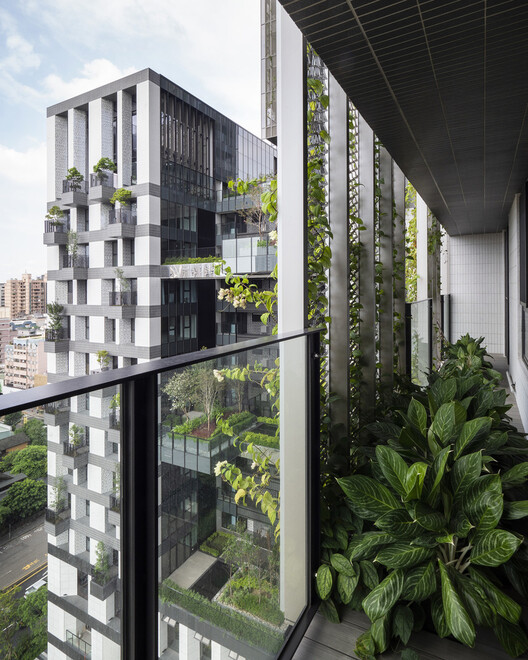
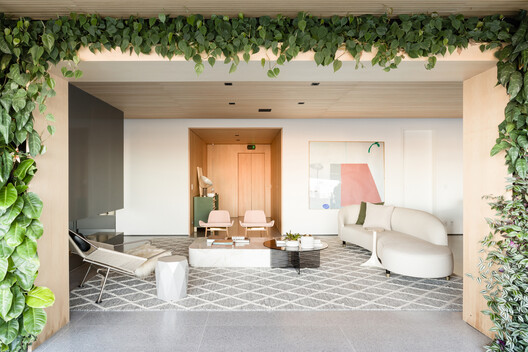
Living walls are irrigation systems that support vertical gardens, influencing the microclimate by reducing ambient temperatures and sometimes integrating with water treatment systems. These vegetated building exteriors serve a dual purpose: they decrease heat transfer into buildings and enhance aesthetic appeal. Green facades, where plants like vines and creepers grow directly on building surfaces, and green walls, which use specialized systems to cultivate various plants, are common types of living walls. Both contribute to improved energy efficiency. Green facades typically involve ground-planted or planter-based vegetation climbing onto structures, while green walls utilize a separate system attached to the wall. Continuous green walls, or vertical gardens, often use lightweight, permeable frames for individual plant cultivation. Climbing plants such as Double Rangoon, Yellow Trumpet vines, and Curtain Creeper are chosen for their optimal performance in creating pleasant microclimates, lowering temperatures, and purifying the air.
Urban farming is another effective nature-based solution, a practice with historical roots in civilizations like Machu Picchu and the Hanging Gardens of Babylon. Modern urban gardening integrates environmental benefits such as greenhouse gas reduction and city greening. Green infrastructure can revitalize unused or underutilized urban spaces, transforming them into small-scale farms that provide food for residents and reduce carbon emissions. Rooftops, balconies, and vacant lots are ideal locations for urban farms. The presence of vegetation significantly impacts a building's microclimate, with studies showing temperature reductions of 1.32 to 5 degrees Celsius compared to hard surfaces, primarily due to evapotranspiration. Urban greening, including farming, effectively mitigates the urban heat island effect, particularly in interstitial spaces between buildings. Utilizing plants to moderate heat and lessen reliance on artificial cooling offers a foundational solution to the growing threat of rapidly heating cities.
#UrbanGreening #ClimateChange #NatureBasedSolutions #UrbanHeatIsland #SustainableCities #GreenInfrastructure #LivingWalls #UrbanFarming #EnvironmentalSustainability #UrbanGreening #ClimateChange #NatureBasedSolutions #UrbanHeatIsland #SustainableCities #GreenInfrastructure #LivingWalls #UrbanFarming #EnvironmentalSustainability
 まだコメントはありません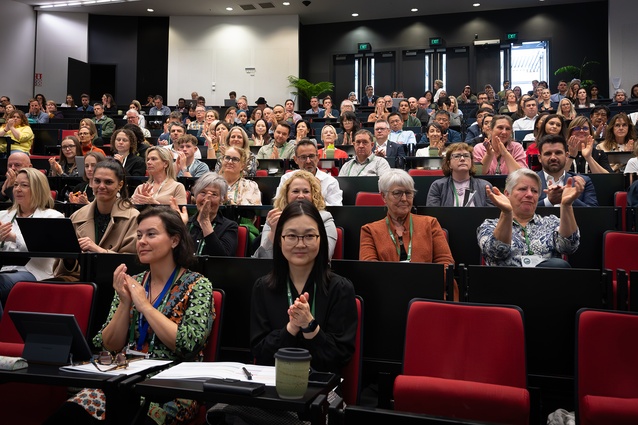
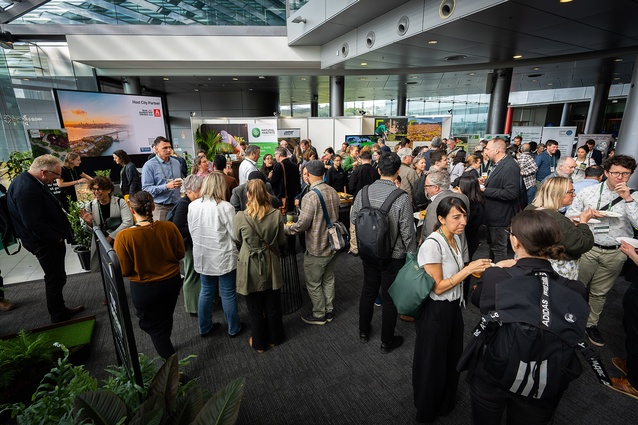
Building Change: World Green Infrastructure Congress 2024
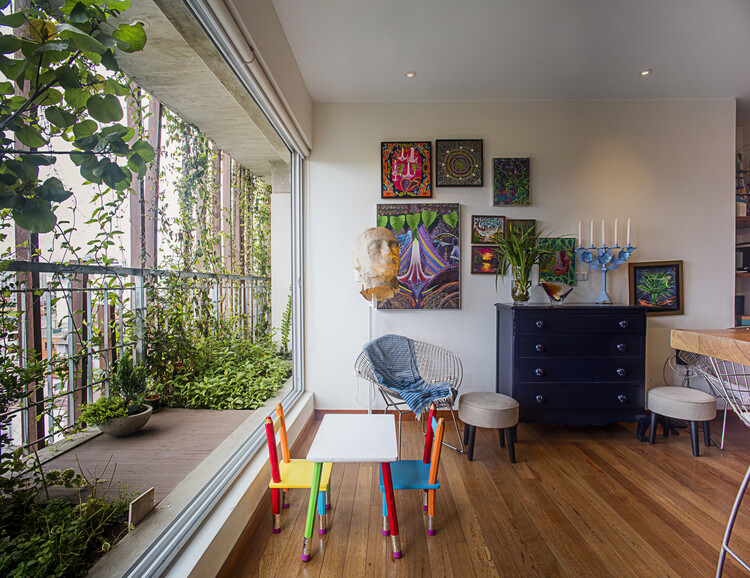
Cultivating Green Apartments: A Guide to Integrating Nature in Small Urban Spaces


Green roofs and walls increase urban sustainability

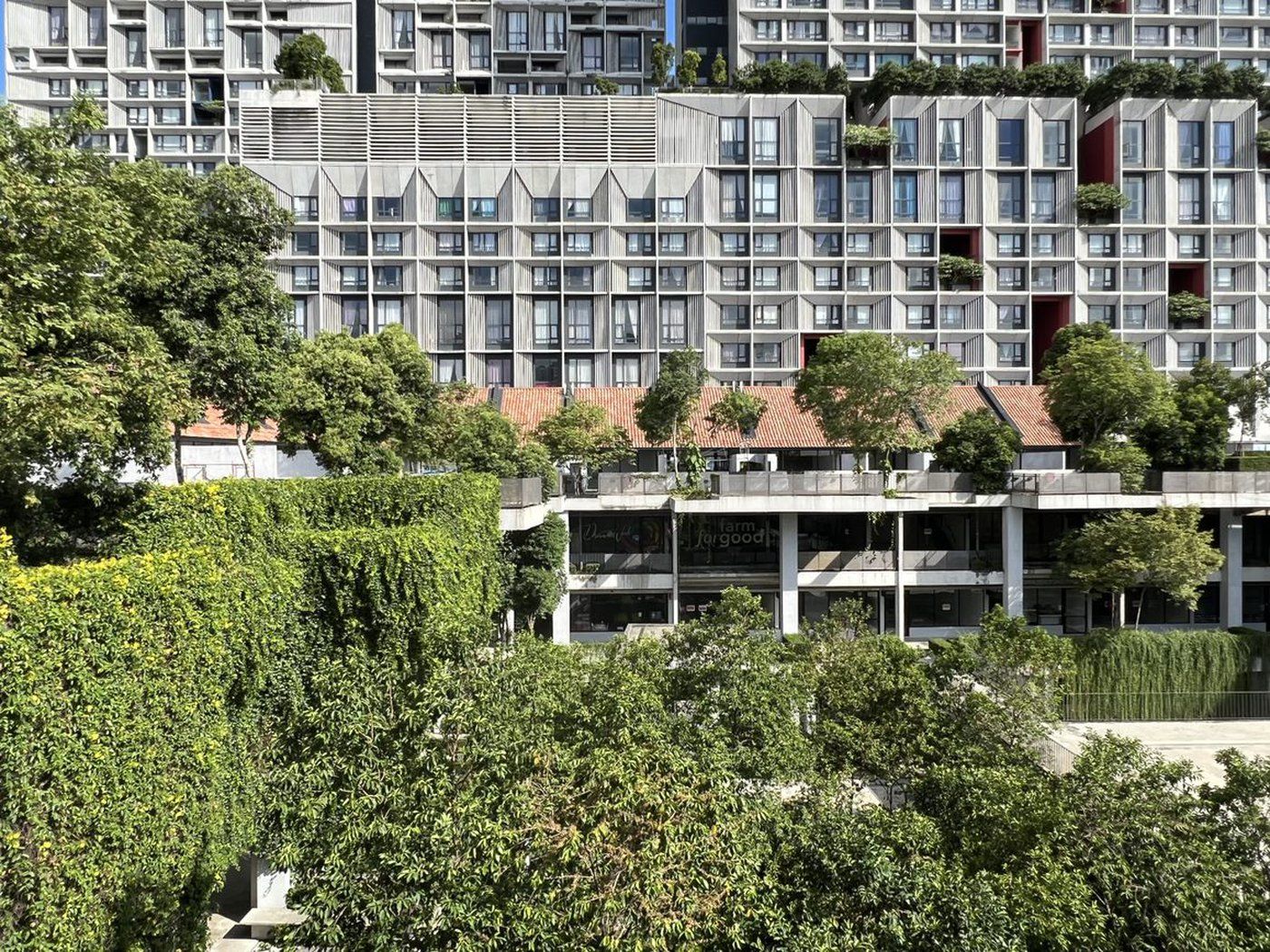
The Urban Jungle Needs More Trees
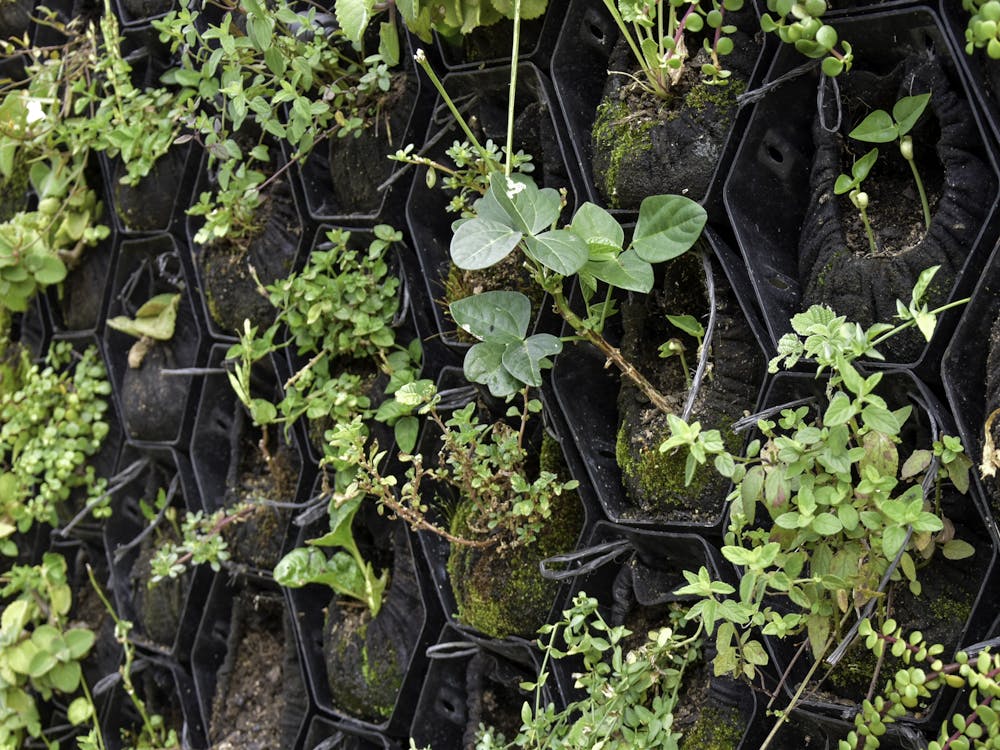
Growing African vegetables on buildings can save space and feed cities – new study