1/11
Where to put utensils in a kitchen without drawers – 10 alternative ways to contain your culinary tools
The absence of kitchen drawers for utensil storage can be a challenge, yet numerous alternative solutions exist that can be even more advantageous. Understanding these alternatives allows for greater flexibility in utensil placement, optimizing workflow, and freeing up space for other kitchen essentials, which is particularly beneficial in small kitchens. Moreover, these solutions can contribute to the overall aesthetic of the kitchen.
Before implementing any storage solution, it is advisable to declutter the kitchen. This involves assessing each utensil, replacing dull or broken items, and donating those that are rarely used. Grouping similar items together simplifies the subsequent organization process. Consideration should also be given to the frequency of utensil use; frequently used items might benefit from accessible countertop or wall storage, while less-used items can be stored in cabinets or other less prominent areas. The most effective approach is one that aligns with individual needs and kitchen layouts.
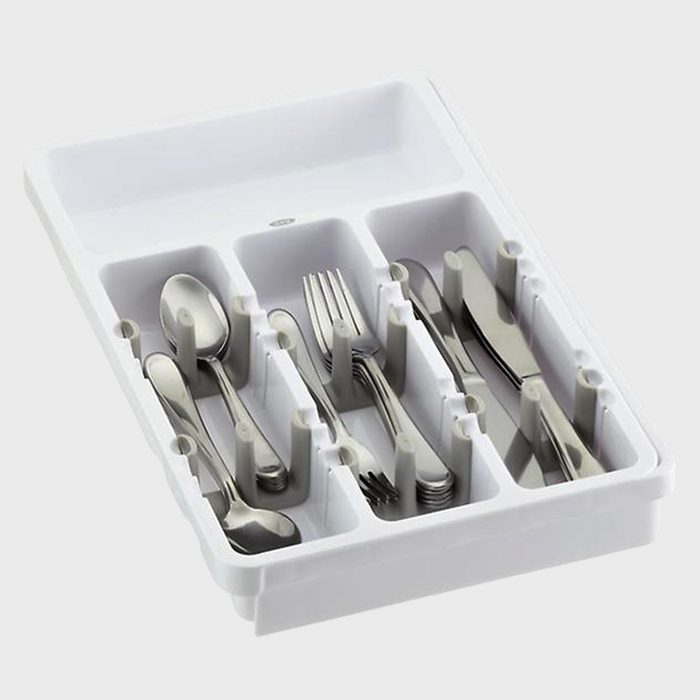
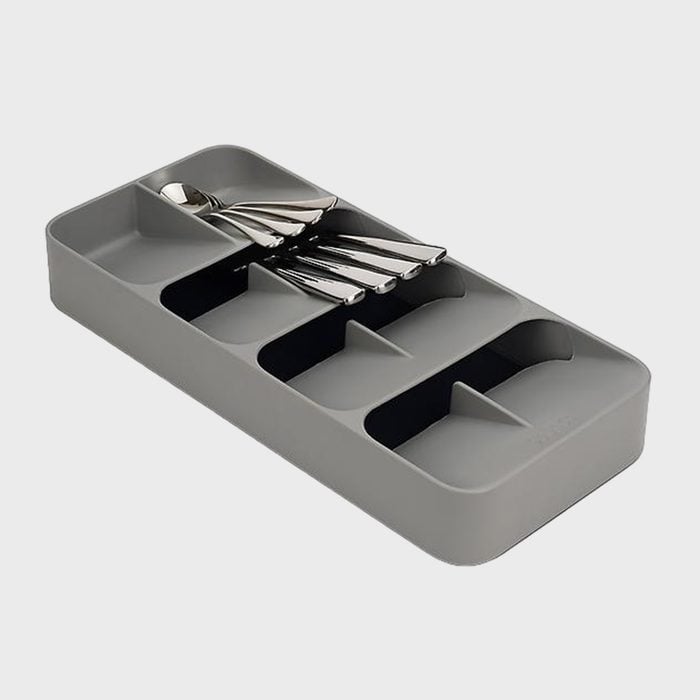
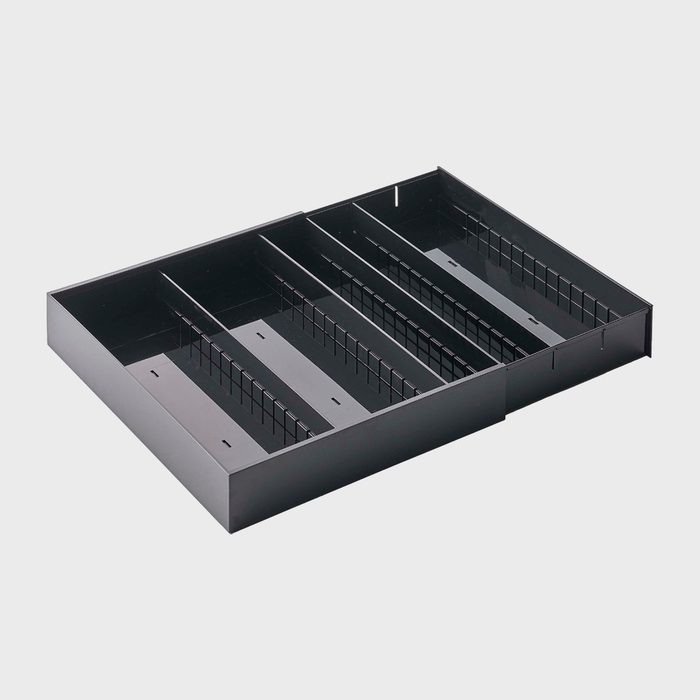
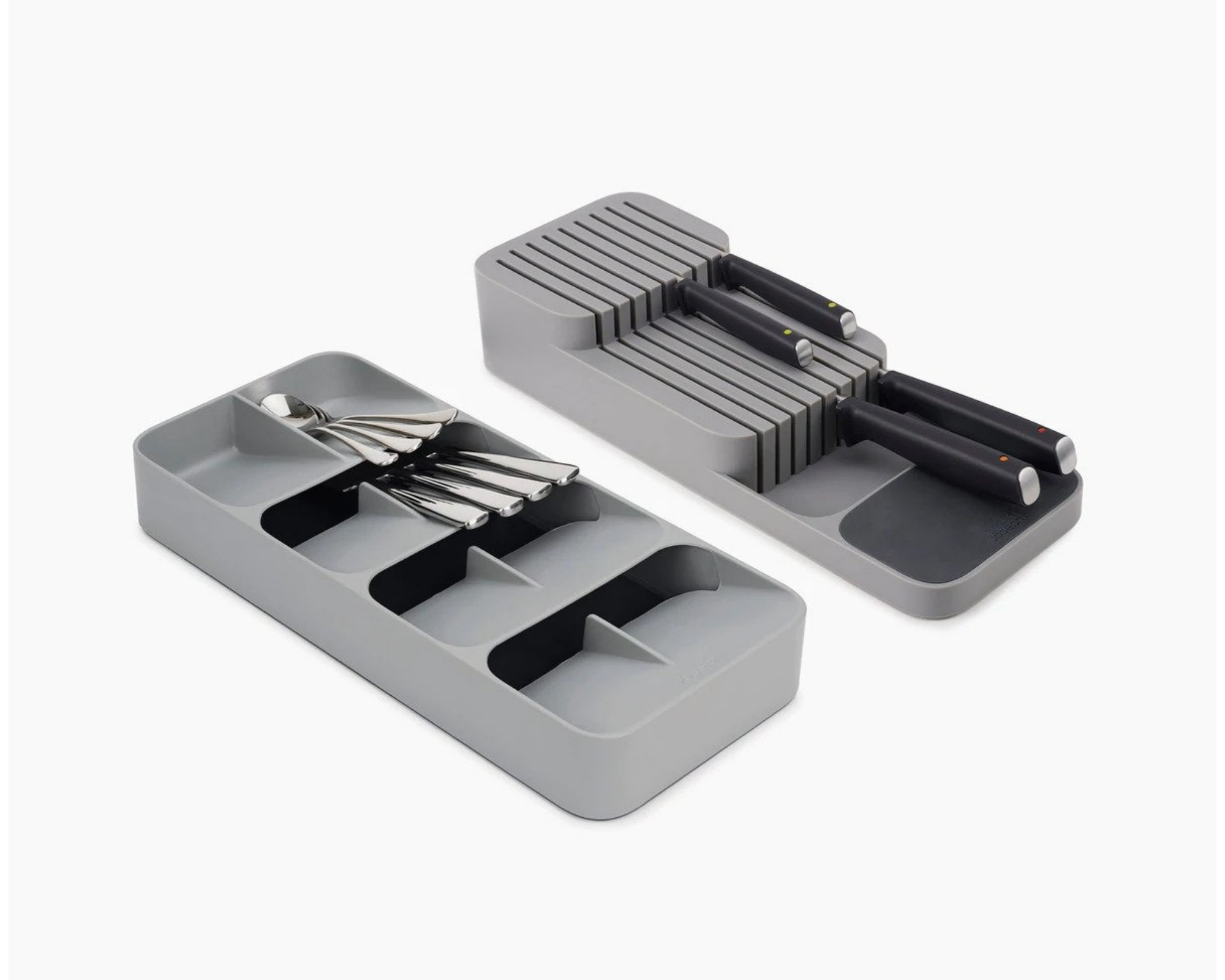
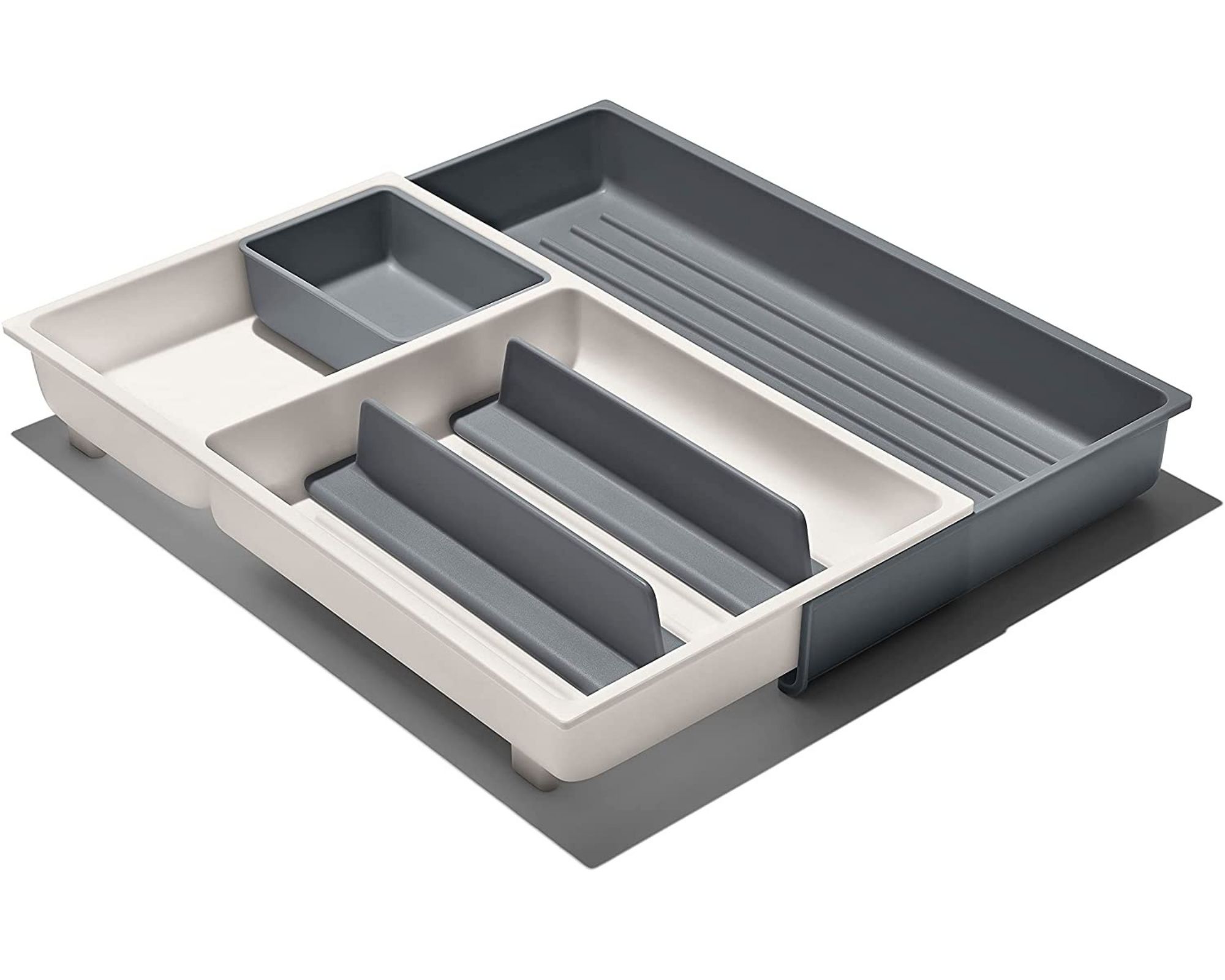
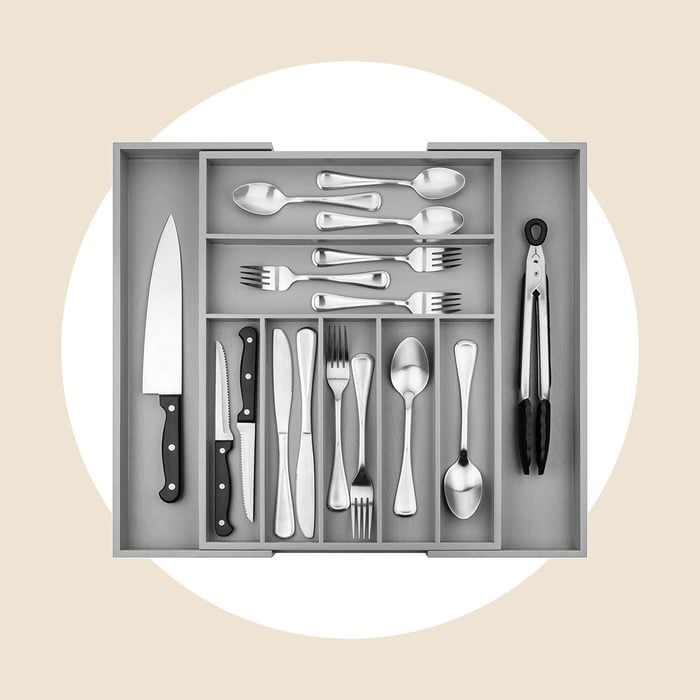
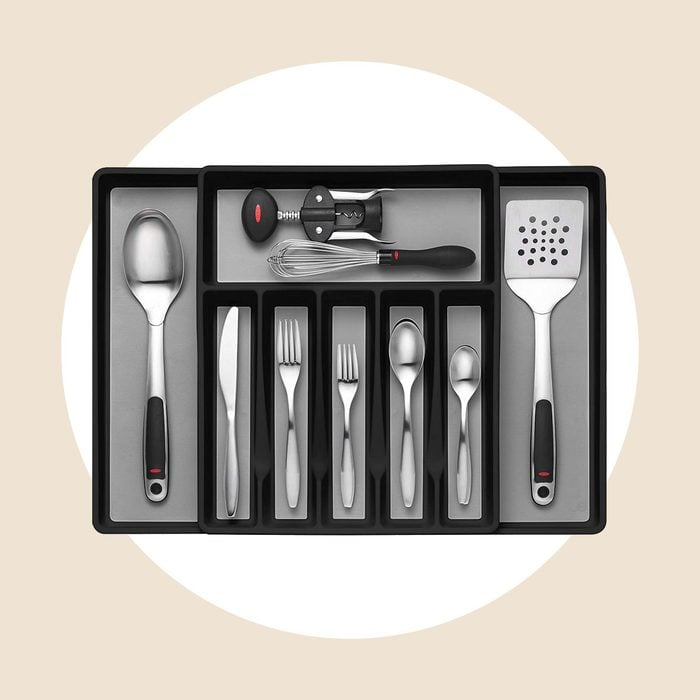
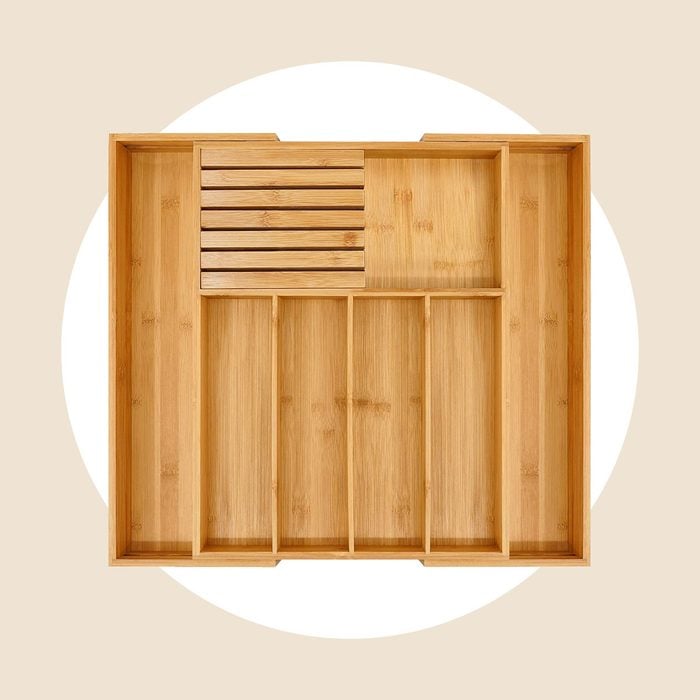
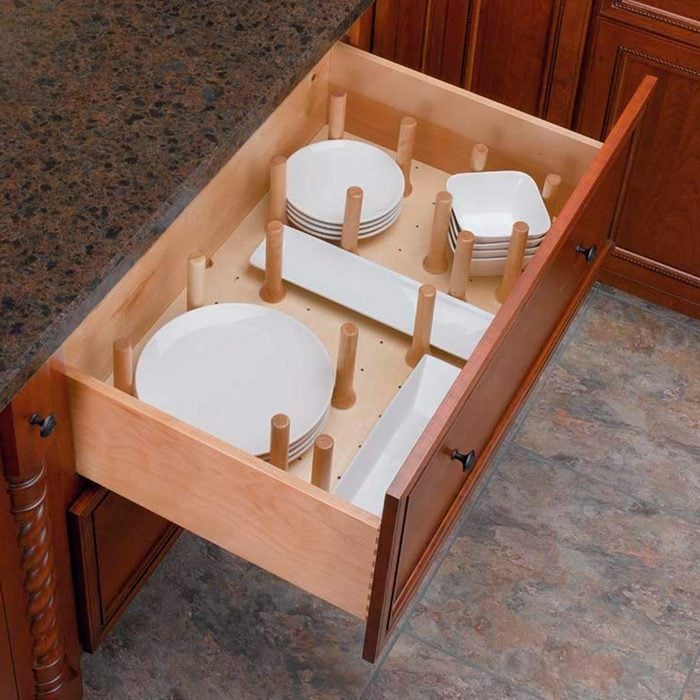
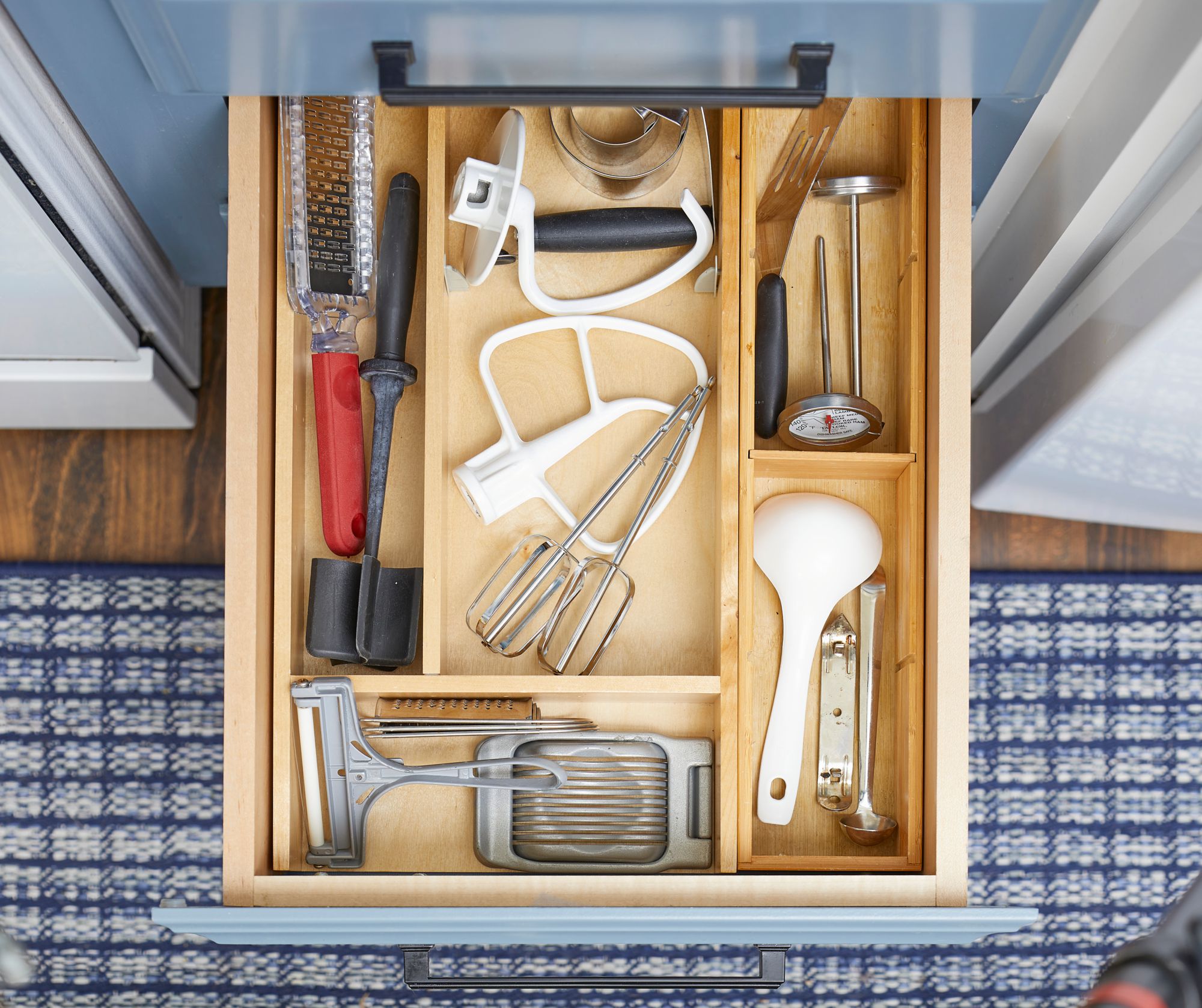
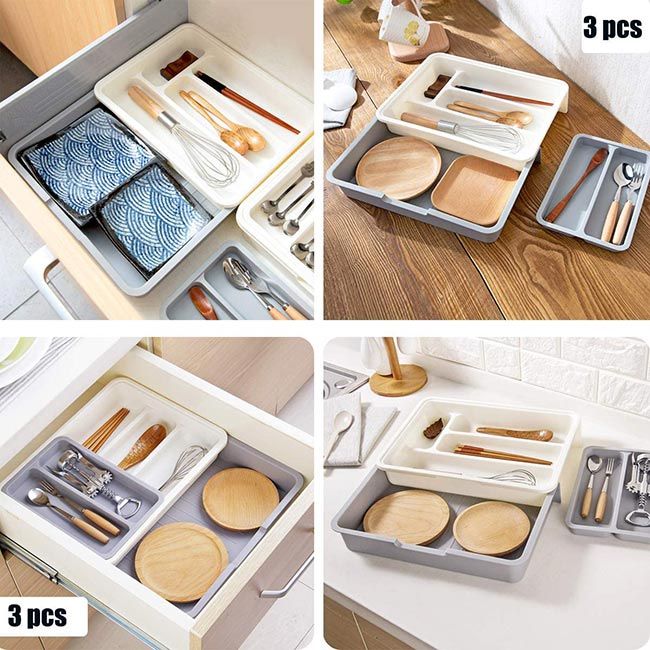
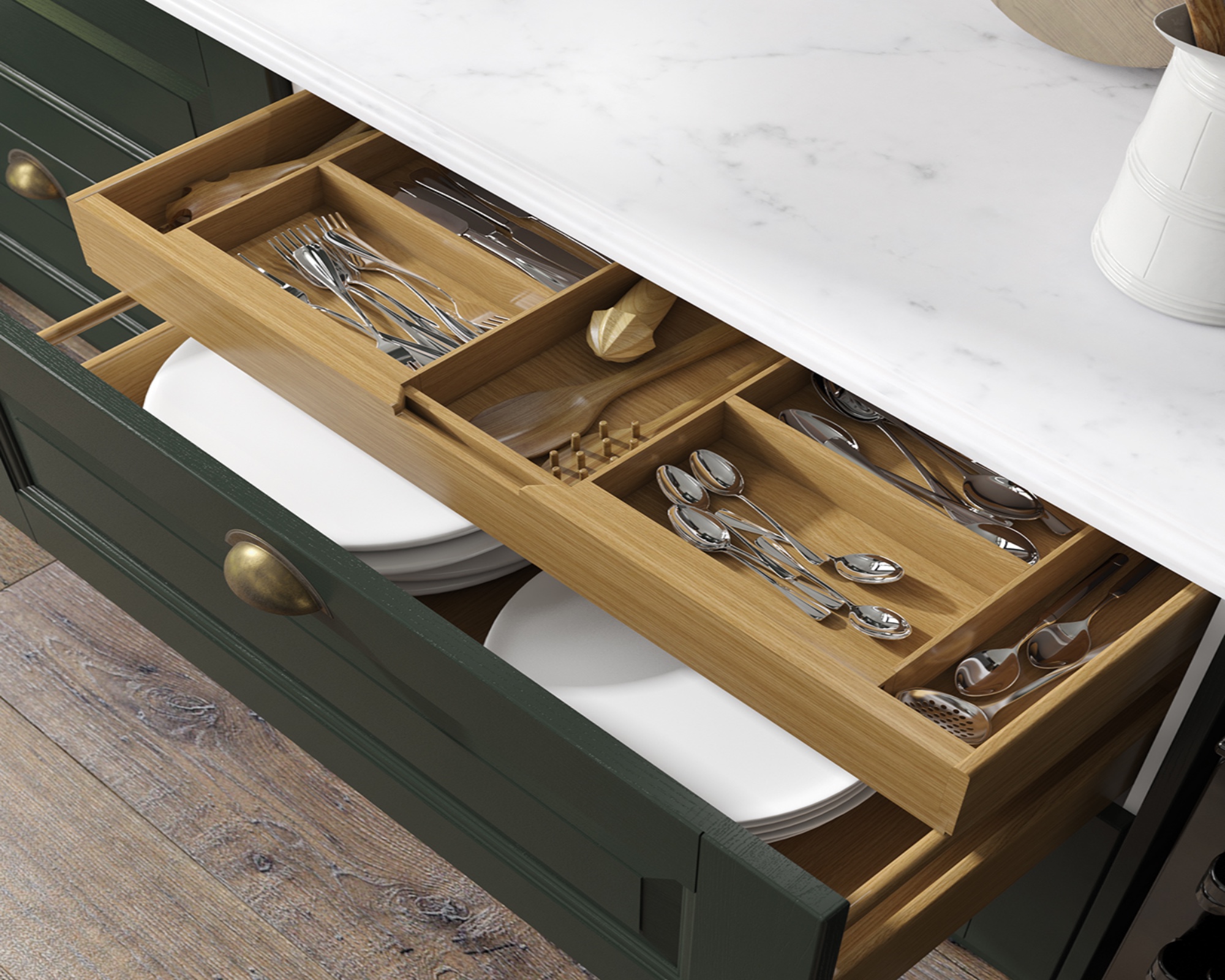
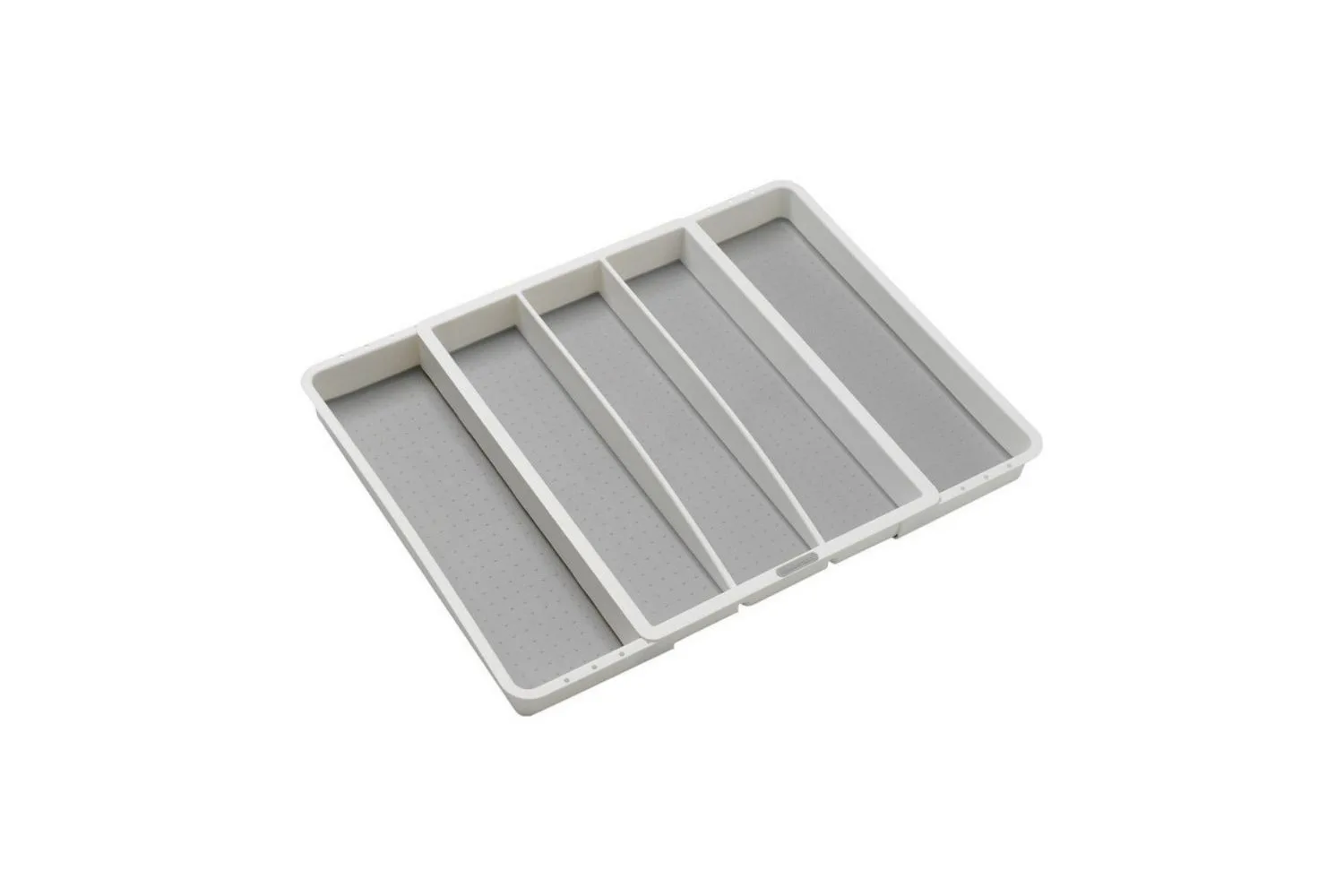
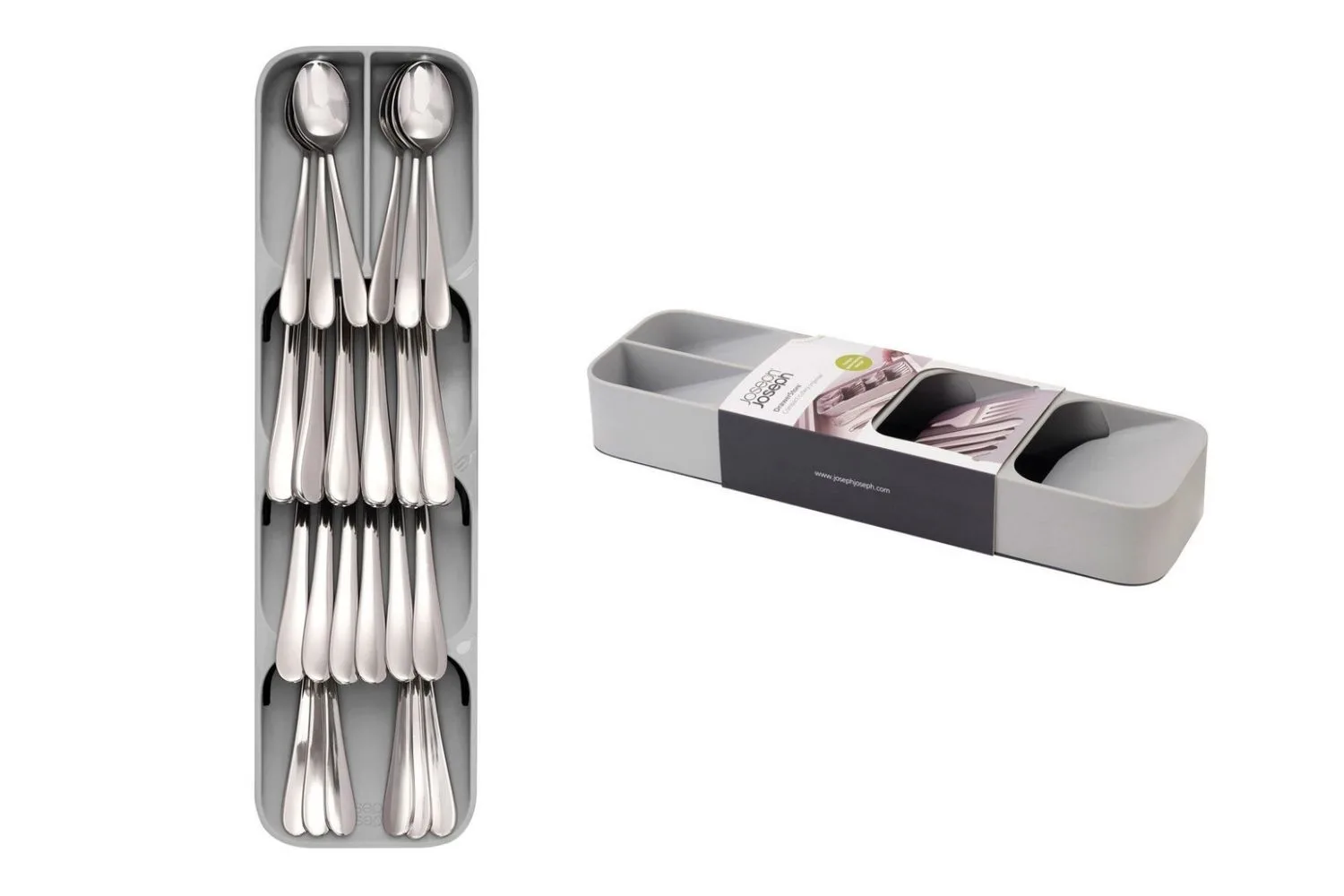
One method involves repurposing 'drawer' organizers for shelves inside cabinets or pantries. Horizontal organizers, or individual storage bins, can be used to contain utensils. Stackable or expandable versions are practical for maximizing space. Shallow designs are recommended for easy access. Categorizing bins by function, such as 'baking utensils' or 'wooden spoons,' and labeling them can streamline the search for specific items.
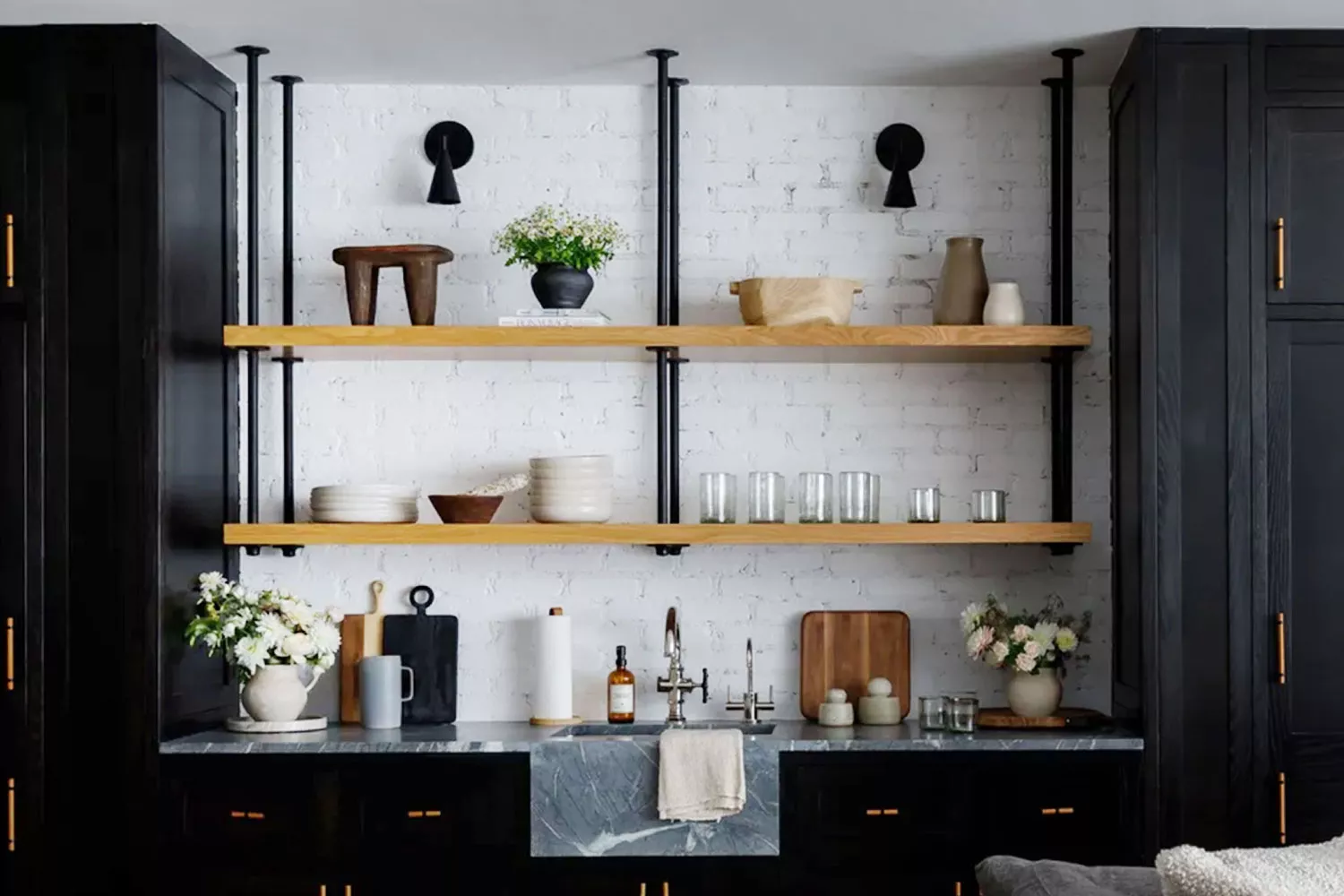
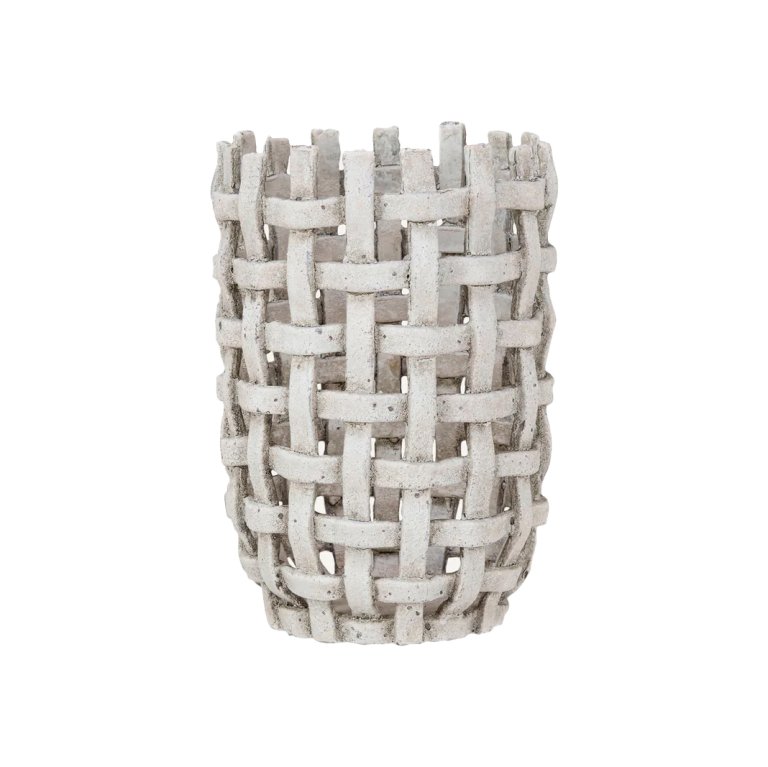
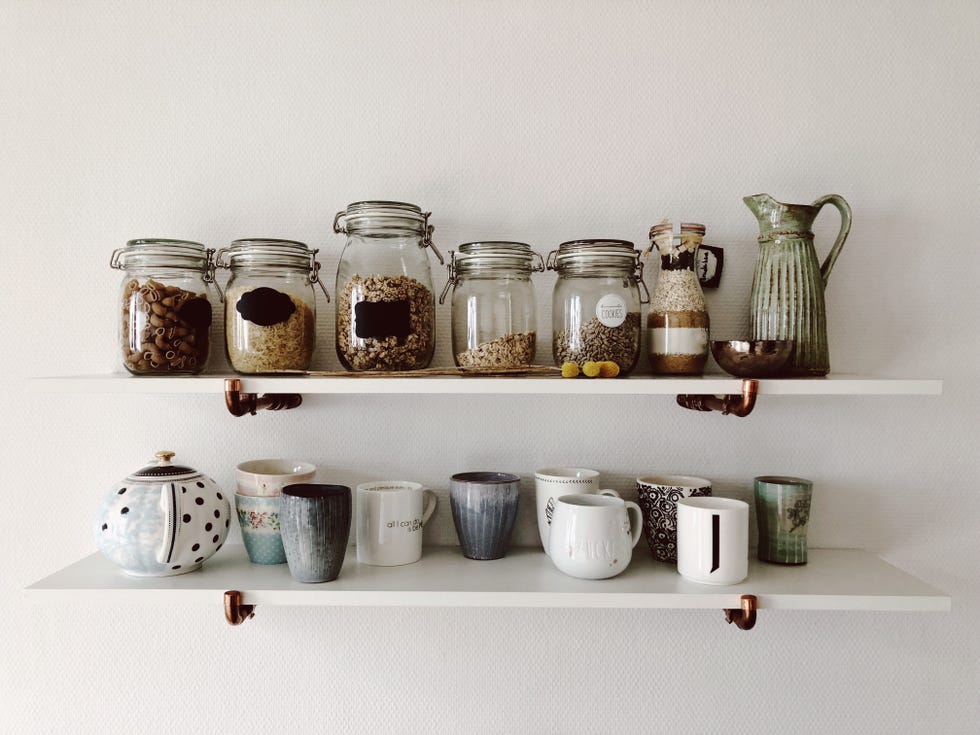
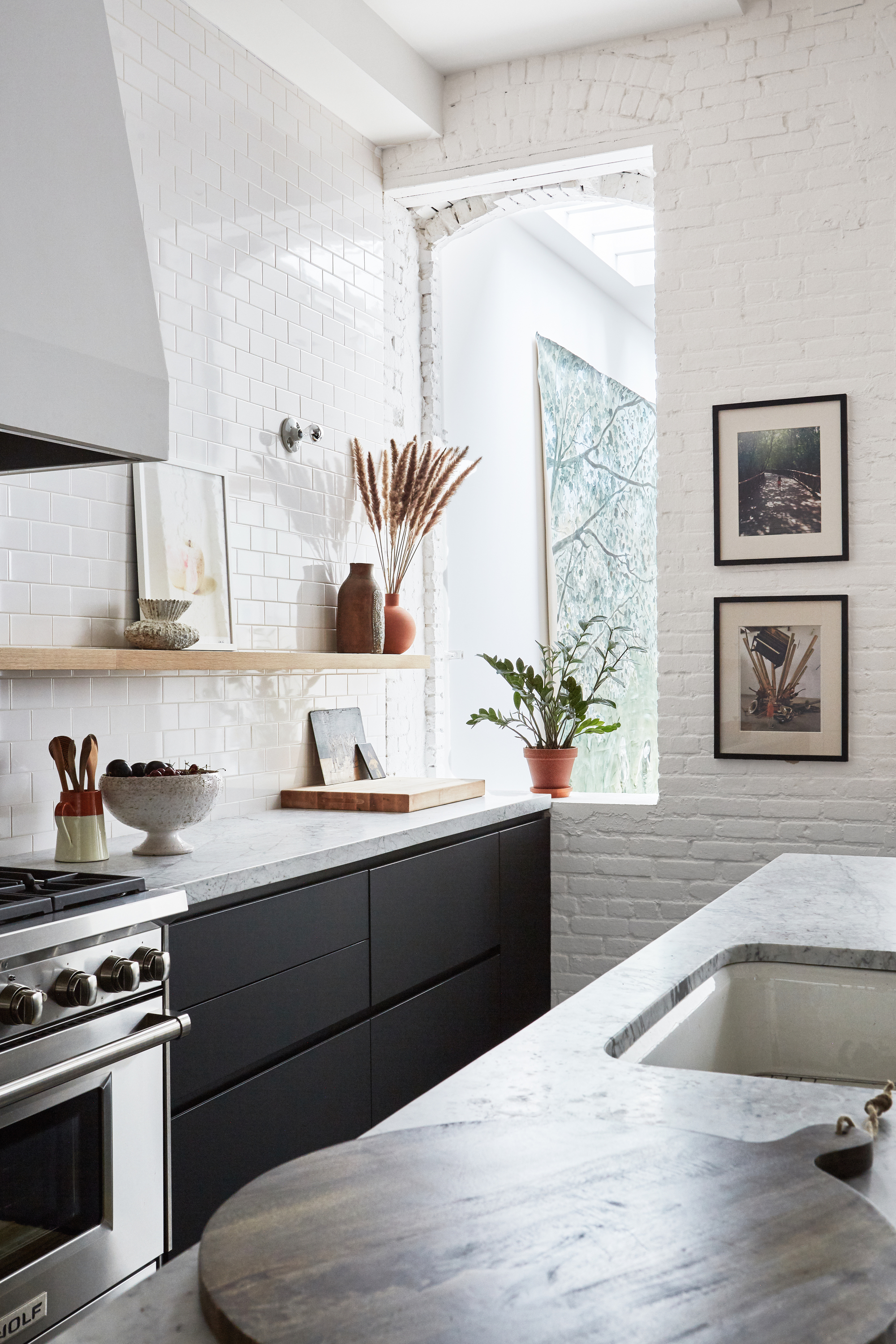
For kitchens with open shelving, caddies and baskets offer a stylish storage option. Flatware caddies, wooden canisters, or chunky glass jars, especially those made from natural materials, integrate well with various kitchen designs. Designs with handles allow for easy retrieval and movement around the countertop during cooking. Less frequently used utensils and small appliances can be stored in similar arrangements within a pantry or mudroom.
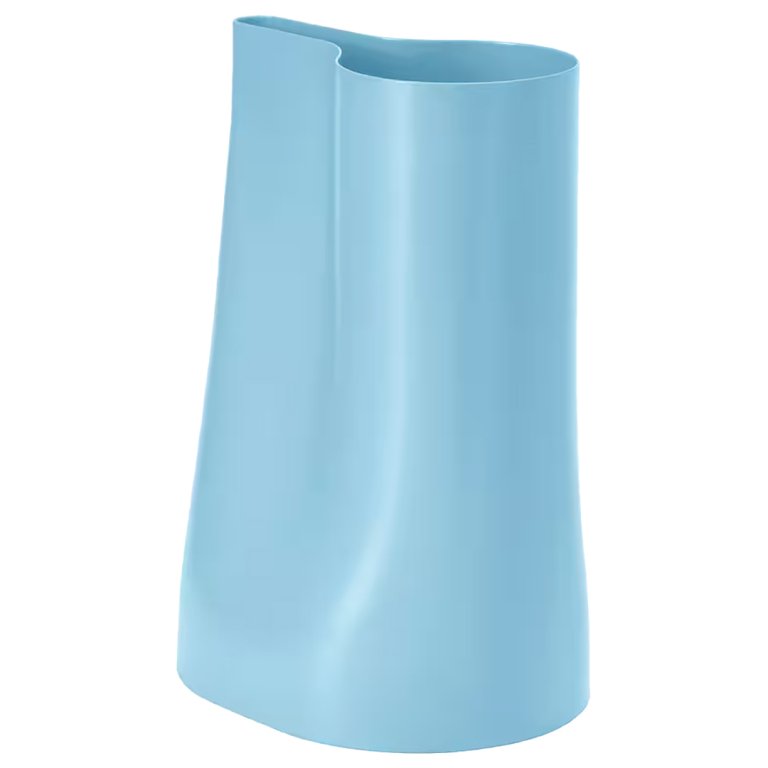
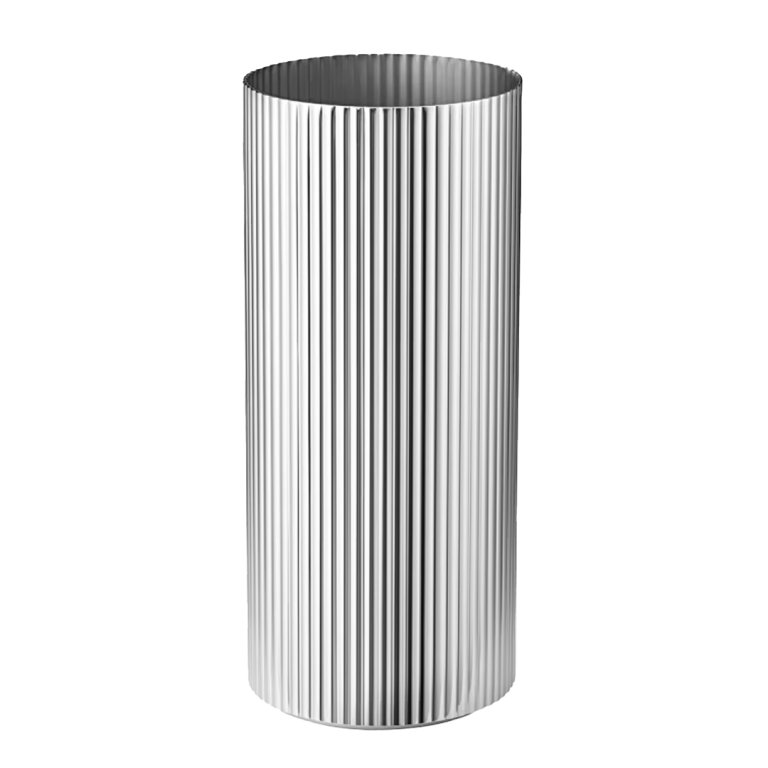
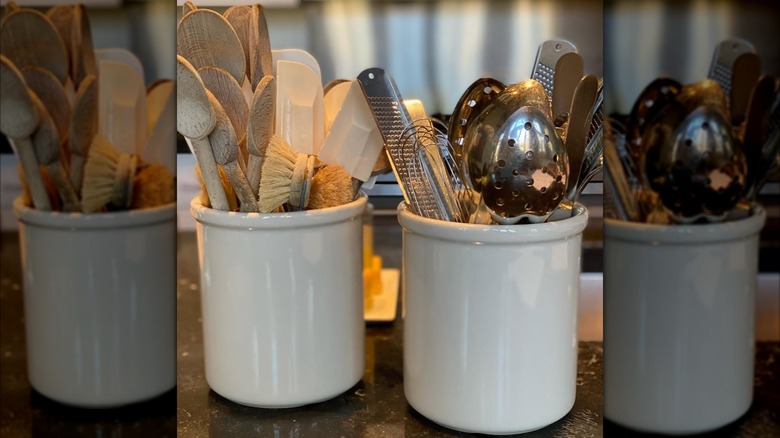
While the goal is often to keep countertops clear, practical considerations in kitchens lacking ample storage may necessitate storing some everyday utensils there. The key is to select aesthetically pleasing crocks or canisters that complement the kitchen's style. Choosing consistent styles for storage containers or grouping visually harmonious utensils creates a cohesive look. These countertop solutions should ideally hold only frequently used, attractive utensils to avoid clutter.
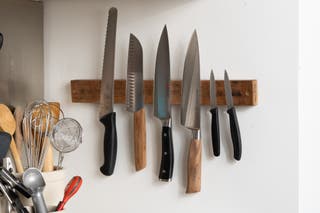
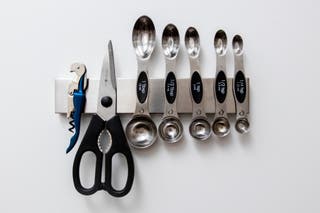
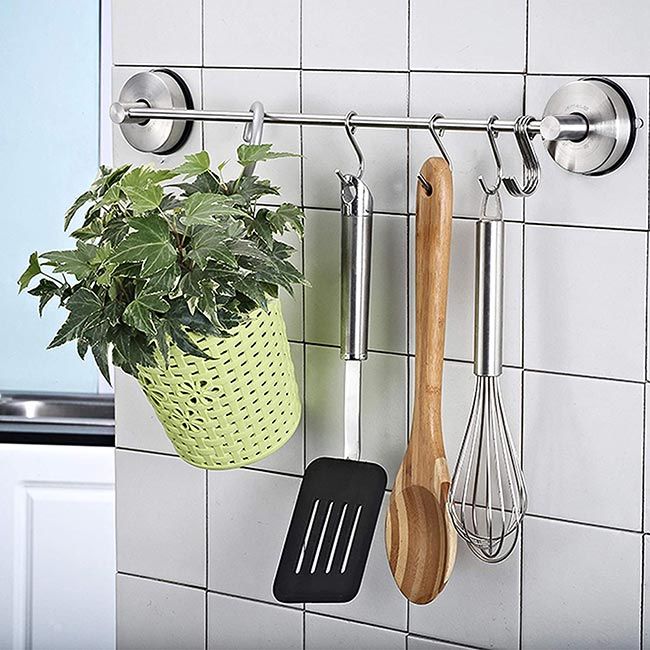
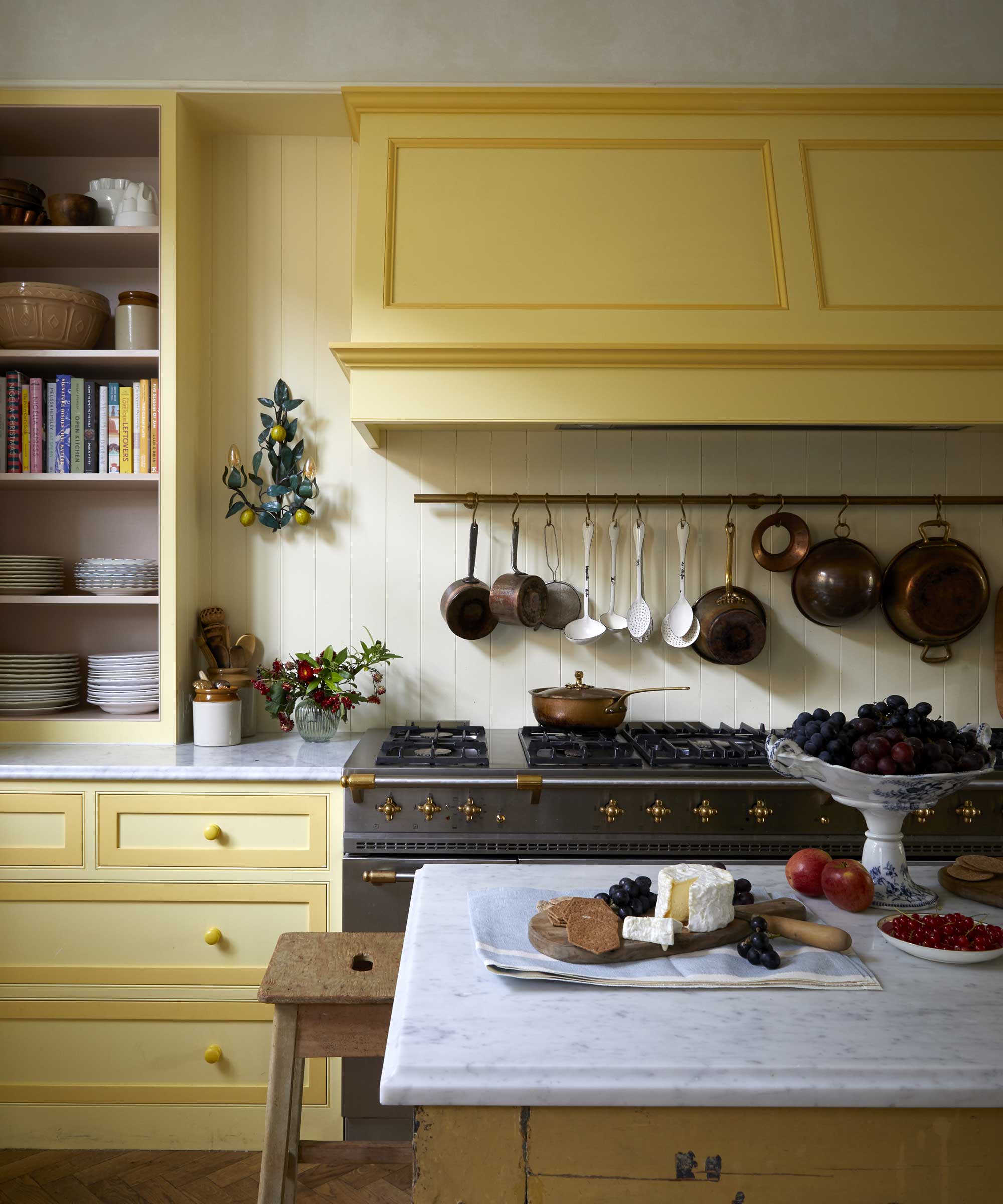
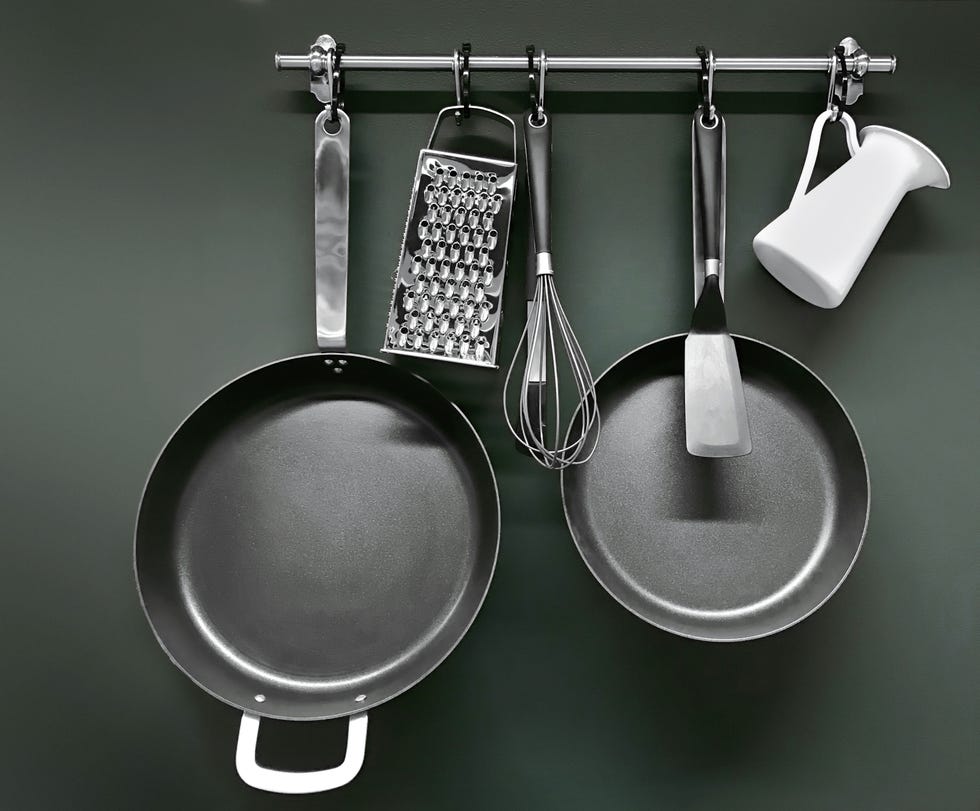
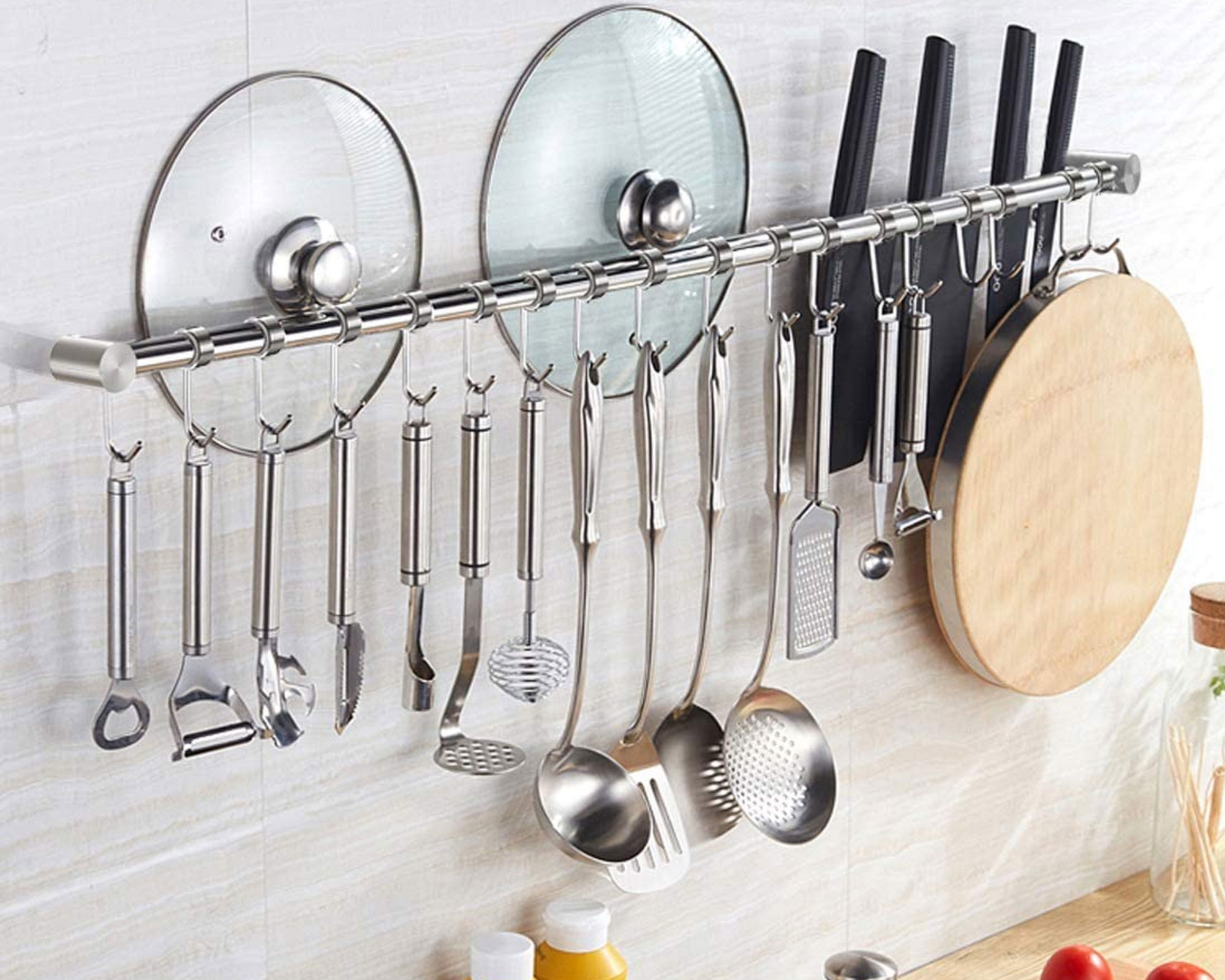
Mounting utensils on walls can be an effective space-saving solution, particularly for smaller kitchens where traditional shelving might feel too dominant. Peg rails, equipped with hooks and wire baskets, can accommodate a variety of utensils, including silverware and items without hanging holes. Magnetic knife racks not only display knives safely and stylishly but also provide storage for larger, awkwardly shaped utensils like ladles and whisks, preventing them from getting tangled in drawers. Strategically placing these racks near food preparation areas enhances convenience, and their height can be adjusted to be out of reach of small children.
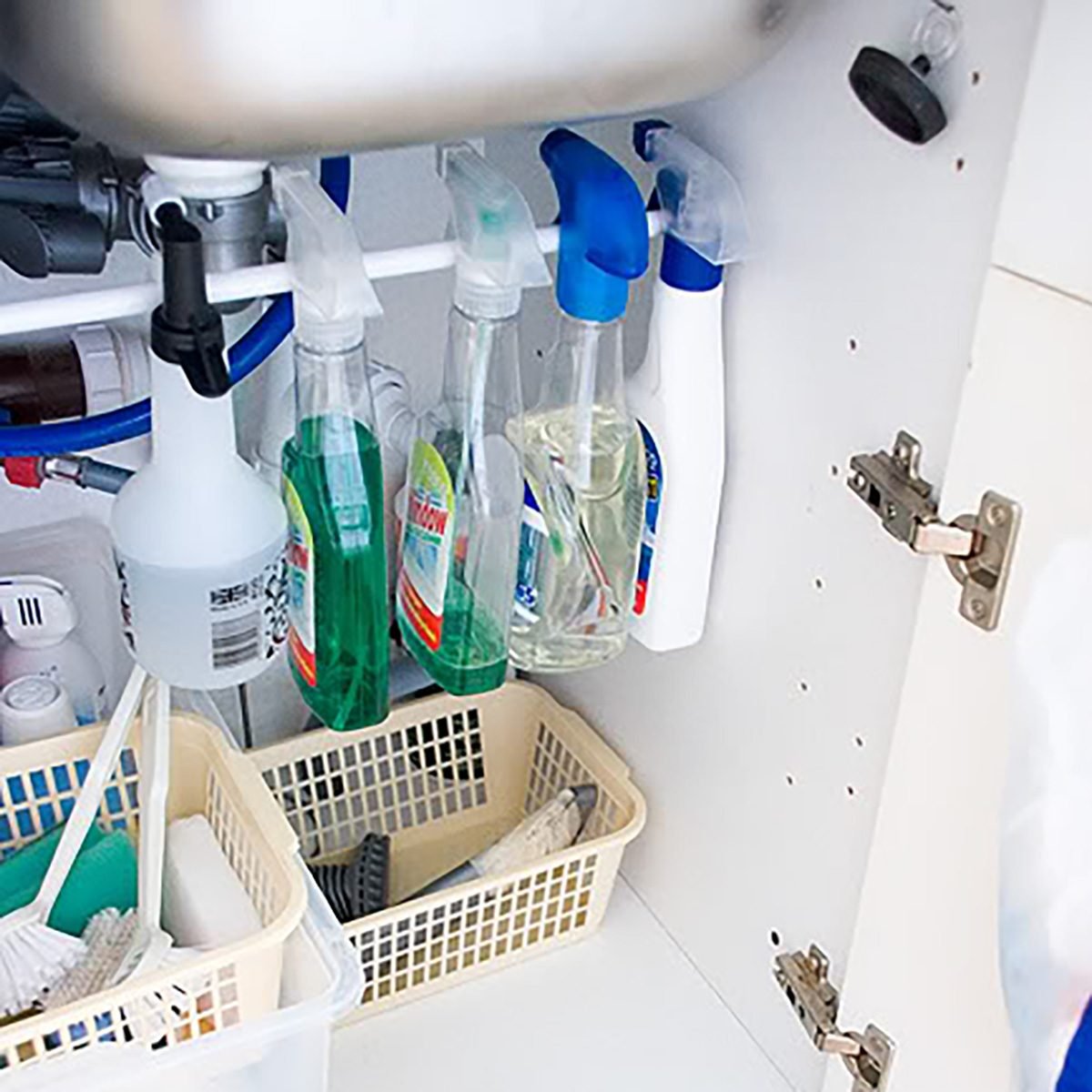
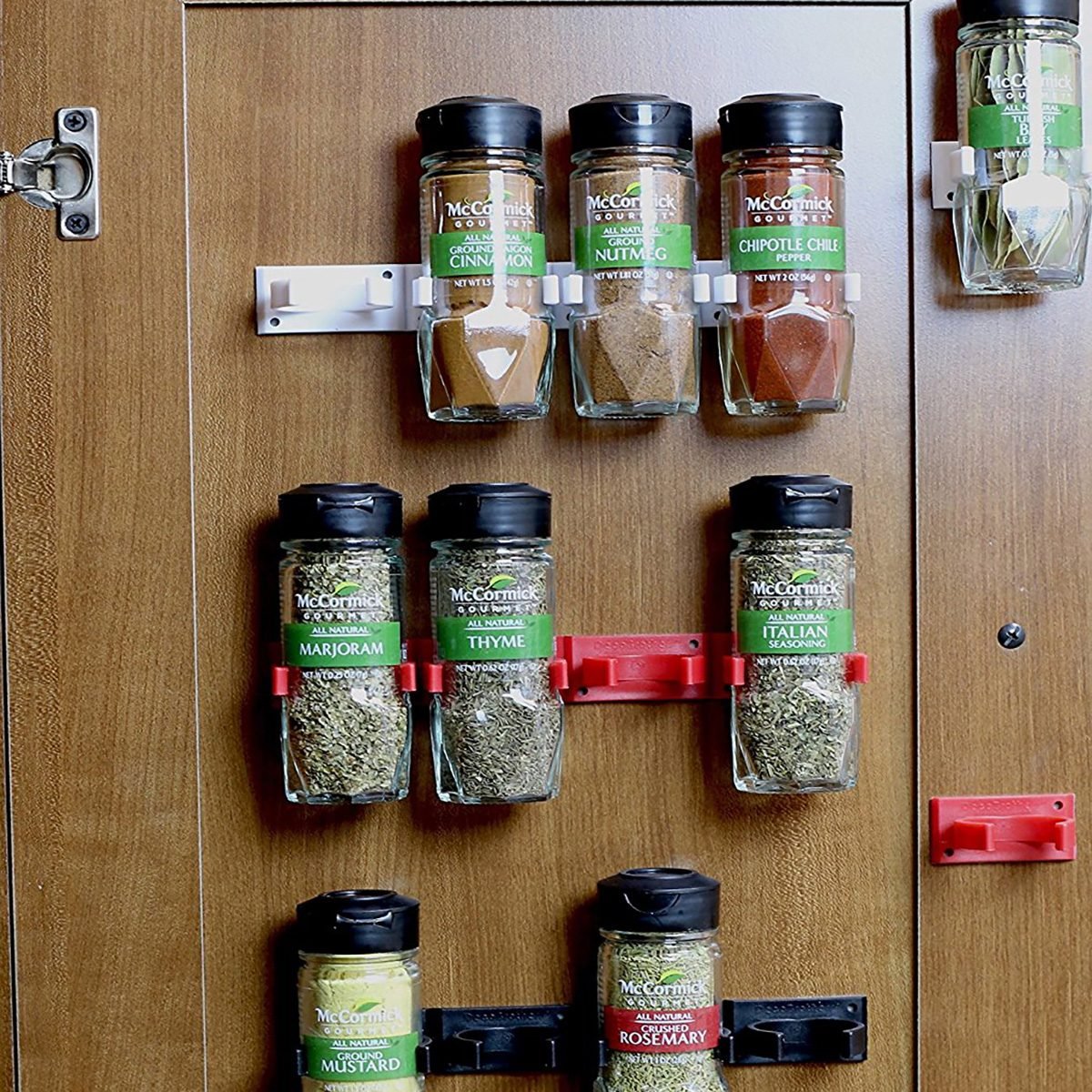
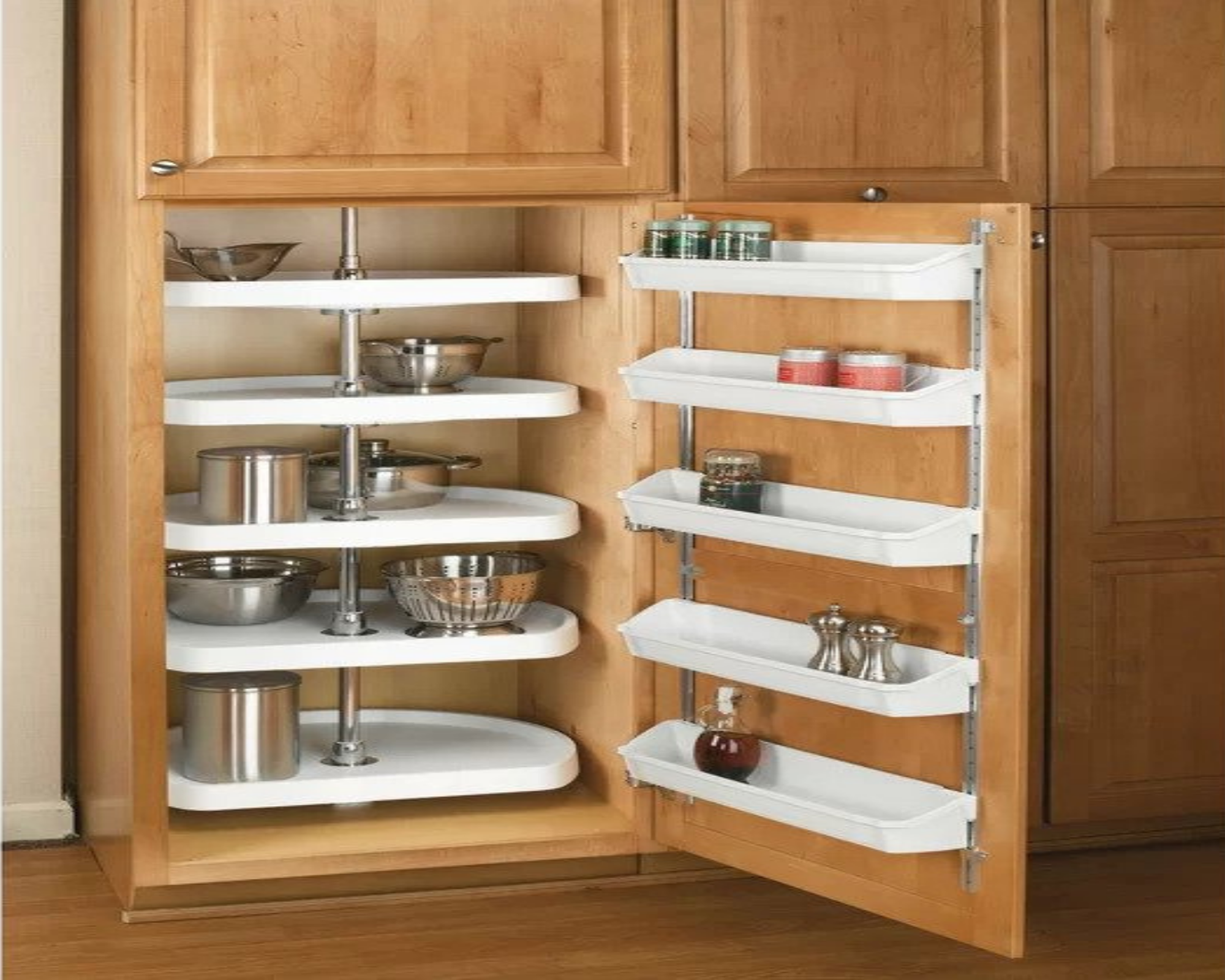
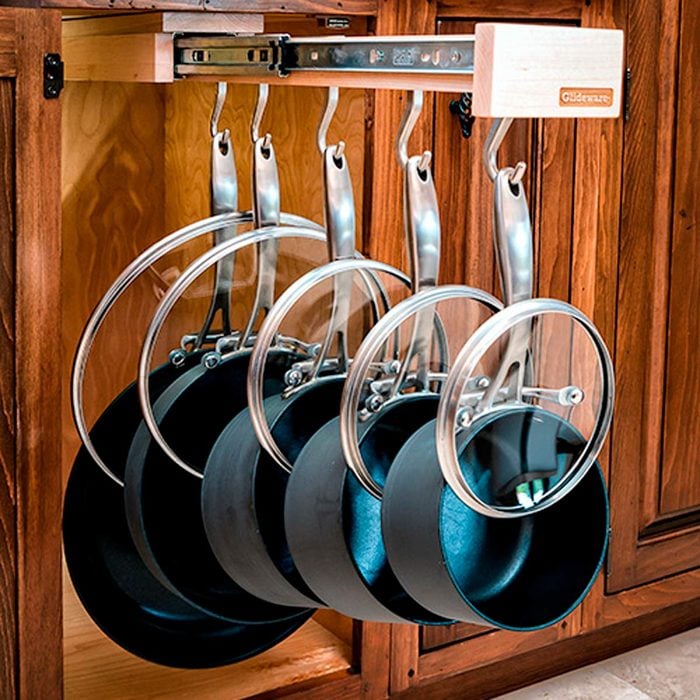
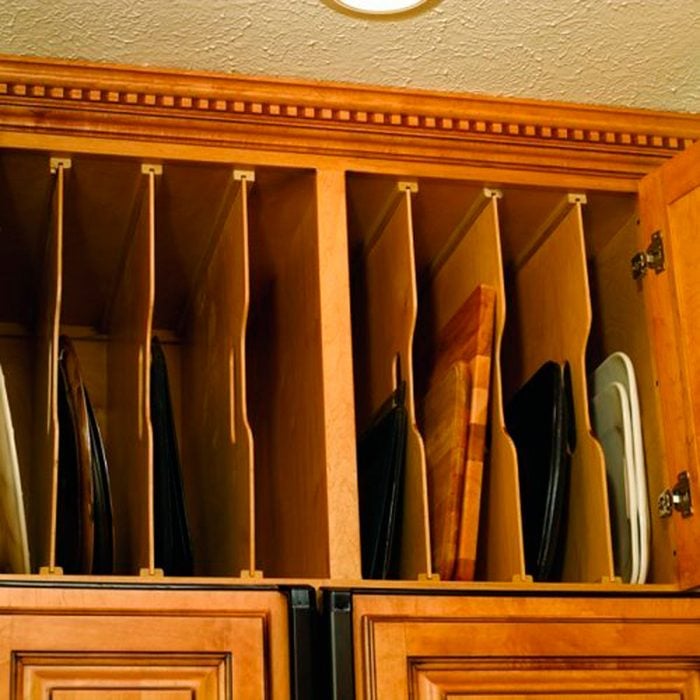
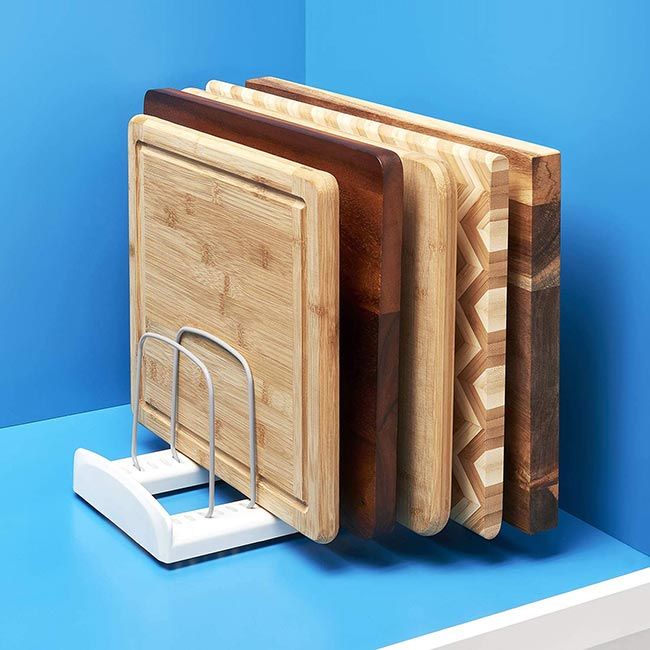
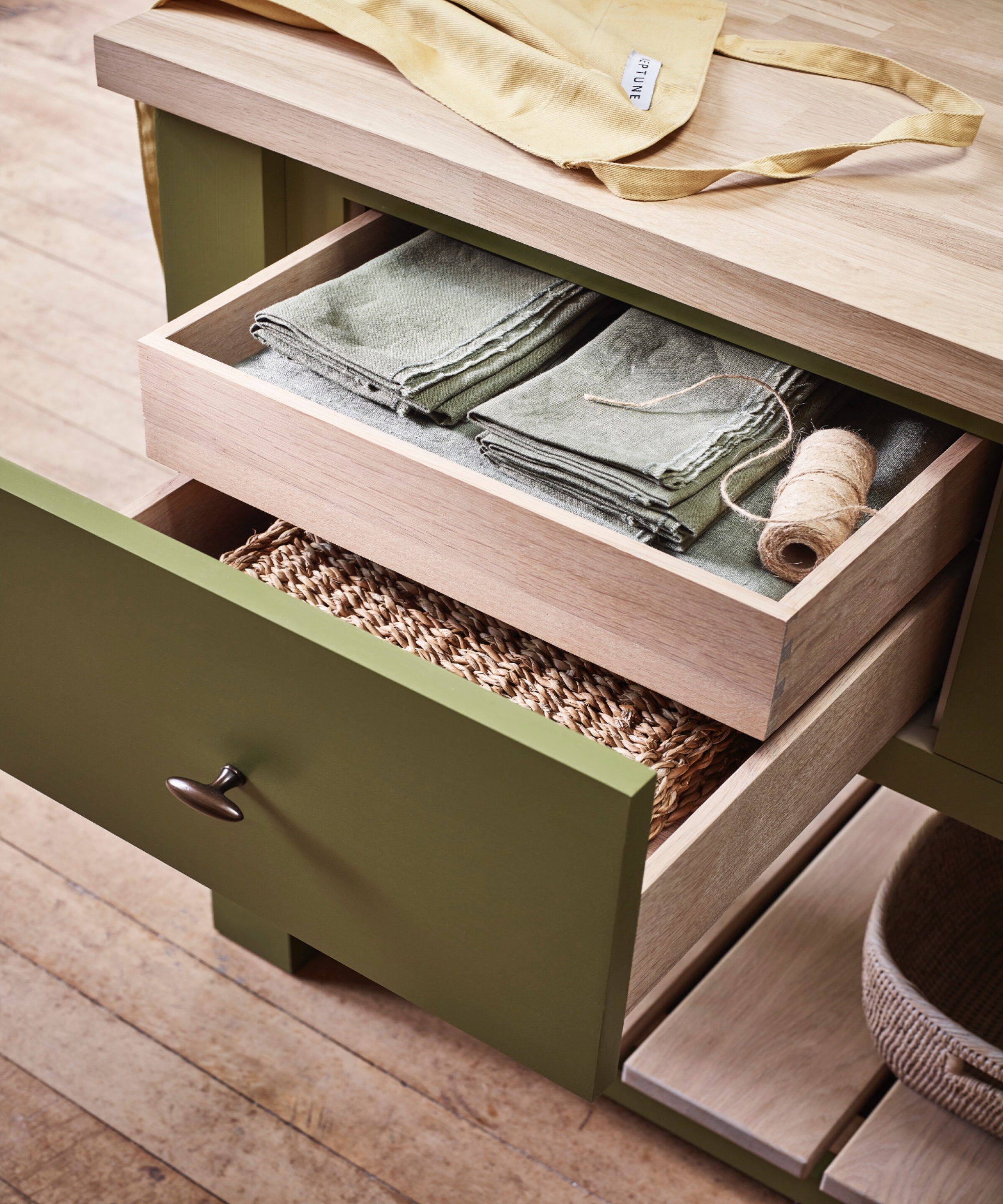
Installing pull-out cabinets can utilize often-overlooked narrow spaces between appliances and existing cabinetry. These custom or DIY solutions are ideal for storing long utensils vertically. Lining the cabinet bottom with drawer liners and using weighted jars or canisters ensures stability. Kitchen cabinets themselves can be optimized for utensil storage through customization and the addition of organizers. Mounting small hook-and-rail systems to cabinet sides or using over-the-door racks keeps utensils concealed. Adjustable shelving allows for horizontal storage in sturdy, cylindrical containers. Furthermore, drawers can be fitted into toe-kick recesses beneath cabinets for slim items like chopping boards.
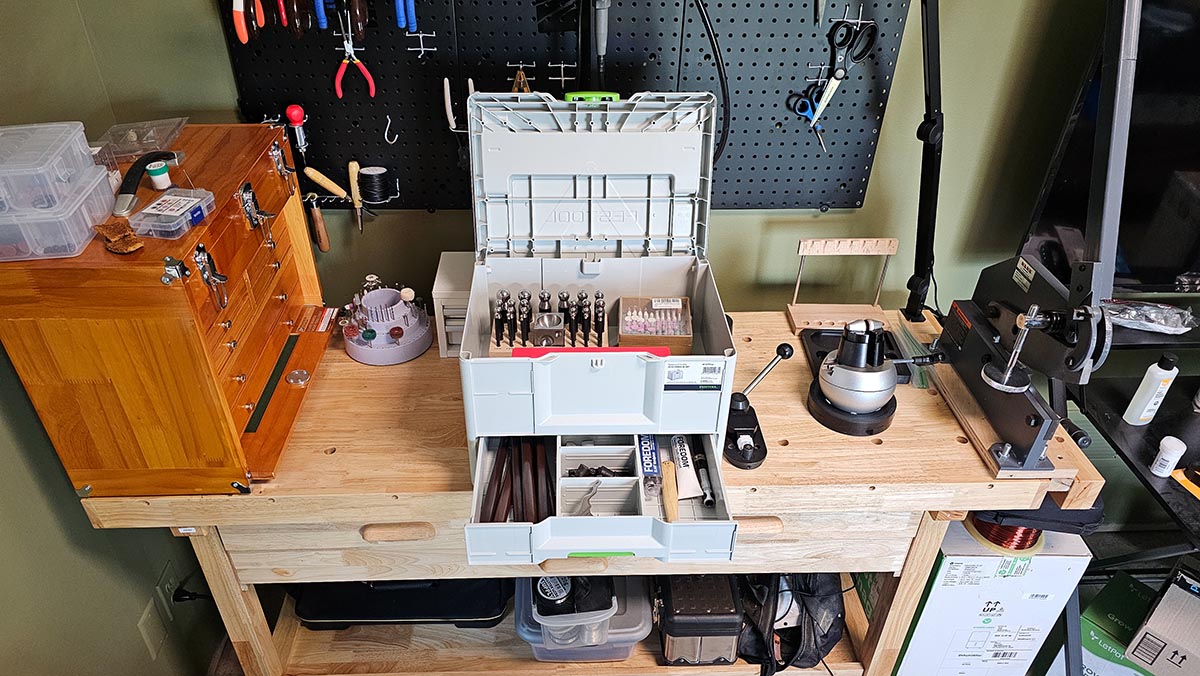
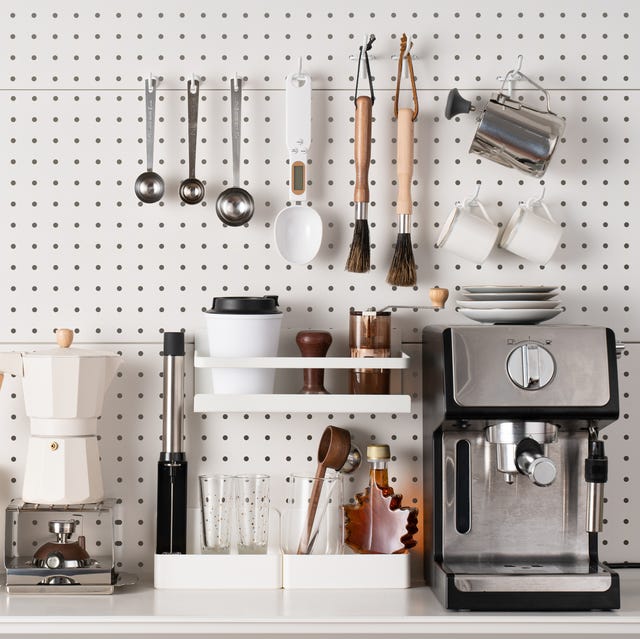
For infrequently used utensils, such as novelty cookie cutters or spiralizers, storing them outside the main kitchen area or in less accessible prime storage spots, like the tops of tall cabinets, frees up valuable space for everyday essentials. Pegboards offer a versatile and visually appealing storage solution. They can be customized with shallow shelves for cutlery, hooks for hanging cooking utensils, and trays or bins for spices and other cookware. The adaptability of pegboards allows them to be easily adjusted as storage needs evolve.
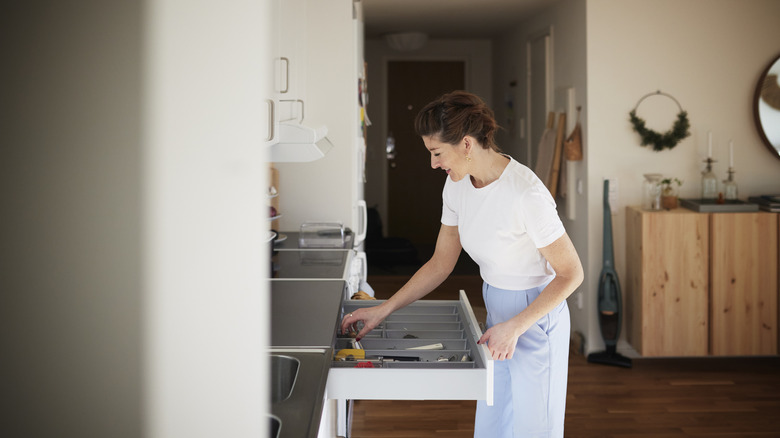
The decision of whether to store utensils in drawers or on countertops often comes down to personal preference. While experts generally favor drawers to maintain clear countertops, a limited selection of frequently used, attractive utensils can be acceptably stored on countertops in decorative canisters. The primary goal is to ensure easy access to commonly used items without overcrowding the space. Ultimately, these alternative storage solutions, whether individually or in combination, offer practical and often preferable methods for organizing kitchen utensils, regardless of whether a kitchen has drawers or not, leading to a more functional and aesthetically pleasing culinary space.
#KitchenOrganization #UtensilStorage #SmallKitchenSolutions #HomeDecluttering #KitchenDesign #SpaceSaving #InteriorDesignTips #CabinetStorage #CountertopStyling #KitchenOrganization #UtensilStorage #SmallKitchenSolutions #HomeDecluttering #KitchenDesign #SpaceSaving #InteriorDesignTips #CabinetStorage #CountertopStyling
合計0件のコメント
 まだコメントはありません
あなたも好きかもしれません
10 Clever Kitchen Storage Hacks You’ve Never Thought Of Before

10 Affordable Knife Storage Options For Your Kitchen
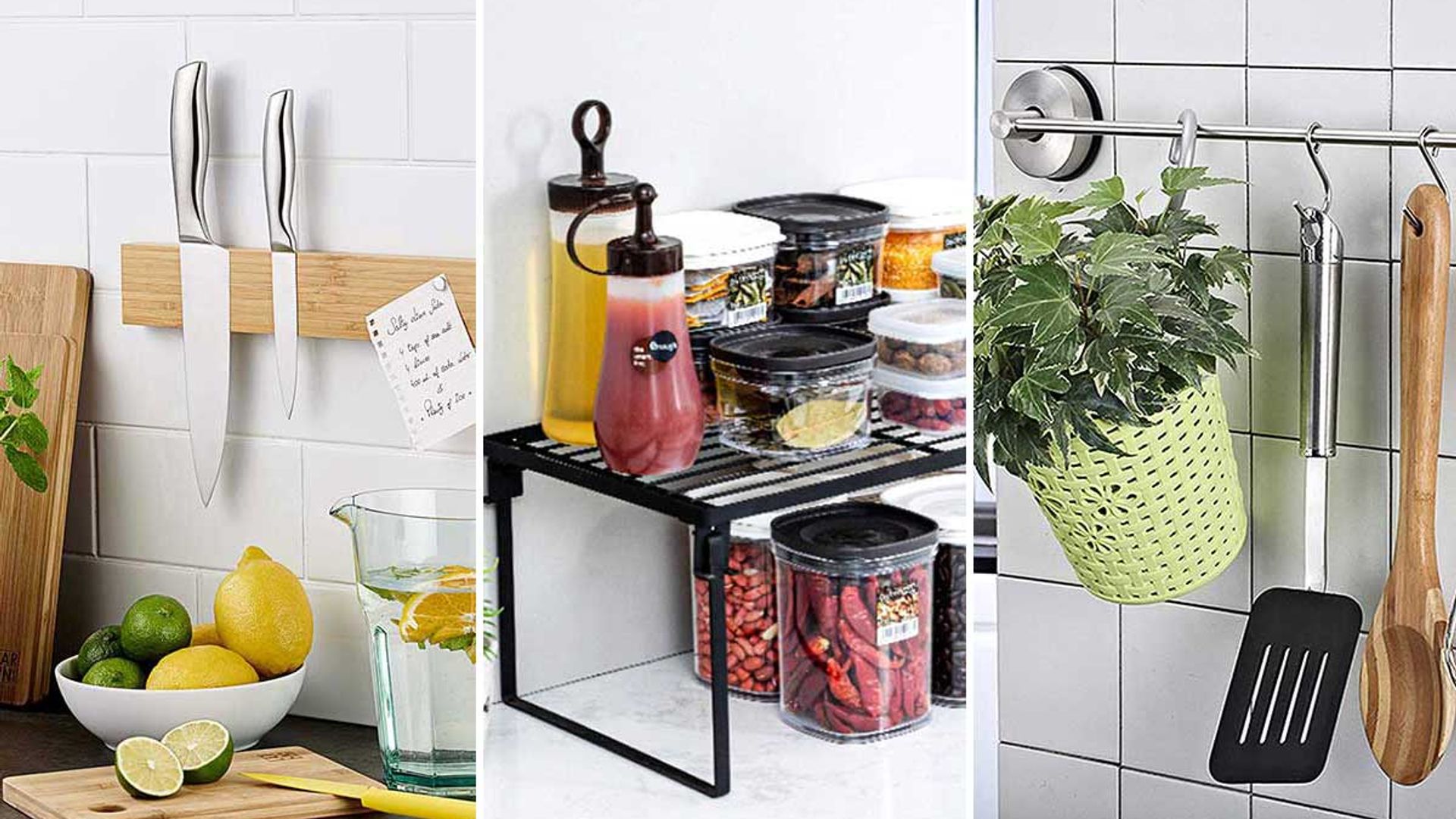
10 genius kitchen storage and organisation ideas that will make life easier

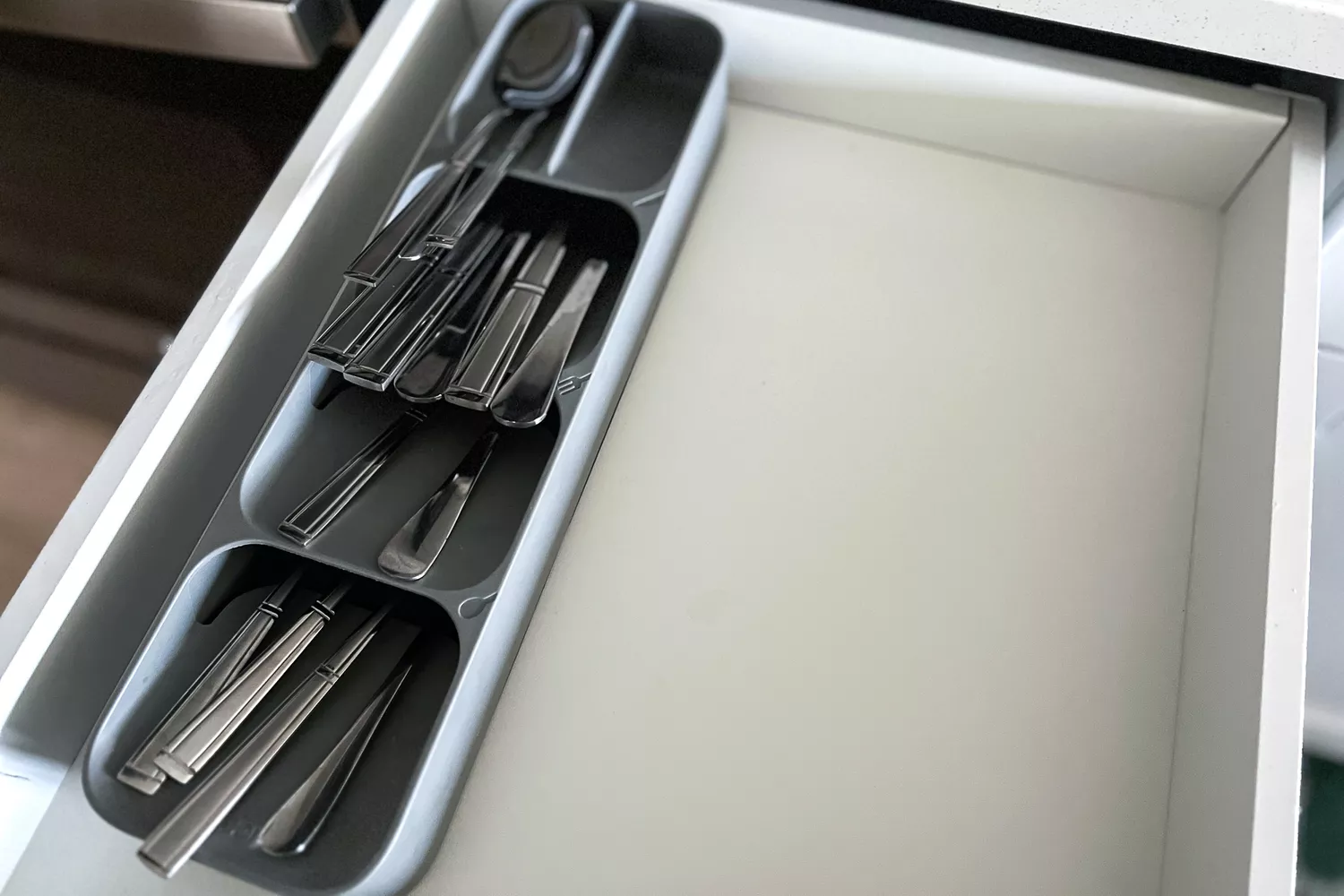
This Kitchen Tool Instantly Organized My Narrow Drawers

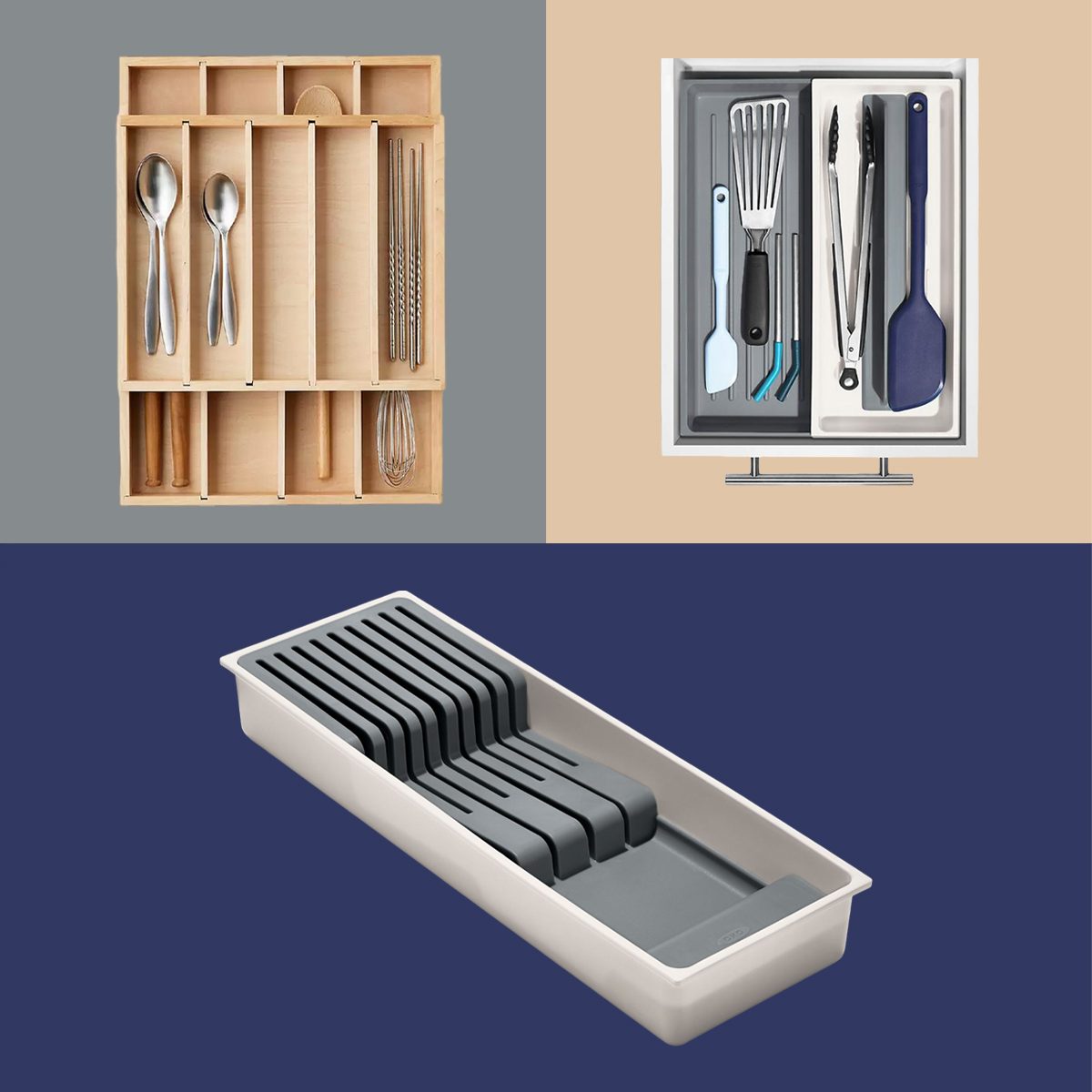
15 Best Kitchen Drawer Organizers for Mess-Free Silverware

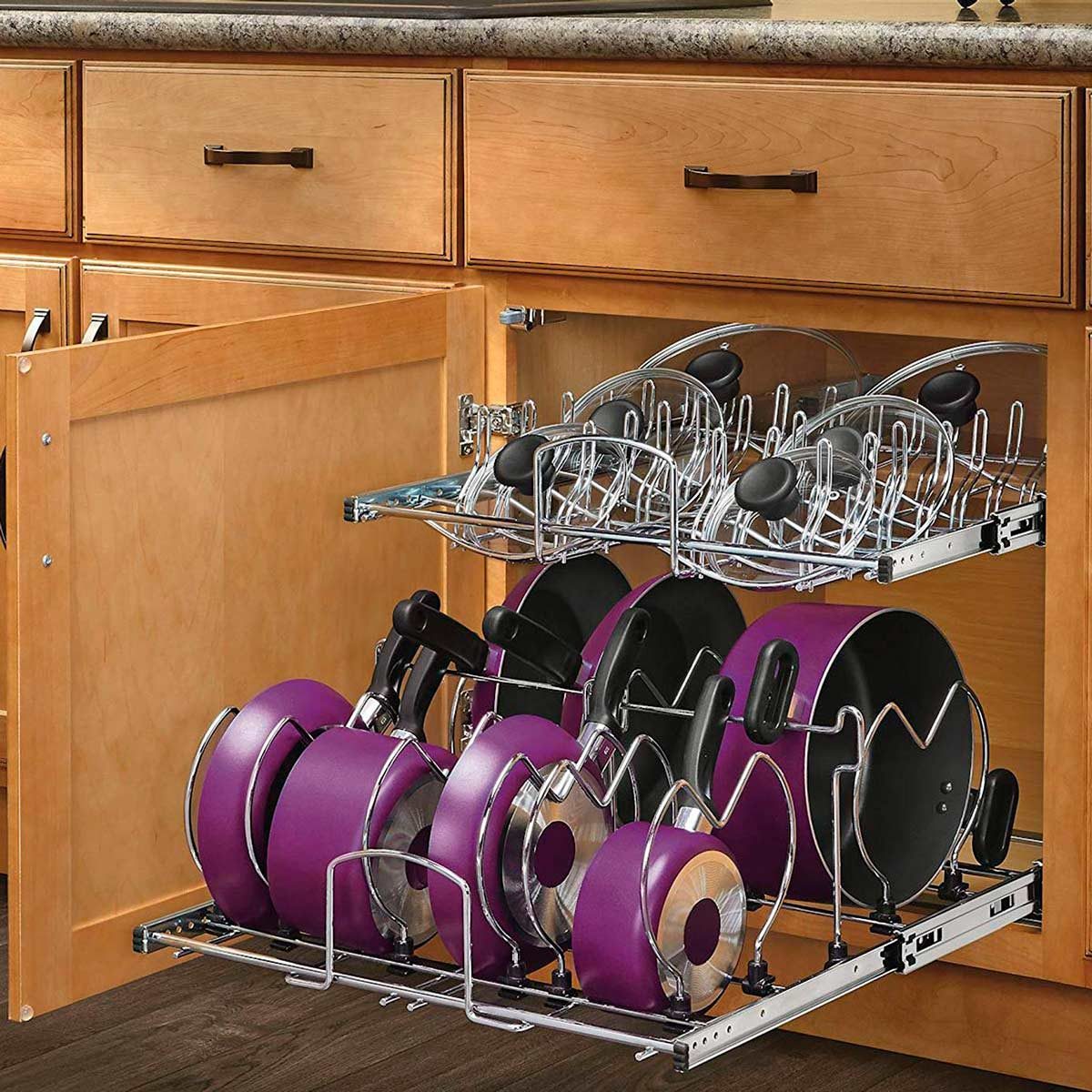
15 Kitchen Cabinet Organizers That Will Change Your Life
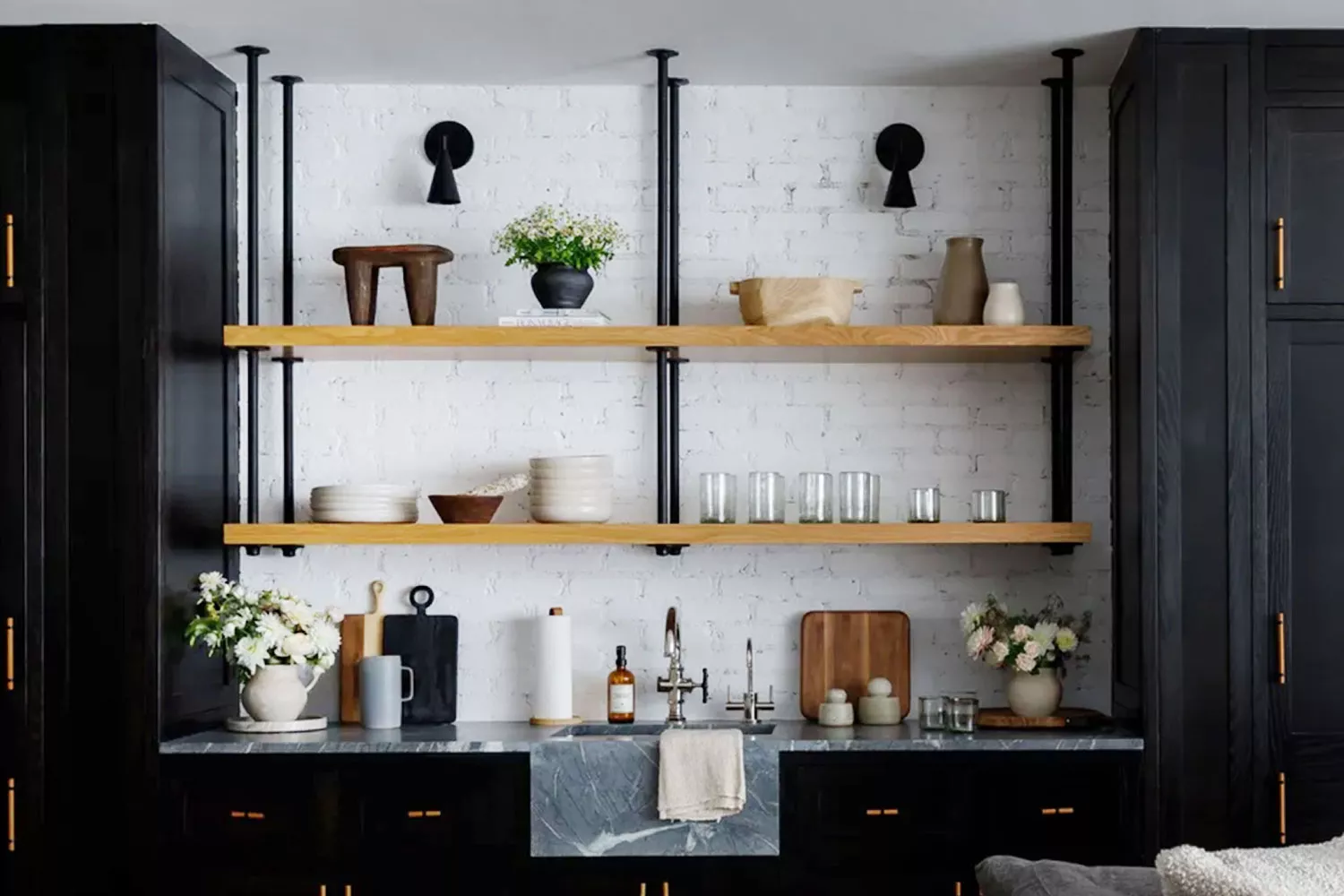
21 Kitchen Shelving Ideas for When You Don't Want to Keep Everything Hidden Away

6 cooking experts on how to organise your kitchen

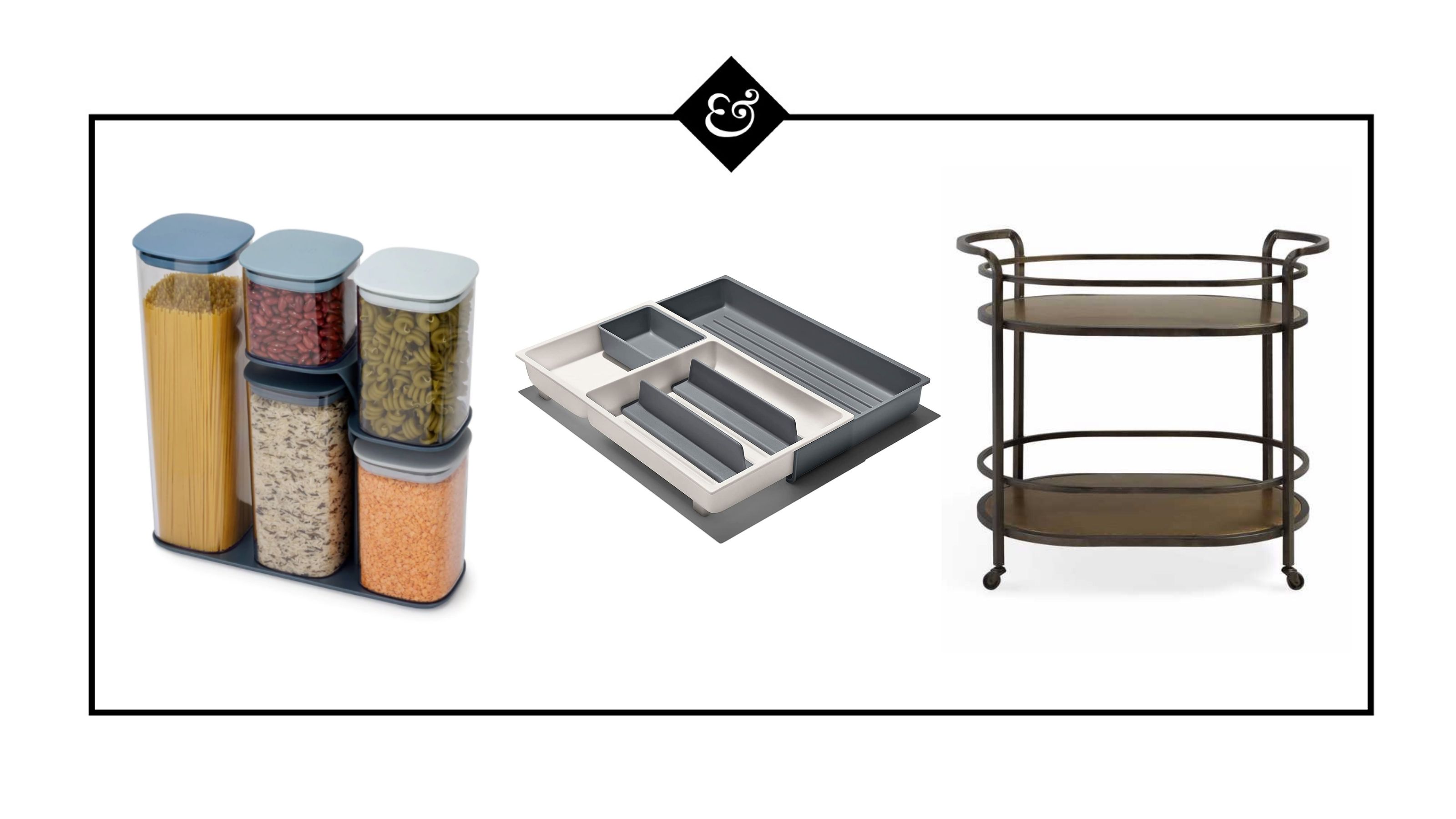
Best kitchen organizers: 15 buys to tidy your culinary space
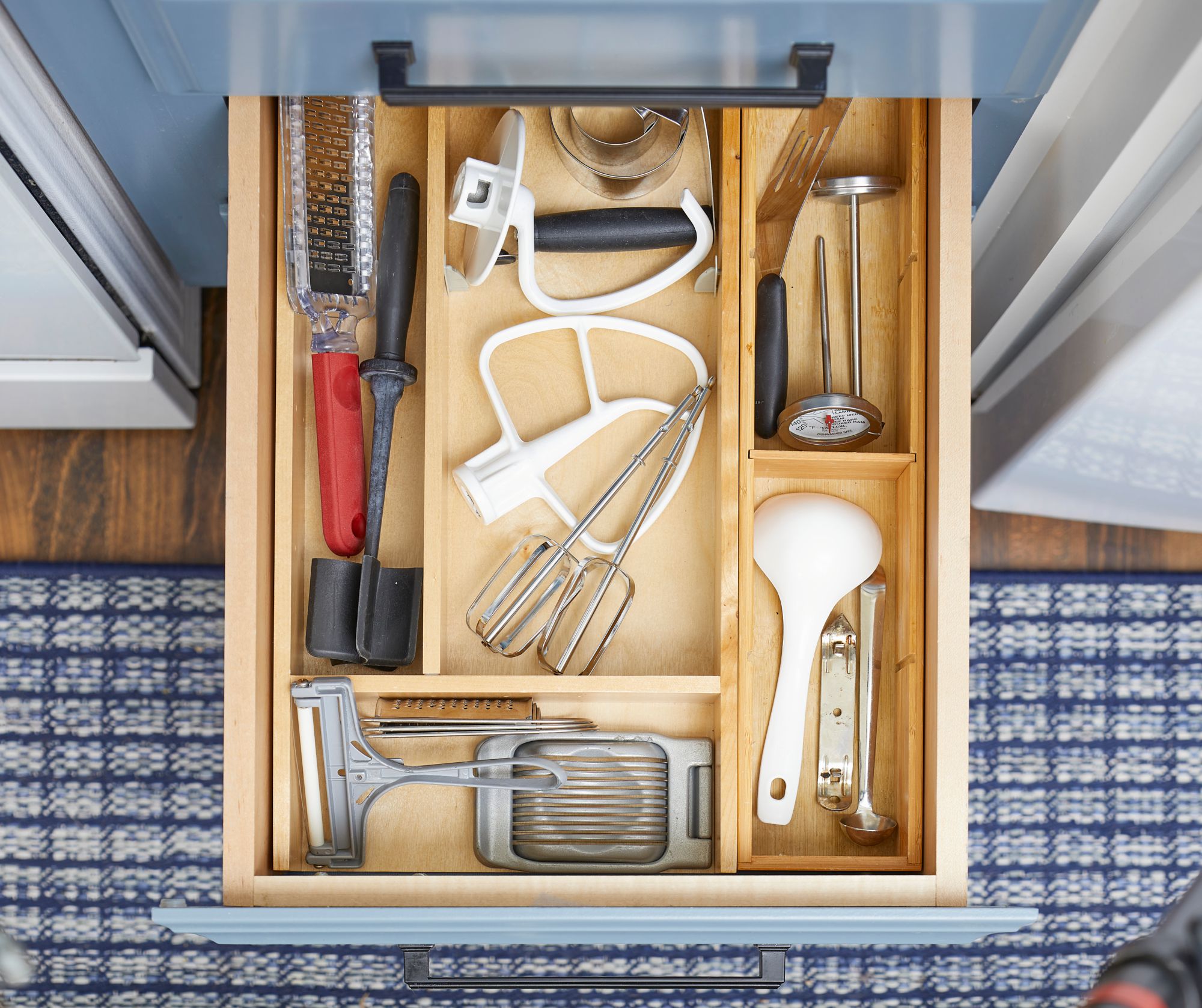
15 Clever Storage Ideas for Silverware and Utensils

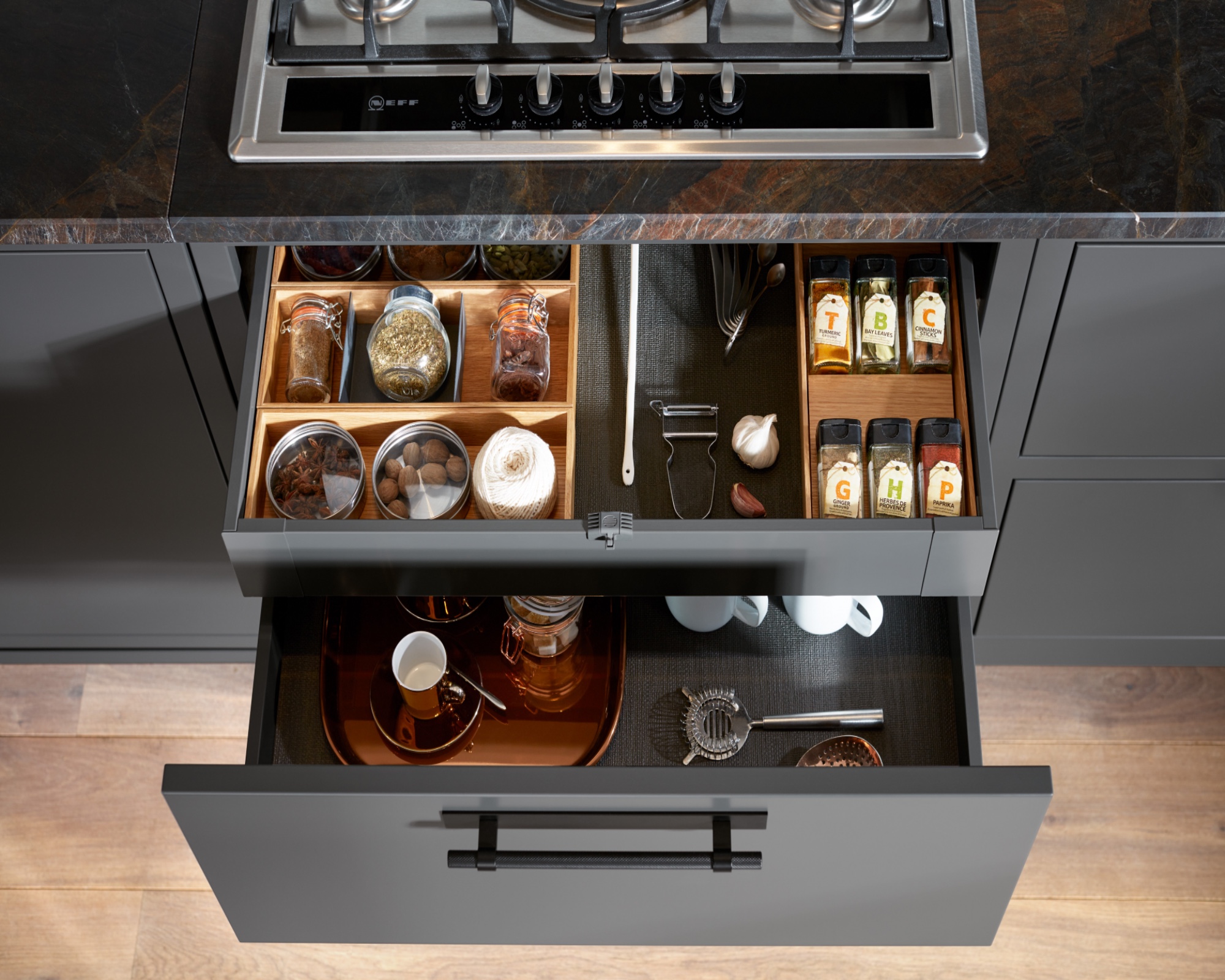
How to organize kitchen drawers – 12 ways to keep cooking essentials orderly
15 Easy Ideas for Tool Storage

Ditch The Bulky Drawer Organizer & Try A Better Solution To Store Kitchen Utensils
35 Small-Kitchen Organizers That Make the Most of Tight Quarters | Reviews by Wirecutter
You Absolutely Should Use a Vase as a Utensil Holder

6 Things You'll Find in a Super Organized Kitchen and What You Can Do to Achieve This

The 4 Best Utensil Organizers of 2025

10 Kitchen Organization Products You Didn't Know You Needed

The correct way to organise your kitchen drawers according to TikTok


Ina Garten's Top Kitchen Storage Solutions Are So Convenient