These 11 Vine Supports Take Climbing Flowers to the Next Level
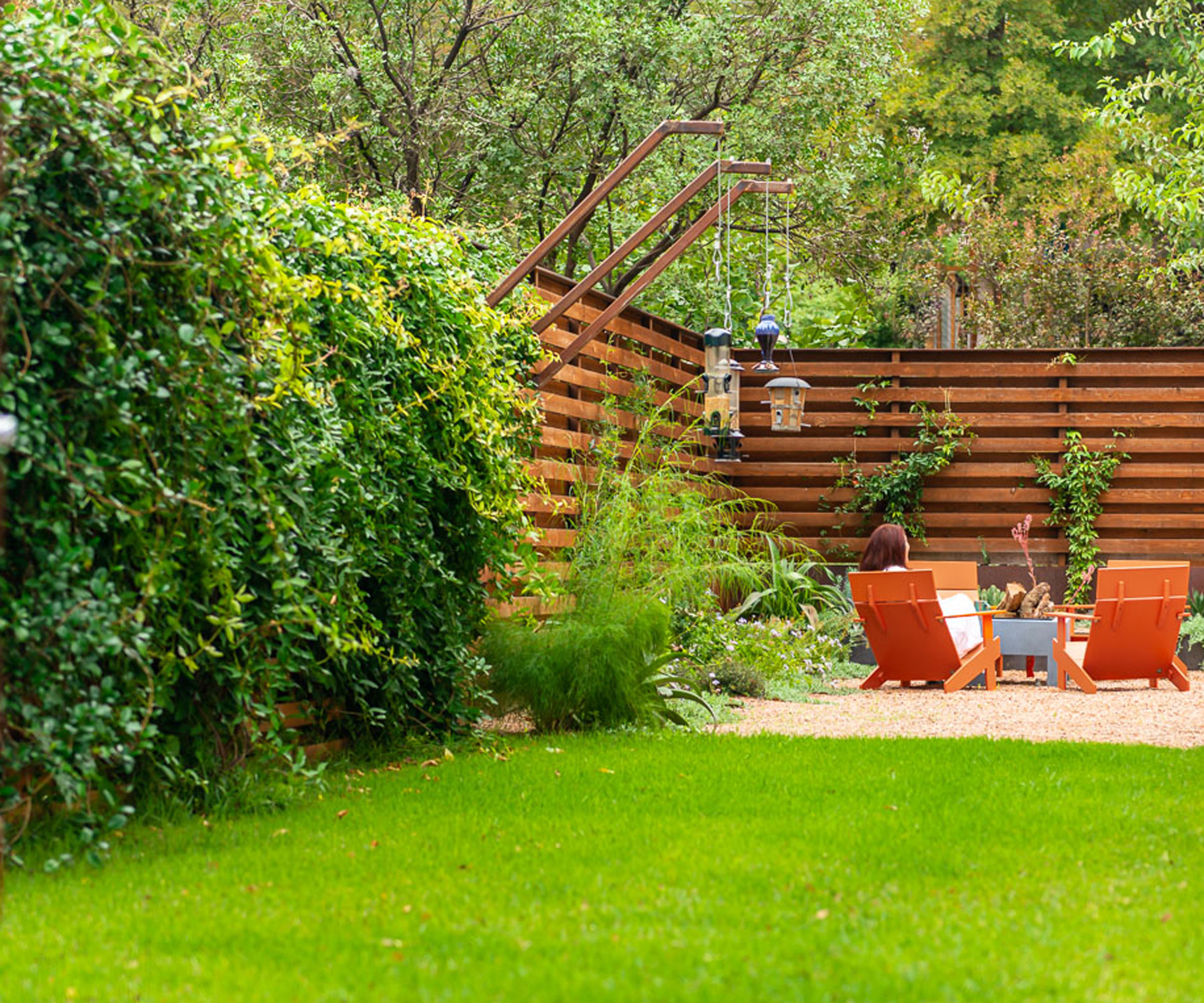
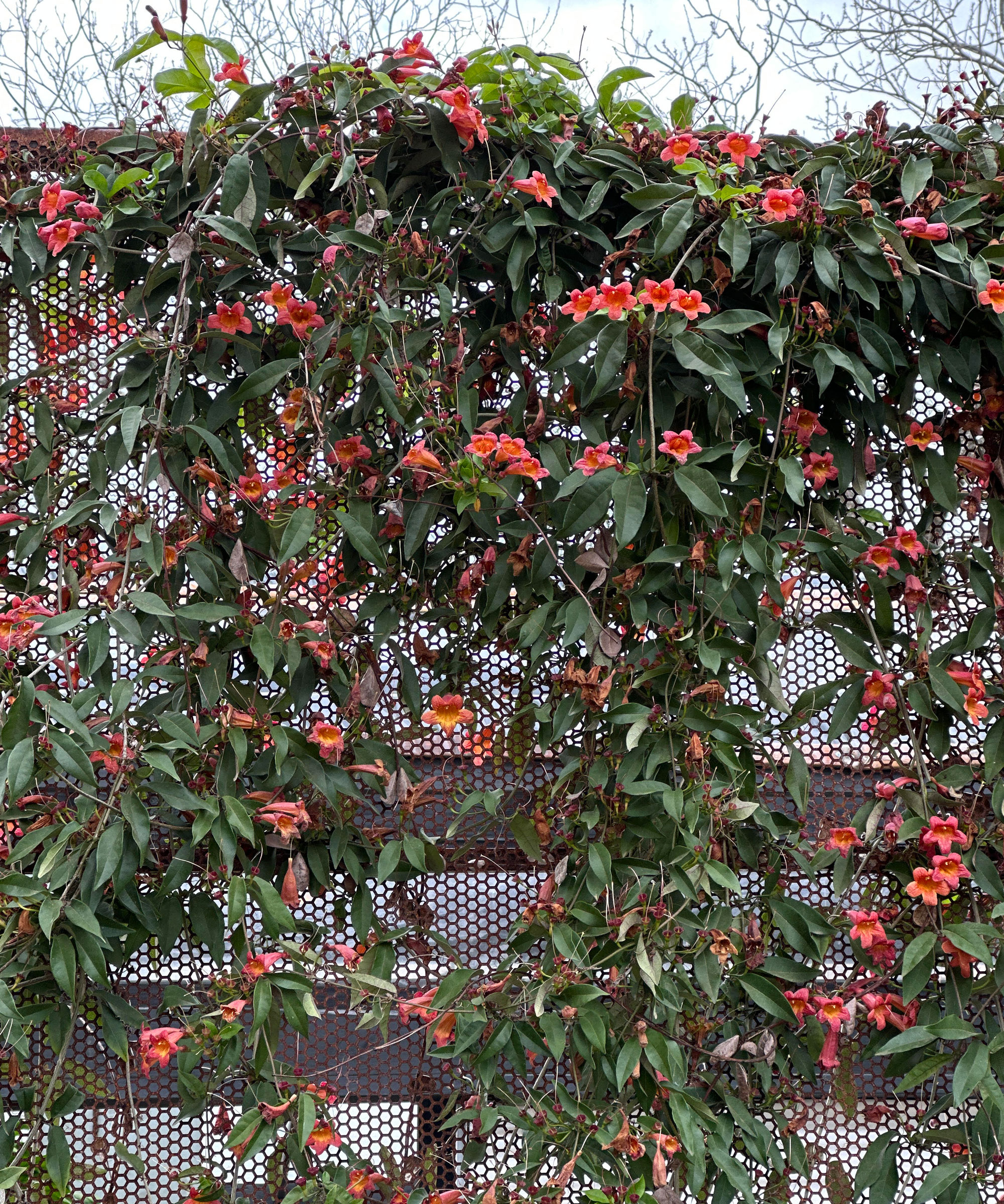
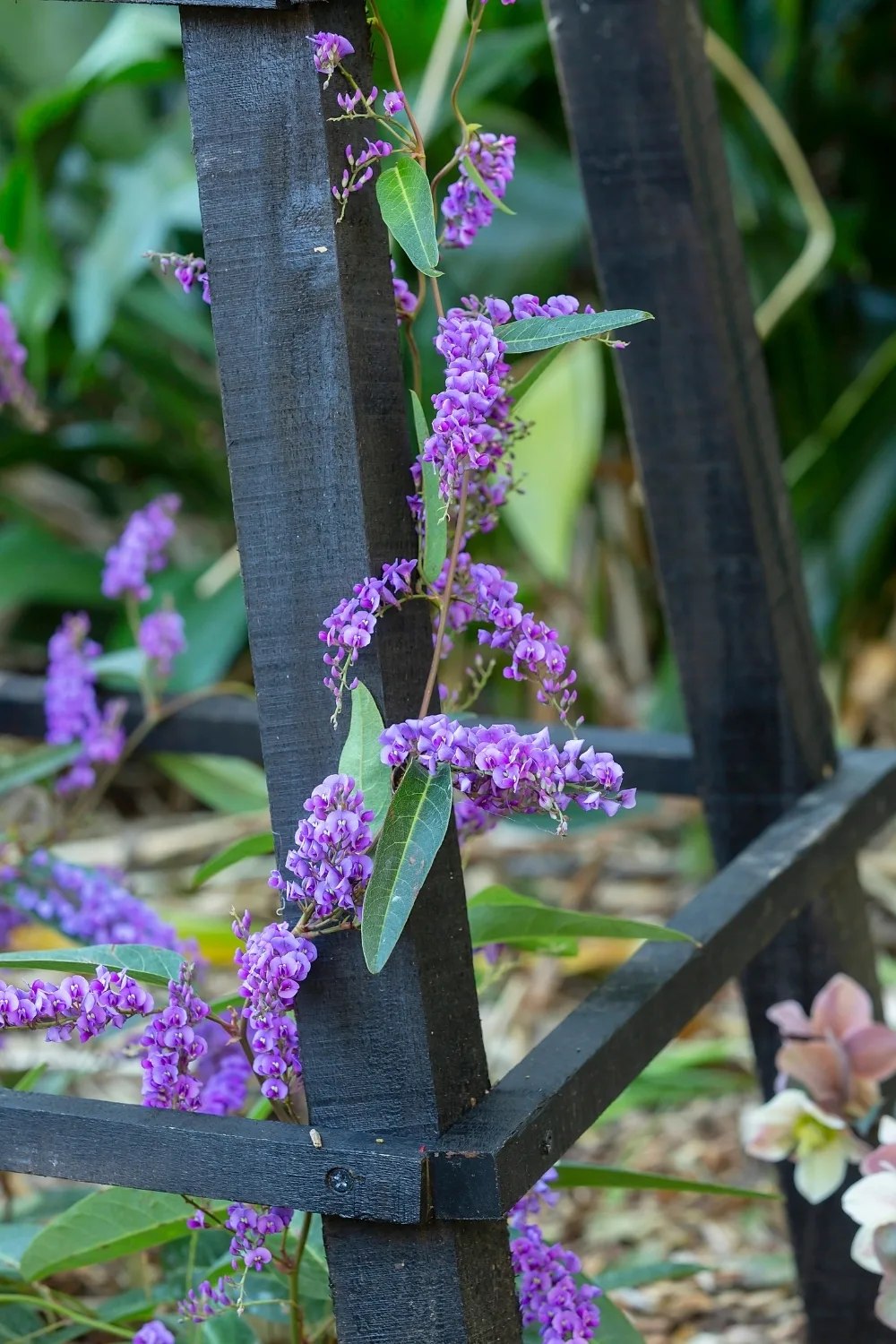
Integrating climbing plants into a garden design offers a dynamic way to enhance visual interest and maximize vertical space. Various support structures, including trellises, arbors, obelisks, and poles, not only facilitate plant growth but also serve as significant aesthetic elements in the landscape. These structures can transform ordinary gardens into vibrant, multi-dimensional spaces, providing both functional support and decorative flair.
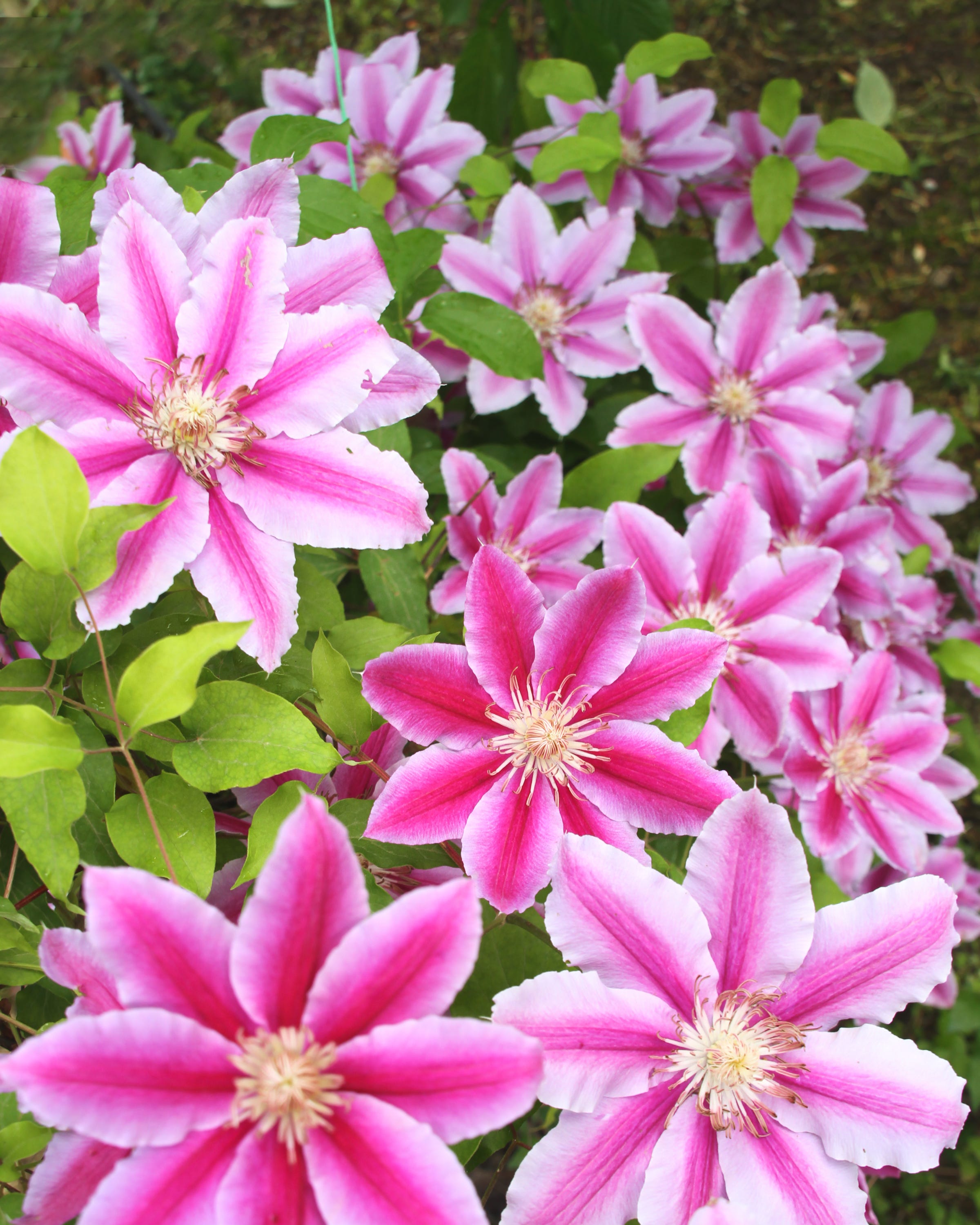
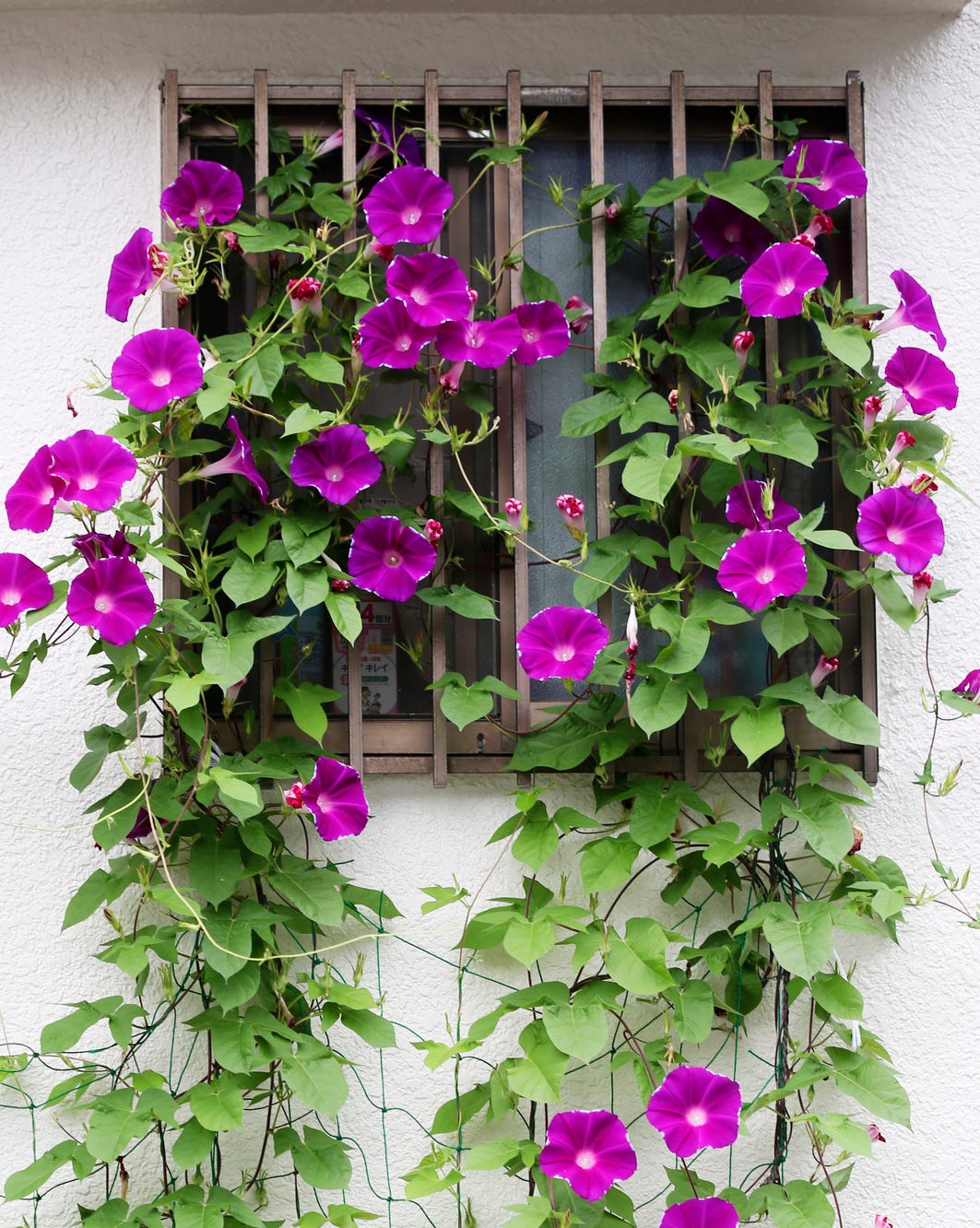
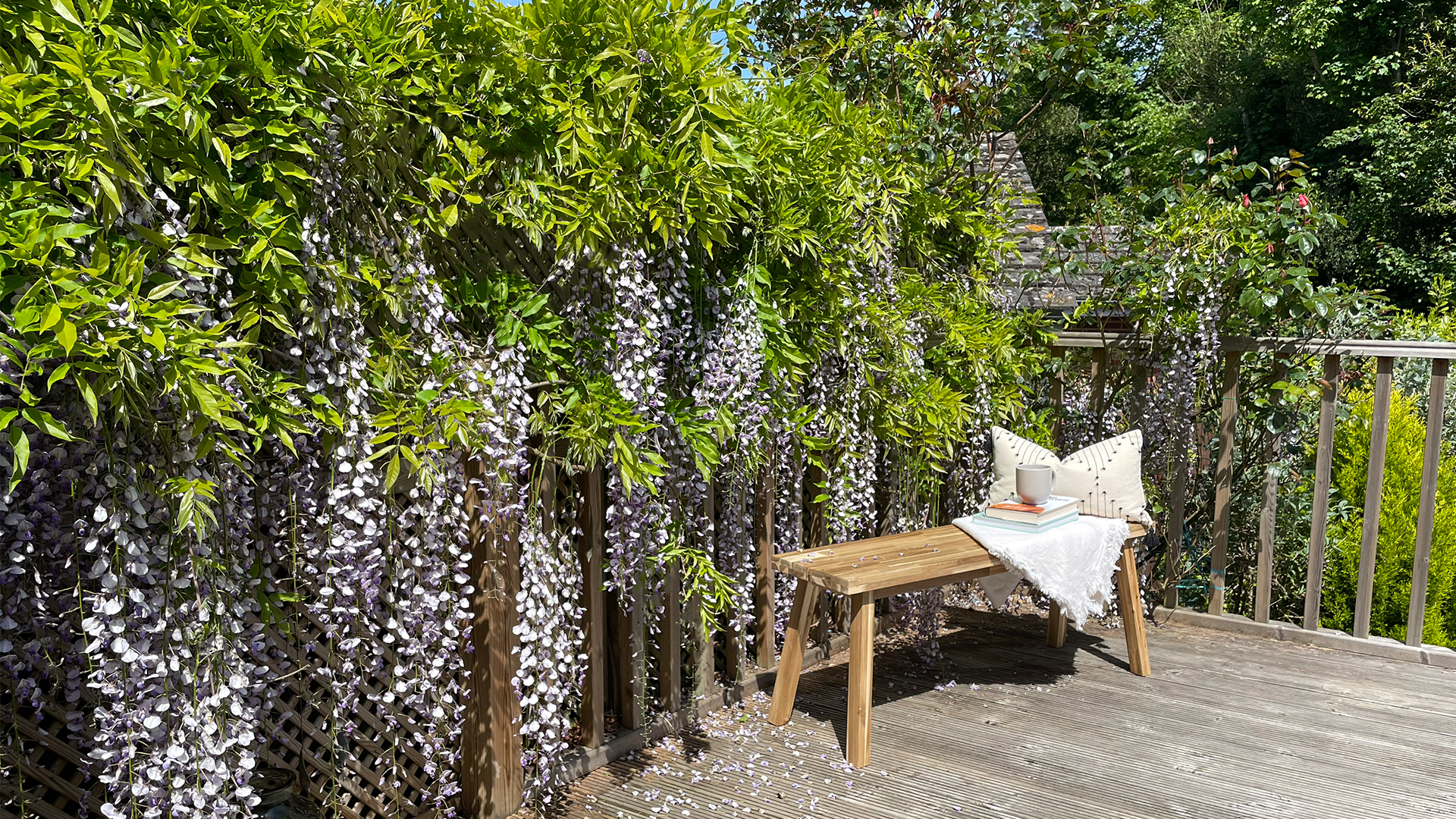
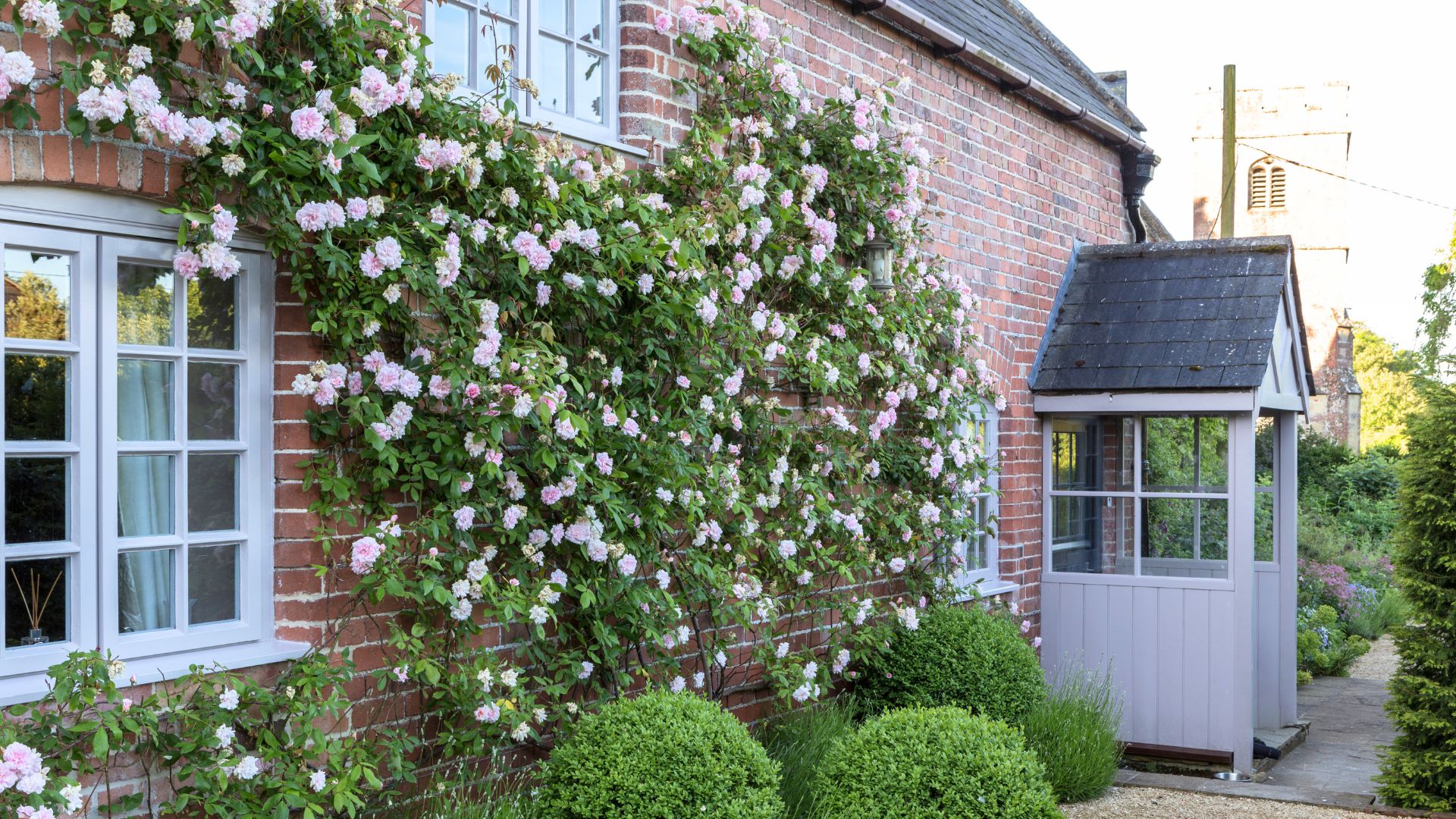
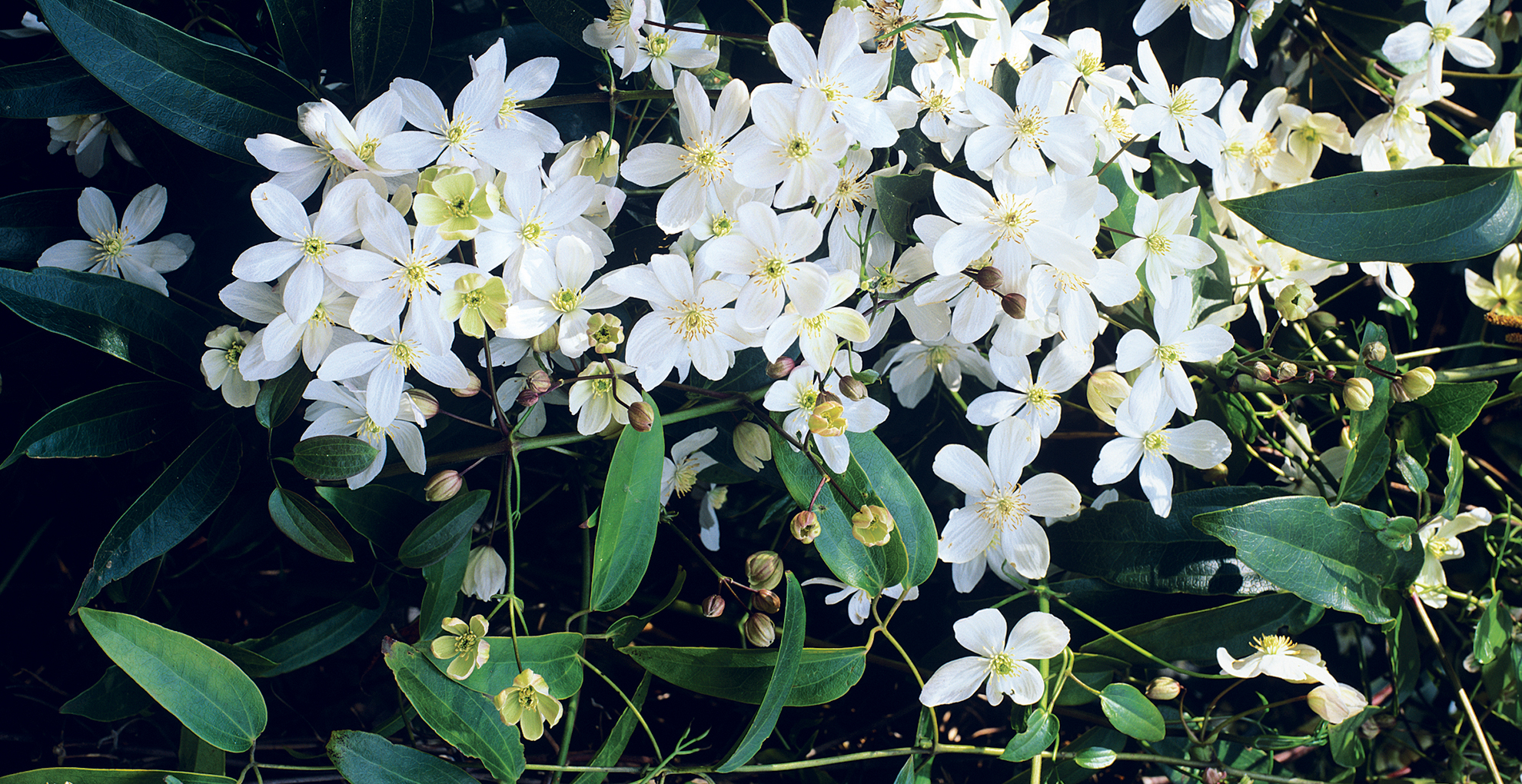
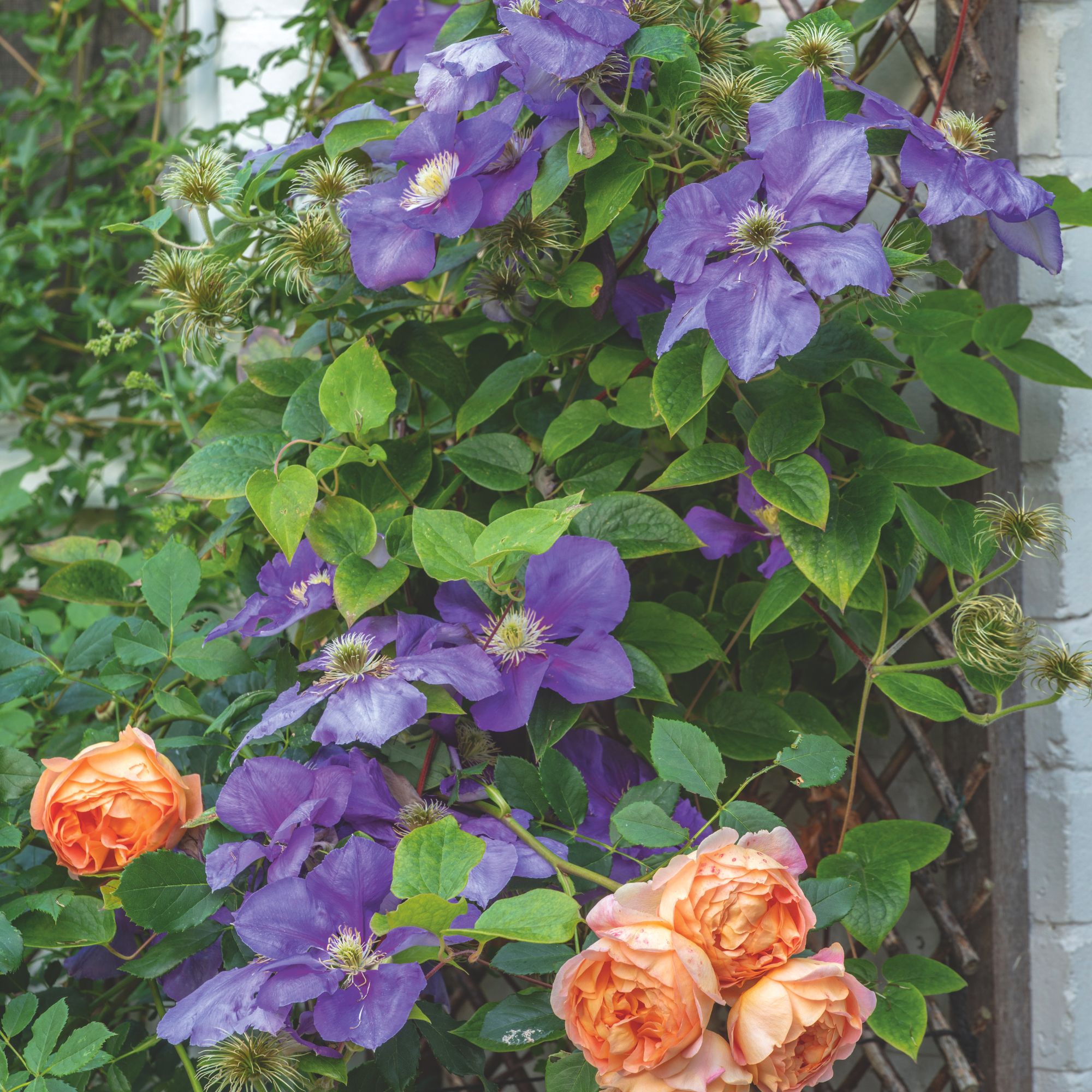
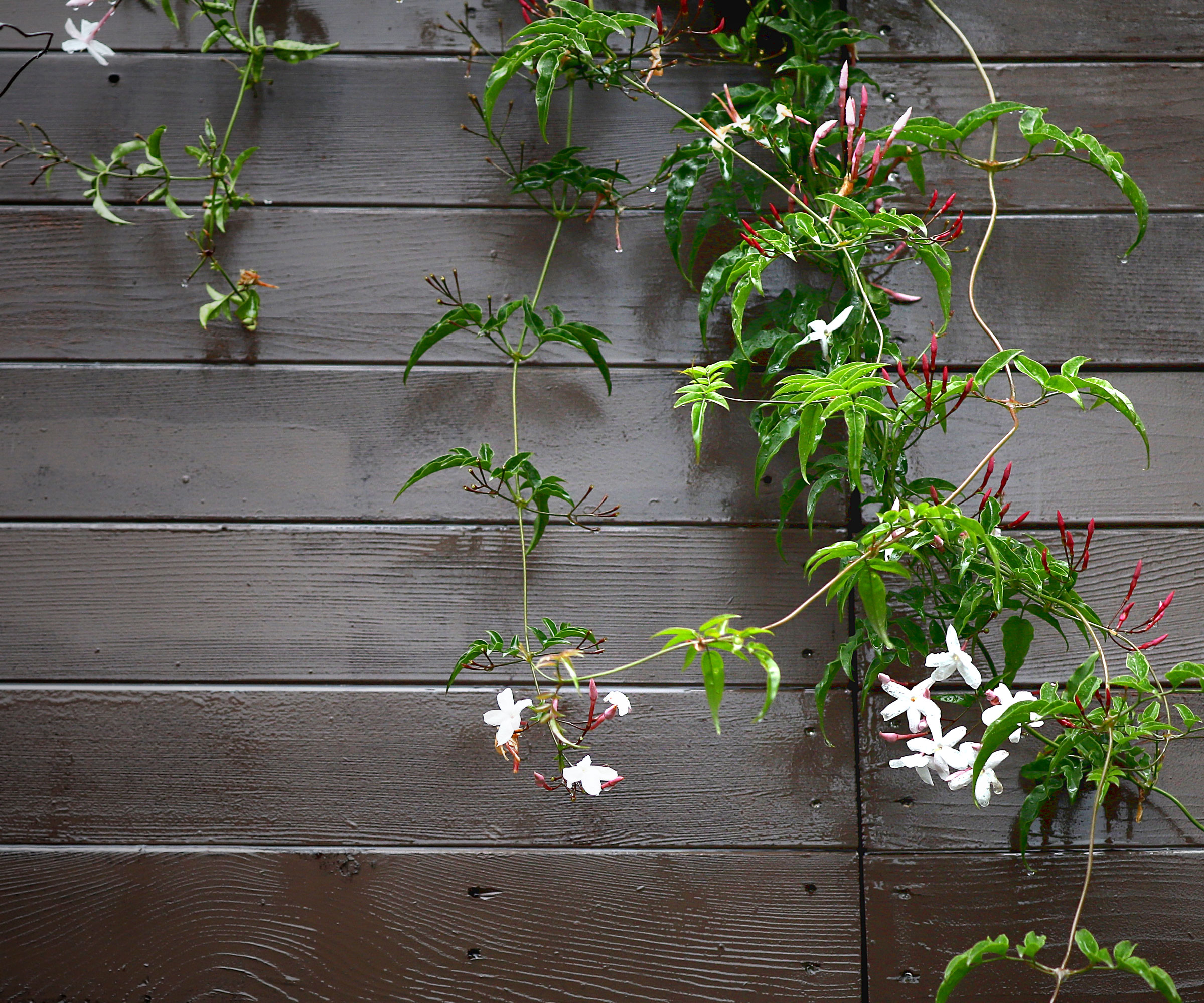
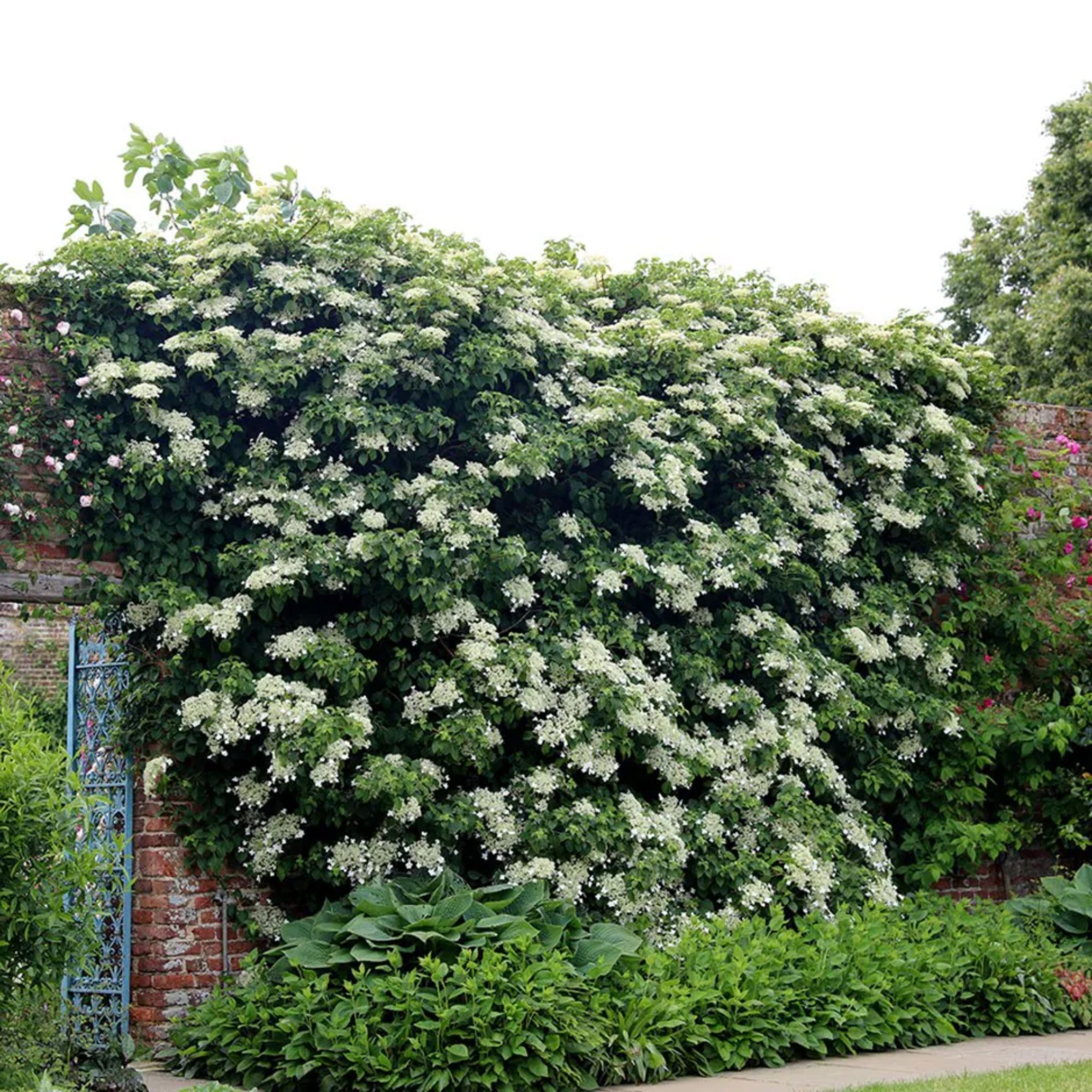
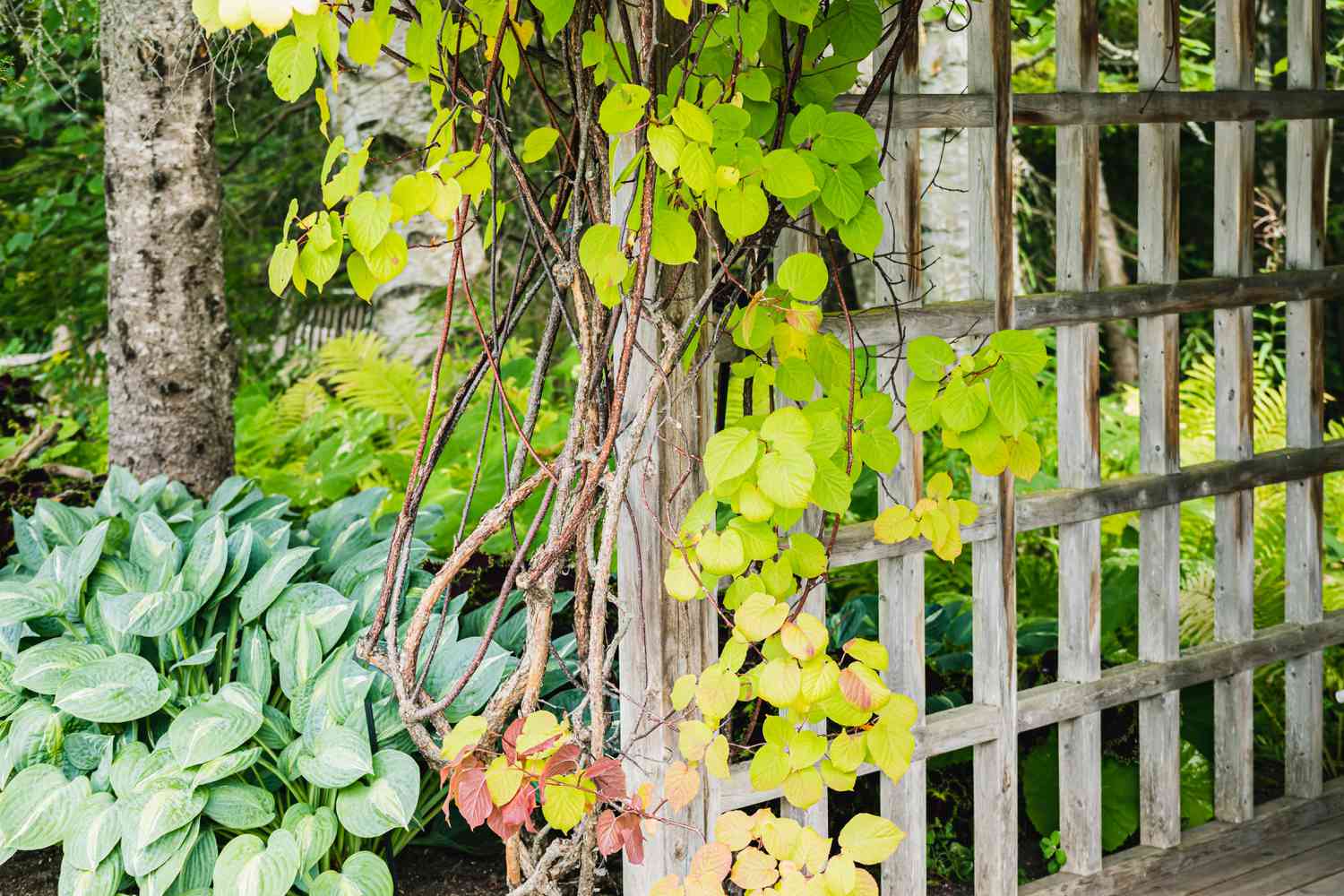
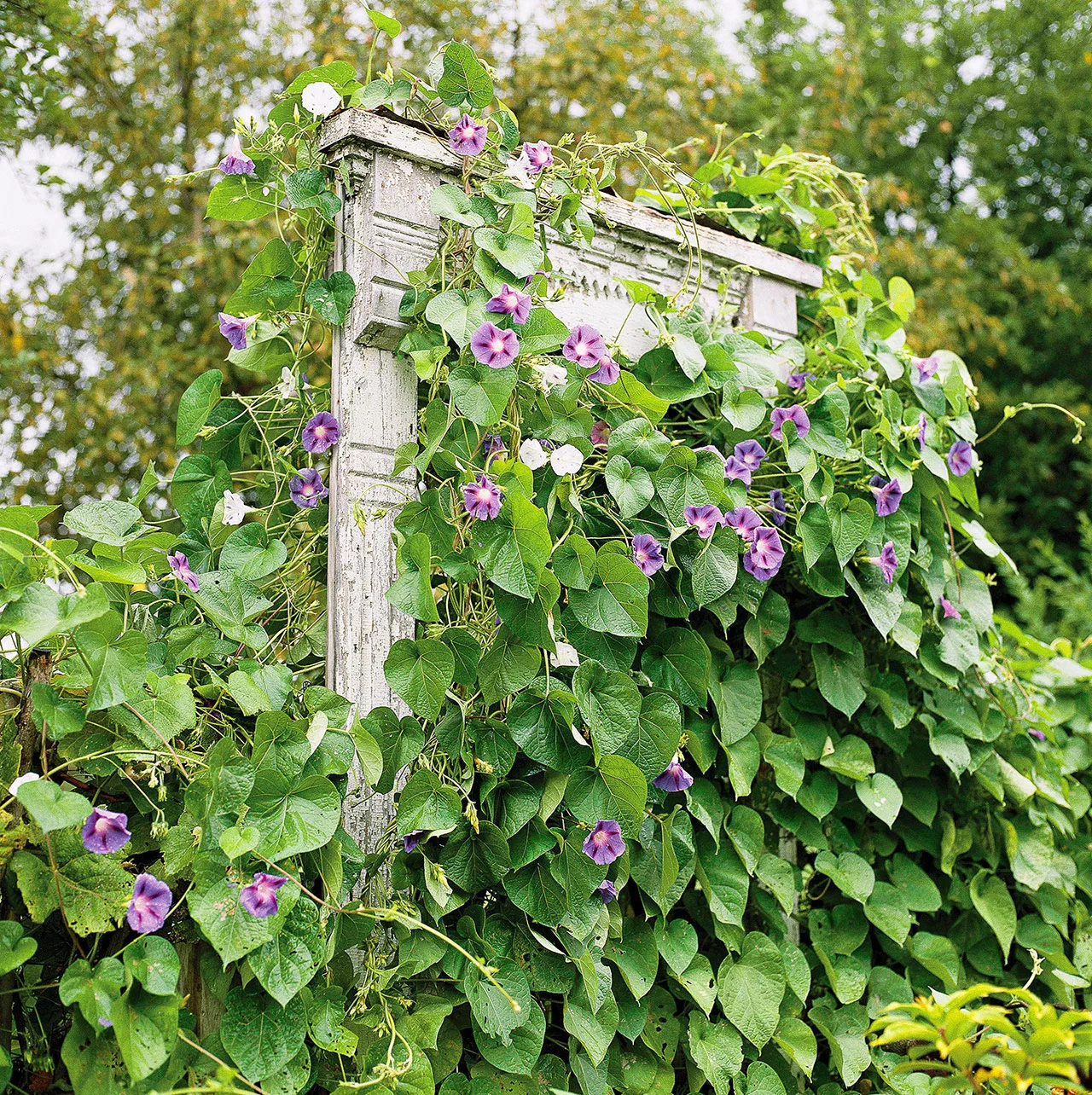
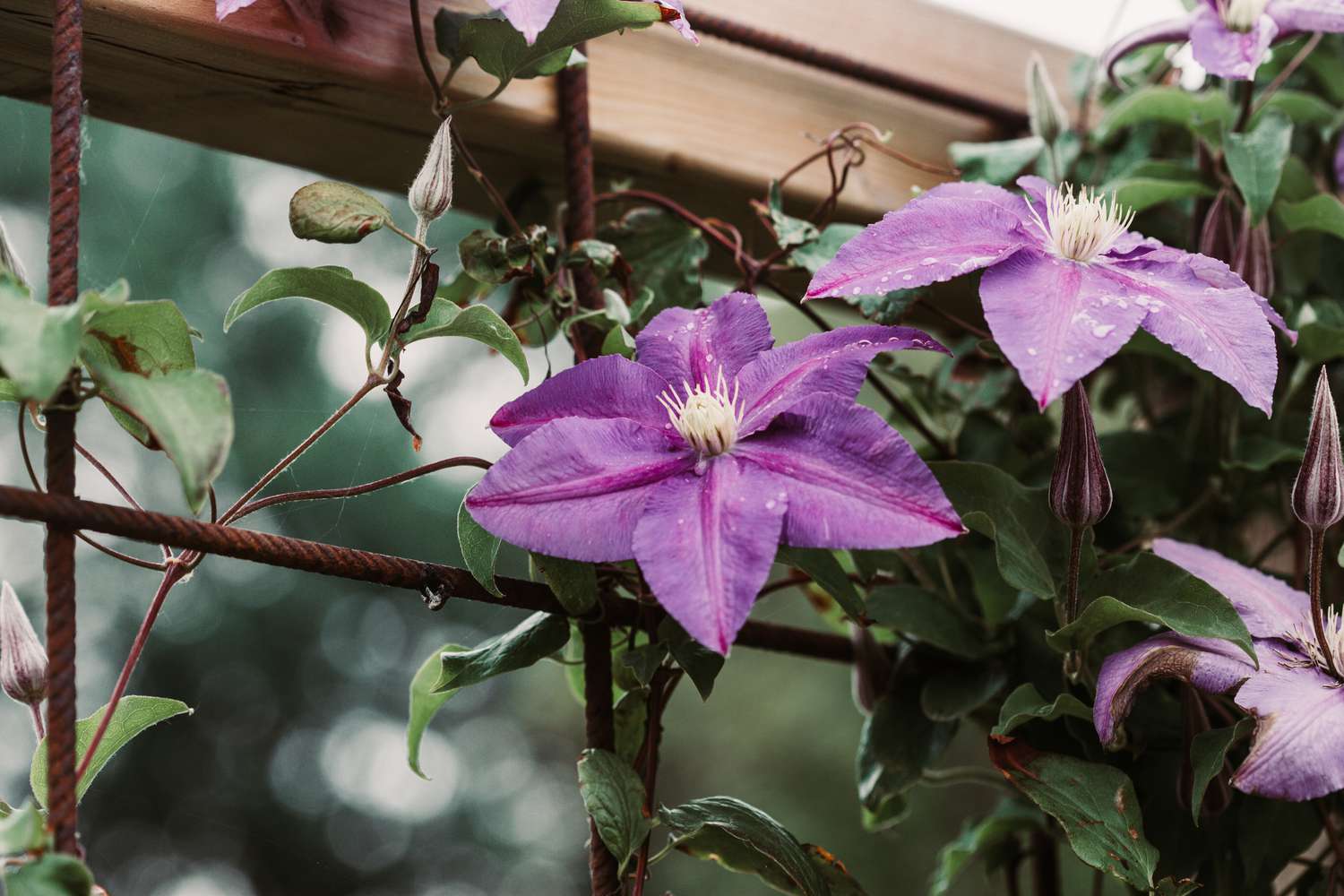
One common and effective method is using lattice screens, which can replace traditional fencing or be integrated into existing structures. Lattices provide ample surface area for flowering vines such as climbing roses, morning glories, and other vibrant climbers. As these plants mature, the lattice screens become covered, offering increased privacy and a lush, green or floral backdrop. Another approach involves repurposing materials, such as mounting wire fencing onto an exterior wall or wood fence. This creates a rustic support system, ideal for plants like clematis, whose delicate tendrils can easily grip the narrow wires. Salvaged window frames can also be transformed into unique trellises by removing the glass and inserting a lattice panel, then securing the frame to a wall to guide climbing plants.
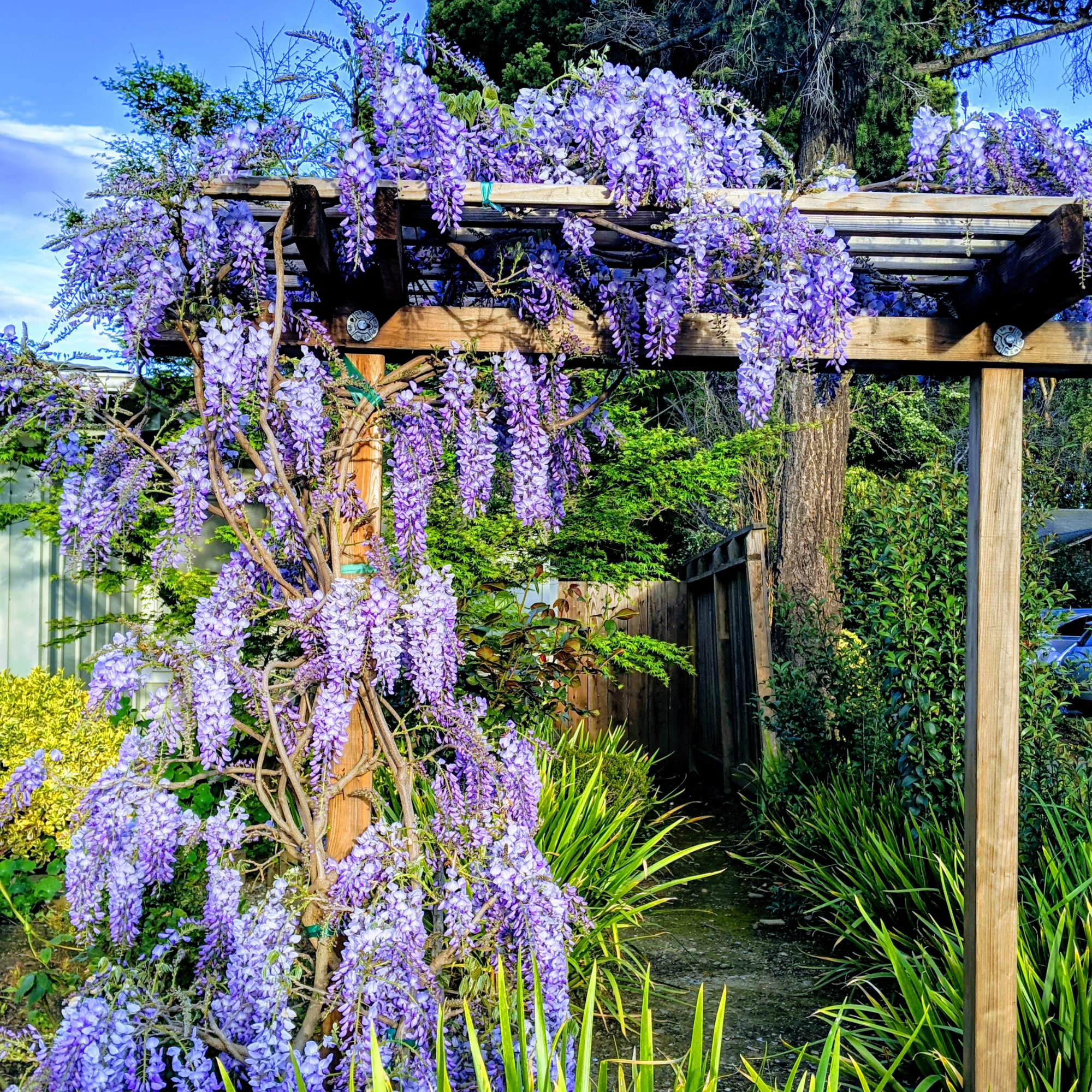
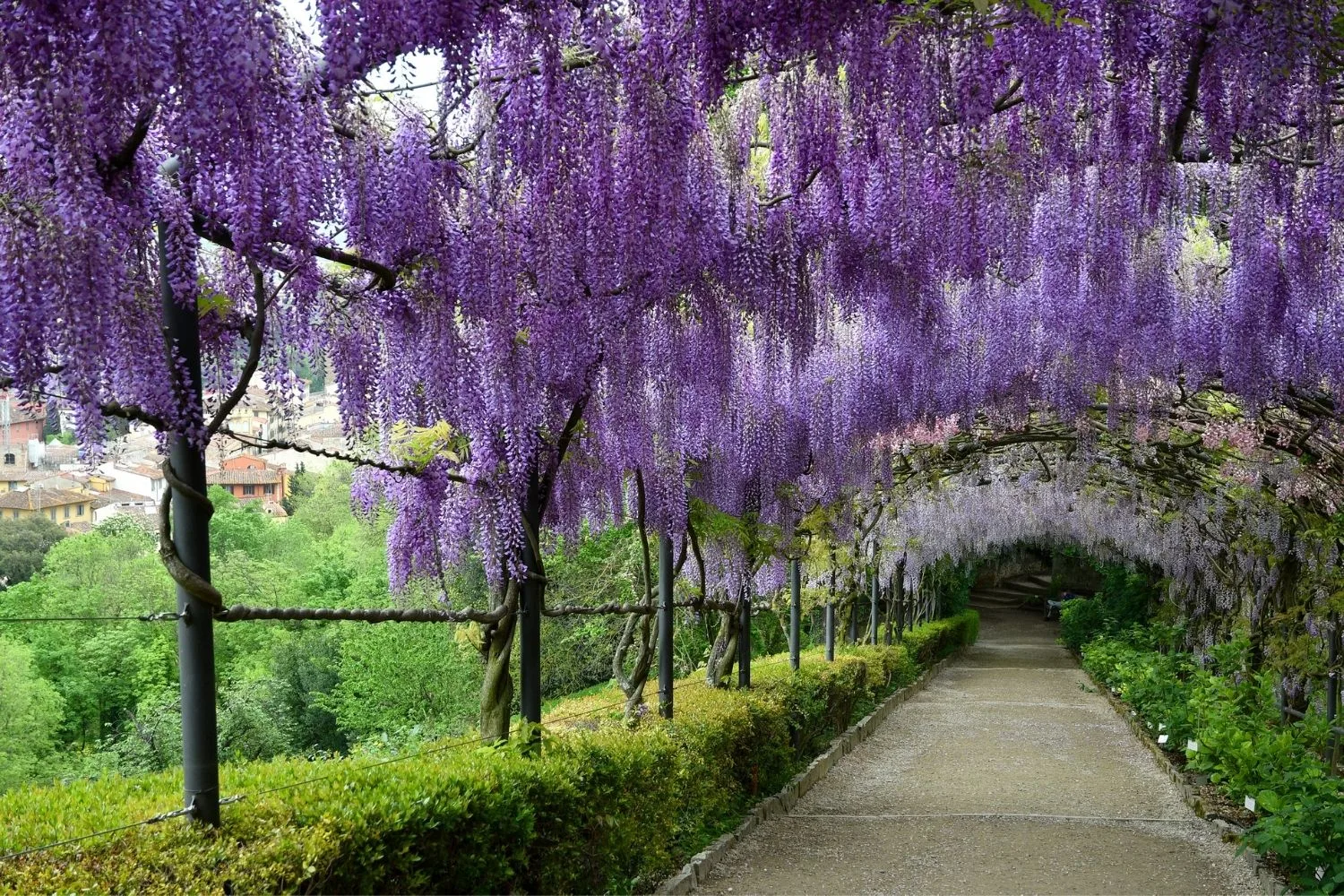
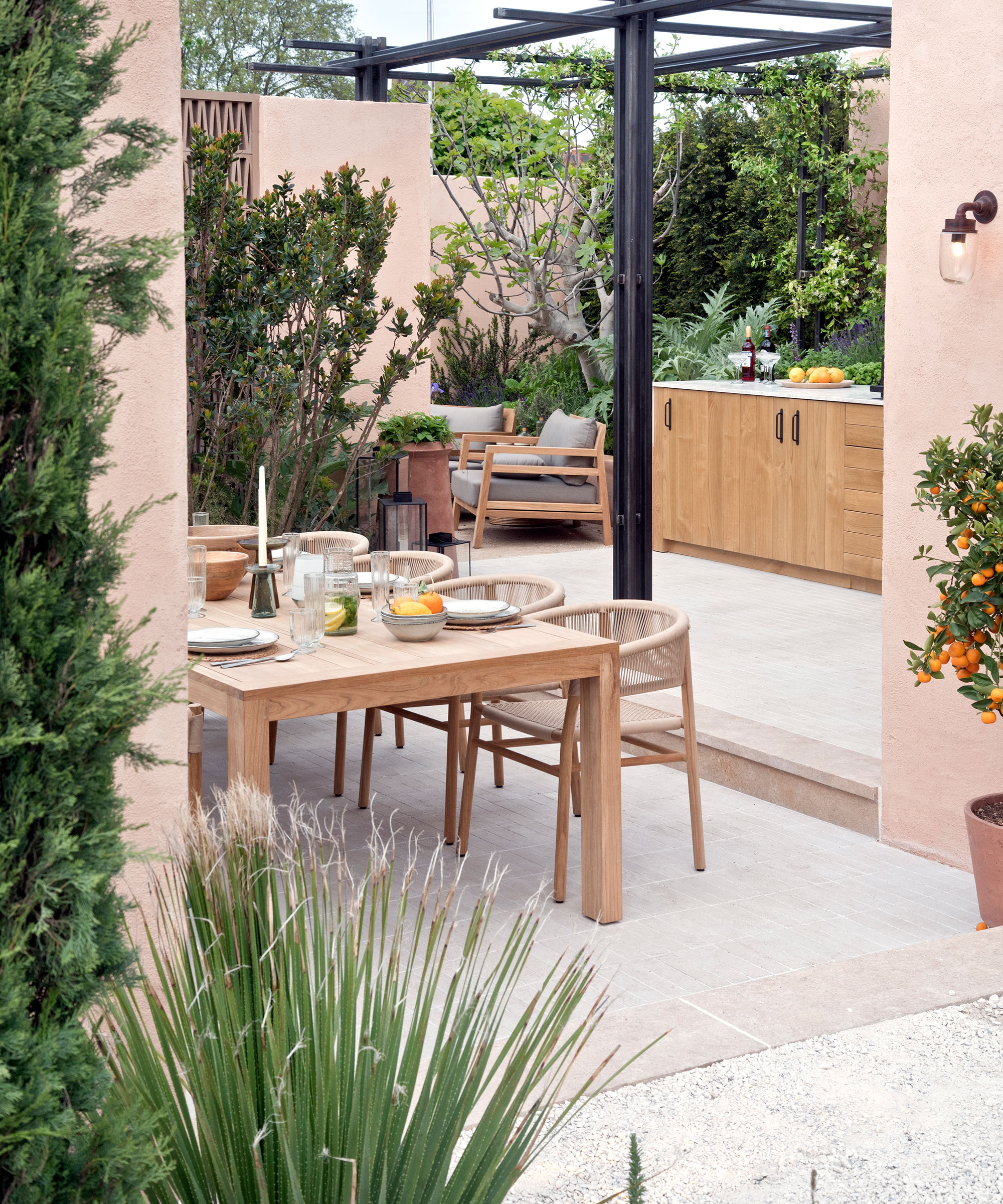
Arches and arbors offer a classic way to create focal points or define entryways in a garden. A simple arbor, when draped with climbing vines like white roses, can form a graceful and inviting entrance. The dense foliage and blooms can nearly obscure the underlying structure, creating a natural, enchanting tunnel. Decorative obelisks, particularly those crafted from wood, serve as year-round garden accents. These structures, even when not entirely covered by plants, add a vertical design element and can be a rewarding project for a woodworker. Similarly, old window or doorframes can be quickly converted into rustic trellises by stringing wires across their openings, suitable for sun-loving plants such as morning glories, cardinal climbers, and hyacinth vines.
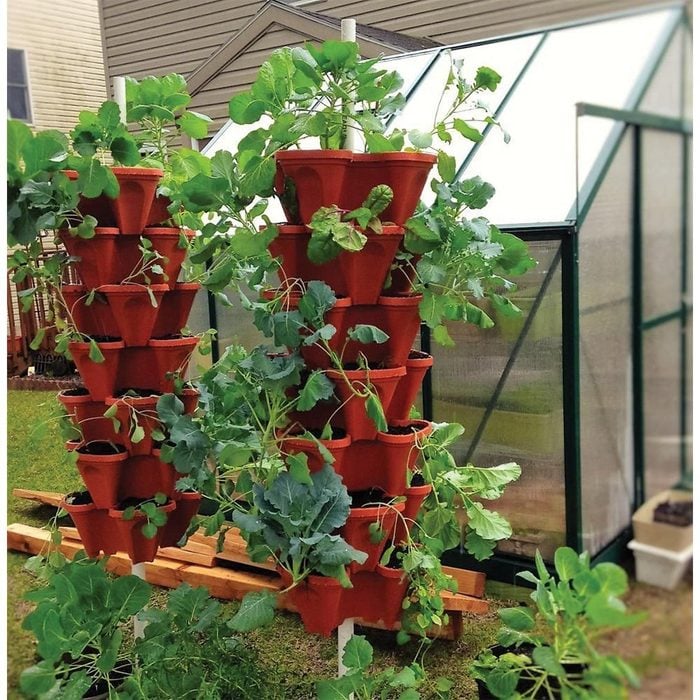
For a more whimsical or naturalistic garden style, a tepee vine support, also known as a tuteur, can be constructed from willow rods or other branches. This support guides plants into an appealing pattern and stands as a decorative piece in its own right. Container gardening can also benefit from vertical supports; a simple trellis made from cedar strips, quilter's rings, and a finial can elevate a potted vine from a trailing plant to an elegant climber. Taller vine poles, often topped with decorative elements, provide robust support for vigorous climbers like morning glories and can be designed to maintain their visual appeal even during the off-season. These poles require gentle training of vines with wire to encourage upward growth.
Larger-scale projects include simple entry arbors, which can be constructed over a weekend with pre-cut lumber, perfect for framing a garden view or enhancing a pathway. For those seeking both aesthetic beauty and functionality, an espalier offers a sophisticated solution. This technique involves training small trees, often dwarf fruit trees, into decorative patterns against a flat surface like a wall or fence. An espalier creates a living fence that provides privacy, visual interest, and, eventually, fresh produce, although it requires several years for fruit production and consistent pruning. These diverse vine support options demonstrate how thoughtful structural additions can significantly enhance the beauty and utility of any garden space.
#GardenDesign #VineSupport #Trellises #Arbors #Obelisks #ClimbingPlants #OutdoorDecor #DIYGardenProjects #Espalier #GardenDesign #VineSupport #Trellises #Arbors #Obelisks #ClimbingPlants #OutdoorDecor #DIYGardenProjects #Espalier
合計0件のコメント
 まだコメントはありません
あなたも好きかもしれません
Grow Up! Flowering Vines to Adorn Walls, Trellises and Fences
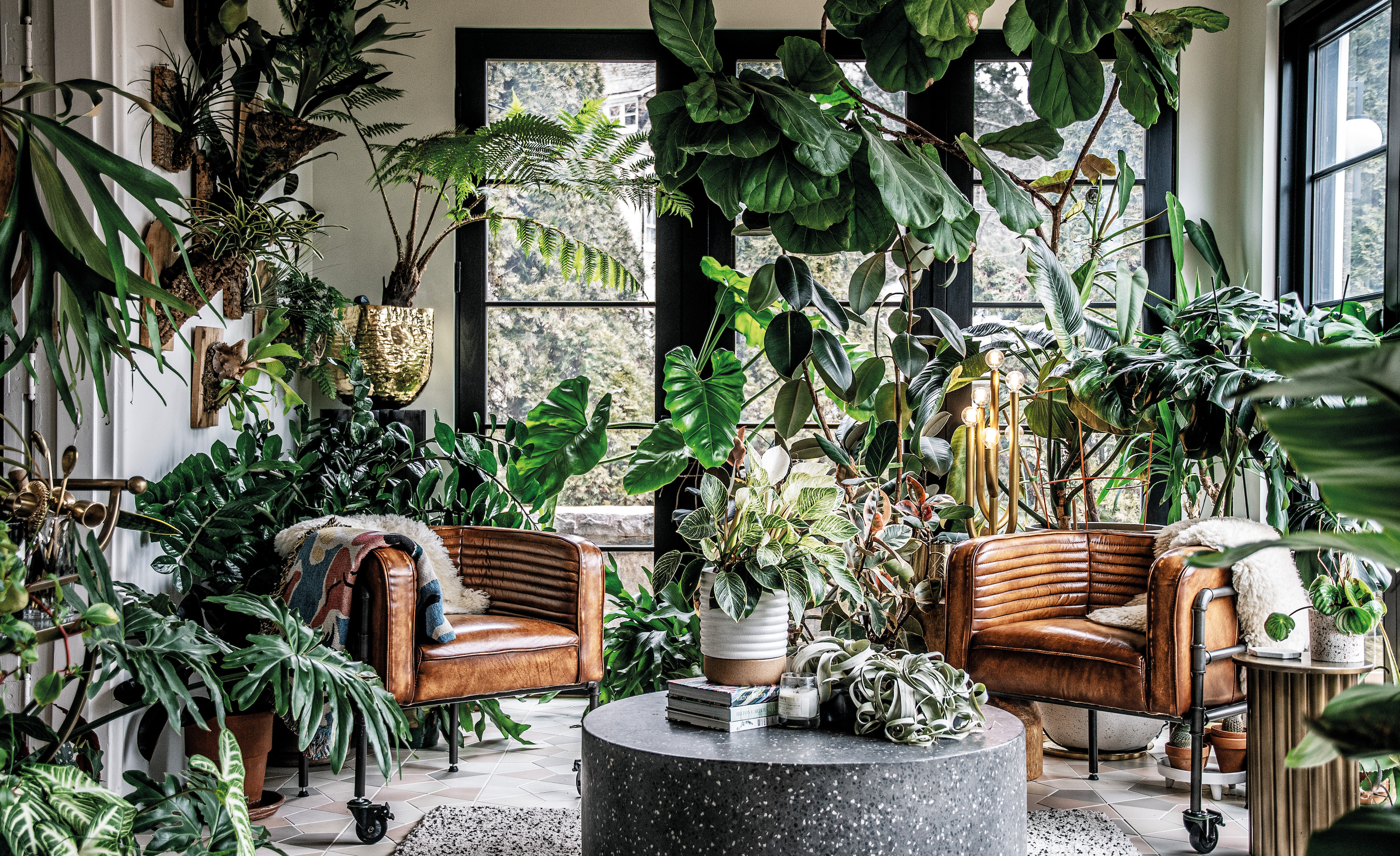
10 Indoor Climbing Plants That Will Take Your Blooms to New Heights — And Make Your Home Look Lush

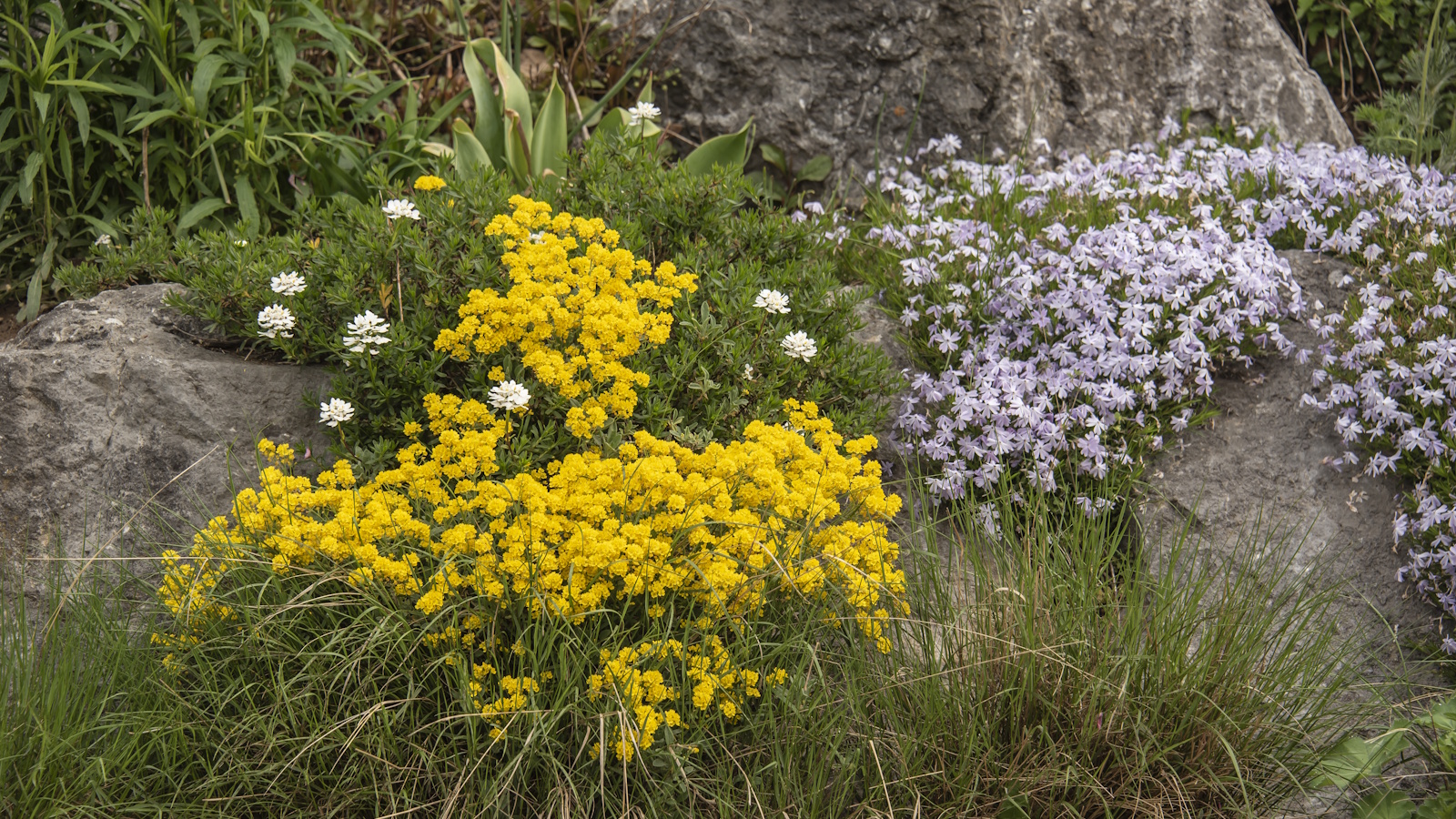
Best cascading plants: 5 joyful plants for pots and retaining walls

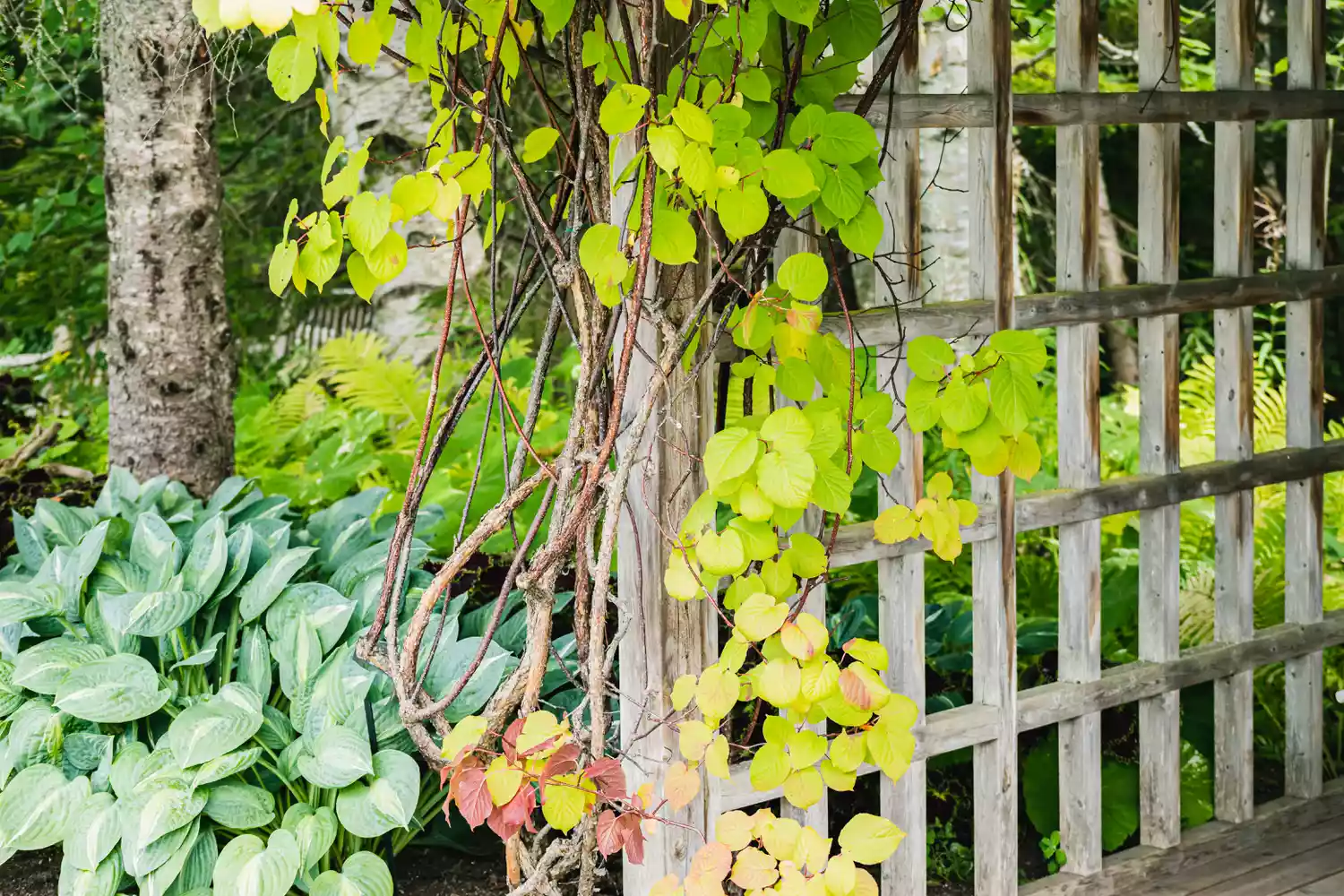
20 Climbing Plants We Can't Get Enough of for Any Trellis, Pergola, or Fence

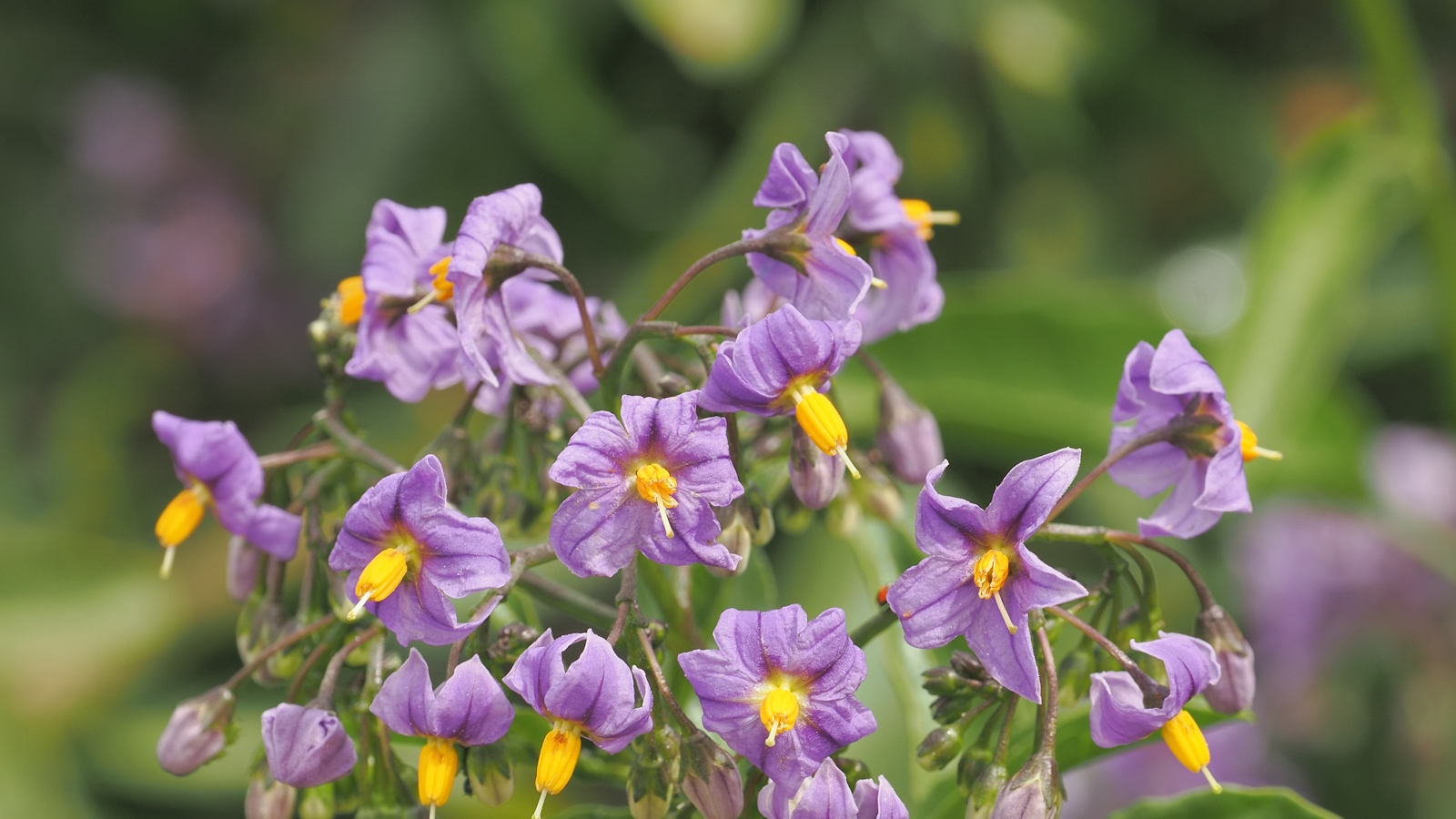
Easiest climbers to grow – 5 fool-proof vines to quickly and effectively cover bare walls this year
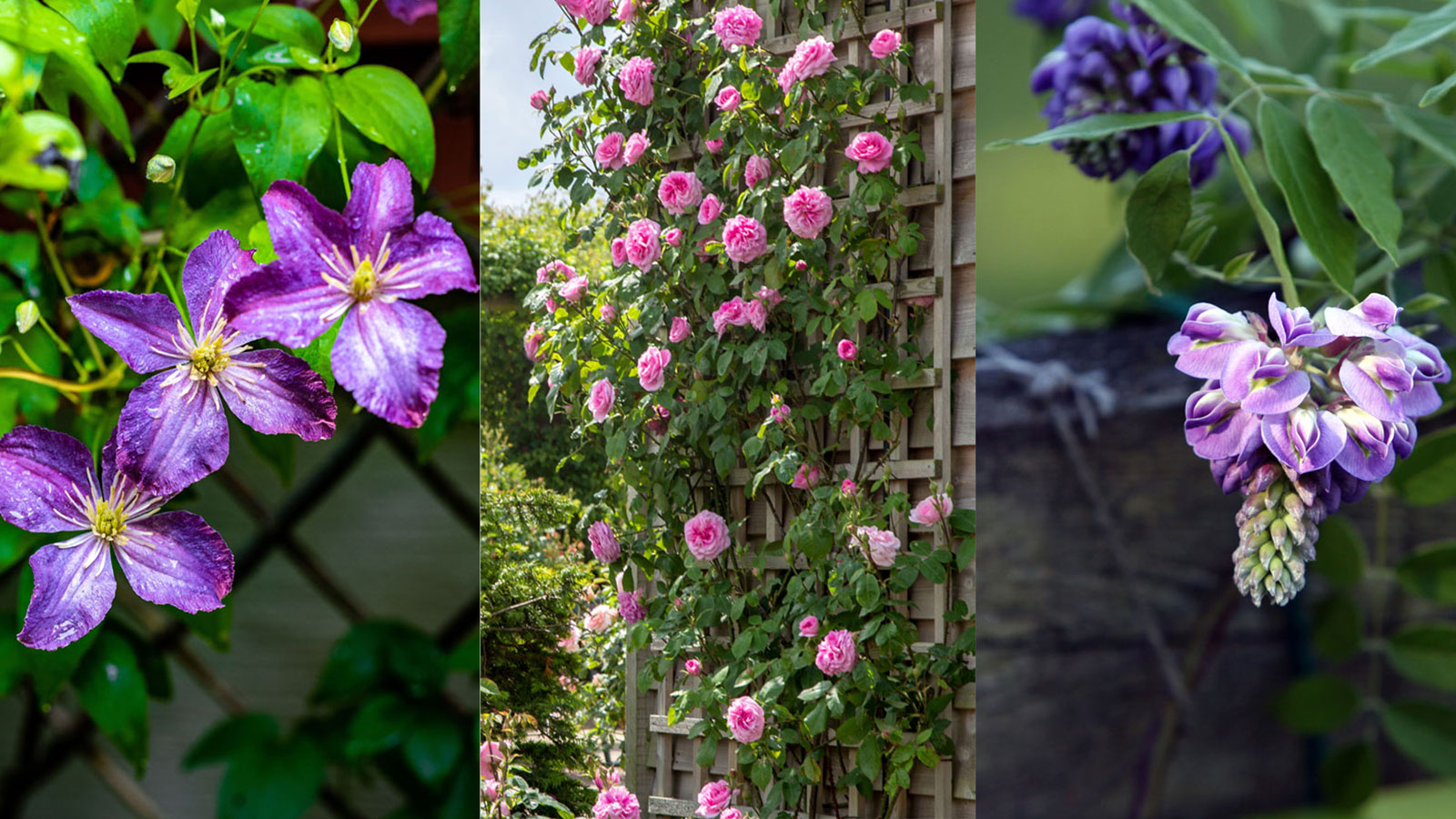
Best plants to cover a fence – 10 ways to disguise a fence with beautiful flowers and foliage
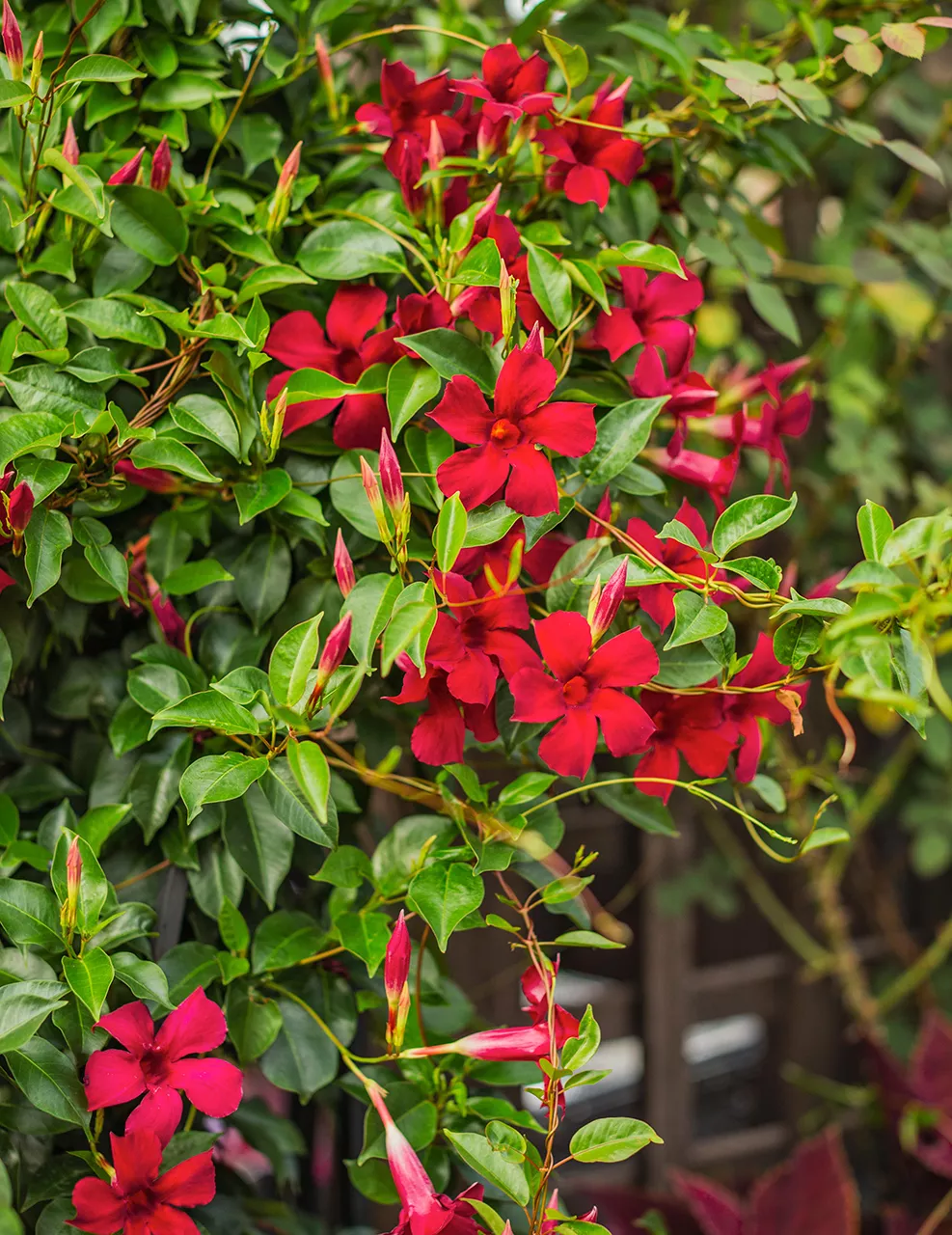
26 Flowering Vines for Dressing Up Fences, Arbors, and Trellises
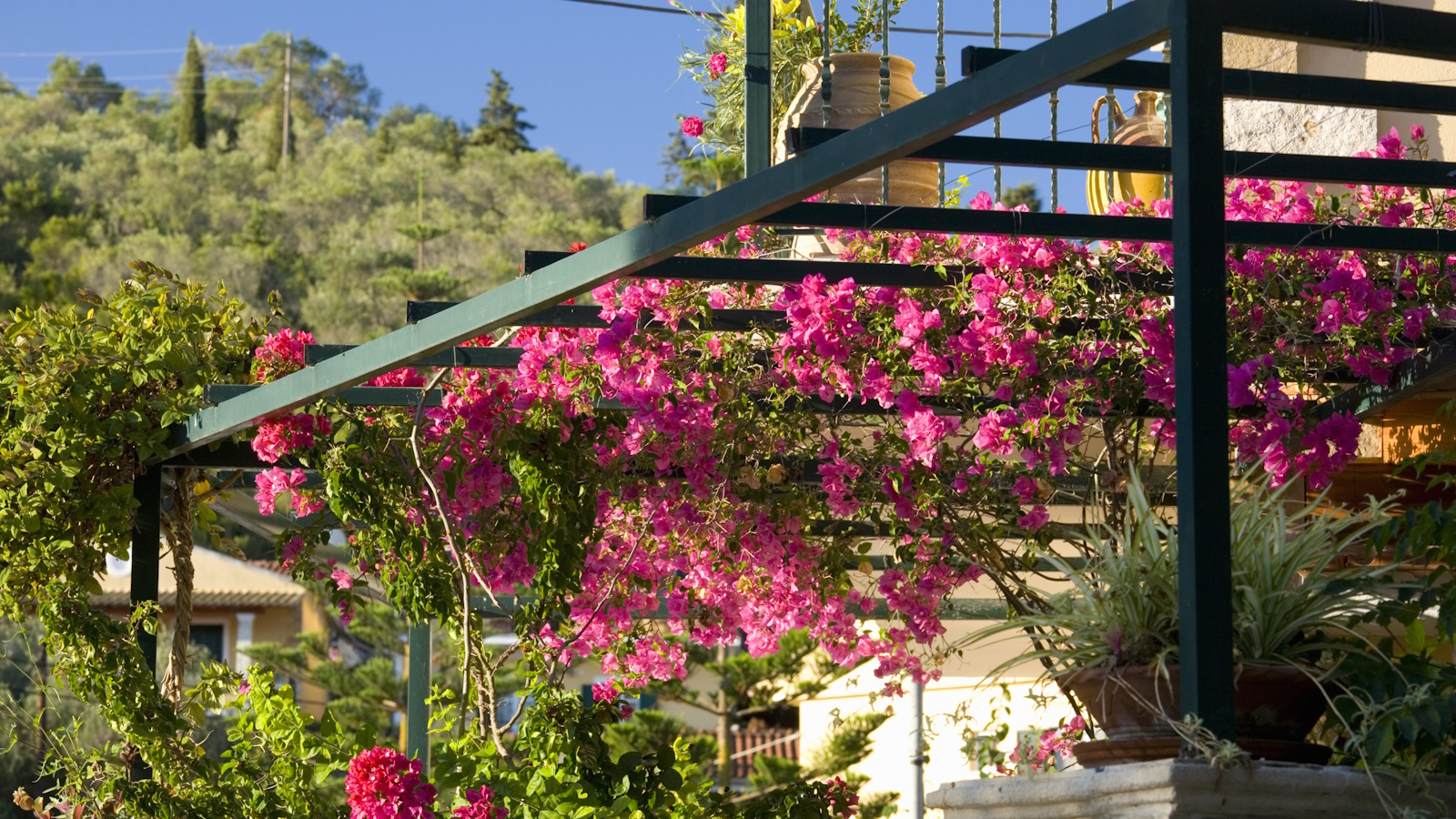
These fast-growing climbers will transform your pergola into a romantic, botanical wonderland
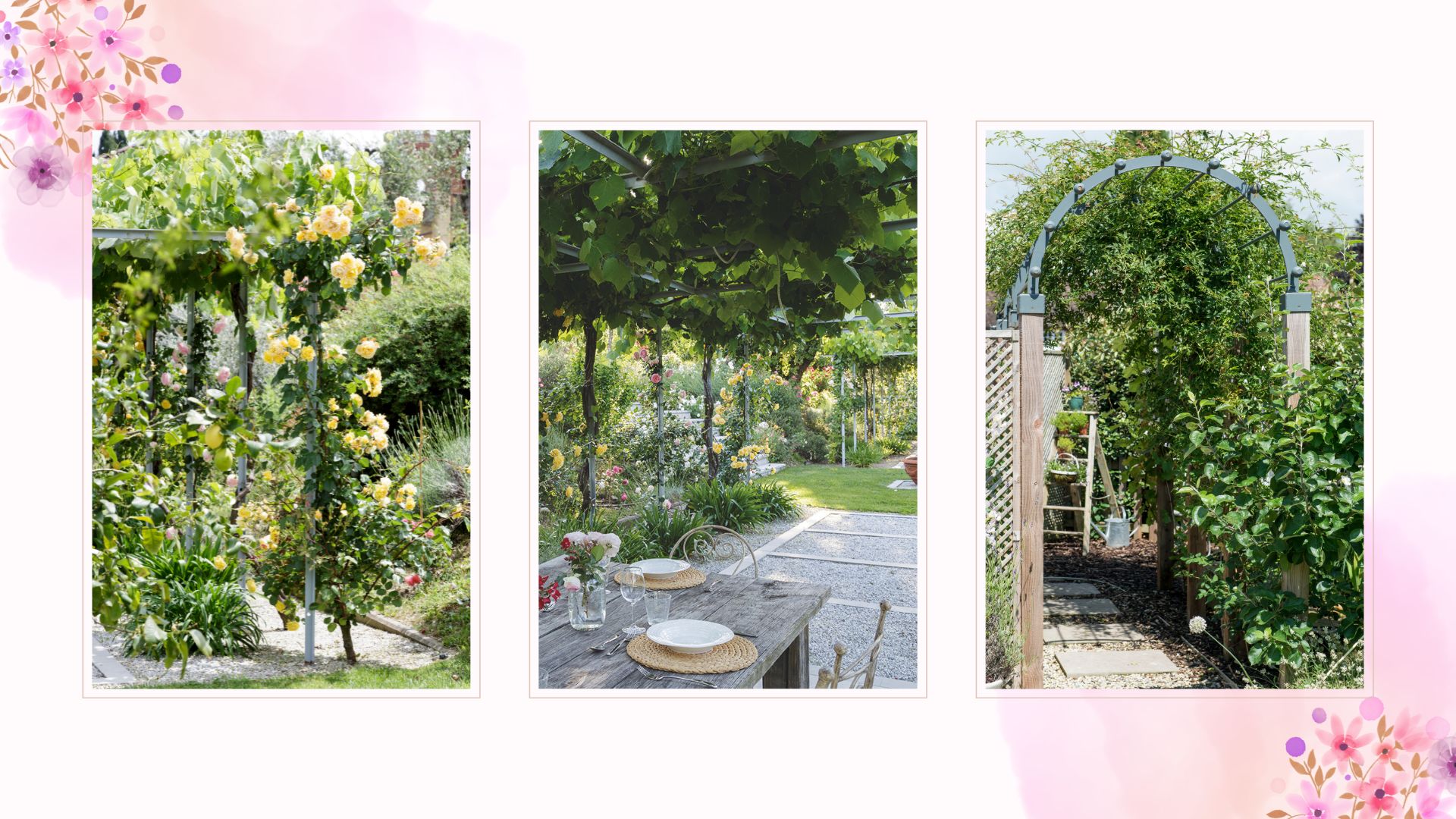
The best plants for a pergola: 5 thriving climbers chosen by professional gardeners

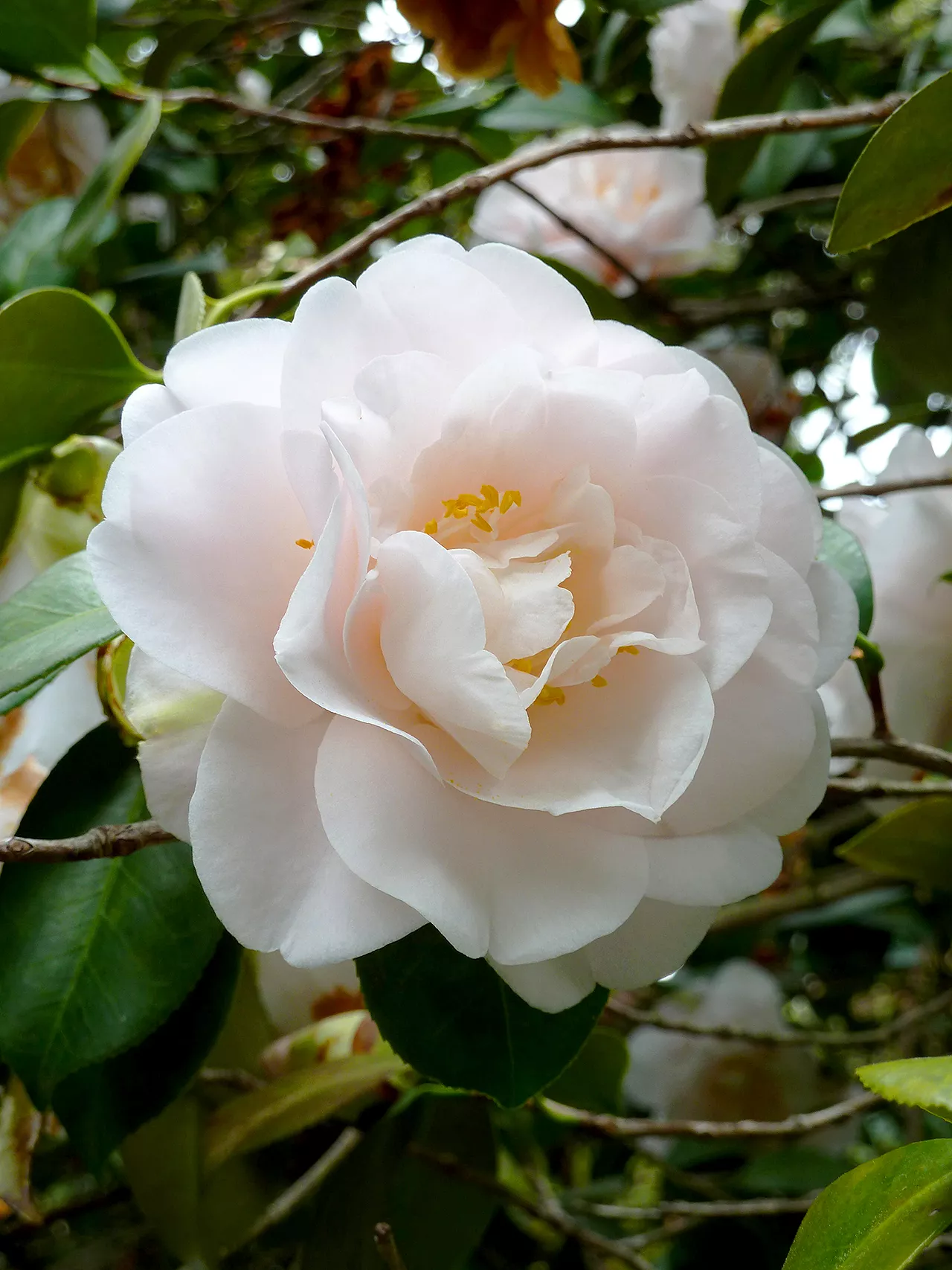
11 Blooming Plants with Breathtakingly Big Flowers

Stylists love to use tall vases for big, impactful displays, but what flowers go best in them? Top florists explain
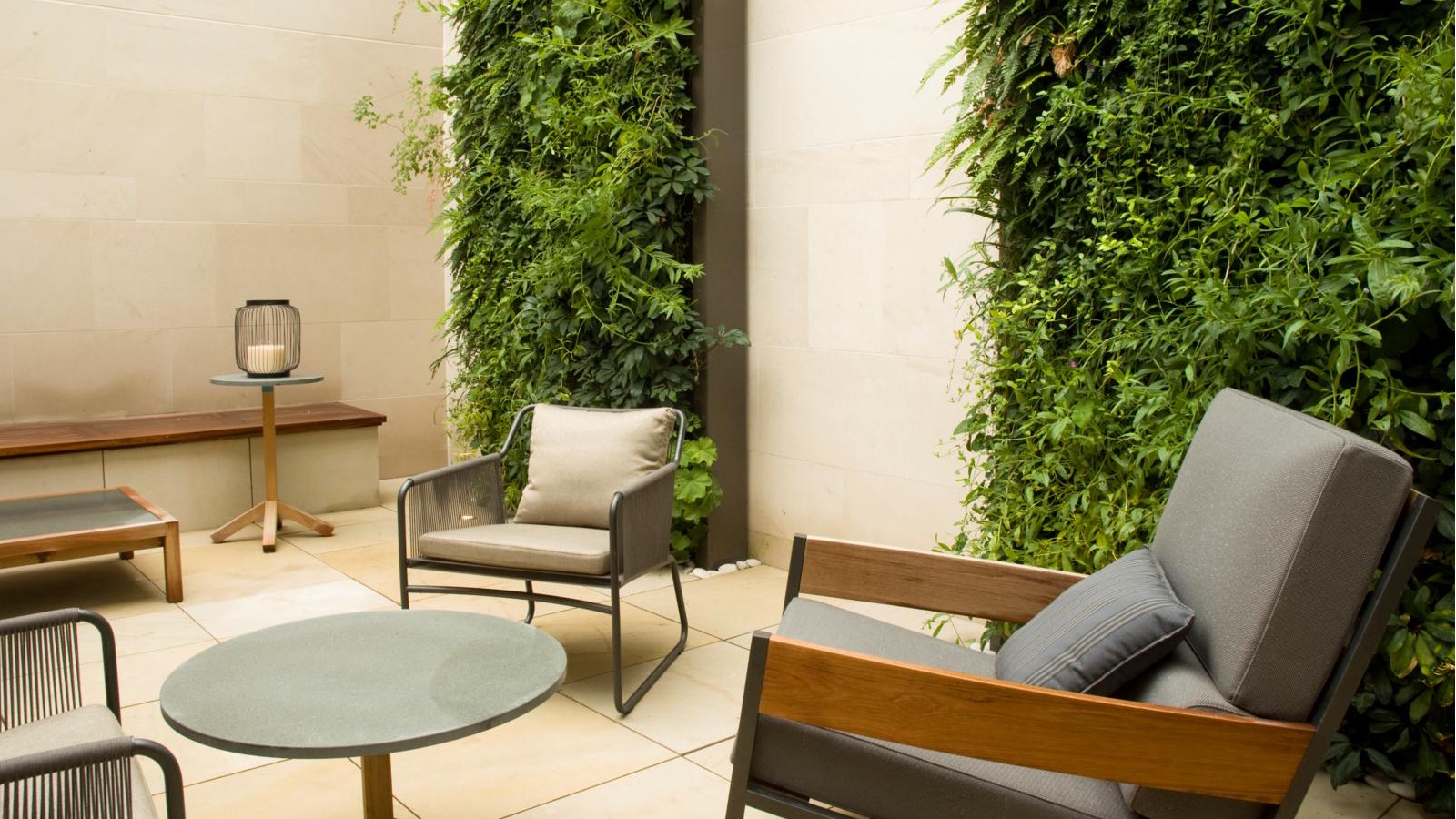
Vertical indoor garden ideas: 7 elevating ideas
Enhancing the power of a flower
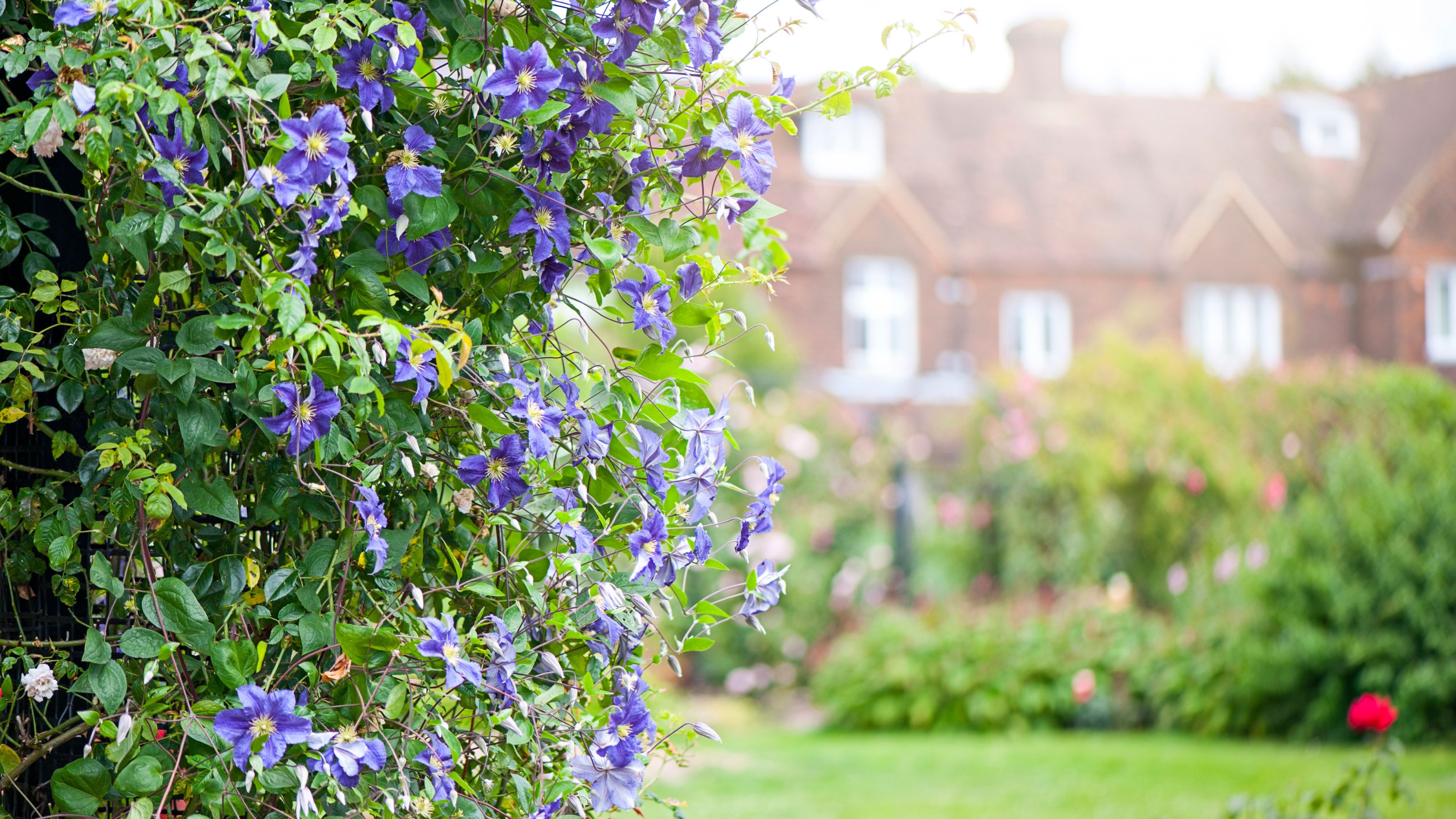
The 5 best climbing plants to cover an ugly fence, add privacy, and beautify your garden
5 climbing plants perfect for your pergola

This Visual Design Trick Is the Coolest Way to Style Your Houseplants
5 best plants to grow up a pergola for a beautiful, scented awning
10 Best Vertical Garden Planters

The best indoor plant stands to elevate your space
The 14 Best Climbing Plants for Your Trellis or Pergola