The One Thing Interior Designers Avoid in Small Rooms—and You Should Too
Decorating a small room presents unique challenges and limitations, requiring careful consideration of furniture choices to maximize space and maintain aesthetic appeal. Interior designers emphasize that while avoiding excessively tiny furniture is crucial, as it can paradoxically make a room feel smaller, the primary pitfall to circumvent is incorporating pieces that are disproportionately large or lack visible legs. This approach helps prevent the room from feeling cramped and visually overwhelmed.
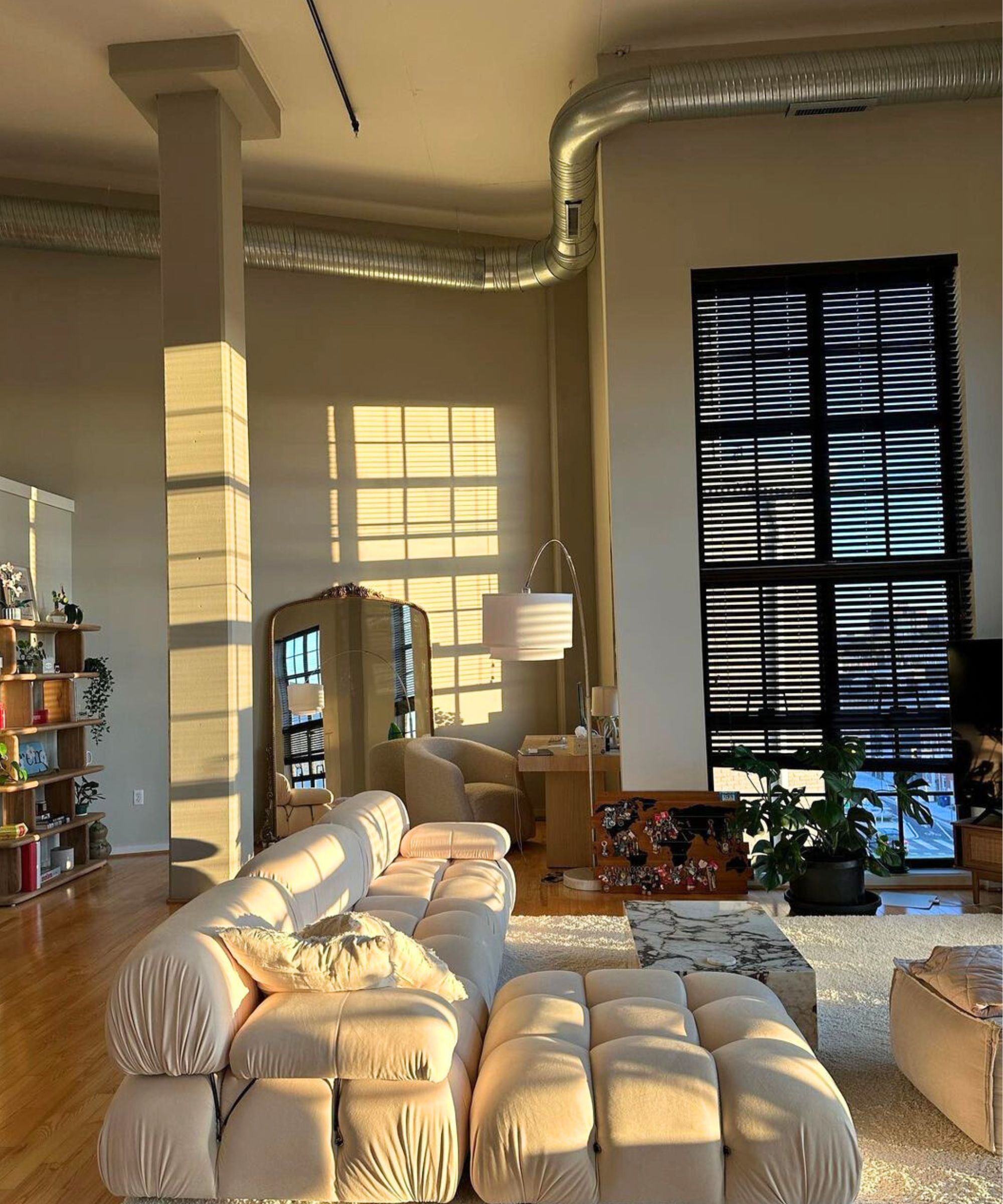
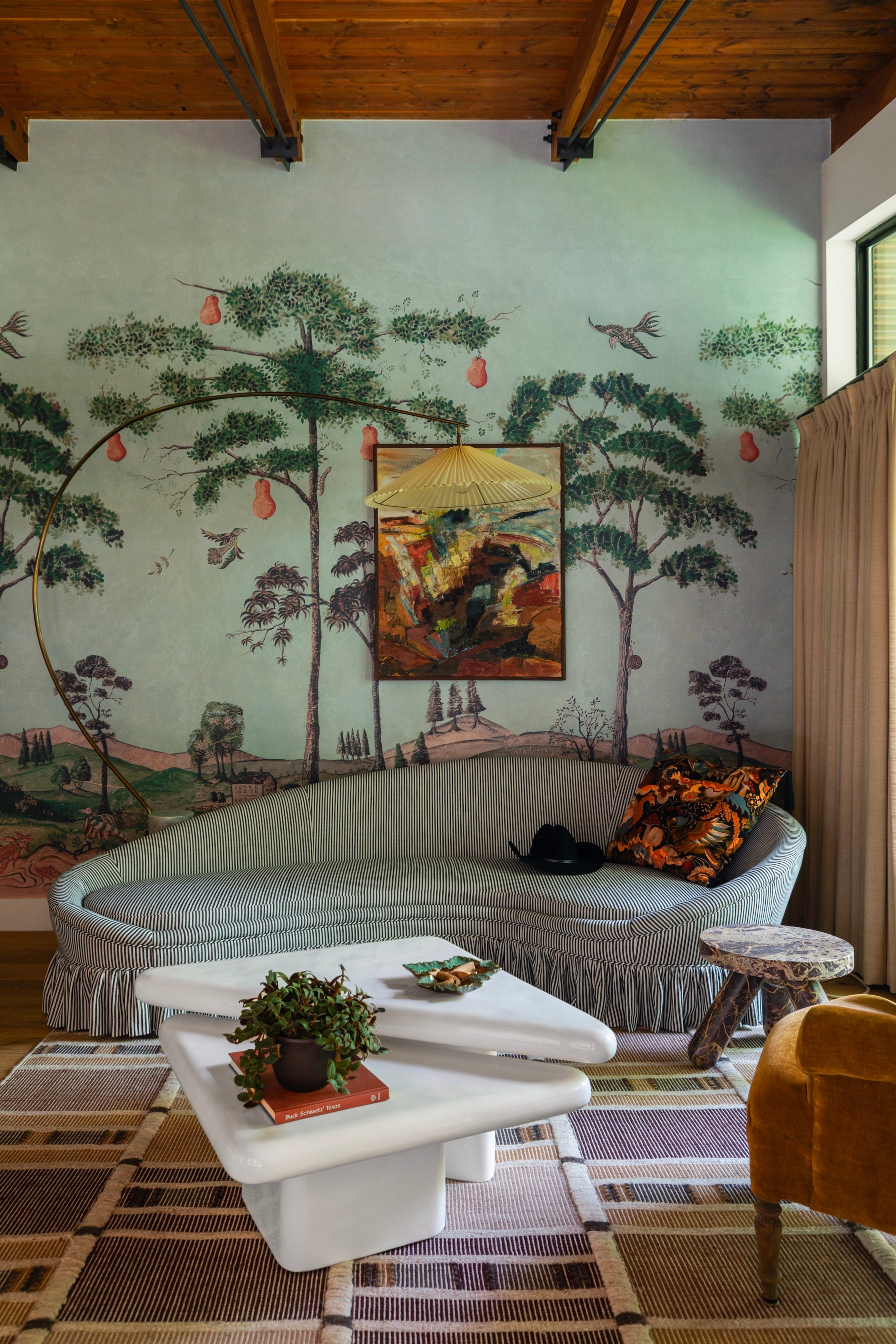
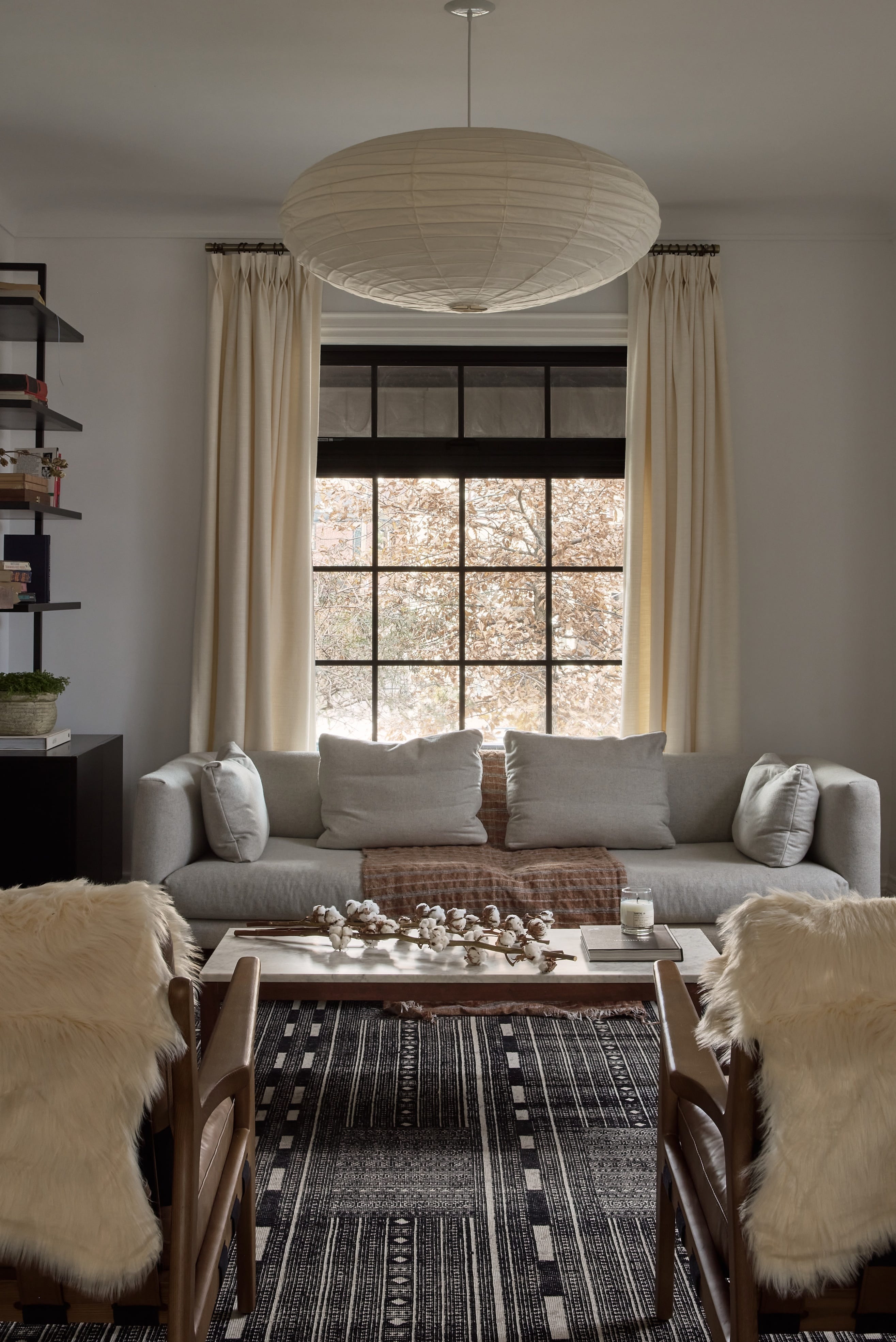
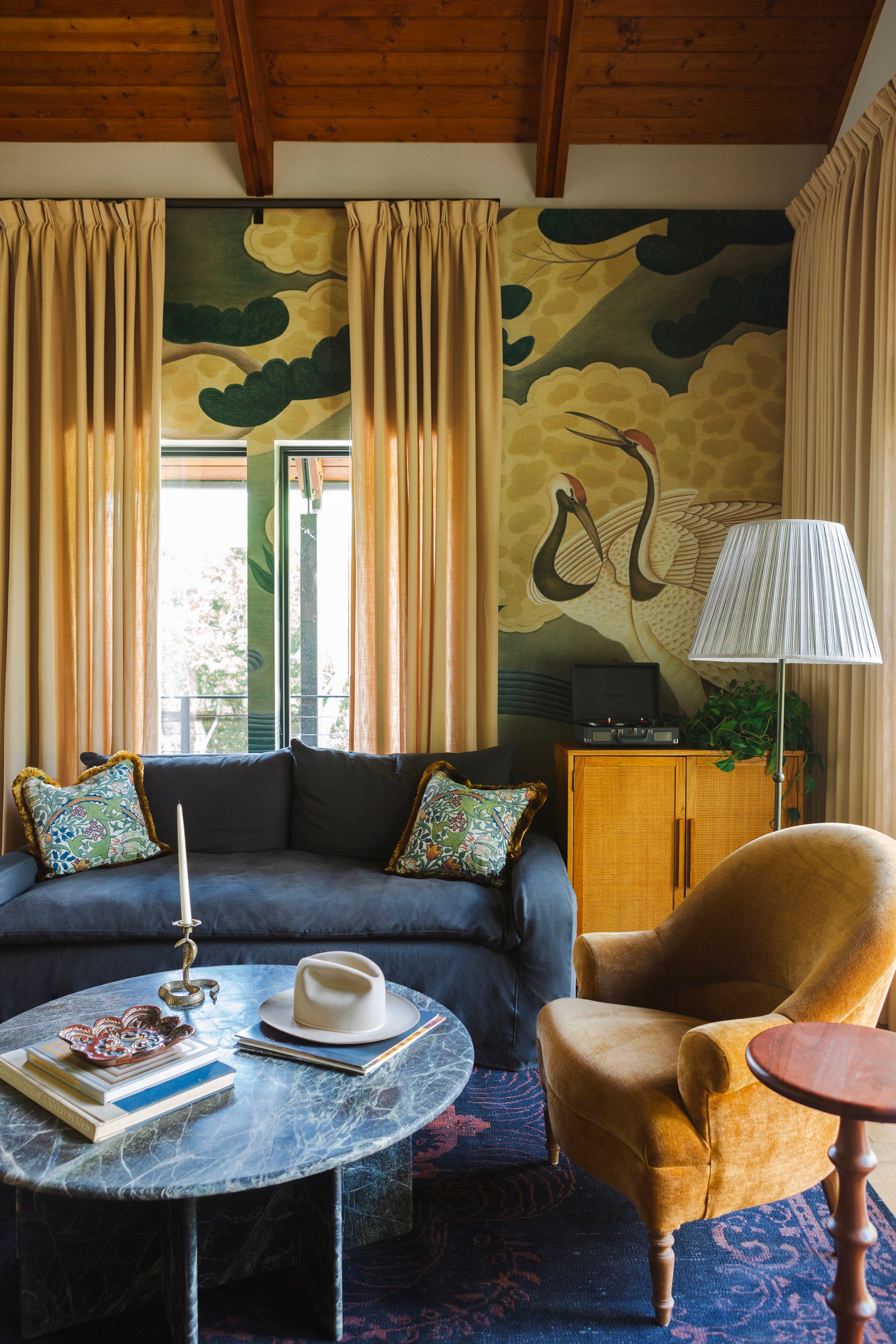
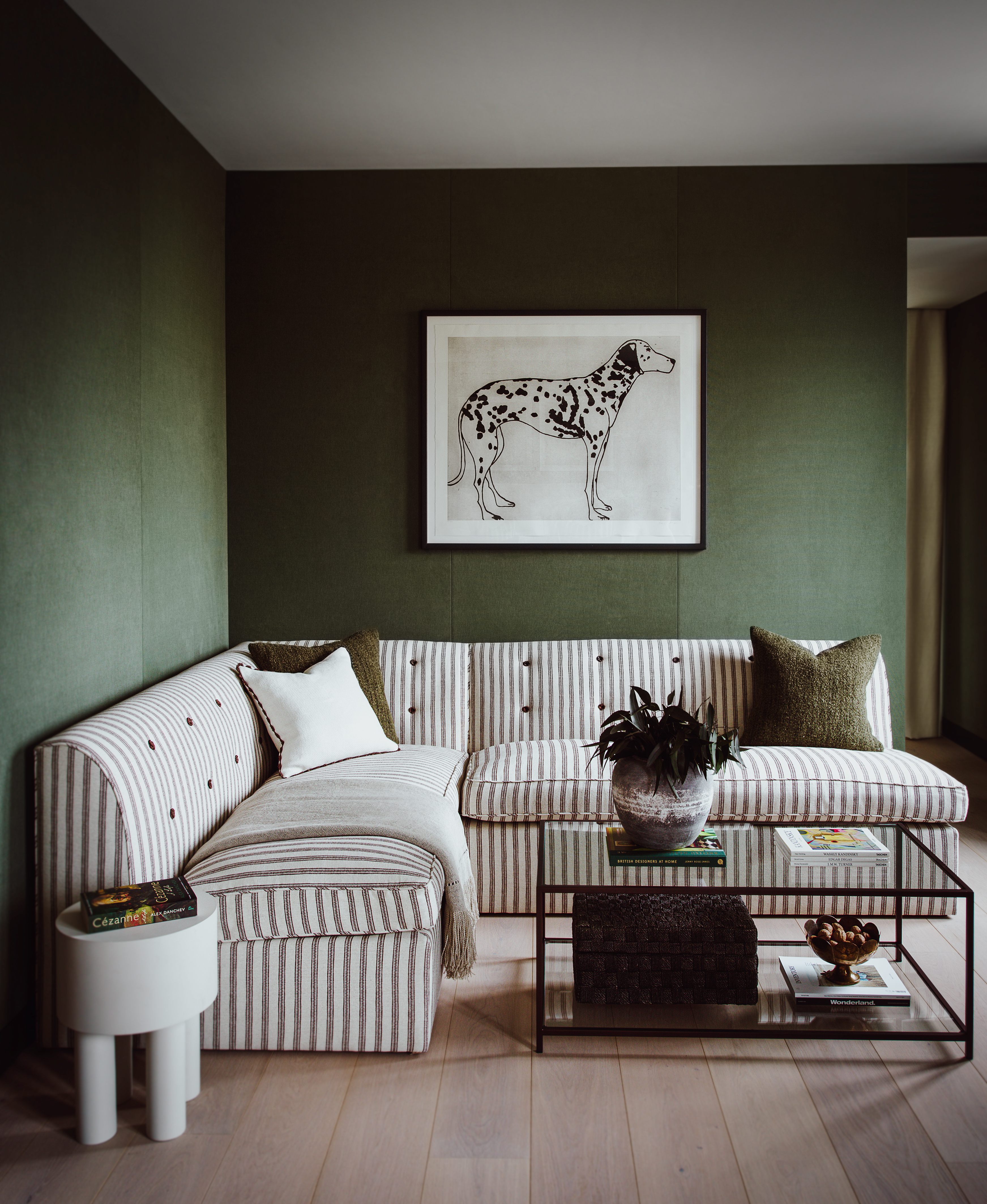
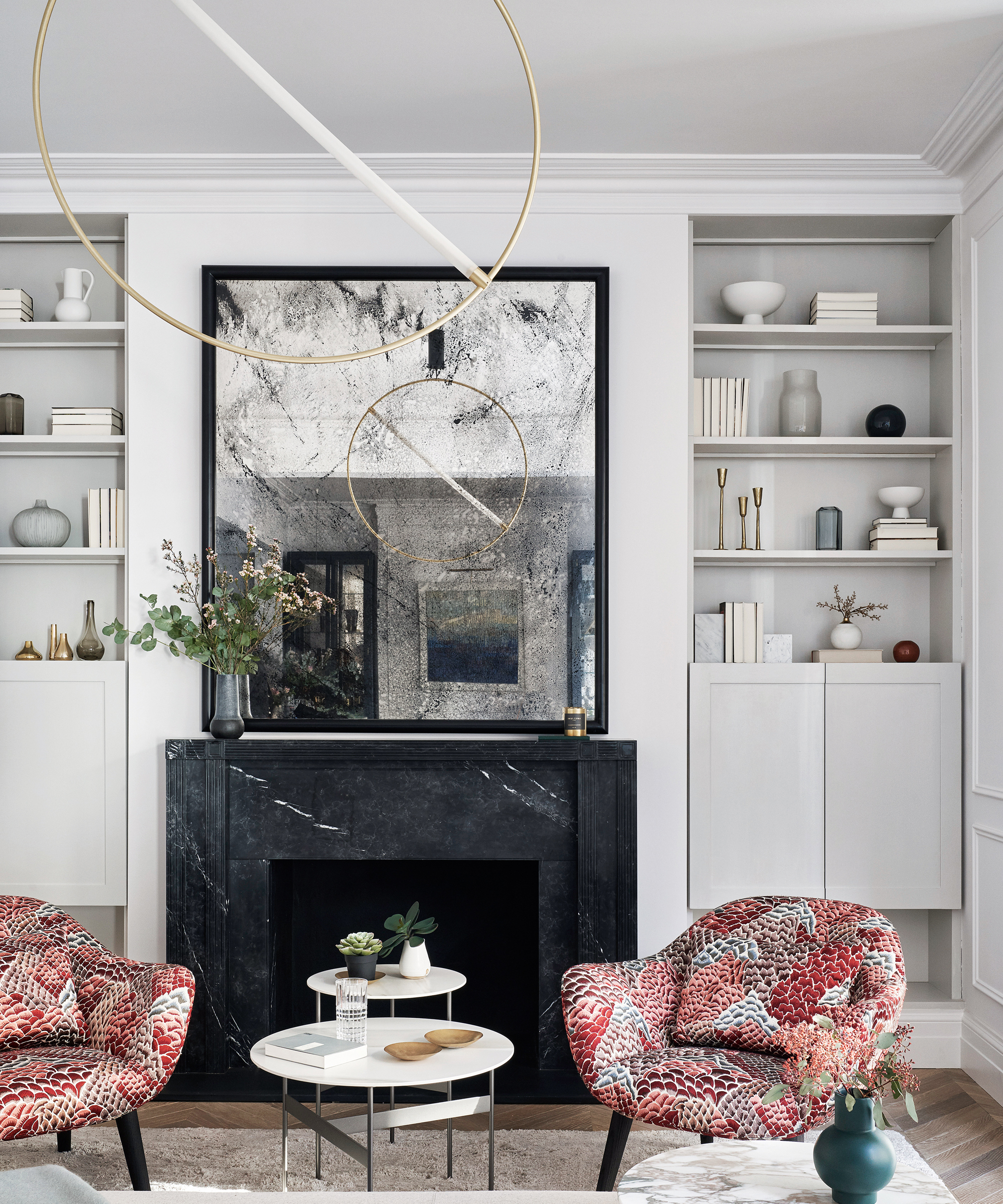
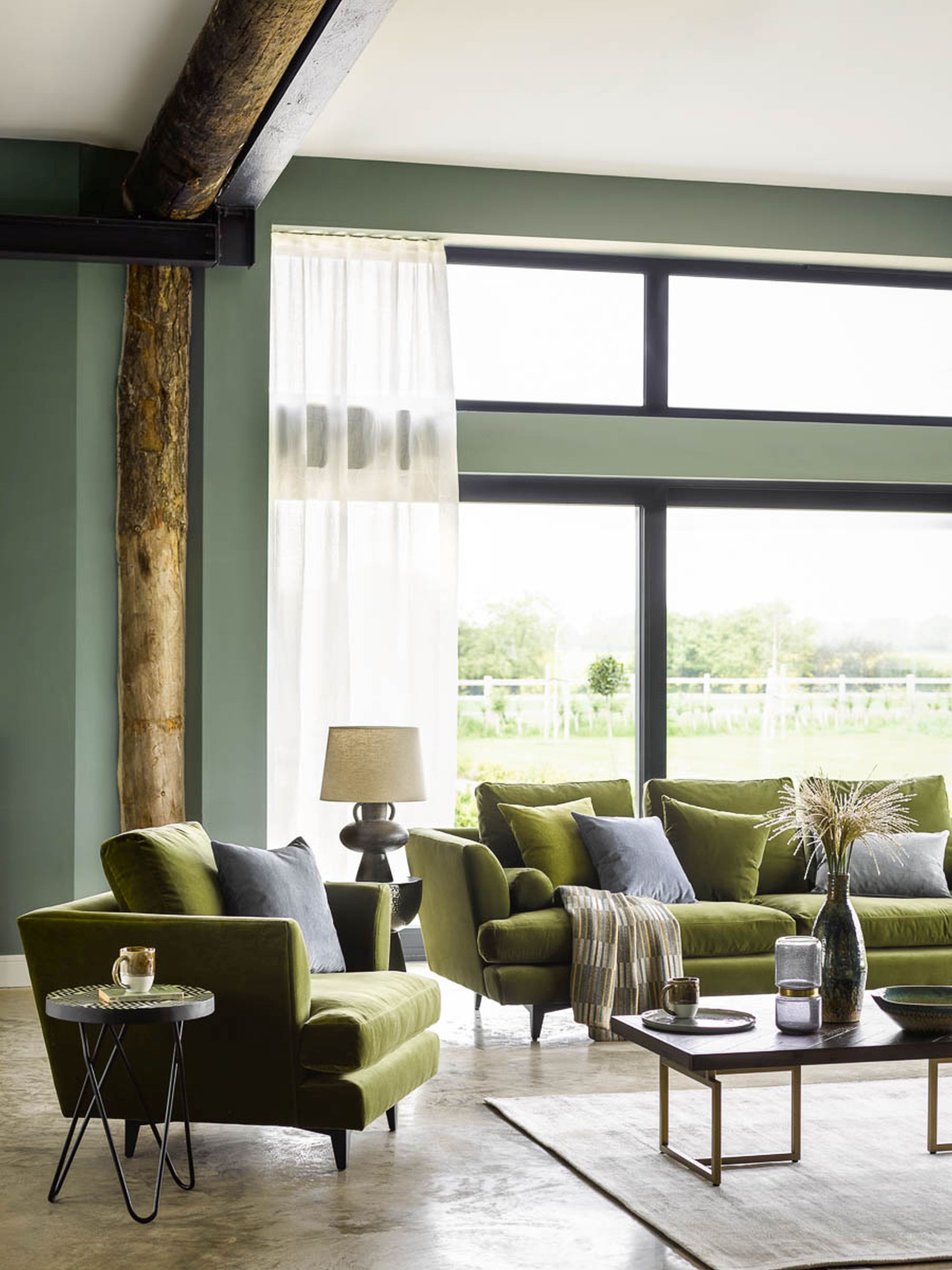
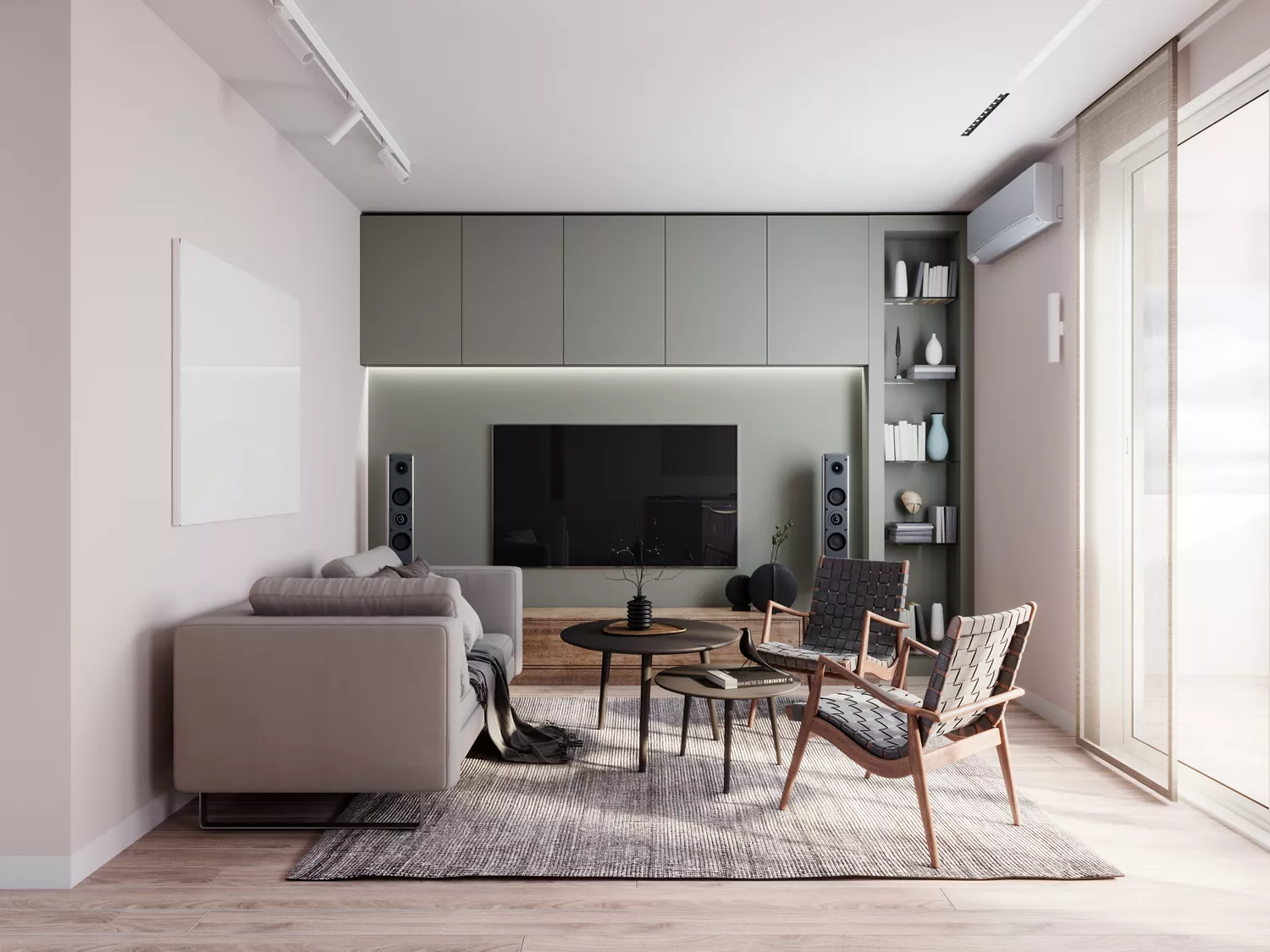
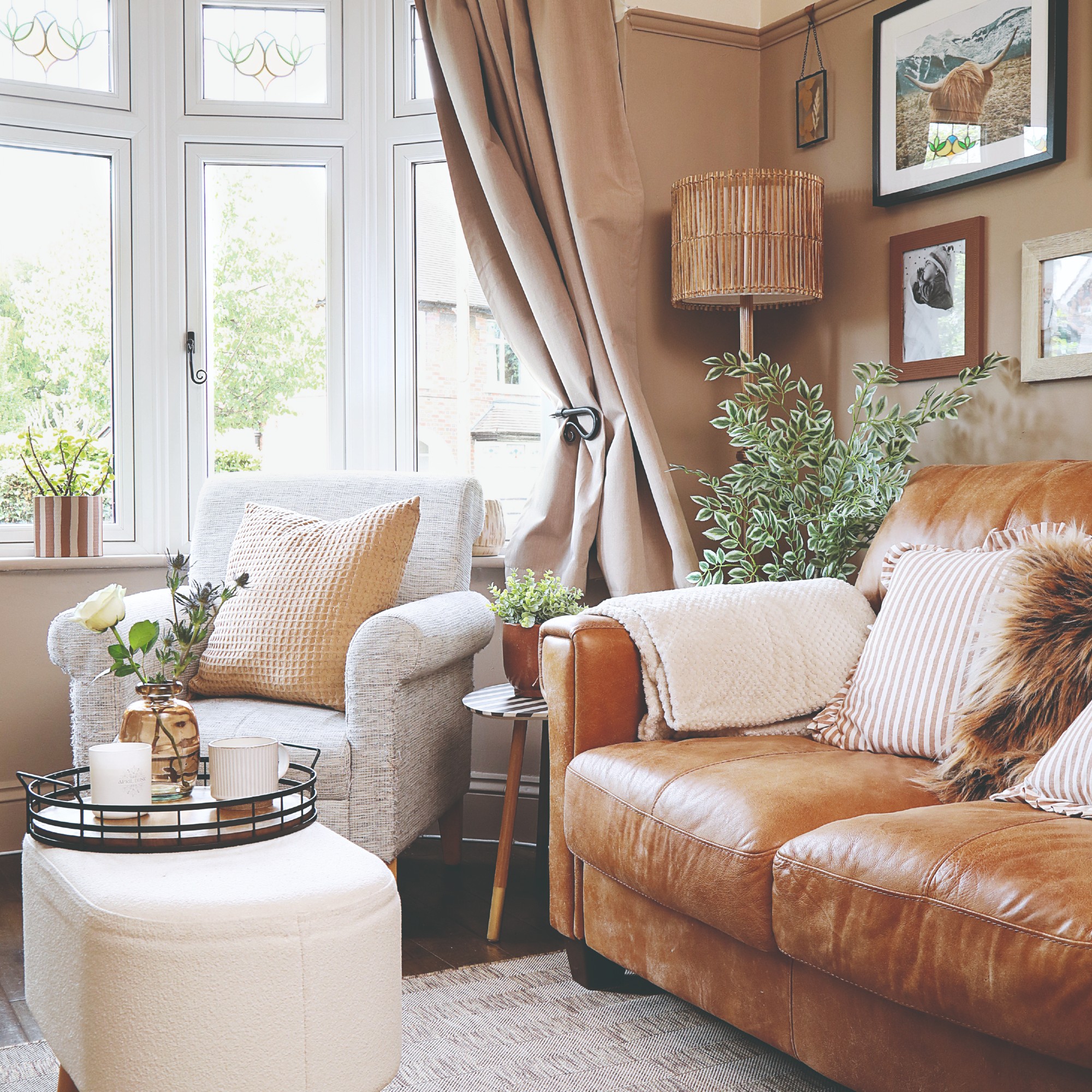
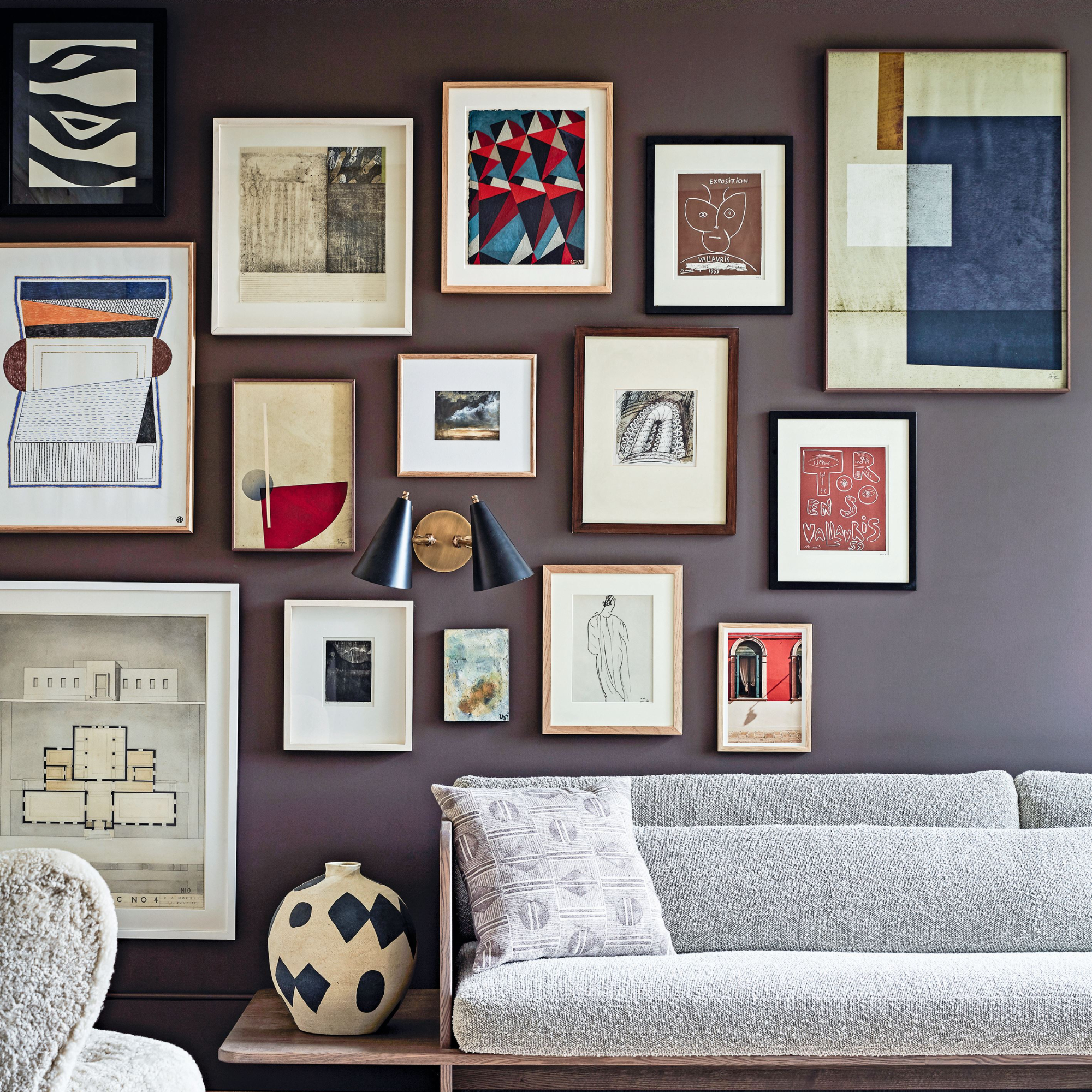
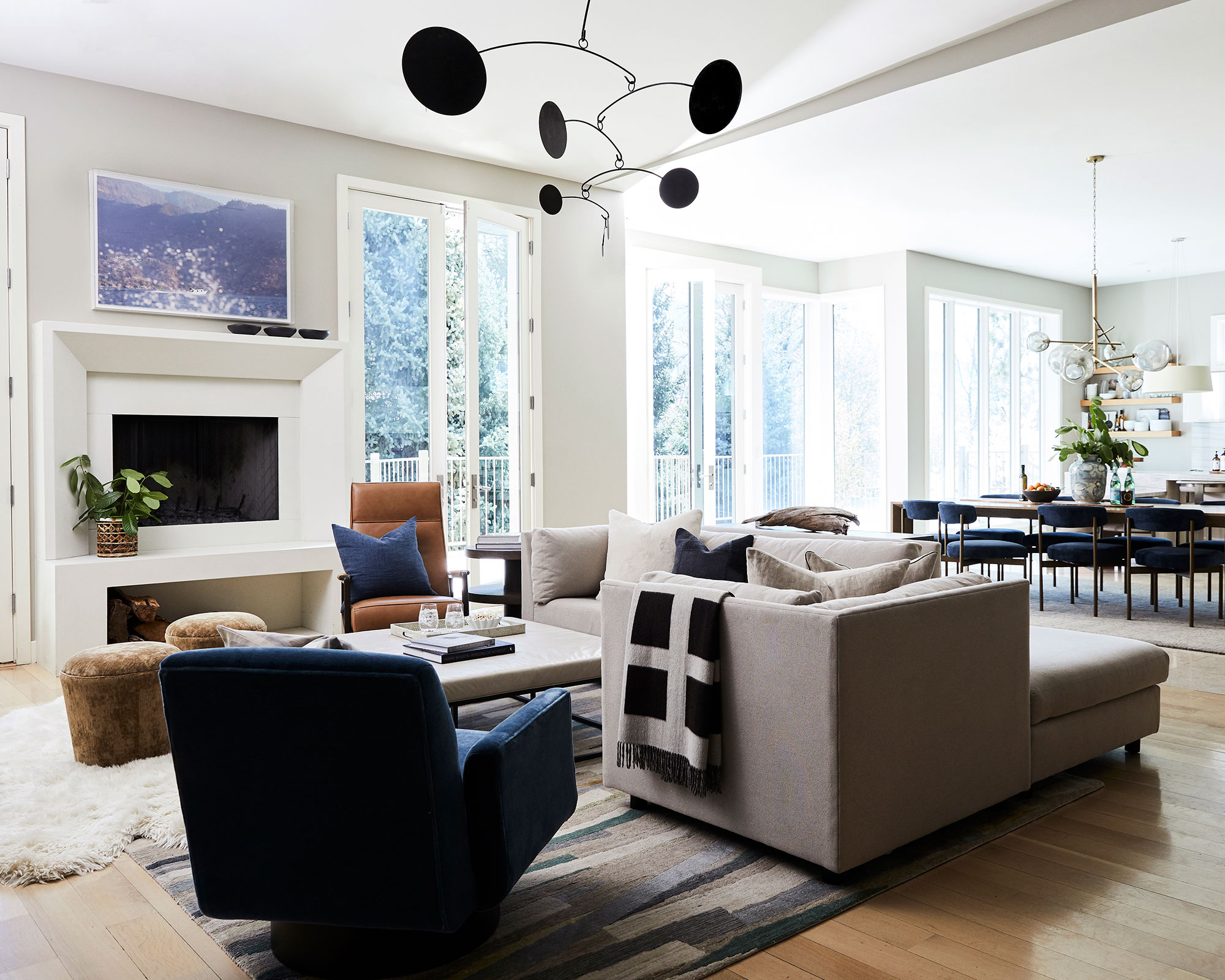
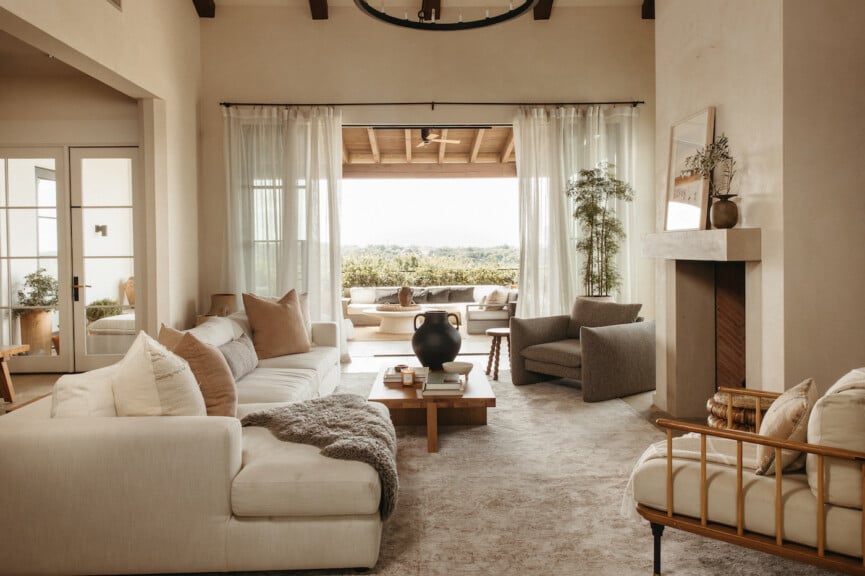
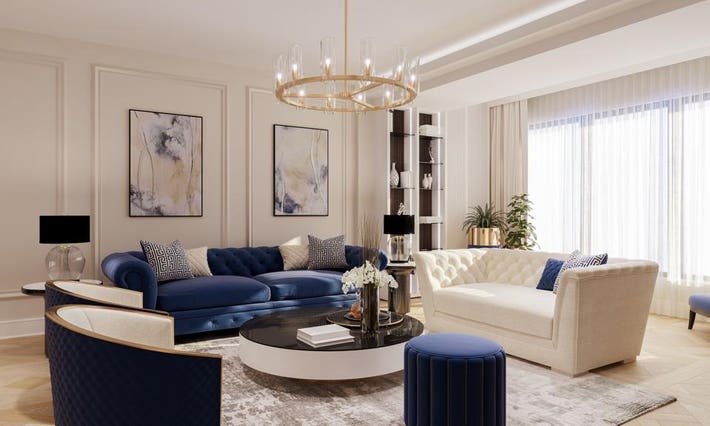
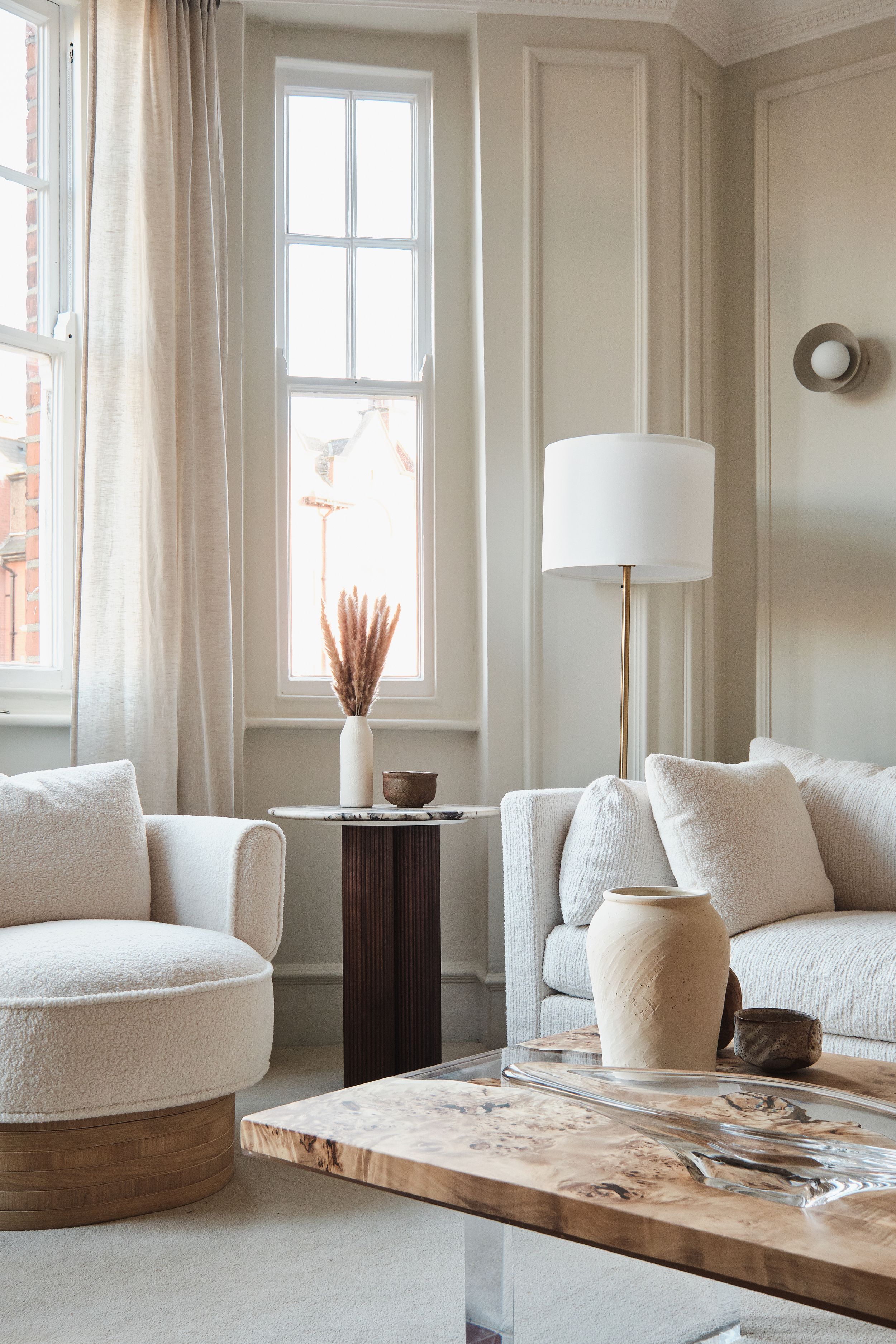
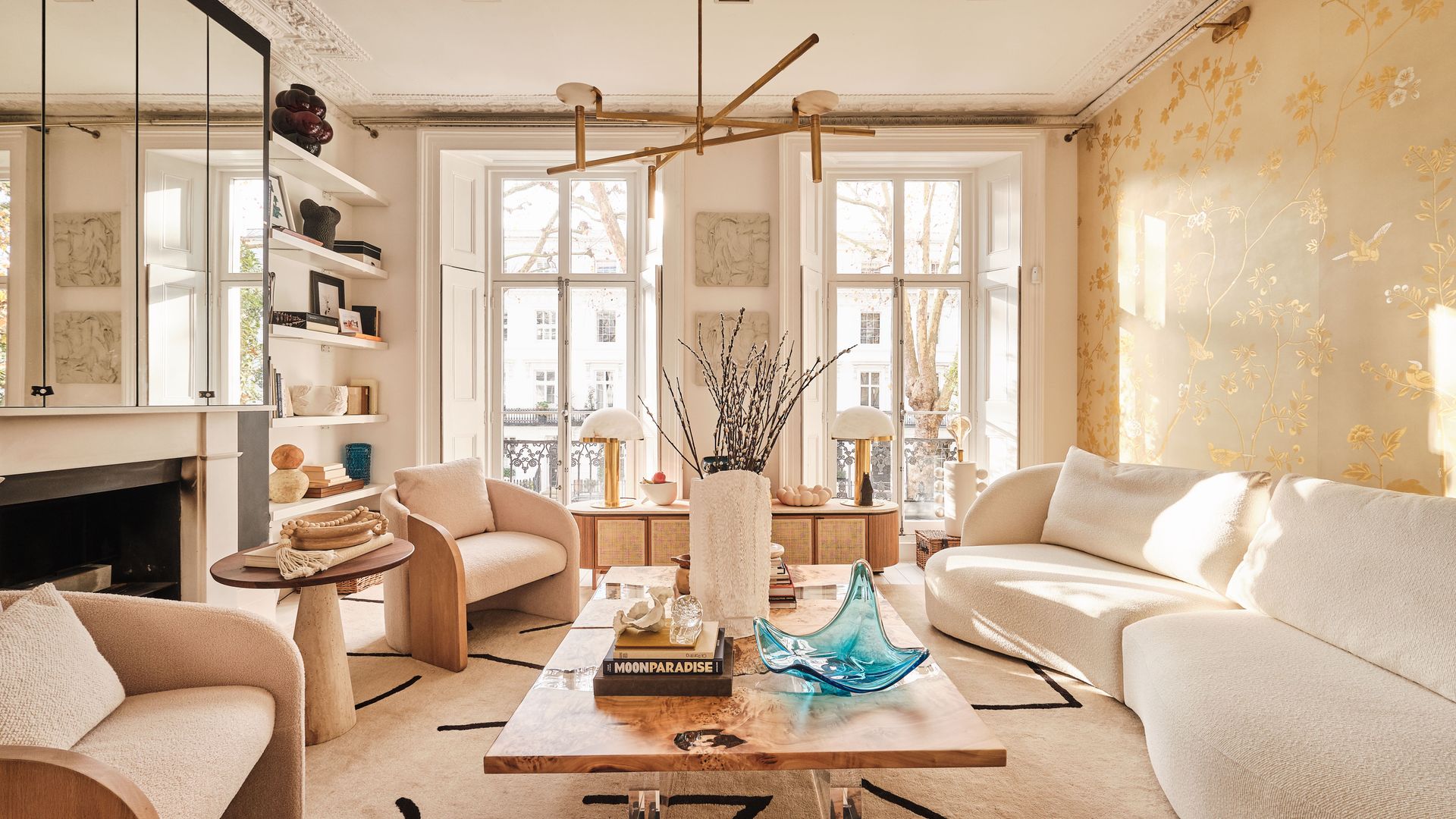
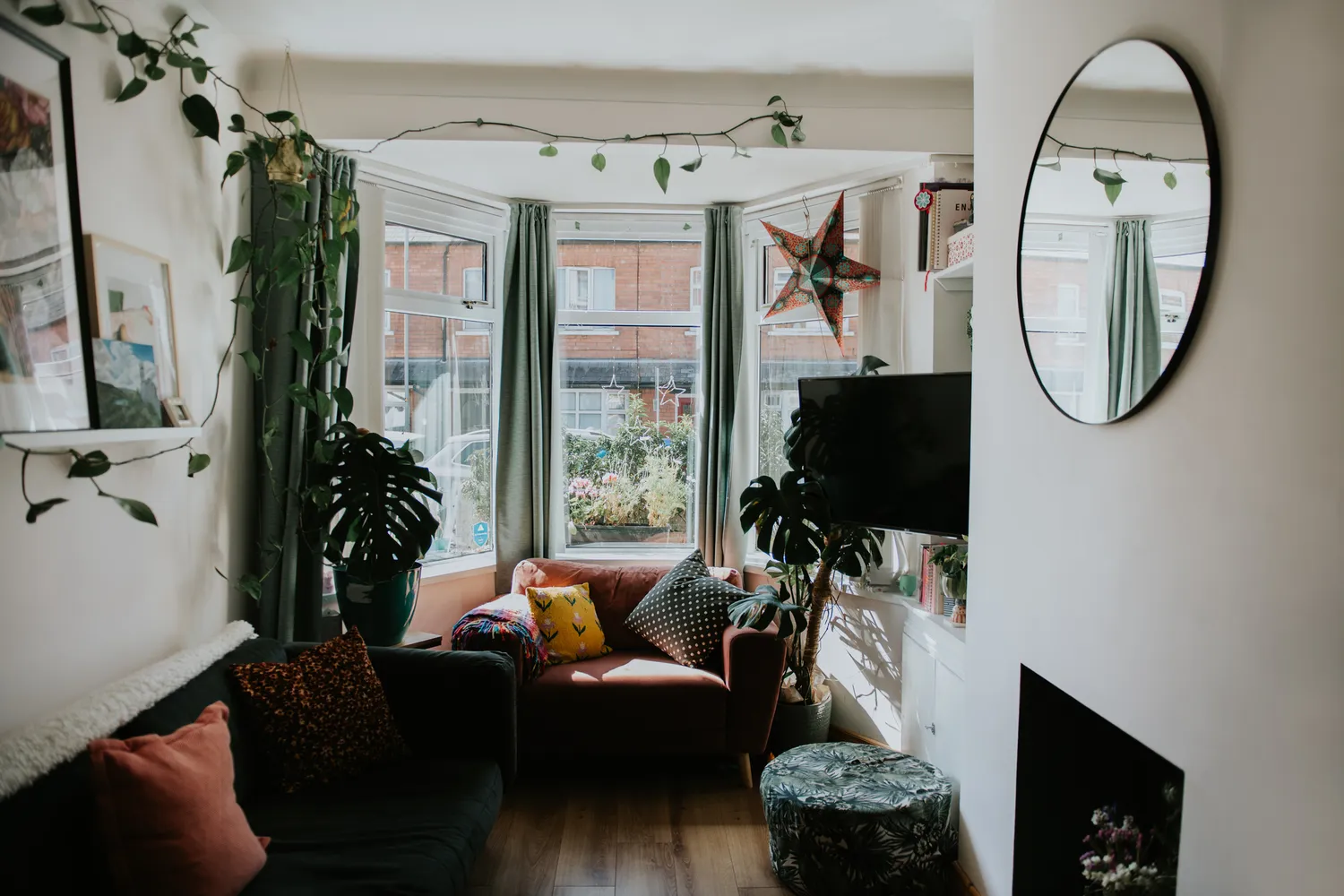
Scale is paramount in smaller spaces, where every inch contributes to the overall perception of the room. Andrea Schumacher, founder of Andrea Schumacher Interiors, highlights that oversized furniture like sofas, beds, or armoires can visually dominate the architecture, diminishing the sense of openness. Instead of creating a cozy atmosphere, such pieces lead to a cramped, heavy, and uncomfortable environment. To counteract this, Schumacher suggests opting for appropriately sized furniture that still offers character and presence without monopolizing the floor plan. Accent chairs and sculptural light fixtures are examples of items that can provide style and functionality without overwhelming the space. The objective is to achieve a balance between comfort and proportion, ensuring the room feels inviting and spacious regardless of its actual size.
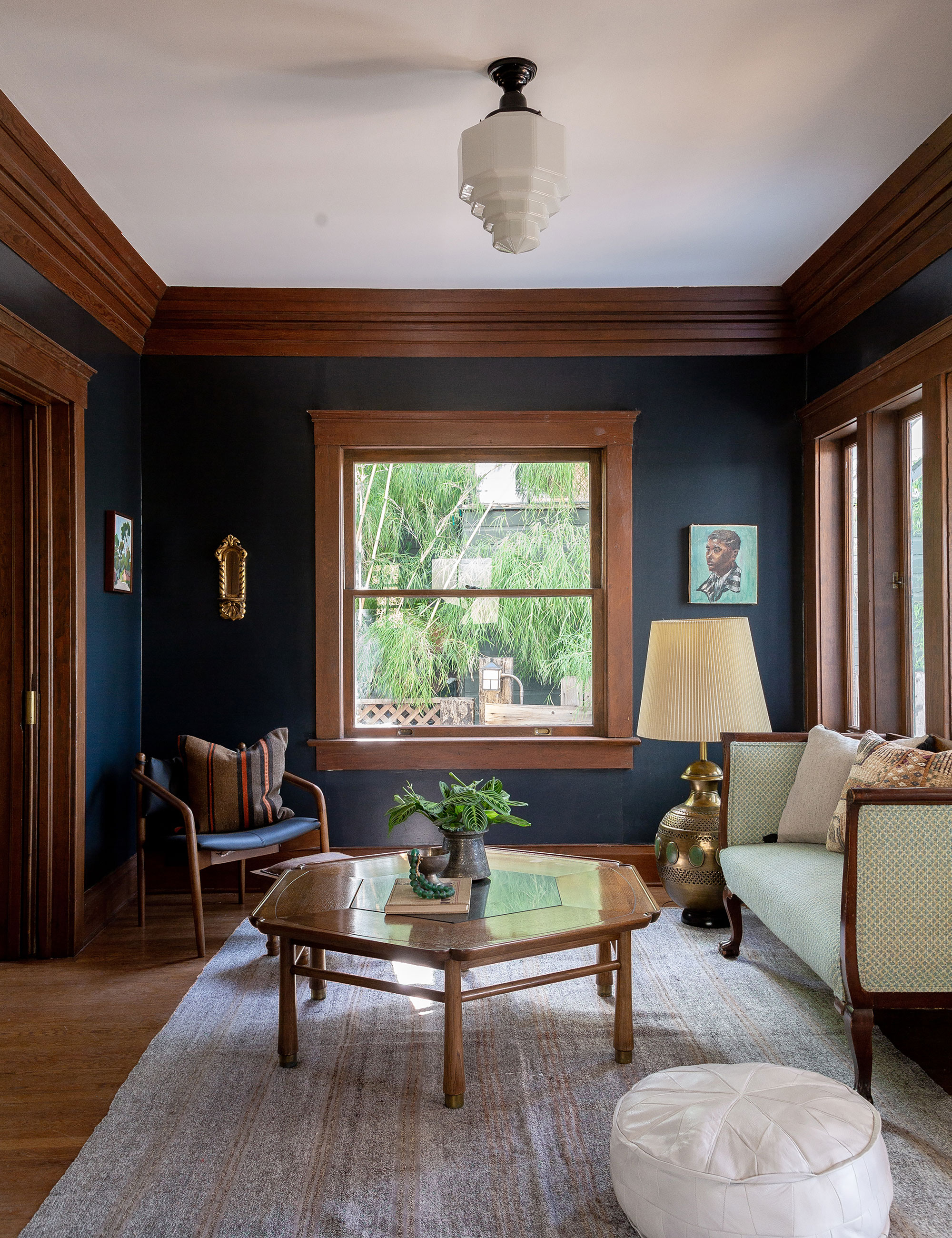
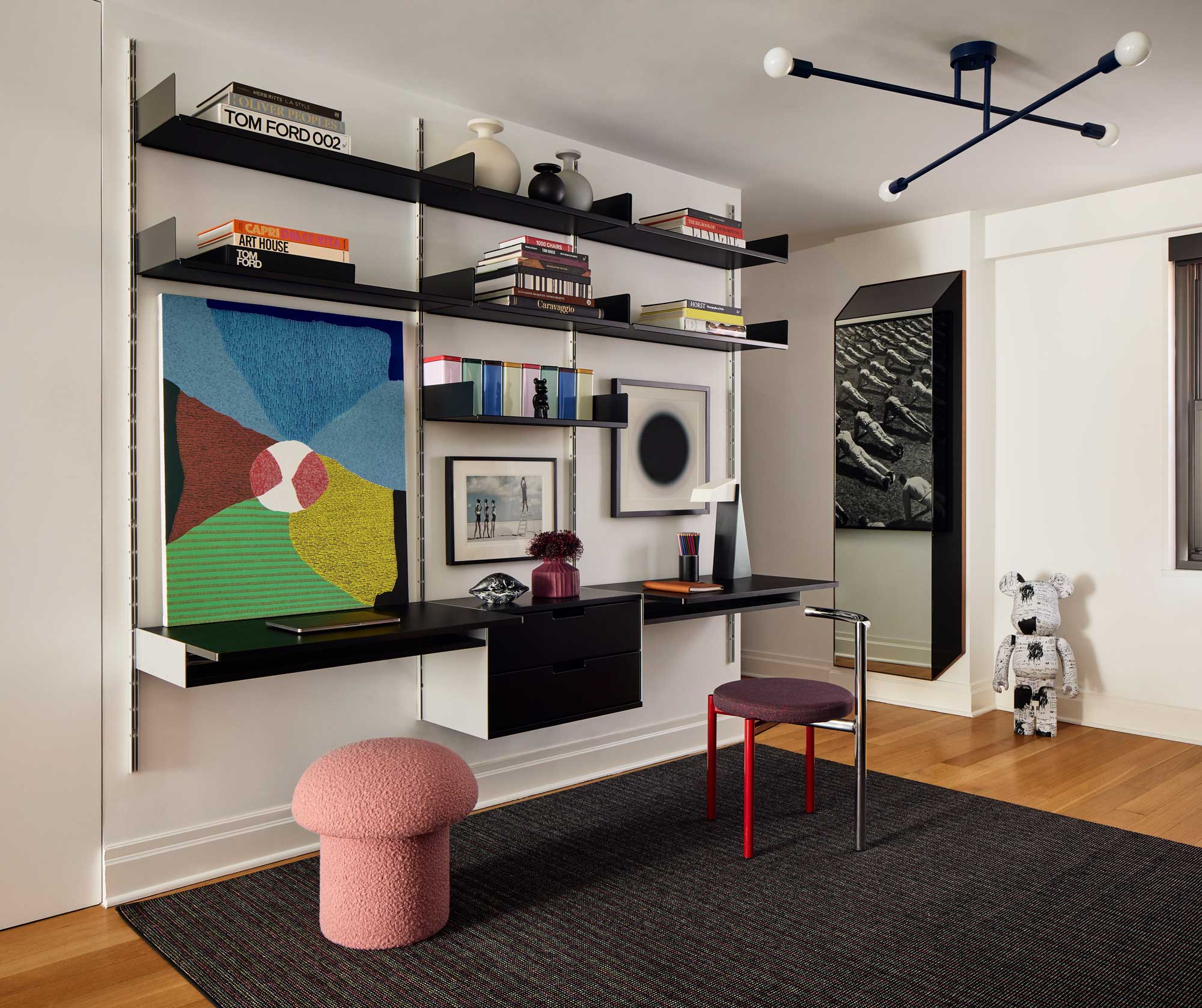
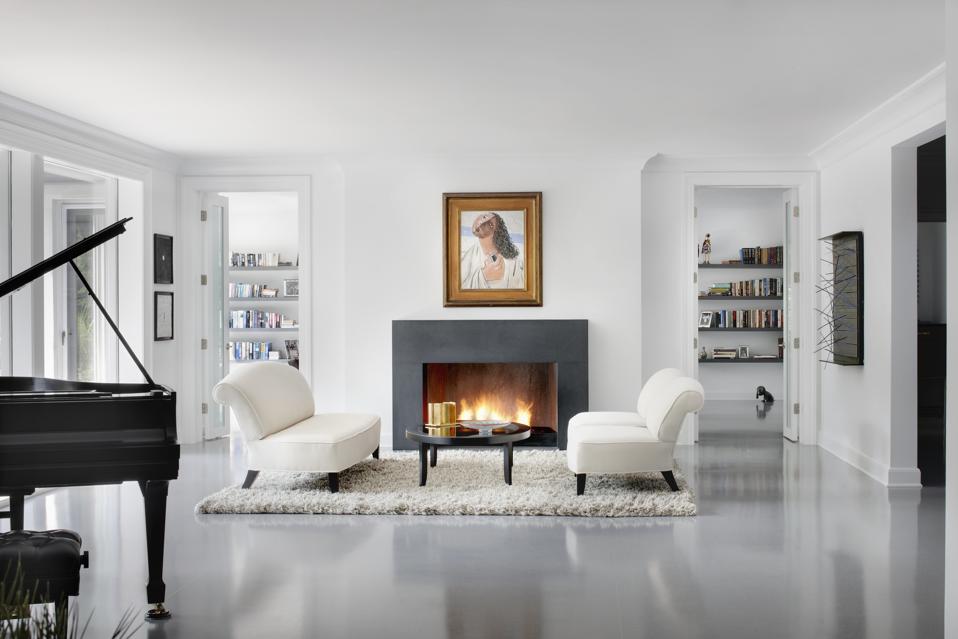
Jill Litner Kaplan, founder of Jill Litner Kaplan Interiors, reinforces these ideas, stating her policy of never using large-scale sofas or lounge chairs in small rooms. She meticulously scales furniture to the room's dimensions. For instance, in a small study, she might choose a modern low slipper chair to fit discreetly in a corner, avoiding the confinement that a larger seating option would impose. In another instance, instead of a traditional large furniture piece, a window seat banquette was integrated, offering both seating and an efficient use of space.
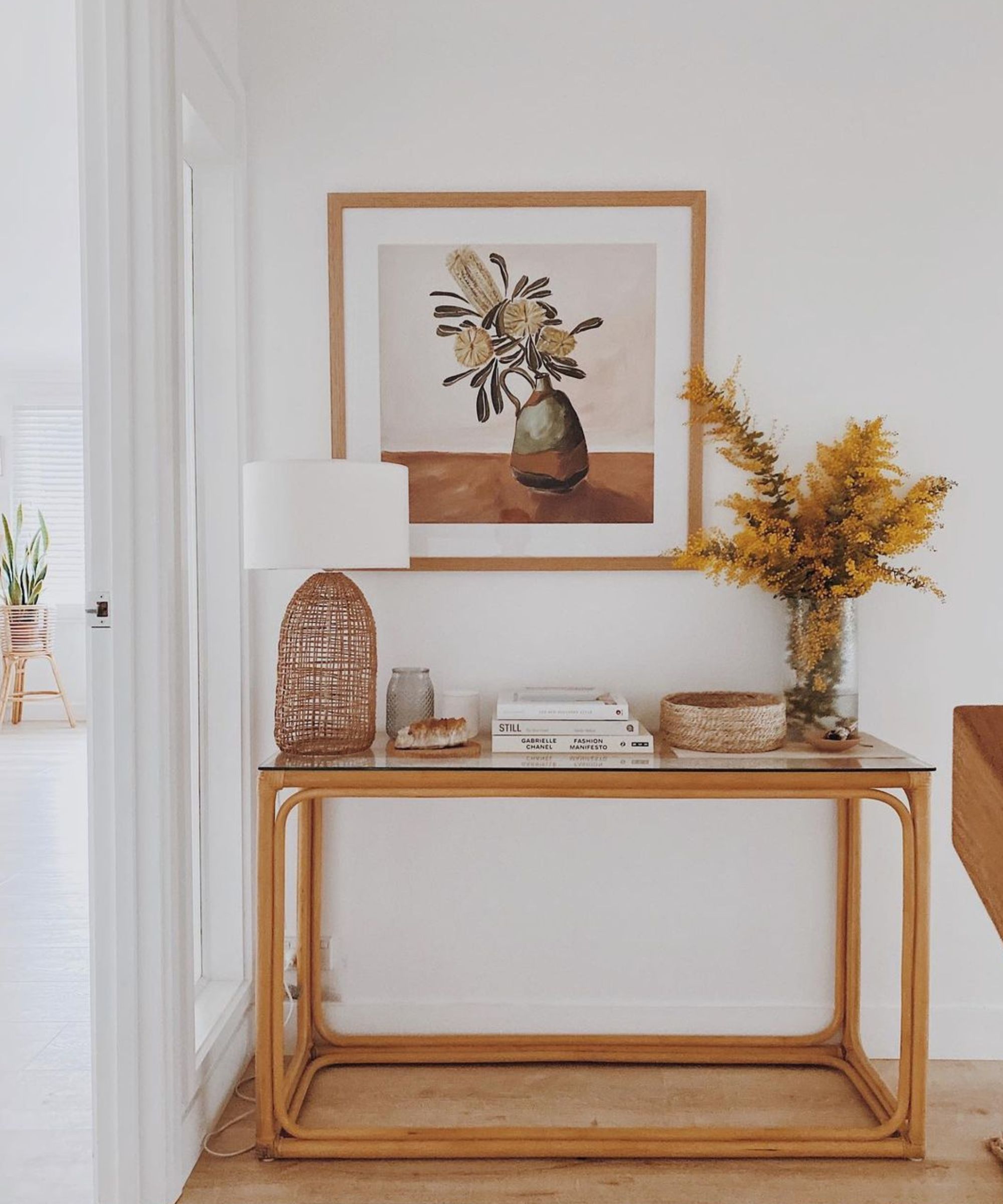
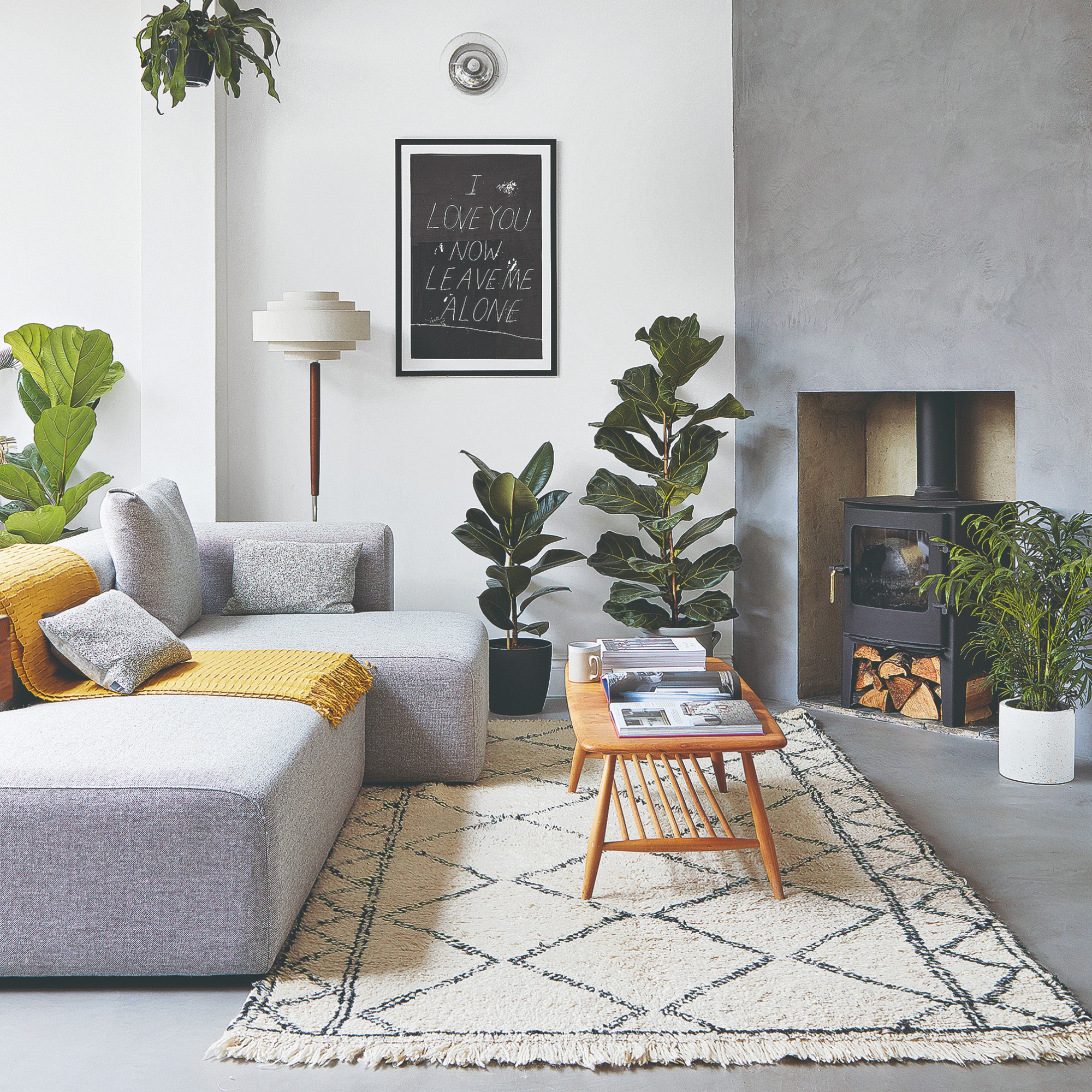
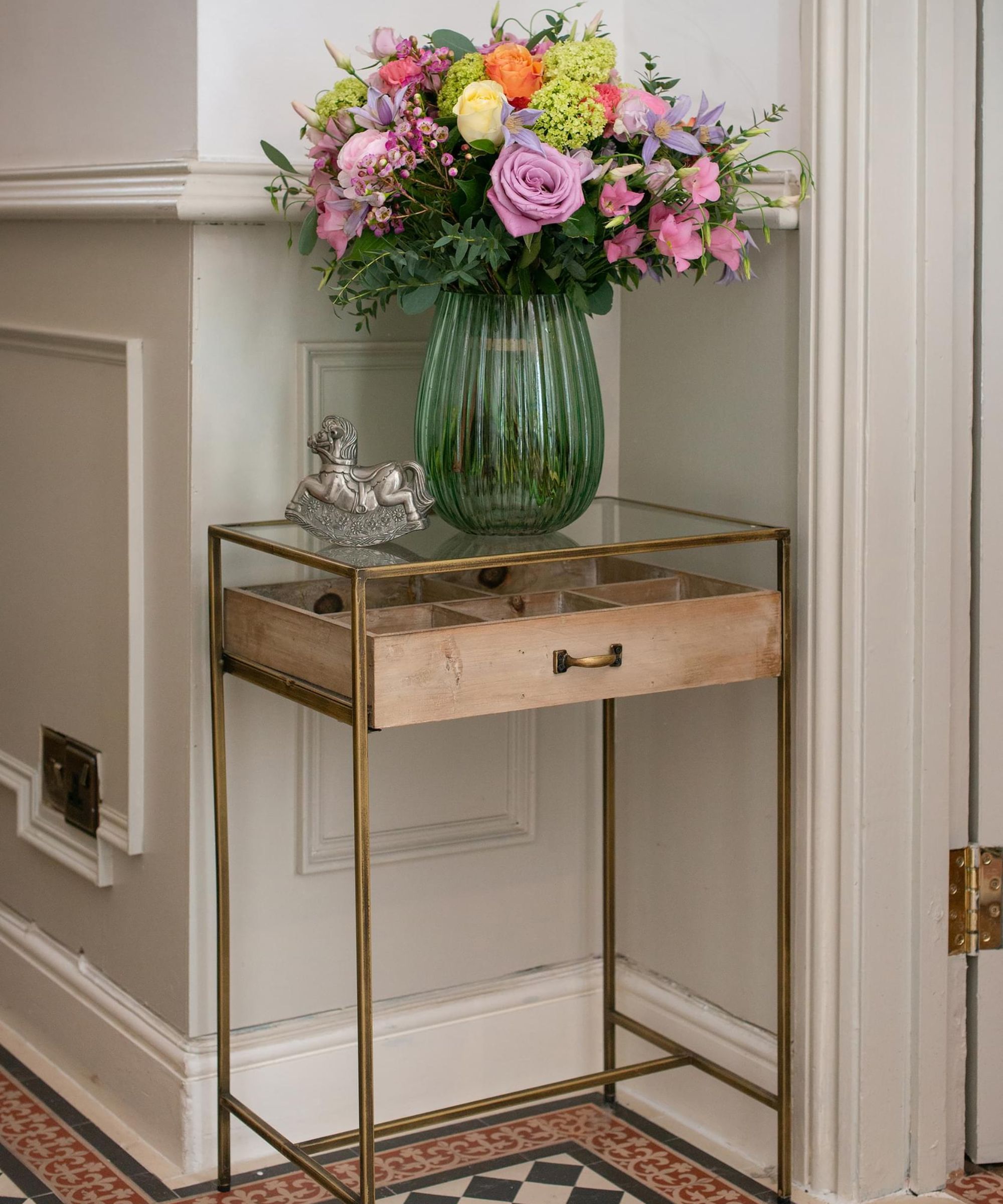
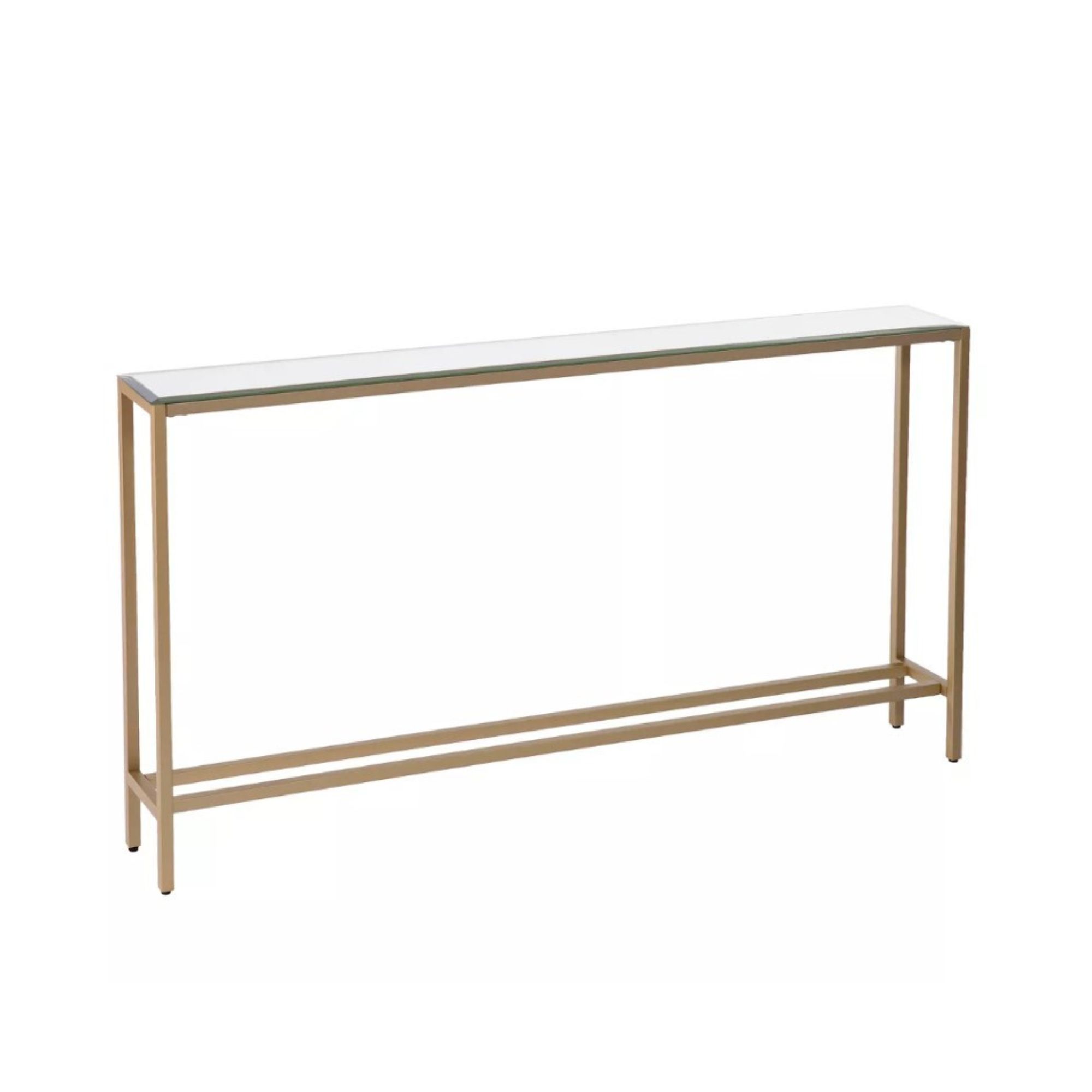
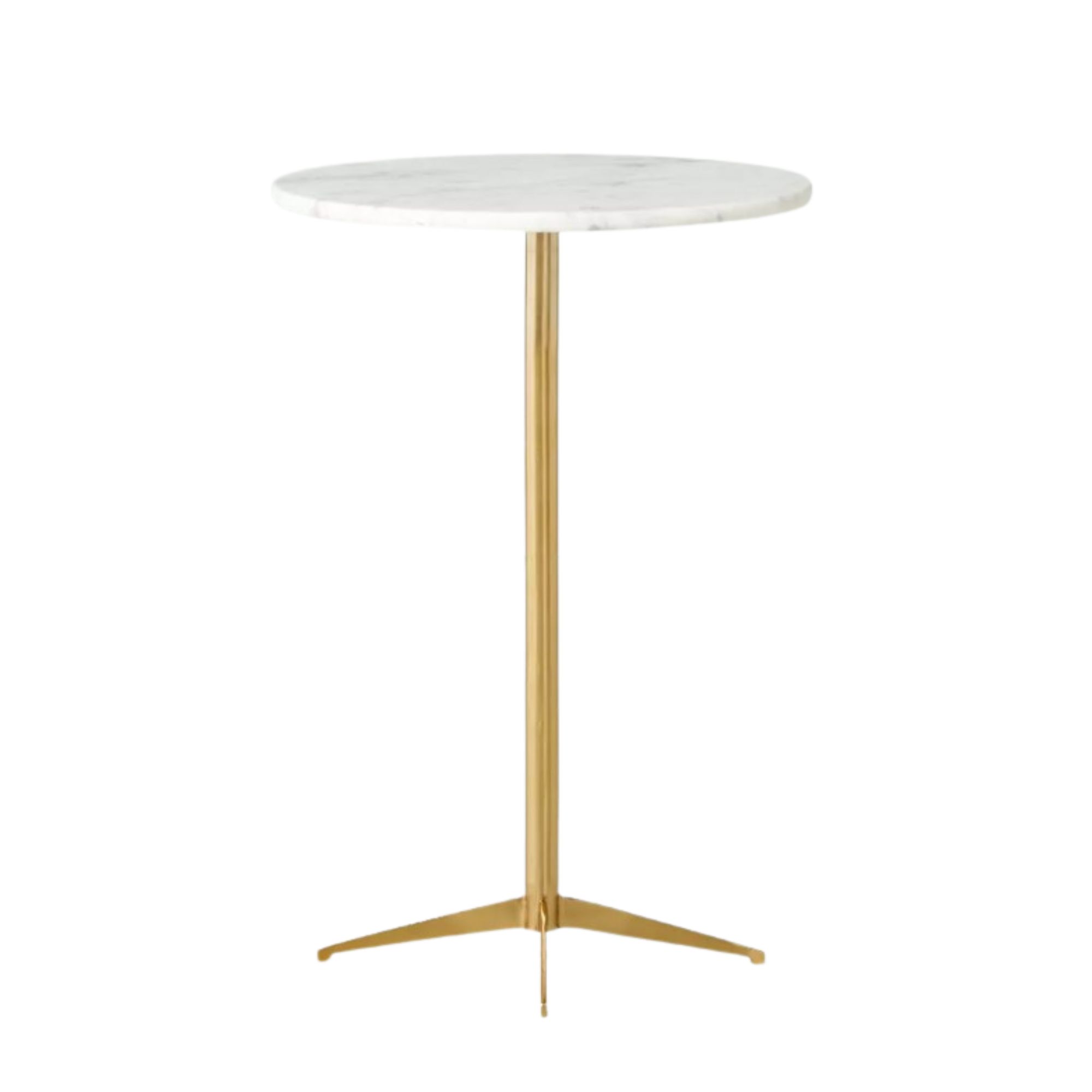
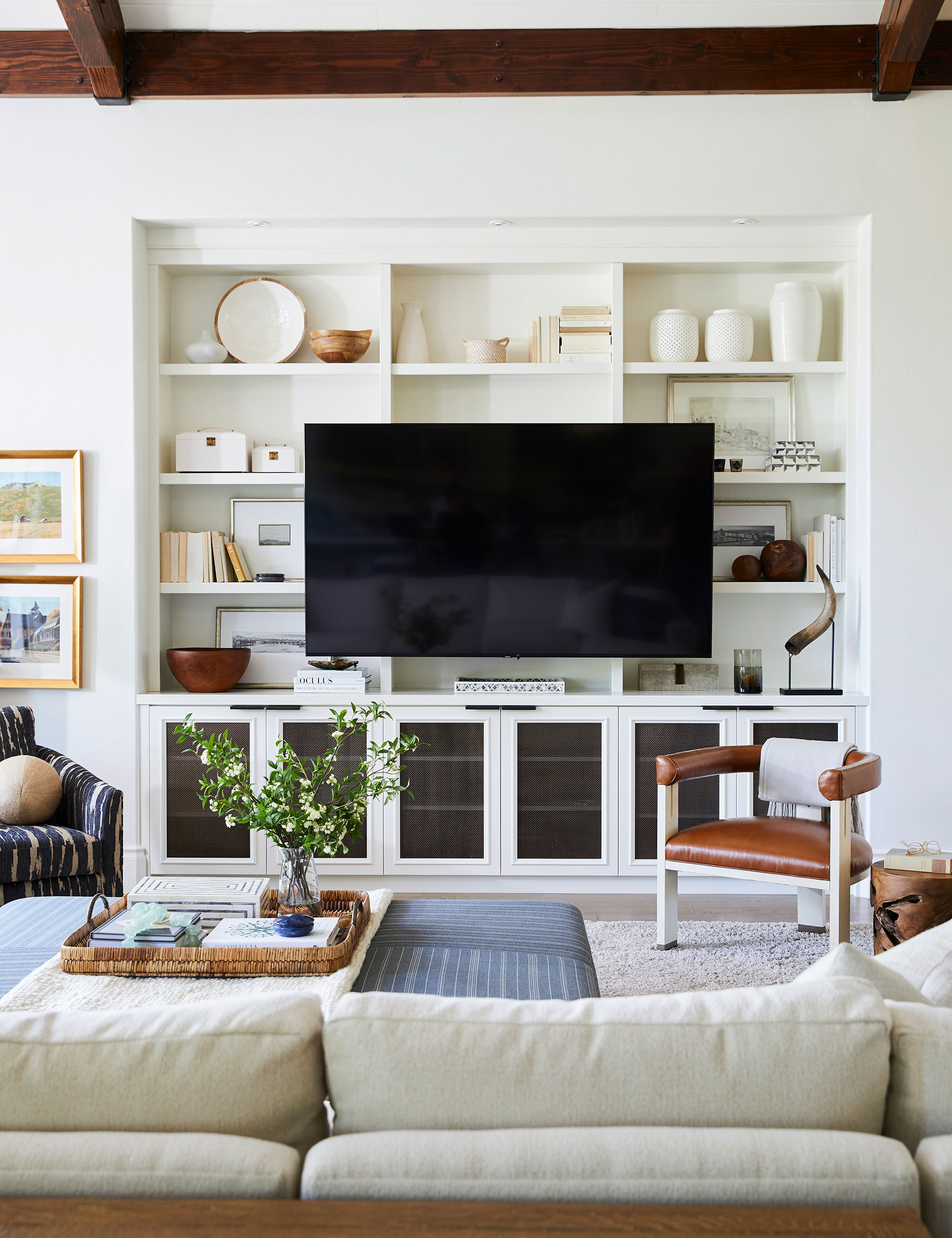
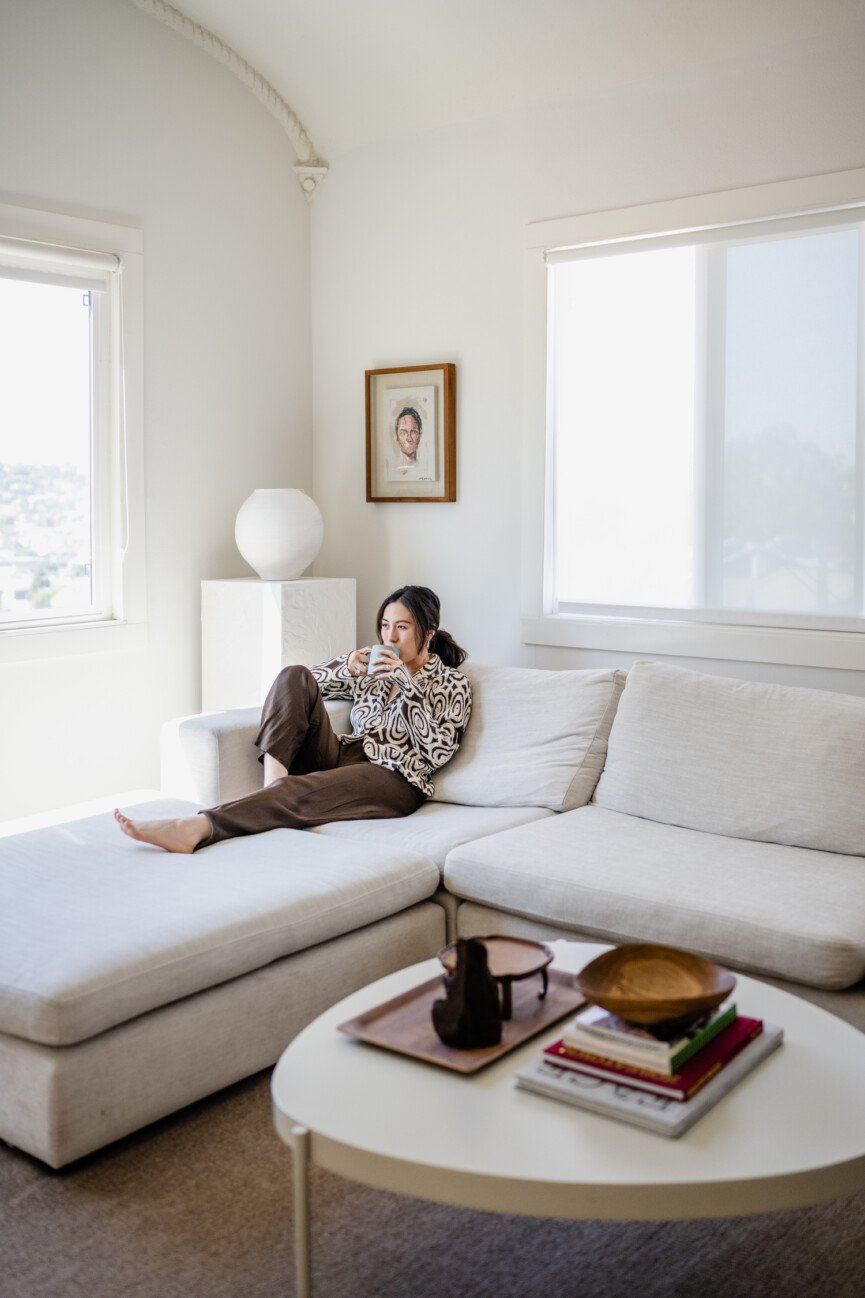
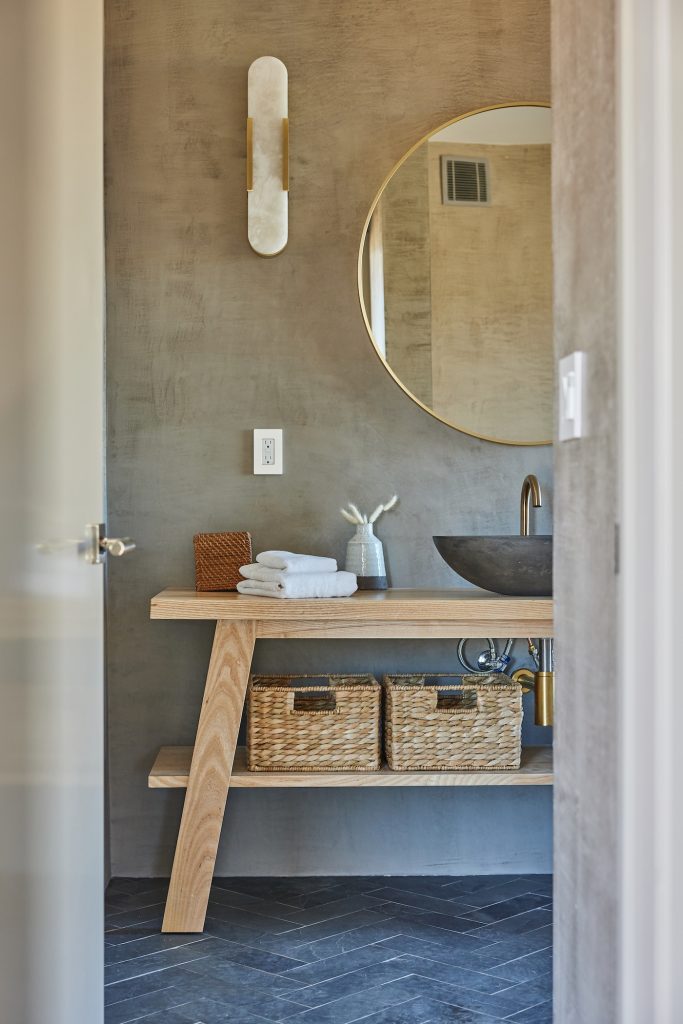
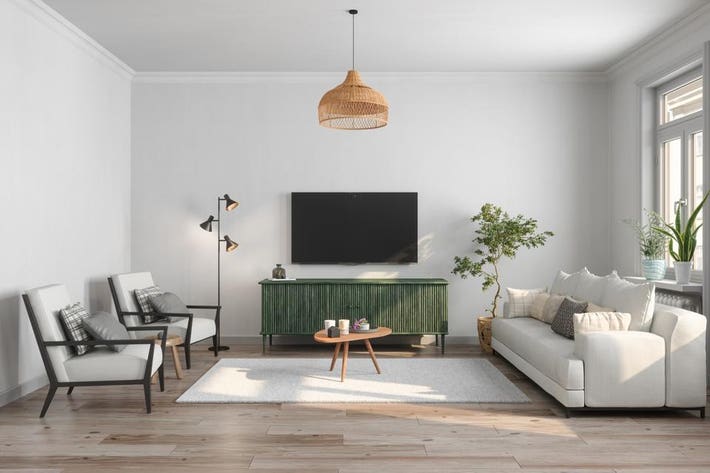
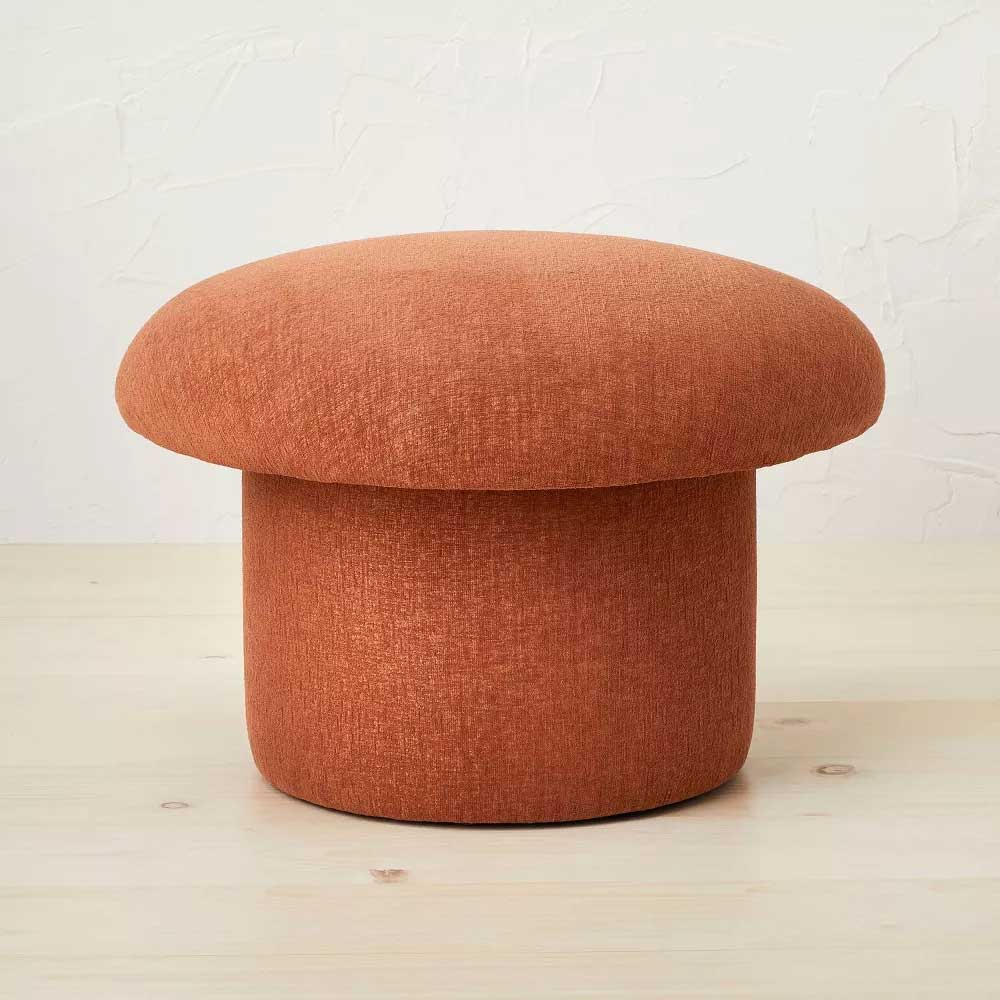
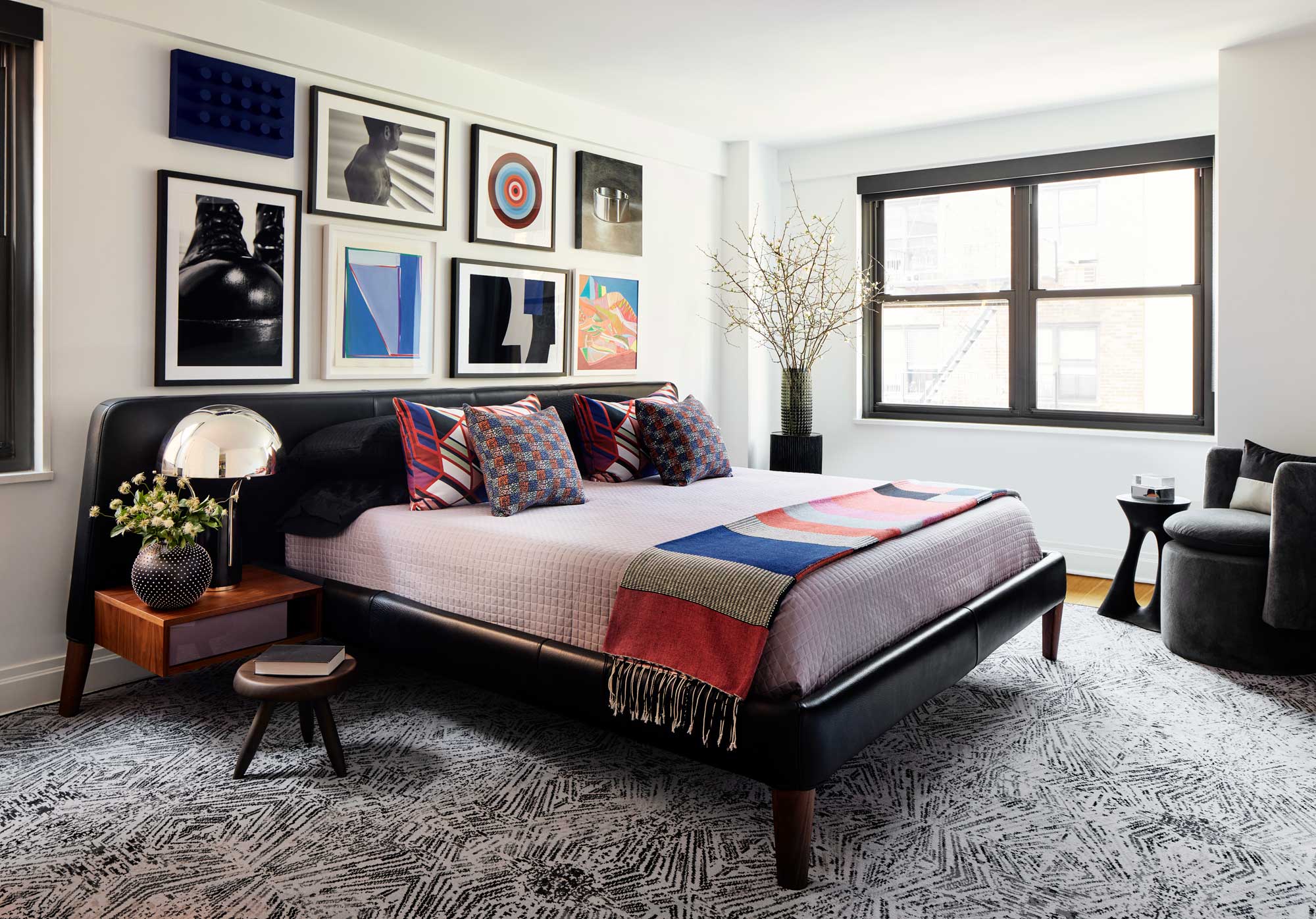
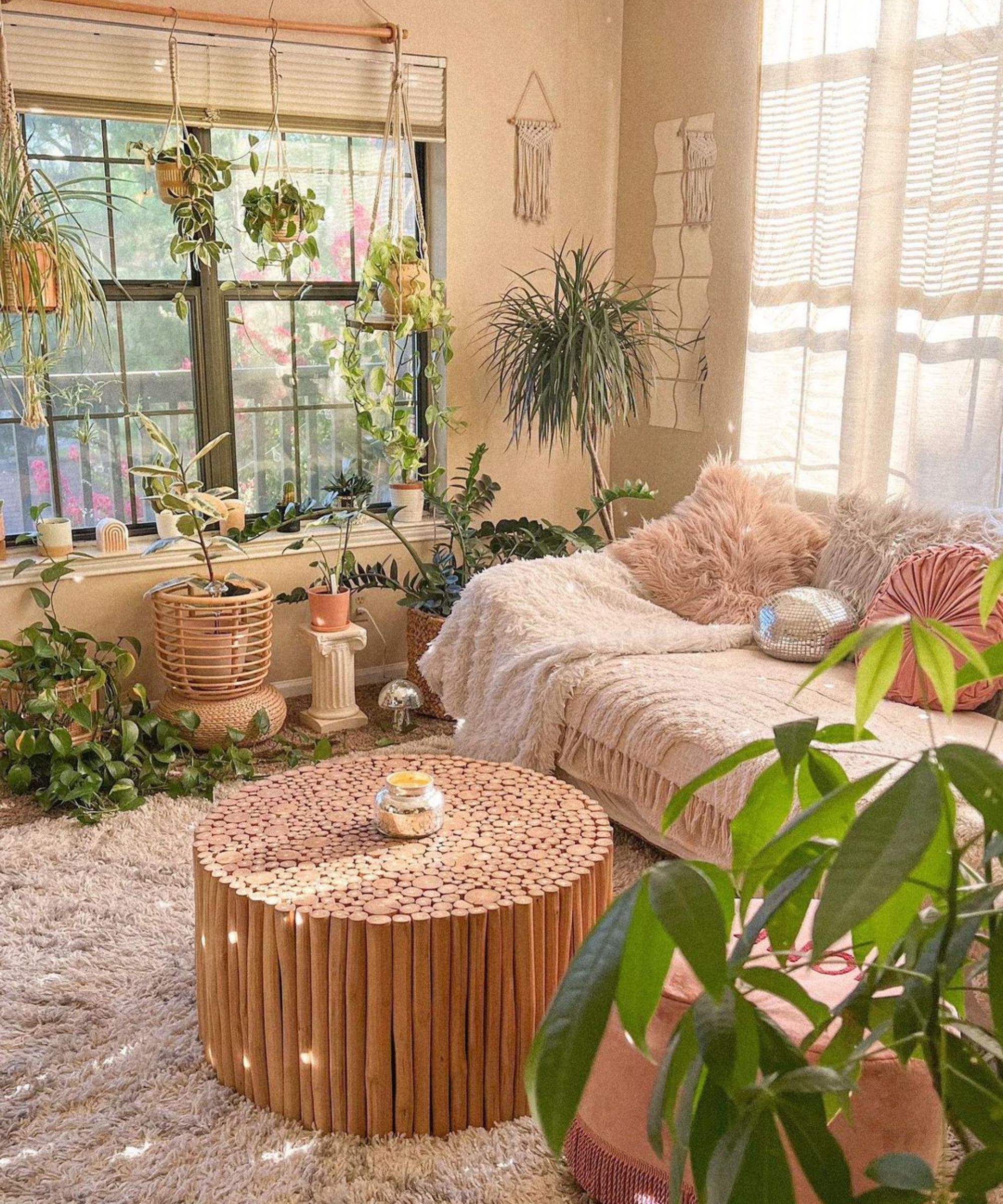
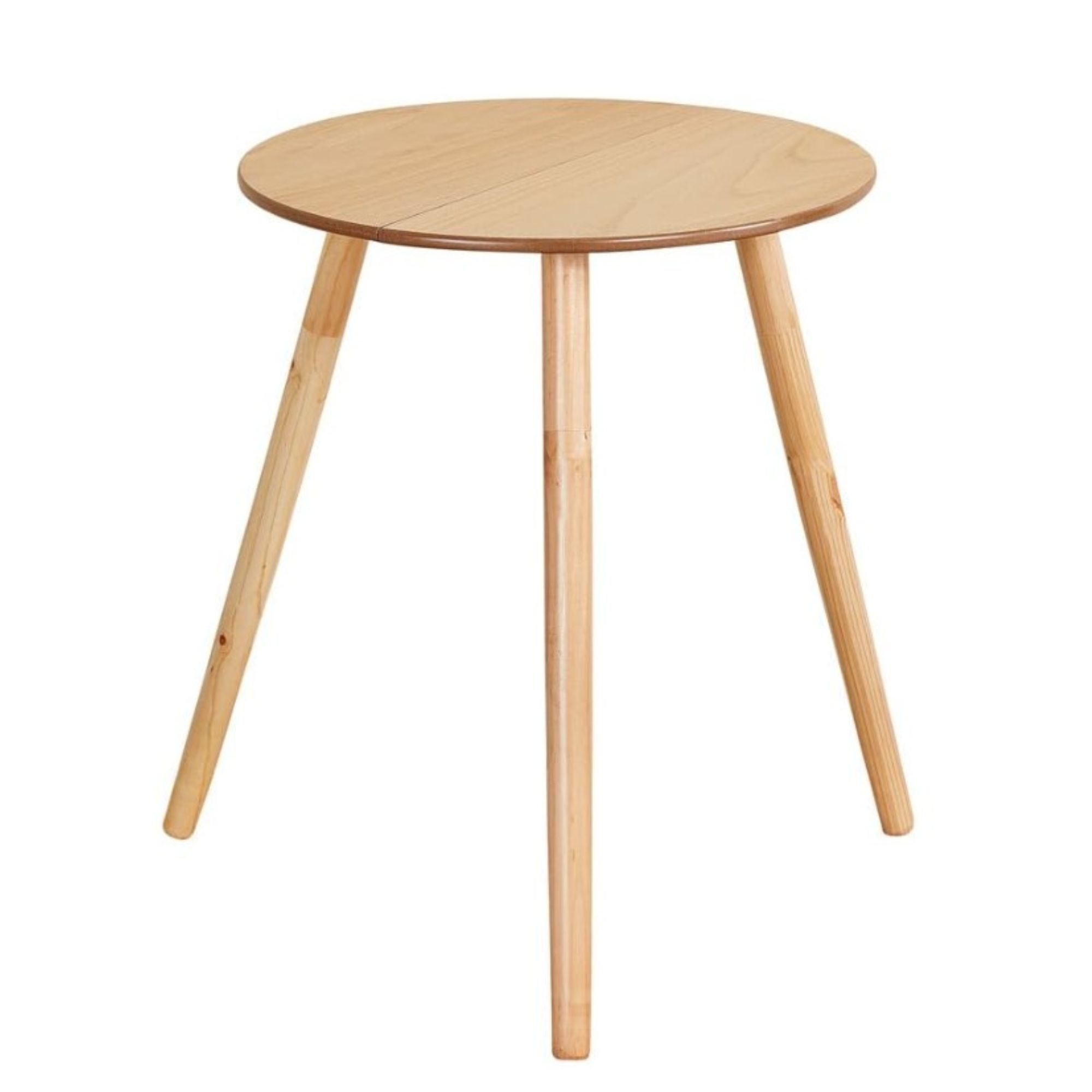
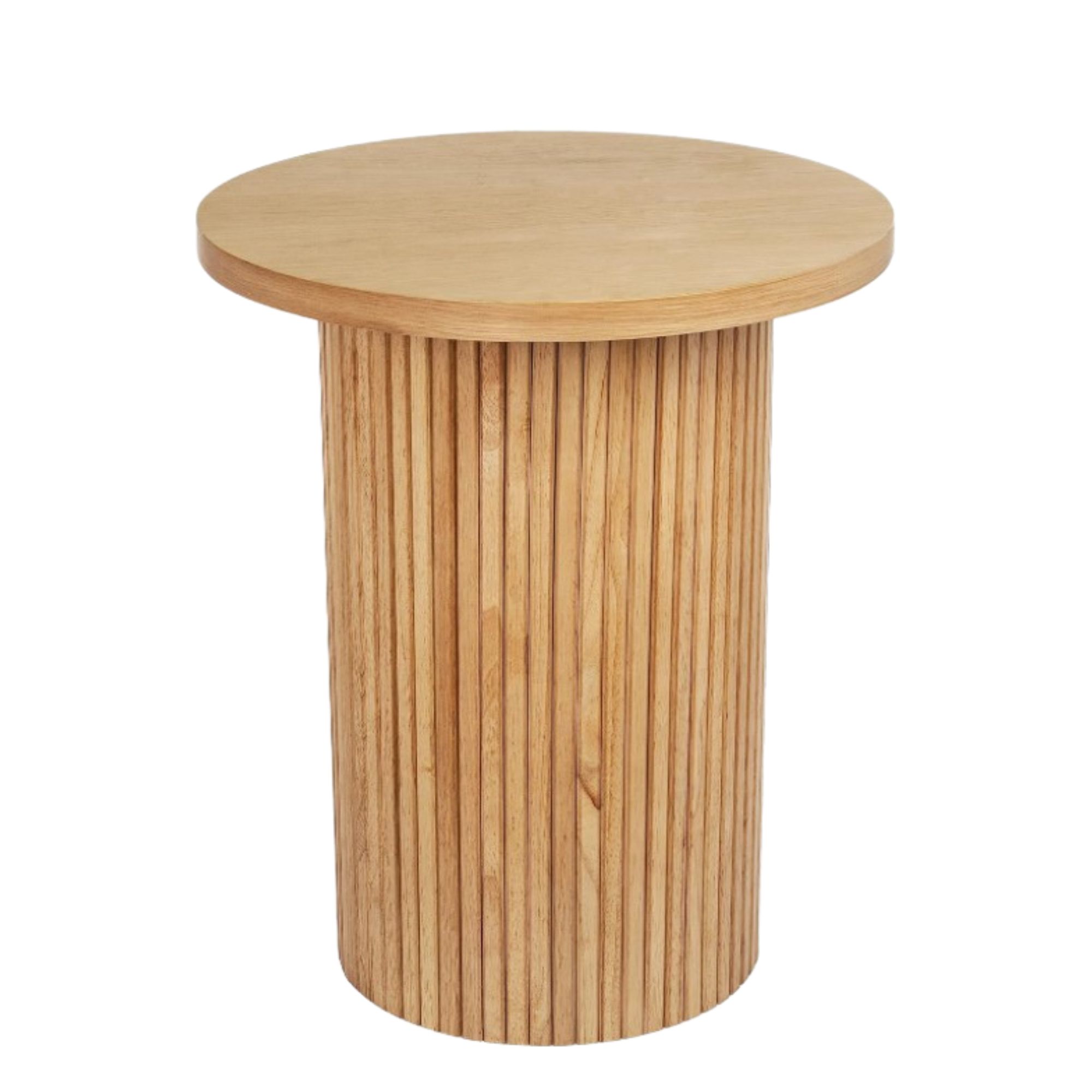
Another critical element designers avoid is furniture without visible legs. Lauren Saab, founder of Saab Studios, explains that heavy, legless items appear as 'clunky blocks' that consume valuable square footage. Conversely, furniture with slim, raised legs creates a sense of lightness and openness, making the room appear brighter and more spacious. An added benefit of legged furniture is the potential for additional storage underneath. While clutter should always be avoided, the open space beneath legged pieces can be utilized strategically. For example, a vintage trunk can be placed under a TV credenza to store entertaining supplies or other items, serving both a decorative and functional purpose. Similarly, woven bins can be tucked under sofas, coffee tables, or beds, providing discreet storage without compromising the room's aesthetic. These strategies help homeowners make the most of available square footage in small rooms, ensuring functionality without sacrificing style or comfort.
#InteriorDesign #SmallSpaces #FurnitureSelection #HomeDecor #DesignTips #SpaceOptimization #RoomPlanning #FunctionalDecor #InteriorDesign #SmallSpaces #FurnitureSelection #HomeDecor #DesignTips #SpaceOptimization #RoomPlanning #FunctionalDecor
合計0件のコメント
 まだコメントはありません
あなたも好きかもしれません
7 things interior designers never have in small living rooms

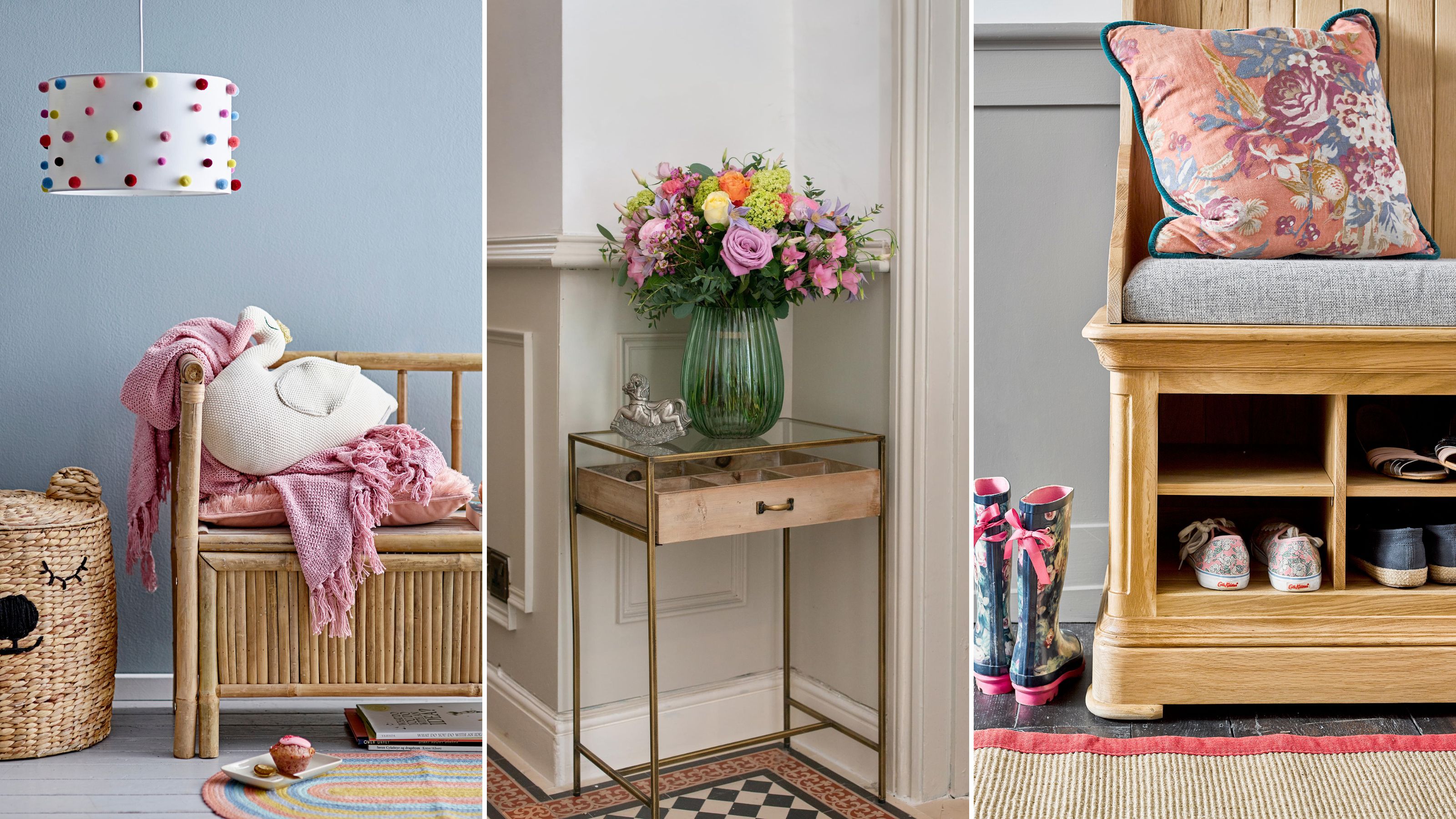
5 small entryway storage mistakes designers want you to stop making

From the Wrong Rug Size to Too-Short Curtains, Interior Designers Share Their Biggest Pet Peeves

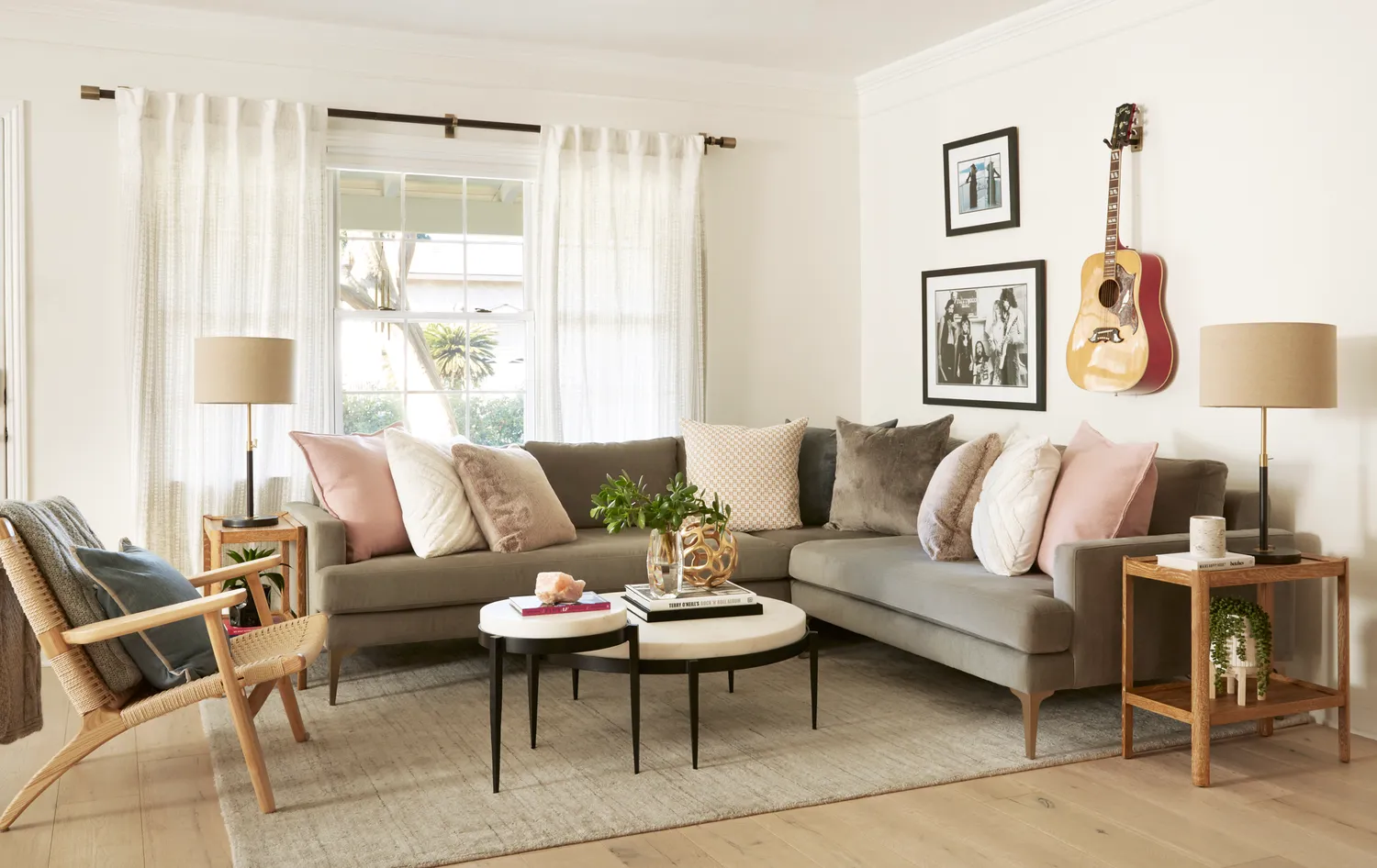
We Asked a Designer How to Make a Small Living Room Feel Bigger and It's Actually So Easy
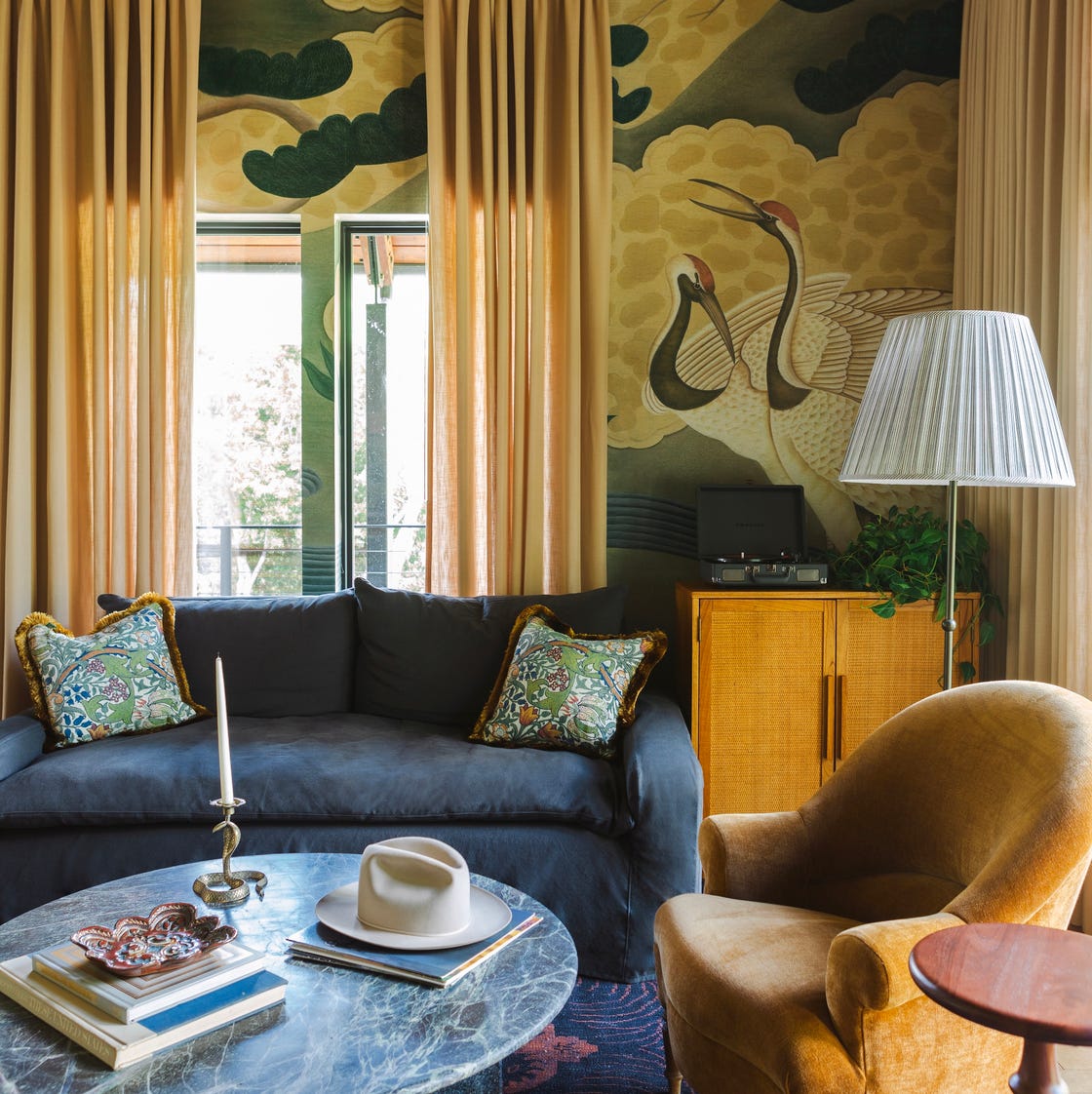
Design Pros Reveal Their Secret Tricks for Maximizing Space in the Tiniest Living Rooms

5 small living room mistakes – designers share the worst decorating disasters that we need to stop doing right now

5 Things That Make Your Living Room Look Small—and How to Fix Them
7 Design Mistakes Interior Designers Always Notice

7 small living room layout mistakes design experts want you to avoid – and what to do instead
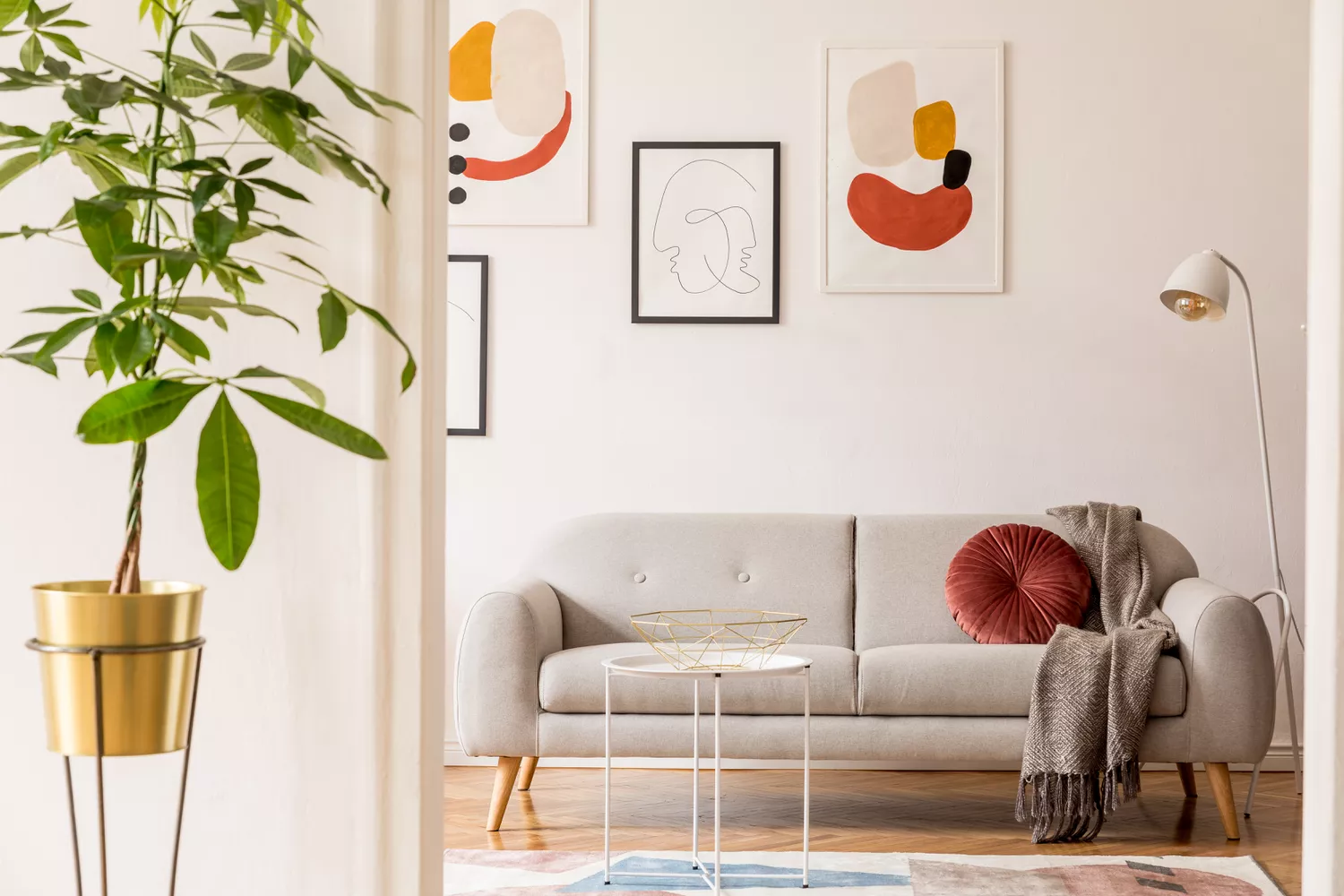
5 Minimalist Decorating Mistakes Designers Always Notice
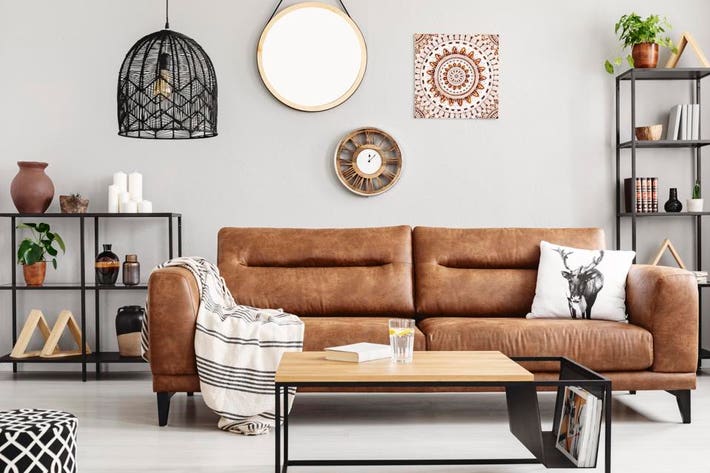
10 Interior Design Mistakes Experts Avoid In Their Own Homes
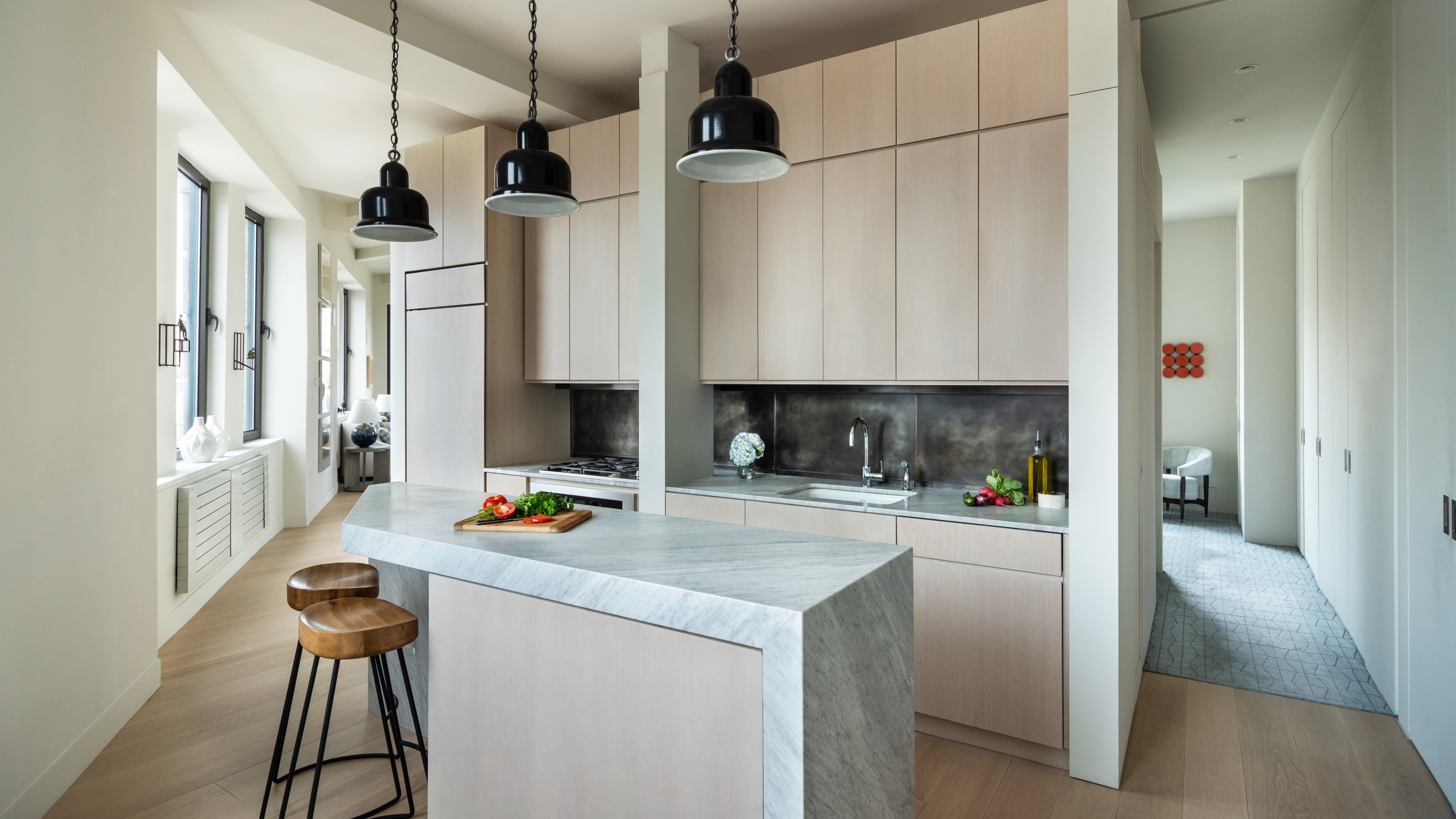
10 Small Kitchen Layout Mistakes Designers Will Always Urge You to Avoid for a Better Working Space

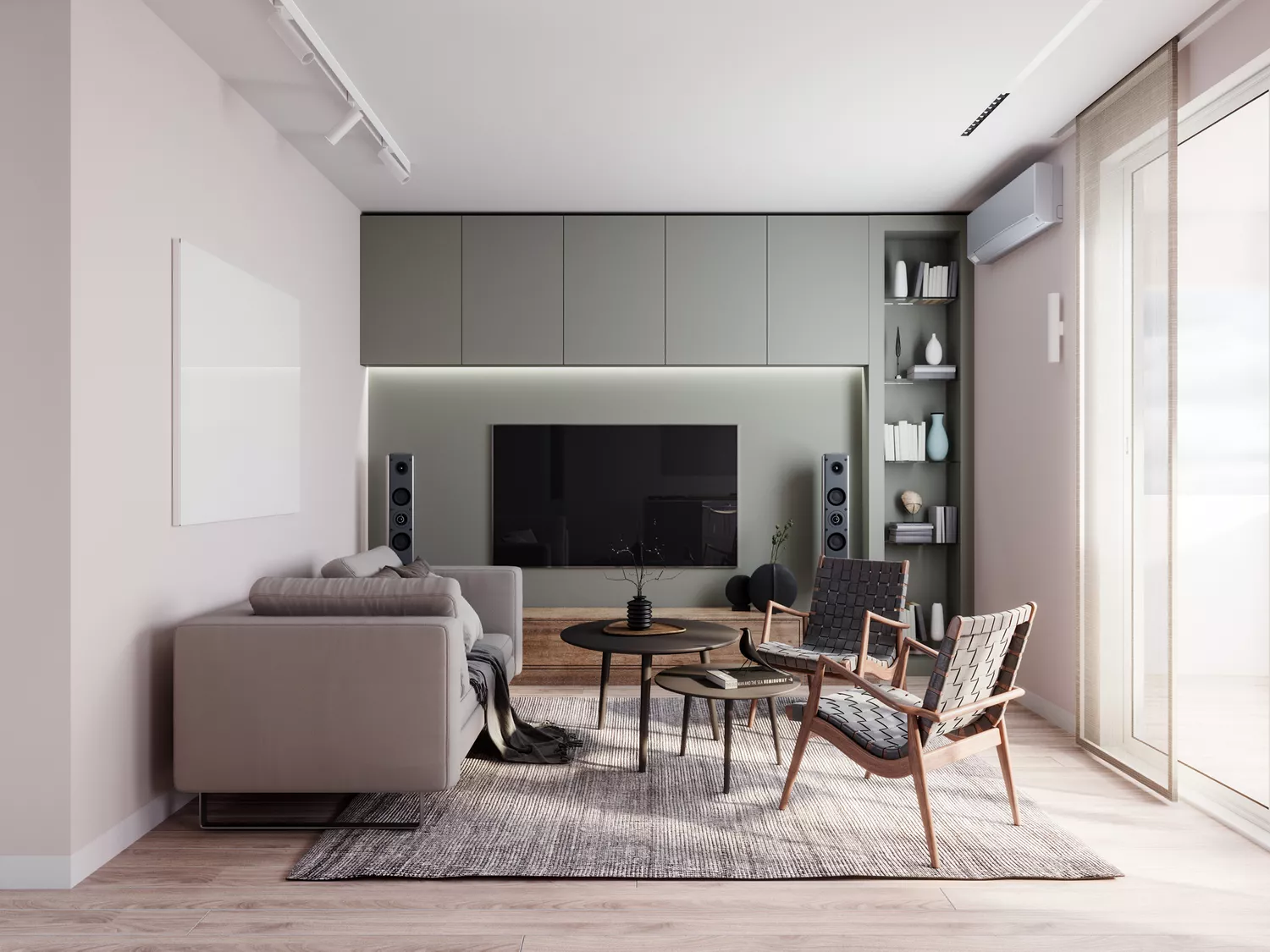
6 Small Living Room Layout Mistakes You Should Never Make, According to Designers
How to Maximize Space in a Small Home, According to Design Experts

Luxury interior designer Dara Huang reveals the one crucial mistake that makes your home look small

How to fit a table into a small space, according to interior designers

I asked 8 interior designers what you shouldn’t put in a small living room – these 3 things kept coming up
Designers Say This Is the #1 Living Room Mistake Everyone Makes
This interior designer's golden rule for making small rooms feel bigger set the tone for decorating his own apartment
We Asked Designers How to Make a Small Living Room Look Larger Instantly—And We're Trying This ASAP