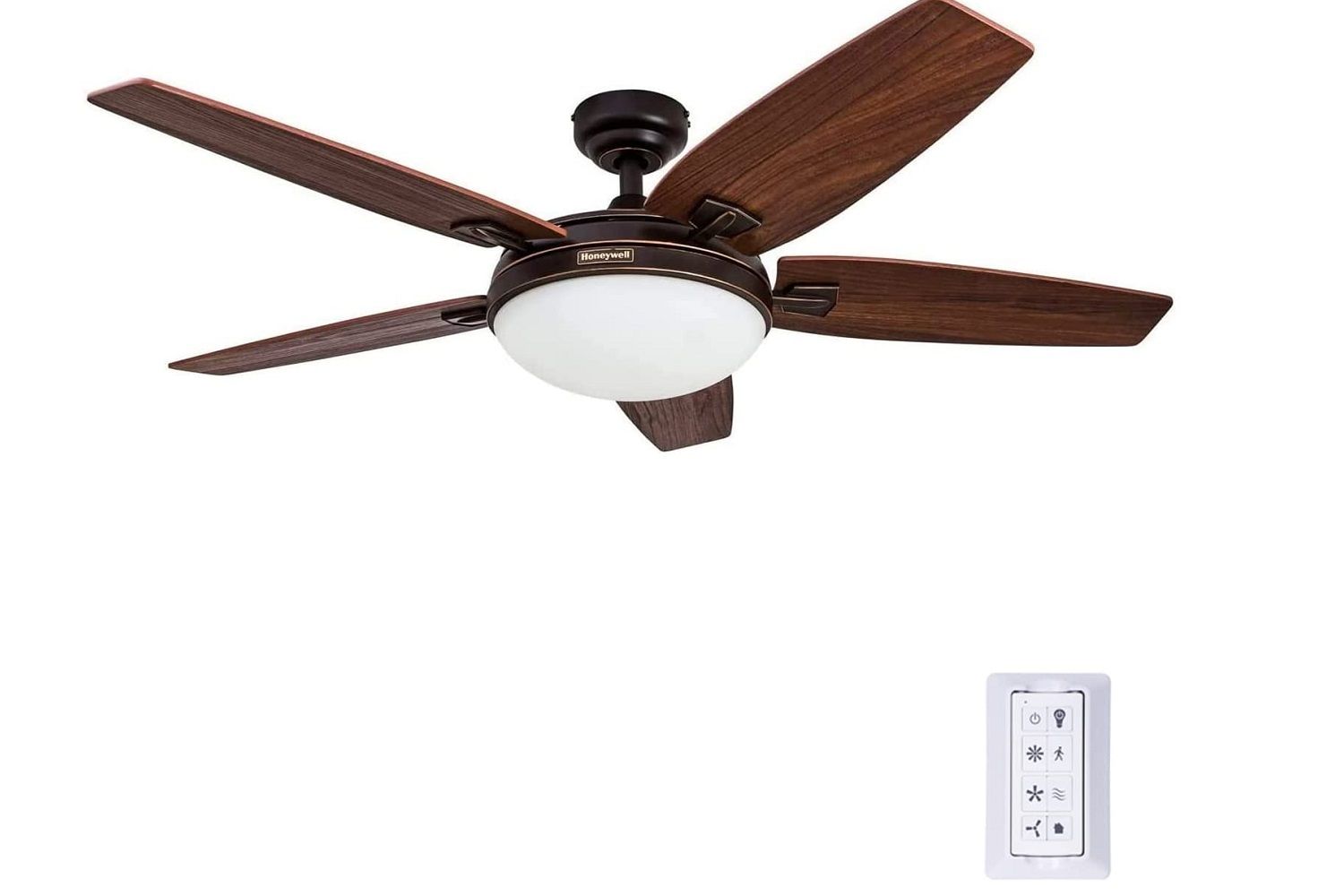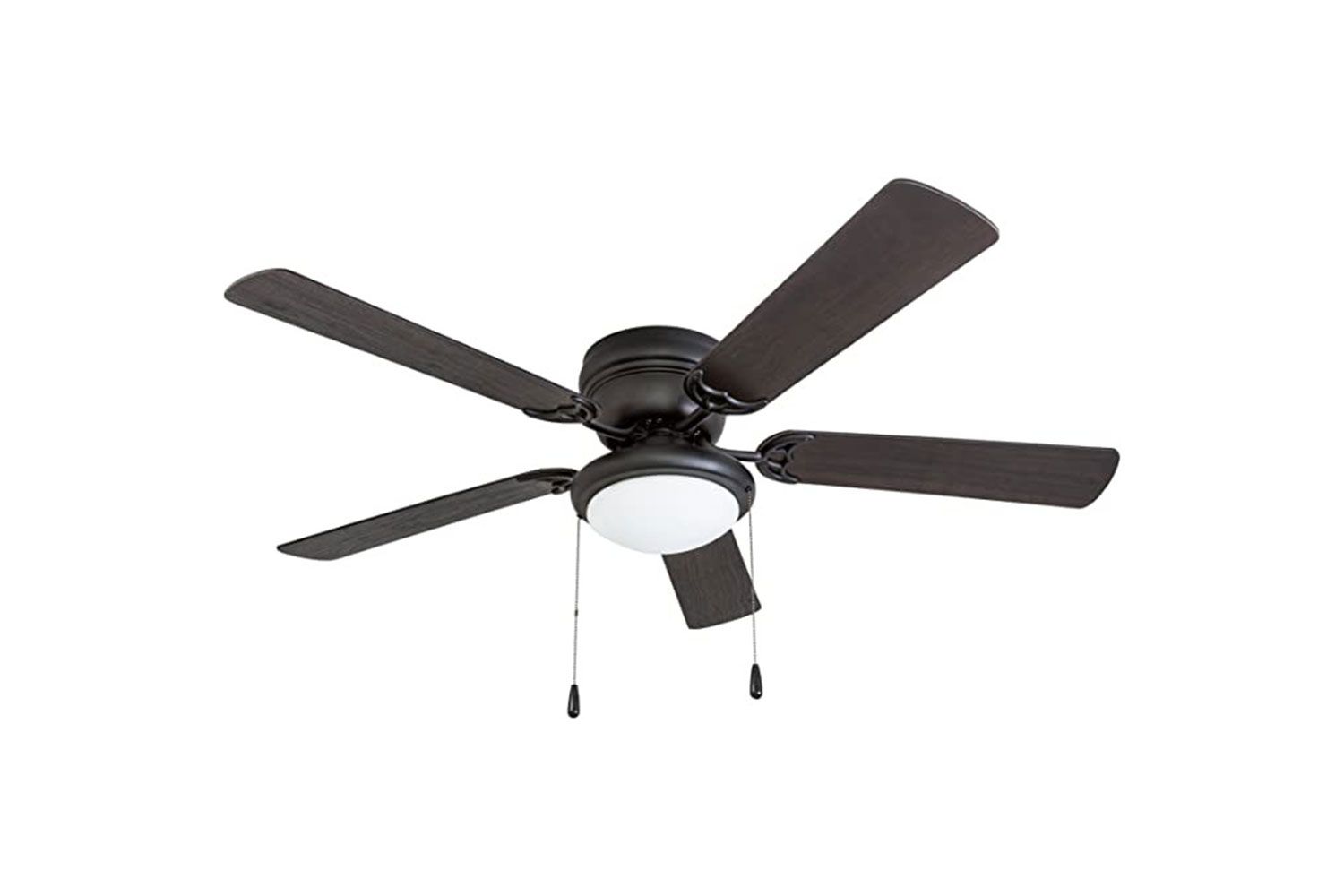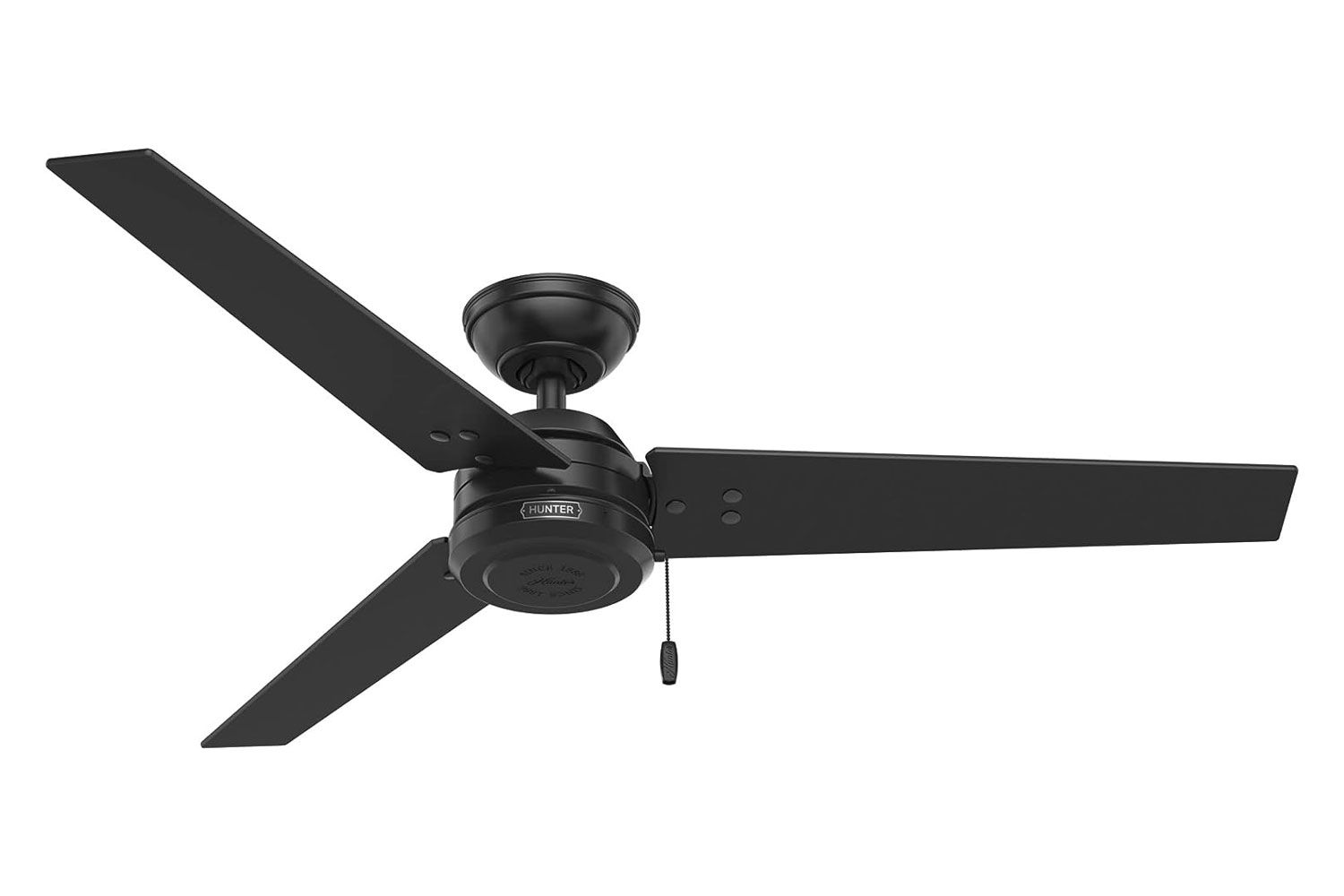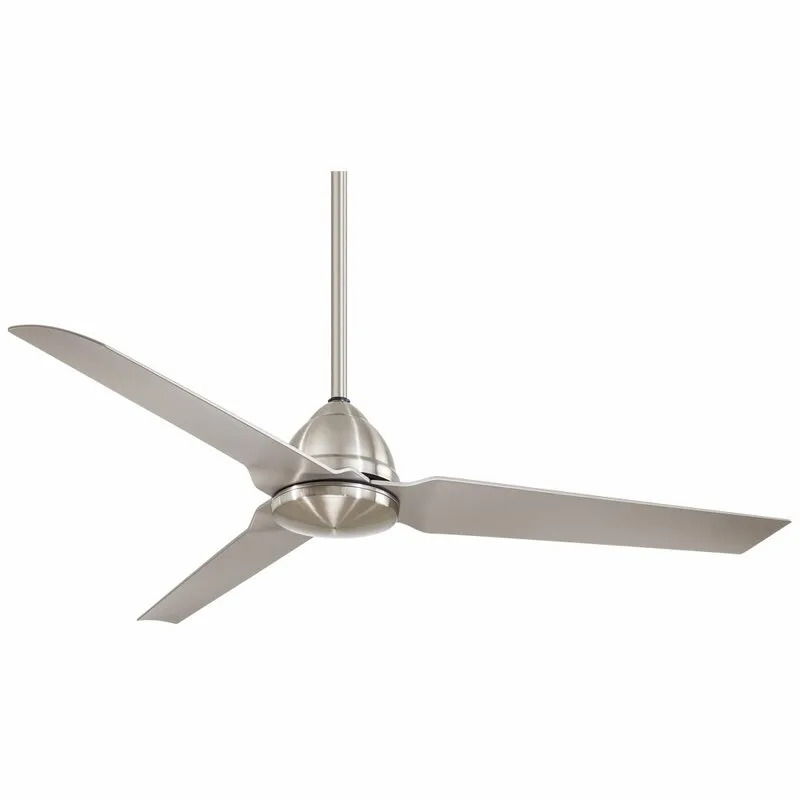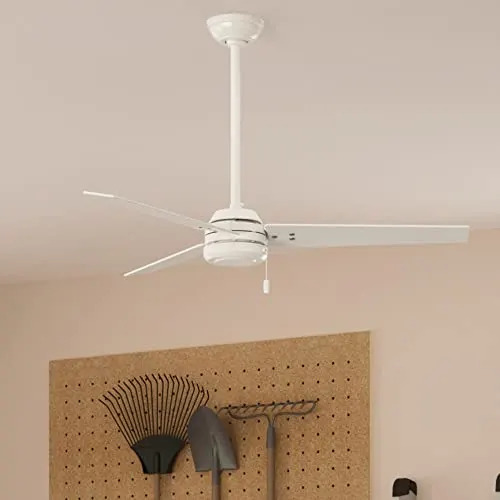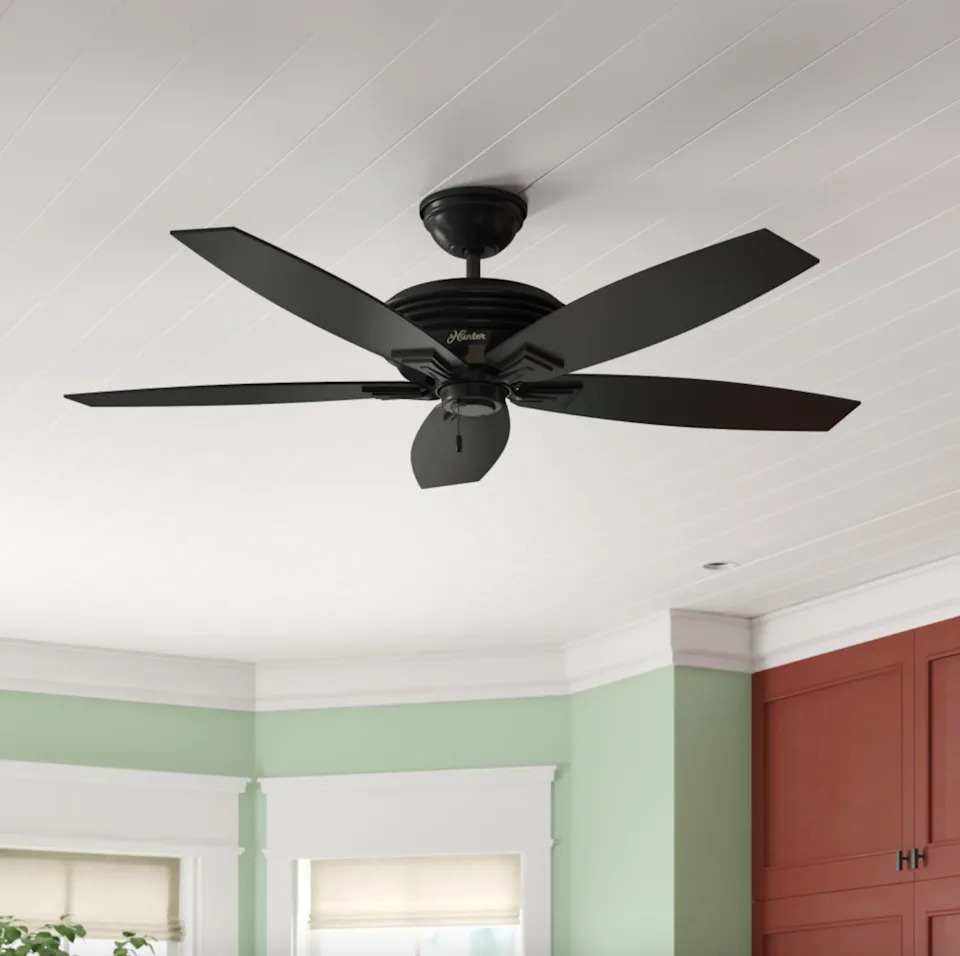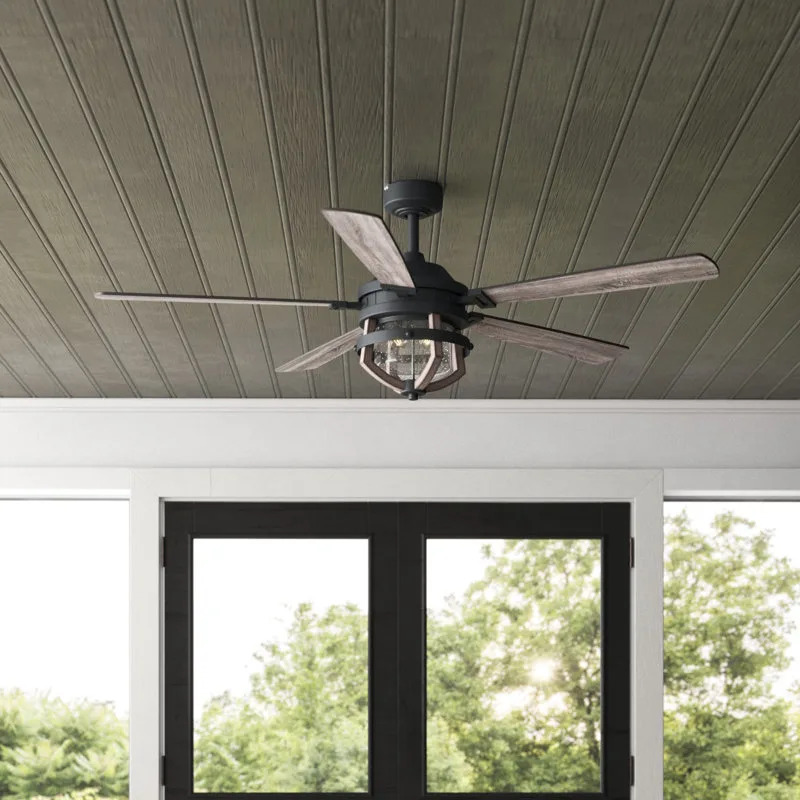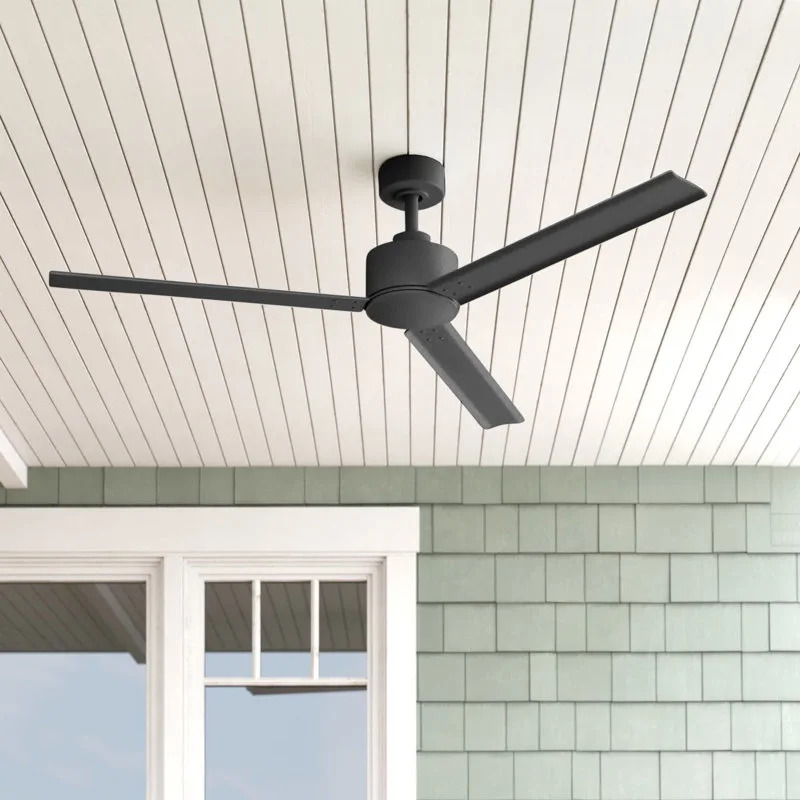
Stay cool this summer with ceiling fans
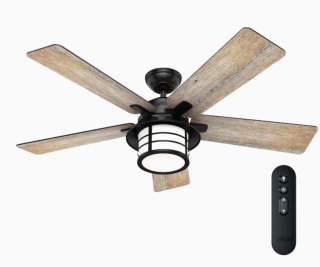
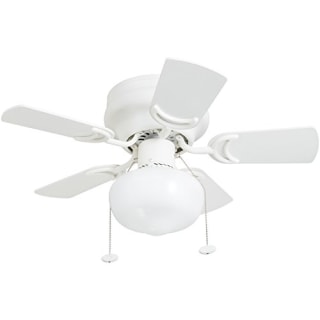
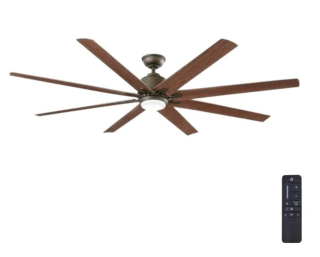
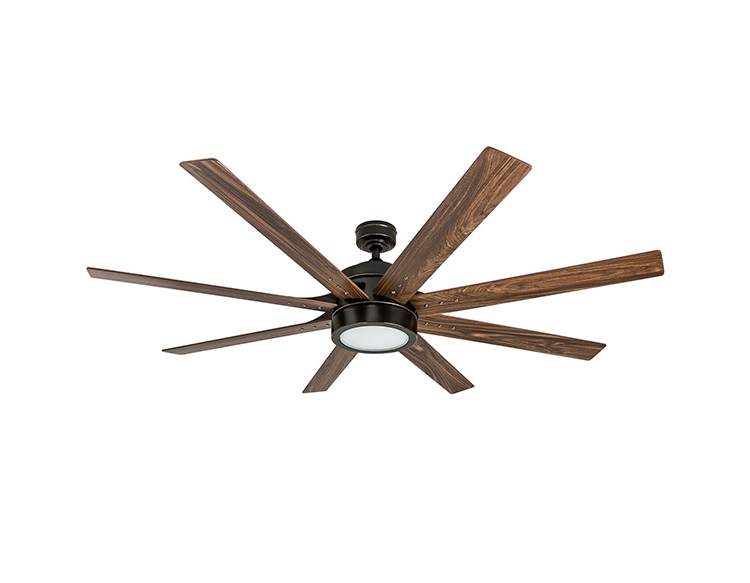
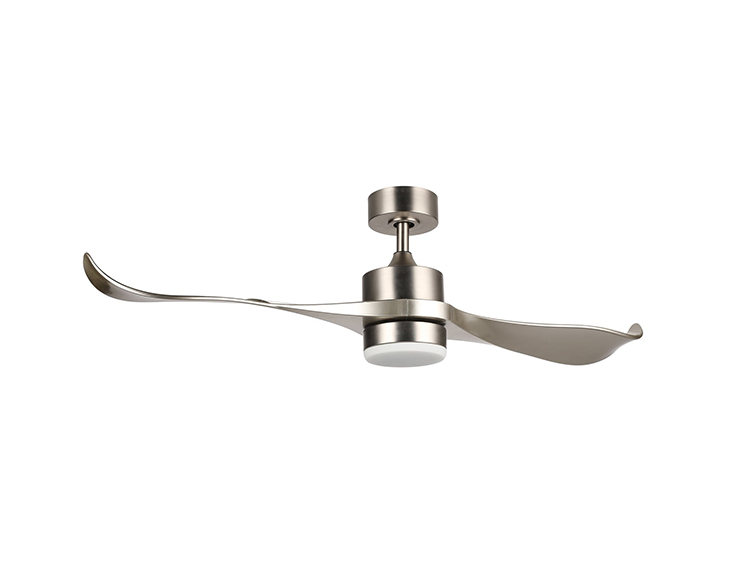
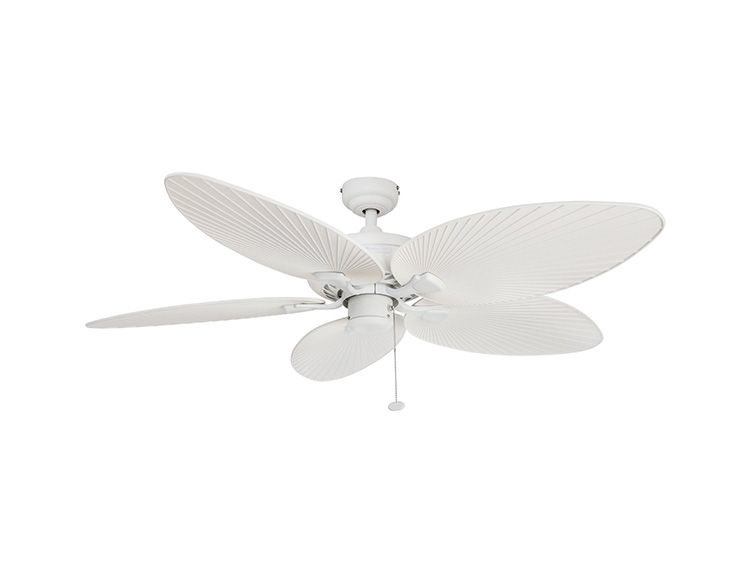
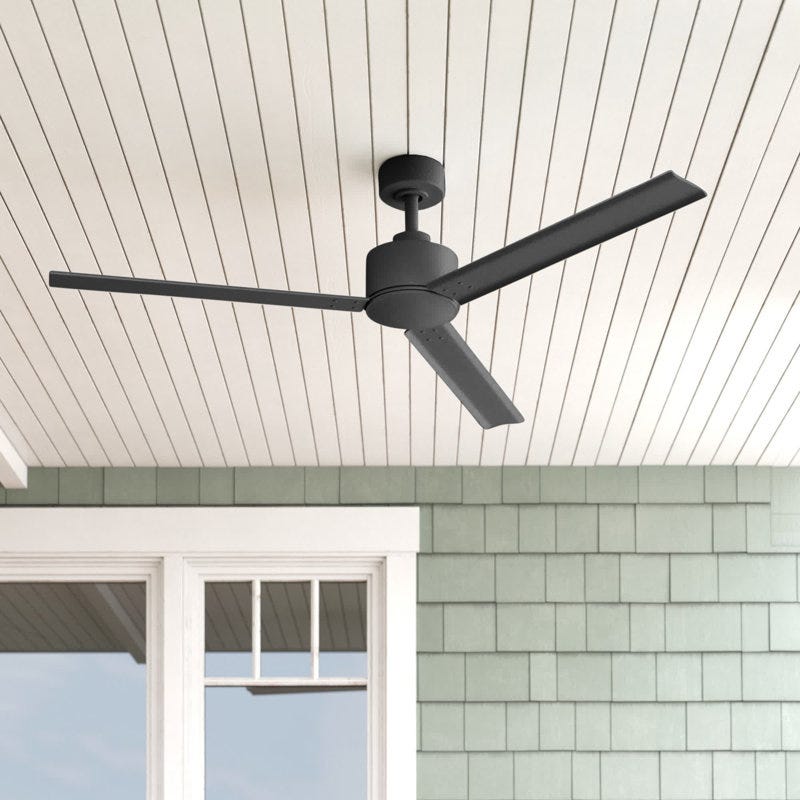
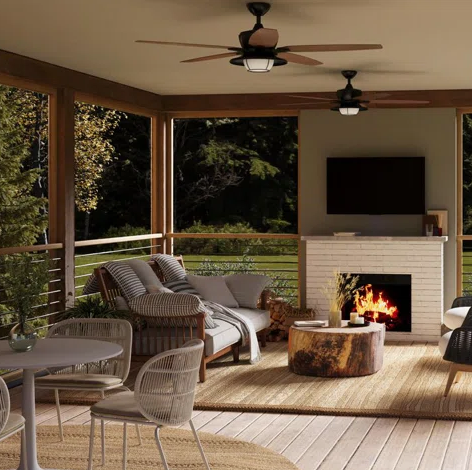
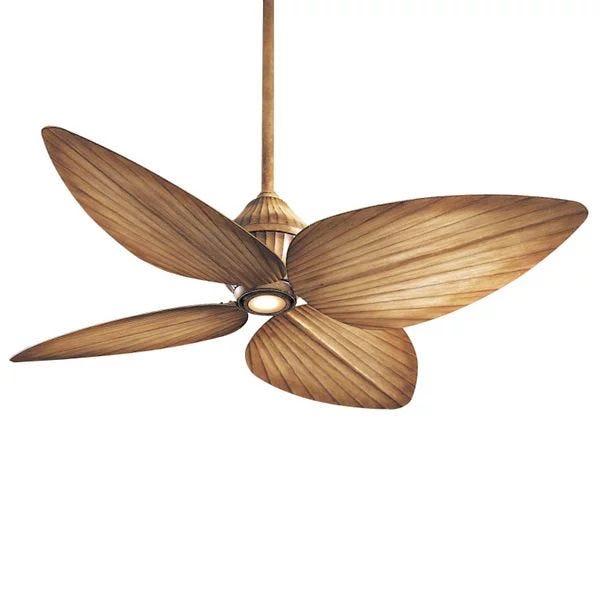
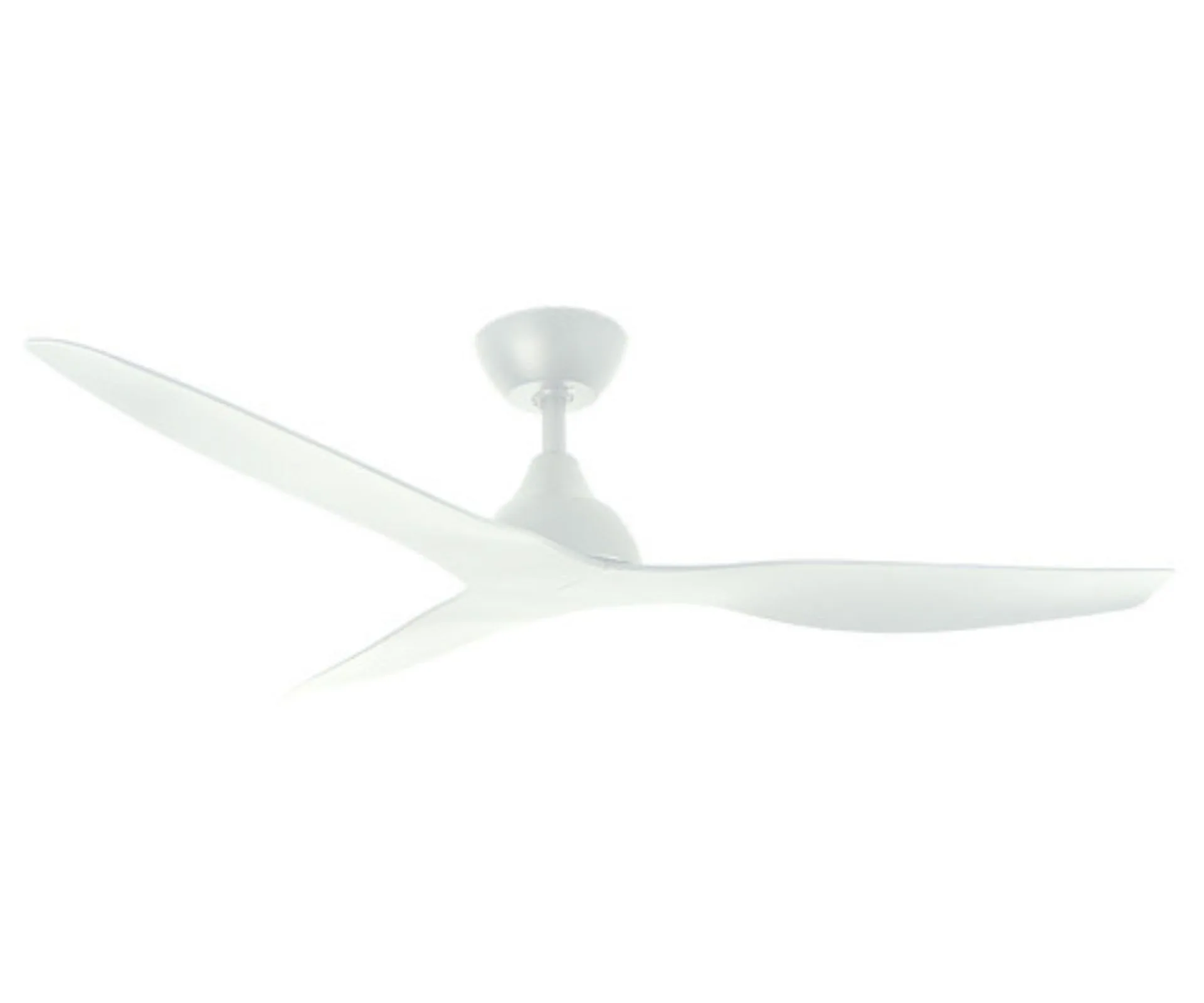
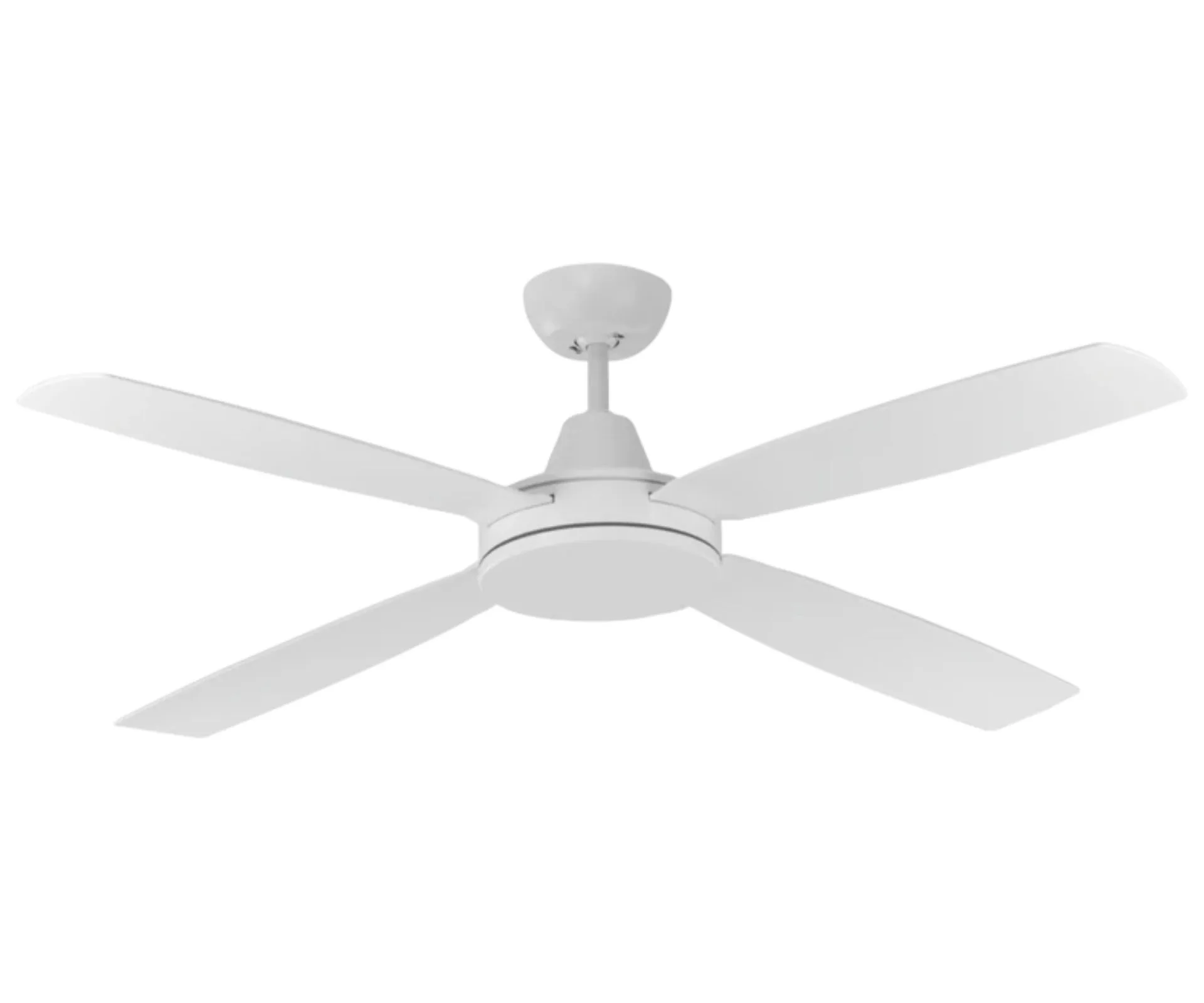
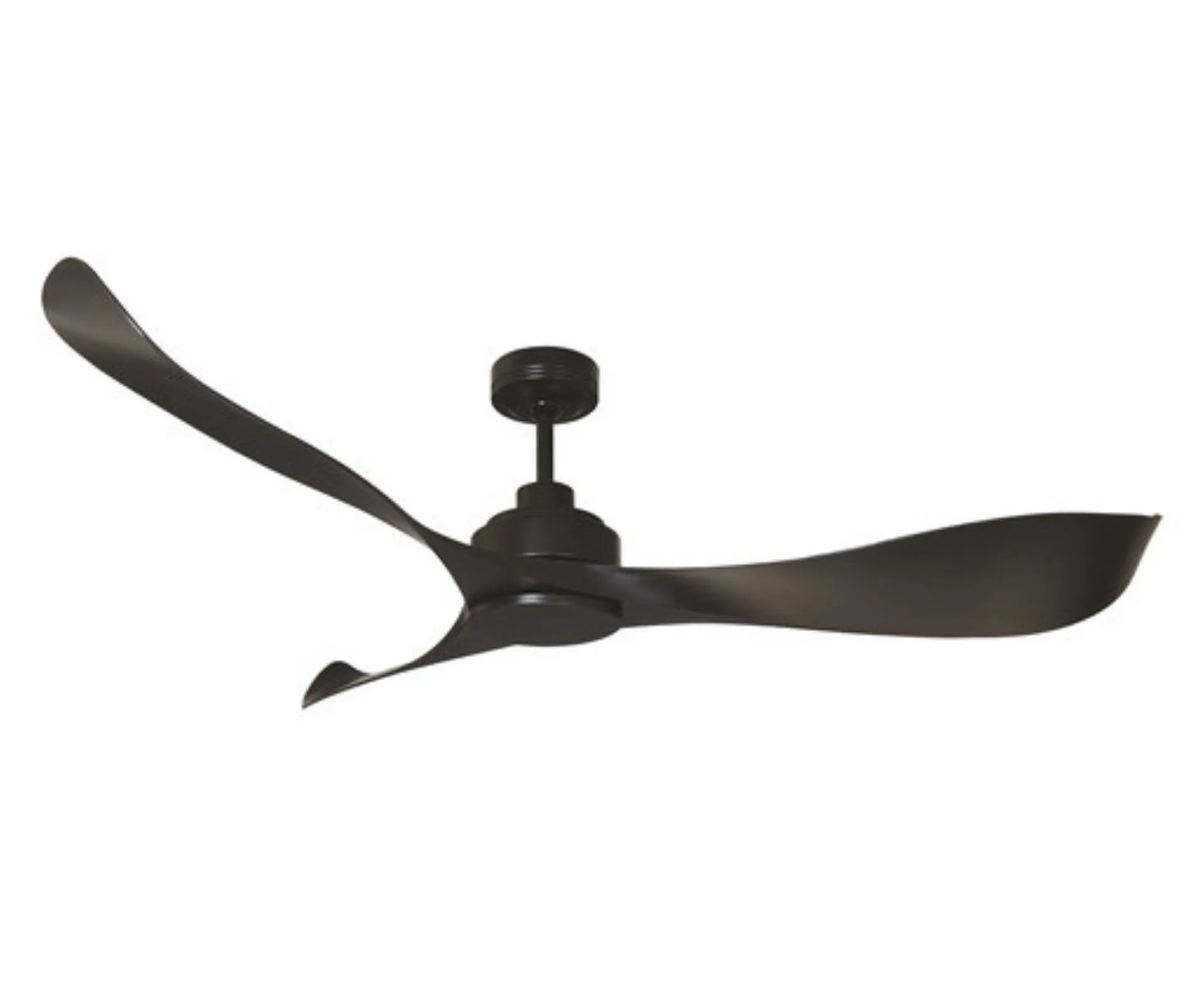
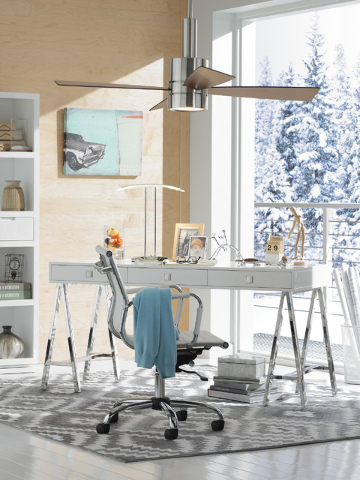
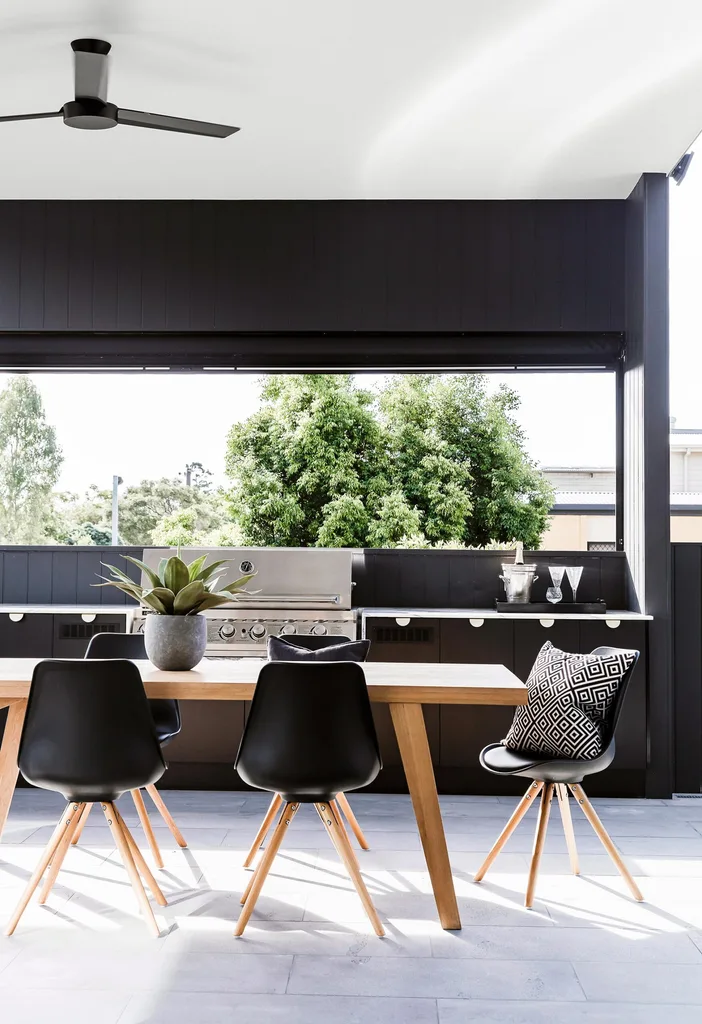
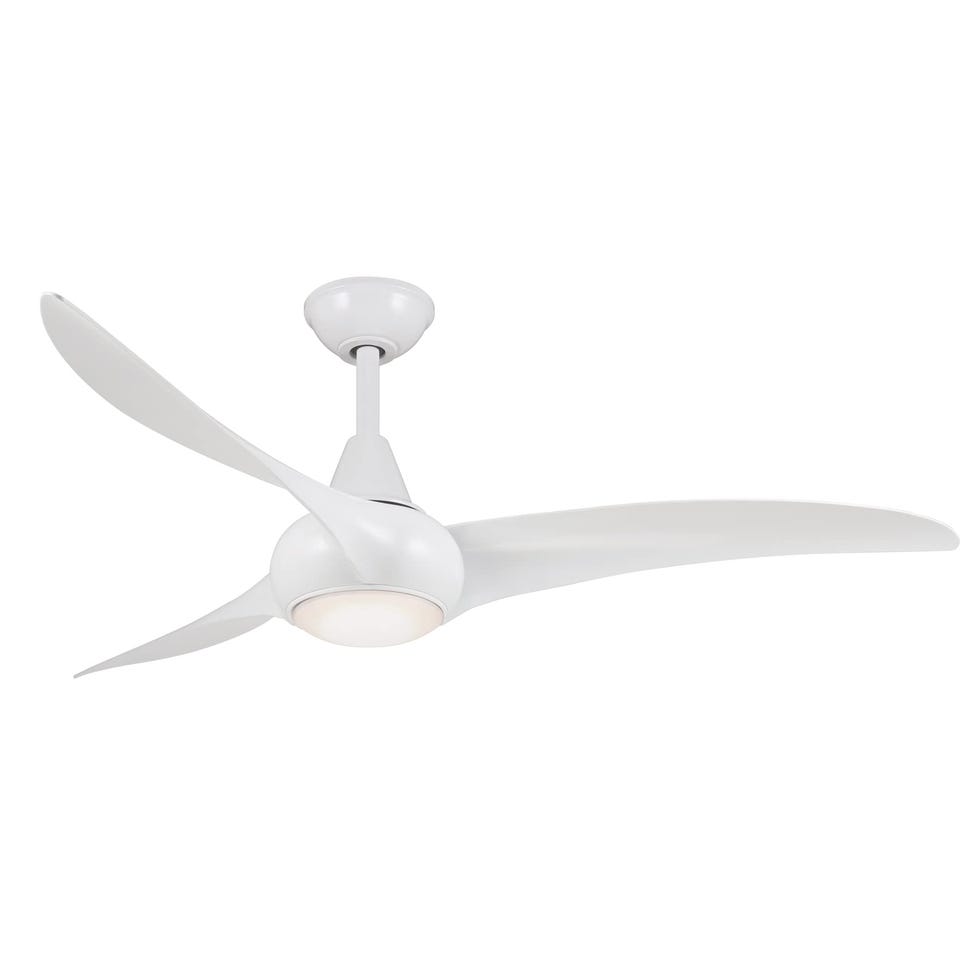
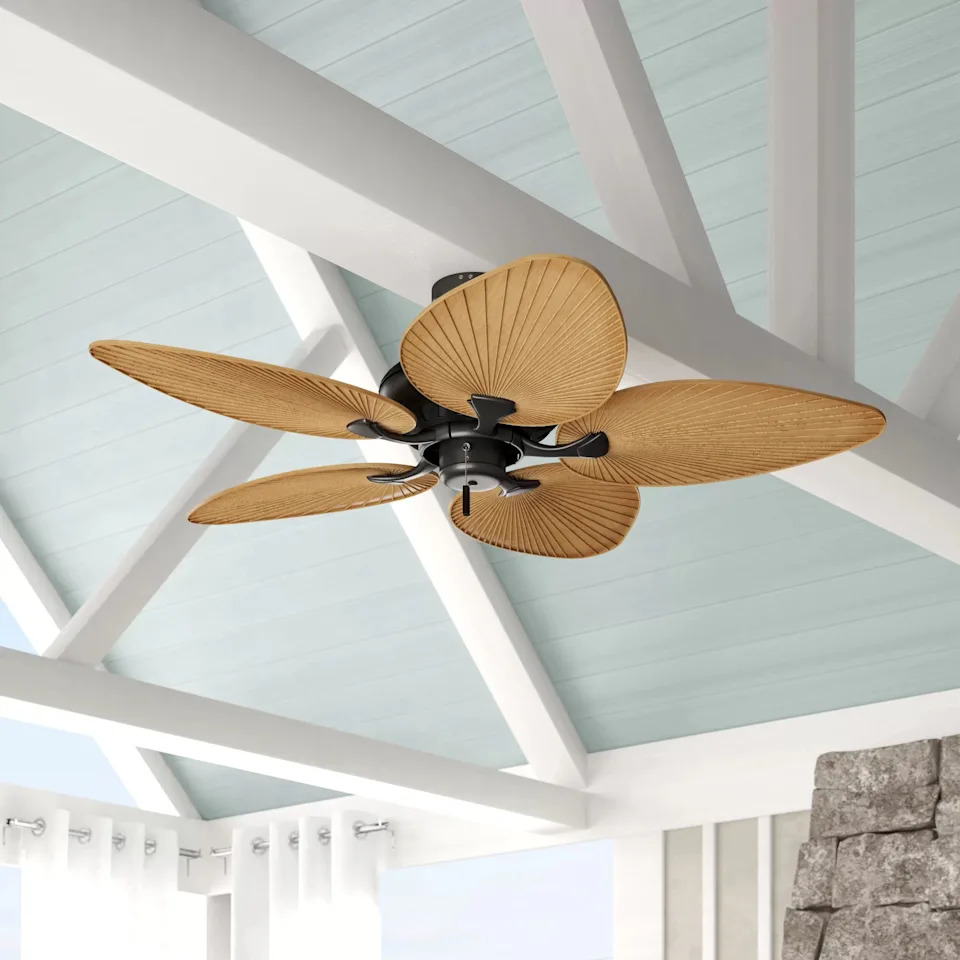
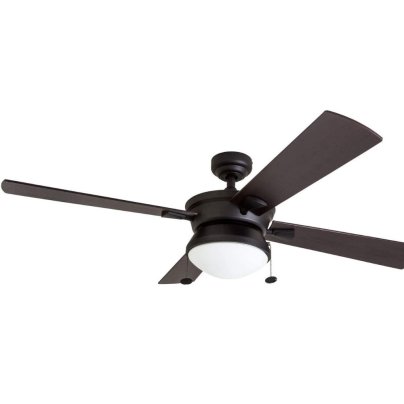
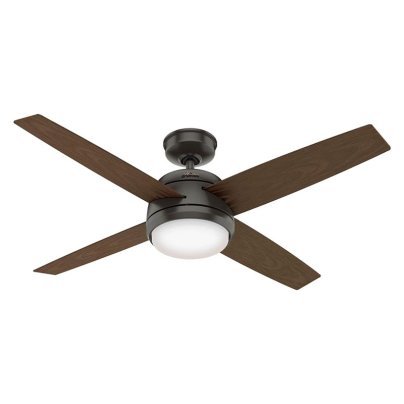
With summer approaching and temperatures rising, considering ceiling fans for home cooling becomes relevant. When used correctly, ceiling fans effectively circulate both cool and warm air, potentially contributing to utility savings. Selecting the appropriate ceiling fan involves several key considerations, starting with the room's intended use and environmental conditions. For instance, areas with high moisture, such as bathrooms or outdoor patios, necessitate fans with a wet/damp rating. While outdoor fans can be used indoors, indoor fans are not suitable for outdoor use.
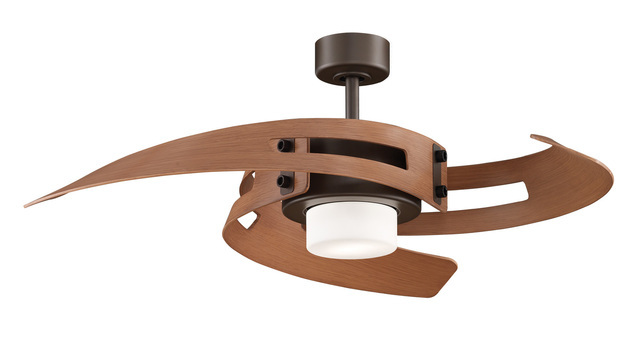
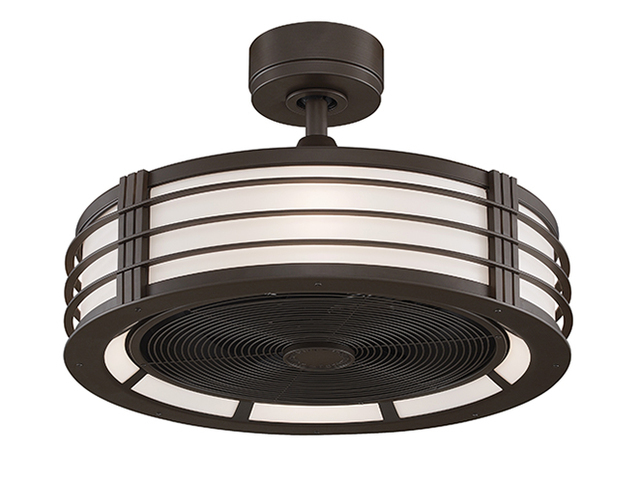
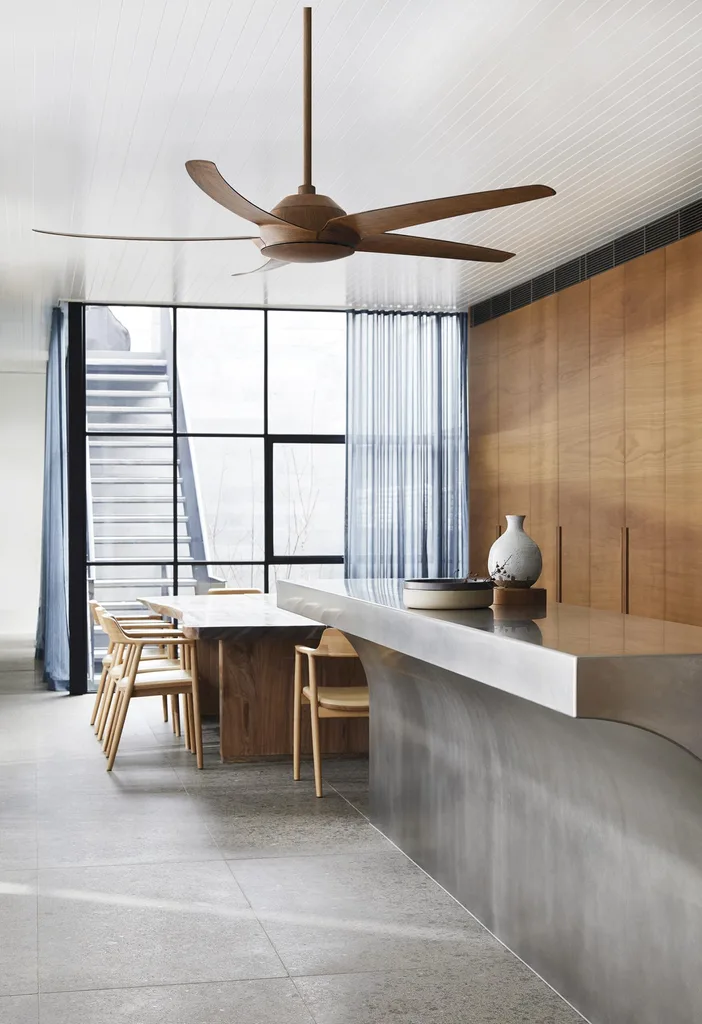
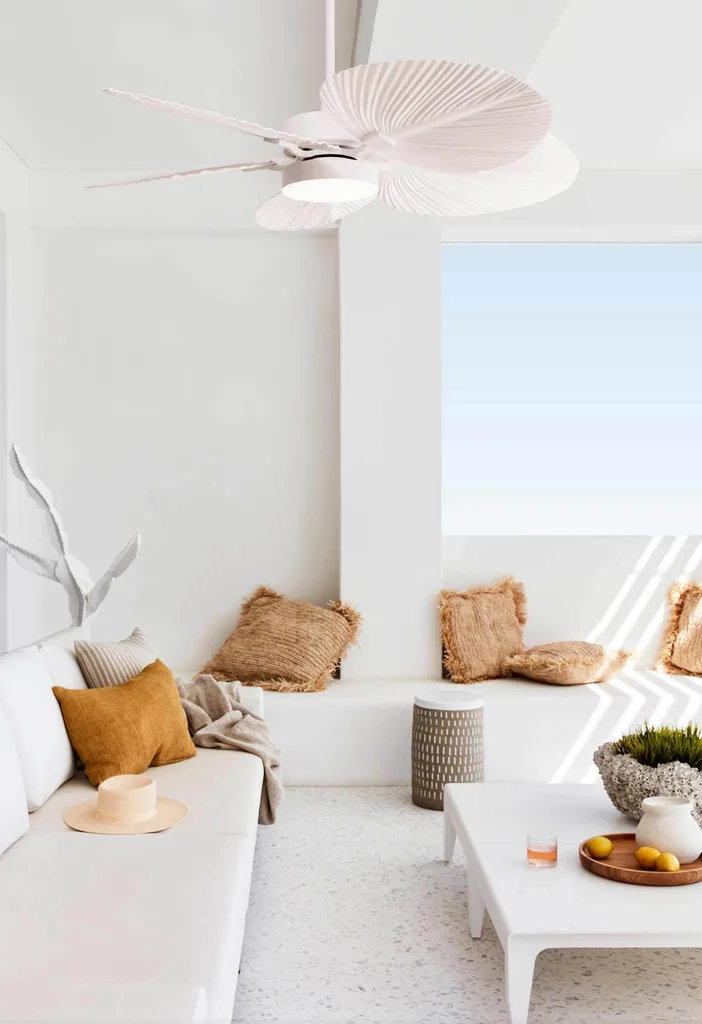
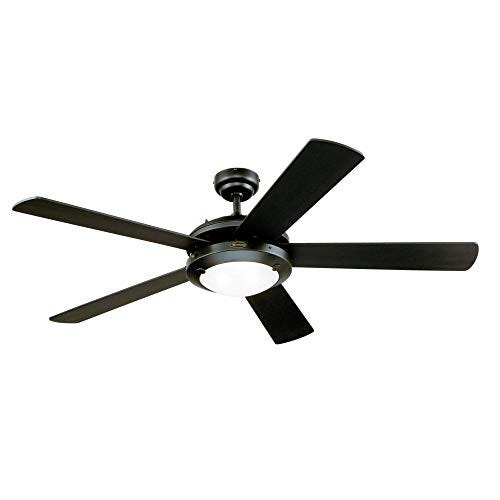
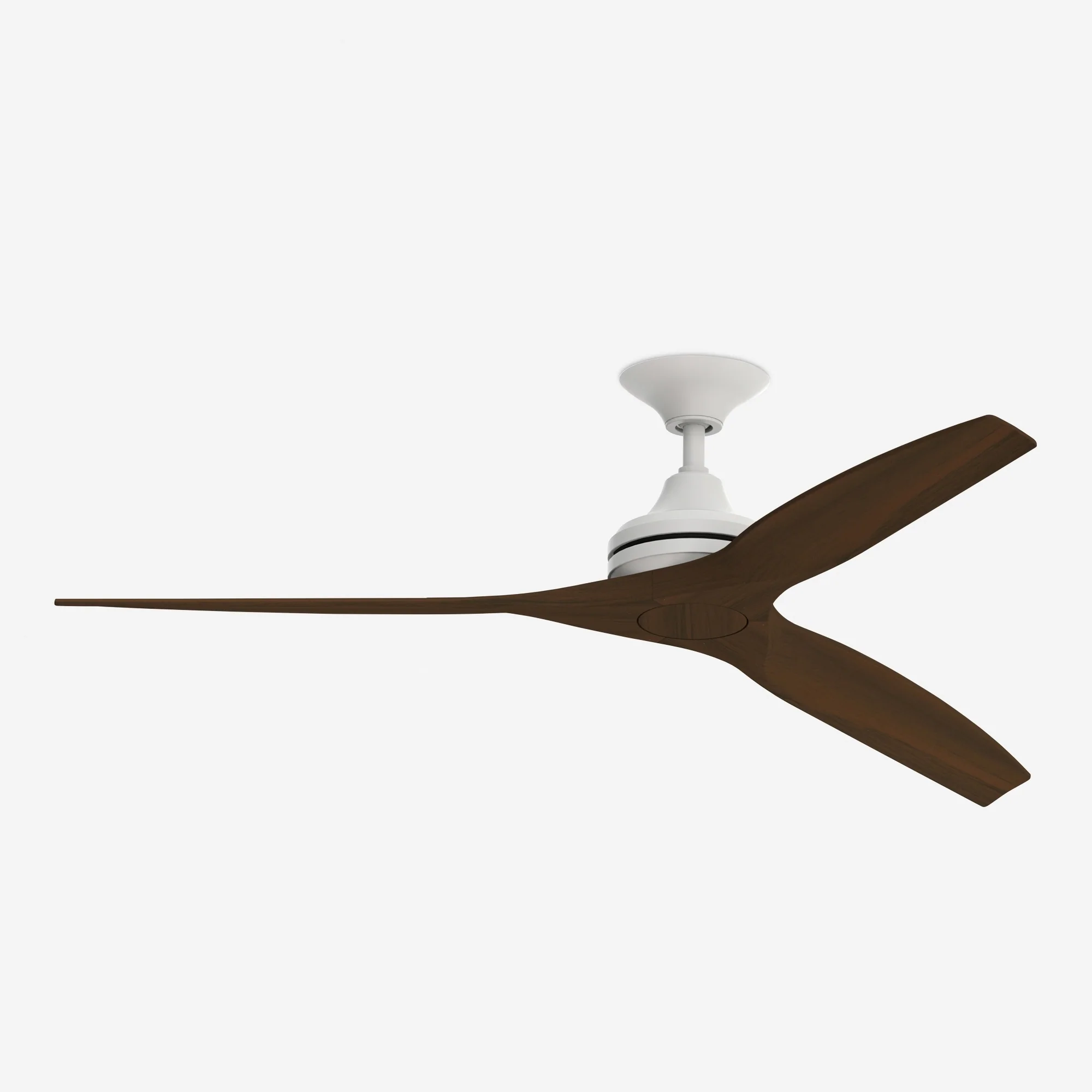
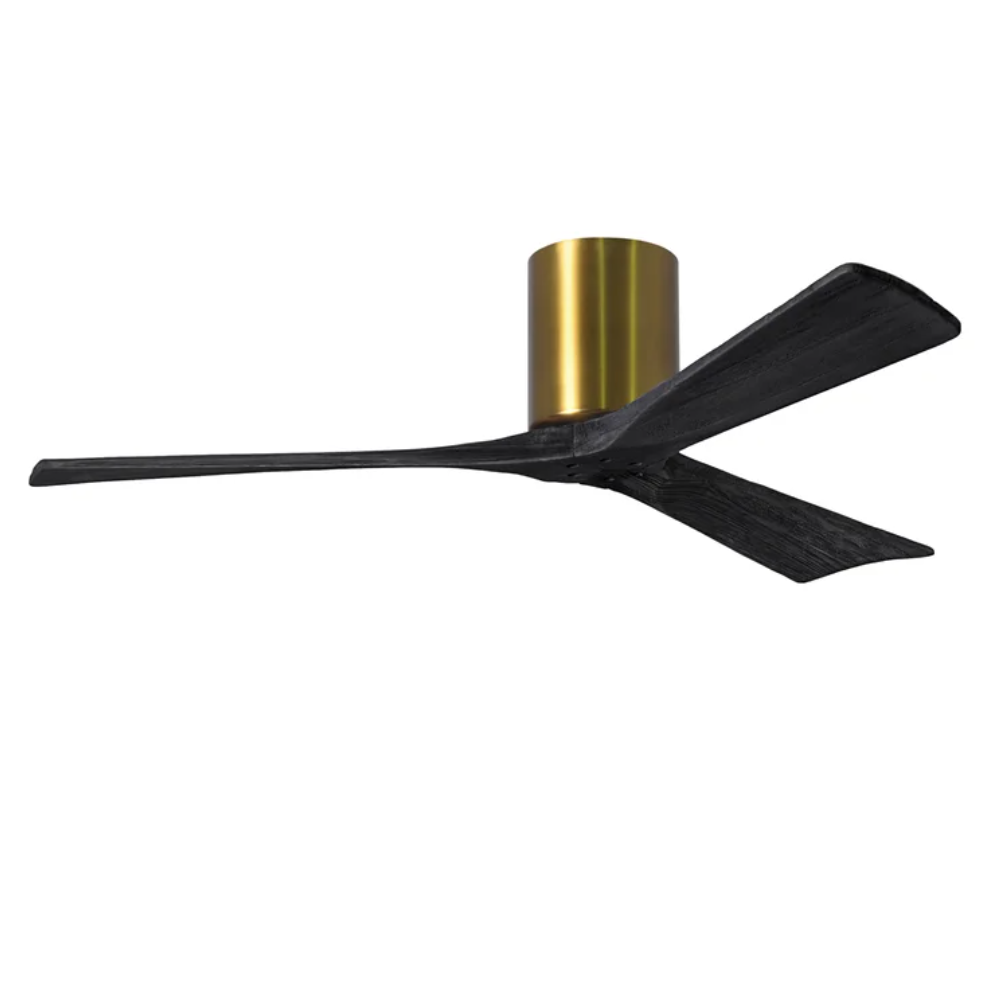
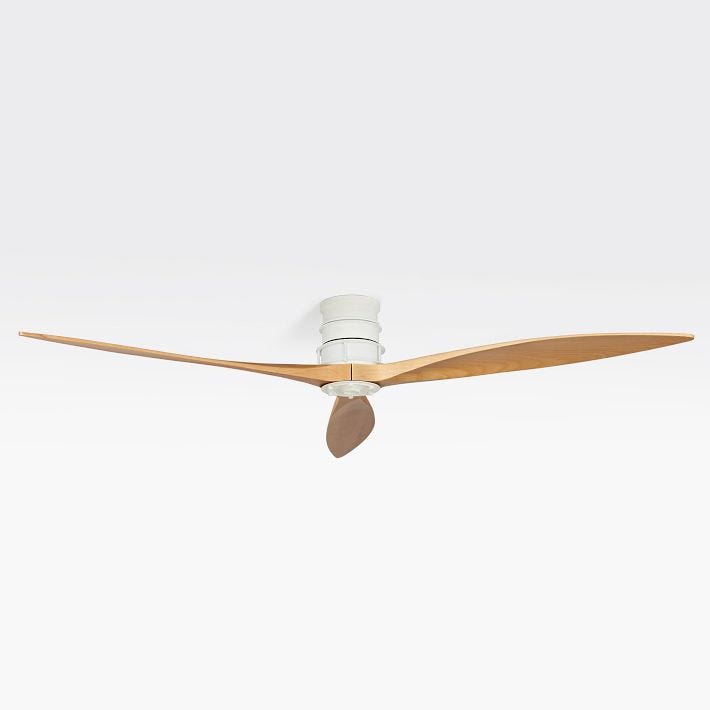
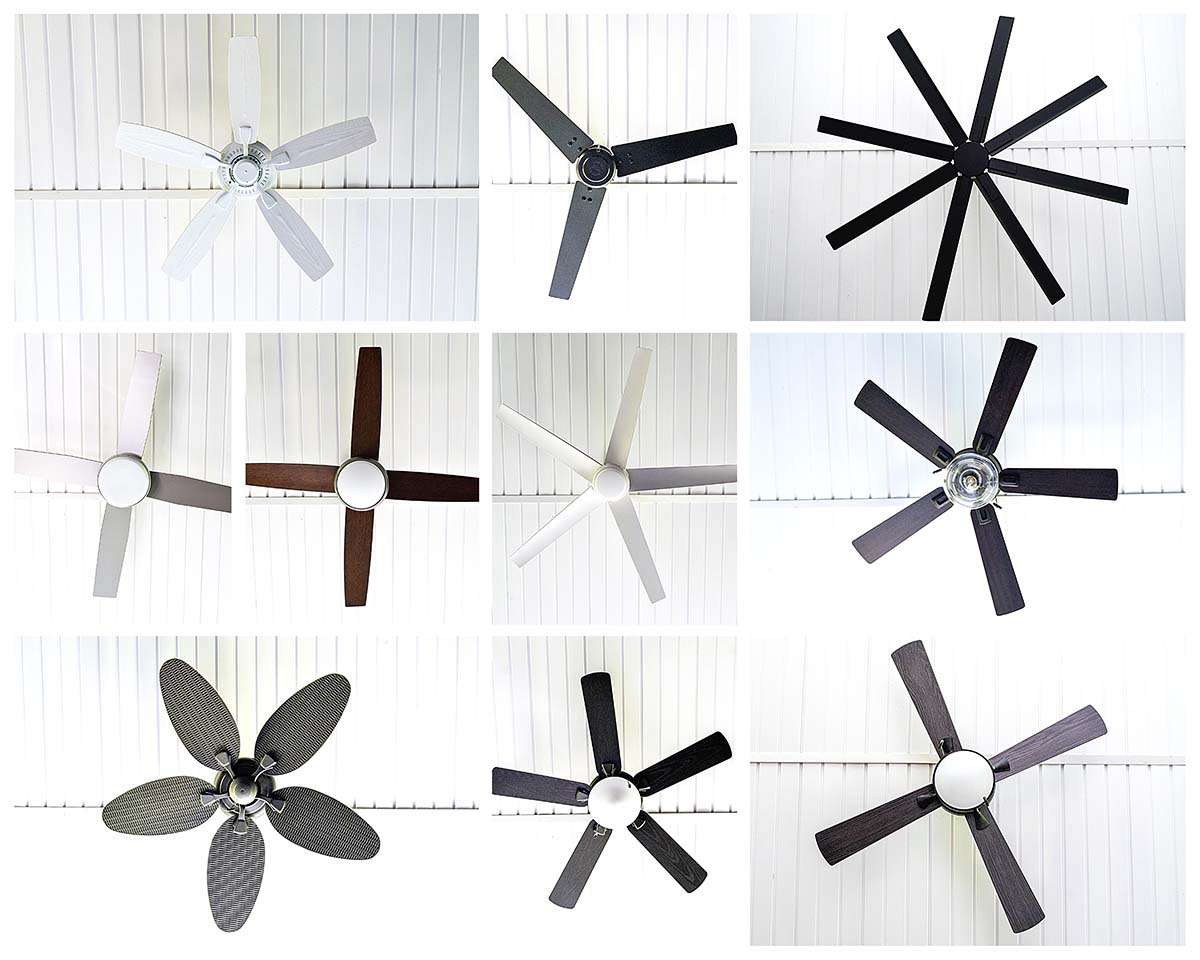
Room size and height are critical factors in determining the correct fan dimensions. Prior to purchasing, it is advisable to measure the room to ascertain the appropriate blade size and cord length. Optimal placement dictates that ceiling fans should be positioned approximately eight feet from the floor and at least 12 inches below the ceiling to ensure efficient ventilation. Furthermore, evaluating motor quality and energy efficiency is important for making a long-term investment. The aesthetic design of the fan should also complement the existing decor of the home. Purchasing from a small business can offer advantages such as high-quality products, community support, personalized customer service, and potentially extended warranties.
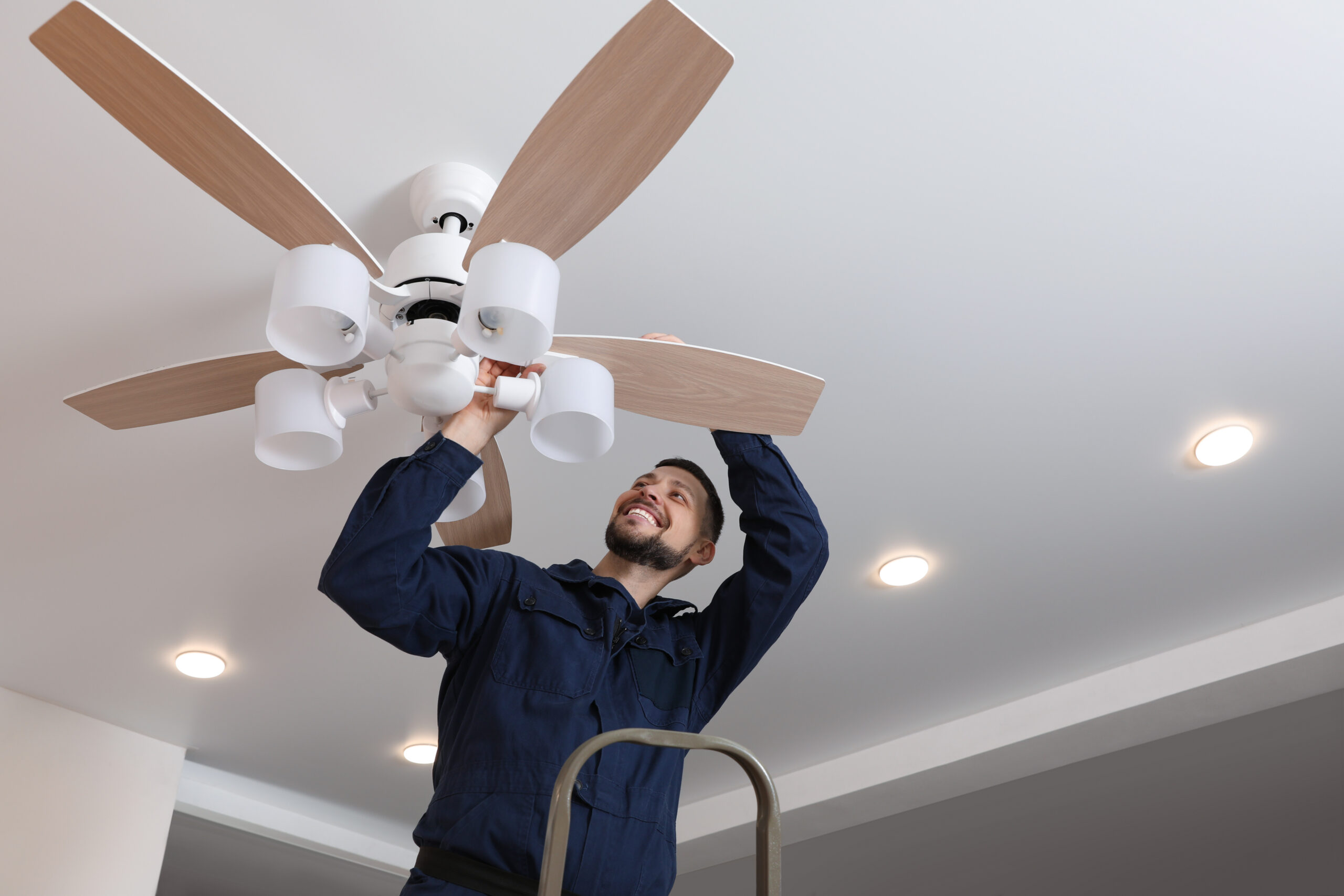
Ceiling fan installation requires adherence to specific guidelines and safety measures. While each fan includes a dedicated installation guide, general tips emphasize safety first. It is recommended to have a second person assist with installation if additional support is needed. Prior to beginning, all power should be turned off, and the necessary tools should be gathered. The existing light fixture or ceiling fan must be removed, and all electrical wires disconnected before proceeding with the new installation. Following the manufacturer's step-by-step instructions is crucial. Should any questions or difficulties arise during installation, contacting the manufacturer or the point of purchase for professional assistance is advised.
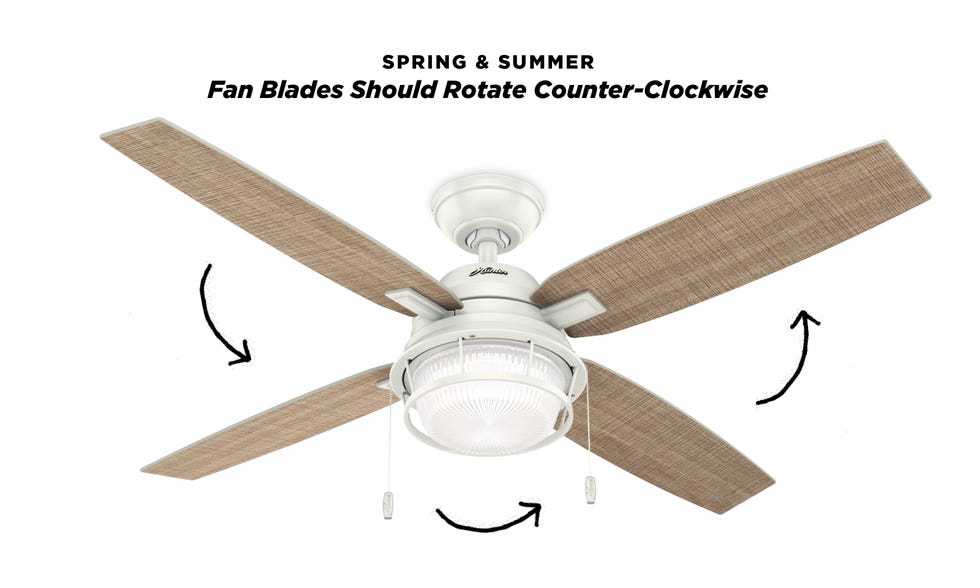
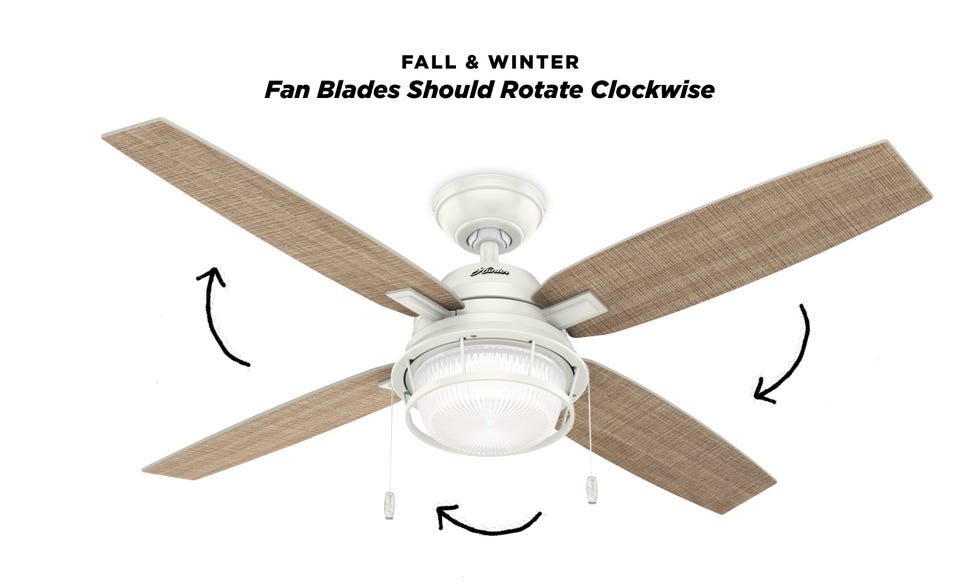
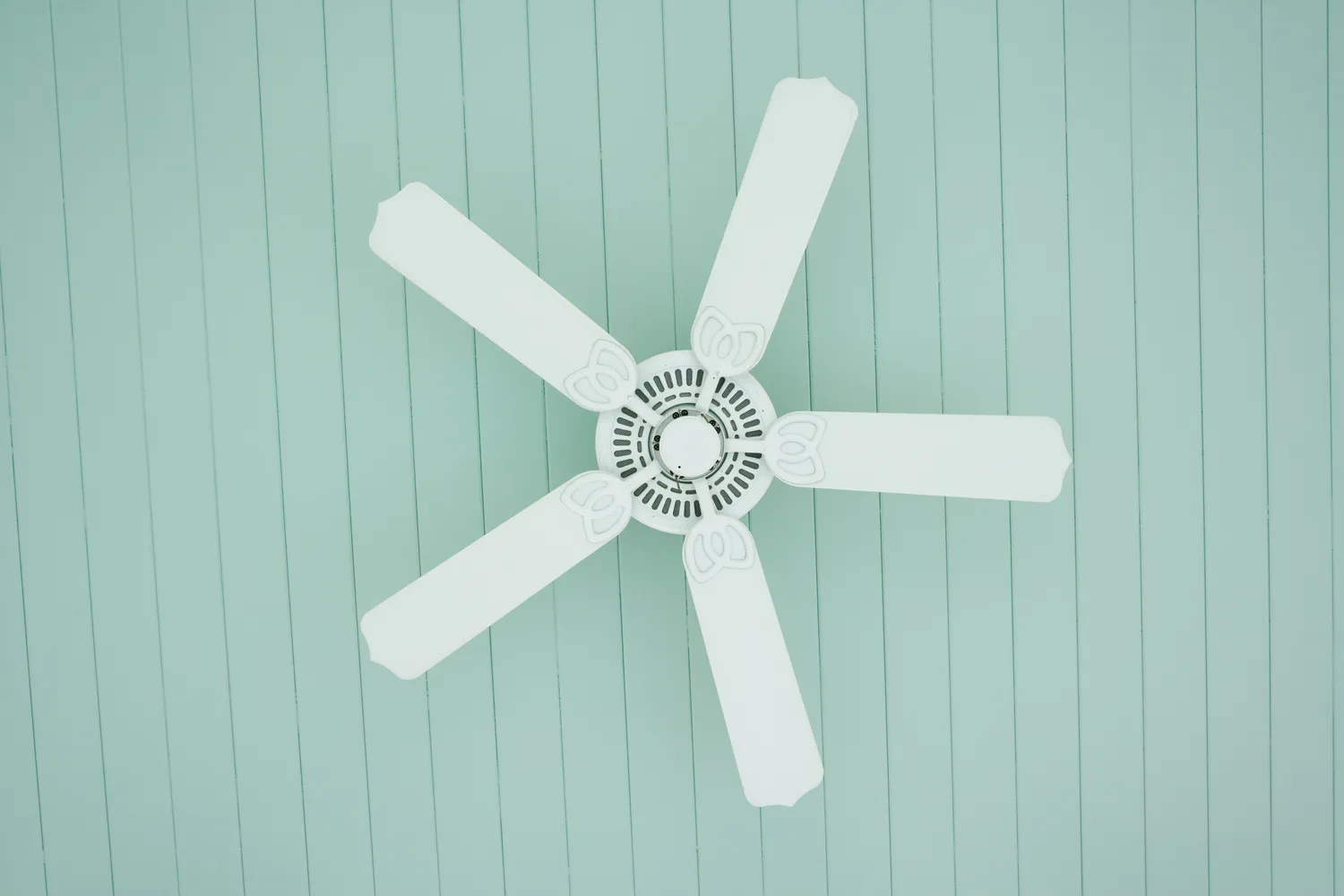
Effective use of ceiling fans varies with the season and ambient temperature. During warmer periods, such as summer, the fan should be set to rotate counterclockwise. This setting draws warm air upwards and pushes cooler air downwards, creating a cooling effect. Conversely, in cooler seasons or winter, the fan should be set to rotate clockwise to distribute warm air downwards. Adjusting the fan's directional setting according to the season can contribute to regulating indoor temperature and subsequently reduce utility costs.
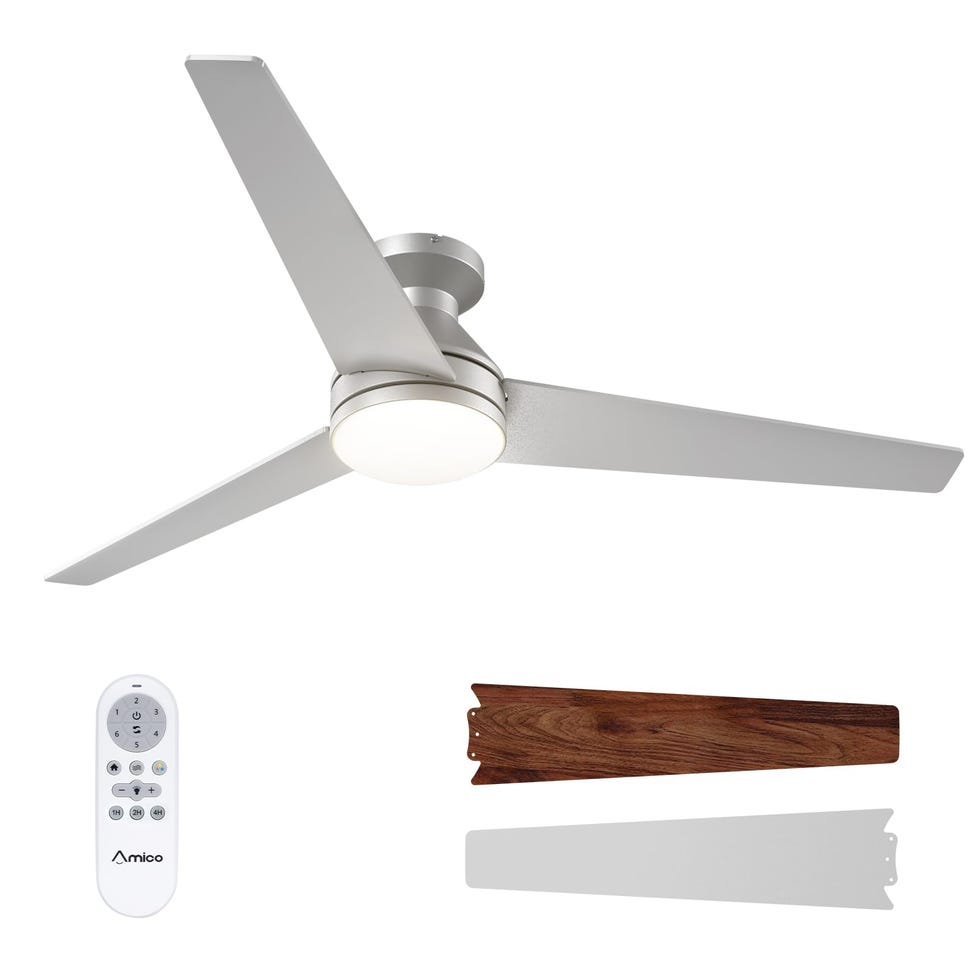
Troubleshooting common ceiling fan issues can restore optimal functionality. If a fan fails to start, the power supply should be checked, including all electrical connections, circuit fuses, and breakers. For fans with remote controls, confirming that batteries are correctly installed and charged is necessary. Noise issues can often be resolved by tightening motor housing screws. If a lighting component is present, ensuring the lightbulb does not come into contact with the motor or other parts of the fan is important. In some cases, a 24-hour reset period may allow the fan to adjust and self-correct. Humming noises can be addressed by checking for loose screws in the motor housing, fan blades, and blade irons, and by confirming that the canopy cover ring fits securely to the bottom of the canopy. Properly installed and maintained ceiling fans contribute to comfortable indoor environments while promoting energy efficiency.
#CeilingFans #HomeCooling #EnergyEfficiency #SummerPrep #FanInstallation #HomeImprovement #UtilitySavings #CeilingFans #HomeCooling #EnergyEfficiency #SummerPrep #FanInstallation #HomeImprovement #UtilitySavings
合計0件のコメント
 まだコメントはありません
あなたも好きかもしれません
Ceiling Fans—A Stylish Way to (Literally) Beat the Heat


How to choose the best ceiling fans for your home


The Fan Mistake You’re Making That’s Making Your House Hotter
Changing This Ceiling Fan Setting Will Make Your Room Feel Instantly Cooler


7 top-rated ceiling fans to consider this year

Ceiling fans: A new spin on cooling your home | Home and Garden | Life
This Easy Ceiling Fan Trick Will Help Keep You Cool in the Summer


There's a Cool Ceiling Fan for Every Vibe and Budget


The Best Ceiling Fans to Keep You Cool All Year Round

Ceiling fans can help cool rooms during summer | Home and Garden | Life
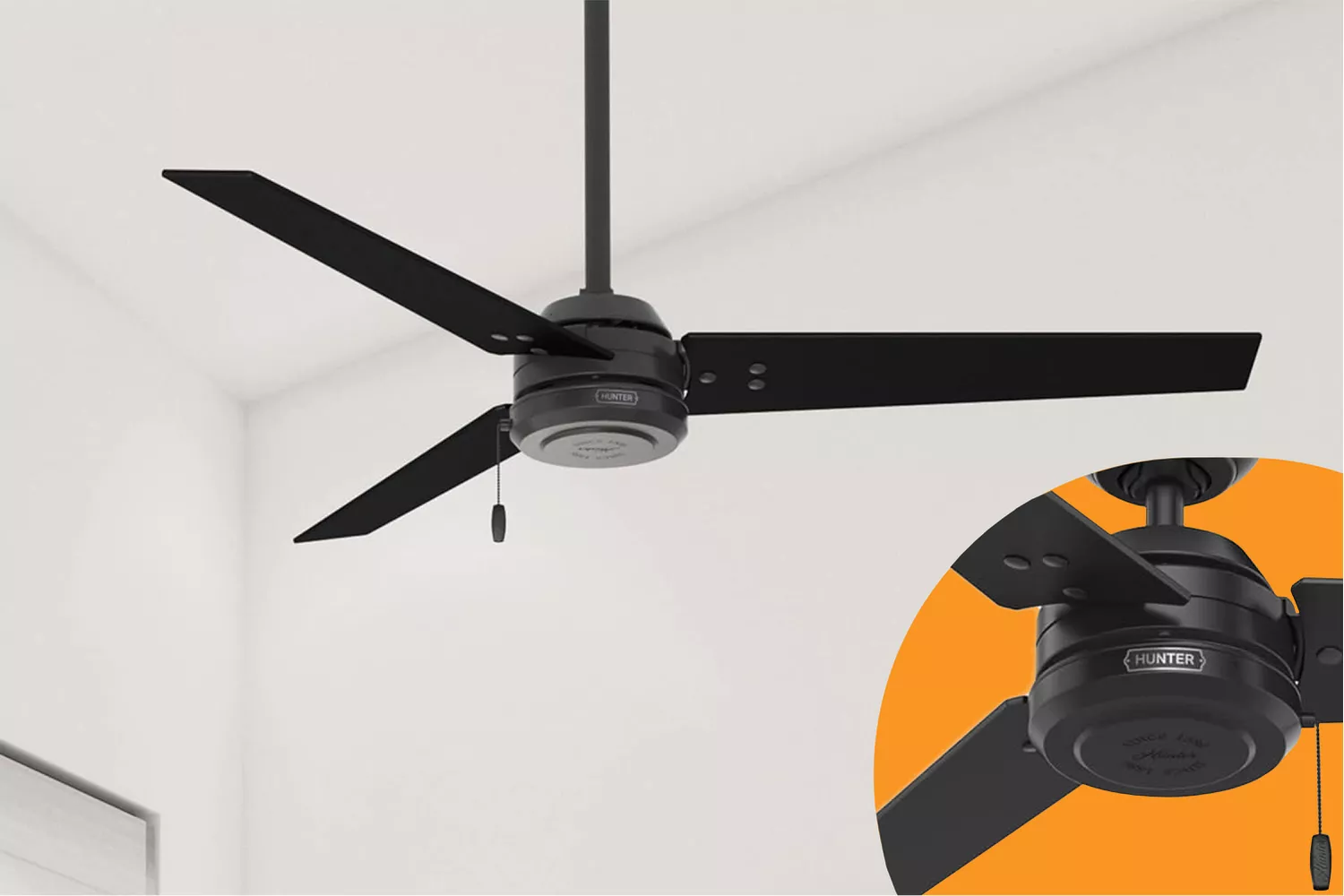
We Spent 1,200 Hours Testing Which Ceiling Fans Are the Most Cooling — These Are Our Winners
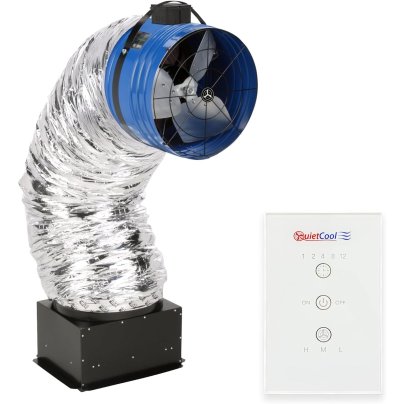
Beat the Summer Heat With One of Our Favorite Whole-House Fans

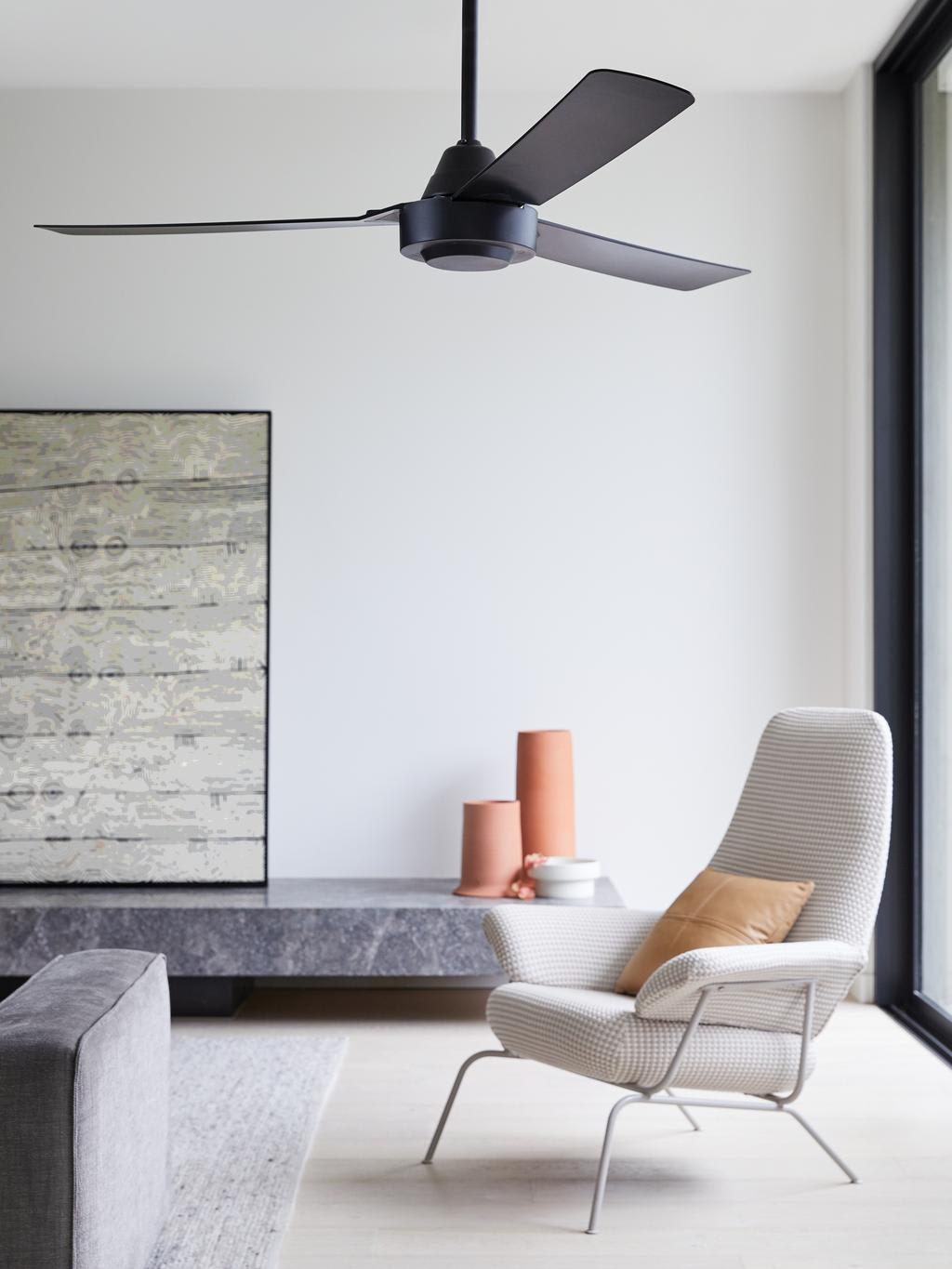
Invest in a ceiling fan to keep your cool this summer
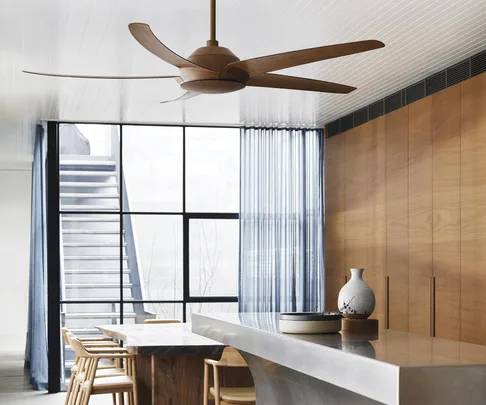
Ceiling fans 101: a guide to choosing the right one

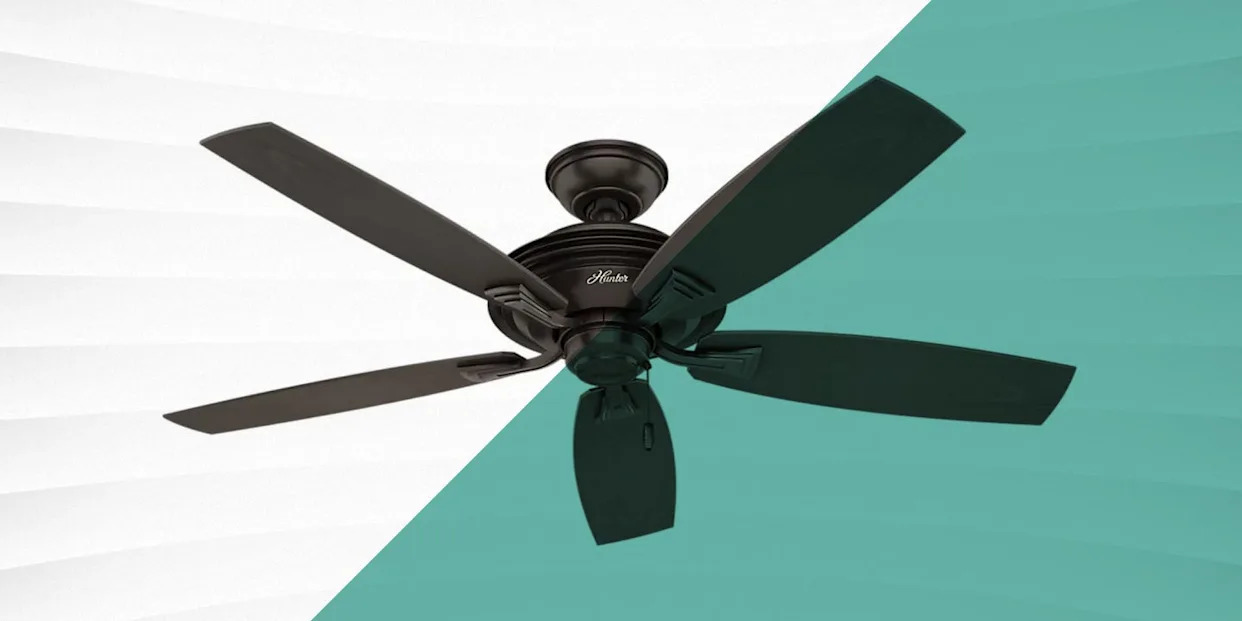
Cool Your Patio Off With the Best Outdoor Ceiling Fans

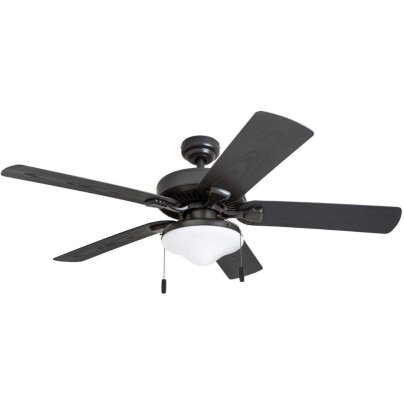
The Best Outdoor Ceiling Fans to Keep You Comfortable
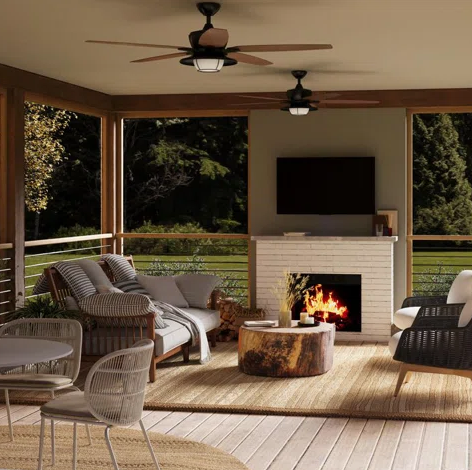
12 Stylish Outdoor Ceiling Fans That Will Keep You Cool All Summer Long
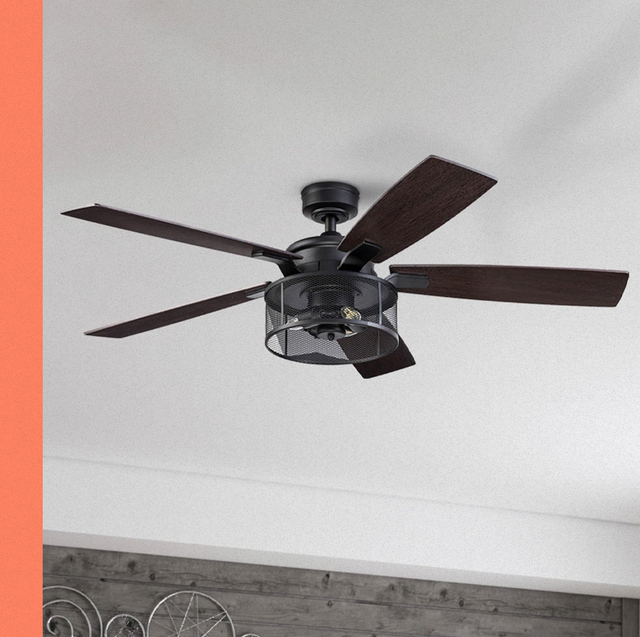
Our Editor Recommendations for Ceiling Fans Can Supplement or Even Replace an A/C
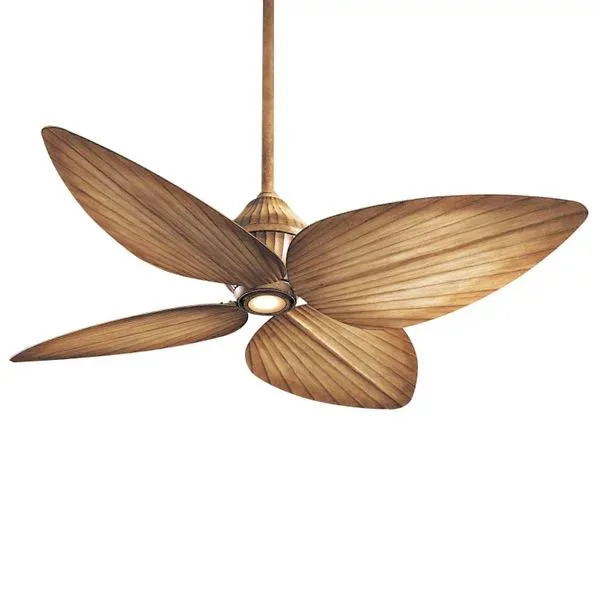
10 Outdoor Ceiling Fans That Aren't Total Eyesores
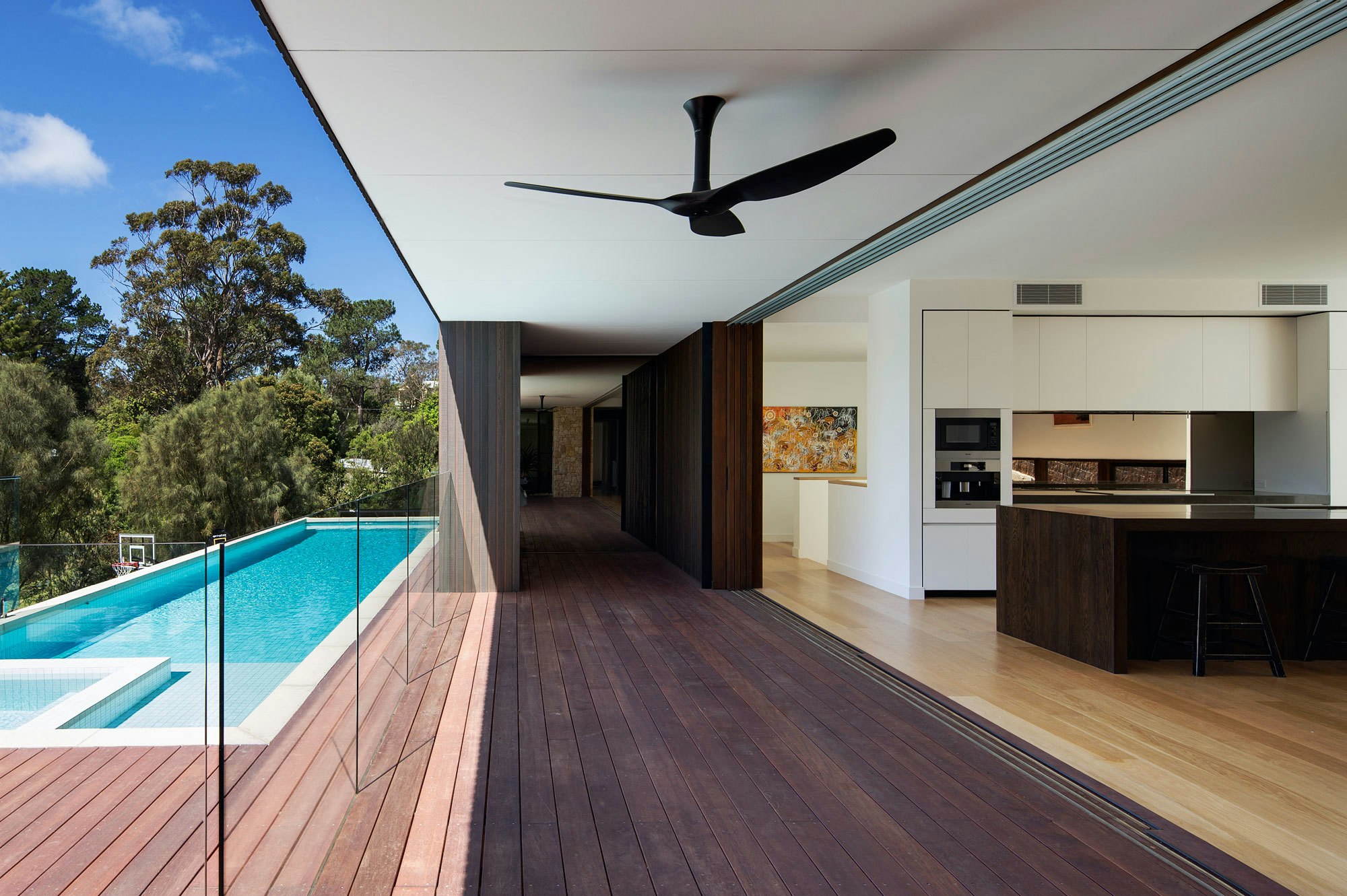
Beat the Heat With These Svelte Ceiling Fans That Cost Less Than $250