1/5
Manufacturers see a bright future driven by the repair and remodel categories
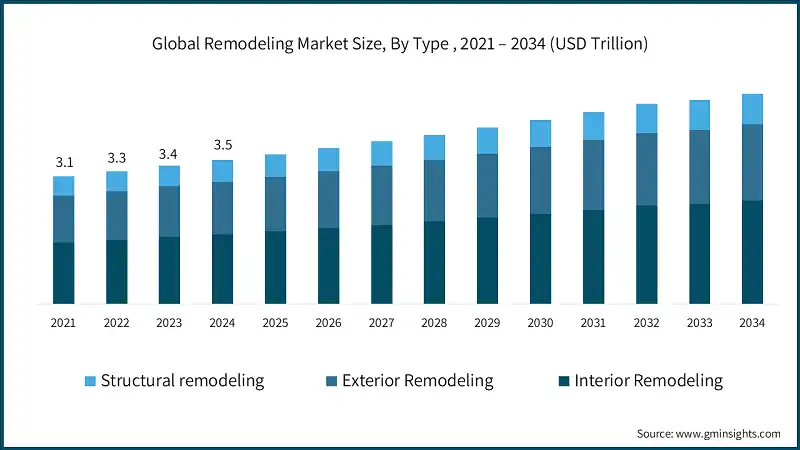
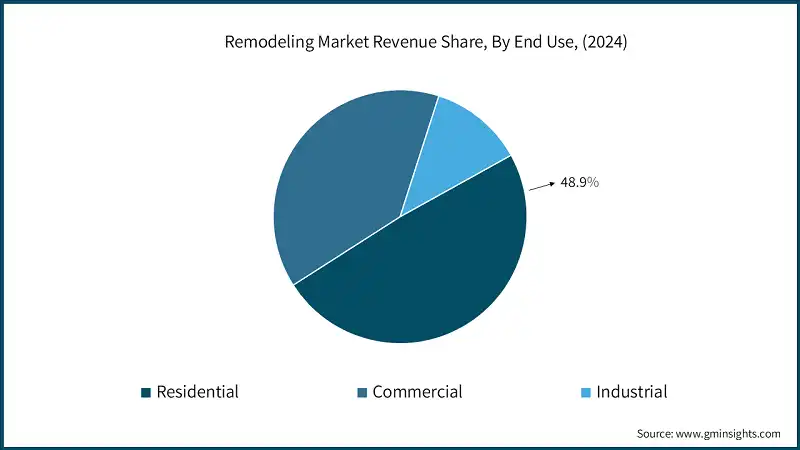
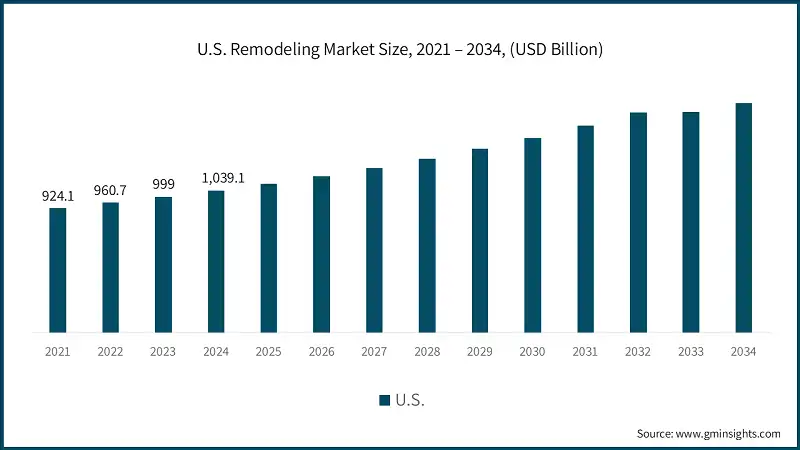
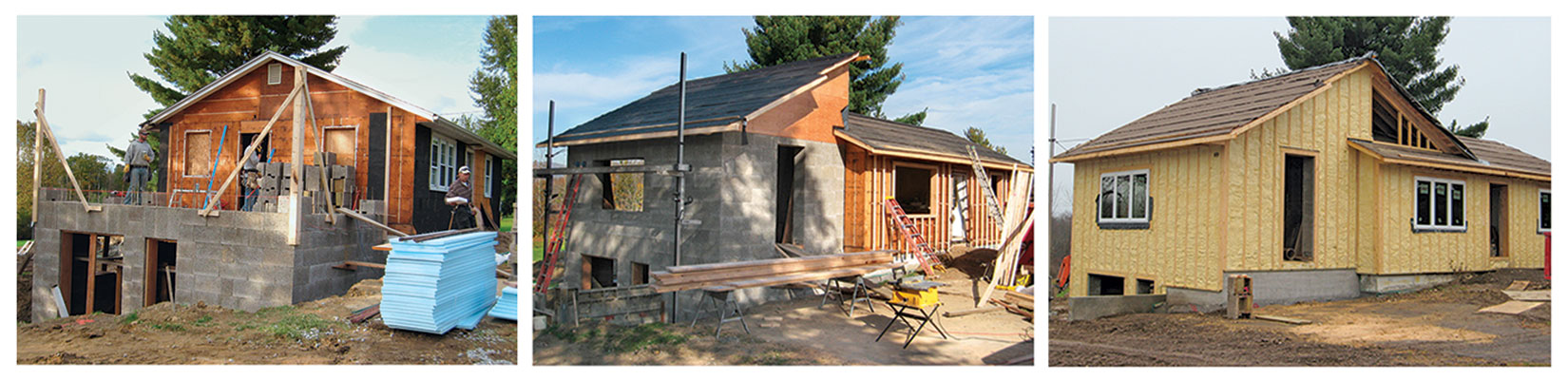
The trim and molding segments are poised for steady growth, aligning with the projected increase in the U.S. residential remodeling market, which is anticipated to grow at a compound annual growth rate of 4.6% from 2024 to 2030. Despite an initial dip in spending, home improvement activities are expected to rise through mid-2025, setting a positive stage for this category. The trim segment's future appears strong, largely due to the remodeling sector, as homeowners with lower interest rates are opting for renovations rather than selling. Aging housing stock further supports demand for new siding and trim, with exterior improvements offering a significant return on investment. Consumer interest is also shifting towards alternative, durable materials for trim. While wood remains a preferred material for its aesthetic and versatility, innovative materials offering enhanced durability and long-term value are gaining traction. Manufacturers anticipate steady growth in 2025, driven by the shift from traditional wood to more durable, low-maintenance, and sustainable options. An optimistic economic outlook, coupled with continued remodeling by homeowners taking advantage of locked-in low interest rates, and an acceleration in the multi-family market, are also contributing factors. The demand for trim and molding segments is expected to grow further in 2025 due to strong activity in both multi-family and residential renovation markets. Single-family housing starts are predicted to remain steady, supported by economic growth, favorable government policies, and slightly lower mortgage rates. Increased home remodeling is linked to rising home equity, while multi-family construction continues to expand due to urbanization, housing shortages, and affordability challenges in the single-family market. Demographic trends, including population growth and household formation, will further stimulate demand for housing and building materials.
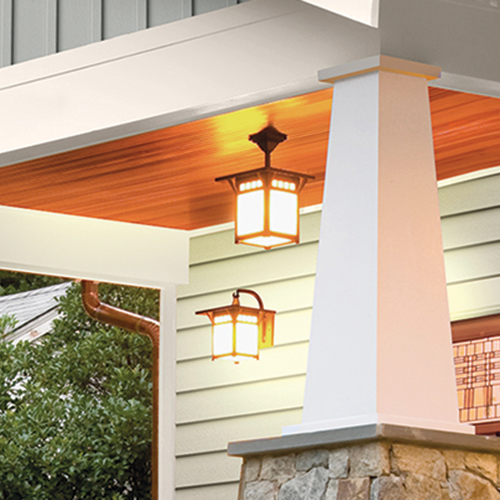
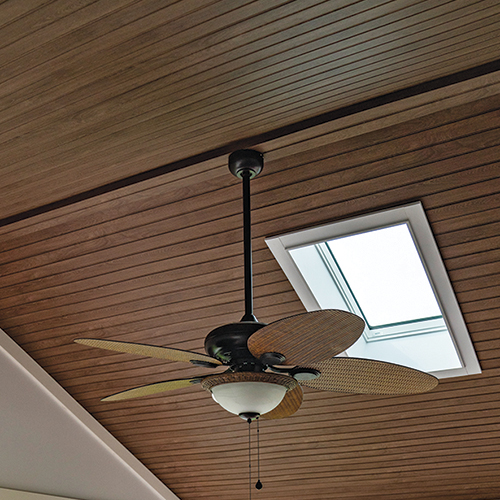
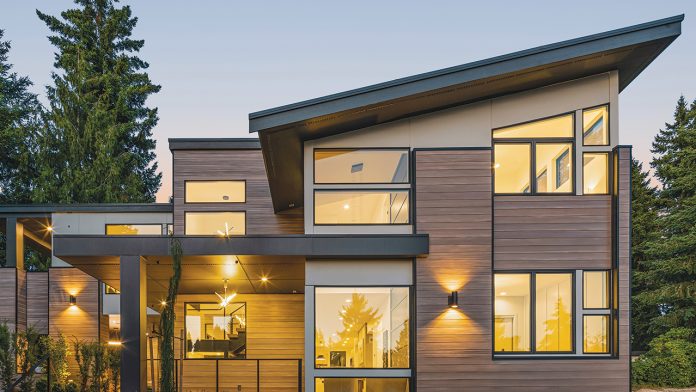
In terms of design, homeowners are increasingly seeking trim options that provide aesthetic differentiation. While white, cream, and neutral colors remain popular for their versatility, bolder and darker trim colors are gaining traction for creating contrast and visual interest. Contrasting trim, such as black framing around windows, enhances architectural details and provides a striking effect. Deep hues like charcoal, navy blue, forest green, and rich brown are becoming popular, complementing trending exteriors. This trend extends indoors, with black trim on interior doors and windows adding a sophisticated feel. Wider profiles with clean lines are also growing in popularity, reflecting contemporary architectural trends, with thicker trim used to accentuate key areas and thinner profiles for intricate details. Classic beadboard, shiplap, and wainscoting are making a strong comeback, adding character and texture to homes.
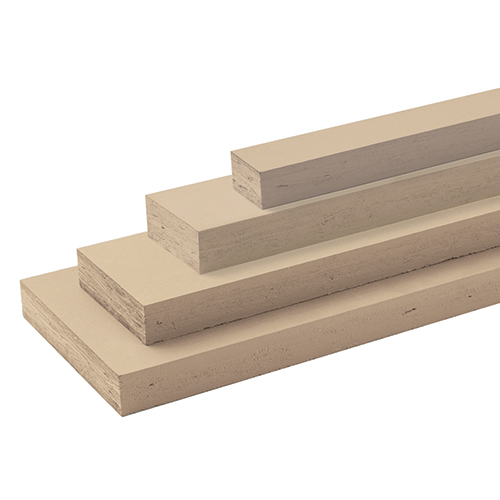
Manufacturers also note a growing demand for high-performance, low-maintenance trim and molding products, particularly given the increase in severe weather events. Exterior products, acting as the first line of defense, necessitate resilient choices that can withstand storms and other extremes. Modified wood, known for its resistance to rot, decay, and insect damage, is gaining popularity, backed by long-term warranties. The demand for low-maintenance options is driving a market shift away from wood towards materials impervious to moisture, such as cellular PVC. These durable products reduce replacement and maintenance costs and align with sustainable building practices. However, the variety of alternative materials can pose a challenge for homeowners and professionals in understanding their unique benefits. Detailed understanding of material properties, environmental impact, long-term performance, lifespan, and cost tradeoffs is crucial for informed selection.
To effectively sell trim and molding products, LBM dealers are encouraged to adopt a customer-first approach. This involves listening carefully to customer needs, explaining product options thoroughly, and focusing on features and benefits. Manufacturers suggest prioritizing understanding contractors' challenges and offering solutions that simplify installation and save time and money. Staying informed about product knowledge and utilizing manufacturer training programs is vital. Dealers should also proactively recognize opportunities to upsell and offer good-better-best solutions. Stocking popular and high-performing brands that offer exceptional value to builders and homeowners can drive sales and foster customer loyalty. Ultimately, a combination of product knowledge, attentive listening, and strategic inventory management will lead to success in the trim and molding category.
#ResidentialRemodeling #TrimAndMolding #HomeImprovement #BuildingMaterials #SustainableMaterials #LowMaintenance #ArchitecturalDesign #ConstructionTrends #LBMDealers #ResidentialRemodeling #TrimAndMolding #HomeImprovement #BuildingMaterials #SustainableMaterials #LowMaintenance #ArchitecturalDesign #ConstructionTrends #LBMDealers
合計0件のコメント
 まだコメントはありません
あなたも好きかもしれません

Rising Home Equity Keeps People In Place, Exploding Remodeling Tech


Crossover skills give upholsterers business opportunities in many markets


Introducing Interior Design’s 2024 Rising Giants


The future of home remodeling: What Arizona contractors need to know
Remodeling Market Size, 2025-2034 Trends Report

In Depth: Deck Fasteners

Kraken Bond Prepares Kitchen and Bath Remodeling Products to Meet Surging $600 Billion Home Improvement Demand

Carving out a niche in the timber-furniture industry

Did Covid Ruin Home Renovations?

Orient Ceramics & Industries Limited Long Term Buy Call : Fairwealth Securities

Meet Craig Stillman

Remodeling

Business Profile: All Times Construction eager to help with renovation projects

2020 Industry Trends | Part 3

In Depth: Engineered wood products
In Depth: Trim & Moulding
A Retrofit for the Future

How Builder's Cabinet Supply Reached New Markets

Experts Predict That Every Renovation in 2026 Is Going to Include One of These Upgrades

Why Granite Garage Floors Is a Prime Franchise Opportunity