1/10
It Starts From the Ground Up — 9 of the Most Eco-Friendly Flooring Options That Still Have Plenty of Style
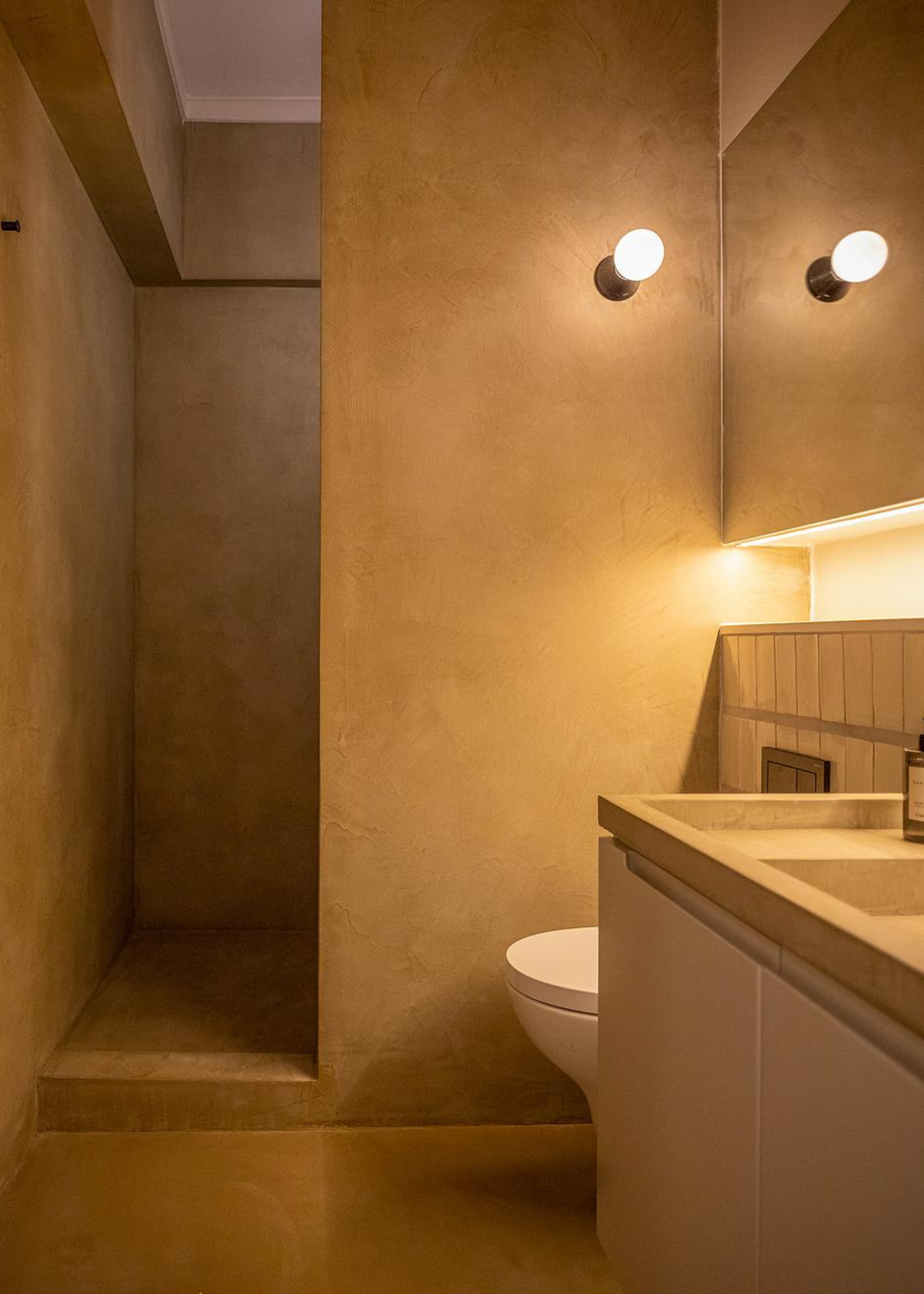
The article explores the growing trend of eco-friendly flooring options in interior design, highlighting how sustainability has evolved from a mere trend to a fundamental mindset shift among homeowners and designers. With increasing awareness of the climate crisis, the focus is on choosing materials that are not only aesthetically pleasing and durable but also environmentally responsible, with traceable origins, ethical production, and third-party certifications. The article emphasizes a move away from chemical-laden and plastic-filled flooring towards more natural and sustainable alternatives.
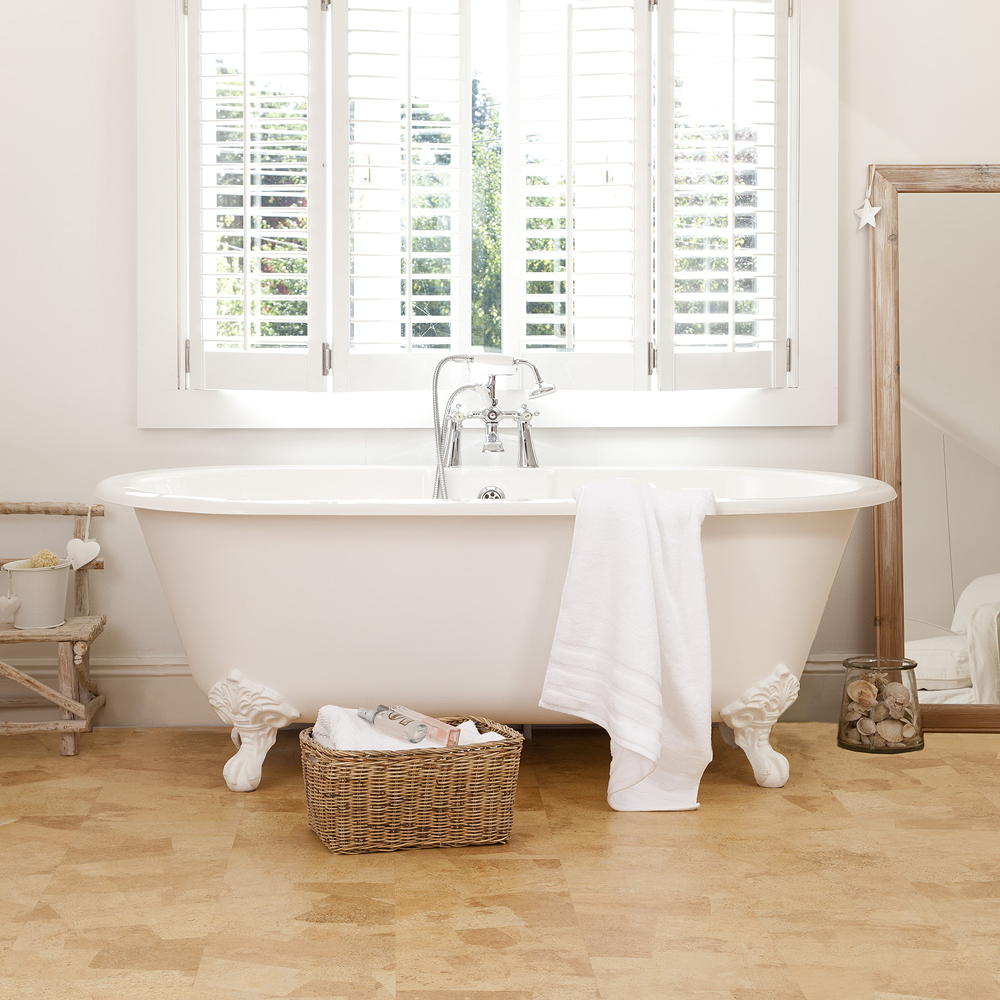
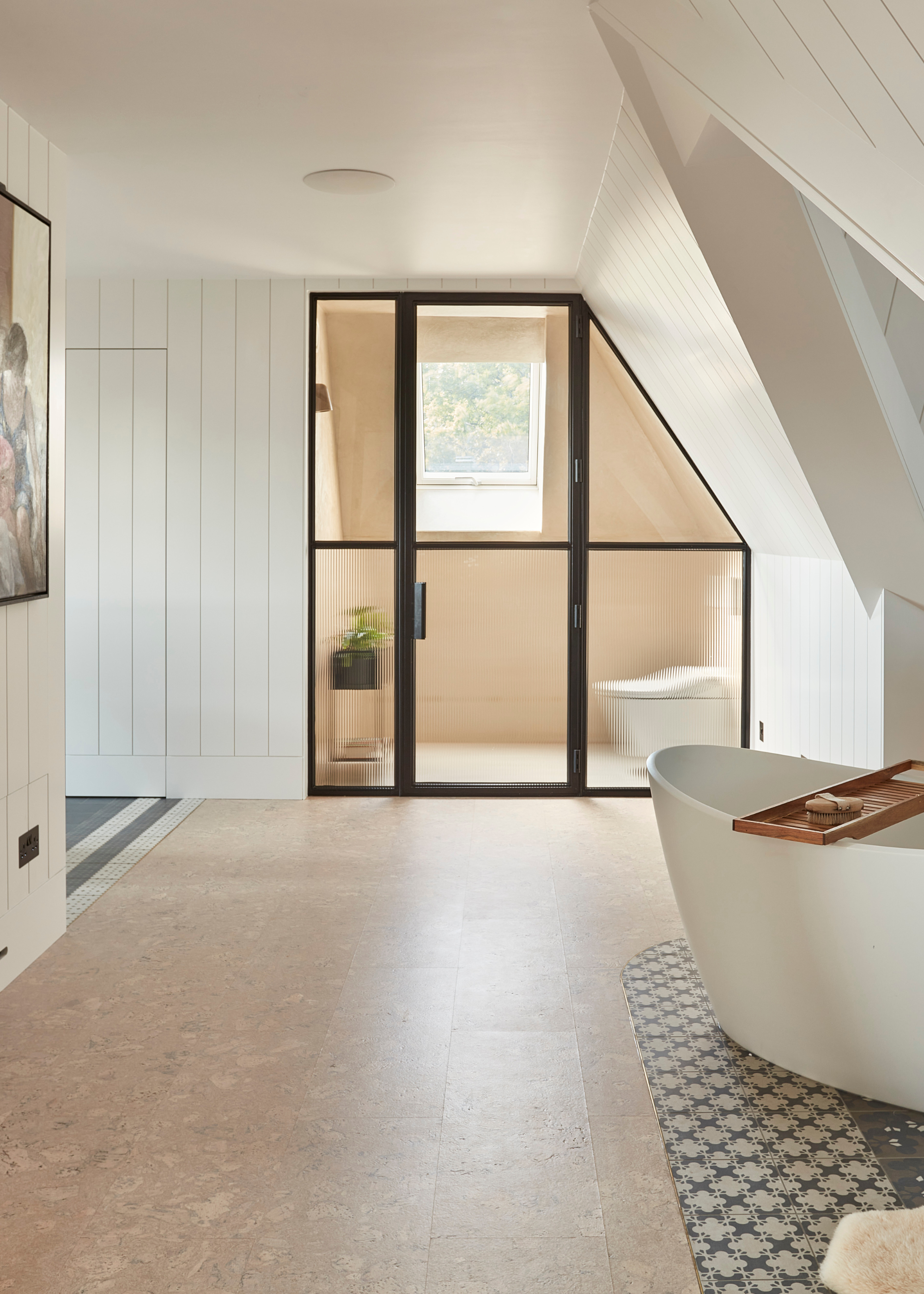
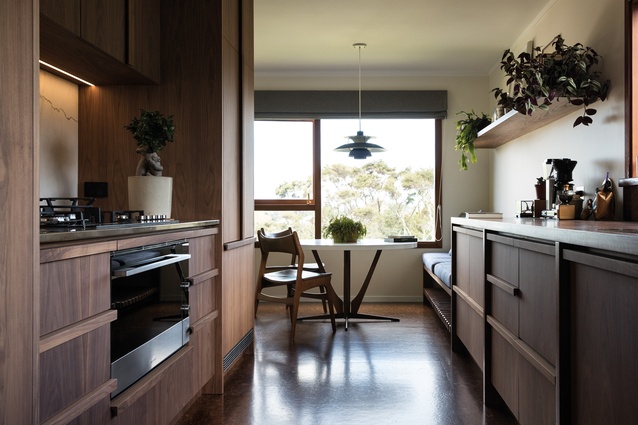
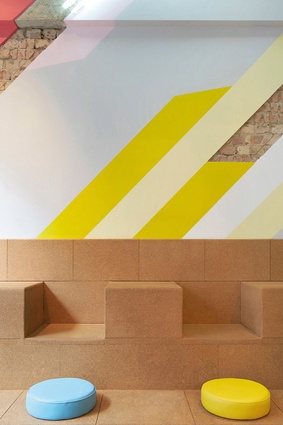
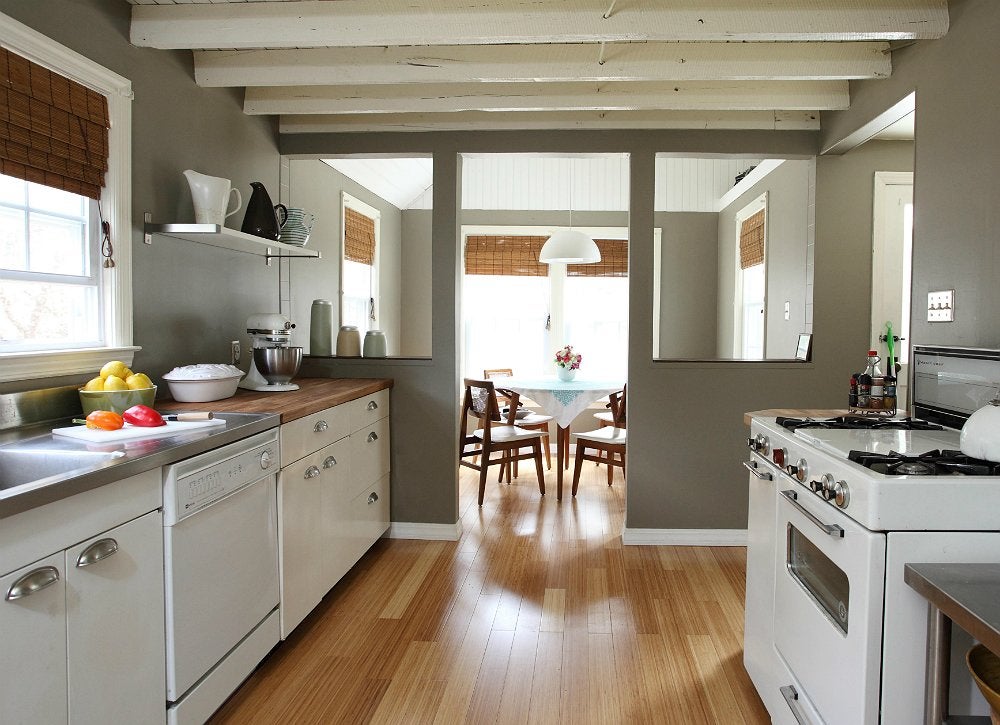
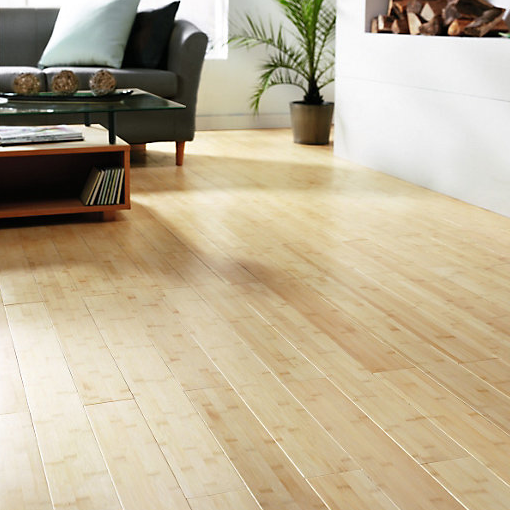
Nine eco-friendly flooring options are detailed. Bamboo is presented as a fast-growing, renewable, and energy-efficient choice that offers a natural warmth similar to wood without contributing to deforestation. Cork flooring, popular in the 1970s, is revisited for its significant environmental benefits; it is harvested from cork oak trees without felling them, can produce for over 300 years, absorbs substantial amounts of carbon, and ensures full utilization of the material, including cork dust for energy. It also provides a soft feel underfoot and comes in various colors and patterns.
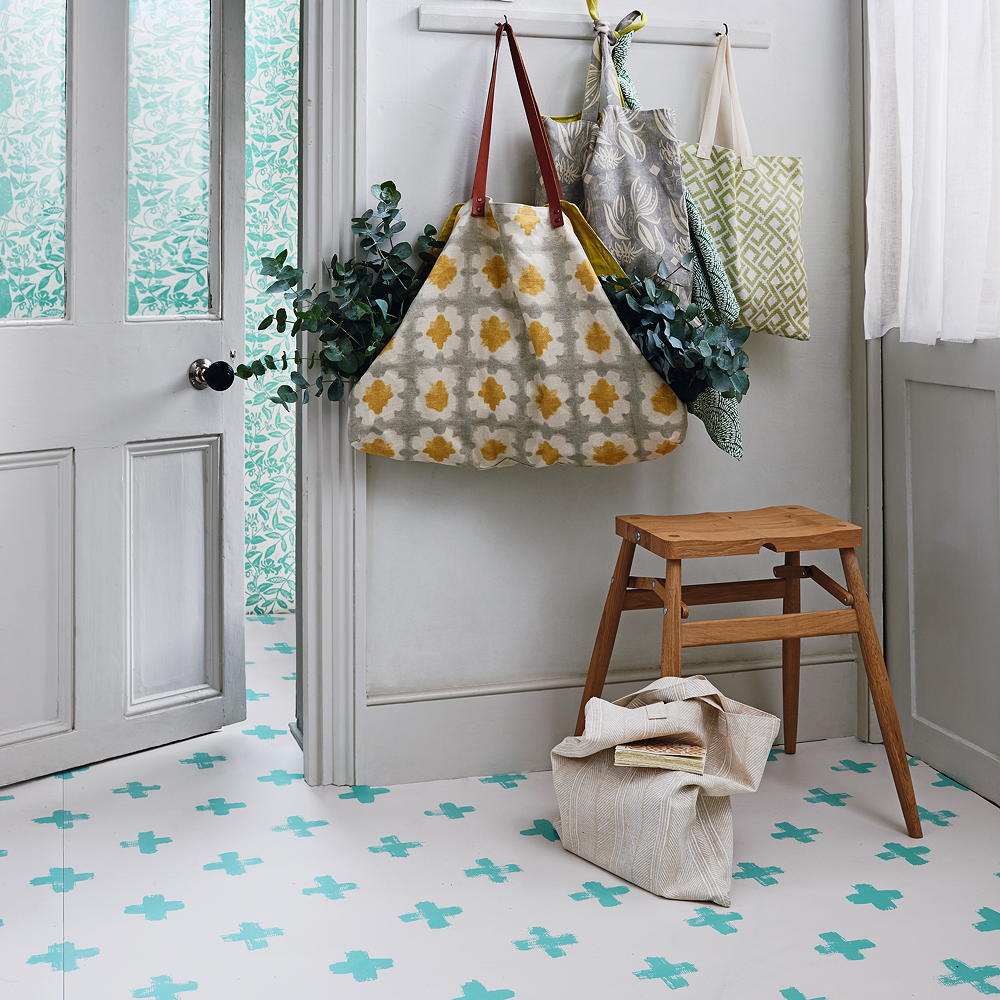
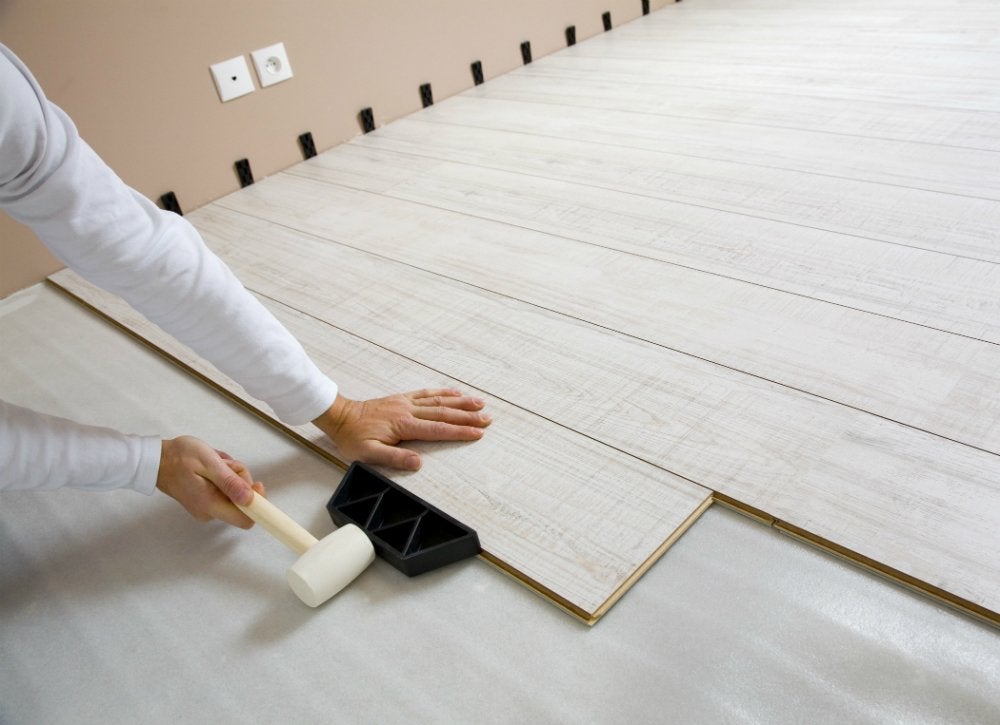
Linoleum and Marmoleum are discussed as biodegradable, elegant options made from natural components like linseed oil, wood flour, jute, pine resin, ground cork dust, sawdust, and mineral fillers. The distinction is made between linoleum, which was popular earlier, and Marmoleum, which requires no adhesive for installation. Vinyl is also considered, acknowledging its traditional use of plastics, but highlighting advancements by some manufacturers in using recycled and recyclable materials and processes to reduce environmental impact, such as those involved in the Circular Flooring project.
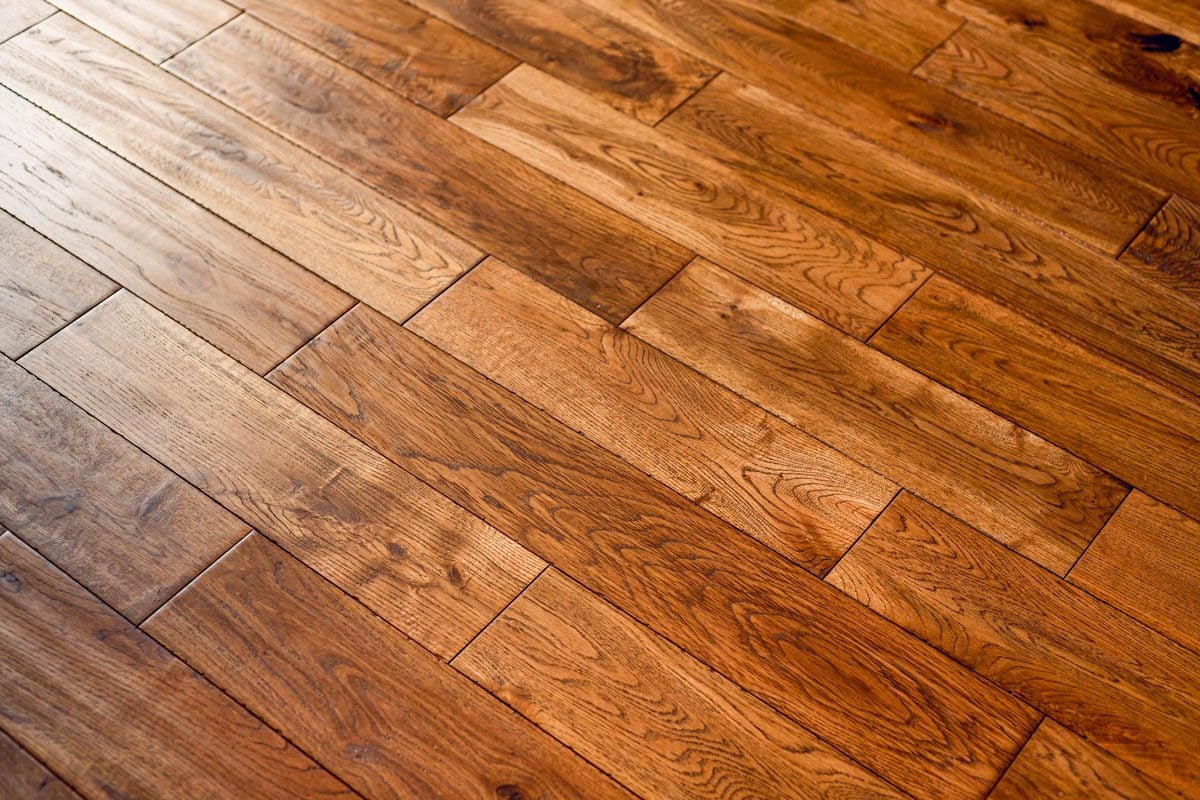
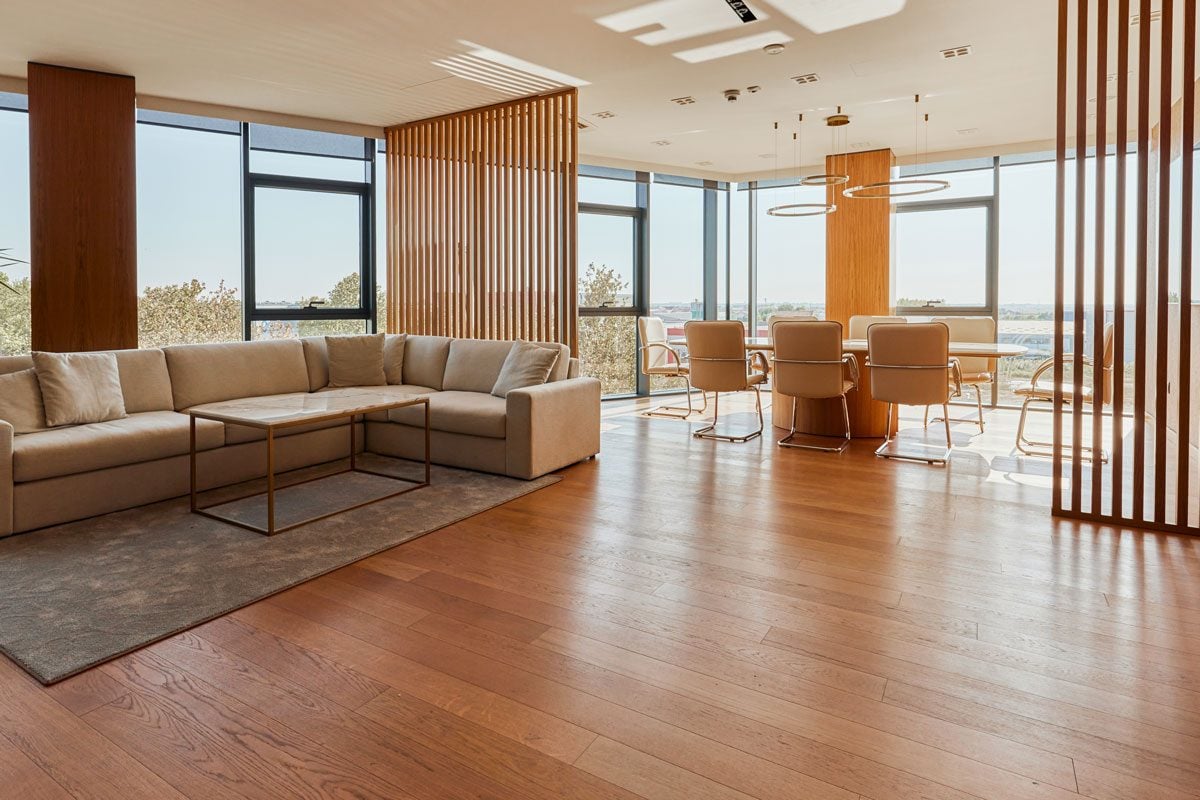
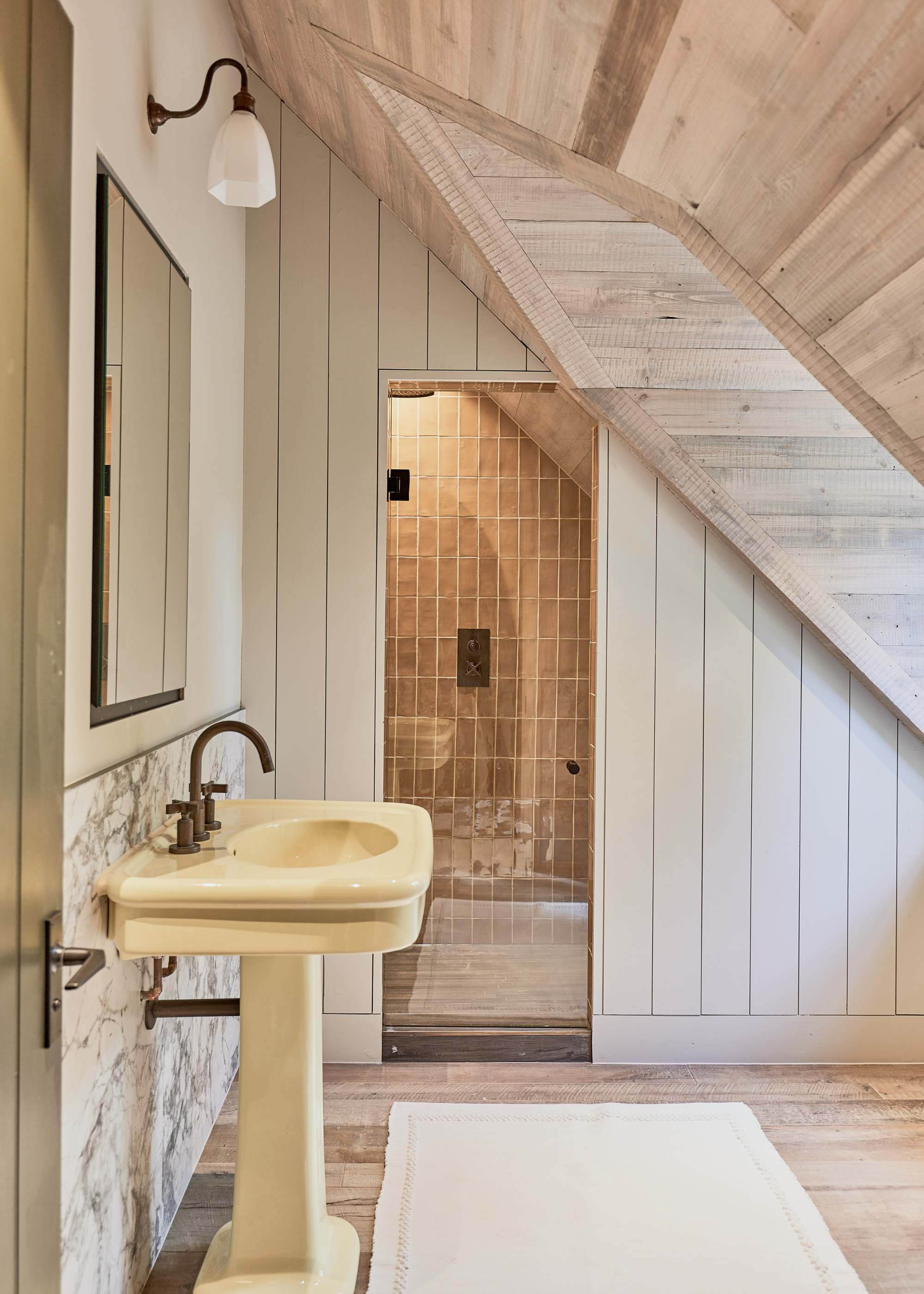
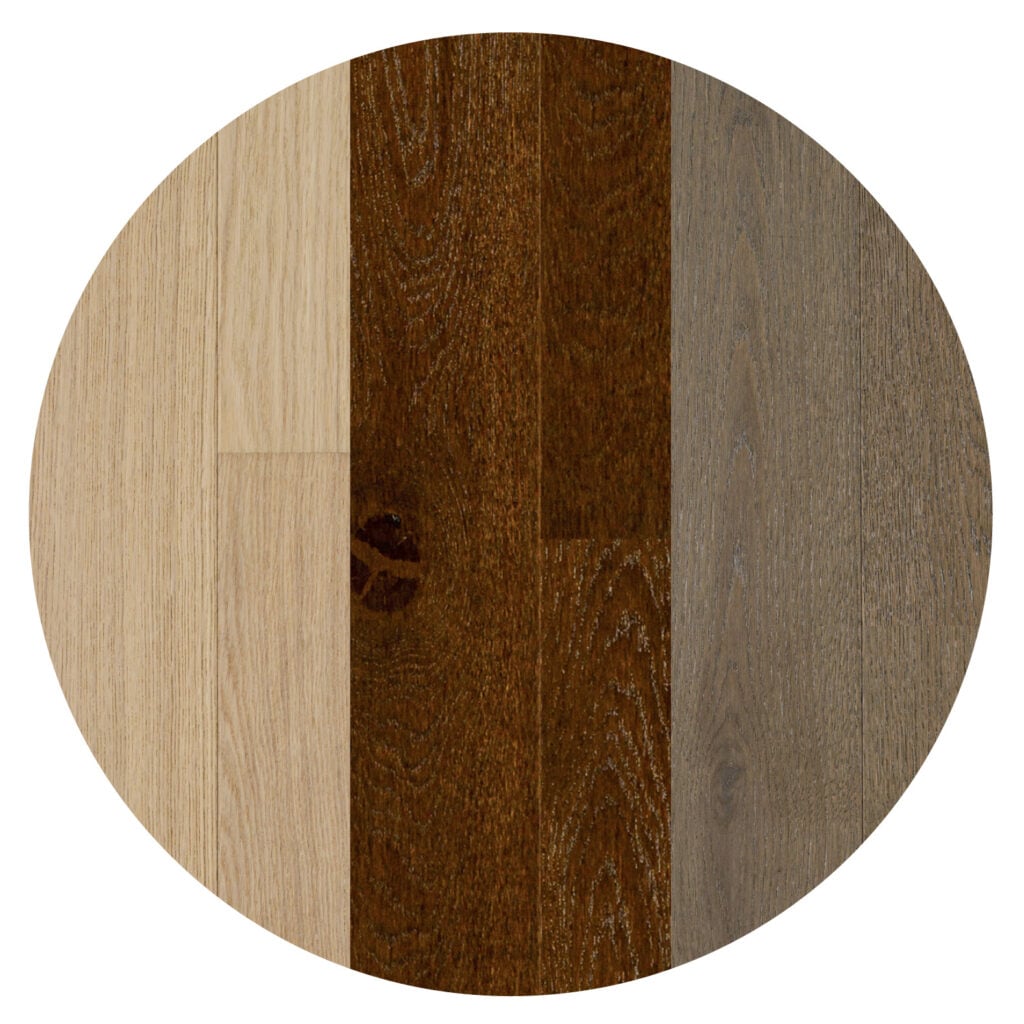
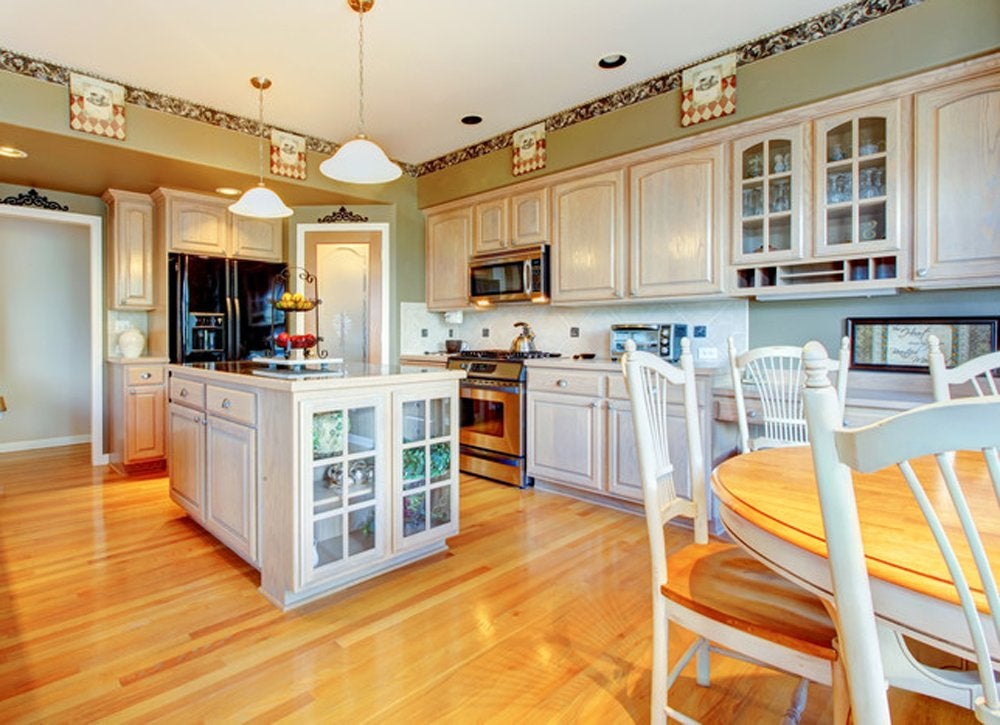
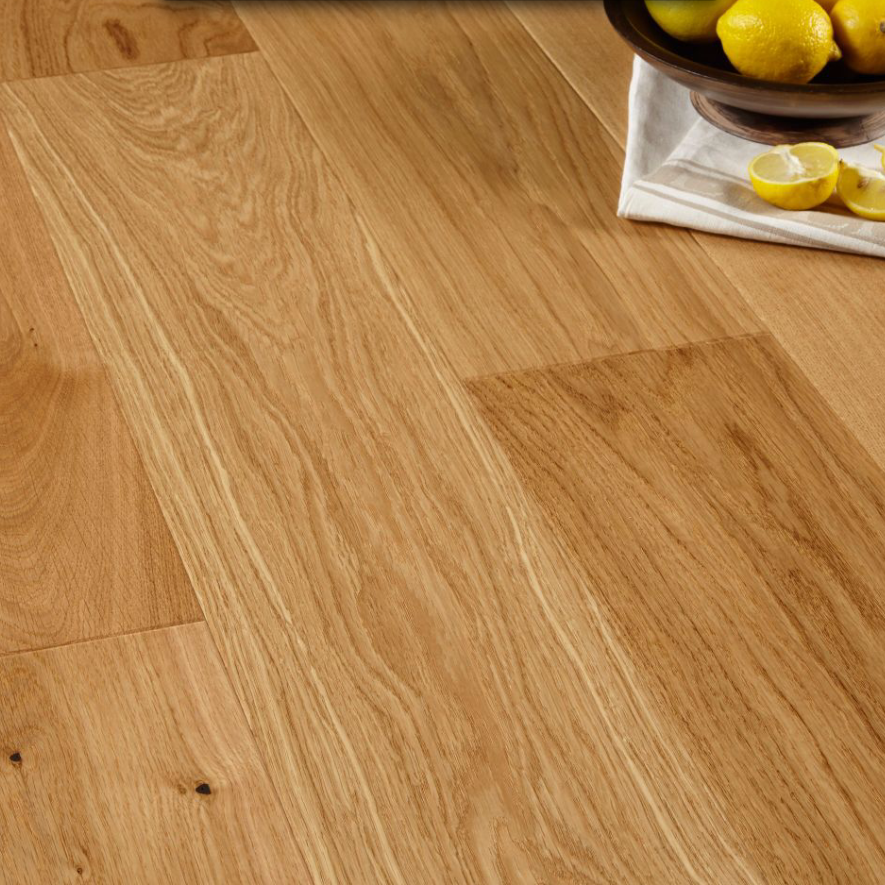
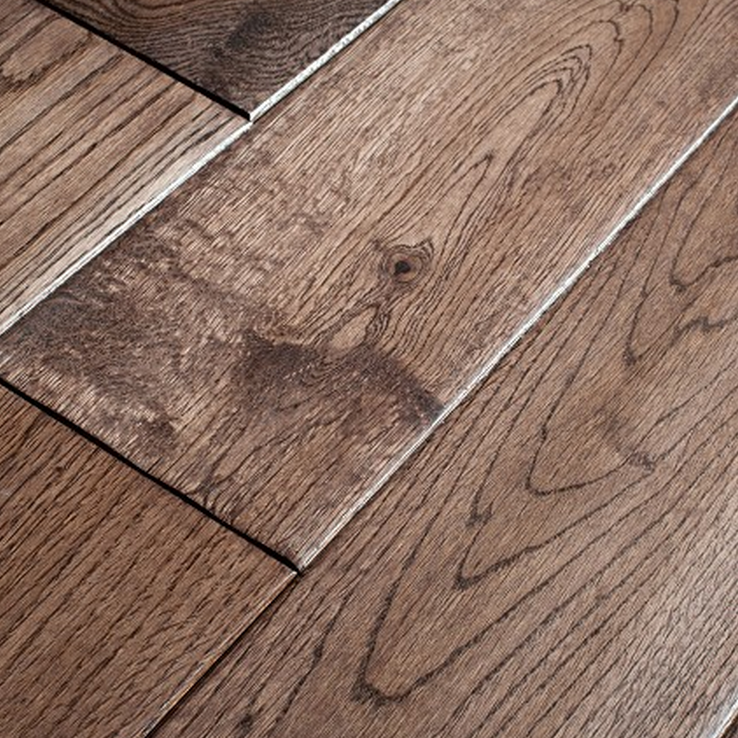
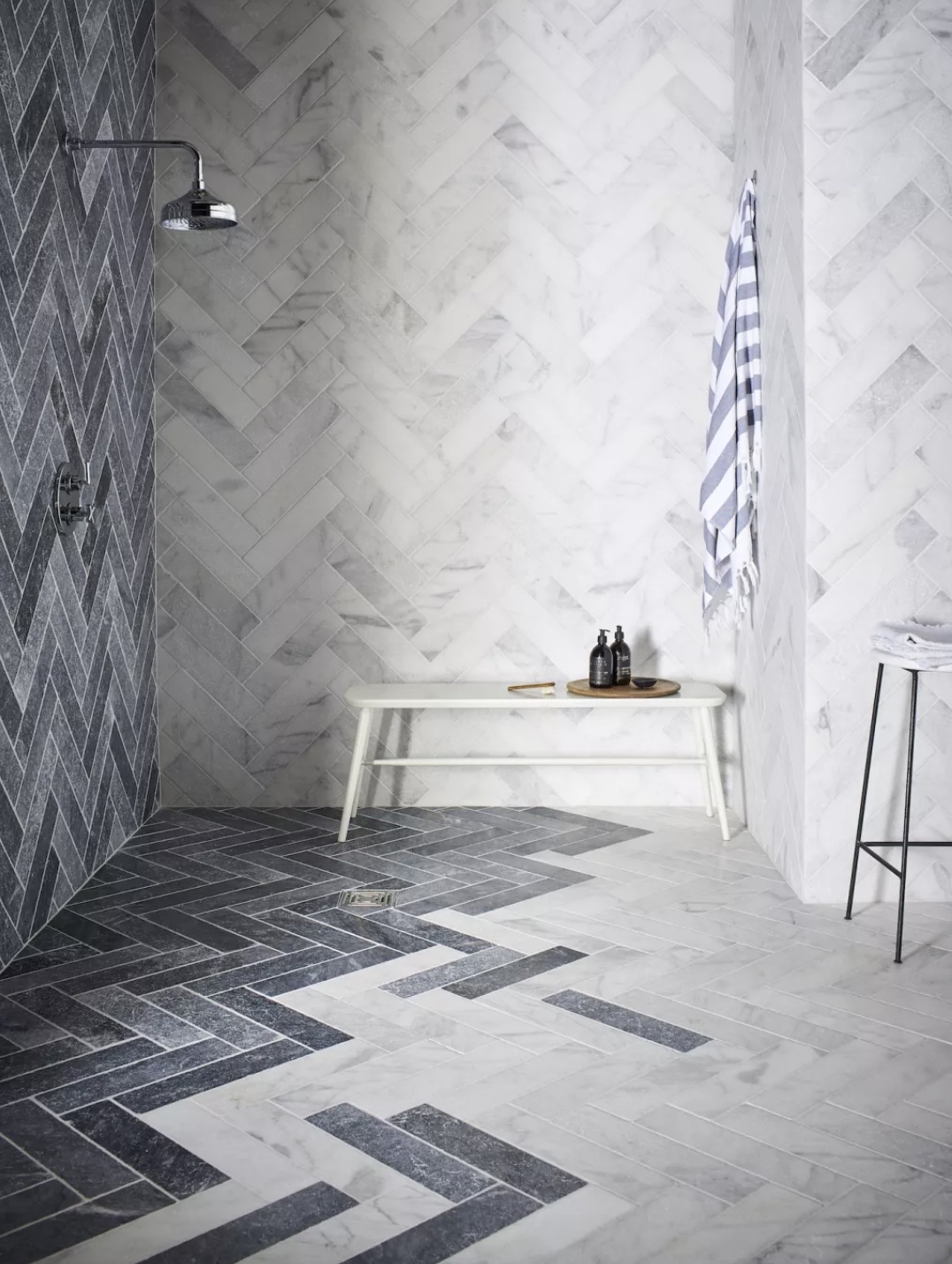
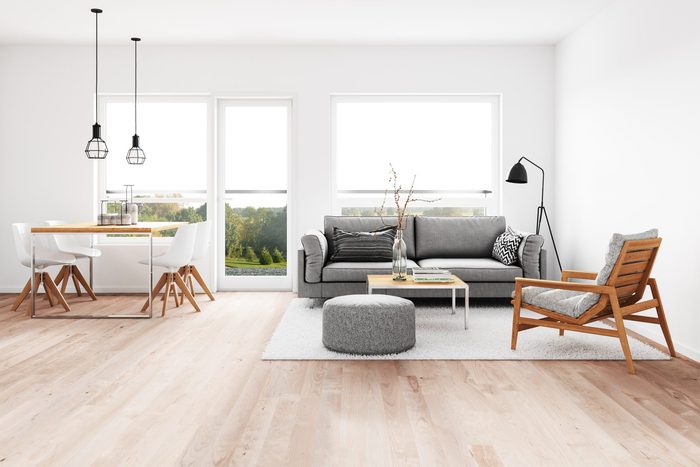
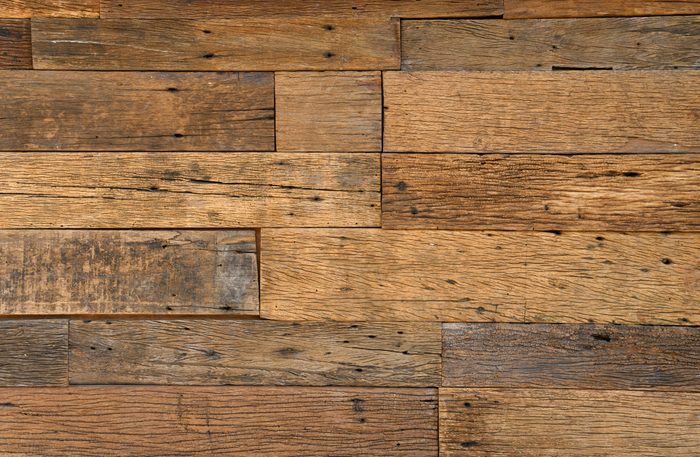
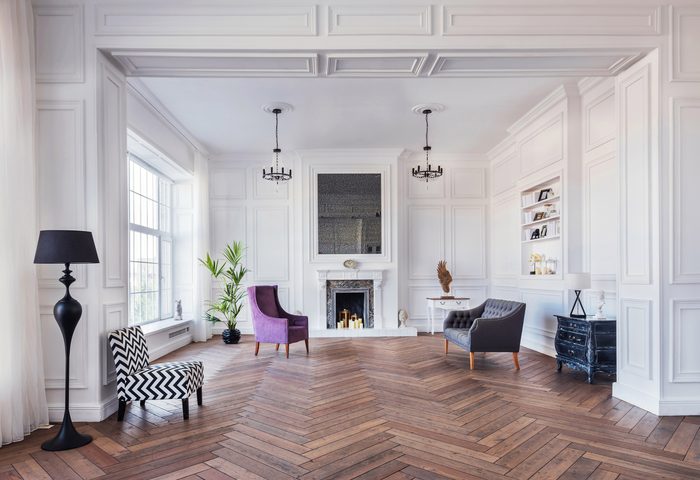
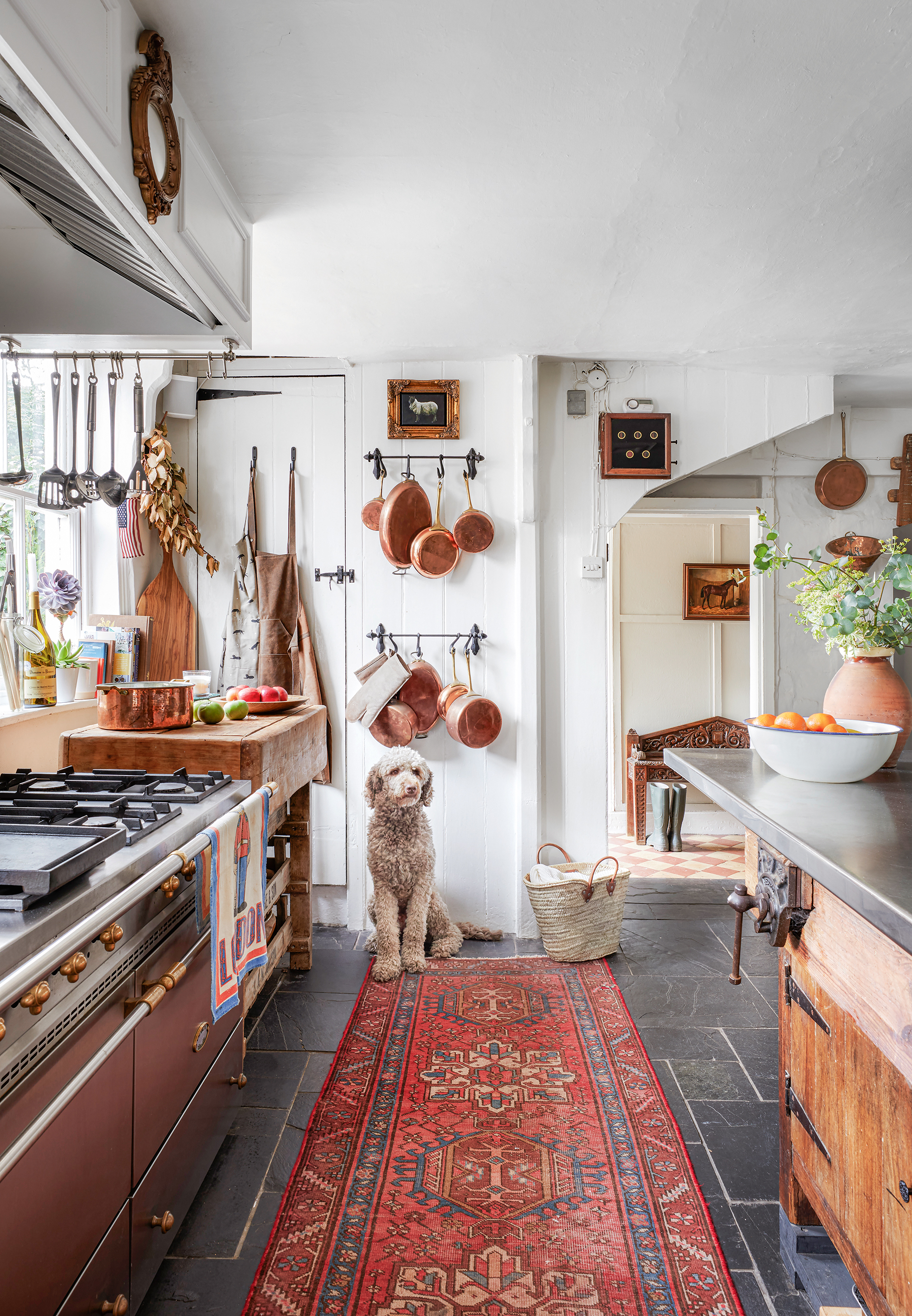
FSC-certified wood is a key recommendation for timber flooring, stressing the importance of responsible sourcing to combat deforestation. Engineered wood, combining a top layer of oak with faster-growing species like spruce or pine, is noted as an even better option for minimizing impact on slow-growing oak forests. Hardened wood, developed through Woodura surface technology by companies like Bjelin and Valigne, offers increased durability and resource efficiency by producing significantly more flooring from the same amount of timber. Reclaimed materials, including wood, stone, and brick, are highlighted as the most eco-friendly choice, as they divert waste from landfills and extend the lifecycle of existing resources, often carrying historical significance.
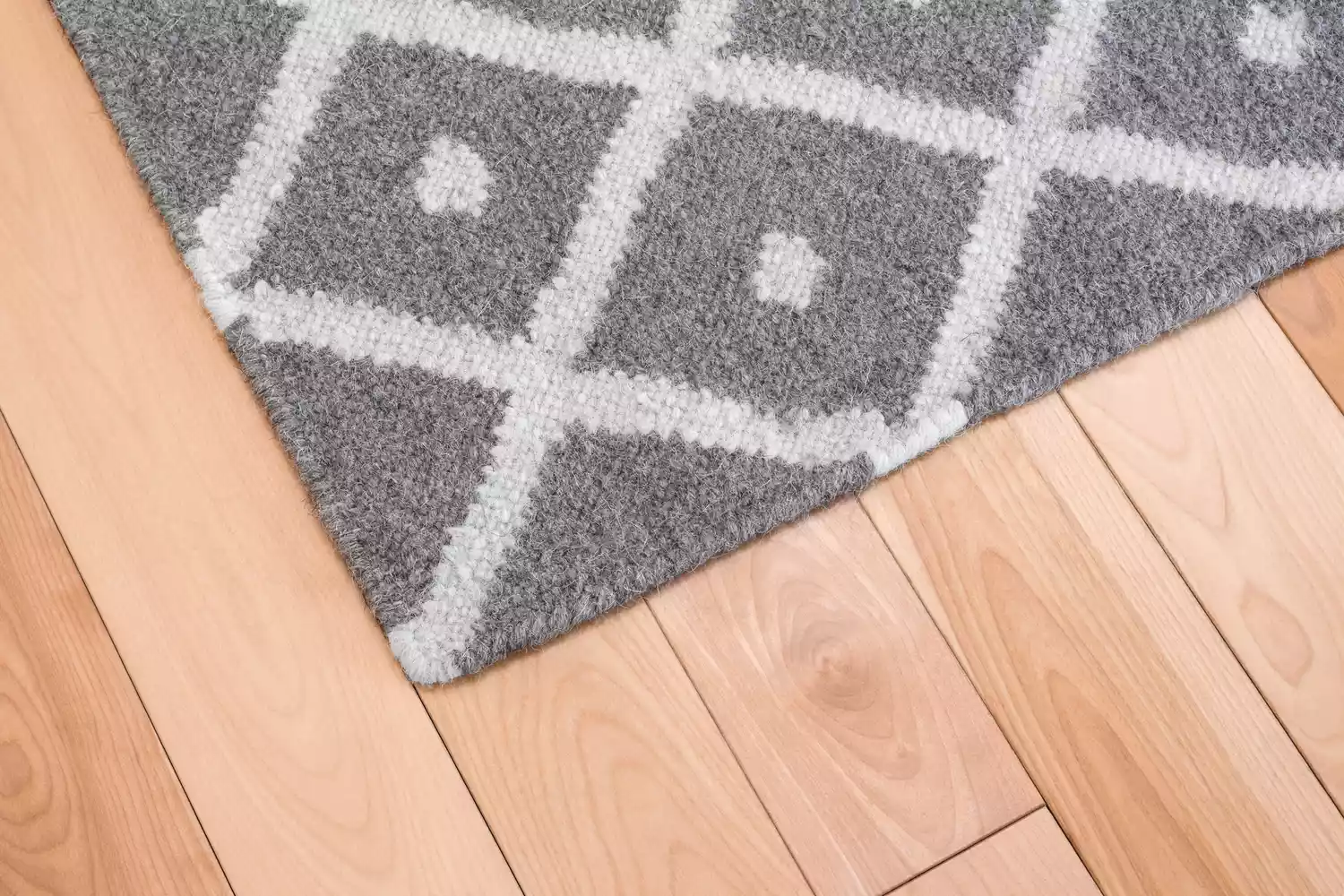
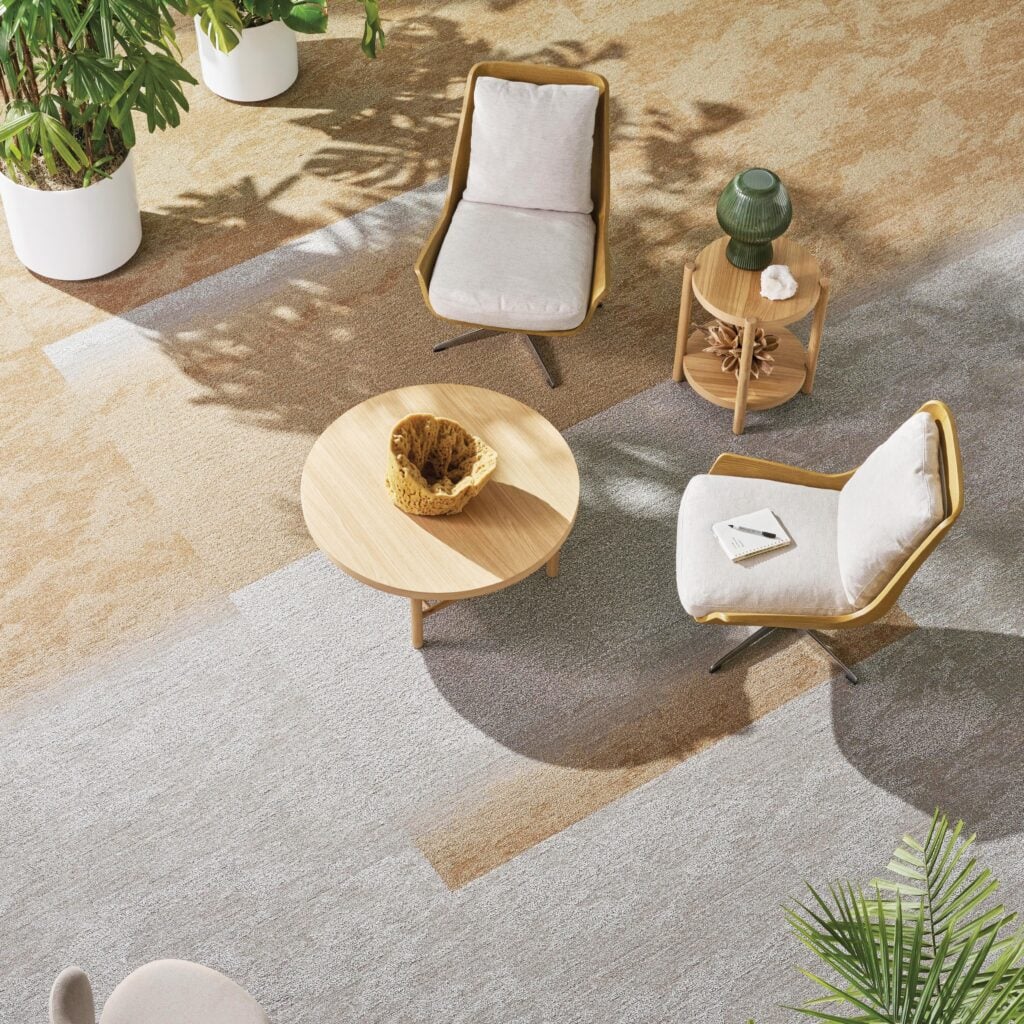
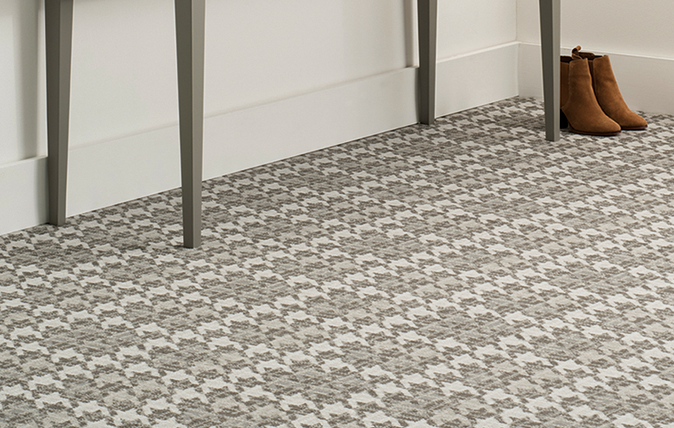
Natural-fiber carpets, such as sisal, seagrass, and jute, are presented as renewable, plant-based alternatives that are naturally moth and dust mite-resistant, beneficial for allergy sufferers. Each fiber's unique texture, durability, and suitability for different areas of the home are explained. Finally, plastic-free carpets, like Brintons' Purely Natural collection made from British wool and backed with natural materials, and TENCEL® fiber carpets derived from sustainably grown wood pulp, represent advancements in manufactured textiles that meet high environmental standards. The article concludes by addressing common questions regarding the eco-friendliness, non-toxicity, and energy efficiency of various flooring types, including marble, stone, and porcelain, emphasizing the need for diligent research into sourcing and manufacturing processes.
#EcoFriendlyFlooring #SustainableDesign #GreenMaterials #BambooFlooring #CorkFlooring #Linoleum #FSCcertifiedWood #ReclaimedMaterials #NaturalFiberCarpets #InteriorDesign #EcoFriendlyFlooring #SustainableDesign #GreenMaterials #BambooFlooring #CorkFlooring #Linoleum #FSCcertifiedWood #ReclaimedMaterials #NaturalFiberCarpets #InteriorDesign
合計0件のコメント
 まだコメントはありません
あなたも好きかもしれません
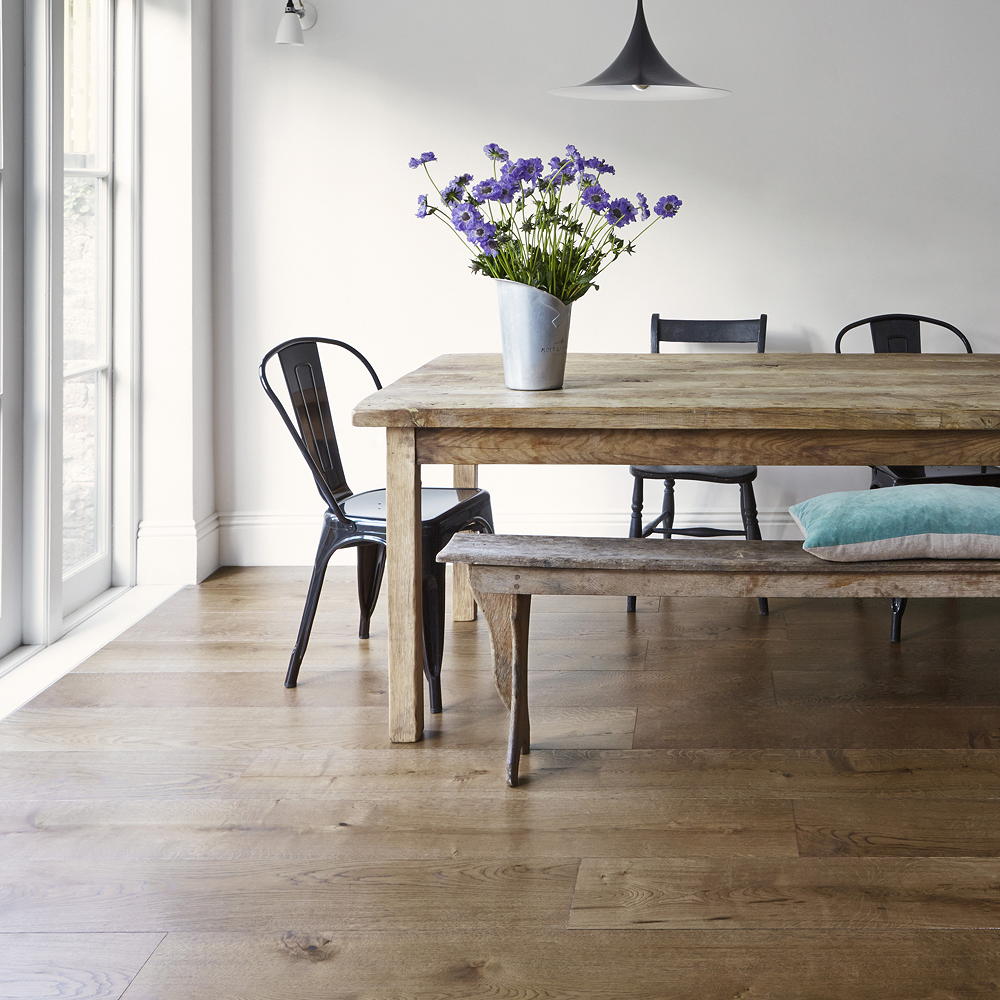
Eco-friendly flooring – everything you need to know about sustainable floors
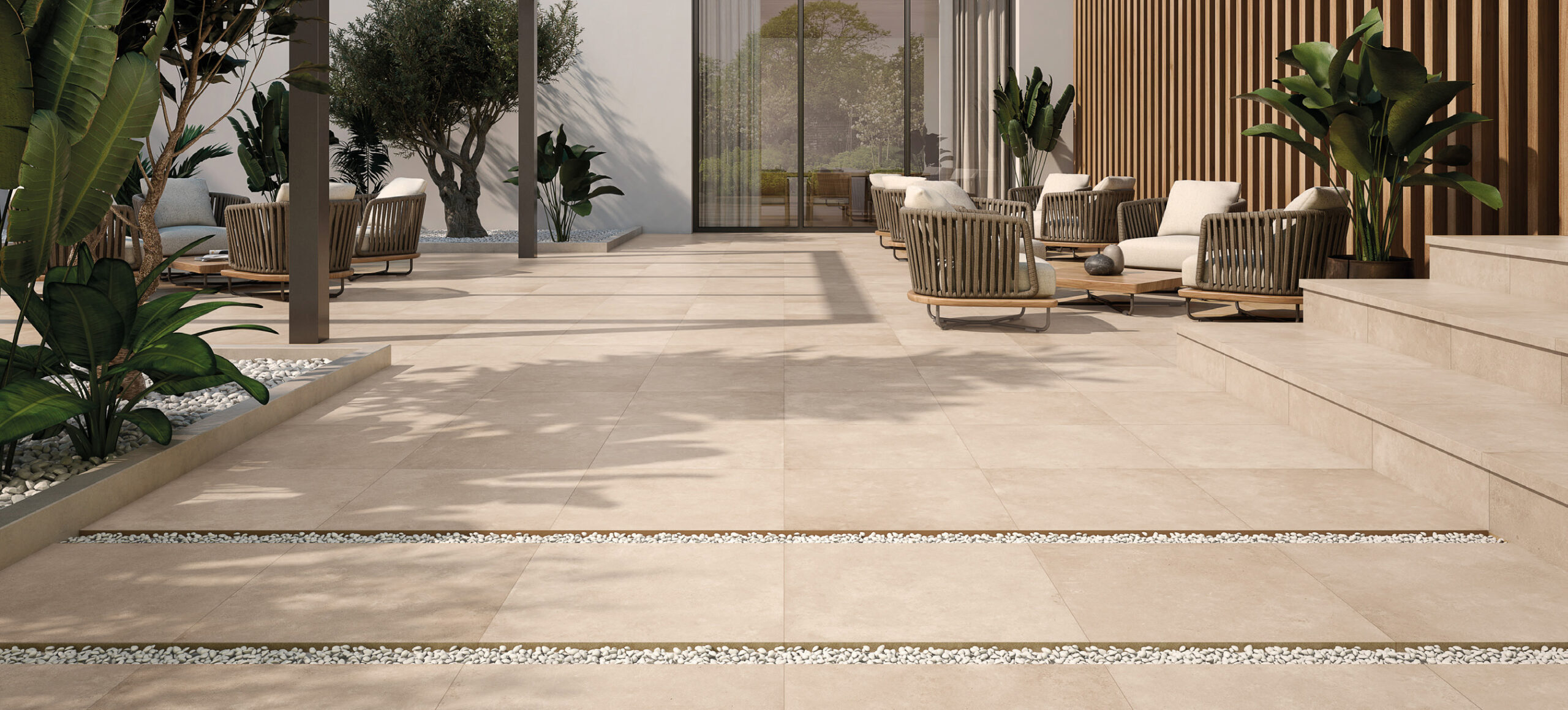
10 Flooring Products that Look Good and Work Hard

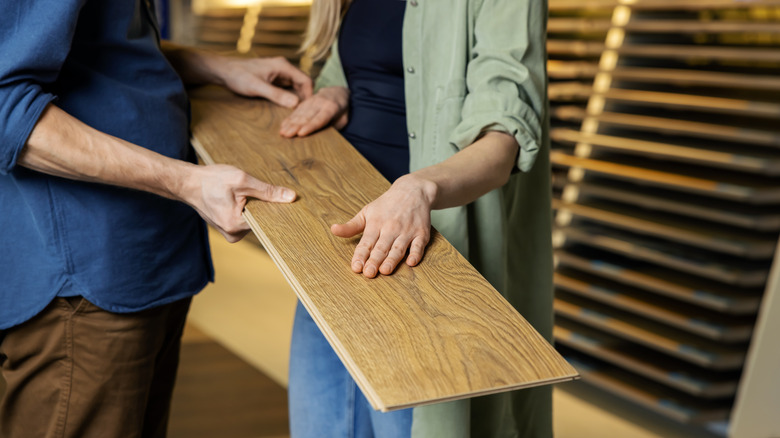
These 4 Flooring Trends Are Set To Dominate In 2026, According To A Design Expert
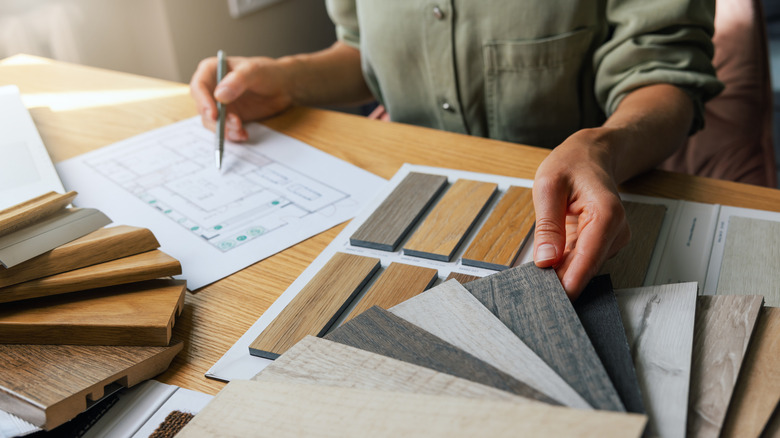
These Sustainable Flooring Trends Will Be Everywhere In 2025

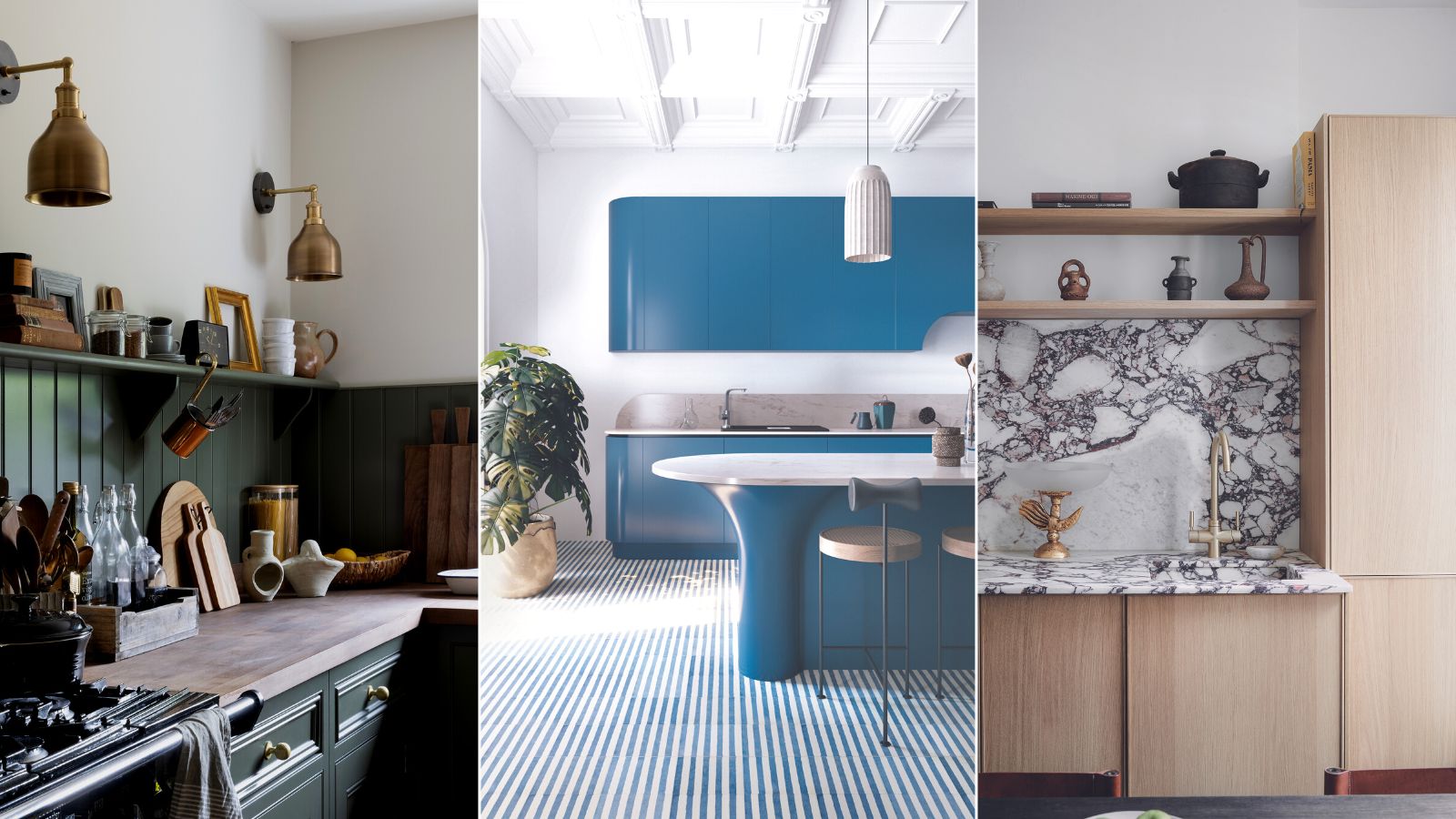
9 sustainable features you should consider for your eco-friendly remodel
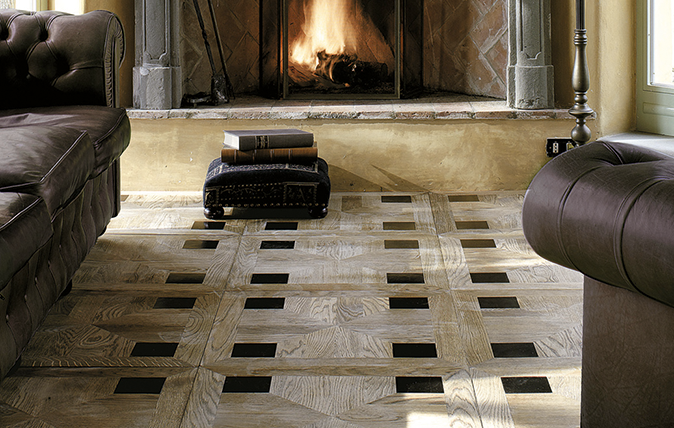
Flooring it: 10 ideas for beautiful carpet, wood, stone or ceramic floors
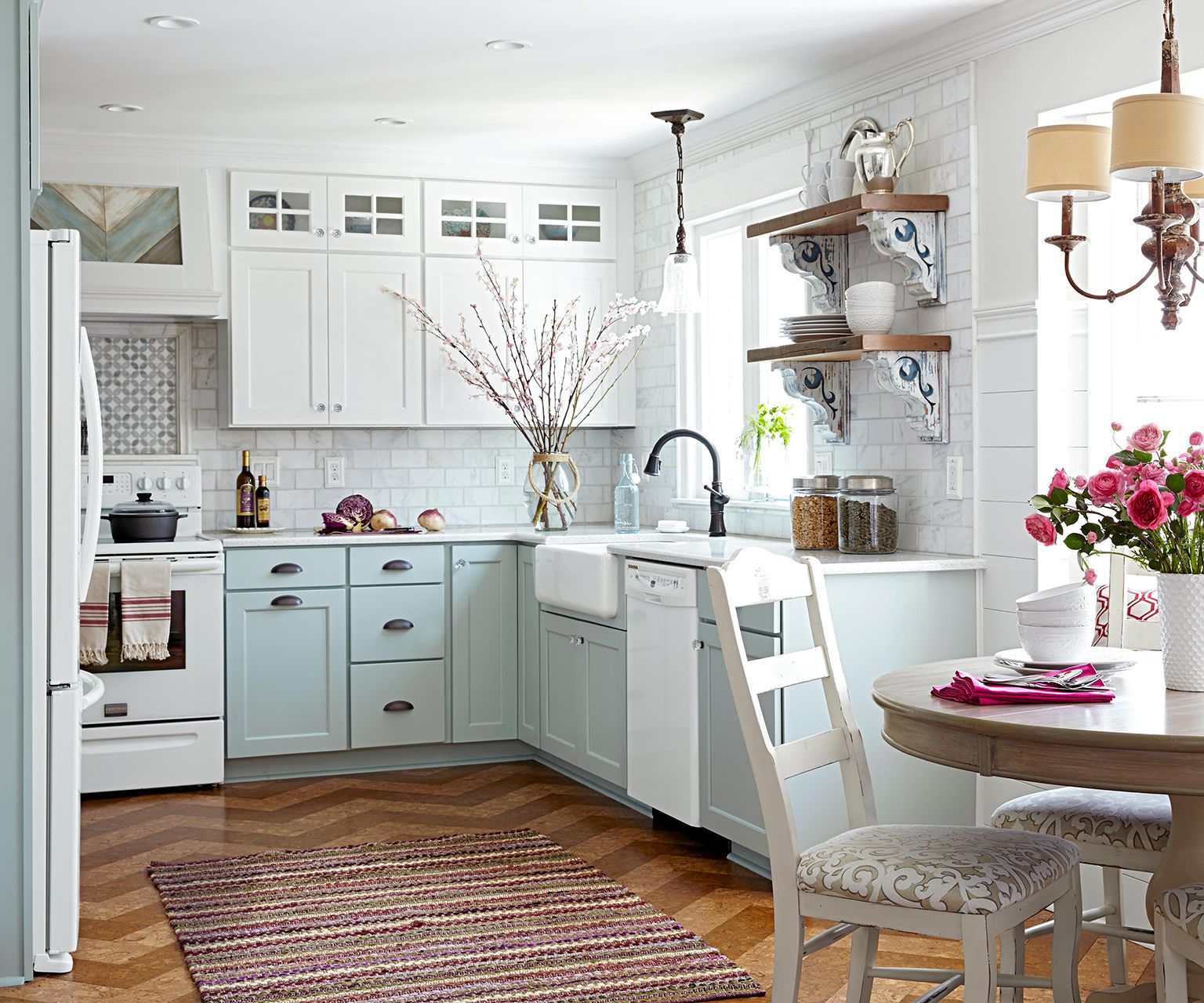
9 Affordable Kitchen Flooring Ideas That Don’t Compromise on Style

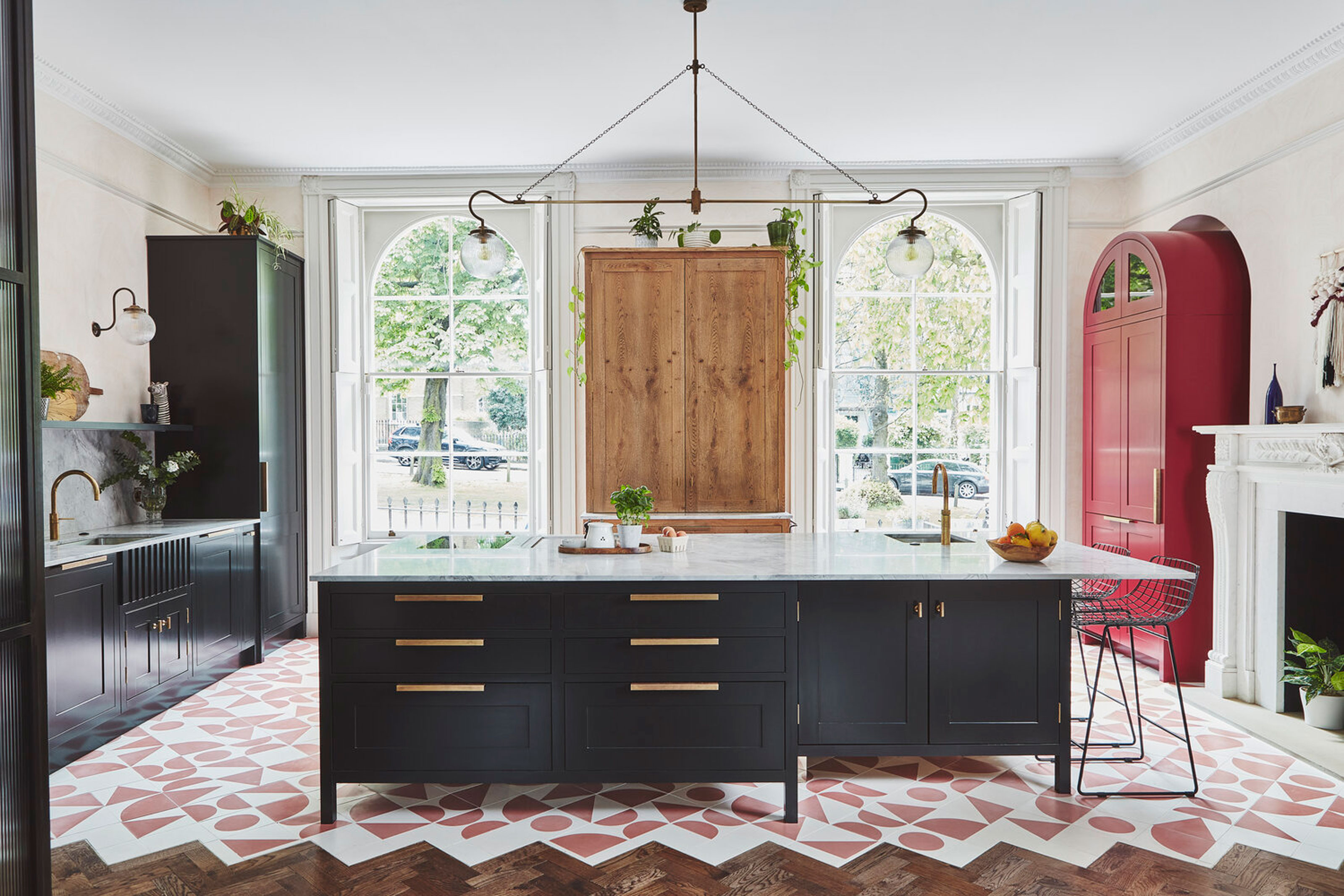
Hold everything - these 11 flooring transitions are reinventing decor, zoning spaces and looking incredibly luxe
Future of Flooring: Home Pros Talk Through the Latest and Greatest Flooring Trends

Eco-Friendly Properties: A Guide To Sustainable Flooring For A Greener Future

Walk on by: flooring focus
The Top 10 Flooring Trends for 2022
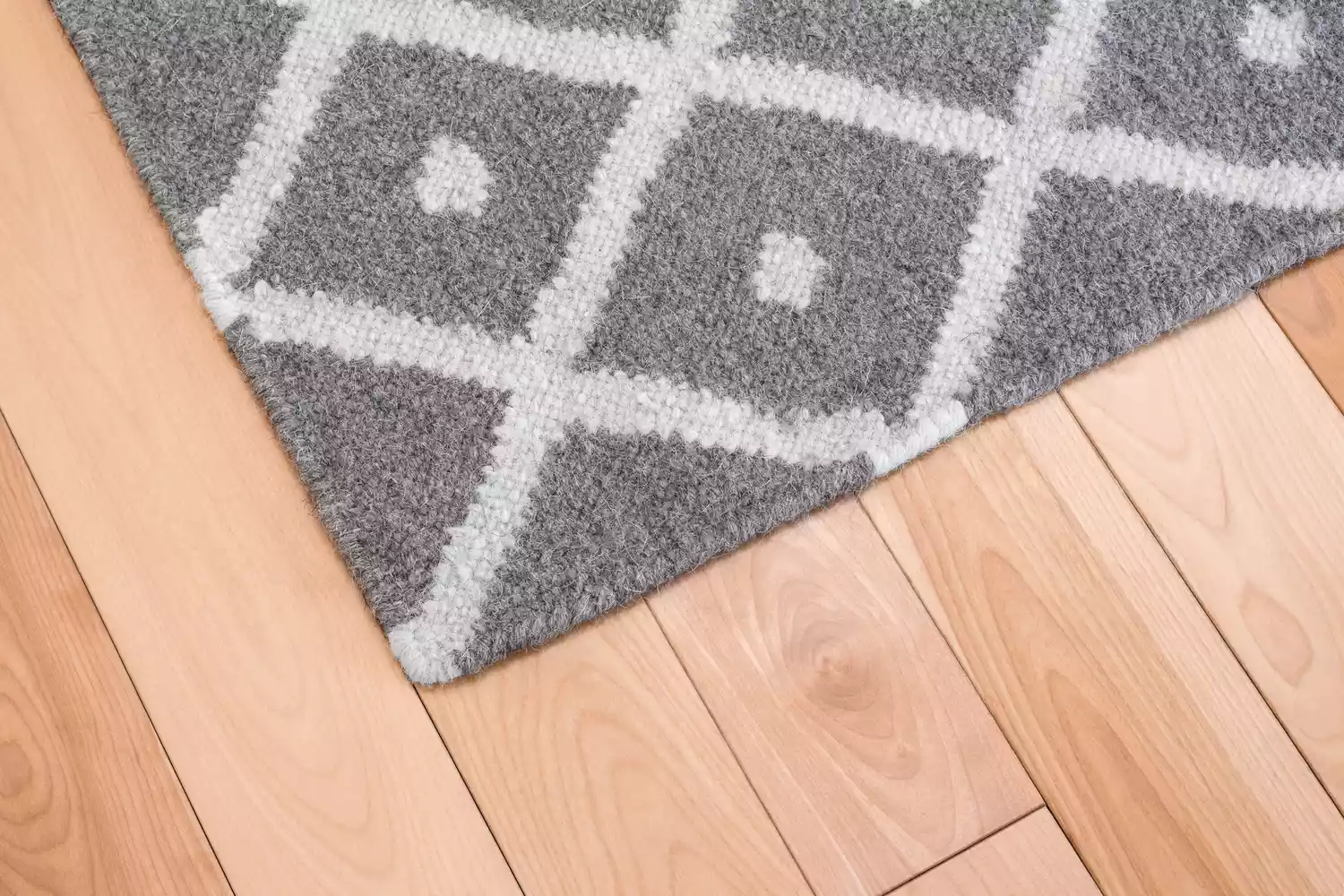
Cost-Effective Green Flooring Options

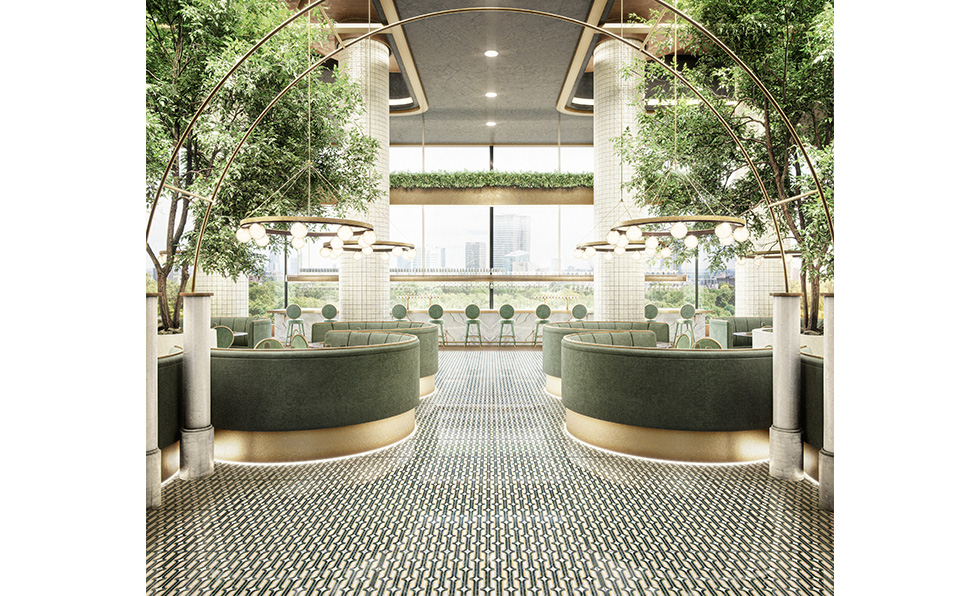
Set the Stage With These Flooring Options

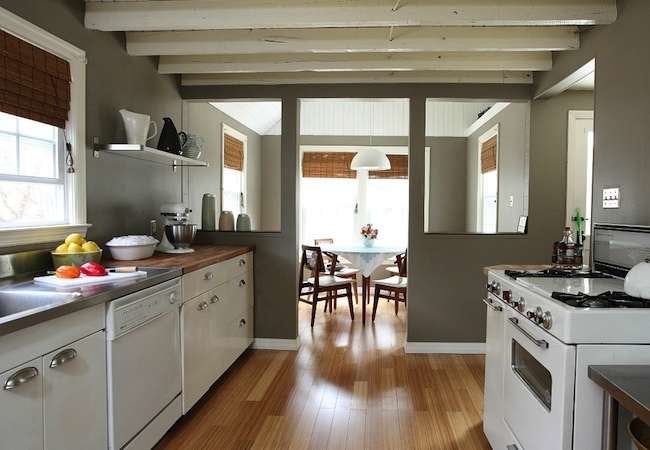
The 7 Best Low-Cost Alternatives to Hardwood Flooring

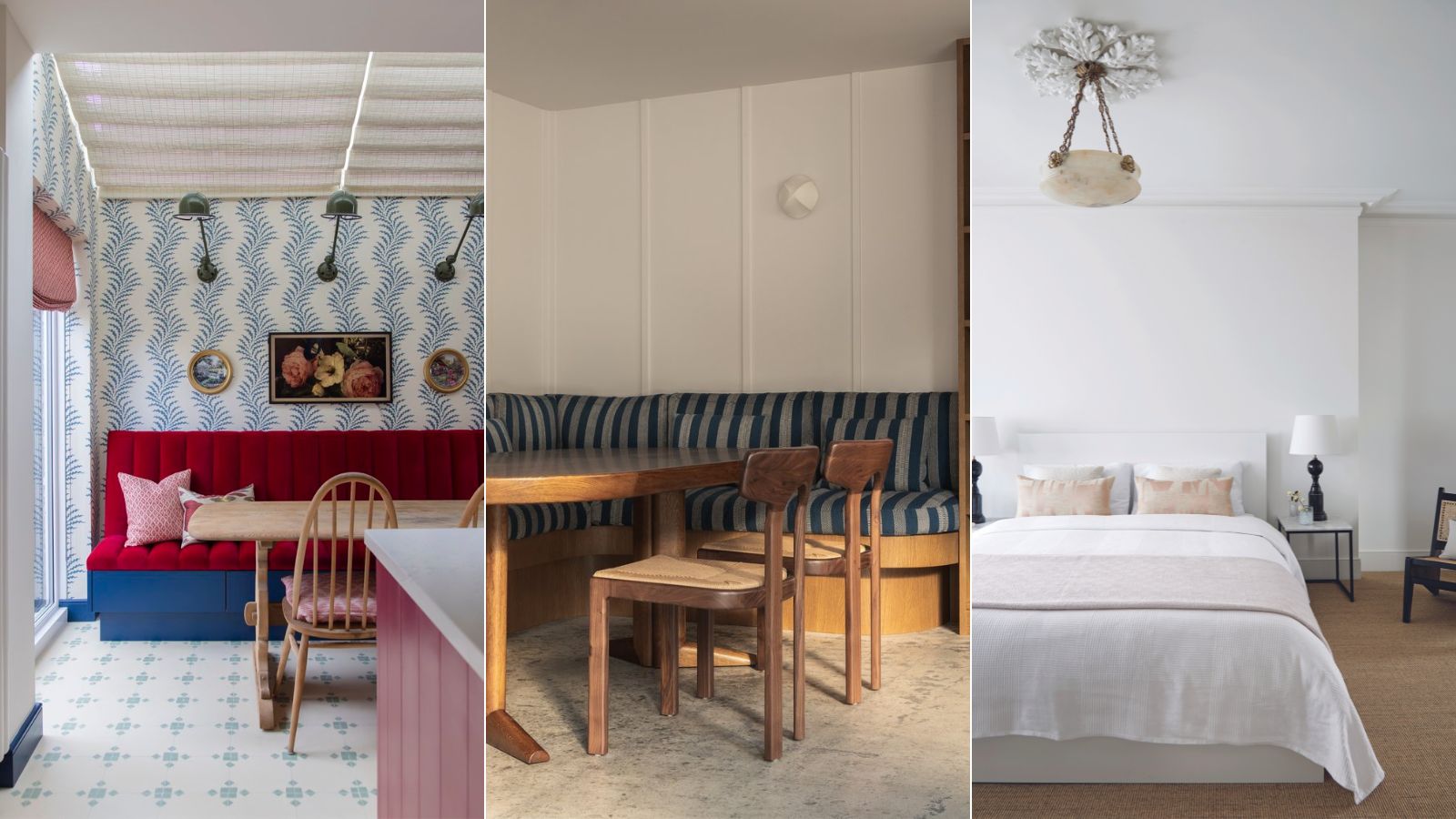
What's replacing wooden flooring? These are the 5 chic alternatives designers are switching to

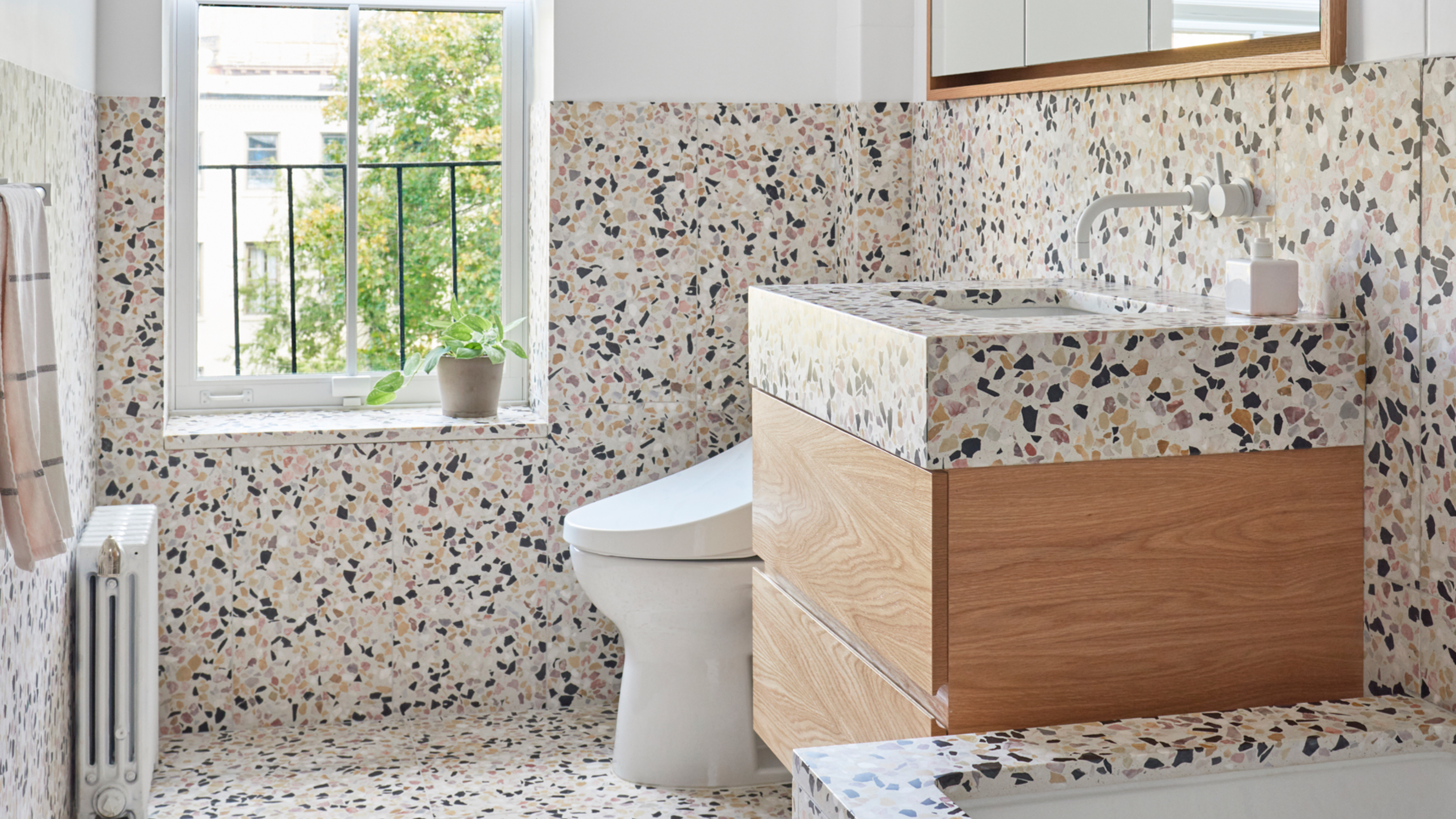
7 Sustainable Flooring Options Bathroom Designers Are Choosing to Make Their Projects More Eco-Friendly
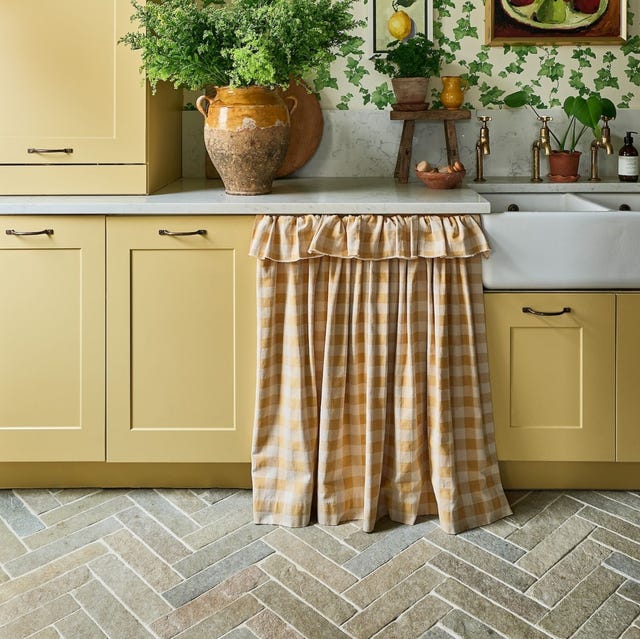
7 flooring trends you're about to see everywhere

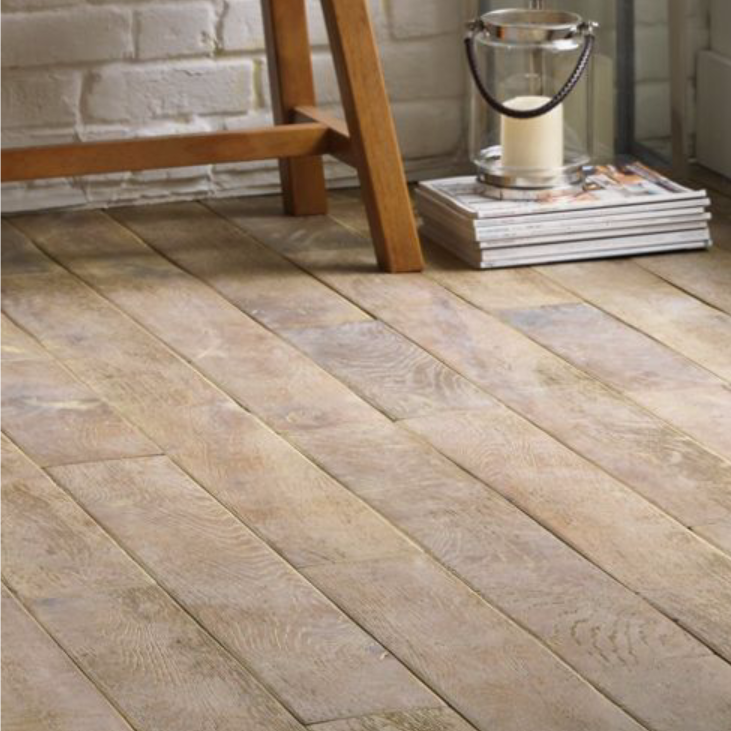
Wood Flooring – Our Pick of the Best
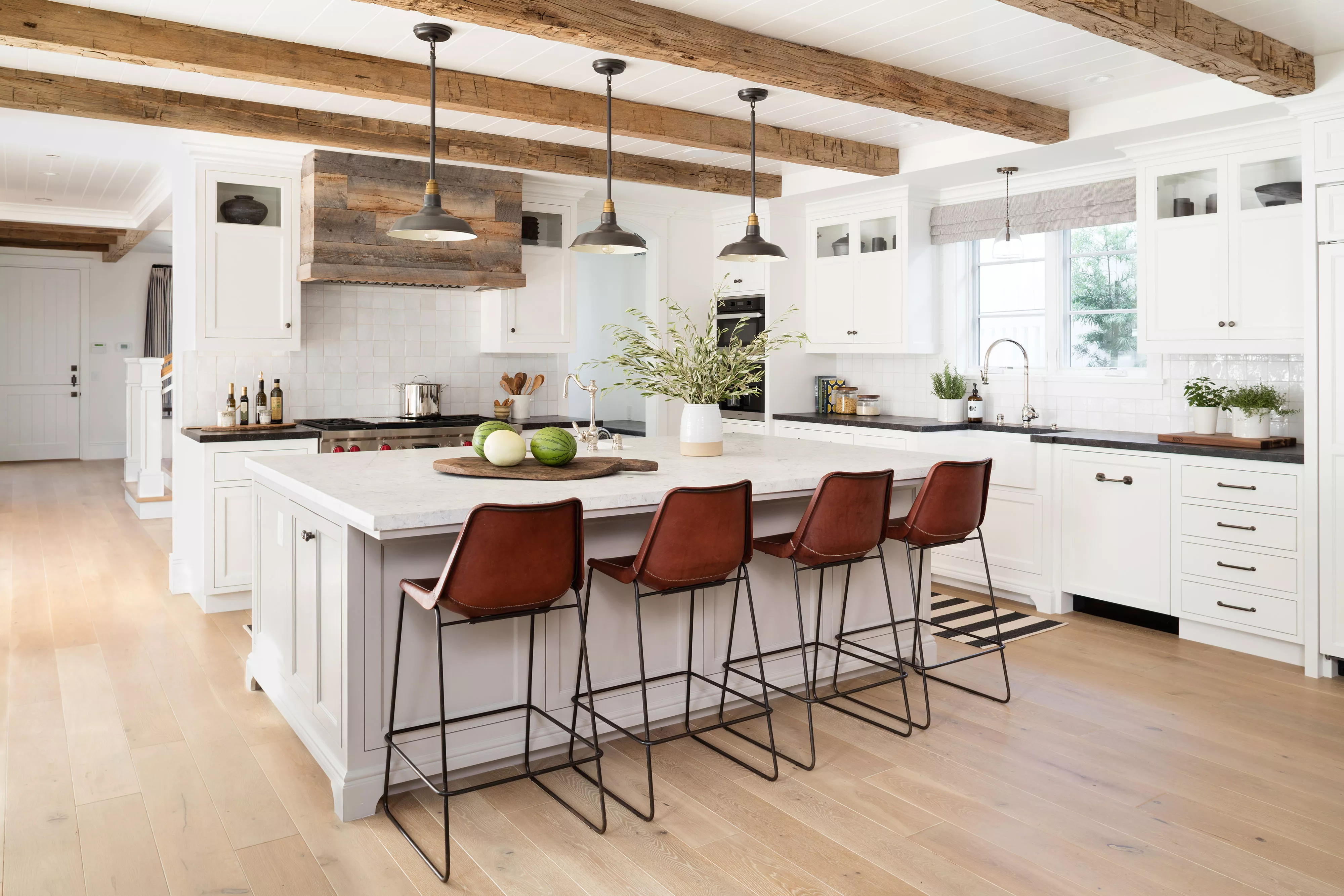
7 Flooring Styles Designers Say Are Making Your Home Look Outdated