I'm an interior designer who works with wealthy, high-profile clients. I rarely see these 7 things in their homes.
An interior designer who caters to both wealthy and everyday clients offers insights into what high-end homes typically lack, suggesting that achieving a luxurious aesthetic does not always necessitate a substantial budget. Instead, it involves the deliberate avoidance of certain common decorations and design choices that can diminish a space's perceived value. The designer identifies seven specific elements that are notably absent from the homes of affluent individuals, providing guidance for those aspiring to create a high-end living environment.
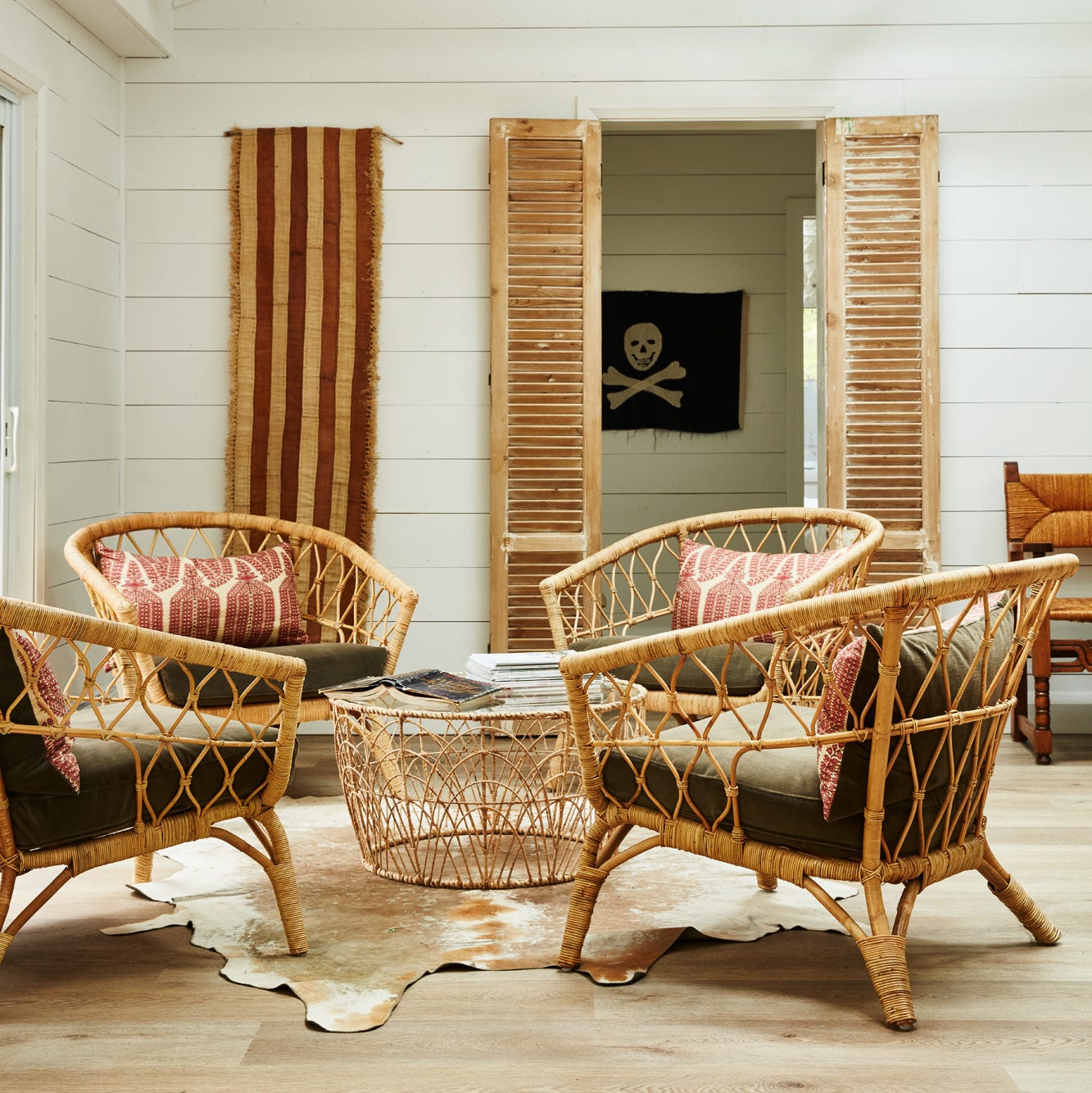
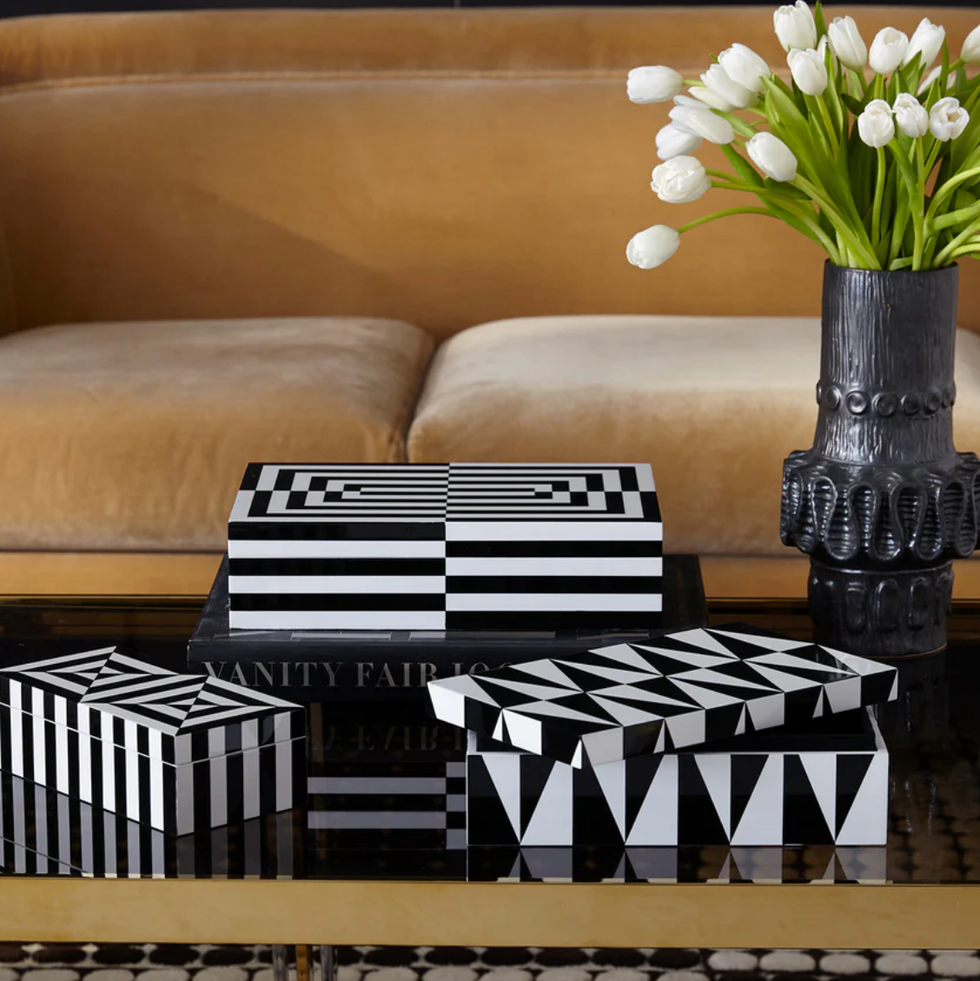
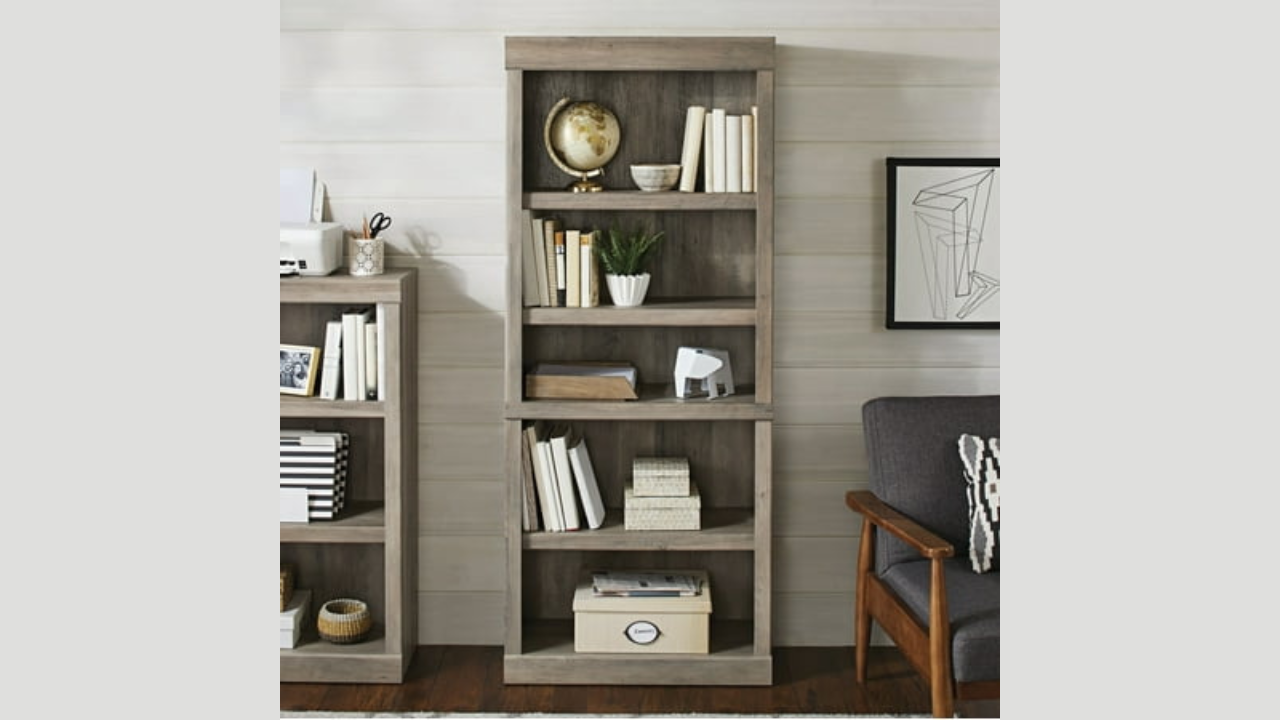
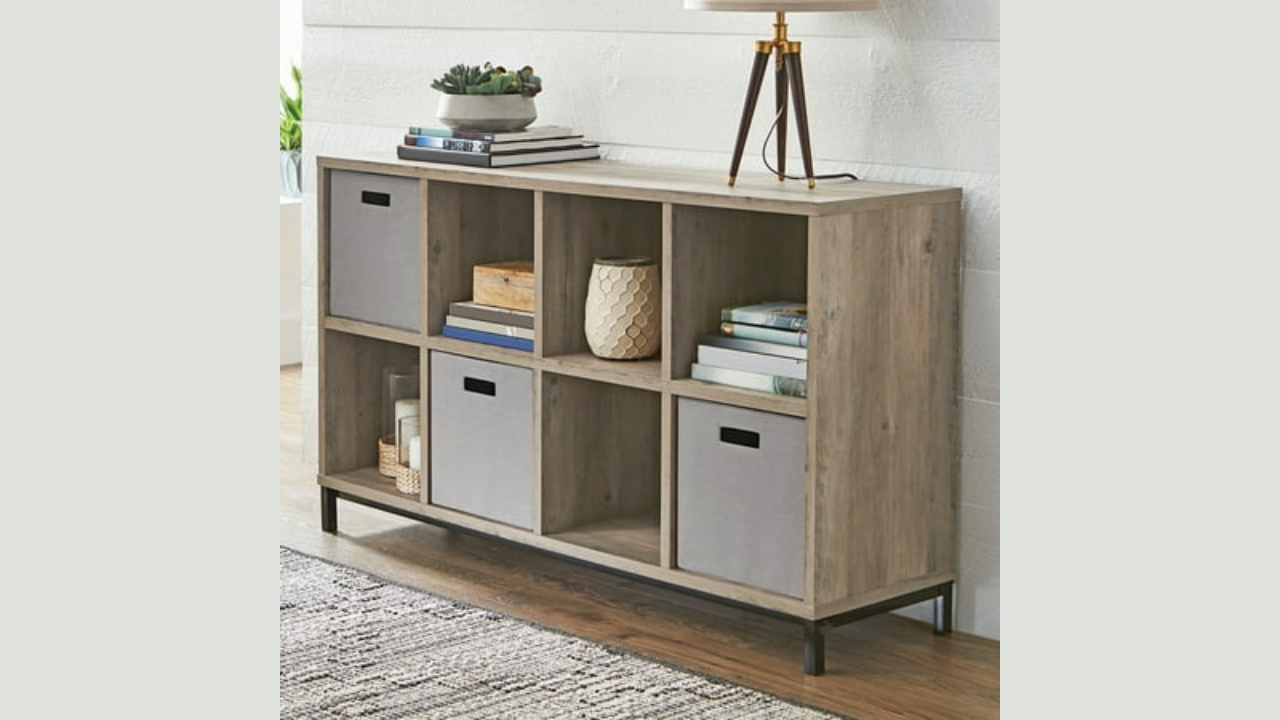
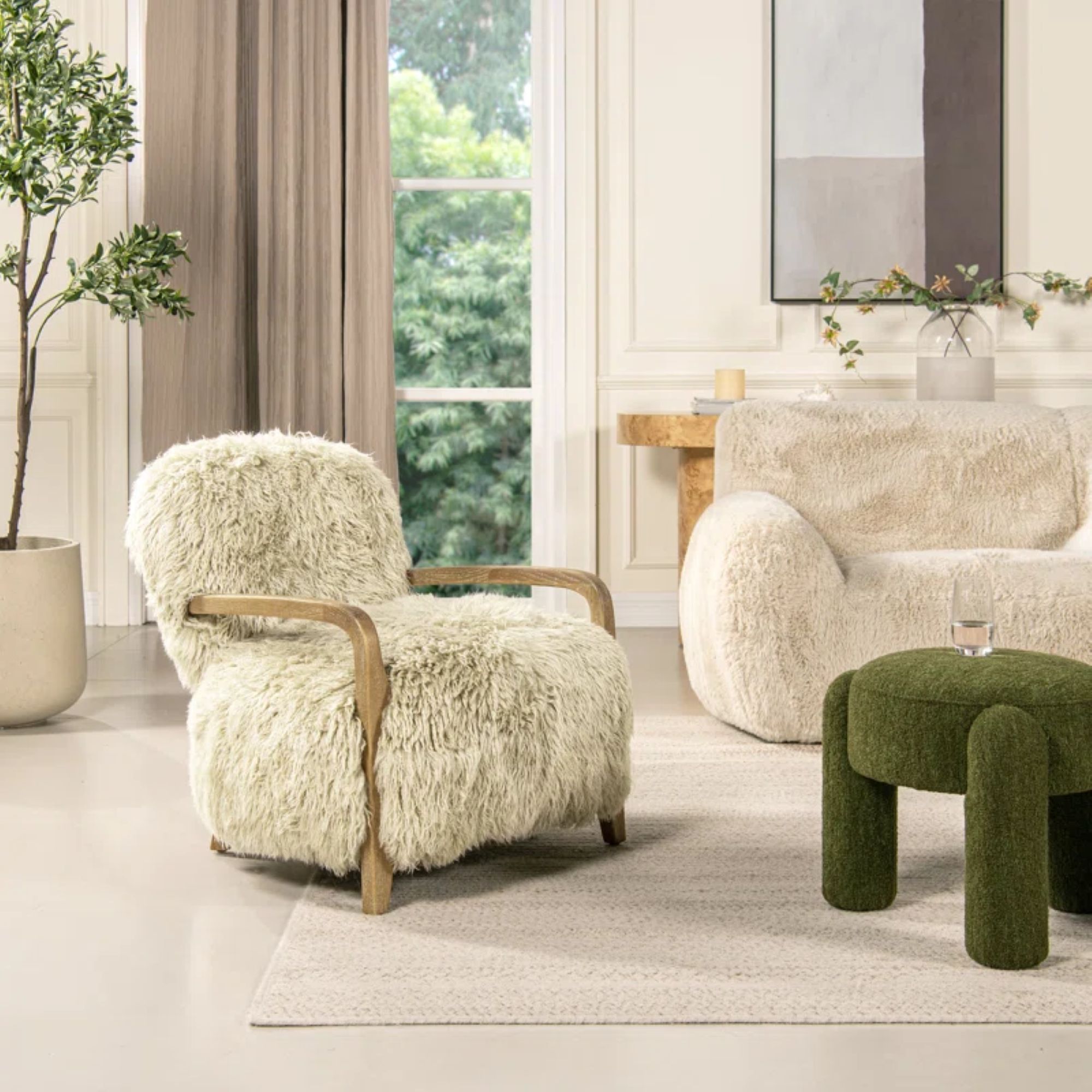
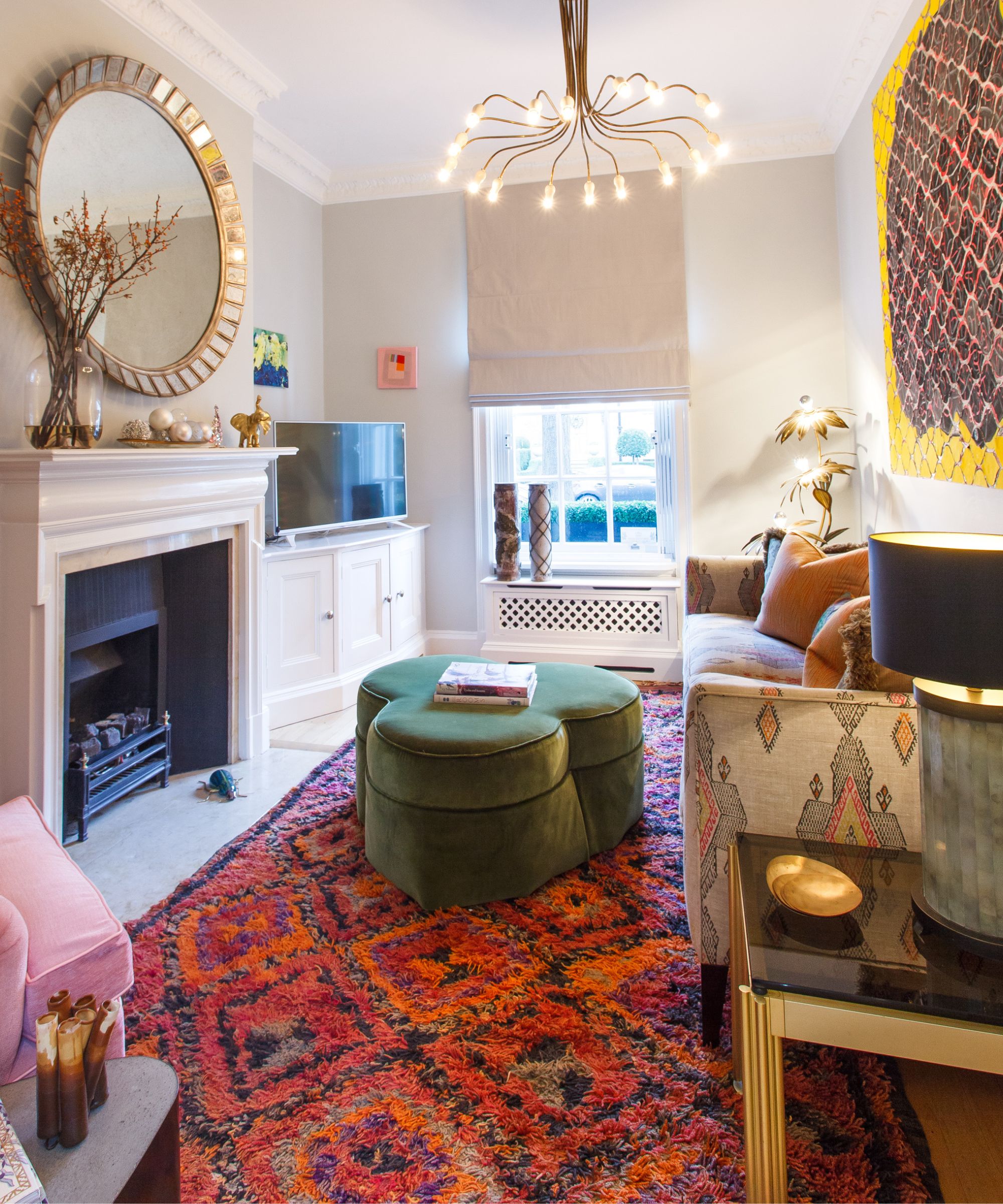
One key area of focus is the selection of decor, with a strong recommendation to steer clear of overly trendy items. Such designs, while popular for a time, tend to make a space appear dated quickly. In contrast, luxurious homes prioritize timeless and simple elements, such as neutral color palettes, classic furniture designs, and durable materials like wood, marble, or leather. Trendy pieces are best used sparingly as accents, allowing for easy updates as styles evolve without necessitating a complete overhaul of the interior. Clutter is also identified as a significant detractor from a high-end look. A luxurious home is characterized by a clean and open feel, which is compromised by excessive or disorganized items. To maintain a refined aesthetic, the designer advises styling surfaces with a limited number of high-quality pieces, such as statement vases, sculptural accents, or curated books, ensuring that each item contributes to the overall design without creating a sense of overwhelm.
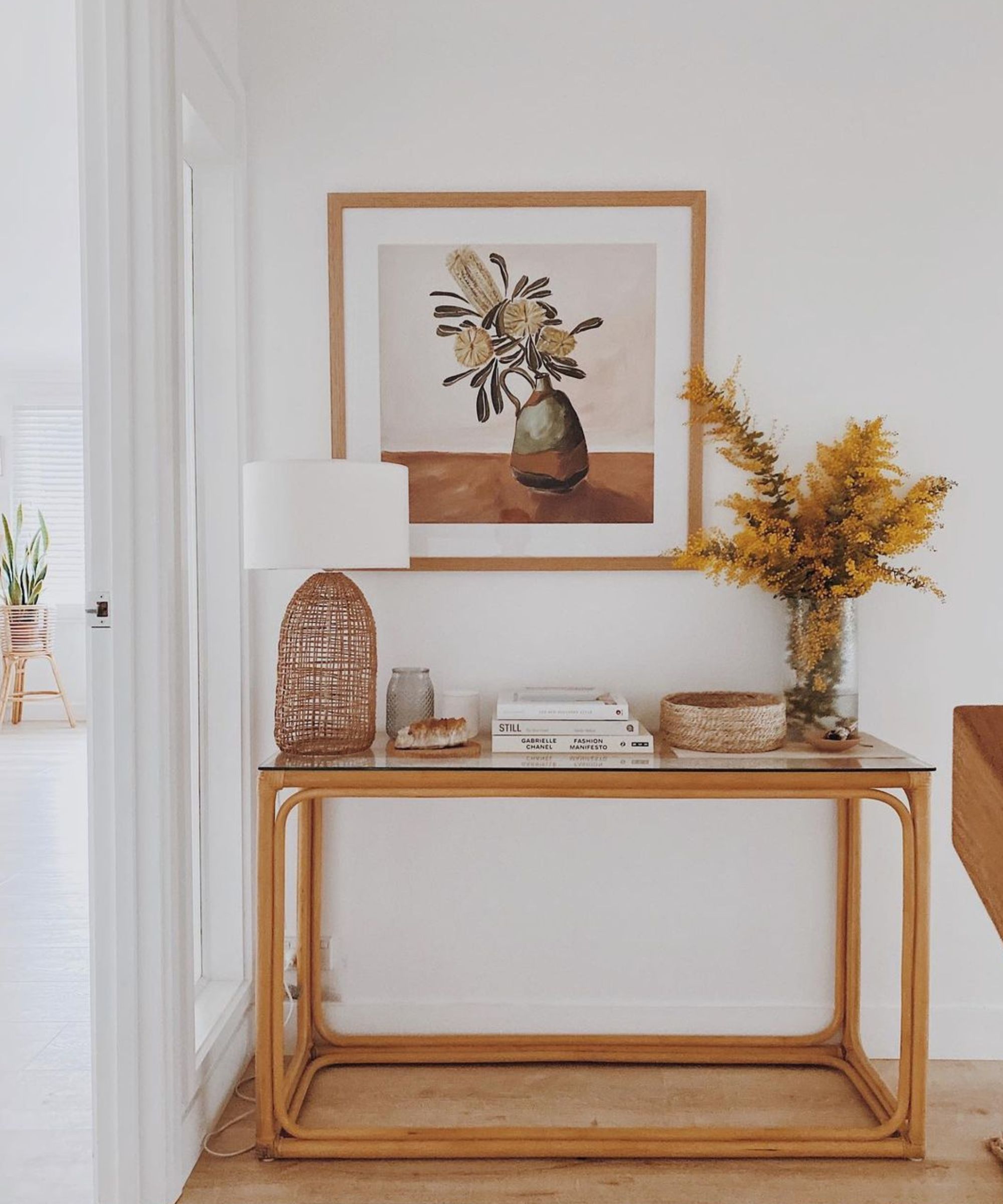
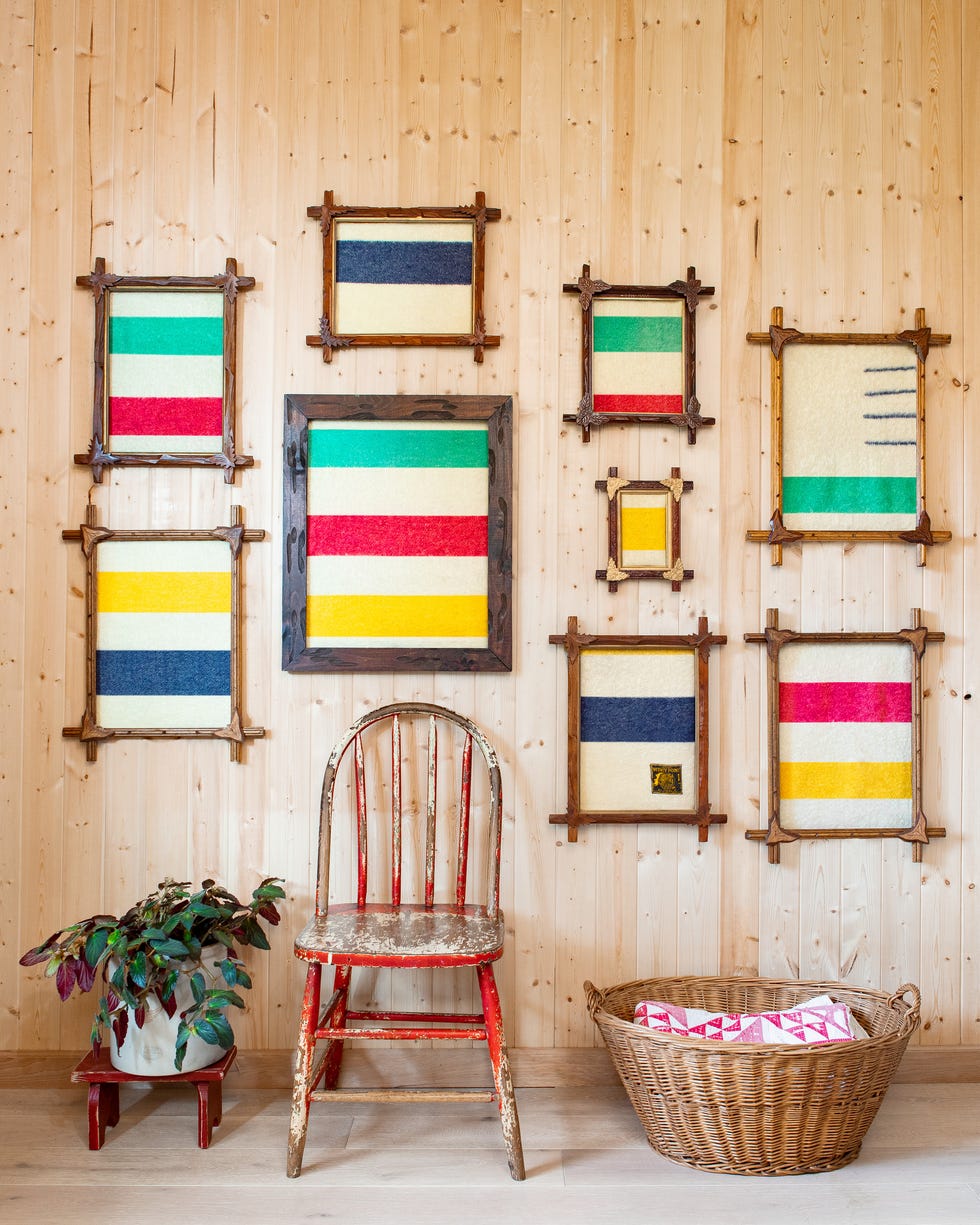
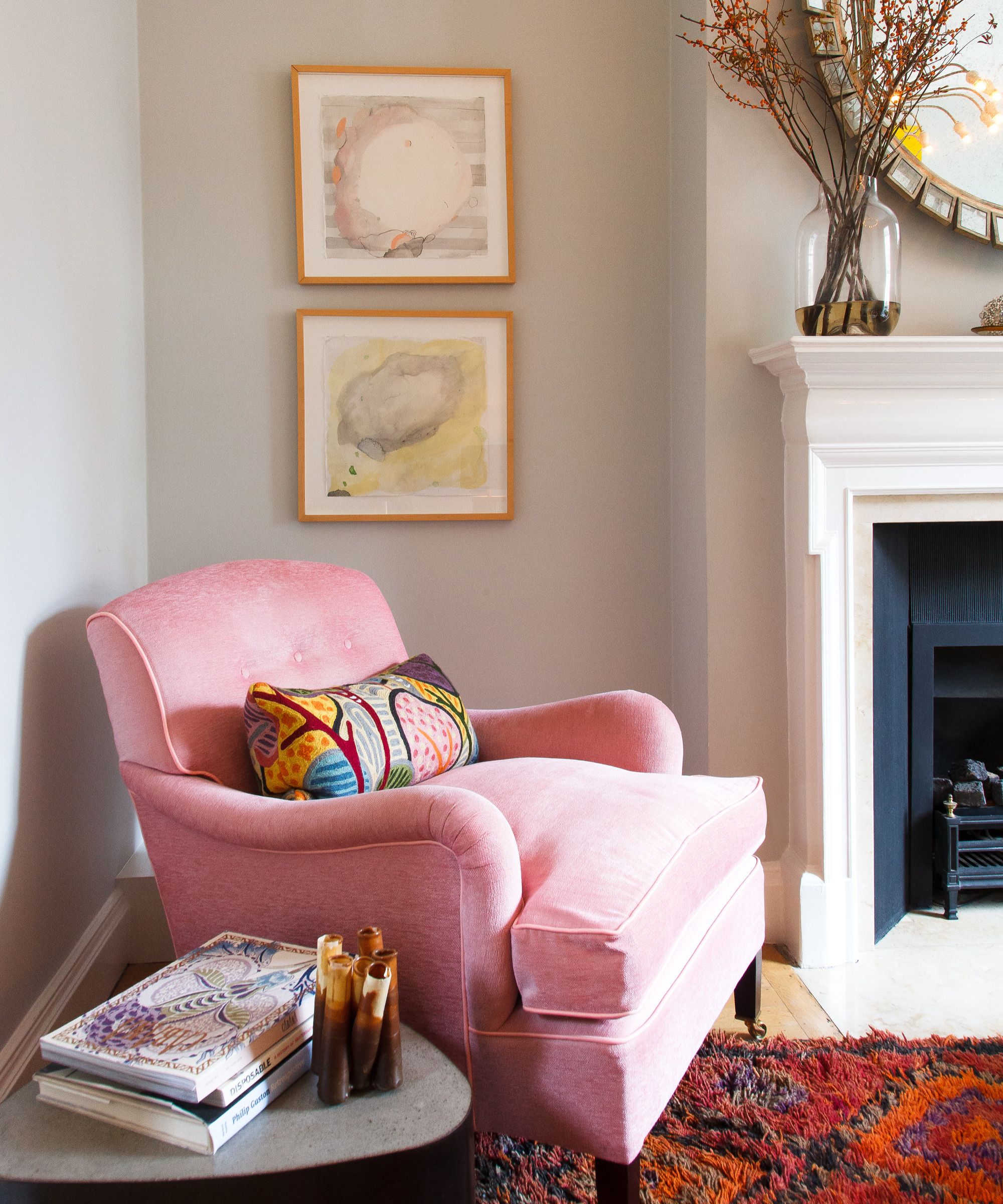
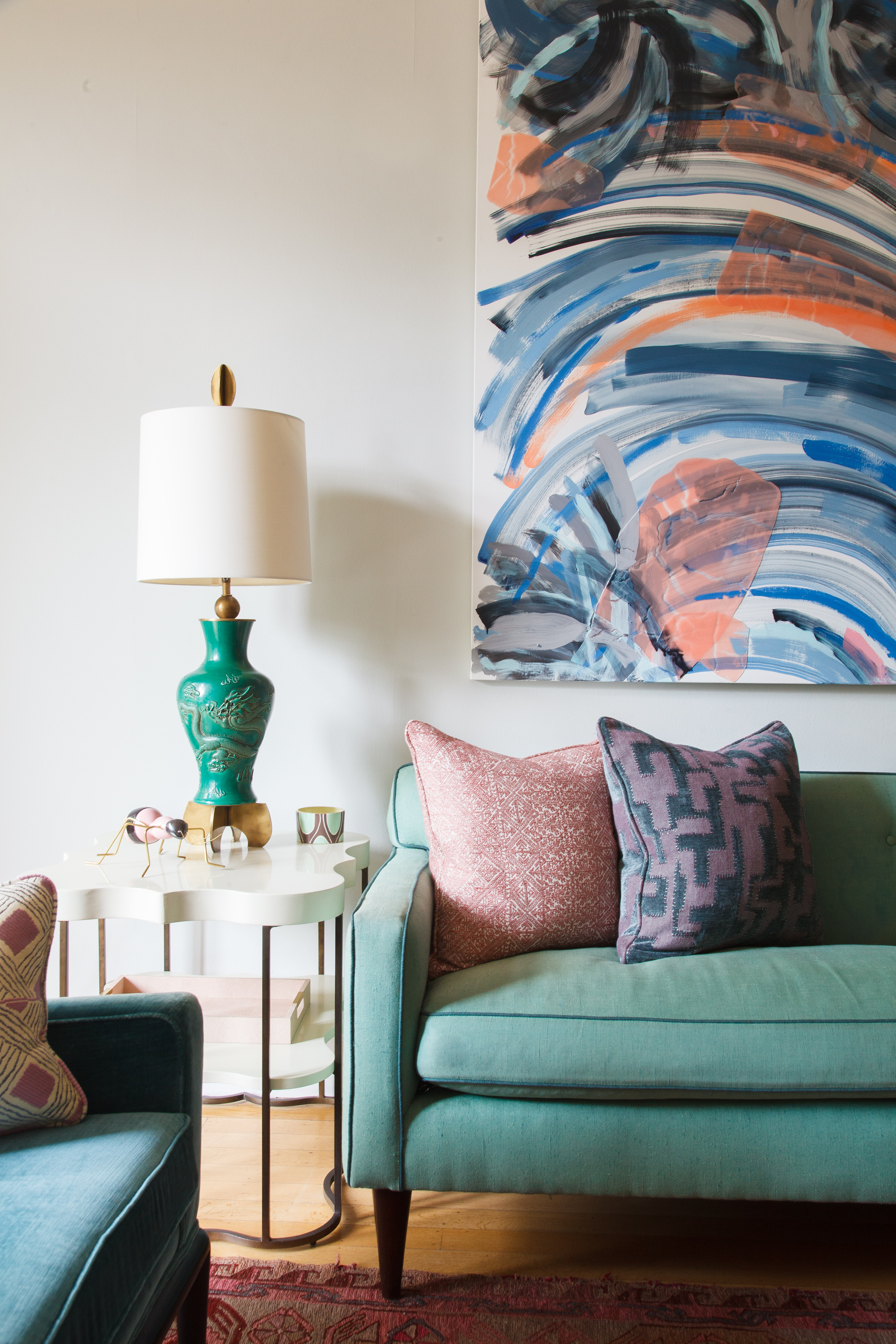
The quality of artificial plants is another critical distinction. Cheap, artificial plants can significantly detract from an otherwise polished interior. The recommendation is to incorporate fresh greenery or invest in high-quality faux plants that realistically mimic their natural counterparts. For individuals with demanding schedules, low-maintenance options like olive trees or fiddle-leaf figs are suggested. Regardless of choice, regular dusting of faux plants is essential to maintain their appearance. Similarly, mass-produced or generic art pieces are considered impersonal and are rarely found in affluent homes. Instead, unique art that resonates with the homeowner, whether original works, limited editions, or high-quality framed family photographs, is preferred. The designer also suggests exploring antique markets or online platforms like Etsy for distinctive, one-of-a-kind pieces.
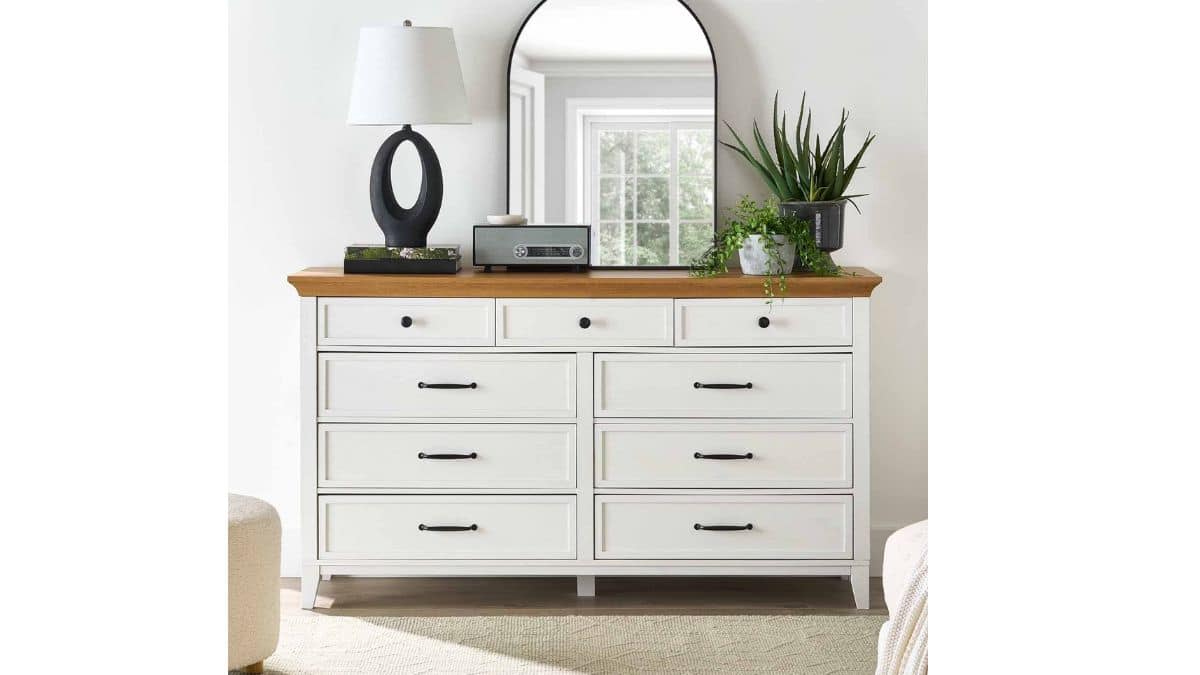
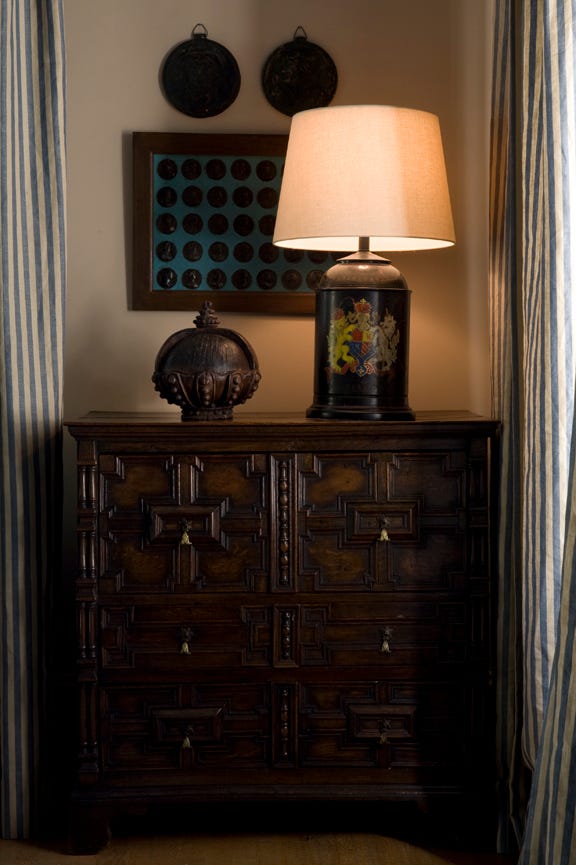
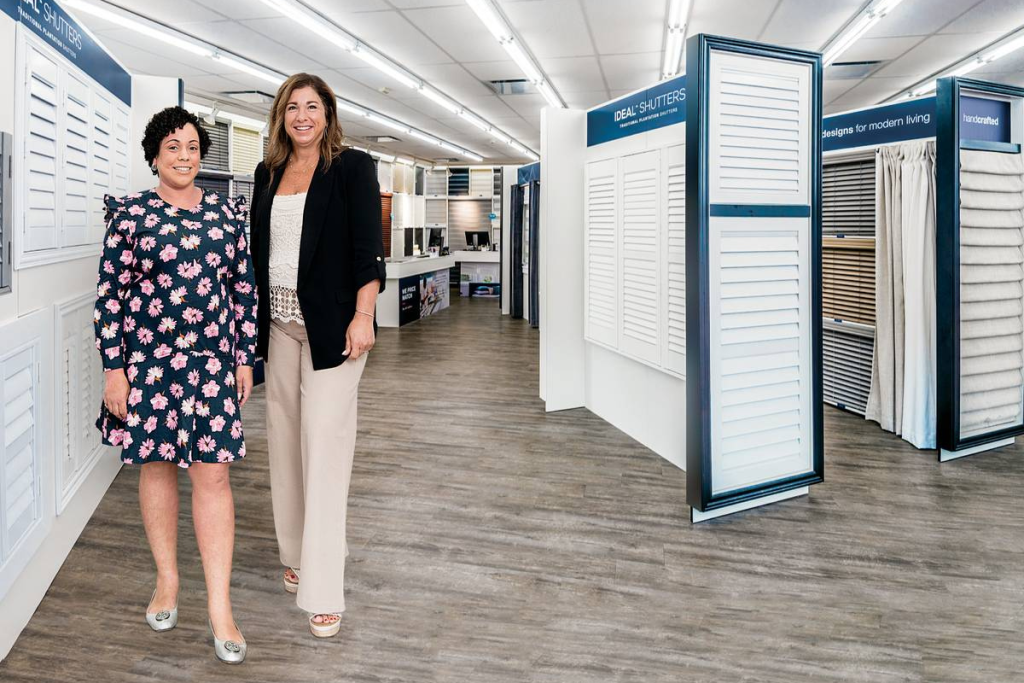
Small details, such as hardware, also play a crucial role in a home's overall aesthetic. Outdated or low-quality cabinet handles and drawer pulls can negatively impact the perception of luxury. Upgrading to high-quality options in materials like polished nickel, brass, or matte black can elevate the look of even budget-friendly furniture and cabinets, making them appear custom-made. Messy cords and exposed wires are another common oversight that can diminish the sophistication of a well-designed space. Effective cable management solutions, such as hiding wires within walls or utilizing furniture with built-in cord storage, are recommended to maintain a clean and streamlined appearance. Finally, poorly measured or low-quality window treatments are considered a major design faux pas. Windows serve as natural focal points, and thoughtfully chosen, custom options like drapes, Roman shades, or shutters, crafted from luxurious fabrics such as linen or velvet, can significantly enhance a home's aesthetic and functionality, often through layering different types of treatments.
#InteriorDesign #LuxuryHomes #HomeDecor #RealEstate #HighEndLiving #DesignTips #Decluttering #InteriorDesign #LuxuryHomes #HomeDecor #RealEstate #HighEndLiving #DesignTips #Decluttering
合計0件のコメント
 まだコメントはありません
あなたも好きかもしれません
What Rich People Put in Their Homes, According to an Interior Designer
7 things interior designers never have in small living rooms

We Asked 6 Interior Designers for the One Antique They Use in Every Home
An interior designer with 13 years of experience shares 10 things she'd never have in her home
Why do the ultra-rich have tacky interiors?
23 Things Designers ALWAYS Buy for Their Homes

An interior designer with over 40 years of experience shares 9 things he'd never have in his own home
25 Celebs Who Double as Interior Designers and Decorators — Celebrity Furniture Collections

17 IKEA Finds Designers SWEAR By for Their Own Spaces
Interior Designers Share the Items in Their Homes That They’d Buy Time and Time Again

The 25 Most Influential Power Duos In the Design World


Meet the 2024 Extraordinary Faces of Home


I'm an interior designer. I love HomeGoods, but there are 7 things I never buy there.
I'm an interior designer, and I'd put these 8 finds from Walmart’s hidden furniture line in my own home

Home office is interior designer’s bold portfolio sample in itself

I'm an interior designer – and this is how I design my clients' rooms with art in mind

The best interior designers
9 Acclaimed Interior Designers Share Their Most Memorable Tales of Discovery and Disappointment

Yes, interior designers shop at Wayfair too – and I've asked them to share the exact products they would recommend
6 Popular Design Choices Designers Would Never Put in Their Own Homes