1/5
How to clean mold off outdoor cushions – refresh your outdoor seating in time for summer
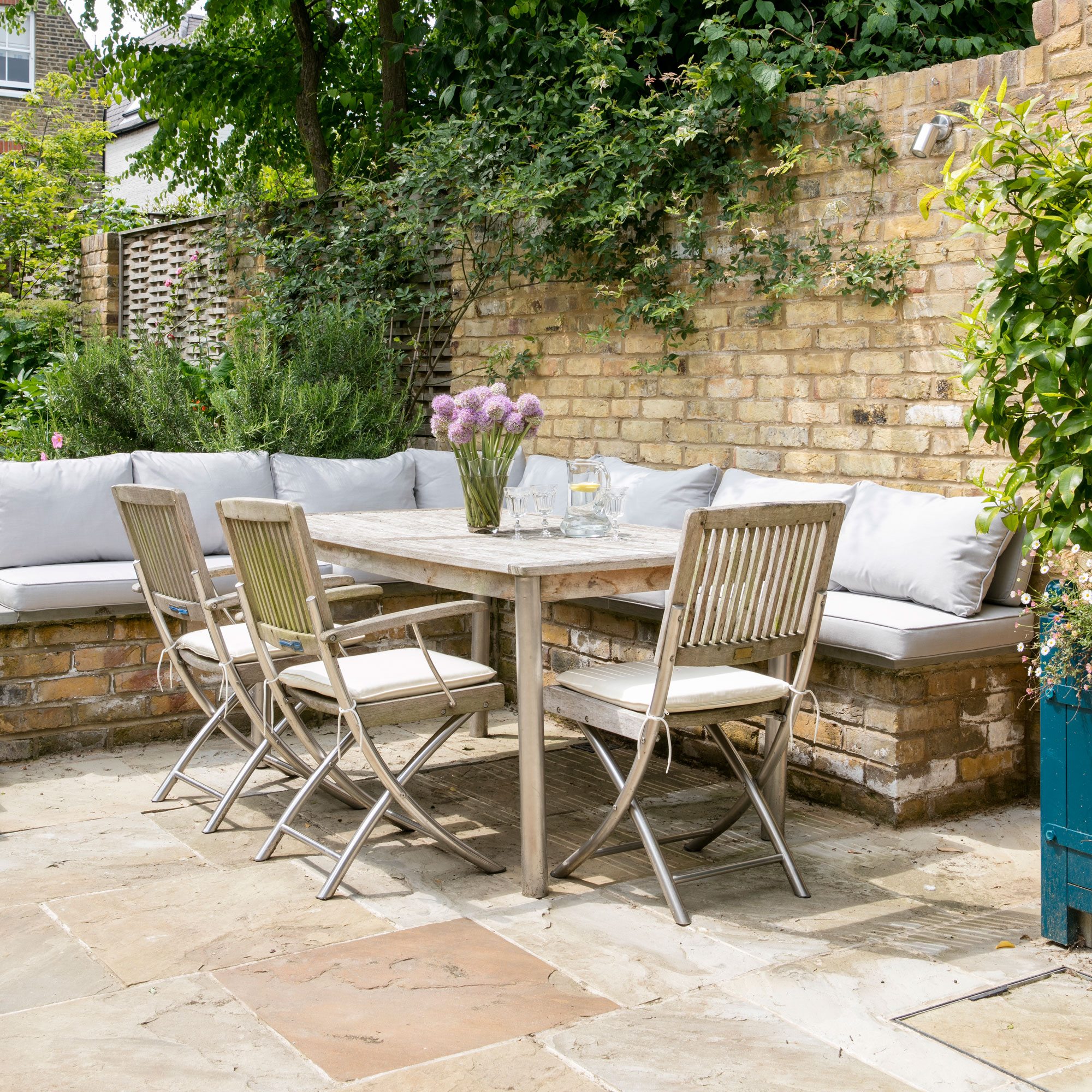
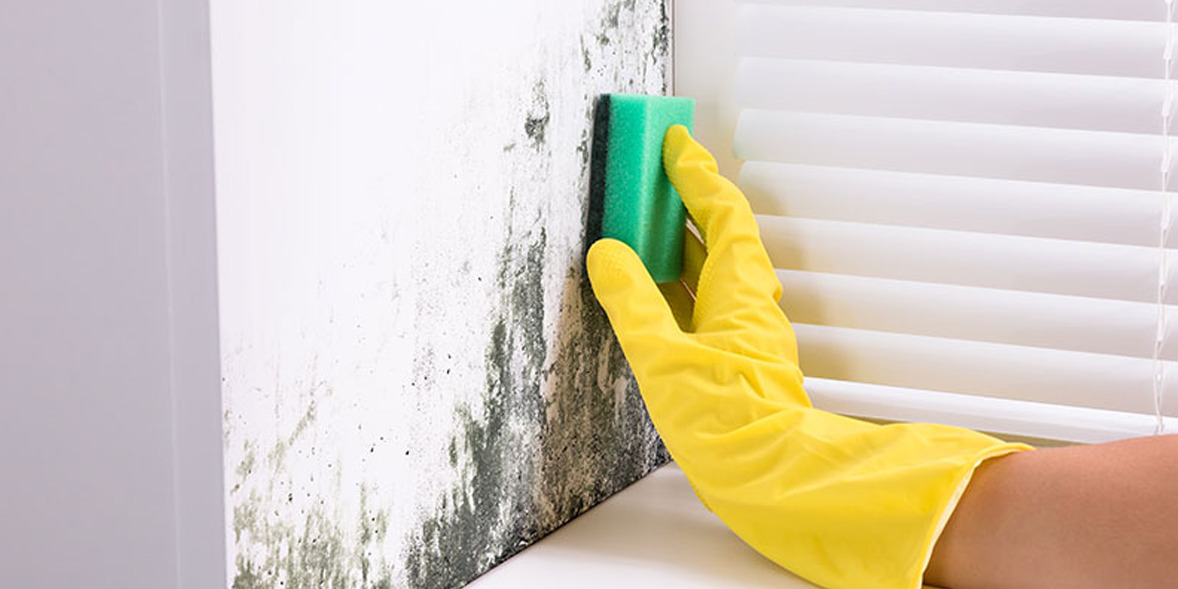
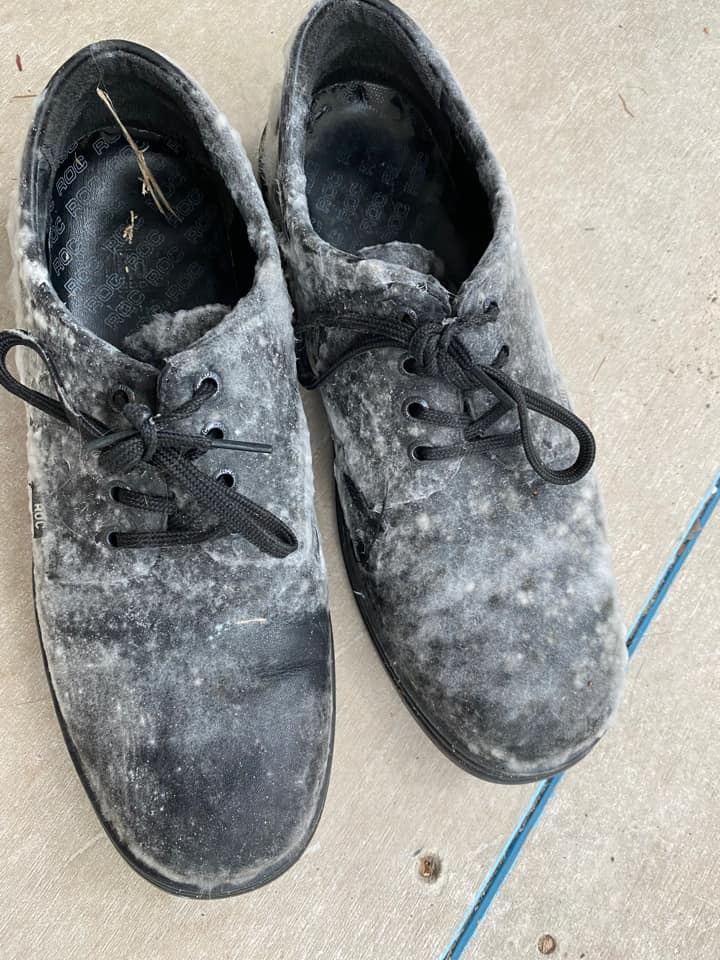
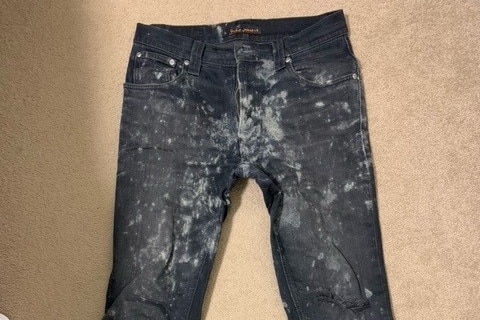
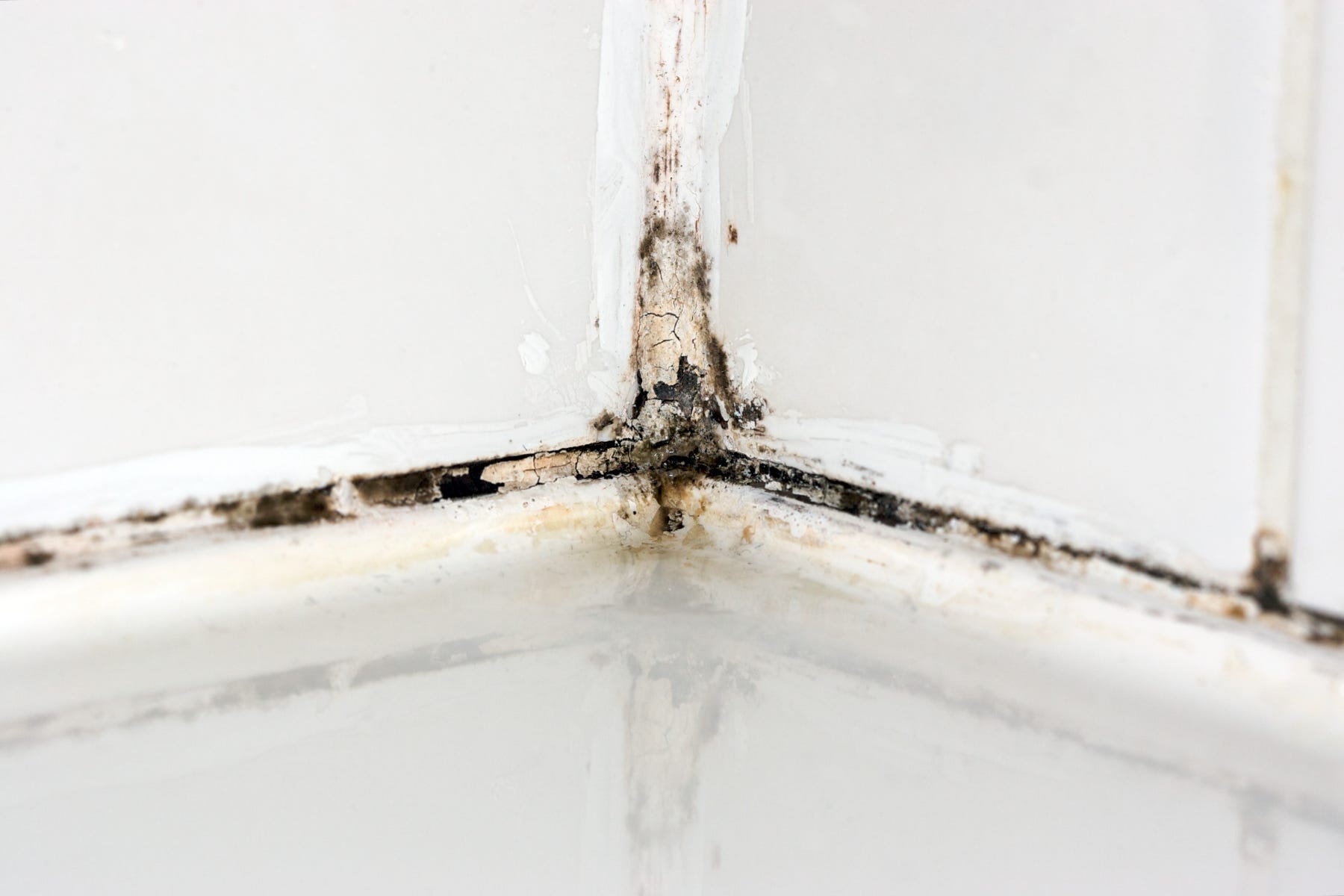
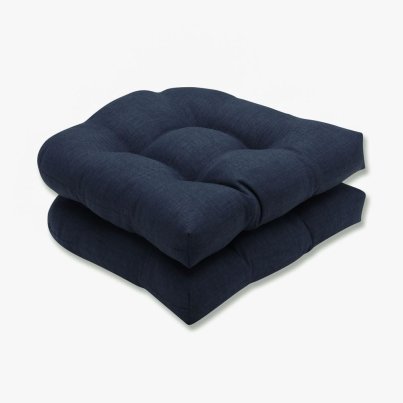
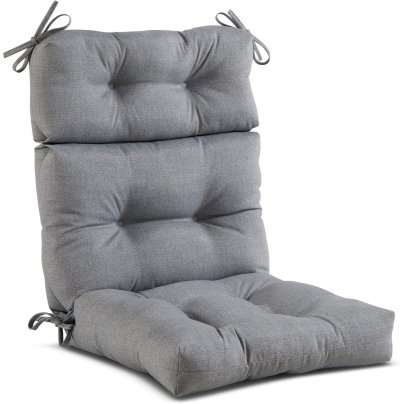
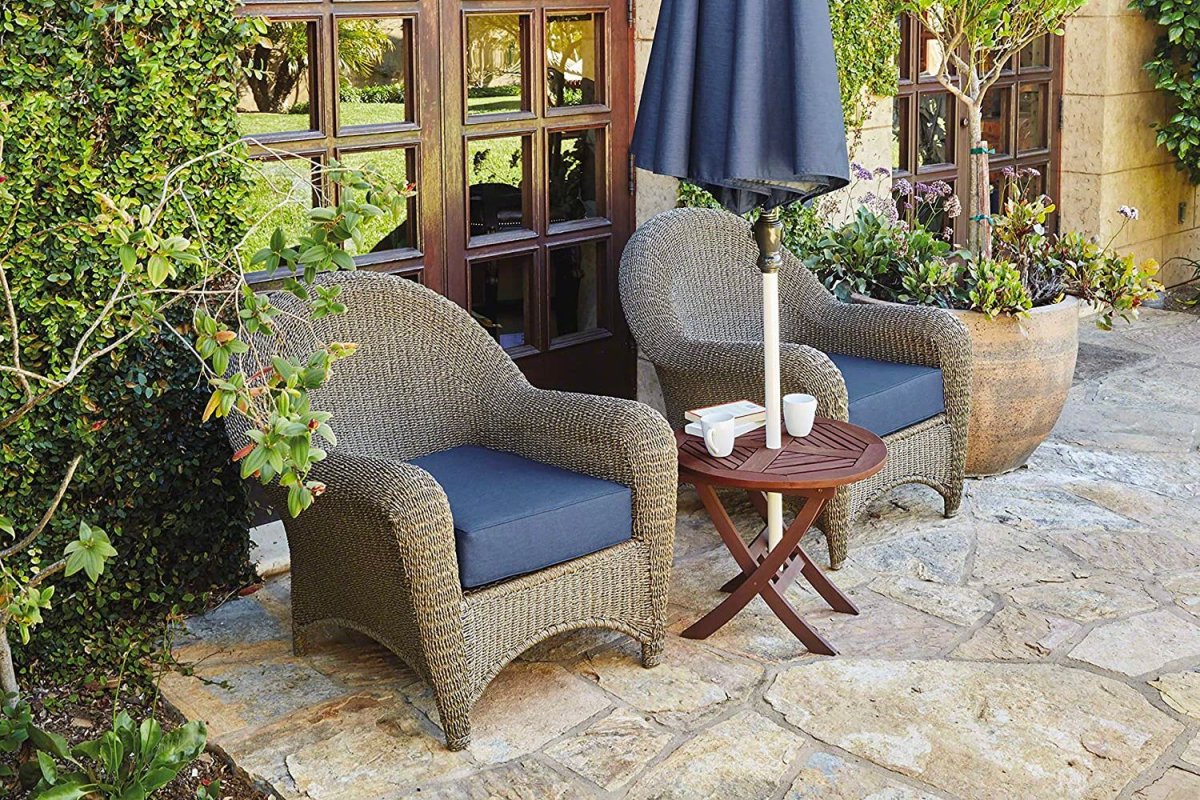
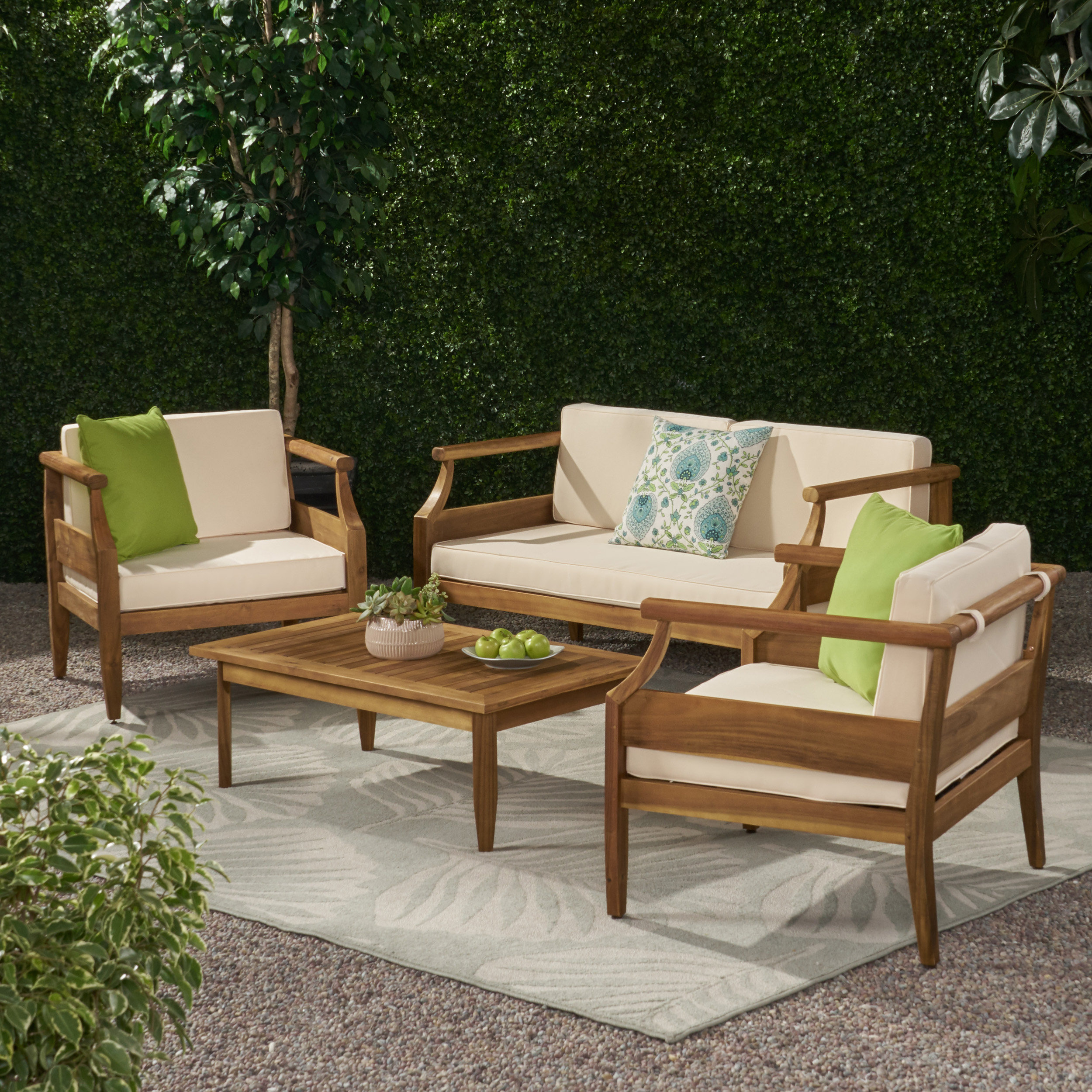
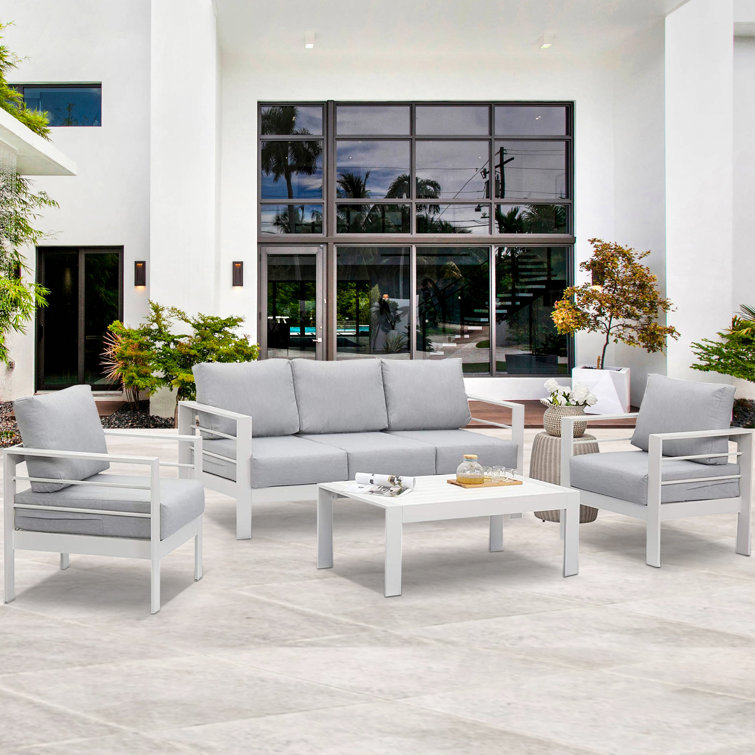
Summertime is an ideal time to enjoy outdoor spaces, but cushions and throws can become breeding grounds for mold and mildew due to humidity and rain. This guide provides simple and affordable methods to remove stubborn mold from outdoor cushions and prevent its recurrence. Understanding that the microscopic pores in fabrics are excellent mold incubators, it is crucial to regularly clean and refresh outdoor cushions for hygiene.
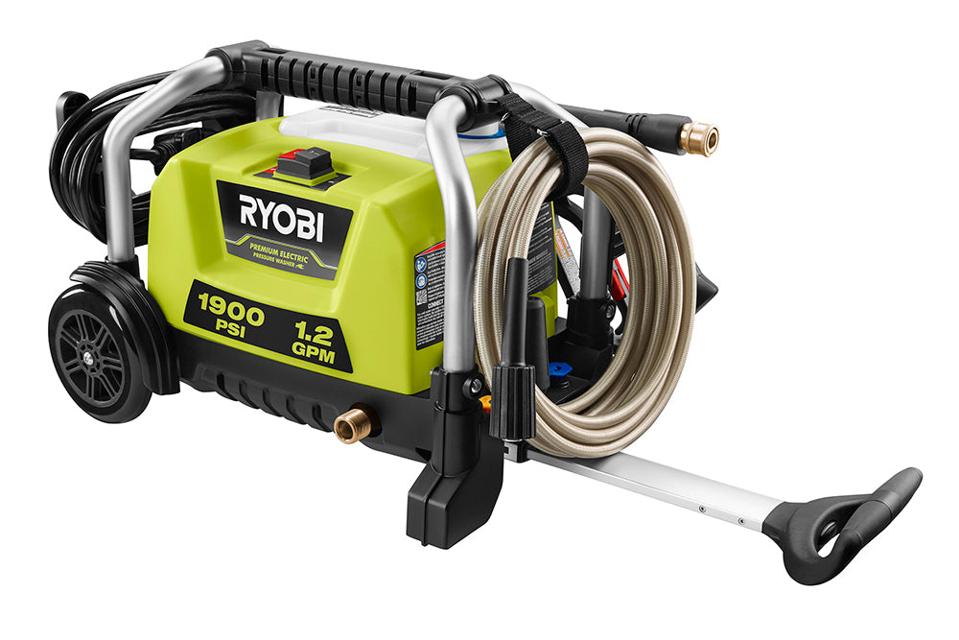
For synthetic, water-resistant cushions, pressure washing is an effective initial step. This involves removing loose debris, placing cushions on a clean, flat surface, and using a pressure washer on a low setting. The nozzle should be held at least 2 feet away initially, then moved closer to about 12 inches, spraying evenly in small sections. Particular attention should be paid to heavily molded areas, but prolonged spraying on one spot must be avoided to prevent fabric damage. After washing, cushions must be propped up in a sunny, well-ventilated area to dry completely, ensuring they are entirely dry before use to prevent mold from returning.
Alternatively, a vinegar solution offers a less messy option if a power washer is unavailable. White vinegar is a natural mold killer and safe for most fabrics. To prepare the solution, equal parts white vinegar and water are combined in a spray bottle. This solution is generously spritzed over moldy areas and allowed to sit for at least 30 minutes. A soft-bristled brush or clean cloth is then used to scrub the areas, reapplying the solution as needed. The cushions are thoroughly rinsed with a garden hose, excess water is squeezed out, and they are dried completely in a sunny, well-ventilated area. Applying a fabric protector with mold-resistant properties after cleaning can extend the cushions' cleanliness and lifespan.
A mild bleach solution is suitable for synthetic cushions with a light, surface-level mold or mildew covering. The process begins with brushing off as much surface mold as possible with a dry brush to prevent spore spread. A cleaning solution is made by mixing one cup of bleach, one cup of mild detergent, and a gallon of water. This solution is applied to moldy areas using a spray bottle or sponge, ensuring thorough soaking, especially in seams and hidden spots. The solution should sit for 15-20 minutes to allow the bleach to penetrate and kill spores. Affected areas are then scrubbed with a brush to remove stains and embedded spores. Finally, cushions are thoroughly rinsed with a hose to remove all cleaning solution and dried in direct sunlight, where UV rays further help kill any remaining mold spores.
In cases where mold cannot be completely removed, particularly from porous cushions made of organic materials, replacing the cushion is often the best solution to ensure complete elimination of mold particles and roots. While washing moldy cushions in a machine with a botanical laundry additive might be attempted after HEPA vacuuming, replacement is generally considered safer and guarantees elimination of the problem.
#OutdoorCushionCare #MoldRemoval #CleaningTips #VinegarCleaning #BleachSolution #PressureWashing #OutdoorFurnitureMaintenance #HomeCare #SummerPrep #OutdoorCushionCare #MoldRemoval #CleaningTips #VinegarCleaning #BleachSolution #PressureWashing #OutdoorFurnitureMaintenance #HomeCare #SummerPrep
合計0件のコメント
 まだコメントはありません
あなたも好きかもしれません
How To Clean And Prepare Your Patio For Warmer Months Ahead

How to get rid of mould
How to keep your sofa spotless this summer — 7 expert hacks for stains and spills

How To Remove Pollen Stains From Outdoor Furniture
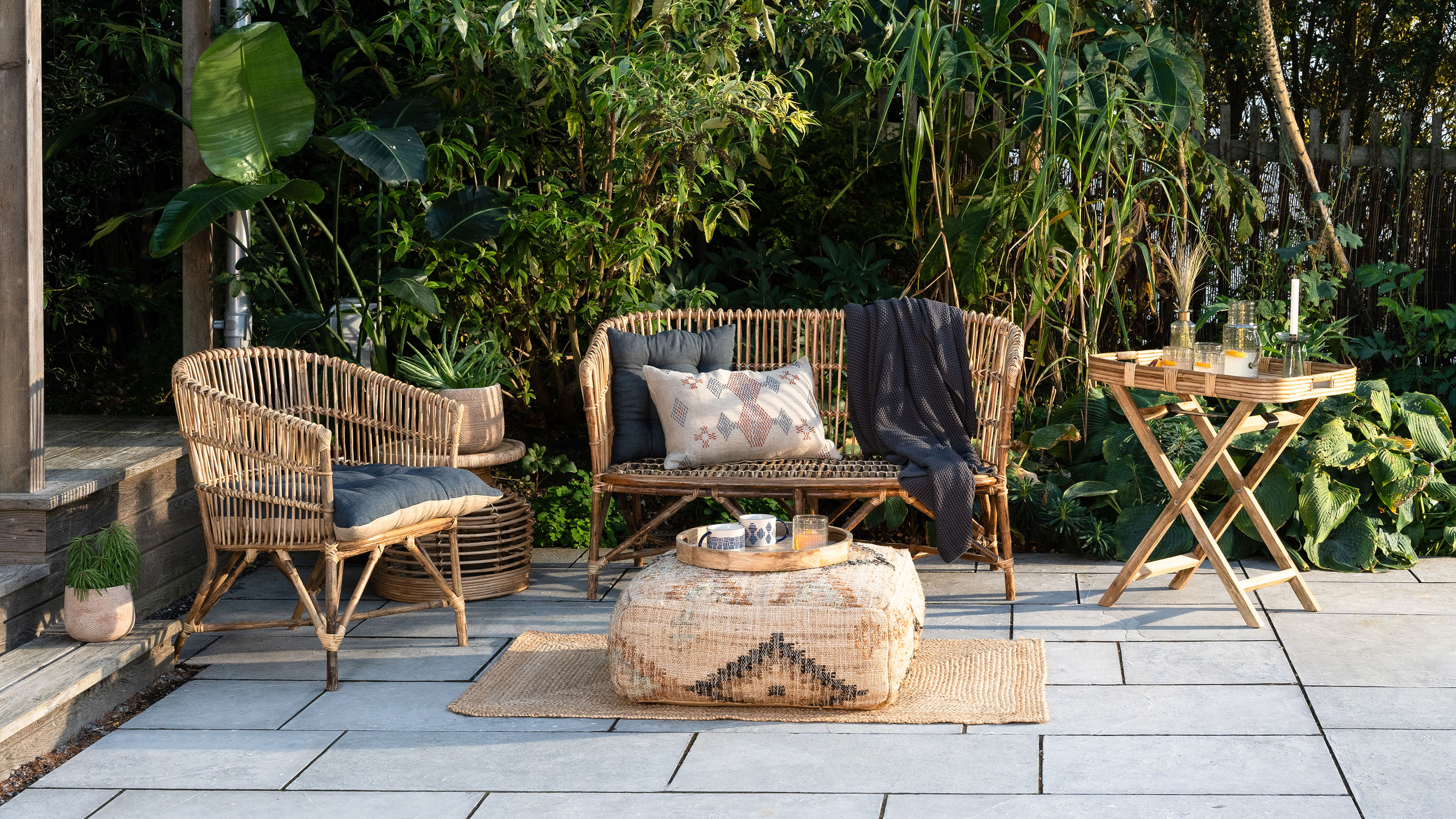
How to clean garden furniture to keep your pieces looking brand-spanking new
How to get rid of mould on walls – 7 home treatments tried and tested by the experts
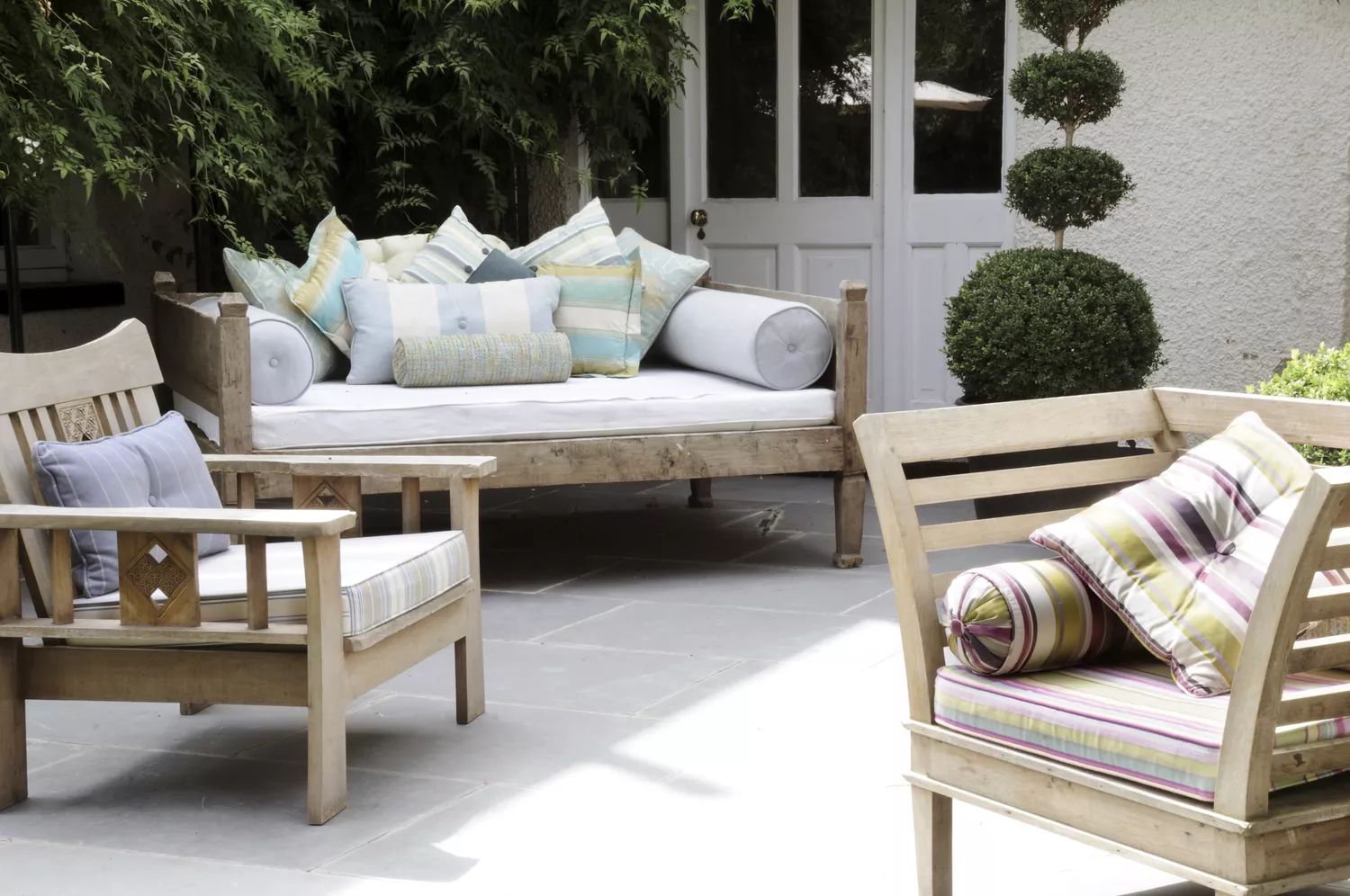
How to Clean Outdoor Cushions to Keep Them Looking Fresh All Season Long

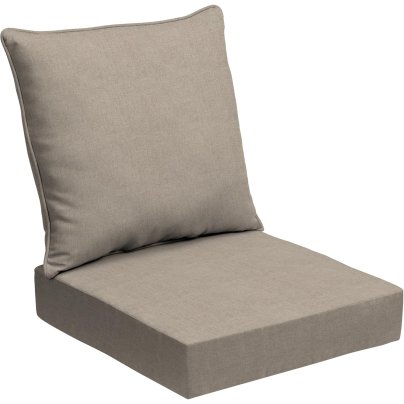
Our Favorite Outdoor Cushions Are Made From an Unusual Material to Prevent Fading

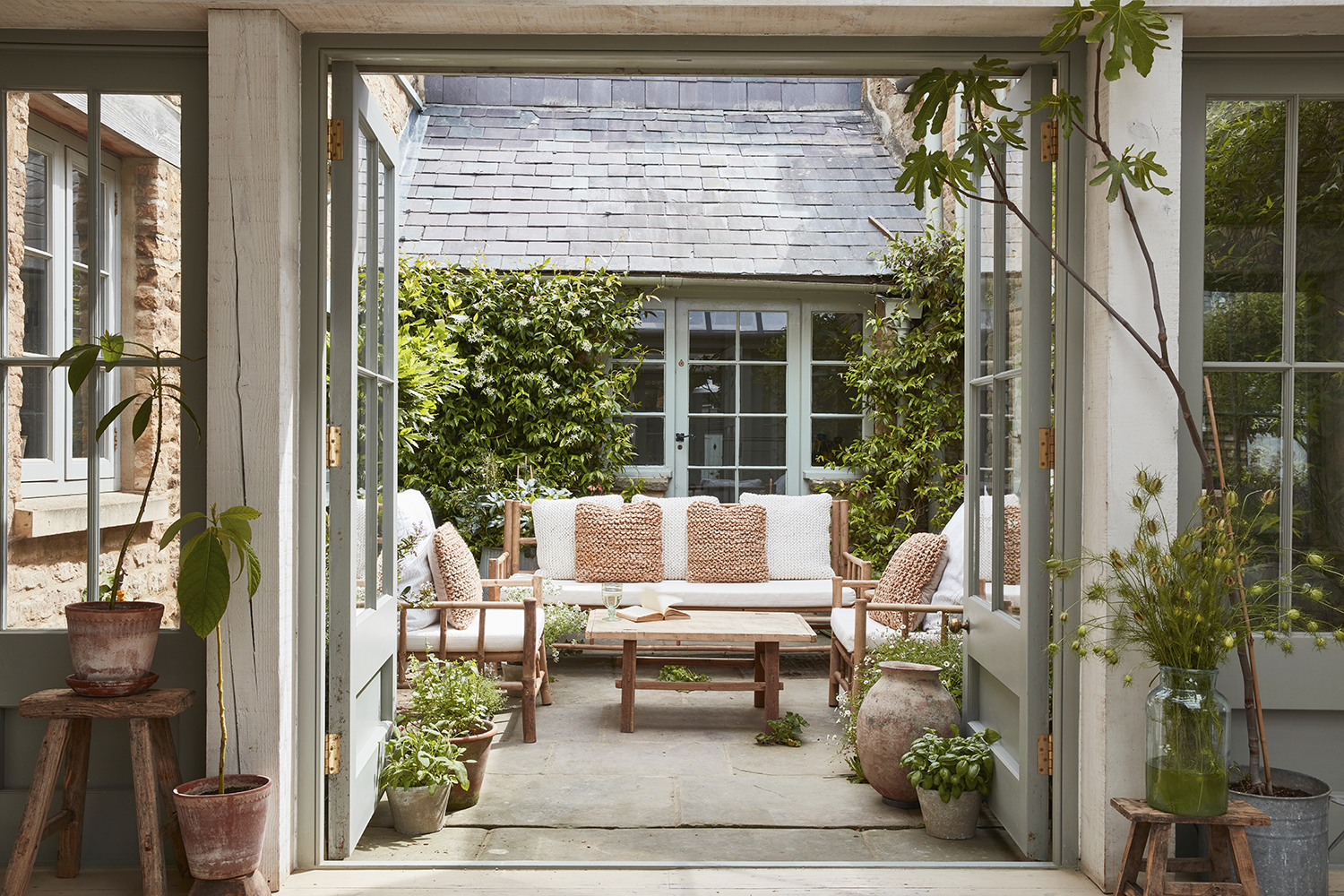
How to Stop Cushions Sliding on Outdoor Furniture — The Hack Everyone Should Try for Better Backyard Seating

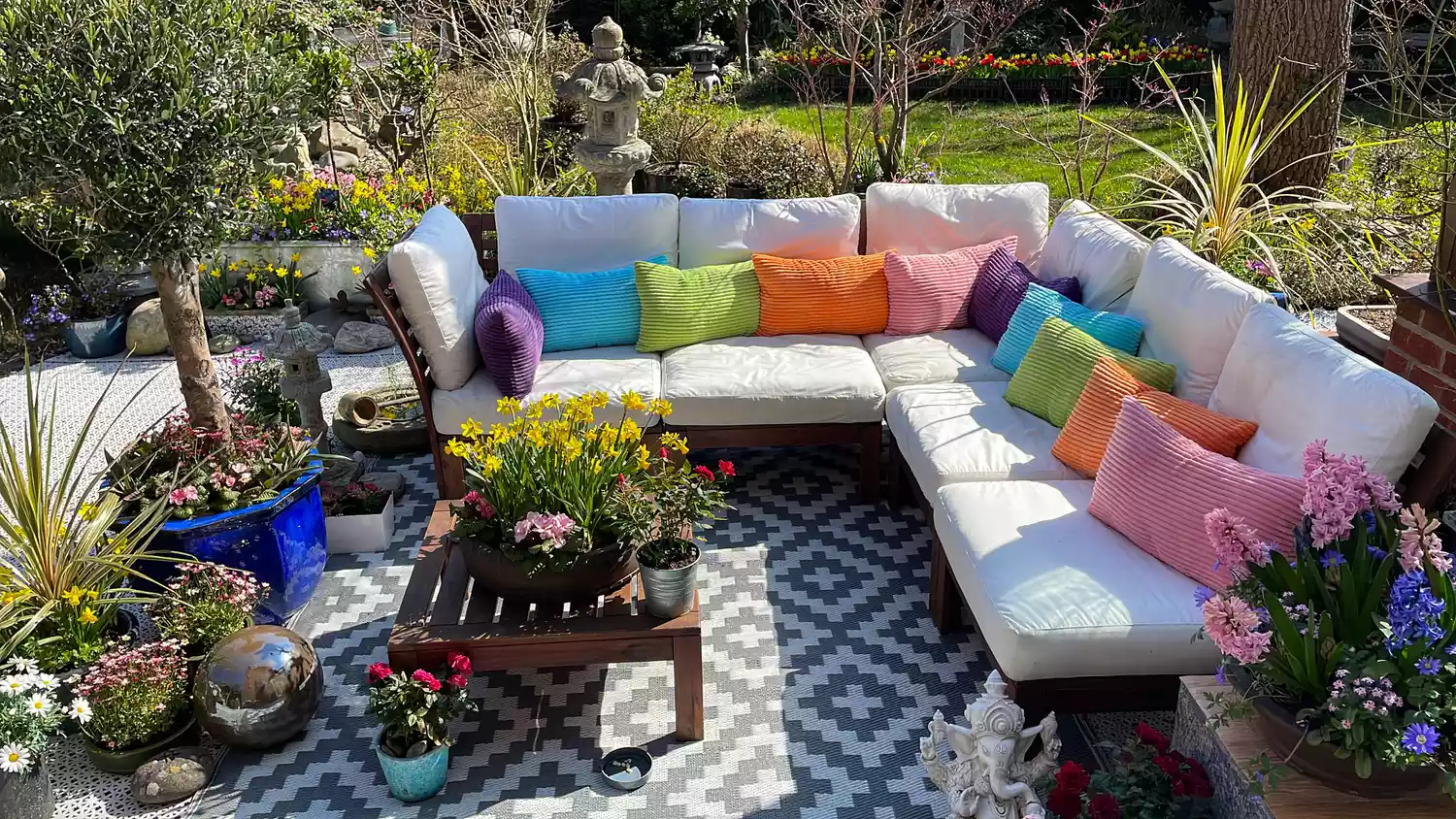
How to Clean Outdoor Cushions to Get Them Ready for Spring and Summer

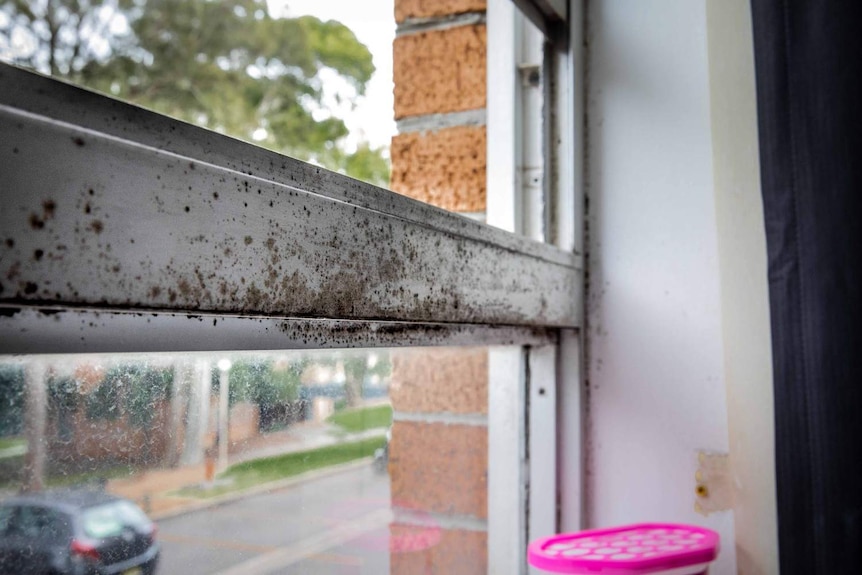
Lots of rain can mean mould, this is how to get rid of it. - ABC Emergency

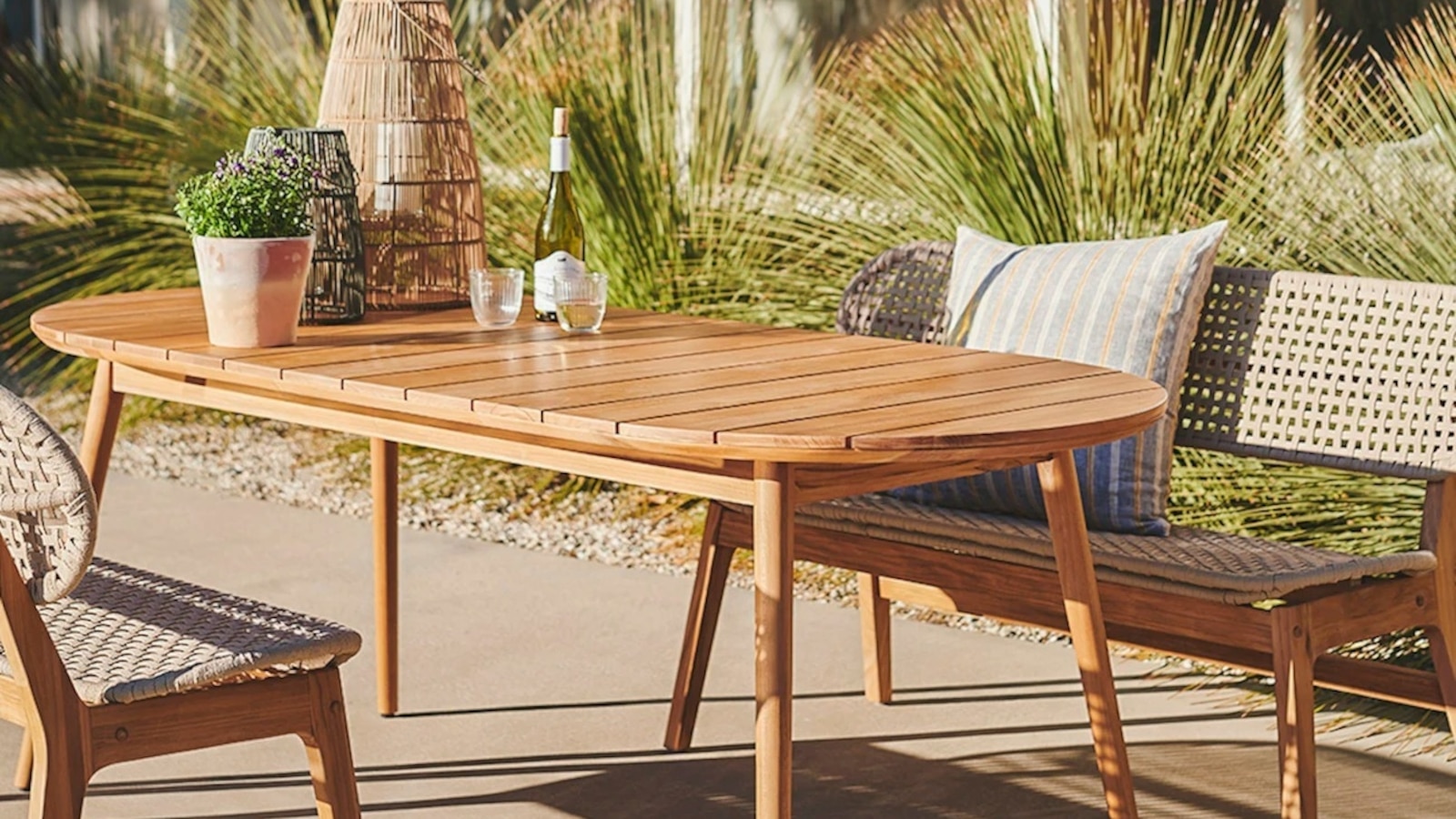
Everything you need to upgrade your patio for summer and how to protect it
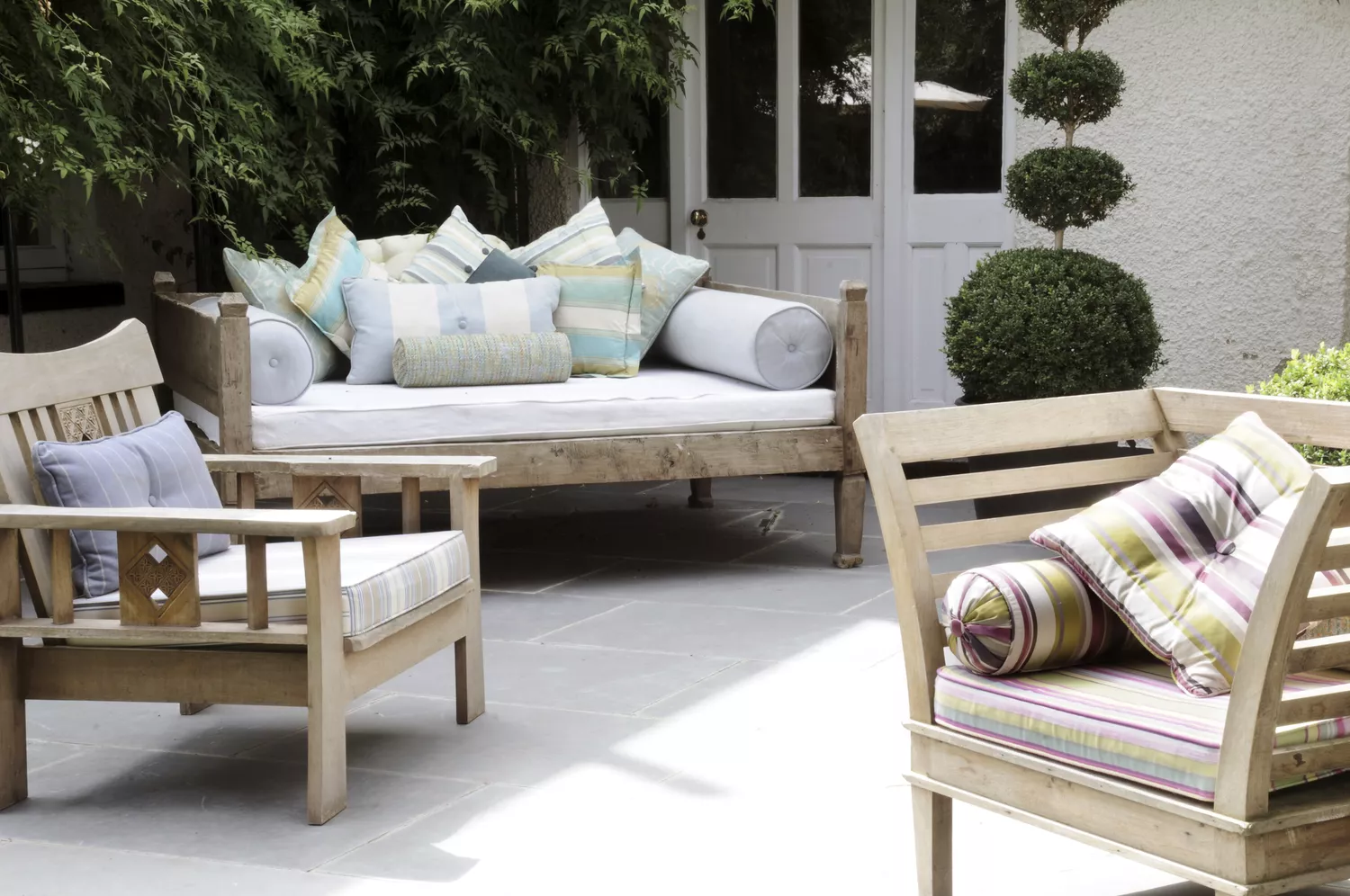
How to Clean Outdoor Cushions So They Last for Years
Mold and Mildew Cleaning and Repair

Expert-tested mould removal tips that actually work

Outdoor patio furniture and styling tips
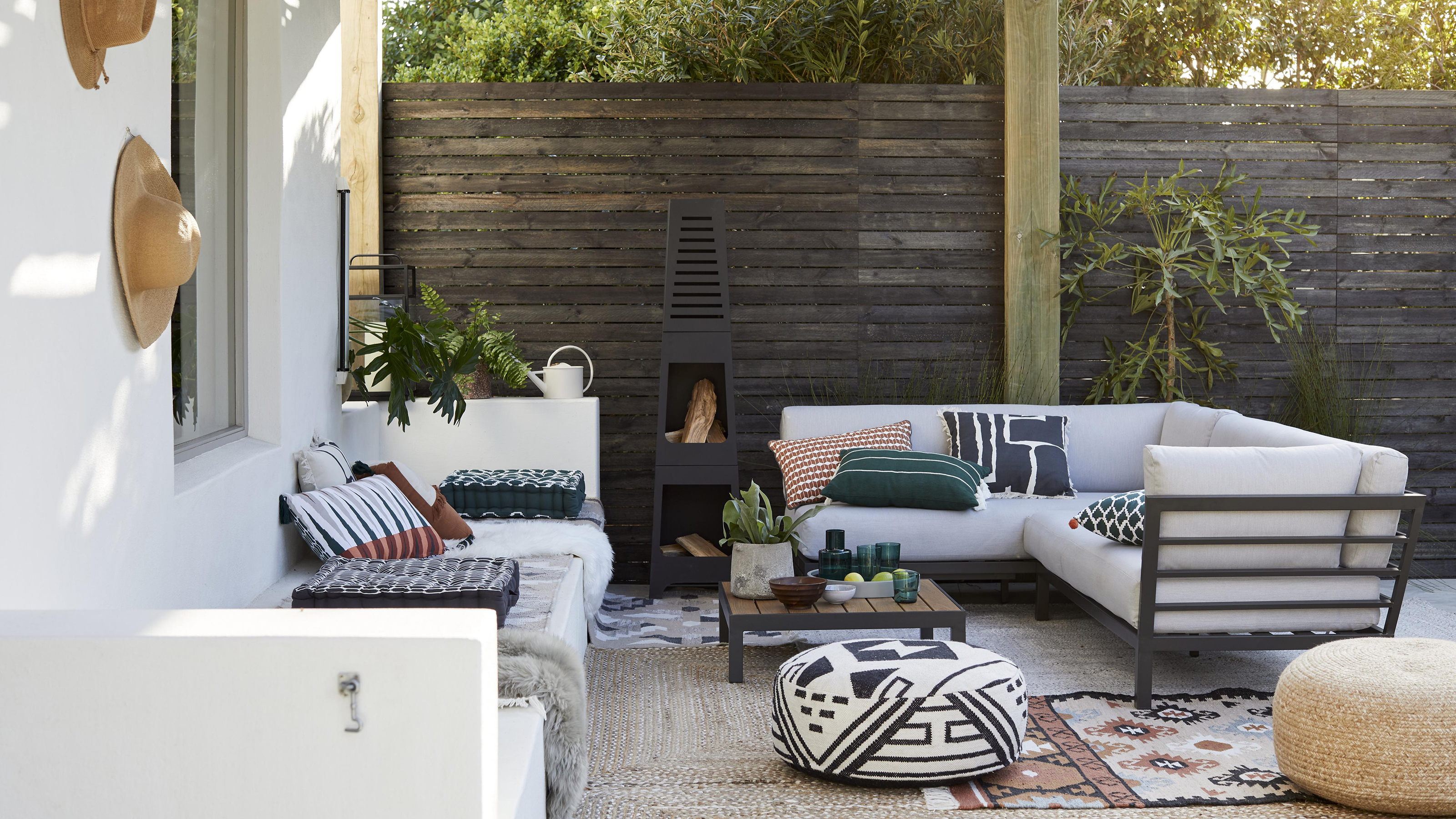
How to clean outdoor furniture – 3 simple steps for wood, metal, resin and rattan

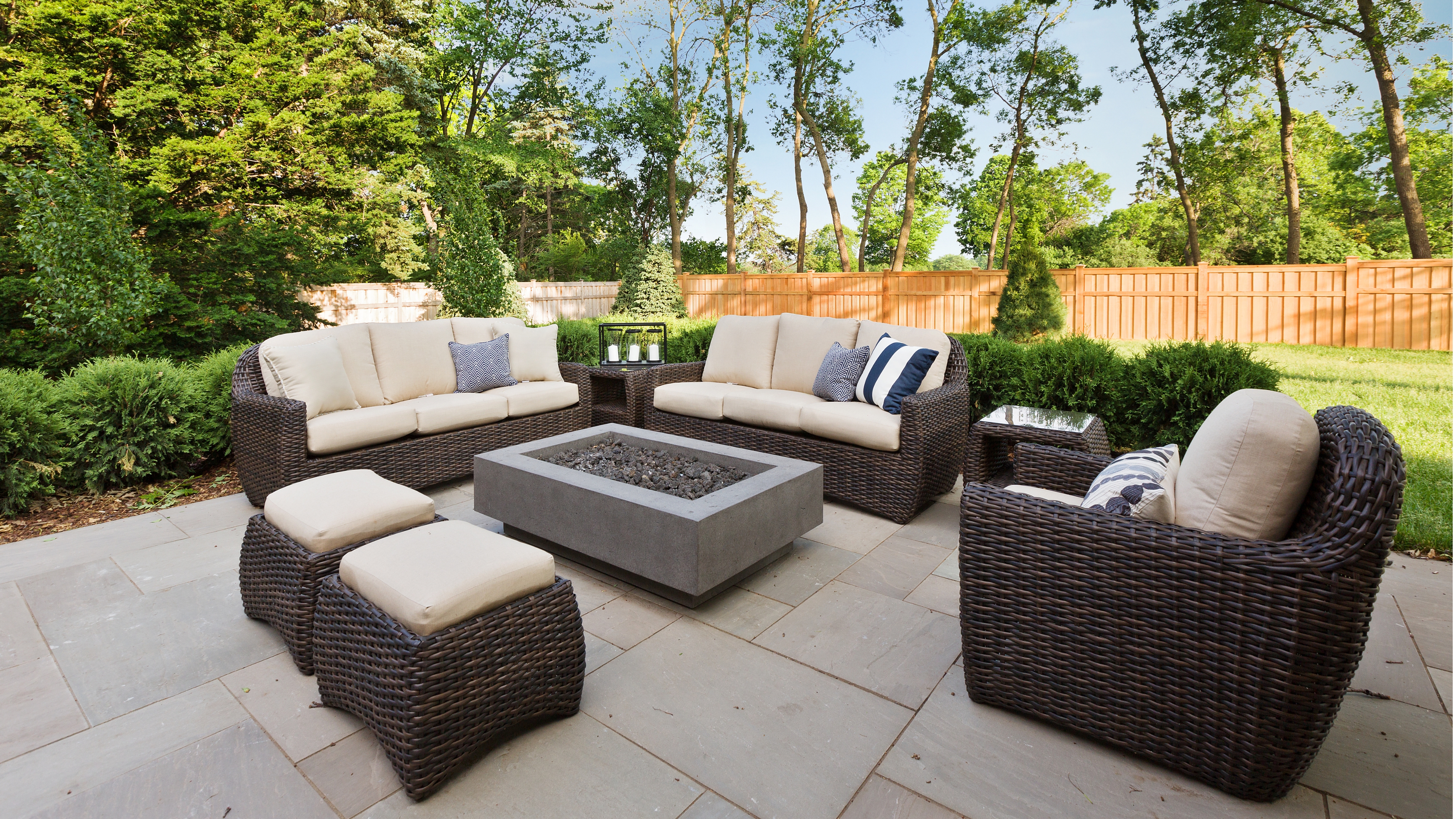
The 6 best patio cleaners to transform your outdoor space for summer

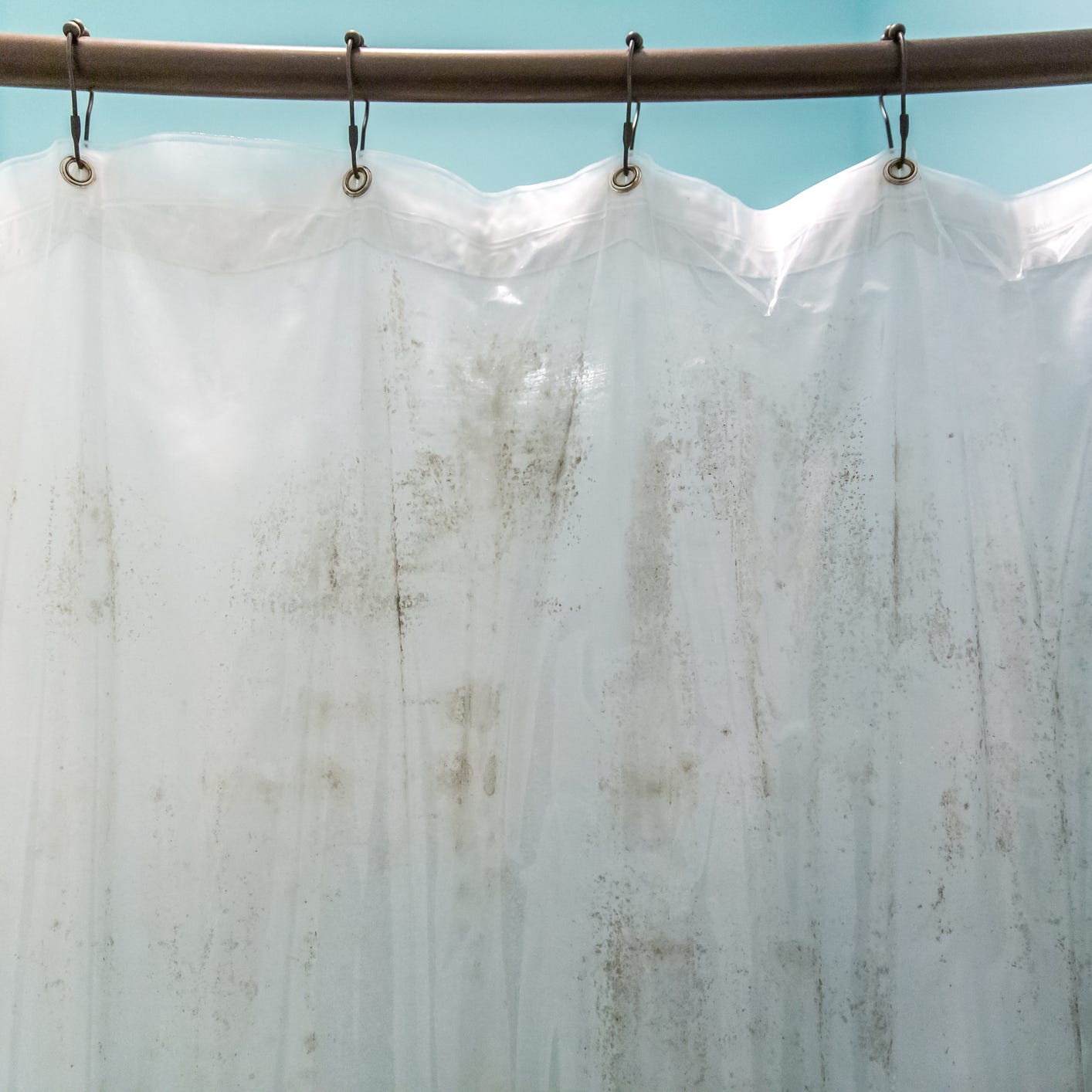
The Best Way to Remove Mildew, According to Experts

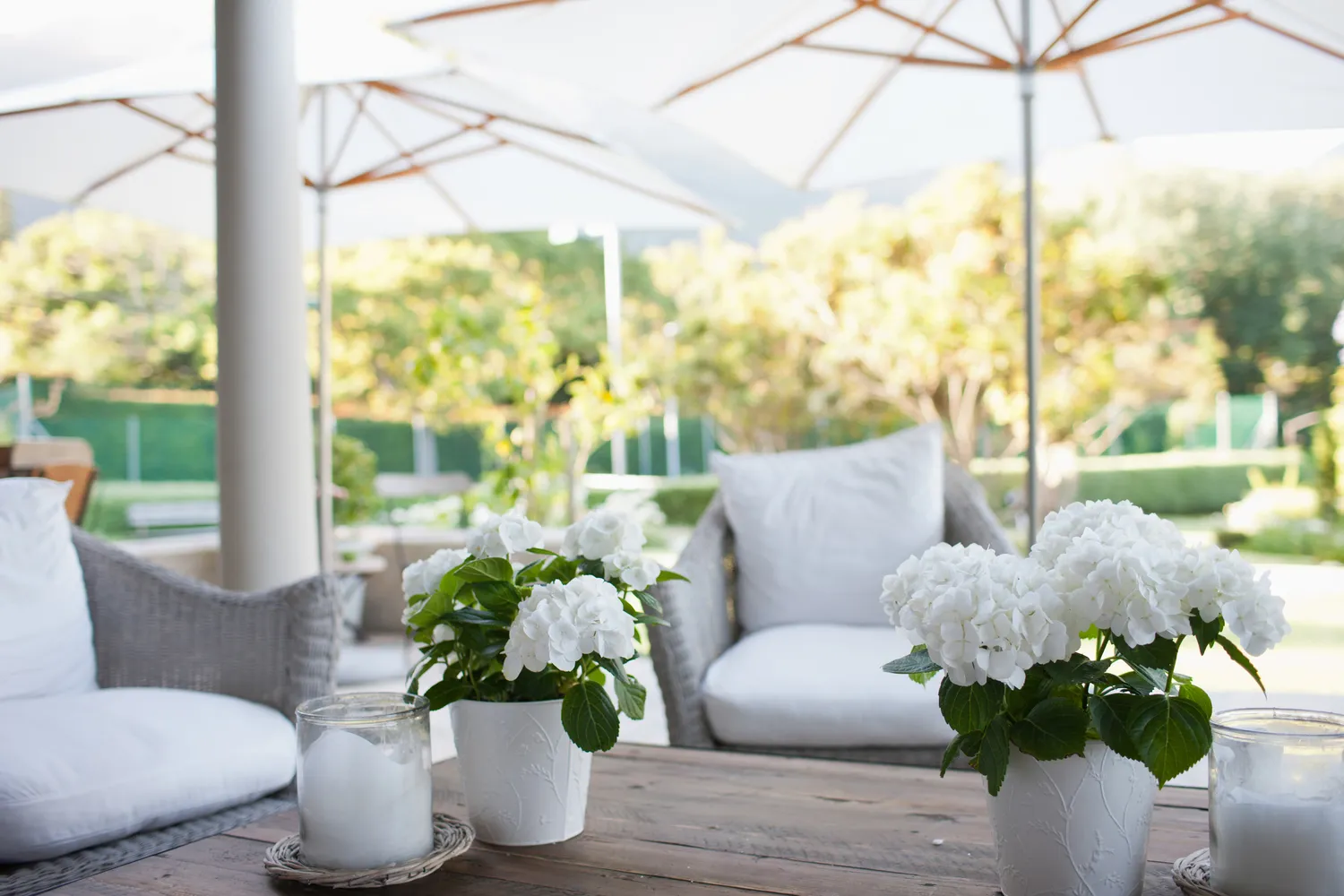
How to Remove Every Type of Stain From Patio Furniture (Without Damaging the Material)