1/4
Eco-Friendly Home Decor: Sustainable and Chic Ideas for 2023
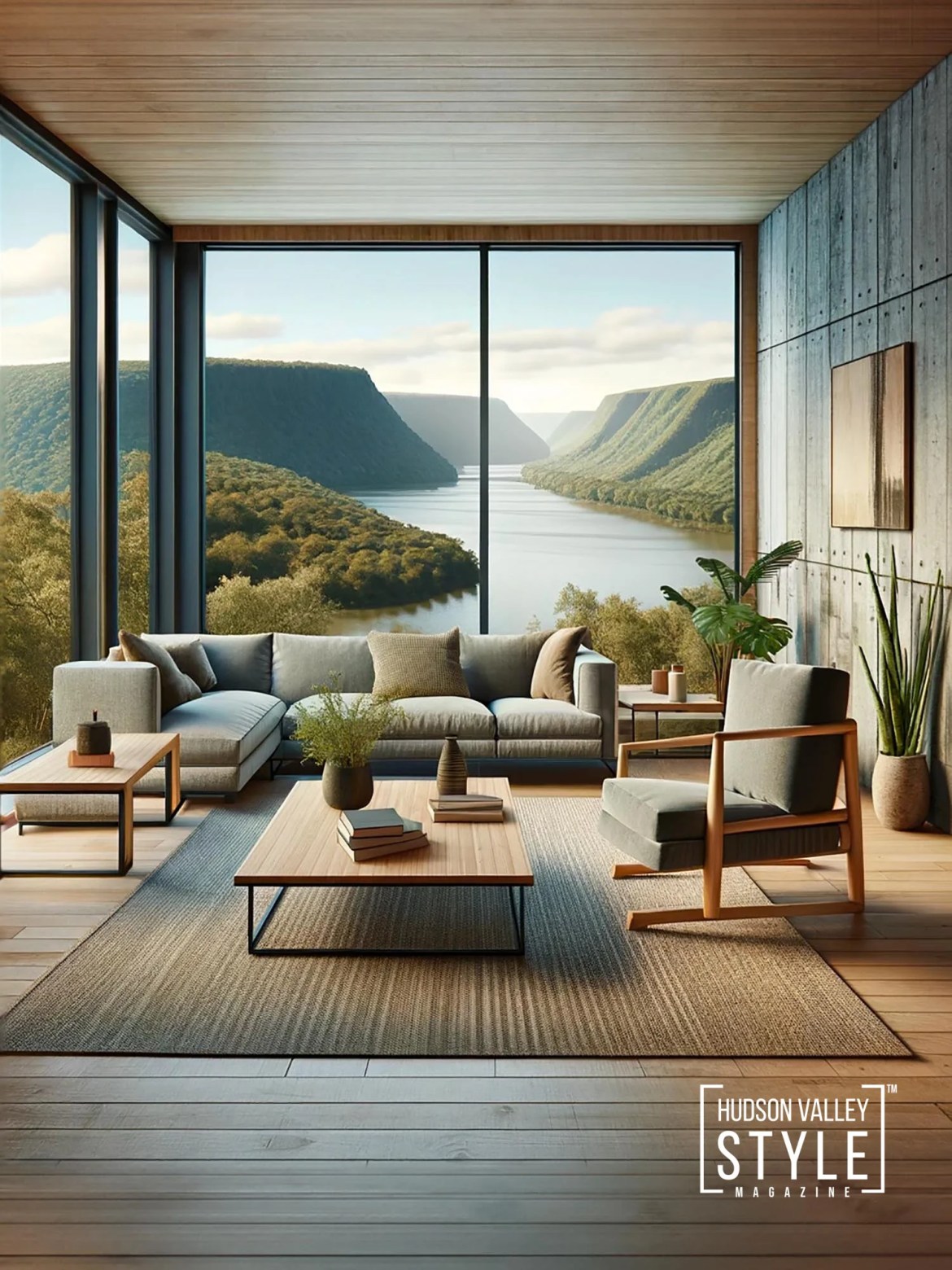
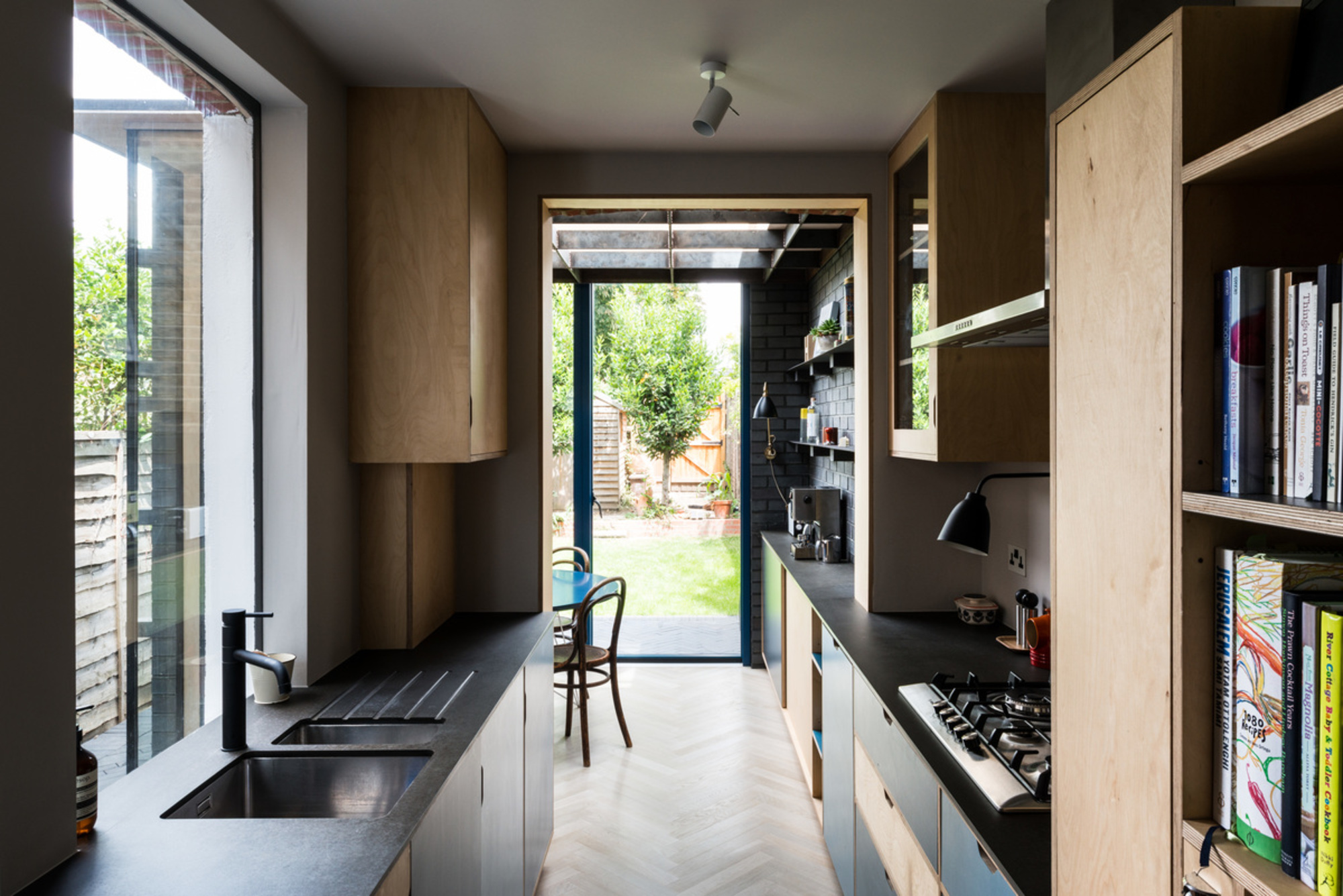
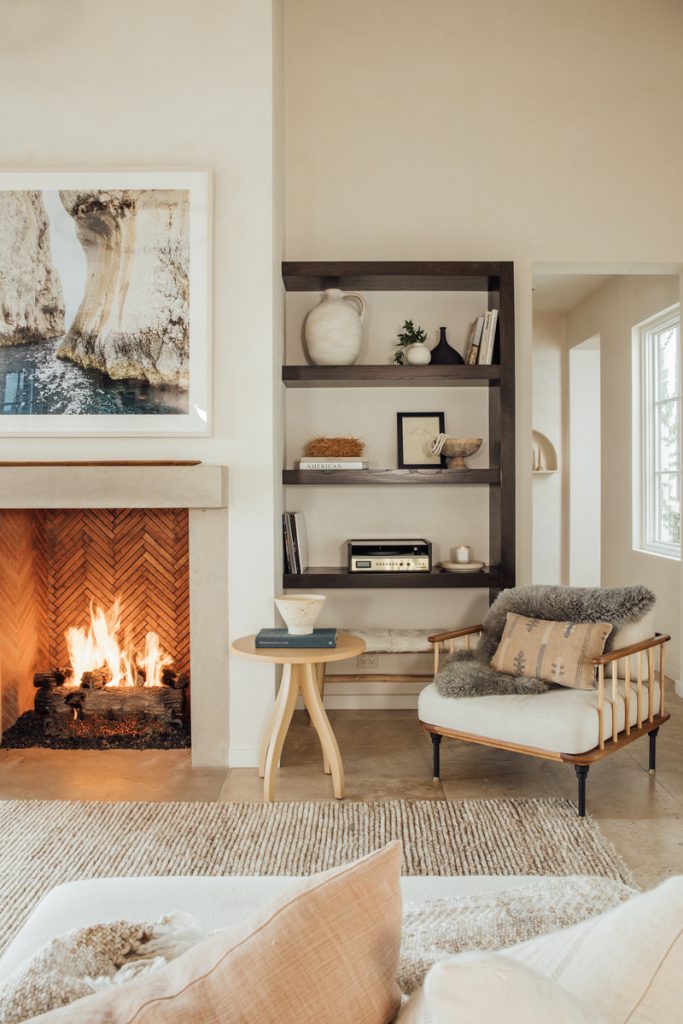
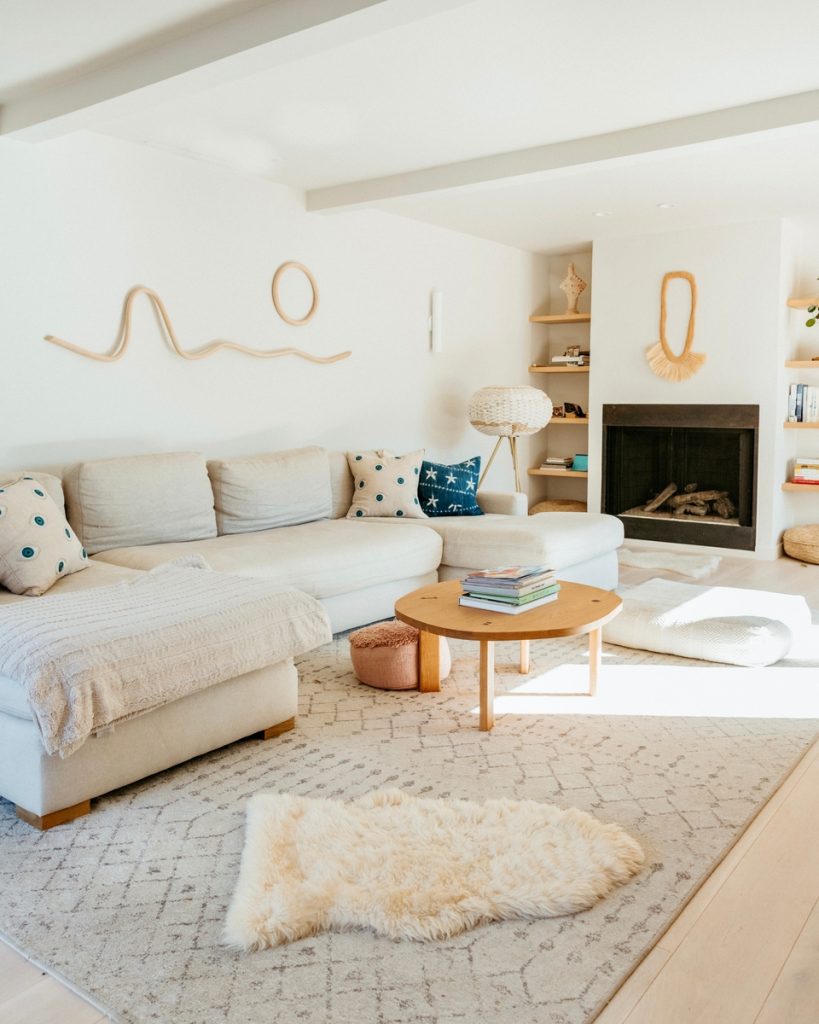
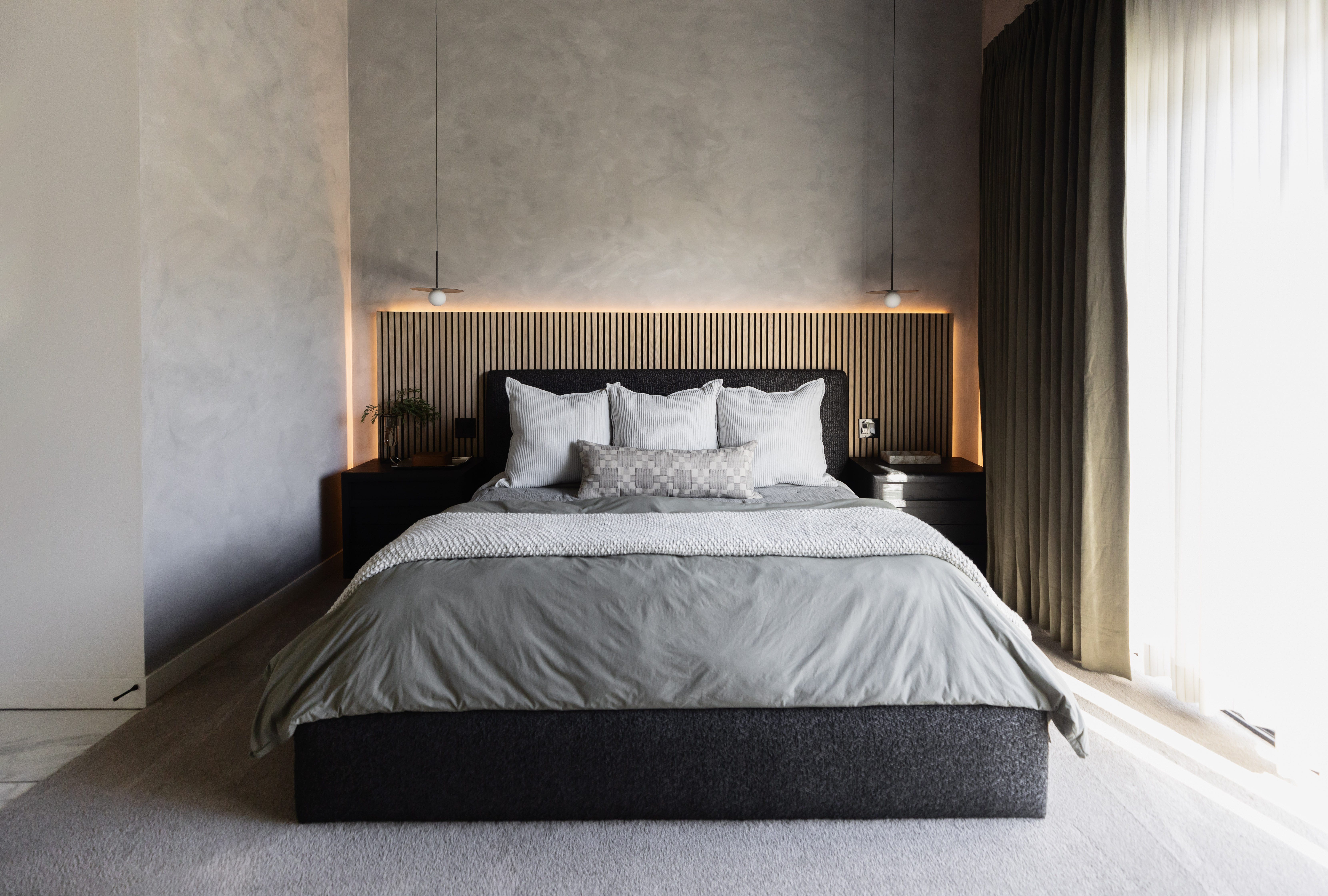
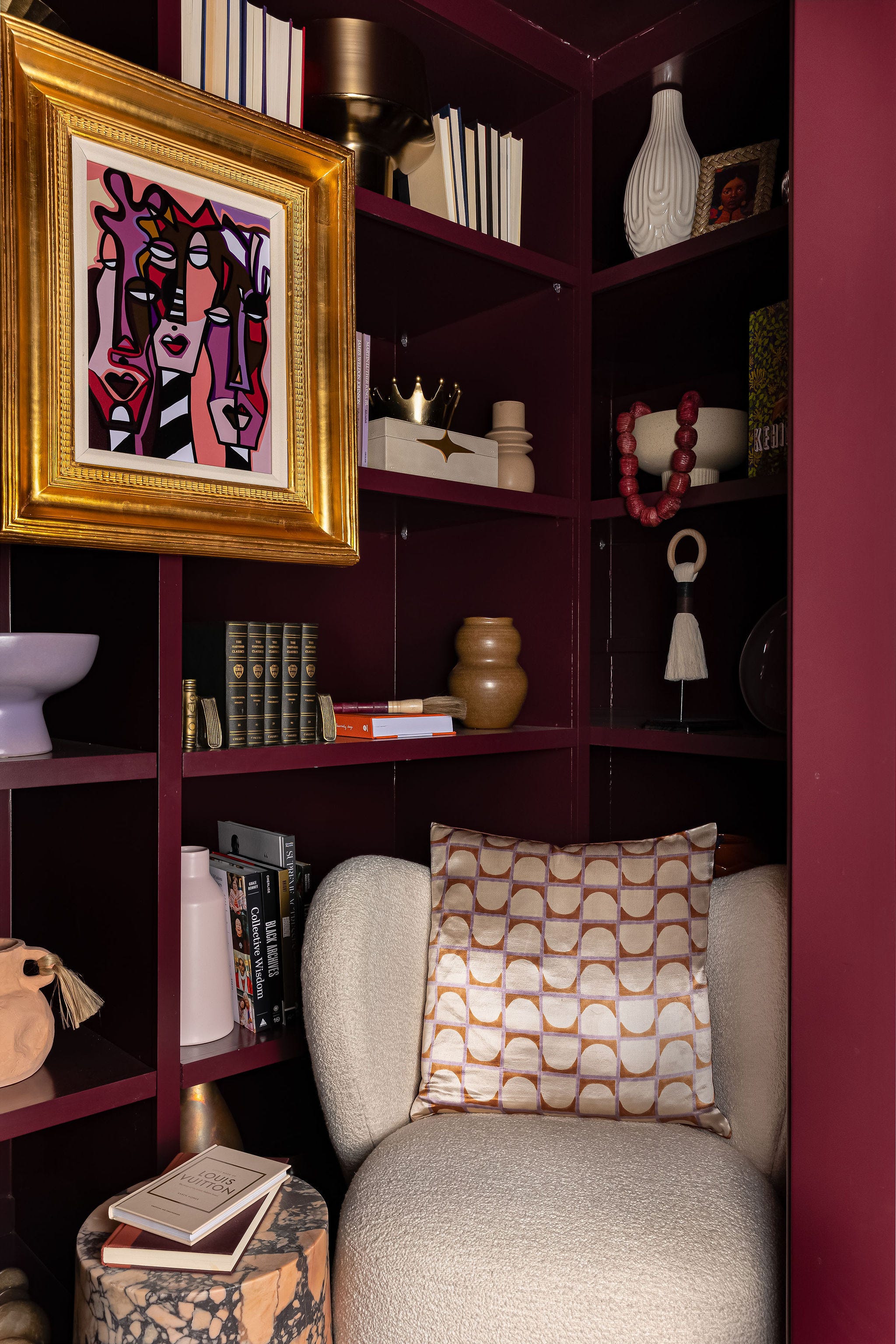
The increasing emphasis on eco-friendly decor reflects a growing awareness of the environmental impact of homes and the expanded availability of sustainable products and materials. This trend is further supported by the popularity of minimalist and Scandinavian design philosophies, which prioritize simplicity and natural elements. Various approaches exist to make a home more environmentally conscious, such as selecting sustainable materials for furniture and flooring or incorporating recycled materials in renovation projects. Several key trends define eco-friendly home decor in 2023.
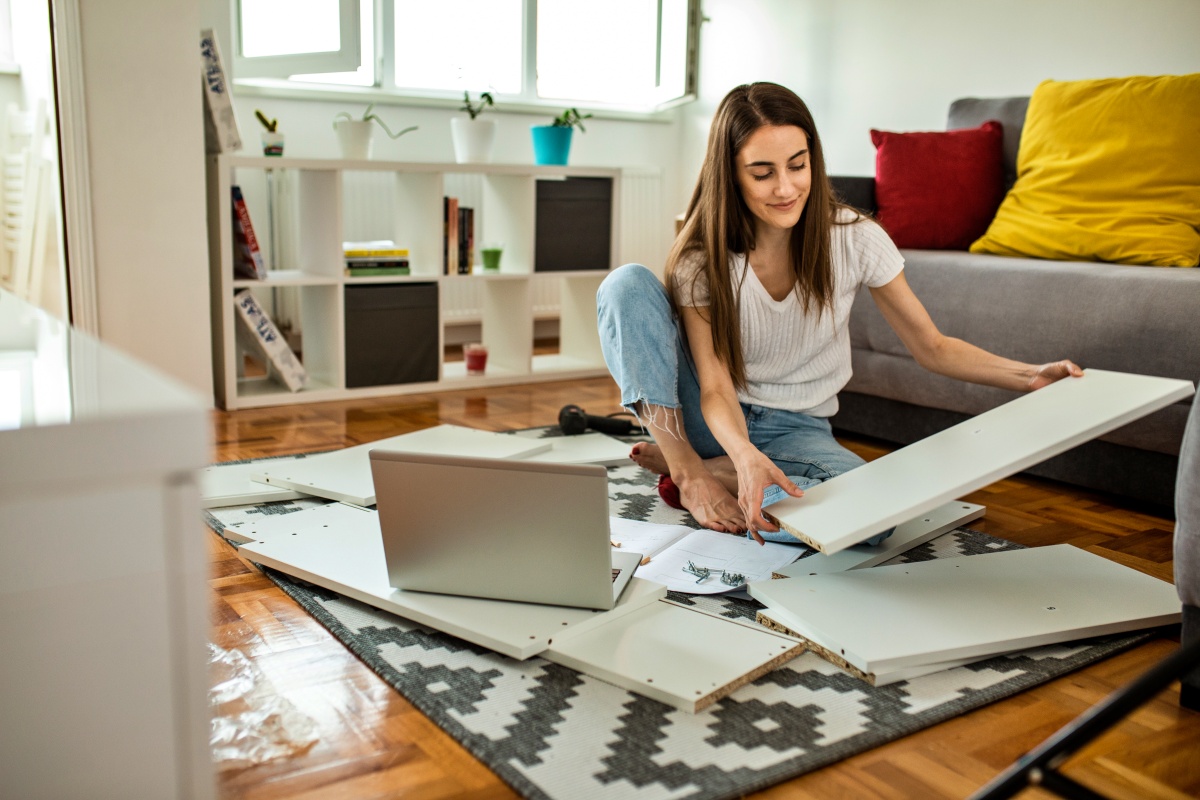
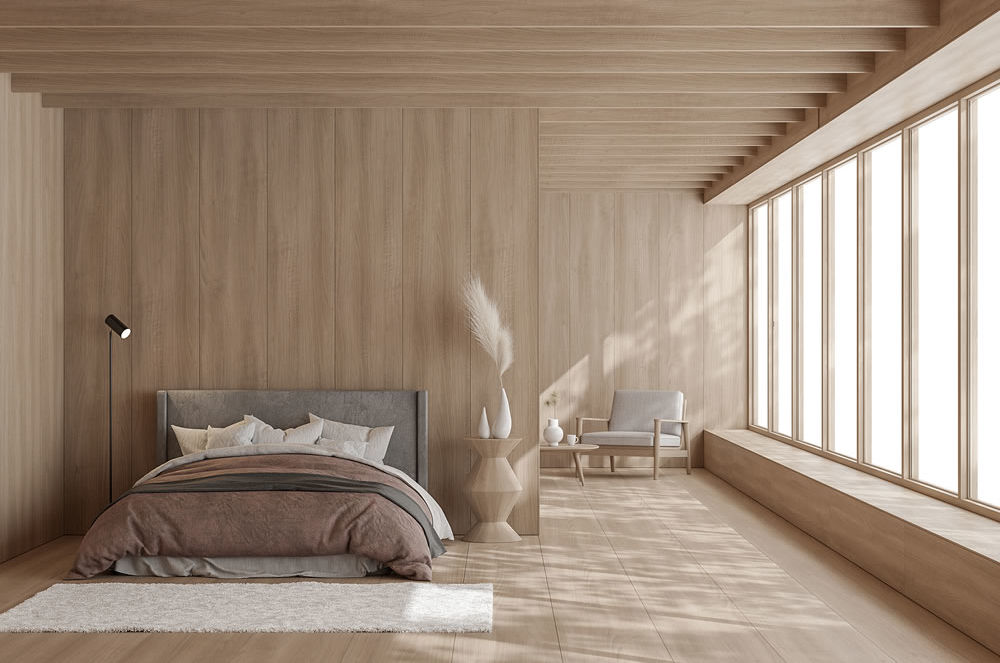
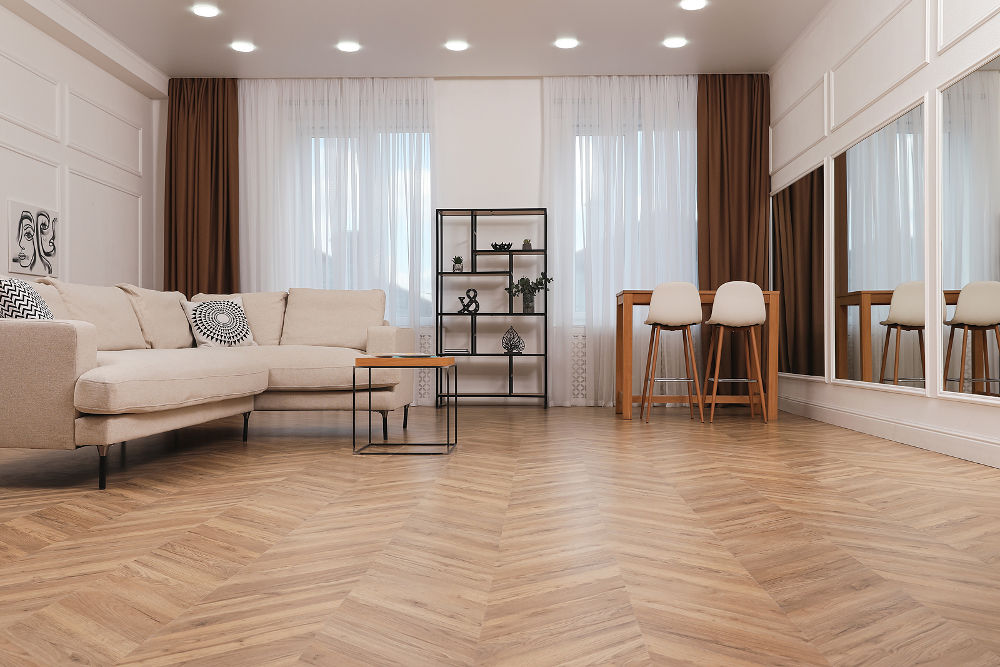
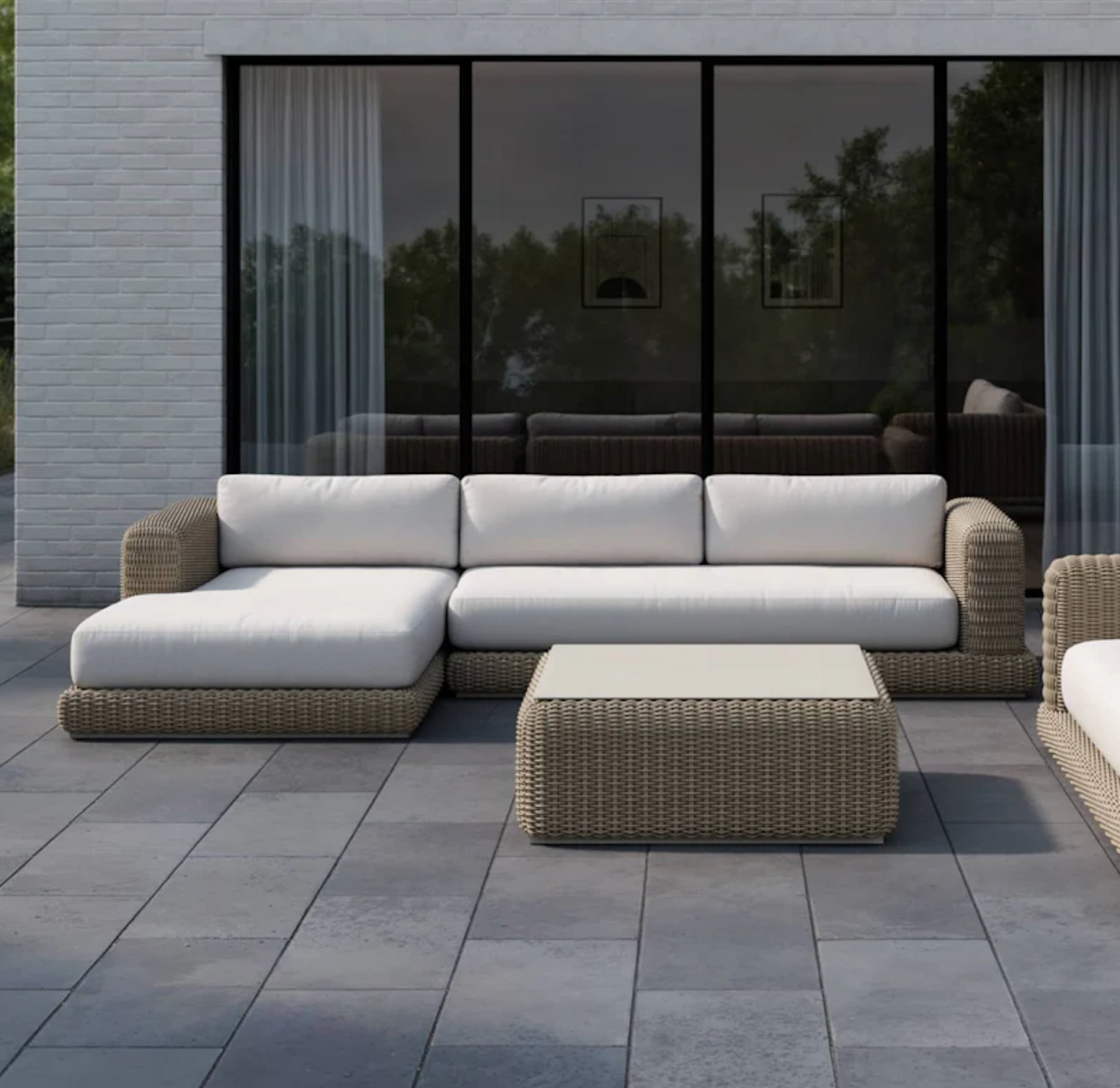
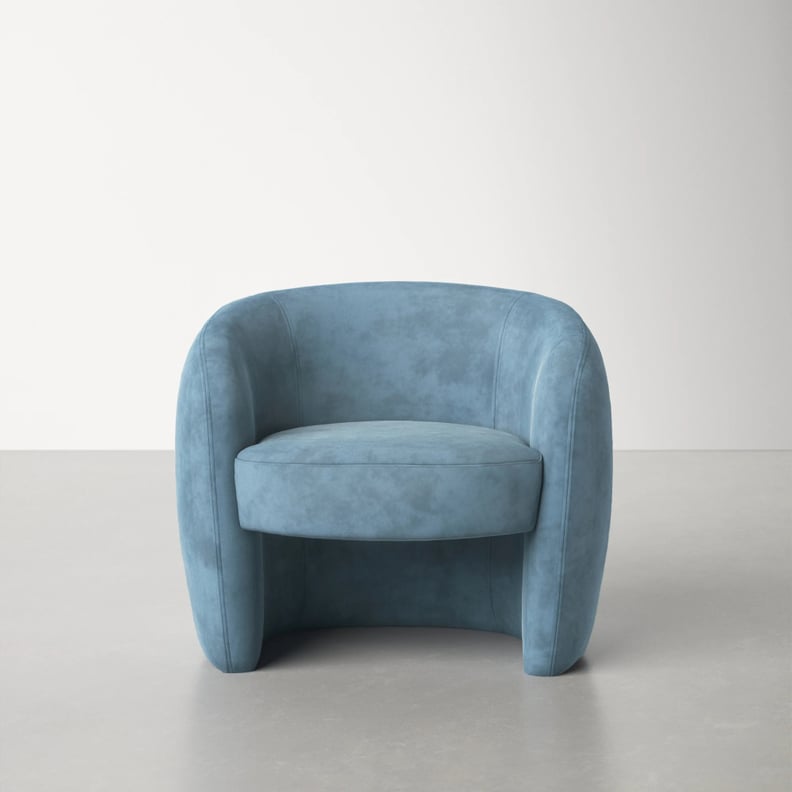
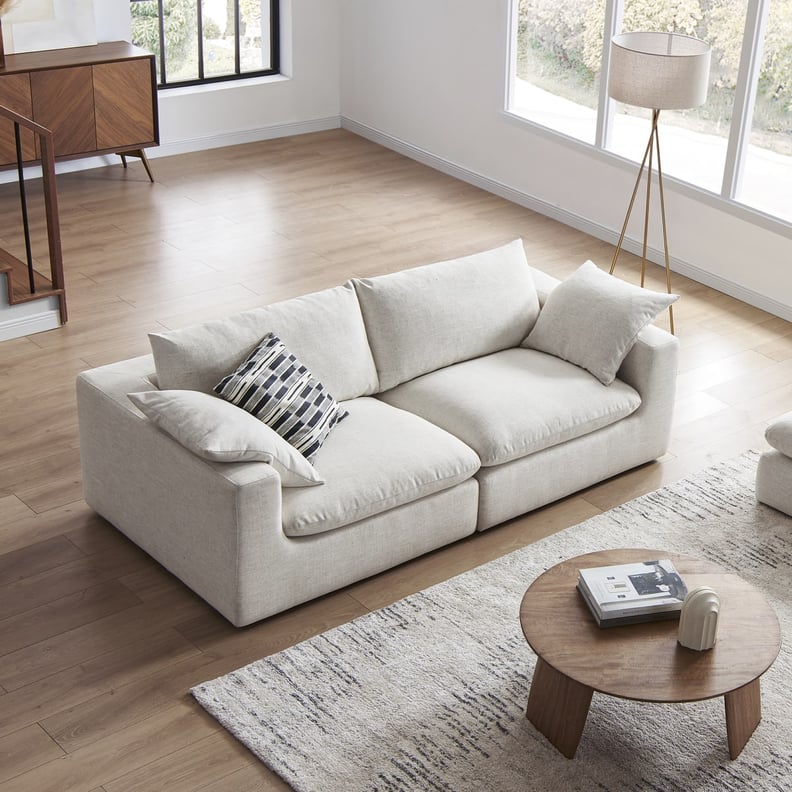
Sustainable furniture, a central component of eco-friendly decor, is crafted from materials sourced or produced using environmentally responsible methods. Examples include furniture made from reclaimed wood, bamboo, or other natural materials. Certifications such as the Forest Stewardship Council (FSC) and the Sustainable Furnishings Council (SFC) help consumers identify truly sustainable furniture. FSC certification ensures wood is harvested from sustainably managed forests, protecting both the environment and workers' rights. SFC certification indicates that furniture manufacturing minimizes environmental impact. Additionally, Greenguard Gold certification signifies that products meet stringent emission standards for indoor air quality, meaning they are low in volatile organic compounds (VOCs) that can be harmful to health. Major brands like West Elm and IKEA are increasingly incorporating sustainability into their furniture lines.
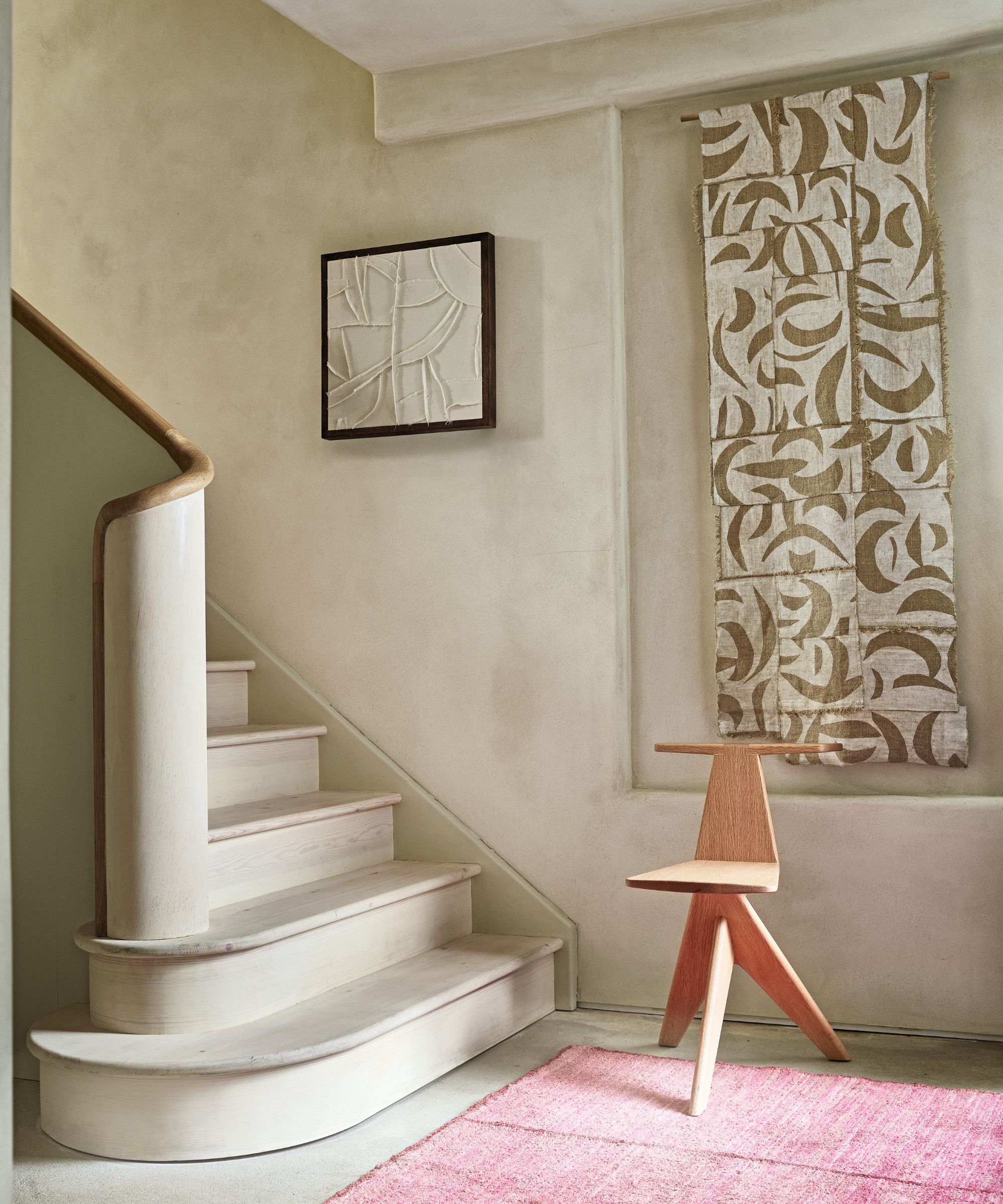
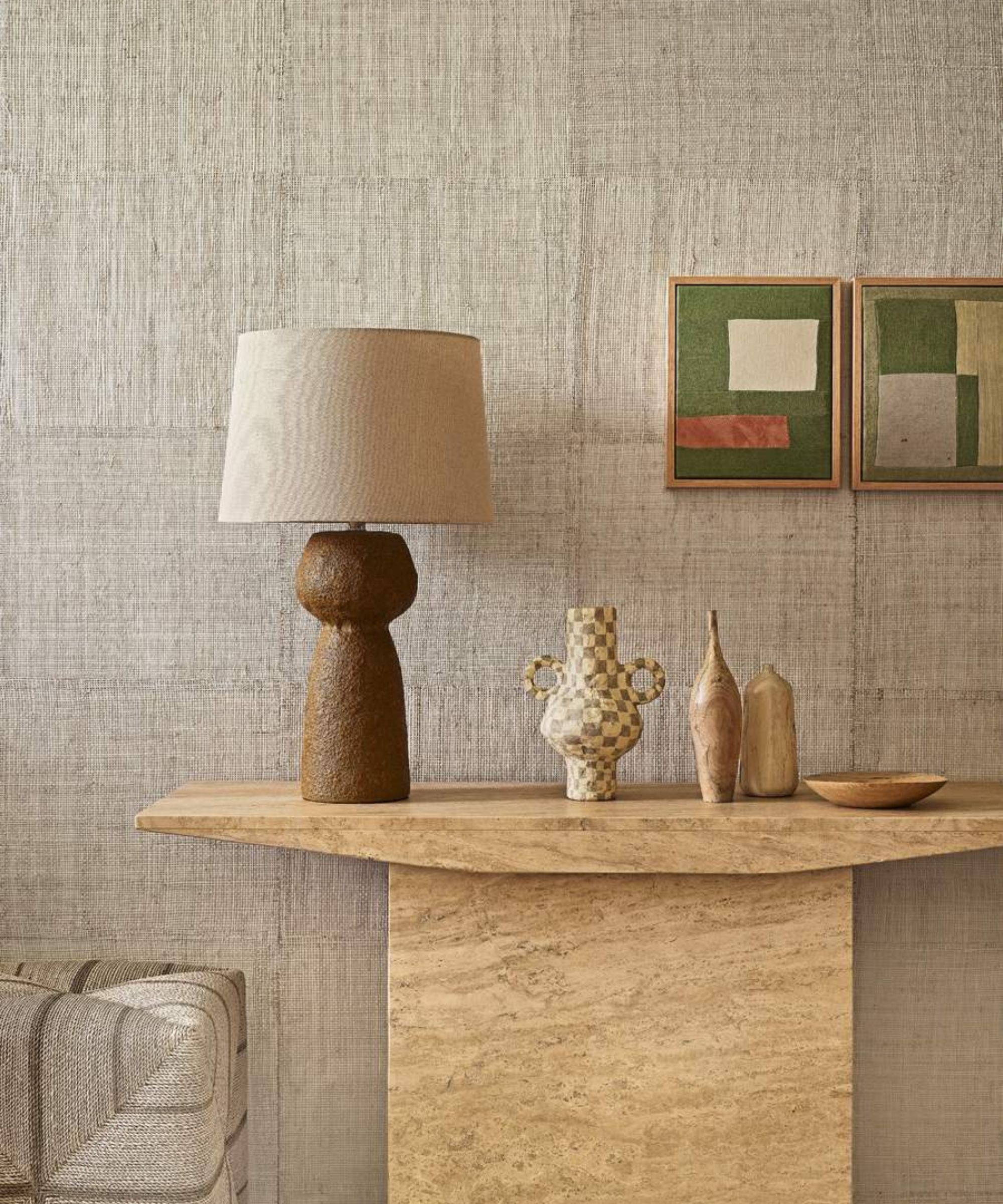
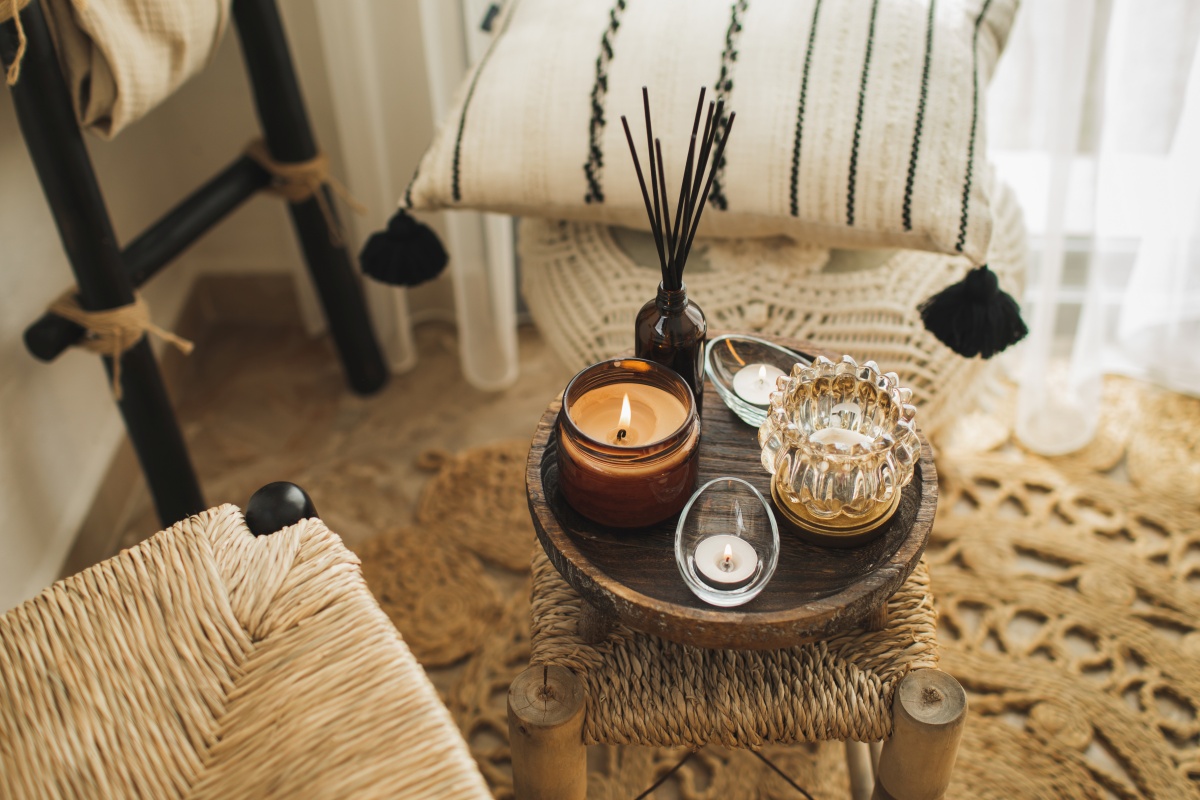
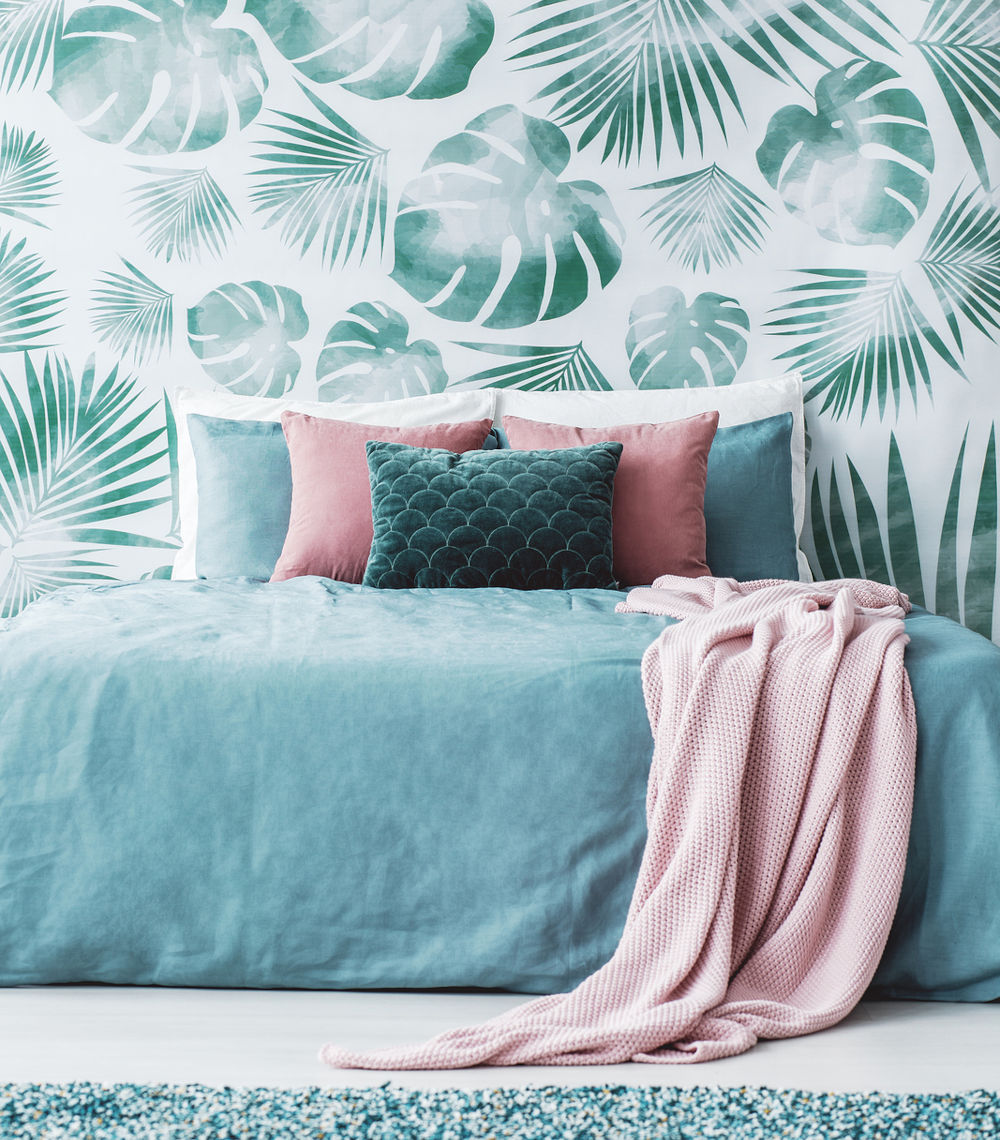
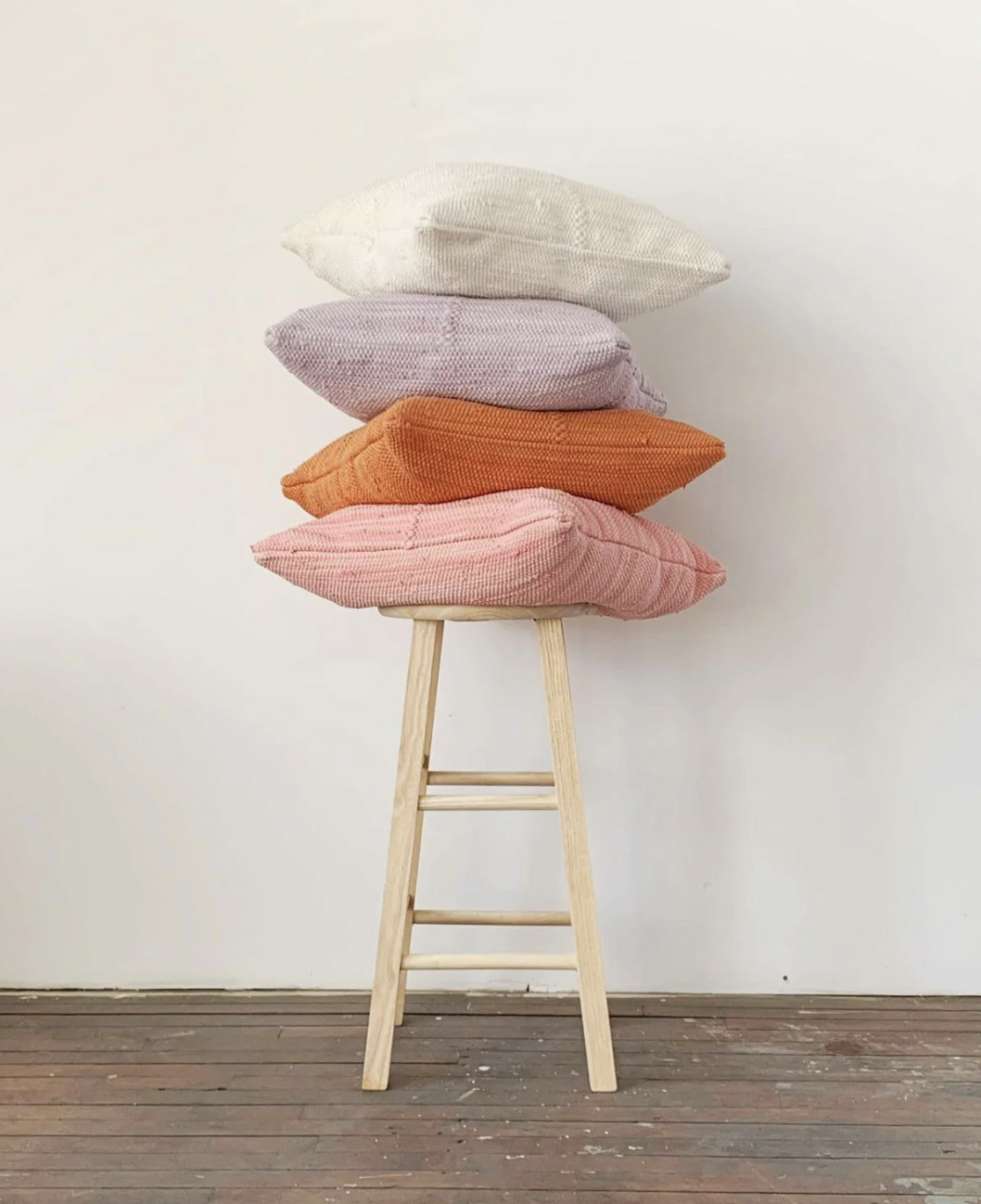
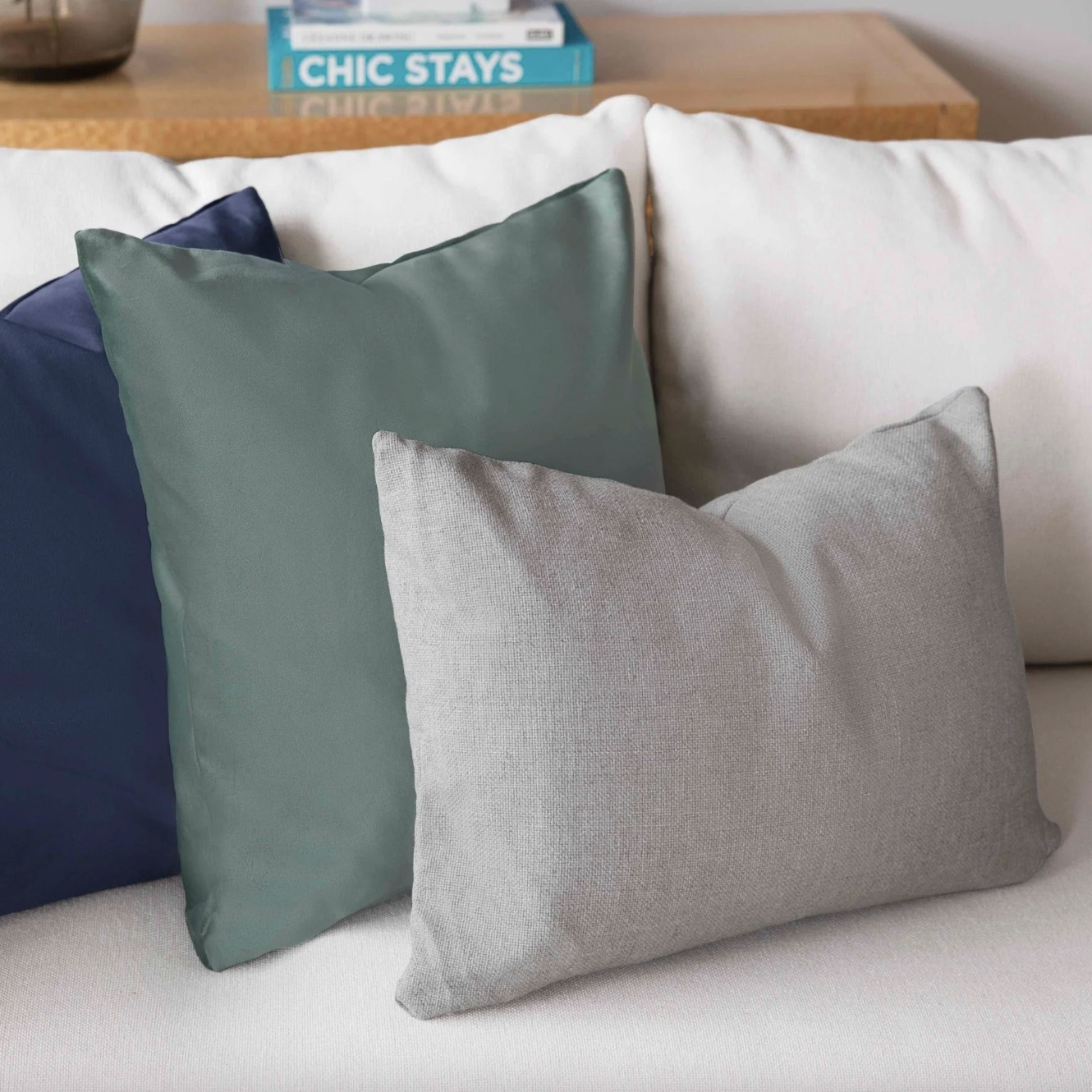
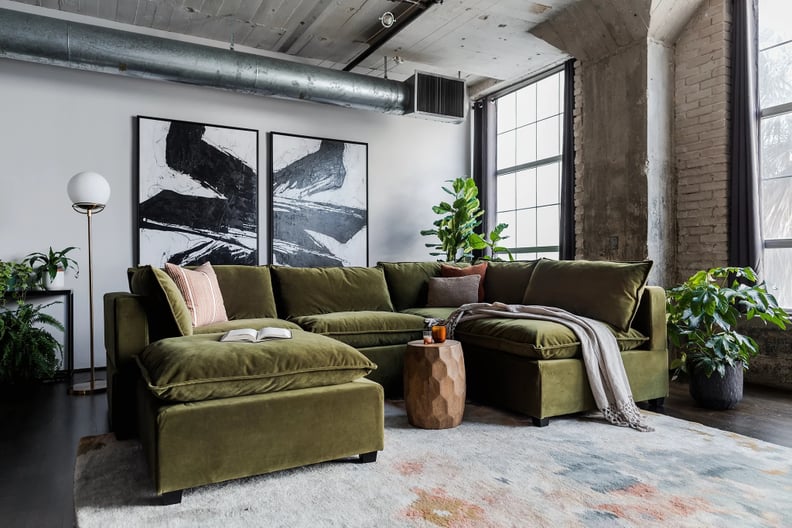
Natural textiles offer another avenue for sustainable home decor. These textiles are derived from natural fibers, including plant-based options like cotton, linen, hemp, bamboo, jute, and sisal, as well as animal-based fibers such as wool, silk, cashmere, and mohair. Natural textiles are generally considered more sustainable than synthetic alternatives because they can often be produced without harmful chemicals and are more biodegradable. Beyond their environmental benefits, they offer comfort due to their breathability and absorbency, can be hypoallergenic (like wool and silk), and are often associated with luxury and quality.
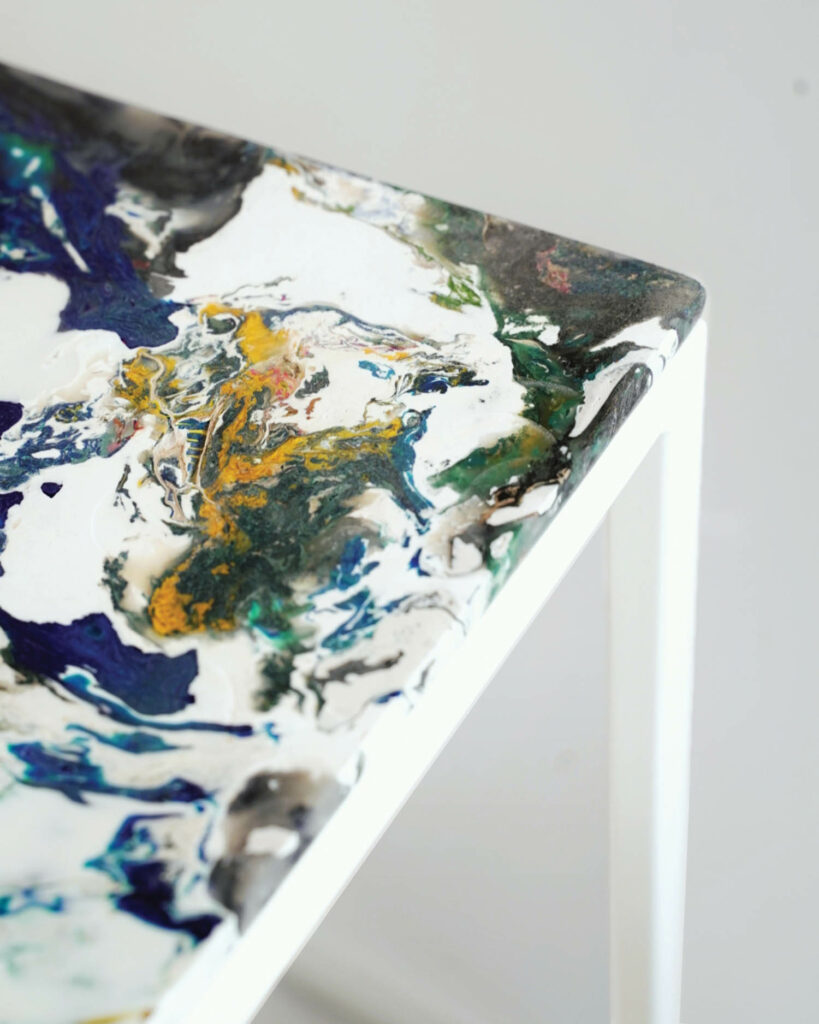
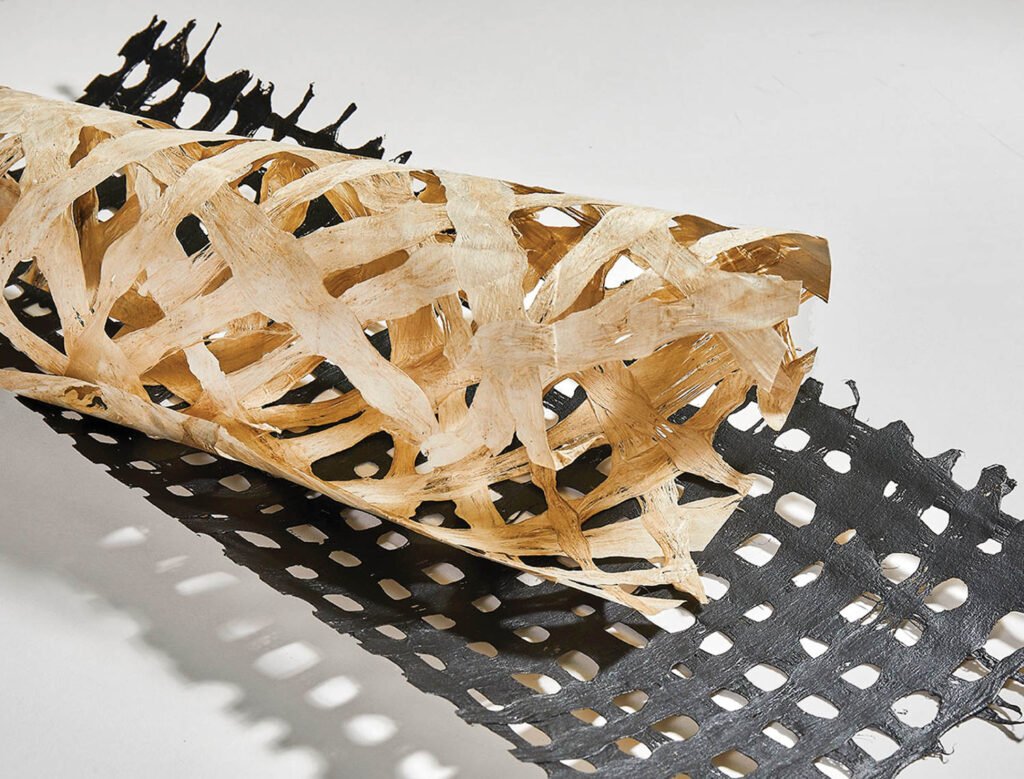
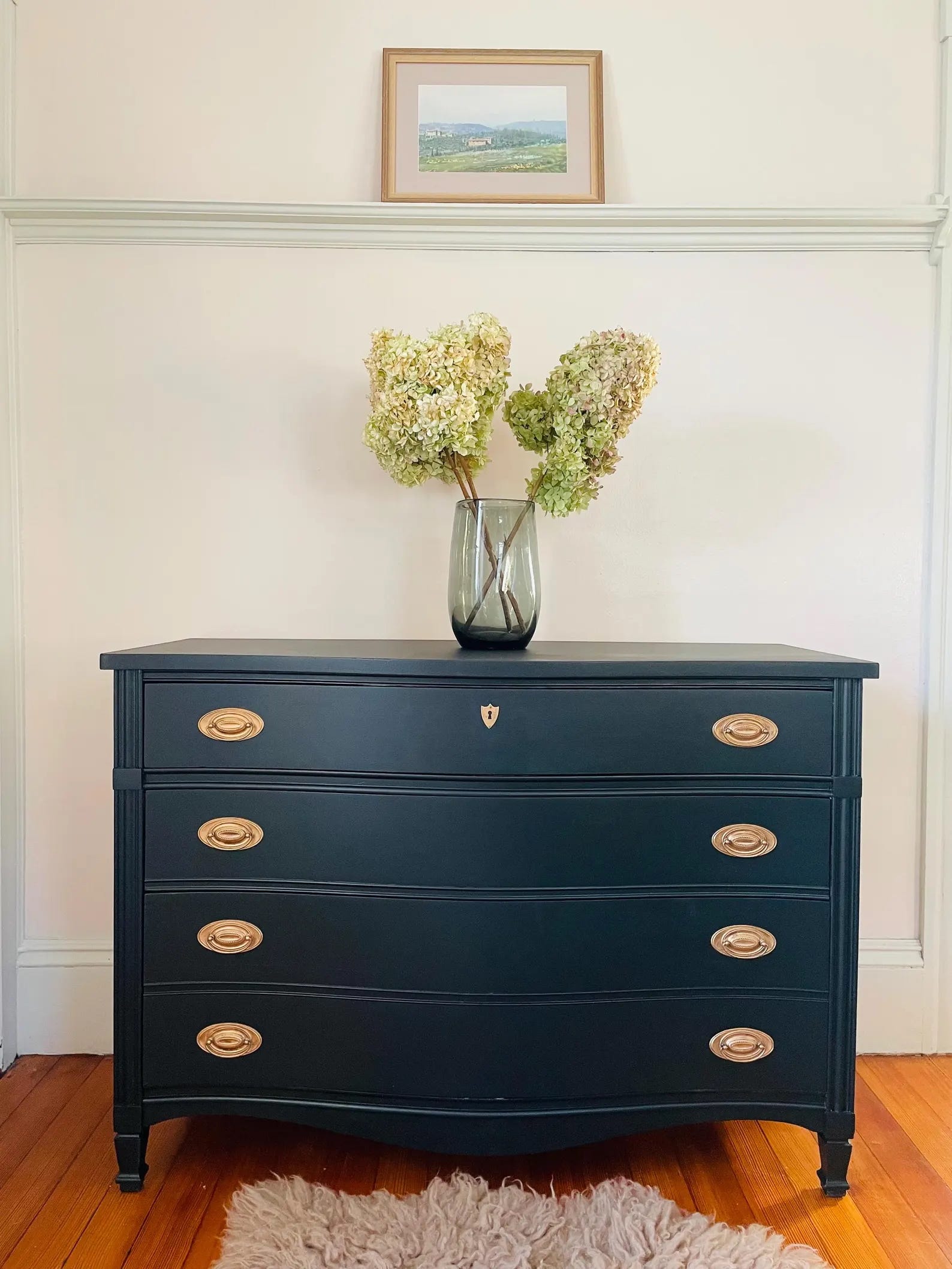
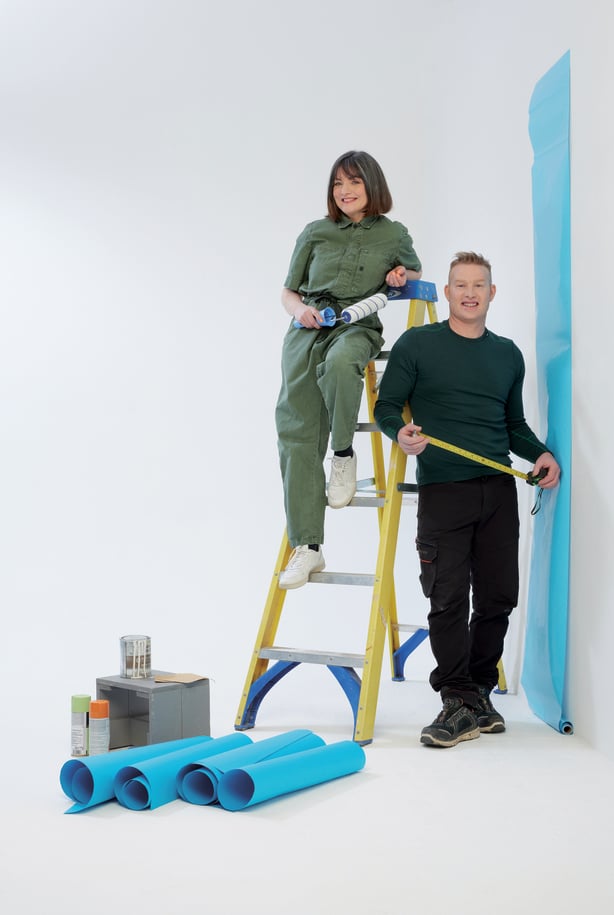
Incorporating reclaimed materials adds a unique character and history to home decor. This involves using furniture, flooring, and other items crafted from reclaimed wood, metal, or other previously used materials, giving them a new life and reducing waste. Using reclaimed materials also provides a distinctive aesthetic element to a home. The article also touches upon how to integrate such materials into home repairs, highlighting their versatility.
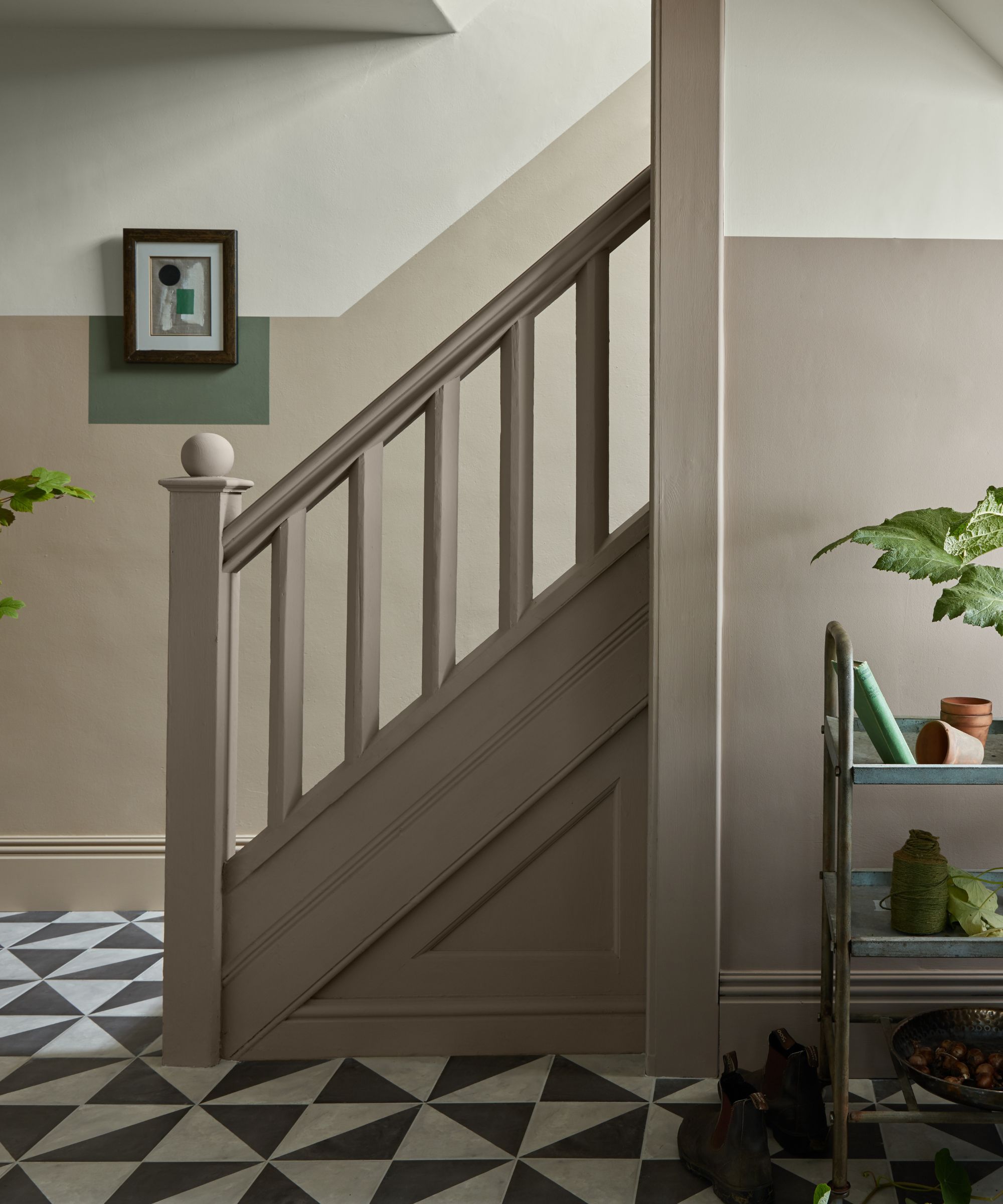
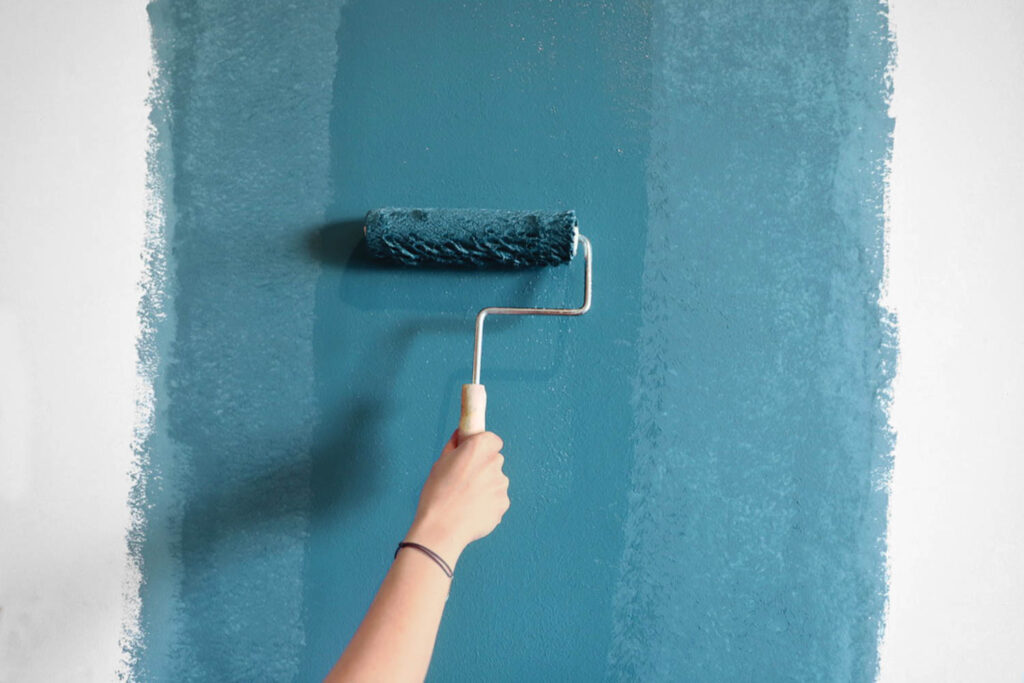
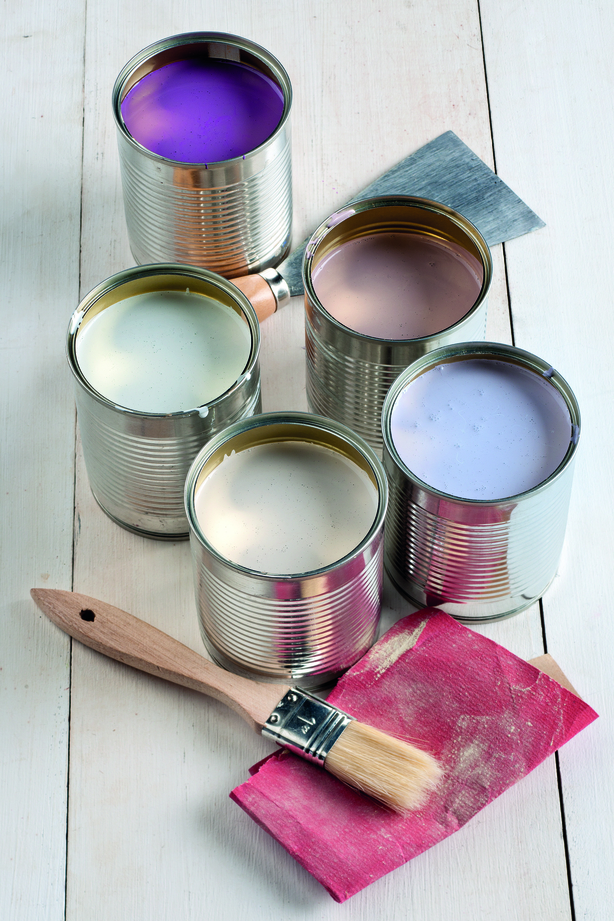
Low-VOC paints are essential for improving indoor air quality. Volatile organic compounds are chemicals that off-gas from paints and building materials, posing risks to human health, including irritation, headaches, nausea, organ damage, and increased cancer risk. Environmentally, VOCs contribute to reduced air quality, decreased visibility, and climate change. Opting for low-VOC or zero-VOC paints significantly reduces the release of these harmful chemicals into the home environment.
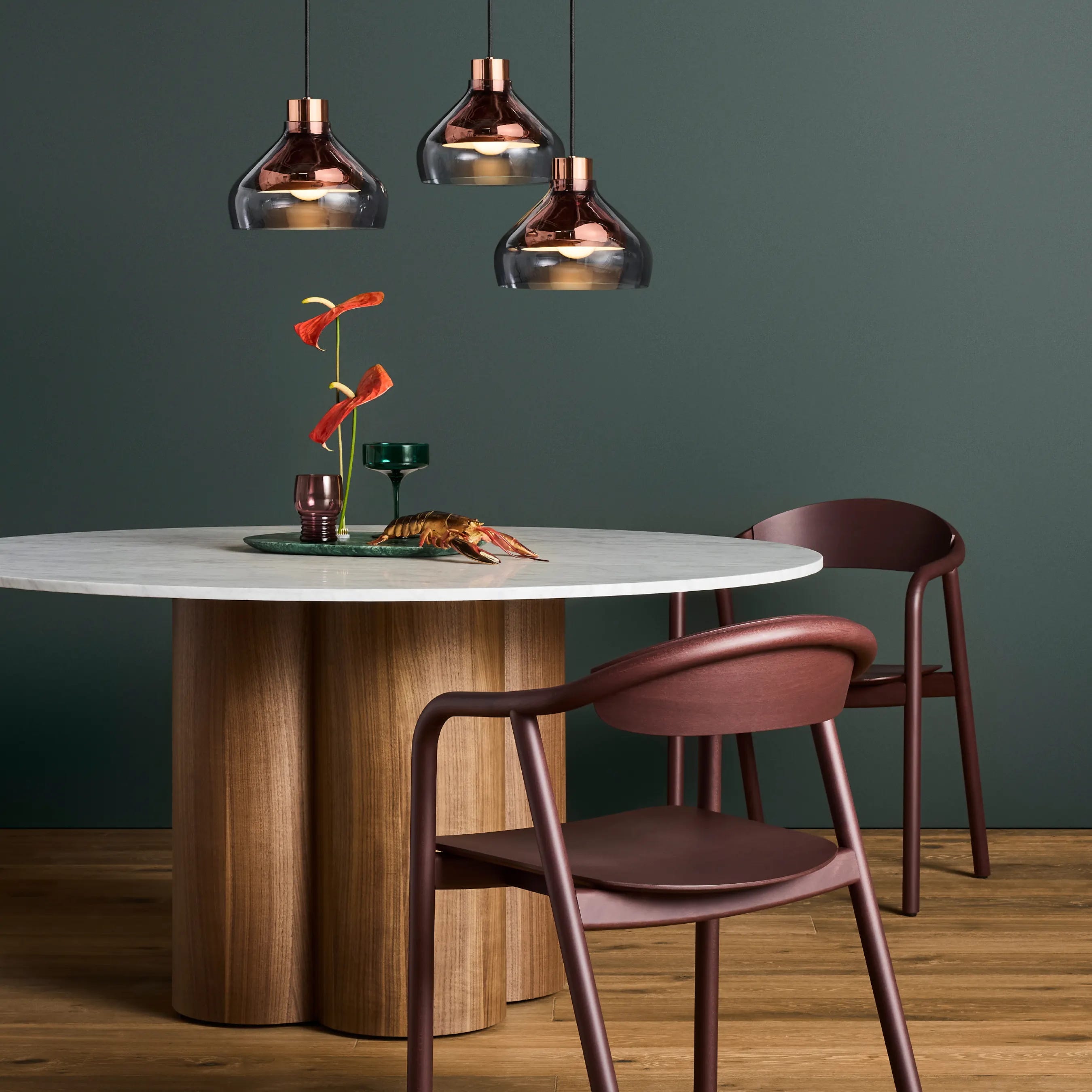
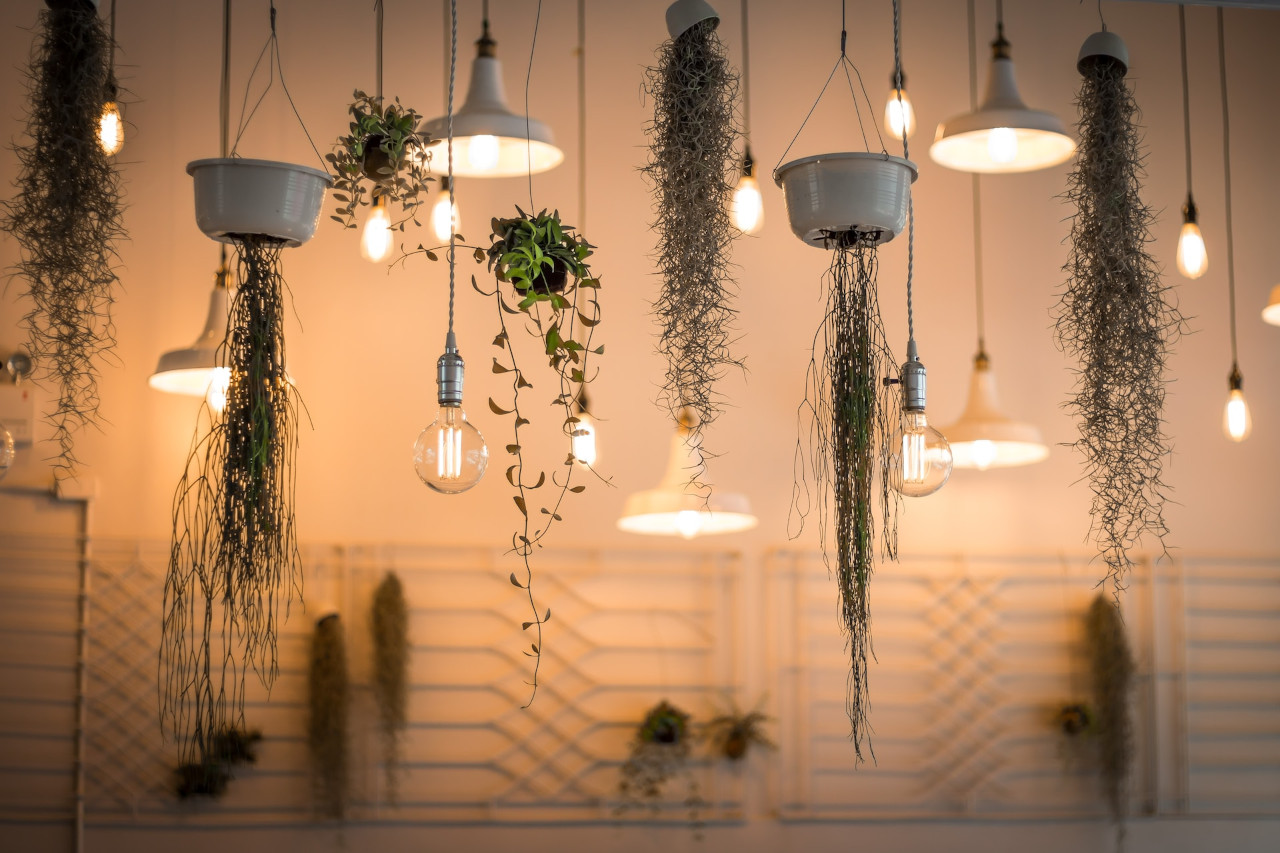
Sustainable lighting options are crucial for reducing energy consumption and environmental impact. LED lights are highly energy-efficient, using up to 90% less energy and lasting up to 25 times longer than traditional incandescent bulbs. CFL lights offer a similar energy-saving benefit, using about 75% less energy and lasting approximately ten times longer than incandescents. Solar lights, powered by the sun, are ideal for outdoor illumination as they require no electricity. Choosing these options helps minimize a home's carbon footprint.
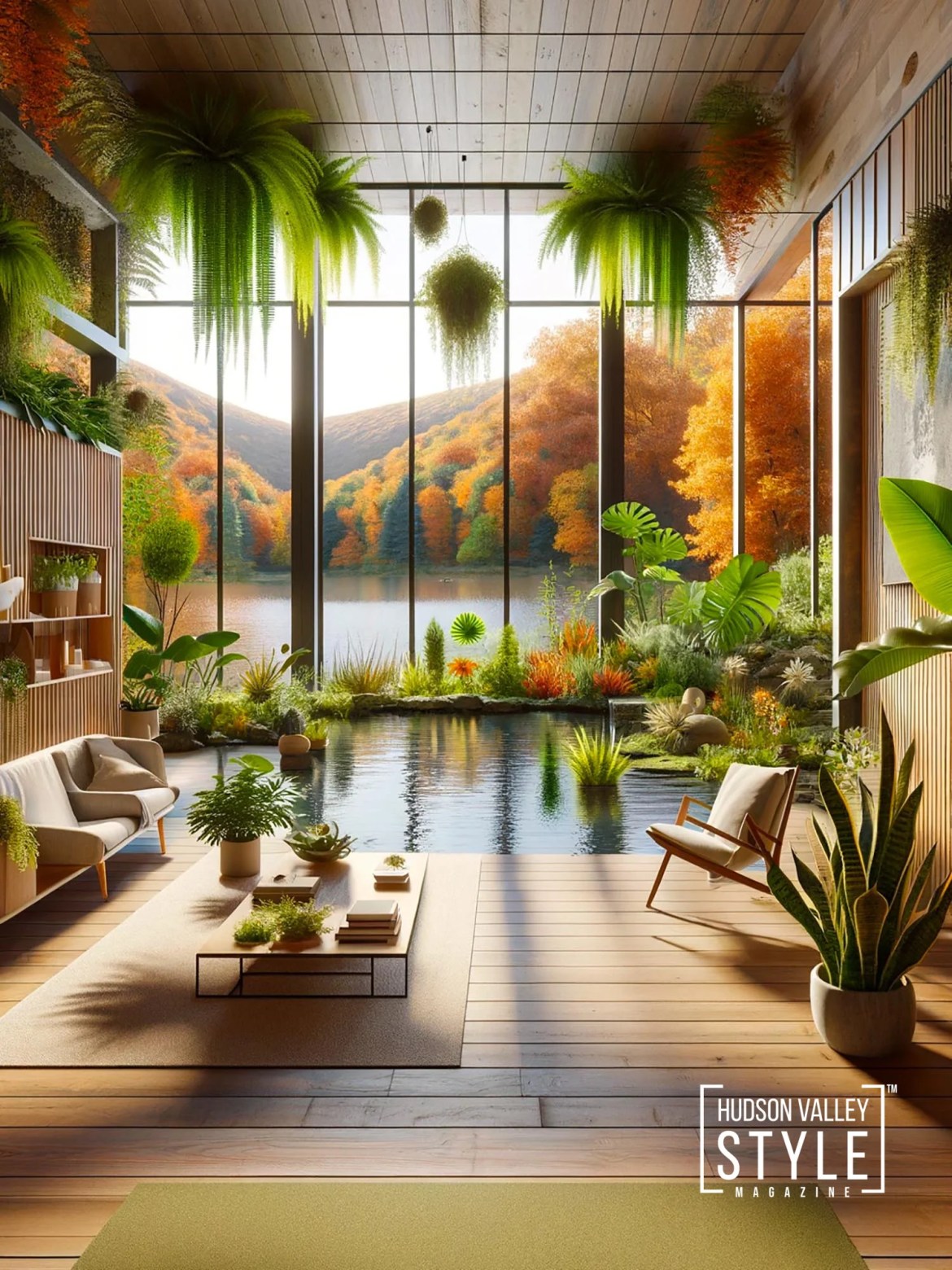
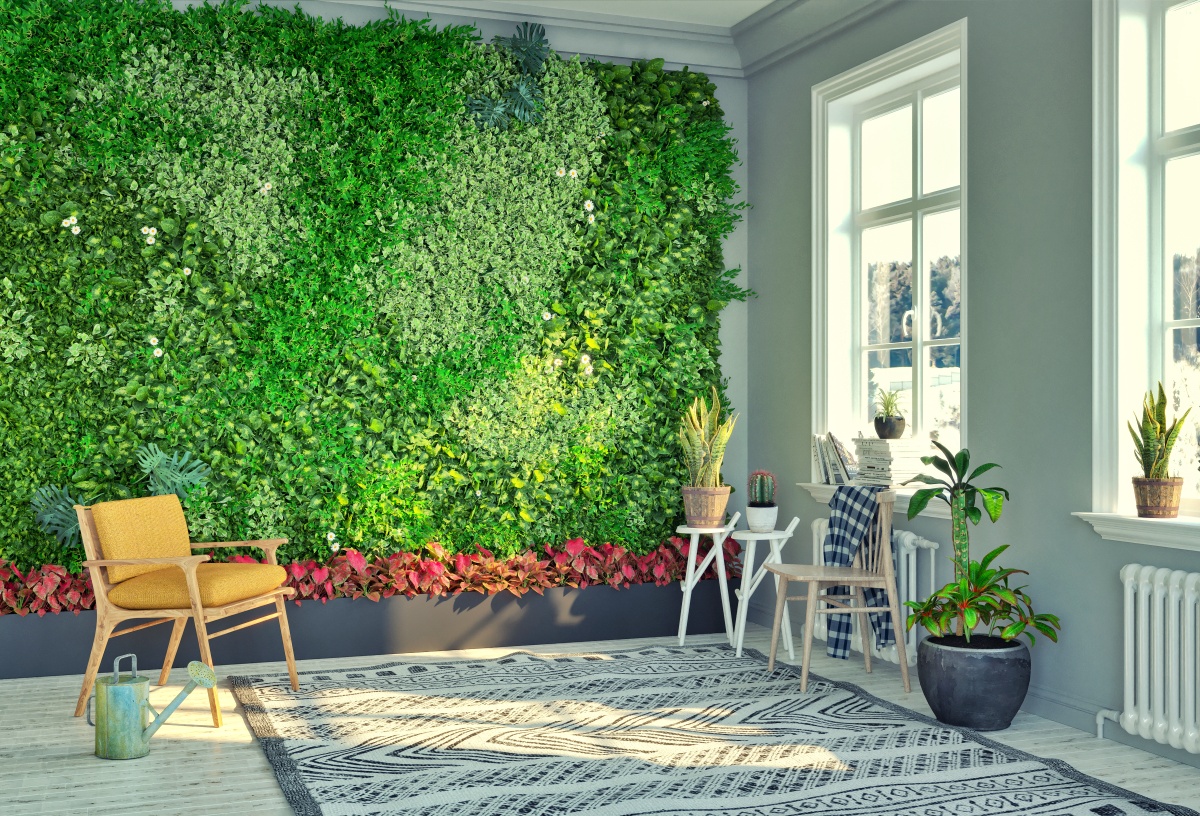
Finally, indoor plants enhance home decor by bringing nature indoors and improving air quality. When selecting indoor plants, it is beneficial to choose those native to the local climate, as they are more likely to thrive. The article provides additional resources for those interested in container gardening, low-maintenance plants, and indoor garden ideas, guiding individuals in their plant care journey. Embracing these eco-friendly principles in home decor allows for the creation of stylish and sustainable living spaces, contributing positively to environmental well-being.
#EcoFriendlyDecor #SustainableFurniture #NaturalTextiles #ReclaimedMaterials #LowVOCPaints #SustainableLighting #IndoorPlants #GreenLiving #HomeImprovement #EcoFriendlyDecor #SustainableFurniture #NaturalTextiles #ReclaimedMaterials #LowVOCPaints #SustainableLighting #IndoorPlants #GreenLiving #HomeImprovement
合計0件のコメント
 まだコメントはありません
あなたも好きかもしれません
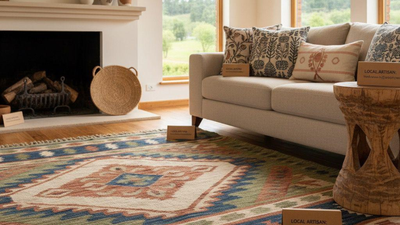
Sustainable Home Décor: Eco-Friendly Interior Design Trends to Watch

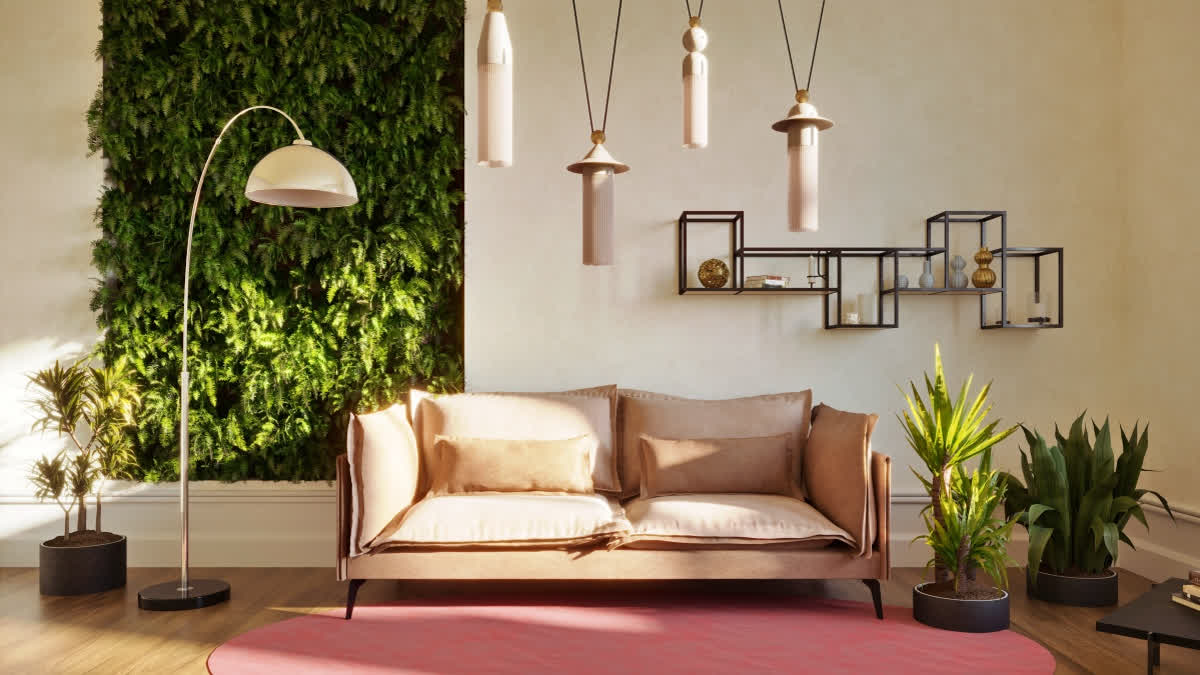
Earth Day 2025: Biophilic Design, Modular Multifunctional Furniture And Other Sustainable Home Trends That Are Here to Stay
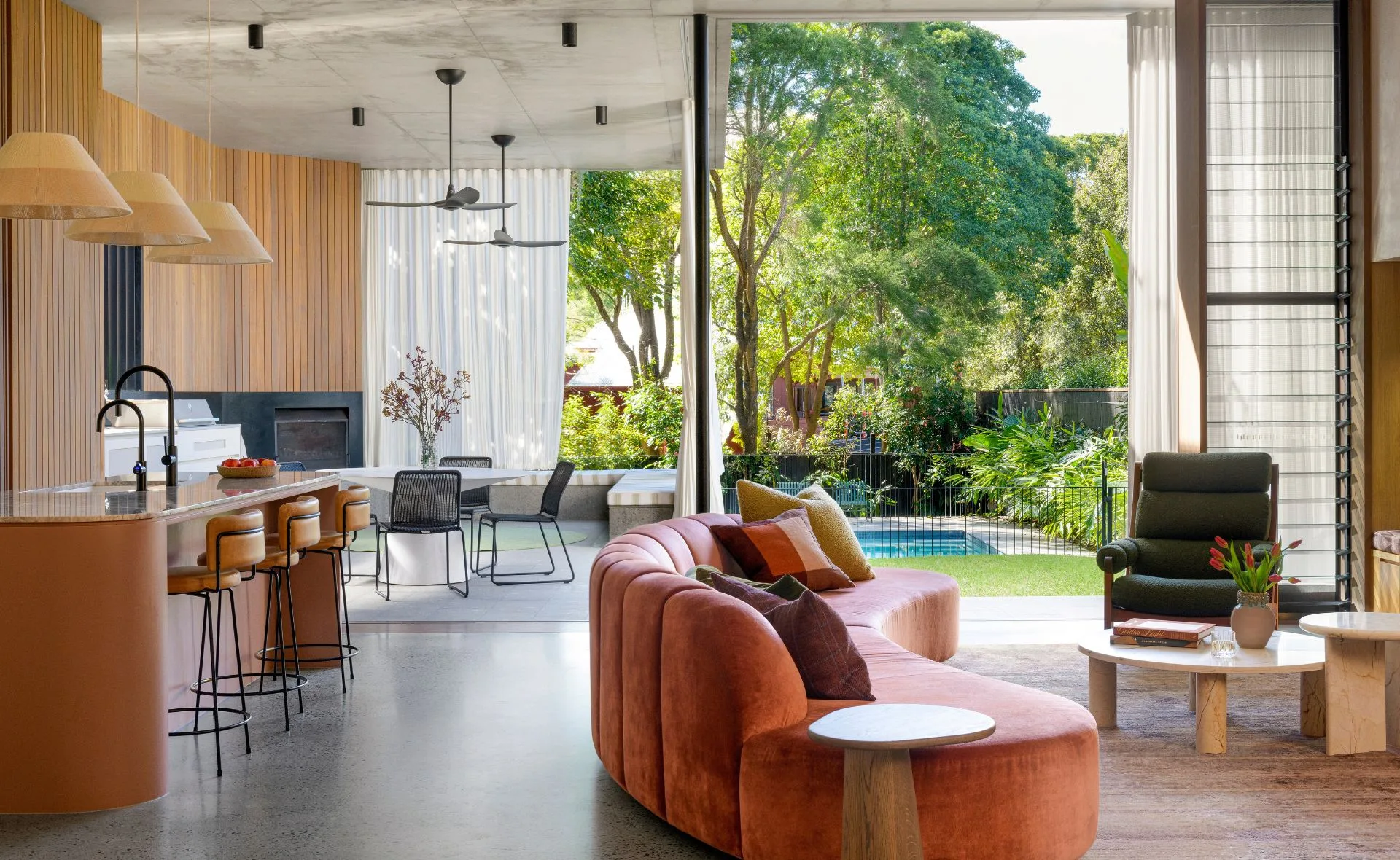
5 sustainable home solutions that won’t cramp your style

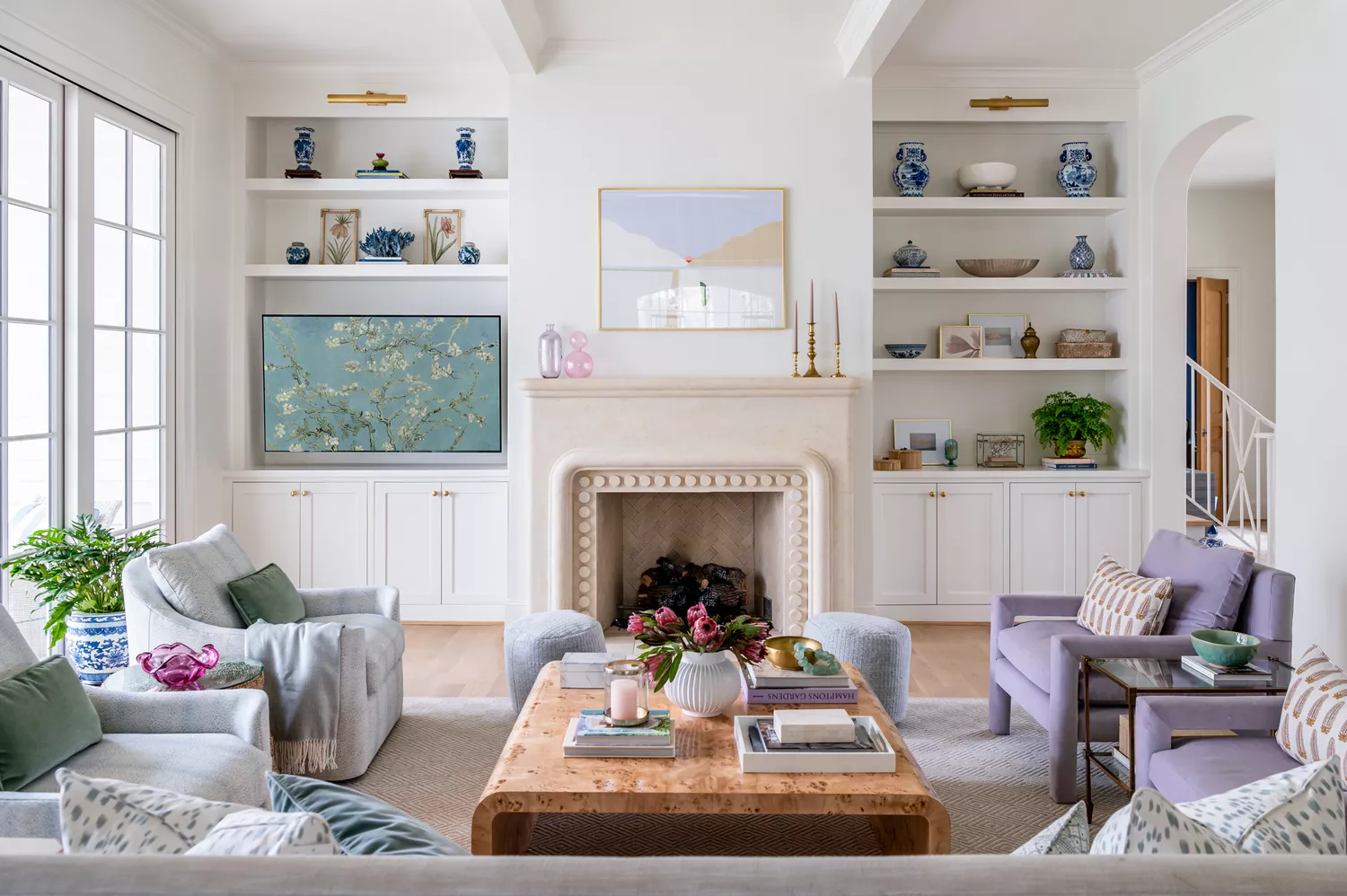
A Guide To The Most Popular Home Decor Styles In 2023
Shop Sustainably at These Eco-Friendly Home Decor and Furniture Brands

Luxury living goes green: Eco-friendly homes are now the latest trend in sustainable living

6 Sustainable Home Decor Trends You're Going to See Everywhere in 2025, Designers Say

The Pros Have Spoken: These Interior Design Trends Will Define 2025

Sustainable Interior Design Trends for 2024: Embracing Eco-Friendly Living

Timeless Eco-Friendly Home Decor for a Sustainable Living
Where to Shop Sustainable Home Decor Online

The 4 Furniture Trends You'll Want in Your Home This Year
Sustainable home decor: Eco-friendly interior design trends to watch

7 Innovative Home Decor Items With Sustainable Origins

And Now, the Chicest Living Room Décor Ideas for 2023


Home Rescue's Dee Coleman on the six R's of sustainable interior design
Eco decor – 10 beautiful, sustainably-designed room ideas

10 Sustainable Homes That Prove Interior Design Can Be Just as Easy on the Eye as It Is on the Earth

Redecorating? Get Some Gorgeous Pieces From These Sustainable Furniture Brands
10 Ways to Nail the Slow Decorating Trend Designers Are Loving