1/27
Designing with Empathy: Architecture for Social Equity
Empathy-driven design in architecture is a critical approach that shapes both the physical environment and social dynamics, focusing on fostering social equity. This method emphasizes understanding the lived experiences, struggles, and aspirations of individuals, particularly those in marginalized communities. The goal is to create spaces that promote dignity, accessibility, and social equity beyond mere aesthetics and functionality. By prioritizing empathy, architects can design environments that uplift communities, address disparities, and drive positive societal change through human-centered design.
Central to empathy-driven design is a collaborative approach where architects engage directly with future inhabitants. This ensures that design solutions genuinely reflect the diverse needs and aspirations of the community, moving away from top-down processes toward a participatory model that empowers residents. This collaboration recognizes community vulnerabilities while instrumentalizing and empowering their competencies within the architects' framework, fostering ownership and identity, and deepening the connection between individuals and their environment.
Empathy serves as a catalyst for social change in architecture by challenging designers to consider the broader impact of their work on social equity, thereby creating more inclusive and adaptable spaces. Whether dealing with affordable housing, public infrastructure, or community gathering areas, empathy-driven design elevates architecture's role in promoting social justice. By integrating empathy, architects can create equitable and caring environments that serve the common good, acting as active listeners and co-designers who immerse themselves in the community's context to reflect its values, needs, and identity.
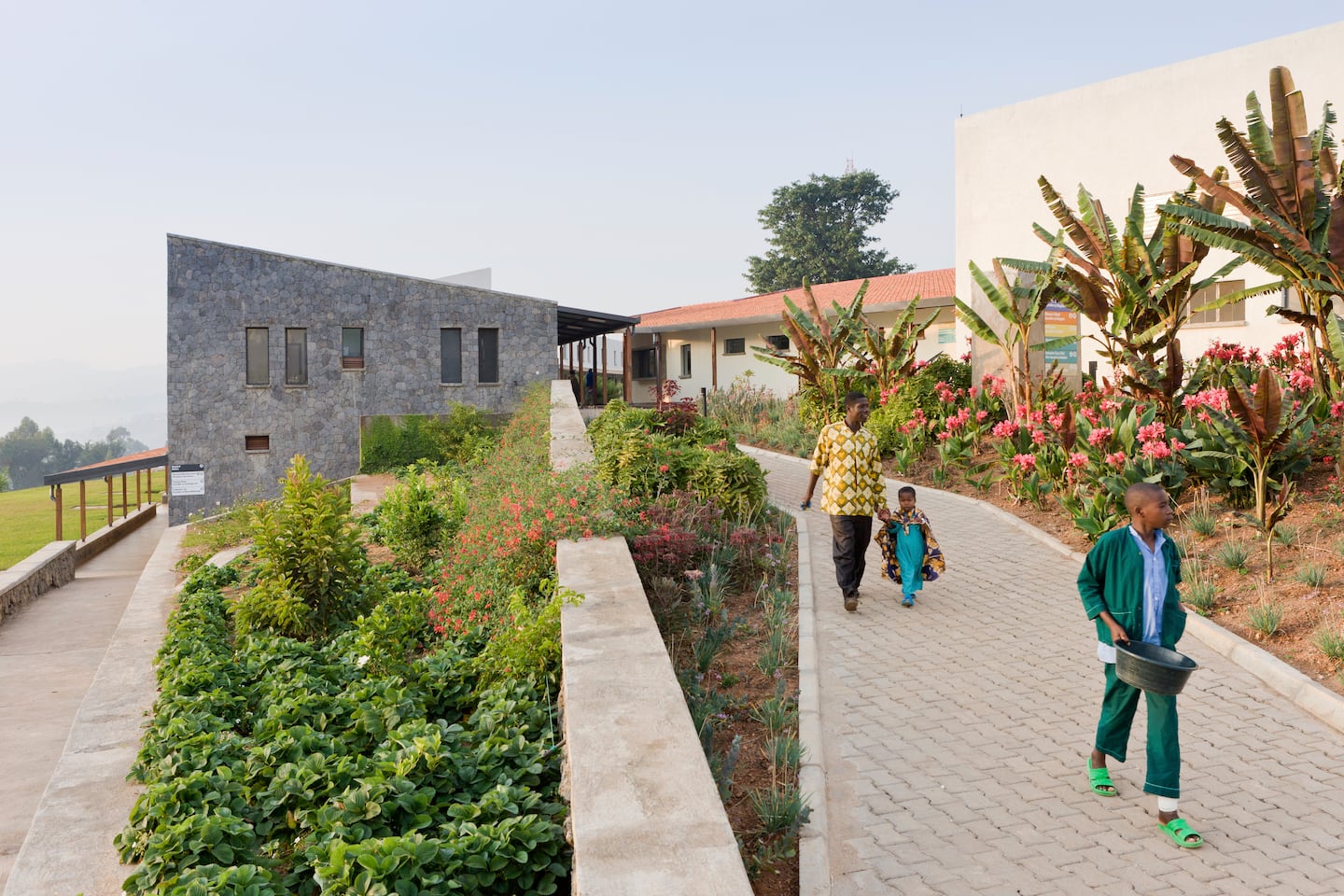
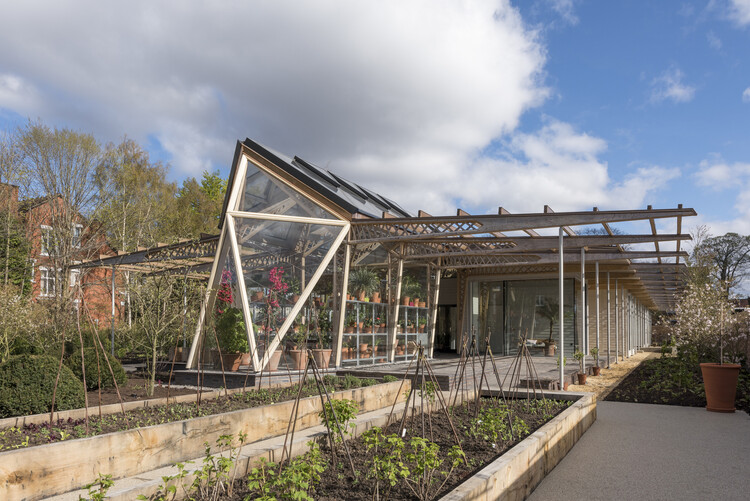
Several projects exemplify this approach. The Butaro District Hospital in Rwanda, designed by MASS Design Group, demonstrates how a hospital can meet healthcare needs while reflecting community dignity. The design incorporated natural ventilation, local volcanic rock, and views of the landscape, all contributing to a healing environment. Community members were involved in construction, ensuring local economic benefits and investing 85% of building costs into the local economy. Maggie's Centres, designed by various architects like Frank Gehry and Foster + Partners, provide supportive environments for cancer patients and their families. These centers feature natural light, gardens, and non-institutional interiors, emphasizing inclusivity and accessibility for all, regardless of physical ability, economic status, or cultural background. This approach contributes to healing and human dignity, showcasing the power of empathetic design in healthcare.
In addressing the housing crisis, the Quinta Monroy Housing project in Chile by ELEMENTAL, led by Alejandro Aravena, offers "half-houses" that residents can complete as their financial situations improve. This adaptable design, based on extensive community consultations, allows families to personalize their homes, promoting ownership and social equity. Similarly, the Empower Shack project in Khayelitsha, South Africa, by Urban Think Tank, reimagines housing for informal settlements through participatory design. Residents are involved in the design and construction of affordable, expandable housing, giving them control over their living conditions and fostering social cohesion and economic opportunities.
Despite the numerous benefits, empathy-driven design faces challenges, including balancing empathetic goals with practical constraints like budget, time, and regulations. Projects for underprivileged communities often have tight budgets, making extensive collaboration difficult. Overcoming deeply entrenched societal inequalities, such as poverty or discriminatory policies, is another hurdle, as architecture alone cannot resolve systemic issues. Cultural and contextual sensitivity is also crucial, requiring architects to avoid imposing their values and to adapt designs based on feedback from diverse populations. Despite these challenges, empathy-driven design represents a transformative shift in architecture, prioritizing collaboration and responsiveness to create more sustainable, equitable, and dignified communities.
#EmpathyDrivenDesign #SocialEquity #InclusiveArchitecture #CommunityEngagement #HumanCenteredDesign #AffordableHousing #HealthcareArchitecture #ParticipatoryDesign #SustainableDesign #EmpathyDrivenDesign #SocialEquity #InclusiveArchitecture #CommunityEngagement #HumanCenteredDesign #AffordableHousing #HealthcareArchitecture #ParticipatoryDesign #SustainableDesign
合計0件のコメント
 まだコメントはありません
あなたも好きかもしれません
The new elegance of cities. The evolution of inclusive design

Universal Design: Why Americans Need Home Design That Welcomes Everyone


Designed for Community: An Interior Designer Leans into the Power of ‘We’

How can we make design decisions meaningful?

Natasha Reid's designs champion social and psychological wellbeing
Building Knowledge, Not Just Structures: Redefining the Architect’s Role in Times of Uncertainty
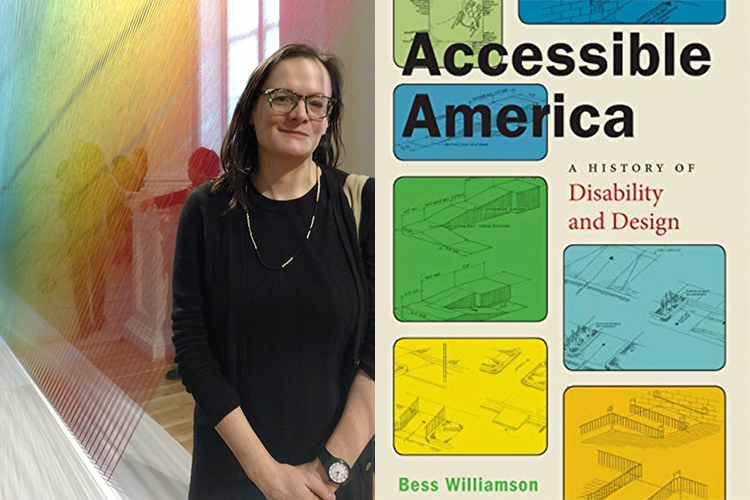
Berkeley Talks transcript: Bess Williamson on the history of disability and design
How Can Architecture be Designed to Reflect Human Behavior?
Residential design through a lens of care

What It Means to Make Good Architecture
What Paul Farmer taught me about ‘dignity construction’ in health care

Michael Graves's 'Forever House' is Changing the World of Universal Design


How to Be a Better Architect Than Me
Biophilic Architecture without Plants: Invisible Design for Wellbeing
9 Inspiring Accessible Homes That Champion Inclusive Design

A night to talk about design

Erick Mikiten Has a Vision for the House You’ll Grow Old In
Disability-Forward Design Across Multiple Cities
A Virtual Home Imagines a More Free and Authentic Future for Black Families

Universal Design: The Essential Tool for Intergenerational Communities