8 Home Renovation Trends We're Leaving Behind In 2024
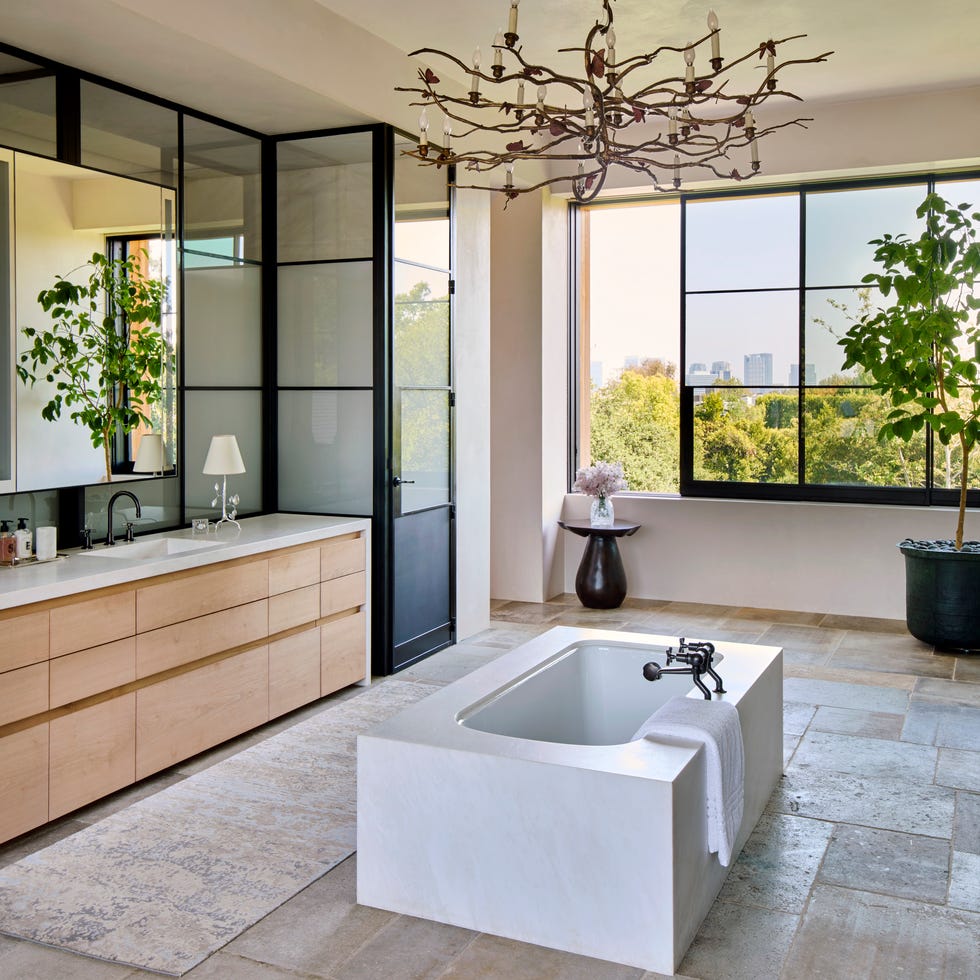
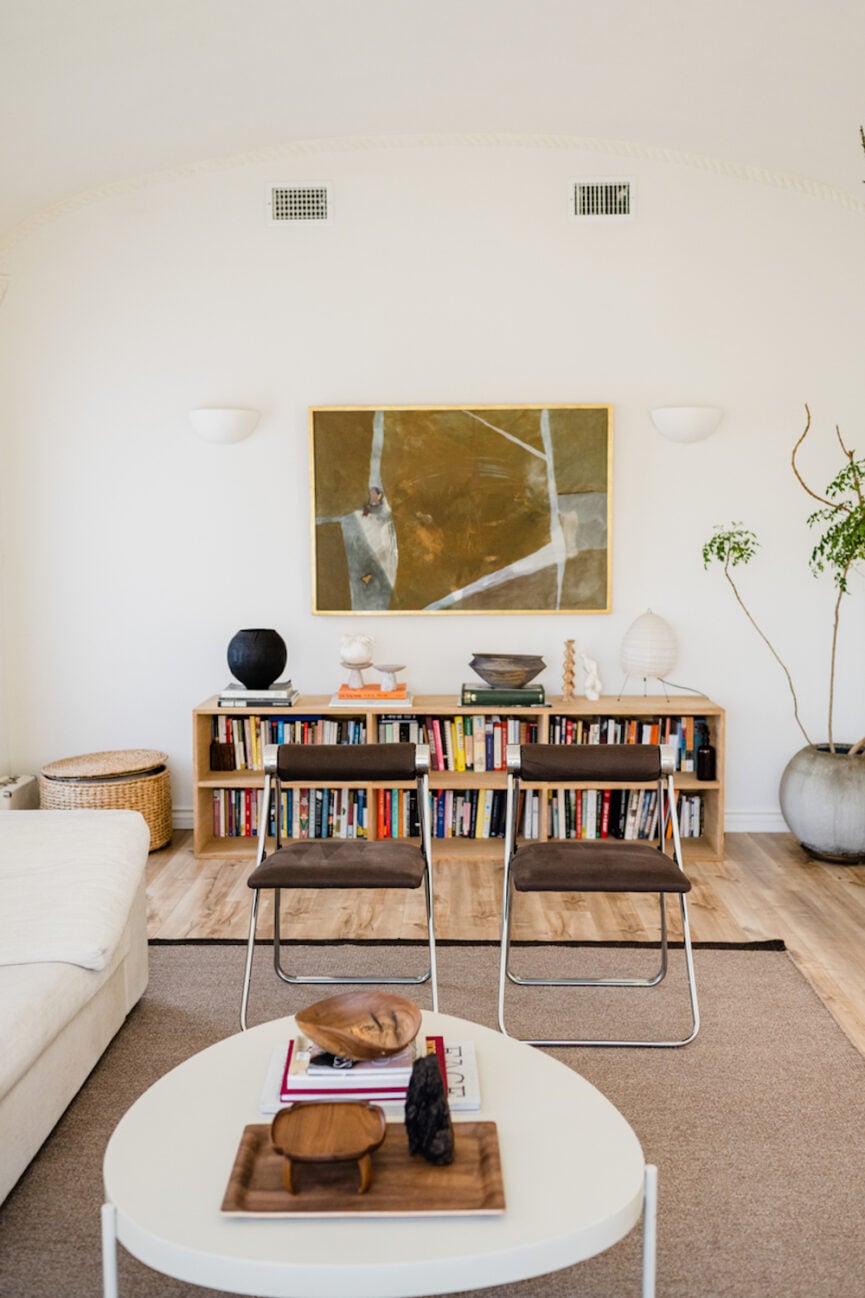
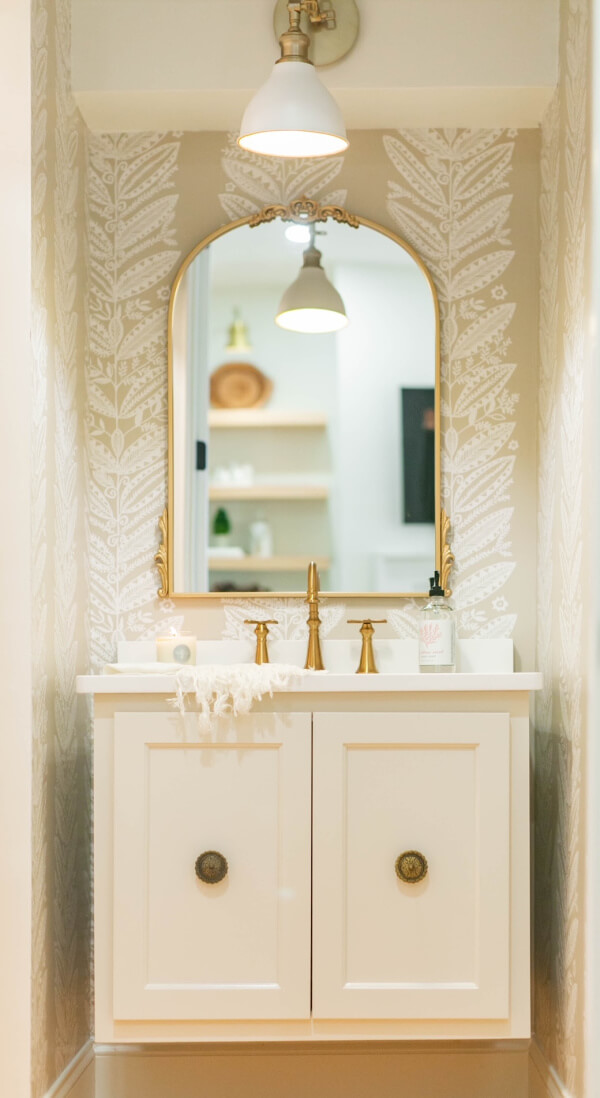
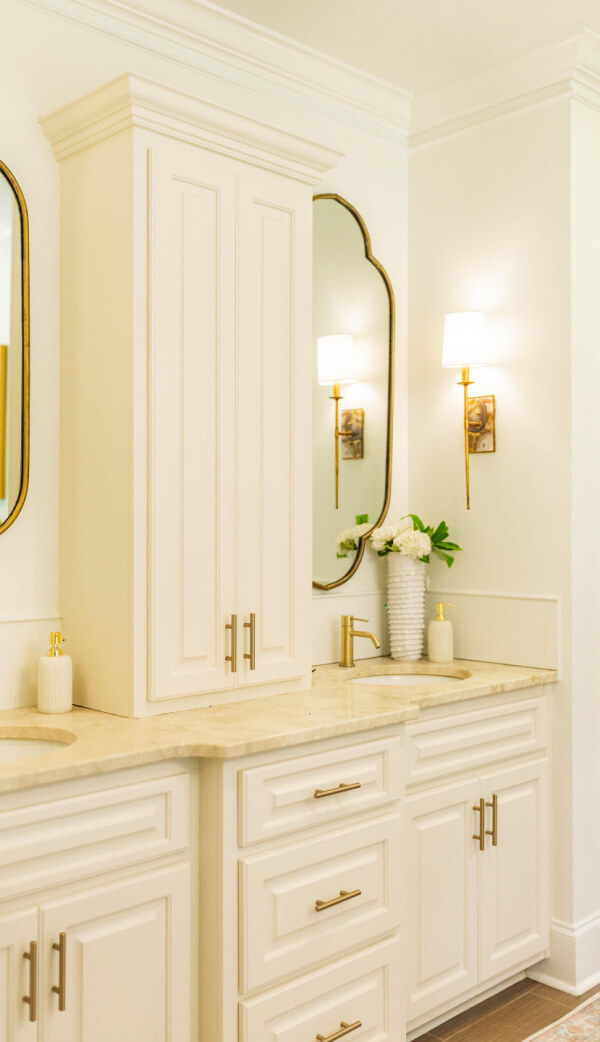
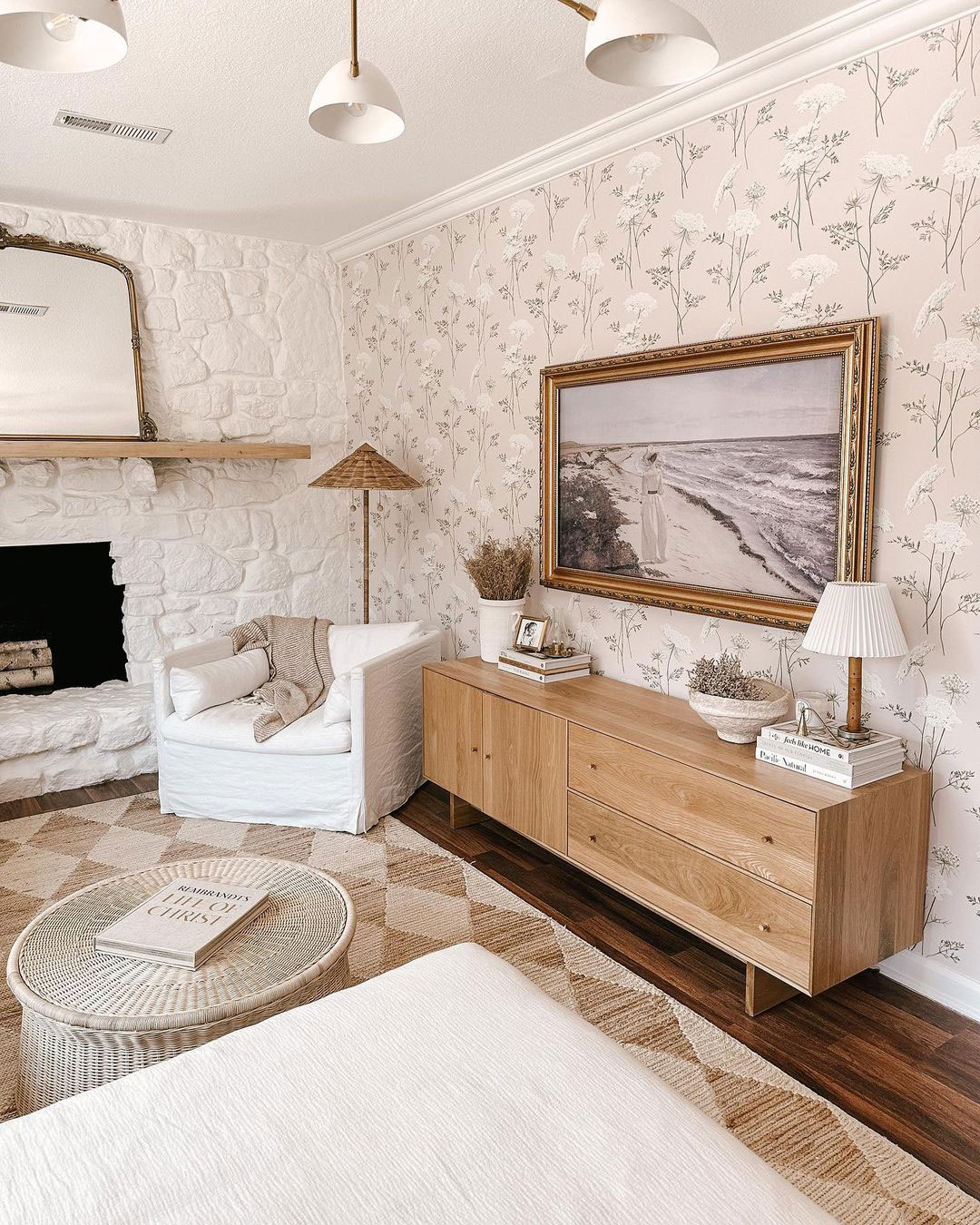
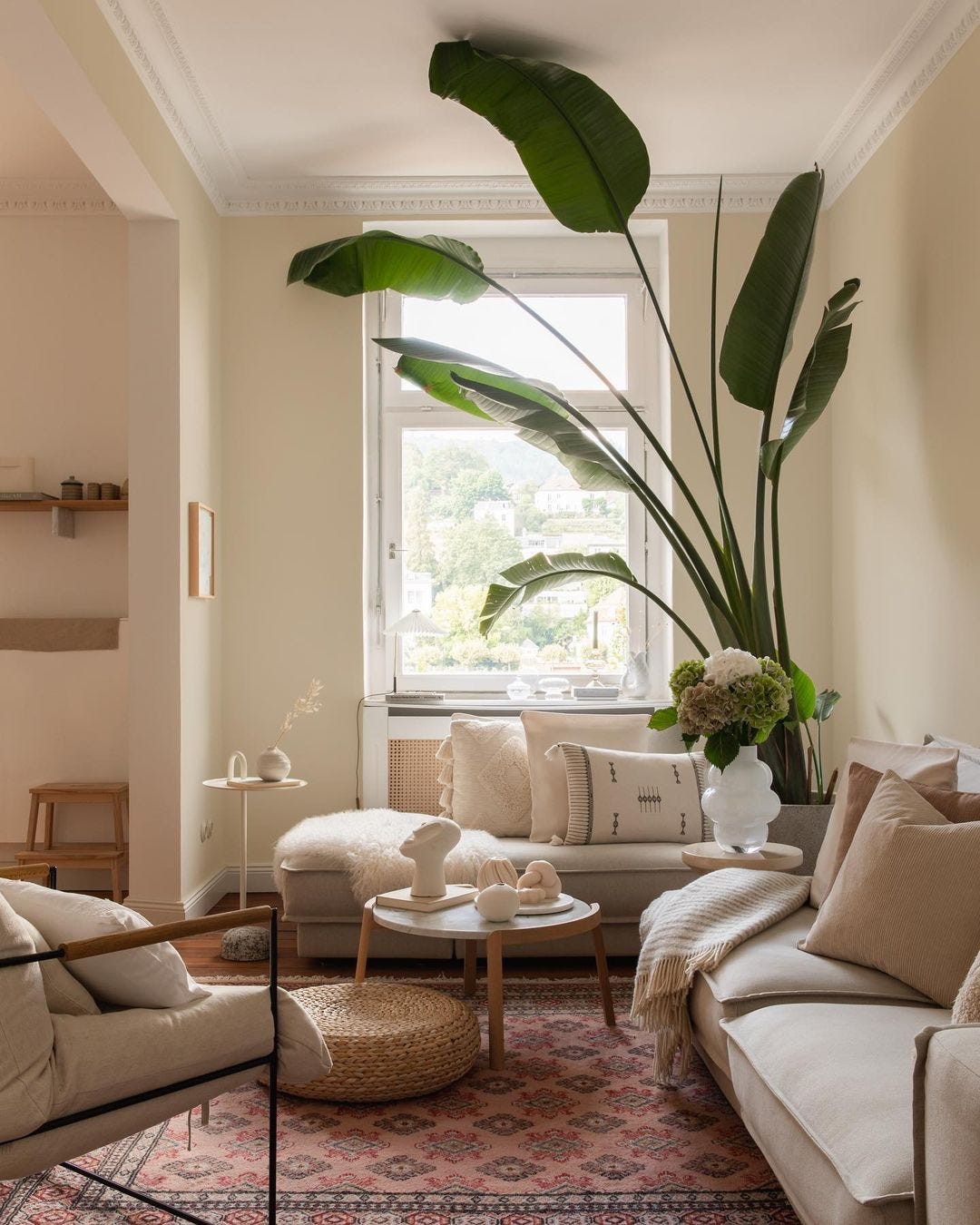
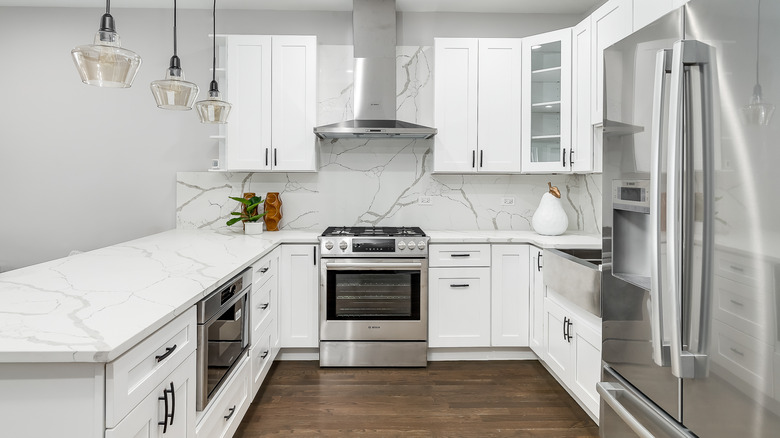
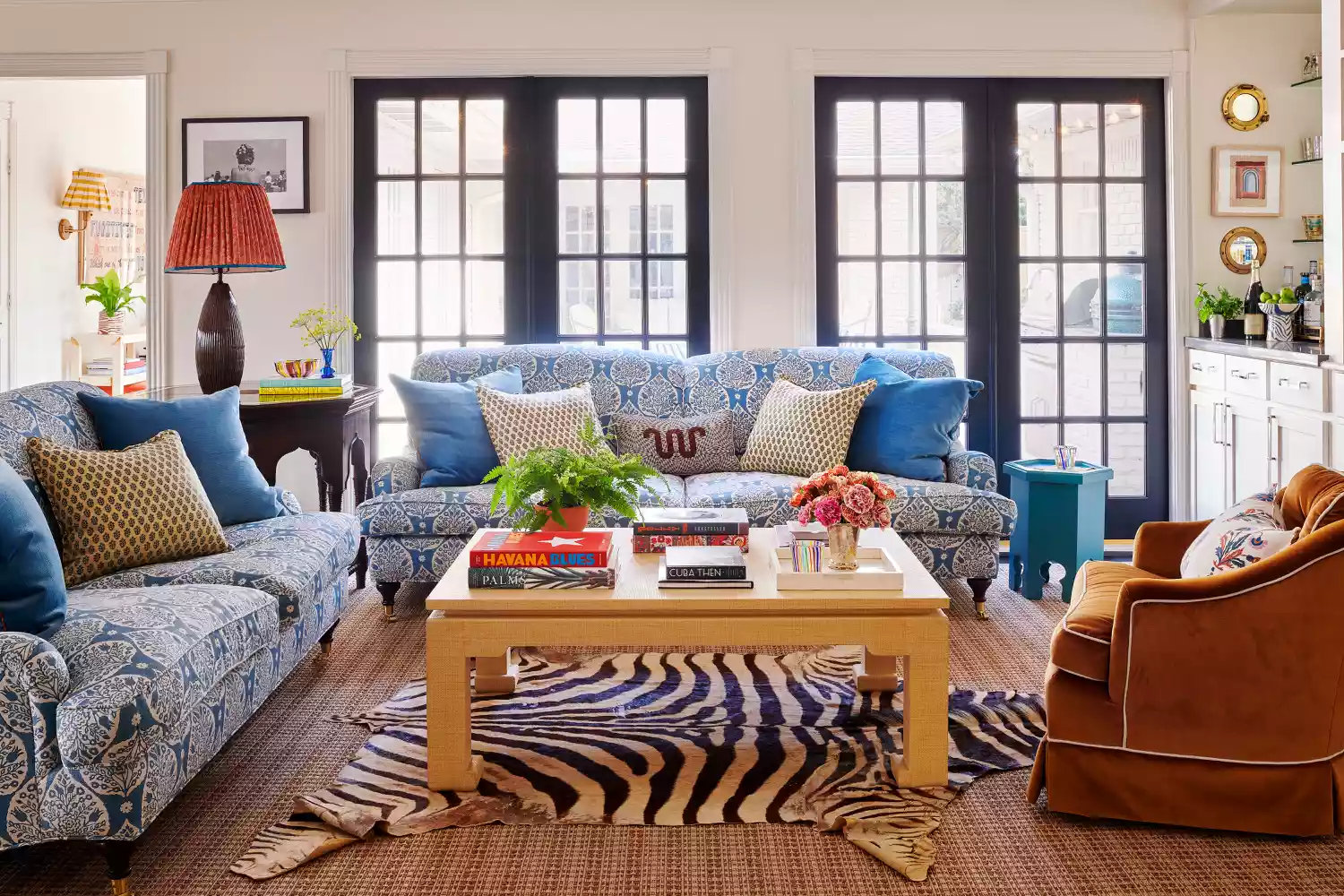
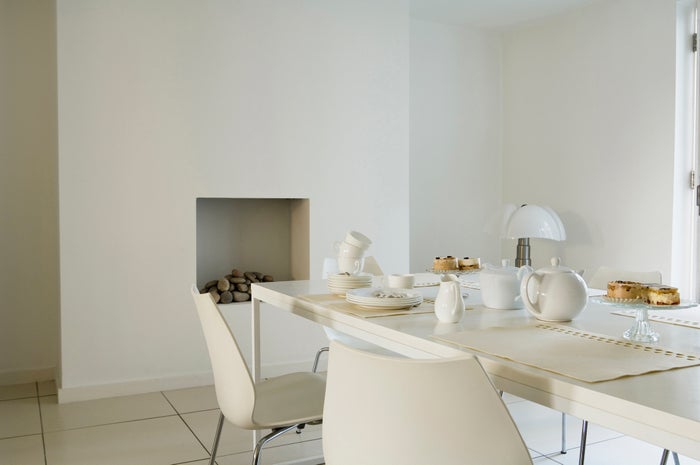
The article discusses several home renovation trends that designers suggest leaving behind in 2024 as the new year approaches, offering insights into why these trends are becoming outdated and what alternatives are gaining popularity. The first trend highlighted is the overuse of an all-white aesthetic in home interiors. Designers argue that spaces dominated by white walls, cabinetry, and countertops often appear sterile and uninviting. Instead, there is a growing preference for incorporating warm tones, natural materials, and subtle contrasts to create a more character-filled and cozy atmosphere. The shift reflects a desire for comfort and luxury in homes, especially as people spend more time indoors.
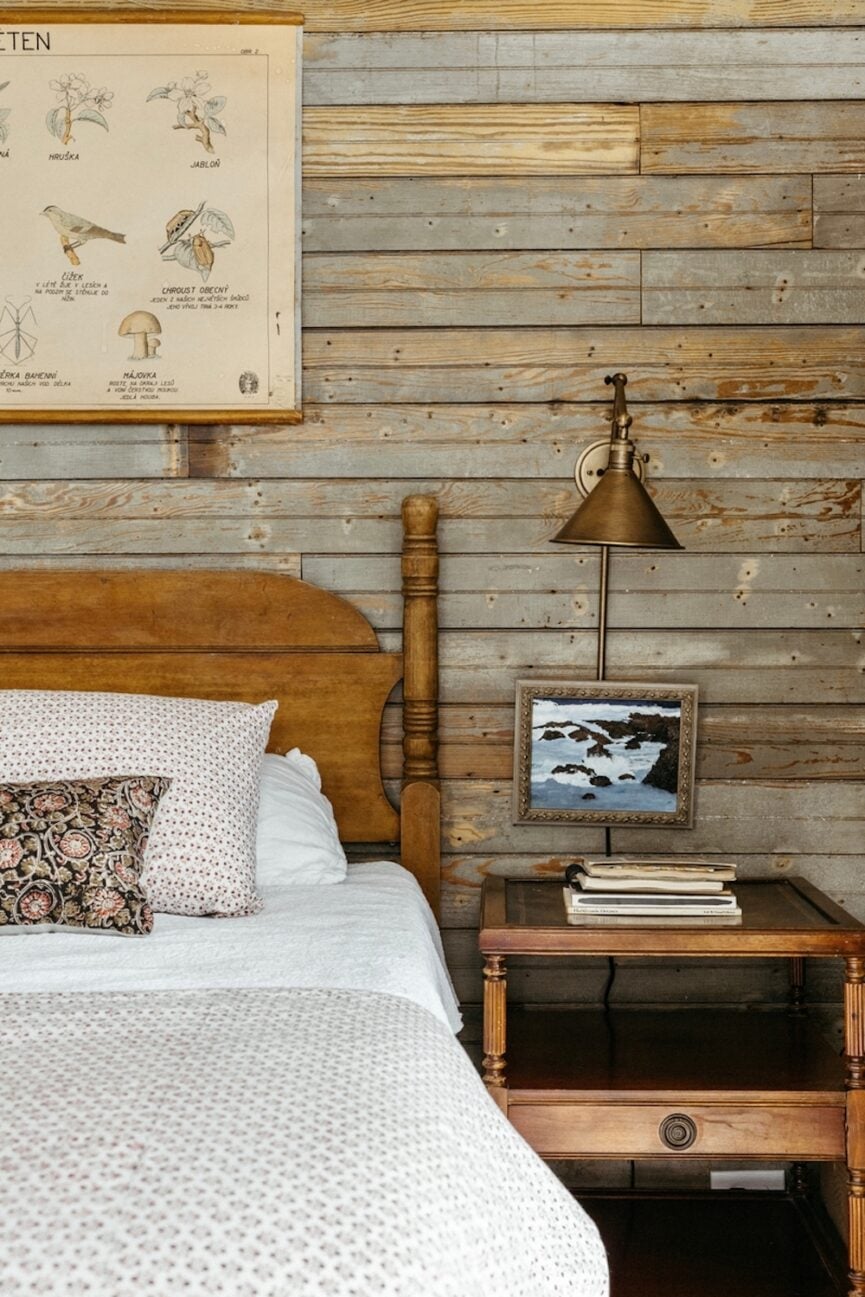
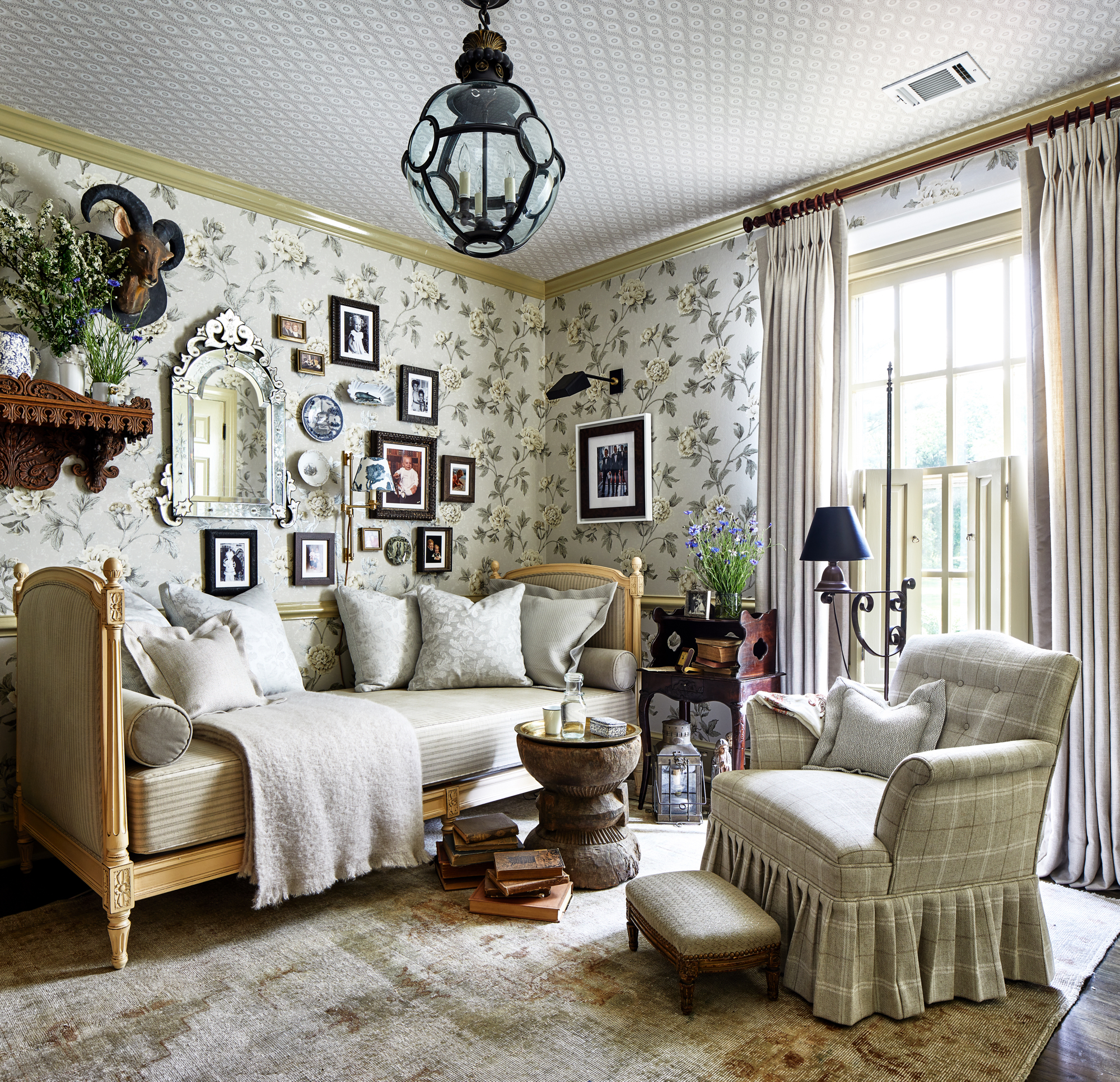
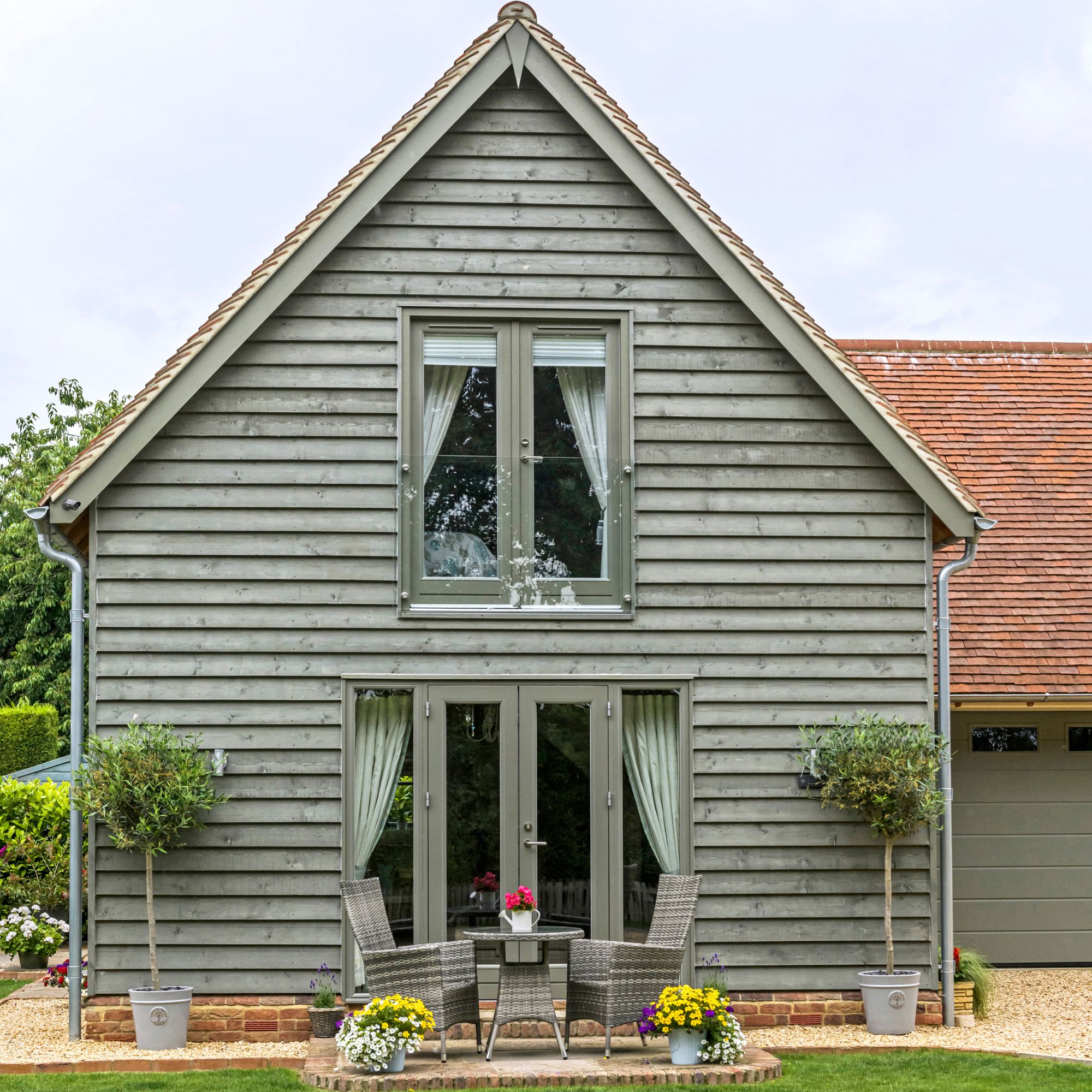
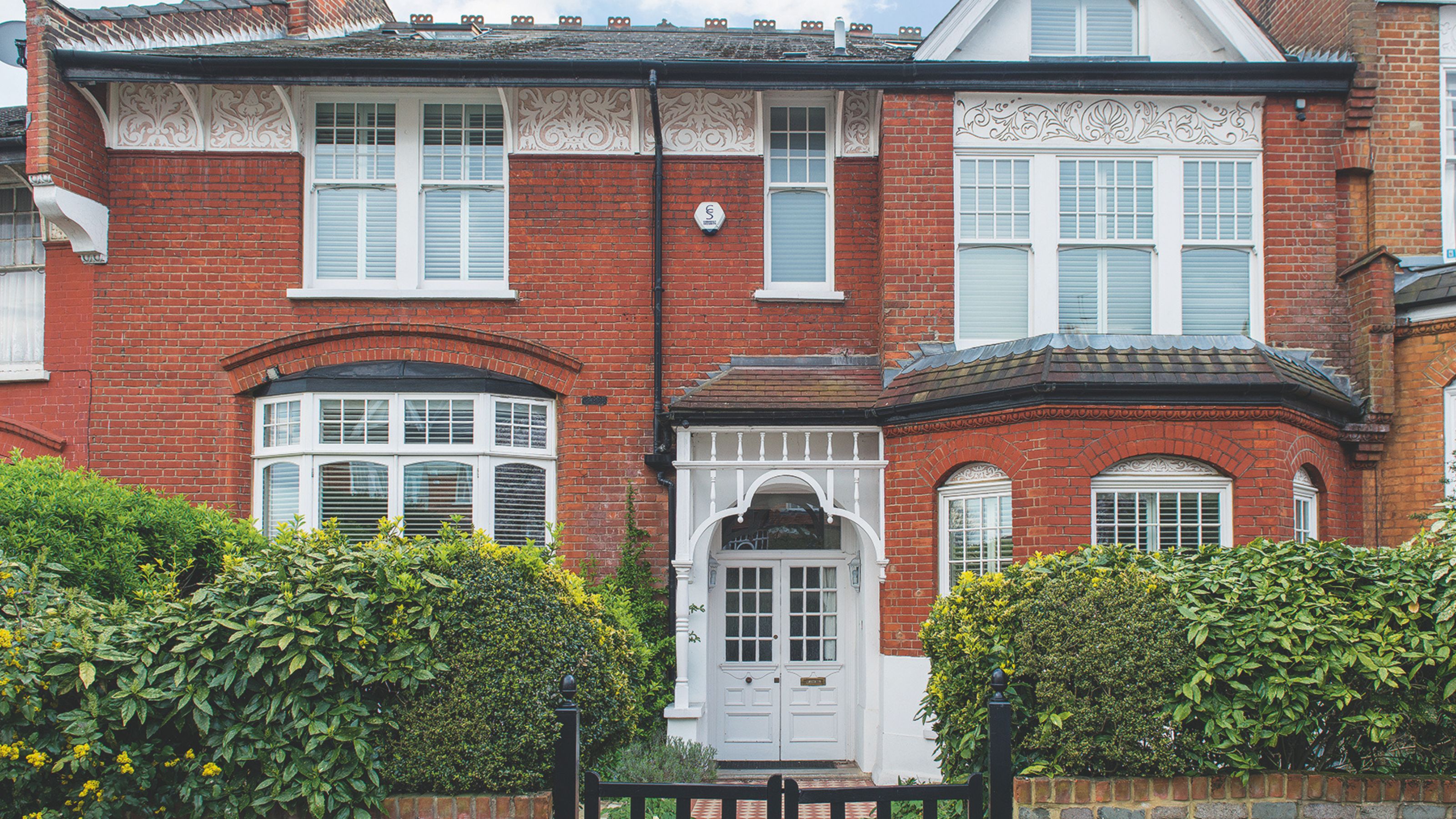
Another significant trend to be avoided is the disregard for historic details during renovations. The importance of preserving the historical integrity of homes is emphasized, with designers advocating for honoring original architecture and unique quirks wherever possible. While structural updates are sometimes necessary, maintaining elements like original flooring and millwork is seen as crucial for preserving a building's character. The goal is to balance modern needs with respect for a home's past, creating timeless spaces rather than conforming to transient trends.
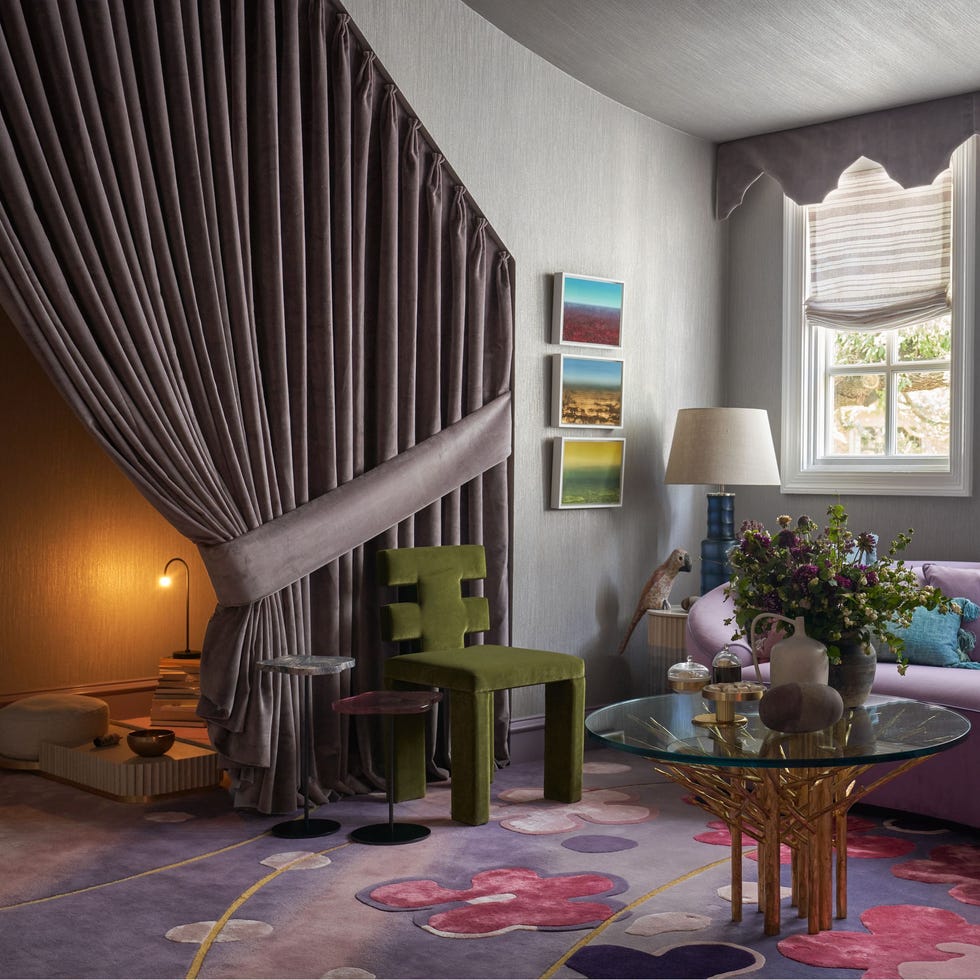
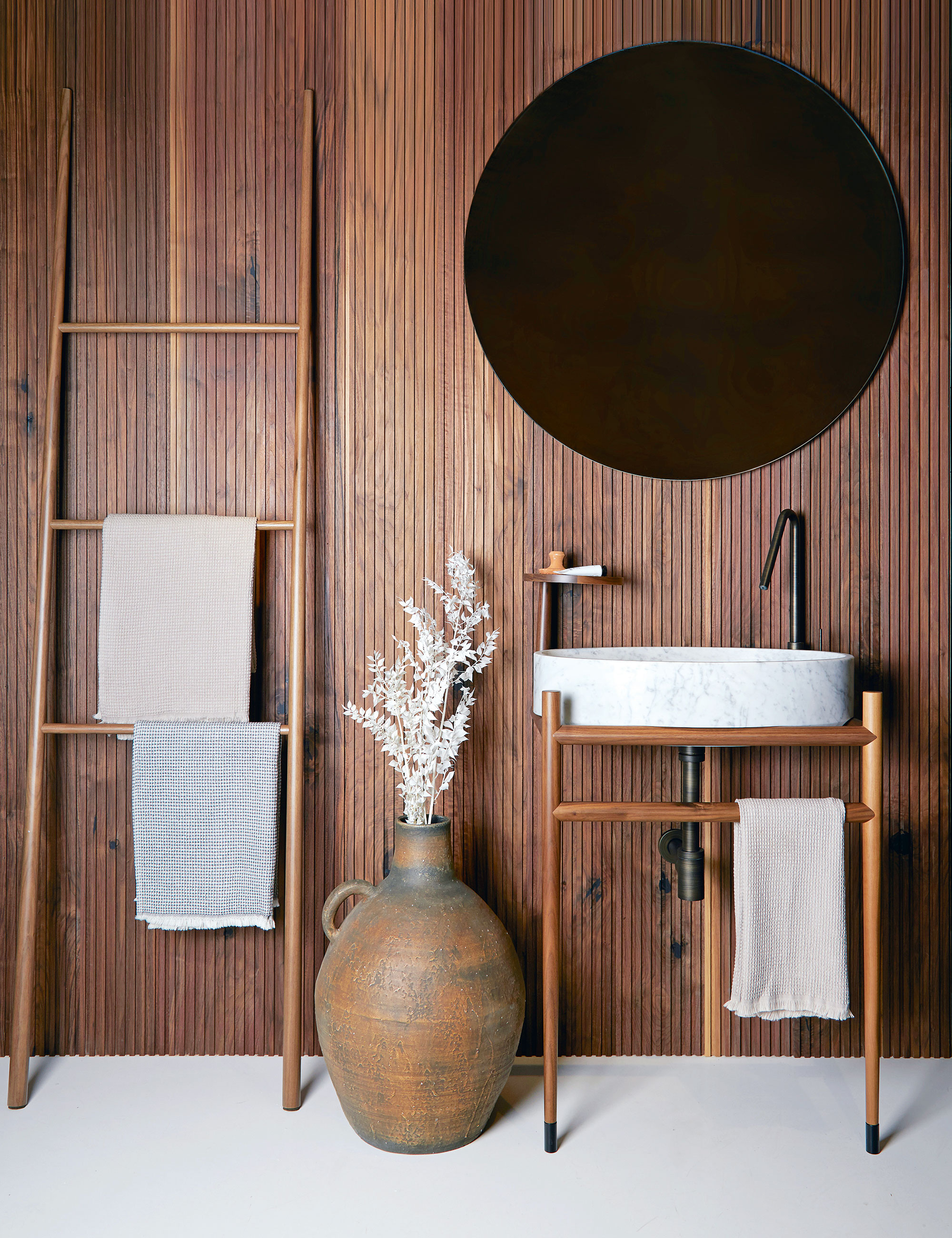
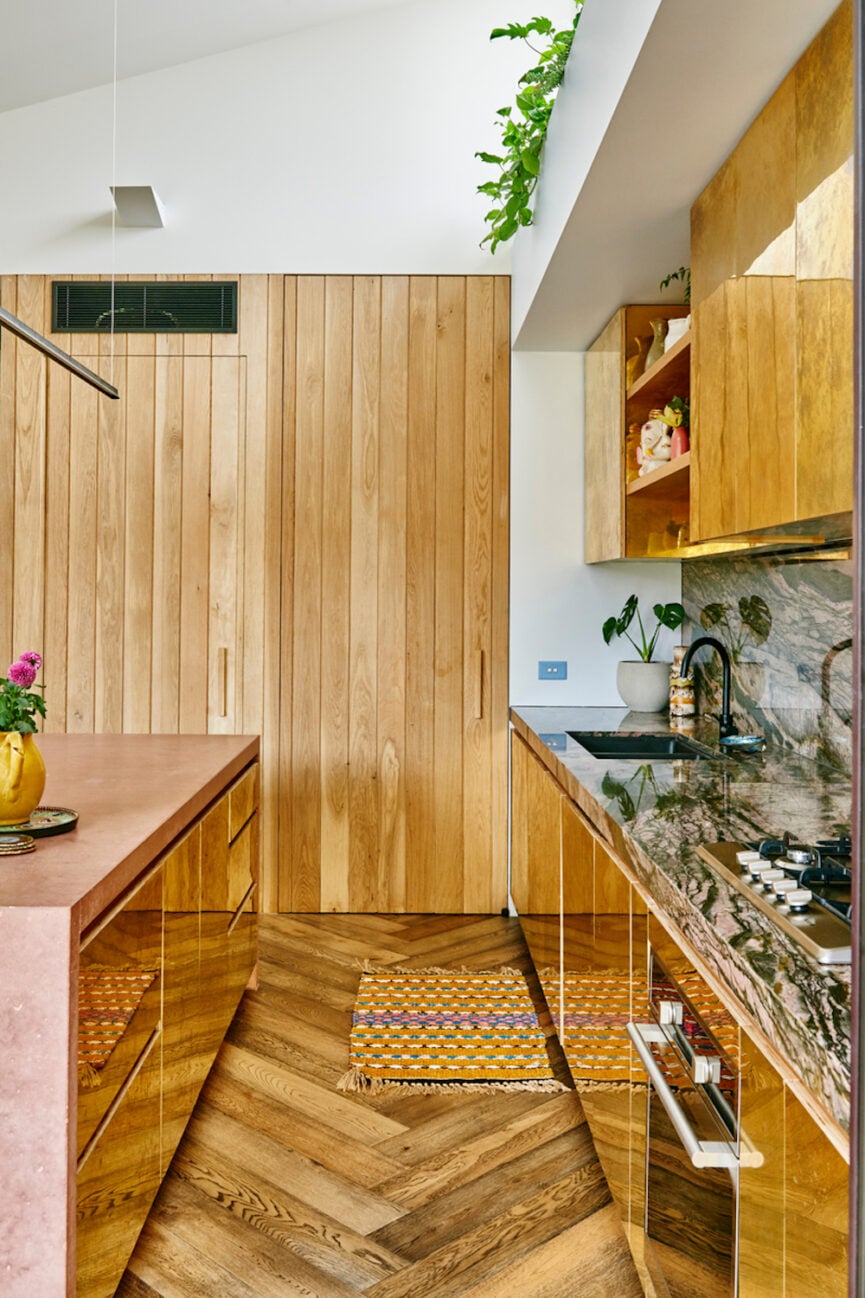
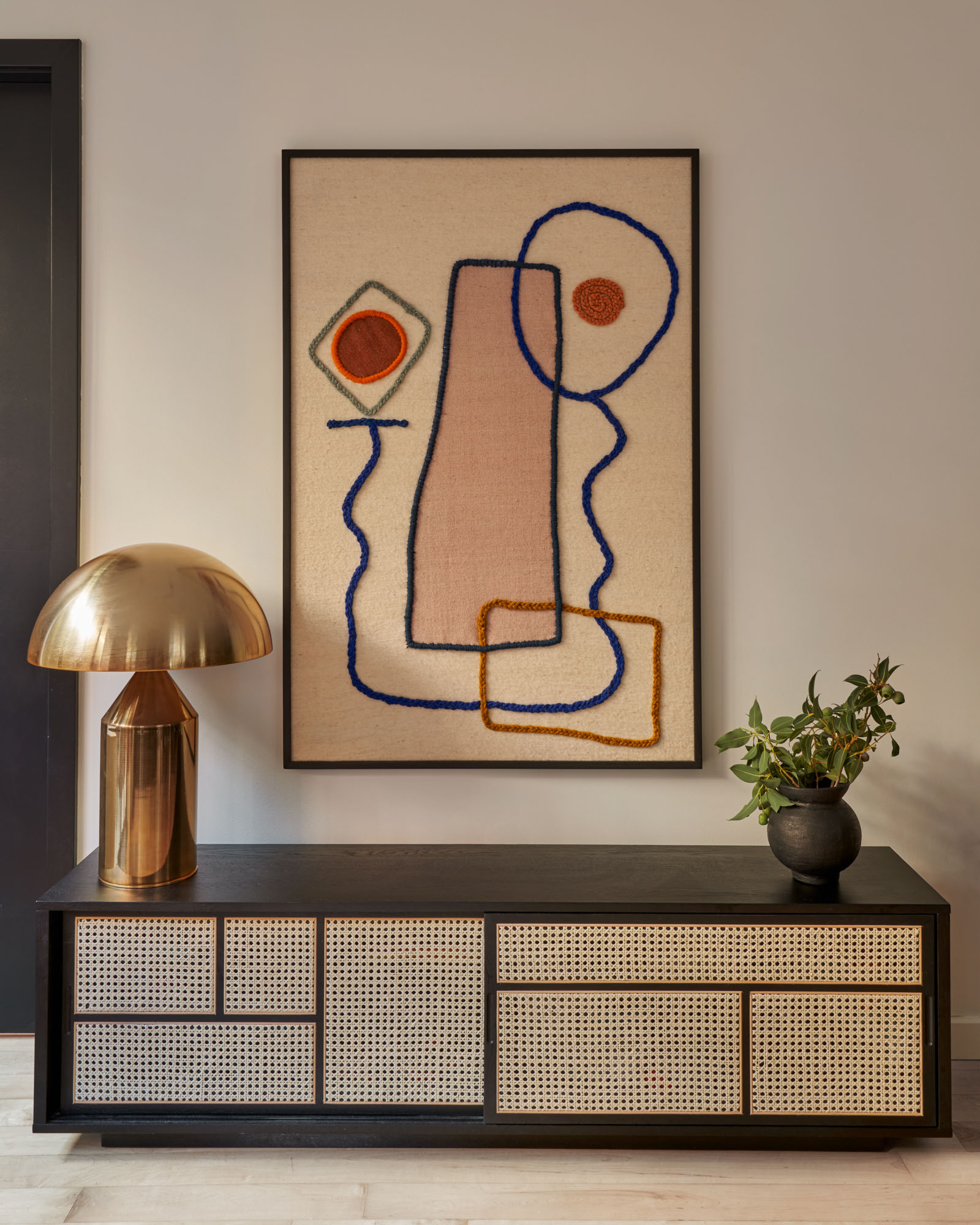
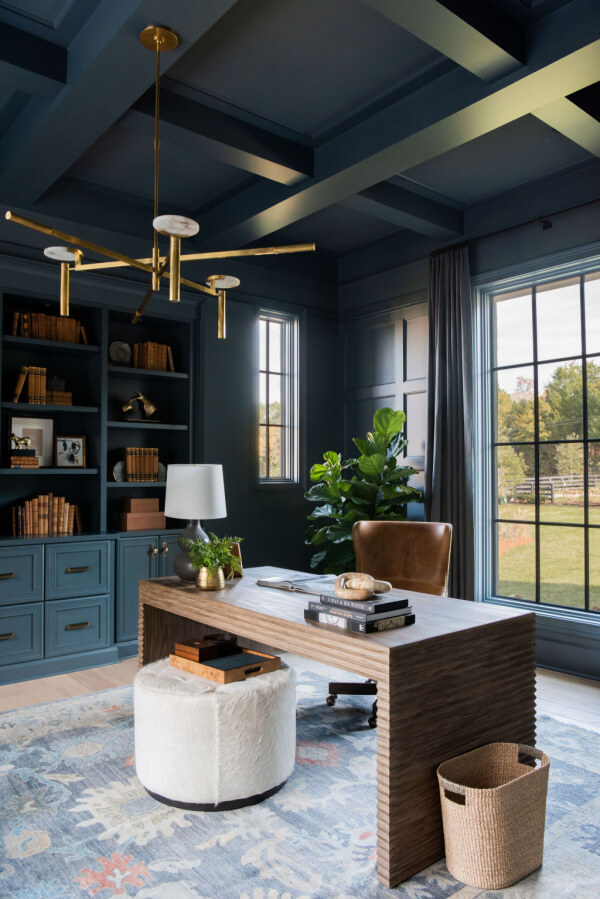
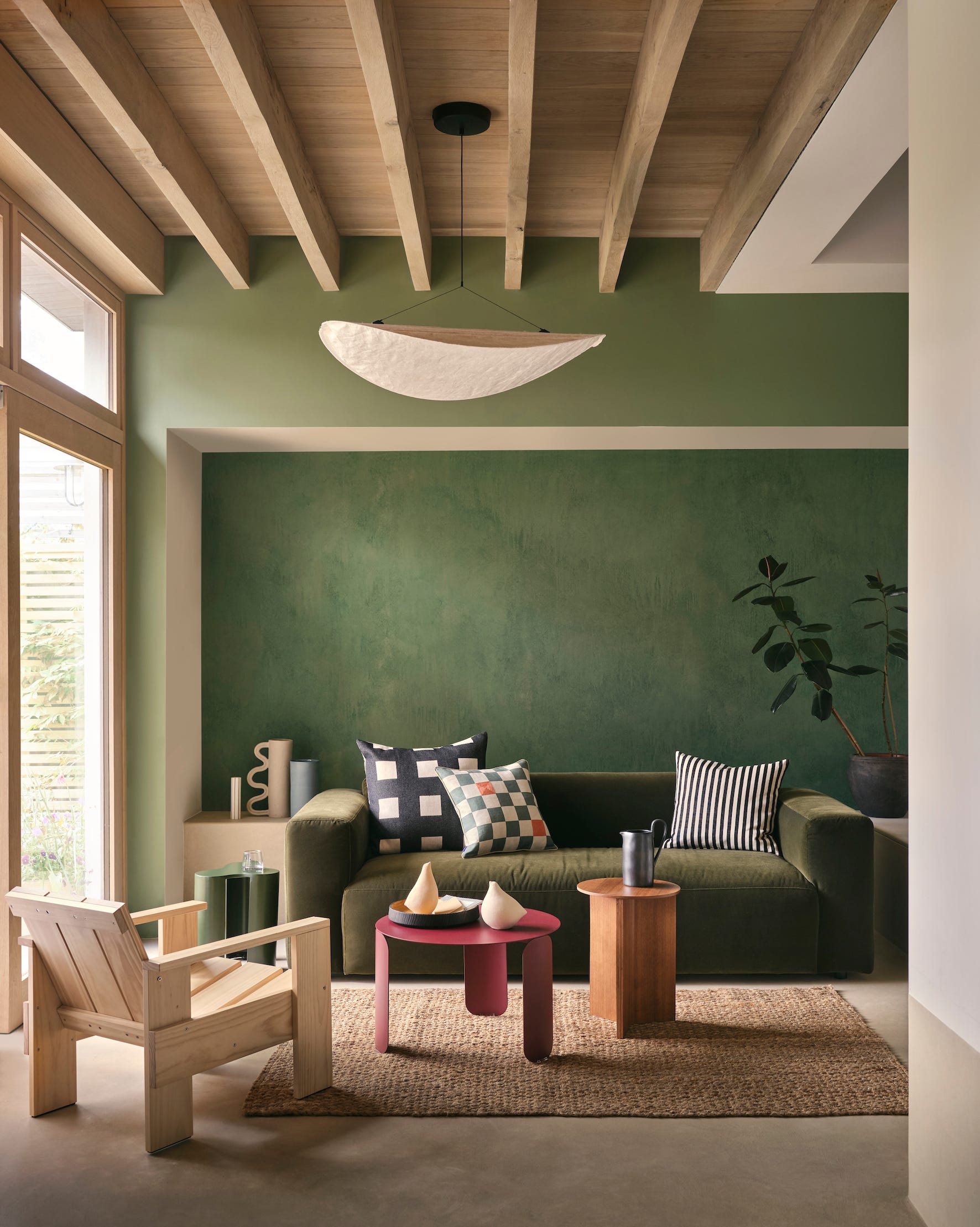
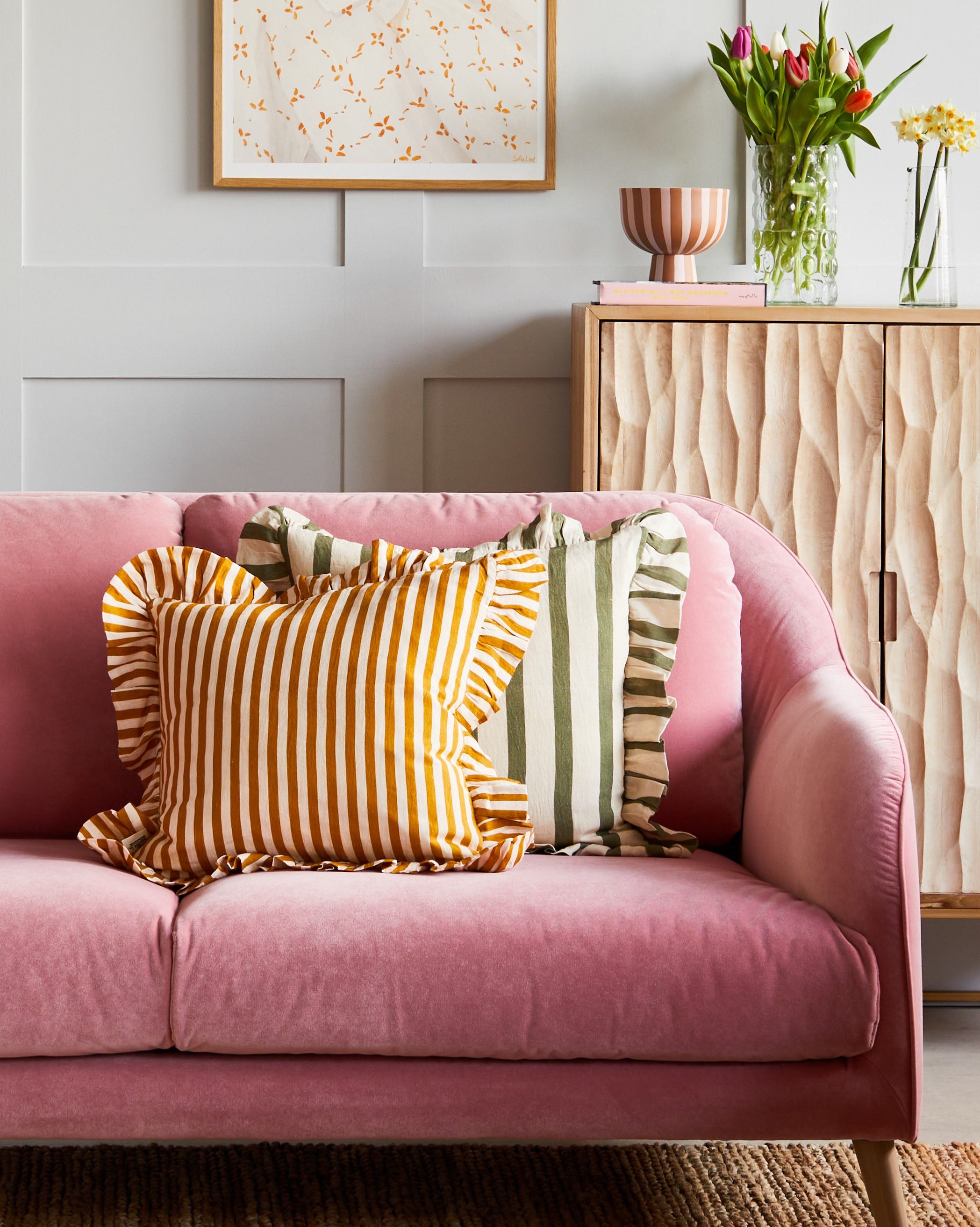
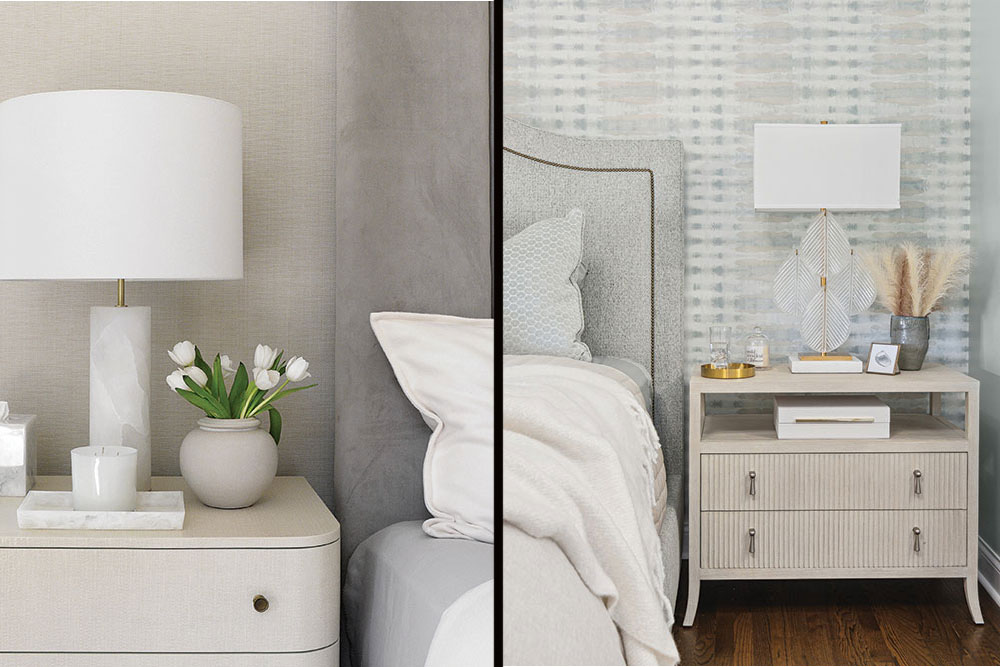
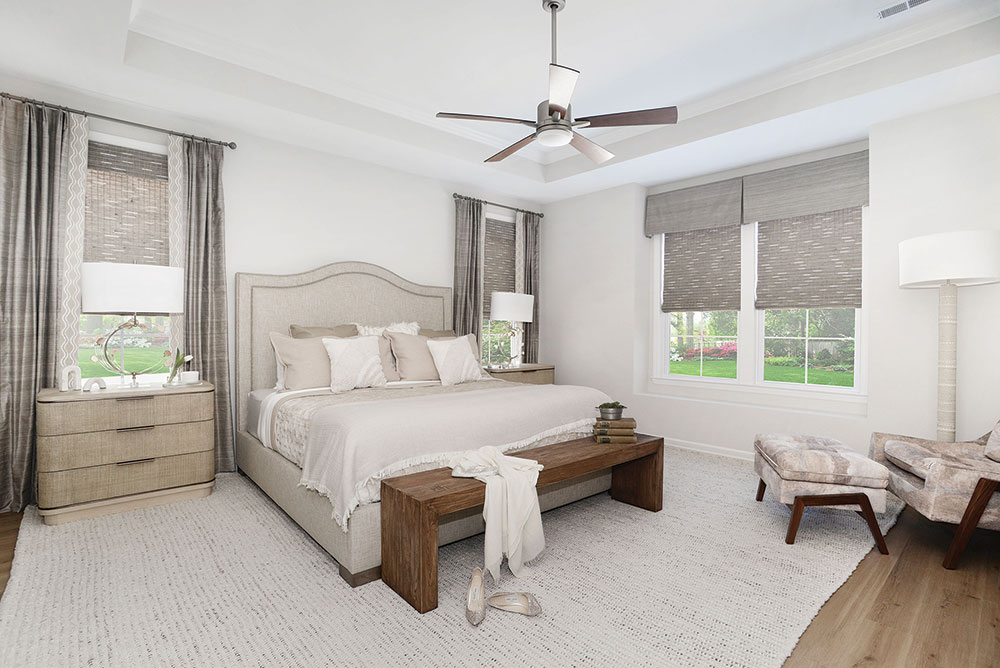
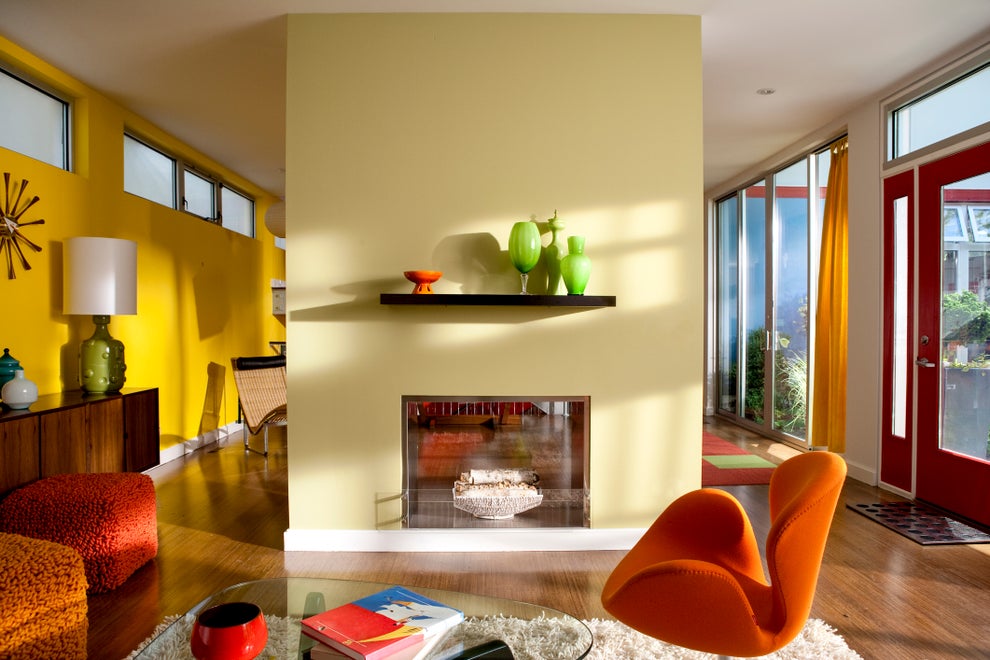
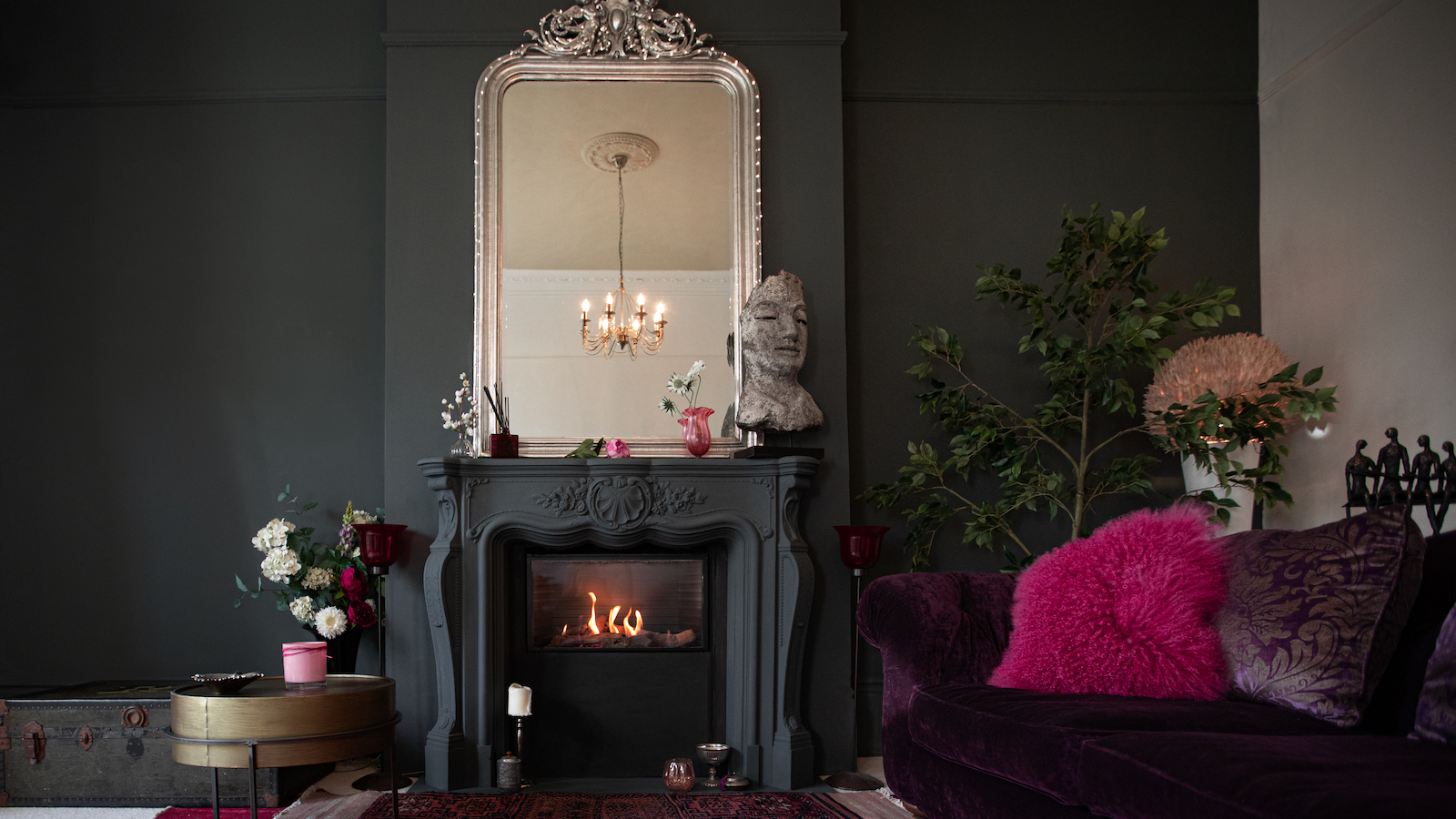
Faux materials, such as fake wood and artificial stone, are also identified as declining in popularity. The article suggests that investing in authentic, high-quality materials, even in smaller quantities, is a better long-term investment due to their durability and superior aesthetic appeal. This preference aligns with a broader move towards genuine craftsmanship and natural elements in home design. Similarly, the long-standing dominance of gray tones in interiors is now considered dated. Designers are moving towards warmer neutrals, soft greens, and jewel earth tones to achieve a cozier and more inviting look, indicating a shift away from cooler color palettes.
Renovating solely for resale value, rather than for personal enjoyment, is another trend discouraged by designers. They contend that a home reflecting the homeowner's style and personality can actually enhance its value and bring greater joy to its occupants. Homeowners are encouraged to infuse their personal taste, including their preferences for colors and materials, into their renovation projects. This approach promotes creating a living space that truly resonates with those who live in it.
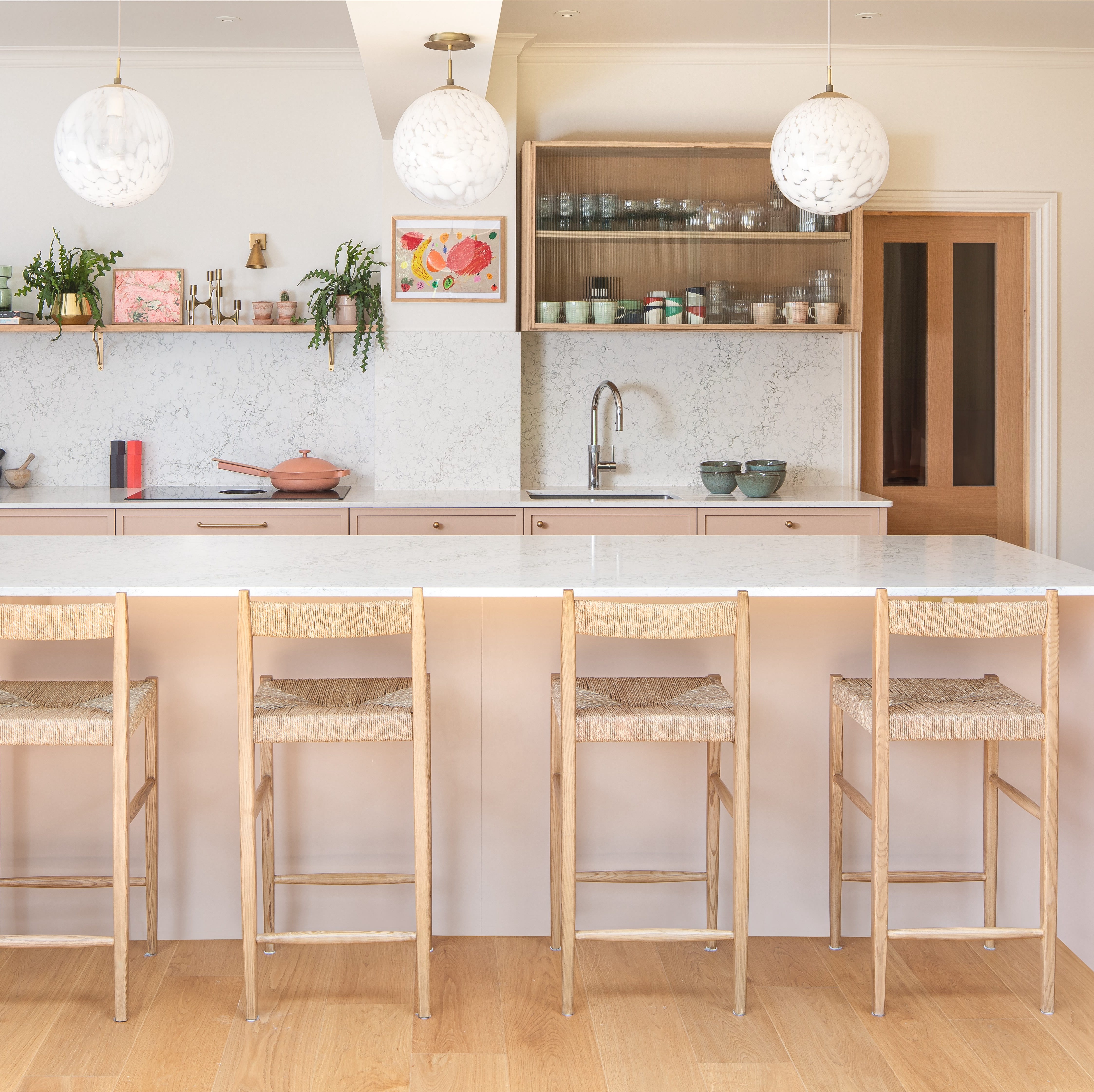
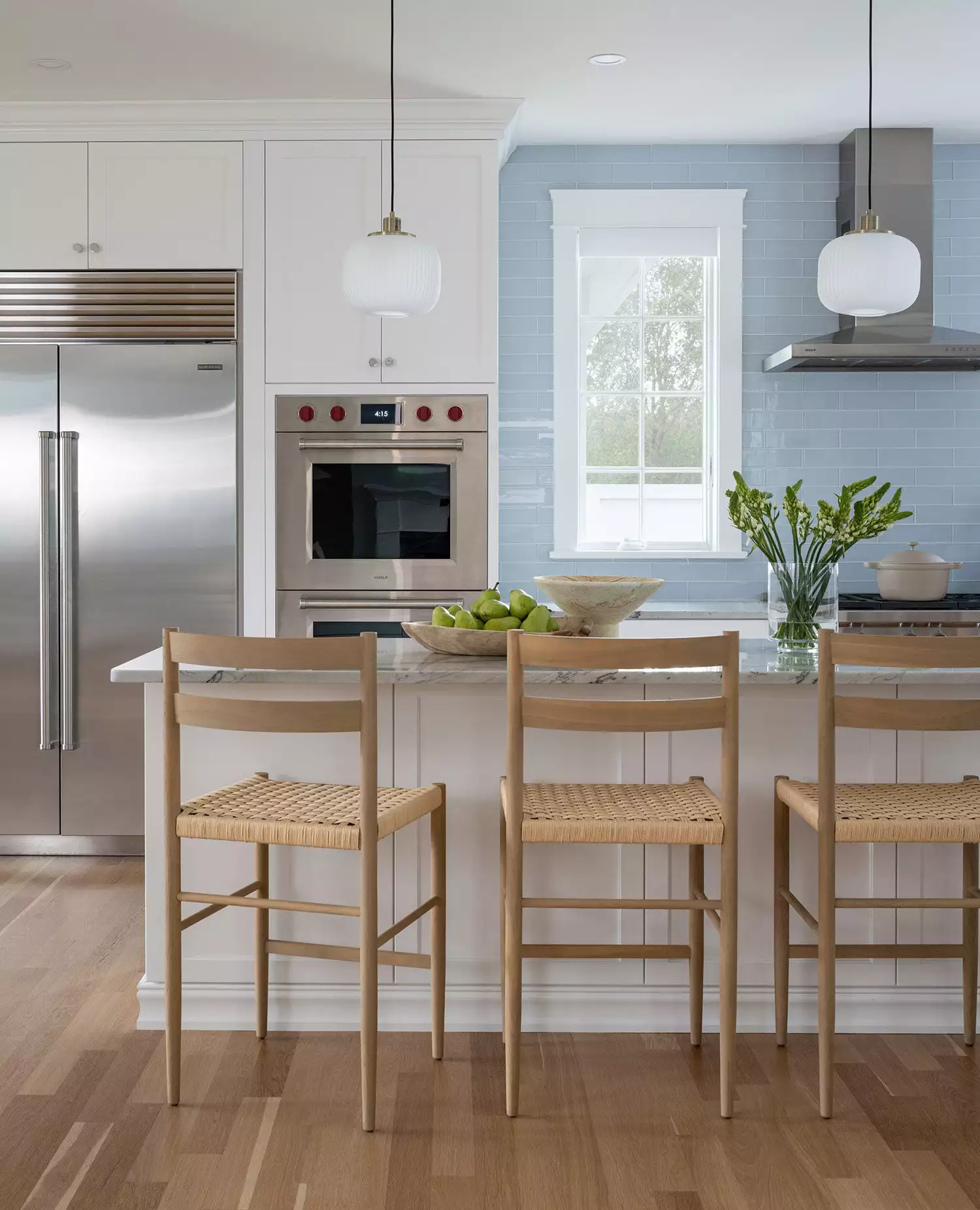
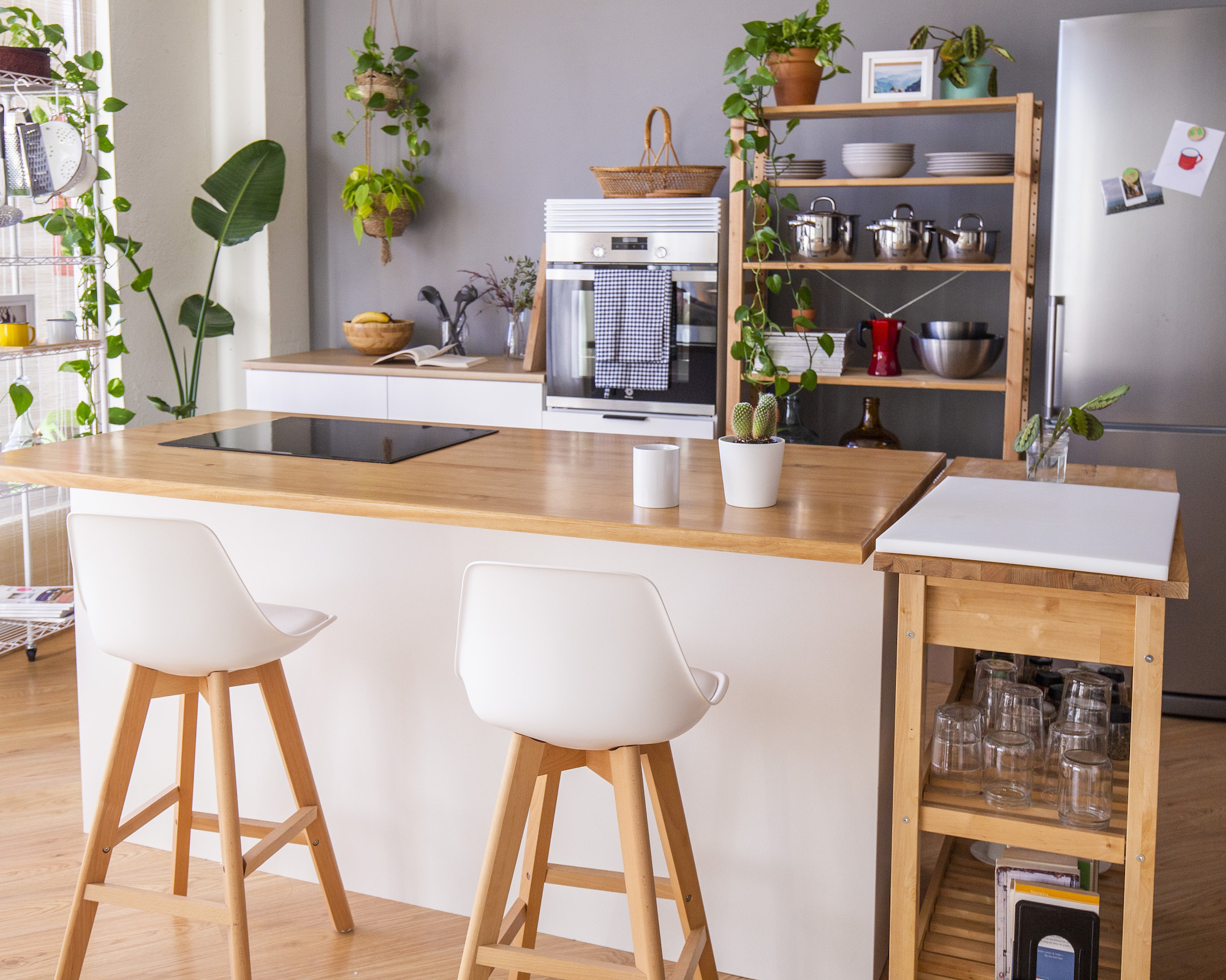
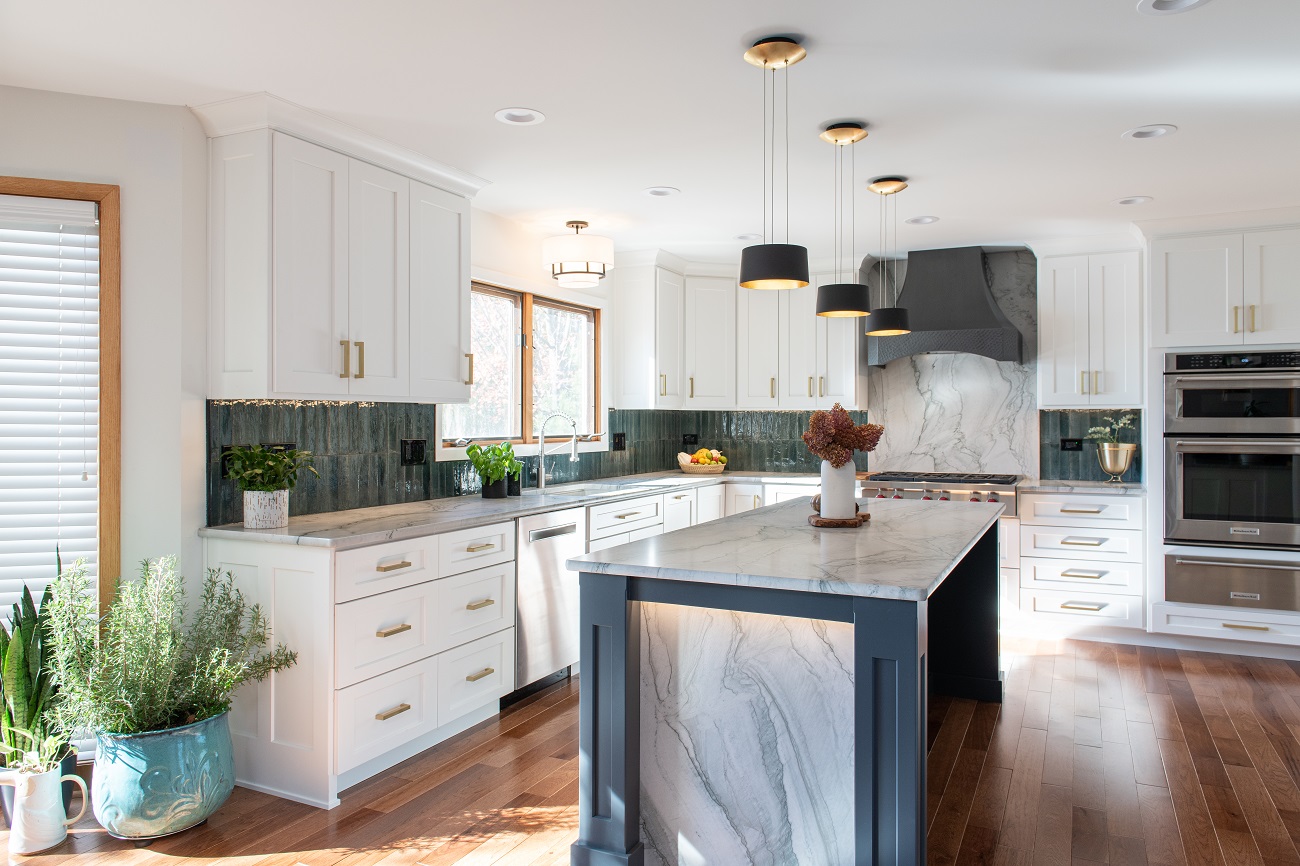
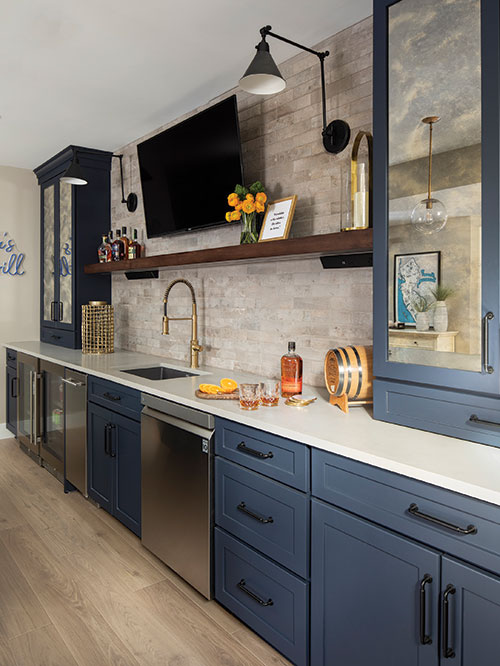
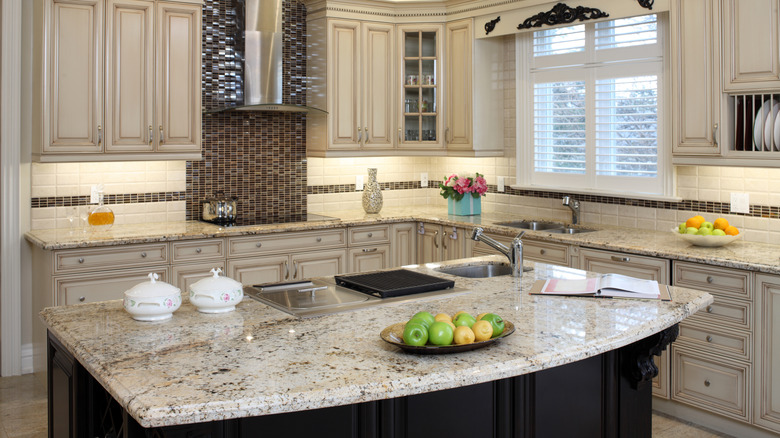
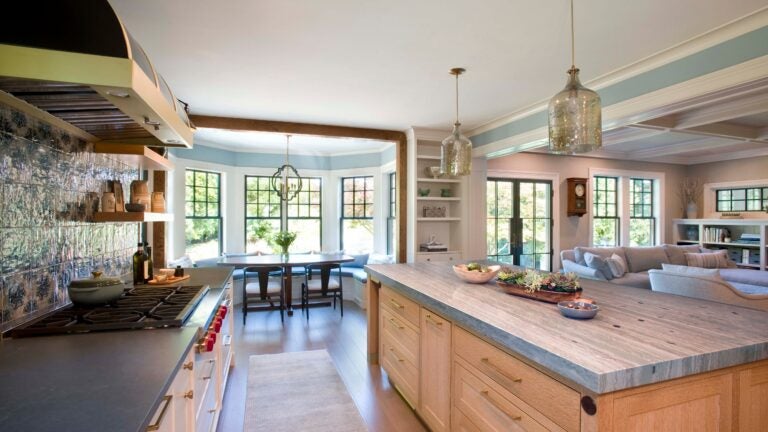
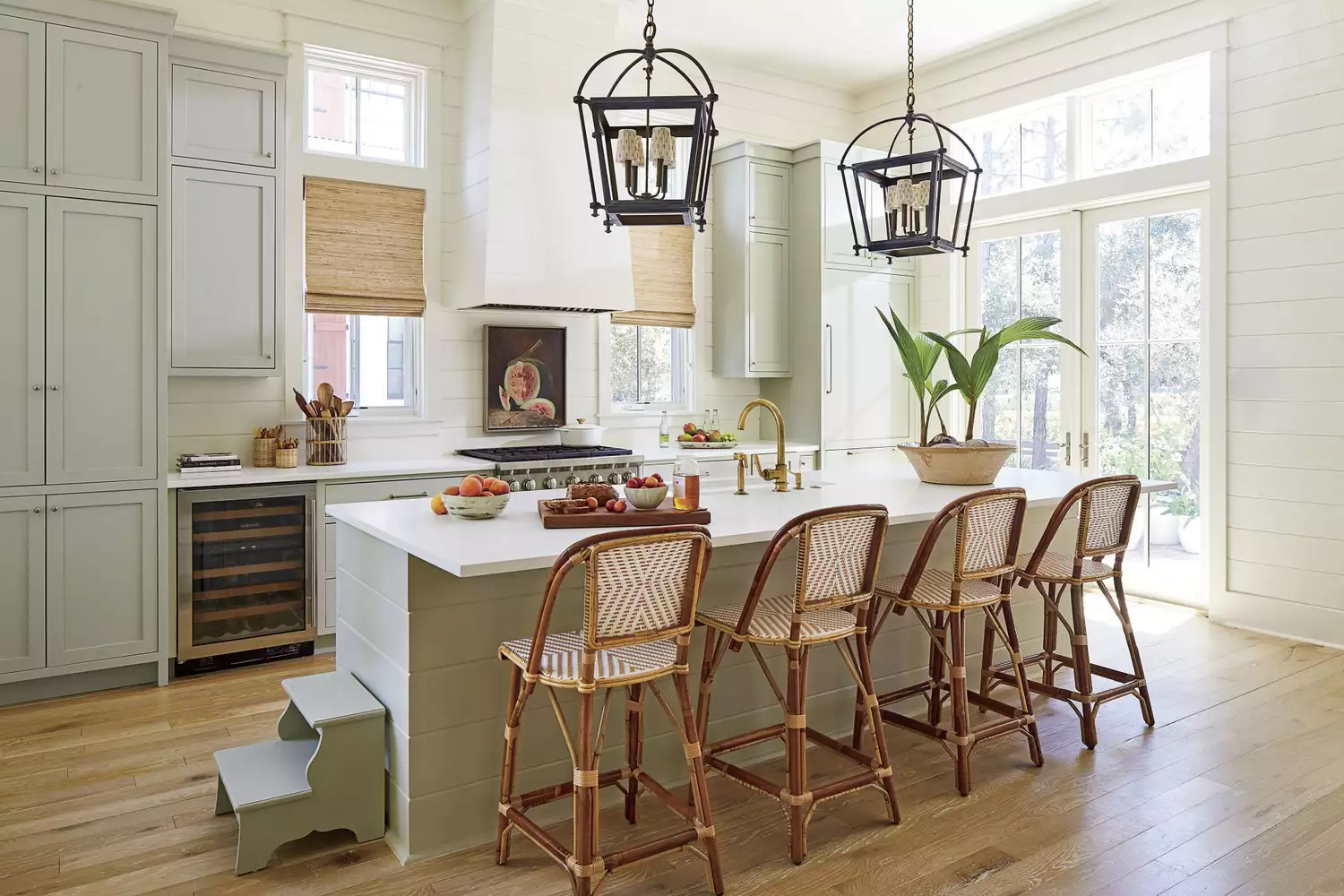
Large kitchen islands are also facing scrutiny. While once a popular statement piece, oversized islands can impede kitchen functionality and flow. Designers are now proposing alternatives such as two smaller work surfaces or foregoing an island in favor of a breakfast table in the center. The emphasis is on maintaining the efficiency of the kitchen's work triangle—the arrangement of the sink, stove, and refrigerator—to ensure ease of use, particularly in Southern homes where kitchens often serve as central gathering spots.
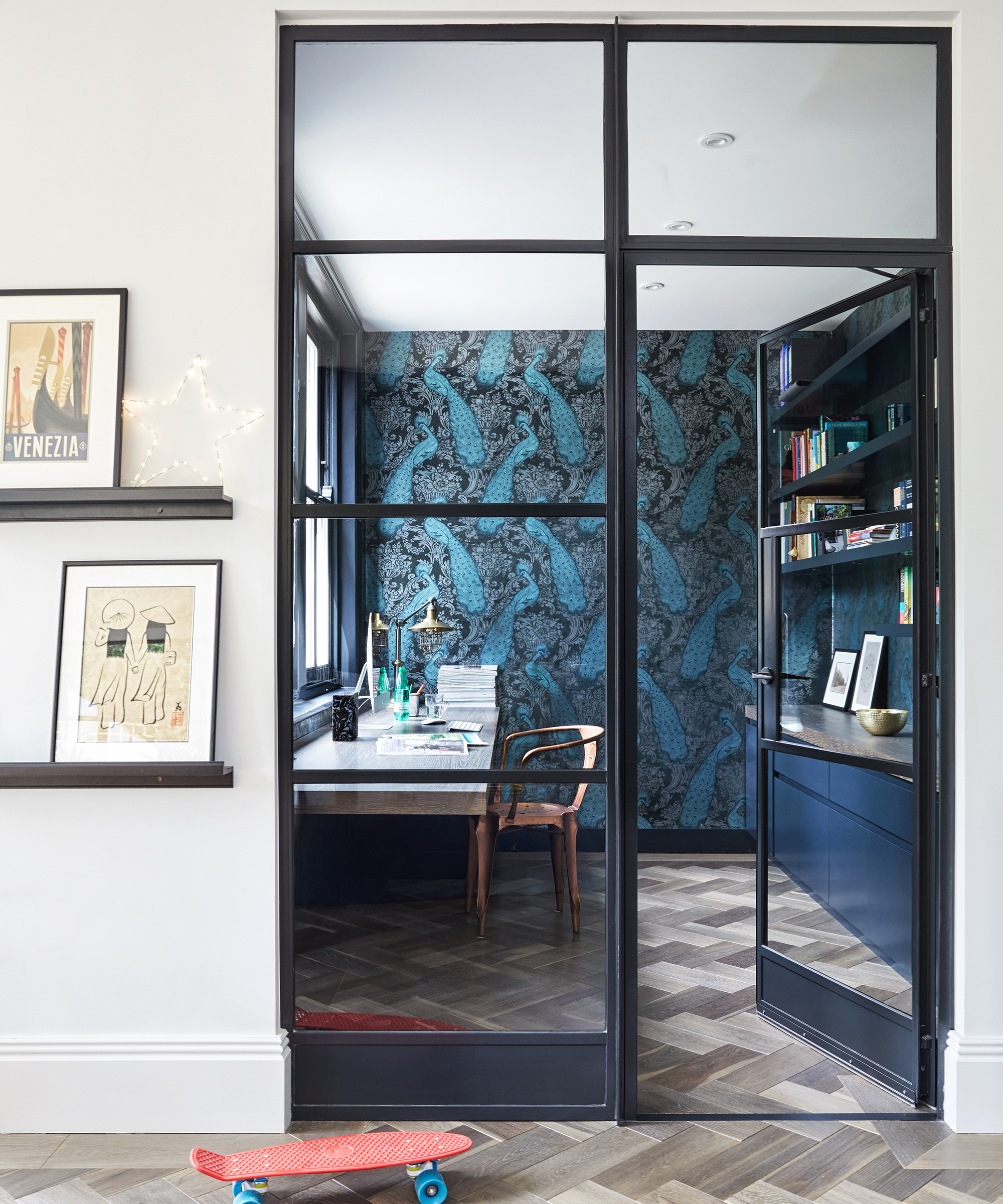
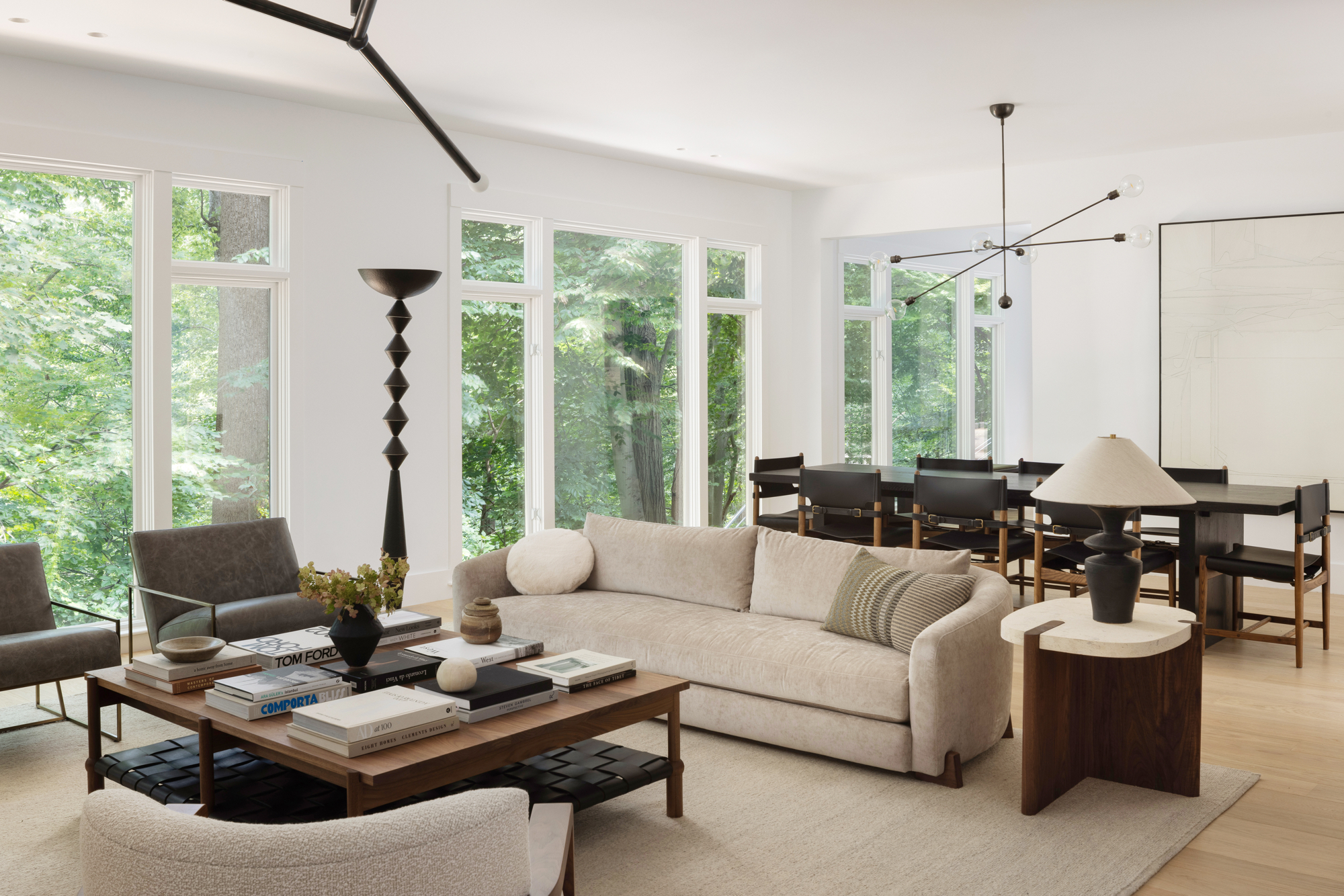
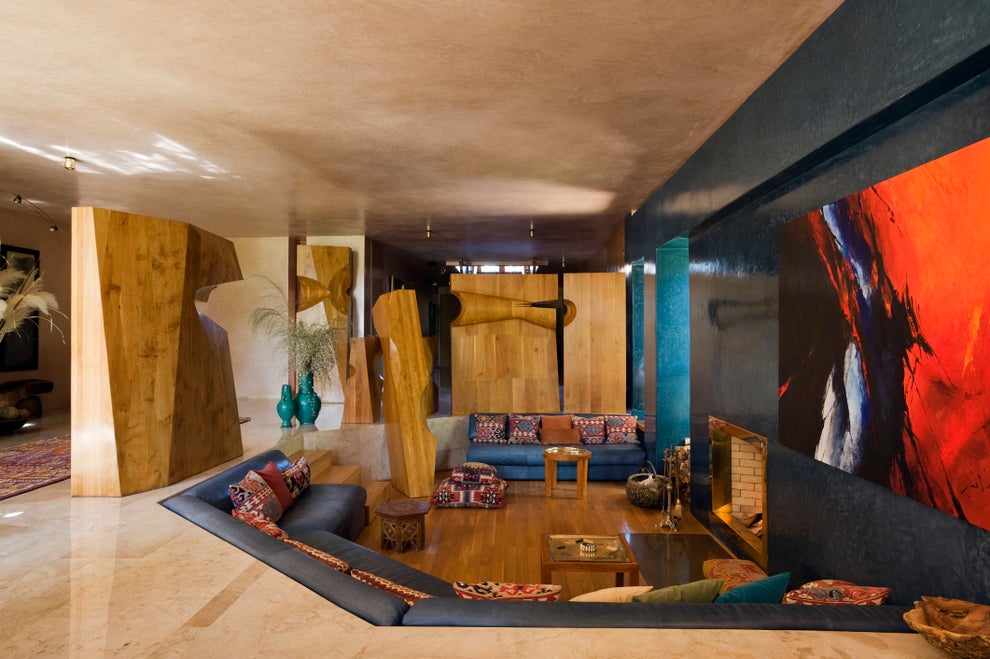
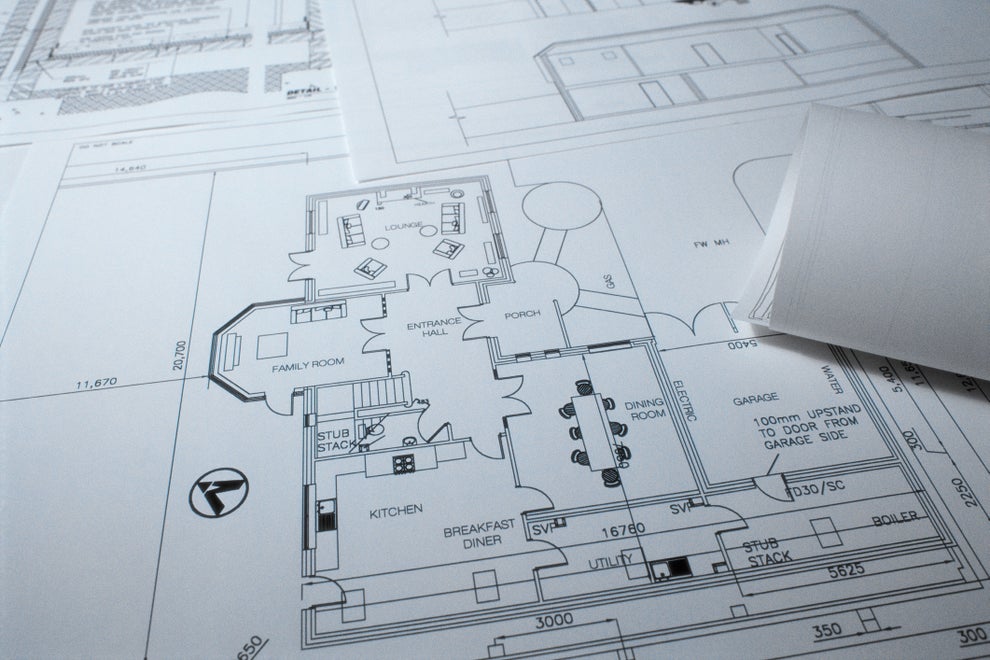
The concept of open floor plans is also being re-evaluated. The article notes that the experience of the COVID-19 pandemic and the rise of remote work highlighted the need for private, distraction-free spaces within the home. Open floor plans often lack the defined areas necessary for focused work or quiet contemplation, leading to a desire for more enclosed, multi-functional rooms. This shift suggests a move back towards more traditional spatial arrangements that offer greater privacy and distinct functions for different areas of the home.
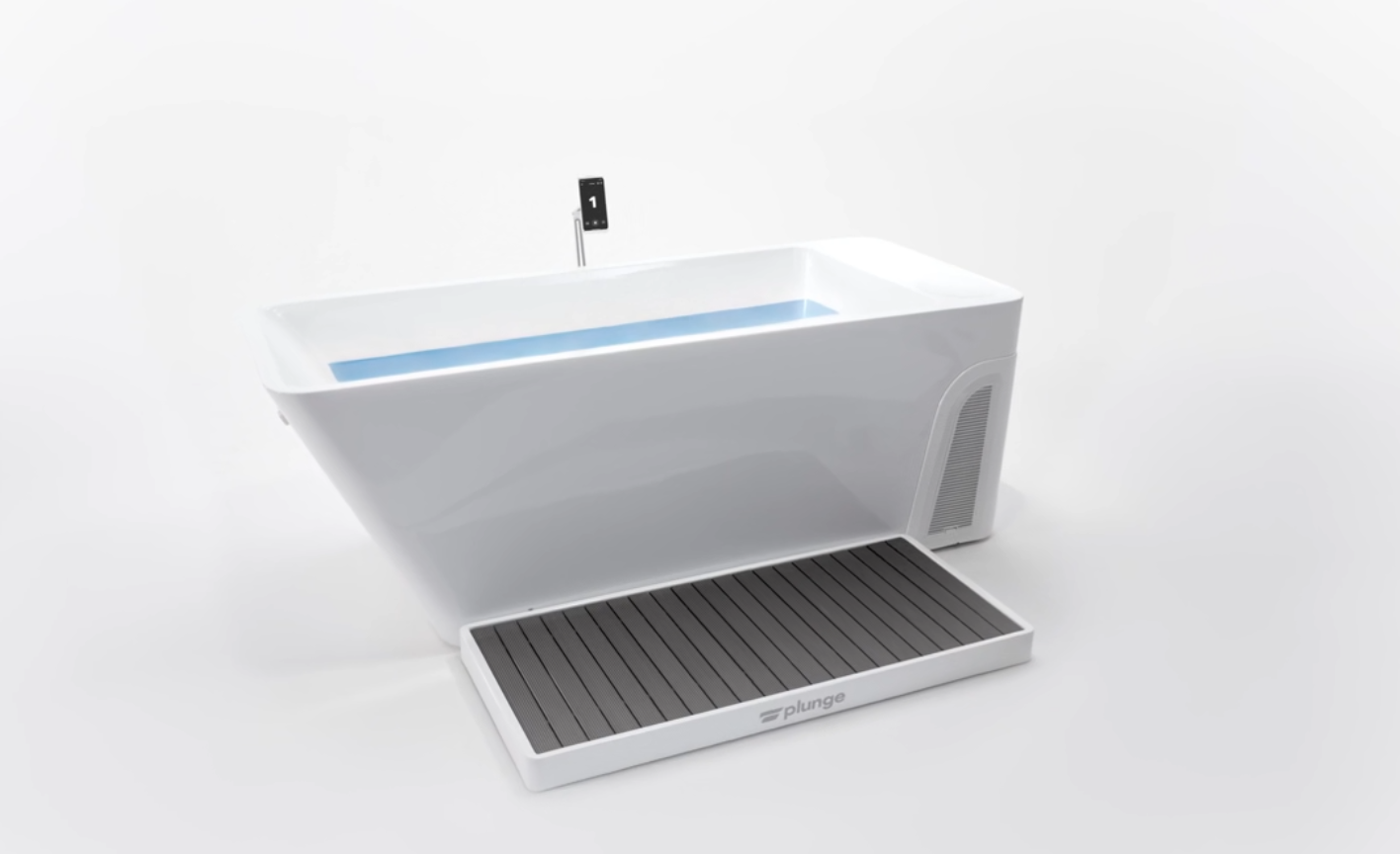
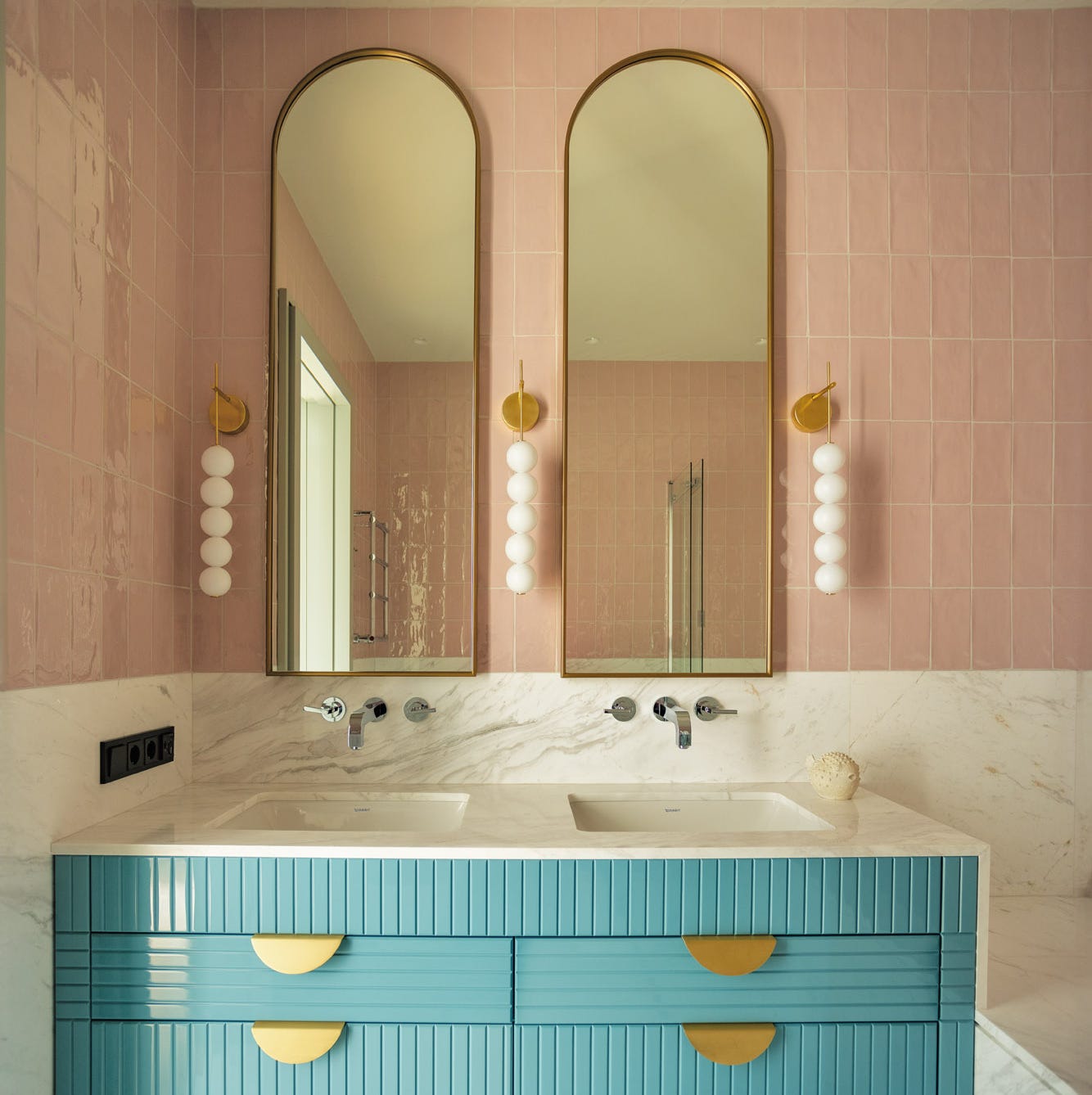
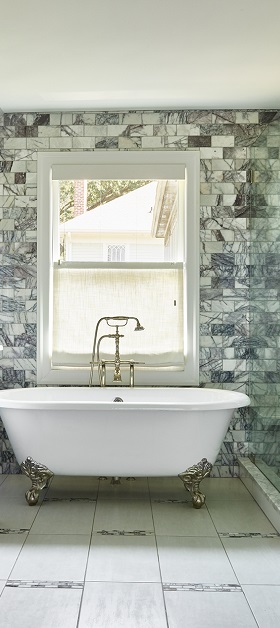
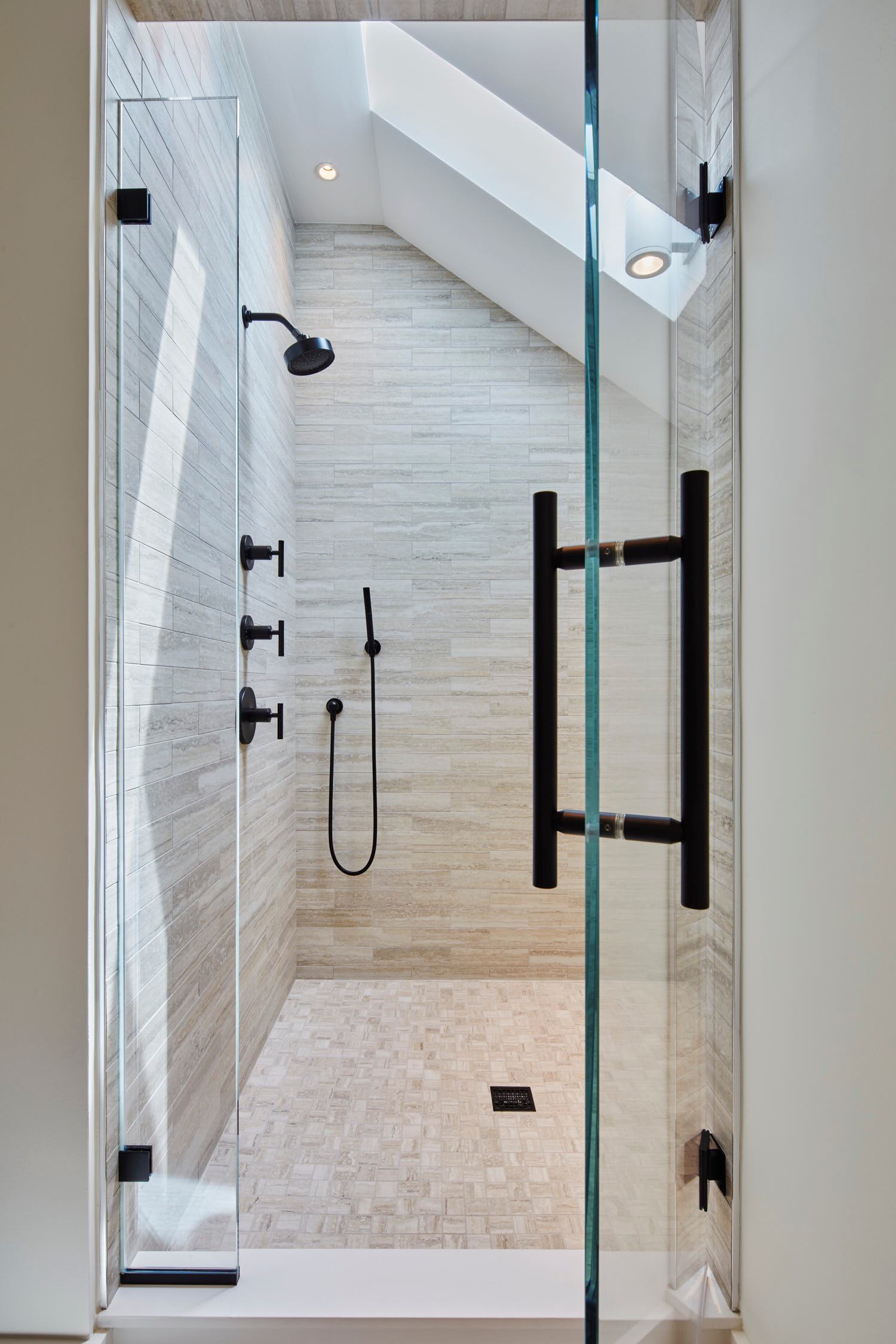
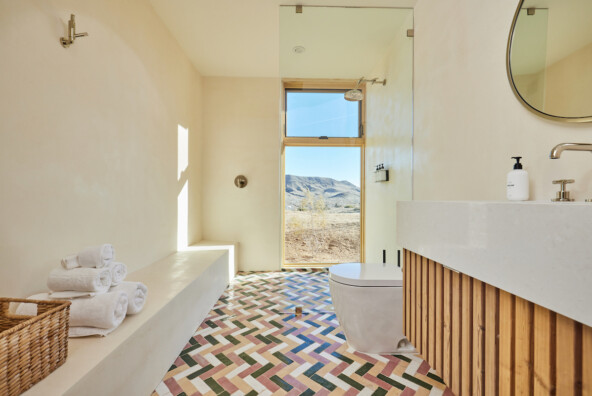
Finally, steam showers are mentioned as a trend that, while appealing, presents several challenges. These include limitations on material choices in the shower area and a significant added expense. Designers advise homeowners to carefully consider how frequently they would use a steam shower and whether the investment justifies the cost and potential material constraints. They suggest reallocating funds to other aspects of the renovation, such as nicer tiles or plumbing fixtures, if a steam shower's utility is not a high priority. This pragmatic advice underscores the importance of thoughtful planning and prioritizing functionality and long-term value in home renovation projects.
#HomeRenovationTrends #InteriorDesign #HomeDecor #KitchenDesign #BathroomDesign #OpenFloorPlans #HistoricPreservation #MaterialSelection #ColorPalettes #HomeRenovationTrends #InteriorDesign #HomeDecor #KitchenDesign #BathroomDesign #OpenFloorPlans #HistoricPreservation #MaterialSelection #ColorPalettes
合計0件のコメント
 まだコメントはありません
あなたも好きかもしれません
The 8 Renovation Trends Designers Say Will Shape Homes in 2025 and Beyond

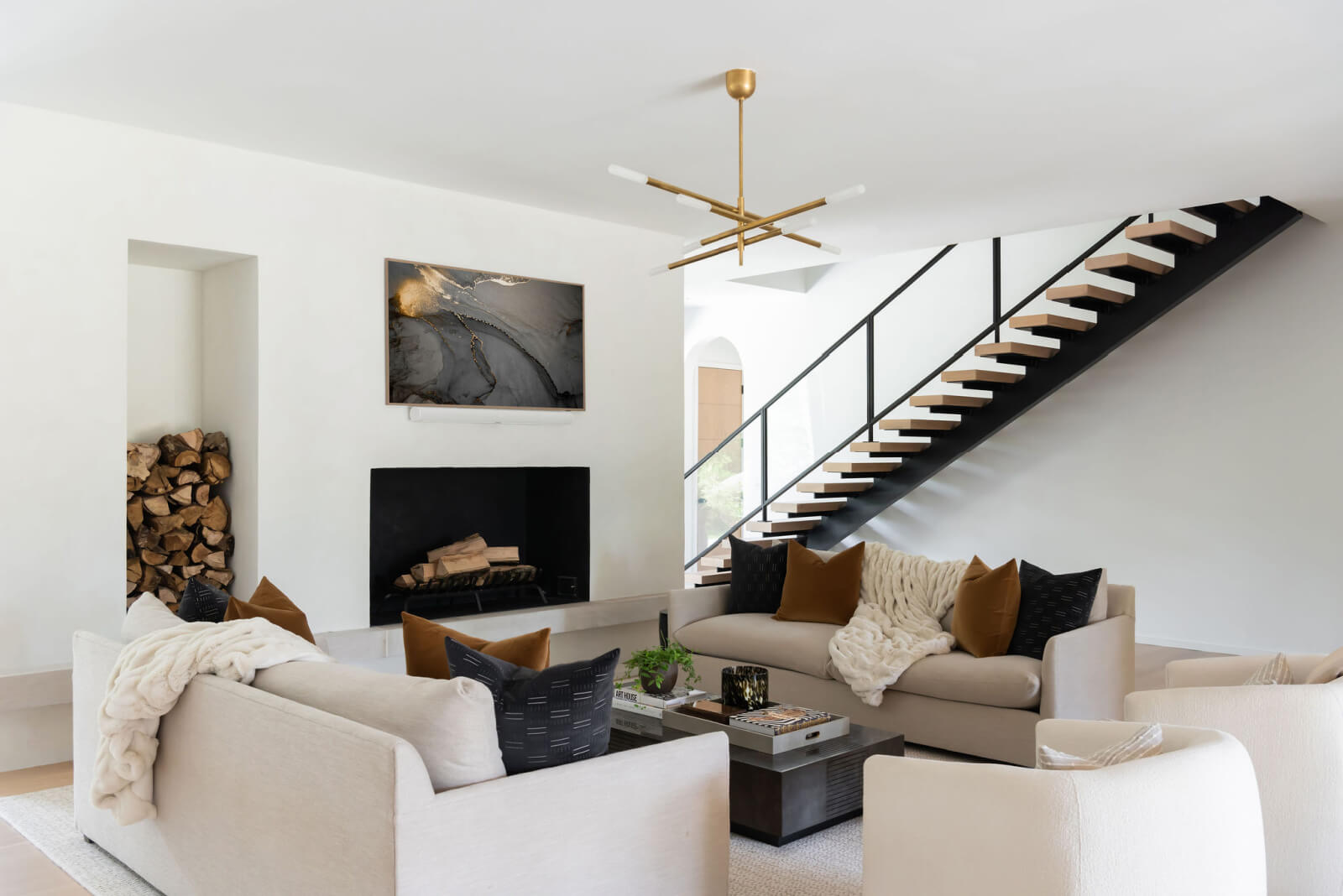
8 Interior Design Trends to Watch in 2024

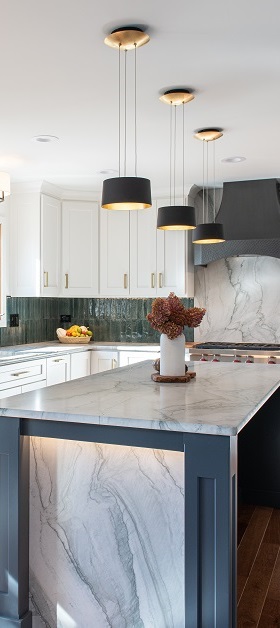
10 Home Design Trends Your Clients Will Love in 2024
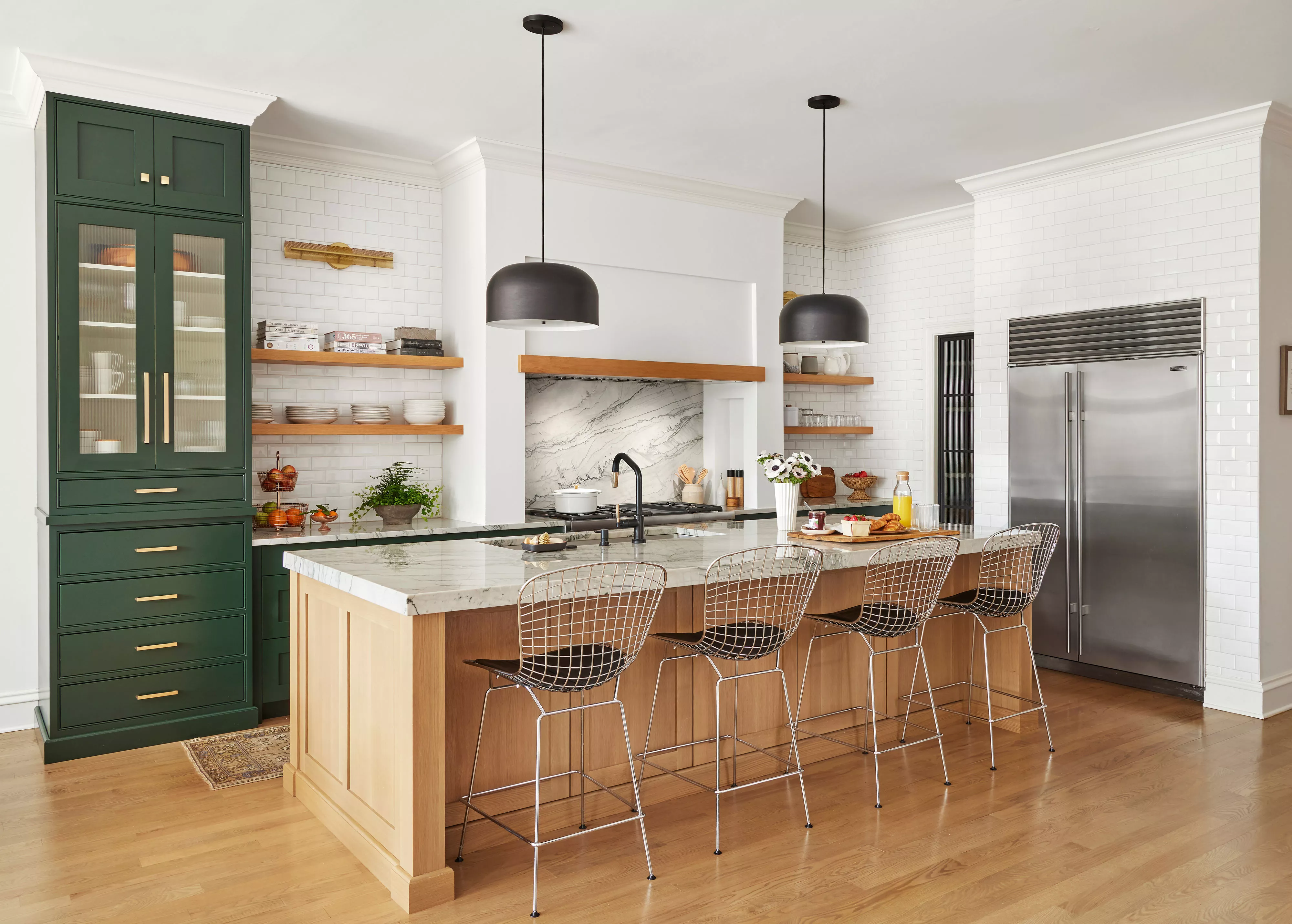
7 Interior Design Trends We're Saying Goodbye to in 2024

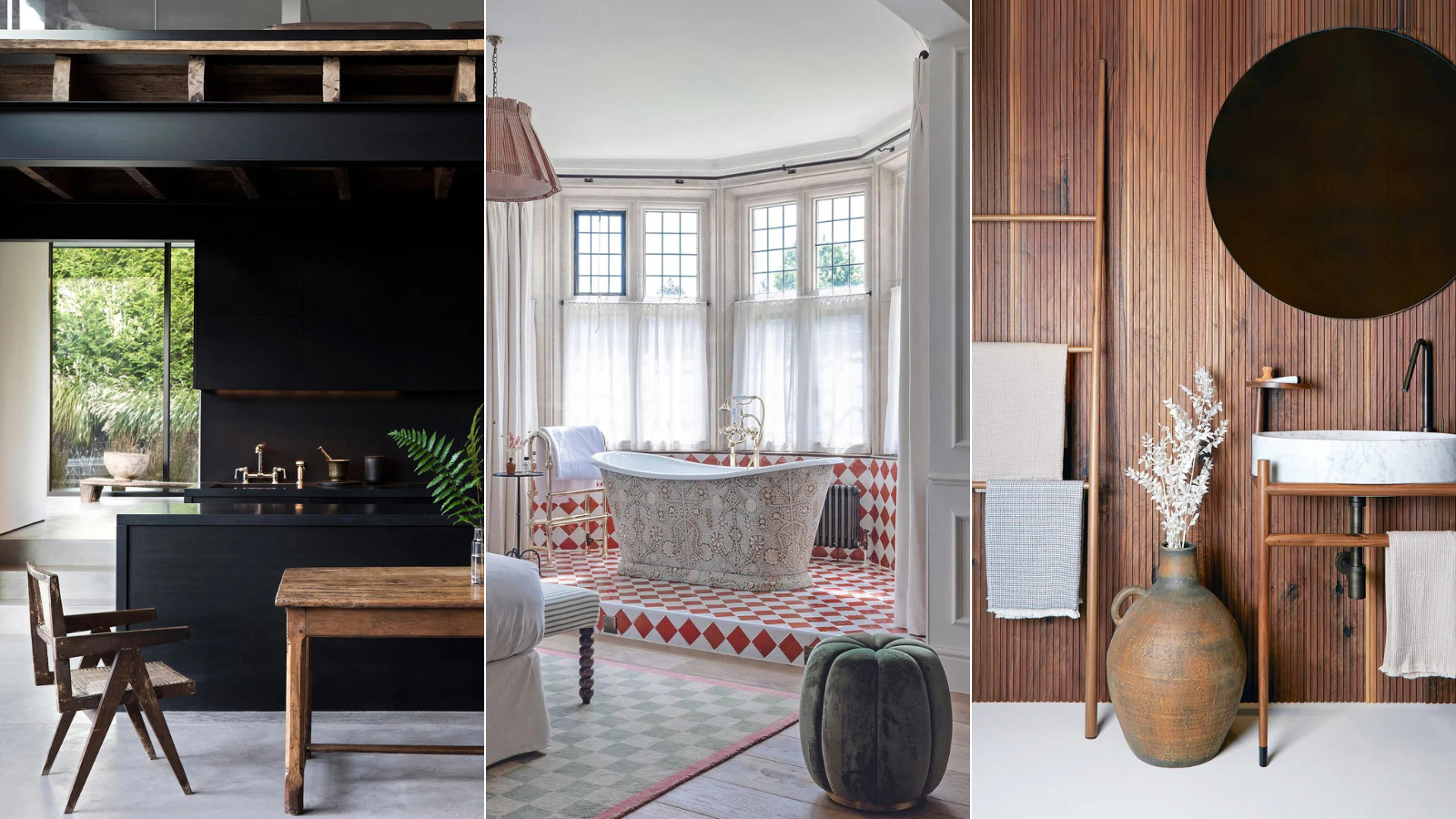
These 2024 home remodel trends are here to stay – here's how to try them

Renovating? The home design trends you’ll see everywhere in 2025

Renovating for the Future: Trends That Will Shape Your Home in 2025
11 Home Design Trends That Need A Major Revival In 2024 To Infuse Some Personality Back Into Our Homes

Interior Designers are Ditching These Home Trends in 2024
Planning a Home Reno in 2024? You Might Want to Skip These Trends

The new interior design trends: 24 looks for 2024

Outdated Kitchen Design Trends Being Replaced In 2024
8 Home Design Trends We're Leaving in 2024 (And What to Do Instead)
If you don't yet know the home renovation trends for 2025, your project might just be missing out
Interior Design Trends of 2024

Ask the remodeler: 10 home trends we’ll continue to see in 2026 renovations

Home-Design Trends You’ll See Everywhere in 2024

5 outdated home decor trends interior designers want you to kiss goodbye in 2024, and what to do instead

What Are the Hot Home Styles for 2024?

7 Home Renovation Trends Everyone Will Be Talking About In 2026