1/6
5 Places You Should Never Hang Art in Your Home
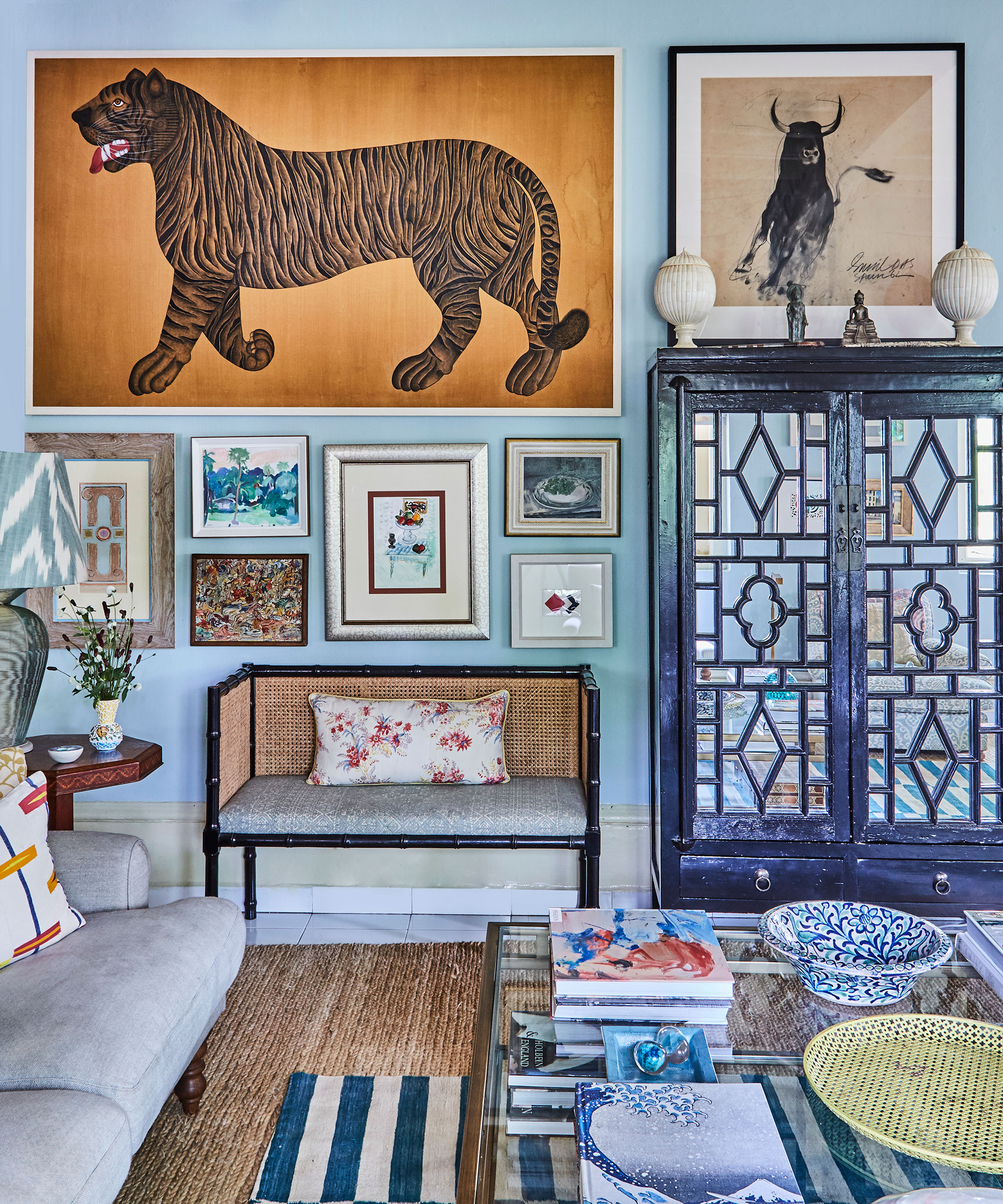
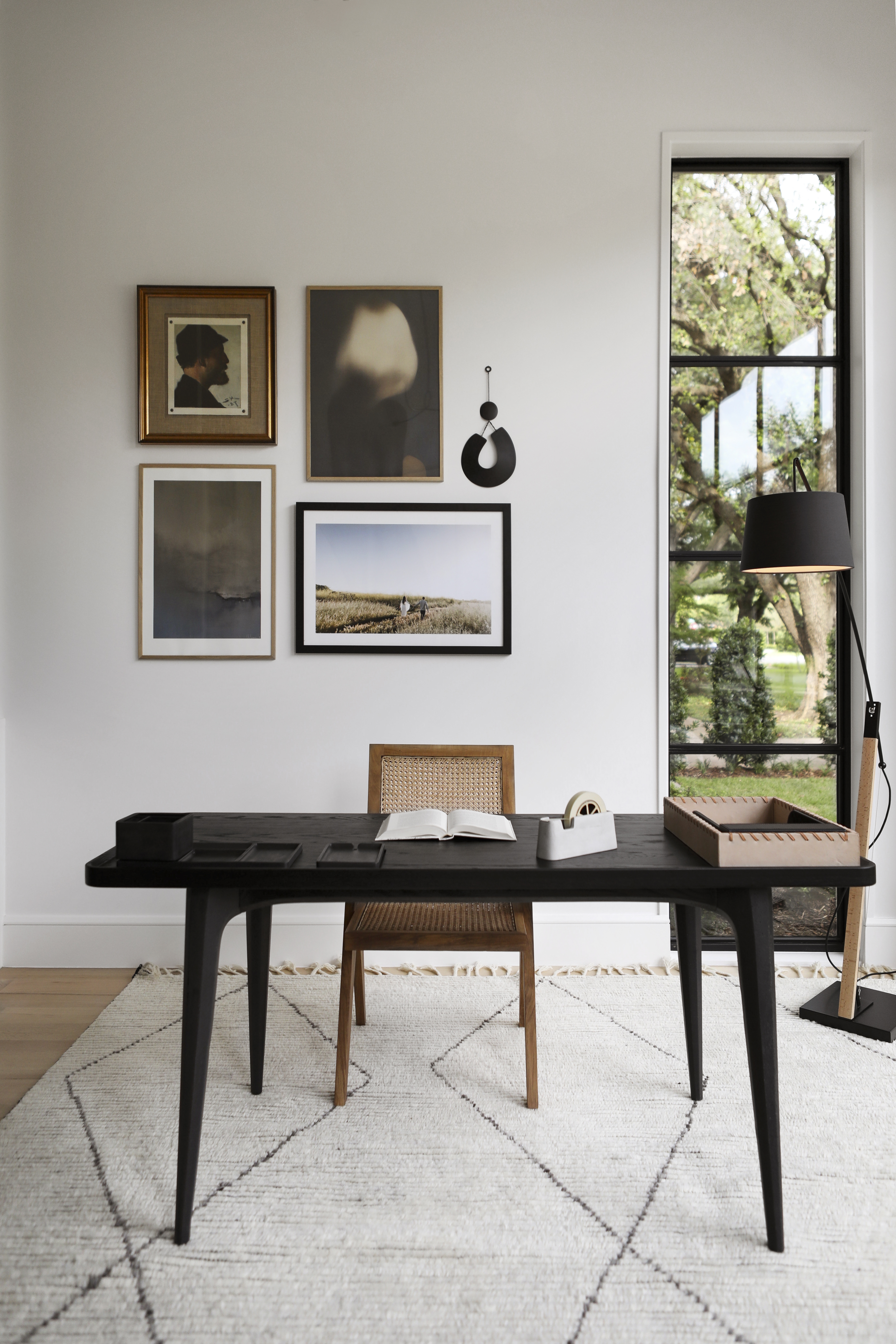
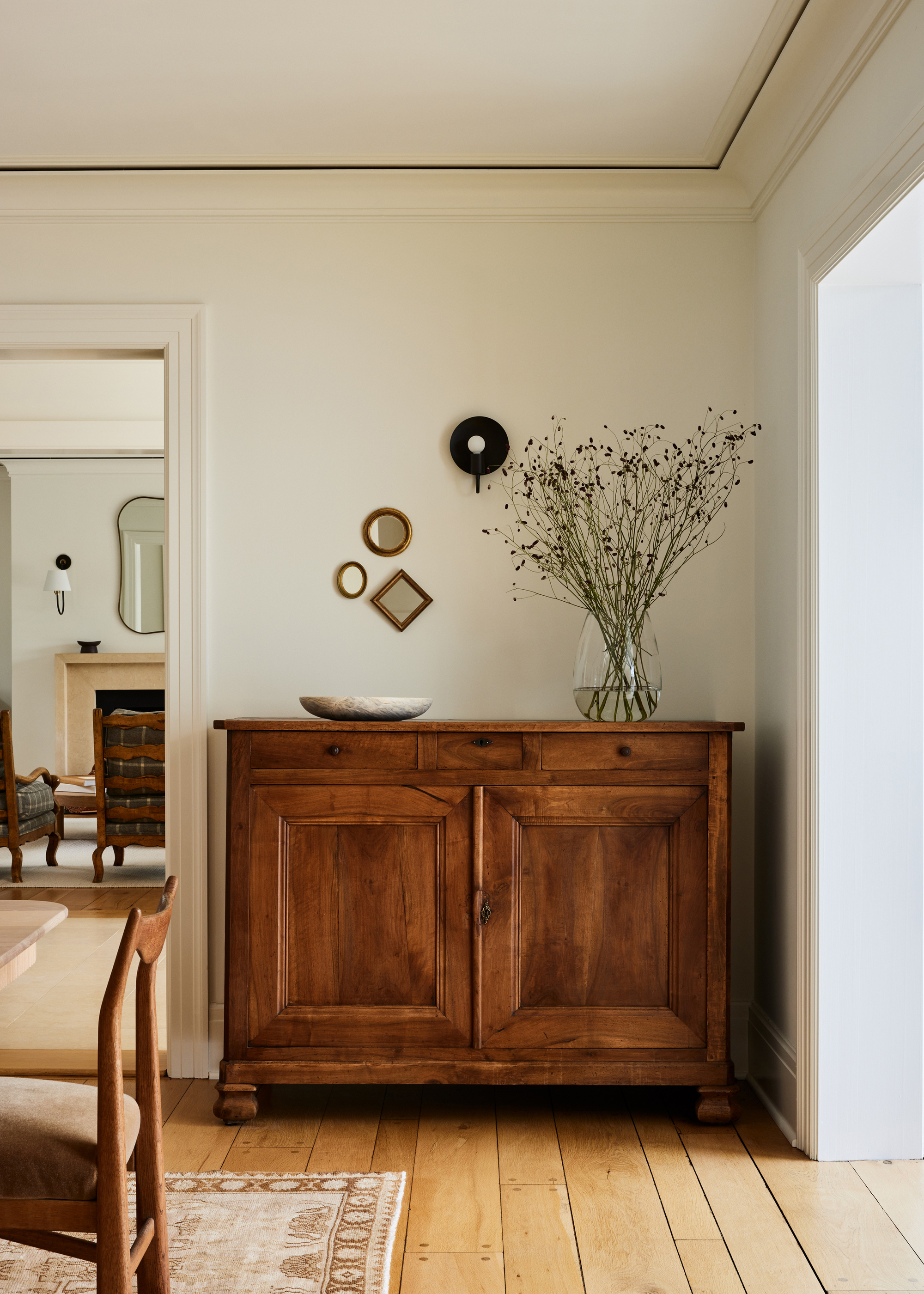
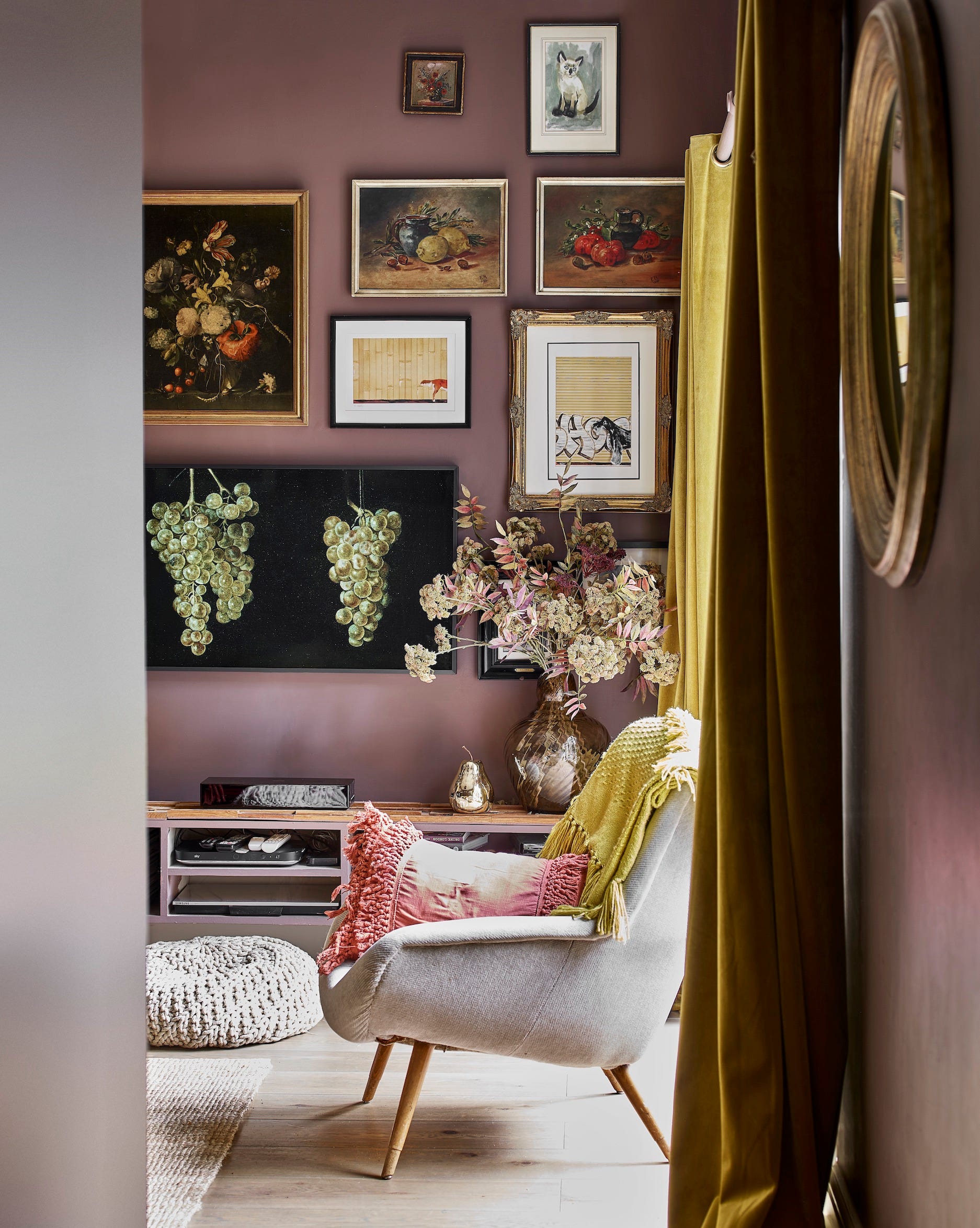
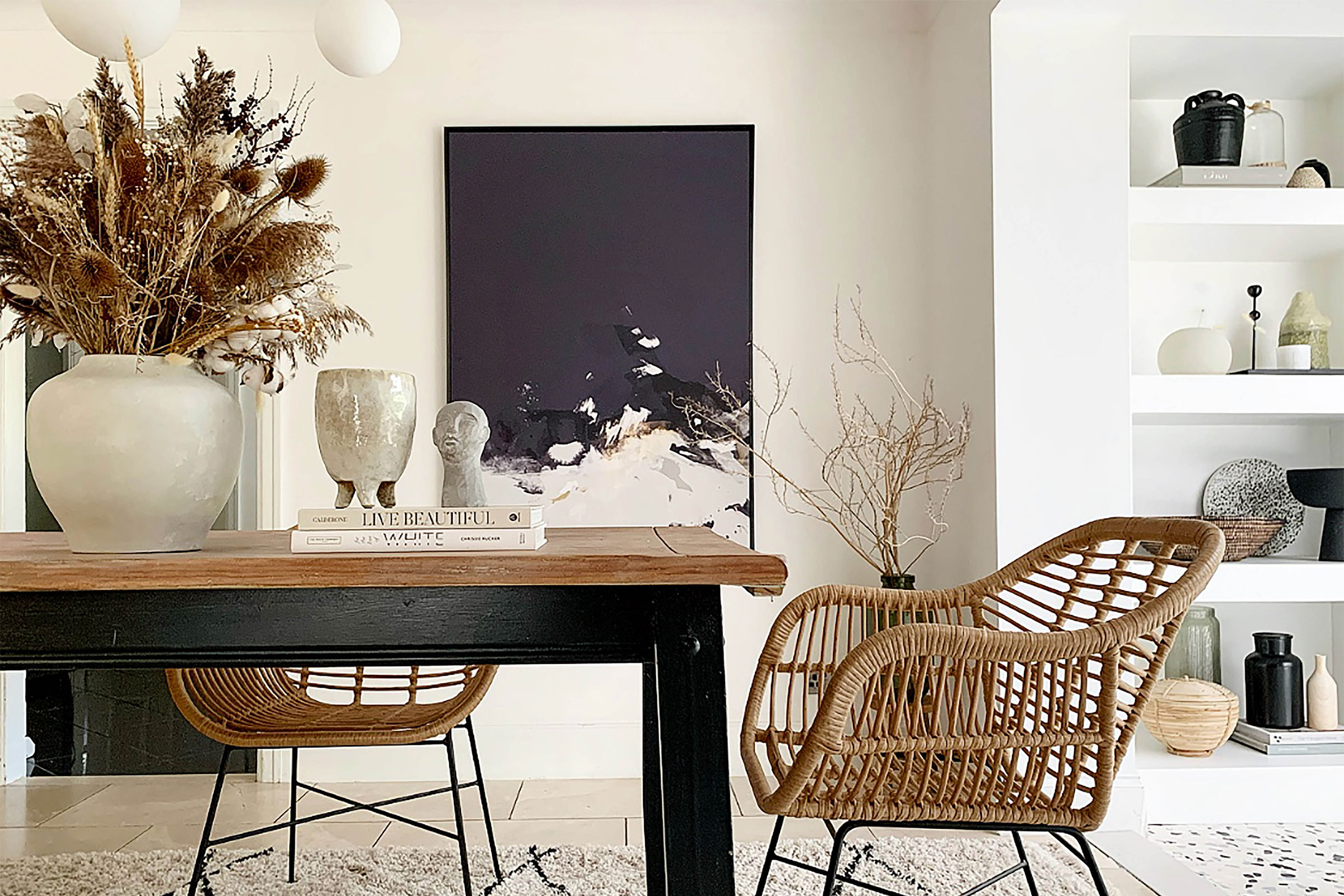
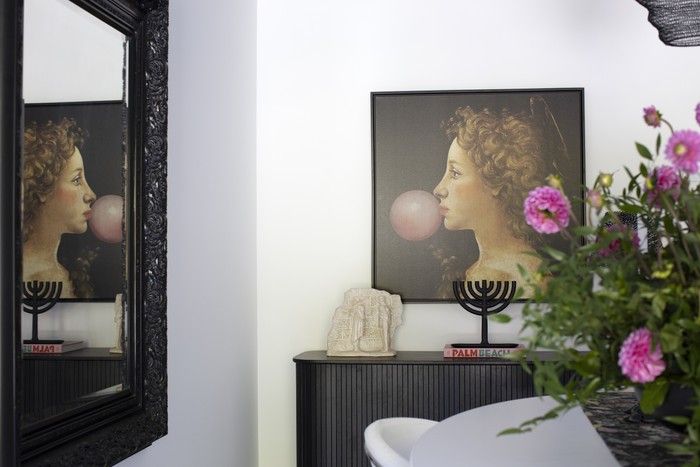
Proper placement of art is crucial for creating a balanced and intentional living space. Poor placement can diminish the impact of even magnificent artwork, making it appear awkward. Beyond aesthetics, certain environments within a home can be detrimental to the longevity and appearance of art. Interior designer Lauren Saab emphasizes that harmony in art placement stems from considering height, proportion, and alignment relative to surrounding furniture and architecture. When art is hung too high or scattered without a cohesive rhythm, a room can lose its sense of gravity.
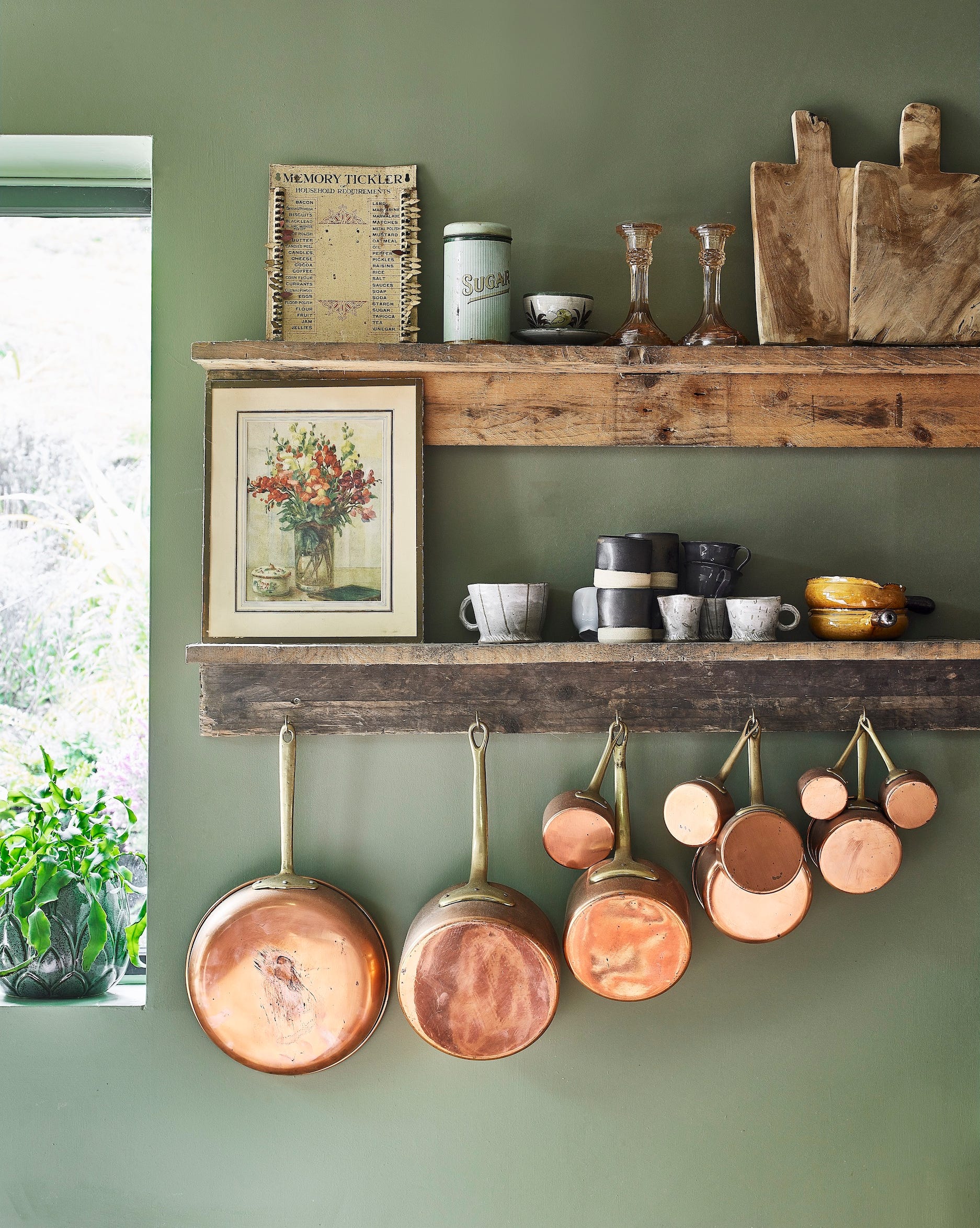
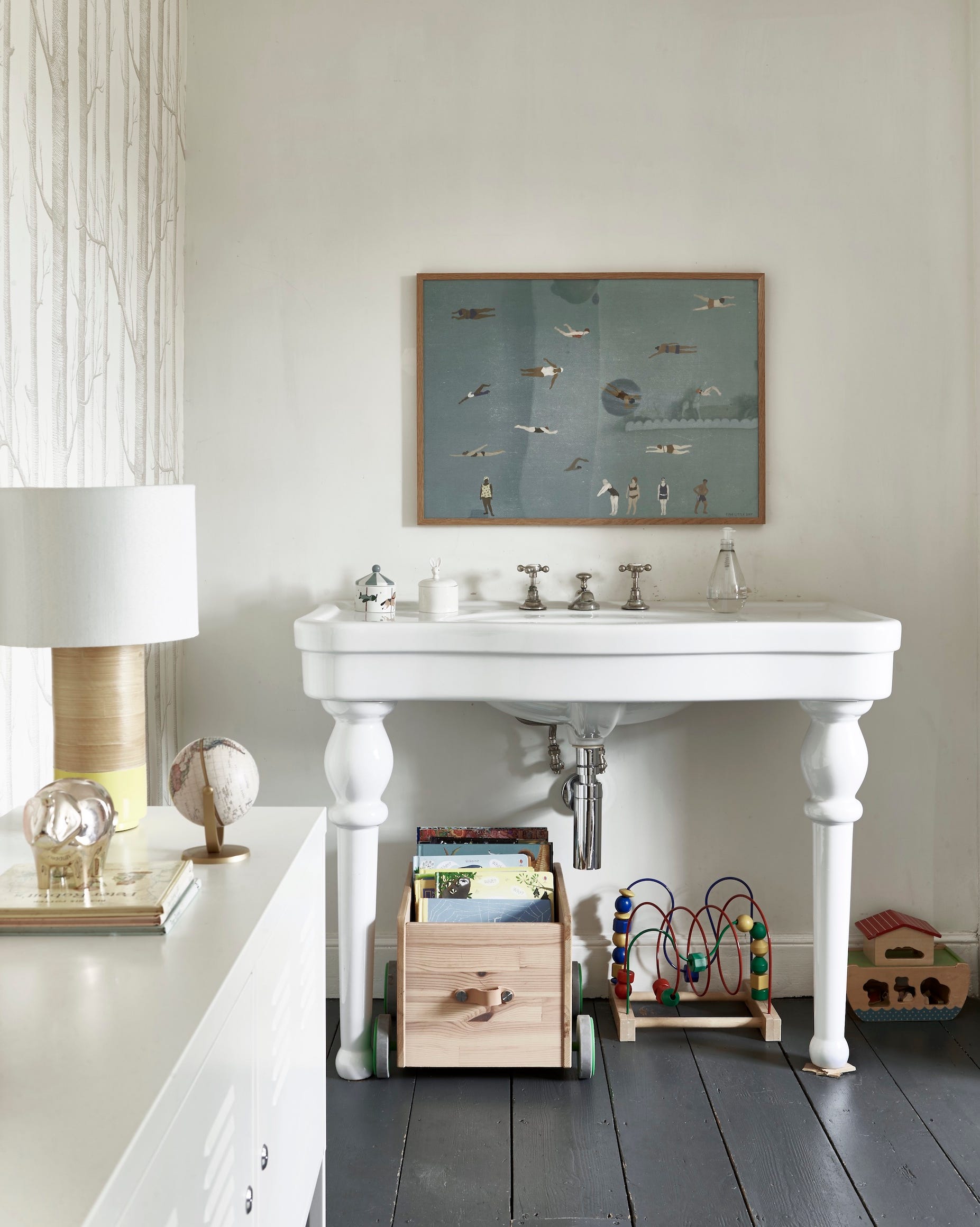
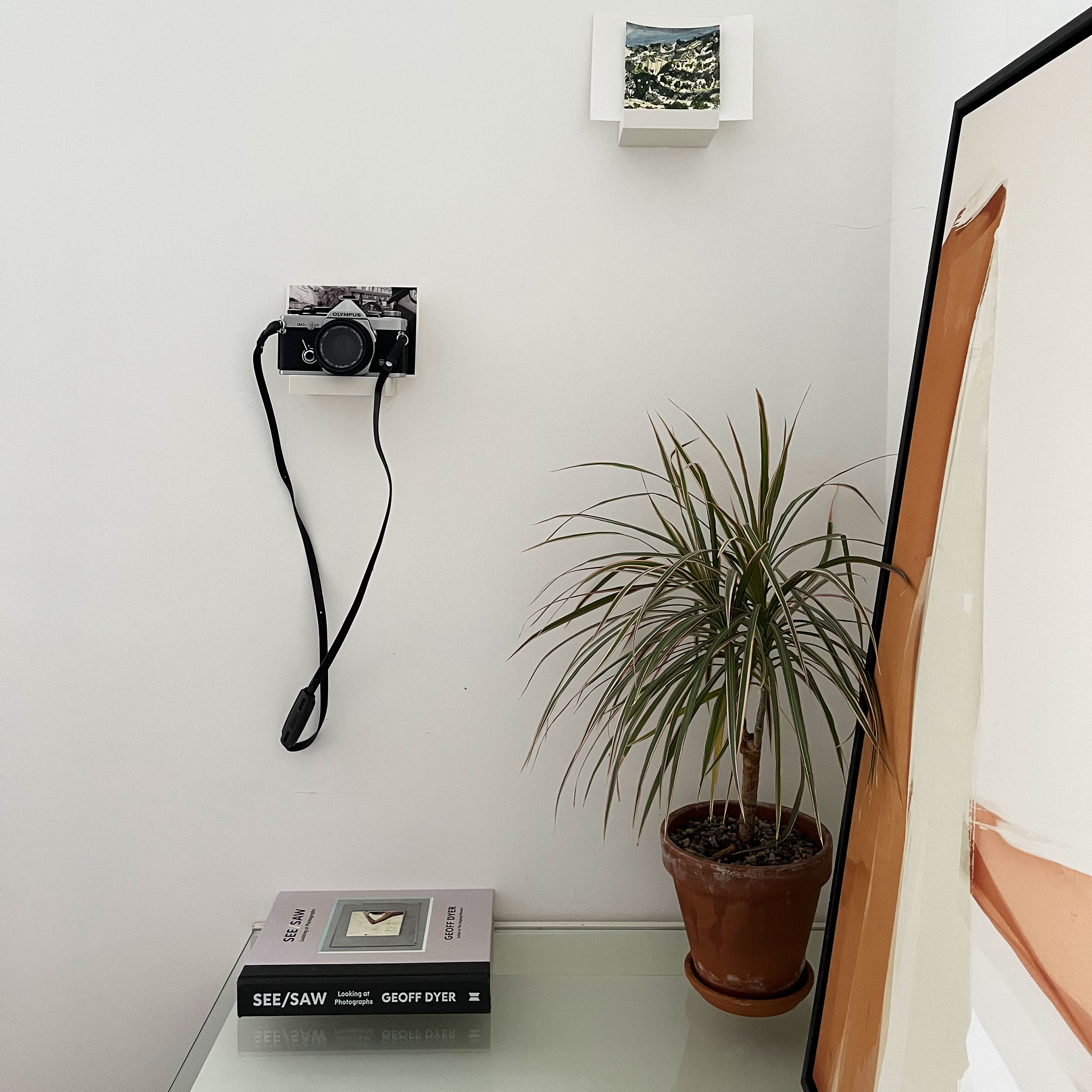
Several specific locations in a home are generally ill-suited for displaying art due to environmental factors or traffic. Bathrooms and other high-humidity spaces pose a significant risk, as moisture can lead to discoloration, mold, mildew, and peeling. Art advisor Kelly Cahn advises against placing artwork in direct splash zones and recommends ensuring any art in a bathroom is framed under glass for protection. Additionally, hanging pieces above the backsplash line or near natural light where they can air out can help prevent damage. UV-tinted window film or strategic placement in shaded areas like bookshelves or reading nooks can protect artwork from fading or glare caused by excessive natural light, especially in south-facing rooms. Unprotected fine art, such as oil or acrylic paintings, may also benefit from a layer of UV protectant.
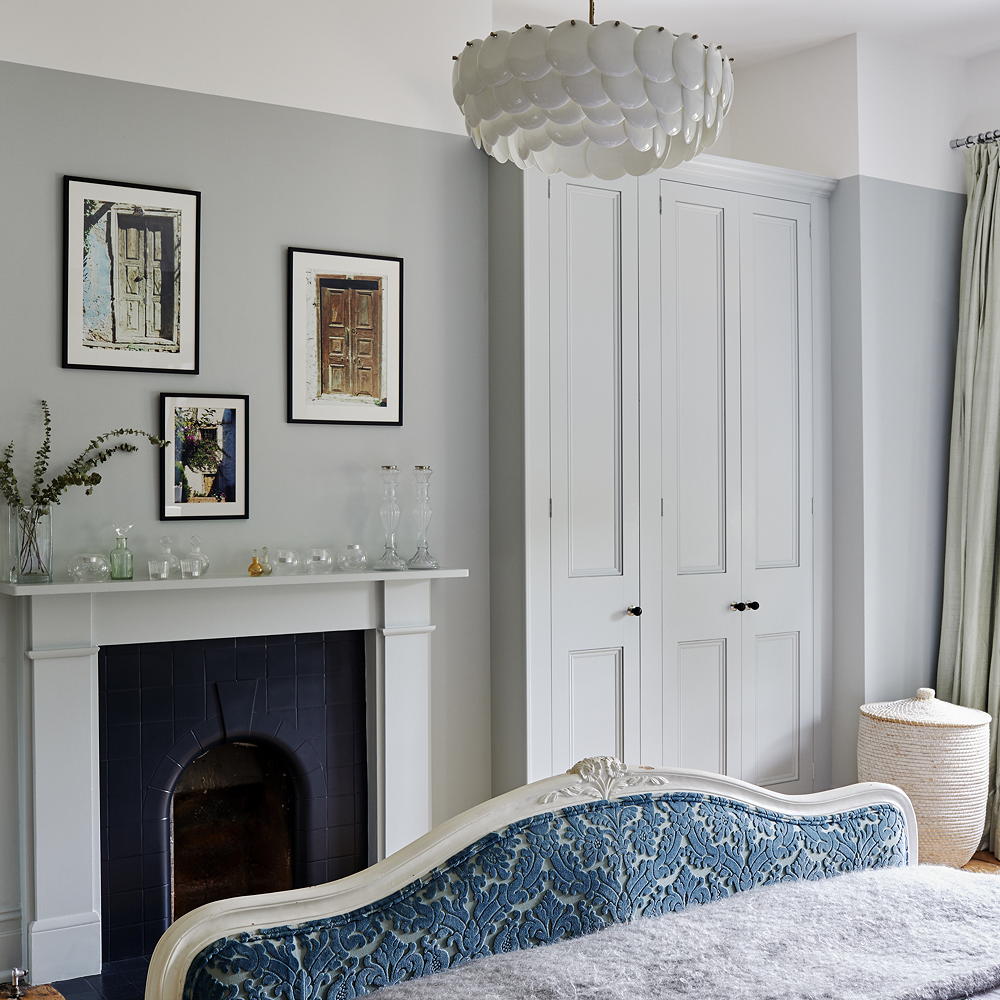
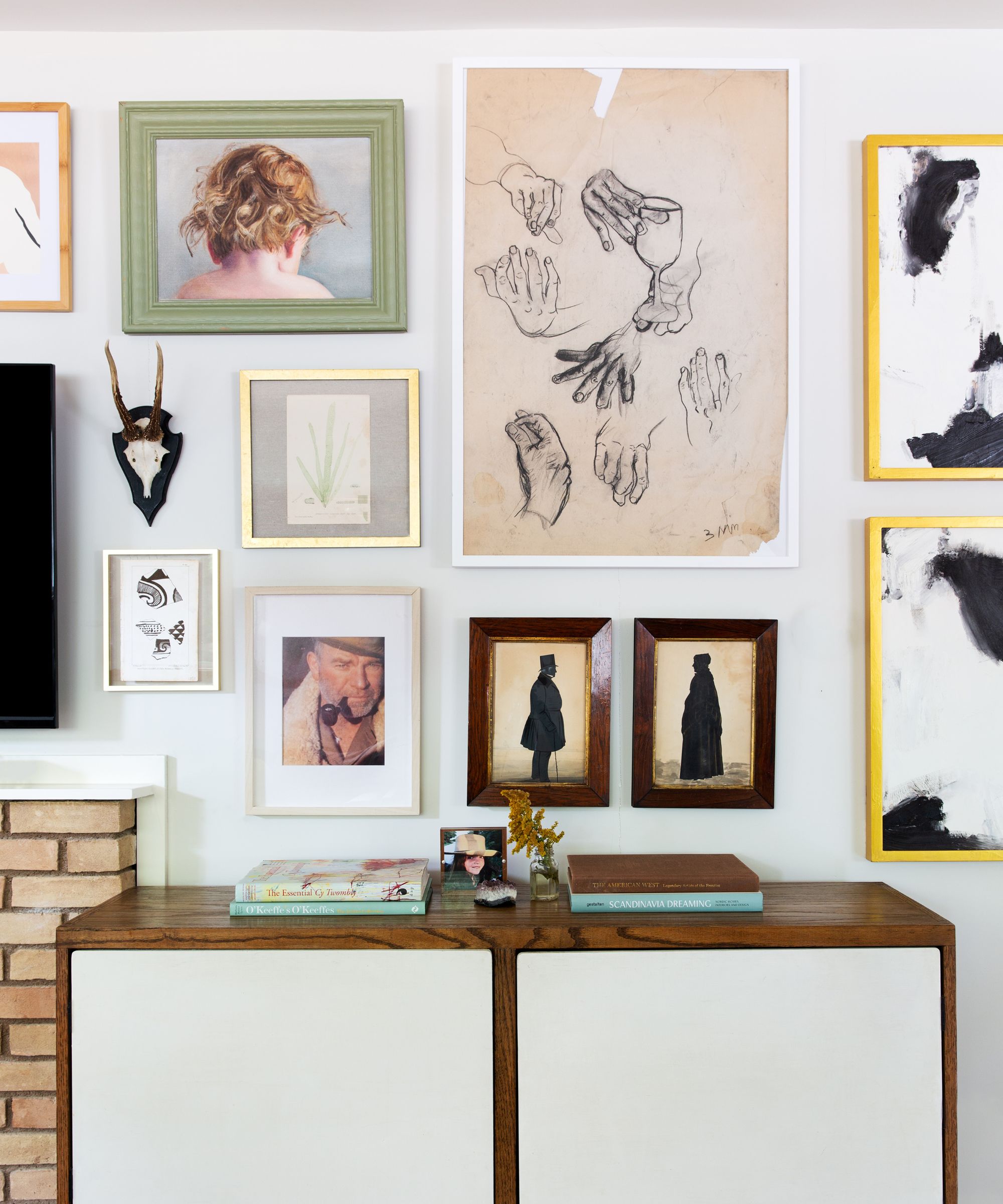
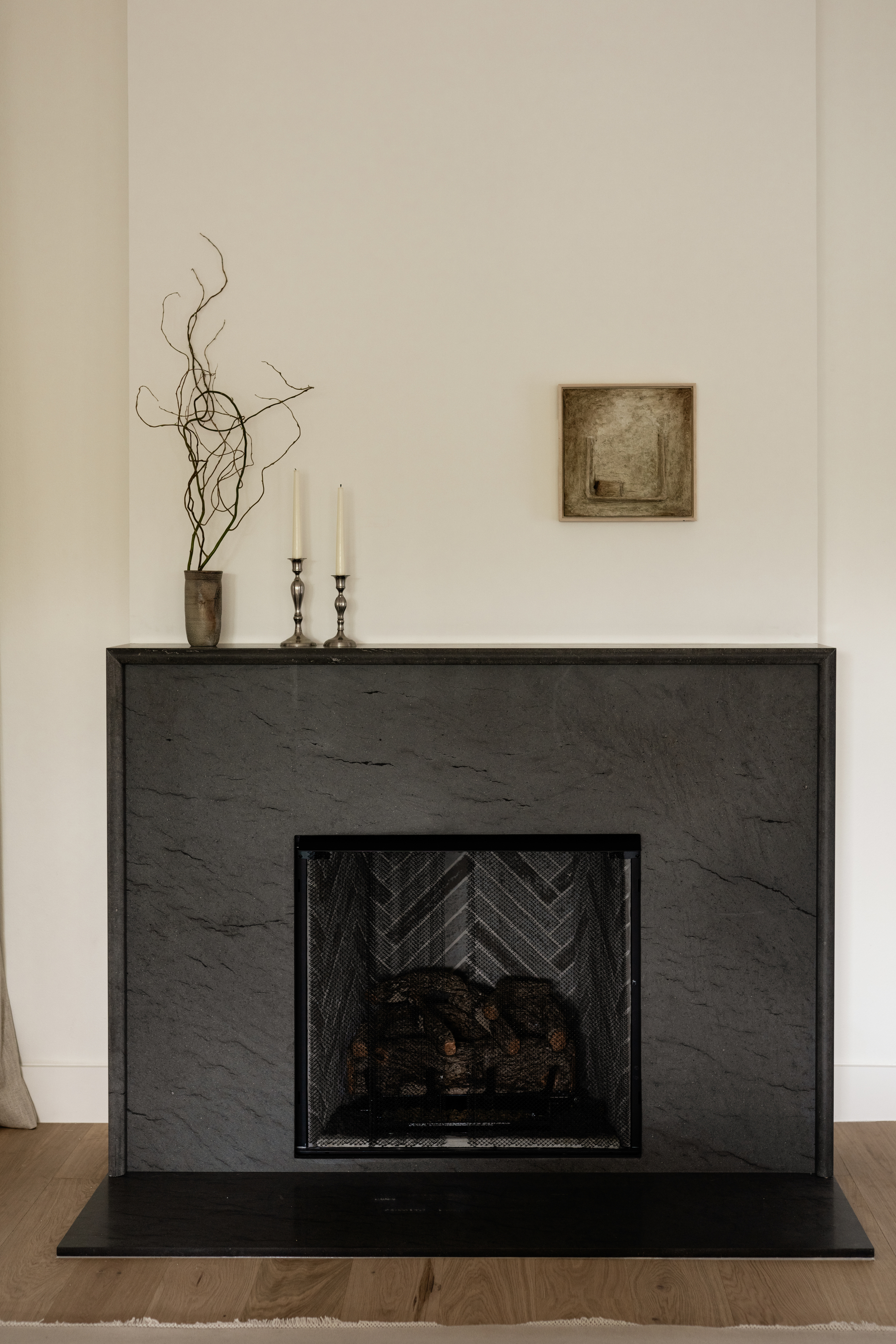
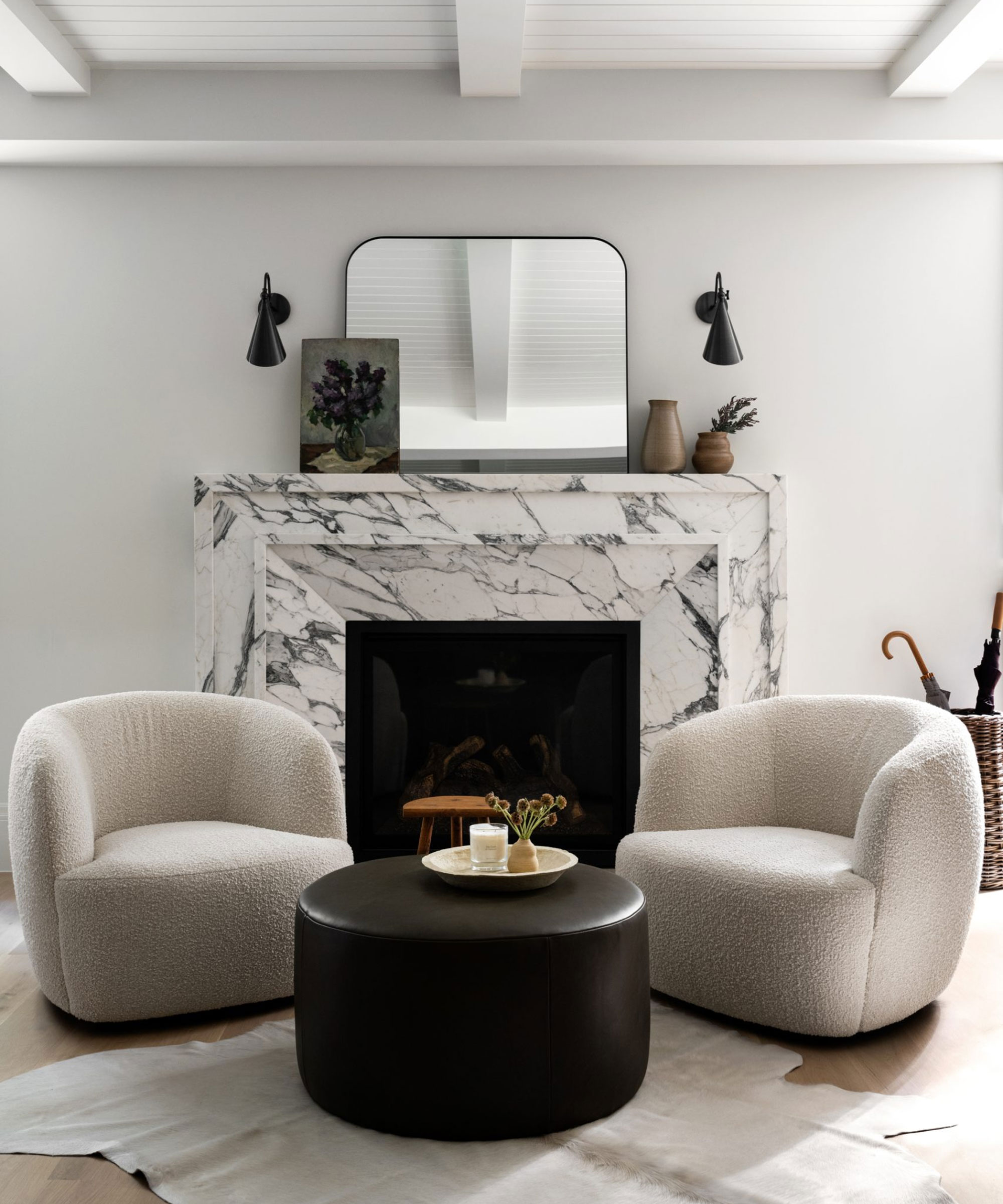
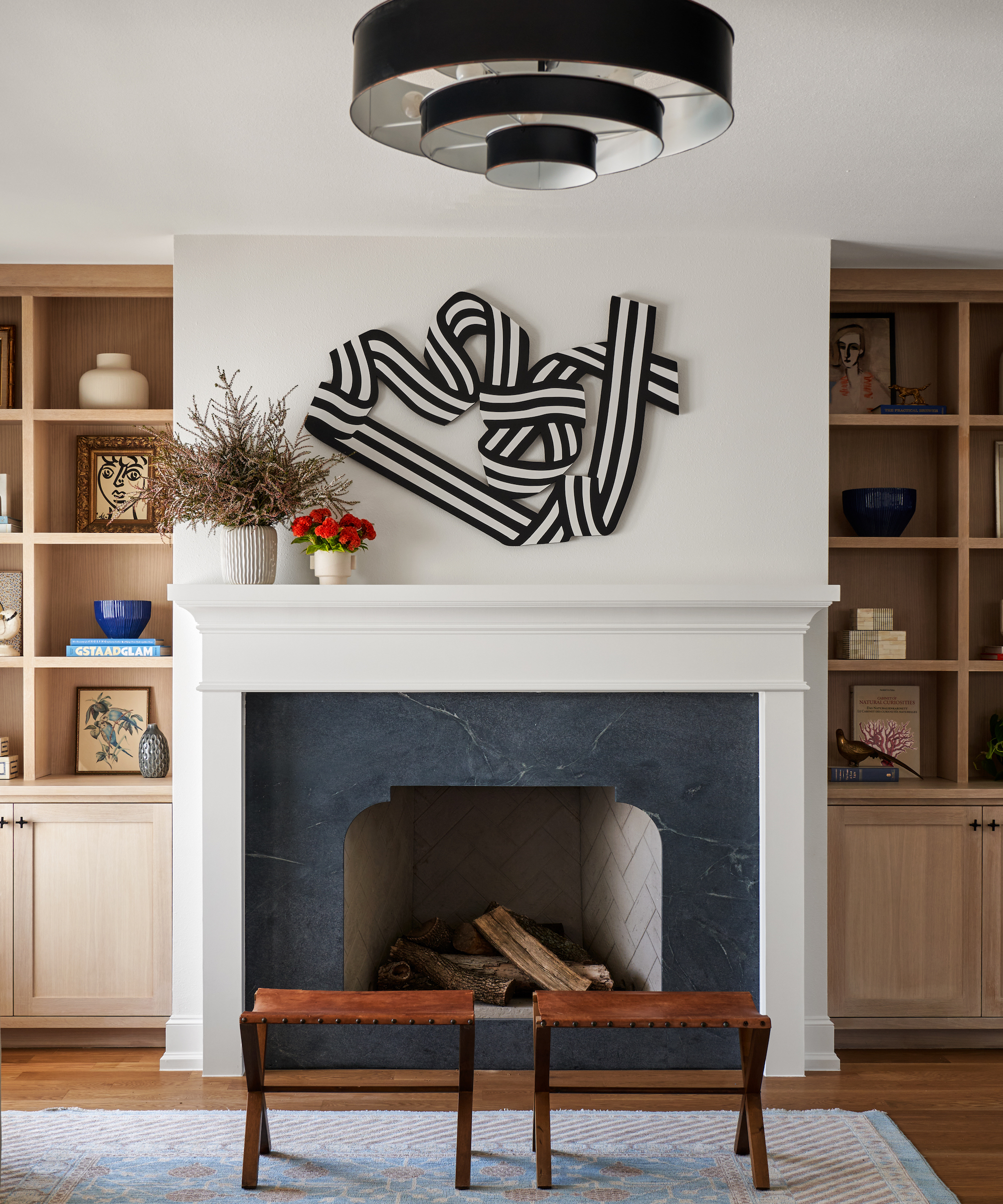
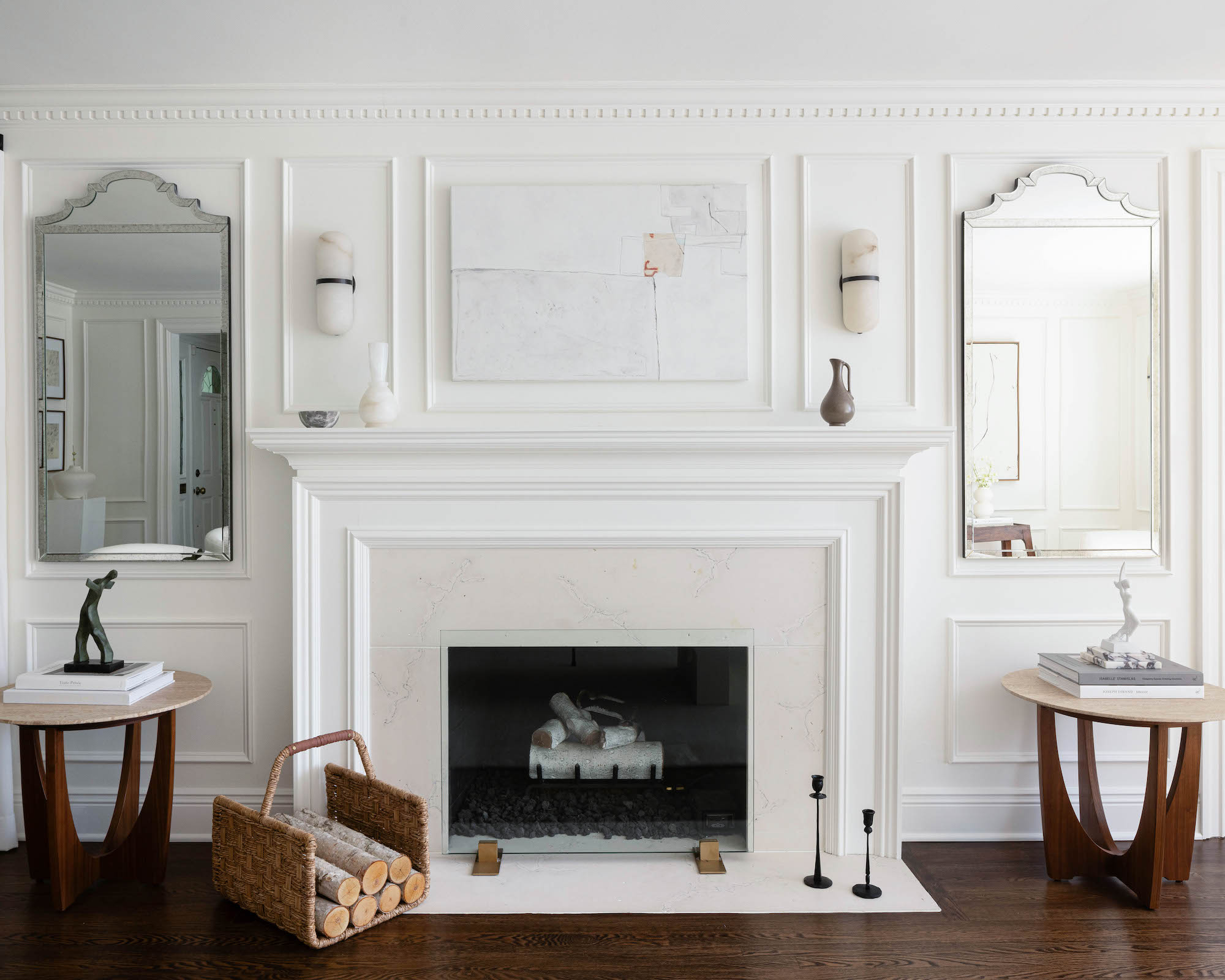
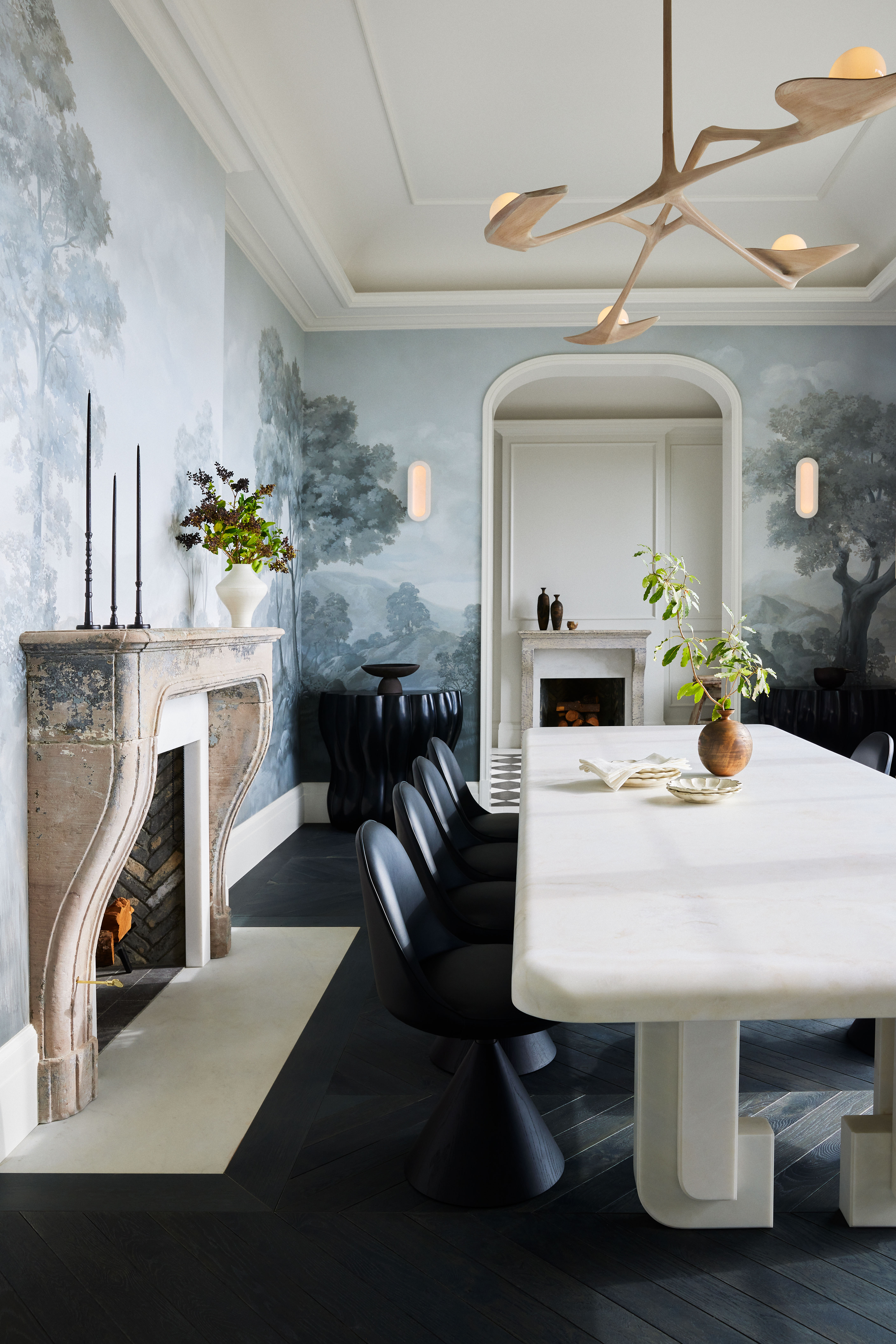
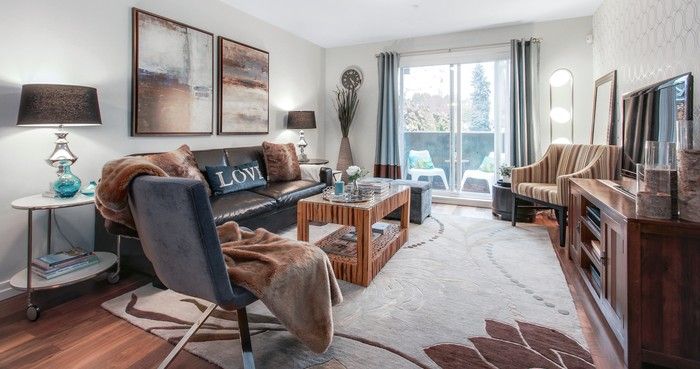
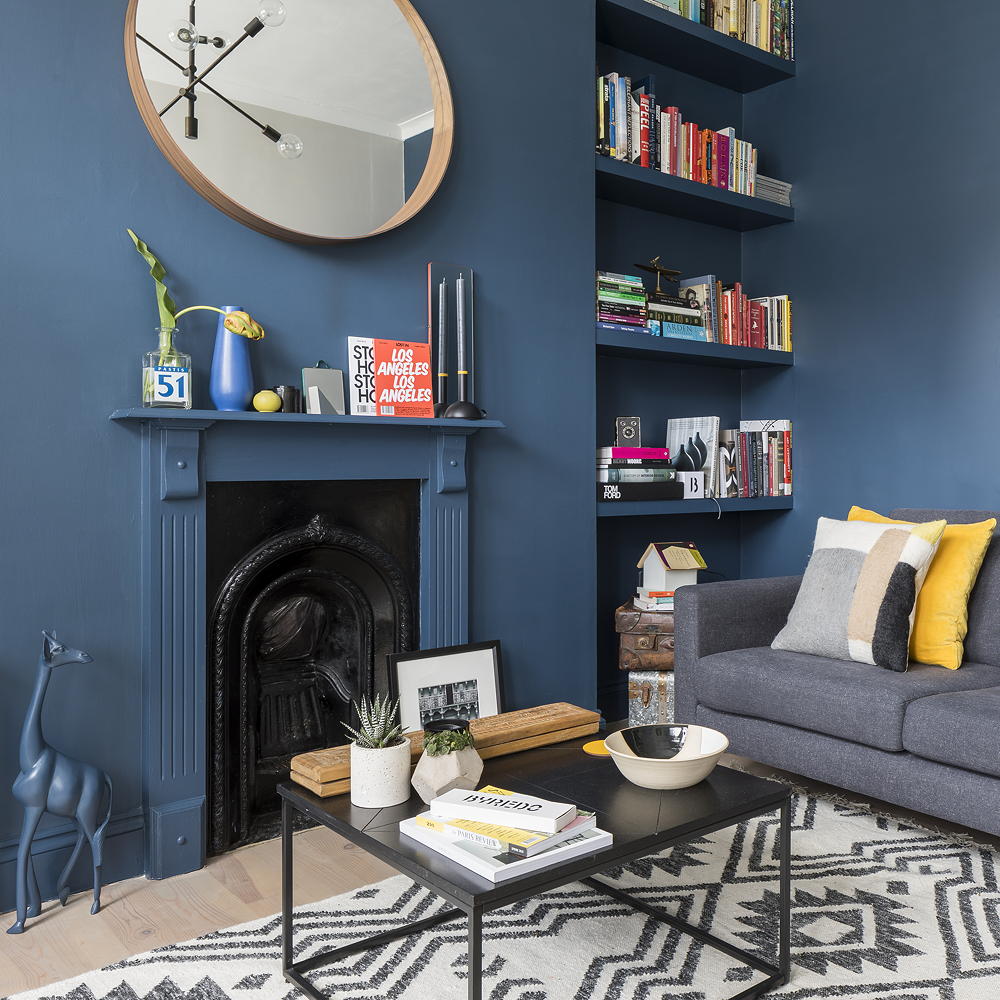
Active fireplaces present another problematic location. Although popular for mantel decor, the heat generated by fireplaces can damage artworks over time, causing color changes, fading, warping, and cracking. If art must be placed above a fireplace, its preciousness and size should be carefully considered, ensuring a sufficient buffer zone between the mantel and the artwork. Artwork with rich textures or softer colors is often more suitable than reflective pieces that might produce glare.
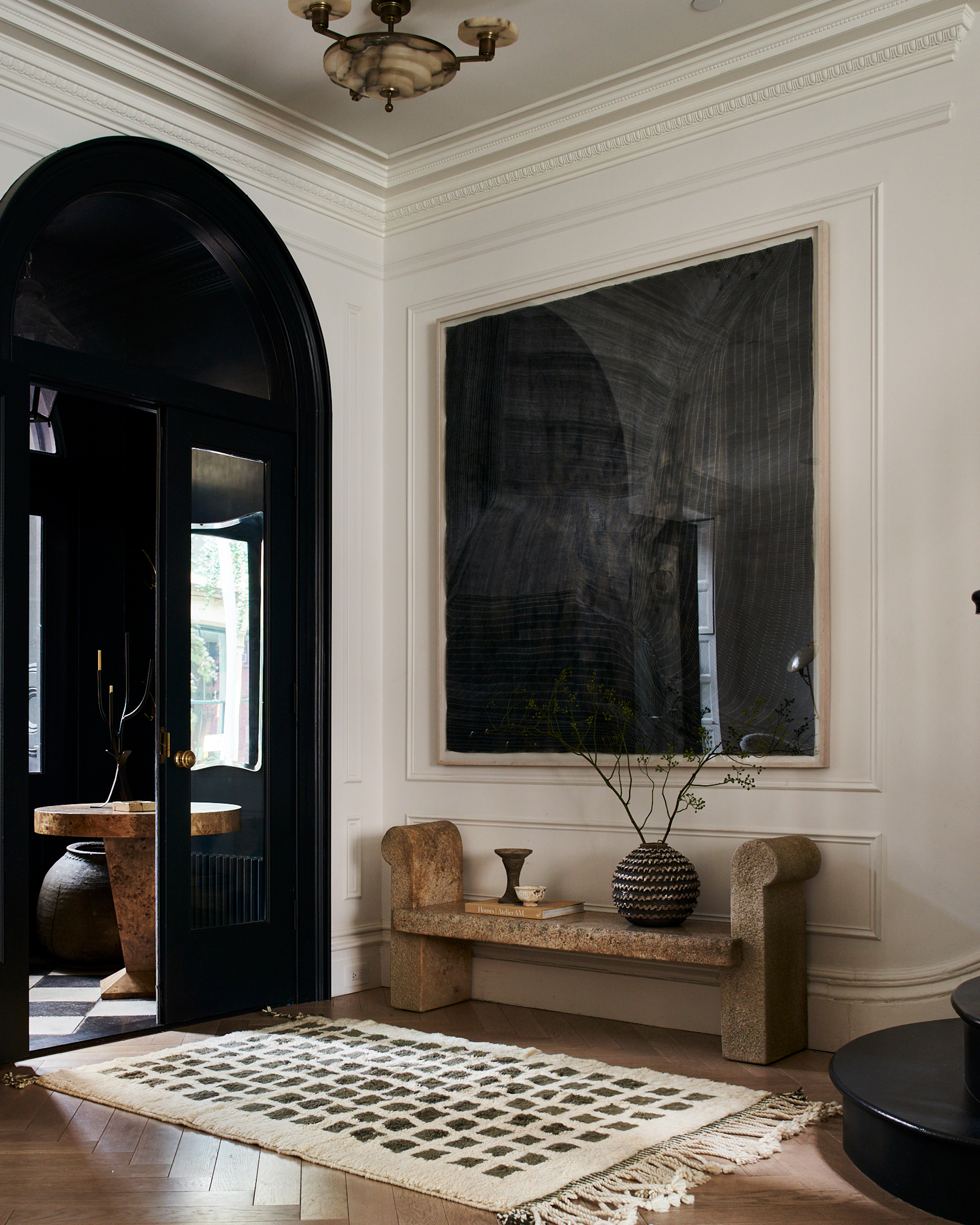
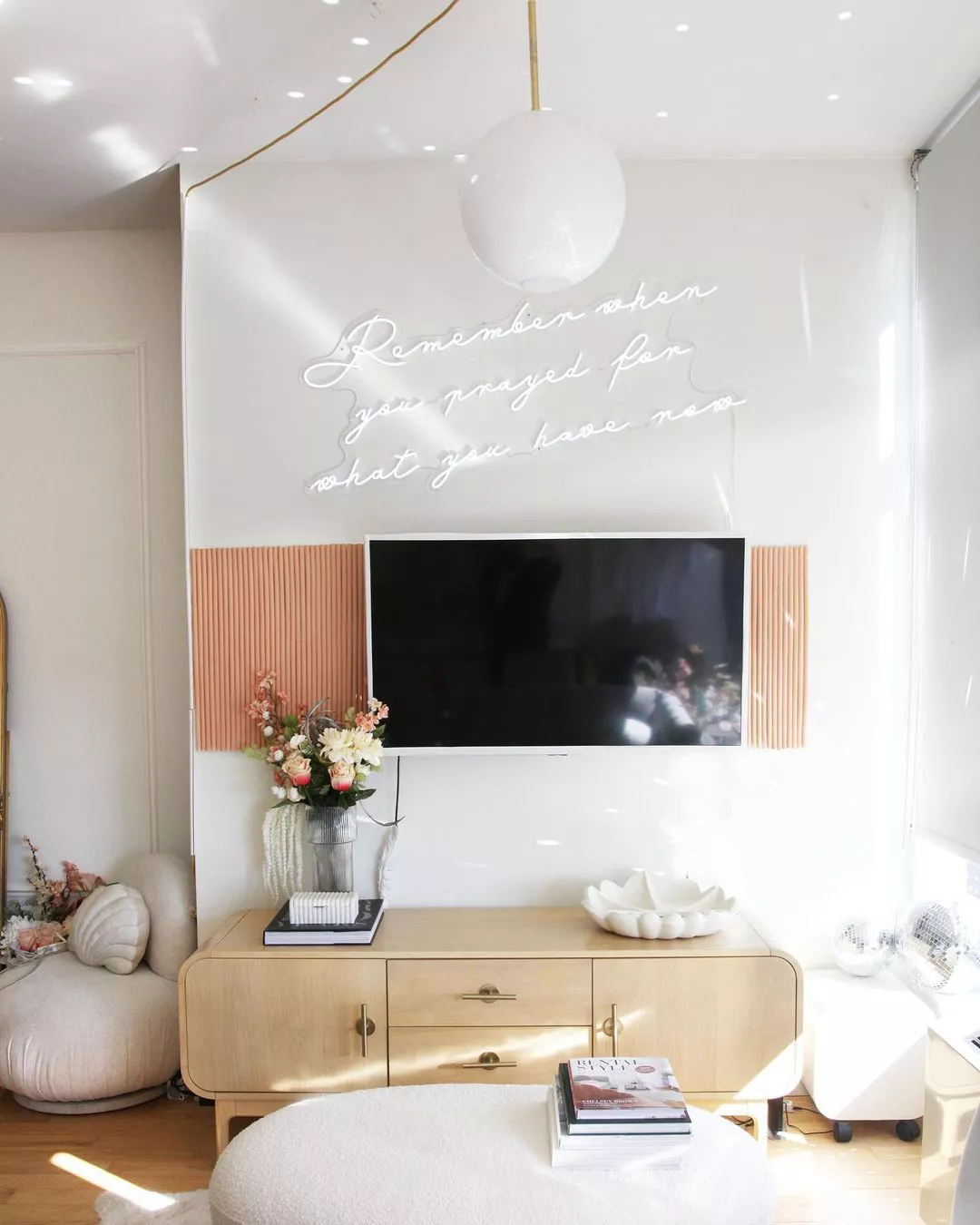
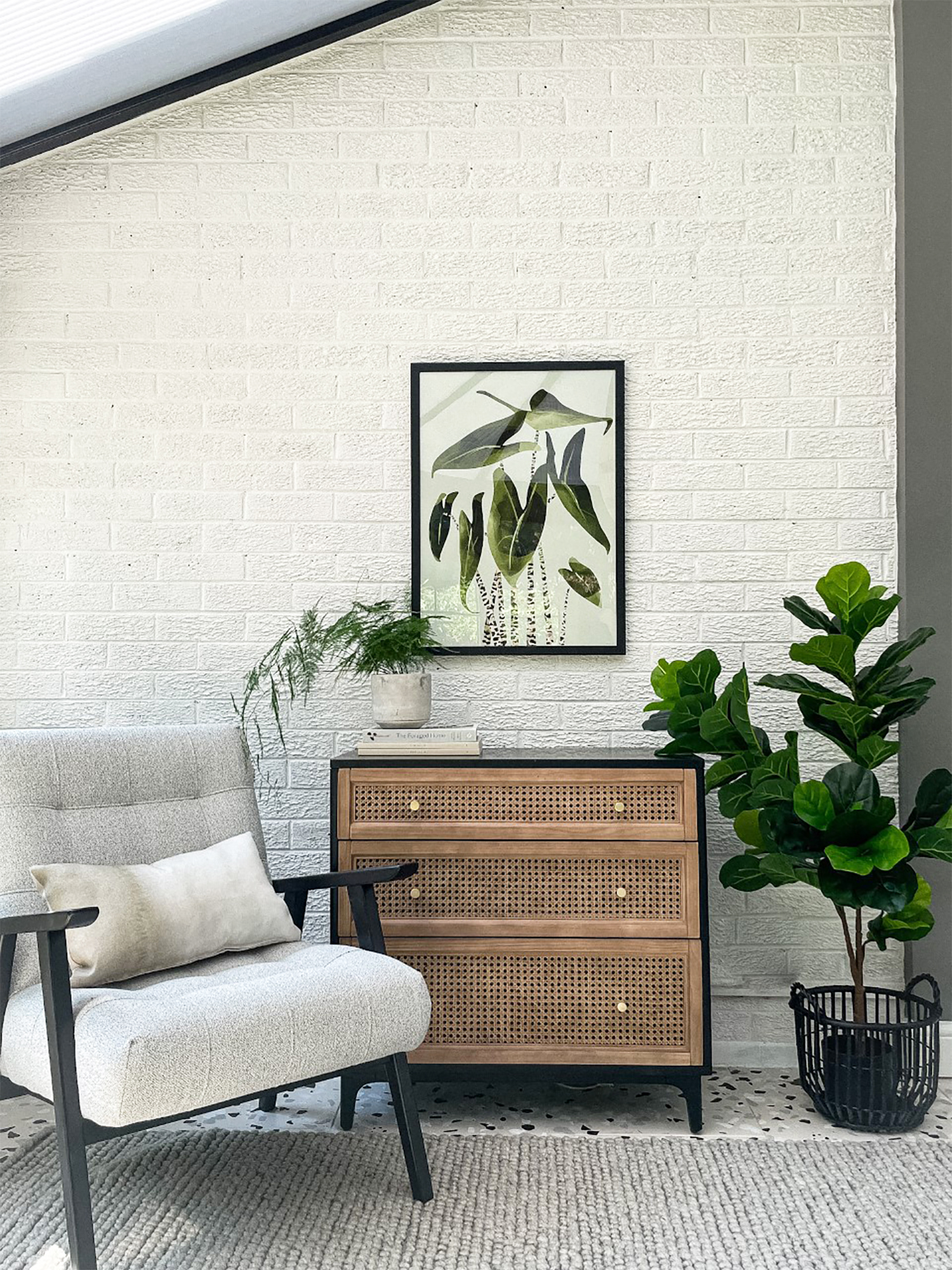
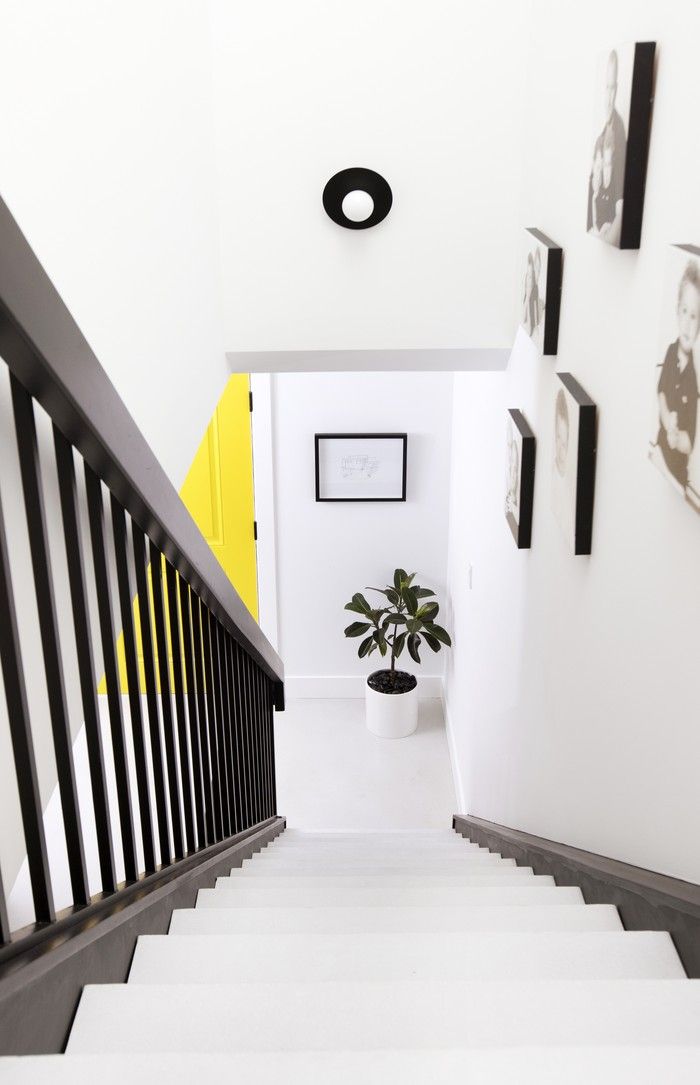
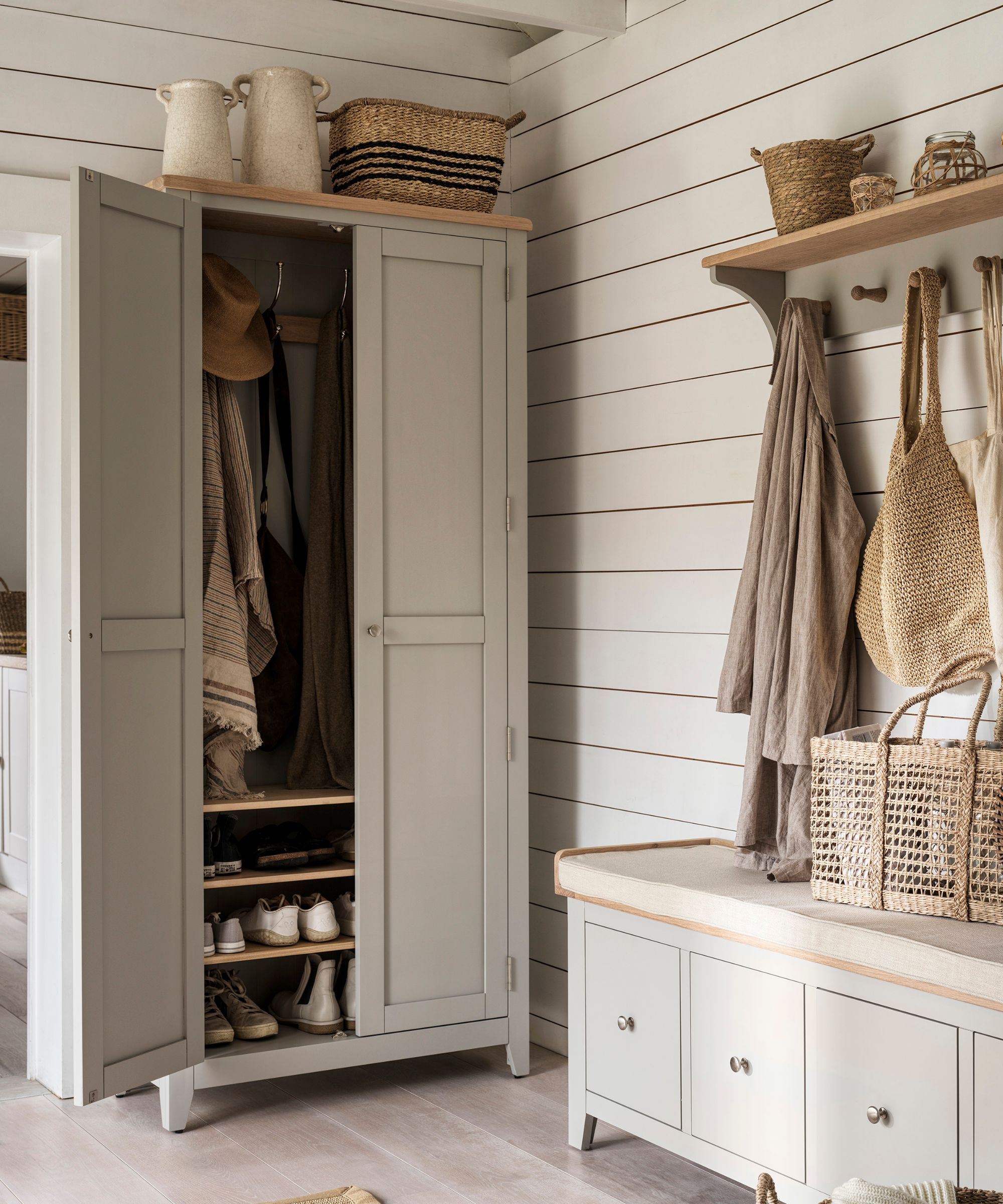
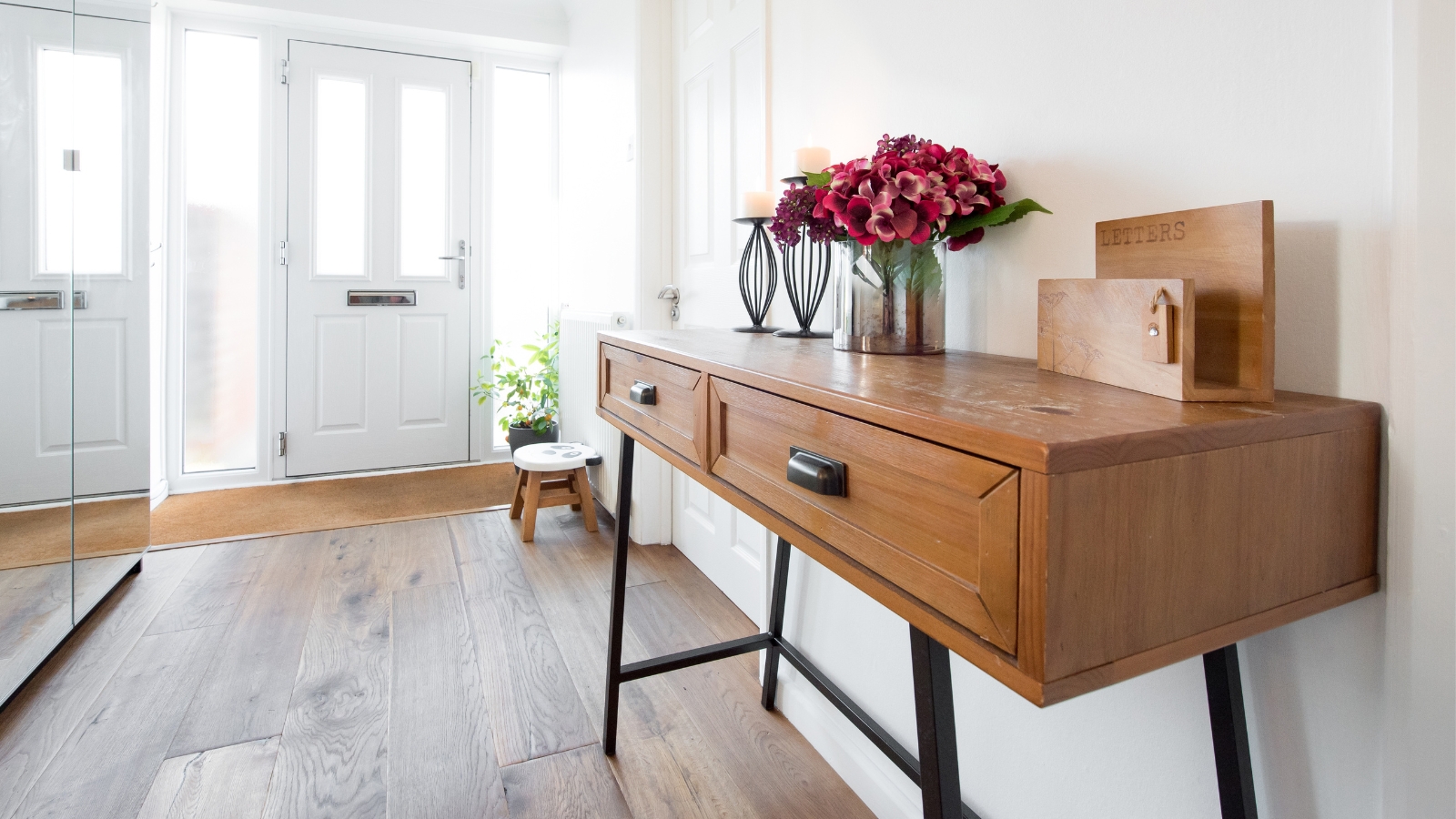
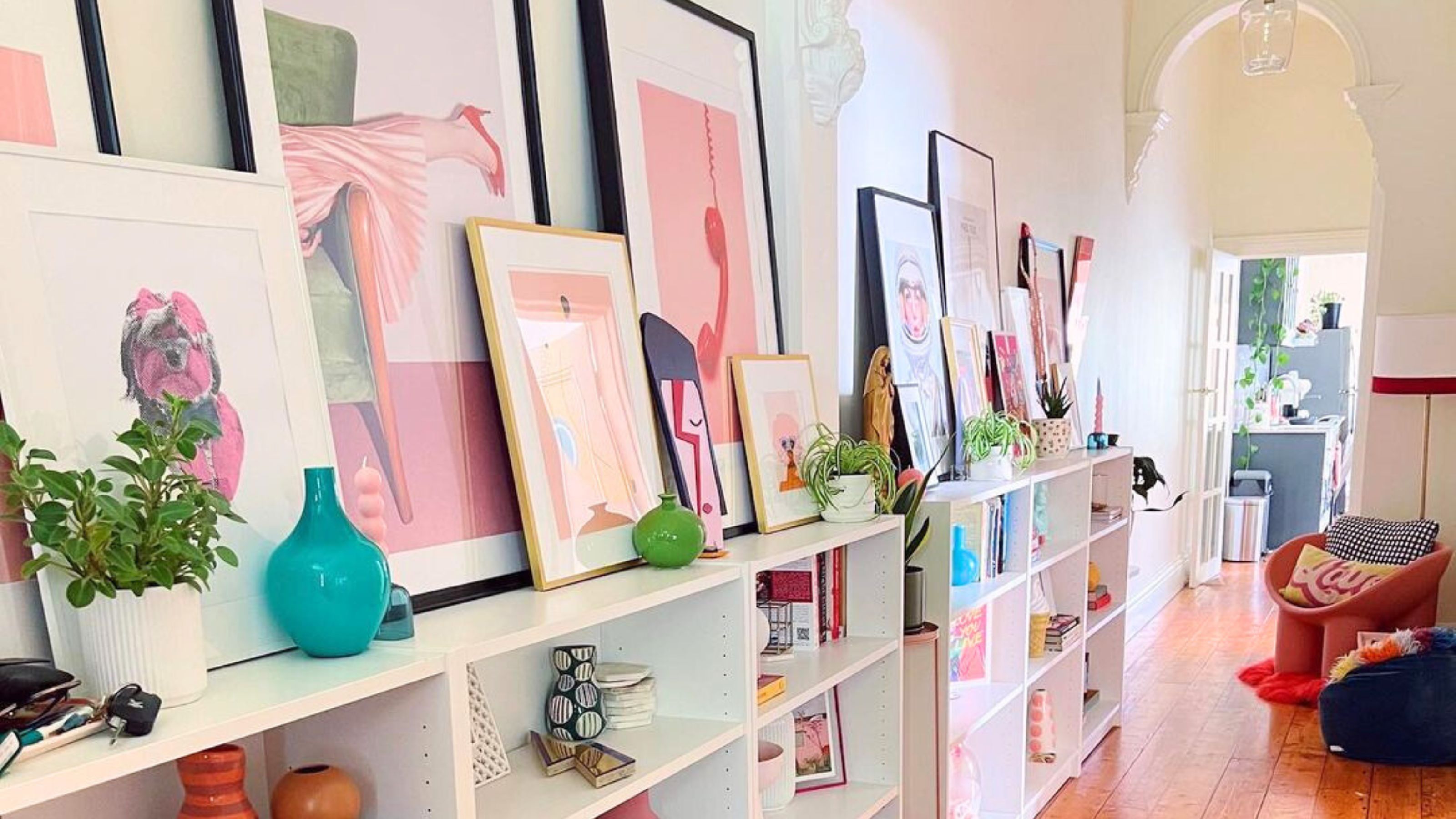
High-traffic areas, such as narrow hallways or entryways, also warrant caution. Art in these locations is susceptible to being bumped or jostled. While the standard art hanging height is typically around 60 inches, Kelly Cahn suggests hanging art higher in stairways or hallways to reduce the risk of damage. Alternatively, placing art in safer, less exposed areas, such as behind a sofa or on a dining room wall, is advisable. When hanging art over a sofa, it is important to ensure it is high enough to prevent accidental contact with people's heads.
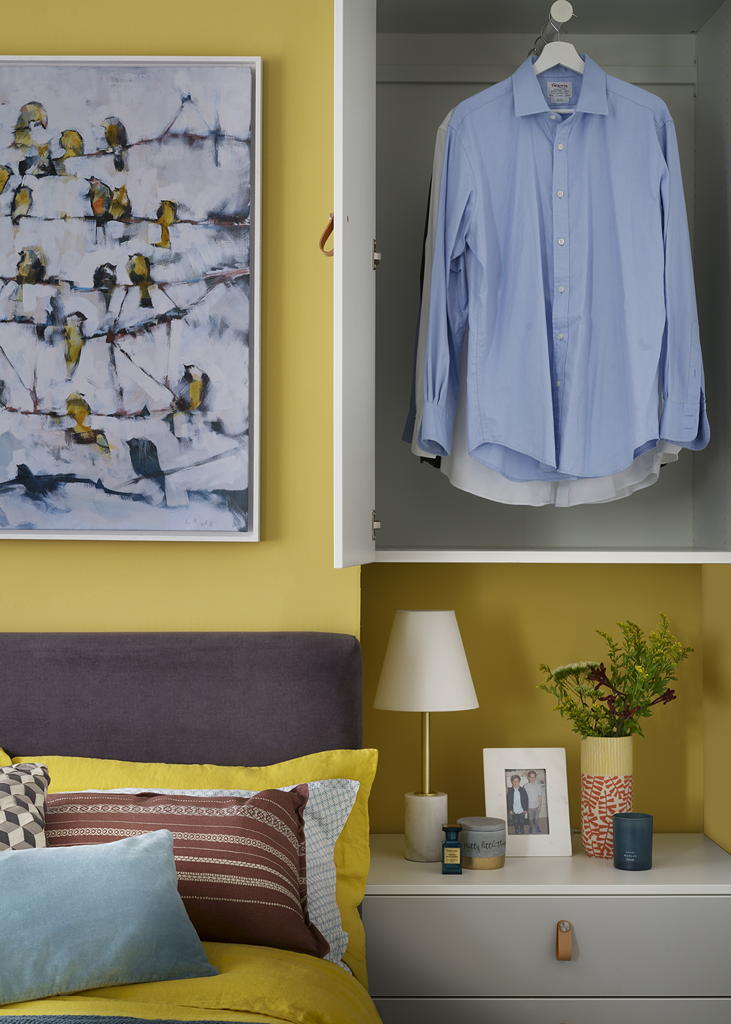
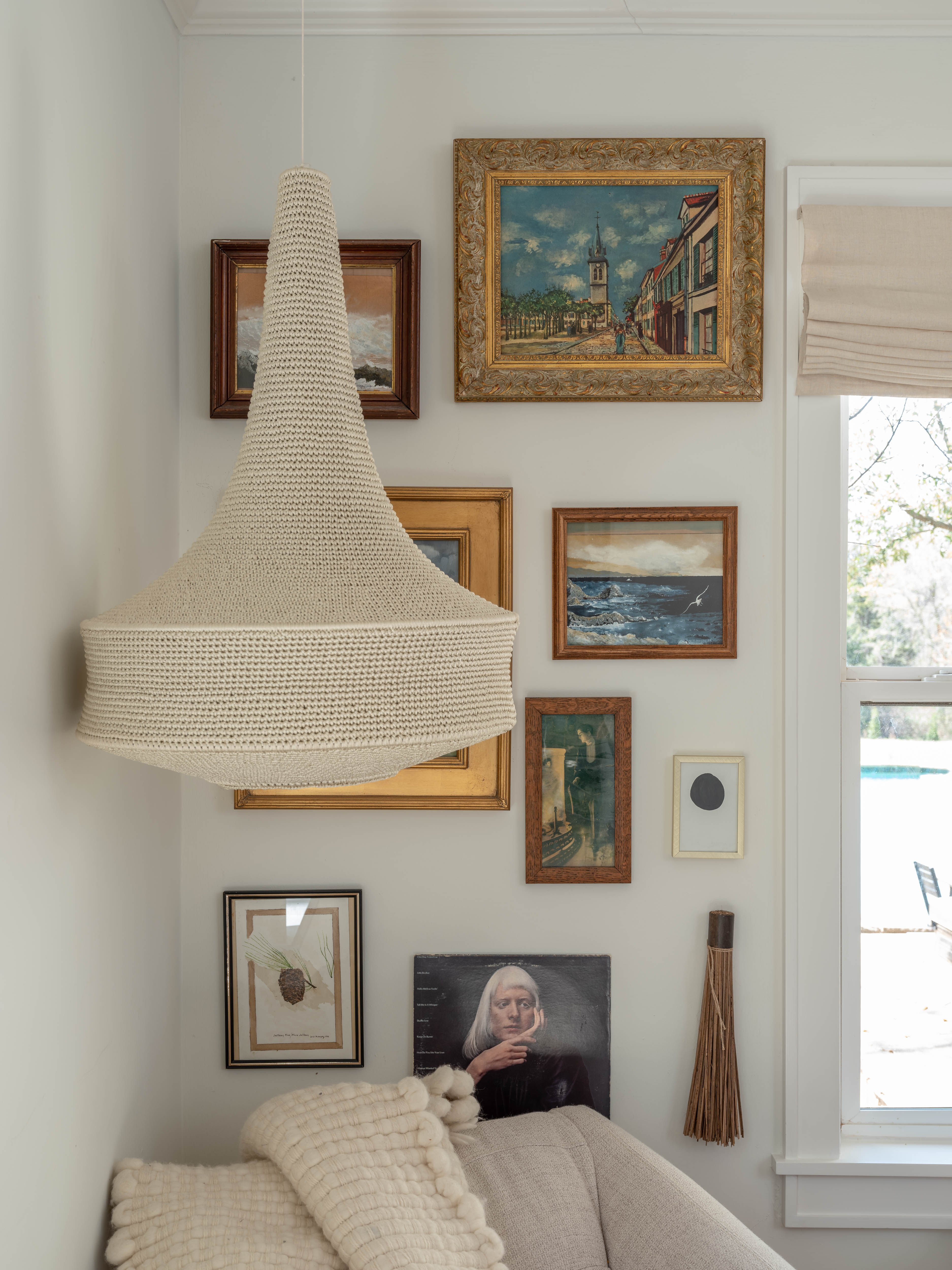
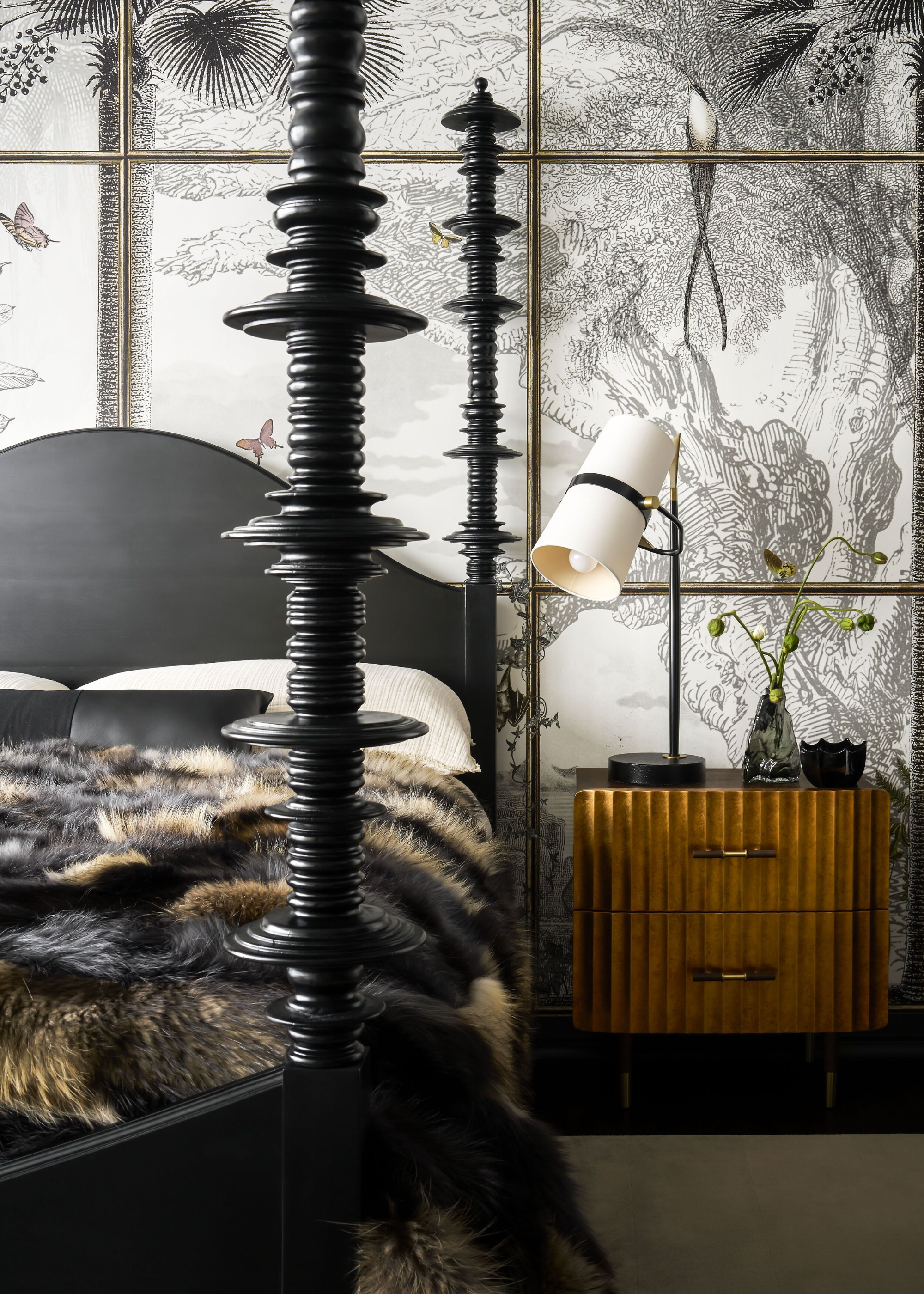
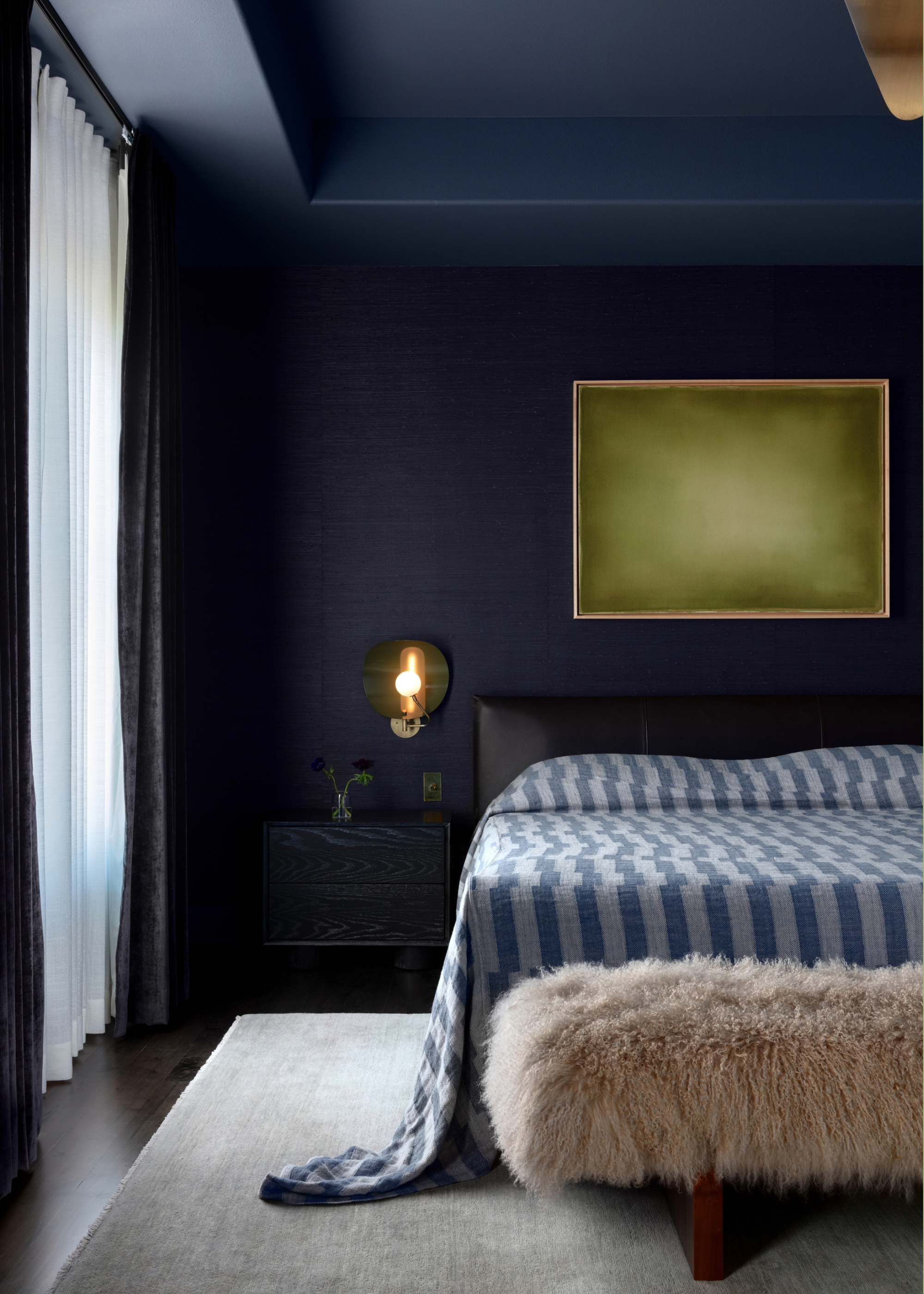
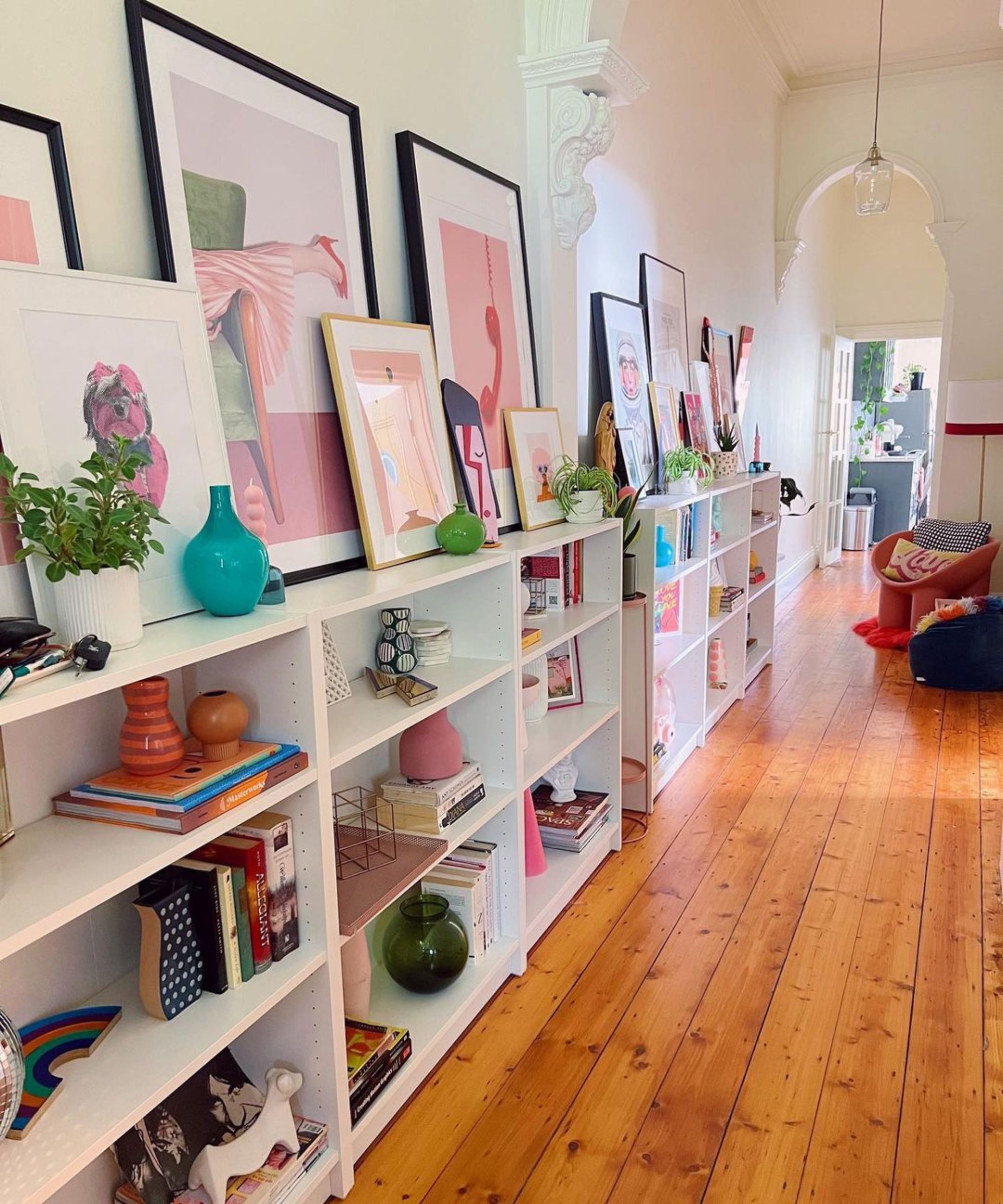
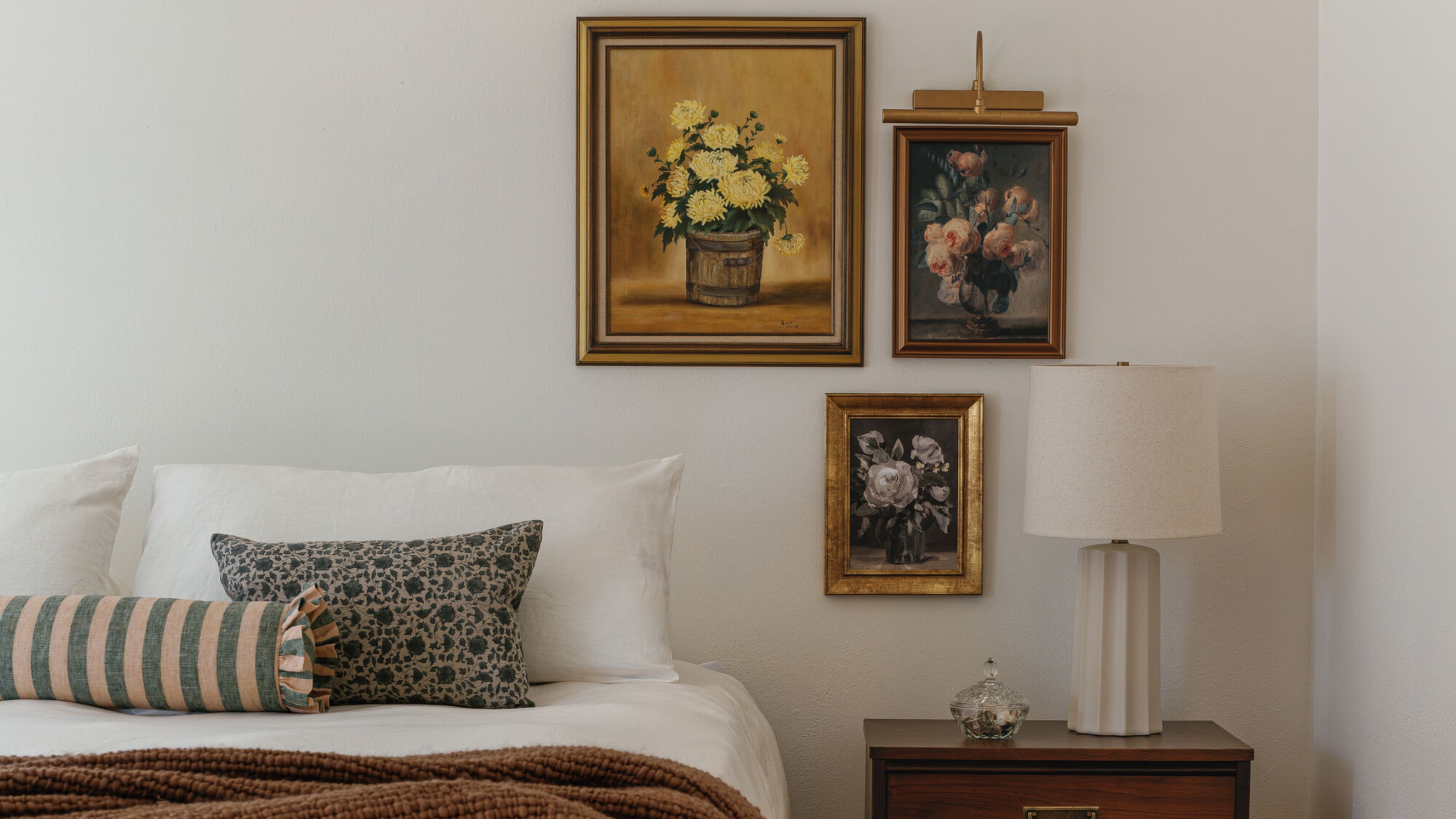
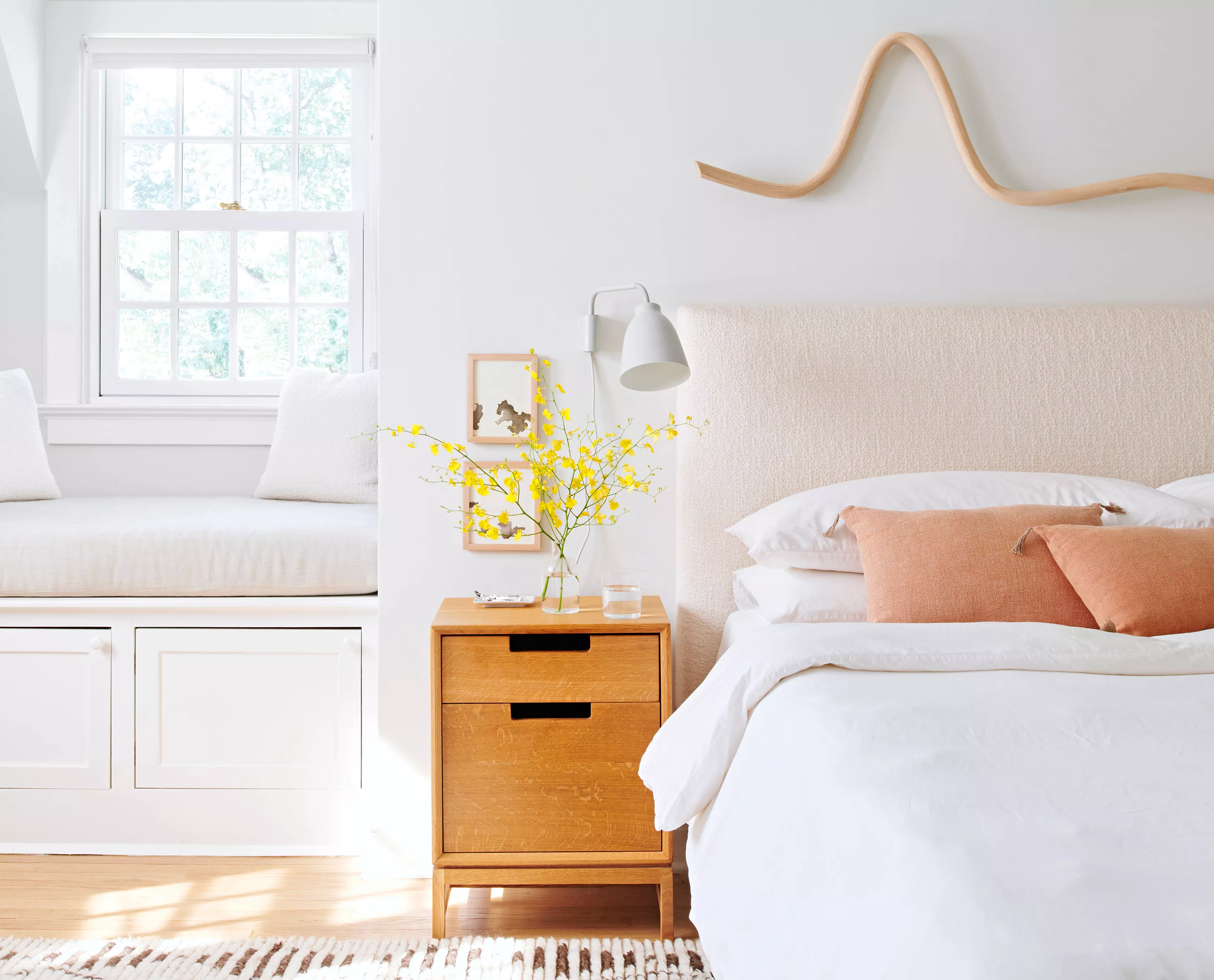
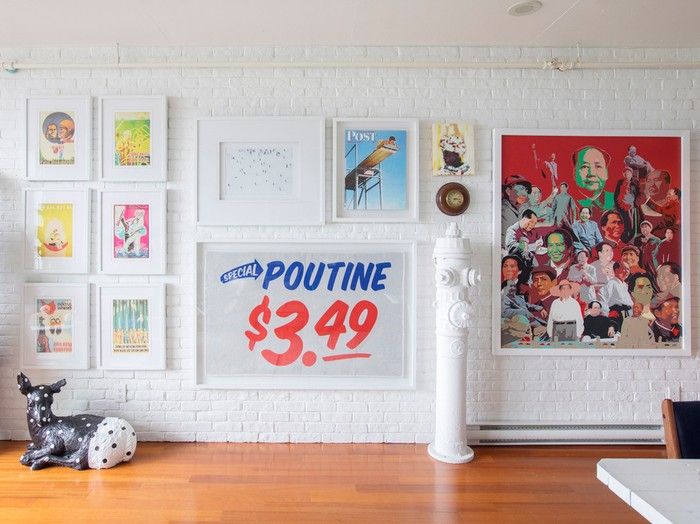
Finally, oversized art above headboards, a common bedroom decor choice, can often dominate a room rather than enhance it and is frequently hung too high. Lauren Saab suggests that bedroom wall art should be placed lower and be more integrated with the surrounding furniture. Instead of a single large piece, a gallery wall composed of smaller pieces near a nightstand can create an intimate and architectural vignette, giving the room warmth without visual heaviness. The goal is for art to feel like an integral part of the room's design, rather than an afterthought. Sometimes, leaving a space blank is a more impactful choice if a piece doesn't genuinely contribute to the mood or meaning of the room.
#ArtPlacement #HomeDecorTips #InteriorDesignAdvice #ArtCare #RoomHarmony #HumidityDamage #SunlightProtection #FireplaceDecor #HighTrafficAreas #ArtPlacement #HomeDecorTips #InteriorDesignAdvice #ArtCare #RoomHarmony #HumidityDamage #SunlightProtection #FireplaceDecor #HighTrafficAreas
合計0件のコメント
 まだコメントはありません
あなたも好きかもしれません
5 places to never put a wardrobe in a bedroom, according to feng shui and interior designers
7 places in your home you’re probably forgetting to paint – but design experts say you really shouldn’t
7 Interior Designers Share Their Tips on Buying Art for Your Home
Style at Home: Creating the perfect gallery wall

5 common gallery wall mistakes designers warn to always avoid – to create the chicest of displays

5 things designers say you should never put on a mantel
6 Things You Should Never Put in Your Home if You Want Positive Feng Shui

'Where there are hooks, people will always hang coats' – 8 things you should never store in your entryway to avoid it becoming a dumping ground
5 outdated wall decor trends designers warn to avoid – plus what we should be doing instead
55 Things to Hang on Walls That Aren't Framed Artwork

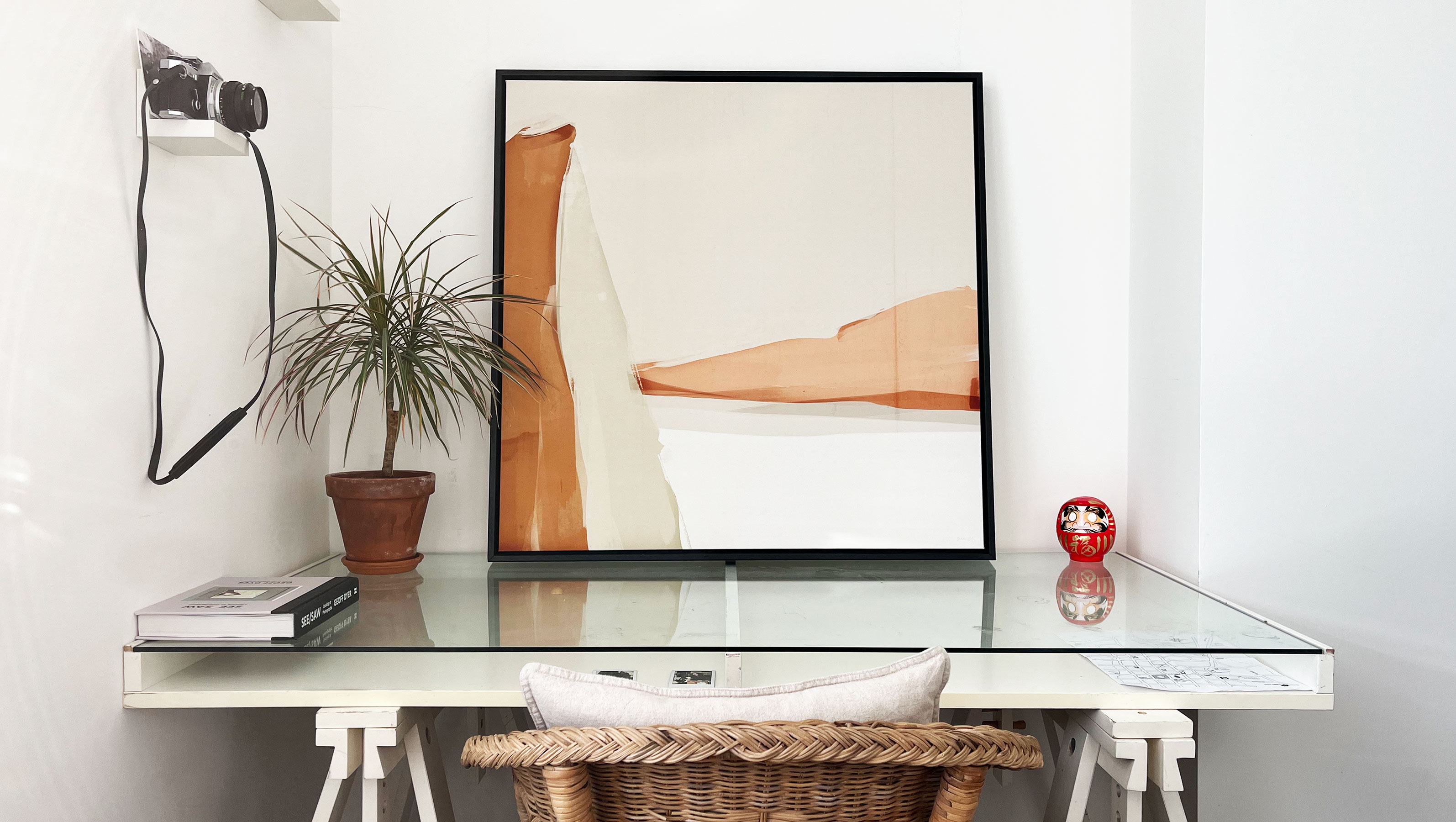
I felt claustrophobic in my small bedroom because of these art mistakes, so I took it all down

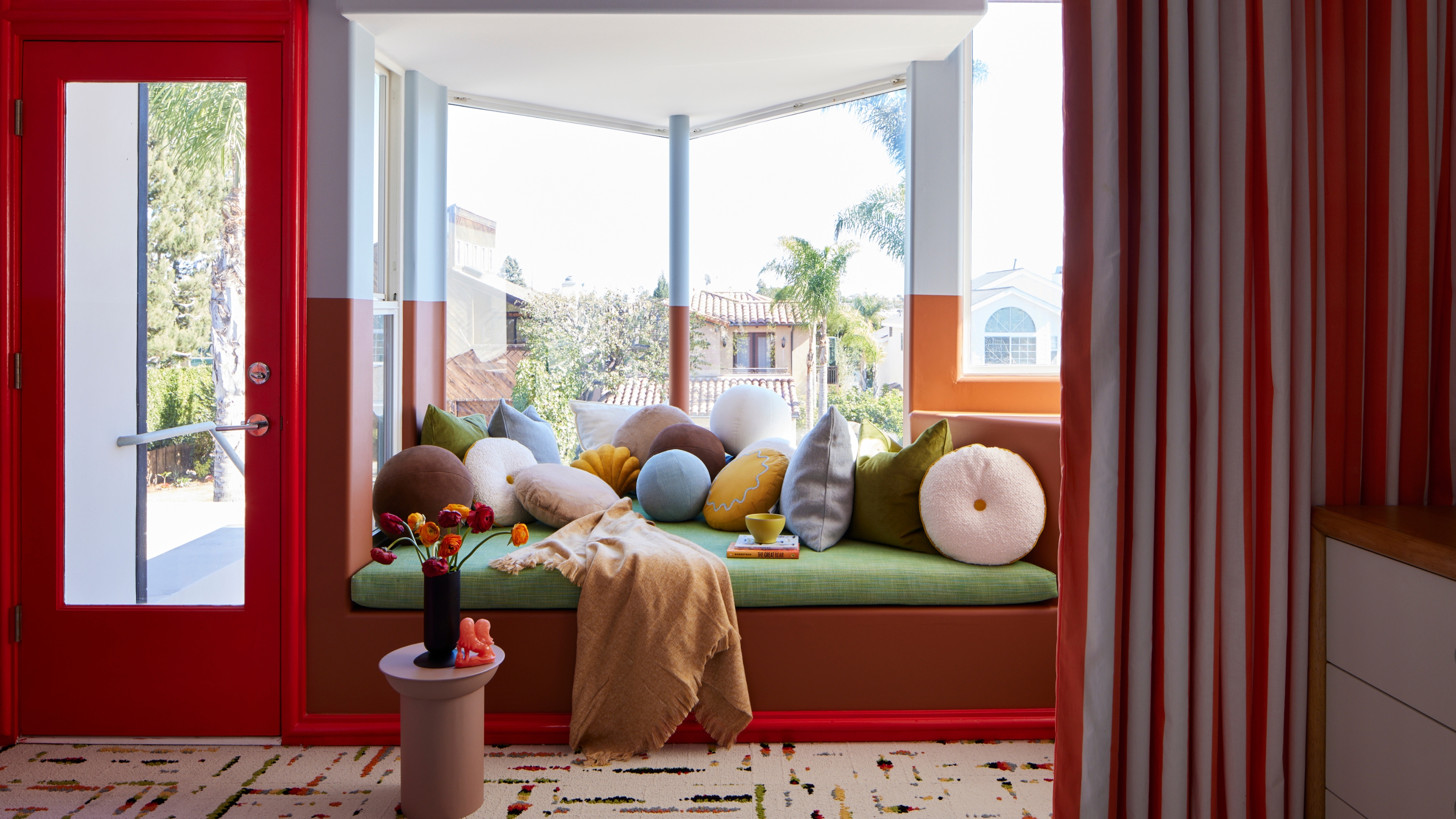
Stop! Step Away From the Paintbrush — Here's 4 Things Interior Designers Would Never, Ever Paint Around the Home
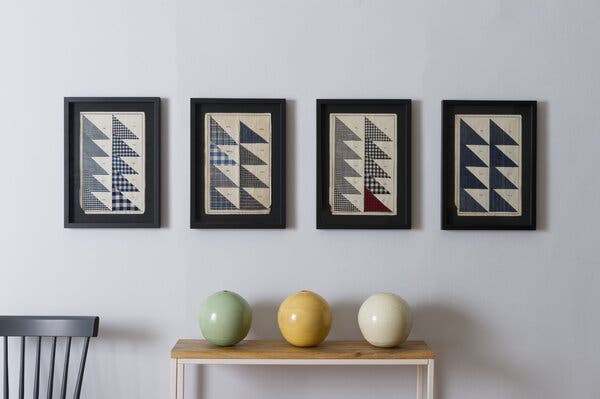
The Stress-Free Way to Hang Art (Published 2021)

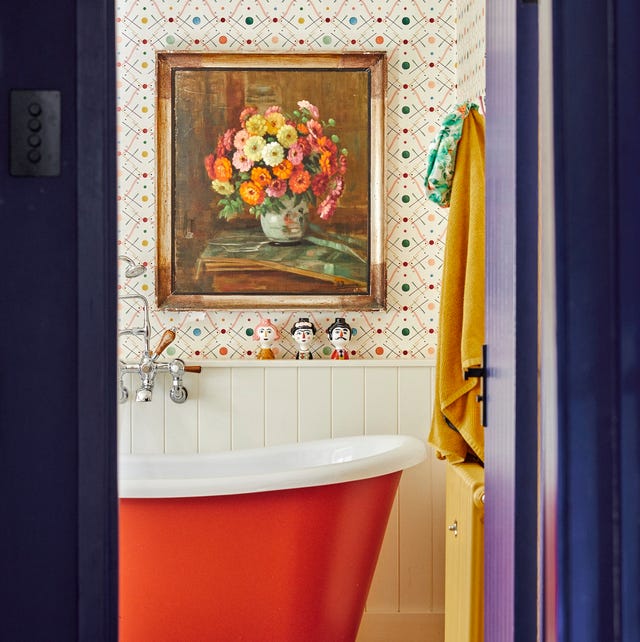
12 creative ideas for displaying wall art around your home
Curating art for the home is an art in itself

Home is Where the Art Is

There's Hanging Art, and Then There's Hanging Art Like an Interior Designer — Here's How to Do the Latter
5 Things You Should Never Put Above Your Bed — Especially If You Want Good Feng Shui in Your Home
Don't make these 5 entryway decor mistakes

An interior expert reveals the one thing you should never do when painting your walls