1/6
5 Kitchen Design Trends Going Away In 2026
The kitchen, a vital and often costly room to renovate, demands careful aesthetic and functional consideration to avoid feeling dated quickly. With current trend cycles accelerating, homeowners seek enduring designs. This article highlights five kitchen design trends that are expected to diminish in popularity by 2026, according to leading interior designers.
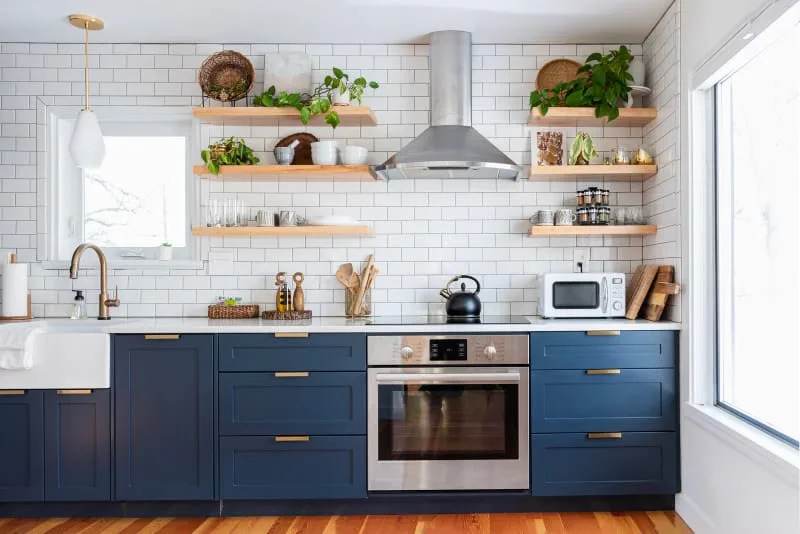
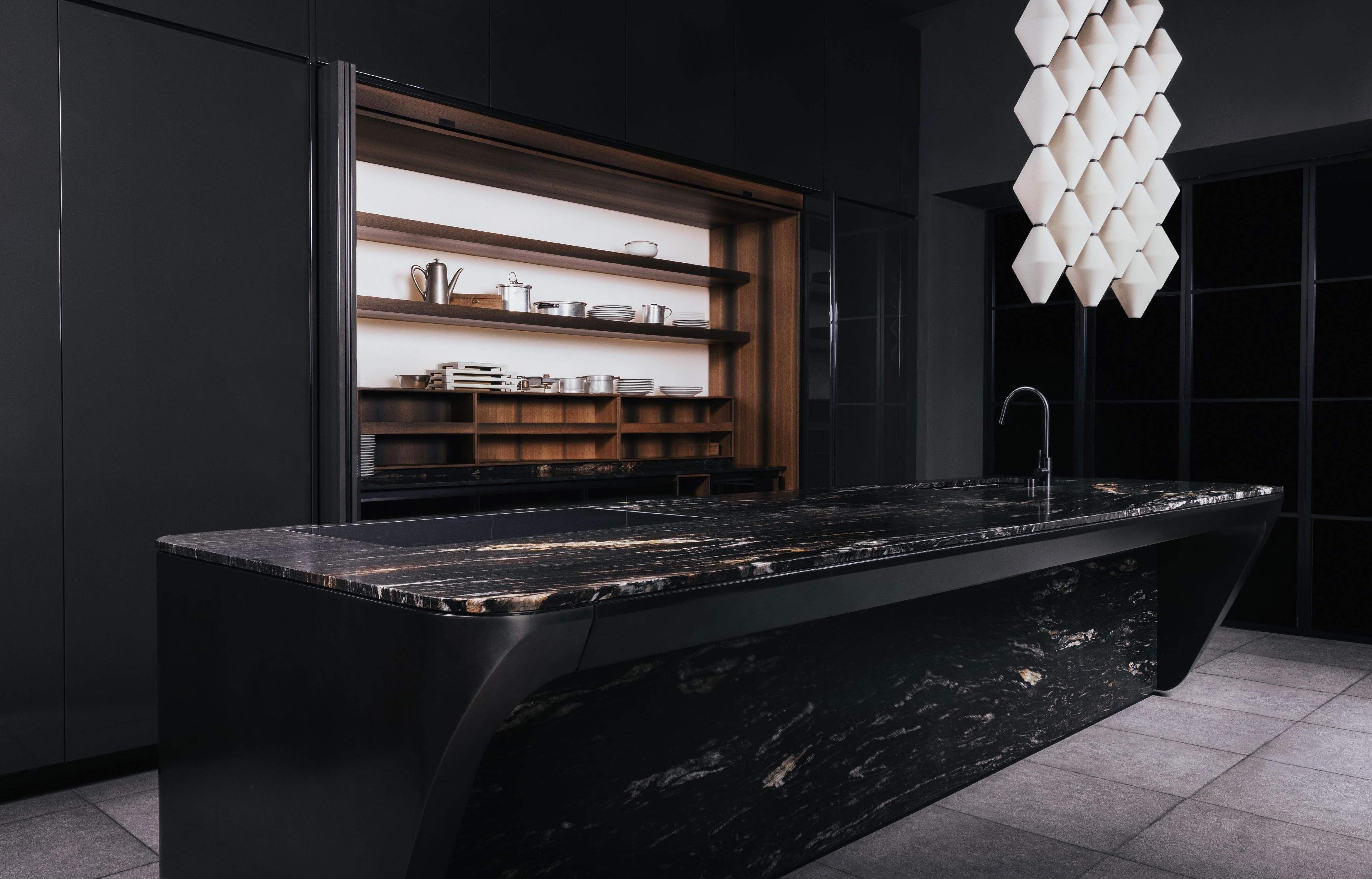
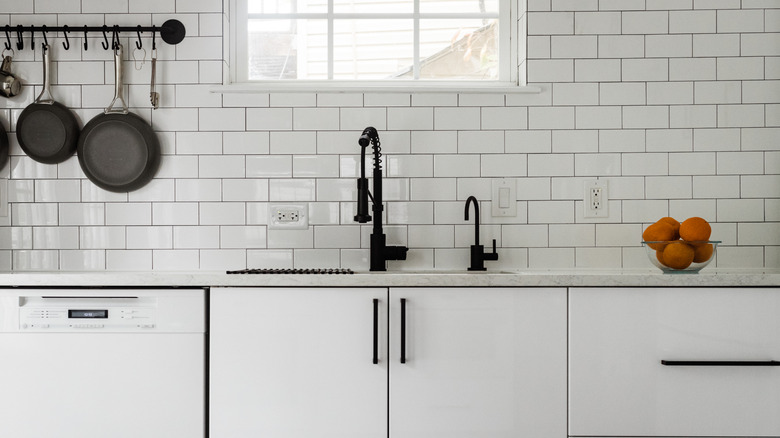
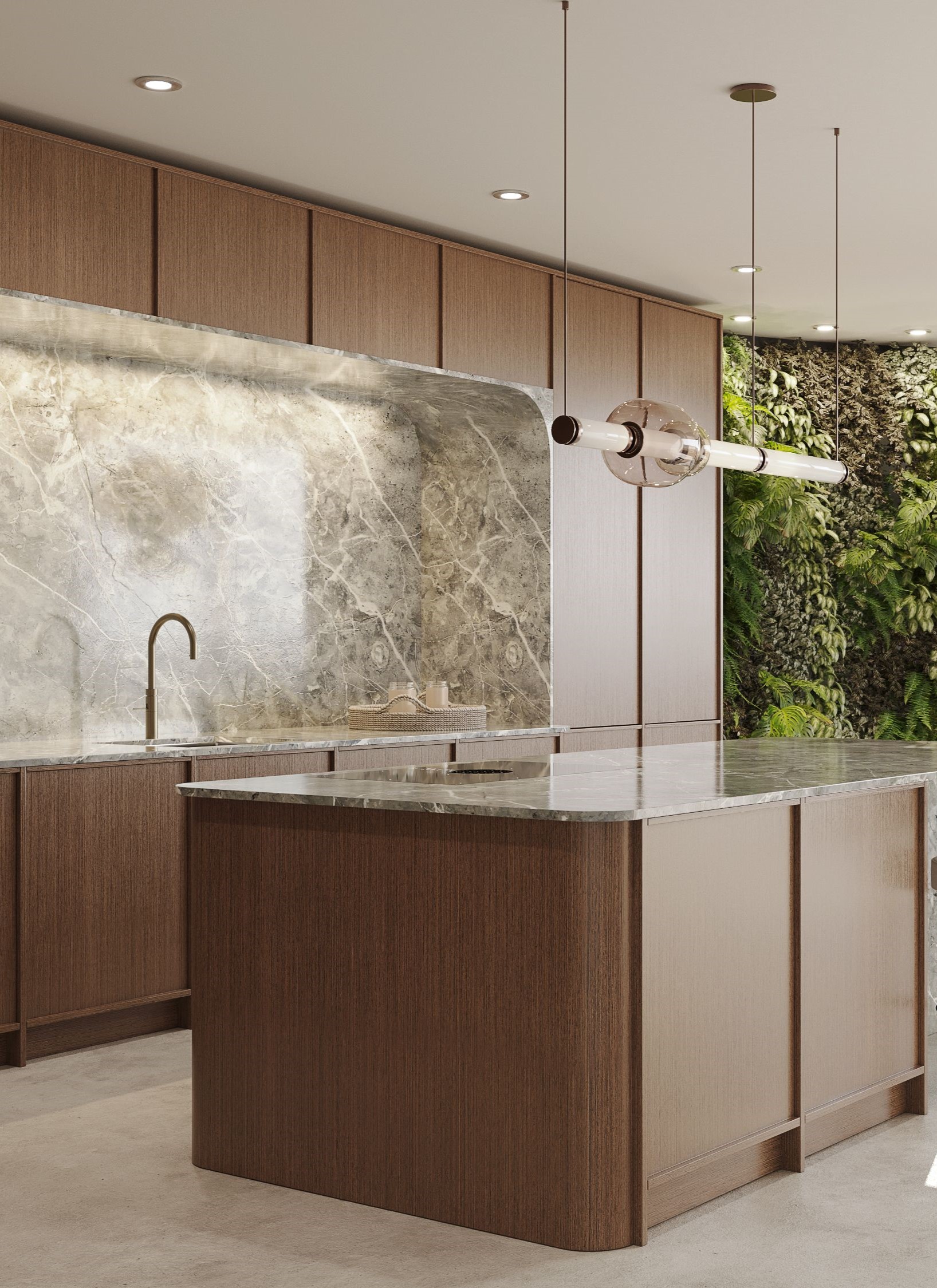
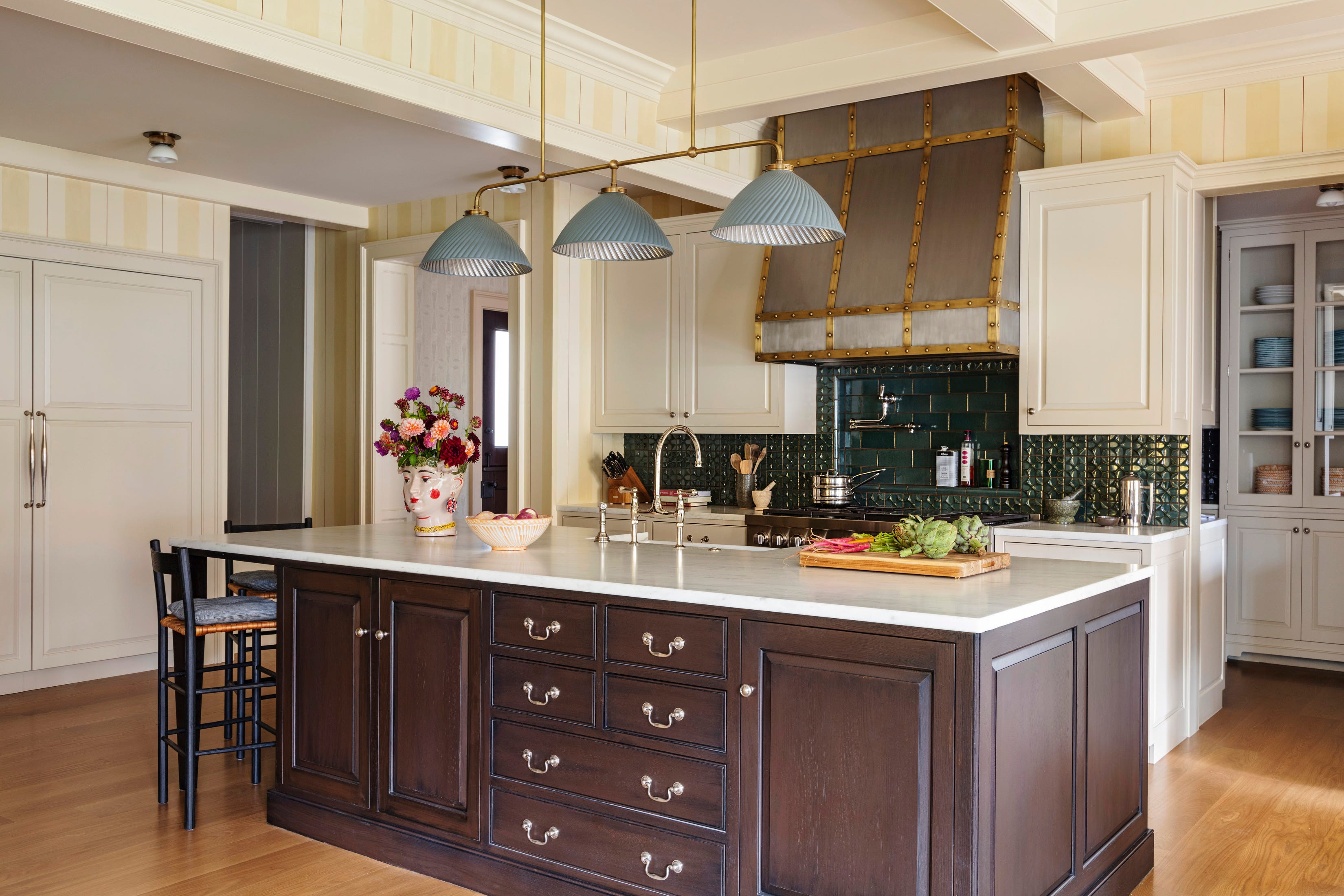
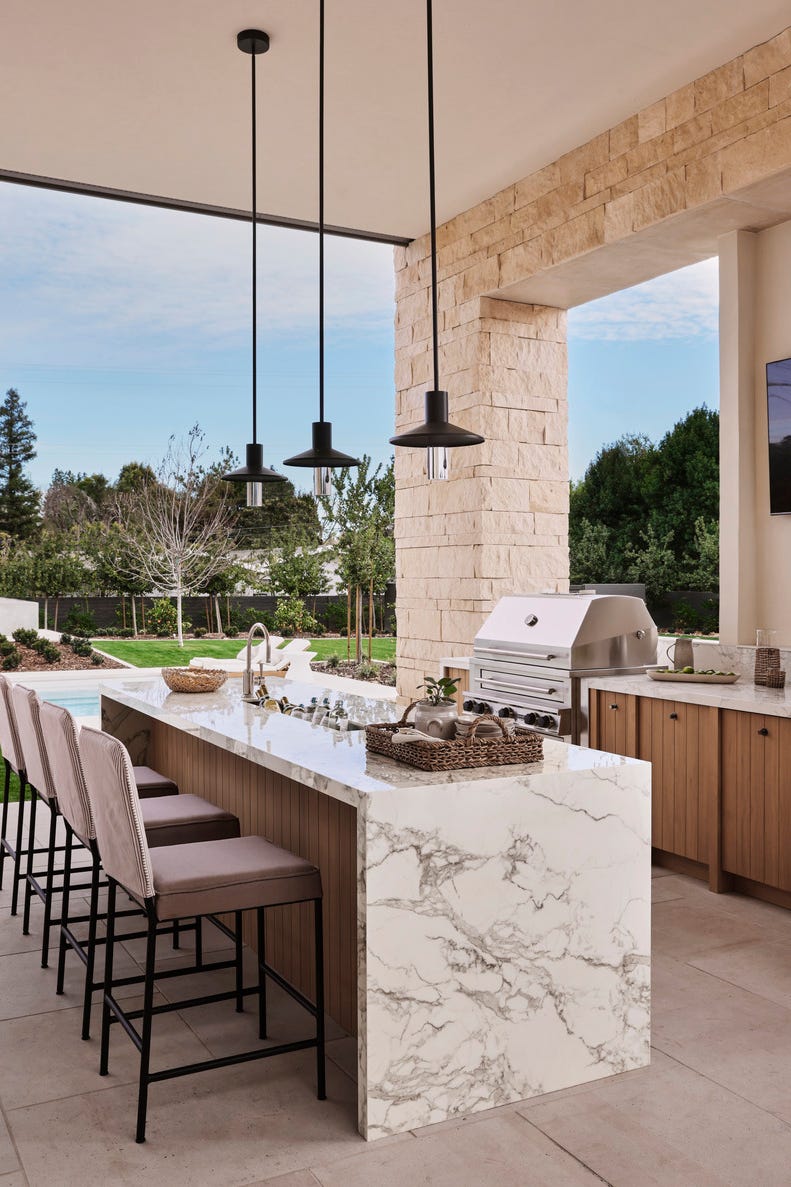
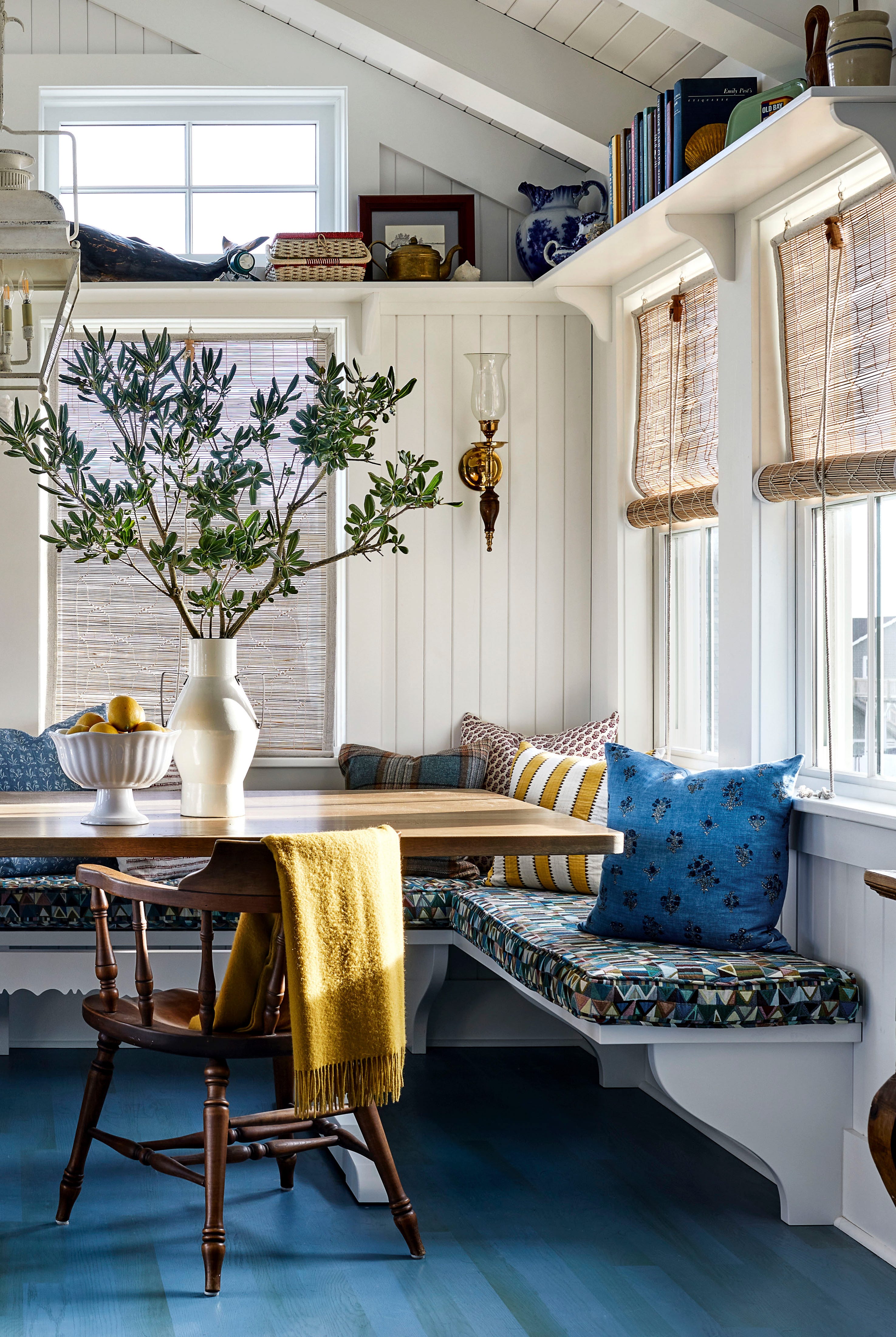
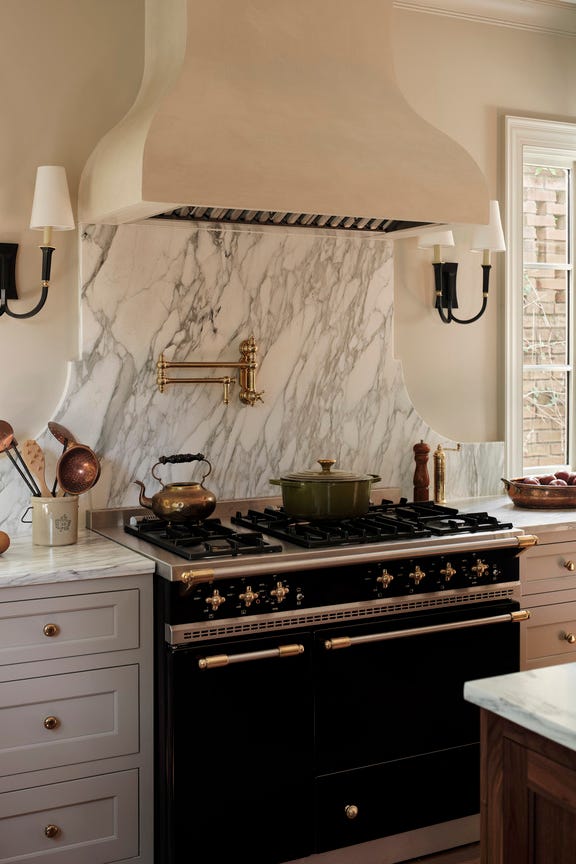
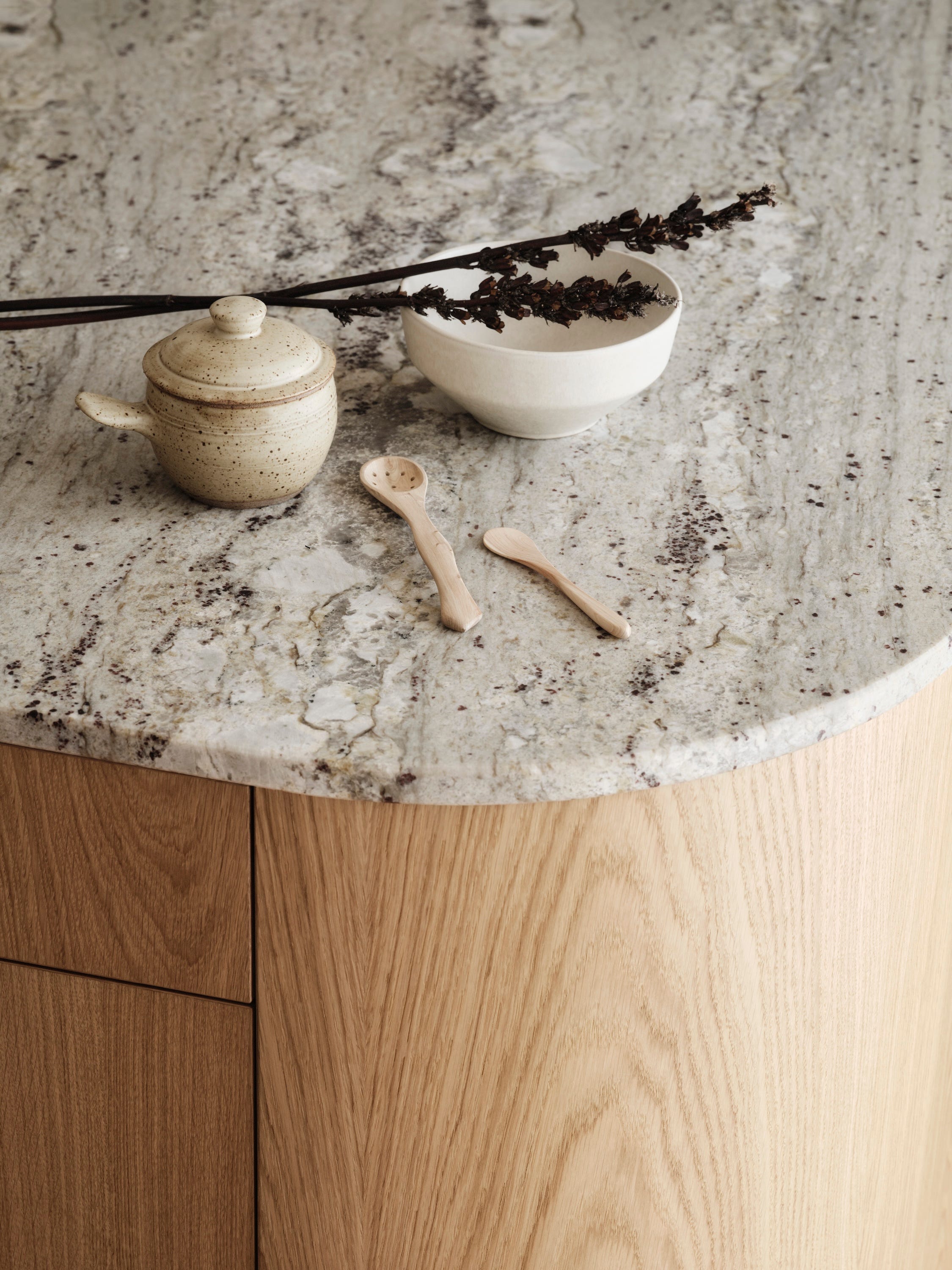
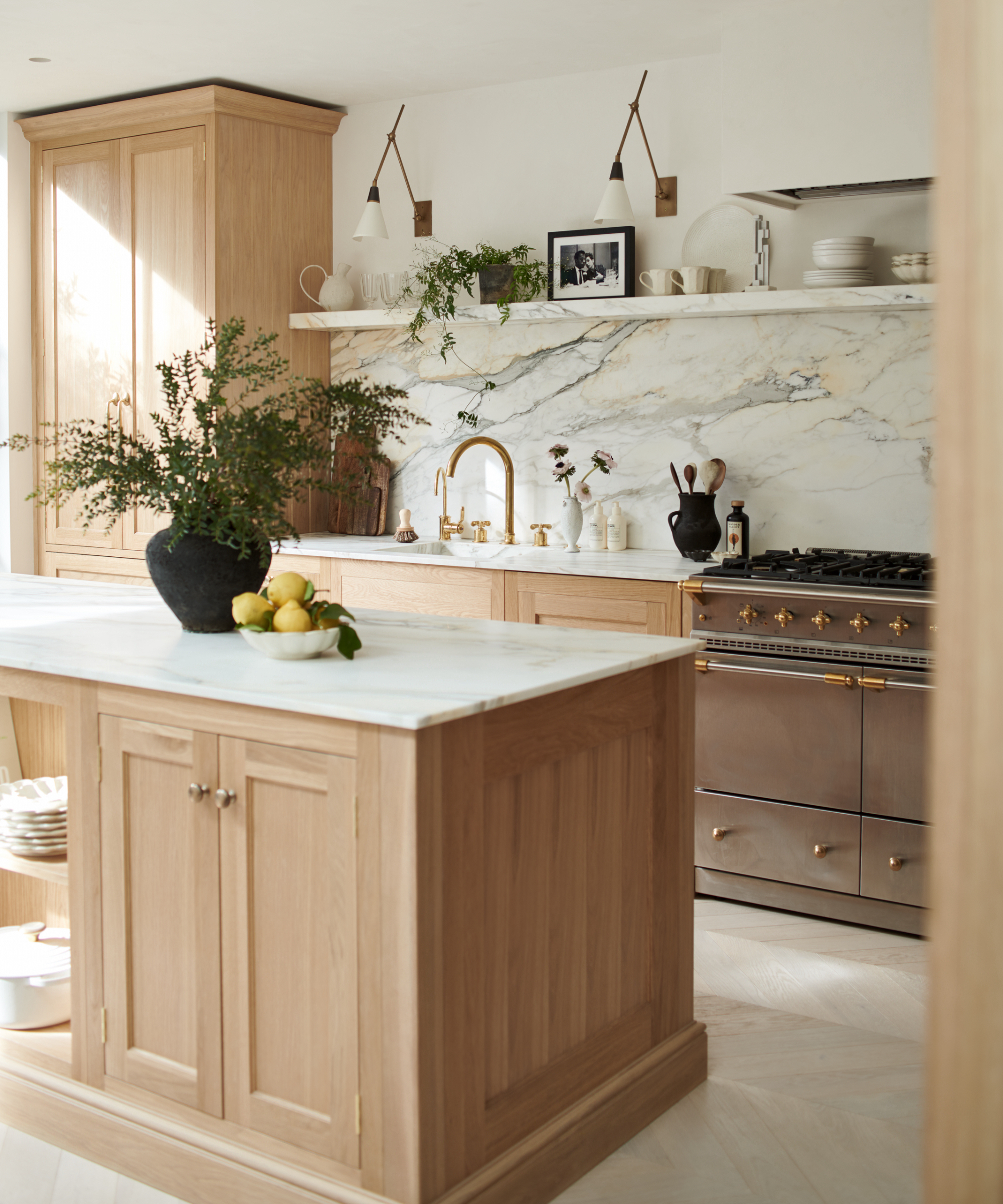
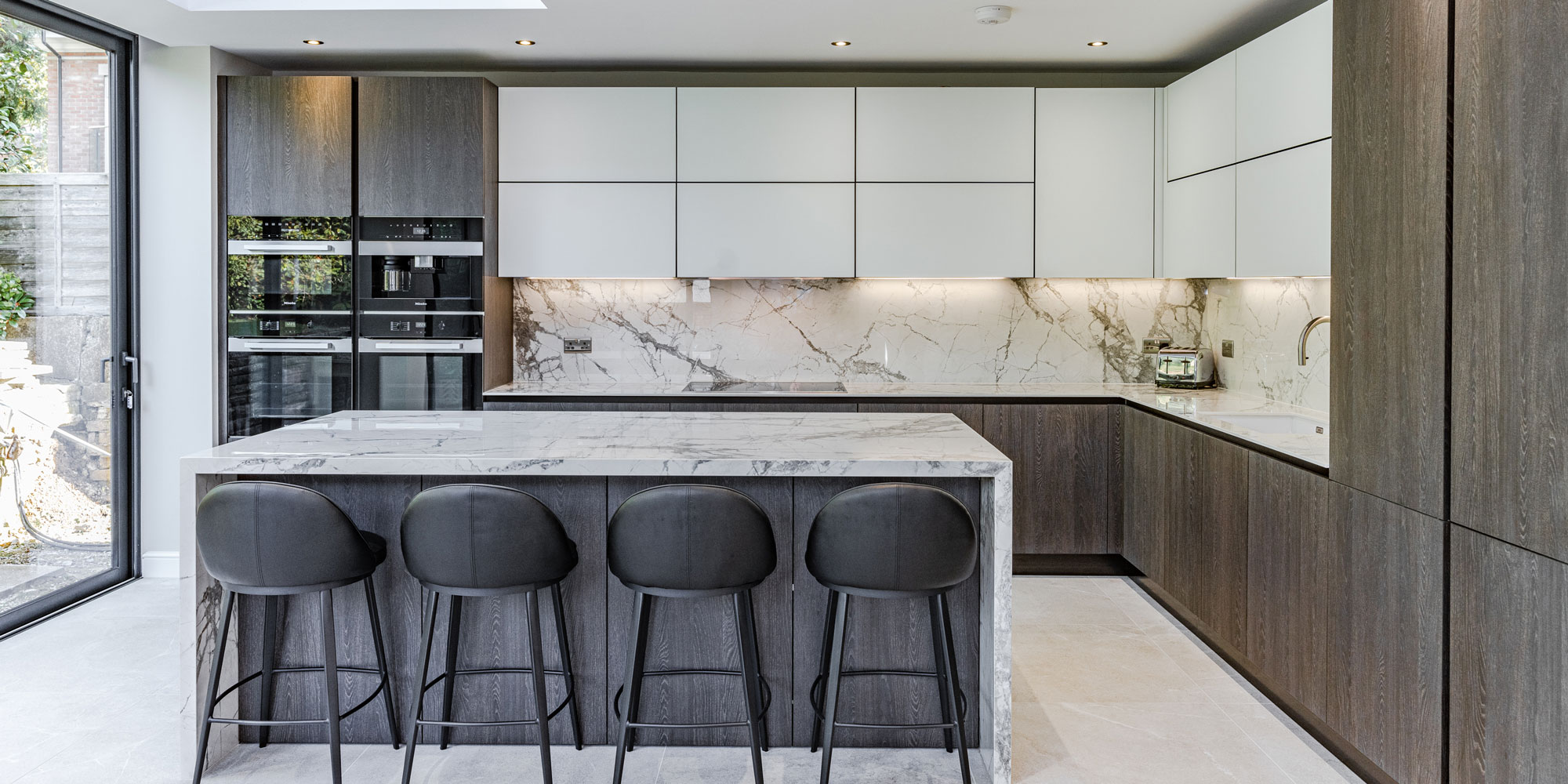
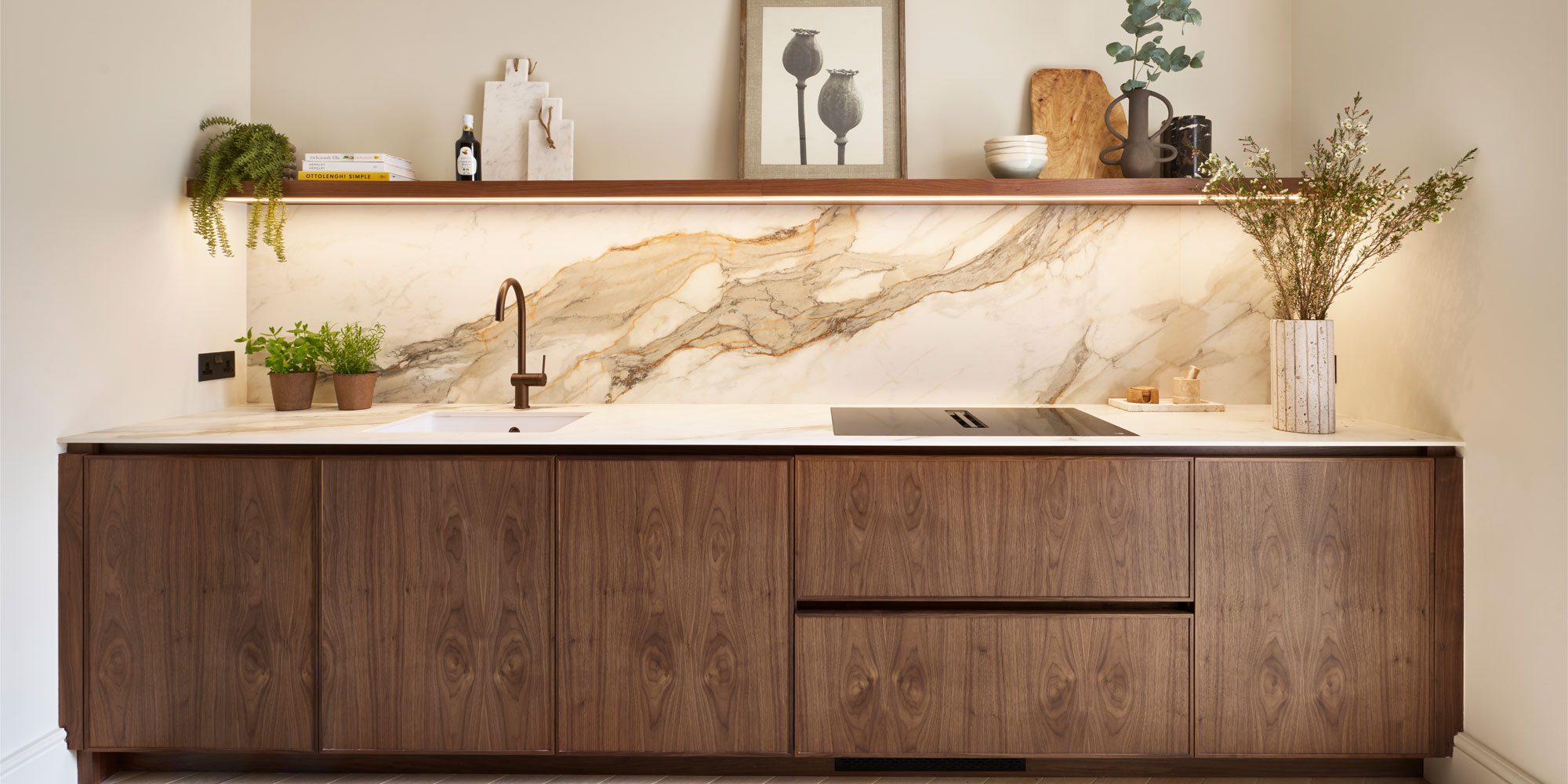
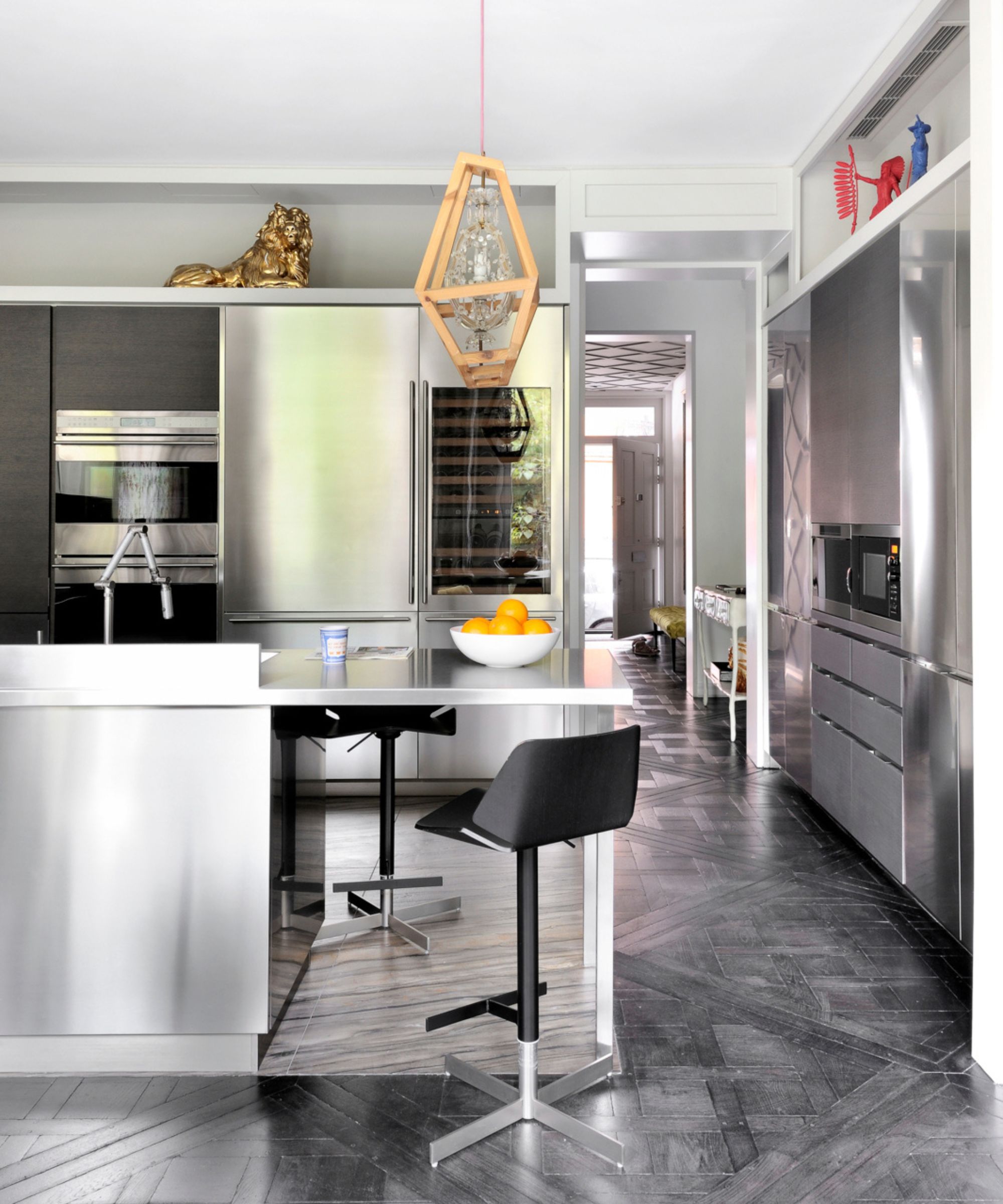
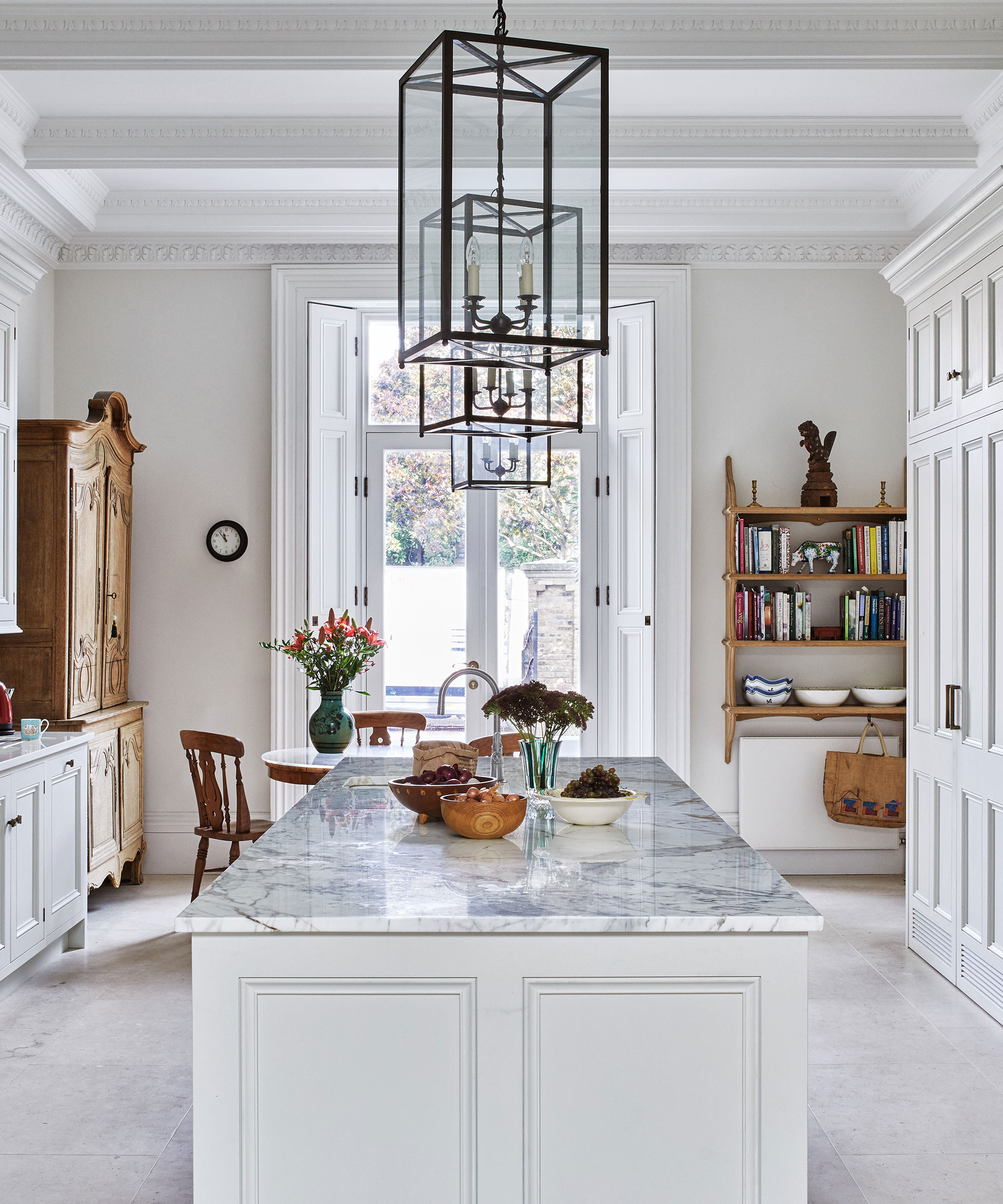
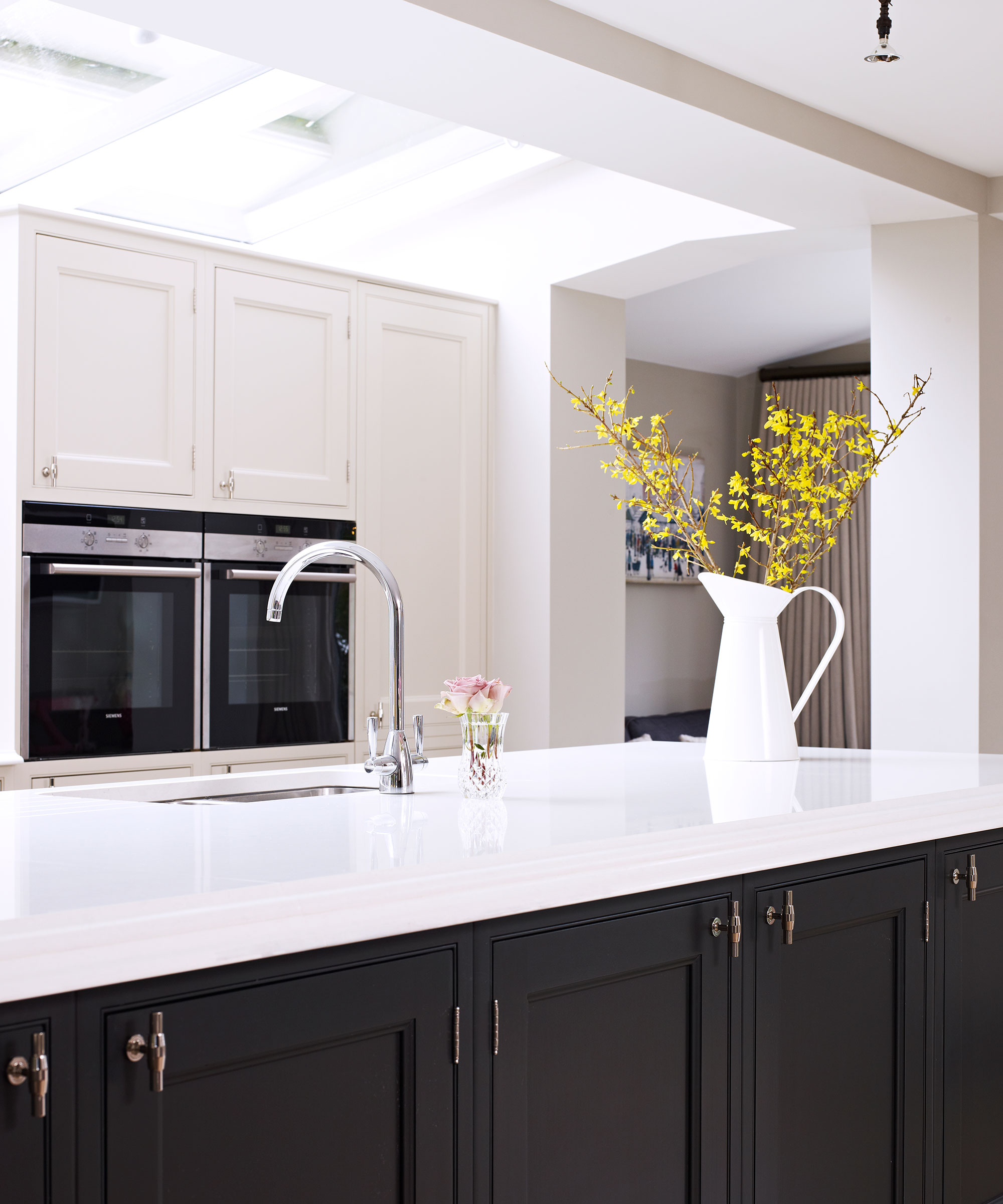
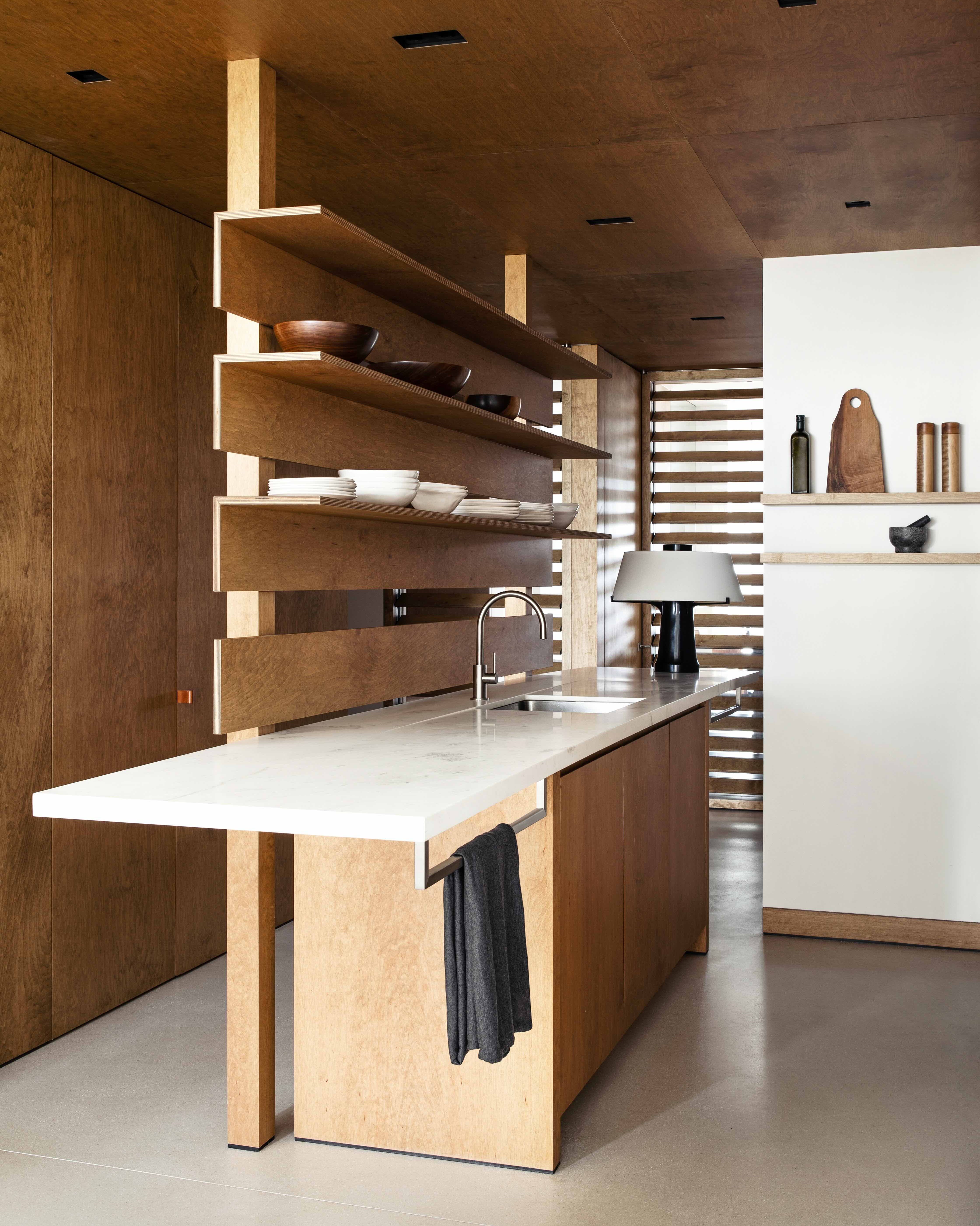

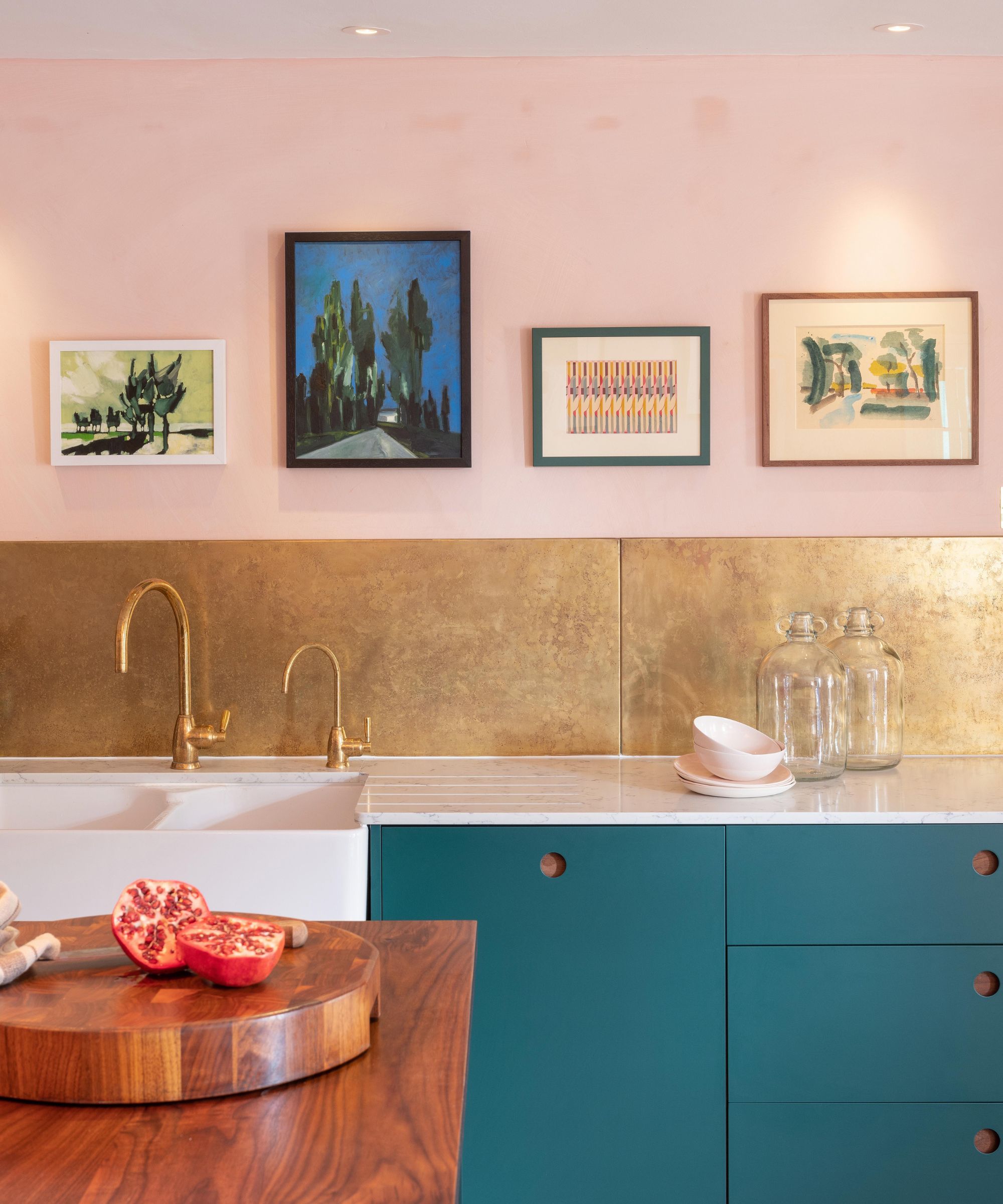
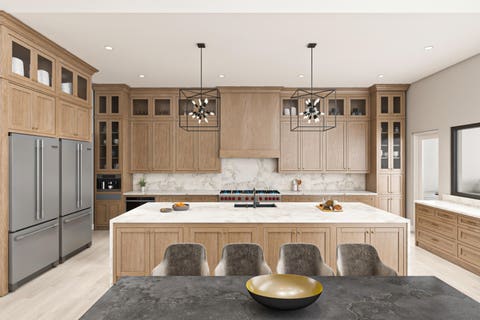
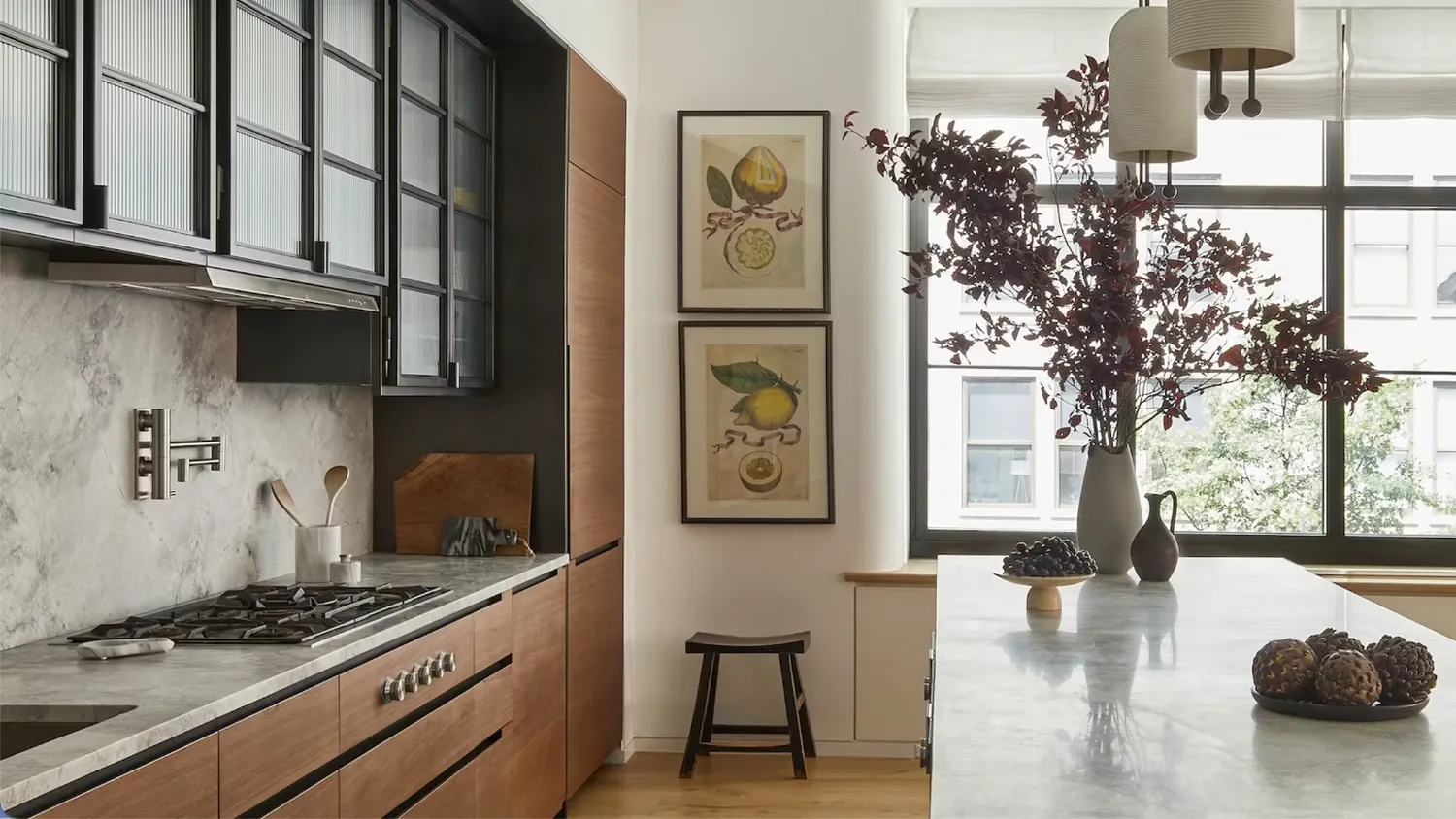
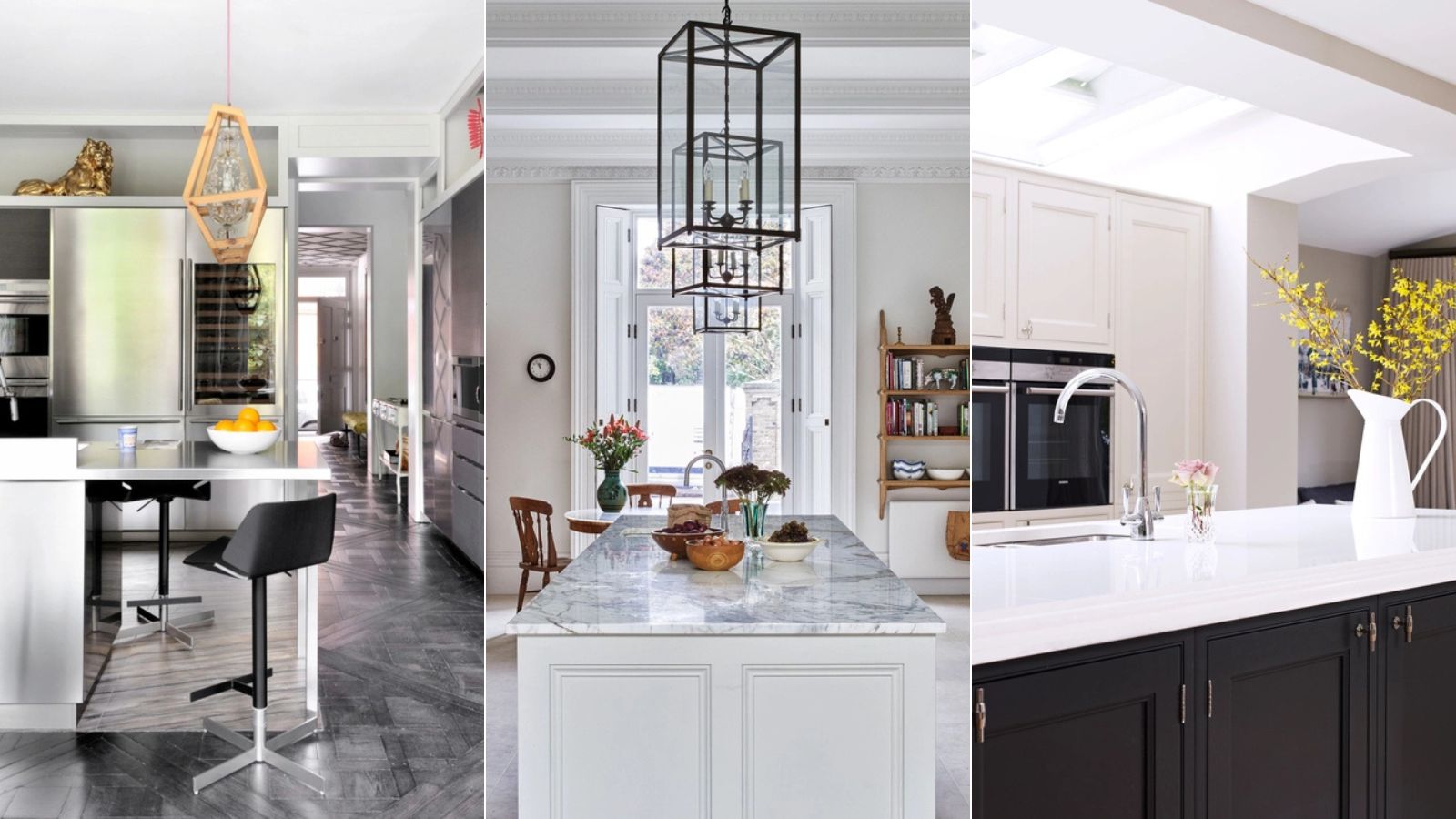
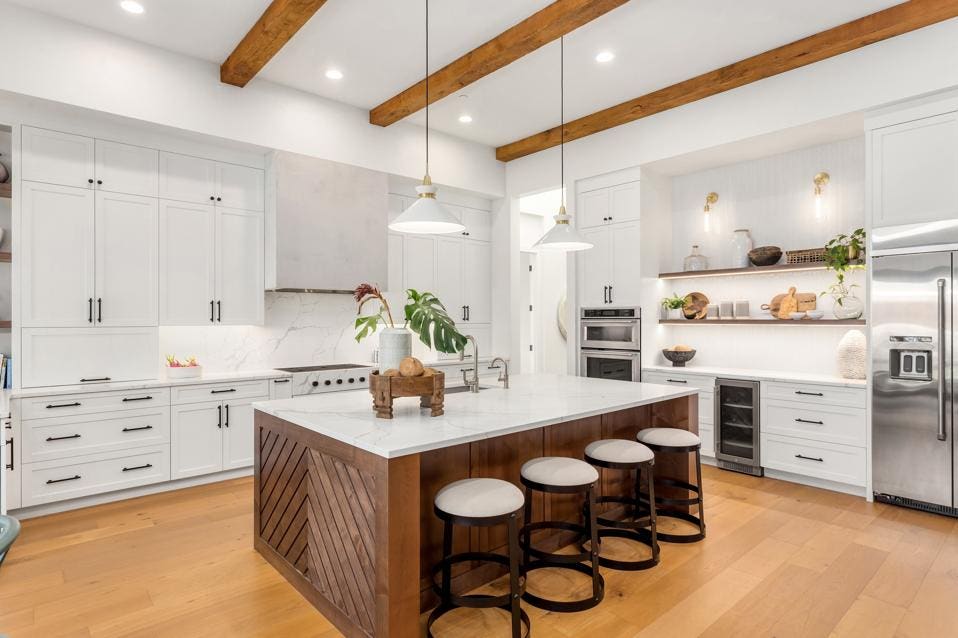
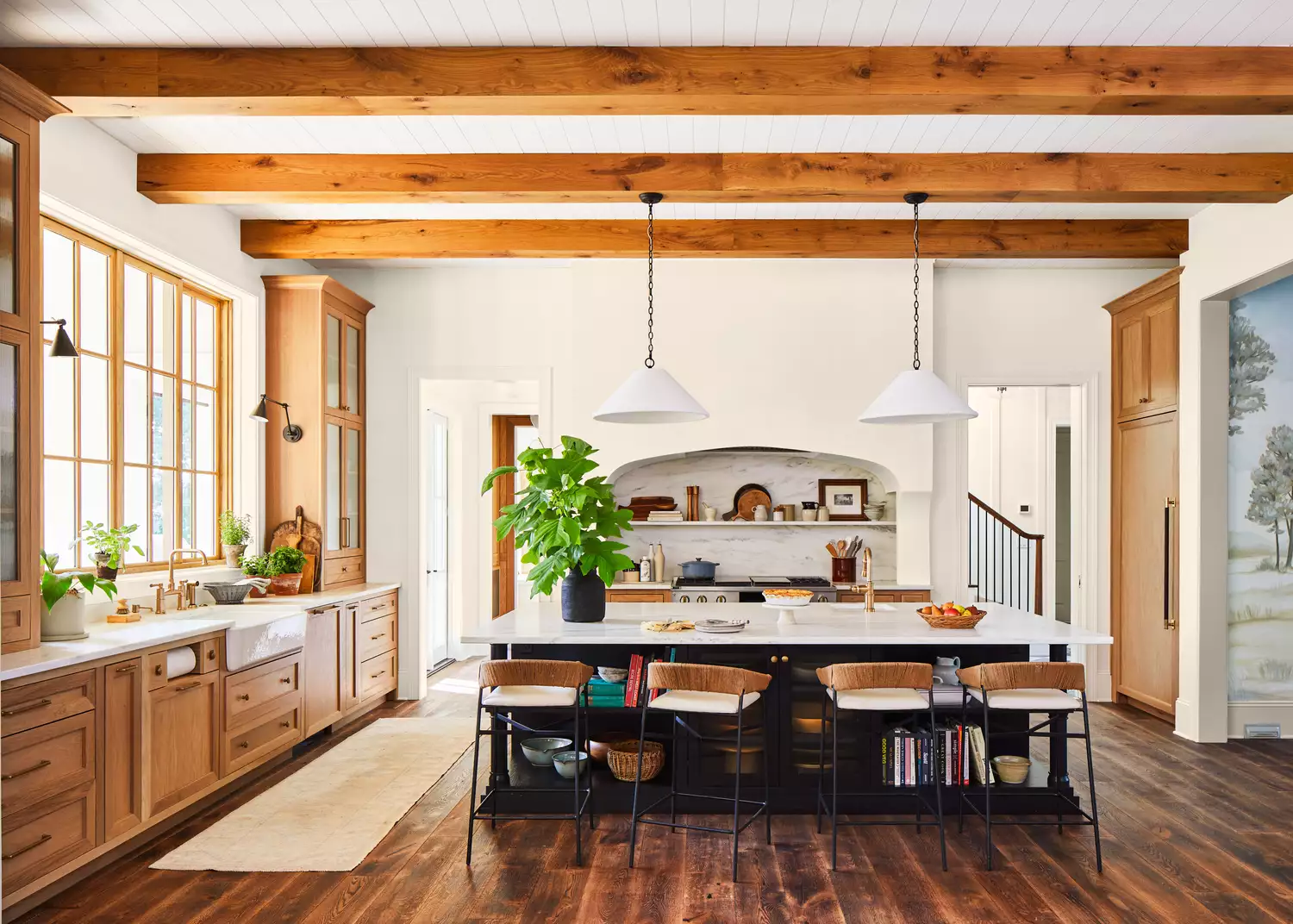
First, 'formulaic kitchens' are on the decline. For several years, a standard aesthetic dominated kitchen design, characterized by white oak cabinetry, Taj Mahal stone, black hardware and plumbing, and linear lines. This uniform approach, once prevalent, is now perceived as a default rather than a deliberate design choice. Designers like Maya Williams are moving towards more personalized and creative solutions, incorporating natural walnut, darker woods, and even eucalyptus wood, alongside warmer metal tones like bronze and curvilinear details. Martina Biegel of Galerie Design and Build notes a shift from a 'match-everything' approach to a more 'collected look,' advocating for a thoughtful mix of finishes in hardware, lighting, and plumbing fixtures to add depth and a curated feel, moving away from builder-grade, social media-driven trends.
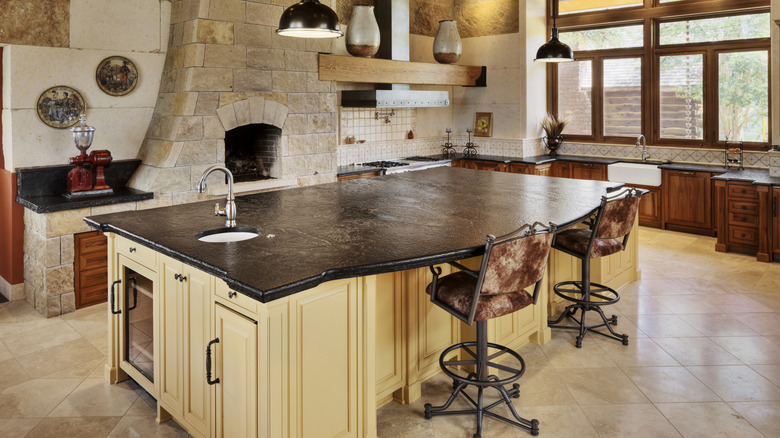
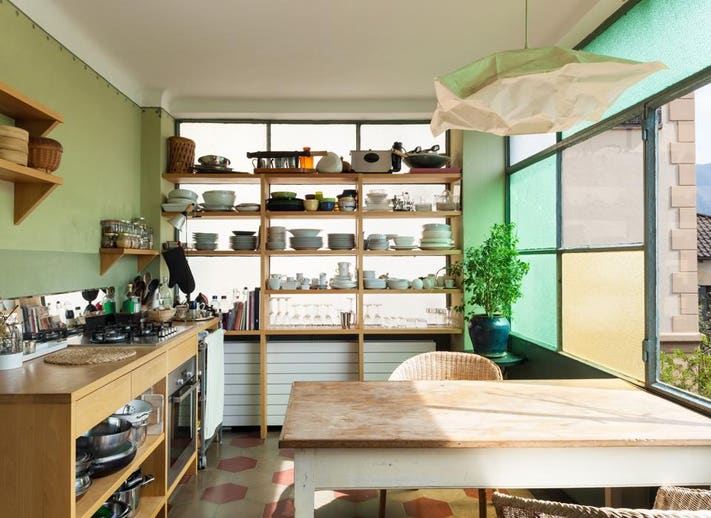
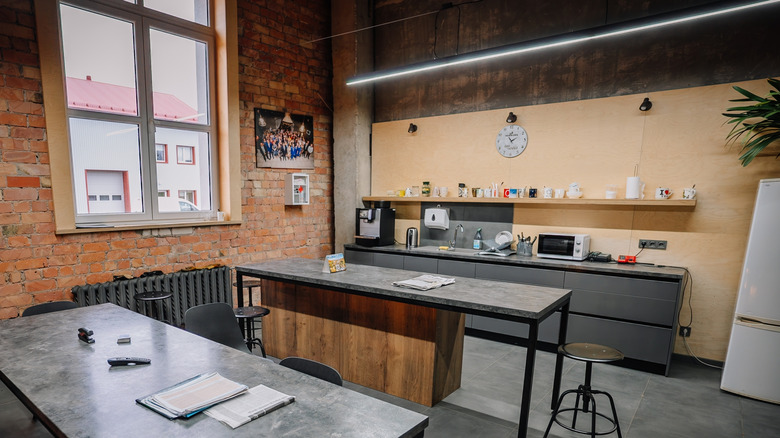
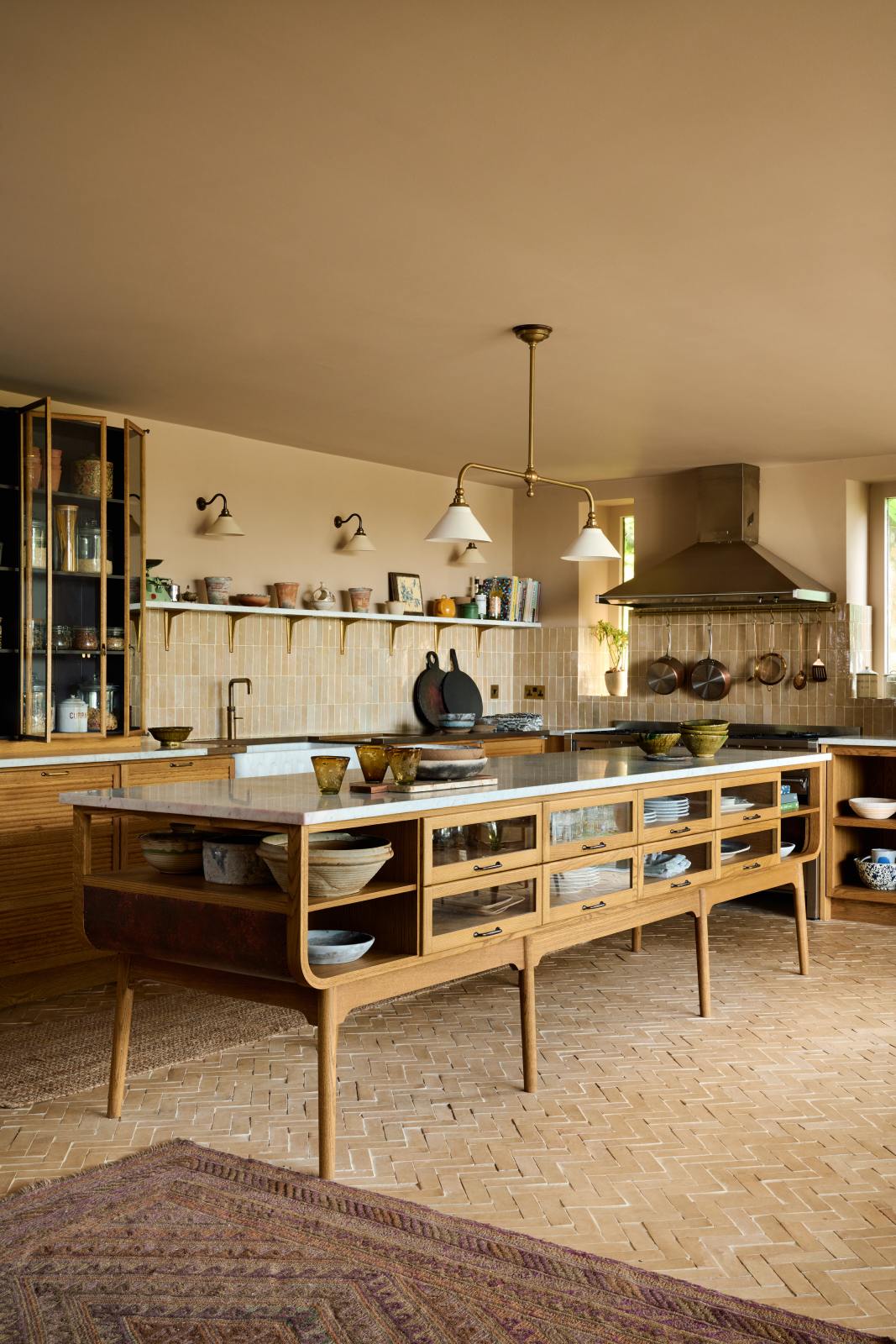
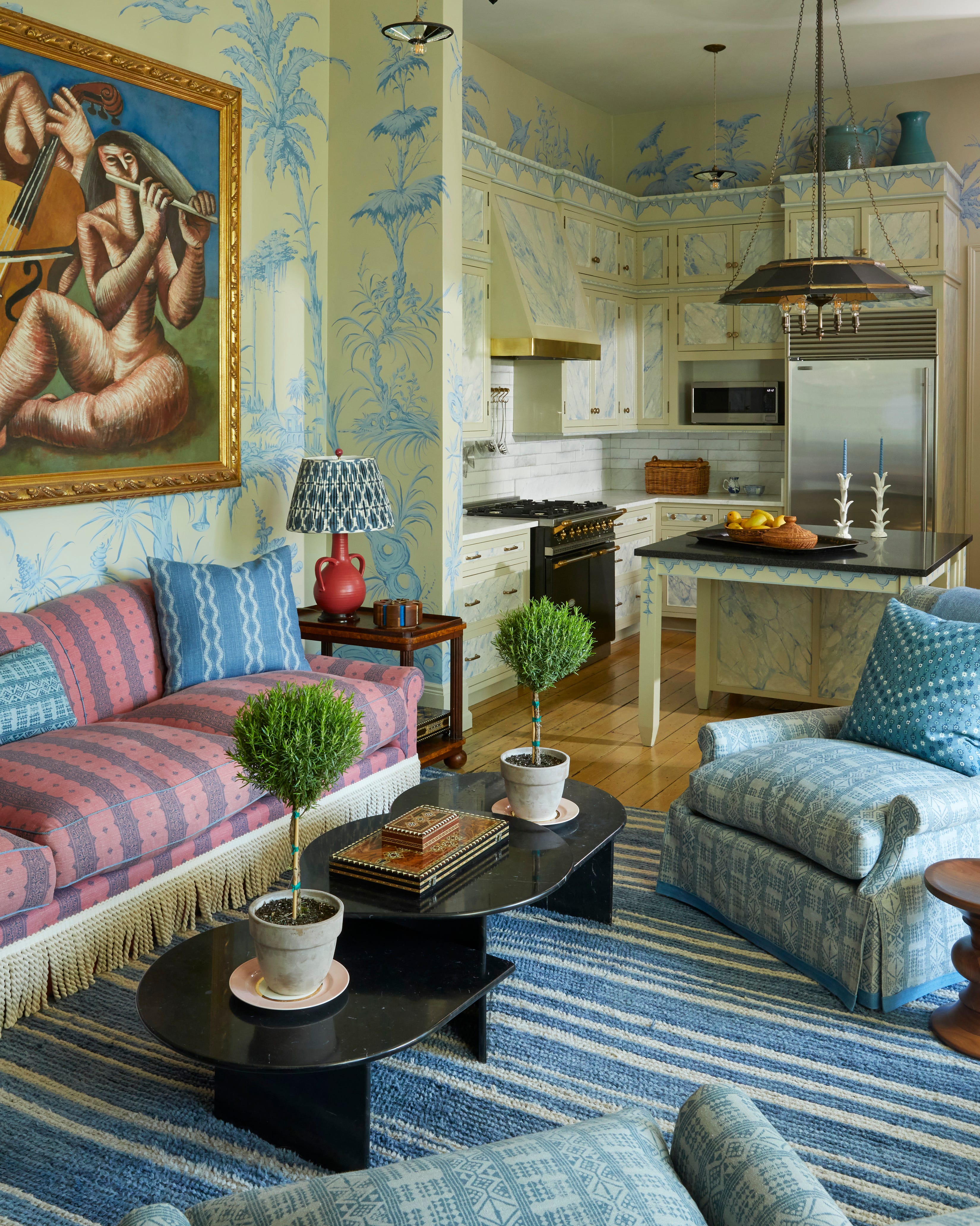
Second, the 'open kitchen' concept is concluding its run. The pandemic accelerated a shift away from open-concept living towards more defined and dedicated spaces. Interior Designer Emily Carlin at Arterberry Cooke observes this evolution, with a growing preference for hidden storage and butler pantries. This design strategy aims to minimize visual clutter, allowing the finishes and surfaces of the kitchen itself to become the focal point, rather than a wide-open layout.
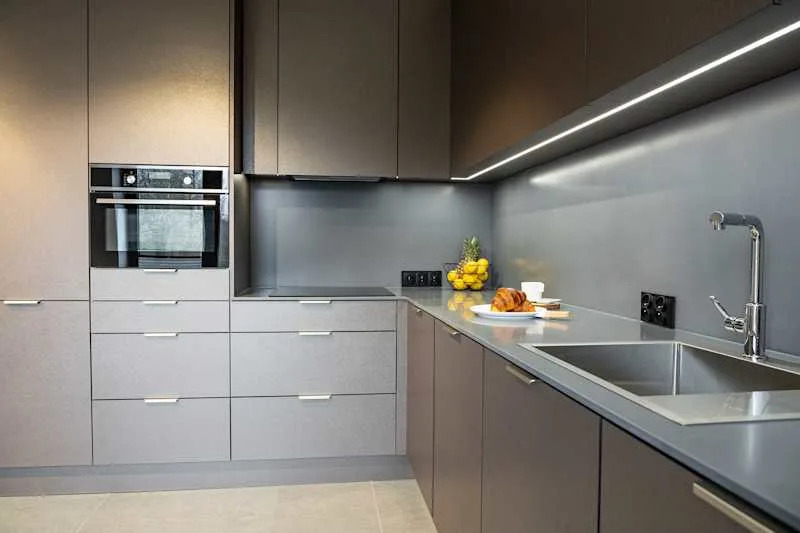
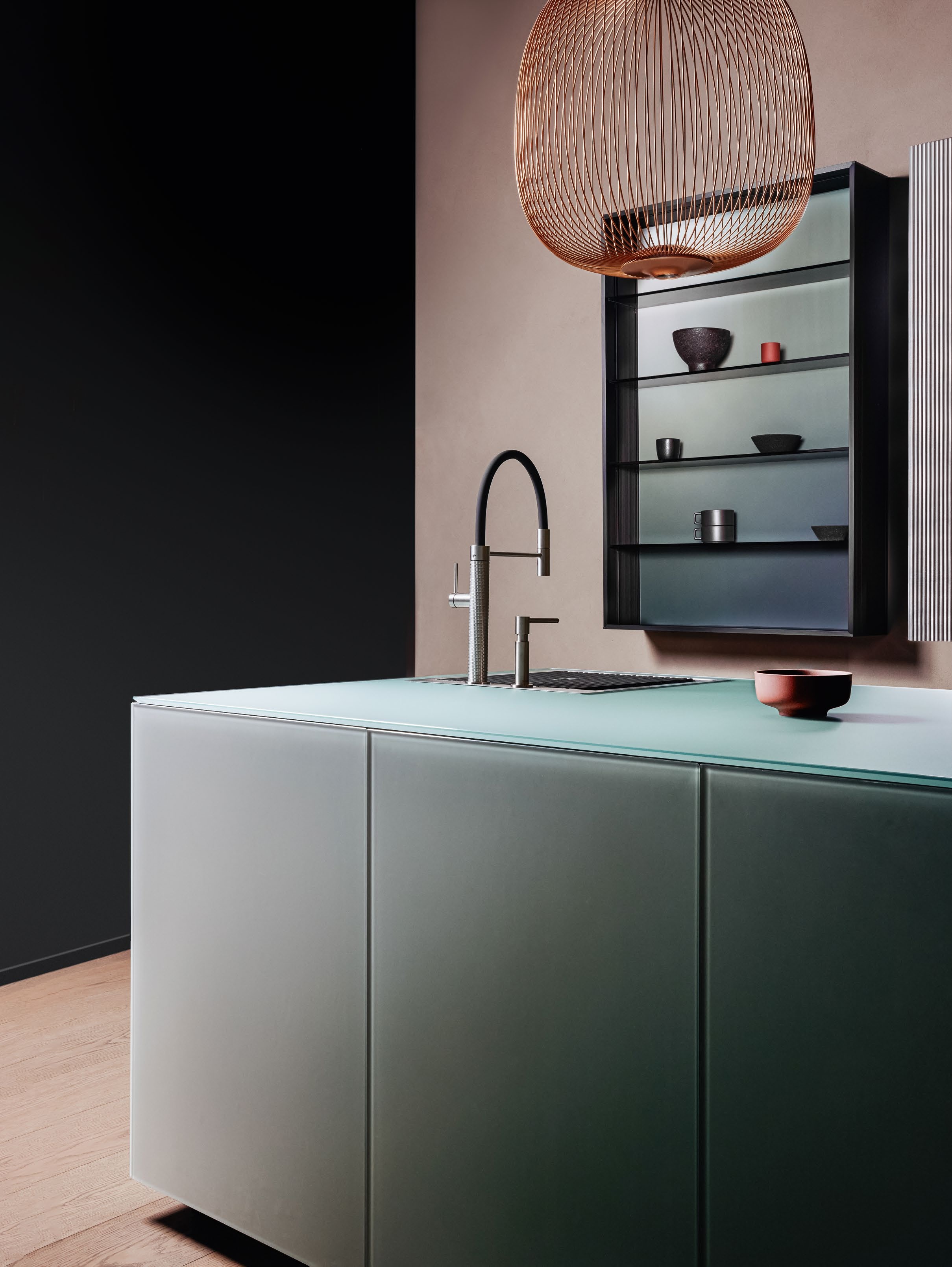
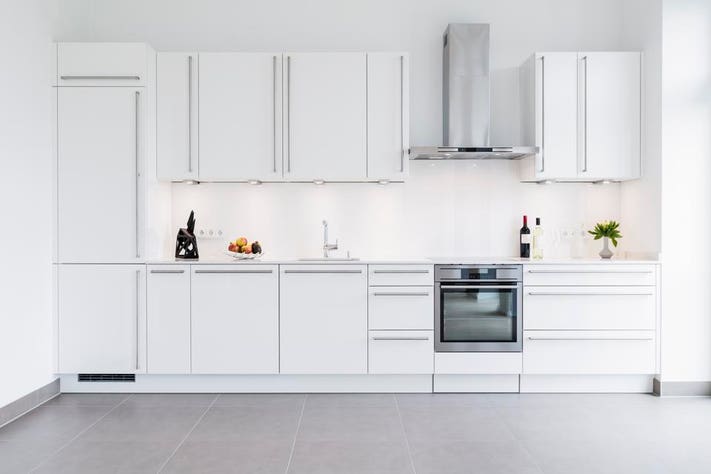
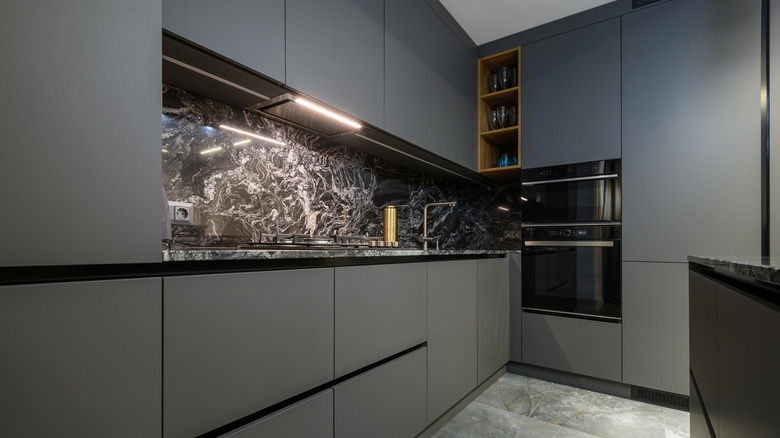
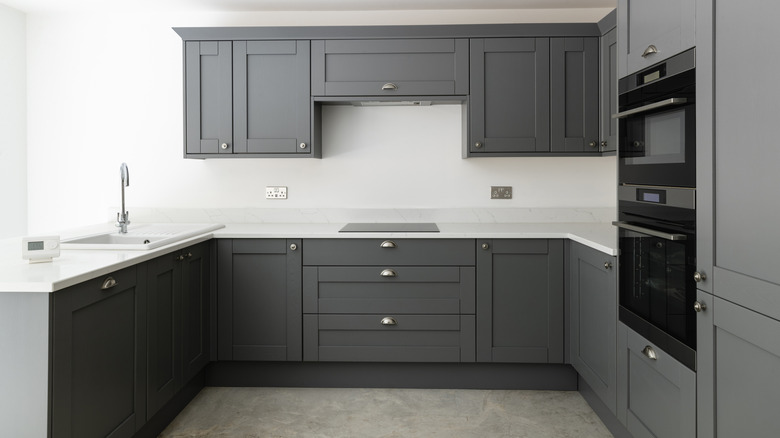
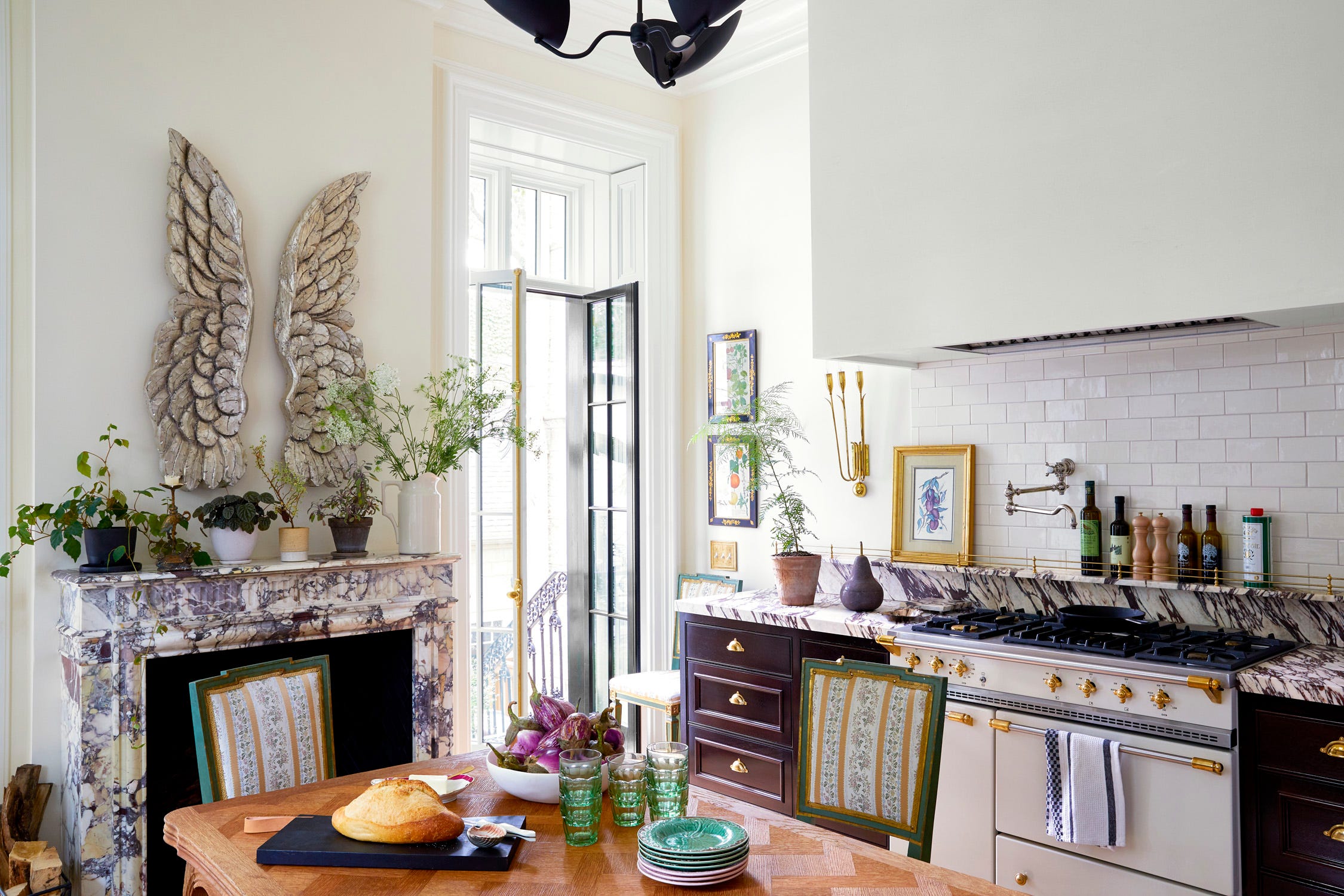
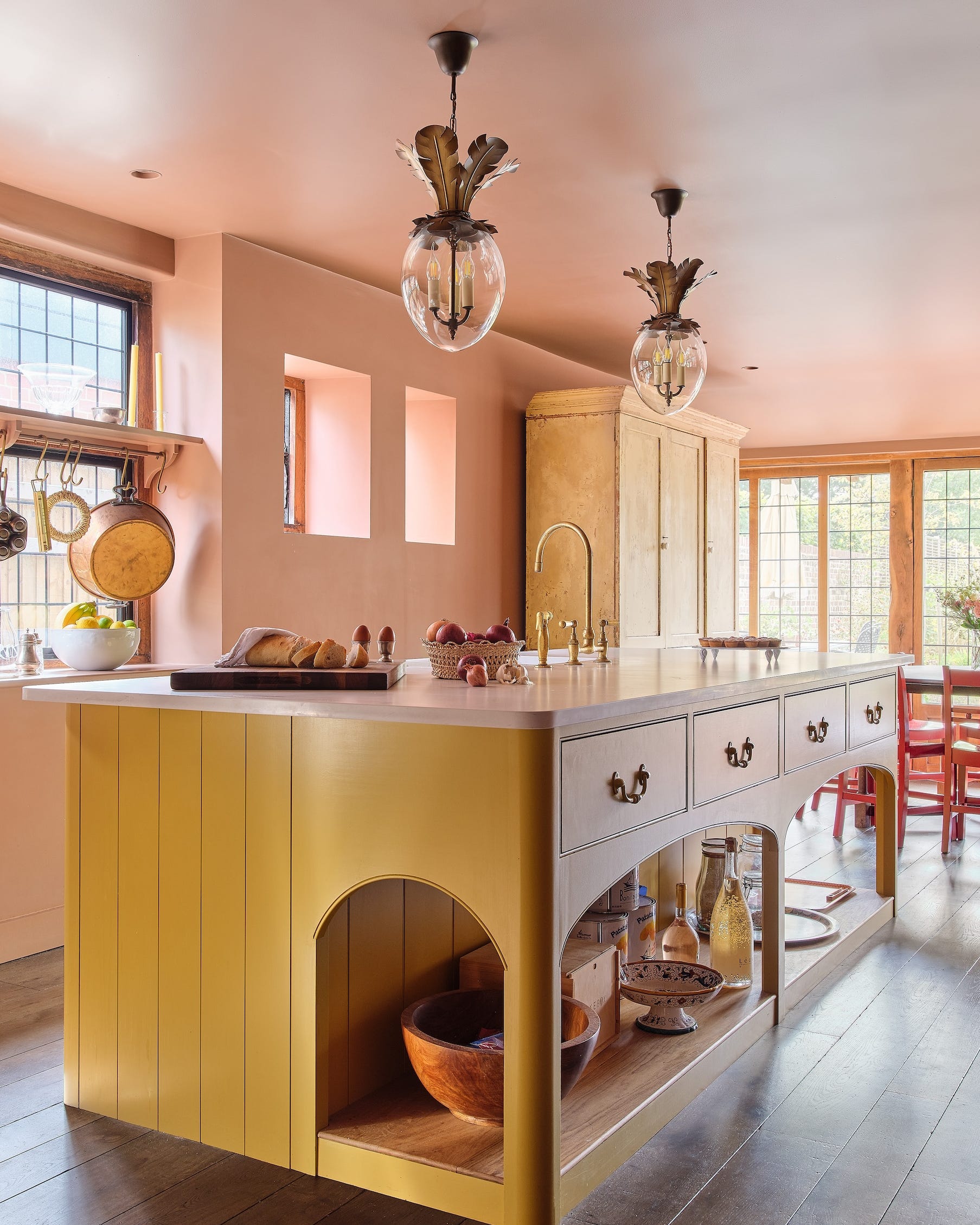
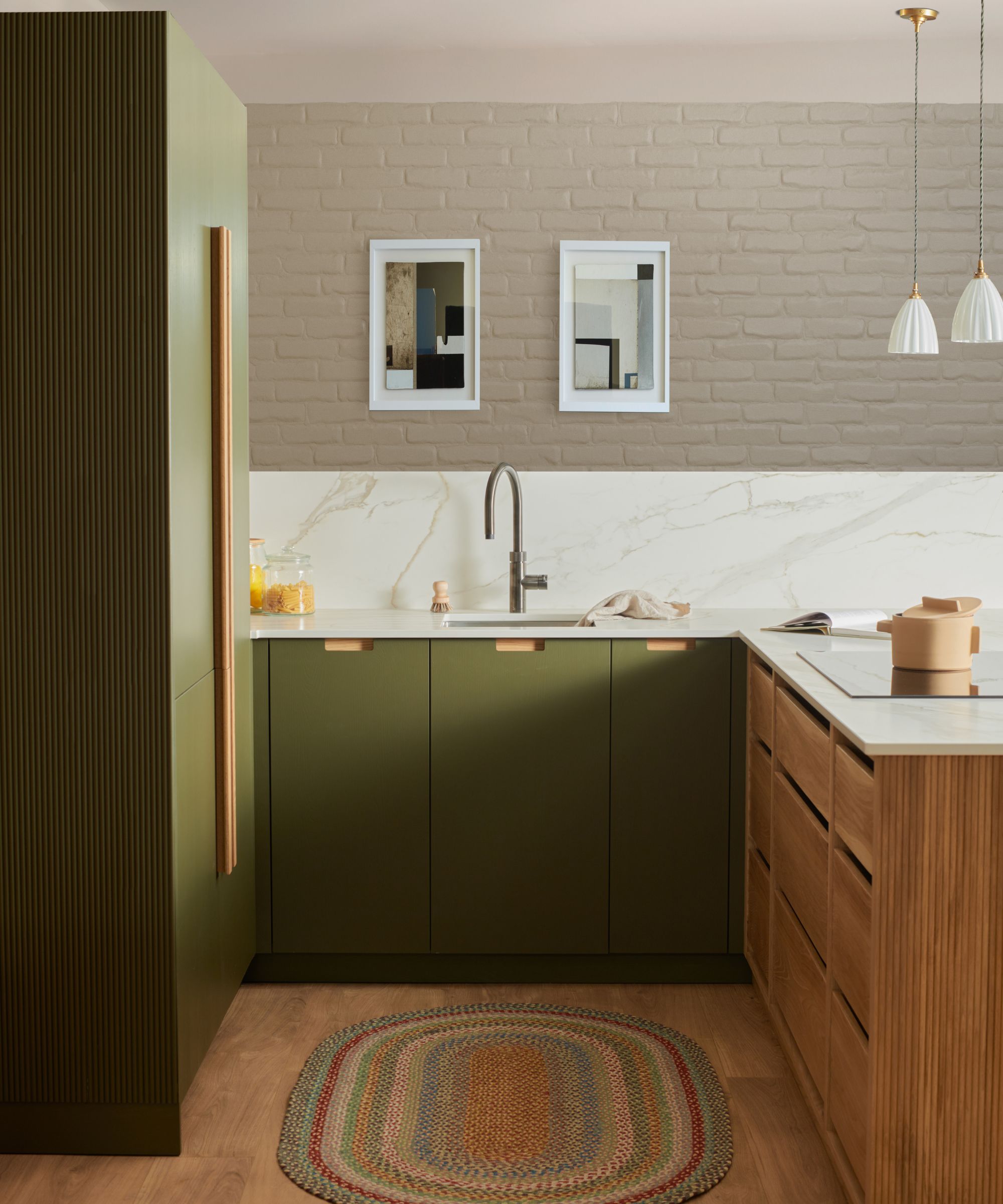
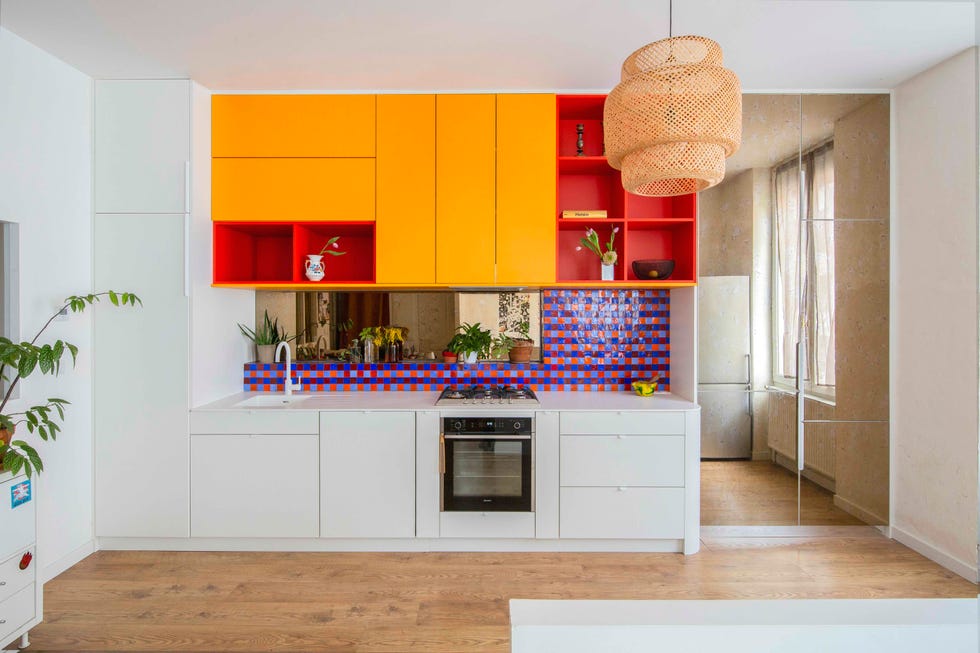
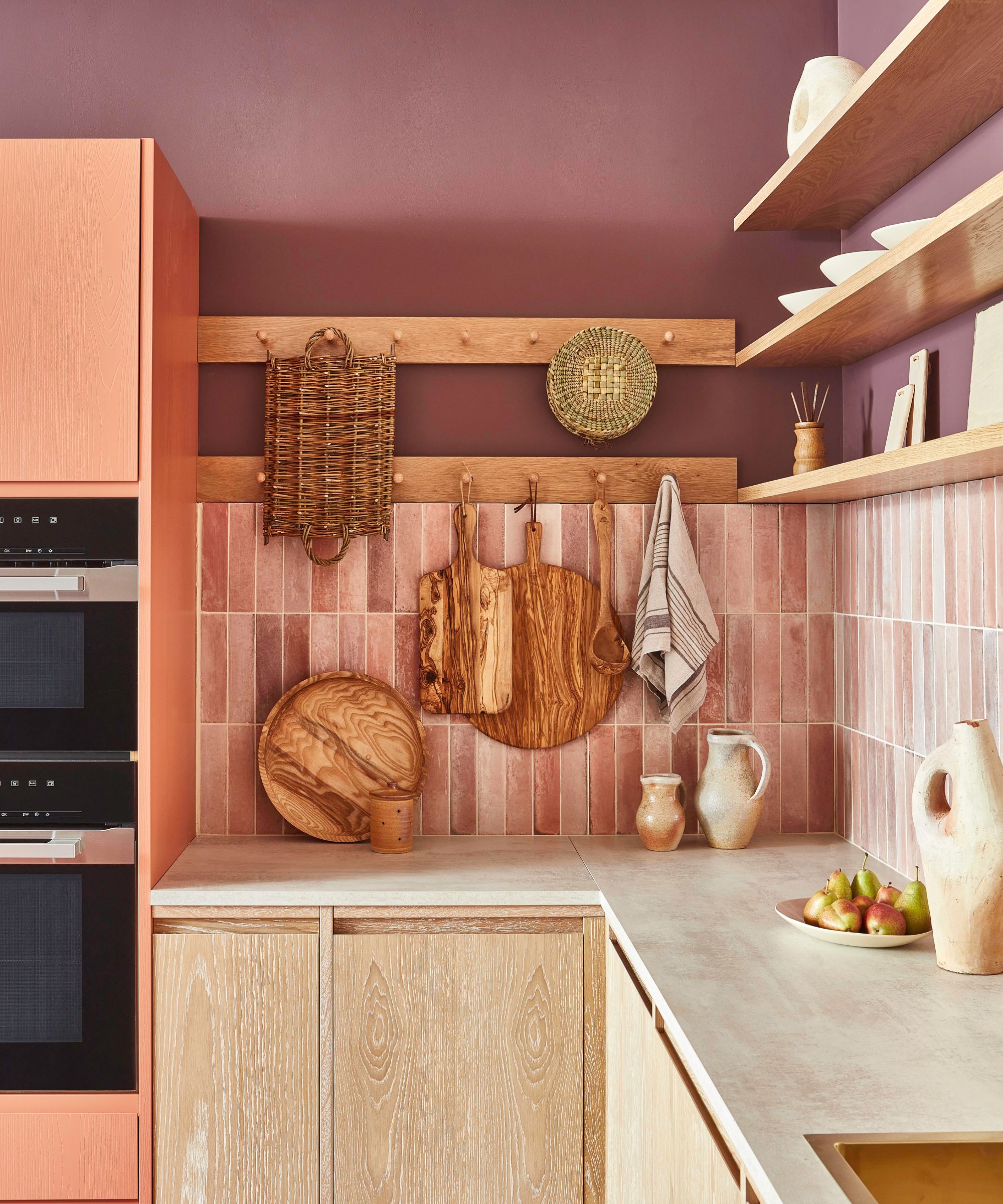
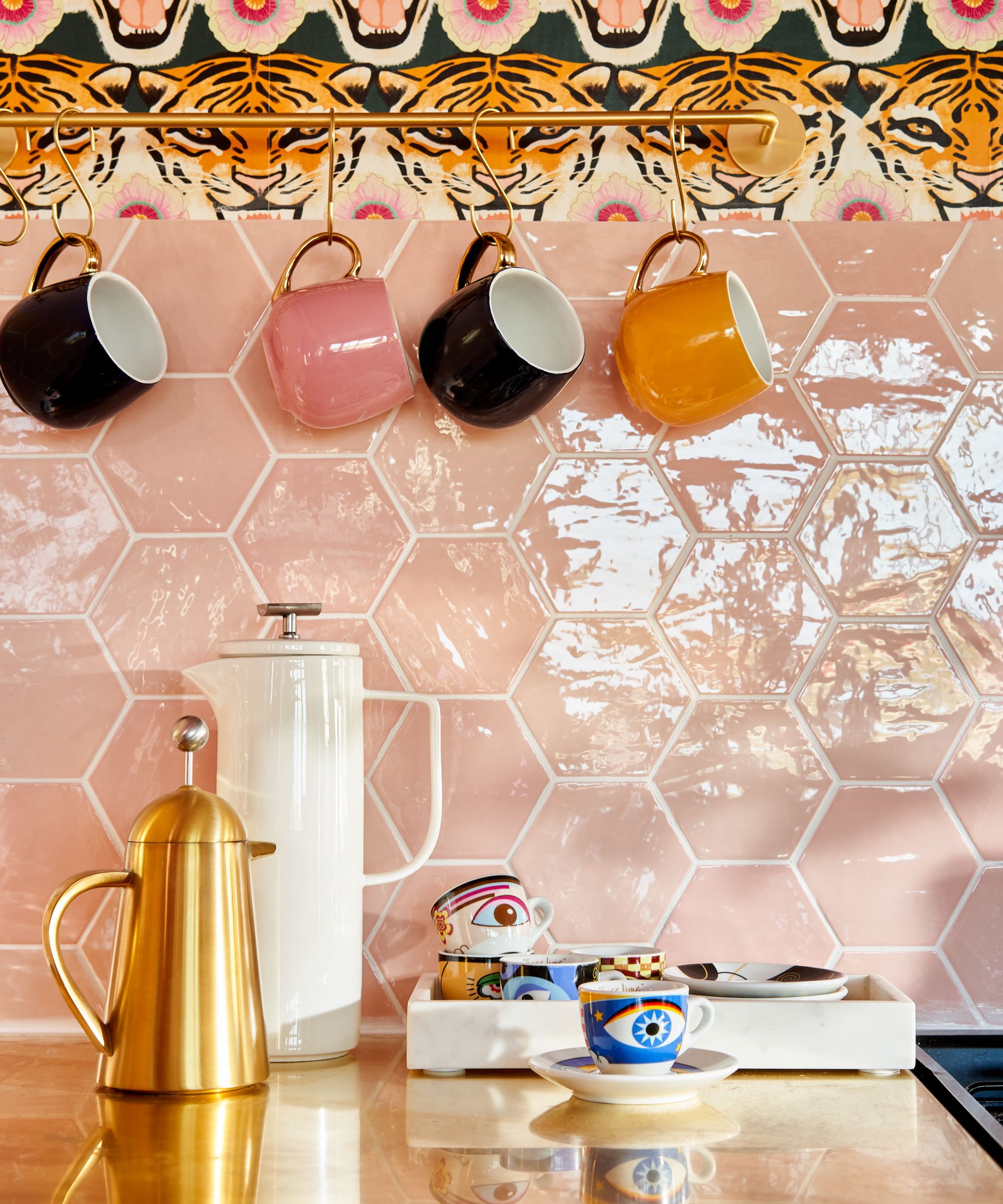
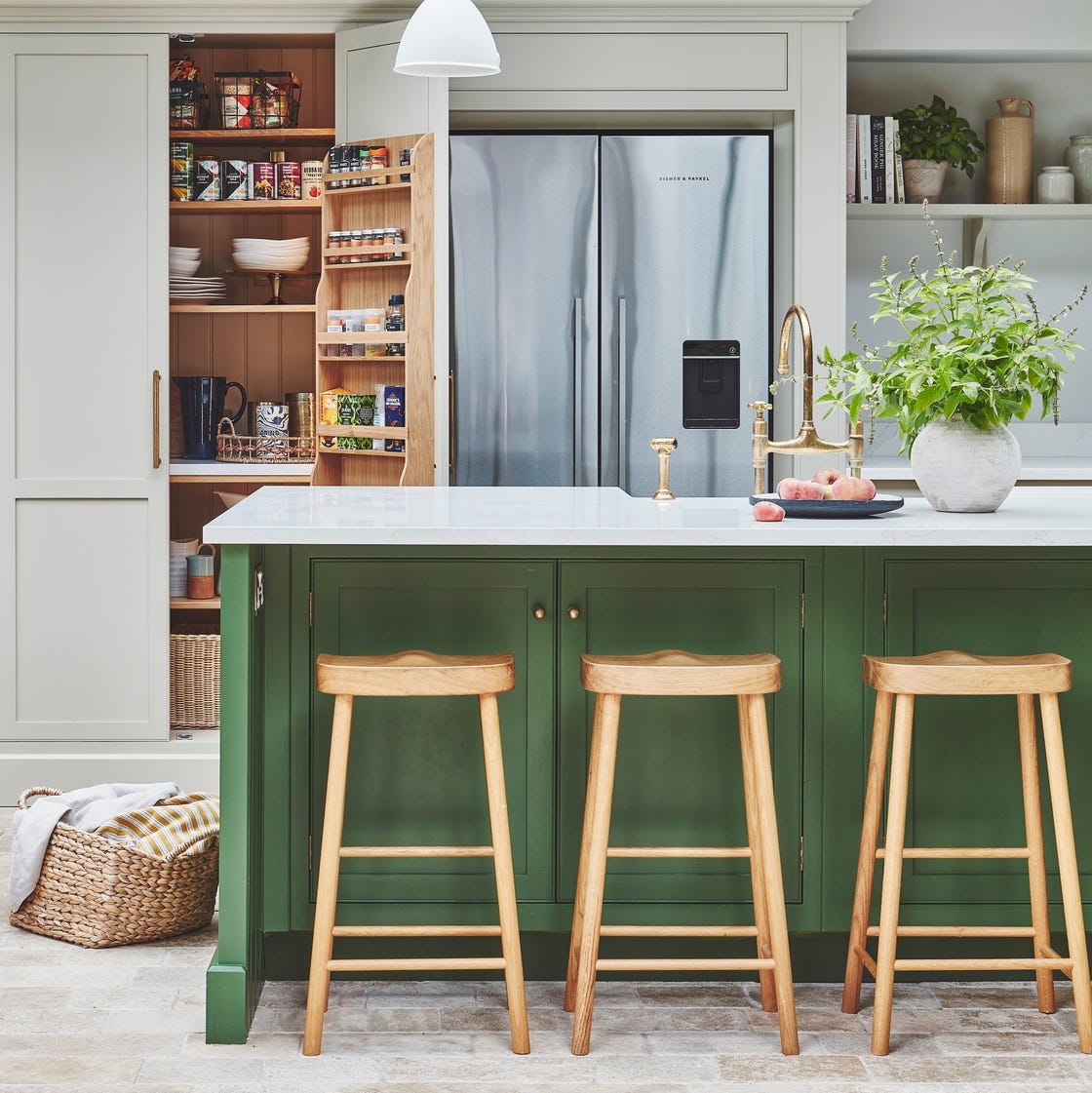
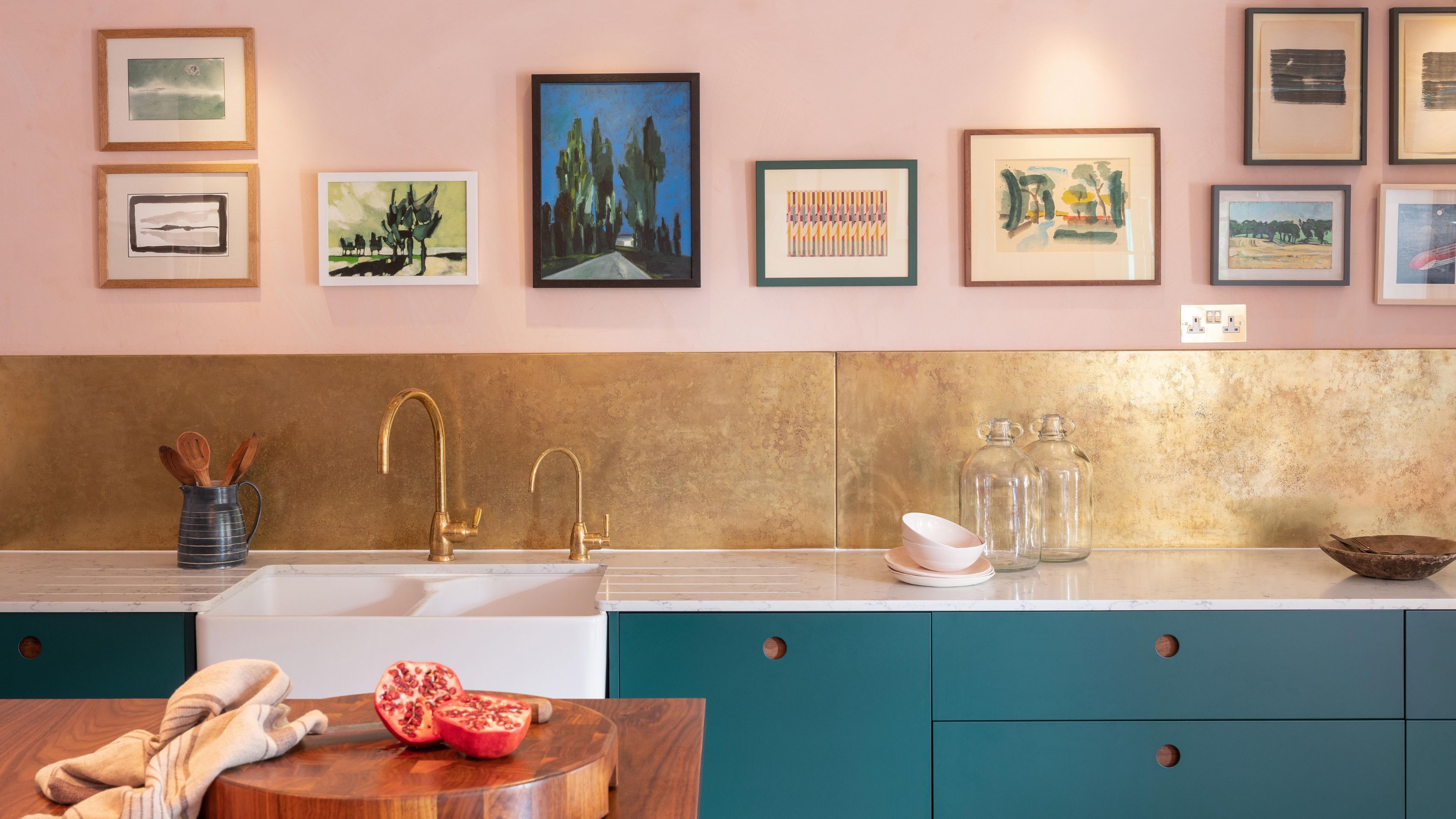
Third, 'grey and white kitchens,' a color combination that overstayed its welcome from the 2010s, is now considered officially dated. While soft sages and earthy mushrooms were popular in recent years, the trend is moving towards bolder, warmer, and more saturated colors. Carlin points to terracottas, brick reds, burgundies, and plummy purple-browns as emerging preferences. Additionally, designers are integrating textural finishes and specialty details, such as visible wood grain, curved old-world plaster range hoods, cutout millwork, stained glass in cabinet doors, arched niches, and intricate backsplash details like spice ledges and curved counter elements.
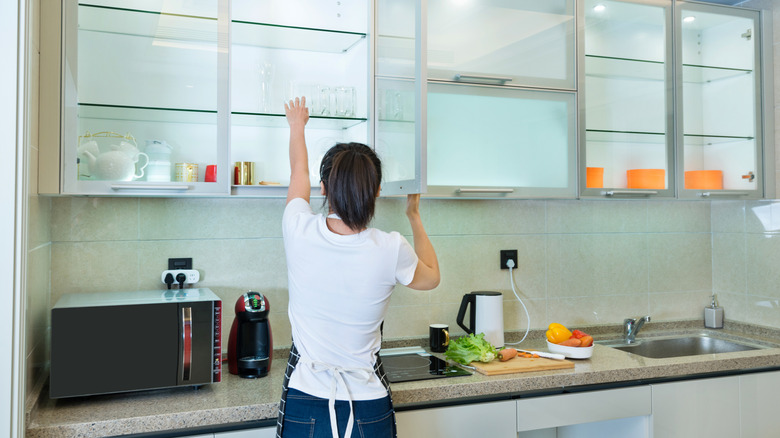
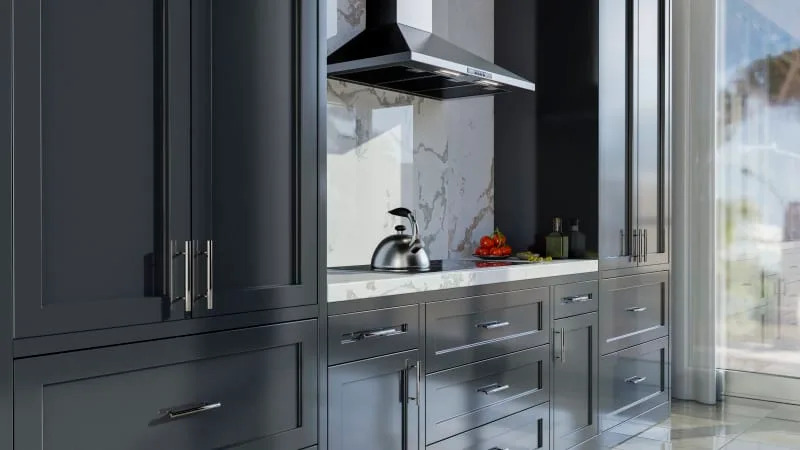
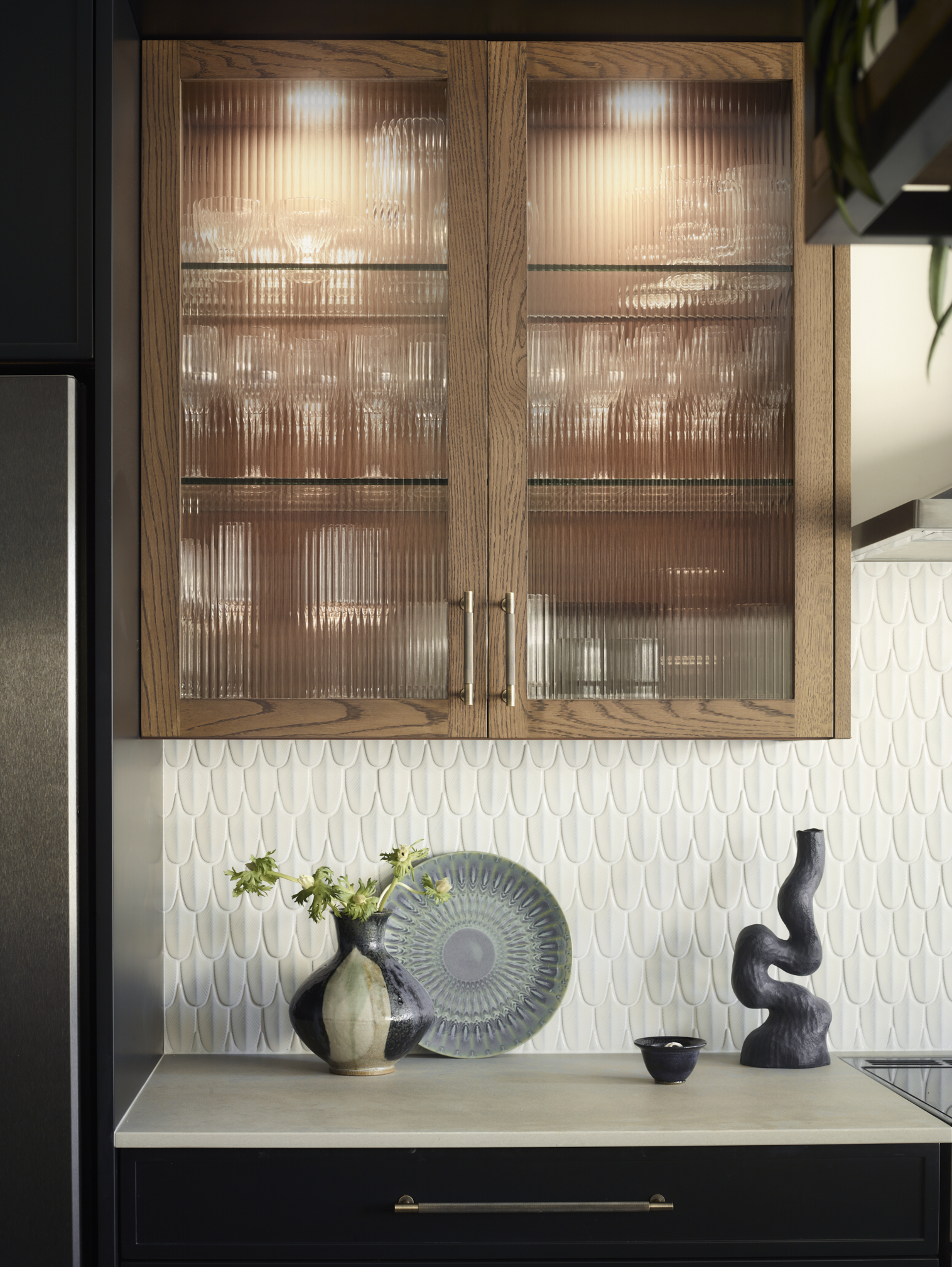
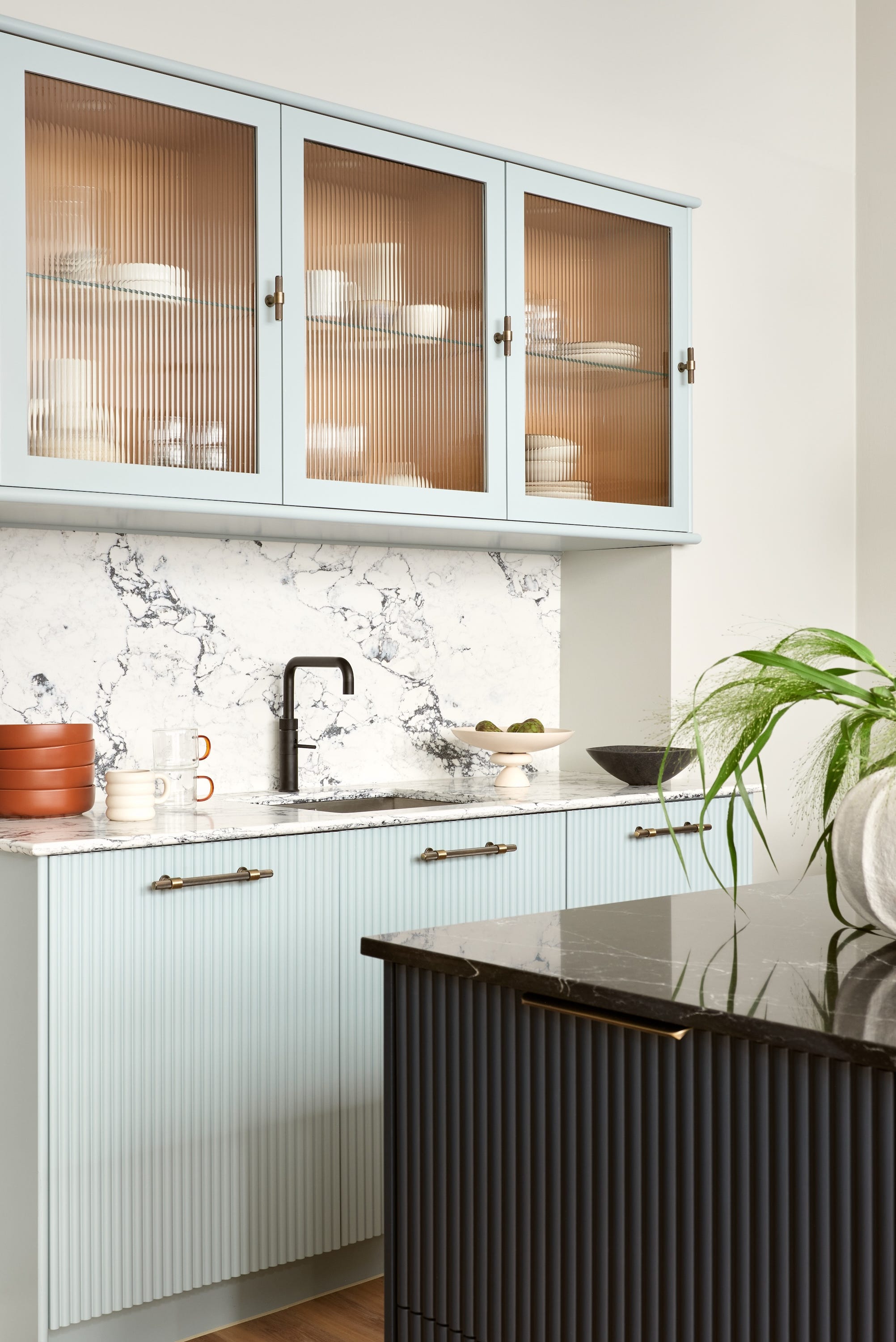
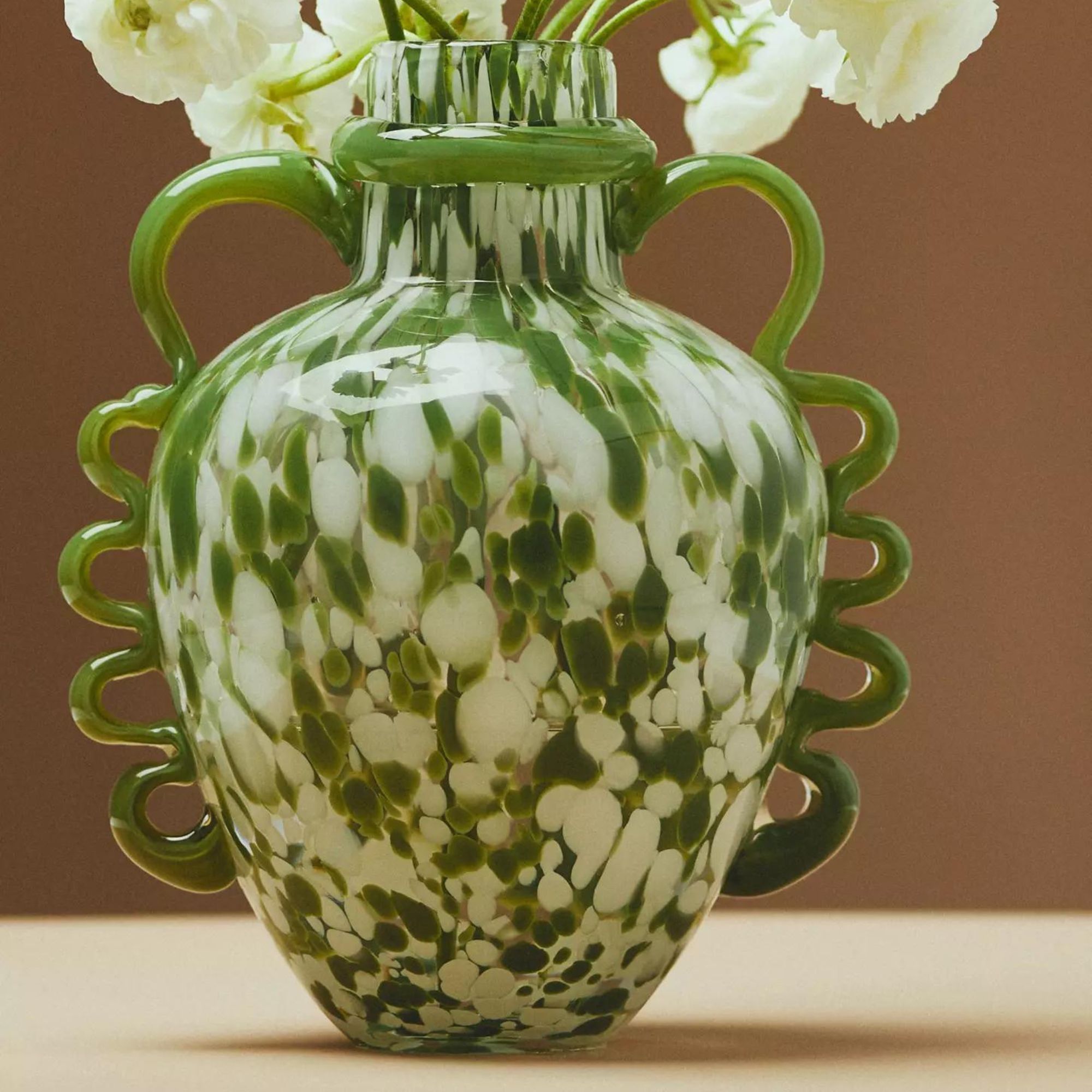
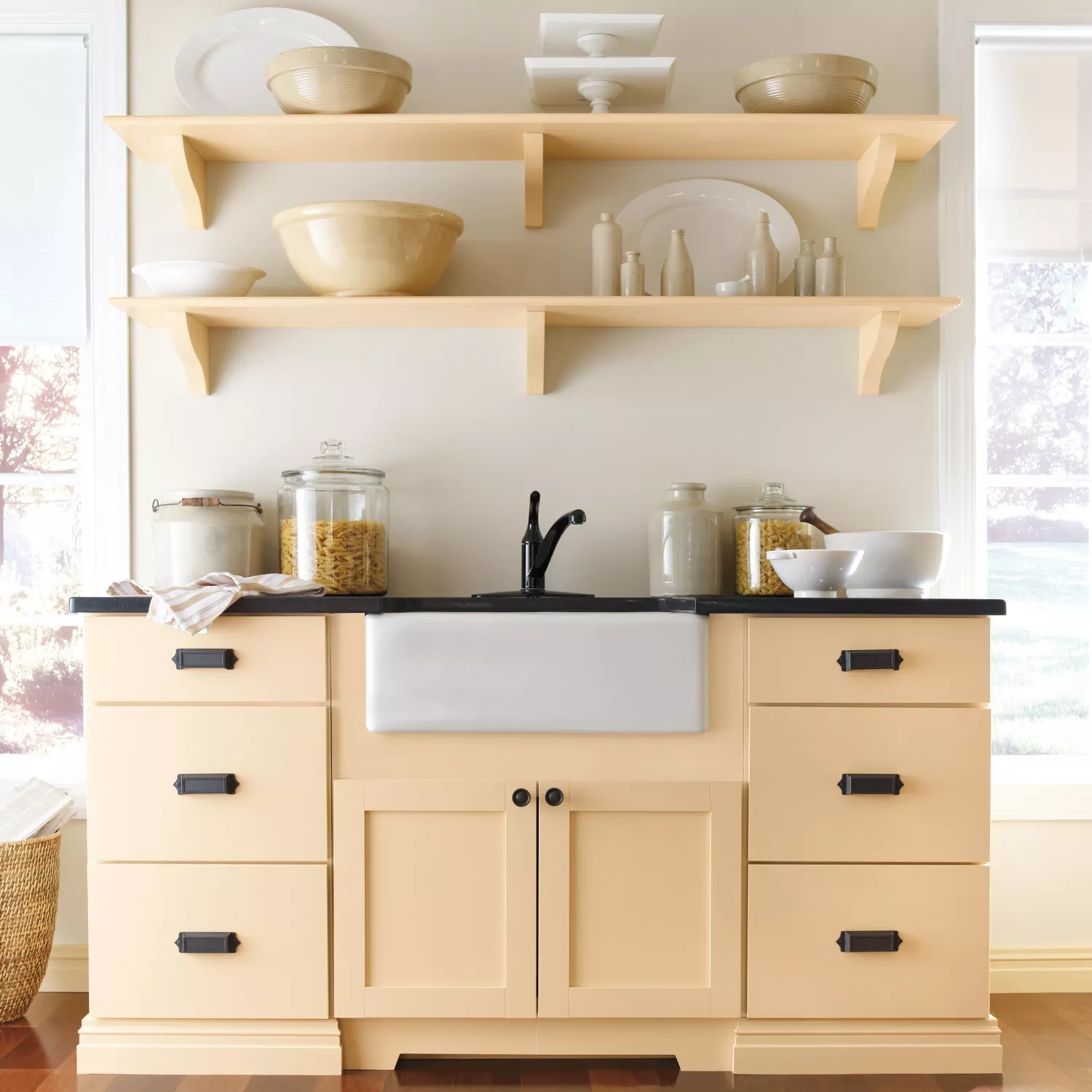
Fourth, 'shaker cabinets' are losing favor. After a decade-long presence, particularly in conjunction with the modern farmhouse aesthetic, shaker cabinets are now seen as tired. Liz Hoekzema from KLH Homes indicates that clients are increasingly open to mixing materials and incorporating custom details, diverging from the standard shaker look. Glass cabinetry, including reeded, seeded, and colored glass, is anticipated to gain popularity. This option offers a compromise between entirely closed shelving and open shelving, which can be challenging to maintain and style effectively.
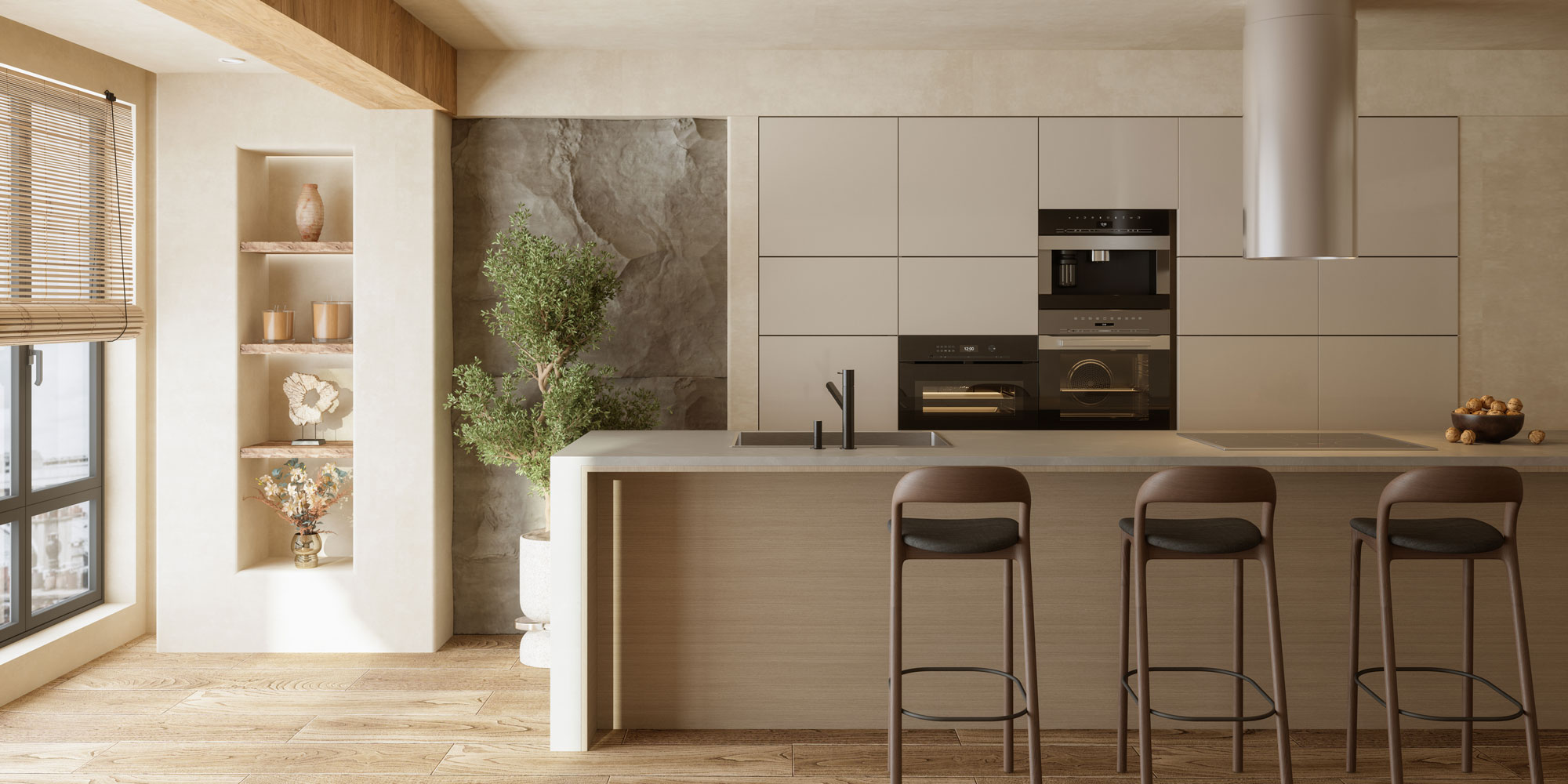
Finally, the excessive use of 'white oak everywhere' is fading. White oak surged in popularity, replacing darker wood flooring and becoming a primary choice for kitchen cabinets, leading to its ubiquitous presence in many homes. While still appreciated for its neutral tones, its widespread application across floors, cabinetry, and furniture is being scaled back. Leigh Lincoln, co-founder of Pure Salt, suggests that homeowners will limit white oak to a single application, such as flooring or cabinets, rather than incorporating it throughout the entire space. This shift acknowledges that even appealing materials can be overused, leading to a diminished aesthetic impact.
#KitchenDesignTrends #InteriorDesign #HomeRenovation #KitchenRemodel #DesignTrends2026 #CabinetryTrends #ColorPalettes #ModernKitchens #MaterialSelection #KitchenDesignTrends #InteriorDesign #HomeRenovation #KitchenRemodel #DesignTrends2026 #CabinetryTrends #ColorPalettes #ModernKitchens #MaterialSelection
合計0件のコメント
 まだコメントはありません
あなたも好きかもしれません
5 Kitchen Fads That Will Disappear In 2026

10 Kitchen Trends On The Way Out In 2026

20 Kitchen Design Trends You’ll See Everywhere in 2025, According to Experts

5 Dining Room Trends That Are Definitely on Their Way Out in 2026, Designers Warn

6 Kitchen Trends on Their Way Out in 2025, According to Designers
Kitchen Trends That Are Being Left Behind In 2025 And Beyond
5 Kitchen Cabinet Trends You're About to See Everywhere in 2026, According to Designers
6 outdated kitchen countertop trends to leave behind in 2025
These are the kitchen design trends that will dominate 2026

6 Kitchen Trends That Will Transform Your Space in 2025, According to Designers
20 kitchen design trends you'll see everywhere in 2025, according to experts
The big kitchen trends of 2025 explained by top designers

6 Kitchen Trends Definitely on Their Way Out in 2025, According to Designers
6 Outdated Kitchen Trends Designers Say You Need to Avoid in 2025 — And What to Do Instead

6 kitchen styles going out of fashion in 2024, according to experts who have seen it all

The 5 kitchen trends designers say will be huge in 2025

10 Kitchen Design Trends Going Out Of Style In 2025

6 Kitchen Trends That Will Be Huge in 2026, According to Designers

7 kitchen trends for 2026
6 Kitchen Trends You'll See Everywhere In 2026