5 High-Maintenance Furniture Choices You Should Avoid, Designers Warn
Selecting furniture for a home involves balancing aesthetic appeal with practicality, as certain materials, while beautiful, can demand significant upkeep. Designers Vyanca Soto and Thea Bloch-Neal highlight five such high-maintenance furniture choices that consumers should be aware of, along with more manageable alternatives. The core advice is to prioritize function and align material choices with one's lifestyle and willingness to commit to maintenance.
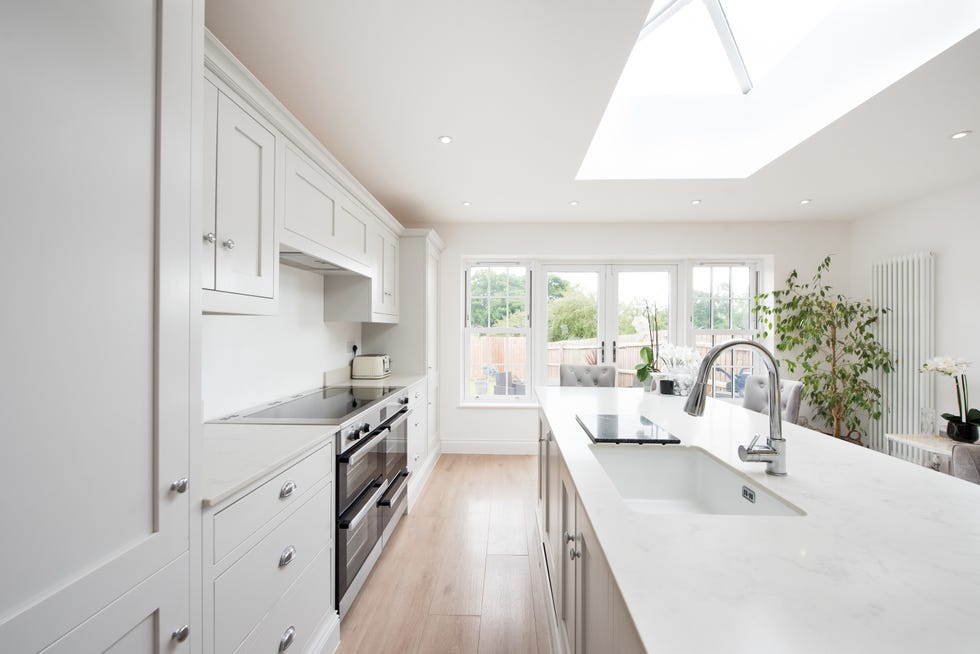
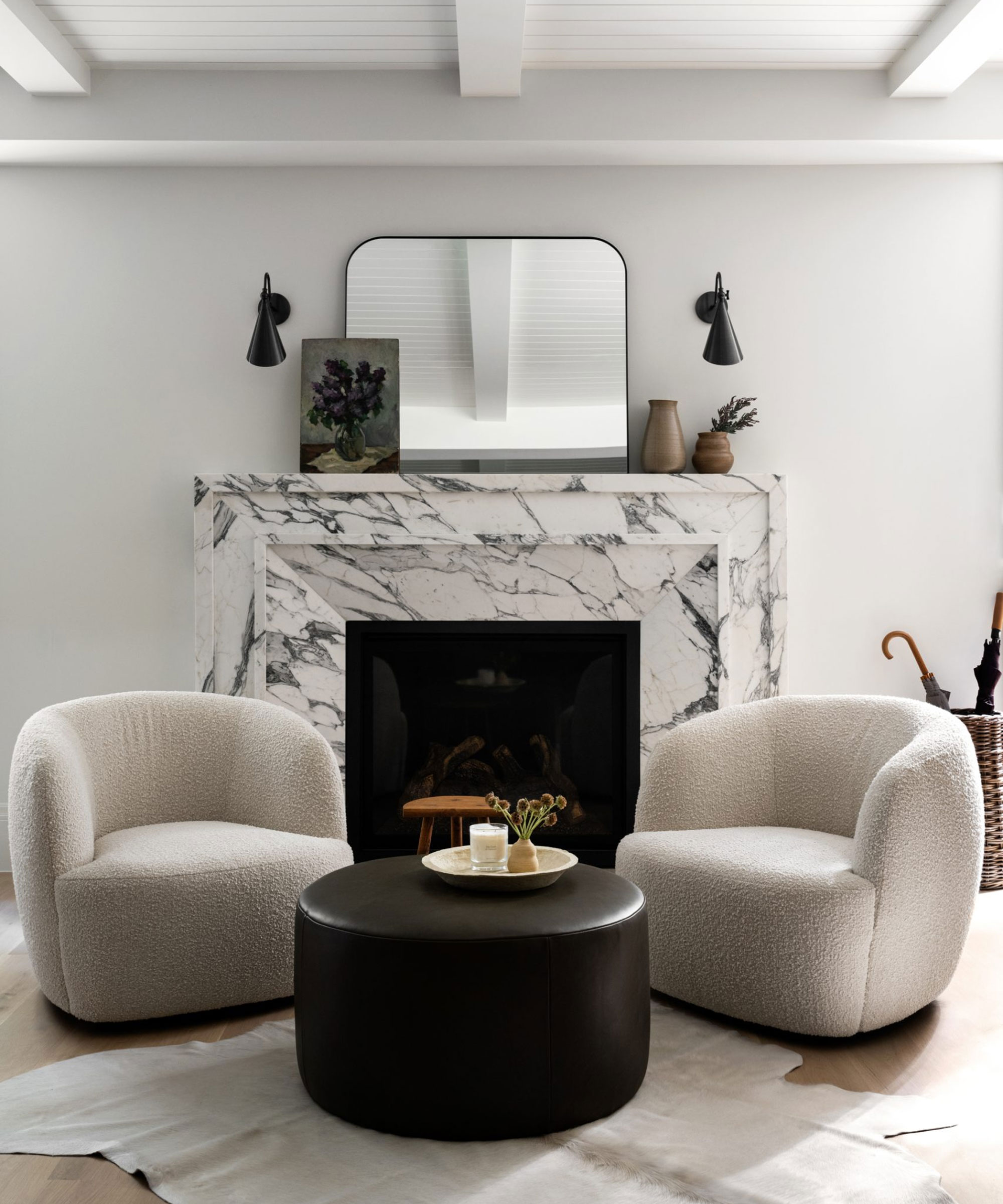
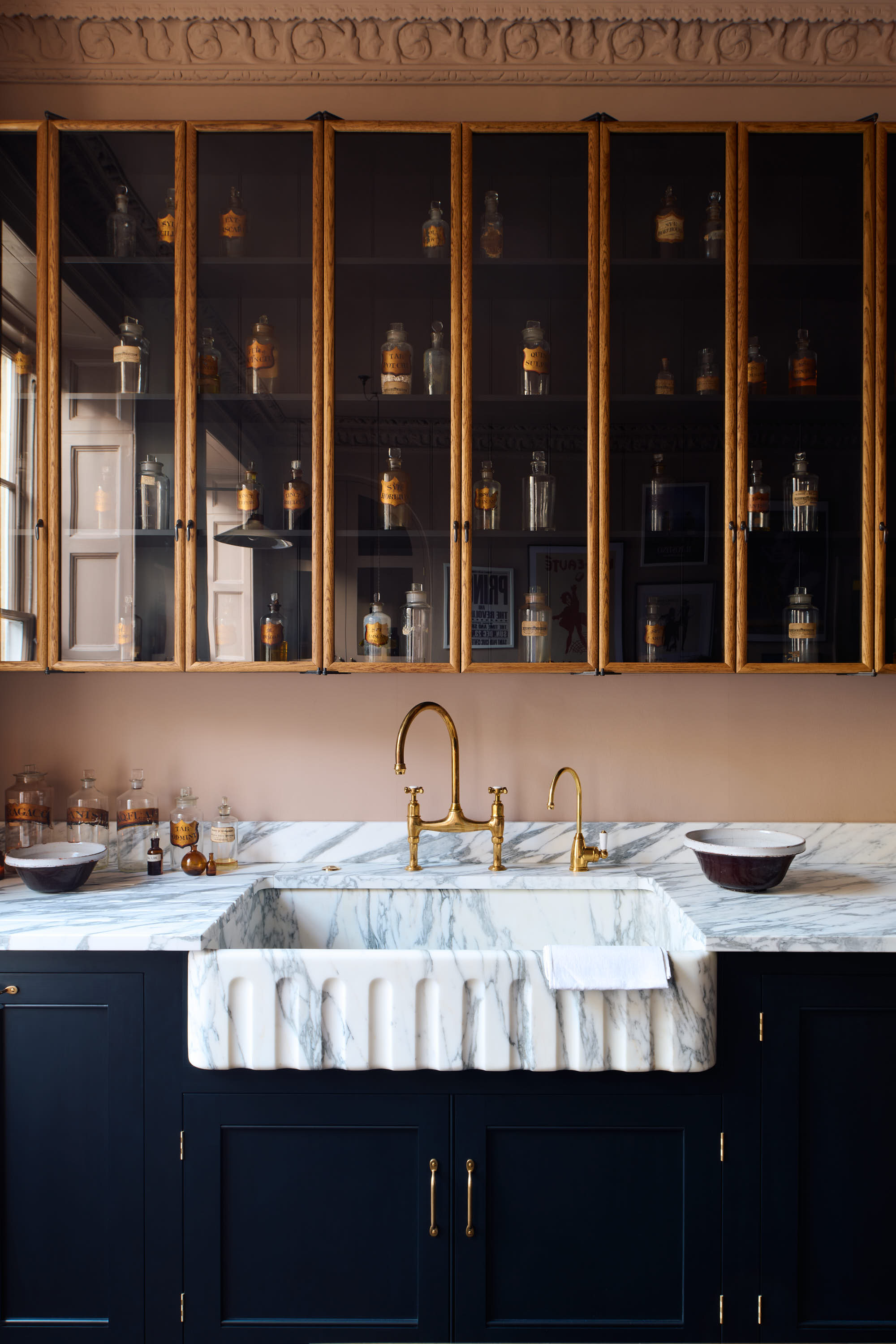
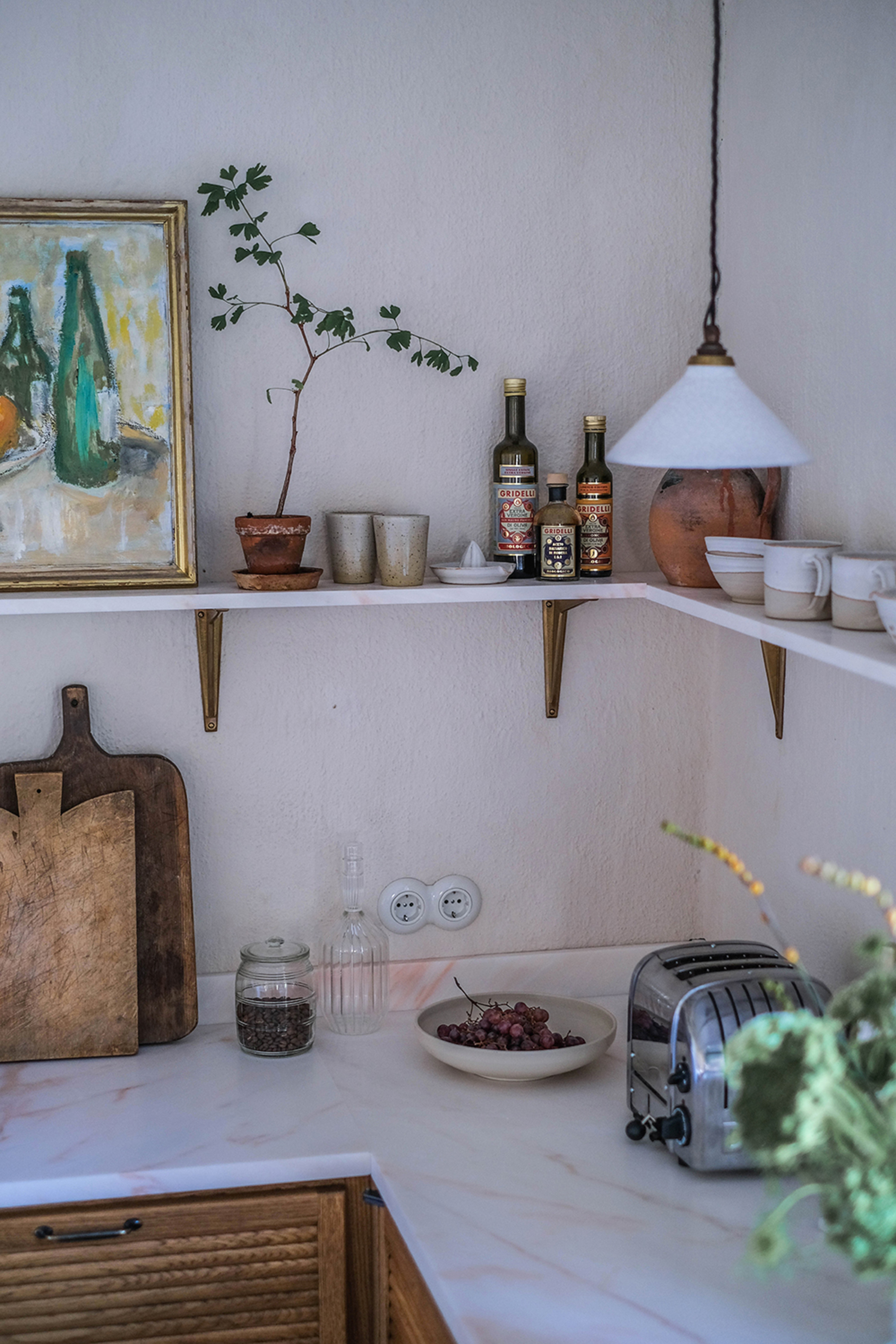
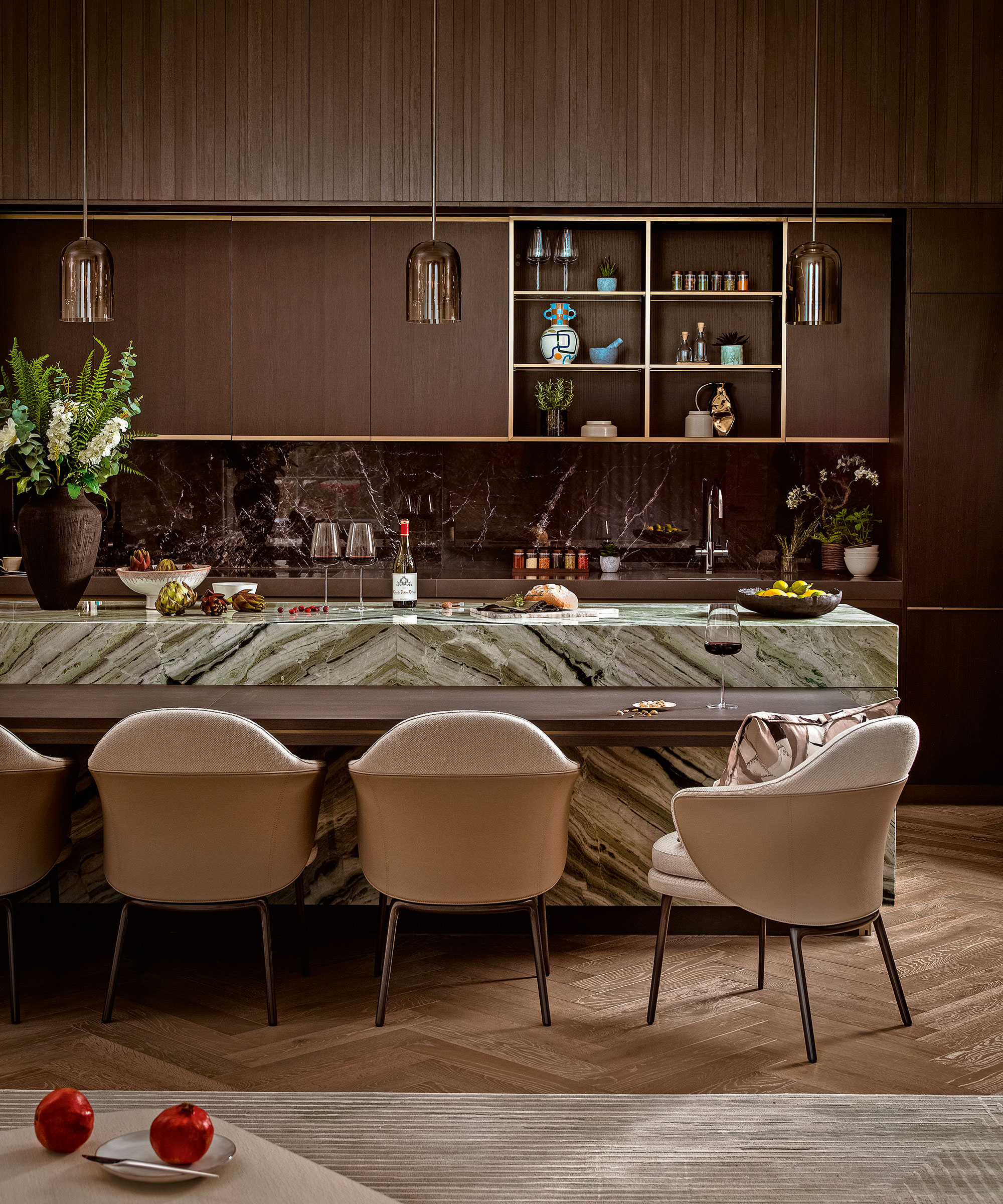
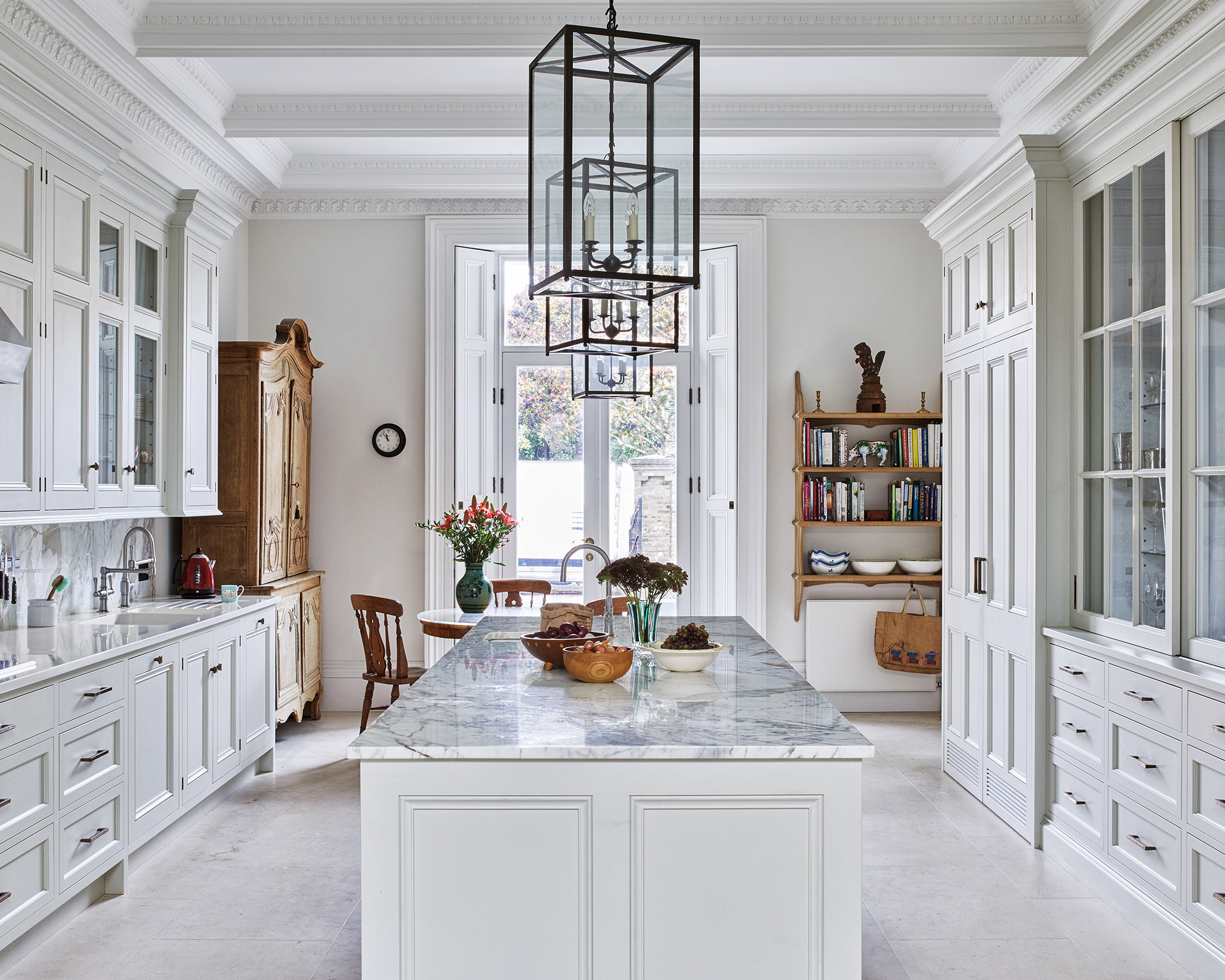
Unsealed marble, despite its luxurious appearance, is noted for being highly porous and vulnerable to staining from water, oils, and acids. Without consistent sealing and maintenance, it can quickly show etching and discoloration. Recommended alternatives include honed quartzite or porcelain slabs, which offer a similar aesthetic with considerably less upkeep.
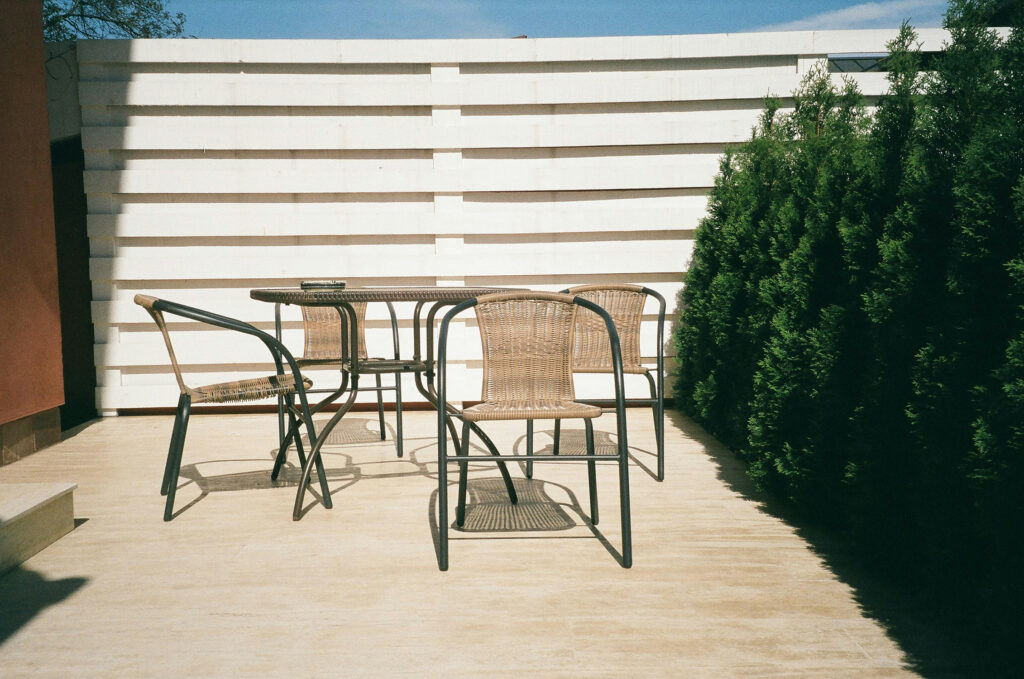
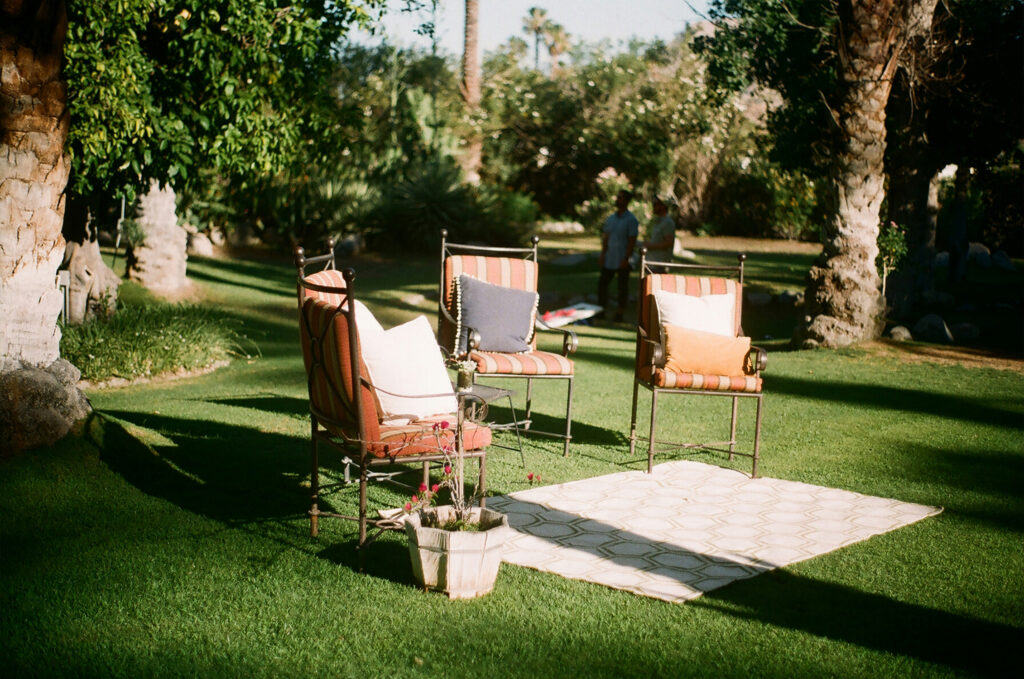
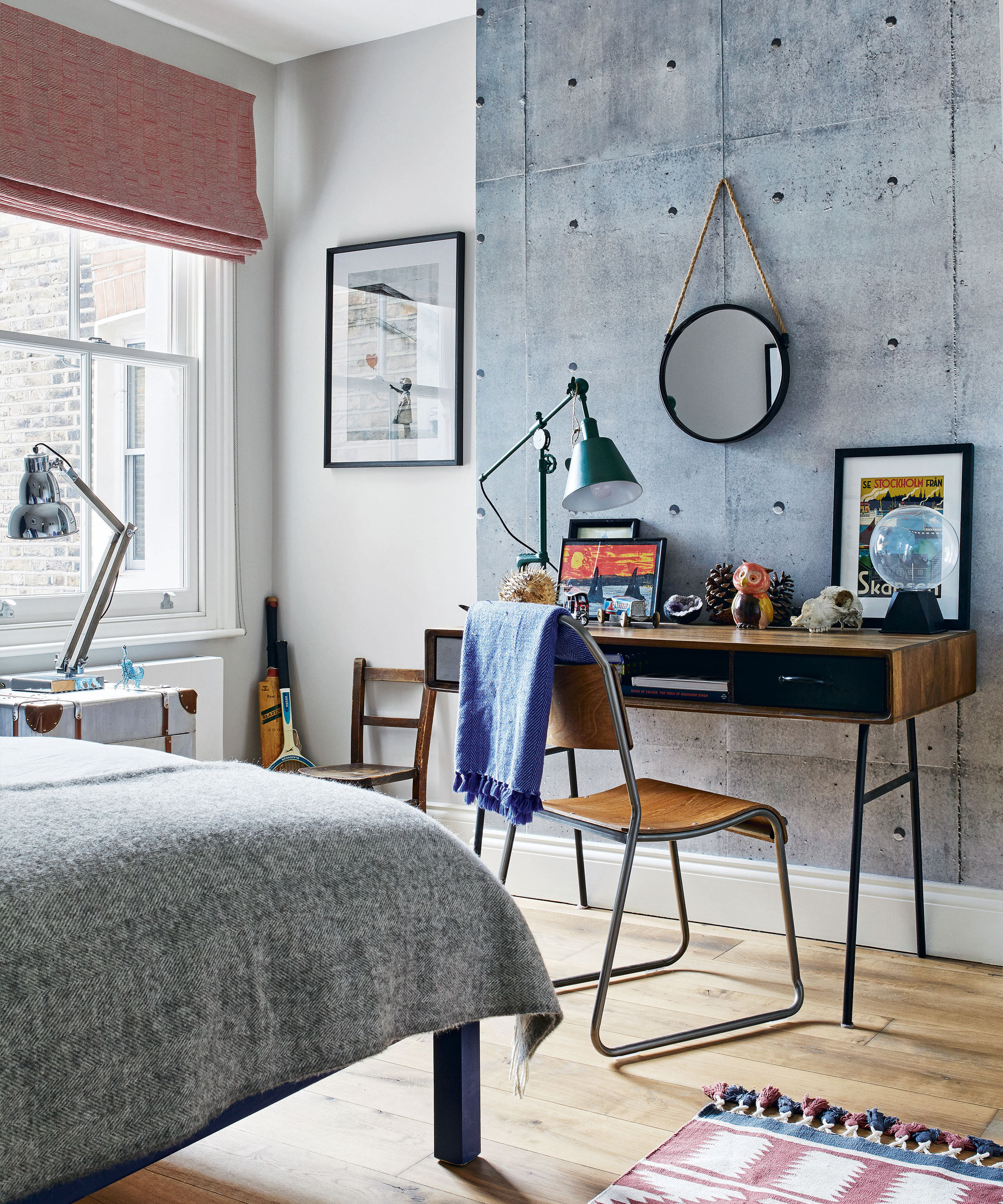
Metal furniture, while stylish, is prone to scratches and dents, making it less suitable for high-traffic areas. The designers suggest limiting its use to spaces like bedrooms or employing it for smaller accent pieces where it is less likely to incur damage.
High-gloss lacquered finishes present a sleek, mirror-like surface but are highly susceptible to fingerprints, dust, and scratches. Maintaining their pristine condition is challenging. A matte or satin finish is proposed as a more forgiving alternative that still provides a polished look.
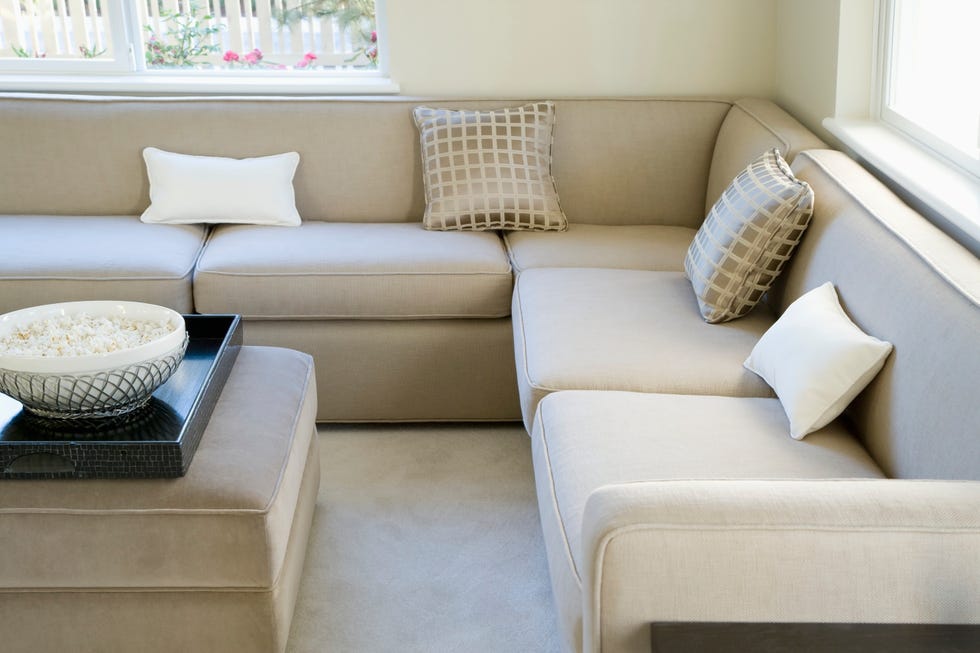
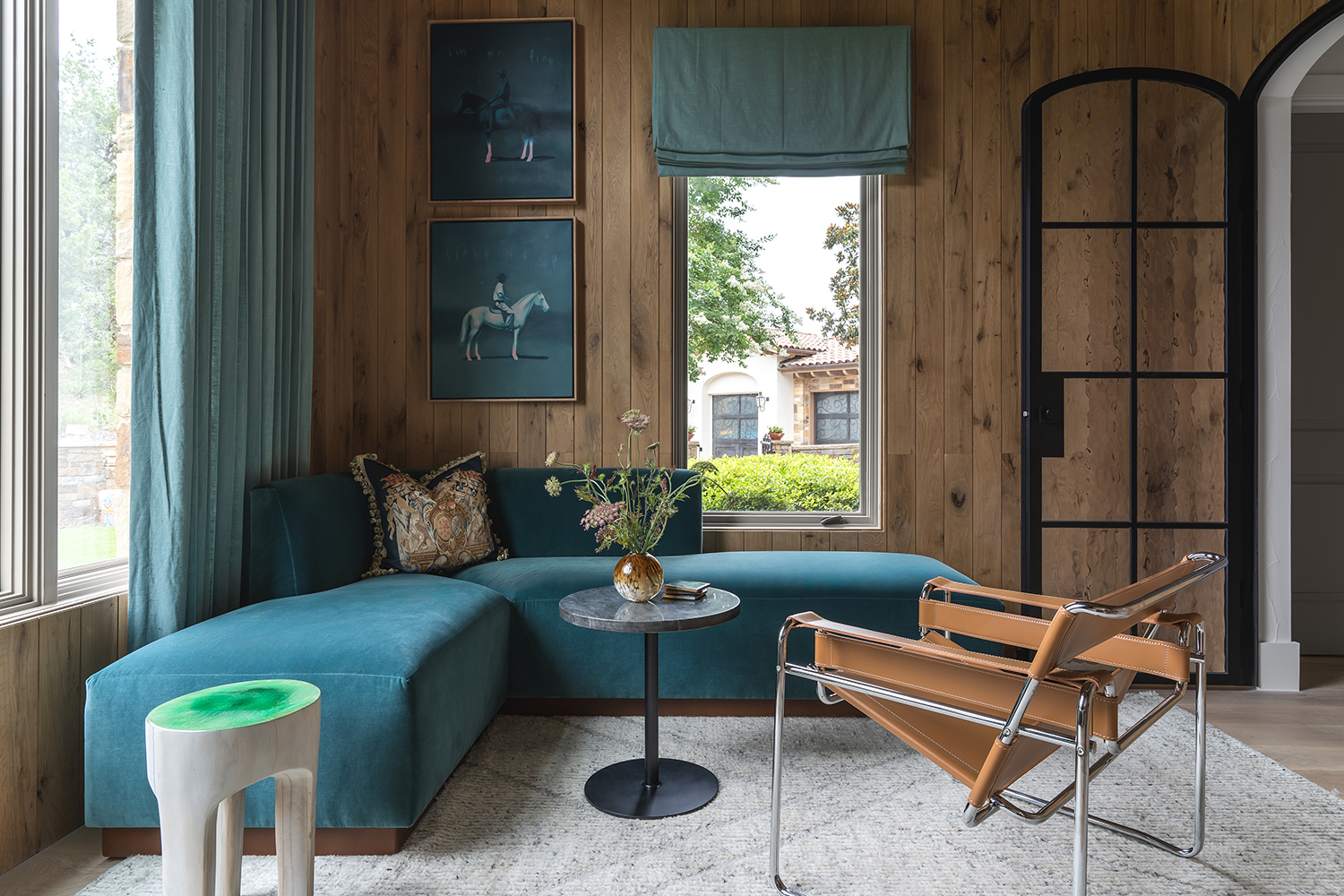
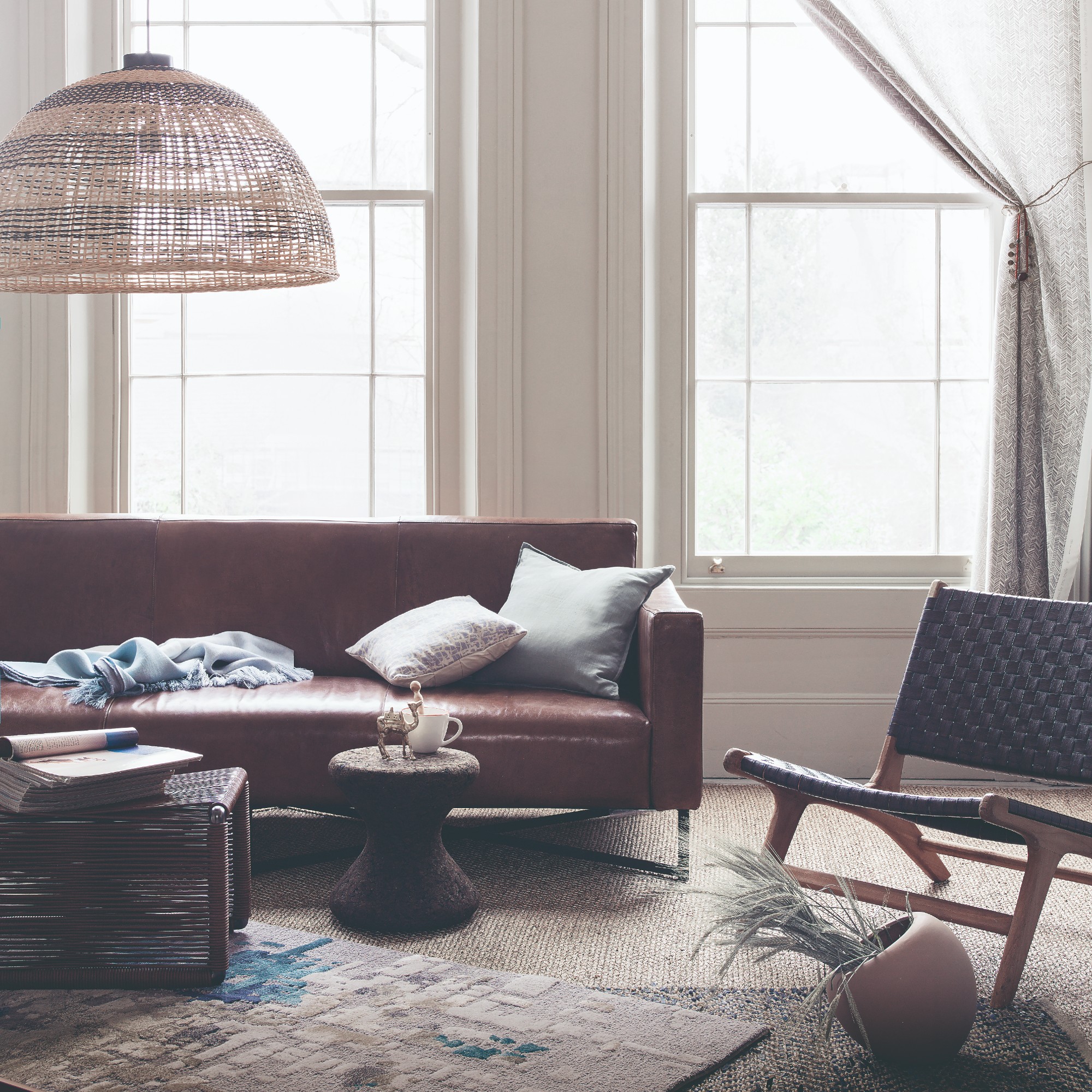
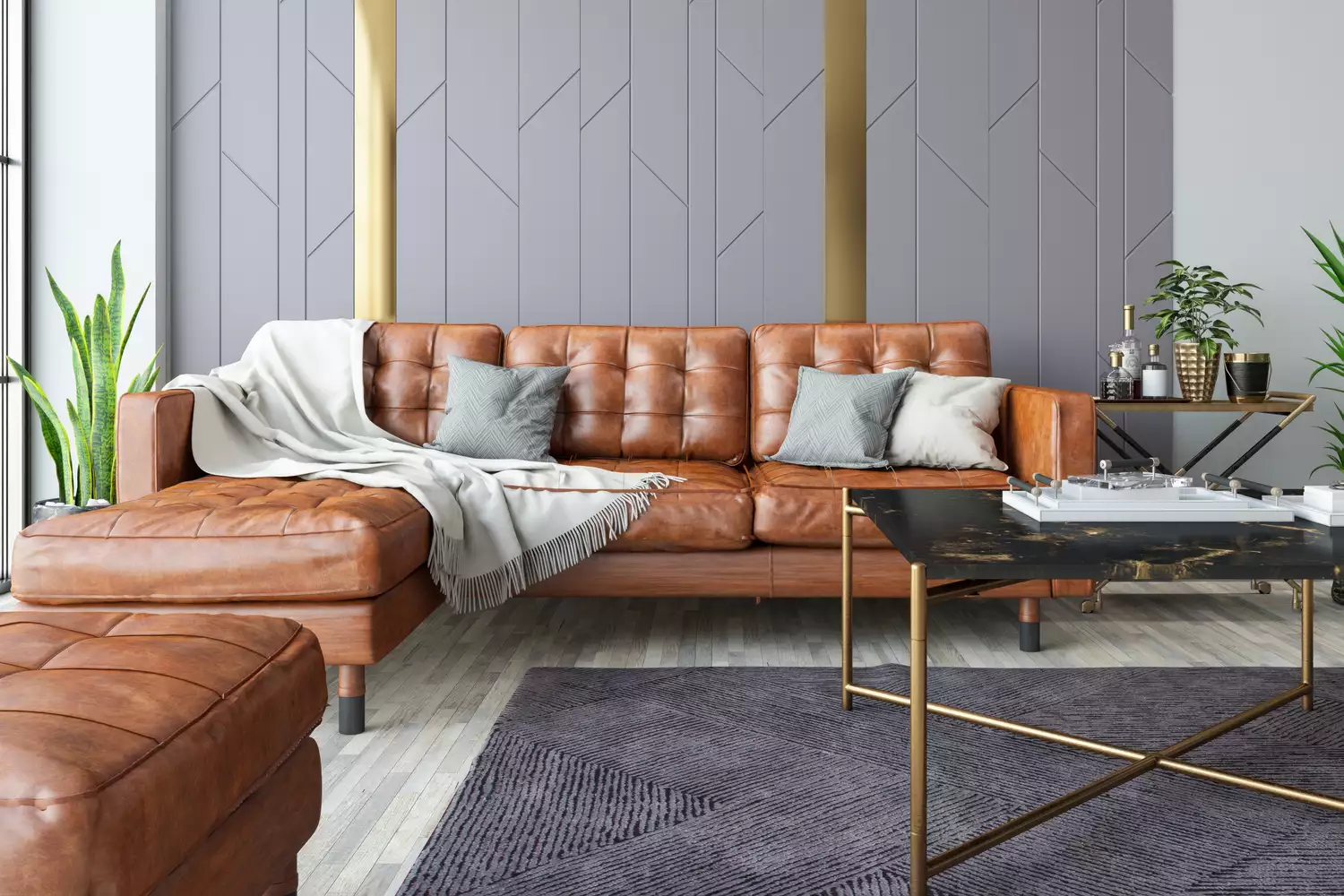
Cognac leather, though attractive, requires considerable care. It scratches easily and is more prone to staining compared to other leather tones. Applying a protective finish immediately after purchase is advised to help preserve its appearance.
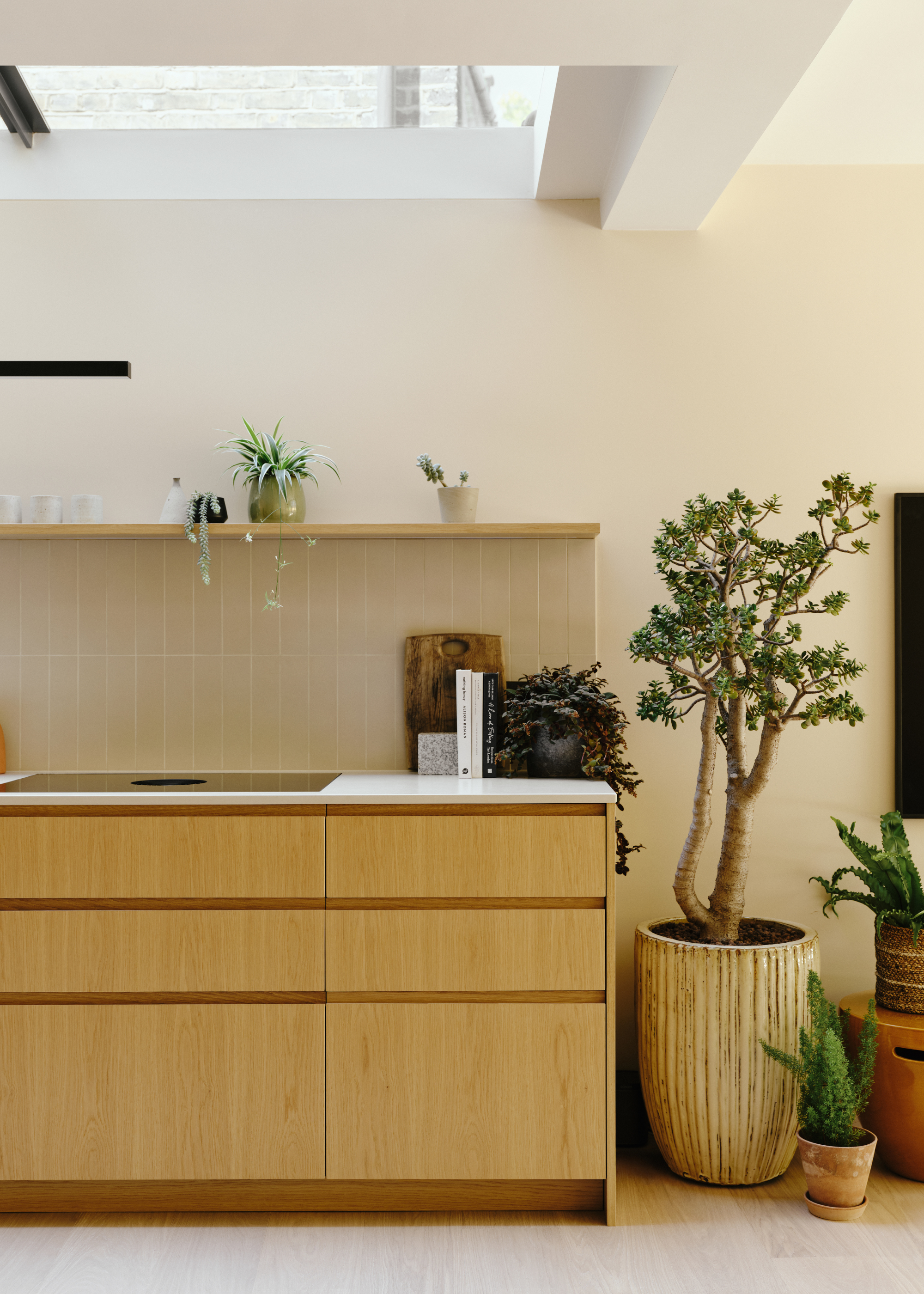
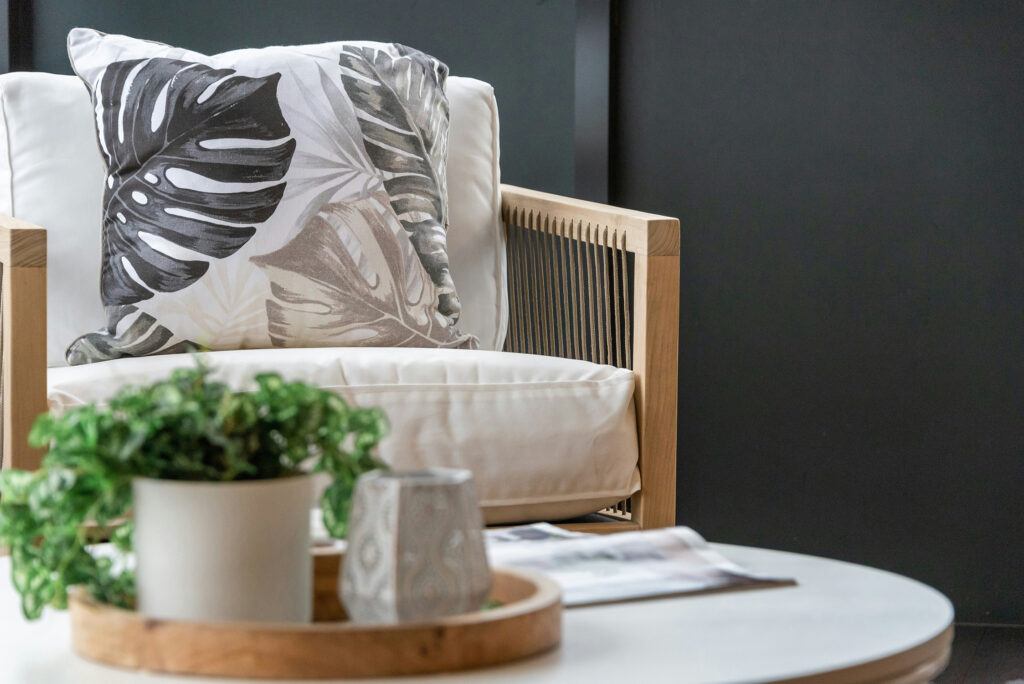
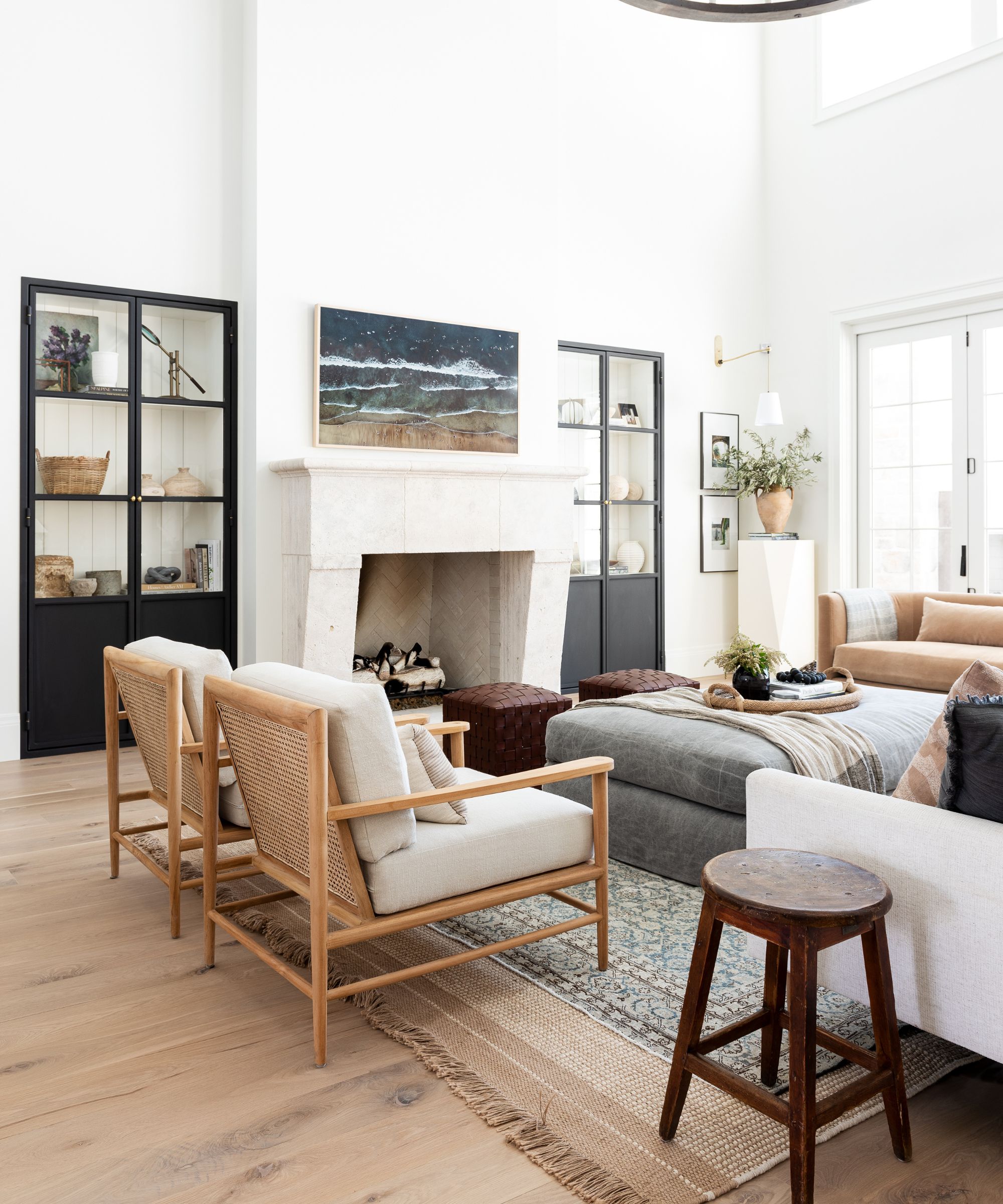
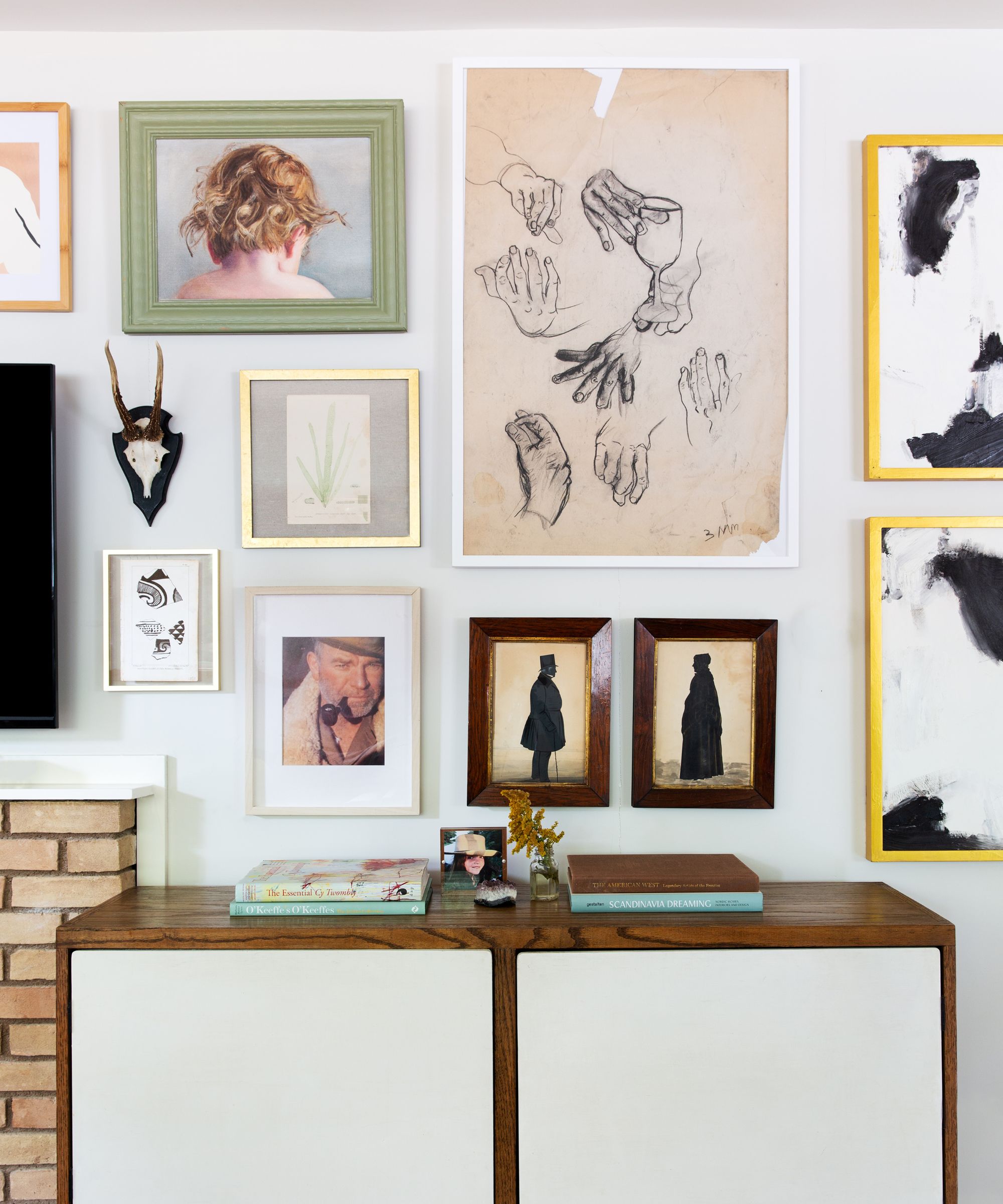
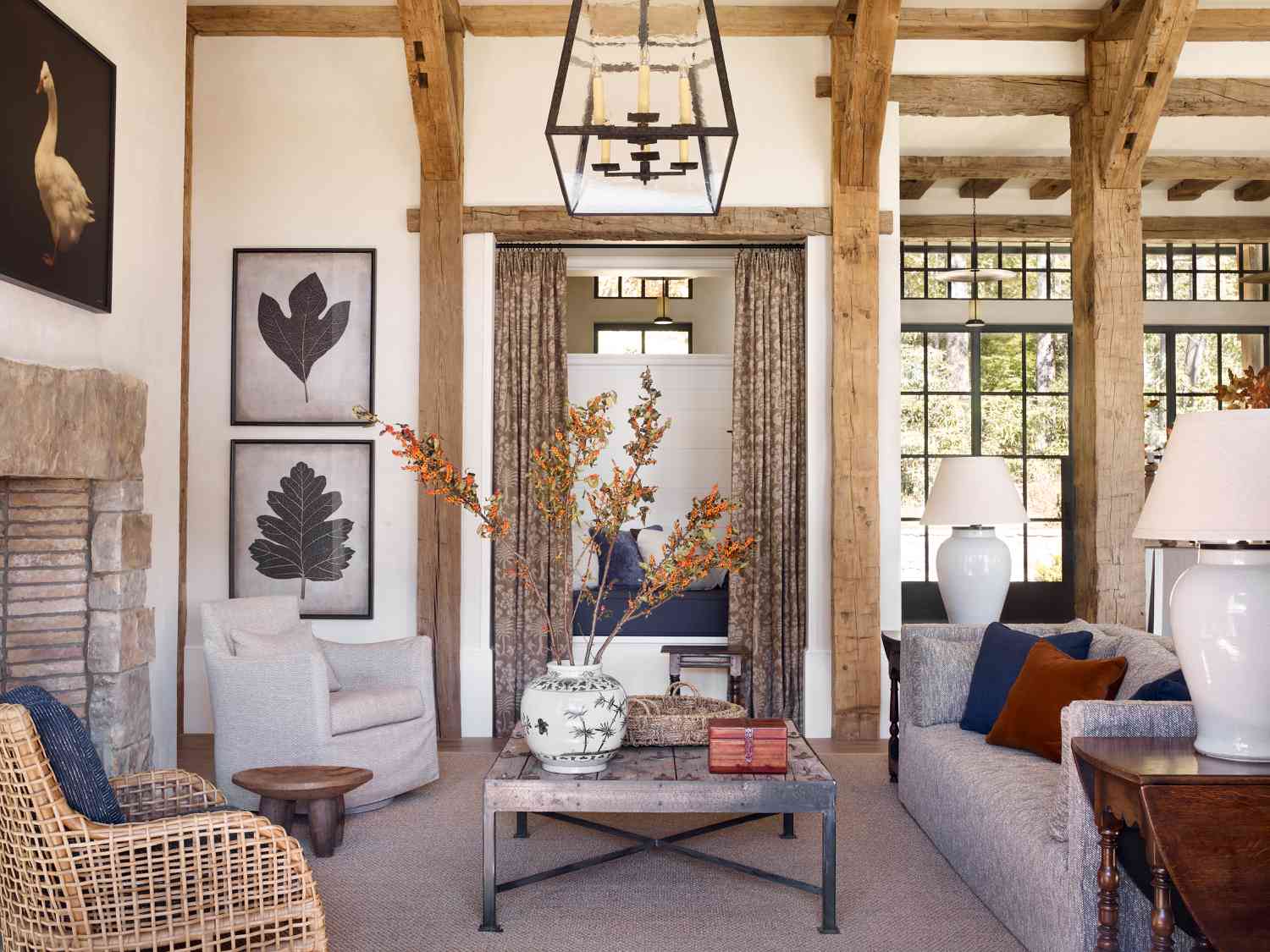
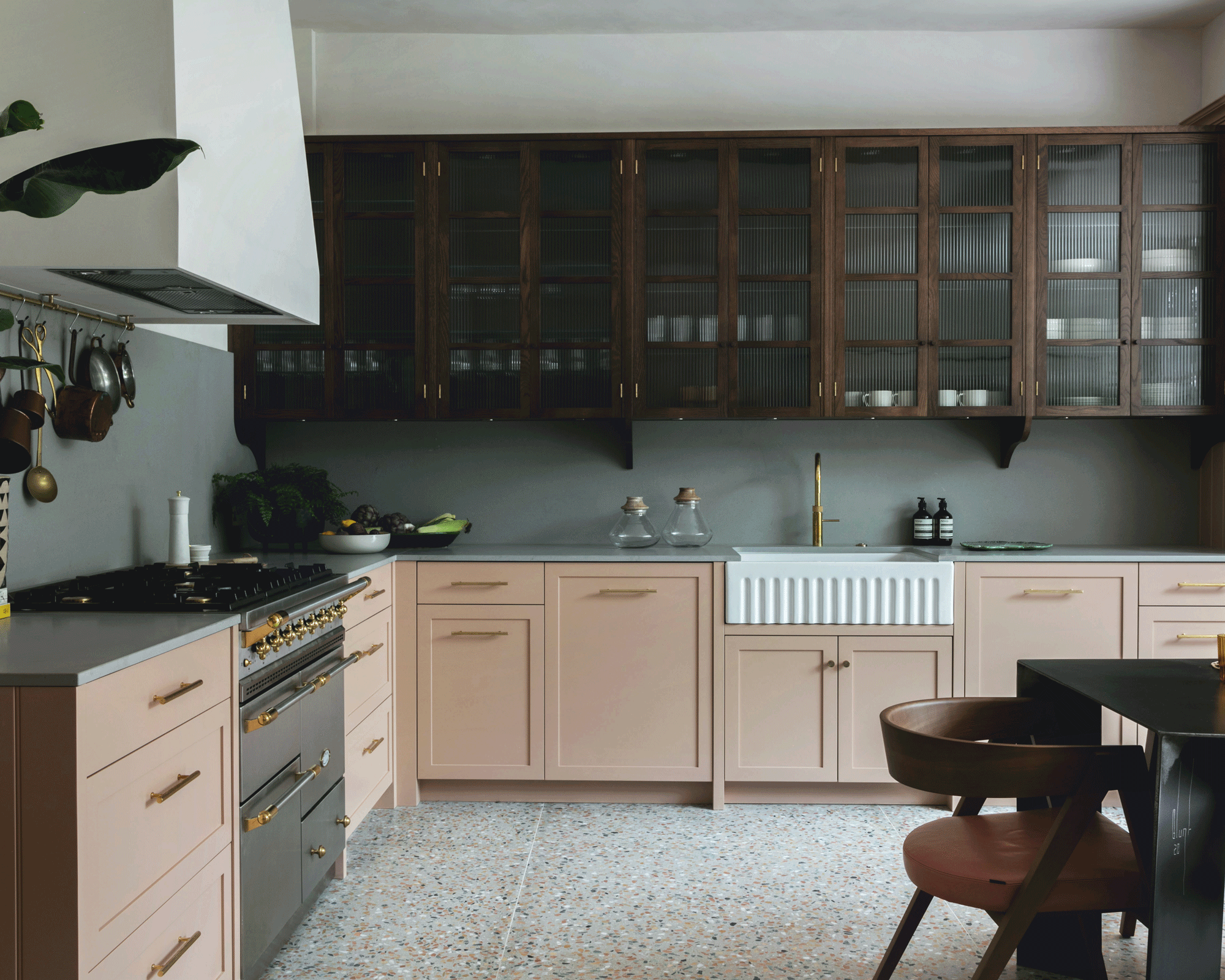
Raw or soft woods, including pine and reclaimed wood, contribute warmth and character to a space but are easily dented, scratched, and absorbent of stains. In households with children or pets, these materials can quickly show wear. More durable options like white oak or walnut are suggested for those seeking natural wood aesthetics with greater resilience.
Ultimately, the choice of furniture materials should be guided by an understanding of how a piece will be used daily and the owner's realistic capacity for maintenance. While some may choose to embrace the natural aging and imperfections of certain materials in low-traffic areas, intentional decision-making is crucial to ensure that furniture choices complement a homeowner's lifestyle rather than becoming a burdensome chore. The article emphasizes that matching materials to the specific activities and traffic levels of different rooms, such as opting for durable fabrics in dining rooms versus more delicate options in formal living rooms, is key to successful interior design.
#FurnitureMaintenance #HomeDecor #InteriorDesign #MaterialSelection #HighMaintenanceFurniture #DesignTips #HomeImprovement #DurableMaterials #FurnitureMaintenance #HomeDecor #InteriorDesign #MaterialSelection #HighMaintenanceFurniture #DesignTips #HomeImprovement #DurableMaterials
合計0件のコメント
 まだコメントはありません
あなたも好きかもしれません
5 Outdated Types of Kitchen Storage Experts Are Urging You to Avoid

The #1 Home Trend You Should Avoid, According to Designers

5 outdated wall decor trends designers warn to avoid – plus what we should be doing instead

7 Living Room Items Not Worth Splurging On, According To Designers
5 Mistakes Designers Want You to Stop Making with Your Outdoor Furniture
5 things designers say you should never put on a mantel
14 Mistakes To Avoid When Buying New Furniture, According To Designers
Don't Make These 5 Mistakes When Trying Modern Farmhouse Style, Designers Warn

9 CONTROVERSIAL Decor Choices Designers Secretly Wish You’d Stop Making

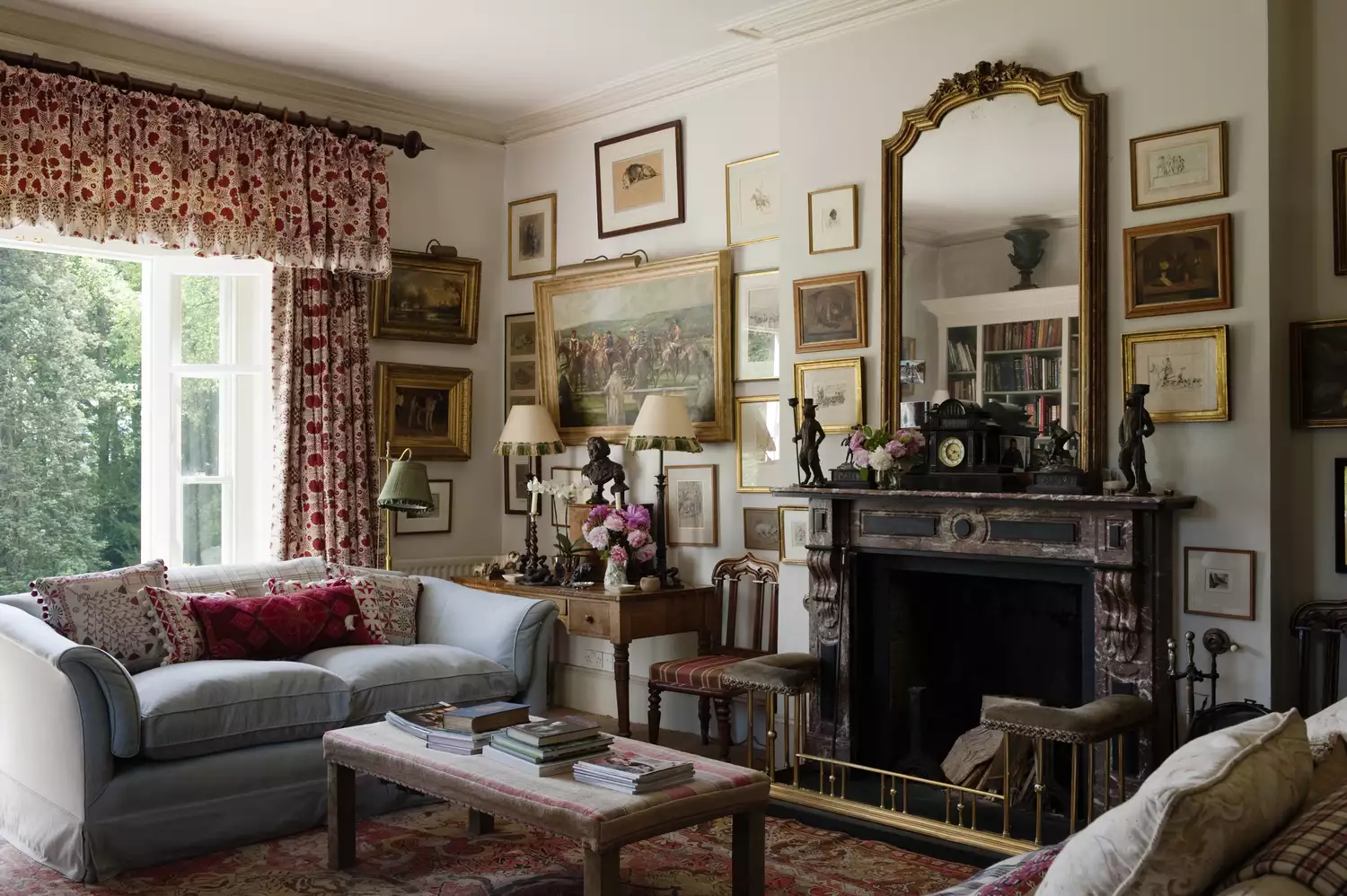
5 Stuffy Living Room Decor Choices You Need to Stop Making, According to Designers

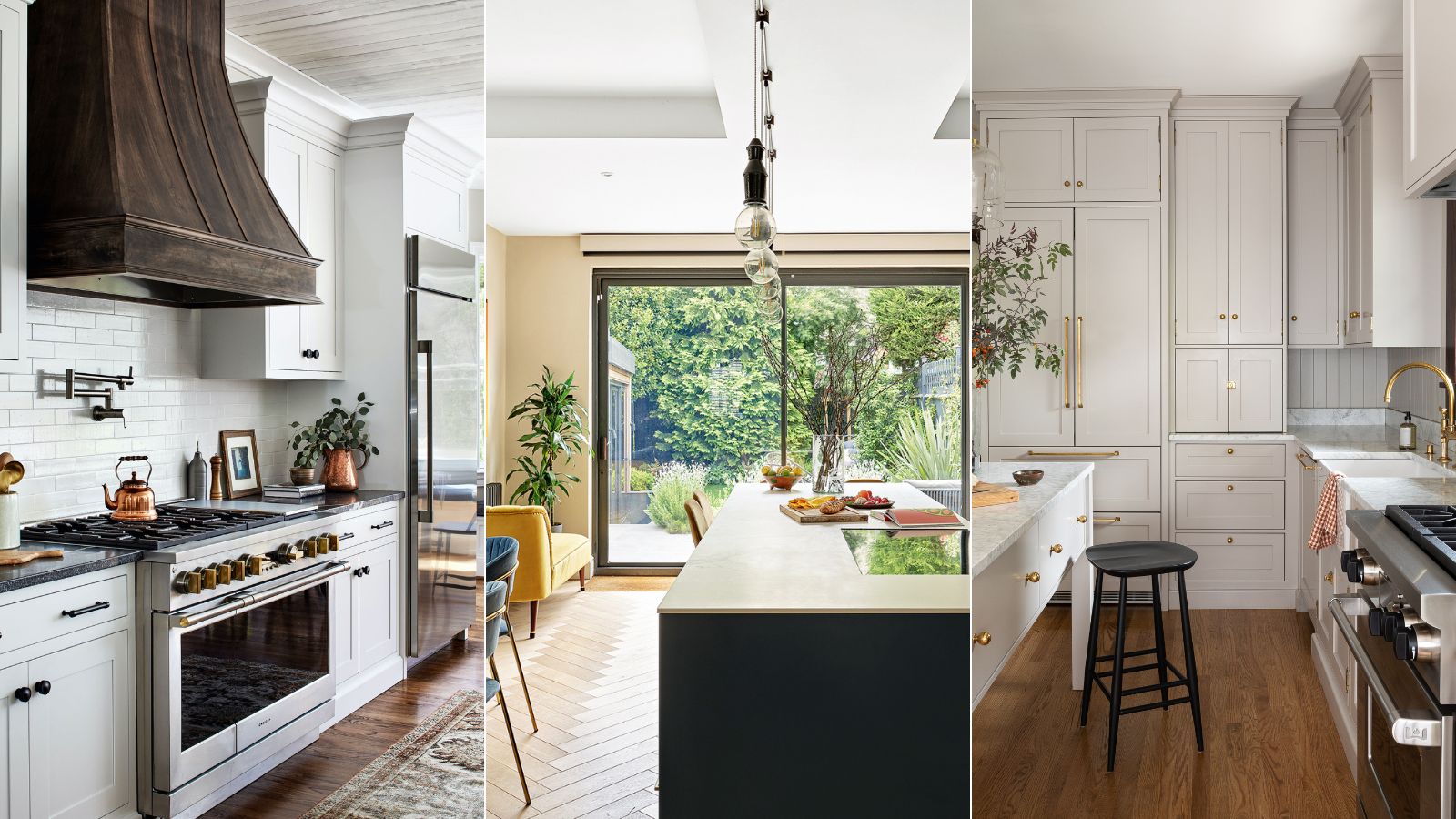
Outdated kitchen trends – 5 overdone looks that designers like to avoid, and here's why you should too
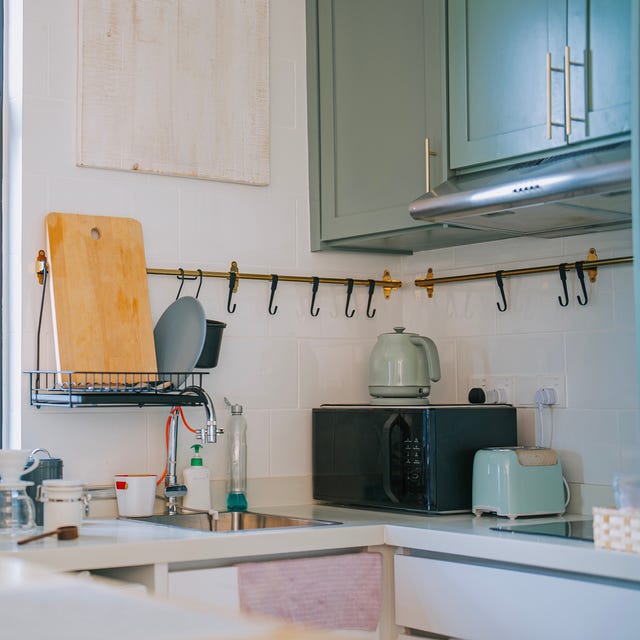
15 Outdated Things You Should Avoid In Your Kitchen, According To Designers
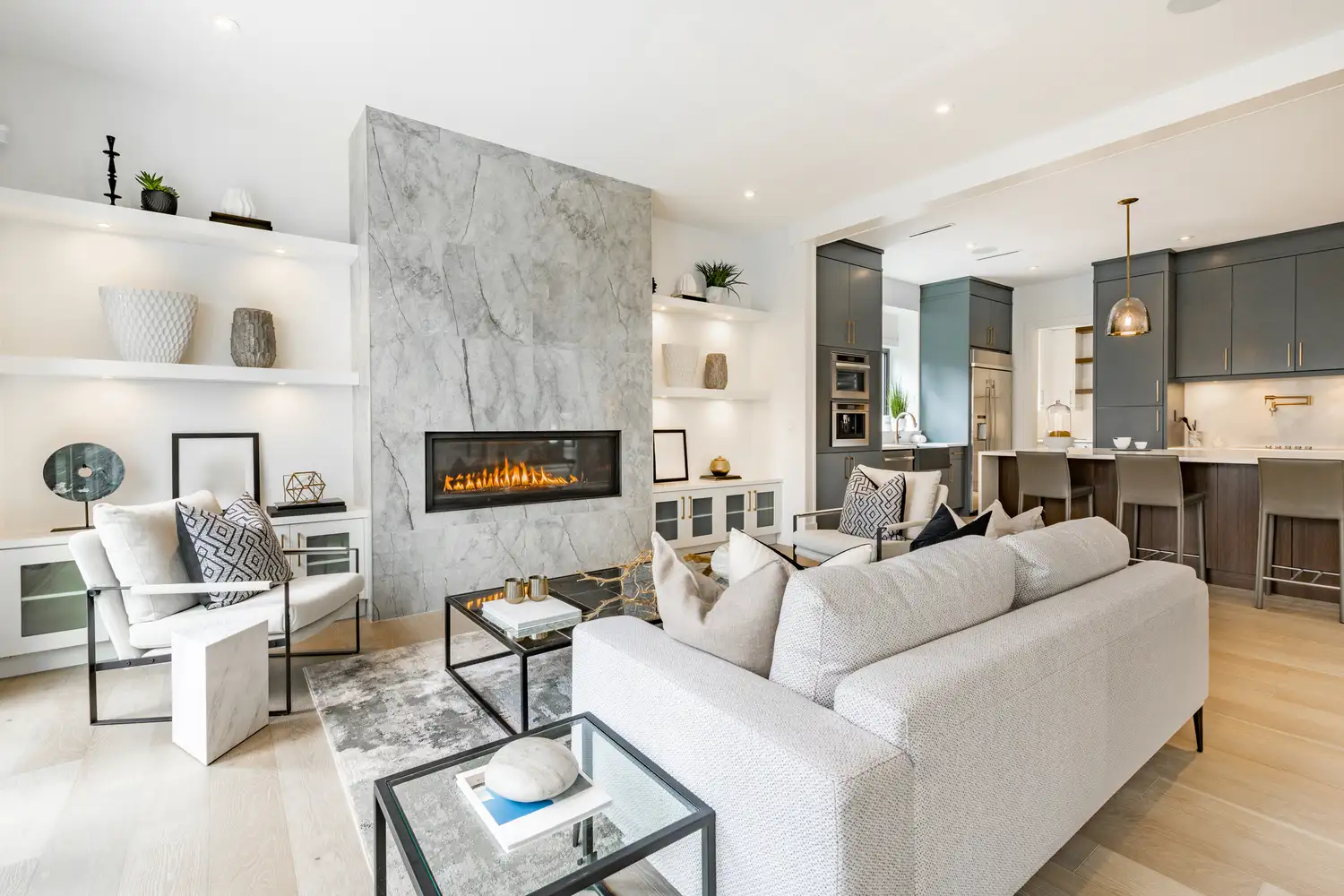
5 Things You Should Never Do When Buying New Furniture, Designers Spill
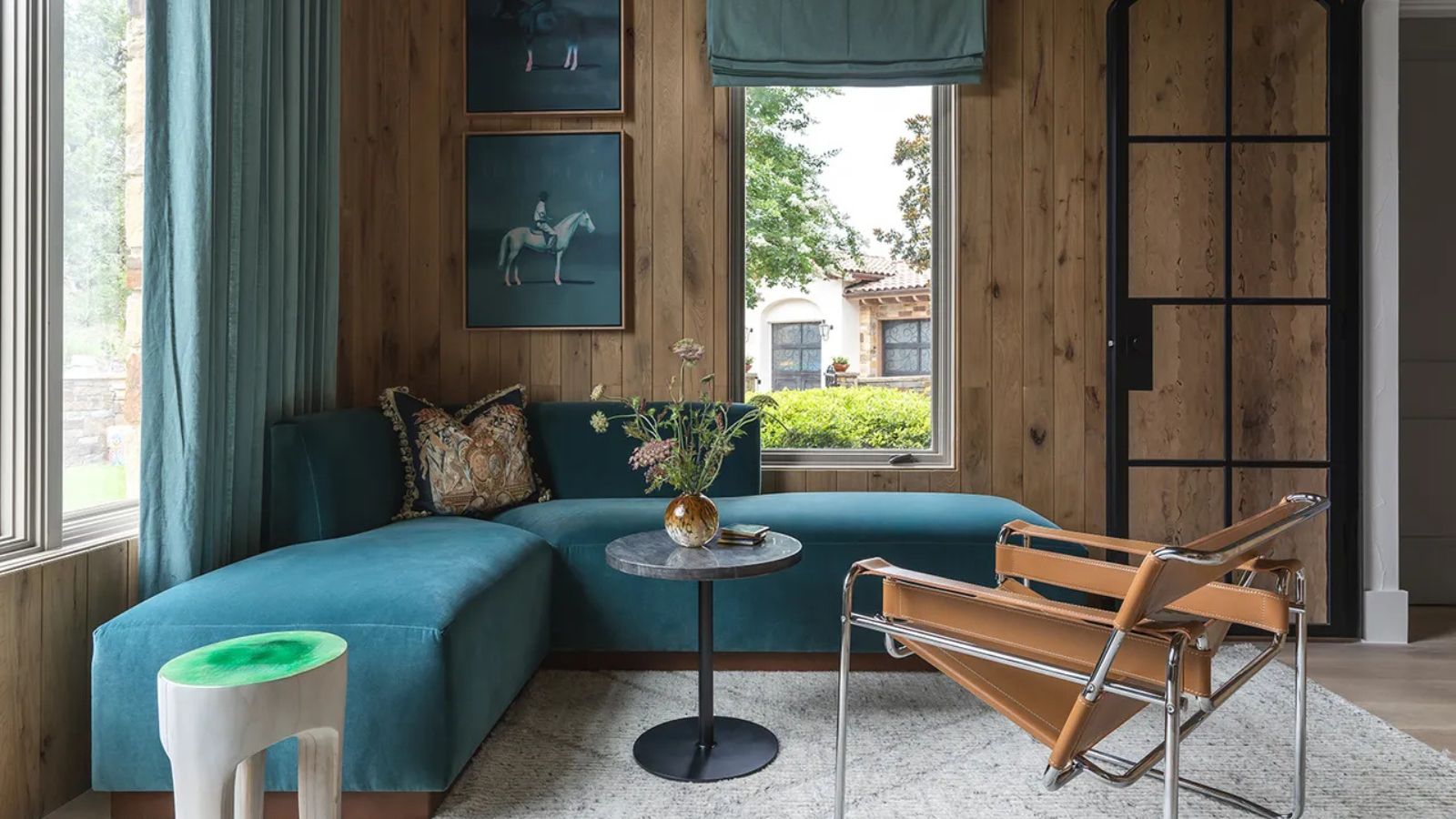
5 trends that look good right now but interior designers warn they won't last
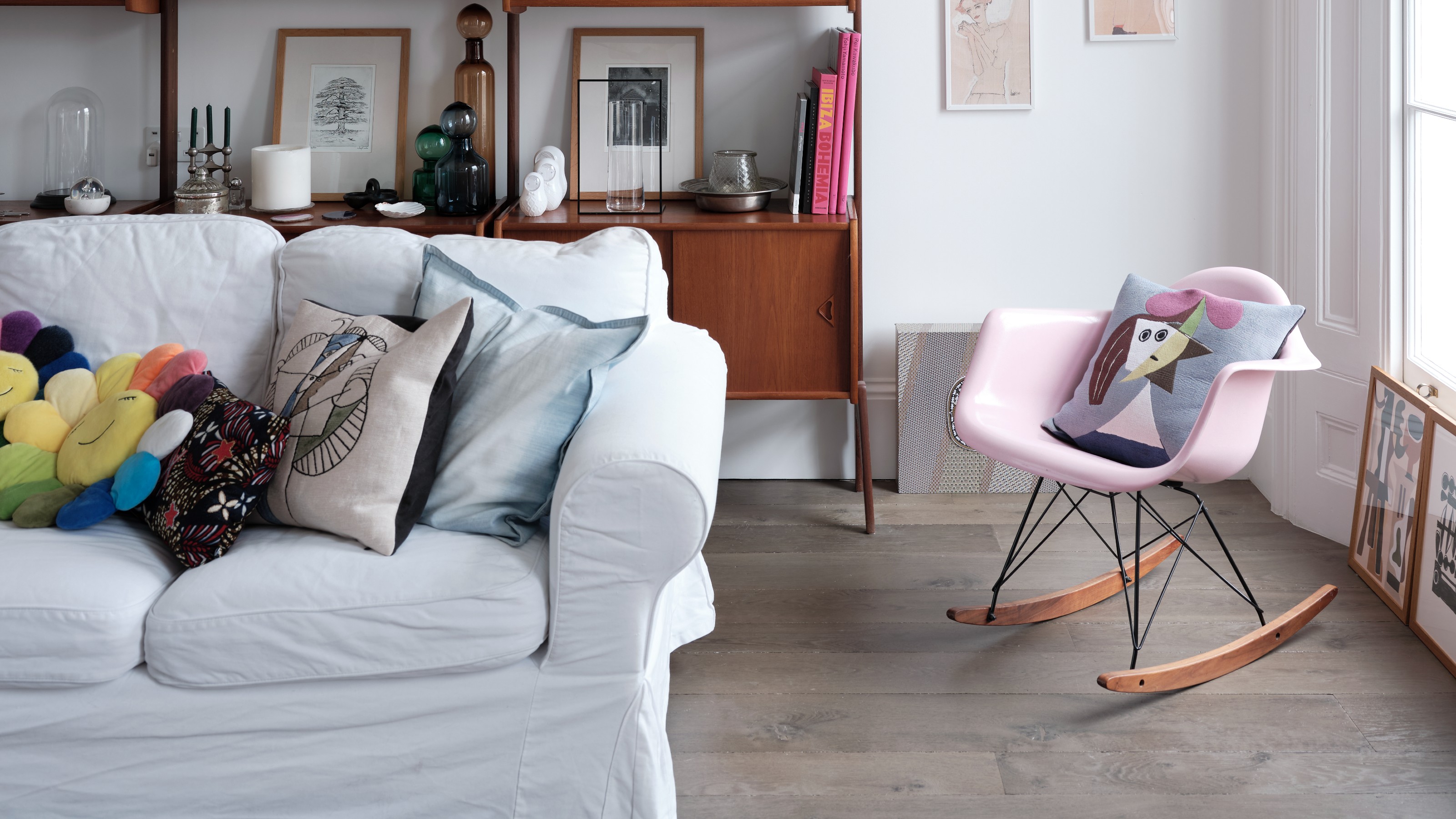
5 sofa styles to avoid in a family living room – the styles experts warn will spell disaster for busy families
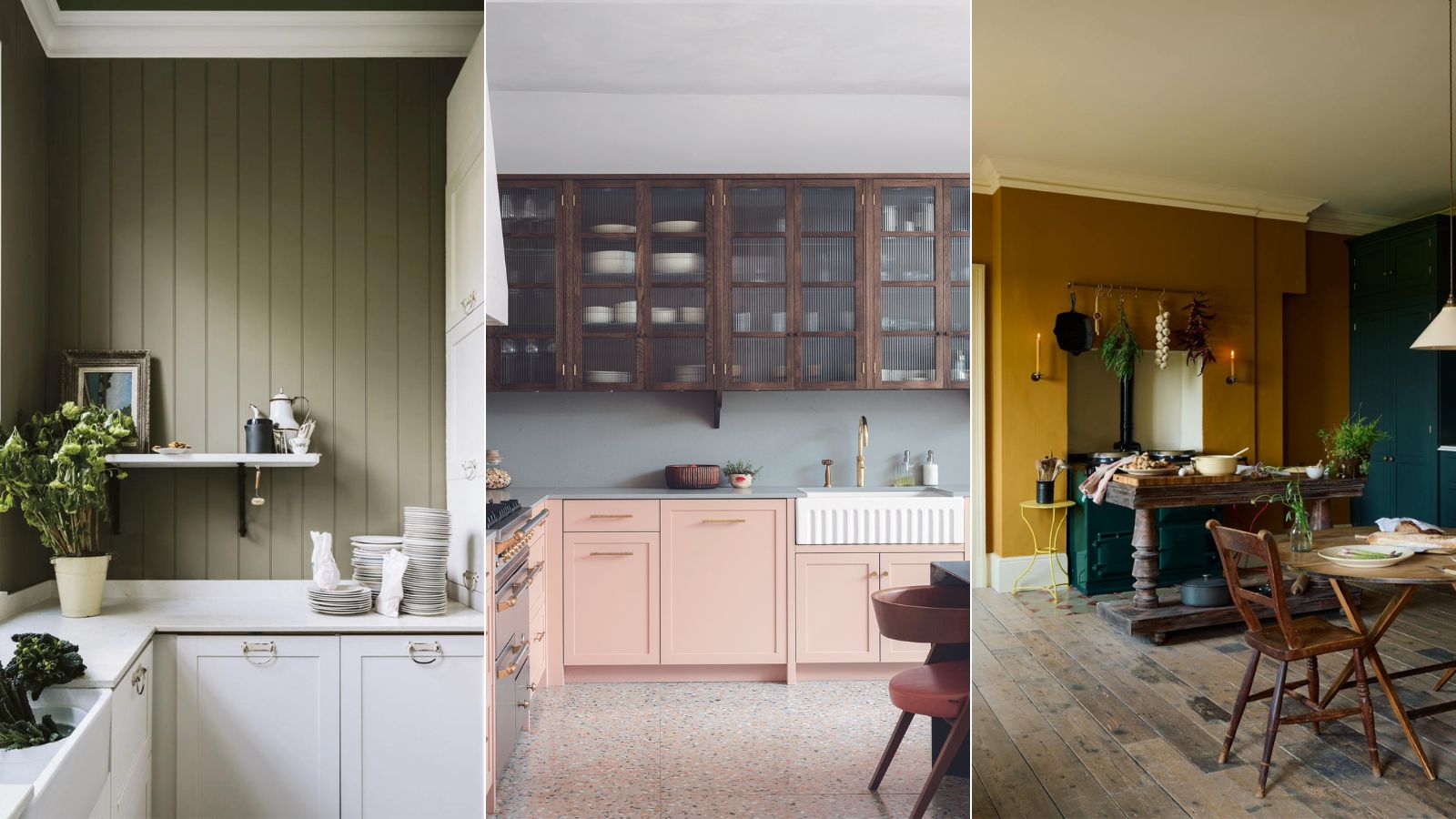
5 outdated kitchen cabinet color trends to avoid if you don't want your kitchen to look unfashionable, say designers
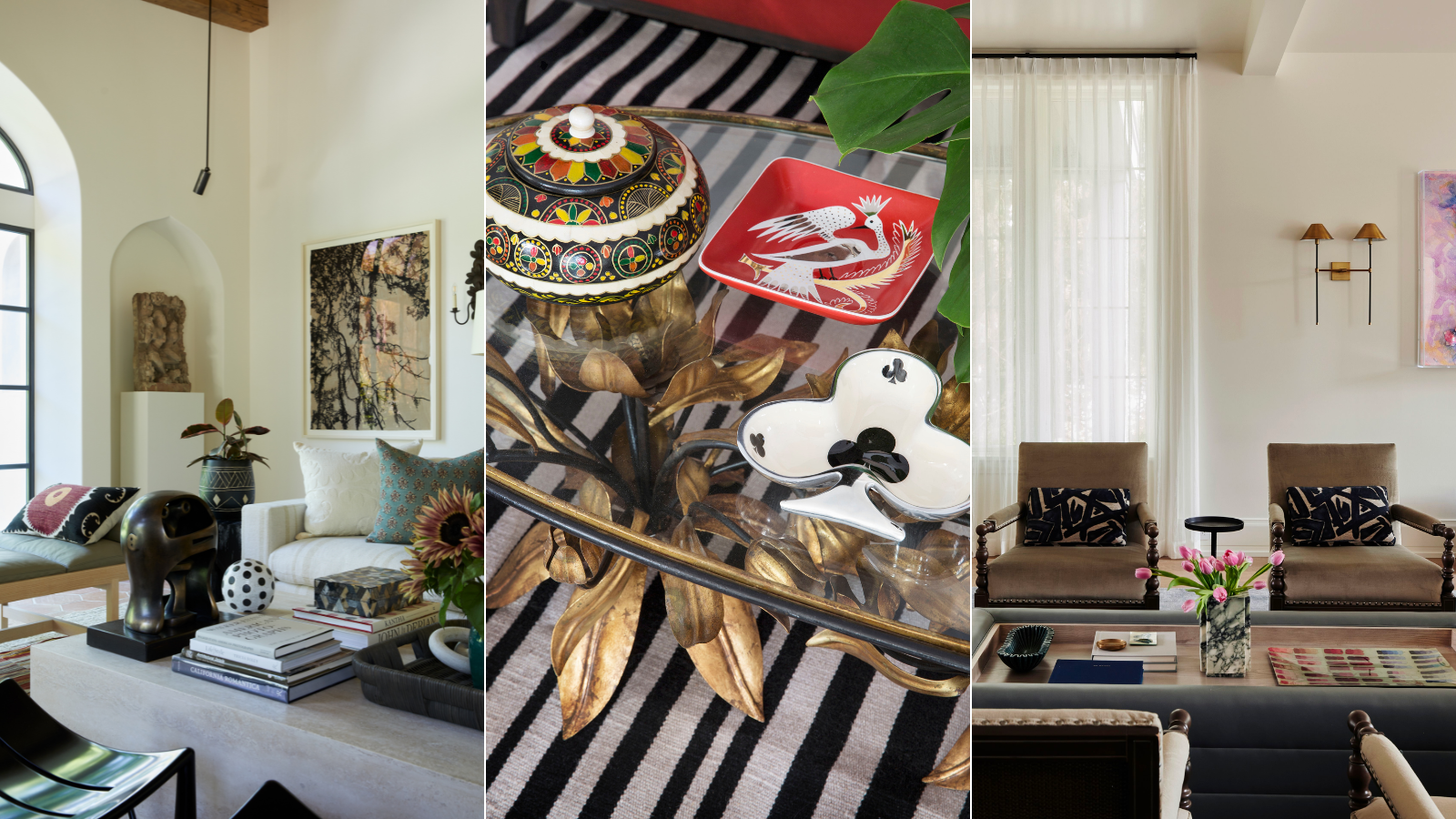
5 coffee table mistakes you should always avoid, according to interior designers
7 Kitchen Storage Trends That Designers say are Best Avoided
4 Outdated Colors Designers say you Should Steer Clear of When Decorating a Living Room
5 Decor Items You Need to Remove From Your Living Room — Designers Say They're Dating Your Space