1/2
How to Start Earning Cabinet Maker & Custom Wood Credentials
The Cabinet Makers Association (CMA) has introduced a new Professional Certification program designed to provide credentials for professionals in the cabinetry and millwork industry, custom woodworking, and commercial interior firms. This program aims to address a gap in the industry by offering a comprehensive certification that covers the entire business of running a successful custom woodworking or cabinet shop, including the crucial customer's perspective.
The certification program is structured into two levels: Basic and Master, with specialties for 'Cabinet Maker' and 'Custom Woodworker.' Credentials are awarded to individuals, not businesses, emphasizing personal professional development. A unique and foundational aspect of the program is an intensive business ethics session that all participants must complete before progressing to the basic certification curriculum.
To achieve Basic level certification, graduates must demonstrate advanced knowledge across several key areas. These include business management, understanding machinery, wood physics, design principles, finishing techniques, safety education, and the fundamentals of measurement. This level ensures a robust understanding of the core operational and technical aspects of the trade.
Master level graduates are required to exhibit expert knowledge in at least seven out of eleven specialized areas. These advanced topics encompass a wide range of skills and disciplines crucial for high-level proficiency in the woodworking industry. The areas include: Tools, Portable Power Tools, Machinery (at a Master Level), Shop Drawings/Design Drawings, Software proficiency, CNC Machinery operation, Marketing strategies, Lean Manufacturing principles, Finance & Computer Assisted Bookkeeping, comprehensive Shop/Job Site Safety, and Green Manufacturing practices. This comprehensive approach ensures that master-certified individuals possess a broad and deep skill set.
Upon successful completion of the required testing for either level, candidates undergo an interview with the CMA Certification Board before their credentials are officially conferred. Certified individuals are then authorized to use specific professional designations, which include: CCM (Certified Cabinet Maker), CCW (Certified Custom Woodworker), MCM (Master Cabinet Maker), and MCW (Master Custom Woodworker). These designations serve as a public recognition of their expertise and commitment to professional standards.
Maintaining these credentials requires a commitment to ongoing professional development through continuing education. Certified individuals must earn annual Continuing Education Units (CEUs) to keep their knowledge and skills current and relevant in a dynamic industry. The CMA facilitates this by offering various seminars and workshops, including sessions at events like the Custom Cabinet Conference, AWFS, and IWF. The program allows flexibility for participants, as there is no time limit for earning either basic or master level certifications.
Dave Grulke, CMA’s Executive Director, highlights that CMA-certified professionals will gain a status that can significantly benefit their businesses' bottom line by assuring clients of their reliability and commitment to delivering promised work. The development of this program was a collaborative effort, driven by a dedicated group of CMA member volunteers, including a certification committee composed of industry professionals like Leland Thomasset, Jim Falk, Brendan Mathews, Scott Comstock, Jeff Mitzel, and John Langley. Further details and registration information are available on the Cabinet Makers Association website.
#CabinetMaking #Woodworking #ProfessionalCertification #BusinessEthics #ContinuingEducation #LeanManufacturing #GreenManufacturing #CustomWoodworker #WoodIndustry #CabinetMaking #Woodworking #ProfessionalCertification #BusinessEthics #ContinuingEducation #LeanManufacturing #GreenManufacturing #CustomWoodworker #WoodIndustry
0 comment in total
 No comments yet
You may also like
Designed & Made's integrated approach to custom woodworking projects
Where Functional Meets Beautiful: 5 ways Renova Custom Woodworks can elevate every space

How kitchen cabinets are installed, with Wilkes Cabinets and More | VIDEO

Rivertown Woodcraft Offers Custom Furniture & DIY Workshops

How Builder's Cabinet Supply Reached New Markets
Meet Tyreik Jackson


12 Woodworking Projects That Sell Online (2026)

You Have To See This Cabinet Expand Into A Full-Blown Craft Room

What You Need To Know About Custom Cabinetry
Nesting propels growth at 12-man Wooded Hollow
Rustbelt Puts a Cleveland Finish on Its Nationally Acclaimed Furniture

A Creative Director Turned Wood From His Demo Into the Kitchen Cabinets

Elite Woodworks' components for success
Carving out a niche in the timber-furniture industry
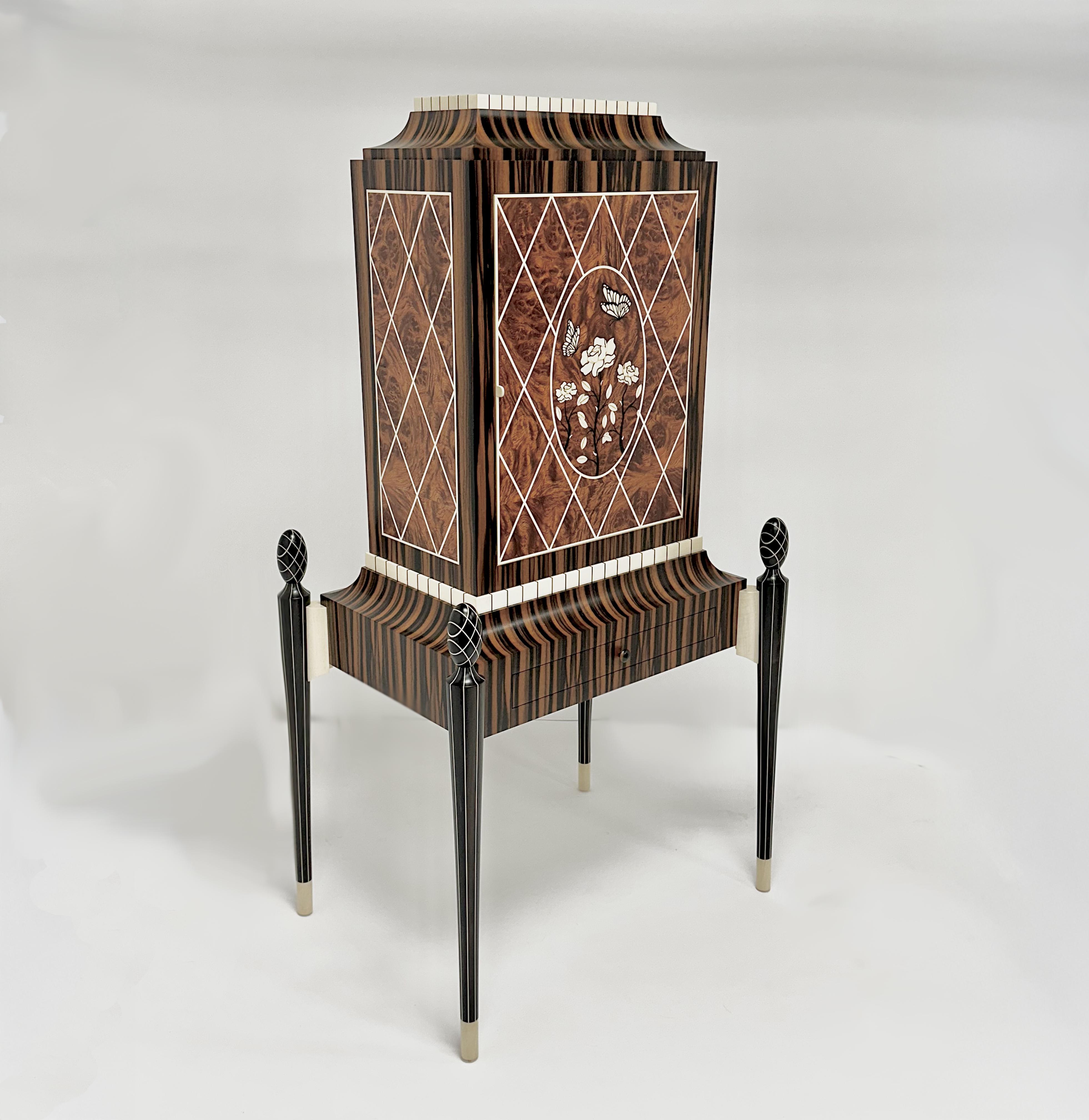
Art Deco jewelry cabinet is veneer tour de force
The Best Places to Buy Cabinets in 2026

High-tech production creates a handcrafted look
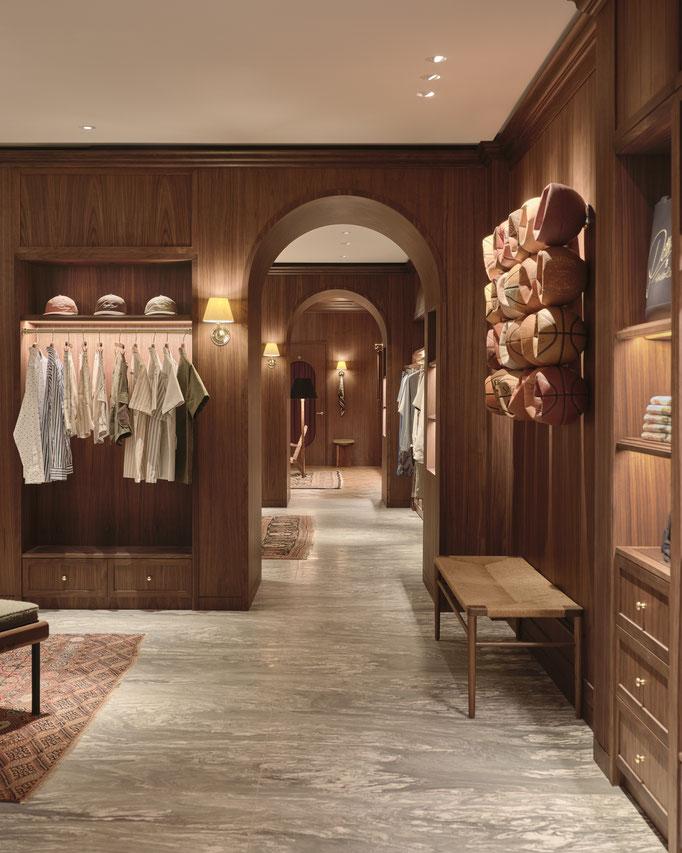
New York millwork shop blends tradition and innovation to create a legacy
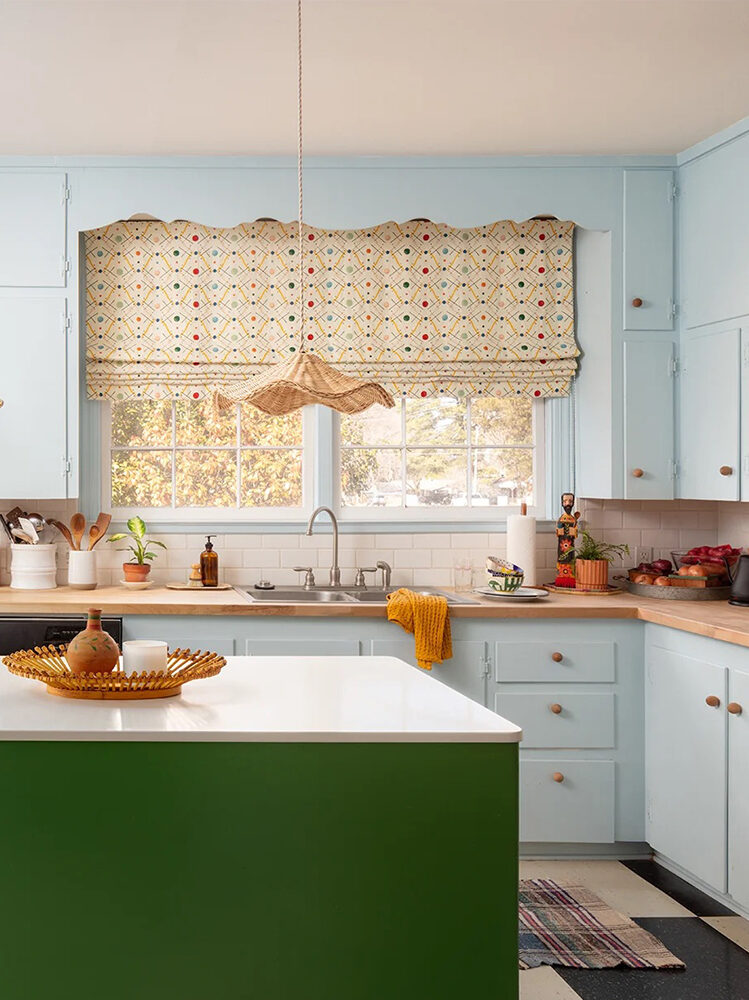
The $2 Ball Knobs on Every Door and Drawer in My House

For custom furniture, Kenny Watson Woodwork and Design offers a personal touch with fine woods