1/6
How to paint stripes on a wall - the expert guide to creating show stopping decor
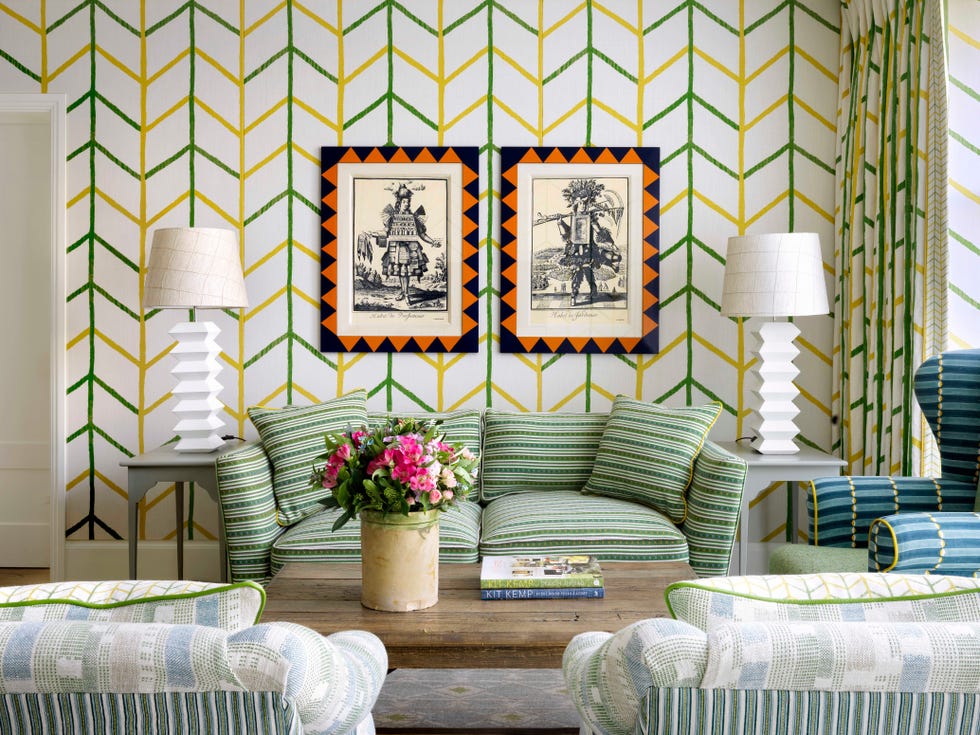
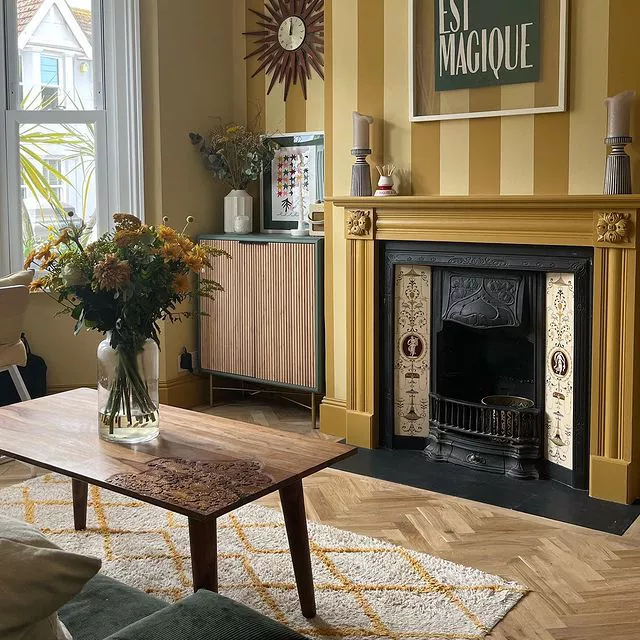
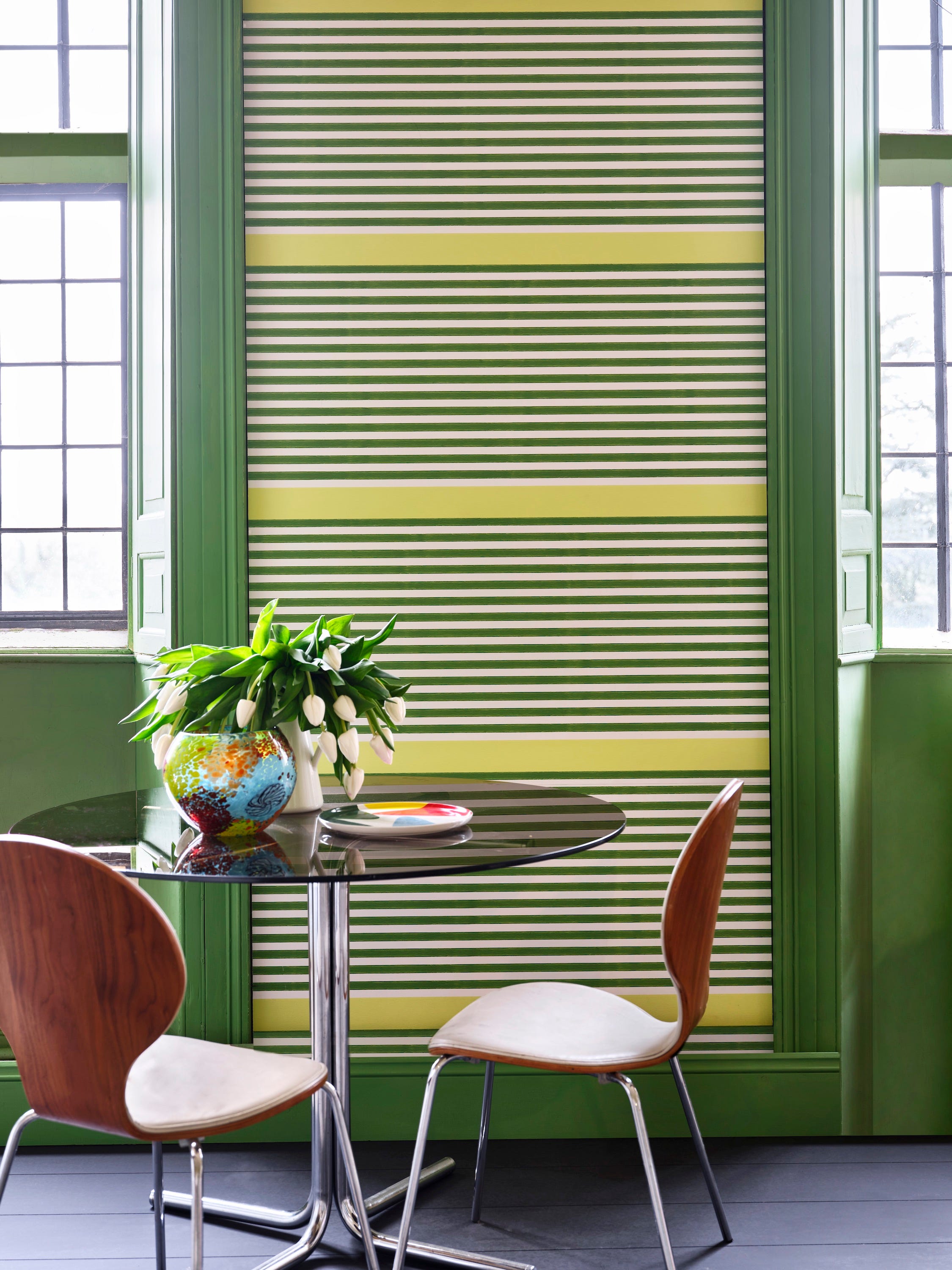
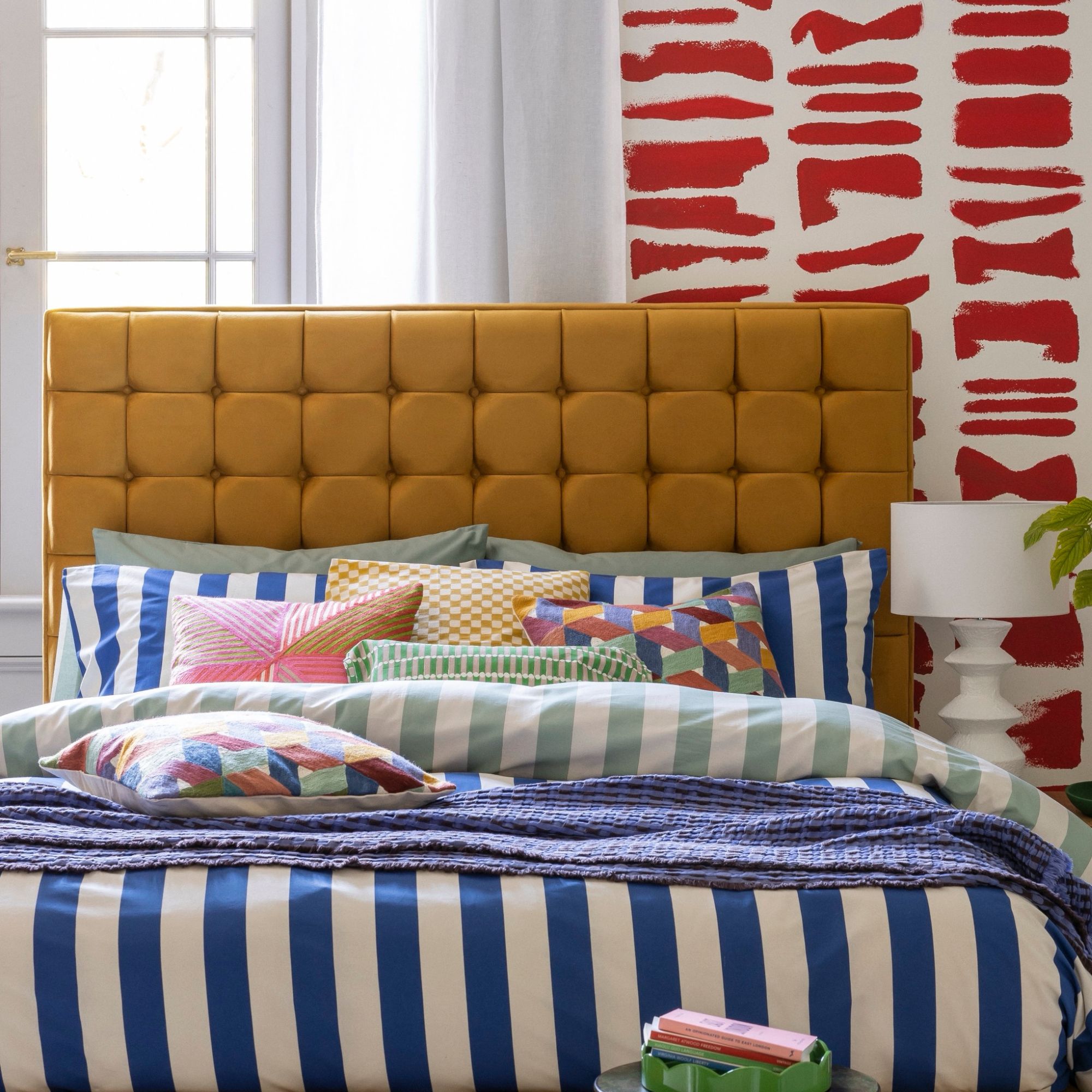
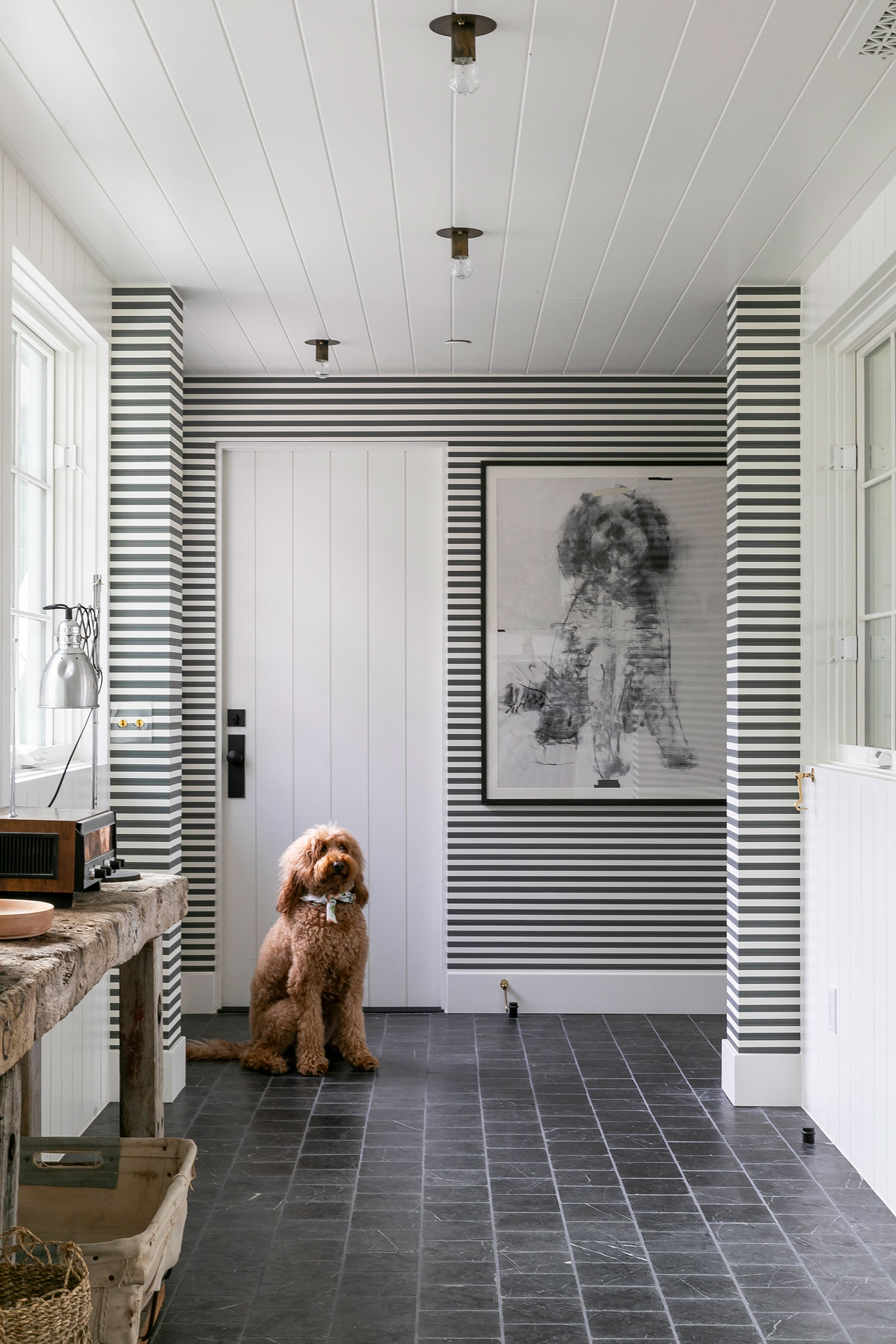
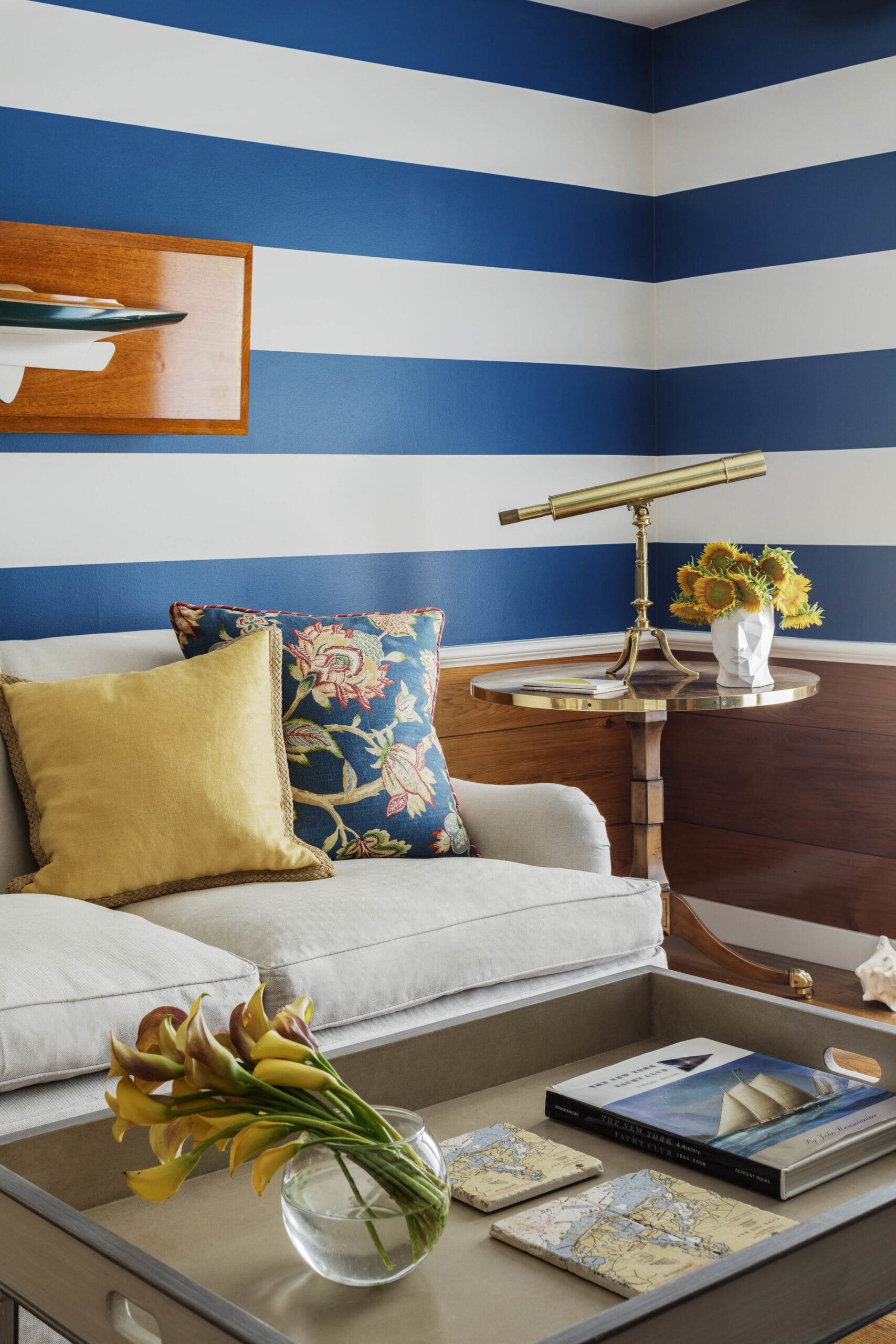
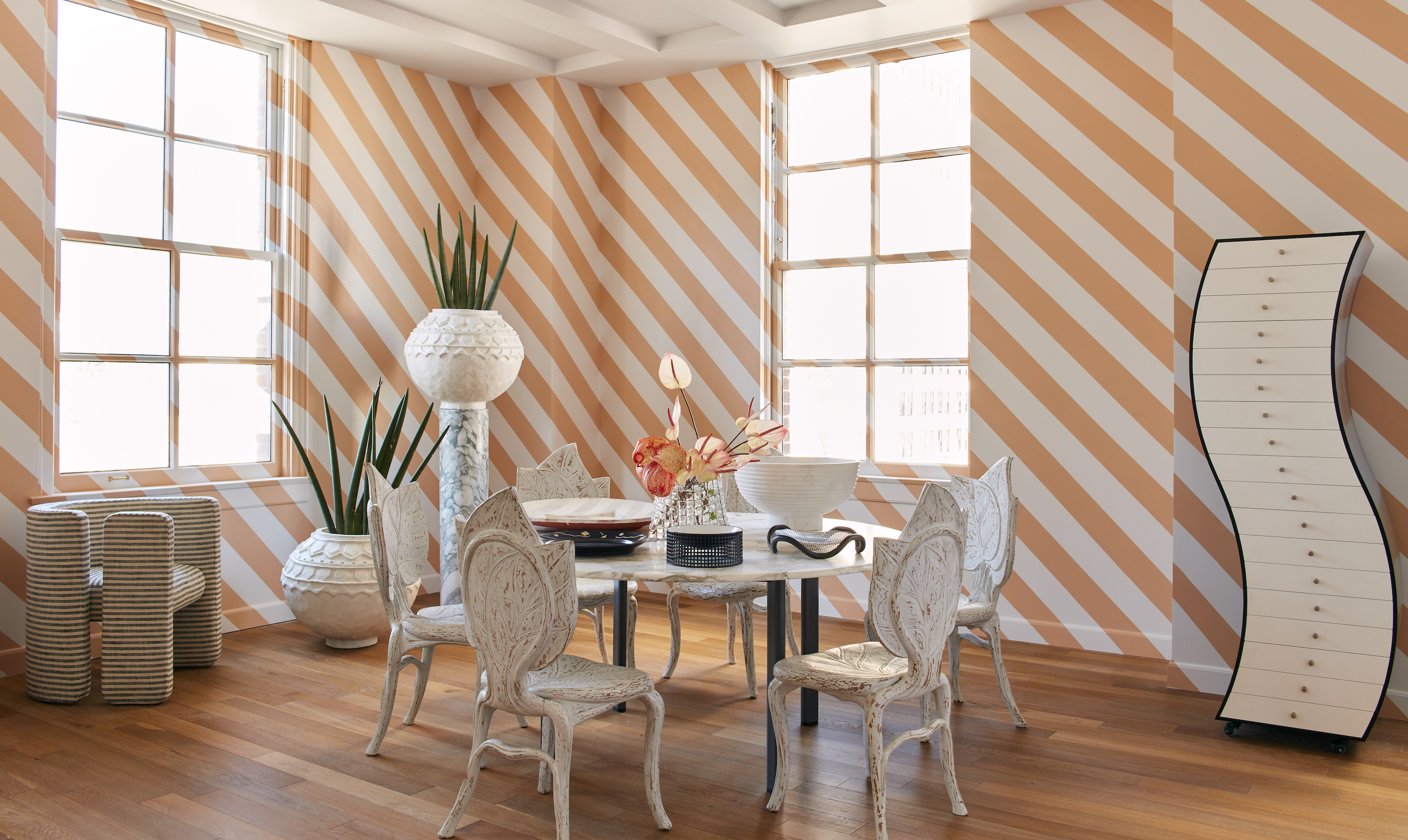
Painting stripes on a wall can significantly impact a room's aesthetic, offering options from bold, full-room statements to subtle accents. This approach can introduce stand-out style and highlight architectural details. Vertical stripes can create an illusion of added height, while horizontal stripes can make a room appear wider or longer, similar to how clothing patterns affect perception. The key to achieving a professional finish lies in meticulous preparation and execution, particularly concerning clean, sharp lines.
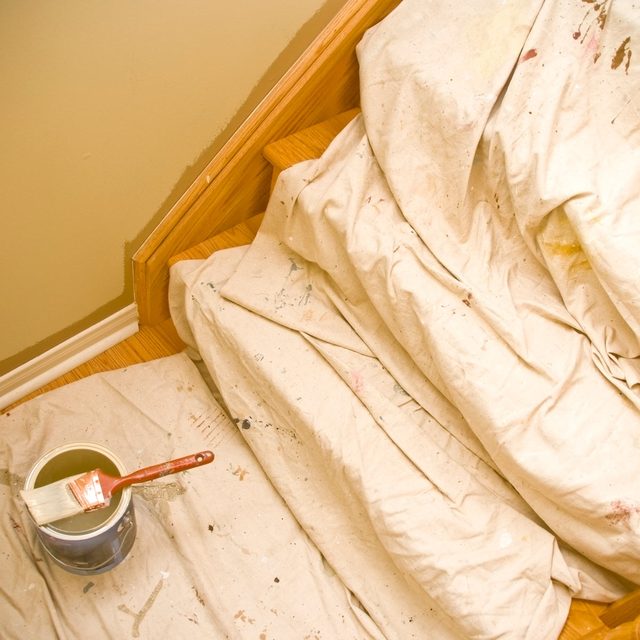
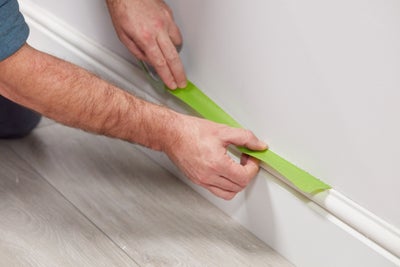
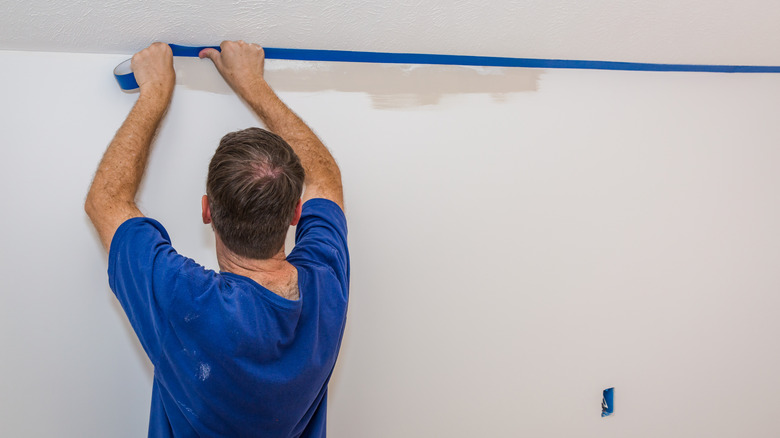
To begin, the base color of the wall must be applied and allowed to dry completely. Following this, the desired stripe widths are measured and marked using a tape measure and colored chalk. A chalked plumb line is then used to snap perfectly straight lines for precise demarcation. The next crucial step involves carefully masking off every other stripe with low-tack decorator’s masking tape. This prevents the contrasting paint from bleeding into unintended areas, ensuring crisp edges.
Once the masking is complete, the contrasting color is applied. This can be done using a roller, a brush, or a combination of both, depending on the size and desired finish of the stripes. After the paint has dried, the masking tape must be removed carefully and before the paint is fully cured to avoid peeling off any of the newly applied color. This process is repeated for any additional coats of paint or if multiple colors are being used for various stripes.
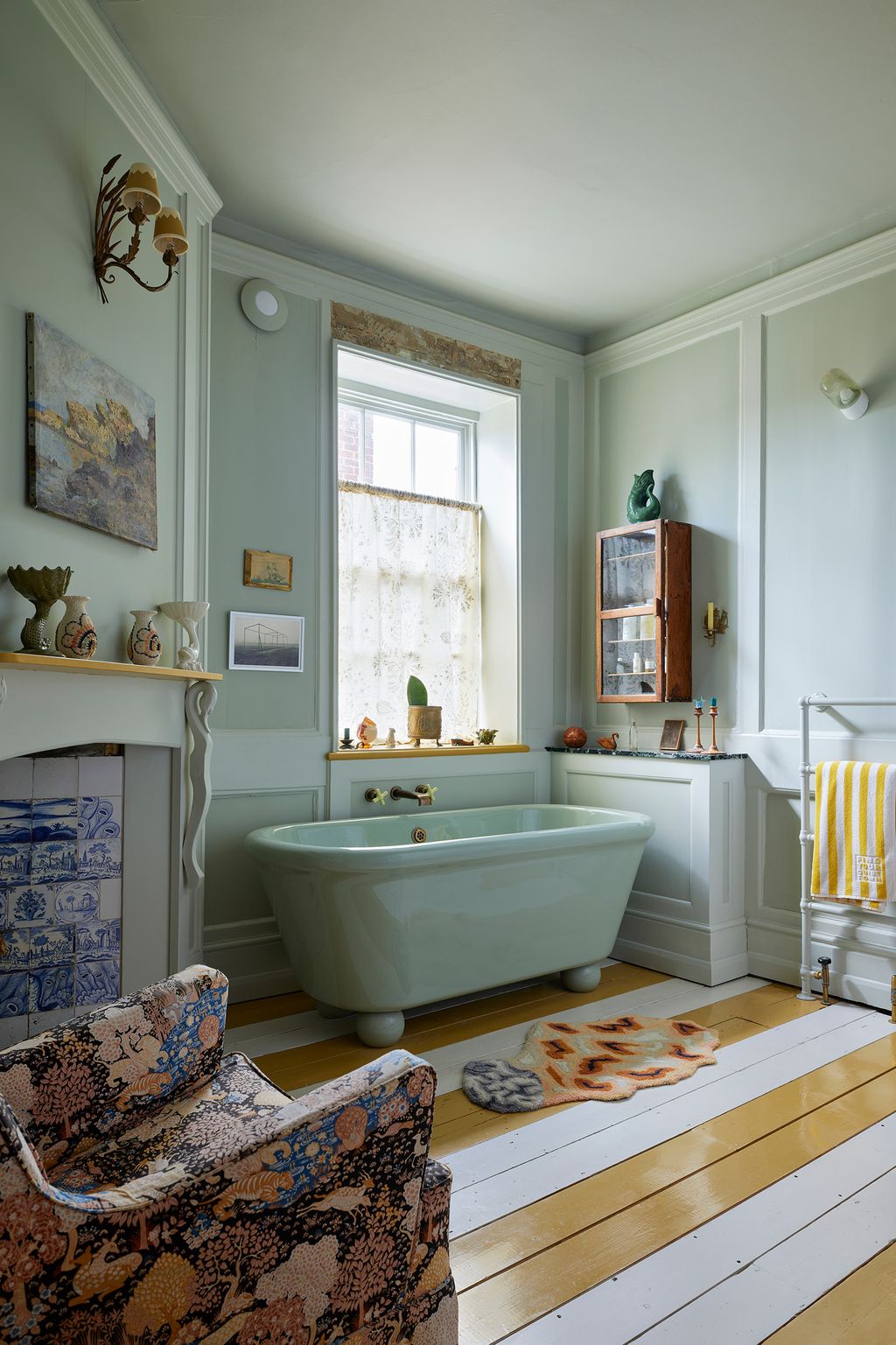
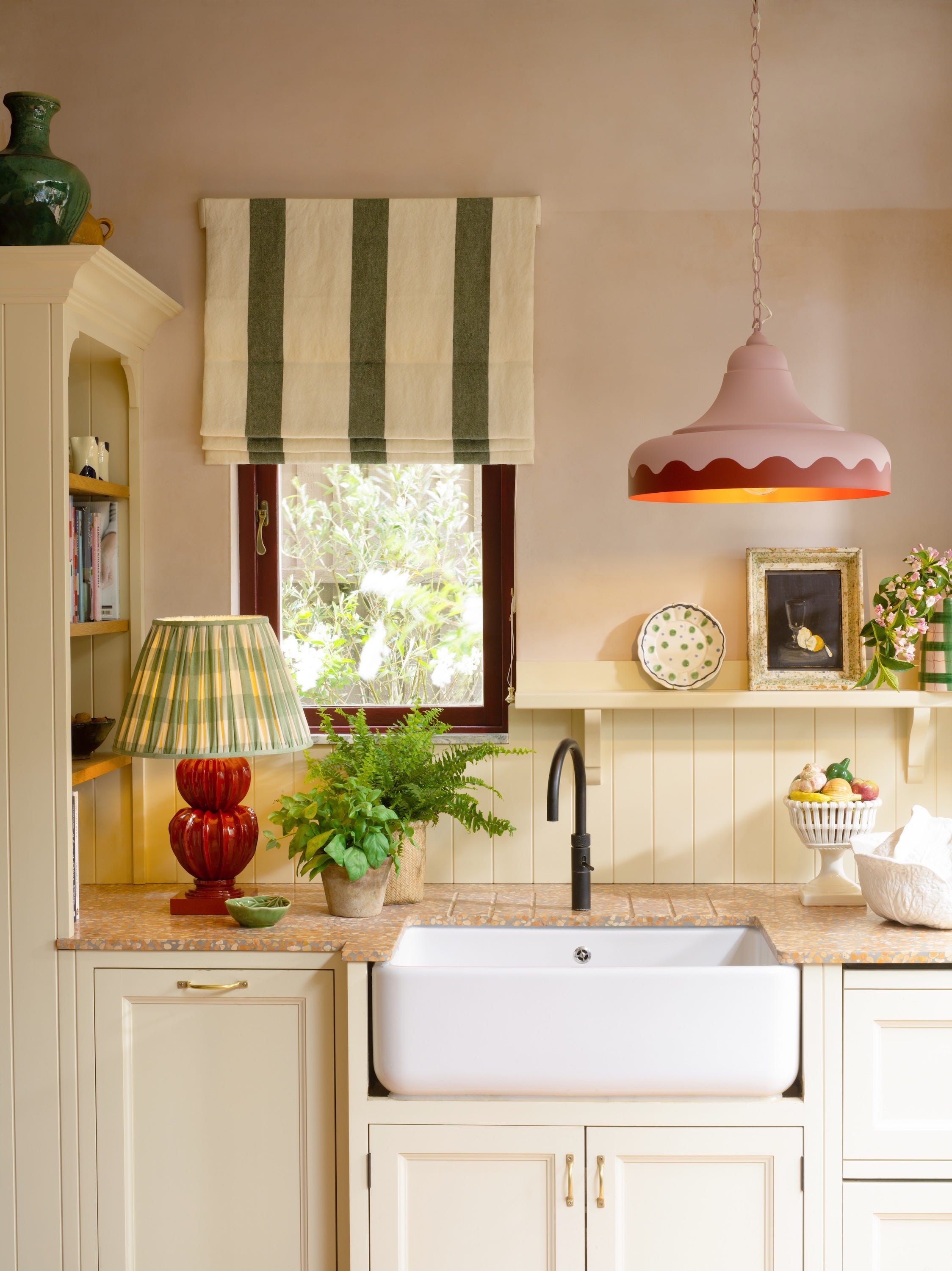
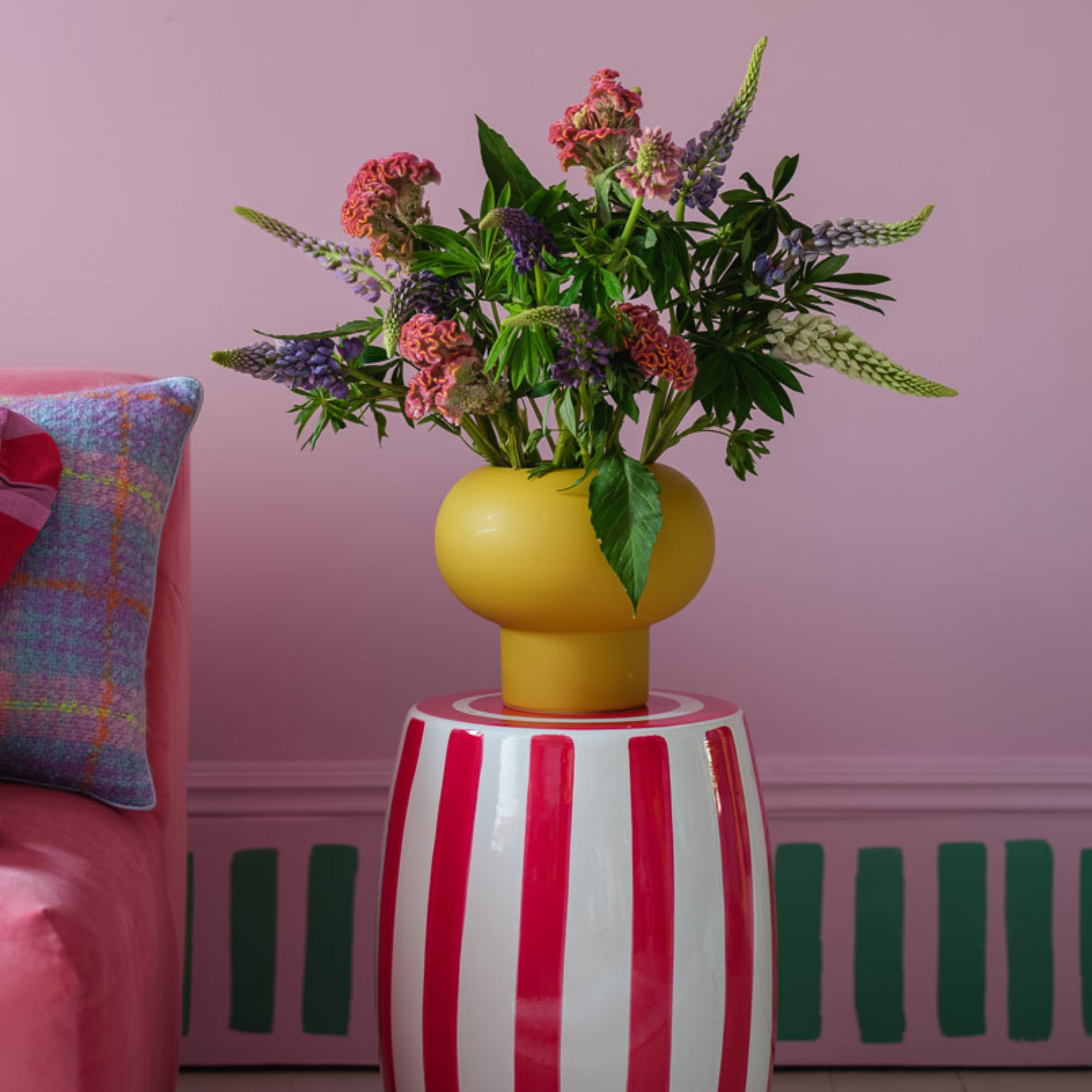
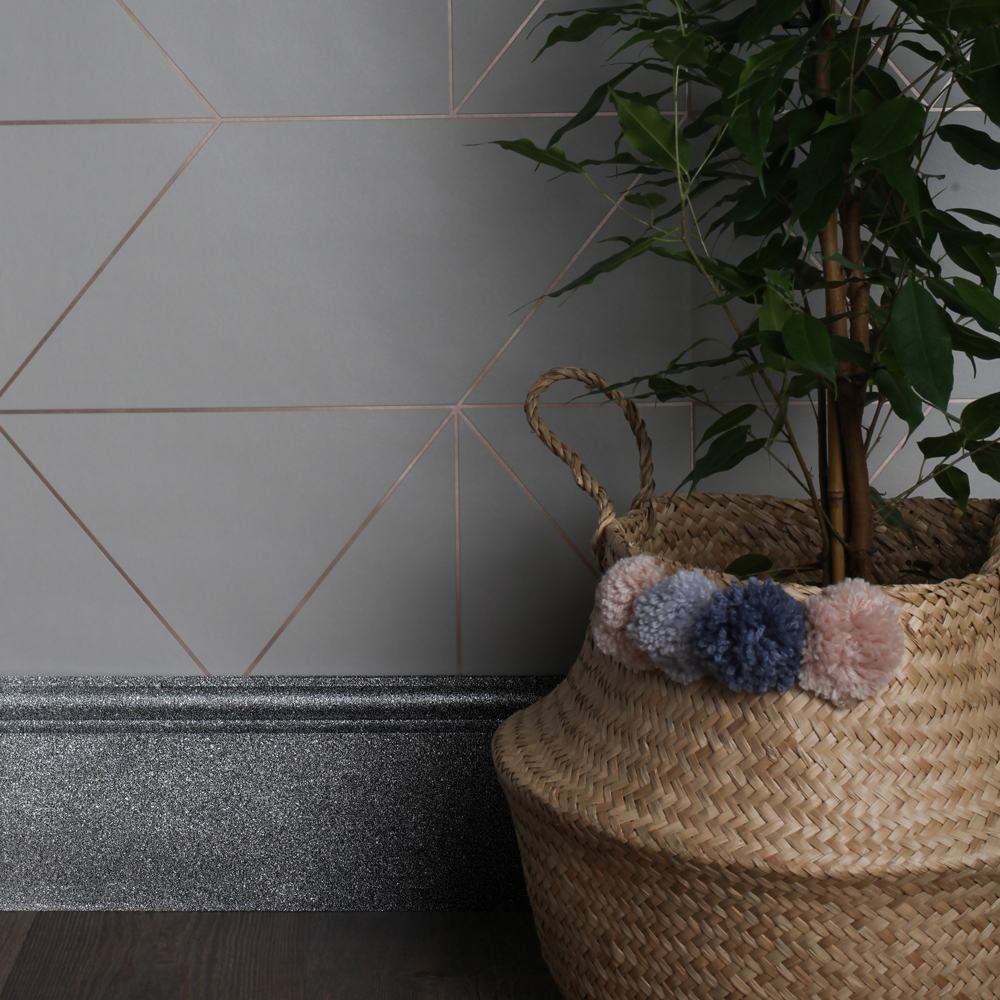
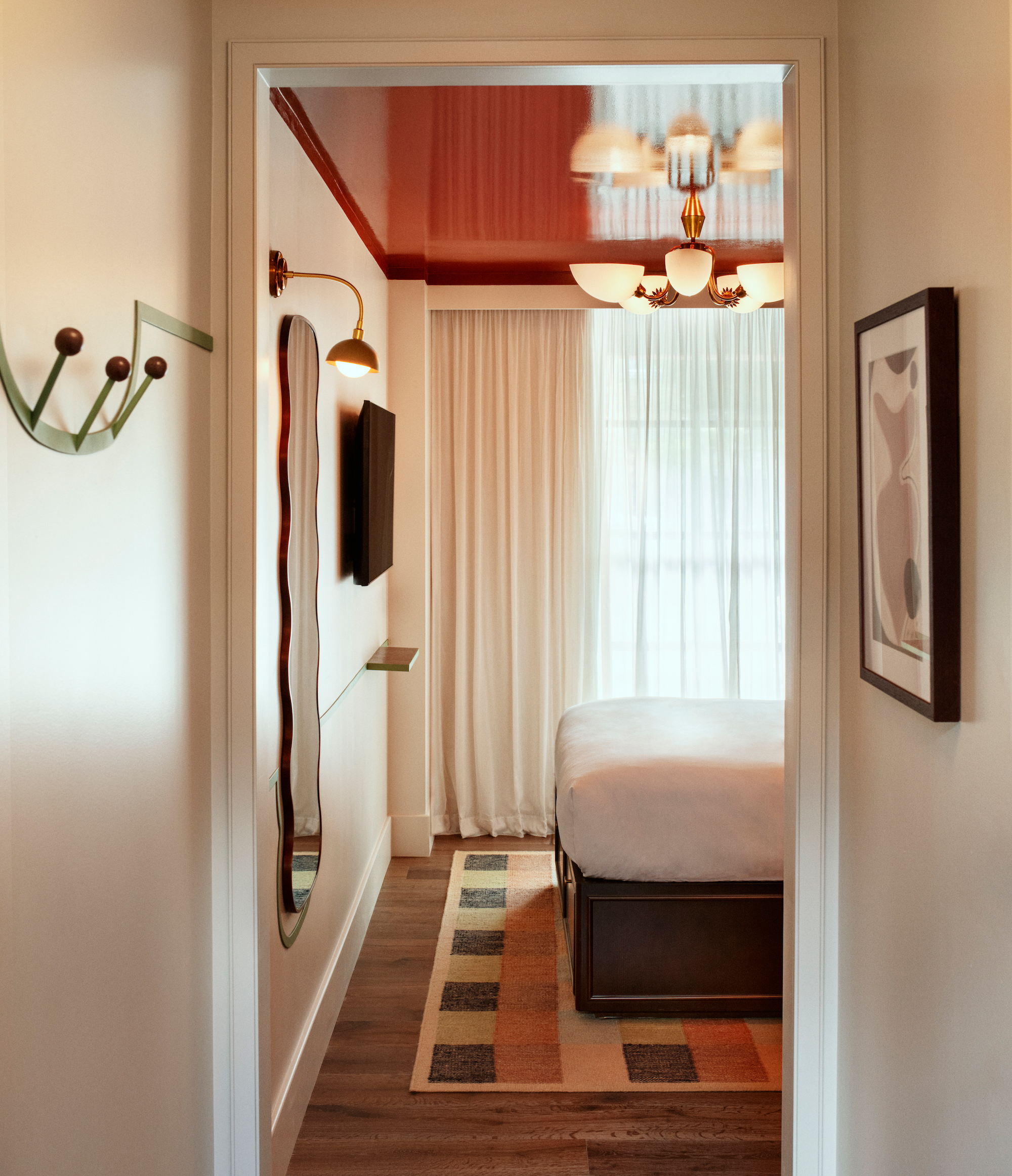
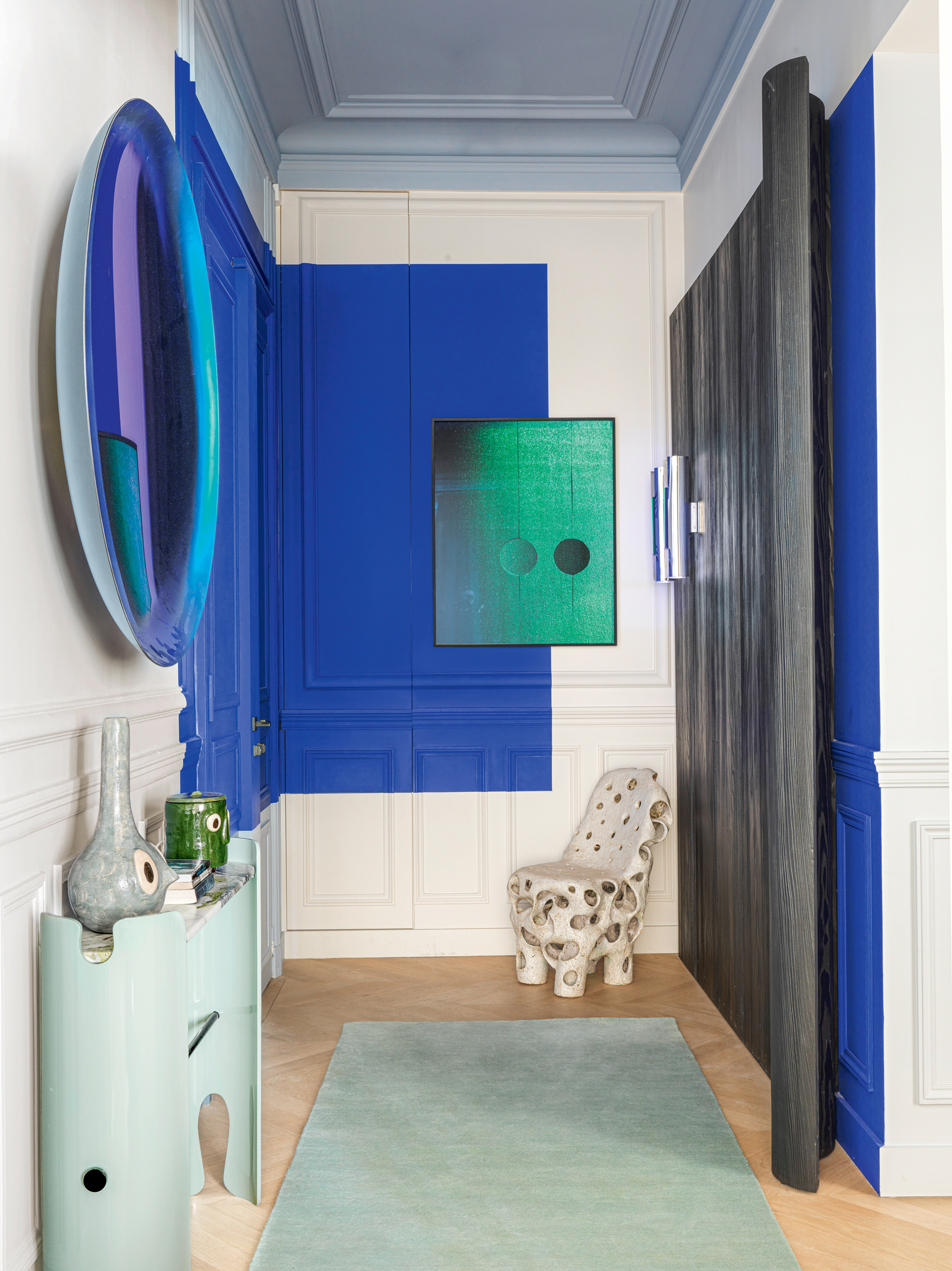
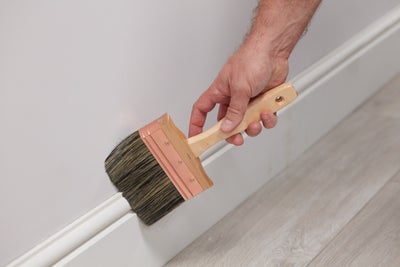
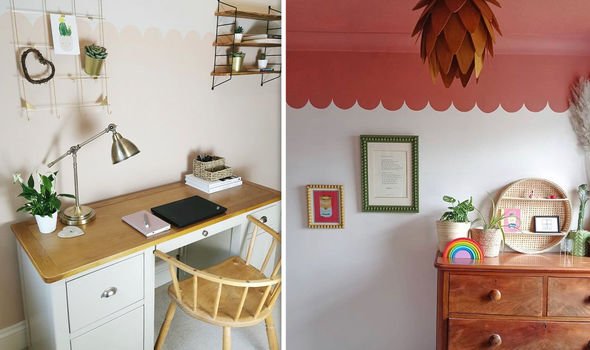
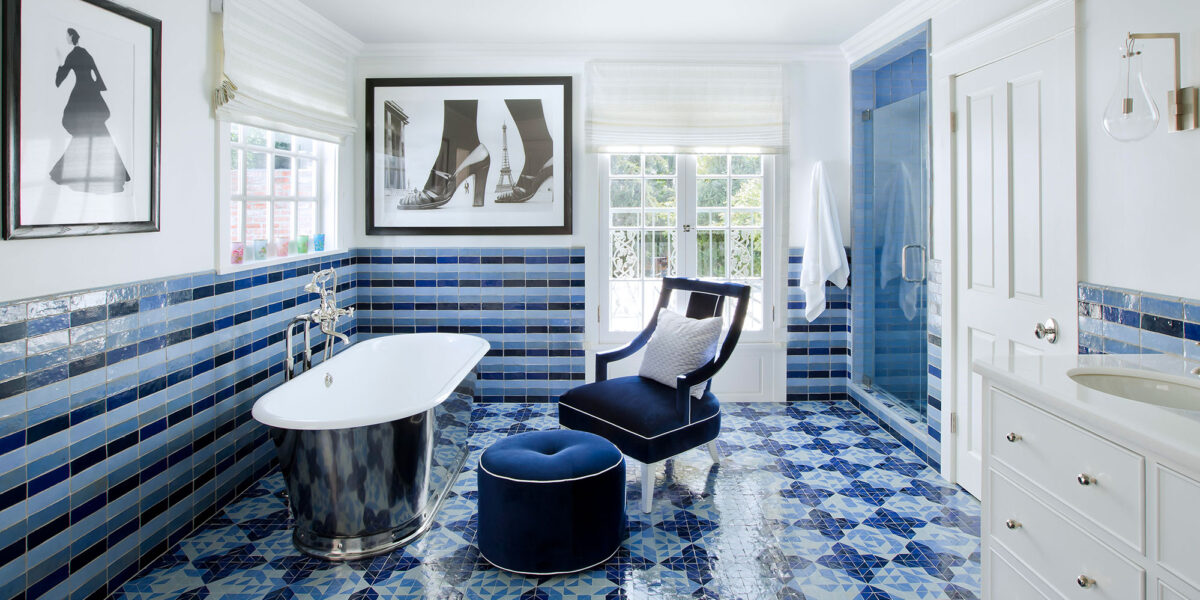
Beyond traditional wall stripes, creative applications include adding interest to plain shelving by painting a highlight stripe above or below shelves. This technique introduces personality and color to functional elements within a room. For instance, an earthy red stripe can add a sumptuous accent to a kitchen painted in a sophisticated green. Similarly, architectural details such as skirting boards or architraves can be accentuated with a stripe of color, providing a modern and impactful design feature. Contrasting colors can be particularly effective in drawing the eye and making these features pop.
For those who may find precise hand-painting challenging, an alternative method involves using paneled batons. This technique entails painting the wall and then coating timber batons in a contrasting color. Once dry, these batons can be attached to the painted wall, creating a striped effect without the need for intricate masking on the wall itself. The batons can be painted off the wall, reducing the risk of smudges and ensuring cleaner lines, though careful measurement and spacing for installation are still required.
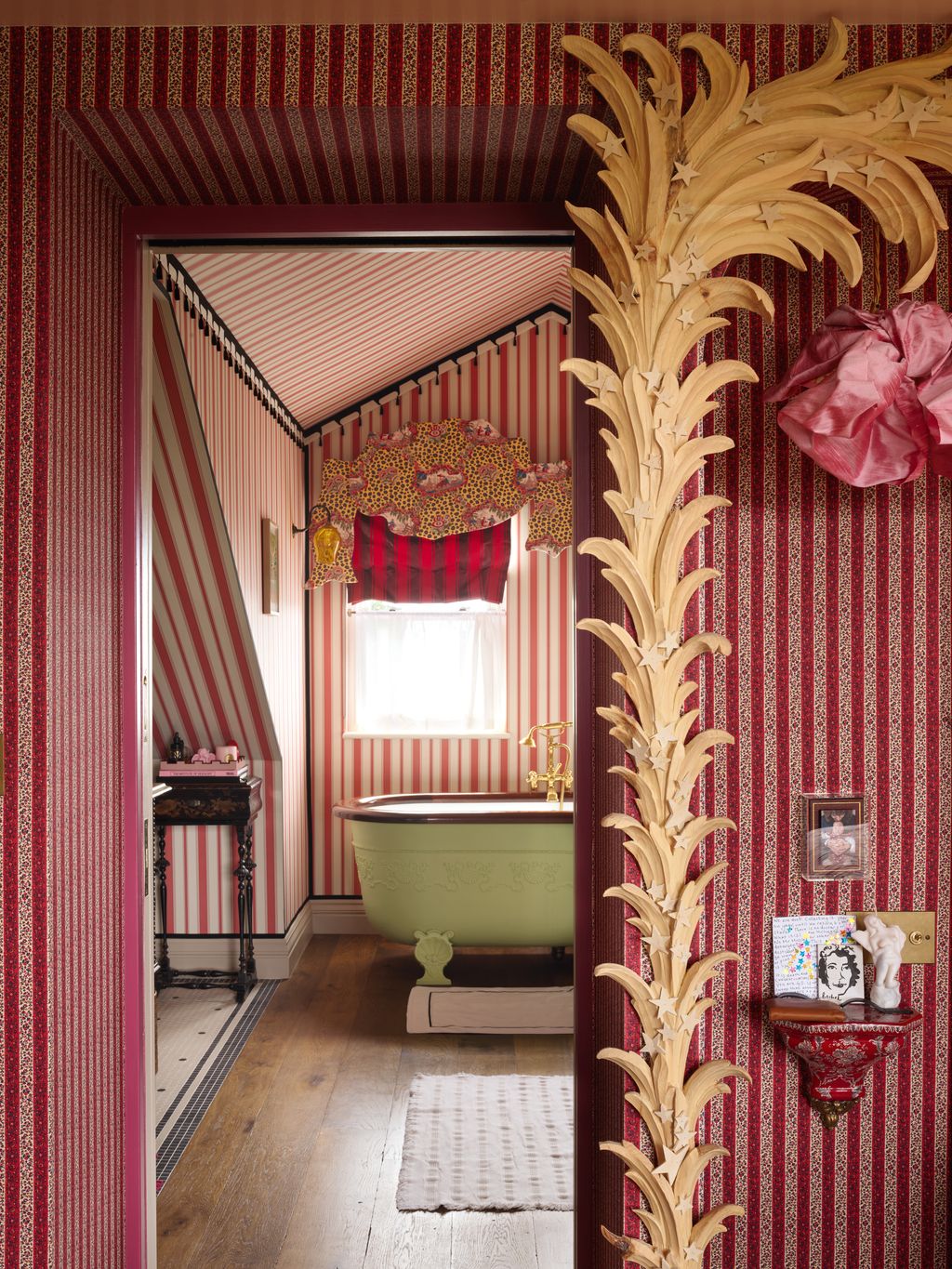
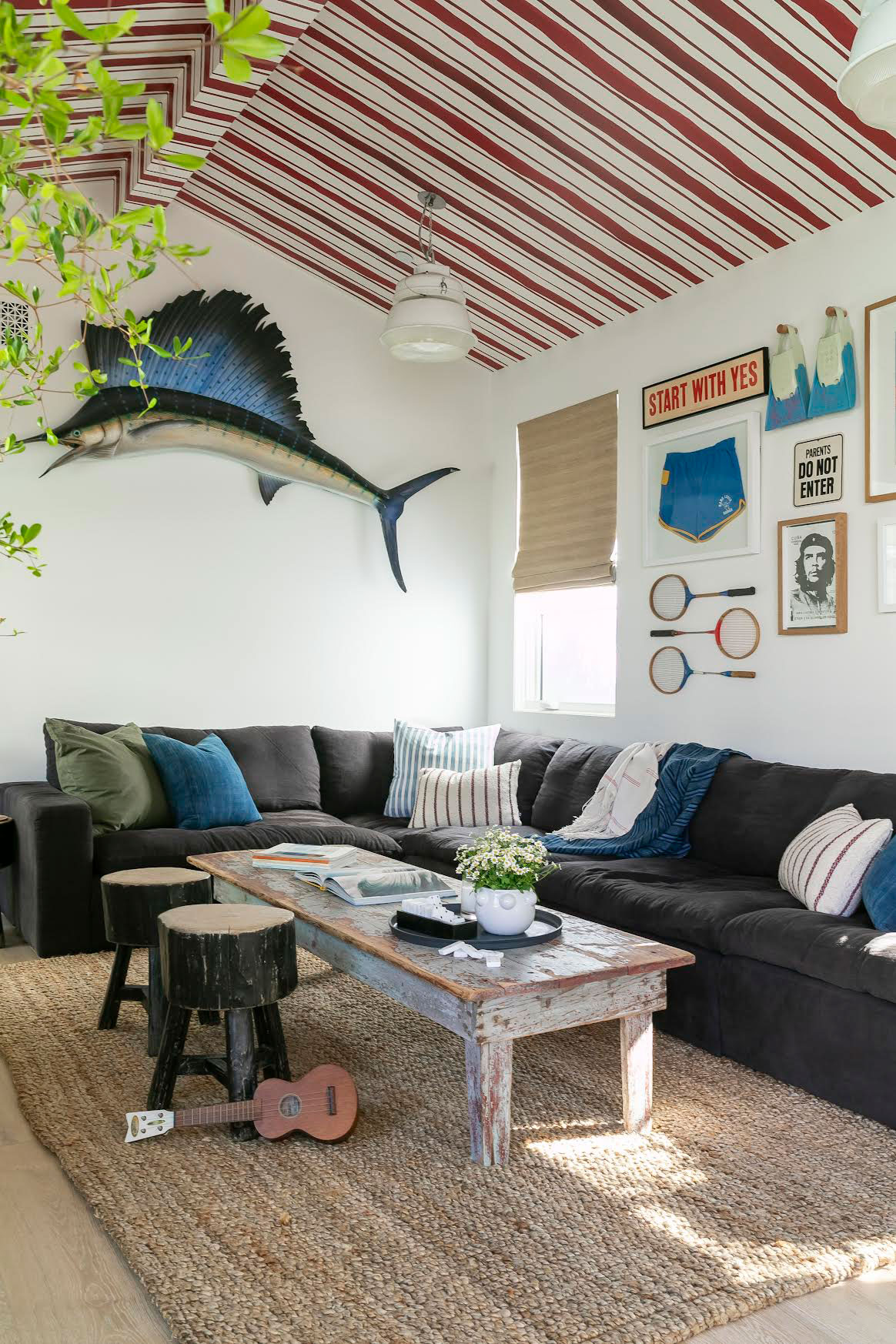
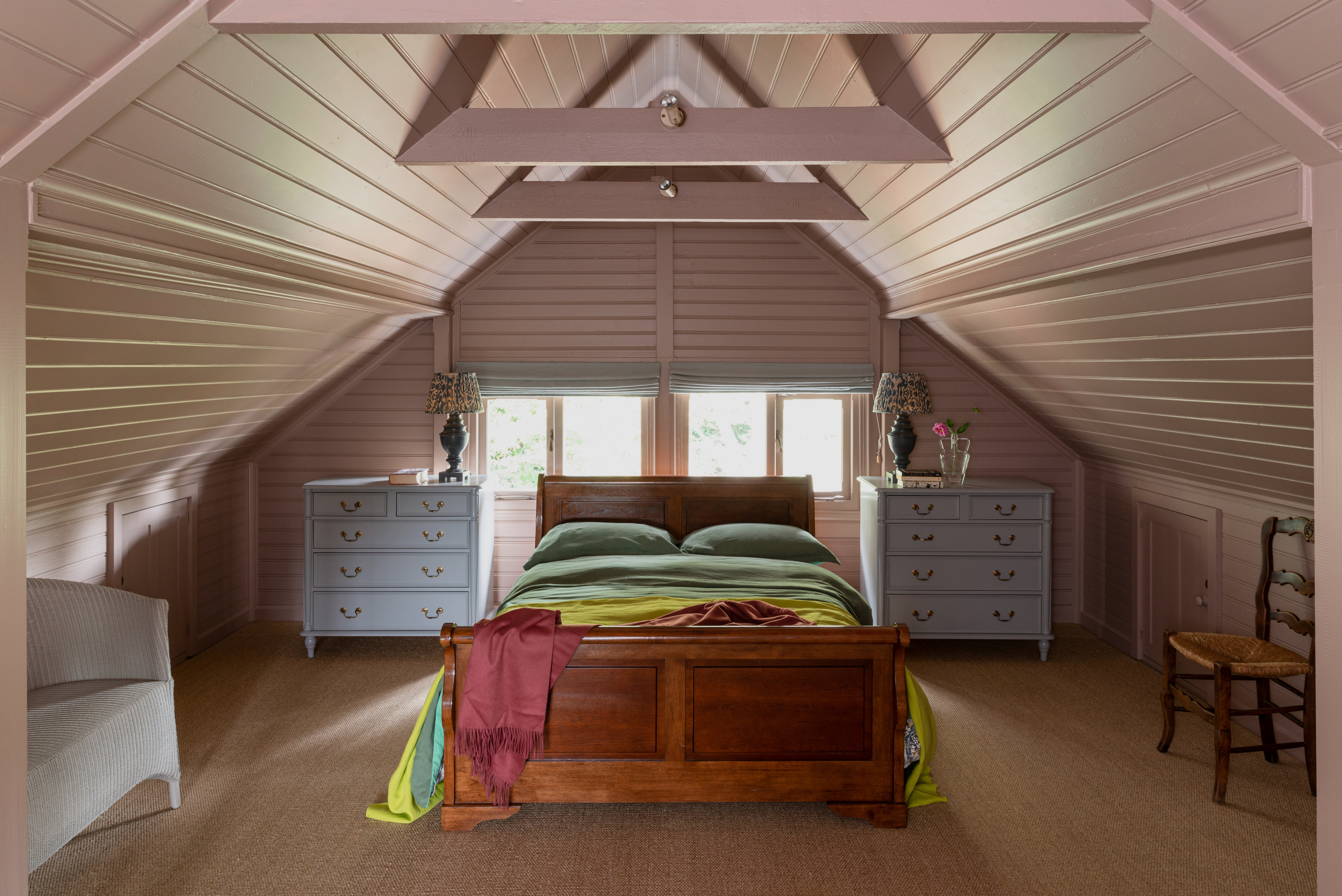
Another innovative approach is to extend stripes from the wall onto the ceiling, creating a dramatic and unique effect. While complex geometric patterns on the ceiling can be daunting, creating parallel lines from the wall up can achieve an equally striking visual. This technique is especially suitable for spaces like children's bedrooms, where a playful and visually engaging design is desired. Proper measurement, marking, and taping are essential, much like with wall stripes, but applied across the ceiling plane.
#WallPainting #StripeDesign #InteriorDecor #DIYHomeImprovement #AccentWalls #PaintTechniques #HomeStyling #ArchitecturalFeatures #WallPainting #StripeDesign #InteriorDecor #DIYHomeImprovement #AccentWalls #PaintTechniques #HomeStyling #ArchitecturalFeatures
合計0件のコメント
 まだコメントはありません
あなたも好きかもしれません
Earn your stripes with the versatile pattern ready to give your interiors a boost
I’ve Hung 5 Tricky Gallery Walls — Here’s What I Learned the Hard Way

What are the best paint techniques for walls? 11 inventive effects that go beyond basic
How to Arrange Art for a Flawless Wall Display

The expert guide to decorating walls with fabric

Stripes have got a bold new look – here’s how to make the trend work in your home, according to interior experts
I tried genius paint hack for crisp lines and it transformed my hallway
4 surprising areas in your home that experts say you really shouldn't paint white – and what to do with them instead
31 brilliant ideas for decorating with stripes
The Viral Hack That Gives You Flawless Paint Lines Every Time (Without Leaks)
Everything You Need to Know About Mural Wall Painting

7 DIY tips for how to hang a gallery wall from experts

18 Stunning Striped Wall Ideas That Put Solid Colors to Shame

Create the ultimate feature wall or statement skirting boards with new glitter paints at Homebase
How to Paint a Wall Mural Even If You’re Not an Artist

Understanding colour blocking

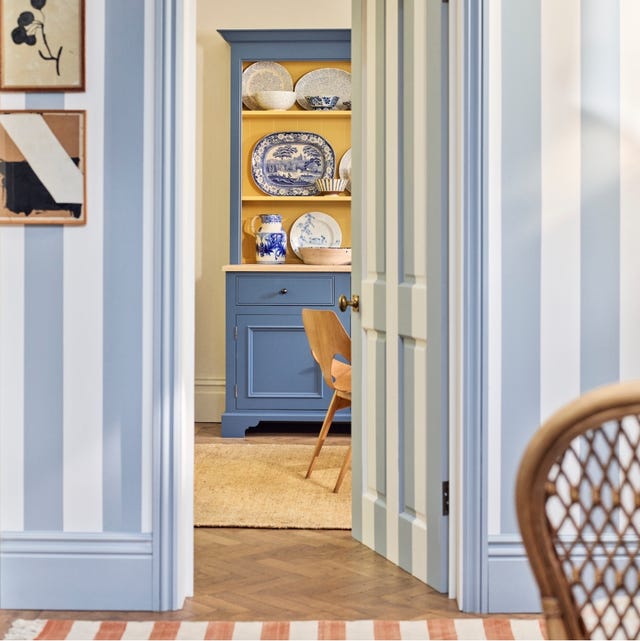
18 looks that prove stripes will always be in vogue

Stripes Will Never Go out of Style—Here’s the Correct Way to Decorate with Them
Update your home with these paint tips!

Interior hack: Expert shares how to create ‘popular’ scalloped wall trend